Home Blog Page 1039

Xiaomi MIX Fold 2 Ultra Slim launched on Aug 12

0
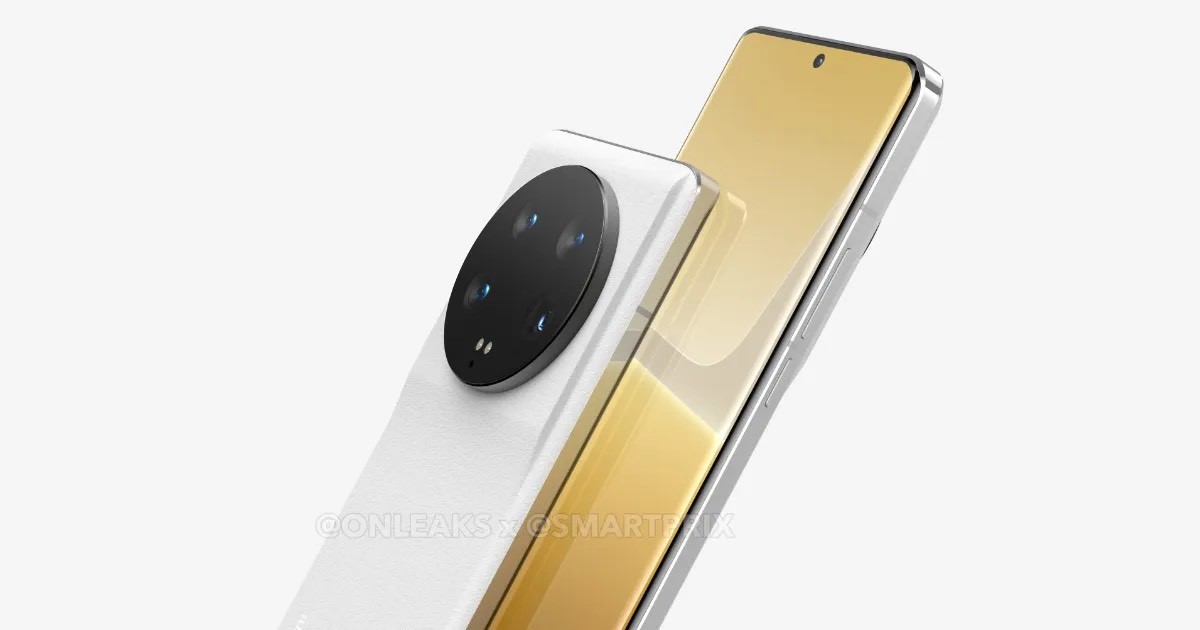
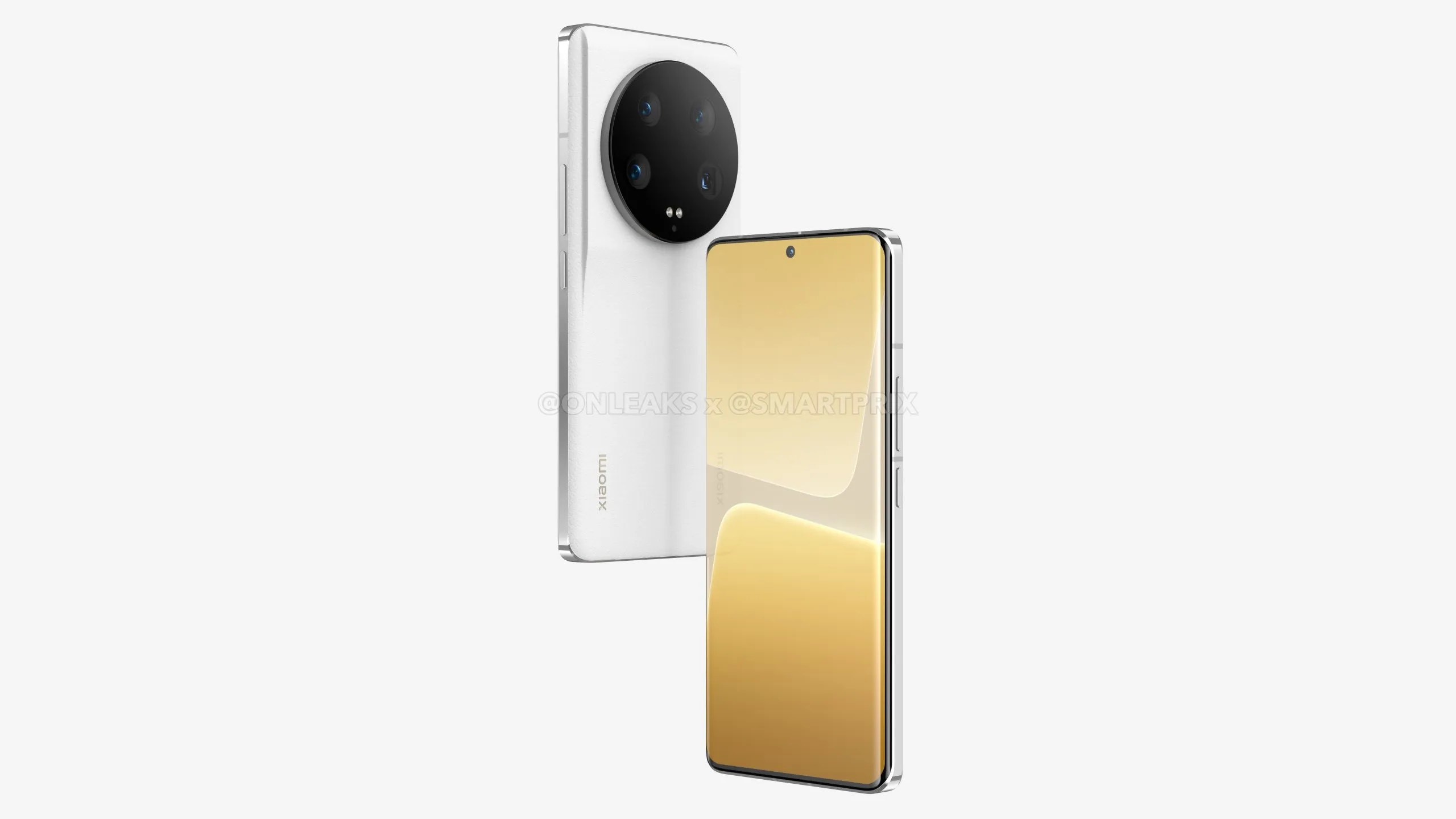
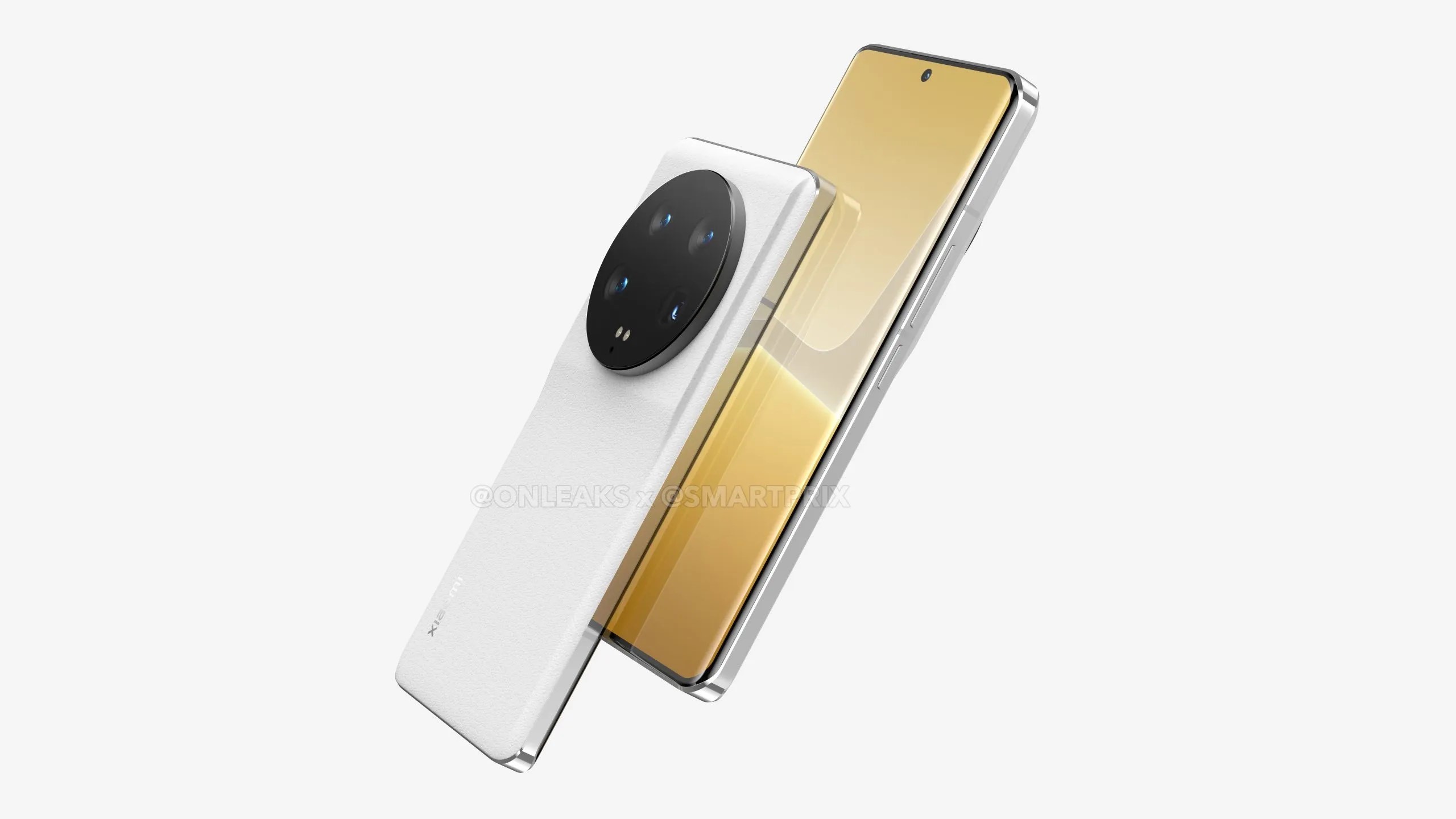
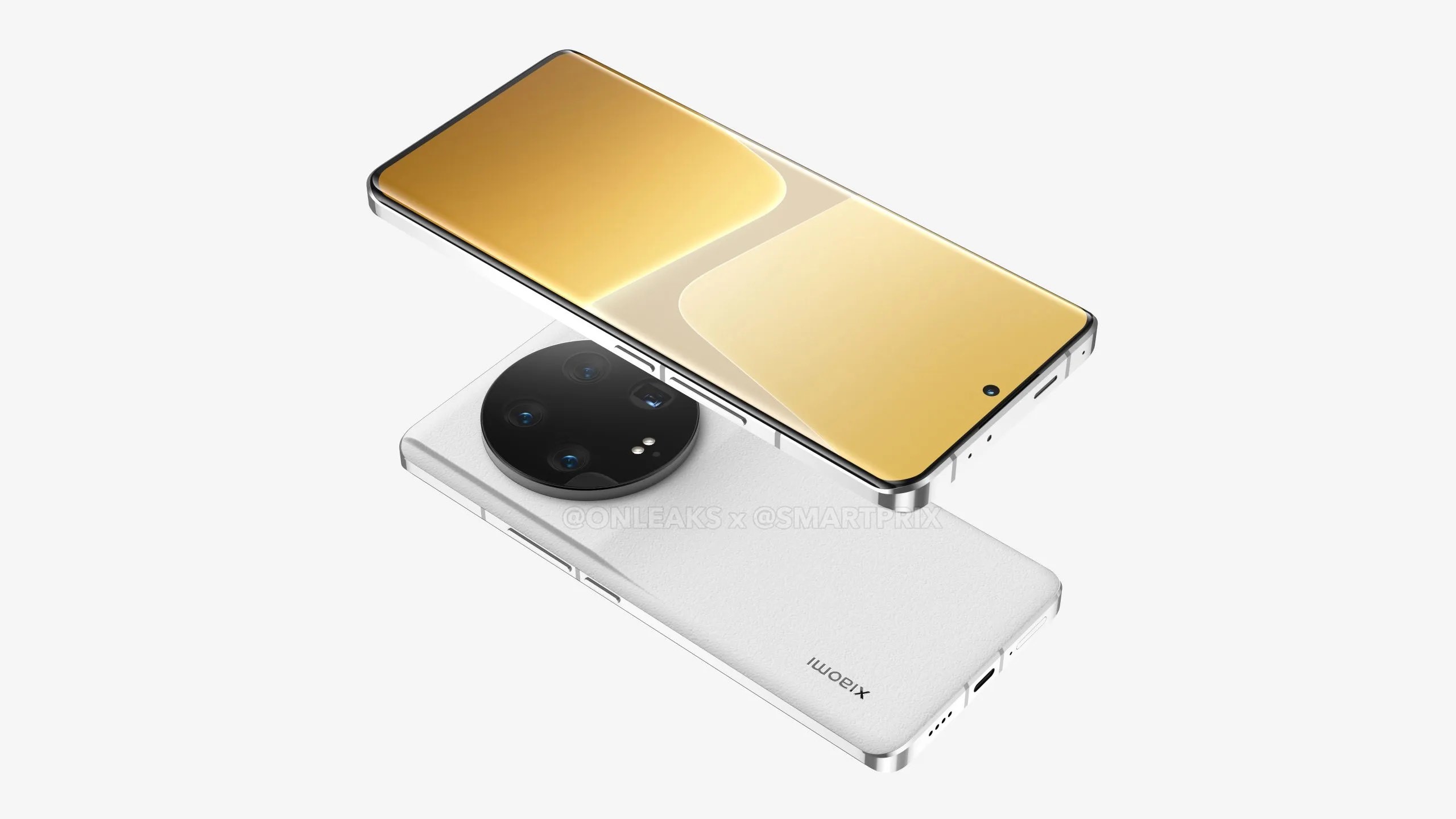
Xiaomi MIX Fold 2 Ultra

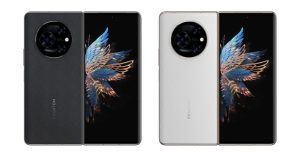
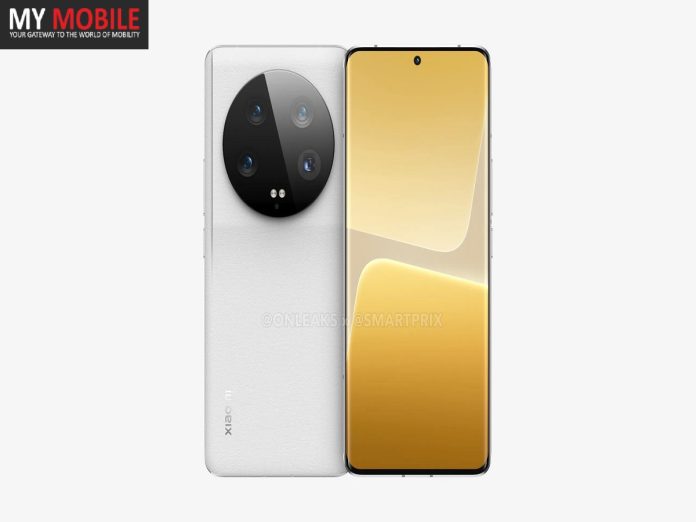
Xiaomi has come out with its new advanced foldable flagship smartphone on August 12, 2022 called Xiaomi MIX Fold 2 where it was launched at a new product launch event in Mainland China.

Xiaomi MIX Fold 2 is a massive technological leap in the ultra-slim foldable smartphone space that is just 5.4mm in size when unfolded but in addition, it also offers a consistent viewing experience on both its inner and outer displays.

It also delivers an authentic Leica imagery experience coupled with strong power efficiency through the newly added Snapdragon® 8+ Gen 1 mobile platform that hopes to create a huge benchmark in the coming years.

Apart from this, Xiaomi has also announced many other devices in the pipeline that include Xiaomi Pad 5 Pro, Redmi K50 Ultra, and a huge cavalcade of ecosystem products to go one up on its rival tech giants.

Micro Waterdrop Hinge

Xiaomi Mix Fold 2 boasts of a revolutionary design that makes it one of the thinnest foldable smartphones on the market with a folded body just 11.2mm¹ thin—significantly slimmer than other foldable smartphones where both edges measure just only 5.4mm¹ unfolded that offer a pleasant in-hand feel experience.

In order to obtain such breakthroughs in form factor, Xiaomi focused on refining the hinge core component of the foldable smartphone, which is quite different from the component present in previous devices.

Xiaomi Mix Fold 2 is equipped with a self-developed Micro Waterdrop Hinge which features a smaller bending radius, thinner screen modules, customized mini rotating hinge, and utilized an integrated solder-free precision process to create a carbon fibre double-wing floating panel.

The problem is that the combination of these highly integrated components considerably reduced the number of parts to only 87 that also enabled a lighter and thinner hinge design than ever before.

In addition, both sides of the hinge use space stacking technology, and use large hidden spaces on both sides of the hinge for soft boards, achieving a 20% increase in space utilization and thereby offering the 5.4mm¹ flat design with balanced weight distribution.

Display Viewing Experience

Xiaomi MIX Fold 2 Ultra

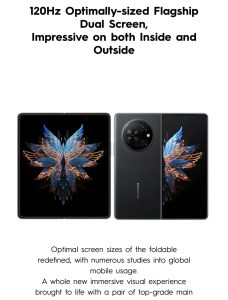
Xiaomi MIX Fold 2 sports an inner folding design, with two AMOLED flagship screens of two different sizes on two respective sides. The outer display adopts a 21:9 classic ratio design, allowing for excellent compatibility with most applications and taking into account user experience when handling.

The 6.56 inch display features Samsung E5 material, a resolution of 2520×1080, and supports 120Hz high refresh rate and P3 colour gamut, with a brightness of up to 1000nit–giving it an edge over other common displays thanks to its outstanding user experience.

On the inside Xiaomi MIX Fold 2 flaunts an 8.02″ Samsung Eco² OLED display. It adopts POL-LESS technology, replaces the traditional polarizer with an ultra-thin color filter, and uses a black matrix material to reduce reflection on the screen.

Also Read: Xiaomi Independence Day Sale 2022

Compared to traditional displays, light transmittance has been increased by 33%, with power consumption reduced by 25%. This screen has a resolution of 2160×1914, supports P3 color gamut and LTPO 2.0 1-120Hz Adaptive Sync Pro.

The ultra-low anti-AR film allows the display to reduce reflectivity to less than 2%, resulting in more detailed viewing experience and pleasing aesthetics.

The two displays offer an exceptionally consistent user experience, both supporting 120Hz refresh rate, professional screen calibration on primary colours, 1,000 nit brightness and Dolby Vision.

Regardless of which screen is used, the device supports dual ambient light sensing on the front and back, providing for natural and smooth automatic brightness adjustment.

MIUI Fold 13 for Xiaomi MIX Fold 2

MIX Fold 2 runs on the latest MIUI Fold 13 operating system and is developed as a permutation of the popular MIUI interface for which it is flawlessly adapted to foldable form factor with excellent screen interaction optimizations that offer new advancements in user experience.

The smart screen desktop design adapts to the foldable display thereby doubling the viewing area of the device. Another feature is the visual consistency where it allows for the hundreds of MIUI widgets to be used without deformation, which helps in increasing both its aesthetics and usability.

Xiaomi MIX Fold 2 system applications are customized for its large screen, and a large number of app interfaces have been redesigned for a better on-screen experience. Calendar, file management, voice recorder, notes, and other applications apply a new column design to take full advantage of the large screen.

You’ll also have a third-party application adaptation that will be conducted according to solutions available in Android 12L that provides native support capability for third-party apps.

Additional Xiaomi MIX Fold 2 innovations include updates in smart screen interaction, which implies that users can now three finger swipe to get a split screen. Then you have the floating windows, which can be accessed through the sidebar and also be used to exit split screen mode.

Among other changes is of the design of floating windows and notifications that has been adjusted after users notified this issue that has made multitasking easier and more efficient on a smartphone.

Xiaomi MIX Fold 2 Ultra

Authentic Leica Imagery

Xiaomi has set a new benchmark when it comes to imaging standard for smartphone photography by combining Leica’s imagery expertise with Xiaomi’s enriched experience in the field of computational photography.

The handset is well equipped with a 50-megapixel IMX766 main camera that will boost optical expertise where you also get 7P lenses all using ALD low-reflection coating. You also get a 13MP ultra-wide angle camera and an 8MP telephoto camera with 2x optical zoom and portrait capabilities.

In addition to the Summicron lens certified by Leica, Xiaomi MIX Fold 2 offers access to two photographic styles: The “Leica Authentic Look” and “Leica Vibrant Look“, both offering enhanced creative freedom to the photographer.

With the Xiaomi ProFocus support, Xiaomi MIX Fold 2 offers fast camera start-up, immediate capturing of image, and continuous shooting support up to 30 frames per second, which is quite unique.

In regards to video, Xiaomi MIX Fold 2 supports Dolby Vision HDR recording, as well as both Dolby Vision and Dolby Atmos for video viewing. Videos shot on Xiaomi MIX Fold 2 will look amazing, particularly when utilizing UGC platforms which support Dolby Vision, allowing users to share exceptional visuals online.

Snapdragon® 8+ Gen 1 enhances flagship performance

In addition to its revolutionary thin and light foldable screen design, Xiaomi MIX Fold 2 has the good fortune of availing the latest Qualcomm Snapdragon® 8+ Gen 1 mobile platform for snappy performance.

TSMC’s 4nm manufacturing process enables a significant increase in energy efficiency while integrating millions of transistors into an area the size of a fingernail, which has proved highly beneficial.

Through this highly advanced process the CPU and GPU have received a 10% boost in performance, while simultaneously improving energy consumption of both by 30%. This upgraded design allows the handset to maintain higher speed and commendable efficiency at the same time.

When you have high level power efficiency it will be great for having a long lasting battery, with a full day of use being possible even while the inner screen is utilized on a frequent basis when using primarily the outer display.

Xiaomi MIX Fold 2 also packs a cooling system equipped with a large-area VC, a trait rarely seen on foldable smartphones while the high-quality VC offers a surface area of up to 2,520mm², which enables 50% improvement in thermal conductivity compared to typical VCs.

Also Read: Upcoming Xiaomi Smartphones in 2022

Samsung Galaxy Z Flip 4 with Snapdragon 8+ Gen 1 Unveiled; Here are the Specs and Prices!

0
Samsung Galaxy Z Flip 4

On Wednesday, the Samsung Galaxy Z Flip 4 was unveiled at the Galaxy Unpacked event. The new clamshell foldable smartphone is powered by Qualcomm’s Snapdragon 8+ Gen 1 SoC, as predicted after many leaks and rumors. It is the successor to last year’s Galaxy Z Flip 3 and boasts a water-resistant IPX8 construction with Armor Aluminum frames from Samsung.

The display and rear glass of the Galaxy Z Flip 4 are protected by Corning Gorilla Glass Victus Plus. Aside from the Flex mode, which automatically adjusts apps to accommodate the foldable screen, Samsung has included the FlexCam function on the Galaxy Z Flip 4 for recording photographs and movies handsfree. A 3,700mAh battery powers it.

Folding screen technology

The concept of a foldable screen is difficult to grasp because smartphone screens are normally constructed of numerous layers of—mostly rigid—glass. However, foldable panels are now conceivable because of a not-so-new technology known as Flexible Display technology, which is based on Organic Light Emitting Diode (OLED) screens.

OLED displays are constructed of organic materials that produce light when powered by electricity. They do not require backlights to work and can thus be manufactured thin enough to be flexible, becoming the foundation of flexible displays.

Flexible OLED panels have been available for some time. Older flagship phones with flexible screens, such as the iPhone X and the Samsung Galaxy Edge series, were only utilized to give the devices curved edges.

Samsung Galaxy Z Flip 4

Galaxy Z Flip 4 Specifications and Features

When comparing the Galaxy Z Flip 4 to the Z Flip 3, not much has changed in terms of design. Samsung’s newest foldable now has flat sides reminiscent of the Galaxy S22 series.

Furthermore, the hinge design has been improved, so the Z Flip 4 should feel more durable and the folding mechanism should not create any issues this time around. The Galaxy Z Flip 4 has an IPX8 rating and a fingerprint sensor on the side.

Let’s move on to the displays. Again, there isn’t much to discuss here because Samsung has remained with its tried-and-true screens – both inside and out. On the interior, you’ll find a 6.7-inch Full-HD+ Dynamic AMOLED 2X display with a refresh rate of 120Hz.

This display has a resolution of 2640 x 1080 pixels, Gorilla Glass Victus+ protection, and somewhat reduced bezels all around. Yes, the folding display on the interior, like the outside, is covered by glass.

The exterior display is a 1.9-inch AMOLED panel, which is the same as last year. It allows you to see alerts, a caller ID, and a full viewfinder to take selfies without having to unlock the smartphone. Quick Shot is a function that allows you to effortlessly transition to Flex Mode simply by opening your foldable.

Qualcomm’s latest flagship processor, the Snapdragon 8+ Gen 1, powers this foldable. You also get 8GB of LPDDR5 RAM and up to 512GB of UFS 3.1 storage.

The Galaxy Z Flip 4 ships with Android 12-based OneUI 4.1, but it will be among the first to receive the OneUI 5.0 upgrade when it becomes available later this year.

In terms of cameras, the Galaxy Z Flip 4 has a 12MP+12MP dual camera on the rear. The primary 12MP camera here offers small improvements over its predecessor and features Dual-Pixel AF, OIS, and an 83-degree field of view.

The second 12MP camera has an ultra-wide sensor and a 123-degree field of view. The Z Flip 4 lacks an under-display selfie camera in favor of a 10MP punch-hole shooter.

Finally, Samsung has fixed one of the most significant shortcomings of its previous-generation foldable. The Galaxy Z Flip 4 has a larger 3,700mAh battery unit (compared to the Z Flip 3) with 25W fast-charging capabilities, which can charge up to 50% of the battery in around 30 minutes. The gadget offers 15W reverse wireless charging, allowing you to easily charge your accessories.

Design differences between the Z Flip 4 and the Z Flip 3.

  • Z Flip 4 dimensions are as follows: 84.9 x 71.9 x 15.9-17.1mm (folded), 165.2 x 71.9 x 6.9mm (unfolded), 187g, IPX8.
  • The dimensions of the Z Flip 3 are 86.4 x 72.2 x 15.9-17.1mm (folded), 166 x 72.2 x 6.9mm (unfolded), 183g, and IPX8.

The design of the Samsung Galaxy Flip has remained largely the same since its first release, with a few minor tweaks here and there. The Z Flip 3 introduced a bigger cover display to the clamshell device, which is carried over to the Z Flip 4. Differences include squarer and flatter edges, more visible buttons, bigger camera lenses projecting somewhat more, and a smaller hinge. Otherwise, it has a similar design as the Z Flip 3, which isn’t always a negative thing. The Galaxy Z Flip 4 is a bit thinner and shorter than the Z Flip 3, but it’s also a little heavier than the Z Flip 3.

The Z Flip 4 comes in Graphite, Bora Purple, Pink Gold, and Blue colors, but Samsung now provides a Bespoke Edition with 75 customization possibilities.

Cream, Lavender, Phantom Black, and Green are the colors offered for the Galaxy Z Flip 3. It, too, is available in Bespoke Editions.

Z Flip 4 Display vs Z Flip 3 Display comparison

  • Z Flip 4: 6.7-inch main screen, Full HD+ resolution, 120Hz refresh rate, 1.9-inch cover (260 x 512)
  • Z Flip 3: 6.7-inch main screen, Full HD+ resolution, 120Hz refresh rate, 1.9-inch cover (260 x 512)

When unfurled, both the Samsung Galaxy Z Flip 4 and the Galaxy Z Flip 3 sport a 6.7-inch Dynamic AMOLED display with a resolution of 2640 x 1080.

The refresh rate of the Z Flip 3’s display is 120Hz, whereas the refresh rate of the Z Flip 4’s primary display is changeable between 1Hz and 120Hz. Both the Z Flip 4 and Z Flip 3 support HDR10+ and have a centralized punch hole camera at the top.

On both smartphones, the external display is a 1.9-inch Super AMOLED Always On Display with a resolution of 512 x 260. The Z Flip 4 has additional settings and themes that stretch from the inside to the exterior of the phone.

Samsung Galaxy Z Flip 4

Specifications of the Z Flip 4 vs Z Flip 3.

Qualcomm SD 8+ Gen 1, 8GB RAM, 128/256/512GB storage, and a 3700mAh battery power the Z Flip 4.

Qualcomm SD888, 8GB RAM, 128/256GB storage, and a 3300mAh battery power the Z Flip 3.

The Qualcomm Snapdragon 8+ Gen 1 CPU with 8GB of RAM powers the Samsung Galaxy Z Flip 4. In comparison, the Z Flip 3 operates on the Qualcomm Snapdragon 888 platform with 8GB of RAM, so there is obviously a boost in this regard.

Also Read: Leaked Prices for Samsung’s Galaxy Z Fold, Flip, and Watch 5 models

When it comes to storage, the Z Flip 4 is available in 128GB, 256GB, and 512GB capacities, but the Z Flip 3 is only available in 128GB and 256GB capacities. As a result, the 512GB option is a first for this device.

The battery capacity of the Z Flip 4 has also been raised, from 3300mAh on the Z Flip 3 to 3700mAh on the Z Flip 4. The Z Flip 4 also has quicker charging, with 25W wired charging offering up to 50% battery charge from flat in 30 minutes. Wireless charging and reverse wireless charging are available on the Z Flip 4 and Z Flip 3.

In terms of additional hardware, the Z Flip 4 keeps a physical fingerprint sensor within the side power button, as opposed to an under-display alternative, as did the Z Flip 3.

Cameras Z Flip 4 versus Z Flip 3

Dual rear camera (12MP main + 12MP ultra-wide), 10MP selfie

Z Flip 3 has a dual back camera (12MP main + 12MP ultra-wide), as well as a 10MP selfie camera.

On the exterior, the Samsung Galaxy Z Flip 3 5G has a dual camera with two 12-megapixel sensors, one of which is a wide-angle lens with an f/1.8 aperture and the other is an extreme wide-angle lens with an f/2.2 aperture.

A 10-megapixel selfie camera with an f/2.4 aperture is also included.

The Samsung Galaxy Z Flip 4 has the same characteristics on the front and back, however, the main rear sensor is reported to be 66% brighter, increasing from 1.4m pixels to 1.8m pixels. On the Z Flip 4, there’s also a Super Night Solution mode, so there are software upgrades.

Cost and Availability

Samsung hasn’t changed the pricing, as it hasn’t changed the design or functionality. The Galaxy Z Flip 4 will be available for pre-order today, with prices beginning at $999. The foldable will be available for purchase on August 26th. The Z Flip 4 pricing in India is yet to be released, so stay tuned for further details.
The Galaxy Z Flip 4 will be available in four different colorways: Bora Purple, Graphite, Pink Gold, and Blue. If you choose the Z Flip 4 BeSpoke Edition, you may further personalize the design of your foldable.

What’s the difference between the Samsung Galaxy Z Flip 4 and the Z Flip 3?

On August 10, Samsung unveiled the Galaxy Z Flip 4, as well as the Galaxy Z Fold 4 and the Galaxy Watch 5 and 5 Pro.

We’ve already covered how the Galaxy Z Fold 4 compares to the Z Fold 3, as well as how the Z Flip 4 compares to the Z Fold 4, but this time we’re looking at how the Z Flip 4 compares to its predecessor, the Z Flip 3.

Also Read: Buyer’s Guide for the Samsung Galaxy Z Fold 4: Everything You Need to Know


Tech News Wrap: Garena Free Fire Codes for Aug 12…and more

0
Garena Free Fire Codes for Aug 12
Techwrap

Garena Free Fire Codes for Aug 12

Garena Free Fire Max is many things to many people where some consider it an ordinary action adventure game while for those passionate about it, it is a game of worship that teaches you many things at the same time.

Garena Free Fire Codes for Aug 12

What differentiates it from its other counterparts is that it combines style over substance to give an interesting cocktail of thrilling adventure and wacky entertainment that can be enjoyed by one and all.

Garena Free Fire Max is an upgraded version of its predecessor, Garena Free Fire, that keeps getting better and better like fine wine, which is saying something considering the fact that it has been a mere 5 years since it released.

A thrilling battle royale adventure where you can get a massive array of in-game items that players with relatable expertise can enjoy but the problem is that they’re quite costly to buy sometimes.

Also Read: WhatsApp in 2023 – All Features Anticipated in this New Year

Luckily, there is a solution up for grabs in the form of redeem codes through which you can achieve the necessary perks required to complete the mission like costumes, gold, silver, weapons, and other treasured items that’ll help in completing the mission.’

The redeem codes for August 12, 2022 are as follows:

8F3QZKNTLWBZ

WLSGJXS5KFYR

FF11WFNPP956

YXY3EGTLHGJX

X99TK56XDJ4X

FF11HHGCGK3B

W0JJAFV3TU5E

B6IYCTNH4PV3

U8S47JGJH5MG

VNY3MQWNKEGU

ZZATXB24QES8

MCPTFNXZF4TA

FF119MB3PFA5

FF10617KGUF9

ZRJAPH294KV5

Y6ACLK7KUD1N

FF10GCGXRNHY

FF1164XNJZ2V

FF11NJN5YS3E

SARG886AV5GR

FFCO8BS5JW2D

FFAC2YXE6RF2

FFICJGW9NKYT

FF11DAKX4WHV

FF9MJ31CXKRG

FFIC33NTEUKA

Vivo V25 Pro launches on August 17

Vivo has been on a roll as of late when it comes to launching new devices at regular intervals and the latest news doing the rounds is that it is all set to launch its new smartphone model, Vivo V25 Pro, into the market on August 17, 2022.

Vivo 25 pro

The launch is going to happen at 12pm IST on Vivo’s official website and Flipkart because the deal was struck between the two companies a while back aside from the regular retail and mortar stores.

There are many teasers circulating all around by Vivo India that highlight the colour-changing back of the handset although previous rumours and leaks had already indicated this phenomena to put users into a state of anticipation.

Also Read: Acer Introduces Two New Laptops Nitro and Swift, Powered By AMD Ryzen 7000 Series Processors

While people are quite enthusiastic to witness this launch, the makers want to make sure that their loyal fanbase get their money’s worth by updating newer features like three rear cameras of which the primary one will be OIS with a 64 MP unit and sport a Super Night Mode.

At the front you will find a 32 MP Eye AF selfie camera with a 120Hz refresh rate that also includes a 4,830mAh battery that comes with a 66W fast charging support, which is quite unique in of itself.

WhatsApp launches new features

WhatsApp has come a long way ever since it was launched a decade back and has come out with interesting new features since then, which is necessary given the fact that how much private data has become vulnerable to unscrupulous elements big time.

WhatsApp

Therefore, the messaging app wants to leave no stone unturned in improving privacy related features with the latest addition being one where users will no longer be able to take screenshots of ‘View Once’ messages.

The announcement was made on their official blogpost while the feature is currently in testing phase and in the meantime, users can look forward to newer security updates and two new privacy features in the latter half of August 2022.

The ‘View Once’ messaging feature was introduced last year through which users could send an image or video that could be viewed only once although they were allowed to take its screenshots but this new update will give additional protection to the feature.

No user will be able to take a screenshot of any ‘View Once’ message once this feature is added to WhatsApp and if any attempt is made to do it, then WhatsApp will blackout following which a message will appear saying, ‘Screenshot was blocked for added privacy’.

WhatsApp was inspired by Snapchat for this new feature and is thankful to the instant messaging app for providing the inspiration. So let’s wait and watch as to how successful this new feature will be.

Also Read Here: How Can I Send High-Quality Images Over WhatsApp?

Motorola launches New Moto G62           

When things are going great, then nothing can go wrong and Motorola could not have had it any better as after unveiling Moto G62 5G in June 2022, the tech giant is all set to come out with a separate device of the same name for its Indian market with new features.

Moto G62

Although the handset is more or less the same, it will come with new processing power and will be nearly indistinguishable from other Motorola smartphones but as with every new model, it will have upgraded features and specifications that users can learn about here.

Features & Specifications

The New Moto G62 will be powered by a Snapdragon 695 chipset thereby replacing Snapdragon 480+. The official website of Motorola India has listed two configurations for the device that are 6GB RAM + 128GB storage capacity and 8GB RAM + 128GB storage capacity.

Although the battery capacity will be the same at 5,000mAh but the charge has been sped up to 20W, which is an increase from 15W. Apart from these small changes, the other features are the same like 6.5 inch display screen with FHD+ resolution and 120Hz refresh rate.

This new device will be interesting to see when it comes out and users too would like to try out the new albeit similar features for themselves.

Also Read Here: Motorola Moto G42 goes on first sale today

Buyer’s Guide for the Samsung Galaxy Z Fold 4: Everything You Need to Know

0
Samsung Galaxy Z Fold 4

The Galaxy Z Fold 4 is Samsung’s latest ultra-premium foldable, and we’ve got all the facts.

When Samsung unveiled the Galaxy Fold in 2019, it was unlike anything we’d seen before. Three generations later, Samsung hasn’t changed the overall recipe much, although it has been greatly polished. Years of development have resulted in the Samsung Galaxy Z Fold 4 — the company’s most sophisticated foldable to yet.

We’ll tell you all you need to know about the Samsung Galaxy Z Fold in our buyer’s guide.

At a Glance: Samsung Galaxy Z Fold 4 At a Glance: Samsung Galaxy Z Fold 4

The Galaxy Z Fold 4 was released on August 10, 2022, as part of the summer session of Samsung’s Galaxy Unpacked events. Pre-orders began the next day, with a public release date of August 26. At the same event, Samsung also unveiled the Galaxy Z Flip 4, Galaxy Watch 5, and Galaxy Buds 2 Pro.

Overall, the Galaxy Z Fold 4 isn’t significantly different from its predecessors. In its folded condition, it seems to be a “regular” smartphone – although a rather thick one. When you unfold it like a book, the large foldable display below is revealed.

The Samsung Galaxy Z Fold 4 just refines the company’s current – and profitable – recipe. The CPU and cameras have all been improved, as has the new Snapdragon 8 Plus Gen 1 SoC. The design has been gradually modified to provide somewhat more screen area, increased durability, and a more attractive overall grip. Some new software gimmicks and colors round out the experience.

Design & Technology of the Samsung Galaxy Z Fold 4

The first thing I noticed about the Galaxy Z Fold 4 is that the front display isn’t as squashed as it used to be. This is due to the fact that it has a larger aspect ratio than the Galaxy Z Fold 3. (opens in new tab). This makes the 6.2-inch panel simpler to operate with one hand and, honestly, makes using the cover screen for tasks like checking alerts and rapidly replying to messages more pleasant.

The Galaxy Z Fold 4 is less large and hefty this time around, which is less visible but still pleasant. This is due in part to Samsung’s smaller hinge.

The Z Fold 4 is 6.1 x 2.6 x 0.55-0.62 inches open and 6.1 x 5.1 x 0.21 inches closed, whereas the Z Flip 3 is 6.2 x 2.6 x 0.56 – 0.62 in closed and 6.2 x 5 x 0.25 in open. As a result, the new Fold is a little shorter and slimmer. More importantly, the new Fold is 9.28 ounces lighter than the Fold 3. It may appear to be a minor adjustment, but it makes a significant effect.

Another advantage is that the bezels on both the cover and the main display have been reduced, resulting in a more immersive viewing experience.

Samsung Galaxy Z Fold 4

Specifications for the Samsung Galaxy Z Fold 4

As previously said, the Galaxy Z Fold 4 will receive some updates in 2022. The complete hardware specifications are listed below.

Displays Exterior:

– 6.2-inch Dynamic AMOLED

– 120Hz refresh rate

– 2,316 x 904 resolution

– Gorilla Glass Victus Plus


Interior:

– 7.6-inch Dynamic AMOLED

– 120Hz refresh rate

– 2,176 x 1,812 resolution

– Foldable display covering

Processor Qualcomm Snapdragon 8 Plus Gen 1
RAM 12GB
Storage 256, 512GB, or 1TB

UFS 3.1

No expandable storage

Power 4,400mAh dual-battery

25W wired charging

Fast Wireless Charging 2.0

Wireless PowerShare

No charger in box

Cameras Exterior rear:

– 50MP(Megapixel)  wide, 1.0μm, OIS, Dual Pixel AF, ƒ/1.8

– 12MP(Megapixel)  ultra-wide, 1.12μm, ƒ/2.2

– 10MP(Megapixel)  telephoto, 1.0μm, OIS, 3x zoom, ƒ/2.4


Exterior front:

– 10MP(Megapixel)  ƒ/2.2, 1.22μm


Internal UDC:

– 4MP(Megapixel) , 2.0μm, ƒ/1.8

Audio Stereo speakers

Dolby Atmos support

No 3.5mm headphone port

SIM Dual nano-SIM tray

eSIM support

Biometrics Side-mounted capacitive fingerprint sensor
Software Android 12

One UI 4.1

Dimensions and weight Folded dimensions:

– 155.1 x 67.1 x 15.8mm (counted at hinge)


Unfolded dimensions:

– 155.1 x 130.1 x 6.3mm


Weight:

– 263g

Colors Global: Graygreen, Phantom Black, Beige


Samsung Exclusive: Burgundy


Displays

Samsung Galaxy Z Fold 4

The Galaxy Z Fold 4’s primary display remains a beast at 7.6 inches, but Samsung has increased the brightness while keeping the 120Hz adaptive refresh rate. That will be supported by lab test findings.

What I can say now is that this OLED panel appeared vivid when viewing a Thor: Love and Thunder teaser. Thor’s blue and gold armor stood out on the screen, and the picture was clear.

The 6.2-inch cover display likewise has a smooth 120Hz refresh rate (scaling down to 48Hz), but it’s now 3mm wider, so you won’t feel as claustrophobic with the screen covered. I had no trouble typing on the front panel, which might save you battery life if you don’t use the larger screen as much.

If you’re asking about the wrinkle in the display, it’s still there, however, it’s almost invisible while viewing information in full-screen mode.

Also Read: Leaked Prices for Samsung’s Galaxy Z Fold, Flip, and Watch 5 models

The software is one of the major upgrades with the Galaxy Z Fold 4, owing to the latest Android 12L operating system. This version of Android is intended for large-screen devices, such as foldable phones.

To facilitate multitasking, a new Taskbar emerges at the bottom of the Galaxy Z Fold 4’s display and automatically displays your recently used applications. (The Galaxy Z Fold 3 has a taskbar, but you had to enable it manually.) A new swipe feature now allows users to divide the screen in half.

You can still run up to three applications on the huge 7.6-inch display at once, and you can now utilize App Pair to open three favorites with a single press.

Flex mode has also been upgraded with the Galaxy Z Fold 4, which places app content on top and controls on the bottom when the screen is folded in half. Samsung is collaborating with a number of developers, including Google Meet, Microsoft Teams, and Zoom, to improve the use of the foldable display.

Is the camera good?

We haven’t completed our entire assessment of the Galaxy Z Fold 4, but you can read our initial thoughts right now. We will put the camera through a rigorous set of tests to offer a final decision on the photographic performance when we do our testing.

Until then, we can tell you about the camera’s hardware and how we think it compares. Here are the primary specifications

Exterior rear:

50MP(Megapixel) wide, 1.0μm, OIS, Dual Pixel AF, ƒ/1.8

12MP(Megapixel) ultrawide, 1.12μm, ƒ/2.2

10MP(Megapixel) telephoto, 1.0μm, OIS, 3x zoom, ƒ/2.4

Exterior front:

10MP(Megapixel) ƒ/2.2, 1.22μm

Internal UDC:

4MP(Megapixel), 2.0μm, ƒ/1.8

These cameras are quite similar to those found in the Samsung Galaxy S22 and S22 Plus. The ultrawide lens, which is a significant advance over the one featured in the Galaxy S22 phones, is a notable exception.

In other words, we anticipate the Galaxy Z Fold 4 to provide comparable, if not better, camera quality than the Galaxy S22 and S22 Plus. In a nutshell, we thought the cameras were fantastic. The configuration is unlikely to be as powerful or versatile as the powerful Galaxy S22 Ultra, but it should be enough.

We will update this article with our evaluation and camera samples as soon as we receive them.

Samsung Galaxy Z Fold 4

How does the battery life of the Samsung Galaxy Z Fold 4 compare?

The Samsung Galaxy Z Fold 4 has a battery capacity of 4,400mAh. This is the same capacity as the Galaxy Z Fold 3 from 2021.

Battery life was mediocre in our assessment of the Galaxy Z Fold 3. When we returned to the phone six months later, we discovered that the battery life was “not so excellent.”

Given that Samsung hasn’t improved battery capacity this year, we expect battery life on the Galaxy Z Fold 4 to be similar to last year. The new CPU and other hardware and software improvements might provide a little more energy. However, we do not anticipate this having a big impact.

There aren’t many changes in the charging department, either. The Galaxy Z Fold 4 charges by cable at the same 25W rate as its predecessor, albeit for the fastest charging rates, you’ll need a USB PD PPS charger. Wireless and reverse wireless charging speeds are similar, and no charger is included.

Stay tuned for our comprehensive Galaxy Z Fold 4 review. We’ll be able to provide hard battery life figures at that point.

What is the performance of the Samsung Galaxy Z Fold 4?

The powerful Snapdragon 8 Plus Gen 1 processor — the most powerful Android CPU on the market right now — is housed within the Galaxy Z Fold 4. Not only is it a few notches more powerful than the basic Snapdragon 8 Gen 1, but it also handles heat better for enhanced sustained performance, which was one of the 8 Gen 1’s major flaws.

When you consider that the SoC in the Galaxy Z Fold 4 is combined with a hefty 12GB of RAM, power users should be highly pleased with the performance of this phone. Things should go smoothly, quickly, and consistently.

In terms of smoothness, both the interior and external screens offer refresh rates of 120Hz. This should contribute to the Galaxy Z Fold 4’s overall premium performance experience.

Samsung Galaxy Z Fold 4 vs. Samsung Galaxy Z Fold 3

Galaxy Z Fold 4 Galaxy Z Fold 3
Price $1,799/£1,649 $1,799/£1,599
Main display 7.6 inches AMOLED (120Hz, 2176 x 1812) 7.6 inches (120Hz, 2208 x 1768)
Cover display 6.2 inches AMOLED (120Hz, 2316 x 904) 6.2 inches (120Hz, 2268 x 832)
CPU Snapdragon 8 Plus Gen 1 Snapdragon 888
RAM 12GB 12GB
Storage 256GB, 512GB, 1TB 256GB, 512GB
Wide camera 50MP (f/1.8) 12MP wide (f/1.8)
Ultra-wide camera 12MP (f/2.2) 12MP ultrawide (f.2.2)
Telephoto camera 10MP (f/2.4) 12MP telephoto (f/2.4)
Cover camera 10MP (f/2.2) 10MP (f/2.2)
Under-display camera 4MP (f/1.8) 4MP (f/1.8)
Battery 4,400 mAh 4,400 mAh
Charging 25W 25W
Size closed 6.1 x 2.6 x 0.55-0.62 inches 6.2 x 2.6 x 00.56 – 00.62 inches
Size open 6.1 x 5.1 x 0.21 inches 6.2 x 5 x 0.25 inches
Weight 9.28 ounces 9.55 ounces
Colors Graygreen, Phantom Black, Beige, Burgundy (Samsung.com only) Phantom Black, Phantom Green, Phantom Silver


Price and availability of the Samsung Galaxy Z Fold 4 in India
The pricing of the Samsung Galaxy Z Fold 4 in India has not been released. It is available in three configurations: 12GB RAM + 256GB storage, 12GB RAM + 512GB storage, and the top-of-the-line 12GB RAM + 1TB storage (Samsung.com Exclusive). In other regions, the Samsung smartphone starts at $1,799.99. (roughly Rs. 1,42,700).

In terms of color options, the Samsung Galaxy Z Fold 4 will be available in Beige, Gray-green, and Phantom Black. There is also a Burgundy color option available only on Samsung.com.

Also Read: Samsung Freedom Sale 2022

To help the US beat China, Joe Biden signs the $280 billion CHIPS act

0
Joe Biden signs the $280 billion CHIPS act

As part of his administration’s drive to make the United States more competitive than China, President Joe Biden signed a bipartisan bill worth USD 280 billion on Tuesday to promote domestic high-tech manufacturing.

The $280 billion plan will offer American semiconductor companies significant financial support.  In order to increase domestic production, $52 billion in tax credits and funding are set aside for US chipmakers. The Senate passed the bill 64-33 in a rare display of bipartisan cooperation. The House later approved it with a vote of 243-187.

Also Read: Vedanta Announces Semiconductor Project Worth $20 Million

Ahead of the ceremony, Biden said, “America invented the semiconductor, but over the years we let manufacturing of semiconductors move overseas. As we saw during the pandemic, when the factories that make these chips shut down, the global economy came to a screeching halt, driving up costs for families.” He further said, “A third of the core inflation last year was due to the high price of automobiles driven by the shortage of semiconductors. For the sake of our economy, jobs and national security, we have to make these semiconductors in America again.”

Due to a chip shortage, the US auto industry cut production of 100,000 vehicles this week.

Joe Biden signs the $280 billion CHIPS act

A chip shortage revealed how heavily US businesses and the military now rely on processors produced abroad, which led to the creation of the law. Over the past ten years, Taiwan Semiconductor Manufacturing Co. and Samsung in South Korea have surpassed Intel, a mainstay of Silicon Valley. China subsidised its own competitors like Semiconductor Manufacturing International Corp. in an effort to develop a domestic chip manufacturing industry.

Also Read: India is home to around 20% of the world’s semiconductor design engineers

Geopolitical concerns accompany the US chip industry’s declining output. Since Nancy Pelosi, the House of Representatives speaker, visited Taiwan last week, China has been sabre-rattling by conducting military drills.

The CHIPS Act’s supporters contend that substantial government subsidies are necessary to compete with subsidies in South Korea, China, and Taiwan, despite being incompatible with the free-market philosophy that typically prevails in the US.

The White House claimed in a fact sheet released on Tuesday that the legislation has already encouraged smartphone chip designer Qualcomm to invest $4.2 billion with chipmaker GlobalFoundries to build processors in New York. Furthermore, the White House announced that Micron will spend $40 billion expanding its ability to produce memory chips, a move that could increase the US market share for memory chip production from 2% to 10%.

Also Read: Google starts an initiative to shame Apple for not implementing RCS

Spotify has new podcast and music discovery feeds on its home page

0
Spotify has new music discovery feeds
Spotify Wrapped

By establishing separate feeds for music and podcasts, Spotify is giving the Home page of its app a significant makeover. The audio streaming company announced the changes on Tuesday.

The “Music” and “Podcasts & Shows” tabs will each have their own separate icon in the top left corner of the new Home page. The Music tab will direct you to the music you’ve been listening to as well as provide playlist and artist recommendations based on the genres you hear the most frequently. The most recent episodes of your favorite podcasts, as well as recommendations for new ones, are immediately available when you click the Podcast & Shows tab.

Also Read: Spotify Comes Out with a Rewards Program in India for Rs.2
If you use Spotify primarily for listening to podcasts rather than music, you can read the episode summaries that appear as soon as you click on the Podcasts & Shows tab. Moreover, listeners will be able to read episode summaries, save them to their own episodes, or begin playing podcasts without leaving the page. Additionally, press the ” X ” button to leave the music or podcast feed and return to the default Home experience.

The feature is currently rolling out to Android users and will soon be accessible on iOS. By creating these feeds, Spotify will enable users to scroll through the content quickly and look for what they’re looking for at the time. Users will be able to delve even further into their recommendations thanks to the updated interface, which will personalize the experience.

Spotify has new music discovery feeds
Spotify has new podcast and music discovery feeds on its home page

Also Read: Spotify Updates Anchor App with New Feature

It’s not surprising that Spotify is adding new feeds with a focus on individualized music and podcasts because the company has up until now distinguished itself by its cutting-edge personalization and recommendation technology.

Spotify’s last most significant Home update was in 2020 when it improved the way content was arranged on the home screen to make it simpler for users to return to the main page or browse recommendations. The redesign also set aside the top six spots below the daily greeting for you to keep listening to things like the podcast you stream every morning, your workout playlist, or the album you’ve been playing nonstop this week.

The release of the Home update coincides with a recent announcement from Spotify that it will add a separate Play Button and a Shuffle Button to the top of albums and playlists to make it simpler to play the music how you like. These distinct buttons, which are only accessible to Premium users, will take the place of the previously available combined button, which was difficult to use.

Also Read:- Spotify buys Podsights, Chartable podcast analytics firms: Know more about these acquisitions


Google starts an initiative to shame Apple for not implementing RCS

0
Google starts an initiative to shame Apple for not implementing RCS

Google has launched a ferocious new public relations campaign, urging Apple to replace its outdated SMS and MMS systems with Rich Communication Services (RCS).

The search engine giant has launched a new “Get The Message” website with a similar list of justifications for why Apple ought to accept the norm, all of which centre on enhanced communication between iPhone and Android phones. Naturally, there is also a hashtag for #GetTheMessage so you can really start to spread the word.

Also Read: Ming-Chi Kuo Announces Apple’s Long-Rumored MR/AR Headset Could Eventually Launch by the Fall

For those who are not aware, a blue bubble appears whenever an Apple user texts another Apple user through iMessage. However, if an Android user initiates a conversation with an Apple user, the latter will see a green bubble for the texts the Android user sends. Additionally, when texting an Android user, the iPhone app switches to standard SMS and MMS instead of using Apple’s iMessage service, which offers contemporary features like encryption, group chats, and high-quality picture and video transfers. These messages violate a number of the current messaging norms that people have come to rely on.

Google starts an initiative to shame Apple for not implementing RCS

Apple crafted this discrepancy to serve as a reminder to users about the OS variations in iMessage. This causes problems for users in many nations.

Also Read: Apple to bring USB-C charging to AirPods in 2023, claims tech analyst

Google is not pleased with Apple’s position and has been urging them to switch to RCS for interoperability. Since all of its prior requests have been denied, the Mountain View behemoth has started a public campaign to criticise Apple for not implementing RCS for its messaging service.

Google’s website also highlights news stories and posts from social media that have discussed the blue and green bubble issue in the past. It also offers arguments for why Apple should switch to RCS, pointing out that it is more secure (encrypted), and enables sharing of uncompressed images, texting indicators, read receipts, and all other contemporary messaging features, among other things. Moreover, supporting this cause, Google SVP Hiroshi Lockheimer has been publicly tweeting about the advantages of using RCS and pleading with Apple to implement the same on their products.

Apple stands to gain significantly because consumers are currently trapped in the current situation. The only people it facilitates communication with are other iMessage users, and it turns Android’s green bubbles into subtly coloured class indicators. For this reason, Apple executives privately acknowledged that bringing iMessage to Android would hurt them more than helping them.

Also Read: Google Sued for Nixing Free Workspace Software to Early Adopters

Everything we need to know about Oppo’s ColorOS 13, which will debut on August 18

0
Oppo's ColorOS 13

Amid the anticipation of the official release of Android 13 sometime in September of this year, Oppo is preparing to release ColorOS 13, the newest version of ColorOS, on August 18.

The launch of ColorOS 13 will be live streamed on Twitter and YouTube by the Chinese smartphone manufacturer.

While the company still hasn’t confirmed which features will make their way to ColorOS 13, it said a brand new design will help deliver a ‘concise, comfortable, and smooth Android experience’ and that it will integrate Android 13’s underlying safety and privacy features and will provide customisations similar to Google’s Material You.’

Also Read: From Realme 9 5G Speed Edition To OnePlus Nord CE 2 Lite

Oppo also claimed that the features created will help deliver the best user experience on devices with large screens, provide connectivity between various devices, and aid in boosting productivity.

In a press release, OPPO said, “ColorOS 13 includes a range of new smart features developed by OPPO that are tailored to deliver the best experience with large displays, provide seamless interconnectivity between multiple devices, and enhance productivity and efficiency. A brand-new design will also be introduced on the OS to deliver a concise, comfortable, and smooth Android experience.”

Oppo's ColorOS 13

Additionally, the Oppo Find N, Oppo Find X5 Pro, and Oppo Reno 8 series (India) will support ColorOS 13 beta. More information about this and the features of ColorOS 13 will be confirmed on August 18. So it’s best to wait until the event takes place the next week.

Given that OnePlus‘ skin is now more similar to Oppo‘s skin, we can also anticipate it to get themes based on nature, an improved Always-on-Display (AOD) feature, and much more, similar to OxygenOS 13.

You can register for the beta programme in case you want to use ColorOS 13 before anyone else. However, you should remember  that the beta programme is only open to residents of Thailand, Vietnam, the United Arab Emirates, France, Malaysia, Indonesia, and Australia, and that it can only accommodate 1,000 users at a time.

Also Read: Oppo Pad Air: All you need to know about the first ever tablet of the smartphone maker

India Wants to Drive Chinese Brands out of the Sub-Rs 12,000: Report

0
India Wants to Drive Chinese Brands

India might well be planning yet another strike on popular Chinese brands, and this time it might restrict them from selling smartphones under Rs 12,000, which is a price point that many people in the nation find to be enticing. The specifics are listed below.


According to a Bloomberg report, this is being done to promote Indian smartphone brands. It’s safe to argue that their position in the market has only gotten worse over the past few years. Companies like Xiaomi, Realme, and even Transsion Holdings will be impacted by this move.

According to Counterpoint Research, these are the companies that made up one-third of India’s sales volume in the sub-Rs 12,000 price range in the April–June quarter of this year. Chinese brands have dominated the market in India.

Also Read: Best 5G phone under 30000 with 8GB RAM

However, there is no word on what the Indian government plans to do about this. There may be a new policy for this or “informal routes to indicate its preference to Chinese companies,” but neither is certain at this time. There is no official statement about this. So, it’s still unclear how things will turn out.

India Wants to Drive Chinese Brands

In the event that this transpires, a serious action will be taken that will follow the pattern of the country’s 2-year-old ban on Chinese apps. Battleground Mobile India, also known as BGMI, was just deemed unplayable in India, and the country has already banned hundreds of other apps, including TikTok, PUBG Mobile, Garena Free Fire, and a lengthy list of others. It appears that this was done to protect the security and privacy of Indian citizens.

Also Read: Best Android Phone Under 20000 in India
India then invited people to support its “Atmanirbhar Bharat” drive and purchase Indian brands. The Indian government has recently started to look into brands like Vivo and Oppo for tax evasion.
Both the brands and the Indian IT Ministry have remained silent on the subject. It is therefore more beneficial to hold off until more details are available.

Also Read: Chinese apps blocked: Check out the full list of banned applications

Microsoft joins government’s initiative to ‘break’ Amazon, Flipkart’s dominance

0
Microsoft joins government’s

Microsoft has joined the open network for digital commerce established by the government (ONDC). The software company intends to release a shopping app for Indian consumers and their social networks that will use the ONDC network to find the cheapest prices offered by merchants and sellers.
Microsoft can quickly implement their innovative concepts, such as social commerce, by using the power of our open network users, according to T Koshy, MD and CEO of ONDC.

Also Read: Microsoft Announces 5 New Features For Teams

In this boom, initiatives like ONDC have the potential to change the game. Both consumers and sellers will benefit from their UPI-like network for digital commerce because it will allow them to connect without relying on any e-commerce solutions, according to a Microsoft spokesman. Customers can use the Microsoft app to find the best deal being offered by merchants and sellers on the ONDC network.

The Indian e-commerce sector is projected to reach $400 billion by 2030, growing at a rate of 19% compound annual growth (CAGR).

Microsoft joins government’s

With ONDC, the government is attempting to build an open, interoperable platform in an effort to end e-commerce monopolies and give online micro, small, and medium-sized businesses and small traders a level playing field.

Also Read: Microsoft SwiftKey Keyboard Returns

By using any ONDC-compatible application or platform, consumers may be able to find any vendor, product, or service through this platform, thereby enhancing their freedom of choice. ONDC has a number of well-known businesses integrated. Reliance’s Dunzo recently joined the ONDC network.

The experimental phase of India’s own open network for digital commerce, or ONDC, a UPI-like protocol, was launched by the government in April this year in five cities: Delhi NCR, Bengaluru, Bhopal, Shillong, and Coimbatore.

In order to create and expedite the implementation of ONDC, the government has established a nine-member advisory group, which includes Nandan Nilekani from Infosys and RS Sharma, CEO of the National Health Authority.

Also Read: Microsoft to Introduce Some Windows 11 Features in Windows 10: Report : The update is said to be part of the Windows 10 version 22H2 update.