
Home Blog Page 611

Apple is Reportedly Developing a Clamshell Foldable iPhone: What We Know So Far

0

Highlights

  • Apple has been developing foldable iPhone prototypes since 2018.
  • Two clamshell-style foldable iPhones are under active development.
  • Apple aims for a design half as thin as current iPhones when folded.
  • Key challenges include achieving a crease-free display and integrating essential components.

After venturing into the realm of ‘Spatial Computing’ or Mixed Reality, Apple is venturing into the realm of foldable technology, a domain that has gained significant attention in the smartphone industry.

Reports from The Information reveal that Apple has been experimenting with foldable iPhone concepts since 2018.

It’s being reported that at least two clamshell-style foldable iPhone prototypes are under development, but there is no concrete information on when they might see the light of day for consumers.

Apple’s Foldable iPhone: A Glimpse into the Future

Apple's Foldable iPhone: A Glimpse into the Future
Apple’s Foldable iPhone: A Glimpse into the Future

According to insider information, the foldable iPhone project is in its nascent stages, indicating that a market release is still being determined.

In parallel, Apple is also exploring a larger foldable iPad, which has been in development for a while.

As a matter of fact, the report states that the foldable iPhone project experienced a temporary pause in 2020 as Apple redirected its focus towards developing the foldable iPad, which, due to its larger form factor, faces less rigorous durability requirements.

Apple’s vision for its foldable devices is ambitious, aiming to produce a phone that, when closed, is half the thickness of current iPhone models.

This endeavor to create a sleek, compact foldable device presents significant engineering challenges, particularly concerning the integration of essential components like batteries and displays without compromising on the device’s slim profile.

However, is known for being a shining light when it comes to the hardware engineering of its products, so there is still hope for the product.

Deliberations and Prototypes
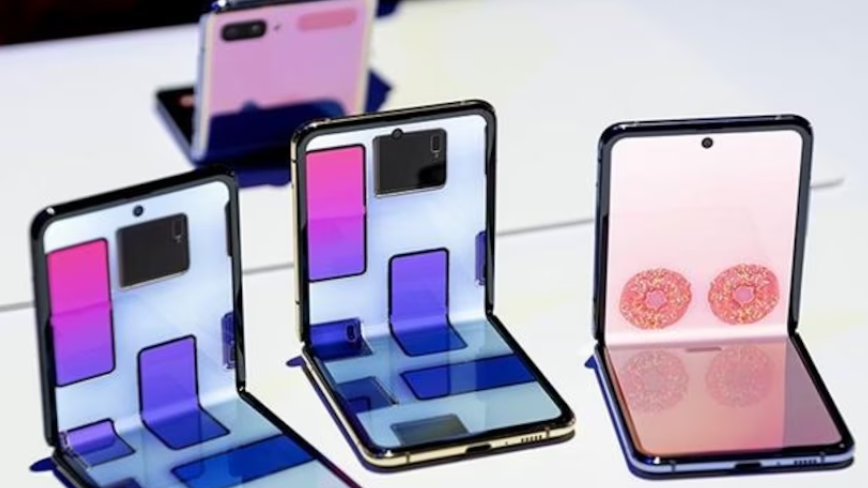
Apple is Reportedly Developing a Clamshell Foldable iPhone

There have also been recent discussions with Asian manufacturers about component orders for a foldable iPhone in two distinct sizes.

Even so, Apple’s stringent design and functionality standards could put a damper on the project’s future.

One of the key objectives for Apple’s foldable devices is achieving a crease-free display, ensuring that the device lays flat and supports seamless interaction, including compatibility with the Apple Pencil.

The Cupertino giant is bound to face the same hurdles as the Samsung, Motorola, and more have faced, so let’s see how the company tackles it.

FAQs

When did Apple begin developing the foldable iPhone?

Apple started exploring foldable iPhone concepts back in 2018 and has since developed at least two clamshell-style prototypes.

What is Apple’s goal with the foldable iPhone design?

Apple’s ambition is to create a foldable device that is significantly slimmer than existing models, aiming for a sleek profile even when the device is folded shut.

Are there any known challenges in the foldable iPhone’s development?

Yes, engineering hurdles such as maintaining a thin profile while accommodating batteries and displays, and achieving a crease-free screen are significant challenges Apple is addressing.

Has Apple made any progress with foldable technology in other products?

Alongside the foldable iPhone, Apple has also been working on a foldable iPad, which due to its larger size, faces less stringent durability requirements.

What’s the current status of the foldable iPhone project?

The foldable iPhone project is in early development stages, with discussions on component orders ongoing. However, it may be cancelled if it doesn’t meet Apple’s high design standards.

What is Apple’s foldable device expected to be?

Apple is currently exploring foldable technology that could result in either a foldable iPhone or iPad. The decision is yet to be finalized, with patent sketches fueling speculation.

When can we expect Apple to launch its foldable device?

Industry insiders speculate that Apple’s foldable device could debut as early as 2026 or as late as 2027, marking a significant entry into foldable tech.

Who are the potential suppliers for Apple’s foldable panels?

Apple has been evaluating foldable panel samples from both Samsung Display and LG Display. Samsung Display is reportedly taking a more active role, positioning itself as a likely supplier.

What challenges does Apple face in developing its foldable device?

Apple, Samsung Display, and LG Display are navigating complexities around ultra-thin glass material, foldable panel cover, and hinge design to ensure the device’s durability and reliability.

Is there a larger foldable device in development by Apple?

Yes, Apple is rumored to be working on a more ambitious 20.5-inch foldable device that could follow the initial 7- to 8-inch model, potentially redefining the foldable market.

When is Apple’s foldable iPad expected to be released?

The foldable iPad is anticipated to enter mass production by the end of 2024.

What are the technical challenges Apple is facing?

One major hurdle is the visible crease in foldable displays, though strides are being made in mechanical design to mitigate this issue.

Why is Apple focusing on a foldable iPad rather than an iPhone?

The iPad constitutes a smaller percentage of Apple’s sales, making it a strategic choice for testing new, risky technology.

What is the expected price point for the foldable iPad?

Analysts speculate that the price could start at well over $2,000.

Is Apple actually coming with a Foldable IPhone ?

Analyst Ming-Chi Kuo said, as reported by MacRumors, that “Apple will likely launch a foldable iPhone with an 8-inch QHD Plus flexible OLED display in 2023.”

He revised his prediction, in a tweet this past April, to say that it might be 2025 before there’s a foldable screen device from Apple.

How much would you pay for a foldable iPhone?

Foldable phones ain’t cheap. The Galaxy Z Fold 4 starts at $1,800 and the Galaxy Z Flip 4 at $1,000.

And it’s no surprise that prices for Apple products are at the higher end.
So if an iPhone 14 Pro that doesn’t fold in half already costs $1,000, what would be the price for one that does?

For a foldable iPhone to be successful, Apple would need to create a problem-solving design, scale manufacturing without sacrificing quality and develop hardware along with software that make the most of its foldable build.

The price would also have to be premium, but not too high.

How will the Apple Foldable Camera be ?

Foldable iPhone camera While the folding iPhone is at a very early stage and there’s no information about the cameras Apple is planning for it, we can reasonably expect it to have ultra-wide and telephoto cameras, alongside a main one.

And of course, a front-facing selfie camera, possibly inside a notch or using under-display technology, which should have matured enough by 2022.

How will the Foldable iPhone software be ?

If Apple designs a foldable iPhone akin to the Galaxy Z Flip or Moto Razr (2020), then its iOS software won’t need to be too different from that on the average iPhone. The only notable addition would be a new notification screen for the phone’s potential secondary display.

However, if the foldable iPhone is like the Galaxy Z Fold 2 or Surface Duo, meaning that it will unfold into a tablet, there’s the potential for iOS to switch to iPadOS on the fly when the user unfolds the iPhone.

Not that iPadOS is notably different from iOS, but its interface is better optimized for larger displays, and it offers split-screen multitasking.

Also Read: Apple Foldable iPhone Launch Soon: Patent Won for Crack-Resistant folding display

Also Read: Apple to Possibly Unveil Foldable iPhone or iPad by 2026-2027

Also Read: Samsung Display Set To Revamp To Meet Demand for Potential Apple Foldable

Also Read: Apple’s Rumoured Foldable iPad Could Reportedly Be In Production Late in 2024
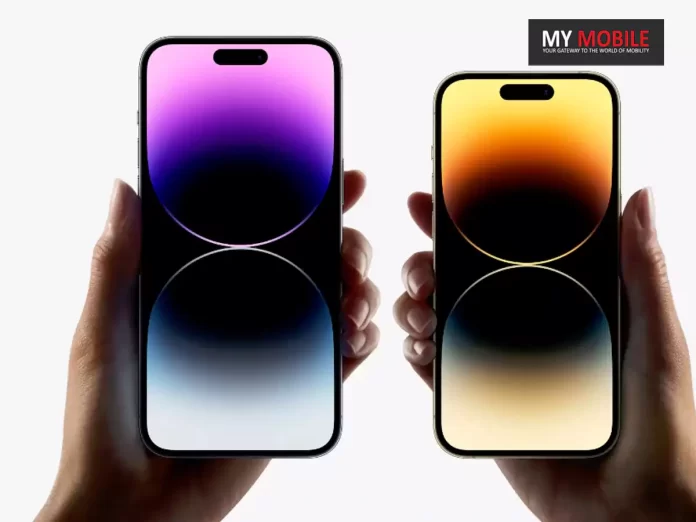
iPhone 16 Series Leak Shows Enhanced Battery Capacities and More

0
iPhone 16 Series Leak Shows Enhanced Battery Capacities and More
Activate "Low Power Mode"

Highlights

  • iPhone 16 Pro Max slated for a larger 4,676mAh battery, exceeding previous models.
  • iPhone 16 Plus anticipated to have a reduced battery size of 4,006mAh, focusing on efficiency.
  • Base iPhone 16 model’s battery capacity to increase to 3,561mAh.
  • Internal redesign and efficient chip technology to optimize overall battery life.

Apple’s upcoming iPhone 16 series has already started to make the rumour mill churn with speculations about the devices’ battery capacities and design changes.

Notable among these is information from leaker Majin Bu, whose recent revelations suggest notable adjustments in the battery sizes for the new lineup, alongside other intriguing features.

iPhone 16 Series Battery Changes

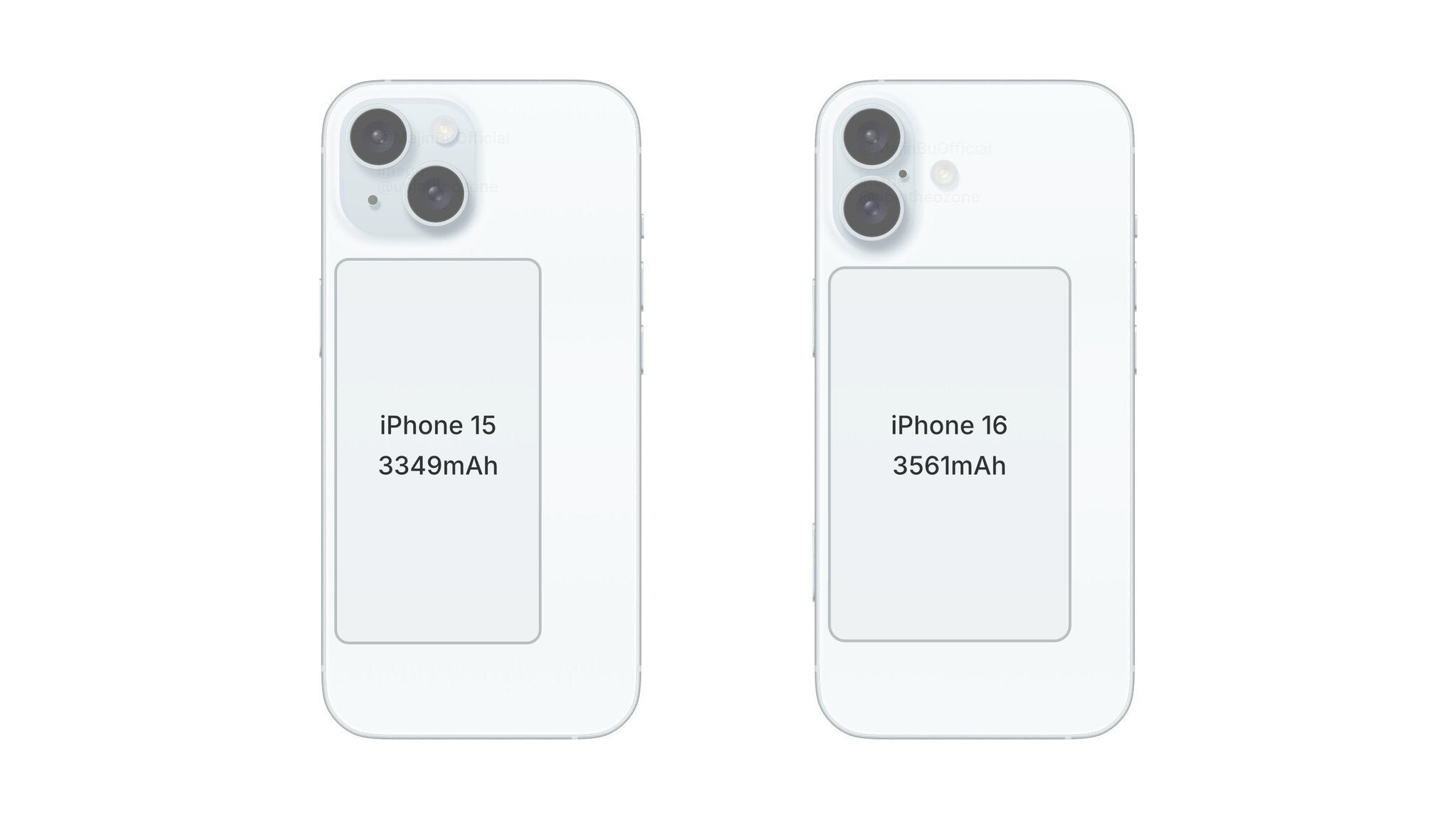
iPhone 15 & iPhone 16 Battery

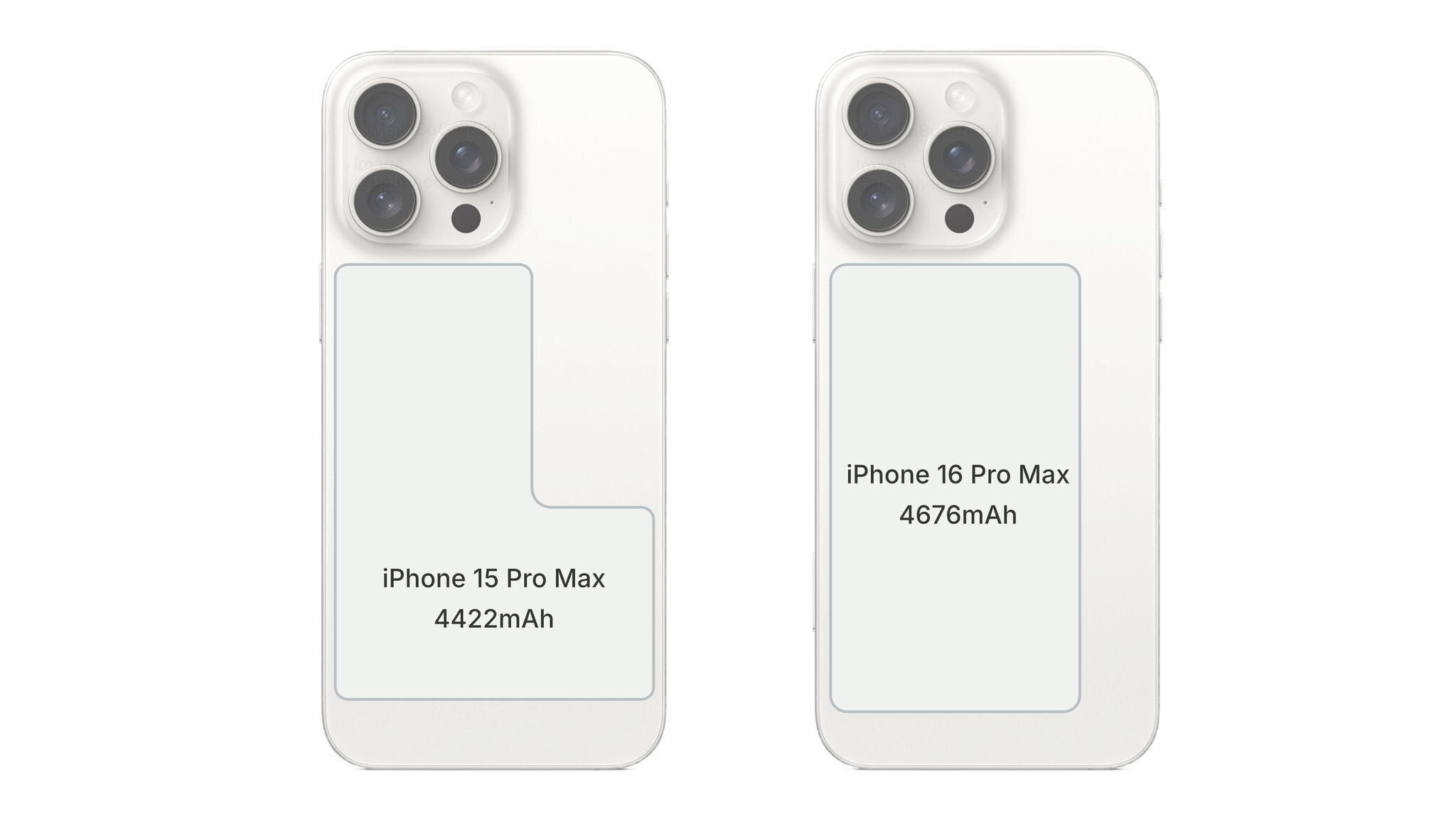
As per the leaker, the iPhone 16 Pro Max, which is anticipated to sport a larger 4,676mAh battery, marking a significant increase from its predecessor’s 4,422mAh unit.

This upgrade aligns with expectations of the device’s size expansion to a 6.9-inch display.

Interestingly, Majin Bu points out an internal redesign for the iPhone 16 Pro Max, moving away from the L-shaped battery configuration seen in previous models.

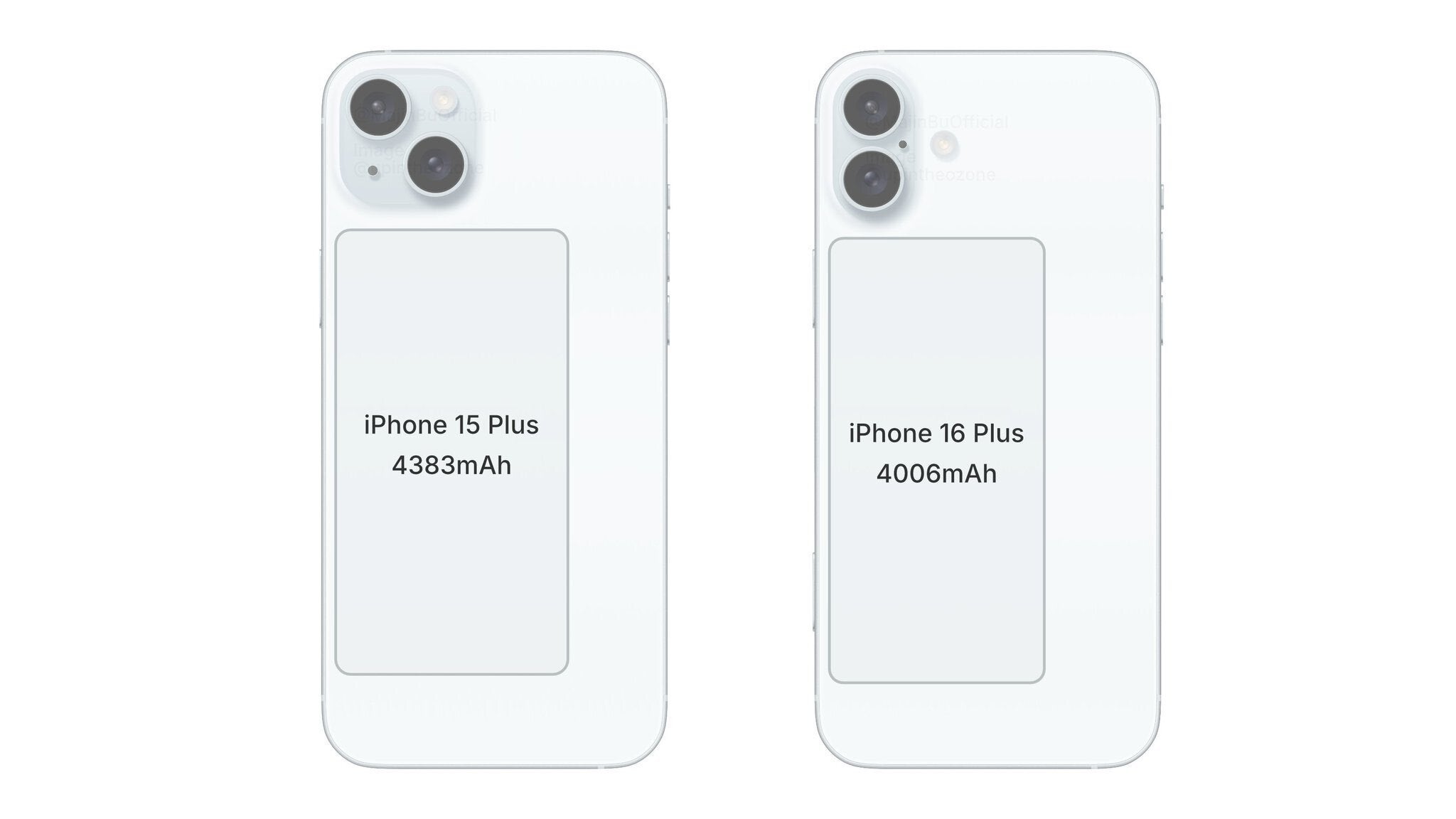
Also mentioned is that the iPhone 16 Plus might see a reduction in battery size to 4,006mAh, a surprising shift from the iPhone 15 Plus’s 4,383mAh battery.

iPhone 15 & iPhone 16 Battery
iPhone 15 Pro Max & iPhone 16 Pro Max Battery

However, this apparent downgrade might not affect the device’s overall battery life, thanks to the incorporation of a more efficient chip utilizing the N3E process technology.

Finally, the base iPhone 16, is rumoured to receive a modest increase in battery capacity, moving up to 3,561mAh from 3,349mAh.

This adjustment suggests a continued effort by Apple to enhance the longevity of its devices across the board.

More iPhone 16 Speculation

Pro iPhone 15 Pro Max & iPhone 16 Pro Max Battery
iPhone 15 Plus & iPhone 16 Plus Battery

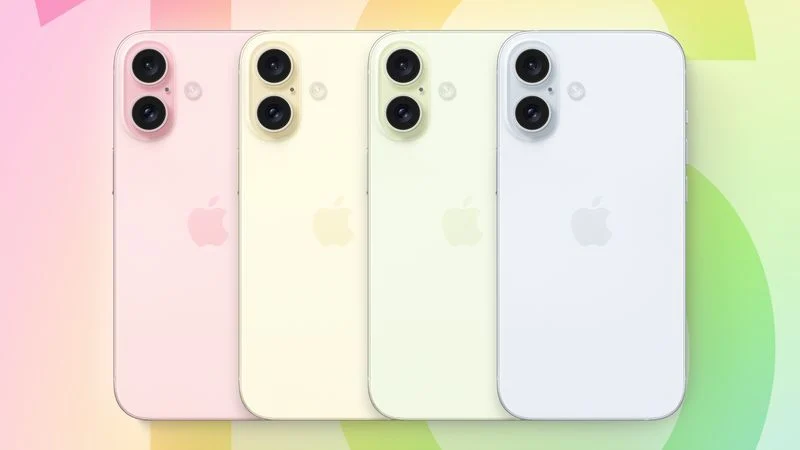
Beyond battery capacities, the iPhone 16 series is expected to maintain the screen sizes of its predecessors, with 6.1-inch and 6.7-inch displays for the iPhone 16 and 16 Plus, respectively.

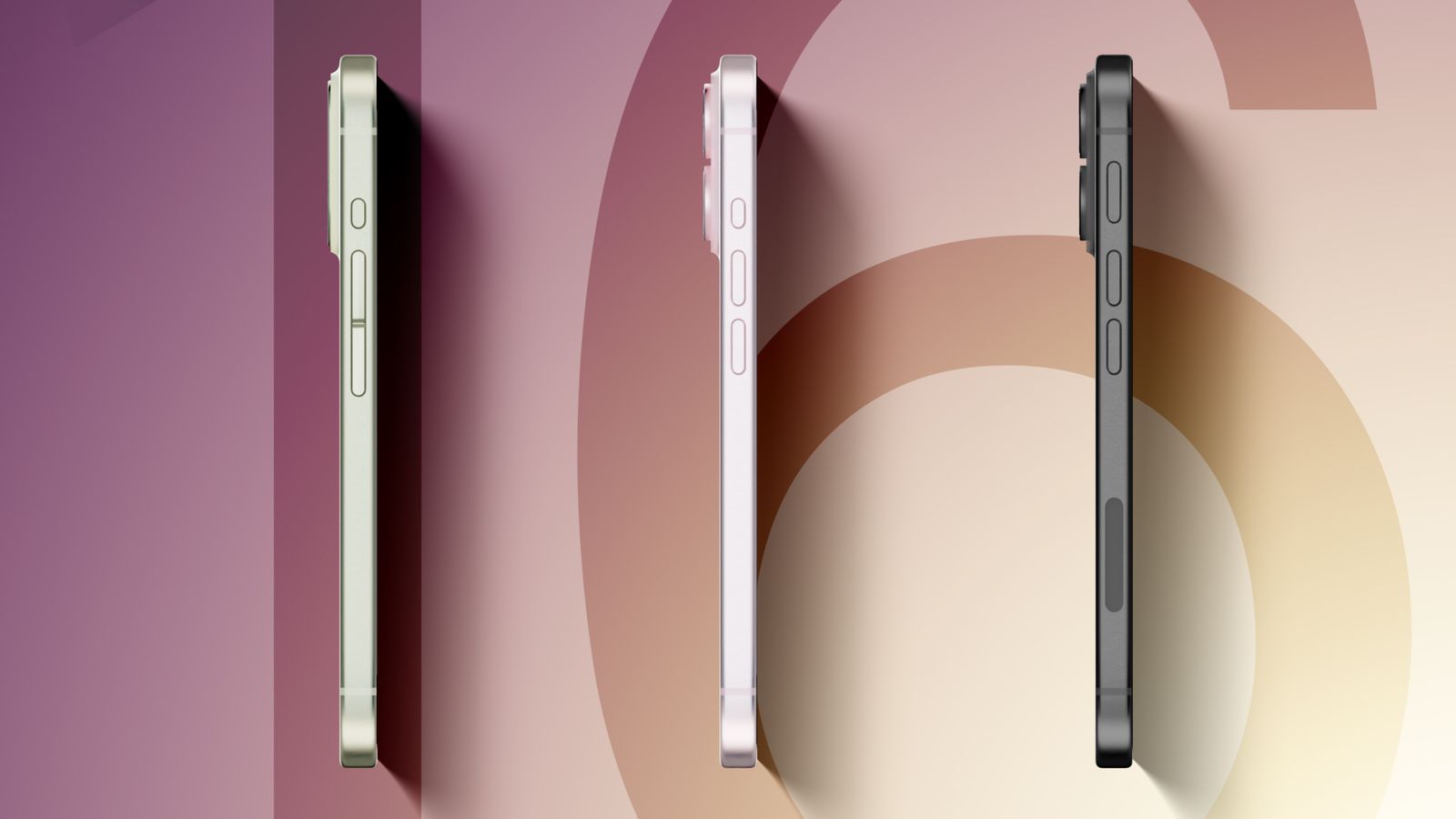
A fresh design rumour hints at a vertical camera array for these models, possibly inheriting the iPhone 15 Pro’s Action Button and introducing a new Capture Button for an enhanced camera experience.

The Pro models could see significant camera upgrades, with the iPhone 16 Pro possibly featuring a periscope camera and the Pro Max boasting a super telephoto periscope camera.

These additions would not only augment the series’ photography capabilities but also position Apple more competitively against top-tier Android devices.

Moreover, like basically everyone now in the industry, Apple is rumoured to integrate generative AI features into the iPhone 16 series, aiming to offer functionalities that can rival the advanced capabilities of leading Android smartphones.

The credibility of these rumours remains uncertain, especially given Majin Bu’s mixed track record, so we do advise our readers to take all this information with a grain of salt.

Apple iPhone 16 Specs

GENERAL

Sim Type Dual Sim, GSM+GSM
Dual Sim Yes
Sim Size Nano + eSIM
Device Type Smartphone
Release Date September 07, 2024 (Expected)
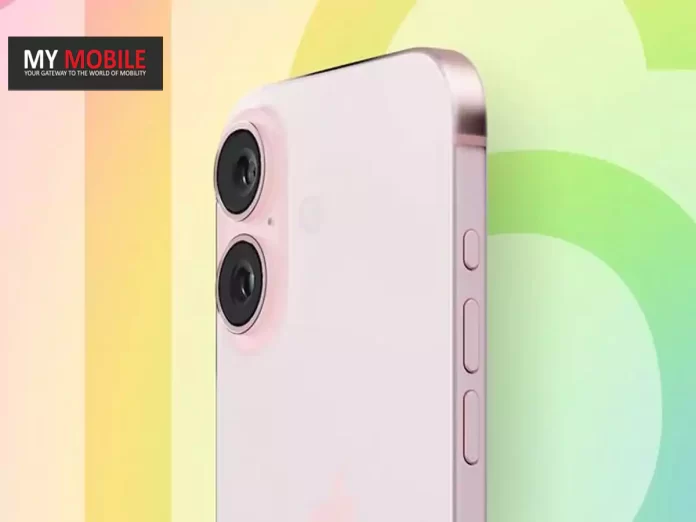
DISPLAY

Type Color OLED Screen (1B Colors)
Touch Yes
Size 6.12 inches, 1200 x 2600 pixels, 120 Hz
Aspect Ratio 20:9
PPI ~ 447 PPI
Features Super Retina XDR Display, HDR Display, True Tone, Wide Color (P3), Haptic Touch, 1200 Nits Max Brightness (HDR), Support for Display of Multiple Languages and Characters Simultaneously
Notch Yes, Small Notch

MEMORY

RAM 8 GB
Storage 128 GB
Card Slot No

CONNECTIVITY

GPRS Yes
EDGE Yes
3G Yes
4G Yes
5G Yes
5G Bands 5G NR (Bands n1, n2, n3, n5, n7, n8, n12, n20, n25, n26, n28, n30, n38, n40, n41, n48, n53, n66, n70, n77, n78, n79)
VoLTE Yes
Wifi Yes, with wifi-hotspot
Wifi Version Wi-Fi 7
Bluetooth Yes, v5.4, A2DP, LE
USB Yes, Lightning Port
USB Features USB on-the-go, USB Charging

EXTRA

GPS yes with A-GPS, Glonass
Fingerprint Sensor No
Face Unlock Yes
Sensors Barometer, Three‑axis Gyro, Accelerometer, Proximity Sensor, Ambient Light Sensor
3.5mm Headphone Jack Lightning
NFC Yes
Water Resistance Yes, 6 m upto 30 min
IP Rating IP69
Dust Resistant Yes
Extra Features Satellite Connectivity, Crash Detection

CAMERA

Rear Camera 48 MP f/1.5 (Main)
12 MP f/2.4 (Ultra Wide) with autofocus
Features Panorama, Night Mode, Deep Fusion, Smart HDR 4, Photographic Styles, Burst Mode, Photo Geotagging
Video Recording 4K @ 24/25/30/60 fps UHD, 1080p @ 25/30/60 fps FHD
Flash Yes, Dual LED
Front Camera 12 MP f/1.9 (TrueDepth) with Retina Flash
Front Video Recording 4K @ 60 fps UHD, 1080p @ 60 fps FHD

TECHNICAL

OS iOS v18
Chipset Apple Bionic A17
CPU Octa Core Processor
GPU Apple 4 Core GPU
Java No
Browser Yes

MULTIMEDIA

Email Yes
Music AAC‑LC, HE‑AAC, HE‑AAC v2, Protected AAC, MP3, Linear PCM, Apple Lossless, FLAC, Dolby Digital (AC‑3), Dolby Digital Plus (E‑AC‑3), Dolby Atmos and Audible (formats 2, 3, 4, Audible Enhanced Audio, AAX and AAX+)
Video HEVC, H.264, MPEG‑4 Part 2 and Motion JPEG, HDR with Dolby Vision, HDR10 and HLG
FM Radio No
Document Reader Yes

BATTERY

Type Non-Removable Battery
Size 3500 mAh, Li-ion Battery
Fast Charging Yes
Wireless Charging Yes, 25W MagSafe
Music Playback Time 100 hours

FAQs

How much larger is the iPhone 16 Pro Max’s battery compared to its predecessor?

The iPhone 16 Pro Max is expected to have a 4,676mAh battery, which is an increase of 254mAh from the iPhone 15 Pro Max’s 4,422mAh battery.

Will the iPhone 16 Plus have a smaller battery than the previous model?

Yes, rumours suggest the iPhone 16 Plus will have a 4,006mAh battery, slightly smaller than the iPhone 15 Plus’s 4,383mAh battery, but improvements in chip efficiency could maintain its battery life.

What is the expected battery capacity for the base iPhone 16 model?

The base iPhone 16 model is rumoured to have a battery capacity of 3,561mAh, up from the previous model’s 3,349mAh.

How will the internal redesign affect the iPhone 16 Pro Max’s battery?

The internal redesign of the iPhone 16 Pro Max, including moving away from an L-shaped battery, is part of the adjustments allowing for a larger battery size.

What technological advances are expected to compensate for the iPhone 16 Plus’s smaller battery?

The iPhone 16 Plus is expected to incorporate a more efficient chipset based on the N3E process technology, potentially offsetting the reduced battery size with improved efficiency.

Make iPhone 16 Batteries in India, Apple Tells Component Suppliers.Details?

Apple has told component suppliers it wants iPhone 16 batteries to be made in India, as part of the company’s efforts to diversify its global supply chain and reduce its reliance on Chinese manufacturing.

The Financial Times reports that Apple has informed battery suppliers including China’s Desay and Taiwan’s Simplo Technology of its preference to have batteries for next year’s iPhone made in India, and has encouraged the manufacturers to establish new factories there or scale up production at existing sites for future orders.

“If all goes well with iPhone 16 battery supply, Apple plans to move more iPhone battery production to India,” said one of the people close to Apple who spoke to FT.

Apple already works with Foxconn, Pegatron, and Tata (new owner of Wistron) to manufacture iPhones in India, with Foxconn handling 75 to 80 percent of the device assembly.

Foxconn has invested more than $500 million in India to ramp up its manufacturing capabilities.

Apple analyst Ming-Chi Kuo believes that 12 to 14 percent of global ‌iPhone‌ shipments are made in India, with that proportion to increase to 20 to 25 percent by 2024.

Introductory production on the standard iPhone 17 will start in India in the second half of 2025, according to Kuo, marking the first time that Apple begins development of a new ‌iPhone‌ outside of China.

In addition to allowing Apple to move manufacturing away from China, increasing production in India provides Apple with an opportunity to strengthen its relationship with the Indian government.

India is a key market for Apple due to growing demand for Apple products in the country.

What is the significance of Apple’s shift in manufacturing to India?

Apple’s decision to move iPhone 16 battery production to India marks a strategic shift away from its traditional reliance on Chinese manufacturing, indicating India’s increasing importance in global tech production.

Which companies are involved in Apple’s new manufacturing strategy in India?

Key players include Desay, Simplo Technology, and TDK Corp, all directed by Apple to set up or expand their battery production capacities in India for the iPhone 16.

How does India’s regulatory environment impact Apple’s manufacturing plans?

India’s proposed adoption of a universal USB-C charging port policy poses challenges for Apple, potentially affecting its local production goals and requiring adjustments to align with these regulations.

What are the projected impacts of Apple’s manufacturing shift on India’s economy?

This move is expected to significantly boost India’s manufacturing sector, with Apple aiming for a production value of $40 billion in 4-5 years and increasing India’s share in global iPhone shipments to 20-25% by 2024.

How might the iPhone 16 Pro series improve battery and thermal performance?

The iPhone 16 Pro series is rumoured to introduce a new metal shell battery, a departure from traditional foil coverings. Additionally, there are talks of incorporating a graphene thermal system to enhance heat dissipation and improve the device’s overall performance.

What is the rumoured battery capacity of the iPhone 16 Pro?

The iPhone 16 Pro is rumoured to feature a 3,355mAh battery, which is approximately a 2.4% increase from the 3,274mAh battery in the iPhone 15 Pro. This increment suggests a focus on extending battery life in the upcoming model.

Also Read: Apple To Reportedly Shift iPhone 16 Battery Manufacturing to India

Also Read: Leaked iPhone 16 Pro Battery Specs Suggest Notable Enhancements

Vivo Y200e 5G Set for Imminent India Launch After Appearing on BIS Certification

0
Vivo Y200e 5G Set for Imminent India Launch After Appearing on BIS Certification
Vivo Y200e Audio Capabilities

Highlights

  • Officially recognized in the BIS database, indicating an imminent Indian launch.
  • Powered by Qualcomm Snapdragon 4 Gen 2 chipset and Adreno 613 GPU.
  • Features a display with 1080 x 2400 resolution and 440 DPI pixel density.
  • Sleek design with triple rear camera setup and punch-hole selfie camera.

Vivo is looking for an expansion of its Y-series lineup and the current contender for that is the Vivo Y200e 5G.

With its sighting on databases such as the Bluetooth SIG, Geekbench, BIS (Bureau of Indian Standards), and the Google Play Console, the handset’s launch can be considered imminent.

Vivo Y200e 5G: BIS Certification Details

Vivo Y200e 5G: BIS Certification Details

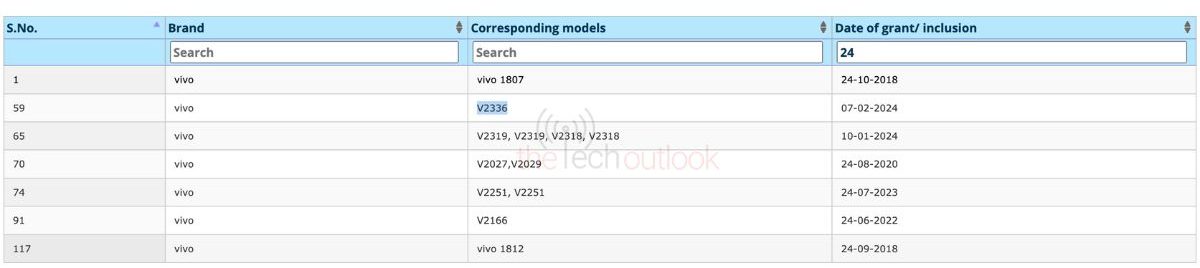
As per the Tech Outlook, the Vivo Y200e 5G has been officially recognized in the BIS database by the model number “V2336”.

This is consistent across both the Bluetooth SIG and Geekbench listings, further solidifying the findings.

The database entry dated February 7, 2024, marks a pivotal step towards the device’s introduction to the Indian market.

Launch Expectations

Vivo Y200e 5G:
Vivo Y200e 5G presence on key certification platforms like the Google Play Console

While an exact launch date for the Vivo Y200e 5G remains under wraps, the device’s presence on key certification platforms like the Google Play Console and BIS hints at a nearing announcement.

Vivo Y200e 5G: Other Expected Features

Vivo Y200e 5G: Other Expected Features

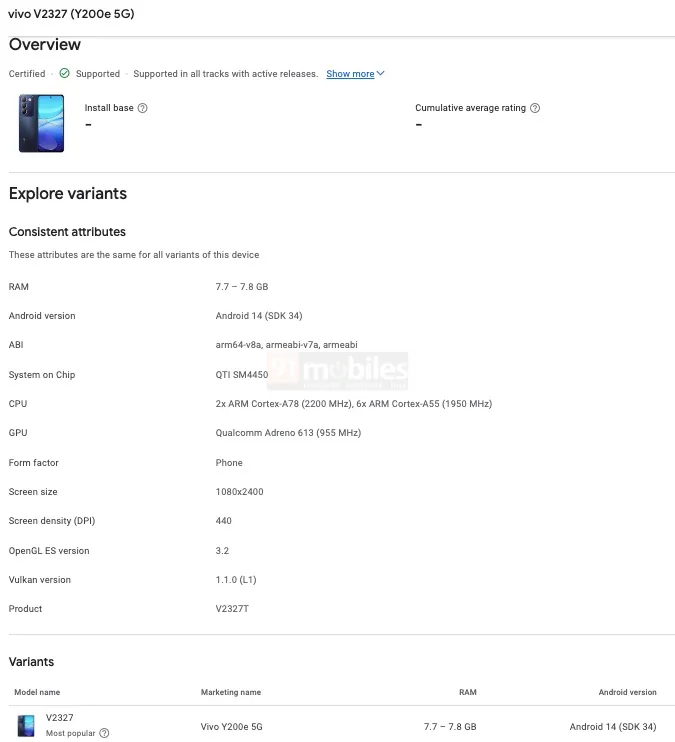
However, the Google Play Console listing introduces the device under a different model number, “V2327,” yet it provides a deeper insight into the specifications that the Vivo Y200e 5G will boast.

The device is shown to be powered by the Qualcomm Snapdragon 4 Gen 2 chipset and supported by the Adreno 613.

It’s expected to ship with 8GB of RAM and run on the latest Android 14 OS, most likely adorned with Vivo’s custom FuntouchOS 14.

The display of the Vivo Y200e 5G is said to feature a resolution of 1080 x 2400 pixels and a pixel density of 440 DPI.

The Google Play Console database has also given us a sneak peek at the device through a render image.

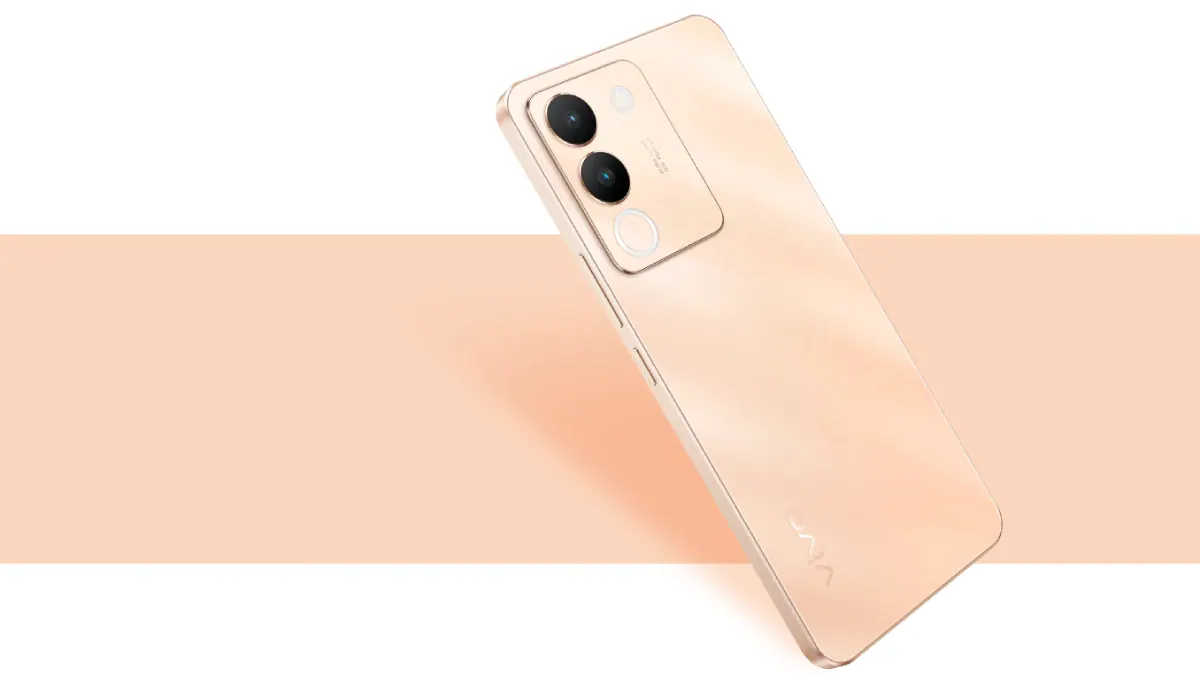
Sporting a sleek design, the Y200e 5G features flat front, rear, and side panels.

Its rear hosts a rectangular camera module with three cameras and an LED flash, positioned towards the top-left, complemented by the Vivo branding at the bottom-left.

The front display boasts slim bezels, a slightly thicker chin, and a centrally-placed punch-hole for the selfie camera.

Notably, a blue colour variant with a textured design has been spotted, though additional colour options are anticipated at launch.

Vivo Y200e 5G Specs

GENERAL

Sim Type Dual Sim, GSM+GSM (Hybrid Slot)
Dual Sim Yes
Sim Size Nano+Nano SIM
Device Type Smartphone
Release Date October 23, 2023

DESIGN

Dimensions 74.85 x 162.35 x 7.69 mm
Weight 190 g
Colors Jungle Green, Desert Gold

DISPLAY

Type Color AMOLED Screen (1B Colors)
Touch Yes
Size 6.67 inches, 1080 x 2400 pixels, 120 Hz
Aspect Ratio 20:9
PPI ~ 394 PPI
Screen to Body Ratio ~ 91.04%
Features Local Peak Brightness: 800 nit, Color Gamut: 100% P3
Notch Yes, Punch Hole

MEMORY

RAM 8 GB
Expandable RAM Upto 8 GB Extra Virtual RAM
Storage 128 GB
Card Slot Yes, (Hybrid Slot), upto 2 TB

CONNECTIVITY

GPRS Yes
EDGE Yes
3G Yes
4G Yes
5G Yes
5G Bands n1/n3/n5/n8/n28B/n77/n78
VoLTE Yes
Wifi Yes, with wifi-hotspot
Bluetooth Yes, v5.1
USB Yes, USB-C
USB Features USB on-the-go, USB Charging

EXTRA

GPS GPS, BEIDOU, GLONASS, GALILEO, QZSS
Fingerprint Sensor Yes, In Display
Face Unlock Yes
Sensors Accelerometer, Ambient Light Sensor, Proximity Sensor, E-compass, Motor, Gyroscope
3.5mm Headphone Jack Yes
Splash Resistant Yes
IP Rating IP54
Dust Resistant Yes
Extra Features Hi-Res Audio Certification

CAMERA

Rear Camera 108 MP f/1.79 (Main)
2 MP f/2.4 (Macro) with autofocus
Features Night, Portrait, Photo, Video, Pano, Documents, Slo-mo, Time-lapse, Supermoon, Pro, Double Exposure, Dual View, Live Photo, Styles, Filters, Light effec
Video Recording 4K, 1080p
Flash Yes, LED
Front Camera Punch Hole 16 MP f/2.28 (Wide Angle)
Front Video Recording 1080p

TECHNICAL

OS Android v14
Custom UI Funtouch OS 14
Chipset Qualcomm Snapdragon 4 Gen2
CPU 2.2 GHz, Octa Core Processor
Core Details 2x Performance Cores@2.2GHz & 6x Efficiency Cores@2GHz
GPU Adreno
Java No
Browser Yes

MULTIMEDIA

Email Yes
Music AAC, WAV, MP3, MP2, MP1, MIDI, Vorbis, APE, FLAC, OPUS
Video MP4, 3GP, AVI, TS, MKV, FLV
FM Radio No
Document Reader Yes

BATTERY

Type Non-Removable Battery
Size 5000 mAh, Li-Po Battery
Fast Charging Yes, 44W Fast Charging

FAQs

What model number is the Vivo Y200e 5G recognized under in the BIS database?

The Vivo Y200e 5G is listed under the model number “V2336” in the BIS database, aligning with previous listings on Bluetooth SIG and Geekbench.

What chipset powers the Vivo Y200e 5G?

The smartphone is powered by the Qualcomm Snapdragon 4 Gen 2 chipset, paired with the Adreno 613 GPU for enhanced performance.

What are the display specifications of the Vivo Y200e 5G?

The Vivo Y200e 5G boasts a display resolution of 1080 x 2400 pixels and a pixel density of 440 DPI, promising crisp and clear visuals.

Can we expect multiple color variants for the Vivo Y200e 5G?

While a blue color variant with a textured design has been revealed, additional color options are likely to be available at launch.

Also Read: Vivo Y200 Launching Soon: Specs and Design Details Revealed

Also Read: Vivo Y100 Price In India, Sale Date, Colour Options & Specifications Revealed through Leaks Ahead of Launch 

China’s SMIC to Mass Produce 5nm Chips for Huawei Amidst Rising Semiconductor Costs

0
China’s SMIC to Mass Produce 5nm Chips for Huawei Amidst Rising Semiconductor Costs

Highlights

  • SMIC set to start mass production of 5nm chips for Huawei, defying US sanctions.
  • Project marks significant push for China’s semiconductor self-reliance and innovation.
  • Utilizes DUV lithography, with expected yields of 30-40% for 5nm chips.
  • Prices for SMIC’s 5nm and 7nm chips are 40-50% higher than TSMC’s.

China’s Semiconductor Manufacturing International Corp (SMIC), the nation’s premier chipmaker, is set to commence mass production of 5-nanometer (nm) chips for Huawei later this year.

This development comes amid the backdrop of stringent US chip export restrictions and represents a significant milestone for Chinese tech firms in their pursuit of semiconductor independence and innovation.

Navigating Challenges: High Costs and Political Will

China’s SMIC to Mass Produce 5nm Chips for Huawei Amidst Rising Semiconductor Costs

The report by the Financial Times says that the decision by Huawei and SMIC to embark on the production of 5nm chips, despite facing significant hurdles such as low production yields and elevated costs, is a way for Huawei to come to the forefront of technological breakthroughs, as it did so often before being on the US Balcklist.

As such, the project, which is expected to entail considerable financial investment, is reportedly seen as a statement of political defiance against international sanctions, particularly the US chip export ban.

SMIC set to start mass production of 5nm chips for Huawei, defying US sanctions

Experts have highlighted the technical feasibility of using immersion deep-ultraviolet (DUV) lithography for the fabrication of 5nm chips, albeit at a cost significantly higher than the more advanced extreme-ultraviolet (EUV) lithography.

Despite the cost implications, SMIC plans to leverage its existing equipment to produce these advanced chips, with expectations of achieving yields of 30-40% for 5nm chips.

This move is priced at a premium, with SMIC’s 5nm and 7nm offerings marked up by 40-50% over those of Taiwan Semiconductor Manufacturing Co (TSMC), a global leader in the semiconductor industry.

A Leap Toward Self-Reliance

Prices for SMIC's 5nm and 7nm chips are 40-50% higher than TSMC's
Prices for SMIC’s 5nm and 7nm chips are 40-50% higher than TSMC’s

The initiative is part of a broader “whole-nation” strategy embraced by Beijing to fortify its semiconductor industry amidst international trade tensions and supply chain vulnerabilities.

As per reports, this push towards self-reliance has been echoed by Chinese President Xi Jinping, who has called upon local engineers and technicians to drive the nation towards greater independence and strength in science and technology.

Navigating Challenges: High Costs and Political Will

FAQs

What is the significance of SMIC producing 5nm chips for Huawei?

This move signifies China’s commitment to advancing its semiconductor technology and reducing dependence on foreign tech, despite facing international sanctions and the US chip export ban.

Why are the production costs and prices of SMIC’s 5nm chips higher?

The higher costs and prices are attributed to the use of DUV lithography, which is technically feasible but more expensive than EUV lithography, leading to lower yields and higher production costs.

How does the SMIC 5nm chip production align with China’s broader goals?

The production is part of China’s “whole-nation” strategy to bolster its semiconductor industry, aiming for technological self-reliance and innovation amid global trade tensions.

What challenges does SMIC face in producing 5nm chips?

SMIC faces challenges such as achieving lower yields and dealing with high production costs, which are significant hurdles in the mass production of 5nm chips.

What is unique about the Kirin 9010 chipset in Huawei’s P70 series?

The Kirin 9010, potentially used in Huawei’s P70 series, is rumored to be a cutting-edge 3nm chip.

This development represents a significant technological leap, offering enhanced performance and efficiency over its predecessors.

Will the Huawei P70 series support 5G connectivity?

Yes, Huawei is reportedly planning to bring back 5G connectivity in its upcoming P70 series.

This addition will mark a significant upgrade, ensuring the smartphones meet current high-speed internet standards.

What camera features are expected in the Huawei P70 series?

The Huawei P70 series, particularly the P70 Art model, is rumored to have an ultra-wide camera with a 1-inch type sensor and a superior 1G6P lens.

This advancement suggests a notable improvement in image quality and camera performance.

Has Huawei faced challenges in developing the Kirin 9010 chipset?

Huawei’s development of the Kirin 9010 chipset has been hindered by trade restrictions and a challenging business environment.

Initially planned for production in 2022, the project was delayed but now appears to be back on track.

What is unique about the Huawei P70’s camera?

The Huawei P70 series is set to revolutionize smartphone photography with a 1-inch sensor in its ultra-wide camera.

This larger sensor size is expected to significantly improve image quality, particularly in low-light conditions, a feature not commonly seen in smartphones.

How does the Huawei P70 series compare in sales projections to its predecessor?

With its advanced camera technology, the Huawei P70 series is projected to see a substantial sales increase of 100-120% compared to the Huawei P60 series, indicating strong market anticipation and consumer interest.

What processing power can be expected in the Huawei P70 series?

There is speculation that the Huawei P70 series might be equipped with the Kirin 9000s processor, a 7nm chip that enhances performance and supports 5G connectivity, promising a powerful and efficient user experience.

How does the 1G6P lens technology benefit the Huawei P70’s camera?

The 1G6P lens, meaning one glass and six plastic elements, in the Huawei P70’s ultra-wide camera, is designed to enhance image clarity and reduce distortions, making it a significant advancement in lens technology for smartphones.

What does the leaked 3D render suggest about the new Huawei device?

The 3D render indicates a Huawei smartphone that mirrors the design of the Nova 11, yet it showcases potential advancements.

The modified camera module and new alignment of the lenses imply significant enhancements in camera technology, possibly setting a new standard for Huawei’s imaging capabilities.

How does the device’s design stand out?

The side profile of this mysterious Huawei device features a trio of buttons, including a distinctive red-accented power button.

This design choice, combined with rounded corners and a less pronounced curvature, suggests a focus on ergonomic and user-friendly design, catering to a seamless user experience.

What is Xmage, and how does it relate to this Huawei device?

Xmage is reportedly Huawei’s new photography system, developed following their separation from Leica.

This system signifies Huawei’s shift towards in-house imaging technology, potentially offering innovative photographic features and capabilities that could differentiate this device in the competitive smartphone market.

Also Read: Huawei Planning for Surpirse IPO in 2024; Could Surpass Apple’s 2019 Valuation

Also Read: Huawei P70 Series Rumoured To Come with a Massive 1-Inch Sensor

Also Read: Huawei P70 Series Set to Launch with Brand new Kirin 9010 Chipset

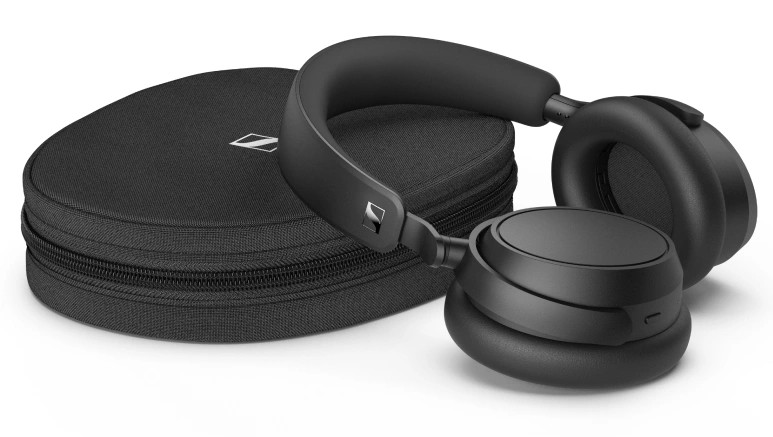
Sennheiser ACCENTUM Plus Headphones Launched in India: Pricing, Features, Specs

0
Sennheiser ACCENTUM Plus Headphones Launched in India: Pricing, Features, Specs

Highlights

  • Launched at Rs 15,990 with a special pre-booking offer.
  • Features 37mm dynamic drivers and Hybrid Adaptive ANC.
  • Up to 50 hours of battery life with quick charge functionality.
  • Available in Black and White, compatible with Bluetooth 5.2.

Sennheiser, a leading German audio brand known for its premium sound products, has introduced the ACCENTUM Plus ANC headphones in India.

This launch follows the headphone’s showcase at the CES 2024 event, highlighting its blend of advanced technology and sleek design.
Sennheiser ACCENTUM Plus Headphones Launched in India: Pricing, Features, Specs
Sennheiser ACCENTUM Plus Headphones Launched in India

Commenting on the launch, Vijay Sharma, General Manager – Sennheiser Consumer business in India, said:

We are thrilled to introduce the ACCENTUM series to India, representing a significant milestone in our commitment to delivering exceptional audio experiences to our price-conscious listeners. The launch of the ACCENTUM Plus wireless headphones reaffirms Sennheiser’s dedication to innovation, quality, and customer satisfaction. The ACCENTUM Plus sits right in the sweet spot of blissful sound and convenient technology.

Sennheiser ACCENTUM Plus: Pricing and Availability

Sennheiser ACCENTUM Plus: Pricing and Availability
  • Retail Price: Set at Rs 15,990.
  • Color Options: Available in Black and White.
  • Sale Start Date: Available from February 14, 2024.
  • Where to Buy: Can be purchased through Amazon India and the Sennheiser India online store.
  • Pre-Booking Deal: A discount of Rs 1,000 is available for pre-bookings done from February 7 to February 13, lowering the price to Rs 14,990.
Launched at Rs 15,990 with a special pre-booking offer

Sennheiser ACCENTUM Plus: Key Specifications

Sennheiser ACCENTUM Plus: Key Specifications
  • Dynamic Audio: 37mm dynamic drivers deliver exceptional sound quality.
  • Advanced ANC: Hybrid Adaptive ANC for immersive listening.
  • Battery Life: Up to 50 hours of playback with quick charge feature.
  • Connectivity: Bluetooth 5.2 with multiple codec support.
  • App Support: Compatible with the Sennheiser Smart Control app.
  • Extras: Includes a 3.5mm stereo plug and audio cable for wired listening.

Sennheiser ACCENTUM Plus: Features

Sennheiser ACCENTUM Plus: Features

The Sennheiser ACCENTUM Plus is designed for audiophiles who crave not only quality sound but also convenience and style.

The headphones come equipped with touch gesture controls, allowing users to easily manage playback without reaching for their device.

Sennheiser ACCENTUM Plus
Sennheiser ACCENTUM Plus Headphones

This intuitive interface is complemented by the headphone’s luxurious build, appealing to those who value both aesthetics and functionality.

The ACCENTUM Plus stands out with its Hybrid Adaptive ANC technology, offering users an escape into their music by effectively blocking out background noise.

Features 37mm dynamic drivers and Hybrid Adaptive ANC

This feature, combined with the headphone’s long battery life of up to 50 hours, ensures a seamless audio experience throughout the day.

Moreover, the quick charging capability is a boon for users on the go, providing 5 hours of playback with just 10 minutes of charge.

With support for a wide range of audio codecs and Bluetooth 5.2, these headphones offer versatility and high-quality sound across devices and music formats.

Sennheiser ACCENTUM Plus a comprehensive solution for all-day audio enjoyment

Additionally, the inclusion of a 3.5mm audio cable ensures that listeners can continue to enjoy their music even when the battery runs out, making the Sennheiser ACCENTUM Plus a comprehensive solution for all-day audio enjoyment.

Sennheiser ACCENTUM Plus Specifications

Sennheiser ACCENTUM Plus Specifications
  • Wearing style: Headband stereo headphones
  • Ear Coupling: Around-the-ear, circum-aural
  • App support: Sennheiser Smart Control app for iOS and Android
    37mm dynamic drivers
  • Bluetooth 5.2
  • Codec supported: SBC, AAC, aptX, aptX adaptive, mSBC, CVSD
  • Speaker frequency range: 10Hz to 22 kHz
  • Speaker sensitivity:106 dB SPL (1 kHz / 0 dBFS)
  • Speaker THD: <0,3% (1 kHz / 100 dB SPL)
  • Supported Profiles: A2DP, AVRCP, HFP, HSP, GATT
  • Active Noise Cancellation: Hybrid Adaptive ANC
  • Mic principle: MEMS
  • Mic frequency range: 50 Hz to 8 kHz
  • Mic pick-up pattern: 2 mics, beamforming for noise reduction
    800mAh battery, up to 50 hr music playtime via Bluetooth and with ANC (test condition: iPhone, medium volume level)
Sennheiser ACCENTUM Plus is designed for audiophiles

FAQs

What is the price of the Sennheiser ACCENTUM Plus headphones in India?

The Sennheiser ACCENTUM Plus headphones are priced at Rs 15,990, with a special pre-booking discount available.

What are the main features of the Sennheiser ACCENTUM Plus?

The headphones feature 37mm dynamic drivers, Hybrid Adaptive ANC, up to 50 hours of battery life, and quick charge capability.

Where can I buy the Sennheiser ACCENTUM Plus in India?

They are available through Amazon India and the Sennheiser India online store starting February 14.

Can the Sennheiser ACCENTUM Plus be used with an audio cable?

Yes, the headphones come with a 3.5mm stereo plug and audio cable for wired listening.

What connectivity options does the Sennheiser ACCENTUM Plus offer?

The headphones support Bluetooth 5.2 and various audio codecs for versatile connectivity.

What are the launch offers of Sennheiser ACCENTUM Plus ?

Pricing and availability

ACCENTUM Plus will be available in black and white color variant at an exciting price of INR 15,990 starting 14th February 2024.

Sennheiser has announced a special pre-booking offer for ACCENTUM Plus headphones. Customers can now purchase the headphones at a special offer price of INR 14,990/- which is inclusive of a pre-booking discount of INR 1000.

This pre-booking offer starts from 7th February 2024 and is valid till 13th February 2024 on the brand webshop www.sennheiser-hearing.com and Amazon.in.
Sennheiser marks the India debut of ACCENTUM series with the launch of ACCENTUM Plus wireless headphones. Details?

Setting a new standard in audio excellence, Sennheiser today marked the India debut of the much awaited ACCENTUM series with the launch of ACCENTUM Plus wireless headphones.

Designed to deliver performance and features that surpass its price point, the ACCENTUM series stands out for its unparalleled combination of exceptional comfort, durability, and superior sound quality.

The ACCENTUM Plus wireless headphone unlock new audio adventures, bringing your music to life with the unique Sennheiser sound. The perfect, on-the-go audio companion, ACCENTUM Plus provides you with high-quality wireless audio anywhere.

Enjoy exceptional features like Hybrid ANC and unrivaled 50-hour battery playtime to thrill you and keep you motivated for days.

Immersive, ‘round-the-clock listening

In a world with endless content consumption options, ACCENTUM Plus has the stamina and controls for you to enjoy all of it.

Featuring Sennheiser’s expansive acoustic expertise, touch-gesture controls, Hybrid Adaptive Noise Cancellation and a luxurious build, they prioritize a better headphone listening experience for less.

With a class-leading 50 hours of listening between charges and sound that rivals that of a stable, cabled connection, it’s easy to forget that ACCENTUM Plus is even wireless.

The Bluetooth® 5.2 headphones emphasize outstanding sound quality and versatile connectivity, supporting all popular codecs including aptX™ Adaptive for optimum sound no matter where you decide to take them.

The proprietary 37mm dynamic transducer features Sennheiser’s Sound Personalization mode to match over 75 years of audio expertise to the listener’s sonic preferences—all without sacrificing the bass performance and striking detail the brand is known for.

Powerful Adaptive ANC performance will delight commuters, optimizing its noise target to constantly adapt to changes in the ambient noise environment around the wearer.

This dramatically reduces constant distractions so that the subtle details in your content shine through, naturally.

Quick charge—if you even need to

Not only does ACCENTUM Plus offer globe-trotting endurance, it also boasts a “quick charge” feature that adds an extra 5 hours of listening time in about 10 minutes.

The provided USB-C cable also allows the listener to stream music from a class compliant audio device like a laptop while charging—the headphones convert into an audio interface for content consumption and even voice communication.

The marathon battery life further extends the time between charges, taking far longer to reach the maximum number of charge cycles over the lifespan of the headphone battery, reducing electronic waste and aligning with Sennheiser’s commitment to sustainability.

A Touch of control

ACCENTUM Plus can be controlled in two main ways thanks to an intuitive touch panel and companion app that respond to gesture controls: familiar taps and swipes manage listening levels, wireless media controls, and transparency mode so you can get keep your hands on your device or put it away entirely.

A touch-enabled earcup—also used in the flagship MOMENTUM series—offers immediate feature control without needing to search for buttons or dive into menus. For power users, automatic wind-reduction and adjustable side-tone keeps calls natural and free from distractions.

Multipoint connectivity seamlessly switches the active wireless connection from one Bluetooth device to another without the need for re-pairing.

The Smart Control App elevates the headphone experience by effortlessly handling Bluetooth connections, exploring the 5-band EQ, and adjusting a plethora of audio-centric features. All of this is presented through a refreshingly simple visual user interface that fits neatly in your pocket.

Smart Control also allows users to store personalized presets—perfect for when your smartphone platform or listening habits change.

On-the-go flow

ACCENTUM Plus’ playtime is only matched by its comfort. The earcup and headband padding adapt to the wearer’s contours, providing reassuring stability through a gentle touch.

And for those times when wireless listening is not permitted, an included audio cable with a 3.5mm stereo plug can be used to tap into in-flight entertainment systems or other headphone outputs.

ACCENTUM Plus folds flat and ships with a protective zip-storage case to keep your new favorite travel headphones and accessories organized while on the move.

Also Read: Sennheiser’s Strategic Shift: Unlocking the Potential of Business Communications – An Exclusive Interview with Naveen Sridhara

Also Read: Sennheiser Profile USB Microphone: A Game-Changer in Audio Recording?

Also Read: Sennheiser at CES 2024: Momentum True Wireless 4, Momentum Sport, and Accentum Plus Revealed

WhatsApp Android App to Soon Introduce Pinning Feature for Channels

0

Highlights

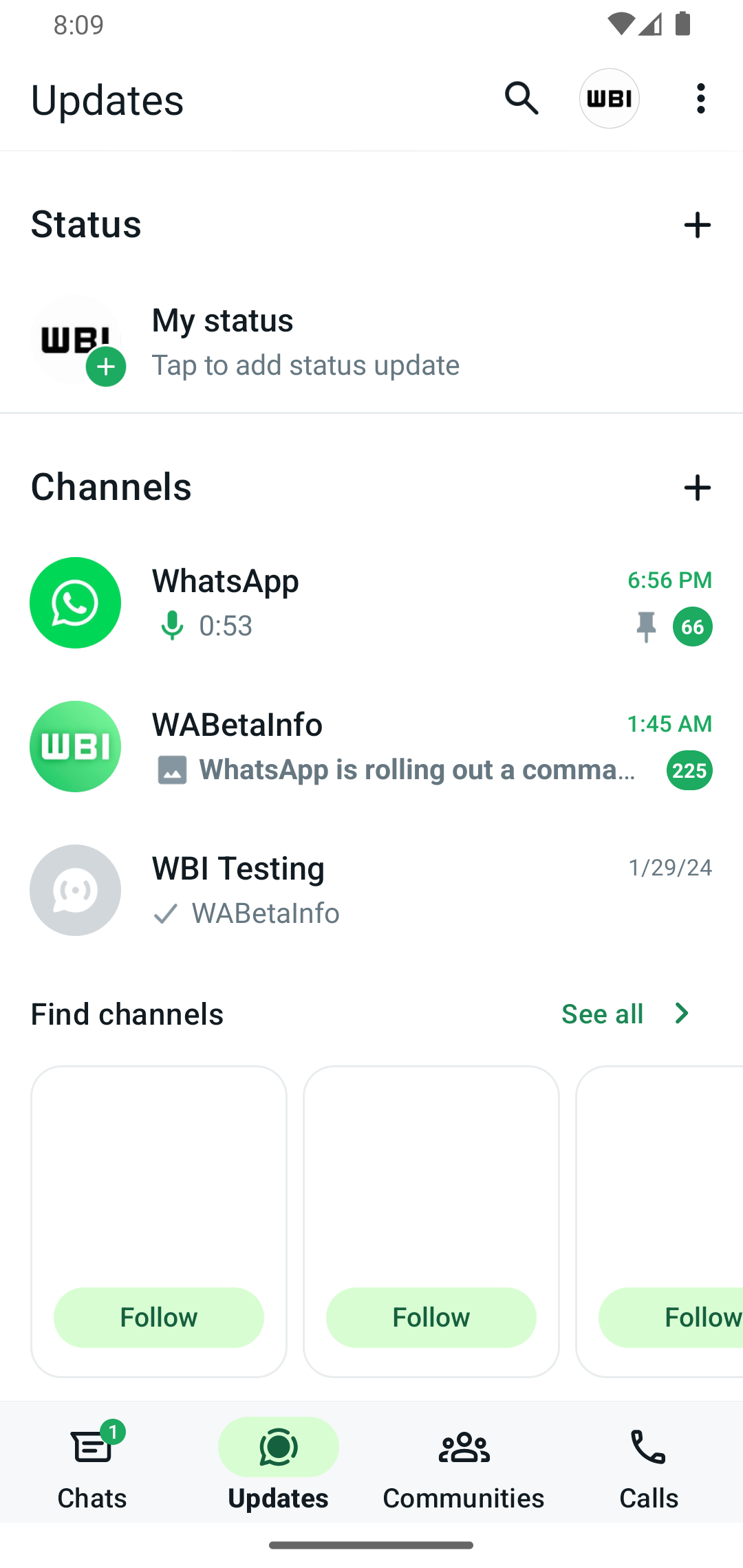
  • WhatsApp tests channel pinning feature for Android in version 2.24.4.3.
  • New feature targets clutter reduction and improved channel organization.
  • Potential interface revamp to align channels with the chats tab layout.
  • Anticipation builds for the feature’s inclusion in the stable WhatsApp version.

WhatsApp is on the verge of enhancing user experience for its Android app users by developing a feature that allows for pinning channels.

It’s a common fact now that with the introduction of channels not too long ago, organising them has become a necessity for a more streamlined user interface.

This move by the Meta-owned messaging giant comes as a response to the growing clutter within the app due to an increase in the number of channels users join.

Streamlining Your Chat Experience

Streamlining Your Chat Experience

According to insights from WABetaInfo, this feature has been spotted in the version 2.24.4.3 of WhatsApp for Android, indicating active testing phases.

This addition aims to give users the ability to prioritize their channels by pinning them, ensuring easy access to frequently used or important channels.

It’s suggested that this new feature could come with a revamped interface for channels, likely mirroring the familiar layout of the chats tab to maintain consistency within the app.

While it’s not set in stone that this pinning feature will make its way to the stable release, the odds are in favour of its inclusion, promising an improvement in navigating through WhatsApp’s expanding ecosystem of channels.

As WhatsApp continues to evolve, this feature is likely just a glimpse of what’s to come in enhancing user convenience and app functionality.

Stay connected for further updates on this and other upcoming features to WhatsApp’s Android application.

FAQs

What is the channel pinning feature in WhatsApp for Android?

Channel pinning allows users to prioritize and easily access their most important or frequently used channels by fixing them at the top of their channel list.

In which version of WhatsApp for Android was the pinning feature spotted?

The channel pinning feature was identified in version 2.24.4.3, indicating it’s currently under active development and testing.

How will the new channel pinning feature affect the WhatsApp interface?

It’s anticipated that with the introduction of channel pinning, WhatsApp will unveil a redesigned interface for channels, potentially mirroring the existing chats tab to ensure a cohesive user experience.

Is it guaranteed that the channel pinning feature will be released to all users?

While there’s high optimism for its rollout, the final decision to include the channel pinning feature in the stable version of WhatsApp has yet to be confirmed.

WhatsApp beta for Android 2.24.4.3: what’s new?

After announcing a section to allow users to view their reported channels and updates, WhatsApp continues to work on new features aimed at improving the overall experience for users engaging with channels.

The introduction of these new features not only keeps existing users engaged but also attracts potential new users to interact with WhatsApp Channels.

Specifically, thanks to the latest WhatsApp beta for Android 2.24.4.3 update, which is available on the Google Play Store, we discovered that WhatsApp is working on bringing a feature to pin channels to the top of the channels list!

WhatsApp is exploring a new feature to provide users with a tool to pin their important channels to the top of the channels list, for a future update of the app.

This means that when a channel is pinned, it will remain prominently displayed at the top of the channels list, ensuring easy access and visibility for users.

It’s important to note that the ability to pin channels to the top of the channels list will be released with a revamped interface for channels, similar to the existing interface of the chats tab.

In our opinion, implementing a feature that allows users to pin channels to the top of the channels list can offer several advantages.

Users will be able to prioritize and highlight the channels that are most important or frequently accessed.

This feature will help users organize their channels based on relevance or priority, ensuring that important channels are readily available at the top of the list.

In addition, as users join more channels, the channel list can become cluttered and finding specific channels may become time-consuming.

We believe that pinning channels will offer users a simple and effective solution to declutter the interface, allowing them to focus on the channels that matter most to them.

The feature to pin channels is under development and it will be available in a future update of the app.

How to Pin More Than 3 Chats in WhatsApp ?

Pinning more than three chats on WhatsApp is a bit like bending the rules, but here’s a creative workaround to make it happen:

WhatsApp officially allows you to pin a maximum of three chats. However, if you have a plethora of chats vying for your attention, here’s how you can go beyond that limit using a clever technique:

Group Your Chats: Start by organizing your chats into groups based on your priority or categories. For instance, you can create groups like “Work,” “Family,” “Friends,” and “Projects.”

Archiving Strategy: WhatsApp lets you archive chats to declutter your main chat list. Long-press the chat you want to hide, then tap the archive button (usually represented by a downward arrow). This action will move the chat to the “Archived Chats” section.

Pin and Unpin Strategically: Now, you can work within the official pinning limit. Pin the three most critical chats you need quick access to from your main chat list. These might be your current work project, your family group, and your best friend.

Unpin and Archive Rotation: As your priorities change, unpin a chat that you no longer need at the top and replace it with another chat. Always ensure that you have three pinned chats on your main chat list.

How to Pin Message in WhatsAppSimplifying Chat Management:

Managing your WhatsApp chats is a breeze with the Quick Access to Archive Chat feature. It’s like having a secret drawer for your conversations. To use it:

1. Android Users: Long-press a chat, then tap the archive icon (box with an arrow). You can also archive multiple chats by selecting them.

2. iOS Users: Swipe left on a chat and tap “Archive.” For multiple chats, swipe and select, then tap “Archive.”

Access your archived chats by scrolling to the top of your chat list and tapping “Archived.”

It’s an easy way to keep your main chat list tidy while still having your important conversations at your fingertips.

How do u Unpin a Message on WhatsApp?

If you ever want to unpin a message, follow these steps:

Step 1: Open WhatsApp: Open WhatsApp’s main interface.
Step 2: Open the Pinned Chat: Go to the chat where the message is pinned.
Step 3: Tap and Hold: Tap and hold the pinned message again.
Step 4: Unpin the Message: Look for the “Unpin” option (usually represented by a thumbtack with a strikethrough). Tap on it to unpin the message.

How to pin a message on Android, iPhone and web/desktop?

  • Android: Tap and hold the message. Tap more options > Pin > select the pin duration (24 hours, 7 days, or 30 days) > Pin.

  • iPhone: Tap and hold the message. Tap More options > Pin > select the pin duration (24 hours, 7 days, or 30 days).
  • Web and Desktop: Go to the message you want to pin and click menu > Pin message > select the pin duration (24 hours, 7 days, or 30 days) > Pin.

Also Read: WhatsApp Unveils New UI and Features Echoing Instagram’s Style

Also Read: WhatsApp Channels Update Brings Audio Messages, Polls, and Enhanced Admin Features

Also Read: WhatsApp to Enhance Calling Experience with New Favourites Feature 

Google Maps for Android Now Features Real-Time Weather and AQI Updates

0
Google Maps for Android Now Features Real-Time Weather and AQI Updates

Highlights

  • Real-time weather and AQI information directly integrated into Google Maps for Android.
  • Tap the weather box for detailed forecasts and “Feels like” temperatures.
  • Dynamic weather feature updates as you move across the map.
  • Generative AI feature rolling out to Local Guides for personalized discovery.

Google Maps for Android is embracing a more immersive and informative browsing experience by integrating real-time weather updates and Air Quality Index (AQI) information directly into its map layer.

It’s about time, as the feature has been long available on iOS, offering them a comprehensive overview of environmental conditions at a glance.

Weather at Your Fingertips

Weather at Your Fingertips

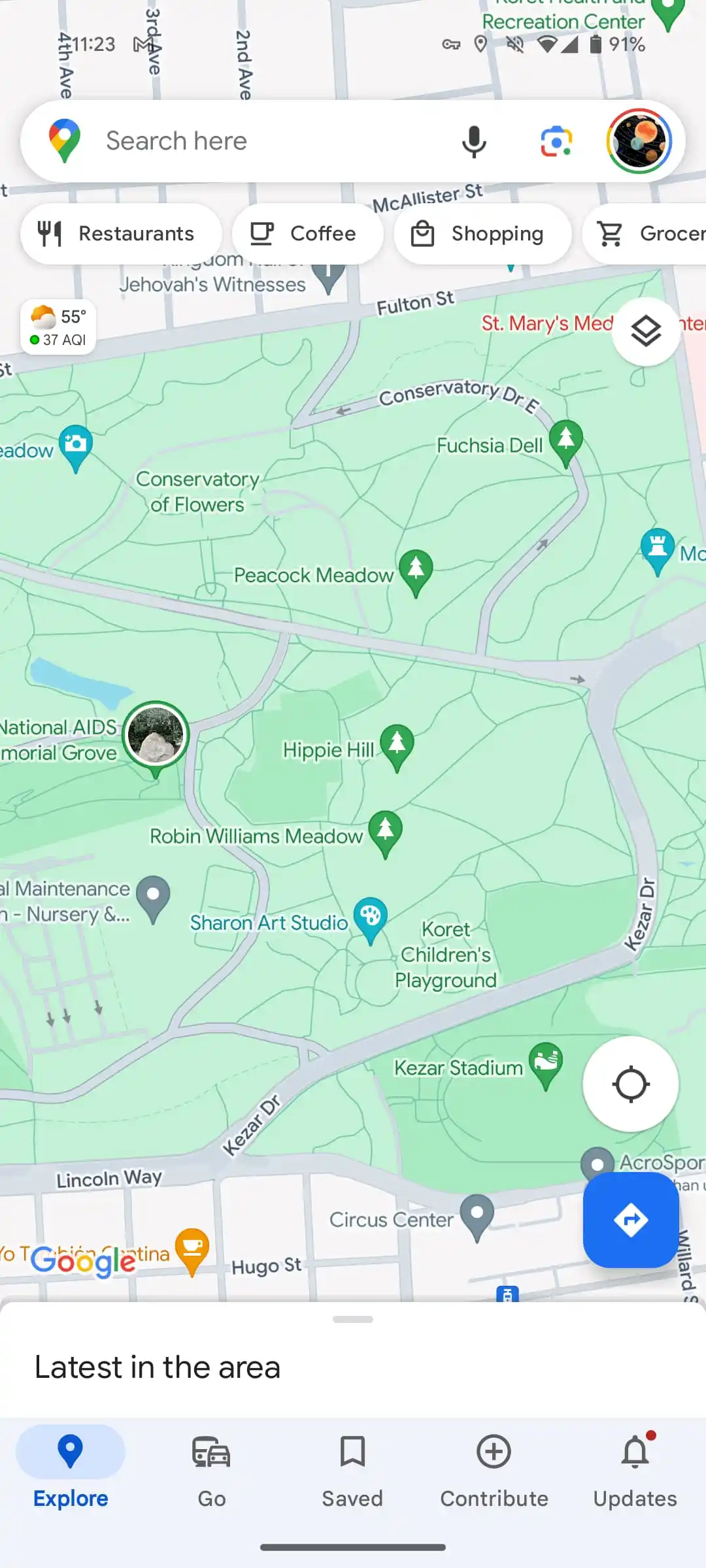
A subtle yet significant addition, a small rectangular box now adorns the top-left corner of the screen, nestled beneath the search bar and the carousel of place filters.

By default, this box displays the current temperature along with a corresponding icon to visually represent the weather condition—be it sunny, cloudy, rainy, or snowy.

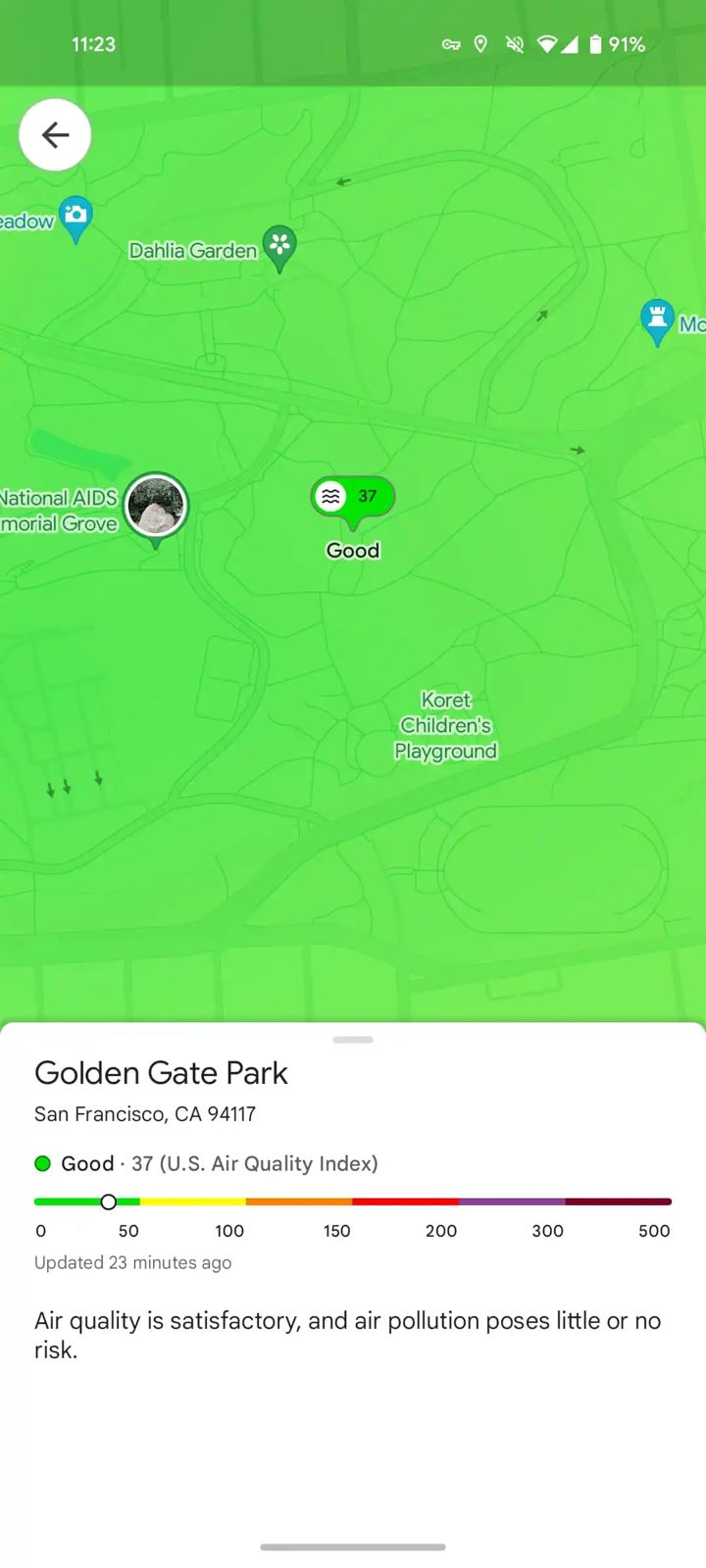
Additionally, as mentioned above, it provides the current AQI, alerting users to the quality of air in their immediate vicinity or any other location they choose to explore on the map.

Google Maps for Android Now Features Real-Time Weather and AQI Updates

For those interested in a more detailed weather breakdown, a simple tap on the box unfolds a card filled with essential weather details.

Users can find information on the “Feels like” temperature, the day’s high and low temperatures, and a swipeable 12-hour forecast, offering insights into upcoming weather changes.

Clicking on the AQI section redirects users to the existing Air Quality map layer, allowing for an in-depth exploration of air quality across different areas.

Seamless and User-Friendly Integration

Seamless and User-Friendly Integration

This weather feature updates dynamically as you navigate through the map, ensuring you’re always informed about the weather and air quality of the places you’re heading to or exploring.

It’s designed to vanish temporarily when you select something on the map, maintaining a clutter-free viewing experience.

Notably, Google Maps for Android opts for a slightly different set of icons for weather conditions compared to those used in Google Weather, adding a touch of uniqueness to the app’s interface.

Rolling out in recent weeks, this update (version 11.113.x) is now reaching a broader audience.

Generative AI feature rolling out to Local Guides for personalized discovery

Users eager to try this new feature can force stop Google Maps and restart it to see the changes if they aren’t visible immediately.

Moreover, Google is not stopping at weather integration.

The tech giant has also announced the introduction of a generative AI feature aimed at enhancing the discovery process within Maps.

Initially available to Local Guides in the US, this AI-driven tool employs large language models (LLMs) to provide personalized suggestions for places to explore, tailored to the user’s specific interests and needs.

This rollout is set to begin with select Local Guides, with plans for a wider release in the future.

FAQs

How do I access weather and AQI updates on Google Maps for Android?

Look for a small rectangular box in the top-left corner under the search bar, displaying temperature and AQI; tapping it reveals more details.

What kind of weather information can I see on Google Maps for Android?

Users can view current temperature, weather condition icons, high/low temperatures for the day, and a 12-hour forecast by tapping the weather box.

Can I check air quality in different areas using Google Maps?

Yes, clicking on the AQI section within the weather box opens the Air Quality map layer for detailed exploration of air quality in various regions.

Will the weather and AQI features be available for all Android users immediately?

The update is gradually rolling out. If it’s not visible yet, try force stopping Google Maps and restarting the app.

What is the new generative AI feature in Google Maps?

Aimed at Local Guides in the US initially, this feature uses large language models to offer personalized place suggestions, enhancing the discovery process.

How does Google Maps’ weather feature work?

Once users have downloaded the latest version of Google Maps on their Android phones, they will see a tiny widget on the left side under the search bar that will show the local temperature along with weather conditions and AQI in a small box.

These details change as a user moves around. Tapping the widget reveals more details about the weather conditions in their area. For instance, users will see the temperature throughout the day. It also shows if it will be sunny, windy or rainy that day along with ‘Feels Like’ details.

In addition to this, the widget shows detailed air quality map. This air quality map is powered by weather.com.

How to get the feature?

Android users can download the latest version of Google Maps on their smartphones to use this feature. It is available with version 11.113.x of Google Maps.

That said, not all Android users have got this feature, and it is still being rolled out to users.

Has Google Maps got new AI-based features in India?

Google recently announced a host of new artificial intelligence (AI)-based features that are coming to Maps. Here are some of the top features that you need to check out:

Address Descriptors: Google has expanded this feature to over 75 Indian cities and it plans to roll it out to all users in 2025. This feature shows up to five relevant landmarks to find a pinned location.

Lens in Maps: This feature will show nearby destinations as users point out their phones in a particular direction on road. It will be available on Android first.

Live View walking navigation: This feature will show arrows and other markets overlaid on the Maps to users to help them navigate on foot.

Fuel-efficient routing: This feature will let users find greener routes. It will be available for both two-wheelers and four-wheelers.

What are the major changes in the new Google Weather app design?

Google’s Weather app has undergone a comprehensive redesign, initially rolled out for Pixel devices in October.

The revamped design offers a user-friendly interface with a simplified view of weather forecasts, including today, tomorrow, and a 10-day outlook on a single page.

This design overhaul allows users to scroll through detailed weather information like hourly forecasts, wind speed, and humidity without the need to switch between different tabs or pages.

How does the Google Weather app integrate with Google Search?

Unlike typical standalone apps, Google Weather is integrated within the Google Search app. Users can easily access the latest weather updates by simply searching for “weather” on their Android device.

What is GraphCast and how does it improve weather forecasting in the Google Weather app?

GraphCast is Google’s latest AI-driven forecasting model that has been incorporated into the Weather app.

It can deliver accurate 10-day weather predictions in less than a minute. Developed and detailed in a Science report, GraphCast represents a significant leap in weather forecasting technology.

What are the changes to the auto-delete function in Google Maps?

Google Maps has revised its auto-delete function for location history.
Previously, the app retained location data for 18 months, but following the update, it will now automatically delete this information after just three months.

Users have the option to adjust this setting if they wish to retain their data for a longer period. This change is a proactive step by Google to prioritize user privacy and data security.

What additional privacy features does the Google Maps update include?

The update introduces new functionalities for enhanced privacy control. Users can now delete specific place-related activities from their Maps history.

Additionally, the update includes new blue dot controls, providing users with more direct management over their location data.

These features offer users increased flexibility and control over their personal data and how it is used within the app.

What has changed with Google’s redesigned weather app?

Google has updated their weather app with a streamlined interface, offering a single-feed layout, an intuitive Hourly forecast carousel, and a detailed 10-day forecast.

It maintains the famous Froggy mascot and includes informative cards about wind, humidity, UV index, pressure, and sunrise and sunset times.

Is the updated Google Weather app available on non-Pixel Android devices?

Yes, the updated weather experience, which was previously exclusive to Pixel phones, Pixel Tablet, and Fold is now extending its reach to Samsung and other Android smartphones.

What is the layout of the Google Weather app on tablets and foldables?

For tablets and foldable devices, the app presents a two-column format, allowing for easier navigation and viewing.

How can users on non-Pixel devices access the updated weather features?

Android users can access the up-to-date weather features through shortcuts and home screen widgets on their devices.

Does the new design signify anything for future Google services on Android devices?

The evolution of the Google Weather app suggests a trend toward a more integrated and user-friendly approach, which may indicate similar enhancements for other Google services on Android devices in the future.

How to add weather widgets on Android 11 or older?

  • Download and Install the Pixel
  • Weather Widget & Themes app from the Google Play Store.
  • Tap and hold on to any empty area of your home screen.
  • Tap on Widgets.
  • Expand the Pixel Weather widget option and pick your favorite one.
  • Tap and hold on to the widget and drag it to your home screen.

How to add weather widgets on Android 12 or newer:

  • Tap and hold on to any empty area of your home screen.
  • Tap on Widgets.
  • Scroll down to find Weather and expand the section.
  • Tap and hold on to your widget of preference, then drag it to your home screen.
  • When the widget shows up on your home screen, you can tap and hold onto it and release it.
  • This will allow you to resize the widget.

Also Read: CES 2024: Google Enhancing Electric Vehicle Experience with New Android Auto Updates

Also Read: Google Discover’s Update Enables Easy Tracking of Liked Content

Also Read: Google Weather App Access Now Expanding To Samsung and other Non-Pixel Phones

Android 15 Set Change App Management with In-Built Archiving Feature

0
Android 15 Set Change App Management with In-Built Archiving Feature

Highlights

  • Android 15 poised to include an in-built app archiving feature.
  • Automatic archiving introduced in 2022 now expands beyond Play Store apps.
  • Users can easily reactivate archived apps with a simple tap.
  • Feature designed to significantly reduce app storage footprint on devices.

Android users who are grappling with limited storage space, Google’s innovation in app archiving is likely to offer some temporary respite.

Introduced in 2022 via the Play Store, this feature automatically archives unused apps, thereby freeing up essential storage without requiring users to manually decide which apps to remove.

However, this functionality was limited to apps obtained from the Play Store, leaving out those downloaded from external sources and offering no option for manual archiving by the user.

Android 15 to Have In-Built App Archiving

Android 15 to Have In-Built App Archiving

There’s a potential expansion on the horizon, as hinted by recent discoveries within an Android 14 QPR2 beta update.

Mishaal Rahman of Android Authority uncovered new testing commands that suggest developers might soon have the ability to archive or restore their apps directly.

This indicates Google’s intention to integrate the app archiving feature more deeply into the Android operating system, potentially making it a standard feature in Android 15.

Android 15 Set Change App Management with In-Built Archiving Feature

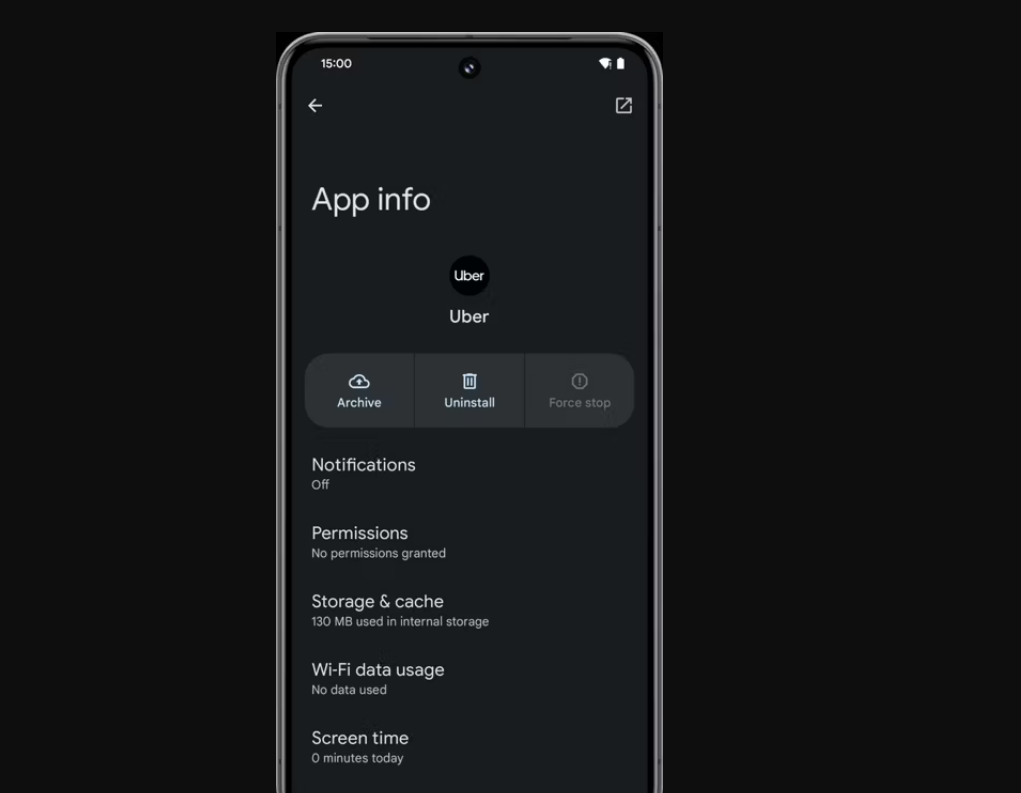
The mechanics of app archiving on Android involve a significant reduction in the app’s footprint on the device.

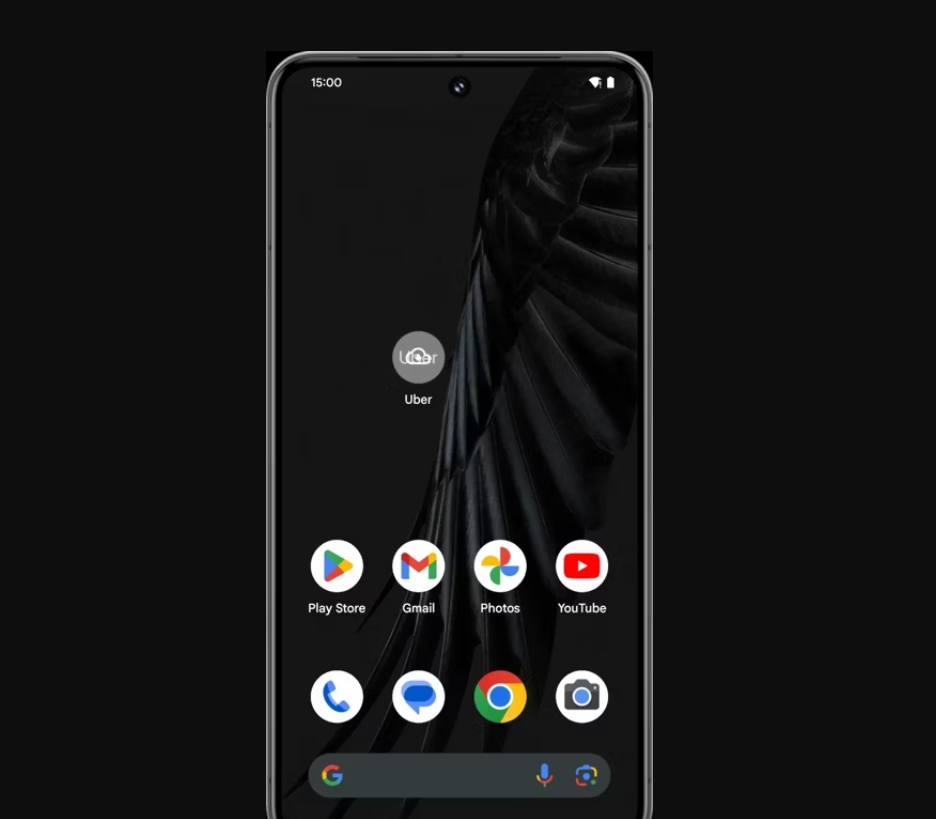
Only the essential components are retained, while the bulk of the app’s data is removed, symbolised by a cloud icon on the app icon for easy identification.

Should the user decide to reactivate an archived app, a simple tap suffices to restore it to its full functionality, assuming the app remains available on the Play Store.

A Growing Need For Storage on Android

A Growing Need For Storage on Android

This feature addresses a critical need for users of devices without expandable storage options and those reluctant to permanently delete apps to reclaim space.

Your Android smartphones serve multiple purposesfrom photography and music playback to reading and file management—the demand for storage has never been higher.

App archiving promises to alleviate some of this pressure by allowing users to temporarily remove apps without losing them entirely.

While the full implementation of this feature in Android 15 remains speculative, the evidence points towards a more flexible and user-friendly approach to managing apps and storage space.

FAQs

What is the app archiving feature in Android?

App archiving allows Android users to temporarily remove unused apps while retaining their essential components, thereby freeing up storage space without permanent deletion.

How does app archiving work on Android devices?

When an app is archived, most of its data is removed, leaving a minimal footprint. A cloud icon appears on the app icon, indicating its archived status. Tapping on the app restores it to full functionality.

Will Android 15 support archiving for apps not downloaded from the Play Store?

Indications from Android 14 QPR2 beta testing suggest that Android 15 may extend archiving capabilities to include apps downloaded from external sources, offering a more comprehensive solution.

How can I restore an archived app in Android?

Restoring an archived app is as straightforward as tapping on its icon. The app will download its main components again, assuming it’s still available on the Play Store.

Also Read: The Best Android Apps of 2023 

Also Read: List of Battery-Draining Android Apps with 20 Million Downloads Removed from the Google Play Store

iPhone 16 Prototype Reveals New Camera Design and Functional Upgrades

0
iPhone 16 Prototype Reveals New Camera Design and Functional Upgrades

Highlights

  • Pill-shaped camera bump inspired by iPhone X introduced in iPhone 16 prototypes.
  • Vertical camera setup with dedicated rings for Wide and Ultrawide lenses.
  • Enhanced functionality with potential for Spatial Video recording in base models.
  • Subtle design adjustments include a smaller Action Button.

Apple is currently in the process of finalising the design for this year’s iPhone 16 models.

The latest buzz from the tech giant’s labs reveals a significant shift towards a new camera design that might just set the trend for future smartphones.

Drawing inspiration from the iconic iPhone X, Apple’s newest prototype might be introducing a new aesthetic coupled that will deviate from the company’s .

Reviving the Pill-Shaped Camera Bump

Reviving the Pill-Shaped Camera Bump

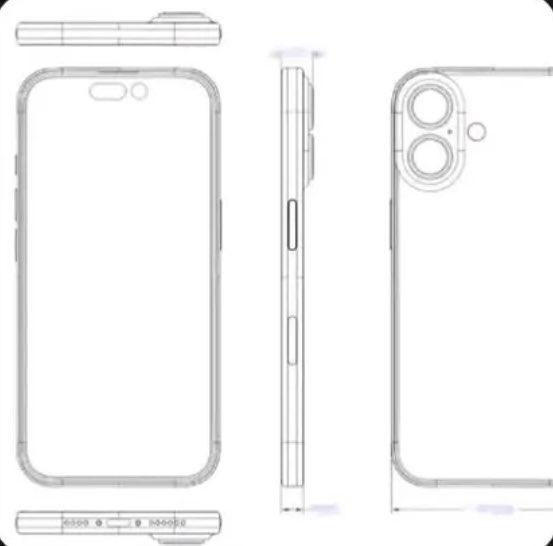
As per Macrumors, and corroborated by tipster Majin Bu the centerpiece of the latest iPhone 16 prototype is undoubtedly its pill-shaped camera bump, a nod to the design philosophy behind the iPhone X.

This prototype distinguishes itself by featuring two distinct camera rings dedicated to the Wide and Ultrawide cameras, subtly incorporating elements from previous designs.

The continuity in the vertical arrangement of the camera system, alongside the unchanged positioning of the flash and camera lenses is possibly what we can expect from the base iPhones this year.

Pill-shaped camera bump inspired by iPhone X introduced in iPhone 16 prototypes

Clearly, the design is there to differentiate the device’s visual appeal but there is also an indication of functional enhancements, particularly the potential inclusion of Spatial Video recording capabilities in the base iPhone 16 models.

As the Vision Pro reaches more and more hands, the ability to take record in this new spatial video format, is what Apple is banking on to get the sales of the former to shoot up.

Design Tweaks and Functional Upgrades

Design Tweaks and Functional Upgrades

Beyond the camera, Apple has not shied away from refining other elements of the iPhone 16.

Recent prototypes showcase subtle yet significant adjustments to the Action Button and Capture Button.

The Action Button has been downsized to resemble the one found on the iPhone 15 Pro, suggesting a preference for uniformity across models.

iPhone 16 Prototype Reveals New Camera Design

More intriguing, however, is the introduction of a pressure-sensitive Capture Button, designed to sit flush with the device’s frame.

Although more in the realm of speculation this dedicated Capture button might be the most important change of all.

These changes, while primarily cosmetic, hint at Apple’s broader vision for the iPhone 16 series: a blend of aesthetic appeal and functional innovation.

iPhone 16 Prototype Reveals New Camera Design and Functional Upgrades
iPhone 16 Functional Upgrades

Apple iPhone 16 Specs

GENERAL

Sim Type Dual Sim, GSM+GSM
Dual Sim Yes
Sim Size Nano + eSIM
Device Type Smartphone
Release Date September 07, 2024 (Expected)

DISPLAY

Type Color OLED Screen (1B Colors)
Touch Yes
Size 6.12 inches, 1200 x 2600 pixels, 120 Hz
Aspect Ratio 20:9
PPI ~ 447 PPI
Features Super Retina XDR Display, HDR Display, True Tone, Wide Color (P3), Haptic Touch, 1200 Nits Max Brightness (HDR), Support for Display of Multiple Languages and Characters Simultaneously
Notch Yes, Small Notch

MEMORY

RAM 8 GB
Storage 128 GB
Card Slot No

CONNECTIVITY

GPRS Yes
EDGE Yes
3G Yes
4G Yes
5G Yes
5G Bands 5G NR (Bands n1, n2, n3, n5, n7, n8, n12, n20, n25, n26, n28, n30, n38, n40, n41, n48, n53, n66, n70, n77, n78, n79)
VoLTE Yes
Wifi Yes, with wifi-hotspot
Wifi Version Wi-Fi 7
Bluetooth Yes, v5.4, A2DP, LE
USB Yes, Lightning Port
USB Features USB on-the-go, USB Charging

EXTRA

GPS yes with A-GPS, Glonass
Fingerprint Sensor No
Face Unlock Yes
Sensors Barometer, Three‑axis Gyro, Accelerometer, Proximity Sensor, Ambient Light Sensor
3.5mm Headphone Jack Lightning
NFC Yes
Water Resistance Yes, 6 m upto 30 min
IP Rating IP69
Dust Resistant Yes
Extra Features Satellite Connectivity, Crash Detection

CAMERA

Rear Camera 48 MP f/1.5 (Main)
12 MP f/2.4 (Ultra Wide) with autofocus
Features Panorama, Night Mode, Deep Fusion, Smart HDR 4, Photographic Styles, Burst Mode, Photo Geotagging
Video Recording 4K @ 24/25/30/60 fps UHD, 1080p @ 25/30/60 fps FHD
Flash Yes, Dual LED
Front Camera 12 MP f/1.9 (TrueDepth) with Retina Flash
Front Video Recording 4K @ 60 fps UHD, 1080p @ 60 fps FHD

TECHNICAL

OS iOS v18
Chipset Apple Bionic A17
CPU Octa Core Processor
GPU Apple 4 Core GPU
Java No
Browser Yes

MULTIMEDIA

Email Yes
Music AAC‑LC, HE‑AAC, HE‑AAC v2, Protected AAC, MP3, Linear PCM, Apple Lossless, FLAC, Dolby Digital (AC‑3), Dolby Digital Plus (E‑AC‑3), Dolby Atmos and Audible (formats 2, 3, 4, Audible Enhanced Audio, AAX and AAX+)
Video HEVC, H.264, MPEG‑4 Part 2 and Motion JPEG, HDR with Dolby Vision, HDR10 and HLG
FM Radio No
Document Reader Yes

BATTERY

Type Non-Removable Battery
Size 3500 mAh, Li-ion Battery
Fast Charging Yes
Wireless Charging Yes, 25W MagSafe
Music Playback Time 100 hours

FAQs

What new camera design is Apple introducing in the iPhone 16?

The iPhone 16 is expected to feature a pill-shaped camera bump with a vertical arrangement for its Wide and Ultrawide cameras, taking inspiration from the design philosophy of the iPhone X.

How does the iPhone 16’s camera design differ from previous models?

Unlike the broader square bumps of past models, the iPhone 16 aims to differentiate with a sleek, pill-shaped bump that focuses on enhancing both aesthetic appeal and camera functionality.

Will the iPhone 16 support Spatial Video recording?

Indications suggest that Apple plans to introduce Spatial Video recording capabilities in the iPhone 16 base models, expanding the immersive video experience to a wider audience.

Are there any changes to the iPhone 16’s Action and Capture Buttons?

The latest prototypes show a downsized Action Button akin to the iPhone 15 Pro and a new pressure-sensitive Capture Button, aiming for a more uniform and intuitive user interface.

What are the key design changes in the latest iPhone 16 Pro prototype?

The latest “Proto2” prototype of the iPhone 16 Pro shows a design shift, adopting a smaller Action button akin to that of the iPhone 15 Pro.

This contrasts with earlier prototypes that experimented with different sizes and placements for the Action button.

How did the iPhone 16 Pro’s Action button design evolve from initial prototypes?

Early prototypes of the iPhone 16 Pro included a unified volume button and a smaller multi-purpose Action button.

This design was part of the discontinued Project Bongo, which initially aimed to bring haptic buttons to the iPhone 15 Pro.

What was the purpose of Apple’s Project Bongo and how did it influence the iPhone 16 Pro’s design?

Project Bongo was an attempt to introduce haptic buttons to the iPhone 15 Pro. Although the project was canceled, its design elements, particularly the unified volume button, influenced early versions of the iPhone 16 Pro.

What does the “Proto2” prototype indicate about the future of the iPhone 16 Pro’s design?

The “Proto2” prototype suggests that Apple may be moving away from the idea of a capacitive Action button, as it features a smaller, more traditional Action button similar to the iPhone 15 Pro.

Also Read: iPhone 16 Series May Tackle Overheating with Graphene Vapour Chamber

Also Read: iPhone 16 Pro Series May Potentially Feature Up to 2TB Storage

Also Read: iPhone 16 Pro Latest Prototype Reveals Design Changes in Action Button

Also Read: iPhone 16 to Reportedly Include a New Capture Button For Easier Videography

Meta’s AI Plan Using Facebook Data Raises Privacy, Toxicity Concerns

0
Meta's AI Plan Using Facebook Data Raises Privacy, Toxicity Concerns

Highlights

  • Meta aims to develop AI surpassing ChatGPT with Facebook, Instagram data.
  • Privacy issues loom over training AI with personal, interactive user content.
  • Challenges in filtering toxic content from vast datasets highlight potential risks.
  • Meta’s approach contrasts with more cautious AI development strategies.

Mark Zuckerberg’s recent announcement about Meta’s plans to develop its own artificial intelligence systems using data from Facebook and Instagram has sparked significant outcry.

Following the release of Meta Platforms Inc.’s latest financial results, Zuckerberg highlighted the company’s intention to leverage the vast amounts of user-generated content on these platforms to train a new chatbot.

Meta wants to rival ChatGPT by tapping into a dataset that surpasses the Common Crawl’s 250 billion webpages, a primary resource for training conversational AI.

Meta’ Ambitious AI Approach

Meta’ Ambitious AI Approach

Zuckerberg’s ambition to harness hundreds of billions of publicly shared images, tens of billions of videos, and the extensive volume of public text and comments presents a potential edge in developing more sophisticated AI.

The value of this data is amplified by its interactive nature, particularly the comment threads that mirror human dialogue, crucial for creating conversational agents.

Privacy and Toxic Red Flags

Meta's AI Plan Using Facebook Data Raises Privacy, Toxicity Concerns
Meta’s AI Plan Using Facebook Data Raises Privacy, Toxicity Concerns

However, the move to utilize such personal and interactive content raises significant privacy concerns, as it involves training AI on potentially sensitive conversations and posts shared among friends.

Moreover, the challenge of filtering toxic content from the training data cannot be understated.

The online environment, including Facebook’s comments sections, is rife with harmful content, including personal attacks, and discriminatory speech.

As such, training AI on unfiltered datasets could perpetuate these issues, making the development of a non-toxic, conversational AI a daunting task.

Meta’s historical content, which includes politically charged and misleading information, further complicates the dataset’s quality.

The decision to train AI on this vast, uncurated dataset contrasts sharply with more cautious approaches in AI development, such as Apple’s careful progression towards relaunching Siri.

Meta’s recent stance on allowing a manipulated video of President Biden to remain on its platform is pretty much indicative of the company’s lenient content standards.

This is likely to intensify concerns over its upcoming AI’s potential to inherit and amplify the platform’s existing issues with privacy and toxicity.

FAQs

What is Meta’s plan for developing artificial intelligence?

Meta intends to create a new chatbot by using vast amounts of user-generated content from Facebook and Instagram, aiming to outperform existing AI like ChatGPT.

Why are privacy concerns being raised over Meta’s AI development?

The use of personal and sensitive data from social interactions for AI training has sparked fears over the potential misuse of private information.

How does Meta plan to handle toxic and harmful content in its AI training process?

While the specifics of filtering strategies remain unclear, the inherent challenge of cleansing the dataset of toxicity is a significant hurdle for Meta.

How does Meta’s AI initiative compare to other companies’ approaches to AI development?

Unlike Meta’s ambitious and broad data utilization, companies like Apple take a more cautious route, focusing on privacy and careful curation of training data for AI.

Has Zuckerberg’s AI announcement raised privacy and toxicity red flags?

Meta CEO Mark Zuckerberg’s AI announcement has raised major concerns, after he said that the company had more user data than was used to train ChatGPT – and would soon be using it to train its own AI systems.

The company’s plan to use Facebook and Instagram posts and comments to train a competing chatbot raises concerns about both privacy and toxicity …

Zuckerberg announced the company’s plan after releasing the company’s latest earnings report, as Bloomberg reports.

For many people, Facebook is the internet, and the number of its users is still growing, according to Meta Platforms Inc.’s latest financial results. But Mark Zuckerberg isn’t just celebrating that continuing growth.

He wants to take advantage of it by using data from Facebook and Instagram to create powerful, general-purpose artificial intelligence.

[Zuckerberg said] “The next key part of our playbook is learning from unique data and feedback loops in our products… On Facebook and Instagram, there are hundreds of billions of publicly shared images and tens of billions of public videos, which we estimate is greater than the Common Crawl dataset and people share large numbers of public text posts in comments across our services as well.”

Common Crawl refers to a huge archive of 250 billion webpages, representing the bulk of the text used to train ChatGPT. By calling on an even larger dataset, Meta could be in a position to build a smarter chatbot.

As Bloomberg notes, it’s not just the sheer volume of data that might give Meta an advantage – it’s the fact that so much of it is interactive.

The pile of data he’s sitting on is especially valuable because so much of it comes from comment threads.

Any text that represents human dialogue is critical for training so-called conversational agents, which is why OpenAI heavily mined the internet forum Reddit Inc. to build its own popular chatbot.

What are the two red flags raised by Zuckerberg’s AI announcement?

First, Meta would effectively be training its AI on what may be quite personal posts, and conversations between friends in Facebook comments.

That raises major privacy alarms. Second, anyone who has ever read the comments section anywhere on the Internet knows that the percentage of toxic content is high.

Also Read: Meta Concerned About Telecommunications Bill 2023 Impact on India’s OTT Landscape

Also Read: Meta Announces New Privacy Controls for EU Users: Unlinking Facebook, Instagram, and WhatsApp

Also Read: Meta Tightens Messaging Safety for Teens on Instagram and Facebook