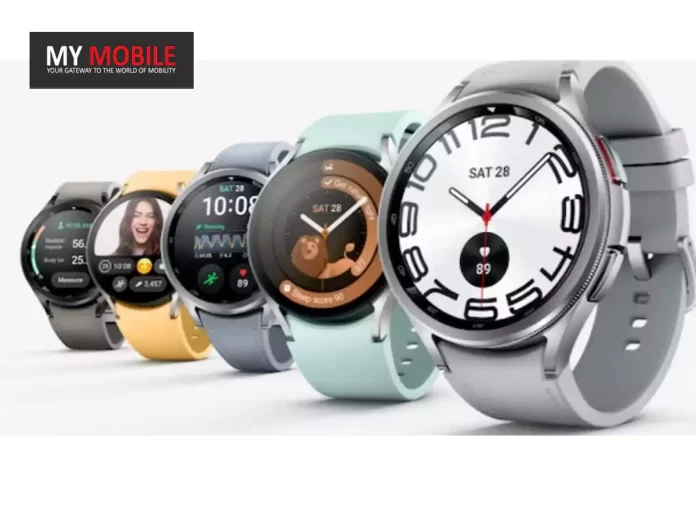
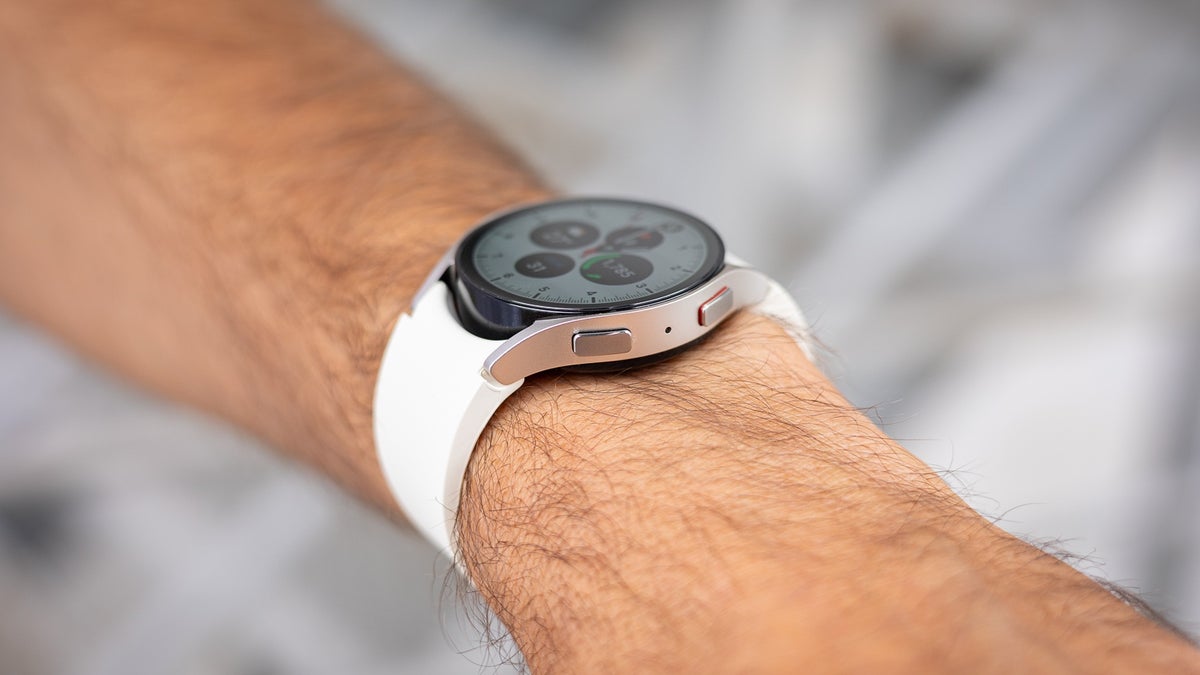
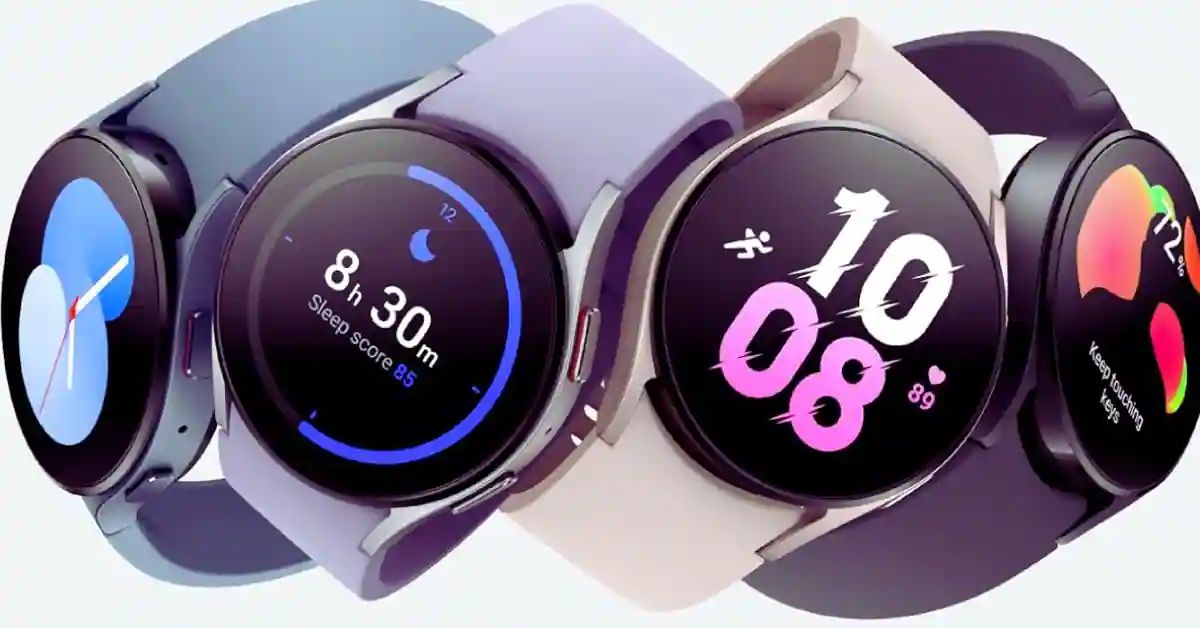
Amidst a sea of speculations surrounding premium smartwatchesfrom leading tech giants, this news about Samsung’s next-gen wearable stands out, hinting at a significant leap in performance and efficiency.
Exynos W940: A Leap in Smartwatch Technology
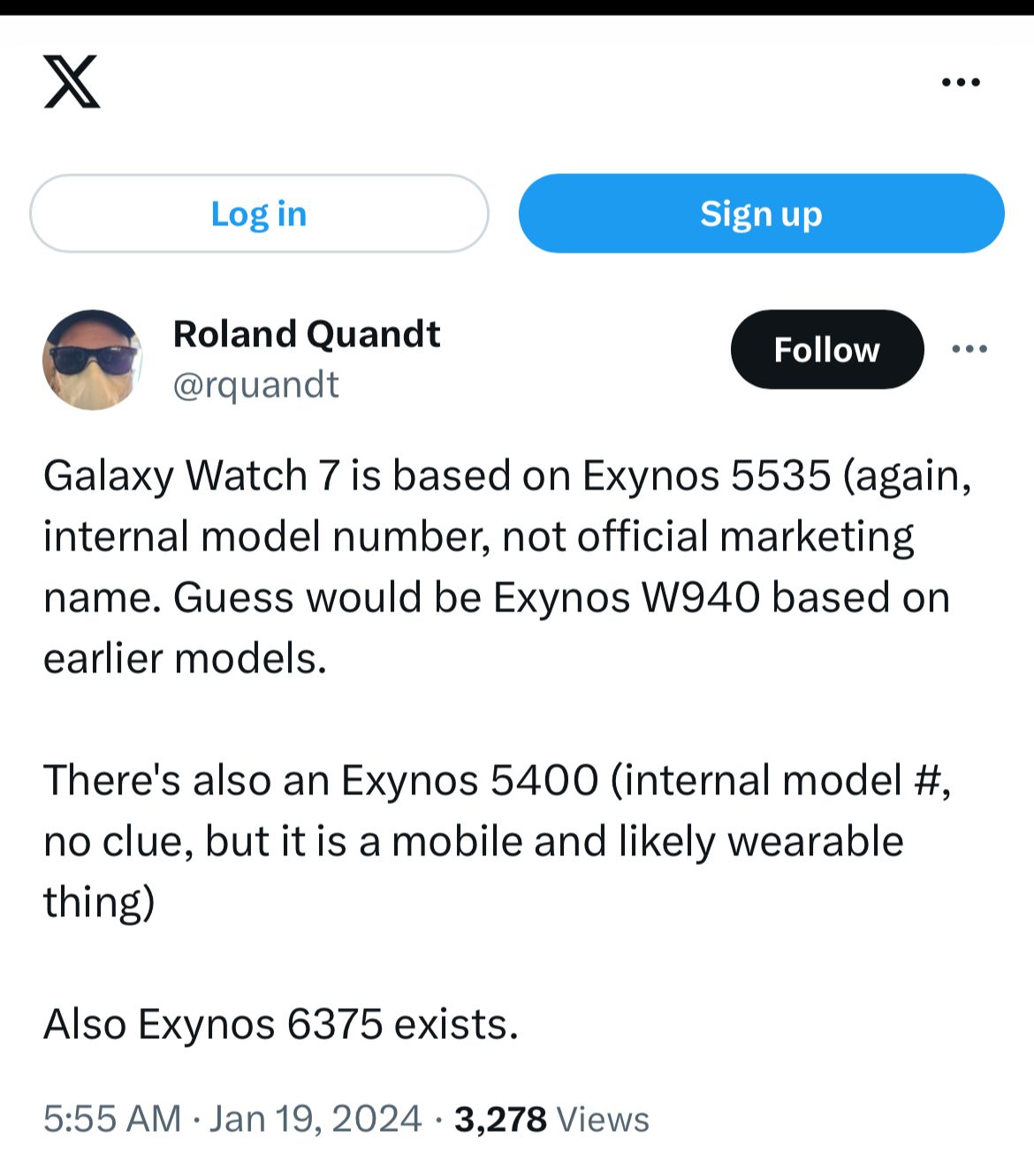
Roland Quandt of X, a source renowned for reliable tech insights
This information comes from Roland Quandt of X, a source renowned for reliable tech insights.
The Exynos W940, poised to replace last year’s Exynos W930 found in the Galaxy Watch 6 series, indicates a substantial upgrade in the smartwatch’s capabilities.
Potential Performance Enhancements
Potential Performance Enhancements
While the exact details of the improvements remain under wraps, it is speculated that the Exynos W940 will be a 3nm-based processor.
This marks a significant advancement from the 5nm Exynos W930 chip used in the previous models.
If these rumors hold true, the Galaxy Watch 7 could see considerable enhancements in both power and energy efficiency.
Anticipated Impact on the Smartwatch Market
Anticipated Impact on the Smartwatch Market
The inclusion of the Exynos W940 chip in the Galaxy Watch 7 could potentially reshape the landscape of smartwatch performance, setting a new benchmark for power and battery efficiency.
Samsung’s move could position the Galaxy Watch 7 as a strong contender against its main rivals, including Google’s upcoming Pixel Watch 3 and the Apple Watch Series 10.
FAQs
What is the Exynos W940 chip in the Galaxy Watch 7?
The Exynos W940, rumored for the Galaxy Watch 7, is an advanced chip expected to enhance the smartwatch’s performance and efficiency. This chip represents a shift from the Exynos W930 used in previous models.
How will the Exynos W940 improve the Galaxy Watch 7?
The Exynos W940, being a 3nm-based processor, is anticipated to offer significant improvements in power efficiency and performance compared to the 5nm Exynos W930.
What makes the Galaxy Watch 7 with Exynos W940 significant?
The integration of the Exynos W940 chip in the Galaxy Watch 7 could set new standards in smartwatch technology, potentially outperforming competitors like Google’s Pixel Watch 3 and the Apple Watch Series 10.
When can we expect the Galaxy Watch 7 to be released?
While there’s no official release date yet, the Galaxy Watch 7’s launch is eagerly anticipated, especially with rumors of it housing the Exynos W940 chip.
Witcher 4 production set to start, following the successful Witcher series.
Transition to Unreal Engine for the upcoming Witcher game.
Cyberpunk 2077 sequel, ‘Project Orion’, in conceptual phase.
Company exploring AI integration in game development processes.
CD Projekt Red, the renowned video game developer based in Poland, is setting the stage for an exciting phase in its storied history.
Adam Badowski, the company’s newly appointed joint CEO, has announced the imminent commencement of the production phase for the latest game in the celebrated “Witcher” series, as per a statement given to Reuters.
The Witcher Saga Continues
The Witcher Saga Continues
The company, in a significant revelation made in March 2022, declared that the next game in the Witcher series, codenamed Polaris, would be the pioneering chapter of a new trilogy, hinting at the eventual development of Witcher titles 4, 5, and 6.
This new installment is eagerly awaited, following the immense success of the previous Witcher games,which have collectively sold over 75 million copies since the first game’s release in 2007.
A notable shift in development approach is the adoption of Epic Games’ Unreal Engine for the upcoming Witcher game, moving away from CD Projekt Red’s in-house REDengine, which was instrumental in creating past Witcher titles and Cyberpunk 2077.
Pre-Production Progress
Pre-Production Progress
As of May, the studio had completed the “research phase” for The Witcher 4.
The team is currently focusing its resources on the pre-production of this new RPG series while simultaneously working on the Cyberpunk 2077 Phantom Liberty expansion.
While the exact release date for Polaris remains under wraps, industry predictions suggest a launch window around 2026 or 2027.
This means fans might have to wait a bit longer for a major release from CD Projekt Red.
Cyberpunk 2077 Sequel on the Horizon
Cyberpunk 2077 Sequel on the Horizon
In addition to the Witcher series, Badowski shed light on the sequel to Cyberpunk 2077, currently referred to as “Project Orion.”
The sequel is in its conceptual phase, with plans to involve about 80 team members by the end of the year.
The project might feature multiplayer elements, though details are yet to be finalized.
The company had initially planned a standalone Cyberpunk multiplayer game but opted against it following the original game’s challenging release.
Badowski also spoke about the company’s exploration into AI’s role in game development, emphasizing its potential to enhance production processes.
At the same time, he addressed concerns about increasing wage pressures, noting that the situation has stabilized and minimal hiring is expected within its Polish studio.
However, expansion continues at its North American studio.
CD Projekt Red Announces Production of Witcher 4 and Cyberpunk Sequel
FAQs
What is CD Projekt Red’s plan for the Witcher series?
CD Projekt Red is gearing up to start production on the next game in the Witcher series, codenamed Polaris, which marks the beginning of a new trilogy in this successful saga.
What engine is being used for the upcoming Witcher game?
The next Witcher game, Polaris, will be developed using Epic Games’ Unreal Engine, moving away from CD Projekt Red’s proprietary REDengine.
What are the details about the Cyberpunk 2077 sequel?
The sequel to Cyberpunk 2077, known as ‘Project Orion’, is currently in its conceptual phase with plans to involve a significant team by the end of the year, potentially including multiplayer elements.
When can we expect the release of Witcher 4?
While no specific release date has been announced, industry analysts predict that Witcher 4 might not be released until 2026 or 2027.
Is CD Projekt Red exploring new technologies in game development?
Yes, CD Projekt Red is looking into the application of AI to enhance game production processes, though they emphasize AI will augment rather than replace human creativity and effort.
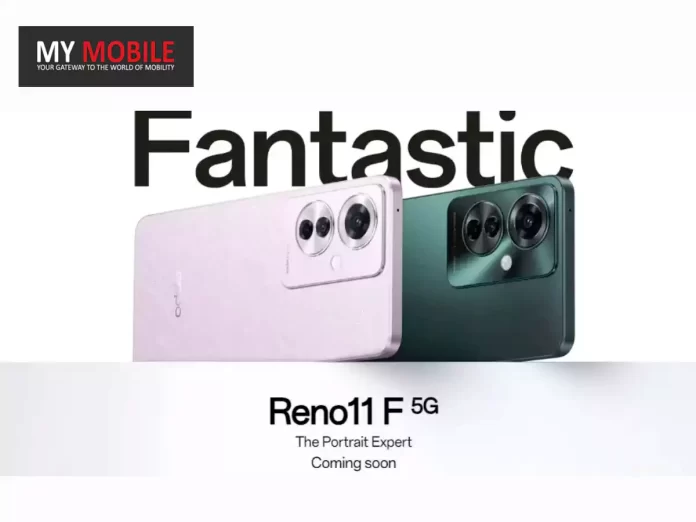
Camera Innovation: OPPO’s focus on the portrait features of the Reno 11F 5G is evident from the teased triple rear camera arrangement.
Fast Charging: The device is expected to include cutting-edge fast charging technology, continuing the brand’s legacy of quick power-ups.
Durability: OPPO assures that the Reno 11F 5G will have water splash resistance and a battery life that maintains durability for up to four years.
Market Availability: Initially debuting in Indonesia, there are plans to expand its availability globally. However, an Indian launch is not confirmed yet, following the recent introduction of the Reno 11 Series in the country.
Expected Specifications of Reno 11F 5G
Expected Specifications of Reno 11F 5G
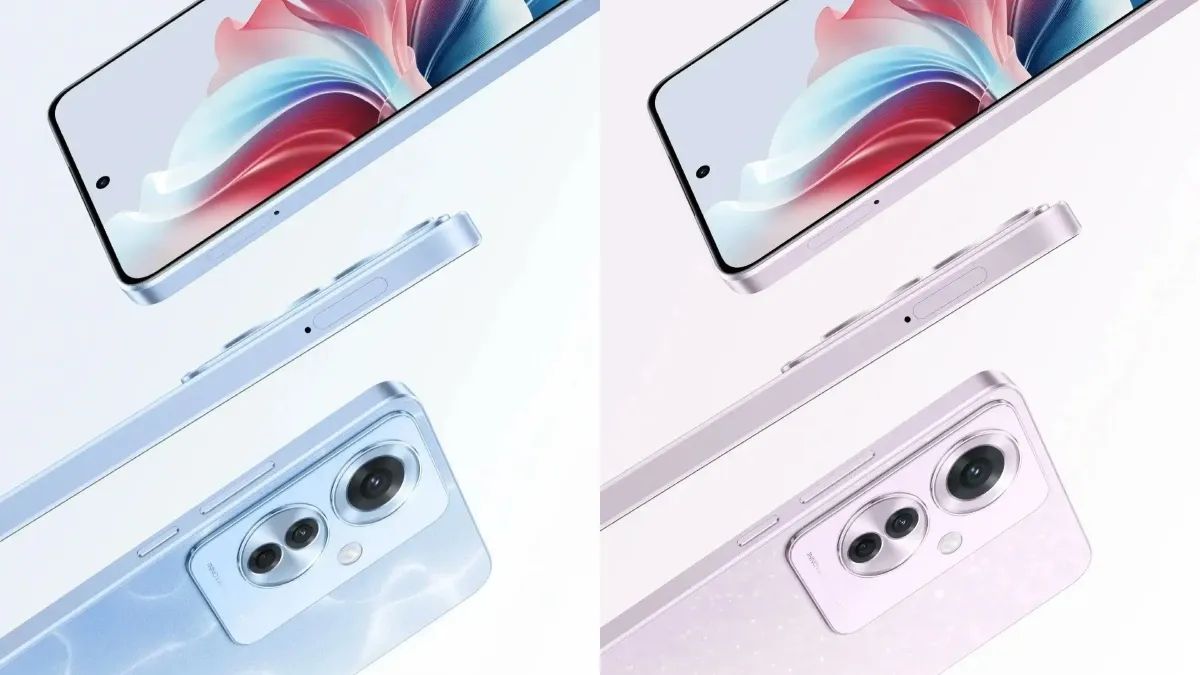
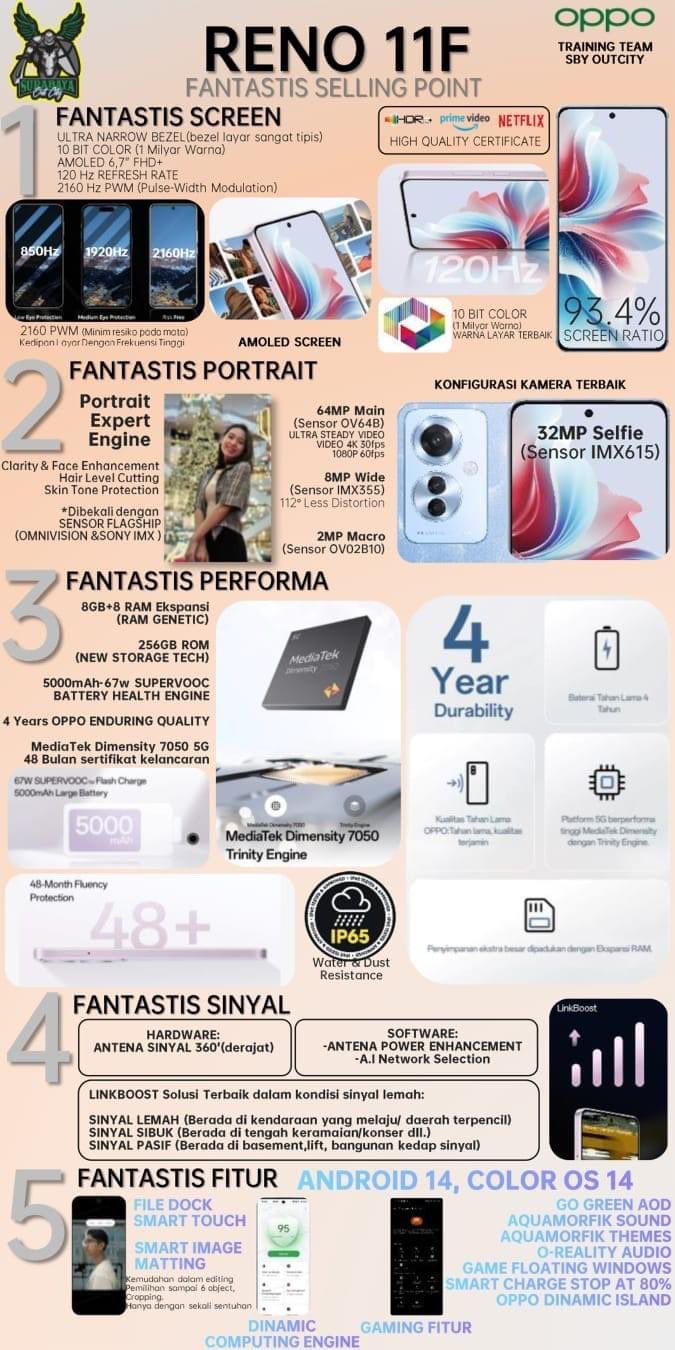
The device is anticipated to come with a 6.7-inch AMOLED display, offering a smooth 120Hz refresh rate.
Camera specifications are rumoured to include a 64MP main sensor, complemented by an 8MP ultrawide lens and a 2MP macro shooter. For selfies, a 32MP front camera is expected.
In terms of charging capabilities, the Reno 11F 5G might feature 67W wired fast charging, similar to the standard Reno 11, and could be equipped with a 5000mAh battery.
Although the specific IP rating for water resistance hasn’t been confirmed, OPPO’s emphasis on this feature indicates a focus on durability and user convenience.
Optical Zoom, Photos, videos, night photos, portraits, professional photos, panorama, super text, Google Lens, cute shots, dual-view video, ultra-clear image quality, high pixel mode, time-lapse photography, and slow motion
What are the main features teased for the OPPO Reno 11F 5G?
OPPO’s teasers for the Reno 11F 5G highlight its triple rear camera setup, ultra-fast charging capability, and water splash resistance, promising a robust and efficient smartphone experience.
When is the OPPO Reno 11F 5G expected to be released?
While a specific global release date hasn’t been announced, the OPPO Reno 11F 5G is initially launching in Indonesia, with plans to expand to other international markets.
What can users expect in terms of display and processor from the Reno 11F 5G?
The OPPO Reno 11F 5G is rumored to feature a 6.7-inch AMOLED screen with a 120Hz refresh rate and be powered by a MediaTek Dimensity 7050 processor for smooth performance.
Will the OPPO Reno 11F 5G be available in India?
There’s no official confirmation about an Indian launch yet, especially since the Reno 11 Series was recently introduced in India.
What is the OPPO F25, and how is it related to the Reno11 F?
The OPPO F25 is rumoured to be the Indian market version of the OPPO Reno11 F, which is slated for a February 24 launch in Indonesia.
It is expected to be the successor to the OPPO F23, carrying forward the Reno11 F’s specifications and features.
When is the OPPO Reno11 F expected to launch, and what are its key features?
The OPPO Reno11 F is rumoured to launch on February 24 in Indonesia.
Key features likely include a 6.7-inch Full HD+ AMOLED display with a 120Hz refresh rate, MediaTek Dimensity 7050 SoC, and a 64MP triple-rear camera setup.
What advancements can we expect in the OPPO F25 over its predecessor?
The OPPO F25, expected to be the rebranded Reno11 F, should bring significant improvements over the F23, such as enhanced display technology, advanced processor capabilities, and improved camera performance.
What makes the OPPO Reno11 F/F25 an attractive choice for smartphone users?
The anticipated OPPO Reno11 F/F25 is set to offer an appealing combination of high-resolution AMOLED display, powerful processor performance, versatile camera capabilities, and fast charging, making it a strong contender in the mid-range smartphone segment.
This significant update marks the first of three major system updates promised for the device, alongside a commitment to five years of security updates, underlining Xiaomi’s focus on long-term support and security.
This mode transforms the tablet into a mini desktop, allowing users to work on multiple apps in windowed mode, which is ideal for productivity tasks.
HyperOS brings extensive customization to the lock screen.
Users can now tailor their devices with a variety of themes, designs, and artworks, and adjust widgets to their preference in terms of size, style, font, and color.
How to Update to HyperOS
How to Update to HyperOS
Phased Rollout: The HyperOS update is being released in stages across India.
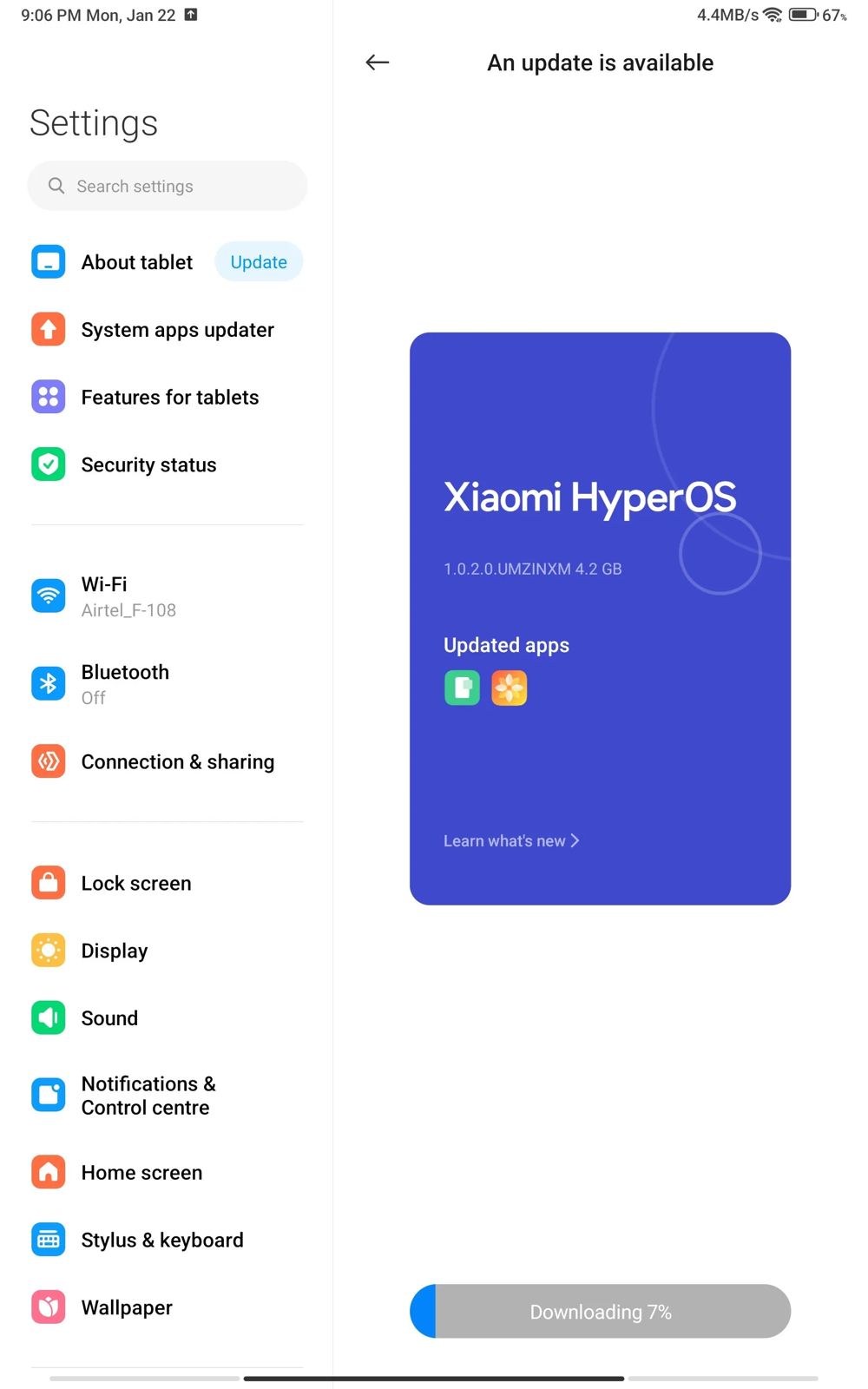
Manual Update Check: Users can check for the update manually by navigating to Settings > About > Software Info > Updates on their Xiaomi Pad 6.
Update Size: The update, identified as firmware version 1.0.2.0.UMZINXM, has a file size of approximately 4.2GB.
Installation Recommendations: It’s advisable to have the device charged to at least 75% and to allocate 10-15 minutes for the update process.
Xiaomi Pad 6: Features
Xiaomi Pad 6: Features
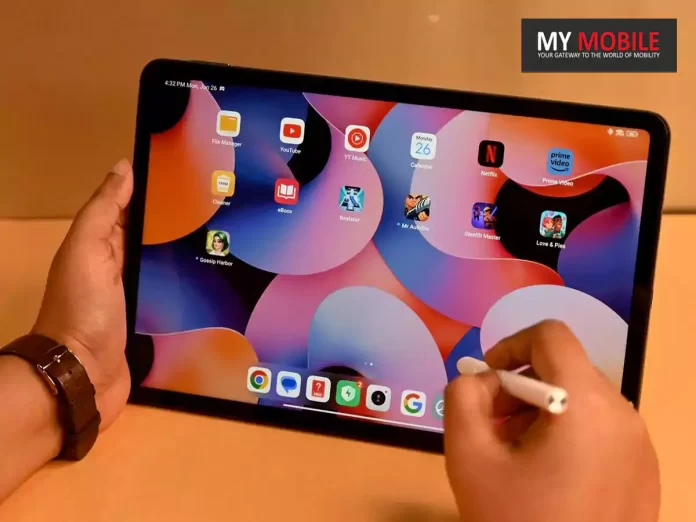
The Xiaomi Pad 6 boasts a high-performance 11-inch LCD display with a rapid 144Hz refresh rate and a maximum brightness of 550 nits, making it suitable for high-quality video content with HDR10+ and Dolby Vision support.
The screen is further protected by the durable Corning Gorilla Glass 3.
In terms of photography capabilities, the Xiaomi Pad 6 is equipped with a 13MP primary camera on the rear and an 8MP camera on the front for selfies and video calls.
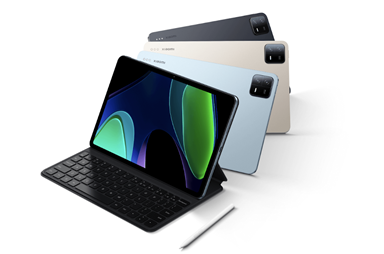
Adding to its productivity features, the tablet supports a 1.3mm travel keyboard that is rated IPX4 for water and dust resistance, enhancing its utility.
For an immersive audio experience, it includes a quad-speaker system.
The design of the Xiaomi Pad 6 is notably sleek and lightweight, measuring just 6.5mm in thickness and weighing 490 grams, which is an improvement over its predecessor in terms of portability.
Battery life is a strong point for this device, as it houses an 8840 mAh battery with support for 33W fast charging.
Xiaomi claims the tabletcan provide up to 150 hours of standby time, making it a robust option for extended use.
Xiaomi Pad 6 Latest Features and Improved Security Measures
FAQs
What is the HyperOS update on Xiaomi Pad 6?
The HyperOS update for Xiaomi Pad 6 is a significant software upgrade to Android 14, offering a refreshed user interface, improved security with the December 2023 patch, and enhanced workstation capabilities.
How can Xiaomi Pad 6 users in India download the HyperOS update?
Users in India can manually check for the HyperOS update on their Xiaomi Pad 6 by going to Settings > About > Software Info > Updates. The update is being rolled out in phases.
What are the key features of Xiaomi Pad 6?
The Xiaomi Pad 6 features an 11-inch 144Hz display, Snapdragon 870 processor, 13MP rear and 8MP front cameras, and a robust 8840 mAh battery with 33W fast charging.
Is there any improvement in the display and battery with the HyperOS update?
While the HyperOS update primarily enhances software aspects like the user interface and workstation mode, it doesn’t change the hardware specifications such as the display or battery.
What’s new on HyperOS on Xiaomi Pad 6 ?
The highlight of the HyperOS update is that the Xiaomi Pad 6 gets updated to the latest Android 14 version.
It also gets the December 2023 security patch.
Apart from these major system changes, the update brings plenty of aesthetic renovations with new colours and animations in the user interface.
The HyperOS update also retains one of the biggest software features of the Xiaomi Pad 6, which is the Workstation Mode.
It allows users to open multiple apps at the same time in small windows, just like how one would on a desktop. It serves as a portable substitute for a PC, offering users a desktop-like experience for apps like Excel, Word, Gmail, and other productivity services.
The lock screen customizations have received a major overhaul as well. Users can now set plenty of themes and custom designs, along with custom artwork using images on their lock screen. Widgets can also be customized with respect to size, style, font, colour, etc .
How To Update Your Xiaomi Pad 6 To HyperOS ?
The HyperOS update for the Xiaomi Pad 6 is being rolled out to all users across India in batches.
Users can manually search for the update by going to Settings > About > Software Info > Updates.
The HyperOS update has the firmware version 1.0.2.0.UMZINXM and has a size of 4.2GB.
It is advised that users should keep their device charged above 75% before starting the update process.
The overall process shall take around 10-15 minutes.
What is Xiaomi’s HyperOS, and which devices will initially receive it?
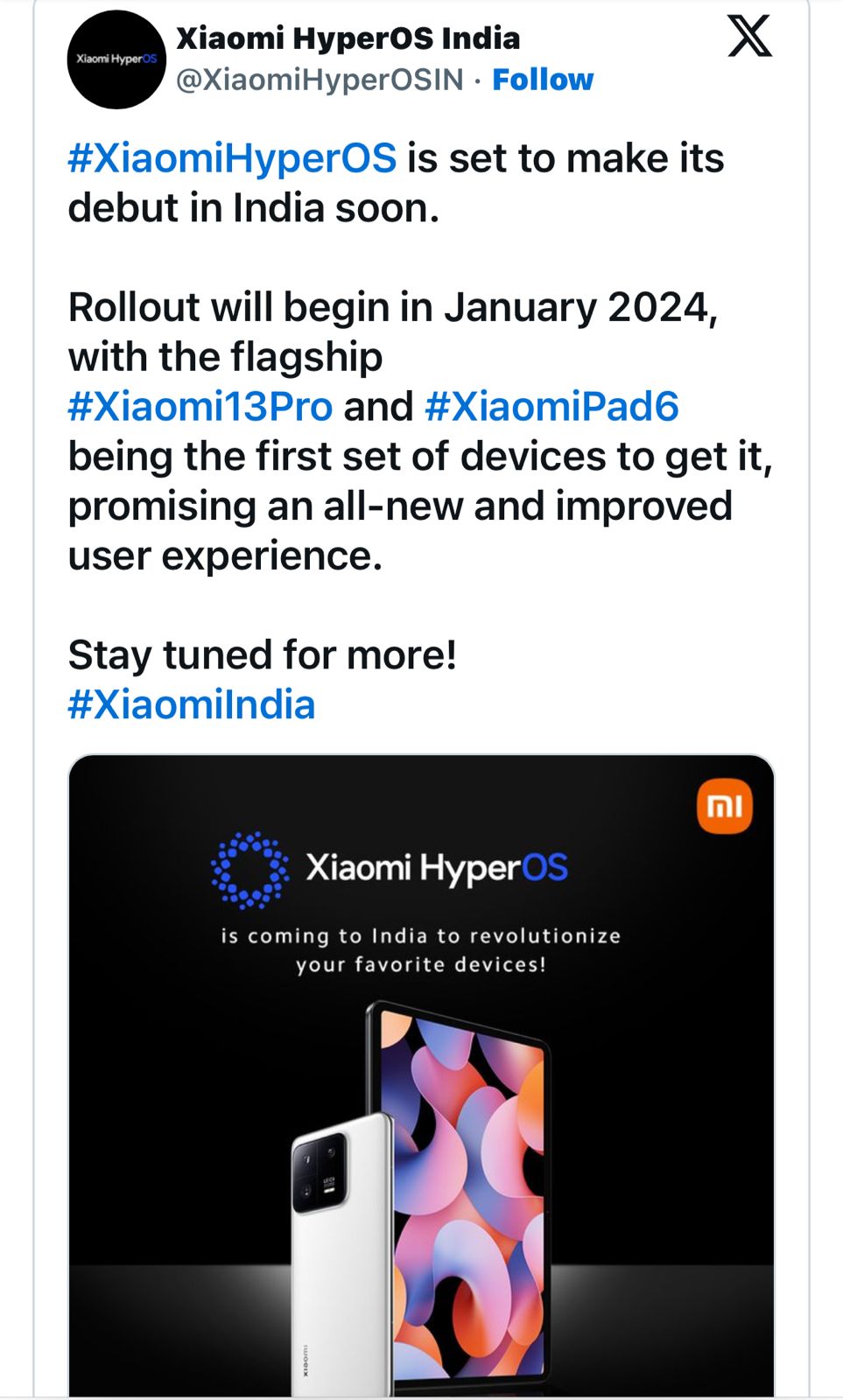
HyperOS is a complete revamp of Xiaomi’s user interface, replacing MIUI. The Xiaomi 13 Pro and Xiaomi Pad 6 are the first devices in India to receive this update, starting in January.
Will HyperOS be available on all Xiaomi devices?
HyperOS will be rolled out in phases, and not all Xiaomi devices are scheduled to receive the update. It’s planned for select Xiaomi, Redmi, and POCO models.
What are the key features and enhancements of HyperOS?
Built on Linux and Xiaomi Vela systems, HyperOS brings AI integration for improved performance and security, a redesigned control center, and customizable lock screens with new fonts, widgets, and templates.
When will the Xiaomi 14, featuring HyperOS, be launched?
The Xiaomi 14, rumored to be the first device to come with HyperOS based on Android 14, is expected to launch at MWC 2024.
What’s special about the upcoming Redmi Note 13 Pro 5G in India?
The Redmi Note 13 Pro 5G, set to launch in India, is anticipated to be the world’s first device with the new Qualcomm Snapdragon 7 series SoC.
What are the key features of HyperOS?
Key features of HyperOS include minimal system storage usage, support for a wide range of RAM, improved network performance, enhanced multitasking capabilities, advanced AI functionalities, and a comprehensive security model.
What is HyperOS and how is it related to Android 14?
HyperOS is Xiaomi’s latest user interface that builds on the upcoming Android 14 platform. It represents an integration of Xiaomi’s design philosophy with the newest features and security enhancements of Android’s latest version.
As such, devices on the Android 14 beta, particularly those with MIUI 14, are expected to transition seamlessly to the stable release of HyperOS.
Which devices will initially receive the HyperOS update?
According to the rollout roadmap, Xiaomi’s HyperOS update will be initially tested and launched on a select group of smartphones.
This includes the Xiaomi 13 series (standard, Pro, Ultra, and T variants), the 12T and 12T Pro models, the 11T, and the upcoming Xiaomi Pad 6.
Are Redmi and POCO phones going to receive the HyperOS update?
While the current testing phase includes Xiaomi branded phones, the historical trend of how updates are managed suggests that Redmi and POCO devices could also receive HyperOS.
Given their shared architecture with Xiaomi models, it’s likely that these devices will follow in the update path in the future.
When can users expect the public release of HyperOS?
Xiaomi’s official schedule points to a Q1 2024 release for HyperOS. However, the ongoing internal tests hint at the possibility of an earlier rollout.
Optimistically, the update could be made available to the public as early as the end of the current year.
How does HyperOS improve device performance?
HyperOS comes with advanced resource management capabilities, allowing for smooth performance and better power efficiency.
It also integrates AI-based features for personalized usage patterns, which can lead to further enhancements in device efficiency.
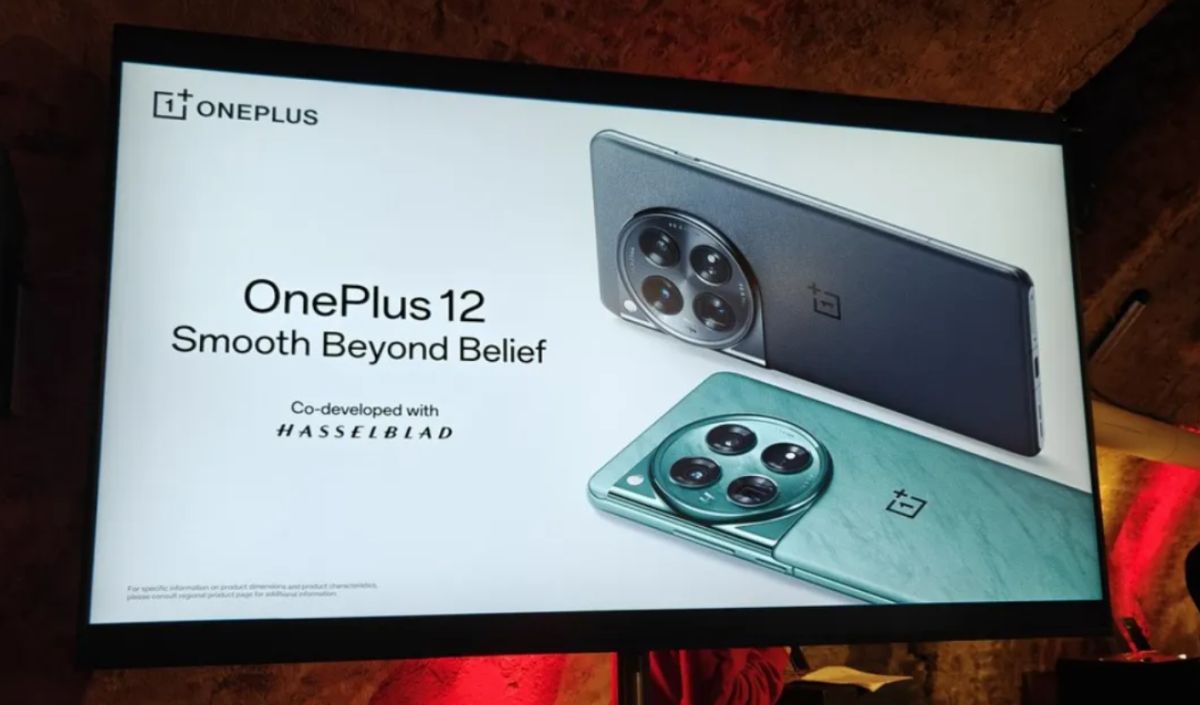
Here is everything you need to know ahead of the OnePlus 12 launch in India today.
OnePlus 12: Live Event Details
OnePlus 12: Live Event Details
The “Smooth Beyond Belief” event is scheduled for 7:30 PM IST on January 23, in New Delhi.
Fans and tech enthusiasts can watch the event live, as it will be streamed across various platforms including the company’s YouTube channel, Facebook, and X (formerly known as Twitter).
Watch the Event Live, as it will be streamed across various platforms
Additionally, OnePlus will host the livestream on its official website, ensuring widespread accessibility for its global audience.
As such, leaks and speculations about the pricing of these new OnePlus devices have been circulating.
OnePlus 12 Colors
According to a leak by Abhishek Yadav, the OnePlus 12 is expected to start at Rs 64,999 for the 12GB RAM option, and Rs 69,999 for the 16GB RAM variant.
The availability and pricing of a 24GB RAM variant in India remain uncertain.
Exclusive ✨
OnePlus 12 sale date 📅 30 January, 2024.
OnePlus 12R sale next month i.e. February, 2024.#OnePlus #OnePlus12R #OnePlus12 pic.twitter.com/myUTZ8IckJ
The wide-angle camera absorbs 50% more light than the main sensor in the OnePlus 11, while the telephoto camera offers up to 120X Hybrid Zoom.
Five Reasons to Buy the OnePlus 12
Five Reasons to Buy the OnePlus 12
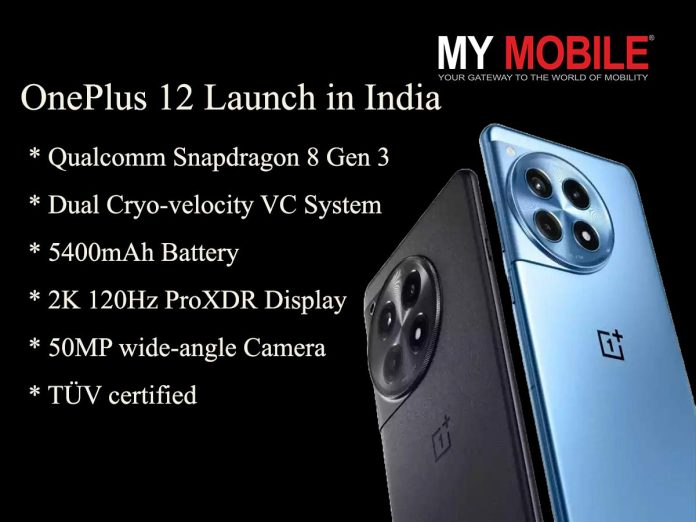
State-of-the-Art Processor: The Snapdragon 8 Gen 3 chipset provides unmatched speed and efficiency, making the OnePlus 12 ideal for gaming, multitasking, and high-performance applications.
Advanced Cooling Technology: The innovative cooling system ensures the phone stays cool under heavy usage, enhancing longevity and performance.
Exceptional Battery Life and Charging Speeds: The large 5400mAh battery and ultra-fast charging capabilities mean less time tethered to a charger and more time using the phone.
Superior Display Quality: With its high-resolution, ultra-bright ProXDR display, the OnePlus 12 offers an immersive viewing experience, perfect for streaming and gaming.
Professional-Grade Photography: The collaboration with Hasselblad results in stunning photo quality, making the OnePlus 12 a great choice for photography enthusiasts and professionals.
Extreme Fast and Smooth Experience That Lasts
Extreme Fast and Smooth Experience That Lasts
The OnePlus 12 will come with Qualcomm’s latest and most powerful Snapdragon® 8 Gen 3 mobile platform.
These include refined CPU-Vitalization, the updated Qualcomm® Game Quick Touch 2.0, and enhanced AI performance.
OnePlus also recognizes the importance of delivering a fast and smooth experience that lasts, while ensuring the absence of interruptions caused by overheating issues often encountered with certain flagship smartphones.
The OnePlus 12 will boast an industry-leading Dual Cryo-velocity VC Cooling System, featuring OnePlus’ largest-ever 9,140 mm² VC.
The VC structure follows an advanced Laval nozzle design, which is inspired by sophisticated aeronautical engines, reducing resistance against gas flow and enhancing heat transfer.
Combining these features, the OnePlus 12 sets a new record in OnePlus’ history by offering an impressive Day of Use (DoU) of up to 47 hours with a mere 26 minutes of charging.
The 50W AIRVOOC wireless charging can charge the phone from 1% to 50% in just 23 minutes.
The charging speeds of both wired and wireless charging on the OnePlus 12 surpass those of certain flagship smartphones priced over $1,000.
Revolutionary 2K ProXDR Display That Transcends
Revolutionary 2K ProXDR Display That Transcends
The OnePlus 12 will showcase an extraordinary 2K 120Hz ProXDR display, boasting an unprecedented peak brightness of 4500nits, surpassing that of mainstream flagship smartphones currently available in the market.
This display is powered by BOE’s innovative blue diamond pixel layout, setting or matching 18 records of DisplayMate A+ standards.
The screen adopts 2160Hz PWM dimming when the display brightness is under 70 nits to reduce screen flicker and minimize eye strain for users.
Moreover, this display receives TÜV Rheinland Intelligent Eye Care certification due to its strong ability to reduce blue light emission and intelligent adjusting of the display’s color temperature.
Refined 4th Gen Hasselblad Camera for Mobile That Empowers
Refined 4th Gen Hasselblad Camera for Mobile That Empowers
The OnePlus 12 will be equipped with the 4th Gen Hasselblad Camera for Mobile,empowering you to capture every moment as an impressive memory.
At its center is the industry-first 50MP Sony’s LYT-808 wide-angle camera with a 1/1.4’ sensor size to absorb 50% more light compared to the IMX890 main sensor used in the OnePlus 11, ensuring exceptional performance in low-light or back-lit environments.
When and where can I watch the OnePlus 12 India launch event?
The OnePlus 12 launch event is scheduled for January 23 at 7:30 PM IST, live-streamed on the company’s YouTube channel, Facebook, and X (formerly Twitter), and the official OnePlus website.
What are the expected prices for the OnePlus 12 and 12R in India?
The OnePlus 12 is rumoured to start at Rs 64,999 for the 12GB RAM version and Rs 69,999 for the 16GB RAM model. The OnePlus 12R might begin at Rs 39,999.
What are some standout features of the OnePlus 12?
The OnePlus 12 is known for its Snapdragon 8 Gen 3 processor, 5400mAh battery with 100W charging, 2K 120Hz ProXDR display, and the 4th Gen Hasselblad Camera.
Where will the OnePlus 12 be available for purchase in India?
The new OnePlus devices, including the Buds 3, will be available on Amazon India and the official OnePlus India website.
How to Watch the OnePlus 12 Launch Event?
OnePlus will be live-streaming the event on its YouTube channel, starting at 19:30 IST, January 23, 2024.
You can also register on the OnePlus Smooth Beyond Belief Launch Event page to stay on top of the latest news and announcements.
What are the leaked prices for the OnePlus 12 in India?
The OnePlus 12 is rumored to start at Rs 64,999 for the 12GB RAM and 256GB storage model, with the higher-end 16GB RAM and 512GB storage variant priced at Rs 69,999.
How does the OnePlus 12’s pricing compare to its predecessor?
The leaked prices show a notable increase from the OnePlus 11, which was launched at lower price points – Rs 56,999 for the 8/128GB model and Rs 61,999 for the 16/256GB variant.
When will the OnePlus 12 be available for purchase?
Sales for the OnePlus 12 are tipped to start on January 30th in India, just a week after its anticipated launch.
Is there a more budget-friendly option in the OnePlus 12 series?
The OnePlus 12R, a more affordable variant in the series, is expected to be available from February, offering consumers a cost-effective alternative.
What does the OnePlus and Pixelworks partnership bring to the OnePlus 12?
The collaboration between OnePlus and Pixelworks introduces the Pixelworks X7 Independent Visual Processor into the OnePlus 12.
This integration is set to significantly enhance the device’s graphics and visual performance, particularly in gaming, with features like 2K super-resolution and 120fps motion quality.
How will the Pixelworks X7 Processor improve the gaming experience on the OnePlus 12?
The Pixelworks X7 Processor in the OnePlus 12 is designed to amplify the gaming experience with its HyperRendering technology.
This will lead to smoother graphics, better color accuracy, and reduced latency, making games more immersive and visually stunning.
What are the technical benefits of the Pixelworks X7 Processor in OnePlus 12?
The OnePlus 12, with the Pixelworks X7 Processor, offers advanced technical benefits like ultra-low 10ms latency, real-time color calibration, and smooth motion quality at 120fps. These features contribute to a superior visual experience on the mobile device.
Are there any other significant features of the OnePlus 12 apart from the Pixelworks integration?
Beyond the Pixelworks partnership, the OnePlus 12 boasts a Qualcomm Snapdragon 8 Gen 3 chipset, up to 24GB RAM and 1TB storage options, Hasselblad cameras with triple lens setup, and supports 50W AIRVOOC wireless charging alongside a 5400mAh battery with 100W wired fast charging.
What are the key specifications of the OnePlus 12 as revealed on Amazon?
The OnePlus 12 is set to include the Qualcomm Snapdragon 8 Gen 3 chipset, 12GB of RAM, and 256GB of storage.
A higher-end variant with 24GB RAM and 1TB storage is also expected. The device will feature 4th-generation Hasselblad cameras, including a 50MP primary camera with OIS, a 64MP telephoto lens, and a 48MP ultrawide lens.
How does the OnePlus 12R differ from the OnePlus 12?
The OnePlus 12R is expected to be equipped with the Snapdragon 8 Gen 2 chipset and a 6.7-inch AMOLED display with a 1.5K resolution.
It will also have a triple-camera setup, but with a 50MP primary sensor and a 5,500mAh battery, the largest in a OnePlus phone to date.
What are the charging capabilities of the OnePlus 12?
The OnePlus 12 will support 50W AIRVOOC wireless charging and 100W wired fast charging, ensuring rapid battery replenishment and extended usage.
What is the expected pricing of the OnePlus 12 and 12R in India?
The OnePlus 12 is anticipated to be priced around Rs 60,000, based on its pricing in China and the upgrades it offers over the OnePlus 11. The OnePlus 12R, with slightly lower specs, is expected to be priced around Rs 50,000 or less.
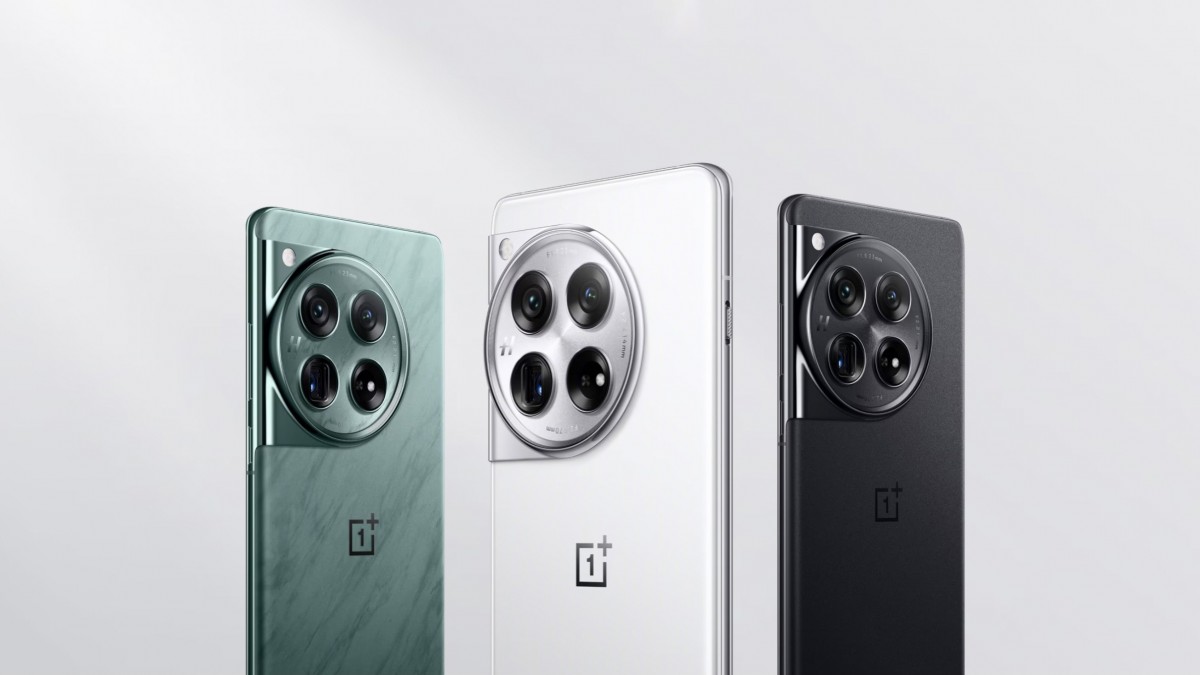
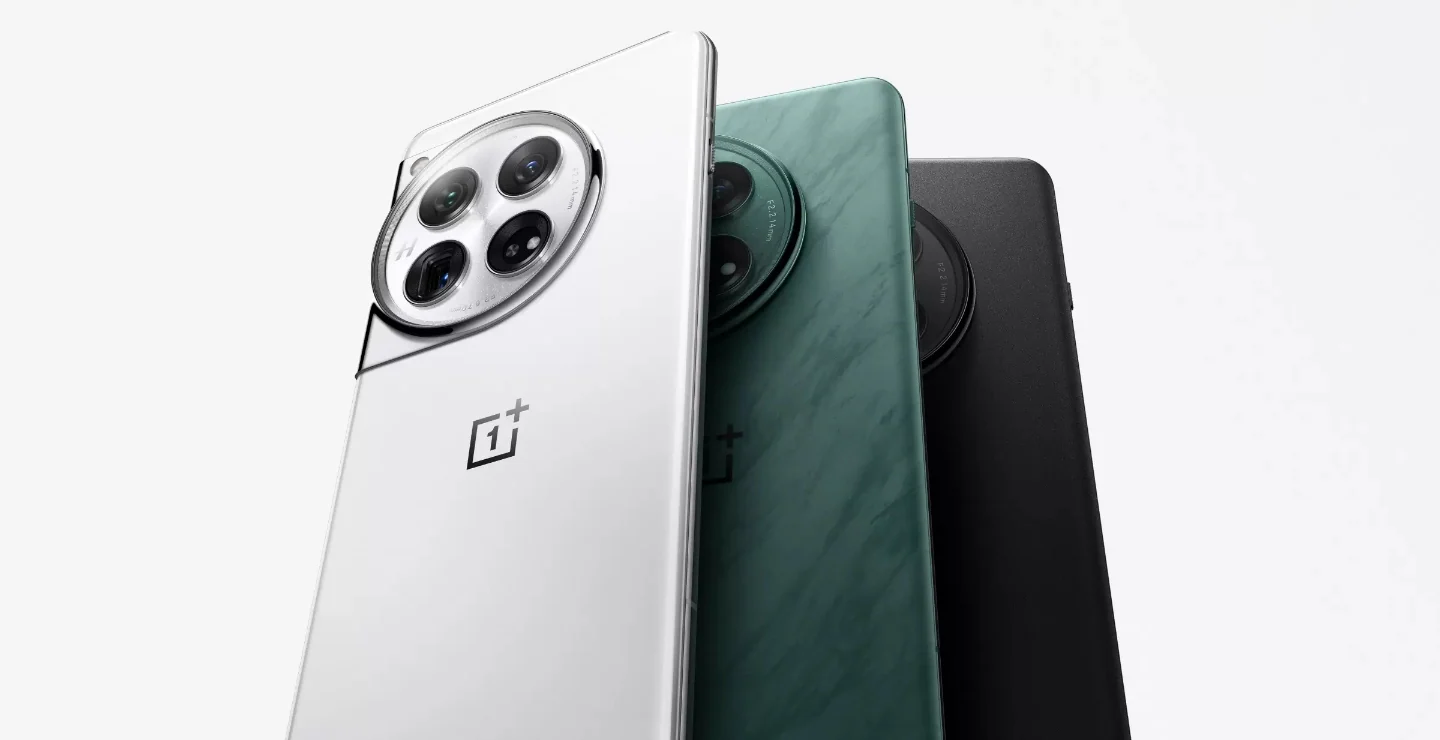
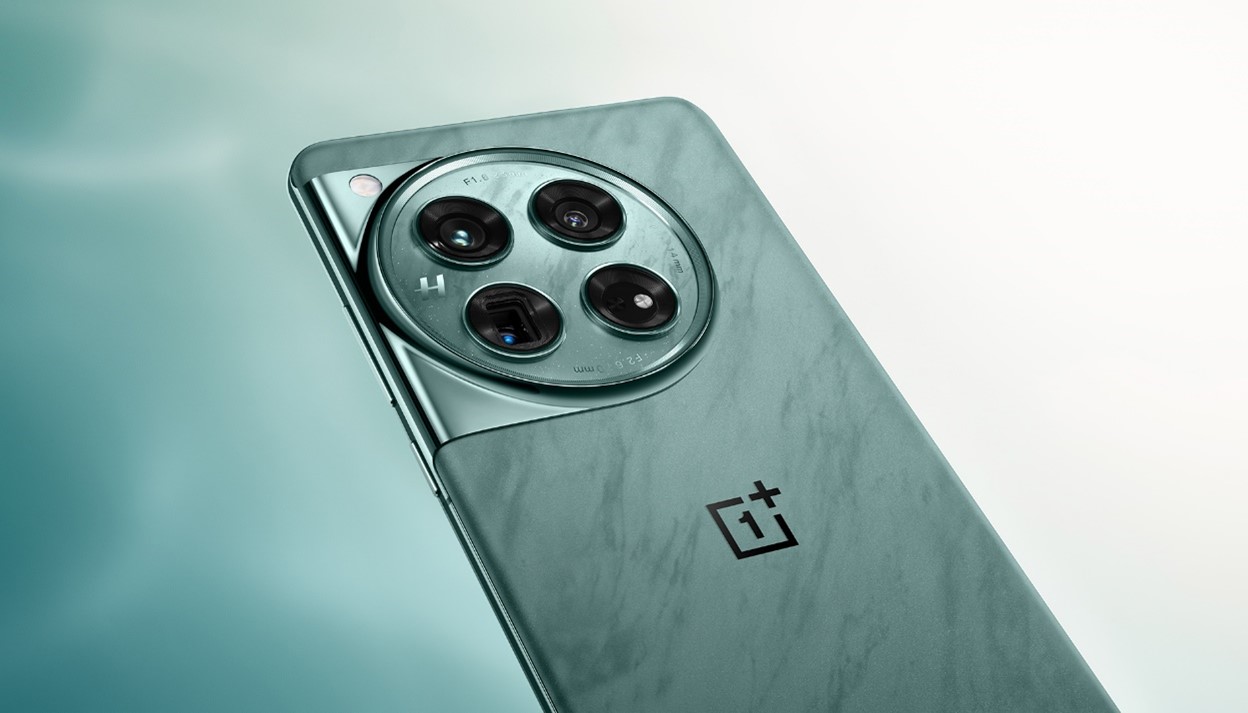
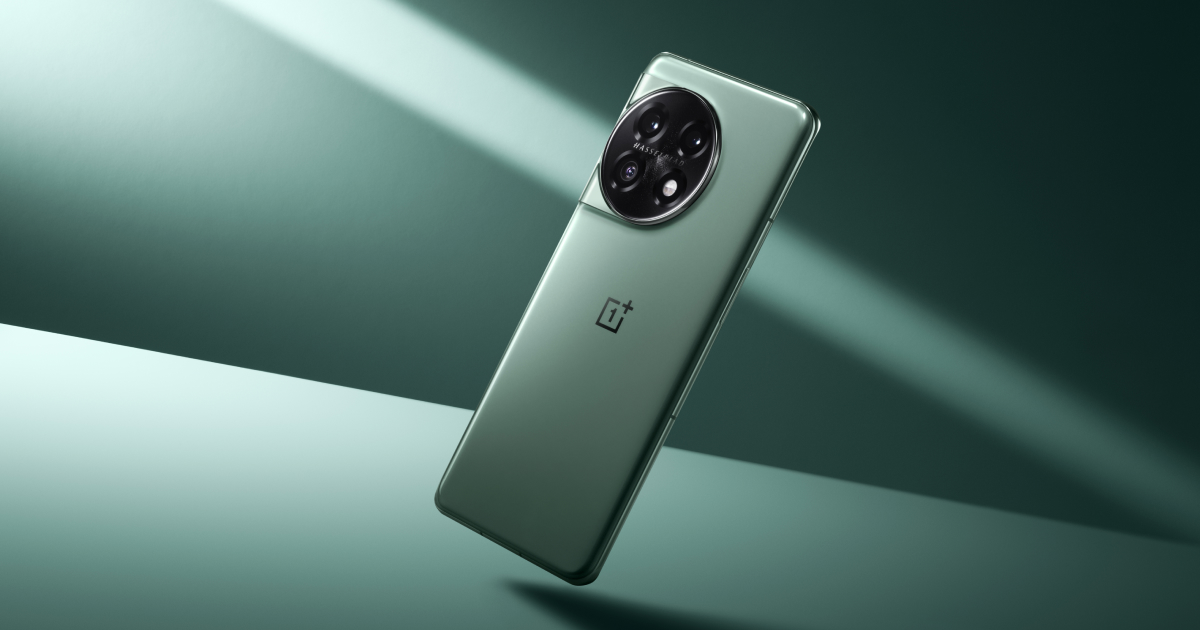
What is unique about the Pale Green colour of the OnePlus 12?
The Pale Green colour for the OnePlus 12 represents a continuation of OnePlus’s tradition of offering a green shade in its flagship lineup.
For the OnePlus 12, this green has been revamped, providing a fresh and distinctive appearance that aligns with the brand’s recognizable aesthetic.
How does the Rock Black variant of the OnePlus 12 stand out?
The Rock Black colour of the OnePlus 12 is characterized by its matte frosted finish. This choice not only enhances the phone’s visual appeal but also serves a practical purpose by reducing fingerprint smudges.
The black variant integrates seamlessly with the phone’s large camera island, offering a polished and premium feel.
What are the key features of the OnePlus 12’s display and battery?
The OnePlus 12 features a 6.8-inch 120Hz 2K Super Fluid AMOLED display with a peak brightness of 4500nits.
It’s powered by a 5400 mAh dual-cell battery, supporting 100W SUPERVOOC fast wired charging and 50W AIRVOOC wireless charging, capable of fully charging the phone in 26 minutes (wired) and 55 minutes (wireless).
Can you describe the camera capabilities of the OnePlus 12?
The OnePlus 12 comes equipped with a 4th Gen Hasselblad Camera for Mobile, featuring a triple camera system.
This includes a LYT808 50MP main camera, a 64MP OV64B 3X periscope telephoto camera, and a 48MP ultra-wide camera, alongside a 32MP front selfie shooter.
What design innovations are present in the OnePlus 12?
The OnePlus 12’s design is inspired by nature, particularly evident in its Flowy Emerald colorway.
The device also incorporates a new generation of ceramic glass technology with a matte finish and retains the iconic three-stage alert slider, now repositioned for improved antenna performance.
This update, which is set to take effect ahead of the DMA’s March implementation, represents a substantial shift in how Meta handles user data and account interconnectivity and was posted on the company’s blog.
“They can also manage their Instagram and Facebook accounts separately so that their information is no longer used across accounts,” said Tim Lamb, Director, Competition and Regulatory, Meta.
“For people who choose to use their Facebook information for their Marketplace experience, the current Marketplace experience will remain. People who choose not to use their Facebook information for their Marketplace experience will still be able to browse listings and to buy and sell items,” the company informed.
“People in the EU, EEA and Switzerland also have the ability to use Instagram and Facebook for free with ads, or subscribe to stop seeing ads,” said the company.
“We are committed to continue working hard to ensure that Meta’s products in the EU comply with the DMA and deliver value to people,” said the company.
“The Digital Markets Act will help creating a level playing field for all companies competing in the European digital market, as it will bring about more contestability and openness in markets,” said commissioner Didier Reynders.
Users will soon receive notifications about these changes, which are expected to roll out in the coming weeks.
For instance, Facebook Messengercan be used as a standalone service, separate from a Facebook account.
Similarly, those who have previously linked their Facebook and Instagram accounts will have the option to sever this connection.
This unlinking means that information will no longer be shared between these services for features like ad targeting, content recommendations, and post sharing.
Impact on Service Functionality
Impact on Service Functionality
While this move enhances user privacy and control, it does come with certain trade-offs in functionality.
For instance, using Facebook Marketplacewithout linking to a Facebook account will necessitate communication with buyers and sellers via email rather than the more integrated Facebook Messenger.
Similarly, unlinking Facebook from Facebook Gaming could limit users to single-player games.
The Broader Context
The Broader Context
These changes by Meta are a direct response to the DMA, which officially comes into effect on March 6th.
The DMA aims to foster a more competitive digital market and ensure fairer conditions for businesses and users.
Meta, along with other tech giants like Google’s parent company Alphabet, has been identified as a “gatekeeper” under this act, requiring them to adhere to stricter regulations on data sharing and service interoperability.
In December, Meta also made a move to discontinue cross-messaging betweenInstagram and Facebook globally, although this was not directly attributed to the DMA.
Moreover, Meta introduced an ad-free paid subscription option for Facebook and Instagram in the EU,indicating a shift in its approach to comply with regulatory changes.
What’s Next for Users and Meta?
What’s Next for Users and Meta?
These upcoming changes signify a new era of digital autonomy for users, giving them greater control over their data and how they engage with Meta’s suite of services.
It also reflects the growing regulatory momentum in the EU to safeguard user data and promote fair competition among digital service providers.
FAQs
What is Meta’s new policy for EU users?
Meta’s latest update allows EU users to unlink their Facebook, Instagram, and WhatsApp accounts, offering greater control over personal data and account connectivity.
Why is Meta implementing these changes?
These changes are being implemented in response to the Digital Markets Act (DMA) in the EU, aimed at enhancing competition and user privacy in the digital market.
How will this update affect the functionality of Meta’s services?
While unlinking accounts enhances privacy, it may result in reduced functionality for services like Facebook Marketplace and Facebook Gaming, impacting integrated features like messaging.
When will EU users start seeing these changes?
Meta is expected to roll out notifications informing EU users of these changes in the coming weeks, ahead of the DMA’s implementation in March.
Does this update affect users outside the EU?
Currently, the policy change is specific to users in the European Union, the European Economic Area, and Switzerland, in compliance with the region’s upcoming DMA.
What is Meta’s new paid subscription service in the EU?
Meta has launched a paid subscription service in the EU, allowing users to browse ad-free for €9.99/month on web and €12.99/month on iOS and Android.
This service is positioned as a compliance measure with EU data protection regulations, offering an alternative to ad-supported browsing.
Why is NOYB challenging Meta’s subscription model?
NOYB, a digital rights group, has filed a complaint with the Austrian regulator, arguing that Meta’s subscription fee essentially charges users for privacy.
They claim this contradicts EU law, which requires genuine free user consent, and could set a concerning industry precedent.
How has Meta responded to the criticism of its subscription model?
Meta defends its subscription model by stating it aligns with European regulations and provides users with a choice between ad-supported and ad-free experiences.
The company emphasizes that their pricing structure is consistent with similar services in Europe.
Customers who took the early plunge and pre-ordered the Vision Pro are now seeing their orders leave Apple’s distribution centers, marking the transition from anticipation to reality.
Shipping and Tracking for Early Adopters
Shipping and Tracking for Early Adopters
For those who have pre-ordered, tracking the journey of their Apple Vision Pro has become a point of excitement.
While Apple’s official website might still display a status of “preparing to ship,” customers can circumvent this delay by using UPS’s tracking options.
As per reports, the UPS My Choice service is particularly useful, offering a detailed view of all packages en route to a specific address, including the much-anticipated Vision Pro.
This real-time tracking is a boon for eager customers, allowing them to monitor the progress of their shipment as it makes its way to their doorstep.
Apple and ZEISS: Collaborating on Visual Experience
Apple and ZEISS: Collaborating on Visual Experience
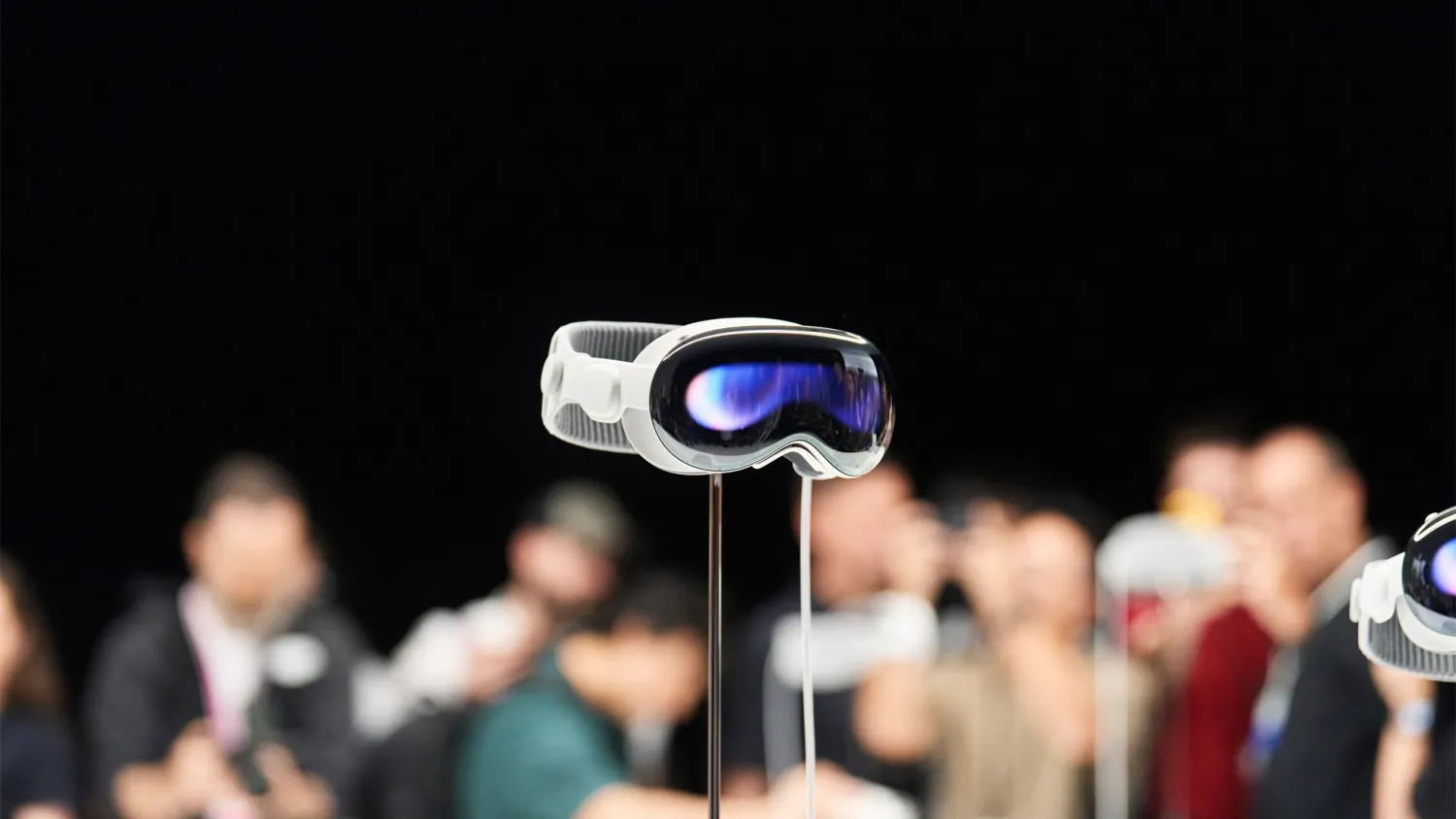
Apple’s partnership with ZEISS for the Vision Pro is more than just a collaboration; it’s a blend of technologyand precision optics.
This synergy brings forth optical inserts specifically designed for the Vision Pro, ensuring that users with visual impairments don’t miss out on the immersive experience.
Each set of lenses comes with a unique code, which upon scanning, securely attaches the lenses to the headset.
This not only ensures a perfect fit but also adds an extra layer of personalization and security, potentially involving sophisticated calibration processes for optimal visual performance.
Assessing the Market Impact: Vision Pro Sales Figures
Assessing the Market Impact: Vision Pro Sales Figures
This strong market interest shows the growing demand for innovative, immersive tech experiences and positions the Vision Pro as a key player in meeting these evolving consumer needs.
FAQs
When are Apple Vision Pro pre-orders expected to arrive?
Customers who pre-ordered the Apple Vision Pro can expect their devices to start arriving as shipments have begun, with the official release set for February 2.
How can I track my Apple Vision Pro shipment?
To track your Vision Pro order, enroll in UPS My Choice for detailed package tracking or use the UPS website’s “Track by Reference Number” feature.
What special feature does the ZEISS partnership add to the Apple Vision Pro?
The collaboration with ZEISS offers Vision Pro users specialized optical inserts, enhancing visual experience with a unique pairing process for authenticity and precision.
Are the sales figures for the Apple Vision Pro available?
While official numbers aren’t released, it’s estimated that between 160,000 to 180,000 units of the Vision Pro were sold during the initial pre-order weekend.
First Apple Vision Pro pre-orders now shipping to buyers for February 2 launch. Details?
After pre-orders kicked off on Friday, the first Apple Vision Pro shipments are on their way to early buyers. Vision Pro orders are departing Apple’s facilities via UPS.
If you check your Vision Pro order status via Apple’s website, you’ll likely see that your device is still “preparing to ship.”
This is because Apple waits until closer to the official release date of a new product to update the shipping status on its end, even if the actual package is now in the hands of its shipping partner.
The best way to do this is to enroll in the UPS My Choice platform. This will automatically show you all packages you have coming to your address, including your Vision Pro.
Alternatively, you can use the “Track by Reference Number” feature on the UPS website.
The reference number is likely the phone number listed on your Apple order or your order number without the last two digits.
One thing to keep in mind, however, is that UPS has made some changes to the “Track by Reference Number” feature “for improved security.” This means your best bet is to enroll in My Choice instead.
Can a Vision Pro arrive ahead of schedule?
Apple works closely with its partners like UPS to ensure all pre-orders are delivered no earlier than launch day, which is February 2 in the case of Vision Pro.
Vision Pro Launch: Apple Has Advice For Those With Medical Conditions. Details?
The Vision Pro is for all apple loves , including the ones who wear glasses but those with a medical condition, Apple has advice for them.
“If you have a pre-existing medical condition, consult with a medical provider before using Apple Vision Pro.
Using this device with certain medical conditions might aggravate symptoms or increase the risk of injury or discomfort,” Apple said in an advisory published last week.
Apple has also highlighted that if a potential customer is experiencing symptoms related to a medical condition, consult with a medical provider before using Apple Vision Pro.
“If you are pregnant, exercise additional caution when using Apple Vision Pro, as pregnancy may increase the risk of nausea or loss of balance,” the company said.
“Apple Vision Pro and its battery contain magnets or components that emit radio waves, which could affect the operation of nearby electronics, including cardiac pacemakers, hearing aids, and defibrillators,” Apple added.
What are the list of conditions that apple has advised for ?
List of conditions that might aggravate symptoms or increase the risk of injury or discomfort include:
Migraines or chronic headaches
Dizziness or vertigo
Eye or vision conditions, such as binocular vision conditions
Psychological conditions
Inner ear conditions
History of dry eyes, itchiness, or swelling of the eyelids
Skin allergies or sensitivities
Seizures
Balance or gait conditions
What are the kind of users who are problem free during apple Vision pro launch ?
Customers who wear prescription glasses may not have a problem but they will need a prescription for Zeiss-made optical inserts.
A reporter for The Times of India Tech-Gadgets Now was among the first ones to have tried the Vision Pro when it was launched. Apple quickly took the power of the glasses and customised them quickly to suit the wearer.
There is an option to include optical inserts for individuals who wear glasses. These optical inserts will enable users to wear the headset without their glasses. However, these inserts will be sold separately.
When to stop using Apple Vision Pro ?
Stop using Apple Vision Pro and consult with your medical provider:
If you experience symptoms related to a medical condition.
If your medical provider confirms that it’s safe for you to use Apple Vision Pro, but you experience severe or persistent physical discomfort, motion sickness, visual discomfort, skin irritation, or psychological symptoms.
If you notice swelling, itchiness, skin irritation, or other skin reactions while using your device or after using the device, stop using it. If symptoms persist, consult with your medical provider.
How many Vision Pro units has Apple sold thus far?
The Vision Pro may have sold somewhere between 160,000 and 180,000 units over the weekend, ever since pre-orders became live on January 19.
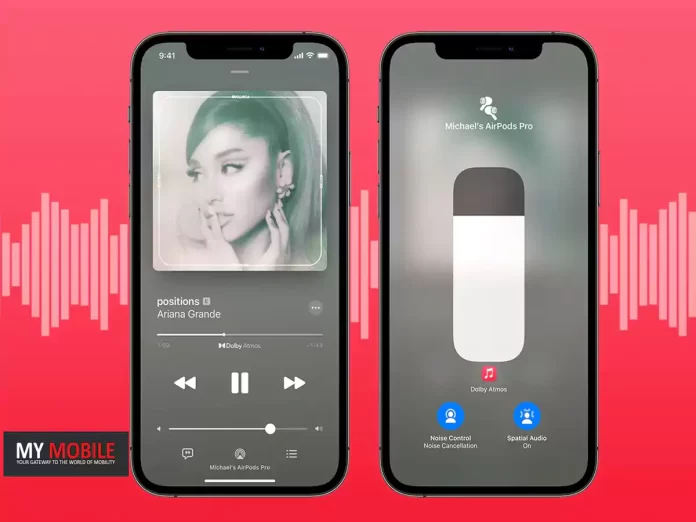
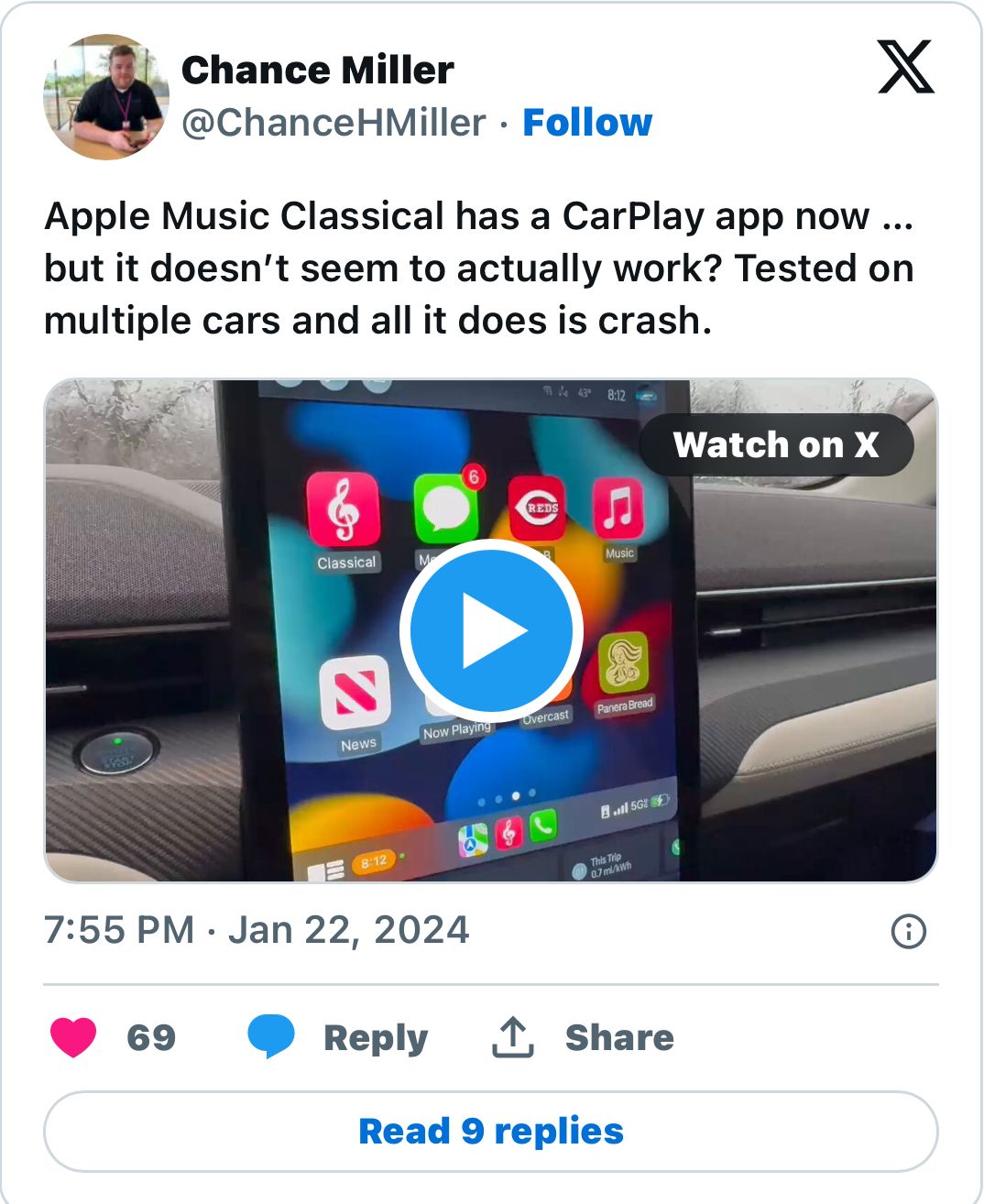
Spatial Audio initiative, Apple has also updated the Apple Music Classical app
In a recent development, the platform has announced a new royalty structure that favours Spatial Audio tracks, alongside notable updates to its Apple Music Classical app and the introduction of collaborative playlists.
Increased Royalties for Spatial Audio Content
Increased Royalties for Spatial Audio Content
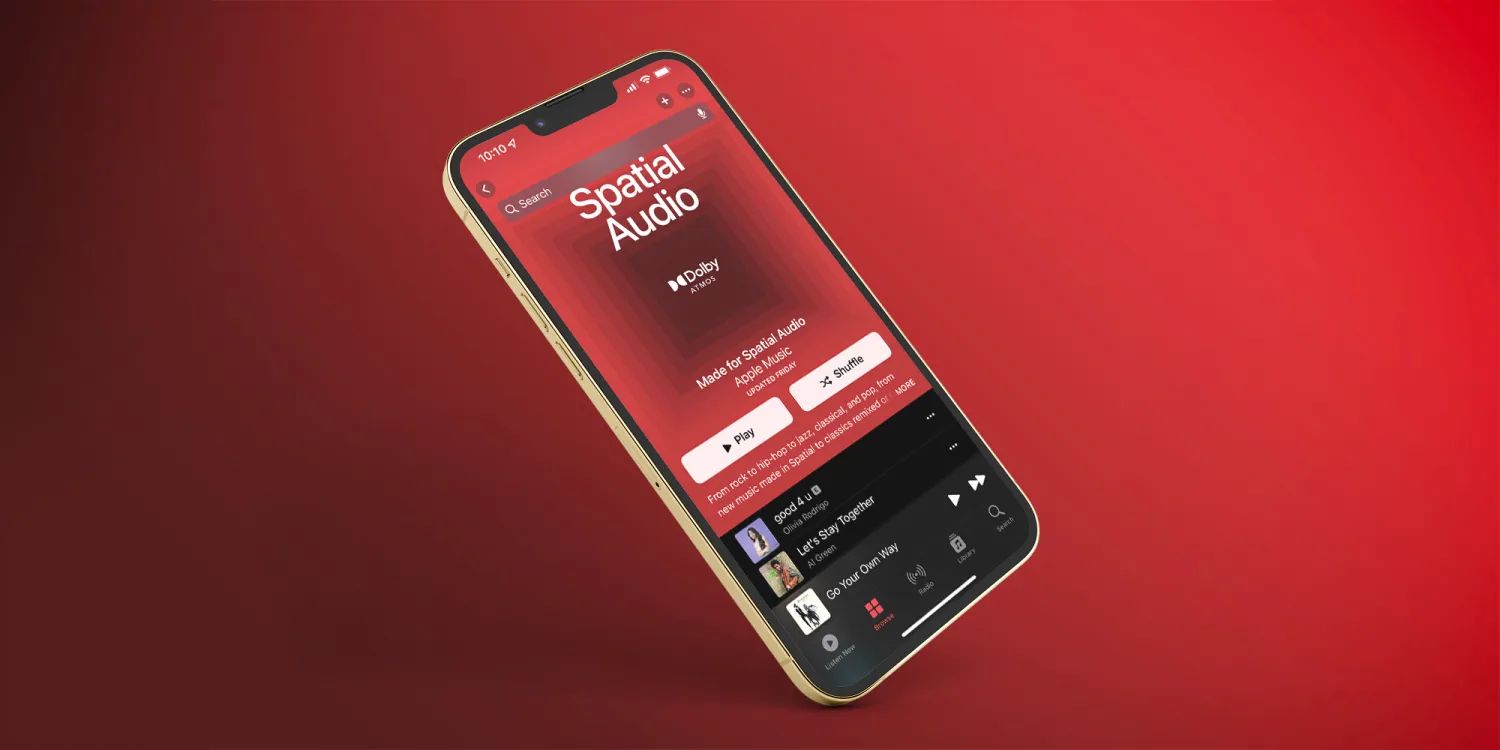
A major move by Apple Music, aimed at encouraging artists and labels to adopt Spatial Audio, is the introduction of higher royalty rates for tracks in this immersive format.
According to a letter from Apple Music to its partners, which Billboard obtained, starting from the end of January, royalties for music available in Spatial Audio will see up to a 10% increase compared to standard tracks.
Introduction of collaborative playlists and emoji reactions in iOS 17.3
This incentive reflects Apple’s commitment to higher-quality content and compensates artists for their extra efforts in mixing music in Spatial Audio.
Since its launch in June 2021, Spatial Audio has seen a significant uptake, with a 5000% increase in the number of songs available in this format and a substantial rise in user engagement.
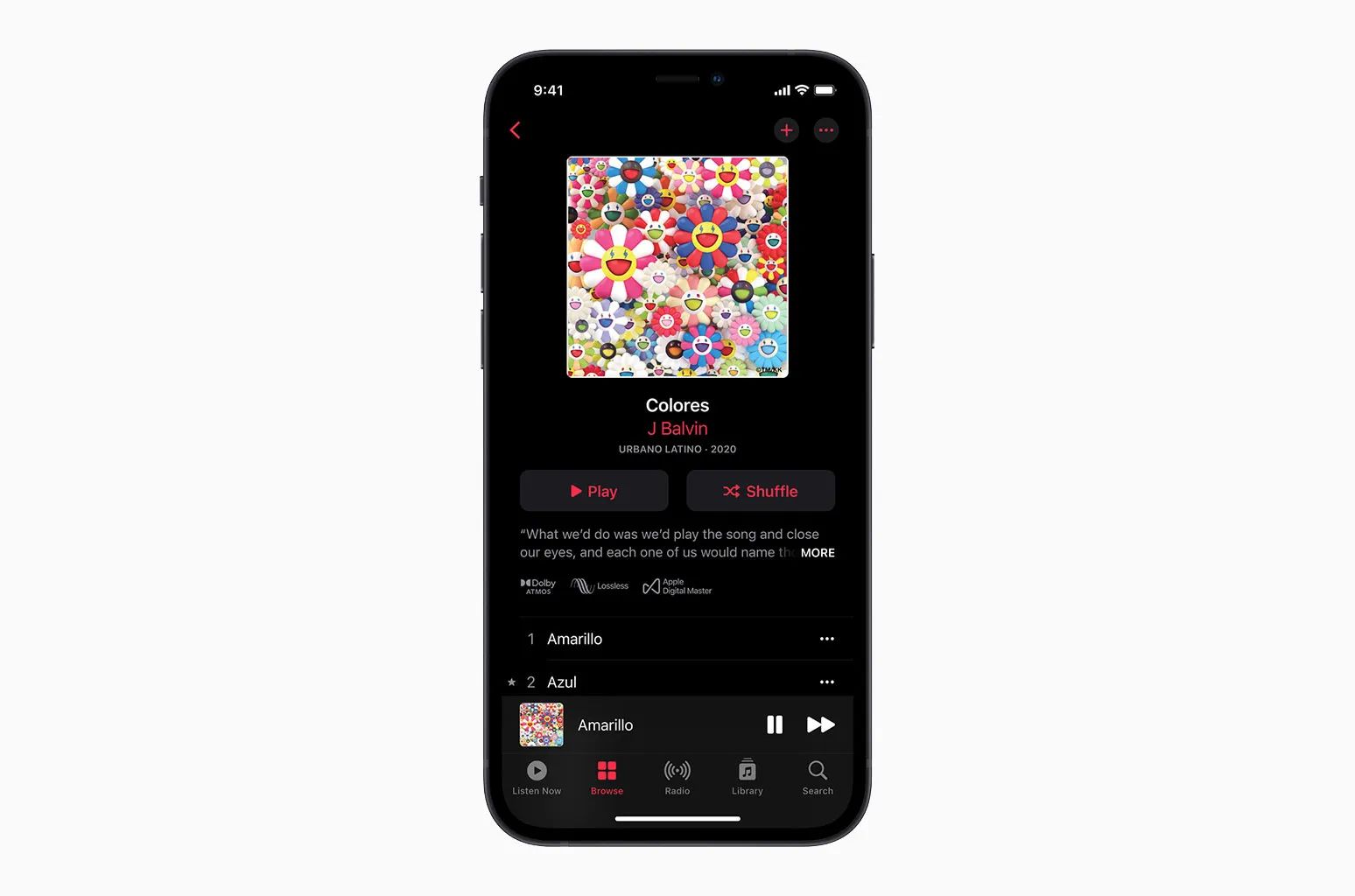
The standalone Classical app offers a more organized and focused catalog than the general Apple Music app, making it an essential tool for classical music enthusiasts.
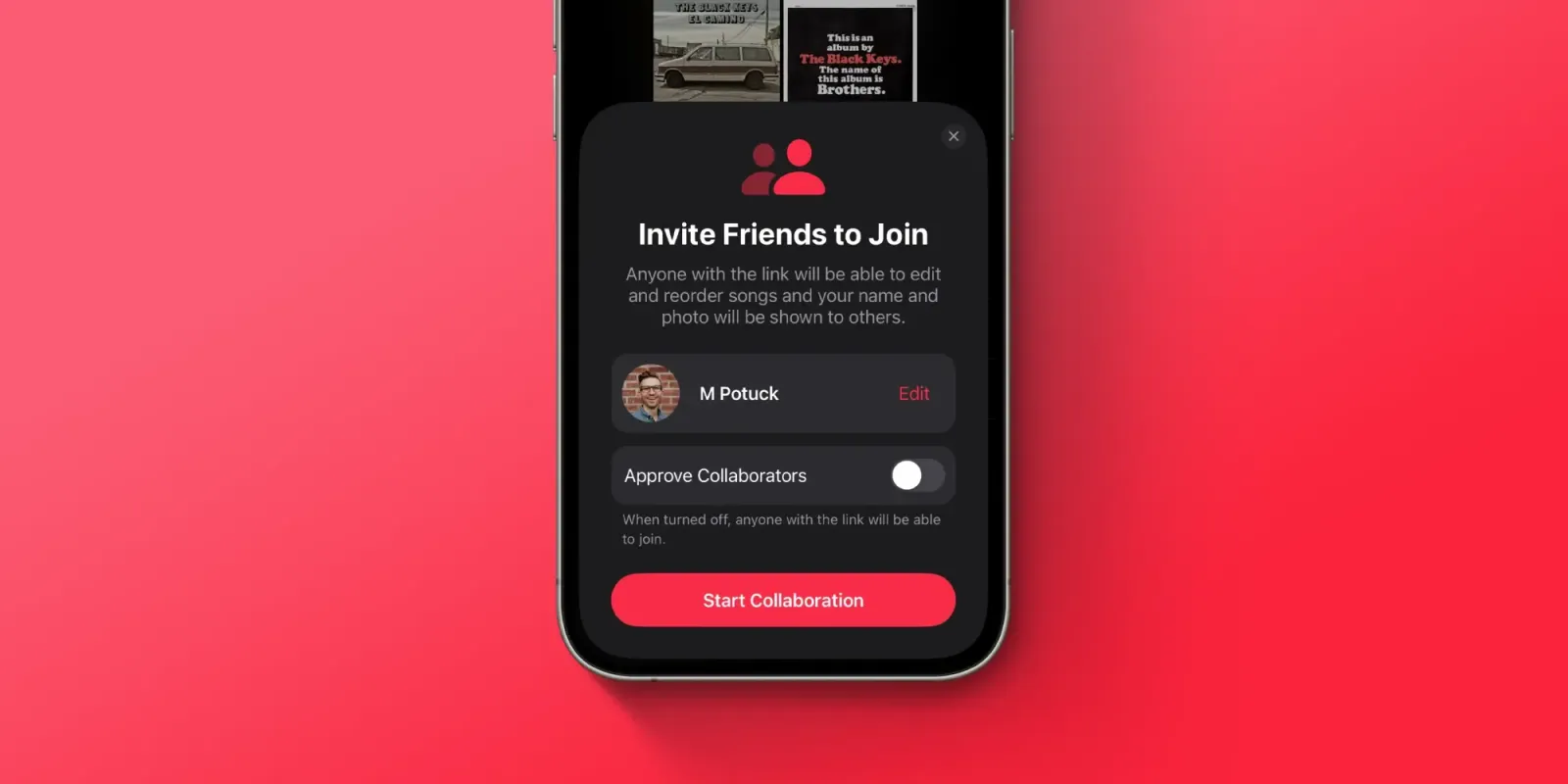
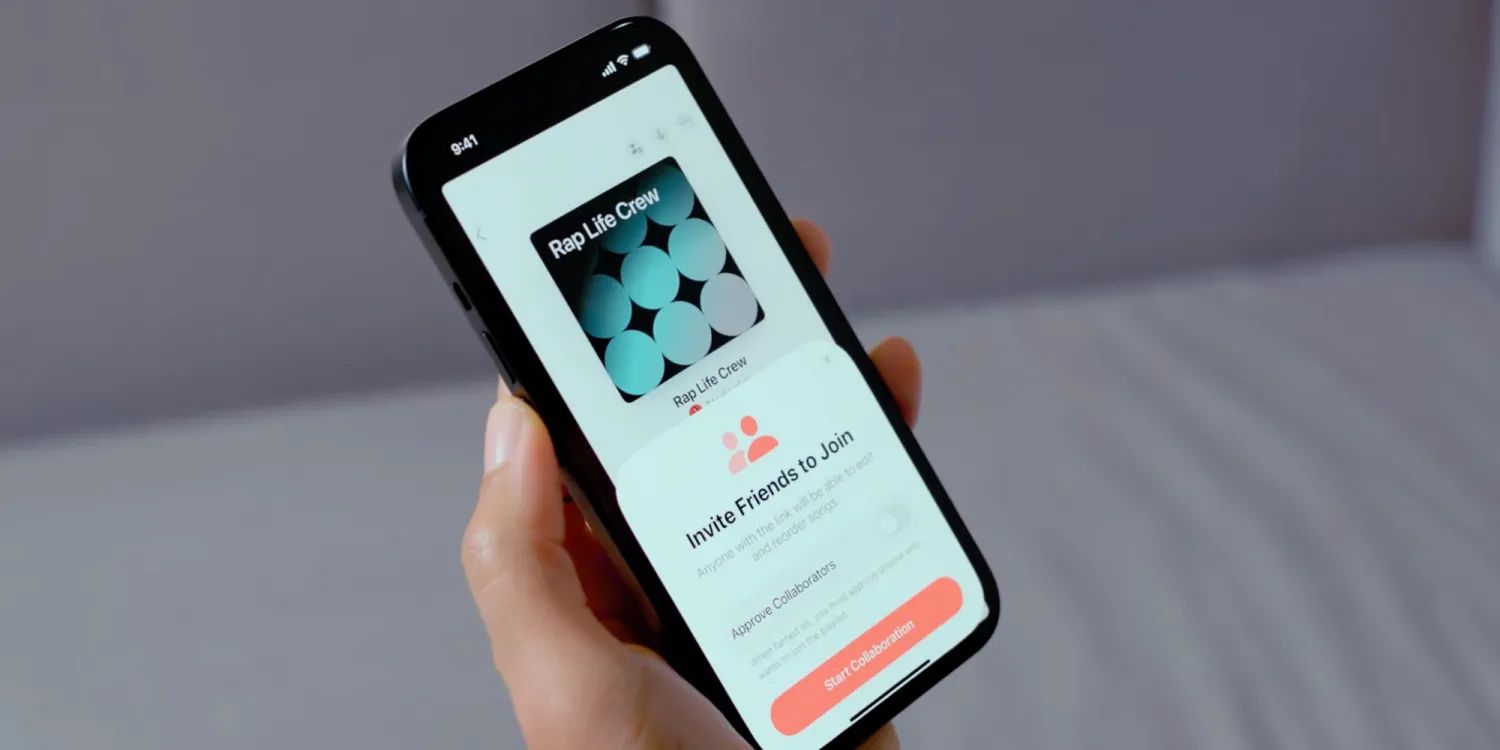
With the rollout of iOS 17.3, Apple Music has introduced features that allow users to share music and collaborate on playlists.
Spatial Audio tracks on Apple Music to receive up to 10% higher royalties
Demonstrated in a 3-minute video by Ebro Darden, Nadeska Alexis, and Lowkey on Apple Music’s YouTube channel, these features enable users to invite friends to collaborate on playlists and use emoji to react to specific songs.
Users to invite friends to collaborate on playlists
Another interesting feature highlighted in the video is SharePlay with CarPlay, which was introduced as part of iOS 17.
The latest updates from Apple Music, from higher royalties for Spatial Audio tracks to enhanced Classical app functionality and collaborative playlists, showcase Apple’s commitment to improving both the artist and user experience on its platform.
Stability Updates to Apple Music Classical App
FAQs
What does the new royalty structure for Spatial Audio mean for artists on Apple Music?
Artists creating music in Spatial Audio format on Apple Music will now receive up to a 10% increase in royalties, incentivizing higher-quality production and acknowledging their extra efforts.
How has Apple Music Classical app been improved in the latest update?
The latest update to the Apple Music Classical app focuses on enhancing stability and performance.
While initial CarPlay support was retracted due to technical issues, the app remains a key tool for classical music lovers.
What are collaborative playlists on Apple Music, and how do they work?
Collaborative playlists, introduced with iOS 17.3, allow Apple Music users to create and edit playlists together with friends, making music listening a more social experience.
Can users react to songs on Apple Music playlists?
Yes, with the latest update, users can now use emoji to react to songs in Apple Music playlists, adding a fun, interactive element to music sharing.
What is SharePlay with CarPlay, and how does it enhance the Apple Music experience?
SharePlay with CarPlay, a feature of iOS 17, allows users to share and enjoy music in a collaborative way.
What is Apple Music Classical ?
Launched in March 2023, Apple Music Classical initially provided users with a standard Apple Music subscription access to a vast library of over five million classical music tracks, all included in the base subscription cost.
The streaming app has advanced search capabilities, exclusive artwork, extensive metadata, curated listening recommendations, and more.
Available on various platforms including iPhone, iPad and Android, the latest expansion of Apple Music Classical to CarPlay enhances its accessibility and usability, especially for users who prefer to enjoy their favourite classical tunes while on the go.
Notably, Apple Music Classical is built upon Primephonic, a classical music streaming service acquired by Apple in 2021.
This acquisition has contributed to a number of features and extensive classical music catalogue offered by Apple Music Classical.
Apple Music Classical subscription.Details?
The Apple Music Classical app offers ad-free recordings of classical music with up to 192 kHz/24-bit lossless audio as well as recordings that support spatial audio.
Users can purchase a subscription to Apple Music or Apple One to access the songs available on the platform.
Apple Music Classical app offers scores of curated playlists and exclusive albums from over 5 million tracks.
It also offers composer biographies, deep-dive guides for many key works and intuitive browsing features, among others.
Apple Music Classical Now Available on CarPlay [Removed].Details?
Apple Music Classical was updated today with what appeared to be CarPlay support, but this was quickly reversed in a follow-up update.
Apple Music Classical showed up on CarPlay starting with version 1.2 today, but support was removed in version 1.2.1 just hours later, after the app failed to load when opened on CarPlay.
It’s unclear if or when CarPlay support will return.
Apple Music Classical first launched in March 2023, offering users with a standard Apple Music subscription access to over five million classical music tracks at no additional cost.
The streaming app features advanced search functionality, exclusive artwork, extensive metadata, curated listening recommendations, and more.
The app is available on the iPhone, iPad, and Android devices. It is built upon Primephonic, a classical music streaming service acquired by Apple in 2021.
Apple Music will now pay 10% higher royalties to artists for Spatial Audio music. Details?
Apple Music is now encouraging artists with a financial incentive to make their music available in Spatial Audio, which offers an immersive surround sound experience when listening with AirPods Pro, AirPods Max, and other headphones.
Apple will pay up to 10% more per play in royalties for tracks where a spatial version is available. This is starting with January’s payouts.
Apple Music users do not necessarily have to listen in Spatial Audio for the artist to be rewarded with the bonus payout.
The metric is calculated based on the proportion of Spatial Available to Non-Spatial Available plays.
So if an artist offers all their music in spatial (i.e using Dolby Atmos mastering), they will see the 10% royalty bonus even if no one actually listened to the spatial version.
Apple says more than 90% of subscribers have tried listening to a song in Spatial Audio, and total Spatial Audio plays has more than tripled in the last two years.
Even before today’s announcement, the number of songs available in Spatial Audio has increased nearly 5000% since the feature launched back in 2021, with that number more than doubling in the last year alone.
The new financial incentives should help accelerate adoption of Spatial Audio in the Apple Music catalog even further.
The company says the 10% bonus is seen as both a reward for artists delivering higher quality content, and as a form of compensation to recognize the additional time and effort required to mix in Dolby Atmos.
Apple shares video highlighting collaborative playlists on Apple Music.Details?
The feature lets you team up with other people to create shared playlists where everyone can contribute songs. And to promote the update, Apple has shared a new video about it with the hosts of Rap Life Review.
The 3-minute video published on Apple Music’s YouTube channel features Ebro Darden, Nadeska Alexis, and Lowkey. They show users how to invite friends to collaborate on Apple Music playlists using the latest version of iOS.
During the video, the presenters also demonstrate how to react to specific songs in an Apple Music playlist using emoji.
It’s worth noting that collaborative playlists were first added in the iOS 17.2 beta, but then removed before the final release.
Now both collaborative playlists and emoji reactions are available to everyone with iOS 17.3.
Nadeska, Ebro and Lowkey break down two new features available in Apple Music. First, it’s easier than ever to curate and share music with friends.
Apple Music has added a host of new features to playlists, including the ability to collaborate with other subscribers in real time. It’s a whole new way to listen to, and discover, great music.
Second, the newest feature in SharePlay gives passengers control of the music from their own device. Now everyone along for the ride can play DJ on Apple Music.
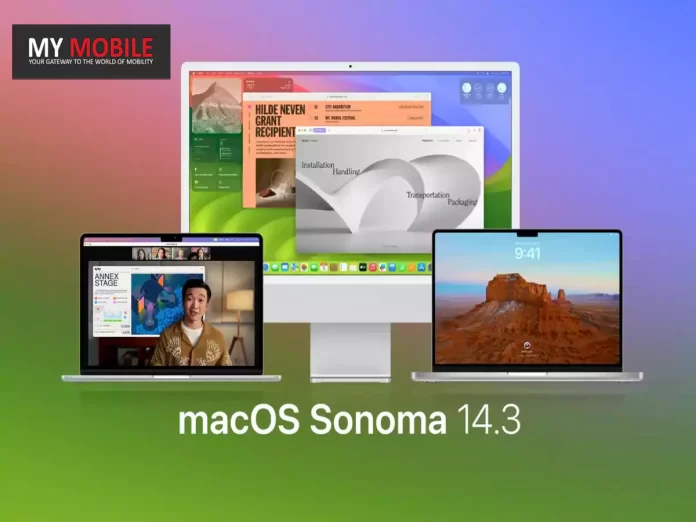
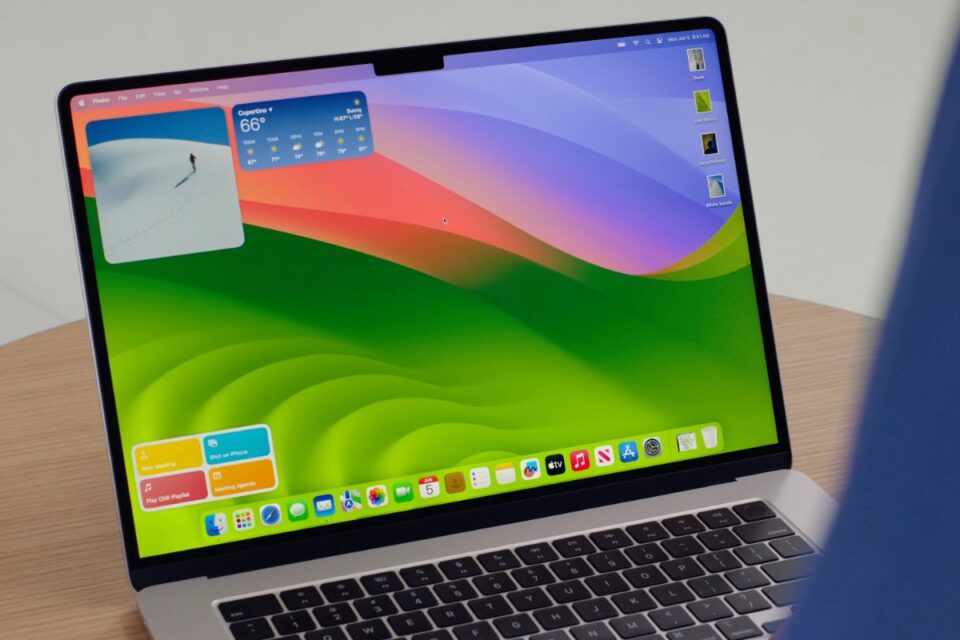
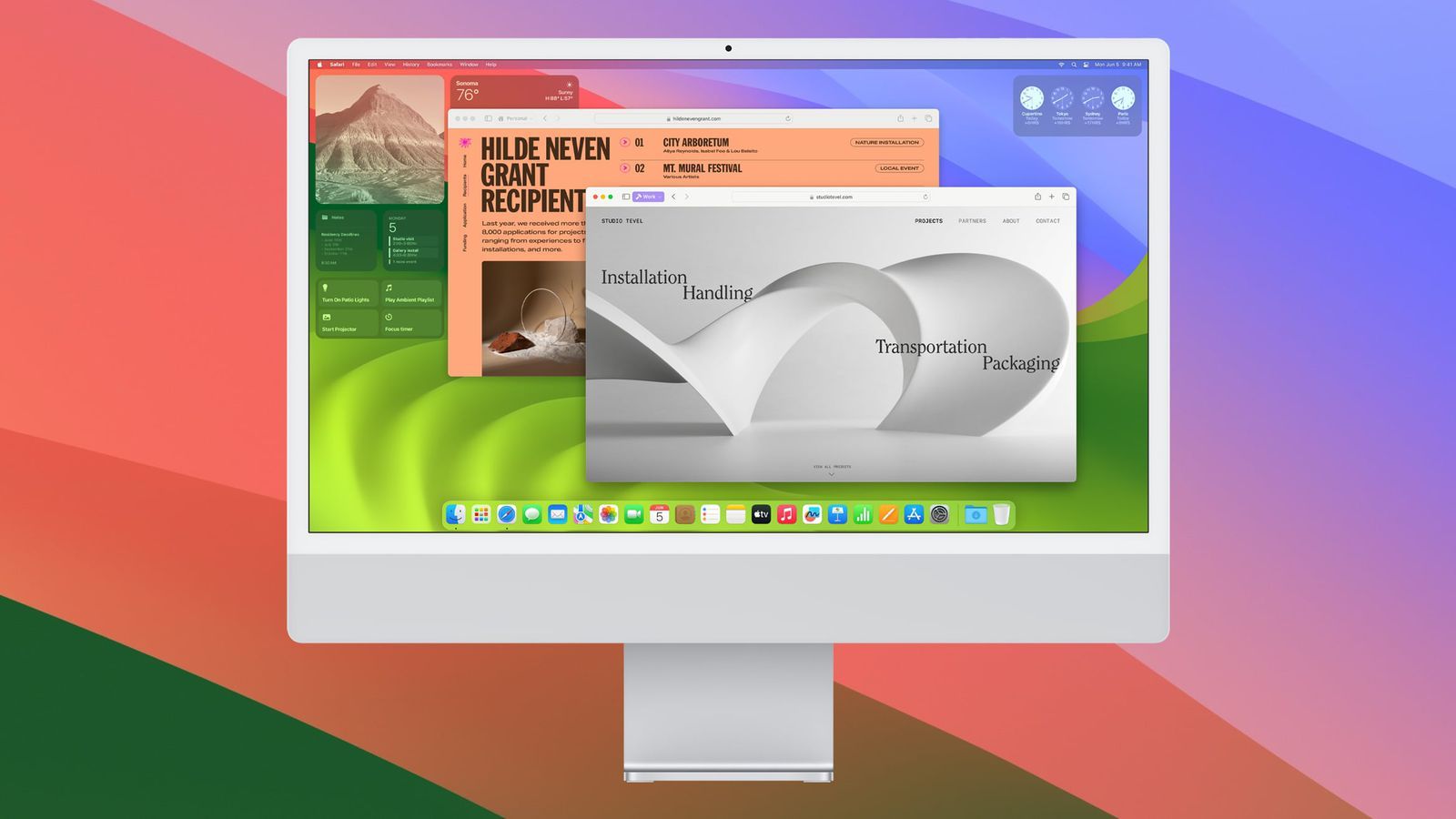
While its predecessor, macOS 14.2, introduced a suite of new functionalities, macOS 14.3 focuses primarily on refining user experience and bolstering security measures.
macOS Sonoma 14.3 Rolls Out: Enhanced Features and Security Upgrades
Here’s a detailed breakdown of what this update entails.
New Features in macOS Sonoma 14.3
New Features in macOS Sonoma 14.3
macOS Sonoma 14.3 introduces an exciting feature for music enthusiasts– the ability to collaborate on playlists in Apple Music.
This new functionality allows you to invite friends to contribute to your playlist, giving everyone the freedom to add, reorder, and remove songs.
It’s a fun way to discover new music and share your favorite tunes with friends.
macOS Sonoma 14.3 introducesa bility to collaborate on playlists in Apple Music.
This feature allows users to react to messages with a wide range of stickers, including Live Stickers, Memoji, or Animoji, either through the Sticker drawer or directly from the Tapback menu.
The update also brought in the capability to customize playlists with unique covers and descriptions, a feature first seen in iOS 17.1.
This enhancement allows for a more tailored and personal music library.
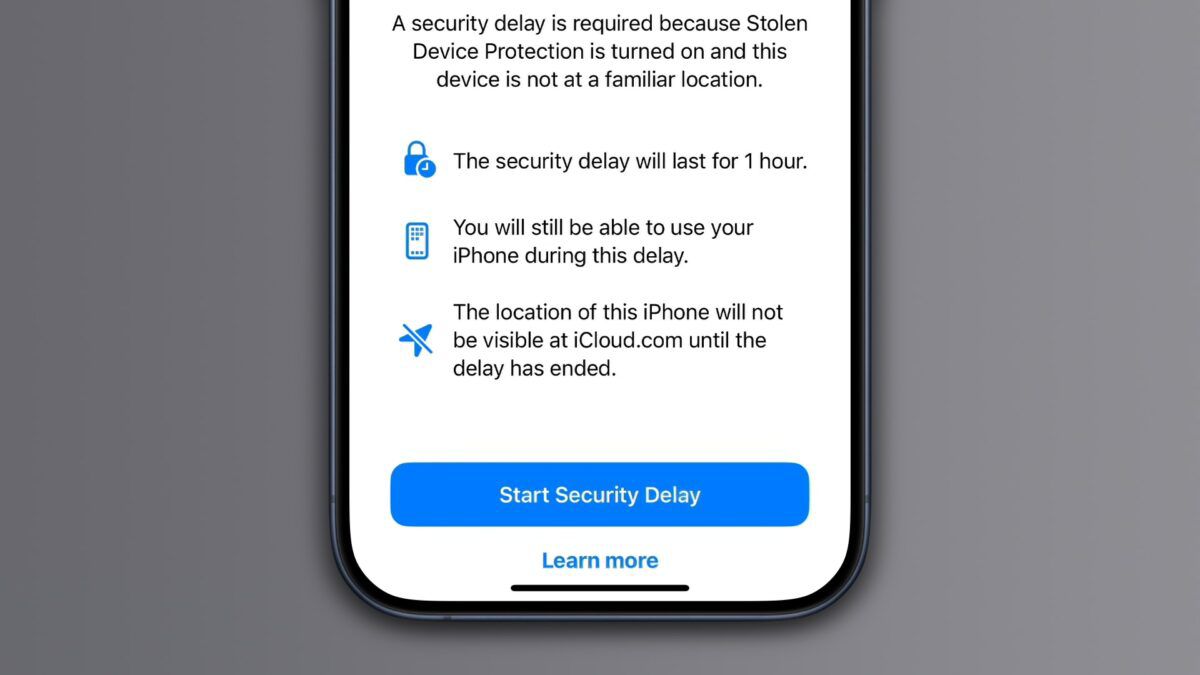
According to Apple’s security releases webpage, these updates include 15 security patches for iOS 17.3 and iPadOS 17.3, and 16 for macOS Sonoma 14.3.
Apple’s security releases
Addressing Critical Exploits
Addressing Critical Exploits
Among the key security concerns addressed in this update is an exploit in Apple’s Neural Engine, which could potentially allow arbitrary code execution with kernel privileges.
The update also resolves an issue in shortcuts that could misuse sensitive data without user prompt, and a Time Zone management exploit that previously allowed apps to access the user’s phone number from system logs.
Furthermore, multiple vulnerabilities in Safari, WebKit, and the Kernel have been addressed to protect against malicious attacks.
Update Recommendations
Update Recommendations in iOS 17.3
For enhanced security and improved user experience, it’s crucial for iPhone, iPad, and Mac usersto update their devices to the latest operating systems.
iOS 17.3 and iPadOS 17.3 can be installed from Settings > General > Software Update, while macOS Sonoma 14.3 is available under System Settings > General > Software Update.
Sticker reactions and customizable playlists from macOS 14.2 enhanced
FAQs
What are the key features of the macOS Sonoma 14.3 update?
macOS Sonoma 14.3 brings collaborative playlists in Apple Music, emoji reactions to tracks, and continues the sticker reactions and playlist customization features from macOS 14.2.
How does macOS Sonoma 14.3 improve device security?
The update includes more than 10 security fixes, addressing vulnerabilities in the Neural Engine, Mail Search, and other areas, significantly reducing the risk of malicious attacks.
Can I customize my playlists in Apple Music with macOS Sonoma 14.3?
Yes, the update retains the playlist customization feature from macOS 14.2, allowing users to add custom covers and descriptions to their Apple Music playlists.
Are older iOS devices covered in the latest security patches?
Apple has also released iOS 16.7.5 and iOS 15.8.1 with similar security patches for devices that no longer receive major system updates.
How do I update my Mac to macOS Sonoma 14.3?
Mac users can update to macOS Sonoma 14.3 by navigating to System Settings > General > Software Update on their devices.
iOS 17.3 and macOS Sonoma 14.3 Patch WebKit Vulnerability That May Have Been Exploited. Details?
Apple today released iOS 17.3, iPadOS 17.3, tvOS 17.3, and macOS Sonoma 14.3, and it’s a good idea to update as soon as possible to the new operating systems because the software patches an actively exploited vulnerability.
The updates fix a bug in WebKit that could allow maliciously crafted content to lead to arbitrary code execution.
Apple says on its security support page that it is aware of a report that the issue may have been exploited.
Apple’s software releases also address several other security vulnerabilities that were not known to have been used in the wild. iOS 17.3, for example, fixes bugs with the Neural Engine, kernel, Mail, Safari, Shortcuts, and more.
Apple Releases macOS Sonoma 14.3 With Collaborative Apple Music Playlists. Details?
Apple today released macOS Sonoma 14.3, the third major update to the macOS Sonoma operating system that came out last September. macOS Sonoma 14.3 comes over a month after the release of macOS Sonoma 14.2.
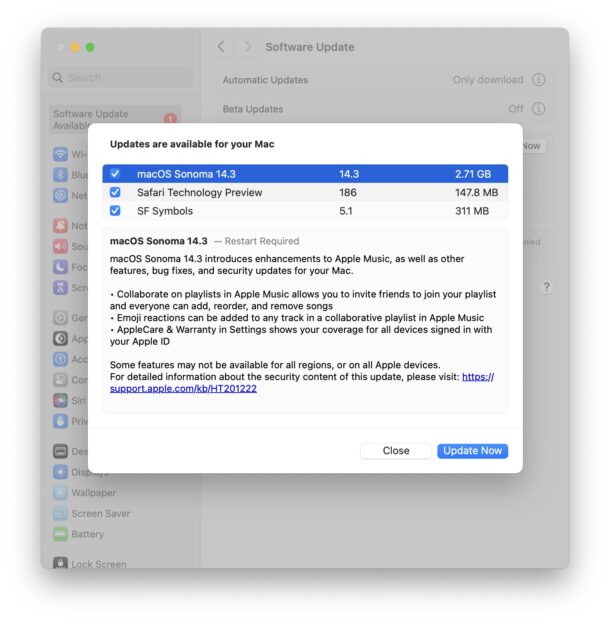
The macOS Sonoma 14.3 update can be downloaded for free on all eligible Macs using the Software Update section of System Settings.
There’s also a macOS 13.6.4 release for those who are still running macOS Ventura and a macOS 12.7.3 release for those who have macOS Monterey installed.
macOS Sonoma 14.3 brings collaborative playlists in Apple Music, so that Apple Music subscribers can create playlists with friends and family members.
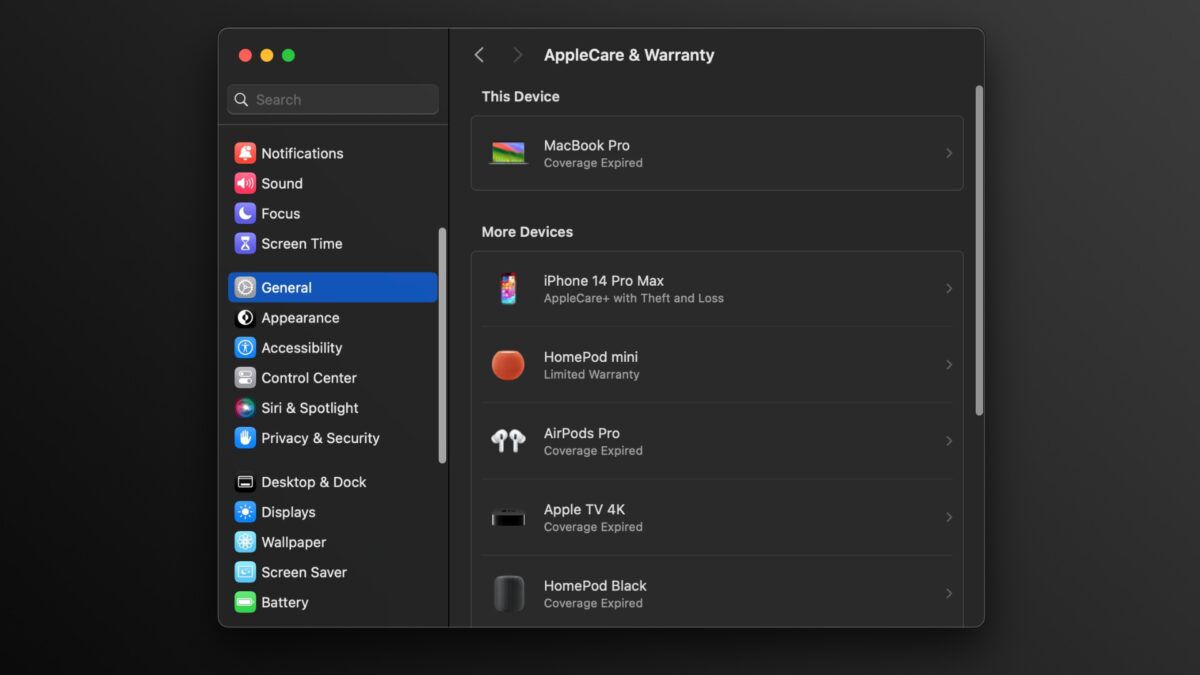
The software also has an updated AppleCare & Warranty section in Settings that shows coverage for all devices signed in with an Apple ID.
Apple’s full release notes for macOS Sonoma 14.3 are below:
macOS Sonoma 14.3 introduces enhancements to Apple Music, as well as other features, bug fixes, and security updates for your Mac.
Collaborate on playlists in Apple Music allows you to invite friends to join your playlist and everyone can add, reorder, and remove songs Emoji reactions can be added to any track in a collaborative playlist in Apple Music.
AppleCare & Warranty in Settings shows your coverage for all devices signed in with your Apple ID
macOS Sonoma 14.3: How to install ?
Developer betas are available to anyone who has enrolled in Apple’s Developer Program. Apple usually issues a public beta a day or two after the developer beta has been released.
We have a complete guide to downloading and installing the Sonoma betas if you are interested.
To access the pubic beta, go to System Settings > General > Software Update, then in the Beta Updates section, click the Info button (the “I” icon), click the pop-up menu for Beta Updates, and select macOS Sonoma Public Beta. You may need to restart the Mac.
While betas give early access to fixes and features to the operating system, they are issued with the idea that users will test the software and check for bugs. This means that the betas have some instability to them and may cause issues with your Mac.
If you can’t afford to take the risk of a possible crash or a disruption of usability, you should not run the beta and wait for the release to the general public.
It’s important to note that due to the specific nature of iOS, the battery capacity of the iPhone cannot be directly compared to that of Android devices.
The iPhone 15 Pro Max, for instance, is equipped with a slightly larger 4422mAh battery.
Battery Test Shows Interesting Results
Apple iPhone 15 Plus Battery Test Shows Interesting Results
According to PhoneArena’s battery test, the iPhone 15 Pro Max leads in browsing time with 19 hours and 20 minutes.
The iPhone 15 Plus follows closely, offering 16 hours and 21 minutes of browsing time.
However, in terms of video playback, the iPhone 15 Plus surpasses the Pro Max, delivering 11 hours and 14 minutes, compared to the Pro Max’s 9 hours and 45 minutes.
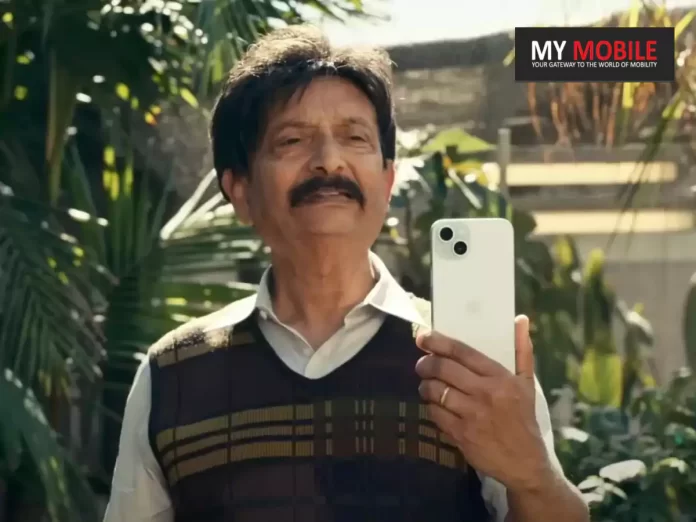
Apple iPhone 15 Plus Reveals an Impressive Battery Life in New Advertisement
To recap the battery life across the iPhone 15 range:
iPhone 15 Pro Max: Up to 29 hours of video playback, up to 95 hours of audio playback – 4,422 mAh, 17.10 Wh
iPhone 15 Pro: Up to 23 hours of video playback, up to 75 hours of audio playback – 3,274 mAh, 12.70 Wh
iPhone 15 Plus: Up to 26 hours of video playback, up to 100 hours of audio playback – 4,383 mAh, 16.95 Wh
iPhone 15: Up to 20 hours of video playback, up to 80 hours of audio playback – 3,349 mAh, 12.98 Wh
Apple has also introduced a new ad titled “One More,” focusing on the iPhone 15 Plus, along with another recent ad featuring the “Check In” function of iOS 17.
Apple iPhone 15 Plus Specs
GENERAL
Sim Type
Dual Sim, GSM+GSM
Dual Sim
Yes
Sim Size
Nano-SIM and eSIM
Device Type
Smartphone
Release Date
September 12, 2023
DESIGN
Dimensions
77.8 x 160.9 x 7.8 mm
Weight
201 g
Colors
Black, Blue, Green, Yellow, Pink
DISPLAY
Type
Color Super Retina XDR OLED (1B Colors)
Touch
Yes
Size
6.7 inches, 1290 x 2796 pixels, 60 Hz
Aspect Ratio
19.5:9
PPI
~ 460 PPI
Glass Type
Ceramic Shield front, Colour-infused glass bac
Features
Dolby Atmos, Haptic Touch, 1,000 nits max brightness (typical), 1,600 nits peak brightness (HDR), 2,000 nits peak brightness (outdoor), True Tone display, 20,00,000:1 contrast ratio (typical),HDR display
Super-high-resolution photos, (24MP and 48MP), Next-generation portraits with Focus and Depth Control, 4x optical zoom range, Night mode, Stereo recording, Audio zoom, Deep Fusion, Smart HDR 5, Photo geotagging, Burst mode, Photographic Styles, 12MP 2x Telephoto (enabled by quad-pixel sensor)
Video Recording
1080p @ 60 fps FHD, 4K @ 24/25/30/60 fps UHD
Flash
Yes, Dual LED
Front Camera
12 MP f/1.9 with Retina Flash
Front Video Recording
4K @ 60 fps UHD, 1080p @ 60 fps FHD
TECHNICAL
OS
iOS v17
Chipset
Apple Bionic A16
CPU
3.46 GHz, Hexa Core Processor
Core Details
2×3.46 GHz Everest & 4×2.02 GHz Sawtooth
GPU
Apple GPU
IP Rating
IP68
Java
No
Browser
Yes
MULTIMEDIA
Email
Yes
Music
AAC, MP3, Apple Lossless, FLAC, Dolby Digital, Dolby Digital Plus and Dolby Atmos
Video
HEVC, H.264 and ProRes, HDR with Dolby Vision, HDR10 and HLG
FM Radio
No
Document Reader
Yes
BATTERY
Type
Non-Removable Battery
Size
4383 mAh, Li-ion Battery
Fast Charging
Yes
Wireless Charging
Yes, 15W MagSafe Charging
FAQs
What is the battery capacity of the iPhone 15 Plus?
The iPhone 15 Plus is equipped with a 4383mAh battery, which is a key feature highlighted in Apple’s latest advertisement, showcasing its ability to support prolonged usage.
How does the iPhone 15 Plus battery perform in video playback?
In tests, the iPhone 15 Plus leads in video playback time, offering up to 11 hours and 14 minutes, surpassing even the iPhone 15 Pro Max in this aspect.
What are the key features of the iPhone 15 Plus apart from its battery?
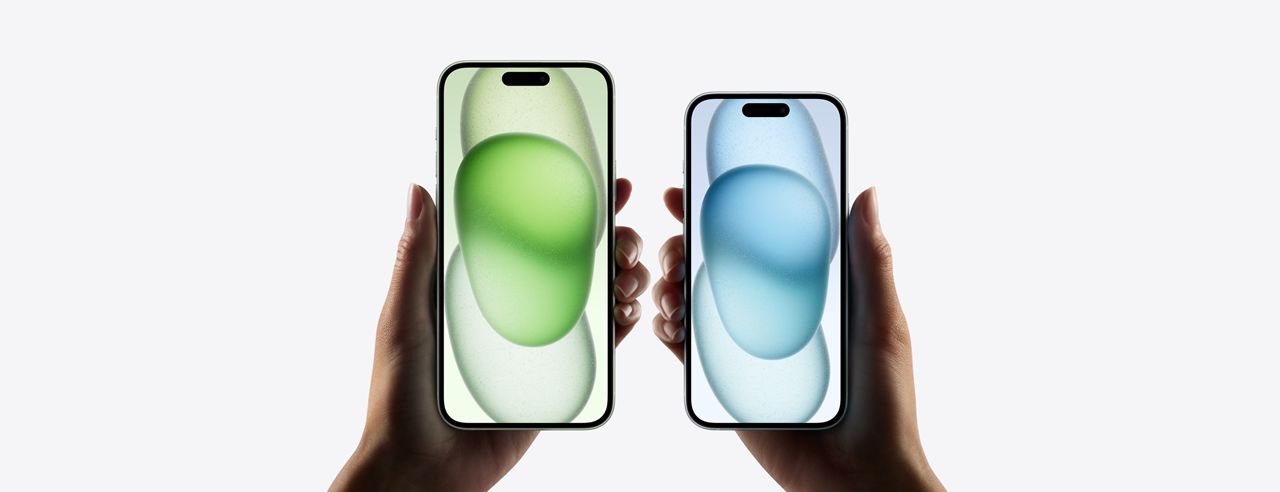
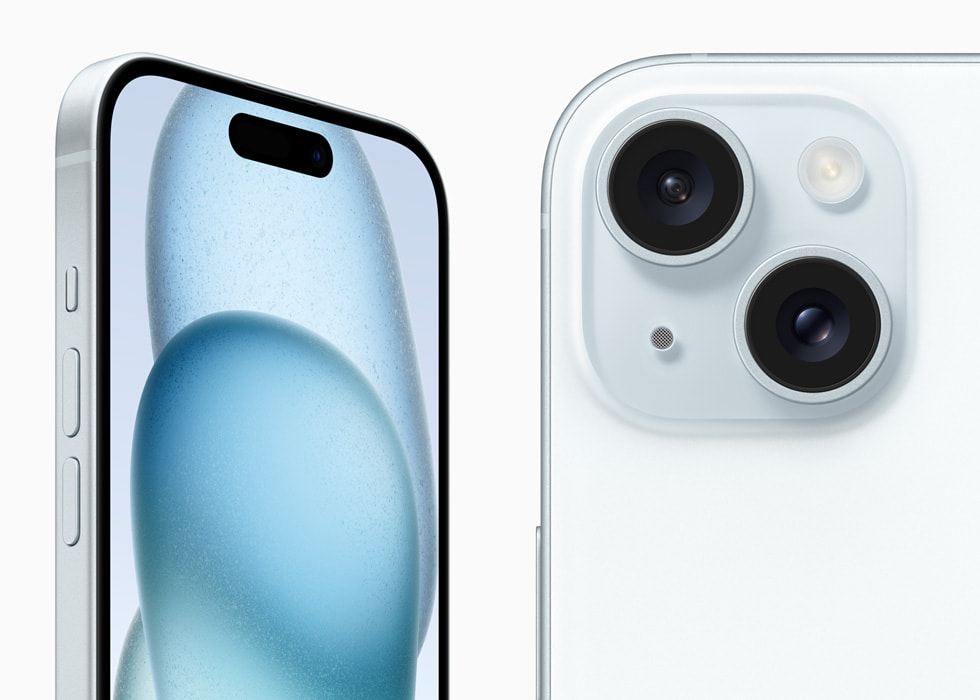
The iPhone 15 Plus boasts a 6.7-inch OLED screen, a powerful 4nm A16 Bionic processor, a dual-camera setup with a 48MP Wide and 12MP Ultra-wide lens, and is available in multiple storage capacities.
Can the iPhone 15 Plus battery life be compared to Android phones?
Due to the specific optimizations in iOS, direct comparison of the iPhone 15 Plus battery with Android devices is not straightforward, despite its impressive 4383mAh capacity.
Apple Shares iPhone 15 Plus Ad Highlighting Device’s Long Battery Life. Details?
Apple today shared a short iPhone 15 Plus ad on its YouTube channel that highlights the device’s long-lasting battery life.
In the video, an electrical outlet becomes sentient and sings the song “Way Too Long” by rapper Doe Boy. The outlet is sad that the iPhone 15 Plus lasts so long between charges, resulting in the device being plugged in less often.
Apple’s tech specs say the iPhone 15 Plus can provide up to 26 hours of offline video playback, and up to 100 hours of audio playback. Like the iPhone 14 Plus, the iPhone 15 Plus offers the longest advertised battery life of any iPhone ever.
Apple’s video description:
Big screen. Big battery life. iPhone 15 Plus is here. Dynamic Island. New 48MP Main camera. 2x Telephoto.
Next-generation portraits. Water resistant (IP68). USB-C. Durable color-infused glass.
Aluminum design. You don’t want to miss it. The ad was also shared as a YouTube Short.
How is the battery life of iPhone 15 plus ?
iPhone 15 Plus packs a 4,383mAh battery compared to 4,323mAh in the iPhone 14 Plus, which almost no change.
Apple promises 26 hours of video playback on the iPhone 15 Plus on a single charge. iPhone 15 Plus lasted for about 3 days with casual use, and with heavy use it lasted for more than a day, thanks to the more efficient A16 Bionic SoC.
It got close to 10 hours of screen on time with 3 days of use.
It supports USB-PD charging. Apple recommends 20W PD charge, same as the older model.
Apple says that it can charge up to 50% in 30 minutes when using a PD charger.
You can charge up to 85% in an hour, but the last 15% charge takes close to an hour, so it takes about 2 hours to charge the phone to 100%.
Apple does this to maintain the battery health.
It also has wireless charging up to 15W using an Apple MagSafe charger.
However, if you use any Qi-compatible charger, it can only charge at a maximum 7.5W. There is also 4.5W reverse wired charging via the new USB-C port.
What are the Pros of iPhone 15 plus ?
Excellent OLED display with Dolby Vision and Dynamic Island Smooth performance Solid build quality, IP68 ratings Brilliant cameras Good battery life