Highlights
- The OnePlus 16 introduces a faster 185Hz gaming display, brighter 2,000‑nit peak brightness, and a new Snapdragon 8 Elite Extreme Gen 6 processor.
- It upgrades the cameras with a 200MP main sensor and a 50MP autofocus front camera, while also increasing the battery capacity to 9,000mAh with reverse charging.
- Storage expands up to 1TB, RAM improves to LPDDR5X Ultra, and the software shifts from OxygenOS 16 on Android 16 to ColorOS 17 on Android 17.
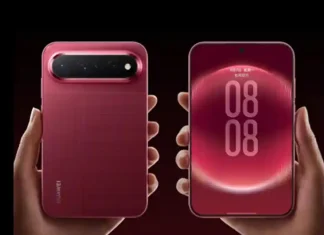
The OnePlus 16 has launched in China as the successor to the OnePlus 15 and it is bringing several hardware upgrades. Some of these upgrades include a newer flagship processor, a faster display, a 200MP primary camera and a larger battery. The new smartphone also introduces changes to its cooling system, front camera and software experience.
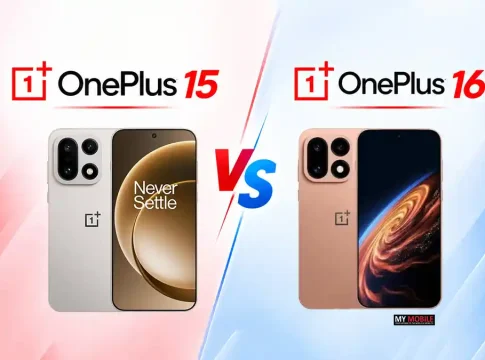
Here is a detailed comparison of the OnePlus 15 vs OnePlus 16, covering seven major differences to help you decide whether the newer phone is worth considering.
OnePlus 15 vs OnePlus 16: Specifications Compared
| OnePlus 15 | OnePlus 16 | |
| Display | 6.78-inch 1.5K LTPO AMOLED, 2772 × 1272 pixels; 1–120Hz adaptive refresh rate, up to 165Hz; Gorilla Glass Victus 2 | 6.78-inch 1.5K LTPO AMOLED, 2772 × 1272 pixels; 1–165Hz adaptive refresh rate, up to 185Hz for gaming; up to 1,000 nits typical and 2,000 nits peak brightness |
| Processor & GPU | Snapdragon 8 Elite Gen 5, 3nm; Adreno 840 GPU | Snapdragon 8 Elite Extreme Gen 6, 2nm; Adreno 850 GPU |
| RAM | 12GB/16GB LPDDR5X RAM | 12GB/16GB LPDDR5X Ultra RAM |
| Storage | 256GB/512GB UFS 4.1 storage | 256GB/512GB/1TB UFS 4.1 storage |
| Rear Camera | 50MP Sony IMX906 main camera with OIS; 50MP 116° ultra-wide; 50MP 3.5x periscope telephoto with OIS | 200MP 1/1.4-inch main camera with OIS; 50MP 116° ultra-wide; 50MP 3x periscope telephoto with OIS |
| Front Camera | 32MP Sony IMX709 RGBW sensor | 50MP autofocus front camera |
| Battery | 7,300mAh | 9,000mAh |
| Charging | 120W wired and 50W wireless charging | 100W wired and 50W wireless charging; 27W wired reverse charging |
| OS | OxygenOS 16 based on Android 16 | ColorOS 17 based on Android 17 |
| IP Rating | IP66/IP68/IP69/IP69K ratings | IP66/IP68/IP69/IP69K ratings |
| Dimensions | 161.42 × 76.67 × 8.18mm | 161.42 × 76.67 × 8.45mm |
| Weight | 211–215g | 217–220g |
Upgrade 1
OnePlus 15 vs OnePlus 16: Performance and Processor

OnePlus 16.
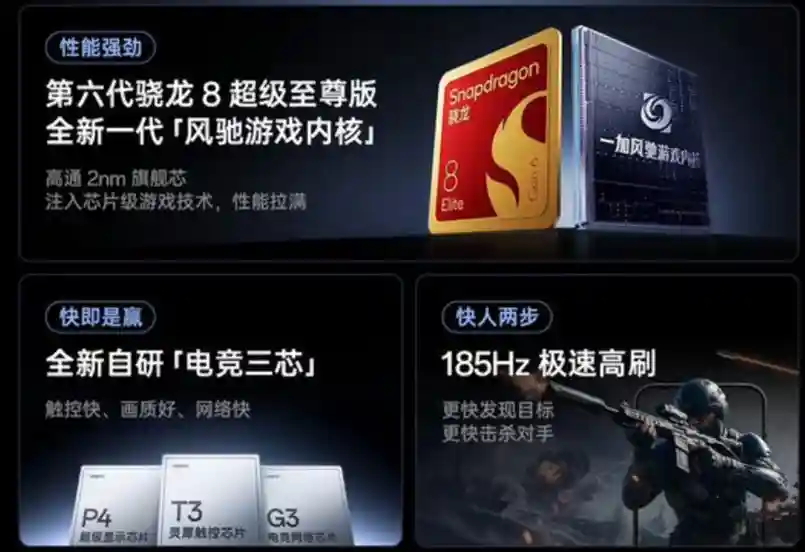
The first major difference between the OnePlus 15 and OnePlus 16 is their processor. The older model uses Qualcomm’s Snapdragon 8 Elite Gen 5, while the newer phone moves to the Snapdragon 8 Elite Extreme Gen 6 reportedly manufactured using a 2nm process.
The OnePlus 15 features Qualcomm’s Oryon CPU with a maximum clock speed of 4.608GHz and an Adreno 840 GPU running at 1,200MHz. It comes with 12GB or 16GB of LPDDR5X RAM and up to 512GB of UFS 4.1 storage.
The OnePlus 16 upgrades to an eight-core processor configuration comprising two super cores, three large cores and three small cores. Its maximum clock speed is listed at 5.01GHz, while graphics are handled by the Adreno 850 GPU, also clocked at 1,200MHz.
The newer phone retains LPDDR5X Ultra memory and UFS 4.1 storage but adds a 1TB storage option. This gives users who store large games, high-resolution videos and other sizeable files more room without relying on cloud storage.
The move to a 2nm manufacturing process could also improve power efficiency, although actual battery savings and performance gains will depend on the processor architecture, workload and software optimisation.
Upgrade 2
OnePlus 15 vs OnePlus 16: Thermal Management Upgrades
Along with the newer processor, the phone receives an updated thermal management system.
The OnePlus 15 uses the Glacier cooling system, which combines a vapour chamber with an aerogel insulation layer. The OnePlus 16 builds on this design with a zoned vapour chamber, revised thermal gel and a graphite layer rated at 2,100 W/m·K.
According to OnePlus, the updated vapour chamber is 40% more effective, while the new thermal gel offers a 50% improvement over the previous solution. The redesigned arrangement is also intended to move heat away from the areas where users usually hold the phone during landscape gaming.
The OnePlus 16’s revised cooling hardware is designed to manage that heat more effectively while keeping the frame more comfortable to hold. The company has retained the approach of insulating the frame while improving heat transfer around the processor.
OnePlus 16 performance.
Upgrade 3
OnePlus 15 vs OnePlus 16: Display Upgrade – 165Hz vs 185Hz
Both smartphones feature a 6.78-inch LTPO AMOLED display with a 1.5K resolution of 2772 × 1272 pixels. The biggest difference is the higher refresh rate offered by the OnePlus 16.
The OnePlus 15 supports a maximum refresh rate of 165Hz, primarily in compatible games and selected applications. During regular use, its display adjusts dynamically between 1Hz and 120Hz to balance smoothness and power consumption.
The OnePlus 16 extends support for a 165Hz refresh rate across more of the system experience, allowing compatible menus, animations and scrolling interactions to benefit from the higher rate. Supported games can go up to 185Hz.
The OnePlus 16 also uses BOE’s newer X4 luminescent material, replacing the X3 material found in the OnePlus 15.
Another addition is the P4 display chip, which is designed to improve clarity during fast-moving content. The newer model also upgrades its TÜV Rheinland Eye Comfort certification from version 5.0 to 6.0.
The OnePlus 16’s refresh-rate advantage could make a difference for users who play supported competitive games or prefer smoother system animations.
Upgrade 4
OnePlus 15 vs OnePlus 16: Camera Upgrade – 50MP vs 200MP Main Camera
OnePlus 16 Camera.
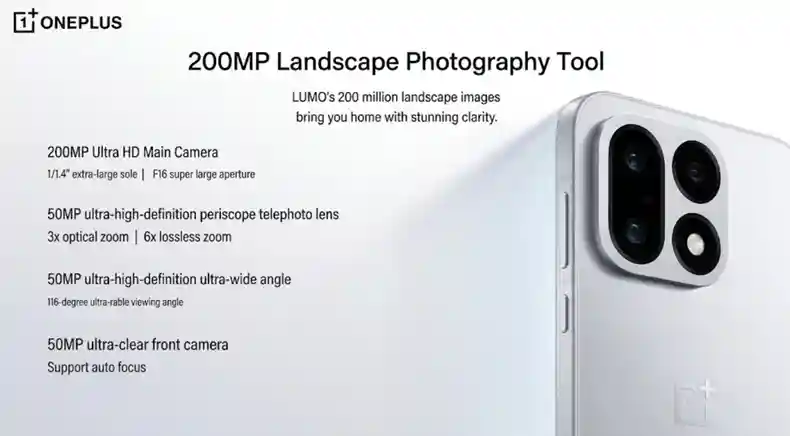
The OnePlus 16 introduces one of the biggest hardware changes in this comparison with a 200MP primary rear camera. The OnePlus 15 uses a 50MP Sony IMX906 sensor measuring 1/1.56 inches, while the newer model reportedly features a larger 1/1.4-inch sensor with an f/1.6 aperture and optical image stabilisation (OIS).
The telephoto cameras also differ. Both phones feature a 50MP periscope camera with OIS, but the OnePlus 15 supports 3.5x optical zoom, compared with 3x optical zoom on the OnePlus 16. The newer phone uses a 1/1.95-inch telephoto sensor and reportedly supports 6x lossless zoom.
This means the OnePlus 15 has the higher native optical zoom magnification, while the OnePlus 16 focuses on its newer sensor and additional zoom flexibility. The actual results will depend on how the phone handles cropping and image processing at different zoom levels.
The 50MP ultra-wide camera with a 116-degree field of view remains largely unchanged. The front camera, however, gets a resolution upgrade from 32MP to 50MP and adds autofocus, which could help with selfies and video calls at varying distances.
Upgrade 5
OnePlus 15 vs OnePlus 16: Battery Upgrade – 7,300mAh vs 9,000mAh
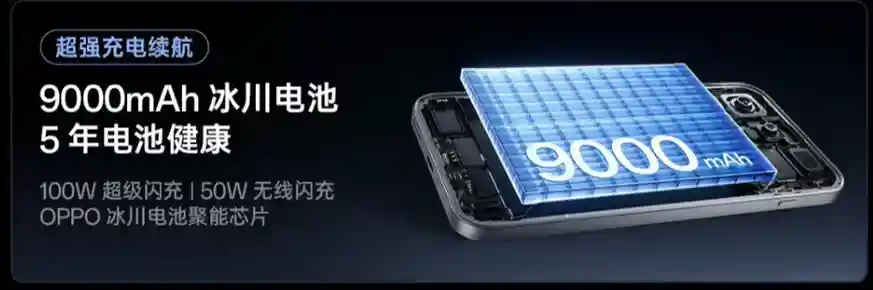
OnePlus 16 battery.
Battery capacity is another major upgrade on the OnePlus 16. The OnePlus 15 packs a 7,300mAh battery, while the newer model increases the capacity to 9,000mAh. This represents an increase of approximately 23.3%, giving the phone more capacity for gaming, streaming, navigation and other everyday tasks.
The OnePlus 16 uses a dual-cell battery arrangement with each cell rated at a typical capacity of 4,500mAh. It is also paired with an OPPO energy management chip designed to regulate power consumption.
There is one notable compromise, however. The OnePlus 15 supports 120W wired charging, while the OnePlus 16 reduces the maximum wired charging speed to 100W. This means the newer model has a larger battery but a lower maximum charging wattage.
Upgrade 6
OnePlus 15 vs OnePlus 16: Design
The OnePlus 16 retains much of the OnePlus 15’s overall design approach. Both phones feature flat-sided frames, squared corners, a 6.78-inch display and narrow 1.15mm bezels. They also include a side shortcut key and carry IP66, IP68, IP69 and IP69K ratings for dust and water resistance.
The newer phone is slightly thicker and heavier, depending on the colour variant. The OnePlus 15 measures 8.18mm or 8.20mm thick and weighs between 211g and 215g. In comparison, the OnePlus 16 measures between 8.45mm and 8.55mm thick and weighs between 217g and 220g.
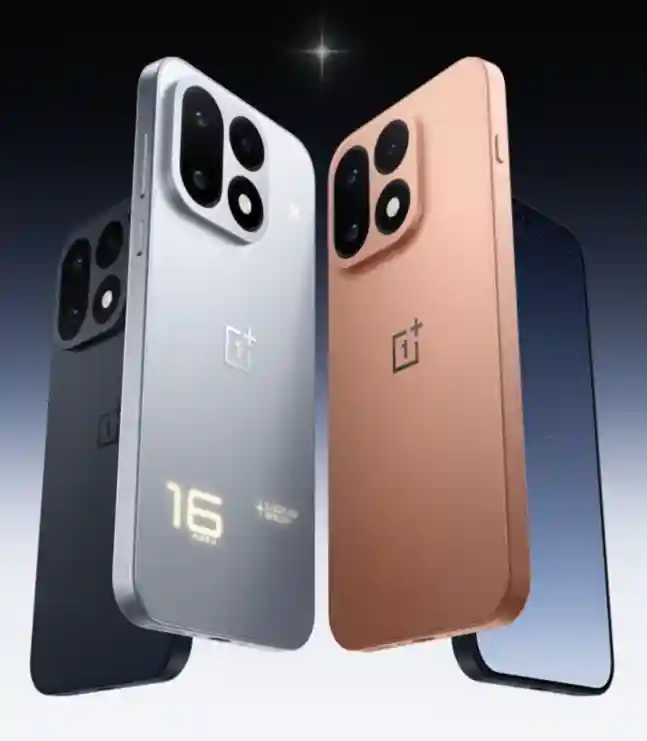
The colour options also change with the new generation. The OnePlus 15 is available in Sand Dune, Absolute Black and Misty Purple, while the OnePlus 16 comes in Tomorrow Starlight, Mars Red and Deep Black.
The Tomorrow Starlight variant reportedly features an interstellar lighting effect that responds to incoming calls, messages and red envelope notifications in China. It can also react to certain in-game actions and music when the required app permissions are enabled.
Upgrade 7
OnePlus 15 vs OnePlus 16: Software Upgrade
Software is another important difference. The OnePlus 15’s supplied specifications list OxygenOS 16 based on Android 16, while the OnePlus 16 is listed with ColorOS 17 based on Android 17.
ColorOS 17 brings a refreshed interface and Tide Engine, a memory management system intended to improve overall responsiveness. Other additions include AI Notes, which can combine information from multiple sources into one note, and an updated AI Tap feature.
The newer software also supports several cross-device functions. Users can mirror the phone’s screen to Mac and Windows computers through the OPPO Connect client.
Should You Upgrade to OnePlus 16?
The OnePlus 16 brings several changes over the OnePlus 15, particularly in processing power, display refresh rate, camera hardware and battery capacity.
OnePlus 15 owners: Consider the OnePlus 16 if you want a larger battery, a newer flagship processor, a higher-resolution primary camera or a 50MP autofocus selfie camera. The revised cooling system and higher supported gaming refresh rate could also appeal to mobile gamers. However, the slower maximum wired charging speed and added weight are worth considering before upgrading.
New smartphone buyers: Compare the actual selling prices of both phones including any discounts and bank offers. The OnePlus 15 could still be a sensible choice if it is available at a much lower price, particularly if its performance, 165Hz gaming display, 50MP cameras and 120W wired charging already meet your needs.
Indian buyers: Wait for official confirmation of the OnePlus 16’s India launch, price and specifications before making a purchase decision. The Chinese pricing provides an indication of its positioning in that market, but it does not establish how much the phone will cost in India.