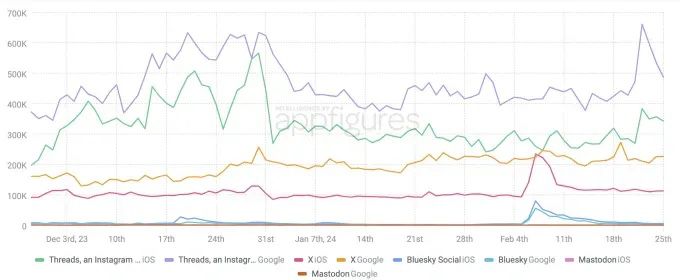
The rivalry between these platforms has seen Threads not only double but sometimes even triple the number of daily installs compared to its competitors, especially on iOS devices.
Threads app download numbers outperform X, especially on iOS platforms. Credit- appfigures
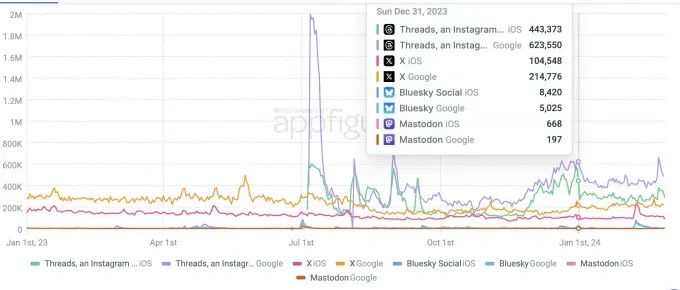
This competitive stance was further solidified by the end of last year when Threads began logging over half a million daily installs on both Google Play and iOS, a figure that has somewhat declined on iOS but still remains significantly higher than X’s download numbers.
As of late February 2024, Threads has continued to outshine X with 486,803 installs on Google Play and 342,228 on iOS, dwarfing X’s 225,408 and 112,625 downloads on the respective platforms.
Meta’s Threads saw over half a million daily installs at its peak performance Credit- appfigures
This significant gap was even more pronounced a few days earlier, with Threads achieving more than triple the number of installs on both platforms compared to X.
Threads Could Overtake Twitter’s Dominance
Threads Could Overtake Twitter’s Dominance
This consistent lead in daily installations potentially shifts the microblogging sphere’s power dynamics.
However, Meta has committed to not amplifying news content or recommending political content on Threads, possibly to differentiate its platform and avoid the pitfalls of political polarization.
FAQs
How do the Threads app’s download numbers compare to X’s?
Threads app consistently outperforms X in daily downloads, with figures sometimes triple those of X, highlighting a growing preference among users for Meta’s new offering.
What platforms show the most significant growth for Threads?
iOS devices have seen a particularly strong uptake of Threads, with daily install numbers significantly higher than those on Android when compared to X.
Can Threads potentially overtake Twitter’s dominance in social media?
Given its current trajectory and substantial daily download numbers, Threads has the potential to challenge, and possibly surpass, Twitter’s long-established dominance in the microblogging space.
What content strategy has Meta committed to for Threads?
Meta has stated it will not amplify news content or recommend political content on Threads, aiming to create a platform that avoids the pitfalls of political polarization.
What does the rise of Threads indicate for social media users?
The popularity of Threads suggests a shift in user preferences towards platforms that offer a fresh approach to microblogging, potentially reshaping the social media landscape and user engagement.
Has Threads Recorded 130 million Active Users in Q4 of 2023?
Mark Zuckerberg announced that Threads had 130 million monthly active users (MAUs) as of the company’s fourth quarter.
It’s likely that these numbers have continued to increase in the weeks since the announcement.
Instagram head Adam Mosseri has mentioned that the Threads app is performing “remarkably well” in Japan, where Twitter has historically had strong traction.
What is the Problem with X?
X reported having 500 million monthly active users as of last fall. However, it’s uncertain how many of these accounts are automated or spam.
Recent reports indicate that X may be dealing with a Verified bot problem, where certain blue-checked, paid accounts inadvertently disclosed their nature by responding to X posts with a standard message stating, “I’m sorry, I cannot provide the requested feedback as it goes against OpenAI’s content policy” — a response typical of AI-generated content.
A search on X still shows evidence of this issue.
Threads is not fully free from this problem, it seems that more users are organically posting this phrase on Meta’s platform as a trend .
X’s challenges with new installations may be linked to its rebranding from Twitter.
What are the Effects of Alternative Apps?
Mastodon’s official mobile app and the recently public Bluesky, struggle to compete with this competition and show minimal activity on the download chart.
While Mastodon has a broad third-party app ecosystem, its network currently hovers around 1 million monthly active users, according to its own first-party data.
Bluesky experienced a small increase in downloads when it became publicly available earlier this month, but its momentum has since subsided.
On its most significant day (February 7, the day after its launch), it recorded 79,685 installs on iOS and 55,711 on Google Play—significantly lower than Threads or X.
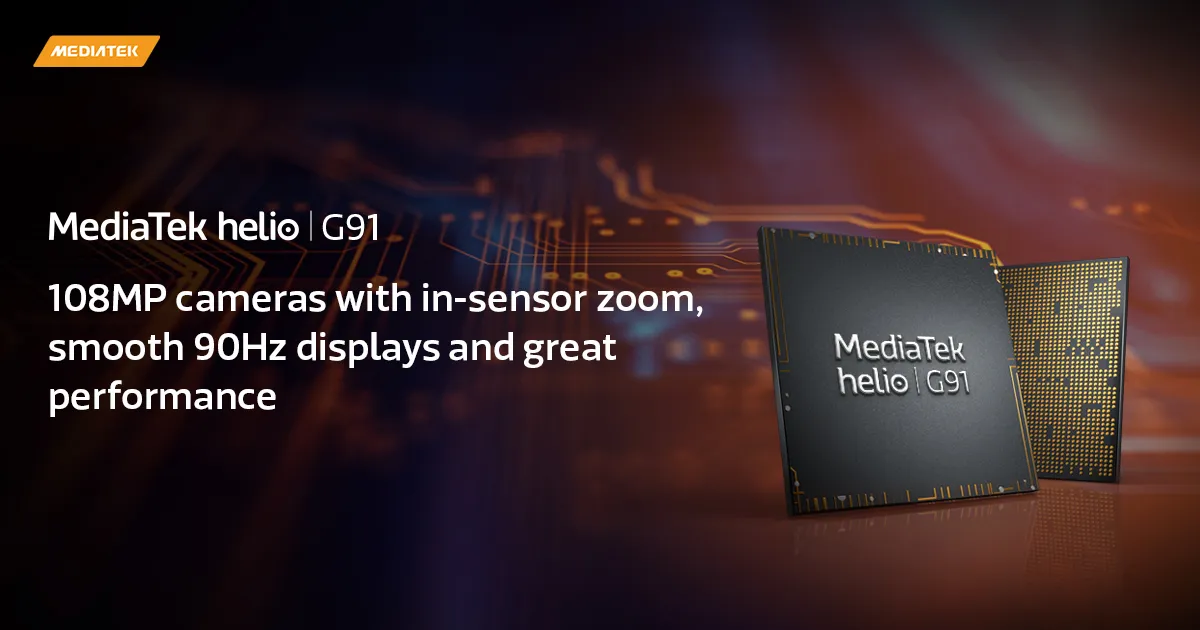
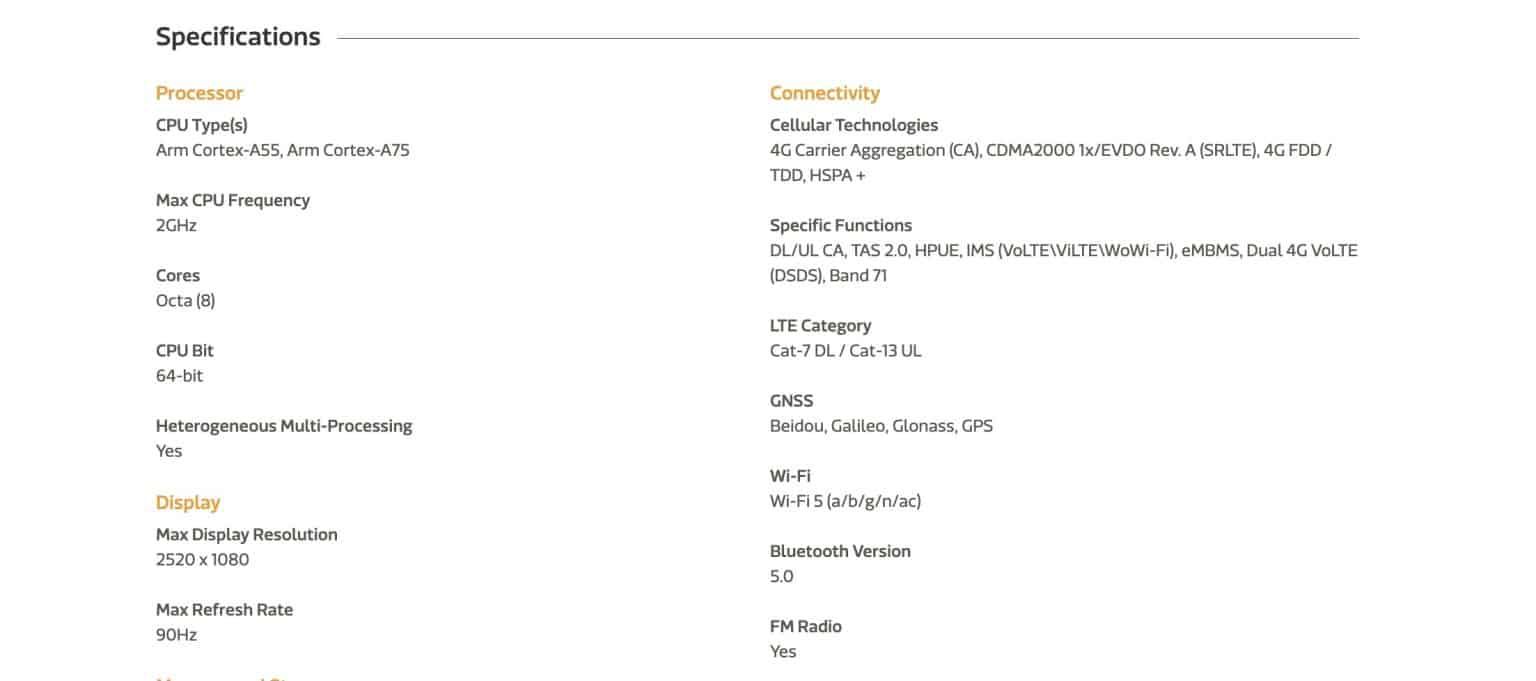
The Helio G91 chipset packs in support of up to 108MP primary cameras, a substantial leap from the 64MP camera support provided by its predecessor, the Helio G88.
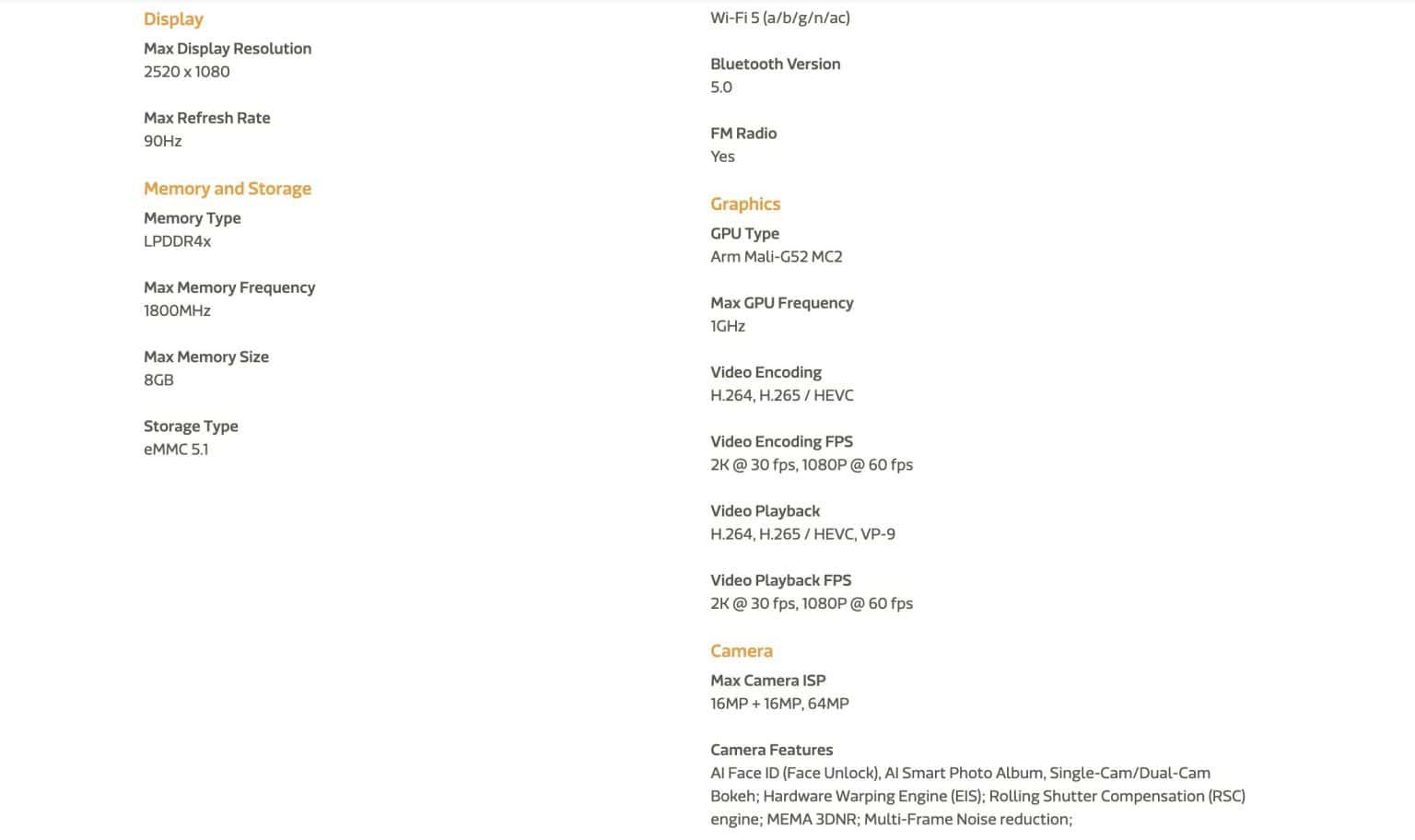
Although it’s a 4G-only chipset, lacking 5G support, it caters to the vast majority of mobile users worldwide with its robust connectivity options, including WiFi 5 and Bluetooth 5.0.
The processor supports a maximum display resolution of 2520 x 1080 pixels, accommodating screens with up to a 90Hz refresh rate.
It also supports up to 8GB of LPDDR4x memory and eMMC 5.1 storage, enabling smooth multitasking and ample space for apps and media.
The tech giant also unveiled a range of cutting-edge technologies, including advancements in ray-tracing for mobile gaming, on-device AI features, real-time animation capabilities, the Dimensity Auto Cockpit for enhanced in-car experiences, and 5G-enabled CPE fixed wireless access points.
FAQs
What significant upgrade does the MediaTek Helio G91 chipset offer over its predecessor?
The MediaTek Helio G91 chipset provides a notable upgrade in camera support, enabling up to 108MP primary cameras compared to the 64MP support of its predecessor, the Helio G88, enhancing the photography capabilities of budget smartphones.
How does the MediaTek Helio G91 chipset enhance gaming on budget smartphones?
Thanks to MediaTek HyperEngine Gaming technologies, the Helio G91 chipset optimizes CPU, GPU, and memory management, offering a smoother and more responsive gaming experience on budget devices.
Is the MediaTek Helio G91 chipset 5G compatible?
No, the MediaTek Helio G91 is a 4G-only chipset. Despite this, it offers comprehensive connectivity features like WiFi 5 and Bluetooth 5.0 to cater to the needs of a broad user base.
What are the key features of the MediaTek Helio G91 chipset?
Key features include support for 108MP cameras, an octa-core processor with a 12nm manufacturing process, enhanced gaming technology, and high-resolution display support, making it a powerful option for budget smartphones.
What other technologies did MediaTek introduce at MWC 2024?
At MWC 2024, MediaTek also showcased technologies such as ray-tracing for mobile gaming, on-device AI features, real-time animation capabilities, Dimensity Auto Cockpit, and 5G-enabled CPE fixed wireless access points, highlighting its commitment to innovation.
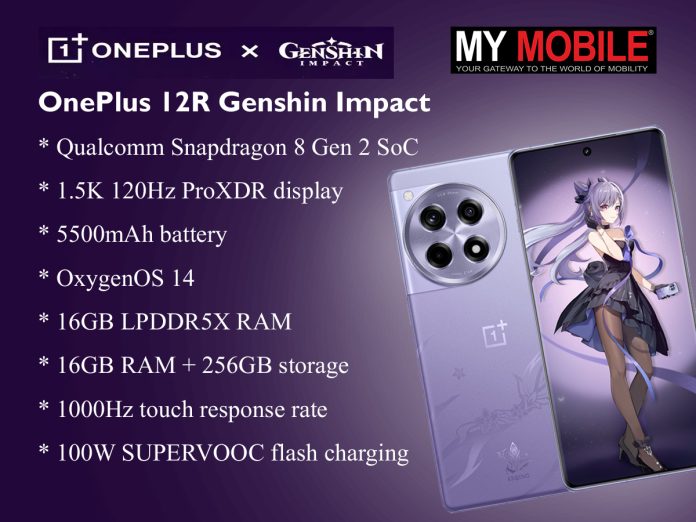
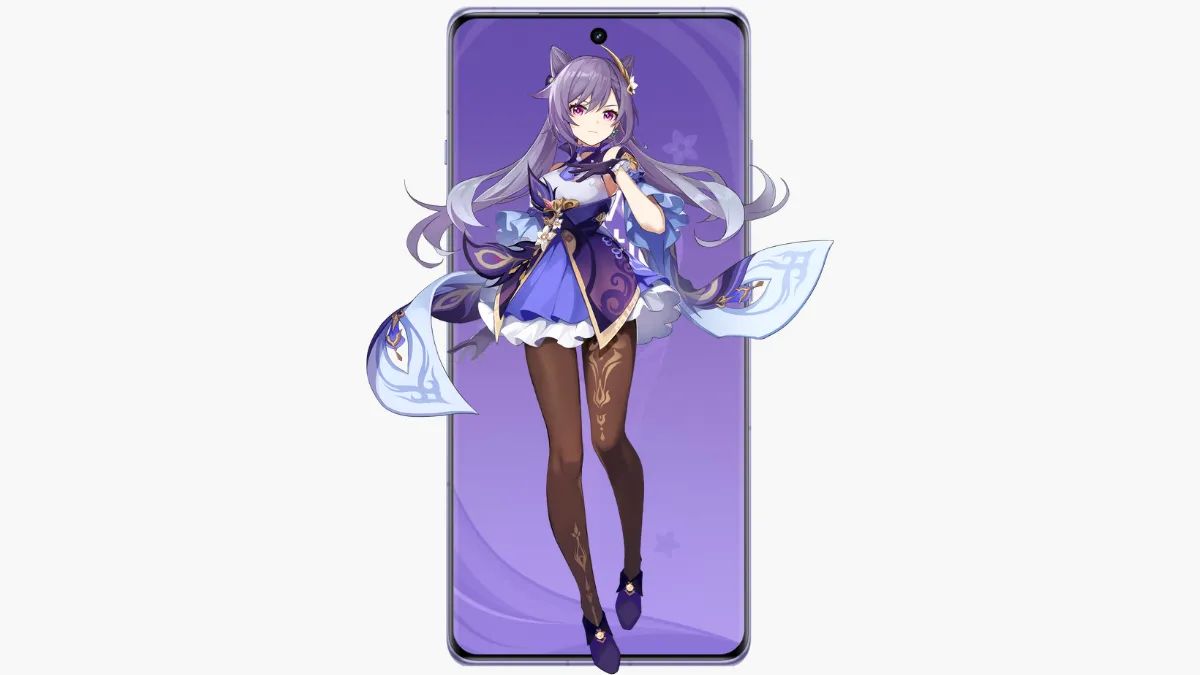
•OnePlus just introduced the OnePlus 12R Genshin Impact Edition. •The phone uses Electro Etching, an engraving process that engraves the hero’s name on the top frame with extreme precision. •It has Matte AG silk glass rear. •It features Keqing-inspired Electro element that showcases striking electric-infused motifs reminiscent of her flowing clothing. •The violet design pairs the OnePlus logo with her heroic Lightning Stiletto to strike the perfect pose, said the company.
This special edition smartphone is tailor-made for the ardent fans of the blockbuster game, Genshin Impact, offering an unmatched gaming experience with its cutting-edge technology and exclusive design elements inspired by the character Keqing.
The customization spans across this phone’s exterior design, fully customized OS, collectible gift box, and special enhancements on the mobile Genshin Impact experience, making it the most comprehensively customized Genshin Impact Smartphone ever.
Kinder Liu, OnePlus President and COO, said, “Our collaboration with HoYoverse has propelled the OnePlus 12R Genshin Impact Edition to new heights. We’re not just delivering a phone, we’re delivering a gateway to a wide gaming universe, with no compromises on graphics or performance. We’ve really pushed the boundaries to ensure gamers enjoy uninterrupted high-quality graphics and gameplay when they play heavy duty games on their phones. We believe that players will feel the difference while using this custom edition.”
“From the power-on animation to the dynamic wallpaper, every aspect of the mobile experience has been transformed for Genshin Impact fans. Whether you’re unlocking the phone or charging the phone, the deep integration will awaken unforgettable memories for every adventurer,” said the company.
OnePlus 12R Genshin Impact Edition Specifications & Features
OnePlus 12R Genshin Impact Edition Specifications & Features
Experience Immersive Visuals and Unmatched Gaming Graphics
This technology achieves realistic lighting effects by optimizing the GPU and display, resulting in true-to-life HDR graphics that draw gamers into jaw-dropping virtual worlds.
The phone’s 1.5K 1-120Hz ProXDR Display with fourth-generation LTPO supports up to 2,160Hz PWM dimming and a super high screen brightness of up to 4,500 nits.
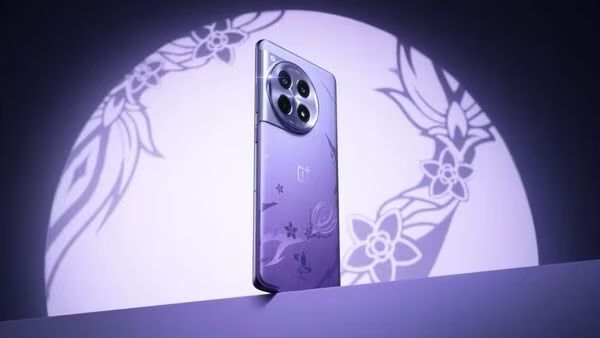
OnePlus 12R Genshin Impact Edition has Matte AG silk glass rear
Corning® Gorilla® Glass Victus® 2 is also used to provide the ultimate protection. Additionally, it supports Dolby Vision, HDR10+, and has been awarded a TÜV Rheinland Intelligent Eye Care certification.
Fast and Smooth Gaming Keeps You Ready at Any Moment
The HyperTouch technology boosts the touch response rate to 1000Hz, minimizing latency.
The phone also addresses memory issues through the RAM-Vita memory performance accelerator, improving app booting and switching speeds.
OnePlus 12R Genshin Impact Edition: Specs
Tests conducted by the OnePlus Lab show that the phone can maintain the Genshin Impact game app and up to other 5 apps running in the background for 72 hours.
In addition, the OnePlus 12R Genshin Impact Edition features a 360-degree high-performance gaming antenna to ensure fast and smooth online connectivity.
With 12 high-performance omni-directional antennas, three of which are specifically designed for gaming, it provides a faster, smoother, and more stable connection for gaming.
Through these optimization techniques and special improvements, the OnePlus 12R Genshin Impact Edition guarantees a fast and smooth gaming experience, keeping you ready to explore a massive beautiful open world the way you like at any moment.
Enjoy Long-Lasting Performance and All-Round Connectivity
OnePlus just introduced the OnePlus 12R Genshin Impact Edition
As a true powerhouse, the OnePlus 12R Genshin Impact Edition combines powerful hardware with industry-leading technologiesto bring gamers the longest undisrupted immersive gaming experiences in a way that no other phone can compete with.
With its large 5,500mAh battery, the OnePlus 12R Genshin Impact Edition guarantees long battery life at the fundamental level, while the inclusion of 100W SUPERVOOC flash charging means that several extra hours of battery life are never more than a few minutes away.
Not only this, through the CPU-Vita technology of the Trinity Engine, the OnePlus 12R Genshin Impact Edition is able to recognize every game scenario in Genshin Impact and automatically adjust CPU performance to deliver the optimal balance between high performance and low power consumption.
Even in computationally demanding game scenarios like map exploration, main story quests and daily quests in Genshin Impact, the phone can run at an average of 59.4 FPS for over an hour without generating a significant amount of heat.
Even for gaming sessions lasting more than an hour, the inclusion of a New Cryo-velocity Cooling System helps keep the OnePlus 12R Genshin Impact Edition cooler for longer.
With a Dual VC featuring an aerodynamic design and 9,140mm² VC area, the new system ensures enhanced heat dissipation efficiency to maintain stable, fast, responsive, and smooth gaming at all times.
OnePlus & HoYoverse Unveil the OnePlus 12R Genshin Impact Edition in India
As one of the latest OnePlus flagship phones, the OnePlus 12R Genshin Impact Edition features a whole host of other technologies that will guarantee Genshin Impact fans the ultimate in-game experience over the long term.
These include the advanced Snapdragon 8 Gen2 chipset, dual speakers with Dolby Atmos, a 16GB RAM and 256GB large storage combination, and the fast and smooth OxygenOS 14.
The phone also features the proprietary Battery Health Engine, helping to keep the phone’s battery running at 80% capacity even after as many as 1,600 charge cycles, or roughly four years of typical use.
Experience Exclusive Keqing-Inspired Design and Collectibles
The OnePlus 12R Genshin Impact Edition is a special collaboration between OnePlus and HoYoverse, featuring the character Keqing from Genshin Impact.
The phone boasts an Electro Violet colorway with a violet back panel inspired by Keqing’s appearance in the game.
The AG matte glass cover is adorned with silvery white feather motifs, and an Electro Element with Keqing’s signature lightning stiletto design and the text “KEQING” is featured at the base of the back cover.
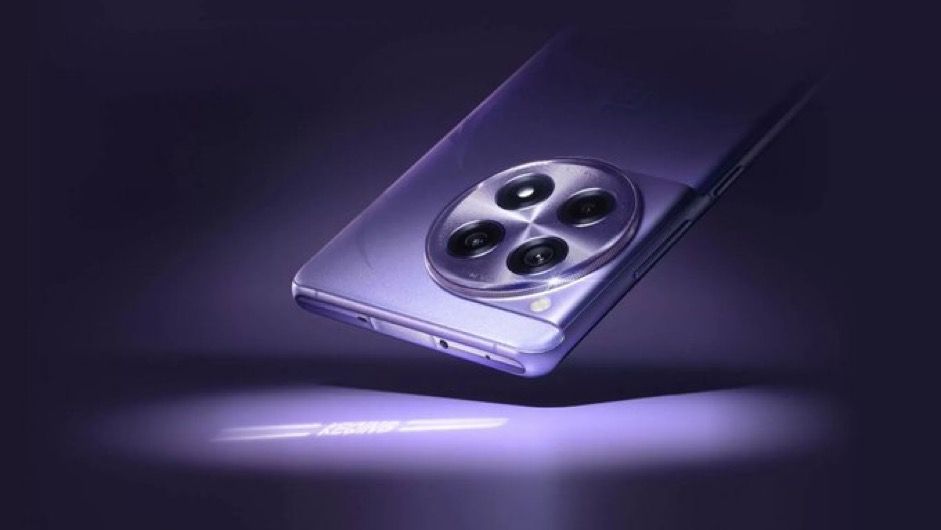
The frame design of the phone incorporates a pioneering etching process called Electro Etching, which allows the text ‘Keqing’ to be carved onto the top edge of the phone.
This engraving process reflects light and can project the characters for “KEQING” onto nearby surfaces when illuminated.
The OnePlus 12R Genshin Impact Edition comes with deeply customized OxygenOS 14,transforming the user interface to reflect the fantasy world of Teyvat from Genshin Impact.
This includes customized system app icons, an Electro Element charging animation, and an exclusive Always-On Display.
Additionally, users are greeted with an exclusive Keqing visual and live wallpaper every time the phone is unlocked, featuring Keqing’s characteristic grace, confidence, and determined gaze.
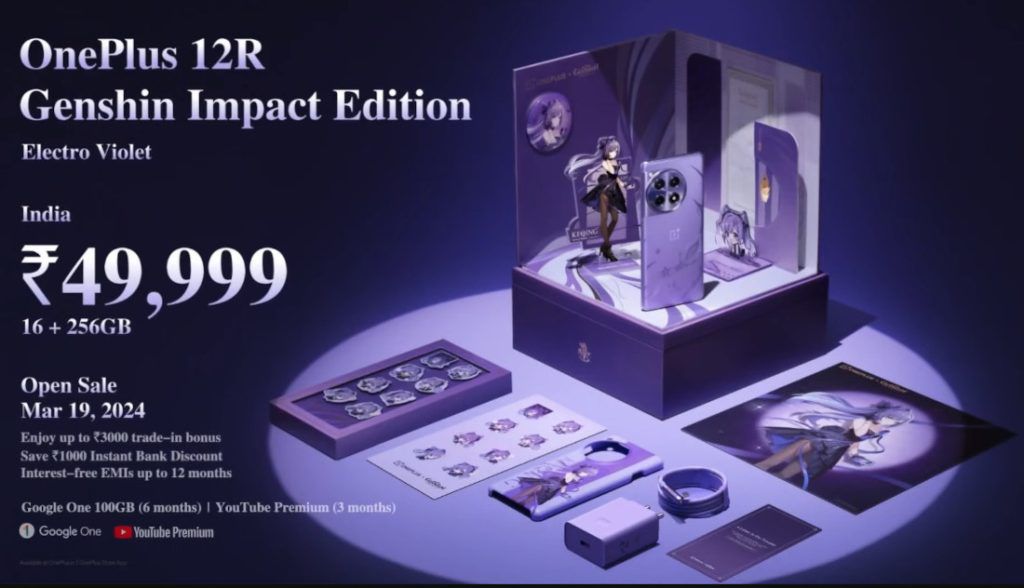
The phone also comes in an exclusive gift box that includes highly collectible merchandise and accessories for Genshin Impact fans, such as a Lightning Stiletto-shaped SIM tray ejector, a violet charging adapter with Electro Element and Lightning Stiletto logos, and a violet USB Type-C charging cable with a violet LED light and a 90° design for convenience.
OnePlus 12R Genshin Impact Custom Gift Box
OnePlus 12R Genshin Impact Custom Gift Box
Inspired by the iconic Liyue style, the custom gift box contains specially crafted as a figure display box, one-of-a-kind collectibles.
There are also Custom Acrylic Ornament, Custom Tinplate Character Badge, Keqing-Themed “Exceed the Speed of Lightning” Poster and Collectible Chibi Commemorative Metal Badges X8 (Whole Set).
Genshin Impact on Trinity Engine
Genshin Impact on Trinity Engine
The phone still has Snapdragon 8 Gen 2 SoC with 16GB of LPDDR5X RAM and 256GB UFS 3.1 storage.
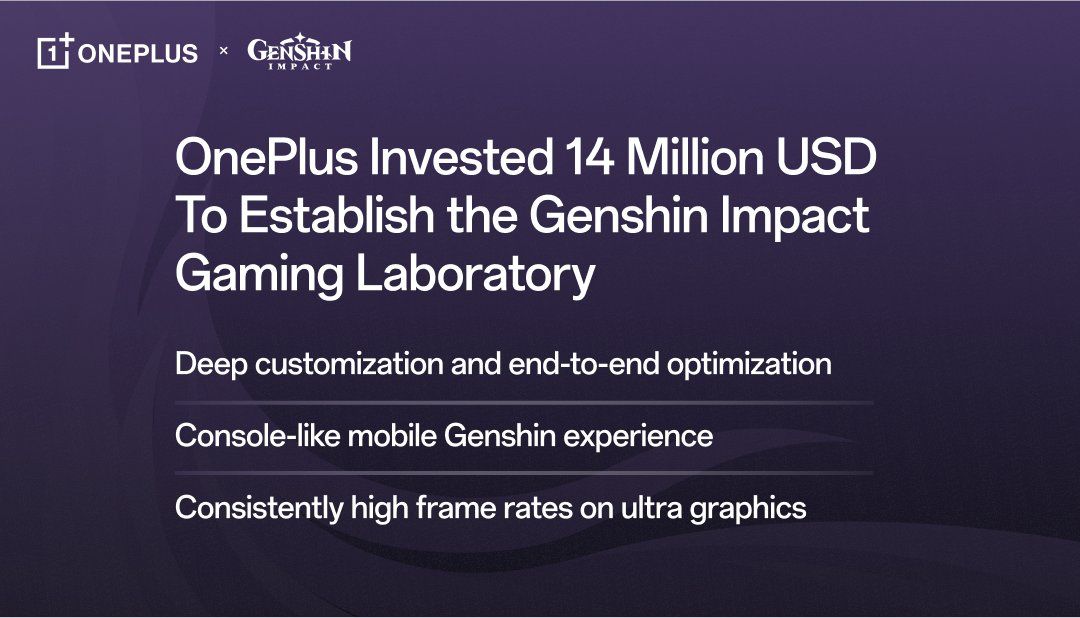
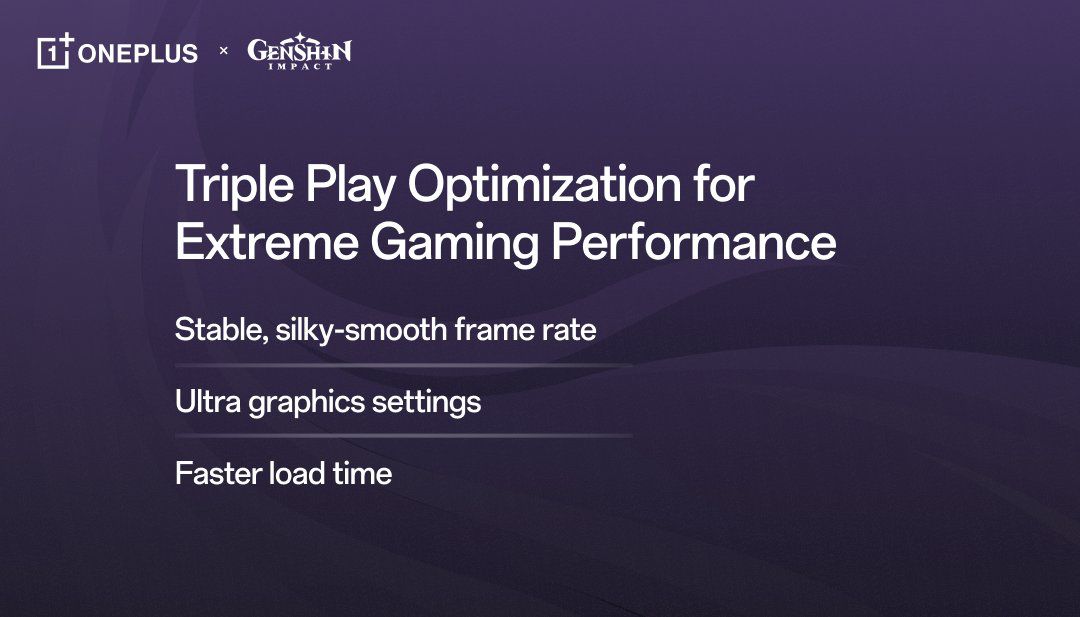
Extreme optimizations ensure consistently high frame rates, extreme graphics quality and faster load times, said the company.
Even after 3 hours, the phone promises seamless Genshin Impact gaming with an ultra-stable 59.5 fps, 15 seconds ultra-fast Genshin Impact launch time and super-fast in-game travel speed between waypoints.
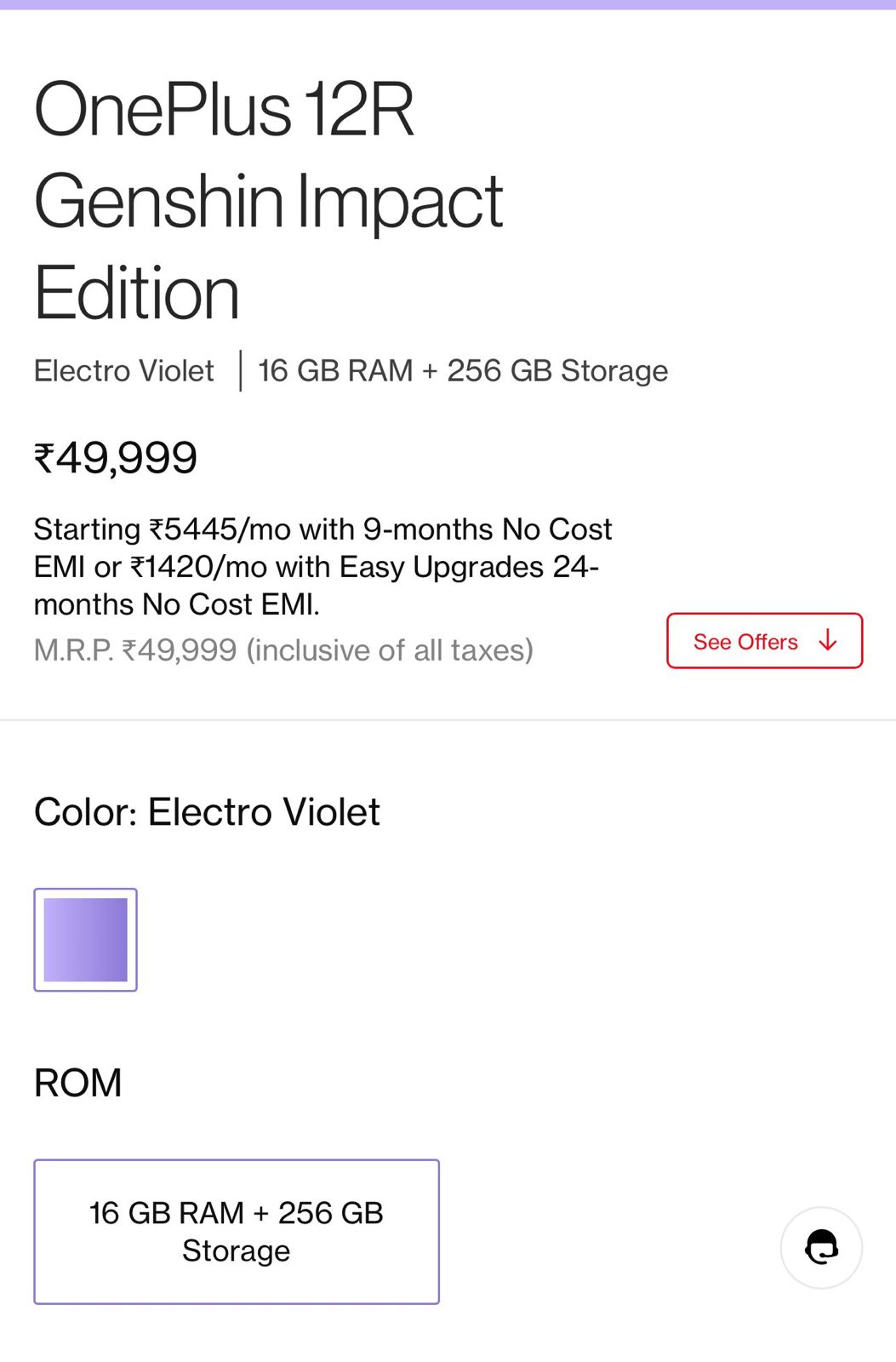
The OnePlus 12R Genshin Impact Edition comes in Electro Violet color, 16GB RAM + 256GB storage version and is priced at Rs. 49,999, which is Rs. 4000 more than the standard OnePlus 12R 16GB RAM + 256GB model.
China gets 16GB + 512GB version of the same phone as OnePlus Ace 3, but costs just 3399 yuan (USD 472 / Rs. 39,805 approx.).
OnePlus 12R Genshin Impact Edition Availability
It will be available in India starting from March 19th on oneplus.in, Amazon.in and select OnePlus Experience Stores.
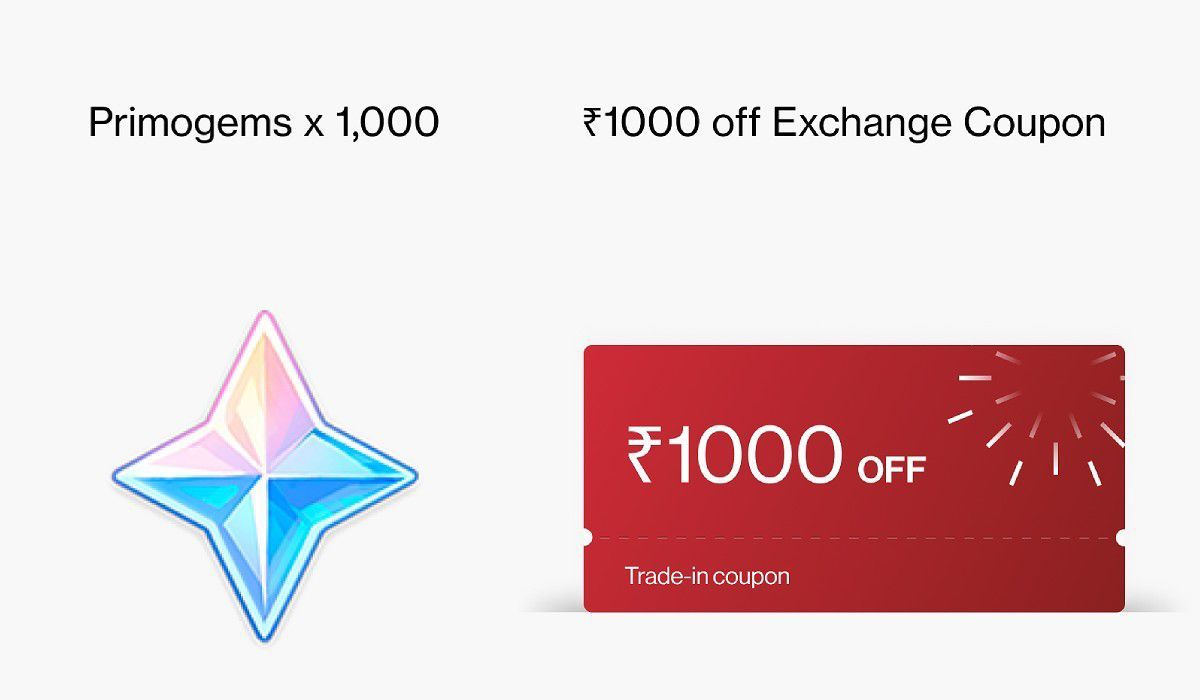
* Customers purchasing the OnePlus 12R Genshin Impact Edition can avail an instant bank discount of Rs. 1,000 with OneCard and an exchange bonus of up to ₹4,000. * Customers purchasing the OnePlus 12R Genshin Impact Edition can also avail No-Cost EMI up to 9 months and Bajaj Finance schemes. * Customers can also buy the OnePlus 12R Genshin Impact Edition with OnePlus Easy Upgrades and get 35% assured value at the end of the 24 months.
About OnePlus and HoYoverse Partnership
The OnePlus 12R Genshin Impact Edition is the latest product from the long-standing partnership between OnePlus and HoYoverse covering technology optimization, product customization, and marketing activations.
This collaboration has seen significant investments in developing the ultimate gaming experience on OnePlus devices.
The new OnePlus 12R Genshin Impact Edition represents a new realm of partnership with the first-ever heavily customized mobile phone, for global market, directly inspired by a Genshin Impact character.
FAQS
What is price & availability of OnePlus 12 R Genshin Impact Edition ?
Price and Availability
The OnePlus 12R Genshin Impact Edition will be available for purchase in India from 19th March. The device will be priced starting from ₹49,999.
The OnePlus 12R Genshin Impact Edition will be available for sale starting 19th March, at ₹49,999 on oneplus.in, Amazon.in and select OnePlus Experience Stores.
Customers can get the latest updates on this limited special edition OnePlus 12R by opting to ‘Notify Me’ on oneplus.in starting 28th February and on Amazon.in starting 5th March.
Customers purchasing the OnePlus 12R Genshin Impact Edition can avail and instant bank discount of ₹1,000 with OneCard and an exchange bonus of up to ₹4,000.
Customers purchasing the OnePlus 12R Genshin Impact Edition can also avail No-Cost EMI up to 9 months and Bajaj Finance schemes.
Customers can also buy the OnePlus 12R Genshin Impact Edition with OnePlus Easy Upgrades and get 35% assured value at the end of the 24 months.
OnePlus and HoYoverse Partnership .Details?
The OnePlus 12R Genshin Impact Edition is the latest product from the long-standing partnership between OnePlus and HoYoverse covering technology optimization, product customization, and marketing activations.
This collaboration has seen significant investments in developing the ultimate gaming experience on OnePlus devices.
The new OnePlus 12R Genshin Impact Edition represents a new realm of partnership with the first-ever heavily customized mobile phone, for global market, directly inspired by a Genshin Impact character.
What are OnePlus 12R Genshin Impact Edition specifications?
The OnePlus 12R Genshin Impact Edition runs on Android 14-based OxygenOS 14 and has a 6.78-inch 1.5K (1,264×2,780 pixels) LTPO 4.0 AMOLED screen. It runs on a Snapdragon 8 Gen 2 SoC with 16GB of LPDDR5x RAM.
For optics, the OnePlus 12R Genshin Impact Edition has a triple rear camera unit, comprising a 50-megapixel Sony IMX890 sensor, an 8-megapixel ultra-wide-angle camera, and a 2-megapixel macro camera.
The handset has a designed back panel in Electro Violet colour with the “Keqing” logo. The phone has a 16-megapixel selfie camera. It offers 256GB of UFS 3.1 storage.
Connectivity options on the OnePlus 12R Genshin Impact Edition include 5G, 4G LTE, Wi-Fi 7, Bluetooth 5.3, GPS, and NFC. It comes with a gyroscope, accelerometer, magnetometer, proximity sensor, and an under-display fingerprint sensor for biometric authentication.
The OnePlus 12R Genshin Impact Edition is backed by a 5,000mAh battery with support for 100W SuperVOOC wired charging.
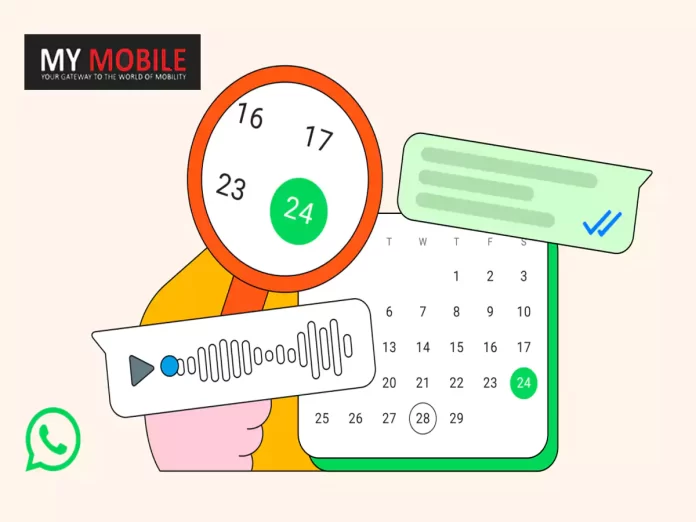
This groundbreaking functionality is set to simplify the way users retrieve specific messages, making the process more intuitive and efficient than ever before.
Previously confined to text-based searches,WhatsApp usershad faced challenges in locating particular messages without a precise keyword or phrase.
This latest update is now live and accessible to WhatsApp users worldwide, irrespective of the device.
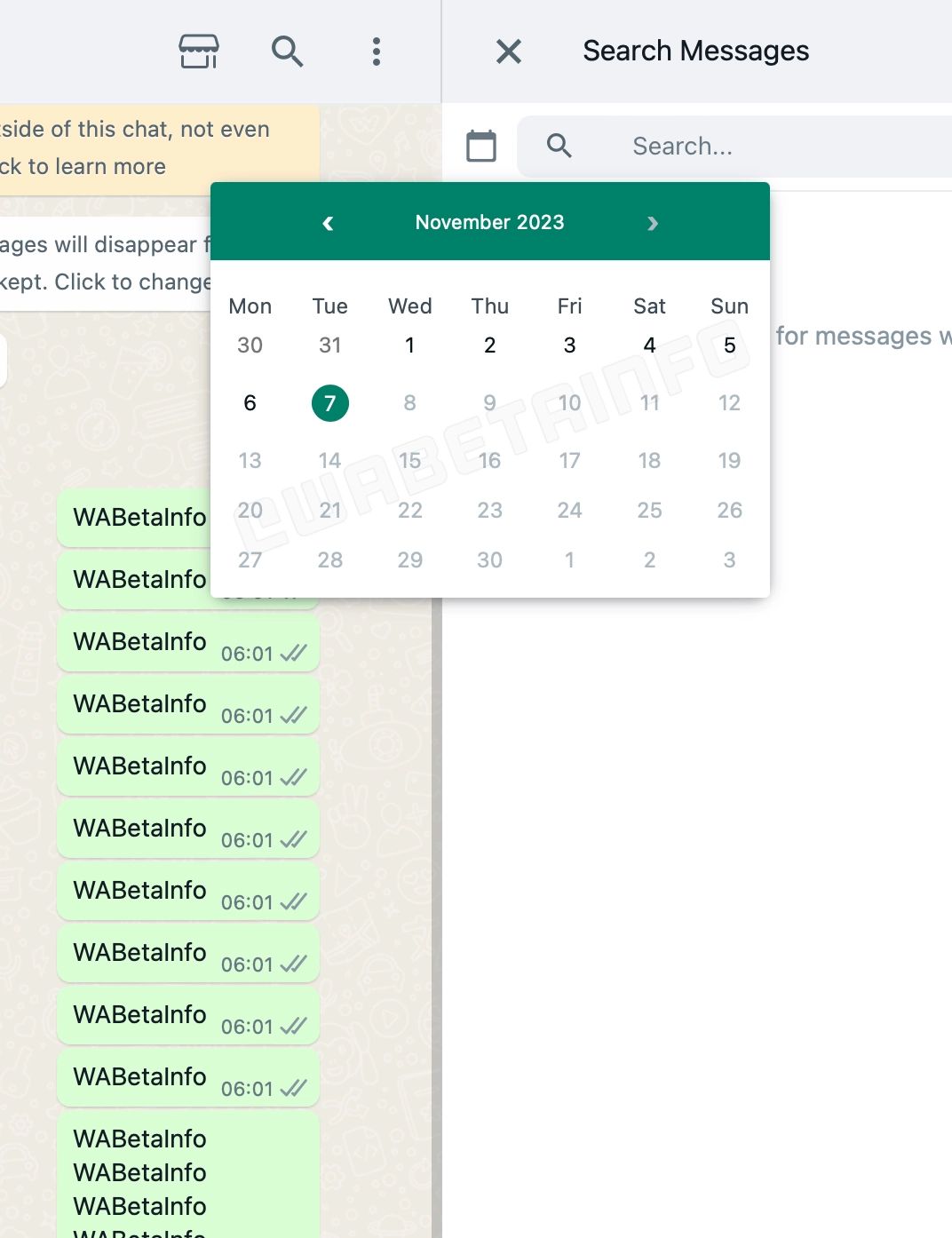
Whether you’re on Android, iOS, Mac desktop, or using WhatsApp Web, the ‘search by date’ feature is designed to seamlessly integrate into your messaging experience.
Accessing the Search by Date Feature
Accessing the Search by Date Feature
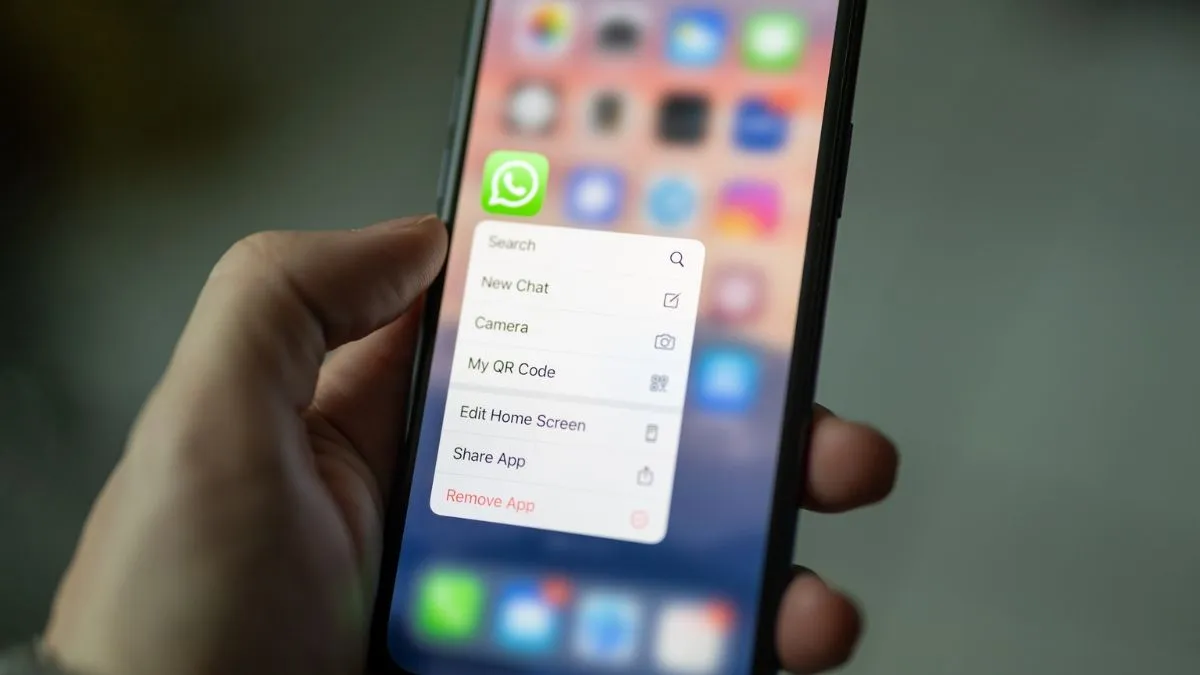
For Android users, the process to utilise this new search functionality is straightforward. Within any personal or group chat, simply click on the three dots to unveil the search feature.
iPhone users can initiate a search by tapping on the contact or group name.
It’s crucial to ensure your WhatsApp application is up-to-date to take advantage of this feature.
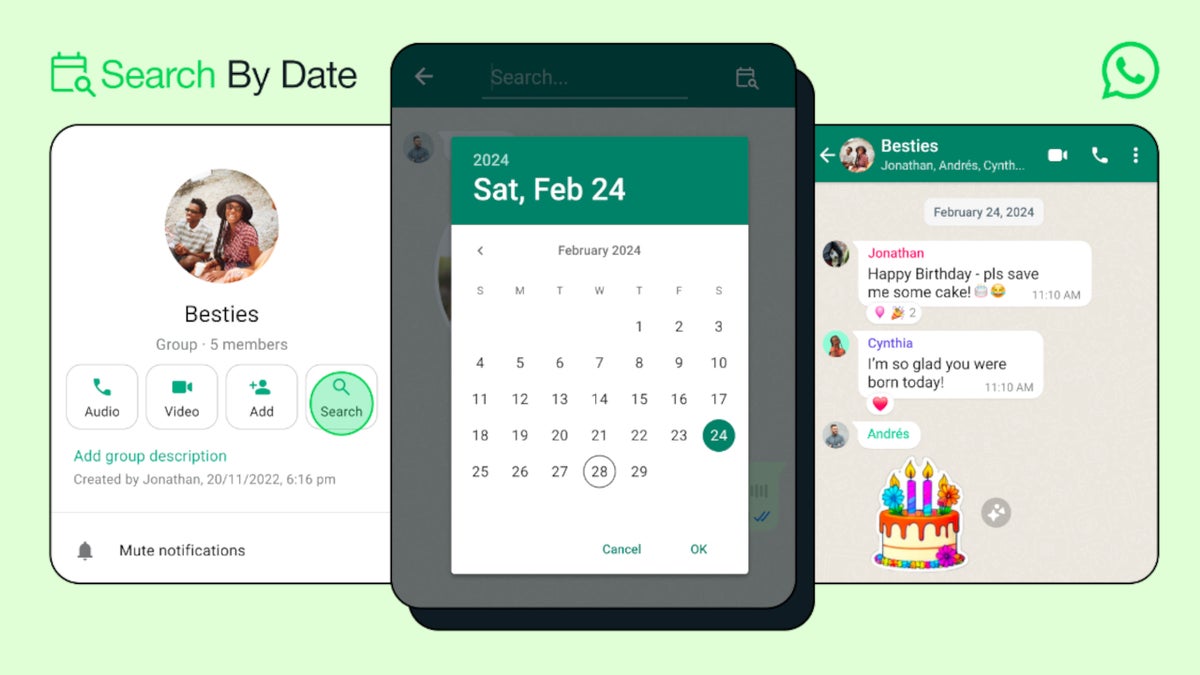
Upon activating the search option, iOS users will notice a calendar icon with a search symbol at the bottom right corner.
Tapping this icon reveals a date selection tool, allowing users to specify the exact date, month, and year for their search.
Enhancing Message Organization
Enhancing Message Organization
Mark Zuckerberghas said that this new feature will complement the existing functionality, which organizes media, links, and documents by month, offering users a comprehensive toolkit for message retrieval and organization.
How does the new WhatsApp search by date feature work?
The WhatsApp search by date feature allows users to select a specific date to view all messages from that date forward, enhancing the ability to find particular messages without relying on text search alone.
Is the search by date feature available on all devices?
Yes, this feature has been rolled out globally and is available on all devices where WhatsApp can be used, including Android, iOS, Mac desktops, and WhatsApp Web.
How can I access the search by date feature on WhatsApp?
On Android, open a chat, click on the three dots to access the search feature. On iOS, tap the contact or group name to find the search option. Ensure your app is updated to the latest version to use this feature.
What benefits does the search by date feature offer?
This feature provides a more flexible and efficient way to navigate and organize chats, helping users to quickly locate specific messages from past conversations.
Will there be more updates to WhatsApp’s search capabilities?
Yes, WhatsApp is continuously exploring ways to improve search functionalities, including chat filters like “All,” “Unread,” “Contacts,” and “Groups,” as well as a “Favorites” filter for easy access to starred messages.
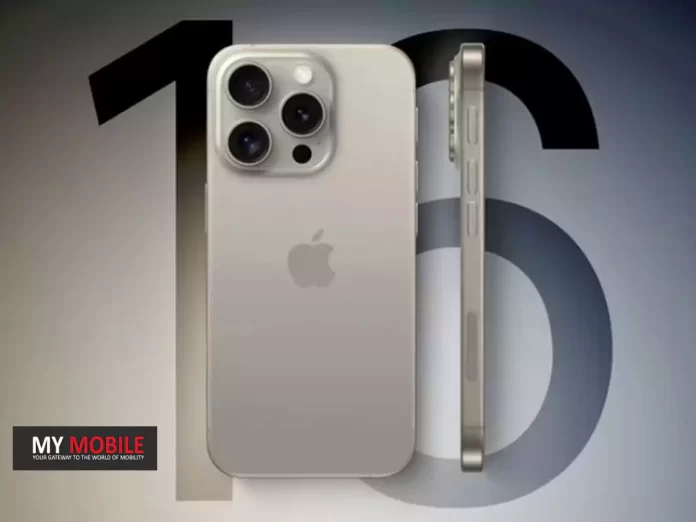
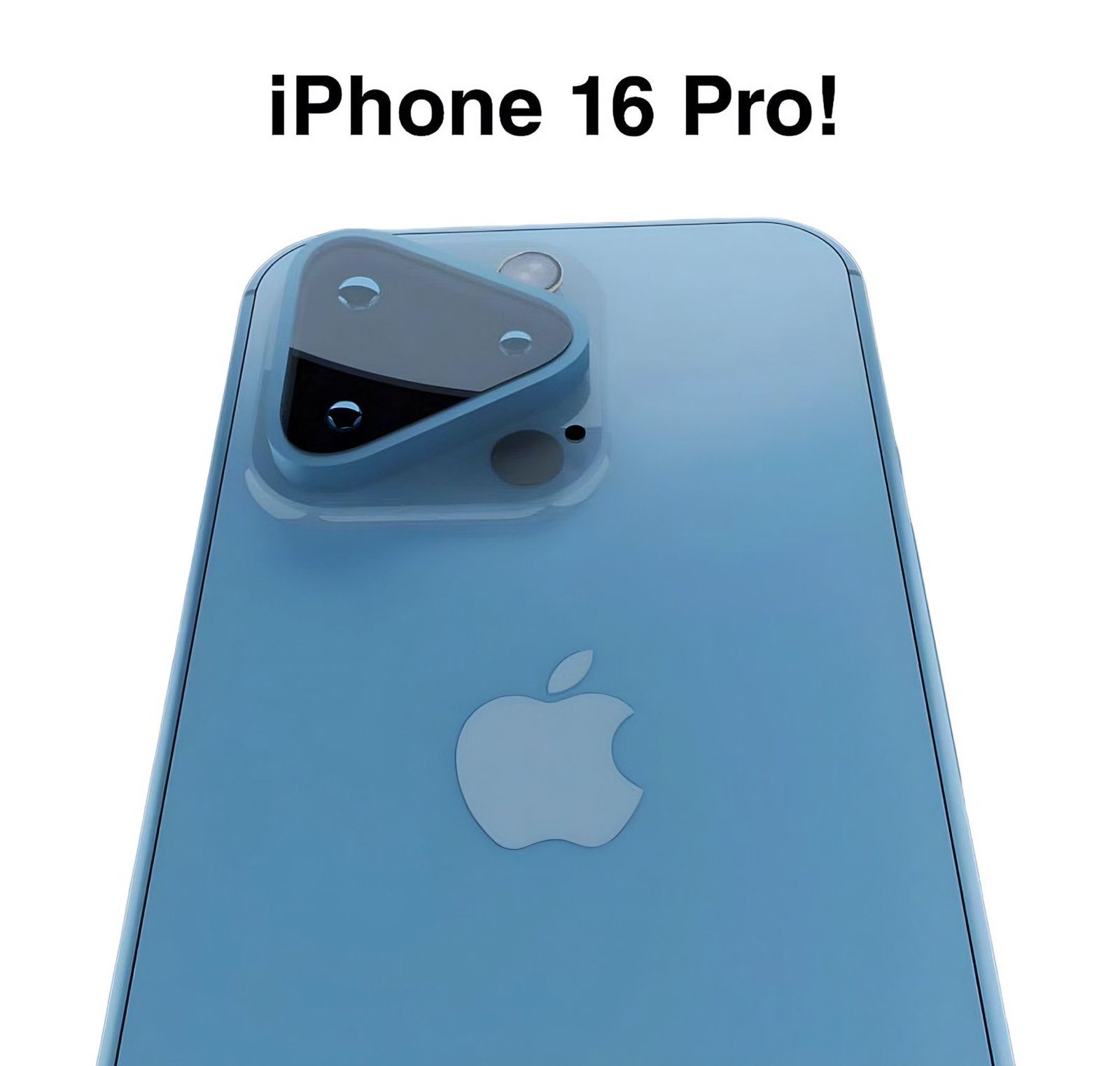
The tech community is abuzz with speculation and supposed leaks, with the latest stirring discussions focusing on a significant redesign of the device’s camera island.
A Completely Reimagined Camera Island?
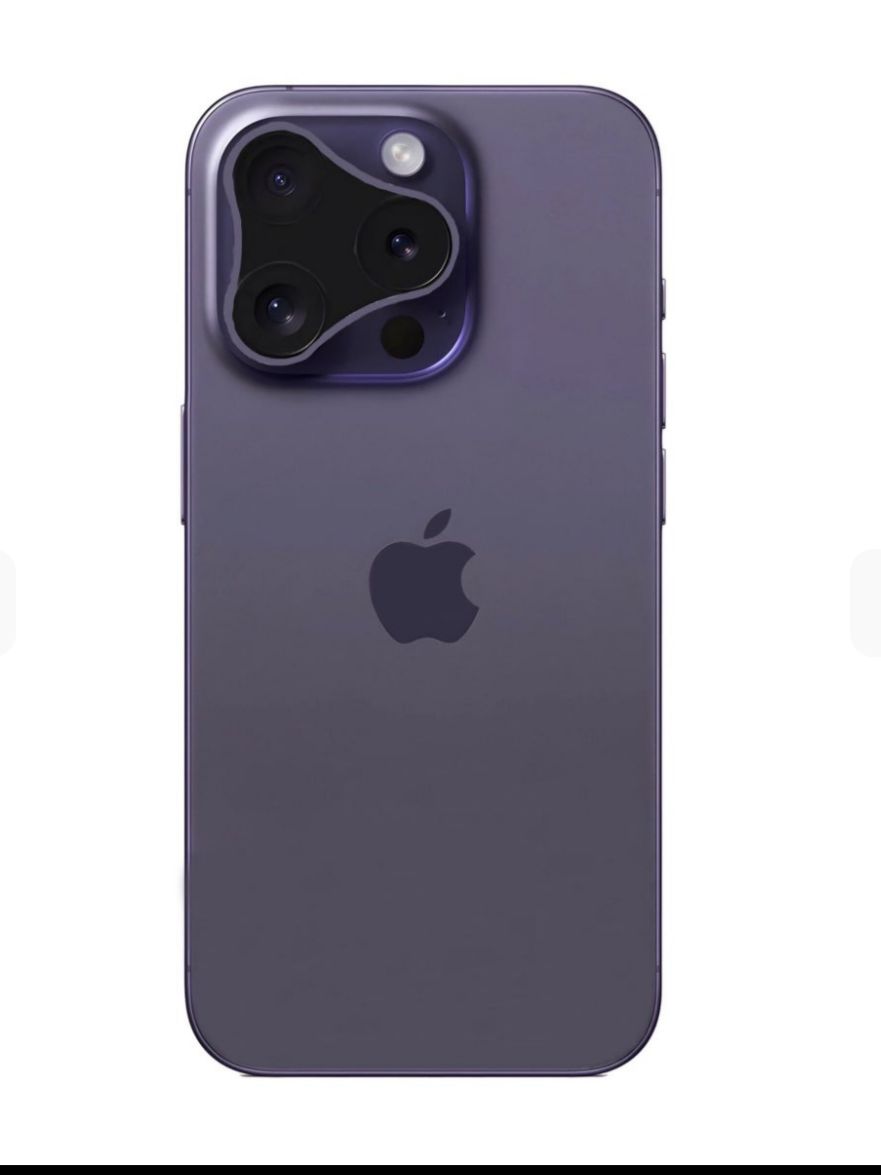
Based on the information I was able to obtain it seems that the new iPhone 16 Pro will have a new design for the camera module, this should be very similar to what Apple is currently testing pic.twitter.com/wjdOcZ1lKb
— Majin Bu (@MajinBuOfficial) February 17, 2024
A recent revelation by the enigmatic X/Twitter leaker, Majin Bu, has sparked considerable interest.
This new configuration, as depicted in mockup designs, surprisingly resembles the triangular logo of Google Play, adding an unexpected twist to the saga.
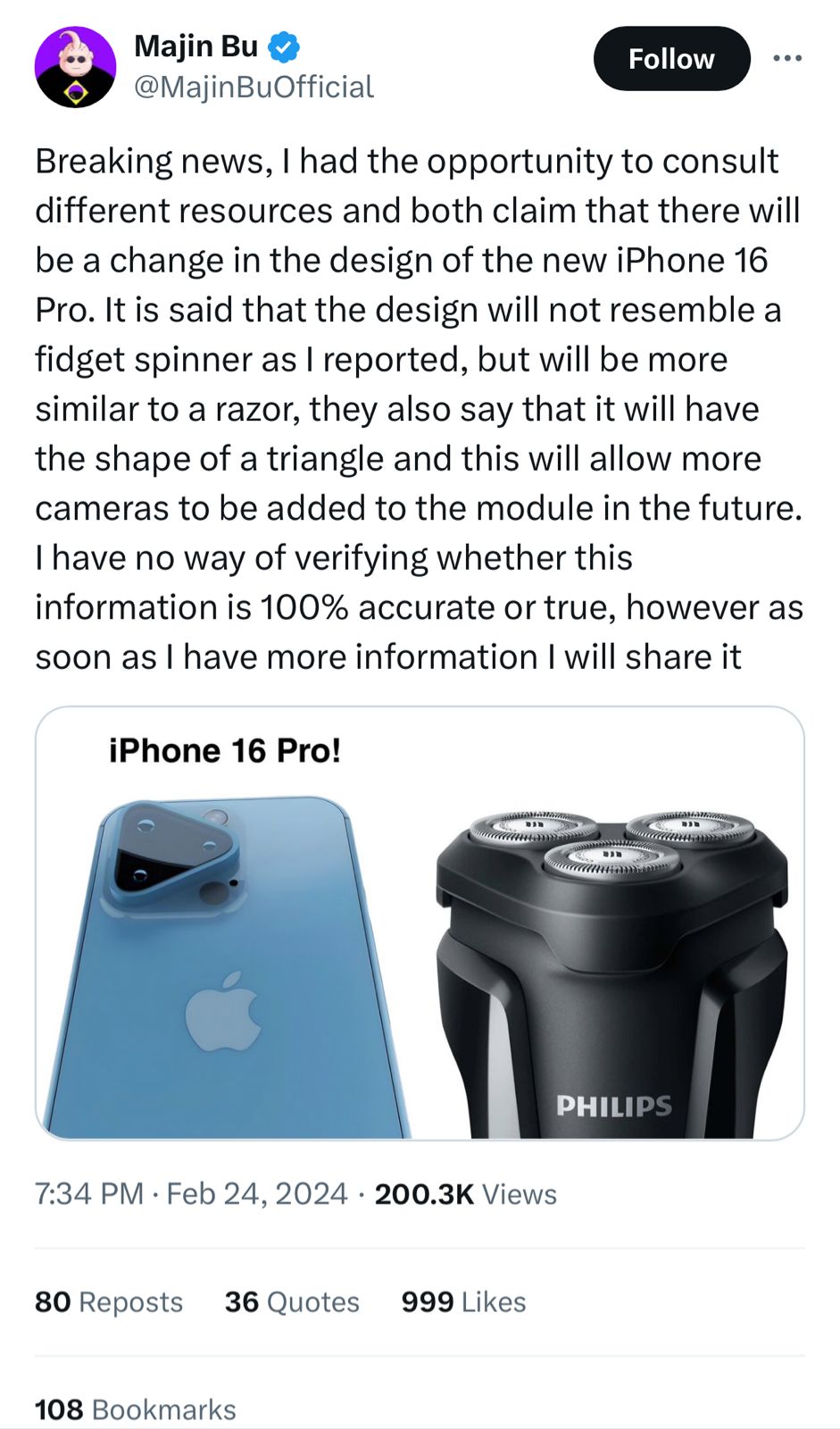
iPhone 16 Pro Series Rumoured to Feature Unique Electric Razor Style Camera Island
The proposed triangular camera setup isn’t just a departure in design but suggests a strategic shift for Apple.
It hints at the possibility of incorporating additional lenses into the module in future iterations, marking a potential leap in the iPhone’s photographic capabilities.
Yet, as intriguing as this rumour is, it’s wise to approach it with caution.
The source of this speculation has yet to be verified, and Apple’s plans for such a radical design change remain speculative at best.
iPhone 16 Pro’s Razor Camera Island Makes Little Sense
iPhone 16 Pro’s Razor Camera Island Makes Little Sense
Critics and enthusiasts alike have pondered the practical implications of adopting a “razor” style camera island.
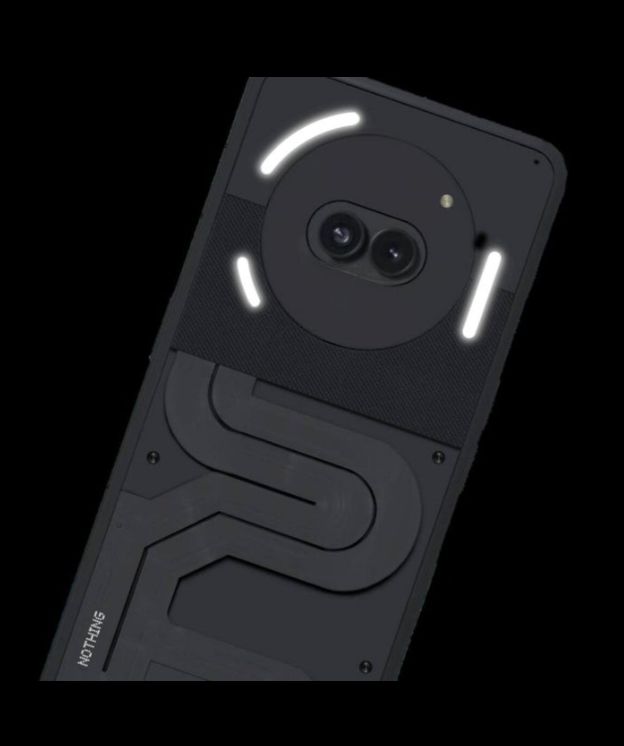
Some speculate it could lead to a more rugged or gamer-oriented aesthetic, akin to devices like the ROG phonesor Nothing’s lineup.
However, the true intention behind this rumoured design shift, and what it might signify for the functionality or positioning of the iPhone 16 Pro, remains a matter of conjecture.
Rumours suggest a radical departure from traditional camera designs to an electric razor style.
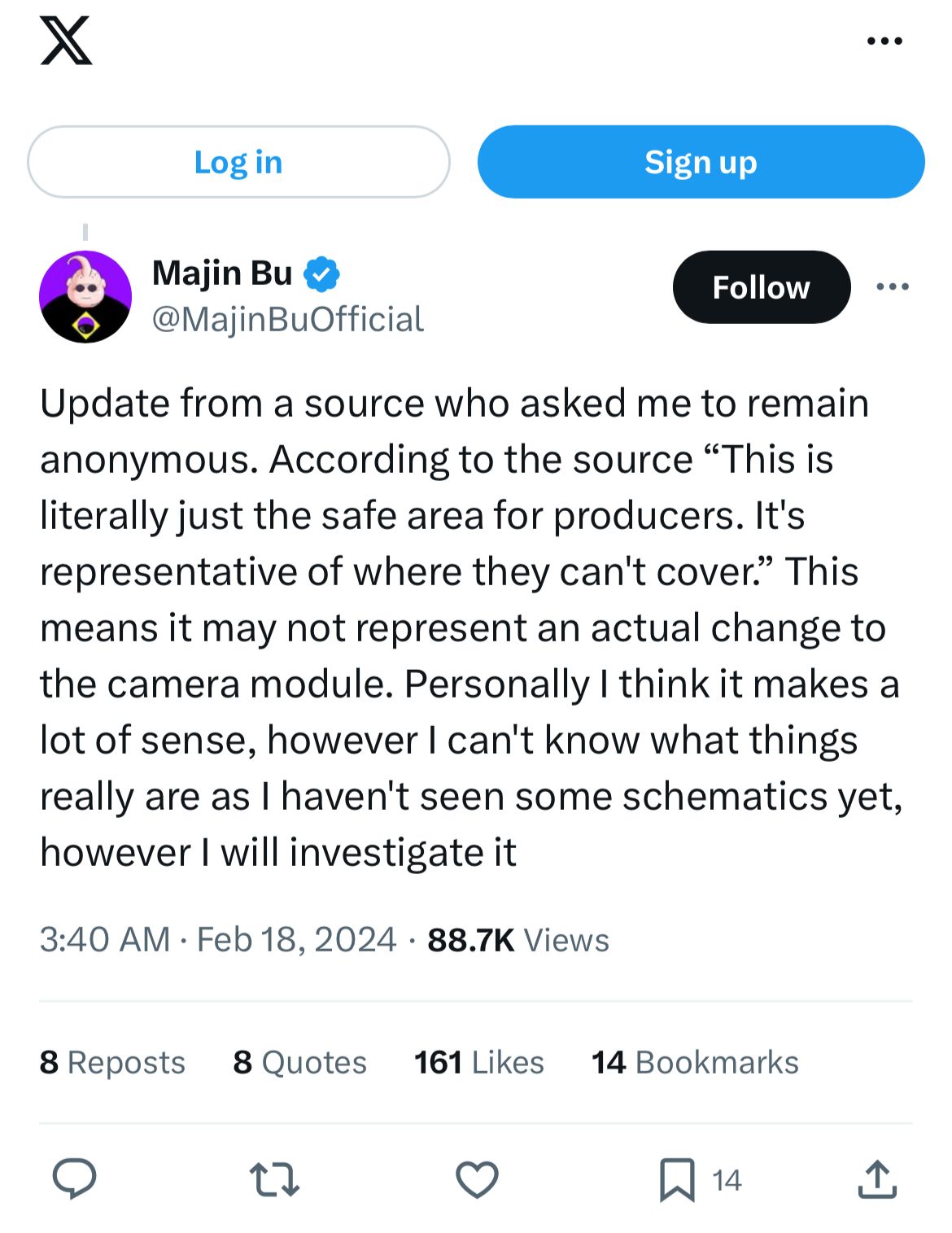
Adding to the confusion, Majin Bu’s sources have been cryptic, mentioning that the design change was to delineate areas producers should avoid covering.
The new triangular camera island could potentially accommodate more lenses
FAQs
What is the rumoured design change for the iPhone 16 Pro series?
The iPhone 16 Pro series is rumoured to feature a unique camera island design, resembling an electric razor, a significant shift from previous models.
How does the new camera design compare to current models?
The rumoured design moves away from the current ‘fidget spinner’ layout to a triangular ‘electric razor’ style, which could allow for the addition of more lenses.
Why would Apple consider changing the iPhone 16 Pro’s camera design?
While specific reasons are speculative, the new design could offer enhanced photographic capabilities and distinguish the iPhone 16 Pro series from its predecessors and competitors.
Is there any official confirmation about the iPhone 16 Pro camera design?
As of now, there has been no official confirmation from Apple regarding the camera design of the iPhone 16 Pro series. The information is based on leaks and speculation.
What implications could the new camera design have for iPhone users?
If the rumours are true, users could expect an improved photography experience, potentially with more lens options and advanced features tailored to the new design.
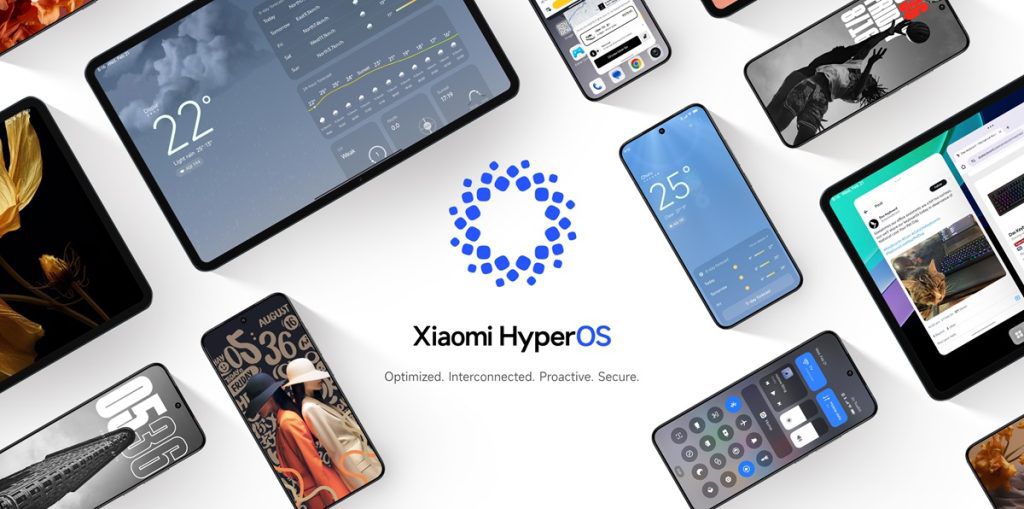
•Xiaomi India has announced the roll-out calendar for the Xiaomi HyperOS – a human-centric operating system, designed for connected personal devices. •Xiaomi has introduced HyperOS, a new operating system designed to connect personal devices, cars, and smart home products seamlessly. •Built on five key pillars—System Level Optimization, Interconnectivity, Active Intelligence, Privacy & Security, and Open Platform—HyperOS promises to cater to all your needs efficiently.
Fast forward to 2024, with an estimated 7.1 billion smartphone users globally, and a new inflection point in consumer technology has now emerged.
With 600 million+ smart devices worldwide, Xiaomi is the largest connected smart device brand today.
Xiaomi India has announced the roll-out calendar for the Xiaomi HyperOS
With this in mind, Xiaomi HyperOS has been designed for consumerswho are now increasingly asking for interoperability and seamless interconnectivity between their different personal devices.
The current fragmented OS landscape was never designed for the complexities of modern connected ecosystems.
For Xiaomi, with its diverse ecosystem of products, the challenge was even more unique with each device utilizing different connectivity mechanisms.
Xiaomi has introduced HyperOS, a new operating system designed to connect personal devices
Due to limited interoperability with products from other companies, there were also issues arising with Wi-Fi and Bluetooth compatibility.
Xiaomi HyperOS is the largest reconstruction of Xiaomi’s OS subsystem
After years of development, Xiaomi HyperOS is the largest reconstruction of Xiaomi’s OS subsystem.
Its mission is to unify all ecosystem devices into a single, integrated system framework, deliver peak device performance, and ensure consistent user experience, to facilitate seamless connectivity across all devices.
Its exceptional compatibility and precise system resource management capabilities enable every device to deliver ideal performance.
Xiaomi HyperOS improves overall performance through 3 key approaches:
1. Comprehensive Refactoring
Xiaomi Hyper OS Security
Xiaomi HyperOS is engineered for performance optimization with industry-leading kernel performance with faster processing speeds and minimal scheduling delays.
It facilitates more convenient and efficient cross-device connections, enabling seamless data syncing and file sharing between devices.
3. Proactive Intelligence
Xiaomi Hyper OS Smart Hub
With active intelligence embedded into Xiaomi HyperOS, users benefit from personalized recommendations and assistance tailored to their needs.
Our AI algorithms ensure that users have access to the information and services they need when they need them.
Key UI features of the Xiaomi HyperOS
Xiaomi HyperOS
The interface has also been refreshed smartly to bring consumers a visually captivating and functionally stable experience.
Some interesting new features on Xiaomi HyperOS-powered devices are:
1. Alive Design Philosophy
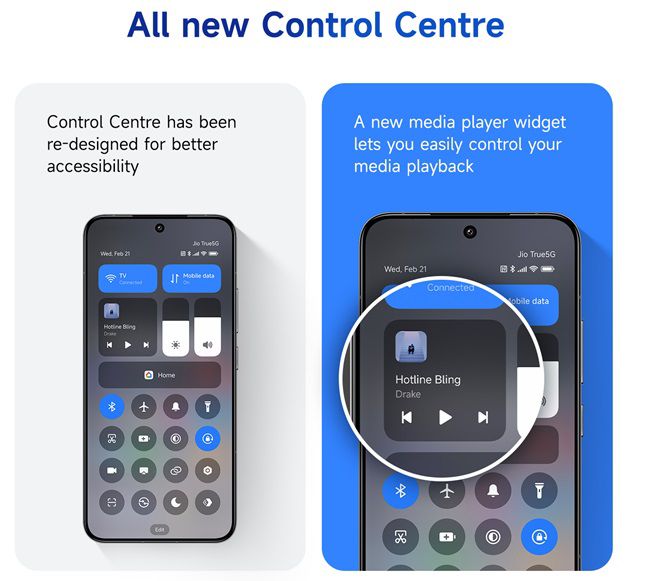
Xiaomi HyperOS Control centre
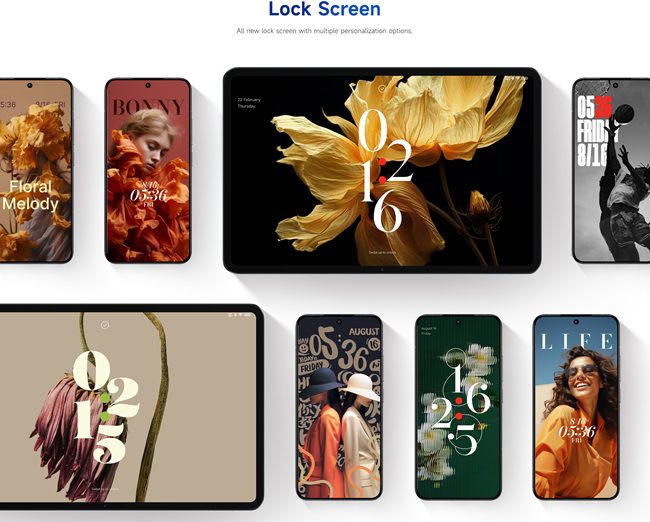
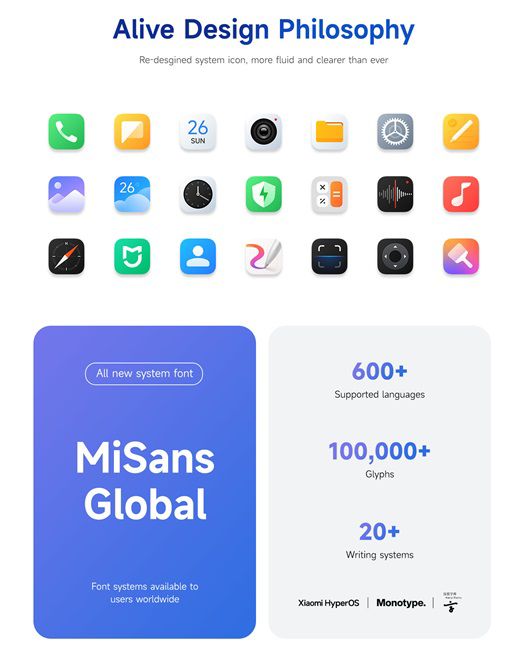
From all-new lockscreens to redesigned icons and a Vitality Color System drawing inspiration from vibrant life colors, Xiaomi HyperOS brings significant enhancement to the phone’s visual appeal.
With an all-new lock screen with multiple personalization options, users can choose between Classic, Rhombus, and Magazine effects, each offering thousands of combinations, or add depth with options to customize wallpapers, font text, date, and time style.
System Apps has also been redesigned with softer, textured interfaces, making them easy on the eye and adding character.
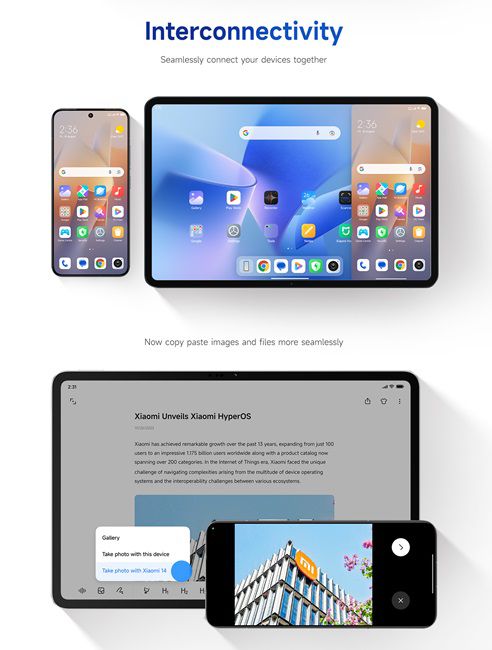
Among the standout features are HomeScreen+, offering direct screen mirroring for a more immersive experience, and shared Clipboard, streamlining cross-device copying and pasting.
The integration of the phone camera with the Notes app and the introduction of Productivity Mode further underscore Xiaomi’s commitment to redefining the way users collaborate and boost productivity.
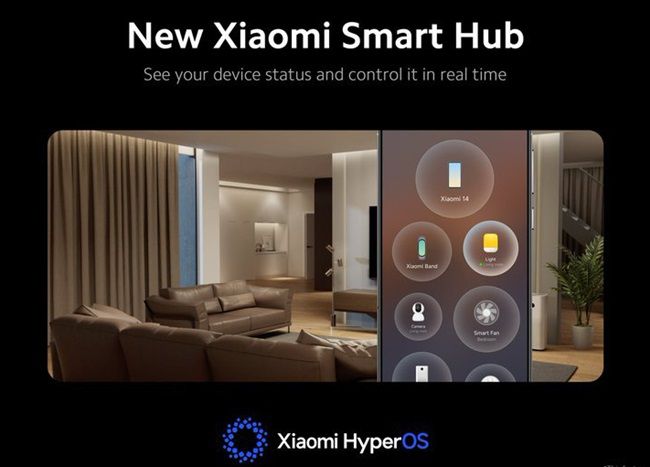
With the Xiaomi Smart Hub, up to 7 devices can collaborate simultaneously, including earphones, tablets, smart lights, speakers and much more.
4. Gallery AI
Xiaomi HyperOS faster Experience
The advanced AI features in Xiaomi’s Gallery app, ensure fast and efficient photo editing while prioritizing user privacy.
From AI Removal to AI Portrait and Generative AI Part, Xiaomi’s Gallery app empowers users to unleash their creativity.
Gallery AI will be rolled out on select Xiaomi devices soon.
Xiaomi Hyper OS Availability and Roll-out Timeline in India
Xiaomi Hyper OS Availability and Roll-out Timeline in India
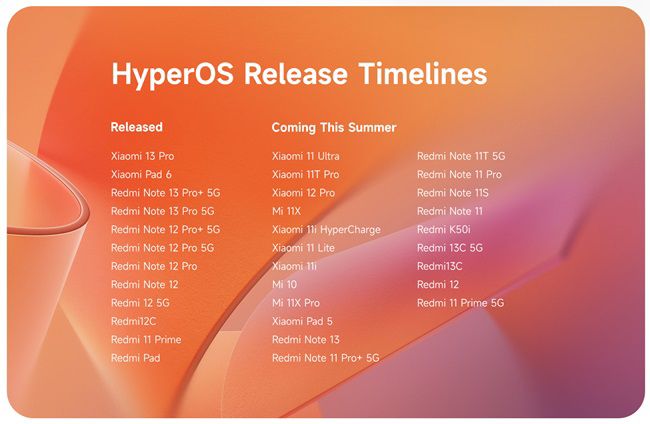
Last month, the Xiaomi 13 Pro, Pad 6, Redmi Note 13/12 Series received their HyperOS update, with more devices scheduled for the update this summer.
The list of devices is as follows:
* Xiaomi 11 Ultra * Xiaomi 11T Pro * Xiaomi 12 Pro * Mi 11X * Xiaomi 11i HyperCharge * Xiaomi 11 Lite * Xiaomi 11i * Mi 10 * Mi 11X Pro * Xiaomi Pad 5 * Redmi Note 13 * Redmi Note 11 Pro+ 5G * Remi Note 11T 5G * Redmi Note 11 Pro * Redmi Note 11S * Redmi Note 11 * Redmi K50i * Redmi 13C 5G * Redmi 13C * Redmi 12 * Redmi 11 Prime 5G
Latest features of HyperOS
Latest features of HyperOS
HyperOS introduces several innovative features:
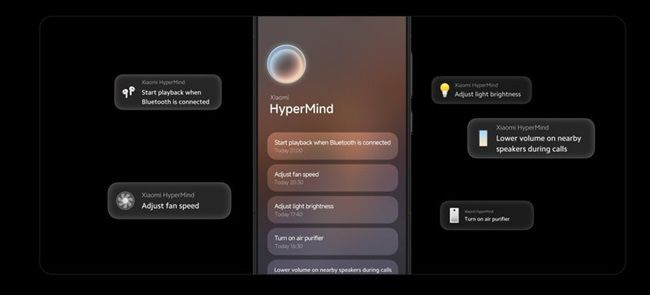
* Xiaomi Smart Hub: Integrates independent devices, providing real-time status updates and active control. * Xiaomi HyperMind: Proactively understands user requirements and facilitates collaboration between surrounding devices based on usage habits. * End-to-End security: Implements mutual security checks and hardware-level encryption for reliability and privacy protection. * One Smart ecosystem: Connects daily devices seamlessly, creating an intelligent mobile space centered around users. * Consumer IoT platform: Utilizes the world’s largest consumer IoT platform to connect all devices, fostering human-centric innovation.
Xiaomi HyperOS roll-out roadmap
Released
March 2024
Q2, 2024
Xiaomi 13 Pro
Xiaomi Pad 6
Redmi 12 5G
Redmi 12C
Redmi 11 Prime
Redmi Pad
Xiaomi 12 Pro
Redmi Note 13 Pro +
Redmi Note 13 Pro
Redmi Note 13
Redmi Note 12 Pro +
Redmi Note 12 Pro
Redmi Note 12
Xiaomi 11 Ultra
Xiaomi 11T Pro
Mi 11X
Xiaomi 11i HyperCharge
Xiaomi 11 Lite
Xiaomi 11i
Mi 10
Xiaomi Pad 5
Redmi 13C Series
Redmi 12
Redmi Note 11 Series
Redmi 11 Prime 5G
Redmi K50i
Faqs
What is HyperOS and why is it significant for Indian users?
HyperOS is Xiaomi’s latest operating system, designed to create a seamlessly interconnected ecosystem across a variety of devices.
Its launch in India signifies a major advancement in how users interact with technology, offering enhanced performance, security, and user-centric AI features.
Which devices are compatible with HyperOS?
HyperOS is compatible with an extensive range of devices, including the Xiaomi 14 series, Xiaomi Pad 6S Pro, and wearables like Xiaomi Smart Band 8 Pro, ensuring a wide spectrum of Xiaomi users can enjoy its benefits.
How does HyperOS enhance device performance and efficiency?
HyperOS boosts device performance through its sophisticated resource management system, dynamic thread priority adjustment, and energy-efficient operations, ensuring optimal performance across devices with different RAM capacities.
Can HyperOS improve the security of my devices?
Yes, HyperOS incorporates a self-developed Trusted Execution Environment (TEE) security model, offering robust end-to-end encryption and enhanced privacy features to protect user data across interconnected devices.
What makes HyperOS different from other operating systems?
HyperOS stands out with its integrated device center for easy management of connected devices, AI-powered HyperMind for intuitive user interactions, and its ability to deliver a unified experience across smartphones, smart homes, and automobiles.
What is Performance of HyperOS?
HyperOS boasts remarkable performance enhancements. It leverages Open Source Xiaomi Vela to enrich user experience.
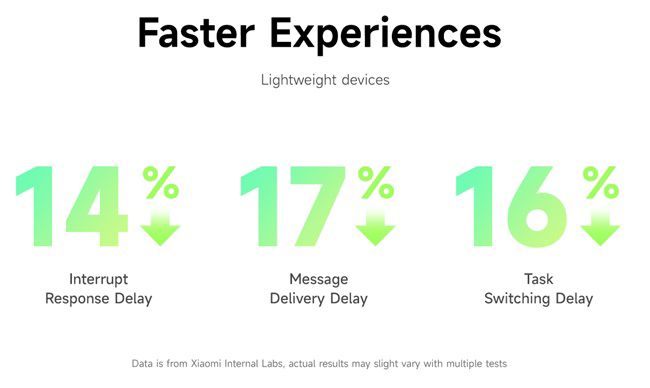
With a 14% reduction in response delay, 17% in message delivery delay, and 16% in task switching, the system ensures peak performance while optimizing power usage, powered by Apache 2.0.
The system also offers accurate load evaluation, analyzing thread relationships comprehensively for precise CPU load assessments.
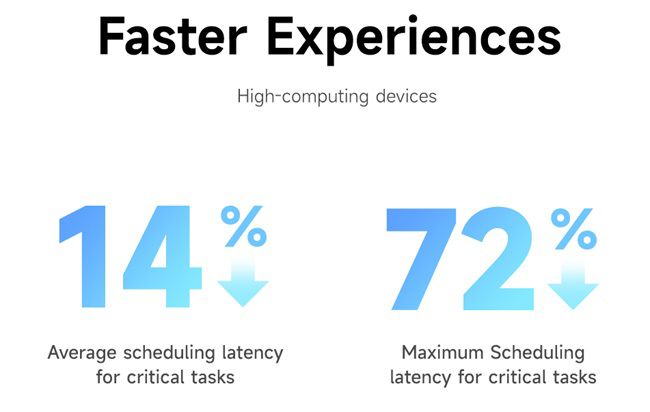
It delivers faster experiences with up to a 14% reduction in average scheduling latency for critical tasks and a 72% reduction in maximum scheduling latency for such tasks.
Furthermore, lightweight devices experience a 14% reduction in Interrupt response delay, 17% in message delivery delay, and 16% in task switching delay, as per Xiaomi Internal Labs.
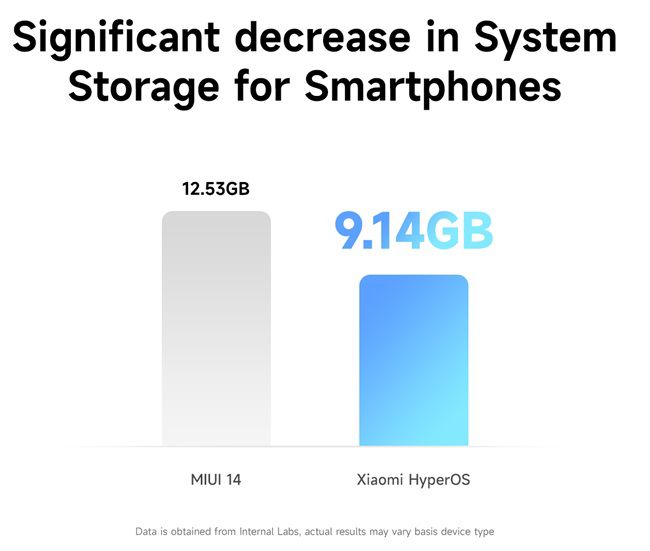
HyperOS significantly reduces system storage requirements for smartphones compared to MIUI 14, offering 9.14GB as opposed to 12.35GB.
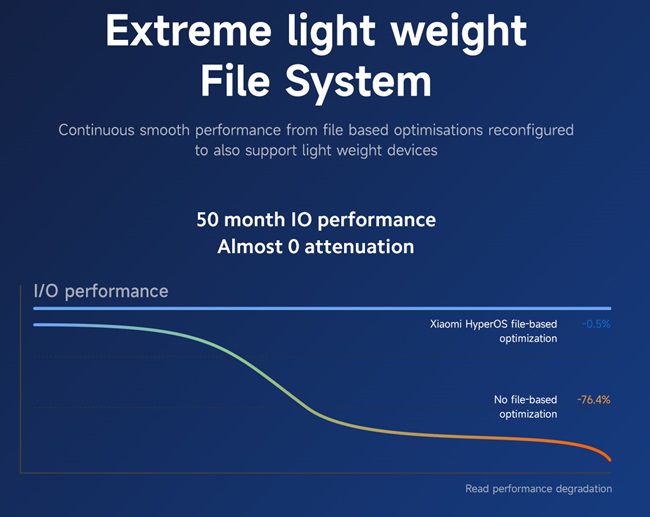
Additionally, it ensures smooth I/O performance with almost zero attenuation, providing 50-month IO performance.
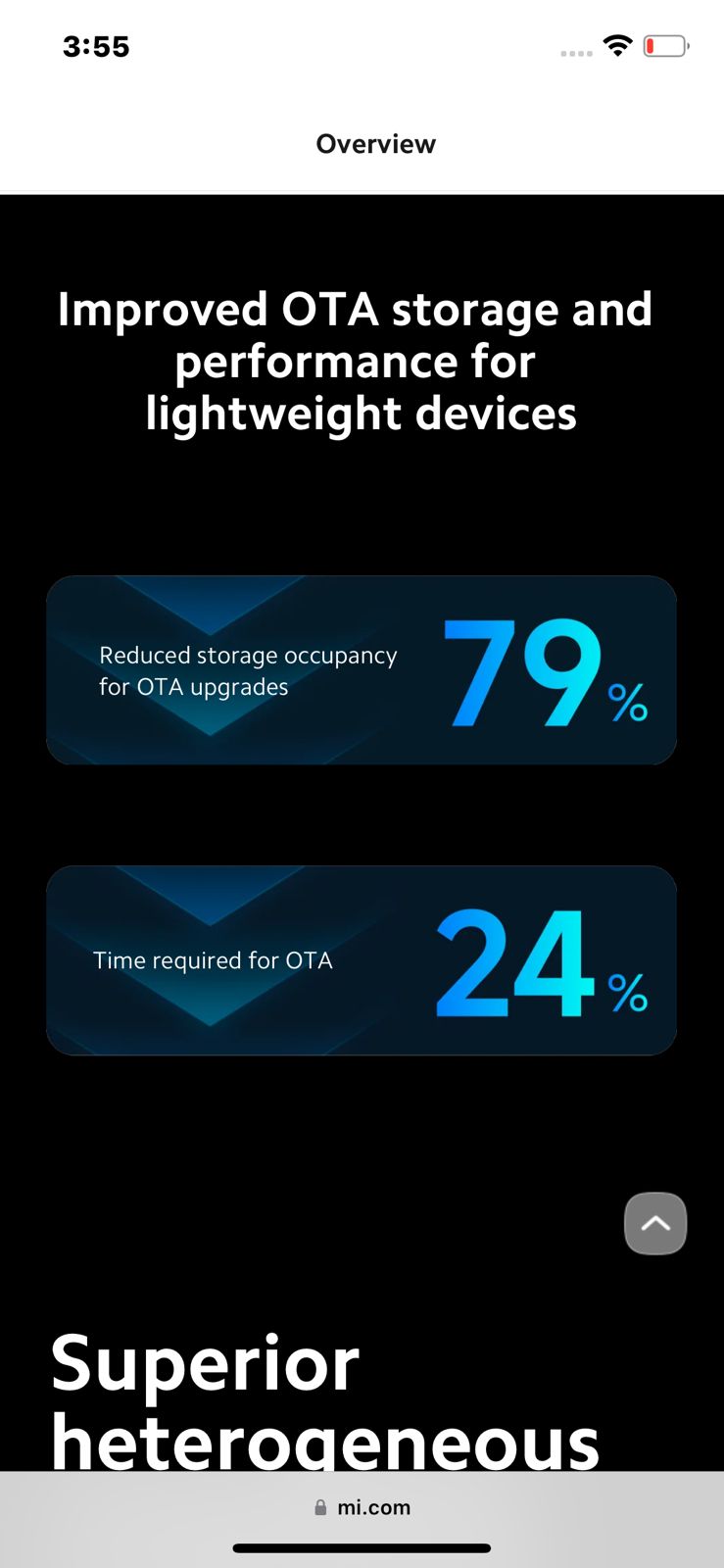
The system improves OTA storage and performance, reducing OTA occupancy by 79% and OTA time by 24%.
What are Interconnectivity features of HyperOS?
HyperOS facilitates seamless device connectivity through various features:
* Home screen+: Enables effortless drag-and-drop between phone & tablet. * Shared clipboard: Allows for easy copy-paste across devices. * Notes app: Permits capturing photos on mobile and inserting them directly into Xiaomi tablets’ notes.
What is Personalization of HyperOS ?
HyperOS prioritizes personalization with its Alive Design Philosophy. It presents a redesigned lock screen with multiple personalization options.
The Control Centre is revamped for better accessibility, accompanied by a new media player widget, re-designed system icons, and diverse UI experiences.
The system font, MiSans, supports over 600 languages, 20 writing systems, and 100,000+ Glyphs.
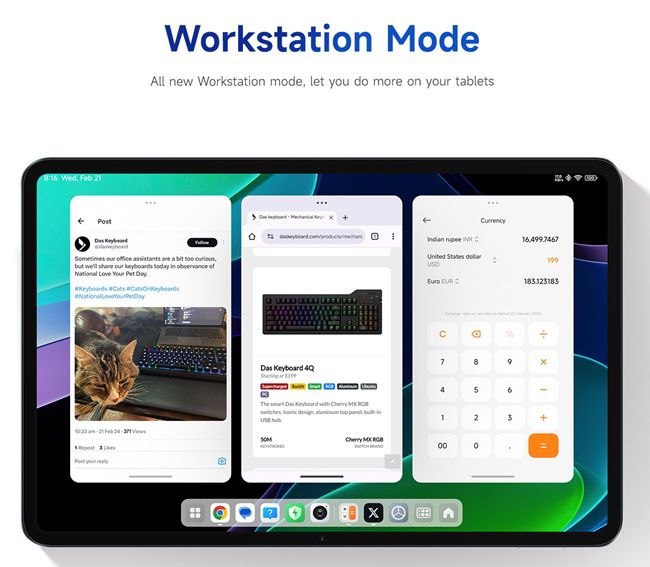
The upgraded Floating Window allows for viewing multiple apps simultaneously, with a new Workstation mode for enhanced productivity on tablets. Additionally, the Weather app has also been redesigned.
Starting Tuesday, March 5, and running until Monday, April 1, subscribers can dive into these diverse worlds.
Here’s a brief overview of what’s on offer.
EA Sports F1 23 (Available on PS4, PS5)
EA Sports F1 23 (Available on PS4, PS5)
Dive into the high-octane world of Formula One racing with EA Sports F1 23.
Experience the latest chapter of the captivating “Braking Point” story mode, race across new circuits in Las Vegas and Qatar, and tackle updated challenges with the 2023 car lineup.
This edition introduces Red Flags for added strategy, a 35% Race Distance option for quicker, more thrilling races, and the latest F2 content to sharpen your skills.
As an investigative journalist, you’ll probe the mysterious disappearances in this quiet town, including the curious case of Mr. Peterson from the original Hello Neighbor.
Explore the dark depths of Savathûn’s Throne World in Destiny 2: Witch Queen.
Uncover how Savathûn and her Lucent Hive commandeered the Light, craft new weapons, and navigate through her labyrinth of deception.
This expansion invites Guardians to a realm of corruption and grandeur, challenging them to forge their own armaments, including the versatile Glaive, and to decrypt the enigma of Savathûn’s power.
Exclusive for PlayStation Plus Members: The Finals S.O Sleek Bundle
Exclusive for PlayStation Plus Members: The Finals S.O Sleek Bundle
PlayStation Plus members gainexclusive access to The Finals S.O Sleek Bundle,featuring military-themed outfits and weapon skins to enhance your in-game persona:
2 Epic Outfits
12 Epic Weapon skins
This cosmetic bundle, along with the monthly game lineup, can be downloaded directly from the PlayStation Store.
The Finals players can instantly access the bundle in-game upon download.
Reminder for February’s Monthly Games
February’s Monthly Games
Don’t miss out on February’s PlayStation Plus games – Foamstars, Rollerdrome, and Steelrising, available until Monday, March 4.
FAQs
What games are included in the PlayStation Plus March lineup?
The March lineup for PlayStation Plus includes EA Sports F1 23, Sifu, Hello Neighbor 2, and Destiny 2: Witch Queen, offering a mix of racing, martial arts, stealth horror, and sci-fi adventures.
When will the March PlayStation Plus games be available?
The games will be available for PlayStation Plus members to download starting from Tuesday, March 5, until Monday, April 1.
Are there any exclusive offers for PlayStation Plus members this month?
Yes, PlayStation Plus members get exclusive access to The Finals S.O Sleek Bundle, which includes two epic outfits and twelve epic weapon skins, enhancing the gaming experience.
Can I still download February’s PlayStation Plus games?
Yes, but hurry, as February’s games – Foamstars, Rollerdrome, and Steelrising – are available to add to your library until Monday, March 4.
How can I access the March PlayStation Plus games?
You can find and download the March PlayStation Plus games and the exclusive bundle from the PlayStation Store, available directly on your PS4 or PS5 console.
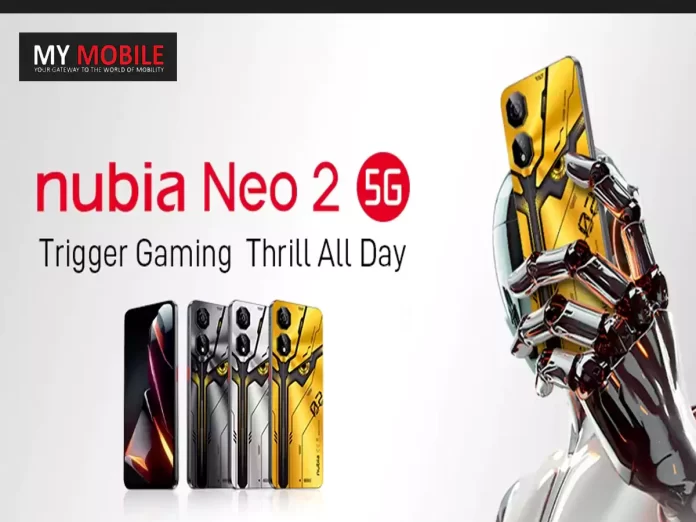
The company claims the device is designed for gamers who demand high-quality features without a hefty price tag and the Nubia Neo 2 5G might just redefine the gaming experience on mobile devices.
Pricing and Availability
Nubia Neo 2 5G Pricing and Availability
The Nubia Neo 2 5G debuts at an unbeatable starting price of $199 (about Rs 16,000), making premium gaming features accessible to a variety of people.
The company will reveal the official release date and availability details, in the upcoming months.
Key Specs at a Glance
Nubia Neo 2 5G: Key Specs at a Glance
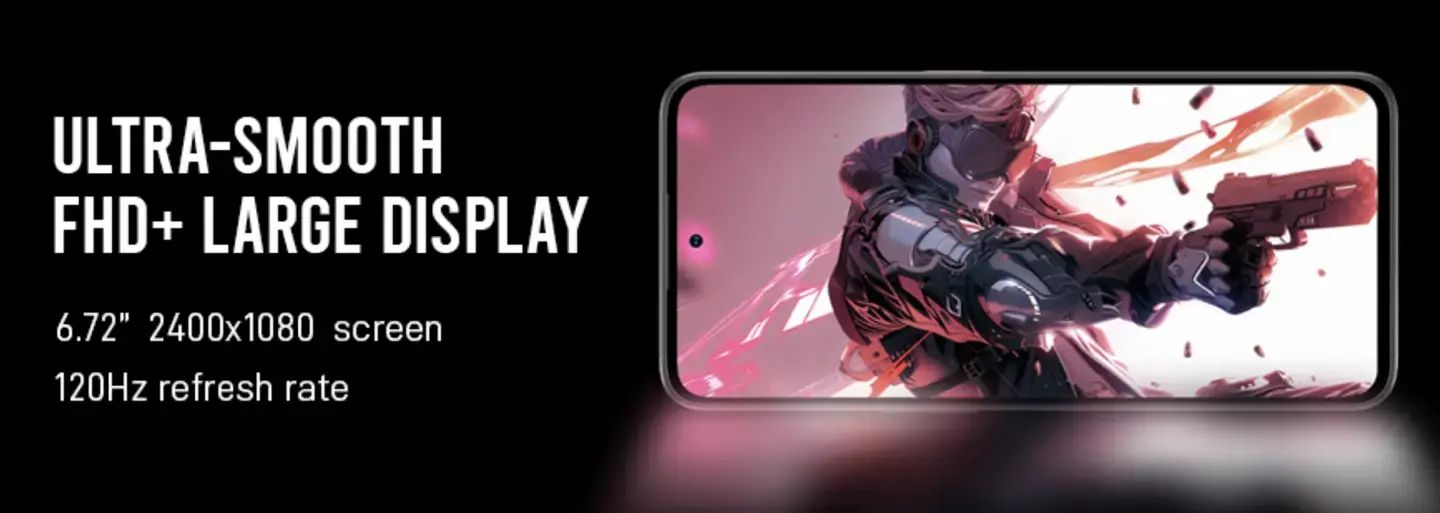
Display: 6.72-inch, 2400 X 1080p, 120Hz refresh rate for seamless visuals
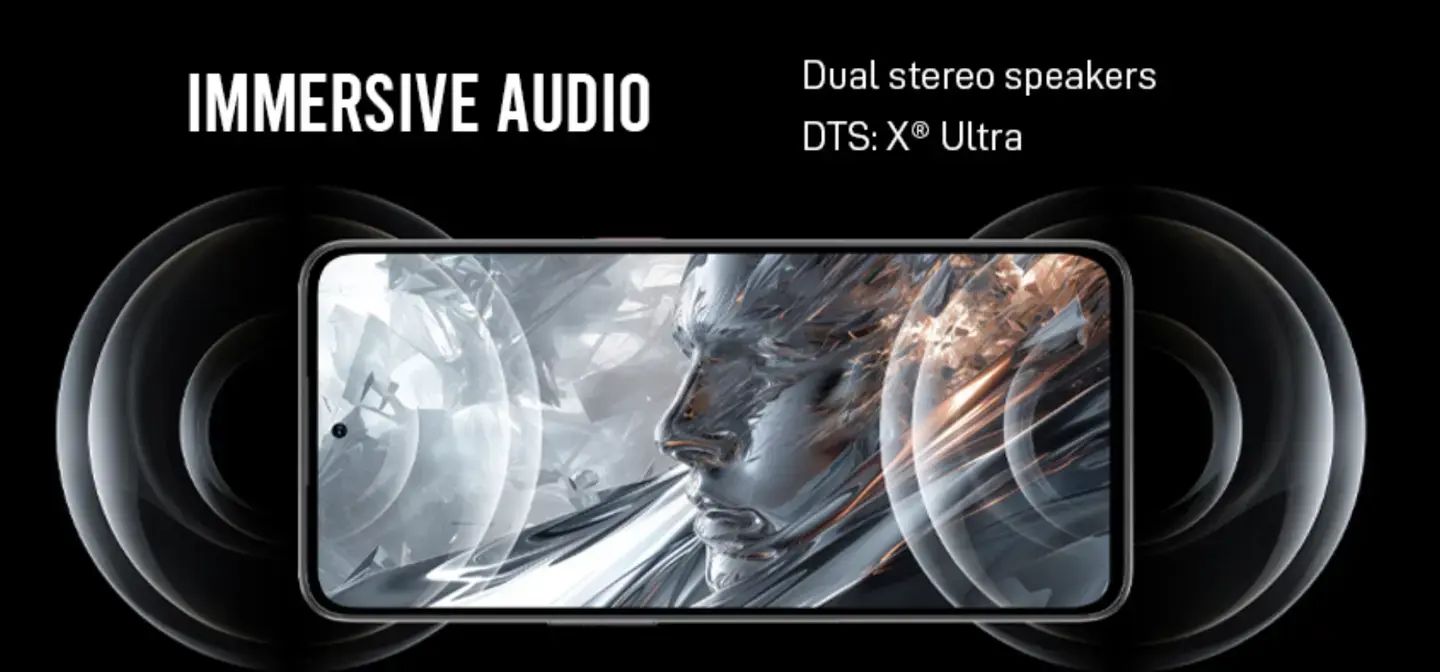
Audio: Stereo speakers with DTS:X Ultra for immersive sound
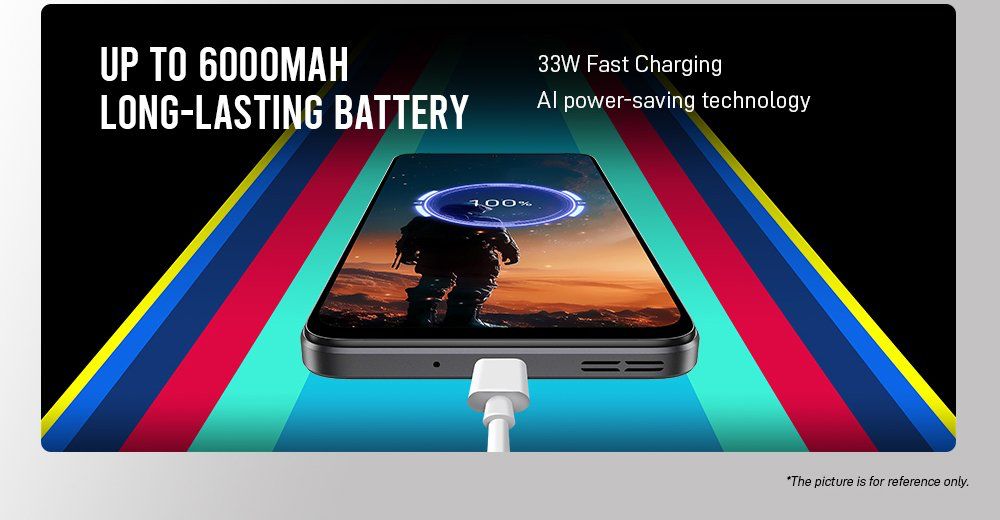
Battery: Massive 6,000mAh with 33W fast charging for extended play
Controls: Dual gaming shoulder triggers, customizable for precision gameplay
Performance: 2.7GHz processor, up to 256GB storage, and innovative 20GB dynamic RAM feature
Its 120Hz refresh rate screen ensures smooth and clear visuals, vital for fast-paced games, while the stereo speakers enhanced with DTS:X Ultra audio immerse you in the heart of the action.
The device’s dual gaming shoulder triggers offer gamers customizable controls for precise and responsive gameplay, setting a new standard for mobile gaming excellence.
Understanding the needs of serious gamers, the Nubia Neo 2 5G is built with endurance in mind.
Nubia Neo 2 5G: Battery
A robust 6,000mAh battery supported by 33W fast charging means your gaming sessions can go on for longer without interruption.
Storage won’t be an issue either, with up to 256GB available to store all your favorite games and apps.
As we await further details on the display type, processor, and camera specifications, the anticipation builds.
Reflecting on its predecessor’s capabilities, including a Full HD+ ISP LCD panel, a Unisoc T820 SoC, and a camera setup featuring a main 50MP sensor, we can only imagine the advancements the Nubia Neo 2 5G will bring to the table.
The Nubia Neo 2 5G is designed with gamers in mind, featuring a high refresh rate display, dual gaming shoulder triggers for enhanced control, and DTS:X Ultra audio for immersive sound, all at an affordable price point.
When will the Nubia Neo 2 5G be available for purchase?
The official release date and availability details for the Nubia Neo 2 5G will be announced in the upcoming months, with a starting price of $199.
How does the battery life of the Nubia Neo 2 5G support gaming?
With a 6,000mAh battery and 33W fast charging, the Nubia Neo 2 5G is built to last through long gaming sessions without the need for frequent recharging.
Can the storage and RAM of the Nubia Neo 2 5G handle high-performance games?
Yes, the Nubia Neo 2 5G comes equipped with up to 256GB of storage and features a unique 20GB dynamic RAM enhancement, ensuring smooth performance for demanding games.
How does the Nubia Neo 2 5G compare to its predecessor in terms of specs?
While further details on the display type and processor are yet to be revealed, the Nubia Neo 2 5G promises significant improvements over its predecessor, including a larger battery, enhanced audio, and customizable gaming controls.
Tech leaks offer unauthorized glimpses into future products, blending fact with speculation.
Misinformation can lead to widespread hoaxes, as seen with the Gmail shutdown rumor.
Manufacturers sometimes intentionally leak info to generate buzz.
Distinguishing credible leaks from rumors is crucial in the hyper-connected world of tech.
The words “rumour has it” has always been contested in the world of technology.
Distinguishing between credible leaks and baseless gossip has become a formidable challenge.
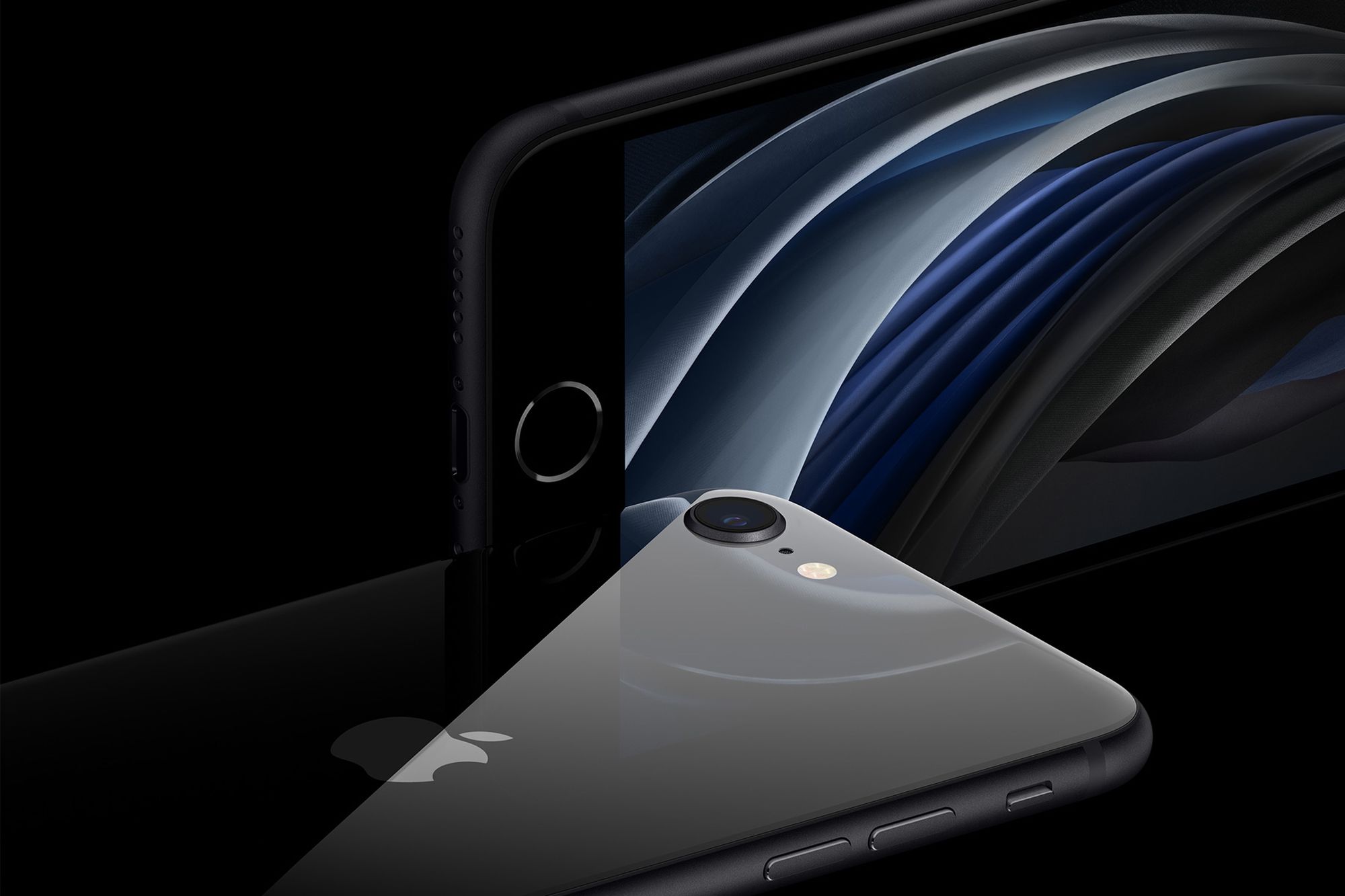
Recent weeks have seen a flurry of speculation, from unfounded rumours about Gmail’s demise to confusion over the Nothing Phone (2a) design, and even whispers of Google inspiring the iPhone 16’s camera layout.
This frenzy of speculation begs the question: what role do these leaks and rumours play beyond their face value?
Are they merely a byproduct of our hyper-connected society, or do they serve a more strategic purpose in the tech world’s grand scheme?
Let’s find out.
The Anatomy of a Leak
The Anatomy of a Leak
Leaks, in essence, are unauthorised snippets of information about upcoming products, often shared by insiders or discovered within certification sites.
Unlike rumours, which mix hearsay and speculation, leaks usually have a tangible basis.
Yet, the line between the two can blur, especially when misinformation spreads.
These incidents show that the unpredictable nature of tech leaks and the need for cautious optimism.
From Hype to Hoaxes
Tech leaks offer unauthorized glimpses into future products, blending fact with speculation
As such, the tech world is no stranger to hoaxes, where a kernel of truth can spiral into misleading narratives.
A recent misconception that Google would discontinue Gmail is a prime example, demonstrating how easily facts can be twisted.
Occasionally, some of these leaks might even stem from the manufacturers themselves, a calculated move to drum up anticipation.
However, when not managed carefully, such strategies risk overshadowing existing products, potentially impacting sales.
The psychological tug-of-war between waiting for the “next big thing” and succumbing to the allure of current models shows just how much consumer behaviour is modified by hearing about leaks.
Some may postpone purchases, entranced by the promise of future innovations, while others, impatient for the new and novel, might opt for the latest model available, regardless of impending releases.
Official Slip-ups and Strategic Reveals
Manufacturers sometimes intentionally leak info to generate buzz
Interestingly, tech giants have occasionally let details slip, intentionally or not.
These slip-ups, whether strategic or genuine errors, contribute to the buzz surrounding upcoming releases, fueling consumer anticipation.
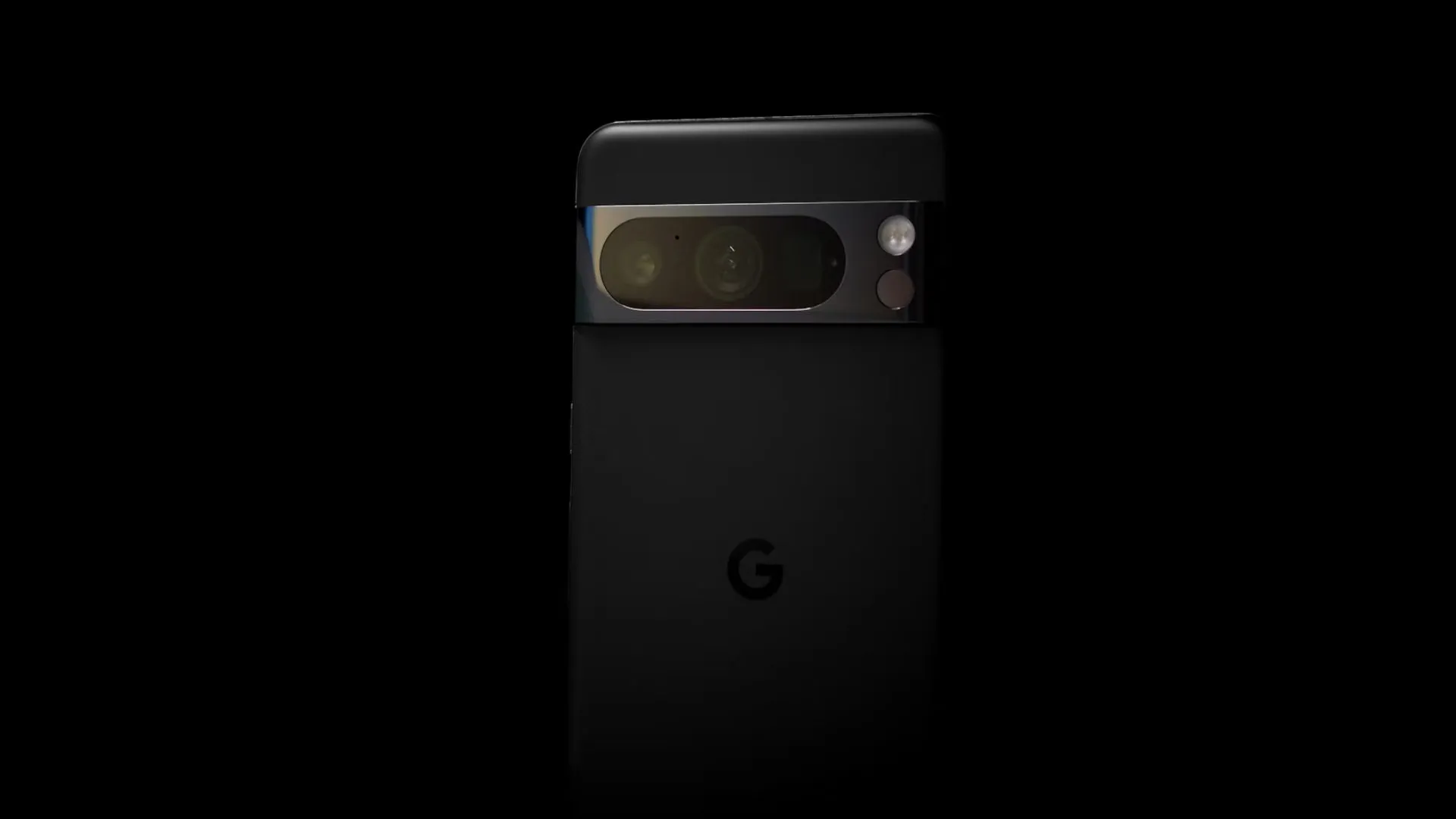
Of course, there are always rather incredible cases of Pixel phones being ‘leaked’ nearly half a year in adavance.
Navigating the Rumour Mill
Navigating the Rumour Mill
Amidst the whirlwind of speculation, discerning fact from fiction is paramount.
While leaks and rumors offer glimpses into the future of tech, they also demand a critical eye to separate valuable insights from mere clickbait.
The allure of leaked information, with all its promise and potential, tests our ability to sift through the noise and focus on credible sources.
FAQs
What differentiates a tech leak from a rumor?
Tech leaks typically stem from unauthorized disclosures of concrete information about upcoming products, often by insiders or through certification listings.
In contrast, rumors may rely more on hearsay and speculation, lacking a solid foundation of proof.
How can tech leaks and rumors influence consumer behavior?
Leaks and rumors can significantly impact consumer decisions, causing some to delay purchases in anticipation of new releases. Conversely, the excitement generated by leaks might compel others to buy current models, fearing they might miss out.
Are manufacturers responsible for some leaks?
Yes, in some cases, manufacturers deliberately leak information about upcoming products as part of a marketing strategy.
This controlled release of information can heighten anticipation and interest among potential buyers.
How do tech companies handle accidental leaks?
Accidental leaks, such as premature product listings on official websites, are usually quickly rectified.
However, the initial buzz created by these slip-ups often contributes to increased consumer interest.
What’s the best way to navigate the flood of tech leaks and rumors?
To navigate the flood of tech leaks and rumors, it’s essential to rely on reputable sources and maintain a healthy skepticism.
Being critical of the information and considering the source’s credibility can help distinguish fact from fiction.
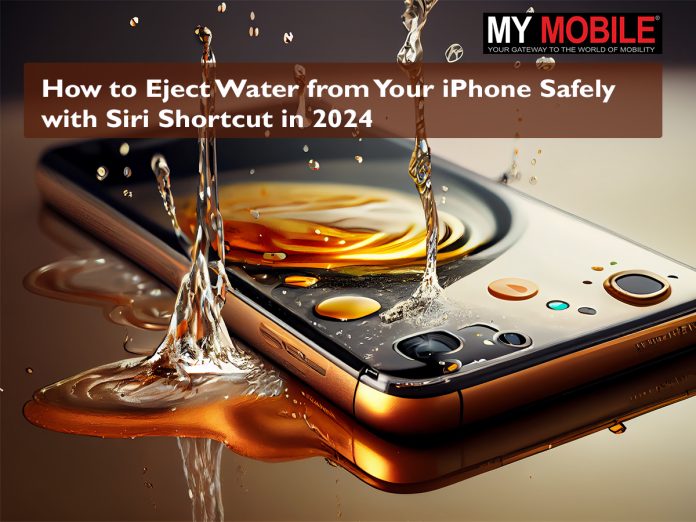
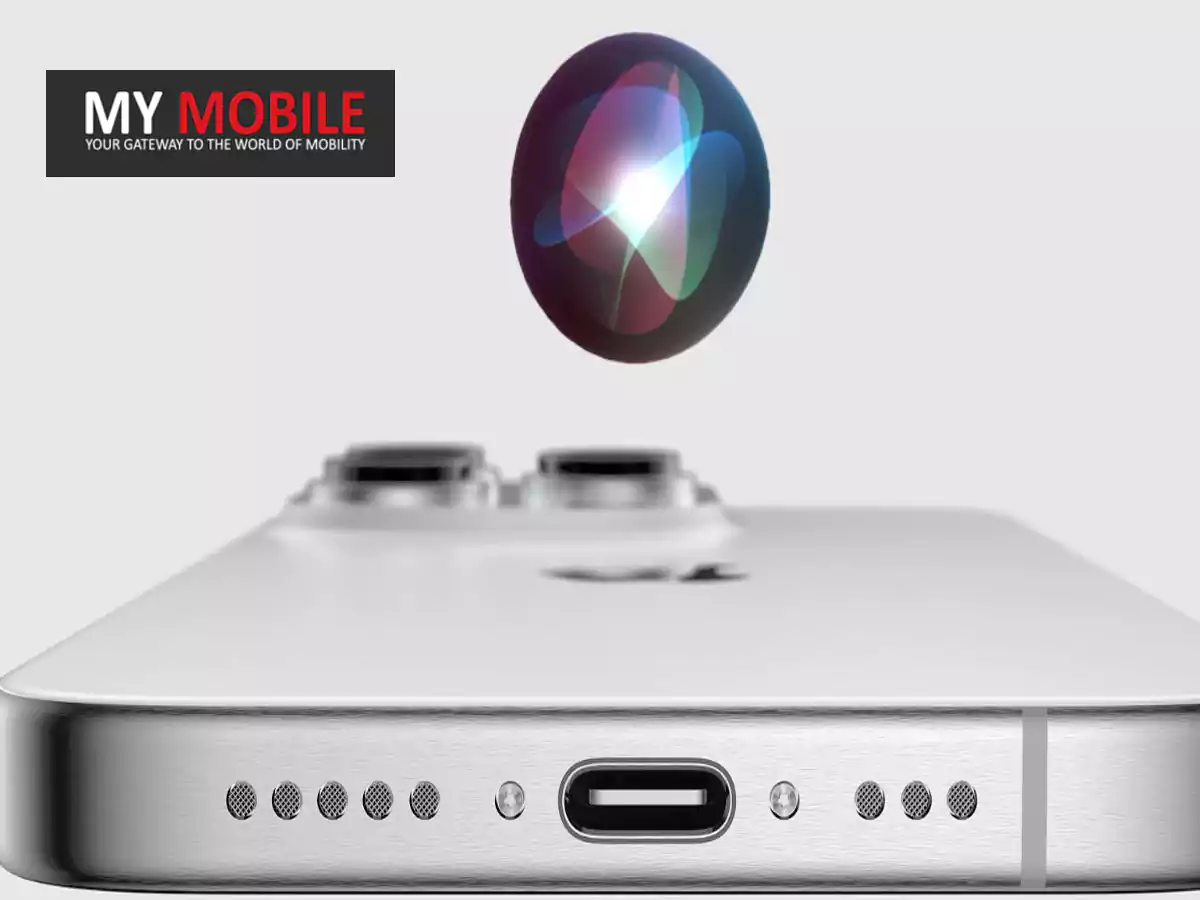
While iPhones come with an IP68 water and dust-resistant rating, water droplets and moisture can still linger in crevices such as the phone’s speakers.
This can interfere with hearing a call or notification alert from your phone.
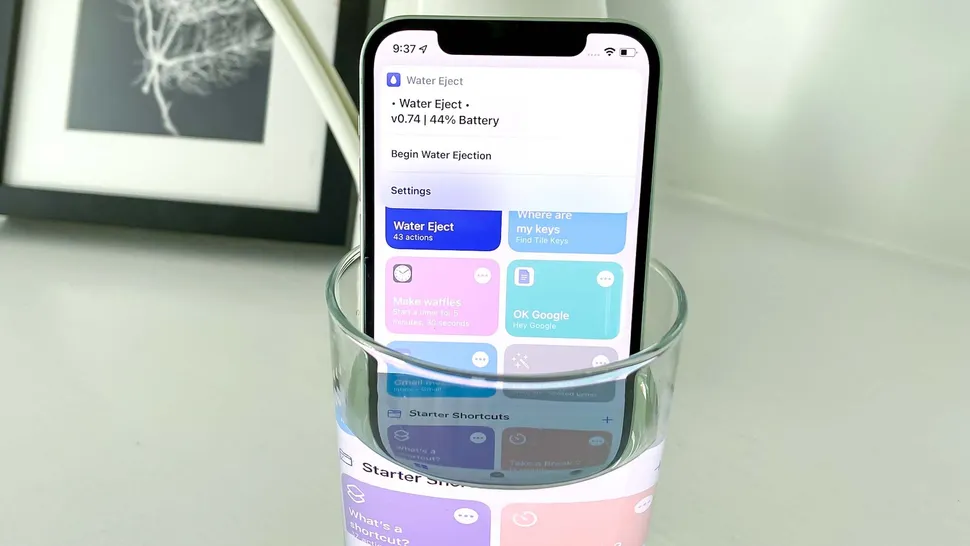
Fortunately, there’s a solution to this problem – a Siri Shortcut known as “Water Eject”.
What is the Water Eject Siri Shortcut?
What is the Water Eject Siri Shortcut?
The Water Eject Siri Shortcut is a feature that can help you eject water from your iPhone by playing a low-frequency sound for 10 seconds.
This sound pushes out water from the speaker grills.
It’s a handy tool for those who often expose their iPhones to water, such as taking it to the shower to listen to music.
How to Use the Water Eject Siri Shortcut
How to Use the Water Eject Siri Shortcut
To use the Water Eject Siri Shortcut, follow these steps:
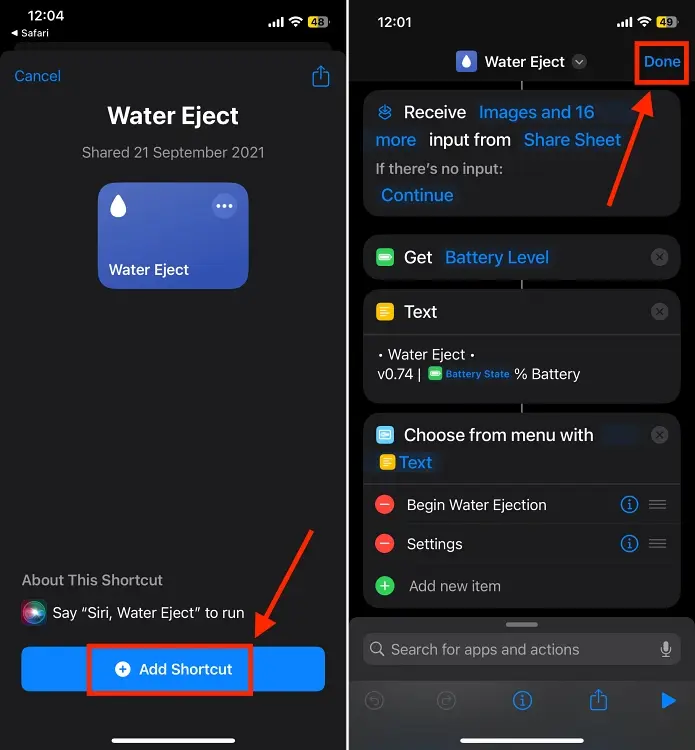
Open this link from your iPhone and tap “Get Shortcut”.
Tap “Add Shortcut”, and the Water Eject shortcut will show in your “My Shortcuts” section.
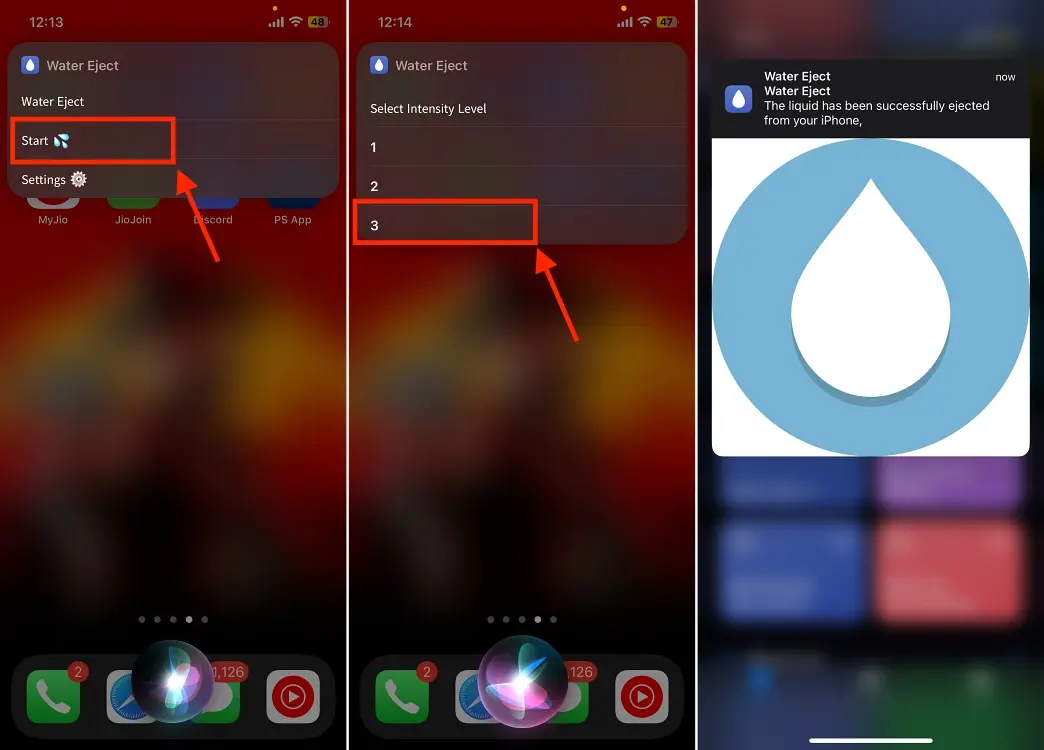
Invoke Siri on your iPhone and ask “Water Eject”.
Tap the “Start” button in the pop-up menu, then select the “Intensity Level”. In most cases, the 3rd level is selected.
Wait for it to complete the process. It uses low-frequency sound to push water out of your iPhone.
Upon completion, the Siri shortcut turns down the volume of the device to fifty percent and delivers a notification that says liquid has been successfully ejected from your iPhone.
Eject Water from Your iPhone Safely with Siri Shortcut in 2024
Important Note
Water Eject Siri Shortcut uses low-frequency sound to remove water from iPhone speakers
While the Water Eject Siri Shortcut is a useful tool, it’s always advised to seek professional help if your iPhone has been exposed to a significant amount of water.
The shortcut is a quick fix and may not be able to remove all the water, especially if the water has penetrated deeper into the device.
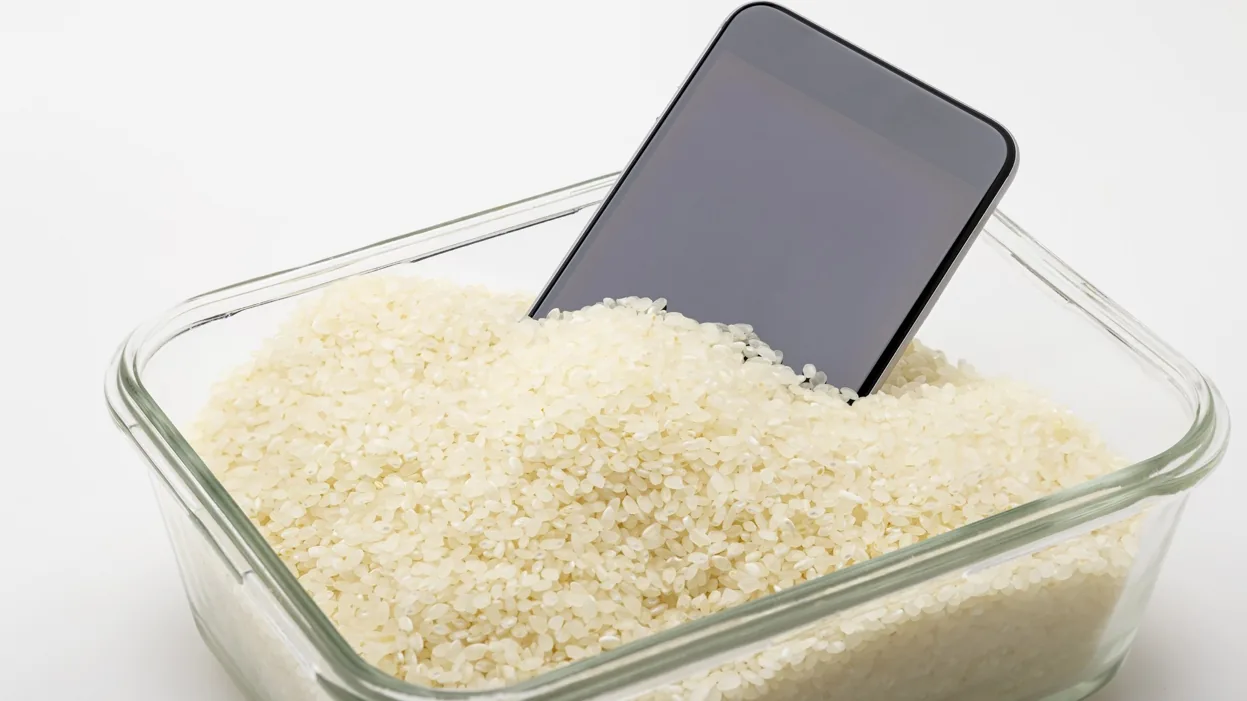
Apple Issues Warning Against Drying Your iPhone in Rice
Apple Issues Warning Against Drying Your iPhone in Rice
In relation to this, Apple has also recently issued a warning to iPhone users about a common practice – putting a wet iPhone into a bag of rice.
This method, often touted as a quick fix for water-damaged phones, could actually cause more harm than good.
The theory behind the rice method is that the dry, absorbent rice will help suck out the moisture from the device.
However, Apple has officially advised against this practice.
The company states that doing so could allow small particles of rice which may potentially harm the phone’s internal components, particularly the logic board.
In addition to the risk of physical damage, tests have suggested that uncooked rice is not particularly effective at drying the device.
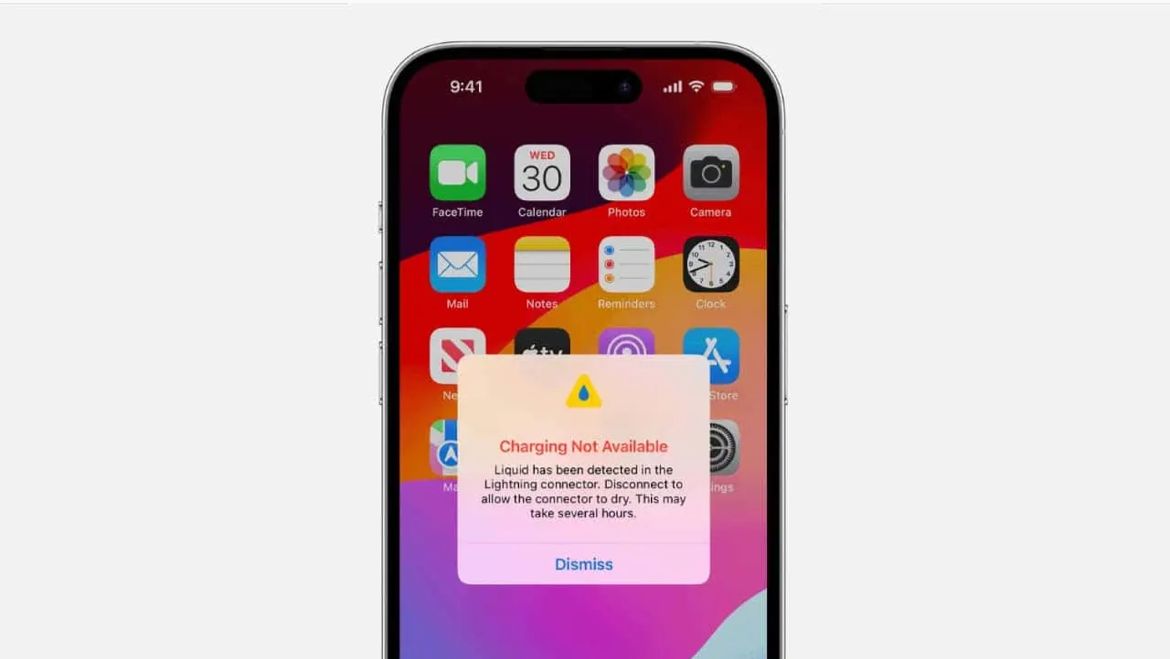
Instead of resorting to the rice method, Apple provides guidance for users who get a “liquid detected” alert when trying to charge their phones.
Liquid Detected Method
Leave your iPhone in a dry area with some air flow
Firstly, users should unplug the charging cable at both ends.
Then, they should tap the phone gently against their hand with the connector facing down to remove excess liquid.
The device should be left to dry for at least half an hour before attempting to charge it again.
If the attempt fails, users are advised to try again a day later.
Inserting a foreign object, such as a cotton swab or a paper towel, into the connector is also discourage.
“Leave your iPhone in a dry area with some airflow,” Apple advises. Even with some airflow, it can take “up to a day” for the smartphone to dry out completely and be ready to use again, Apple says.
“Don’t insert a foreign object, such as a cotton swab or a paper towel, into the connector,” Apple warns. This could damage the port, stopping you from being able to charge via a wired connection.
Don’t insert a foreign object, such as a cotton swab or a paper towel, into the connector- Apple Warns
FAQs
What is the Water Eject Siri Shortcut?
The Water Eject Siri Shortcut is a tool for iPhones that plays a specific low-frequency sound to eject water from the speaker grills.
It’s an effective way to quickly remove moisture after exposure to water.
How do I add the Water Eject Siri Shortcut to my iPhone?
To add the Water Eject Siri Shortcut, follow a reliable link to the shortcut, tap “Get Shortcut,” then add it to your library.
Once added, you can activate it by asking Siri or manually through the Shortcuts app.
Can the Water Eject Siri Shortcut remove all water from my iPhone?
While the Water Eject Siri Shortcut is effective at pushing out water from the speakers, it’s not guaranteed to remove all moisture, especially from internal components if the phone was significantly submerged.
Is it safe to use the Water Eject Siri Shortcut?
Yes, using the Water Eject Siri Shortcut is safe for your iPhone. It’s designed to emit sound at a frequency that ejects water without damaging the speakers.
Why does Apple advise against drying iPhones with rice?
Apple warns against using rice as a drying method because it’s not very effective at absorbing moisture and can introduce dust or starch particles into the phone, potentially causing damage.
What are the different ways to run the Water Eject shortcut on the iPhone ?
You can open the Shortcuts app and then tap on the Water Eject shortcut to activate it.
You can add the Shortcuts widget to the home screen or widget library and access the Water Eject shortcut from it.
You can trigger the Water Eject shortcut from the iOS homescreen by going to Shortcuts app > My Shortcuts > tap the three buttons on the Water Eject shortcut menu > tap the downward-facing arrow next to Water Eject title > tap Add to Home Screen > and finally, tap Add.
You can just say “Hey Siri, water eject,” and tap on Begin Water Ejection to start the vibration.
Why Ejecting Water from iPhone is Important?
Preventing electrical short circuits: Water is a conductor of electricity, and when it penetrates the internal components of your iPhone, it can cause short circuits. This can lead to the malfunctioning of various hardware and software components.
Preserving functionality: Water can damage crucial components of your iPhone, such as the motherboard, battery, and display. By ejecting water as soon as possible, you can increase the chances of preserving the functionality of these components and prevent expensive repairs or replacements.
Minimizing corrosion: When water enters your iPhone, it can promote the corrosion of internal parts. Corrosion can weaken connections, result in component failure, and reduce the overall lifespan of your device.
Protecting data: If your iPhone gets water damaged and becomes unresponsive, there is a risk of losing valuable data stored on the device. By quickly ejecting water and ensuring the device remains functional, you can safeguard your important photos, videos, documents, and other files.
Preserving warranty: Water damage is typically not covered under the iPhone warranty. By taking immediate action to eject water, you improve your chances of avoiding costly repairs that may not be covered by warranty.
Can Siri really help eject water from my iPhone?
No, Siri cannot physically eject water from your iPhone. Siri is a voice-activated assistant on your iPhone that can perform various tasks, but removing water from a device is not one of them.
What should I do if my iPhone gets submerged in water?
If your iPhone gets submerged in water, the best course of action is to immediately turn it off and disconnect any power sources. Do not try to charge or turn on the device, as this can cause further damage.
Instead, you should dry it off with a soft cloth, and then place it in a bag of uncooked rice or silica gel packets. This helps absorb the moisture over time. It is also essential to consult a professional technician to assess any potential damage and conduct necessary repairs.
Is water damage covered under the iPhone’s warranty?
No, water damage is typically not covered under the standard warranty for iPhones. Apple’s warranty does not cover any form of liquid damage, as it is considered accidental damage.
However, you may have the option to purchase additional insurance or protection plans that cover accidental damage, including water damage.
It is recommended to check with your Apple retailer or service provider for specific warranty coverage details and available insurance options.
What IP rating does my iPhone have and what does it mean?
iPhone models, including the iPhone SE (2nd generation), iPhone XR, iPhone X, iPhone 8, iPhone 8 Plus, iPhone 7, and iPhone 7 Plus come with an IP67 rating, with a maximum submersion depth of 1 meter for up to 30 minutes.
The iPhone 11, iPhone XS, and iPhone XS Max are equipped with an IP68 rating with a maximum submersion depth of 2 meters for up to 30 minutes.
The iPhone 11 Pro and 11 Pro Max have an IP68 rating with a maximum depth of 4 meters up to 30 minutes.
The iPhone 15, 14, 13 and 12 series boasts an IP68 rating with a maximum submersion depth of 6 meters for up to 30 minutes.
What’s apple advice instead of putting wet iPhone in rice ?
Apple suggests the following steps:
Tap your iPhone gently against your hand with the connector facing down to remove excess liquid. Leave your iPhone in a dry area with some airflow.
After at least 30 minutes, try charging with a Lightning or USB-C cable or connecting an accessory.
If you see the alert again, there is still liquid in the connector or under the pins of your cable. Leave your iPhone in a dry area with some airflow for up to a day. You can try again to charge or connect an accessory throughout this period. It might take up to 24 hours to fully dry.
If your phone has dried out but still isn’t charging, unplug the cable from the adapter and unplug the adapter from the wall (if possible) and then connect them again.
Among the don’ts, Apple also urges against drying your iPhone with an external heat source or compressed air, or inserting a “foreign object,” such as a cotton swab or a paper towel, into the Lightning or USB-C port.