BeReal is the new social media app that has entered the virtual world and has immediately managed to catch everyone’s attention. In this article, we are discussing everything about the BeReal app, how to use the BeReal app, is BeReal app safe, all in detail.
The popularity of Social Media apps has magnified two folds since the concept of having apps to interact and connect virtually came into existence for the first time. However, social media apps often face criticism for lack of genuineness. Apps such as Instagram encourage synthetic aesthetics and most users present heavily edited versions of their lives, which is often far from reality. It is here that the new app BeReal has approached the concept of Social Media in a completely different way compared to all other social media apps that we have. Let’s understand what makes BeReal different.
What is BeReal App?
The BeReal social media app, as the name suggests, focuses on getting its users to be real on their profiles. The app gets its users to post completely unfiltered photos of themselves and their lives. There’s no functionality to add filters and BeReal users can only post one photo a day.
The BeReal account feed is equally unique. Users are only allowed to see their followers’ or friends’ photos on BeReal photos once they have posted their own photo for that day. So, if you want to participate in this app and see what other people are doing, you will have to actively participate as well. As a BeReal user, you can’t passively use the app and scroll for five hours if you haven’t posted your own unfiltered photo. This should answer your concerns about is BeReal app safe.
In many BeReal App Reviews, it has been highlighted that the purpose of this social media app really is to target something most other social media apps are lacking these days, and that’s authenticity. Most of the time if we want to post something, we only do that after we put on makeup and or use some AI-powered photo filters. On the contrary, BeReal is all about capturing your life at the moment no matter what moment that is.
How to Use the BeReal App?
Here’s everything that is to know about how the app works and how you can use it.
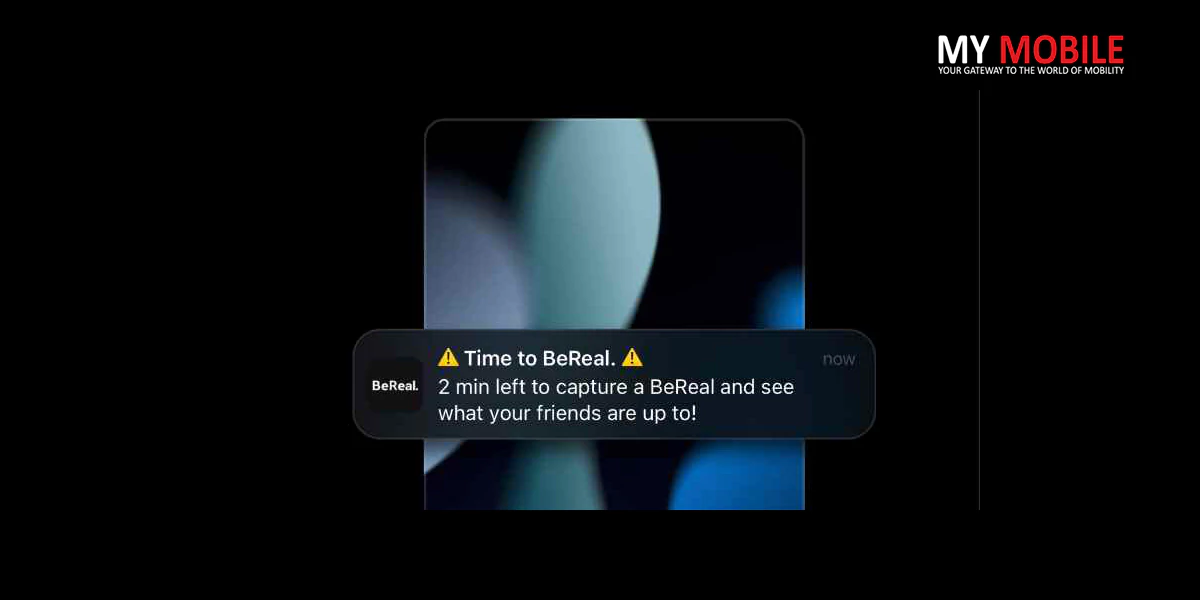
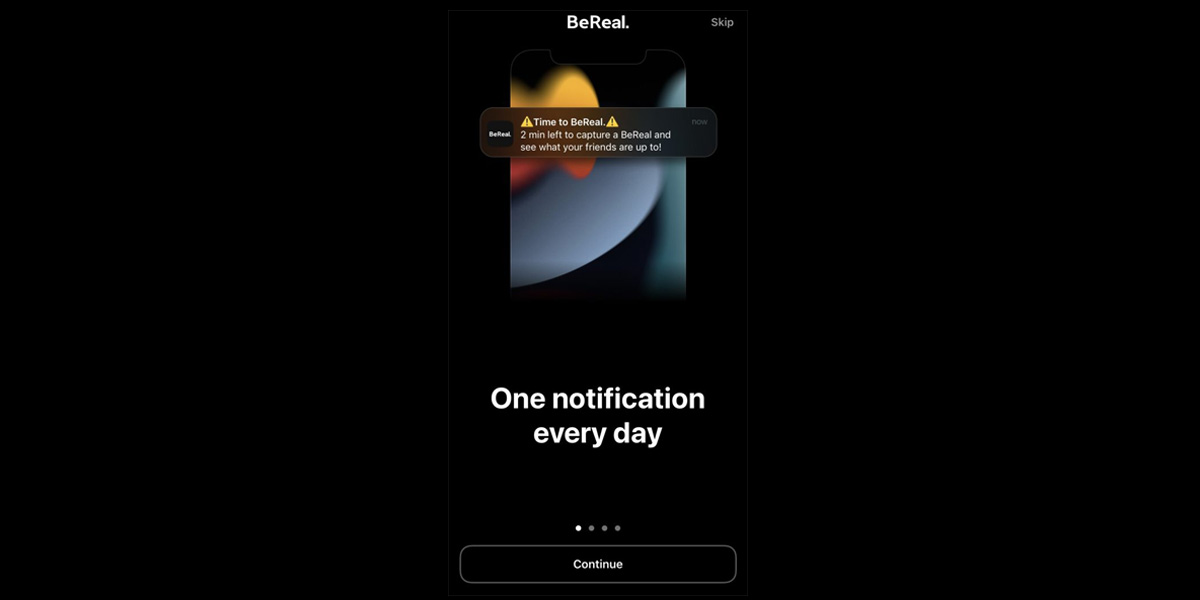
BeReal will send you a notification once per day as a reminder for you to post a picture of that exact moment.
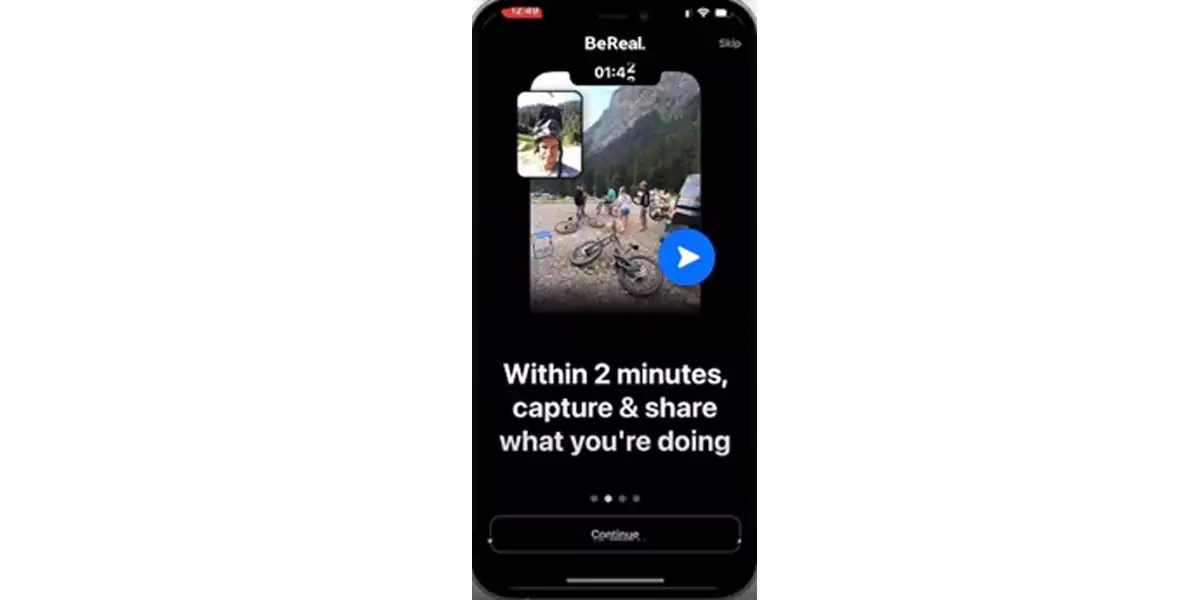
You will have only two minutes to post a photo to your feed after receiving the notification.
The notification is always sent at different times of the day. This way no user can actually plan their post because no one knows when they will receive a notification. Users will have to take a picture of the exact moment and they get only two minutes to post once the notification pops up.
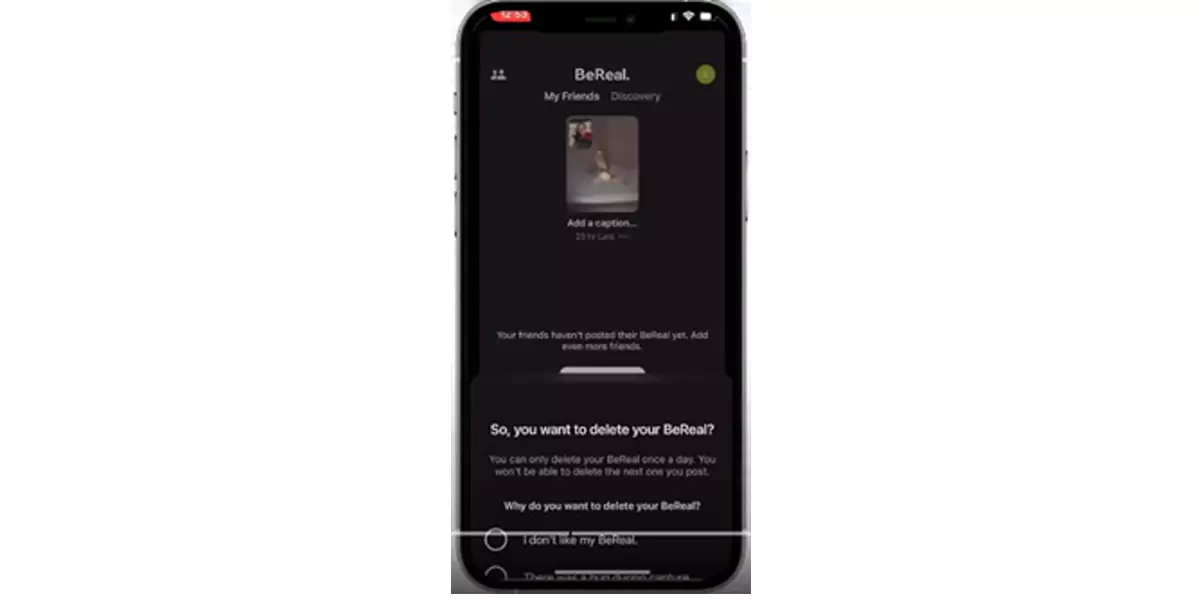
The post can be deleted from your BeReal account only once a day if it ended up being blurry or there are some other issues during the capture.
In case you are wondering, what if you are not near the phone or in a meeting when the notification pops up, BeReal actually allows you to post late. However, your post will carry the stamp of “Late Post” to tell your followers that you posted late.
An Amazon Prime subscription, both the monthly and annual pack, is quite useful with tons of exclusive benefits that makes spending the money worthwhile. As an Amazon Prime Member, you get unlimited access to Prime Videolibrary, Amazon Prime Music, Prime Reading, a Partner Bank credit card, early discount prices and free one-day or two-day delivery to eligible addresses. However, one thing that is often neglected amongst the plethora of Prime membership benefits is Prime Gaming. Are you wondering – is Prime gaming free with Amazon Prime? Let’s find out.
Is Prime Gaming Free with Amazon Prime?
Those who are wondering whether Prime Gaming in India would be available with your Amazon Prime subscription should know that you can access basic Prime Gaming with their subscription. However, an Amazon Prime subscription will not open the full package available in Prime Gaming with Luna, which is a much bigger gaming library.
There is also the free Amazon trial, which gives access to Prime Gaming for the trial subscription users for the first 30 days.
Prime Gaming and Amazon Luna
Prime Gaming is Amazon’s dedicated streaming platform for games. It includes an extensive gaming library with monthly free games, in-game content, and other additional benefits. Moreover, users also have the option of Amazon Luna to extend the gaming catalogue and the subscription benefits already available to Amazon Prime gamers.
Moreover, Prime Gaming also offers one free Twitch subscription to Twitch viewers that can be used on Twitch-affiliated channels, the Amazon Prime Gaming Roblox benefit of redeeming exclusive in-game loot for Roblox Monthly and Warframe Prime Gaming.
The Prime Gaming subscription is basically a base package to access games on Amazon. However, Luna opens up a much wider package and gaming option. Users can get Amazon Luna by paying additional costs along with the Prime Membership.
Prime Gaming’s catalogue currently includes a strong range such as Middle-Earth: Shadow of War, Metro Exodus, Earthworm Jim 2, Skatebird, Fall Guys, and Madden 23, along with in-game content for free-to-play games such as Apex Legends, Valorant, Pokémon GO and Apex Legends. On the other hand, Amazon Luna with Prime Gaming provides a dedicated catalogue with games from Ubisoft+, Luna+, and other Retro gaming channels.
The 5G bandwagon is all set to take over the smartphone industry of India. As leading telecoms are planning on reaching out to the remotest of areas with their 5G connections and affordable 5G data plans, smartphone manufacturers are lining up their range of smartphones for every consumer segment. From entry-level 5G smartphones to high-end models, the Indian smartphone market is already filled with options for users to choose from.
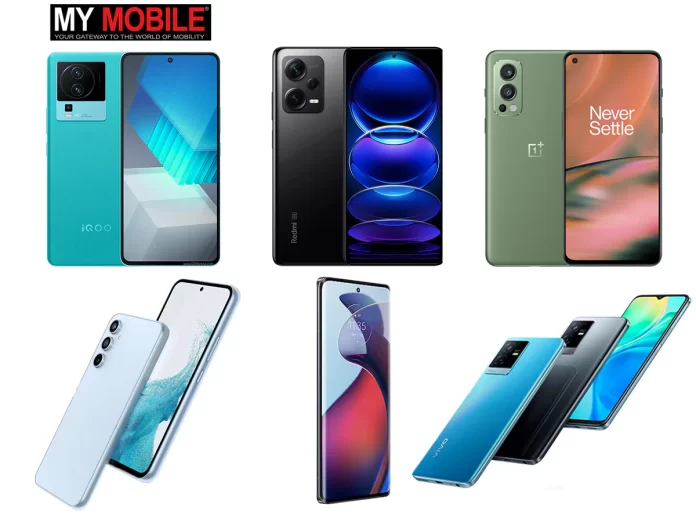
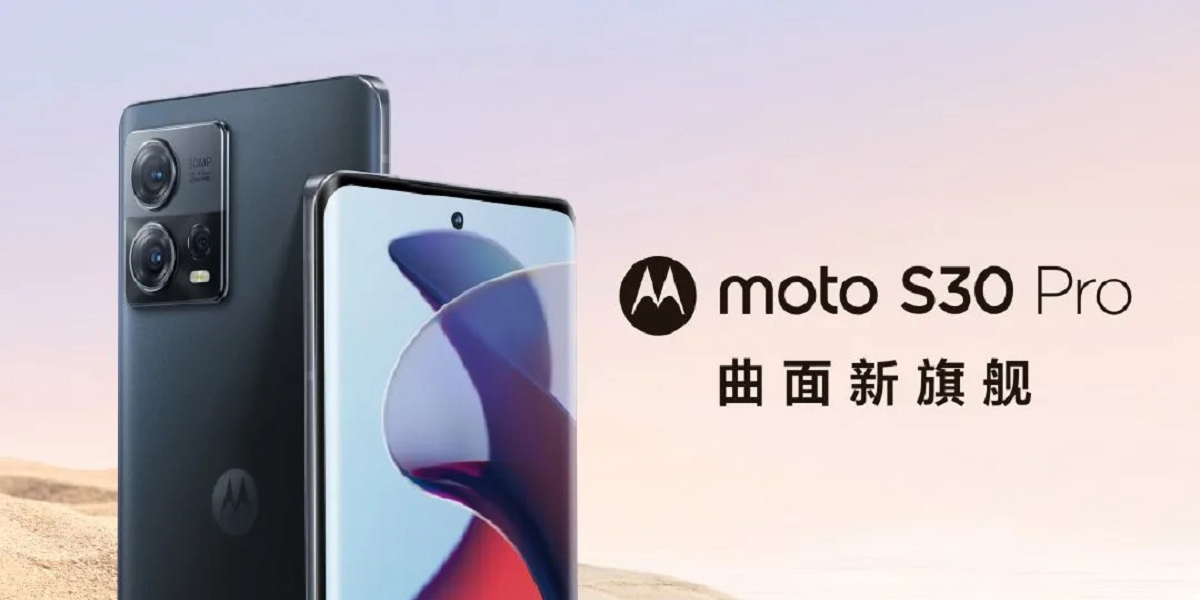
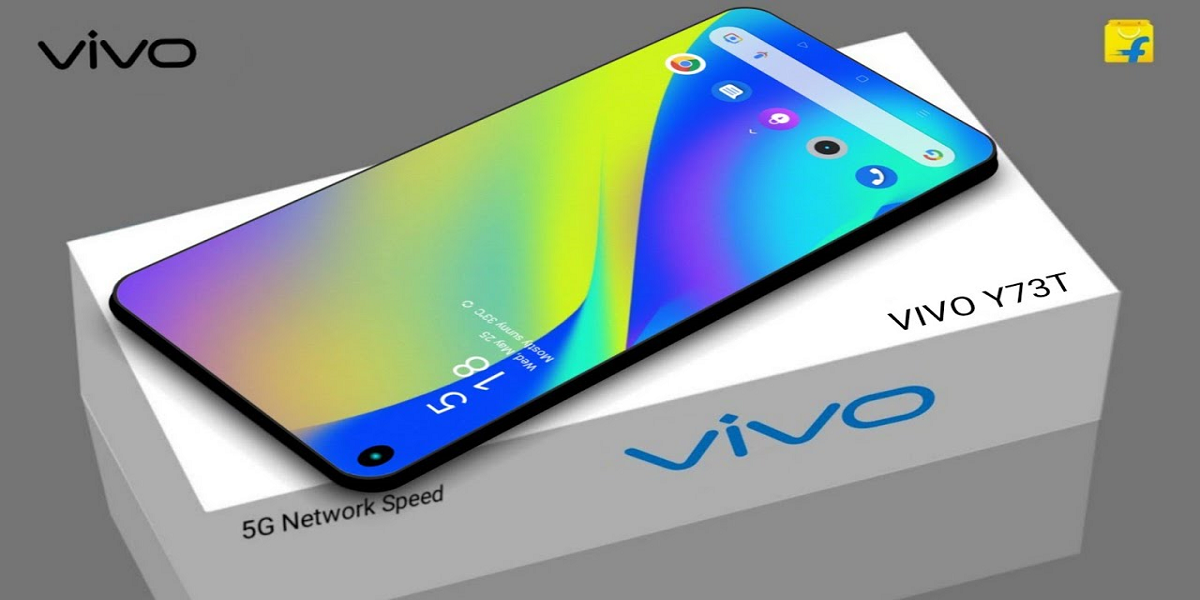
In case you too are planning on upgrading to a 5G smartphone and looking for some mid-range upcoming 5G mobiles, we have rounded up some of the best upcoming 5G mobiles under Rs 30000 launching in 2023. These include some of the leading smartphone brands and models including the Xiaomi Redmi Note 12 Pro 5G, Samsung Galaxy A54 5G,OnePlus Nord 3 5G, Motorola S30 Pro, and Vivo Y73T among others. Let’s take a quick look at some of the most exciting upcoming 5G mobiles under Rs 30000.
Xiaomi Redmi Note 12 Pro 5G – Upcoming 5G Mobiles under 30000
Highlights
67 inches (16.94 cm) bezel-less display with punch-hole display with Gorilla Glass 5 Protection
5000 mAh battery with Turbo Charging, charges up to 100% in 46 minutes
5G enabled
The expected launch date of the Xiaomi Redmi Note 12 Pro 5G is January 2023, although no official date has been confirmed yet. Xiaomi Redmi Note 12 Pro 5G price in India is expected to be around Rs. 20,590.
Samsung Galaxy A54 5G
Highlights
4 inches (16.26 cm) bezel-less display with punch-hole display
Samsung Exynos 1280 Octa-core Processor
50 + 8 + 5 MP Triple Rear Cameras
32 MP Front Camera
6 GB RAM
128 GB internal storage, expandable upto 512 GB
5000 mAh battery with Fast Charging
5G enabled
This upcoming Samsung smartphone is scheduled for a February 2023 launch in the Indian market. Samsung Galaxy A54 5G price in India is expected to be around Rs. 24,999.
OnePlus Nord 3 5G – Upcoming 5G Mobiles under 30000
Highlights
7 inches (17.02 cm) bezel-less display with punch-hole display
MediaTek Dimensity 8100 Octa-core Processor
8 GB RAM
128 GB internal storage, Non-Expandable Memory
50 + 8 + 2 MP Triple Rear Cameras
16 MP Front Camera
4500 mAh battery with Warp Charging
5G Enabled
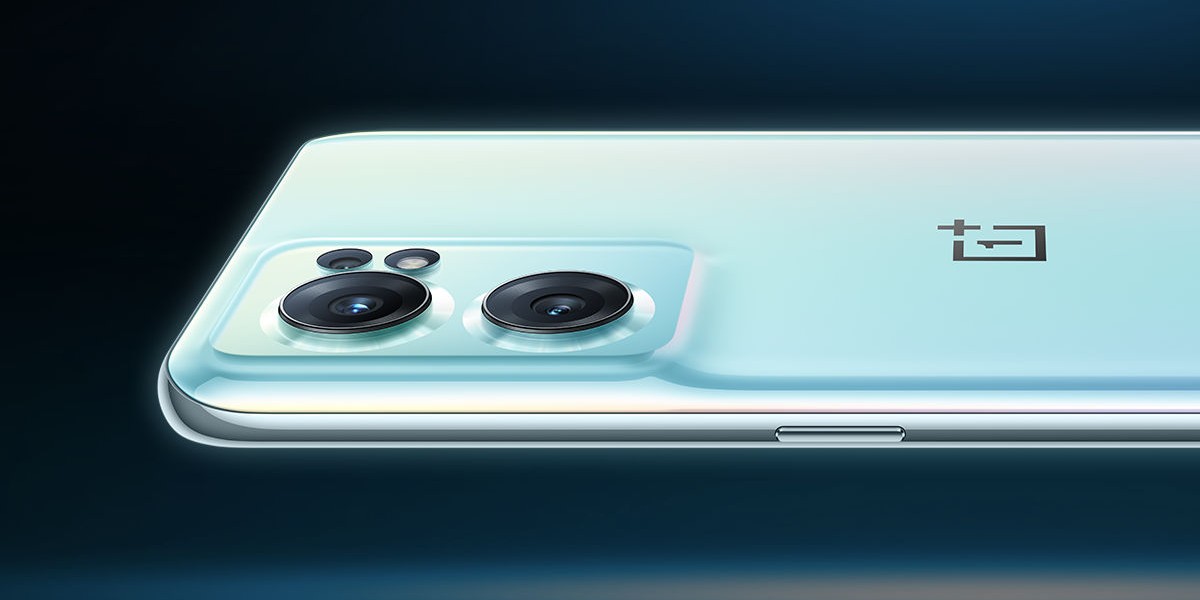
The expected launch date of the OnePlus Nord 3 5G is speculated to be sometime in January 2023. As for the price tag, OnePlus Nord 3 5G price in India is expected to be around Rs. 27,999.
Motorola S30 Pro
Highlights
55 inches (16.64 cm) bezel-less display with punch-hole display
Qualcomm Snapdragon 888 Plus Octa-core Processor
8 GB RAM
128 GB internal storage, Non-Expandable Memory
50 + 13 + 2 MP Triple Rear Cameras
32 MP Front Camera
4400 mAh battery with Fast Charging, charges up to 50 per cent in 10 minutes
5G Enabled
The Tech community is hoping that the Motorola S30 Pro will have an official launch sometime in January 2023. The Motorola S30 Pro price is expected to be around Rs. 25,990 upon launch.
Vivo Y73T – Upcoming 5G Mobiles under 30000
Highlights
58 inches (16.71 cm) bezel-less display with waterdrop notch
MediaTek Dimensity 700 MT6833 Octa-core Processor
8 GB RAM
128 GB internal storage, Non-Expandable Memory
50 + 2 MP Dual Rear Cameras
8 MP Front Camera
6000 mAh battery with Flash Charging, charges up to 50 per cent in 33 minutes
5G Enabled
The Vivo Y73T is expected to have a 26th January 2023 launch in the Indian market. As for the price tag, the Vivo Y73T price is expected to be somewhere around Rs. 15,990.
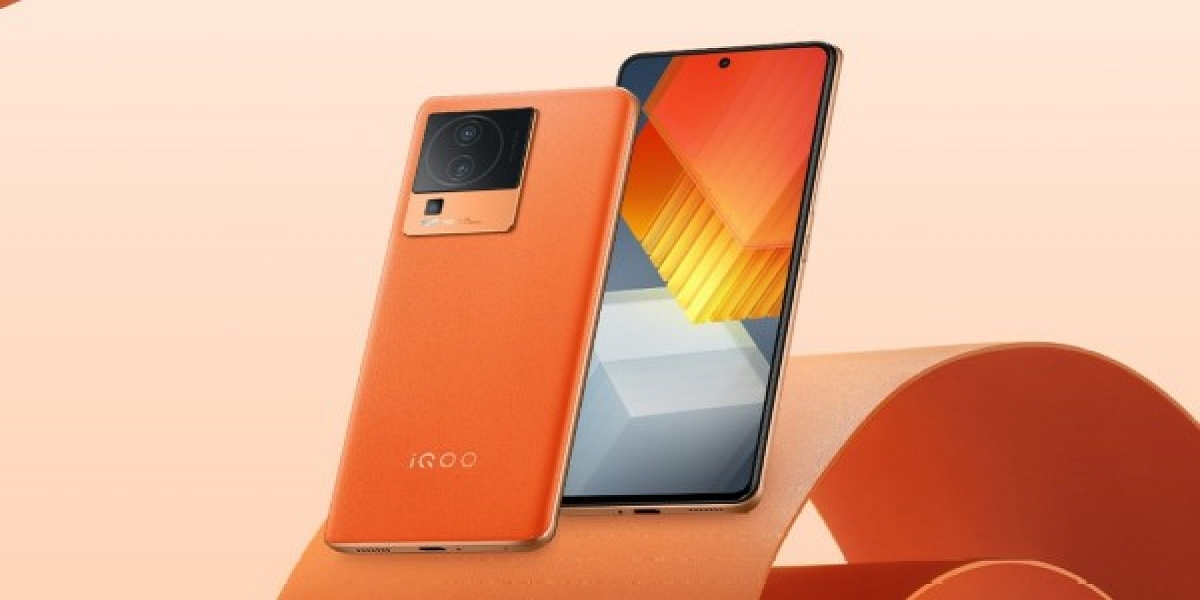
iQOO Neo 7 SE 5G – Upcoming 5G Mobiles under 30000
Highlights
78 inches (17.22 cm) bezel-less display with punch-hole display
5000 mAh battery with Flash Charging, charges up to 60 per cent in 10 minutes
5G Enabled
The expected launch date of the iQOO Neo 7 SE 5G is speculated to be sometime in February 2023. As for the price tag, iQOO Neo 7 SE 5G price in India is expected to be around Rs. 22,790.
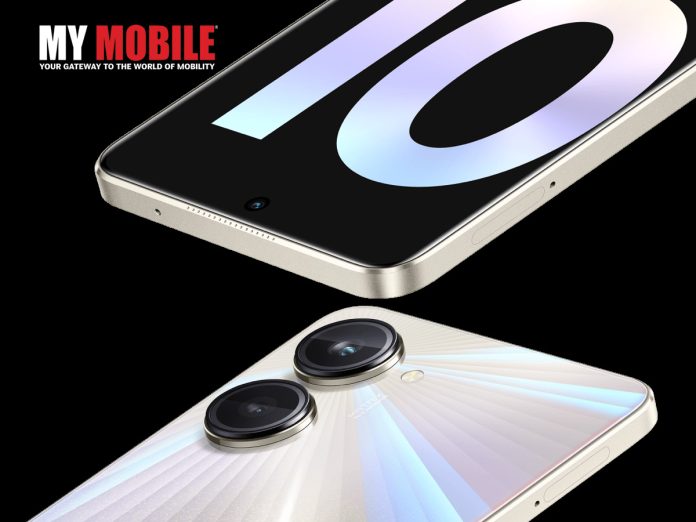
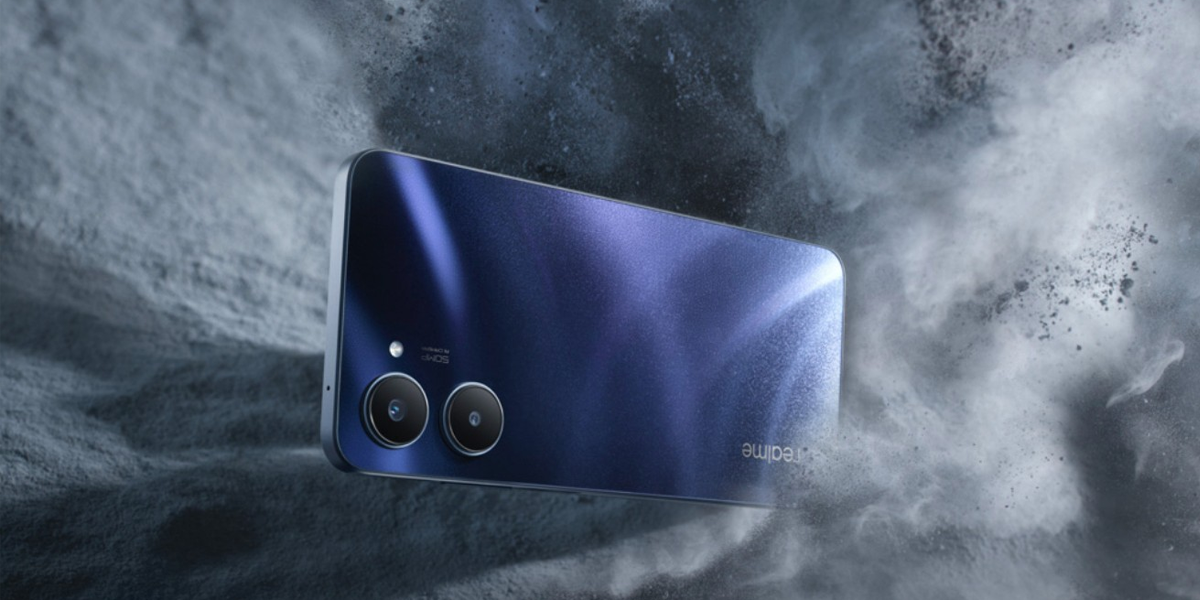
Realme 10 4G has been finally launched in India today on January 9, 2023 after a long wait where many people were quite excited to try out the new model and see whether it is really as great as it is made out to be.
Its price, features, and specifications too are out into the open where many users will be happy to know about its budget friendly cost at Rs.13,999, which will be reason enough for many to go for it.
Highlights
Realme 10 4G has now officially launched in India.
The phone ships with a 6.5-inch FHD+ AMOLED display with a 90Hz refresh rate, MediaTek Helio G99 SoC, 16MP selfie snapper on the front and Android 13 OS.
Realme 10 4G price in India starts at Rs.13,999.
Realme 10 4G Launched in India; Price & Specifics Revealed
After a long wait, Realme 10 4G has been finally launched in India as promised, which will be the successor to the Realme 9 Series that came out in 2022 where you can avail some of the best features and specifications at an affordable price, which is something that users who don’t want to spend a fortune on smartphones look forward to.
Realme 10 4G Price & Sale in India
Realme 10 4G is available at the starting price of Rs.13,999, which is for the 4GB RAM + 64GB variant, while the 8GB RAM + 128GB variant costs Rs.16,999. However, the former variant is available at a discount offer of Rs.1,000 for a limited period of time, so it will start at Rs.12,999, with two colour options- RushBlack and ClashWhite.
The very first sale begins on January 15, 2023 where the handset will be available on Realme’s official website, Flipkart, and several other retail stores of India so that people can buy it easily.
Realme 10 4G Specifications
Realme 10 4G comes with a 6.5-inch FHD+ AMOLED display screen, along with a 90Hz refresh rate, narrow bezels, and a punch-hole cutout, while also being powered by the MediaTek Helio G99 SoC paired with 8GB LPDDR4X RAM and up to 128GB UFS 2.2 storage, which can be expanded via microSD card.
While receiving an additional 8GB RAM support, the handset runs on Android 13-based Realme UI custom skin out of the box. The optical features include a dual rear camera setup with a 50MP primary camera and 2MP Black & White portrait camera, while the 16MP selfie camera in the front is for taking selfies.
The battery capacity is 5,000mAh units that comes with a 33W SuperVOOC fast charging support, which goes from 0 to 50% in just 28 minutes, while the security features include a side-mount fingerprint sensor, and finally, the connectivity features are dual-band Wi-Fi, 4G, USB Type-C port, GPS, and Bluetooth.
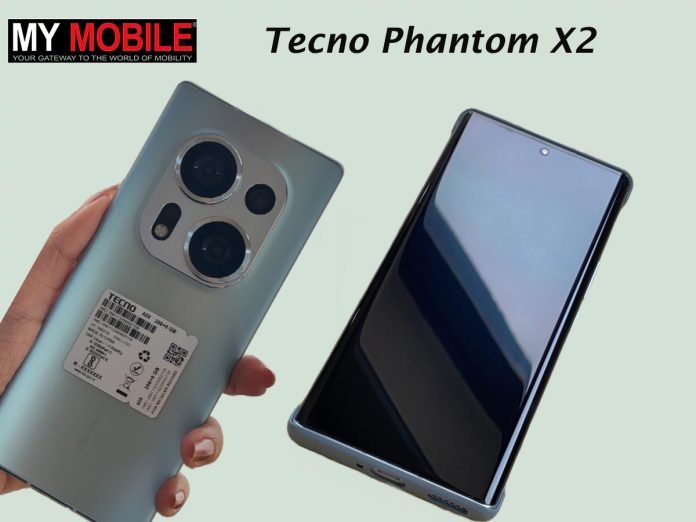
Tecno Phantom X2 has finally been launched in all its glory, following the successful launch of Tecno Phantom X2 Pro, which received extremely positive reviews from both tech experts and general users who found its features, price rate, specifications, and other things quite appealing.
The Phantom X2 series is quite similar to its predecessor in some ways but it is the one that can be considered the truly premium flagship space for Tecno as a renowned tech brand and shares many features with the previous models.
Highlights
The Phantom X2 is powered by a MediaTek Dimensity 9000 SoC.
Phantom X2 comes with a curved-edge AMOLED display.
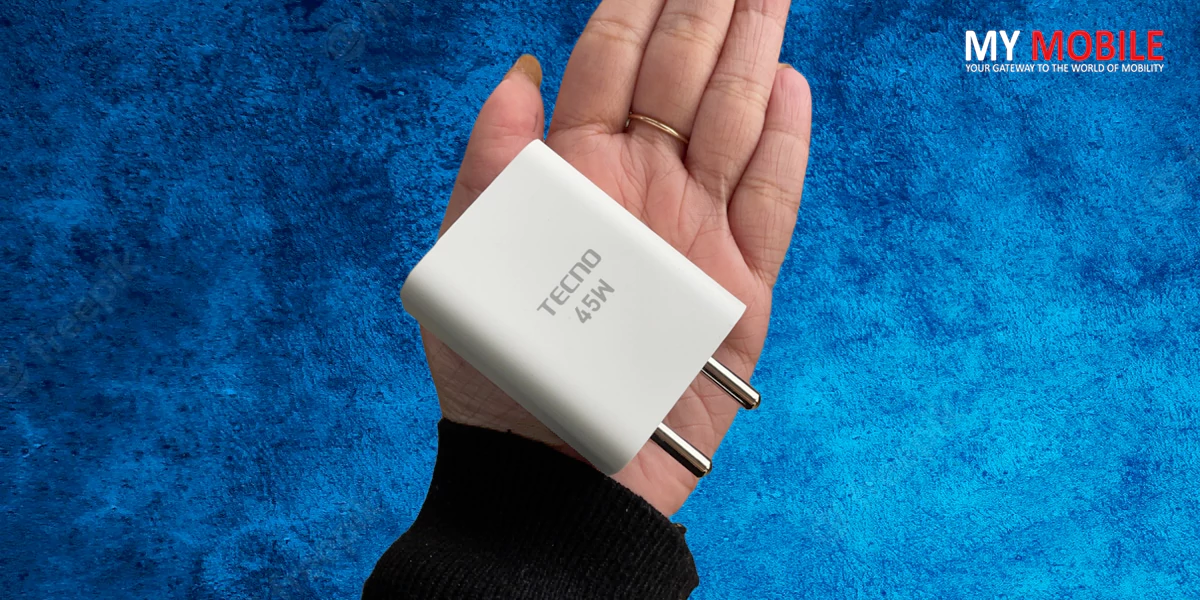
It comes with a 5,160mAh battery, which also has a 45W fast charging support.
Tecno Phantom X2 Review in Brief
India is a huge and diverse country with people of different ethnicities, culture, caste, creed, and language, where they all have different tastes and preferences for various things, especially electronic gadgets like smartphones, tablets, laptops, smartwatches, etc.
People’s tastes are extremely fickle and it is none more evident than when it comes to gadgets because if they don’t find it to their liking, they will immediately switch preference to another tech brand.
Everyone has their own preferences when it comes to smartphone brands where other than the more well-known and popular variants from the likes of Apple, Samsung, Google, and Xiaomi, there are many people who love smartphones from budget friendly brands OPPO, Infinix, Realme, and Tecno among others.
Speaking of Tecno, the company recently launched its new Tecno Phantom X2 in India, following the successful launch of Tecno Phantom X2 Pro that was extremely well received and so the company found it prudent to launch the new variant early into the market to capitalize upon it.
Tecno comes under the Chinese brand Transsion, which is predominantly prevalent in overseas market, with Africa having a sizeable fanbase and anyone familiar with Tecno would know it mostly for their popular Camon line, which is a line of value devices whose main focus is camera experience.
It goes without saying that the Phantom Line or Phantom X-series has carved out a separate identity of its own and whose aim is to truly deliver flagship devices and experiences, which was seen when the original Phantom X in 2021.
Phantom X2 is the latest addition to the Phantom X-Series where the makers are hopeful that the latest variant too carve its own place in the hearts and minds of users so that Tecno will continue growing as a brand in the smartphone segment.
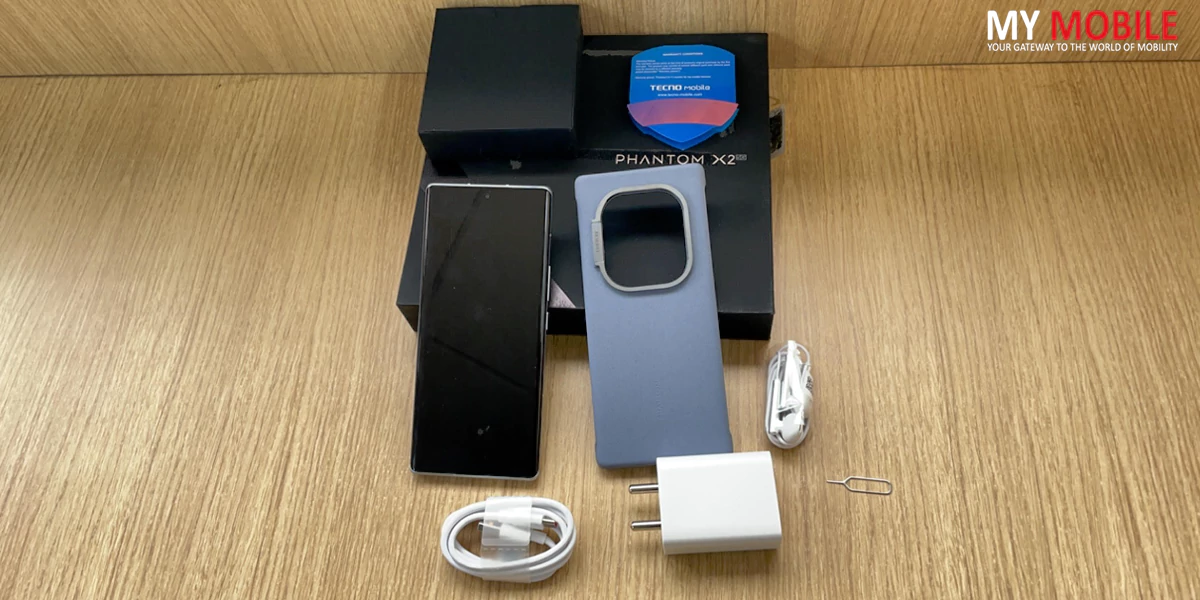
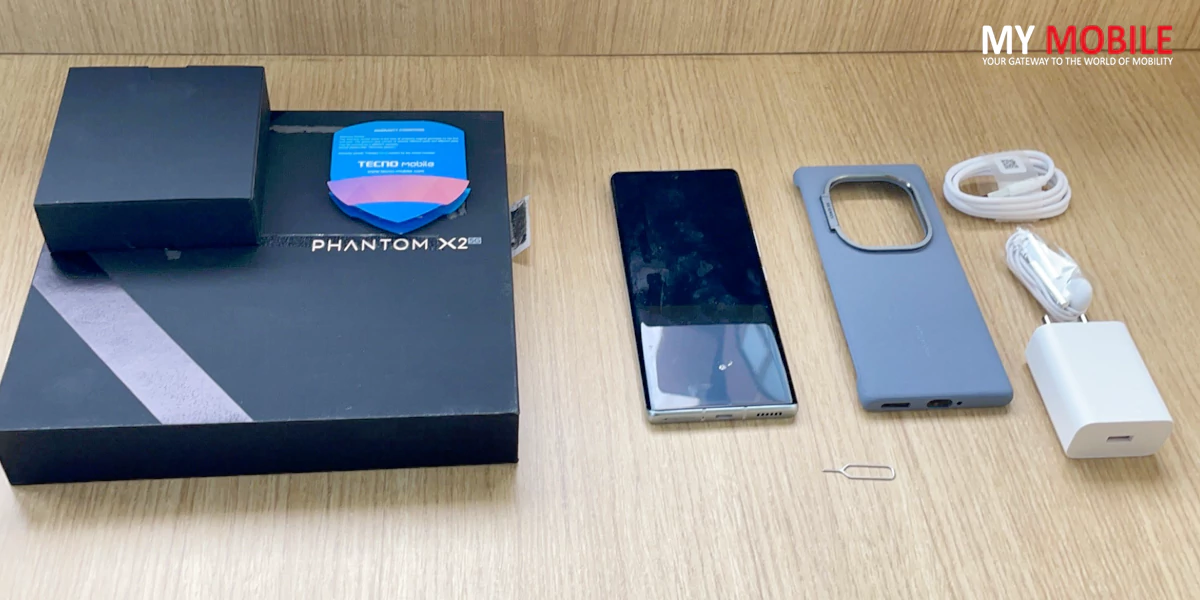
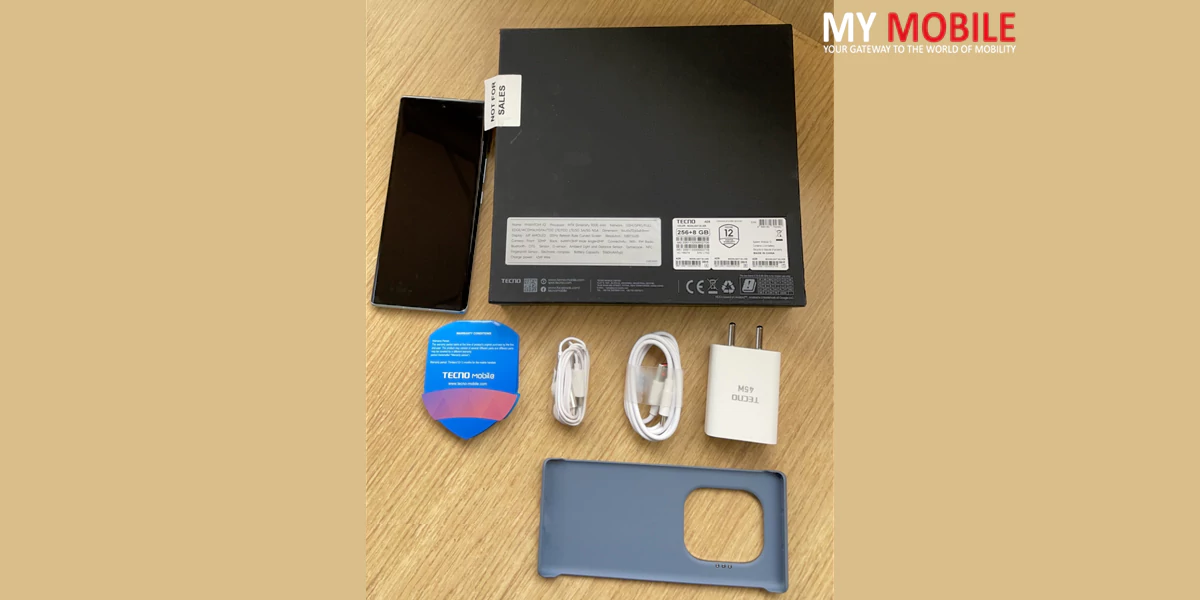
Phantom X2 is a 5G model that came in a black-coloured cardboard slide-out box that was quite large and sturdy, which also contained the usual mobile accessories that were discovered when the unboxing was complete like the 45W charger, USB Type-A or Type-C charging port, which was a standard model sans any extra pins, which meant they could be easily replaced.
At the bottom, there was an in-line microphone and a pair of white-coloured earbuds that were quite comfortable to the ears when put on, along with a free hard case. It gives a nice feeling so it can be called a few notches above than the usual bundled cases because it contains a bonus feature in the form of an integrated kickstand.
When it comes to retail package, it seems Tecno has gone all-in with regards to Phantom X2 and with the bonus gadgets inside, it gives a surreal experience to any user that examines it.
Phantom X2 comes with a 6.8-inch diagonal, which is one of its most impressive features given its 72.7mm width, along with a curved OLED panel on both sides that is covered with Gorilla Glass Victus, and lastly, a 120Hz refresh rate with a 1080 x 2400 pixel resolution.
While the Phantom X2series is not exactly strong in colour accuracy, the display is strikingly similar to its predecessor, Phantom X2 Pro, which is to be expected considering that the new vanilla model too has 500 nits of brightness on the slider, along with a functioning max auto brightness boost mode during writing time.
It also has a distinctive camera island, along with rounded corners and soft lines surrounding it. Since it has no sharp or jagged edges, Tecno Phantom X2 is extremely manageable when it comes to grip, which extends to the cameras as well.
The phone, being top-heavy, is a little difficult to hold in hand, although when compared to Phantom X2 Pro, it is still manageable due to the firm grip.
The handset is available in two colour options- Stardust Gray and Moonilight Silver, although they’re not considered as glaring as Mars Orange of Phantom X2 Pro, which is why the new design has been toned down.
Both colour modes aim for DCI-P3 colour space that miss the mark considerably, while the bright mode is quite cold in terms of temperature with exaggerated blues, while the original mode dials back things to a large extent.
However, the handset has no HDR support on its display, although its chipset can still decode HDR10, HDR10+, and HLG perfectly, while you can also avail the highest Widevine L1 certification in terms of DRM, through which Netflix and Amazon Prime-like streaming services offer HD of topnotch quality.
Build Quality Material
If you think colour choices are limited to the handset, you’re wrong as they extend to the realm of materials as the backs are quite smooth and silky, while the Moonlight Silver features mostly a plastic back panel and curves up into a metal frame similar to the front.
Phantom X2 doesn’t have any flex to speak of that gives a sturdy feel upon holding for which the credit goes to its metal frame, not to mention the solid front glass covered by Gorilla Glass Victus.
Connectivity & Control
The volume and power button are found at the right-hand side of the device where both are equally positioned in terms of height that are quite easy to profile, despite the slim profile.
There is a plastic insert at the top that occupies most of the space that is quite empty when it comes to controls, where you can find a single hole for the secondary noise-canceling microphone.
The bottom has a firing-speaker, along with the main microphone and dual Nano-SIM card tray but with no microSD slot. Then there is the USB Type-C port on the bottom side and USB 2.0 data transfer speeds of up to 480 Mbps. Also found at the bottom is an in-display fingerprint scanner that is quite accurate and snappy.
Regarding connectivity features, it has a dual-band Wi-Fi, Bluetooth 5.3 and SA/NSA sub6 5G on both SIM slots, while the Near-Field Communication (NFC) and FM Radio too can be found.
Also available are the full set of sensors on board the device that includes an icm42631 with a combination of accelerometer and gyroscope, along with a proximity combo sensor and stk33562, an mmc5603compass, and a magnetometer combo, where all the functions are working properly.
Refresh Rate Handling
Phantom X2 comes in 60Hz and 120Hz refresh rates, and although there is no refresh rate mode in-between such as 90Hz refresh rate, the other two refresh rate modes more than make up for it.
60Hz works as expected and locks the refresh rate at 60Hz, along with the 120Hz and Auto Mode, which is quite odd as it was discovered during testing that the 120Hz mode triggers the actual 120Hz refresh rate more consistently than Auto.
The high refresh rate has been handled decently by the device, although there is a lot of room for improvement as well, while the available modes are quite confusing and overlap to a certain extent.
Battery Life
The battery capacity of Phantom X2 is quite large at 5,160mAh units, which is the same as X2 Pro, which is understandable as both handsets share the same display and identical chipsets, where users can get a 110 hours of endurance that was confirmed during testing phase.
Android 12 OS
Phantom X2 runs on Android 12 OS, along with Tecno’s custom HiOS 12, which is another similarity it shares with X2 Pro, although it must be said that Tecno has been running on its own steam for quite some time now, while the situation on both fronts seems to have considerably improved as X2 doesn’t have any annoying notifications and pushy offers like some of its predecessors.
It can’t be denied that there are numerous pre-installed apps and utilities as Tecno has stuck to its traditions of developing and deploying its own set of apps for covering basic features, while users getting fed up of third-party apps pestering them with constant notifications can disable them immediately, either from the app or from Notifications settings.
The face recognition and fingerprint sensors are there as usual where the former can be unlocked by tapping or pressing, similar to the latter. The lockscreen comes with a single shortcut at the bottom right to access the camera, moving on which you find the standard homescreen interface.
Performance
Phantom X2 is powered by the flagship Dimensity 9000 4nm chipset because Tecno wants to push its flagship territory with the X2 series, while MediaTek is offering customizability on the chipset, although Tecno is running it at stock speeds. The CPU configuration includes one ARM Cortex-X2 core running at up to 3.05GHz, three Cortex-A710 ones clocked up to 2.85GHz and four Cortex-A510 cores at up to 1.8GHz.
They’re paired with a 10-core Mali-G710 MC10 GPU that is clocked at 850 MHz, while Phantom X2 comes with 256GB of fast UFS 3.1 storage and 8GB of physical fast LPDDR5 RAM.
In terms of performance, Phantom X2 has received high marks in all of its performance tests conducted by the likes of Geekbench where it has done wonderfully in terms of integrating and making the most out of the Dimensity 9000 chipset, while the devices’ fluidity with HiOS is also excellent.
Camera
Phantom X2 comes with a triple camera setup and there are a lot of differences between X2 and X2 Pro in this case as the new vanilla model doesn’t get a 50MP retractable portrait telephoto camera. This has disappointed many fans but on the bright side, X2 comes with a 64MP main camera of high resolution that is equipped with optical image stabilization (OIS), a feature not found on X2 Pro.
The 64 main camera uses Samsung S5KGGWB- 1/1.7-inch, 0.8 ISOCELL sensor, along with a Quad-Bayer arrangement sensor with RGBW pixels, where you get an excellent low-light performance.
The 13MP ultra-wide lens is based on Samsung S5K3L6 sensor– 1/3-inch size and 1.12um individual pixels, while the PDAF is also implemented in the handset, which will be a standout considering it can double up as a macro camera.
Lastly, there is the 2MP supplementary camera based on GalaxyCore GC02M1 sensor, while the 32MP selfie camera in the front is perfect for taking selfies. It uses Samsung S5KGD2 sensor– 1/2.8-inch, 0.8um ISOCELL, Tetrapixel RGB Bayer sensor, while the selfie camera has been taken from Tecno Camon 19 Pro.
The primary camera looks quite clean with great attention to detail and natural-looking if a bit desaturated colours, which is down to the lighting and weather conditions, while the contrast too is on point, along with the strong dynamic range.
The camera can also shoot at 64MP mode, where the shots have more details than the regular ones to the point where users can consider shooting in higher resolution as long as they don’t mind dealing with larger files.
The main camera is perfect for taking portrait shots, while the subject detection and separation are quite good, along with the background blur. Users can also avail digital zoom from the main 64MP shooter, along with a 2x toggle front and center on camera UI.
Ultrawide Camera
Phantom X2 has been straightaway taken from Phantom X2 Pro that beautifully captures clean and detailed shots.
Selfies
32MP is quite extensive in terms of resolution, which is why it is easy to shoot selfie portraits without any kind of applied effects to get just as great 8MP stills, which doesn’t seem to have any issues either except maybe an autofocus would have definitely enhanced its features.
Tecno Phantom X2 Conclusion
All in all, Tecno Phantom X2 is a worthy example with which the company hopes to branch out into flagship territory as the handset can easily match up to the features of X2 Pro as there is a minimal segmentation between the two handsets where except for the spotlight portrait camera, Phantom X2 is indistinguishable from Phantom X2 Pro.
My rating for Tecno Phantom X2 is 4.5/5 stars.
Tecno Phantom 2 Specifications (Table)
NETWORK
Technology
GSM / HSPA / LTE / 5G
LAUNCH
Announced
2022, December 07
Status
Available. Released 2023, January 09
BODY
Dimensions
164.6 x 72.7 x 8.9 mm (6.48 x 2.86 x 0.35 in)
Weight
203 g (7.16 oz)
Build
Glass front (Gorilla Glass Victus), aluminum frame, plastic back
WhatsApp has successfully continued its run as the most popular instant messaging app in the world right from its first arrival. One of the reasons the application has maintained its position at the top is the constant innovation and keeping up with the expectations of people. Now owned by Meta, WhatsApp has often introduced new features and innovations in order to keep its core user base hooked. WhatsApp in 2023 will also continue its tradition of introducing new features to enhance the app’s overall experience. In this article, we are looking at all the features anticipated in this New Year from WhatsApp. It appears WhatsApp in 2023 will most likely introduce exciting features such as screen lock for the desktop app, companion mode, view once text, and PiP for video calls on iOS among other features. Let’s discuss the upcoming WhatsApp features in detail.
Screen Lock for the Desktop App
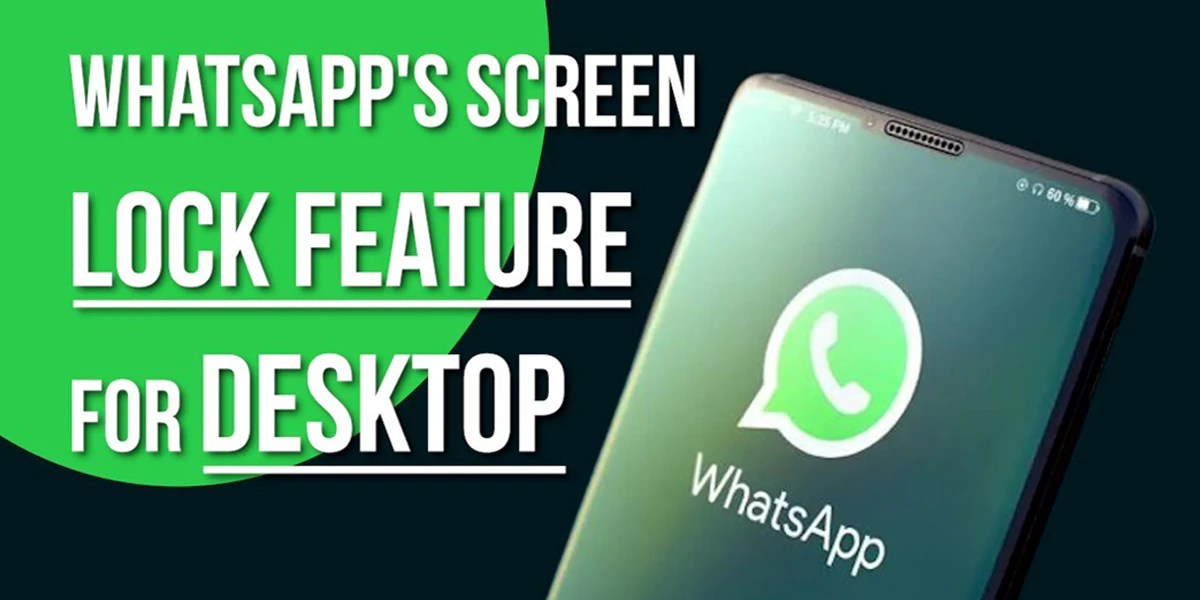
Similar to the WhatsApp mobile app, users may soon get a new feature to have a screen lock for the desktop app. Most likely be a biometric screen lock, this new in-built security feature provides an extra layer of protection. Although no official confirmation has been received, rumours suggest the feature would be introduced in both Windows and Mac together in 2023.
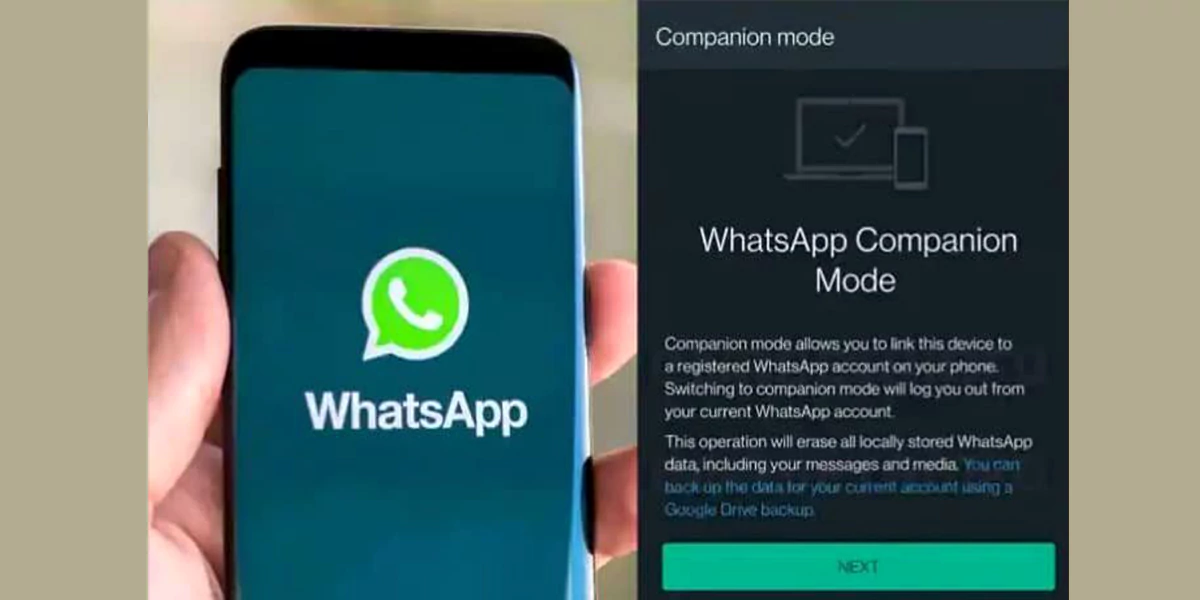
Currently, WhatsApp doesn’t allow its users to log in with their WhatsApp accounts on more than one smartphone. This is most likely going to change in 2023 with the instant messaging app introducing a new “Companion Mode.” Using this feature, users will be able to link their WhatsApp accounts or the same mobile number on different smartphones.
View Once Text
The View Once Text, as the same clearly suggests, is a feature that will delete messages sent once the recipient opens and reads them once. The app already has a view once photo feature that deletes photos shared once seen. The View once text could be extremely useful when you are sharing information that you do not want the recipient of your message to save on their device.
While Android users have had video calls in Picture-in-Picture mode for some time now, it is the iOS users who will get something similar for their iOS devices in 2023. The PIP video call feature is now coming to iOS for them to finally be able to do some multitasking. This feature allows its users to minimise the video call into a small movable interface and browse other apps at the same time.
Search Messages by Date
There are times when we want to find one particular message sent on a particular date. The process of scrolling down the entire chat window or messages to find such a message can be a very tedious task. WhatsApp seems to have taken note of this issue and is soon coming up with a feature where users would be allowed to search messages by date. Some tech bloggers have claimed that the beta version of the app has a calendar to choose the exact date of the message you are looking for.
In 2023, WhatsApp users will be introduced to a new feature that will let them upload voice notes at WhatsApp status. The app currently has the functionality to upload texts, images, videos, and URLs on WhatsApp status. Speculations suggest users will get a mic icon that can be pressed to upload a 30-second voice note.
Apple had been long rumoured to come out with the Mixed-Reality headset that was expected to launch around mid to late-2022 but now is rumoured to come out around the fall of 2023.
However, it cannot be said for certain until official confirmation that the headset model will definitely come out during the aforementioned time-frame, which would be Q2 or Q3 of 2023, which Ming-Chi Kuo, renowned tech analyst, has claimed.
Highlights
Apple‘s Mixed-Reality headset is one of the most awaited devices that was to be launched around mid to late-2022 but now it is apparently launching during the second or third quarter of 2023.
Alternate Reality (AR)/Mixed Reality (MR)headsets was limited to a niche audience so it had limited use cases.
Apple has high hopes that the MR headsets will revolutionize technology in the headset category.
Analyst Ming-Chi Kuo Opines that Apple Mixed-Reality Headset Will Come Out During Fall
After many rumours and speculations, Apple might very well launch its mixed-reality headset around the second or third quarter of 2023, although it was earlier said to come out around mid to late-2022.
Renowned tech analyst Ming-Chi Kuo has claimed that the device will be launched during the aforesaid time frame as Apple has been working on these headsets for more than three years, which could come out in 2023.
It is highly unlikely that the MR headsets will come out prior to summer or spring, although the delivery during fall season is anticipated due to software development tools and ongoing drop testing concerns.
Mr. Kuo had already forecasted the headset’s launch in January 2023 but has recently tweeted that Apple has not yet finished with the software through which programmers will be able to create apps for the new platform, which includes starting up with development environments and a new Software Development Kit (SDK).
The device was confirmed to have some mechanical glitches when being dropped, which will continue to create problems for its brand value, due to which Apple has to put up all its resources into working out an immediate solution.
However, Apple has pinned its hopes in the AR/MR headsets that it will revolutionize the product category, while many web portals have published certain pieces regarding the upcoming headset many times in the past few months and provided their two cents on what one can expect of it.
The tech giant has also demanded for the utilization of AirPods as the audio output during private discussions and video conferences, while the device itself will be replete with numerous features.
While the features haven’t been specified as yet, one of them could be a dial that resembles a Digital Crown through which one can switch between the real world and virtual world view modes, along with a power pack meant to be worn around the waist.
Every time a new Redmi Note smartphone arrives on the block, it leaves the market and Xiaomi’s dedicated customer base equally excited. The latest editions to join the Redmi Note squad are the three Redmi Note 12 variants. The premium amongst all is the Redmi Note 12 Pro Plus 5G. Equipped with a whooping 200-megapixel Samsung ISOCELL HPX sensor, the Note 12 Pro Plus is all set to transform the camera feature in the budget smartphone segment. The smartphone, along with its sister variants, is expected to launch soon in the Indian market. And as per reports, Redmi Note 12 Pro Plus 5G price in India would be around Rs 29,999.
Xiaomi’s signature Redmi Note lineup has always been the market’s favourite. The way Redmi Note smartphones managed to completely transform the budget smartphone industry in India is unprecedented for any consumer electronics manufacturer. So, in case you are wondering if an extraordinary camera feature should be enough for you to upgrade to this new arrival, we are here to defog all your doubts in our in-depth Redmi Note 12 Pro Plus 5G review. So, without further delay, let’s begin.
Redmi Note 12 Pro Plus 5G – My Mobiles India Rating
Overall Rating
3/5
Design and Build
4/5
Smartphone Display
4/5
Camera
2.5/5
Battery
3.5/5
Performance
3/5
Redmi Note 12 Pro+ 5G – Pros and Cons
Redmi Note 12 Pro+ 5G – Pros
Redmi Note 12 Pro+ 5G – Cons
●An enormous, improved 6.67-inch Pro AMOLED Display with features including 1920Hz High-Frequency PWM Dimming, 120 Hz Refresh Rate, 240 Hz Touch Sampling Rate, HDR10+, 10bit Color Depth, Corning Gorilla Glass 5, Dolby Vision, Sunshine Screen, Eye Protection Mode
● Stunning design and robust built
● Impressive 200 MP + 8 MP + 2 MP Triple Rear Camera with OIS
● 5G Enabled
● Large 5000mAh battery with 67W fast charging support
● No IP ratings, reducing the overall robustness of the smartphone
● Impressive camera but the night mode of the camera setup is below average
A Quick Glance at Redmi Note 12 Pro+ 5G features –
Dual Sim, 3G, 4G, 5G, VoLTE, Wi-Fi, IR Blaster
Dimensity 1080, Octa Core, 2.6 GHz Processor
200 MP + 8 MP + 2 MP Triple Rear & 16 MP Front Camera
8 GB RAM, 256 GB inbuilt
4980 mAh Battery with 120W Fast Charging
67 inches, 1080 x 2400 px, 120 Hz Display with Punch Hole
Android v12
Redmi Note 12 Pro+ 5G Review – In Depth
Unboxing
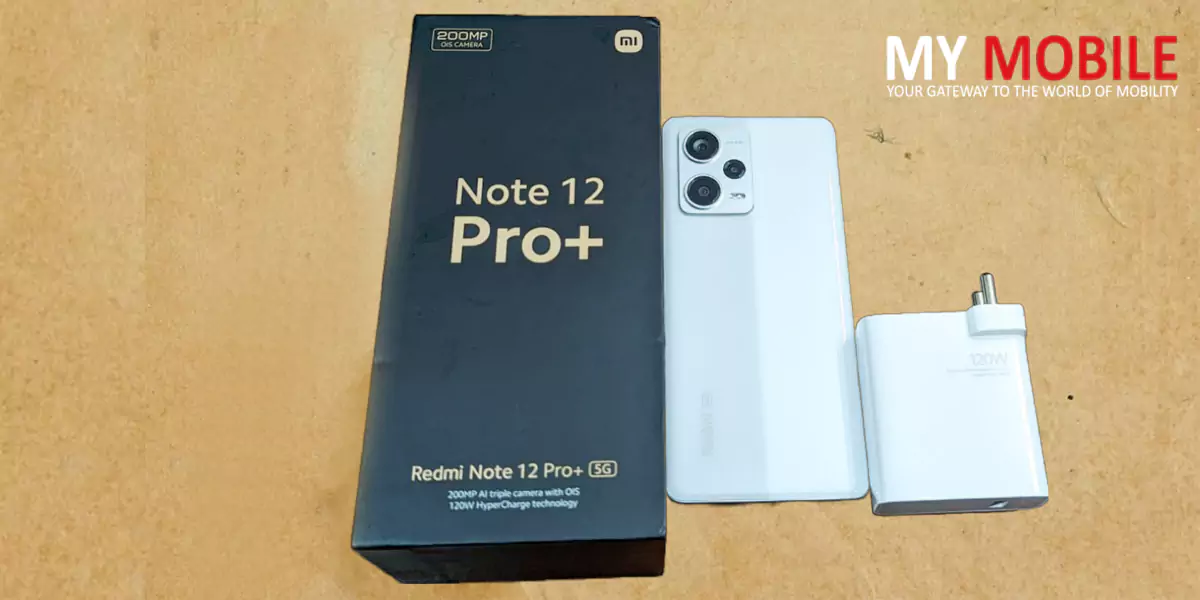
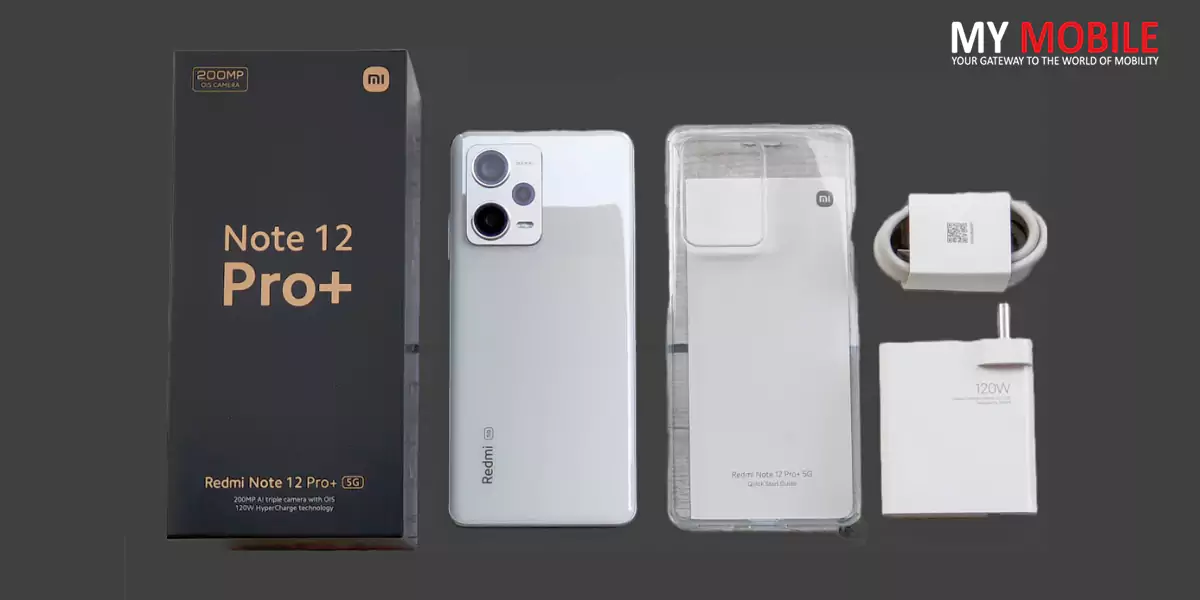
A quick look inside the retail box contents tell us that we actually get a lot of things in the box of Redmi Note 12 Pro Plus. Opening the box, we first get another paper box where we have a silicon case and documents. Then, next, we have the handset itself. We also get a pre-applied screen protector along with the smartphone. Also, at the bottom of the box has neatly tucked the 120-watt Gan charger and a USB type A to type c cable.
Design and Build
Since coming from last year’s Redmi Note 11 Pro Plus, a quick comparison in the design department is inevitable. There are quite a few design shifts easily noticeable with this upcoming Redmi Note 12 Pro Plus. Instead of that boxy finish with sharp flat edges like in the previous smartphone, Xiaomi has once again gone with a curved Edge finish on the back.
The smartphone, however, is a bit heavy as it weighs 208 grams. Though the weight distribution is also even which means that users should be able to get used to the design in no time. This new camera Island on the back panel also looks a lot cleaner and more elegant than the one on its predecessor.
Moreover, build-wise, the smartphone is IP53 certified, which means minor water spills are not going to be a problem here. It is also interesting how Xiaomi has decided to still keep the IR Blaster and the 3.5 mm headphone jack alive in the new handset, it makes the device much more approachable. So, as far as the design and build of the smartphone are concerned, the Redmi Note 12 Pro Plus earns good points from My Mobiles reviewers.
The 6.67-inch Pro AMOLED Display
The Redmi Note 12 Pro Plus 5G is sporting an enormous 6.67-inch Pro-AMOLED display that promises an enhanced smartphone experience in every which way. Moreover, Xiaomi has also thrown in everything from HDR 10 plus Dolby Vision to 395 PPI, 1920Hz High-Frequency PWM Dimming, DCI-P3, 10bit Color Depth, Sunshine Screen, Eye Protection Mode, 1080 x 2400 pixels resolution to white one L1 certification to make the binging sessions as enjoyable as possible.
The Redmi Note 12 Pro Plus has impressive colour calibration. It is relatively closer to natural and the contrast levels don’t look overdone at any given point. The OLED display can maintain colour details much better and the 120-hertz refresh rate on this screen is perfectly adaptive as well. Users should face any kind of micro lags or stutters during the time they actively use this smartphone.
The Ultimate 200-megapixel Camera
The Redmi Note 12 Pro Plus is by far the cheapest smartphone to have a 200-megapixel camera in the market right now. it comes with Samsung’s ISO cell HPX primary sensor which uses 16:1 pixel binning to give 12.5-megapixel images by default. Complementing this triple camera system is an 8-megapixel Ultra wide and a 2-megapixel macro shooter.
The Redmi Note 12 Pro Plus indeed delivers sharper images with better details and its colour processing also tends to be more even. In most cases, it’s impressive how the camera handles the contrast in the final captured image.
Performance with MediaTek 6nm Dimensity 1080 chipset
Coming over to the performance, the Redmi Note 12 Pro Plus is powered by MediaTek 6nm Dimensity 1080 chip. Except for the slightly overclocked CPU, this chipset is pretty much identical to the Dimensity 920 which can be experienced on the Redmi Note 11 Pro Plus. So, in ideal circumstances, you shouldn’t expect an extraordinary performance in any way.
The benchmark numbers also support the claim of optimum performance. As for the CPU Throttle test, the Note 12 Pro Plus manages to maintain its peak performance.
Everyday usage, however, promises to be just as fluid as required. However, one of the major drawbacks of this chipset is that it just cannot push high-end games to higher Graphics or FPS settings. Although Xiaomi claims that it has enlarged the vapour chamber cooling area by an impressive 65 and thermal conductivity by 77 over the 11 Pro Plus model.
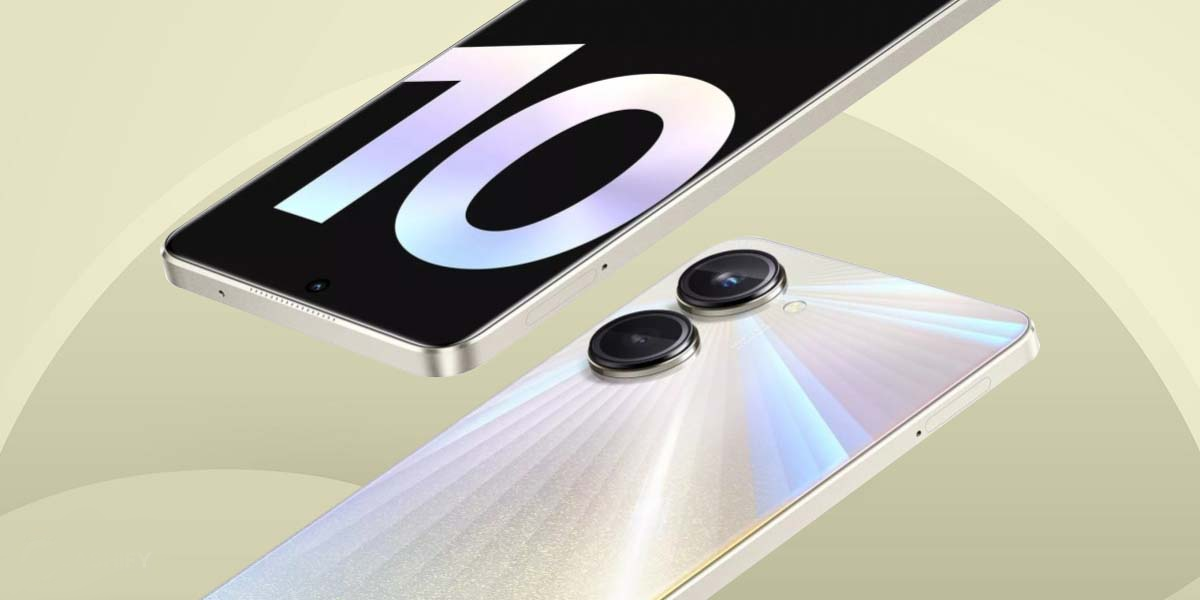
Realme 10 is all set to launch today in India, which is January 9, 2023 at 12:30PM IST, which has left many users excited at the prospects of finally trying out the new Realme model that will be replete with the regular features and specifications, similar to the previous models.
The launch will be streamed live on Realme’s official website, along with all the social media handles of the tech brand, including YouTube, so anyone who hasn’t subscribed to or following any of these channels should do so immediately in case they don’t want to miss it.
Highlights
The Realme 10 will launch today in India at 12:30 PM IST.
The device features a MediaTek Helio G99 processor, a 5,000mAh battery, and a 50MP main camera.
Here’s everything you need to know about the device and how you can watch the launch online.
Realme 10 Launching today in India; How to Watch Online
After a long wait, Realme will soon be launching its third entrant in the Realme 10 smartphone lineup, which is simply named as Realme 10 and will officially launch in India today on January 9, 2023 at 12:30PM (IST).
The event will be streamed live from numerous social media portals, including Realme’s official website and YouTube channel, which makes it easy for people who’ve subscribed to these platforms to be notified as soon as the livestream begins at the scheduled time.
Realme 10 could be available at the starting price of around Rs.14,000 in India where the device could be launched in two storage variants- 4GB RAM + 128GB and 8GB RAM + 256GB internal configuration, which in turn might cost around Rs.16,000 in the country and there will be two colour options- Rush Black and Cash White.
To begin with, Realme 10 might come with a 6.5-inch FHD+ AMOLED display screen, which will be powered by the MediaTek Helio G99 processor, and will be coupled up with up to 8GB RAM LPDDRD4X RAM and up to 256GB UFS2.2 storage.
Coming to optics, the handset features a dual rear camera setup comprising of 50MP primary sensor, 2MP Black & White portrait camera, along with a 16MP selfie camera that is perfect for taking selfies, while there is also a side-mounted fingerprint scanner.
The battery capacity could be 5,000mAh units that comes with a 33W SuperVOOC fast charging support, which includes a USB Type-C port, while other information regarding its features will be revealed during the official launch of the device.
Amazon has recently come out with a new offer for its prime users called the Prime Phones Party Sale where they can avail some excellent discount offers on some of the best smartphones from numerous brands.
There are going to be enormous deals on brands like Samsung, Tecno, Realme, Xiaomi, and various other smartphone models where you don’t need to spend a fortune to purchase them, while the quality too will be topnotch.
Amazon Prime Phones Party sale will ended on January 8, 2023.
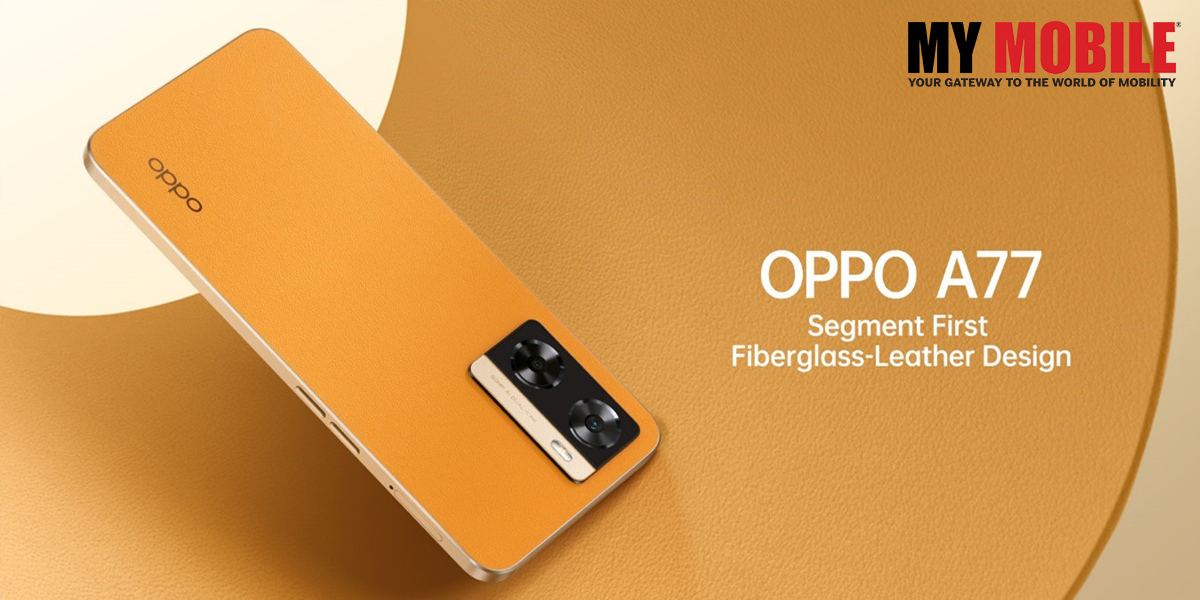
OPPO A77 was available at the price of Rs.15,499, and 6 months at no cost EMI for prime customers.
Samsung Galaxy S22 was available at the starting price of Rs.52,999 during the sale offer.
Amazon Prime Phones Party Sale for Primary Users
Amazon recently held the Prime Phones Party Sale that was meant for their primary users in India that concluded on January 8, 2023, where users could by their preferred smartphone models at relatively affordable prices and excellent discount offers on brands like Samsung, Tecno, Xiaomi, Realme, and others.
With this sale, many users could avail a 10% discount on HDFC Bank credit/debit cards for the entire duration of the sale where they could finally get the smartphone of their choice, which made it convenient for them.
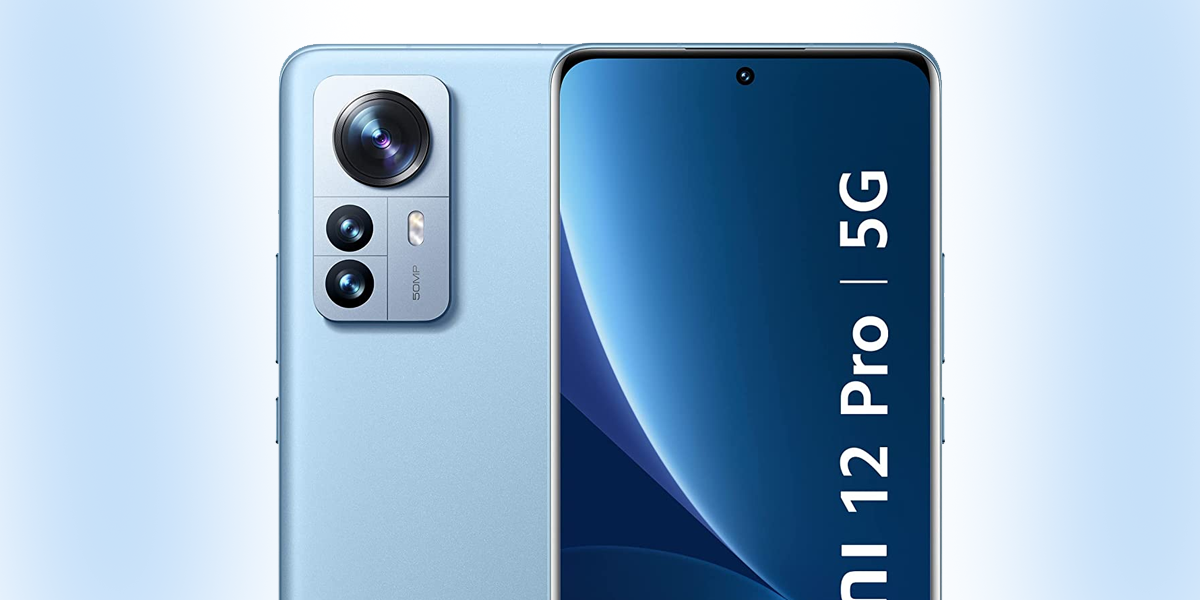
Xiaomi 12 Pro, which is powered by Snapdragon 8 Gen 1 chipset, whose original starting price was Rs.62,999, now came down to Rs.54,999, which is the price after applying the Amazon coupon of Rs.1,000, while other Xiaomi handsets like Redmi 11 Prime 5Gand Redmi K50i too were available at good discounts.
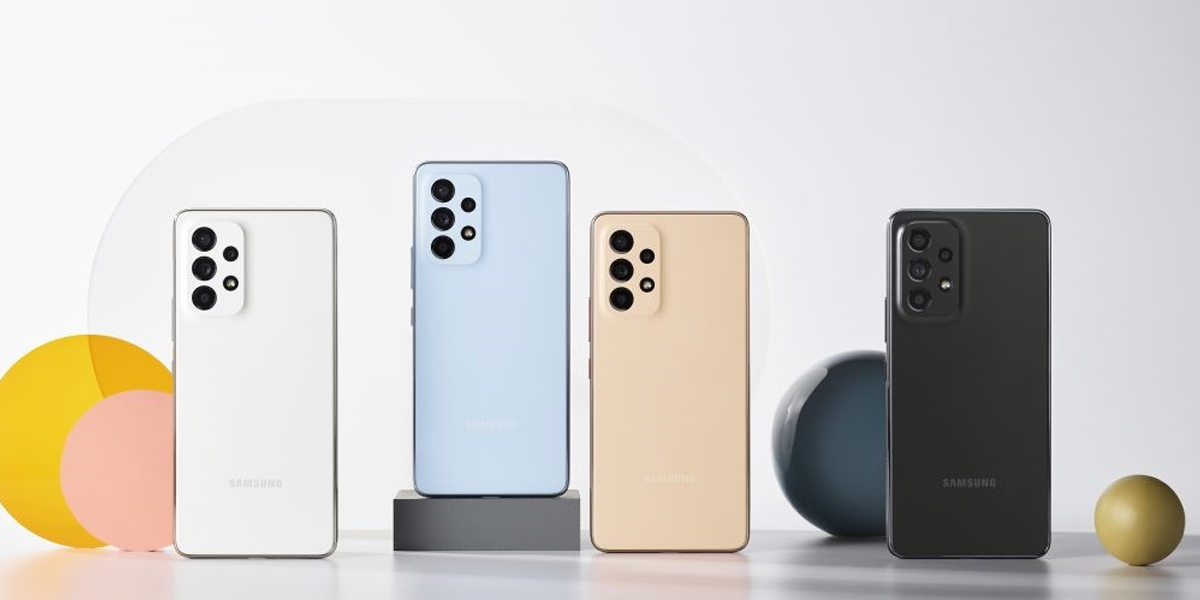
Samsung Galaxy S22 was available at the starting price of Rs.52,999, while Galaxy M13 was there for Rs.9,999 that also included an extra discount of Rs.1,000 due to the HDFC Bank offer, and Galaxy M33 and Galaxy M32 Prime were available for Rs.16,499 and Rs.12,499, respectively after the Amazon coupon offer.
Moving on, OPPO A77 was available at a no cost EMI of 6 months for primary customers at Rs.15,499, while Tecno Spark 9 is available at the cost of Rs.7,559, and Tecno Phantom X2can be purchased for Rs.39,999, which included prime membership of 12 months.
Realme Narzo 50 and Realme Narzo 50 Pro could be availed at Rs.10,999 and Rs.19,999, respectively during the sale offer where users got a Rs.2,000 off via Amazon coupon, along with the bank offer.