Threads expands mute filters to cover timeline, search, and profiles
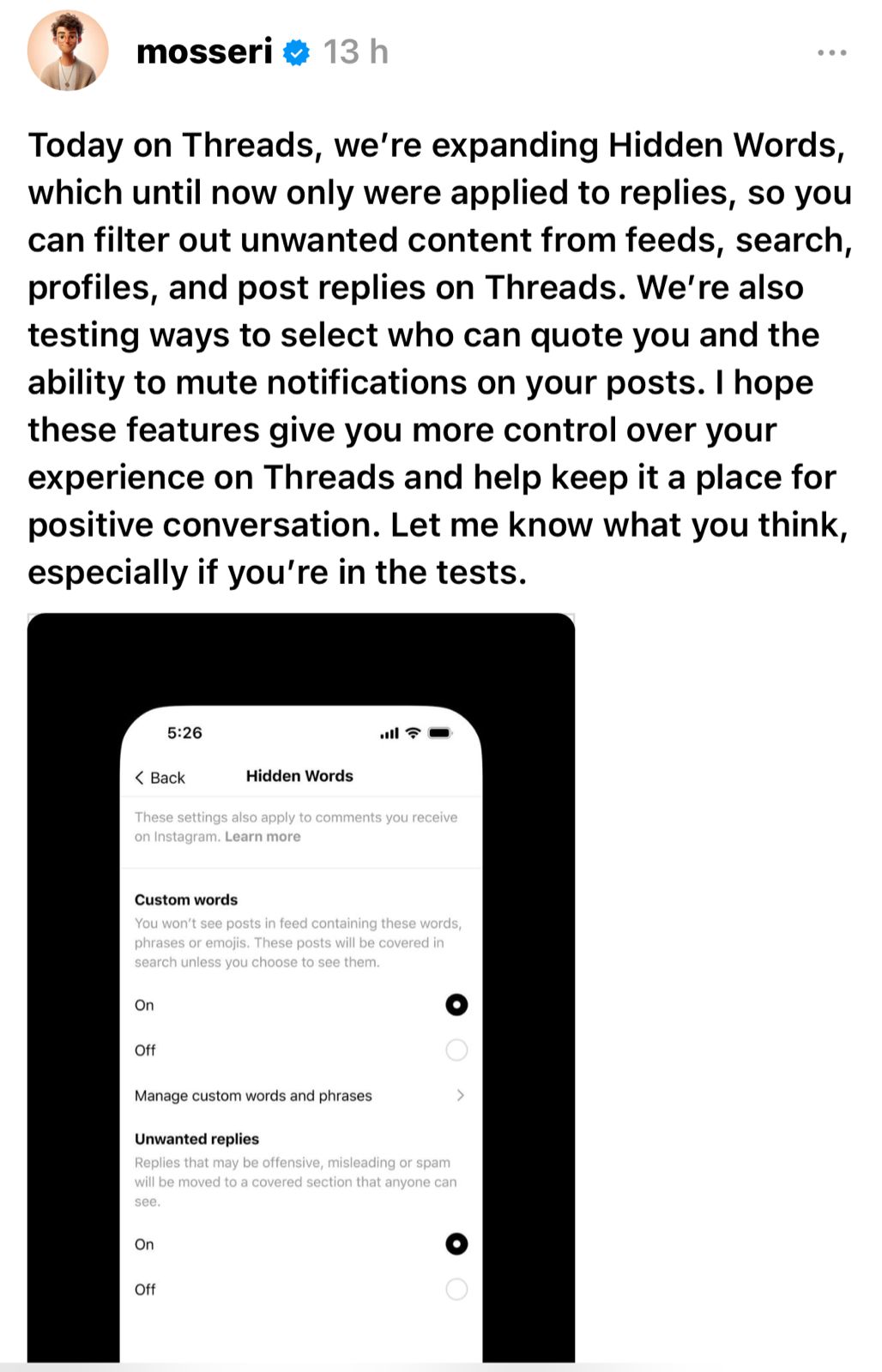
Alongside with these developments, Instagram’s Head, Adam Mosseri, last night announced a Threads feature on his own Threads account, stating, “Today on Threads, we’re expanding Hidden Words, which until now only were applied to replies, so you can filter out unwanted content from feeds, search, profiles, and post replies on Threads. We’re also testing ways to select who can quote you and the ability to mute notifications on your posts. I hope these features give you more control over your experience on Threads and help keep it a place for positive conversation. Let me know what you think, especially if you’re in the tests”
Customizable Word Filtering
Users can customize their own blacklist to filter specific unwanted content
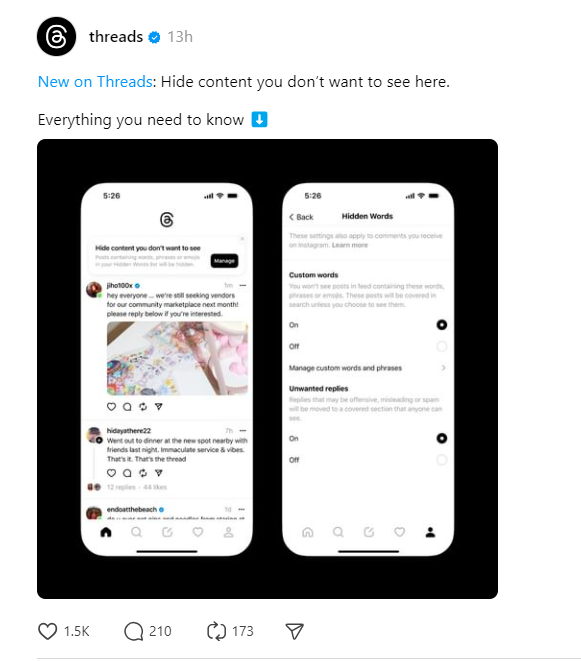
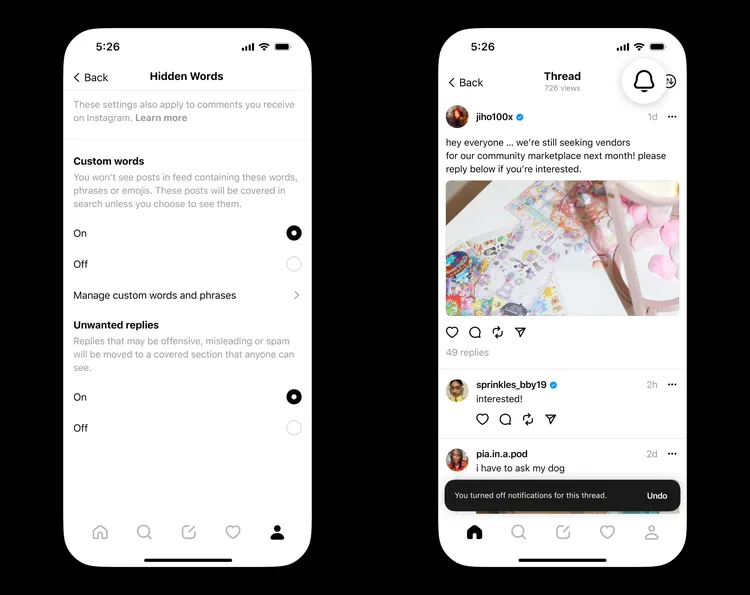
As per the post by Instagram chief Adam Mosseri, Threads will now offer the ability to add specific words, phrases, or emoji to a personal blacklist.
Users can tailor the filtering system to their preferences by tweaking the settings, ensuring that their feed remains free from any unwanted or triggering language.
It’s also fairly easy to access, wherein the users can navigate to the app’s Settings, then Privacy, and finally Hidden Words, where they can create or edit their custom list at any time.
Threads Introduces New Privacy Features to Block Offensive Words
This feature is now live and available to all Threads users.
Adam explains that the rationale behind these expanded mute filters is to empower users and reduce unwanted interactions.
Expanded Mute Filters
Threads is expanding its mute filters to apply to more parts of the app than before
In addition to the offensive word filtering, Threads has expanded its mute filters to encompass more areas of the app.
Users now have greater control over who can engage with their content through quote posts, a feature that was previously lacking such filtering options.
Subscriptions give creators around the world a way to earn recurring monthly income based on support from their fans.
Today Instagram is continuing to build on the offering by rolling out tests for new tools that can help creators grow their subscription successfully:
In-app guidance:
Instagram is testing the availability of case studies, best practices and recommendations in Professional Dashboard.
Subscriptions sticker tap insight:
Instagram is testing a new insight that lets creators see how many people are tapping on the subscribe sticker in a creator’s story and might be interested in subscribing.
Subscription content protection:
Instagram is testing new ways to prevent screenshots and screen recordings to help protect a creator’s exclusive content.
FAQs
What new privacy features has Threads recently introduced?
Threads has implemented automatic filtering of offensive content and expanded mute filters to give users more control over interactions on their platform.
They have also introduced a customizable blacklist feature.
How can I customize the filtering system on Threads?
To customize your filtering preferences on Threads, go to the app’s Settings, select Privacy, and then Hidden Words.
Here, you can add words, phrases, or emojis to your personal blacklist to avoid seeing them in your feed.
What are the expanded mute filters on Threads?
The expanded mute filters on Threads now allow users to control who can engage with their content, specifically through quote posts, enhancing privacy and reducing unwanted interactions.
Is there a way to hide my previous posts on Threads without deleting them?
Yes, Threads is testing an Archiving feature that lets users hide their previous posts without permanently deleting them, providing flexibility in managing their digital footprint.
Traditionally, these scams relied on text messages or voice calls to establish rapport with victims.
But we are now living in the world of AI and this new face-swapping scam, which leverages easily available AI capabilities, is taking deception to a whole new level.
Deepfake Deception: Two Phones and a Face-Swap App
Scammers often use emotional manipulation and sophisticated tech to con victims
According to a report by Wired, this novel scam involves the use of two phones and a face-swap app, making it more challenging to detect the fraud.
Wired gained access to videos that expose the inner workings of this sinister operation, revealing scammers brazenly showcasing their own faces alongside those of their victims.
The second method is even more sophisticated, utilizing a web camera to capture the scammer’s face, which is then altered in real-time using AI-powered software.
Protect yourself by verifying identities and being cautious of rapid relationship advancements
The perpetrators behind this scam are known as the “Yahoo Boys,” a group of experienced scammers with links to the infamous Nigerian prince email scams.
These cybercriminals operate with a brazen disregard for the law, openly flaunting their conning activities on various social media platforms, including Facebook, TikTok, and Telegram.
And it seems like no one is going to stop them.
Protecting Yourself from Face-Swapping Romance Scams
Protecting Yourself from Face-Swapping Romance Scams
Always throw caution to the winds. While the sophistication of this scam might seem daunting, there are steps you can take to protect yourself from falling victim:
Be wary of online relationships that progress rapidly or involve requests for financial assistance, especially in the form of loans or emergency funds.
Verify the identity of your online connections through video calls or in-person meetings before establishing a deep emotional or financial connection.
Never send money or sensitive information to someone you’ve only met online, regardless of the circumstances they describe.
Trust your instincts – if something seems too good to be true or raises red flags, it’s better to err on the side of caution.
FAQs
What is a face-swapping romance scam?
A face-swapping romance scam involves cybercriminals using AI technology to create realistic deepfake videos that manipulate their appearance during online interactions, thus deceiving victims into believing they are someone else.
How do face-swapping romance scams operate?
These scams typically utilize two phones or a combination of phones and laptops, along with AI-powered software, to alter the scammer’s face in real-time during video calls, making it difficult for victims to recognize the deception.
Who are the “Yahoo Boys”?
The “Yahoo Boys” are a group of cybercriminals, primarily based in Nigeria, known for their involvement in various online scams, including the infamous Nigerian prince email scams and now, face-swapping romance scams.
What are the signs of a potential face-swapping romance scam?
Be cautious if an online relationship progresses unusually fast or if there are requests for money due to an emergency.
Also, be wary if the person avoids meeting in person or through a regular video call without AI alterations.
How can I protect myself from these scams?
To protect yourself, always verify the identity of online acquaintances through unaltered video calls or in-person meetings, refrain from sending money or personal information, and trust your instincts if something feels off.
Of course, there is nothing official but even while the company remains tight-lipped about the details, industry insiders suggest that this year’s summer showcase will be a star-studded affair.
Introduction of the innovative Galaxy Ring with a 9-day battery life
The Galaxy Ring teased so ferociously over the past months is going to stake centre stage and also marks Samsung’s foray into the nascent field of wearable computing.
If the rumours are to be believed, the Galaxy Ring could come in multiple variants, ranging from SM-Q500 to SM-Q509 model numbers, catering to various ring sizes from 5 to 13 (approximately 22.2mm wide).
The device is expected to flaunt three distinct finishes and boast an impressive 9-day battery life, setting the bar high for longevity in the wearables market.
Samsung is rumoured to be gearing up for a substantial initial production run, with plans to manufacture over 400,000 units starting next month.
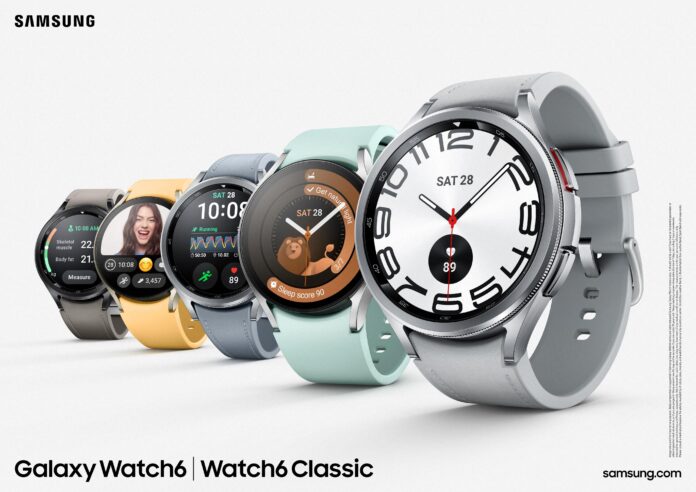
Galaxy Watch 7: Power-Packed Timekeeping
New Galaxy Watch 7 series to feature a power-efficient 3nm chip
The Galaxy Watch lineup is also due for a significant upgrade, with reports suggesting the arrival of a Galaxy Watch 7 Classic, a Watch 7 Pro, and a “new” model, potentially dubbed the “Galaxy Watch Fan Edition (FE)” or “Galaxy Watch 4 (2024).”
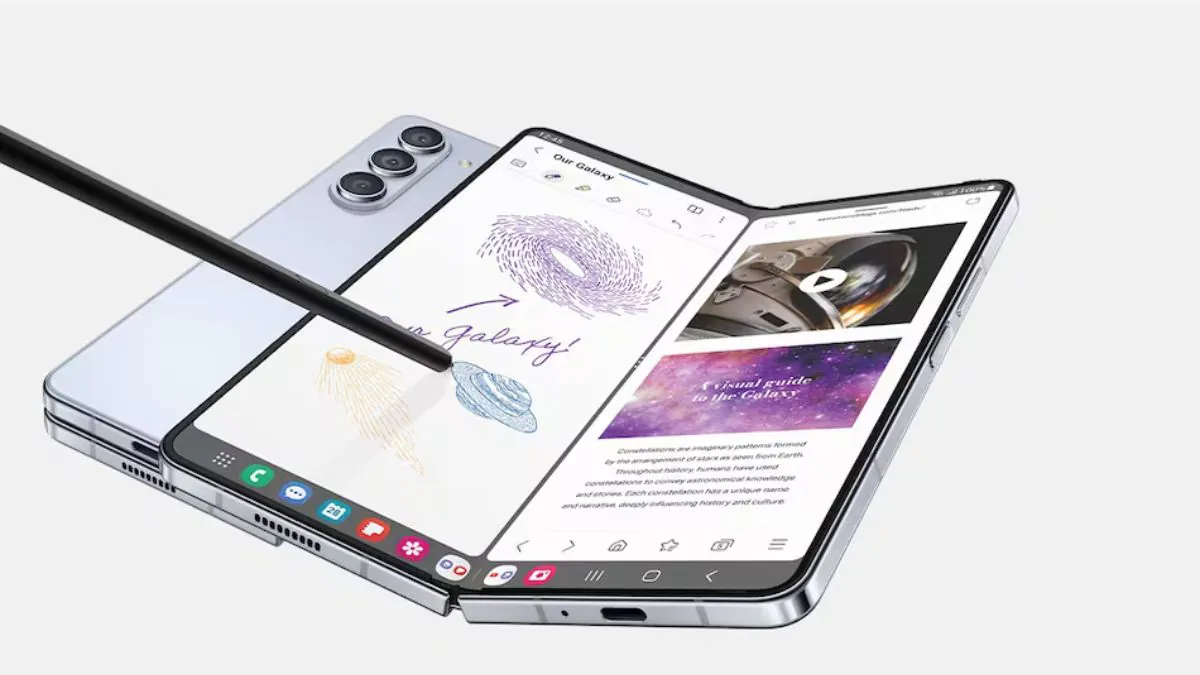
The Galaxy Z Fold 6 is set to make its sixth-generation debut, with rumours swirling about a potential “Ultra” variant or a more affordable mainstream option.
Recent leaks suggest that the standard edition of the Z Fold 6 could boast a significantly reduced thickness, higher display resolutions for both internal and external screens, and a lighter overall build.
As for the fashion-focused Galaxy Z Flip 6, details remain scarce, possibly indicating a more incremental update focused on refreshing the internals and camera capabilities, building upon the substantial upgrades introduced with the Z Flip 5 last year.
Industry sources suggest that Samsung is likely to send out official invites in late May or early June, allowing ample time for the rumour mill to churn and build anticipation for the July 10th showcase.
FAQs
What is the expected date for the Galaxy Unpacked event?
Multiple sources have indicated that Samsung is likely to hold its mid-year Galaxy Unpacked event on July 10th, though the company has yet to make an official announcement.
What are some of the standout products expected at the Galaxy Unpacked event?
The event is set to feature several new products including the Galaxy Z Fold6, Galaxy Z Flip6, Galaxy Watch 7 series, and the new Galaxy Ring, marking Samsung’s entry into wearable computing.
What are the rumoured features of the new Galaxy Ring?
The Galaxy Ring is rumoured to come in multiple sizes and boast three finishes, with a significant battery life of up to 9 days, setting new standards in the wearable market.
Can we expect any updates to the Galaxy Watch series?
Yes, the Galaxy Watch 7 series is expected to include models such as the Galaxy Watch 7 Classic and Watch 7 Pro, featuring a more energy-efficient 3nm chip which enhances performance and battery life.
What advancements might be revealed in terms of Samsung’s AI technology at the event?
While specifics are not clear, industry insiders speculate that Samsung might unveil new AI features that could be integrated across its product portfolio, including smartphones and wearables.
What camera features are expected in the Galaxy Z Fold 6?
The Galaxy Z Fold 6 is anticipated to sport a 50MP primary camera, a 10MP telephoto lens with 3x optical zoom, a 12MP ultra-wide camera, a 10MP cover display selfie shooter, and a 16MP under-display camera on the main panel.
These specifications suggest a focus on maintaining a strong, but not groundbreaking, camera performance.
How does the rumoured Galaxy Z Fold 6 Ultra differ in terms of camera capabilities?
The Galaxy Z Fold 6 Ultra is rumoured to significantly up the ante with a 200MP ISOCELL HP2 primary camera.
This upgrade positions the Ultra variant as a high-end competitor in the foldable smartphone market, particularly for photography enthusiasts.
What other enhancements might come with the Galaxy Z Fold 6 Ultra?
Beyond the camera improvements, the Z Fold 6 Ultra could feature a larger battery, enhanced display sizes, and possibly an integrated S Pen, suggesting Samsung’s aim to merge premium smartphone features with the flexibility of foldable technology.
When can we expect Samsung to unveil the Galaxy Z Fold 6 and its Ultra variant?
While there’s no official confirmation, Samsung typically unveils its new foldable devices in the later part of the year.
The tech community eagerly awaits more details, possibly in the coming months, as the rumored launch date approaches.
What new processor might the Samsung Galaxy Z Flip 6 use?
There’s buzz that Samsung is planning a shift in its chip strategy for the Galaxy Z Flip 6, possibly incorporating its Exynos processor in certain areas.
This would mark a change from its traditional use of Snapdragon chips for the device, potentially offering the Exynos 2400 in markets outside the US, where the Snapdragon 8 Gen 3 might remain the standard.
How will the battery life of the Galaxy Z Flip 6 compare to its predecessor?
Leaks suggest that the Galaxy Z Flip 6 could enjoy a boost in battery performance.
This improvement is likely due to the integration of more efficient parts and possibly a larger battery size, even as the device adopts a high 120Hz refresh rate for its cover screen.
Will there be any design changes in the Galaxy Z Flip 6?
Early indications suggest that the Galaxy Z Flip 6 will maintain a similar design aesthetic to the Flip 5, with a 6.7-inch main and 3.4-inch cover display.
However, it might come in a slightly thicker form factor to accommodate a bigger battery and might also introduce fresh color options to the lineup.
What storage and RAM options can we expect with the Galaxy Z Flip 6?
Rumors hint at the Galaxy Z Flip 6 coming with up to 12GB of RAM in select markets, maintaining a base storage capacity of 256GB.
A larger 512GB storage option is also anticipated, providing ample space for apps, media, and more.
What colors will the Samsung Galaxy Ring be available in?
The Galaxy Ring will launch in three colors: black, silver, and gold, with official names for these colors to be announced closer to the launch date.
What is My Vitality Score on the Galaxy Ring?
My Vitality Score is a new health system by Samsung, offering personalized health insights by analyzing activity, heart rate, variability, and sleep data, available on the Galaxy Ring and other Samsung devices.
How does the Galaxy Ring’s weight compare to competitors?
The Galaxy Ring is lighter than its main competitor, the Oura Ring, weighing between 2.3 to 2.9 grams, which enhances its comfort for all-day wear.
Can I size the Galaxy Ring myself?
Samsung plans to simplify the sizing process for the Galaxy Ring, possibly offering a sizing kit to ensure users can easily find their perfect fit.
Will the Galaxy Ring be compatible with iOS devices?
As of now, the Galaxy Ring is likely to be Android-exclusive, with Samsung expressing a preference for Android compatibility and potentially offering Galaxy-exclusive features initially.
What is the significance of the Galaxy Watch 7 Pro’s listing on the BIS certification site?
The listing of the Galaxy Watch 7 Pro on India’s BIS (Bureau of Indian Standards) site suggests that Samsung is preparing to launch this model in India.
The listing specifically mentions the battery with the model number EB-705ABY, linked to the Watch 7 Pro, indicating that development is well underway and a release could be imminent.
How does the Galaxy Watch 7 Pro’s battery compare to other smartwatches?
If rumors are accurate, the Galaxy Watch 7 Pro will feature a 578mAh battery, potentially marketed as 600mAh, making it one of the largest batteries available in a Wear OS smartwatch.
This substantial capacity could offer extended usage times, setting a new standard for battery life in smartwatches.
What can we expect from the regular Galaxy Watch 7 model?
The regular Galaxy Watch 7 model has been spotted on the Bluetooth SIG website, confirming its development alongside the Pro version.
While specific details about the regular model are less clear, its certification implies it will also support Bluetooth connectivity and likely share some features with the Pro model, such as the new Wear OS 5 software.
What improvements will Wear OS 5 bring to the Galaxy Watch 7 series?
The Galaxy Watch 7 series is rumored to launch with the new Wear OS 5, which represents the next major update of Google’s operating system for wearables.
This update is expected to bring enhanced performance, better integration with health and fitness apps, and possibly new customization options that will improve the overall user experience.
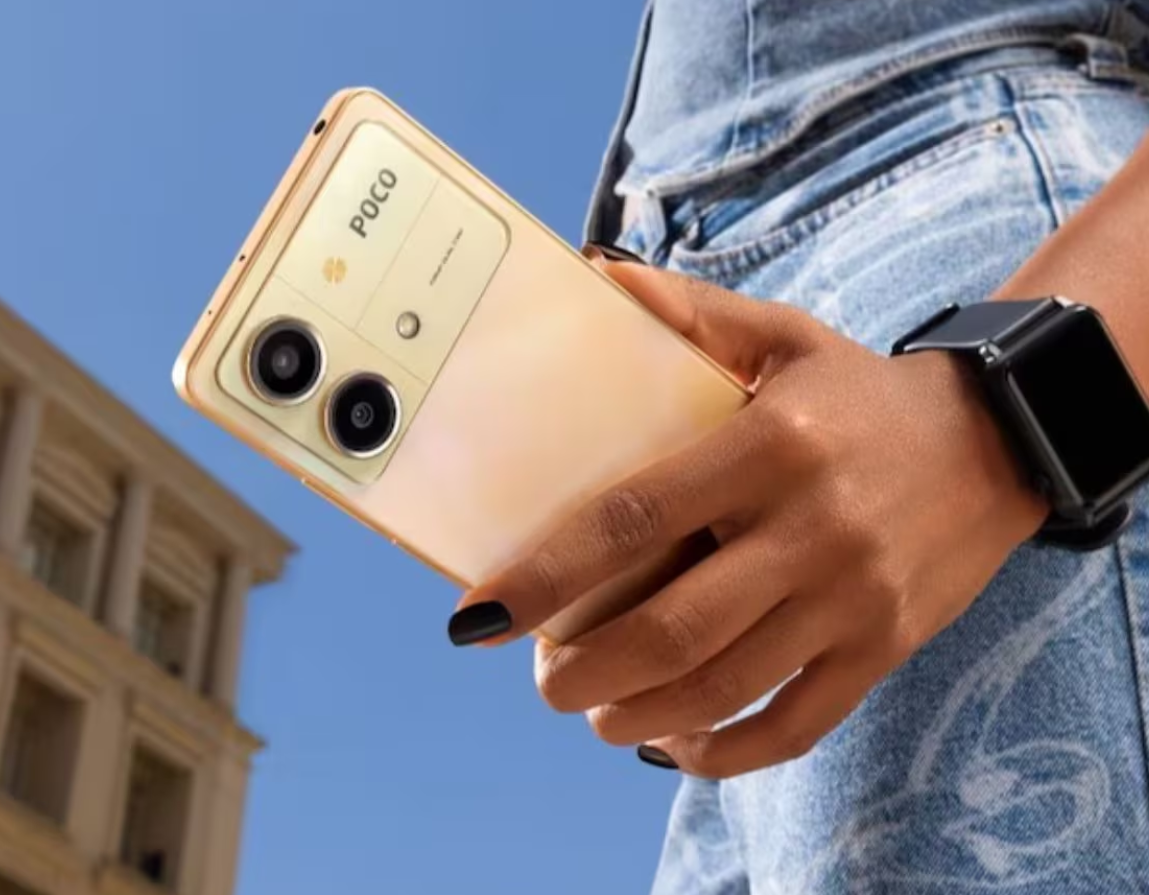
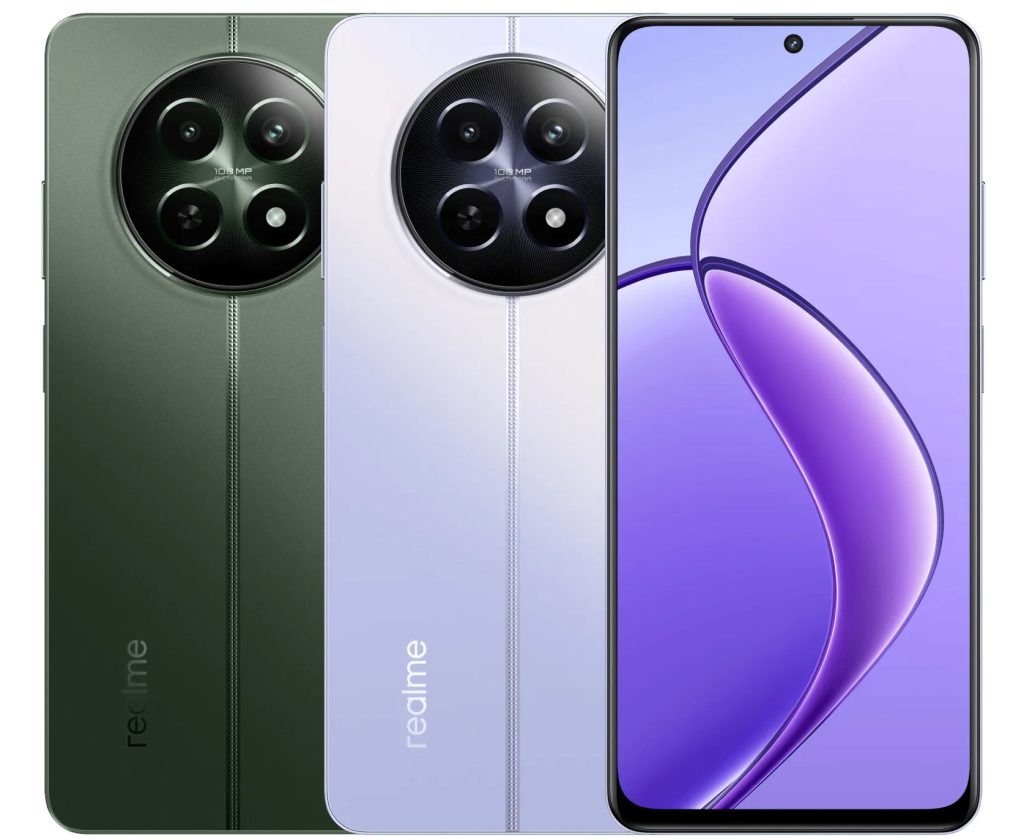
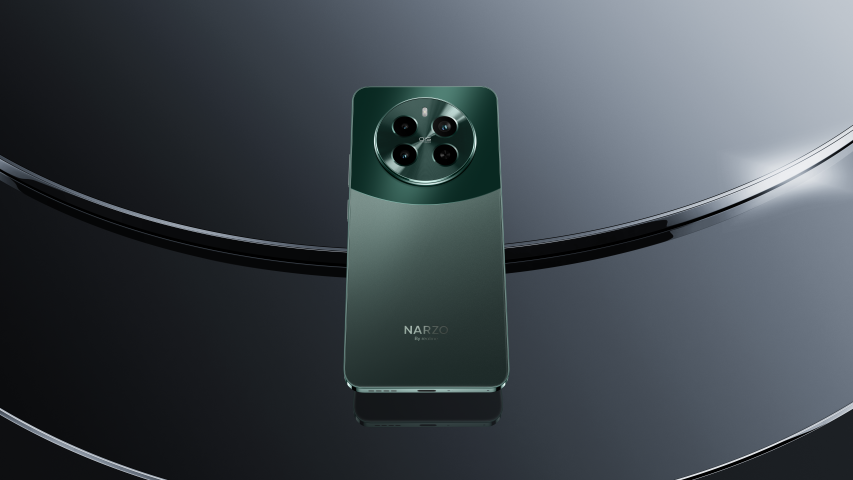
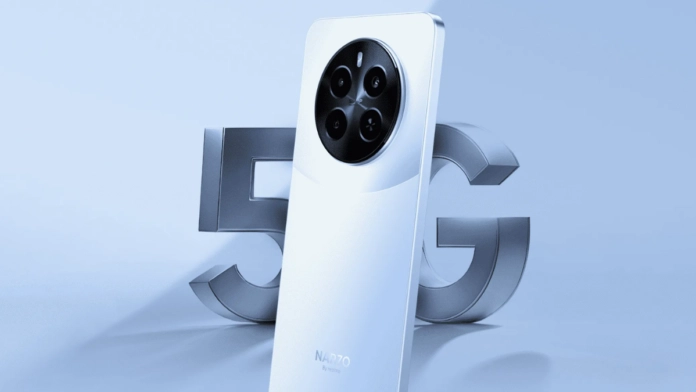
Realme Narzo 70 features a Dimensity 7050 chipset and Android 14.
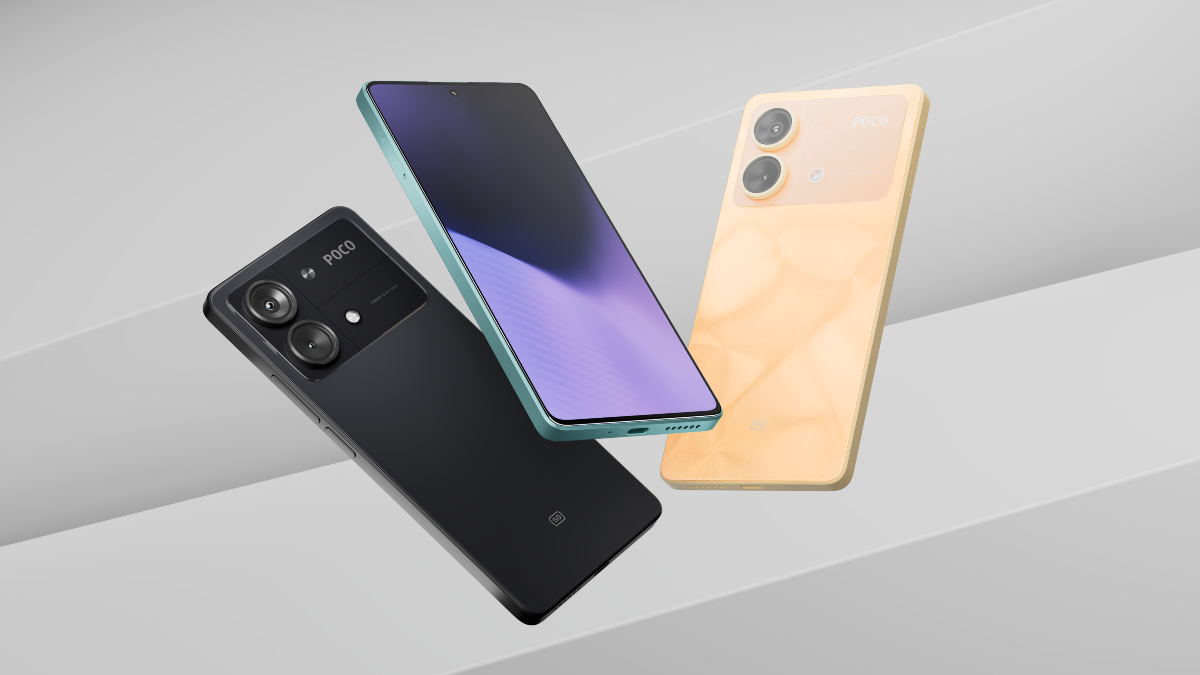
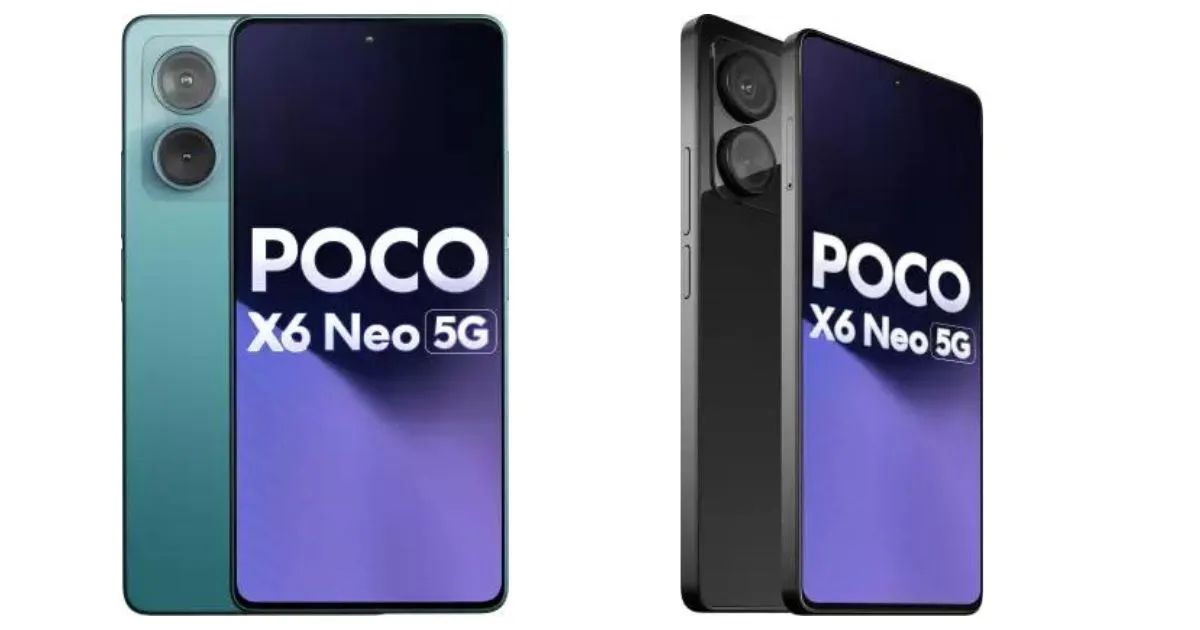
POCO X6 Neo boasts a 108MP primary camera and up to 256GB storage.
Both phones offer 6.67-inch FHD+ AMOLED displays with 120Hz refresh rates.
Realme Narzo 70 supports faster 45W charging compared to POCO X6 Neo’s 33W.
Realme and POCO have been engaged in a battle for a long time with their respective offerings.
The recently launched Realme Narzo 70 and POCO X6 Neo are two such devices vying for the attention of budget-conscious buyers looking for a feature-packed smartphone under Rs 20,000.
Both phones bring compelling specs to the table, including AMOLED displays, capable chipsets, and impressive camera setups.
But which one emerges as the better choice?
Let’s dive into a detailed comparison to find out.
The phones feature flat edges and a polycarbonate build, making them lightweight and easy to handle.
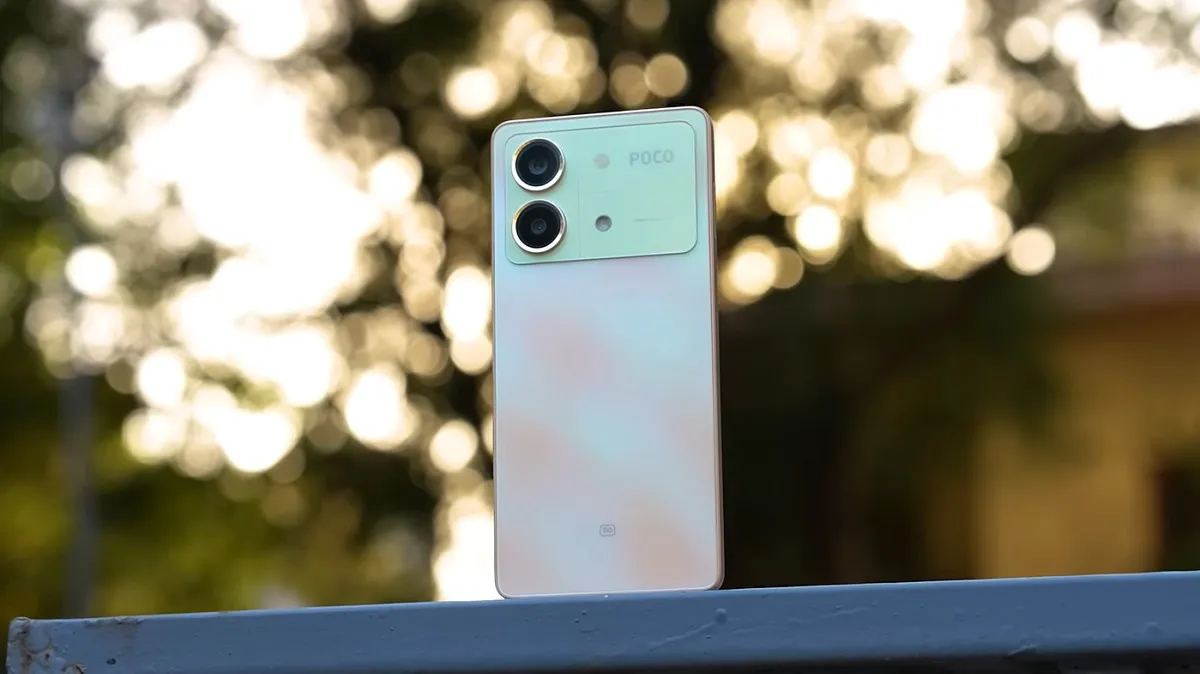
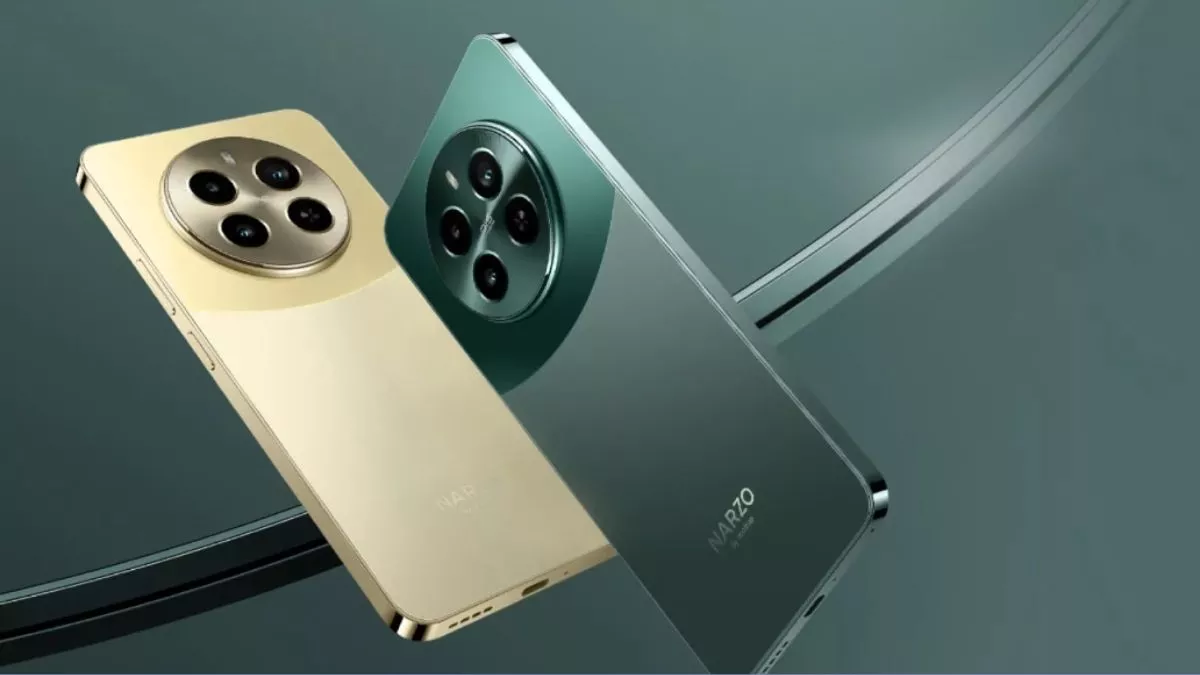
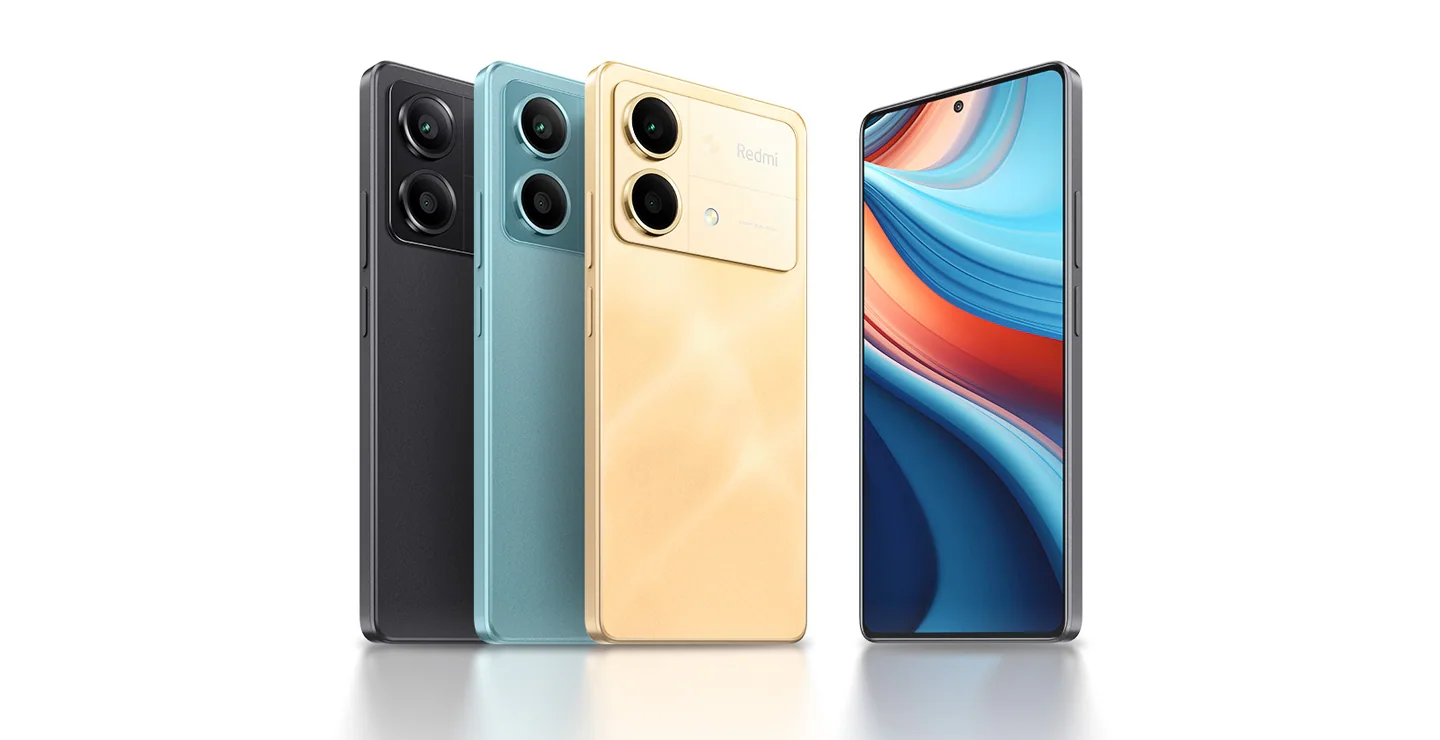
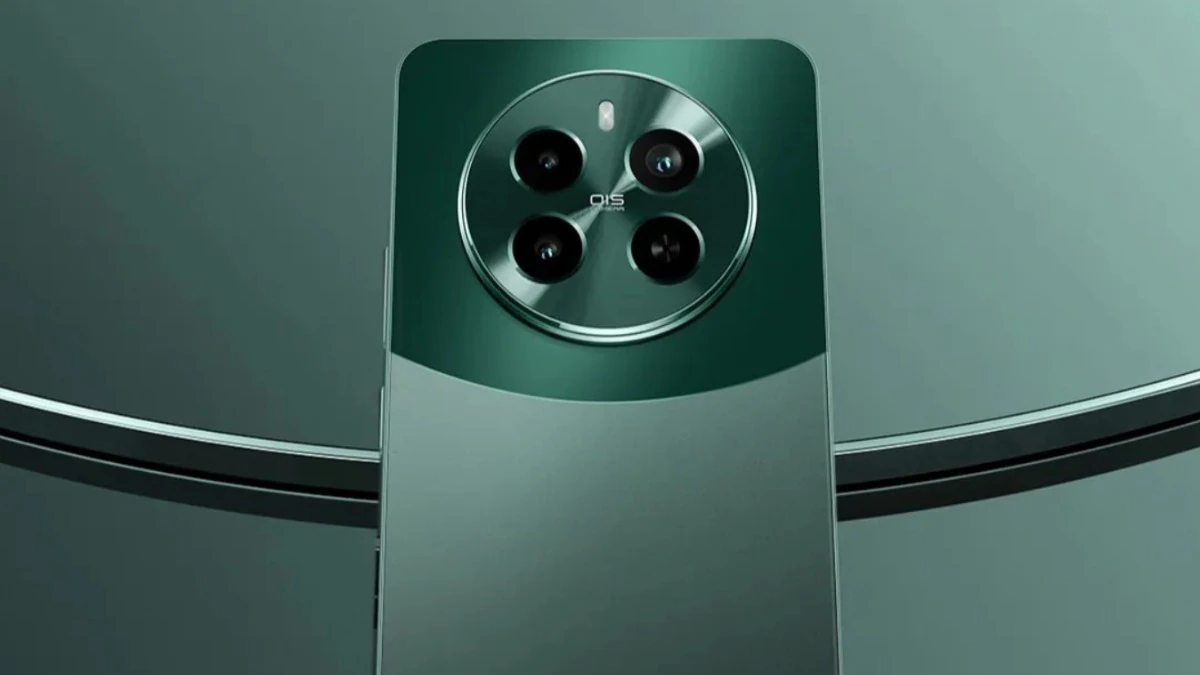
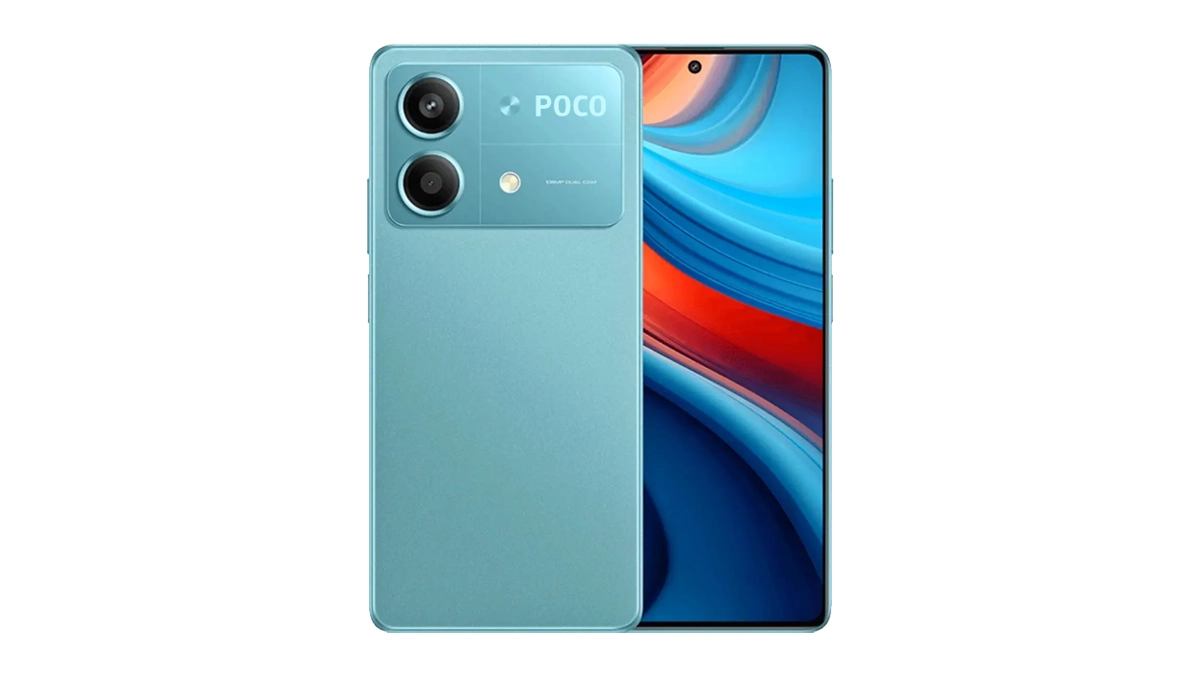
While the Realme Narzo 70 opts for a circular camera module at the back, the POCO X6 Neo goes for a rectangular camera housing that covers the top portion of the rear panel.
Verdict: Both phones offer a sleek and modern design, but the Realme Narzo 70 edges ahead with its in-display fingerprint sensor, IP54 rating, and additional features like Vapor Chamber Cooling and Rainwater Touch.
Realme Narzo 70 vs POCO X6 Neo: Display
POCO X6 Neo: Display
Both the Realme Narzo 70 and POCO X6 Neo feature a 6.67-inch Full HD+ AMOLED display with a 120Hz refresh rate.
The AMOLED panels on both phones offer vivid colors, deep blacks, and excellent contrast ratios, making them ideal for multimedia consumption.
Additionally, the high refresh rate of 120Hz ensures smooth scrolling and animations, providing a fluid and responsive user experience.
Realme Narzo 70: Display
There isn’t personal choice in this comparison as punch-hole displays have become the norm.
Certification-wise as well you get the standard WideVine L1, which again is highly common in the category.
Verdict: With identical display specifications, the Realme Narzo 70 and POCO X6 Neo offer an equally impressive visual experience, making it a tie in this category.
Realme Narzo 70 vs POCO X6 Neo: Cameras
Realme Narzo 70 vs POCO X6 Neo: Cameras
In the camera department, the Realme Narzo 70 sports a dual-camera setup with a 50MP primary sensor and a 2MP depth sensor.
The POCO X6 Neo, on the other hand, boasts a more capable 108MP primary camera, accompanied by a 2MP depth sensor.
However, camera performance also depends on other factors like software processing and sensor quality.
Realme Narzo 70: Cameras
It has been noted in several reviews that the POCO X6 Neo does actually capture better low-light images.
As for video-recording capabilities, there is the option to shoot 1080p videos @60fps on both devices and OIS provides stability to both.
Both phones feature a 16MP front-facing camera for selfies and video calls.
Verdict: The POCO X6 Neo takes the lead in the camera department with its higher-resolution 108MP primary camera, potentially offering better image quality and zoom capabilities.
Realme Narzo 70 vs POCO X6 Neo: Performance and Features
Both chipsets are capable of handling day-to-day tasks and even some demanding gaming, but the Dimensity 7050 in the Realme Narzo 70 should offer a slight performance advantage.
This is true both for the thermal output and heavy-duty gaming, which is reported to be better on the Narzo 70.
POCO X6 Neo: Performance and Features
In terms of RAM and storage, the Realme Narzo 70 is available with up to 8GB of RAM and 128GB of storage, while the POCO X6 Neo can be configured with up to 12GB of RAM and 256GB of storage.
The higher RAM and storage options on the POCO X6 Neo make it better suited for power users and those who need more headroom for multitasking and storing large files.
Verdict: While both phones offer capable performance, the Realme Narzo 70 has a slight edge with its more powerful Dimensity 7050 chipset, but the POCO X6 Neo offers more RAM and storage options for those who need them.
Realme Narzo 70 vs POCO X6 Neo: Software and Battery
However, both phones are expected to receive regular software updates and security patches from their respective manufacturers.
Even so, based on current software the Narzo 70 takes the cake here.
In terms of battery life, both phones pack a 5,000mAh battery, which should provide all-day battery life for most users.
POCO X6 Neo: Software and Battery
However, the Realme Narzo 70 has an edge with its support for 45W fast charging, while the POCO X6 Neo is limited to 33W fast charging.
Verdict: The Realme Narzo 70 has a slight advantage with its newer Android 14 software and faster 45W charging, but the POCO X6 Neo’s Android 13 with expected updates and 33W charging should still provide a decent software and battery experience.
Realme Narzo 70 vs POCO X6 Neo: Final Verdict
Realme Narzo 70: Final Verdict
After a comprehensive comparison of the Realme Narzo 70 and POCO X6 Neo, it’s evident that both phones offer a compelling package for their respective price points.
That being said, the POCO X6 Neo is no slouch either, and it may be the preferred choice for those prioritizing camera performance, thanks to its higher-resolution 108MP primary sensor.
POCO X6 Neo: Final Verdict
Additionally, the POCO X6 Neo’s higher RAM and storage configurations make it a better fit for power users who require more headroom for multitasking and storage.
Ultra Steady Video, Ultra Steady Max Video, Night Mode, Panoramic View, Expert, Timelapse, HDR, Ultra-wide, Ultra Macro, AI Scene Recognition, AI Beauty, Filter, Slow Motion, Bokeh Effect Control
Video Recording
4K, 1080p, 720p
Flash
Yes, LED
Front Camera
Punch Hole 16 MP f/2.1 (Wide Angle) with Screen Flash
What are the main differences in camera specs between Realme Narzo 70 and POCO X6 Neo?
The Realme Narzo 70 has a dual-camera setup with a 50MP main sensor, while the POCO X6 Neo includes a 108MP main camera, offering higher resolution and potentially better zoom capabilities.
Which device offers better performance for gaming and heavy apps?
The Realme Narzo 70 is powered by the MediaTek Dimensity 7050 chipset, providing a slight edge in performance over the POCO X6 Neo’s Dimensity 6080, especially in gaming and thermal management.
How do the battery features compare between the two phones?
Both smartphones pack a 5000mAh battery, but the Realme Narzo 70 supports 45W fast charging, which is faster than the 33W charging available on the POCO X6 Neo.
Are there any design features that distinguish the Realme Narzo 70 from the POCO X6 Neo?
The Realme Narzo 70 features an in-display fingerprint sensor and has an IP54 rating for dust and water resistance, while the POCO X6 Neo uses a side-mounted fingerprint sensor and includes Gorilla Glass protection on the back.
Which phone should I choose if I prioritize storage and multitasking capabilities?
The POCO X6 Neo might be a better choice if you need more RAM and storage, as it offers configurations up to 12GB RAM and 256GB storage, compared to the Narzo 70’s maximum of 8GB RAM and 128GB storage.
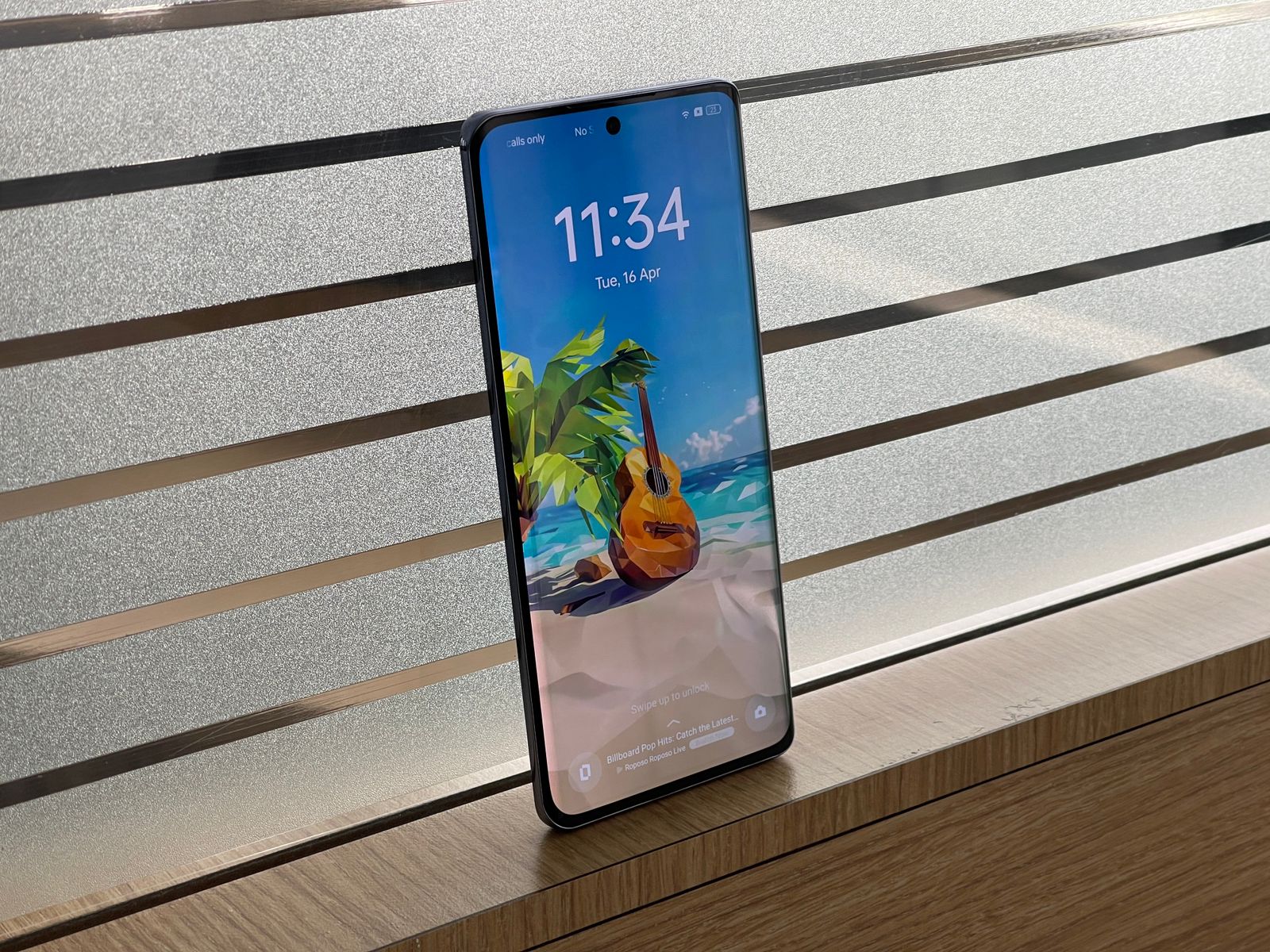
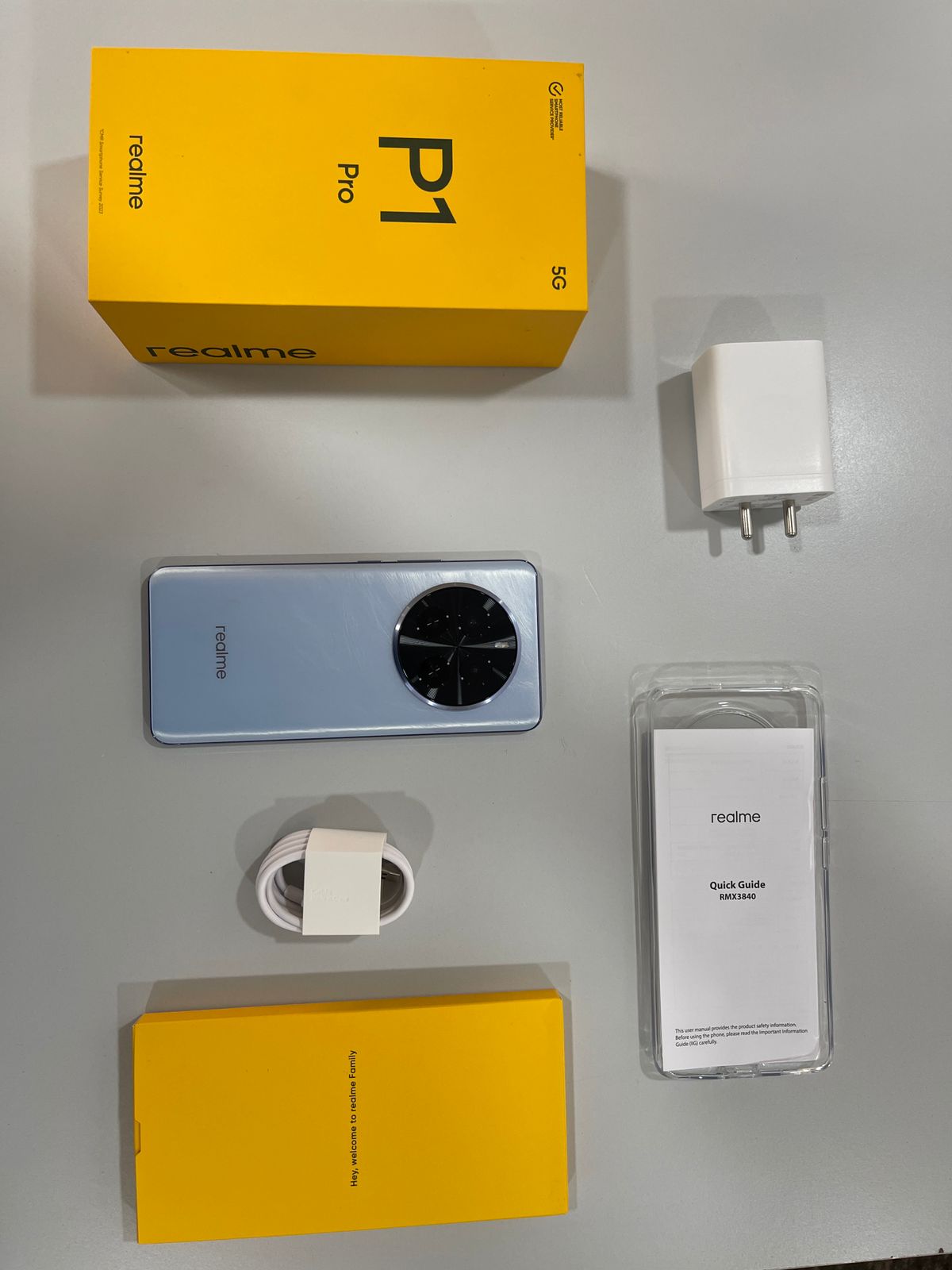
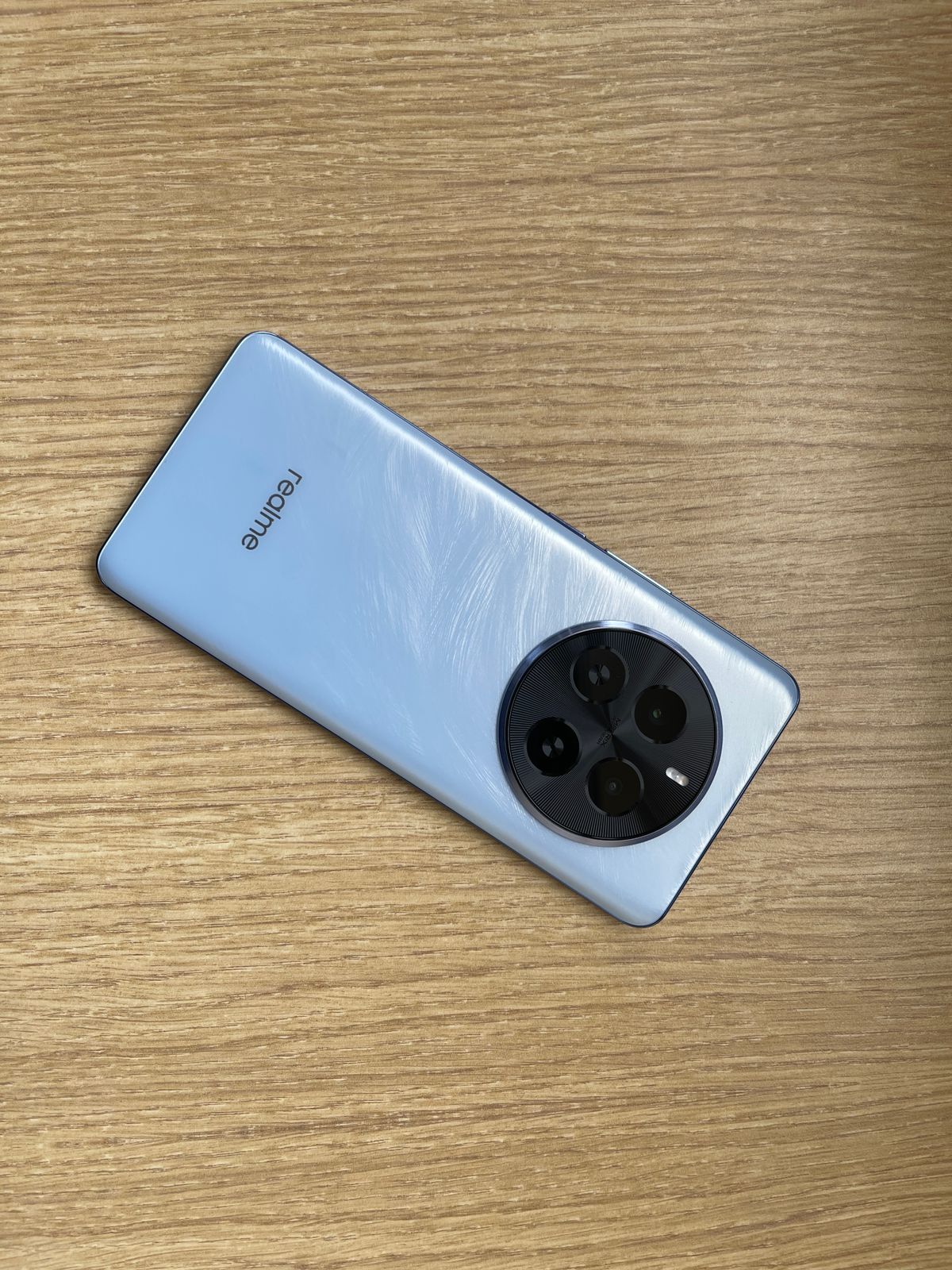
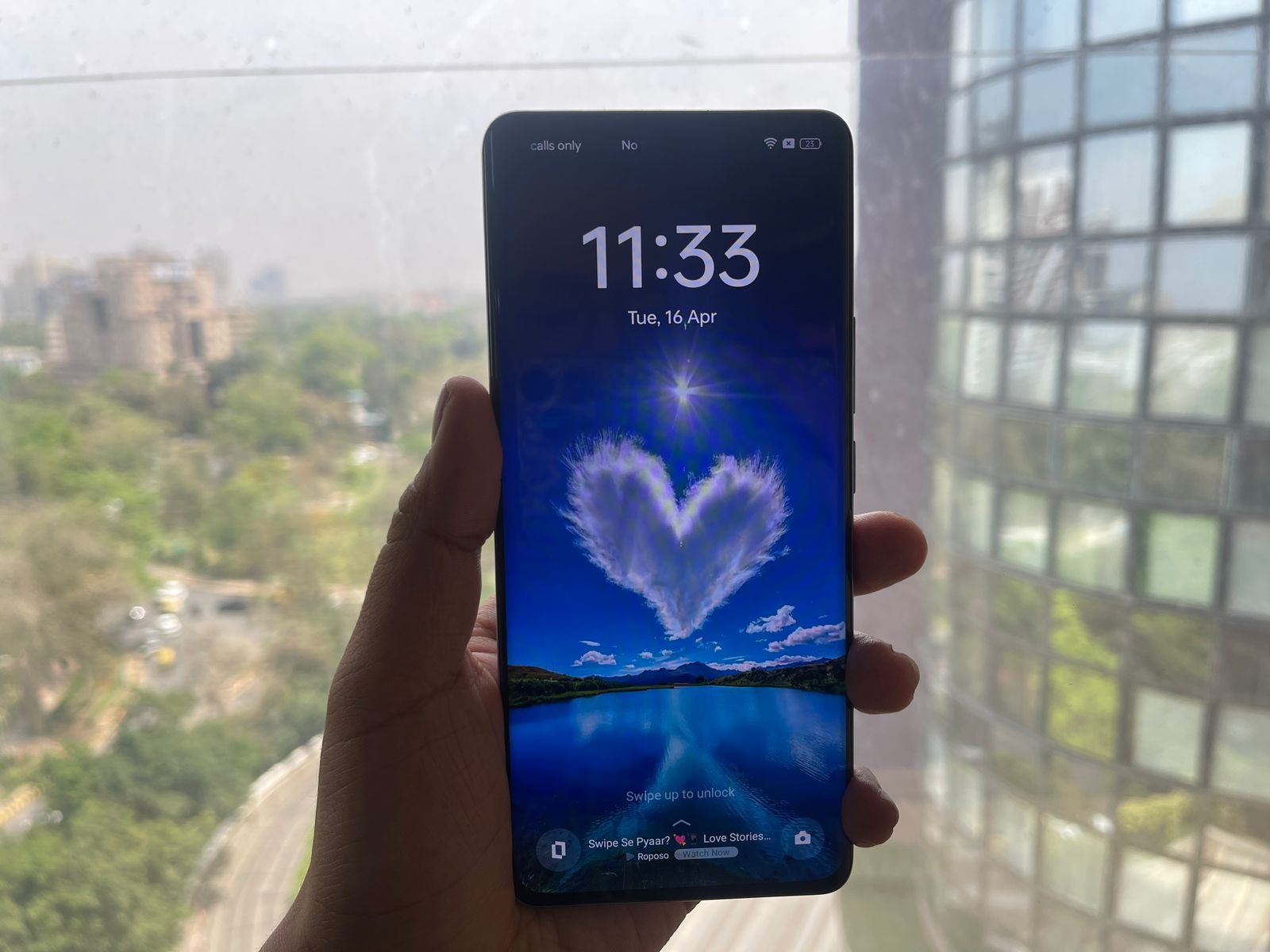
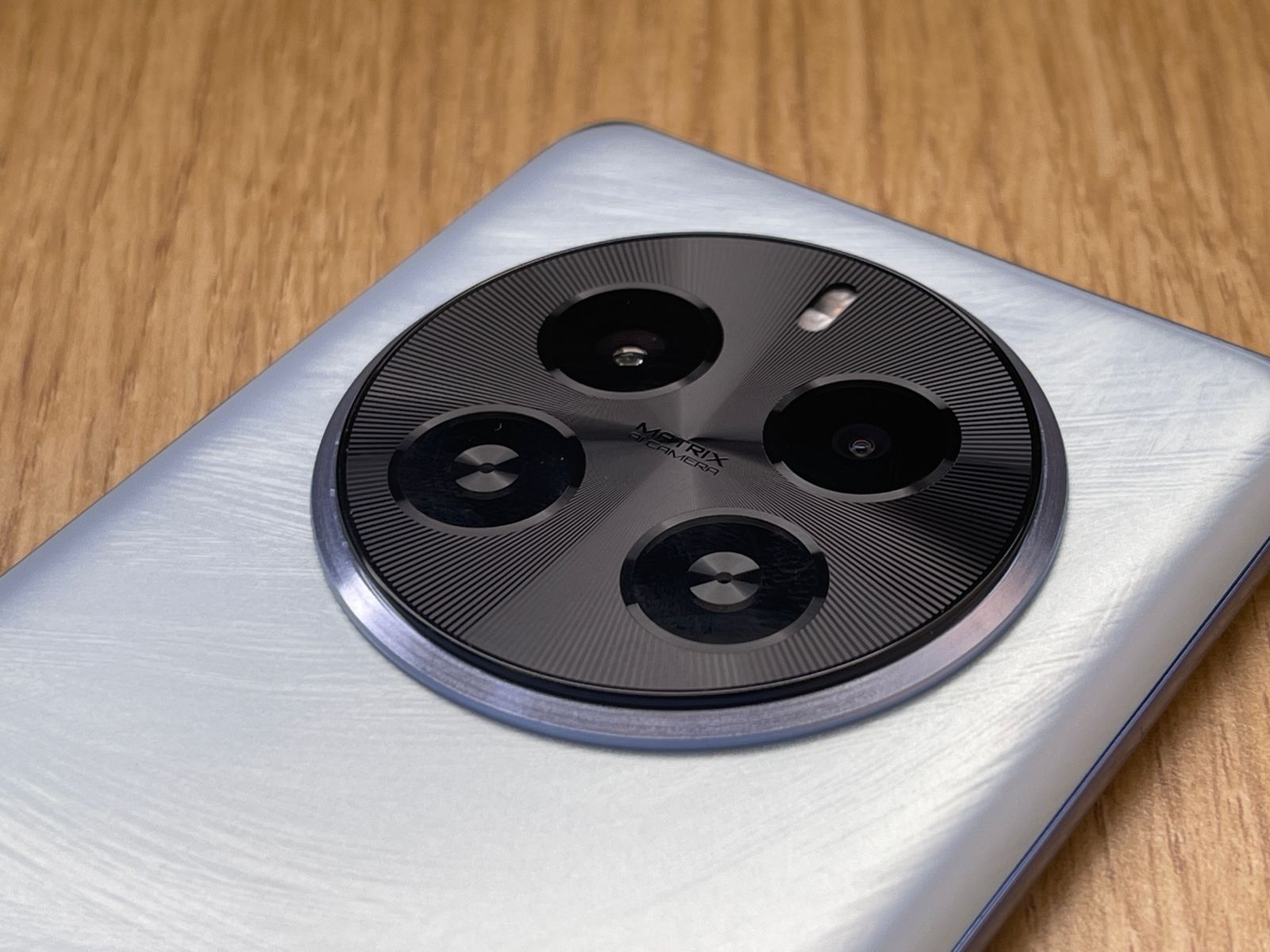
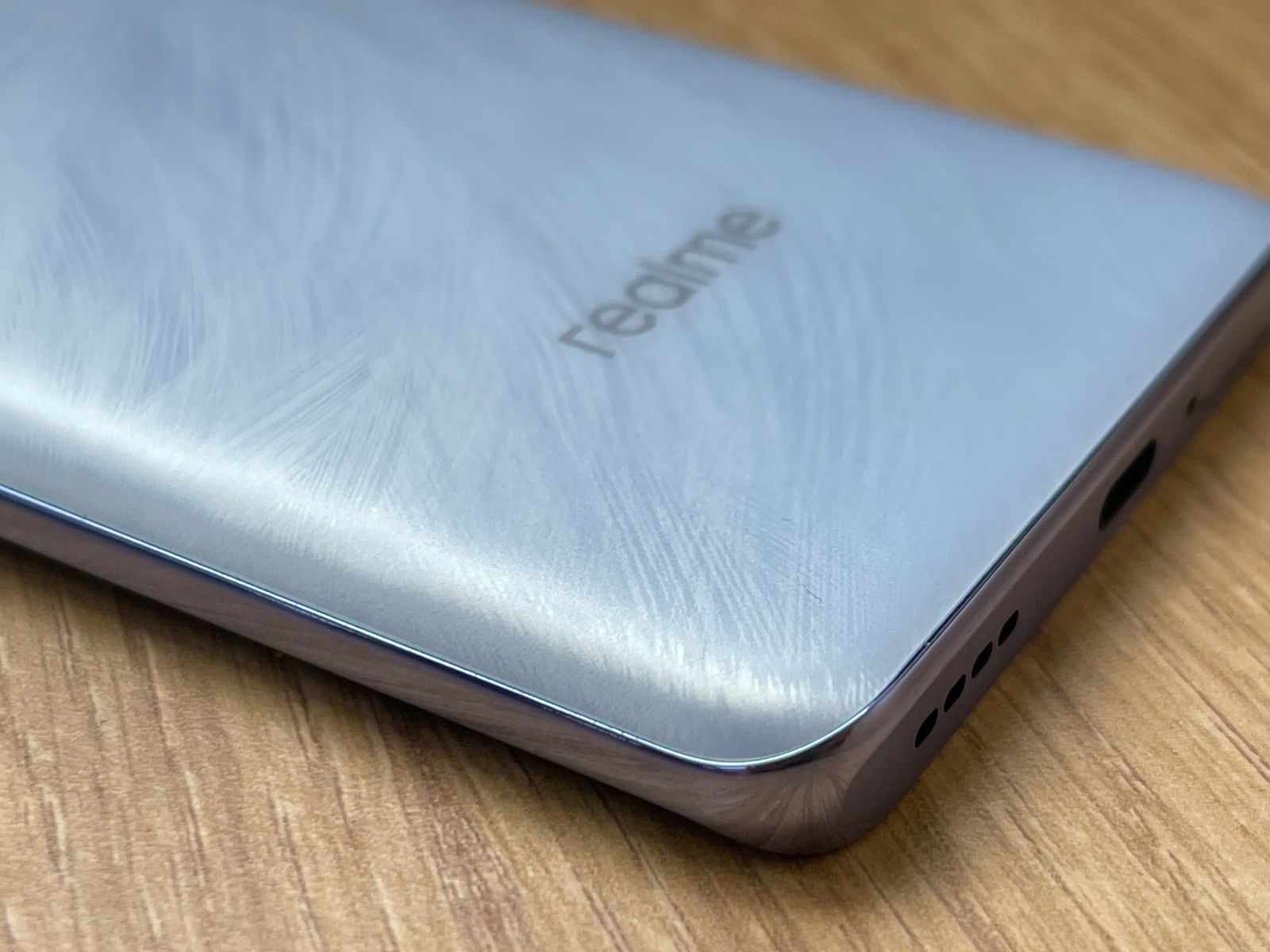
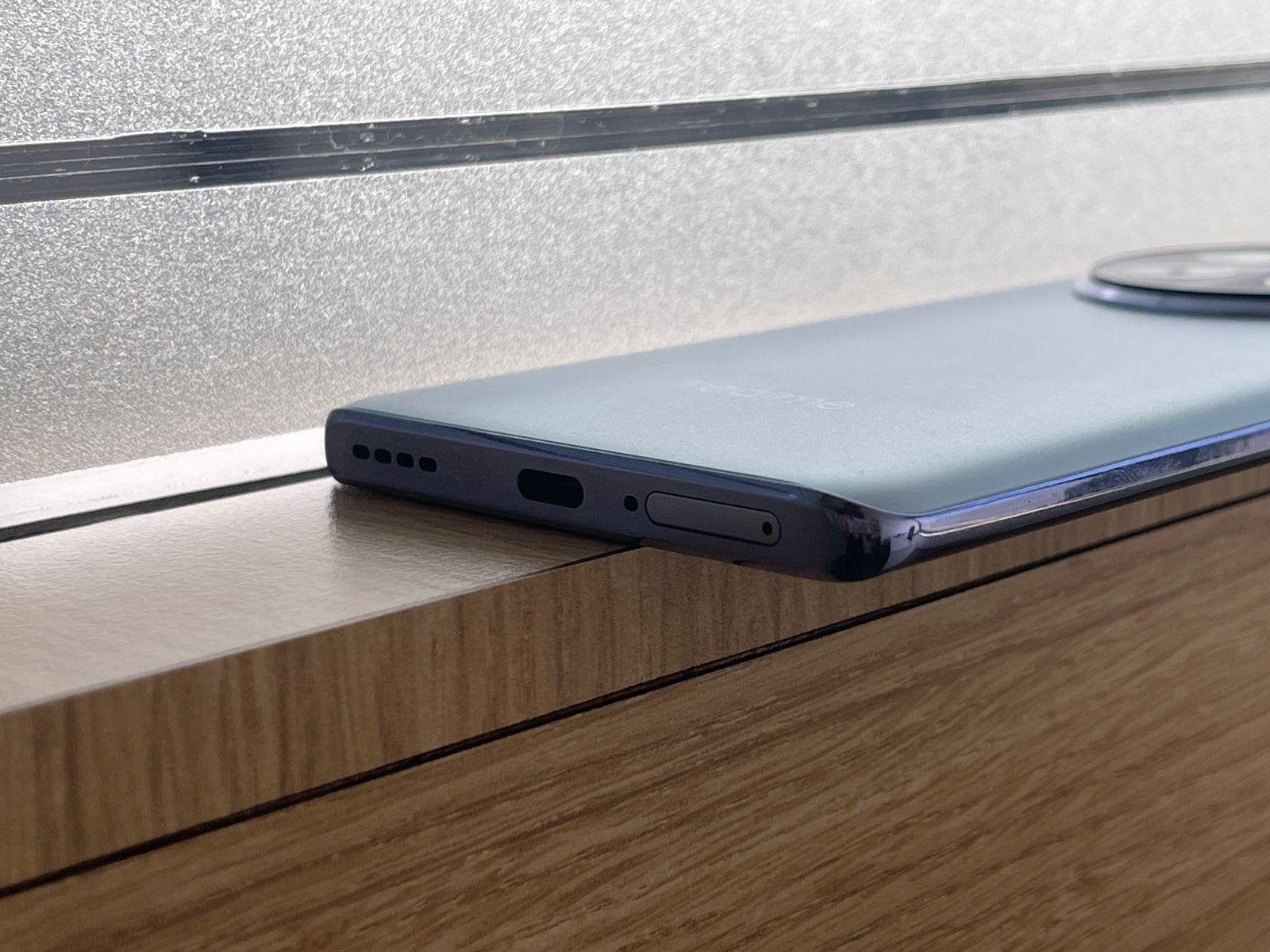
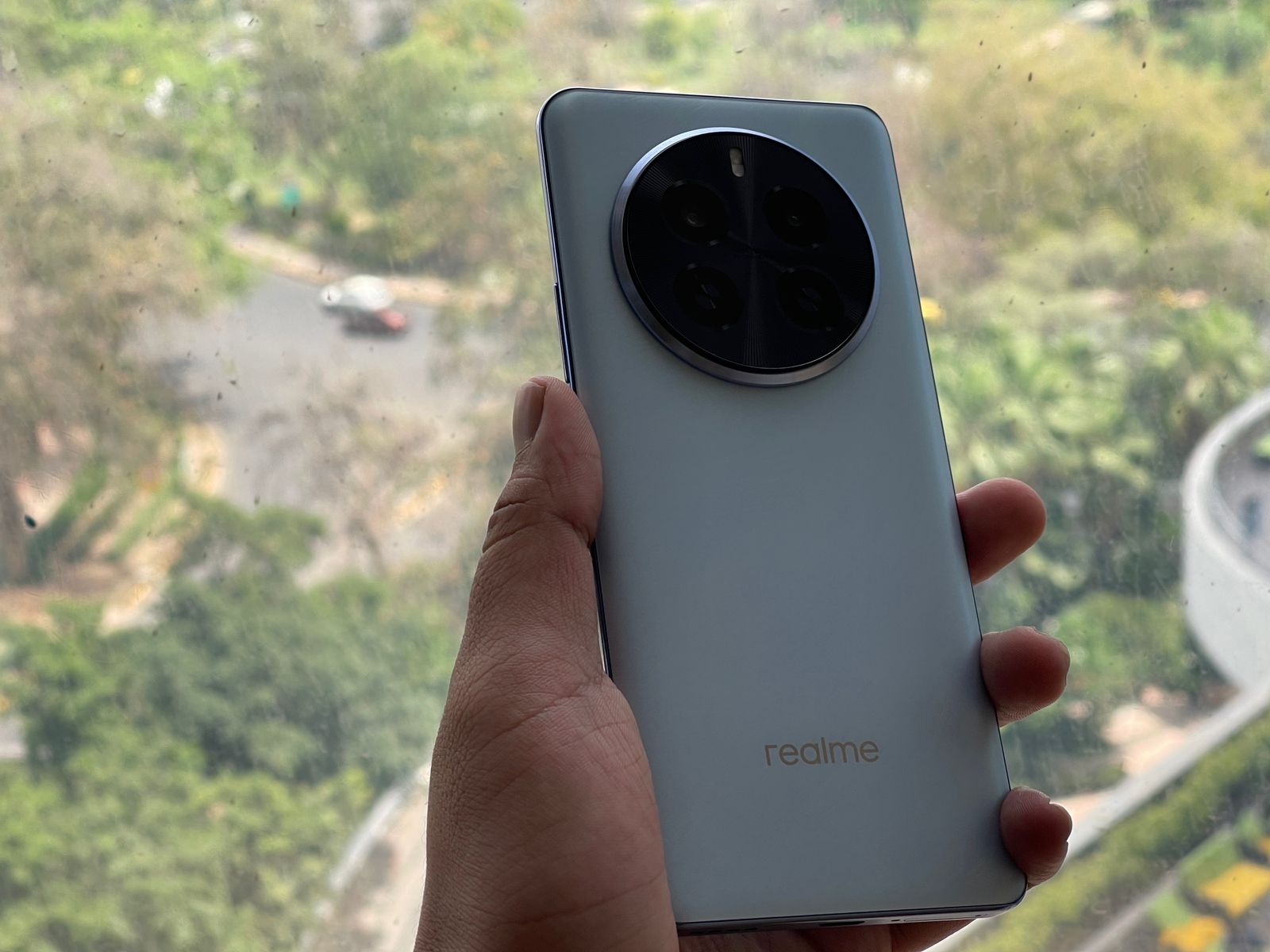
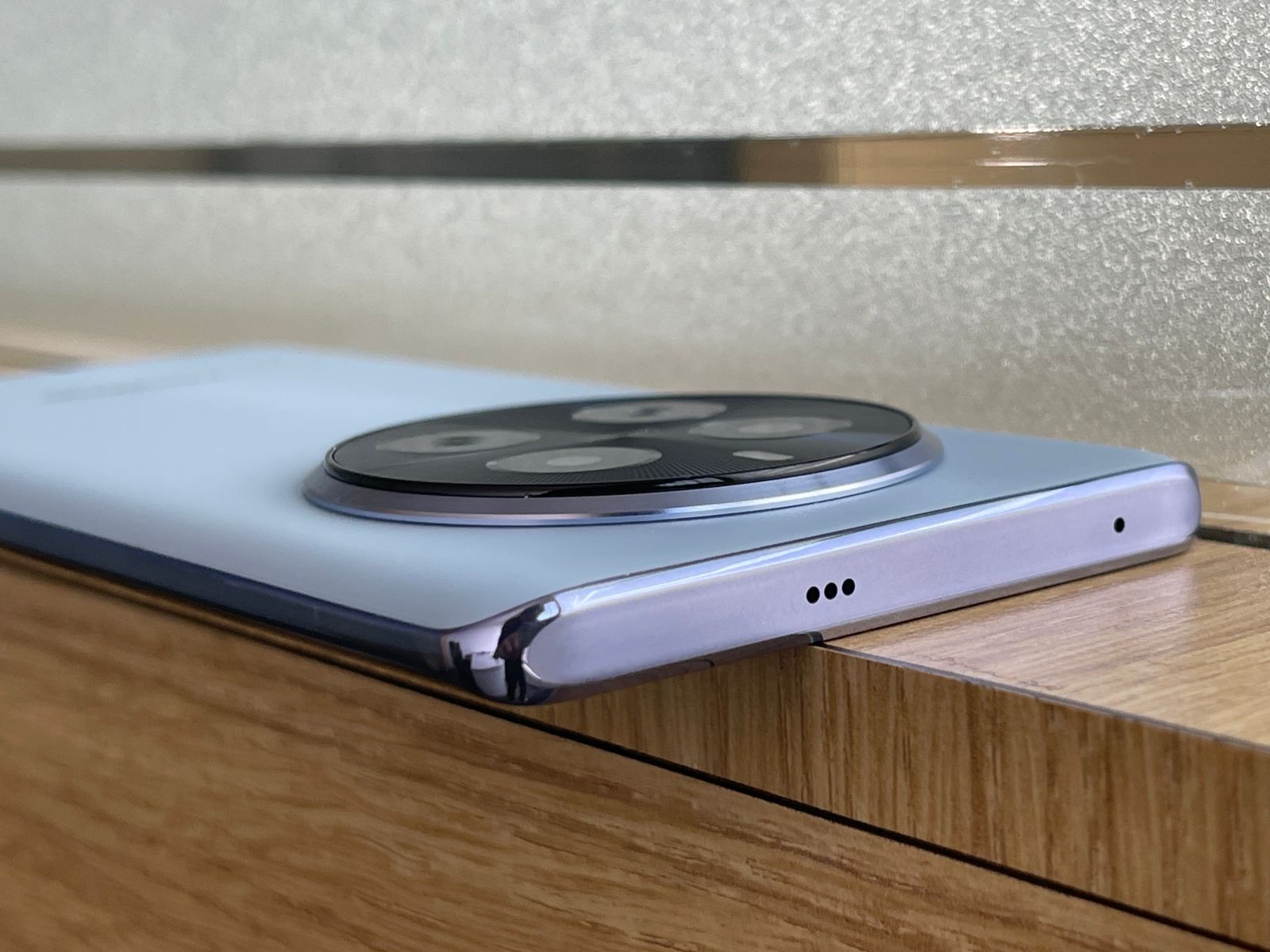
This time, though, instead of a vegan leather finish, it features a plastic back with a frosted matte texture.
I received the Parrot Blue version for this review, which leans towards a light aqua shade and has a gentle texture that effectively resists fingerprints and smudges.
The P1 Pro has an IP65 rating, ensuring it’s resistant to water and dust.
The Widevine L1 certification means you can enjoy full HD content from various streaming services without a hitch although you do not get any HDR capabilities.
Additionally, it has Hi-res certified dual speakers that elevate the audio experience.
Realme P1 Pro: Cameras
Realme P1 Pro: Cameras
In terms of optics, the Realme P1 Pro sports a 50MP Sony LYT-600 OIS primary camera paired with an 8MP portrait lens.
The latter also works as an ultra-wide camera, offering a wider field of view (FoV) than the main camera.
The portrait lens works effectively on both human and non-human subjects; however, thedg ee detection is less accurate for non-human subjects compared to humans.
There’s also minor warping around the edges.
The bokeh effect looks reasonably good, albiet a tad unnatural.
The ultra-wide camera on the Realme P1 Pro manages adequately but has its limitations.
Even in bright conditions, the images display noticeable graininess, and the colors seem less vibrant than expected.
As for the 50MP primary camera, it typically produces images at a 12.5MP resolution by default, delivering respectable clarity and sharpness.
I found the dynamic range quite impressive in both daylight and other well-lit settings, though it’s clear the colours are enhanced to appear more vivid.
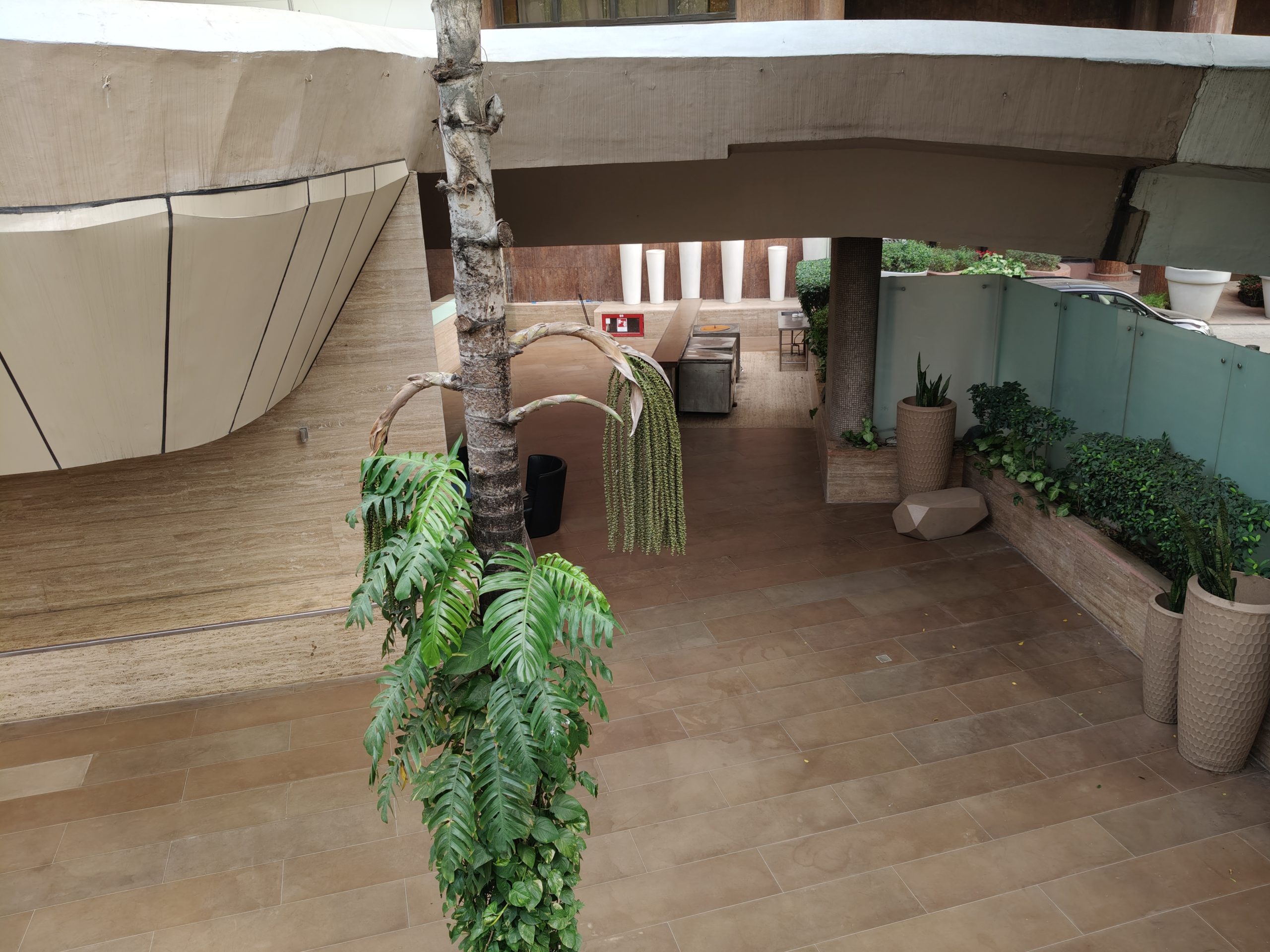
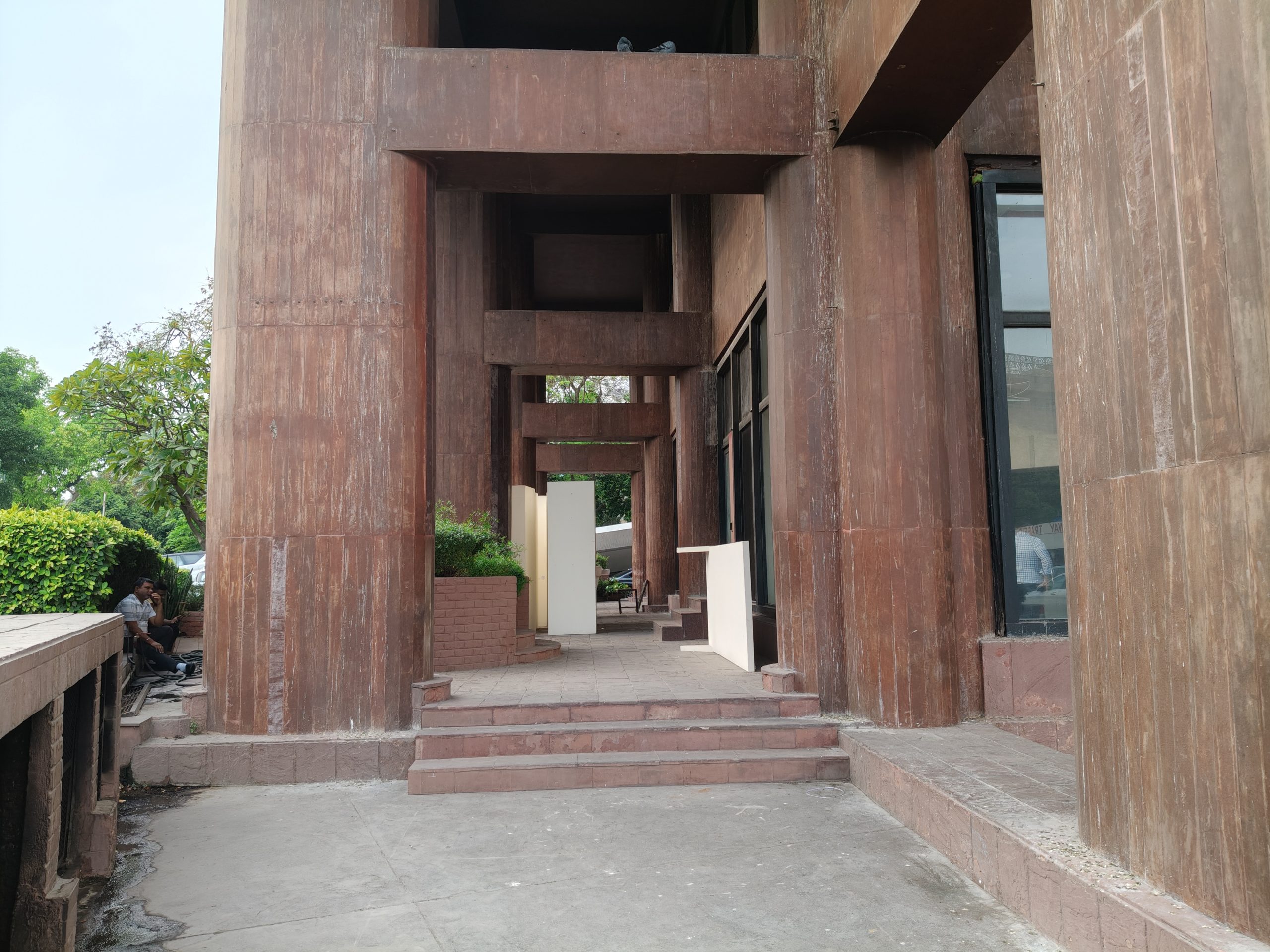
However, the handset can be caught crushing details in shadowy areas, as seen in the attached camera results.
In terms of performance benchmarks, while the phone doesn’t top the charts, its scores are competitive with similar models in its segment.
Starting with the synthetic benchmarks, it performed well on AnTuTu and Geekbench, holding its own, particularly in multi-core tests.
Although not the leader, it holds up adequately against its peers.
In my experience, the Realme P1 Pro handled everyday tasks and multitasking with ease.
When it came to gaming, the sessions were enjoyable, though I did notice the phone got quite warm after extended play.
The P1 Pro is equipped with a 3D VC cooling system, yet there was still a significant temperature rise, particularly when using high graphics settings for prolonged periods.
This level of heating might not bother casual gamers, but those who use their devices more intensively might want to consider other options.
The phone does come with a handful of pre-installed third-party apps like social media and professional networking tools, which are handy but can be uninstalled if you prefer a cleaner setup.
The Realme P1 Pro packs a 5,000mAh battery that supports 45W fast charging, allowing it to recharge swiftly from 20% to full in under an hour with the included charger.
In my usage, the battery comfortably lasted through a day.
It performed impressively during continuous video streaming, like watching videos on YouTube.
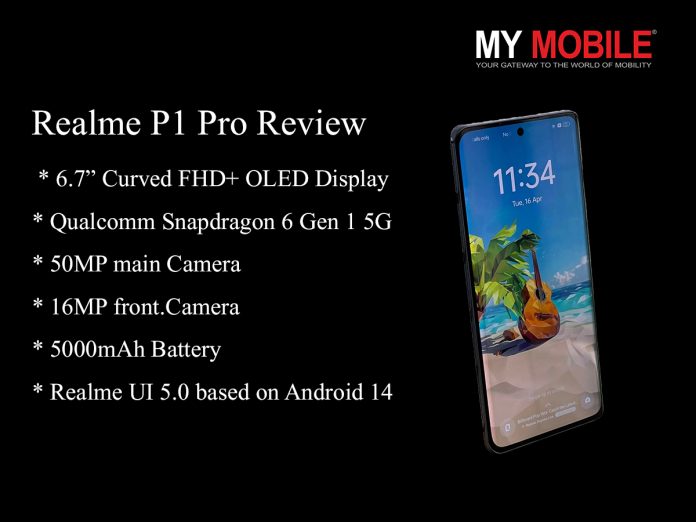
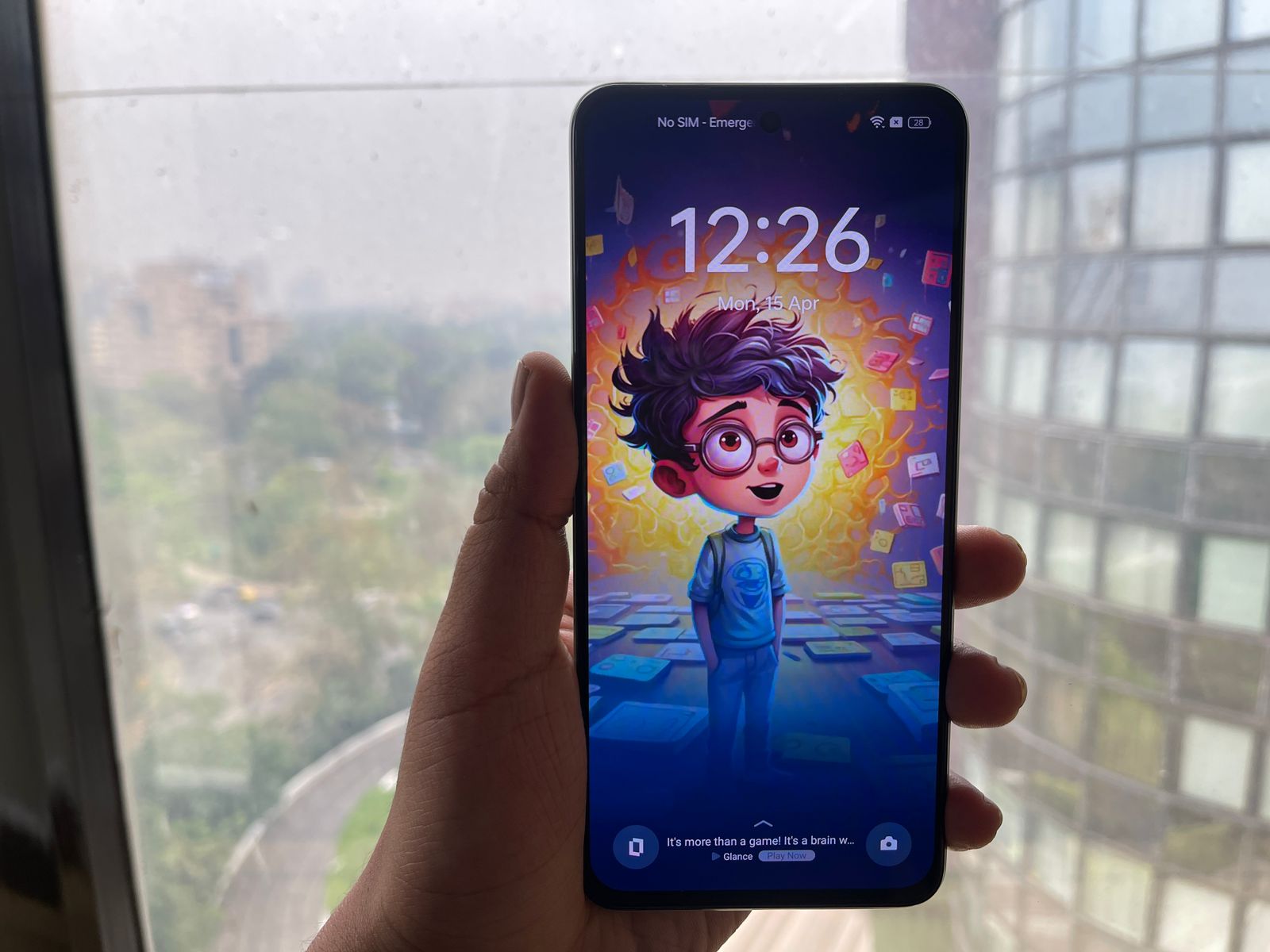
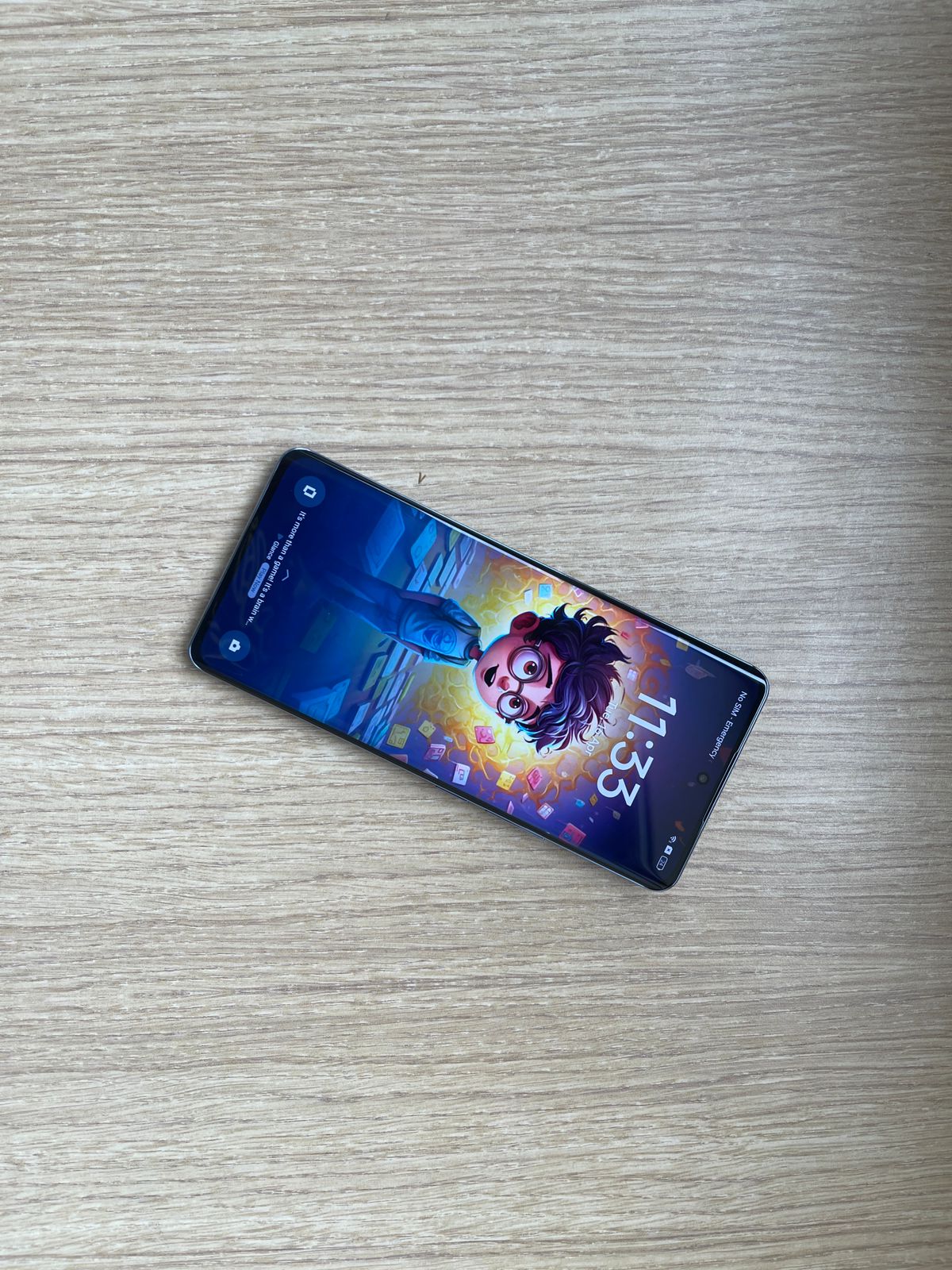
It shines with its vibrant 6.7-inch FHD+ OLED display, useful dual camera setup, and solid battery life, supported by fast charging.
The device handles daily tasks and gaming with ease, thanks to its Snapdragon 6 Gen 1 SoC and ample RAM.
There are some tradeoffs of course.
It doesn’t lead to performance benchmarks, the thermal management is subpar, and the dynamic range in photography seems a bit inadequate.
Overall though, the P1 Pro is a worthy choice for casual users and tech enthusiasts alike.
5 Reasons to Buy
5 Reasons to Buy
High-Performance Display: The Realme P1 Ultra’s 6.7-inch curved OLED display with a 120Hz refresh rate offers a fluid and immersive viewing experience.
Powerful Camera Capabilities: Equipped with a 50MP main camera featuring optical image stabilization, the Realme P1 Ultra captures sharp, detailed photos in various lighting conditions.
Fast Charging and Long Battery Life: The 5000mAh battery provides extended usage times, and with the 45W SUPERVOOC charging, you can recharge the phone quickly—up to 50% in just 30 minutes.
Cutting-Edge Design: Inspired by bird culture, the Realme P1 Ultra is available in striking colors like Parrot Blue and Phoenix Red, offering a unique aesthetic appeal.
Latest Software and Features: Running on Realme UI 5.0 based on Android 14, the P1 Ultra offers a clean, user-friendly interface loaded with features. It also includes advanced options like an in-display fingerprint scanner and IP65 dust and water resistance
3 Reasons Not to Buy
Inconsistent Camera Performance: Struggles with detail in low light.
Limited Thermal Management: Can get noticeably warm during intensive tasks.
Less Generous Update Policy: Compared to some competitors, the update support could be more extensive.
Night Mode, Photo Mode, Street Shooting Mode, Portrait Mode, High Pixel, Professional Mode, Panoramic View, Macro, Super Text, Super Group Portrait, Tilt Shift, Long Exposure Photo, Video Features: Video, Movie Mode, Slow Motion, Timelapse, Multi View Video, Tilt Shift
The Realme P1 Pro boasts a 6.7-inch FHD+ OLED display, Snapdragon 6 Gen 1 processor, and a dual camera setup including a 50MP main sensor. It also supports 45W fast charging for its 5000mAh battery.
How does the Realme P1 Pro perform in terms of camera quality?
The Realme P1 Pro’s 50MP main camera delivers enhanced colors and clarity in well-lit environments. It includes an 8MP ultra-wide lens that struggles slightly under bright conditions with graininess and less vibrant colors.
What is the battery life like on the Realme P1 Pro?
The 5000mAh battery in the Realme P1 Pro can comfortably last a full day on a single charge and supports fast charging that can recharge the phone quickly within an hour.
Are there any concerns with the Realme P1 Pro’s performance during gaming?
While the Realme P1 Pro handles gaming and multitasking well, it tends to warm up during extended gaming sessions, which might be a concern for heavy gamers.
What software updates does Realme offer for the P1 Pro?
Realme provides two years of software updates and three years of security patches for the P1 Pro, which is less than some competitors but adequate for most users.
What are the key features of Realme P1 Pro 5G ?
Best 120Hz Curved Vision Display in the segment
The Realme P1 Pro 5G boasts a 6.7-inch FHD+ OLED display. The stunning display offers a refresh rate of up to 120Hz, providing users with a seamless and smooth content-watching experience.
It also features an impressive 20000 levels of brightness adjustment and can reach a peak brightness of 950 Nits, ensuring optimal visibility in various lighting conditions.
In low-brightness conditions, Realme P1 Pro 5G employs high-frequency 2160Hz PWM dimming, offering a 4.5 times increase in dimming efficiency compared to conventional 480Hz methods.
The smartphone also comes with an Eye Protection Certificate by TÜV Rheinland, which will help the users to operate the device for a longer period while comforting and protecting their eyes.
Dynamic 50 MP Main Camera with Sony LYT 600
The Realme P1 Pro 5G is equipped with a superior camera system. The 50MP main camera features a Sony LYT-600 sensor that captures stunningly detailed and vibrant images.
In addition, there’s an 8MP Ultra-wide camera for capturing expansive landscapes and a 16 MP selfie camera for high-quality self-portraits.
The camera system also includes unique imaging functions like Auto-zoom Technology and HyperTone Image Engine for enhanced photography experiences.
Design Inspired by nature and birds
Inspired by the beauty of nature, the design of the Realme P1 Pro 5G incorporates elements from bird culture.
The device features a Micro-Crystal Sparrow Feather Texture and a Large Circular 3D LDI Texture Design, giving it a unique and sophisticated look. It is available in two eye-catching colors – Parrot Blue and Phoenix Red.
The intricate structure, designed through considerable data programming, preserves the essence of feather shafts and barbs, replicating their subtle swing in the breeze and conveying a sense of lightness and freedom.
Superfast 45W SUPERVOOC charger and massive 5000mAh battery
One of the standout features of the Realme P1 Pro 5G is its massive 5000mAh battery paired with a 45W SUPERVOOC charger.
This combination ensures extended usage time and superfast charging speeds. The device can be fully charged to 100% in just 67 minutes or reach 50% charge in just 30 minutes.
The massive 5000mAh battery capacity allows for up to 473.58 hours of standby time, 35 hours of phone calls, 20.14 hours of movie playing, 85 hours of music playback, and 12.62 hours of navigation, making it incredibly convenient for users who are always on the go.
Powerful Snapdragon 6 Gen 1 5G Chipset
Powering the Realme P1 Pro 5G is the high-performance Snapdragon 6 Gen 1 5G Chipset processor.
This powerful chipset is based on Samsung’s 4nm-core process and includes a 64-bit 4+4 8-core architecture with a main frequency of 2.2GHz. This robust configuration ensures fast and efficient performance for all tasks.
Flagship level experience with 3D VC Cooling System
The Realme P1 Pro 5G features a 3394mm² stainless steel vapor chamber, which increases heat dissipation efficiency and offers a large surface for heat dissipation, leading to a more stable performance.
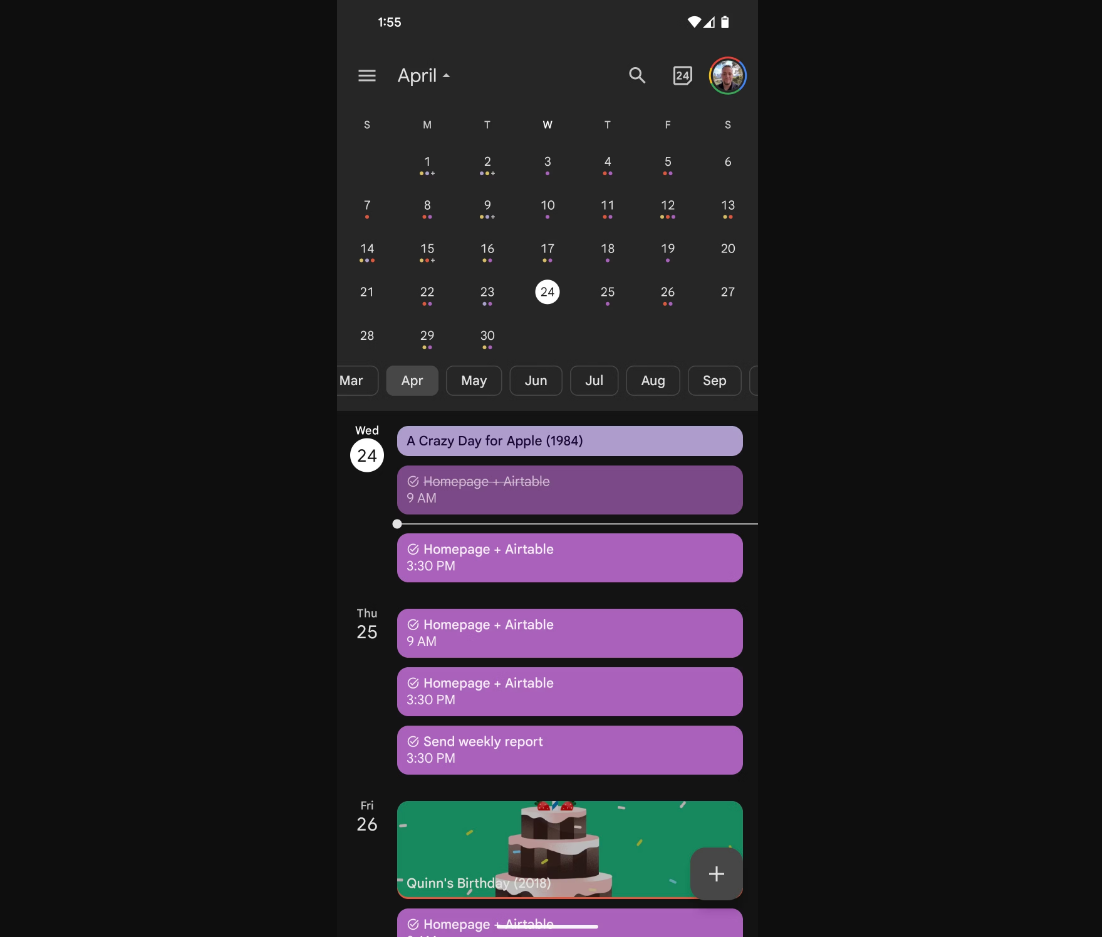
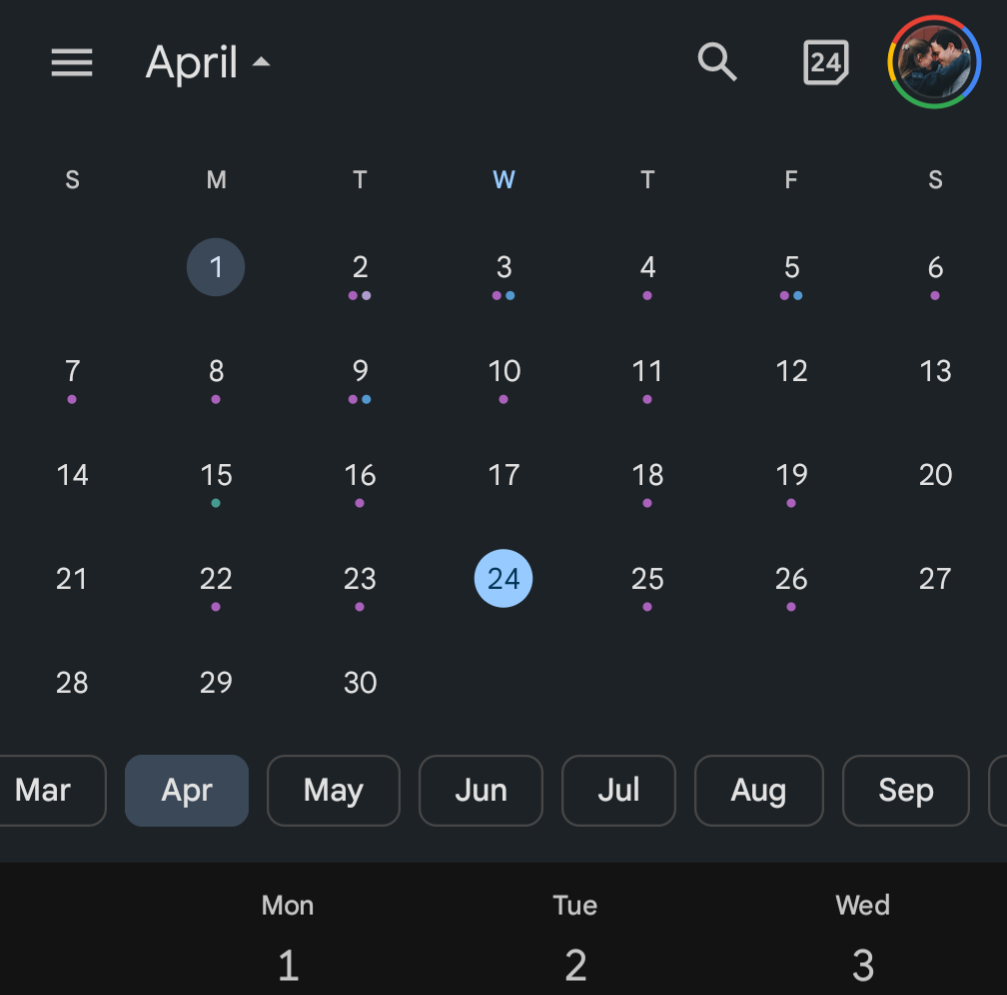
No word yet on if or when this upgrade will make its way to the iOSand tablet versions, but Android users can enjoy the smoother month switching right now on the latest Calendar update.
FAQs
What is the new feature in the Google Calendar update for Android?
The latest update introduces a swipe-free month picker, allowing users to select months via a dropdown menu with chips.
How does the new month picker enhance Google Calendar navigation?
It simplifies switching between months, eliminating the need to swipe through each month by enabling direct taps on month chips.
Can I see multiple months at once with the new Google Calendar feature?
Yes, depending on your device’s screen size, you can view 4-5 months at a glance and scroll to see additional months.
Is the new Google Calendar month picker feature available on iOS?
Currently, the update is only available for Android users, with no official announcement regarding iOS or tablet versions.
How do I use the new month picker in Google Calendar on my Android device?
Simply tap the dropdown menu below the current month’s view, then choose the month you want by tapping on the corresponding chip.
•Qubo has launched the Qubo InstaView video door phone in India.
•The video door phone includes a Home Tab and the Video Doorbell Pro, which bring several improvements over the original Qubo Video Doorbell device.
Qubo, the smart devices brand from the Hero Group, today announced the launch of an innovative, new video door phone – the Qubo InstaView that brings in a much-needed, generational upgrade to conventional video door phones.
Featuring an enhanced version of their bestselling Video Doorbell, in the form of the Qubo Video Doorbell Pro along with an all-new portable display unit.
Qubo Home Tab that’s designed as the new-age control centre for modern homes, the 2 devices together mark a huge technological leap forward in the category of video door phones.
Qubo InstaView Video Door Phone Launched in India:
The Qubo InstaView builds upon the success of the original Qubo Video Doorbell that gave users a taste of a smart & connected home where they could answer their door through a video call on their smartphone.
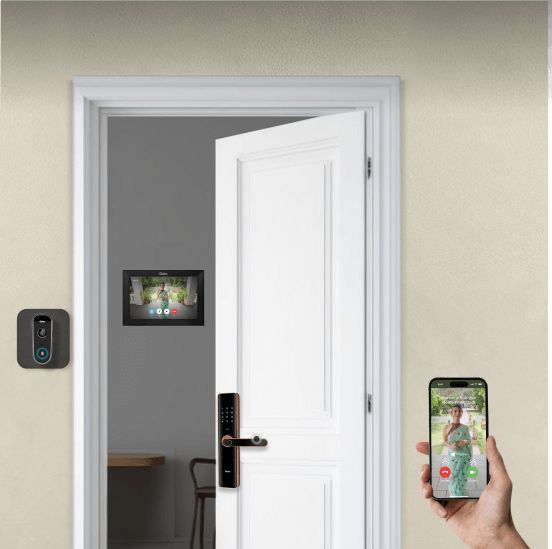
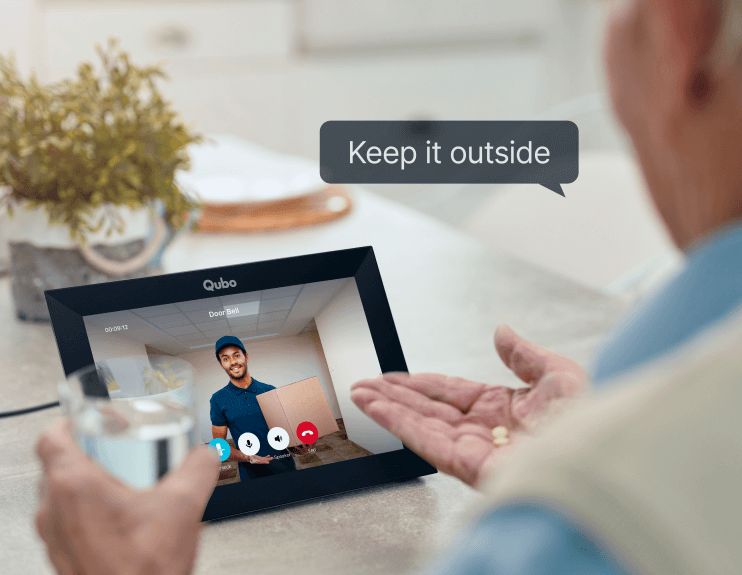
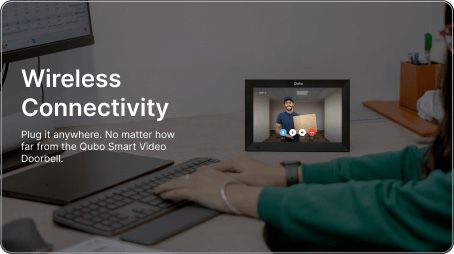
With InstaView, Qubo goes a step further with the video call from the doorbell delivered not just on a user’s phone but also on the Home Tab that can be placed anywhere inside the home or even outside the premises.
Qubo has launched the Qubo InstaView video door phone in India
The unique portability of the indoor display unit makes it far superior & versatile than traditional video door phones that come with a basic display unit often fixed on a wall next to the door – more like a glorified peephole.
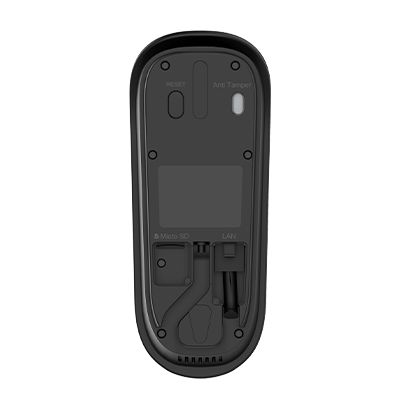
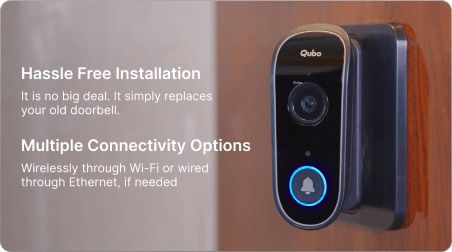
The Video Doorbell Pro, part of InstaView, packs in better technical specs including a 3MP 2K resolution camera that delivers sharper video quality, a 2W echo-cancelling speaker as well as enhanced connectivity range.
The video door phone includes a Home Tab and the Video Doorbell Pro
With dual-band Wi-Fi (2.4 GHz & 5 GHz) & Ethernet PoE connectivity options, it works equally well across a wide range of houses including villas, builder floors and apartments.
It pairs seamlessly with the Qubo Home Tab that has the potential to become the control hub for the entire home in the near future.
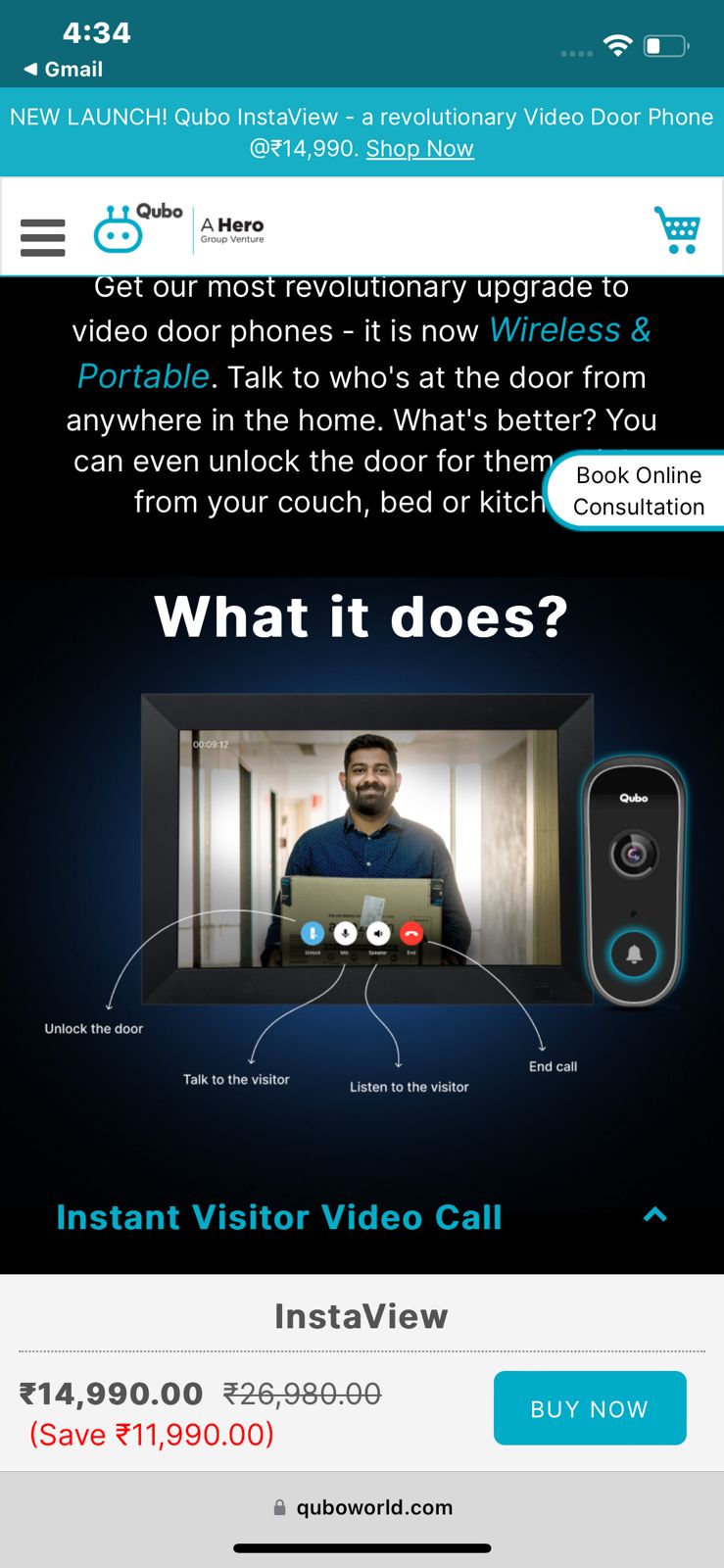
For now, users can watch the video feed from their video doorbell on the Home Tab, talk to their visitors at the door and even unlock the door (through a Qubo Smart Door Lock) for them.
Qubo InstaView with ‘Video Doorbell Pro and Home Tab
Furthermore, it can also double up as a sleek Digital Photo Frame.
Together, as InstaView, these devices deliver a comprehensive home security solution while also offering unmatched convenience.
Speaking on the occasion Mr. Nikhil Rajpal, Founder & CEO, Qubo shared “It’s with great excitement we bring forth our latest innovation. While video door phones have been around for many years, they haven’t seen much innovation even while the rest of home underwent a technological transformation with connected, smart devices.
And just like we did with other products in the past, we took up the same challenge of reimagining everyday objects for modern day living – this time with video door phones, and came up with the next generation of video door phones in the form of the new Qubo InstaView.
With InstaView, we continue to cater to customers’ ever-increasing desire for greater convenience & control in their homes & in the near future, we look forward to building on this launch by bringing the entire smart home experience on the Qubo Home Tab.”
Here are some more details on Qubo InstaView’s 2 constituents:
Qubo Video Doorbell Pro
Qubo Video Doorbell Pro
* Multiple Connectivity Options: Dual-band Wi-Fi (2.4 GHz and 5 GHz) and Ethernet PoE for a stable and reliable connection * Enhanced Coverage: Ideal for larger spaces like villas * 2K Resolution Video: High-definition video quality for sharper visuals with 3MP lens * Crystal-Clear Two-Way Audio: Enabled with a 2W speaker and surround sound echo cancellation * Mobile App Control: View live feed, receive alerts, and control doorbell functionalities remotely through the Qubo app on your smartphone
Qubo Home Tab
Qubo Home Tab
* Wireless Design: Unbound by wires, offering placement flexibility throughout the home or outside * 8” touchscreen display unit: Crystal-clear video quality from your Qubo Video Doorbell Pro * In-built storage: 8GB memory for storing media, including photos * Multiple display units: Expand your system with up to two Qubo Home Tabs for added convenience
Qubo Expands Home Lineup with New Video Door Phone
With this launch, the brand further solidifies its portfolio of Smart Home Devices and continues to drive innovation in a category that’s witnessing steady growth over the past few years.
Live Smart. Live Better with Qubo
Qubo InstaView is available on the brand’s website www.quboworld.com and will be soon available across major e-commerce marketplaces & their strong network of on-ground stores pan-India.
Available for purchase at Rs 14,990 on Qubo’s official website
It is currently priced at Rs. 14,990.
FAQs
What is Qubo InstaView Video Door Phone Pricing?
The Qubo InstaView video door phone is priced at Rs 14,990.
What is Qubo InstaView Video Door Phone Availability?
It can now be purchased from Qubo’s website.
The Qubo video door phone will soon be available via major e-commerce marketplaces in the upcoming weeks.
What is the highlight of Qubo InstaView video door phone ?
The highlight of the Quba InstaView video door phone is the portability of the Home Tab, which can be placed inside or outside the premises, adding to its convenience.
However, the folks over at PhoneArena were kind enough to summarise it for us, and here are the main insights you should be concerned with.
Gathering Long-Term Health Data Is Crucial
Long-term health data collection enhances personalized care
Professor Myung Jin Chung stressed the importance of collecting detailed health data over the years from wearables.
This long-term personal health history provides vital context for giving patients comprehensive care.
Doctors Michael Blum and David Klonoff highlighted how AI can analyze continuous data from wearables to spot early signs of conditions like high blood pressure or irregular heartbeats before symptoms appear.
Combining Health Metrics Reveals More
AI detects early signs of health issues through continuous monitoring
Dr. Klonoff noted combining data on glucose levels, sleep, activity and more from wearables could identify potential health risks sooner by showing the interconnected effects of different metrics.
The doctors encouraged Samsung to use AI insights from wearables to nudge users towards making positive long-term behavioral and lifestyle changes to improve wellness.
Build a Supportive ‘Care Circle’
Integrating multiple health metrics for comprehensive risk assessment
Professor Chung proposed Samsung’s ecosystem of devices could create a ‘care circle’ allowing friends and family to support each other’s healthy habits based on shared wearable data.
What role do AI-powered wearables play in healthcare?
AI-powered wearables collect continuous health data that can be analyzed to detect early signs of conditions like hypertension and arrhythmias, often before the patient experiences any symptoms.
How can long-term data from wearables improve health care?
Collecting health data over an extended period provides a detailed personal health history, crucial for comprehensive care and personalized health monitoring strategies.
What benefits do combined health metrics offer?
By analyzing combined data from various metrics such as glucose levels, sleep patterns, and physical activity, AI can better identify health risks, showing how different aspects of a person’s lifestyle and health are interrelated.
What is the ‘care circle’ concept in wearable technology?
The ‘care circle’ is a proposed feature that leverages Samsung’s device ecosystem to allow family and friends to support each other’s health habits by sharing wearable data, fostering a supportive community for healthy lifestyle choices.
Can AI in wearables directly extend a person’s lifespan?
While AI wearables themselves cannot directly extend lifespan, they are valuable tools for encouraging proactive health management, which can lead to longer and healthier lives by preventing diseases through early detection and motivating positive lifestyle changes.
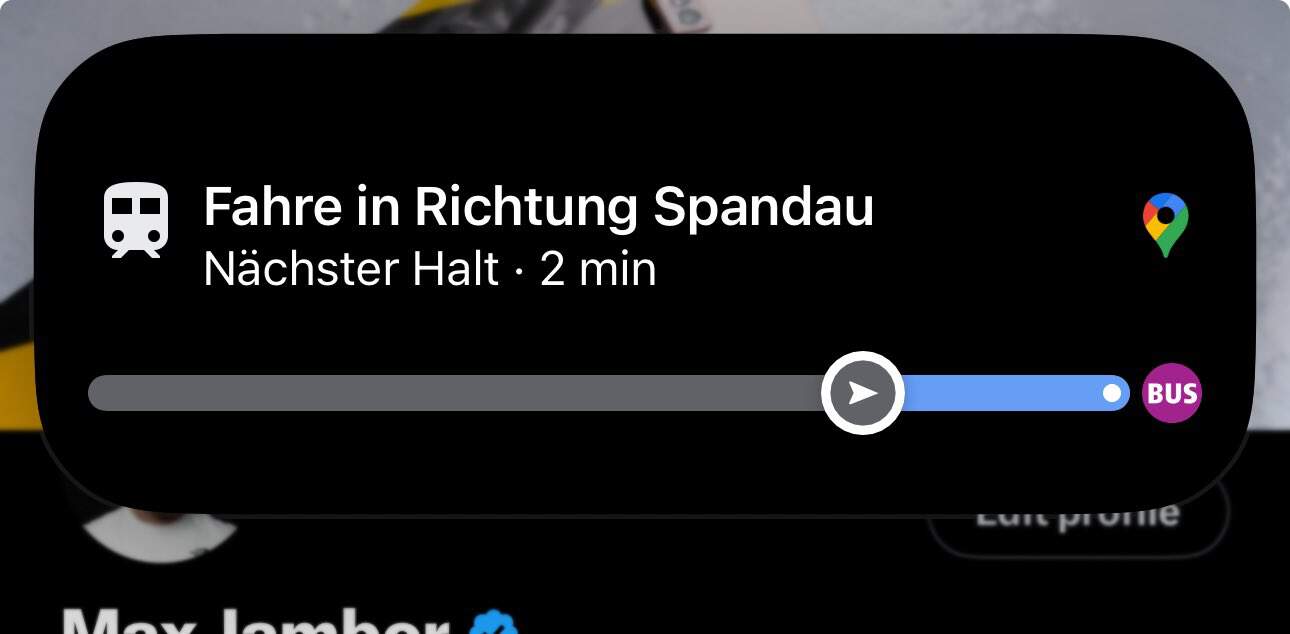
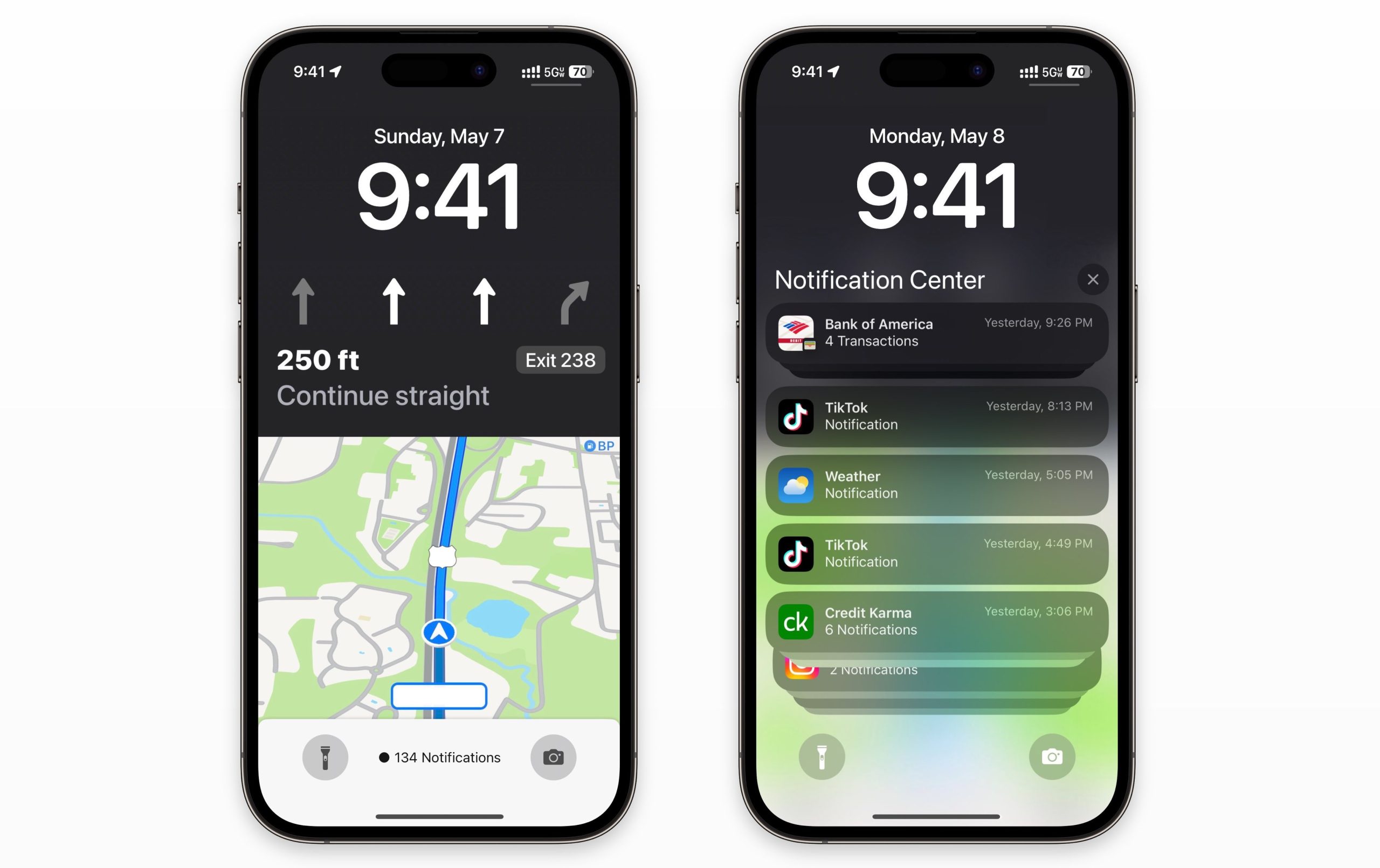
Google Maps Could Soon Show Live Directions on Your iPhone Lock Screen
Live Activities allows supported apps to display live-updating snippets of information right on the lock screen orDynamic Island of newer iPhones.
For Google Maps, this would mean your current turn-by-turn directions and estimated arrival time would stay visible at a glance without having to switch away from whatever you’re doing.
The Live Activities integration appears to be a very limited test for now, with only some Google Maps users briefly seeing it enabled at random before it disappears again.
Reddit and social media reports confirm certain people are getting these live navigational prompts popping up, though only sporadically so far.
Still in Beta Testing
Limited testing phase showing sporadic functionality for select users
Google has been working towards supporting Live Activities in its Maps app for a while now.
The company previously said it hoped to have the lock screen directions ready by the time the iPhone 15 lineup launched later this year, but evidently missed that initial target.
But the functionality is clearly in development and testing after being teased for months by Google engineers.
If you’re an iPhone user eager to try out Live Activities in Google Maps yourself, your best bet may be just repeatedly checking for updates and hoping you get randomly enabled in this limited test run.
You can also venture into the app’s settings menu and toggle on the “Glanceable directions while navigating” option, which could potentially improve your chances.
Either way, Lock Screen directions would be a great quality-of-life upgrade once it finally arrives.
FAQs
What is Live Activities on Google Maps for iOS?
Live Activities allows Google Maps to display live, updating navigation information directly on the lock screen or Dynamic Island of compatible iPhones, offering users an easier way to see directions without fully engaging the app.
How can I access Live Activities for Google Maps on my iPhone?
Currently, the feature is in a limited testing phase. Users might see it enabled randomly. Regularly updating Google Maps and checking the settings for the “Glanceable directions while navigating” option could potentially trigger access.
Which iPhones support the Live Activities feature for Google Maps?
iPhones running iOS 16 that support Live Activities, including those with Dynamic Island, will be able to display navigation information directly from the lock screen once the feature is fully implemented.
What are the benefits of using Live Activities with Google Maps?
This feature provides a convenient way to glance at essential navigation details like turn-by-turn directions and ETA without needing to unlock the iPhone or switch away from other tasks.
When will Google Maps Live Activities be available to all users?
Google has not provided a specific timeline for a broader rollout. The feature is still under beta testing, and availability will depend on the outcomes of these tests.
New dial pad feature allows direct calls without saving contacts.
WhatsApp calls utilize internet data, potentially saving on mobile minutes.
Passkeys feature rolling out on iOS for secure, quick logins.
Both updates aim to enhance user experience and security on WhatsApp.
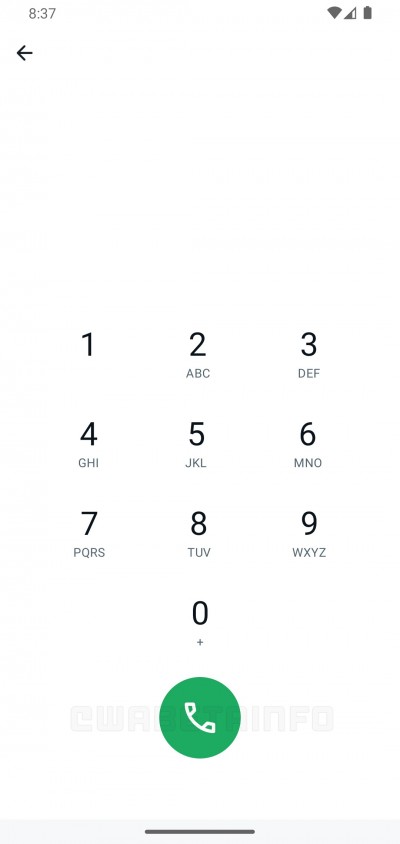
WhatsApp could soon let you make calls without saving numbers first.
A report says WhatsApp is working on adding a new dial pad feature to the app.
This would allow you to enter any phone number and call it directly through WhatsApp, rather than having to save the contact first.
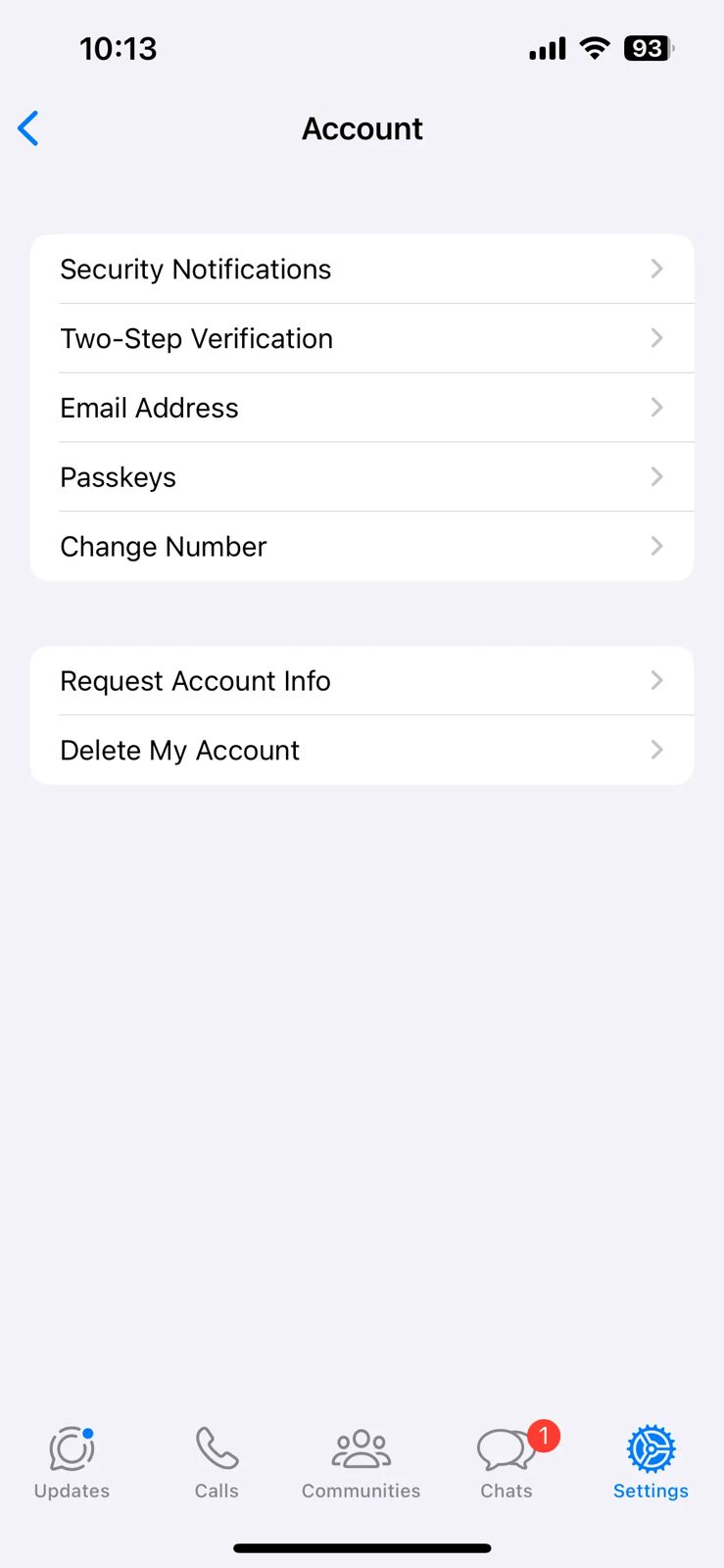
To turn on passkeys for WhatsApp on iOS, go to the Account section of the app’s Settings, and then tap Passkeys. “Passkey verification will make logging back into WhatsApp easier and more secure. We’re excited to launch this on WhatsApp and give users an added layer of security,” Alice Newton-Rex, WhatsApp’s head of product, said in a statement.
“A dialer feature might bring several advantages to the user experience, as it would enable users to make voice calls without switching to the default stock dialer app. Calls made through WhatsApp use Internet data instead of traditional cellular networks, making them more cost-effective, especially for international calls. This is a major advantage for users who have access to Wi-Fi or low-cost data plans,” adds the report.
If it works well and gets released, it will make things much easier when you need to quickly call someone like a business or service whose number you don’t want to keep saved permanently.
Instead of leaving WhatsApp to use your regular phone dialer, you could just enter the number in WhatsApp itself and tap to call over the internet.
WhatsApp developing in-app dialler to let you call people without saving their numbers
Using the WhatsApp dial pad for calls could also save you money, as WhatsApp calls just use your internet data rather than your mobile minutes.
So it’s ideal for calling numbers that would normally be expensive, especially international ones.
The dial pad is still being developed, so we’ll have to wait and see exactly how it works in the final version.
But it certainly sounds like a handy time-saver that WhatsApp fans will appreciate.
WhatsApp Also Bringing Passkeys to iOS for Easier Logins
passkeys are rolling out now on iOS 🔑 a more secure (and easier!) way to log back in with Face ID, Touch ID, or your passcode
here are some reasons you should set it up 👇
— WhatsApp (@WhatsApp) April 24, 2024
In other WhatsApp news, a new login method called Passkeys is coming to the iOS app.
Setting up Passkeys for WhatsApp on iPhone is straightforward.
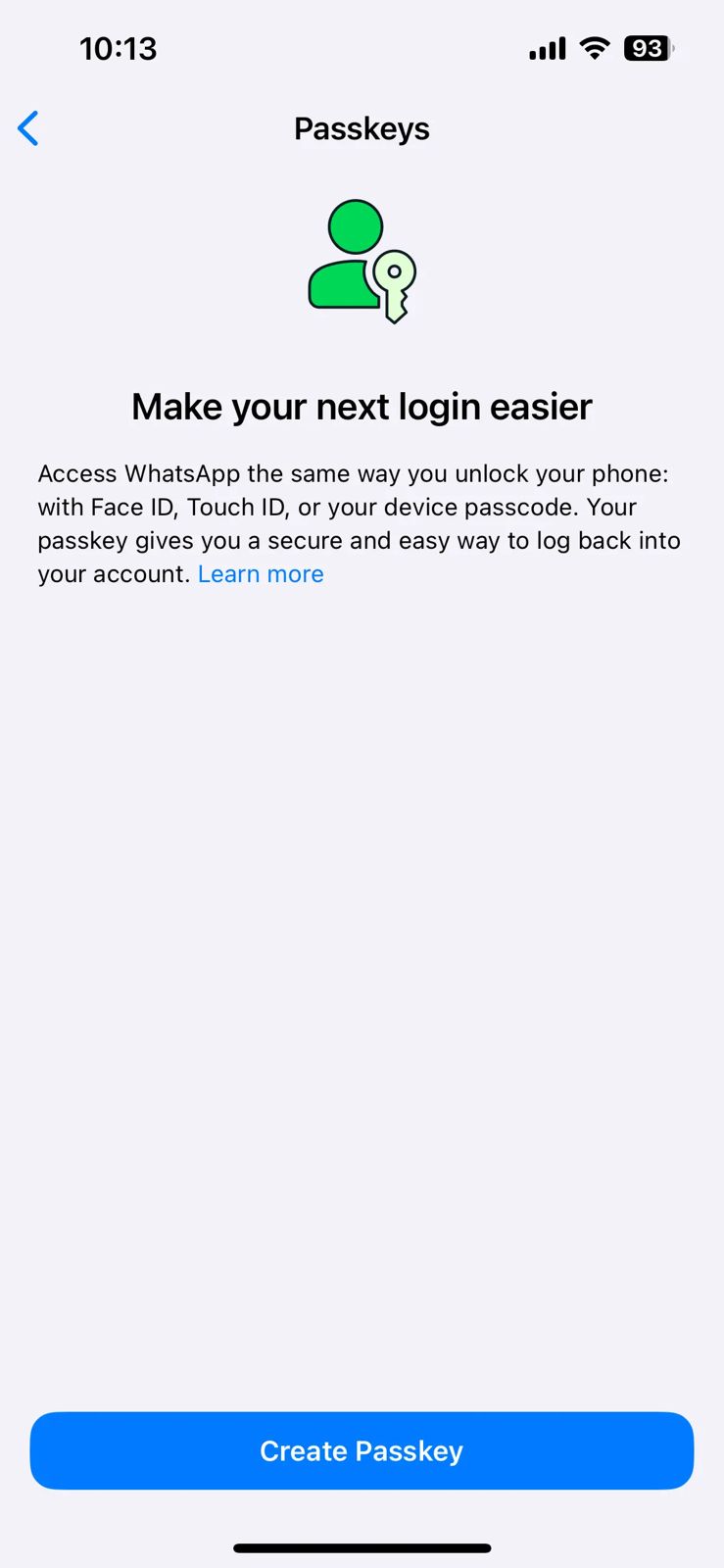
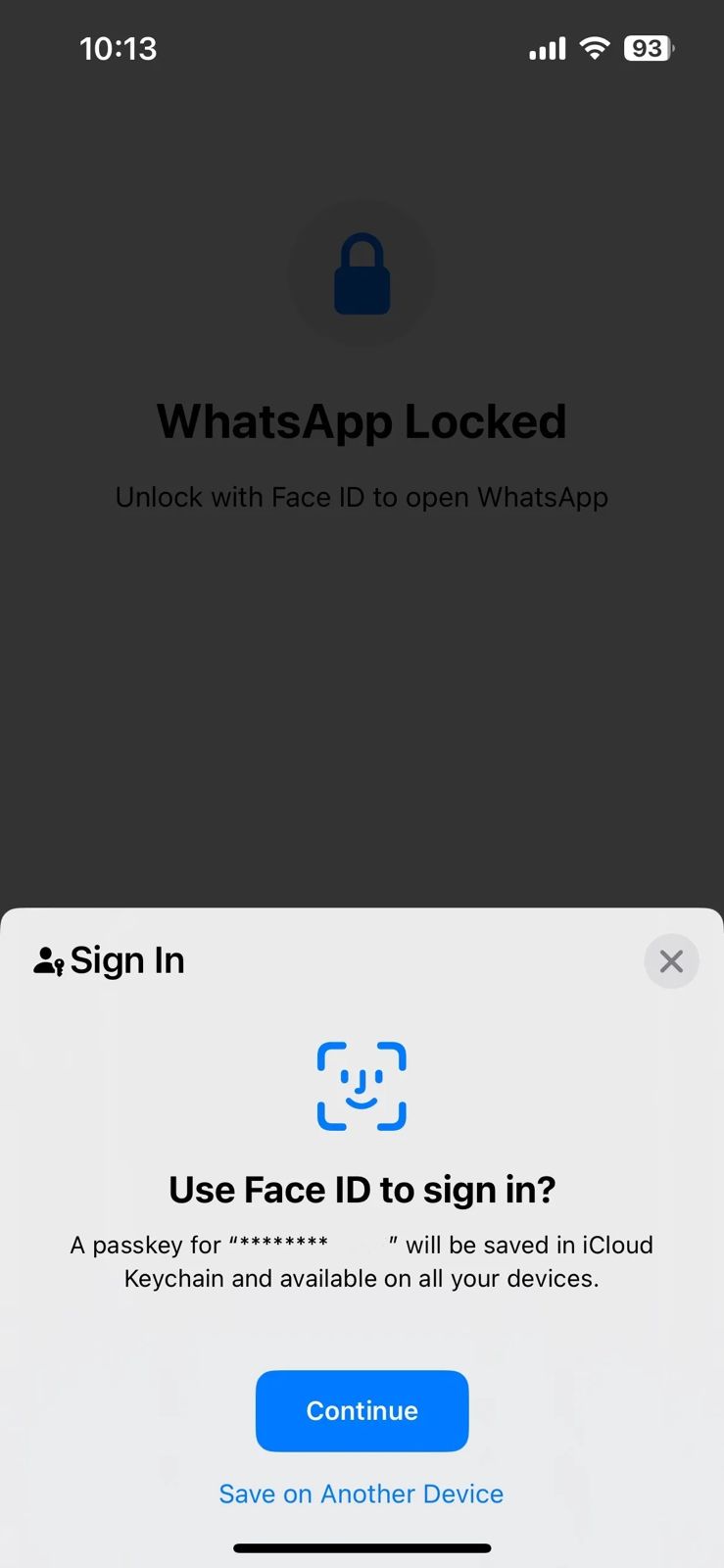
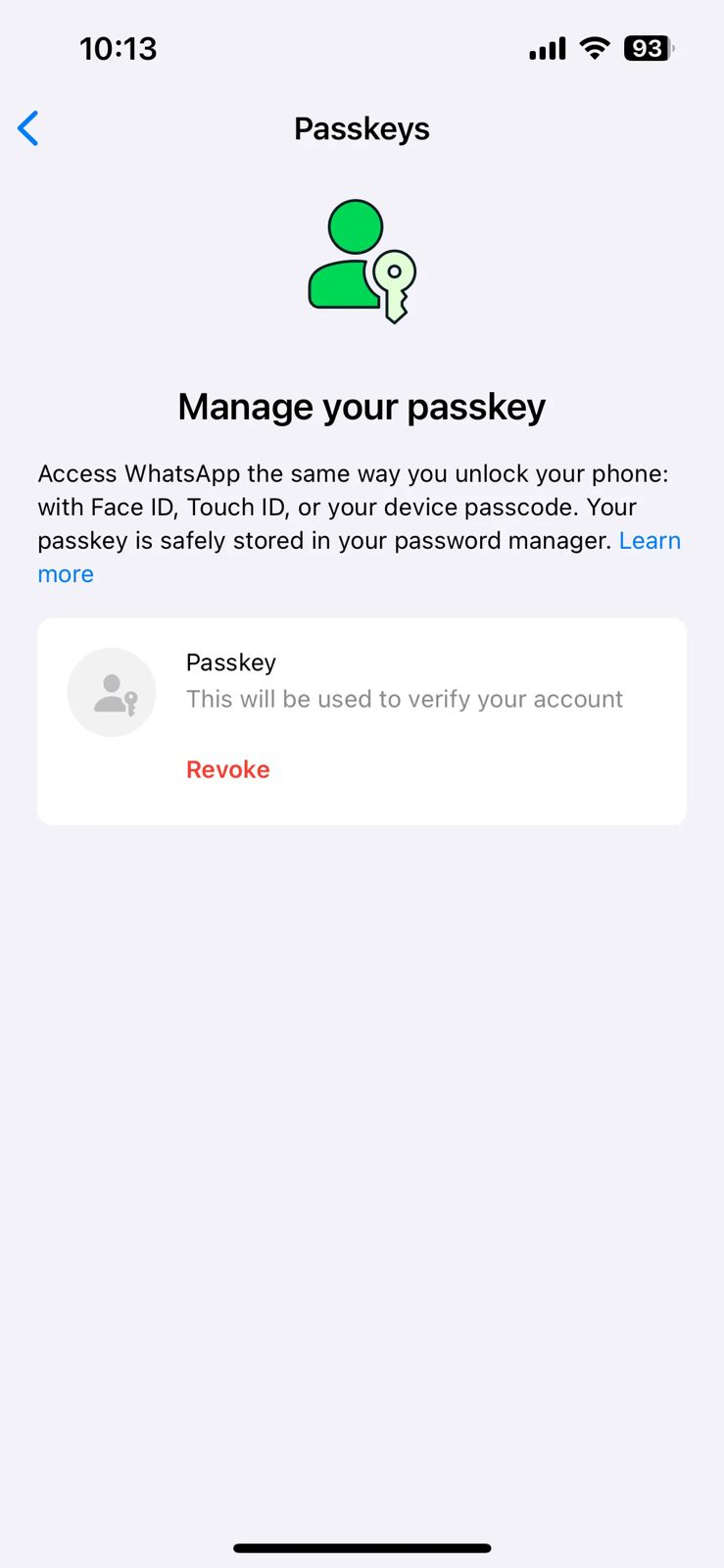
Follow the steps below to start using FaceID to unlock WhatsApp and login to your account.
1. Open WhatsApp on your iPhone and go to Settings.
2. Click on the Account option. 3. On the next page, click on Passkeys. 4. Click on the Create Passkey button at the bottom.
5. Click on Continue when asked, ‘Use Face ID to sign in?’
6. Your Passkey will now be created to unlock and log in to the app.
FAQs
What is the new dial pad feature in WhatsApp?
WhatsApp is testing a dial pad feature that lets you enter a phone number and make calls directly through the app, eliminating the need to save the contact first.
How can the WhatsApp dial pad save me money on calls?
Since WhatsApp calls use your internet data instead of your phone plan’s minutes, using the dial pad for international or typically expensive calls can reduce your mobile bill.
What are Passkeys in WhatsApp?
Passkeys allow iOS users to log into their WhatsApp using biometric authentication like Face ID or Touch ID, or a passcode, making logins quicker and more secure than traditional texted codes.
When will the new dial pad and Passkeys features be available?
The dial pad is currently being beta tested and will be released based on its success, while the Passkeys update is already rolling out to iOS users.
How does the Passkeys feature enhance security on WhatsApp?
Passkeys are stored locally on your device rather than being transmitted, reducing the risk of interception and enhancing your account’s security.
What are Passkeys?
Passkeys provide a secure method for signing into apps and websites, offering ease of use and heightened security compared to passwords.
Users can access their WhatsApp account using familiar authentication methods such as fingerprint scans, face scans, or PINs, ensuring only authorized access and providing peace of mind against unauthorized entry.