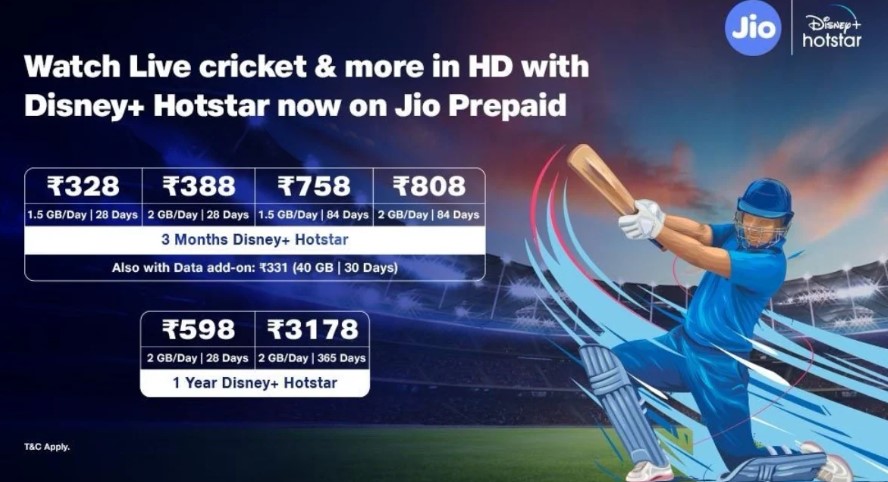
Comprehensive range of prepaid plans starting from Rs. 328 to Rs. 3178.
Each plan bundled with a complimentary Disney+ Hotstar subscription.
Options available for monthly, quarterly, and annual recharge durations.
Special provisions for added data, ensuring non-stop cricket action.
As the fervor of the ICC Men’s Cricket World Cup 2023sweeps the nation,Jio is batting on the front foot with an exciting lineup of prepaid plans.
To ensure that cricket aficionados don’t miss out on any action, Jio has rolled out seven tailor-made recharge plans, each bundled with a complimentary Disney+ Hotstar subscription.
Whether you’re cheering for your favorite team from home or on the go, Jio ensures uninterrupted streaming for all.
Monthly Recharge Plans to Bowl You Over
jio: Monthly Recharge Plans
For those who prefer short stints, Jio introduces a trio of monthlyprepaid plans.
Starting at a modest Rs. 328 for 28 days, users get a daily data allowance of 1.5GB.
If you’re looking for a bit more data, the Rs. 388 plan offers 2GB per day.
The cherry on the top? Both these plans come with a 3-month Disney+ Hotstar subscription.
But if you’re aiming for a longer inning, the Rs. 598 monthly plan is the way to go.
Along with 2GB of data daily, it brings with it a full year’s subscription to Disney+ Hotstar.
Quarterly Plans: A Perfect Hat-trick
Planning to follow the World Cup more ardently? Jio’s quarterly plans might just be your ticket. At Rs. 758, users are treated to 1.5GB daily data, while the Rs. 808 plan amps it up to 2GB per day.
Both these 84-day plans are bundled with a 3-month Disney+ Hotstar pass.
Need extra data? Just shell out an additional Rs. 331 and avail a whopping 40GB for 30 days.
Annual Plan: For the Marathon Cricket Enthusiasts
For those who eat, sleep, and breathe cricket and don’t want to miss a single over throughout the year, Jio offers an annual prepaid plan at Rs. 3178.
All these delectable plans are up for grabs on Jio’s official website.
Once recharged, users can simply log into the Disney+ Hotstar app with their Jio number and dive straight into the cricketing action.
FAQs
Ques) What is the unique selling point of Jio’s new prepaid plans for the Cricket World Cup 2023?
Jio’s new prepaid plans are specifically tailored for the Cricket World Cup 2023 and come bundled with a Disney+ Hotstar subscription, enabling users to stream the matches without any additional cost.
Ques) How long is the Disney+ Hotstar subscription valid with these Jio prepaid plans?
Depending on the plan, users can avail a Disney+ Hotstar subscription ranging from three months to a full year. For instance, the Rs. 598 monthly plan offers a year-long subscription.
Ques) If I need extra data while on one of these plans, does Jio provide an add-on option?
Yes, for users who might run out of their daily data limit, Jio offers an additional data pack at Rs. 331, granting a bonus 40GB for 30 days.
Ques) How can I access the Disney+ Hotstar subscription once I recharge with one of these plans?
After recharging with any of the eligible packs, users need to log into the Disney+ Hotstar app using the same Jio number with which they recharged. Immediate access to the platform’s content will be granted.
With the November 10 release of Call of Duty: Modern Warfare III just around the corner, Sledgehammer Games takes to the stage at Call of Duty.
In this article to discuss is Multiplayer in depth, with representatives from Treyarch showing off Zombies, Raven Software presenting Call of Duty: Warzone, and more.
The Future of Call of Duty
In anticipation of the November 10 launch of Call of Duty: Modern Warfare III, the Call of Duty: Next event showcases a huge sampling of upcoming content across multiple modes and titles.
Starting with Modern Warfare III, viewers will get their first in-depth look at Multiplayer and Zombies, followed by major announcements for both Call of Duty: Warzone™ and Call of Duty: Warzone Mobile.
This would be an excellent way of celebrating Call of Duty’s 20th anniversary!
Military esports teams from the U.S., U.K., and Canada join top Call of Duty streamers to compete for the Call Of Duty Endowment Bowl IV presented by USAA, with the winning team taking home the C.O.D.E. Bowl Trophy and bragging rights for their service branch of the military.
Modern Warfare III Multiplayer
Modern Warfare III Multiplayer
Modern Warfare III celebrates the 20th anniversary of Call of Duty with one of the greatest collections of Modern Warfare Multiplayer maps ever assembled, including all 16 launch maps from Call of Duty: Modern Warfare 2 (2009).
To introduce Modern Warfare III Multiplayer, Sledgehammer Games developers Greg Reisdorf, Adam Iscove, and Kim Weigend were invited to the stage to present and share a selection of the maps, modes, and new features coming to the game.
Modernizing Classic Multiplayer Maps
Modernizing Classic Multiplayer Maps
The event began with gameplay focused on five of the 16 launch maps from Call of Duty: Modern Warfare 2 (2009) that will be available on Day One: Favela, Estate, Skidrow, Rust, and Highrise.
All five of the presented maps will be available to play in the Beta. Sledgehammer Games aims to stay true to what made these maps so special to the Call of Duty community by offering faithful modernizations of the classic experience that players know and love, a great way to celebrate Call of Duty’s 20th anniversary.
Through matches of Team Deathmatch, Domination, Hardpoint, and Kill Confirmed, we saw how the maps have been graphically modernized while maintaining a high level of authenticity compared to their original versions.
With modes like Hardpoint and Kill Confirmed (released after 2009 when the maps originally appeared), players got the chance to see how their favorite modern modes stack up on these classic maps.
More at Launch : While Next was focused on Core Multiplayer in Modern Warfare III, the studio confirmed that new Ground War maps and a War mode map will launch on Day One, with more info on the way.
Post-Launch: Expect at least 12 new Core 6v6 maps in post-launch seasons, including three all-new maps deploying with Season 01 plus three more new maps in Season 02.
New and Returning Gameplay Features
New and Returning Gameplay Features
In addition to introducing some of the new features introduced by Modern Warfare III, the developers discussed some returning fan-favorite elements:
Map Voting: Map Voting returns between matches, giving players greater autonomy over their gameplay experience.
Classic Minimap: Series veterans should be right at home with the classic minimap, wherein red dots appear on the map to temporarily show the position of enemies who fire unsuppressed weapons.
Dead Silence: Persistent silent movement returns in the form of boots that can be equipped in one’s Loadout, offering stealth advantages to those seeking a low profile.
Increased Health: Core Multiplayer health is being increased to 150 points, thus increasing the Time-to-Kill (TTK).
Movement and Combat Changes
Movement and Combat Changes
Modern Warfare III features fast, responsive movement, allowing players to swiftly navigate the map in search of their next target and objective.
* Cancel slide and reload animations to quickly adjust your tactics on the fly. * Mantle objects more quickly and while sprinting. * Fire immediately while sliding, including a Perk that allows aiming down sights (ADS) while sliding. * Increased Tactical Sprint duration. Tactical Sprint recharges while sprinting. * Increased base strafe speeds while ADS.
Tac-Stance: Toggle in and out of the new Tac-Stance at any time, a perfect middle ground between Hip Fire and ADS.
Tac-Stance balances mobility with accuracy for more aggressive play with supported weaponry, dramatically increasing ADS movement speed while introducing bullet spread. Operators can fire in Tac-Stance while sliding as well.
Weapons and Operators
Weapons and Operators
Your inventory from Call of Duty: Modern Warfare II will carry forward into Modern Warfare III.
That said, a whole slate of brand-new weapons and Operators are also being developed for Modern Warfare III, including the Rival 9 SMG, Longbow Sniper Rifle, and Warden Kortac Operator.
Loadouts: New Gear
Perks are active from the moment the match begins to the end, now represented across four different categories: Vest, Gloves, Boots, and Gear.
The items you pick in these categories supply your Operators with various Perk-like abilities.
They do not modify your Operator’s appearance in-game, so you can choose the items that offer the best playstyle benefits without effecting your style.
Vests: Equip a variety of Vests that offer special abilities in addition to determining which kinds of items are able to be equipped within your Loadout. For example, the Engineer Vest disables Lethal Equipment, but provides two Tactical Equipment pieces and an extra Gear slot.
Gloves: Adjust your weapon and Equipment handling with Gloves that increase weapon swap speed, allow you to throw equipment farther, reload while sprinting, and more.
Boots: Further enhance your mobility options with Boots that eliminate footstep sounds, increase climbing and mantling speed, and more.
Gear: The Gear slot features a greater variety of items that affect your Operator, from EOD Padding that reduces non-Killstreak explosive and fire damage to the Bone Conduction Headset, which reduces combat noise for improved identification of enemy footsteps and gunshots.
Aftermarket Parts
Aftermarket Parts
A new feature coming to Gunsmith and Loadouts is Aftermarket Parts, which allow players to dramatically alter the function of a weapon beyond the effect of attachments unlocked in the normal course of Gunsmith.
Aftermarket Parts introduce new progression paths for weapon leveling that offer truly unique weapon configurations for enhanced playstyle customization.
To access this new feature, players must first obtain a supported weapon’s max level and then complete an in-game challenge to unlock the new gear.
From converting an LMG into a bullpup design for more aggressive play to using 3D-printed parts to transform a Handgun into an SMG, Aftermarket Parts turn everything you know about your most familiar weapons on their head.
Equipment
Equipment
Players were also given a peek into some new items coming to Modern Warfare III Loadouts, including:
Breacher Drone (Lethal Equipment): Deploy a slow-moving explosive drone that explodes on proximity to an enemy or on impact. The Breacher Drone can be countered by EOD Padding or shot out of its flight path before reaching its destination. According to Sledgehammer Games’ playtest sessions, this is one of the most fun new Equipment additions.
Mosquito Drone (Killstreak): Deploy an explosive drone that circles the area where it’s launched, dive-bombing onto approaching enemies. Listen for audio and visual cues on the receiving end of this Killstreak to pinpoint and destroy it.
A.C.S. (Field Upgrade): Toss the Automated Computer Spike onto objective points to contribute to your team’s score without taking yourself out of the action. The A.C.S. also hacks enemy Equipment, turning a deployable item against its original owner.
Comm Scrambler (Field Upgrade): Deny enemy Killstreaks and Field Upgrades from being used within the vicinity of the Comms Scrambler. Its area of effect is clearly visible on the minimap; enemies can choose to play around its vicinity or target the item directly to get rid of it. In addition, teammates are hidden from enemy UAV pings while in range of a friendly Comms Scrambler.
Game Modes: Cutthroat, Ground War, War
Game Modes: Cutthroat, Ground War, War
After showing off some classic 6v6 Core matches, the Sledgehammer Games developers turned to the new Cutthroat game mode, along with confirmation on the return of Ground War and War.
Cutthroat: A brand-new mode to the franchise, Cutthroat introduces 3v3v3 action on Core Multiplayer maps. Operators have only one life per round; eliminate the enemy teams or capture the overtime flag to win the round. Will you charge in gunning for everyone, or let the other two teams whittle each other down first? The opportunities are endless in this new chaotic mode arriving at launch.
Ground War: Players who love large-scale Multiplayer battles will be glad to know that Ground War is returning in Modern Warfare III. Compete in sections of the map that players will experience later this year in Call of Duty: Warzone.
War Mode: War mode is back! In this classic mode that was originally featured in Call of
Duty: WWII (2017), players enter a vast, purpose-built landscape, with the focus on competing in linear engagements and progressing the battle through a series of objectives. Secure capture points, escort an armed tank, and launch an ICBM — this is War.
Modern Warfare Zombies
Modern Warfare Zombies
Special guests Kevin Drew and Miles Leslie of Treyarch joined the presenters at Call of Duty: Next to reveal Modern Warfare III’s third game mode: Zombies.
For the first time in franchise history, the beloved Zombies game mode will be fully featured in the Modern Warfare universe! In this iteration, teams of players will cooperate in an open-world, pure player-versus-environment (PvE) setting featuring multiple squads who can work together (or go their own way) when facing down multiple threats, masses of the shambling undead, and clandestine enemy forces in an increasingly terrifying series of hostile environments!
In this extraction-based mode, beware of the expanding Aether Storm which will consume the map as the match progresses.
Work together, move fast, and dig deeper into the Dark Aether narrative.
For New and Veteran Slayers Alike
For New and Veteran Slayers Alike
For new players, there’s never been a better time to become a Zombies fan.
With vehicle support to navigate the map more quickly, more enemy density than ever before, and multiple squads working together toward a common objective — to contain and prevent the outbreak from spreading — there’s plenty to look forward to as a fresh player, including a series of rewards and upgrades specific to this mode.
Returning fans will feel right at home with core Zombies features, including the escalating tension as the match progresses, as well as classic features like Pack-A-Punch, Perk Colas, the Mystery Box and Wonder Weapon.
And, perhaps most important of all, there are new secrets to discover . . . which you’ll have to find on your own.
Replayability: In the extraction-based gameplay featured in this iteration, players will be able to store and use weapons they’ve successfully exfilled within their future matches, including fan favorites like the Ray Gun.
For the first time ever, you’ll be able to start future matches with these classic weapons!
Throughout the map, players will additionally find blueprints that allow them to create acquisitions outside of the match, providing benefits like starting a deployment with Juggernog.
Enemies, Both Living and Undead
Enemies, Both Living and Undead
Zombies features much greater enemy density this time around, and it’s not just the undead you’ll be fighting.
Battle against mercenary soldiers working for the Terminus Outcomes PMC hired by the main antagonist Viktor Zakhaev.
In addition to a variety of undead and otherworldly creatures, prepare to face one of the biggest Zombies creatures to ever appear in the mode.
Players will descend on Urzikstan, a brand-new big map where the Middle East meets Eastern Europe, designed with 11 memorable main points of interest alongside many other smaller areas.
The main points of interest to visit in Urzikstan are as follows:
* Levin Resort * Popov Power * Zaravan City * Shahin Manor * Low Town * Orlov Military Base * Hadiqa Farms * Zaravan Suburbs * Old Town * Seaport District * Urzikstan Cargoi
To situate yourself in this new and nostalgic map, which is also the main theater of operations in Modern Warfare Zombies.
Movement and Combat Changes
As with Modern Warfare III’s Multiplayer, Call of Duty: Warzone will also feature changes to movement and combat mechanics, compared to the current iteration of Warzone:
* Cancel a slide by jumping or crouching again. This does not reset the Tactical Sprint. Operators begin sliding more quickly, slide farther, and can shoot in Tac-Stance while sliding. You can also ADS while sliding. The speed penalty for successive slides has also been decreased. * Jump higher, faster, and ADS while jumping more quickly. Reduced slowdown when landing from a jump and reduced sprint-out delay after jumping. * Toggle on Tac-Stance for a hybrid of hip-firing and ADS, granting faster strafe and movement speed with a penalty to accuracy. * Use the ‘Stim’ Tactical item to give yourself a short movement speed increase to help evade an encounter. Call of Duty: Warzone Operators have a base health of 150, allowing players to react and reposition during skirmishes.
UI Updates
A new chapter of Warzone represents an opportunity for the return of some of the most-loved User Interface updates that Warzone has had over the years.
Classic Mini-Map: The classic minimap that includes red dots will return, offering similar intel to the one available in Multiplayer, giving players something new to consider when building their Loadout with suppressors.
Weapon and Loot Rarity: To help players loot up in the heat of combat, weapon and loot rarity has returned – including a unique colour for ‘Custom Weapons’.
Dedicated Ammo Slots: Players will now be able to carry each ammo type in dedicated inventory slots, and can still use the Backpack to carry more in excess if they wish.
Quality of Life Updates
It wouldn’t be a new chapter of Warzone without a suite of improvements to the core gameplay, and importantly this upcoming year will carry forward ALL the current Quality of Life updates to Warzone.
Gas Mask Animation: The Gas Mask is now automatically worn when equipped into your Loadout. It can be manually unequipped and stowed away in the Backpack or dropped in moments when battling in the closing gas.
Dedicated Pistol Sidearm: In certain situations, such as swimming and climbing ladders, the player will now always equip a dedicated pistol sidearm to be able to engage in armed combat to keep fights fair and balanced at all times.
Updated Contracts: Contracts are now easier to find in the world thanks to a new Laptop item, combined with all new rewards and smaller Quality of Life improvements to each Contract type.
Improved Circle Pacing
The density of Urzikstan warranted a need to revisit the pacing and sizing of the gas circles, so with the upcoming Warzone experience you can expect a faster-paced Battle Royale to get to the action sooner.
New Features
Modern Warfare III Equipment: To celebrate the new experience, Call of Duty: Warzone will come complete with a spread of new Lethals, Tacticals, Field Upgrades and Killstreaks cherry-picked from Modern Warfare III.
Horizontal Ziplines: In addition to the vertical ziplines Operators can use to reach the top of buildings or other high objects (known as “ascenders”), new horizontal ziplines are also featured in the map. Cross to adjacent buildings more quickly or reposition from a disadvantageous situation with this new way to traverse the structures across Urzikstan.
Drivable Train: The train is now controllable for the first time; Operators can make the Train travel forwards, backwards, or stop the Train outright. This “moveable” POI will have a Buy Station and UAV Tower, as well as a handbrake in the rear carriage (known as the “Caboose”!) giving it the potential of being a core aspect of a player’s strategy throughout the match – especially if the circle closes on it…
New Champions Quest: While saving the details for the community to discover on their own, a new Champions Quest is confirmed for Urzikstan as an in-season update, a highly challenging but rewarding task reserved for the most elite squads.
Warzone-Exclusive Perks: The new chapter will come with Perks that are only in Warzone and have been built and balanced for the Warzone experience.
* Shrouded: Drops a Smoke Grenade automatically when downed. * Combat Scout: Pings an enemy when they are hit with a bullet. * Irradiated: Move faster and take less damage when in the Gas. * Resolute: Increases movement speed when damaged. The Return of the “Big Game Bounty” Contract: A fan-favorite Contract from the past returns, where the player with the most eliminations in the match is marked and the reward is an Advanced UAV – a potential game changer.
The Gulag
The Gulag
The Gulag was a breakthrough feature for Call of Duty: Warzone, allowing players the opportunity to test their skills and get the chance to return to the match. New Gulag features include:
Ascender Overtime Finisher: Replacing the overtime flag capture is an exfil Ascender positioned in the middle of the map. Be careful: The enemy Operator can fire at you as you’re zipping up for the exfil!
Gulag Public Event: Public Events may also occur within the Gulag, such as Cash Grab (more money on the floor) and Locked & Loaded Weapons (AMG + SMG loadout with full armor), helping the victor by bringing back some much-needed items into the match.
NVG Gulag: As an in-season update, the Gulag will occasionally go dark, equipping Operators with night-vision goggles for a fun new twist on the Gulag experience.
Call of Duty: Warzone Launch Content
Call of Duty: Warzone Launch Content
While Urzikstan represents a brand-new map for Call of Duty: Warzone, the game will also support Vondel and Ashika Island in the following Playlists:
In a special announcement, in partnership with our friends at High Moon Studios and Beenox respectively – we are also excited to announce the return of Fortune’s Keep and Rebirth Island in 2024, with more details to come next year.
Call of Duty: Warzone Mobile
Call of Duty: Warzone Mobile
In celebration of the over 45 million fans who have already pre-registered for Call of Duty: Warzone Mobile, the team announced that, in addition to Verdansk, Rebirth Island will make its mobile debut and be available on Day One of the game’s worldwide launch.
This fan-favorite Call of Duty: Warzone map that has been painstakingly and specially built for Call of Duty: Warzone Mobile combines some of the best elements of Battle Royale and Multiplayer into one thrilling experience sure to provide fans with another dose of amazing, frenetic action.
Since Call of Duty: Warzone Mobile was revealed, early adopters in Limited Release countries have experienced a host of content via cross progression and the shared Battle Pass, jumped into 120-player matches on the legendary Verdansk map to face off against real humans at a massive scale, and provided a tremendous amount of feedback.
In collaboration with Call of Duty studios and technology teams at Activision, the Warzone Mobile teams across Activision Shanghai Studio, Beenox, Digital Legends, and Solid State Studios continue to work through their feedback to make all elements of the game even better with refinements to everything from performance and polish to gameplay, touch controls, menus, and more.
From rendering at a significantly higher fidelity to reducing the install footprint, to refining the customization options, to the integration of an authentic multiplayer experience featuring maps like Shipment and Shoot House to complement Battle Royale, Call of Duty: Warzone Mobileis all-encompassing Call of Duty experience poised to redefine Battle Royale for gamers on the go.
If you have not signed up for Call of Duty: Warzone Mobile yet, there’s still time.
Head over to the Call of Duty: Warzone Mobile website to preorder on the App Store or pre-register on Google Play to claim some awesome rewards and ensure you are ready to roll when the game launches worldwide in spring 2024.
To celebrate the game’s 20th anniversary, earn daily login rewards for a whole week starting today, featuring cosmetics like the Classic Captain Price Operator Skin and more.
Also at Next, we introduced the Vault Edition exclusive Soul Harvester Tracer Weapon Blueprint, featuring an eye-catching design that fuses the aesthetics of Dark Aether energy with the sinister allure of black chrome.
The blueprint comes equipped with tracer rounds and custom death effects that allow you to slay your enemies with style.
The Soul Harvester will be available starting October 17 in Modern Warfare II and Warzone, and comes to Modern Warfare III on launch day (November 10th).
You’ll find the blueprint useful in your quest to capture Souls as part of an in-game event during The Haunting.
Monsters and agents killed with the Soul Harvester will drop bonus Souls which can be redeemed for rewards in The Haunting events tab.
And when Modern Warfare Zombies launches on November 10th, the Soul Harvester will come equipped with the Dead Wire ammo mod giving every bullet the chance to stun and damage the undead hordes with electricity.
PlayStation® Exclusive: Lockpick Operator Pack
PlayStation players who preorder Modern Warfare III through the PlayStation Store will receive an exclusive pack, the Lockpick Operator Pack.
This pack includes the Van Goated Lockpick Operator Skin, the AMRican Gothic Weapon Blueprint, and the Starry Knife Melee Weapon Blueprint.
With light fingers but a hard fist, Elodie “Lockpick” Micheaux is a cunning Art Thief with noble motivations, and an exciting new operator to come to Modern Warfare.
PlayStation playerscan get the Lockpick Operator Pack by pre-ordering Modern Warfare III on the PlayStation Store, with the items playable at the game’s launch on November 10.
Play the Modern Warfare III Beta, Starting Tomorrow
Play the Modern Warfare III Beta, Starting Tomorrow
Now’s your chance to play Modern Warfare III Multiplayer during the Open Beta, featuring the maps and several of the new weapons and Operators seen during Next.
Plus, if you have preordered the Vault Edition, you get to use the amazing FATE Weapon Vaults and Nemesis Operator Skins, including some incredible-looking skins for Makarov, Price, Soap, and brand-new operator, Warden.
The Royal Canadian Air Force Takes Home the Call of Duty Endowment (C.O.D.E.) Bowl IV Championship Trophy.
C.O.D.E. Bowl IV, presented by USAA, directly followed the Call of Duty: Next event, pitting miliary esports teams from the U.S., U.K., and Canada against each other in Call of Duty: Warzone to determine the fourth annual winner of the tournament.
The event kicked off with a special announcement from Call of Duty Endowment around the upcoming release of the Call of Duty Endowment Warrior Pack, to be available at the Modern Warfare III launch.
To further showcase their support for the military, the three-time event sponsor, USAA, announced that they are giving away free Call of Duty Endowment Warrior Packs to U.S. military and veterans while supplies last.
A trailer for the Call of Duty Endowment (C.O.D.E.) Defender Mobile pack was revealed during the broadcast.
The fan-favorite Call of Duty Endowment pack is available right now in Call of Duty: Mobile. You can grab the pack from now until October 19, 2023. 100% of Activision’s net proceeds from this pack will he
It was also announced that Pilot Company will be partnering with the Endowment for the 4th year in a row.
Starting October 22nd, visitors to any of the Pilot or Flying J locations will have an opportunity to round up their change at checkout with 100% of the net funds going towards getting vets the high-quality career opportunities that they deserve.
In a tournament packed with surprises, military esports teams paired up with Call of Duty content creators to compete for the C.O.D.E. Bowl IV trophy on Al Mazrah across four rounds of competition.
The team with the most eliminations won, with score multipliers added to eliminations in the final moments of the match.
The Royal Canadian Air Force ultimately secured the win, claiming the C.O.D.E. Bowl IV championship trophy and bragging rights for the RCAF.
C.O.D.E. Bowl IV saw standout performances throughout the event, but none bigger than GetPicked.
Thanks to Monster Energy, GetPicked from the Royal Canadian Air Force took home the inaugural Monster Energy MVP award as he Unleashed the Beast on the competition all tournament long.
About the Endowment
The Endowment has placed more than 125,000 veterans in jobs since 2009. That’s equal to 23 vets placed per day over the last 14 years, creating more than $7 billion in economic value for U.S. and U.K. veterans and their families.
Last year, the average cost to place a veteran in a job was $618, about 1/13th the cost of the U.S. government’s efforts.
Faqs
1) What is “Carry Forward”?
The term “Carry Forward” simply refers to content currently available to players in Modern Warfare II and the current version of Call of Duty: Warzone (such as weapons and cosmetic content, including Bundles, Operators, and other rewards and unlocks from the game), and how much of it will be accessible in Modern Warfare III.
2) What will “Carry Forward” into MWIII?
A small amount of content may be unavailable if gameplay offerings are different in Modern Warfare III. For example, if MWIII doesn’t have the Tactical Amphibious Vehicle, or a specific piece of Tactical or Lethal Equipment in any game modes, any Skins you’ve unlocked for these items in MWII won’t be in MWIII. In addition, Wartracks (music) will not carry forward from MWII to MWIII.
There will be no “Carry Back” (from MWIII to MWII).
3) Does Carry Forward also apply to Call of Duty: Warzone (MWII)?
Yes.
You should expect Modern Warfare III content to be integrated into Call of Duty: Warzone at the start of Modern Warfare III Season 01, including all the Modern Warfare II content specified in this blog, where applicable. Content is additive, so none of the previously described MWII Carry Forward content acquired in Call of Duty: Warzone will be taken away.
4) Is Modern Warfare II and Modern Warfare III Content accessible in Call of Duty Warzone Mobile?
Call of Duty: Warzone Mobile will include shared progression across Modern Warfare II, the current iteration of Call of Duty: Warzone, and Modern Warfare III as one of its key features. We intend to make all Operators, Weapons, Blueprints, and cosmetic equipment accessible, as well as integrating Player Level, Battle Pass access, and Weapon progression among these games. We’ll have more details to share on this as we near the worldwide launch of Warzone Mobile.
5) How does Carry Forward work regarding any Operators I may have acquired?
For Modern Warfare II players, all unlocked Operators and Operator Skins will carry forward into Modern Warfare III. This essentially means that every Operator a MWII player has unlocked, obtained via challenge, or purchased (including the PlayStation® Exclusive Oni Operator), will be available in MWIII.
For MWIII players who do not own MWII, MWII Base Operators will not be available.
Note: “Base Operator” means the Operator with their default Skin, which may require a challenge to unlock.
Note: Unless otherwise specified, “Modern Warfare II” content also applies to content you’ve obtained during the second iteration of Call of Duty: Warzone that launched with Season 01 of Modern Warfare II.
6) What happens to MWII Operators who are no longer available as a Store Bundle or who are obtained due to a timed exclusive window (e.g., a Season Operator)?
For Modern Warfare II and Modern Warfare III players, timed-exclusive MWII Operators and/or Skins are not available if they haven’t been unlocked or purchased. This mainly relates to Battle Pass Operators and Skins, as well as BlackCell Operators and Skins.
7) Does all cosmetic Operator Skin content carry forward?
Yes.
Store Bundle Skins for all MWII Operators will carry forward.
8) What happens to Operators who exist in both MWII and MWIII? For example, assuming Captain Price appears in both games, are “MWII Price” and “MWIII Price” two separate Operators?
No.
If Captain Price appears in both games, he is regarded as the same character and is selected in the same Operator menu screen, with any MWII and MWIII Skins and other content available in this selection menu.
9) Do all weapons in Modern Warfare II and their Blueprints carry forward to Modern Warfare III?
Yes.
All Modern Warfare II weapons will be available for Modern Warfare III players, although each weapon’s associated unlock challenge must be completed before it becomes accessible in MWIII. Any Blueprints also carry forward, and certain MWII Blueprints available via Store Bundles will also be available to purchase in MWIII.
Some Base MWII weapons were available for a limited time during MWII’s Seasons of content, and are initially inaccessible to MWIII owners, unless the specific Weapon Unlock Challenge for that weapon has been completed.
To reiterate: If you haven’t played MWII and pick up MWIII, the full complement of MWII weapons will be available, but only after the associated weapon challenges in MWIII are completed.
Therefore, Modern Warfare III players should expect the following Base weaponry accessible in the Gunsmith, at launch:
* An extensive and impressive number of Modern Warfare III–specific Base weapons (not revealed yet).
* The Base weapons available at the launch of Modern Warfare II at the level you progressed them to in MWII. If you do not own MWII, the same MWII Base weapons will be available in MWIII, ready to be unlocked via a challenge, and leveled up.
* Any Base weapons unlocked during a MWII Season, Event, or other unlock challenge (e.g., the Tonfa Base Melee weapon, available only as part of the Vondel Event in Season 04).
10) Will Modern Warfare II Weapon Camos, including Mastery Camos and those awarded for completing Events, be carried forward?
Yes.
All Weapon Camos will carry forward into Modern Warfare III. Limited-time Event Camos that were available only during a certain period are accessible if you unlocked them in Modern Warfare II at that time.
11) What are the different platforms available for Call of Duty : Modern warfare |||?
Call of Duty: Modern Warfare III will be available for purchase on the following platforms:
* PlayStation 5
* PlayStation 4
* Xbox Series X|S
* Xbox One
* Battle.Net
* Steam
• Luna Ring’s evaluation confirms its accuracy, benchmarking it against industry gold standards such as the Polar H10 HR sensor and Chest Strap HR monitors. • Tested by certified institutes such as IIIT-H and All Is Well (AIW) for accuracy across various metrics like heart rate, sleep, step count, HRV etc., Noise’s flagship smart ring facilitates a profound transformative lifestyle shift. • Luna Ring delivers precise performance demonstrating 98% accuracy for step count and HR, and 95% for heart rate variation.
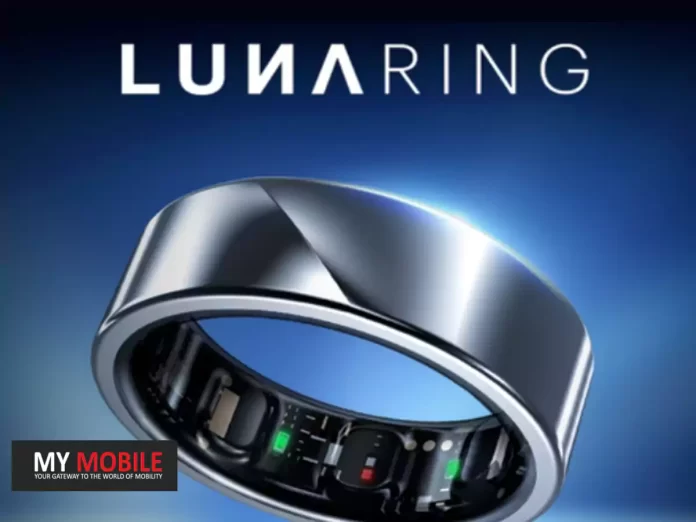
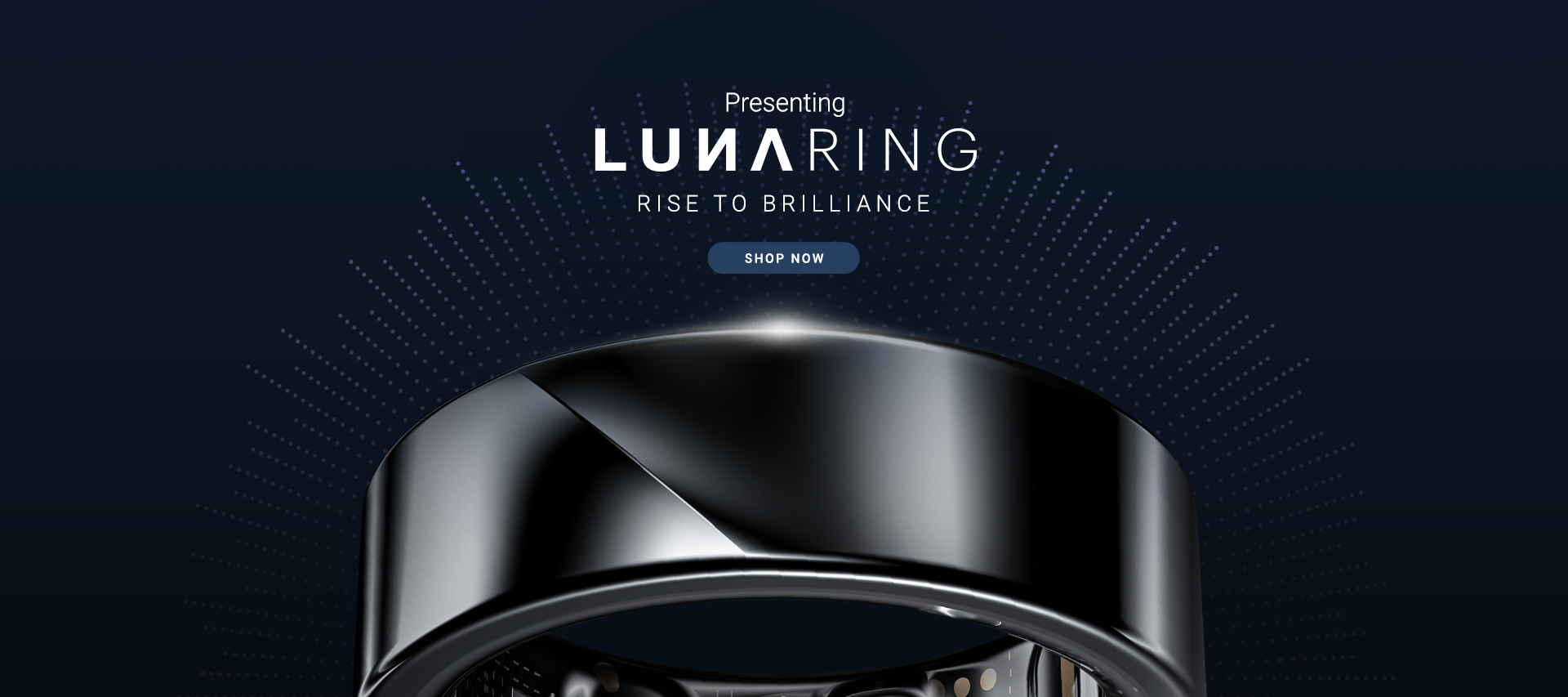
Committed to harnessing technology’s power to boost human capital productivity, Noise, has released its first smart ring, Luna Ring which has been on sale .
The Luna Ring is designed to augment the smart wearable experience and users’ lifestyle patterns effectively.
It fosters cognitive functioning by delivering across three core metrics – Sleep, Readiness, and Activity.
Tracking more than 70 metrics, Noise’s smart ring comes equipped with advanced sensors and robust built quality helping users elevate their lifestyle effectively.
Validated by prestigious institutions, including IIIT-Hyderabad and All is Well (AIW), Luna ring has been benchmarked against gold-standard products used for fitness and health applications, to determine their reliability.
The trials were conducted to study data from sleep stages and measure the accuracy of steps, calories, heart rate, body temperature, and other vital metrics.
Commenting on the announcement Amit Khatri, Co-Founder, Noise, said, “Designed with utmost precision and care, Luna Ring represents an innovation aimed at enhancing the lives of our users, enabling them to pursue their best and healthiest selves. We’re excited to introduce the Luna Ring today, our first smart ring and transformative addition to the smart wearable lineup. It symbolizes Noise’s commitment to merging technology with well-being, empowering individuals to take charge of their cognitive performance. The validations from certified institutions reinforce our confidence that Luna Ring will make a significant impact on our consumers’ lives, fostering overall well-being.”
Noise Luna Ring Price, Availability & Offers
Noise Luna Ring Price
Designed for precision, Luna Ring makes its debut today on gonoise.com at an exclusive price of INR 14,999.
Consumers who had pre-booked their Luna ring with an exclusive Priority Access pass and have been eagerly waiting can now avail the smart ring from gonoise.com, unlocking the exciting discounts, benefits, and special offers.
The pass can be redeemed with an additional INR 1,000 discount on the day of purchase.
The pass holders are also eligible for an additional discount on smart eyewear, Noise i1 along with INR 2000 worth of liquid/damage/theft insurance, translating to a direct cash benefit of INR 3,000.
Why is the Luna Ring the best companion to achieve health brilliance?
The Luna Ring is crafted to augment the smart wearable experienceto offer a quality lifestyle with accurate insights as it promotes cognitive functioning and thus enhances users’ daily performance.
An industry-first, the Luna ring can track over 70 metrics, making it one of the most powerful wearables to track well-being in the smart ring category.
Monitoring Sleep, Readiness, and Activity scores daily, the Luna Ring provides valuable insights and recommendations to optimize rest patterns and overall health.
The temperature sensor tracks body variations influenced by diet and exercise.
With the goal of catalyzing a transformative lifestyle shift, the Luna Ring is an ideal ally, equipped with advanced sensors and robust built quality to elevate users’ lifestyles and daily performance effectively.
With a subscription-free experience and access to insights on the brand’s in-house Luna Ring App, the smart ring offers automatic firmware updates.
The engineering marvel is crafted for everyone, and to ensure an immersive experience right from the start of the users’ journey, a tailor-made sizing kit will help valued consumers identify the right size while getting their final Luna Ring.
It comes in seven-ring sizes and five colour options out of which Stardust Silver,Lunar Black, and Midnight Black will be available for customers starting today.
Noise Luna Ring
Why do experts tout Luna Ring as best-in-class in the segment?
To further corroborate performance across key parameters, Noise has entered into a partnership with expert institutes including IIIT-Hyderabad and AIl Is Well (AIW).
Phase one of the trials with IIIT-H comprises sleep stage analysis and basic features like steps, heart rate, body temperature, running etc.
As part of phase two of the trials, the brand will be testing the impact of Luna Ring on the performance of athletes.
IIIT-H studied 6 subjects across 156 data points to compare Luna Ring’s accuracy against industry gold standard devices such as the Polar H10 HR sensor, which provides advanced heart rate monitoring and features an accurate measuring algorithm.
The tests were conducted while performing daily tasks such as walking, sleeping, sitting, working, and so on.
Dr. Aftab M. Hussain, Associate Professor, IIIT-Hyderabad added, “Our comprehensive testing, which included assessing Luna Ring’s heart rate monitoring, sleep analysis, and step counting capabilities against industry-standard devices like Polar, has yielded promising results. Luna Ring has consistently demonstrated its reliability and accuracy across these vital health and fitness metrics. This partnership enables Noise to provide consumers with a valuable tool for holistic well-being, enhancing their overall lifestyle.”
Another trial conducted with All is Well evaluates Luna Ring’s performance against chest strap heart monitors, an actively used heart rate-measuring device used by professionals and athletes, to assess Step Count, Heart Rate and Heart Rate Variability (HRV).
The trials were conducted by Dr. Nikhil Latey, a sports scientist with 15 years of experience working with Olympic athletes like Mary Kom and Saina Nehwal.
The analysis of the assessment revealed that the smart ring delivered accurate data in these key metrics with confidence intervals of 98% for step count and HR, and 95% for heart rate variation.
Dr. Nikhil Latey, Physiotherapist and sports scientist at ProPhysio (All is Well), added, “I am amazed by the ring’s remarkable accuracy at the recent tests done in my lab. We evaluated its performance in measuring heart rate (HR), heart rate variability (HRV), and step count. I was pleasantly surprised to find that it consistently exceeded the 98% accuracy threshold when compared to industry gold standards like chest strap heart rate monitors.”
Luna Ring’s advanced sensors – Infrared PPG, Skin Temperature, and 3-axis accelerometer, offer exceptionally accurate health tracking capabilities with precise optical sensor alignment for accurate data.
In-built algorithms and personalized nudges offer tailor-made insights and accurate results
The state-of-the-art wearable is designed with an ultra-lightweight 3mm form factor, offering a second-skin feel.
Crafted from fighter-jet grade titanium and a diamond-like coating, it ensures resistance to scratches and corrosion, providing robust build quality.
The hypoallergenic smooth inner shell and guided-wearing outer shell cater to every skin type.
Powered by BLE 5 technology, and water-resistant up to 50m, Luna Ring offers convenience and durability.
With an impressive battery life of up to 6 days on a single charge, the Luna Ring is a perfect companion and lifestyle ally, transforming your well-being.
Faqs
1) What are the colours available in Noise Smart Ring Luna Ring ?
Ans) Luna Ring is available in five colours-Sunlit Gold , Rose Gold , Stardust Silver , Lunar Black & Midnight Black .
2) How many ring sizes are available in Luna Smart Ring ?
Ans) Noise Luna Smart Ring is available in Seven Ring Sizes .
3) How does Noise Luna Smart Ring look ?
Ans) With its ultra-lightweight and 3mm sleek form factor, the state-of-the-art wearable feels like a second skin. The fighter-jet grade titanium body and diamond-like coating resist scratches and corrosion ensuring a robust build quality.
Perfect for every skin type, Luna Ring comes with a hypoallergenic smooth inner shell and a pointing edge on the outer shell for guided wearing. The advanced sensors (Infrared Photoplethysmography (PPG) sensors, Skin Temperature sensors, 3-axis accelerometer sensor) measuring physiological signals fit seamlessly in a flexible rim with a battery design and convenient wireless charging, for a seamless fit and exceptional health tracking capabilities.
Crafted to deliver accuracy, the bumps on the inside of the Luna Ring ensure proper alignment of the optical sensors with your finger. They reduce the gap between your skin and the sensors, optimizing the accuracy of sensor readings for PPG signals.
This design feature enhances the consistency and precision of the measurements, providing users with more reliable data about their overall well-being.
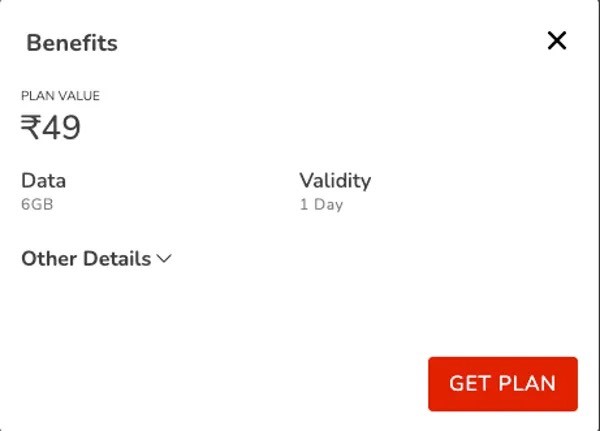
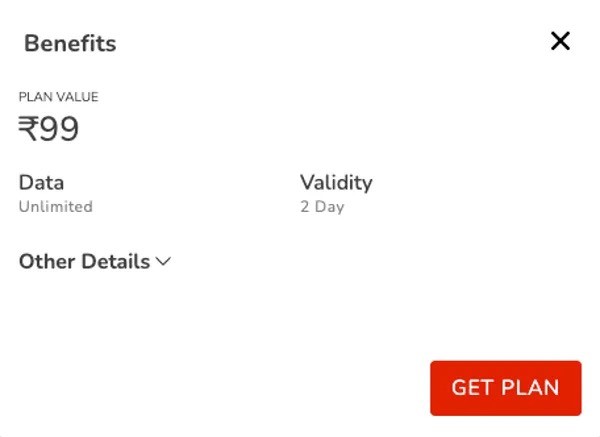
* Airtel, has announced two unlimited data plans. * The Airtel Rs 49 plan offers a 6GB data benefit for a single day. * The Rs 99 pack gives users unlimited data and 2 days of validity. * These new plans have come when the ICC Men’s World Cup 2023 tournament is about to start on October 5. * Airtel DTH is partnering with Star Network to offer special recharge plans for simplified selection and addition of Star Sports channels, aimed at cricket enthusiasts.
As the cricket frenzy sweeps the country from today, Airtelannounces special cricket plans with extended benefits for its customers.
For all prepaid customers, Airtel has launched a special data pack for customers to stay connected and not run out of data while streaming the matches.
* Rs 99 will now get unlimited data for 2 days * Rs 49 offers 6GB data for 1 day
Airtel DTH is collaborating with Star for special recharge offers.
It has also simplified the process for customers choose to add channels from the Start Sports portfolio.
On the Airtel Xstream box, Airtel is running a quick-access promo-rail, for customers to quickly navigate to the cricket match broadcastin their preferred language.
International Cricket Council (ICC) World Cup 2023
Ahead of the ICC World Cup which has commenced on October 05, 2023, Opensignal examined mobile network experience across all the stadiums to assess the performance of Indian mobile operators.
On the 5G networkspecifically, Airtel delivered the best experience with voice apps across all the stadiums.
According to the report, Airtel performed best compared to other operators in the quality of mobile live video streaming experience across 40 largest cities in India by population, in majority of these cities for overall Live Video Experience as well as for 5G Live Video Experience.
International Cricket Council (ICC) World Cup 2023: Matches
Faqs
1) What are the Airtel’s Special Cricket Data Plans?
Ans) Airtel has unveiled two exclusive data plans designed especially for cricket enthusiasts who want to catch every moment of the ICC World Cup 2023.
These data plans are available for prepaid customers and promise an enhanced viewing experience.
The offerings include:
Rs 99 Plan: This plan offers unlimited data for a duration of 2 days, ensuring that users can stream matches without worrying about data limits.
Rs 49 Plan: For those looking for a shorter commitment, Airtel is offering a plan that provides 6GB of data for a day, making it ideal for a single cricket match binge.
2) What are Special Airtel DTH Recharge Plans?
Ans) Airtel DTH is collaborating with Star Network to introduce special recharge plans for cricket enthusiasts.
These plans aim to simplify the process of selecting and adding channels from the Star Sports portfolio, making sure viewers don’t miss out on any of the cricketing action.
A recent Opensignal report has further bolstered Airtel’s position as the go-to choice for cricket fans.
The report indicates that Airtel users will benefit from improved network experiences and faster upload speeds at ICC World Cup 2023 stadiums.
Opensignal conducted an extensive assessment of mobile network performance across all the stadiums, concluding that Airtel provided the best voice app experience, particularly on its 5G network.
3) How many cities are hosting the ICC World Cup 2023 in India?
Ans) The tournament is being hosted in ten different cities, allowing fans from various regions to be a part of the event.
4) What are Ticket Prices for Indian Matches?
Ans) India vs Afghanistan: Rs 2,500 onwards
India vs Australia: Rs 450 onwards
India vs Pakistan: Rs 2,000 onwards
India vs Bangladesh: Rs 1,200 onwards
India vs New Zealand: Rs 30,000 onwards
India vs England: Rs 3,250 onwards
India vs Sri Lanka: Rs 40,000 onwards
India vs South Africa: Rs 900 onwards
India vs Netherlands: Rs 3,000 onwards
5) How can you secure your spot in the stands via BookMyShow?
Ans) Open the BookMyShow app or website
Locate the ICC World Cup 2023 banner and click it
Browse matches via the ‘View All Matches’ or ‘Find Matches By Venue’ options
Select your desired match and the number of seats (up to two)
Choose your preferred area and click on the ‘Book’ button
Complete the process swiftly as high demand exists
• LAVA SMARTPHONES ANNOUNCES EXCLUSIVE FESTIVE SEASON DEALS ON AMAZON • Customers will be able to get their hands on Agni 2 for Rs 17,999/-, valid for limited stock. • Customers can also grab the Blaze 5G starting at just Rs 9,999/- and avail up to a 10% discount.
Lavais delighted to unveil its highly anticipated festive season deals exclusively on Amazon.
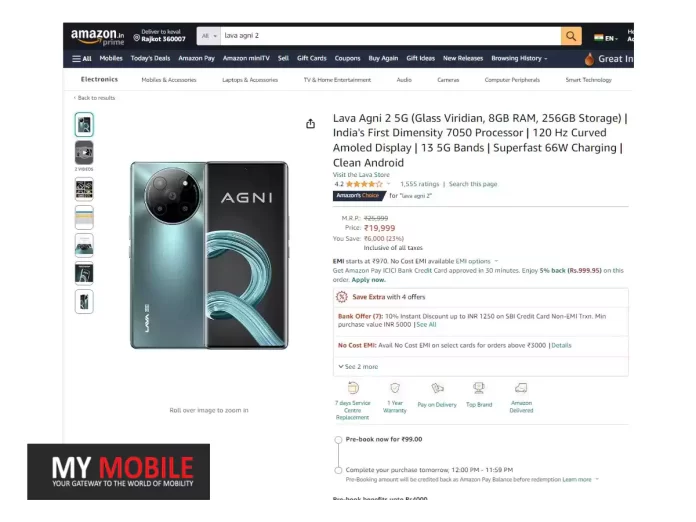
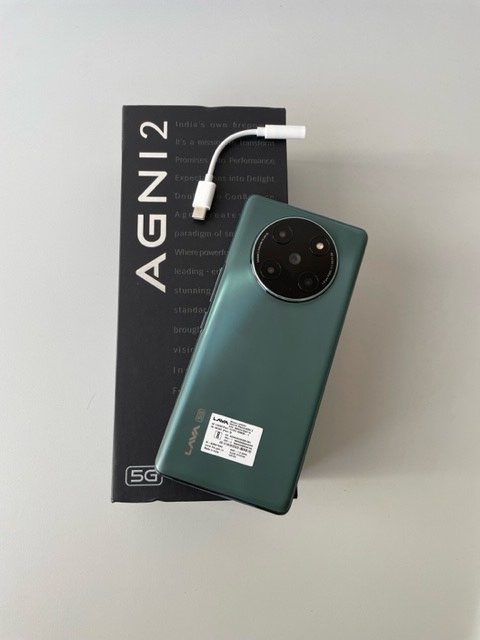
Lava’s Agni 2 will be available for purchase on Amazon for at a discounted price of Rs 17,999/-.
Truly ahead of the curve, it is India’s first smartphone powered by MediaTek’s Dimensity 7050 processor for a faster gaming and app experience.
The Agni 2 offers the BIGGEST and the Segment Best 120 Hz 6.78-inch FHD+ Curved AMOLED display.
Lava’s Agni 2 at Rs. 17,999 on Amazon
The display comes with 1.07 billion color depth, which is truly a segment differentiator and supports HDR, HDR 10, and HDR 10+ and Widevine L1.
Agni 2’s Super 50MP Quad Camera comes with the Segment First 1.0-micron (1 um) pixel sensor, which captures more light and richer details.
Agni 2 offers a segment-best 256 GB storage along with 8GB RAM, which is extendable up to 16GB RAM virtually.
This ground-breaking offer, a result of collaboration and co-shared enthusiasm, is poised to redefine the smartphone experience for consumers.
There will be a bank offer of up to Rs 2000 instant discount on SBI cards.
Offer Details
Lava’s Agni 2 Offers
Mode of Transaction
MRP
Event price
Instant Bank Discount
Net Effective price*
SBI Credit Card EMI Transaction
25999
19999
2000
17999*
SBI Credit Card Non-EMI Transaction
25999
19999
1750
18249*
SBI Debit Card Transaction
25999
19999
1000
18999*
Lava Agni 2 – Should you buy ?
Lava Agni 2 – Should you buy ?
So, there should be any doubt that Lava Agni 2 falls under the category of a “desirable phone.” This is the type of device that if you see on display, we are sure you will reach out and would want to know more.
It is also a good phone especially considering its price.
The price of Rs 21,999 and with a special offer of Rs 19,999 is so good that it actually makes a lot of other popular smartphone brands and their series leading devices look expensive in comparison.
Let us also address the fact that we now have a truly Indian company making a phone which delivers in every aspect it promises and stands a great chance amongst its international competitors.
On top of everything positive, we have seen with Agni 2, Lava is also providing a One-Year Free Phone Replacement at Home if anything happens to it.
The promise does sounds like an overcommit, but let’s just take the brand’s word for it now.
And we just hope Lava can live up to that their words because good after-sales service is always appreciated in this category.
In conclusion, the Lava Agni 2 5G is a powerhouse of a smartphone that combines a stunning display, powerful performance, impressive cameras, ample storage, and long-lasting battery life.
With the brand promoting it with #ProudlyIndian, it also packs a sentimental angle being the truly first Indian smartphone brand.
Lava Agni 2 is one of the most anticipated smartphones from the company yet. After using the phone for a few weeks, I found that it does live up to the hype.
If you are looking for a smartphone under Rs 25000 that does most of the work well, the Lava Agni 2 is surely a decent option to consider.
I thoroughly enjoy the curved display of the Lava Agni 2 and the customization features that allow me to personalize it according to my preferences.
The performance is also decent, and the battery life and charging capabilities exceed expectations.
Additionally, the camera system works quite well. However, the issues with focus in macro photography, screen bleeding, and screen freezing did have a slight impact on my overall experience with the Agni 2.
Nevertheless, these issues did not completely detract from the phone’s appeal as a viable option in the under Rs 25,000 smartphone category.
All things considered, the Lava Agni 2 offers a satisfactory camera, battery life, and overall performance.
So, if you’re looking to support a local brand and explore something new, the Lava Agni 2 is a good option within its price range.
However, if you are still interested in comparing alternatives, you can check out the Moto G82, priced at Rs 19,999, which offers impressive battery life, camera capabilities, and overall performance.
Another noteworthy option is the IQOO Z7S, which stands out as one of the top smartphones available in its price range.
Buy Lava Agni 2 5G For
Buy Lava Agni 2 5G For
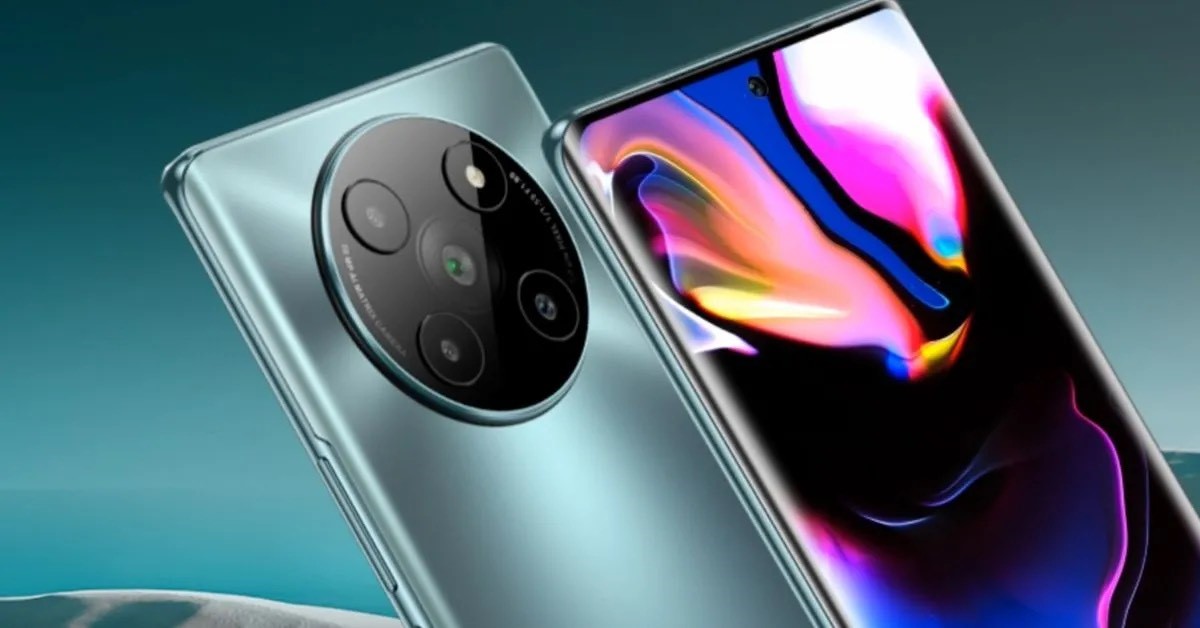
* ‘Made In India’ 5G Smartphone * Stunning 3D Dual Curve Design With Glass Back With Premium AG Matte Finish * Full HD+ Curved 6.78” Display with 120Hz Refresh Rate and 105% NTSC Colour Gamut * India’s First MediaTek Dimensity 7050 Processor * Vapour Chamber Cooling Technology * Supports Segment Best – 13 5G Bands * Quad Camera with Versatile Camera System * Superfast 66-Watt Charging * Free Phone Replacement at Home
FAQs on Lava Agni 2 5G
Q1. Can I play Genshin Impact on my Lava Agni 2?
Answer. The Genshin Impact video game has the following requirements to be able to work on an Android mobile device: minimum 3 GB of RAM memory, Android 7 or higher operating system and free internal storage space of at least 8 GB. The Lava Agni 2 has a RAM memory of 8 GB, a graphics card Mali-G68, the processor Octa-core (2×2.6 GHz & 6×2.0 GHz), the chipset MediaTek Dimensity 7050 (6 nm), it comes from the factory with the Android 13 operating system and an internal memory of 256 GB 8 GB RAM.
Q2. When is the next sale of Lava Agni 2 on Amazon?
Answer. Lava Agni 2 5G price in India starts from ₹21,999 for the single variant it is available in. It is available as Amazon Specials at the lowest price with the next sale scheduled to go live on Amazon India on 15th June 2023 at 12 PM.
Q3. What body material is used in Lava Agni 2?
Answer. It comes with a Glass front, glass back, and plastic frame body material.
Q4. Does Lava Agni 2 support a fingerprint scanner?
Answer. Yes, Lava supports In-Display Fingerprint Sensor. As per the brand’s claim, it opens the screen in just about 0.24 seconds. The device also comes with a Face Unlock feature that recognises and opens the lock in 0.62 seconds only.
Q5. Does Lava Agni 2 support wireless charging?
Answer. No, it does not support wireless charging.
Q6. What is the battery capacity of the Lava Agni 2? What type of battery does Lava Agni 2 use?
Answer. The battery capacity of Lava Agni 2 is 4700 mAh. Lava Agni 2 uses a Li-Po battery.
Q7. Does Lava Agni 2 support a notch?
Answer. No, it does not support a notch. It comes with a hole punch at the top of the display which houses the selfie camera.
Q8. Is Lava Agni 2 a heavy gaming device or can it play heavy games?
Answer. No, Lava Agni 2 is not a heavy gaming device, it can run low to medium graphic games without any lags or frame drops.
With discounts reaching up to 80% on smartwatches and with prices as low as INR 799 for their acclaimed audio range, Noise aims to captivate consumers with substantial savings as they start their festive indulgence.
Noise Buds VS104
The lucrative offers would also be running simultaneously on gonoise.com.
Sharing thoughts on the festive sale, Gaurav Khatri, Co-Founder of Noise said, “As India gears up for the festive indulgence this year, we are thrilled to add to consumers’ celebrations with the best of the deals going live across Flipkart, Amazon, and Myntra. At Noise, consumers are our top priority, and we are committed to enhancing their experience, giving them ample reason to celebrate this festive season ecstatically.”
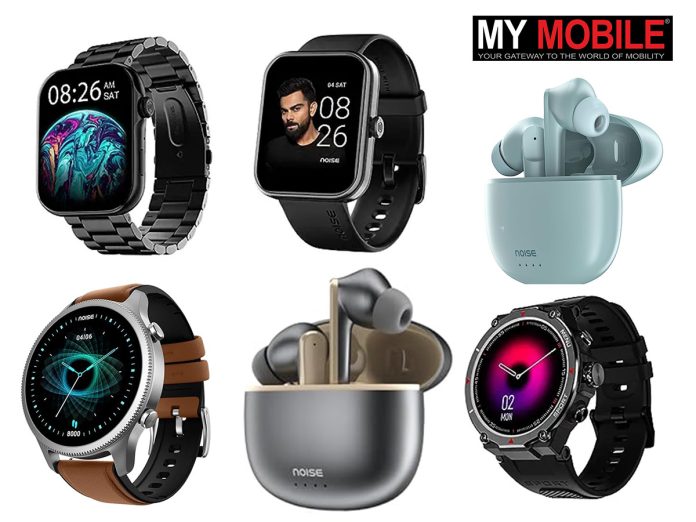
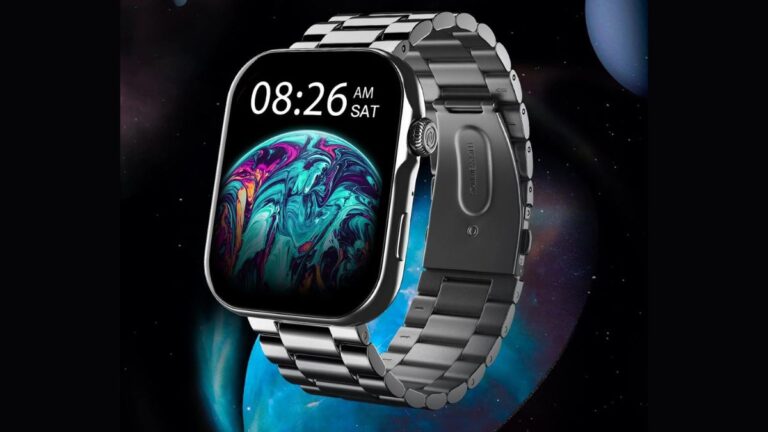
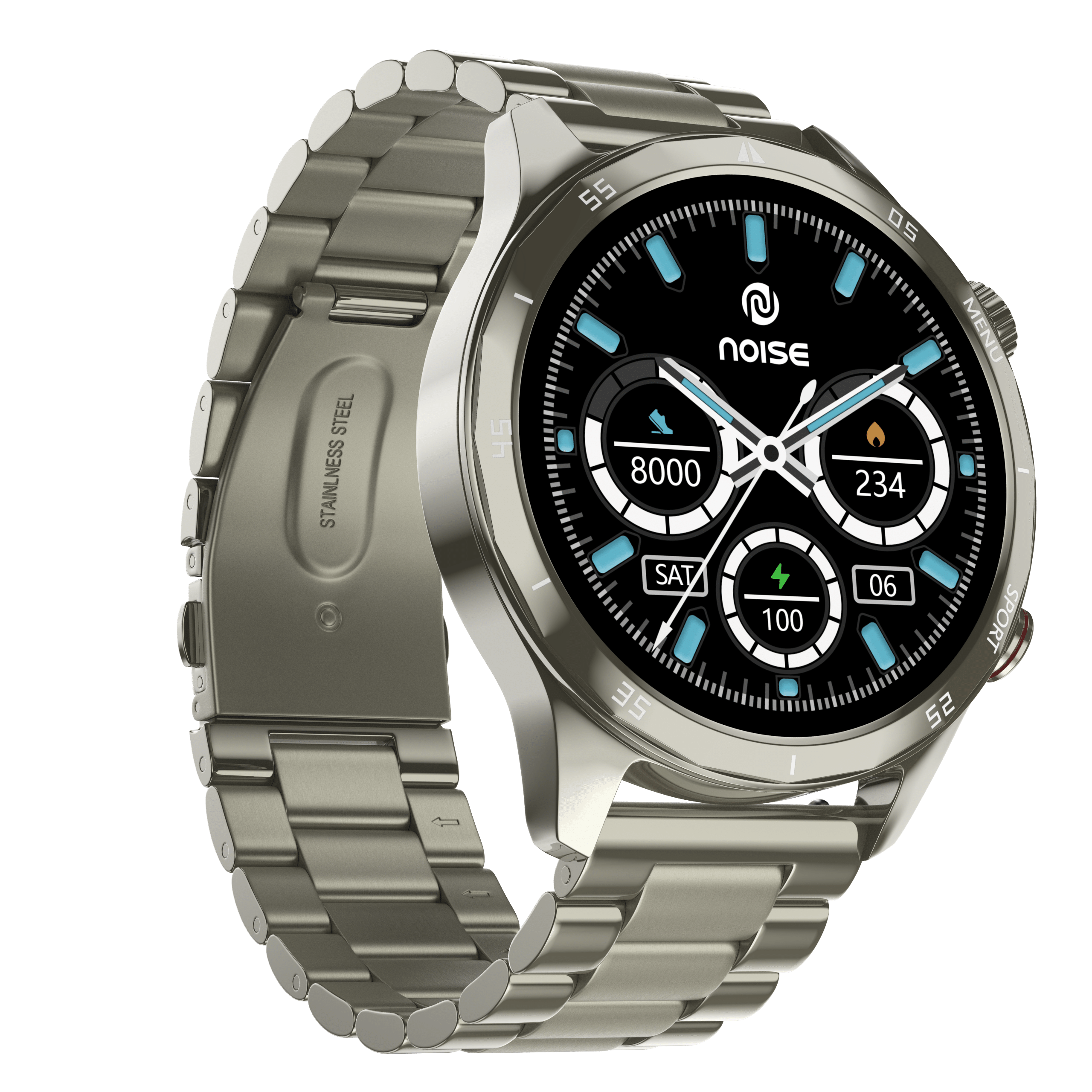
Noise is set to elevate consumers’ shopping experience with a remarkable price drop on its flagship smartwatches, including popular models such as Noise Colorfit Ultra 3, Noise Colorfit Vision 3, Noise Colorfit Icon 2, Noise Colorfit Pulse 2 Max, NoiseFit Metallix, and NoiseFit Crew.
These celebrated wearables will now be available at incredibly attractive prices, starting as low as INR 999, making the industry’s leading smartwatches more accessible to a broader audience.
Noise Colorfit Ultra 3
In addition to the fantastic deals on smartwatches, Noise’s innovative audio range is also joining the festive celebration with discounts that music enthusiasts will love.
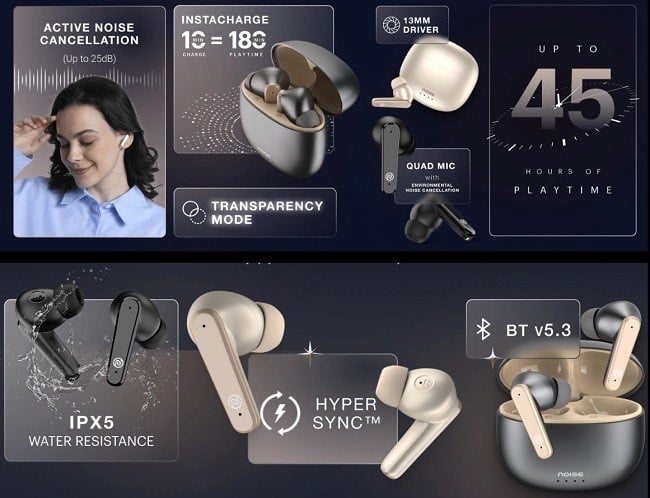
Starting at a mere price of INR 799, consumers can get their hands on top-notch audio products such as Noise Buds VS102, Noise Buds Aero, Noise Buds Connect, Noise Buds VS104, and Noise Buds 104 Max, among others.
Noise Buds VS102
These unbeatable offers are set to elevate the audio experience, ensuring that customers can enjoy their favorite tunes and podcasts with exceptional sound quality without breaking the bank.
Noise’s upcoming saleoffers consumers a valuable opportunity to enhance their lifestyle with state-of-the-art technology and premium audio experiences at exceptionally exciting prices.
As the festive season approaches, seize these incredible offers starting today on Noise products.
NoiseFit Metallix
Grab onto this extraordinary opportunity and get ready to shop, save, and integrate technology to positively elevate your lifestyle.
List of offers
Date
Product
Platform
MRP
Deal Price
Amazon
Smartwatches
6th Oct
Noise Colorfit Ultra3
Amazon
8999
3499
6th Oct
NoiseFit Halo
Amazon
7999
2499
6th Oct
Noise ColorFit Pulse 2 Max
Amazon
4999
1099
6th Oct
NoiseFit Metallix
Amazon
7999
1999
6th Oct
Noise ColorFit Pro 4 Alpha
Amazon
7999
1999
6th Oct
NoiseFit Force
Amazon
5999
1799
TWS
6th Oct
Noise Buds VS104
Amazon
3399
899
6th Oct
Buds VS104 Max
Amazon
4999
1299
6th Oct
Noise Buds VS106
Amazon
4499
999
6th Oct
Noise Buds VS201
Amazon
2999
899
6th Oct
Noise Buds Connect
Amazon
3999
1099
6th Oct
Noise Buds VS402
Amazon
3999
1199
Flipkart
Smartwatches
6th Oct
NoiseFit Crew
Flipkart
4999
1099
6th Oct
NoiseFit Evolve 3
Flipkart
6999
2199
6th Oct
Noise ColorFit Icon 2
Flipkart
5999
1099
6th Oct
NoiseFit Mettle
Flipkart
7999
1999
6th Oct
Noise ColorFit Icon Buzz
Flipkart
4999
1099
6th Oct
Noise ColorFit Thrive
Flipkart
5999
999/ 1099
6th Oct
NoiseFit Fuse
Flipkart
4999
1099
TWS
6th Oct
Noise Buds VS102
Flipkart
2999
899
6th Oct
Noise Buds VS404
Flipkart
3499
999
7th Oct
Noise Buds VS102
Flipkart
2999
899
7th Oct
Noise Buds VS102 Neo
Flipkart
3499
899
7th Oct
Noise Buds VS102 Plus
Flipkart
3999
1099
7th Oct
Noise Buds VS102 Pro
Flipkart
4999
1299
7th Oct
Noise Buds VS404
Flipkart
3499
999
Myntra
TWS
6th Oct
Noise Buds VS102
Myntra
2999
899
6th Oct
Noise Buds VS102 Pro
Myntra
4999
1299
6th Oct
Noise Buds Aero
Myntra
2999
799
Faqs
1) What are ColorFit Vision 3: Specs and Features?
Ans) The ColorFit Vision 3 has a functional crown and features a 1.96-inch AMOLED display (encased in a metal frame) that supports 550 nits of brightness and a screen resolution of 410×502 pixels.
There’s the Always-on-Display (AOD) option and the ability to select from over 150 watch faces, including, 4 customizable ones. Plus, you get two menu UI options.
The watch supports TruSync technology-based Bluetooth Calling, which ensures stable calls and faster connectivity. There’s support for Bluetooth 5.3.
The ColorFit Vision 3 comes with the usual heart rate sensor, a SpO2 monitor, a sleep tracker, a period tracker, and the ability to manage stress and practice breathing exercises.
You get 100 sports modes, along with Auto Sports Detection for outdoor running and walking. All this can be tracked via the NoiseFit app.
You get a battery life of up to 7 days (up to 2 days with Bluetooth Calling enabled). Additional features include gesture controls, weather updates, a calculator, stock updates, Smart DND, remote music/camera controls, and so much more. It supports an IP68 rating for water and dust resistance.
2) What is Price and Availability of Noise ColorFit Vision 3?
Ans) The Noise ColorFit Vision 3 is priced at Rs 4,999 and can be bought via Flipkart and the company’s website.
Although, its listing price on Gonoise.com is Rs 3,999.
It competes with Noise Vortex, the Amazfit Pop 3S, and more.
3) Where can I buy the Noise Buds VS102 & at what price ?
Ans) It will be available on the Noise Website and Flipkart, starting on August 15th at 12 p.m., at an introductory price of Rs. 999.
4) What are Noise Buds VS102 Neo, Buds VS106 Specifications?
• OnePlus shares exciting festive offers, brings its community together with #OneCelebration. • Offers extend to the recently launched OnePlus 11, OnePlus 11R, including the new OnePlus 11R Solar Red, as well as OnePlus Nord 3, the new OnePlus Pad Go and many more
Adding delight to its community this festive season, OnePlus, the global technology brand unveiled an exciting array of offers across its product categories, while bringing together its community with #OneCelebration.
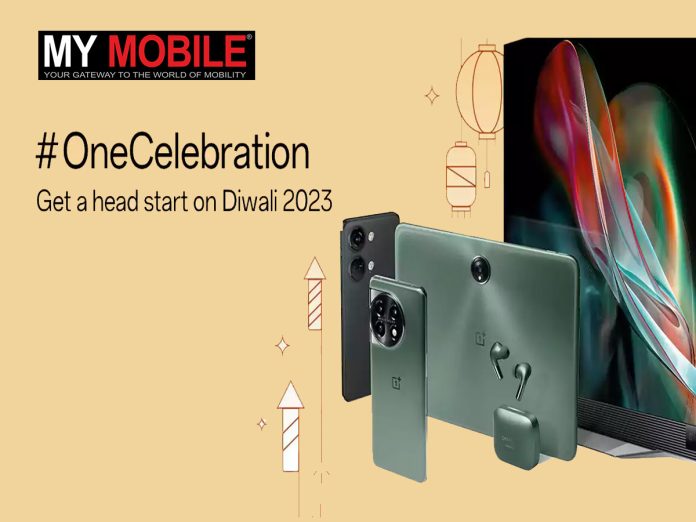
With the spirit to celebrate together, OnePlus’ festive campaign, titled #OneCelebration, aptly highlights how the brand’s family of products have a place in the lives of every household and family.
It further highlights the celebration of the spirit of life and reuniting with your loved ones, no matter where you are.
And OnePlus’ family of products will continue to bring light and help create warm memories in every home where OnePlus products arrive.
There are a diverse range of products that OnePlus has to offer; and while these products come with exciting offers this festive season, and pave way for many remarkable moments together, the celebration continues to remain one.
Starting 7th October 2023 onwards, the offers on the entire product portfolio will go live, which includes exciting offers on the latest flagship OnePlus 11 series as well as the recently launched popular OnePlus Nord 3 series, making the unique OnePlus experience more accessible than ever.
OnePlus Flagship Smartphones
OnePlus Flagship Smartphones
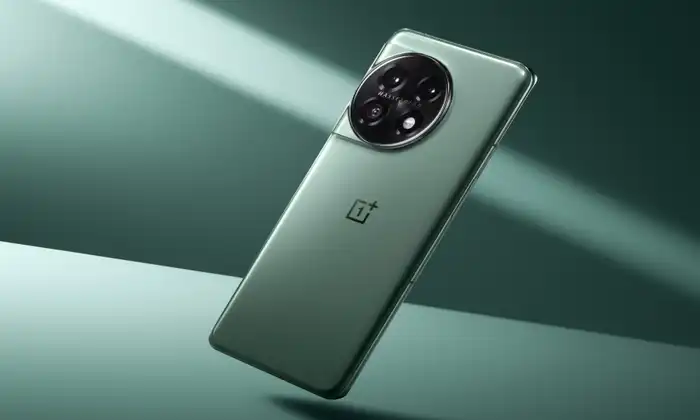
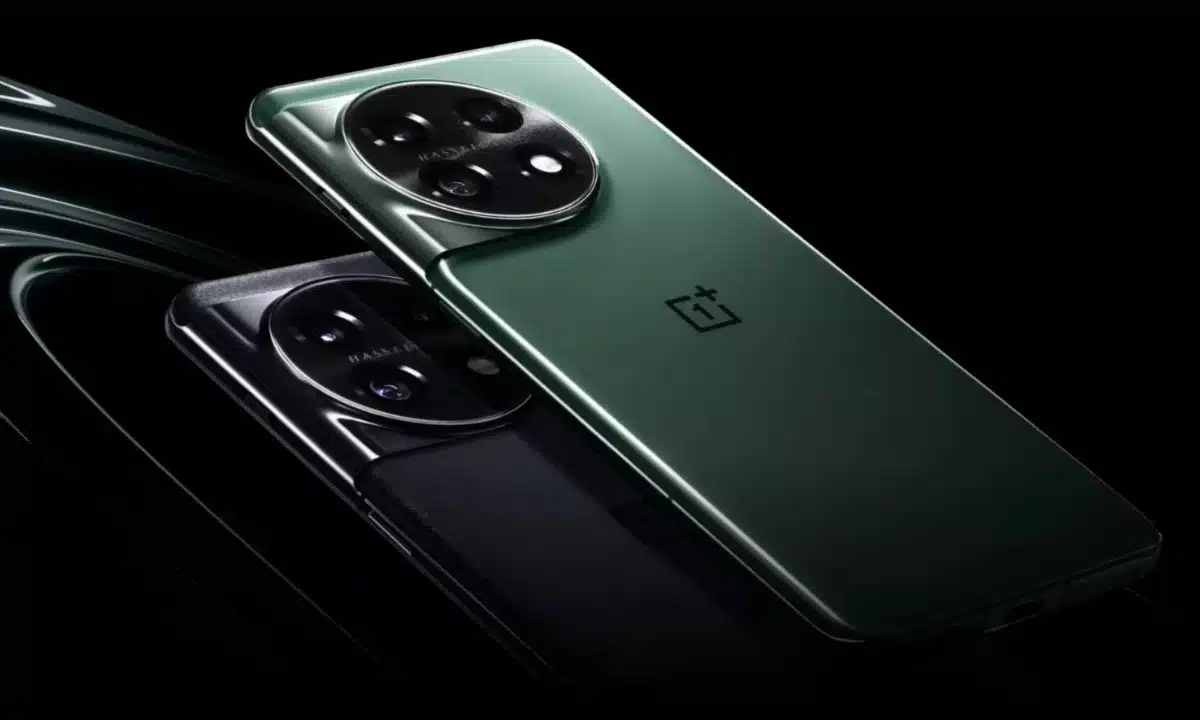
At the Cloud 11 event this year, OnePlus unveiled two highly anticipated flagship smartphones, the OnePlus 11 5G and OnePlus 11R 5G, expanding their flagship line-up.
It also features a remarkable 100W SUPERVOOC fast charging system and a 5000 mAh dual-cell battery.
Additionally, the OnePlus 11 5G Marble Odyssey offers a unique ownership experience, each device is a one-of-a-kind masterpiece.
OnePlus 11R 5G, on the other hand, is a powerhouse with its robust chipset, efficient cooling, rapid charging, and innovative RAM technology, delivering exceptional performance and limitless capabilities.
OnePlus has also introduced the eye-catching OnePlus 11R 5G Solar Red special edition for those seeking a distinctive style statement.
Flagship Offers
OnePlus 11 5G Offers
* Customers purchasing the OnePlus 11 5G and the OnePlus Marble Odyssey can avail an INR 3000 Instant Bank Discount and special price coupon of INR 4000 from 7th October onwards. Customers also stand a chance to get a complimentary unit of the OnePlus Buds Z2 till stocks last. * All Customers purchasing the OnePlus 11R 5G can avail INR 2000 Instant Bank Discount and special price coupon discount of INR 3000 starting 7th October for Prime Early access members as part of the Amazon Great Indian Festival and on 8th October for all customers. * Amazon Prime Customers purchasing the latest OnePlus 11R Solar Red 5G can avail an INR 1000 instant bank discount and complementary Buds Z2 at no extra cost on 7th October. * RCC members can avail exchange coupon and get INR 2000 off on purchase of the new OnePlus 11R 5G Solar Red from 7th October onwards. * Customers purchasing the OnePlus 11R 5G Solar Red can avail INR 3000 worth of exchange bonus on select devices starting 8th October onwards. * Customers purchasing the OnePlus 11R 5G Solar Red can avail up to 12 months No Cost EMI on all channels and up to 24 months Low Cost EMI on oneplus.in from 7th October onwards. * Customers can avail Bajaj Finance 6-month EMI plan with zero down payment on oneplus.in and avail of EMI schemes with a down payment across OnePlus Experience Stores & offline partner stores. Additionally, customers can also avail No Cost EMI up to 9 months upon the purchase of the OnePlus 11 5G and avail No Cost EMI up to 18 months upon the purchase OnePlus 11 Marble Odyssey 5G, * ICICI Bank & OneCard customers can avail the mentioned bank offers on OnePlus Experience Stores, OnePlus.in & offline partner stores. SBI Bank customers can avail the bank offers on Amazon as part of the Amazon Great Indian Festival. * Customers purchasing the OnePlus 11R 5G Solar Red on OnePlus.in from 7th October onwards can earn 2X RedCoins.
OnePlus Nord Smartphones
OnePlus Nord Smartphones
This year, OnePlus, unveiled a range of Nord smartphones – OnePlus Nord 3 5G and OnePlus Nord CE 3 5G.
Both smartphones offer high-performance features at industry-challenging prices, without compromising on essential functionalities.
OnePlus Nord 3 5G is the most powerful OnePlus Nord smartphone ever, combining blazing-fast performance with dazzling photography and a beautiful and timeless OnePlus design.
On the other hand, the latest addition to the OnePlus Nord Core Edition Family – the OnePlus Nord CE 3 5G offers all the essentials a user needs and much more, all packed at an affordable price, making the community’s favourite flagship technology and the signature OnePlus experience available to a wider set of users.
OnePlus Nord Offers
OnePlus Nord Offers
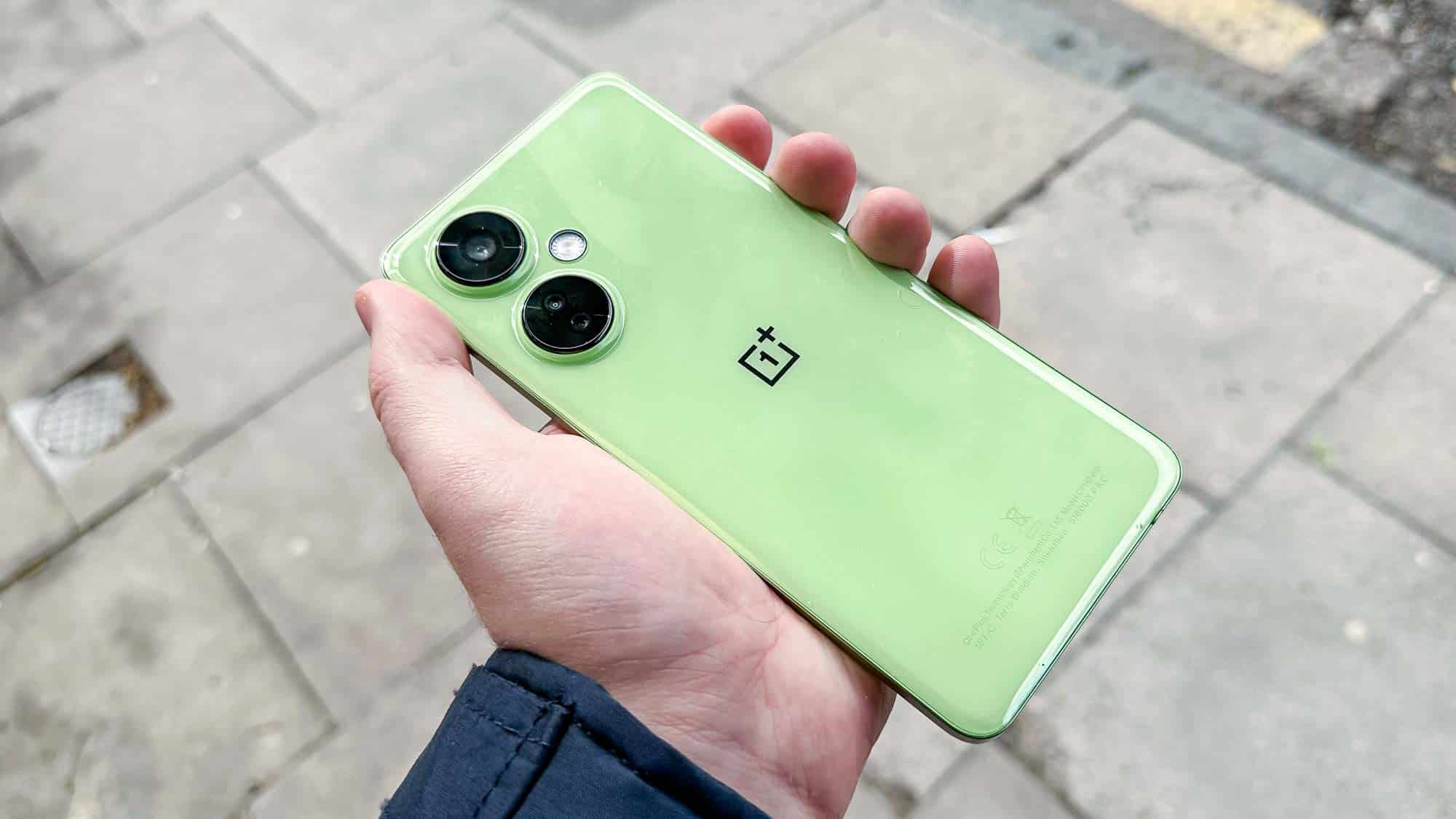
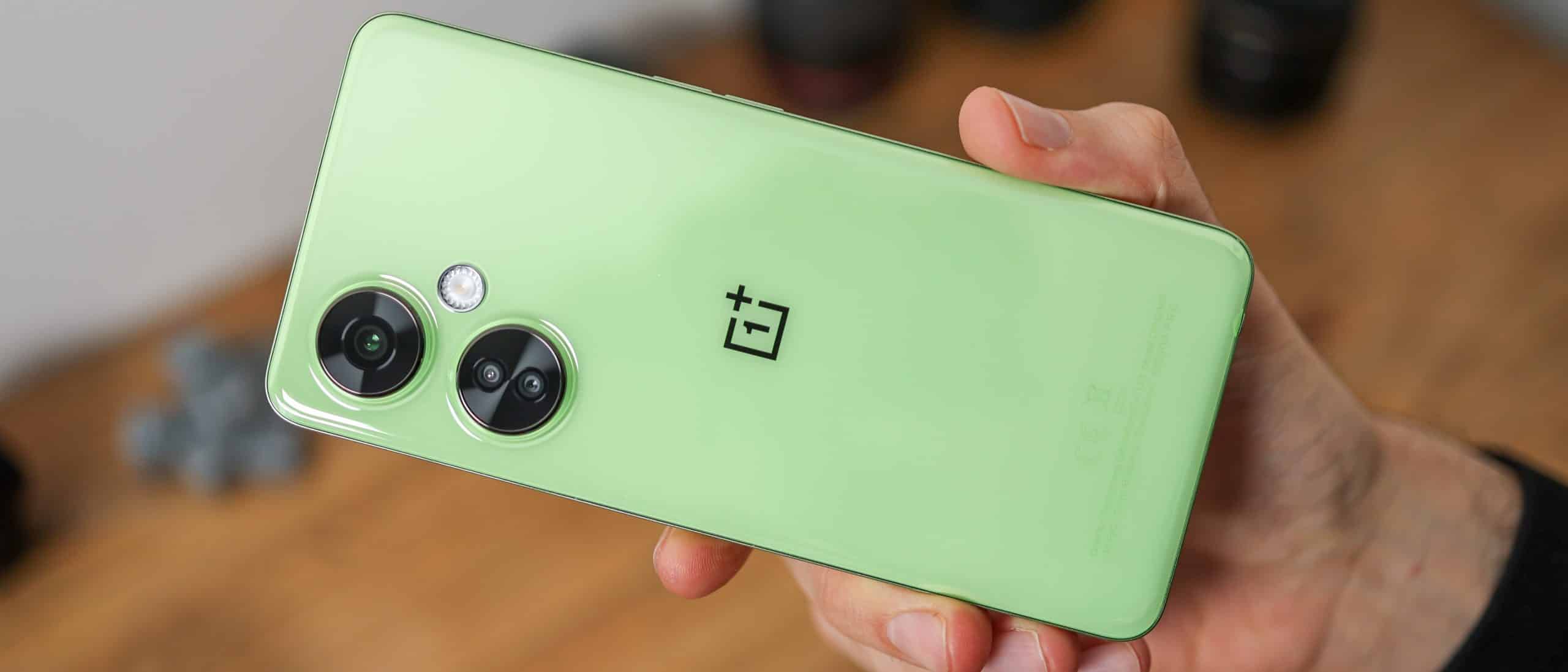
* Customers purchasing the OnePlus Nord 3 5G can avail an INR 3000 Instant Bank Discount from 7th October onwards for Prime Early Access as part of the Amazon Great Indian Festival, along with a special price coupon discount of INR 2,000. Early Access Members can also get their hands on a unit of free OnePlus Nord Buds 2r with the purchase of the Nord 3 5G until stock lasts. * All customers purchasing the smartphone on 8th Oct can also get their hands on a unit of free OnePlus Nord Buds 2r with the purchase of the Nord 3 5G until stock lasts. * All customers purchasing the OnePlus Nord 3 from 9th October onwards, can avail an INR 3000 Instant Bank Discount, along with a special price coupon discount of INR 1,500. * Customers purchasing the OnePlus Nord 3 from the OnePlus website and from offline stores can avail Bajaj Finance 6-month EMI with zero down payment. Additionally, customers can also avail No-cost EMI up to 6 months. * Customers purchasing the OnePlus Nord CE 3 can avail INR 2000 Instant Bank Discount and special price coupon discount of 2000 INR from 7th October onwards. * Customers purchasing the OnePlus Nord CE 3 Lite can avail an INR 1,500 Instant Bank Discount from 7th October as part of Prime early access, along with a special price coupon discount of INR 1,000. Customers purchasing OnePlus Nord CE 3 Lite from 9th October onwards, can avail an INR 1,500 Instant Bank Discount, along with a special price coupon discount of INR 500. * Customers can also avail Bajaj Finance 6-month EMI with zero down payment on the offline purchase of the OnePlus Nord CE 3 5G and Nord CE 3 Lite * ICICI Bank & OneCard customers can avail the bank offers on OnePlus Experience Stores, OnePlus.in & offline partner stores. SBI Bank customers can avail the bank offers on Amazon as part of the Amazon Great Indian Festival. * Customers can also purchase Nord Watch at 50% off on OnePlus.in along with purchase of Nord CE3 and Nord 3 from 7 October onwards. Additionally, customers purchasing the Nord 3, Nord CE3 and Nord CE 3 Lite on OnePlus.in from 7 Oct onwards can earn 2X RedCoins.
OnePlus Pad Series
OnePlus Pad Series
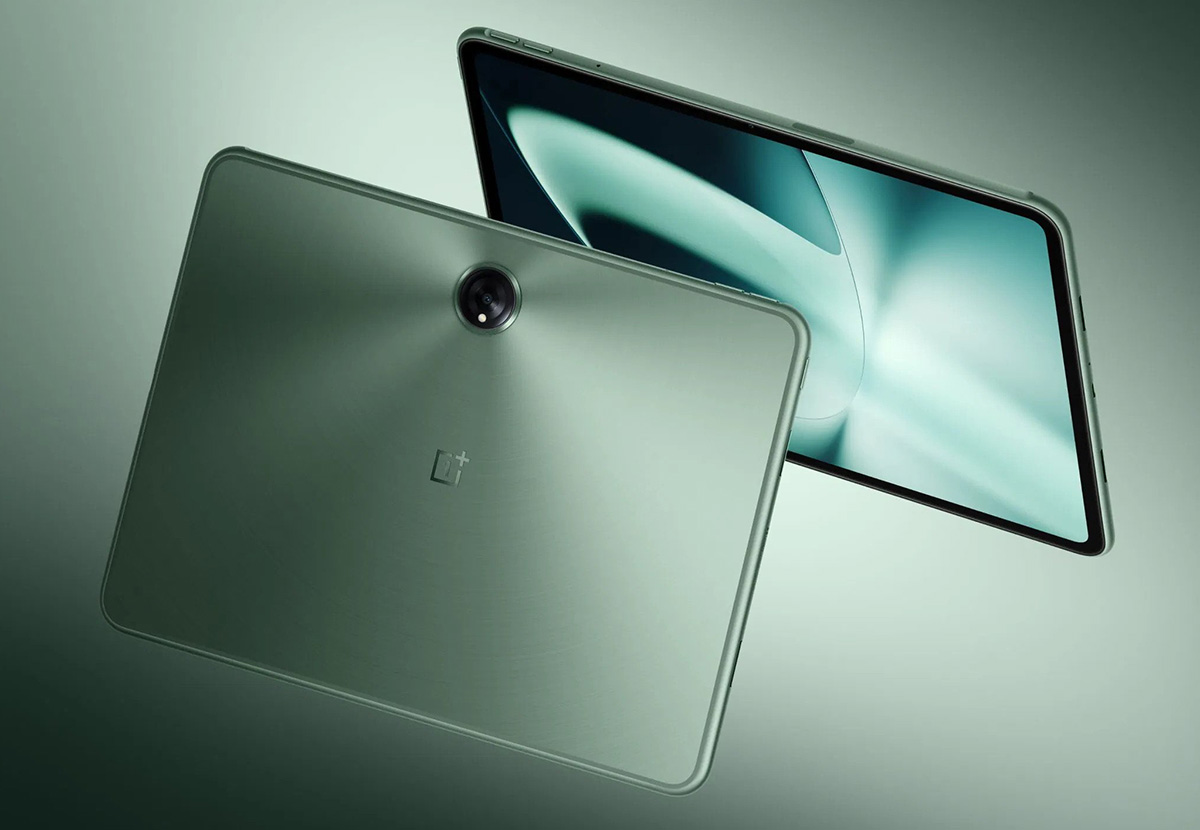
At the OnePlus Cloud 11 event earlier this year, OnePlus launched its first-ever flagship Tablet – the OnePlus Pad, making its entry into the tablet market.
Today, OnePlus further diversified its tablet line-up with the launch of the OnePlus Pad Go, which aims to make big-screen entertainment even more immersive and affordable.
The tablet brings the OnePlus ecosystemcloser to the larger user base without having to compromise with the overall user experience or design.
Equipped with Industry-Leading stunning 2.4K resolution, the Pad Go offers outstanding visual quality without breaking the bank.
* Customers placing pre-order of the OnePlus Pad Go can avail an INR 2,000 Instant Bank Discount from 12th October. Moreover, they can also get their hands on the OnePlus Pad Go Folio Cover worth INR 1,399 at no-cost as a pre-order benefit. * Customers purchasing the OnePlus Pad can avail an INR 3,000 Instant Bank Discount from 7th October. Customers can also avail a temporary price discount of INR 2,500. * ICICI Bank & OneCard customers can avail the bank offers on OnePlus Experience Stores, OnePlus.in & offline partner stores. SBI customers can avail the bank offers on Amazon as part of the Amazon Great Indian Festival. ICICI Bank, Kotak Bank & Axis Bank customers can avail the bank offers on Flipkart. * RCC members gain benefit up to INR 2000 on purchase of OnePlus Pad and OnePlus Pad Go on OnePlus.in.
OnePlus Audio
OnePlus Audio
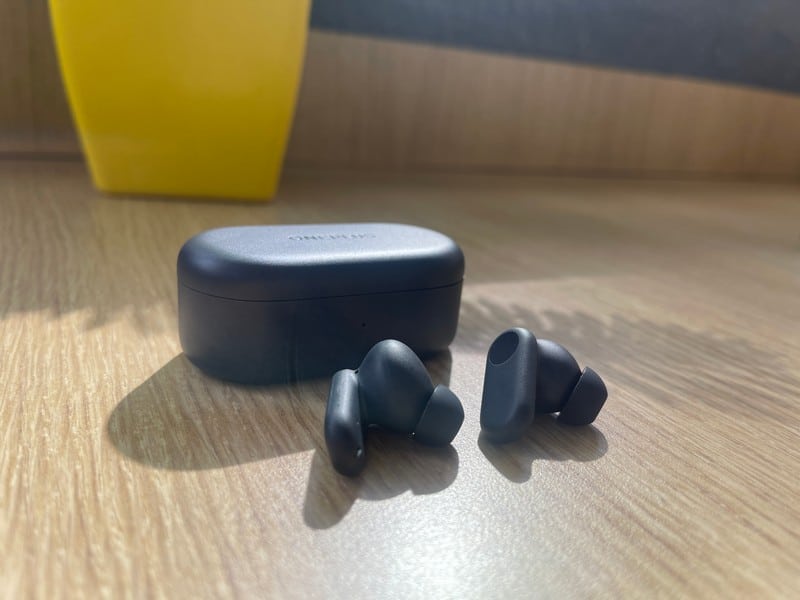
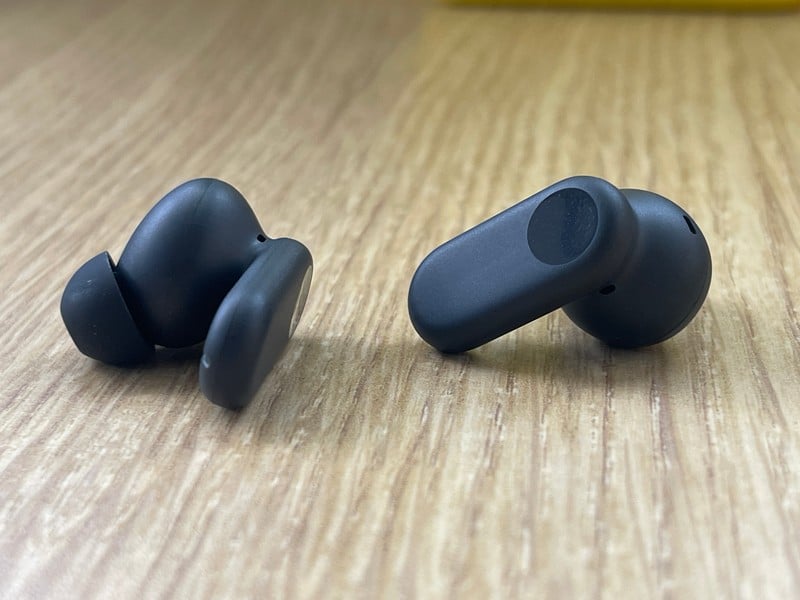
OnePlus also launched the all-new OnePlus Nord Buds 2r during the Nord Summer launch Event. These True Wireless Stereo (TWS) earbuds deliver outstanding bass performance.
With 12.4mm Extra Large Drivers, they provide rich and detailed sound quality for an immersive music experience.
OnePlus has introduced a range of innovative audio solutions this year.
The OnePlus Buds Pro 2 offers an immersive experience with dual drivers, powerful noise cancellation, and low latency, along with spatial audio and Bluetooth 5.3 connectivity, all wrapped up in an impressive 39-hour battery life.
Meanwhile, the OnePlus Bullets Wireless Z2 ANCdelivers advanced noise cancellation, and excellent sound quality, perfect for extended listening sessions.
Audio Offers
OnePlus Buds Offers
* Customers purchasing the OnePlus Buds Pro 2 can avail an Instant Bank Discount of INR 1000 from October 7th onwards. Additionally, customers can also avail No-cost EMI up to 6 months. Customers can also avail a temporary price discount of INR 3000. * Customers purchasing the OnePlus Buds Z2 can avail an Instant Bank Discount of INR 500 and a temporary price discount of INR 1000 from October 7th onwards. * Customers purchasing the OnePlus Bullet Wireless Z2 ANC can avail an Instant Bank Discount of INR 200 and can avail a temporary price discount of INR 300 from October 7th onwards. * Customers purchasing the OnePlus Bullet Wireless Z2 can avail an Instant Bank Discount of- INR 150 and temporary price discount of INR 500 from October 7th onwards. * RCC members can gain benefit up to INR 500 on purchase of Buds Pro 2, Buds Z2, Nord Buds 2, and Nord Buds 2r on OnePlus.in. * Customers purchasing OnePlus Nord Buds 2 and Nord Buds 2r can avail an Instant Bank Discount on INR 200 from 7th October. The Nord Buds 2 and Nord Buds 2r will also have a temporary price discount of INR 500 and INR 400, respectively. Also, the Nord wired earphones will be available with a temporary price discount of INR 200 starting October 7th. * ICICI Bank & OneCard customers can avail bank offers on OnePlus Exclusive Stores, Oneplus.in & offline partner stores. SBI customers can avail bank offers on Amazon as part of the Amazon Great Indian Festival. ICICI Bank, Kotak Bank & Axis Bank customers can avail the bank offers on Flipkart. The audio products are available on Myntra as well.
OnePlus Wearables
OnePlus Wearables
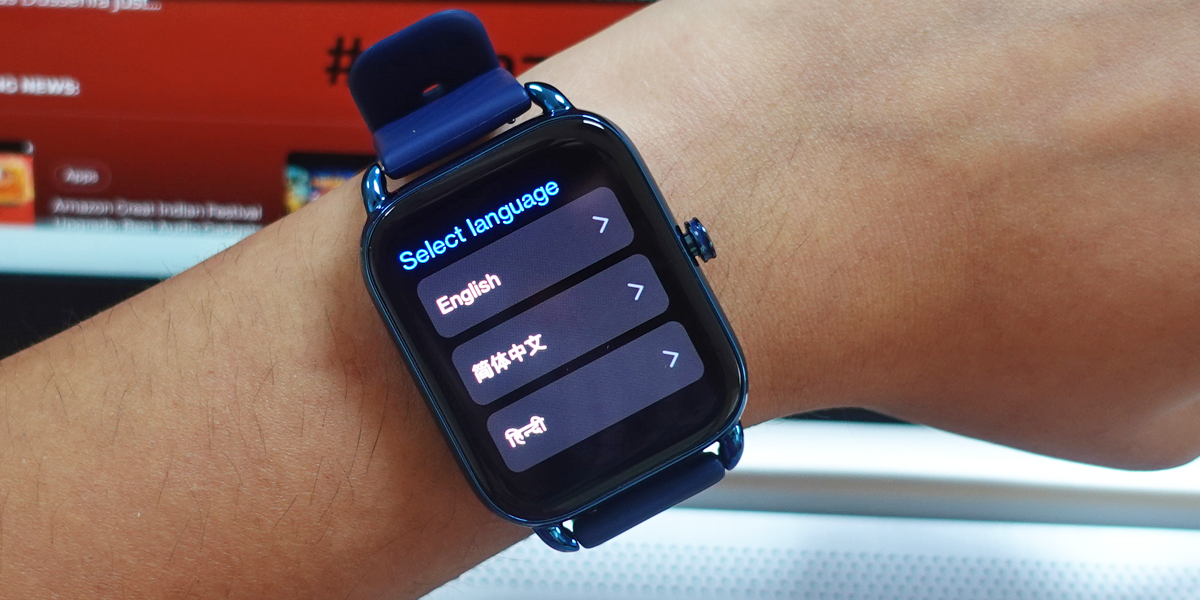
The OnePlus Nord Watch is the first smartwatch under the Nord ecosystem of OnePlus. The OnePlus Nord Watch gets a 45.2mm AMOLED panel that gets a 60Hz refresh rate screen which offers 500 nits of peak brightness.
To keep track of health, it packs features like the heart-rate sensor, SpO2 monitor, menstrual tracker, stress sensor, and more.
Wearable Offers
OnePlus Watch Offers
* Customers purchasing OnePlus Nord Watch can avail a temporary price discount of INR 1,000 and an Instant Bank Discount on INR 500 from 7th October. * ICICI Bank & OneCard customers can avail the bank offers on OnePlus Exclusive Stores, Oneplus.in & offline partner stores. SBI Bank customers can avail the bank offers on Amazon as part of the Amazon Great Indian Festival. ICICI, Kotak & Axis Bank customers can avail the bank offers on Flipkart.
OnePlus TVs
OnePlus TVs
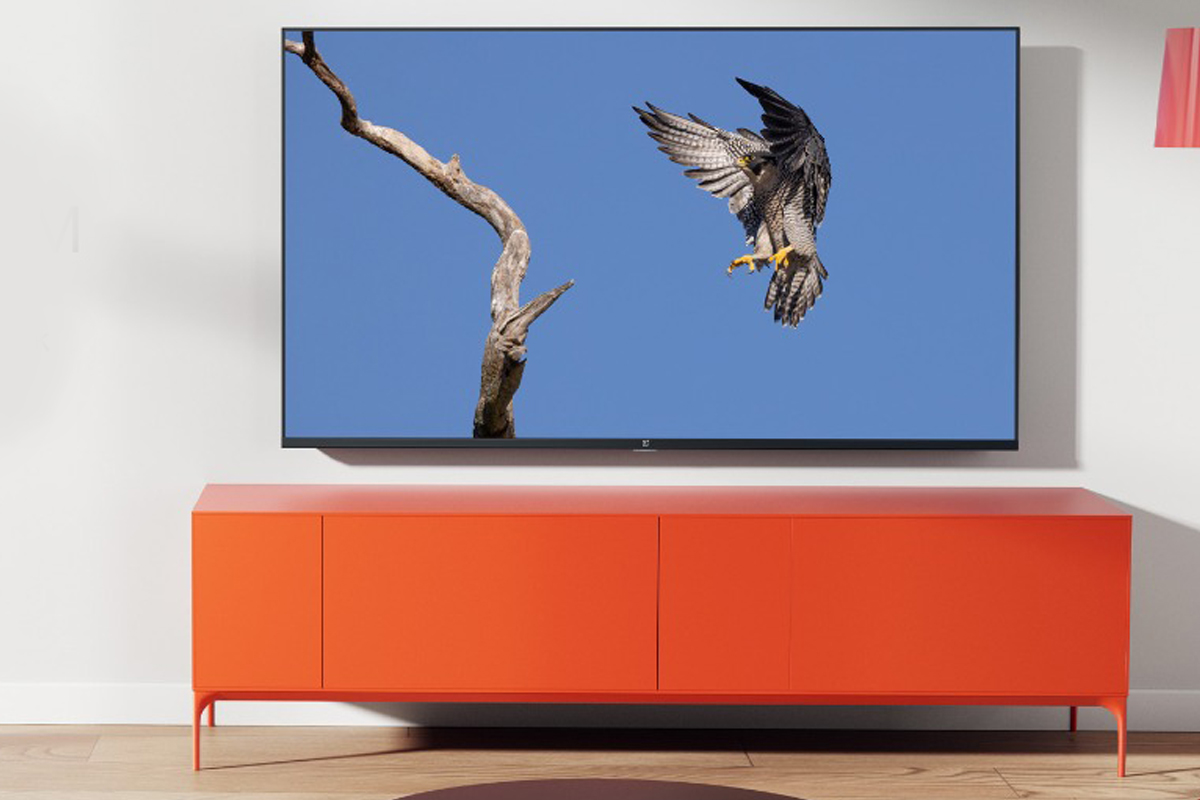
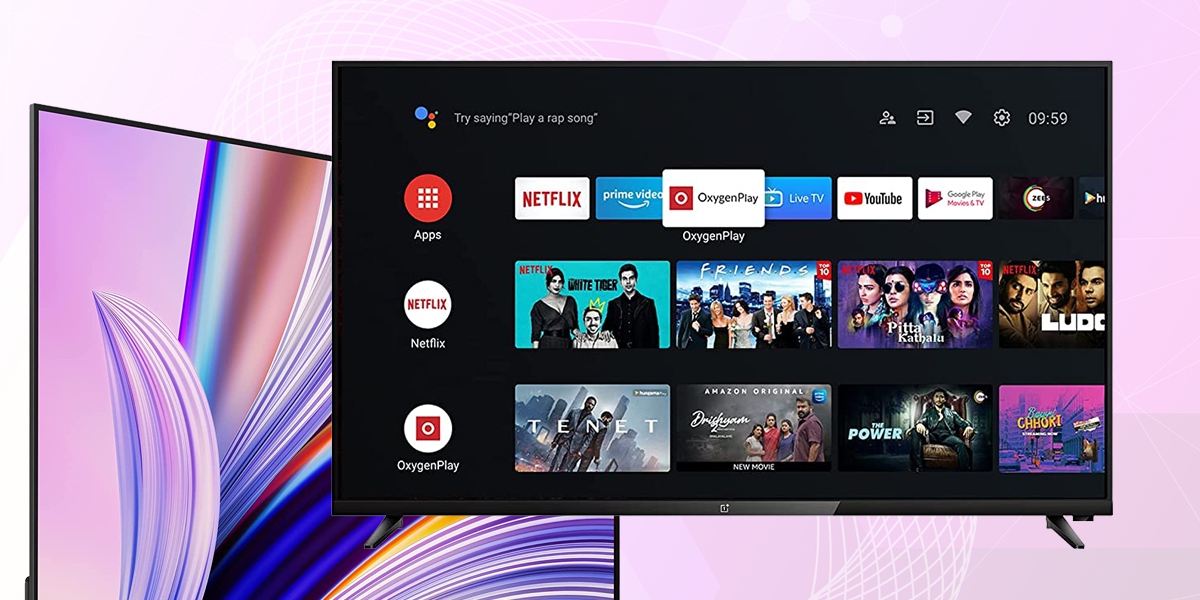
OnePlus’s latest premium TV, the OnePlus TV 65 Q2 Pro serves as an extension of the premium Q Series portfolio which debuted in 2019.
The OnePlus TV 65 Q2 Pro boasts flagship-level 4K QLED display technology with an industry-leading wide color gamut of DCI-P3 97%. The 120 Hz Refresh Rate and MEMC Technology ensure smooth viewing.
The OnePlus TV 65 Q2 Pro also offers a powerful 70W output, co-tuned with Dynaudio, plus Dolby Atmos for a truly immersive audio experience.
Below are a series of offers on the latest OnePlus TV 65 Q2 Pro and the rest of the OnePlus TV portfolio.
OnePlus TV Offers
OnePlus TV Offers
* Customers purchasing the OnePlus TV 55 U1S as well as 65 U1S can benefit from Instant Bank Discounts up to 10% on Flipkart and worth INR 3000 and INR 4000 respectively; and are also eligible for No-Cost EMI of 3, 6, 9 and 12 months on other platforms. * Customers purchasing the OnePlus TV 43 Y1S Pro, 50 Y1S Pro can benefit from Instant Bank Discounts worth INR 2000 and INR 2500 respectively; and are also eligible for No Cost EMI of 3 and 6 months. Customers purchasing the OnePlus TV 55 Y1S Pro can benefit from Instant Bank Discounts worth INR 3000 and are eligible for a No Cost EMI of 3,6 and 9 months. * Customers looking to buy OnePlus TV 65 Q2 Pro are eligible for INR 5000 Instant Bank Discount and can avail No Cost EMI of 3,6,9, and 18 months. Additionally, RCC members gain benefit up to INR 5000 upon purchase of OnePlus TV 65 Q2 Pro on OnePlus.in * In addition to the above, customers can also avail a series of exciting instant bank offers and No Cost EMI offers across the other OnePlus TVs such as 32 Y1S Edge, 43 Y1S Edge, 32 Y1S, 43 Y1S and other OnePlus TVs. * ICICI Bank & OneCard customers can avail bank offers on OnePlus Experience Stores, OnePlus.in & offline partner stores. SBI customers can avail bank offers on Amazon as part of the Amazon Great Indian Festival. ICICI Bank, Kotak Bank & Axis Bank customers can avail the bank offers on Flipkart.
The mentioned TV offer is not applicable on Flipkart.
Ans) The OnePlus Pad Go price in India starts at Rs 19,999 for the 8GB RAM + 128GB storage option.
This pricing is applicable for the Wi-Fi model.
The LTE variant which comes with 8GB of RAM and 128GB of internal storage is priced at Rs 21,999, while the Wi-Fi model with the same RAM and 256GB of internal storage costs Rs 23,999.
2) Where is the tablet OnePlus Pad Go available for purchase?
Ans) The tablet will be available for purchase via the OnePlus India website, the OnePlus Store app, Flipkart, Amazon, Reliance, Croma and other key offline outlets.
3) What makes the OnePlus 11 5G Marble Odyssey unique?
Ans) The OnePlus 11 5G Marble Odyssey boasts a distinctive marble-like back cover, crafted from a rare microcrystalline rock material that mimics marble, providing a luxurious and exclusive look and feel.
4) What are the specifications of the OnePlus 11 5G Marble Odyssey?
Ans) It is powered by the Qualcomm Snapdragon 8 Gen 2 SoC and features a 6.7-inch 120Hz AMOLED panel, a triple-camera setup, 16GB RAM, 256GB internal storage, and a 5,000mAh battery with 100W charging.
5) Does OnePlus Nord 3 5G have a good display?
Ans) Yes, the OnePlus Nord 3 5G has a 6.74-inch AMOLED display with an FHD+ resolution and a 120Hz refresh rate for a smooth viewing experience.
6) Is OnePlus Nord 3 5G good for gaming?
Ans) Yes, the device houses the MediaTek Dimensity 9000 chipset which can handle intensive gaming tasks with ease.
7) What makes the OnePlus 11R 5G Solar Red different from the original OnePlus 11R 5G?
The Solar Red variant offers an enhanced 18GB of RAM and 512GB of storage, as compared to its predecessor. It also comes with RAM-Vita technology which can efficiently run up to 50 apps at once.
8) Is the OnePlus 11R 5G Solar Red available for discounted rates?
Yes, the device will be available for purchase at a discounted rate during Amazon’s Great Indian Festival Sale. Although exact pricing details are not yet revealed, it’s a chance to get the device at a special price.
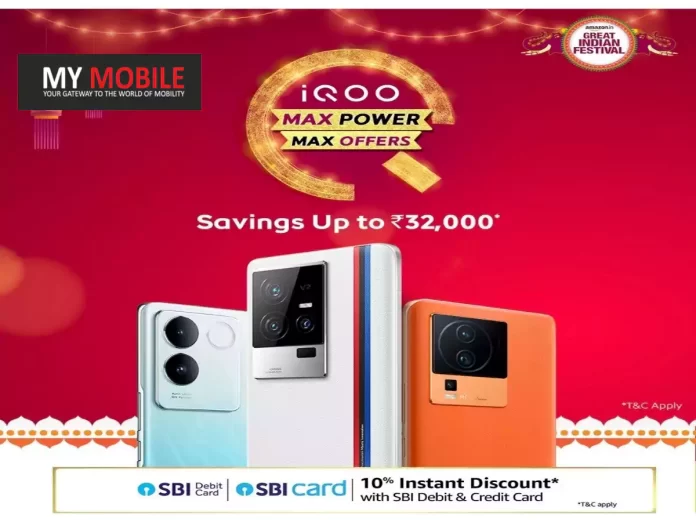
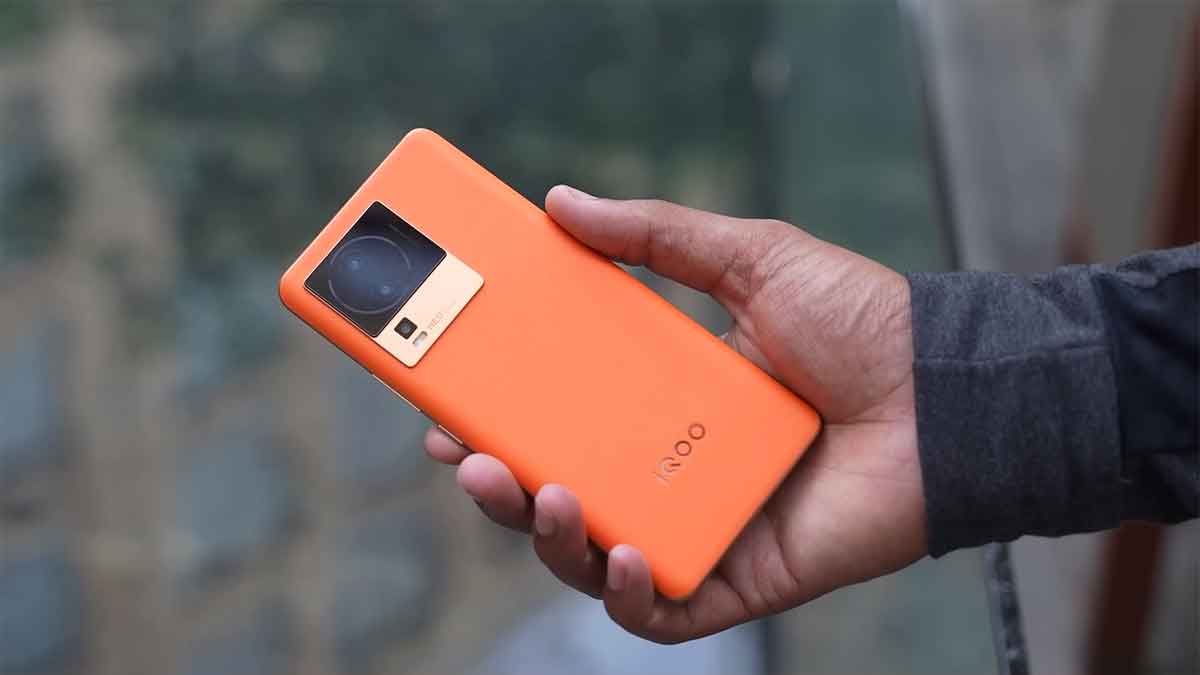
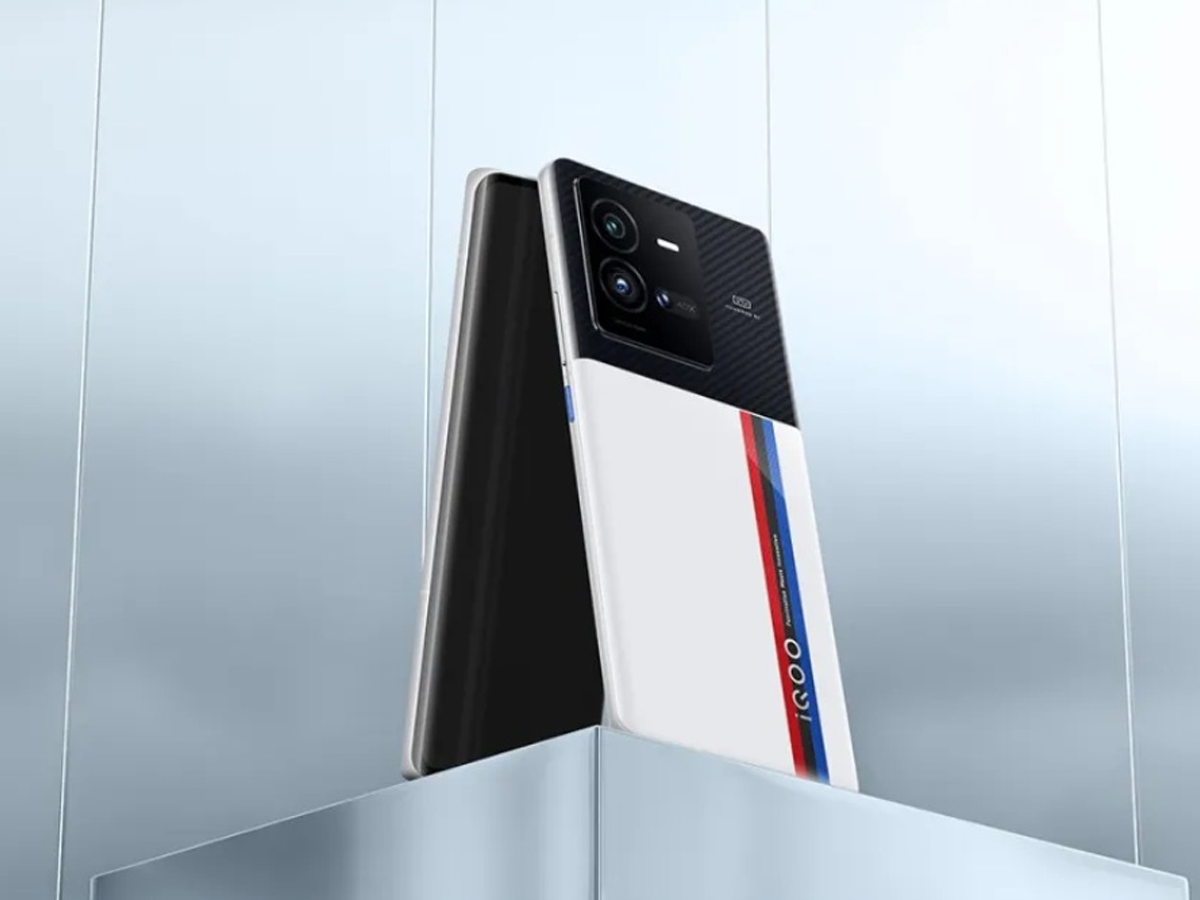
• iQOO Z7 Pro, iQOO Neo 7 Pro, iQOO Neo 7, iQOO Z7s, iQOO 11, Z6 Lite 5G and more are on sale during the Amazon Great Indian Festival .
• Sale starts from 8th October onwards and prime members will get an early access to the sale on 7th October on Amazon.in.
iQOOis all set with the sale of its best-selling smartphones that includes iQOO Z7 Pro, iQOO Neo 7 Pro, iQOO Neo 7, iQOO Z7s, iQOO 11, Z6 Lite 5G and more during the Amazon Great Indian Festival starting 8th October 2023.
These power packed smartphones promise to deliver industry-leading features to its tech savvy consumers.
This accomplishment demonstrates the brand’s unwavering commitment to giving its Indian customers the finest in technology and innovation.
Commenting on the commencement of Amazon Great Indian Festival 2023, Nipun Marya, Chief Executive Officer, iQOO India, said, “As the joyous festivities approach, we are delighted to announce some exciting offers for our consumers on the best-selling iQOO smartphones with lowest price guarantee.
Our unwavering commitment to delivering superior performance is reflected in each offering, aimed at adding delight and sparking joy in our consumers’ festive celebrations. These offerings will definitely elevate our consumers’ smartphone experience with iQOO, where powerful performance meets incredible value”.
During Amazon Great Indian Festival 2023, consumers can avail an array of attractive discounts and offers on best-selling iQOO smartphones:
Models Current MOP Great Indian Festival Effective Price
iQOO Neo 7 Pro
iQOO Neo 7 Pro 34999 30999 iQOO Z7s 18999 15499 iQOO Z6 lite 13999 11749 iQOO Z7 Pro 23999 21499 iQOO Neo 7 5G 27999 25999 iQOO 9 42990 27990 iQOO 11 59999 47999 iQOO 9 Pro 64990 37990
The smartphone provides peak performance scores as compared to the other processors in the segment, along with the highest AnTuTu score of 728K+, making it one of the fastest in the segment.
iQOO Z7 Pro is equipped with 64 MP AURA Light OIS Camera and presents the industry’s slimmest design, measuring a mere 7.36mm in thickness with a 3D Curved 120Hz AMOLED Display.
It also comes with an AG Glass finish on the back that adds a touch of elegance to the device.
iQoo 11
The phone will have Funtouch OS 13 based on Android 13 out of the box.
iQOO Z7 Pro also features the Extended RAM 3.0 that provides you with additional 8GB of virtual RAM, ensuring seamless transitions between diverse applications, providing a fluid and uninterrupted user experience, even when juggling nearly 27 apps concurrently active in the background.
The iQOO Neo 7 Pro is a true powerhouse that competes with top-tier flagship devices.
This device is equipped with Dual Chip Power – runs on the cutting-edge Qualcomm Snapdragon 8+ Gen 1 mobile platform along with Independent Gaming Chip (IG Chip) for flagship-level performance and gaming experience, delivering enhanced graphics and smooth gameplay.
This sheer amalgamation of performance and power wrapped in Leather design or AG Glass is definitely bound to turn heads.
Additionally, the smartphone features 120W FlashCharge, Flagship 50MP GN5 Ultra-Sensing Camera, Full-Coverage Smart 3D Cooling System, 10 bit – 120Hz AMOLED Display and 120FPS gaming with Game Frame Interpolation.
iQOO Neo 7 Pro is truly a performance beast combining raw power with seamless multitasking capabilities, immersive visuals, and overall enhanced performance.
The iQOO Neo 7 packs a powerful punch with its MediaTek Dimensity 8200 chipset, 120W FlashCharging, and impressive AnTuTu score of 890K+, along with a host of other flagship-level features.
iQOO Neo 7 Pro
The smartphone is designed with Gen Z gamers in mind and offers unique features such as a full-coverage 3D Cooling Systemand ultra game mode.
With a 6.78” 120Hz AMOLED display, users can enjoy a premium viewing experience and seamless smartphone usage.
iQOO Neo 7 became the highest-selling 5G smartphone on Amazon within a day of its launch, offering unparalleled performance and a range of features that set it apart from the competition.
iQOO kicked off the year with the launch of its flagship device, the iQOO 11, powered by the powerful Snapdragon® 8 Gen 2 Mobile Processor, which boasts the efficiency of TSMC’s 4nm processor.
The smartphone’s impressive performance is further highlighted by its astonishing AnTuTu benchmark score of 1323820*.
Equipped with the latest LPDDR5X RAM and UFS 4.0, the iQOO 11 delivers an enhanced user experience with faster app start speed, cache speed, and transfer speed of large files.
The iQOO 11 is a true powerhouse, designed to meet the needs of tech enthusiasts and gamers alike.
World’s first smartphone powered with Snapdragon 4 Gen 1 chipset, iQOO Z6 Lite 5G comes with a 6.58-inch 1080x2408px IPS LCD of 120Hz refresh rate and up to 240Hz sampling rate and a 5,000mAh battery with support for 18W charging.
It sports a 50MP main camera with eye autofocus and a 2MP macro sensor along with an 8MP selfie camera on the front.
The smartphone has earned immense response from its audience which made it the highest selling 5G smartphone on Amazon within a day of its launch.
Continuing iQOO’s commitment to ‘Make in India’, all the above iQOO smartphones are manufactured at vivo’s Greater Noida facility.
Also, to offer hassle free after-sales service experience to its valued customers, iQOO customers can now visit any of the 650+ company owned service centres located across the country.
What is the starting price of the iQOO Z7 Pro and what does it offer for this price?
The iQOO Z7 Pro is competitively priced, starting at Rs 23,999. At this price point, you get a well-designed phone with a slim profile, a 64MP primary camera, a Dimensity 7200 SoC, and a host of software features running on FunTouch OS 13 layered over Android 13.
Does the iQOO Z7 Pro feature any ultra-wide or macro camera? If not, how does it compensate?
Unfortunately, the iQOO Z7 Pro does not offer ultra-wide or macro lenses, a surprising omission for a device in this price range. However, the 64MP primary camera and 2MP depth sensor are designed to capture detailed and vibrant images, and the phone employs AI-based edge detection for bokeh effects to somewhat make up for this lack.
What chipset is under the hood of the iQOO Z7 Pro and what kind of performance can users expect?
The device houses the MediaTek Dimensity 7200 SoC, a 4nm chipset featuring a strong CPU-GPU combination. This chipset ensures smooth performance across a variety of tasks, from web browsing to gaming. The phone also scored 2,673 on Geekbench 6 and 713,216 on AnTuTu, indicating good overall performance.
What is the battery life like on the iQOO Z7 Pro and does it support fast charging?
The iQOO Z7 Pro comes with a 4,600mAh battery, which is a bit less capacious compared to the standard 5,000mAh batteries in phones in a similar price bracket. However, it still offers around 5 hours of screen-on time and can last through a full day. Additionally, the phone supports Vivo’s 67W fast charging technology, which quickly refuels the battery when needed.
What is the display technology used in the iQOO Neo 7 Pro?
The iQOO Neo 7 Pro features an AMOLED display, which offers vibrant colours, deep blacks, and excellent contrast levels for an immersive viewing experience.
Does the iQOO Neo 7 Pro support fast charging?
Yes, the iQOO Neo 7 Pro supports fast charging with its 120W FlashCharge technology. It can charge from 1% to 50% in just 8 minutes and reach a full charge in 25 minutes.
How is the camera performance of the iQOO Neo 7 Pro?
The iQOO Neo 7 Pro boasts a triple camera setup on the rear, including a flagship 50MP GN5 OIS Ultra-Sensing sensor, an 8MP ultra-wide lens, and a 2MP macro sensor. It delivers impressive photography results with excellent details, accurate colours, and good dynamic range. The 16MP front camera captures high-resolution selfies with enhanced facial features.
What is the battery capacity of the iQOO Neo 7 Pro?
The iQOO Neo 7 Pro is equipped with a 5000 mAh battery, providing ample power to support extended usage throughout the day.
Exynos 2400 boasts 1.7 times better CPU performance over its predecessor.
Snapdragon 8 Gen 3 is rumoured to feature a mix of 3nm & 4nm processes.
Both chipsets to be instrumental in Samsung’s Galaxy S24 lineup.
Exynos introduces advanced graphic technologies including ray tracing.
In the ever-evolving world of smartphones, the heart of a device – its processor – often sets the tone for its performance.
During the recent Samsung System LSI Tech Day 2023, the tech titan unveiled its latest brainchild, the Exynos 2400 chipset.
With whispers suggesting its debut in the forthcoming Galaxy S24 series slated for January, enthusiasts are poised on the edge of their seats.
However, diving deep into the realm of chips and cores, it appears that Samsung’s crown jewel, the Galaxy S24 Ultra, will be driven solely by Qualcomm’s Snapdragon 8 Gen 3 processor across all regions.
This news corroborates the buzz from the recent leak comparing the S24 Ultra with its competitors, Pixel 8 Pro and iPhone 15 Pro Max.
The Exynos Renaissance
After sidelining its Exynos line for the Galaxy S23, it seems Samsung’s commitment to its homegrown processor is back with a bang.
According to the insights shared at the LSI Tech Day, the Exynos 2400 boasts an impressive 1.7 times improved CPU performance and a staggering 14.7 times jump in AI capabilities compared to its predecessor, the Exynos 2200.
The GPU isn’t lagging either, introducing cutting-edge graphic technologies like ray tracing and advanced reflection and shadow rendering, as reported by The Elec.
Qualcomm’s Chess Move
Exynos 2400 vs Snapdragon 8 Gen 3
Interestingly, both the Exynos 2400 and Snapdragon 8 Gen 3 will be made in Samsung’s production houses.
This shift is noteworthy since Qualcomm previously partnered exclusively with TSMC for its Gen 2 used in the S23 series.
Leaked discussions between Qualcomm and its Korean collaborators hint at a mixed-node strategy for the Snapdragon 8 Gen 3, alternating between the 3nm and next-gen4nm processes.
Given the challenges Apple faced with the 3nm compatibility on its iPhone Pro line and TSMC’s low 3nm yield, this move might be a masterstroke.
Processor Dynamics for the Galaxy S24 Series
Exynos 2400
So, which chip will power the coveted Galaxy S24 series? Sources indicate that the US versions, from the base model to the Ultra, will harness the power of the Snapdragon 8 Gen 3, which includes Qualcomm’s new X75 5G modem.
As for the Exynos 2400, despite its impressive specifications, it won’t make its way into the high-end Galaxy S24 Ultra in international markets.
However, loyal fans in regions like Korea and Europe can anticipate the Galaxy S24 and S24+ sporting the Exynos 2400.
As per a company spokesperson, this decision echoes Samsung’s acknowledgment of Korea as a “symbolic market.”
The chip tango between Exynos and Snapdragon is a testament to Samsung’s pursuit of delivering top-notch performance.
While the Galaxy S24 lineup’s ultimate configuration remains to be fully unveiled, it’s evident that Samsung is strategically leveraging its ties with Qualcomm, both for its MX mobile and Foundry divisions, in a bid to dominate the premium market space.
FAQs
How does the CPU performance of Exynos 2400 compare to its predecessor?
The Exynos 2400 offers a CPU performance that’s approximately 1.7 times better than the Exynos 2200.
What’s unique about the GPU innovations in the Exynos 2400?
The Exynos 2400 GPU introduces advanced graphic technologies such as ray tracing, which enhances the realism in graphics by simulating the way light interacts with objects.
Are there any specifics known about the Snapdragon 8 Gen 3’s manufacturing process?
Yes, there are rumors suggesting that the Snapdragon 8 Gen 3 might be produced using a mix of 3nm & 4nm processes.
Which Galaxy S24 models will be equipped with the Exynos 2400?
Based on the information provided, the Galaxy S24 and the Galaxy S24+ in regions like Korea and Europe will feature the Exynos 2400 processor.
6.78-inch AMOLED display with HDR10+ certification ensures a captivating visual experience.
50MP OIS night camera captures impressive low-light shots, bolstered by the Smart Aura light feature.
Snapdragon 778G under the hood offers consistent performance and smooth multitasking.
4,600mAh battery complemented by a rapid 80W charging capability.
The Vivo V29enters the bustling mid-range smartphone market, carrying the weight of expectations from Vivo loyalists and casual users alike.
Hailing from Vivo’s celebrated V-series lineup, the V29 promises a blend of cutting-edge technology, sophisticated design, and a user experience that resonates with the brand’s commitment to innovation.
Priced at Rs 32,999 the device is not exactly a budget-friendly option and in this review let’s find out if it is worthy of your attention.
The Vivo V29, Vivo’s latest entrant into the smartphone market, is a testament to the brand’s commitment to innovative design and impeccable craftsmanship.
At the very outset, its design language speaks volumes of Vivo’s prowess: the phone beautifully marries form with function.
Sporting an exquisite Majestic Red hue, the V29 showcases a frosted matte-glass finish on the back.
This not only lends the device a luxurious and premium appearance but also boasts a practical aspect, being resistant to unsightly fingerprints.
The design intricacies extend to the phone’s slim profile, a mere 7.4mm, which is quite an achievement given its suite of features.
Furthermore, weighing in at just 184g, it feels incredibly light, almost feather-like, in the hand.
The gentle curves on its back are not just an aesthetic choice but are also ergonomically designed, mimicking the natural curve of a hand and ensuring a comfortable grip.
This attention to detail is evident in the phone’s buttons as well.
Sleek slits on the side double up as the volume rocker and power button, exuding a minimalist elegance.
At the bottom, the Vivo V29 houses the now-standard USB-C port, reinforcing its contemporary design ethos.
However, the absence of stereo speakers is somewhat surprising and might be a letdown for audiophiles.
Vivo V29: Display Quality
Vivo V29: Display Quality
When you boot up the Vivo V29, the first thing that catches your attention is the 6.78-inch curved AMOLED display.
It delivers clear and crisp visuals, and the colours are vibrant, but not overly saturated. With its HDR10+ certification, the display manages to offer decent contrasts, especially noticeable while streaming content on platforms like Netflix.
The curved edges, a design choice we’ve seen in many premium devices, does give the V29 a refined look.
It also has the added advantage of reducing bezels, providing a slightly larger screen real estate.
The punch-hole for the selfie camera is present at the top, and while it’s a common feature in most phones nowadays, it remains minimally invasive on this display.
Brightness levels are commendable and should suffice for most scenarios, from indoor to outdoor.
However, as with most devices, direct sunlight might pose some visibility challenges.
On the whole, the Vivo V29 offers a solid display experience suitable for day-to-day tasks, streaming, and gaming.
Vivo V29: Camera Capabilities
Vivo V29: Camera
The Vivo V29’s camera system is, without a doubt, its most distinguishing feature, with the 50MP OIS night camera taking center stage.
In low-light settings, our preliminary tests yielded images that were rich in detail and color accuracy.
The built-in Night Mode accentuates this capability, even though we noticed a smidge of noise in some shots.
Adjusting the settings, however, quickly rectified this.
Another notable feature is the Smart Aura light, which, in our experience, surpassed traditional flash in capturing superior images, especially of faces during evening events.
In well-lit conditions, the device demonstrated commendable dynamic range and detail, especially for its price bracket.
The camera’s capability to crisply focus on subjects while naturally blurring backgrounds was particularly impressive.
However, not all lenses were equally praiseworthy.
The 8MP ultra-wide lens didn’t measure up to the primary lens’s performance, and the inclusion of a 2MP depth sensor seemed redundant, given the advancements in AI-driven bokeh effects.
On the front, the 50MP selfie camera stands out, delivering some of the most detailed selfies in its segment.
Consistent with Vivo’s tradition, the V29 places a strong emphasis on producing top-tier portraits, whether using the front or rear cameras.
Vivo V29 Day Camera Samples
Vivo V29 Night Camera Samples
Vivo V29: Performance and Features
Vivo V29 Performance
The Vivo V29 is powered by the Snapdragon 778G processor.
While it’s not the fastest offering for its price range, in our tests, the device’s performance was consistent and reliable, with minimal lag or interruptions.
Benchmark scores offer a quantitative perspective: the V29 logged a multi-core score of 2,873 on Geekbench 6 and an overall score of 589,851 on Antutu.
When stressed, the device sustained up to 91% of its optimal performance, which is commendable.
For gamers, the V29 supports BGMI at 60fps with Smooth graphics settings, though there’s a noticeable warmth after 30-45 minutes of continuous play.
Summing it up, the V29 delivers decent performance, but if you’re after top-tier processing speed, there are other contenders in the market.
Apart from that the phone packs in 8GB of LPDDR4X RAM and 128GB of UFS 3.1 storage to boot
The omission of stereo speakers is indeed a drawback given the phone’s price point. On a positive note, the in-display fingerprint sensor worked efficiently during our tests.
Additionally, its 5G capabilities, when tested on Airtel’s Noida network, met our expectations.
Vivo V29: Software and Battery
Vivo V29: Battery
The software on the Vivo V29 is characteristic of FunTouchOS—highly customisable with a multitude of settings to delve into and tweak for a personalized user experience.
However, it does come with its share of bloatware.
Some pre-installed apps can be helpful, but many may not align with every user’s needs. While you can uninstall several third-party apps, the proprietary Vivo apps might pose a challenge to remove.
Vivo has committed to two years of Android OS updates, starting with the Android 13-based FuntouchOS 13 the phone comes with, and three years of security patches.
Given the competition in this segment, with brands like OnePlus and Samsungoffering extended update periods, it would be reasonable for users to expect Vivo to extend its OS update commitment.
The Vivo V29 houses a 4,600mAh battery, which might seem modest in comparison to the typical 5,000mAh batteries seen in many phones within this price bracket.
However, its standout feature is the 80W fast charging capability, enabling users to rapidly recharge the phone.
In our regular use, the phone managed just above 5 hours of screen-on time, necessitating a charge by day’s end.
While the swift charging is appreciated, a more substantial battery would have been a welcome addition.
Vivo V29: Final Verdict
Vivo V29: Final Verdict
The Vivo V29 attempts to strike a balance between premium features and practical usability, and for the most part, it succeeds.
Its AMOLED display, impressive main camera, and rapid charging make it a strong contender in its segment.
However, some choices, like the slightly smaller battery and absence of stereo speakers, are felt.
Still, with its robust performance, customisable software, and elegant design, the V29 should resonate with those looking for a blend of style and substance.
The V29 sports a 6.78-inch curved AMOLED screen with HDR10+ certification, ensuring vibrant and contrast-rich visuals, especially while streaming content.
How does the 50MP OIS night camera perform in low-light scenarios?
The camera excels in low-light settings, producing detailed and color-accurate images. The built-in Night Mode further enhances this, and the Smart Aura light feature is particularly effective for capturing detailed facial shots in dim lighting.
Does the Vivo V29 offer efficient performance?
Powered by the Snapdragon 778G, the V29 offers reliable and consistent performance for everyday tasks and gaming. Benchmark scores further underline its capability to handle multiple tasks seamlessly.
Is the battery life adequate on the Vivo V29?
The V29 houses a 4,600mAh battery, which might seem modest when compared to other devices in its range. However, its 80W fast charging feature ensures you can quickly top up the battery, providing a balanced power solution.