YouTube wanted to “ensure that the primary video actions (pause, rewind, fast forward) remained easily accessible and intuitive.”
Highlights
YouTube requires creators to disclose AI-altered or synthetic content.
New labelling system to inform viewers about AI-generated content.
Option for music partners to request removal of AI-generated music mimicking artists.
Policy updates aim to balance AI use with authenticity and individual rights.
YouTube is setting new boundaries for AI-generated content, including a focus on AI-generated music, to maintain the integrity of its platform.
The company has announced updates to its policies to address the growing presence of synthetic content, aligning with its Community Guidelines.
New Disclosure Requirements for Creators
Creators on YouTube will now be required to disclose if their content is altered or synthetic, especially when using AI tools.
This move aims to increase transparency and maintain viewer trust.
Failure to disclose AI-generated content repeatedly could lead to content removal or other penalties, including suspension from the YouTube Partner Program.
Labels for AI-Generated Content and Music
To facilitate this, YouTube is introducing a new labelling system to inform viewers about AI-altered or synthetic content.
Videos discussing sensitive topics will carry a more prominent label.
Despite labelling, any content violating Community Guidelines will still be subject to removal.
YouTube Updates Policies
Additionally, YouTube is taking steps to manage AI-generated music content. Music partners will have the option to request the removal of AI-generated tracks that replicate an artist’s unique voice.
Initially, this facility will be available to labels and distributors involved in YouTube’s early AI music experiments, with plans to expand access in the future.
Addressing the Challenges of Synthetic Media
YouTube’s policy updates are a response to the challenges posed by AI and synthetic media.
The platform is balancing the innovative use of AI with the need for authenticity and respect for individual rights.
Videos that simulate identifiable individuals through AI, including their face or voice, can be requested for removal.
YouTube will evaluate these requests considering factors like parody, the individual’s public status, and unique identification.
FAQs
What are YouTube’s new requirements for AI-generated content?
YouTube now mandates creators to disclose if their content is AI-generated or synthetic. This policy ensures transparency and helps viewers understand the nature of the content they are watching. Non-compliance can lead to content removal or other penalties.
How will viewers know if content is AI-generated on YouTube?
YouTube is introducing labels on videos to indicate AI-generated or synthetic content. These labels, particularly prominent on sensitive topics, will help viewers identify and understand the nature of the content they are consuming.
Can AI-generated music be removed from YouTube?
Yes, YouTube is providing music partners the ability to request the removal of AI-generated music that imitates an artist’s voice. Initially, this is available to those participating in early AI music experiments, with plans to expand access in the future.
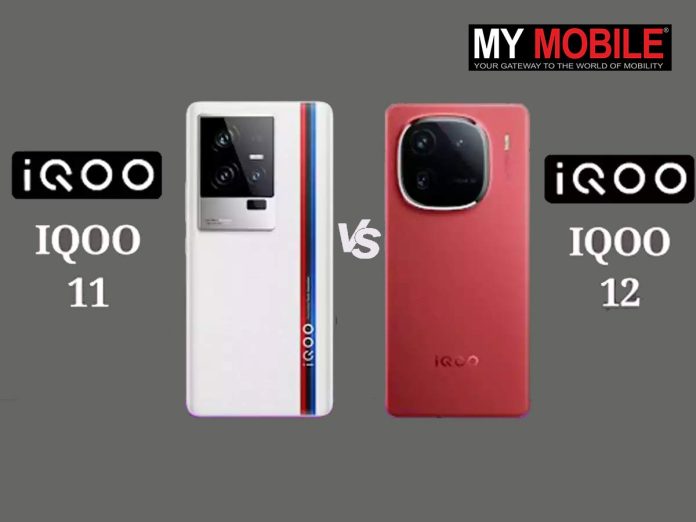
Here’s a detailed comparison of the two models, highlighting their key features and improvements.
Pricing and Availability
iQOO 12 vs iQOO 11: Price
In terms of pricing, the iQOO 12 offers more value in its home market, China, starting at CNY 3,999 for the 12/256GB variant.
This is a noticeable drop from the iQOO 11’s launch price of CNY 4,399 for the same configuration.
The iQOO 12’s sales in China began on November 16th.
For the Indian market, the iQOO 12 is set to launch on December 12th, marking it as the first device with the Snapdragon 8 Gen 3 chipset in the country.
However, there are no current plans to introduce the Pro model in India.
Key Specs at a Glance
iQOO 12 vs iQOO 11: Key Specs
iQOO 12
Display: 6.78-inch 2800×1260p 144Hz AMOLED
Processor: Snapdragon 8 Gen 3
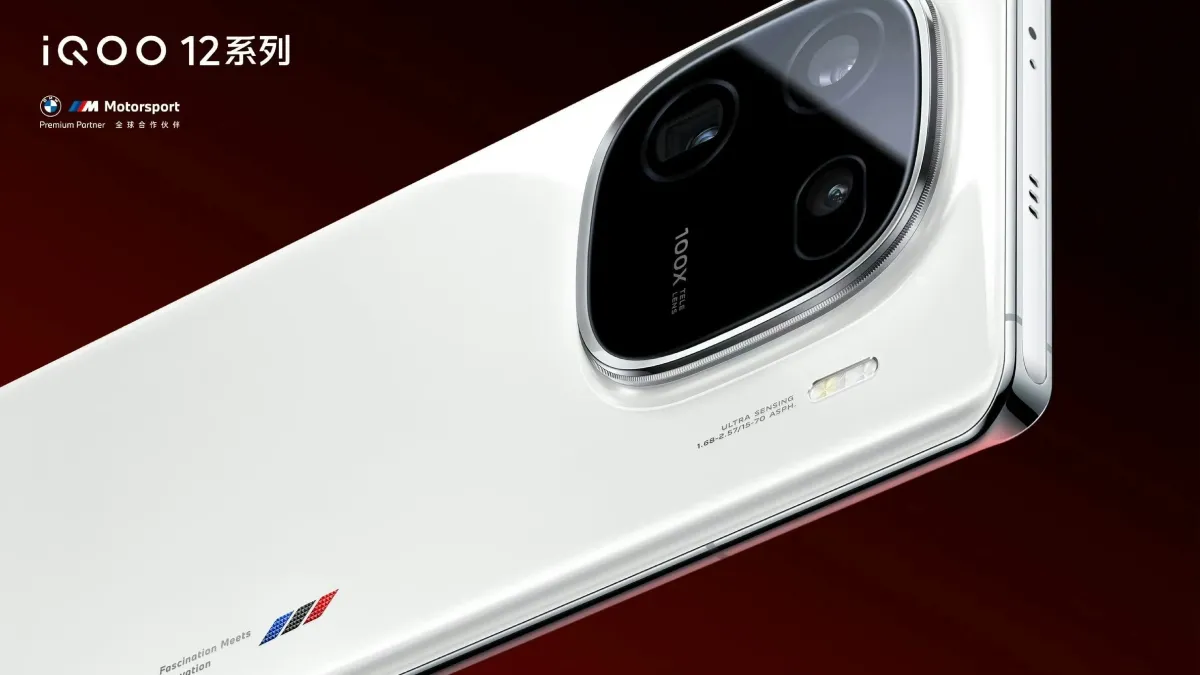
Main Camera: 50MP main + 64MP telephoto (100X zoom) + 50MP ultra-wide
Front Camera: 16MP
Battery: 5,000mAh with 120W charging
iQOO 11
Display: 6.78-inch 3200×1440p 144Hz AMOLED
Processor: Snapdragon 8 Gen 2
Main Camera: 50MP GN5 main + 13MP portrait + 8MP ultra-wide
Front Camera: 16MP
Battery: 5,000mAh with 120W charging
Display and Design Comparison
iQOO 12 vs iQOO 11: Design
The iQOO 12 boasts a slightly lower resolution display than the iQOO 11 but compensates with thinner bezels and a peak brightness of 3,000 nits, significantly higher than the iQOO 11’s 1,800 nits.
Both models feature a 6.78-inch 144Hz AMOLED screen, but the iQOO 12 has enhanced its Pulse Width Modulation (PWM) to 2,160Hz, improving from the iQOO 11’s 1,440Hz.
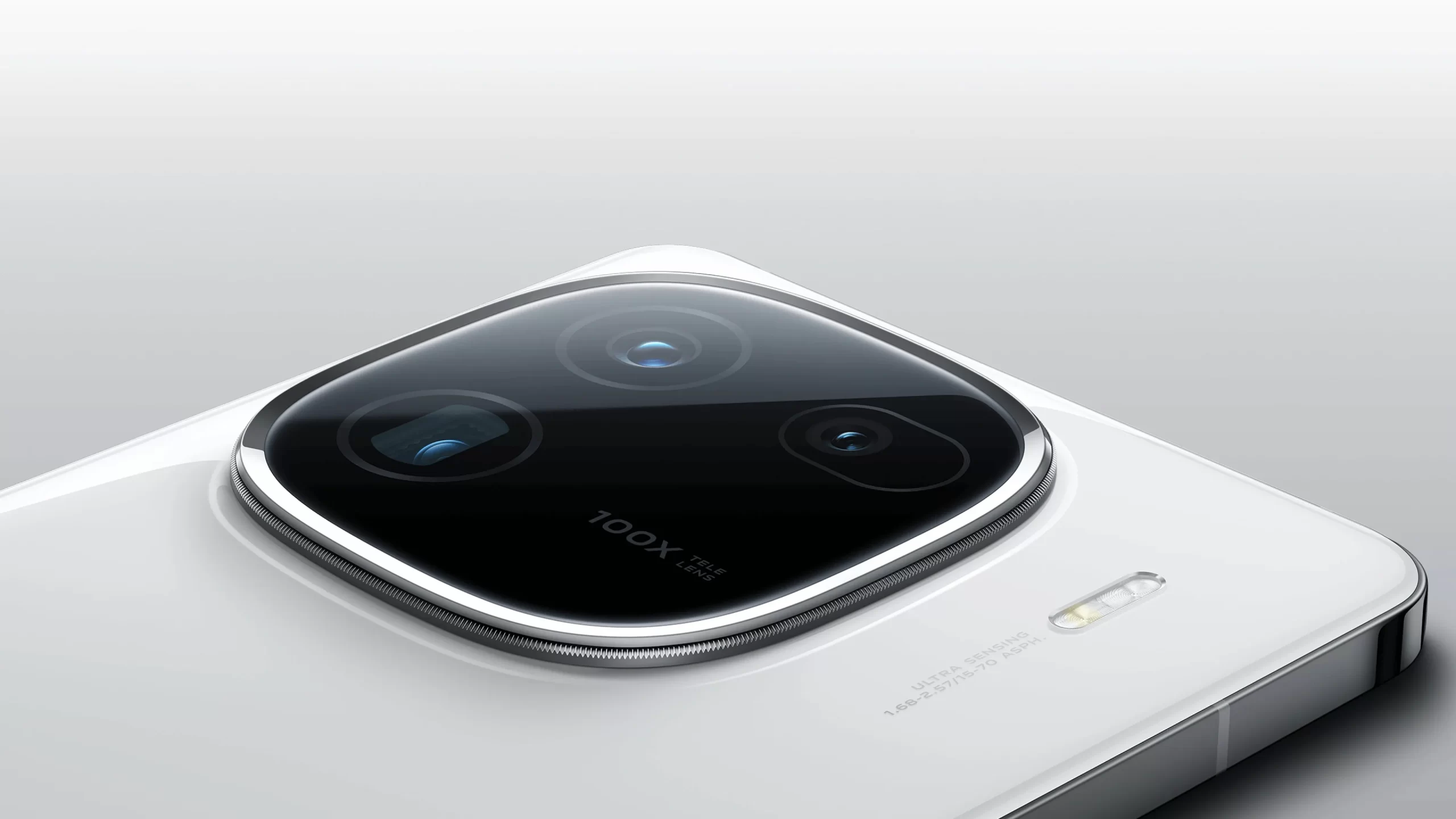
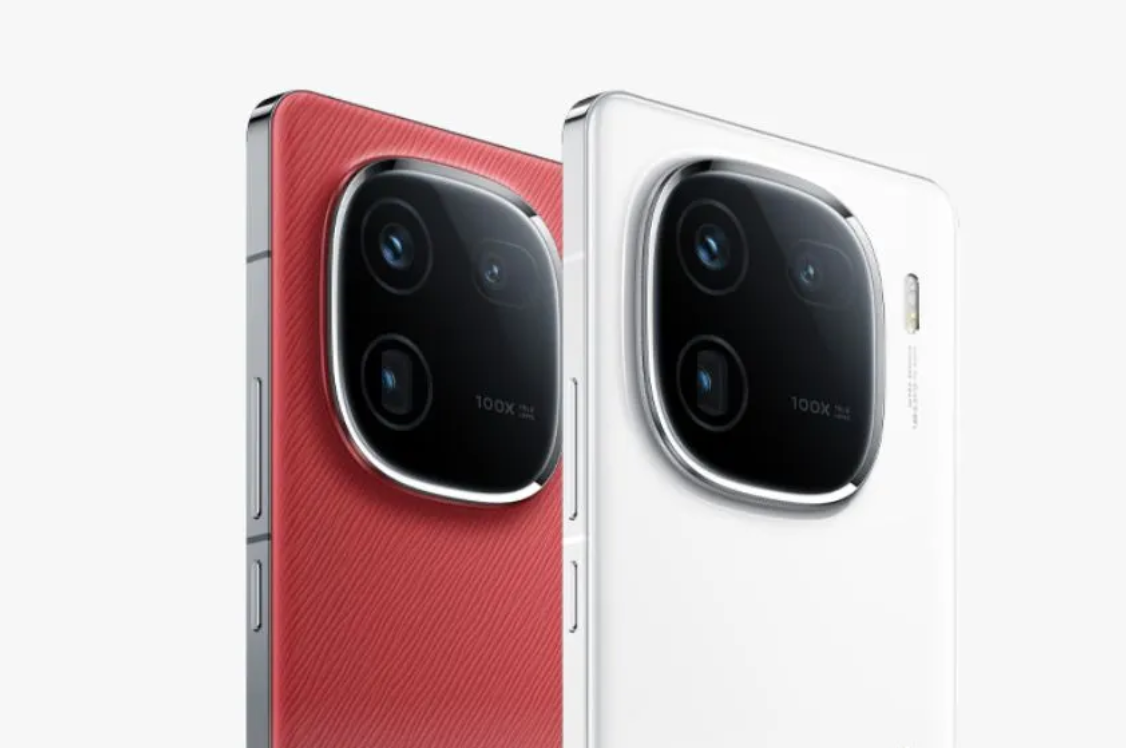
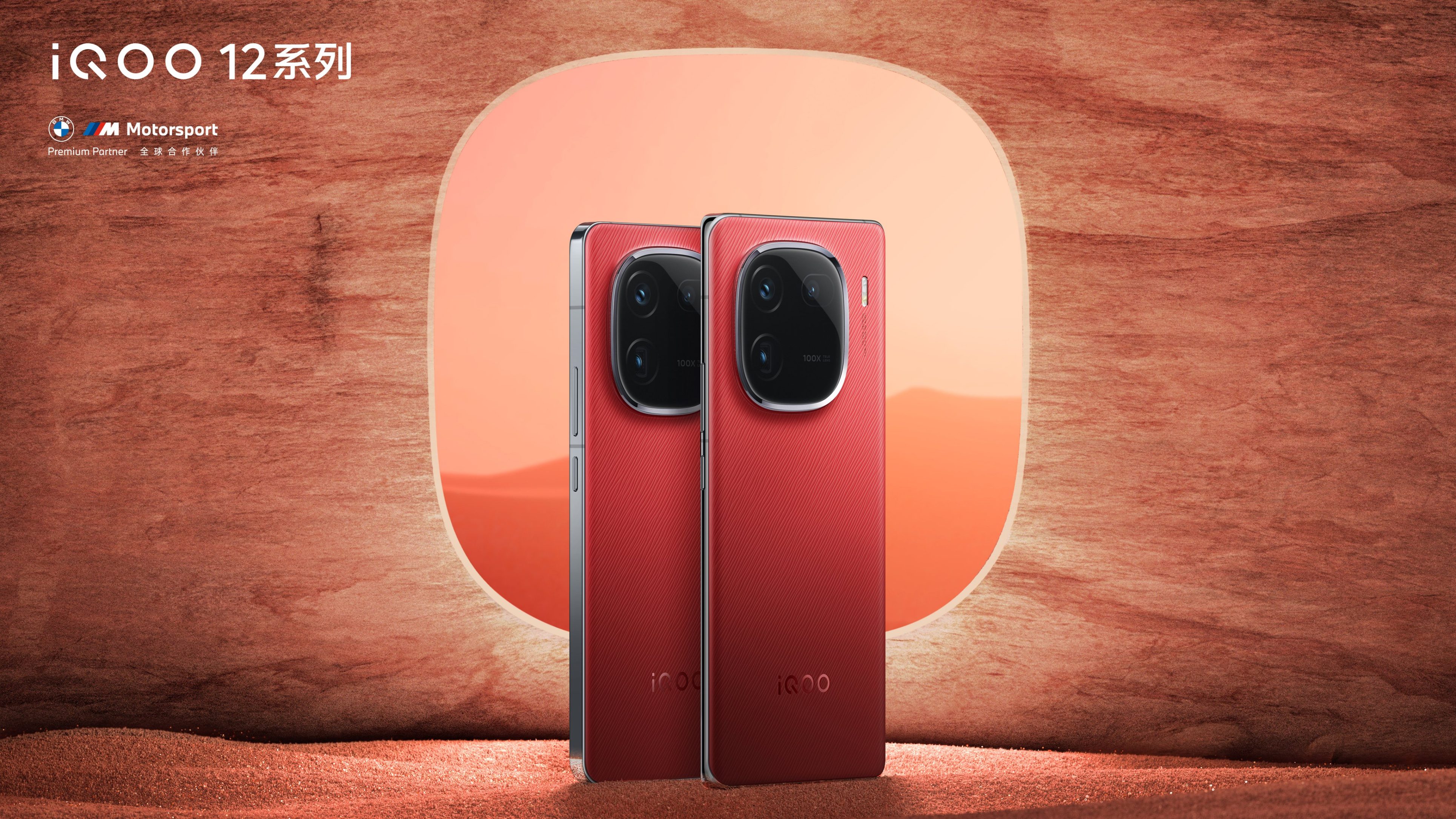
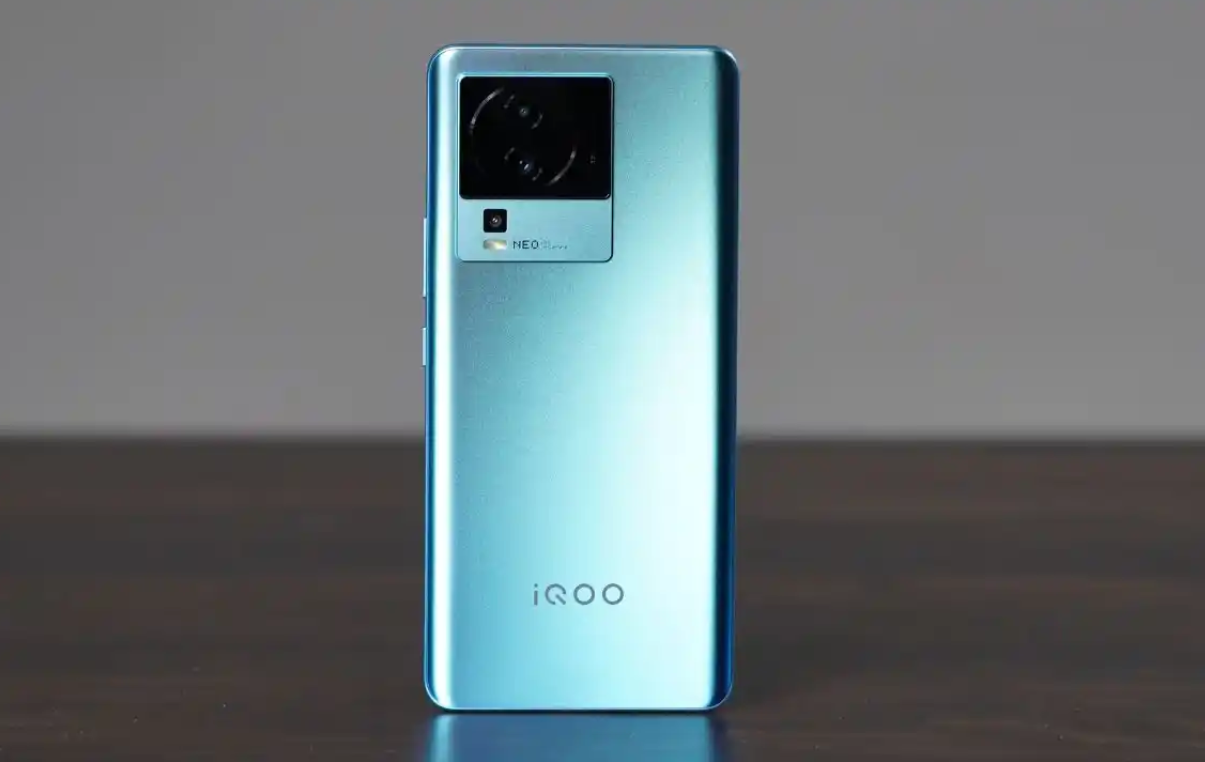
Design-wise, the iQOO 12 is sleeker, with flat sides, a new camera module, and a slimmer and lighter build at 8.1mm thickness and 198g weight.
Performance Enhancements
iQOO 12 vs iQOO 11: Performance
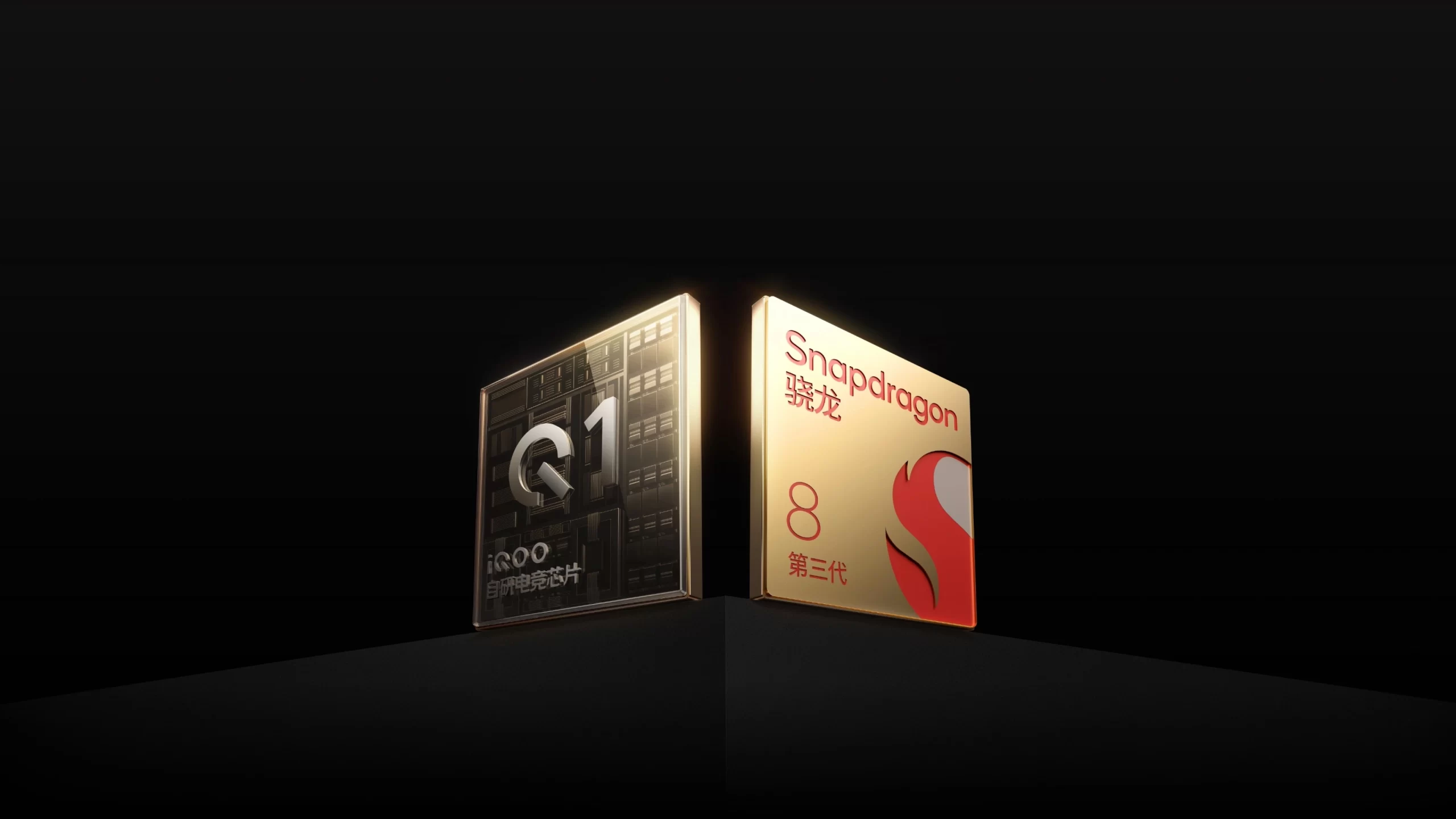
The iQOO 12 steps up its game with the Snapdragon 8 Gen 3 processor, offering a peak clock speed of 3.3GHz and a new Adreno 750 GPU.
This chipset promises more efficient and powerful performance, especially in gaming as compared to the Snapdragon 8 Gen 2 on the iQOO 11.
Also, in comparison to the latter’s Vivo’s V2 chip, the iQOO 12 incorporates a self-developed Q1 chip for enhanced gaming capabilities.
It also features a 40 percent larger VC cooling system and strategically positioned chips for efficient heat dissipation.
Camera Upgrades
iQOO 12 vs iQOO 11: Camera
The camera setup in the iQOO 12 has seen significant improvements. The main 50MP camera now uses a VCS OV50H sensor with a larger 1/1.3-inch size and a better f/1.68 aperture.
The telephoto camera has been upgraded to 64MP with up to 100X zoom, replacing the 13MP portrait camera of the iQOO 11.
The ultra-wide camera also receives a boost with a 50MP sensor and f/2.0 aperture, a considerable step up from the iQOO 11’s 8MP ultra-wide camera.
Both phones maintain a 16MP front camera.
Battery and Charging
iQOO 12 vs iQOO 11: Battery
Both the iQOO 12 and iQOO 11 are equipped with a 5,000mAh battery, but the newer model’s Snapdragon 8 Gen 3 chipset ensures a 9% improvement in battery life.
They both support 120W fast charging, ensuring quick power-ups.
How does the iQOO 12’s chipset compare to the iQOO 11?
The iQOO 12 features the new Snapdragon 8 Gen 3 chipset, offering superior performance and efficiency compared to the Snapdragon 8 Gen 2 found in the iQOO 11. This upgrade makes the iQOO 12 one of the first smartphones in India with this advanced processor.
What are the camera improvements in the iQOO 12 compared to the iQOO 11?
The iQOO 12 introduces a significant upgrade in its camera setup. It features a 64MP telephoto lens with up to 100X zoom and a 50MP ultra-wide sensor, surpassing the iQOO 11’s 13MP portrait and 8MP ultra-wide cameras. The main 50MP sensor is also enhanced for better image quality.
In what ways has the display been enhanced in the iQOO 12?
While the iQOO 12 has a slightly lower resolution than the iQOO 11, it compensates with a peak brightness of 3,000 nits, up from 1,800 nits in the iQOO 11. The iQOO 12 also has thinner bezels and a higher PWM rate for a smoother visual experience.
Nothing launches ‘Nothing Chats’, an iMessage-like feature for Nothing Phone 2 users.
The new messaging platform allows seamless communication with iPhone users.
Nothing Chats uses Sunbird technology for direct message delivery without intermediary servers.
Nothing, a London-based smartphone manufacturer, is set to revolutionize Android messaging by introducing an iMessage-like feature for its users.
The company has announced ‘Nothing Chats’, a new messaging platform exclusive to Nothing Phone (2)owners.
This move marks a significant shift, as it’s the first time an Android brand has developed such a feature internally rather than relying on third-party solutions.
Integration of iMessage Features
Integration of iMessage Features
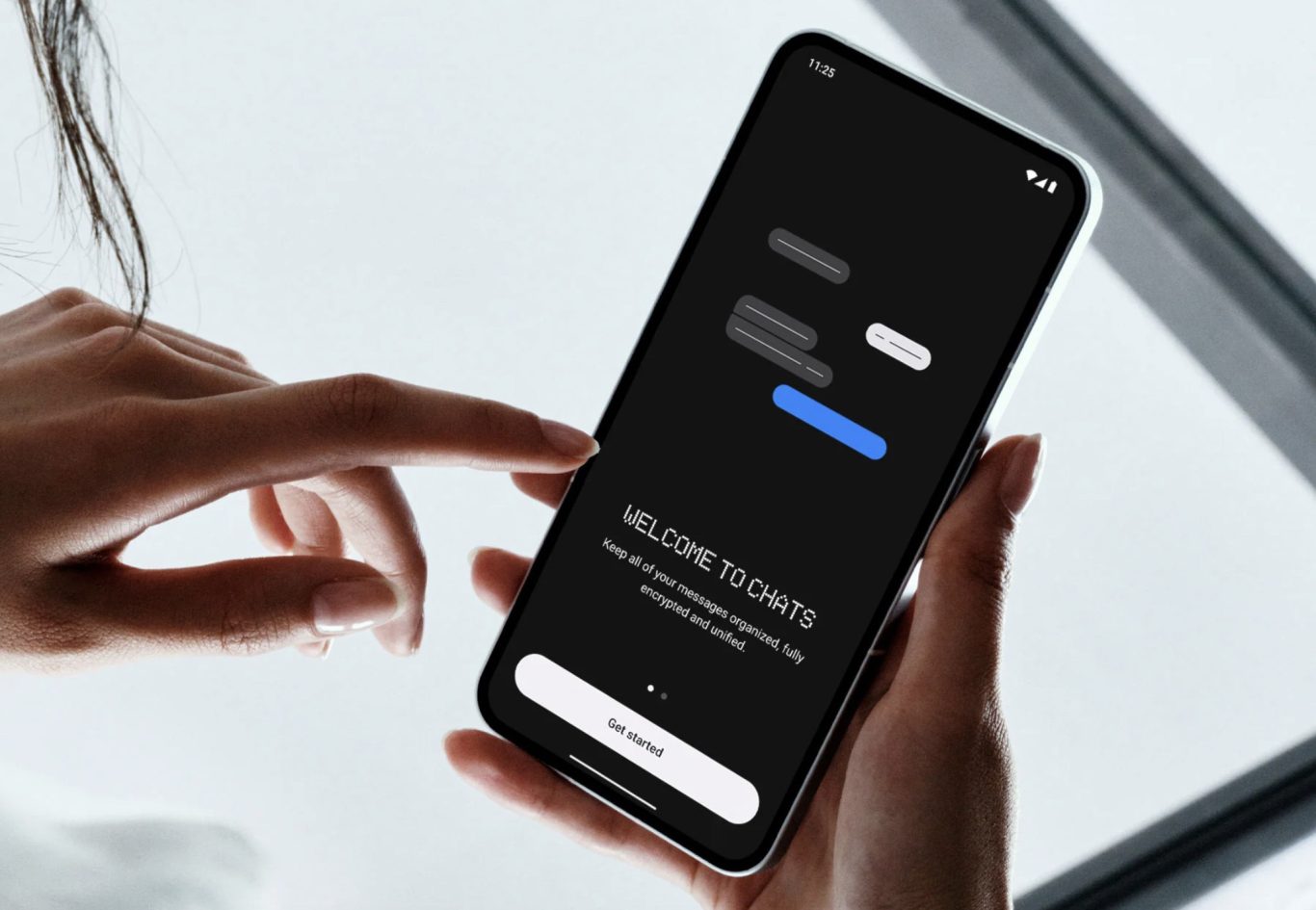
Starting November 17th, Nothing Phone 2 users will have access to iMessage’s distinctive blue bubbles, enabling seamless interaction with iPhone users.
This initiative stems from Nothing’s goal to bridge the communication gap between Android and iPhone users.
The messaging service is powered by Sunbird, a technology that directly delivers messagesbetween users without storing them on intermediary servers.
To facilitate this, Sunbird temporarily holds user iCloud credentials on a secured server, ensuring the efficient relay of iMessages through the app.
Using Nothing Chats and Future Developments
Using Nothing Chats and Future Developments
To use Nothing Chats, users will need to log in with their Apple ID, setting up iMessage within the app while maintaining end-to-end encryption.
Currently in Beta, the app offers features like individual and group messaging, typing indicators, full-size media sharing, and voice notes.
Notably, read receipts, message reactions, and replies are planned for future updates.
Carl Pei, Nothing’s CEO and co-founder, has outlined these features and more in a recent YouTube video, indicating continuous improvements during the Beta phase.
Nothing Chats will initially be available in North America, the EU, and other European countries.
The app’s release is restricted to these regions for now, with no announcement on expansion to other countries or to the older Nothing Phone (1) models.
Notably, it will not be available on the Google Play Store but as an exclusive offering from Nothing.
‘Nothing Chats’ is a new messaging platform from Nothing, designed exclusively for Nothing Phone 2 users. It mimics iMessage’s functionality, allowing Android users to experience similar seamless messaging with iPhone users, a first for an Android brand.
How does ‘Nothing Chats’ ensure privacy and security?
Privacy and security in ‘Nothing Chats’ are maintained through end-to-end encryption. The app uses Sunbird’s technology, which ensures messages are delivered directly between users without being stored on any servers, safeguarding user data.
What features does ‘Nothing Chats’ offer?
The app includes various features like individual and group messaging, typing indicators, media sharing, and voice notes. Future updates will introduce read receipts, message reactions, and message replies, enhancing user experience.
WhatsApp introduces a voice chat feature for large groups with silent notifications.
Users can join or leave the voice chat at any time with a simple tap.
Feature supports multitasking with text messaging during voice chats.
Available for groups of 33 to 128 members, ensuring end-to-end encryption for privacy.
WhatsApp has introduced a new voice chat feature tailored for large group conversations, enhancing user experience with seamless communication in groups.
The voice chat will automatically end if everyone leaves the chat or if no one joins the first or last person in the chat for 60 minutes.
This feature is designed to be less disruptive, as it does not ring each group member individually when a voice chat is started.
Instead, participants receive a silent notification, allowing them to join the chat at their discretion.
Users can easily exit and re-enter the voice chat. If someone needs to step away, they can leave by tapping the chat bubble and rejoin later by tapping it again.
This makes the feature flexible for those who may need to attend to other tasks briefly.
To initiate a voice chat, users tap the phone icon in the top right corner of the group chat and select ‘Start Voice Chat.’
WhatsApp Unveils New Voice Chat Feature
Group members are then notified and invited to join. Participants in the chat are displayed on a banner at the bottom of the screen, and to leave the chat, users simply tap the Red Cross button.
The new feature is particularly user-friendly for larger groups, supporting multitasking by allowing users to control the call and send text messages simultaneously.
It is initially available for groups with 33 to 128 members on iOS and Android devices, with smaller groups continuing to use the existing group voice call feature.
The voice chats are end-to-end encrypted for privacy and security.
Note that this feature will only function on the user’s primary device.
Group members not in the voice chat can still view the profiles of those participating from the chat header and the Calls tab.
FAQs
What is the new voice chat feature in WhatsApp?
WhatsApp’s new voice chat feature allows users in large groups to have live conversations without disturbing each member with a ringing notification. Instead, users receive a silent alert and can choose to join the chat as they wish.
How does the new feature improve group chats in WhatsApp?
The feature enhances group chats by allowing users to enter and exit the conversation seamlessly. It’s designed for user convenience, especially for those who may be busy or prefer not to be disturbed, making group interactions more flexible.
Can users multitask while using the new voice chat feature on WhatsApp?
Yes, the new voice chat feature on WhatsApp allows users to multitask. They can continue to send text messages while being part of a voice chat, making it convenient for users who need to communicate in multiple ways simultaneously.
Apple introduces ‘Listening Now’ for real-time listener analytics on Apple Music for Artists.
The feature shows the number of listeners streaming an artist’s songs at any moment.
Detailed two-day trend analysis of listening habits included.
Available on both the Apple Music for Artists website and updated iPhone app.
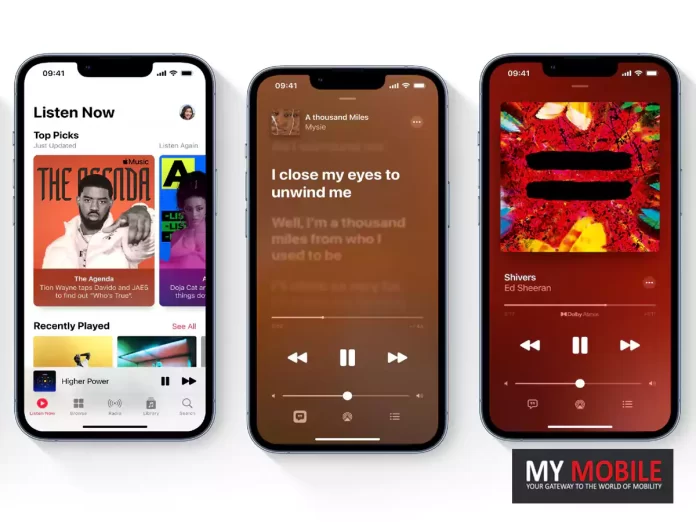
Apple has unveiled a new feature for artists on its music streaming platform, dubbed ‘Listening Now’.
This tool is a significant update for Apple Music for Artists, offering real-time analytics to help artists understand their audience engagement better.
The ‘Listening Now’ widget, available on both the Apple Music for Artists website and the updated iPhone app, displays the number of listeners streaming an artist’s songs at any given moment.
This immediate feedback allows artists to see the impact of their music in real-time, offering a dynamic and interactive way to gauge audience response.
Beyond just the current listener count, ‘Listening Now’ also provides artists with a detailed view of listening trends over the past two days.
Apple Music for Artists Launches New Real-Time Analytics Feature
This feature gives a broader perspective on how their music is being received, helping artists to identify patterns and peak listening times.
Such insights are invaluable for tailoring release strategies, social media engagement, and even planning live performances.
This new tool represents a significant enhancement to Apple Music’s analytics capabilities.
It empowers artists with actionable data, providing a deeper connection to their audience.
The introduction of ‘Listening Now’ underlines Apple’s commitment to supporting artists in navigating the digital music landscape, making Apple Music a more attractive platform for both established and emerging artists.
FAQs
What is ‘Listening Now’ in Apple Music for Artists?
‘Listening Now’ is a new feature on Apple Music for Artists that provides real-time data showing how many people are listening to an artist’s songs at any given moment. This tool helps artists understand audience engagement and track song performance instantly.
How can artists benefit from the ‘Listening Now’ feature?
Artists can use ‘Listening Now’ to gauge immediate audience response to their music, allowing them to make timely decisions about promotions, social media interactions, and future releases. It offers a dynamic way to connect with their audience.
What additional analytics does ‘Listening Now’ provide?
Besides real-time listener counts, ‘Listening Now’ offers a detailed view of listening trends over the past 48 hours. This insight helps artists understand how their music’s popularity fluctuates and identify peak listening times.
Google plans to invest hundreds of millions in Character.AI to enhance AI chatbot technology.
The investment could strengthen the existing partnership, leveraging Google’s cloud and TPU services.
Character.AI, popular among young adults, offers unique interactions with virtual celebrities and anime characters.
Google is reportedly planning a significant investment in the AI chatbot startup Character.AI.
Sources indicate that the tech giant might invest hundreds of millions of dollars into the rapidly growing company.
This move aims to help Character.AI expand its capabilities to meet increasing user demand and enhance its AI model training.
Google’s Deepening Involvement with Character.AI
Character.AI, which already has a partnership with Google, utilizes Google’s cloud services and Tensor Processing Units (TPUs) for its AI model training.
The potential investment could take the form of convertible notes, further cementing the relationship between the two companies.
However, as perReuters both Google and Character.AI have not officially commented on these talks.
Google Eyes Major Investment in AI Chatbot Startup Character.AI
Character.AI’s Growing Appeal and Future Prospects
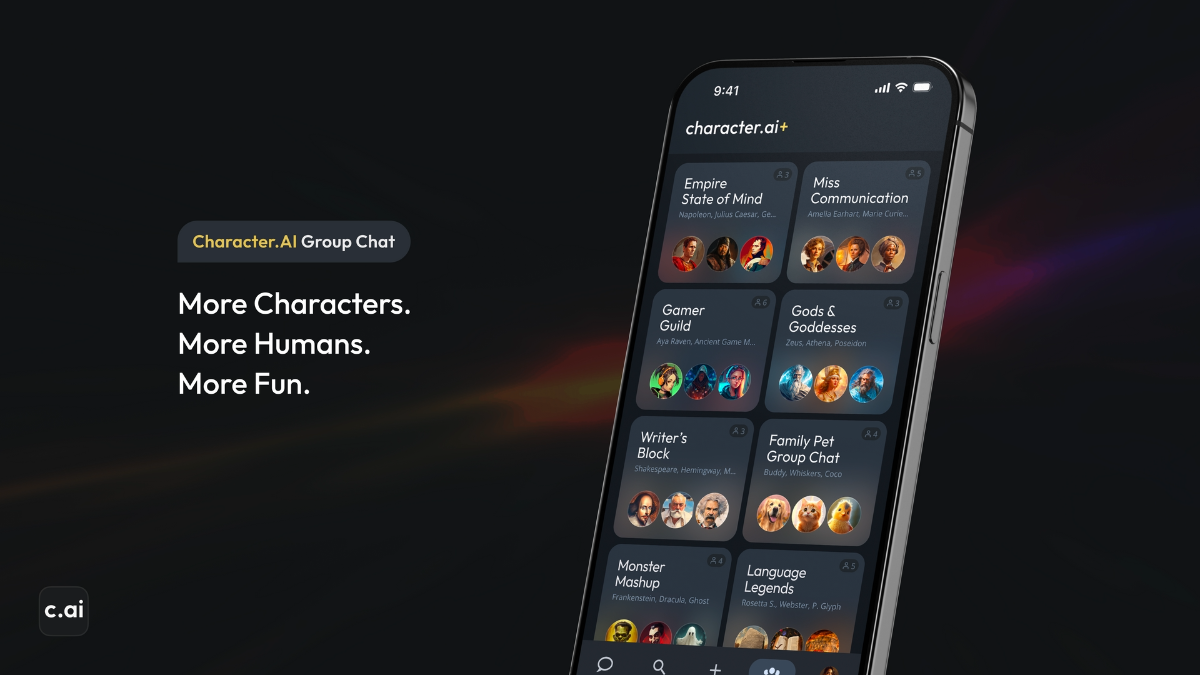
Founded by ex-Google employees Noam Shazeer and Daniel De Freitas, Character.AI offers a unique platform where users can interact with virtual versions of celebrities and anime characters.
It also allows users to create their own chatbots and AI assistants. The service is free, but a subscription model is available for those who want quicker access to chatbots.
The startup has particularly resonated with younger audiences, drawing significant traffic from the 18 to 24 age group.
This popularity positions Character.AI distinctively in the market, especially in comparison to other AI chatbots like OpenAI’s ChatGPT and Google’s Bard.
Character.AI has seen remarkable growth, with its website attracting 100 million monthly visits in just six months post-launch.
In addition to Google’s potential investment, Character.AI is in discussions for equity funding from venture capitalists, which could value the company at over $5 billion.
As the talks with Google are still in progress, the details of the deal could change. Meanwhile, Google’s interest in AI startups is part of a broader trend where tech giants are investing in AI companies.
This trend is drawing the attention of regulatory bodies like the US Federal Trade Commission, which is scrutinizing these investments for any anti-competitive behaviors.
FAQs
What is the significance of Google’s potential investment in Character.AI?
Google’s planned investment in Character.AI, potentially amounting to hundreds of millions of dollars, indicates a strong interest in advancing AI chatbot technology. This investment would not only boost Character.AI’s growth but also deepen Google’s involvement in the AI chatbot sector.
How will Google’s investment impact Character.AI?
With Google’s investment, Character.AI can expect enhanced resources for training its AI models, primarily using Google’s cloud services and TPUs. This could lead to more sophisticated chatbot capabilities and an expanded user base for the startup.
What makes Character.AI stand out in the AI chatbot market?
Character.AI offers a unique platform where users can interact with AI versions of celebrities and anime characters, along with creating their own AI assistants. Its appeal to younger demographics sets it apart from competitors like ChatGPT and Google’s Bard.
On World Diabetes Day, Apple’sinnovative health studies, launched in 2019, have unveiled new insights into diabetes management through comprehensive data analysis.
The studies, namely the Apple Heart and Movement Study and the Apple Women’s Health Study, have been pivotal in exploring the impacts of lifestyle choices on glucose levels for individuals living with diabetes.
These studies leverage the capabilities of continuous glucose monitors, which are instrumental in tracking blood glucose levels in real-time.
These monitors offer people with diabetes a detailed view of how various factors such as dietary habits, physical activities, and stress impact their glucose levels.
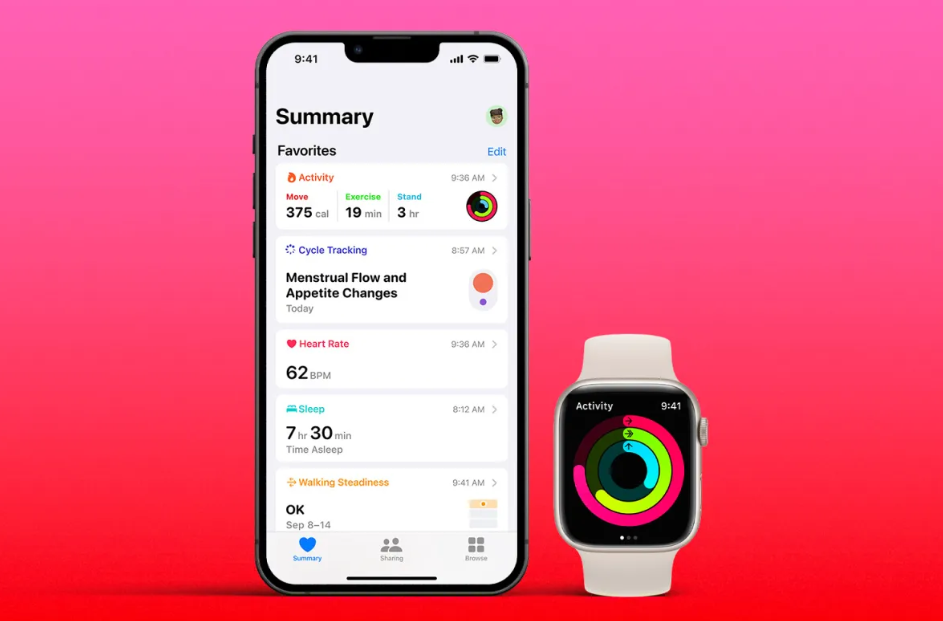
When this data is combined with information gathered from the Apple Watch, including metrics like activity levels, steps taken, sleep patterns, and menstrual cycle details, it forms a rich repository of health data.
Significant findings from these studies include
Apple Reveals New Diabetes Management Insights on World Diabetes Day
Exercise and Glucose Levels: There’s a clear correlation between increased physical activity and better glucose control. Participants who extended their average exercise duration or increased their daily steps showed a higher average percentage of time within the target glucose range of 70-180 mg/dL. This suggests that even modest increases in physical activity can significantly impact glucose regulation.
Daily Exercise Benefits: Those who engaged in more than 30 minutes of exercise daily spent about 78.8% of their time within the target glucose range. This statistic underscores the importance of regular physical activity in maintaining optimal blood sugar levels.
Gender Differences in Step Count: The data revealed interesting gender differences. Female participants who took more than 10,000 steps per day spent more time within the target glucose range (70-180 mg/dL) compared to their male counterparts. This finding could guide personalized diabetes management strategies based on gender-specific responses to physical activity.
Menstrual Cycle and Glucose Control: Analyzing 1,982 menstrual cycles, the studies found subtle variations in glucose control across different phases of the menstrual cycle. During the follicular phase, characterized by lower progesterone levels, participants experienced a slight increase in the duration of glucose levels staying within the desired range (68.5% of the day), as opposed to the luteal phase, where this percentage dropped slightly (66.8% of the day). Participants also spent less time above the glucose range during the follicular phase, highlighting the hormonal influences on glucose regulation.
These findings from Apple’s health studies are not just pivotal for individuals with diabetes, but also for healthcare professionals seeking to develop more effective diabetes management plans.
FAQs
How do Apple’s health studies contribute to diabetes management?
Apple’s studies provide valuable data showing how lifestyle choices like physical activity and step count affect blood glucose levels. This information helps individuals with diabetes better understand and manage their condition through personalized lifestyle adjustments.
What role does exercise play in managing diabetes, according to Apple’s findings?
Regular exercise, especially more than 30 minutes daily, is linked to maintaining blood glucose levels within the desired range. This highlights the importance of physical activity as a key component in diabetes management strategies.
Are there gender-specific findings in Apple’s diabetes research?
Yes, the studies revealed that women taking more than 10,000 steps a day had better blood glucose control compared to men, emphasizing the need for gender-specific approaches in managing diabetes.
Oppo Find X7 series set to feature satellite communication, leveraging BeiDou service.
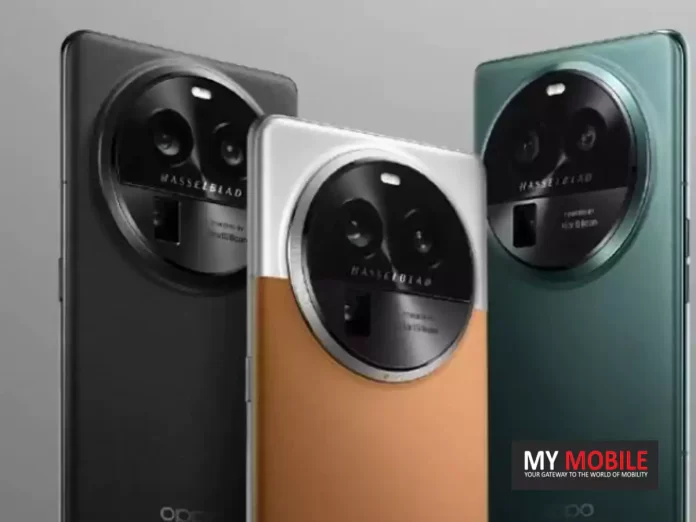
Equipped with a Hasselblad camera system and Dimensity 9300 chipset.
Anticipated launch in China in the first quarter of 2024, with global availability uncertain.
Pro variant rumored to include BOE’s new Q1 panel and Sony LYT-900 camera sensor.
Oppois set to bring satellite communication to the smartphone market with its upcoming Find X7 series.
This breakthrough feature was announced on Weibo and is expected to utilize the BeiDou satellite messaging service, similar to what is seen in the Huawei Mate 60.
However, there’s a likelihood that this functionality may initially be exclusive to China, especially if the phone launches globally.
This innovation places Oppo’s Find X7 series in a growing league of smartphones incorporating satellite communication.
The trend is gaining momentum, with other major players like Vivo in their X100 series and Samsung with its anticipated Galaxy S24 seriesalso venturing into this technology.
The Find X7 series, apart from its satellite communication capability, boasts other impressive features.
It is equipped with a Hasselblad camera system, ensuring high-quality photography, and is powered by the Dimensity 9300 flagship chipset, promising top-tier performance.
While the global availability of the Find X7 series remains uncertain – its predecessor, the OPPO Find X6 Pro, did not have a global launch – there is anticipation about its release.
Oppo Find X7 Series to Introduce Satellite Communication Technology
Speculations suggest that the series could be announced in China within the first quarter of 2024.
This timeline follows the launch pattern of the OPPO Find X6 series, which debuted at the end of March 2023.
Rumors around the Find X7 series include the Pro variant featuring a super-bright display from BOE, incorporating their new Q1 panel, and the adoption of the Sony LYT-900 camera sensor, likely to elevate the phone’s imaging capabilities.
Satellite communication in smartphones is not just limited to Oppo.
Samsung’s upcoming Galaxy S24 series has been hinted to include such features, and Apple has already introduced an emergency SOS via satellite feature.
This growing trend highlights a new frontier in smartphone technology, offering users novel ways to stay connected.
What is unique about the Oppo Find X7 series in terms of communication?
The Oppo Find X7 series is poised to incorporate satellite communication, a feature that sets it apart in the smartphone market. This technology will likely use the BeiDou satellite messaging service, enhancing connectivity options, particularly in remote areas.
What other features can be expected in the Oppo Find X7 series?
Beyond satellite communication, the Find X7 series is expected to boast a high-quality Hasselblad camera system and be powered by the Dimensity 9300 flagship chipset. These features indicate a focus on advanced photography and powerful performance.
Will the Oppo Find X7 series be available globally?
The global launch of the Oppo Find X7 series is currently uncertain. Its predecessor, the Find X6 Pro, did not have a global release. However, the series is expected to debut in China in early 2024, following the launch pattern of previous models.
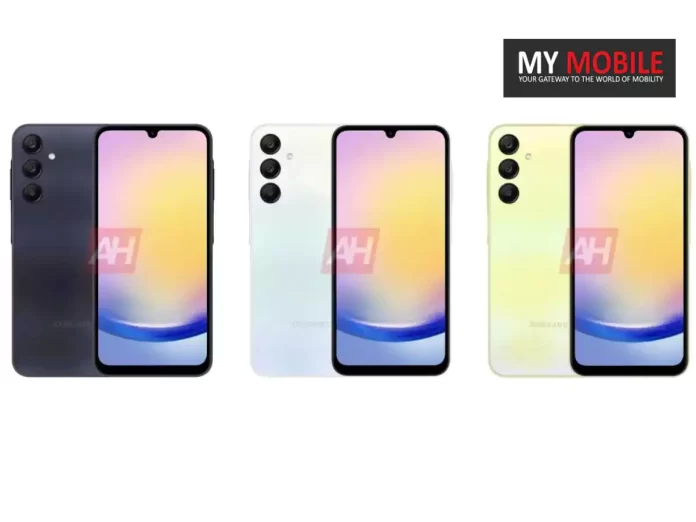
Samsung Galaxy A25 5G receives TUV Rheinland certification, hinting at an imminent release.
Expected to feature fast-charging technology, enhancing user convenience.
Rumors suggest a high-quality display and powerful processing capabilities.
Anticipated to come with an advanced camera setup and the latest Android OS.
Samsung is gearing up to introduce the Galaxy A25 5G, a new addition to its smartphone lineup.
This anticipated successor to the Galaxy A24 recently underwent TUV Rheinland certification, hinting at its imminent launch.
The certification revealed that the A25 5G will support 25W fast charging, a notable feature for efficient power management.
Leaks suggest the Galaxy A25 5G will boast a 6.5-inch Full HD+ display with a smooth 90Hz refresh rate, ensuring a vibrant and fluid visual experience.
It’s expected to be powered by an Exynos 1280 processor, offering robust performance.
The device is likely to come in two configurations: 6GB and 8GB of RAM, accommodating varying user needs.
The operating system will be the latest Android 14, complemented by Samsung’s One UI skin, promising a user-friendly and intuitive interface.
For photography enthusiasts, the phone is rumored to feature a versatile triple-camera setup, including a 50MP primary sensor, a 5MP ultra-wide lens, and a 2MP macro camera.
A 13MP front camera is expected for selfies and video calls.
A substantial 5,000mAh battery will power the device, aligning with the fast charging capability.
The Galaxy A25 5G is also expected to arrive in a range of colors: Black, Blue, Silver, and Yellow, offering aesthetic choices for consumers.
Price-wise, it is anticipated to range from €300 to €400 in Europe for the 128GB and 256GB storage options.
While the exact launch date remains unconfirmed, the series of certifications, including the recent TUV Rheinland, suggest that Samsung might soon announce the release of the Galaxy A25 5G.
FAQs
What does the TUV Rheinland certification mean for the Samsung Galaxy A25 5G?
The TUV Rheinland certification for the Galaxy A25 5G indicates that the phone meets international safety and technology standards, suggesting high reliability and quality in the upcoming smartphone.
Can we expect fast charging in the Galaxy A25 5G?
Yes, the TUV Rheinland certification typically includes tests for charging technology, implying that the Galaxy A25 5G may offer fast-charging capabilities, which is a significant feature for modern smartphone users.
What kind of display and processor might the Galaxy A25 5G have?
While official specifications are yet to be announced, the Galaxy A25 5G is expected to feature a high-quality display with possible enhancements in resolution and refresh rate, and a powerful processor for efficient and smooth performance.
Realme Narzo 60 Pro with MediaTek Dimensity 7050 and 67W Turbo Charge.
OnePlus Nord CE 3 5G featuring Snapdragon 782G and 80W SUPERVOOC charging.
Infinix Zero 30 5G with 144Hz AMOLED display and MediaTek Dimensity 8020.
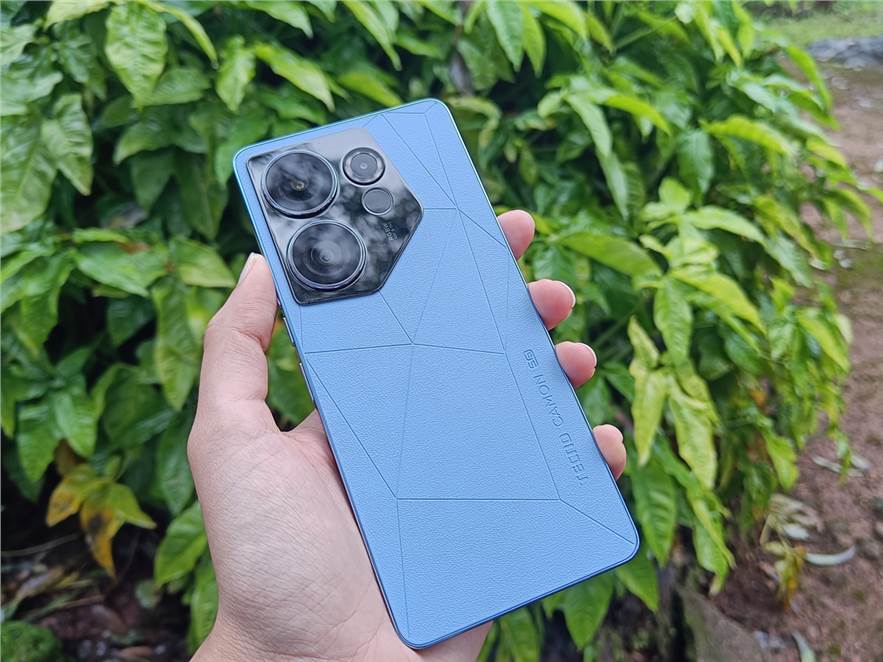
TECNO Camon 20 Premier 5G and iQOO Neo 7 5G offer high-performance gaming experiences.
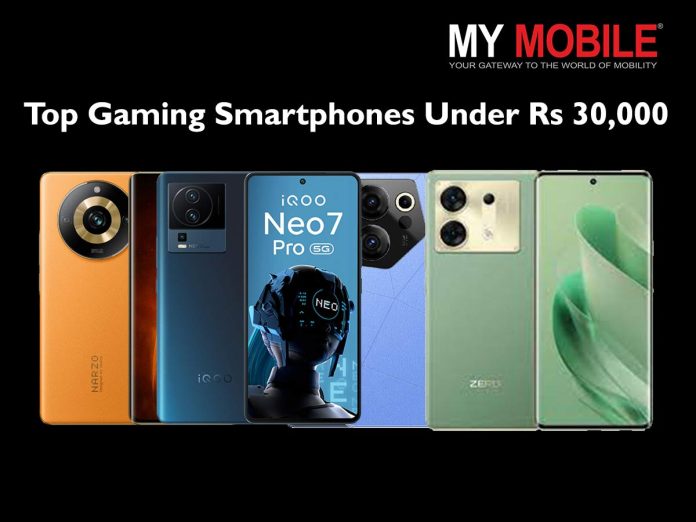
For gaming enthusiasts looking for a smartphone under Rs 30,000, Amazon offers a variety of options that deliver impressive performance without breaking the bank.
Here’s a look at some of the best gaming phones available on Amazon in this price range:
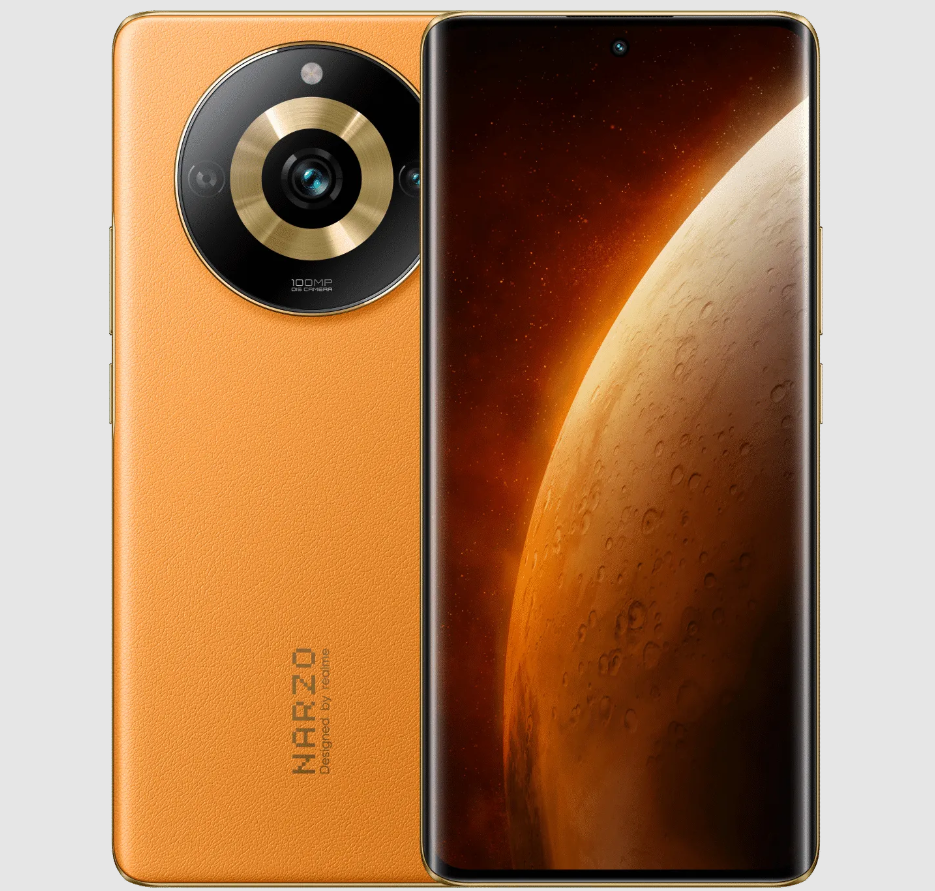
Realme Narzo 60 Pro
Realme Narzo 60 Pro
Priced at Rs 26,999, the Realme Narzo 60 Pro is a budget-friendly option for gamers.
It’s powered by the MediaTek Dimensity 7050 5G chipsetand features a large 6.7-inch AMOLED display with a 120Hz refresh rate, making it ideal for gaming and multimedia activities.
The 67W Turbo Charge fast charging ensures quick battery refills, and the 100 MP main camera is perfect for capturing high-quality images.
Display: 6.7-inch AMOLED, 120Hz refresh rate
CPU: MediaTek Dimensity 7050
RAM: 8GB/12GB
Battery: 5000mAh with 67W Turbo Charge fast charging
The 68W wired charging keeps the phone ready for action, and the triple-camera setup, including a 108 MP main sensor, offers versatile photography capabilities.
The 45W wired charging offers a fast power boost, and the high-resolution triple-camera setup, including a 108 MP sensor, is great for photography enthusiasts.
It features up to 12GB of RAM and a 6.7-inch AMOLED display with a 120Hz refresh rate. The 120W wired charging is exceptionally fast, and the 64 MP main camera ensures quality photography.
What makes the Realme Narzo 60 Pro suitable for gaming?
The Realme Narzo 60 Pro is powered by the MediaTek Dimensity 7050 5G chipset, suitable for handling most games at low to medium settings. The 6.7-inch AMOLED display with a 120Hz refresh rate enhances the gaming experience, and its 67W Turbo Charge ensures quick battery refills.
What are the gaming capabilities of the OnePlus Nord CE 3 5G?
The OnePlus Nord CE 3 5G is equipped with a Qualcomm Snapdragon 782G chipset, making it capable of running demanding games smoothly. Its 80W SUPERVOOC charging quickly powers the device, and the 6.7-inch AMOLED display with a 120Hz refresh rate provides a seamless gaming experience.
How does the Infinix Zero 30 5G perform for gaming?
The Infinix Zero 30 5G, with its MediaTek Dimensity 8020 chipset, delivers solid gaming performance, especially at medium to high settings. The 144Hz refresh rate on its 6.78-inch AMOLED display makes it ideal for both gaming and multimedia consumption.