Android 15 poised to include an in-built app archiving feature.
Automatic archiving introduced in 2022 now expands beyond Play Store apps.
Users can easily reactivate archived apps with a simple tap.
Feature designed to significantly reduce app storage footprint on devices.
Android userswho are grappling with limited storage space, Google’s innovation in app archiving is likely to offer some temporary respite.
Introduced in 2022 via the Play Store, this feature automatically archives unused apps, thereby freeing up essential storage without requiring users to manually decide which apps to remove.
However, this functionality was limited to apps obtained from the Play Store, leaving out those downloaded from external sources and offering no option for manual archiving by the user.
Android 15 to Have In-Built App Archiving
Android 15 to Have In-Built App Archiving
There’s a potential expansion on the horizon, as hinted by recent discoveries within an Android 14 QPR2 beta update.
Mishaal Rahman of Android Authority uncovered new testing commands that suggest developers might soon have the ability to archive or restore their apps directly.
This indicates Google’s intention to integrate the app archiving feature more deeply into the Android operating system, potentially making it a standard feature in Android 15.
Android 15 Set Change App Management with In-Built Archiving Feature
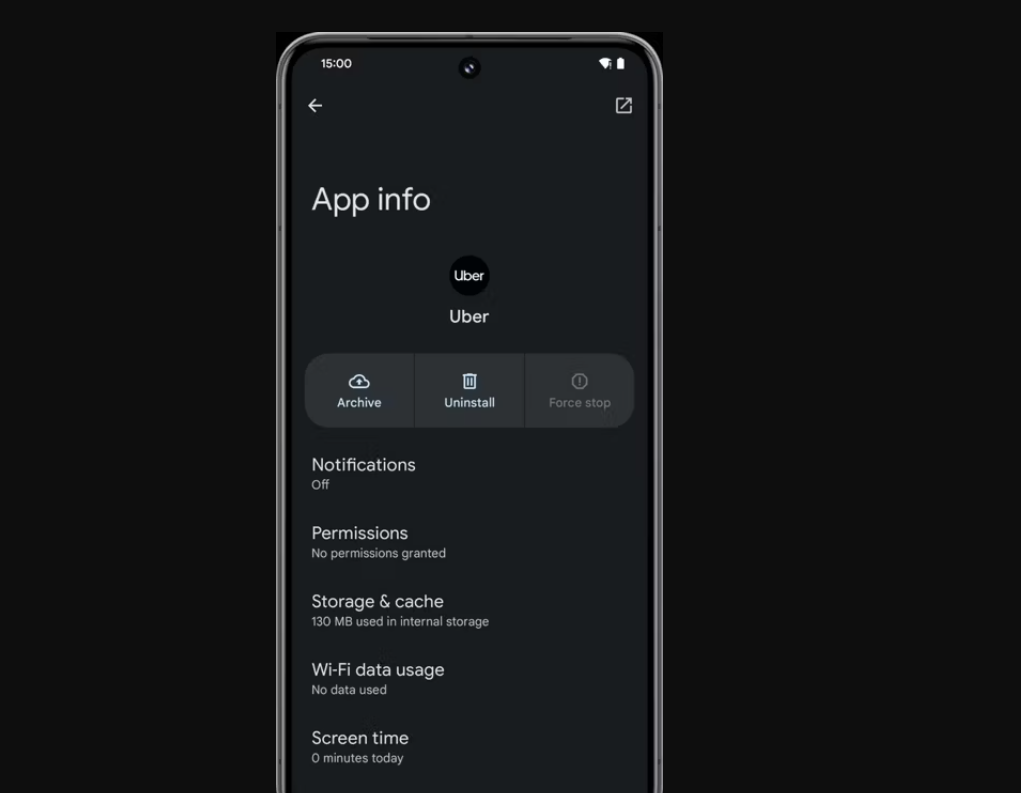
The mechanics of app archiving on Android involve a significant reduction in the app’s footprint on the device.
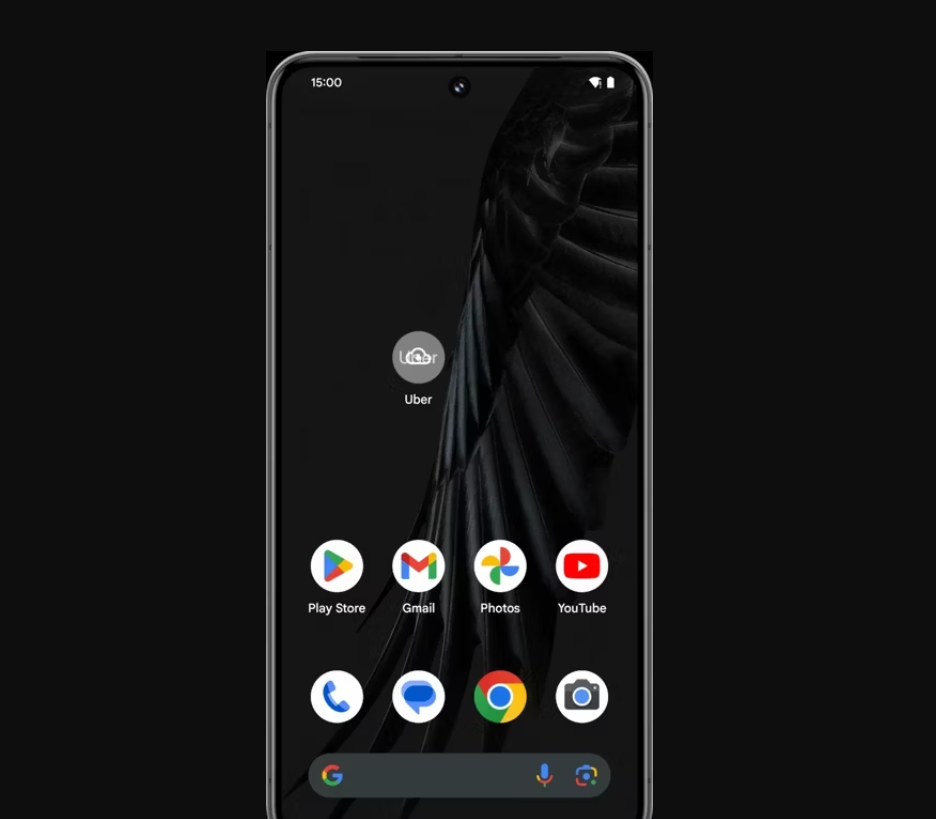
Only the essential components are retained, while the bulk of the app’s data is removed, symbolised by a cloud icon on the app icon for easy identification.
This feature addresses a critical need for users of devices without expandable storage options and those reluctant to permanently delete apps to reclaim space.
App archiving promises to alleviate some of this pressure by allowing users to temporarily remove apps without losing them entirely.
While the full implementation of this feature in Android 15 remains speculative, the evidence points towards a more flexible and user-friendly approach to managing apps and storage space.
FAQs
What is the app archiving feature in Android?
App archiving allows Android users to temporarily remove unused apps while retaining their essential components, thereby freeing up storage space without permanent deletion.
How does app archiving work on Android devices?
When an app is archived, most of its data is removed, leaving a minimal footprint. A cloud icon appears on the app icon, indicating its archived status. Tapping on the app restores it to full functionality.
Will Android 15 support archiving for apps not downloaded from the Play Store?
Indications from Android 14 QPR2 beta testing suggest that Android 15 may extend archiving capabilities to include apps downloaded from external sources, offering a more comprehensive solution.
How can I restore an archived app in Android?
Restoring an archived app is as straightforward as tapping on its icon. The app will download its main components again, assuming it’s still available on the Play Store.
Drawing inspiration from the iconic iPhone X, Apple’s newest prototype might be introducing a new aesthetic coupled that will deviate from the company’s .
Reviving the Pill-Shaped Camera Bump
Reviving the Pill-Shaped Camera Bump
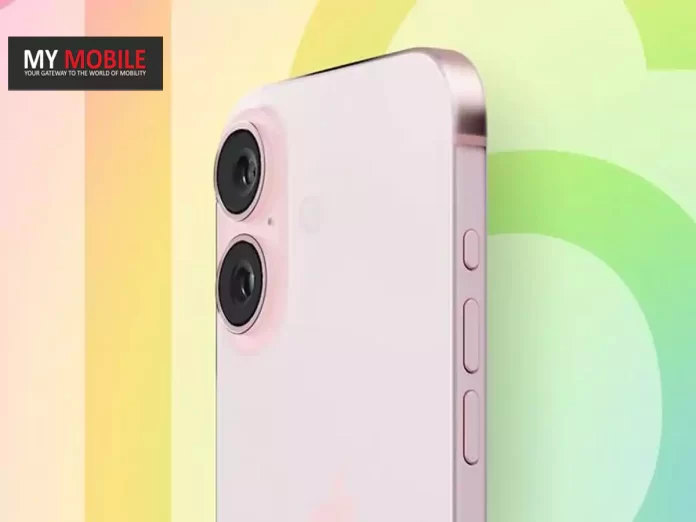
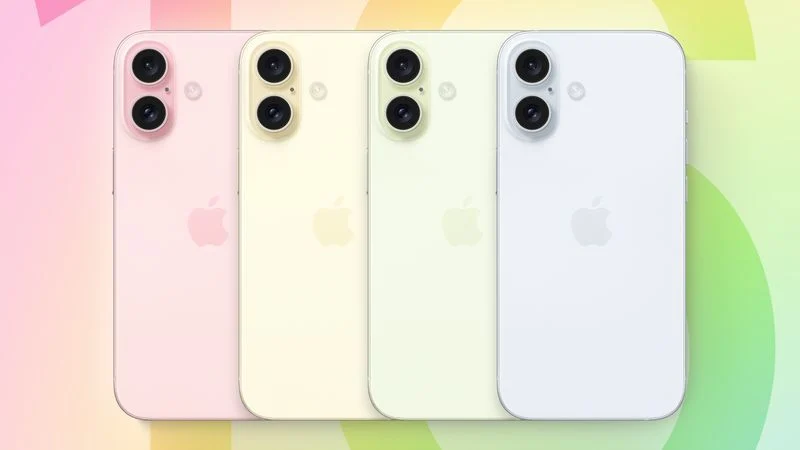
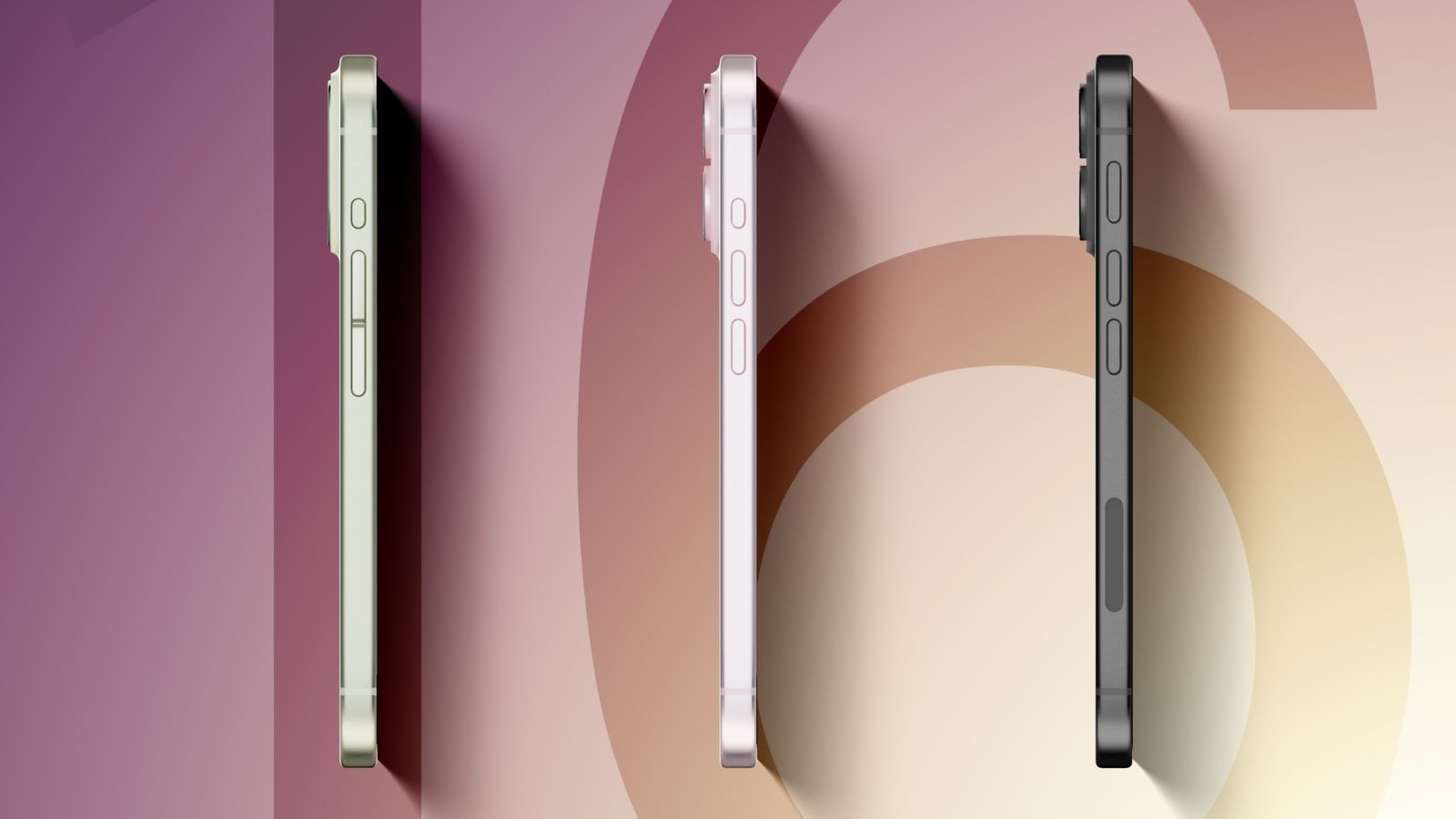
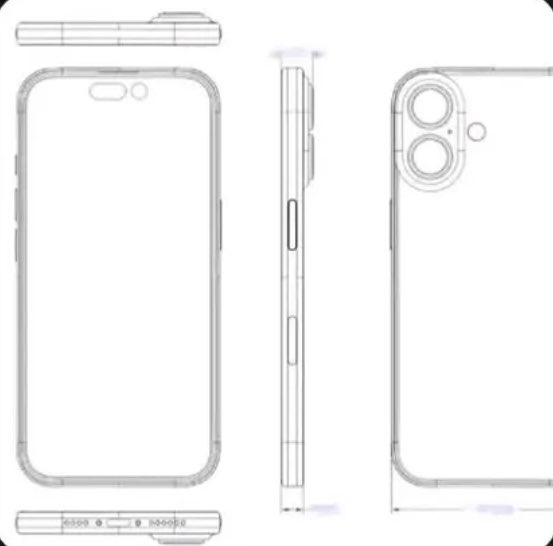
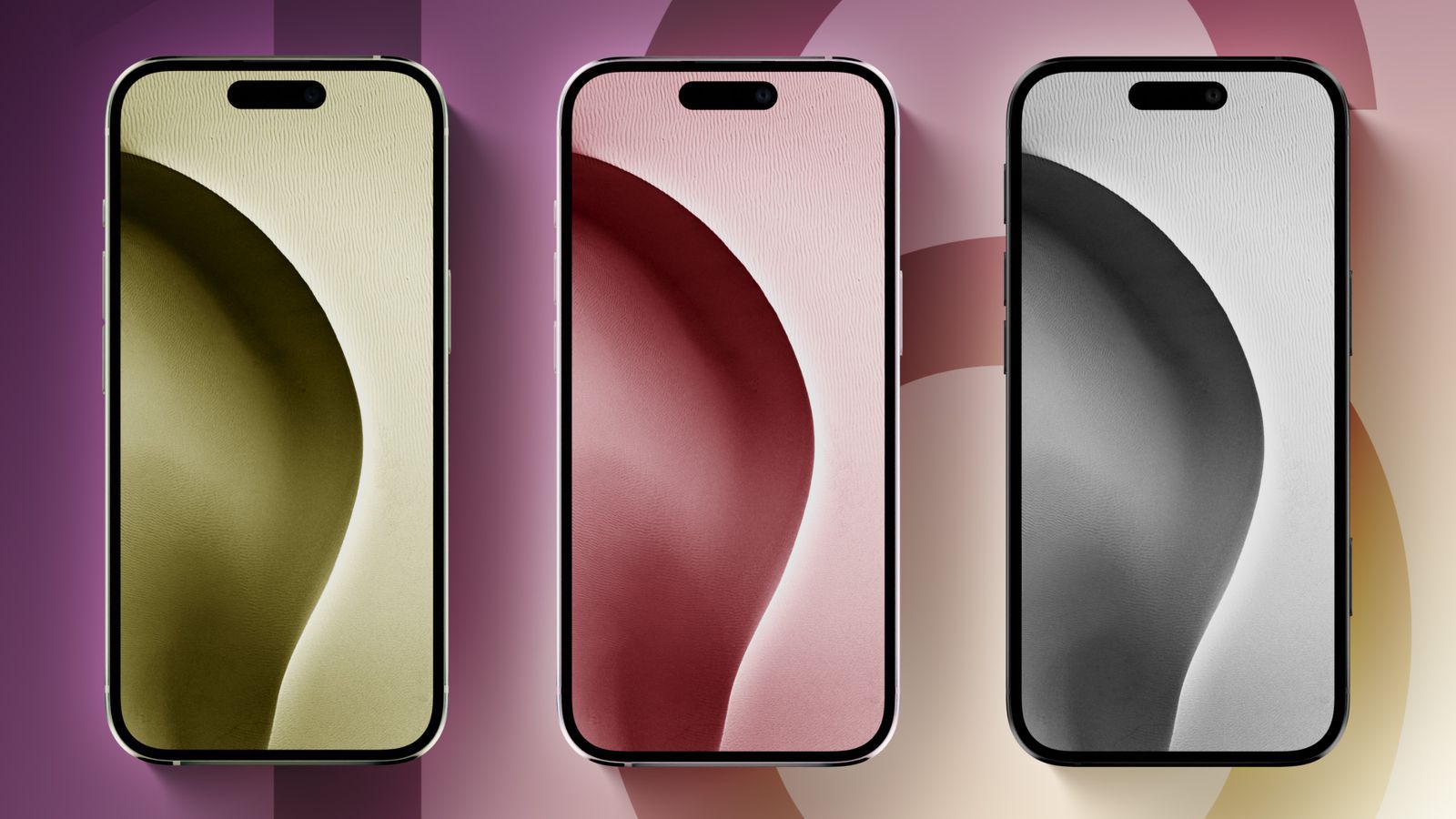
As per Macrumors, and corroborated by tipster Majin Bu the centerpiece of the latest iPhone 16 prototype is undoubtedly its pill-shaped camera bump, a nod to the design philosophy behind the iPhone X.
This prototype distinguishes itself by featuring two distinct camera rings dedicated to the Wide and Ultrawide cameras, subtly incorporating elements from previous designs.
The continuity in the vertical arrangement of the camera system, alongside the unchanged positioning of the flash and camera lenses is possibly what we can expect from the base iPhones this year.
Pill-shaped camera bump inspired by iPhone X introduced in iPhone 16 prototypes
Clearly, the design is there to differentiate the device’s visual appeal but there is also an indication of functional enhancements, particularly the potential inclusion of Spatial Video recording capabilities in the base iPhone 16 models.
As the Vision Pro reaches more and more hands, the ability to take record in this new spatial video format, is what Apple is banking on to get the sales of the former to shoot up.
Design Tweaks and Functional Upgrades
Design Tweaks and Functional Upgrades
Beyond the camera,Apple has not shied away from refining other elements of the iPhone 16.
Super Retina XDR Display, HDR Display, True Tone, Wide Color (P3), Haptic Touch, 1200 Nits Max Brightness (HDR), Support for Display of Multiple Languages and Characters Simultaneously
AAC‑LC, HE‑AAC, HE‑AAC v2, Protected AAC, MP3, Linear PCM, Apple Lossless, FLAC, Dolby Digital (AC‑3), Dolby Digital Plus (E‑AC‑3), Dolby Atmos and Audible (formats 2, 3, 4, Audible Enhanced Audio, AAX and AAX+)
Video
HEVC, H.264, MPEG‑4 Part 2 and Motion JPEG, HDR with Dolby Vision, HDR10 and HLG
FM Radio
No
Document Reader
Yes
BATTERY
Type
Non-Removable Battery
Size
3500 mAh, Li-ion Battery
Fast Charging
Yes
Wireless Charging
Yes, 25W MagSafe
Music Playback Time
100 hours
FAQs
What new camera design is Apple introducing in the iPhone 16?
The iPhone 16 is expected to feature a pill-shaped camera bump with a vertical arrangement for its Wide and Ultrawide cameras, taking inspiration from the design philosophy of the iPhone X.
How does the iPhone 16’s camera design differ from previous models?
Unlike the broader square bumps of past models, the iPhone 16 aims to differentiate with a sleek, pill-shaped bump that focuses on enhancing both aesthetic appeal and camera functionality.
Will the iPhone 16 support Spatial Video recording?
Indications suggest that Apple plans to introduce Spatial Video recording capabilities in the iPhone 16 base models, expanding the immersive video experience to a wider audience.
Are there any changes to the iPhone 16’s Action and Capture Buttons?
The latest prototypes show a downsized Action Button akin to the iPhone 15 Pro and a new pressure-sensitive Capture Button, aiming for a more uniform and intuitive user interface.
What are the key design changes in the latest iPhone 16 Pro prototype?
The latest “Proto2” prototype of the iPhone 16 Pro shows a design shift, adopting a smaller Action button akin to that of the iPhone 15 Pro.
This contrasts with earlier prototypes that experimented with different sizes and placements for the Action button.
How did the iPhone 16 Pro’s Action button design evolve from initial prototypes?
Early prototypes of the iPhone 16 Pro included a unified volume button and a smaller multi-purpose Action button.
This design was part of the discontinued Project Bongo, which initially aimed to bring haptic buttons to the iPhone 15 Pro.
What was the purpose of Apple’s Project Bongo and how did it influence the iPhone 16 Pro’s design?
Project Bongo was an attempt to introduce haptic buttons to the iPhone 15 Pro. Although the project was canceled, its design elements, particularly the unified volume button, influenced early versions of the iPhone 16 Pro.
What does the “Proto2” prototype indicate about the future of the iPhone 16 Pro’s design?
The “Proto2” prototype suggests that Apple may be moving away from the idea of a capacitive Action button, as it features a smaller, more traditional Action button similar to the iPhone 15 Pro.
Meta aims to develop AI surpassing ChatGPT with Facebook, Instagram data.
Privacy issues loom over training AI with personal, interactive user content.
Challenges in filtering toxic content from vast datasets highlight potential risks.
Meta’s approach contrasts with more cautious AI development strategies.
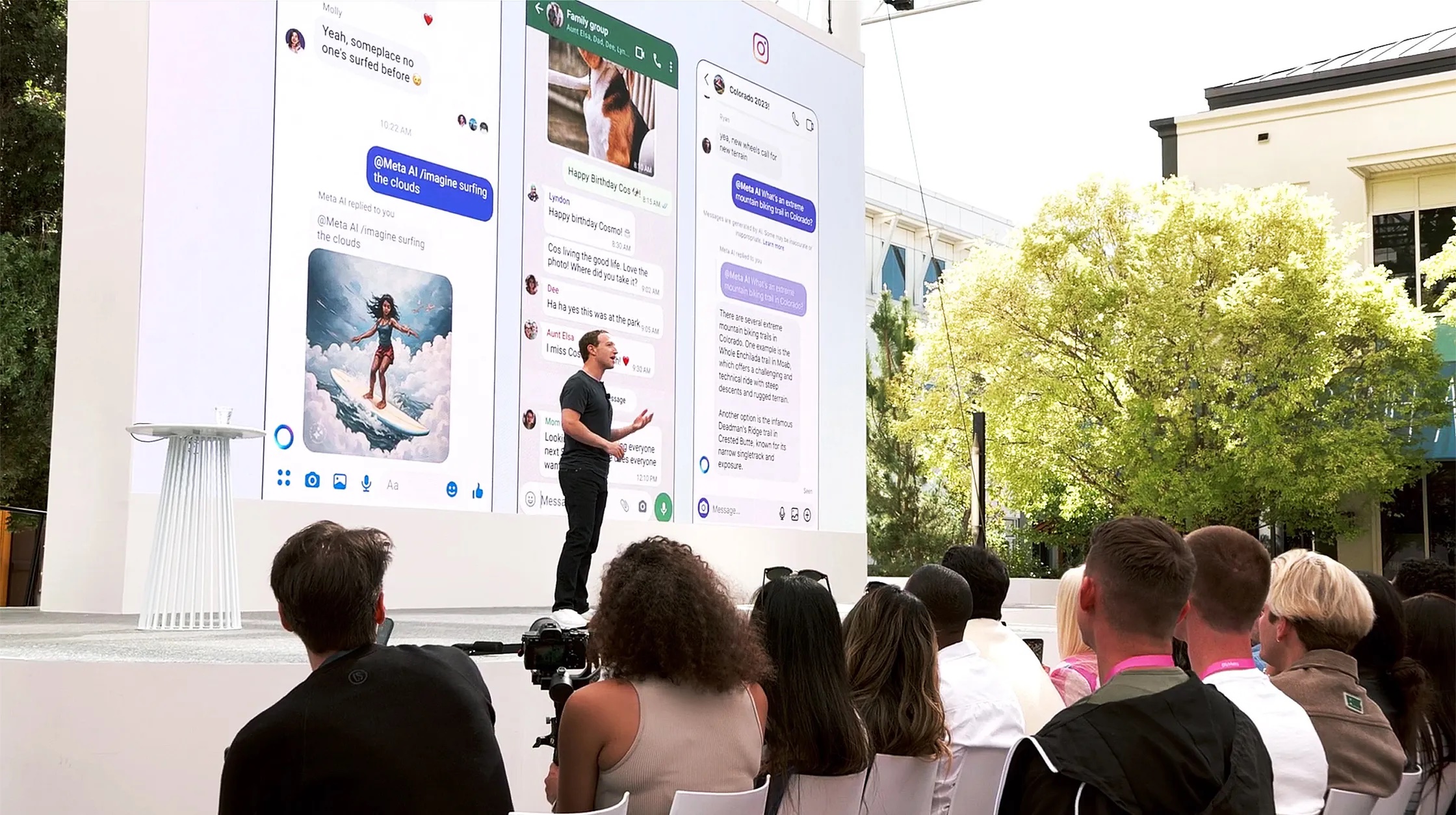
Mark Zuckerberg’srecent announcement about Meta’s plans to develop its own artificial intelligence systems using data from Facebook and Instagram has sparked significant outcry.
Meta wants to rival ChatGPT by tapping into a dataset that surpasses the Common Crawl’s 250 billion webpages, a primary resource for training conversational AI.
Meta’ Ambitious AI Approach
Meta’ Ambitious AI Approach
Zuckerberg’s ambition to harness hundreds of billions of publicly shared images, tens of billions of videos, and the extensive volume of public text and comments presents a potential edge in developing more sophisticated AI.
The value of this data is amplified by its interactive nature, particularly the comment threads that mirror human dialogue, crucial for creating conversational agents.
Privacy and Toxic Red Flags
Meta’s AI Plan Using Facebook Data Raises Privacy, Toxicity Concerns
However, the move to utilize such personal and interactive content raises significant privacy concerns, as it involves training AI on potentially sensitive conversations and posts shared among friends.
Moreover, the challenge of filtering toxic content from the training data cannot be understated.
The online environment, including Facebook’s comments sections, is rife with harmful content, including personal attacks, and discriminatory speech.
As such, training AI on unfiltered datasets could perpetuate these issues, making the development of a non-toxic, conversational AI a daunting task.
Meta’s historical content, which includes politically charged and misleading information, further complicates the dataset’s quality.
Meta’s recent stance on allowing a manipulated video of President Biden to remain on its platform is pretty much indicative of the company’s lenient content standards.
This is likely to intensify concerns over itsupcoming AI’s potential to inherit and amplify the platform’s existing issues with privacy and toxicity.
FAQs
What is Meta’s plan for developing artificial intelligence?
Meta intends to create a new chatbot by using vast amounts of user-generated content from Facebook and Instagram, aiming to outperform existing AI like ChatGPT.
Why are privacy concerns being raised over Meta’s AI development?
The use of personal and sensitive data from social interactions for AI training has sparked fears over the potential misuse of private information.
How does Meta plan to handle toxic and harmful content in its AI training process?
While the specifics of filtering strategies remain unclear, the inherent challenge of cleansing the dataset of toxicity is a significant hurdle for Meta.
How does Meta’s AI initiative compare to other companies’ approaches to AI development?
Unlike Meta’s ambitious and broad data utilization, companies like Apple take a more cautious route, focusing on privacy and careful curation of training data for AI.
Has Zuckerberg’s AI announcement raised privacy and toxicity red flags?
Meta CEO Mark Zuckerberg’s AI announcement has raised major concerns, after he said that the company had more user data than was used to train ChatGPT – and would soon be using it to train its own AI systems.
The company’s plan to use Facebook and Instagram posts and comments to train a competing chatbot raises concerns about both privacy and toxicity …
Zuckerberg announced the company’s plan after releasing the company’s latest earnings report, as Bloomberg reports.
For many people, Facebook is the internet, and the number of its users is still growing, according to Meta Platforms Inc.’s latest financial results. But Mark Zuckerberg isn’t just celebrating that continuing growth.
He wants to take advantage of it by using data from Facebook and Instagram to create powerful, general-purpose artificial intelligence.
[Zuckerberg said] “The next key part of our playbook is learning from unique data and feedback loops in our products… On Facebook and Instagram, there are hundreds of billions of publicly shared images and tens of billions of public videos, which we estimate is greater than the Common Crawl dataset and people share large numbers of public text posts in comments across our services as well.”
Common Crawl refers to a huge archive of 250 billion webpages, representing the bulk of the text used to train ChatGPT. By calling on an even larger dataset, Meta could be in a position to build a smarter chatbot.
As Bloomberg notes, it’s not just the sheer volume of data that might give Meta an advantage – it’s the fact that so much of it is interactive.
The pile of data he’s sitting on is especially valuable because so much of it comes from comment threads.
Any text that represents human dialogue is critical for training so-called conversational agents, which is why OpenAI heavily mined the internet forum Reddit Inc. to build its own popular chatbot.
What are the two red flags raised by Zuckerberg’s AI announcement?
First, Meta would effectively be training its AI on what may be quite personal posts, and conversations between friends in Facebook comments.
That raises major privacy alarms. Second, anyone who has ever read the comments section anywhere on the Internet knows that the percentage of toxic content is high.
This early version of the software is now accessible through the device’s Settings app, marking a significant update for developers and users eager to explore the new features and improvements.
Streamlines Apple Vision Pro setup and management for business use
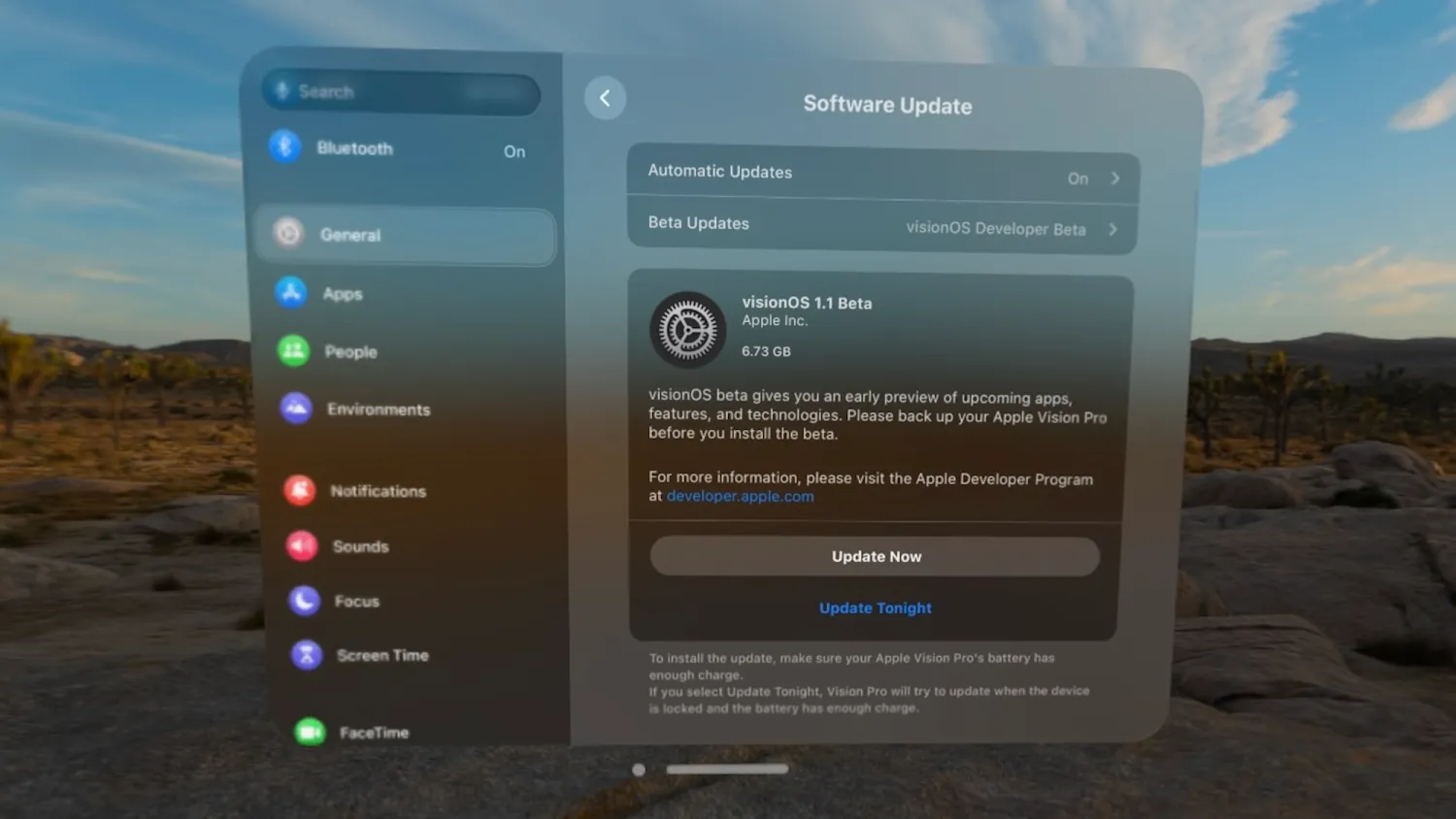
Here’s a step-by-step guide on how to join the developer beta program and download the update:
Launch the Settings app on your Apple Vision Pro.
Navigate to “General” and then to “Software Update”.
Tap on “Beta Updates” followed by selecting “visionOS Developer Beta”.
Once these steps are completed, return to the “Software Update” menu where visionOS 1.1 beta 1 will be available for installation.
This update is set to address one of the notable omissions in the initial release of visionOS – the lack of support for Mobile Device Management (MDM).
The introduction of MDM support in visionOS 1.1 is a game-changer for enterprise use, aligning Apple Vision Pro with the management capabilities currently available on other Apple devices such as the iPhone, iPad, and Mac.
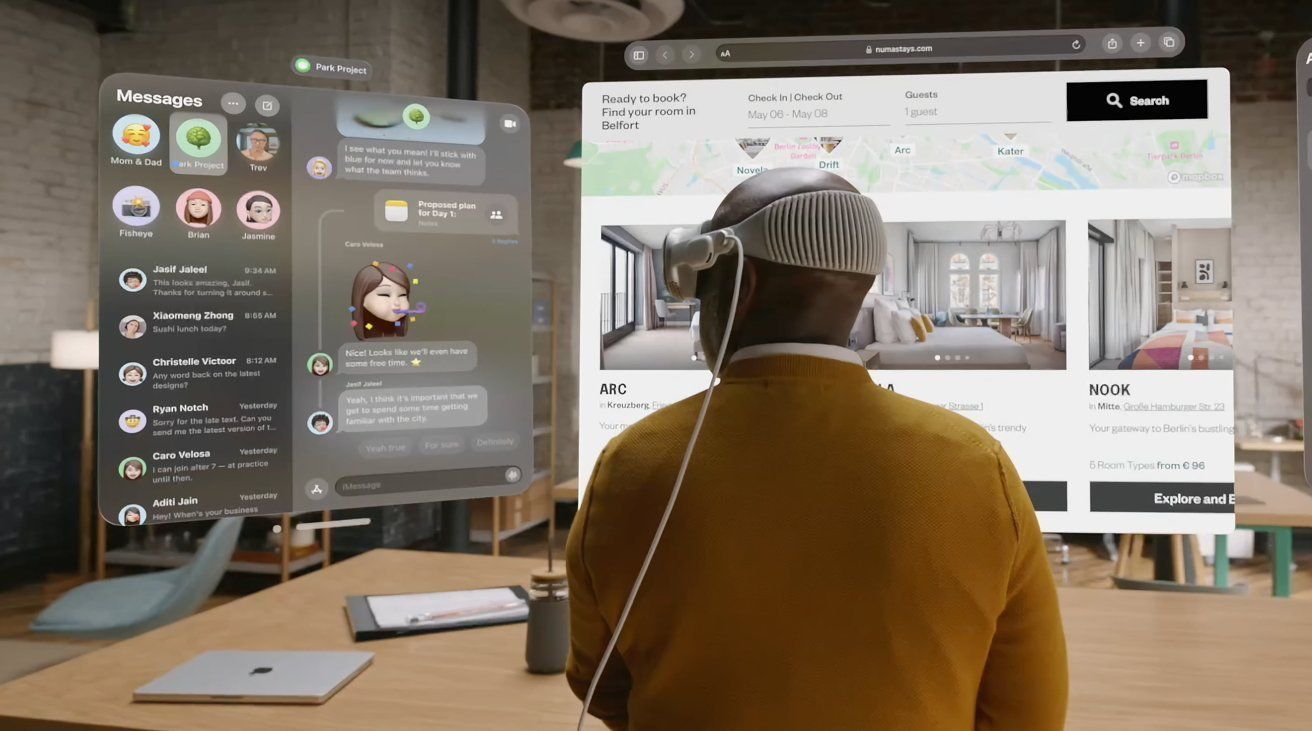
This advancement facilitates the seamless integration of Apple Vision Pro into business environments, enabling professionals to manage work emails, contacts, calendars, and more directly on their device.
Apple Vision Pro visionOS 1.1 Beta Rolling Out With MDM Support
MDM integration in visionOS 1.1 promises to streamline the setup and management of Apple Vision Pro units within organizations, offering features like account-driven enrollment, app installation, configuration of Managed Apple IDs and network settings, as well as enabling single sign-on, and extending support to Exchange and Google Workspace.
As Apple collaborates with MDM developers to refine these features, the potential for Apple Vision Pro in professional settings becomes increasingly evident.
Apple Vision Pro visionOS 1.1 Beta Rolling Out With MDM Support
FAQs
How do I download the visionOS 1.1 beta for Apple Vision Pro?
Access the beta by opening the Settings app, going to “General” > “Software Update” > “Beta Updates”, and selecting “visionOS Developer Beta”. The update will appear in the “Software Update” menu.
What is Mobile Device Management (MDM) in visionOS 1.1, and why is it important?
MDM in visionOS 1.1 enables businesses to manage Apple Vision Pro devices similarly to iPhones, iPads, and Macs, covering email, contacts, and calendar management, crucial for enterprise use.
What new features does visionOS 1.1 beta bring to Apple Vision Pro?
While specific enhancements are yet to be disclosed, the key feature is MDM support, promising a significant boost in enterprise functionality and device management.
Can I manage my work email and calendar on Apple Vision Pro with visionOS 1.1?
Yes, with MDM support, users can seamlessly integrate work email, contacts, and calendar into the Apple Vision Pro, mirroring the functionality available on other Apple devices.
What’s new in visionOS 1.1 ?
MDM (Mobile Device Management): Businesses will find it easier to manage workplace users with support for account-driven enrollment, app installation, Managed Apple IDs, network configurations, single sign-on, support for Exchange and Google Workspace, and more.
Reset device: If you forget your Vision Pro passcode, you need to take it to an Apple Store for them to reset the device. 9to5Mac has discovered code to suggest that users will be able to reset their device after multiple failed password attempts.
Activation Lock is still active, meaning it can only be set up again with the Apple ID and password used before.
App placement: Users will now be able to reposition volumetric scenes much closer than before, according to Apple’s release notes.
visionOS 1.1: How to install the public beta ?
We’re not sure if Apple will have a public beta program for visionOS yet—there’s no Public Beta option yet, but the device is brand new. We expect it would work like it does on other Apple devices.
You’ll probably join the beta by opening Settings, selecting General, then Software Updates. In the Beta Updates section, choose visionOS Public Beta.
visionOS 1.1: How to install the developer beta ?
You’ll need to be registered as an Apple developer, but you don’t need to be in the $99 per year developer program to access the developer beta; a free developer account will do. You can get one via Xcode or the Apple Developer app in iOS.
Here’s how to do it via the Apple Developer app:
Download the Apple Developer App from the App Store.
Open the app.
Tap on Account.
Sign in using your usual Apple ID.
On your Apple Vision Pro, open Settings, choose General, then Software Update. In the Beta Updates menu, select visionOS Devleoper Beta.
OnePlus 12 features a Hasselblad-enhanced triple camera for superior photography.
OnePlus 12R offers a solid core photography experience with a more straightforward setup.
OnePlus 12 excels in ultra-wide and low-light conditions with higher sensor resolution.
OnePlus 12’s selfie camera outperforms the 12R, providing finer detail and quality.
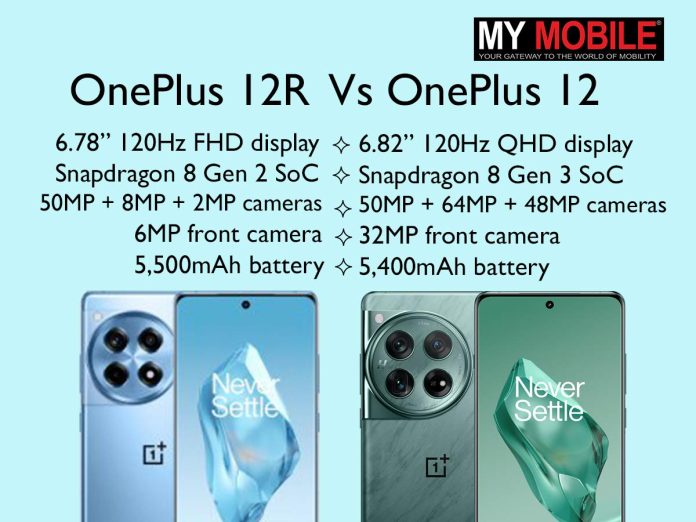
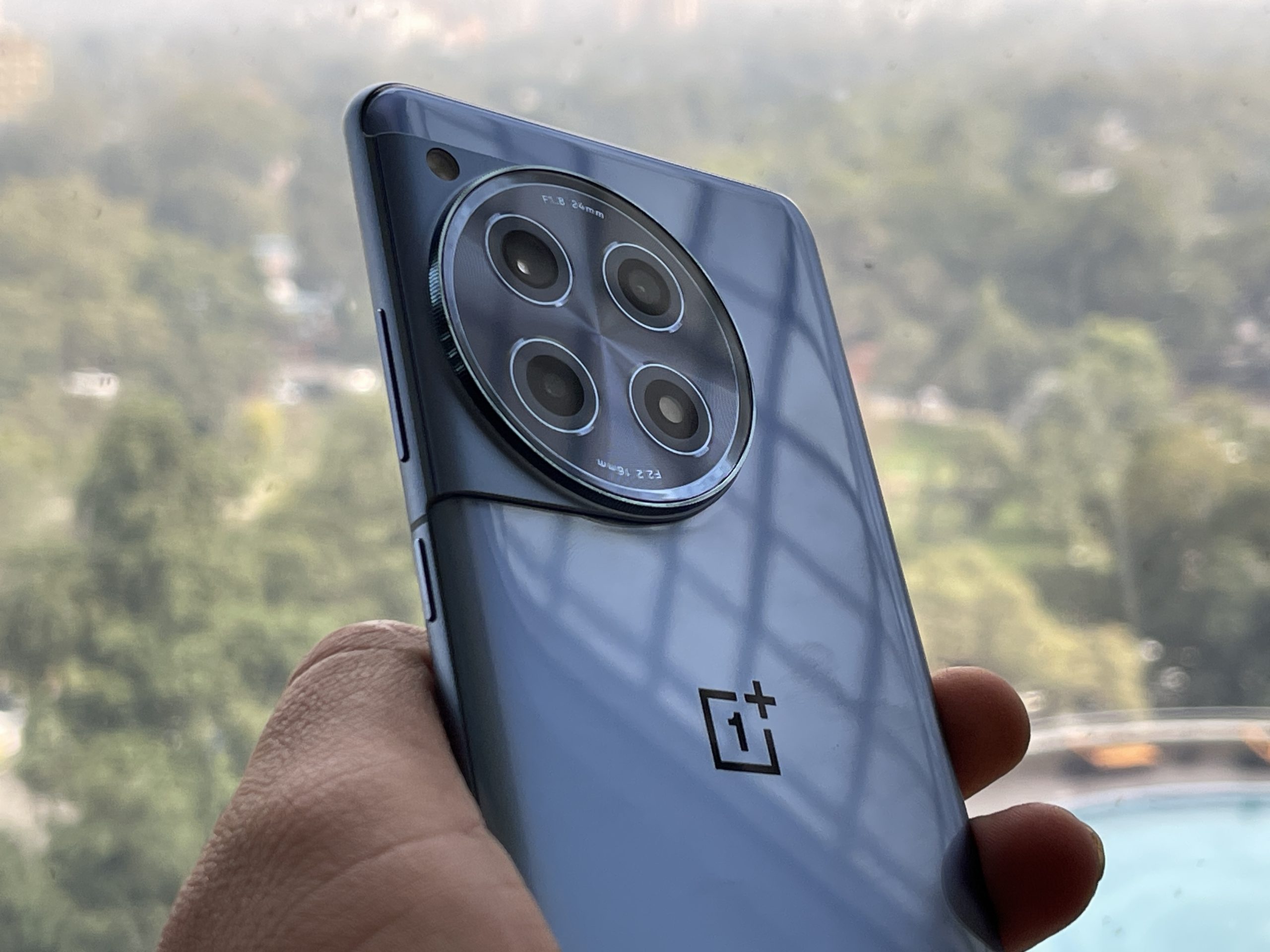
The OnePlus 12 and OnePlus 12Rare two contending models, each boasting distinct camera capabilities tailored to cater to varying user preferences.
The below comparative analysis delves into the intricacies of their camera systems, aiming to discern the nuances that might influence a potential buyer’s decision.
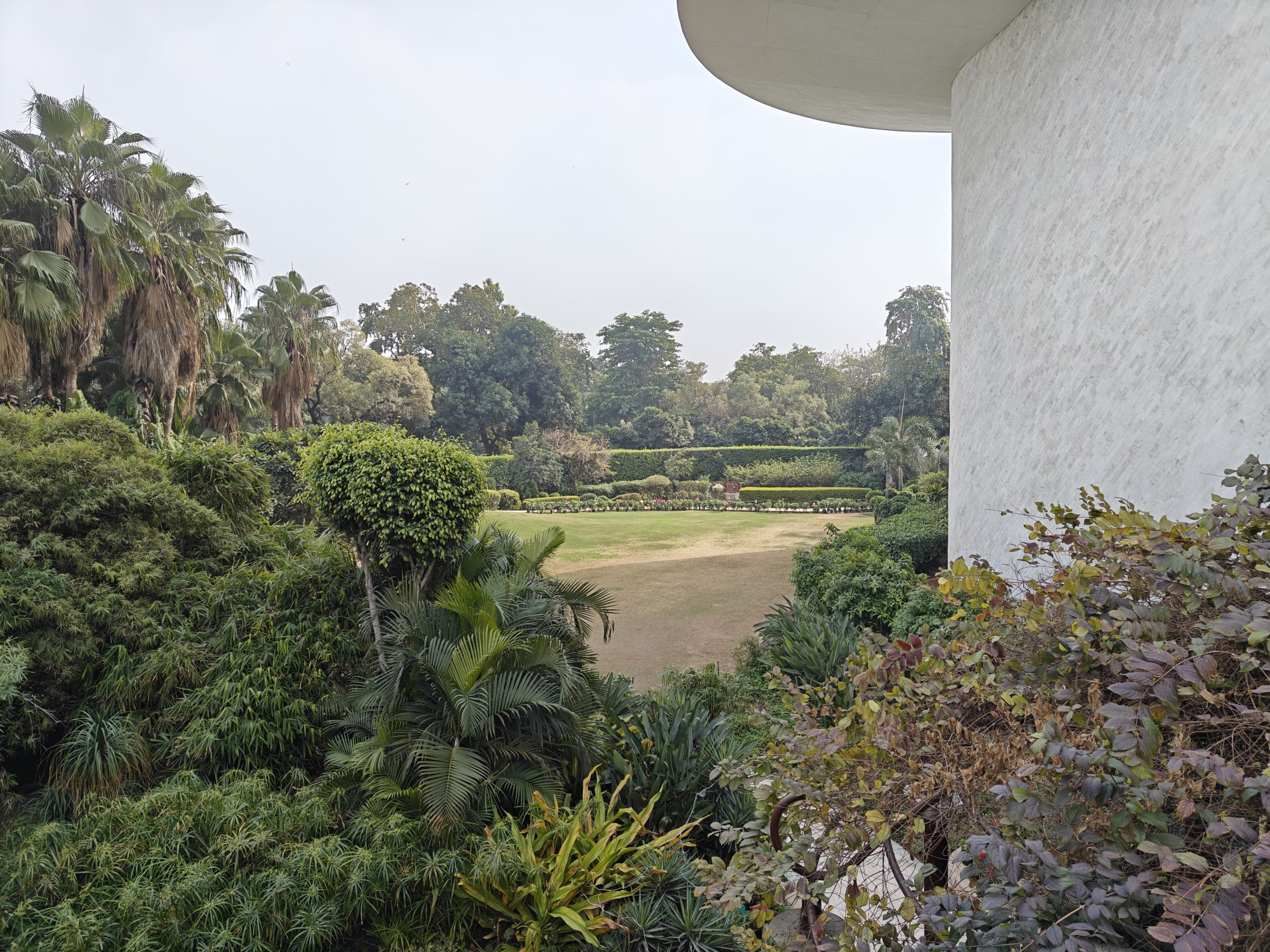
Both the OnePlus 12 and 12R excel in capturing detailed images under daylight conditions, showcasing the prowess of their primary sensors.
The OnePlus 12, equipped with a superior sensor, delivers images with enhanced contrast and a vibrant dynamic range that matches that of the 12R.
However, it manages to edge out the 12R with slightly better detail capture and a more visually pleasing output, despite the 12R’s tendency to exhibit marginally higher saturation levels.
The disparity in ultra-wide capabilities between the two models becomes apparent with the OnePlus 12 utilising a 48MP sensor, overshadowing the 12R’s 8MP counterpart.
This significant difference in sensor resolution allows the OnePlus 12 to capture ultra-wide shots with superior detail and accuracy, particularly in well-lit conditions.
The colour temperatures rendered by the OnePlus 12 also tend to be more accurate, further enhancing the overall quality of the images.
Thus, for ultra-wide photography enthusiasts, the OnePlus 12 stands out as the more capable contender.
OnePlus 12 Ultra
Selfie Photography
OnePlus 12 Selfie
For selfie aficionados, the OnePlus 12’s 32MP front-facing camera offers a compelling proposition, producing detailed and attractive shots with a slight facial smoothing effect.
Conversely, the OnePlus 12R’s 16MP front camera, while adequate for general use and video calls, falls short in comparison, delivering quality that, though usable, does not match the finesse of the OnePlus 12.
OnePlus 12R Selfie
Low Light Photography
OnePlus 12R Night
When it comes to low-light photography, both devices demonstrate commendable performance, with the OnePlus 12’s larger sensor allowing for better light capture and more detailed images in both highlights and shadows.
The dedicated night mode on both devices enhances their ability to shoot in dim conditions, yet it is the OnePlus 12 that produces images with superior color output.
OnePlus 12’s selfie camera outperforms the 12R, providing finer detail and quality
For users who prioritize top-tier photography performance and seek the versatility to explore a wide range of photographic styles and conditions, the OnePlus 12 emerges as the clear winner.
Its comprehensive camera system, enhanced by Hasselblad’s colour tuning and advanced imaging technologies, offers a superior photography experience that is hard to match.
However, for those who may not require the extensive camera capabilities of the OnePlus 12 or are perhaps looking for a more cost-effective alternative without making significant compromises on image quality, the OnePlus 12R remains a strong contender.
What makes the OnePlus 12 camera better than the OnePlus 12R?
The OnePlus 12 boasts a Hasselblad-enhanced camera setup with higher resolution sensors, providing an advanced photography experience in various lighting conditions.
Can the OnePlus 12R camera compete with the OnePlus 12 in daylight photography?
While both perform excellently in daylight, the OnePlus 12 edges out with slightly better detail and dynamic range, though the 12R still delivers vibrant images.
How do the ultra-wide capabilities of the OnePlus 12 and 12R compare?
The OnePlus 12’s 48MP ultra-wide sensor captures more detailed and accurate shots than the 12R’s 8MP sensor, making it the better choice for ultra-wide photography.
Are selfies better on the OnePlus 12 or 12R?
The OnePlus 12’s 32MP front camera provides higher quality selfies with better detail and portrait mode effects compared to the 12R’s 16MP front camera.
Which device should I choose for low light photography?
The OnePlus 12, with its larger sensors and superior night mode, offers enhanced low light photography, capturing better detailed and colored images than the 12R.
How does the OnePlus 12R’s camera perform?
The OnePlus 12R’s camera setup, led by a 50MP main sensor, delivers impressive shots in various lighting conditions.
While it includes features like macro and tilt-shift, the macro lens may underperform compared to the main and ultra-wide sensors.
What are the camera details of OnePlus 12R?
A super snappy camera
Just because OnePlus 12R has a performance focus, that doesn’t mean it can’t have a brilliant camera too.
At the heart of OnePlus 12R’s camera is the Sony IMX890 50-megapixel sensor, widely regarded as the most consistent and high-performance sensor on the market, as well as some proprietary OnePlus photography algorithms designed to give great results at any time.
OnePlus 12R also features a range of secondary camera lenses including a 112-degree ultrawide camera, a macro camera and a 16-megapixel front-facing camera – perfect for those moments where nothing beats a super wide shot or a super close shot.
How does the camera setup on the OnePlus 12R stand out?
The OnePlus 12R comes with a triple-camera setup, including a 50MP primary Sony IMX890 sensor, an 8MP ultra-wide lens, and a 2MP macro lens, allowing for versatile photography options.
OnePlus 12 features Authentic Hasselblad Style Photography. Details?
The OnePlus 12 stands out as a photography master with a professional-grade camera system featuring flagship hardware and advanced image processing algorithms developed in collaboration with Hasselblad.
The phone takes the flagship-level triple camera system of the OnePlus 11 and brings it to the next level with an industry-first 50MP Sony’s LYT-808 wide-angle camera.
Featuring a large ƒ/1.6 aperture and 1/1.4-inch sensor size, the camera offers a greater depth of field while compensating for the loss of light to deliver crystal-clear images with vibrant colors and intricate details even in low-light environments.
Red glare and artefact reduction are also supported to help capture even more true-to-life images.
As the first OnePlus single-screen flagship to feature a best-in-class OV64B 3x periscope telephoto camera with 6x in-sensor zoom, the OnePlus 12 offers a 3x to 120x photographic zoom range that gives users the flexibility to capture spontaneous moments and highly expressive portraits from afar.
This unrivalled periscope telephoto lens not only ensures high image quality but also perfectly replicates natural lights and shadows.
With its 114° field of view in an impressive 48MP resolution, the OnePlus 12’s ultra-wide camera is more than just the icing on the cake, instead empowering users to capture a broader perspective on life that still retains the finest details.
OnePlus’ latest RAW HDR algorithm further enhances the phone’s ability to control light by understanding visual landscapes and harmonizing the interplay between highlights and shadows.
By rendering optimal brightness, balanced exposure, authentic color saturation, and seamless vignette control, the OnePlus 12 makes it possible to capture DSLR-like images that mirror reality with impeccable resolution and even greater precision.
The newly upgraded Hasselblad Portrait Mode simulates the nuances of bokeh and flare effects of Hasselblad’s classic lenses from 1x to 3x, adding additional visual angles while imparting a natural depth of field to create transitions between subject and background that are seamless beyond belief.
How does OnePlus 12 give Cinematic Visual and Audio Experiences?
The OnePlus 12 harmonizes an ultra-bright display with cinema-like sound to bring users flagship audiovisual experiences like never before.
At the centre of this experience is a 2K 120Hz ProXDR display powered by BOE’s brand-new blue diamond pixel layout, which enables the OnePlus 12 to reach a peak brightness of 4,500 nits – the brightest-ever screen on a OnePlus smartphone – with the ability to deliver ultra-realistic, silky-smooth visuals for a premium viewing experience.
ProXDR further ensures that lossless images with high dynamic range and a rich color spectrum can be enjoyed in full detail on the phone’s stunning display.
This innovative display sets or matches 18 smartphone display performance records of DisplayMateA+. It also receives Intelligent Eye Care certification by TÜV Rheinland thanks to its ability to effectively reduce blue light emission and intelligent color temperature adjustment in response to changing ambient conditions.
Fitted with LTPO technology, the display can automatically switch between a refresh rate of 1Hz to 120Hz based on user preferences and specific usage scenarios while keeping power consumption comparatively low.
Dolby Vision is also supported to elevate the overall visual experience with ultra-vivid colors, crisp contrast, and intricate details.
For avid gamers seeking hyper-realistic and ultra-immersive mobile gaming experiences, the OnePlus 12 offers the perfect solution in the form of HyperRendering.
Built upon OnePlus’ in-house graphics algorithms and a dedicated Pixelworks X7 Independent Visual Processor, this groundbreaking visual quality enhancement technology empowers the OnePlus 12 to deliver super-resolution picture quality with remarkable efficiency, achieving 120Hz frame rate for all games through frame Interpolation technology2 while ensuring real-time HDR color calibration.
For enhanced touch accuracy, Aqua Touch can detect wet fingers and water droplets on the screen and compensate accordingly, significantly alleviating issues related to sweaty hands and mistouches during both intense gameplay and everyday use.
Complementing the high-quality visuals are immersive 3D sound spaces that add the finishing touch to the all-round entertainment experience.
When paired with the OnePlus Buds 3 or other OnePlus earbuds with spatial audio and in-app customization support, the OnePlus 12 delivers simultaneous playback of different audio content in multiple directions to create a flagship 3D Spatial Audio experience.
Thanks to the inclusion of dual stereo speakers with Dolby Atoms, dedicated spatial audio can even be enjoyed without earbuds, offering cinema-level audio quality with reduced acoustic resonance.
Google Play Store, Gmail, YouTube, Google, Google Assistant, Maps, Files, Facebook
Navigation
Yes
Preinstalled Browser
Yes, Google Chrome
GPRS
Yes
EDGE
Yes
3G
Yes
4G
Yes
Wifi
Wi-Fi 802.11 b/g/n/ac, hotspot
USB Connectivity
Type-C
GLONASS
Yes
Bluetooth
V5.0
Audio Jack
3.5mm
MULTIMEDIA
Music Player
Yes
Video Player
Yes
Ringtone
Yes
OTHER
SAR Value
<1.6W/Kg
Sensors
Accelerometer, Proximity, Ambient Light
Additional Features
Side Fingerprint Sensor, Face Unlock, Battery Saver Mode
WARRANTY
1 Year Handset Warranty and 6 Months Warranty on Accessories
FAQs
What are the pricing details for the Lava Yuva 3 variants?
The 64GB version is priced at Rs 6,799, while the 128GB model is available for Rs 7,299, offering options to suit different storage needs.
When will the Lava Yuva 3 be available for purchase?
Sales start on Amazon on February 7, 2024, with broader availability across Lava’s retail and online stores from February 10.
What are the key features of Lava Yuva 3?
Key features include a 90Hz HD+ display, UNISOC T606 processor, 13MP Triple AI camera, 5000mAh battery with fast charging, and security enhancements like a fingerprint sensor and face unlock.
How does Lava Yuva 3’s battery and charging stand out?
The 5000mAh battery coupled with 18W Fast Charging technology ensures long-lasting battery life and quick recharge times.
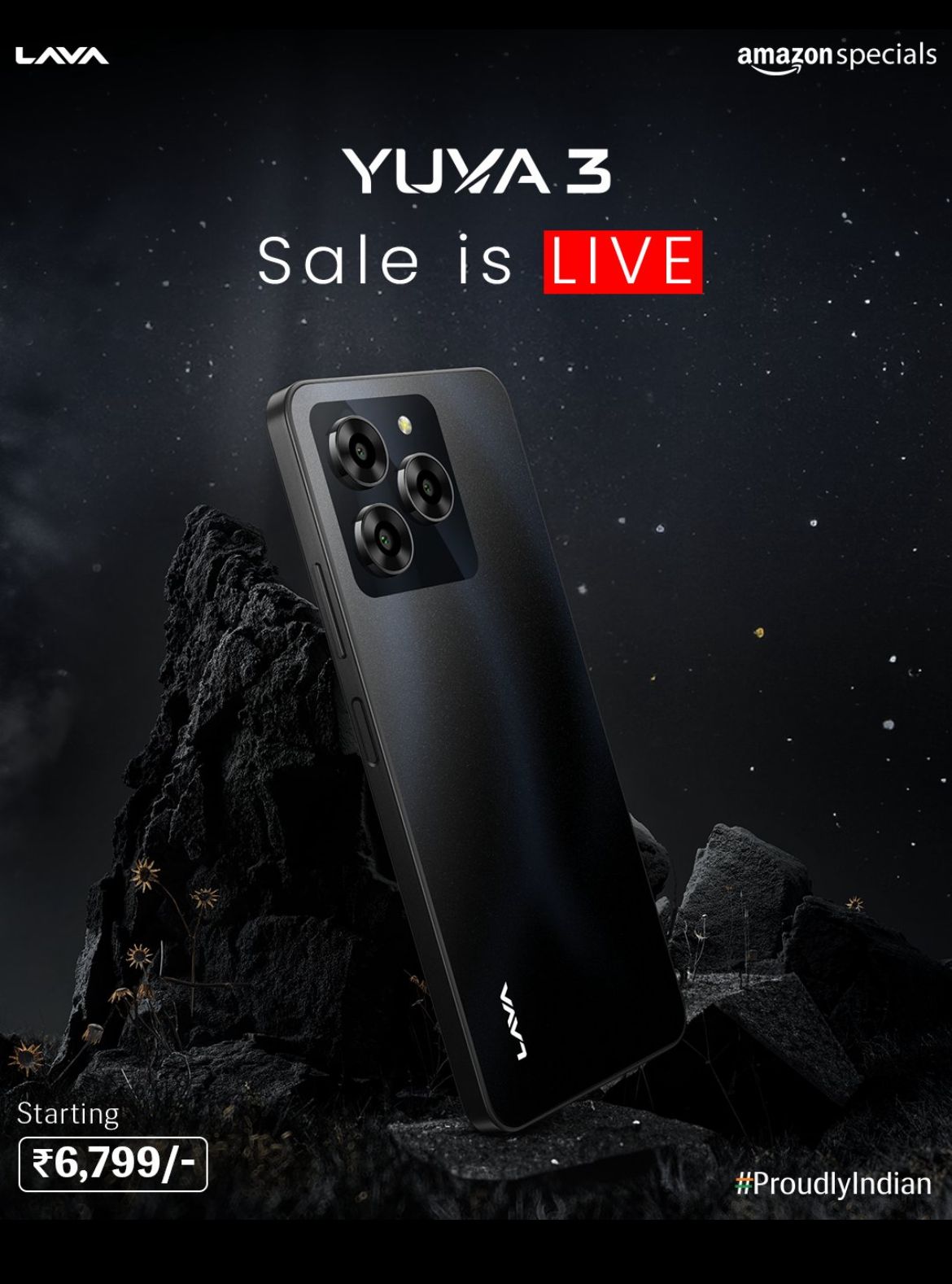
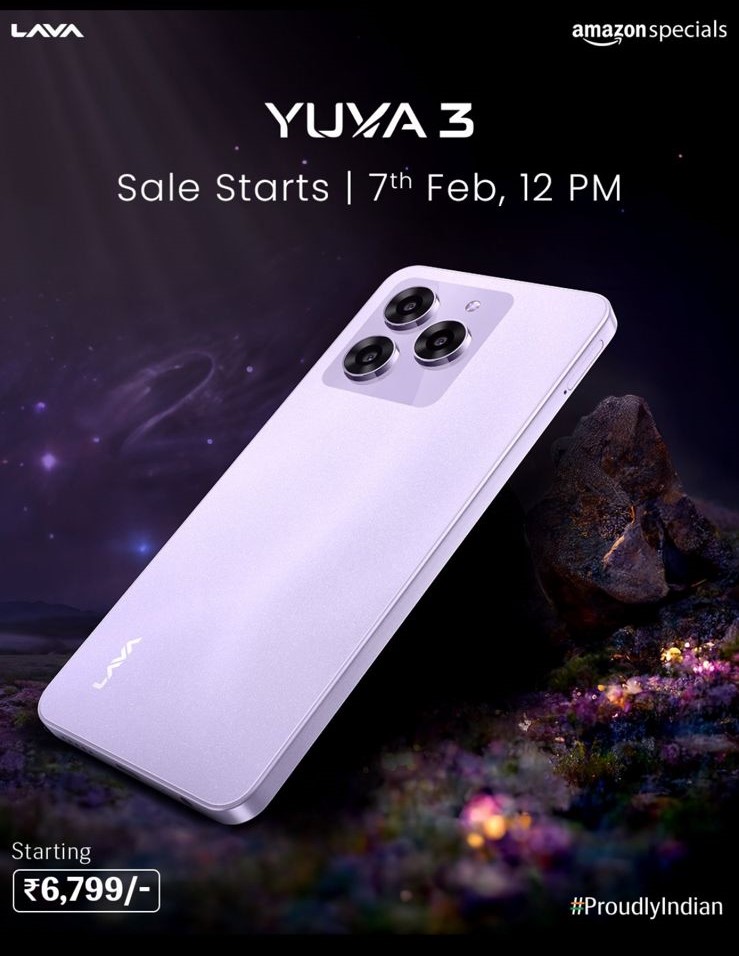
Lava’s Yuva 3 Now Available for Sale on Amazon starting at Rs 6,799/-.Details?
Lava International Limited, India’s leading smartphone brand, is thrilled to announce the Yuva 3 sale on Amazon starting at Rs 6,799/- today.
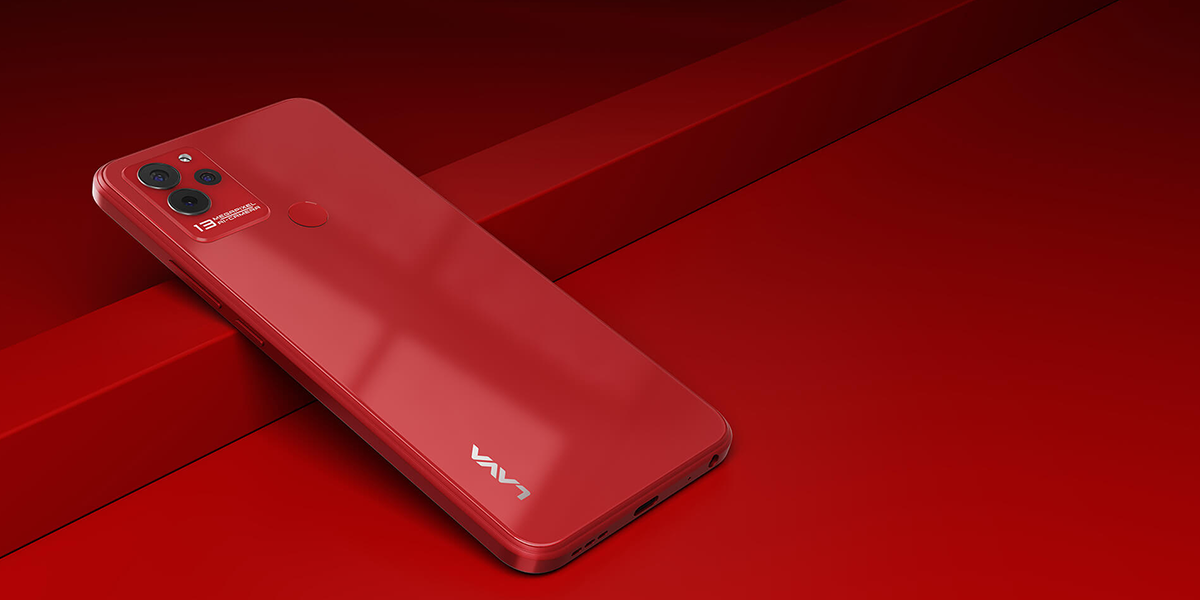
Lava Yuva 3 is fuelled by the UNISOC T606 Octa-core Processor, a powerful 5000 mAh battery for long-lasting usage that gets the phone ready with full charge in lesser time. To deliver an unmatched viewing experience, it features a 90Hz 16.55cm (6.5″) HD+ Punch Hole Display.
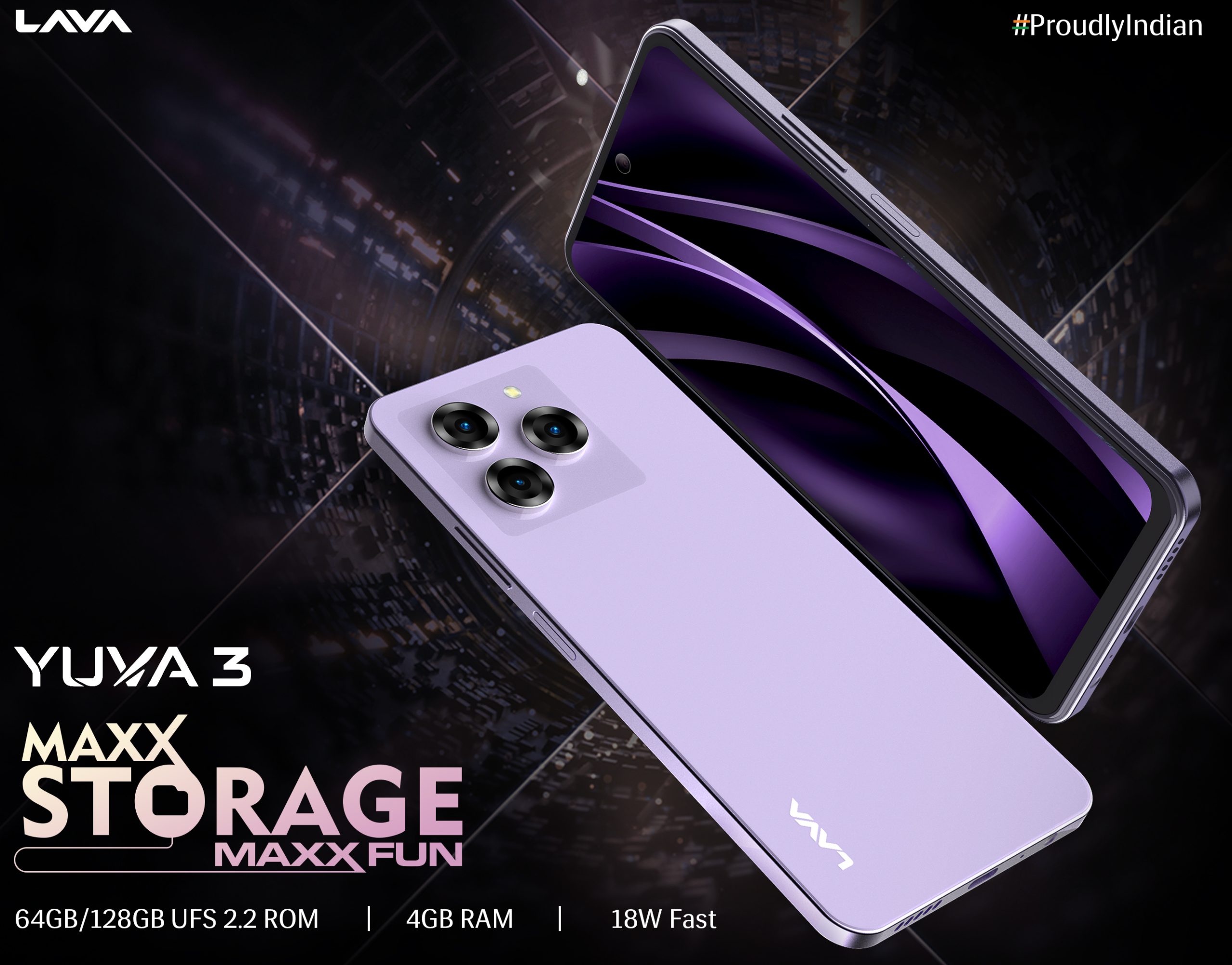
Yuva 3 boasts an array of features, including a premium back design housing a side fingerprint sensor, 4GB RAM paired with either 64GB or 128GB UFS 2.2 ROM, 18W Fast Charging facilitated by a Type-C USB Cable, a 13MP Triple AI rear camera alongside a 5MP front camera optimized for superior photography and selfies, a bottom-firing speaker, stock Android 13, and a face unlock feature.
Additionally, it provides 2 years of assured security updates and a guaranteed upgrade to Android 14.
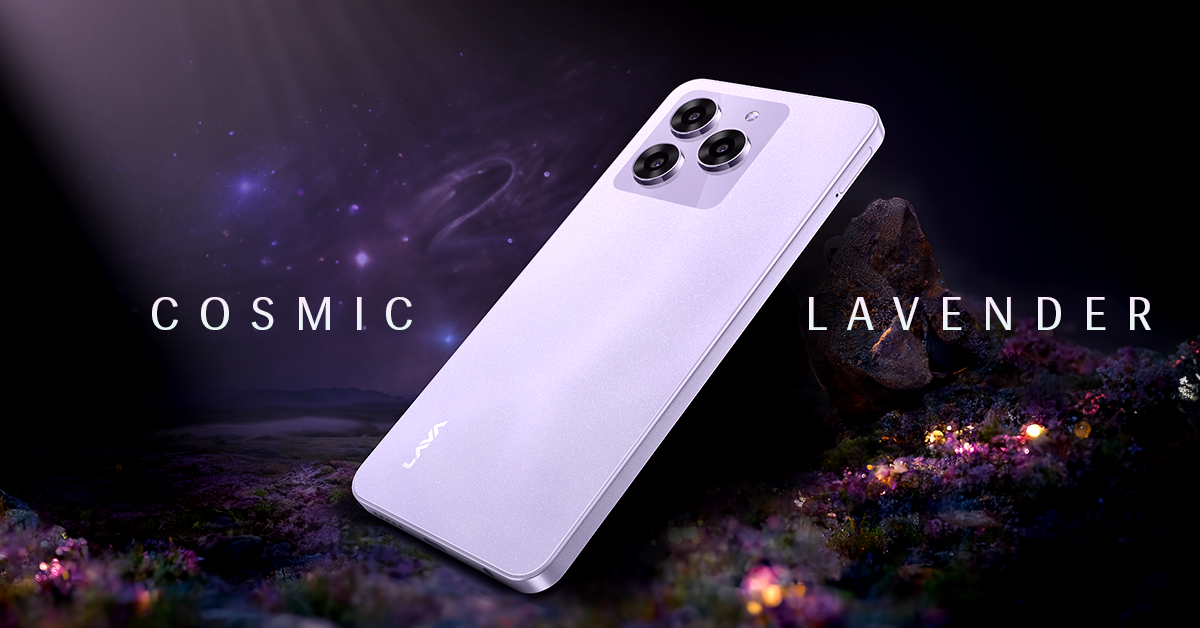
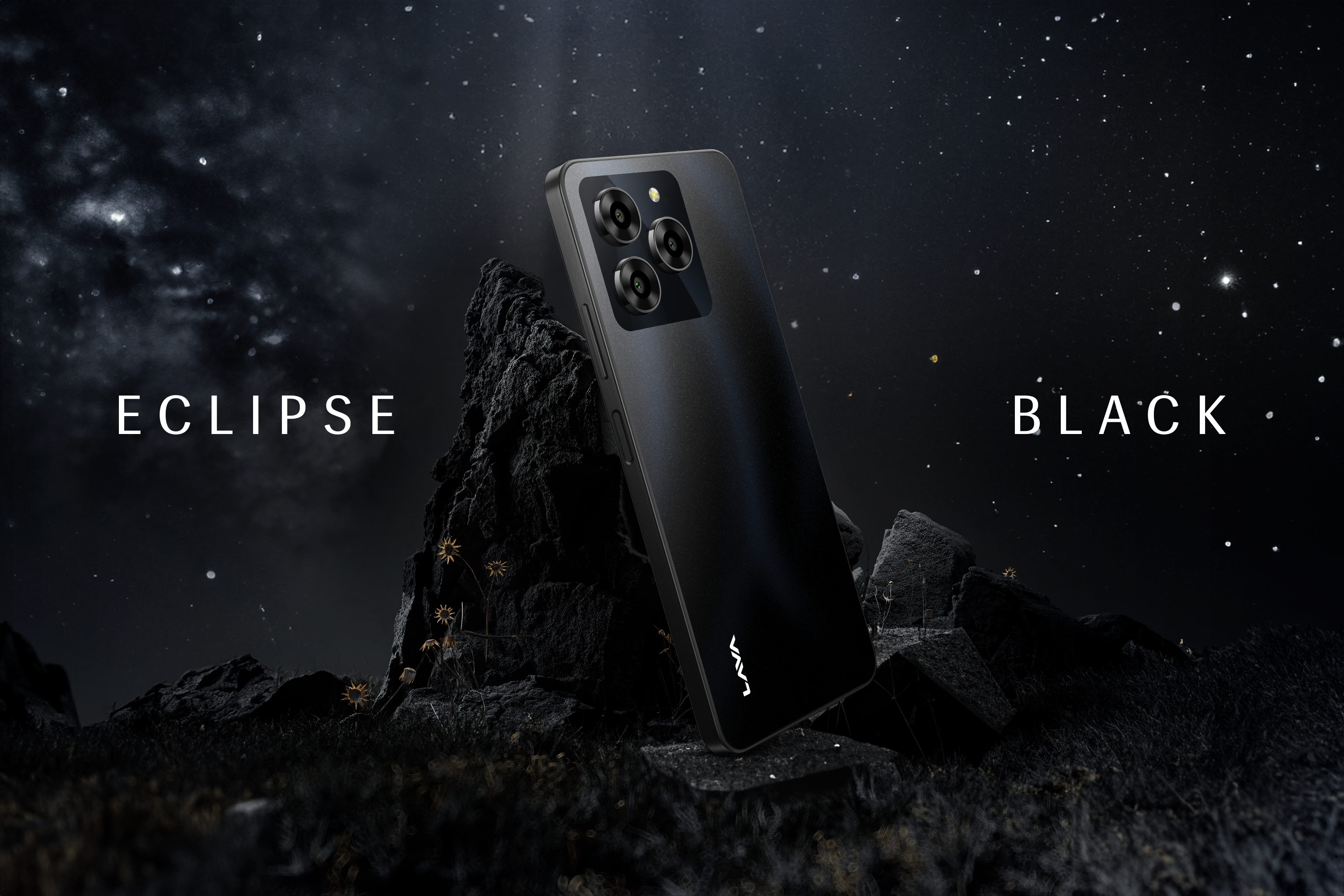
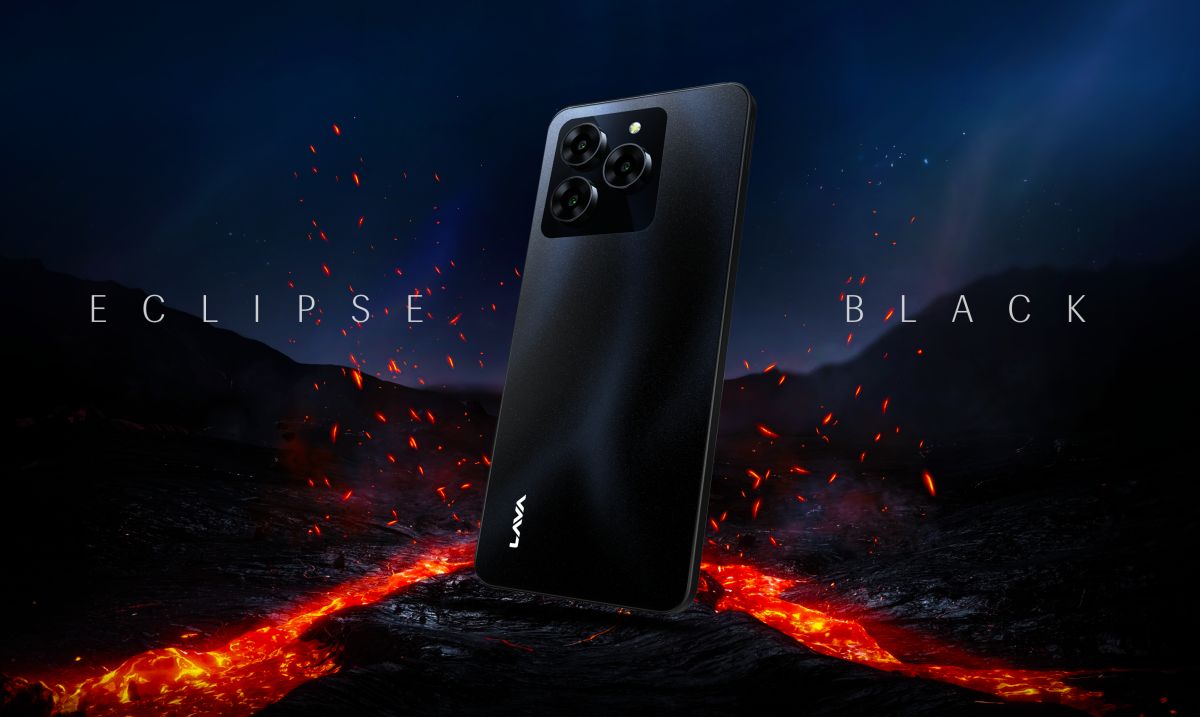
The smartphone is available in three stunning color variants – Eclipse Black, Cosmic Lavender and Galaxy White. It will be available for across Lava retail network from 10th February.
FREE SERVICE AT HOME
Lava remains committed to providing a superior after-sales consumer experience. The ‘FREE SERVICE AT HOME’ initiative allows customers to avail service at their doorstep within the phone’s warranty period. To avail Service at Home, click here:
Buy it here –
Cosmic Lavender:
4GB/64GB: 4GB/128GB:
Eclipse Black:
4GB/64GB: 4GB/128GB:
Galaxy White:
4GB/64GB: 4GB/128GB:
What are the storage options for Lava Yuva 3?
Lava Yuva 3 comes in two storage variants: 64GB and 128GB, both featuring 4+4GB of Virtual RAM for enhanced performance.
What OS does Lava Yuva 3 run?
Lava Yuva 3 runs on stock Android 13, with Lava promising a guaranteed upgrade to Android 14 and 2 years of security updates.
What colors does the Lava Yuva 3 come in?
The smartphone is available in Eclipse Black, Cosmic Lavender, and Galaxy White.
Lava International Launches Yuva 3 featuring 128GB storage, 90Hz Display and 18W Fast Charging starting Rs 6,799/-. Details?
Lava International, the leading Indian Smartphone brand, has launched Yuva 3 smartphone offering stylish design, performance, and features that match the expectations of young Indian customers at affordable price.
Starting at Rs. 6,799, Yuva 3 is loaded with features such as Premium back design with side fingerprint sensor, 4+4(Virtual) GB RAM + 64GB/128GB UFS 2.2 ROM, 18W Fast Charging with Type-C USB Cable, 13MP Triple AI rear camera with 5MP front camera for a superior photography experience and selfies, bottom firing speaker, stock Android 13 and face unlock feature for enhanced security, among others.
It also offers 2 years of assured security updates and guaranteed Android 14 upgrade.
Yuva 3 is powered by UNISOC T606 Octa-core Processor, a powerful 5000 mAh battery for long-lasting usage that gets the phone ready with full charge in lesser time.
For an unparalleled viewing experience, it has a 90Hz 16.55cm (6.5″) HD+ Punch Hole Display.
Customers will be able to buy the latest Yuva 3 starting from 7th February 2024 on Amazon. It will be available for customers with two storage options 64GB and 128GB.
The Yuva 3 will be available in three youthful colour variants – Eclipse Black, Cosmic Lavender and Galaxy White across Lava’s retail network and Lava e-store starting 10th February, 2024.
Launch price starts at Rs 8,249 after exchange offer, available in 4GB and 8GB RAM variants.
Boasts a massive 6000mAh battery with 33W TurboPower charging for extended use.
Features a 50MP Quad Pixel camera system and 16MP front camera for superior photography.
Includes a 6.6-inch 90Hz punch-hole display and Dolby Atmos stereo speakers.
The Moto G24 Power, announced last month, is set to be available for purchase starting today on Flipkart, Motorola.in, and leading retail stores from 12 PM, with a starting price of Rs 8,249 after including a Rs. 750 discount on exchange.
Moto G24 Power: Pricing and Sale Offers
Moto G24 Power: Pricing and Sale Offers
The device is offered in two memory configurations: 4GB RAM + 128GB Storage and 8GB RAM + 128GB Storage, priced at Rs. 8,999 and Rs. 9,999, respectively.
An additional exchange offer of Rs. 750 reduces the effective prices to Rs 8,249 and Rs 9,249.
Moto G24 Power: Key Specs
Moto G24 Power: Key Specs
6000mAh battery
Android 14 operating system
50MP Quad Pixel camera system
16MP front camera
6-inch punch-hole display with 90Hz refresh rate
Dolby Atmos stereo speakers
IP52 water-repellent design
Moto G24 Power: Features
Moto G24 Power: Features
The Moto G24 Power introduces a series of features designed for extended usage and enhanced performance.
With its 6000mAh battery, the phone promises prolonged usage on a single charge, supported by a TurboPower 33W charger for quick recharging.
Photography on the Moto G24 Power is highlighted by its 50MP main camera and 16MP selfie camera, designed for superior photo quality even in low light conditions.
The camera system supports features like Auto Night Vision, HDR, and Portrait mode for versatile photography.
The display’s Auto Mode adjusts refresh rates between 90Hz and 60Hz to optimize battery life.
Audio quality is elevated with stereo speakers featuring Dolby Atmos for a rich sound experience.
Moto G24: Specifications
Performance is customizablewith up to 16GB RAM through the RAM boost feature, and storage is expandable up to 1TB with a microSD card, accommodating extensive multimedia libraries.
Moto G24: 5 Reasons To Buy
Moto G24: 5 Reasons To Buy
Massive 6000mAh Battery: This ensures extended usage and can last almost a complete weekend on a single charge.
Premium Design with 3D Acrylic Glass Finish: Offers an elegant look and is available in two captivating colors: Ink Blue and Glacier Blue.
Advanced 50MP Quad Pixel Camera System: Ensures high-quality photography, complemented by a 16MP selfie camera.
Affordable Price with Additional Offers: Priced effectively at Rs 8,249 after discounts, making it a value-for-money option in its segment.
Top Alternatives to Consider under Rs 10,000
Infinix Smart 8
Infinix Smart 8
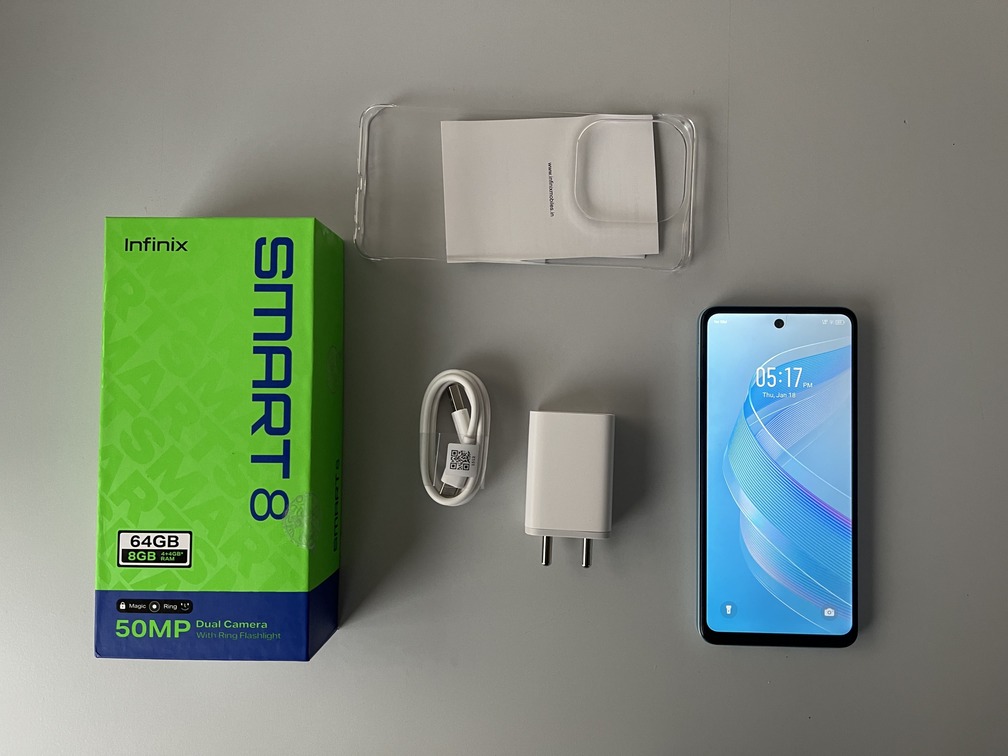
Priced at Rs 7,499, this phone offers a 6.6-inch 90Hz IPS LCD display, MediaTek Helio G36 Octa-core processor, a 50MP rear camera setup, 4GB RAM, 64GB storage, and a 5000mAh battery.
It runs on Android v13 OS and includes a fingerprint sensor.
Moto E13
Moto E13
Available for Rs 5,999, the Moto E13 features a 6.5-inch display, Unisoc T606 processor, 2GB RAM, 64GB storage, a 13MP rear camera, a 5MP front camera, and a 5000mAh battery.
Lava Blaze 5G
Lava Blaze 5G
This smartphone, priced at Rs 9,499, is notable for being an affordable 5G option.
It has a MediaTek Dimensity 700 processor, a 6.51-inch display with a 90Hz refresh rate, 4GB RAM, 128GB storage, and a 5000mAh battery. It also features a 50MP rear camera and an 8MP front camera.
Poco C65
Poco C65
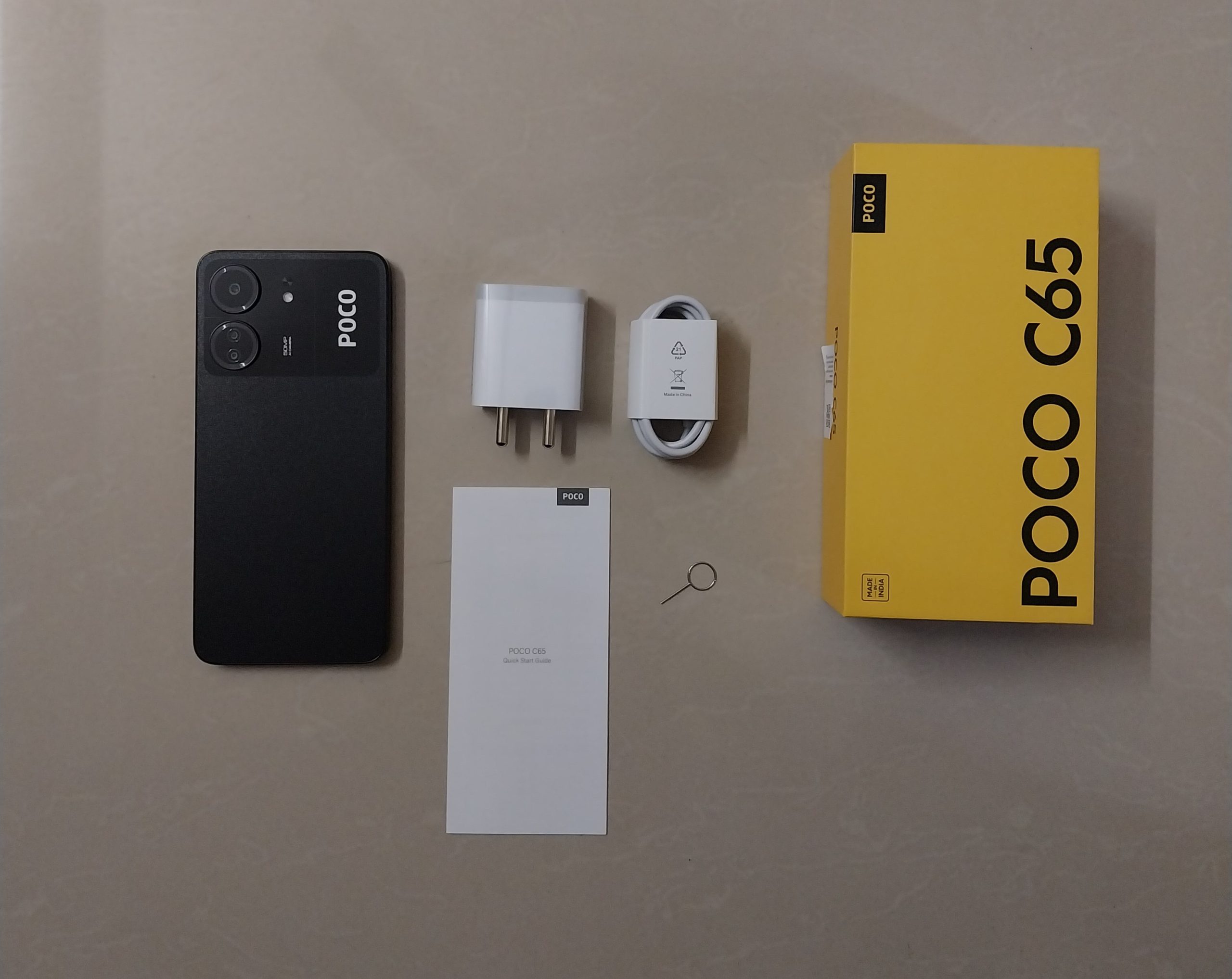
The Poco C65, costing Rs 7,999, includes a 6.74-inch 90Hz display, MediaTek Helio G85 processor, 4GB RAM, 128GB storage, a 5000mAh battery with 18W fast charging, and a 50MP rear camera.
Realme Narzo N53
Realme Narzo N53
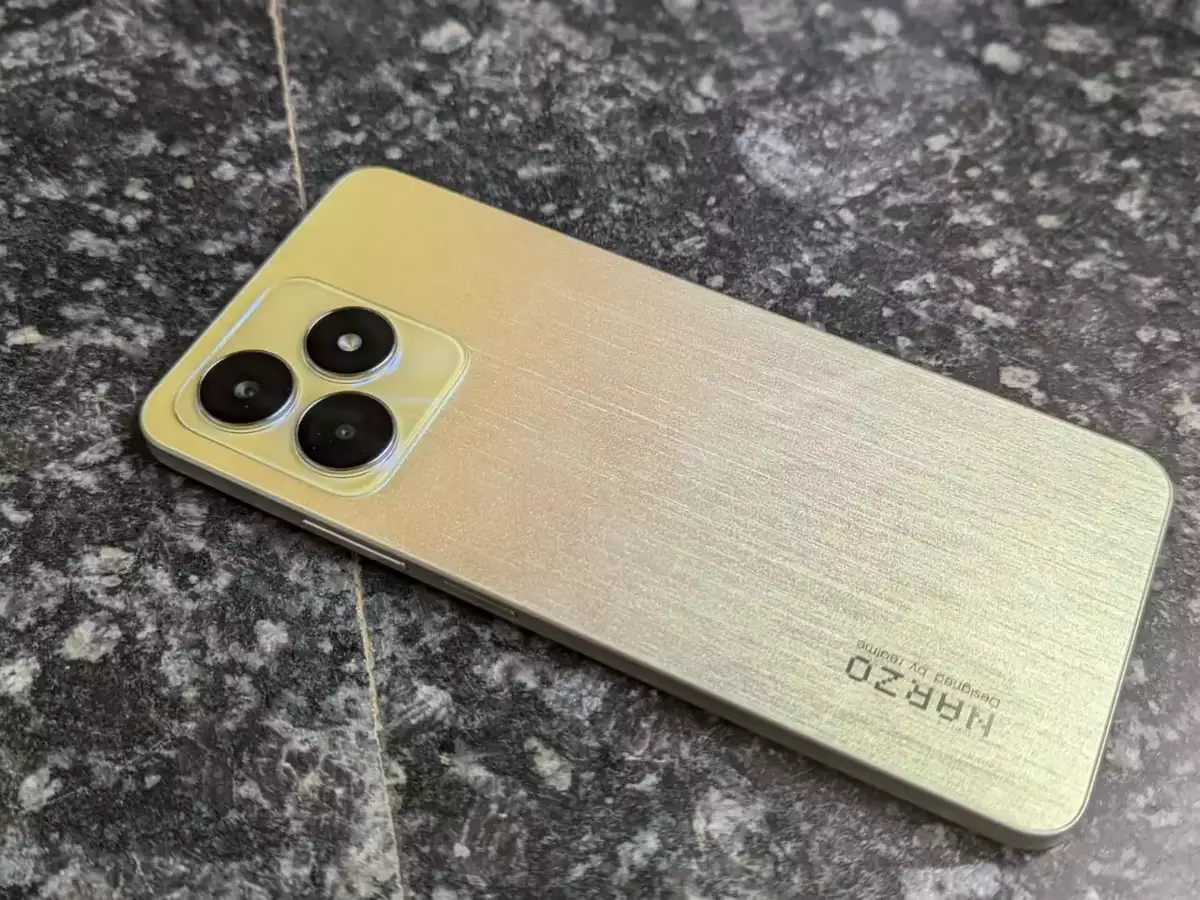
For Rs 7,999, the Realme Narzo N53offers a 6.74-inch 90Hz display, Unisoc Octa-core processor, 4GB RAM, 64GB storage, a 5000mAh battery with 33W fast charging, and a 50MP rear camera.
Motorola Moto G24 5G Specs
GENERAL
Sim Type
Dual Sim, GSM+GSM (Hybrid Slot)
Dual Sim
Yes
Sim Size
Nano SIM
Device Type
Smartphone
Release Date
December 05, 2023 (Expected)
DESIGN
Dimensions
73.8 x 161.6 x 8.9 mm
Weight
192 g
DISPLAY
Type
Color IPS LCD Screen (16M Colors)
Touch
Yes
Size
6.58 inches, 1080 x 2400 pixels, 120 Hz
Aspect Ratio
20:9
PPI
~ 405 PPI
Screen to Body Ratio
~ 85.5%
Features
Anti Fingerprint Coating, Water Repellent Design, HDR10
What are the starting prices for the Moto G24 Power variants?
The Moto G24 Power is priced at Rs. 8,999 for the 4GB RAM + 128GB Storage variant and Rs. 9,999 for the 8GB RAM + 128GB Storage variant, with an additional Rs. 750 discount on exchanges.
Can you describe the battery and charging features of the Moto G24 Power?
The device is equipped with a 6000mAh battery supported by a TurboPower 33W charger, designed to ensure prolonged usage and quick recharging times.
What camera capabilities does the Moto G24 Power offer?
It includes a 50MP Quad Pixel main camera and a 16MP front camera, with features like Auto Night Vision, HDR, and Portrait mode for versatile and high-quality photography.
How does the Moto G24 Power enhance the user’s entertainment experience?
The smartphone features a 6.6-inch 90Hz IPS LCD display for smooth visuals and stereo speakers with Dolby Atmos for a rich sound experience.
What software does the Moto G24 Power run on, and are there any unique software features?
It operates on Android 14 and includes unique features like Flash notifications and Health Connect, ensuring a comprehensive and up-to-date smartphone experience.
According to information shared by tipster Mukul Sharma, this camera aims to enhance the quality of self-portraits significantly.
Infinix Hot 40i: Expected Specs
Infinix Hot 40i: Expected Specs
The smartphone will also include a 90Hz 6.6HD+ Punch-Hole Display, intended to provide users with a vivid and fluid visual experience.
An innovative feature, the Smart Magic Ring, incorporates functionalities such as Face Unlock, Background Call, Charging Animation, Charge Reminder, and Low Battery Reminder, aiming to offer a comprehensive and efficient user interface.
The Infinix Hot 40i is set to make its debut in India in the early part of February, according to a report from 91Mobiles Hindi.
Infinix Hot 40i Could Launch in India With Segment-Leading 32MP Selfie Camera
The smartphone is anticipated to be available through Flipkart, with two storage configurations on offer: 8GB + 128GB and 8GB + 256GB.
Notably, the 256GB variant is expected to be the most affordable option in its storage class within the country.
Additionally, the device will feature the capability for virtual RAM expansion, adding up to an extra 8GB.
Global Pricing and Specs for Infinix Hot 40i
Global Pricing and Specs for Infinix Hot 40i
Globally, the Infinix Hot 40i has been introduced in several markets, priced below $200 (approximately Rs. 16,000).
It comes in various colour options, including Horizon Gold, Palm Blue, Starlit Black, and Starfall Green.
Portrait, AI HDR, Beauty, Panorama, Document, Video Features: Slo-Mo Video, Timelapse, AR Shot, Video Recording, Filters
Video Recording
1440p, 1080p
Flash
Yes, Dual LED
Front Camera
32 MP with Dual LED Flash
Front Video Recording
1080p @ 30 fps FHD
TECHNICAL
OS
Android v14
Custom UI
XOS 13
Chipset
Mediatek Helio G88
CPU
2 GHz, Octa Core Processor
Core Details
2×2.0 GHz Cortex-A75 & 6×1.8 GHz Cortex-A55
GPU
Arm Mali-G52 MC2
Java
No
Browser
Yes, supports HTML5
MULTIMEDIA
Email
Yes
Music
MP3, MIDI, AMR, WAV
Video
3GP, AVI, FLV, MKV, MP4, WMV, WEBM
FM Radio
Yes
Document Reader
Yes
BATTERY
Type
Non-Removable Battery
Size
5000 mAh, Li-Po Battery
Fast Charging
Yes, 18W Fast Charger
Reverse Charging
Yes, 5W
FAQs
What makes the Infinix Hot 40i’s selfie camera stand out?
The Infinix Hot 40i boasts a segment-first 32MP selfie camera, promising unparalleled detail and clarity in self-portraits.
What display features does the Infinix Hot 40i offer?
It comes with a 90Hz 6.6HD+ Punch-Hole Display, designed for a smooth and vibrant viewing experience.
Can you expand the RAM on the Infinix Hot 40i?
Yes, the Infinix Hot 40i supports virtual RAM expansion, allowing up to an additional 8GB on top of its built-in memory.
What are the storage options for the Infinix Hot 40i in India?
The smartphone will be available in two variants: 8GB+128GB and 8GB+256GB, catering to different user needs.
What unique feature does the Smart Magic Ring offer?
The Smart Magic Ring on the Infinix Hot 40i includes functionalities like Face Unlock and Charging Animation, enhancing the overall user experience.
Does Infinix Hot 40i Raises The Bar With India’s First 32 MP Front Camera in the segment and Unparalleled Style?
Infinix is poised to redefine the premium smartphone experience with its highly anticipated release, the Hot 40i.
As per tipster Mukul Sharma’s tweet, what truly sets this smartphone apart is its ground-breaking 32 MP Selfie Camera, a first in its segment. Elevating self-portraits to unparalleled levels of stunning detail, this industry-leading front camera promises a visual feast for selfie enthusiasts.
The Iconic Camera Module, featuring a Quad-LED Ring Flash, not only enhances photographic capabilities but also contributes to the device’s overall allure.
Crafted from PMMA material, the Hot 40i’s Vibrant Glow Design ensures a distinctive and eye-catching appearance, making it a standout contender in the competitive smartphone market.
The device further captivates with its 90Hz 6.6HD+ Punch-Hole Display, offering a dazzling and smooth visual experience. Adding to the allure is the Smart Magic Ring, a multifunctional feature housing capabilities like Face Unlock, Background Call, Charging Animation, Charge Reminder, and Low Battery Reminder.
This intelligent addition ensures a seamless and elevated smartphone experience, making the Infinix Hot 40i a compelling choice for those who prioritize the exceptional quality of a 32 MP selfie camera.
• Snapdragon 8 Gen 2 powers the Indian iQOO Neo 9 Pro. • Will be available in 8GB+256GB and 12GB+256GB configurations. • Features iQOO’s Supercomputing chip Q1 for enhanced gaming. • Dual-tone finish and premium leather design with a 50MP Sony IMX920 camera.
The iQOO Neo 9 series,initially launched in China last December, is making its way to India, or at least one of them is.
The lineup, featuring two models in China, is set for an interesting rebranding strategy for its Indian market debut.
iQOO is enhancing the launch with enticing pre-booking offers for the Neo 9 Pro
As of right now, this decision leaves the fate of the standard Neo 9 variant for India unclear, as iQOO has not disclosed plans for its release.
iQOO Neo 9 Pro Indian Variant: What to Expect
iQOO Neo 9 Pro Indian Variant: What to Expect
For Indian consumers, the iQOO Neo 9 Pro is gearing up to offer robust performance and premium features, which were revealed via the phone’s Amazon listing.
The iQOO Neo 9 Pro boasts a dual-tone finish with a premium leather design and a distinctive squircle camera module.
The photography setup is highlighted by a 50MP Sony IMX920 primary sensor, supplemented by ultra-wide and macro lenses.
iQOO Neo 9 Pro to Launch as a Rebranded Version of the iQOO 9 in China
Exclusive Pre-Booking Offers for Indian Consumers
Exclusive Pre-Booking Offers for Indian Consumers
• iQOO is enhancing the launch with enticing pre-booking offers for the Neo 9 Pro: • A Rs. 1000 discount on pre-orders of the smartphone. • An extended two-year warranty, adding an extra 12 months to the standard coverage. • Additional special offers to be unveiled on the launch date, February 22nd.
How to Secure the Pre-Booking Offers
How to Secure the Pre-Booking Offers
• Pre-booking starts at 12 PM on February 8th, 2024, available exclusively through Amazon.in and iQOO.com. • Due to the limited availability of pre-booking stock, orders will be prioritized on a first-come-first-serve basis. • A refundable pre-booking fee of Rs. 1000 is required, which will be applied to the final purchase price of the device.
Photo, Portrait, Night, Video, Micro Movie, 64MP, Slow Motion, Time Lapse, Pro, Documents, Panorama, Sports, Dual-View Video
Video Recording
4K @ 30 fps UHD, 1080p @ 30 fps FHD
Flash
Yes, LED
Front Camera
Punch Hole 32 MP f/2.4 (Wide Angle)
Front Video Recording
1080p @ 30 fps FHD
TECHNICAL
OS
Android v14
Custom UI
Funtouch OS 14
Chipset
Mediatek Dimensity 9300
CPU
3.25 GHz, Octa Core Processor
Core Details
4xArm Cortex-X4@3.25GHz & 4xCortex-A720@2.0GHz
GPU
Arm Immortalis-G720
Java
No
Browser
Yes
MULTIMEDIA
Email
Yes
Music
Yes
Video
Yes
FM Radio
No
Document Reader
Yes
BATTERY
Type
Non-Removable Battery
Size
5000 mAh, Li-Po Battery
Fast Charging
Yes, 120W FlashCharge
FAQs
What is the iQOO Neo 9 Pro in India?
The iQOO Neo 9 Pro in India is the rebranded standard iQOO Neo 9 from China, equipped with cutting-edge specs like the Snapdragon 8 Gen 2 processor.
When does pre-booking for the iQOO Neo 9 Pro start?
Pre-booking for the iQOO Neo 9 Pro begins on February 8th, 2024, at 12 PM, exclusively on Amazon.in and iQOO.com.
What special offers can I expect with the iQOO Neo 9 Pro pre-booking?
Pre-booking offers include a Rs. 1000 discount, an extended two-year warranty, and more exciting deals to be announced on the launch day, February 22nd.
How can I avail of the pre-booking offers for the iQOO Neo 9 Pro?
To avail the pre-booking offers, you need to pay a refundable pre-booking amount of Rs. 1000, which will be credited towards the final purchase price.
Are there any gaming features in the iQOO Neo 9 Pro?
Yes, the iQOO Neo 9 Pro features iQOO’s Supercomputing chip Q1, supporting 144fps high-frame-rate gaming and super-resolution enhancements.
iQOO Confirms the Key Specs of Indian iQOO Neo9 Pro.Details ?
On the official Indian Amazon promo page, iQOO has confirmed all the key specs of the Indian Neo9 Pro.
As rumoured earlier it is the same as the standard Neo9 that launched in China.
The Indian iQOO Neo9 Pro will pack the Snapdragon 8 Gen 2 found inside the standard Chinese Neo9.
It’s paired up with up to 12 GB of RAM and 256 GB of storage.
The standard Neo9 in China comes with up to 1 TB of storage and 16 GB of RAM.
iQOO isn’t even offering the top-end configuration of the smartphone in India.
The camera configuration remains the same.
The Indian iQOO Neo9 Pro features a dual camera setup on the back, with the Sony IMX920 as the primary camera. This config makes the smartphone capable of capturing detail-rich images.
For the battery, it’s the same 5160 mAh cell found in the Chinese iQOO Neo9 variant. It can charge at 120 watts, allowing you to get the phone from 0 to 100% extremely fast.
Another difference for the Indian iQOO Neo9 Pro as compared to the Chinese Neo9 is the available color options. The Indian market has only two colors: Black and Red.
To compare, the Chinese market got the same phone in Red, Black, and Blue.
Will Non-Pro Variant Not Release in India ?
iQOO is launching the Chinese standard version of the phone as Neo9 Pro in India.
This rebrand can mean that there won’t be a non-Pro variant for the Indian market.
iQOO may launch the Chinese iQOO Neo9 Pro as the standard Neo9 in India .
What are the pre-booking offers for the iQOO Neo 9 Pro?
Customers pre-booking the iQOO Neo 9 Pro can enjoy a discount of Rs. 1000, a 2-year extended warranty, and exclusive launch day offers announced on February 22nd.
When does pre-booking for the iQOO Neo 9 Pro begin?
Pre-booking for the iQOO Neo 9 Pro opens at 12 PM on February 8th, 2024, through Amazon.in and iQOO.com, on a first-come-first-serve basis.
What are the key specifications of the iQOO Neo 9 Pro?
The iQOO Neo 9 Pro is equipped with a Qualcomm Snapdragon 8 Gen 2 chip, achieving an AnTuTu benchmark score over 1.7 million, and comes in 8+256GB and 12+256GB variants.
How does the iQOO Neo 9 Pro enhance the gaming experience?
The device includes iQOO’s Q1 Supercomputing chip, supporting 144fps gaming and up to 900 pixel super resolution for an immersive gaming experience.
What design and camera features does the iQOO Neo 9 Pro offer?
It features a dual-tone finish and premium leather design, a squircle camera module, and a 50 MP Sony IMX920 primary camera, promising superior aesthetics and photography performance.
What is the expected price of the iQOO Neo 9 Pro in India?
The iQOO Neo 9 Pro is anticipated to be priced around Rs 40,000 in India, as per industry insider Yogesh Brar, making it a competitive option in the high-end smartphone segment.
What are the key features of the iQOO Neo 9 Pro?
The smartphone is set to offer top-tier performance with its Qualcomm Snapdragon 8 Gen 2 chipset.
It boasts a 6.78-inch AMOLED display with a high refresh rate of 144Hz and HDR10+ support, ensuring vibrant visuals.
Can you tell me about the camera specifications of the iQOO Neo 9 Pro?
The iQOO Neo 9 Pro is expected to feature a dual rear camera setup, including a 50MP Sony IMX920 primary sensor with OIS and an 8MP ultra-wide sensor.
A 16MP front camera is also anticipated for selfies.
What about the battery and charging capabilities of the iQOO Neo 9 Pro?
A 5,160mAh battery powers the iQOO Neo 9 Pro, supported by 120W wired fast charging. This feature promises quick charging times and extended battery life for all-day usage.
Where can I purchase the iQOO Neo 9 Pro in India?
Post-launch, the iQOO Neo 9 Pro will be available for purchase on Amazon India and iQOO’s official website.
The Nautical Blue color variant is especially noteworthy for its unique dual-tone leather material.
What are the key display features of the iQOO Neo 9 Pro?
The iQOO Neo 9 Pro is expected to come with a 6.78-inch AMOLED display, offering a resolution of 2,800 x 1,260 pixels and a 144Hz refresh rate.
It will also support HDR10+, enhancing the visual experience.
What makes the iQOO Neo 9 Pro’s camera setup stand out?
The iQOO Neo 9 Pro is likely to feature a dual rear camera setup, including a 50MP primary Sony IMX920 sensor with OIS, complemented by an 8MP ultra-wide lens.
A 16MP front camera is expected for high-quality selfies and video calls.
How does the iQOO Neo 9 Pro’s processing power compare to other smartphones?
Equipped with a Snapdragon 8 Gen 2 SoC and an Adreno 740 GPU, the iQOO Neo 9 Pro is expected to offer robust processing power, suitable for high-performance tasks and gaming.
What are the expected performance scores for the iQOO Neo 9 Pro?
The iQOO Neo 9 Pro has shown promising results on performance benchmarks, scoring 2,262 in single-core and 7,657 in multi-core tests on Geekbench.
Additionally, it achieved a high score of 2,334,911 on AnTuTu, indicating a strong performance profile for demanding applications and gaming.
What display and camera specifications can we expect from the iQOO Neo 9 Pro?
The iQOO Neo 9 Pro is expected to feature a 6.78-inch 1.5K OLED display with a 144Hz refresh rate, providing a smooth and vibrant visual experience.
For photography, the device is anticipated to include a dual rear camera setup with a 50MP Sony IMX920 primary sensor, a secondary 50MP sensor, and a 16MP front camera.
What are the charging capabilities and security features of the iQOO Neo 9 Pro?
The smartphone is set to offer 120W wired fast charging, enabling rapid battery replenishment.
It also includes an in-display fingerprint sensor for enhanced security and user convenience.
What makes the iQOO Neo 9 Pro’s AnTuTu score significant?
The iQOO Neo 9 Pro’s AnTuTu score of 2,334,911 points is noteworthy as it surpasses many current high-end smartphones, highlighting its exceptional performance.
This score, achieved through various tests like CPU, GPU, memory, and UX, indicates the device’s superior processing power, graphics performance, and user experience, making it a standout choice in the Android smartphone market.
How does the MediaTek Dimensity 9300 chipset impact the Neo 9 Pro’s performance?
The inclusion of the MediaTek Dimensity 9300 chipset in the iQOO Neo 9 Pro is a game-changer.
This chipset, also seen in the Vivo X100, contributes significantly to the phone’s high AnTuTu score and overall performance.
It indicates specialized optimizations and enhancements that fully utilize the chipset’s capabilities, offering a fast and efficient user experience.
The company has witnessed a significant uptick in its user base, with paid subscribers reaching 236 million, marking a 4% increase from the previous quarter.
The free, ad-supported tier also saw a noteworthy rise, climbing 5% to 602 million users.
Last year, Spotify generated 3.7 billion euros in revenue, representing a 16 per cent increase compared to 2022. (Image Source: Spotify)
“Excluding one-time charges, we generated 68 million euros in adjusted operating profit, which is more than double the third quarter as the business continues momentum towards sustainable growth and profitability,” Spotify said in a statement.
On the company’s earnings call Tuesday, Chief Executive Officer Daniel Ek said “The creator wants to have broader audience, and I feel like with these new deals we’ve been making for most of 2023, we’re better aligned with the creator,”.
Spotify’s Financial Woes
Spotify’s Go Through Profitability Hurdles, Cautioned By Analysts
Despite these positive trends in user growth, Spotify has encountered financial hurdles, transitioning from a rare profit in the third quarter to a loss-making status in the fourth quarter.
The shift was accentuated by a transition from a €65 million profit in Q3 to a €70 million loss in Q4.
The company also emphasized an operating loss of €75 million for Q4, which was, however, more favorable than anticipated.
Adjusting for one-time charges, Spotify claimed a €68 million adjusted operating profit, doubling its performance from the third quarter.
The one-time charges were primarily linked to a series of layoffs aimed at reducing expenses and steering the company towards sustainable growth.
The ongoing tussle with Apple over App Store policies remains a significant thorn in Spotify’s side.
Company CEO Daniel Ek has been vocal in its criticism of Apple’s compliance strategies with antitrust laws, which it finds unsatisfactory for fostering a competitive subscription model within apps.
Daniel Ek has signaled a continued emphasis on cost management, hinting at further job cuts in 2024 following the significant workforce reduction in December 2023.
“We’re going to continue to be more resourceful with the resources we have. That’s just the new modus operandi.But make no mistake, we will continue to make bold bets, invest, and seize on opportunities when they make sense, but hopefully, it’s clear now with a much more disciplined approach going forward,” Ek said.
Spotify’s paid subscribers surge to 236 million, a 4% quarterly increase
Spotify’s critique is part of the broader battle for fair play in the digital marketplace, with Apple defending its role in Spotify’s success story.
User growth remains a bright spot for Spotify, with the company ending 2023 with a record increase in both paying subscribers and monthly active users.
Despite the financial recalibration, Ek assures stakeholders of Spotify’s commitment to innovation and growth, albeit with a more disciplined approach to investments.
FAQs
How many paid subscribers does Spotify now have?
Spotify reached 236 million paid subscribers, marking a 4% increase from the previous quarter.
What was Spotify’s financial outcome in the fourth quarter?
Spotify reported a loss of €70 million in Q4, despite previously achieving a €65 million profit in Q3.
What are the main reasons behind Spotify’s Q4 operating loss?
The operating loss of €75 million in Q4 is attributed to one-time charges, mainly from layoffs aimed at reducing costs.
How is Spotify addressing its competition with Apple?
Spotify criticizes Apple’s App Store policies, arguing they hinder a competitive subscription model, and urges the EU to act against Apple’s proposals.
What future plans does Spotify’s CEO Daniel Ek have for the company?
Daniel Ek aims for continued cost management, including potential job cuts in 2024, but remains committed to innovation and disciplined investment in growth.