Home Blog Page 608

DoT Launches Shark Tank-Inspired Initiative to Boost Indian Tech Startups

0
DoT Launches Shark Tank-Inspired Initiative to Boost Indian Tech Startups

Highlights

  • DoT facilitates startup-VC connections in Shark Tank-inspired event.
  • Over 25 startups pitched to VCs from India, UK, and Uganda.
  • Initiative supports next-gen tech sectors like AI, 5G drones, cybersecurity.
  • Special Telecom Technology Development Fund (TTDF) to bolster telecom startups.

Looks like there is going to be a new initiative reminiscent of the popular TV show Shark Tank, aimed at building connections between burgeoning startups and venture capitalists.

This innovative program, being helmed by the DoT,  is part of India’s strategy to nurture the next generation of tech companies, specializing in areas such as AI, 5G-enabled drones, and cybersecurity.

Bridging the Gap Between Startups and Venture Capital

Bridging the Gap Between Startups and Venture Capital

The government’s role in this initiative is pivotal, acting as a conduit between innovative startups and potential investors.

A recent event organized by the DoT saw more than 25 startups presenting their business models to a group of venture capitalists from diverse backgrounds, including India, the United Kingdom, and Uganda.

These interactions have already propelled several funding discussions into advanced stages, signaling the initiative’s potential to catalyze significant growth in the tech sector.

The government aims to develop an all-encompassing ecosystem for technology companies, covering everything from research and development to manufacturing.

Support mechanisms such as the Special Telecom Technology Development Fund (TTDF) are likely to help in the empowering of companies within the telecommunications domain.

India’s Tech Market: A Global Contender

India's Tech Market: A Global Contender
India’s Tech Market: A Global Contender

The Indian technology market is witnessing rapid growth, setting global benchmarks with achievements like Reliance Jio’s record-setting 5G network rollout.

A critical objective for the nation is to reduce reliance on imported or jointly engineered telecom equipment by promoting local development and manufacturing.

The government’s Production Linked Incentive (PLI) scheme plays a crucial role in this regard, enticing international corporations to establish manufacturing bases in India.

FAQs

What is the Shark Tank-Inspired Initiative by the DoT?

It’s a program designed by the Department of Telecommunications to connect startups in technology sectors with venture capitalists, modeled after the TV show Shark Tank.

Which technology sectors does the initiative focus on?

The focus is on next-generation technology segments including artificial intelligence (AI), 5G-enabled drones, cybersecurity, and more.

How many startups participated in the recent DoT-organized event?

More than 25 startups had the opportunity to pitch their business ideas to venture capitalists from India, the United Kingdom, and Uganda.

What role does the Special Telecom Technology Development Fund (TTDF) play in this initiative?

The TTDF aims to support startups in the telecommunications sector, from R&D to manufacturing, as part of the initiative.

How does the initiative impact India’s technology market?

By fostering local development and manufacturing, and reducing reliance on imported telecom equipment, this initiative is set to strengthen India’s position as a global technology contender.

Also Read: Cell Broadcast Alert in Multiple Languages: India’s Pioneering Safety Initiative

Also Read: India’s Emergency Lifeline: Evaluating the Mobile Panic Button’s Impact and Future Solutions

WhatsApp’s Username Feature Nears Launch After Being Spotted on Beta

0
WhatsApp's Username Feature Nears Launch After Being Spotted on Beta

Highlights

  • Username selection option revived in latest WhatsApp beta version.
  • Validation process introduced to ensure unique, alphanumeric usernames.
  • Username feature addresses privacy concerns, reducing reliance on phone numbers.
  • Anticipated rollout to simplify user connections with memorable identifiers.

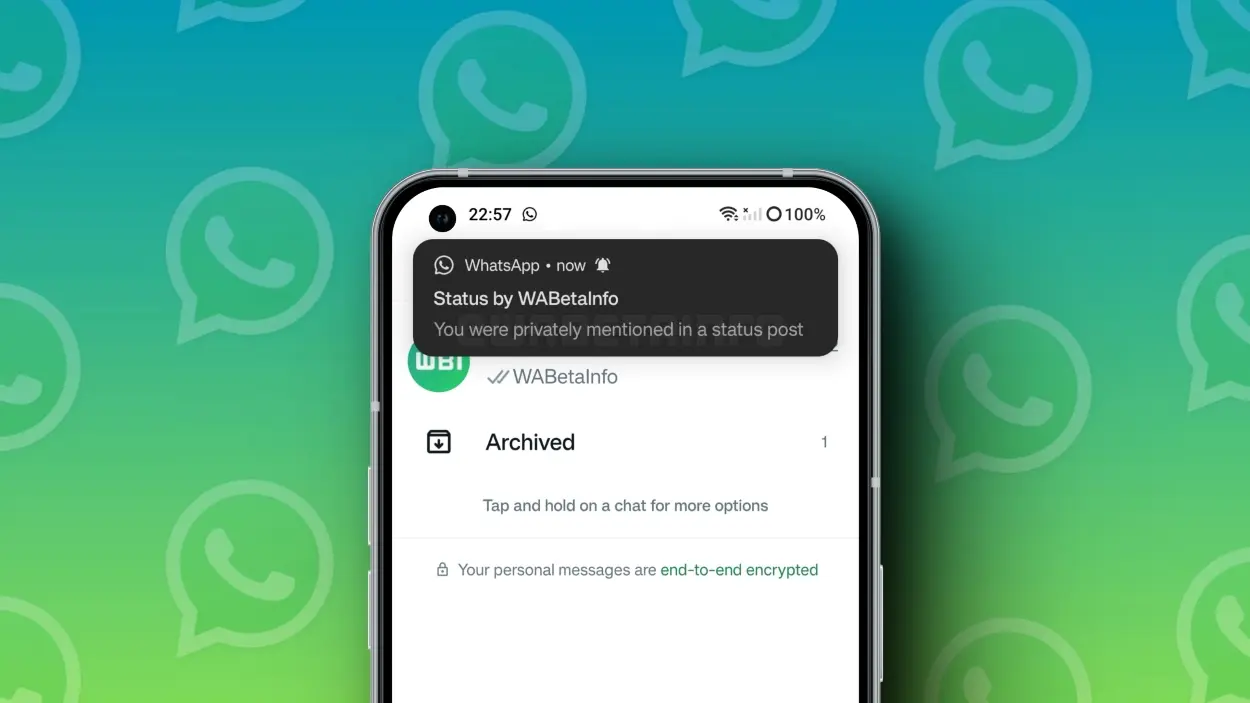
WhatsApp is making strides in implementing a much-anticipated feature: the introduction of usernames.

This is not some breaking news however as the company has been spotted testing the feature for a while now.

The promise is to introduce a shift in how users interact, buying and providing an alternative to sharing phone numbers for messaging purposes.

WhatsApp Username To Rollout Soon?

WhatsApp's Username Feature Nears Launch After Being Spotted on Beta
WhatsApp’s Username Feature Nears Launch After Being Spotted on Beta

The journey towards this update has been a marathon rather than a sprint, with whispers of the feature surfacing as early as last year in beta versions.

The latest beta for iOS, version 24.3.10.72, as highlighted by WABetaInfo, showcases the revival of the username selection option within the app.

This iteration brings a validation process to ensure uniqueness and the use of alphanumeric characters.

The Global Messaging Landscape

The Global Messaging Landscape

WhatsApp’s dominance in global messaging is undisputed, particularly outside the United States.

For India, in particular, and Latin America, and parts of Europe, WhatsApp serves as a lifeline for communication.

As such, the current necessity of sharing a phone number to connect on WhatsApp poses privacy concerns for many.

The forthcoming username option addresses these worries head-on, allowing users to maintain a level of anonymity.

While a phone number might still be required for account setup, the ability to share a username instead offers a cloak of privacy, empowering users to control who has access to their contact information.

A Case of Convenience

A Case of Convenience

However, for most aside from bolstering security, the shift towards usernames carries the potential for greater convenience.

A memorable username can easily replace the need to remember or share a string of digits, simplifying the process of connecting with friends and family.

Searching by username is popular on Instagram, another social media giant under the umbrella of Meta Inc.

As such there is always a to-and-fro of features between all the products of Meta.

Despite the clear progress, WhatsApp has yet to announce when the username feature will be widely available.

FAQs

What is the WhatsApp Username Feature?

The WhatsApp Username Feature allows users to create unique usernames as an alternative to sharing phone numbers, enhancing privacy and making connections easier.

How does the username validation process work on WhatsApp?

The validation process checks for uniqueness and restricts usernames to alphanumeric characters, ensuring every user has a distinct identifier.

Why is WhatsApp introducing usernames?

WhatsApp aims to address privacy concerns and provide a more convenient way for users to connect without sharing personal phone numbers.

Will I still need a phone number to use WhatsApp with the new username feature?

Yes, a phone number is required for account setup, but the username feature allows for more privacy in subsequent interactions.

When will the WhatsApp Username Feature be available to all users?

Although progress has been made, WhatsApp has not provided an official timeline for the widespread release of the username feature.

Also Read: WhatsApp Android App to Soon Introduce Pinning Feature for Channels

Also Read: WhatsApp Reportedly Set to Enable Cross-Platform Messaging: What You Need to Know

Also Read: WhatsApp to Launch Synchronized Chat Locks for Enhanced Privacy Across Devices

HMD Gears Up for Smartphone Launch with Smartphone Codenames ‘Legend’ and ‘LegendPro’ Emerge on Geekbench

0
HMD Gears Up for Smartphone Launch with Smartphone Codenames ‘Legend’ and ‘LegendPro’ Emerge on Geekbench

Highlights

  • HMD Legend and LegendPro hint at budget-friendly offerings with Geekbench appearance.
  • Both devices are powered by UniSoC T606 chipset, indicating competitive performance.
  • HMD Legend features 4GB RAM, LegendPro steps up with 8GB.
  • Anticipated debut at Mobile World Congress (MWC) under new HMD branding.

HMD is foraying into making smartphones with an HMD branding, breaking its long-standing relation with Nokia.

Now we have at least some idea about these devices after two of them were potentially spotted under the codename Legend and LegendPro.

According to a report by 91mobiles, these devices have made their appearance on the Geekbench benchmark database, hinting at their imminent introduction to the budget smartphone segment.

Performance Insights from Geekbench Listings

Performance Insights from Geekbench Listings
‘LegendPro’ Performance Insights from Geekbench Listings

As per the Geekbench listings the HMD Legend has demonstrated a promising performance with scores of 379 in single-core and 1,370 in multi-core tests on Geekbench 6.2.

Its counterpart, the HMD Legend Pro, closely follows with scores of 373 in single-core and 1,384 in multi-core tests.

Further details from the Geekbench listings reveal that both the HMD Legend and LegendPro will be powered by an octa-core processor clocking at a peak frequency of 1.6GHz, coupled with an integrated Mali G57 GPU.

 ‘LegendPro’ Performance Insights from Geekbench Listings
‘Legend’ Performance Insights from Geekbench Listings

This setup points to the inclusion of the UniSoC T606 chipset, a processor also found in other budget-friendly models released recently.

If we are to peg the pricing of the HMD smartphones, it would be under Rs 10,000, at least based on these performance numbers.

In terms of memory, the HMD Legend is expected to come with 4GB of RAM, whereas the LegendPro will likely boast a higher 8GB of RAM.

Both smartphones will operate on the latest Android 14 OS, ensuring users have access to the newest features and security updates offered by Android.

Anticipation Builds for Official Launch

Anticipation Builds for Official Launch

While the Geekbench listings have shed light on some key specifications, many details about the puported HMD Legend and LegendPro remain under wraps.

As mentioned above, HMD announced its decision to move away from the Nokia branding, introducing itself as Human Mobile Devices.

The brand’s new direction and upcoming range of smartphones are expected for unveilings at the Mobile World Congress (MWC) starting February 26.

FAQs

What are the HMD Legend and LegendPro?

The HMD Legend and LegendPro are upcoming smartphones by HMD, spotted on Geekbench, marking the company’s latest foray into the smartphone market with its own branding.

What chipset powers the HMD Legend and LegendPro?

Both smartphones are expected to be powered by the UniSoC T606 chipset, which is known for its performance in budget-friendly models.

How much RAM do the HMD smartphones come with?

The HMD Legend is equipped with 4GB of RAM, while the LegendPro offers a higher capacity of 8GB, catering to different user needs.

Will the HMD smartphones run on the latest Android OS?

Yes, both the HMD Legend and LegendPro will ship with Android 14, ensuring users have the latest features and security updates.

When can we expect the official launch of these HMD devices?

HMD is expected to officially unveil these smartphones at the upcoming Mobile World Congress (MWC), starting February 26.

Also Read: HMD Global to Launch Own-Brand Smartphones, Diverging from Nokia Legacy

Also Read: HMD Global Reportedly Set to Unveil Smartphone Range, Marking a Shift from Nokia

Also Read: HMD Global Removes Nokia Branding, Teases Upcoming Device Launches with HMD Branding

 iOS 18 Could Reportedly Get a visionOS-Style Redesign for iPhones and iPads

0
 iOS 18 Could Reportedly Get a visionOS-Style Redesign for iPhones and iPads

Highlights

  • iOS 18 to introduce visionOS-inspired translucent elements and blur effects.
  • Significant AI enhancements to redefine Siri and Messages interactions.
  • Aesthetic updates across Safari and system interfaces for a futuristic look.
  • Slated for unveiling at WWDC 2024 with a release in the latter half of the year.

Apple’s iOS 18, slated for release in the latter half of 2024, is poised to deliver a transformative update to the iPhone and iPad user experience.

Some are even claiming that it could be the most significant overhaul in years.

Now as per new reports this update is expected to marry the aesthetics of visionOS with cutting-edge AI features, reshaping how users interact with their devices.

A Glimpse into the Future: visionOS Meets iOS

A Glimpse into the Future: visionOS Meets iOS

As per a report from The Verifier, wiith some inspiration from visionOS, the operating system designed for the Apple Vision Pro, iOS 18 aims to introduce a sleek, futuristic look to the mobile interface.

You might be seeing the hallmark translucent elements and sophisticated blur effects on iOS 18 which might just introduce you to a piece of the spatial computing experience.

This design philosophy, aimed at enhancing the user interface with AR and VR capabilities, is expected to extend across built-in apps like Safari and various system menus and popups, indicating a comprehensive aesthetic refresh.

Anticipated Enhancements and AI Integration

Anticipated Enhancements and AI Integration

Beyond the visual refresh, iOS 18 has long been rumuored to incorporate significant AI advancements.

Apple plans to embed new AI features within the system and Siri, enhancing the voice assistant’s capabilities with a Large Language Model (LLM).

This integration will make interactions with Siri more natural and contextually aware.

Additionally, the Messages app will benefit from these AI improvements, although it is not immediately clear how.

Perhaps some live translation, more intelligent sentence completion, or perhaps some generative AI art experience.

The list could go on and on.

Release Timeline

Release Timeline
iOS 18 Could Reportedly Get a visionOS-Style Redesign for iPhones and iPads

Traditionally, Apple unveils its latest iOS version at the WWDC event in June, with a public release following in September.

Mark Gurman of Bloomberg, in his latest newsletter, has lauded iOS 18 as Apple’s most ambitious update yet, highlighting the strategic incorporation of generative AI and a focus on redefining user interaction through enhanced Siri and Messages functionalities.

iOS 18 to introduce visionOS-inspired translucent elements and blur effects

FAQs

What design changes can we expect with iOS 18?

iOS 18 is expected to adopt elements from visionOS, featuring translucent UI elements and blur effects, offering a more immersive and futuristic user experience.

How will AI improvements affect Siri and the Messages app in iOS 18?

With the integration of a Large Language Model (LLM), Siri is set to become more contextually aware and natural in interactions. The Messages app will also see benefits from AI advancements, though specific features are yet to be detailed.

When is iOS 18 expected to be released?

Apple typically unveils new iOS versions at its WWDC event in June, with a public release following in September. iOS 18 is anticipated to follow this schedule, debuting at WWDC 2024.

Will iOS 18’s design be similar to that of visionOS?

Yes, iOS 18 aims to mirror some aesthetic aspects of visionOS, especially its translucent elements and blur effects, to enhance the mobile interface with a spatial computing experience.

Also Read: iOS 18 Rumours: AI Revolution, Enhanced Cross-Platform Messaging, and More

Also Read: Apple’s iOS 18 Is Likely to Be Its Most Ambitious Update Yet: Mark Gurman

Apple Vision Pro’s Path to Acceptance: Navigating Societal Integration, First-Gen Qualms, and App Monetisation

0

Highlights

  • Vision Pro challenges societal norms for wearable tech with broad public engagement.
  • Analysts predict full societal acceptance by the 4th generation of Vision Pro.
  • Over half of Vision Pro apps require a purchase, marking a shift in app monetization.
  • Vision Pro’s initial reception counters the backlash faced by predecessors like Google Glass.

Since its debut, Apple’s Vision Pro has grabbed public attention, not just for its groundbreaking technology but also for the unique place it occupies in the cultural zeitgeist.

Unlike its predecessors in the realm of wearable tech, the Vision Pro has embarked on a journey that merges innovation with a pivotal factor – societal integration, a feat that earlier devices like Google Glass struggled to achieve.

However, it also seems like most experts are saying that not until the 4th generation of the Vision Pro, will consumers turn to mass acceptance of the Apple’s Spatial Computing headsets.

Apple Vision Pro's Path to Acceptance
Apple Vision Pro’s Path to Acceptance

This comes in the backdrop of another report by TechCrunch saying that most apps for the Vision Pro at launch are not free to use.

Let’s dive into everything in more detail.

The Societal Dance of Acceptance

The Societal Dance of Acceptance

The streets have become a stage for Vision Pro users, from celebrities like T-Pain, Diplo, and Casey Neistat to content creators and early adopters, showcasing the device in scenarios ranging from the whimsical to the outright fantastical.

While these public displays often border on the theatrical, they may actually be a critical role in normalizing the presence of such devices in everyday life.

Analyst Neil Cybart points out that this wave of “silliness” may be disarming potential resistance, paving the way for a more accepting view of wearable AR/VR technology in public spaces.

Something that Google just couldn’t do with its Google Glass.

The Legacy of “Glassholes”

The Legacy of "Glassholes"
The Legacy of “Glassholes”

Tech enthusiasts might remember that Google Glass, an early foray into smart glasses, encountered a significant cultural backlash, with wearers often met with skepticism or outright hostility.

This went to such an extent that the term “glassholes” became a shorthand for the social faux pas of donning tech that seemed to infringe on privacy or simply appeared out of place.

In contrast, the Vision Pro’s reception has leaned more towards curiosity and amusement, suggesting that perhaps the way forward for wearable tech is not just in the sophistication of the hardware but in the approach to its societal introduction.

A Four-Generation Journey

A Four-Generation Journey

However, the Vision Pro is categorically a first-gen product.

The acceptance for something so early comes with its set of challenges and expectations.

Historically, diving into the first iteration of an Apple product has been seen as a leap of faith, with the understanding that subsequent versions will refine and perfect the initial concept.

Mark Gurman from Bloomberg suggests that the Vision Pro is currently a ‘Prototype’ and said that Apple employees believe that it will hit its stride by the  fourth generation, indicating a long-term vision for its development.

The complexity and potential of integrating AR/VR technology into daily life is huge but Apple is one company you can trust to make it widely acceptable.

Vision Pro App Ecosystem: A Mixed Monetisation Model

Vision Pro App Ecosystem: A Mixed Monetisation Model

The Vision Pro’s app ecosystem reveals a nuanced approach to monetization.

While a significant portion of Vision Pro-specific apps are paid downloads, a contrast to the broader trend of free downloads with in-app purchases on the App Store, there’s also a strong lean towards subscription models.

As per Appfigures, statistics indicate that over half (53%) of the apps designed exclusively for Vision Pro require payment at the time of download.

The App Store for Apple’s other products has only 5% of apps that demand an initial purchase.

Furthermore, Appfigures reveals that 35% of Vision Pro apps do not engage in any form of monetization via the App Store, and a smaller fraction (13%) utilize subscription models for revenue.

All in all, it feels that Apple is on a path to extract even more money for the full Vision Pro experience, as if the ginormous $3,500 price tag was not enough.

Vision Pro challenges societal norms for wearable tech with broad public engagement

FAQs

What sets the Vision Pro apart from previous wearable tech like Google Glass?

Vision Pro has been met with curiosity and amusement, unlike Google Glass, which faced significant backlash due to privacy concerns and social acceptance issues.

Why do experts believe the Vision Pro will achieve mass acceptance by its 4th generation?

The gradual refinement and societal normalization of AR/VR technology, combined with Apple’s track record of improving products over successive generations, suggest a broader acceptance in the future.

How are apps for Vision Pro different in terms of monetization compared to other Apple products?

A notable 53% of Vision Pro-specific apps are paid downloads, contrasting sharply with the App Store’s broader trend where only 5% of apps require upfront payment.

What role does public display and celebrity engagement play in the Vision Pro’s societal acceptance?

Public displays and celebrity usage of Vision Pro help normalize the device in everyday life, mitigating potential resistance and fostering a more accepting view of wearable AR/VR technology.

How does the Vision Pro’s app monetization strategy affect users?

With over half of Vision Pro apps being paid and a smaller portion offering subscriptions, users may need to invest more in the ecosystem to fully leverage the device’s capabilities.

Also Read: Apple Vision Pro Once Lost, Cannot be Located on the Find My Network

Also Read: Apple Vision Pro visionOS 1.1 Beta Rolling Out With MDM Support: Here’s What You Need to Know

Also Read: Sam Altman Hails Apple Vision Pro as the ‘Second-Best’ Tech Marvel After the iPhone

Infinix Hot 40i Microsite Goes Live on Flipkart; Set to Launch in India on 14th February

0
Infinix Hot 40i Microsite Goes Live on Flipkart; Set to Launch in India on 14th February

Highlights

  • Infinix Hot 40i to debut on February 16 with impressive specs.
  • Featuring 256GB storage, 16GB RAM, and under Rs 8,000 price tag.
  • Dual-rear camera setup and 90Hz display enhance user experience.
  • Note 40 series on the horizon with advanced charging and display features.

Infinix is all set to expand its Hot series lineup with the launch of the Infinix Hot 40i in India.

Slated for a debut on February 16, the buzz around this new smartphone has been fuelled by the live micro-site on Flipkart, which spills the beans on some of the device’s specifications.

Infinix Hot 40i: Expected Pricing

Infinix Hot 40i: Expected Pricing

The Infinix Hot 40i is rumoured to launch in a single, generous configuration of 8GB + 256GB, all under the astonishing price bracket of Rs 8,000.

Infinix Hot 40i Could Launch in India With Segment-Leading 32MP Selfie Camera

The device is also expected to feature a 90Hz display with a centred punch-hole notch, which might just further enhance its appeal to the tech-savvy Indian market.

Infinix Hot 40i: Expected Features

Infinix Hot 40i: Expected Features

The Infinix Hot 40i is poised to make a splash with its hefty 256GB UFS 2.2 storage and a whopping 16GB of RAM, which intriguingly includes 8GB of virtual RAM.

The company is touting this to be the best in the segment.

Infinix Hot 40i: Expected Features
Infinix Hot 40i: Camera

Adding to its storage prowess, the device will feature a dedicated microSD card slot, supporting cards up to 2TB.

As per more leaks, the Hot 40i will have a dual-rear camera setup complemented by an LED flash.

Infinix Hot 40i to feature industry-leading 32MP selfie camera

The design of the camera module draws parallels to its predecessor, the Hot 30i, albeit with some minor tweaks.

With the full reveal scheduled for February 14, more details should be revealed when the phone officially launches.

Looking Ahead: The Note 40 Series

Infinix Note 40 Series Connectivity and Additional Features
Looking Ahead: The Note 40 Series

In some more related developments, Infinix is reportedly gearing up for the launch of the Note 40 series, which includes the Note 40 and Note 40 Pro.

These devices are expected to bring to the table 45W and 70W charging capabilities, respectively.

Infinix Hot 40i is set to make its debut in India in the early part of February

Along with an FHD+ 120Hz display, the Helio G99 chip, up to 12GB of RAM, up to 256GB of storage, and a 5,000mAh battery, setting the stage for an exciting year ahead for Infinix fans.

Infinix Hot 40i Microsite Goes Live on Flipkart

Infinix Hot 40i Specs

GENERAL

Sim Type Dual Sim, GSM+GSM
Dual Sim Yes
Sim Size Nano SIM
Device Type Smartphone
Release Date December 27 ,2024 (Expected)

DESIGN

Bezel less Yes
Colors Mirror Black, Glacier Blue

DISPLAY

Type Color IPS Screen (16M Colors)
Touch Yes, 180 Hz Touch Sampling Rate
Size 6.67 inches, 720 x 1612 pixels, 120 Hz
Aspect Ratio 20.5:9
PPI ~ 395 PPI
Screen to Body Ratio ~ 92.01%
Glass Type Panda Glass Protection
Features Brightness upto 500 NITS, Color Contrast Ratio: 1500:1
Notch Yes, Water Drop Notch

MEMORY

RAM 8 GB
Expandable RAM Upto 8 GB Extra Virtual RAM
Storage 128 GB
Card Slot Yes, upto 1 TB

CONNECTIVITY

GPRS Yes
EDGE Yes
3G Yes
4G Yes
5G No
VoLTE Yes, Dual Stand-By
Wifi Yes, with wifi-hotspot
Wifi Version 802.11 a/b/g/n/ac
Bluetooth Yes, v5.2, A2DP, LE
USB Yes, USB-C v2.0
USB Features USB Tethering, USB on-the-go, USB Charging

EXTRA

GPS Yes
Fingerprint Sensor Yes, Side
Face Unlock Yes
Sensors Ambient Light Sensor, G-Sensor, Proximity Sensor, Gyroscope (By Software), E-Compass
3.5mm Headphone Jack Yes
Extra Features Game Boost Technology, DTS Surround Sound

CAMERA

Rear Camera 50 MP + (AI Lens) with autofocus
Features Portrait, AI HDR, Beauty, Panorama, Document, Video Features: Slo-Mo Video, Timelapse, AR Shot, Video Recording, Filters
Video Recording 1440p, 1080p
Flash Yes, Dual LED
Front Camera 32 MP with Dual LED Flash
Front Video Recording 1080p @ 30 fps FHD

TECHNICAL

OS Android v14
Custom UI XOS 13
Chipset Mediatek Helio G88
CPU 2 GHz, Octa Core Processor
Core Details 2×2.0 GHz Cortex-A75 & 6×1.8 GHz Cortex-A55
GPU Arm Mali-G52 MC2
Java No
Browser Yes, supports HTML5

MULTIMEDIA

Email Yes
Music MP3, MIDI, AMR, WAV
Video 3GP, AVI, FLV, MKV, MP4, WMV, WEBM
FM Radio Yes
Document Reader Yes

BATTERY

Type Non-Removable Battery
Size 5000 mAh, Li-Po Battery
Fast Charging Yes, 18W Fast Charger
Reverse Charging Yes, 5W

FAQs

When is the Infinix Hot 40i launching in India?

The Infinix Hot 40i is scheduled for launch on February 16, with its specifications already teased on Flipkart’s live micro-site.

What are the key features of the Infinix Hot 40i?

The Hot 40i boasts 256GB UFS 2.2 storage, 16GB RAM (including 8GB virtual RAM), a dedicated microSD slot, and a dual-rear camera setup.

How much will the Infinix Hot 40i cost?

Rumors suggest the Hot 40i will be priced under Rs 8,000, making it a highly competitive option in the budget smartphone segment.

What makes the Infinix Hot 40i stand out in its price segment?

Its generous storage, high RAM, and advanced camera features set the Hot 40i apart, offering unprecedented value in the budget category.

What makes the Infinix Hot 40i’s selfie camera stand out?

The Infinix Hot 40i boasts a segment-first 32MP selfie camera, promising unparalleled detail and clarity in self-portraits.

What display features does the Infinix Hot 40i offer?

It comes with a 90Hz 6.6HD+ Punch-Hole Display, designed for a smooth and vibrant viewing experience.

Can you expand the RAM on the Infinix Hot 40i?

Yes, the Infinix Hot 40i supports virtual RAM expansion, allowing up to an additional 8GB on top of its built-in memory.

What are the storage options for the Infinix Hot 40i in India?

The smartphone will be available in two variants: 8GB+128GB and 8GB+256GB, catering to different user needs.

What unique feature does the Smart Magic Ring offer?

The Smart Magic Ring on the Infinix Hot 40i includes functionalities like Face Unlock and Charging Animation, enhancing the overall user experience.

Does Infinix Hot 40i Raises The Bar With India’s First 32 MP Front Camera in the segment and Unparalleled Style?

Infinix is poised to redefine the premium smartphone experience with its highly anticipated release, the Hot 40i.

As per tipster Mukul Sharma’s tweet, what truly sets this smartphone apart is its ground-breaking 32 MP Selfie Camera, a first in its segment.

Elevating self-portraits to unparalleled levels of stunning detail, this industry-leading front camera promises a visual feast for selfie enthusiasts.

The Iconic Camera Module, featuring a Quad-LED Ring Flash, not only enhances photographic capabilities but also contributes to the device’s overall allure.

Crafted from PMMA material, the Hot 40i’s Vibrant Glow Design ensures a distinctive and eye-catching appearance, making it a standout contender in the competitive smartphone market.

The device further captivates with its 90Hz 6.6HD+ Punch-Hole Display, offering a dazzling and smooth visual experience.

Adding to the allure is the Smart Magic Ring, a multifunctional feature housing capabilities like Face Unlock, Background Call, Charging Animation, Charge Reminder, and Low Battery Reminder.

This intelligent addition ensures a seamless and elevated smartphone experience, making the Infinix Hot 40i a compelling choice for those who prioritize the exceptional quality of a 32 MP selfie camera

Also Read: Infinix Hot 40i Launches in Saudi Arabia: Pricing, Features, Specs, and More

Also Read: Infinix Hot 40i Could Launch in India With Segment-Leading 32MP Selfie Camera

iPhone 15 Pro Max vs. Galaxy S24 Ultra: Who Wins in the Ultimate Durability Showdown?

0
iPhone 15 Pro Max vs. Galaxy S24 Ultra: Who Wins in the Ultimate Durability Showdown?

Highlights

  • iPhone 15 Pro Max and Galaxy S24 Ultra face off in a durability test.
  • Both phones feature titanium frames but differ in screen glass technology.
  • iPhone 15 Pro Max outperforms in initial rounds, Galaxy S24 Ultra wins the final challenge.
  • Galaxy S24 Ultra edges out iPhone 15 Pro Max with a narrow victory.

Smartphone durability has become a key factor for consumers in recent times.

As it so happens, the two titans of the smartphone world, Samsung and Apple, have recently locked horns with their latest flagships, the Galaxy S24 Ultra and the iPhone 15 Pro Max, both boasting titanium frames.

Renowned YouTuber PhoneBuff has put these devices through some rigorous durability and drop tests, revealing some surprising and enlightening results.

Titanium, known for its strength and lightweight properties might give a promising edge in durability.

However, on the front, the Galaxy S24 Ultra takes it a notch higher with Gorilla Armor glass, as compared to the iPhone’s Ceramic shield.

Which one comes out on top?

Round One: The Back Drop Test

The first test was a simple yet revealing drop on their backs.

Despite both phones featuring robust titanium frames, the impact shattered the glass back panels, with the S24 Ultra showing more visible damage.

Surprisingly, the camera lenses on both phones also took a hit, but the round was tipped in favor of the iPhone 15 Pro Max for its slightly better resilience.

Round Two: The Side Drop Test

Round Two: The Side Drop Test

Skipping ahead to the second round, dubbed the “Face Drop,” both flagships faced a daunting challenge: a drop on a concrete floor, screen-first.

The S24 Ultra, despite its Gorilla Armor glass, suffered significant screen damage, affecting the selfie camera and fingerprint scanner’s functionality.

The iPhone 15 Pro Max, on the other hand, emerged almost unscathed, functioning as intended and taking the win for this round.

The Ultimate Challenge: Repeated Face Drops

The Ultimate Challenge: Repeated Face Drops

The third and bonus round escalated the test to repeated face-down drops on a metal surface from a higher height.

The iPhone 15 Pro Max’s resilience began to wane, developing a vertical line on the screen by the second drop and completely losing screen functionality by the seventh.

The Galaxy S24 Ultra, although also damaged, remained functional, clinching this round in its favor.

Final Verdict: A Narrow Victory

Final Verdict: A Narrow Victory

After a series of grueling tests, PhoneBuff tallied the scores, awarding the Galaxy S24 Ultra 37 points and the iPhone 15 Pro Max a close second with 36 points.

Despite the iPhone’s flawless performance in the first three rounds, it was the fourth round’s relentless challenge that determined the ultimate victor.

Galaxy S24 Ultra vs iPhone 15 Pro Max: specs

Samsung Galaxy S24 Ultra iPhone 15 Pro Max
Size 162.56 x 78.99 x 8.64 mm (6.4 x 3.11 x 0.34 inches) 159.9 x 76.7 x 8.25 mm (6.29 x 3.02 x 0.32 inches)
Weight 233 grams (8.22 ounces) 221 grams (7.81 ounces)
Screen

6.8-inch QHD+ Dynamic AMOLED 2X Display with Super Smooth 120Hz refresh rate (1~120Hz)

6.7-inch always-on Super Retina XDR OLED with 120Hz ProMotion
Screen resolution
3120 x 1440 pixels at 550 pixels per inch
2796 x 1290 pixels at 460 pixels per inch
Operating system Android 14 with One UI 6.1 iOS 17
Storage 256GB, 512GB, 1TB 256GB, 512GB, 1TB
MicroSD card slot No No
Processor Snapdragon 8 Gen 3 for Galaxy Apple A17 Pro
Camera Rear: 200-megapixel (MP) main camera (wide), 12MP Ultrawide, 50MP 5X telephoto, 10MP 3x telephoto.Front: 12MP Rear: 48-megapixel (MP) main camera (wide), 12MP Ultrawide, 12MP 5X telephoto, LiDAR ScannerFront: 12MP TrueDepth
Video UHD 8K (7680 x 4320) at 30 frames per second (fps)Slow motion UHD at 120 fps

Slow motion FHD at 240 fps

4K at 24/25/30/60 frames per second (fps)1080p HD at 25/30/60 fps

HDR video with Dolby Vision up to 4K at 60fps

Slow motion 1080p at 120/240 fps

ProRes video recording up to 4K at 60fps with external recording

Macro video recording

Cellular 5G mmWave (U.S. models only), 5G (sub-6GHz), 5G mmWave (U.S. models only), 5G (sub-6GHz), Dual eSIM with Physical SIM on non-U.S. models only.
Bluetooth version Bluetooth 5.3 Bluetooth 5.3
Ports USB-C USB-C
Water resistance IP68 IP68
Battery 5,000 mAh
45W fast charging (wired)
Fast Wireless Charging 2.0
Wireless PowerShare
Video playback: 25 to 29 hours
Audio playback: 95 hours
20W fast charging (wired)
15W MagSafe/Qi2 charging
Network support All major carriers All major carriers
Colors Titanium Gray, Titanium Black, Titanium Violet, and Titanium Yellow, plus Samsung exclusive Titanium Blue, Titanium Green, and Titanium Orange Natural Titanium, Blue Titanium, White Titanium, Black Titanium
Price Starting at $1,299 Starting at $1,199

FAQs

What makes the Galaxy S24 Ultra’s screen different from the iPhone 15 Pro Max’s?

The Galaxy S24 Ultra is equipped with Gorilla Armor glass, while the iPhone 15 Pro Max uses a Ceramic Shield. This distinction plays a crucial role in their performance during drop tests.

How do titanium frames impact the durability of these smartphones?

Titanium frames offer enhanced strength and lightweight properties, contributing to the overall durability of both the Galaxy S24 Ultra and iPhone 15 Pro Max.

Which phone performed better in the drop tests?

The iPhone 15 Pro Max showed superior resilience in the initial rounds, but the Galaxy S24 Ultra ultimately won the final, decisive round, leading to its narrow overall victory.

Can the Galaxy S24 Ultra’s Gorilla Armor glass guarantee no damage upon drops?

Despite its improved durability, the Galaxy S24 Ultra’s Gorilla Armor glass did suffer damage in the tests, indicating no smartphone screen is invulnerable to drops.

Also Read: Samsung Galaxy S24 Ultra Build Could Come With Potential Titanium Integration

Also Read: Samsung Galaxy S24 Ultra May Actually Feature Subtle Curved Screen, Says Tipster

Also Read: Apple’s iPhone 15 Pro Max Leads 2024 Sales, Major Price Cuts in China Signal Strategic Shift

Also Read: iPhone 15 Pro Max Leads in Ookla Speedtest, Outperforming Rivals in Latest US Smartphone Rankings

Google Sets New Email Standards to Tackle Spam in Gmail by April 2024

0

Highlights

  • Gmail to enforce email authentication for bulk senders.
  • Mandatory one-click unsubscribe feature in commercial emails.
  • Non-compliance leads to email rejection starting April 2024.
  • Temporary errors begin this month to signal non-compliant practices.

Google has announced a significant update to its Gmail policies aimed at combating spam by introducing stricter requirements for bulk email senders.

Set to take effect in April 2024, these changes are part of Google’s ongoing effort to enhance user experience.

Gmail’s Anti-Spam Crusade

Gmail's Anti-Spam Crusade
Gmail’s Anti-Spam Crusade

In a move to curb the flood of spam emails, Google is tightening the reins on bulk email senders, demanding higher standards for message authentication and recipient consent.

Google’s updated policies mandate that senders who distribute over 5,000 emails per day must now authenticate their emails, a practice designed to verify the sender’s identity and reduce phishing attempts.

Google Sets New Email Standards to Tackle Spam in Gmail by April 2024

Google Sets New Email Standards to Tackle Spam in Gmail by April 2024

Moreover, these senders are required to incorporate a one-click unsubscribe option in all commercial and promotional messages.

This feature must be prominently displayed, allowing recipients to easily opt-out of future communications.

To further safeguard user preferences, senders are obligated to process unsubscription requests promptly, within a two-day window.

Implementation Timeline

Implementation Timeline

The policy rollout begins with Google issuing temporary errors to senders falling short of the new standards, starting this month.

This measure aims to alert senders to non-compliant practices, offering them an opportunity to adjust before more stringent actions are taken.

Gmail to enforce email authentication for bulk senders

By April 2024, Google plans to outright reject a portion of non-compliant email traffic, gradually increasing the volume of rejected emails over time.

For instance, if a sender’s 75% of email traffic adheres to Google’s guidelines, the remaining 25% that fails to comply will be subject to rejection.

Temporary errors begin this month to signal non-compliant practices

FAQs

What is Google’s new policy for bulk email senders?

Google’s updated policy requires bulk email senders to authenticate their emails and include a one-click unsubscribe option in all commercial messages, ensuring emails are sent only to those who wish to receive them.

How does the new Gmail policy affect the process of unsubscribing from emails?

The policy mandates that all commercial and promotional emails must feature a clearly visible one-click unsubscribe button, streamlining the process for users to opt-out of unwanted communications.

When will Google start enforcing the new anti-spam measures?

Google will begin issuing temporary errors to non-compliant senders this month as a warning. From April 2024, Google will start rejecting a portion of non-compliant email traffic, with the rejection rate increasing over time.

What happens if a bulk sender’s emails do not meet Google’s new standards?

If a sender’s emails fail to comply with Google’s standards, initially, they will receive temporary errors. Starting April 2024, a percentage of their non-compliant emails will be rejected.

How will Google determine which emails to reject under the new policy?

Google will assess compliance with its guidelines. For example, if 75% of a sender’s email traffic meets the requirements, Google will begin rejecting the non-compliant 25% of traffic.

Also Read: Create Gmail Account: How to Create a New Google Account on Mobile Phone

Also Read: How to Know from Which Location Gmail Account is Logged In?

Also Read: New Gmail iOS Update To Simplify Email Unsubscription With Just a Single Tap

Xiaomi 14 Ultra to Reportedly Feature a Titanium Special Edition; 16GB RAM and 512GB Storage

0

Highlights

  • Titanium special edition for Xiaomi 14 Ultra confirmed.
  • Launch event scheduled for MWC 2024 on February 25th.
  • Offers up to 1TB storage and 16GB RAM.
  • Aluminium frame on standard variants to ensure competitive pricing.

Xiaomi is gearing up to unveil its much-anticipated flagship device, the Xiaomi 14 Ultra, towards the end of this month.

The company is highlighting its partnership with Leica and has scheduled a launch event at MWC 2024 in Barcelona on February 25th.

Launch event scheduled for MWC 2024 on February 25th

Following its debut, the device is set to hit the Chinese market, with global availability to follow.

Now according to exclusive details from 91mobiles, the Xiaomi 14 Ultra might be getting very premium build materials and some top-notch storage options.

Xiaomi 14 Ultra: Titanium Special Edition

Xiaomi 14 Ultra: Titanium Special Edition

One of the most intriguing revelations about the Xiaomi 14 Ultra, as per the report,  is the introduction of a titanium special edition.

This premium variant will distinguish itself from the standard models, which will feature an aluminium frame to maintain a competitive price point.

Xiaomi’s decision to launch a titanium edition is not unprecedented, as seen with last year’s Xiaomi 14 Pro.

Xiaomi 14 Ultra to Reportedly Feature a Titanium Special Edition

The choice of titanium, a material known for its durability and lightweight properties, addresses the growing concern over the heftiness of smartphones.

The Xiaomi 14 Ultra’s titanium edition follows in the footsteps of a select few Android flagships, such as the Samsung Galaxy S24 Ultra, and the trend set by the iPhone 15 Pro, in embracing this resilient material.

Titanium special edition for Xiaomi 14 Ultra confirmed

However, the use of Titanium also raises a bit of a problem as seen on the iPhone 15 Pro series being overheating due to the Titanium frame.

Storage and RAM Variants

Xiaomi 14 Ultra
Xiaomi 14 Ultra Storage and RAM Variants

Diving deeper into the specifications, 91mobiles reports that the Xiaomi 14 Ultra will be available in three storage configurations.

Contrary to the trend of equipping flagship devices with a 24GB RAM module, Xiaomi has opted for a more pragmatic approach.

Xiaomi 14 Ultra will be available in three storage configurations

The Xiaomi 14 Ultra will offer a 16GB RAM module paired with either 512GB or 1TB of storage, ensuring ample space for all user needs.

Additionally, a base model featuring 12GB RAM and 256GB storage will cater to those seeking high performance without the need for extensive storage capacity.

Aluminium frame on standard variants to ensure competitive pricing

Xiaomi 14 Ultra Key Specs

GENERAL

Sim Type Dual Sim, GSM+GSM
Dual Sim Yes
Sim Size Nano+Nano SIM
Device Type Smartphone
Release Date December 22, 2023 (Expected)

DISPLAY

Type Color AMOLED Dot Display (1B Colors)
Touch Yes
Size 6.67 inches, 1440 x 3200 pixels, 144 Hz
Aspect Ratio 20:9
PPI ~ 515 PPI
Screen to Body Ratio ~ 91.4%
Glass Type Corning Gorilla Glass Victus 2
Features HDR10+, AI display Supports, Sunlight Display 3.0, Display Mate A+, Reading Mmode 3.0, 360° Ambient Light Sensors 2.0, Curved Display
Notch Yes, Punch Hole

MEMORY

RAM 12 GB
Storage 256 GB
Storage Type UFS 4.0
Card Slot No

CONNECTIVITY

GPRS Yes
EDGE Yes
3G Yes
4G Yes
5G Yes
VoLTE Yes, Dual Stand-By
Vo5G Yes
Wifi Yes, with wifi-hotspot
Bluetooth Yes, v5.3, A2DP, LE, aptX HD
USB Yes, USB-C v2.0
USB Features USB Tethering, USB on-the-go, USB Charging
IR Blaster Yes

EXTRA

GPS Yes, with tri-band A-GPS, GLONASS, BeiDou, NavIC Support
Fingerprint Sensor Yes, In Display
Face Unlock Yes
Sensors Proximity, Ambient Light Sensor, Accelerometer, Gyroscope, Electric Compass, Hall Sensor, X-axis Linear Motor, Grip Sensor, Barometer, Rear Light Sensor, Flicker Sensor, Multi-dot Laser Focus Sensor
3.5mm Headphone Jack No
Extra NFC
Water Resistance Yes, 1.5 m upto 30 min
IP Rating IP68
Dust Resistant Yes

CAMERA

Rear Camera 50 MP
50 MP
50 MP (periscope)
50 MP with autofocus
Features HDR, Night Mode 2.0, Ultra Night Photos, Portrait, AI Beauty, AI Smart Slimming, Custom Watermark,
Video Recording 8K, 4K, 1080p, 720p
Flash Yes, Dual LED
Front Camera Punch Hole 32 MP f/2.2 (Wide Angle) with Autofocus and Screen Flash
Front Video Recording 1080p, 720p

TECHNICAL

OS Android v14
Custom UI MIUI 14
Chipset Qualcomm Snapdragon 8 Gen3
CPU Octa Core Processor
GPU Adreno GPU
IP Rating IP68
Java No
Browser Yes

MULTIMEDIA

Email Yes
Music MP3, FLAC, APE, AAC, OGG, WAV, WMA, AMR, AWB
Video MP4, MKV, AVI, WMV, WEBM, 3GP, ASF playback
FM Radio No
Document Reader Yes

BATTERY

Type Non-Removable Battery
Size 5000 mAh, Li-Po Battery
Fast Charging Yes, 120W Fast Charging
Wireless Charging Yes, 55W
Reverse Charging Yes, 15W

FAQs

What makes the Xiaomi 14 Ultra Titanium Edition special?

The Titanium Edition offers enhanced durability and a lighter build compared to the standard aluminium frame models, setting a new standard for premium smartphone construction.

When is the Xiaomi 14 Ultra expected to launch?

Xiaomi has scheduled the launch event for the Xiaomi 14 Ultra at MWC 2024 in Barcelona on February 25th.

What storage options are available for the Xiaomi 14 Ultra?

The device will be available in three configurations: a base model with 12GB RAM and 256GB storage, and higher-end models offering 16GB RAM with either 512GB or 1TB of storage.

Will the Xiaomi 14 Ultra Titanium Edition be available globally?

After its initial launch in China, the Xiaomi 14 Ultra, including the Titanium Edition, is expected to be available globally, though specific dates and markets have not been announced.

How does the titanium frame impact the device’s performance and usability?

While the titanium frame provides a more durable and lightweight design, it’s important to note that some devices with titanium frames, like the iPhone 15 Pro, have experienced overheating issues.

Xiaomi 14 spotted on EMVCo certification. Details?

Xiaomi 14 global variant has appeared on the EMVCo certification website.

The listing reveals that the smartphone will operate on HyperOS based on Android 14 out of the box.

HyperOS is Xiaomi’s new operating system for smartphones and will replace MIUI.

The listing does not reveal any additional information regarding the smartphone.

The Xiaomi 14 series is set to launch on February 25 at MWC Barcelona.

It is likely that the Xiaomi 14 global variant will share its specifications with the Chinese variant launched in October 2023.

As a refresher, here are the specifications of the Xiaomi 14.

What display technology does the Xiaomi 14 Ultra use?

The Xiaomi 14 Ultra is expected to use a 6.73-inch QHD+ AMOLED LTPO display, ensuring vibrant visuals and a smooth 120Hz refresh rate for an immersive viewing experience.

Which processor will the Xiaomi 14 Ultra be equipped with?

The device is rumored to be powered by the latest Qualcomm Snapdragon 8 Gen 3 SoC, ensuring top-notch performance and efficiency for all tasks.

What are the camera specifications of the Xiaomi 14 Ultra?

Leaks suggest the Xiaomi 14 Ultra will have a Leica-engineered triple rear camera setup with a 50MP main sensor, a 50MP ultra-wide sensor, and two additional 50MP sensors for zoom capabilities, alongside a 32MP front camera.

How does the Xiaomi 14 Ultra handle battery life and charging?

The Xiaomi 14 Ultra is expected to include a 5,300mAh battery with support for 90W wired fast charging, ensuring quick power-ups and long-lasting battery life.

What makes the Xiaomi 14 Ultra’s Geekbench scores noteworthy?

The Xiaomi 14 Ultra posted impressive scores on Geekbench 4.4, highlighting its potential to deliver exceptional performance, especially when compared with other flagship smartphones using the same benchmark version.

What is the significance of the Sony LYT-900 sensor in the Xiaomi 14 Ultra?

The rumored Sony LYT-900 sensor in the Xiaomi 14 Ultra is expected to be a game-changer in mobile photography, succeeding the popular IMX989 sensor and potentially elevating the device’s camera capabilities to new heights.

When is the Xiaomi 14 Ultra expected to be launched?

The Xiaomi 14 Ultra is rumored to make its debut at MWC 2024, possibly in the event’s final days in February, stirring considerable excitement among tech enthusiasts.

What are some of the anticipated specifications of the Xiaomi 14 Ultra?

Expected specifications for the Xiaomi 14 Ultra include a curved OLED display with 2K resolution, a Snapdragon 8 Gen 3 processor, up to 16GB of RAM, 1TB of storage, and a robust 5,180mAh battery with fast charging capabilities.

Also Read: Xiaomi 14 Ultra To Reportedly Sport a Sony LYT-900 1-inch Sensor, Launch in 2024

Also Read: Xiaomi 14 Ultra to Launch with New 3C Certified Wireless Camera Kit

Also Read: Xiaomi 14 Ultra Reportedly Spotted on Geekbench with Inflated Scores; Could Come with 1-inch Sony LYT-900 Sensor

Also Read: Xiaomi 14 Ultra Leaks Reveal High-End Specs Ahead of Global Launch