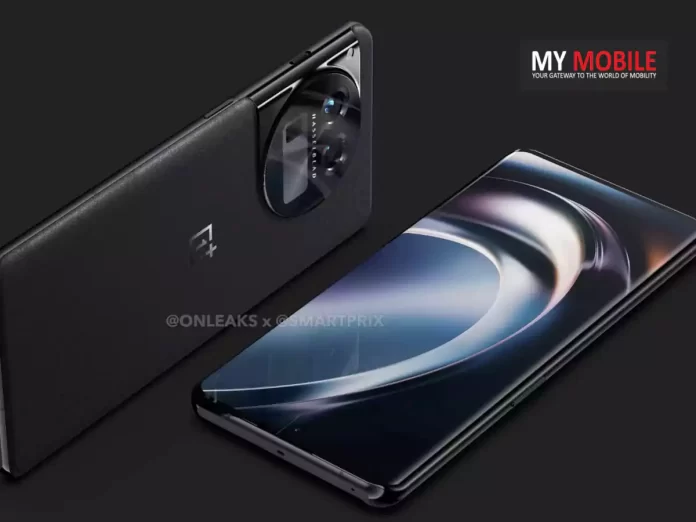
OnePlus is preparing to launch an unprecedented 3,000nits display.
Collaboration with BOE brings a new phase for displays made in China.
New display technology features 1440p resolution and 2160Hz PWM dimming.
Announcement to be made at “Sunrise·East” event in Chongqing, China.
OnePlus is gearing up to unveil a screen with an unprecedented brightness of 3,000 nits.
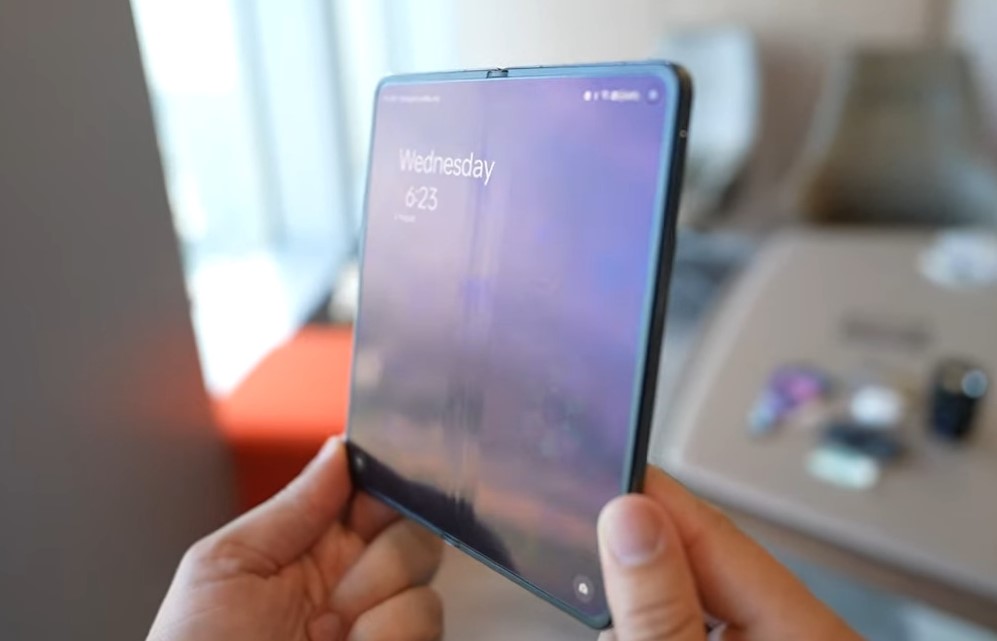
This comes just a week after the company launched its maiden foldable smartphone, the OnePlus Open, which featured a remarkable peak brightness of 2,800 nits.
The forthcoming display innovation from OnePlus is a result of a collaboration with BOE, a Chinese multinational electronics manufacturer.
In aWeibo post, the partnership has been touted as a “new dawn” for screens made in China.
There is growing speculation that this upcoming OnePlus device will very likely be the OnePlus 12.
The new display technology is not just about the staggering brightness; it also provides 1440p resolution along with 2160Hz PWM dimming capabilities, an upgrade from the 1440Hz PWM dimming found in existing panels.
OnePlus Open Foldable
The display’s staggering 3,000-nit peak brightness levels are in a league of their own when compared with other flagship smartphones.
As mentioned in the beginning, the current leader in the category, until the upcoming OnePlus device arrives, has been the company’s own OnePlus Open foldable, which actually has 2,800 nits of luminosity on both its inner and outer panels.
The announcement of this technological marvel is scheduled for the “Sunrise·East” event to be held in Chongqing, China.
This focus on display technology and peak brightness levels signifies a new era in the smartphone industry, which is now committed more than ever to offering enhanced visual experiences.
With OnePlus looking to raise the bar even higher, the industry is on the cusp of a new phase of rapid advancements in display technology.
FAQs
What is the peak brightness of the new OnePlus device?
The new OnePlus smartphone will feature an unparalleled peak brightness of 3,000 nits.
Who is OnePlus collaborating with for this technology?
OnePlus is partnering with BOE, a leading Chinese electronics manufacturer, for the new display.
What other features does the new display offer?
Apart from its brightness, the display also supports a 1440p resolution and 2160Hz PWM dimming.
When and where will the new OnePlus device be announced?
The device will be unveiled at the “Sunrise·East” event in Chongqing, China.
Nokia announces plan to cut up to 14,000 jobs due to a 20% decline in third-quarter sales.
Aimed at achieving long-term savings of up to 1.2 billion euros by 2026.
Mobile network sales see a 19 percent drop, reflective of a global 5G slowdown.
Nokia is embroiled in legal battles with Oppo, OnePlus, and Vivo, adding to the company’s woes.
Facing a significant sales slump of 20 percent in the third quarter, largely attributed to sluggish 5G equipment sales, Nokia, the Finnish telecommunications behemoth, has initiated a dramatic cost-cutting plan.
The decision to slash up to 14,000 jobs arrives as the company confronts multiple challenges, particularly in vital markets like North America and India.
Sales and Targets
The company aims for savings between €800 million euros (about Rs 70,40,00,00,000) and €1.2 billion by the year 2026.
The ambition is clear: Nokia strives to achieve a long-term target of a comparable operating margin of at least 14 percent by 2026.
These initiatives will result in Nokia’s current workforce of 86,000 being whittled down to a leaner 72,000-77,000.
Such a restructuring paints a picture of a company aggressively recalibrating its strategies to meet long-term financial goals.
Nokia: Sales and Targets
Underwhelming Performance
To put these measures into context, Nokia witnessed a steep drop in net sales in the third quarter, falling from 6.24 billion euros to 4.98 billion euros, missing the anticipated 5.67 billion euros as per an LSEG poll.
The underperformance was largely due to mobile network sales, which experienced a 19 percent drop in the same quarter.
This reflects a broader slowdown in 5G deployment, evident in markets like India.
Nokia’s Swedish competitor, Ericsson, shared similar concerns, anticipating a dip in sales for the second half of 2023 due to an uncertain economic landscape.
Legal Battles
Compounding Nokia’s troubles is an ongoing patent dispute with Oppo, which has led to delays in the release of the OnePlus Open.
The Finnish company is not limiting its legal pursuits to Oppo but is embroiled in lawsuits against Vivo as well in Europe.
FAQs
What is the primary reason for Nokia’s job cuts?
Nokia is slashing jobs primarily due to a significant slump in third-quarter sales, largely attributed to weak 5G equipment sales.
How many jobs will Nokia cut?
The company plans to reduce its workforce by up to 14,000, aiming for a streamlined employee base of around 72,000-77,000.
What are Nokia’s long-term financial goals?
Nokia aims to save between 800 million euros to 1.2 billion euros by 2026 and targets an operating margin of at least 14%.
Is Nokia facing any legal issues?
Yes, Nokia is currently in a patent dispute with Oppo and is also pursuing legal action against OnePlus and vivo in Europe.
Apple is to build AI servers in 2023 for an ambitious hybrid AI strategy involving cloud-based and edge AI.
Generative AI features are expected to debut in iOS 18 and iPadOS 18 by late 2024.
Deep Siri integration could make iPhones and iPads smarter than ever, capable of automating complex tasks.
The tech world is abuzz with speculation after Jeff Pu, an analyst from Haitong International Securities, divulged new insights into Apple’s ambitious AI plans.
According to supply chain checks, the Cupertino giant is eyeing 2023 to build a substantial number of AI servers and potentially roll out generative AI features by iOS 18 next year.
This could mark the next evolutionary step for Apple’s ecosystem, with generative AI likely making its debut not only on the company’s smartphones but also iPadOS 18.
However, several questions remain about how Apple will approach this groundbreaking technology while maintaining its stringent focus on user privacy.
Pu’s intelligence suggests that Apple is planning a two fold AI strategy.
On one end is cloud-based AI, and on the other is edge AI, which allows more on-device data processing.
This hybrid approach could result in faster and more efficient functionalities, reducing the need for constant internet connectivity and potentially enhancing user privacy by keeping more data on-device.
Generative AI: The New Frontier?
AI in iOS 18
Generative AIis currently all the rage right now thanks to its ability to create content based on user input and other data, a leap forward from simply analyzing data or making predictions.
This is where Apple’s acquisition of large language models, possibly for deeper Siri integration, becomes intriguing.
According to The Information, there are plans to make Siri more capable of automating complex tasks, possibly as part of iOS 18.
The Privacy Conundrum
Apple has a well-known commitment to customer privacy, a policy that often serves as a selling point for its products.
Integrating generative AI without compromising this commitment is the tightrope Apple will have to walk.
The prospect of on-device edge AI could be a key part of this strategy, ensuring that users’ data doesn’t have to leave their devices for processing.
FAQs
What is Apple’s proposed AI strategy?
Apple is looking at a hybrid AI model, incorporating both cloud-based and edge AI, for enhanced data processing capabilities.
When can we expect generative AI features on Apple devices?
If the rumors hold, generative AI could debut in iOS 18 and iPadOS 18 by late 2024.
What could generative AI mean for Siri?
Generative AI could significantly enhance Siri’s capabilities, allowing it to automate more complex tasks.
How does Apple plan to maintain user privacy?
Edge AI technology could allow more on-device data processing, potentially minimizing the privacy concerns tied to cloud-based data storage.
The recently disclosed plans represent a refinement and expansion of this initial effort where he had started an $8 per month service on X giving verified accounts certain privileges.
Here’s what Musk said on X. “Two new tiers of X Premium subscriptions launching soon.
One is lower cost with all features, but no reduction in ads, and the other is more expensive, but has no ads.”
No further details have been provided at this point but we can take some educated guesses.
Combatting Platform Abuse
One of the key challenges of any social media platform is maintaining the quality and integrity of content.
Musk is trying to combat this system with the introduction of a ‘Not-a-bot’ subscription model, currently in the pilot phase in New Zealand and the Philippines.
Priced at $1 per year, this model aims to filter out spam accounts and bots, thereby reducing the potential for misinformation and manipulation on the platform.
Musk believes that making even a minimal charge for platform usage will serve as an effective barrier against these longstanding issues.
Elon Musk Announces Two New Premium Subscription Models
While the focus on monetization has allowed Musk to address specific platform challenges like bot activity, it also brings its own set of problems.
According to data from SimilarWeb, X has suffered a noticeable drop in visitor numbers, plummeting from 6.4 billion in August to 5.8 billion in September.
Perhaps the most significant change is the future for non-paying users. In line with the aggressive monetization,X will restrict non-subscribers to a “read-only” mode.
Users can read posts, watch videos, and follow accounts but won’t have the ability to engage in conversations.
This drastic shift veers away from the platform’s historical commitment to free and open dialogue, and raises questions about its future as an inclusive digital public square.
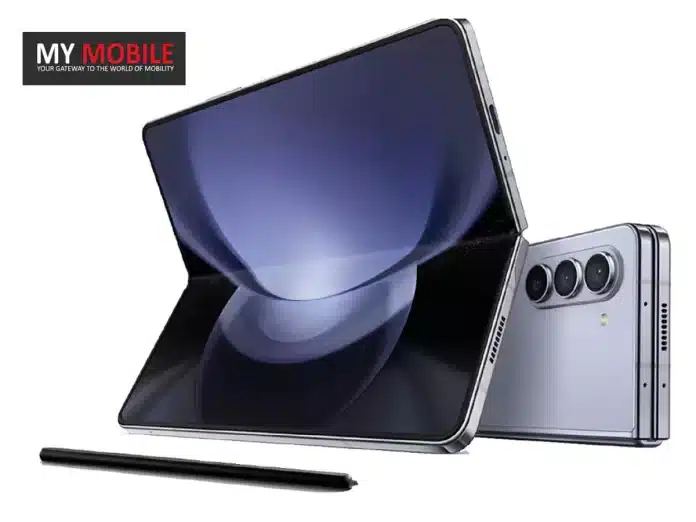
As part of the company’s 5th iteration, the Galaxy Z Fold 5 brought some incremental upgrades to the table.
So the tech community is already buzzing about its successor, the Galaxy Z Fold 6.
Amidst the rumors and speculations, there are some facts that provide a clearer view of what to expect from the upcoming device.
Camera Stagnation
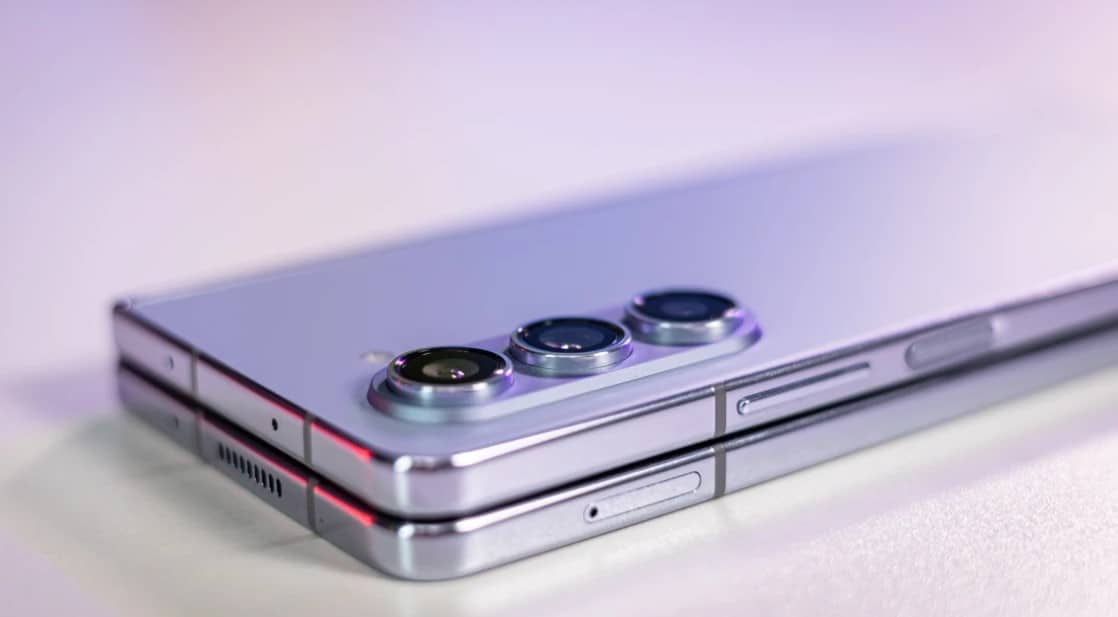
A major point of discussion is the camera module of the Galaxy Z Fold 6.
According to renowned tipster Ice Universe, the forthcoming foldable will maintain the same 50MP sensor found in its predecessors, the Galaxy Z Fold 5 and Fold 4.
This is somewhat surprising given the fast-paced advancements in smartphone camera technology.
Slimness: Room for Improvement
Samsung Galaxy Z Fold 6
While the camera setup may not see any drastic changes, the device’s form factor appears to be in focus.
This suggests that Samsung could be working on reducing the device’s profile to make it more competitive in the market.
No clear or concise numbers have been put forward as of yet, but it does seem that a tentative reduction in the thickness is definitely on the cards.
What About the Z Flip6?
In contrast to the Galaxy Z Fold 6, Samsung’s other foldable offering, the Galaxy Z Flip 6, is rumored to come with a significant camera upgrade.
Reports suggest that the device will feature a 50MP primary rear-facing camera, matching the imaging capabilities of the Galaxy Z Fold 5.
This would mark a significant advancement for the flip phone, which would likely be welcomed by consumers.
The competition in the foldable smartphone market is intensifying with entrants from OnePlus and other manufacturers.
In such a challenging environment, Samsung’s strategy seems to be more about refining existing technologies rather than introducing groundbreaking features.
FAQs
Will the Galaxy Z Fold 6 feature a new camera sensor?
No, it’s expected to keep the same 50MP sensor found in previous models.
How will the Galaxy Z Fold 6 compare in terms of thickness?
Rumors suggest it will have a slimmer profile compared to its predecessor.
Are there any major upgrades expected in Galaxy Z Fold 6?
Significant changes seem to be more on the design side, specifically in its slimness.
What about the Galaxy Z Flip 6 camera specs?
Reports suggest an upgraded 50MP primary rear-facing camera.
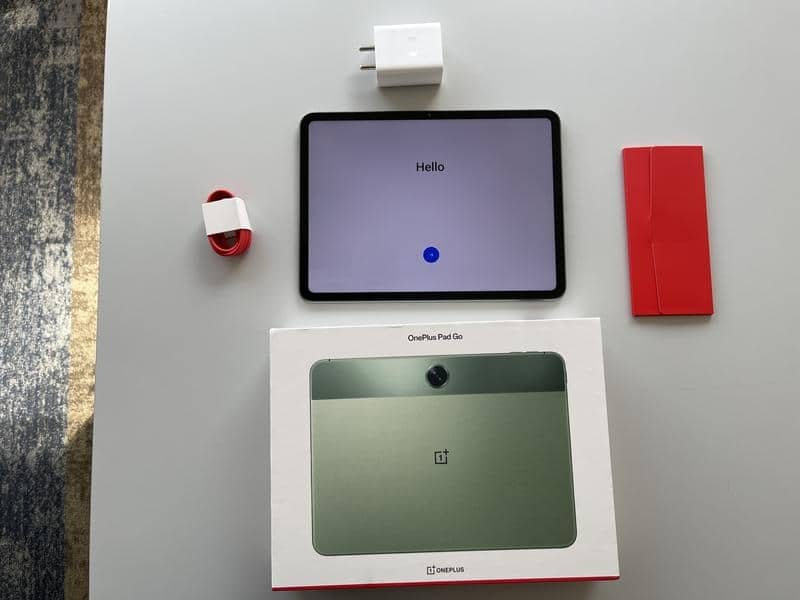
This tablet’s robust feature set, coupled with its competitive pricing—starting at Rs 19,999 for the Wi-Fi-only model—could signify a renewed interest in the Android tablet segment.
Apart from that, there are other lucrative pre-order deals, including bank offers, making the device an even more appealing choice.
Let’s delve deeper into its various aspects, from design and display to performance and battery life, to understand the OnePlus Pad Go’s true potential.
Key Specs
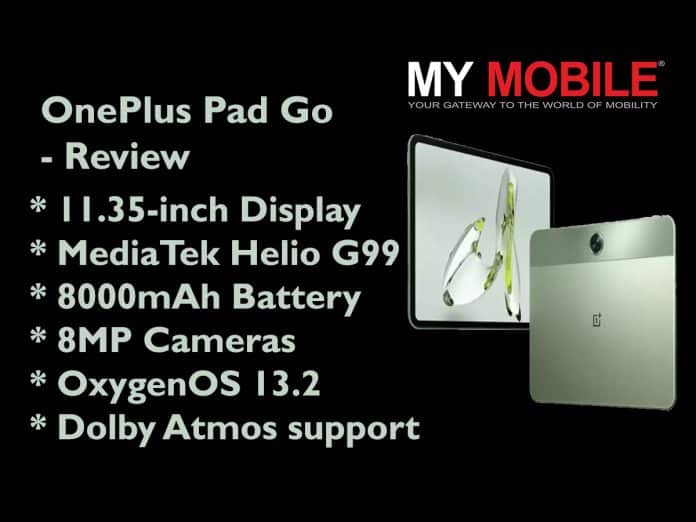
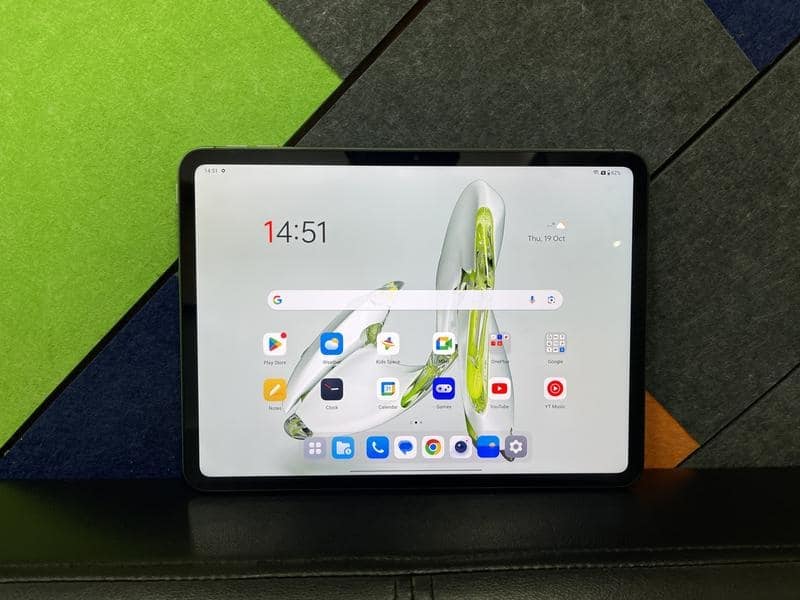
OnePlus Pad Go Review: Key Specs
Display: 11.35-inch 2K LCD screen with 90Hz refresh rate
Processor: MediaTek Helio G99
Storage: Options of 128GB and 256GB, expandable up to 1TB
Battery: 8000mAh with 33W charging
Cameras: 8MP front and rear
Operating System: OxygenOS 13.2
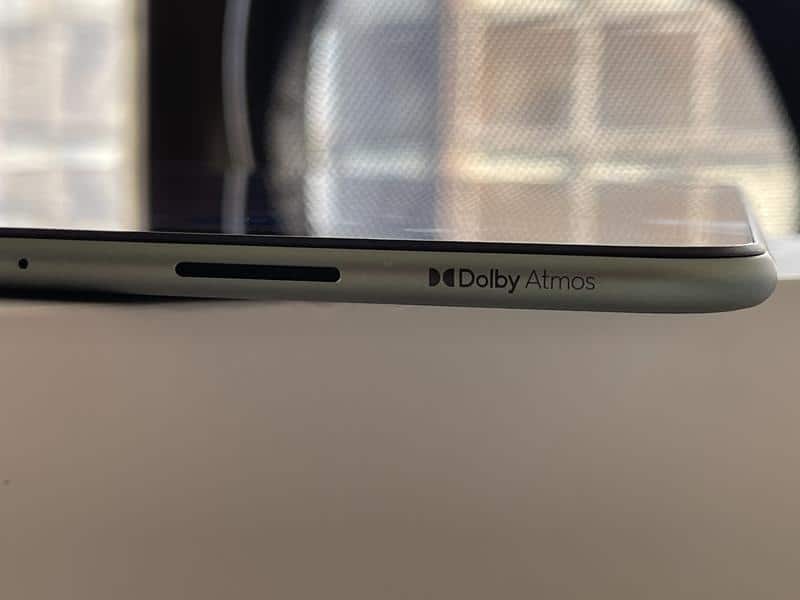
Audio: Dolby Atmos support
Pros and Cons
Pros
Cons
Durable Build
Slow Charging
Vivid Display
Limited Outdoor Visibility
Long Battery
Good Audio
Build and Design
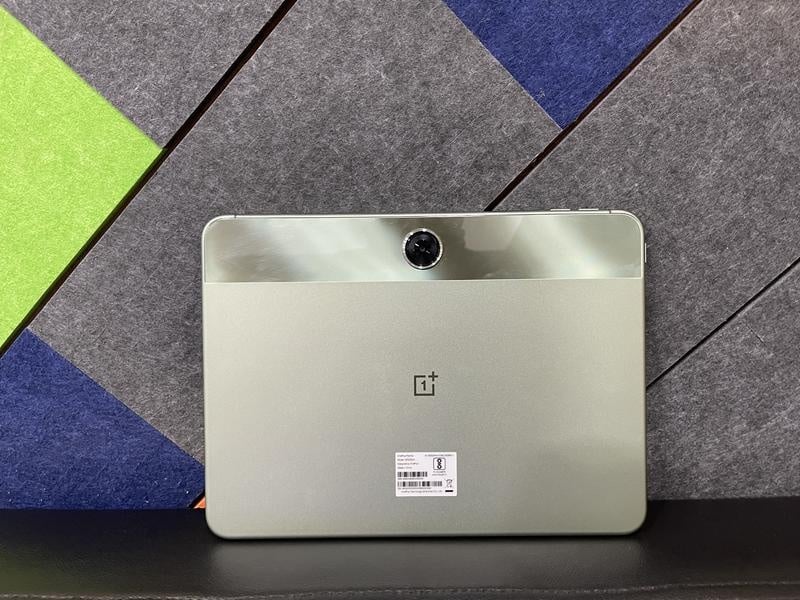
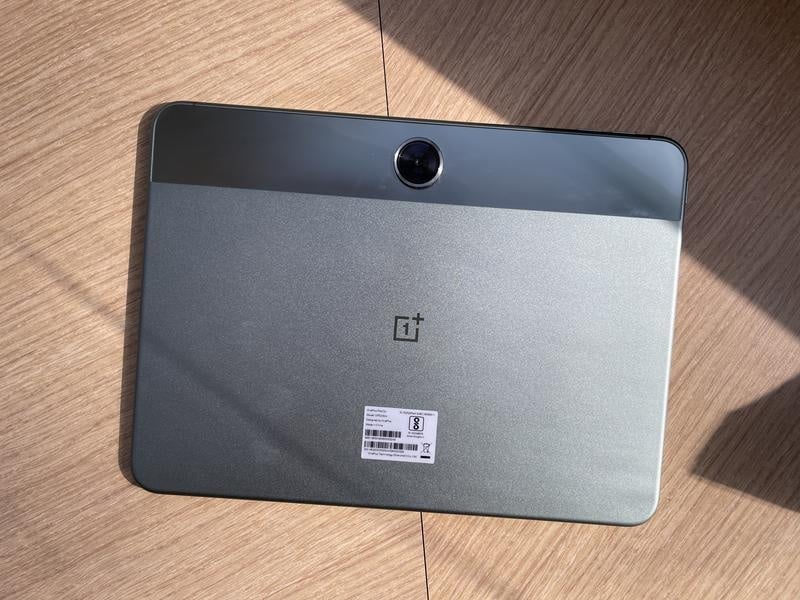
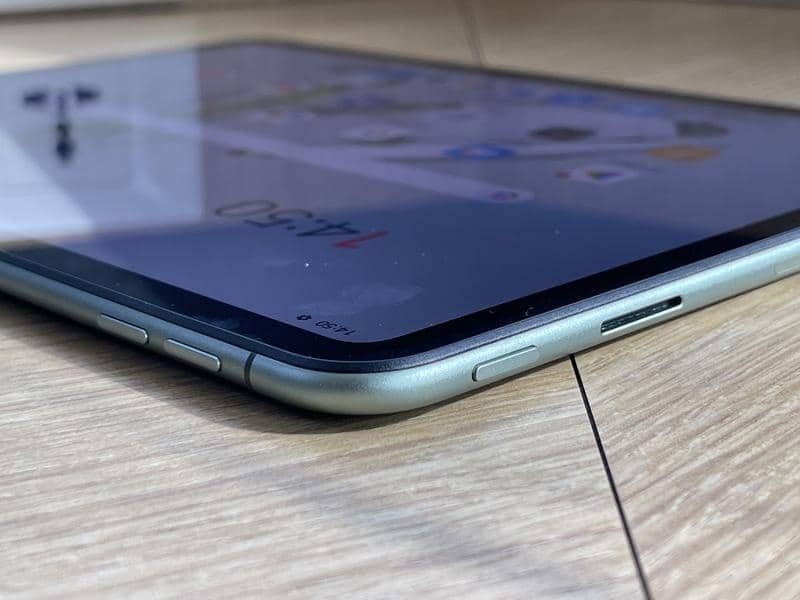
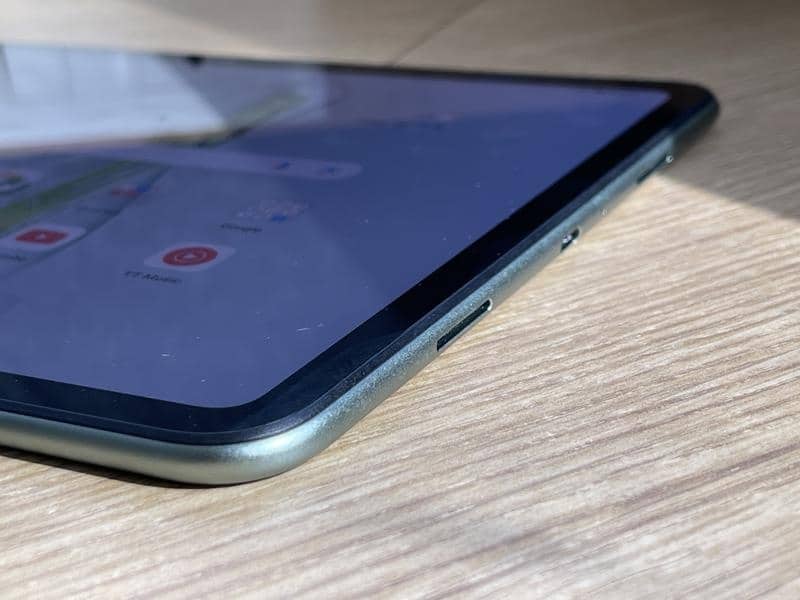
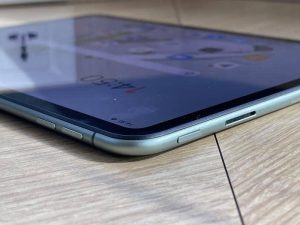
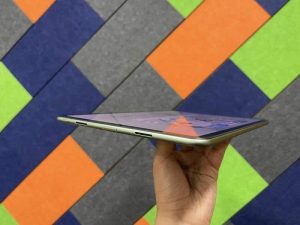
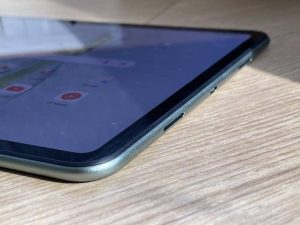
OnePlus Pad Go Review: Design
The OnePlus Pad Go’s unibody aluminum construction immediately signals durability and a premium feel in our hands.
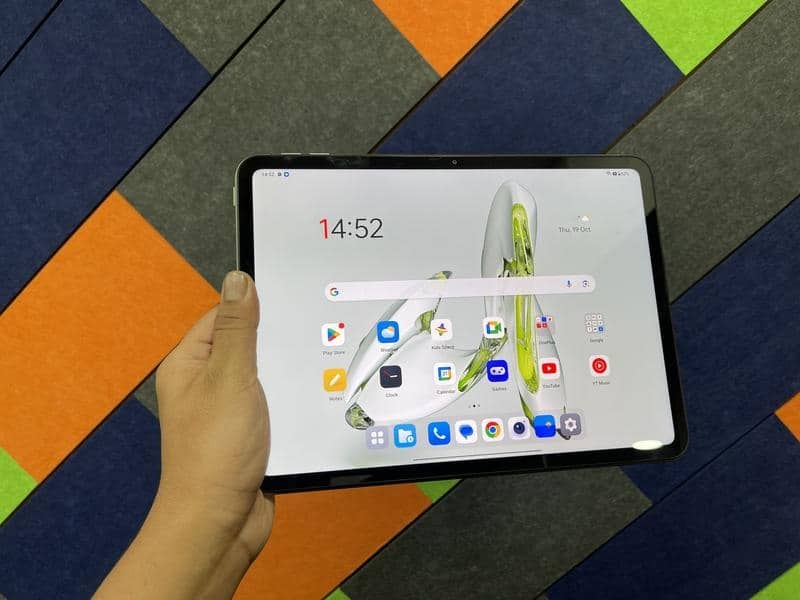
The ergonomic design features rounded edges basically providing a comfortable hand-hold experience.
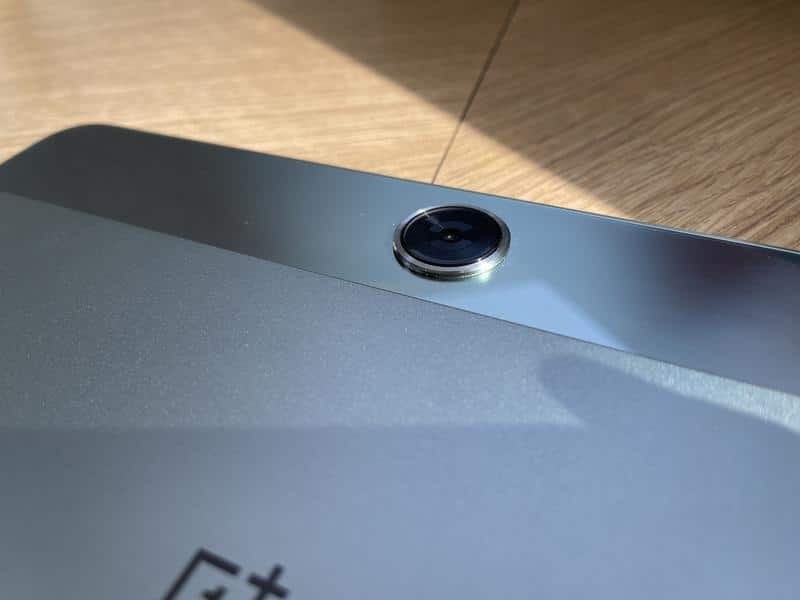
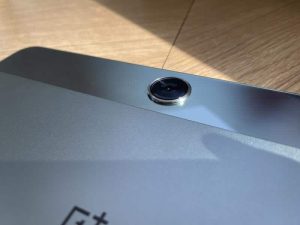
The device accommodates an 8MP camera both on the front and back.
While the front-facing camera sits within sizable, symmetrical bezels, these are far from being a design flaw.
In fact, they offer a functional advantage, providing enough grip space when holding the tablet in landscape or portrait mode, an especially helpful feature for a device of this size.
There is a USB Type-C port on the bottom, a quad-speaker setup on either side, volume rocker buttons on the opposite side, and a power button that is slightly difficult to reach.
A slight shortcoming of the OnePlus Pad Go is the lack of a keyboard foliocase to make proper use of the device’s utility.
Display
OnePlus Pad Go Review: Display
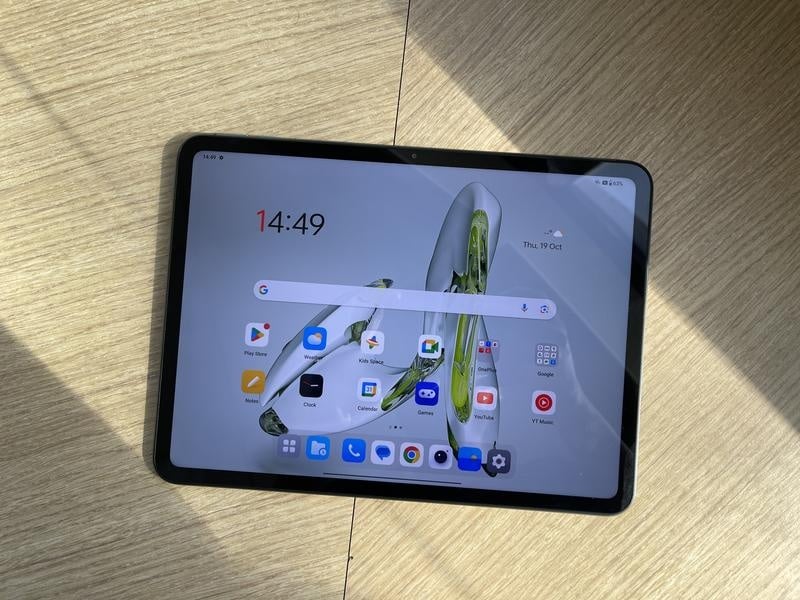
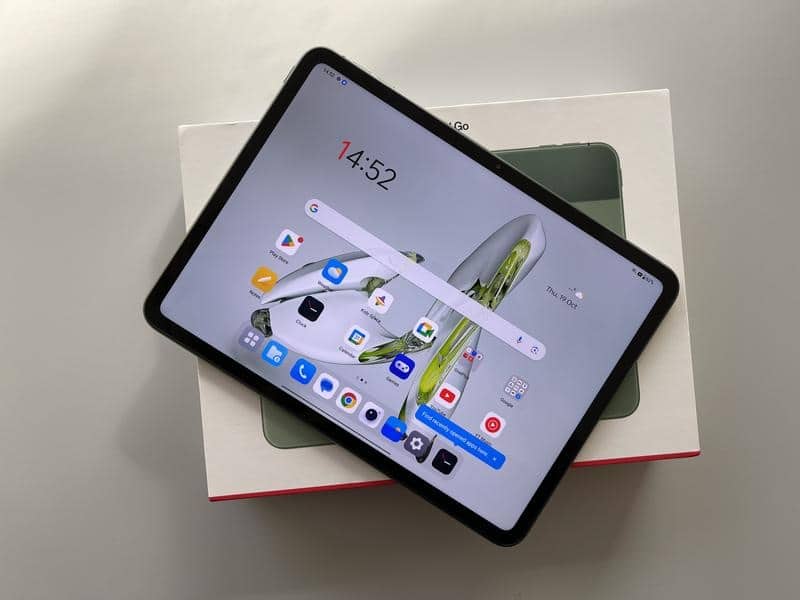
This tablet boasts an 11.35-inch 2K LCD screen with a 90Hz refresh rate, which is more than just impressive for its price bracket.
The display peaks at a brightness of 400 nits, sufficient for indoor use but not that great for outdoor conditions.
Beyond just the specs, the device also incorporates an intelligent, True Tone-like feature that adjusts the display’s colour temperature according to the ambient light, thus enhancing the viewing experience.
The OnePlus Pad Go runs on a MediaTek Helio G99 processor and comes with 8GB of RAM.
Users can opt between 128GB and 256GB storage variants, both expandable via Micro SD card up to 1TB.
On Geekbench 6, the device scored 1,886 on the multi-core test and 711 on the single-core, demonstrating decent performance for its price.
For gamers such as us, the large display and strong processor translated easily into a highly enjoyable gaming experience.
The device also did not appear to get hot while gaming, another good sign of great build quality.
The software, OxygenOS 13.2, is also highly optimised for tablet usage, offering a fluid multitasking experience with features like a quick access panel for recent files and documents.
A split-screen functionality allows users to work on two apps simultaneously, while other apps can be used in a floating window mode, contributing to workflow efficiency.
However, using too many apps does clog up the system’s RAM
Audio and Battery
OnePlus Pad Go Review: Audio
For its price, the OnePlus Pad Go provides excellent audio output, thanks to its Dolby Atmos support.
Four speaker cutouts provide an enriching stereo sound that is not only loud but has considerable depth, providing an immersive audio experience whether you are gaming or watching a movie.
The device houses an 8000mAh battery, which easily provides a couple of days’ worth of usage for a regular user.
Such extensive battery life is vital for a device expected to handle a wide array of tasks, from productivity to entertainment.
However, the 33W charging solution offered is a bit cumbersome and it takes the device about 3-4 hours to juice up completely.
Its standout features include an aluminum unibody design, an 11.35-inch 2K LCD screen, MediaTek Helio G99 processor, and a robust 8000mAh battery.
However, the lack of a faster charging solution and the absence of a keyboard folio case are drawbacks.
Nonetheless, it offers an array of features and strong performance that more than justify its price point, making it an excellent buy for those looking to enjoy premium features without a premium price tag.
FAQs
What can users expect from the battery life on OnePlus Pad Go?
The OnePlus Pad Go comes equipped with an 8000mAh battery that is designed to last. In moderate usage conditions, which may include browsing the web, streaming videos, and using various applications, the device can easily last up to two days. However, heavy gaming or continuous video playback may reduce this time frame slightly.
Does the OnePlus Pad Go support HD streaming on platforms like Netflix and Amazon Prime?
Absolutely, the device comes with Widevine L1 certification, which is a requirement for HD streaming on popular platforms such as Netflix, Amazon Prime Video, and Disney+. The high-resolution 2K display complements the HD content, offering an immersive viewing experience.
How expandable is the storage on this device?
The OnePlus Pad Go offers two storage variants: 128GB and 256GB. In addition to this, it has a dedicated Micro SD card slot that allows users to expand storage up to an impressive 1TB. This makes the device extremely versatile for storing a large amount of media, documents, and apps.
Are there any heating issues, particularly during gaming or heavy multitasking?
One of the impressive features of the OnePlus Pad Go is its thermal management. Even during extended gaming sessions or multitasking, the device does not show significant signs of overheating. The MediaTek Helio G99 processor, coupled with an efficient software interface, manages to maintain a stable temperature.
Google Meet launches portrait touch-up feature for mobile users with Google Workspace accounts.
Phased rollout begins on mobile platforms with plans to extend to web interface by year’s end.
Feature offers two modes for appearance enhancement: “subtle” and “smoothing.”
Google Meet is stepping up its game by launching a new portrait touch-up feature for its mobile app, aimed at Google Workspace users.
This much-anticipated upgrade offers users the ability to enhance their appearance subtly during video calls, bringing it at par with Zoom, which has offered a similar function for quite some time.
According to an official post on the Workspace Updates blog, Google is set to initiate a phased rollout of this feature for mobile devices, with plans to extend it to the web interface by year’s end.
This feature aims to give users the capability to modify their appearance modestly from the so-called “green room” before or during a meeting.
For those interested in using the portrait touch-up feature, it can be activated via the meeting settings in the Google Meet app on either Android or iOS platforms.
Google Meet App
Once a video call is underway, you would tap on the three-dot menu at the bottom right of the screen, navigate to “Settings,” and then switch on the “Portrait touch-up” option under the “Video” segment.
Starting October 28,Google Workspace account holders will have the option to fine-tune their appearance in two different modes while using the mobile app.
The “subtle” touch-up will offer minimal improvements like lightening the skin under the eyes and whitening the eyes.
On the other hand, the “smoothing” mode will offer these enhancements but with a more noticeable effect.
Google Meet: Video Conferencing
However, it’s worth mentioning that this feature will not be activated by default and is slated to become available on the desktop version by the close of the year.
Sadly, Googlehas made it clear that this functionality will not extend to personal account holders in the foreseeable future.
As a point of reference, Zoom has already offered a similar feature for years, allowing users to alter their appearance in real time with settings to smooth out skin imperfections.
FAQs
Who can access Google Meet’s new portrait touch-up feature?
The feature is currently only available to Google Workspace account holders using the mobile app.
When will the portrait touch-up feature be available on the web interface?
The web interface will include this feature by the end of the year.
Are there different modes for the touch-up feature?
Yes, there are two modes: a subtle touch-up for minimal enhancements and a smoothing mode for more noticeable effects.
Will this feature be available for personal Google Account holders?
No, Google has no current plans to extend this feature to users with personal Google Accounts.
Autocomplete feature now available in Samsung Internet Browser’s address bar.
Extended browsing history allows users to view data for up to 90 days.
New stable version 23.0.0.47 now rolling out in Galaxy and Play Stores.
Manual installation available via APKMirror for those who can’t wait.
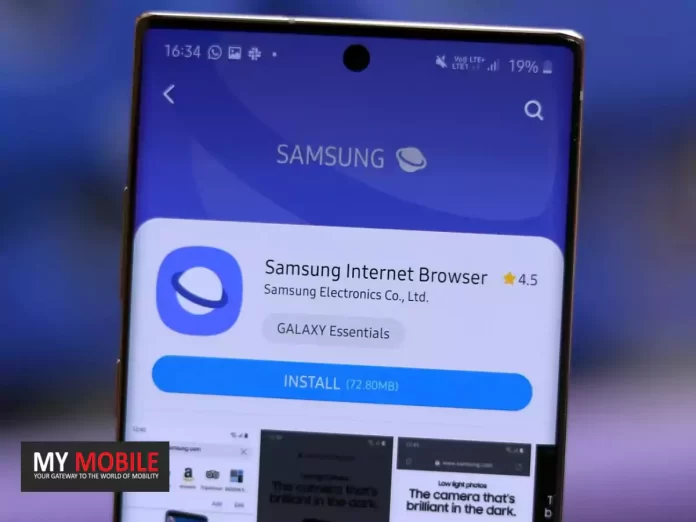
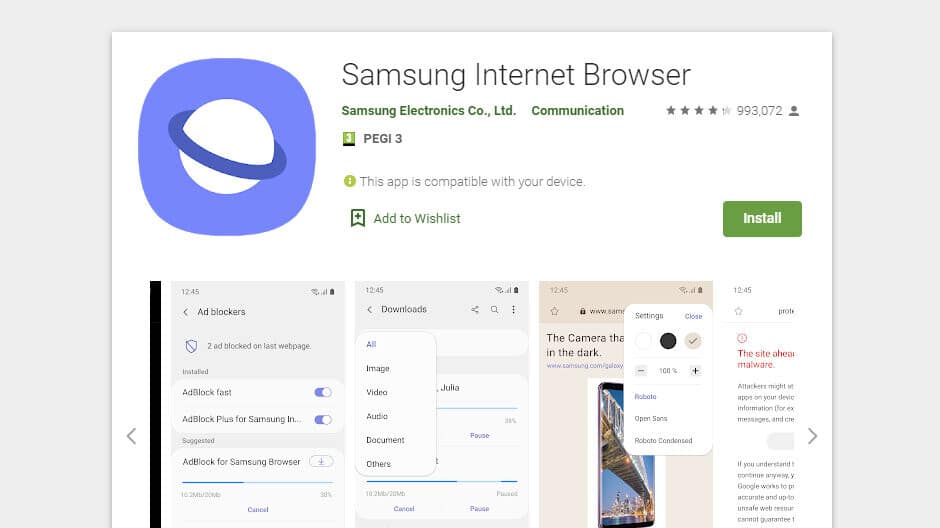
Samsung Internet Browser, a key player in the Android browser landscape, is finally catching up to its competitors.
The latest stable version, which has made the leap from v22 to v23, introduces a couple of useful features that were previously tested in the beta version.
One of them is the website name autocomplete in the address bar—a staple in most modern browsers, including Google Chrome.
The update also expands the duration for which your browsing history is saved.
Filling in the Gaps: Autocomplete Feature
It’s surprising that the Samsung Internet Browser, despite its popularity, has taken this long to introduce a feature as basic as autocomplete for website names.
This functionality activates when users begin typing a website name in the address bar, filling in the rest of the site name if it’s one they’ve visited before.
Google Chrome has had this feature for quite some time, making it a standard expectation among browser users.
Samsung Internet Browser Update
Extended Browsing History
Initially, the Samsung Internet Browser only allowed users to view up to 500 entries in their browsing history.
A subsequent update increased this limit to 60 days.
Now, the browserhas extended the viewing capacity for another 30 days, allowing users to backtrack their online steps for up to 90 days.
Availability and Installation
Version 23.0.0.47 of the Samsung Internet Browser is gradually rolling out, and although the Galaxy Store is the first point of release, the Play Store will also offer the updated app soon.
Those impatient for the new features can manually install the browser from APKMirror.
FAQs
What’s new in Samsung Internet Browser v23?
The latest version introduces an autocomplete feature and extends browsing history to 90 days.
Where can I download the new version?
It’s available in the Galaxy Store and will soon be in the Play Store as well.
Can I manually install the update?
Yes, the APK is available for manual installation via APKMirror.
Does Google Chrome have these features?
Yes, Google Chrome already includes both autocomplete and extended browsing history.
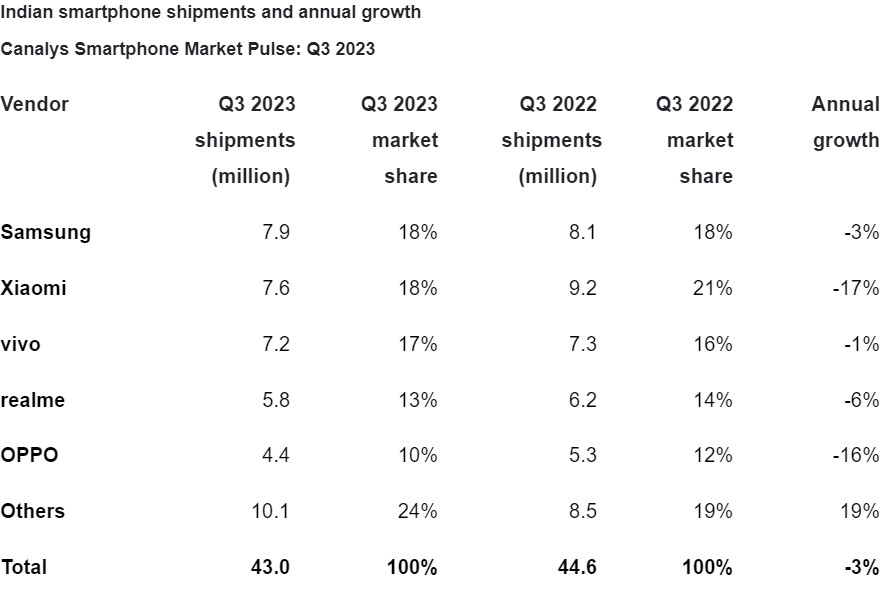
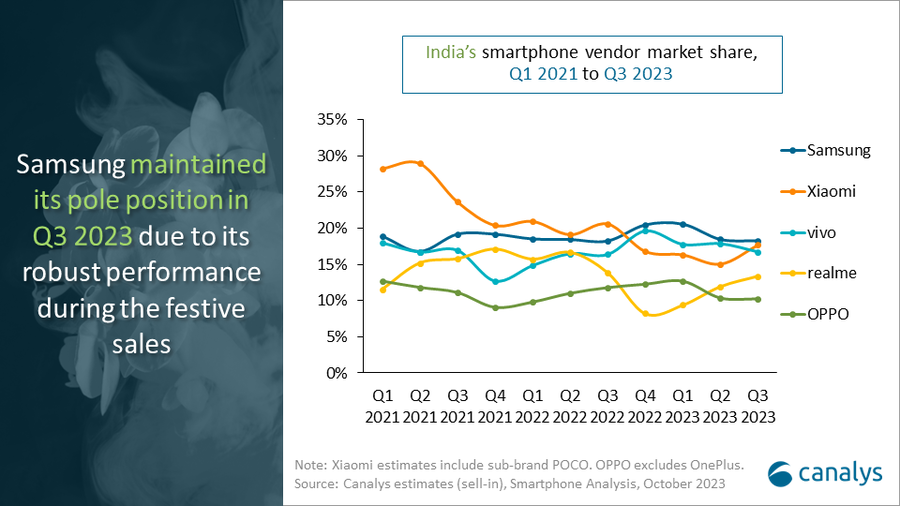
The South Korean tech giant has a market share of 18%, or 7.9 million units shipped.
Xiaomiisn’t far behind, climbing into second place with 7.6 million units, largely thanks to its new, affordable 5G models.
This year’s third-quarter results tell a compelling story about market trends and consumer preferences. Samsung’s steady performance is thanks to a balanced portfolio that caters to both the affordable and high-end segments.
Samsung Indian Smartphone Shipments
Meanwhile, Xiaomi’s focus on affordable 5G technology appears to be a winning strategy to capture market share, but not enough to overtake Samsung.
The premium smartphone market in India also saw strong growth, a segment where Samsung once again shined with its Galaxy S23 series.
At the same time, discounts on older Apple iPhone models such as iPhone 14 and 13 also contributed to this increase during the holiday season.
Interestingly,Realme and Oppo, which occupied the 4th and 5th positions, saw a decline compared to their performance in the same period last year.
Samsung Indian Smartphone Vendor Market Share
This suggests an opportunity for other brands, like OnePlusand Motorola, to potentially move up the rankings in the coming quarters.
Looking ahead, Samsung is projected to maintain its leadership in the final quarter of this year, mirroring its performance in Q4 2022.
Apple is also expected to grow in the “ultra-premium” segment and may even capture the top spot for premium shipments if the iPhone 15 lineupperforms well in India.
FAQs
Who led the Indian smartphone market in Q3 2023?
Samsung led the market with an 18% share and 7.9 million units shipped.
How did Xiaomi perform in this quarter?
Xiaomi climbed to second place by shipping 7.6 million units, largely due to its affordable 5G models.
What trends were observed in the premium smartphone segment?
The premium segment grew robustly, driven by Samsung’s Galaxy S23 series and older-generation iPhones offered at attractive deals.
Which brands faced a decline in Q3 2023?
Realme and Oppo experienced declines compared to the same timeframe in 2022.
AirDrop gets a makeover, allowing data transfer over the internet when out of range.
StandBy feature now customizable for iPhone 15 and iPhone 14 Pro models.
Music app revamp includes favorites, dynamic cover art, and playlist song suggestions.
Multiple bug fixes including crash detection and Screen Time syncing improvements.
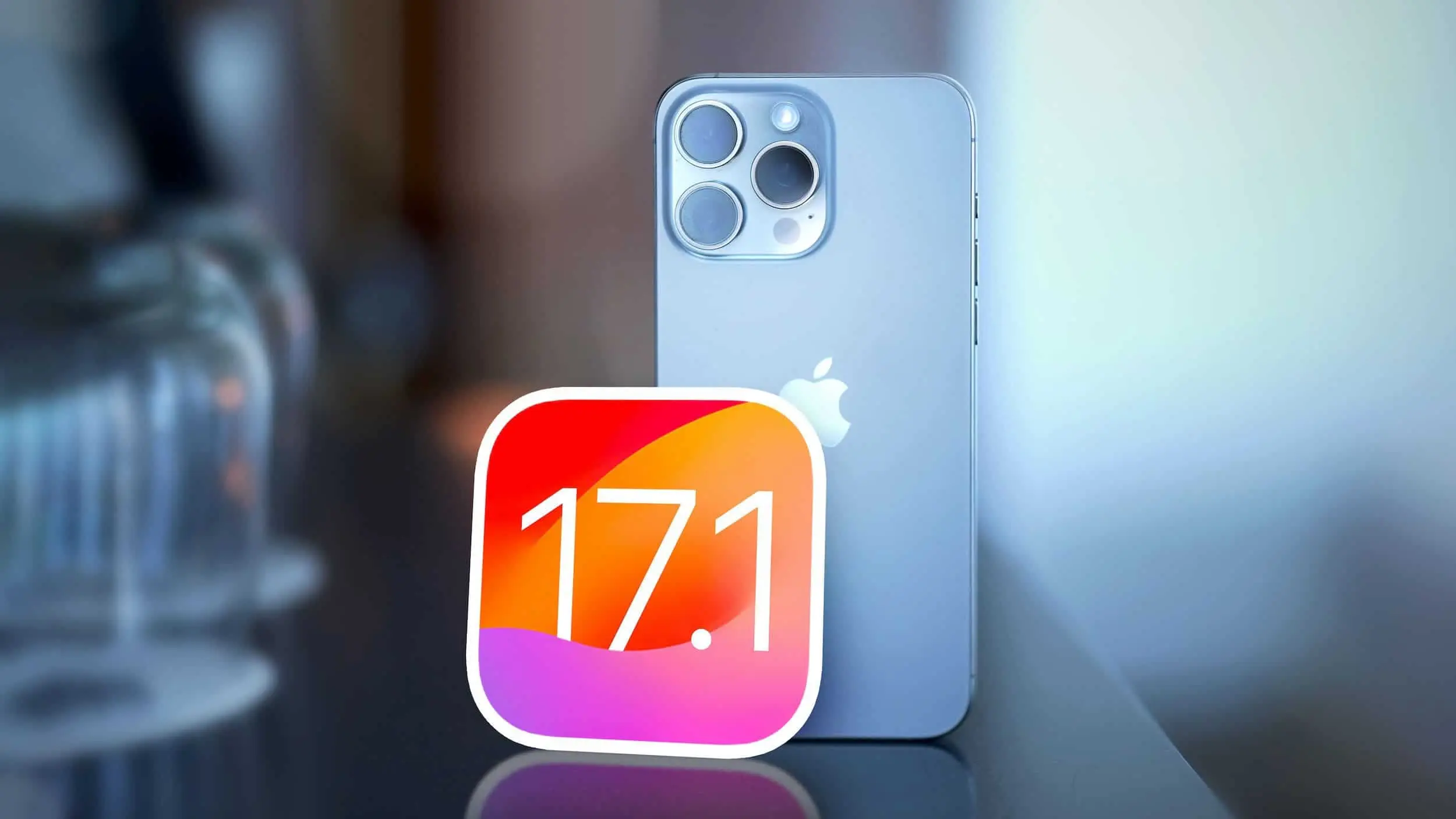
The iOS 17.1 update is about to hit the iPhones globally, and Applehas given us a glimpse of what to expect.
As usual, the software update is set to bring in various features and fixes that aim to enhance the user experience.
Chief among these updates are likely the new AirDrop capabilities, the new StandBy feature, and changes to the Music app.
Elevated AirDrop Experience
As mentioned, one of the standout features in iOS 17.1 focuses on AirDrop.
A new capability will allow data transfer to continue even when the involved parties move out of AirDrop’s range.
Instead of halting the process, the data transfer will automatically switch to an internet-based transfer, ensuring uninterrupted sharing.
This was announced by Apple earlier during its WWDC conference and now it is finally arriving on iPhones.
Smart Display Options
Apple iOS 17.1 Update
iOS 17introduced the StandBy feature, which turns your iPhone into a smart display when charging in landscape mode.
The upcoming 17.1 update extends this feature by offering more customisation options.
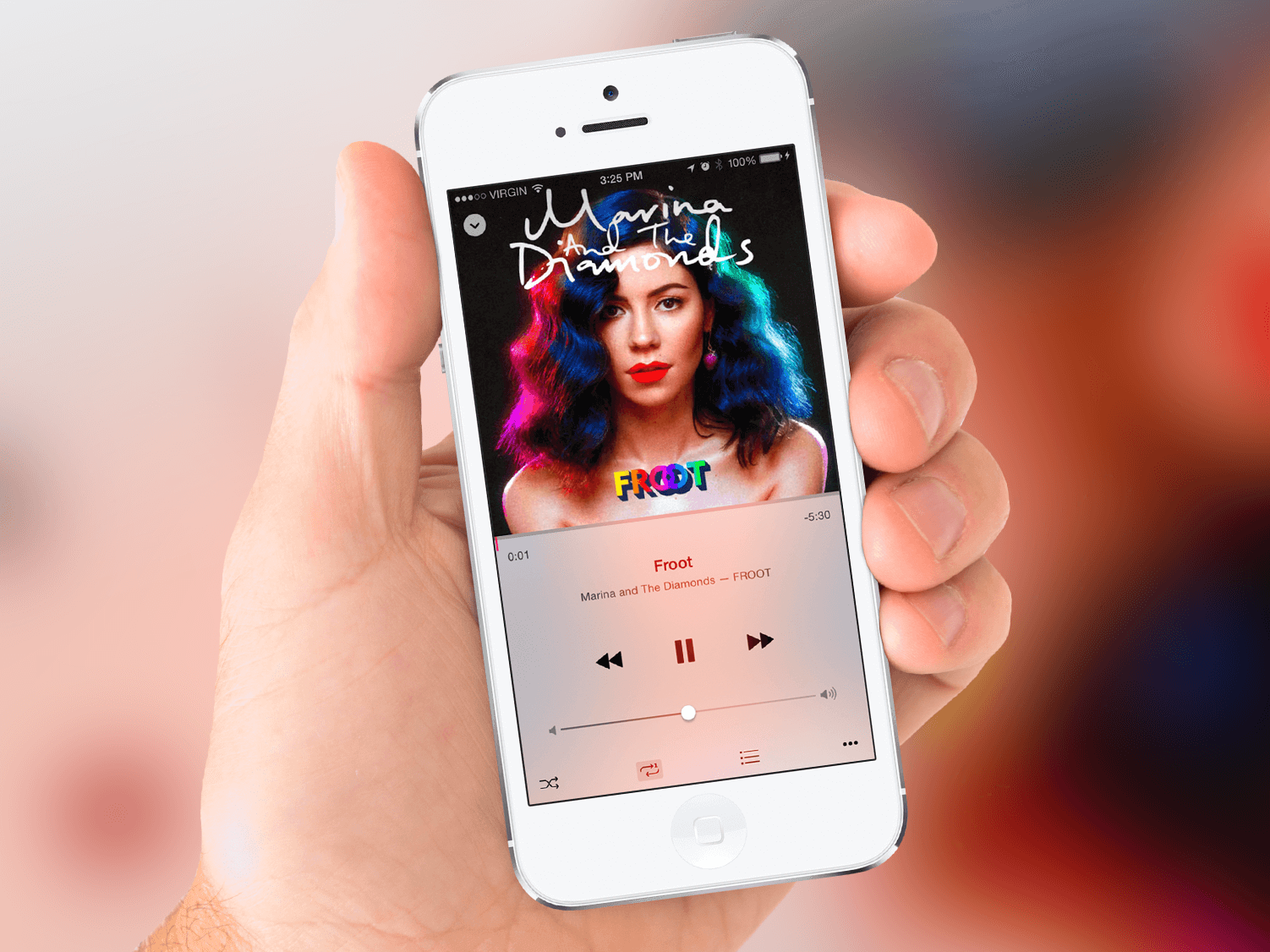
The iOS 17.1 update will introduce three noteworthy changes under the Music heading.
The Favorites section will now include songs, albums, and playlists, with a filter to display only your favorite items in your library.
The introduction of new cover art designs will offer a more dynamic, color-changing experience based on the music in your playlist.
Song suggestions will now appear at the bottom of every playlist, helping you to effortlessly add music that complements your existing tracks.
Addressing Bugs and Performance Issues
Apple iOS 17.1 Update: Performance
Apple also aims to improve device reliability through several bug fixes.
The update is set to optimize crash detection for iPhone 14 and iPhone 15 users and enhance the syncing of Screen Time settings across multiple devices.
Additionally, it promises to resolve several irritations, such as unresponsive virtual keyboards, caller name display issues during other calls, and bugs related to custom and purchased ringtones for text messages.
FAQs
What new features will AirDrop get in iOS 17.1?
AirDrop will now be able to continue data transfer over the internet if users move out of its range.
How does the StandBy feature change in the new update?
The StandBy feature will have new customization options for certain iPhone models, including an auto-off setting.
What changes are coming to the Music app?
Favorites will now include songs, albums, and playlists, and new dynamic cover art will change colors based on the music.
Are there any important bug fixes?
Yes, iOS 17.1 will fix several bugs including issues with crash detection, Screen Time syncing, and unresponsive virtual keyboards.