Home Blog Page 456

Google’s Tensor G5 to Use TSMC’s 3nm Process, Enhancing Performance and Efficiency in 2025

0
Google's Tensor G5 to Use TSMC's 3nm Process, Enhancing Performance and Efficiency in 2025

Highlights

  • Google to switch from Samsung to TSMC for its Tensor G5 SoC production in 2025.
  • Tensor G5 to utilize TSMC’s advanced 3nm process, promising better performance and power efficiency.
  • Move aims to address performance gaps compared to Qualcomm and MediaTek chips.
  • New Tensor G5 will be featured in the upcoming Pixel devices, enhancing their competitive edge.

Google is set to switch to TSMC for its proprietary Tensor G5 SoC in 2025.

The new report reveals that Google’s switch will also bring a 3nm process to the Tensor G5 in Pixel devices.

Of course, that brings with it more than performance, which is something that the Tensor chipsets lack when placed in competition with Qualcomm and MediaTek.

It brings power efficiency as well.

A representative from a major global foundry company stated, “The main reason big customers choose TSMC is the difference in chip power efficiency offered by both companies at cutting-edge processes.”

The representative also highlighted challenges in heat management. “Heat issues in semiconductors have been a longstanding challenge for leading chip manufacturers over the past 20 years, but it has become a crucial issue with the onset of the AI semiconductor era,” they explained. “In mobile chips, heat issues can compromise the entire structure of smartphones, and for server chips, the heat generated by one server rack can spread like wildfire, potentially causing overload across the entire server.”

Samsung to be Replaced by TSMC
Google to switch from Samsung to TSMC for its Tensor G5 SoC production in 2025
After a few generations with Samsung, Google is set to switch to TSMC for Tensor in 2025

Since the debut of the first Tensor chip in the Pixel 6 series in 2021, Google has been using Samsung to produce its subsequent chips.

This was partly because Samsung’s Exynos provided a foundation for Tensor.

However, as Google approaches the tenth Pixel generation, the company is gearing up for a significant change.
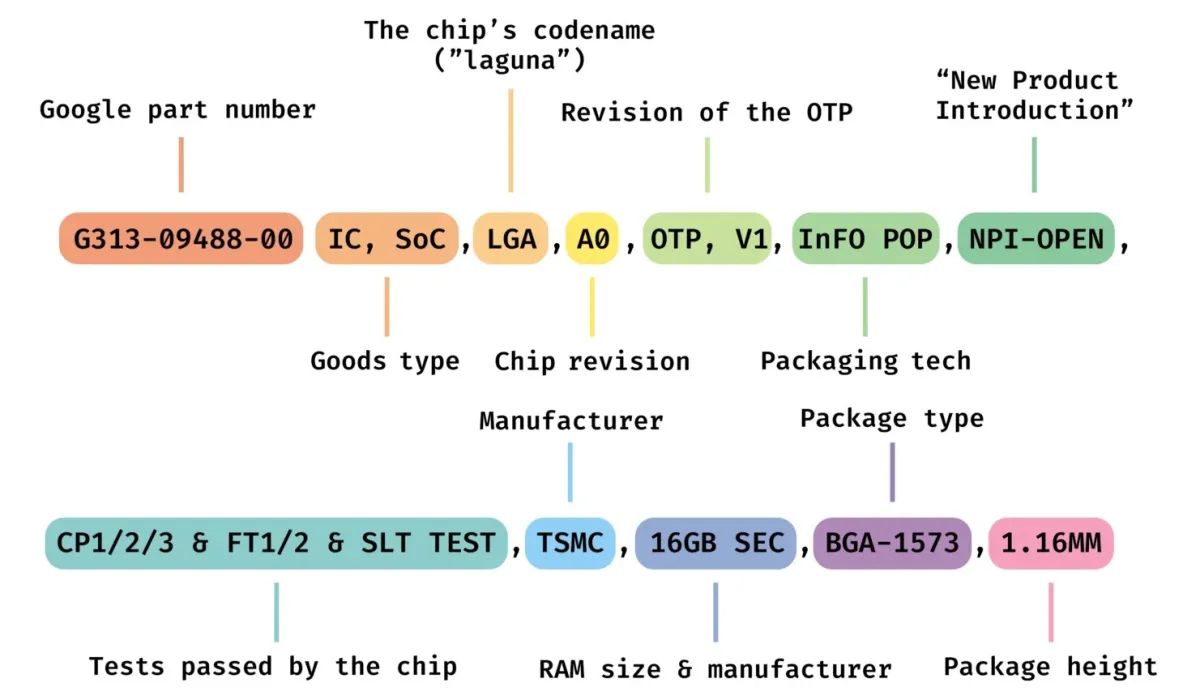
A trading record provides the first proof that the Tensor G5 will be fabbed by TSMC instead

As reported in July 2023, Google has struck a deal with TSMC to produce the first fully custom Tensor chip for Pixel devices, likely called Tensor G5 if Google keeps its existing numbering scheme.

Since the initial report, development has continued to progress, including Google locking down testing facilities for the chip.

A 3nm Wave for Upcoming SoCs
Tensor G5 to utilize TSMC's advanced 3nm process, promising better performance and power efficiency
A new report also reveals that Google’s switch will also bring a 3nm process to Tensor G5 in Pixel devices

A recent report offers additional information.

Business Korea reports that Google will be using TSMC’s 3nm process for this upcoming Tensor generation.

This comes as no surprise, as Apple started leveraging this process on the 2023 iPhone 15 Pro lineup, and both Qualcomm and MediaTek are also expected to adopt the newer process with their upcoming generations.

Analyst Ming-Chi Kuo says that Samsung may end up shifting back to a Snapdragon-only approach for the Galaxy S25 next year.

Why this change?
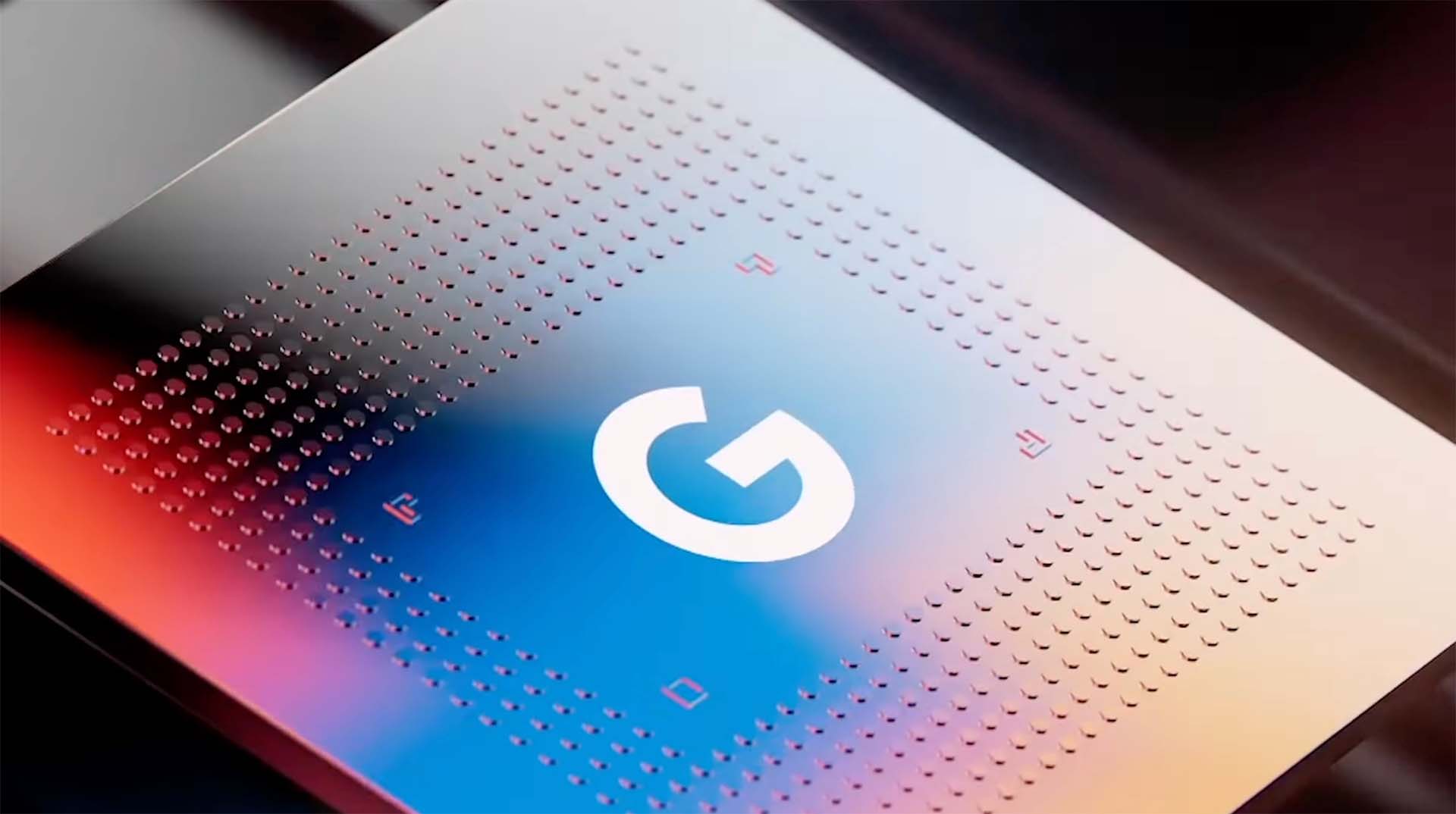
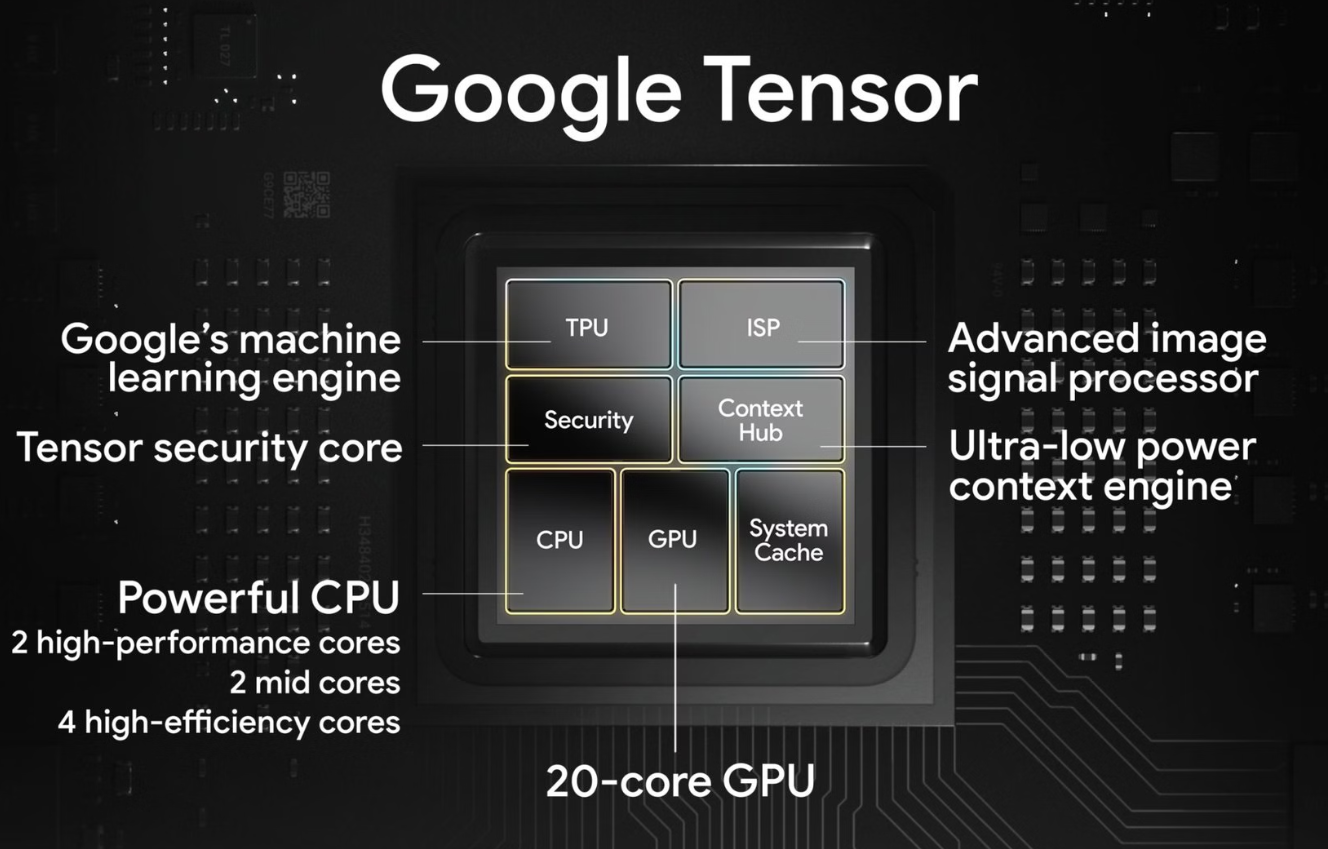
New Tensor G5 will be featured in the upcoming Pixel devices, enhancing their competitive edge
Business Korea reports that Google will be using TSMC’s 3nm process for this upcoming Tensor generation

To few people’s surprise, the report goes on to discuss that Samsung, is struggling with yield and power efficiency issues, including on the upcoming Exynos 2500 chip.

Power consumption and heat performance are said to be about 10-20% lower than TSMC’s 3nm process.
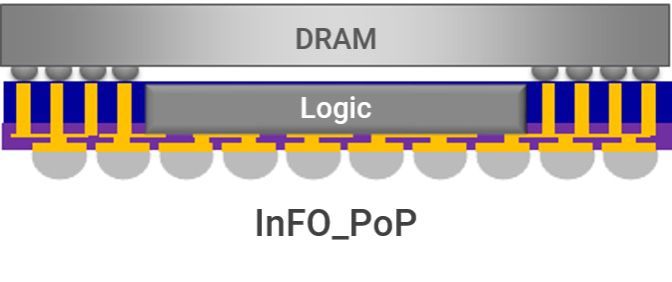
InFO_PoP, the industry's 1st 3D wafer level fan-out package,
InFO_PoP, the industry’s 1st 3D wafer level fan-out package

The current Tensor G3 is built on a 4nm Samsung process, and by late-2025, switching to 3nm was inevitable.

Will it improve the performance metrics on the Pixel 10?

That is question which will be answered in due time.

FAQs

Why is Google switching from Samsung to TSMC for the Tensor G5 production?

Google is switching to TSMC for its Tensor G5 production due to TSMC’s superior 3nm process, which offers better yield, power efficiency, and performance compared to Samsung’s current capabilities.

What benefits will the 3nm process bring to the Tensor G5?

The 3nm process will provide significant improvements in performance and power efficiency, making the Tensor G5 more competitive with other high-end SoCs from Qualcomm and MediaTek.

When will the Tensor G5 be available in Pixel devices?

The Tensor G5 is expected to be featured in Pixel devices starting in 2025, likely debuting with the Pixel 10 series.

How does the Tensor G5 compare to previous Tensor chips?

The Tensor G5, produced using TSMC’s 3nm process, is anticipated to surpass its predecessors in terms of performance, power efficiency, and overall chip yield, addressing previous limitations found in Tensor chips manufactured by Samsung.

What other companies are using TSMC’s 3nm process?

Apple has already started using TSMC’s 3nm process for its 2023 iPhone 15 Pro lineup, and both Qualcomm and MediaTek are expected to adopt this advanced process for their upcoming SoCs.

Also Read: Google’s Tensor G5 Chip Could be A New Era for Pixel Phones with Exynos-Free Design

Also Read: Google Pixel 8 Pro on Geekbench with Tensor G3 Chipset & 12 GB RAM Ahead of October 4 Launch: First Device with Android 14 Out of the Box

Also Read: Google Pixel 7 Tensor G2 Chip; Speed in Learning Tasks
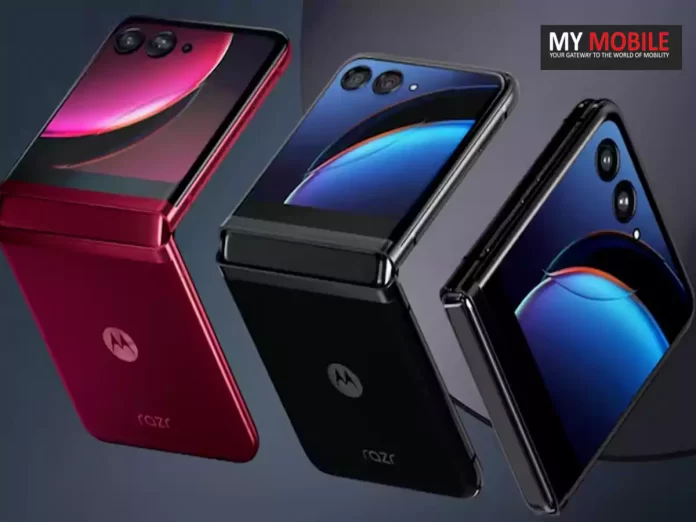
Motorola Razr Plus 2024: Leaked Features Include Telephoto Lens, Improved Water Resistance, and AI Capabilities

0
Motorola Razr Plus 2024: Leaked Features Include Telephoto Lens, Improved Water Resistance, and AI Capabilities

Highlights

  • Leaked video suggests Motorola Razr Plus 2024 will have a telephoto lens for enhanced zoom capabilities.
  • The new model is expected to feature IPX8 water resistance for better underwater protection.
  • AI-powered camera features and “Moto AI” technology are hinted in the leaks.
  • The Razr Plus 2024 may come with a slightly larger 4000 mAh battery and Snapdragon 8+ Gen 3 chipset.

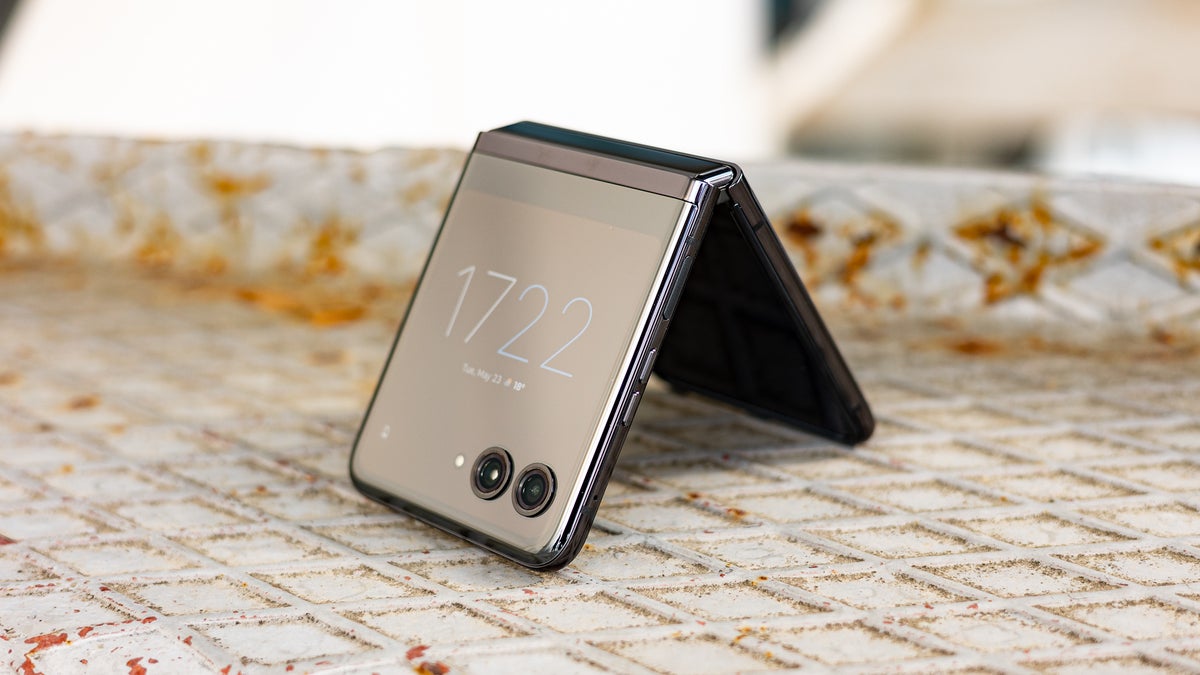
Motorola is expected to launch another flagship folding phone this year – the Razr Plus.

With its launch just a week away, a new leak points at upcoming features of the smartphone.

According to the leak, the Motorola Razr Plus 2024 could feature a telephoto lens, improved water resistance, and AI capabilities.

What the Leaks Say About the Razr Plus 2024

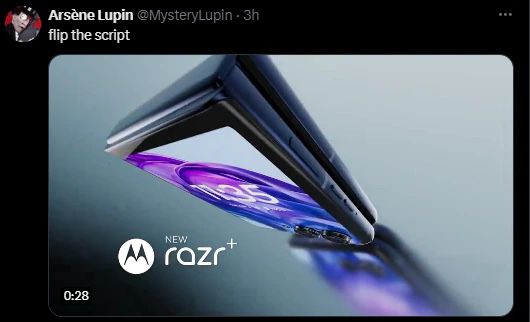
A tipster, @MysteryLupin, shared a video on X (formerly Twitter) resembling a teaser for the upcoming model.

The video starts by showing the cover display with thinner bezels than previous models.

However, the display does not look significantly different from its predecessors.

After the display, the video shows the upcoming device will come with improved water resistance, touting “underwater protection.”

Motorola Razr Plus 2024 details leak ahead of launch next week

The disclaimer mentions IPX8 resistance, which is a mixed improvement compared to previous models’ IP52 dust and water resistance, allowing splashes but not full submersion.

Along with water resistance, dust protection is highlighted, which is uncommon on many foldable smartphones currently available.

For instance, Samsung only offers water resistance.

An Upgraded Camera Setup?

Motorola Razr Plus 2024: Leaked Features Include Telephoto Lens, Improved Water Resistance, and AI Capabilities
The upcoming flagship might offer IP52 dust and water resistance

For camera enthusiasts, the video reveals one of the cameras will offer telephoto zoom.

The previous Razr Plus model, released in 2023, had a standard camera alongside an ultrawide, as most dual-camera devices opt for nowadays.

Telephoto cameras are rare on foldable flip phones, so this is a welcome addition to the new Motorola Razr Plus, but it’s unclear if it comes at the cost of an ultrawide shooter.

To compete with the AI world, the smartphone will also feature AI capabilities.

In the video, the camera is apparently “AI-powered,”and the device includes “Moto AI.”

According to the leak, the smartphone might feature a telephoto zoom in one of the cameras

According to some of the previous leaks of Motorola’s upcoming Razr Plus, there isn’t any detail on significant changes to the foldable flip phone.

While the cheaper model seemed to be getting a full-size cover display, the flagship looked to just be getting a spec bump.

However, this leaked, official-looking video offers a couple of interesting details.

In previous leaks, the new Razr Plus is said to come with a slightly larger 4000 mAh battery, compared to the 3800 mAh one inside the last generation.

It may also feature the Snapdragon 8+ Gen 3 chipset.

Motorola Razr Plus 2024 Specs

GENERAL

Sim Type Dual Sim, GSM+GSM
Dual Sim Yes
Sim Size Nano SIM
Device Type Smartphone
Release Date June 29, 2024 (Expected)

DESIGN

Dimensions 74 x 170.8 x 7 mm
Weight 184.5 g
Design Type Flip (Clamshell)
Colors Midnight Blue, Spring Green and Hot Pink

DISPLAY

Type Color pOLED (1B Colors)
Touch Yes
Size 6.9 inches, 1080 x 2640 pixels, 165 Hz
Aspect Ratio 20:9
PPI ~ 413 PPI
Screen to Body Ratio ~ 85.1%
Features 2500 nits peak brightness, HDR10+,123% DCI-P3
Notch Yes, Punch Hole
Foldable Display Yes
Dual Display Yes, OLED, 3.6 inches, 1066 x 1056 pixels, 144Hz Refresh Rate, 4:3 Aspect Ratio, HDR10+

MEMORY

RAM 12 GB
Storage 256 GB
Card Slot No

CONNECTIVITY

GPRS Yes
EDGE Yes
3G Yes
4G Yes
5G Yes
5G Bands 1, 3, 5, 7, 8, 20, 28, 38, 41, 66, 77, 78, 79 SA/NSA/
VoLTE Yes, Dual Stand-By
Wifi Yes, with wifi-hotspot
Wifi Version WiFi-6E
Bluetooth Yes, v5.3
USB Yes, USB-C v2.0
USB Features USB on-the-go, USB Charging

EXTRA

GPS Yes, with A-GPS, GLONASS, Galileo
Fingerprint Sensor Yes, Side
Face Unlock Yes
Sensors Accelerometer, Gyro, Proximity, Compass, Barometer (USA only)
3.5mm Headphone Jack No
NFC Yes
Water Resistance Yes
Splash Resistant Water Repellent Design
IP Rating IPX8
Dust Resistant Yes
Extra Features eSIM support , AI Editing Features

CAMERA

Rear Camera 50 MP (Wide Angle)
50 MP 2x Telephoto Lens (Telephoto) with autofocus
Features AI Photo & Video Capture
Video Recording 4K @ 30 fps UHD, 1080p @ 30 fps FHD
Flash Yes, LED
Front Camera 32 MP (Wide Angle)
Front Video Recording 4K @ 30 fps UHD, 1080p @ 30 fps FHD

TECHNICAL

OS Android v14
Chipset Qualcomm Snapdragon 8s Gen3
CPU 3 GHz, Octa Core Processor
Core Details 1×3.0 GHz Cortex-X4 & 4×2.8 GHz Cortex-A720 & 3×2.0 GHz Cortex-A520
GPU Adreno 735
Java No
Browser Yes, supports HTML5

MULTIMEDIA

Email Yes
Music Yes
Video Yes
FM Radio No
Document Reader Yes

BATTERY

Type Non-Removable Battery
Size 4000 mAh, Li-ion Battery
Fast Charging Yes, Rapid Charging
Wireless Charging Yes

FAQs

What new camera features can we expect in the Motorola Razr Plus 2024?

The Motorola Razr Plus 2024 is rumoured to include a telephoto lens, a significant upgrade from the standard and ultrawide cameras found in previous models.

How does the water resistance of the Razr Plus 2024 compare to its predecessors?

The new model is expected to have IPX8 water resistance, offering better underwater protection than the previous IP52 rating, which only protected against splashes.

What AI capabilities will the Razr Plus 2024 feature?

The leaked video suggests the inclusion of AI-powered camera features and “Moto AI” technology to enhance the user experience and photo quality.

Will the Motorola Razr Plus 2024 have a larger battery?

Yes, leaks indicate that the Razr Plus 2024 will come with a slightly larger 4000 mAh battery, compared to the 3800 mAh battery in the previous generation.

What chipset is expected in the Motorola Razr Plus 2024?

The upcoming Razr Plus is rumoured to feature the Snapdragon 8+ Gen 3 chipset, providing improved performance and efficiency.

Also Read: Motorola Razr 40 Ultra revealed in new promotional videos ahead of launch

Also Read: Motorola Razr 40 Ultra Price, Specifications and Design renders officially leaked ahead of June 1st launch

Google Pixel 9 to Feature AI-Powered Creative Assistant in Android 15: Report

0

Highlights

  • Google Pixel 9 may introduce an AI-powered Creative Assistant to generate stickers and emojis.
  • The new tool could work directly on the device or use cloud computing for enhanced performance.
  • Expected to be exclusive to Pixel phones initially, with possible wider rollout later.
  • Rumored specs include Tensor G4 chip, 6.03-inch display, and dual rear cameras.

A new report suggests Google may introduce an AI-powered creativity tool.

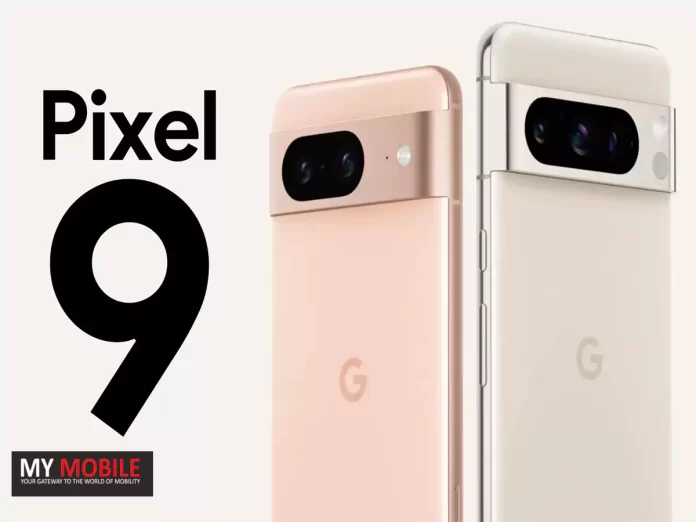
Code in Android 15 Beta 3 hints the upcoming Pixel 9 and Pixel 9 Pro phones could feature a “Creative Assistant”.

Pixel 9 Series: Creative Google Assistant?

Google Markup app with (empty) remix button forcefully enabled
Google is working on a new app called Creative Assistant

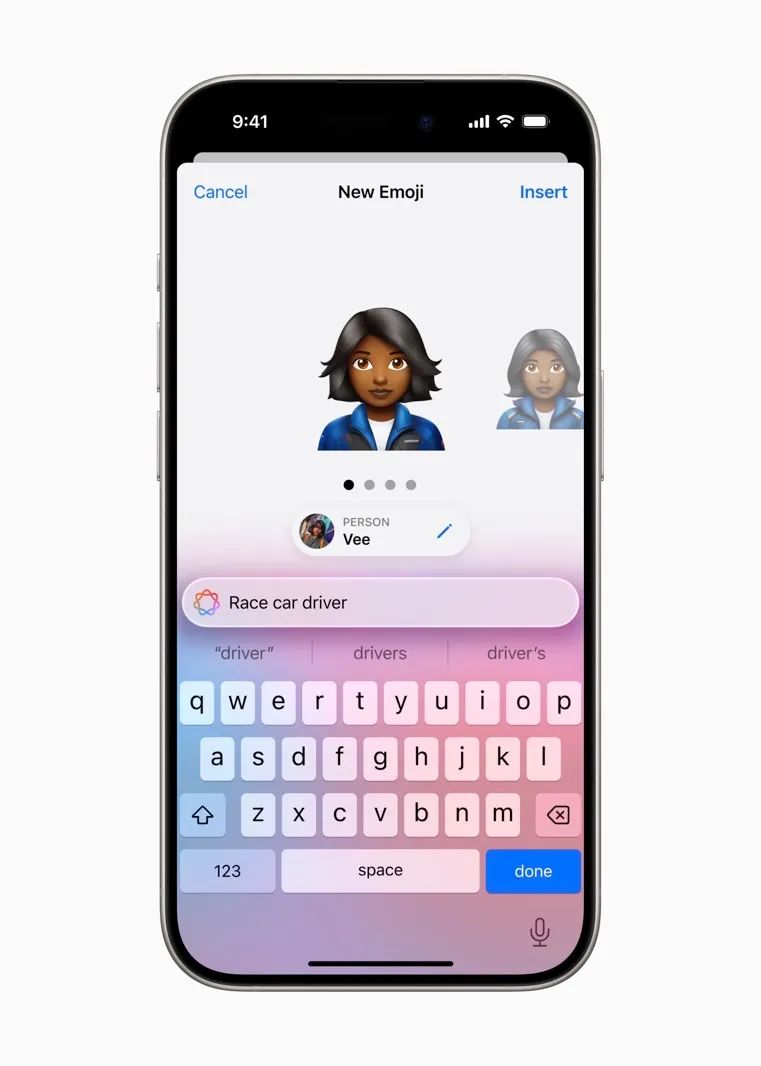
As per Android Authority, this tool, likely exclusive to Pixel phones initially, could use AI to generate stickers and emojis, similar to Apple’s Genmoji feature.

The Markup app mentions a “remix” button seemingly connected to the Creative Assistant.

This suggests users might create AI-generated stickers and add them to screenshots or images.

One question is whether the Creative Assistant will work directly on the phone or rely on cloud computing.

The expected Tensor G4 chip and Gemini Nano in the Pixel 9 could potentially handle sticker generation due to their smaller size and resolution compared to other images.

The Creative Assistant seems a natural next step for Google’s Gboard app, which includes the Emoji Kitchen for combining emojis.

Pixel phones, could use artificial intelligence to generate stickers and emojis, similar to Apple's Genmoji feature
It could use generative AI to create custom stickers

The new tool could offer generative features for creating entirely new emojis.

Whether it will rival Apple’s Genmoji, unveiled at WWDC for generating emojis in the messenger app, remains to be seen.

Google usually rolls out exclusive Pixel features to other devices over time, or as a paid Google One feature.

Generating emoji with Apple Intelligence on iPhone. Image source: Apple Inc.

The possibility of exclusive AI features on Pixel phones could make them more attractive compared to other Android phones.

More information is needed to see how Google’s AI creativity tool compares to Apple’s Genmoji and if it will be accessible to a wider range of users.

Pixel 9: Rumoured Specs

The new tool could work directly on the device or use cloud computing for enhanced performance
This app could integrate with Google’s Markup to paste custom stickers onto images

We know quite a bit about the Pixel 9 from its numerous leaks.

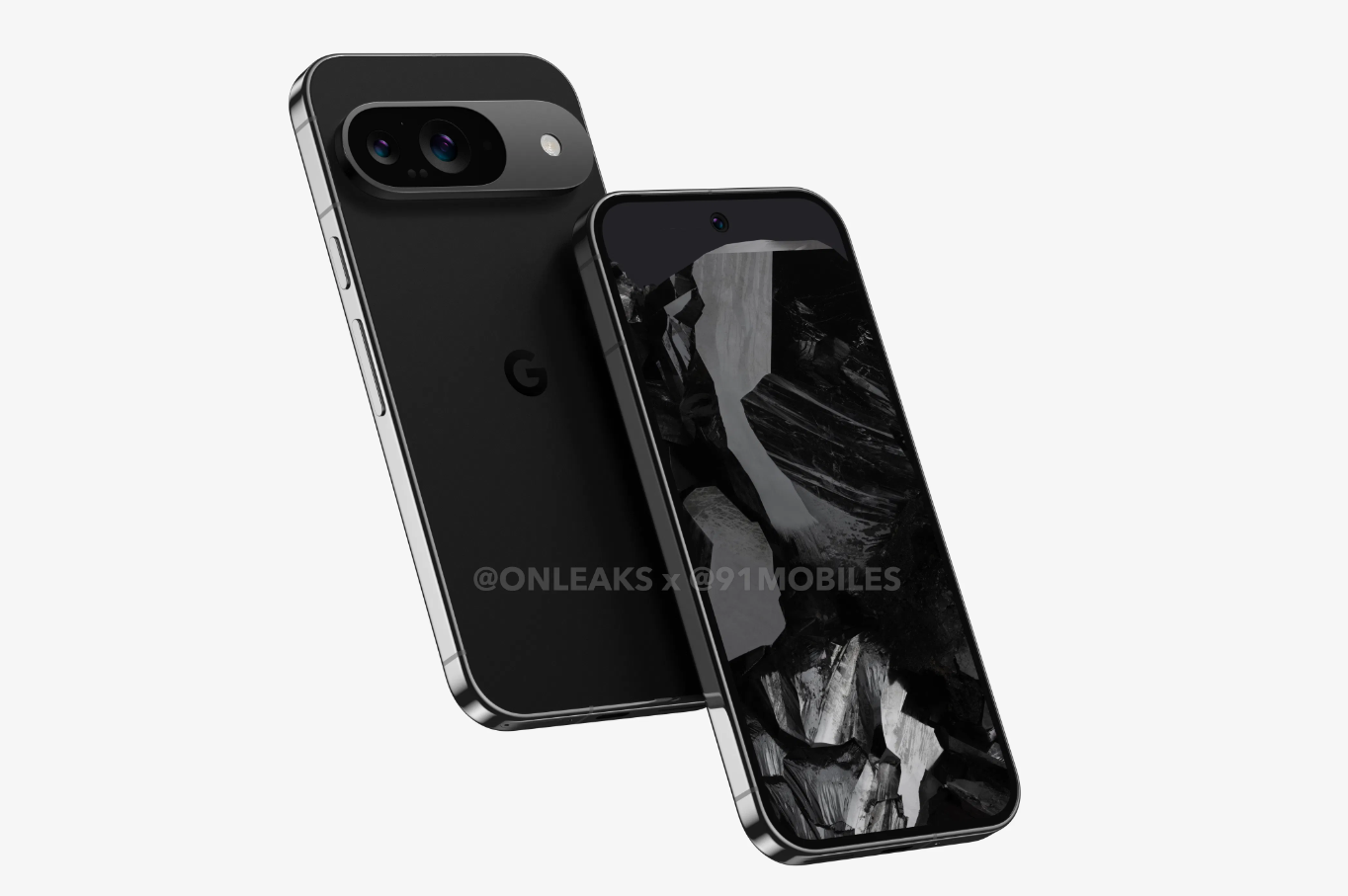
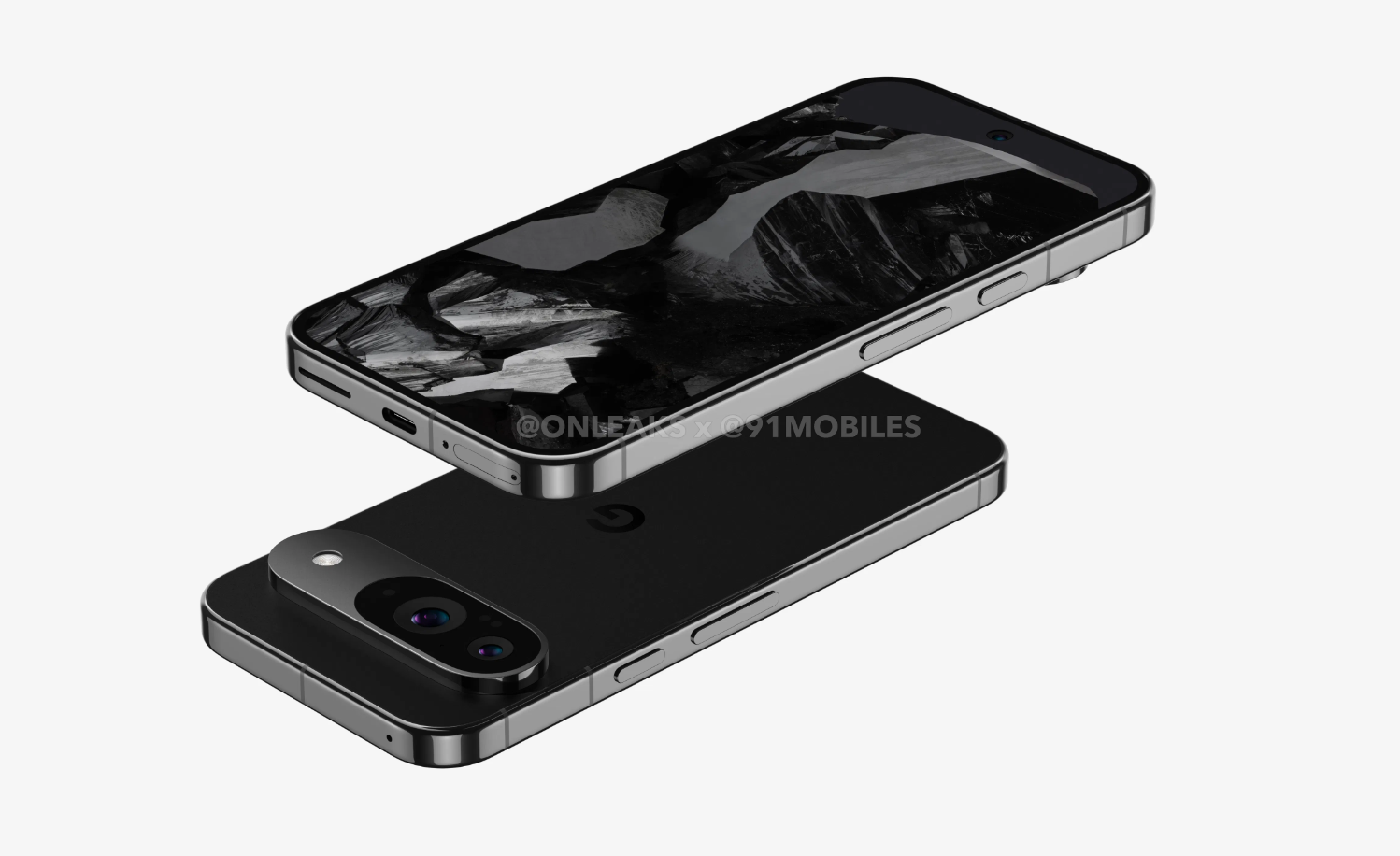
More recently we were treated to four 5K renders and a 360-degree video providing a look at the upcoming Google Pixel 9 flagship.

The design is similar to the Pixel 9 Pro, with a compact body and thick rear camera module.

However, the Pixel 9 has a dual-camera setup, in contrast to the Pro model’s triple-camera system.

The Pixel 9 will have rounded corners with a flat display and a centered punch-hole selfie camera.

The power button and volume keys are placed on the right side of a flat frame.

The smartphone will feature a 6.03-inch display, slightly smaller than the Pixel 9 Pro’s 6.1-inch display.

In terms of dimensions, the Pixel 9 measures around 152.8 x 71.9 x 8.5mm, and 12mm with the rear camera bump, according to reports.

Google Pixel 9 may introduce an AI-powered Creative Assistant to generate stickers and emojis
Evidence for this app was spotted in Android 15 Beta 3, but the app itself isn’t available yet

As for rumoured specs, the Pixel 9 is expected to be powered by Google’s next-generation Tensor chipset, likely the Tensor G4.

It will run Android 14 out of the box and could have up to 12GB of RAM and 512GB of storage.

The dual rear camera system is rumoured to consist of a 50MP main sensor and a 12MP ultra-wide lens.

Pixel phones are known for their computational photography capabilities, so improvements in this area are anticipated.

Other rumoured features include an in-display fingerprint sensor, wireless charging support, and IP68 water and dust resistance.

Google may also introduce new AI and machine learning capabilities exclusive to the Pixel 9 series.

Google Pixel 9 Specs

GENERAL

Sim Type Dual Sim, GSM+GSM
Dual Sim Yes
Sim Size Nano+eSim
Device Type Smartphone
Release Date September 19, 2024 (Expected)

DESIGN

Dimensions 158.6 x 74.8 x 8.9 mm (6.24 x 2.94 x 0.35 in)

DISPLAY

Type Color AMOLED Screen (16M Colors)
Touch Yes
Size 6.26 inches, 1080 x 2400 pixels, 120 Hz
Aspect Ratio 20:9
PPI ~ 420 PPI
Screen to Body Ratio ~ 89.3%
Glass Type Corning Gorilla Glass Victus Plus
Features HDR10+, Always-on Display
Notch Yes, Punch Hole

MEMORY

RAM 8 GB
Storage 256 GB
Storage Type UFS 4.1
Card Slot No

CONNECTIVITY

GPRS Yes
EDGE Yes
3G Yes
4G Yes
5G Yes
VoLTE Yes, Dual Stand-By
Vo5G Yes
Wifi Yes, with wifi-hotspot
Bluetooth Yes, v5.3, A2DP, LE, aptX HD
USB Yes, USB-C v3.1
USB Features USB Tethering, USB on-the-go, USB Charging

EXTRA

GPS Yes, with dual-band A-GPS, GLONASS, GALILEO, QZSS, BDS
Fingerprint Sensor Yes, In Display
Face Unlock Yes
Sensors Accelerometer, Gyro, Proximity, Compass, Barometer, Ambient Light Sensor, Magnetometer
3.5mm Headphone Jack No
Extra NFC
Water Resistance Yes, 1.5 m upto 30 min
IP Rating IP68
Dust Resistant Yes
Extra Features Stereo Speakers, 3 Microphones, Noise Suppression

CAMERA

Rear Camera 50 MP f/1.9 (Wide Angle)
8 MP f/2.2 (Ultra Wide) with autofocus
Features Magic Eraser18, Motion Mode, Real Tone, Face Unblur, Panorama, Manual white balancing, Locked Folder, Portrait Mode, Portrait Light, Super Res Zoom, Motion autofocus, Frequent Faces, Dual exposure controls, Live HDR+
Video Recording 4K, 1080p
Flash Yes, Dual LED
Front Camera Punch Hole 12 MP (Wide Angle)
Front Video Recording 1080p @ 30 fps FHD

TECHNICAL

OS Android v14
Chipset Google Tensor 4
CPU Octa Core Processor
GPU Mali-GU
IP Rating IP68
Java No
Browser Yes

BATTERY

Type Non-Removable Battery
Size 5000 mAh, Li-Po Battery
Fast Charging Yes, 80W Fast Charging
Wireless Charging Yes, 45W
Reverse Charging Yes

FAQs

What is the Creative Assistant rumoured to do on the Pixel 9?

The Creative Assistant is expected to use AI to generate stickers and emojis, allowing users to create and add these to their images and screenshots.

Will the Creative Assistant work on all Android phones?

Initially, the Creative Assistant is likely to be exclusive to Pixel phones but may eventually roll out to other devices or as a Google One feature.

What are the rumoured specifications of the Google Pixel 9?

The Pixel 9 is expected to feature a Tensor G4 chip, 6.03-inch display, dual rear camera setup with a 50MP main sensor, and 12GB of RAM. It will run on Android 14.

How does the Creative Assistant compare to Apple’s Genmoji?

The Creative Assistant is similar to Apple’s Genmoji, generating AI-powered emojis and stickers. However, detailed comparisons will depend on the official release and features.

When is the Google Pixel 9 expected to be released?

While there is no official release date yet, the Pixel 9 is anticipated to launch alongside the rollout of Android 15, likely in late 2024.

Also Read: Google Pixel 9 To Reportedly Get Only A Modest Chipset Upgrade Next Year

Also Read: Google Pixel 9 Pro Potentially Revealed in Detailed 5K Renders Months Ahead of Official Launch

Also Read: Possible Google Pixel 9 or Fold 2 Appears on UL Demko Certification

Snapchat Introduces Real-Time AR with Generative AI Technology

0
Snaps Remix on Snapchat

Highlights

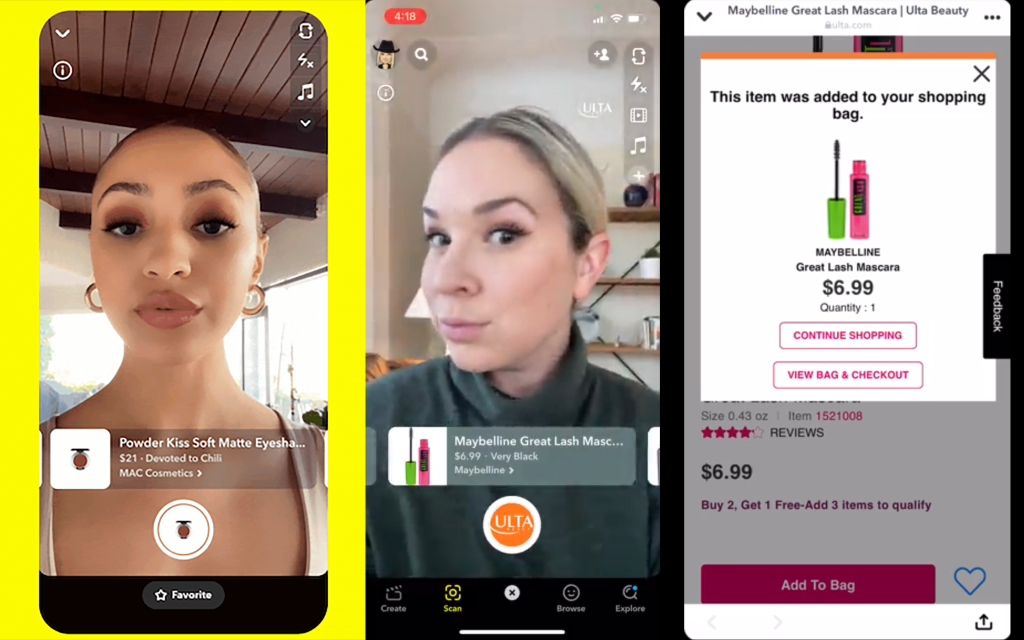
  • Snapchat’s new AI model enables lifelike special effects in augmented reality (AR).
  • Users can create real-time AR experiences by typing ideas for transformations.
  • AR developers gain new generative AI tools in Lens Studio for creating realistic lenses.
  • Partnership with London’s National Portrait Gallery brings iconic portrait-style lenses to Snapchat.

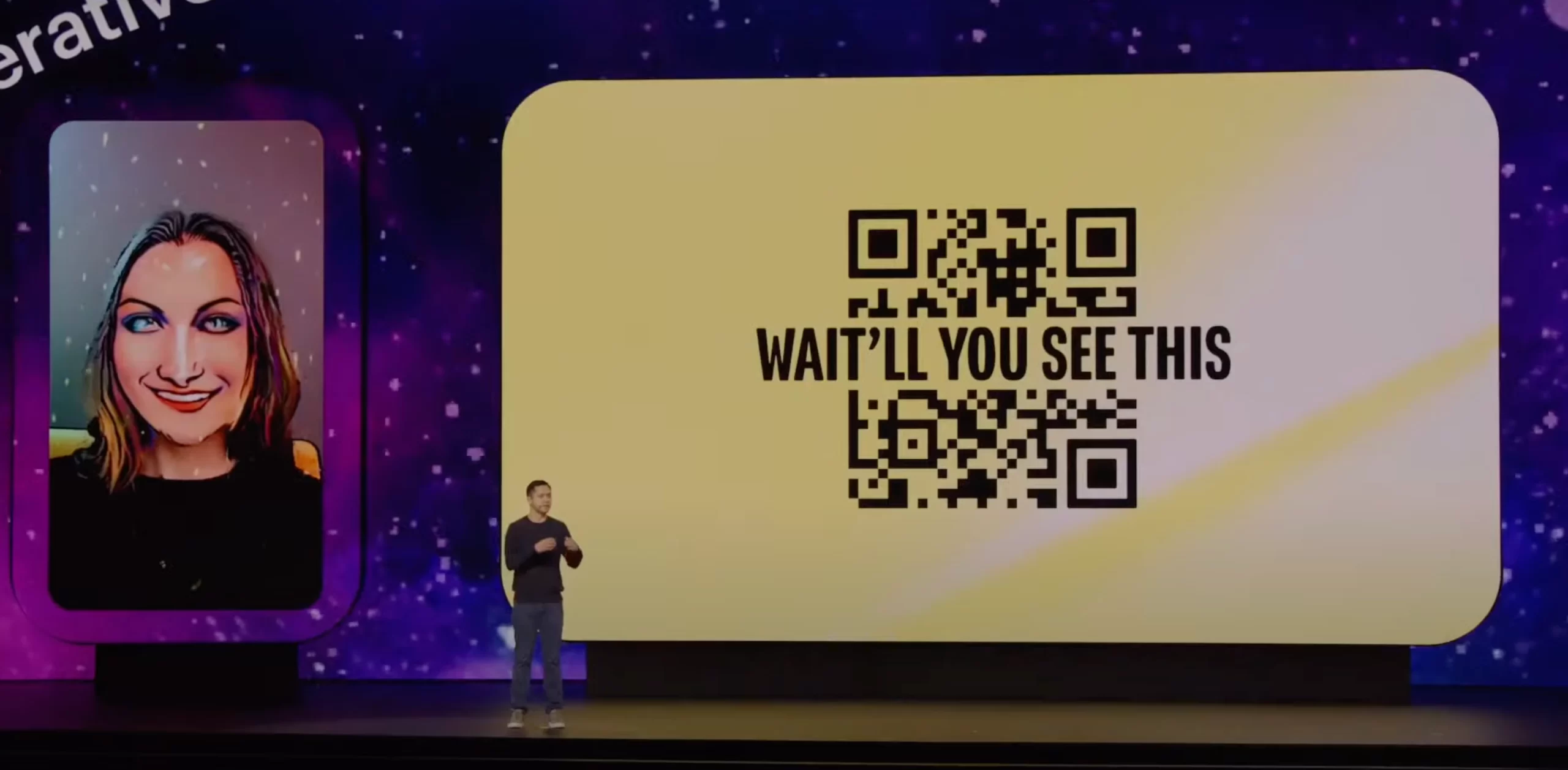
Snap Inc, the parent company of Snapchat, has announced that it is introducing generative AI technology to help people create more realistic special effects when recording videos with their phone cameras.

Next-generation AI model will be available on Snapchat in the near future.

We’re previewing Snap’s real-time image model that can instantly bring your imagination to life in AR. This early prototype makes it possible to type in an idea for a transformation and generate vivid AR experiences in real time – Snap, June 2024.

Bobby Murphy, Snap’s chief technology officer says the enhanced Lens Studio would reduce the time it takes to create AR effects from weeks to hours and produce more complex work.

“What’s fun for us is that these tools both stretch the creative space in which people can work, but they’re also easy to use, so newcomers can build something unique very quickly,” Murphy said in an interview.

This and future real time on device generative ML models speak to an exciting new direction for augmented reality, and is giving us space to reconsider how we imagine rendering and creating AR experiences altogether,” Murphy said.

According to Snap “This milestone of running GenAI models in real-time on mobile devices is made possible by our team’s breakthroughs to optimize faster, more performant GenAI techniques. Our team of researchers and engineers is constantly innovating to make GenAI faster and lighter, so our Snapchat community can create and communicate with their friends on the go.”

“The rebuilt Lens Studio is designed for productivity, modularity, and speed. Lens Studio now features a plugin system that enables developers to extend Editor capabilities to fit their needs. It’s also a more supportive platform for team development and advanced creation, with extensive support for JavaScript, TypeScript, Version Control, and package management.”

Snapchat Gen AI in AR

Snapchat Introduces Real-Time AR with Generative AI Technology

Snap is previewing a real-time image model capable of bringing imagination into augmented reality (AR) in an instant.

Currently, this very early prototype allows a user to type in an idea for a transformation and vivid AR experiences will come alive real time.

With Snap’s newest updates, users of Snapchat can now add AI-powered Lenses created by AR developers into their content.

sers can create real-time AR experiences by typing ideas for transformations.

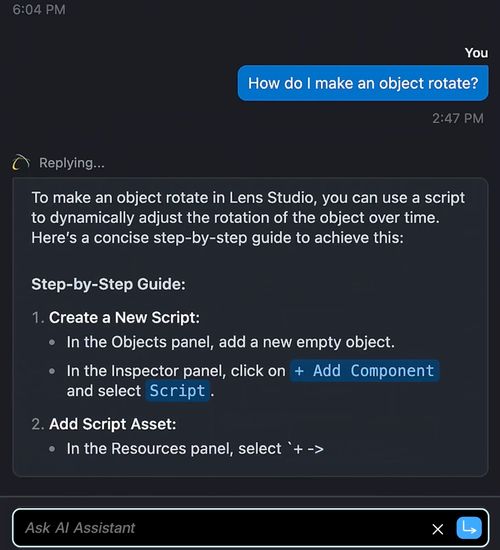
Lens Studio has been equipped with new generative AI tools, including an AI assistant to help developers with questions.

Another tool lets artists enter a prompt and automatically generate a three-dimensional image, saving effort in developing a 3D model for their AR lens.

Previously, Snap’s AR tech could only handle simple effects like placing a hat on someone’s head in a video.

Now, AR developers can craft more realistic lenses.

For example, making the hat move naturally with the person’s head and adjust to lighting seamlessly.

Snap Partnering with National Portrait Gallery

Snapchat's new AI model enables lifelike special effects in augmented reality (AR)
Snapchat’s new AI model enables lifelike special effects in augmented reality (AR)

Snap has partnered with London’s National Portrait Gallery to develop lenses inspired by iconic portrait styles using the GenAI Suite.

Snapchat users can select portrait-style lenses, snap a photo, and share it on the museum’s “Living Portrait” projection wall.

AR developers gain new generative AI tools in Lens Studio for creating realistic lenses

Launching this new AI suite is a strategic move for Snapchat, enhancing its competitive edge against rivals like Meta’s Instagram and TikTok, and potentially attracting more users.

Both competitors are integrating AI into their platforms: TikTok has launched AI-generated digital avatars, while Meta has invested heavily in AI and AR technologies.

FAQs

What new technology has Snapchat introduced?

Snapchat has introduced generative AI technology that enhances lifelike special effects in augmented reality (AR), allowing users to create vivid AR experiences in real-time.

How can users utilize the new AI features on Snapchat?

Users can type in an idea for a transformation, and the AI model will generate real-time AR effects. Additionally, AR developers can use new generative AI tools in Lens Studio to create realistic lenses.

What is Snap’s partnership with the National Portrait Gallery about?

Snap has partnered with London’s National Portrait Gallery to develop lenses inspired by iconic portrait styles. Users can snap photos with these portrait-style lenses and share them on the museum’s “Living Portrait” projection wall.

How does the new generative AI model benefit AR developers?

The new AI tools in Lens Studio include an AI assistant to help developers with questions and a tool for generating three-dimensional images from prompts, streamlining the development of realistic AR lenses.

Why is Snapchat focusing on generative AI technology?

Launching the new AI suite is a strategic move to enhance Snapchat’s competitive edge against rivals like Meta’s Instagram and TikTok, both of which are integrating AI into their platforms.

Also Read: Red Heart on Snapchat: What Is It And How to Unlock This Symbol of Best Friendship

Also Read: Snapchat 2023: Here’s How To Block Someone On The Platform And Other Alternatives

Nvidia Becomes World’s Most Valuable Company, Surpassing Apple and Microsoft

0

Highlights

  • Nvidia’s market cap reaches $3.34 trillion, surpassing Microsoft and Apple.
  • Shares up over 170% this year, driven by AI chip demand.
  • Nvidia dominates 80% of the AI chip market used in data centers.
  • Revenue in data center business rose 427% to $22.6 billion last quarter.

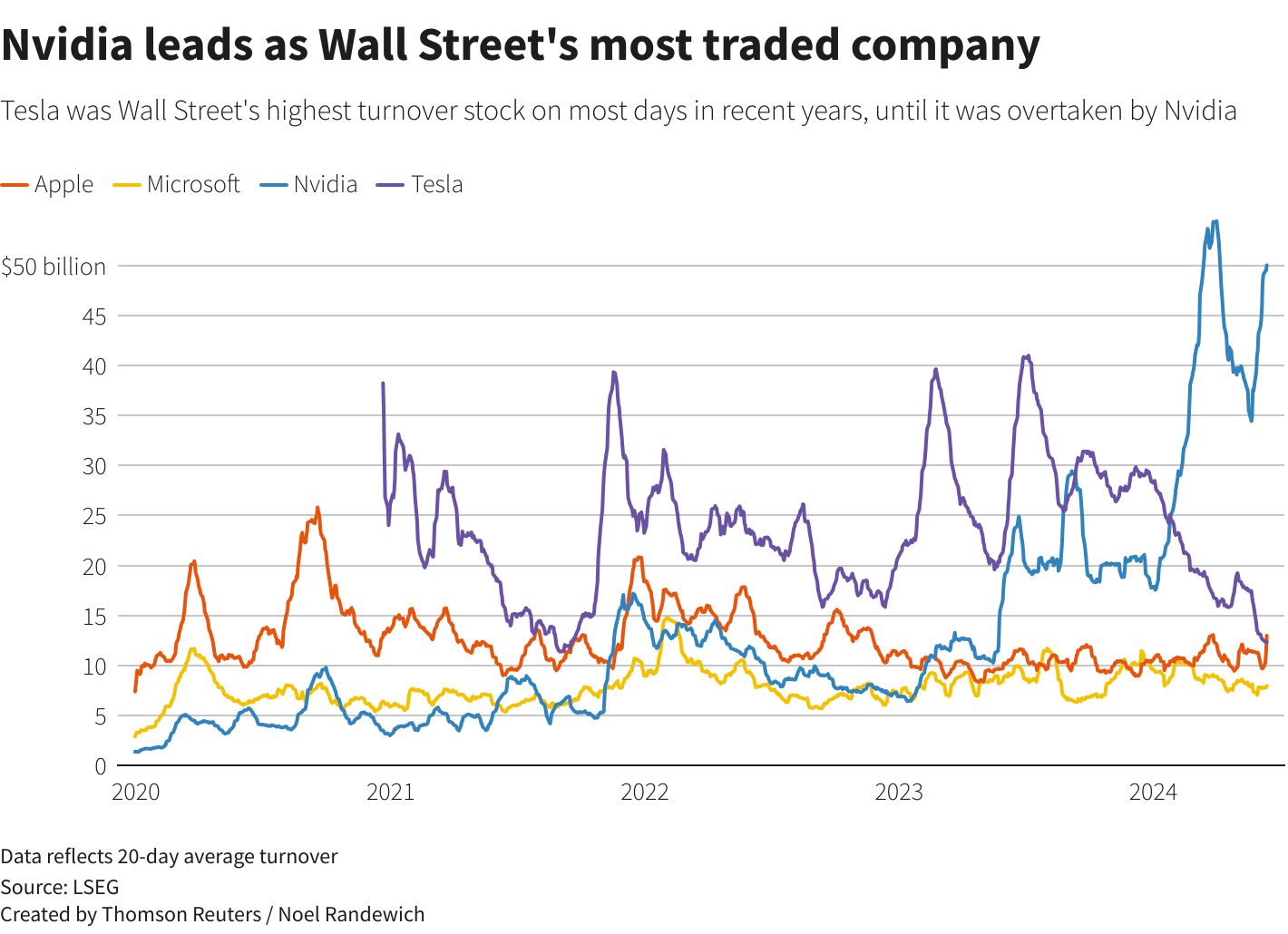
Nvidia, known for its graphics chips in the gaming community, is now the world’s most valuable public company.

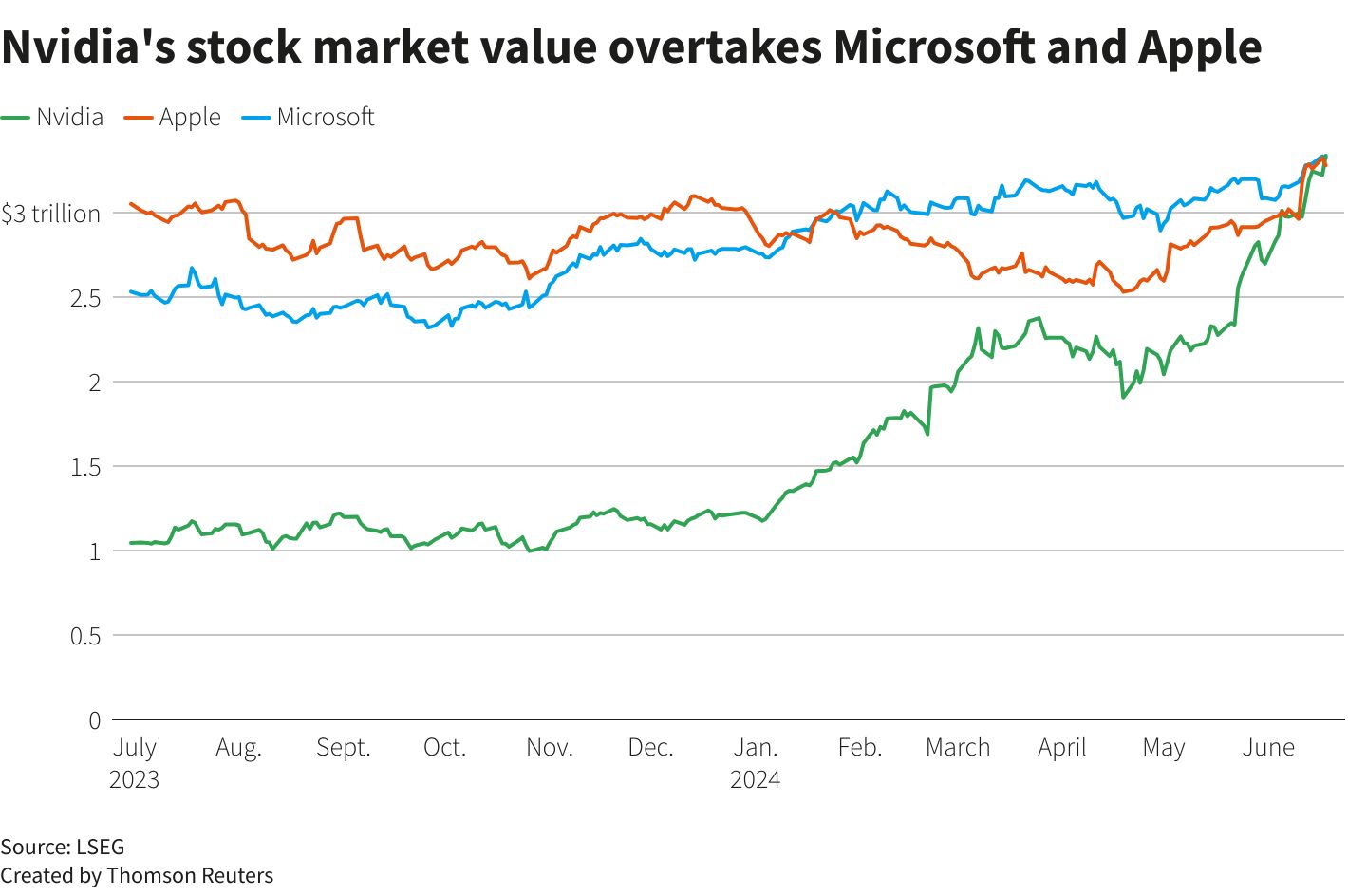
On Tuesday, Nvidia’s shares climbed 3.6%, lifting its market cap to $3.34 trillion.

This surpassed Microsoft, now valued at $3.32 trillion.

Earlier this month, Nvidia hit $3 trillion for the first time and passed Apple.

Nvidia’s stock commenced trading on a ten-for-one split-adjusted basis on Monday, June 10, 2024. “Thanks to the recent success and performance of Nvidia, the microchip and semiconductor-producing giant, tech stocks are receiving much more attention from investors. Those who missed out on Nvidia’s rally are looking to grab onto the next hot tech stock and ride the long-term momentum. With analysts predicting a 10% annual revenue growth in tech-related industries like microchips and semiconductors, it’s easy to see why demand is so high,” says Joel Lim, financial analyst at Trading.biz.

“There’s not much downside in the markets at the moment as global stock markets continue their upward trajectory,” says Nigel Green, CEO, deVere Group, one of the world’s largest independent financial advisory and asset management organizations.

“The fact that the Federal Reserve left interest rates as they are suggests that they are not rushing things and are inclined to wait and see how the economy pans out,” says Tobi Amure, a tech analyst at Trading. Biz.

Nvidia Jumps over Apple, Microsoft

Nvidia Becomes World's Most Valuable Company, Surpassing Apple and Microsoft
Nvidia Becomes World’s Most Valuable Company, Surpassing Apple and Microsoft

Nvidia’s shares are up over 170% this year.

The stock rose further after the company reported first-quarter earnings in May.

The stock has multiplied more than ninefold since the end of 2022, coinciding with the emergence of generative artificial intelligence.

Nvidia's market cap reaches $3.34 trillion, surpassing Microsoft and Apple
Nvidia’s market cap reaches $3.34 trillion, surpassing Microsoft and Apple

Apple’s shares fell 1.1% on Tuesday, giving the iPhone maker a $3.29 trillion market value.

Nvidia has about 80% of the market for AI chips used in data centers.

Nvidia chipped while Fed minutes pass

This business has grown as companies like OpenAI, Microsoft, Alphabet, Amazon, and Meta have acquired processors to build AI models and run large workloads.

In the most recent quarter, revenue in Nvidia’s data center business rose 427% from a year earlier to $22.6 billion, accounting for about 86% of the chipmaker’s total sales.

The world's most valuable company is about to be #Nvidia. Look at that increase.
The world’s most valuable company is about to be Nvidia.

Founded in 1991, Nvidia initially sold chips for gamers to run 3D titles.

It has also ventured into cryptocurrency mining chips and cloud gaming subscriptions.

Nvidia’s Surge with AI Hardware

vidia dominates 80% of the AI chip market used in data centers

Over the past two years, Nvidia’s shares have surged as Wall Street recognized the company’s technology as the engine behind the AI explosion.

The rally has lifted co-founder and CEO Jensen Huang’s net worth to about $117 billion, making him the 11th wealthiest person globally, according to Forbes.

Microsoft’s shares are up about 20% this year.

Revenue in data center business rose 427% to $22.6 billion last quarter

The software giant has also benefited from the AI boom, after taking a stake in OpenAI and integrating the startup’s AI models into products like Office and Windows.

Matter of fact, Microsoft is one of the biggest buyers of Nvidia’s GPUs for its Azure cloud service.

Nvidia is a newcomer to the title of most valuable U.S. company. For years, Apple and Microsoft have traded the title.

FAQs

How did Nvidia surpass Apple and Microsoft in market value?

Nvidia’s market cap surged to $3.34 trillion due to a significant rise in its stock price, driven by high demand for AI chips.

This propelled it past Microsoft and Apple in valuation.

What factors contributed to Nvidia’s rapid stock increase?

The emergence of generative artificial intelligence and Nvidia’s dominant position in the AI chip market, along with impressive revenue growth in its data center business, have driven the stock up over 170% this year.

How much market share does Nvidia hold in the AI chip sector?

Nvidia holds about 80% of the market for AI chips used in data centers, supplying major tech companies like OpenAI, Microsoft, Alphabet, Amazon, and Meta.

What was Nvidia’s revenue growth in its data center business?

Nvidia’s data center business saw a revenue increase of 427% year-over-year, reaching $22.6 billion in the most recent quarter, which accounts for 86% of its total sales.

What are some of Nvidia’s other ventures apart from AI chips?

Nvidia started with gaming chips and has expanded into cryptocurrency mining chips and cloud gaming subscriptions.

Its technology is now also recognized as a key component in the AI industry.

Should you invest in Nvidia right now?

Investing in Nvidia could be promising due to its strong market position and significant growth in the AI sector.

However, potential investors should consider market volatility, current stock price, and long-term investment goals.

Consulting with a financial advisor is recommended before making investment decisions.

Also Read: Nvidia CEO Jensen Huang Sparks Debate on AI’s Role in Coding’s Future: Ethical Considerations Explored

Also Read: Artificial Intelligence And Its Applications In The Real World?

Also Read: Here’s How an Artificial Intelligence Works

Apple Shifts Focus to Affordable Vision Pro Model, Pauses Work on Vision Pro 2: Report

0
Apple Vision Pro visionOS 1.1 Beta

Highlights

  • Apple halts work on advanced Vision Pro model to prioritize a cheaper variant.
  • The affordable Vision Pro is expected to launch by late 2025 with a target price of $1,500.
  • New model aims to compete with lower-cost mixed reality headsets like Meta Quest.
  • Key features might be scaled back to reduce costs, including potentially removing EyeSight.

Apple has paused work related to its next-generation Mixed Reality headset, the model succeeding the Vision Pro, to focus on a cheaper variant, according to a report by The Information.

Recently, Apple extended availability of the current Vision Pro into eight more countries while showcasing upcoming software updates for visionOS 2 at WWDC 2024.

Cheaper Model Slated for Late 2025

Apple halts work on advanced Vision Pro model to prioritize a cheaper variant
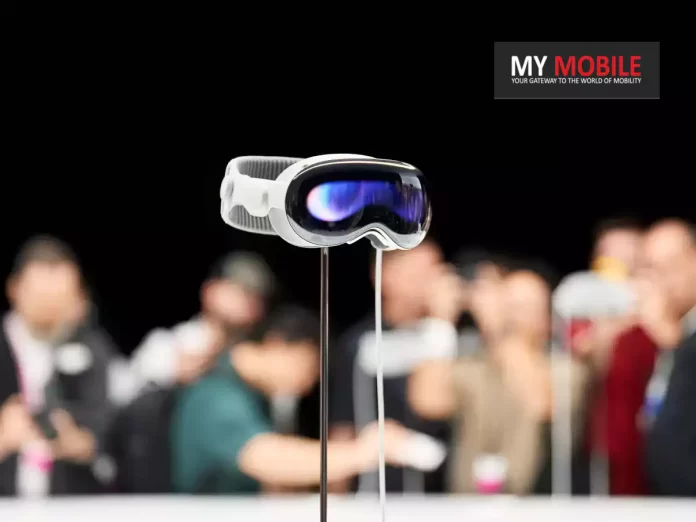
Apple is reportedly working on a cheaper, cut-down version of the Apple Vision Pro

The report claims Apple is now focusing on a lower-cost model of the Vision Pro that could come as early as 2025, while putting on hold work on an advanced second-generation model of the Vision Pro.

Apple has paused work on an advanced second-generation model of the Vision Pro, a move signaling a new emphasis on making its headset more affordable.

The target price for the cheaper Apple Vision headset is around $1500.

This aims to compete with products like Meta Quest, significantly lower than the current $3,500 Vision Pro.

The cheaper version is scheduled to arrive by the end of 2025, according to The Information

Initially, Apple planned multiple models in the Vision lineup, but now it seems only the lower-cost model will move forward.

The staffing for the second-generation Vision Pro has been on a downward trajectory over the last year, a sure sign of a gradual pivot to the cheaper model.

But even with cost-cutting attempts that do not compromise quality, engineering challenges persist, especially in weight reduction, a common critique of the Vision Pro.

Future Vision Pro Products

The affordable Vision Pro is expected to launch by late 2025 with a target price of $1,500
The Information suggests Apple is aiming for a price around $1500, similar to the cost of a high-end iPhone

Apple has always had two new Vision products in the pipeline: a thinner, more affordable version of the Vision Pro and better, more powerful follow-up, supposedly Vision Pro 2.

While all hopes on the latter product seem to fade into the indefinite hold, the former still remains under development, although a little in standstill.

That’s tricky to make the Vision Pro more affordable; Apple doesn’t know what corners to cut.

Apple first shifted focus to reducing the cost of the first-generation model's components and creating an upgraded display for the next model
Apple first shifted focus to reducing the cost of the first-generation model’s components and creating an upgraded display for the next model

It wants to keep its high-res optics, which for the company are among the most expensive features that it makes.

While this report makes it seem like Apple is still committed to the Vision line, it also shows the company may have hit a rare flop in its roster.

While the Vision Pro is clearly a forward-thinking product, Apple is still a profit-seeking organization, and if it doesn’t sell, the company will need to move on, eventually.

Source

FAQs

What is the reason behind Apple pausing work on the advanced Vision Pro model?

Apple has decided to focus on developing a more affordable version of the Vision Pro to make the technology accessible to a wider audience and compete with other lower-cost mixed reality headsets.

When is the affordable Vision Pro model expected to be released?

The cheaper Vision Pro model is expected to be released by late 2025.

What is the anticipated price for the affordable Vision Pro model?

The target price for the affordable Vision Pro model is around $1,500, significantly lower than the current Vision Pro’s $3,500 price tag.

What features might be reduced or removed in the cheaper Vision Pro model?

To lower the cost, Apple might remove or scale back some features, such as the EyeSight feature, which projects the user’s facial expressions on an external OLED display.

Will the advanced Vision Pro model still be developed in the future?

While work on the advanced second-generation Vision Pro has been paused, it is not completely canceled. Apple might resume its development after the affordable model is launched.

Also Read: Apple Vision Pro Transforms UK Surgery with Augmented Reality: A New Era For Healthcare?

Also Read: Unlocking the Future With Apple Vision Pro: Top Apps and Gaming Guide

How to Manage and Monitor Your Apple and App Store Subscriptions

0
How to Manage and Monitor Your Apple and App Store Subscriptions

Highlights

  • Open the Settings app on your iPhone and tap your name to access “Subscriptions.”
  • View active, expired, or canceled subscriptions and manage them easily.
  • Check payment details, renewal dates, and explore alternative plans for each subscription.
  • Family Sharing subscriptions won’t appear under your Apple ID; check family members’ accounts separately.

Monitoring Apple and App Store subscriptions is important.

You may want to check current commitments or reduce expenses.

Here’s how to handle and monitor subscriptions.

The App Store allows signing up for services using your Apple ID.

It’s easy to lose track of what you’ve subscribed to – trials, monthly, or yearly plans.

Steps to Manage Subscriptions

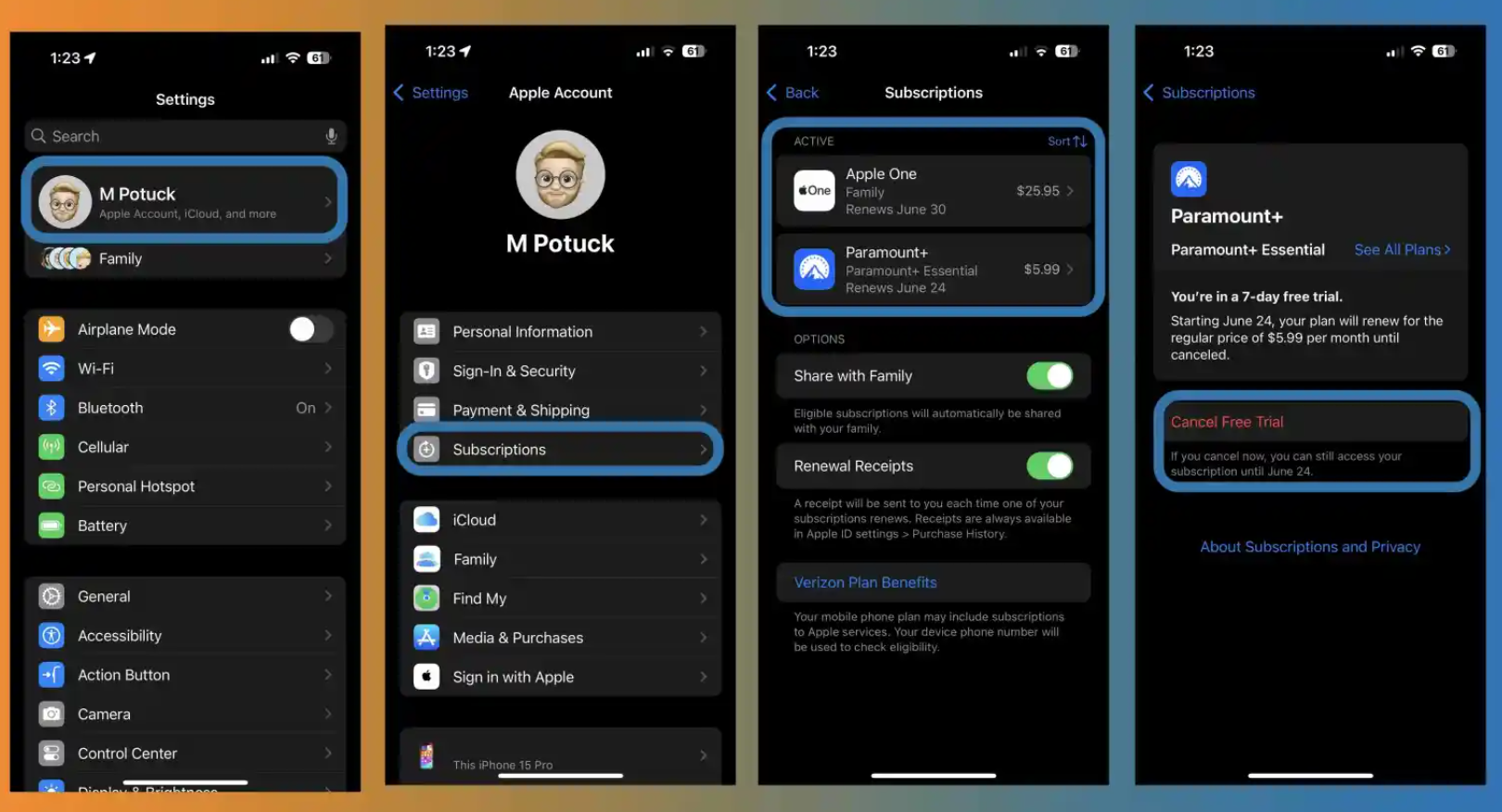
How to manage Apple and App Store subscriptions on iPhone
  1. Open the Settings app on your iPhone.
  2. Tap your name at the top. 
  3. Select “Subscriptions.”
  4. You’ll see active subscriptions at the top, expired or cancelled ones below.
  5. Tap any subscription to view details, cancel, or explore other plans.

If you use Family Sharing, subscriptions under a family member’s Apple ID won’t appear; check their account.

Checking Subscription Details

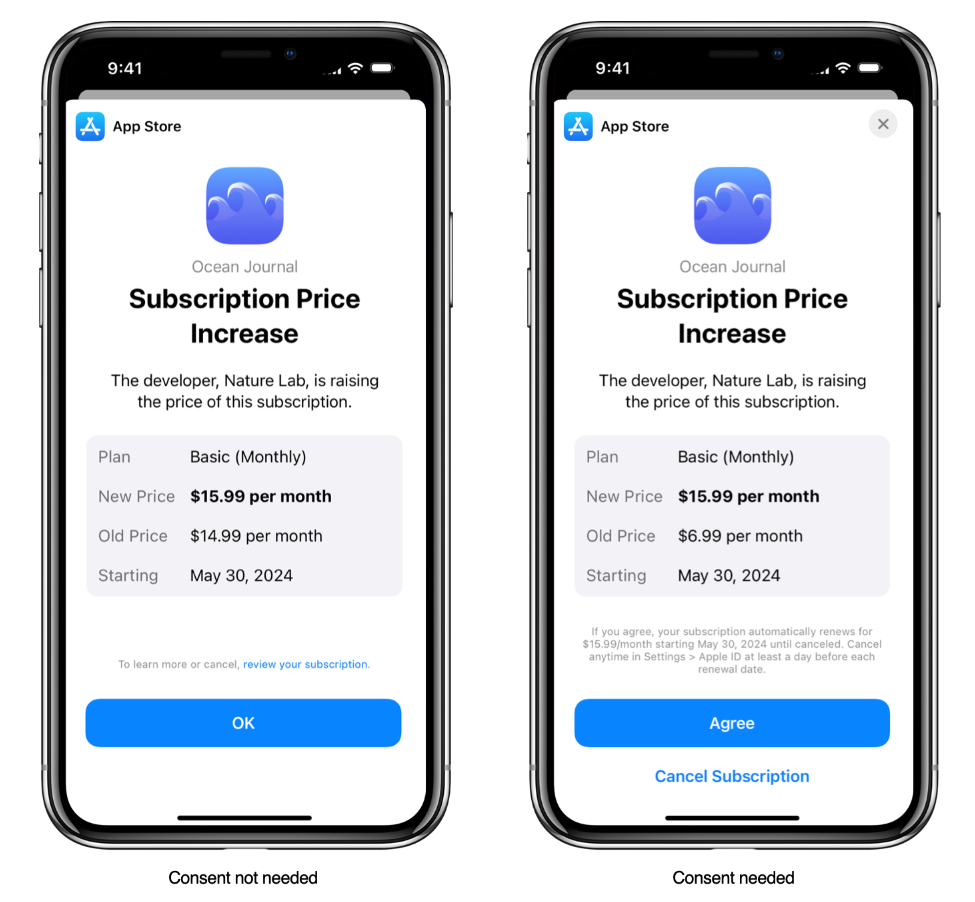
Manage pricing for auto-renewable subscriptions

When viewing a subscription, you can review payment details, see the next payment due date, explore alternative plans, and cancel if needed.

For issues like accidental purchases or subscription queries, Apple provides support through their website or by calling 1-800-APL-CARE in the US.

You may view the cost of your subscription, how long it will be before your next payment or renewal, look through more plan alternatives, and cancel it by tapping on the subscription for more information.

In addition to verifying whether any accounts linked to Family Sharing have subscriptions, you might also want to look into any previous Apple IDs you have used.

You can utilize Apple’s help website or call 1-800-APL-CARE in the US if you have any queries, are experiencing issues with an App Store subscription, or made an unintentional purchase.

FAQs

How can I view my current Apple subscriptions?

Open the Settings app on your iPhone, tap your name at the top, and select “Subscriptions.”

You’ll see all active subscriptions at the top and expired or cancelled ones below.

How do I cancel an App Store subscription?

To cancel a subscription, open the Settings app, tap your name, select “Subscriptions,” choose the subscription you want to cancel, and follow the on-screen instructions to cancel it.

Can I manage subscriptions for Family Sharing members?

No, subscriptions under a family member’s Apple ID won’t appear in your account.

You’ll need to check each family member’s account separately.

What information can I see about my subscriptions?

When viewing a subscription, you can check payment details, the next payment due date, explore alternative plans, and cancel the subscription if needed.

Who do I contact for issues with subscriptions or accidental purchases?

For any issues, accidental purchases, or subscription queries, visit Apple’s support website or call 1-800-APL-CARE in the US.

How to track and manage Apple App Store subscriptions?

Fortunately, you can view all of your Apple and third-party app subscriptions in one place on your iPhone and your other Apple devices.

And something useful to keep in mind, typically you can sign up for free trials, cancel right away, and still test out the service for the full trial period.

  • Open the Settings app on your iPhone
  • Tap your name at the top
  • Now choose Subscriptions
  • At the top, you’ll see your active subscriptions, and below you can view expired/canceled ones
  • Tap a subscription to cancel it or see more details
  • If you use Family Sharing, subscriptions that were started under a family member’s Apple
  • ID won’t show up on your Apple ID, you’ll need to look at theirs

How to Share subscriptions with family?

  • In the App Store on your Mac, click your name in the bottom-left corner or click Sign In if you’re not already.
  • Make sure you sign in with the same Apple ID you used to purchase your subscriptions.
  • Click Account Settings, sign in again if necessary, then click Manage (in the Manage section, to the right of Subscriptions).
  • Choose Share New Subscriptions.
  • Sharing subscriptions requires one adult in your household — the family organiser — to set up Family Sharing.

How to Cancel or change a subscription ?

  • In the App Store on your Mac, click your name in the bottom-left corner or click Sign In if you’re not already.
  • Make sure you sign in with the same Apple ID you used to purchase your subscriptions.
  • The Safari Extensions Mac App Store page. The sidebar on the left includes links to other pages: Discover, Create, Work, Play, Develop, Categories and Updates. On the right are available Safari Extensions.
  • Click Account Settings, sign in again if necessary, then click Manage (in the Manage section, to the right of Subscriptions).
  • Click Edit (if you have more than one subscription), then do any of the following:
  • Cancel a subscription: Click Cancel Subscription, confirm the cancellation, then click Done.
  • Change a subscription: In the Options list, select a setting, then click Done.

How to View and manage your subscriptions on iPhone ?

  • Go to Settings > [your name] > Subscriptions.

Do any of the following:

  • Change an existing subscription.
  • Renew an expired subscription.
  • Share an eligible subscription with other family members in your Family Sharing group.
  • Turn on Renewal Receipts.

How to Cancel a subscription on iPhone ?

  • Go to Settings > [your name] > Subscriptions.
  • Tap a subscription, then tap Cancel Subscription or Cancel All Services.

How to Find and download apps purchased by you or family members?

  • Tap the My Account button or your profile picture at the top right, then tap Purchased.
  • If you set up Family Sharing, tap My Purchases or choose a family member to view their purchases.

Note: You can see purchases made by family members only if they choose to share their purchases. Purchases made with Family Sharing may not be accessible after the family member leaves the family group.

Find the app you want to download (if it’s still available in the App Store), then tap the Redownload button.

How to Change or cancel your App Store subscriptions ?

  • Tap the My Account button or your profile picture at the top right, then tap Subscriptions.
  • You may need to sign in with your Apple ID.

Choose a subscription, then do any of the following:

  • Change or cancel an existing subscription.
  • Resubscribe to an expired subscription.
  • Share an eligible App Store subscription with other family members in your Family Sharing group.

How to Change your App Store settings ?

  • Go to Settings > App Store, then do any of the following:
  • Automatically download apps purchased on your other Apple devices: Below
  • Automatic Downloads, turn on Apps.
  • Automatically update apps: Turn on App Updates.
  • Automatically play app preview videos: Turn on Video Autoplay.
  • Automatically remove unused apps: Turn on Offload Unused Apps. You can reinstall an app at any time if it’s still available in the App Store.

How to Set content restrictions and prevent in-app purchases?

After you turn on content and privacy restrictions, do the following.

  • Go to Settings > Screen Time > Content & Privacy Restrictions > Content Restrictions.
  • Set restrictions such as the following:
  • Apps: Restrict apps by age ratings.
  • App Clips: Prevent App Clips from opening.

Also Read: Questt Best app, ‘Apex Legends Mobile’ Top Game on Google Play Store in India

Also Read: Apple and Fortnite-Maker Epic Games Continue Legal Battle Over App Store Practices

Also Read: How to reset the Apple ID password

Also Read: How To Reset Apple ID Password Using Different Methods?

Samsung to Use 200 Galaxy S24 Ultra Phones to Broadcast Paris 2024 Olympics Opening Ceremony 

0
Samsung Galaxy S24 Ultra Display Defects Stir Frustration As Users lose Pre-order Discount

Highlights

  • Samsung to use 200 Galaxy S24 Ultra phones for broadcasting Paris 2024 Olympics.
  • High-quality HDR footage to be streamed via a private 5G network by Orange.
  • Enhanced viewer experience during the Opening Ceremony and sailing competitions.
  • Official Smartphone and Computing Equipment partner for Paris 2024 Olympics.

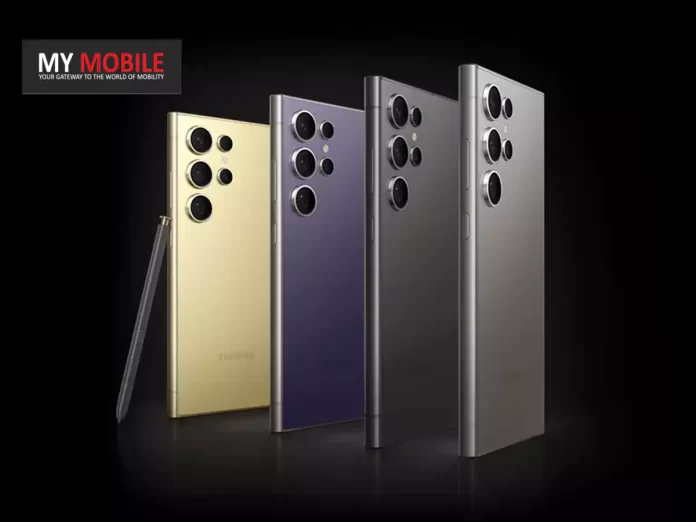
Samsung Electronics announced its plan for a new broadcasting experience for the viewing audiences and fans of the 2024 Olympics, which will be held in Paris.

Samsung will use 200 Galaxy S24 Ultra smartphones to capture and share footage with an opening ceremony that will take place on the Seine River and include sailing competitions.

Samsung Official Olympics Partner

Samsung to Use 200 Galaxy S24 Ultra Phones to Broadcast Paris 2024 Olympics Opening Ceremony 
Samsung to Use 200 Galaxy S24 Ultra Phones to Broadcast Paris 2024 Olympics Opening Ceremony

As the Official Smartphone and Computing Equipment partner, Samsung will leverage its mobile technology and 5G connectivity to offer a closer perspective on the level of celebration and flexible competition moments.

The new view is proposed to make the Paris 2024 Games more open and continue Samsung innovation support to the Olympic and Paralympic Games.

“In an increasingly connected society, Samsung Galaxy mobile technology has helped deepen and transform users’ relationships with the world, wherever they are. Having been a Worldwide Partner for nearly three decades, we know first-hand how important it is to create and enable the same meaningful connections at the Olympic and Paralympic Games,” said Stephanie Choi, EVP & Head of Marketing of Mobile eXperience Business at Samsung Electronics. “We’re honored to be working closely with the IOC and OBS to provide high-quality footage that will be part of a series of firsts at Paris 2024 and bring fans at home and onsite even closer to the excitement.”

High-quality HDR footage to be streamed via a private 5G network by Orange

For the first time ever, next month’s Opening Ceremony will take place outside a stadium.

The Seine River will play host to teams of 10,500 athletes representing their national delegations on designated boats.

It will be history’s greatest and most accessible opening ceremony ever, passing through the very heart of Paris and official Olympic venues.

The S24 Ultra to Carry the Opening Ceremony

Samsung to use 200 Galaxy S24 Ultra phones for broadcasting Paris 2024 Olympics

With the Opening Ceremony, Samsung is going to fit more than 200 Galaxy S24 Ultra smartphones on the athlete vessels.

The HDR footage, captured and streaming via a private 5G network from Orange, the Official Mobile Network Provider in France, will be live-broadcast.

Orange will position, along the Seine, 5G antennas to create the first-ever 5G Standalone network in France for seamless connectivity.

But the same technology is going to be brought in by Samsung during the sailing events in Marseille, simply by fitting a Galaxy S24 Ultra on every competition boat.

That lets the fan experience every thrill alongside their favorite Olympian.

Enhanced viewer experience during the Opening Ceremony and sailing competitions

“As host broadcaster of the Olympic Games, we’re incredibly excited about this partnership with Samsung which will allow a truly original perspective of Paris 2024, evolving the way in which fans will experience the Games,” said Yiannis Exarchos, Chief Executive Officer of OBS. “Samsung’s latest mobile innovation will allow millions of fans around the world to live and breathe the spirit, action and emotion of the Opening Ceremony and sailing competitions alongside their favorite athletes in real-time.”

The company addressed challenges like video quality, connectivity, weather conditions, and waves through research, development, and testing with OBS and Orange.

Solutions involved the Galaxy S24 Ultra’s optical image stabilization, increased transmission power, and relay towers on chase boats.

FAQs

What new technology is Samsung introducing for the Paris 2024 Olympics?

Samsung will utilize 200 Galaxy S24 Ultra smartphones to capture and share high-quality footage during the Opening Ceremony and sailing competitions.

How will the footage be transmitted during the events?

The footage will be streamed via a private 5G network provided by Orange, with 5G antennas installed along the Seine River for seamless connectivity.

What events will Samsung’s technology be used for at the Olympics?

Samsung’s Galaxy S24 Ultra will be used to broadcast the Opening Ceremony on the Seine River and the sailing competitions in Marseille.

What is the significance of the Opening Ceremony at Paris 2024?

For the first time, the Opening Ceremony will take place outside a stadium, with athletes floating down the Seine River, making it the most open and accessible ceremony in history.

How has Samsung addressed potential challenges in capturing footage?

Samsung has tackled issues like video quality, connectivity, and weather conditions through research, development, and testing with OBS and Orange, using features like optical image stabilization and increased transmission power.

What has been Samsung’s Long-Running Contribution to the Games ?

The announcement shows the next stage of Samsung’s long-standing commitment, in close collaboration with the IOC, to drive digital transformation and deliver cutting-edge technology at the Games by opening up the latest mobile innovations to athletes, fans and communities alike.

This originated with the first ‘Call Home’ program which allowed nearly 2,500 athletes to speak to their families back home for free in 1998, when access to mobile phones was limited.

It continued with the Wireless Olympic Works (WOW) app, the first official Olympic information service on mobile.

The WOW app was introduced to Olympic organizers via Samsung-supplied Palm OS phones at Athens 2004 and then was made available to the public at Vancouver 2010, providing fans with the latest Games-time updates straight to their mobile phones.

Samsung has also contributed to how athletes and staff, connect and communicate during the Games-time.

Since Nagano 1998, Samsung has provided athletes and staff with a total of more than 120,000 mobile products.

Did Galaxy S24 Ultra Gives Viewers Front Row Seat to the Games ?

To bring fans at home closer to the action and provide an intimate glimpse of athletes’ reactions during this once-in-a-lifetime voyage, Samsung will install more than 200 Galaxy S24 Ultra smartphones at the bow and sides of each of the 85 athlete vessels at the opening ceremony.

The high-quality HDR footage taken with the Galaxy S24 Ultra devices will be shared and streamed via a private 5G network powered by Orange, the official mobile network provider of Paris 2024 in France.

Orange will install more than a dozen 5G antennas along the Seine to create the first-ever 5G standalone network in France, as this pioneering collaboration is designed to ensure a seamless 5G connectivity and viewing experience for fans around the world.

Samsung will also deploy the same technology for the sailing competitions in Marseille by installing the Galaxy S24 Ultra on each competition boat, letting fans experience the thrill of the race alongside their favorite Olympians and allowing them to truly get in on the action.

This presented a whole new set of challenges and months of research, development and testing — in close collaboration with the OBS and Orange — to guarantee video quality and connectivity performance across various bodies of water and weather conditions, which can be really windy with huge waves or extremely hot and sunny.

Samsung and its partners addressed these challenges by leveraging the Galaxy S24 Ultra’s optical image stabilization (OIS) features, increasing transmission power and installing relay towers on chase boat to ensure a seamless livestream experience for viewers.

Also Read: Samsung Galaxy S24 Ultra Camera Glitch: Company Promises Fixes for Early Adopters

Also Read: Samsung Galaxy S24 Ultra Showing Washed-out Colours in Vivid Mode: A Closer Look at the Issue 

Also Read: Samsung Galaxy S24 Series Sets New Pre-Order Records in South Korea and India

Qualcomm Confirms Snapdragon Tech Summit Dates: Snapdragon 8 Gen 4 with Oryon CPU Set to Launch

0

Highlights

  • Snapdragon Tech Summit scheduled for October 21-23, 2024.
  • Snapdragon 8 Gen 4 to feature Oryon CPU for enhanced neural processing.
  • Major smartphone brands like Samsung, OnePlus, Asus, and Xiaomi to adopt the new chipset.
  • Snapdragon 8 Gen 4 expected to deliver record-breaking Geekbench scores with TSMC’s 3nm process.

Chipmaker Qualcomm has finally confirmed the dates for its much-anticipated annual tech summit, setting the stage for a major chipset launch.

The company unveiled dates for its 7th Snapdragon Tech Summit: October 21st to 23rd where the next-generation Snapdragon 8 Gen 4 SoC will be unveiled with a truly revolutionary design—Oryon CPU.

The Oryon Revolution

Qualcomm Confirms Snapdragon Tech Summit Dates
It comes along with three bright stars in a straight line in the Orion’s Belt, highlighting the Oryon CPU

Qualcomm’s Chief Marketing Officer, Don McGuire, further confirmed at MWC 2024 that the Snapdragon 8 Gen 4 will indeed be powered by the Oryon CPU, a massive step in improving this chipset’s neural processing capabilities.

This has been a very exciting development for tech enthusiasts and industry analysts alike.

Fueling the Next Generation of Flagships

Snapdragon Tech Summit scheduled for October 21-23, 2024
Oryon CPU was confirmed by Qualcomm’s Chief Marketing Officer (CMO), Don McGuire, at MWC 2024

The introduction of Snapdragon 8 Gen 4 is undoubtedly going to cause a massive stir in the flagship smartphone arena.

Giants like Samsung, OnePlus, Asus, and Xiaomi are going to be in line to include this monster chipset in their upcoming specific flagships, such as the Samsung Galaxy S25 Series, OnePlus 13, Asus Zenfone 11, and Xiaomi 15 Series.

Notably, the Xiaomi 15 and Xiaomi 15 Pro might be the first two smartphones to have the Snapdragon 8 Gen 4 for an engine and finally hit the Chinese market as early as October 2024.

Breathtaking Performance in the Offing

Snapdragon 8 Gen 4 expected to deliver record-breaking Geekbench scores with TSMC's 3nm process.
Qualcomm recently officially scheduled its seventh annual Snapdragon Tech Summit for this year on October 21st to 23rd

Reports say the upcoming Snapdragon 8 Gen 4 chipset will offer stellar performance.

Such is the case with the claims that the new SoC will be paired with a self-developed prime core, supporting up to a high frequency of 4.2 GHz.

Furthermore, the chipset’s Geekbench scores are expected to soar, with single-core scores touching 3000 points and multi-core scores reaching a staggering 10,000 points, substantially higher than its predecessor, the Snapdragon 8 Gen 3.

Cutting-Edge Manufacturing Process

Snapdragon Tech Summit scheduled for October 21-23, 2024
The two high-performance cores are said to reach peak clock speeds of 4GHz and have reportedly achieved over 3,000 points in single-core and 10,000 points in multi-core Geekbench tests

Industry trends indicate that the Snapdragon 8 Gen 4 will also be fabricated using TSMC’s advanced 3nm process, much like Apple’s A17 Pro chipset.

Equipped with this manufacturing process at its core, it would promote great performance and power efficiency, further cementing the leadership of Qualcomm in mobile chip technology.

The Snapdragon Tech Summit has been a platform the company traditionally uses to show off its latest tech and set the tone for the future of mobile technology.

This year’s edition is expected to be historic with the highly-anticipated unveiling of Snapdragon 8 Gen 4 SoC, thereby marking a new era of performance, efficiency, and leading-edge capabilities for next-generation flagship smartphones.

FAQs

When is the Snapdragon Tech Summit 2024 scheduled?

The Snapdragon Tech Summit 2024 is scheduled to take place from October 21st to 23rd.

What is the key feature of the Snapdragon 8 Gen 4 chipset?

The Snapdragon 8 Gen 4 will be powered by the Oryon CPU, which significantly enhances neural processing capabilities.

Which smartphone brands are expected to use the Snapdragon 8 Gen 4?

Major brands such as Samsung, OnePlus, Asus, and Xiaomi are expected to incorporate the Snapdragon 8 Gen 4 in their upcoming flagship models.

What are the expected performance benchmarks for the Snapdragon 8 Gen 4?

The Snapdragon 8 Gen 4 is anticipated to achieve single-core scores of 3000 points and multi-core scores of 10,000 points on Geekbench.

What manufacturing process will be used for the Snapdragon 8 Gen 4?

The Snapdragon 8 Gen 4 will be fabricated using TSMC’s advanced 3nm process, similar to Apple’s A17 Pro chipset.

Also Read: Qualcomm Snapdragon 8 Gen 4 Could Have New Architecture With No Efficiency Cores

Also Read: Qualcomm Snapdragon 8 Gen 4 SoC Benchmarks Reportedly Leaked Showing Massive Gains Over 8 Gen 3

WhatsApp Beta Introduces Seamless Chat History Transfer with New QR Code Feature

0
WhatsApp Beta Introduces Seamless Chat History Transfer with New QR Code Feature

Highlights

  • WhatsApp beta version 2.24.9.19 includes QR code-powered chat history transfer.
  • New feature aims to simplify transferring chats between Android devices.
  • Beta version available on Google Play Store for registered beta program users.
  • QR code method expected to replace the cumbersome Google Drive backup process.

WhatsApp is pushing a new beta featuring one of the most highly anticipated changes related to the management of chat history migration between different devices.

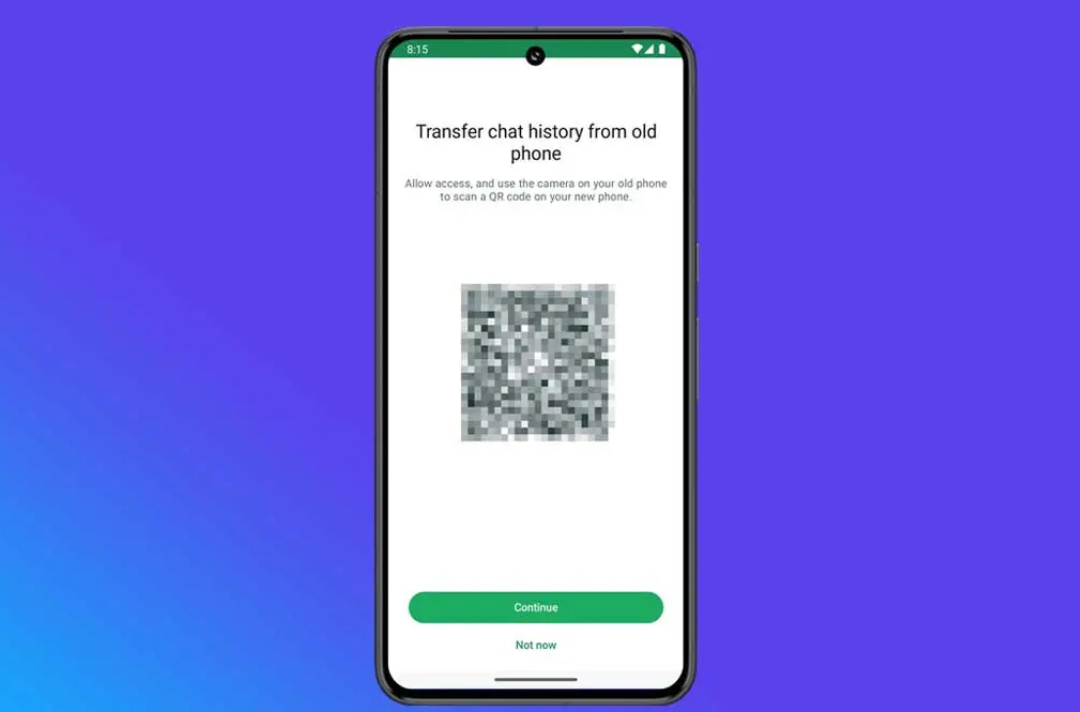
As per WABetaInfo, the new beta version, tagged 2.24.9.19, rolls out with a feature that makes the transferring of chats seamless using a QR code-powered feature.

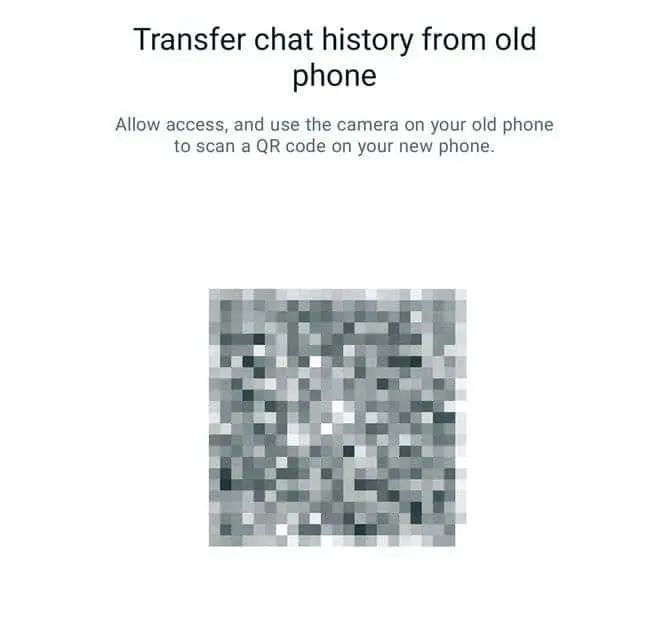
“As you can see from the attached screenshot, WhatsApp is currently experimenting with another section to let users easily transfer their chat history from an old phone, scheduled for release in a future update of the app.

Specific details regarding the implementation for this alternative feature are currently unavailable as it is still in development.

However, it looks like a universal feature designed to transfer chat history across different platforms without relying on specific sections or methods,” WaBetaInfo wrote on its page.

“Although this is purely speculative, this new section suggests WhatsApp may be aiming to enhance the migration process universally across devices, as it doesn’t mention that the old phone needs to be an Android device,” WaBetaInfo added.

How to Access the Beta Version

WhatsApp Beta Introduces Seamless Chat History Transfer with New QR Code Feature

The WhatsApp beta version with the new transfer tool has entered the Google Play Store for users who have been registered for the beta program.

Activity on the interest register of the beta program is reported to be maxed out again, though—so  many new users may have to wait until it arrives in the public release.

Streamlining the Transition Process

New feature aims to simplify transferring chats between Android devices

Considering that chat history transfer between Android devices has long been quite hectic, there was a need to depend on users’ own storage on Google Drive.

Despite the fact that WhatsApp itself updated the method to make it easier, updating conversations to a Google Drive account remained pretty time-consuming for most users.

Now, the QR code transfer feature is designed to help assuage this pain point and will make things much more intuitive and user-friendly.

Easy and efficient: End

QR code method expected to replace the cumbersome Google Drive backup process

Testing the new chat transfer feature extensively is not needed, as it is expected to be much more manageable than the classic Google Drive way.

However, the transfer time may vary depending on the amount of chat history accumulated by the user.

It remains not very clear whether both devices need to be logged in or if the QR code serves as a sign-in tool on the new phone, but these details are expected to become clearer once the feature is fully tested and deployed.

In any case we are closer than ever to seamless transition of chats without the additional headache brought over by the introduction of cables and whatnot.

Distinct from Cross-Platform Transfers

transferring of chats seamless using a QR code-powered feature
Transferring of chats seamless using a QR code-powered feature

It’s important to note that the new chat transfer tool in the beta version of WhatsApp appears to be distinct from the process used to transfer chats between iOS and Android devices, which typically involves a physical cable and several steps.

While straightforward, the cross-platform transfer process can be time-consuming.

The new transfer tool aims to streamline this process by ideally eliminating such steps, providing a more seamless experience for users switching between Android devices.

Benefits

  • Seamless Chat Migration: The QR code feature simplifies transferring chat history between Android devices, eliminating the need for Google Drive backups.
  • User-Friendly Experience: This new method makes the process more intuitive and efficient, reducing the time and effort required for chat history migration.

Challenges

  • Beta Access Limitations: Access to the new beta version is currently maxed out, limiting the number of users who can test the feature.
  • Unclear Details: There is still uncertainty regarding whether both devices need to be logged in or if the QR code serves as a sign-in tool on the new device.

FAQs

What is the new feature introduced in WhatsApp beta version 2.24.9.19?

The new feature allows seamless chat history transfer between Android devices using a QR code, eliminating the need for Google Drive backups.

How can I access the WhatsApp beta version with the new transfer tool?

The beta version is available on the Google Play Store for users registered in the WhatsApp beta program. Currently, the interest register is maxed out, so new users may have to wait until the public release.

How does the QR code transfer feature work?

The QR code transfer feature streamlines the process of migrating chat history between devices, making it more intuitive and user-friendly compared to traditional methods.

Is the new transfer tool different from the cross-platform transfer process?

Yes, the new chat transfer tool is distinct from the cross-platform transfer process, which involves physical cables and several steps. The new tool simplifies the process specifically for transfers between Android devices.

Will the transfer time vary with the new feature?

Yes, the transfer time may vary depending on the amount of chat history a user has accumulated, but the process is expected to be much more manageable than using Google Drive backups.

Also Read: WhatsApp is Testing a New Feature to Transfer Chat History with a QR Code

Also Read: WhatsApp to Launch Voice Message Transcription and Longer Status Videos on Android

Also Read: WhatsApp to Enhance User Experience with AI-Powered Image Editor