Home Blog Page 1029

Asus ZenBook 17 Fold OLED (UX9702): Everything you need to know!

0
Asus ZenBook 17 Fold

Asus Zenbook 17 Fold OLED is the brand’s foray into foldable laptops. The product has been launched globally and the company is marketing it as the world’s first 17.3 inch foldable laptop. To present the customers with the best possible combination of technical specifications and ultimate design, the company has reportedly partnered with many industry experts including Intel. The brand has announced the launch of the product at a starting price of $3,499, which amounts to ₹ 2,78,297 approximately.

The international rollout of the laptop will commence in the fourth quarter of 2022. Although the India launch of the product is yet to be announced, the Asus ZenBook 17 Fold OLED price in India is expected to be somewhere around ₹3,29,990.

Asus has interestingly decided to go with a minimalist approach for designing the Asus Zenbook 17 Fold OLED. A close company source revealed in the media that makers wanted the product to eliminate any restrictions that a traditional laptop usually has and at the same time offer a sense of flexibility making it a product for all your needs.

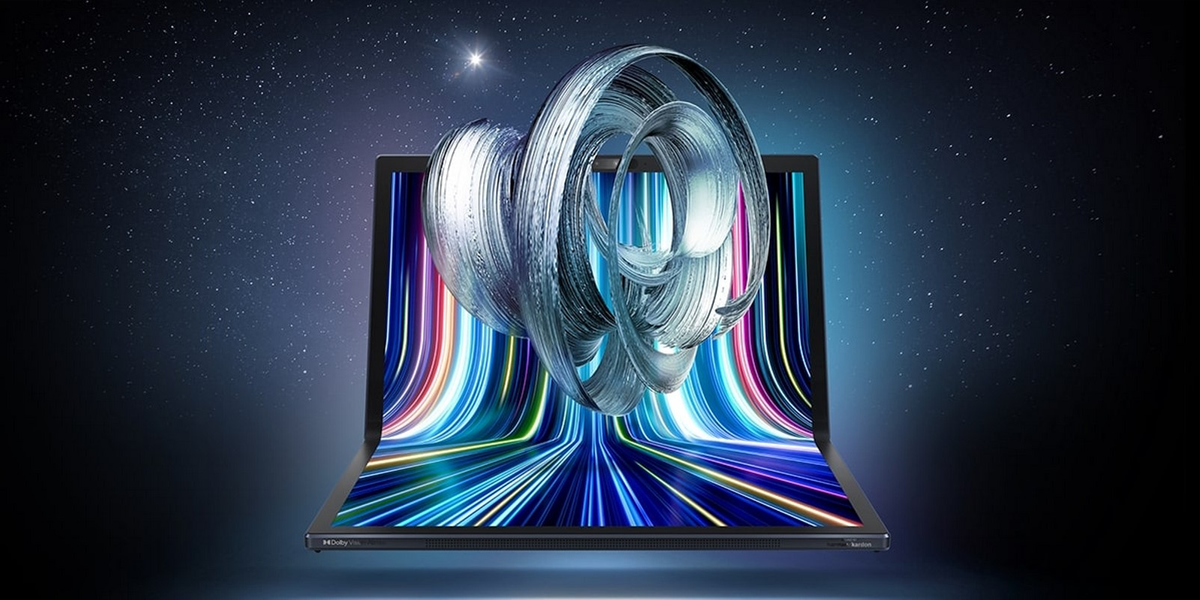
Asus Zenbook 17 Fold OLED is powered by a 12th Generation Intel Core i7 1250U processor that is complemented with an Intel Iris Xe integrated graphics card for optimum performance. It comes with 16 GB RAM and 1 TB PCle SSD storage. The laptop comes in two different screen sizes with one 17.3 inch 2.5K touchscreen that creates two seamless 3:2 displays when folded. The Dolby Vision certified display comes with a 100% DCI-P3 gamut and PANTONE validated for colour accuracy.

The company has added many features to the Asus Zenbook 17 Fold OLED that are powered by artificial intelligence and promises to offer a great user experience. These features include an integrated colour sensor for adjusting screen brightness automatically, an HD IR Camera enabled user presence detection capability, and a 5 MP AI webcam with 3D Noise Reduction technology by Asus for facilitating a better video call experience.

The segment of foldable laptops deals with many customer concerns as many people believe the life cycle of such products remains limited. Asus has specifically worked to counter these concerns.

Asus Zenbook 17 Fold OLED comes with a 180 degree hinge. What does this mean? According to the company, this 180 degree hinge provides the foldable laptop with “enough capability to withstand as many as 30,000 open and close cycles.” Asus has designed the laptop to provide users with multiple working modes. As a user, you can choose in which mode you want to work with the laptop as it can be used either as a desktop, or a laptop with Bluetooth keyboard, or a laptop with a virtual keyboard, or a tablet, or a reader. The product further comes with an Asus ScreenXpert 3 tool in order to assist users in arranging the windows on the screen.
Asus ZenBook 17 Fold

Let’s take a closer look at every Asus ZenBook 17 Fold OLED specifications and find out everything you need to know:

  • Colour – Tech Black
  • Operating System – Windows 11 Pro – ASUS recommends Windows 11 Pro for business and Windows 11 Home – ASUS recommends Windows 11 Pro for business
  • Processor – Intel® Core™ i7-1250U Processor 1.1 GHz (12M Cache, up to 4.7 GHz, 2P+8E cores)
  • Graphics – Intel® Iris Xe Graphics
  • Display – 17.3-inch, 2560 x 1920 FOLED 4:3 aspect ratio, 0.2ms response time, 500nits HDR peak brightness, 100% DCI-P3 colour gamut, 1,000,000:1, VESA CERTIFIED Display HDR True Black 500, 1.07 billion colours, PANTONE Validated, Glossy display, 70% less harmful blue light, Touch screen, Screen-to-body ratio: 87 %3-inch, 2560 x 1920 FOLED 4:3 aspect ratio, 0.2ms response time, 60Hz refresh rate, 500nits HDR peak brightness, 100% DCI-P3 colour gamut, 1,000,000:1, VESA CERTIFIED Display HDR True Black 500, 1.07 billion colours, PANTONE Validated, Glossy display, 70% less harmful blue light, Touch screen, Screen-to-body ratio: 87 %
  • Memory – 16GB LPDDR5 on board, Total system memory upgradeable to:16GB
  • Storage – 1TB M.2 NVMe™ PCIe® 4.0 Performance SSD
  • I/O Ports – 2x Thunderbolt™ 4 supports display / power delivery and 1x 3.5mm Combo Audio Jack
  • Keyboard & Touchpad – Soft Keyboard, 1.4mm Key-travel, Touchpad
  • Camera – 5.0M camera with IR function
  • Audio – Smart Amp Technology, Built-in speaker, Built-in array microphone, harman/kardon (Premium), Cortana and Alexa voice-recognition support
  • Network and Communication – Wi-Fi 6E(802.11ax) (Dual band) 2*2 + Bluetooth 5
  • Battery – 75WHrs, 4S1P, 4-cell Li-ion
  • Power Supply – TYPE-C, 65W AC Adapter, Output: 20V DC, 3.25A, 65W, Input: 100-240V AC 50/60GHz universal
  • Weight – 1.50 kg (3.31 lbs)
  • Dimensions (W x D x H) – 37.85 x 28.76 x 0.87 ~ 1.29 cm (14.90″ x 11.32″ x 0.34″ ~ 0.51″)
  • Built-in Apps – MyASUS
  • MyASUS Features – System diagnosis, Battery health charging, Fan Profile, Splendid, Tru2Life, Function key lock, WiFi SmartConnect, Link to MyASUS, TaskFirst, Live update, ASUS OLED Care, AI Noise Canceling, AdaptiveLock
  • Microsoft Office – 1-month trial for new Microsoft 365 customers. Credit card required, Office Home and Student 2021 included, Microsoft 365 Personal 1-year included. (Activation required with 6 months of Windows activation date), Microsoft Office Home & Business 2021
  • Military Grade – US MIL-STD 810H military-grade standard
  • Regulatory Compliance – Energy star
  • Security – Trusted Platform Module (TPM) and Trusted Platform Module (Firmware TPM)
  • Included in the Box – Sleeve, USB-C to USB-A adapter (Included accessories vary according to country and territory. Please check with your local ASUS retailer for details.)


Over 97 Percent of Phones Used in the Country Are Made in India, MoS IT Rajeev Chandrasekhar

0
Rajeev Chandrasekhar

Minister of State for Electronics and Information Technology Rajeev Chandrasekhar said that more than 97 per cent of mobile phones including smartphones currently used in the country are manufactured in India itself. Indirectly applauding the success of the Make in India initiative, Chandrasekhar said, “In 2014, over 92 per cent of mobile phones used in India were imported, today over 97 per cent of mobile phones used in India are made in India. Today we export electronic devices worth $12 billion (roughly Rs. 98,800 crores).” The minister was speaking at the CyFY 2022, an Observer Research Foundation (ORF) event.

While speaking at the same event, the MoS IT also said that the upcoming data protection bill is going to be extremely “simple and modern.”

The minister reminded everyone at the gathering that the right to privacy and data protection are integral to the fundamental rights of the country and the upcoming data protection bill be the first progressive step from the government in enshrining these into the lives of people. The next Budget Session of the Parliament in February next year is when the Centre is planning to table the new personal data protection bill. The Centre withdrew the Personal Data Protection Bill, 2021 in August saying that “a comprehensive legal framework” would be replacing the bill.

Chandrasekhar is also the Union Minister of State for Skill Development and Entrepreneurship. At the same event, the minister also touched upon the progress India has made in the semiconductor space. The minister said that the country has emerged as a “local hub for talent and innovation when it comes to the semiconductor and micro electronics industries.” He also added that India would soon become “a global centre of the innovation economy.”

Rajeev Chandrasekhar

“India also has a blueprint in place to advance the semiconductor space,” he said.

Talking of the global supply chains, the minister said, “Global supply chains need to be shaped not just by efficiency and affordability but also by values and trust. Democratic nations must take the lead in shaping the future of the internet.”

Rajeev Chandrasekhar even spoke about the resilience India’s start-up culture has displayed. According to the minister, the start-up ecosystem is a significant part of the Government of India’s vision of building a “new India.” He said, “India has a large number of startups focused on the next generation of device and technology design and added that India has taken the landmark decision to keep its internet open, but certain boundary conditions must apply.”

While speaking of Indian start-ups and technology, the minister said that when the country was the most crucial point, it took the wise decision of keeping its internet open. However, this open policy also calls for certain regulations and boundaries. He added, “Safety, security and trust are a must. There needs to be a coalition of consensus around these boundary conditions.”

Appreciating India’s feat with technology, the minister said that never in the history of the world has man seen innovation on the size and scale India is performing. Speaking of India’s future endeavour with Web 3.0, he added, “India is keen to lead the charge into Web 3.0, but issues around online gaming and crypto need to be wisely managed. An environment of safety and trust must be built, without stifling innovation,” he said.


Read More: Satellite Communications Key to Driving India’s Technology Ambitions, Internet Reach, MoS IT Says

Amazfit GTR 4: Everything you need to know !!

0
Amazfit GTR 4

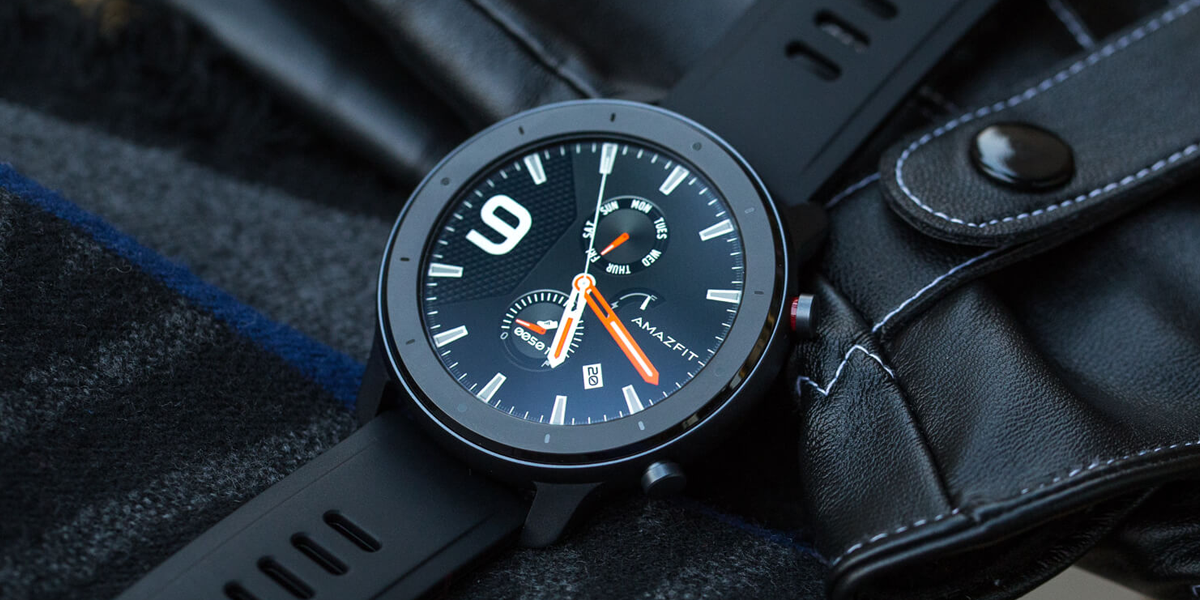
When you think of some of the best smartwatches that the market has to offer, the usual names that come to mind are an Apple watch or a Samsung Galaxy watch with some other brands lingering in the list below them. However, the new Amazfit GTR 4, given the price range, appears to be a strong contender for topping the list of dream smartwatches with all its top notch specifications and classic design.

The feature packed smartwatch has everything that makes it a great buy if you are looking for stylish yet useful at a certain price range. The GTR series has already offered some great models with each managing to successfully capture the frenzy of the market. And the Amazfit GTR 4 is here to provide a better design, bigger screen size, and much better battery life.

The smartwatch is powered by Zepp OS and is compatible with Android 7.0 and above versions as well as all iOS 12.9 and above versions. It comes with various sensors to provide every possible smartwatch functionality. It has BioTracker 4.0 PPG biometric sensor (supports blood-oxygen, 4 PM + 2 LED) for keeping an eye on your health. The smartwatch has different types of movement sensors, which include an acceleration sensor, gyroscope sensor, geomagnetic sensor, barometric altimeter and ambient light sensor. For proper positioning on the wrist, the smartwatch is featured with a dual band and a 6 satellite positioning system.

It comes with WLAN 2.4 GHz and Bluetooth 5.0 & BLE connectivity options.

The makers are calling Amazfit GTR 4 the industry’s first dual band smartwatch, which provides proper error free wrist positioning. It also circularly polarised GPS antenna, real-time navigation, smart trajectory correction, and run track mode to suit every possible requirement that a user can have.

Amazfit GTR 4

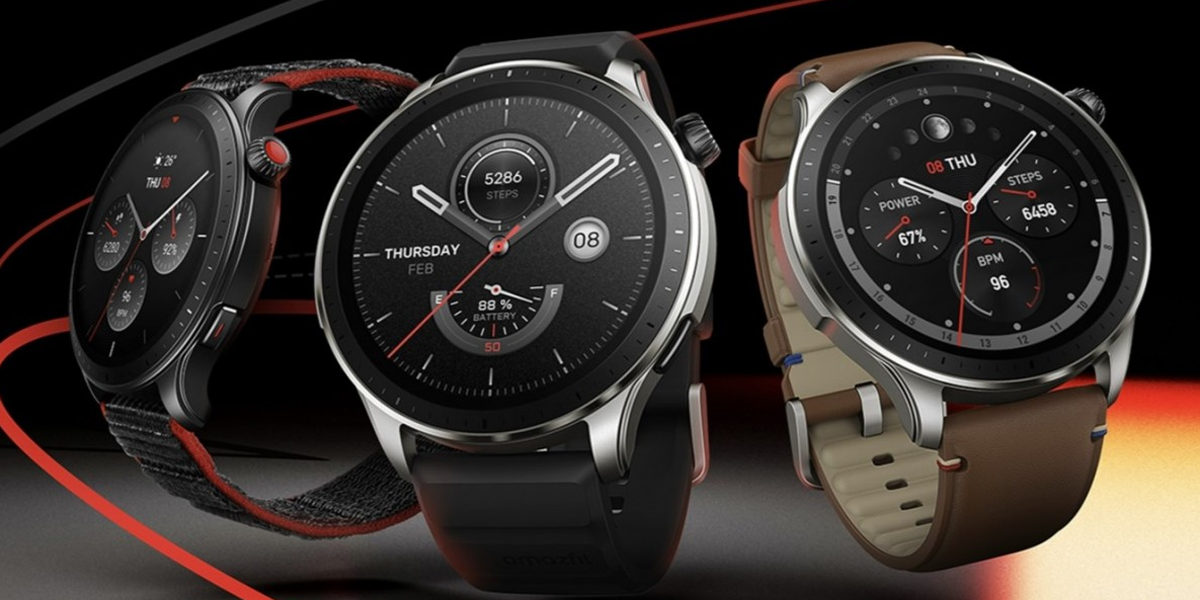
Amazfit GTR 4 also stands out amongst its competitors in the market for its exceptionally great design. The one piece metallic middle frame with stainless steel navigation crown and a large 1.4 inch high definition AMOLED display gives Amazfit GTR 4 a both classy and casual look making it a perfect choice to sport on every occasion. The ultra long 13 days battery life with more life to be added with the new battery saver mode gives it more than a couple of reasons to be worn all day long.

According to Amazfit’s official product support page, “the Amazfit GTR 4 has a large 46 mm aluminium alloy case which weighs 34g. The back of the case is made from polycarbonate and apart from the sensors, also has two magnetic pins for connecting the charger. The watch can withstand up to 5 ATM (or 5 bars) of pressure which means you should have no problem wearing it while swimming in a pool, washing your hands, or showering.”

Most people purchasing a mid range smartwatch are always concerned about the connectivity issues they are going to face no matter what the makers have to say. Amazfit GTR 4 offers WLAN 2.4 GHz, Bluetooth 5.0 & BLE for connectivity. For Bluetooth calling, users can pair the watch with their smartphones via Bluetooth in order to maintain the connection for receiving calls through the watch. At the same time, while the watch is connected to your smartphone via Bluetooth, you can even make calls through the same Bluetooth on the watch using the Phone app as an interface. When the smartwatch and smartphone are connected, a prompt will be displayed on the watch signalling an incoming call. The users will be able to ignore or receive the call via the watch.

The smartwatch also offers music storage and playback support for a workout motivation boost.
Also, Read Here:
Amazfit Supports GPS System With New GTR 4, GTS 4 Smartwatches
Amazfit Diwali Sale
Tech News Wrap: Amazfit GTS 4 Display Set Launch…and more

Select music can be enjoyed on the watch for playback via the built-in speaker or simply through Bluetooth enabled headphones. Users can also control the music on their smartphones through the watch via an enabled Bluetooth connection.

Currently, Amazfit GTR 4 price in India starts from ₹ 16,999.

Moreover, here are all the details of technical Amazfit GTR 4 model specifications and everything you need to know about the smartwatch.

Amazfit GTR 4

Design

Colour – Superspeed black (Fluoroelastomer strap), Vintage Brown Leather (Leather Strap, Racetrack Grey (Nylon strap)

Dimensions – 46 x 46 x 10.6mm (without heart rate base)

Weight – 34g (with strap)

Body Material – Aluminum alloy middle frame, high-gloss sprayed PC bottom shell

Buttons – 2

Water resistance grade – 5 ATM

Display

Material – AMOLED

Size – 1.43 inch

Resolution – 466 x 466

PPI – 326

Touchscreen – Tempered glass + anti-finger print coating + anti-glare bezel

Battery

Battery Capacity – 475 mAh (rated value)

Charging Method – magnetic charging

Theoretical Charging Duration – Approx. 2 hours

Typical Usage Scenario Battery Life – Up to 14 days

Battery Saver Mode Battery Life – Up to 24 days

Clock Mode Battery Life – Up to 50 days

Heavy Usage Scenario Battery Life – Up to 7 days

Accuracy GPS Mode – Up to 25 hours

Balanced GPS Mode – Up to 44 hours

Power Saving GPS Mode – Up to 52 hours

Sensors

Health – BioTracker 4.0 PPG biometric sensor (supports blood-oxygen, 4PM + 2 LED)

Movement – Acceleration sensor, Gyroscope sensor, Geomagnetic sensor, Barometric altimeter, Ambient light sensor

Positioning – Dual band & 6 satellite positioning systems

Connection – WLAN 2.4 GHz, Bluetooth 5.0 & BLE

Other

Microphone support

Speaker support

Motor linear support

Strap

Materials – Fluoroelastomer / Nylon Quick release

Width – 22 mm

Minimum and Maximum wrist dimensions – Fluoroeslatomer & Leather straps : 150 mm – 215 mm, Nylon strap – 150 mm – 210 mm

Buckle – Classic pin buckle

Packaging List

Smartwatch (including standard strap), magnetic charging cable instruction manual

Supported Devices

Android 7.0 and above, iOS 12.9 and above

Application

Zepp App

HP Pavilion Plus Laptop 14: Everything you need to know !

0
HP Pavilion Plus Laptop 14

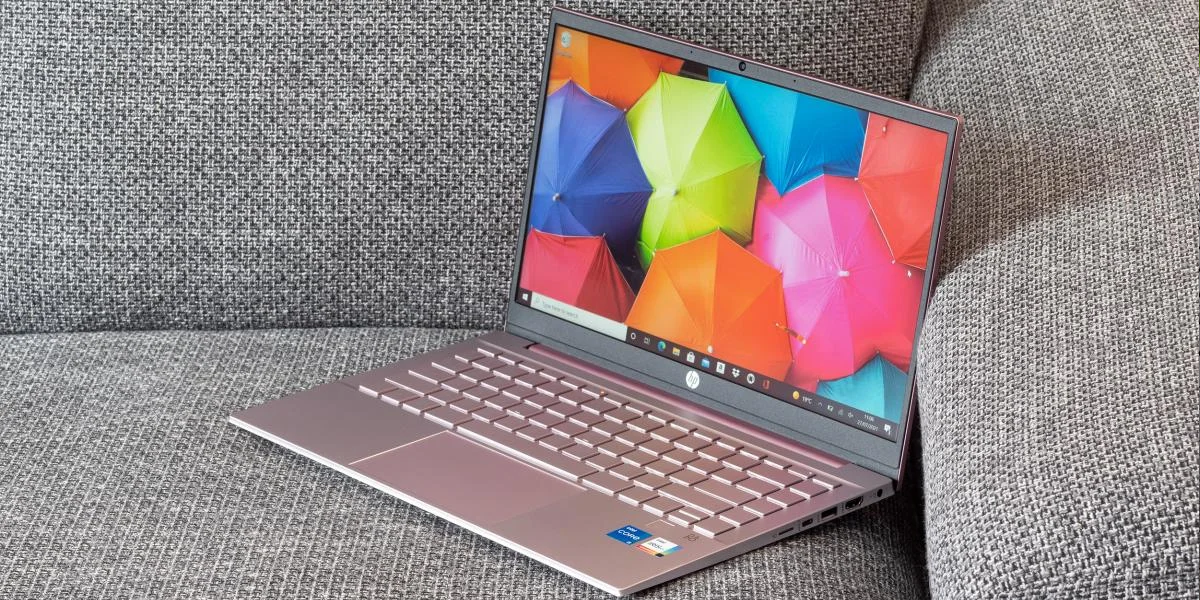
If you are looking for an OLED screen that happens to have all the functionalities of a laptop then the HP Pavilion Plus Laptop 14 is the product for you. It’s all recycled aluminium construction, high-resolution display and premium quality speakers, which makes the perfect companion for a little bit of work and a lot of play. The model is HP’s premium laptop and is the slimmest laptop to come out in the series. It’s attractive and checks all boxes making it a preferred pick for anyone looking for a handy laptop.

The 14 inch IPS panel full high definition display with antiglare coating and a resolution of 2240×1400 pixel is one of the biggest highlights of the product. The display makes text and images appear a lot more sharper than other standard laptop screens. The Bang and Olufsen audio technology provides clear and crisp sound support. And the standard refresh rate of 60Hz is ideal for any laptop in this segment.

The lightweight all-metal body makes in silver colour gives the laptop a very professional appearance. It features an Intel Core i5 CPU, integrated graphics, a 512GB SSD, and 16GB of RAM.

The HP Pavilion Plus 14 come with a decent selection of ports when compared to other 14 inch laptop available in the market at this price range. The right side has two SuperSpeed USB Type-C ports (10Gbps, DisplayPort 1.4), an HDMI 2.1 video output, and a USB Type-A (5Gbps) port. The left side has another full-sized USB Type-A port, a headphone jack, and a microSD card slot.

HP Pavilion Plus Laptop 14 price in India is Rs 79,999.

Let’s find out everything that you need to know about HP Pavilion Plus Laptop 14 specifications in detail.

Key specifications

HP Pavilion Plus Laptop 14

  • Operating System Windows 11 Home
  • Processor Name – Intel® Core™ i5-12500H (up to 4.5 GHz with Intel® Turbo Boost Technology, 18 MB L3 cache, 12 cores, 16 threads)
  • Processor Footnote – Multi-core is designed to improve the performance of certain software products. Not all customers or software applications will necessarily benefit from the use of this technology. Performance and clock frequency will vary depending on the application workload and your hardware and software configurations. Intel’s numbering, branding and/or naming is not a measurement of higher performance. Intel® Turbo Boost performance varies depending on hardware, software and overall system configuration.
  • Processor Family – 12th Generation Intel® Core™ i5 processor
  • Chipset – Intel® Integrated SoC
  • Form Factor – Standard laptop
  • Memory – 16 GB DDR4-3200 MHz RAM (onboard)
  • Memory Note – Transfer rates up to 3200 MT/s.
  • Hard Drive Description – 512 GB PCIe® NVMe™ TLC SSD
  • Storage Type – SSD
  • Optical Drive – Optical drive not included
  • Cloud Service – 25 GB Dropbox storage for 12 months
  • Cloud Service Footnote – 25 GB of free Dropbox storage for 12 months from the date of registration. Internet service is required and not included.
  • Display HP – 35.6 cm (14) diagonal 2.2K display
  • Display – 35.6 cm (14) diagonal, 2.2K (2240 x 1400), IPS, micro-edge, anti-glare, Low Blue Light, 300 nits, 100% sRGB
  • Graphics – Intel® Iris® Xᵉ Graphics
  • Ports – 2 SuperSpeed USB Type-C® 10Gbps signaling rate (USB Power Delivery, DisplayPort™ 1.4, HP Sleep and Charge); 2 SuperSpeed USB Type-A 5Gbps signaling rate; 1 HDMI 2.1; 1 headphone/microphone combo
  • External I/O Ports Footnote – For best results with HP Sleep and Charge, use a USB charging protocol standard cable or cable adapter with an external device.
  • Expansion Slots – 1 microSD media card reader
  • Audio Features – Audio by B&O; Dual speakers; HP Audio Boost
  • Webcam – HP True Vision 5MP camera with temporal noise reduction and integrated dual array digital microphones
  • Fingerprint Reader – Fingerprint reader
  • Pointing Device – HP Imagepad with multi-touch gesture support
  • Keyboard – Full-size, backlit, warm gold keyboard
  • Wireless – Intel® Wi-Fi 6E AX211 (2×2) and Bluetooth® 5.2 combo (Supporting Gigabit data rate)
  • Wireless Note – MU-MIMO supported
  • Power Supply Type – 90 W USB Type-C® power adapter
  • Battery Type – 3-cell, 51 Wh Li-ion polymer
  • Battery Life Video Playback – Up to 11 hours and 30 minutes
  • Battery Weight – 210 g
  • Energy Efficiency Compliance – EPEAT® registered
  • Environmental – Ocean-bound plastic in bezel and speaker enclosure(s); Recycled metal in cover, keyboard frame and base; Keyboard keycaps and scissors contain post-consumer recycled plastic
  • Environmental Specification Footnote Number – The percentage of ocean-bound plastic contained in each component varies by product. Laptops manufactured with recycled metal material in product cover. The percentage of the recycled metal varies by product. Keyboard components contain post-consumer recycled plastic. The percentage of post-consumer recycled contained in each component varies by product.
  • Dimensions Without Stand (W X D X H) – 31.35 x 22.42 x 1.84 cm
  • Dimension Note (Metric) – Dimensions vary by configuration
  • Package Dimensions (W X D X H) – 6.9 x 48.3 x 30.5 cm
  • Weight – 1.4 kg
  • Weight Note (Metric) – Weight varies by configuration
  • Package Weight – 2.19 kg
  • Product Color – Warm gold aluminum
  • Product Design – Matte finish
  • Security Management – Trusted Platform Module (Firmware TPM) support
  • Software Included – McAfee LiveSafe™
  • Software Footnote – Free 30-day subscription of McAfee LiveSafe service included. Internet access is required and not included. Subscription required after expiration.
  • Pre-Installed Software – Microsoft Office Home and Student
  • Software – Productivity & Finance Footnote – Must activate within 180 days of Windows activation
  • Warranty – 1 year (1/1/1) limited warranty includes 1 year of parts and labor. 1 year on-site repair. Terms and conditions vary by country. Certain restrictions and exclusions apply
  • Included – HP Bag worth ₹ 2,499

Read More: HP Pavilion Plus 14 launched with Intel Processor
Read More: Top 10 Premium Laptops Under 1.5 Lakh Available In India

Google Pixel 7A Tipped To Feature Flagship Camera Sensors, Wireless Charging: Report

0
Google Pixel

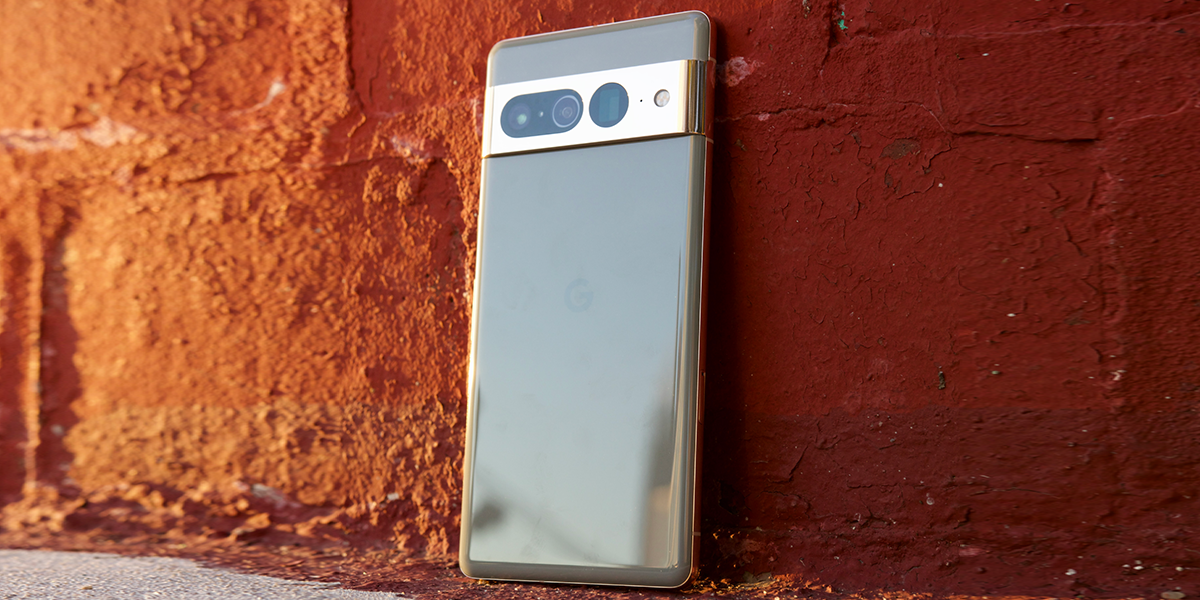
If the latest online leaked tip is believed, Google Pixel 7A will have a significant upgrade from every previously launched smartphone in Google’s Pixel A series. The model is already slated to be the most affordable addition to the already mid range Google smartphone series. It is widely speculated to have an early 2023 launch, though no official word from the brand has hit the newsstand yet. The online buzz around the Pixel 7A suddenly skyrocketed this week when it was leaked to sport a better camera combination and wireless charging amongst various other cool features.

Interestingly, the first indication of Google Pixel 7A was noticed during a public conversation on Android’s open-source code. Many netizens quickly cracked that the codename “Lynx” was basically what later going to be named Pixel 7A and will be officially launched in the markets in 2023.

When the company released the first model in the A series pixel smartphones, the positioning of the product was around the message of making the flagship device affordable. Nevertheless, the gap between specifications, quality and experience has tremendously reduced with every new addition to the A series pixel smartphones.

Google displayed a similar approach during the launch of the Pixel 4a 5G and the Pixel 5. Targeting two extremely different segments yet both smartphones had the same Qualcomm Snapdragon 765G SoC with an aim to reduce the gap between specifications, quality and experience at the same time. The Pixel 4a 5G with 90Hz refresh rate for optimum display performance came with water resistance, a premium metal body, and wireless charging. These specifications for smartphones in the category were almost unheard of. Later, the Pixel 5A upon launch also successfully managed to keep the market selling price under a range while also offering premium features such as a water-resistant smartphone body and metal exterior finish.

Google Pixel 7A

Significantly, both the models i.e. Google Pixel 4A and Google Pixel 5A had a similar primary camera sensor just as was offered with the series flagship handsets.

Weibo leaker Digital Chat Station, at the beginning of this year, had already disclosed some details about the pixel handset. They revealed that the device is under development and most certainly, Foxconn is manufacturing it in China. Their information also added that the Pixel 7a will have the same Tensor G2 Chip that was earlier seen in the Pixel 7 series. They also said the product will be launched in a ceramic finish body and while no official confirmation is in place for the tech enthusiasts but if this information is right then that makes Pixel 7a the first Google smartphone to have a ceramic body.

Amongst all these tips and leaks from different sources, famous android researcher Kuba Wojciechowski hasn’t stayed behind in the chat. According to Wojciechowski, the “Lynx” which we have the hint to be the codename of Pixel 7a is supposedly developed with “P9222” chip for wireless charging. So, if this news is true then it defuses some of the excitement regarding the wireless charging feature that the latest leak talked about. Now, the “P9222” chip only supports 5W charging, which directly means that the wireless charging technology (if it’s there in Pixel 7A) would become a feature rather promotional than practically functional.

The Google Pixel series models currently available in the market include Pixel 7 and Pixel 7 Pro, Pixel 6a, Pixel 6 and Pixel 6 Pro, Pixel 5a, Pixel 5, Pixel 4a with 5G and Pixel 3a.

Read More: Tech News Wrap: Google Pixel 7, Pro Launch
Read More: Google’s Pixel 6a is expected to be launched in May after it reportedly appeared on the FCC website

Satellite Communications Key to Driving India’s Technology Ambitions, Internet Reach, MoS IT Says

0
Satellite Communications

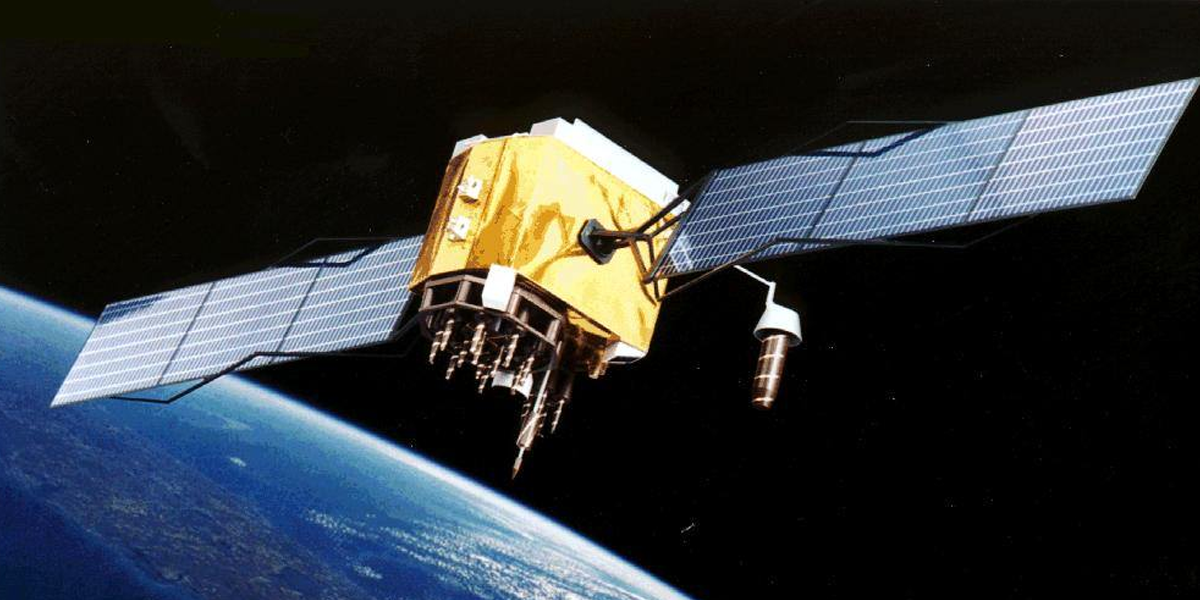
The Satellite communication and space segment in future will be playing instrumental roles in ensuring India fulfils its ambition of connecting the maximum number of people to the digital economy as well as expanding Internet reach to the last mile, says Rajeev Chandrasekhar, the Minister of State for Information Technology. Chandrasekhar made the comments while speaking at the Indian Space Congress 2022 held in New Delhi recently.

Chandrasekhar said, “Our goal is to have 1.2 billion Indians connect to the internet directly through their device by 2025-26 and it will be a combination of all of this (wireless) and the role of satellite communication and the space segment is an inherent part of it,”.

While admitting the limitations that wireless technology may have at certain times or geographical locations and he further added, “satellite is clearly emerging as an important part of the blueprint of delivering quality Internet to all citizens and enterprises of India.”

According to the minister, the two segment of technology that holds the utmost significance in the coming decade or so will be satellites and space. These will be important for the overall success of any outreach plan that any government can make.

“Space and the satellite communication sectors are going to be interesting, important, and critical use cases or domains that will catalyze startups, catalyze the development of devices and electronics in the Indian ecosystem,” he said.

Satellite Communications

India has made some tremendous progress on this path. There was a time India’s tech economy was considered limited to the segment of IT services only. But times have changed now and the country has successfully made its mark in various other tech divisions such as the startup segment, fintech, consumer tech, e-commerce and more.

The minister also said, “We have a momentum going there, which makes us competitive with the rest of the world in terms of scale and quality and size, and innovation and applications that our startups are creating. But our focus is now also on the nuts and bolts of the Internet, the underlying electronics, technology, devices, and products that power the internet.”

On the sidelines of the same event, the minister also said that the Government of India wants the internet to be free from any kind of market domination. The statement particularly gains importance since it came right after the second penalty in a week was imposed on technology major Google for anti-competitive practices by the Competition Commission of India (CCI).  The CCI in its report revealed its investigation findings, which finds Google guilty of abusing its position of power in the Android smartphone manufacturing market. “Our view is that the internet should always be open and free from market domination by anyone,” Chandrasekhar said.

It was also noted during the event how India has skillfully navigated the storm of inflation, global economic slowdown and Covid-19 era struggle only to come out as a winner when the world is still fighting many disturbances. He also said that the country has emerged as the “fastest growing innovative ecosystem” after all these turbulent times the world is going through with attracting high FDI inflows that promise a hopeful future.

Read More: Google Probed by CCI; Tech Giant Allegedly Violates Revenue Sharing Terms
Read More: Google Faces Over Rs. 1330 Crore Fine by CCI for Misusing Dominant Position in Android Mobile Market


TRAI’s Concerns Over Draft Telecom Bill Provisions Said to Be Duly Addressed

0
Indian Telecommunication Act 2022

According to various media reports, a close source to the Department of Telecom (DoT) has said the government would duly address TRAI’s concerns regarding a potential dilution of power with the introduction of the Indian Telecommunication Act 2022. The source also said that the government over time might work towards strengthening the regulatory body separately, which was earlier said to be the primary intention of the government in adding certain clauses that TRAI has objections to.

As for the OTT (Over-The-Top) communication apps, the government’s intention with the draft telecom bill has been to focus on regulation related to user protection. The draft bill is not intended to interfere with the licencing part. The Department of Telecommunication plan is to put the hammer on spammers and culprits of cyber fraud making the telecom bill its weapon.

It was reported in the media that the Telecom Regulatory Authority of India, TRAI, had reservations about some clauses in the draft telecommunication bill and the agency believed those points will dilute its power. Apart from this, experts had pointed out other concerns that included the fact the Bill undermines the regulator by proposing to “take away the TRAI’s statutory independence, and seeks to make it subservient to the government”. The DoT source, however, says that the two bodies since then have had discussions and all the outstanding issues have been resolved. The source also told the media personnel that at the moment there are no differences between the two bodies.

“The Department of Telecom (DoT) has had discussions with the TRAI and all the concerns were addressed. Everyone agreed that the intent was good… There are no differences between the DoT and the TRAI. All issues have been resolved,” the source added while speaking to the media.

Indian Telecommunication Act 2022

After the discussions were held between both parties, the telecom ministry is now of the view that the specific objectionable provisions will be removed from the bill. These provisions, intended to further strengthen TRAI, are in line with the lines of the US Federal Communications Commission or the UK’s communications regulator Ofcom. The telecom ministry will take up these provisions in another three to four years through a separate exercise after having a proper discussion with all parties involved.

The telecom ministry last month circulated the draft of the Indian Telecommunication Act, 2022 to stakeholders for comments. That circulated draft telecom bill had proposed many clauses and one of those provisions was for waiving fees and penalties of telecom and internet service providers. The telecom department, in the draft telecom bill, also mooted a provision for the refund of fees. This clause was for matters where licences will be surrendered by a telecom or internet provider.

Moreover, telecom service providers are also constantly pushing for the need of bringing OTT apps such as WhatsApp or Signal under regulation. The argument in favour of this is that these apps offer services similar to the telecom service providers such as calling and messaging. It is the need of the time that these should be subject to the same licence conditions as telecom service providers. Bringing such OTT apps under the regulation will finally ensure a level playing field for all tech companies working in similar businesses.

Read more: What is OTT (Over-the-Top)? Everything You Need to Know
Read more:
Draft telecom Bill: TRAI Opposed to Regulation of OTT Platforms
Read more:
Telecom Department Addresses Power Dilution Issue; TRAI Raises Concerns

Realme 10 4G Live Shots Emerge Before Launch

0
Realme 10 4G Live Shots

Realme 10 4G specifications were leaked last week and now it’s time to see the live shots even before the smartphone is officially out. Who is doing it like Realme? They are keeping the buzz alive and it appears this sudden leak of renders is only going to help the product. Realme 10 4G is looking at an early November launch but those waiting to know how the smartphone would eventually look can now get an unofficial sneak peek, thanks to the leaked live shots.

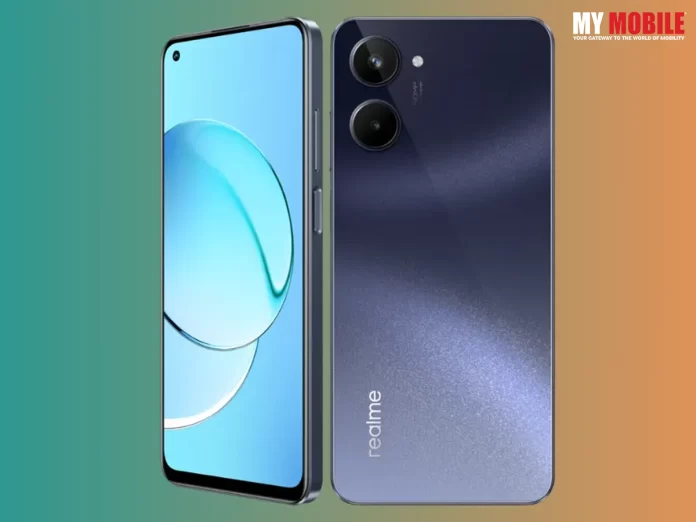
The renders give away a decent idea of the front and rear design of the smartphone. Many tech enthusiasts who saw the renders revealed online that the display of the handset has a punch-hole in the upper left corner of the front. According to them, the leaked live shots also reveal that the upcoming Realme device is equipped with the Helio G99 chipset. It reportedly runs on Realme UI 3.0. Moreover, the smartphone can be clearly noticed in white and black colours. However, both white and black models will likely have separate model marketing names which some users guessed to be Clash White and Rush Black, respectively.

The variant shown in the live shots can be noticed to have 8 GB of RAM and 128 GB of storage making it a decent storage support. Referring to the renders, it can be said that the device could be measured somewhere around 159.9 x 73.3 x 7.95 mm and total weighs around 178 grams, although nothing can be said too certainly just by looking at some live shots.

One user online also confirmed that model number RMX3630, which was earlier noticed on certification platforms by many tipsters, was also clearly seen in the new leaked live images. Many other tech media reports have also claimed that the smartphone appears to have a 6.4 inch full high definition + display (something that last week’s leaked specification also confirmed). The smartphone most likely also has a 16 megapixel front camera along with a rear dual camera setup that included a 50 megapixel + 2 megapixel. The much anticipated smartphone is most likely be priced somewhere between USD 190 and USD 210 (approx Rs 15,700 and 17,300) in the international market.

Other Realme 10 4G rumoured speciicaton include –

  • Processor – MediaTek Helio G99 | 4 GB
  • Display – 6.4 inches (16.26 cm)
  • Rear camera – 50 MP + 2 MP
  • Selfie camera – 16 MP
  • Battery – 5000 mAh

The price, the specifications and now the renders were all first leaked or noticed by industry popular tipsters. The first renders were also leaked by MySmartPrice in collaboration with one of the industry tipsters. Some of these online conversations suggested Realme 10 India price details and important specifications of Realme 10 4G. According to these tipsets, the smartphone will be priced somewhere between Rs 17,000 and Rs 19,000 in India. With many bank offers and exclusive discounts, the base price for the model is further expected to down to at least Rs 15,000. As per the tipester, the sale of the product is starting from November 1 2022.

Read More: Realme 10 Series Smartphone Specifics Leaked; Details Inside
Read More: Reealme 10 Series Specifications Surface Again, Tipped to Launch in November

Huawei’s Revenue Falls Down 2.2 Percent This Year Amid US Sanctions

0
Huawei

The Chinese telecom giant, Huawei says its revenue saw a 2.2 percent fall in the first nine months of the year amid the global economic slowdown, China covid restrictions, and most significantly, US sanctions. Apart from being the “leading global provider of information and communications technology (ICT) infrastructure and smart devices”, Huawei is the world’s biggest manufacturer of network gear for phones and internet carriers.

According to figures released by the Chinese tech brand, the company’s revenue during the first nine months of the year amounted to CNY 445.8 billion (which is nearly Rs. 5,07,400 crore), and by the numbers released earlier, the third-quarter revenue supposedly rose by 6.5 per cent from a year ago to CNY 144.2 billion (which is nearly Rs. 1,64,100 crore).

As per a statement released by the company, Huawei’s profit margin was 6.1 per cent for the first nine months of this year. This reportedly amounts to CNY 27 billion (which is nearly Rs. 30,700 crores). The company also specified that the figure was a clear decline from its previous year’s numbers. However, no specific figures of the difference were shared in the statement.

Read More:Huawei Mate 50 will be functional, even with a drained battery

In the same statement, Eric Xu, one of the three Huawei executives who take turns as chairman, said, “The decline in our device business continued to slow down, and our ICT infrastructure business maintained steady growth.” He further added, “The overall business performance is in line with forecast.”

While speaking to the international media, a company official spokesperson talked about the revenue update and revealed, “Our device business was impacted by Covid-19 and the global economic downturn.”

Huawei

In a separate statement, China’s first global tech brand revealed more concerns when it mentioned that the current year “may prove to be the most challenging for smartphones and other devices.” However, here too the company refrained from sharing any more details.

The tech company has been facing tough times since then US President Donald Trump blocked it from US technology such as chips in 2019. America has been accusing the company of facilitating Chinese spying through its products and services, a charge that Huawei has categorically denied.

After US President Joe Biden took over, the pressure on the Chinese tech company has only doubled with the US Chip Act, the legislation  “threatens Huawei’s access to global semiconductor supply chains.” Following the United States, Huawei’s 5th Generation wireless technology has also been banned in countries such as Britain and Japan citing security issues.

The Shenzhen-headquartered company has since intensified the development of network technology for various other categories of products such as auto, mines, hospitals, and manufacturing units. According to company officials, the business of Huawei is less impacted by US sanctions ever since.

Huawei’s auto venture has been instrumental in the launch of the five models by three Chinese automakers. The company is supplying software and various important components for navigation, managing vehicle systems, dashboard displays and other services.

Meanwhile, in completely separate news, the American hand drive manufacturer Seagate has revealed that the US government has warned the company as it believes Seagate has violated the export controls laws by selling hard drives to Huawei. Seagate however denies violating any laws by supplying hard drives to the Chinese tech company as the transaction was performed as per laws.

Read More: Huawei announces rollout of comprehensive enterprise-centric products


Google Cloud Launches Its Own Node-Hosting Service: Here’s What It Means for Web3 Developers

0
Google Cloud

A news that should interest all Web3 developers is coming from Google’s corner. The company has just announced the launch of the Google Cloud’s blockchain node engine that will allow hosting and deploying of fully managed blockchain nodes in Google cloud.

With its node hosting services in the cloud, Web3 developers will now find the entire process a lot faster, easier and most importantly, secure. The company made the revelation in a blog post with all the details of the launch and services.

Blockchain is changing the way the world stores and moves its information. Building on our commitment to help Web3 developers build and deploy new products on blockchain-based platforms, today we’re thrilled to announce Google Cloud’s Blockchain Node Engine,” the company said in the blog post.

Also Read: Google Cloud Gaming Service

The first blockchain supported by Blockchain Node Engine will be Ethereum. The blockchain node engine will enable developers to secure blockchain access with the provision to fully manage Ethereum nodes.

Google tried to explain in the blog post how the whole system of blockchain works. Blockchain permanently stores and encrypts transaction data while working as a decentralised database for the information.

The blockchain is governed by a node, something like a computer, laptop, or server type of device that validates and stores copies of the transaction history. These nodes constantly exchange the new blockchain data and create a dense network in the process only to ensure all nodes are in sync.

Also Read: Google Stadia Isn’t Shutting Down

The blog further mentions, “While self-managed nodes are often difficult to deploy and require constant management, Blockchain Node Engine is a fully managed node-hosting service that can minimize the need for node operations.

Web3 companies who require dedicated nodes can relay transactions, deploy smart contracts, and read or write blockchain data with the reliability, performance, and security they expect from Google Cloud compute and network infrastructure.”

James Tromans, the lead of Google Cloud Platform’s Web3 product, while speaking to select media outlets reportedly said, “The two “main challenges” the Blockchain Node Engine will address are “the time it takes to launch a node, and the pain of keeping it up and running.” He further added, “Blockchain Node Engine reduces these pain points, and furthermore affords developers complete control over where their nodes are deployed.”

Also Read: Cloud Computing sees highest talent demand-supply gap

Tromans also said that such types of services have always existed, however, they offered very few benefits. “You can use a JSON-RPC service, but then you’re sharing nodes with many other customers and you do not retain configurability, such as the region within which the node is deployed or who can access your node,” he added.

In its blog, Google also listed out the benefits of the blockchain node engine for Web3 developers. As per Google, it will streamline provisioning which is a rather time intensive process. It says, “Today, manually deploying a node is a time-intensive process that involves provisioning a compute instance, installing an Ethereum client (e.g. geth), and waiting for the node to sync with the network.

Syncing a full node from the first block (i.e., “genesis”) can take several days.” The blockchain node engine will transform the whole work outline for developers making their job must faster and easier. It also mentions how the current system has limited infrastructure security options, a fact that will change with Cloud’s blockchain node engine. It also offers fully managed operations that ensure the “blockchain infrastructure is ready and available.”

Also Read: Cloud Gaming: 5G to Bring About a Paradigm Shift