Home Blog Page 658

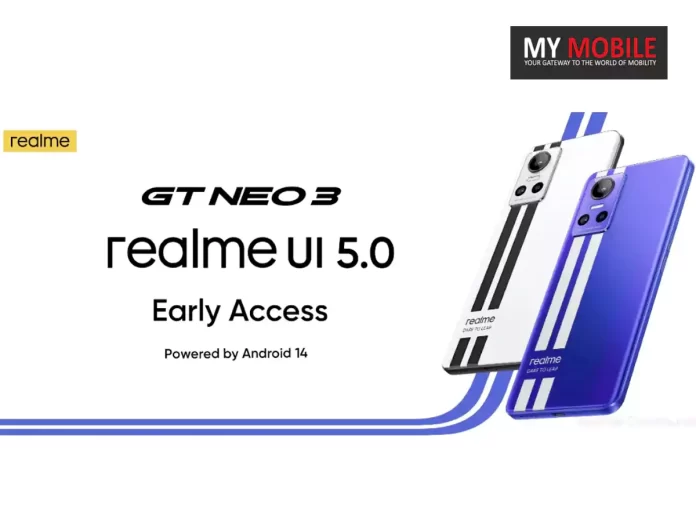
Realme UI 5.0 based on Android 14 Rollout Started With Realme GT Neo 3

0
Realme UI 5.0 based on Android 14

Highlights

  • Realme GT Neo 3 series first to receive Realme UI 5.0, infused with Android 14’s latest features.
  • Early Access offers enhanced privacy, revamped design, and robust system stability improvements.
  • Exclusive developer APIs and expanded app cloning capabilities introduced in the new update.

Realme takes a leap into the future with the introduction of its Realme UI 5.0, leveraging the capabilities of Android 14, and it’s starting with the GT Neo 3 line.

This developmental phase, termed ‘Early Access,’ invites users to a refined interface showcasing a delicate color palette for an improved aesthetic appeal.

With the advent of Realme UI 5.0, users are in for a treat with novel system tones and refined animations that contribute to a polished user experience.

Furthermore, the upgrade is more than skin deep—expect substantial advancements in operational fluidity, app responsiveness, and overall system resilience.

Enhancing user privacy is at the forefront of this update.

Google Photos integration takes a step up to bolster the cloud-based photo service, coupled with augmented security protocols for personal PIN codes and media permissions.

This is a stride forward in Realme’s commitment to user confidentiality and data protection.

Developers are not left behind, as the update rolls out new APIs that support individual app language settings, among other customization options.

For the multitaskers, the APP Cloner feature expands its utility, allowing for duplicate app functionality.

Meanwhile, the Control Center stands to gain a fixed media output option, optimizing audio handling.

Preparing For Realme UI 5.0 Update

Realme UI 5.0 Update

Realme advises users of the GT Neo 3 series to prepare for this update by securing a minimum of 15GB of storage and ensuring the device is not rooted.

It’s also wise to back up personal data before proceeding with the Early Access.

They have also cautioned that some existing features, like the Glance lock-screen and the floating window, may experience initial hiccups, with fixes slated for subsequent releases.

As with any early software release, compatibility with some third-party apps may be tentative, and as such, the Early Access may not suit those requiring a fully stable daily driver just yet.

Realme is methodically accepting applications for the Early Access program, noting that only a select number of slots are available for enthusiasts eager to dive into the new Realme UI 5.0 experience.

FAQs

What is Realme UI 5.0 and what devices are compatible?

Realme UI 5.0 is the latest custom skin from Realme, based on Android 14, designed to elevate the user interface with improved privacy and performance. Initially, the Realme GT Neo 3 and Neo 3 150W models are eligible for the Early Access program.

How does Realme UI 5.0 enhance the user experience?

The Realme UI 5.0 enriches the user experience by offering a new visual design, optimized system stability, and smoother app functionality. It also enhances the Google Photos service and includes new privacy management features for a more secure usage.

What are the requirements for installing Realme UI 5.0 Early Access?

To install the Early Access version of Realme UI 5.0, ensure your Realme GT Neo 3 has at least 15GB of available storage and is not rooted. Users should back up their data before proceeding, as early access software can present stability issues.

Also Read: Realme 11 Pro series (Realme 11 Pro+ and Realme 11 Pro) tipped to feature a new MediaTek Dimensity 7000-series chipset

Also Read: Shah Rukh Khan is Realme’s New Brand Ambassador

Samsung Galaxy S24 to Use Both Exynos 2400 and Qualcomm Snapdragon 8 Gen 3 SoC 

0
Samsung Galaxy S24

Highlights

  • Samsung Galaxy S24 series to feature a mix of Snapdragon 8 Gen 3 and Exynos 2400 chipsets.
  • Qualcomm CEO Cristiano Amon hints at a significant market share for Snapdragon in the S24 lineup.
  • Exynos 2400 to power specific regional models, continuing Samsung’s dual chipset legacy.

The tech world is abuzz with anticipation as Samsung gears up to unveil the Galaxy S24 series, signalling a renewed embrace of dual chipset strategies.

Cristiano Amon, CEO of Qualcomm, unveiled during a recent financial briefing that the Galaxy S24 series will see a diversified chipset approach.

Qualcomm’s Snapdragon 8 Gen 3 is poised to take centre stage in most of these flagship devices, securing Qualcomm a significant presence in the new lineup.

Interestingly, while the Qualcomm head steered clear of explicitly mentioning Exynos, the inference was clear: Samsung’s Exynos 2400 will also play a key role, its presence varying by region.

This marks a notable shift from the uniformity seen in the previous year’s Galaxy S23 series, suggesting a strategic pivot back to a dual-chipset offering that could stir the competitive pot.

It’s important to highlight that Samsung isn’t just a smartphone innovator but also a key player in semiconductor manufacturing through its subsidiary, Samsung Foundry.

Samsung Galaxy S24 Dual Chipset Strategies

This arm of the company is set to contribute to Google’s Tensor chipsets, underscoring Samsung’s depth of involvement in the chipset arena.

For the premium Galaxy S24 Ultra, the use of the Snapdragon 8 Gen 3 chipset aligns with its stature as the series’ flagship model, especially considering its high sales performance.

Market whispers suggest that this powerhouse will be the chipset of choice particularly in North American variants, while the Exynos 2400 is expected to find a home within Korean and European models of the Galaxy S24 and S24+.

Adding to the intrigue, Samsung has teased the ISOCELL Zoom Anyplace technology for the Galaxy S24 Ultra, hinting at exclusive performance enhancements courtesy of the Snapdragon 8 Gen 3.

This move could very well set a precedent for region-specific, performance-tailored technologies in flagship smartphones.

SAMSUNG GALAXY S24 ULTRA SPECIFICATIONS

Key Specs

RAM 8 GB
Processor Samsung Exynos 2200
Rear Camera 200 MP + 12 MP + 10 MP + 10 MP
Front Camera 32 MP
Battery 5000 mAh
Display 6.8 inches (17.27 cm)

General

Launch Date November 23, 2023 (Unofficial)
Operating System Android v12
Custom UI Samsung One UI

Performance

Chipset Samsung Exynos 2200
CPU Octa core (2.8 GHz, Single core, Cortex X2 + 2.52 GHz, Tri core, Cortex A710 + 1.82 GHz, Quad core, Cortex A510)
Architecture 64 bit
Fabrication 4 nm
RAM 8 GB

Display

Display Type Dynamic AMOLED
Screen Size 6.8 inches (17.27 cm)
Resolution 1440 x 3200 pixels
Pixel Density 516 ppi
Bezel-less display Yes with punch-hole display
Touch Screen Yes, Capacitive Touchscreen, Multi-touch

Design

Waterproof Yes, Water resistant, IP68
Ruggedness Dust proof

Camera

MAIN CAMERA
Camera Setup Quad
Resolution 200 MP, Primary Camera
12 MP, Ultra-Wide Angle Camera
10 MP , Telephoto Camera
10 MP
Autofocus Yes
OIS Yes
Flash Yes, LED Flash
Image Resolution 15500 x 13000 Pixels
Settings Exposure compensation, ISO control
Shooting Modes Continuous Shooting
High Dynamic Range mode (HDR)
Camera Features Digital Zoom
Auto Flash
Face detection
Touch to focus
Video Recording 7680×4320 @ 24 fps
3840×2160 @ 30 fps
FRONT CAMERA
Camera Setup Single
Resolution 32 MP, Primary Camera

Battery

Capacity 5000 mAh
Type Li-Polymer
Removable No
Wireless Charging Yes
Quick Charging Yes, Fast
USB Type-C Yes

Storage

Expandable Memory No
User Available Storage Up to 128 GB

Network & Connectivity

SIM Slot(s) Dual SIM, GSM+GSM
SIM Size SIM1: Nano, SIM2: Nano
Network Support 5G Not Supported in India, 4G Supported in India, 3G, 2G
VoLTE Yes
SIM 1
4G Bands:
TD-LTE 2300(band 40)
FD-LTE 1800(band 3)
3G Bands:
UMTS 1900 / 2100 / 850 / 900 MHz
2G Bands:
GSM 1800 / 1900 / 850 / 900 MHz
GPRS:
Available
EDGE:
Available
SIM 2
4G Bands:
TD-LTE 2300(band 40)
FD-LTE 1800(band 3)
3G Bands:
UMTS 1900 / 2100 / 850 / 900 MHz
2G Bands:
GSM 1800 / 1900 / 850 / 900 MHz
GPRS:
Available
EDGE:
Available
Wi-Fi Yes, Wi-Fi 4 (802.11 b/g/n)
Wi-Fi Features Mobile Hotspot
Bluetooth Yes, v5.2
GPS Yes with A-GPS
NFC Yes
USB Connectivity Mass storage device, USB charging

Multimedia

Loudspeaker Yes
Audio Jack USB Type-C

Sensors

Fingerprint Sensor Yes
Fingerprint Sensor Position On-screen
Fingerprint Sensor Type Ultrasonic
Other Sensors Light sensor, Proximity sensor, Accelerometer, Compass, Gyroscope

FAQs

What does the combination of Exynos and Snapdragon chipsets mean for the Galaxy S24 series?

The integration of both Exynos 2400 and Snapdragon 8 Gen 3 chipsets in the Galaxy S24 series signifies a blend of Samsung’s proprietary technology with Qualcomm’s industry-leading SoC solutions. This strategy allows Samsung to cater to different markets and preferences, offering tailored performance characteristics.

Why is Samsung opting for a dual chipset strategy for the S24 series?

Samsung’s choice to revert to a dual chipset strategy for the Galaxy S24 series allows for diversification in performance and technology offerings. This move caters to varied regional market demands and underscores Samsung’s commitment to innovation and competition within the semiconductor industry.

Will all models of the Galaxy S24 have the same features across regions?

While core functionalities will remain consistent across the Galaxy S24 series, certain features powered by the Snapdragon 8 Gen 3 chipset, such as the ISOCELL Zoom Anyplace technology, may be exclusive to the models equipped with this particular SoC, adding a layer of regional differentiation.

Also Read: Samsung Galaxy S24 Ultra Camera Comes with Zoom Tech Feature

Also Read: Samsung Galaxy S23 FE 5G launch timeline tipped, said to come with Exynos 2200 & Triple-Camera Setup

NASA Unveils Its Very Own NASA+ Streaming Service for Space Enthusiasts

0
NASA+ Streaming Service for Space Enthusiasts

Highlights

  • NASA+ to launch on November 8, offering an ad-free streaming experience at no cost.
  • Features exclusive, high-quality content, including NASA’s Emmy-award-winning live shows.
  • Distinguishes itself from paid platforms like Disney+ and Curiosity Stream by offering free access.

In an unprecedented move to make the cosmos more accessible, NASA has announced the debut of NASA+, a novel streaming service designed to bring the universe to viewers across the globe at no cost.

With an expected launch date of November 8, this innovative platform stands out by offering an uninterrupted, ad-free viewing experience, a first in the world of space-related digital content.

NASA+ emerges as a trailblazer in the streaming domain by not only providing complimentary access but also by showcasing a rich tapestry of content, including the agency’s Emmy Award-winning live broadcasts.

Renowned for their exceptional production quality, these shows offer a behind-the-scenes look into NASA’s most thrilling operations and scientific endeavors.

The offering of NASA+ is set to eclipse other services in the market, carving out a unique niche for itself.

NASA+ Streaming Service for Space Enthusiasts

While competitors like Disney+ and Curiosity Stream have their own paid subscription models, NASA+ breaks barriers by granting unfettered, free entry to a library of original series and in-depth coverage of NASA’s pioneering space missions.

This initiative is part of NASA’s larger strategy to digitize and integrate its outreach. Coinciding with the launch of the streaming service, NASA plans to revamp its primary app along with its science and flagship websites.

The goal is to deliver a unified and enriched digital environment that reflects the agency’s commitment to education and public engagement.

Through NASA+, the agency redefines how space exploration and science are disseminated, making it as boundless as the universe it explores.

In doing so, NASA reinforces its position as a leader not only in space discovery but also in the democratization of space knowledge for all.

FAQs

What is NASA+ and how does it differ from other streaming services?

NASA+ is NASA’s proprietary streaming service, set to go live on November 8, providing an ad-free space exploration experience without any subscription fees. It differentiates itself from other services with its exclusive, Emmy-award-winning content and its commitment to bringing space closer to the public at no charge, unlike subscription-based alternatives.

Will NASA+ offer exclusive content to its viewers?

Absolutely. NASA+ plans to host a curated selection of original programming that delves into NASA’s cutting-edge missions and scientific achievements. The service is not just a repository of space-related content but also a source of unique educational material directly from NASA’s extensive archives.

How can I access NASA+ and what will it cost?

NASA+ will be accessible to anyone with an internet connection, starting November 8, and it will be completely free. There is no subscription model, making it an accessible platform for all space enthusiasts and curious minds alike.

Also Read: Addressing revolution on the anvil: Pataa to use ISRO’s tech to introduce navigation solutions

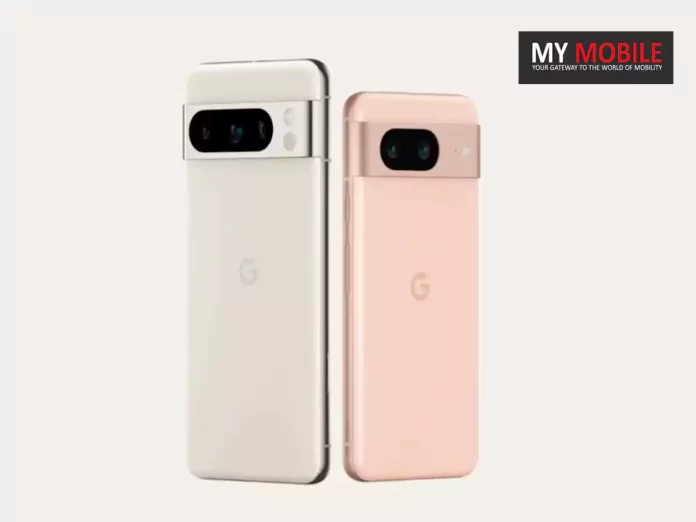
Google Pixel 8’s Resale Value Drops Faster Than Apple’s iPhone 15: Reports

0
Google Pixel 8

Highlights

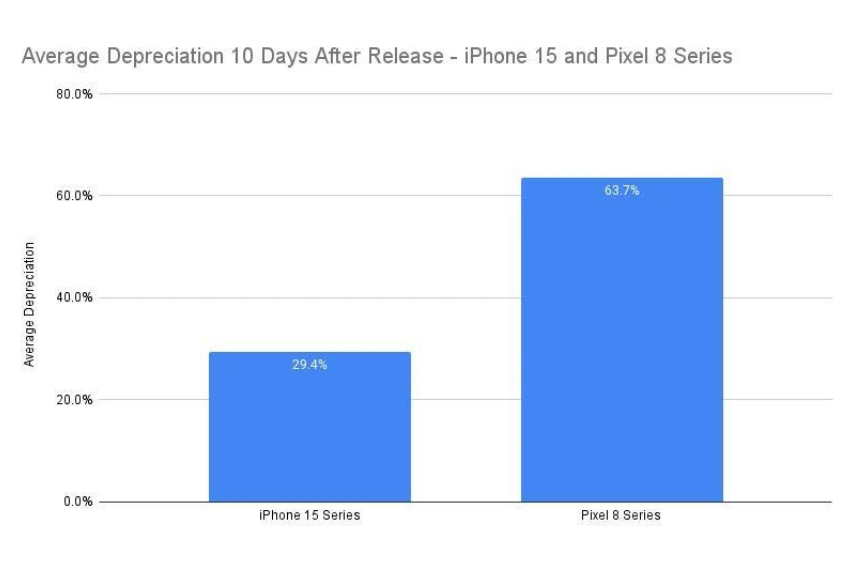
  • Pixel 8 experiences a significant 63.7% drop in resale value within the first ten days post-launch.
  • iPhone 15 exhibits a slower depreciation rate, losing 28.8% of its value since its release.
  • iPhone 13 outperforms both recent models with the best value retention a month post-release.

In the dynamic smartphone market, the inevitability of depreciation hits hard and fast post-launch.

Recent insights from SellCell, which consolidates data from multiple buyback vendors, reveal a stark contrast in the value retention trajectories of the latest industry titans – the Google Pixel 8 and the Apple iPhone 15.

Apple’s Slow and Steady Value Decline

The iPhone 15, adhering to Apple’s legacy, showcases a slower depreciation curve. It has seen its worth decline by 28.8% since its debut.

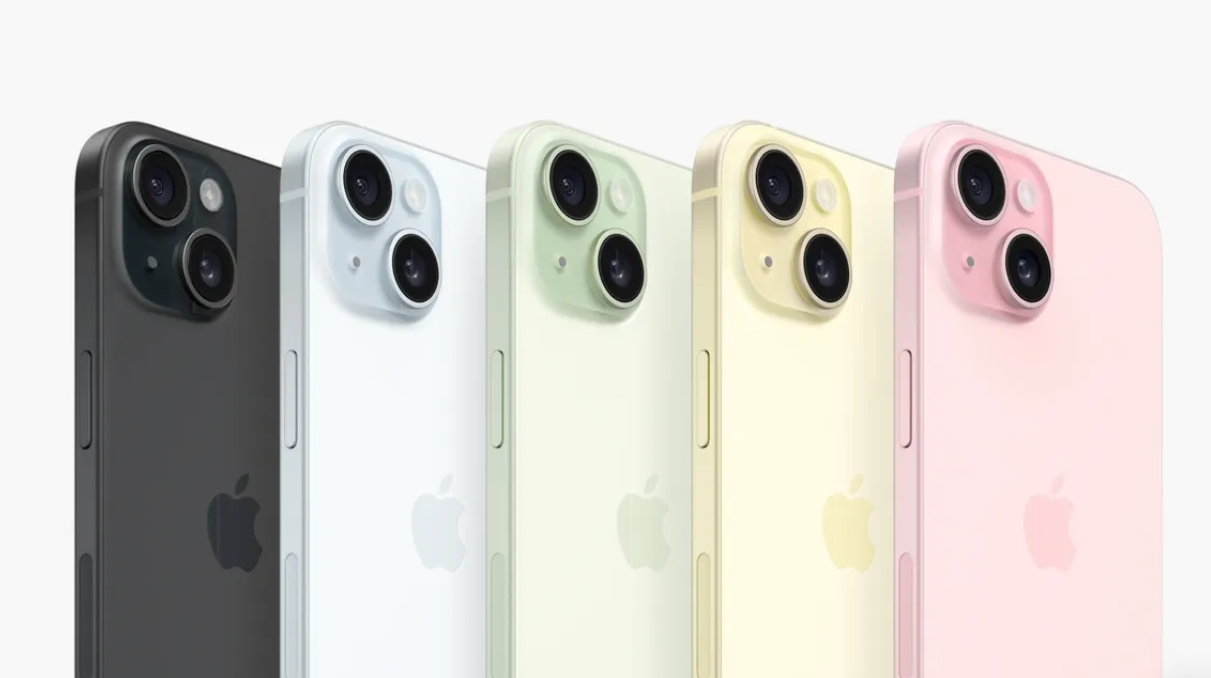
Apple iPhone 15
Apple iPhone 15

This translates into an average $338 dip in value – a notable drop but one that’s less severe than its predecessor, the iPhone 14, at the same post-launch period.

Interestingly, the iPhone 13 still reigns as the champion of value retention among its kin, shedding just 18.7% a month after its introduction.

Google’s Steeper Slide

Conversely, the Pixel 8 has experienced a precipitous fall in market value.
Within a mere ten days following its release, the device saw an astonishing 63.7% plunge in resale value – a rate that more than doubles the depreciation percentage of the iPhone 15.

This stark contrast highlights the variance in post-purchase value sustainability between the two flagship devices.

Longevity Beyond Value

Google Pixel 8's Resale Value Drops Faster Than Apple's iPhone 15
Google Pixel 8’s Resale Value Drops Faster Than Apple’s iPhone 15

Despite the rapid devaluation, both the iPhone 15 and Pixel 8 stand as pillars of technological innovation, promising extensive support in the years ahead.

For consumers planning to extend their device’s lifecycle for a few years, the initial depreciation might seem less concerning.

Nonetheless, the immediate loss in value can be disconcerting for any tech enthusiast or investor.

GOOGLE PIXEL 8 KEY SPECIFICATIONS

Key Specs

RAM 8 GB
Processor Google Tensor G2
Rear Camera 64 MP + 48 MP + 12 MP
Front Camera 16 MP
Battery 5000 mAh
Display 5.8 inches (14.73 cm)

General

Launch Date May 10, 2023 (Unofficial)
Operating System Android v12

Performance

Chipset Google Tensor G2
CPU Octa core (2.85 GHz, Dual core, Cortex X1 + 2.35 GHz, Dual core, Cortex A78 + 1.8 GHz, Quad core, Cortex A55)
Architecture 64 bit
Fabrication 4 nm
Graphics Mali-G710 MC10
RAM 8 GB

Display

Display Type Super AMOLED
Screen Size 5.8 inches (14.73 cm)
Resolution 1080 x 2268 pixels
Pixel Density 433 ppi
Screen to Body Ratio (calculated) 79.46 %
Bezel-less display Yes with punch-hole display
Touch Screen Yes, Capacitive Touchscreen, Multi-touch

Design

Height 150.5 mm Compare Size 
Width 70.8 mm
Thickness 8.9 mm

Camera

MAIN CAMERA
Camera Setup Triple
Resolution 64 MP f/1.9, Wide Angle, Primary Camera
48 MP f/3.5, Telephoto Camera
12 MP f/2.2, Ultra-Wide Angle Camera
Autofocus Yes
Flash Yes, LED Flash
Image Resolution 9000 x 7000 Pixels
Settings Exposure compensation, ISO control
Shooting Modes Continuous Shooting
High Dynamic Range mode (HDR)
Camera Features Digital Zoom
Auto Flash
Face detection
Touch to focus
Video Recording 1920×1080 @ 30 fps
FRONT CAMERA
Camera Setup Single
Resolution 16 MP f/2.2, Ultra-Wide Angle, Primary Camera
Video Recording 1920×1080 @ 30 fps

Battery

Capacity 5000 mAh
Type Li-Polymer
Removable No
Quick Charging Yes, Fast
USB Type-C Yes

Storage

Internal Memory 128 GB
Expandable Memory No

Network & Connectivity

SIM Slot(s) Dual SIM, GSM+GSM
SIM Size SIM1: Nano, SIM2: eSIM
Network Support 5G Not Supported in India, 4G Supported in India, 3G, 2G
VoLTE Yes
SIM 1
4G Bands:
TD-LTE 2300(band 40)
FD-LTE 1800(band 3)
3G Bands:
UMTS 1900 / 2100 / 850 / 900 MHz
2G Bands:
GSM 1800 / 1900 / 850 / 900 MHz
GPRS:
Available
EDGE:
Available
SIM 2
4G Bands:
TD-LTE 2300(band 40)
FD-LTE 1800(band 3)
3G Bands:
UMTS 1900 / 2100 / 850 / 900 MHz
2G Bands:
GSM 1800 / 1900 / 850 / 900 MHz
GPRS:
Available
EDGE:
Available
Wi-Fi Yes, Wi-Fi 4 (802.11 b/g/n)
Wi-Fi Features Mobile Hotspot
Bluetooth Yes, v5.2
GPS Yes with A-GPS, Glonass
USB Connectivity Mass storage device, USB charging

Multimedia

Loudspeaker Yes
Audio Jack USB Type-C

Sensors

Fingerprint Sensor Yes
Fingerprint Sensor Position On-screen
Other Sensors Light sensor, Proximity sensor, Accelerometer, Compass, Gyroscope

FAQs

How does the Pixel 8’s value retention compare to the iPhone 15’s?

The Pixel 8’s value retention is notably lower than that of the iPhone 15. Within just ten days after its release, the Pixel 8 saw a sharp 63.7% decrease in resale value, while the iPhone 15’s value went down by 28.8% since its launch.

Why is the Pixel 8 depreciating so rapidly compared to the iPhone 15?

Market trends historically show that Apple products maintain their value longer than Android devices. The rapid depreciation of the Pixel 8 could be due to several factors, including market perception, demand, and brand loyalty associated with Apple’s products.

How does the iPhone 13 compare with the iPhone 15 in terms of value retention?

The iPhone 13 has shown superior value retention compared to the iPhone 15. A month after its release, the iPhone 13 had depreciated by only 18.7%, suggesting that not all new models follow the same depreciation pattern.

What should consumers keep in mind about the depreciation rates of smartphones?

Consumers should be aware that all smartphones depreciate over time, but the rate can vary significantly between models and brands. While depreciation is a factor to consider, it’s also important to focus on the phone’s features, support lifespan, and how well it meets individual needs.

Also Read: Google Pixel 8 Pro Features, design and colour variants confirmed by official website ahead of October Launch; Check the 360 degree preview

Also Read: Google Pixel 8 Pro hands-on images leak: Confirm major design changes; may get a big battery boost over Pixel 7 

Google’s ANC Earbuds Could Be Able to Track Your Heart Rate in the Future 

0
Google's ANC Earbuds

Highlights

  • Google’s new earbud technology utilizes APG to accurately monitor heart rates.
  • APG-enabled earbuds provide inclusive health tracking, unaffected by skin tone or ear seal.
  • The research indicates a median error of under 3.5% for heart rate and variability measures.
  • This innovative approach offers a seamless integration of health monitoring into daily wearables.

In the realm of wearable technology, Google has unveiled a pioneering approach that might soon allow earbuds to monitor heart rate.

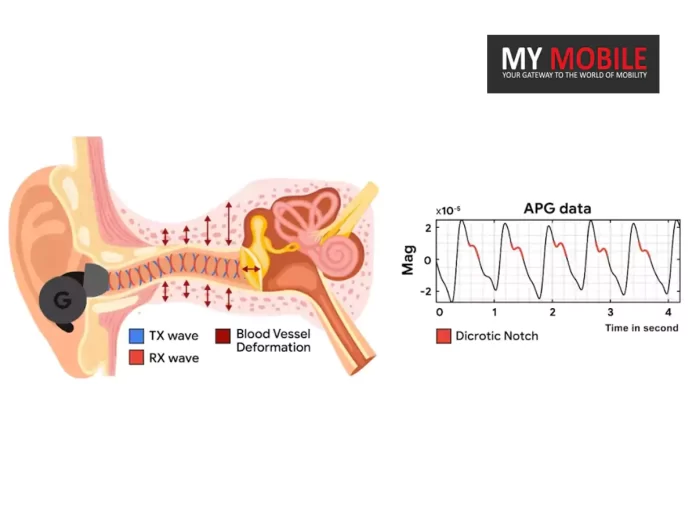
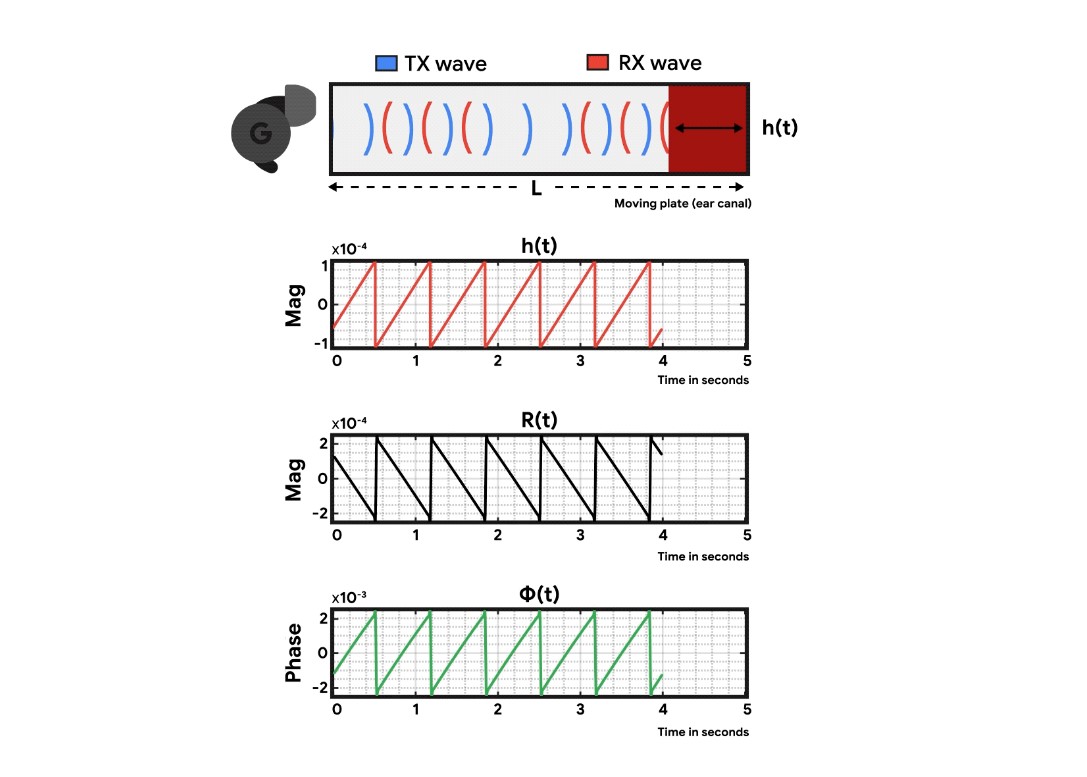
Delving into the field of Audioplethysmography (APG), Google’s researchers have developed a method that employs sound waves to gauge the volume changes in the circulatory system, stepping beyond the typical PPG sensors embedded in most smartwatches.

Bridging the Gap in Health Tech with APG

Despite the widespread adoption of smartwatches equipped with heart rate sensors, a significant demographic either sticks with traditional wristwatches or forgoes them entirely.

This gap in continuous health monitoring is addressed by Google’s APG technology, which can be integrated into earbuds, catering to individuals who prefer not to wear a watch.

With the advent of more advanced Active Noise Cancellation (ANC), transparency modes, and AI, earbuds are increasingly worn for various purposes, including exercise and relaxation.

Google’s research, presented at MobiCom 2023, introduces an active in-ear health sensing method that enables ANC earbuds to measure heart rate and heart rate variability without the need for extra sensors, thus conserving battery life.

APG on ANC headphones
APG on ANC Headphones

Ensuring Accuracy and Safety

The robustness of this system is highlighted by its resilience to motion artifacts and its adherence to safety standards.

Google’s innovative approach ensures the functionality of ANC earbuds as health monitors, unaffected by the fit of the earbuds or the user’s skin tone.

A model has been created by Google to convert the acoustic feedback into accurate heart rate and heart rate variability readings, unaffected by factors such as ear canal size and imperfect earbud seal.

The method was perfected through a multi-tone calibration technique that fine-tunes the frequency used for capturing the heart rate, ensuring high-quality pulse waveform signals.

Research, involving 153 participants, has shown that the APG system devised by Google maintains a median error rate of 3.21% for heart rate and 2.70% for heart rate variability, standing in comparison with FDA-approved devices like the Masimo MightySat Rx and Nonin 9560 Onyx II.

Healthier Future with Hearables

Traditional PPG and ECG sensors, which have been the norm in health-monitoring devices, are often deemed too cumbersome for everyday earbuds due to the added weight and cost.

Google’s research suggests that their APG technology could soon provide a more practical and user-friendly approach to integrating health monitoring into our daily wearables.

This innovative leap by Google is set to enhance the utility of hearables, merging the spheres of health monitoring with entertainment and communication, without adding the burden of additional devices.

FAQs

How does Google’s new earbud technology work to monitor heart rate?

Google’s ANC earbuds employ Audioplethysmography (APG), a technique using sound waves to detect blood volume changes in the ear, allowing for the monitoring of heart rate and heart rate variability without the need for additional sensors.

What makes APG a preferable method for heart rate sensing in earbuds?

APG technology is not influenced by skin tone, ear canal size, or ear seal quality, ensuring a more inclusive and reliable health tracking system. It also operates safely within sound regulation limits, preserving hearing safety.

What were the results of Google’s research on APG in earbuds?

Google’s studies showed APG to have a median error rate of 3.21% for heart rate and 2.70% for heart rate variability, demonstrating high accuracy in comparison to FDA-approved heart rate monitoring devices.

Why is APG considered more practical than traditional sensors for earbuds?

Traditional heart rate sensors like PPG and ECG add significant cost, complexity, and weight to earbuds. APG requires no extra sensors, keeping earbuds lightweight and cost-effective while providing accurate health data.

Instagram Reels Adds Song Lyrics Integration To Elevate User Experience 

0
Instagram Reels Adds Song Lyrics Integration

Highlights

  • Instagram’s Reels now includes a song lyrics feature to enhance content creation.
  • Users can seamlessly sync lyrics to their chosen tracks within Reels.
  • The feature is designed for both ease of content creation and enhanced viewer engagement.
  • New tools have been launched, including a refined templates system for Reels.

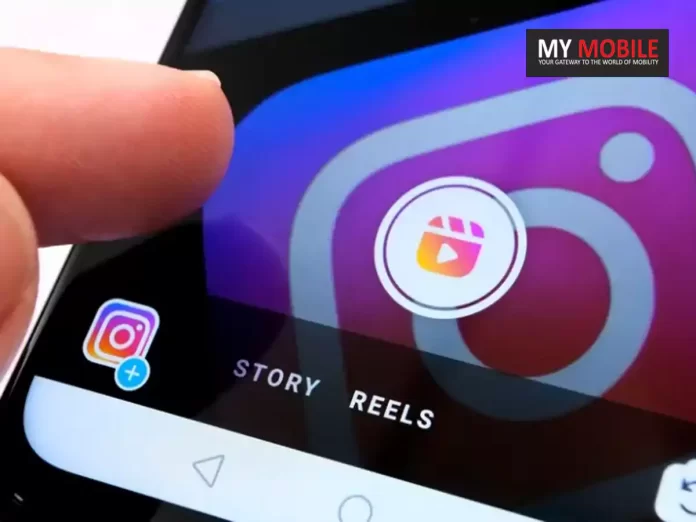
Instagram has recently introduced an exciting update to its Reels feature, allowing users to embed song lyrics directly into their short-form videos.

This new addition is designed to enhance the interactive nature of Reels, providing creators with an additional tool to engage with their audience.

Head of Instagram Adam Mosseri announced this update on the platform’s IG Updates channel, signaling Instagram’s commitment to continuously enhancing user experience.

With this feature, creating a Reel now comes with the convenience of syncing it with the lyrics of a chosen track.

Users can add a musical track to their Reel and simply swipe to overlay the lyrics, eliminating the previously manual and time-consuming process of lyric addition.

Instagram Reels Adds Song Lyrics Integration

This will not only enrich the content creation process but also aid in viewer engagement. Reels watched without sound can now convey the lyrical narrative, making them more accessible and enjoyable.

Moreover, this lyric feature aligns Reels more closely with Instagram Stories, which has long offered the option to add music and lyrics.

The rollout has begun and is expected to be available to all Instagram users on both Android and iOS platforms shortly.

Further, Mosseri hinted at more updates to come, aiming to bolster the Reels experience with additional features.

In addition to this lyrical enhancement, Instagram continues to streamline the Reels creation process with a new set of tools.

A revamped template system and a categorized browser — featuring Recommended, Trending, and Saved templates — are part of the latest tools designed to inspire and assist creators in crafting compelling content.

FAQs

How does the new song lyrics feature work on Instagram Reels?

The song lyrics feature on Instagram Reels allows creators to overlay the lyrics of a chosen song onto their video. By selecting a music track and swiping, the lyrics will appear on screen, synched with the audio, streamlining the content creation process.

Can viewers see song lyrics if they watch Reels without sound?

Yes, the addition of song lyrics makes Reels more accessible and enjoyable, even when watched on mute. The lyrics provide a narrative that enhances the viewer’s understanding and enjoyment of the content without the need for audio.

Are there any additional tools to assist with creating Reels?

Instagram has launched new creation tools, including improved templates and a template browser organized by categories such as Recommended, Trending, and Saved, to help users find the perfect template for their Reel.

When will the song lyrics feature be available to all users?

The song lyrics feature for Instagram Reels has started rolling out and is slated to become available to all users on both Android and iOS platforms soon. Instagram is also planning to introduce more features to enrich the Reels experience further.

Also Read: Instagram is making it easier to tag multiple people in Stories: Heres How it Will Work

Also Read: Browse Instagram Without an Account: Top 3 Tools for Anonymous Viewing

Also Read: Meta lets you use avatars for video calls on Instagram, Messenger: Here’s How it Works

5G Networks to Fuel Surge in Global Mobile Subscriptions by 2030: Report

0

Highlights

  • Global mobile subscriptions expected to exceed 10 billion by 2030, with 5G leading the way.
  • Nokia report forecasts 4G and 5G to represent 92% of total global mobile connections.
  • India’s telecom sector set to fully embrace 5G, aiming for nationwide coverage by 2024.

The telecommunication landscape is set to reach new heights as we head towards 2030, with Nokia’s latest ‘Global Network Traffic 2030’ report indicating a surge in mobile technology adoption.

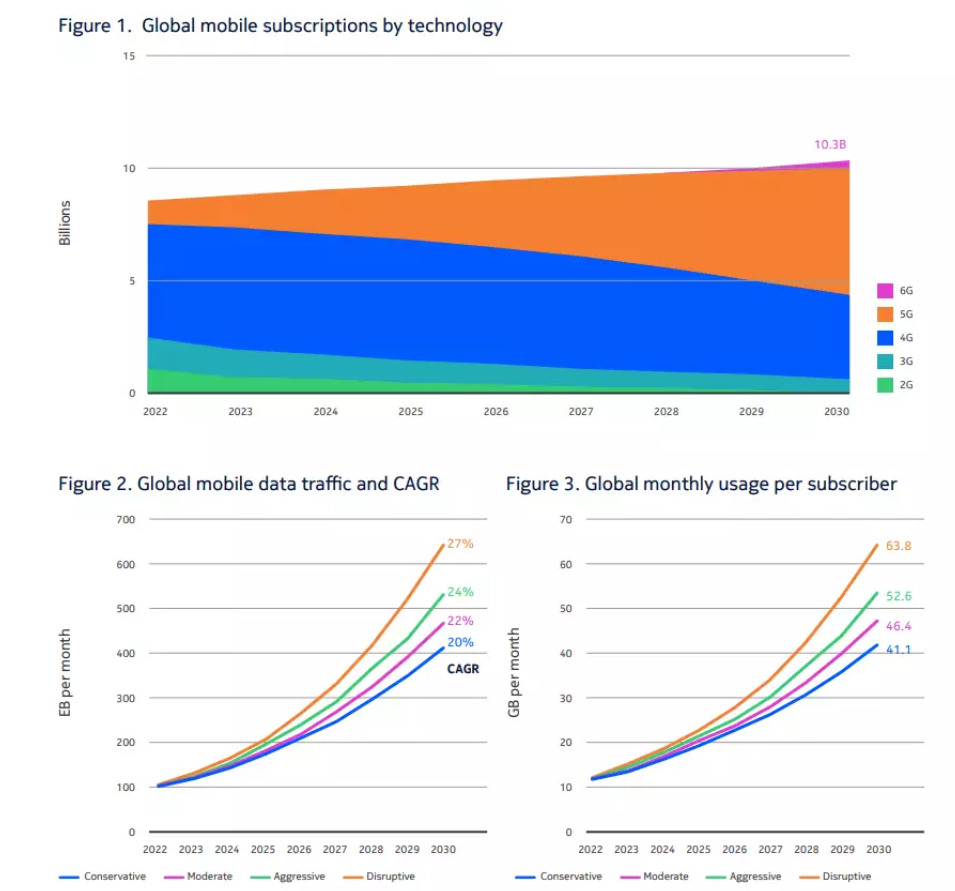
A staggering leap in mobile subscriptions is projected, with figures anticipated to hit the 10.3 billion mark globally.

This boom is expected to be propelled largely by the massive uptake of 4G and 5G networks, which are predicted to constitute 92 percent of all mobile subscriptions.

Growing Mobile Connectivity and 5G Coverage

The forecasted data doesn’t just reveal an impressive quantity of mobile subscriptions but also a substantial shift in the quality of mobile connectivity.

With an expected average data usage reaching 46.4GB per subscriber each month, it’s clear that data-intensive applications will become the norm, underlining the need for robust, high-speed mobile networks.

This growth in mobile connectivity is mirrored by the advancements in 5G technology, set to account for just over half of all global mobile subscriptions.

The rapid expansion of 5G is not limited to advanced economies; emerging markets, particularly in the Asia-Pacific region, are also adopting this next-generation technology at a swift pace.

5G Networks to Fuel Surge in Global Mobile Subscriptions by 2030

India is a case in point, where telecom giants Airtel and Reliance Jio are aggressively deploying 5G networks.

With initiatives such as Airtel’s pledge to blanket the country with 5G by March 2024, it’s clear that India is not just participating in but actively shaping the global 5G narrative.

Fixed Wireless Access Networks on the Rise

Another pivotal development highlighted in Nokia’s report is the ascendance of fixed wireless access (FWA), forecasted to hit around 271 million connections by the end of the decade.

FWA is lauded for its capacity to deliver high-speed internet wirelessly, presenting a practical solution for internet deployment in remote and rural areas, which are often logistically and economically challenging to reach with traditional wired infrastructures.

The Asia-Pacific region is poised to lead the charge in FWA adoption, with expectations set for it to host over 121 million connections by 2030.

India’s contribution to this trend is noteworthy, with Airtel and Jio launching their respective 5G-based FWA offerings, named Airtel Xstream AirFiber and JioAirFiber.

Currently available in key metropolitan areas, these services are indicative of the country’s commitment to broadening the reach of high-speed internet access, setting the stage for an inclusive digital future.

FAQs

What does Nokia’s ‘Global Network Traffic 2030’ report predict about mobile subscriptions?

Nokia’s report forecasts that global mobile subscriptions will surpass 10 billion by 2030. The substantial increase is largely due to the adoption of 5G technology, which is expected to account for over half of all global mobile subscriptions.

How will the adoption of 4G and 5G impact data consumption?

With the widespread adoption of 4G and 5G networks, data consumption is predicted to skyrocket to an average of 46.4GB per subscriber each month by 2030. This increase will support more data-intensive applications and services.

What role will India play in the global adoption of 5G technology?

India is positioned to be a significant player in the 5G domain, with major telecom operators like Airtel and Jio expanding 5G services rapidly. The country is on track to achieve nationwide 5G coverage by 2024, contributing to the global 5G subscription count significantly.

What growth is expected in the Fixed Wireless Access (FWA) sector by 2030?

The FWA sector is projected to expand to around 271 million connections by 2030, with the Asia-Pacific region, including India, leading with a forecasted 121 million FWA subscriptions. FWA offers a viable solution for providing high-speed internet to hard-to-reach areas.

Also Read: Reliance Jio Launches New Prepaid Recharge Plan at Rs.749

Also Read: Airtel 5G Plus Finds Its Way into Shimla

Samsung Galaxy Z Fold 6 Could Feature External S Pen Storage Suggest Leaked Renders

0
Samsung Galaxy Z Fold 6

Highlights

  • New patents hint at an innovative S Pen storage on the back of Galaxy Z Fold 6.
  • Alternate design leaks show the possibility of a side-mounted S Pen for the new foldable.
  • The external S Pen may feature additional buttons for expanded interactivity.
  • Samsung aims to keep the sleek design of the Galaxy Z Fold 6 without compromising on wireless charging.

Samsung’s upcoming Galaxy Z Fold 6 might just come with a long-awaited feature: the integration of the S Pen.

Enthusiasts of the Galaxy Z Fold series, renowned for its multitasking prowess, have been a bit let down after seeing that the S-Pen can only be housed on the previous Z Fold devices with the help of an external case.

That just might change next year thanks to new info from some leaked renders

S-Pen on the Fold Z6’s Exterior?

Samsung Galaxy Z Fold 6 Could Feature External S Pen

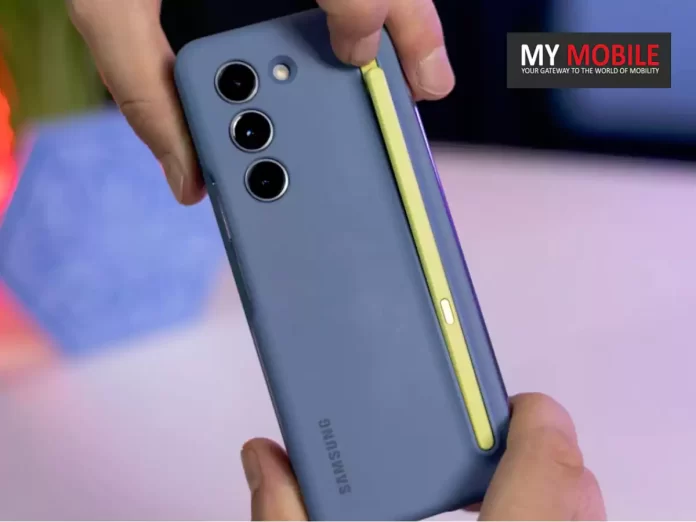
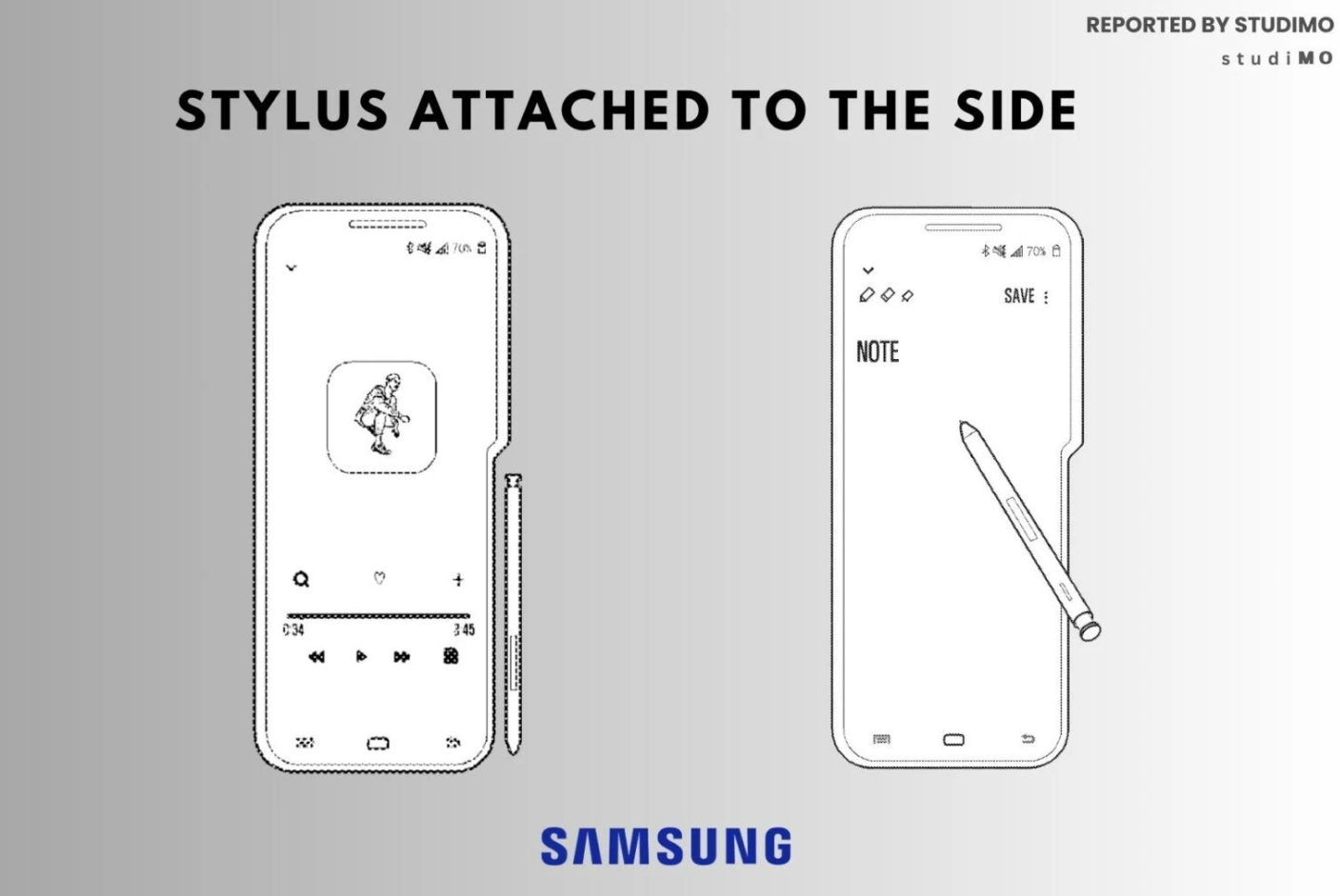
The revelations, rooted in newly filed patents by Samsung, as reported by Studimo, show a Galaxy Z Fold 6 model embracing the S Pen on its exterior.

This strategic placement may draw inspiration from the Galaxy Tab’s approach, offering users an effortless transition between the stylus and the phone’s expansive screen.

A standout design showcased in these leaks presents the S Pen nestled comfortably on the device’s rear.

This setup could shift the paradigm from the traditional internal storage slot, potentially favoring those who don’t rely heavily on wireless charging.

Samsung’s challenge would be to secure the S Pen magnetically, ensuring its stability during everyday carry and use.

A Secondary Design

Samsung Galaxy Z Fold 6 Secondary Design

Alternately, a secondary design envisions the S Pen residing alongside the Galaxy Z Fold 6, introducing a novel silhouette to the foldable.

This concept features an asymmetrical screen, broader at the top, which could cater to the S Pen’s accommodation without compromising the device’s sleek form.

The design aims to preserve the convenience of wireless charging while offering a dedicated space for the stylus.

The pursuit of a seamless foldable experience by Samsung indicates a reluctance to bulk up the device with internal stylus storage.

Thus, external housing appears to be the solution, prioritizing ease of access and maintaining the phone’s elegant profile.

Moreover, the potential for an S Pen with enhanced interactive capabilities via multiple buttons is exciting.

Such innovation could redefine the user experience, offering more nuanced control and interaction with the foldable’s diverse features.

SAMSUNG GALAXY Z FOLD KEY SPECIFICATIONS

Key Specs

RAM 12 GB
Processor Qualcomm Snapdragon 8 Gen 2
Rear Camera 50 MP + 12 MP + 10 MP
Front Camera 12 MP
Battery 4700 mAh
Display 7.8 inches (19.81 cm)

General

Launch Date August 2, 2023 (Unofficial)
Operating System Android v12

Performance

Chipset Qualcomm Snapdragon 8 Gen 2
CPU Octa core (3.2 GHz, Single core, Cortex X3 + 2.8 GHz, Quad core, Cortex A715 + 2 GHz, Quad core, Cortex A510)
Architecture 64 bit
Fabrication 4 nm
Graphics Adreno 740
RAM 12 GB

Display

Display Type Dynamic AMOLED
Screen Size 7.8 inches (19.81 cm)
Resolution 1768 x 2208 pixels
Pixel Density 363 ppi
Screen Protection Corning Gorilla Glass, Glass Victus
Bezel-less display Yes with punch-hole display
Touch Screen Yes, Capacitive Touchscreen, Multi-touch

Camera

MAIN CAMERA
Camera Setup Triple
Resolution 50 MP, Primary Camera
12 MP, Ultra-Wide Angle Camera
10 MP , Telephoto Camera
Autofocus Yes
Flash Yes, LED Flash
Image Resolution 8150 x 6150 Pixels
Settings Exposure compensation, ISO control
Shooting Modes Continuous Shooting
High Dynamic Range mode (HDR)
Camera Features Digital Zoom
Auto Flash
Face detection
Touch to focus
FRONT CAMERA
Camera Setup Single
Resolution 12 MP, Primary Camera

Battery

Capacity 4700 mAh
Type Li-ion
Removable No
Wireless Charging Yes
Quick Charging Yes, Fast
USB Type-C Yes

Storage

Internal Memory 256 GB
Expandable Memory No

Network & Connectivity

SIM Slot(s) Dual SIM, GSM+GSM
SIM Size SIM1: Nano, SIM2: Nano
Network Support 5G Not Supported in India, 4G Supported in India, 3G, 2G
VoLTE Yes
SIM 1
4G Bands:
TD-LTE 2300(band 40)
FD-LTE 1800(band 3)
3G Bands:
UMTS 1900 / 2100 / 850 / 900 MHz
2G Bands:
GSM 1800 / 1900 / 850 / 900 MHz
GPRS:
Available
EDGE:
Available
SIM 2
4G Bands:
TD-LTE 2300(band 40)
FD-LTE 1800(band 3)
3G Bands:
UMTS 1900 / 2100 / 850 / 900 MHz
2G Bands:
GSM 1800 / 1900 / 850 / 900 MHz
GPRS:
Available
EDGE:
Available
Wi-Fi Yes, Wi-Fi 4 (802.11 b/g/n)
Wi-Fi Features Mobile Hotspot
Bluetooth Yes, v5.2
GPS Yes with A-GPS, Glonass
NFC Yes
USB Connectivity Mass storage device, USB charging

Multimedia

Loudspeaker Yes
Audio Jack USB Type-C

Sensors

Fingerprint Sensor Yes
Fingerprint Sensor Position Side
Other Sensors Light sensor, Proximity sensor, Accelerometer

FAQs

How will the S Pen be integrated into the Galaxy Z Fold 6 according to the leaks?

Leaked patents suggest two potential designs for S Pen integration. One design proposes a magnetic storage on the back of the device, allowing for easy access and use. The other design features a side-mounted S Pen, which could result in an asymmetrical screen design that preserves wireless charging capabilities.

What are the benefits of an externally housed S Pen on the Galaxy Z Fold 6?

An external S Pen would enable quick and easy access for users, enhance multitasking, and maintain the device’s slim profile. It also opens up the possibility for additional functionality through extra buttons on the stylus, increasing the range of user interactions.

Will wireless charging be affected by the new S Pen design on the Galaxy Z Fold 6?

The patents indicate that Samsung is considering design choices that would allow users to enjoy both an integrated S Pen and wireless charging. The side-mounted design, in particular, aims to preserve wireless charging functionality.

Is there an official release date for the Galaxy Z Fold 6?

Samsung has not yet announced an official release date for the Galaxy Z Fold 6. However, the appearance of these leaks suggests that further announcements could be forthcoming.

OnePlus Watch 2 Anticipated in India After BIS Certification Spotting

0

Highlights

  • OnePlus Watch 2 model OPWWE231 appears on BIS, signalling a potential India launch soon.
  • Speculated retention of OnePlus’ custom RTOS platform promises user familiarity.
  • Possible synchronized debut with OnePlus 12 smartphone .

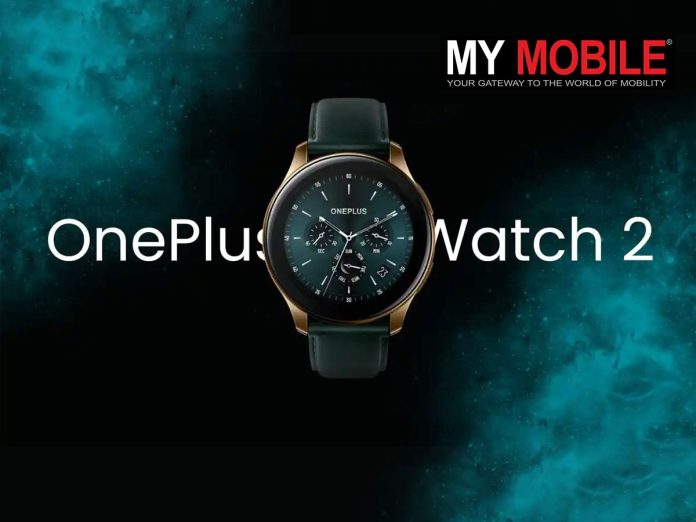
A recent BIS certification listing has possibly hinted that the upcoming OnePlus Watch 2 is nearing its official unveiling in India.

The device, identifiable by its model number OPWWE231, indicates OnePlus’s momentum to refresh its wearable lineup.

It is almost certain that a sighting on Indian regulatory platforms typically precedes a market debut, stoking the fires of speculation among gadget aficionados.

The buzz around the smartwatch’s arrival is also tied to speculation about its feature set. OnePlus seems set to continue with its proprietary RTOS, which is poised to deliver a blend of reliability and enhanced performance.

The RTOS platform was praised for its fluidity and power efficiency in the first OnePlus Watch by several reviewers and it is likely to see iterative improvements while maintaining the user interface’s intuitive feel.

There’s also chatter about a simultaneous release with the anticipated OnePlus 12 smartphone, an event that could see OnePlus fans treated to a suite of new tech.

This strategy would be a smart play by OnePlus further enhancing its cohesive tech ecosystem for its user base.

OnePlus Watch 2: Expected Specs

OnePlus Watch 2: Expected Specs

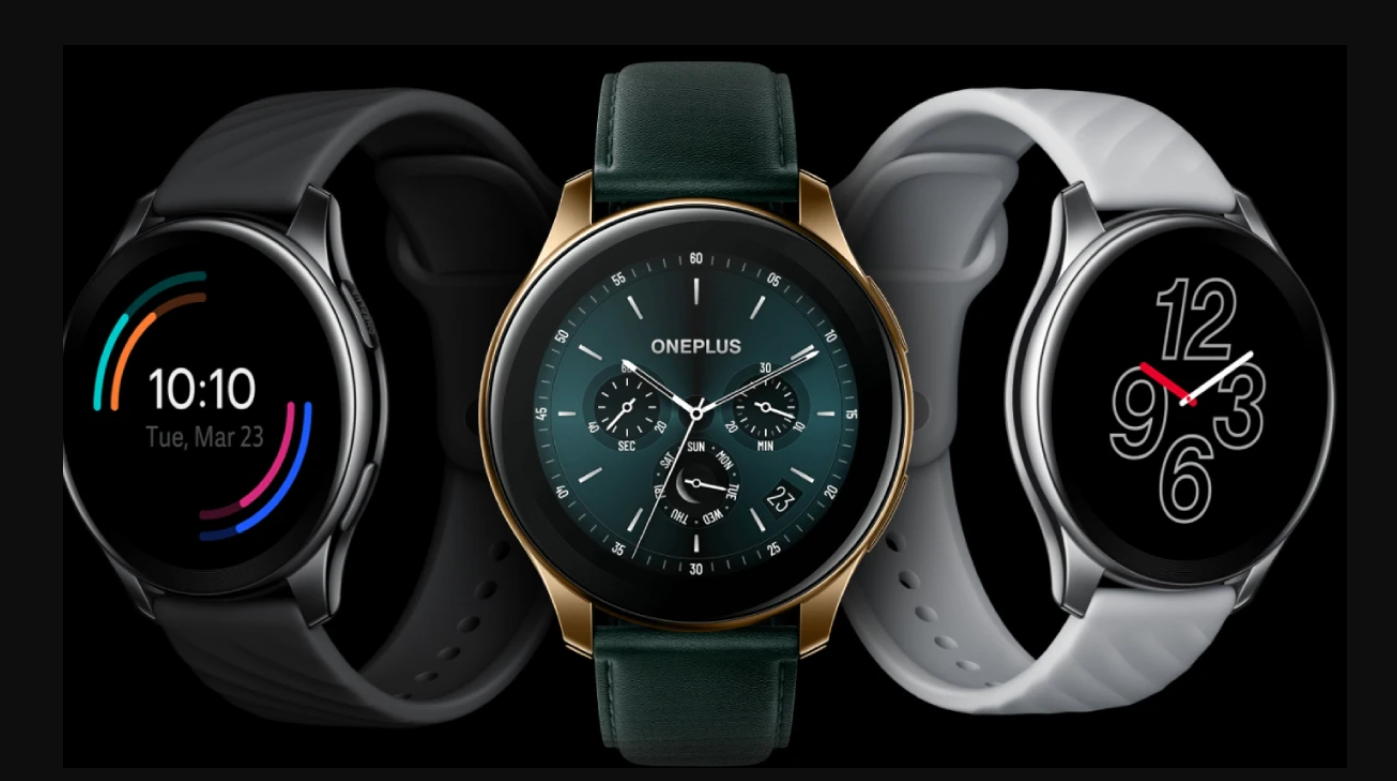
The OnePlus Watch 2 is expected to carry forward the legacy of its forerunner, possibly with a modernized circular display, catering to a clientele that appreciates both form and function.

The original watch, known for its robust build quality with IP68 and 5ATM ratings, coupled with Warp Charge technology, set a high bar for its successor.

It’s anticipated that OnePlus will maintain these strengths while also introducing upgraded features to match current market trends.

In terms of connectivity, the inclusion of Bluetooth 5.0, GPS, and multiple satellite systems in the previous model, suggests no less for the OnePlus Watch 2.

This comes alongside expectations of a competitive price point reflective of its predecessor’s market positioning.

Anticipation grows as the tech community awaits further details on the OnePlus Watch 2’s official release.

OnePlus aims to further penetrate the smartwatch market with a device that builds on a well-received lineage, potentially introducing new benchmarks for connectivity and user experience.

FAQs

What does the OnePlus Watch 2 BIS certification indicate about its release?

The spotting of the OnePlus Watch 2 on BIS certification is a strong indication that the smartwatch’s launch in the Indian market is on the horizon. This regulatory step is typically one of the final ones before a product becomes available for consumers.

Will the OnePlus Watch 2 continue to use the custom RTOS platform?

While official details are yet to be confirmed, it is widely speculated that the OnePlus Watch 2 will retain the custom RTOS platform. This would ensure a consistent and efficient user experience that fans appreciated in the original version.

Could the OnePlus Watch 2 be launched alongside the OnePlus 12 smartphone?

Industry insiders suggest that OnePlus may align the launch of the OnePlus Watch 2 with their upcoming flagship, the OnePlus 12. Although this is not confirmed, such a strategy would excite tech enthusiasts with a suite of new OnePlus devices.

What are the expected features of the OnePlus Watch 2?

The OnePlus Watch 2 is rumoured to feature a new circular display and will likely maintain key aspects such as fast charging. As the successor to the first OnePlus Watch, it may also bring enhancements in battery life, connectivity options, and software integration.