
Home Blog Page 645

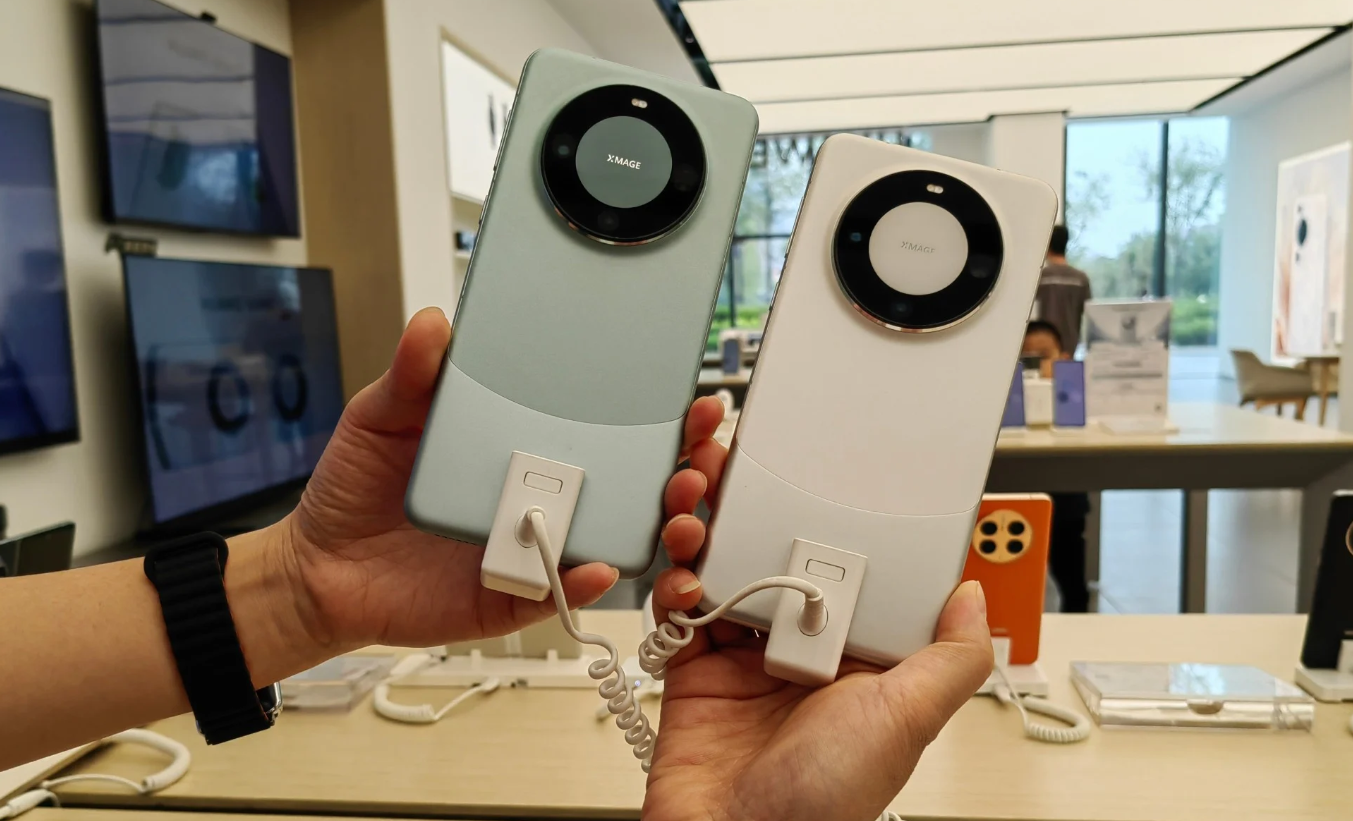
Huawei Mate 60 Series Faces Overwhelming High Demand Amid 5G Chip Breakthrough

0
Huawei Mate 60 Series Faces Overwhelming High Demand Amid 5G Chip Breakthrough

Highlights

  • Huawei Mate 60 series sees high demand due to its first in-house 5G Kirin chip since 2020.
  • SMIC’s unexpected production of the 7nm Kirin 9000s SoC sparks industry surprise.
  • Pre-order strategy implemented to cope with the Mate 60 series’ sales surge in China.
  • Huawei offers a 90-day subscription plan for the Mate 60 series to manage delivery expectations.

Huawei is reportedly grappling with a new challenge as it struggles to keep up with the demand for its latest Mate 60 series phones.

Launched at the end of August, the Mate 60 has garnered significant attention because it’s Huawei’s first phone with its own 5G Kirin chips since the Mate 40 series was released in 2020.

This was a surprise move, especially after US restrictions had stopped advanced chip deliveries to Huawei.

Production Mysteries

The Mate 50 series and this year’s P60 line both used a 4nm Qualcomm Snapdragon chip that couldn’t support 5G, due to US export rules.

Huawei had received permission to import these chips.
However, with the Mate 60 series, there is a lot of speculation about how SMIC, China’s largest foundry, managed to produce the 7nm Kirin 9000s SoC for Huawei.

This level of chip sophistication was not expected from SMIC, which had previously been known to produce only 14nm chipsets due to the same US restrictions.

Dylan Patel, a chief analyst at SemiAnalysis, reported that SMIC’s 7nm production line is doing well and is similar to TSMC’s advanced 7nm process.

Patel’s comments suggest that SMIC may only be a few years behind industry leaders like TSMC, Intel, and Samsung, despite US limitations.
Huawei Mate 60 Series Faces Overwhelming High Demand Amid 5G Chip Breakthrough

Market Buzz and Sales Performance

In China, the release of the Mate 60 series created a buzz among consumers eager for new 5G phones from Huawei.

The timing was close to the iPhone 15 series launch, and it’s possible that Huawei’s new models diverted some of Apple’s potential customers in China.

The demand for the Mate 60 series has been so high that Huawei has had to take pre-orders, according to Wang Yang, a senior analyst at Counterpoint Research.

Subscription Plans and Delivery Schedules

To manage the high demand, Huawei has introduced a subscription plan in China, promising that customers will receive their Mate 60 series phone within 90 days of placing a pre-order.

Orders are limited to one unit per customer and are shipped randomly within that three-month window.

The delivery dates are spread out from the current month to February.

FAQs

What’s causing the high demand for the Huawei Mate 60 series?

The Huawei Mate 60 series is the first set of Huawei phones to come with an in-house 5G Kirin chip since the Mate 40, which has sparked significant consumer interest and led to high demand.

How did SMIC manage to produce the 7nm Kirin 9000s SoC despite US restrictions?

There’s widespread speculation on how China’s largest foundry, SMIC, was able to produce the sophisticated 7nm Kirin 9000s SoC for Huawei. Analyst Dylan Patel suggests that SMIC’s production capabilities may be closer to industry leaders than previously thought.

How is Huawei handling the Mate 60 series demand in China?

Huawei is managing the demand by taking pre-orders and offering a subscription plan that ensures customers receive their new phones within 90 days of ordering, with deliveries spread out over the coming months.

Also Read: Honor 90 5G Gears Up for Imminent India Launch: What We Know So Far

Also Read: Honor May Re-enter the Indian Market With The Honor 90: Expected Pricing, Features and More

Google Maps Introduces New Features to Streamline Transit and Social Interaction

0
Google Maps Introduces New Features to Streamline Transit and Social Interaction

Highlights

  • Google Maps updates to offer improved transit directions with route recommendations and station details.
  • Over 80 cities, including Berlin and London, to benefit from transit updates in the coming weeks.
  • New collaborative lists feature enables group planning with a voting system for suggested places.

Google is set to introduce new features to its Maps application, aimed at improving how users navigate and coordinate travel plans.

These updates, available on both Android and iOS, are expected to roll out just in time for the busy holiday season.

Easier Transit Directions

The first feature update targets public transit users. Google Maps will soon offer enhanced transit directions to ensure users can confidently travel without the worry of missed stops or wrong trains.

The app will provide recommendations for the best route based on estimated time of arrival, duration, and the number of transfers.

Furthermore, the update will include detailed information on station entrances and exits.

It will show users which side of the street to find them and offer clear walking directions for easy station access.

These improvements are scheduled to reach over 80 cities globally, including major hubs like Berlin, Boston, London, and Madrid, in the upcoming weeks.

Google Maps Introduces New Features to Streamline Transit and Social Interaction

Collaborative Planning Features

The second feature focuses on group travel planning.
Google Maps plans to enhance its list-making feature by adding a collaborative dimension to it.

This means that users will be able to create shared lists where group members can contribute their place suggestions.

There’s also a voting mechanism allowing everyone to indicate their preferred destinations.

Expressive Emoji Reactions

Lastly, Google is bringing a fun twist to interacting with Maps content.
Users will be able to use emojis to react to photos, videos, and reviews on Google Maps.

Leveraging AI, the Emoji Kitchen feature will allow for the creation of custom emoji mashups, adding a personal touch to user reactions.
This feature is reportedly launching worldwide today.

FAQs

What new transit features are coming to Google Maps?

Google Maps is updating its transit directions to provide better route recommendations, including estimated arrival times and number of transfers. It will also display detailed station entrance and exit locations with specific walking directions.

How will the collaborative lists in Google Maps improve trip planning?

The collaborative lists feature in Google Maps will allow users to create shared lists where each person can add and vote on suggested places, making group trip planning easier and more democratic.

In which cities will the new Google Maps transit features be available?

The enhanced transit directions will be rolling out to over 80 cities worldwide, such as Berlin, Boston, London, and Madrid. The rollout is expected to begin within a few weeks.

Also Read: How to Track Friends Live Location through Google Maps?

Also Read: Google Maps hacks: Steps for Blurring House in Street View

OPPO Find X7 Spotted on AnTuTu Sporting MediaTek Dimensity 9300

0
OPPO Find X7 Spotted on AnTuTu Sporting MediaTek Dimensity 9300

Highlights

  • OPPO Find X7 notches a high score on AnTuTu, outperforming competitors with MediaTek Dimensity 9300 chipset.
  • The device boasts 16GB RAM and 1TB storage, paired with a 120Hz likely AMOLED display.
  • Android 14 OS to come pre-installed, ensuring up-to-date software straight out of the box.
  • The Find X7 includes advanced features like HyperTone camera optimization and satellite connectivity.

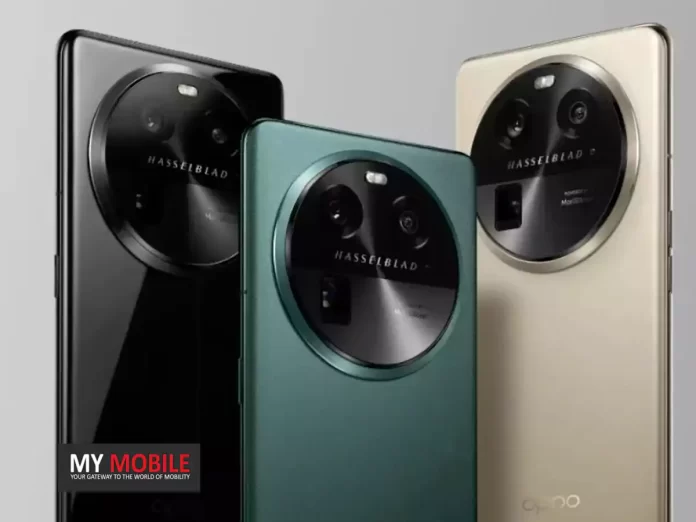
The upcoming OPPO Find X7 has made its appearance on the AnTuTu benchmarking site, hinting at a powerhouse phone that’s expected to hit the market in the first quarter of 2024.

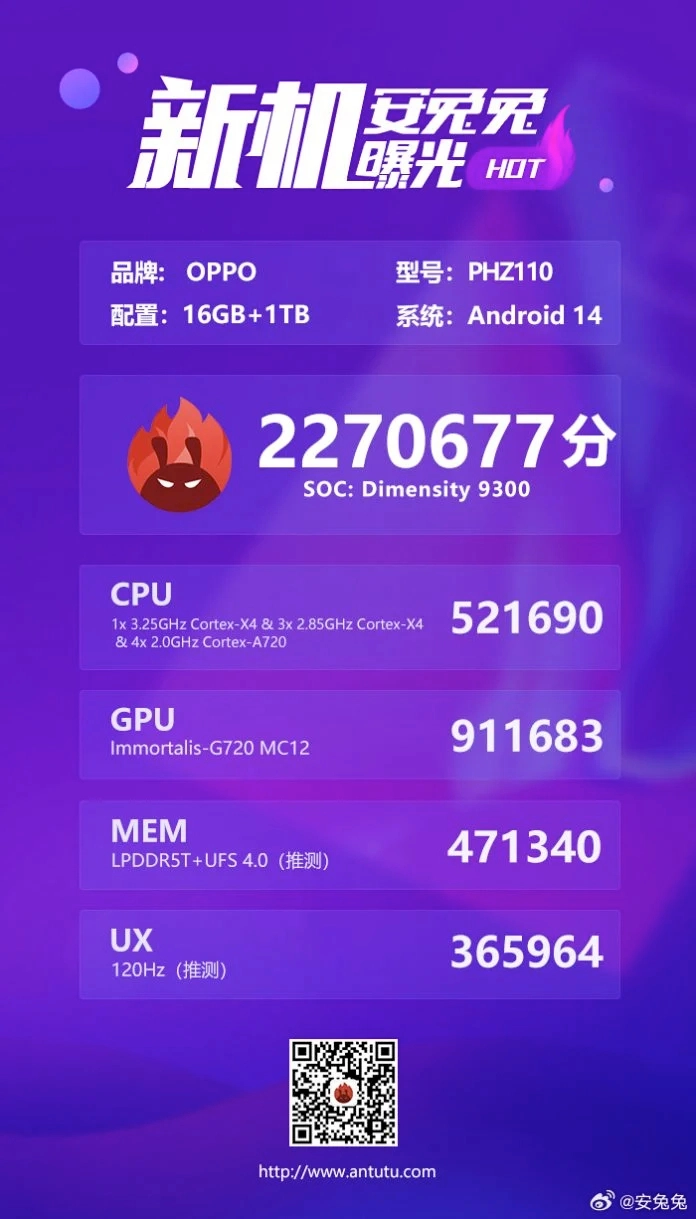
The device, with model number PHZ110, has racked up an impressive total score of 2,270,677 points on AnTuTu.

Let’s break down the scores and what they could mean for potential users.

Under the Hood: MediaTek Dimensity 9300 SoC

At the core of the OPPO Find X7 is the MediaTek Dimensity 9300 SoC, a high-performing chipset that could set the phone apart in the flagship category.

The AnTuTu listing reveals that the Find X7 scored 521,690 points in the CPU test, showcasing the processing power that MediaTek’s chipset brings to the table.

This is complemented by the Immortalis-G720 MC12 GPU, as indicated by the GPU test score of 911,683 points, suggesting smooth graphics and gaming performance.

Memory and User Experience Scores

In the memory department, the OPPO Find X7 has achieved 471,340 points, with the variant tested on AnTuTu boasting 16GB of LPDDR5T RAM and a massive 1TB of UFS 4.0 storage.

This combination suggests that the phone will handle data storage and access swiftly, suitable for users who demand high-speed performance and ample storage space.

The UX test yielded 365,964 points, hinting at a fluid and responsive user interface, likely enhanced by the phone’s 120Hz refresh rate display, which the AnTuTu listing suggests may be an AMOLED panel.

OPPO Find X7 Spotted on AnTuTu Sporting MediaTek Dimensity 9300

Software and Additional Features

The device will come with Android 14 OS right out of the box, ensuring users have the latest software experience with all the new features and security updates Android has to offer.

This aligns with a previous Geekbench spotting of the same model, which also confirmed the MediaTek Dimensity 9300 SoC and 16GB RAM setup.

Comparative Performance and Upcoming Features

Comparing the performance to a close competitor, the Vivo X100 that also features the Dimensity 9300 SoC scored slightly less at 2,249,858 points.

This could indicate that OPPO has optimized the Find X7 to extract more out of the chipset or that other hardware and software combinations are at play to give the Find X7 an edge.

The OPPO Find X7 is not just about raw performance.

It’s confirmed to arrive with the new HyperTone camera optimization for enhanced photography and satellite connectivity for broader communication capabilities.

OPPO Find X7 Key Specs

GENERAL

Sim Type Dual Sim, GSM+GSM
Dual Sim Yes
Sim Size Nano+Nano SIM
Device Type Smartphone
Release Date December 24, 2023 (Expected)

DESIGN

Dimensions 72.6 x 160.3 x 8.7 mm
Weight 196 g
Bezel less Yes

DISPLAY

Type Color AMOLED Screen (1B)
Touch Yes
Size 6.55 inches, 1080 x 2400 pixels, 120 Hz
Aspect Ratio 20:9
PPI ~ 402 PPI
Screen to Body Ratio ~ 89%
Glass Type Corning Gorilla Glass Victus
Features HDR10+, 500 nits (typ), 800 nits (HBM), 1000 nits (peak)
Notch Yes, Punch Hole

MEMORY

RAM 8 GB
Storage 256 GB
Storage Type UFS 3.2
Card Slot No

CONNECTIVITY

GPRS Yes
EDGE Yes
3G Yes
4G Yes
5G Yes
VoLTE Yes
Wifi Yes, with wifi-hotspot
Bluetooth Yes, v5.3, A2DP, LE, aptX HD
USB Yes, USB-C v3.2
USB Features USB on-the-go, USB Charging

EXTRA

GPS Yes, with dual-band A-GPS, GLONASS, BDS, GALILEO, QZSS
Fingerprint Sensor Yes, In Display
Face Unlock Yes
Sensors Accelerometer, Gyro, Proximity, Compass, Color Spectrum
3.5mm Headphone Jack No
Extra NFC

CAMERA

Rear Camera 50 MP f/1.8 (Wide Angle)
13 MP f/2.4 (Telephoto)
50 MP f/2.2 (Ultra Wide) with autofocus
Features Hasselblad Color Calibration, HDR, Panorama
Video Recording 4K @ 30 fps UHD, 1080p @ 30 fps FHD
Flash Yes, LED
Front Camera Punch Hole 32 MP 25mm, 1/2.74″, 0.8µm f/2.4 (Wide Angle)
Front Video Recording 1080p @ 30 fps FHD

TECHNICAL

OS Android v12
Chipset Mediatek Dimensity 9300
CPU 3.25 GHz, Octa Core Processor
Core Details 4xArm Cortex-X4@3.25GHz & 4xCortex-A720@2.0GHz
GPU Arm Immortalis-G720
Java No
Browser Yes, supports HTML5

MULTIMEDIA

Email Yes
Music Yes
Video Yes
FM Radio No
Document Reader Yes

BATTERY

Type Non-Removable Battery
Size 4500 mAh, Li-Po Battery
Fast Charging Yes, 120W Fast Charging
Wireless Charging Yes, 50W
Reverse Charging Yes, 10W

FAQs

What is the AnTuTu score of the OPPO Find X7?

The OPPO Find X7 has scored a total of 2,270,677 on the AnTuTu benchmark. This score reflects its robust performance, particularly scoring high in CPU and GPU tests, indicating the phone’s strong processing and graphics capabilities.

What are the specifications of the OPPO Find X7 as per the AnTuTu listing?

According to the AnTuTu listing, the OPPO Find X7 is equipped with a MediaTek Dimensity 9300 SoC, 16GB of RAM, and 1TB of internal storage. It also boasts a high-refresh-rate display and runs on the latest Android 14 OS.

How does the OPPO Find X7 compare with other phones using the same chipset?

The OPPO Find X7 has outperformed the Vivo X100, which also uses the MediaTek Dimensity 9300 SoC, in the AnTuTu benchmark scores. This suggests that OPPO has effectively optimized the Find X7 to leverage the chipset’s potential.

Also Read: Oppo Find N3 Flip and Watch 4 Pro: A Sneak Peek Revealed By Company Before Official China Launch

Also Read: Oppo Find N3 Flip: Geekbench Listing Reveals MediaTek Dimensity 9200 Processor, 12GB RAM, and More

Oppo Reveals ColorOS 14 With New Enhancements and Features

0
Oppo Reveals ColorOS 14 With New Enhancements and Features

Highlights

  • ColorOS 14 introduces Trinity Engine to optimize storage, memory, and CPU usage.
  • New Smart Charging feature adjusts charging rate using AI to prolong battery life.
  • Enhanced privacy with Picture Keeper and creative photo editing with Smart Image Matting.
  • User experience improvements with Smart Touch, File Dock, and updated Snapchat integration.

Oppo’s introduction of ColorOS 14 marks a significant leap forward for its operating system, promising users an improved and more intuitive experience.

The update’s beta version is currently being distributed in specific regions, with the Oppo Find N2 Flip set to receive the stable version by mid-November.

Let’s delve into the details of what ColorOS 14 offers.

Trinity Engine

Trinity Engine
Trinity Engine

The heart of ColorOS 14’s performance improvements lies in the Trinity Engine. This includes three key enhancements:

  • ROM Vitalization: This new system compresses app and file data more efficiently. By doing so, it can free up to 20GB of storage on a typical device, providing users with more space for their needs without compromising the device’s speed or functionality.
  • RAM Vitalization: Oppo has reworked the way RAM operates by replacing the existing Android memory management system. The new mechanism is touted to be more adept at maintaining the presence of background apps in the device’s memory, which is particularly beneficial for users who multitask or switch between apps frequently.
  • CPU Vitalization: This feature is designed to strike an optimal balance between the device’s performance and its power consumption. By dynamically adjusting the CPU’s workload, the system ensures that performance is maintained without unnecessary battery drain.

Battery and Privacy

Battery and Privacy
Battery and Privacy

ColorOS 14 brings intelligent solutions for extending battery life and enhancing user privacy:

  • Smart Charging: With the help of AI algorithms, ColorOS 14’s Smart Charging system can adjust the charging current based on the phone’s usage patterns. This innovative approach aims to reduce battery degradation over time, ensuring the battery’s longevity.
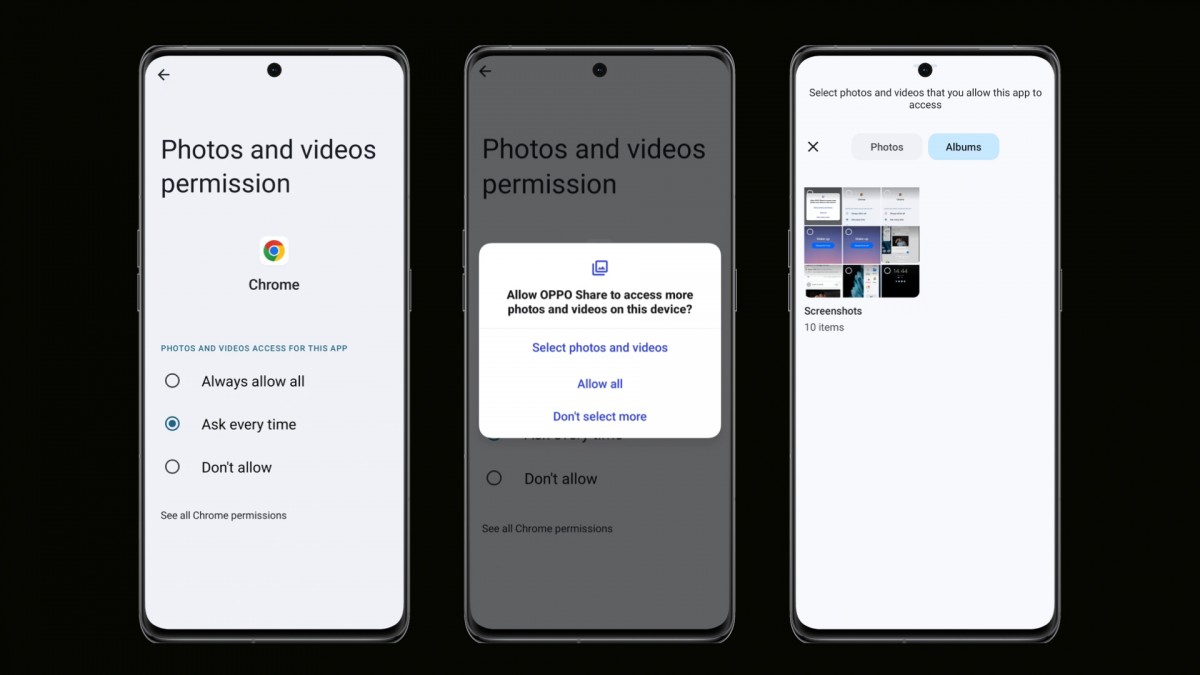
  • Picture Keeper: As part of the system’s privacy features, Picture Keeper gives users the ability to control which apps have permission to access specific photos and videos, thereby safeguarding personal media from unauthorized access.
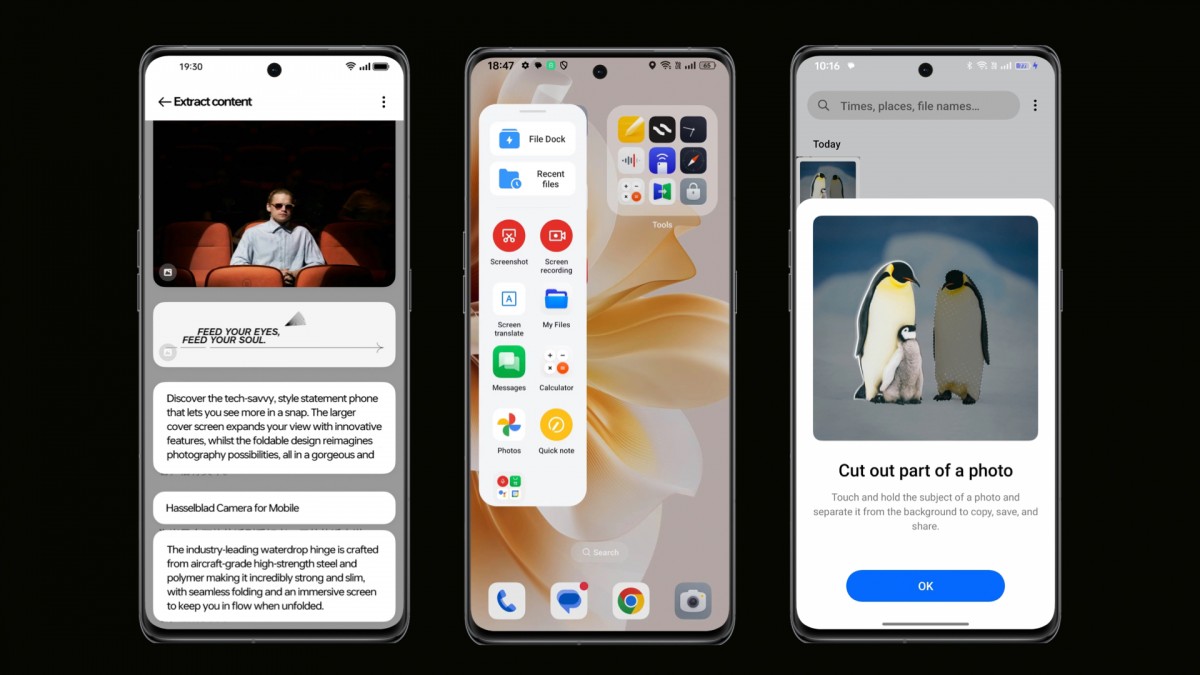
  • Smart Image Matting: This feature simplifies the process of editing photos. Users can now easily crop out multiple subjects, such as people and animals, from a single photo or even a frame from a video, enhancing the creative possibilities without needing complex photo editing tools.

Enhancing User Experience with New Functionalities

Enhancing User Experience with New Functionalities

ColorOS 14 also focuses on streamlining user interactions and connectivity between devices:

  • Smart Touch and File Dock: These features combine to create a seamless method for managing and using content. With Smart Touch, users can quickly select and save information from various applications. The saved content is stored in the File Dock, functioning like an extended clipboard that syncs between all ColorOS devices, making content such as text, images, and videos accessible everywhere.
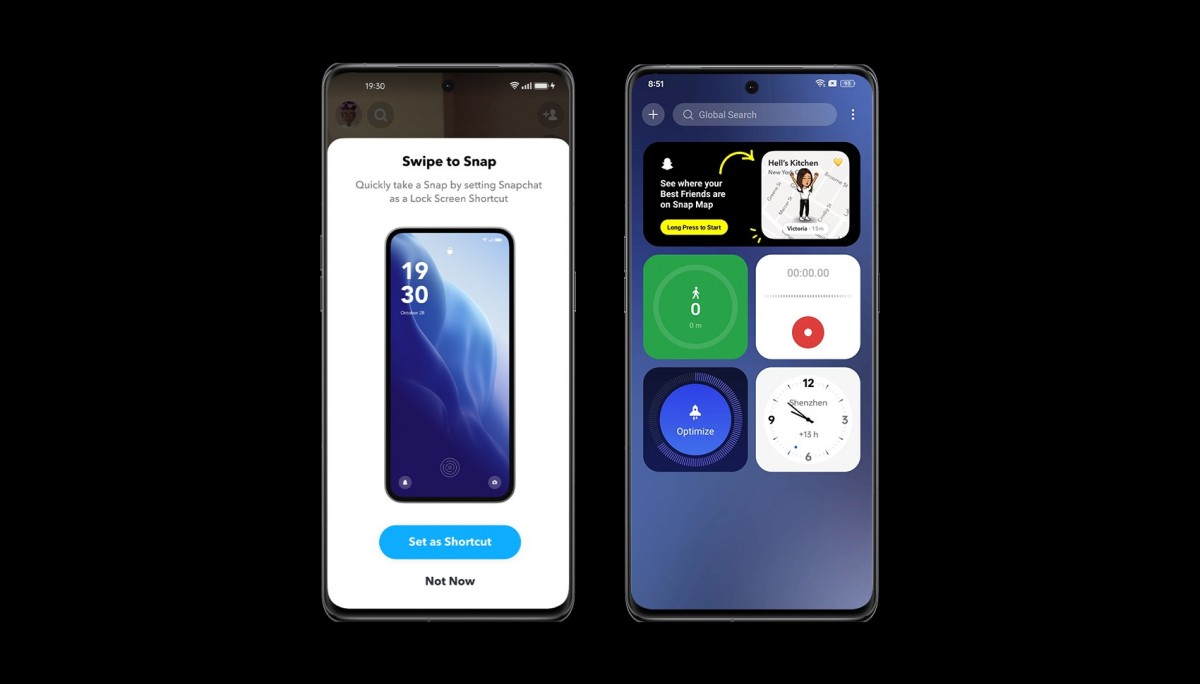
  • Snapchat Integration: For Snapchat enthusiasts, ColorOS 14 offers a dedicated shortcut on the lockscreen and a new widget that provides updates on messages, statuses, and even the location of friends—all without having to open the app.
Aesthetic Updates and Always-On Display Innovations

Aesthetic Updates and Always-On Display Innovations

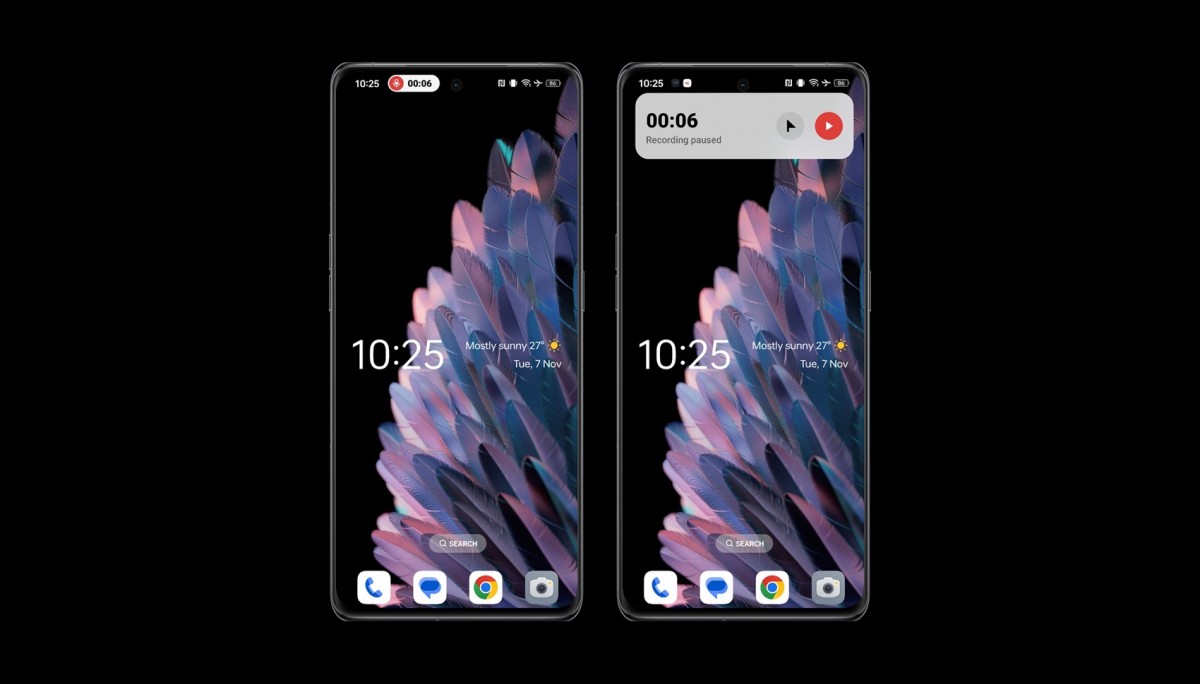
  • Aqua Dynamic Design: This design philosophy standardizes UI elements to provide information subtly and without causing distractions, blending the notifications and status information seamlessly into the overall aesthetic. 
Aqua Dynamic Design
Aqua Dynamic Design
  • Aquamorgraphic Colouring System: This new system intelligently adjusts the colors of the status bar and on-screen content to correspond with the time of day, creating a harmonious and visually pleasing user interface throughout the day.
  • Go Green AOD Style: The Always On Display feature now includes a Go Green theme, offering an eco-friendly aesthetic option. The Bitmoji stickers on the AOD will change throughout the day based on your activity, location, and even the weather, adding a personalized and dynamic touch to the display.

Global Beta Version Roll-out Schedule

Global Beta Version Roll-out Schedule

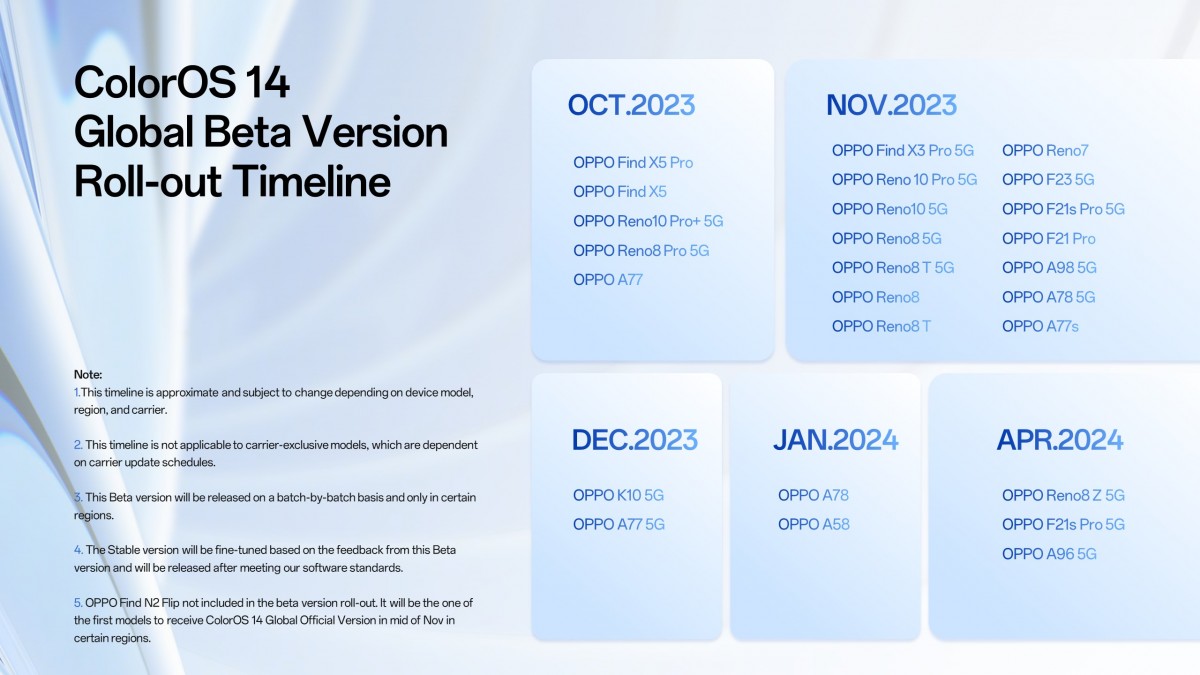
Referencing the attached image, the ColorOS 14 global beta version roll-out timeline begins in October 2023, with devices such as the Oppo Find X5 Pro and the Oppo Reno10 Pro+ 5G among the first to receive the update.

The roll-out will continue in phases, with additional models like the Oppo A78 and the Oppo Reno8 Z 5G slated for updates in subsequent months, concluding in April 2024.

FAQs

What is the Trinity Engine in ColorOS 14?

The Trinity Engine in ColorOS 14 is a set of three optimizations that improve the phone’s storage, memory, and CPU performance. It compresses files to save space, manages RAM better for multitasking, and balances CPU activity for efficiency.

How does Smart Charging work in ColorOS 14?

Smart Charging in ColorOS 14 uses artificial intelligence to adjust the charging current based on your phone usage and charging habits. This helps reduce battery wear over time, aiming to extend the battery’s life.

What new privacy features does ColorOS 14 offer?

ColorOS 14 introduces Picture Keeper, which requires additional permission to access specific photos and videos, enhancing user privacy. Smart Image Matting also allows users to selectively crop images for further privacy control.

Also Read: Oppo Reno 10 5G Series Launched In India, Reno 10 Pro+ Gets Industry’s First 64MP Telephoto Camera with OIS, 100W Charging and 8+ Gen 1 Chip: Price, Specifications, Availibility & Review

Also Read: OPPO Reno 10 Series India Variant’s Box Prices Leaked Ahead of July 10 Launch: Flipkart Availability Confirmed

boAt Immortal Katana Blade TWS Gaming Earbuds Announced For the Indian Market

0
boAt Immortal Katana Blade TWS Gaming Earbuds

Highlights

  • boAt launches Immortal Katana Blade TWS gaming earbuds with a unique metal case and in-built speakers.
  • Priced at Rs 2,299, available on boAt’s website, Flipkart, and Amazon from November 30.
  • Features include 13mm drivers, boAt Signature Sound technology, RGB lighting, and 50ms low latency.

boAt has launched its latest product, the Immortal Katana Blade TWS gaming earbuds, in India.

This release follows closely on the heels of the Neckband IP Bluetooth earphones, which were unveiled last month.

The new earbuds, known for their unique metal case with in-built speakers, are set to enhance the gaming audio experience.

Pricing, Availability, and Key Features

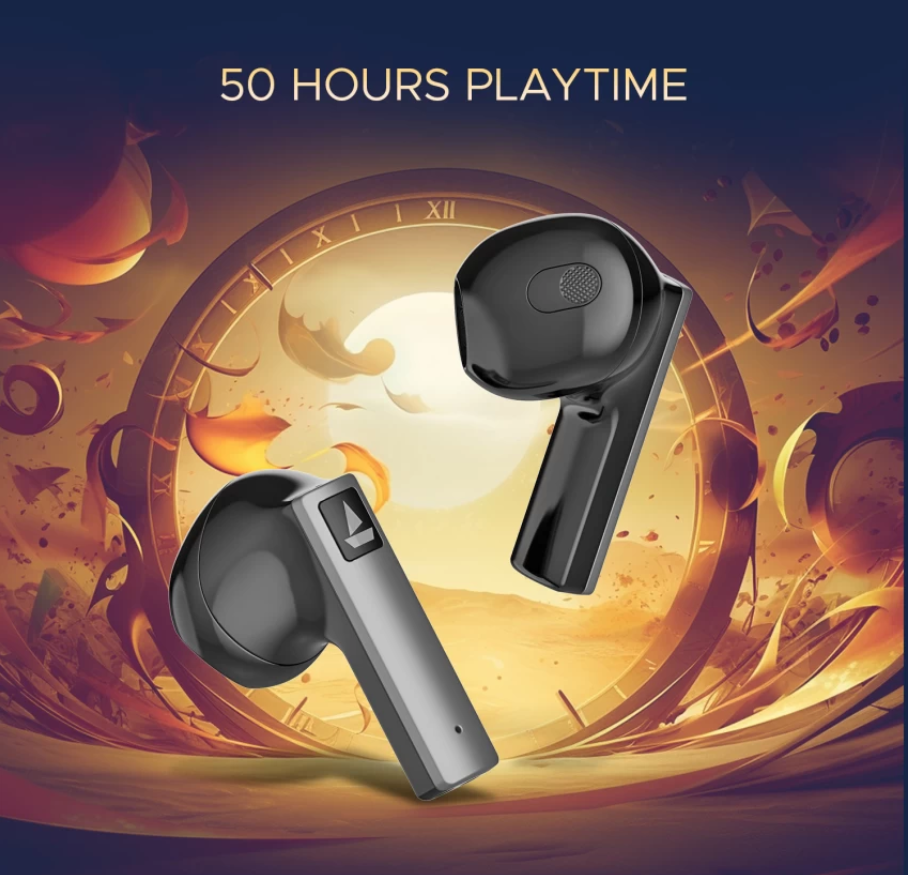
boAt Immortal Katana Blade TWS Gaming Earbuds

The boAt Immortal Katana Blade TWS gaming earbuds, available in Gunmetal Black and Gray, are priced at Rs 2,299.

Starting from November 30 at midnight, these earbuds will be available for purchase on the boAt website, as well as on Flipkart and Amazon.

They also come with a one-year warranty.

boAt Immortal Katana Blade TWS: Features

boAt Immortal Katana Blade TWS: Features

Equipped with a 13mm driver and boAt Signature Sound technology, these earbuds offer a premium audio experience.

They feature RGB lighting, low latency of 50ms for seamless gaming, and an IPX4 rating for water resistance, making them suitable for different environments and gaming scenarios.

One of the key highlights is their long-lasting battery life.
The earbuds offer a total of 50 hours of playback time.

They support fast charging with a USB Type-C connector, providing 180 minutes of playback time with just 10 minutes of charging.

The case, containing a 500mAh battery, along with each earbud’s 35mAh battery, ensures extended use without frequent recharging.

The Immortal Katana Blade TWS gaming earbuds also boast a metal body, in-built speakers, instant wake N pair support, and the latest Bluetooth v5.3 connectivity for a stable and quick connection.

In line with the “Make in India” and ‘Atmanirbhar Bharat‘ initiatives, the development of these earbuds, along with the recently released Neckband IP, reflects boAt’s commitment to contributing to India’s self-reliance in technology.

FAQs

What makes the boAt Immortal Katana Blade TWS unique?

The boAt Immortal Katana Blade TWS gaming earbuds stand out with their metal case that includes in-built speakers, providing a distinct design and enhanced sound quality. They also feature RGB lighting, adding to their aesthetic appeal for gamers.

What is the price of the boAt Immortal Katana Blade TWS in India?

The boAt Immortal Katana Blade TWS gaming earbuds are priced at Rs 2,299. They offer premium features at an accessible price point, making them a competitive choice in the market.

What are the key audio features of these earbuds?

The earbuds are equipped with 13mm drivers and boAt Signature Sound technology, ensuring high-quality audio. They also boast a low latency of 50ms, making them ideal for gaming, and an IPX4 rating for water resistance, enhancing their durability.

Also Read: boAt Nirvana 525ANC Neckband With Dolby Spacial Audio, up to 42dB ANC Launched in India: Price, Specifications

Also Read: boAt Rockerz 255 Touch Neckband With 10mm Drivers, 30-Hour Battery Life & swipe control Launched in India: Price, Specifications & Availability

Vivo Y36, Vivo Y100i 5G Announced in China: Features, Price, Specifications

0
Vivo Y36, Vivo Y100i 5G Announced in China

Highlights

  • Vivo Y36 features a 6.56-inch HD+ display with a smooth 90Hz refresh rate.
  • Powered by an octa-core Dimensity 6020 SoC, ensuring efficient performance.
  • Offers versatile RAM and storage options, maxing out at 12GB RAM and 512GB internal storage.
  • Equipped with a 13MP rear camera, 5MP front camera, and supports 15W fast charging.

Vivo has expanded its smartphone range with the introduction of the Vivo Y100i 5G and the Vivo Y36 announced in China.

The company has launched these devices with a focus on advanced technology and user-friendly features.

Although the detailed specifications of the Y100i 5G are still under wraps, Vivo has disclosed its pricing, signalling a promising addition to their lineup.

The Y36, previously released globally, now arrives in the Chinese market with its 4G and 5G versions.

Vivo Y100i 5G: Pricing and Sale Date

Screenshot 2023-11-16 140926
Screenshot 2023-11-16 140939
Screenshot 2023-11-16 140926 Screenshot 2023-11-16 140939

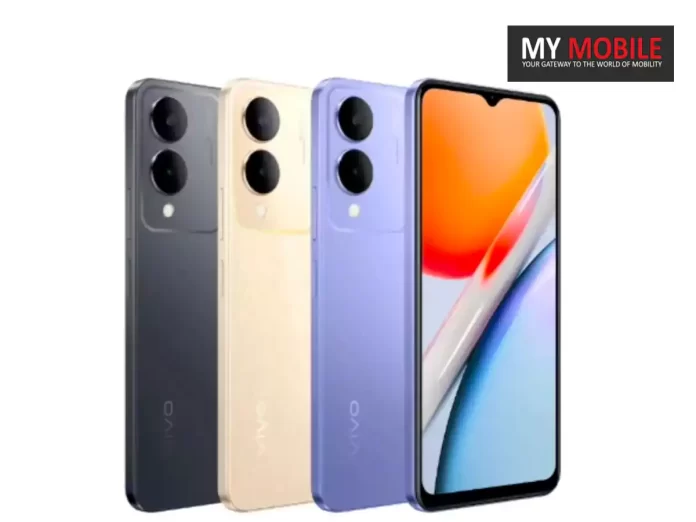
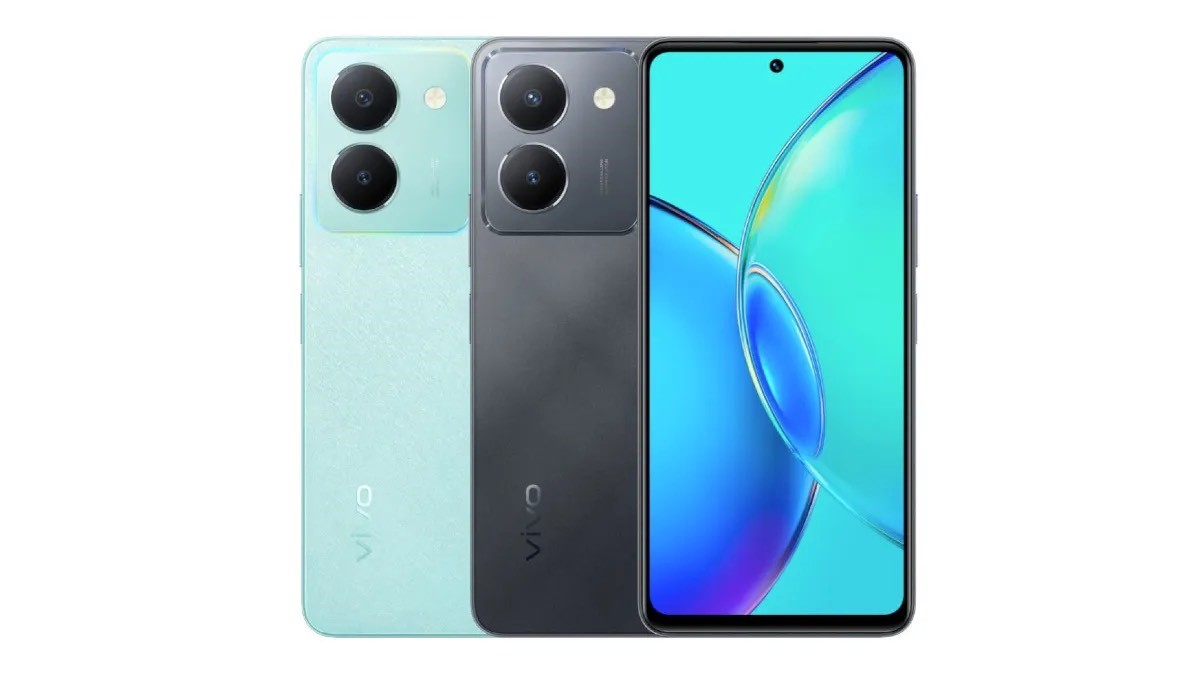
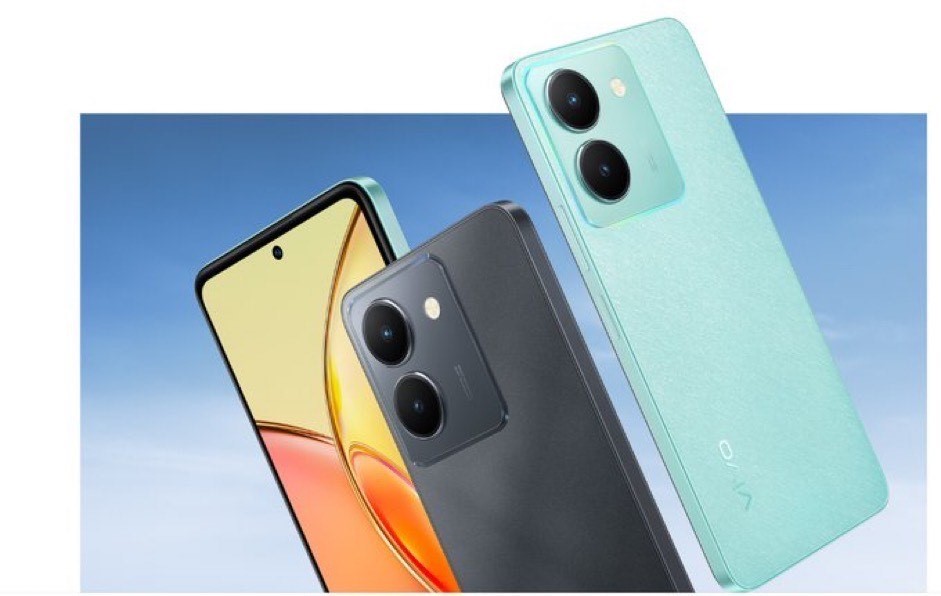
The Vivo Y100i 5G is set to be available in eye-catching Pink and Blue colours.

This model, specifically the one with 12GB of RAM and 512GB of internal storage, is priced at CNY 1,599, which is roughly Rs 18,400.

Customers can look forward to purchasing this model starting from November 28 in China.

Vivo Y36: Pricing and Sale Date

Vivo Y36
Vivo Y36: Pricing

The Vivo Y36 steps into the spotlight with three elegant colour options: Space Gray, Galaxy Gold, and Fantasy Purple.

It caters to a range of users with its different memory and storage variants.
The base model, featuring 6GB of RAM and 128GB of storage, is priced at CNY 1,399 (about Rs 16,000).

The higher variants, with combinations of 8GB or 12GB of RAM and 128GB, 256GB, or 512GB of storage, are priced between CNY 1,599 (about Rs 19,000) and CNY 2,399 (about Rs 28,000).

Vivo Y36 Specifications

Vivo Y36 4G
Vivo Y36 Specifications
  • Processor: Octa-core Dimensity 6020 SoC.
  • Display: 6.56-inch HD+ with 90Hz refresh rate.
  • RAM: Options up to 12GB.
  • Internal Storage: Available up to 512GB.
  • Camera: 13MP rear camera and 5MP front camera.
  • Battery: 5,000mAh with 15W fast charging support.

Vivo Y36: Features

Vivo Y36
Vivo Y36: Features

Powered by an octa-core Dimensity 6020 SoC, the Vivo Y36 boasts a 6.56-inch HD+ display, ensuring crisp and clear visuals.

The display’s 90Hz refresh rate promises a smooth and responsive user experience, whether for gaming or browsing.

For security, the Y36 features a side-mounted fingerprint sensor and face unlock, providing quick and secure access to the device.

This smartphone is also equipped with a 3.5mm audio jack, accommodating users who prefer traditional wired headphones or earphones.

Photography enthusiasts will appreciate the Y36’s 13MP rear camera for capturing clear and vibrant photos.

The 5MP front camera is suitable for selfies and video calls.
A robust 5,000mAh battery powers the device, supporting 15W fast charging for quick power-ups.

The device’s dimensions and weight make it a comfortable and portable choice for everyday use.

VIVO Y36 KEY SPECIFICATIONS

Key Specs

RAM 4 GB
Processor MediaTek Helio G99
Rear Camera 50 MP + 2 MP + 2 MP
Front Camera 16 MP
Battery 5000 mAh
Display 6.8 inches (17.27 cm)

 General

Launch Date June 11, 2023 (Unofficial)
Operating System Android v13

 Performance

Chipset MediaTek Helio G99
CPU Octa core (2.2 GHz, Dual core, Cortex A76 + 2 GHz, Hexa Core, Cortex A55)
Architecture 64 bit
Fabrication 6 nm
Graphics Mali-G57 MC2
RAM 4 GB

 Display

Display Type IPS LCD
Screen Size 6.8 inches (17.27 cm)
Resolution 1080 x 2408 pixels
Aspect Ratio 20:9
Pixel Density 388 ppi
Bezel-less display Yes with waterdrop notch
Touch Screen Yes, Capacitive Touchscreen, Multi-touch
Refresh Rate 90 Hz

 Camera

MAIN CAMERA
Camera Setup Triple
Resolution 50 MP f/1.8, Primary Camera
2 MP f/2.4, Depth Camera
2 MP f/2.4, Macro Camera
Autofocus Yes
Flash Yes, LED Flash
Image Resolution 8150 x 6150 Pixels
Settings Exposure compensation, ISO control
Shooting Modes Continuous Shooting
High Dynamic Range mode (HDR)
Camera Features Digital Zoom
Auto Flash
Face detection
Touch to focus
Video Recording 1920×1080 @ 30 fps
FRONT CAMERA
Camera Setup Single
Resolution 16 MP f/2, Primary Camera
Video Recording 1920×1080 @ 30 fps

 Battery

Capacity 5000 mAh
Type Li-Polymer
Removable No
Quick Charging Yes, Fast, 44W
USB Type-C Yes

 Storage

Internal Memory 64 GB
Expandable Memory Yes, Up to 1 TB

 Network & Connectivity

SIM Slot(s) Dual SIM, GSM+GSM
SIM Size SIM1: Nano, SIM2: Nano
Network Support 5G Not Supported in India, 4G Supported in India, 3G, 2G
VoLTE Yes
SIM 1
4G Bands:
TD-LTE 2300(band 40)
FD-LTE 1800(band 3)
3G Bands:
UMTS 1900 / 2100 / 850 / 900 MHz
2G Bands:
GSM 1800 / 1900 / 850 / 900 MHz
GPRS:
Available
EDGE:
Available
SIM 2
4G Bands:
TD-LTE 2300(band 40)
FD-LTE 1800(band 3)
3G Bands:
UMTS 1900 / 2100 / 850 / 900 MHz
2G Bands:
GSM 1800 / 1900 / 850 / 900 MHz
GPRS:
Available
EDGE:
Available
Wi-Fi Yes, Wi-Fi 4 (802.11 b/g/n)
Wi-Fi Features Mobile Hotspot
Bluetooth Yes, v5.0
GPS Yes with A-GPS, Glonass
NFC No
USB Connectivity Mass storage device, USB charging

 Multimedia

Loudspeaker Yes
Audio Jack 3.5 mm

 Sensors

Fingerprint Sensor Yes
Fingerprint Sensor Position Side
Other Sensors Light sensor, Proximity sensor, Accelerometer

FAQs

What type of processor does the Vivo Y36 have?

The Vivo Y36 is powered by an octa-core Dimensity 6020 SoC, which provides robust and efficient performance for both everyday tasks and more demanding applications.

What are the display specifications of the Vivo Y36?

The Vivo Y36 boasts a 6.56-inch HD+ display, offering vibrant and clear visuals. The 90Hz refresh rate ensures a smooth scrolling experience, enhancing overall user interaction.

How versatile are the memory options in the Vivo Y36?

The Vivo Y36 caters to a range of user needs with its memory configurations. It offers options up to 12GB of RAM and internal storage that goes up to 512GB, providing ample space for apps, media, and documents.

Also Read: Vivo Y36 4G price range in India, launch timeline, specifications tipped: Launch Expected Soon

Also Read: Vivo Y78 with MediaTek Dimensity 7020 SoC, 8 GB RAM, 50MP camera & 44W Fast Charging launched in China: Price, Specifications & Availability

PlayStation 5 Offers Free Apple Music Subscription for Owners

0
PlayStation 5 Offers Free Apple Music Subscription for Owners

Highlights

  • PlayStation 5 owners can now get up to six months of Apple Music subscription for free.
  • The offer is valid for new Apple Music users and returning subscribers with up to five months free.
  • PlayStation 5’s operating system allows streaming Apple Music in the background while gaming.

Apple and Sony have collaborated to bring a special Apple Music subscription deal exclusively for PlayStation 5 owners.

This exciting promotion kicks off today and will be available until November 15, 2024.

PlayStation 5 users are in for a treat, with the opportunity to enjoy up to six months of Apple Music for free.

Redeeming the Apple Music Offer on PlayStation 5

To redeem this offer, PlayStation 5 owners should follow these simple steps:

  • Navigate to the Apple Music app on your PlayStation 5. You can find it by using the search bar or under “All apps” in the Media Home.
  • Download and launch the Apple Music app.
  • Follow the on-screen instructions to proceed.
  • Sign in with your existing Apple ID. If you don’t have an Apple ID, you will need to create one.
  • Once signed in, the offer for up to six months of free Apple Music will be presented to you.

This deal is available for both new and returning Apple Music customers.

New customers are eligible for a six-month free subscription, while those who have previously subscribed to Apple Music can enjoy up to five months free.

PlayStation 5 Offers Free Apple Music Subscription for Owners

Music Streaming and Multi-Device Enjoyment

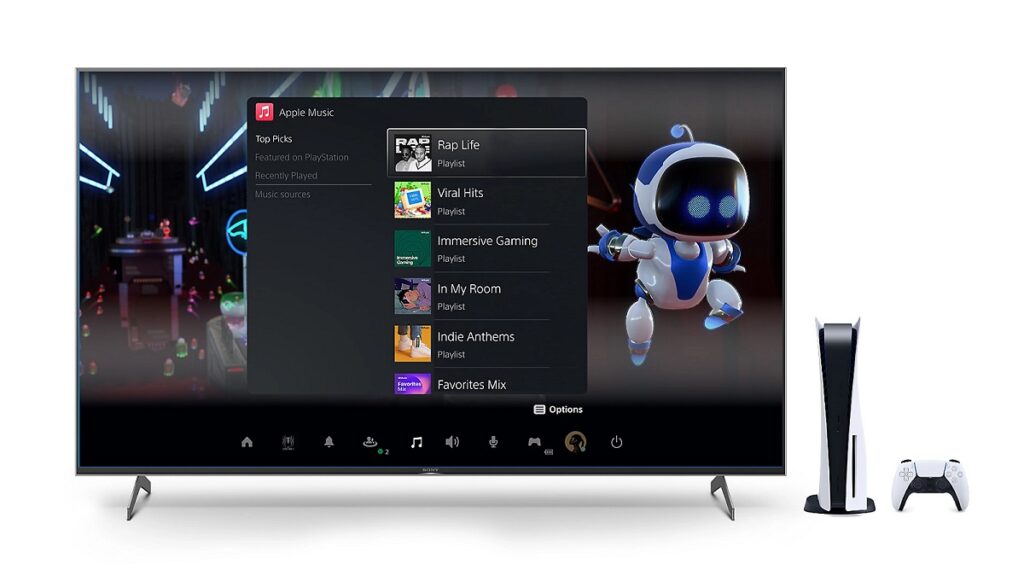
Another great feature for PlayStation 5 gamers is the ability to stream music from Apple Music while playing their favorite games.

The PlayStation 5’s operating system supports background music streaming, which can be activated by pressing the PS button on the controller and selecting the Music pane.

The system even offers playlist suggestions based on the game being played.

Furthermore, the benefits of this offer extend beyond the PlayStation console.

Once you redeem the free Apple Music subscription on your PlayStation 5, you can use it on any compatible device.

This means you can enjoy your favorite music not only while gaming but also on other devices, making the most of the Apple Music experience.

FAQs

Who is eligible for the free Apple Music subscription offer on PlayStation 5?

The offer is open to all PlayStation 5 owners. New Apple Music customers get six months free, while returning subscribers can avail up to five months without any charge. Users must redeem the offer directly on their PlayStation 5 consoles.

How do you redeem the free Apple Music offer on PlayStation 5?

To redeem, download the Apple Music app on your PlayStation 5, sign in with your Apple ID, and the offer should appear on the screen for acceptance. The process is straightforward and integrated within the console’s system.

Can you listen to Apple Music while playing games on PlayStation 5?

Yes, PlayStation 5 allows users to stream music from Apple Music in the background while playing games. You can activate this feature by pressing the PS button and accessing the Music pane, where you can control playback and explore suggested playlists.

Also Read: Big Discount First Time Ever: Sony PlayStation 5 to get Rs 7,500 discount in India: When, where to get PS5 at lowest price ever

Also Read: 10 Best PlayStation Plus Games You Can Play Right Now

Redmi K70 Leaked Renders Reveal New Camera Design and Features

0
Redmi K70 Leaked Renders Reveal New Camera Design

Highlights

  • Leaked images of Xiaomi’s Redmi K70 show a modern, almost bezel-less design with a punch-hole front display.
  • Redmi K70’s camera gets a major redesign, featuring a wide island with four elements including three sensors and an LED flash.
  • Expected to launch in India as POCO F6, aligning with model numbers seen in BIS certification.

Xiaomi is gearing up to introduce the Redmi K70, a new addition to its smartphone lineup, expected to also hit the Indian market as the POCO F6.

Recent online leaks have provided a first look at this upcoming device, revealing some intriguing design features.

Eye-Catching Design and Camera Upgrade

Redmi K70 Leaked Renders Reveal New Camera Design

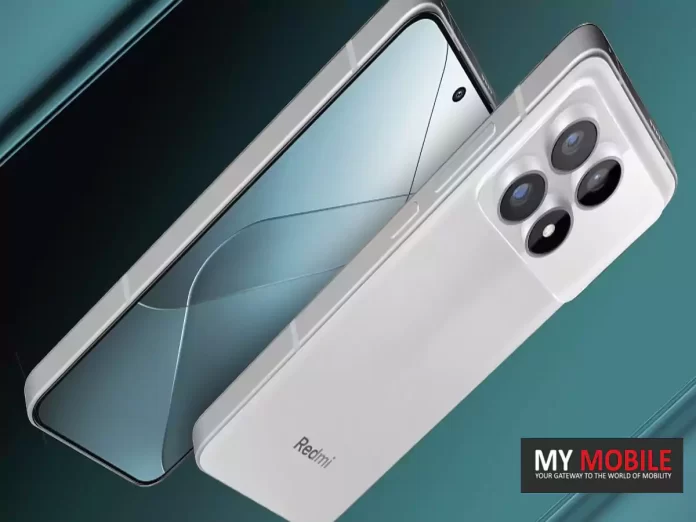
The leaked images of the Redmi K70 showcase a sleek design with minimal bezels and a punch-hole cutout on the front.

The phone’s right side houses the volume buttons and power key, while the top part includes a speaker grille and microphone.

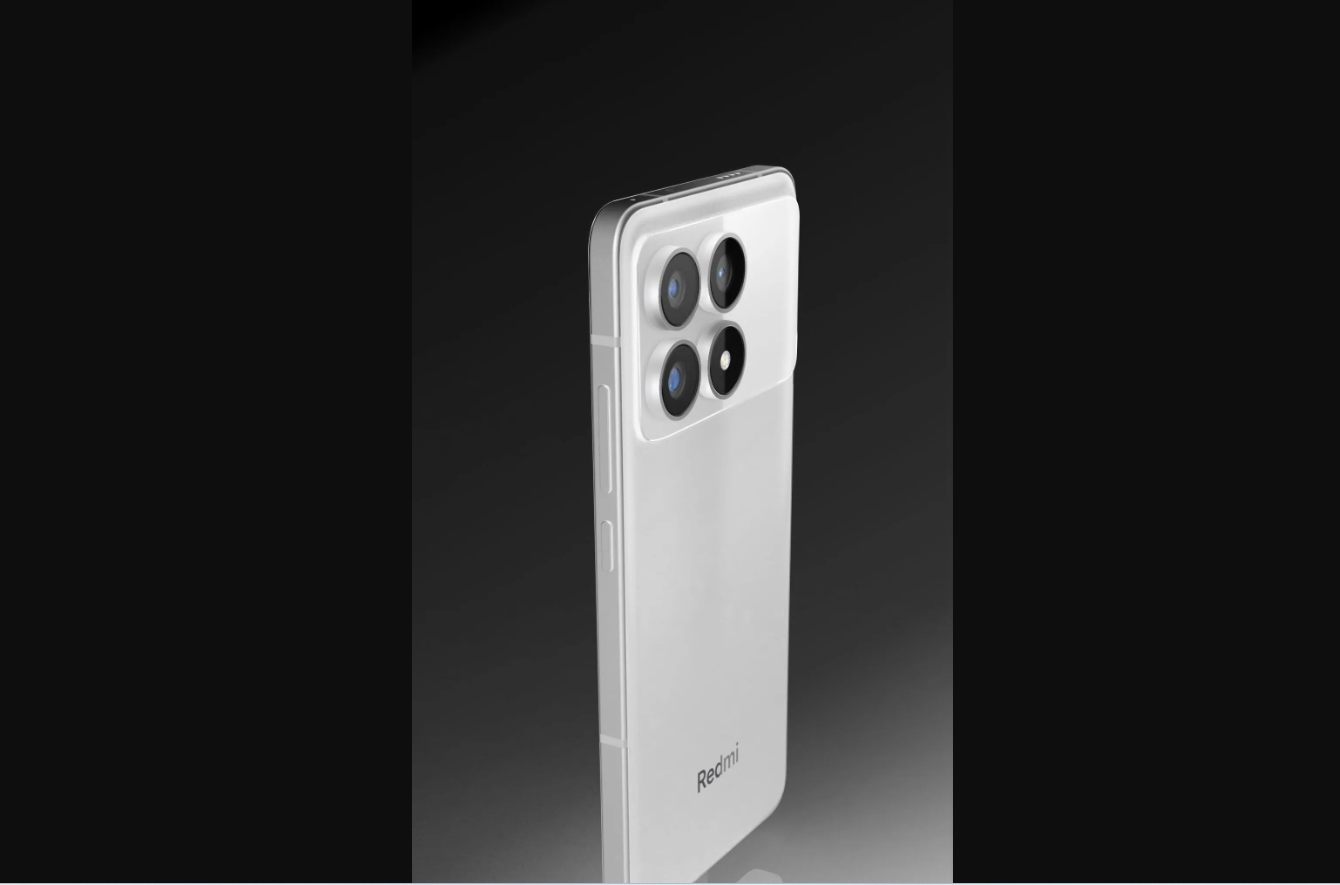
The most striking feature, however, is the revamped camera setup.

Moving away from the Redmi K60’s rectangular, corner-aligned triple-lens arrangement, the K70 boasts a wider camera island across the back, housing three camera sensors and an LED flash in a square layout.

India Launch: Redmi K70 to Arrive as POCO F6

Redmi K70 to Arrive as POCO F6

The Redmi K70, carrying the model number 2311DRK48C, is expected to be rebranded as the POCO F6 for its Indian release.

This speculation stems from the BIS certification of a POCO device with a similar model number, 2311DRK481.

The launch is anticipated in early 2024.
Last year, Xiaomi introduced the base Redmi K60 in India as the POCO F5 Pro.

Rumors suggest that the Redmi K70 and K70E might follow the same path globally under the POCO brand, while the K70 Pro might remain exclusive to China.

Additionally, the POCO F6 Pro has been spotted on databases with model numbers 23113RKC6G and 23113RKC6I, hinting at more variants in the pipeline.

XIAOMI REDMI K70 KEY SPECIFICATIONS

Key Specs

RAM 8 GB
Processor Qualcomm Snapdragon 8 Plus Gen 1
Rear Camera 108 MP + 12 MP + 5 MP
Front Camera 24 MP
Battery 5800 mAh
Display 6.72 inches (17.07 cm)

General

Launch Date December 21, 2023 (Unofficial)
Operating System Android v13

Performance

Chipset Qualcomm Snapdragon 8 Plus Gen 1
CPU Octa core (3.2 GHz, Single core, Cortex X2 + 2.75 GHz, Tri core, Cortex A710 + 2 GHz, Quad core, Cortex A510)
Architecture 64 bit
Fabrication 4 nm
Graphics Adreno 730
RAM 8 GB

Display

Display Type OLED
Screen Size 6.72 inches (17.07 cm)
Resolution 1080 x 2400 pixels
Pixel Density 392 ppi
Bezel-less display Yes with punch-hole display
Touch Screen Yes, Capacitive Touchscreen, Multi-touch

Camera

MAIN CAMERA
Camera Setup Triple
Resolution 108 MP, Primary Camera
12 MP
5 MP
Autofocus Yes
Flash Yes, LED Flash
Image Resolution 12000 x 9000 Pixels
Settings Exposure compensation
Shooting Modes Continuous Shooting
High Dynamic Range mode (HDR)
Camera Features Digital Zoom
Auto Flash
Face detection
Touch to focus
Video Recording 1920×1080 @ 30 fps
FRONT CAMERA
Camera Setup Single
Resolution 24 MP, Primary Camera
Video Recording 1920×1080 fps

Battery

Capacity 5800 mAh
Type Li-Polymer
Removable No
Quick Charging Yes, Fast
USB Type-C Yes

Storage

Internal Memory 256 GB
Expandable Memory No

Network & Connectivity

SIM Slot(s) Dual SIM, GSM+GSM
SIM Size SIM1: Nano, SIM2: Nano
Network Support 5G Not Supported in India, 4G Supported in India, 3G, 2G
VoLTE Yes
SIM 1
4G Bands:
TD-LTE 2300(band 40)
FD-LTE 1800(band 3)
3G Bands:
UMTS 1900 / 2100 / 850 / 900 MHz
2G Bands:
GSM 1800 / 1900 / 850 / 900 MHz
GPRS:
Available
EDGE:
Available
SIM 2
4G Bands:
TD-LTE 2300(band 40)
FD-LTE 1800(band 3)
3G Bands:
UMTS 1900 / 2100 / 850 / 900 MHz
2G Bands:
GSM 1800 / 1900 / 850 / 900 MHz
GPRS:
Available
EDGE:
Available
Wi-Fi Yes, Wi-Fi 4 (802.11 b/g/n)
Wi-Fi Features Mobile Hotspot
Bluetooth Yes, v5.3
GPS Yes with A-GPS, Glonass
USB Connectivity Mass storage device, USB charging

Multimedia

Loudspeaker Yes
Audio Jack USB Type-C

Sensors

Fingerprint Sensor Yes
Fingerprint Sensor Position Side
Other Sensors Light sensor, Proximity sensor, Accelerometer, Compass, Gyroscope

FAQs

What are the notable design changes in the Redmi K70?

The Redmi K70 boasts a fresh design with minimal bezels and a front punch-hole cutout. Its most prominent change is the camera setup, which now features a wider island on the back, accommodating three camera sensors and an LED flash in a square configuration.

Will the Redmi K70 be available in India?

Yes, the Redmi K70 is expected to launch in India as the POCO F6. This is based on the similarities between the model numbers listed on the BIS certification and the Redmi K70’s model number, suggesting a rebranding for the Indian market.

What can we expect from the global release of the Redmi K70?

For the global market, Xiaomi might introduce the Redmi K70 and K70E under the POCO brand. The K70 Pro, however, is anticipated to stay exclusive to the Chinese market. This strategy follows Xiaomi’s pattern of introducing specific models to different regions.

Also Read: Redmi K70 series, POCO F6 launch timeframe, model numbers leaked well before launch: Spotted on IMEI Database; Launch Expected Soon

Also Read: Redmi K70 Launch: The Anticipated Smartphone Could Reportedly Arrive in China This November

NVIDIA HGX H200 AI Chip Announced, Set to Revolutionise AI Training with Breakthrough Technology

0
NVIDIA HGX H200 AI Chip Announced, Set to Revolutionise AI Training with Breakthrough Technology

Highlights

  • NVIDIA unveils HGX H200 GPU, a major upgrade from the H100, featuring enhanced AI training capabilities.
  • The H200 leverages Hopper architecture and introduces the H200 Tensor Core GPU with HBM3e memory.
  • Cloud giants like Google Cloud, AWS, and Microsoft Azure to deploy H200-based instances in 2024.

NVIDIA has recently announced the launch of the HGX H200 GPU, an advancement over the previous HGX H100.

This new chip, designed primarily for training AI systems, integrates several performance enhancements.

Compatibility with the hardware and software of the H100 systems has been maintained, facilitating a smooth upgrade process.

Deployment and Enhanced Capabilities

NVIDIA HGX H200 AI Chip Announced, Set to Revolutionise AI Training with Breakthrough Technology
NVIDIA HGX H200 Features

The H200, developed on NVIDIA’s Hopper architecture, features the H200 Tensor Core GPU.
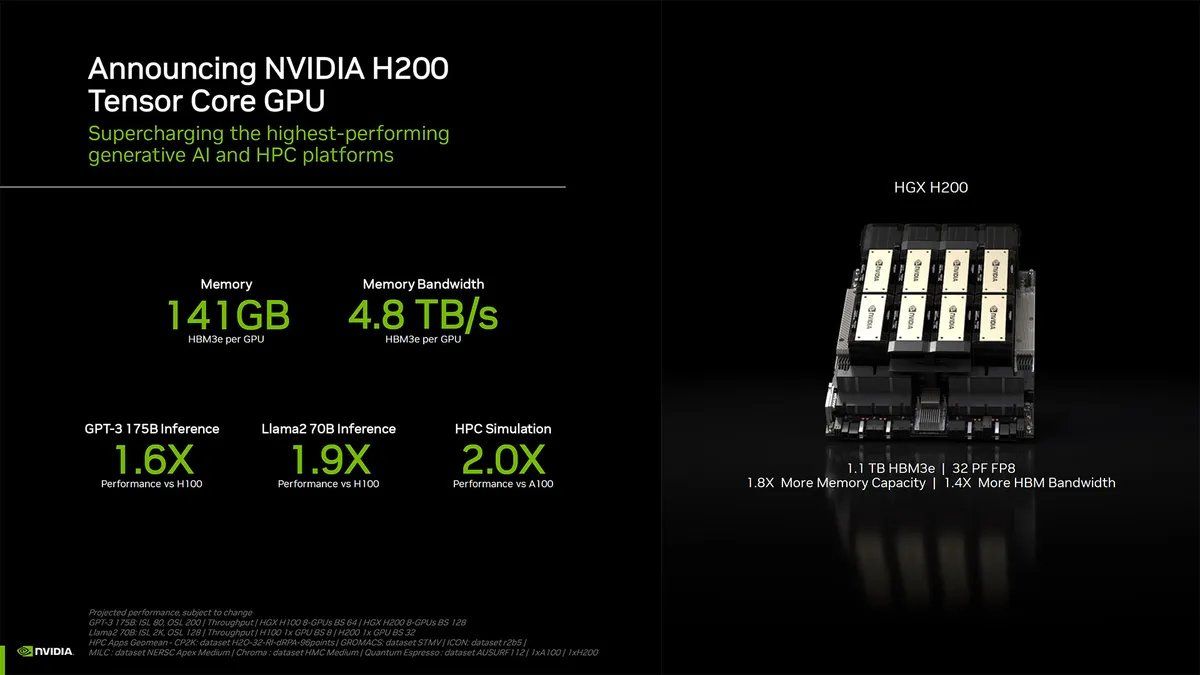
Its introduction of HBM3e memory is a standout, providing 141GB at a speed of 4.8 terabytes per second.

This large memory, almost double that of its predecessor, the A100, has been aimed at enhancing the acceleration of generative AI and large language models (LLMs).

The H200’s capabilities are further exemplified by its near doubling of inference speed on complex models such as Llama 2, in comparison to the H100.

Various configurations, including four– and eight-way GPU setups and integration into the NVIDIA GH200 Grace Hopper Superchip with HBM3e, will be offered.

Major cloud providers like Google Cloud, Amazon Web Services, Microsoft Azure, and Oracle Cloud Infrastructure, along with companies such as CoreWeave, Lambda, and Vultr, are set to deploy H200-based instances by 2024.

Technical Specifications and Future Availability

NVIDIA HGX H200 AI Chip Announced, Set to Revolutionise AI Training with Breakthrough Technology

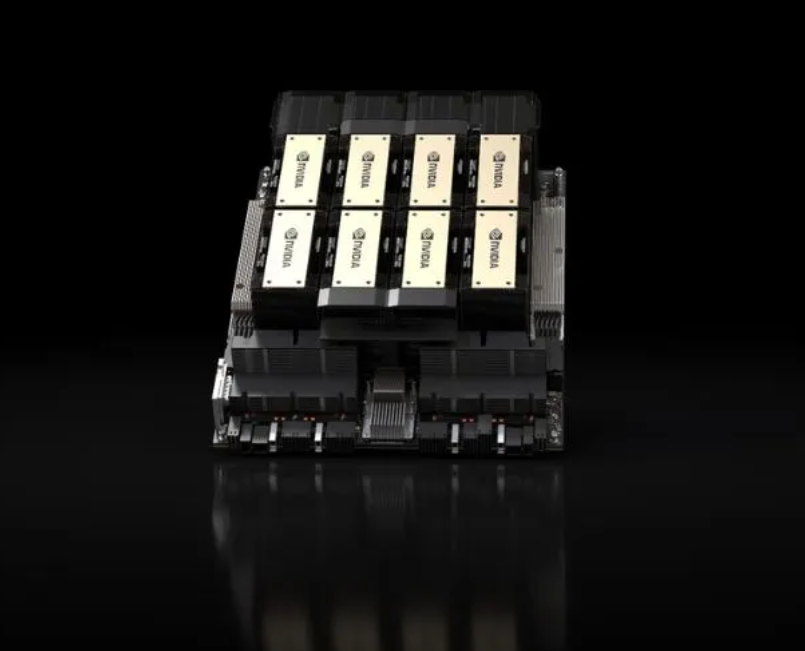
Boasting over 32 petaflops of FP8 deep learning compute and 1.1TB of high-bandwidth memory, the H200’s eight-way configuration represents a significant step in NVIDIA’s chipset technology.

Its availability is anticipated to begin in the second quarter of 2024.

This release, more than a year after the debut of the H100, which was NVIDIA’s inaugural GPU based on the Hopper architecture, shows the company’s continuous evolution in AI and supercomputing technologies.

NVIDIA’s H200 is expected to significantly impact various application workloads, especially in training and inference for large language models exceeding 175 billion parameters.

FAQs

What makes the NVIDIA HGX H200 different from its predecessor, the H100?

The NVIDIA HGX H200 stands out with its Hopper architecture and H200 Tensor Core GPU. It introduces HBM3e memory, providing a substantial memory upgrade with 141GB at 4.8 terabytes per second, almost doubling the capacity of the A100. This makes it more efficient in handling AI and large language models.

When will the NVIDIA HGX H200 be available, and who will be deploying it?

The HGX H200 is expected to be available starting in the second quarter of 2024. Major cloud service providers like Google Cloud, Amazon Web Services, Microsoft Azure, and Oracle Cloud Infrastructure, along with companies such as CoreWeave, Lambda, and Vultr, are set to deploy H200-based instances.

What are the technical capabilities of the NVIDIA HGX H200?

The NVIDIA HGX H200 offers a significant leap in performance, delivering over 32 petaflops of FP8 deep learning compute and 1.1TB of high-bandwidth memory. Its eight-way configuration is particularly powerful for AI training and large language model processing.

Google Photos Introduces New AI-Driven Organizational Features

0
Google Photos Introduces New AI-Driven Organizational Features

Highlights

  • Google Photos’ AI now groups similar images into stacks for a tidier library.
  • Automatic sorting feature categorizes IDs, receipts, and tickets into albums.
  • Directly add events to your calendar from photos or screenshots of tickets.
  • Personalized scrapbook montages and smart photo editing are among the latest AI enhancements.

Google Photos is rolling out new features that use artificial intelligence (AI) to help users tidy up their photo libraries.

Announced via a company blog post, these features are designed to streamline photo organization and enhance user experience.

Streamlining Your Photo Collection

Streamlining Your Photo Collection

One of the standout new features is photo stacking.

If you’re the type to take multiple snaps of a single scene, Google Photos will now group these similar pictures together, making a ‘stack’ to simplify your library.

It’ll suggest the best photo of the bunch, but you have the freedom to pick your favorite. And if you’re someone who likes to keep all your shots, you can opt out of this stacking feature.

Automatic Organization and Smart Integration

Automatic Organization

Google Photos is also getting smarter at sorting your pictures. It will now automatically categorize images like IDs, receipts, and tickets into separate albums.

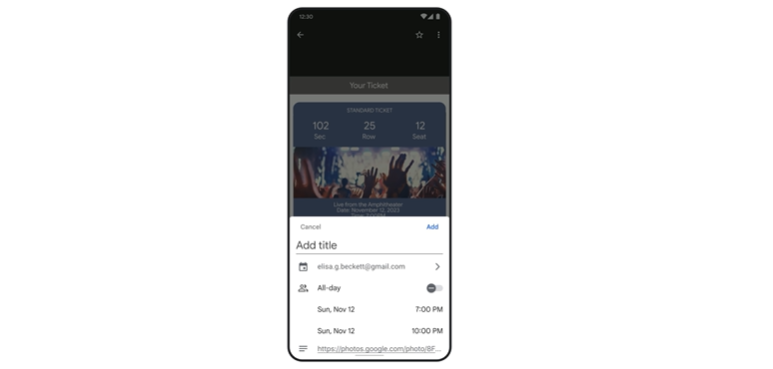
This seems like a natural progression for a service that excels at recognizing photo content. Plus, you can now add events to your calendar straight from a screenshot or photo of a ticket.

These AI-driven features build on Google Photos’ legacy of smart technology.

For years, the service has used machine learning to recognize and categorize the content of your photos.

Smart Integration
Smart Integration

This is how users have been able to search for specific items like dogs or beaches without manual tagging.

Although Google Photos stopped its free storage service a few years back, its AI capabilities continue to grow.

Recently, Google Photos introduced personalized scrapbook montages, sorted and titled by AI, which users can customize.

Another AI feature lets users edit photos by removing unwanted elements, showcasing Google’s commitment to incorporating AI across its products.

FAQs

What is the new stacking feature in Google Photos?

Google Photos’ stacking feature uses AI to group similar photos together, suggesting the best shot from the collection to help declutter your photo library. Users can also select their preferred photo to represent the stack.

How does Google Photos’ new sorting feature work?

The sorting feature automatically organizes photos by identifying the content of images, such as IDs, receipts, and tickets, and placing them into respective albums for easy access and organization.

Can I add events to my calendar using Google Photos?

Yes, Google Photos now allows you to add events to your calendar directly from a photo or screenshot of a ticket, streamlining the process of event management.

Also Read: How will the to get /use ChatGPT on your iPhone or IPad through this Siri shortcut

Also Read: Snapchat’s ChatGPT-like My AI chatbot now available to all global users for free to take on ChatGPT, Google Bard and Bing AI: says the Al will later ‘Snap’ you back