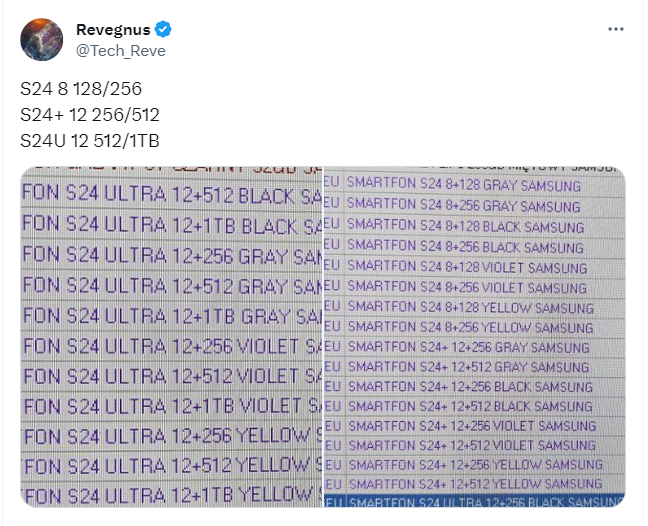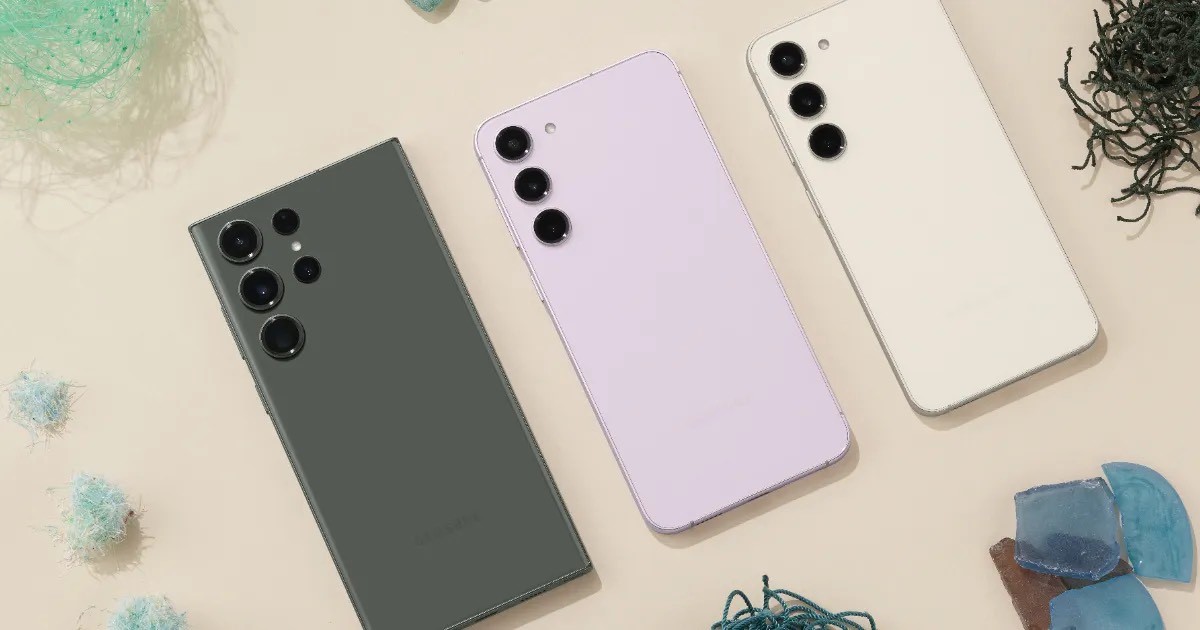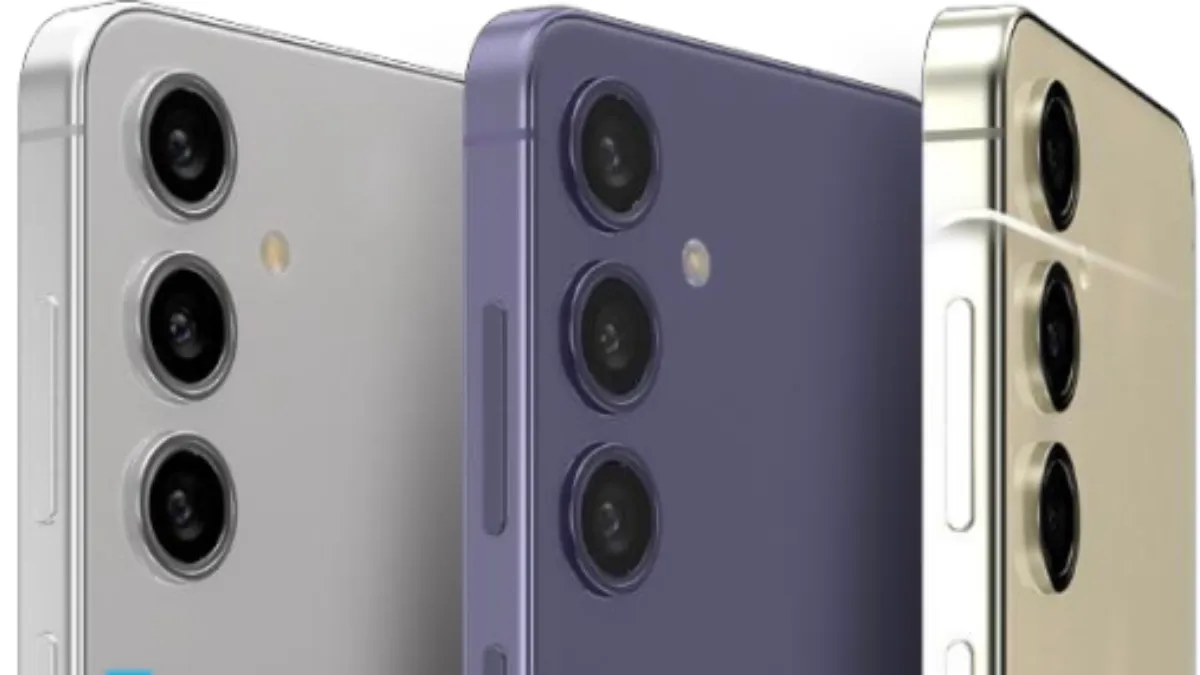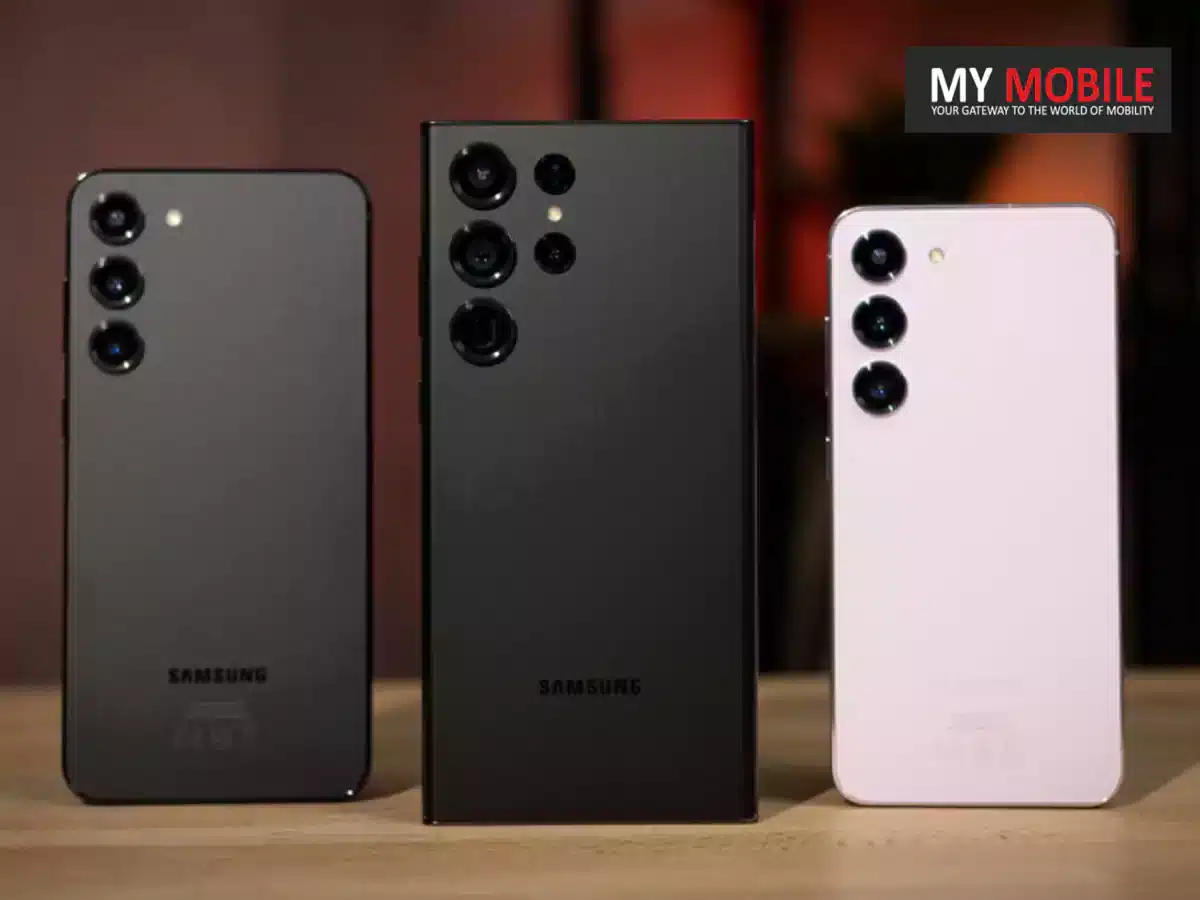
Navitasys India joins the battery suppliers list for Samsung’s Galaxy S24 series.
Galaxy S24 Ultra’s battery model, EB-BS928ABY, is confirmed to be supplied by Navitasys India.
Uncertainty remains on whether Navitasys will also supply for Galaxy S24 and S24+ models.
Samsung’s ambitions for the Galaxy S24 seriesare evident not just in the hardware specifications but also in their strategic partnerships.
Diving into the battery saga of the Galaxy S24, we unearth some intriguing developments.
New Player on the Block – Navitasys India
Recent findings from Safety Korea, the Korean certifying agency, reveal a new name in the Galaxy S24’s battery supplier list – Navitasys India.
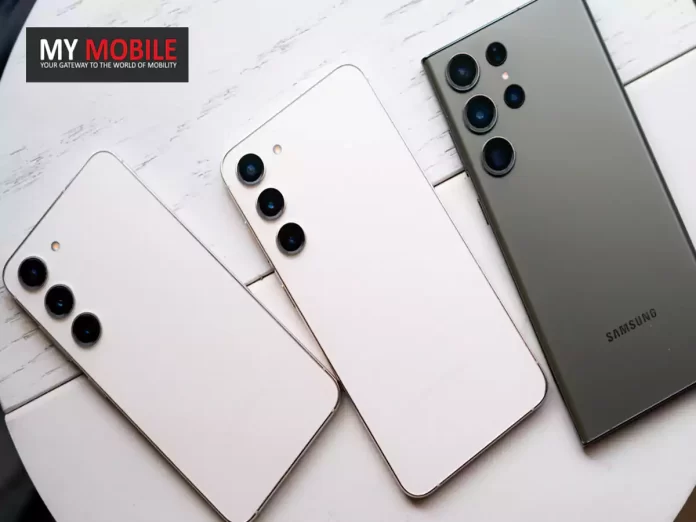
While Samsung has historically partnered with battery giants like Samsung SDI Vietnam, Ningde Amperex Technology Limited, and ELENTEC India for theGalaxy S24+, the latest entrant Navitasys is set to supply batteries for the top-tier Galaxy S24 Ultra.
Specifically, the model code EB-BS928ABY, associated with the Galaxy S24 Ultra’s battery, is now linked with Navitasys India.
But what about the standard S24and the S24+? Both these models are slated to feature batteries with designations EB-BS922ABY and EB-BS926ABY.
However, whether Navitasys India will be supplying for these models too remains shrouded in mystery, as these designations are yet to appear in listings.
Samsung’s Evolving Battery Strategy
Diversifying battery suppliers isn’t new for Samsung.
A flashback to 2022 reveals that Samsung decided to branch out from exclusively using their own SDI batteries for the Galaxy Z Fold 4 and Galaxy Z Flip 4.
They collaborated with three significant vendors, including industry giants LG and ATL. Notably, ATL isn’t just a big name in the battery world; they’re also a key supplier for Apple’s iPhones.
Samsung’s move to onboard multiple battery suppliers, including the recently spotlighted Navitasys India, signals a robust strategy for the Galaxy S24 lineup.
By diversifying suppliers, Samsung not only ensures product reliability but might also be aiming for supply chain stability amidst the tech industry’s dynamic landscape.
FAQs
Who is the new battery supplier for Samsung’s Galaxy S24 Ultra?
Navitasys India has recently been identified as a battery supplier for the Galaxy S24 Ultra, as per listings from Safety Korea.
Will Navitasys India supply batteries for all Galaxy S24 models?
As of now, Navitasys India is confirmed for the Galaxy S24 Ultra. It remains uncertain if they’ll also cater to the standard S24 and S24+ models.
Why is Samsung diversifying its battery suppliers for the Galaxy S24 series?
By collaborating with various suppliers, Samsung aims to ensure product reliability, meet demands efficiently, and potentially achieve supply chain stability.
Did Samsung rely on multiple battery suppliers for previous devices?
Yes, for devices like the Galaxy Z Fold 4 and Galaxy Z Flip 4 in 2022, Samsung sourced batteries from their own SDI, as well as from LG and ATL.
HyperOS set to debut with the Xiaomi 14 series smartphones.
Architectural revamp combines Android with Xiaomi Vella for seamless device integration.
Leaked screenshots hint at extensive lock screen customization and aesthetic overhaul.
Global launch anticipated following initial release in Xiaomi’s home market, China.
A seismic shift is on the horizon for Xiaomi enthusiasts.
The company’s CEO, Lei Jun, has recently teased the tech world with hints about their newest operating system, HyperOS, on platform X.
While Jun was measured in what he revealed, the buzz indicates that theXiaomi 14 series smartphoneswill be the flag bearers for HyperOS.
Anticipation and Release Dates
The rumblings in the tech alleys are getting louder, with speculations suggesting an imminent HyperOS launch, possibly as soon as October 27.
Industry insiders and eager fans alike are looking towards China, Xiaomi’s base, to witness the first glow of the Xiaomi 14 series, before it shines globally.
HyperOS: The Heart and Soul
The real intrigue lies in the guts of HyperOS. Melding the best of Android with Xiaomi Vella’sunique attributes, this OS is set to redefine Xiaomi’s device integration.
This means we’re not just looking at a prettier interface, but an architectural overhaul that could seamlessly connect Xiaomi’s wide device ecosystem.
A Glimpse into the Aesthetics
If the leaked screenshots circulating the digital space are to be believed, we’re in for a visual treat.
A user named ‘Mr. Water’ gave the tech community snippets of what looks like the control center, sharing a nostalgic feel with MIUI, but promising refinements.
The interface displayed everything from brightness and volume sliders to a series of quick-setting toggles.
Lock Screens and Customisation – A Whole New World
Another leak maestro, ‘Wei XiaotianAlan’, provided potential glimpses into the lock screen features.
Dominated by an aesthetically pleasing vertical digital clock, it hints at extensive customization capabilities.
The possibilities range from distinct clock styles to an array of widget choices, evoking a feel reminiscent of the iOS platform.
The User Interface
Taking a deeper look, the home screen might play host to a duo of square-shaped widgets, providing users with time and weather details.
The app icons, familiar to those acquainted with MIUI 14, suggest a balanced fusion of Xiaomi’s legacy and the innovative direction they’re heading towards.
FAQs
What is HyperOS and who is behind its development?
HyperOS is the newest operating system unveiled by the tech giant Xiaomi, set to redefine their device ecosystem with seamless integration features.
When can we expect the official launch of HyperOS?
While the exact date hasn’t been confirmed, industry buzz suggests a potential launch as early as October 27, initially in China before a global rollout.
How does HyperOS differ from Xiaomi’s existing MIUI?
HyperOS merges the best of Android with Xiaomi Vella, indicating a complete architectural makeover. While it may have visual resemblances to MIUI, the underlying structure promises a whole new user experience.
What can we anticipate from the new lock screen features of HyperOS?
Leaked images indicate a visually pleasing and extensively customizable lock screen. Expect variations in clock styles, widget choices, and more, with a feel somewhat reminiscent of the iOS platform.
Most significant among these upgrades is the incorporation of a split-screen functionality.
This marks a major milestone in mobile multitasking, as users can now open links and email attachments side-by-side with the actual email content.
For instance, if a user receives an email containing a hyperlink or an attachment, tapping on either will invoke the split-screen mode.
Gmail on Android Tablets
Here, the clicked item will occupy the right half of the screen, while the original email content transitions smoothly to the left half.
But Google doesn’t stop at just providing a static split-screen feature; it has also infused flexibility into the experience.
Users have the option to adjust the width of the split-screen partitions by simply dragging the divider handle that appears at the centre of the display.
This means you can allocate more screen real estate to either the email or the linked content, depending on what requires more immediate attention.
This split-screen functionality not only propels Gmail into a new paradigm of utility but also echoes Google’s broader commitment to enhancing productivity across its suite of applications.
Corroborating this point are the recent improvements that Google highlighted in several third-party applications optimized for Android, including but not limited to Adobe Acrobat Reader, Dropbox, Evernote, Todoist, and Zoom.
Each of these apps has received updates aimed at maximizing user efficiency and offering a more cohesiveAndroid experience.
FAQs
What’s the new feature in Gmail for Android tablets and foldable smartphones?
Gmail has introduced a new productivity feature that enables links and attachments to open in a split-screen view alongside the email content.
How can users benefit from the new Gmail split-screen feature?
This new functionality allows users to multitask more efficiently, reading emails while simultaneously opening links or viewing attachments on the same screen.
Is it possible to customize the split-screen view in Gmail?
Absolutely, users can control the width of each screen partition by simply dragging the divider handle in the center of the screen.
Which other apps received updates along with Gmail?
Google has also spotlighted third-party app updates, including Adobe Acrobat Reader, Dropbox, Evernote, Todoist, and Zoom, that have received new features and optimizations.
Main camera is to feature a new Sony IMX966 sensor with a 1/1.4-inch form factor.
Ultra-wide camera will continue with the Sony IMX581 sensor, found in previous models.
Telephoto capabilities will get a boost with the OmniVision OV64B sensor, providing up to 3X optical and 120X digital zoom.
OnePlus 12is expected to be officially announced within the next two to four months, depending on the validity of circulating speculations.
The most recent leak, courtesy of Yogesh Brar, a well-known tipster,zeroes in on theOnePlus 12 camera specs of the forthcoming flagship offering.
Brar wrapped up his list of leaked specs with a comment that suggests it’s a “Solid upgrade overall.”
However, not all users are in agreement, particularly when it comes to the main camera’s sensor.
While Brar projects a considerable step forward in the OnePlus 12’s photographic capabilities, some users find the updates lacking.
Dissecting the Main Camera
According to the leaked information, the main camera of the OnePlus 12 will feature a new sensor called the Sony IMX966.
Contrary to expectations that speculated on a 1-inch form factor similar to that found in devices like the Find X6 Proand the Xiaomi 13 Pro, the IMX966 will feature a 1/1.4-inch form factor.
It is said to come equipped with OIS, a wide aperture at f/1.7, and a 23mm equivalent field of view.
For those hoping for a 1-inch Sony IMX989 sensor, the same sensor used in devices such as the Vivo X90 Pro Plus, the Xiaomi 12S Ultra, and the Find X6 Pro, the leaked specs might come as a disappointment.
Ultra-Wide and Telephoto Capabilities
Further disclosures indicate that the OnePlus 12 will house a Sony IMX581 sensor for its ultra-wide camera.
This 1/2-inch sensor is not a novelty; it has been featured in the OnePlus 11 and the recently announced Oppo Find N3 Flip.
With an aperture of f/2.2 and a 14mm equivalent field of view, the IMX581 is a reliable choice for capturing broader landscapes.
As for the telephoto camera, there appears to be a departure from its predecessor, the OnePlus 11, which used a 32MP Sony IMX709 sensor for 2X zoom.
Brar’s leak suggests that the OnePlus 12 will employ an OmniVision OV64B sensor, allowing for 3X optical zoom (70mm) and a staggering 120X digital zoom.
The OV64B sensor is also featured in the OnePlus Open.
What is the main sensor in the OnePlus 12 according to the leak?
The main sensor for the OnePlus 12 is rumoured to be the new Sony IMX966 with a 1/1.4-inch form factor, featuring OIS and a wide aperture of f/1.7.
How does the ultra-wide camera in OnePlus 12 compare to its predecessor?
The ultra-wide camera in the OnePlus 12 is expected to house the Sony IMX581 sensor, the same as in the OnePlus 11. It features an aperture of f/2.2 and a 14mm equivalent field of view.
What improvements are expected in the telephoto capabilities of OnePlus 12?
The OnePlus 12 is rumoured to employ an OmniVision OV64B sensor for its telephoto lens, allowing for 3X optical zoom and up to 120X digital zoom, a step up from its predecessor.
Why are some users disappointed with the leaked camera specs?
Some users were hoping for a 1-inch Sony IMX989 sensor for the main camera, as seen in other high-end smartphones. The leaked specs indicate a smaller 1/1.4-inch sensor, leading to some disappointment.
Crafted with a premium metal unibody design, HP Envy x360 offers both aesthetics and durability.
Boasts a vibrant 15.6-inch FHD+ display with IMAX Enhanced certification for stunning visuals.
Extensive I/O options include Thunderbolt 4, USB Type-C, and Wi-Fi 6E.
Equipped with an Intel Core i5-1135U processor and 16 GB RAM for robust performance.
The HP Envy x360 2-in-1 laptop sets a new standard in the world of convertible laptops, offering a blend of premium build quality,high-end features, and robust performance.
Our review unit, priced at Rs 91,999, aims to provide a comprehensive look at this machine, examining everything from its aesthetics to its hardware capabilities.
Pros and Cons
HP Envy x360 2-in-1: Pros and Cons
Pros
Cons
Premium Build
Average Battery
Vibrant Display
Only 60Hz Refresh Rate
Exceptional Audio
Not Meant For Heavy Graphical Activity
Key Specifications
HP Envy x360 2-in-1: Key Specifications
Processor: Intel Core i5-1135U (up to 4.6 GHz)
RAM: 16 GB LPDDR5-5200 MHz
Storage: 1 TB PCIe Gen4 NVMe
Display: 15.6-inch FHD+ (16:9 aspect ratio)
Graphics: Integrated Evo Graphics
Battery: 4-cell, 55 Wh Li-ion polymer
Additional Features: Thunderbolt 4, USB Type-C, Wi-Fi 6E, Bluetooth 5.3
HP Envy x360 2-in-1: Build, Design, and I/O
The HP Envy x360 stands out as a premium 2-in-1 laptop, both in terms of its construction and build quality.
Its metal unibody design is not only aesthetically pleasing but also tactilely satisfying to the touch.
The device offers durability as well, a factor we feel is demonstrated by its robust hinge that allows for a complete 360-degree rotation.
This flexibility enables users to switch between laptop and tablet modes seamlessly.
To aid creative endeavours, the device comes bundled with a stylus, providing an additional layer of functionality.
Despite its high-end build and features, the HP Envy x360 remains highly portable. Weighing in at approximately 1.7 kilograms, the laptop is light enough to be comfortably stored in our backpack.
The device’s slim profile further contributes to its portability, adding to its overall sleek appearance.
When it comes to connectivity, the HP Envy x360 2-in-1 leaves no stone unturned, offering an extensive array of I/O options.
The device is equipped with two Thunderbolt 4 ports that come with USB Type-C support and boast a 40Gbps signalling rate.
These versatile ports provide multiple functionalities including USB Power Delivery, DisplayPort 1.4, and HP Sleep and Charge.
For more traditional connections, there are three USB Type-A ports, all offering a 10Gbps signalling rate.
One of these also features HP Sleep and Charge for added convenience. In addition, an HDMI 2.1 port provides high-definition video output capabilities.
Wireless connectivity is top-notch, featuring Wi-Fi 6E and Bluetooth 5.3 options for seamless connectivity across multiple devices.
The laptop is also furnished with the HP USB-C Rechargeable MPP2.0 Tilt Pen for more versatile input methods.
To complete the package, a Wide Vision 5MP webcam is situated at the top of the device and offers facial authentication features.
HP Envy x360 2-in-1: Display, Keyboard, and Trackpad
HP Envy x360 2-in-1: Keyboard, and Trackpad
When it comes to the display, the HP Envy x360 2-in-1 truly shines. It has a 15.6-inch FHD+ OLED screen with a 16:9 aspect ratio, framed by remarkably slim bezels that enhance its aesthetic appeal.
While the touchscreen functionality is quite responsive, it’s worth noting that the 2-in-1 utility could see some improvements.
The display’s IMAX Enhanced certification ensures that it offers colour grading and visual experiences akin to the IMAX format.
With a peak brightness of 500 nits, the screen is perfectly adequate for indoor viewing. We watched multimedia content on this display and it was quite an immersive experience thanks to its exceptional audio capabilities.
Speaking of which, the laptop features dual speakers tuned by Bang & Olufsen, supplemented by HP Audio Boost, which together produce a deep and expansive soundstage across varied content.
The screen also covers 100% of the DCI-P3 colour gamut, providing vibrant and true-to-life visuals.
The only minor drawback is the screen’s 60Hz refresh rate, which, although standard, could have been more impactful with an upgrade to 90Hz for smoother visuals.
The keyboard on the HP Envy x360 2-in-1 evokes mixed feelings.
The keys are snappy,providing quick feedback, but they also have a somewhat flat feel to them.
Aesthetically, the keyboard scores points with its classy font, neat backlighting, and a smooth texture.
However, the layout leaves something to be desired as the arrow keys are squeezed into a cramped square arrangement.
While the keys adopt a standard chiclet-style, the typing experience, although decent, could benefit from enhanced tactile feedback.
This is an area where there’s room for improvement to meet the expectations of users who prioritize the typing experience.
As for the trackpad, it performs well for casual tasks, offering both spaciousness and reliability.
However, for those engaged in professional work, an external mouse would be a more reliable option to complement the built-in trackpad.
HP Envy x360 2-in-1: Performance and Battery
HP Envy x360 2-in-1: Battery
Our review unit comes equipped with anIntel Core i5-1135U processor that can clock up to 4.6 GHz thanks to Intel Turbo Boost Technology.
With a 12 MB L3 cache, 10 cores, and 12 threads, this laptop delivers commendable performance for its price point.
However, it’s worth mentioning that the processor belongs to Intel’s ‘U’ series, which is not designed for heavy CPU-intensive tasks.
For regular activities like browsing and running multiple apps, the device handles operations smoothly.
Benchmarktests further confirm the laptop’s competitive performance. In Geekbench 6, it scored 8642 in multi-core tests, while on Cinebench 2024, it registered a score of 341.
When it comes to graphics, the integrated Evo graphics are serviceable but not particularly powerful, making the device suitable for light gaming but not much beyond that.
The machine also features 16 GB LPDDR5-5200 MHz RAM and a 1 TB PCIe Gen4 NVMe drive, providing ample storage for a variety of needs.
On the battery front, the device houses a 4-cell, 55 Wh Li-ion polymer battery that offers up to six hours of screen-on time with regular usage.
While this is not exceptional, it’s decent enough for our day-to-day activities.
A standout feature is the compact 65W charger included with the laptop, which utilizes USB-C connectivity for easy portability and fast charging.
Final Verdict
Final Verdict
The HP Envy x360 2-in-1 laptop stands as a compelling choice for those seeking a blend of form and function.
Priced at Rs 91,999, this variant offers robust performance, exceptional build quality, and a plethora of features.
While it shines in several aspects like display and audio quality, it does have its drawbacks such as an average battery life and limitations in heavy CPU tasks.
Overall, it’s a solid package that mostly delivers on what it promises.
My Mobile Rating
Build and design– 4/5
Display – 4/5
Keyboard and trackpad– 3,5/5
Connectivity options – 4/5
Performance– 3.5/5
Battery– 3.5/5
Overall – 4/5
FAQs
What makes the HP Envy x360 stand out?
The HP Envy x360 2-in-1 is a premium laptop with a metal unibody design, a vibrant FHD+ display, and a robust Intel Core i5 processor. It’s a versatile machine that can seamlessly transition from a laptop to a tablet.
Is the HP Envy x360 good for creative work?
Yes, the laptop comes bundled with a stylus and features a touchscreen display that’s IMAX Enhanced certified. These features make it suitable for creative endeavours like graphic designing or sketching.
How does the HP Envy x360 perform in terms of connectivity?
The device offers extensive I/O options, including two Thunderbolt 4 ports, USB Type-A ports, and wireless connectivity options like Wi-Fi 6E and Bluetooth 5.3, making it highly versatile in connecting to various devices.
Is the HP Envy x360 suitable for gaming?
The HP Envy x360 comes with Integrated Evo graphics, which allows for light gaming. However, it’s not designed for heavy gaming or graphically intensive tasks.
• Xiaomi’s MIX Fold 4 appears on GSMA IMEI database with two distinct model numbers for Chinese and Global versions. • The global version marks a departure from Xiaomi’s China-only focus for its foldable smartphones. • Inclusion of “2405” in model numbers hints at a potential launch date of May 2024.
Xiaomi, has long been a formidable player in the foldable smartphone market.
However, its escapades have mostly been confined to the Chinese market.
That could soon change, though.
Eagle-eyed tech enthusiasts might remember the Mi MIX Fold in 2021, followed by its sequels, the MIX Fold 2 and MIX Fold 3.
Now a new report from GSMChina suggests that Xiaomi is planning to shift its focus from a regional to a global scale, with the next device in line—the MIX Fold 4—possibly being the first foldable Xiaomi smartphone to be released internationally.
Breaking the Mold: Xiaomi’s Global Aspirations
The MIX Fold 4’s recent appearance on the GSMA IMEI database is turning heads, and for good reason.
The device has been listed with two model numbers: 2405CPX3DC and 2405CPX3DG.
The final letter of each model number—“C” for the Chinese variant and “G” for the global version—strongly indicates that Xiaomi is looking to break its China-centric approach and take the foldable smartphone game to the international stage.
A Speculated Launch Timeline
Interestingly, the inclusion of “2405” in the model number has led to speculation that the MIX Fold 4 might be unveiled in May 2024.
While this is yet to be confirmed, the prospect of an earlier release compared to its predecessors does add an exciting twist.
Xiaomi MIX Fold 4
Region-Specific Model Numbers
Using distinct letters in the model numbers to differentiate between regional variations is a conventional approach in the tech industry.
This ensures a seamless identification and distribution process for smartphones tailored to specific markets.
So is Xiaomi gearing up for an international launch of its folding smartphone?
Only time will tell but the indications so far are definitely promising.
FAQs
What does the MIX Fold 4’s appearance on the GSMA IMEI database signify?
The listing of Xiaomi’s MIX Fold 4 on the GSMA IMEI database indicates that the device is closer to becoming a reality and could potentially mark Xiaomi’s first global launch for a foldable smartphone.
What is the significance of the two different model numbers for MIX Fold 4?
The two distinct model numbers, ending in “C” and “G,” suggest that Xiaomi plans to release a Chinese variant and a global variant, breaking away from its previous China-only focus.
What does the “2405” in the model number indicate?
While not confirmed, the “2405” in the model numbers leads to speculation that the MIX Fold 4 could be released in May 2024.
How does Xiaomi plan to distinguish between regional models?
Xiaomi appears to use the final letters in model numbers, “C” for China and “G” for global, as a method to differentiate between models intended for specific regions.
Slated to be unveiled on November 17, 2023, at 2:30 PM local time, the X100 and X100 Pro models will make their debut in the Chinese market.
This latest announcement has piqued consumer interest, providing insights into both the aesthetics and technical specifications of these upcoming devices.
A significant highlight of the series is its broad spectrum of colour options.
The teaser images reveal that the X100 and X100 Pro will be available in multiple colours, including Black, White, Red, Cyan, and Orange.
Furthermore, the Black, Red, and Orange variants will feature a premium rear panel with a leather finish, adding an extra layer of sophistication to the devices.
Advanced Camera Features
Vivo X100 Series: Camera Features
A primary talking point is the Zeiss-branded camera module.
The devices will house a triple camera setup, one of which will be a periscope lens.
Adding to the allure is an LED flash positioned at the top right corner of the rear panel, external to the camera module.
Apart from that here are some expected specifications pertaining to both handsets.
X100 Rumoured Specifications
Primary Camera: IMX920
Battery: 5,100mAh
Charging: 120W wired fast charge
X100 Pro Rumoured Specifications
Primary Camera: IMX989
Battery: 5,400mAh
Charging: 100W wired and 50W wireless
Other noteworthy features for both devices include a 12MP IMX663 ultrawide and a 64MP OmniVision periscope telephoto lens at the rear.
Vivo X100 Series: Cutting-Edge Technical Specifications
Key Takeaways
Launch Date: November 17, 2023
Time: 2:30 PM local time
Markets: China
Available Colours: Black, White, Red, Cyan, Orange
Special Features: Leather finish on some colour variant
What’s Next?
As we move closer to the launch date, it’s reasonable to expect more updates that will provide further insights into the specifications and features of the X100 series.
Given the information revealed so far, the X100 series promises to be a compelling addition to Vivo’s smartphone lineup.
The Vivo X100 and X100 Pro are set to be launched on November 17, 2023, at 2:30 PM local time in China.
What colour options will be available?
The X100 series smartphones will come in multiple colours including Black, White, Red, Cyan, and Orange. Additionally, the Black, Red, and Orange variants will feature a rear panel with a leather finish.
What chipset do the X100 series smartphones use?
Both the Vivo X100 and X100 Pro will be the first smartphones to be equipped with the MediaTek Dimensity 9300 chipset.
What are the camera features of the X100 series?
The devices will have a Zeiss-branded triple-camera unit at the back. One of the lenses will be a periscope lens, and an LED flash will be situated at the top-right corner of the rear panel.
OnePlus and Realme exit India’s burgeoning smart TV market despite having a significant presence.
Counterpoint Research data shows OnePlus with a substantial 8.2% market share, trailing only behind giants like Samsung and LG.
Both brands halt local production of smart TVs, though continue smartphone manufacturing in India.
In a surprising move, OnePlus and Realme, two leading Chinese smartphone brands, have reportedly decided to discontinue their smart TV lines in India.
This decision, firstreported by TOI, comes at a time when the smart TV industry is experiencing a boom in the country, fueled by the ever-growing popularity of streaming services and online sales events.
OnePlus and Realme marked their entry into the smart TV market in 2019 and 2020, respectively.
Both brands posed strong competition to established giants like LG, Samsung, and Sony by offering feature-rich TVs at competitive prices.
Over the years, they successfully built sales channels and reputations, gaining significant market traction.
According to Counterpoint Research, OnePlus holds the fourth-largest market share in India’s smart TV segment, trailing behind only Samsung and LG.
The brand’s foray into televisions benefitted from the premium image its smartphones enjoy, allowing it to garner an 8.2 percent share of the market.
Smart TV Industry
The Timing and The Question of Why
The timing of OnePlus and Realme’s exit is perplexing. Smart TV sales in India, as mentioned above, have witnessed exponential growth recently.
Adarsh Nair, CEO of Airtel Digital, projected that OTT consumption on smart TVs would skyrocket with the deployment of 5G and enhanced AirFiber services in India.
Moreover, data from Counterpoint Research indicates that the under Rs 20,000 smart TV segment is currently the fastest-growing, mostly led by Xiaomi, while Samsung and LG dominate the premium range.
Both OnePlus and Realme have been manufacturing their TV units locally.
OnePlus even has a substantial facility in Hyderabad with the capacity to produce 1 million TVs.
Yet, both brands have decided not only to exit the market but also to halt local production of their TV units.
It’s worth noting, however, that they will continue to manufacture smartphones in India.
Possible Ramifications
Smart TV Lines in India
The exit of OnePlus and Realme could have multiple implications:
Opportunity for Other Brands: Their departure may open up opportunities for other brands, particularly in the budget segment, where the growth is most robust.
Supply Chain Impact: Halting local production might have downstream effects on the suppliers and the broader electronics manufacturing ecosystem in India.
Consumer Choices: Given their competitive pricing and features, the absence of OnePlus and Realme could limit the options available to the price-conscious Indian consumer.
FAQs
Why have OnePlus and Realme decided to exit the smart TV market in India?
The exact reason is unclear, but the decision comes at a time when the smart TV market in India is experiencing significant growth.
What is the impact on OnePlus and Realme’s local manufacturing?
Both companies have ceased local production of their smart TV units but will continue to produce smartphones in India.
What does this mean for the competition?
The exit of OnePlus and Realme may open up new opportunities for other brands, particularly in the fast-growing budget segment.
How does this affect consumers?
With the departure of OnePlus and Realme, consumers may have fewer options, particularly in terms of feature-rich and competitively-priced smart TVs.
The Xiaomi 14 and 14 Pro are slated for a debut in China later this week, with a speculated global launch in Q1 2024.
Both smartphones are expected to feature the latest Snapdragon 8 Gen 3 chipset, according to Geekbench listings.
The Xiaomi 14 will offer multiple configurations: 12GB RAM with 256GB storage, 16GB RAM with 512GB storage, and 16GB RAM with 1TB storage.
The Xiaomi 14 and its counterpart, the 14 Pro, have grabbed the tech world’s attention ahead of their imminent launch, expected to take place in China later this week.
The Xiaomi 14 recently made its presence known in the Geekbench 6 database, reinforcing the speculations about its use of the forthcoming Snapdragon chipset.
Though the Geekbench listing doesn’t outright mention the chipset by name, the CPU and GPU configurations are compelling indicators that confirm the smartphone will house the Snapdragon 8 Gen 3 chipset.
In terms of memory and storage configurations, the Xiaomi 14 is expected to come in three variants: one with 12GB RAM and 256GB storage, another with 16GB RAM and 512GB storage, and a high-end version featuring 16GB RAM and 1TB storage.
Xiaomi 14 Spotted on Geekbench
Moreover, potential buyers can look forward to choosing from four colour options: black, white, green, and pink.
As for its more premium sibling, the Xiaomi 14 Pro, it will closely mirror the standard model in terms of configurations and chipset.
However, it will be available in three colour choices: black, white, and green.
Both models underwent Geekbench testing, with the Xiaomi 14 clocking 2244 points in single-core and 6820 points in multi-core benchmarks.
When are the Xiaomi 14 and 14 Pro expected to be launched?
The Xiaomi 14 and 14 Pro are expected to make their debut in China later this week. However, information regarding the global launch is still unavailable, though some speculate a potential Q1 2024 launch.
What chipset will the Xiaomi 14 and 14 Pro feature?
Both the Xiaomi 14 and 14 Pro are expected to come equipped with the new Snapdragon 8 Gen 3 chipset from Qualcomm. This was substantiated by the Geekbench listing, which indicated the use of this chipset even if not explicitly named.
What are the storage and RAM configurations for Xiaomi 14?
The Xiaomi 14 is expected to be available in three configurations: one with 12GB RAM and 256GB storage, a second with 16GB RAM and 512GB storage, and a high-end version with 16GB RAM and 1TB storage.
Will the Xiaomi 14 and 14 Pro run on the same Operating System?
Yes, both the Xiaomi 14 and 14 Pro are expected to operate on Android 14 OS. Furthermore, they will feature Xiaomi’s new HyperOS UI layer on top, enhancing the user experience.
New colour variants Heather Glass and Iron Glass available from today
6.78-inch Full HD+ Curved AMOLED display with 120 Hz Refresh Rate
High-performance MediaTek Dimensity 7050 processor with 16GB RAM
Long-lasting 4700mAh battery with 66W fast charging feature
Lava Mobiles has added new zest to its Agni 2 series with the introduction of two new colour variants.
Initially launched in May, the Lava Agni 2 is already said to have made a mark for its compelling features and sleek design, offering a package that combines cutting-edge technology with eye-catching aesthetics all repurposed at an affordable price point.
Lava Agni 2: Availability and Colour Options
The newly announced colour variants, Heather Glass and Iron Glass, will likely provide even more choices for smartphone users looking to match their tech gadgets with their personal style.
The Lava Agni 2 with its two new colour options, is available for purchase starting today.
Lava Agni 2: Colour Options
Lava Agni 2: Key Specifications
6.78-inch Full HD+ Curved AMOLED display with a 120 Hz Refresh Rate
MediaTek’s Dimensity 7050 processor
8GB + 8GB* of RAM
50MP Quad Camera setup with 1.0-micron pixel sensor
256GB internal storage, expandable up to 512GB
4700mAh battery with 66W fast charging
Lava Agni 2: Features
The Lava Agni 2 packs in a 6.78-inch Full HD+ Curved AMOLED display, complete with a 120 Hz Refresh Rate.
When it comes to performance, the phone does not skimp.
Armed with MediaTek’s Dimensity 7050 processorand a whopping 16GB of RAM (8GB + 8GB*), the device is competent enough to provide seamless multitasking and rapid app launches.
This makes the phone an excellent choice for those who need their tech to keep up with their busy lives.
The phone sports a 50MP Quad Camera setup that includes a Segment First 1.0-micron (1 um) pixel sensor, allowing users to capture their moments in exquisite detail.
Apart from that there is a generous storage capacity of 256GB which is expandable to 512GB.
Lava Agni 2:New Colours
In terms of battery life, the Agni 2 packs in a long-lasting 4700mAh battery.
What’s more, the device comes equipped with a 66W fast charging feature, which can juice up the phone to 50 percent in less than 16 minutes.
That means less time tethered to a charger and more time enjoying all the features the phone has to offer.
With these two new colour variants, the Agni 2 successfully marries powerful performance with a standout style.