Highlights
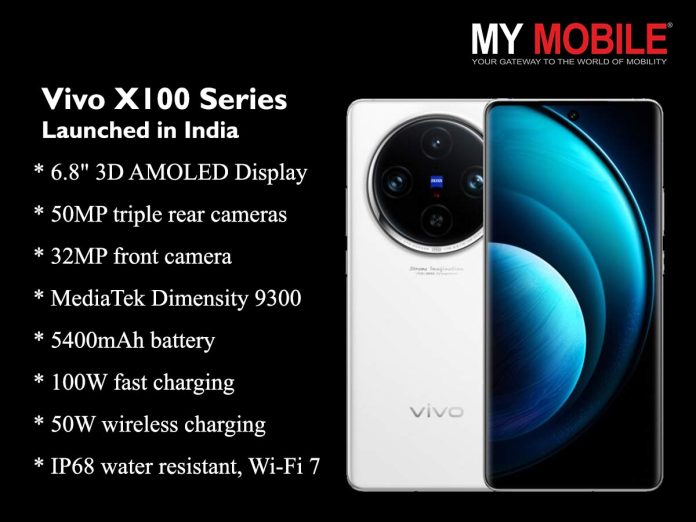
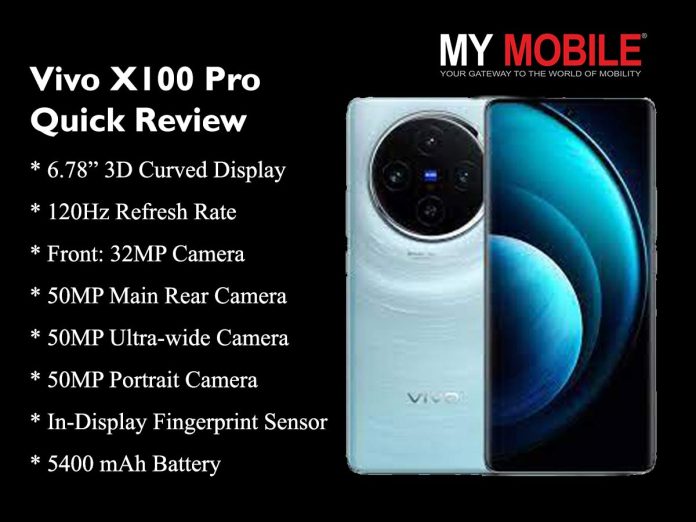
- Equipped with a MediaTek Dimensity 9300 chipset.
- Features a 6.78-inch 3D Curved AMOLED display.
- Trio of 50 MP cameras for versatile photography.
- Supports 100W wired and 50W wireless fast charging.
I have with me the most premium of the two devices launched called the Vivo X100 Pro.
Clearly, the device stands out with its commitment to innovation, particularly in photography and performance.
Vivo has tried to deliver an experience that goes beyond the ordinary, aiming to set new standards in the highly competitive smartphone market.
Here’s a quick review of the phone’s salient features.
Vivo X100 Quick Review: Unboxing
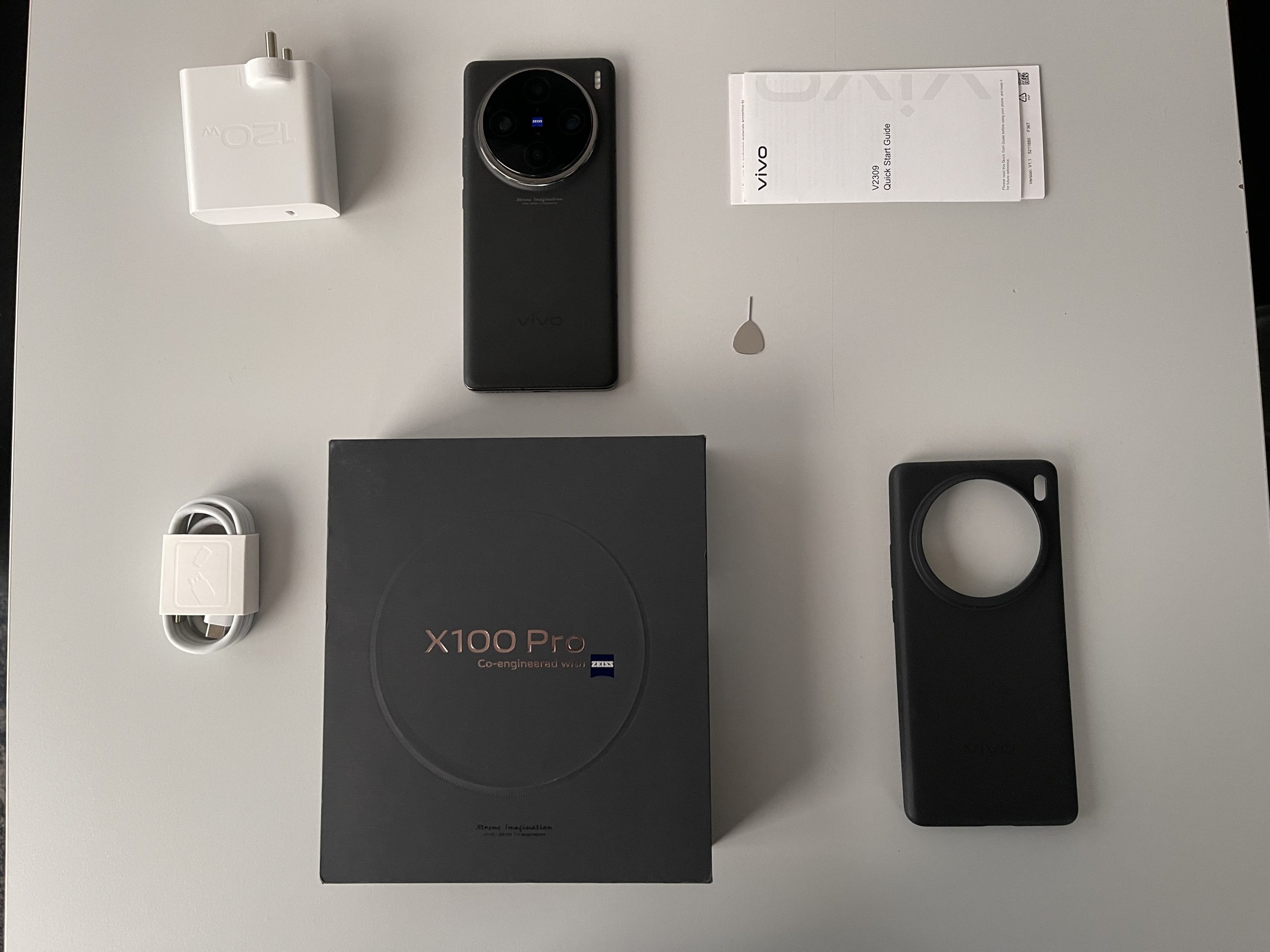
Opening the box of the Vivo X100 series reveals a thoughtfully arranged package.
Inside, you’ll find the sleek Vivo X100 device, accompanied by a USB Type-C cable and a fast-charging adapter housed in a separate compartment.
Vivo also includes a very well-made silicone protective case, present in a separate compartment along with the standard paperwork, ensuring that your device is safeguarded from day one.
The presentation is both elegant and practical, reflecting Vivo’s attention to detail.
Vivo X100 Quick Review: Key Specs
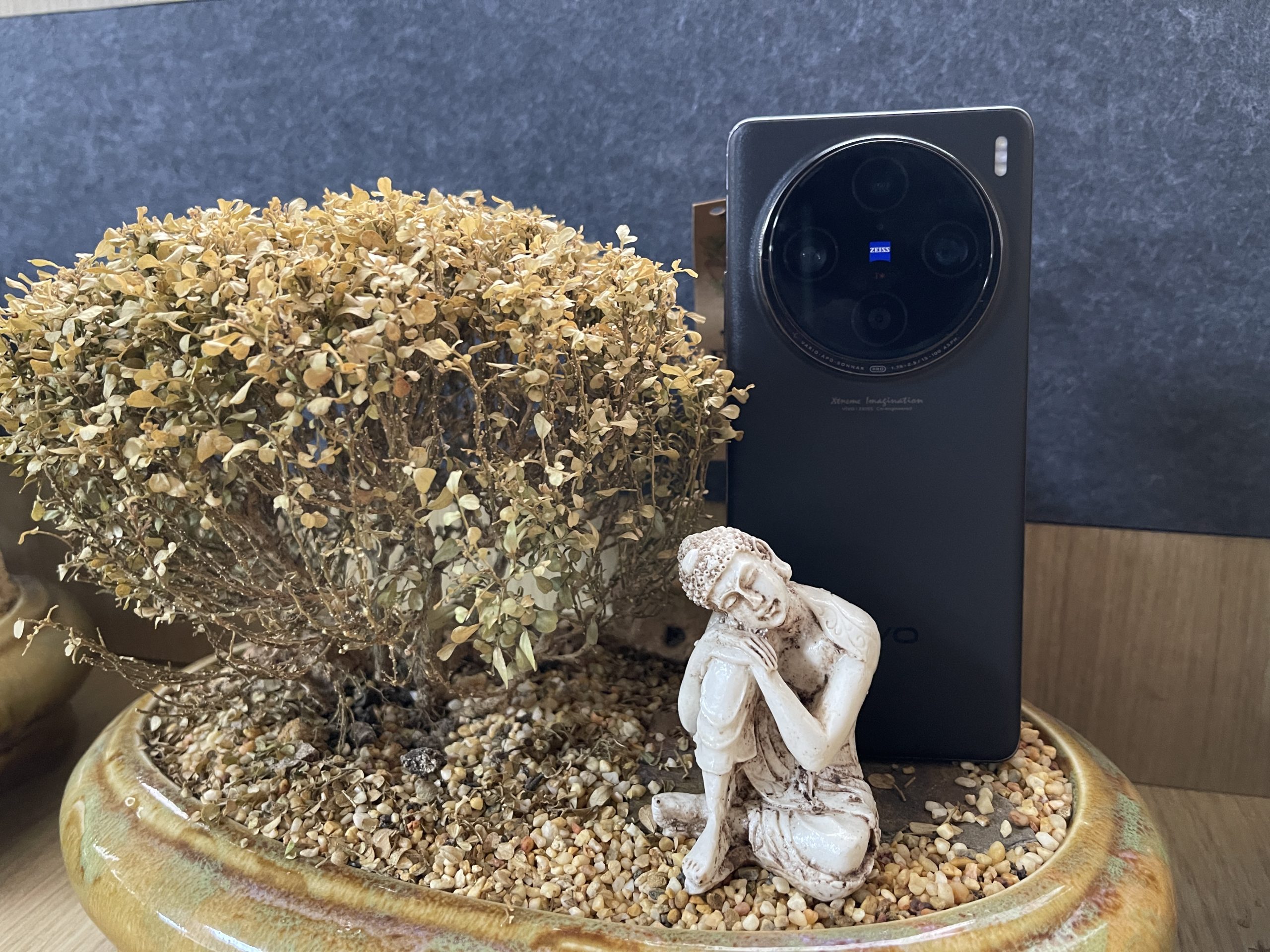
- Display: 6.78-inch 3D Curved AMOLED, FHD+, 120Hz Refresh Rate, 8T LTPO Panel
- Front Camera: 32MP
- Rear Camera: 50 MP Main (IMX989 OIS 1-Inch Sensor), 50 MP Ultra-wide, 50 MP Portrait (4X Optical, 100X Floating Telephoto)
- Fingerprint Sensor: In-Display
- Chipset: MediaTek Dimensity 9300 + V3 Chip
- Battery: 5400 mAh
- Fast Charging: Yes, Type-C 100W FlashCharge, 50W Wireless
- Certifications: IP68, Wi-Fi 7
- Design: Fluorite AG Glass Back, 225g, 8.91mm Thickness
- SIM Slot: Dual Nano+eSIM
- Storage: 16GB RAM + 512GB ROM
Vivo X100 Quick Review: Design and Display
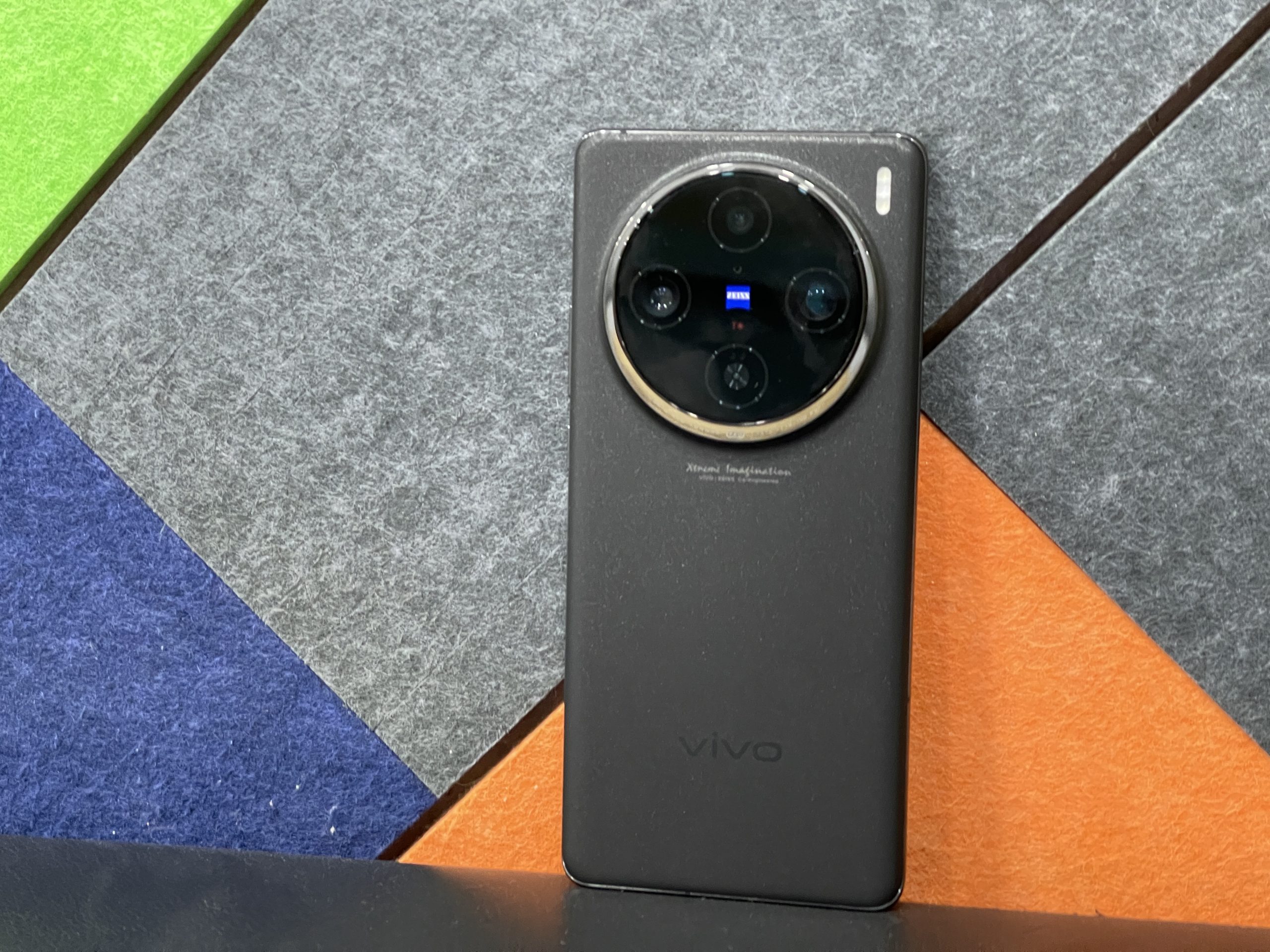
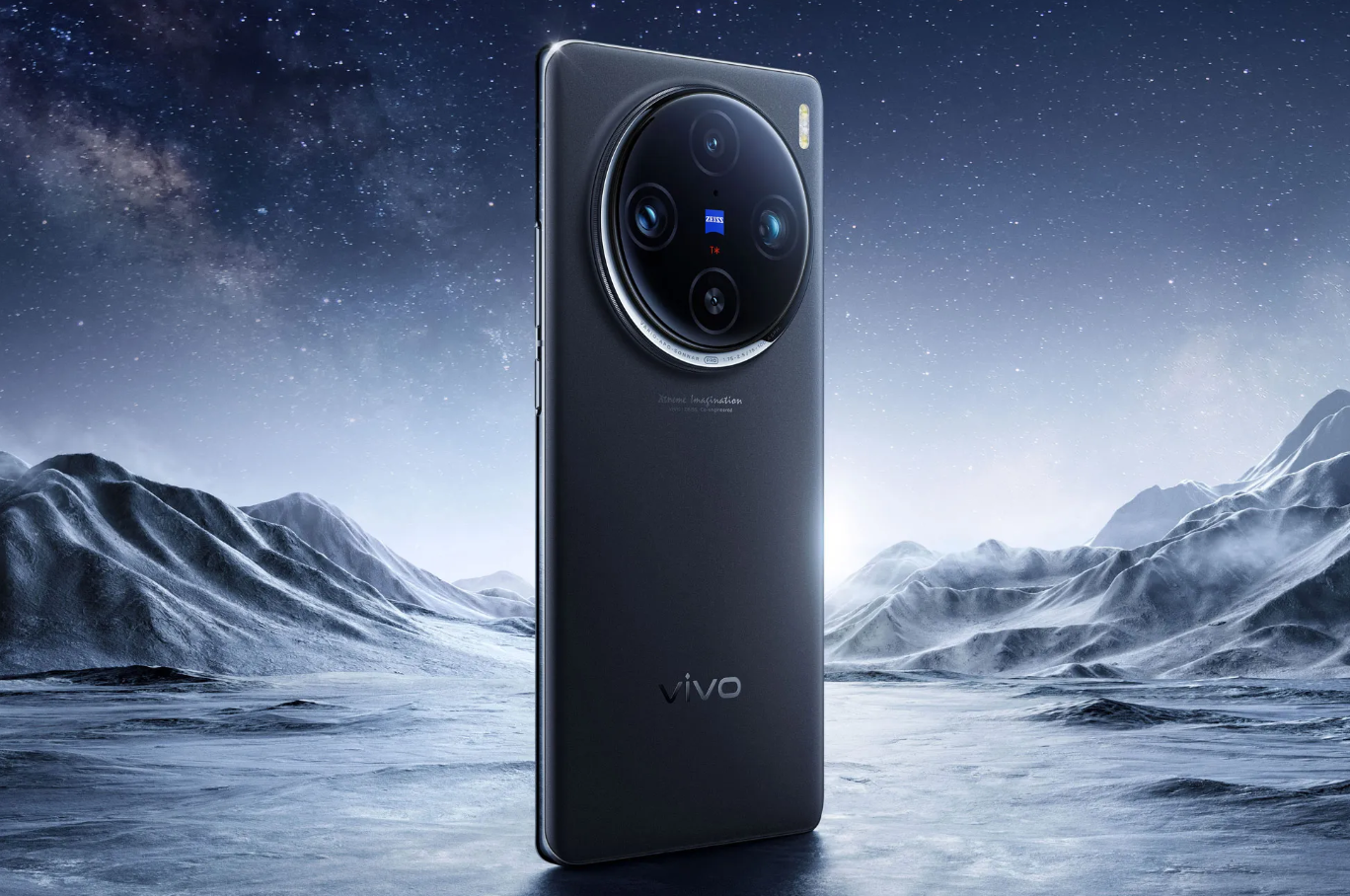
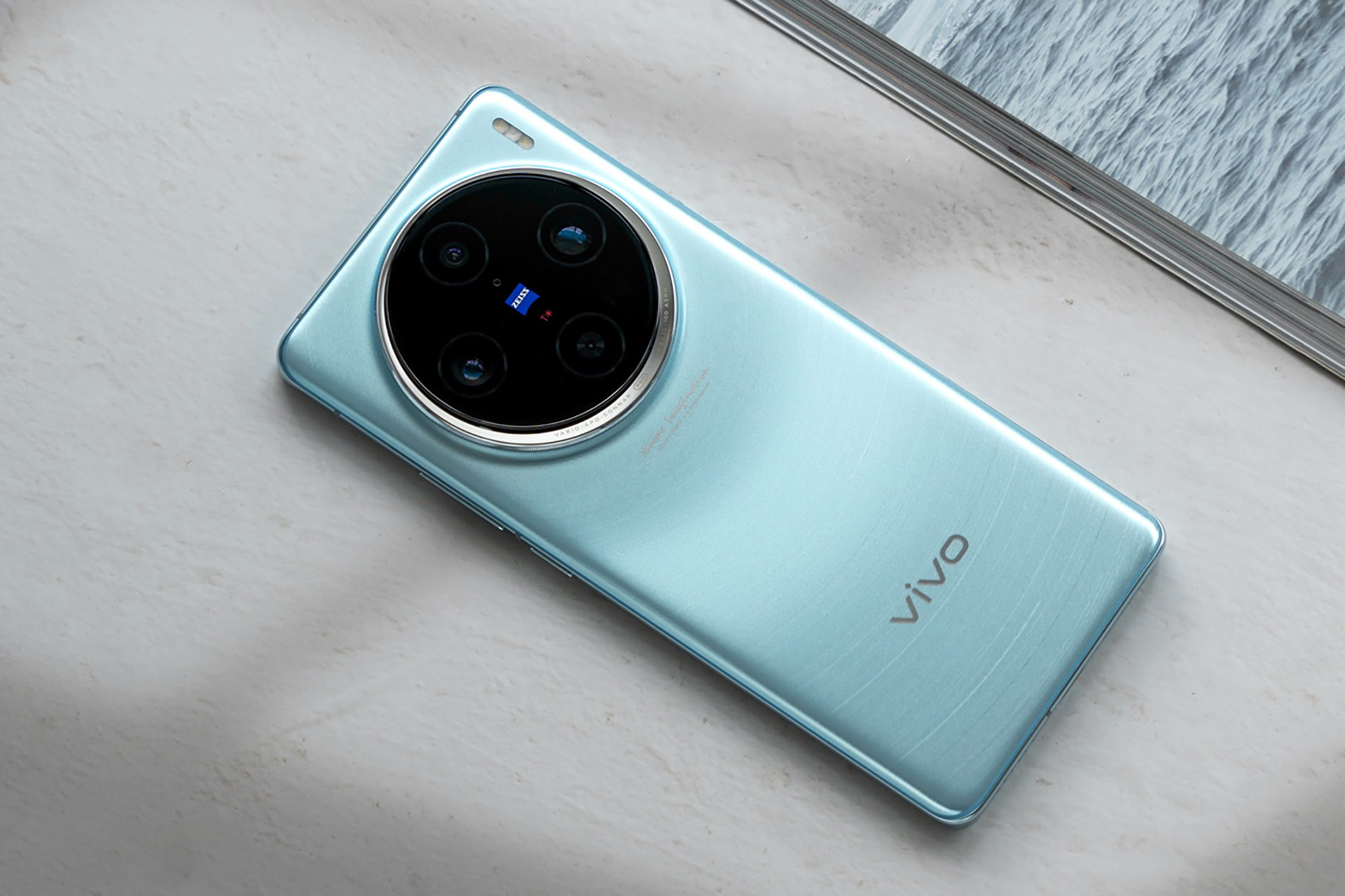
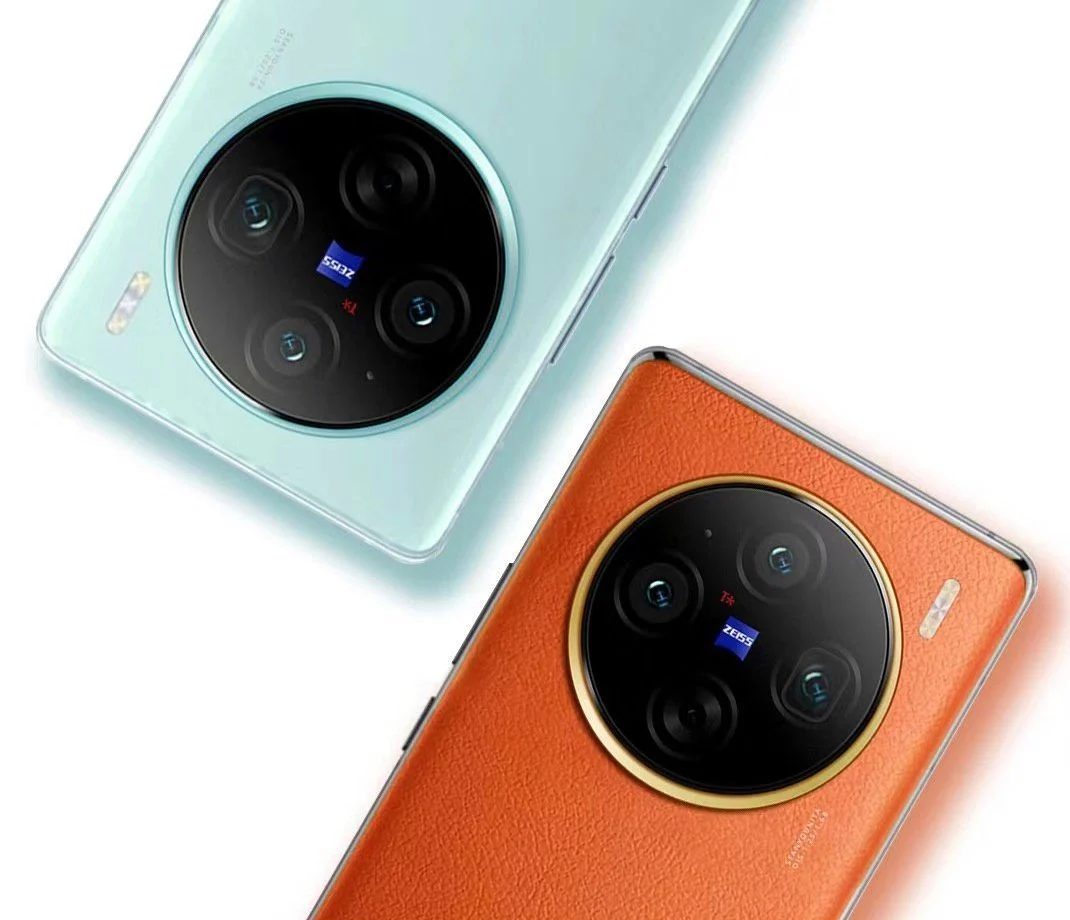
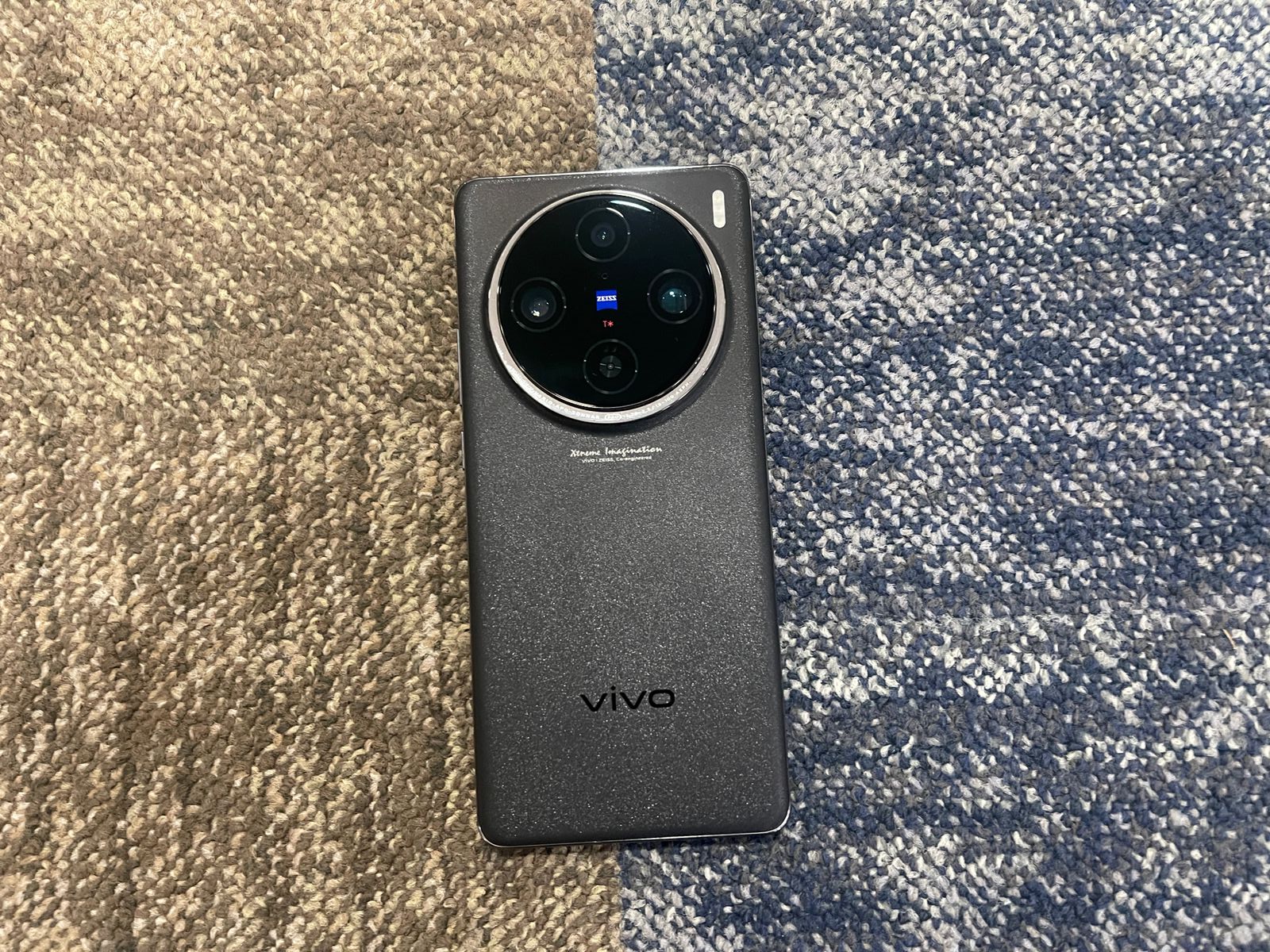
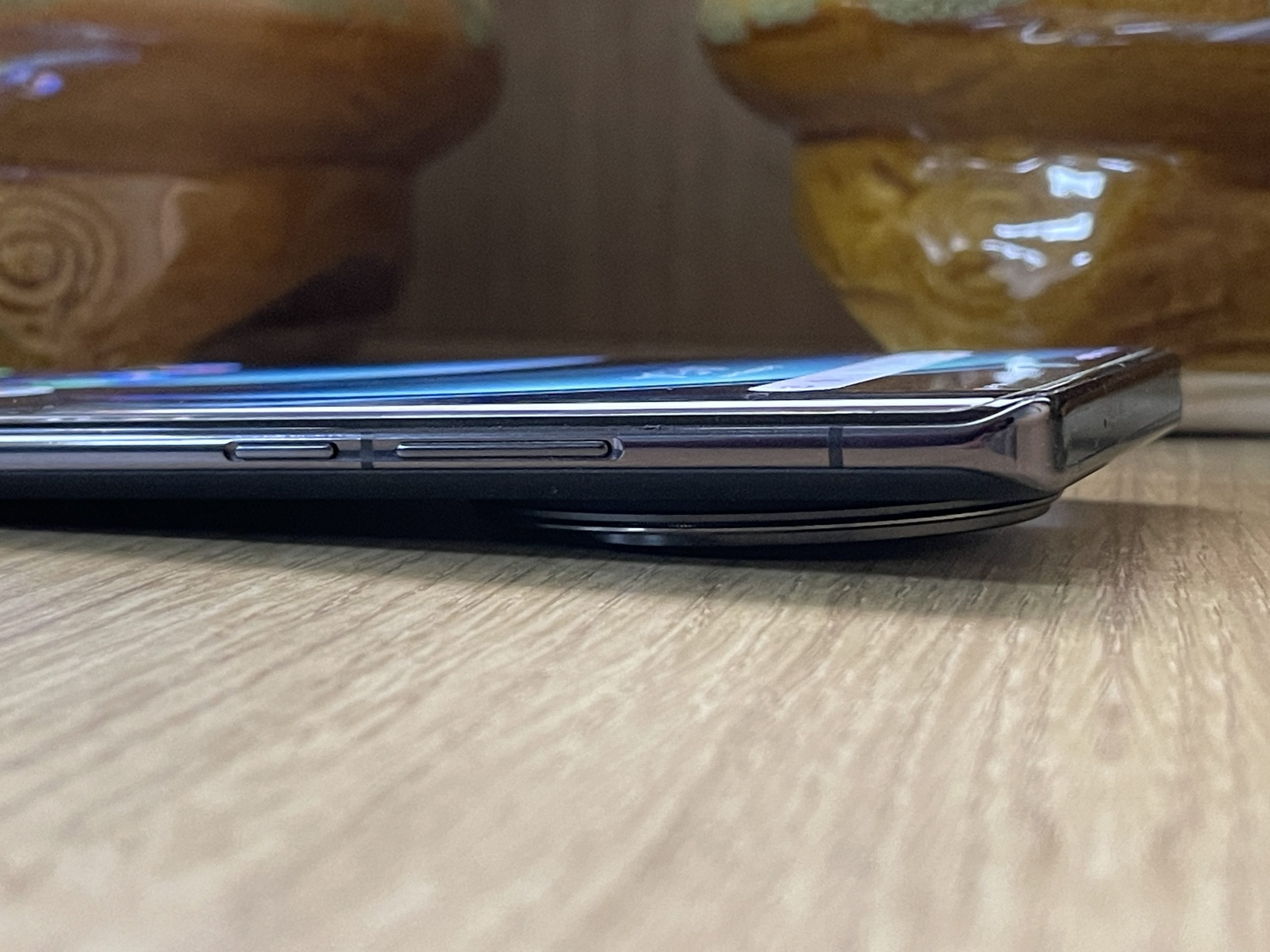
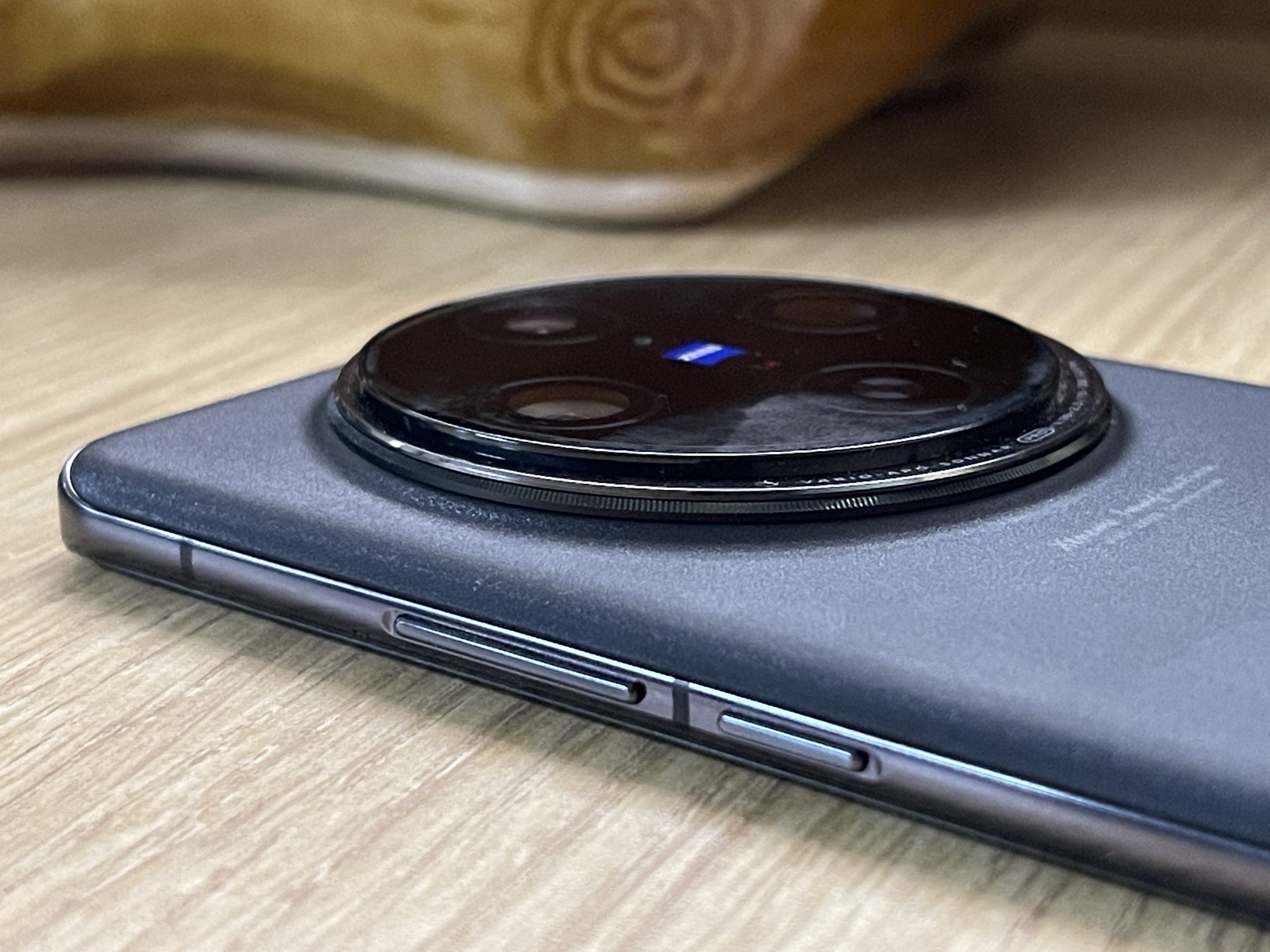
At first glance, the Vivo X100 Pro impresses with its sleek design.
The device boast a Fluorite AG Glass back, giving them a premium, sophisticated look while ensuring durability.
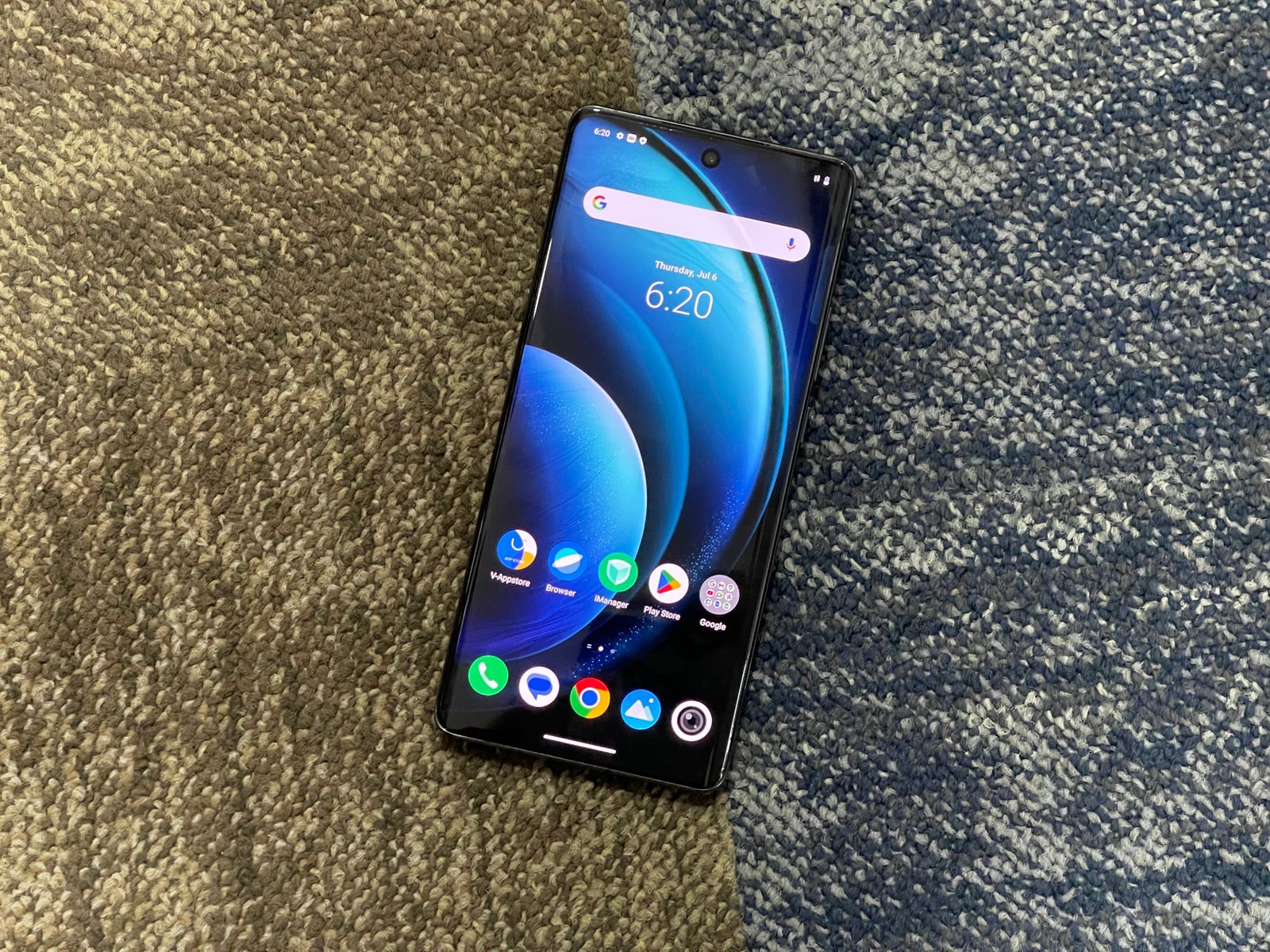
The 6.78-inch Curved AMOLED display is a visual treat, offering vivid colours, deep blacks, and sharp details on initial view.
The FHD+ resolution, coupled with a high 120Hz refresh rate, provides an ultra-smooth viewing experience while I was navigating the UI and browsing my social media apps.
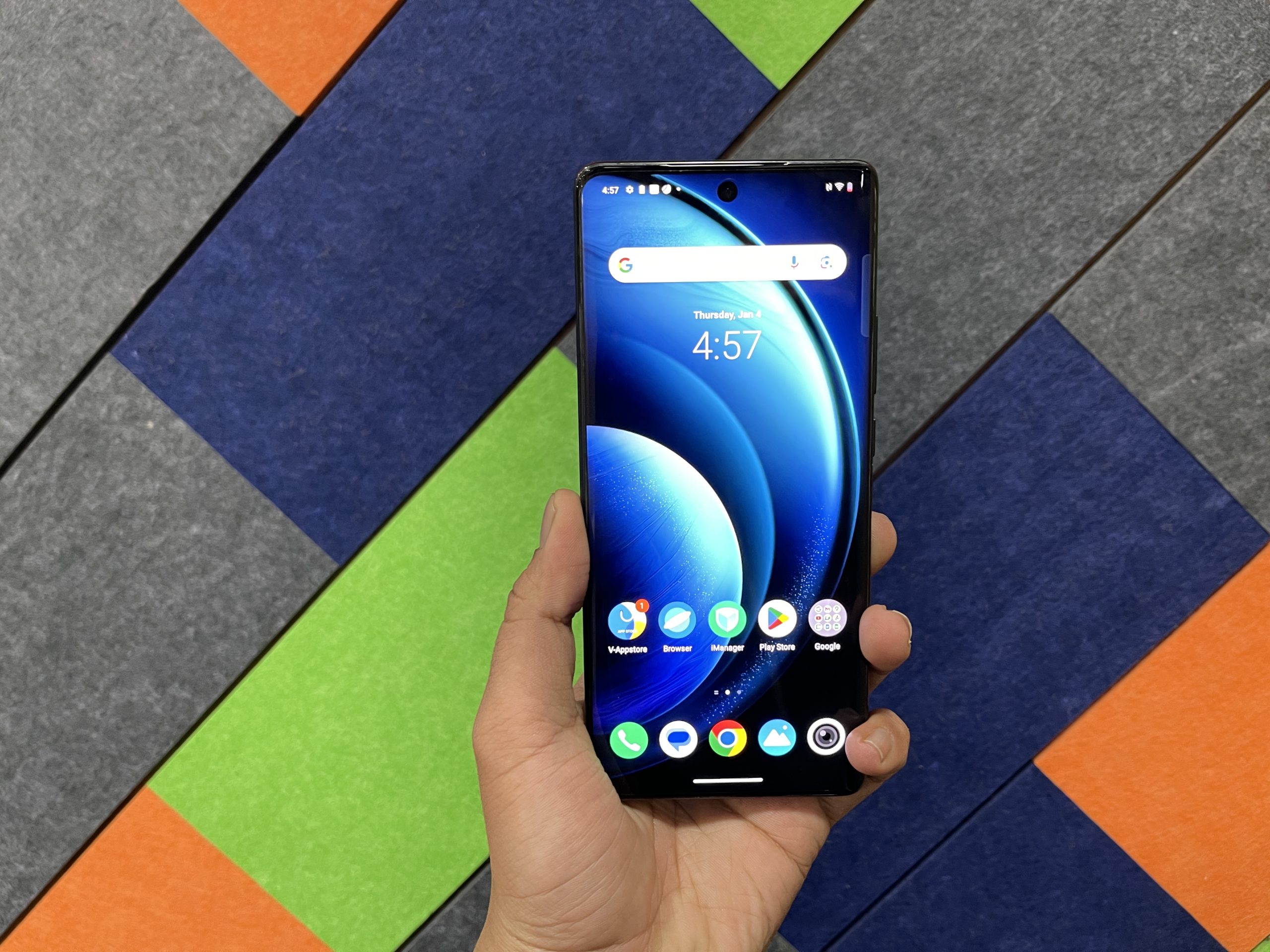
The ergonomic also design ensures that the phone feels comfortable in the hand, reflecting Vivo has clearly given equal thought to both the aesthetics and user comfort.
Apart from that, the display’s new LTPO 4.0 technology is likely to ensure power efficiency without compromising on visual quality.
I will delve more deeply into both these aspects when I review the phone, but my initial impressions are quite positive.
Vivo X100 Quick Review: Cameras
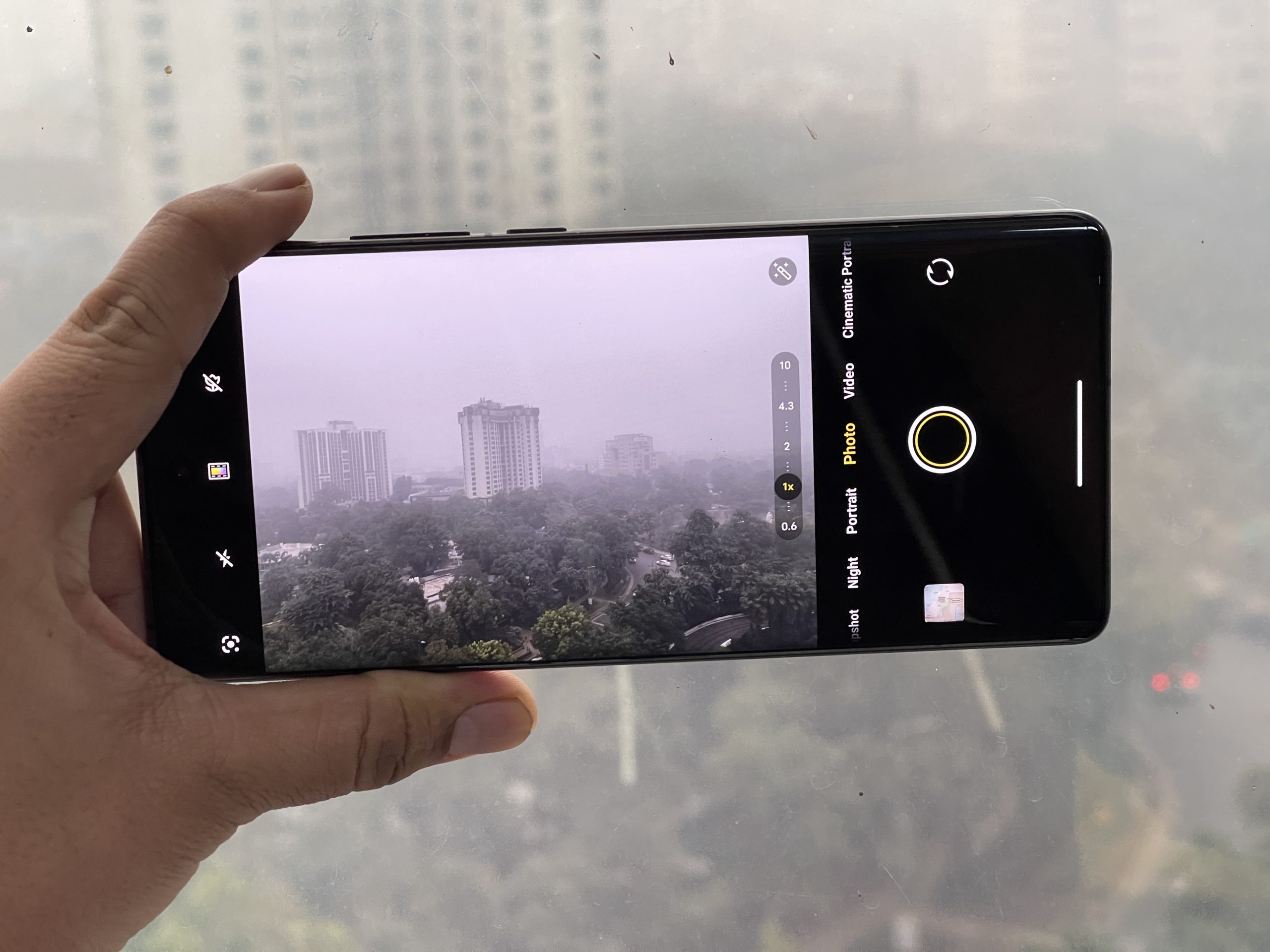
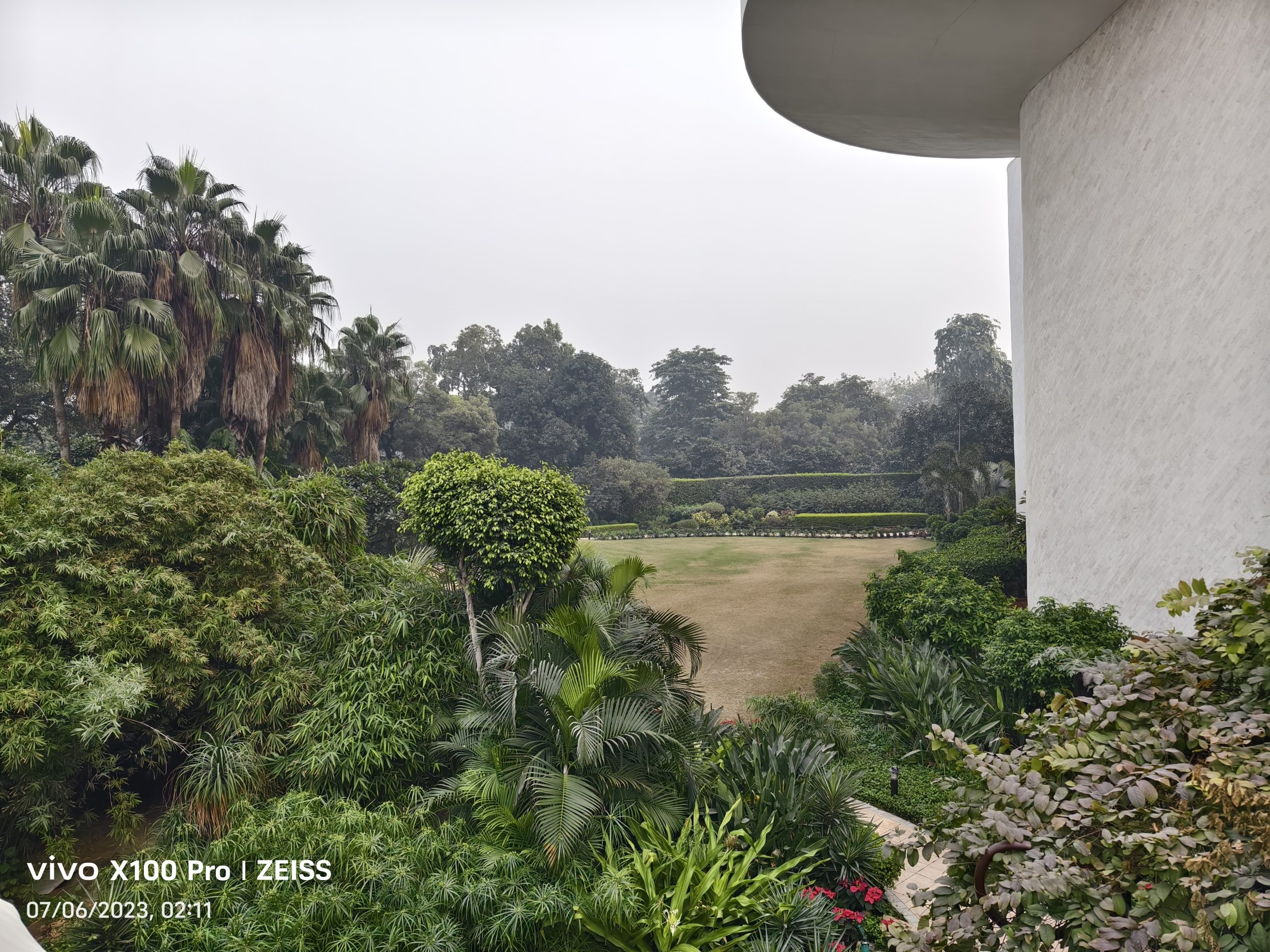
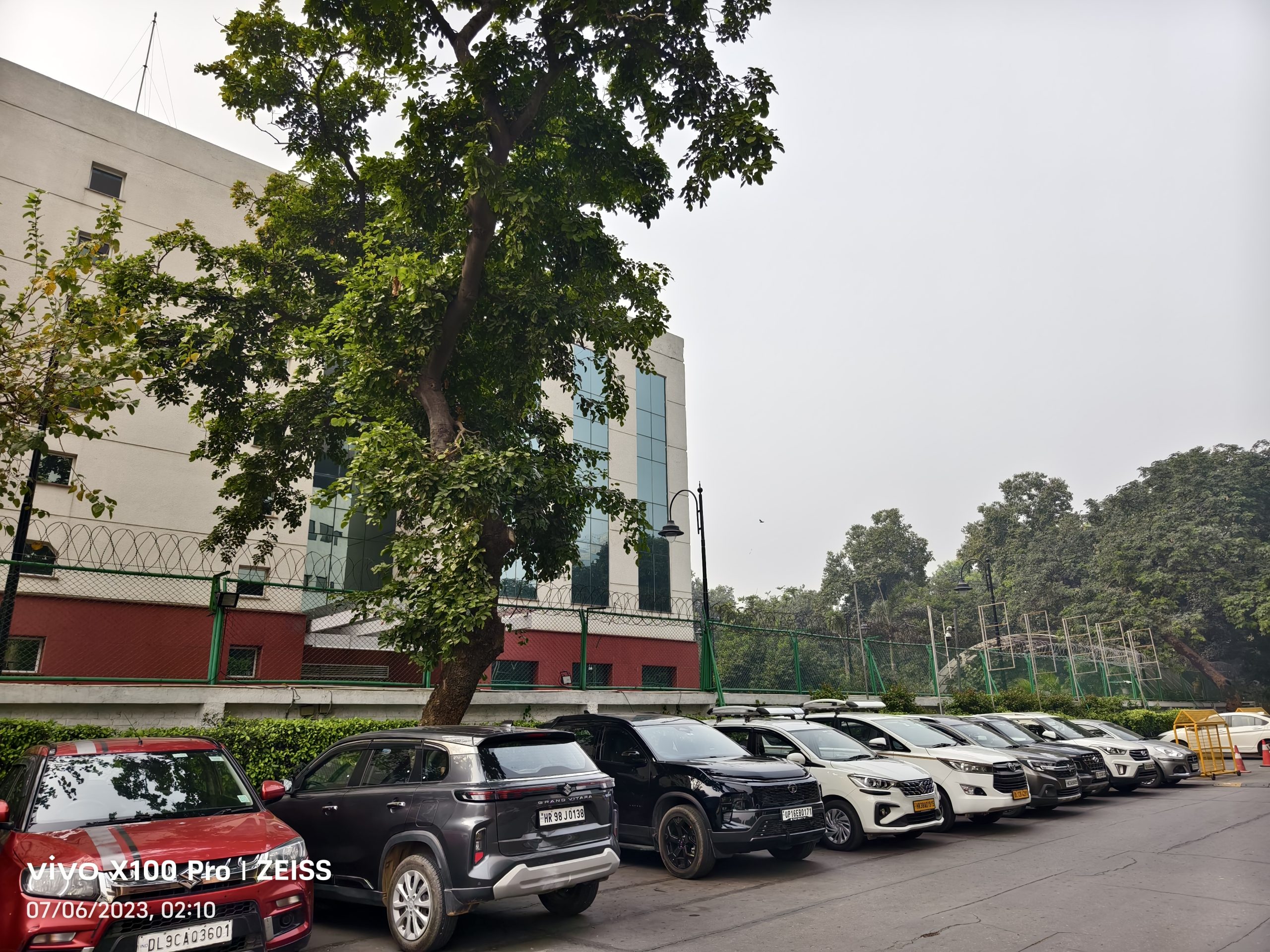
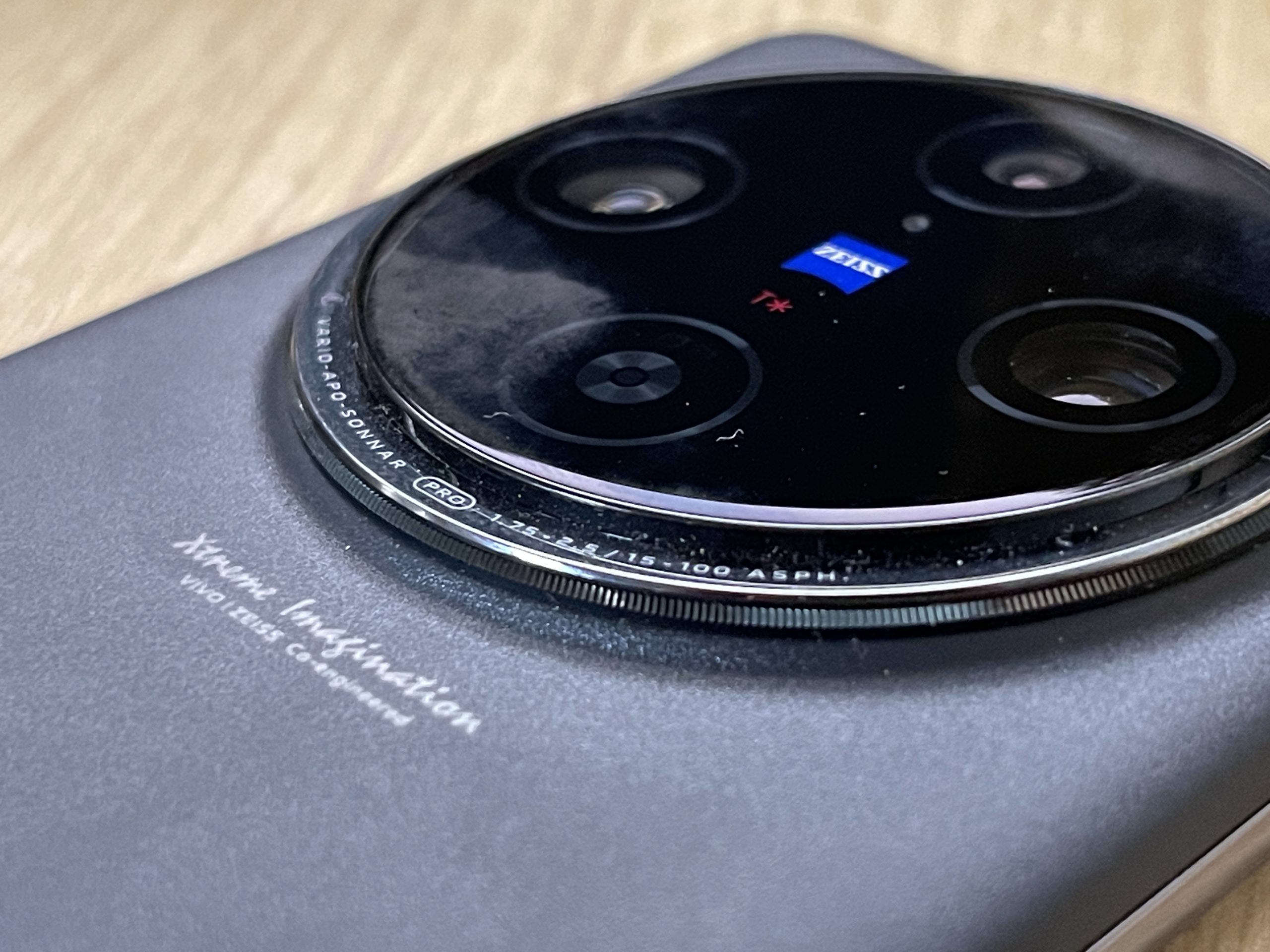
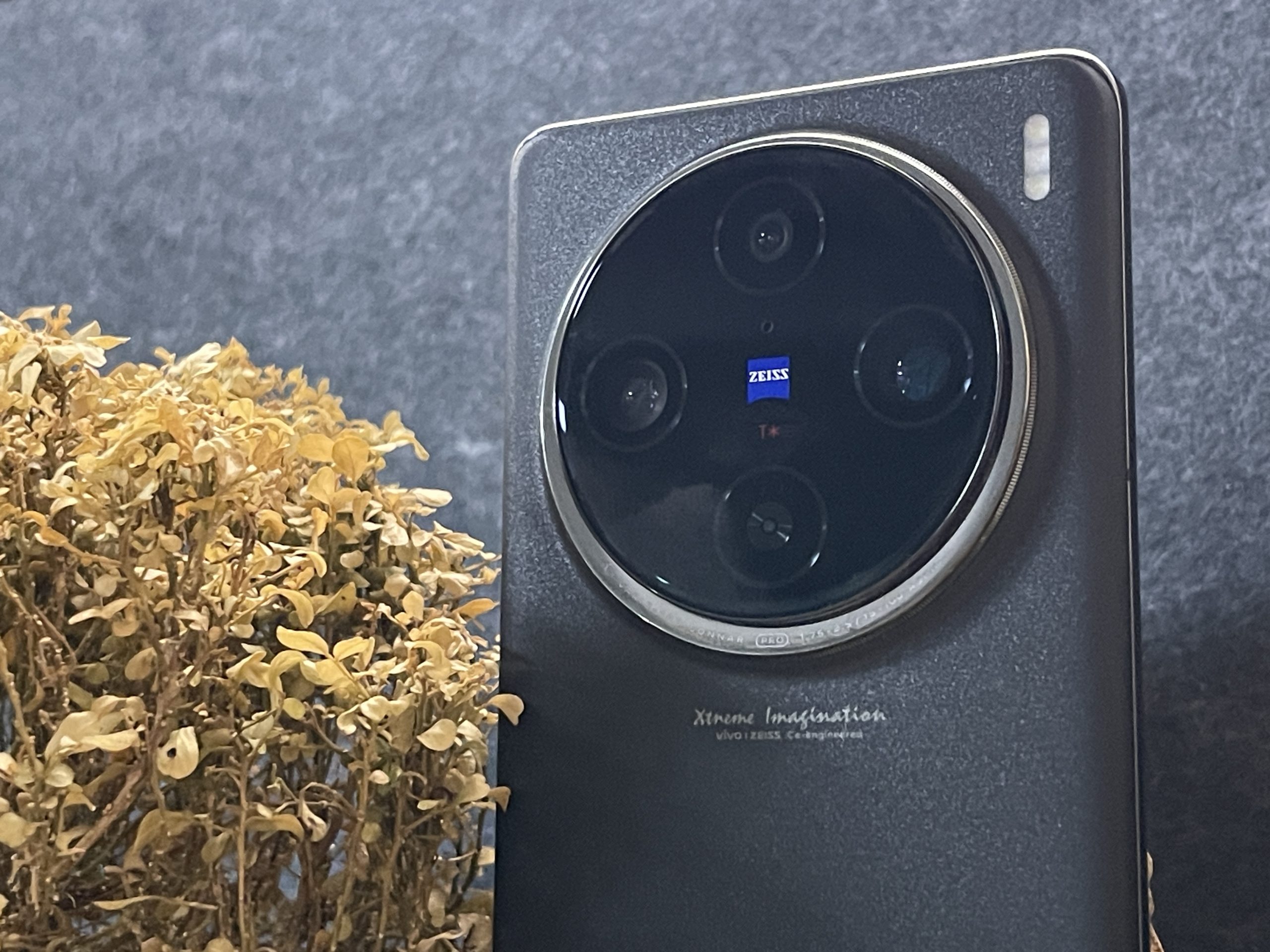
Of course, the optical setup is the phone’s main highlight.
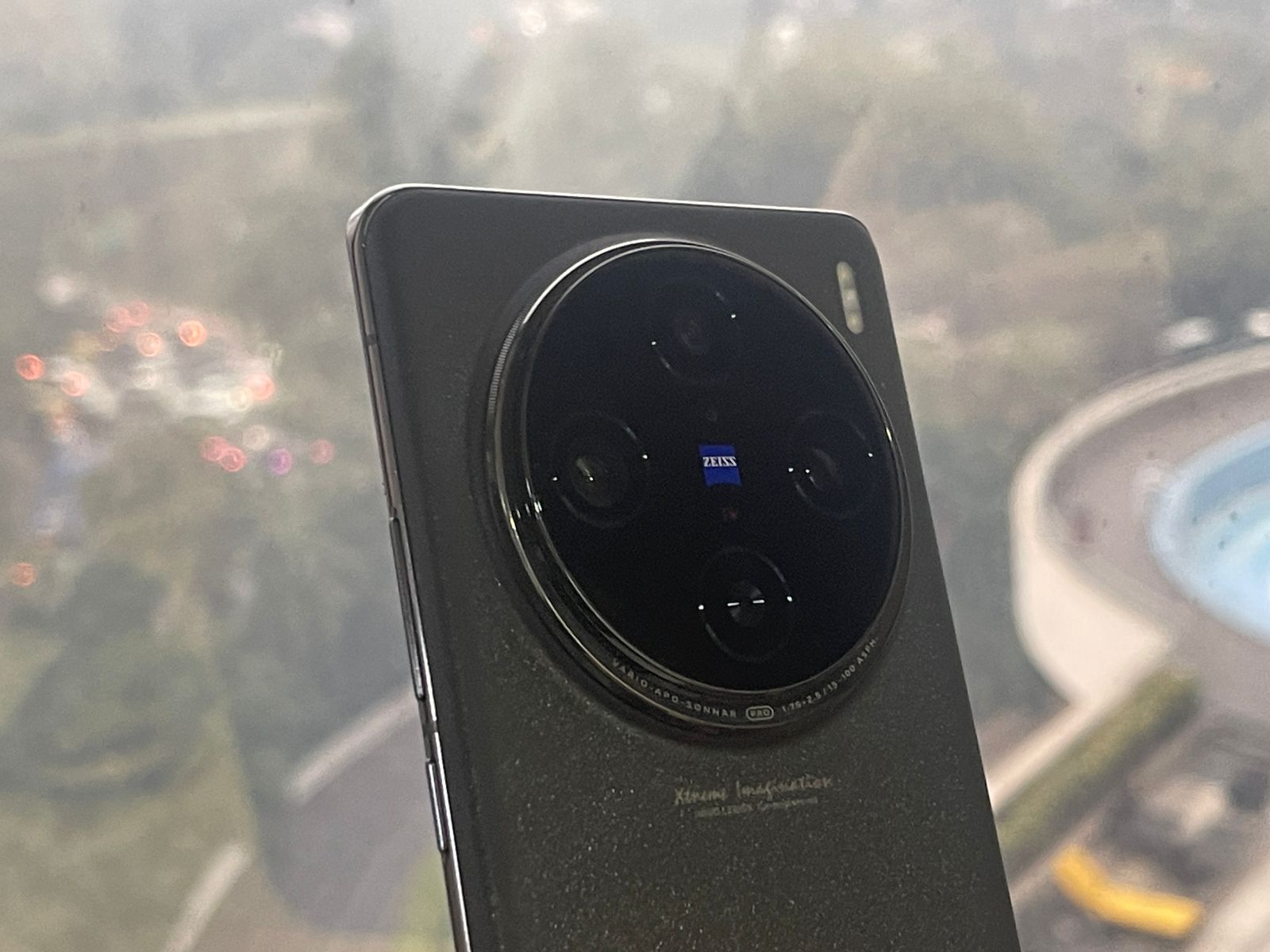
The cameras on the Vivo X100 series are nothing short of extraordinary.
It features a trio of 50 MP sensors: a primary camera, an ultra-wide-angle camera, and a super-telephoto lens, each designed to capture stunning images with remarkable clarity.
The primary camera’s 1-inch sensor size I think can be considered a game-changer, especially in low-light conditions, offering superior image quality.
The ultra-wide lens broadens your photographic horizons, and the super-telephoto lens brings distant subjects closer with sharp precision.
The adjustable focal lengths and intuitive camera app make it easy to tailor your photography experience, whether you’re shooting expansive landscapes or detailed portraits.
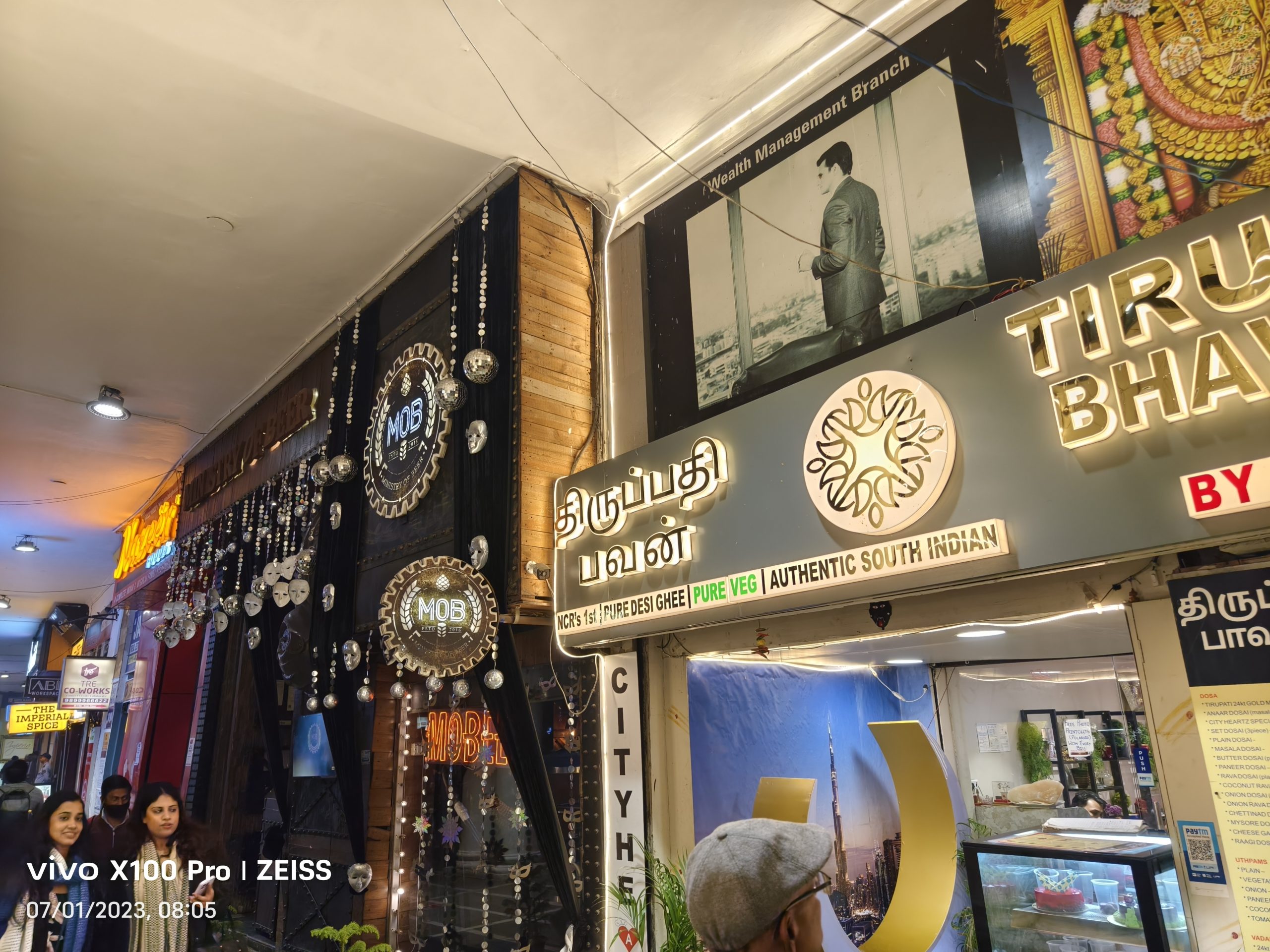
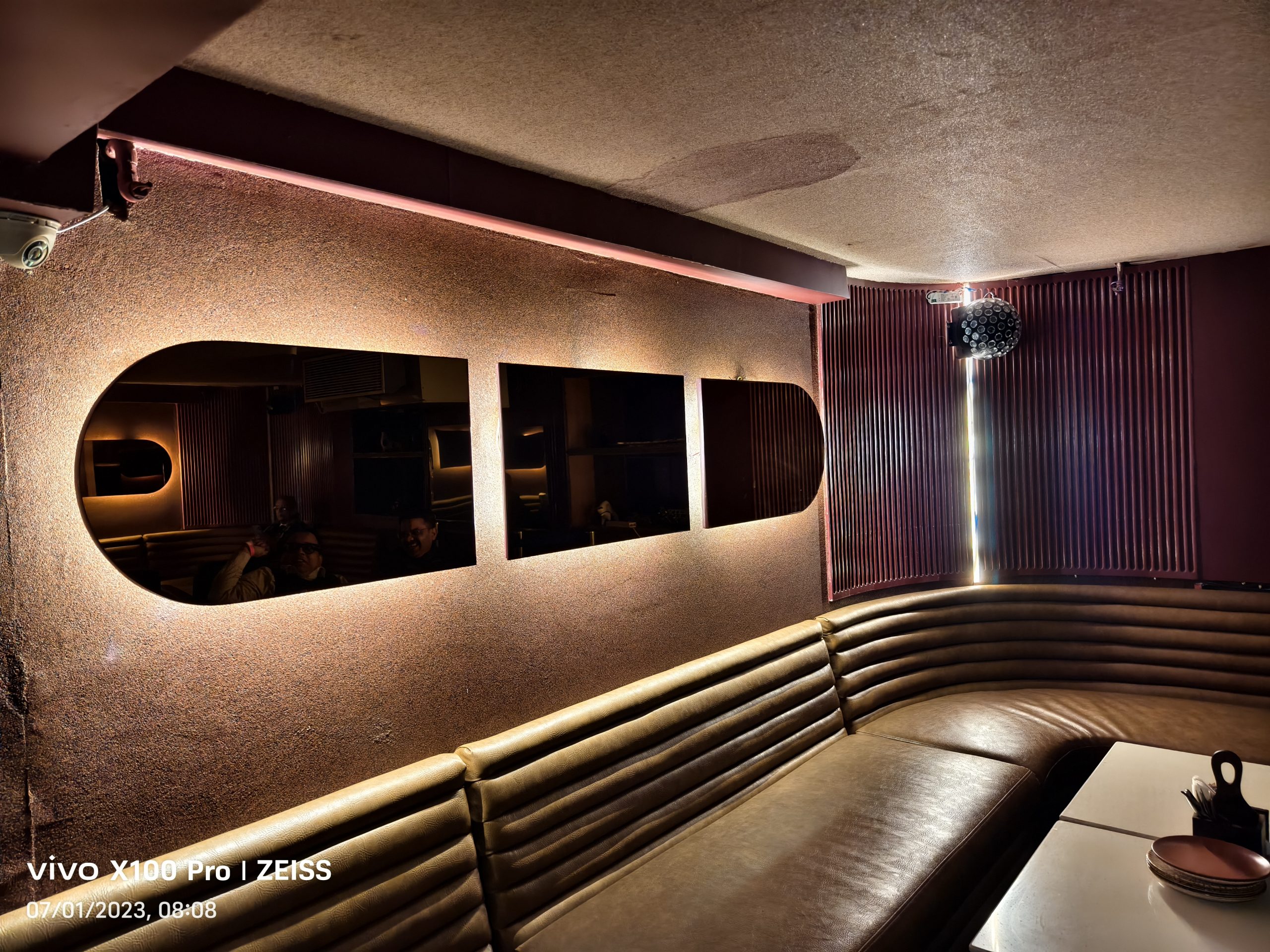
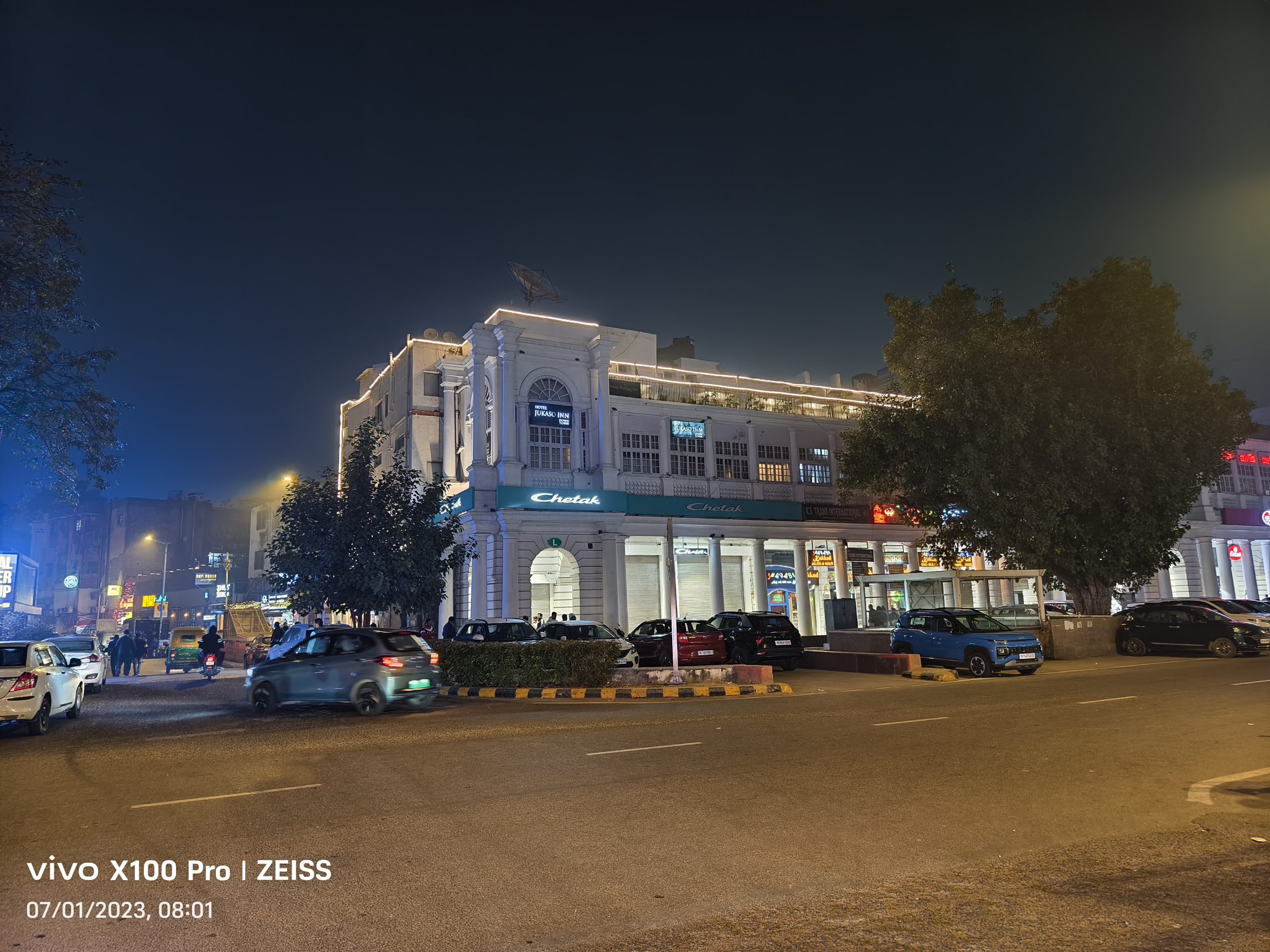
What little time I had with night photography also makes me believe that it is a standout feature with the camera adeptly handling challenging light conditions to produce bright, clear images.
Stay tuned for a more in-depth understanding of the Vivo X100 Pro’s camera apparatus.
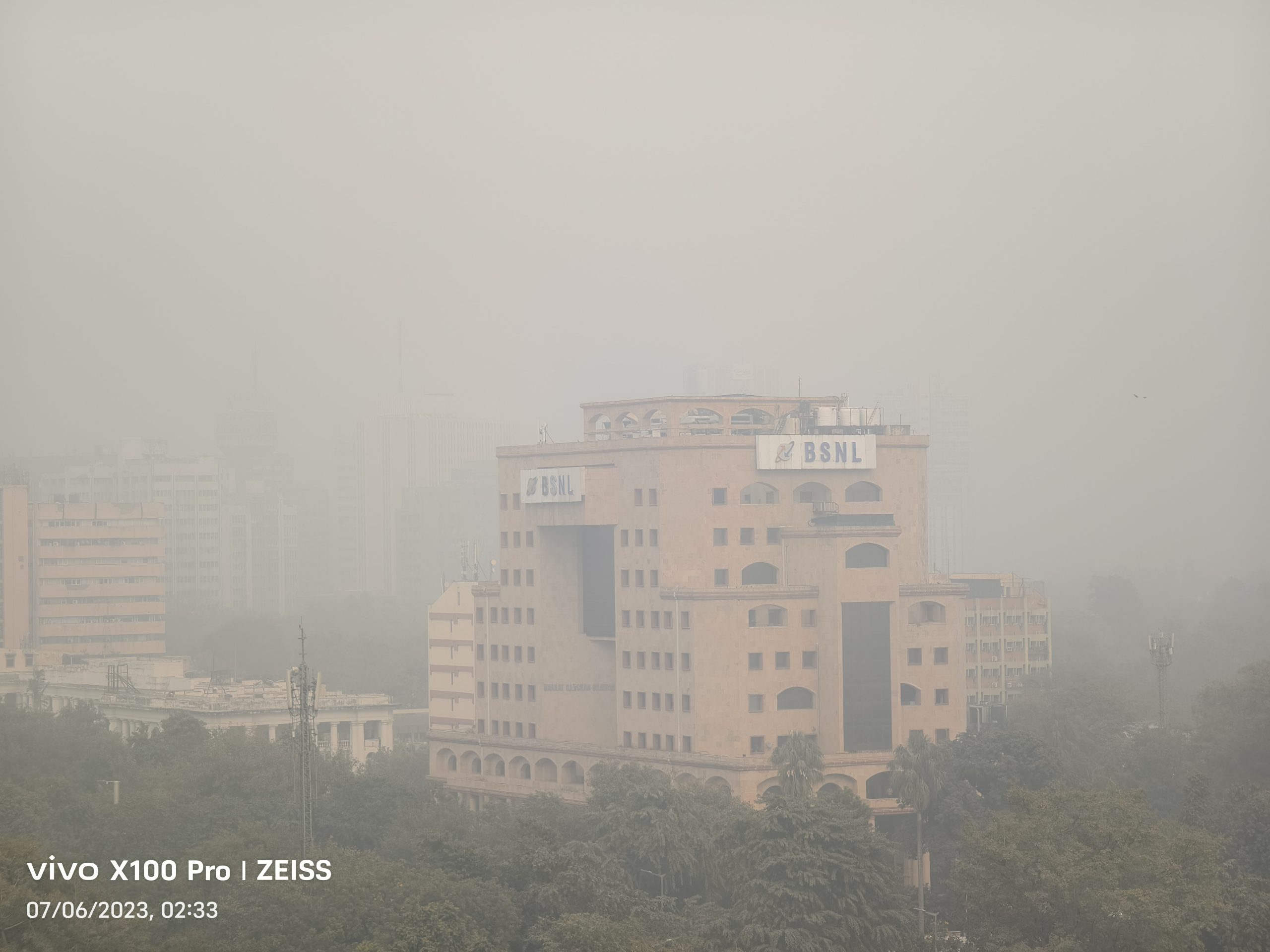
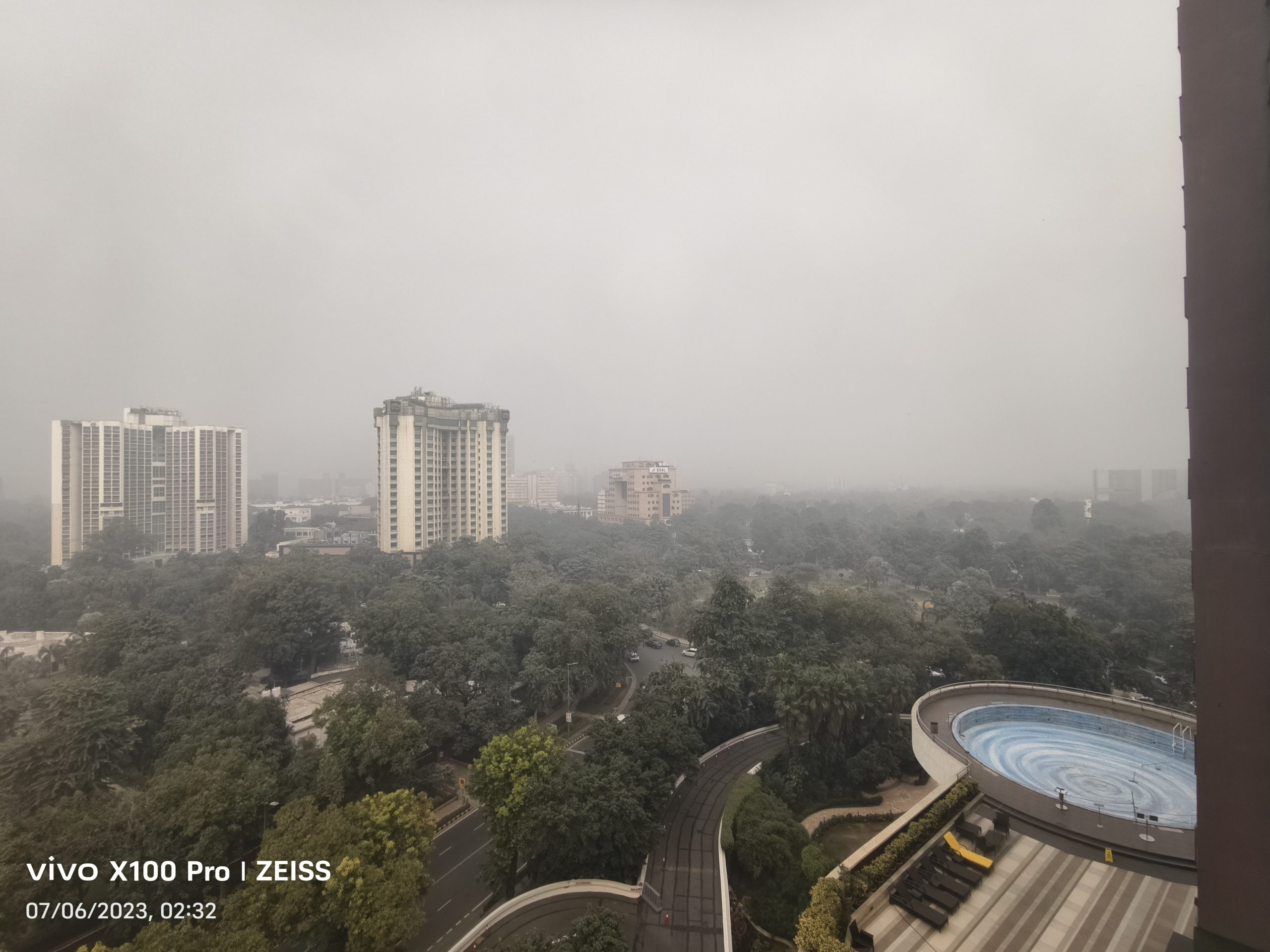
Vivo X100 Quick Review Camera: Day Samples

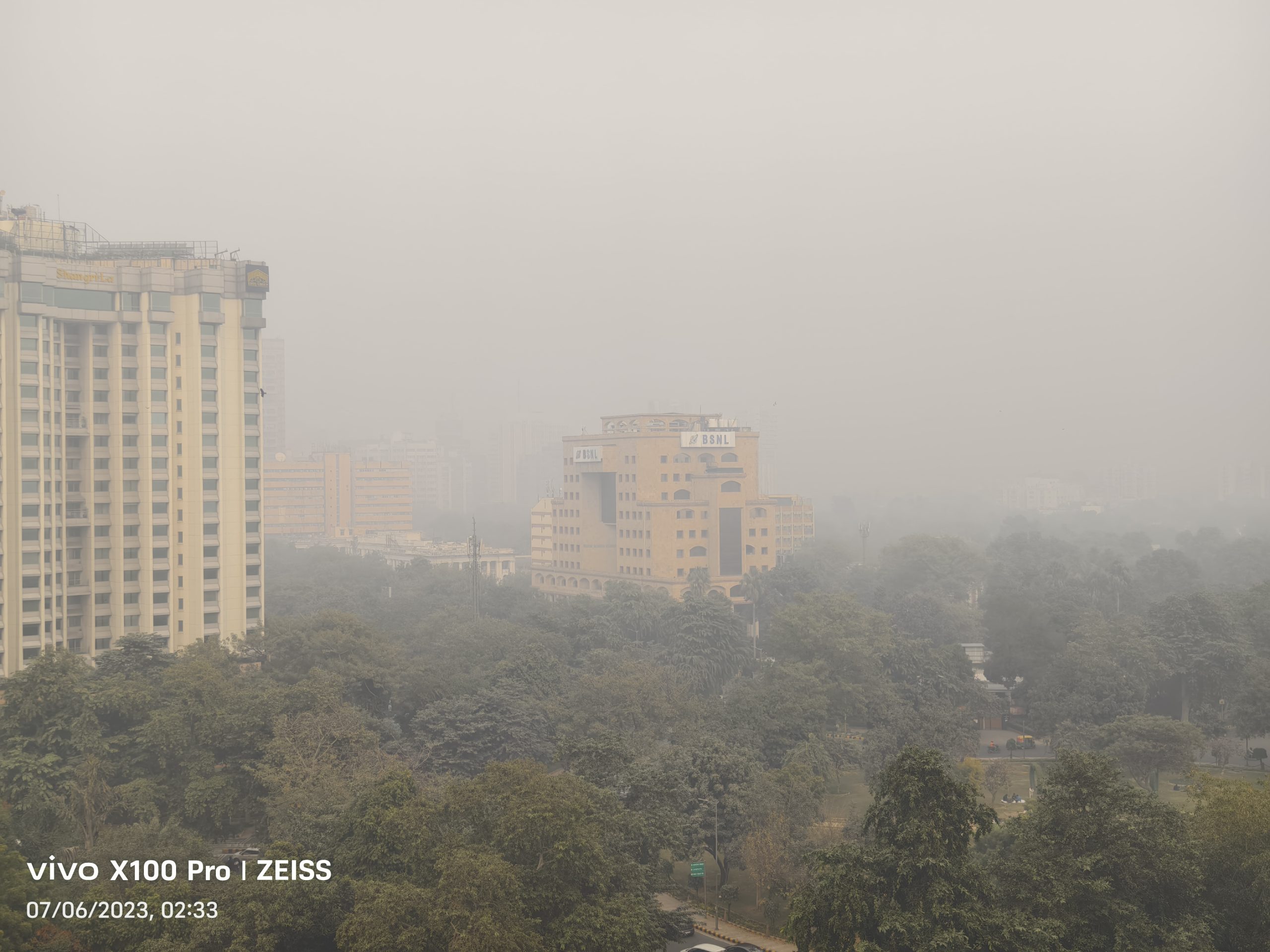

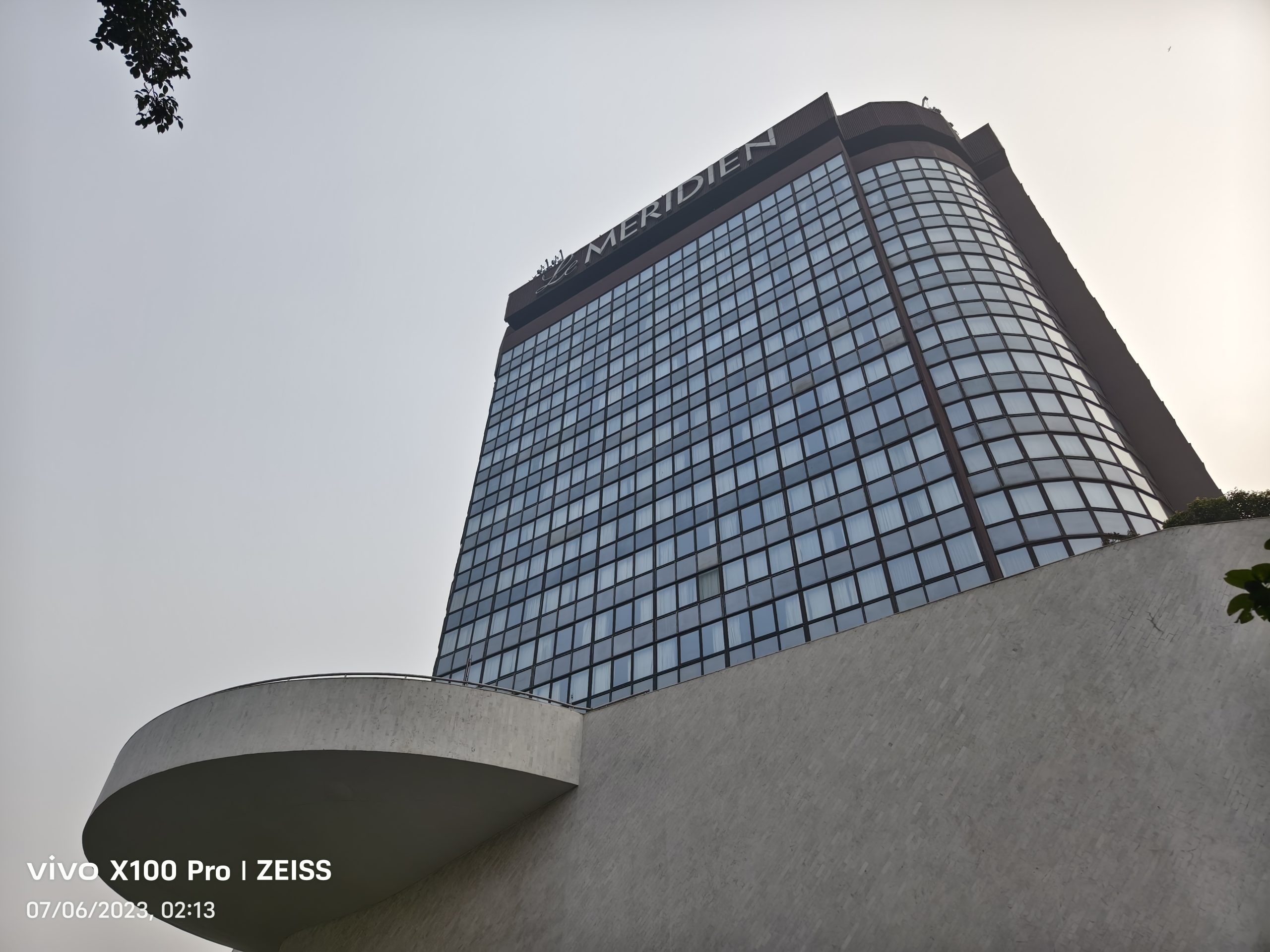
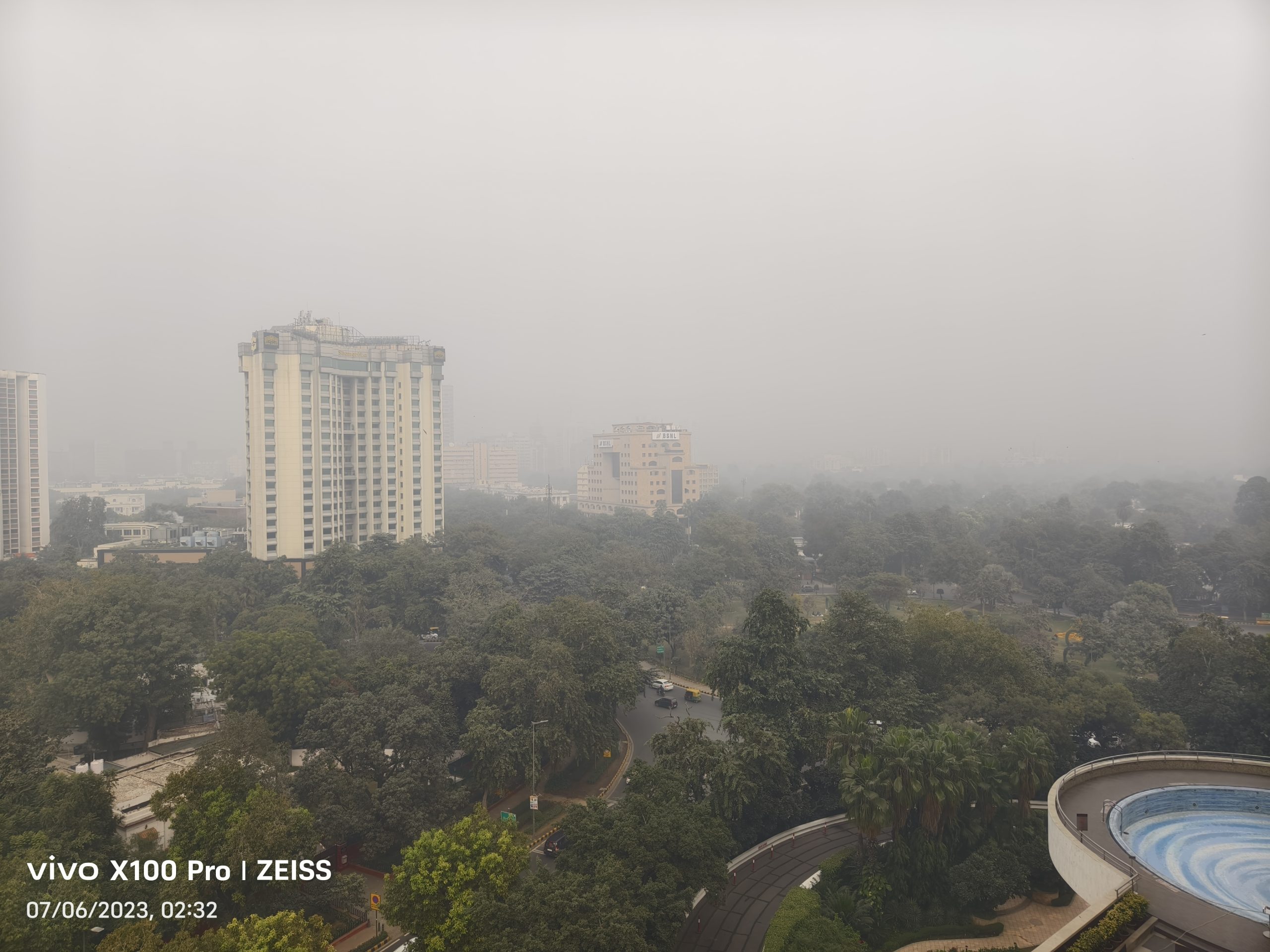







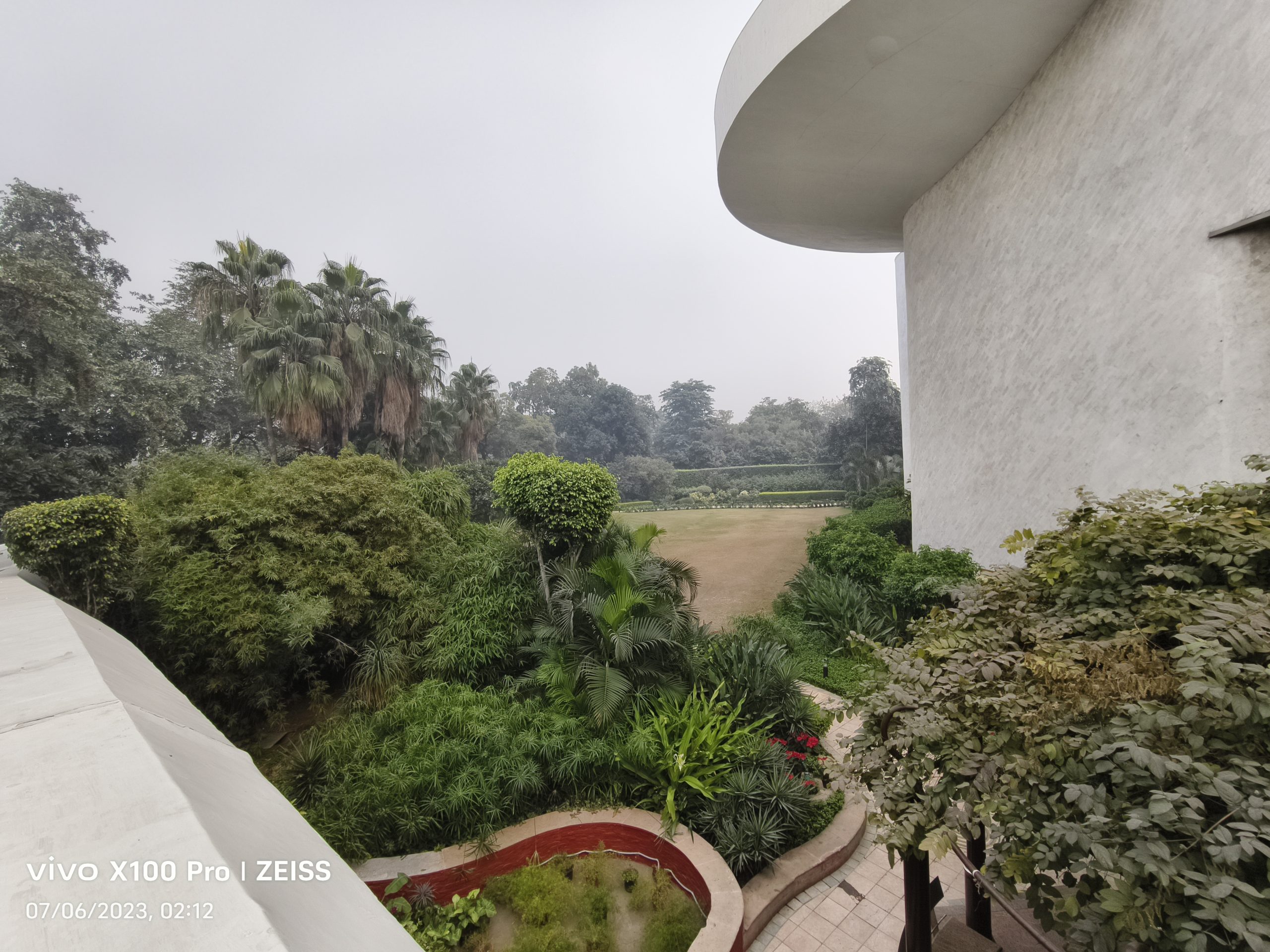

























Vivo X100 Quick Review Camera: Night Samples

















Vivo X100 Quick Review: Performance, Software, and Features
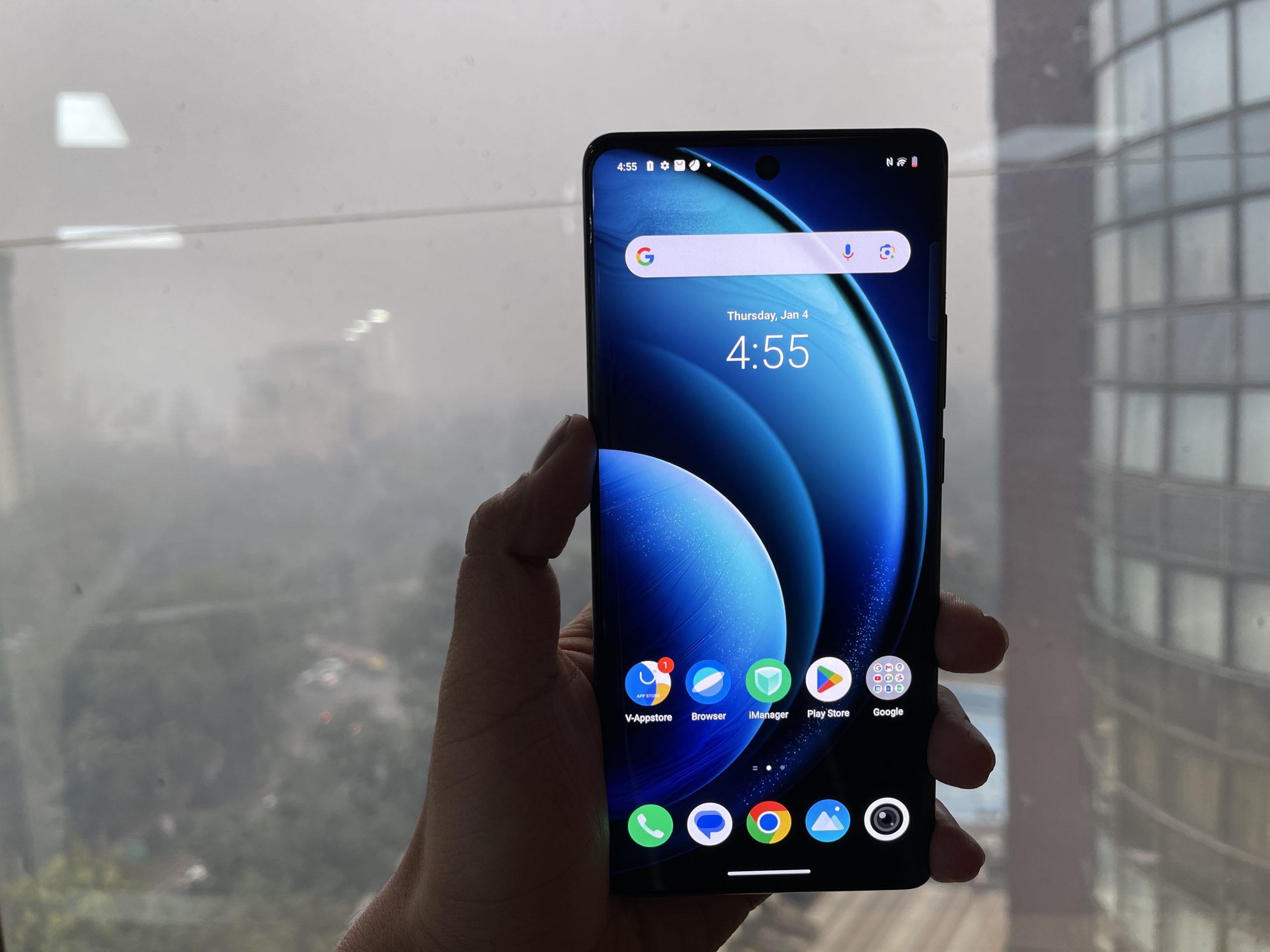
Powered by the MediaTek Dimensity 9300 chipset, the Vivo X100 series is a powerhouse of performance.
This is the first time the SoC has entered the Indian market and coupled with 16GB RAM and 512GB storage, it handles everything from daily tasks to intense gaming sessions effortlessly.
The audio output from the speakers is rich and immersive, and the biometric authentications are both swift and secure.
Running on the intuitive FuntouchOS 14, the software experience is smooth and user-friendly.
I will be putting the Vivo X100 Pro through the grinder, so to speak, in my full review, and only then will I really know how good the Dimensity 9300’s performance actually is.
Vivo X100 Quick Review: Battery and Charging
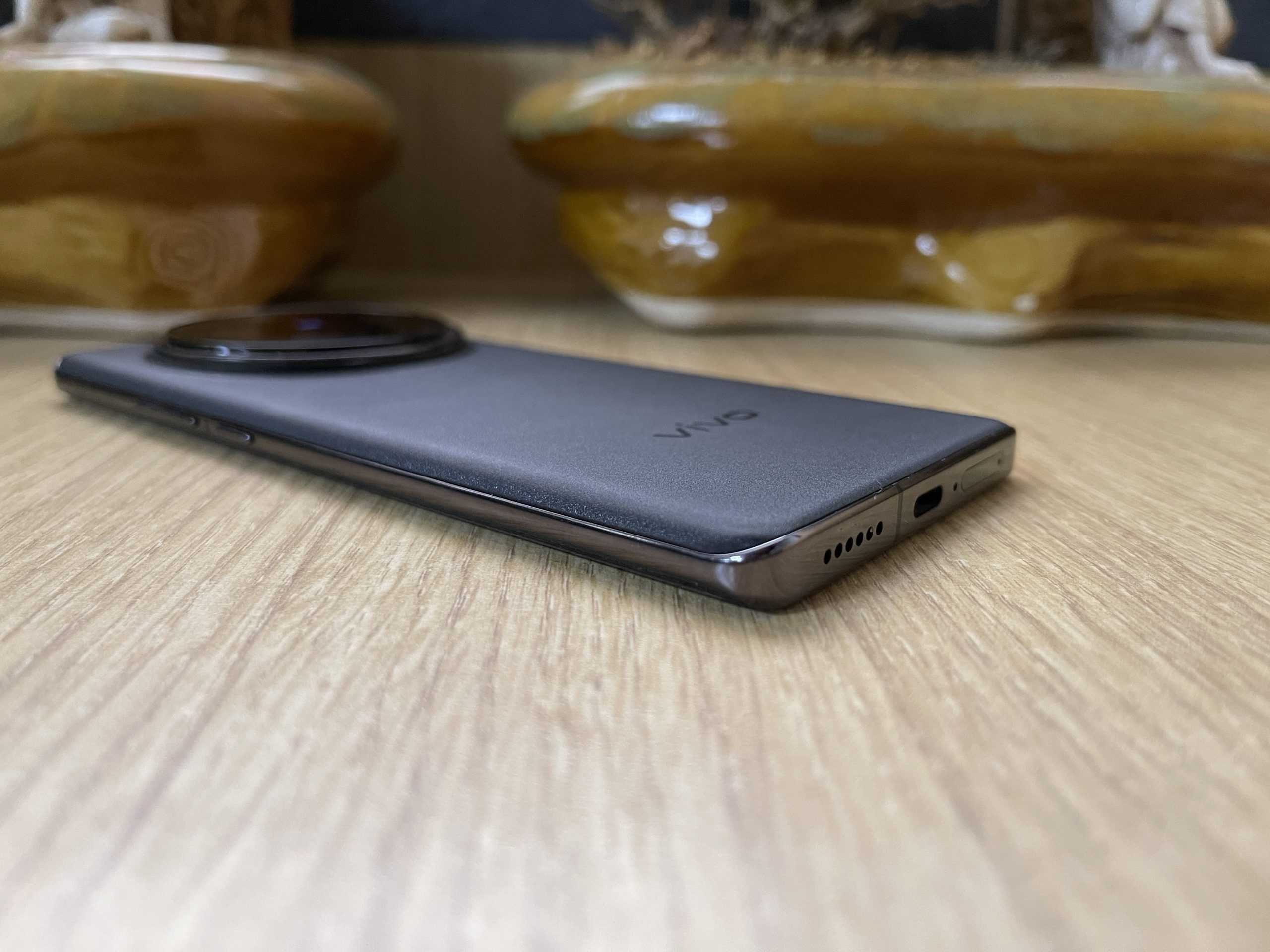
The battery life on the Vivo X100 series looks, at least on paper, quite impressive.
The X100 Pro is equipped with a 5400mAh battery, supporting 100W wired and 50W wireless charging, ensuring that your device is quickly ready for action.
The battery capacity is surprising for a phone this slim and I like the trend of implementing bigger capacity batteries in more premium devices.
Battery health and charging will be a big thing for me to test when I review the phone in more detail but the initial impressions look all good in terms of longevity and charging speeds.
Vivo X100 Quick Review: Verdict
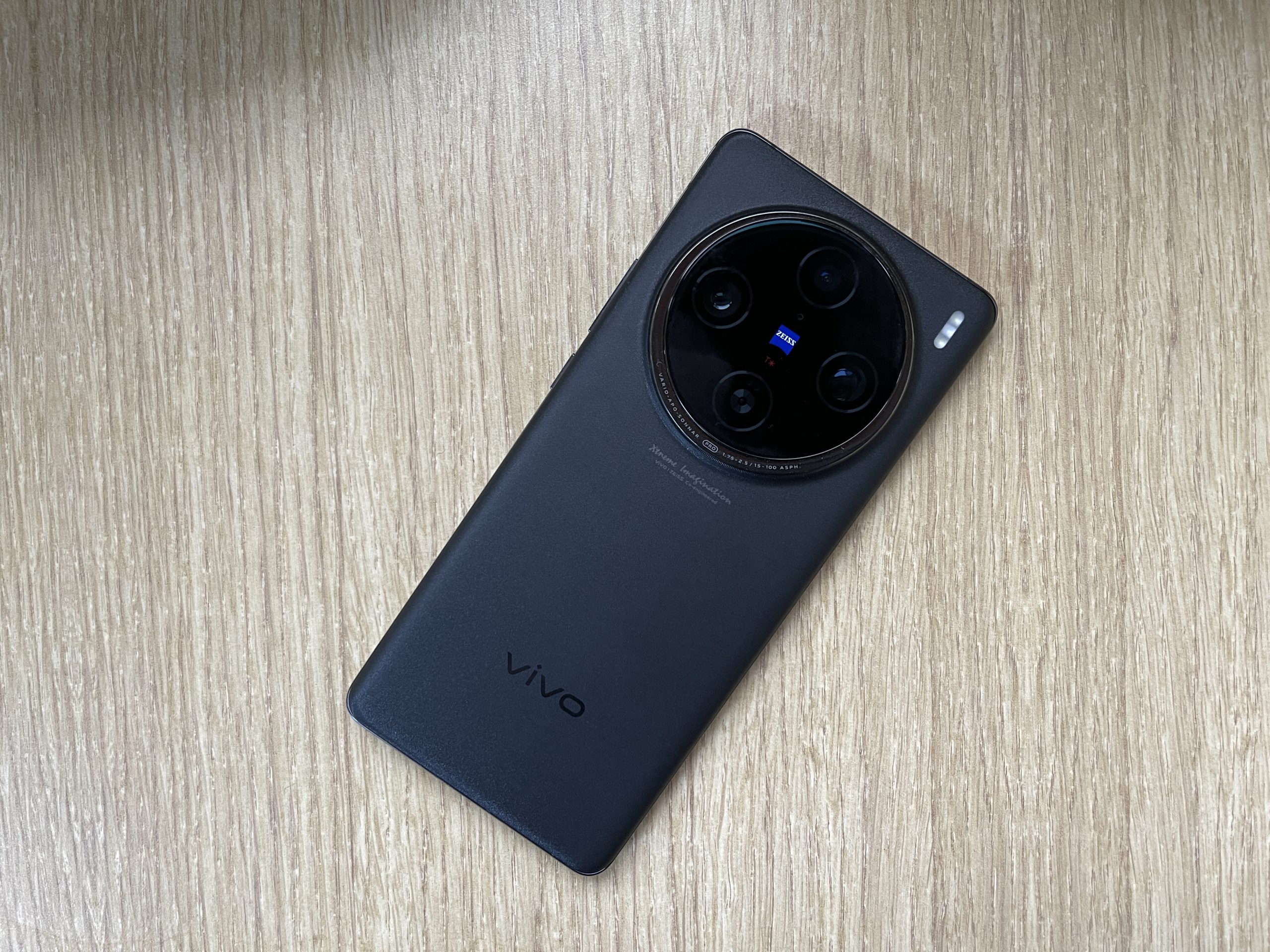
The Vivo X100 Pro sets a high bar in the smartphone market.
Its blend of top-tier cameras, robust performance, and rapid charging technology makes it a strong contender for those seeking a high-end mobile experience.
While our first impressions are highly favourable, our full review will delve into the intricate details of the device, exploring every aspect of what makes the Vivo X100 Pro a remarkable addition to the world of smartphones.
Stay tuned.




VIVO X100 5G KEY SPECIFICATIONS
GENERAL
| Sim Type | Dual Sim, GSM+GSM |
| Dual Sim | Yes |
| Sim Size | Nano SIM |
| Device Type | Smartphone |
| Release Date | November 13, 2023 (Expected) |
DESIGN
| Bezel less | Yes |
| Colors | Black, Red, Blue |
DISPLAY
| Type | Color AMOLED Screen (1B Colors) |
| Touch | Yes |
| Size | 6.78 inches, 1260 x 2800 pixels, 120 Hz |
| Aspect Ratio | 20:9 |
| PPI | ~ 453 PPI |
| Screen to Body Ratio | ~ 90.9% |
| Features | HDR10+, P3 Color Gamut |
| Notch | Yes, Punch Hole |
MEMORY
| RAM | 8 GB |
| Storage | 128 GB |
| Card Slot | No |
CONNECTIVITY
| GPRS | Yes |
| EDGE | Yes |
| 3G | Yes |
| 4G | Yes |
| 5G | Yes |
| 5G Bands | 1, 3, 5, 8, 28, 41, 77, 78 SA/NSA |
| VoLTE | Yes, Dual Stand-By |
| Wifi | Yes, with wifi-hotspot |
| Bluetooth | Yes, v5.3, A2DP, LE, aptX HD |
| USB | Yes, USB-C v2.0 |
| USB Features | USB Tethering, USB on-the-go, USB Charging |
| IR Blaster | Yes |
EXTRA
| GPS | Yes, with dual-band A-GPS, GLONASS, GALILEO, NavIC |
| Fingerprint Sensor | Yes, In Display |
| Face Unlock | Yes |
| Sensors | Fingerprint (under display, optical) accelerometer, gyro, proximity, compass, color spectrum |
| 3.5mm Headphone Jack | No |
| Extra | NFC |
| Water Resistance | Yes |
| IP Rating | IP64 |
| Dust Resistant | Yes |
| Extra Features | V3 Chip, LPDDR5T DRAM |
CAMERA
| Rear Camera | 64 MP 1/1.49″, 1.0µm, PDAF, Laser AF, OIS f/1.8 (Wide Angle) 12 MP 50mm, 1/2.9″, 1.22µm, PDAF, 2x optical zoom f/2 (Telephoto) 12 MP 16mm, 1/2.93″, 1.22µm, AF f/2 (Ultra Wide) with autofocus |
| Features | Zeiss optics, Zeiss T* lens coating, Pixel Shift, dual-tone , HDR, panorama |
| Video Recording | 4K @ 30 fps UHD, 1080p @ 30 fps FHD |
| Flash | Yes, Dual LED |
| Front Camera | Punch Hole 32 MP 24mm, 1/2.8″, 0.8µm f/2.5 (Wide Angle) with Screen Flash |
| Front Video Recording | 4K @ 30 fps UHD, 1080p @ 30 fps FHD |
TECHNICAL
| OS | Android v14 |
| Custom UI | OriginOS 4 |
| Chipset | MediaTek Dimensity 9300 |
| CPU | Octa Core Processor |
| GPU | Arm GPU |
| IP Rating | IP64 |
| Java | No |
| Browser | Yes |
MULTIMEDIA
| Yes | |
| Music | WAV, MP3, MP2, MIDI, Vorbis, APE, FLAC |
| Video | MP4, 3GP, AVI, Video Recording: MP4 |
| FM Radio | No |
| Document Reader | Yes |
BATTERY
| Type | Non-Removable Battery |
| Size | 5000 mAh, Li-ion Battery |
| Fast Charging | Yes, 120W FlashCharge |
VIVO X100 PRO 5G KEY SPECIFICATIONS
Key Specs
| RAM | 12 GB |
| Processor | MediaTek Dimensity 9200 Plus MT6985 |
| Rear Camera | 64 MP + 50 MP + 12 MP + 8 MP |
| Front Camera | 32 MP |
| Battery | 5100 mAh |
| Display | 6.82 inches (17.32 cm) |
General
| Launch Date | September 20, 2023 (Unofficial) |
| Operating System | Android v13 |
Performance
| Chipset | MediaTek Dimensity 9200 Plus MT6985 |
| CPU | Octa core (3.35 GHz, Single core, Cortex X3 + 3 GHz, Tri core, Cortex A715 + 2 GHz, Quad core, Cortex A510) |
| Architecture | 64 bit |
| Fabrication | 4 nm |
| Graphics | Immortalis-G715 MC11 |
| RAM | 12 GB |
Display
| Display Type | Super AMOLED |
| Screen Size | 6.82 inches (17.32 cm) |
| Resolution | 1080 x 2400 pixels |
| Pixel Density | 386 ppi |
| Bezel-less display | Yes with punch-hole display |
| Touch Screen | Yes, Capacitive Touchscreen, Multi-touch |
Camera
| MAIN CAMERA | ||
| Camera Setup | Quad | |
| Resolution | 64 MP, Primary Camera 50 MP 12 MP 8 MP |
|
| Autofocus | Yes | |
| Flash | Yes, LED Flash | |
| Image Resolution | 9000 x 7000 Pixels | |
| Settings | Exposure compensation, ISO control | |
| Shooting Modes | Continuous Shooting High Dynamic Range mode (HDR) |
|
| Camera Features | Digital Zoom Auto Flash Face detection Touch to focus |
|
| Video Recording | 1920×1080 @ 30 fps | |
| FRONT CAMERA | ||
| Camera Setup | Single | |
| Resolution | 32 MP, Primary Camera | |
| Video Recording | 1920×1080 @ 30 fps | |
Battery
| Capacity | 5100 mAh |
| Type | Li-Polymer |
| Removable | No |
| Quick Charging | Yes, Fast |
| USB Type-C | Yes |
Storage
| Internal Memory | 512 GB |
| Expandable Memory | No |
Network & Connectivity
| SIM Slot(s) | Dual SIM, GSM+GSM |
| SIM Size | SIM1: Nano, SIM2: Nano |
| Network Support | 5G Not Supported in India, 4G Supported in India, 3G, 2G |
| VoLTE | Yes |
| SIM 1 |
4G Bands:
TD-LTE 2300(band 40)
FD-LTE 1800(band 3) 3G Bands:
UMTS 1900 / 2100 / 850 / 900 MHz
2G Bands:
GSM 1800 / 1900 / 850 / 900 MHz
GPRS:
Available
EDGE:
Available
|
| SIM 2 |
4G Bands:
TD-LTE 2300(band 40)
FD-LTE 1800(band 3) 3G Bands:
UMTS 1900 / 2100 / 850 / 900 MHz
2G Bands:
GSM 1800 / 1900 / 850 / 900 MHz
GPRS:
Available
EDGE:
Available
|
| Wi-Fi | Yes, Wi-Fi 4 (802.11 b/g/n) |
| Wi-Fi Features | Mobile Hotspot |
| Bluetooth | Yes, v5.2 |
| GPS | Yes with A-GPS, Glonass |
| USB Connectivity | Mass storage device, USB charging |
Multimedia
| Loudspeaker | Yes |
| Audio Jack | USB Type-C |
Sensors
| Fingerprint Sensor | Yes |
| Fingerprint Sensor Position | On-screen |
| Fingerprint Sensor Type | Optical |
| Other Sensors | Light sensor, Proximity sensor, Accelerometer, Compass, Gyroscope |
FAQs
What are the pricing and storage options for the Vivo X100 Pro?
The Vivo X100 Pro is available in multiple storage variants.
The 12GB+256GB model costs 2,599 CNY (about Rs 30,271), the 16GB+512GB variant is priced at 2,999 CNY (approximately Rs 34,930), and the premium 16GB+1TB version is available for 3,499 CNY (roughly Rs 40,753).
What design features does the Vivo X100 Pro offer?
The Vivo X100 Pro boasts a sleek Fluorite AG Glass back and a 3D Curved AMOLED display, offering both a premium look and a comfortable grip.
It comes with a thin-bezel design and is available in Blue, Black, and Gold colours.
How does the camera setup in the Vivo X100 Pro stand out?
The Vivo X100 Pro features a unique camera setup with three 50 MP sensors, including a primary camera with a 1-inch sensor, an ultra-wide lens, and a super-telephoto lens.
This combination allows for exceptional photo quality across various shooting scenarios, including low-light conditions.
What kind of performance can be expected from the Vivo X100 Pro?
Powered by the MediaTek Dimensity 9300 chipset and coupled with 16GB RAM, the Vivo X100 Pro is designed to handle demanding applications and gaming with ease.
The performance will be tested thoroughly in the full review.
What are the key differences in camera technology between the Vivo X100 and X100 Pro?
The Vivo X100 features a standard 50MP primary camera with OIS, while the X100 Pro boasts a larger 1-inch 50MP sensor, offering superior clarity and low-light performance.
Both have a 50MP ultra-wide camera, but the X100 Pro includes a 50MP Zeiss APO super-telephoto lens with 4.3X zoom, compared to the X100’s 64MP telephoto lens.
How do the displays of the Vivo X100 and X100 Pro compare?
Both models feature a 6.78-inch LTPO AMOLED display with a 120Hz refresh rate. This ensures vivid, crisp visuals and smooth scrolling, enhancing the user experience.
What are the charging capabilities of the Vivo X100 series?
The Vivo X100 supports a remarkable 120W wired charging, providing rapid power-ups. The X100 Pro, on the other hand, offers both 100W wired and 50W wireless charging options, catering to different user needs.
What makes the Vivo X100 series stand out in the Indian market?
The Vivo X100 series introduces cutting-edge camera technology with Zeiss optics and high-end performance features like the MediaTek Dimensity 9300 SoC, appealing to photography enthusiasts and power users alike.
Is there a difference in the design and build quality between the two models?
Both models boast a sleek design with a Fluorite AG Glass back, ensuring durability and elegance.
The X100 Pro, however, features a slightly more premium build, reflecting its position as the flagship model.
What is the price & offers of Vivo X100 series ?
X100 Pro comes with a 16GB+512GB variant that will be available for INR 89,999
X100 will be available at INR 63,999 for (12GB+256GB) variant and INR 69,999 for (16GB+512GB) variant.
Both devices are available for purchase on 24 Months No Cost EMI | Zero Down Payment option. Consumers can also avail of the following offers on both the vivo X100 series smartphones:
Mainline Offers
o Up to 10% Instant cashback on ICICI Bank and SBI Card with additional upgrade bonus of up to INR 8,000
Online Offers
o Flat 10% Instant discount on Debit/Credit cards and EMI transactions through HDFC Bank and SBI Card with additional upgrade bonus of up to INR 8,000
How does Vivo X100 series give the Next-Level of Imaging Experience?
The collaboration between vivo and ZEISS introduces game-changing innovations in smartphone imaging experience with the X100 series.
These groundbreaking features empower consumers to effortlessly capture even the most demanding scenarios, both in long-range and close focus, with incredible precision and clarity.
Vivo X100 Pro features a 50MP Triple Camera Setup with ZEISS Main Camera with the Largest Sensor along with ZEISS APO Floating Telephoto Camera with the ability to zoom at up to 100x and a Super Wide-Angle Camera.
The powerful ZEISS APO Floating Telephoto Camera comes with new Vario-Apo-Sonnar standards from ZEISS and adopts a Floating Elements Design, which sets a new benchmark with an unprecedented f/2.5 aperture to ensure high image quality in various scenarios, even from 6X to 10X.
The X100 Pro is the first mobile imaging system in the world to achieve ZEISS APO certification in the Telephoto Camera, which significantly reduces chromatic aberration in the lens and offers superior image clarity.
In addition, vivo X100 Pro with the Optical Precision Calibration in ZEISS Main Camera offers SLR-level image stabilization with CIPA 4.5 certification, ensuring exceptional anti-shake performance for exceptional image clarity even during long exposure handheld shots.
The main camera of vivo X100 Pro also brings the new Multi-ALD technology in the T* coating, further enhancing the photography experience.
Vivo X100 comes equipped with a 50MP VCS True Color Main Camera with IMX920 sensor along with the 64 MP ZEISS Telephoto Camera and 50MP Super Wide-Angle Camera.
The X100 also offers certified ZEISS T* coating that helps accurately capture clear images with accurate colors while reducing light reflection.
Both smartphones introduce a pioneering Telephoto Sunshot feature, specifically designed to enhance sunset and sunrise photography.
This feature enhances image quality, color tone, and computation by detecting red-sun scenarios, allowing consumers to capture these stunning moments and preserve the sun’s magnificent beauty in all its splendor.
Vivo X100 Pro also brings portrait videos into the era of 4K with the dual-chip support of vivo V3 chip and Dimensity 9300 chipset. X100 Pro brings 4K Cinematic Portrait Video with five sets of 4K-level cinematic templates.
This new feature offers users outstanding portrait video shooting and editing experiences with automatic focus-switching capabilities, movie-like aspect ratio, various cinematic templates and bokeh effects.
Vivo X100 series features Vivo and ZEISS’ co-engineered Professional Portrait camera system. Comment ?
For the first time in the X series, vivo introduces ZEISS Multifocal Portrait with the X100 series that supports five golden focal lengths for portraits and combines each with the ZEISS Style Portrait, allowing consumers to take professional portraits with focal lengths up to 100 mm.
The portrait mode in the X100 series covers 24 mm (1X), 35 mm (approx. 1.5X), 50 mm (2.2X), 85 mm (3.7X), and 100 mm (4.3X) focal lengths to meet diverse needs for artistic and travel photography.
Additionally, X100 series also introduces a new ZEISS B-Speed Style Bokeh that creates a distinctive circular triangular bokeh effect, further enriching the creative experience.
With the Ultra-Sensing Portrait System, X100 series upgrades the portrait bokeh and clarity enhancement algorithm and provides portrait beautification in normal photo mode.
The system uses AI portrait tone optimization to finely process and optimize skin color, lighting, and other elements to create more realistic and natural-looking portraits in any scenario.
Does Vivo X100 series have a Dual-chip Powerhouse ?
The X100 series smartphones are powered by dual flagship chipsets, featuring India’s first Flagship MediaTek Dimensity 9300.
The platform has a flagship all Big Core CPU with 4 prime cores and 4 performance cores. Compared to Dimensity 9200, the peak performance is increased by 40% and the power consumption is reduced by 33%.
Dimensity 9300 with its flagship Big Core CPU offers a massive leap in performance compared to its predecessor.
The X100 is engineered with the customized vivo V2 Chip and X100 Pro with all new vivo V3 Chip.
The X100 Pro with the vivo V3 Chip, featuring a 6 nm process, supports 30% better energy efficiency by 30% and introduces 120Hz Game Frame Rate Interpolation, utilizing low power consumption to enable longer performance of high-frame-rate games.
The vivo X100 houses a 5000mAh battery and the vivo X100 Pro comes with a 5400mAh battery with 50W Wireless Flash Charge as well.
Both the X100 and X100 Pro continue to support industry leading 120W and 100W Flash Charge respectively.
A noteworthy feature across the X100 series is the Zero Power Superfast Startup, enabling the phone to turn on within 2-3 seconds, even when the battery display shows zero.
Does Vivo X100 have a 8T LTPO Eye Protection Display ?
The X100 series smartphones deliver a seamless visual experience through their 6.78” 3D Curved AMOLED FHD+ display, featuring an 8T LTPO Eye Protection display with a remarkable local peak brightness of 3000 nits and an ultra-high 120 Hz refresh rate.
With Anti Fatigue Brightness Adjustment 2.0, the display dynamically adapts to reduce eye strain, ensuring a fatigue-free viewing experience.
Night Eye Protection Mode introduces industry-first optimization for extreme darkness in low-light environments.
Additionally, X100 series is equipped with the exclusive V Frame Rate Management System, which dynamically adjusts the refresh rate based on the finger sliding speed and renders frame rates per layer, ensuring smooth experience while reducing power consumption.
How does the Vivo X100 give an Elevated experience encapsulated in a Premium Design ?
The vivo X100 series smartphones have been designed to re-invent premium experiences like never before.
Both smartphones uphold the signature sleek, stylish, and featherlight design aesthetics synonymous with the X series.
A ring around the camera module resembling a halo is the key design element reflecting Sun Halo and Moon Halo Design adding a unique touch, on a Fluorite AG Glass back panel.
For the first time, both the X100 Pro and X100 are equipped with IP68 protection, ensuring reliability by safeguarding the phone from accidental damage caused by water and dust.
Both smartphones run on Funtouch OS14 and come with a three-year OS update promise. The new operating system introduces several features such as the RAM Saver, which optimizes background processes, Mini Window for effortless multitasking, and Motion Blur for smoother visual transitions.
Like all vivo devices, vivo X100 Series follows vivo’s commitment to ‘Make in India’ and is manufactured at vivo’s Greater Noida facility that employs around 10,000 men and women ensuring all vivo devices sold in India are made by fellow Indians.
Vivo launches the ultimate flagship X100 series with Next Level of Imaging, co-engineered with ZEISS . Details ?
Building upon the rich heritage of its X series, vivo, the innovative global smartphone brand, today launched the flagship vivo X100 series, comprising of vivo X100 Pro and X100.
The new vivo X100 series brings significant advancements in partnership with ZEISS, equipping consumers with cutting-edge hardware and software that elevates the mobile photography experience to the next level.
Vivo X100 series also brings major upgrades to the vivo ZEISS Co-engineered Imaging System with a breakthrough in telephoto shooting backed by advanced camera sensors that bring an extraordinary zooming ability of up to 100x.
Both smartphones come with a revolutionary Telephoto Sunshot feature that makes it effortless to capture breathtaking photos of the sun during sunset and sunrise.
The X100 series also brings groundbreaking upgrades in imaging, performance, and operating system.
Vivo worked closely with MediaTek to define the flagship SoC experience for the X100 series.
Both smartphones come with the Dual Flagship Chip featuring the latest flagship Dimensity 9300 along with Pro Imaging chip V3 in X100 Pro and V2 in X100 for superior performance and enhanced battery life.
The X100 series also introduces new 16+512 GB variants, ensuring ample storage for consumers with diverse needs.
X100 Pro will be available in an Asteroid Black color whereas the X100 will be available in two attractive colors, Stargaze Blue and Asteroid Black.
Also Read: Vivo X100 Series Launched in India: Check Pricing, Features, Specs, and More
Also Read: Vivo X100 and X100 Pro Launched Globally with MediaTek Dimensity 9300: Pricing, Features, Specs