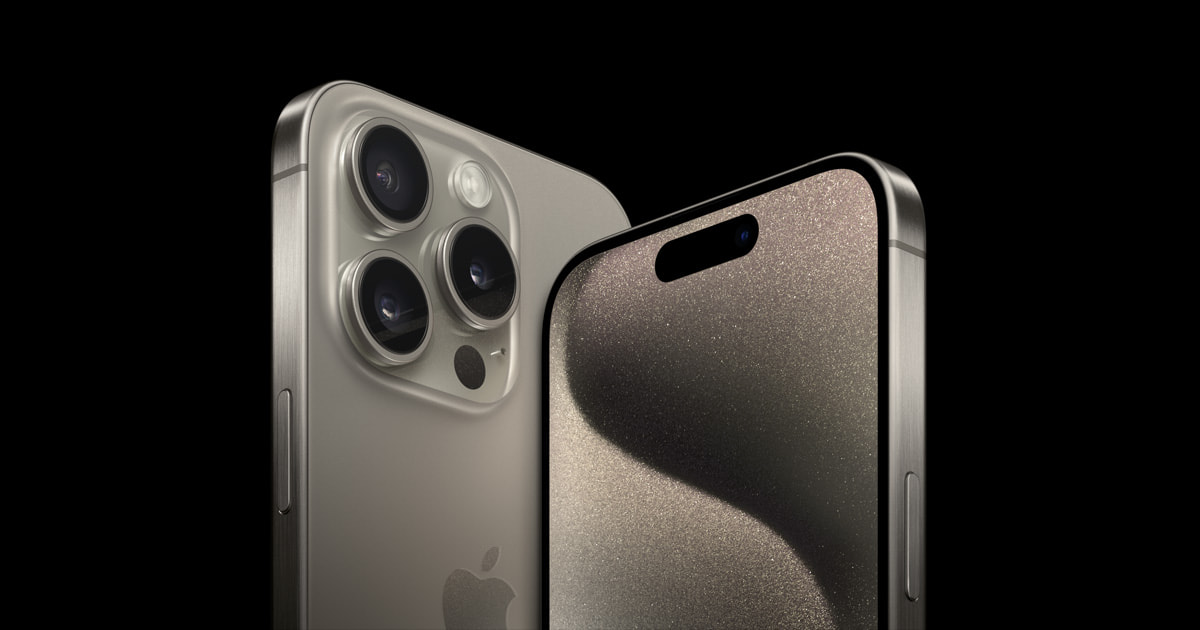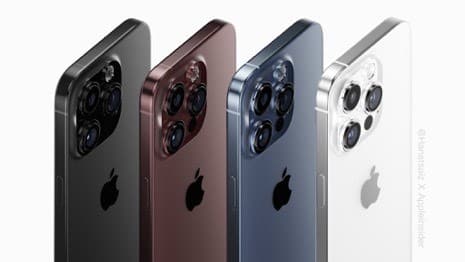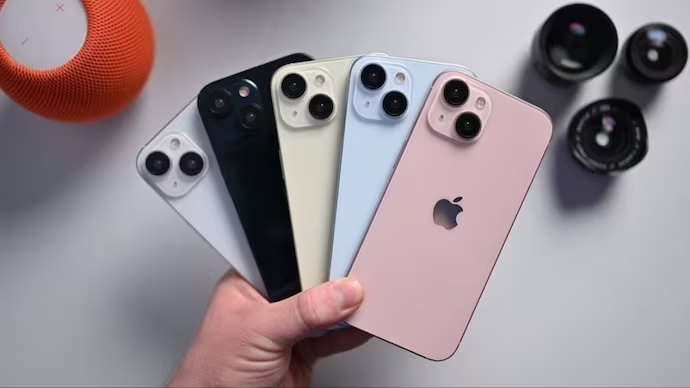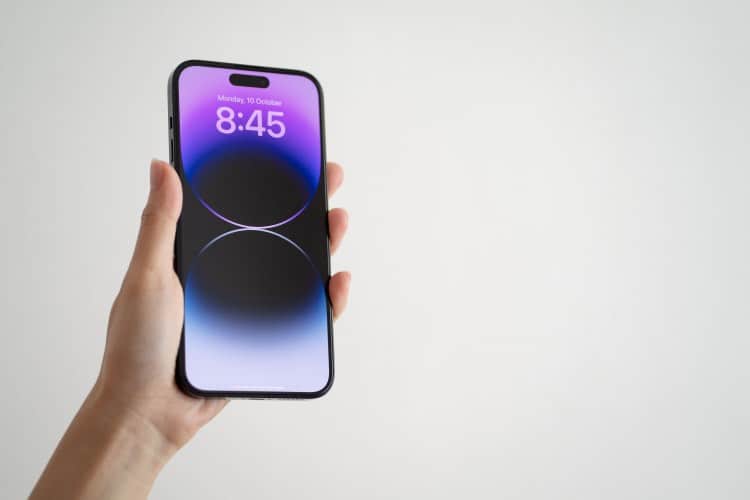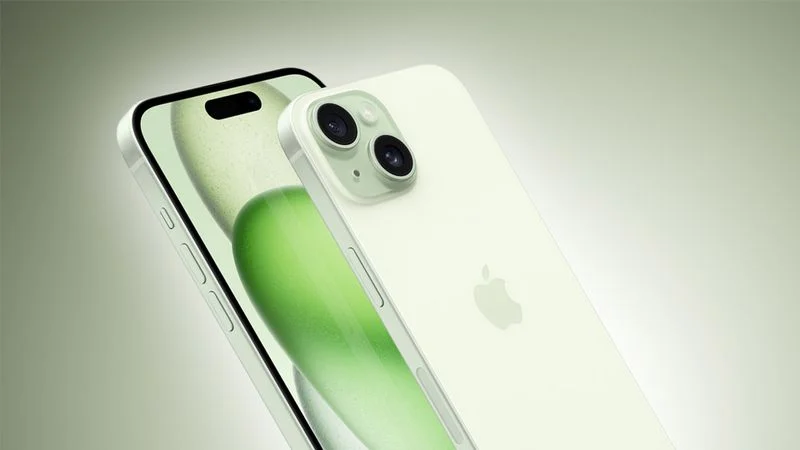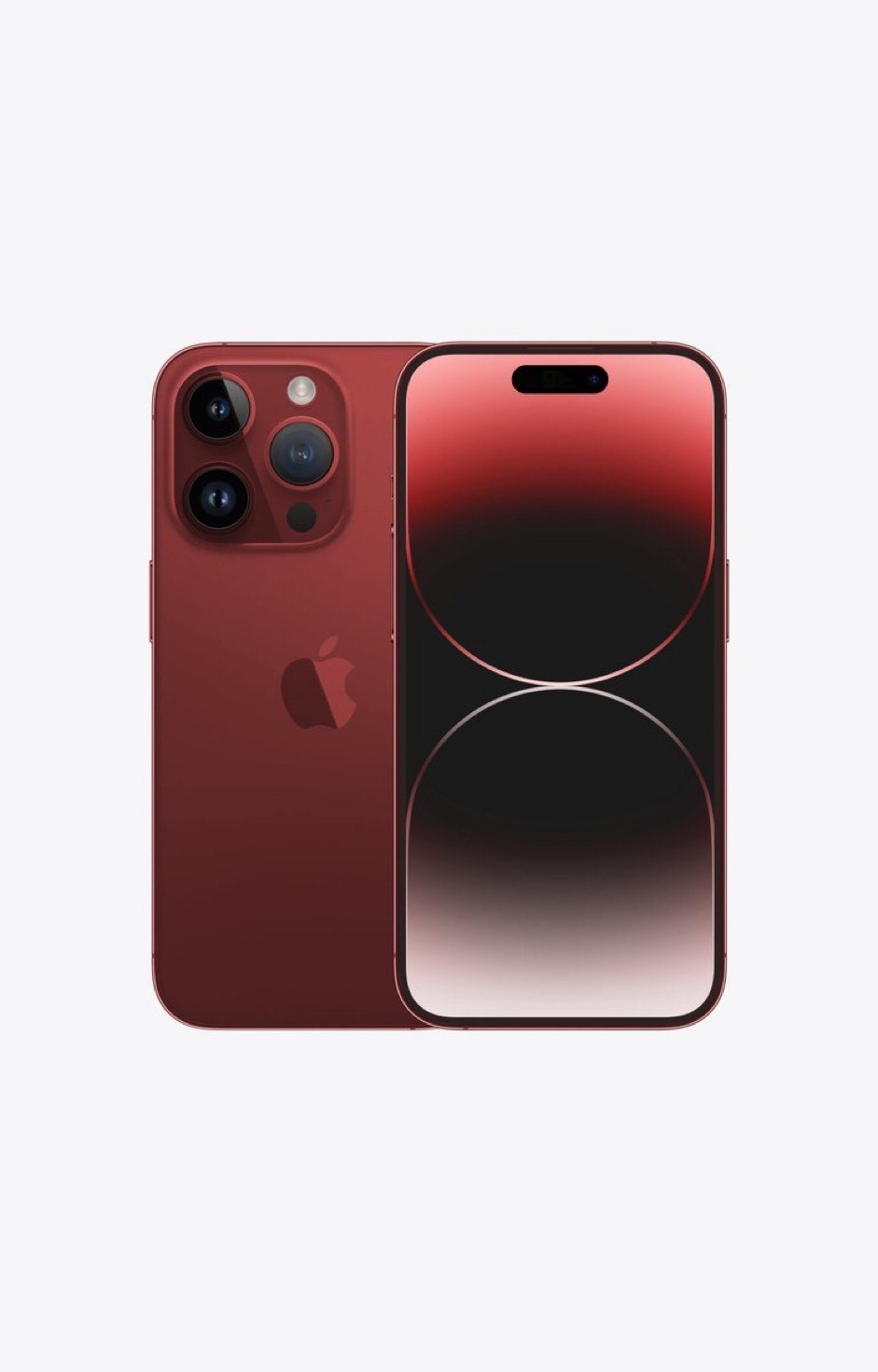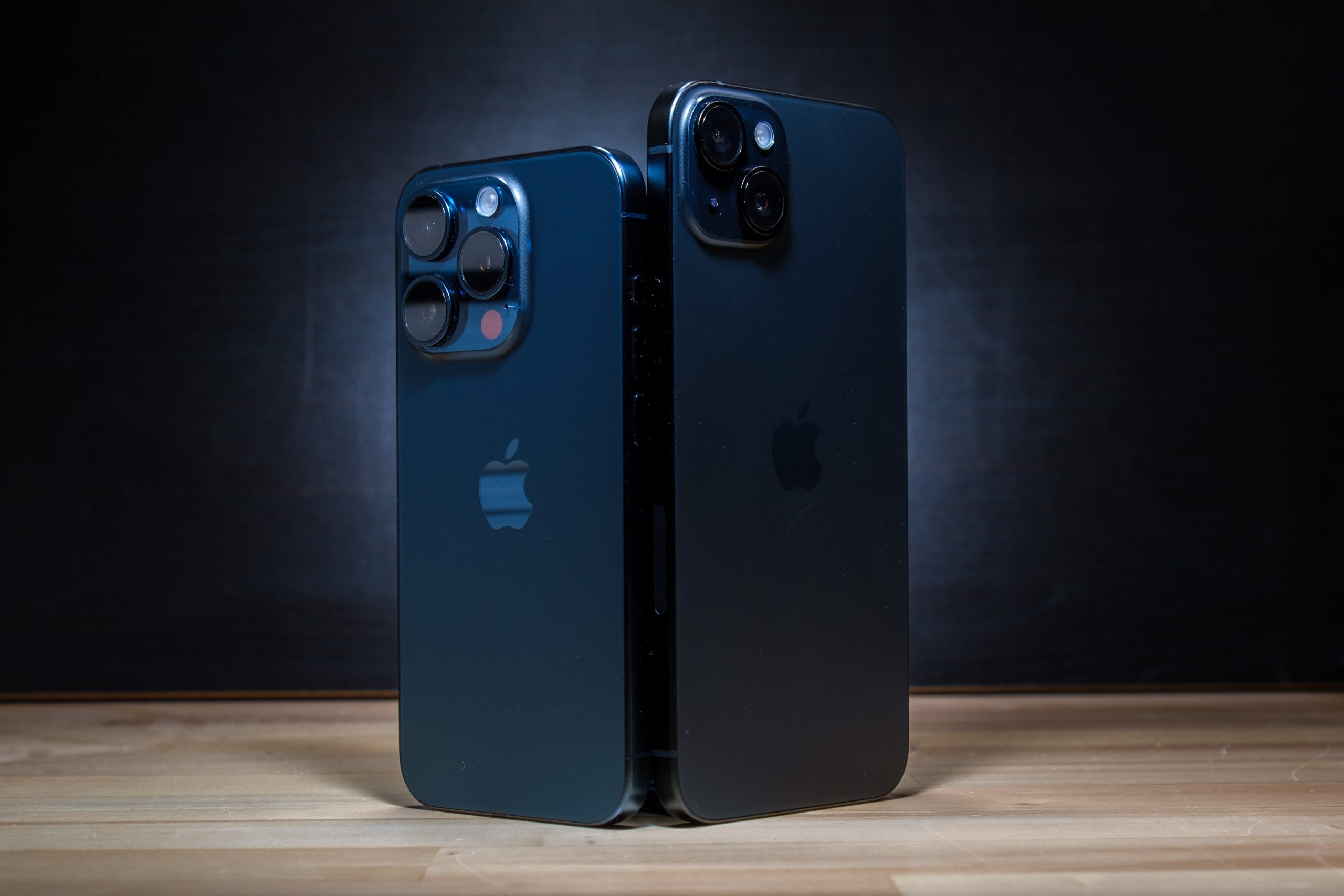
Apple aims for the thinnest and lightest devices across its product lineup.
iPhone 17 to feature a radically thin model in 2025.
Apple Watch X revamp promises the biggest design changes yet.
Siri’s AI capabilities expanding with natural language updates.
Last month’s unveiling of the incredibly slim M4 iPad Pro seems to have kickstarted a new era of design at Apple.
According to Bloomberg’s Mark Gurman, the tech giant now aims to make its entire product lineup the “thinnest and lightest” in their respective categories.
Gurman reveals that Apple has major slimming plans for the iPhone, MacBook Pro, and even the Apple Watch over the coming years.
The recently launched 5.1mm-thick iPad Pro is just the start of this new super-slim approach.
The iPhone 17 lineup, expected in 2025, will reportedly include a radically thin model sporting an all-new design.
Apple launched iPad Pro (2024) as its slimmest tablets to date
Apple’s goal is to significantly reduce the thickness compared to current iPhones.
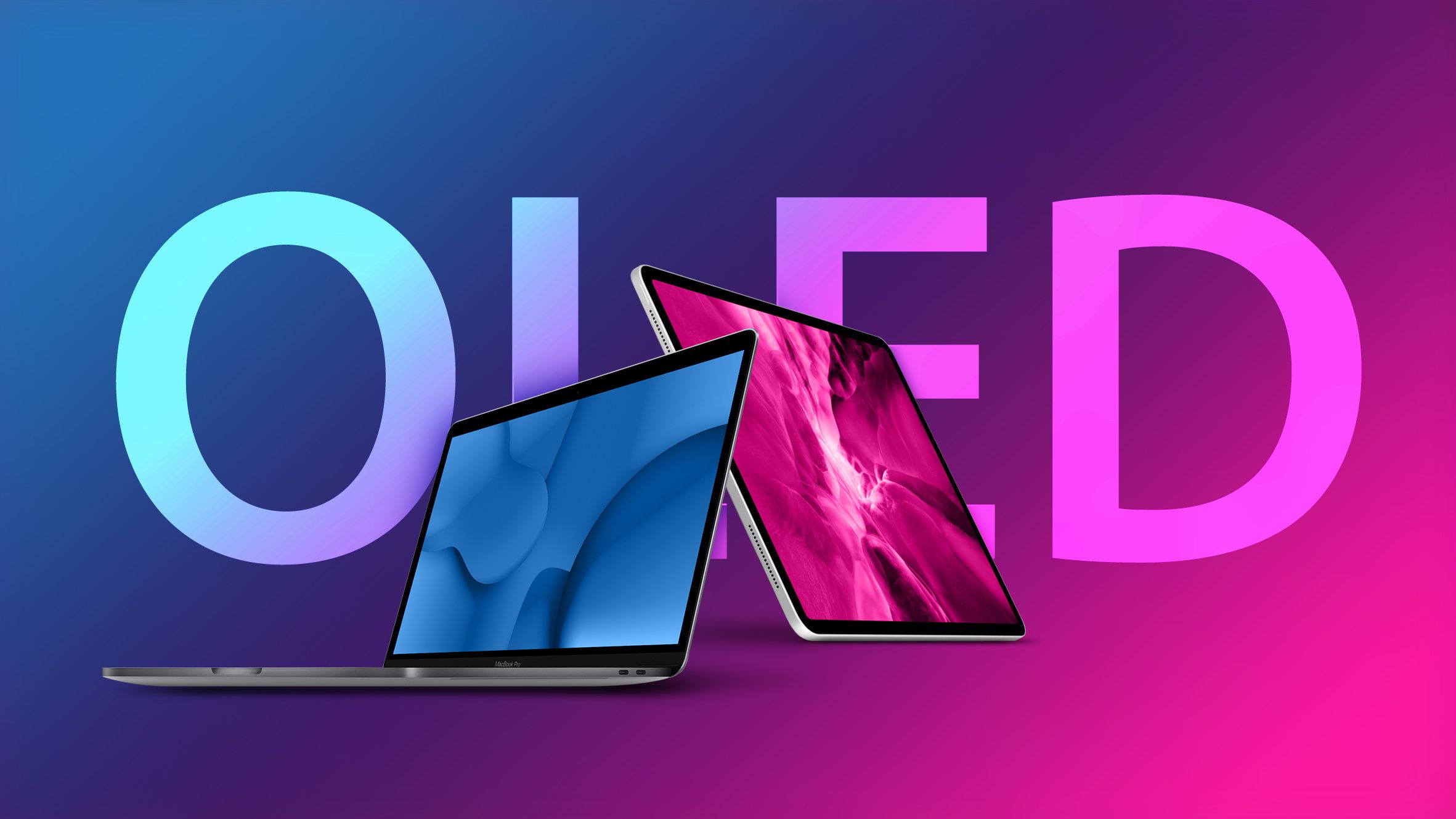
Similarly, upcoming versions of the MacBook Pro and iPad Pro will also get considerably slimmer than their current generations.
However, this obsession with thinness contrasts with the MacBook Pro’s recent redesign in 2021.
That update actually made the laptops thicker and heavier to accommodate features like MagSafe charging, HDMI output, and an SD card slot alongside the switch to Apple Silicon chips.
Apple Watch Redesign on the Horizon
The company is working on thinner MacBook Pro, Apple Watch models
Gurman also reinforces previous reports about a major overhaul for the Apple Watch, dubbed the “Apple Watch X.”
This revamp is tipped to bring the biggest design changes yet to Apple’s wearable.
Siri’s AI Capabilities Expanding
Siri’s AI capabilities expanding with natural language updates
Gurman reports that Apple is purposely taking a slow, cautious approach to rolling out its AI offerings, aiming to avoid the pitfalls faced by other tech firms with their large language models (LLMs).
However, some AI capabilities are still expected to debut in 2024.
These include AI-generated notification summaries, recaps for webpages, voice memos, notes, and emails, plus an intriguing “Genmoji” feature for AI-generated emoji.
Later in 2024, a redesigned Mail app and the AI-powered Swift Assist coding companion for Xcode are also on the roadmap.
FAQs
What is Apple’s new design direction?
Apple is focusing on making its products the thinnest and lightest in their respective categories, starting with the recently launched 5.1mm-thick iPad Pro.
What are the expected changes for the iPhone 17?
The iPhone 17 lineup, expected in 2025, will include a radically thin model with an all-new design aimed at significantly reducing thickness compared to current iPhones.
Will the MacBook Pro become thinner?
Yes, upcoming versions of the MacBook Pro are expected to be considerably slimmer than their current generations, aligning with Apple’s new design goals.
What updates are planned for the Apple Watch?
The Apple Watch X is set for a major redesign, bringing the biggest design changes yet to Apple’s wearable technology.
Nothing OS 3.0 to debut with the Nothing Phone (2a) Community Edition.
Custom lock screen options and interactive dot animations featured.
Community involvement in hardware design, wallpaper, and packaging.
New native gallery and community app included in the update.
The next major update for the Nothing Phone, Nothing OS 3.0, is expected to be introduced around the same time as the Nothing Phone (2a) Community Edition.
This device will include hardware changes to the Nothing Phone (2a) designed by the fan base.
The handset will also include wallpaper and packaging created by the public.
The Nothing Community will also help market the phone.
The founder and CEO of Nothing, Carl Pei, has shared some images showing some new features that will be part of Nothing OS 3.0.
Pei revealed some new capabilities for the lock screen, and the upcoming interactive dot animations coming to Quick Settings.
Pei posted the images on his “X” account.
The executive has what I consider to be the best “X” username of all time, “@getpeid.”
One image shared by Pei reveals three different lock screen customizations available to Nothing users.
There is the Default look which shows the clock, the day, and the date.
The Clock + Widget option shows the time in dots with three widgets available on the screen, the weather, a shortcut for quick actions, and the date.
Nothing OS 3.0 to debut with the Nothing Phone (2a) Community Edition
The third lock screen customization is called Expanded Widget Area.
This example shows an analog clock with a large date tile, and widgets for quick actions, weather, and contacts.
Pei also shared information about the upcoming Interactive Dot Animation which will be made up of three different layers: the input image layer, the live interaction layer, and the final output layer.
Nothing OS 3.0 is expected to feature a new native gallery and community app.
Pei says that an official announcement regarding Nothing OS 3.0 will take place in September.
Last August was when Nothing OS 2.0 was disseminated by the company.
The update will be available for the Nothing Phone (1), Nothing Phone (2), and theNothing Phone (2a).
Pei was so excited about the upcoming Nothing OS 3.0 release that he felt compelled to share the information about the lock screen customizations.
Sorry in advance to the team for this leak… but I’m too excited! pic.twitter.com/PjUrywmHVd
— Carl Pei (@getpeid) June 15, 2024
In his tweet, Pei wrote “Sorry in advance to the team for this leak… but I’m too excited!”
But we should point out that he has been known to use his personal social media accounts in the past to leak information about upcoming phones both at OnePlus (which he co-founded) and Nothing.
FAQs
What is the Nothing Phone (2a) Community Edition?
The Nothing Phone (2a) Community Edition is a special version of the Nothing Phone designed with input from the fan base, including hardware changes and public-created wallpaper and packaging.
What new features will Nothing OS 3.0 include?
Nothing OS 3.0 will feature custom lock screen options, interactive dot animations, a new native gallery, and a community app, enhancing the user experience.
How has the community contributed to the Nothing Phone (2a) Community Edition?
The community has helped design the hardware, create wallpaper, and develop packaging for the Nothing Phone (2a) Community Edition, making it a unique collaborative project.
When is the official announcement for Nothing OS 3.0 expected?
The official announcement for Nothing OS 3.0 is expected to take place in September, according to Nothing founder and CEO Carl Pei.
Qualcomm’s Snapdragon 6s Gen 3 is an “enhanced version” of the Snapdragon 695.
Concerns raised over Qualcomm’s complex and confusing naming conventions.
Lack of detailed technical specifications for the 6s Gen 3.
An emerging hierarchy within the Snapdragon 6-series.
Qualcomm recently sparked debates by launching the Snapdragon 6s Gen 3 mobile platform.
The new chipset raised eyebrows due to its striking similarities with the Snapdragon 695 released back in 2021.
Qualcomm itself admitted the 6s Gen 3 is merely an “enhanced version” of the older 695 processor.
While full details remain under wraps, Qualcomm claims the 6s Gen 3 delivers improved performance over the 695 in areas like CPU power, graphics rendering, andartificial intelligence capabilities.
However, the extent of these enhancements is unclear without specific technical specifications.
Murky Naming Conventions
Qualcomm’s Snapdragon 6s Gen 3 is an “enhanced version” of the Snapdragon 695
The launch strategy has ignited concerns around consumer confusion.
Qualcomm’s mobile processor naming schemes have long faced criticism for being overly complex and convoluted.
Reintroducing an older chip under a new name only adds to the murkiness surrounding its product lineup.
An Emerging Hierarchy?
Concerns raised over Qualcomm’s complex and confusing naming conventions
That said, an unofficial hierarchy within the Snapdragon 6-series now seems to be taking shape.
Chips bearing the “s” moniker may represent the most basic tier, followed by numbered iterations, with “+” variants signifying the highest performance options.
While this system’s long-term viability remains uncertain, it currently provides a rough framework for consumers to navigate the range.
Need for Transparency
An emerging hierarchy within the Snapdragon 6-series
Beyond the naming debate, the lack of transparency around the Snapdragon 6s Gen 3’s technical capabilities is concerning.
Apart from a confirmed CPU clock speed increase, details on the enhancements to GPU and AI performance are missing.
This shortage of information makes it challenging to assess the real-world improvements offered by the new chip over its predecessor.
FAQs
What is the Snapdragon 6s Gen 3?
The Snapdragon 6s Gen 3 is Qualcomm’s latest mobile platform, described as an “enhanced version” of the Snapdragon 695 released in 2021.
Why is the Snapdragon 6s Gen 3 considered a rebrand?
The Snapdragon 6s Gen 3 has striking similarities with the older Snapdragon 695, leading to debates about whether it is a genuine refresh or just a rebranded version.
What improvements does the Snapdragon 6s Gen 3 offer?
Qualcomm claims the 6s Gen 3 provides improved performance in CPU power, graphics rendering, and AI capabilities, but specific technical details are yet to be disclosed.
Why is there confusion around Qualcomm’s naming conventions?
Qualcomm’s mobile processor naming schemes are criticized for being overly complex, and rebranding older chips with new names adds to the confusion for consumers.
Voice assistants like Siri and Google Assistant are already useful on smartwatches.
Their hands-free nature means we can set alarms or timers without tapping away on those tiny screens.
By infusing these virtual helpers with more advanced AI, they could become even more useful on our wrists, further reducing the need to grab our phones.
Streamlining Notifications and Messages
One of the key advantages AI could bring is intelligently summarizing notifications and messages for quick viewing on our watches.
Imagine if your smartwatchcould condense long text messages or emails into bite-sized summaries, perfectly tailored for those compact displays.
AI could also generate more natural, contextual responses, making it easier to reply to messages from your wrist.
Personalized Watch Faces
Style is crucial for smartwatches, as they’re worn visibly on the wrist.
AI could allow us to generate custom watch faces based on our preferences and prompts.
Simply describe the look you want, and the AI could craft a unique design that meets your criteria, saving you from fiddling with complications and widgets.
The Health Tracking Boost
Tech giants are already exploring how AI can enhance health tracking on smartwatches.
An AI-powered health coach could be the next step, offering personalized guidance based on your activity levels and metrics.
Overcoming Limitations
AI-powered health tracking and personalized coaching
Bringing advanced AI to compact smartwatches isn’t without challenges.
Such complex processing could strain the devices’ limited resources unless handled in the cloud.
Privacy is also a concern, as health data and personal preferences would need to be protected.
The Road Ahead
Customizable watch faces through AI
As major players like Apple, Google, and Samsung continue developing their smartwatch platforms, we may soon hear more about how AI could enhance these wearables.
While the implementation details remain uncertain, the potential for AI to streamline interactions, personalize experiences, and offer intelligent health coaching on the devices we already own is undeniable.
FAQs
How can AI improve smartwatches?
AI can enhance smartwatches by offering advanced voice assistants, personalized watch faces, and intelligent health tracking, making these devices more user-friendly and efficient.
What are the benefits of AI-generated message summaries?
AI-generated summaries allow users to quickly view condensed versions of long messages or emails on their smartwatches, making it easier to stay informed on the go.
Can AI create custom watch faces?
Yes, AI can generate personalized watch faces based on user preferences, providing unique and tailored designs without the need for manual adjustments.
How does AI enhance health tracking on smartwatches?
AI can analyze fitness data and provide personalized health insights and coaching, helping users achieve their fitness goals with tailored guidance.
What challenges does AI face in smartwatches?
AI implementation in smartwatches faces challenges such as limited device resources and privacy concerns, as complex processing may require cloud-based solutions and secure data handling.
Galaxy Z Fold 6: Productivity-focused with a larger internal display.
Galaxy Z Flip 6: Compact clamshell design with an enhanced cover display.
Both models feature Snapdragon 8 Gen 3 chipset and IPX8 water resistance.
Improved battery life and software support for enhanced user experience.
In just a few weeks, Samsung is expected to unveil its latest foldable wonders, the Galaxy Z Fold 6 and the Galaxy Z Flip 6.
While both devices offer a unique take on the foldable form factor, they cater to distinct user needs, leaving potential buyers with a tough choice.
Specs at a Glance
Feature
Galaxy Z Fold 6 (Expected)
Galaxy Z Flip 6 (Expected)
Chipset
Snapdragon 8 Gen 3
Snapdragon 8 Gen 3
RAM
Up to 12GB
Up to 12GB
Storage
Up to 1TB
Up to 512GB
External Display
6.4-inch, ~2,376 x 968 resolution
~3.9-inch
Internal Display
~7.6-inch, ~2160 x 1856 resolution
~6.7-inch
Rear Cameras
50MP main, 12MP ultra-wide, 10MP telephoto
50MP main, 12MP ultra-wide
Battery
~4,600mAh
~4,000mAh
Charging
Up to 25W wired charging
Water Resistance
IPX8
IPX8
Design and Display: Folding in Different Ways
Galaxy Z Flip 6 Design and Display
TheGalaxy Z Fold 6 is shaping up to be the productivity powerhouse, with its larger book-like form factor and expansive internal display.
Rumours suggest a lighter titanium frame and improved display glass, potentially eliminating the dreaded crease that has plagued previous foldables.
Galaxy Z Fold 6 Design and Display
In contrast, the Galaxy Z Flip 6 is expected to retain a similar design language to its predecessor, with a slightly larger cover display spanning the entire upper portion.
When unfolded, it’s said to offer a screen size comparable to the Fold 6’s folded state, making it a more compact option.
Camera Capabilities: Incremental Upgrades
Galaxy Z Flip 6 Camera Capabilities
On the camera front, the Galaxy Z Fold 6 is rumoured to stick with a triple rear setup comprising a 50MP main, 12MP ultra-wide, and 10MP telephoto lens with 3X optical zoom.
While the hardware may not change significantly, Samsung is likely to introduce software and algorithm improvements for enhanced imaging.
Galaxy Z Fold 6 Camera Capabilities
The Galaxy Z Flip 6, however, could see a more substantial camera upgrade with a rumoured 50MP main sensor, a substantial leap from the 12MP shooter on previous models.
This could potentially enable features like quad-pixel binning for improved low-light performance.
Battery Life and Charging: Addressing Pain Points
Galaxy Z Fold 6 Battery Life and Charging
Battery life has been a sore point for foldables, but Samsung seems poised to address these concerns.
The Galaxy Z Fold 6 is rumoured to pack a ~4,600mAh battery, a modest upgrade over its predecessor, while the Galaxy Z Flip 6 could feature a ~4,000mAh cell, a more significant boost compared to the Flip 5.
Galaxy Z Flip 6 Battery Life and Charging
However, charging speeds may not see a dramatic improvement, with rumours suggesting both devices could stick to 25W wired charging.
While faster charging would be welcome, Samsung’s priority appears to be extending battery life through efficiency gains.
Performance and Software: Snapdragon Supremacy
Galaxy Z Fold 6 Performance and Software
Both foldables are expected to be powered by Qualcomm’s latest Snapdragon 8 Gen 3 chipset, promising top-notch performance and efficiency.
Samsung’s decision to eschew its in-house Exynos chips for foldables is a wise move, given the Snapdragon’s proven track record in flagship smartphones.
Galaxy Z Flip 6 Performance and Software
On the software front, Samsung’s foldables are likely to benefit from the company’s commitment to seven years of software support,ensuring a smooth and up-to-date experience throughout the devices’ lifespans.
Audio Quality: A Missed Opportunity?
Samsung is expected to unveil its latest foldable wonders
While Samsung has been tight-lipped about audio improvements, the lack of rumours surrounding enhanced speakers or audio capabilities suggests this aspect may not receive significant attention in the upcoming foldables.
Which One Should You Buy?
Samsung Galaxy Z Fold 6 vs Galaxy Z Flip 6
Ultimately, the choice between the Galaxy Z Fold 6 and Galaxy Z Flip 6 boils down to personal preferences and use cases.
The Fold 6 is shaping up to be the productivity powerhouse, with its expansive internal display and multitasking capabilities, albeit at a rumoured price tag of around $1,899.
On the other hand, the Galaxy Z Flip 6 is poised to be the more accessible and compact foldable option, likely retaining a price point closer to $1,000.
Its clamshell design and improved cover display could make it a compelling choice for those seeking a unique yet pocketable device.
As Samsung prepares to unveil its latest foldable marvels, the choice between the Galaxy Z Fold 6 and Galaxy Z Flip 6 will ultimately come down to individual needs and budgets.
Whichever path you choose, Samsung’s commitment to refining the foldable experience is undeniable, and the upcoming devices promise to push the boundaries of what’s possible with this innovative form factor.
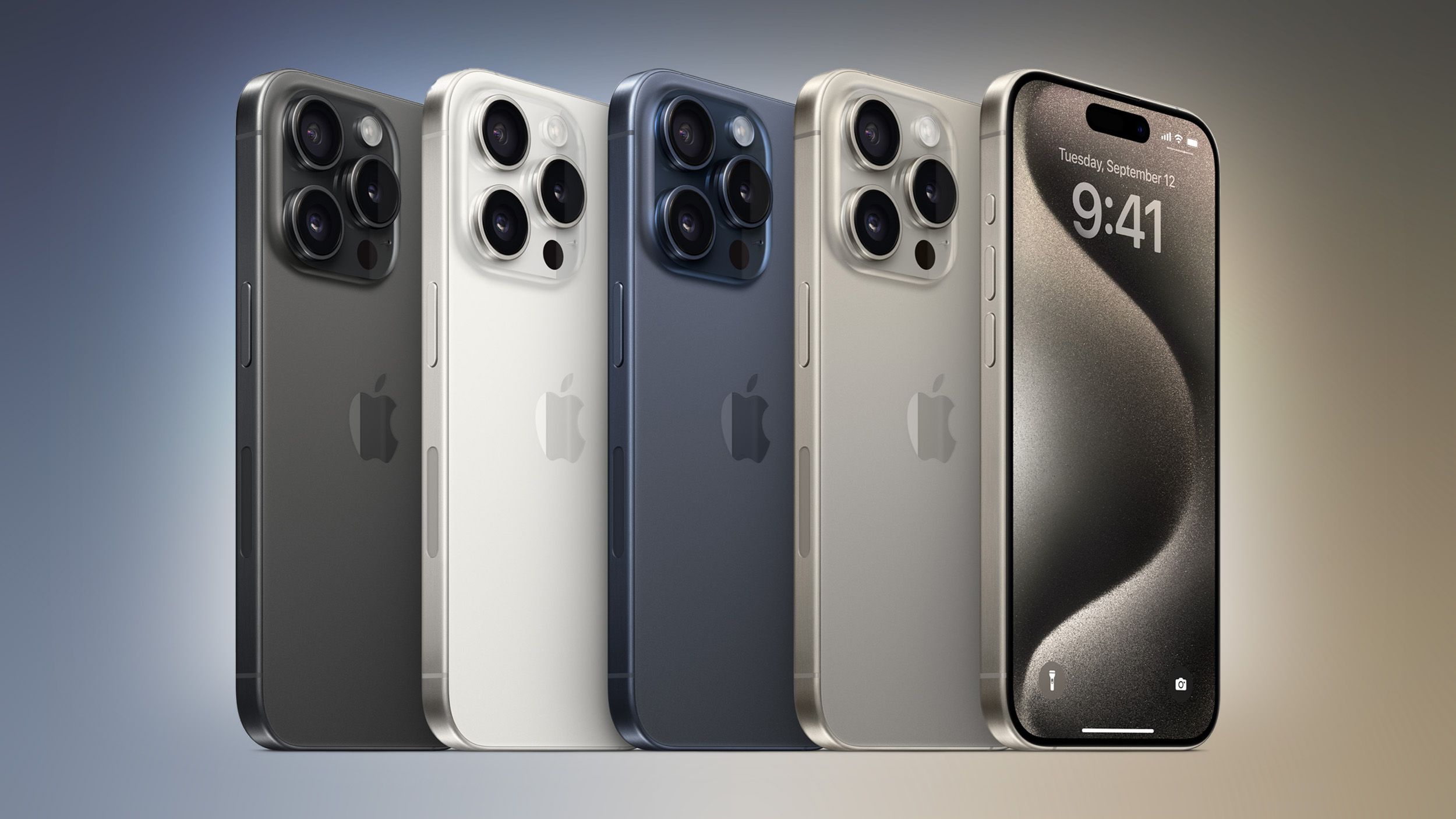
iOS 18 AI features exclusive to iPhone 15 Pro and Pro Max models.
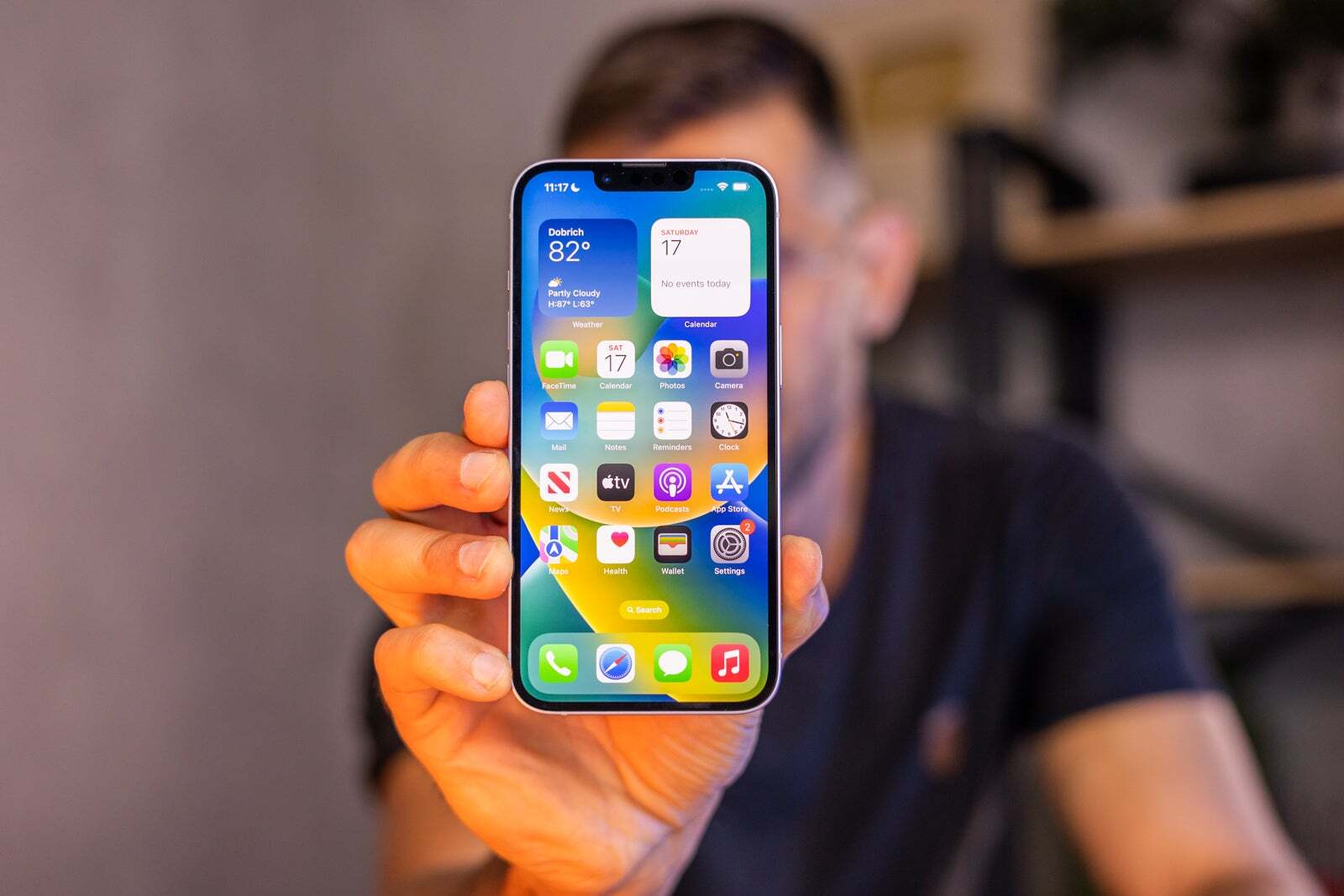
Non-Pro iPhone 15 users miss out on advanced AI capabilities.
Apple’s decision sparks backlash among recent iPhone buyers.
Competitor Samsung offers broader AI support across older models.
In a move that has left many iPhone usersfeeling short-changed, Apple has dropped a bombshell – the much-hyped AI capabilities of iOS 18 will be exclusive to the top-tier iPhone 15 Pro and Pro Max.
This controversial decision means millions of Apple fans, including those who recently splurged on the £799 iPhone 15, will miss out on the marquee features of the latest software update.
No Apple Intelligence for Older iPhone Users
OS 18 AI features exclusive to iPhone 15 Pro and Pro Max models
Apple’s justification for this jarring divide?
Apparently, the 6GB of RAM in the non-Pro iPhone 15 models is insufficient to handle the AI wizardry.
But this excuse rings hollow when you consider that Apple could have easily equipped the standard iPhone 15 with more memory, just as they did with the Pro variants.
It’s not as if Apple’s engineering team was caught off guard by the AI demands of iOS 18.
The tech giant’s actions reek of a blatant upsell tactic, capitalising on software to push users towards the pricier Pro lineup.
While maximising profits is the goal of any business, doing so at the expense of recent iPhone 15 buyers feels like a slap in the face.
These customers have shelled out hundreds of pounds for Apple’s latest flagship, only to be denied its most compelling features a few months later.
Competitors Ramping Up AI
Competitor Samsung offers broader AI support across older models
What’s even more galling is that rival Samsung has taken a far more consumer-friendly approach.
The Korean tech titan has not only promised up to seven years of software support for its Galaxy flagships but has also extended many of the AI capabilities of its latest One UI release to older Galaxy models like the S22.
In a shocking turn of events, Samsung now appears more generous than Apple when it comes to keeping devices updated with meaningful features.
While Apple defenders may argue that the company is merely exercising its prerogative as a hardware vendor, this line of reasoning falls flat.
By explicitly tying advanced AI functionality to the iPhone 15 Pro,Apple is effectively upselling users on software – an area where it has traditionally taken an egalitarian stance across its product range.
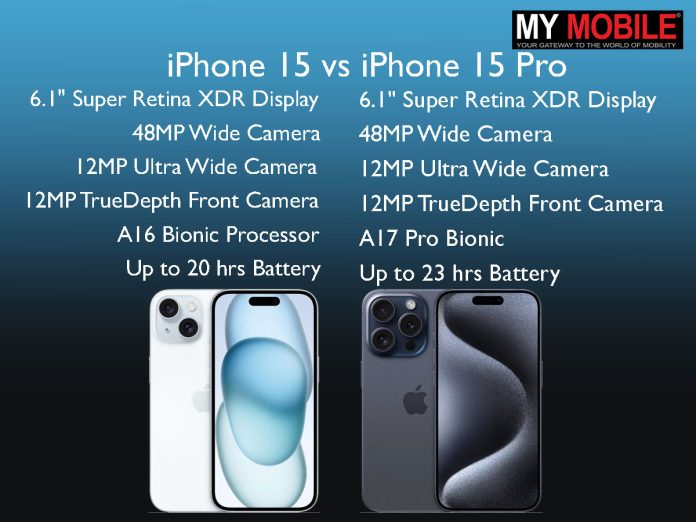
A16 Bionic Almost As Powerful as A17 Pro
Apple’s decision sparks backlash among recent iPhone buyers
The situation is further compounded by the fact that the A16 Bionic chip powering the standard iPhone 15 is no slouch.
With only a slight deficit in neural processing power compared to the A17 in the Pro models, there’s no concrete reason why Apple couldn’t have extended at least some AI capabilities to the non-Pro iPhone 15 variants.
In the end, Apple’s decision to create an AI monopoly within its own ecosystem is a bewildering one.
Not only does it risk alienating a significant portion of its user base, but it also opens the company up to further accusations of anti-competitive practices – something it can ill afford as it faces mounting regulatory scrutiny.
As the iOS 18 rollout continues, Apple finds itself at a crossroads.
Will it double down on its divisive strategy, potentially driving disgruntled users towards Android?
Or will it heed the backlash and extend at least some AI capabilities to the broader iPhone family?
Only time will tell, but one thing is clear: Apple’s handling of this situation has left a sour taste in the mouths of many once-loyal customers.
FAQs
Which iPhone models will receive the new AI features in iOS 18?
The new AI features in iOS 18 will be exclusive to the iPhone 15 Pro and Pro Max models.
Why are non-Pro iPhone 15 users excluded from these features?
Apple claims the 6GB RAM in non-Pro models is insufficient for the AI capabilities, though critics argue it’s a deliberate upsell tactic.
How has the tech community reacted to Apple’s decision?
The decision has sparked backlash, with many users feeling short-changed and accusing Apple of pushing customers towards more expensive models.
How does Samsung handle AI feature updates for its devices?
Samsung extends many of its AI capabilities to older Galaxy models and promises up to seven years of software support for its flagship devices.
Is there a significant performance difference between the A16 and A17 chips?
The A16 Bionic chip in the standard iPhone 15 is only slightly less powerful than the A17 in the Pro models, raising questions about the necessity of limiting AI features.
As Father’s Day approaches, it’s time to express our gratitude and love for the men who have selflessly guided us through life’s journey.
What better way to celebrate their unwavering support than by gifting them a tech gadget that not only caters to their interests but also adds convenience to their daily routines?
From budget-friendly options to high-end marvels, we’ve curated a list of tech gifts that are sure to delight dads of all ages and preferences.
Samsung Galaxy F15 5G (Rs 14,499)
6.6-inch 90Hz Super AMOLED display
Dimensity 6100+ SoC
50MP triple-rear camera system
6,000mAh battery with 25W fast charging
Android 14 OS
5G connectivity
Dual SIM support
In-display fingerprint sensor
For the tech-savvy dad who appreciates the latest innovations, the Samsung Galaxy F15 5G is an excellent choice.
This smartphone boasts a stunning 6.6-inch 90Hz Super AMOLED display, delivering an immersive visual experience.
Powered by the Dimensity 6100+ SoC and equipped with a 50MP triple-rear camera system, it promises top-notch performance and impressive photography capabilities.
Additionally, the massive 6,000mAh battery with 25W fast charging ensures extended usage, making it an ideal companion for dads on the go.
Amazon Echo Dot 5th Generation (Rs 5,499)
Compact smart speaker
Alexa voice assistant
Access news, weather, and voice shopping
Control smart home devices (compatible)
Improved speaker quality
Sleek design with fabric cover
If your dad is a fan of smart home technology, the Amazon Echo Dot 5th Generation is a fantastic choice.
This compact smart speaker allows him to access trending news, check the weather, and even shop hands-free using just his voice commands.
With Alexa’s assistance, he can streamline his daily tasks and enjoy a more convenient lifestyle.
This sleek and stylish fitness tracker boasts an aluminum body and comes equipped with a Heart Rate and SpO2 sensor, ensuring accurate tracking of vital health metrics.
With a battery life of up to 13 days, it’s the perfect companion for dads who prioritize an active lifestyle.
Lifelong Foot Massager (Rs 4,699)
Foot massager with acupressure points
3 massaging modes: kneading, rolling, compression
Ergonomic design for comfort
Adjustable intensity levels
Overheat protection
Easy-to-clean surface
After a long day, what better way to unwind than with a relaxing foot massage?
The Lifelong Foot Massager is designed to provide a therapeutic experience, focusing on acupressure points and offering three massaging modes: kneading, rolling, and compression.
This thoughtful gift will help your dad alleviate stress and tension, leaving him feeling rejuvenated.
With a 1.43-inch AMOLED display and stainless steel finish straps, it exudes a bold and sophisticated presence.
Additionally, it supports Bluetooth calling and features various health tracking capabilities, making it a practical and stylish accessory.
Xiaomi Mi Grooming Kit Pro (Rs 2,299)
Trimmer with 8 attachments
90-minute runtime
IPX7 water resistance
Precision trimming
Versatile attachments for various styles
Compact and portable design
Last but not least, the Xiaomi Mi Grooming Kit Pro is a thoughtful gift for dads who value grooming and personal care.
Priced at Rs 2,299, this kit includes a trimmer and eight attachments, ensuring versatility and precision in grooming.
With a 90-minute runtime and IPX7 water resistance rating, it’s a practical and convenient choice for dads on the go.
No matter your budget or your dad’s preferences, this selection of tech gifts offers something for everyone.
So, celebrate the remarkable father figure in your life by presenting him with a gadget that not only showcases your appreciation but also enhances his daily experiences.
FAQs
What are the standout features of the Samsung Galaxy F15 5G?
The Samsung Galaxy F15 5G features a 6.6-inch Super AMOLED display, Dimensity 6100+ SoC, a 50MP camera, and a 6,000mAh battery with 25W fast charging.
How does the Amazon Echo Dot (5th Gen) enhance daily life?
The Amazon Echo Dot (5th Gen) offers Alexa voice assistant, smart home control, improved speaker quality, and a sleek design for daily convenience.
What makes the OnePlus Buds 3 TWS a good gift?
The OnePlus Buds 3 TWS provides excellent sound quality with dynamic drivers, Adaptive Noise Cancellation, long battery life, and water resistance.
Why choose the JBL Tune 760NC Headphones?
The JBL Tune 760NC Headphones offer comfort with soft cushions, long battery life, Active Noise Cancellation, and a foldable design for portability.
What benefits does the Samsung Galaxy Fit 3 offer?
The Samsung Galaxy Fit 3 provides heart rate and SpO2 monitoring, long battery life, fitness tracking, and water resistance, making it ideal for fitness enthusiasts.
Samsung Galaxy F15 5G Specs
GENERAL
Sim Type
Dual Sim, GSM+GSM (Hybrid Slot)
Dual Sim
Yes
Sim Size
Nano+Nano SIM
Device Type
Smartphone
Release Date
March 04, 2024
In The Box
Handset, Data Cable (USB Type C-to-C), Ejection Pin, Quick Start Guide
Capture your perfect shots without worrying about the obstacles! #realmeGT6
Send us your image & tell us what you want to remove using #AIFlagshipKiller
Launching on 20th June, 1:30 PM
Available on & @Flipkart
Know more: pic.twitter.com/NAEXpmaPw1
— realme (@realmeIndia) June 12, 2024
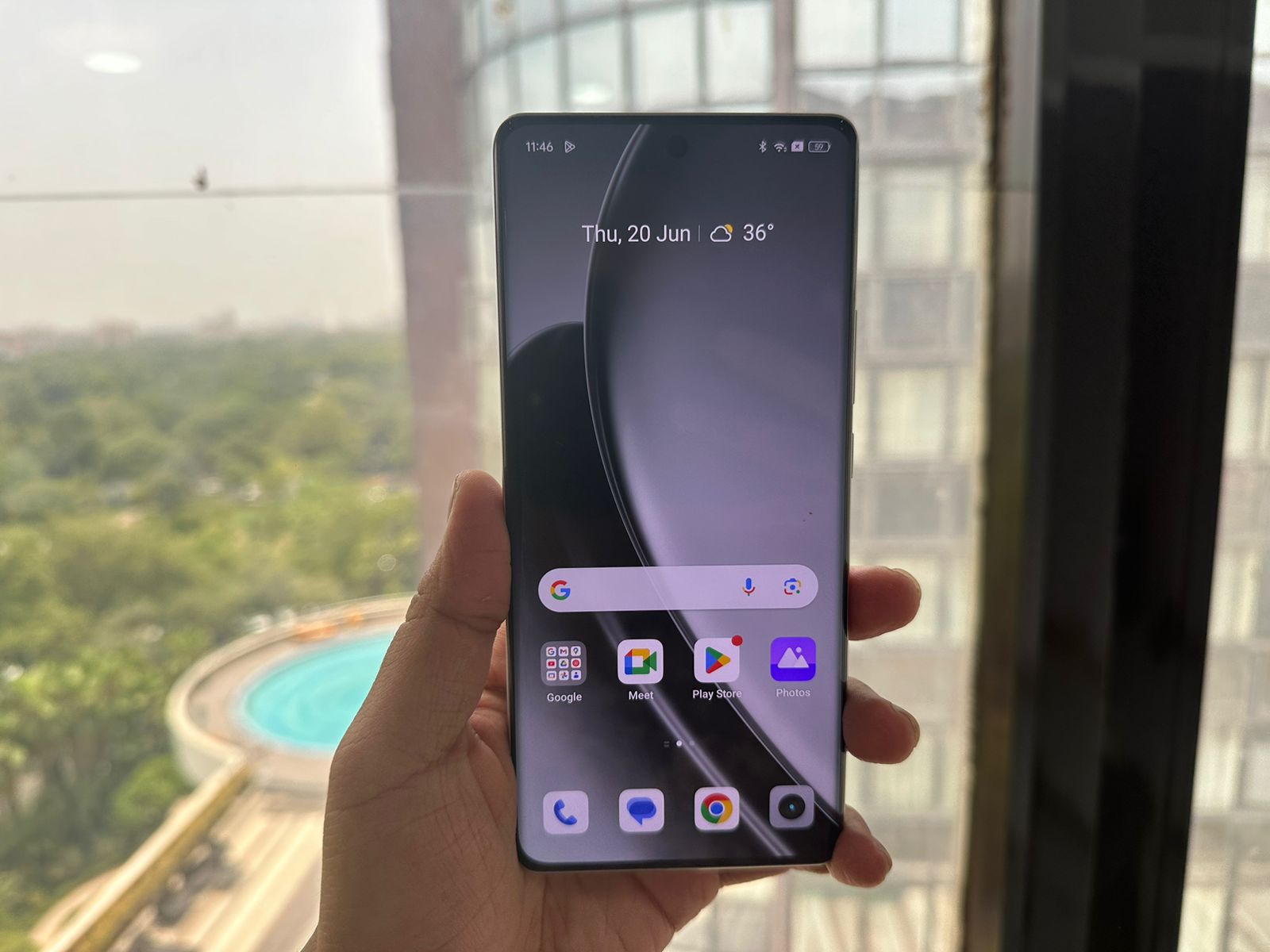
The device has been confirmed to be available through Flipkart and the Realme Store, with launch offers yet to be revealed.
Design and Display
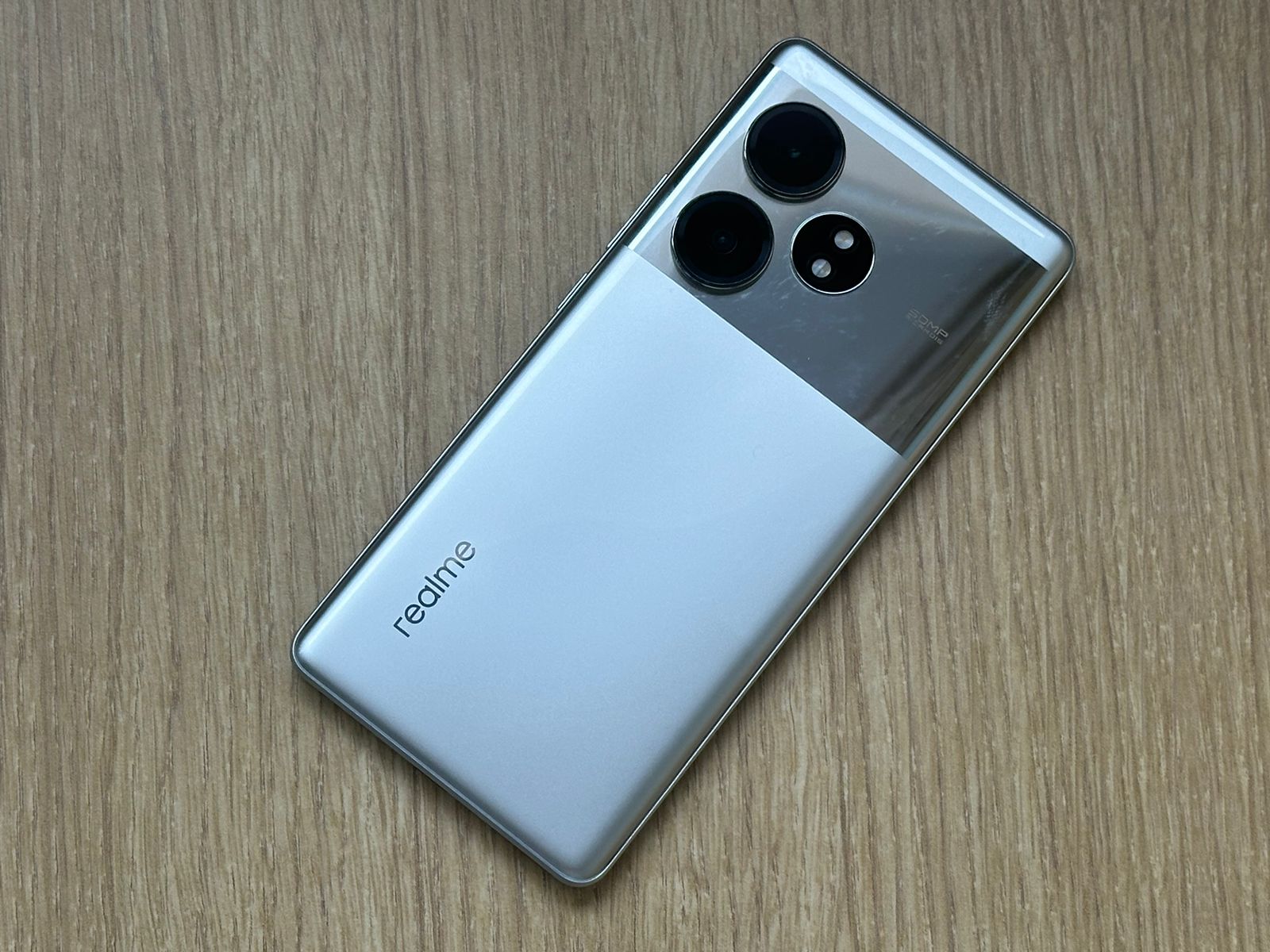
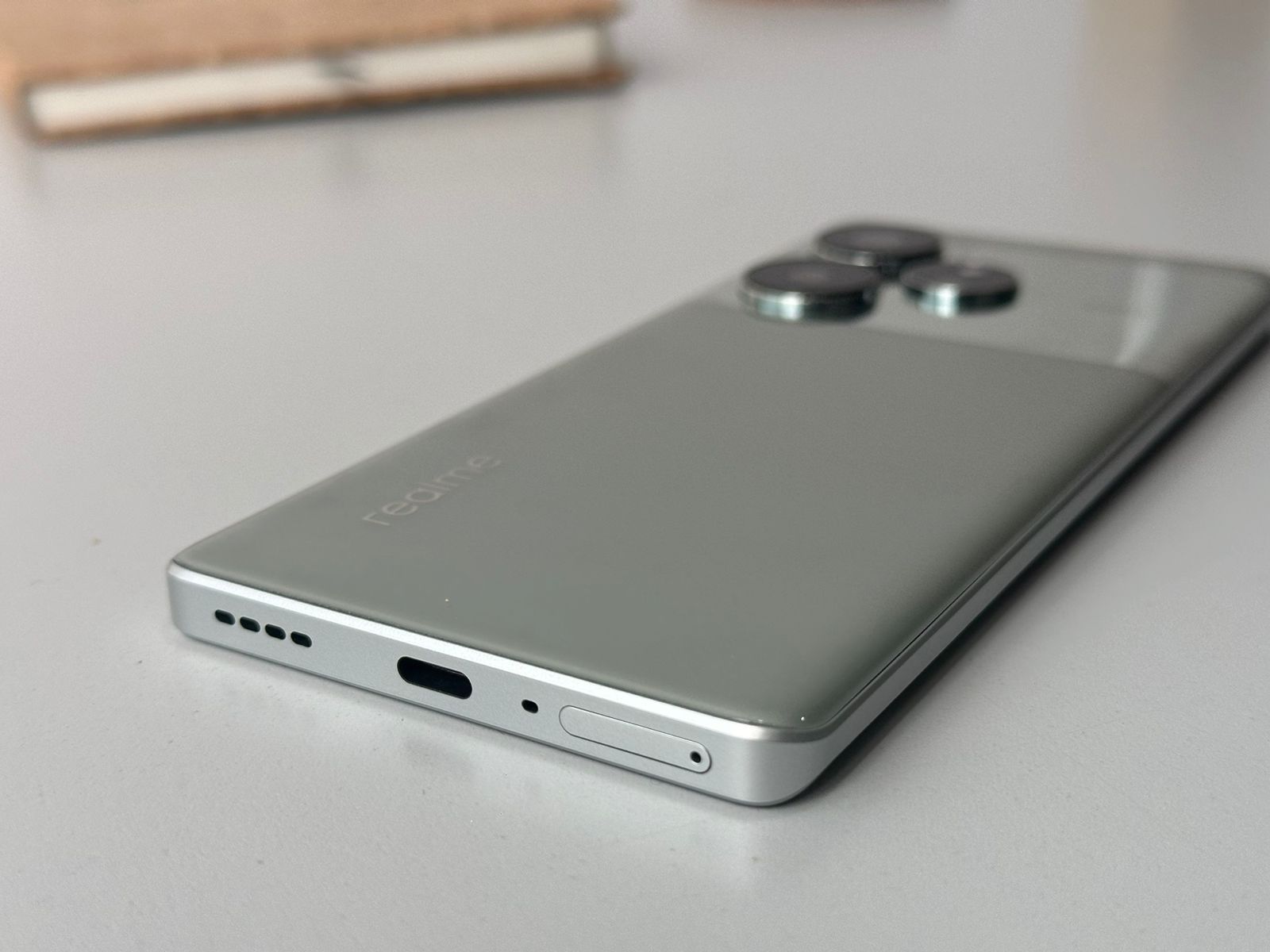
It will flaunt a premium design with a glass rear panel featuring the Nano Mirror Design
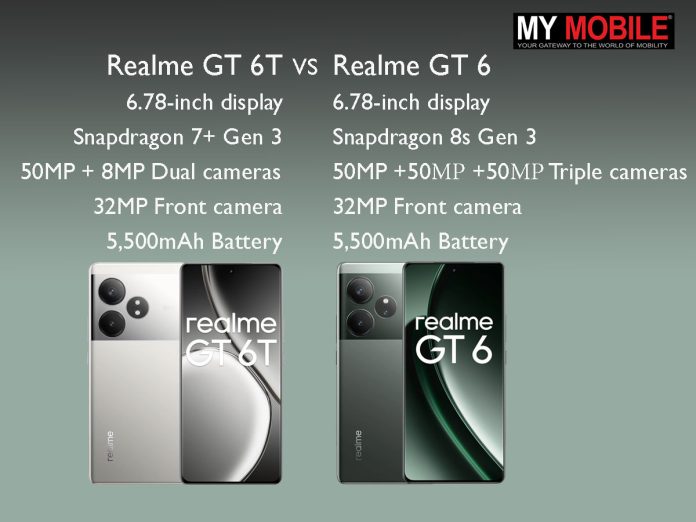
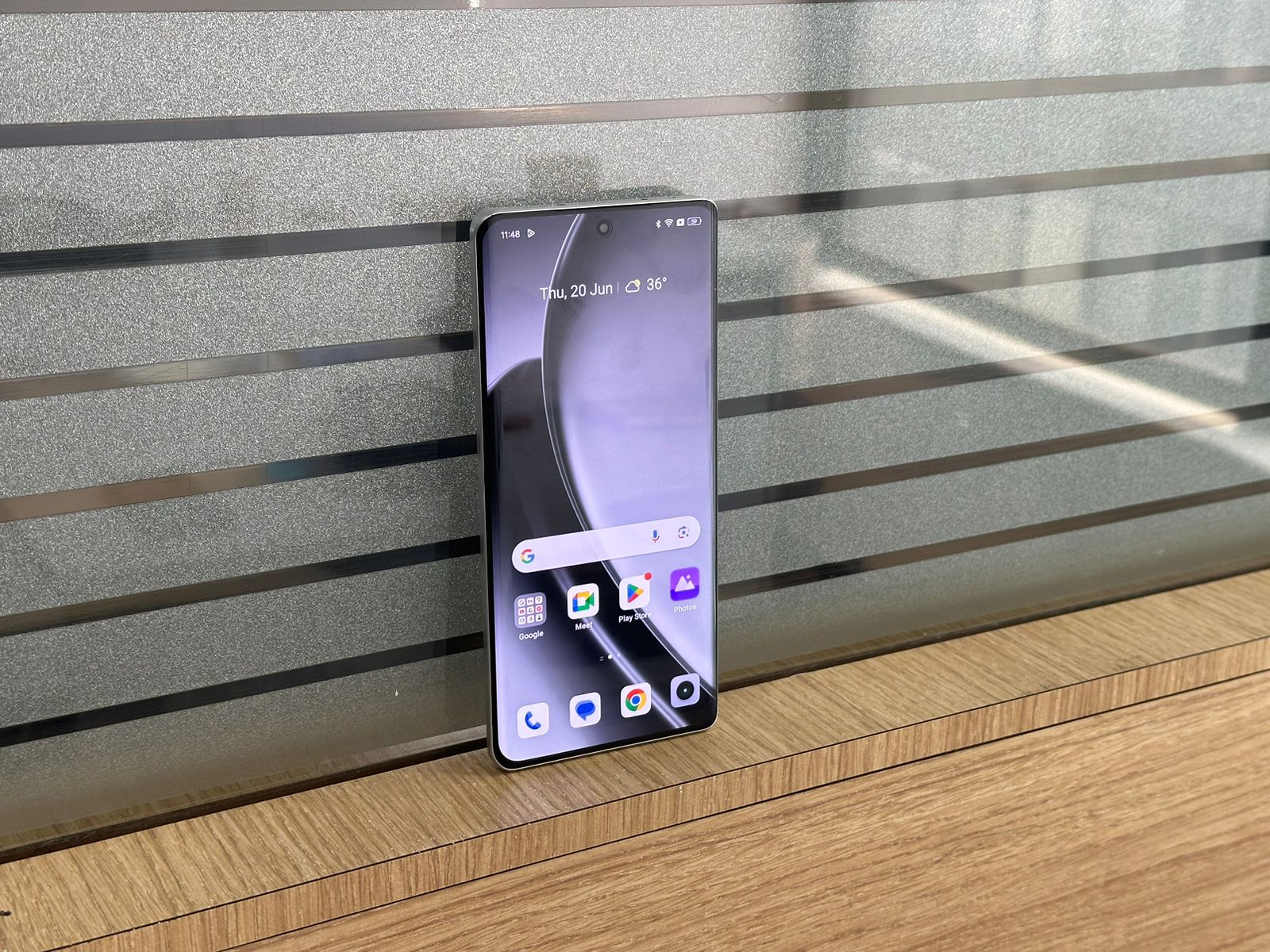
The Realme GT 6will flaunt a premium design with a glass rear panel featuring the Nano Mirror Design and a dual-textured finish.
Expected color options include silver and green.
Details about the display remain undisclosed.
Uncompromising Performance
Powered by Qualcomm Snapdragon 8+ Gen 3 processor with UFS 4.0 storage and LPDDR5X RAM
At the heart of the Realme GT 6 lies the powerful Qualcomm Snapdragon 8+ Gen 3 processor, fabricated on a 4nm process and boasting an ultra-large Cortex-X4 core.
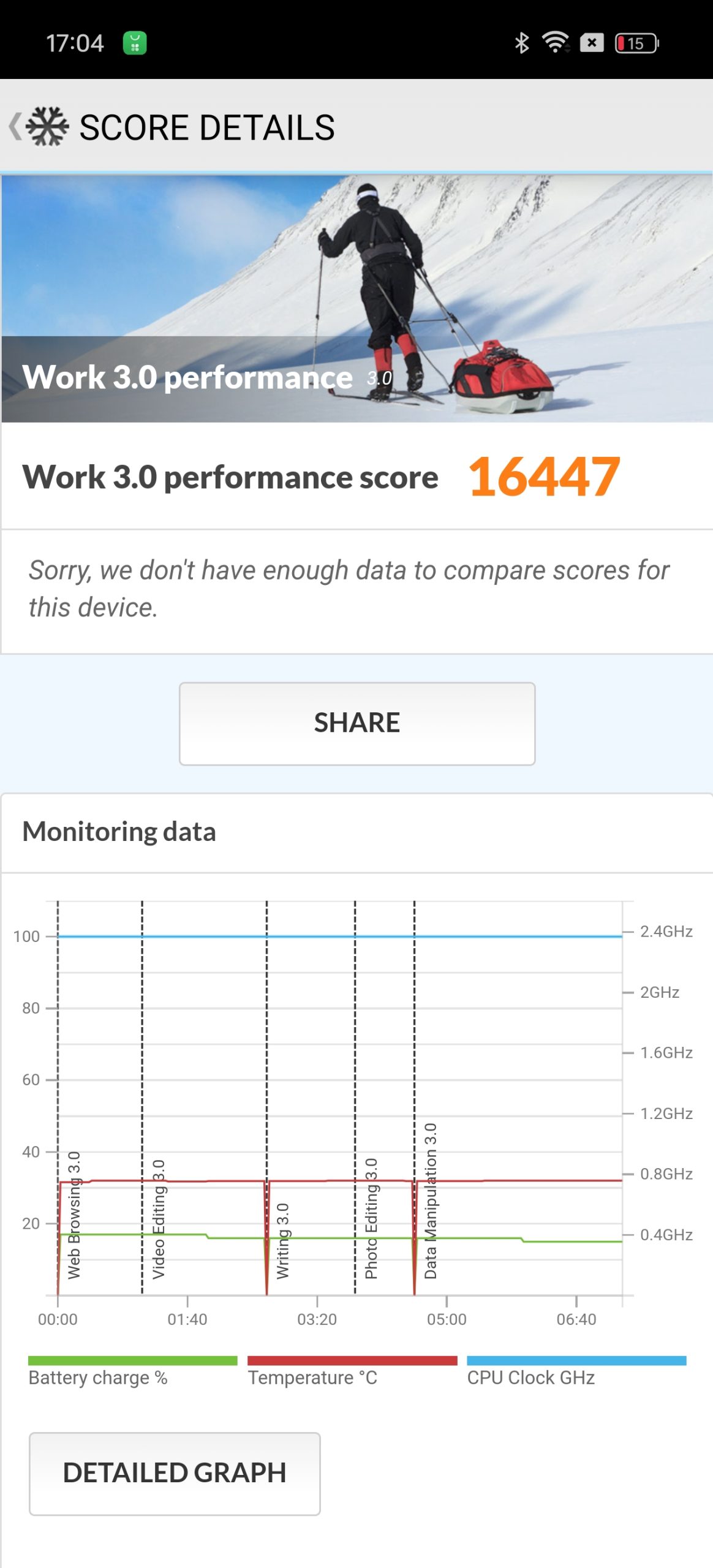
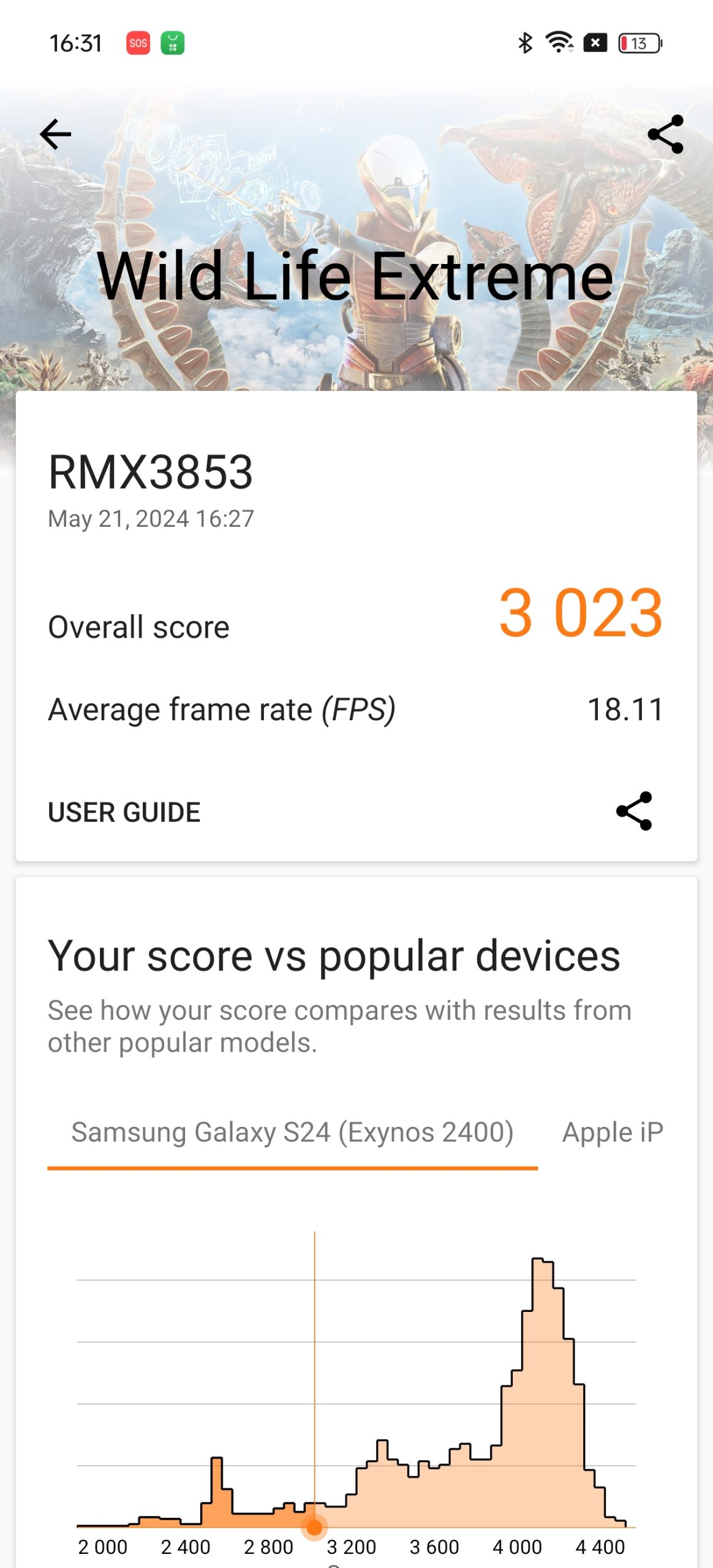
Realme claims the device has scored over 1.65 million points on the AnTuTu benchmark, paired with UFS 4.0 storage and LPDDR5X RAM.
A dual vapor chamber cooling system with a 10014 square millimeter cooling area ensures efficient thermal management.
Innovative AI Features
Features AI Night Vision, AI Smart Removal, and a dual-rear camera with 50MP Sony IMX890 sensor
The Realme GT 6 will be the company’s first smartphone to feature artificial intelligence capabilities, including AI Night Vision for clear video recording in low-light conditions, AI Smart Removal for removing unwanted objects and people from photos, and AI Smart Loop for seamless content sharing.
Image source: Weibo
The camera setup on the Realme GT 6 will comprise a dual-rear camera system, headlined by a 50MP Sony IMX890 primary sensor with optical image stabilization and a telephoto lens with 2x portrait zoom.
Features like HyperTone Image Engine and Super Nightscape mode promise enhanced imaging capabilities.
Battery and Charging
Equipped with a 5,500mAh battery and 120W SuperVOOC fast charging
Powering the Realme GT 6 will be a massive 5,500mAh battery with support for 120W SuperVOOC fast charging, ensuring extended usage and rapid top-ups.
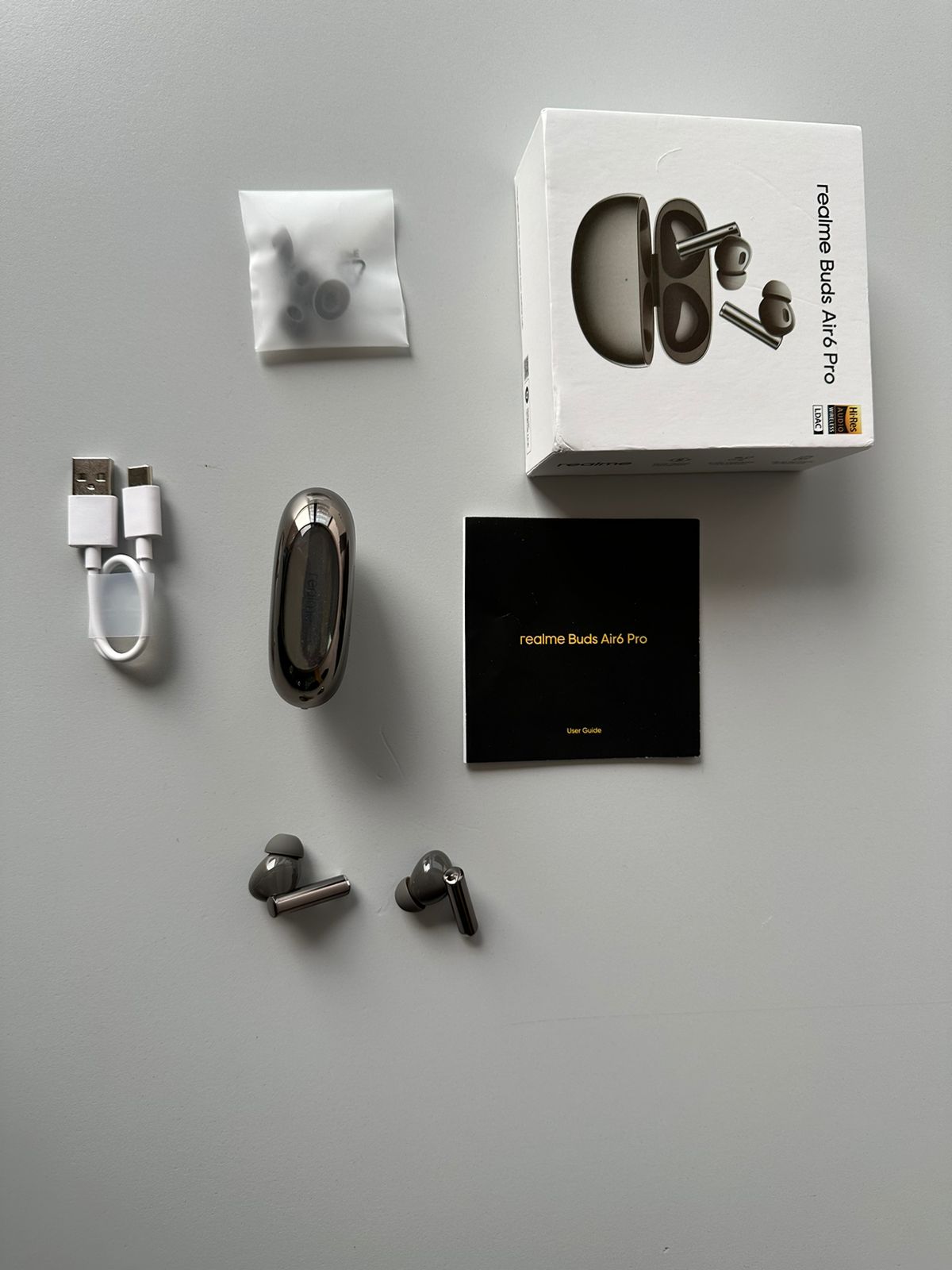
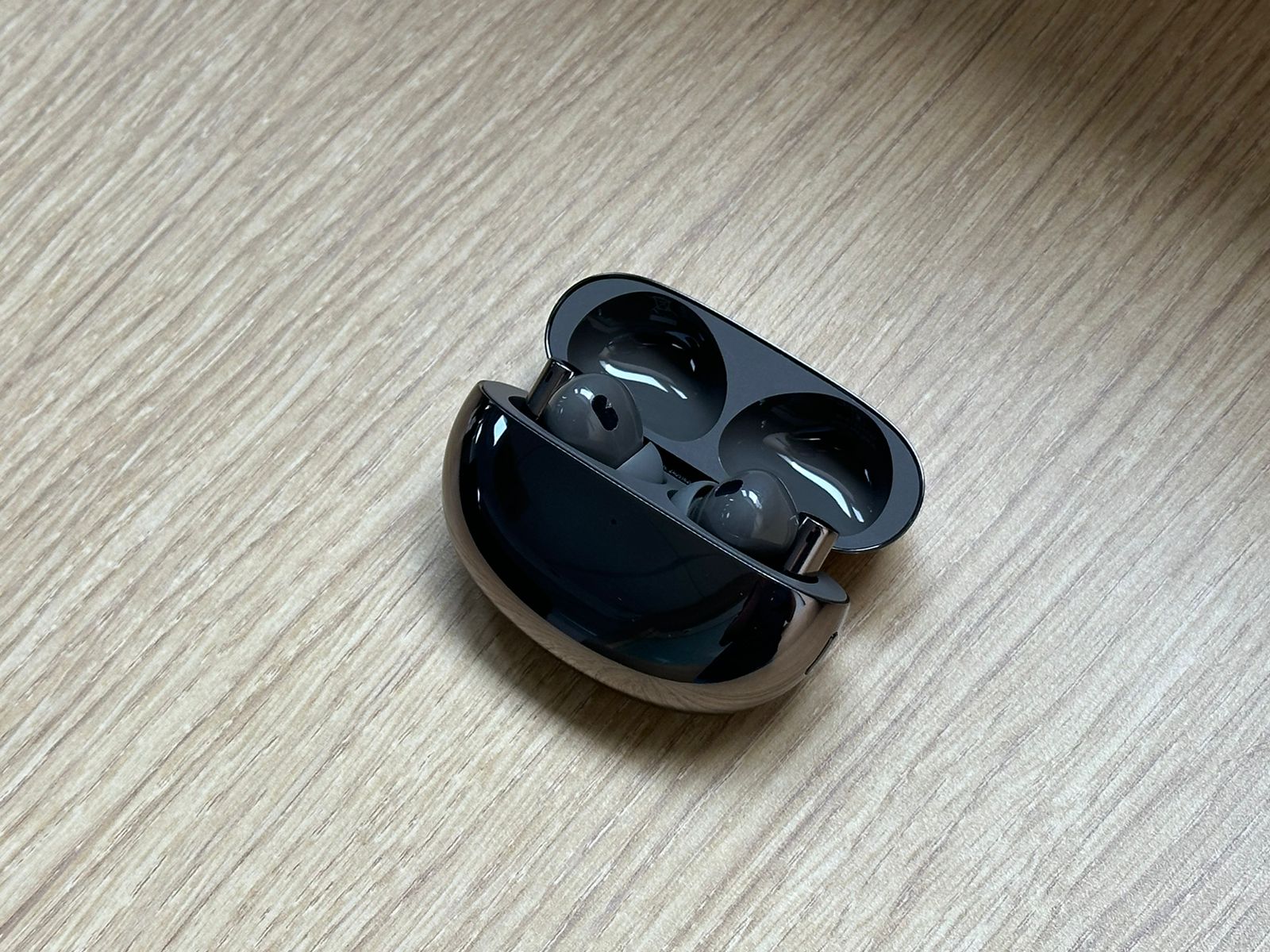
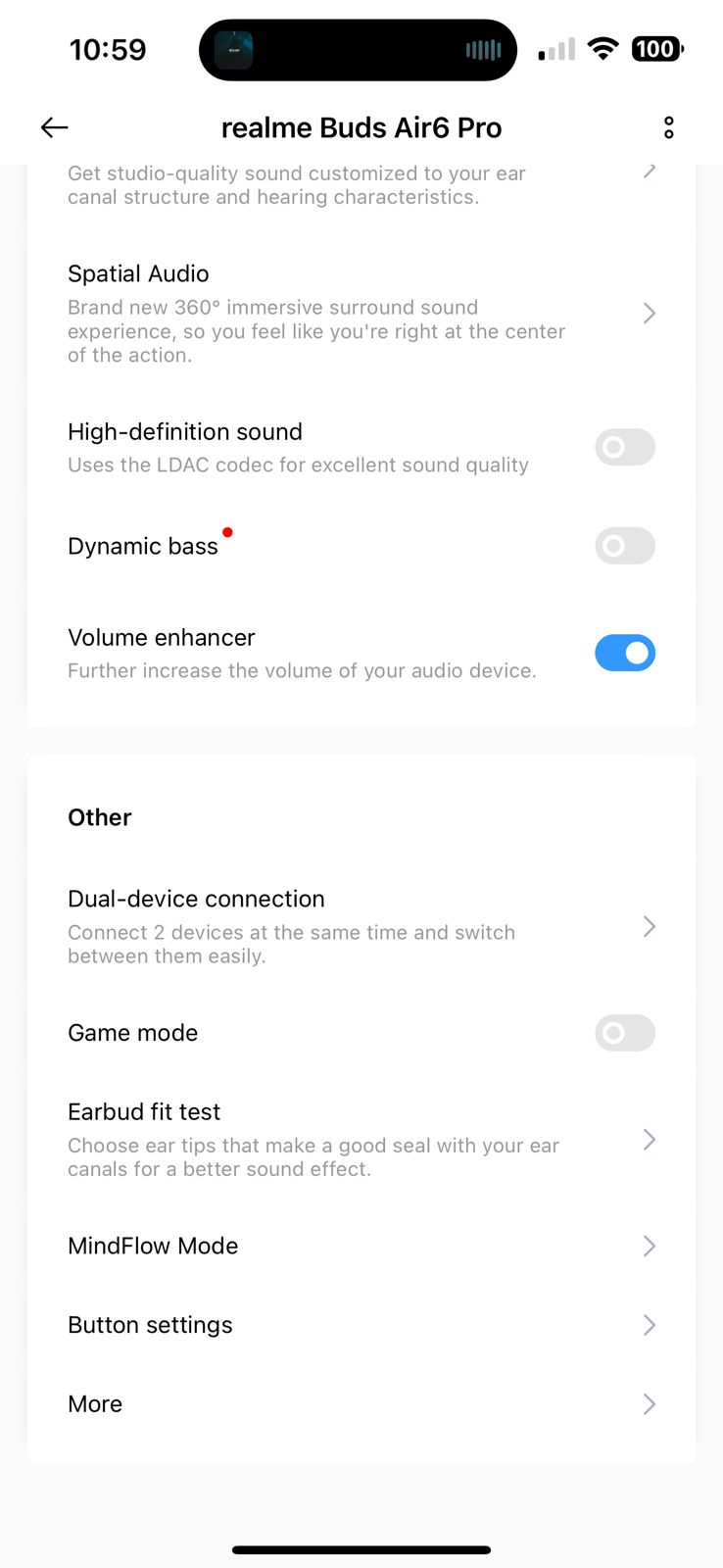
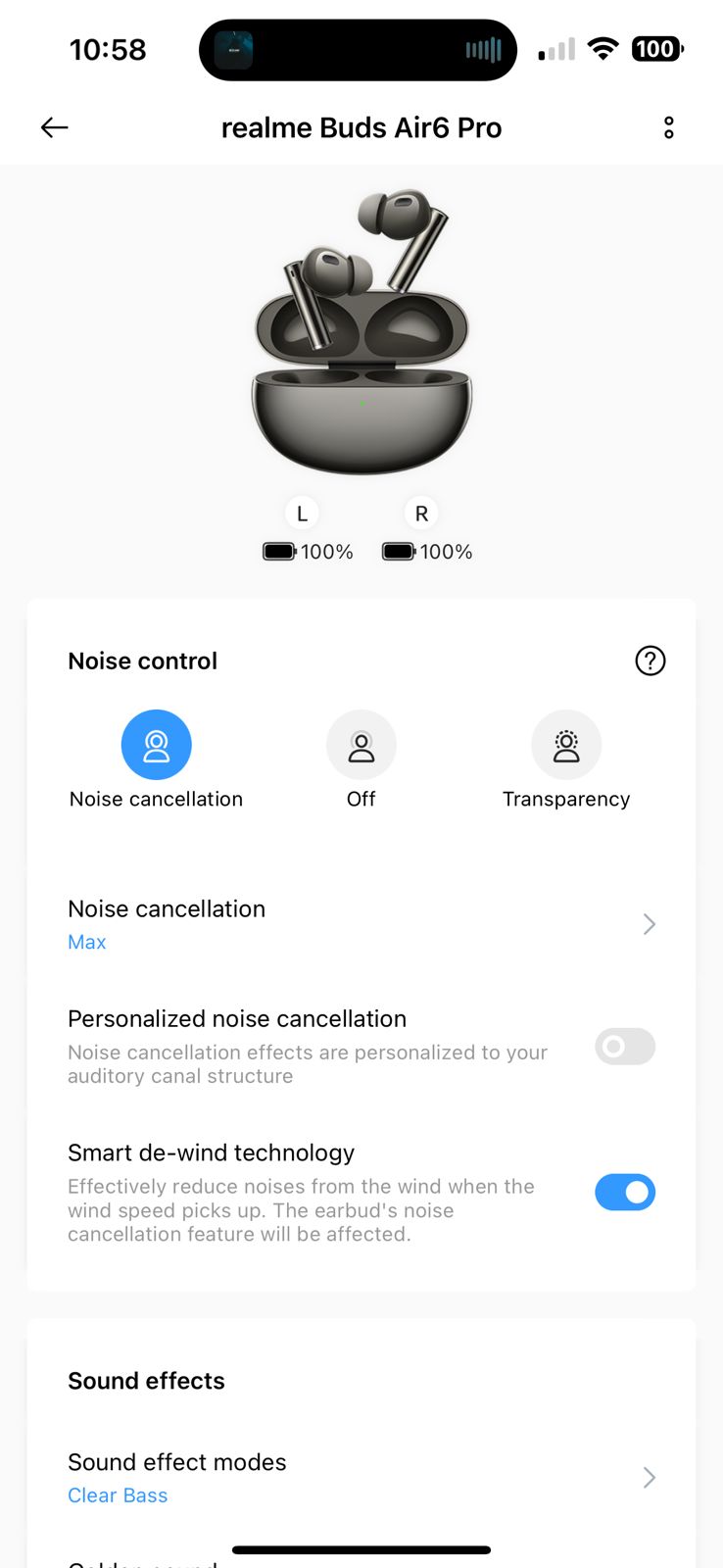
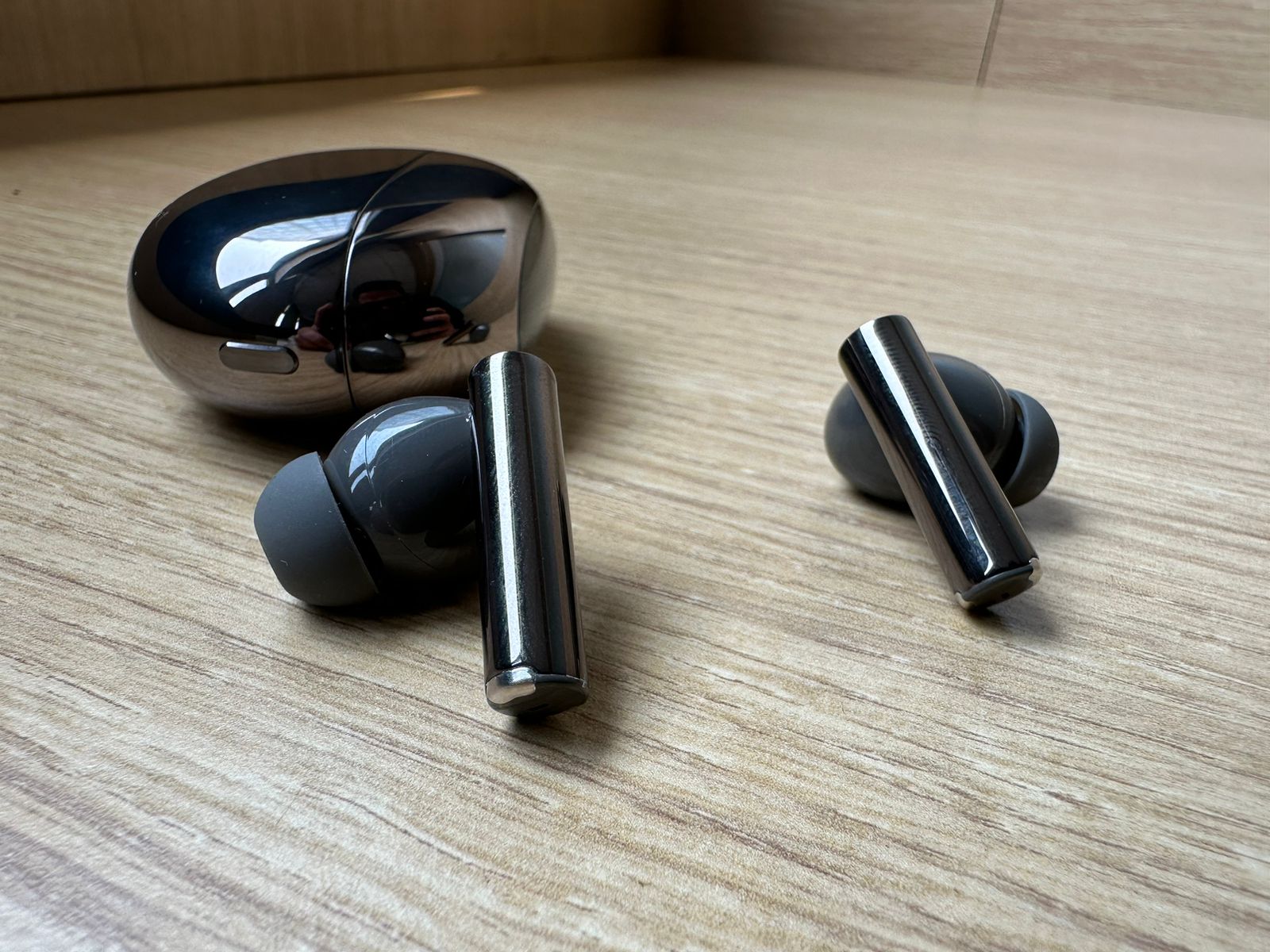
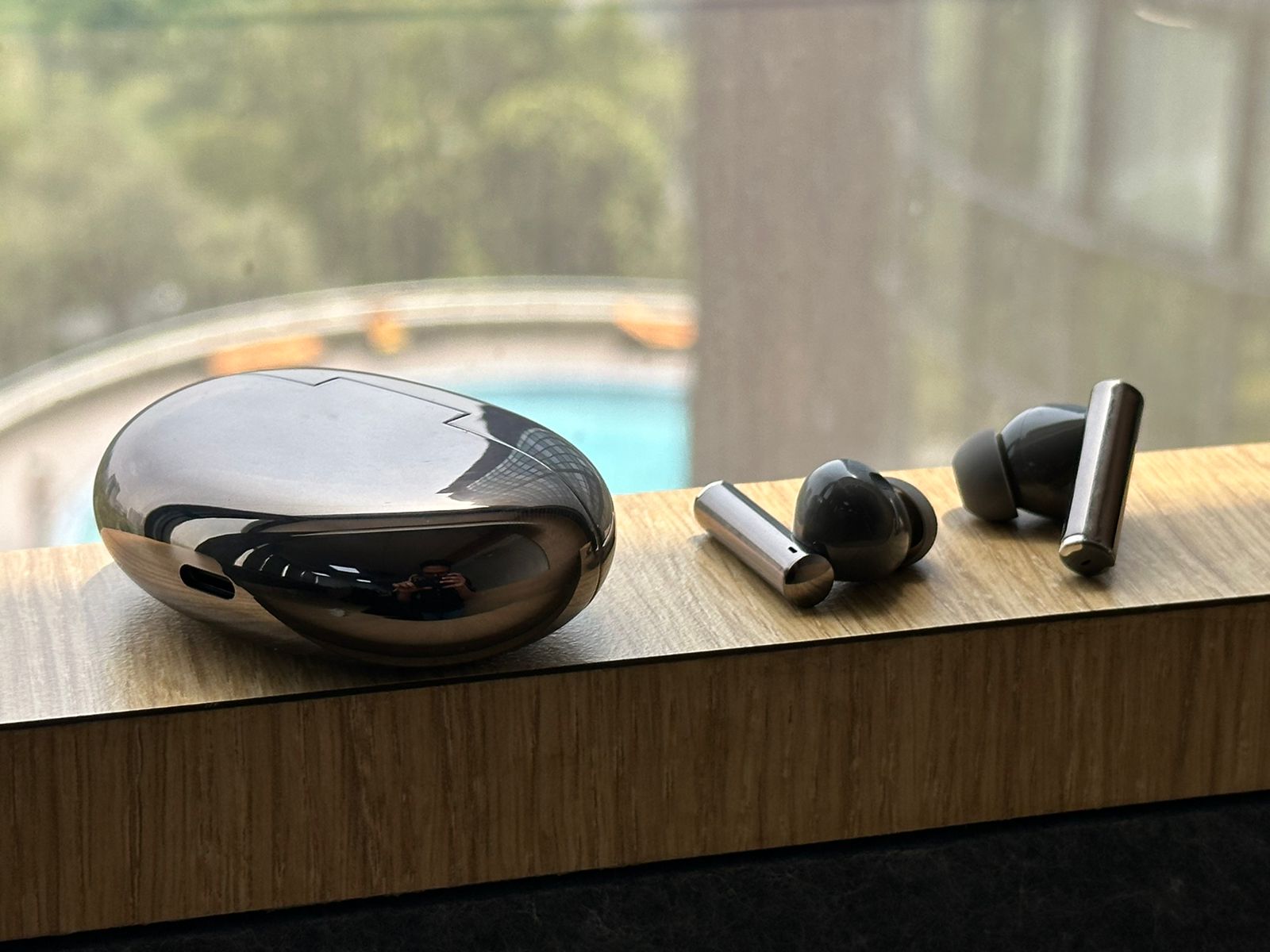
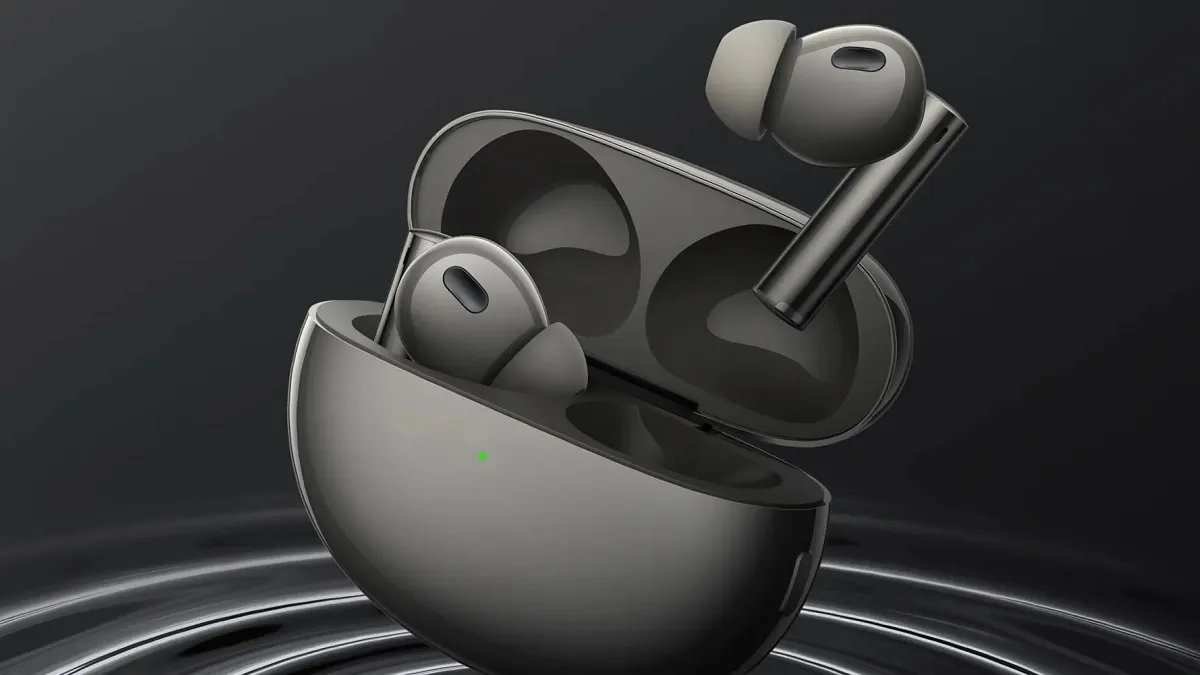
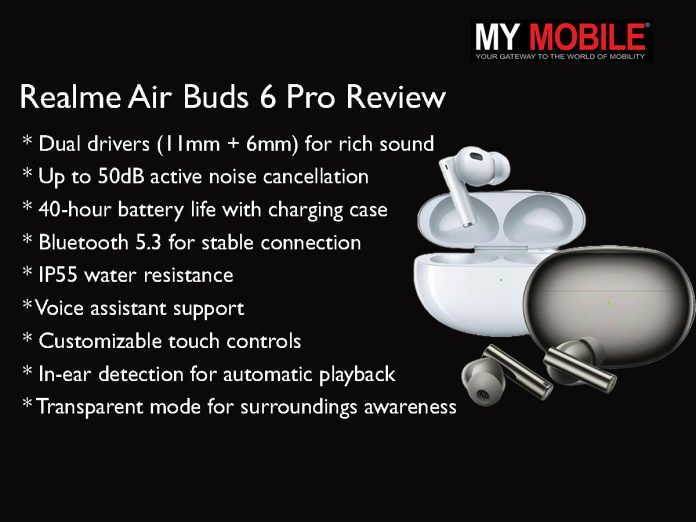
Alongside the Realme GT 6, the company will also unveil the Realme Buds Air 6 Pro TWS earbuds, boasting 50dB ANC support, a 6-mic setup, up to 40 hours of music playback time, and an IP55 rating for water and dust resistance.

Realme GT 6 Set for June 20 Launch in India
As Realme continues to tease more details about the Realme GT 6, anticipation builds for this flagship killer’s arrival in the Indian market.
Photo, beauty, filter, AI scene recognition, street photography, portrait, night scene, 50M, professional, panorama, super text, AI ID photo, microscope, tilt shift, skin quality detection
Video Recording
4K @ 30 fps UHD, 1080p @ 30 fps FHD
Flash
Yes, Dual LED
Front Camera
Punch Hole 32 MP f/2.5 (Wide Angle) with Screen Flash
The Realme GT 6 is set to launch on June 20, 2024, and will be available through Flipkart and the Realme Store.
What are the key features of the Realme GT 6’s camera?
The Realme GT 6 boasts a dual-rear camera system with a 50MP Sony IMX890 primary sensor, telephoto lens with 2x portrait zoom, and features like AI Night Vision and HyperTone Image Engine.
What is the battery capacity and charging speed of the Realme GT 6?
The Realme GT 6 is equipped with a 5,500mAh battery and supports 120W SuperVOOC fast charging for quick top-ups and extended usage.
What AI features does the Realme GT 6 include?
The Realme GT 6 includes AI Night Vision, AI Smart Removal, and AI Smart Loop for advanced photo and video functionalities.
What additional product will Realme unveil alongside the GT 6?
Realme will also unveil the Realme Buds Air 6 Pro TWS earbuds, featuring 50dB ANC support, a 6-mic setup, up to 40 hours of playback, and IP55 water and dust resistance.
New technology enables smartphones to see through objects using 200 GHz to 400 GHz signals.
Successful tests demonstrated the ability to penetrate through cardboard sheets.
Practical applications include scanning packages and monitoring patient hydration.
Future advancements aim to extend scanning range and ensure privacy.
Imagine having a smartphone that allows you to peer through solid objects, just like Superman’s X-ray vision.
Practical applications include scanning packages and monitoring patient hydration
This extraordinary capability, once confined to the realms of science fiction, is now inching closer to reality thanks to a pioneering project underway for over 15 years.
Dr. Brian Ginsburg, director of RF/mmW and high-speed research at Texas Instruments’ Kilby Labs, was quoted saying “It took 15 years of research that improved pixel performance by 100 million times, combined with digital signal processing techniques, to make this imaging demonstration possible. This disruptive technology shows the potential capability of true THz imaging.”
“We designed the chip without lenses or optics so that it could fit into a mobile device. The pixels, which create images by detecting signals reflected from a target object, have the shape of a 0.5-mm square, about the size of a grain of sand,” Dr. Wooyeol Choi, assistant professor at SNU, said.
Safe and Efficient Scanning
Smartphones to Gain X-Ray Vision Capabilities with New Technology
Instead of using harmful X-rays, this innovative technologyemploys signals in the 200 GHz to 400 GHz range, enabling smartphones to penetrate through dust, dense fog, and airborne particles that typically obstruct light.
Recent tests have successfully demonstrated the ability to look through cardboard sheets, and researchers are optimistic about achieving instantaneous imaging capabilities in just a few years.
Unveiling the Unseen
New technology enables smartphones to see through objects using 200 GHz to 400 GHz signals
Dr. Kenneth O, a professor at the University of Texas at Dallas and a driving force behind this project, expressed his enthusiasm, “To be able to see through things, the X-ray vision was something always exciting and inspiring.”
Electrical engineering student Walter Sosa Portillo (left) and Dr. Kenneth O (right) work on the microchip imager for handheld mobile devices
He envisions a future where users can effortlessly scan objects and capture revealing images, revealing what’s inside envelopes, packages, and even monitoring patients’ hydration levels in hospitals.
Practical Applications and Limitations
(Image credit: University of Texas at Dallas)
While the current prototype requires objects to be placed within an inch of the device, future advancements aim to extend the scanning range, ensuring privacy and preventing misuse.
Dr. O remains optimistic about the technology’s potential, stating, “The fundamental technology is there. I’d really like to make it so it’s for everybody.”
(Image credit: University of Texas at Dallas and Seoul National University)
As researchers continue to refine this groundbreaking technology, the prospect of smartphones with X-ray vision capabilities is becoming increasingly tangible, promising to revolutionize how we interact with and perceive the world around us.
FAQs
How does the new smartphone X-ray vision technology work?
The technology uses signals in the 200 GHz to 400 GHz range to penetrate solid objects, unlike traditional harmful X-rays.
What practical applications could this technology have?
Potential applications include scanning packages, looking inside envelopes, and monitoring patients’ hydration levels in hospitals.
What objects has the technology successfully scanned so far?
Recent tests have demonstrated the ability to look through cardboard sheets, showing promising results.
What is the current limitation of this X-ray vision technology?
Currently, the prototype requires objects to be placed within an inch of the device, but future advancements aim to extend the scanning range.
Who is behind the development of this X-ray vision technology?
Dr. Kenneth O from the University of Texas at Dallas has been leading the pioneering project for over 15 years.
Leaks hint at 6.2-inch cover display and 7.6-inch interior screen with 120Hz refresh rate.
Snapdragon 8 Gen 3 chipset with 12GB RAM and up to 1TB storage.
Camera setup remains similar to Galaxy Z Fold 5 with potential software enhancements.
Rumored weight reduction to 239 grams with a titanium frame.
As the anticipation for Samsung’s next generation of foldablesbuilds, rumorssurrounding the Galaxy Z Fold 6 have emerged, painting a rather disappointing picture of the phone’s upgrades.
The phone is also thinner, measuring only 12.5 millimeters when folded
SmartPrix’s leaked screenshots, seemingly revealing the upcoming foldable’s key specs, suggest that major hardware advancements may be few and far between.
Display: Subtle Tweaks and Refinements
According to the leak, the Z Fold 6 could feature a 6.2-inch cover display with a 22:9 aspect ratio and 2,376 x 968 resolution, hinting at a wider design akin to the Google Pixel Fold.
Internally, a 7.6-inch interior screen with a 120Hz dynamic refresh rate, a 4:3:4 aspect ratio, and 2160 x 1856 resolution is expected.
Performance: Incremental Chipset Upgrade
Under the hood, the leak suggests the presence of a Snapdragon 8 Gen 3 chipsetwith an Adreno 750 GPU, accompanied by 12GB of RAM and storage options ranging from 256GB to 1TB.
Octa-core Snapdragon 8 Gen 3 for Galaxy, up to 3.39GHz
The 4,400 mAh battery capacity remains unchanged from its predecessor, but the efficiency improvements of the Snapdragon 8 Gen 3 could potentially extend battery life.
Camera: Familiar Hardware, Software Enhancements
Disappointingly, the camera setup seems to be a carbon copy of the Galaxy Z Fold 5, comprising a 50MP (f/1.8) main camera, a 12MP (f/2.2) ultrawide lens, and a 10MP (f/2.4) telephoto lens with 3x optical zoom.
The phone will also flaunt upgraded camera module design
The selfie camera configuration includes a 10MP (f/2.2) sensor on the cover screen and a 4MP (f/1.8) camera under the interior display.
Design Refinements and Weight Reduction
While camera hardware upgrades may be lacking, the leaked specs hint at the Z Fold 6’s capability to record slow-motion videos in 4K at 120fps or Full HD at 240fps.
Fold 6 mockup unit getting compared with the Fold 5
Notably, the Z Fold 6 is rumored to weigh 239 grams (8.4 ounces), a 14g/0.5oz reduction compared to its predecessor, potentially due to the incorporation of a titanium metal frame.
Tempered Expectations for Evolutionary Improvements
As the rumored specs of the Samsung Galaxy Z Fold 6 continue to circulate, it appears that Samsung may be prioritizing evolutionary improvements over revolutionary leaps.
The width has only increased from 57mm to 60mm
While the lack of substantial hardware upgrades may disappoint some, the refinements in design, performance, and software could still make the Z Fold 6 a compelling offering for foldable enthusiasts seeking incremental advancements.
Samsung Galaxy Z Fold6 Specs
Feature
Specification
Primary Display
7.6-inch Dynamic AMOLED 2X, 120Hz, 2160 x 1856 pixels
Secondary Display
6.3-inch Dynamic AMOLED 2X, 120Hz, 2376 x 968 pixels
RAM
12GB LPDDR5X
Processor
Octa-core Snapdragon 8 Gen 3 for Galaxy, up to 3.39GHz
Storage Options
256GB, 512GB, 1TB
Primary Camera
50MP, f/1.8, OIS
Ultra-Wide Camera
12MP, f/2.2, 120-degree field of view
Telephoto Camera
10MP, f/2.4, OIS, 3x optical zoom, up to 30x digital zoom
Under-Display Camera
4MP, f/1.8
Cover Camera
10MP, f/2.2
Video Recording
8K at 30fps, FHD up to 240fps
Connectivity
USB 3.2 Gen 1 Type-C, Bluetooth 5.3, Wi-Fi 6
Battery
4,400mAh
Dimensions (Folded)
153.5 x 68.1 x 12.1mm
Dimensions (Unfolded)
153.5 x 132.6 x 5.6mm
Color Options
Navy, Silver Shadow, Pink
Weight
239 grams
FAQs
What are the expected display specs for the Samsung Galaxy Z Fold 6?
The Galaxy Z Fold 6 is rumored to feature a 6.2-inch cover display with a 22:9 aspect ratio and a 7.6-inch interior screen with a 120Hz refresh rate.
Which chipset will the Galaxy Z Fold 6 use?
The leak suggests the Galaxy Z Fold 6 will be powered by the Snapdragon 8 Gen 3 chipset, paired with an Adreno 750 GPU and 12GB of RAM.
What storage options will be available for the Galaxy Z Fold 6?
The device is expected to offer storage options ranging from 256GB to 1TB.
Are there any significant camera upgrades in the Galaxy Z Fold 6?
The camera setup appears to be similar to the Galaxy Z Fold 5, with a 50MP main camera, a 12MP ultrawide lens, and a 10MP telephoto lens, but software enhancements and Galaxy AI features may improve the camera experience.
How much will the Samsung Galaxy Z Fold 6 weigh?
The Galaxy Z Fold 6 is rumored to weigh 239 grams, a reduction from its predecessor, potentially due to a titanium metal frame.