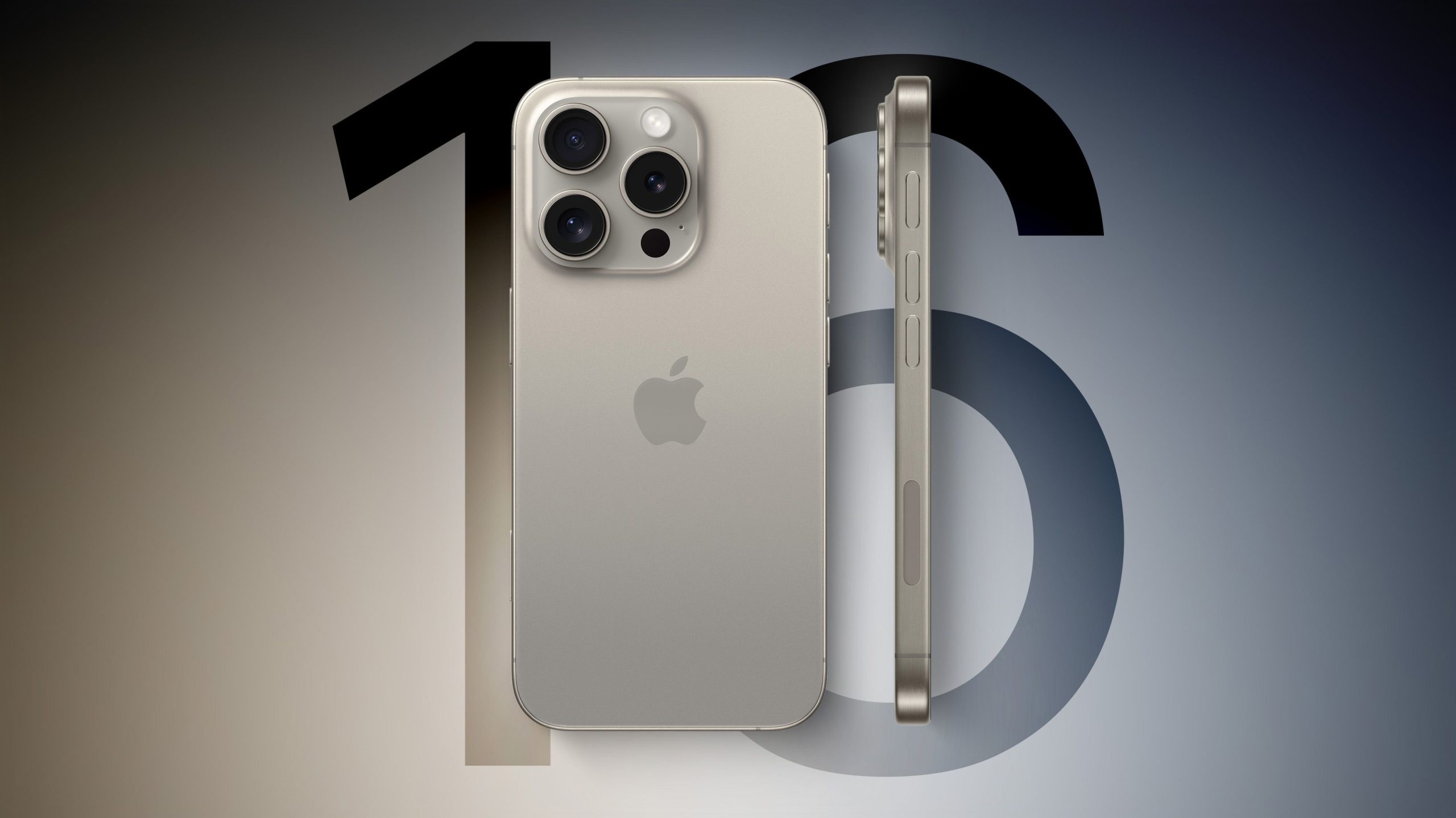
Apple to Introduce Capacitive Buttons on iPhone 16, Supply Chain Report Reveals
According to a report from Economic Daily News, Apple has engaged Advanced Semiconductor Engineering to provide integrated system modules for this transformation.
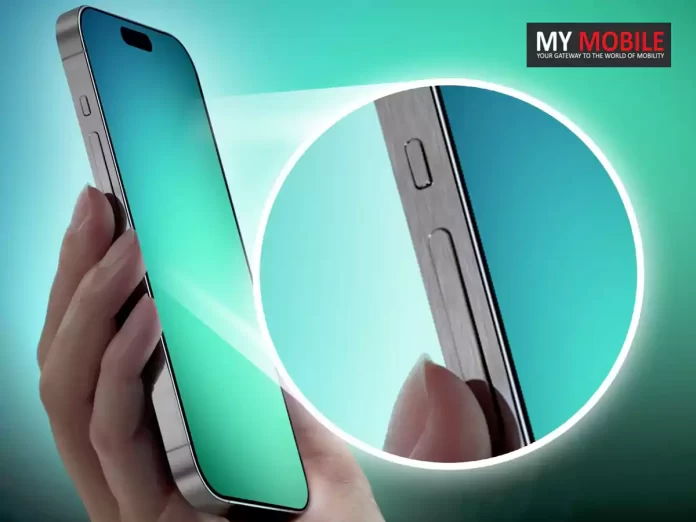
Capacitive buttons,which are touch-sensitive and lack physical form, offer a different user interaction compared to traditional buttons.
Why is this move unprecedented?
Well if you haven’t been living under a rock, you would know that Apple had previously scrapped plans for capacitive buttons on iPhones.
Without physical buttons, there is less chance of the iPhone breaking, and it improves water and dust resistance.
However, Apple may still need some physical buttons for functions like forcing a restart or waking up the device when turned off.
Let’s see how Apple will figure that out.
The report also suggests that Apple may add two additional Taptic Engine components to either side of the iPhone 16 to provide vibration feedback when pressing the capacitive buttons.
Apple iPhone 16 Specs
GENERAL
Sim Type
Dual Sim, GSM+GSM
Dual Sim
Yes
Sim Size
Nano + eSIM
Device Type
Smartphone
Release Date
September 07, 2024 (Expected)
DISPLAY
Type
Color OLED Screen (1B Colors)
Touch
Yes
Size
6.12 inches, 1200 x 2600 pixels, 120 Hz
Aspect Ratio
20:9
PPI
~ 447 PPI
Features
Super Retina XDR Display, HDR Display, True Tone, Wide Color (P3), Haptic Touch, 1200 Nits Max Brightness (HDR), Support for Display of Multiple Languages and Characters Simultaneously
AAC‑LC, HE‑AAC, HE‑AAC v2, Protected AAC, MP3, Linear PCM, Apple Lossless, FLAC, Dolby Digital (AC‑3), Dolby Digital Plus (E‑AC‑3), Dolby Atmos and Audible (formats 2, 3, 4, Audible Enhanced Audio, AAX and AAX+)
Video
HEVC, H.264, MPEG‑4 Part 2 and Motion JPEG, HDR with Dolby Vision, HDR10 and HLG
FM Radio
No
Document Reader
Yes
BATTERY
Type
Non-Removable Battery
Size
3500 mAh, Li-ion Battery
Fast Charging
Yes
Wireless Charging
Yes, 25W MagSafe
Music Playback Time
100 hours
FAQs
What are capacitive buttons and how do they differ from physical buttons?
Capacitive buttons do not physically depress but respond to the touch of a finger. They offer a smoother design and potentially greater durability than traditional mechanical buttons.
Why is Apple considering capacitive buttons for the iPhone 16?
Apple aims to increase the durability and resistance of their devices against water and dust. This move could also lead toward a sleeker, buttonless iPhone design.
Will the iPhone 16 still have ways to force restart or wake up the device?
Although moving to capacitive buttons, Apple is likely to design alternative methods for essential functions like force restarting or waking up the iPhone to ensure usability remains intact.
What does the addition of Taptic Engines imply for the iPhone 16 user experience?
The inclusion of more Taptic Engines aims to enhance haptic feedback, making interactions with capacitive buttons more tactile and responsive.
How reliable is the information about Apple’s switch to capacitive buttons?
The details come from a supply chain report by Economic Daily News, noting Apple’s order with Advanced Semiconductor Engineering for system modules geared towards this new technology.
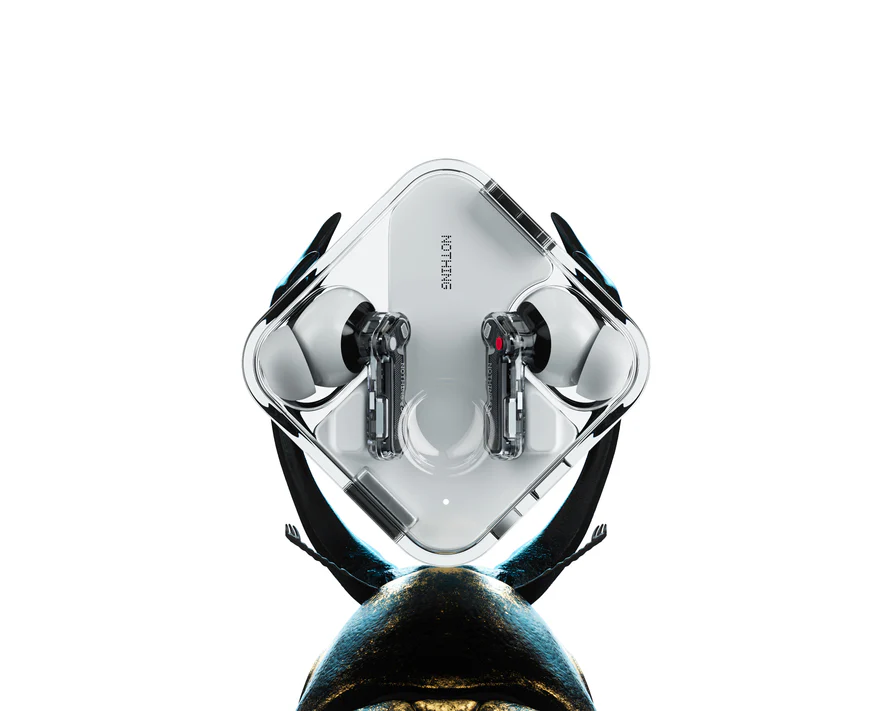
* Equipped with custom 11mm dynamic drivers and ceramic diaphragms for high-quality sound. * Features advanced noise cancellation with Smart ANC and Adaptive ANC capabilities. * Supports high-resolution audio streaming over Bluetooth with LHDC 5.0 and LDAC codecs. * Integrates ChatGPT for seamless interaction with AI directly through the earbuds.
These latest releases were announced during a live event from Tokyo, Japan, marking significant enhancements in their audio product suite with advanced integrations of ChatGPT.
“By integrating ChatGPT with Nothing earbuds, including the new Nothing Ear and Ear (a), and with Nothing OS, we’ve taken our first steps towards change, and there’s more to come,” said Carl Pei, CEO and Co-Founder of Nothing. “As always, we look forward to feedback from our community.”
ANC
Equipped with custom 11mm dynamic drivers and ceramic diaphragms for high-quality sound
With Nothing’s new Smart ANC algorithm, Ear (a) checks the seal within one’s ear canal for noise leakage and generates more noise cancellation to block out as much noise as possible.
Adaptive ANC detects distractions in your environment and automatically applies high, medium, or low noise cancellation levels to your surrounding noise.
At 45 dB, Ear (a) offers noise cancellation that is almost two times that of Ear (2).
Additionally, with a bandwidth of up to 5000 Hz, Ear (a) can effectively detect and reduce more challenging sounds.
Sound
Features advanced noise cancellation with Smart ANC and Adaptive ANC capabilities
This increase in power delivers an even deeper and more powerful bass performance.
Performance
Supports high-resolution audio streaming over Bluetooth with LHDC 5.0 and LDAC codecs
Ear (a)’s 500 mAh battery in the charging case and 46 mAh battery in each bud allows users to get up to 42.5 hours of music playback after a full charge with the charging case.
For speedy power-ups, Ear (a) can Fast Charge for ten minutes and deliver ten hours of music playback (with case and ANC turned off).
For easy activity switching, Ear (a) can be connected to two devices at the same time.
Chat GPT Integration
Integrates ChatGPT for seamless interaction with AI directly through the earbuds
Ear (a) will be available for purchase starting 22nd April on Flipkart at ₹7,999.
Customers looking to buy Ear (a) can avail a special launch price of ₹5,999 (with offers) on Flipkart only today.
Nothing Ear: Key Specs
Nothing Ear: Key Specs
* 11mm dynamic driver with ceramic diaphragm * LHDC 5.0 and LDAC codec support * Advanced Equaliser with Personal Sound Profile * Smart ANC (up to 45dB noise cancellation) * 40.5 hours battery life with case * Wireless charging (2.5W) * Clear Voice Technology
Nothing Ear (a): Key Specs
Nothing Ear (a): Key Specs
* Powerful bass performance * Hi-Res Audio Certified * LDAC codec support * Smart ANC (up to 45dB noise cancellation) * 42.5 hours battery life with case * Fast Charge (10 minutes for 10 hours playback) * Dual device connectivity
The Advanced Equaliser allows users to customize their listening experience with Q Factor and frequency control, as well as create separate profiles for different genres.
Users can enhance their listening experience by using the Nothing X app, which allows for the creation of personal sound profiles and control over ANC settings.
The earphones also support dual connection, allowing seamless switching between devices.
Moreover, the Nothing Phone (1) integration allows users to interact with ChatGPT via a pinch-to-speak function, provided they have the latest Nothing OS and ChatGPT installed on their Nothing devices.
How is the design of Nothing ear (a)?
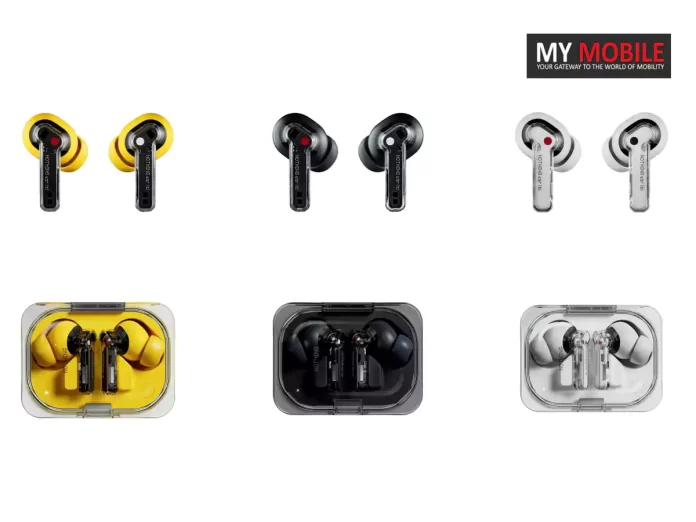
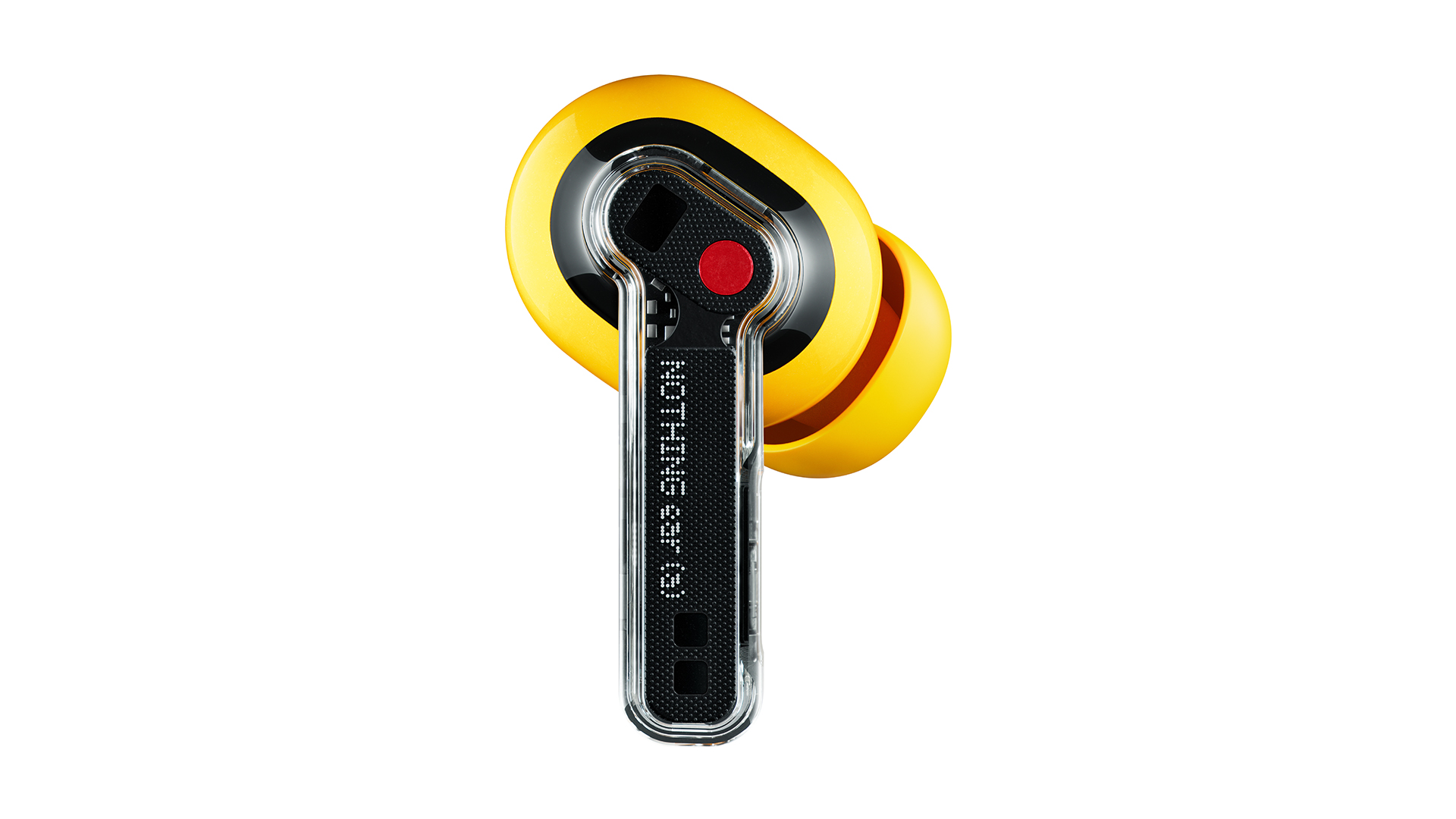
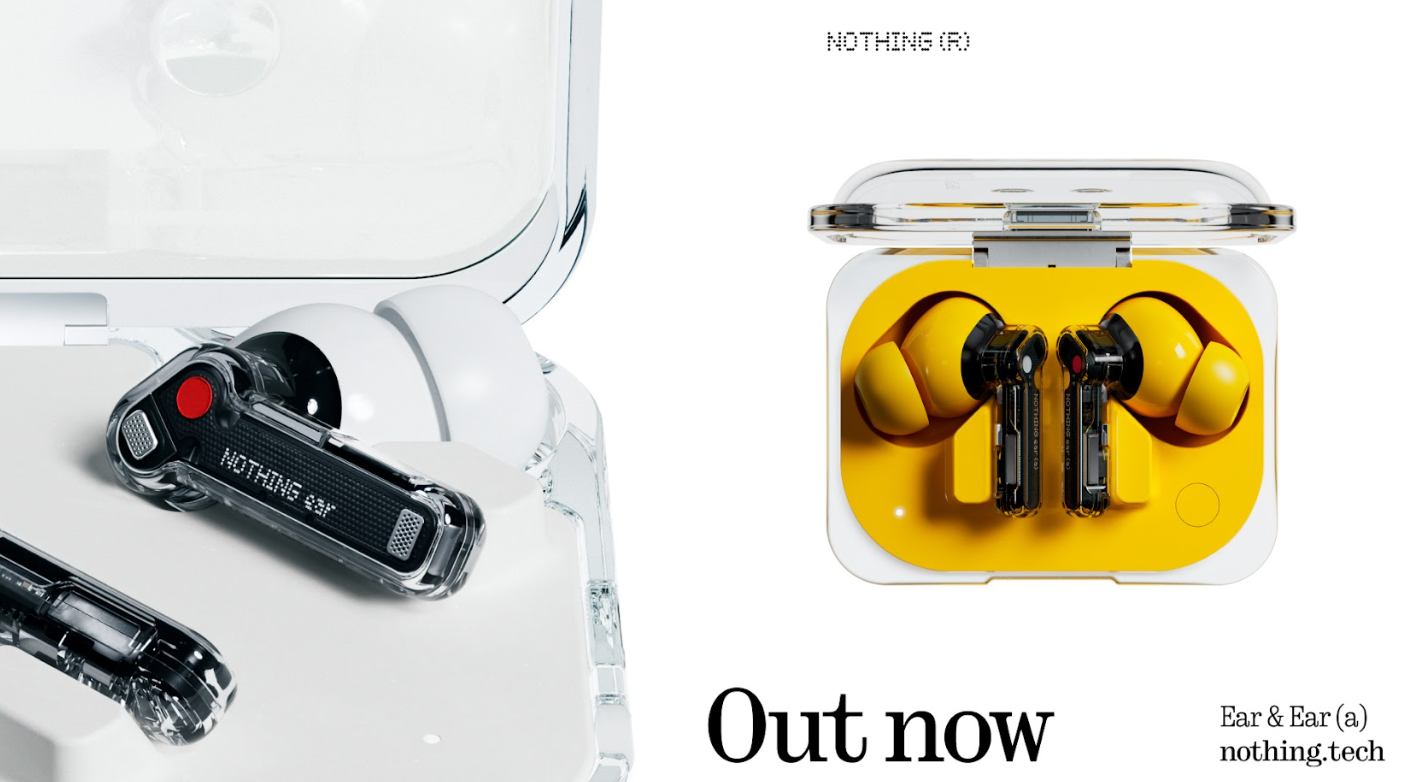
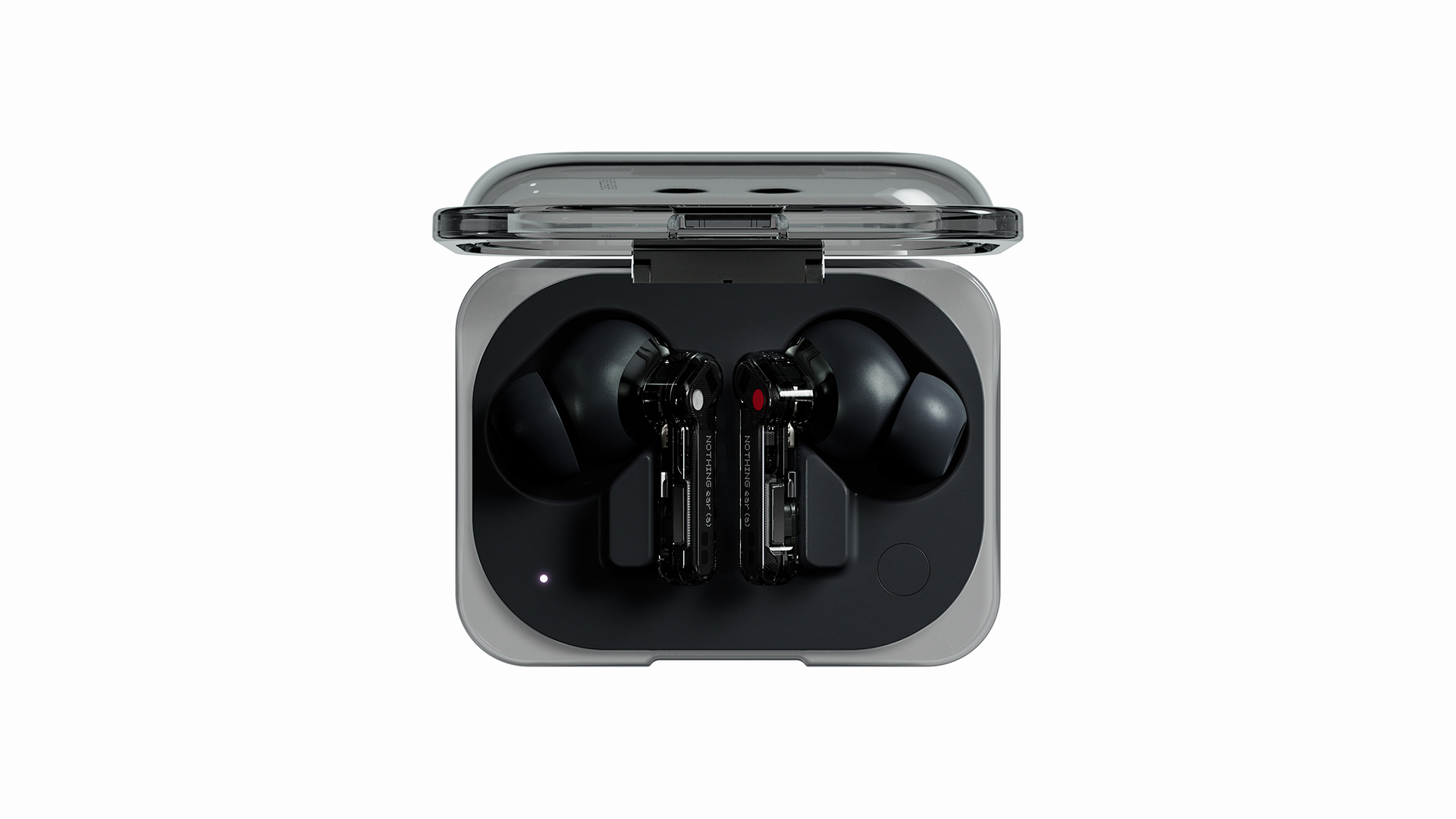
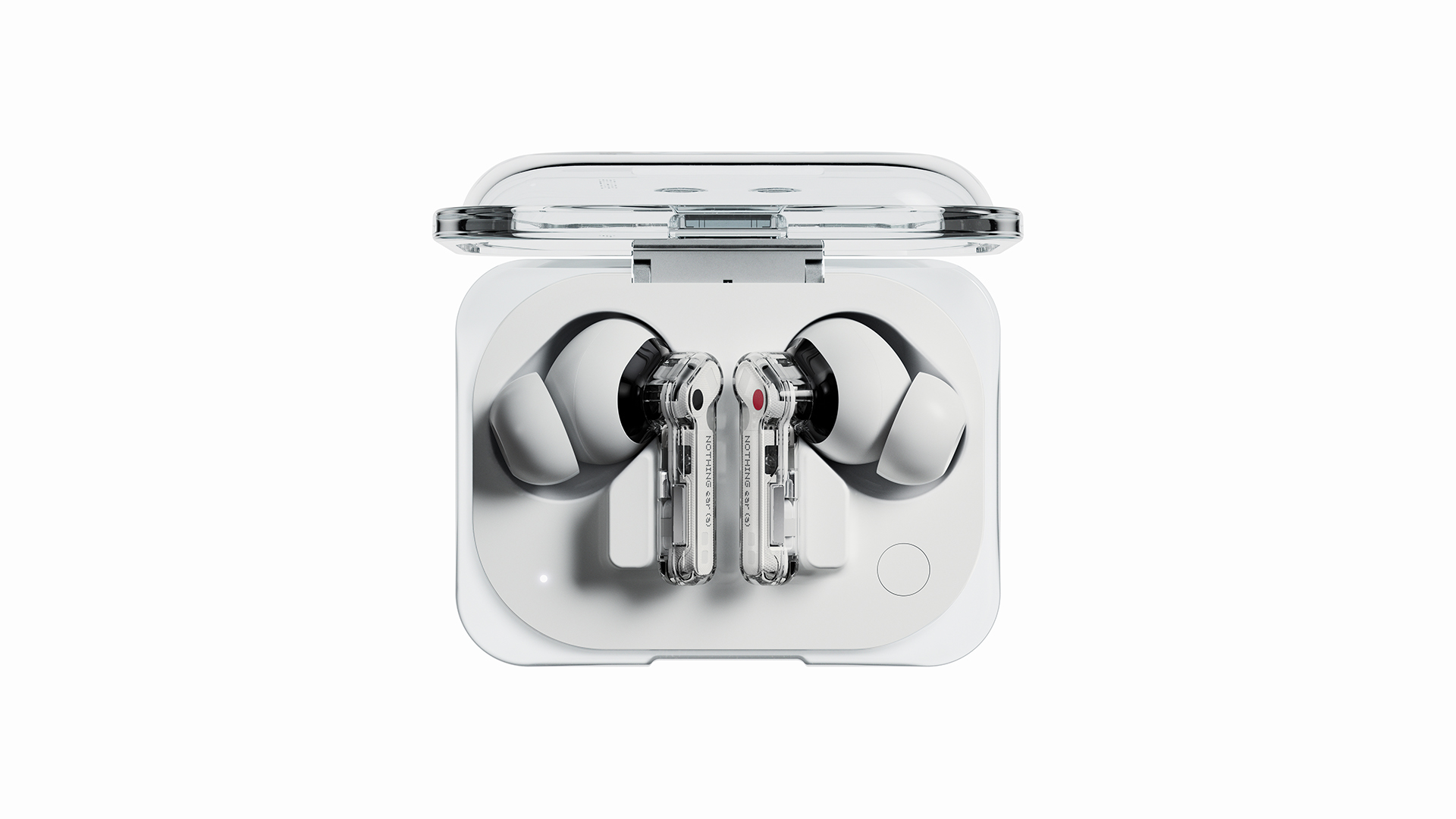
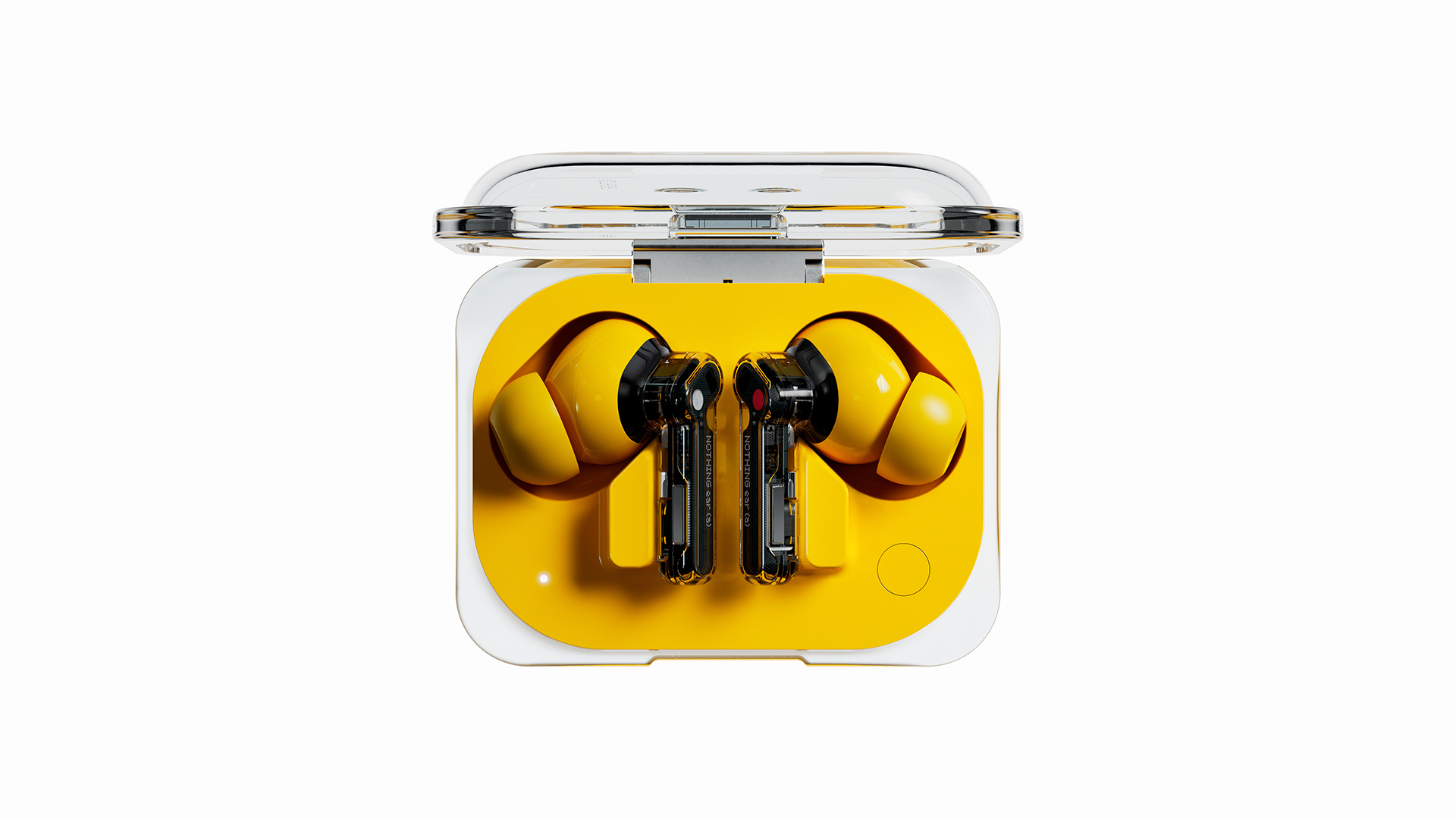
The Nothing Ear (a) features a distinctive transparent design with a new bubble and yellow color scheme. Its slim, rectangular frame is designed for comfort and ease of use both in the palm and pocket.
What is Nothing Ear (a) Sale Details?
The Nothing Ear (a) sale price of ₹5,999 is a special offer, applicable only on the first day of sales. Regularly, the earphones will be sold for ₹7,999.
Customers can purchase the Nothing Ear (a) at this discounted rate through Flipkart.
What operating system do the Nothing Ear and Ear (a) run on, and what are the benefits?
Both Nothing Ear and Ear (a) run on HarmonyOS 4.2, which provides robust operation and connectivity options.
This OS supports the advanced features of the earbuds, including their AI capabilities and smart noise cancellation, ensuring a smooth and integrated user experience.
How does the integration of ChatGPT enhance the functionality of Nothing Ear and Ear (a)?
The integration of ChatGPT in Nothing devices allows users to access AI-driven features directly from their earbuds, enhancing user interaction and providing a seamless tech experience.
This feature is part of Nothing’s initiative to embed more intuitive AI functionalities into their products.
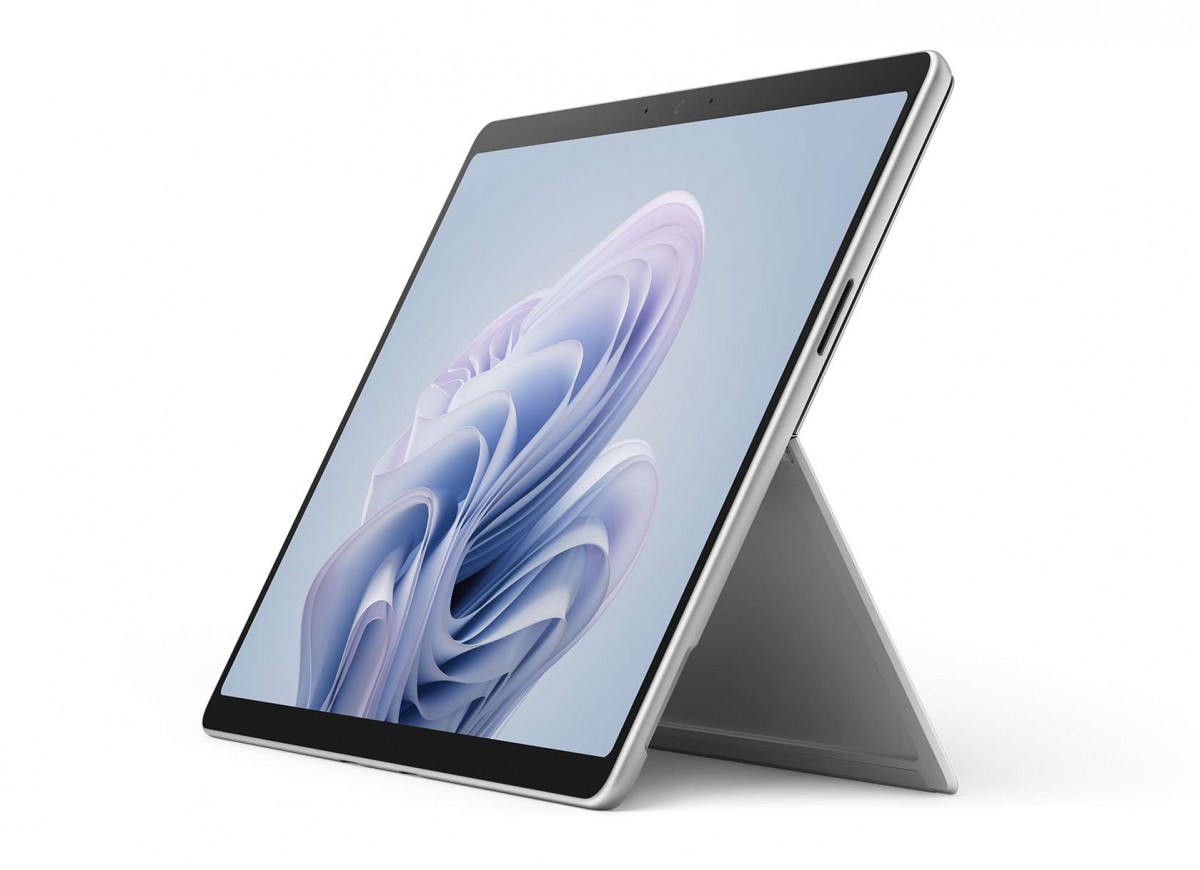
To further solidify the performance gains, the X Plus processor is expected to feature in the Microsoft Surface 10 Pro OLED, identified by the model name OEMMN.
Intel’s ARM race
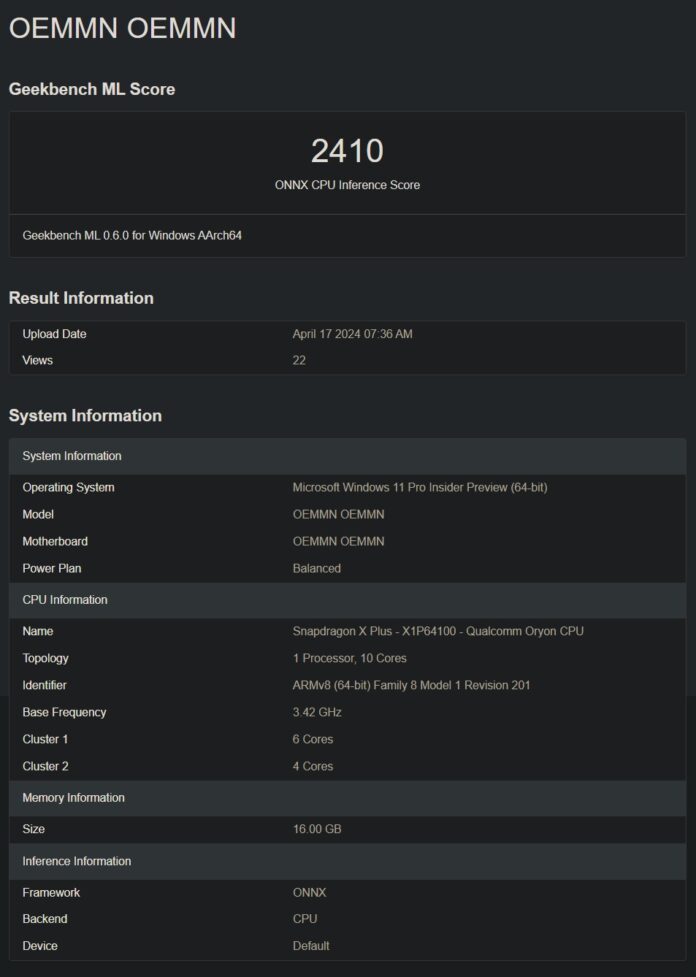
Device codenamed “OEMMN” spotted with Snapdragon X Plus on Geekbench
However, the ARM-based OLED version of this device is set to be propery unveiled at the May event.
To put a ribbon on the proceedings, a device codenamed “OEMMN” has appeared in Geekbench listings under the DirectML benchmark, clearly indicating it is equipped with the Snapdragon X Plus.
It’s rocking 16GB RAM and runs Windows 11 24H2 on the Snapdragon X Plus chip with its 10-core CPU setup and what seems to be an integrated AI/ML processor.
FAQs
What is the focus of Microsoft’s upcoming event on May 20th?
Microsoft’s ‘Windows on ARM’ event will highlight the company’s latest strategies for enhancing Windows OS on ARM processors and introduce devices utilizing Qualcomm chips.
Can you tell me more about the Snapdragon X Plus processor?
The Snapdragon X Plus, designed by Qualcomm, is a mid-range processor with 10 cores. It’s slightly less powerful than the flagship Snapdragon X Elite and is set to feature in Microsoft’s Surface Pro 10 OLED.
What makes the Snapdragon X Plus different from Qualcomm’s other processors?
Unlike the Snapdragon X Elite which has 12 cores, the Snapdragon X Plus has 10 cores, suggesting it’s aimed at mid-range rather than high-end devices.
What are the expected features of the Surface Pro 10 OLED?
The upcoming Surface Pro 10 OLED, powered by the Snapdragon X Plus, is expected to feature a 10-core CPU, 16GB RAM, and run Windows 11 24H2, enhancing its performance and display capabilities.
Has there been any recent Microsoft releases similar to the upcoming ARM-based devices?
Yes, earlier this year, Microsoft released a 2-in-1 device powered by the Intel Core Ultra.
The new ARM-based OLED devices will be officially showcased at the May event, further expanding Microsoft’s hardware lineup.
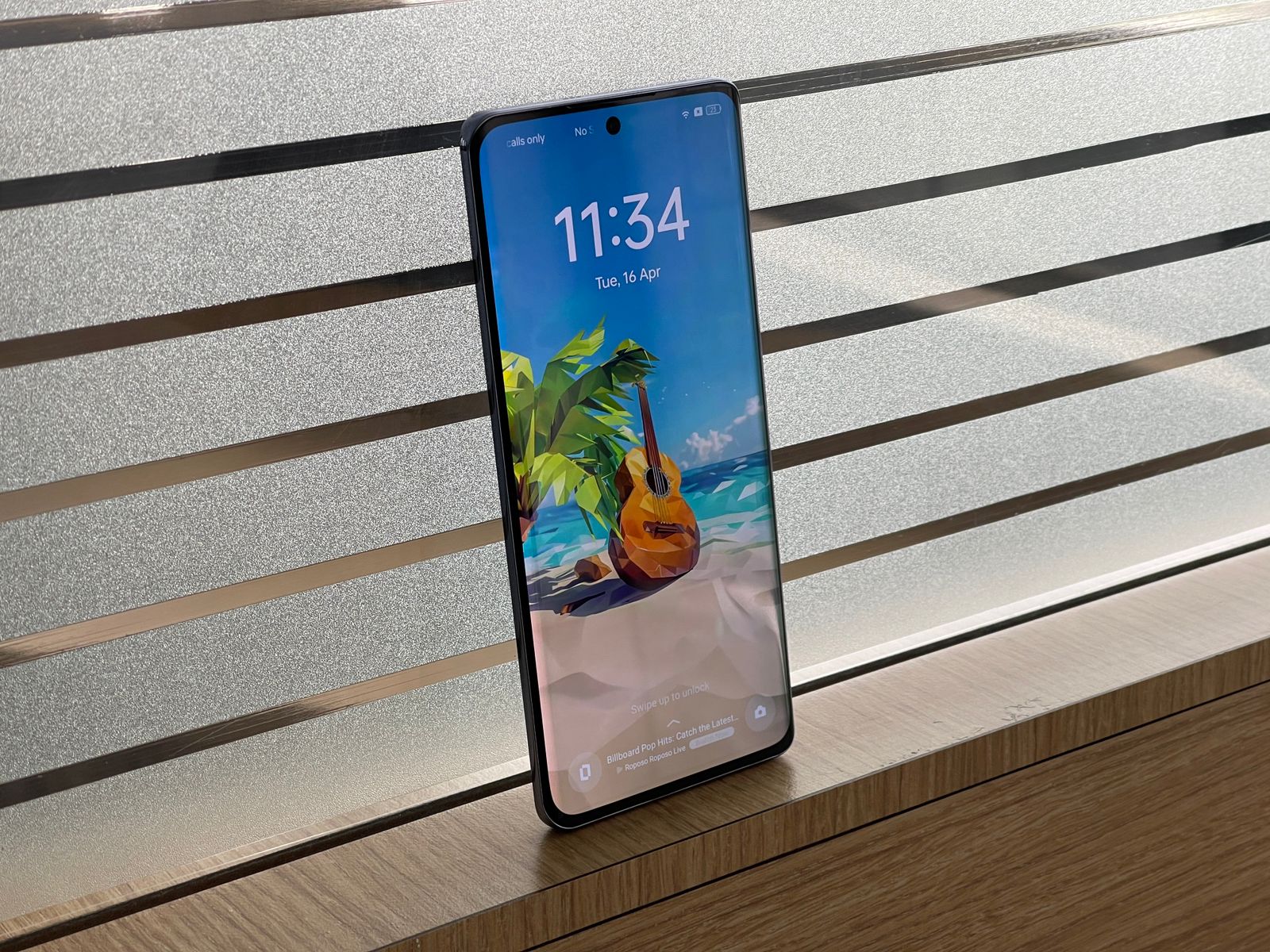
It offering perfect lighting conditions and crystal-clear colors to the snaps clicked
Highlights
● realme P1 5G features the best 120Hz AMOLED Display, and the fastest chipset in the segment – the MediaTek Dimensity 7050 chipset with a massive 5000mAh Battery. The device also showcases a bird culture-inspired design and a 50 MP AI Camera for capturing stunning visuals. ● The realme P1 Pro 5G steps up the game with a Snapdragon 6 Gen 1 5G Chipset, a 50 MP Sony LYT-600 Camera with OIS, and a 120Hz Curved Vision Display. It also offers a large storage capacity of up to 256GB and dynamic RAM of up to 8GB+8GB. ● The First sale for realme P1 5G will go live on 22nd April 2024 from 12 noon onwards followed by the Red Limited Sale for realme P1 Pro 5G on 22nd April 2024 from 6 PM to 8 PM, both on realme.com, and Flipkart ● For the Red Limited Sale of realme P1 Pro 5G, buyers can avail of bank offers worth up to INR 2,000 along with no cost EMI of 3 months on realme.com, and Flipkart ● For the First Sale of realme P1 5G, buyers can avail of a coupon discount worth INR 1,000 on the 6GB +128GB variant and INR 2,000 on the 8GB +256GB on realme.com and Flipkart
The Red Limited Sale of realme P1 Pro 5G is scheduled for 22nd April from 6 PM to 8 PM and the first sale of realme P1 5G is scheduled for 22nd April from 12 PM to 12 AM on realme.com, and Flipkart.
realme announces the sale of realme P-Series
During the Red Limited Sale of realme P1 Pro 5G, buyers can avail of bank offers worth INR 2,000 along with no cost EMI of 3 months on realme.com, and Flipkart.
Additionally, during the First Sale of realme P1 5G, buyers can avail of a coupon discount worth INR 1,000 on the 6GB +128GB variant and INR 2,000 on the 8GB +256GB on realme.com, and Flipkart.
The stunning display offers a refresh rate of up to 120Hz, providing users with a seamless and smooth content-watching experience.
It also features an impressive 20000 levels of brightness adjustment and can reach a peak brightness of 950 Nits, ensuring optimal visibility in various lighting conditions.
It is also equipped with a superior camera system, the 50MP main camera features a Sony LYT-600 sensor that captures stunningly detailed and vibrant images.
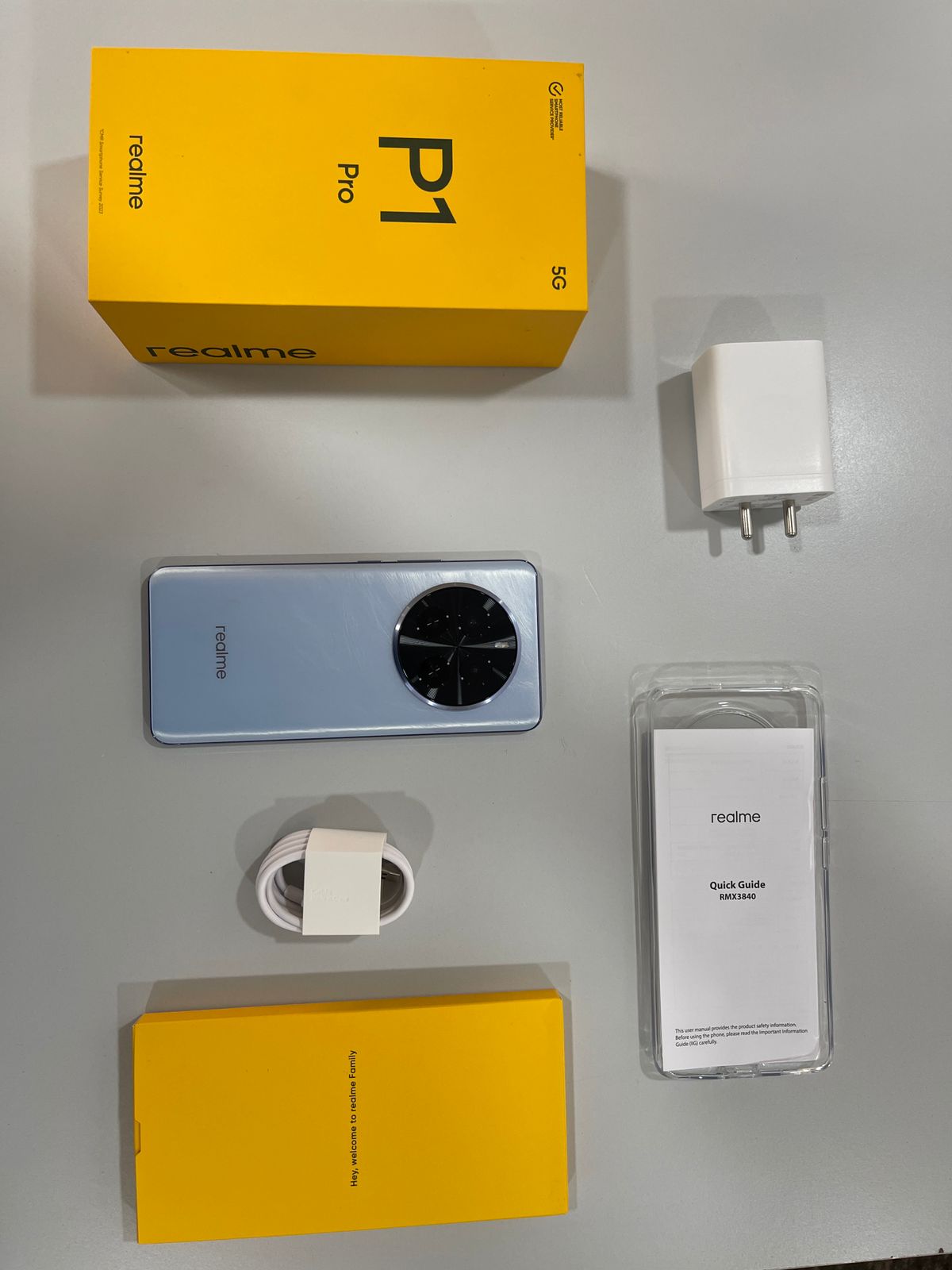
Realme P1 Pro: Unboxing
In addition, there’s an 8MP Ultra-wide camera for capturing expansive landscapes and a 16 MP selfie camera for high-quality self-portraits.
The camera system also includes unique imaging functions like Auto-zoom Technology and HyperTone Image Engine for enhanced photography experiences.
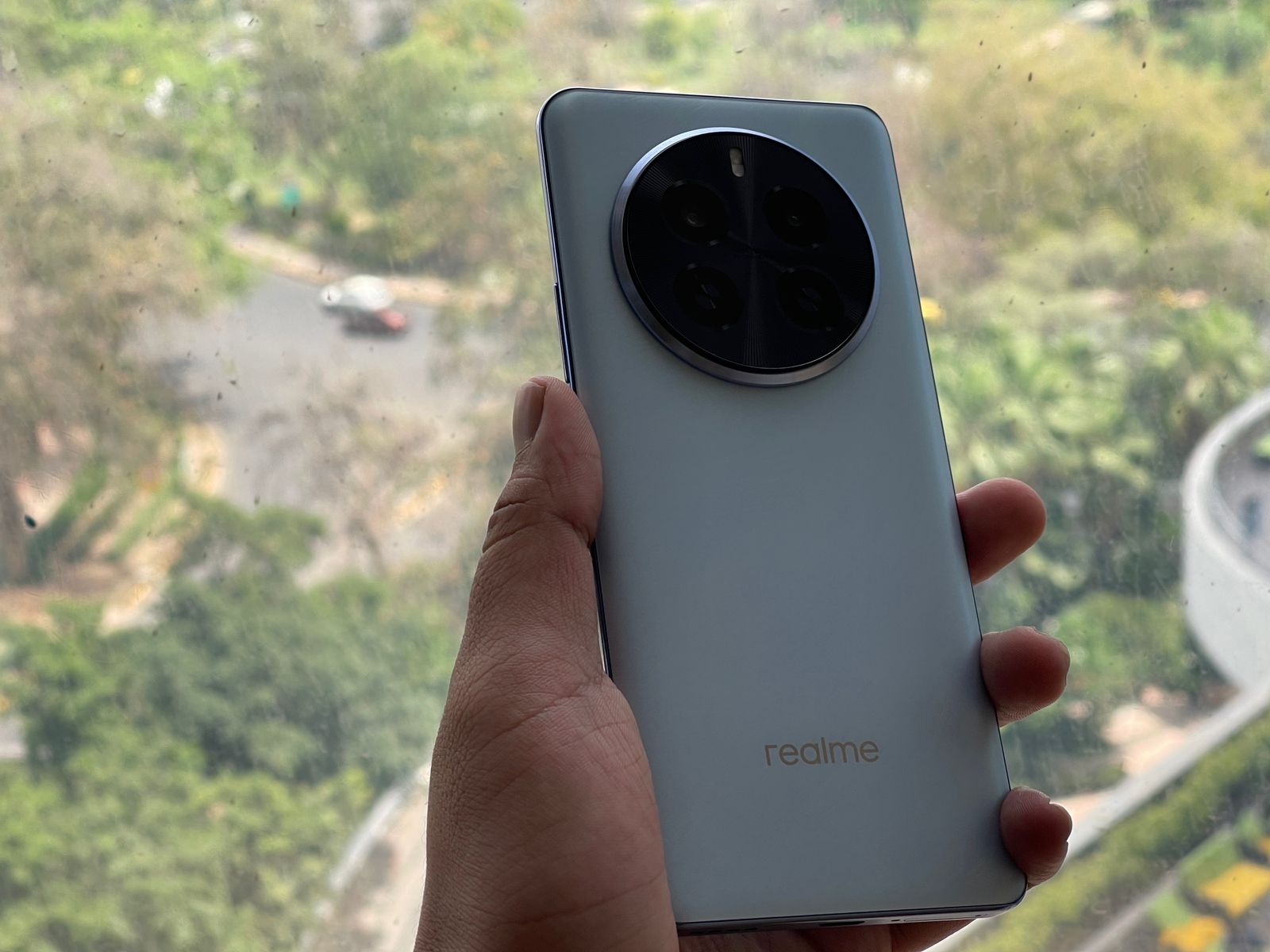
It is available in two eye-catching colors – Parrot Blue and Phoenix Red.
Another standout feature of the realme P1 Pro 5G is its massive 5000mAh battery paired with a 45W SUPERVOOC charger.
Realme P1 Pro: Battery
This combination ensures extended usage time and superfast charging speeds.
The device can be fully charged to 100% in just 67 minutes or reach 50% charge in just 30 minutes.
The massive 5000mAh battery capacity allows for up to 473.58 hours of standby time, 35 hours of phone calls, 20.14 hours of movie playing, 85 hours of music playback, and 12.62 hours of navigation, making it incredibly convenient for users who are always on the go.
This chipset features an 8-core 64-bit processor that includes 2 ARM® Cortex-A78 @2.6GHz and 6 ARM® Cortex-A55 @2.0GHz.
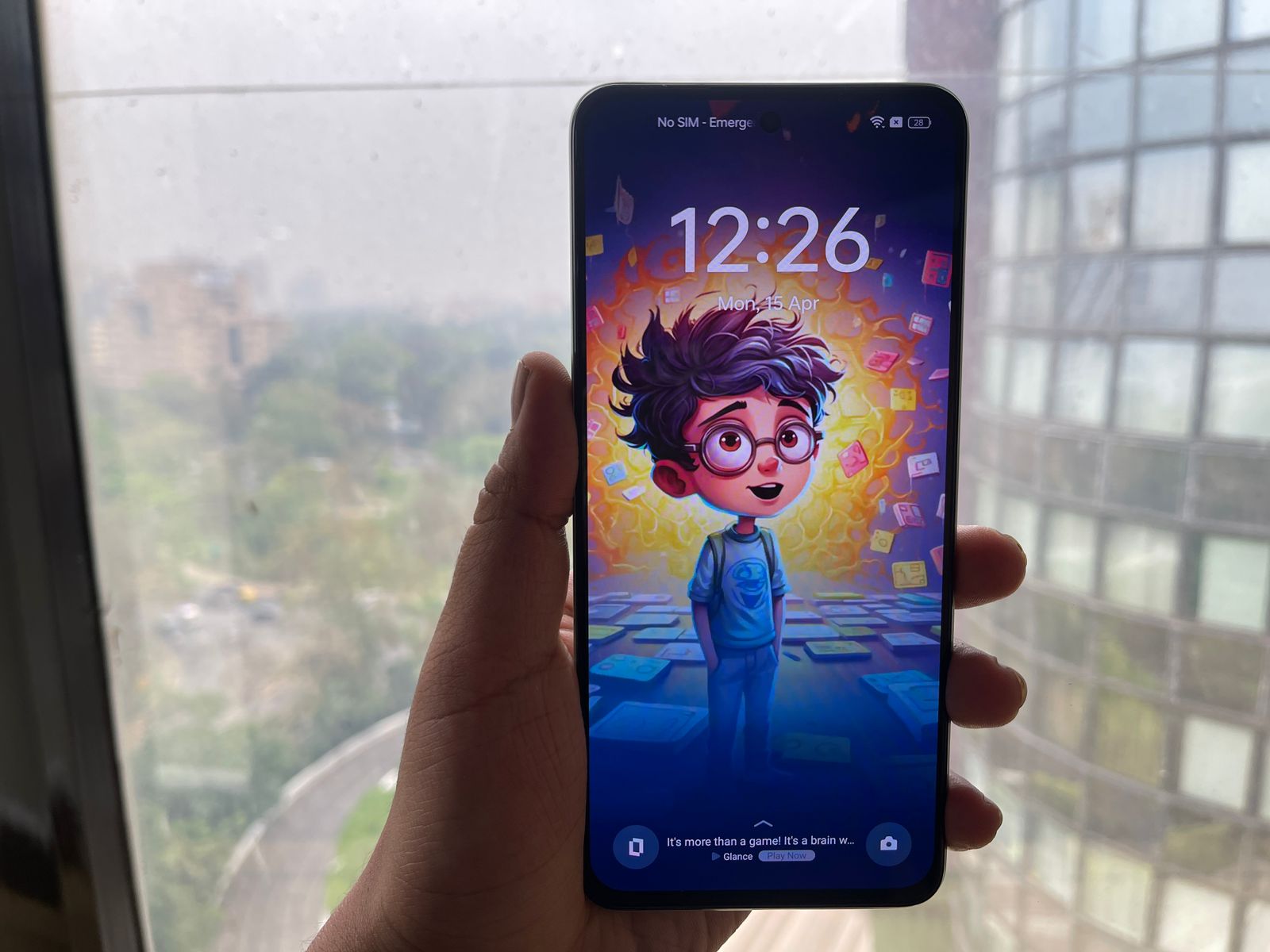
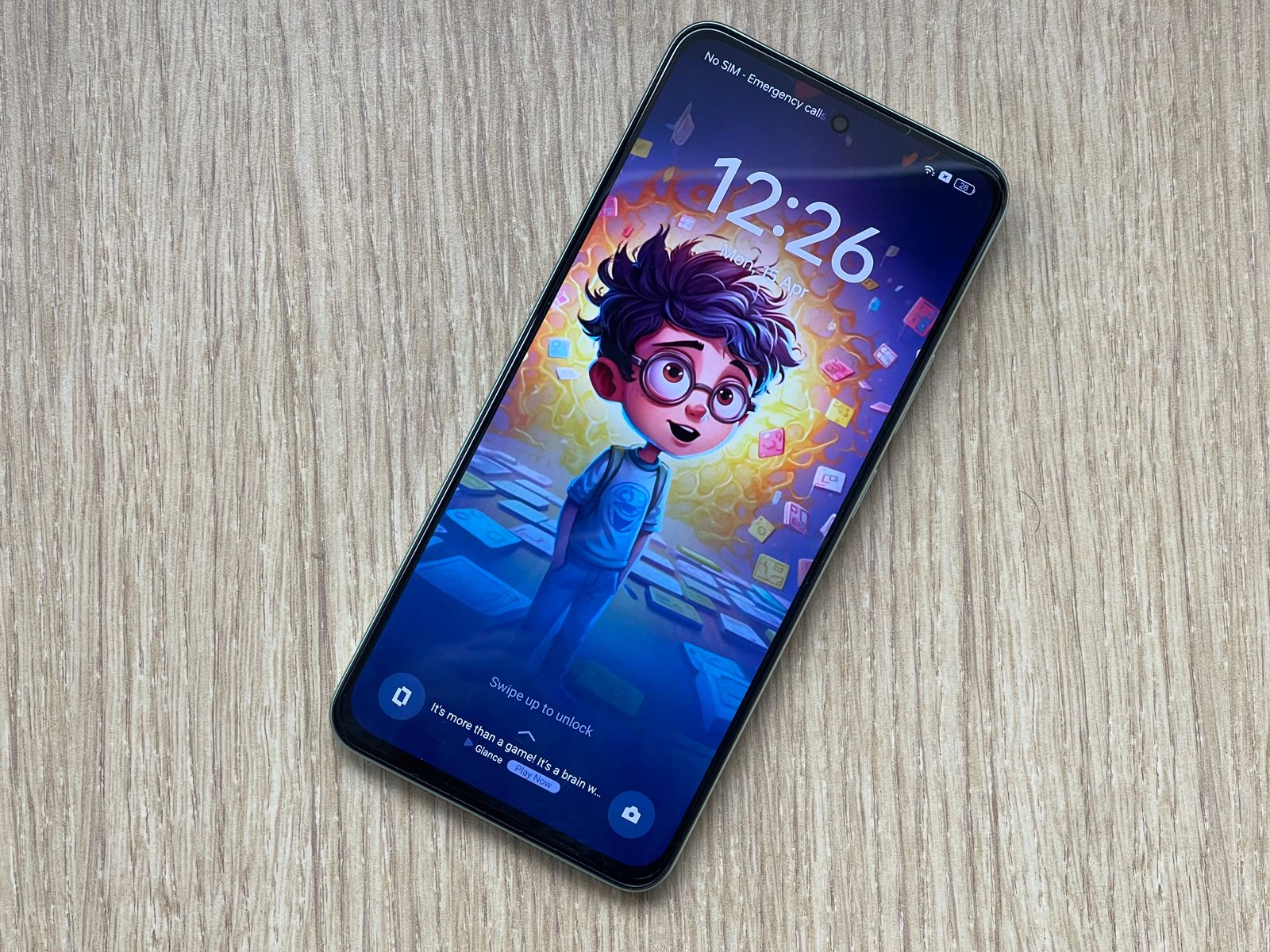
The device boasts a stunning 6.67-inch AMOLED display with a resolution ratio of FHD+ 2400*1080, providing users with a clear image display.
The display supports 16.7 million colors and a 100% P3 Color Gamut, making it perfect for viewing photos and videos.
Realme P1 5G: Design
It also includes 4096 levels of brightness adjustment and a peak brightness of 2000 Nits with a Turbo Charged Touch Sampling Rate of up to 2200Hz.
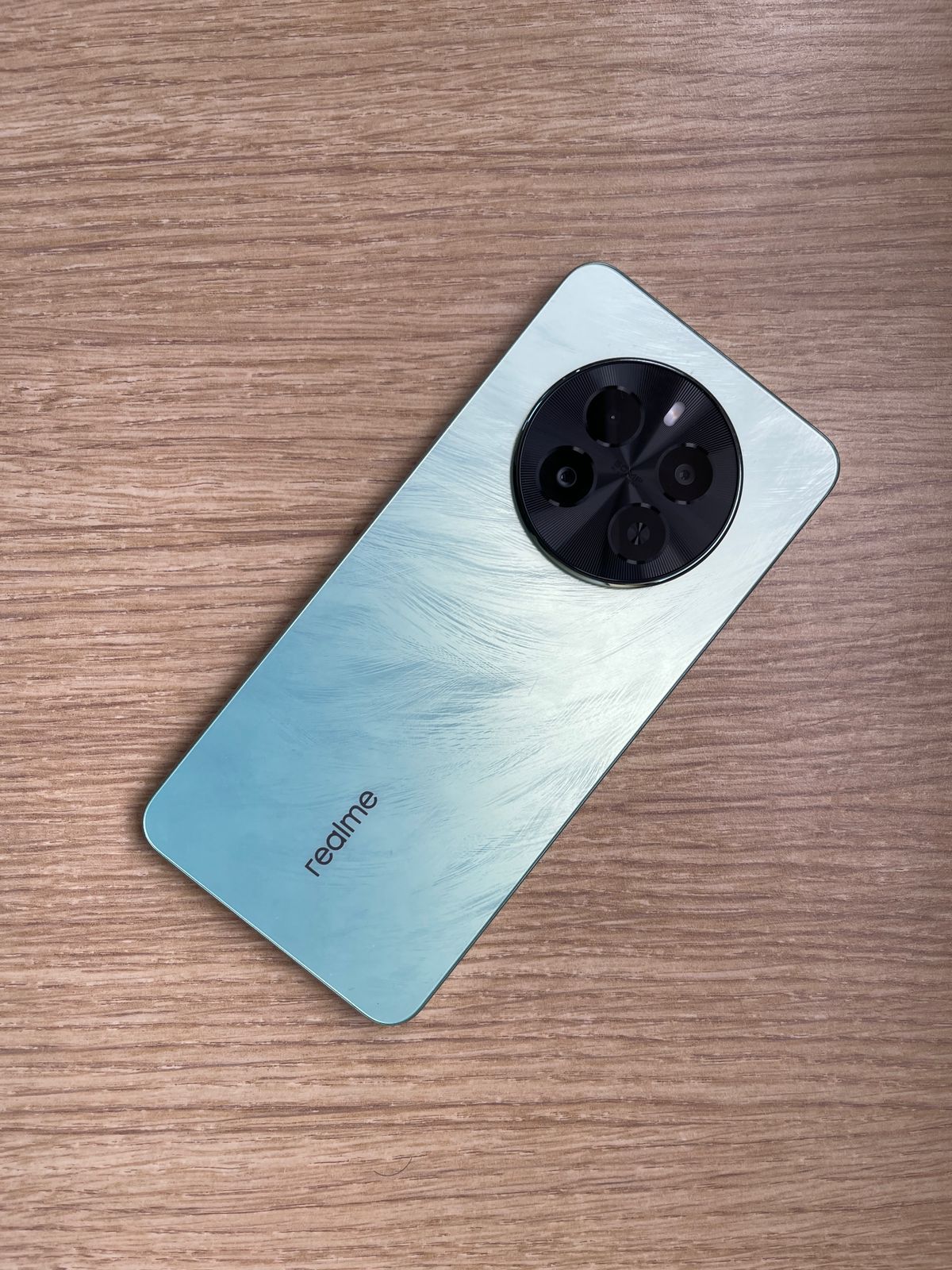
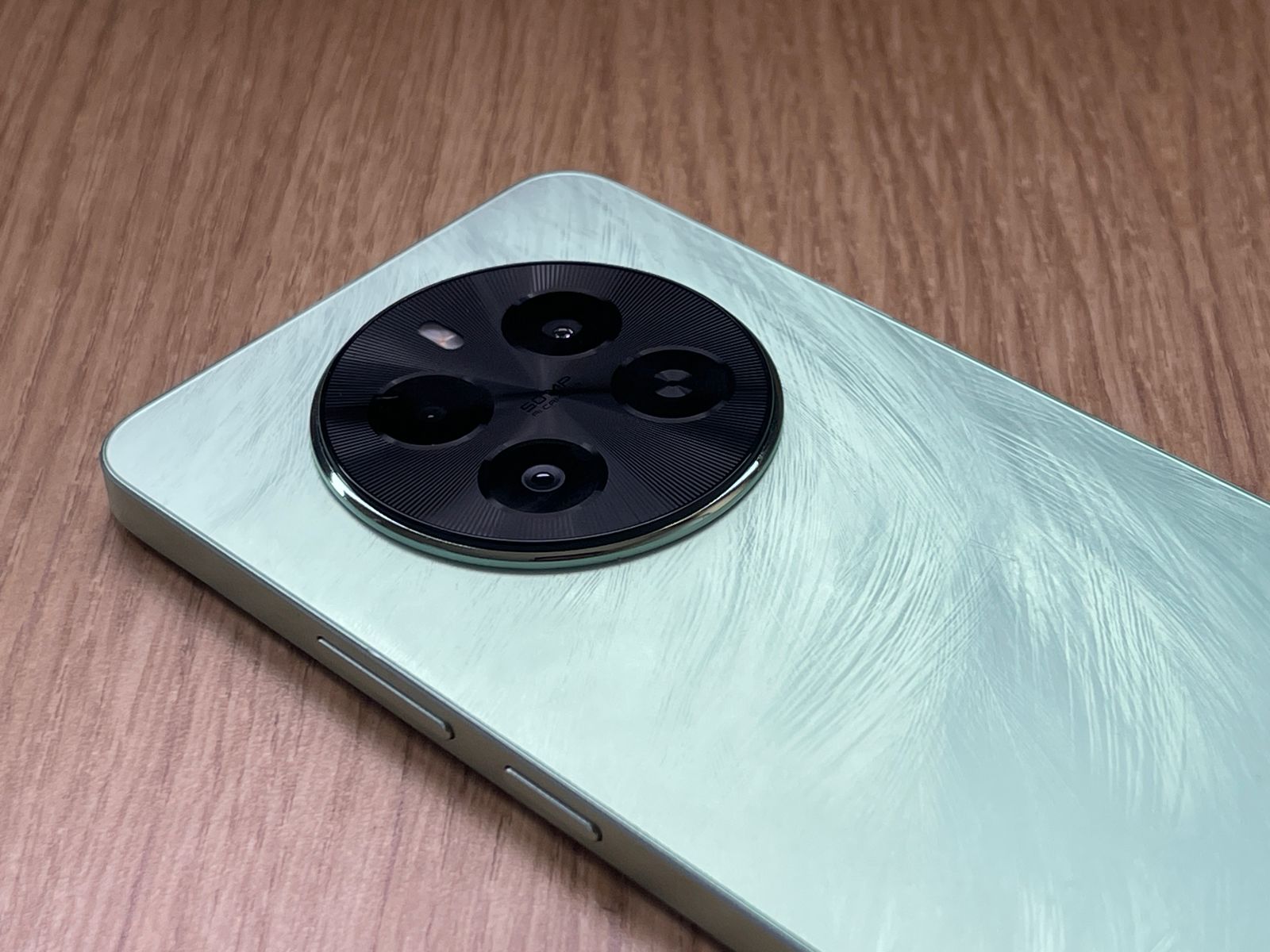
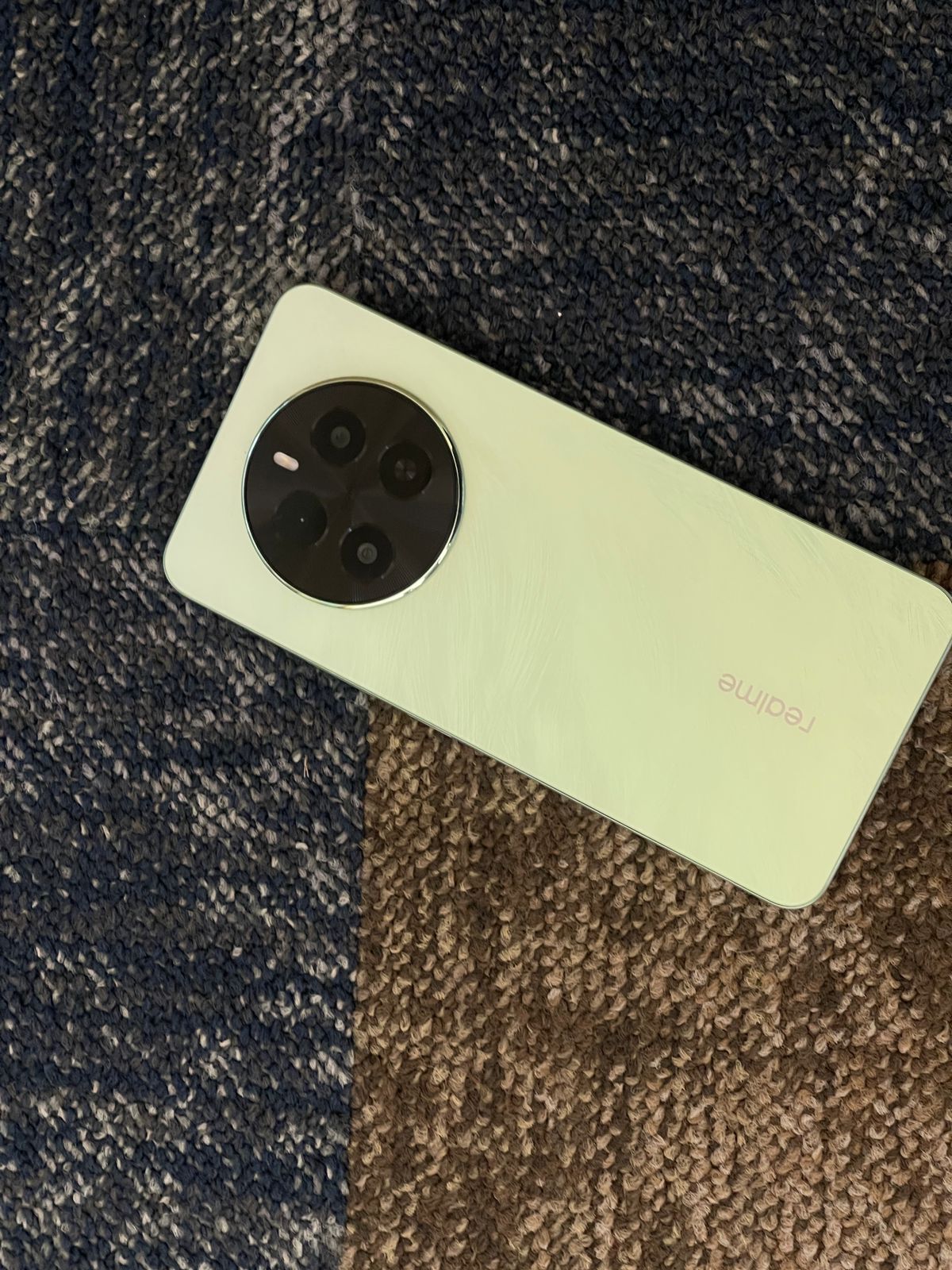
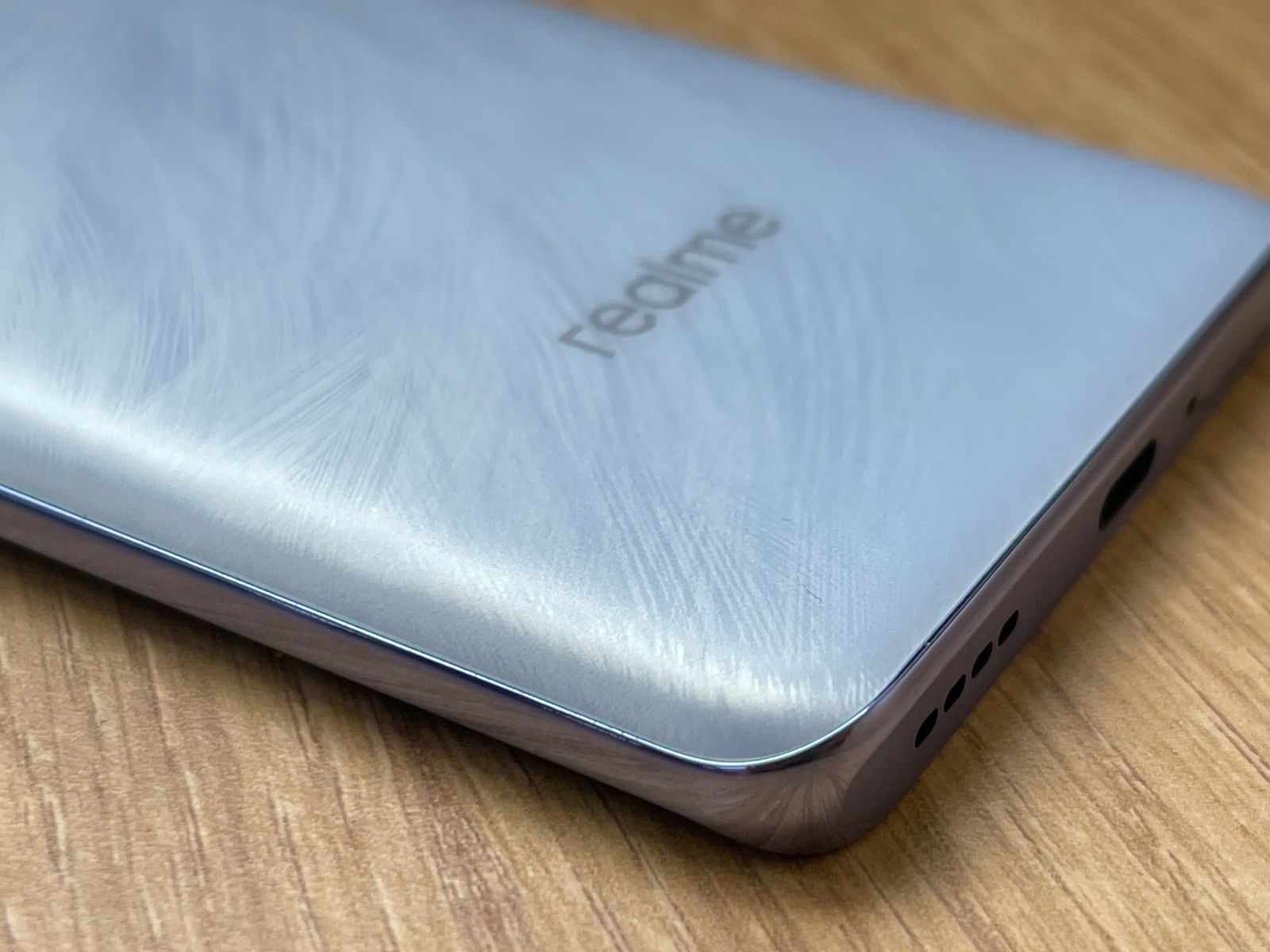
In terms of design, the realme P1 5G draws inspiration from bird culture, specifically sparrow feathers.
The texture is reminiscent of light, soft yet strong feathers gleaming subtly under sunlight.
Realme P1 5G: Cameras
The device comes in two vibrant colors – Peacock Green and Phoenix Red, both reflecting dazzling hues through their micro-crystal glass texture and nano ink printing.
* Robust Performance: Handles everyday tasks and moderate gaming smoothly. * High-Quality Display: Sharp AMOLED screen with innovative touch features. * Effective Fast Charging: 45W SUPERVOOC charging quickly powers the phone. * Solid Build: Attractive design with a comfortable grip. * Good Network Capabilities: Stable and efficient connectivity options.
3 Reasons Not to Buy Realme P1 5G
3 Reasons Not to Buy Realme P1 5G
* Limited Camera Flexibility: Lacks an ultra-wide sensor and effective low-light performance. * Presence of Bloatware: Clutters the user interface. * Non-Competitive Fast Charging: Slower compared to some rivals in the segment
Despite these shortcomings, the Realme P1 5G holds its own with robust battery life, effective fast charging, and commendable network performance, making it a noteworthy option for those seeking a budget-friendly yet capable smartphone.
Reasons to buy the Realme P1 pro 5G
Reasons to buy the Realme P1 pro 5G
* High-Performance Display: The Realme P1 Ultra’s 6.7-inch curved OLED display with a 120Hz refresh rate offers a fluid and immersive viewing experience.
* Powerful Camera Capabilities: Equipped with a 50MP main camera featuring optical image stabilization, the Realme P1 Ultra captures sharp, detailed photos in various lighting conditions.
* Fast Charging and Long Battery Life: The 5000mAh battery provides extended usage times, and with the 45W SUPERVOOC charging, you can recharge the phone quickly—up to 50% in just 30 minutes.
* Cutting-Edge Design: Inspired by bird culture, the Realme P1 Ultra is available in striking colors like Parrot Blue and Phoenix Red, offering a unique aesthetic appeal.
* Latest Software and Features: Running on Realme UI 5.0 based on Android 14, the P1 Ultra offers a clean, user-friendly interface loaded with features. It also includes advanced options like an in-display fingerprint scanner and IP65 dust and water resistance
Should you buy the Realme P1 Pro
Should you buy the Realme P1 Pro
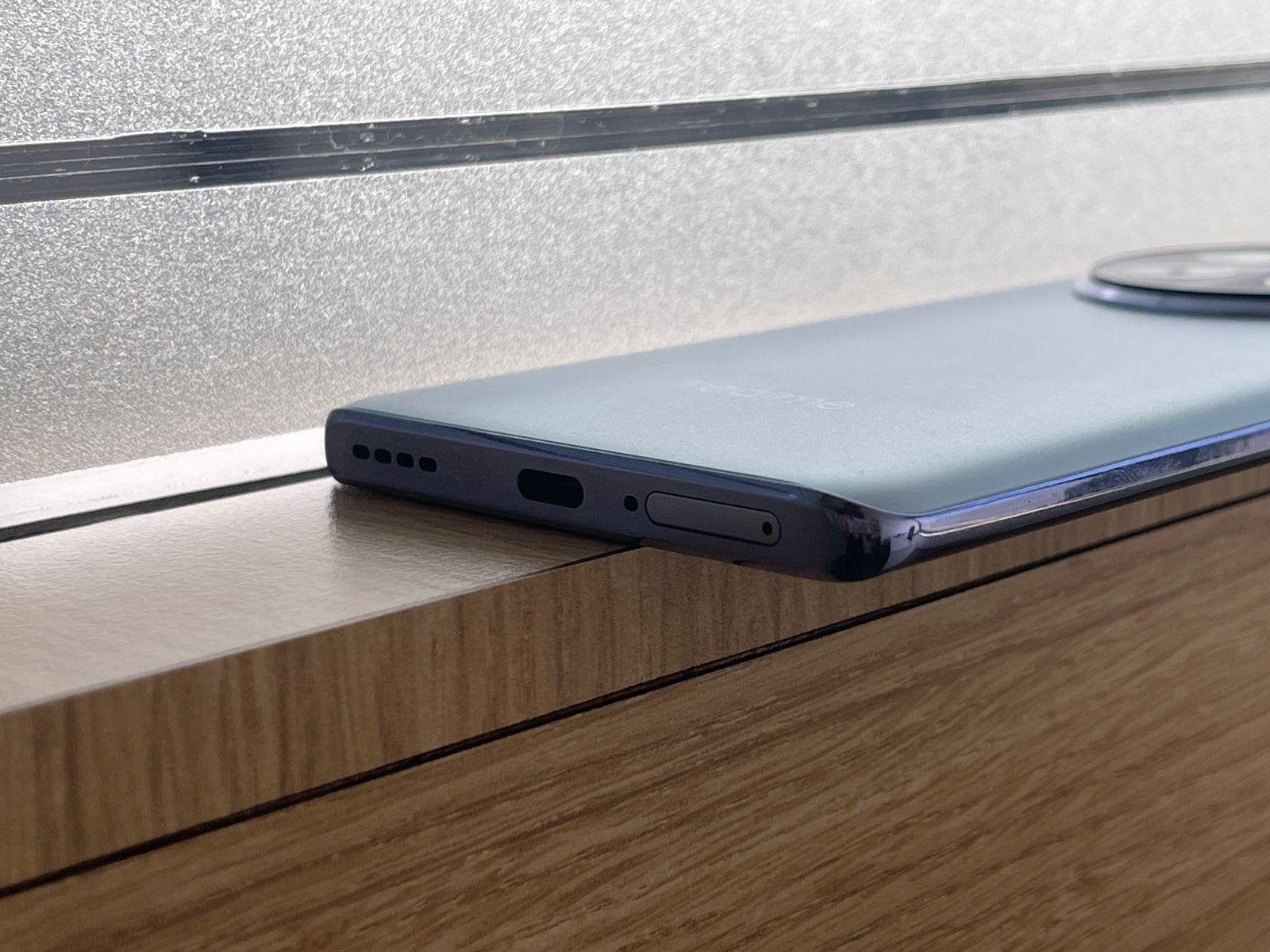
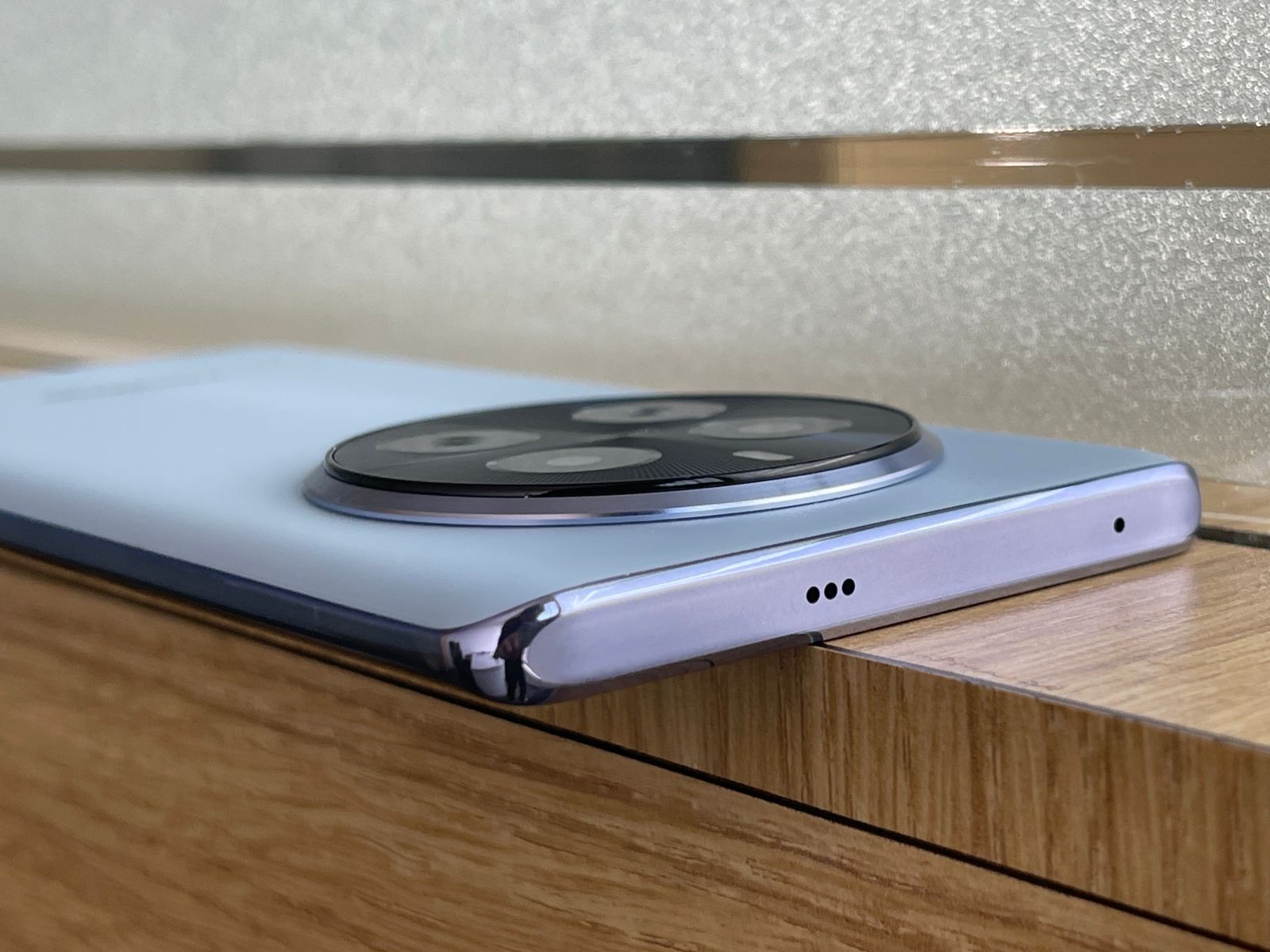
My first impressions of the Realme P1 Pro are more than positive.
It’s a robust mid-range contender with features that you’d expect in a higher-priced smartphone.
Night Mode, Photo Mode, Street Shooting Mode, Portrait Mode, High Pixel, Professional Mode, Panoramic View, Macro, Super Text, Super Group Portrait, Tilt Shift, Long Exposure Photo, Video Features: Video, Movie Mode, Slow Motion, Timelapse, Multi View Video, Tilt Shift
What makes the Realme P1 5G stand out in the budget smartphone market?
The Realme P1 5G distinguishes itself with a potent combination of a high-performance MediaTek Dimensity 7050 chipset, a vibrant 6.67-inch AMOLED display, and a robust 5000mAh battery with 45W SUPERVOOC charging.
These features are packaged in a sleek design, offering substantial value in the budget smartphone segment.
How does the camera performance of the Realme P1 5G measure up?
The Realme P1 5G is equipped with a 50MP primary camera that excels in capturing sharp and vibrant images under good lighting conditions.
However, it lacks an ultra-wide lens, which limits its versatility compared to competitors. The macro and nighttime photography capabilities could also be improved to enhance the overall camera utility.
What are the display features of the Realme P1 5G?
The device features a 6.67-inch AMOLED screen with a 120Hz refresh rate, offering fluid and crisp visuals.
The display’s high peak brightness level of up to 2000 nits ensures good visibility even in bright conditions, although it lacks HDR support which is becoming more common in similar price ranges.
Can the Realme P1 5G handle intensive gaming and multitasking?
Thanks to its MediaTek Dimensity 7050 processor and up to 16GB of dynamic RAM, the Realme P1 5G handles everyday tasks and moderate gaming smoothly.
However, for more graphics-intensive games, settings may need to be adjusted for optimal performance, as the device can struggle with high-end gaming demands.
What are some potential drawbacks of the Realme P1 5G?
While the Realme P1 5G offers many advantages, it does have some drawbacks, including the absence of an ultra-wide camera and effective low-light photography features.
Additionally, the presence of bloatware might detract from the user experience, and its fast-charging speed, while quick, is not the fastest available in this market segment.
What are the primary differences between the Realme P1 and P1 Pro models?
The Realme P1 is equipped with a MediaTek Dimensity 7050 processor, ideal for balanced performance and efficiency, while the P1 Pro is powered by a Snapdragon 6 Gen 1 chipset, enhancing 5G capabilities and processing power.
Additionally, the P1 Pro includes an 8MP portrait camera alongside the standard 50MP main camera, offering advanced depth-sensing capabilities.
What kind of display technology is used in the Realme P1 series?
The Realme P1 series features AMOLED displays, with the P1 sporting a 6.67-inch screen and the P1 Pro a slightly larger 6.7-inch screen.
Both models offer a 120Hz refresh rate, providing users with smooth scrolling and a responsive interface, which is particularly beneficial for gaming and high-speed content.
How do the battery specifications differ between the P1 and P1 Pro?
Both models in the Realme P1 series are supported by a 5000mAh battery, ensuring long-lasting usage.
However, the P1 boasts a 67W SUPERVOOC charging capability, allowing for faster power replenishment compared to the P1 Pro’s 45W charging, which focuses more on efficiency and preserving battery health.
What storage options are available for the Realme P1 series?
The Realme P1 offers three storage configurations: 6GB/128GB, 8GB/128GB, and 8GB/256GB. The P1 Pro provides two options: both with 8GB of RAM but with either 128GB or 256GB of storage.
These options give potential buyers flexibility in choosing a device that best meets their memory needs and budget considerations.
What are the main differences in display between the Realme P1 5G and P1 Pro 5G?
The Realme P1 5G features a 6.7-inch FHD+ AMOLED display with a 120Hz refresh rate, while the P1 Pro 5G enhances the visual experience with a curved display of the same size and specifications.
The curved screen on the P1 Pro adds an extra layer of elegance and offers a more immersive viewing experience.
How do the camera setups in the Realme P1 and P1 Pro differ?
The Realme P1 is equipped with a 50MP main camera and a 2MP depth sensor, providing solid photography capabilities.
In contrast, the P1 Pro features a more advanced setup with a 50MP Sony LYT-600 main sensor with OIS, an 8MP ultra-wide camera, and a 2MP macro camera, catering to more serious photography enthusiasts with its enhanced versatility.
Can you compare the performance specs of the Realme P1 and P1 Pro?
The Realme P1 is powered by the MediaTek Dimensity 7050 SoC, suitable for everyday tasks and some gaming.
The P1 Pro, however, steps up the performance with the Snapdragon 6 Gen 1 SoC, offering better efficiency and handling more demanding applications and games, making it ideal for users who need extra power.
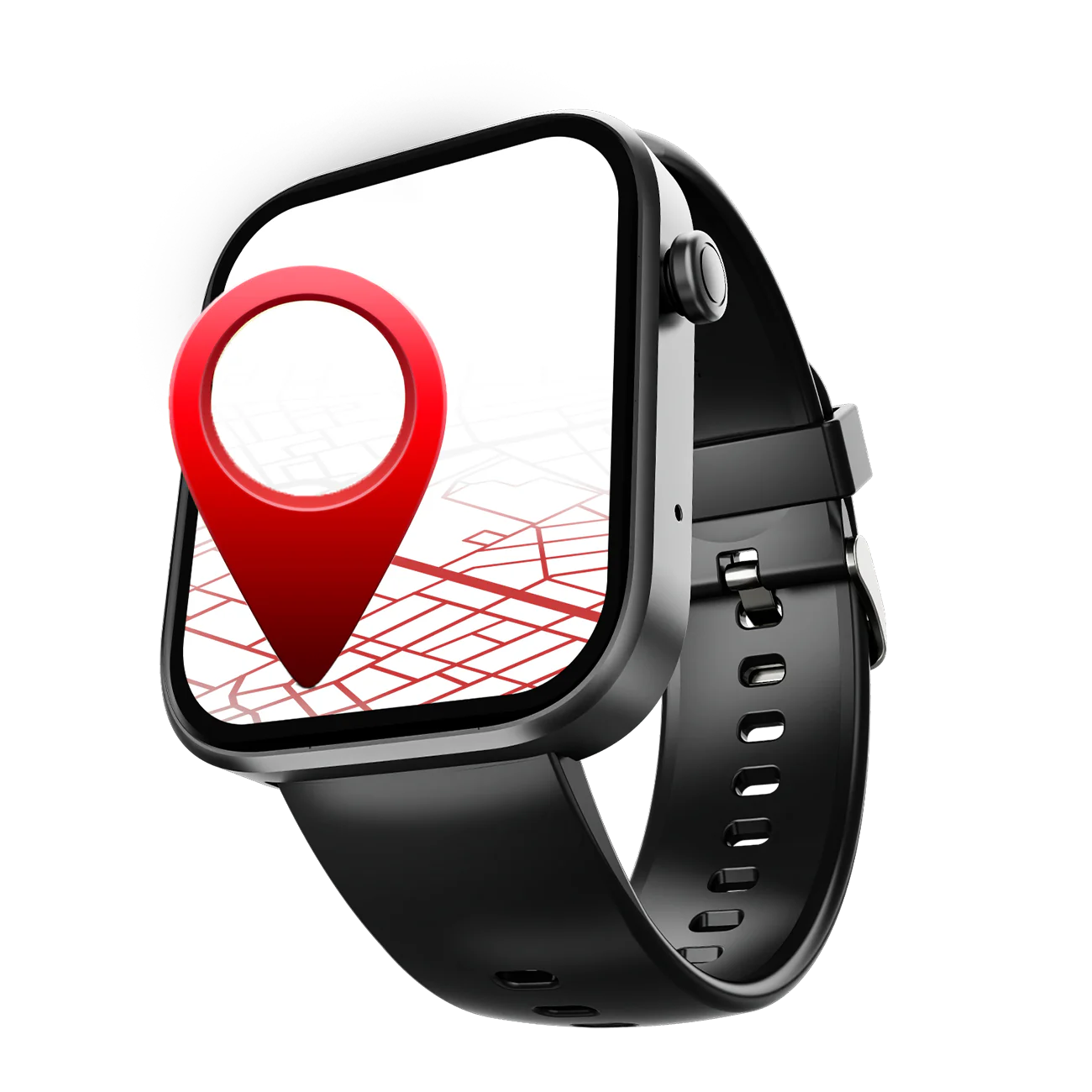
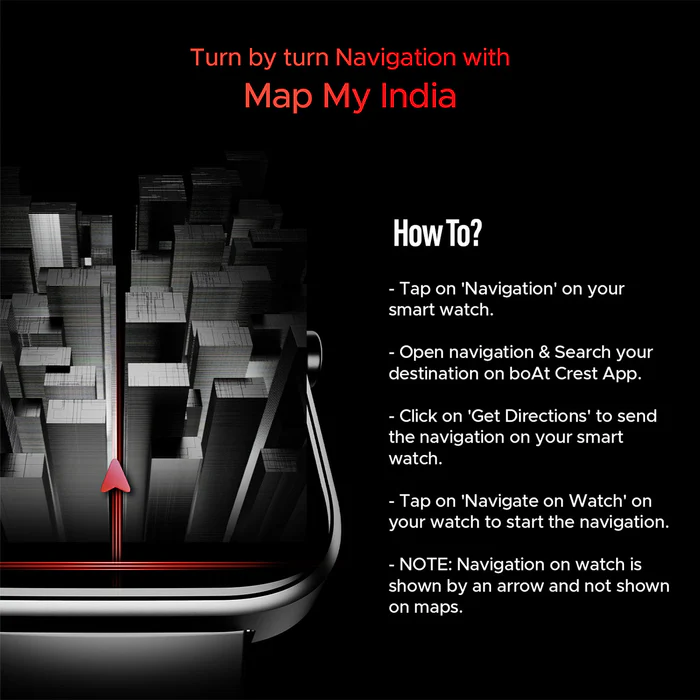
Powered by Mappls MapmyIndia, along with boAt’s Crest App, the Storm Call 3 ensures precise turn-by-turn navigation right on your wrist, working across the length and breadth of India, covering tens of thousands of cities and lakhs of villages, giving accurate and detailed doorstep level guidance to you.
The Made-in-India Smartwatch comes with built-in Navigation
Say goodbye to getting lost as you effortlessly follow directions to your destination, whether you’re exploring a new city or embarking on a hike.
Additionally, Storm Call 3 introduces the QR Tray, simplifying access to vital information on your smartwatch.
With Crest, save all your QR codes on your watch, ensuring they’re readily available for your travels or daily use.
boAt Storm Call 3 Bluetooth Calling
The boAt Storm Call 3 leaves no room for compromise, whether it’s in terms of functionality or aesthetics.
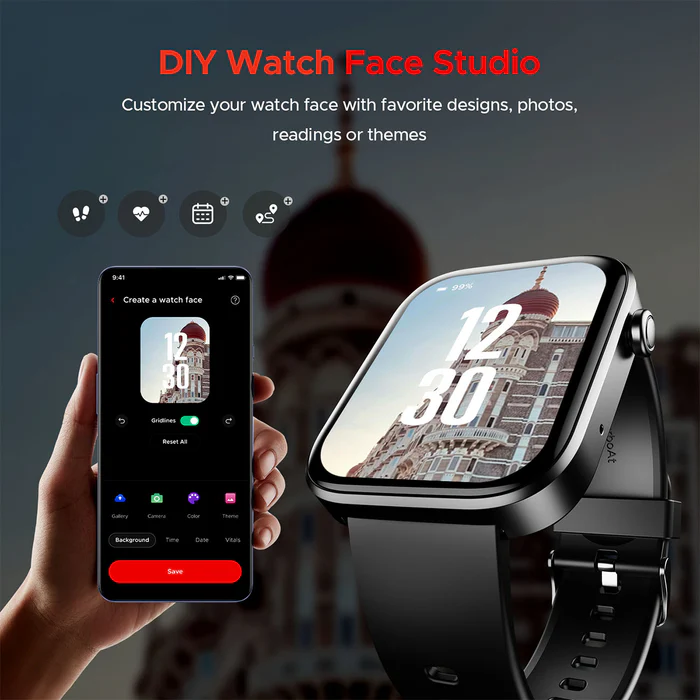
Its large square 550-nit dial, boasting a resolution of 240*296 dots and a wake gesture feature, is enhanced by a variety of downloadable watch faces or those instantly created with the DIY Watch Face Studio.
With BT Calling, the highly sensitive microphone and clear onboard speaker enable seamless calling directly from your wrist, ensuring you can make and receive calls from friends, colleagues, or business associates without reaching for your phone.
Never miss an important call while on the move.
boAt Storm Call 3 Features
Moreover, features like Camera/Music Controls, Notification alerts, Quick Replies, DND Mode, Weather updates, Games, and more are readily available at your disposal.
And yes, there are even Uber Alerts to keep you informed.
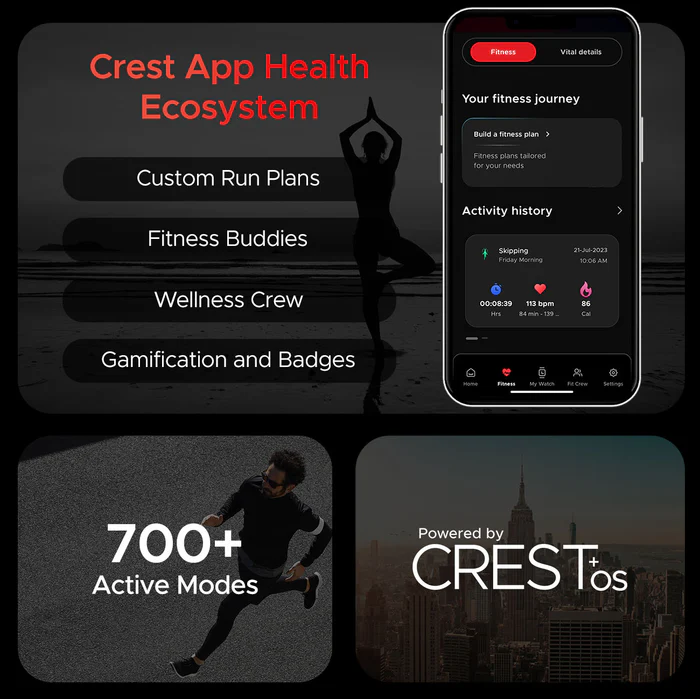
Through the Crest App, users can access Fitness Buddies, Wellness Crew, Gamification and Badges, and even devise Custom Run Plans, facilitating an active lifestyle.
Prioritising health, onboard sensors that continuously monitors Heart Rate, SpO2, and Sleep, while tracking Energy and Sleep Scores.
Daily Activity Trackers and Sedentary alerts encourage movement, fostering a healthier lifestyle.
With over 700+ Active Modes available, the watch adapts to individual lifestyle preferences, offering tailored modes for various activities and workouts.
The features are efficiently supported by an internal battery, providing up to 7 days of charge-free usage (up to 2 days with BT Calling).
Additionally, the Storm Call 3 is IP67 certified, safeguarding it against water, sweat, and dust damage.
The boAt Storm Call 3 smartwatch boasts of four stylish colors: Cherry Blossom, Active Black, Olive Green, and Silver Metal.
It’s available for an introductory price of INR 1099/- and can be grabbed from the boAt website (boat-lifestyle.com) Flipkart and Blinkit.
Faqs
What is boAt Storm Call 3 price in India ?
On the company’s official website, the newly announced boAt Storm Call 3 is priced at Rs 1,249. It can also be purchased via Blinkit and Flipkart.
What are boAt Storm Call 3 Color options available?
The smartwatch has been launched in Cherry Blossom, Dark Blue, Active Black, Olive Green, and Silver Metal colour options.
Where can I buy the boAt storm call 3?
It can also be purchased via Blinkit and Flipkart.
What are the best features of boat storm call 3?
The smartwatch comes with an Emergency SOS feature.
boAt smartwatch is claimed to provide up to 2 days of battery life with Bluetooth calling and can go up to a week if users don’t use the Bluetooth calling feature.
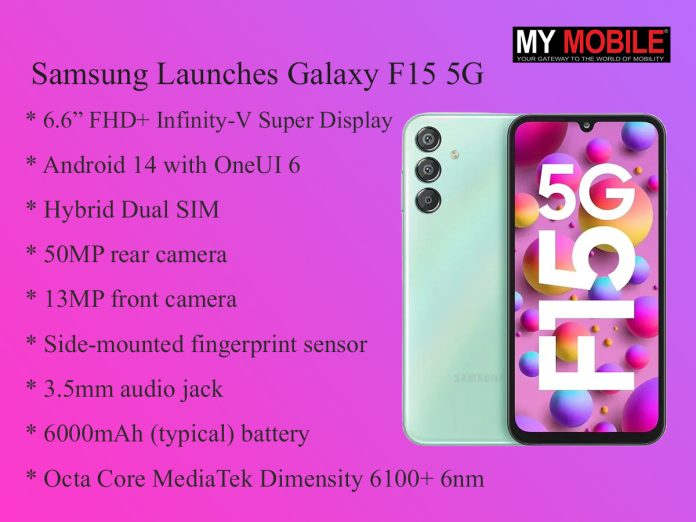
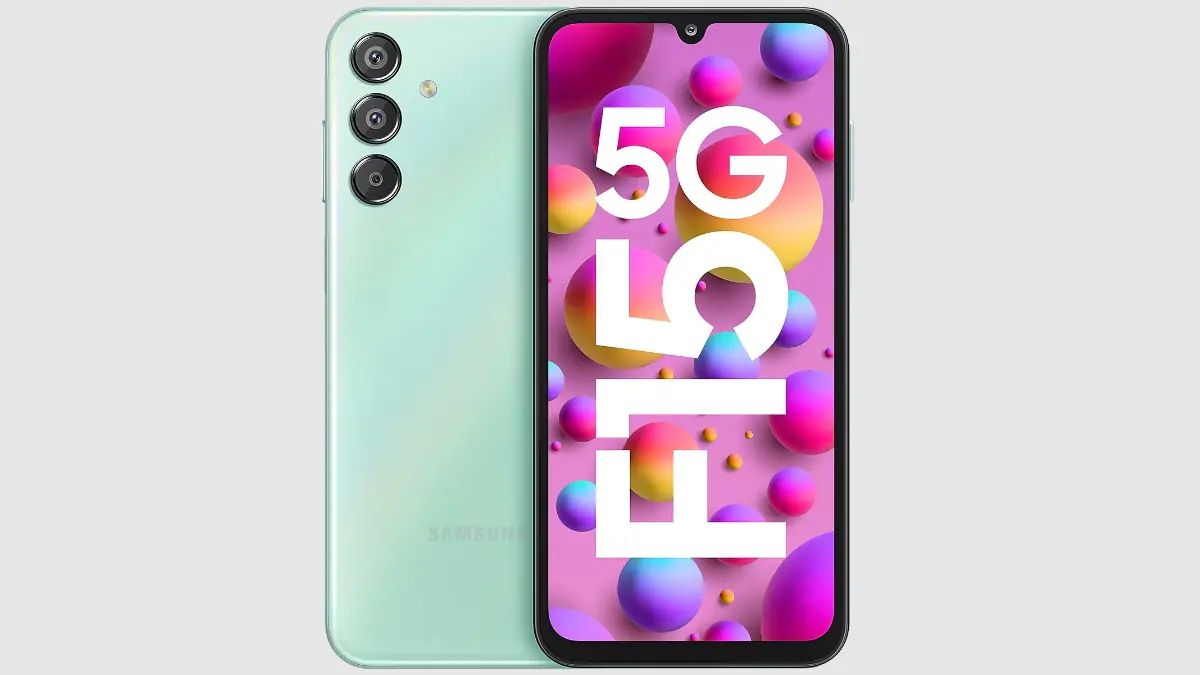
•Samsung launched the Galaxy F15 5G smartphone in 4GB + 128GB and 6GB + 128GB models in India back in March.
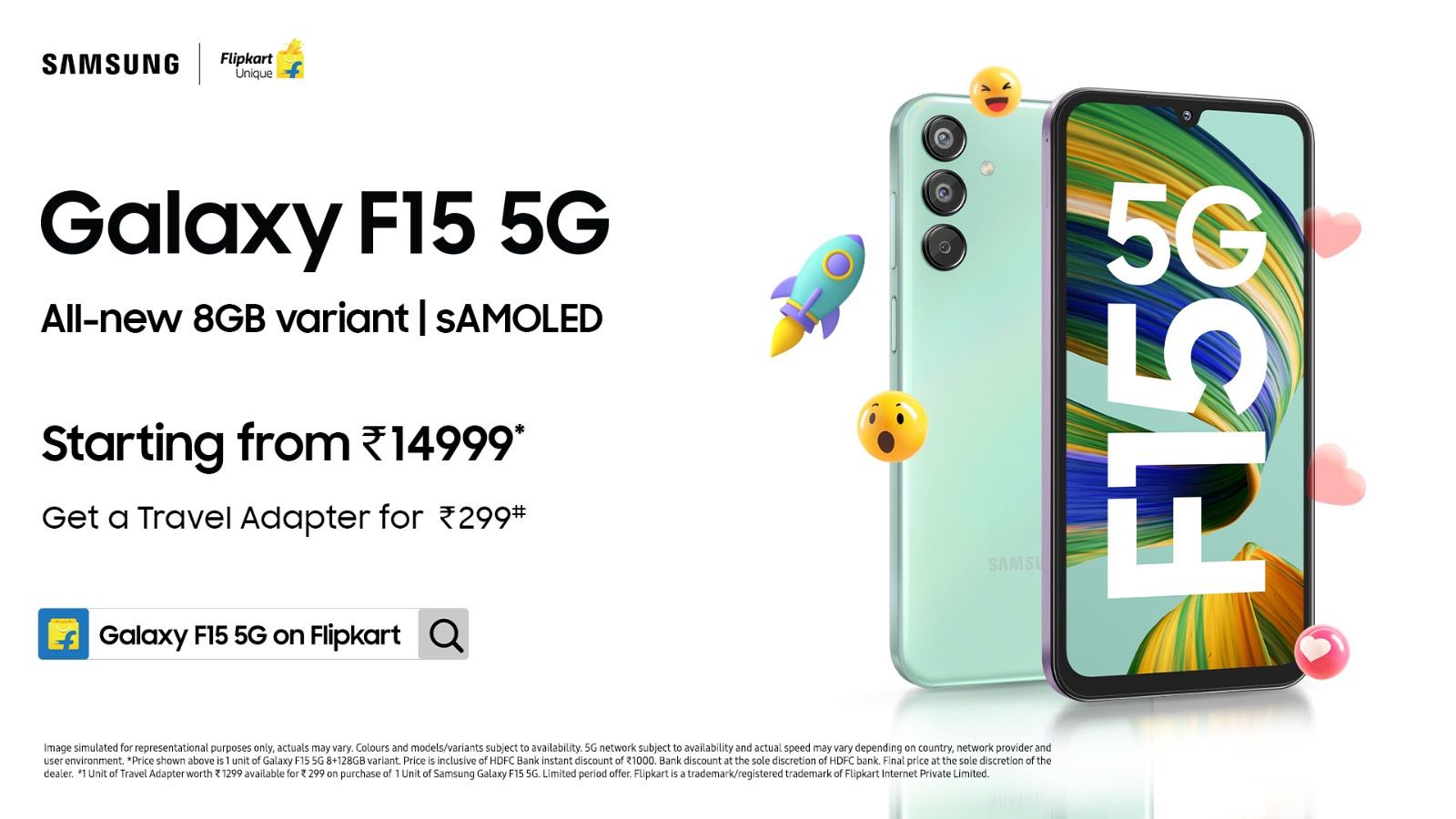
•Today, the company has launched the 8GB + 128GB variant of the phone in India.
•The Samsung Galaxy F15 5G smartphone is now available for purchase on e-commerce platform Flipkart and at select retail outlet at Rs 15,999.
Samsung, today announced the launch of a new storage variant, 8GB+128GB, for Galaxy F15 5G at INR 15999.
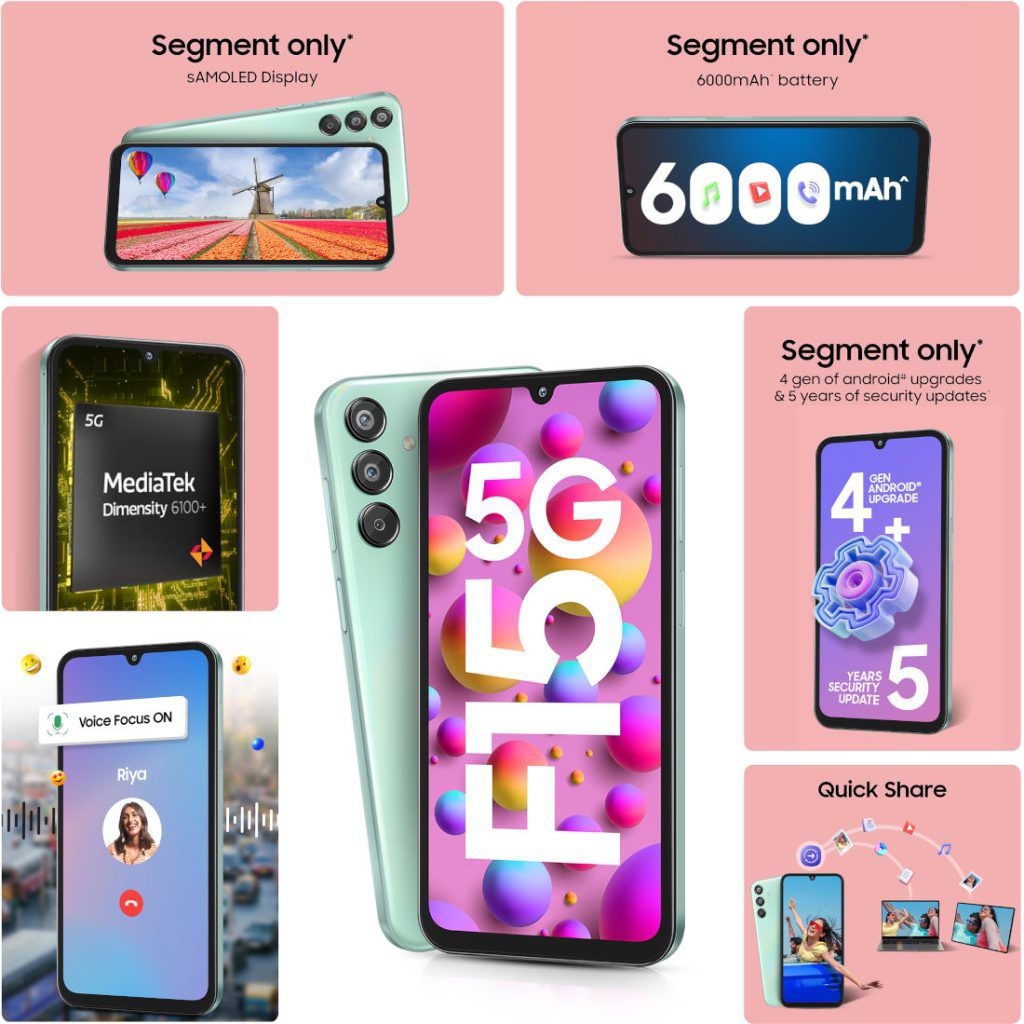
Galaxy F15 5G stands out with a segment-best 6000mAh battery, AMOLED display, and four generations of Android upgrades, and five years of security updates ensuring users can enjoy the latest features and enhanced security for years to come.
The smartphone is also available in 4GB+128GB and 6GB+128GB storage variants and comes in three stunning colors – Ash Black, Groovy Violet, and Jazzy Green.
With the AMOLED display, scrolling through social media feeds, especially in bright sunlight, is a breeze.
Galaxy F15 5G sports a 50MP triple camera setup with Video Digital Image Stabilization (VDIS) to reduce blur or distortion in videos arising from unsteady or shaky movements.
Samsung Galaxy F15 5G smartphone is now available for purchase on e-commerce platform Flipkart
Galaxy F15 5G also houses a 13MP front camera for crisp and clear selfies.
Galaxy F15 5G comes with a segment-best 6000 mAh battery that can power your smartphone for up to two days, allowing users to binge on their favourite entertainment.
Additionally, the 25W Super-Fast Charging feature ensures that the device quickly regains power, keeping you connected and productive throughout the day.
Galaxy F15 5G redefines consumer experience with innovations such as Voice Focus that cuts the ambient noise for a truly amazing calling experience.
The Quick Share feature enables users to instantly share files, photos, and documents with any other device, even if they are far away, including your laptop and tab, privately.
The device also features Knox Vault chipset, built at the chip level, designed to safeguard your sensitive data, such as PINs, passwords, and patterns, in a separate tamper-resistant storage for protection against software and hardware threats.
The new 8GB + 128GB variant of the Samsung Galaxy F15 5G is priced in India at Rs. 15,999. Initially, the phone launched with 4GB + 128GB and 6GB + 128GB options.
The variants are priced at Rs. 12,999 and Rs. 14,499, respectively.
With bank offers or an upgrade bonus worth Rs. 1,000, Samsung notes that the Samsung Galaxy F15 5G can be bought at effective prices of Rs. 11,999, Rs. 13,499, and Rs. 14,999, for the 4GB, 6GB, and 8GB RAM variants, respectively.
What is Samsung Galaxy F15 5G availability?
The phone is offered in Ash Black, Groovy Violet, and Jazzy Green shades and is available for purchase in the country via Flipkart and the Samsung India website.
What are the features of Samsung Galaxy F15 5G ?
The Samsung Galaxy F15 5G sports a 6.5-inch full-HD+ (1,080 x 2,340 pixels) Super AMOLED display with a 90Hz refresh rate.
It is powered by an octa-core MediaTek Dimensity 6100+ SoC paired with up to 8GB of RAM and 128GB of onboard storage.
It ships with Android 14-based One UI 5.0 and is said to get four years of OS upgrades alongside five years of security updates.
Samsung Galaxy F15 5G comes with a triple rear camera unit which includes a 50-megapixel primary sensor, a 5-megapixel secondary sensor, and a 2-megapixel shooter.
The front camera houses a 13-megapixel sensor.
Samsung Galaxy F15 5G is backed by a 6,000mAh battery with support for 25W wired fast charging. It is claimed to offer up to two days of battery life and up to 25 hours of video playback time on a single charge.
The handset supports 5G, Wi-Fi, Bluetooth 5.3, GPS, and USB Type-C connectivity. It measures 160.1mm x 76.8mm x 8.4mm in size and weighs 217g.
The recent RBI action against Paytm Payments Bank has set off a barrage of speculations in the industry with many claims and disclaims surfacing online every day.
Paytm has been instrumental in promoting and expanding India’s digital payment systems to the country’s remotest corners.
However, RBI orders will have ripple effects in the form of user migrations to other platforms.
So, if Paytm payment bank is to shut shop, what are the best alternatives to use instead?
Before we get to that, let’s understand more about why people are planning to switch.
Why Paytm Alternatives Are in Demand?
Best Alternative Options To Use Instead of Paytym Payment
This sparked fears about whether Paytm’s QR codes will also be affected.
As per recent media reports, more than 42 per cent of local grocery stores have already switched from Paytm to Mobikwik, Bharatpe, Phonepe and GooglePay, with 20 per cent more planning to do so.
Kirana Club Founder & CEO Anshul Gupta said, “While the ban imposed by the regulatory authority might lead to disruption at Kirana stores, they are not much worried because there are alternate payment options available. Our recent survey also indicates that Kiranas across states have already started using or plan to use other payment apps to ensure smooth business operations.”
Best Alternatives to Paytm Payment Bank
Mobikwik
MobiKwik
Mobikwik is a popular digital wallet and payment platform that offers a range of financial services, including digital payments, bill payments, recharges, and money transfers.
Users can link their bank accounts, debit/credit cards, and UPI accounts to the Mobikwik wallet to make seamless transactions.
It offers a range of services, including QR code-based payments, instant settlements, loans, and business management tools.
FAQs
Q1. How to transfer waller money from Paytm to other payment banks?
Answer. Follow these simple steps to transfer your money from Paytm to your bank account:
Open the Paytm app & Tap on ‘Passbook’
Select ‘Paytm Wallet’
Select ‘Send Money To Bank’
Tap ‘Transfer’
Enter the amount & bank details
Confirm the transfer
Once complete, money will be transferred successfully
Q2. Will Paytm QR codes work in future?
Answer. Yes, Paytm QR codes will continue to function as usual, allowing merchants to accept payments beyond February 29, 2024.
Payment devices such as Paytm Soundbox and card machines will also continue to remain operational as always.
Q3. Why did RBI ban Paytm payments?
Answer. The Reserve Bank of India (RBI) on January 31 directed Paytm Payments Bank Ltd (PPBL) to stop accepting deposits or top-ups in any customer accounts, wallets, FASTTags, and other instruments after February 29.
RBI Governor Shaktikanta Das ruled out any review of the central bank’s action against PPBL, saying that its decisions are well thought out.
RBI, he said, is not against any fintech but its prime objective is to protect the interest of customers and depositors.
Q4. Is it advisable for traders to switch to other payment apps from Paytm?
Answer. Yes, Traders’ body CAIT on February 4 issued a cautionary advisory to traders to switch from Paytm to other payment options for business-related transactions following RBI curbs on Paytm wallet and bank operations.
“The Reserve Bank of India has imposed certain restrictions, prompting CAIT to recommend that users take proactive measures to protect their funds and ensure uninterrupted financial transactions. A large number of small traders, vendors, hawkers and women are making payments through Paytm and as such RBI restrictions on Paytm could lead to financial disruption to these people,” the Confederation of All India Traders (CAIT) stated.
Q5. Is Paytm Payments Bank shutting down?
Answer. There is no confirmation about Paytm Payments Bank shutting down.
However, after February 29, 2024, Paytm Payments Bank will not be able to collect deposits, conduct credit transactions, or top up any customer accounts, prepaid cards, wallets, FASTags, NCMC (National Common Mobility Cards), or any other type of customer account.
The feature is officially launched on January 31 on select premium Android smartphones, including the Pixel 8, Pixel 8 Pro and the new Samsung Galaxy S24 series.
In this blog, we will explore all about the Circle To Search On Android.
We will learn what the feature is and how it works.
So, let’s get started.
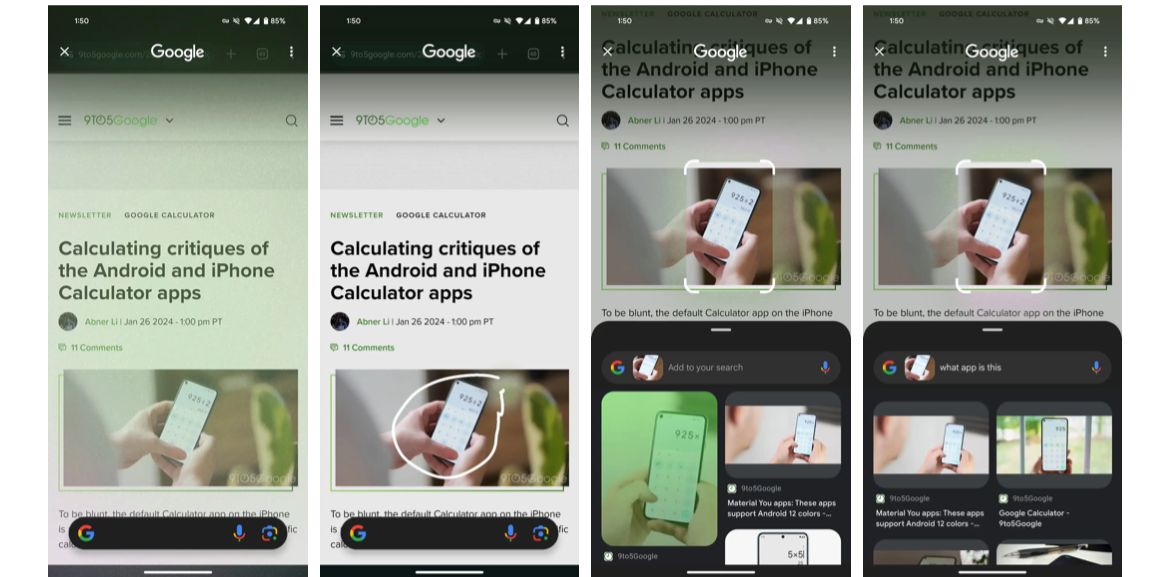
What is Circle to Search on Android?
Circle to Search is Google’s latest search feature
You can use different gestures to use the search feature on different apps.
Different gestures that you can use include –
Circling: Draw a circle around an object you want to know more about.
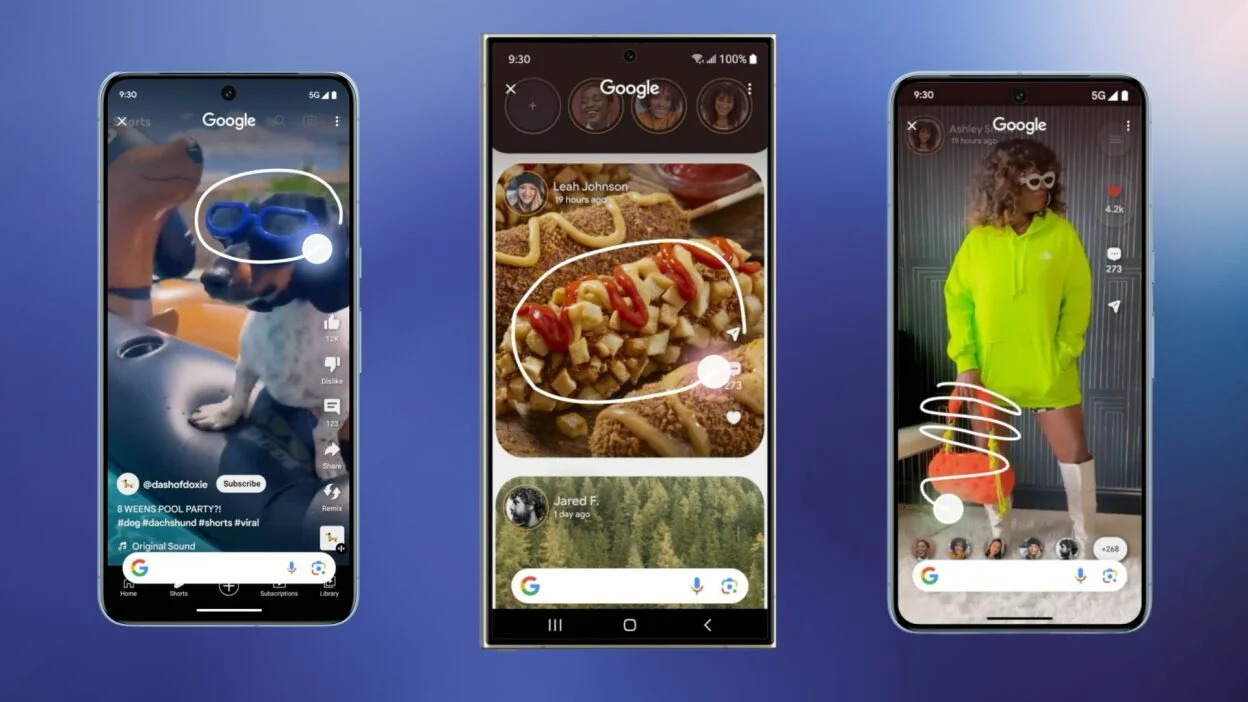
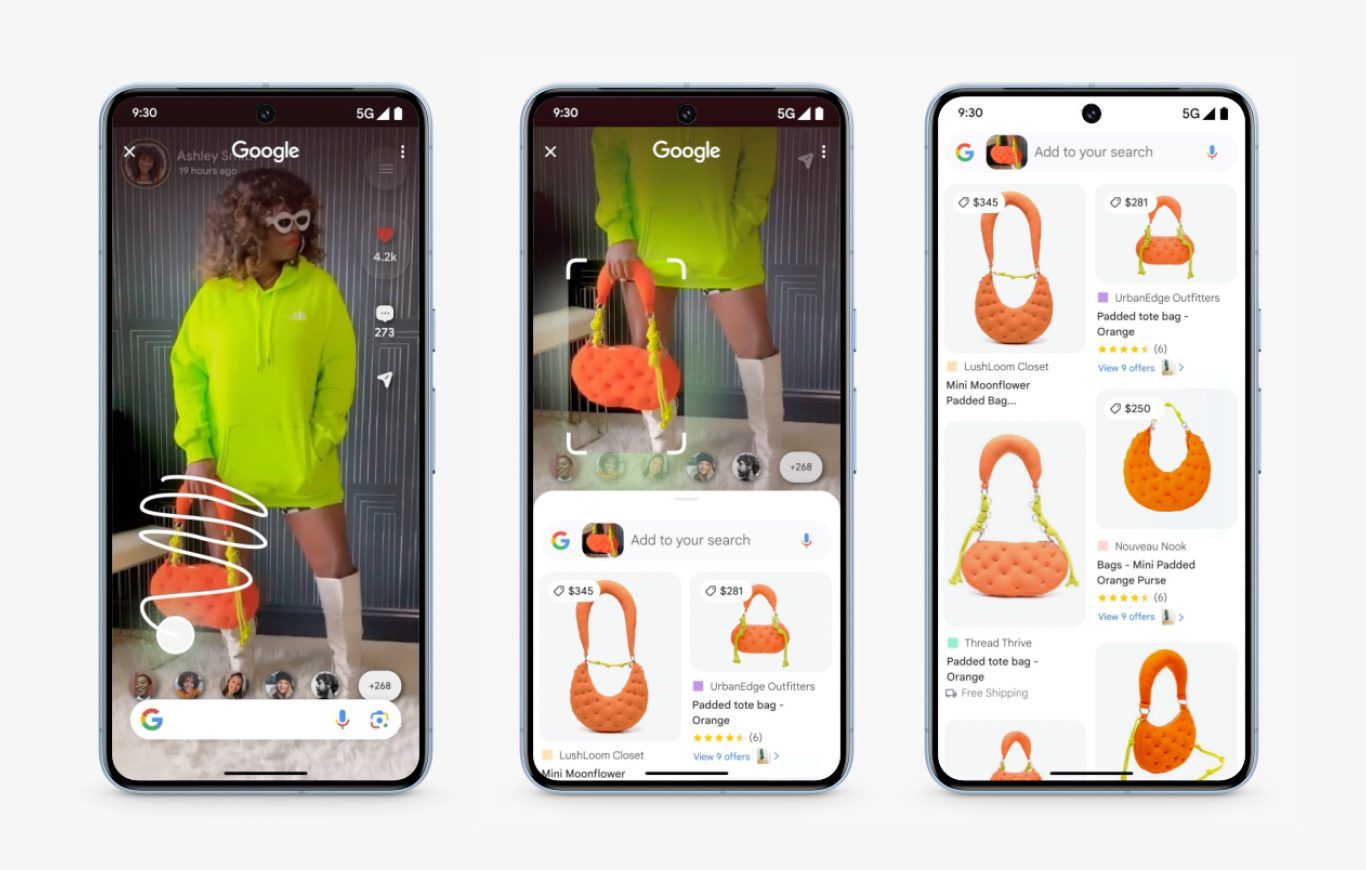
Google says, “Maybe you need help identifying a few items a creator wore in their “Outfit of the Day” video, but they didn’t tag the brands. Just long-press the home button or navigation bar on your Android phone to activate Circle to Search. From there, you can select any item that you see with your preferred gesture — like circling their sunglasses — to quickly find similar, shoppable options from retailers across the web.”
Highlighting: Drag your finger across to highlight the text you wish to search for.
Scribbling: Create a random design over an area to search for anything it contains.
New AI-powered search feature for Android phones
Google’s official blog further highlights, “You could scribble the bag and tap on the boots to look those up, too — all without leaving where you are.
When you’re done, simply swipe away and you’re right back where you started.”
Tapping: Simply tap on the object or text that you wish to search for.
Simply Circle and Ask a Question:
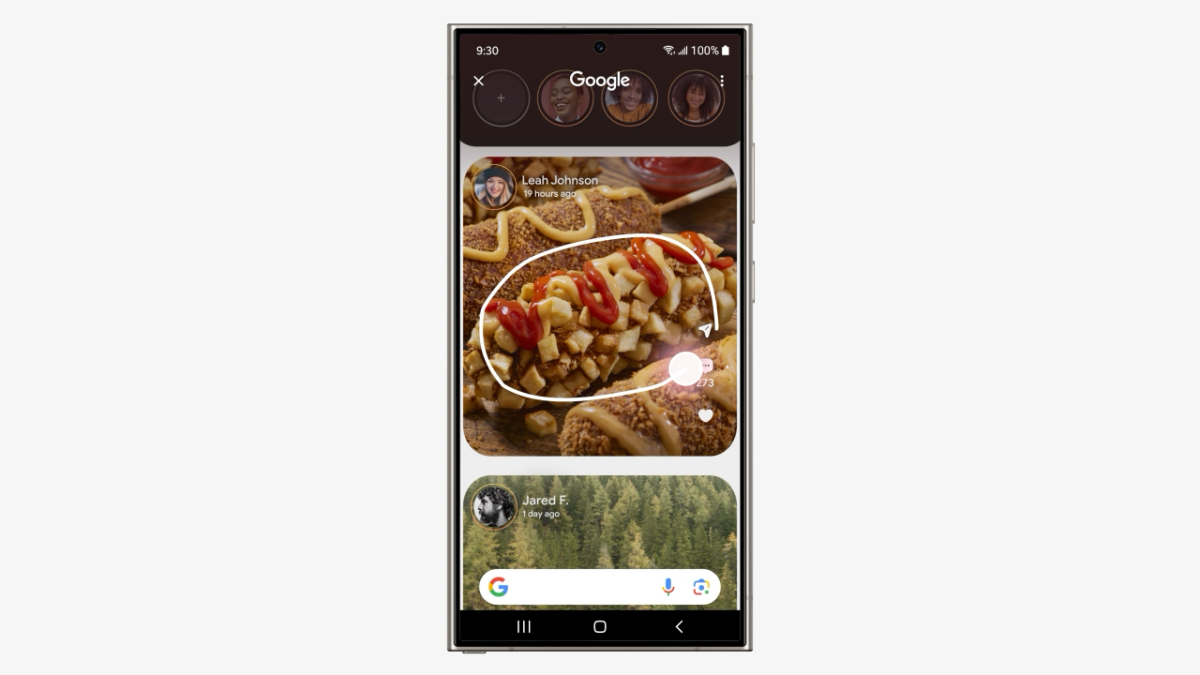
About this Google clarifies, “With multisearch — the ability to search with text and images at the same time — and our latest AI-powered upgrades, you can more easily understand concepts, ideas or topics from helpful information that’s pulled together from across the web. Simply circle the corn dog and ask a question, like “Why are these so popular?”
You’ll quickly learn that these sweet and savoury treats are Korean corn dogs.
And they’re trending because of their unique combination of flavours and textures — including meat or gooey melted cheese surrounded by a crunchy exterior — and the growing popularity of Korean cuisine.
Just like that, your curiosity is satisfied (although the photos might leave you with an appetite).
Who Can Use Circle to Search?
Google’s continuous efforts to make its search feature more user-friendly and intuitive
These include the Pixel 8, Pixel 8 Pro and the new Samsung Galaxy S24 series.
The new feature is available in all languages and locations where they’re available.
FAQs
Q1. Is circle to search easy to use?
Answer. Yes, you save time and effort by searching directly within the app you’re using, avoiding the hassle of switching apps and remembering what you want to find.
Q2. Why can’t I use Circle to Search on my Android phone?
Answer. The circle to search feature is currently available on limited Android devices. You can access it on select premium Android smartphones. These include the Pixel 8, Pixel 8 Pro and the new Samsung Galaxy S24 series.
Q3. Can I use Circle to Search on PC?
Answer. The feature is specifically designed for Android smartphone users. It is currently available on limited devices.
Q4. Can I disable Circle to Search feature?
Answer. If you don’t like the Circle to Search gesture or keep accidentally triggering it, you can toggle off Circle to Search on Galaxy phones by heading to Settings > Display > Navigation bar. Moreover, you can turn it off on your Pixel by following these steps:
Open Settings on your phone.
Navigate to Display > Navigation mode > Gesture Navigation.
This is especially true for those who are just starting with the social media platform.
Being a visually driven platform, the tips or tricks to grow organically widely differ from other popular platforms such as X(formerly Twitter), Linkedin or Facebook.
In this blog post, we are sharing a roadmap to secure your first (or next) 1,000 Instagram followers.
Follow these valuable tips and strategies to boost your presence on Instagram organically –
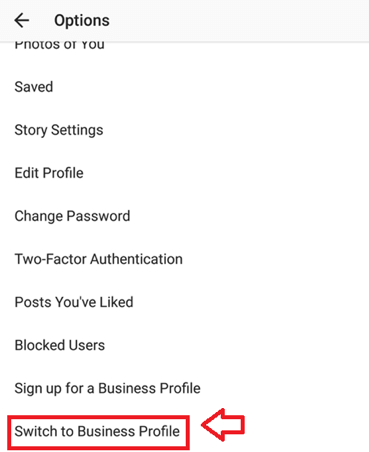
From increased visibility and credibility to valuable analytics and advertising capabilities, a business profile is a cornerstone for businesses aiming to thrive in the competitive landscape of Instagram.
Use a mix of broad and specific hashtags for maximum reach.
Research and Use Relevant Hashtags:
Create a Branded Hashtag:
Develop a unique hashtag for your brand.
Encourage followers to use it when sharing content related to your brand.
Craft Captivating Captions
Craft Captivating Captions
Ensure your post captions are not only interesting but also possess a touch of humour.
These captions add depth and meaning to your content.
For lighthearted posts, keep captions short and simple.
On the other hand, if your content is informative, sentimental, or requires in-depth explanations, consider breaking the captions into short paragraphs or a bullet-point format for clarity.
Engaging captions enhance the overall impact of your posts.
Include actions like following, liking, and tagging friends.
Giveaway Alert: Prize Relevance
Prize Relevance
Offer prizes that resonate with your audience.
Collaborate with other brands for bigger and more appealing prizes.
Make Use of Social Media Engagement Tools
Make Use of Social Media Engagement Tools
Leverage a social media management tool to streamline your posting process on Instagram.
By using such a tool, you can ensure consistent posting without the hassle of logging in each time.
If you’re committed to growing your Instagram following efficiently, scheduling your posts with a dedicated tool allows you to automate the process and focus on other aspects of your strategy.
Save time and effort by letting the software handle the rest.
Track Your Progress Regularly
Track Your Progress Regularly
Regularly tracking your progress on Instagram is paramount for follower growth.
Metrics to analyze include –
engagement rates
follower demographics
post reach
All these provide valuable insights into what resonates with your audience.
By understanding which content performs well, you can refine your strategy, optimize posting times, and tailor your approach to attract and retain followers.
Monitoring your progress also allows you to identify trends, adapt to algorithm changes, and stay ahead in the dynamic landscape of social media.
Q1. How can I optimise my profile to gain more followers on Instagram?
Answer. Your Instagram profile is the identity of your profile, you can optimise it to gain more followers. Here are some tips –
Use a clear, high-quality image that represents you or your brand.
Ensure the image is recognizable, even at a small size.
Choose a memorable username that reflects your identity or brand.
Craft a compelling bio with relevant keywords.
Include a call-to-action (CTA) encouraging visitors to follow.
Q2. How often should I post on Instagram to gain more followers?
Answer. Posting frequency is crucial, but there’s no one-size-fits-all answer.
Aim for consistency, whether it’s three times a week or daily. Assess your audience’s response and adjust accordingly.
Quality content always trumps quantity.
Q3. Can I buy Instagram followers?
Answer. While it may be tempting to buy Instagram followers as a quick way to inflate your follower count, it’s generally not recommended.
Purchased followers are often inactive or fake accounts, providing little to no engagement on your content.
Instagram’s algorithms are designed to prioritize genuine engagement, and buying followers can lead to a skewed follower-to-engagement ratio, potentially harming your credibility.
Q4. Can I get suspended for fake followers on Instagram?
Answer. Instagram actively works to identify and remove fake accounts, and profiles found engaging in such practices may face consequences, including account suspension.
Q5. What are some Instagram business profile optimisation tips?
Answer. Below are some significant Instagram business profile optimization tips that you can follow to enhance your profile presence –
Choose a profile picture that’s on-brand with your company.
Fill your bio with valuable and actionable information. It must include your brand, who you are and what you do.
Add a link or a link tree (if you have multiple important links) to your bio. This makes it easy for the audience to go straight from your profile to your other platforms.
From movies and TV shows to music, reality shows, Live events, and podcasts, streaming platforms today offer an unparalleled range of entertainment at home.
However, with so many choices available at our fingertips, we often feel unsure of what to watch and how to get the most out of paid streaming subscriptions.
To help out with this, our team at MyMobiles have compiled a comprehensive guide for streamlining your streaming experience.
They offer a vast library of movies, TV shows, documentaries, and original content for subscribers to stream on-demand.
Music Streaming Services
Music Streaming Services
While you have platforms to watch your favourite movies and TV shows, there are also services such as Spotify, Apple Music, and Tidal that are here to curate your music playlists.
These platforms provide access to millions of songs and albums for streaming and offline listening.
They also offer personalized playlists and recommendations depending on popular plays in the different music genres.
All streaming platforms have multiple subscription plans with different features, validity options and prices.
Before you pick any subscription plans, ask yourself the following questions:
How is the Content Library? Does the subscription plan include access to all the content you want to watch/listen to, or do you need to upgrade for additional shows, movies, or songs?
Is the streaming quality good? Keep in mind that higher-tier plans often offer better video and audio quality. These high-end plans include options for 4K Ultra HD and lossless audio streaming.
How many devices will be allowed to stream? Some platforms have plans that put a limit to the number of devices that can stream simultaneously on one subscription. If you want to share your subscription with family and friends, make sure you choose a plan that allows multiple devices to stream simultaneously.
Does it allow offline downloads? Many users prefer streaming while travelling or when they are outside the home when internet service might not be the best. So, if you too are frequently travelling or plan on watching your favourite show when you know you will have limited internet access, make sure you check the offline download option. Always consider a plan that allows you to download content for offline viewing/listening.
Does it provide a complete Ad-Free experience? Most streaming services have ad-supported content and premium plans to go completely ad-free. The free content is also limited and might not include the shows or movies that you want to watch. So, always decide if you’re willing to tolerate a few ads during streaming or if you rather prefer an uninterrupted experience.
Personalizing Streaming Recommendations
Recommendation algorithms will personalize suggestions based on the user’s viewing and listening history
Personalized recommendation is one feature that you need to utilise properly to make the most of it. Here’s how you can do that.
Rate and Review what you watch: Always rate and review when you watch/listen to some content. When you provide feedback, it helps the streaming platform algorithm to understand your taste and it can come back to you with better auto recommendations. It will automatically show you content that you will most probably like.
Create Your Profile: This is specifically important in case you plan on sharing your account with others. Always start by creating separate profiles for yourself and recommend the other users create one profile for themselves as well.
Explore Recommendations: Every streaming platform has a functioning algorithm that ensures you get the content you like. Take advantage of the platform’s algorithms. Start by exploring recommended shows, movies, playlists, and channels based on your interests.
Stay Up-to-date On Original Content
Stay Up-to-date On Original Content
Streaming platforms, whether it is music or video, keep adding exclusive and original content for their users.
From blockbuster movies to critically acclaimed TV shows and award-winning documentaries, streaming platforms invest in producing original content to attract subscribers.
To be able to make the most out of the streaming services, the most important step is to up-to-date on their content calendar.
Here’s how you can stay up-to-date –
Keep an eye out for announcements and release schedules for upcoming original content on your preferred streaming platforms.
Take the time to explore the platform’s catalogue of original content and discover hidden gems that you may not have heard of before.
Follow your favourite directors, actors, musicians, and content creators on social media to stay updated on their latest projects and collaborations.
Engage with the virtual events, premieres, and Q&A sessions with creators and talent.
Managing Your Steaming Subscriptions and Avoid Overspend
Managing Your Steaming Subscriptions and Avoid Overspend
Since we have too many streaming platforms available today, the chances of subscribing to multiple platforms can increase monthly bills.
There are many ways you can avoid subscription fatigue and overspending. Consider the following steps –
Regularly assess the streaming services you use.
Consider cancelling or pausing subscriptions that you rarely use.
Check all the bundle deals and discounted subscription packages.
Share subscriptions with family or friends whenever possible to avoid multiple subscriptions.
Use trials to test the streaming platforms wisely.
Answer. Whenever a user visits a webpage or starts watching a stream or a video, all involved vendors log all requests in their access logs on their servers, including the user’s IP address, which is personal data.
Q2. Can I share my Netflix password with someone?
Answer. Although the streaming giant put an end to unofficial password sharing, you can still share a password with someone outside your household, but for a price.
Q3. How much does a Spotify plan cost in India?
Answer. The Spotify Premium prices in India are different depending on which Premium plan you choose: The Spotify Premium Mini plan costs ₹7 for 1 day, the Premium Individual plan costs ₹119 per month, the Premium Duo plan costs ₹149 per month, the Premium Family plan costs ₹179 per month, and the Premium Student plan costs ₹59.
Q4. How can check if my device is compatible with the streaming app?
Answer. When viewing an app on the Google Play Store, scroll down to the “Additional Information” section. Here you can find compatibility-related information.
Also, Make sure your streaming device (smart TV, streaming stick, gaming console, etc.) is compatible with the streaming service and supports the desired features, such as 4K streaming or Dolby Atmos audio.
Q5. How many screens are allowed on Amazon Prime?
Answer. Amazon Prime video can be downloaded on multiple devices and up to 3 devices can stream simultaneously with the same login credentials and only 2 devices can simultaneously view the same title/content.