A recent report also reveals a list of exciting launch offers that potential buyers can avail themselves of.
Here are the details broken down:
Launch Offers
Vivo Y200 5G: Launch Offers
According to a report by Appuals, the Vivo Y200 5G will likely be available in a single variant, featuring 8GB of RAM and 128GB of internal storage, priced at Rs 21,999. Introductory offers include:
Cashback of up to Rs 2,500 on EMI transactions with major banks such as SBI, IndusInd, and BOB. This offer is valid till October 31st, 2023.
A 40 percent discount on the Vivo V-Shield Plan, which provides an Accidental Damage Protection Plan against physical and fluid damages.
Expected Specifications
Vivo Y200 5G: Expected Specs
The specifications of the Vivo Y200 are also attracting attention. Highlights include:
Display: 6.67-inch AMOLED screen with FHD+ resolution and 120Hz refresh rate, featuring an embedded fingerprint reader.
Processor: Qualcomm Snapdragon 4 Gen 1 SoC.
Software: Funtouch OS 13 based on Android 13.
Memory: 8GB RAM and 256GB internal storage, with a rumoured 8GB of virtual memory.
Battery: A 4,800mAh battery supporting 44W fast charging.
Cameras: A 64MP primary sensor (with OIS) accompanied by a 2MP depth sensor, and a 16MP front-facing camera.
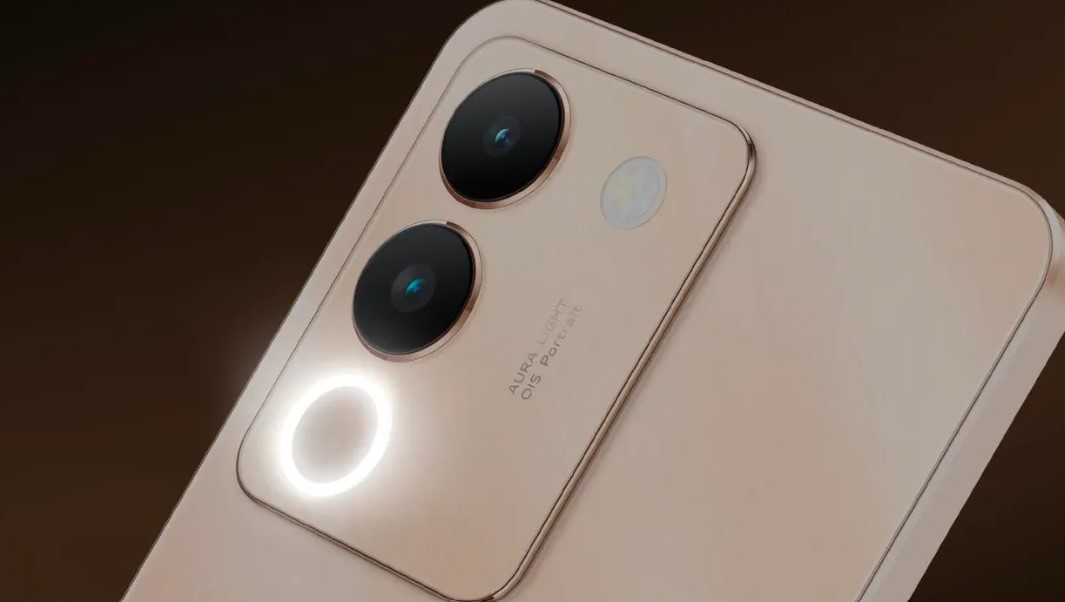
Additional features include the Smart Aura Light with 38-level colour adjustment and Wedding Style Portrait mode.
Colours: Jungle Green and Desert Gold, as seen in leaked renders.
Dimensions and weight: The device is expected to weigh 190g and have a width of 7.69mm.
Vivo Y200 5G Key Specs
GENERAL
Sim Type
Dual Sim, GSM+GSM (Hybrid Slot)
Dual Sim
Yes
Sim Size
Nano+Nano SIM
Device Type
Smartphone
Release Date
October 23, 2023 (Expected)
DESIGN
Weight
181 g
Colors
Metal Black, Twilight Gold, Pacific Blue
DISPLAY
Type
Color AMOLED Screen (1B Colors)
Touch
Yes
Size
6.67 inches, 1080 x 2400 pixels, 90 Hz
Aspect Ratio
20:9
PPI
~ 409 PPI
Screen to Body Ratio
~ 91.04%
Features
DCI-P3 Wide Color Gamut, Local Peak Brightness: 1300 Nits, HDR10+ Certification
OpenAI adds browsing to ChatGPT for real-time information.
DALL-E 3 is now integrated into ChatGPT for image queries.
Internet browsing feature was re-introduced after resolving paywall issues.
ChatGPT gets new voice and image interaction features.
OpenAI, the brains behind the revolutionary generative AI system ChatGPT, has launched an internet-browsing feature for its service.
Alongside that, the company has also revealed the integration of its latest text-to-image model,DALL-E 3 with GPT.
The output of search results on ChatGPThas been limited to data up to September 2021, so the utility of the platform as a real-time search engine remained non-existent.
OpenAI has been looking to remedy this situation since March 2023, when OpenAI started a beta program to introduce internet services to the chatbot.
After that, this ChatGPT was integrated with Microsoft’s Bing search engine to assess the output, but the service was limited to a few Enterprise users and GPT Plus subscribers.
New Features
DALL-E 3 with GPT: New Feature
So now ChatGPT has fully functional internet browsing capability, what does this mean for the overall consumer?
Well, the browsing capability aims to make the chatbot more resourceful by providing instant answers along with source links.
OpenAI has also enriched ChatGPT by announcing several voice and image capabilities.
These allow users to show an image or speak commands to communicate a query to the chatbot, which will then convert voice to text and analyze the image’s various elements.
Withdrawal and Re-Introduction
While these internet-browsing functionalities were initially extended to the ChatGPT mobile app in late June, they were abruptly pulled back.
The withdrawal came after it was discovered that ChatGPT could display paywalled content, posing legal and ethical challenges.
According to OpenAI, “From a simple sentence to a detailed paragraph, ask ChatGPT what you want to see and it will translate your ideas into exceptionally accurate images.”
This feature is available for both web and mobile versions of the chatbot and can be accessed in the selector under GPT-4.
FAQs
What new features has OpenAI added to ChatGPT?
OpenAI has launched internet browsing and DALL-E 3 integration for ChatGPT, along with voice and image capabilities.
Why was the internet browsing feature withdrawn before?
It was withdrawn due to legal and ethical challenges stemming from ChatGPT displaying paywalled content.
How does the DALL-E 3 integration work?
DALL-E 3 allows ChatGPT to convert text queries into exceptionally accurate images, available on both web and mobile platforms.
Who can access the new features of ChatGPT?
The features are available to the general public, but were initially tested among Enterprise users and GPT Plus subscribers.
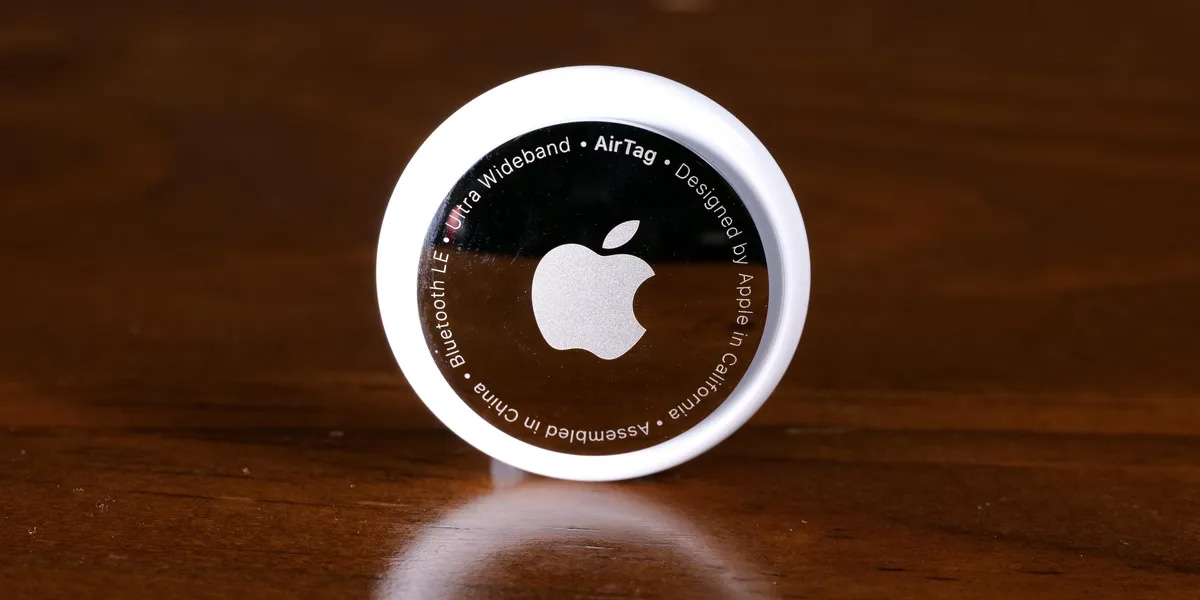
The second generation of AirTags was slated for a 2023 release but several postponements pushed it to 2024.
Now with another year reportedly added to the mix, a total of four years will be witnessed between the release of the original AirTagsand their second-generation successor.
Sales Performance Questions
Apple AirTag 2 Release
It is rumoured that Apple has not been entirely satisfied in terms of the sales numbers attached to the original AirTags.
Another and more real possibility is likely that the convenience and functionality offered by the existing devices remove an urgent need for the second-generation model.
Millions are required to design a new model and develop its accompanying software, raising questions about whether such an investment is warranted.
Possible AirTag 2 Innovations
Apple AirTag 2 Innovations
When the AirTag 2 is eventually released in 2025 it is believed to be accompanied with enhanced location tracking features.
Moreover, there are also hints at a potential integration with the Apple Vision Pro, though for what exact purpose remains unclear.
Equipped with an ultra-wideband chip for precise tracking, the original AirTags already offer impressive capabilities.
WhatsApp beta tests self-destructing audio messages, aiming for enhanced privacy.
Feature extends the ‘View Once’ capability from images and videos to audio.
Only select beta users have access to this feature.
WhatsApp is reportedly testing self-destructing audio messages, as part of its push to enhance user privacy.
The Meta-owned platform has previously revealed self-destruct messages a while back and it seems this new update is a continuation to that.
Redefining User Privacy
The new self-destructing audio messages feature can be considered an extension of WhatsApp’s existing ‘View Once’ capability for images and videos.
Similar to that, as per thereport by WABetaInfo, very soon an audio message will also be able to vanish after the recipient has played it once.
Previously, audio messages had a more lasting presence; they would stay put unless manually deleted by the sender for everyone involved in the chat.
Beta Availability and Public Rollout
Currently, the feature is only available to users who have access to the latest WhatsApp beta version for both Androidand iOS platforms.
As such it has not yet been rolled out to the stable channel for all WhatsApp users.
Those keen on trying the feature may find it challenging, especially on iOS, where entry to WhatsApp Beta is only possible through a TestFlight invitation, which is often hard to come by.
WhatsApp has taken considerable steps in recent years to up its privacy-first rhetoric.
Apart from just the ‘View Once’ feature, WhatsApp later implemented a feature that blocks screenshots and screen recordings.
Not to mention, all messages on WhatsApp are end-to-end encrypted as well.
It is reasonable to expect that similar measures will also be in place for self-destructing audio messages, preventing unauthorised downloads or recordings.
When Will The Feature Be Publicly Available?
While there is still no concrete timeline for the public rollout of self-destructing audio messages, its appearance in beta versions is a strong indicator that it may soon be made widely available, adding a fresh layer of privacy to our digital communications.
Branching Out to iPad
WhatsApp: iPad App
In more WhatsApp news, the messaging giant is also in the process of creating a dedicated app for the iPad.
Although still in beta, the iPad app will function similarly to its Mac counterpart, allowing users to sync their WhatsApp account from their phone to their tablet.
FAQs
What does the new self-destructing audio message feature do?
The feature allows users to send audio messages that automatically disappear after the recipient has listened to them, adding a layer of privacy.
Who has access to this feature right now?
Currently, only users with the latest WhatsApp beta version on Android and iOS can use this feature.
Is this feature similar to any existing WhatsApp feature?
Yes, it extends the ‘View Once’ feature, originally designed for images and videos, to audio messages.
Is there any information on when this will be available to all users?
As of now, there is no official timeline for its public release, but its beta testing suggests it could be rolled out soon.
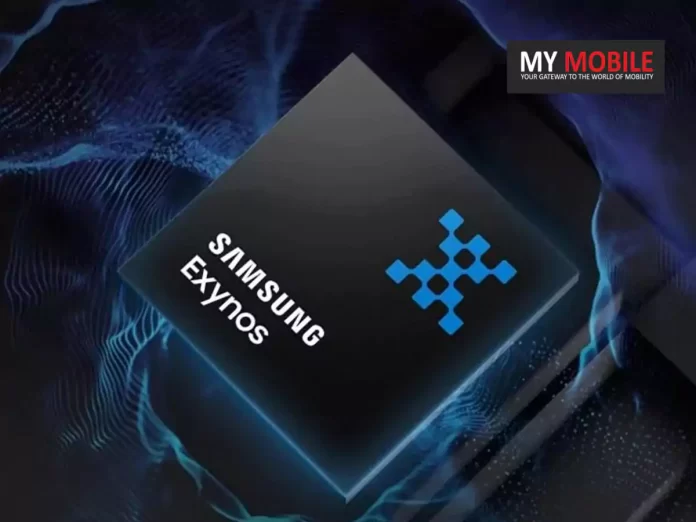
Exynos 1480 boasts AMD’s Xclipse 530 GPU, based on the RDNA 2 architecture.
Geekbench scores suggest a performance boost over the Exynos 1380.
Exynos 1480 likely to debut in Samsung’s Galaxy A55, rumored to feature a 50MP camera.
Benchmark performance pits Exynos 1480 against Qualcomm Snapdragon 778G.
Samsung is looking to refresh its popular Galaxy A series lineup but the headline this time is next-generation SoC, the Exynos 1480, which it touted to feature AMD graphics under the hood.
Leaked by the reliable tipster @Tech_Reve, the chipset is looking set to be revealed on the Samsung Galaxy A55 smartphone which is expected to launch next year.
Powering Up with AMD
Exynos 1480: Xclipse 530 GPU
As mentioned above the Exynos 1480 has an AMD-designed GPU and it is called the Xclipse 530.
Although rumours were rife that Samsung might pivot towards creating its graphics solutions, these speculations have, for the time being, been put to rest.
Talking a bit more about the Xclipse 530 GPU, it is based on AMD’s RDNA 2 architecture, which bares a resemblance to Xclipse 920 graphics that made its debut with the Samsung Galaxy S22 series.
Benchmark Revelations
Exynos 1480 was spotted on Geekbench
Adding more fuel to the fire, the Exynos 1480 was spotted on Geekbench by the tipster, where it laid bare single-core and multi-core scores of 882 and 2808 respectively.
These results signify a moderate but meaningful leap over its predecessor, the Exynos 1380, which had posted scores of 776 and 2599 in the same tests.
In terms of its competition, the Exynos 1480 is very much on par with the likes of the Qualcomm Snapdragon 778G.
The new chipset comprises eight cores: four performance cores clocked at 2.75GHz and four power-efficient cores at 2.05GHz.
Galaxy A55: The First Host
Talking a bit about the Galaxy A55, the first smartphone expected to be graced by the Exynos 1480, rumours have put a 50MP camera on the handset’s back.
While detailed specifications for the device remain undisclosed, Samsung’s track record with the A-series suggeststhat the Galaxy A55 could feature a 120Hz AMOLED display, an IP rating for water and dust resistance, stereo speakers, and an in-display fingerprint sensor.
As for the exact timeline for the launch of the Exynos 1480 remains there’s a bit of uncertainty in the air.
Even so, the chipset’s appearance on Geekbench suggests that an official announcement could be imminent.
As the market awaits further details, the Exynos 1480’s combination of advanced features and respectable performance benchmarks positions it as a contender that could redefine expectations for mid-range smartphones.
FAQs
What is special about the Exynos 1480 SoC?
The Exynos 1480 features an AMD-designed Xclipse 530 GPU and shows promising benchmark results, indicating a strong performance profile.
Which device will first feature the Exynos 1480?
The Exynos 1480 is expected to make its debut in Samsung’s Galaxy A55 smartphone, which is slated for launch next year.
How does the Exynos 1480 compare with its predecessor?
Geekbench scores reveal that the Exynos 1480 has a moderate but noticeable performance boost over the Exynos 1380, especially in single-core and multi-core metrics.
When can we expect an official announcement for the Exynos 1480?
While the exact timeline remains uncertain, the chipset’s appearance on Geekbench suggests that an official announcement could be around the corner on the Galaxy A55 smartphone.
Apple’s foldable iPad expected to enter mass production by end of 2024.
Key collaboration with Samsung Display and LG Display for foldable panel supply.
Strategic shift to focus on iPad over iPhone for foldable technology.
Price speculated to start at over $2,000, redefining metrics for product success.
With foldable smartphones now permeating through consumer electronics segment at such a rapid pace, many in the industry have speculated when Apple will hop aboard.
It is a known fact that Apple has been labouring over the design of a foldable iPad for four years.
As per the report, this new folding iPad is expected to enter mass production by the end of 2024.
As Apple reportedly shifts its focus from the iPhoneto the iPad for its foldable ambitions, the industry and consumers alike are eagerly awaiting what could be a revolutionary product.
The Roadblocks to a Folding iPad
Apple’s Rumoured Foldable iPad
One of the critical aspects highlighted in the report is Apple’s collaboration with Samsung Display (SDC)andLG Display (LGD) for the foldable panel supply.
However, Applefaces challenges on multiple fronts with the main issue being the reduction of the visible crease that often appears in foldable displays.
However, reports suggest that both SDC and LGD have made significant strides in mechanical designs to address this issue.
Initially spearheaded by Apple’s product design team, the project has now been handed over to the procurement department.
But wouldn’t a folding iPhonemake more sense? After all it is the company’s real money-maker.
However, Apple’s choice to initially experiment with a foldable iPad instead of an iPhone might be strategic iPads make up a smaller proportion of Apple’s total sales, making it easier to manage any potential issues with a less dramatic impact on revenue.
Testing the Waters
The looming question remains: What could this foldable iPad mean for the market and, more specifically, for Apple?
The price point for this futuristic device remains a point of speculation, with some analysts suggesting it could start at well over $2,000.
If this proves to be accurate, Apple would likely need to redefine its metrics for what constitutes a “successful” product, diverging from what typically makes a regular iPad popular.
Apple’s Road Ahead for Foldables
Apple’s Road Ahead for Foldables
The foldable iPad is, of course, still shrouded in secrecy and subject to design changes before hitting the market.
As the tech giant continues to navigate design and cost challenges, the industry and consumers will be closely watching how Apple handles this ambitious project.
Success with the iPad could finally prompt Apple to step up into the realm of a folding iPhone.
FAQs
When is Apple’s foldable iPad expected to be released?
The foldable iPad is anticipated to enter mass production by the end of 2024.
What are the technical challenges Apple is facing?
One major hurdle is the visible crease in foldable displays, though strides are being made in mechanical design to mitigate this issue.
Why is Apple focusing on a foldable iPad rather than an iPhone?
The iPad constitutes a smaller percentage of Apple’s sales, making it a strategic choice for testing new, risky technology.
What is the expected price point for the foldable iPad?
Analysts speculate that the price could start at well over $2,000.
The Honor X9b comes with a curved 6.78-inch AMOLED display with 120Hz refresh rate.
There is a Snapdragon 6 Gen 1 processor with up to 12GB RAM.
Apart from that you get a robust camera setup featuring a 108MP primary sensor.
There’s also a 5,800mAh battery with 35W fast-charging capabilities.
Without so much as a press release, Chinese smartphone giant Honorhas basically upgraded its mid-range lineup with a new offering called the Honor X9b.
The introduction comes via its Saudi Arabian website and there is no word as now where else on the global market the device will land.
What isn’t in doubt is that the new X9b 5G comes as an upgrade to the existing Honor X9a, a device revealed in the same market earlier this year.
While the pricing and availability details are still under wraps, the Honor X9b 5G has under its belt a series of features and specifications that surely make it a contender to look at twice.
Reliable tipster Digital Chat Station leaks design and display specs of the Redmi K70 Pro.
The smartphone is expected to feature a 2K flat screen with slim bezels and enhanced brightness control.
Its metal frame and glass-coated body house a unique, transparent, and horizontally arranged camera module.
The Redmi K70 series from Xiaomiis a new upcoming lineup in China and it has the consumer market in a lot of intrigue, to say the least.
Adding a bit of fuel to the fire is trusted tipster Digital Chat Station, who has revealed several design and display elements that could likely be present on the Redmi K70 Pro.
Redmi K70 Pro: Leaked Display and Design Features
Moving first to the viewing experience, the Redmi K70 Pro is reported to house a high-definition 2K flat screen.
Thereport also states about extremely slim bezels, which would provide a greater screen-to-body ratio.
The screen is said to be engineered for enhanced brightness-dimming capabilities, which could be a major draw for users who demand exceptional visual performance from their devices.
As for the design, the Redmi K70 Pro is likely to feature a metal middle frame that not only adds to the phone’s robustness but also contributes to its aesthetic value.
Apart from that the body is touted to be glass-coated, giving it a sleek and premium feel.
Redmi K70 Pro: Leaked Design
But the real conversation starter is the camera module, which is arranged horizontally and designed to be transparent.
This is likely to offer a unique visual twist, making the phone stand out among its peers.
While the aforementioned details come from leaks and not official sources, a Pink color variant has been spotted in an engineering prototype.
Whether this color option will make it to the consumer market is yet to be seen.
Other Leaked Key Features
Under the hood, the Redmi K70 Pro doesn’t disappoint either.
It is expected to be powered by the Snapdragon 8 Gen 3 processor, which Qualcomm is yet to announce officially.
If true, this could place the device at the forefront of smartphone performance.
Moreover, earlier leaks have pointed towards the device featuring a sizeable 5,120mAh battery, which supports up to 120W fast charging.
With 16GB of RAM andAndroid 14 as its operating system, this device is looking aim for power users.
While there’s currently no confirmed release date, there is strong speculation that the device may be launched in the Chinese market as soon as this December.
The phone could also be rebranded under Xiaomi’s POCO lineupfor its global release, although the Redmi K70 Pro itself may remain exclusive to China.
What display features can we expect from the Redmi K70 Pro?
The Redmi K70 Pro is expected to feature a 2K display with minimal bezels, resulting in a high screen-to-body ratio. Additionally, it is anticipated to have enhanced brightness-dimming capabilities.
What will be the standout design elements of the Redmi K70 Pro?
The device is slated to have a metal middle frame and a glass-coated body. A unique design feature is the horizontally arranged camera matrix, which will be transparent, offering a distinct visual appeal.
What are the reported hardware specifications of the Redmi K70 Pro?
According to leaks, the Redmi K70 Pro is expected to be powered by the yet-to-be-announced Snapdragon 8 Gen 3 processor. It will likely feature a large 5,120mAh battery with 120W fast charging, 16GB of RAM, and will run on Android 14 OS.
When and where will the Redmi K70 Pro be available?
There’s no official announcement on the release date yet. However, it is speculated that the device could hit the Chinese market as early as December. It may also be available under Xiaomi’s POCO brand in global markets.
However, another subtle yet impactful update went under the radar—Apple’s 10th-generation basic iPad now features eSIM support in mainland China.
A first for the region, this strategic move is bound to affect the tablet market, yet Apple chose to downplay its significance, not even highlighting it in the headline of their Chinese press release.
Let’s break it down
Apple: 10th-Gen iPads in China
eSIM Comes to China: The 10th-gen basic iPad with Wi-Fi + Cellular in China now includes eSIM functionality. This upgrade provides users a seamless, secure, and smooth cellular data connection, eliminating the need for a physical SIM card.
Old News in the US: For those following the tech scene in the U.S., this might seem like stale news. The US version of the 10th-gen iPad has been eSIM-compatible for a while now. But for China’s market, this is a fresh development.
Apple’s Hush-Hush Approach: The update didn’t get the spotlight it perhaps deserved. The eSIM feature was not mentioned in the headlines of Apple’s press release in China and was entirely absent in other countries’ press releases which focused solely on the new Apple Pencil.
Anticipation and Speculation: Prior to this muted announcement, chatter had intensified around the release of three new iPad models on October 17th. These included an 11th-gen basic iPad, a new iPad Air featuring an M2 chip, and an iPad Mini powered by a 4nm A16 Bionic chip.
Reality Check: Contrary to rumours, Apple, on October 17th, did not unveil any new iPads. The only hardware introduced was the third-gen Apple Pencil with USB-C charging support.
So, what’s the takeaway here?
On the one hand, Apple’s focus on its new Rs 7,900 Apple Pencil overshadows a substantial technological shift in one of its cornerstone products in a key market.
On the other hand, the downplay might signal Apple’s strategic approach to test waters in China before making grand announcements.
FAQs
What’s new in the 10th-Gen iPads in China?
Apple has added eSIM support to the 10th-Gen iPads in mainland China, allowing for a secure and smooth cellular connection.
Was the eSIM feature highlighted in Apple’s press releases?
No, Apple chose to focus on the third-gen Apple Pencil in their press releases, keeping the eSIM update low-key.
Were any new iPad models released on October 17th?
Contrary to rumours, Apple did not introduce any new iPad models. Only the third-gen Apple Pencil was announced.
How much does the new Apple Pencil cost?
The third-generation Apple Pencil is priced at Rs 7,900 and comes with USB-C charging support.
• OnePlus Pad Go will go on sale starting 12 noon with a starting price of INR 19,999. • It will be will be available in 8+128GB Wi-Fi & LTE, and 8+256 LTE variants.
OnePlus, announced that the OnePlus Pad Go will go on open sale starting 12 noon on 20 October, 2023.
Both the Wi-Fi and the LTE variants of the OnePlus Pad Go will go on sale in the Indian market.
Customers can purchase OnePlus Pad Go at the starting price of INR 19,999.
OnePlus Pad Go brings a large 28.85cm (11.35”) 2.4K display which is the best in its price range, with super-narrow bezels measuring just 7.5mm across.
Like the OnePlus Pad, the Pad Go adopts a 7:5 display ratio, a fast refresh rate of 90Hz, and a peak brightness of 400 nits.
The Pad Go gets a quad speakers setup that supports Dolby Atmos.
The OnePlus Pad Go is equipped with a huge 8GB RAM and upto 256GB ROM with support up to 1TB of additional external memory via microSD card.
It packs an impressive 8,000mAh battery and 33W SUPERVOOC charging.
New for the OnePlus Pad Go is the option for LTE connectivity, which is available on both the 128GB and 256GB ROM models.
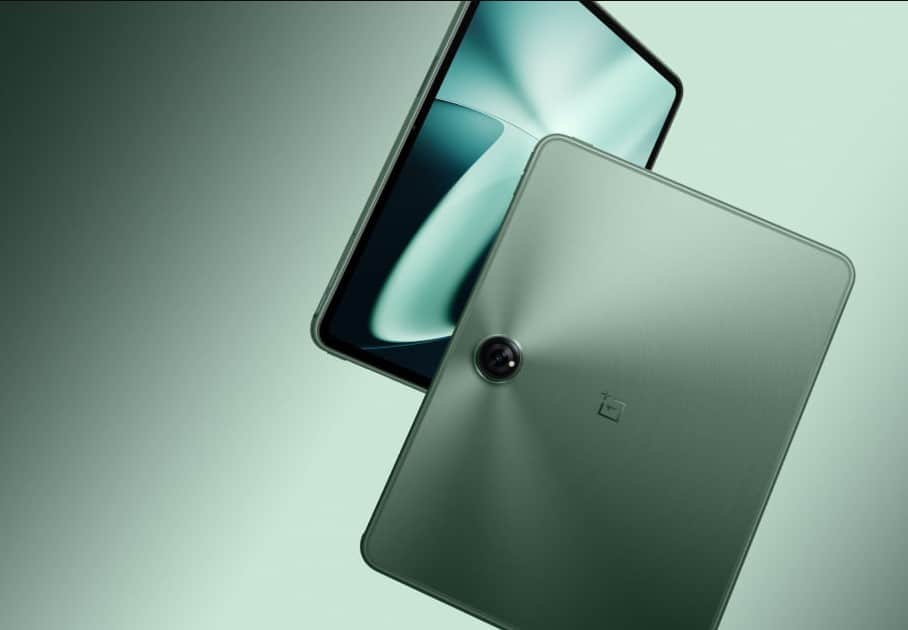
The back panel of the OnePlus Pad Go gets a highly distinct Twin Mint colorway, blending two unique green tones with two collaged textures of matte and mirrored metal.
Availability, Price & Offers
OnePlus Pad Go Price
The OnePlus Pad Go will be available for open sale starting 20th October on both online and offline channels.
Further details are available below
Product
Variant
Price
Availability
OnePlus Pad Go
8GB+128GB WIFI
INR 19,999
Amazon, Flipkart, Oneplus.in, OnePlus Store App, OnePlus Experience Stores, Reliance, Croma and other key offline partner outlets
OnePlus Pad Go
8GB+128GB LTE
INR 21,999
OnePlus Pad Go
8GB+256GB LTE
INR 23,999
Offers
OnePlus Pad Go Offers
* Customers purchasing the OnePlus Pad Go in OnePlus Experience Stores, OnePlus.in & offline partner stores can avail an upto INR 2,000 off using ICICI Bank & OneCard cards
* Customers can avail additional INR 1000 special price coupon discount on Oneplus.in. on 8 + 128GB WIFI variant.
* Customers purchasing the OnePlus Pad Go in Amazon.in can avail an up to INR 2,000 Instant Bank Discount using SBI cards
* Customers purchasing the OnePlus Pad Go in Flipkart can avail an upto INR 2,000 Instant Bank Discount using ICICI Bank cards
* Students can avail the following discounts on the OnePlus Pad Go on Amazon.in and Flipkart :
* RCC members gain benefits up to INR 1500 on the purchase of OnePlus Pad Go on OnePlus.in
* The OnePlus Pad Go Folio Case will be available for purchase at INR 999 starting October 20th.
OnePlus Pad Go Design with A Purpose
OnePlus Pad Go Design
Like the original OnePlus Pad, the Pad Go features the centered camera design first introduced on its older sibling.
This symmetrical design resolves issues associated with non-centered camera designs, particularly when capturing close-ups, so it’s even easier than before to take stunning photo and video content.
The back panel of the tablet also breaks the norms with its highly distinct Twin Mint Color .
Blending two unique green tones with two collaged textures of matte and mirrored metal, Twin Mint represents the distinct personalities of the younger generation, combining effortless cool with energetic enthusiasm.
OnePlus Pad Go Connectivity
OnePlus Pad Go Connectivity
Users of OnePlus phonesbenefit from being able to seamlessly connect with the Pad Go when the two devices are near each other and logged into the same OnePlus account.
When Screen Mirroringis enabled on the Pad Go, the interface of the connected phone can be directly manipulated in a floating window on the tablet, allowing you to control your phone on a larger screen.
Photos and other files can also be seamlessly dragged and dropped between the two devices and calls and notifications can be received directly on the connected Pad Go.
The Pad Go can share clipboard content and the photo gallery with OnePlus and OPPO phones, allowing you to view them on a bigger screen and edit them directly.
OnePlus Pad Go Specs & Dependable Quality
OnePlus Pad Go Specs
OnePlus Pad Go is equipped with a huge 8GB RAM which means you can keep multiple apps running in the background at one time and effortlessly switch between different apps, picking up exactly where you left off.
In terms of storage, the OnePlus Pad Go is available in 128GB and 256GB ROM options, both of which support up to 1TB of additional external memory via microSD card.
OnePlus has fitted the Pad Go with a 8,000mAh battery and 33W SUPERVOOC charging.
The large battery provides up to 514 hours of standby time and 40 hours of music playback, while the 33W SUPERVOOC delivers rapid charging so you can easily top up before leaving the house or office without needing to carry your charger with you everywhere you go.
New for the OnePlus Pad Go is the option for LTE connectivity, which is available on both the 128GB and 256GB ROM models.
With smooth 4G connectivity, the LTE models give you access to movies, online games, or connectivity with friends without having to rely on Wi-Fi.
The OnePlus Pad Go is also available in an 8GB RAM, 128GB version with Wi-Fi connectivity, which supports cellular data sharing via a mobile phone.
This method of data sharing is 30% more energy efficient compared with standard personal hotspot connections.
OnePlus Pad Go – All-round Audio Experience
OnePlus Pad Go: Sound Experience
Leveling up the audio experience on the OnePlus Pad Go is a suite of exclusive sound technologies designed to provide exceptional audio immersion.
Omnibearing Sound Fieldis OnePlus’s proprietary technology developed for enhanced sound quality and listening experiences.
It enables the quad speakers to intelligently identify the screen direction and automatically switch left and right audio channels to provide accurate stereo sound.
The Pad Go also supports Dolby Atmos.
OnePlus Pad Go – Built for Entertainment
OnePlus Pad Go: Built for Entertainment
OnePlus Pad Go is going to elevate all your experiences of watching movies & listening to music on your tablet with its 2.4K display which is a good deal in its price range and features a phenomenal resolution.
The screen is clear & bigger than many other devices , it is offering a large 28.85cm (11.35”) viewing area surrounded by super-narrow bezels measuring just 7.5mm across.
Like the OnePlus Pad, the Pad Go adopts a 7:5 display ratio, allowing more content to be displayed on the screen at any one time.
A 90Hz refresh rate significantly reduces motion blur in videos or games while also improving the level of smoothness when switching between apps or other windows.
The OnePlus Pad Go’s screen helps to combat eye strain by offering up to 400 nits of adaptive brightness and an Intelligent Brightness feature that automatically adjusts the display brightness based on ambient light levels so that text and other onscreen content can be seen naturally regardless of what environment you’re in.
The screen features Low Blue Light Technology that can filter out harmful blue light emitted by electronic screens to help further prevent eye strain with two modes – Eye Comfort mode and Nature Tone Display mode.
As some users can be sensitive to screen flicker caused by PWM brightness control, the Pad Go instead utilizes DC dimming technology to completely eliminate screen flicker.
With Bedtime Mode, the Pad Go can reduce the quantity of brain-stimulating light emitted by the device in the hours before bedtime to help you fall asleep more comfortably.
Ans) The OnePlus Pad Go price in India starts at Rs 19,999 for the 8GB RAM + 128GB storage option. This pricing is applicable for the Wi-Fi model. The LTE variant which comes with 8GB of RAM and 128GB of internal storage is priced at Rs 21,999, while the Wi-Fi model with the same RAM and 256GB of internal storage costs Rs 23,999.
2) Where is the tablet OnePlus Pad Go available for purchase?
Ans) The tablet will be available for purchase via the OnePlus India website, the OnePlus Store app, Flipkart, Amazon, Reliance, Croma and other key offline outlets.
3) Which is the color available in OnePlus pad go ?
Ans) The tablet comes in Twin Mint colour options.
4) What are the battery specs of OnePlus Pad Go ?
Ans) The device packs an 8,000mAh battery which supports 33W fast charging.
5) What is the bank discount available on OnePlus Pad go ?
Ans) Customers purchasing the tablet will receive Rs 2,000 instant bank discount. Additionally, customers will get a folio cover worth Rs 1,399 at no extra cost.