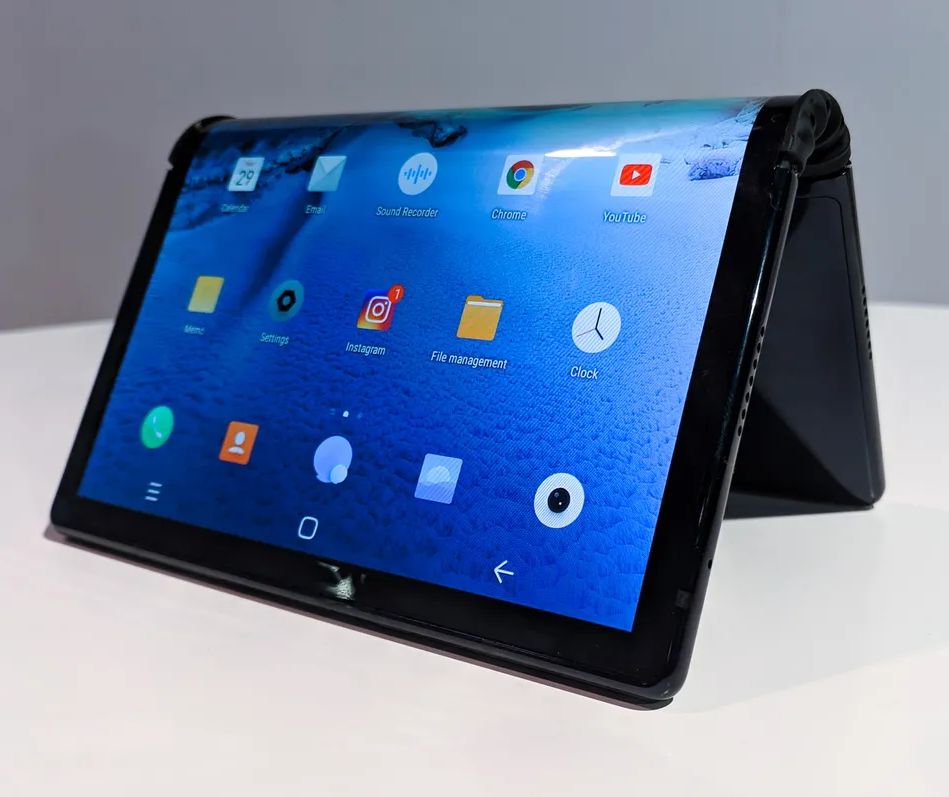
Royole Crisis: The Innovator of the First Foldable Smartphone Has Not Paid Employee Wages in Over a Year
China’s News Daily has reported that for over a year, Royole has been embroiled in financial difficulties, leading to a distressing reality for its employees:wages unpaid since November 2022.
That’s more than a year without getting paid.
The situation escalated when around 50 employees,driven by broken promises from CEO Liu Zihong, resorted to protesting at the company’s Display Headquarters in Shenzhen.
In response to these dire circumstances, the Employee Rights Protection Committee has taken legal action, demanding the settlement of outstanding claims against Shenzhen Royole Technology Co., Ltd.
As of this moment, Royole has not responded on what its next course of action will be regarding its employee’s wages.
Royole’s Exodus of Talent
Royole’s Exodus of Talent
From a bustling innovation hub, Royole has seen its workforce dwindle dramatically.
From thousands, only 200-300 employees remain, primarily engineers tasked with maintaining what’s left of the production line.
Despite Royole’s attempts to seek help from the government and investors, the company has been unable to rejuvenate its production line.
Though well-intentioned, the government’s involvement in debt restructuring has yet to yield significant changes.
This lack of tangible support, coupled with investor indifference, paints a bleak picture of the company’s revival.
Royole can be proud of paving the way for smartphone innovationalthough it is still hard to justify not paying your workers for over a year.
FAQs
What is the current financial situation of Royole Corporation?
Royole Corporation is facing severe financial challenges, resulting in unpaid employee wages since November 2022, leading to protests and legal action against the company.
How has Royole’s workforce been affected by the crisis?
The company’s workforce has drastically reduced from thousands to just 200-300 employees, primarily engineers, due to ongoing financial issues and lack of production.
What steps has Royole taken to address its financial problems?
Royole has sought assistance from the government and investors, but these efforts have yet to revive its production capabilities or resolve its financial crisis effectively.
What was the significance of the Royole FlexPai?
The Royole FlexPai was the world’s first commercially available foldable smartphone, featuring a flexible AMOLED display, Snapdragon 855 processor, and a unique dual-camera setup.
What is the history of foldable phones ?
The history of foldable phones began with the iconic flip phones of the 1990s.
The two sections of the clamshell design, a flat panel display and an alphanumeric keyboard, were connected by a hinge.
However, sales began declining in the late 2000s and early 2010s following Apple’s first iPhone launch in 2007 and the increasing popularity of touchscreen smartphones.
Like flared pants and mom jeans, history did a full 360-turn when a new trend of foldable smartphones emerged in 2018.
We have since seen a range of mobile manufacturers enter the foldable smartphone market with Google’s Pixel Fold, Oppo’s Find N2 Flip, Motorola’s Razr, Huawei’s Mate X, and Samsung’s Galaxy Z Fold and Galaxy Z Flip.
What has the impact of foldable smartphones been on the mobile industry?
As more manufacturers enter the foldable smartphone market, competition will drive further design, functionality, and performance innovation.
As users become more interested in these innovative devices, manufacturers can expect to see a surge in demand for foldable smartphones, leading to further investment in research and development and, even more advancements in the industry.
The large, tablet-like screens of today’s foldable smartphones have created new opportunities for app developers who can create new experiences and expand the capabilities of existing apps.
With more apps explicitly optimized for foldable smartphones, demand will again surge.
What are the Issues with Foldable Phones ?
The foldable smartphones have many benefits like the large screen size, multitasking capabilities, single camera set-up, and portability, there are still challenges to overcome in foldable smartphone technology.
There have been many advancements in the last five years, high costs, battery life, and finding more durable materials remain just some areas manufacturers must address as technology develops.
Are Foldable phones prone to damage ?
Foldable smartphones are more prone to damage as the hinges and folding mechanisms are delicate & fragile .
The larger screens make these devices more prone to scratches and cracks, which are expensive to repair or replace.
In preparation for the launch, Apple has been engaging actively with developers, reportedly sending out emails to software developers to test their apps and gear up for the Vision Pro’s arrival.
This developer outreach is a critical component of Apple’s pre-launch strategy, ensuring a robust ecosystem of applications for the device at launch.
Furthermore, Apple Store employees are currently undergoing training to effectively showcase and demonstrate the Vision Pro to potential customers, indicating that the company is gearing up for a comprehensive retail experience.
Despite these preparations, there has been no official announcement from Apple about the Vision Pro’s release date, keeping the tech community abuzz with speculation.
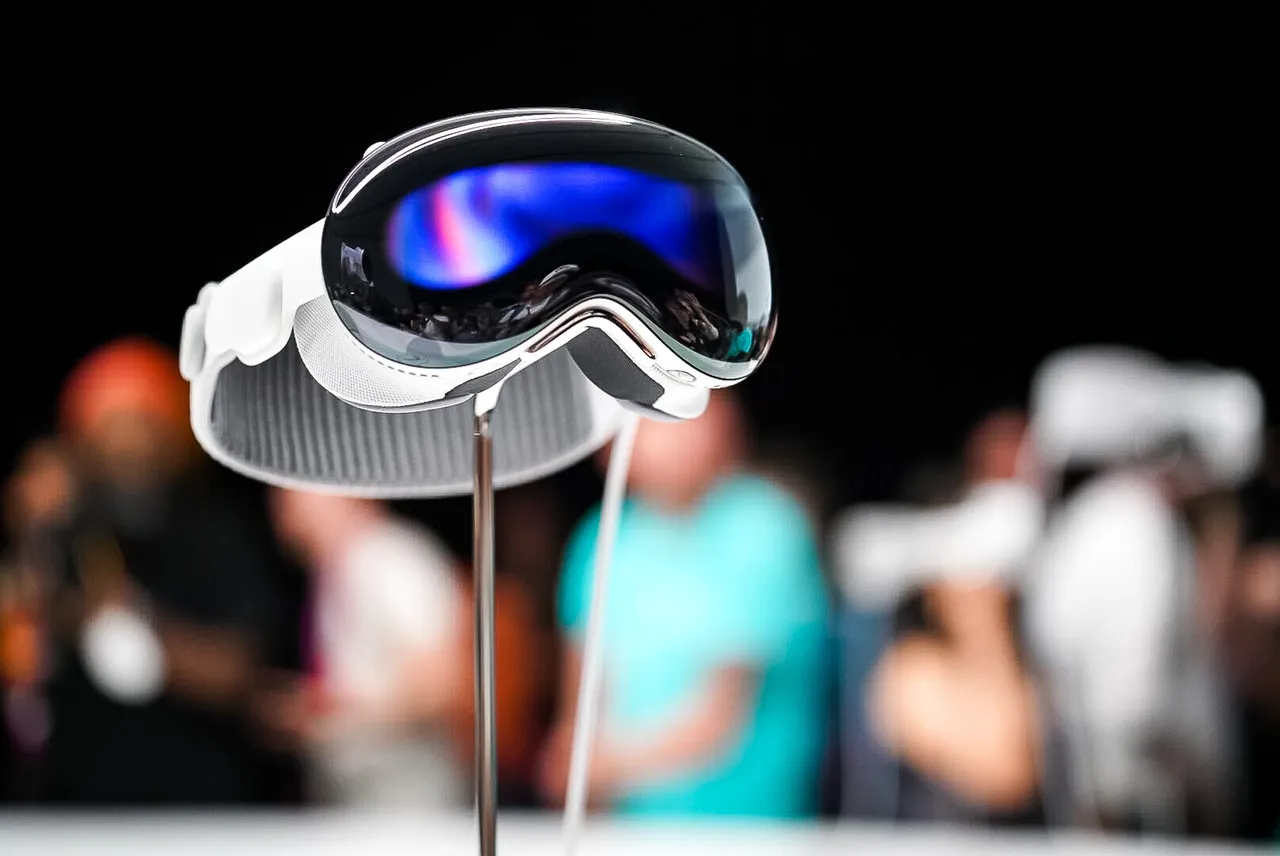
It sports a glass front and an aluminum body, complemented by the Light Seal for enhanced user comfort, and an adjustable elastic fabric strap for a snug fit.
At the heart of the Vision Pro are two processors: the Apple M2, powering graphics and running VisionOS, and the Apple R1, dedicated to processing data from cameras, sensors, and microphones, ensuring rapid image transmission.
The headset’s visual prowess is evident in its micro-OLED displays, offering over 4K resolution per eye, a benchmark in visual fidelity.
Its tracking system, devoid of controllers, employs LEDs and infrared cameras for precise eye tracking and is supplemented by hand tracking for intuitive user interactions.
Apple Vision Pro Poised for End-of-January Release
An immersive audio experience is guaranteed by the Vision Pro’s spatial audio system, featuring two pods that also allow environmental awareness.
Interestingly, Apple is reportedly producing a relatively limited number of Vision Pro units, with some Chinese suppliers claiming only 130,000 to 150,000 units are commissioned for 2024.
This production volume is notably modest compared to the hundreds of millions of iPhones manufactured annually
FAQs
What is the predicted release date for Apple’s Vision Pro mixed-reality headset?
As per analyst Ming-Chi Kuo, the Apple Vision Pro mixed-reality headset is expected to hit Apple Stores by the end of January. This prediction is based on current production schedules and Apple’s pre-launch activities.
What are some key features of the Apple Vision Pro?
The Apple Vision Pro boasts a glass front and an aluminum body for comfort, an adjustable strap, two processors (Apple M2 and Apple R1), over 4K resolution per eye, advanced eye and hand tracking systems, and an immersive spatial audio experience.
How is Apple preparing for the launch of Vision Pro?
In anticipation of the Vision Pro’s release, Apple is engaging with developers for app readiness and training Apple Store employees to effectively showcase and demonstrate the headset to potential customers.
How does the production volume of Vision Pro compare to other Apple products?
Apple plans to produce a relatively modest number of Vision Pro units, with estimates ranging between 130,000 to 150,000 for 2024. This figure is significantly lower than the production volumes for other Apple products like the iPhone.
Has there been an official announcement from Apple about the Vision Pro’s release?
As of now, there has been no official announcement from Apple regarding the release date of the Vision Pro. The current information is based on predictions by analysts and insider reports.
What is the Apple Vision Pro, and when is it launching?
The Apple Vision Pro is Apple’s latest foray into virtual reality headsets, combining advanced technologies for an immersive experience.
Reports, including from Bloomberg’s Mark Gurman, indicate a potential launch in February, with Apple preparing its staff in Cupertino for the upcoming release.
How does the Apple Vision Pro integrate with other Apple products?
The headset is designed to work seamlessly with recent software updates, like iOS 17.2, allowing iPhone 15 Pro users to capture and view 3D-encoded spatial videos on the Vision Pro.
This integration exemplifies Apple’s strategy of unifying its hardware and software ecosystems.
What makes the Apple Vision Pro unique in the market?
The Vision Pro stands out with its personalized fitting process, requiring in-store appointments and an app-assisted head scan for custom recommendations.
It features a glass front, aluminum body, and advanced processors (Apple M2 and R1) for superior graphics and sensor data processing, making it a pioneering product in the VR domain.
What are the expected capabilities of the Apple Vision Pro?
The headset boasts micro-OLED displays offering over 4K resolution per eye, precise eye tracking using LEDs and infrared cameras, hand tracking for intuitive interactions, and a spatial audio system for an all-encompassing virtual reality experience.
What is the new Telegram app for Apple Vision Pro?
Telegram is launching a new app specifically designed for Apple Vision Pro, running on visionOS.
This app includes unique features like a translucent interface, a sidebar for navigation, and is designed to comply with visionOS guidelines.
What features can users expect in Telegram’s visionOS app?
Users of the Telegram app on visionOS can expect an immersive experience with features like an immersive video player and animated AR stickers.
The app will also retain core Telegram functionalities available on other platforms.
How will users interact with the new Telegram app on Vision Pro?
Interaction with the Telegram app on Vision Pro can be done using Siri dictation or the system’s virtual keyboard, offering flexibility and ease of use for sending messages.
Intel aims to create a trillion transistor chip by 2030, challenging Moore’s Law.
Introduction of “Super Moore’s Law” for accelerated transistor count growth.
Collaboration with TSMC and Samsung Foundry for advanced 2nm technology.
Significant economic shifts with rising costs in chip manufacturing.
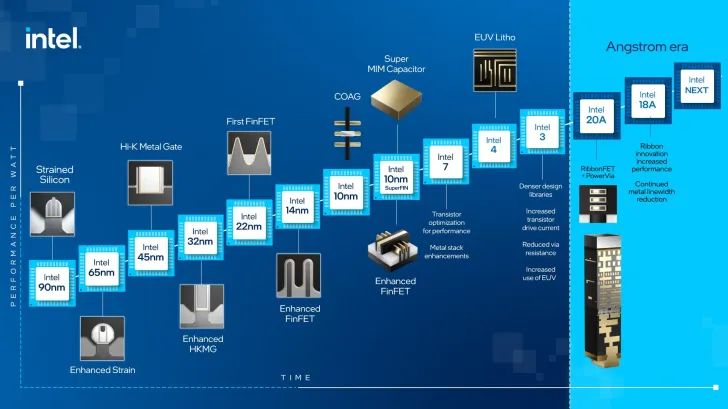
Intel is aiming to redefine the boundaries of chip development with an ambitious goal to create a chip containing a trillion transistors by 2030.
This objective marks a significant leap from the current trends dictated by Moore’s Law, which has been the guiding principle of the semiconductor industry since its coining by Intel and Fairchild Semiconductor.
Originally, Moore’s Law suggested the doubling of transistor counts every year, but over time, this pace slowed down.
The industry began to witness a doubling approximately every three years.
Despite this deceleration, Intel’s CEO, Pat Gelsinger, envisions a future where the company not only keeps pace with Moore’s Law but surpasses it by 2031.
Introducing “Super Moore’s Law” or “Moore’s Law 2.0”
Introducing “Super Moore’s Law” or “Moore’s Law 2.0”
As per Tom’s Hardware, Gelsinger, during a talk at the Manufacturing@MIT symposium, introduced the concept of “Super Moore’s Law” or “Moore’s Law 2.0,” emphasizing a more aggressive growth in transistor counts.
Innovations Driving the Trillion-Transistor Vision
Innovations Driving the Trillion-Transistor Vision
The task to get to a trillion transistors is not an easy one. Several key innovations are pivotal to Intel’s chip ambition:
PowerVIA Power Delivery: This technique involves placing power supply lines on the back of a chip, rather than the front.
This rearrangement not only improves power efficiency but also enhances overall chip performance.
Next-Gen Process Nodes: The development of next-generation process nodes is crucial in reducing transistor size.
This miniaturization will allow for a higher density of transistors within a chip.
3D Chip Stacking: Another groundbreaking approach is 3D chip stacking. This technique involves interconnecting 16 or more integrated circuits vertically, enabling them to function as a single unit.
The Changing Economics of Chip Manufacturing
The Changing Economics of Chip Manufacturing
Gelsinger, as per the report, also highlights a shift in the economics of chip manufacturing.
The cost of building a modern fabrication plant (fab) has doubled in less than a decade, soaring from approximately $10 billion to $20 billion.
What is Intel’s goal for 2030 in terms of chip development?
Intel has set an ambitious goal to develop a chip containing a trillion transistors by 2030. This initiative marks a major leap forward in semiconductor technology, moving beyond the traditional constraints of Moore’s Law.
How does “Super Moore’s Law” differ from the original Moore’s Law?
“Super Moore’s Law,” or “Moore’s Law 2.0,” as introduced by Intel’s CEO Pat Gelsinger, represents a more aggressive growth in transistor counts.
It aims to accelerate the pace of chip miniaturization and power beyond the original Moore’s Law, which suggested a doubling of transistors approximately every three years.
What role will TSMC and Samsung Foundry play in Intel’s chip development?
TSMC and Samsung Foundry are key collaborators with Intel in developing the trillion-transistor chip.
They will be instrumental in leveraging advanced 2nm node technology, crucial for achieving the high transistor count.
What are the innovative techniques Intel plans to use for its trillion-transistor chip?
Intel plans to employ several innovative techniques, including PowerVIA power delivery, next-gen process nodes, and 3D chip stacking.
These technologies are essential for increasing transistor density and improving chip performance.
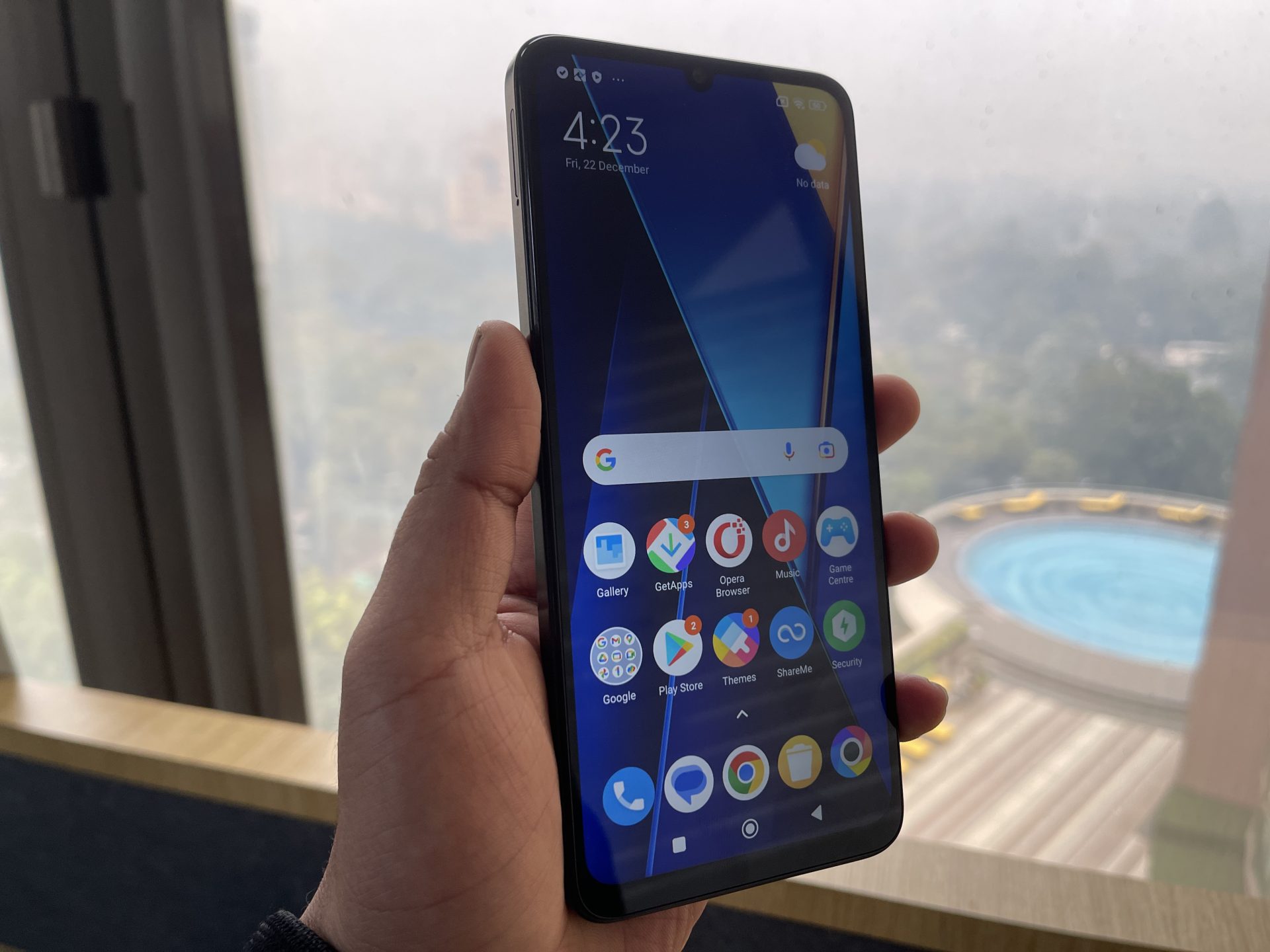
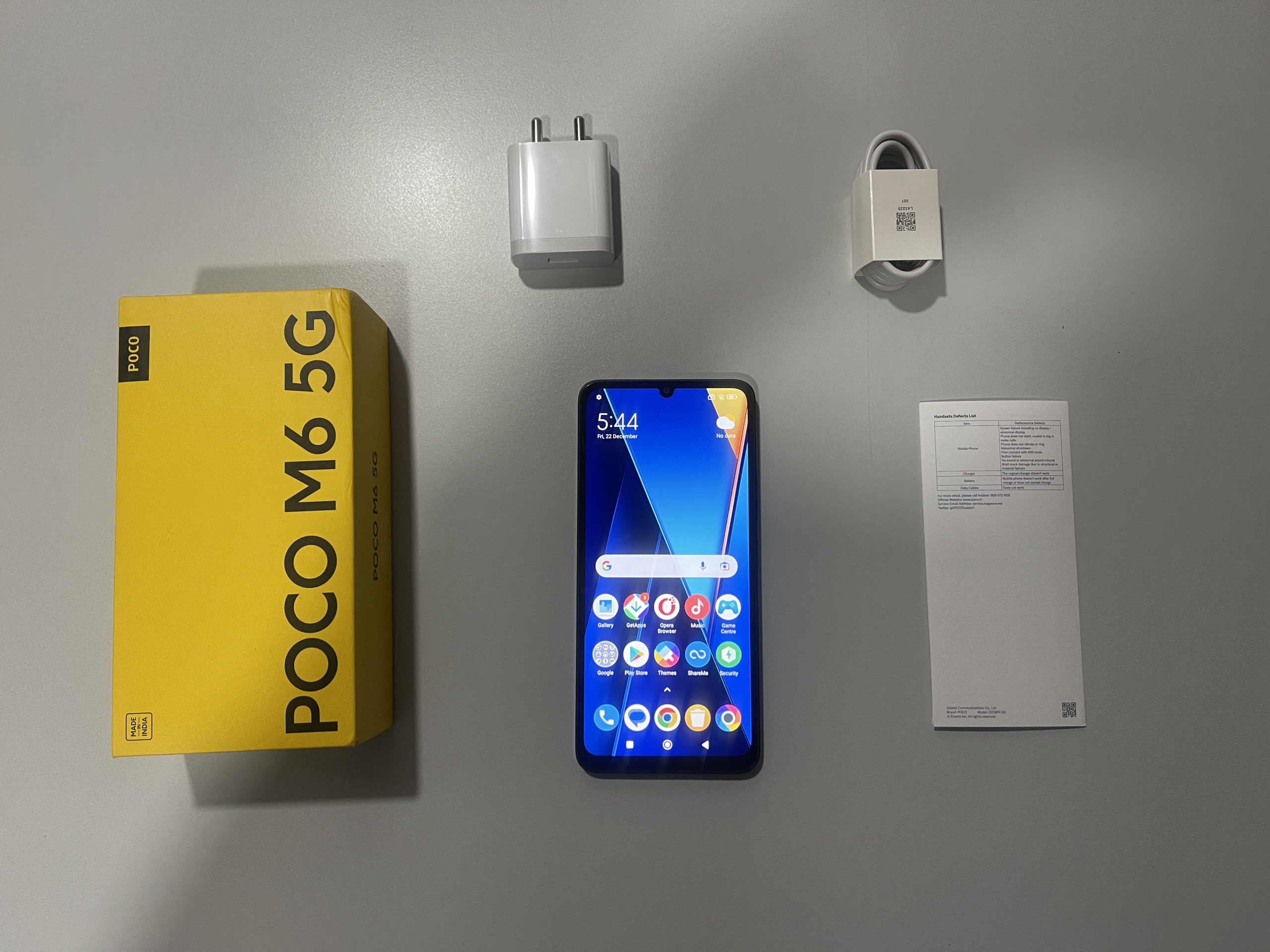
The display of the POCO M6 5G is another standout feature.
It boasts a 6.74-inch HD+ screen, complemented by a 90Hz refresh rate.
Adding to its appeal, the display is reinforced with Corning Gorilla Glass, enhancing its durability.
In terms of memory and storage, the POCO M6 5G offers up to 16GB of RAM, which includes 8GB of virtual RAM,ensuring seamless multitasking and smooth operation even with multiple apps running simultaneously.
The device comes with up to 256GB of internal storage which is expandable up to 1TB via a microSD card, providing flexibility and convenience for all types of users.
The optical setup on the POCO M6 5G is equipped with a 50MP AI Dual camera system.
In terms of power, the smartphone is backed by a robust 5000mAh battery, supported by 33W fast charging.
HDR, AI Portrait Mode, Pro Mode, AI Scene Detection, Night Mode, Short Video, Slow Motion, Time Lapse, Panorama, AI Watermark
Video Recording
1080p @ 30 fps FHD
Flash
Yes, LED
Front Camera
Punch Hole 16 MP f/2.45 (Wide Angle)
Front Video Recording
1080p @ 30 fps FHD
TECHNICAL
OS
Android v13
Chipset
Mediatek Dimensity 6100 Plus
CPU
2.2 GHz, Octa Core Processor
Core Details
2xCortex-A76@2.2 GHz & 6xCortex-A55@2.0 GHz
GPU
Mali-G57 MC2
Java
No
Browser
Yes
MULTIMEDIA
Email
Yes
Music
Yes
Video
Yes
FM Radio
No
Document Reader
Yes
BATTERY
Type
Non-Removable Battery
Size
5000 mAh, Li-Po Battery
Fast Charging
Yes, 67W Fast Charging
FAQs
When and where is the POCO M6 5G going on sale in India?
The POCO M6 5G is available for purchase starting December 26, 2023, at 12 PM IST. It is exclusively sold on Flipkart, featuring attractive launch offers for early buyers.
What are the special offers available for the POCO M6 5G?
ICICI Bank Credit and Debit cardholders can enjoy a flat Rs 1,000 discount on their purchase made today.
This offer significantly reduces the price of the base variant to under Rs 10,000.
What are the different variants and pricing of the POCO M6 5G?
The POCO M6 5G is available in three variants: 4GB RAM + 128GB storage at Rs 10,499, 6GB RAM + 128GB storage at Rs 11,499, and the 8GB RAM + 256GB storage variant at Rs 13,499.
What are the key specifications of the POCO M6 5G?
Key features include a MediaTek Dimensity 6100+ 5G SoC, a 6.74-inch HD+ 90Hz display, up to 16GB RAM, up to 256GB storage expandable to 1TB, a 50MP AI Dual Camera, and a 5000mAh battery with 33W charging.
What operating system does the POCO M6 5G run on?
The POCO M6 5G operates on Android 13 with Xiaomi’s MIUI 13 interface, offering users a customizable and user-friendly experience.
What are the main features of the POCO M6 5G’s display?
The smartphone sports a 6.74-inch HD+ screen with a 90Hz refresh rate, offering smooth and vibrant visuals.
The addition of Corning Gorilla Glass adds to the durability, protecting the display from daily wear and tear.
Can you elaborate on the camera capabilities of the POCO M6 5G?
The POCO M6 5G is equipped with a 50MP AI Dual rear camera, which is expected to deliver detailed and vibrant photos in various lighting conditions.
The phone also features a front-facing camera, which will be thoroughly tested in terms of selfie and video call quality in the upcoming detailed review.
What about the performance and battery life of the POCO M6 5G?
Powered by the MediaTek Dimensity 6100+ 5G SoC and up to 16GB RAM, the POCO M6 5G is poised to offer robust performance.
It houses a 5000mAh battery with 33W fast charging, suggesting a long battery life even with heavy usage. The device’s performance and battery efficiency will be further evaluated in the detailed review.
How does the camera setup of the POCO M6 5G enhance photography?
The POCO M6 5G boasts a 50MP AI dual camera setup, designed to capture high-quality images and videos.
The primary camera, paired with an AI lens, promises detailed and vibrant photography, catering to various shooting scenarios.
Also Read: POCO M6 5G First Impressions: An Impressive Entry in the Budget 5G Segment?
The company is now in the midst of a legal setback as a U.S. District Judge has ruled against the company in a breach of contract case.
The case, brought forward by Mark Schobinger,Twitter’s former senior director of compensation, and reported by Reuters, centres around unpaid bonuses promised to employees which range in the millions of dollars.
Background of the Case
Background of the Case
Mark Schobinger left X Corp in May and subsequently filed a lawsuit in June, claiming the company breached its contract.
Schobinger asserted that X, both before and after its acquisition by Elon Musk, had committed to paying employees 50% of their target bonuses for 2022.
However, these payments were allegedly never made.
In a significant decision, U.S. District Judge Vince Chhabria denied X’s motion to dismiss the case, stating that Schobinger had convincingly presented a breach of contract claim under California law.
The judge’s ruling emphasized that Schobinger was entitled to the bonus under a plan, and X’s failure to fulfill this promise constituted a breach of contract.
“Once Schobinger did what Twitter asked, Twitter’s offer to pay him a bonus in return became a binding contract under California law,” wrote Judge Chhabria.
Arguments Presented
Arguments Presented
X Corp’s legal teamcontended that the company had only made an oral promise, which did not equate to a formal contract.
They argued that Texas law should apply to the case.
However, Judge Chhabria ruled that California law was applicable and dismissed X’s arguments.
X, which no longer maintains a media relations office, did not immediately respond to Reuter’s requests for comment on this matter.
This ruling is an important development in the ongoing legal battles faced by X, and could set a precedent for similar cases involving employee compensation and contractual agreements.
Recent X News
Recent X News
Video in Spaces: X plans to introduce video to Spaces, aiming to enhance user engagement.
This feature is expected to launch by the end of the year or early next year, allowing users to interact more dynamically with their audience without relying on third-party platforms.
Alex Jones and Infowars: Conspiracy theorist Alex Jones and his media site Infowars have been reinstated on X following a user poll.
Jones’ account was previously permanently banned in 2018. The poll saw nearly 2 million votes, with about 70% in favor of restoring his account.
What is the core issue in the lawsuit filed against X Corp?
The lawsuit centers on X Corp’s alleged failure to pay promised bonuses to its employees, as claimed by the former senior director of compensation, Mark Schobinger.
Despite commitments made both before and after its acquisition by Elon Musk, these bonuses were reportedly not disbursed, leading to a breach of contract case under California law.
Who are the key parties involved in the X Corp bonus dispute, and what are their claims?
Mark Schobinger, the plaintiff, is X Corp’s former senior director of compensation, who argues that the company failed to pay the promised bonuses. X Corp, the defendant, initially contended that the promise was oral and not binding.
The case is overseen by U.S. District Judge Vince Chhabria, who ruled in favor of applying California law, thus supporting Schobinger’s claim.
What was the basis of Judge Chhabria’s decision in favor of the plaintiff against X Corp?
Judge Chhabria found that X Corp had entered into a binding contract under California law by promising to pay bonuses to employees, including Schobinger.
The judge dismissed X Corp’s argument for applying Texas law and emphasized that a promise for compensation, once the employee fulfills their part of the deal, becomes a legally enforceable contract.
What are the main performance issues Google Pixel users face with the X app?
Google Pixel users are encountering several issues with the X app, including slow loading times for content and feed refreshes, challenges in image loading, delayed tweet posting, and slow notification responses.
How has the X team responded to these performance issues?
Fred Lohner, a member of the X mobile development team, has recognized the performance issues.
He is actively engaging with the user community to gather examples and insights for addressing these problems.
Can Google Pixel users contribute to resolving these issues with the X app?
Yes, Google Pixel users experiencing these issues are encouraged to share their experiences and examples with Fred Lohner and the X team, facilitating quicker identification and resolution of the problems.
What is the anticipated timeline for resolving these issues on the X app for Google Pixel users?
While X has not provided a specific timeline for resolving these performance issues, their proactive approach in seeking user feedback suggests they are working towards a solution.
The budget offering is now going to go on sale and below is everything you need to know about it and five reasons why this could be your next purchase.
Inbook Y2 Plus: Availability
Inbook Y2 Plus: Availability
The Inbook Y2 Plus is available for purchase starting December 27th on Flipkart and through offline channels.
As of right now, there are no bank specific offers available with the laptop but its ratherbudget pricepoint positioning it under Rs 30,000leaves little room for cutting costs, especially with its specs on paper.
Inbook Y2 Plus: Features and Key Specs
Inbook Y2 Plus: Features and Key Specs
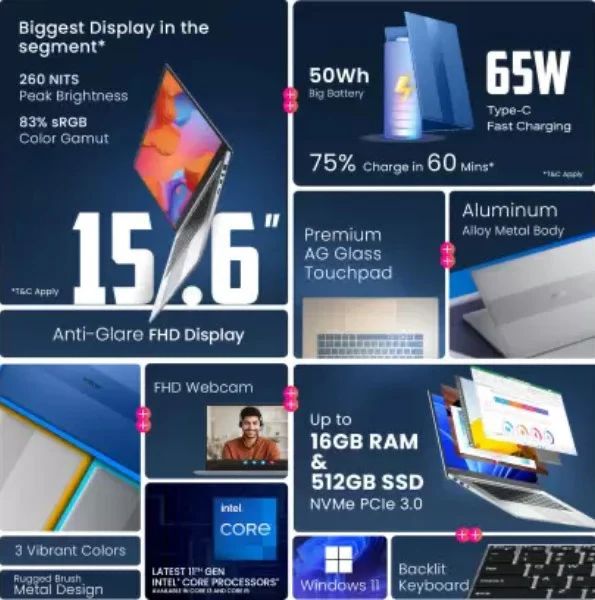
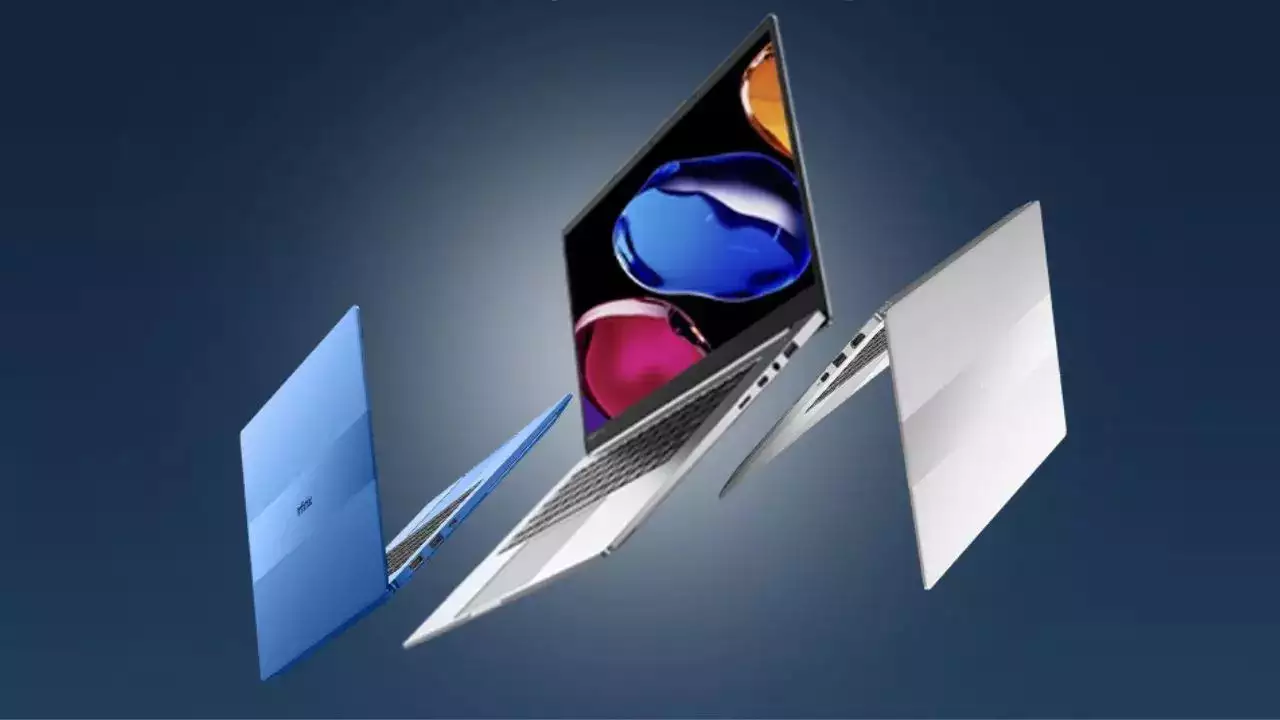
The Inbook Y2 Plus showcases a thin and light metal body, prioritizing portability while maintaining durability.
Crafted from aluminum alloy, the laptop’s design features a rugged brush metal finish,lending it a sophisticated and premium appearance.
The Inbook Y2 Plus features a 15.6-inch color-rich display, boasting an 83% sRGB Color Gamut and 260 NITS Brightness.
The display’s 82% screen-to-body ratio and Full HD resolution of 1920*1080 are designed to offer an immersive visual experience.
This choice of processor is geared towards handling reasonably demanding tasks, aiming to provide a smooth and efficient computing experience for users on a budget.
The inclusion of up to 1 TB of SSD with PCIe3.0 is a significant highlight, offering enhanced read and write speeds that contribute to the laptop’s overall performance.
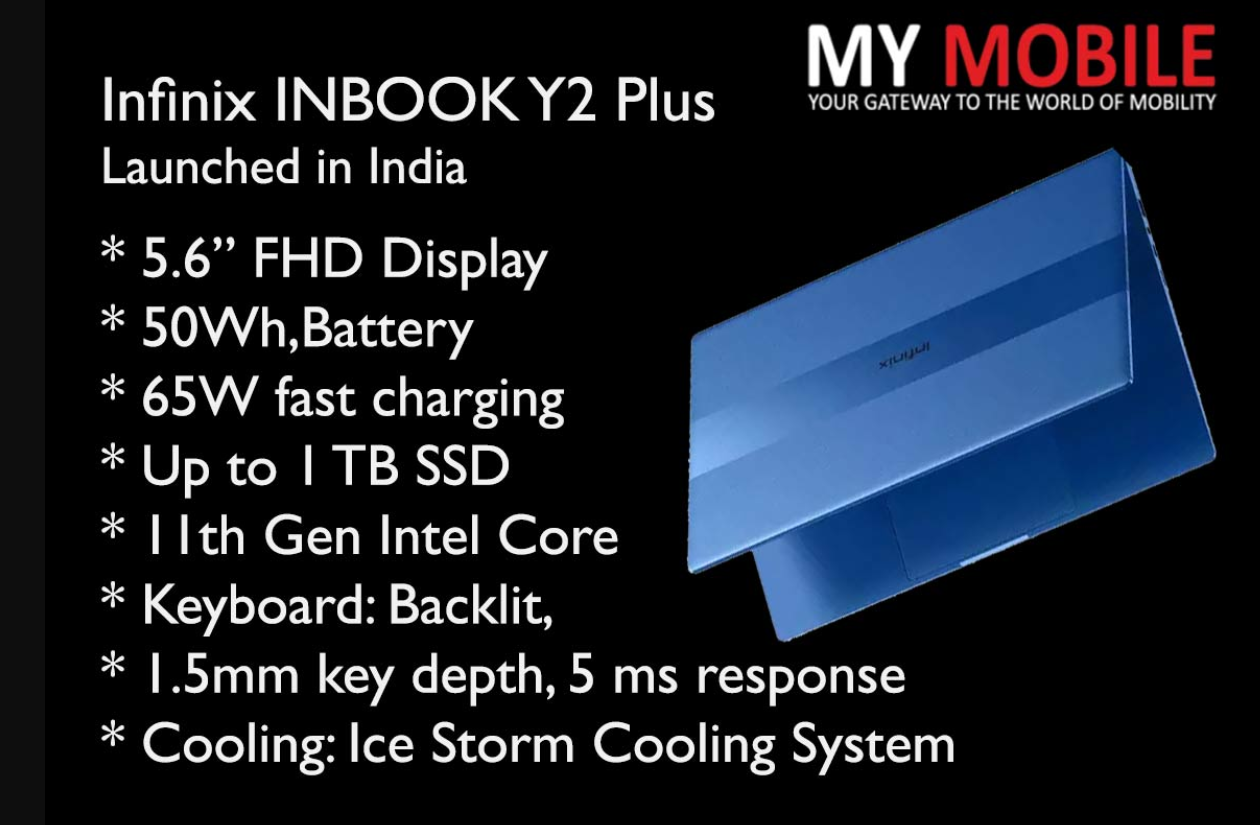
Infinix Inbook Y2 Plus Launched in India
The device is equipped with a 50Wh large-capacity battery, supporting 65W fast charging through PD 3.0 technology.
Infinixsays this allows for 10 hours of web browsing, addressing the needs of users who require long-lasting battery life.
This powerful processor ensures the laptop can handle demanding applications and multitasking with ease, making it suitable for both professional and personal use.
Impressive Display
The laptop boasts a 15.6-inch vivid display, characterized by an 83% sRGB Color Gamut and 260 NITS Brightness.
The impressive 82% screen-to-body ratio and Full HD resolution enhance the visual experience, making it ideal for everything from watching movies to graphic design work.
Enhanced Storage and Speed
With up to 1 TB of SSD storage, the InBook Y2 Plus offers ample space for all your files, applications, and media.
The PCIe3.0 SSD provides faster read and write speeds, contributing to quicker boot times and efficient data access.
This feature is particularly beneficial for users who need to store and access large files regularly.
Long Battery Life with Fast Charging
The 50Wh battery supports 65W fast charging, allowing for extended use with up to 10 hours of web browsing.
This is complemented by the fast charging featurethat can charge the laptop up to 75% in just 60 minutes.
For users who are often on the move, this means less time tethered to a power outlet and more time being productive or entertained.
FAQs
Where can I buy the Infinix Inbook Y2 Plus?
The Inbook Y2 Plus is available from December 27th on Flipkart and through various offline channels.
It’s positioned as a budget-friendly option under Rs 30,000, catering to users seeking a high-quality laptop without breaking the bank.
What makes the Inbook Y2 Plus stand out in terms of design?
The laptop boasts a sleek and portable design, featuring a thin and light metal body made from aluminum alloy. Its rugged brush metal finish not only enhances the aesthetic but also ensures durability.
How does the Inbook Y2 Plus perform for demanding tasks?
Powered by the 11th Gen Intel Core Processor, the Inbook Y2 Plus is capable of handling demanding applications and multitasking efficiently, making it a suitable choice for both professional and personal use.
What are the display features of the Inbook Y2 Plus?
The Inbook Y2 Plus has a 15.6-inch color-rich display with an 83% sRGB Color Gamut, 260 NITS Brightness, and an 82% Screen to Body Ratio. The Full HD resolution offers an immersive visual experience for various media and design purposes.
What storage options does the Inbook Y2 Plus offer?
The laptop comes with up to 1 TB of SSD storage, utilizing PCIe3.0 for faster read and write speeds.
This feature is ideal for users who require substantial storage capacity and quick data access.
WhatsApp introduces a new UI for Channel messages, echoing Instagram’s style.
Private Audience Selector enhances privacy for Status updates.
Voice Status Updates allow 30-second voice messages.
Swipe-up emoji reactions for quick responses to Status updates.
WhatsApp is ushering in a fresh wave of change, aligning its design philosophy more closely with Instagram’s aesthetic.
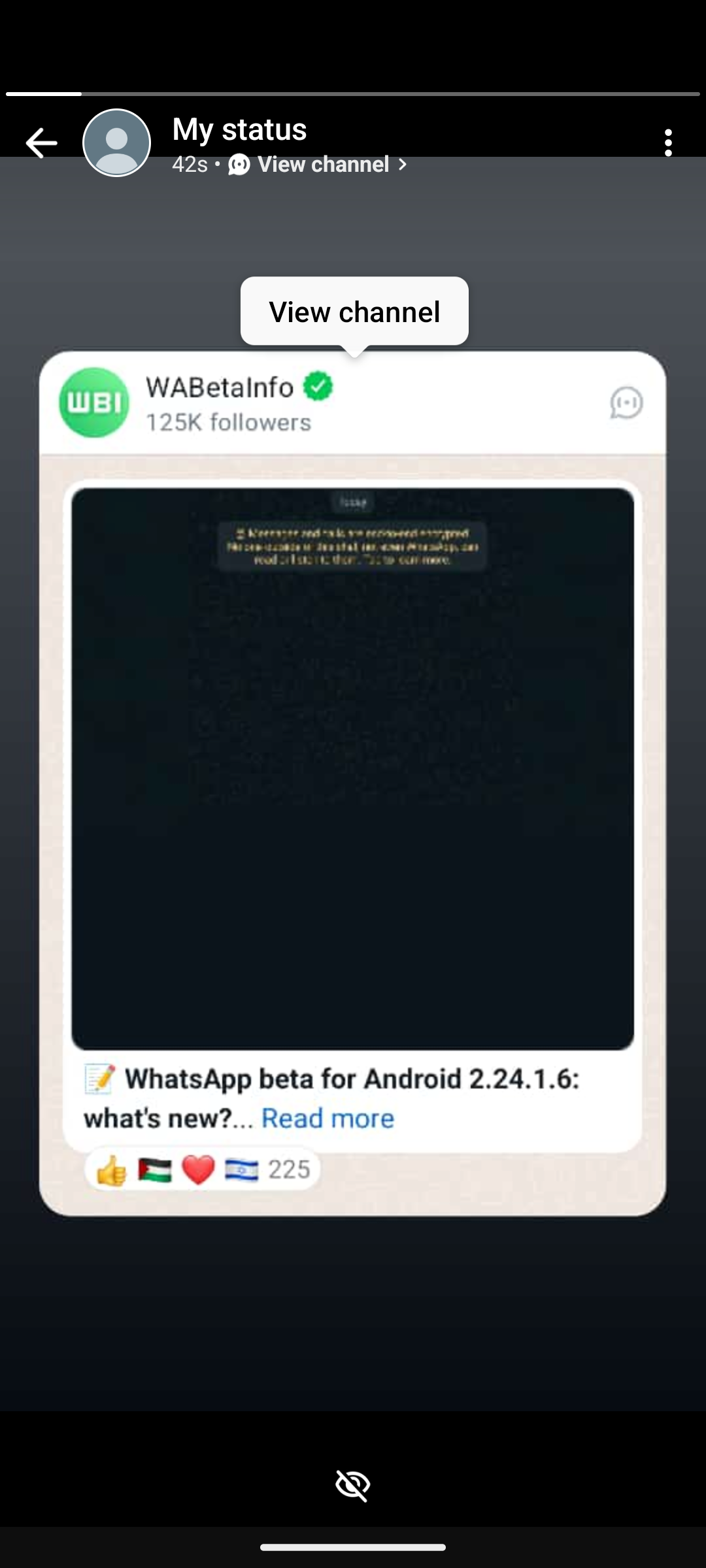
The latest update, as reported by WABetaInfo, focuses on revamping the WhatsApp Channel interface, specifically when sharing channel messages as status updates.
WhatsApp Unveils New UI & Features Echoing Instagram’s Style
New Channel UI: The redesign elevates the visual appeal of channel messages, making them more engaging and easier to navigate.
Enhanced User Experience: The update aims to streamline content sharing, providing a more intuitive and efficient way for users to interact with channel updates.
Integration with Instagram Aesthetics: The new layout borrows from Instagram’s design, fostering familiarity and consistency across Meta’s services.
While currently available to beta testers, this update is expected to roll out more widely in the coming weeks.
WhatsApp now allows you to record and share voice messages as Status updates, with a maximum duration of 30 seconds.
This feature is particularly useful for those who prefer speaking over typing or want to add a more personal touch to their updates.
It’s a convenient way to share thoughts, music, or any audio messagemore intimately and expressively.
FAQs
What does WhatsApp’s new UI update entail for Channel messages?
The latest UI update for WhatsApp Channels, inspired by Instagram, features a revamped design making channel messages more prominent and easier to navigate.
This change, part of the WhatsApp beta v2.24.1.6 for Android, enhances user experience by simplifying content sharing.
How does the Private Audience Selector feature work on WhatsApp?
WhatsApp’s Private Audience Selector lets you choose who can view each status update, saving your settings as the default for future updates.
This feature provides greater control over privacy, allowing content to be shared selectively with specific audiences.
What are Voice Status Updates on WhatsApp?
Voice Status Updates on WhatsApp enable users to record and share voice messages up to 30 seconds as status updates.
This feature offers a more personal and expressive alternative to traditional text updates, ideal for sharing thoughts or music.
How can users interact with Status updates after the recent WhatsApp update?
WhatsApp has introduced an intuitive way to interact with Status updates, where users can swipe up and tap one of eight emojis to quickly respond, adding a dynamic and quick-response element to the platform.
Are the new WhatsApp features available to all users?
The new UI for WhatsApp Channel messages is currently available for beta testers and is expected to roll out more widely in the coming weeks.
Users can check their eligibility by sharing a channel update to their Status.
Deepika Padukone becomes TECNO’s new brand ambassador.
Collaboration aims to merge technology with style.
Partnership extends across TECNO’s brand and product initiatives.
Move targets a younger, more diverse audience demographic.
TECNOhas announced its collaboration withIndian actress Deepika Padukone as their new brand ambassador.
As per the company, this partnership aims to align the brand’s innovative approach with a stylish and consumer-centric philosophy.
Deepika Padukone, of course, recognized for her talent in the realm of Bollywood, joins TECNO in a strategic move aimed at connecting with a youthful, diverse, and dynamic demographic.
TECNO says that the partnership is set to extend across various brand and product initiatives throughout the year, maintaining a consistent and impactful brand presence.
Deepika Padukone commented on the collaboration: “I’m excited to join TECNO, a brand synonymous with innovation and stylish smartphones. TECNO’s lifestyle-tailored approach seamlessly blends innovation, style, design, and accessibility, resonating with the spirit of the new generation. I look forward to this partnership and the exciting opportunities that lie ahead.”
Arijeet Talapatra, CEO of TECNO Mobile, shared his views on the partnership: “We are thrilled to announce Deepika Padukone as TECNO’s brand ambassador.
Deepika’s charisma, coupled with TECNO’s innovation focus, creates a powerful synergy that will strengthen our brand perception and resonate with younger audiences. Beyond being a smartphone brand, TECNO aspires to be a lifestyle companion.
We anticipate the association will enhance our brand image and engage a diverse audience, fostering our pursuit of excellence and ‘Stop at Nothing’ brand philosophy.
With Deepika, we look forward to a year of ground-breaking launches, captivating campaigns, and a partnership reflecting the essence of TECNO – where technology meets style to redefine the smartphone experience.”
What role will Deepika Padukone play as TECNO’s brand ambassador?
As TECNO’s brand ambassador, Deepika Padukone will represent the brand’s innovative and stylish smartphones, emphasizing TECNO’s lifestyle-oriented approach that combines modern technology with design and accessibility.
How does TECNO benefit from this partnership with Deepika Padukone?
TECNO expects Deepika Padukone’s involvement to enhance its brand image and appeal, especially among younger consumers, by leveraging her charisma and fashion-forward image to align with TECNO’s innovative products.
What was Deepika Padukone’s reaction to the partnership with TECNO?
Deepika Padukone expressed excitement about joining TECNO, appreciating the brand’s blend of innovation, style, and design, and looking forward to the opportunities this partnership will bring.
What did Arijeet Talapatra, CEO of TECNO Mobile, say about this collaboration?
Arijeet Talapatra shared his enthusiasm about the partnership, highlighting the synergy between Deepika’s charisma and TECNO’s focus on innovation, and the company’s ambition to be more than a smartphone brand but a lifestyle companion.
How is Tecno addressing sustainability?
Tecno is actively utilizing recycled plastics and ensuring compliance with e-waste management guidelines.
Products like the Phantom X2 Pro and Phantom V Fold showcase this commitment.
What is Tecno’s approach to foldable phones?
Tecno’s launch of foldable phones reflects consumer demand and market trends. Crafting the hinge and using the “Made in India” approach have enabled a competitive price.
What does Tecno’s Megabook signify?
The Megabook launch marks Tecno’s entry into the laptop market, highlighting the company’s drive for innovation and commitment to diverse consumer needs.
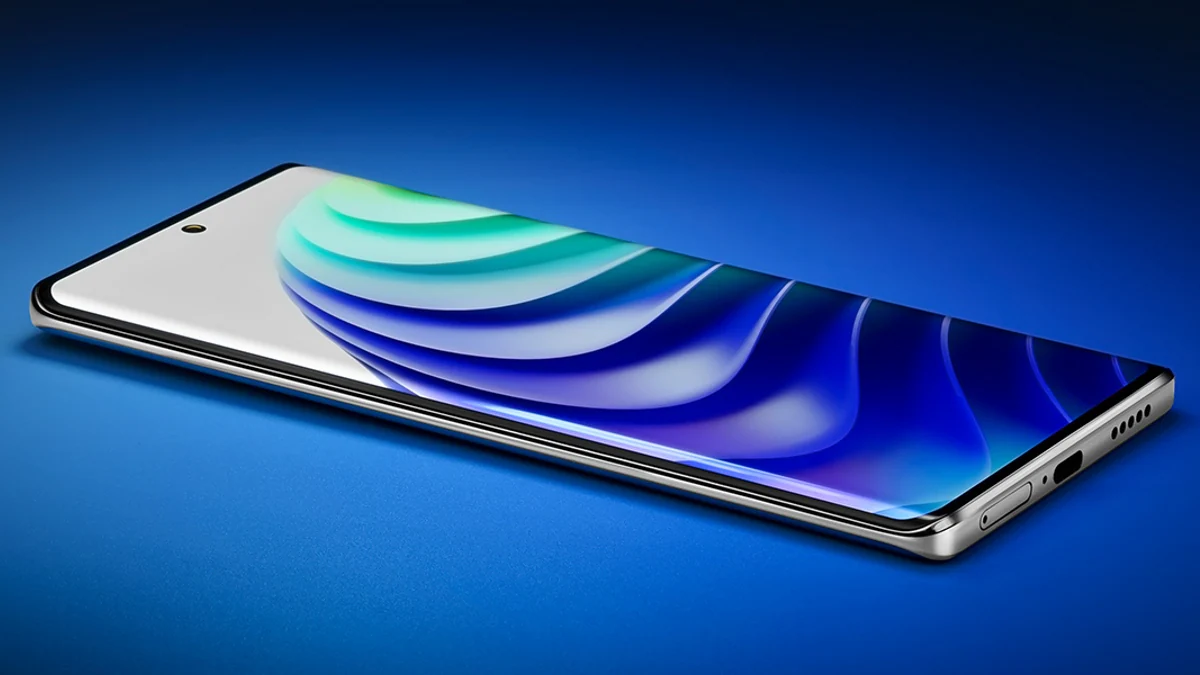
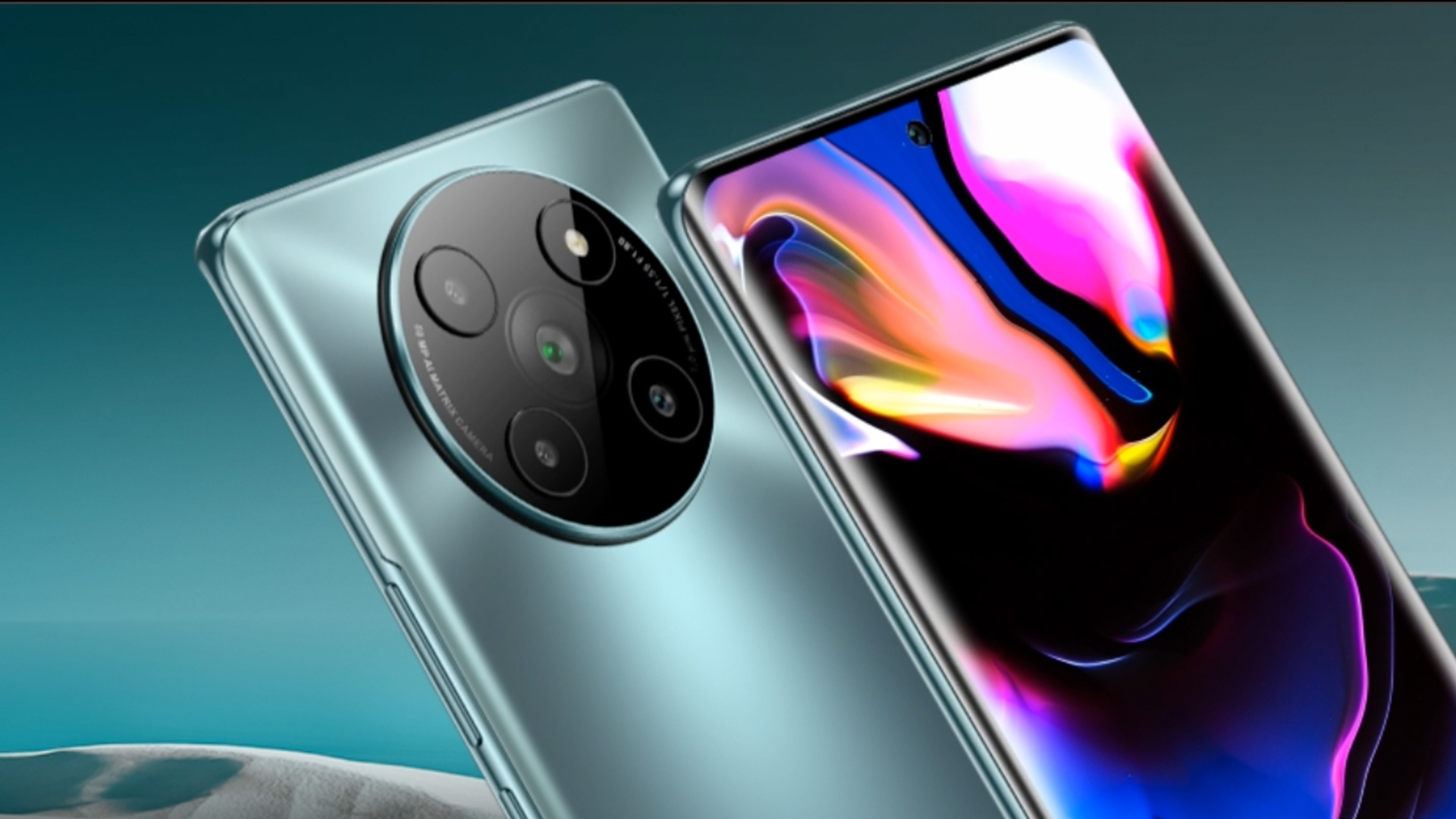
While many can find the feature a little too flashy or cumbersome there is no denying these phones not only enhance the aesthetic appeal but also provide an immersive viewing experience.
Here’s a closer look at some of the best-curved display smartphones under Rs 25,000, each boasting unique features and specifications.
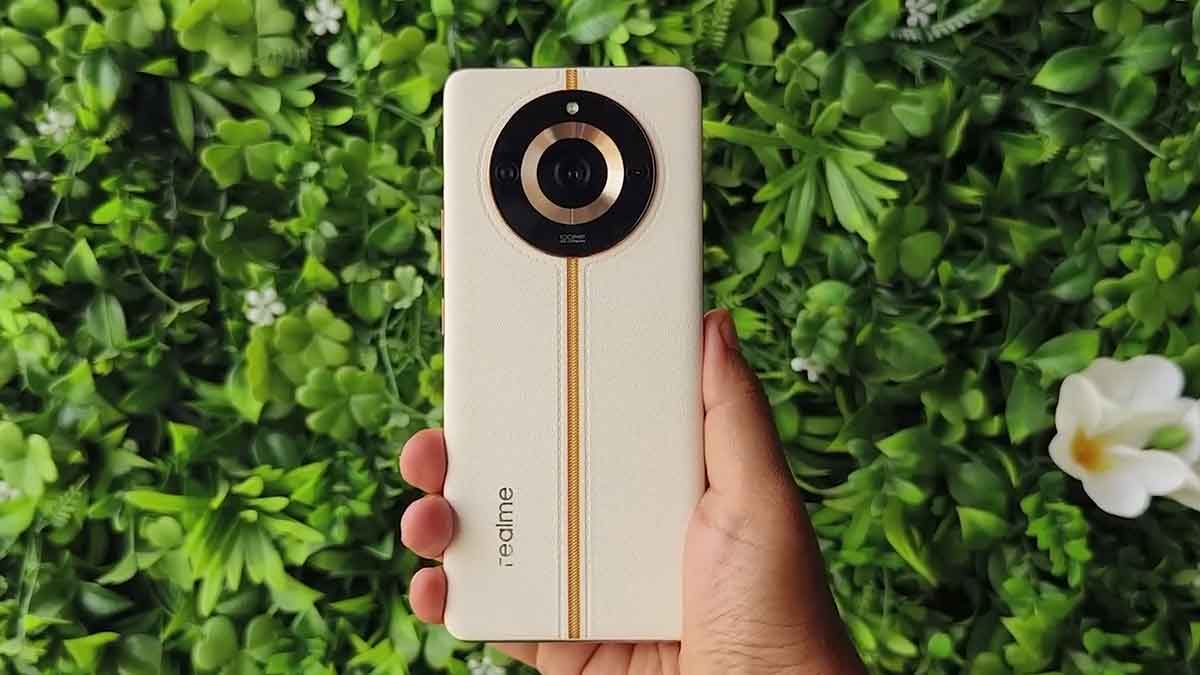
Realme 11 Pro 5G
Realme 11 Pro 5G
Display: 6.7-inch 120Hz AMOLED curved display
Processor: MediaTek Dimensity 7050 SoC
Rear Camera: 100MP main + 2MP portrait lens
Front Camera: 16MP
Battery: 5,000mAh with 67W fast charging
Price: Rs 21,999
This device merges style with functionality, featuring a 6.7-inch 120Hz AMOLED curved display for an immersive viewing experience.
At Rs 23,999, the iQOO Z7 Pro 5Goffers a sizable 6.78-inch FHD+ AMOLED display with a 120Hz refresh rate and 3D curved edges, giving it a sleek, modern look.
The MediaTek Dimensity 7200 SoC delivers robust performance, while the 64MP main camera ensures quality photography.
Its 66W fast charging quickly powers up the 4,600mAh battery, keeping you connected longer.
The quad-camera setup, including a 50MP main sensor, offers versatility in photography.
The 4,700mAh battery with 66W fast charging is a standout feature, ensuring your phone is always ready to go.
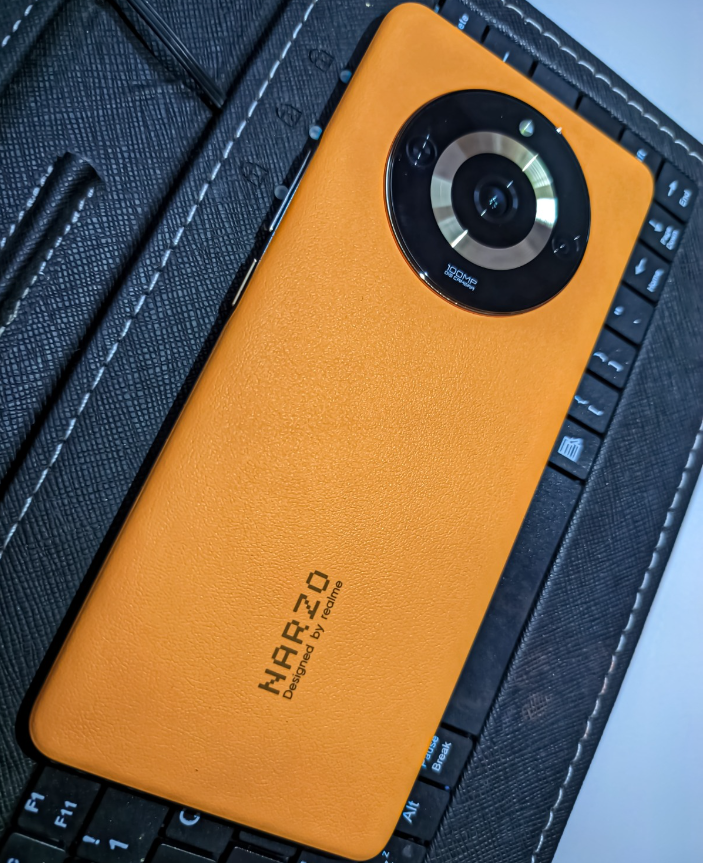
Realme Narzo 60 Pro 5G
Realme Narzo 60 Pro 5G
Display: 6.7-inch FHD+ AMOLED 120Hz curved vision
Processor: MediaTek Dimensity 7050 SoC
Rear Camera: 100MP OIS primary + 2MP portrait
Front Camera: 16MP
Battery: 5,000mAh with 67W fast charging
Price: Rs 23,999
For Rs 23,999, the Narzo 60 Pro 5G features a 6.7-inch FHD+ AMOLED curved display,perfect for an engaging multimedia experience.
The MediaTek Dimensity 7050 SoChandles tasks efficiently, and the 100MP primary camera captures stunning, high-resolution images.
The 67W fast charging rapidly juices up its 5,000mAh battery.
itel S23+ 5G
itel S23+ 5G
Display: 6.78-inch FHD+ AMOLED 60Hz 3D curved screen
Processor: Unisoc Tiger T616 SoC
Rear Camera: 50MP + AI camera
Front Camera: 32MP
Battery: 5,000mAh with 18W charging
Price: Rs 15,999
At Rs 15,999, the itel S23+ 5G is the most budget-friendly option, offering a vibrant 6.78-inch FHD+ curved AMOLED display.
Powered by the Unisoc Tiger T616 SoC, it handles everyday tasks with ease.
The 50MP AI-assisted rear camera is capable of capturing quality images, and the 32MP front camera is great for selfies.
The 5,000mAh battery with 18W charging ensures all-day usage.
FAQs
Realme 11 Pro 5G: What makes its display special?
The Realme 11 Pro 5G’s 6.7-inch 120Hz AMOLED curved display offers a seamless and immersive visual experience, making it a top choice for users seeking a blend of aesthetics and functionality at an affordable price.
iQOO Z7 Pro 5G: How does its processor enhance the user experience?
The iQOO Z7 Pro 5G, powered by the MediaTek Dimensity 7200 SoC, provides a smooth and responsive experience, whether you’re gaming or multitasking, complementing its 6.78-inch FHD+ AMOLED curved display.
Lava Agni 2 5G: What are the camera capabilities?
The Lava Agni 2 5G features a versatile quad-camera setup including a 50MP main sensor, making it a great option for photography enthusiasts looking for a budget-friendly smartphone with a curved display.
Realme Narzo 60 Pro 5G: What makes it stand out in multimedia experience?
The Narzo 60 Pro 5G’s 6.7-inch FHD+ AMOLED curved display, coupled with the MediaTek Dimensity 7050 SoC, offers an impressive multimedia experience, backed by its powerful 100MP primary camera.
itel S23+ 5G: How does it fit into the budget-friendly curved screen category?
Priced at Rs 15,999, the itel S23+ 5G is an affordable option featuring a 6.78-inch FHD+ curved AMOLED display and a 50MP AI-assisted camera, ideal for users seeking a curved display smartphone without a high price tag.
What display features does the Realme Narzo 60 Pro offer?
The Realme Narzo 60 Pro boasts a 6.7-inch AMOLED display with a 120Hz refresh rate, a 1260Hz instant touch sampling rate, and a local peak brightness of 950 nits.
It also has a 93.65% screen-to-body ratio and supports HDR 10+ certification.
What body material is used in Lava Agni 2?
It comes with a Glass front, glass back, and plastic frame body material.
Does the iQOO Z7 Pro feature any ultra-wide or macro camera? If not, how does it compensate?
Unfortunately, the iQOO Z7 Pro does not offer ultra-wide or macro lenses, a surprising omission for a device in this price range.
However, the 64MP primary camera and 2MP depth sensor are designed to capture detailed and vibrant images, and the phone employs AI-based edge detection for bokeh effects to somewhat make up for this lack.
What chipset is under the hood of the iQOO Z7 Pro and what kind of performance can users expect?
The device houses the MediaTek Dimensity 7200 SoC, a 4nm chipset featuring a strong CPU-GPU combination.
This chipset ensures smooth performance across a variety of tasks, from web browsing to gaming.
The phone also scored 2,673 on Geekbench 6 and 713,216 on AnTuTu, indicating good overall performance.
What are the display features of Realme 11 Pro?
Realme 11 Pro carries a 6.7-inch FHD+ AMOLED display with a resolution of 2412 x 1080px and a pixel density of 394ppi.
The display has a 120Hz refresh rate and a touch sampling rate of 360Hz, which makes it responsive and smooth for gaming and scrolling.
It also supports HDR10+ and DCI-P3 color gamut, which enhances the contrast and color accuracy of the screen.
Besides, the panel has a peak brightness of 950 nits and an in-display fingerprint sensor for security.
90% of parents and 83% of children view smartphones as essential.
Children spend 6.5 hours daily on smartphones, mostly on gaming.
94% of parents concerned about children’s mental health due to phone usage.
Vivo collaborates with author Catherine Price for healthier smartphone habits.
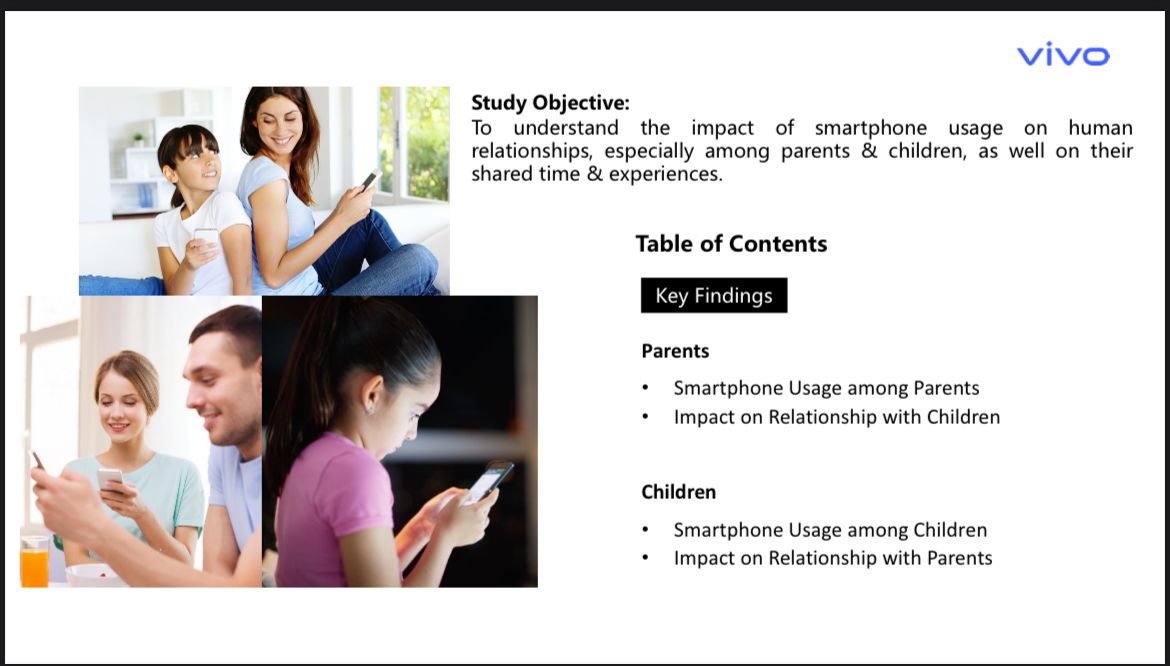
The fifth edition of the Vivo Switch Off Research study, conducted in partnership with Cybermedia Research (CMR), reveals a concerning reality about the impact ofsmartphones on parent-child relationships.
The study, focusing on the repercussions of excessive smartphone usage, involved over 1,500 respondents across major Indian cities and aimed to encourage healthier smartphone habits.
For parents, 70% use them primarily for information searches and enhancing knowledge, while 60% appreciate the ease they bring to family connections and shopping.
Similarly, 60% of children acknowledge their role in knowledge acquisition and staying connected with distant family members.
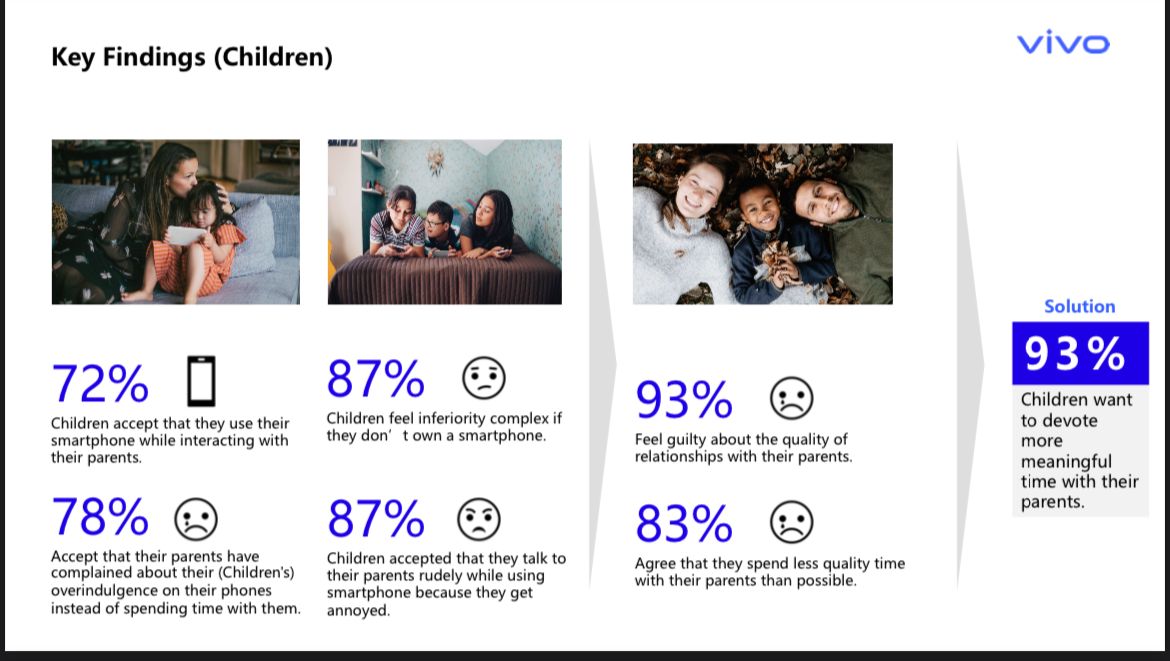
An alarming 91% of children experience anxiety when separated from their phones, indicating a deep emotional dependence.
The study also reveals that 89% of children compare their lives to online influencers, leading to feelings of unhappiness and depression.
Parental Worries and Relationship Strain
Parental Worries and Relationship Strain
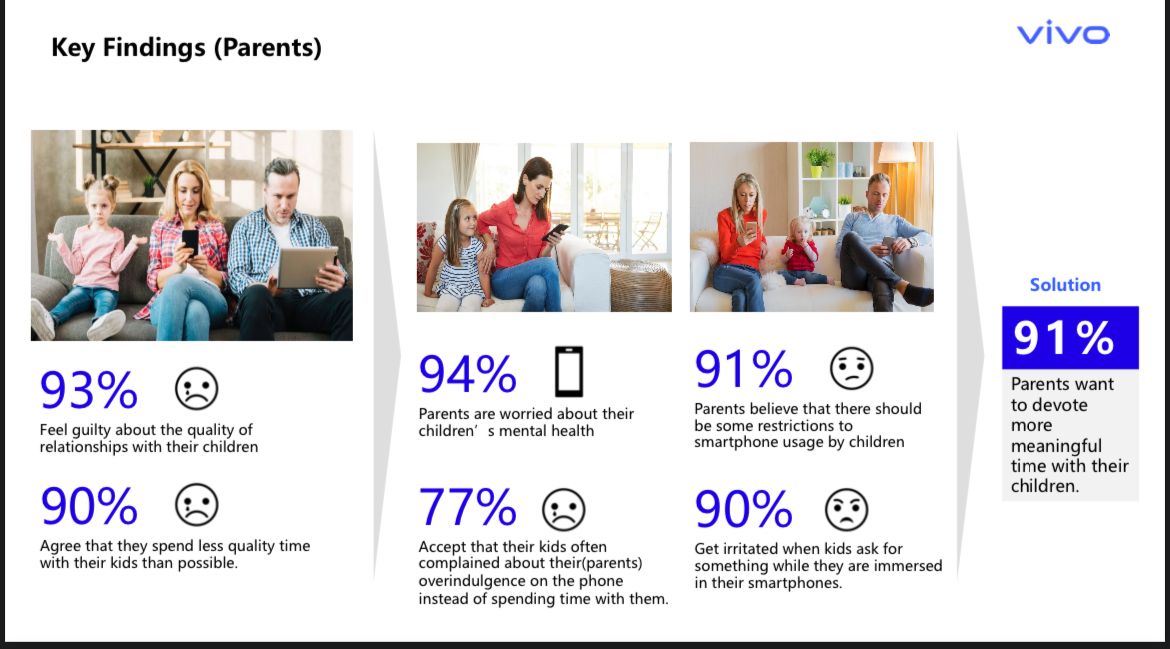
From a parental perspective, the study highlights significant concerns.
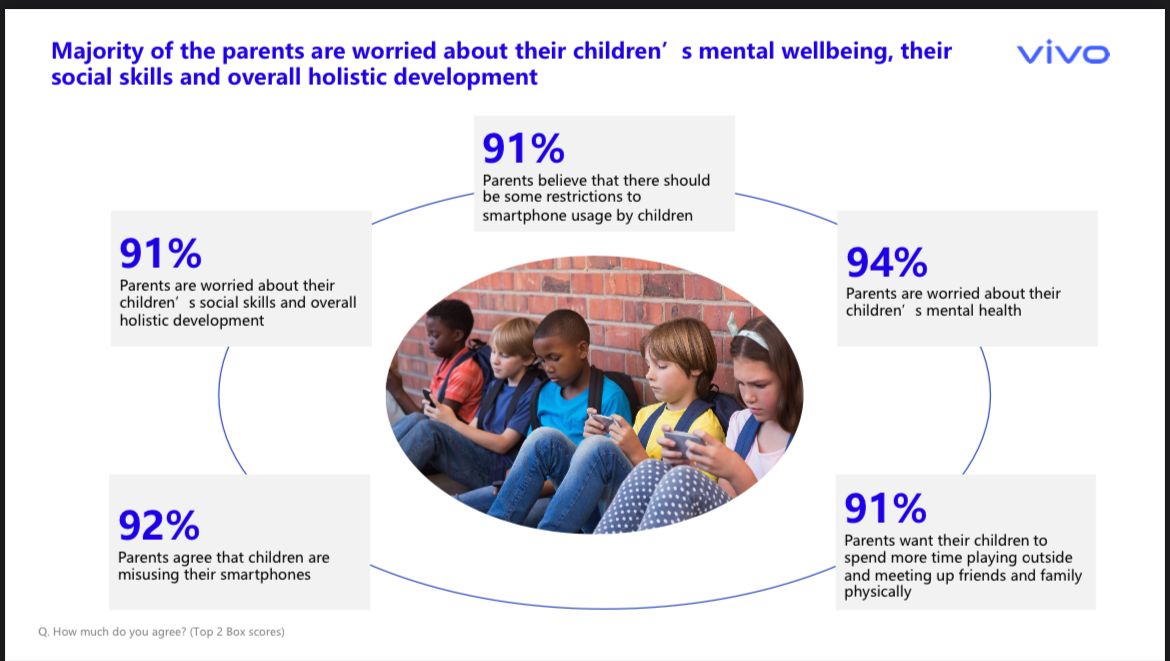
A staggering 94% of parents are worried about the mental health impacts of excessive phone use on their children, with 91% calling for usage restrictions.
The fear extends to potential harm to social skills and overall development.
The quality of parent-child interactions suffers as well, with 90% of parents feeling irritated by phone interruptions and 75% admitting to using phones during family time.
Seeking a Balanced Relationship with Technology
Seeking a Balanced Relationship with Technology
Despite these challenges, there is a strong desire among parents for more meaningful interactions.
94% prioritize face-to-face communication over screen time during leisure, and 96% express a keen interest in strengthening family bonds.
This sentiment is mirrored in their daily habits, where parents spend an average of 7.7 hours on their smartphones, slightly more than their children.
Additionally, both parents and children tend to check their phones first thing in the morning and last before bed,contributing to mutual feelings of guilt over the quality of their relationships.
Vivo Switch Off 5.0 – Research Report 2023
Vivo Switch Off 5.0 – Research Report 2023
FAQs
What does the Vivo Switch Off Research Study reveal about smartphone usage in families?
The Vivo Switch Off Research Study, in collaboration with Cybermedia Research, indicates a heavy reliance on smartphones among both parents and children.
It reveals that a significant majority consider their smartphones indispensable, leading to concerns over excessive use and its impact on family relationships and mental health.
How are children affected by smartphone usage according to the study?
Children, on average, start using smartphones at age 12 and spend about 6.5 hours per day on these devices, primarily for gaming.
The study shows a worrying trend of anxiety among children when separated from their phones and feelings of unhappiness when comparing their lives to online influencers.
What are parents’ main concerns regarding their children’s smartphone usage?
Parents express deep concern over the impact of excessive smartphone usage on their children’s mental health, social skills, and overall development.
94% of parents worry about these aspects, with many advocating for restrictions on phone usage to mitigate potential negative effects.
How is Vivo addressing the issues raised in the Switch Off Research Study?
Responding to the study’s findings, Vivo has teamed up with Catherine Price, author and founder of ‘Screen/life Balance.’
This collaboration aims to create solutions that encourage productive smartphone habits and promote a balance between digital and real-life interactions.