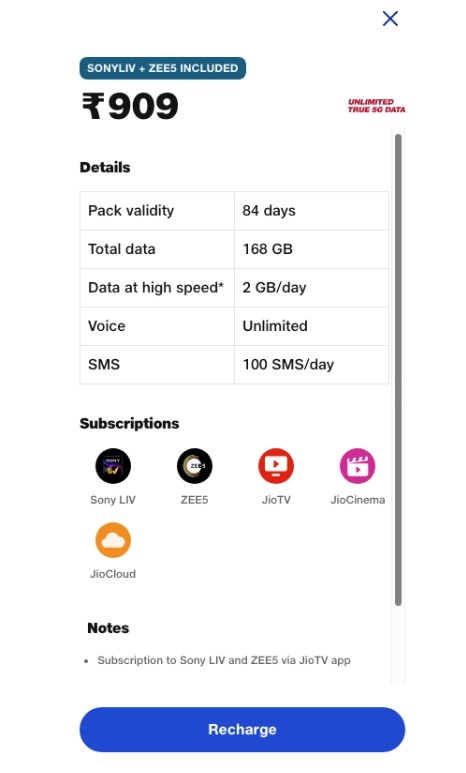
Jio Rs 909 plan offers 84 days validity with unlimited calls.
Includes 2GB high-speed daily data and 100 SMS per day.
Provides access to OTT platforms like SonyLIV and Zee5, excluding JioCinema.
Unlimited 5G data in areas with Jio 5G coverage.
Reliance Jio has recently launched a new prepaid recharge plan priced at Rs 909 in India.
This comprehensive plan is likely to cater to users who have a very high need for unlimited voice and simultaneously also want to access multiple OTT platforms without paying the subscription cost.
Plan Details
The newly introduced Jio Rs 909 prepaid rechargeplan comes with an 84-day validity period.
Users will also benefit from 2GB of high-speed data per day, amounting to a total of 168GB of data for the entire validity period.
Additionally, the plan also gives 100 SMS per day if you are still one to live in pre-historic times.
OTT Platform Access
OTT Platform Access
The real benefit of this pack is that subscribers will gain access to a variety of OTT platforms.
This includes popular services like JioCinema, JioTV, SonyLIV, and Zee5.
Unbelievably though the subscription to JioCinema is not included in this plan, which is quite strange.
5G Connectivity and Earlier Plans
Jio 5G Connectivity
For customers residing in areas where Jio’s 5G network is available, the plan offers unlimited 5G data connectivity, quite clearly a big bonus.
Earlier, Jio introduced the Rs 808 prepaid plan ahead of the ICC World Cup 2023.
This plan, along with others like the Rs 758, Rs 328, Rs 331, Rs 388, Rs 598, and Rs 3178, offered various benefits including a complimentary Disney+ Hotstar subscription.
The validity of these plans ranged up to 365 days for the more expensive packages.
FAQs
What does the Jio Rs 909 prepaid plan offer in terms of voice calls and data?
The Jio Rs 909 plan includes unlimited voice calls to any network across India, 2GB of high-speed data per day, and a total of 168GB data for the entire validity period of 84 days.
What OTT platforms can subscribers access with the Jio Rs 909 plan?
Subscribers of this plan can access various OTT platforms including SonyLIV, Zee5, and JioTV, but it does not include a subscription to JioCinema.
Is 5G connectivity available with the Jio Rs 909 prepaid plan?
Yes, customers in areas with Jio’s 5G network availability will get unlimited 5G data connectivity under this plan.
How does the Jio Rs 909 plan compare to earlier Jio prepaid plans?
Earlier plans like the Rs 808, Rs 758, and others offered different benefits, including Disney+ Hotstar subscriptions, with validity extending up to 365 days for higher-priced packages.
Realme GT 5 Pro debuts with Qualcomm Snapdragon 8 Gen 3 processor.
Features a 6.78-inch 1.5K display with 144Hz refresh rate and 4500 nits brightness.
Camera setup includes a 50MP Sony LYT-808 sensor and 32MP periscope lens.
Supports 100W wired and 50W wireless charging with a 5400mAh battery.
Realme has announced the launch of the Realme GT 5 Pro in China which is its latest flagship phone.
The handset rakes in the capabilities of the Qualcomm Snapdragon 8 Gen 3mobile platform and other premium features that make it the smartphone to beat.
As of right now though, the launch is China-exclusive with no word currently about a global or Indian release.
Pricing and Availability
The Realme GT 5 Pro will be available in several variants:
12GB+256GB: Priced at CNY 3399 (about Rs 40,000)
16GB+256GB: Priced at CNY 3699 (about Rs 43,000)
16GB+512GB: Priced at CNY 3999 (about Rs 47,000)
16GB+1TB: Priced at CNY 4299 (about Rs 50,400)
Key Specs
Qualcomm, Snapdragon 8 Gen 3 processor
Realme UI 5.0
6.78-inch 1.5K display1.5K display with 4500 nits peak brightness
50MP Sony LYT-808
48MP IMX890 periscope lens
5400mAh battery with 100W wired and 50W wireless charging
Up to 16GB RAM
Up to 1TB Storage
Features – Display and Performance
Realme GT 5 Pro Features – Display and Performance
The Realme GT5 Pro features a high-resolution 6.78-inch 1.5K display, offering a peak brightness of 4500 nits and 2160Hz PWM dimming for a vivid viewing experience.
Eagle-eyed viewers will know that this is the same BOE panel that is present on the OnePlus 12. It refreshes at 144Hz and is said to display 10.7 billion colours.
Something else that is similar to OnePlus’ latest flagship is that the Realme GT 5 Pro is also powered by the latest Snapdragon 8 Gen 3 processor.
Apart from that the 3VC cooling system,boasting the largest VC area in its class at 12,000mm², has been made available to effectively dissipate heat.
Camera and Design
Realme GT 5 Pro Camera and Design
The Realme GT 5 Pro also doesn’t lack as far as the camera system goes thanks to the 50MP Sony LYT-808 super light sensor, which is the largest main camera in Realme’s history.
It has a 1/1.4-inch sensor size and an f/1.69 ultra-large aperture. The supporting cast includes a 32MP Sony IMX890 periscope lens and an 8MP ultra-wide shooter.
Finally on the front is a 32MP shooter housed in the punch-hole up top
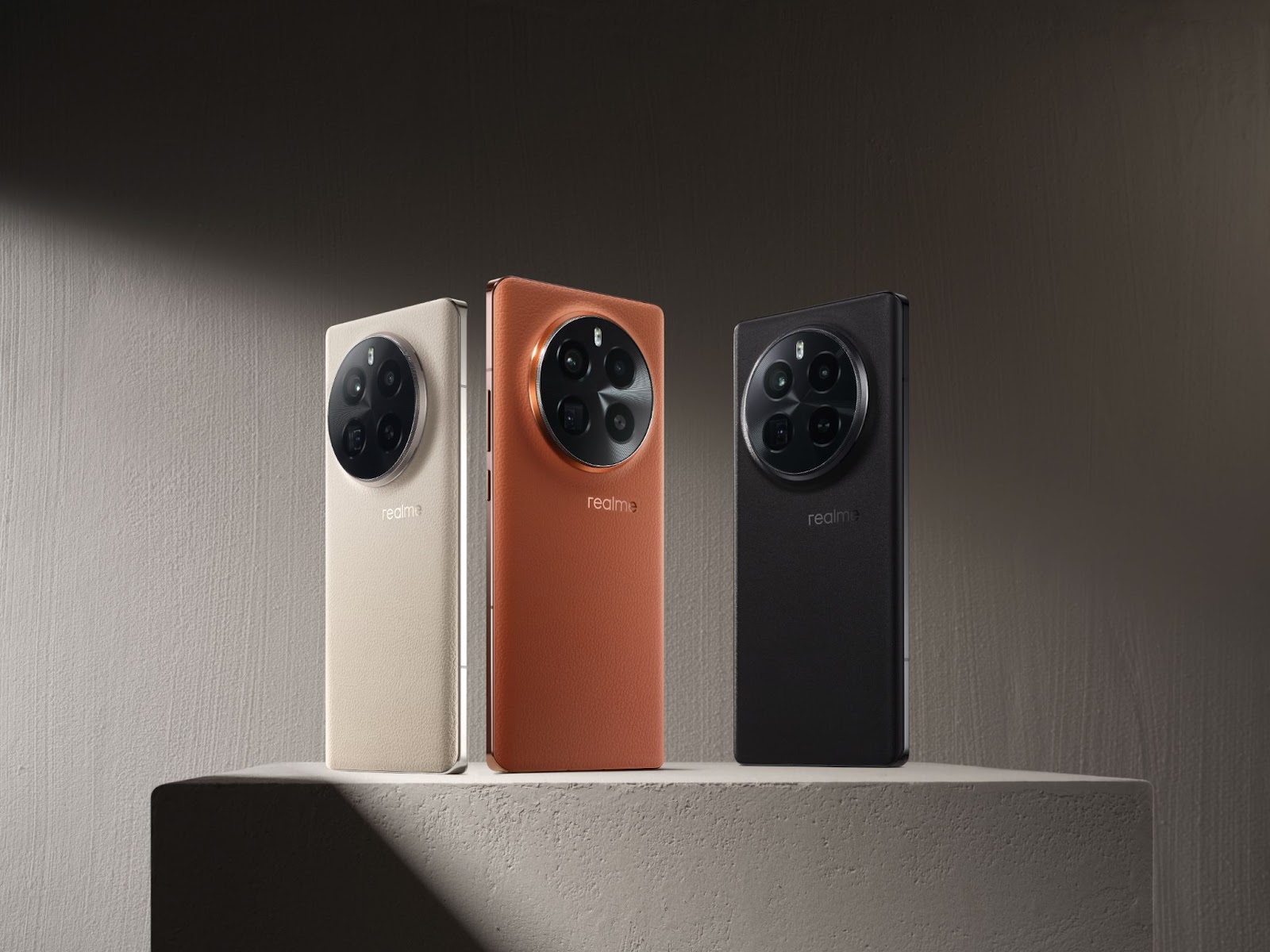
In terms of design, the phone features a unique star-studded light track lens, has a faux leather back, and is available in Red Rock, Bright Moon, and Starry Night colours, offering a premium and modern aesthetic.
Battery Life and User Experience
The phone’s 5400mAh battery supports both 100W wired and 50W wireless charging,providing extended battery life and flexibility in charging options.
The Realme GT5 Pro runs on Realme UI 5.0 which is based on Android 14.
Additional features like universal IR blaster control, enhanced NFC, and Dolby Atmos dual speakers further contribute to its comprehensive flagship experience.
FAQs
What are the available variants and pricing of the Realme GT 5 Pro?
The Realme GT 5 Pro is available in four variants, with prices ranging from CNY 3399 for the 12GB+256GB model to CNY 4299 for the 16GB+1TB model, which roughly converts to about Rs 40,000 to Rs 50,400 respectively.
How does the display of the Realme GT 5 Pro stand out?
The Realme GT 5 Pro boasts a 6.78-inch 1.5K BOE panel display, featuring a 144Hz refresh rate, 2160Hz PWM dimming, and a peak brightness of 4500 nits, capable of displaying 10.7 billion colours.
What are the camera specifications of the Realme GT 5 Pro?
The smartphone features a 50MP Sony LYT-808 main camera with a large 1/1.4-inch sensor, alongside a 32MP Sony IMX890 periscope lens, an 8MP ultra-wide camera, and a 32MP front camera.
What additional features does the Realme GT 5 Pro offer?
The Realme GT 5 Pro includes Realme UI 5.0 based on Android 14, a 3VC cooling system, universal IR blaster control, enhanced NFC, Dolby Atmos dual speakers, and IP64 dustproof and waterproof capabilities.
Delay in integrating Face ID under the display in iPhones until after 2026.
Quality challenges in implementing under-screen camera technology.
LG’s new screen technology key to future Apple under-screen ambitions.
Earlier predictions for under-screen Face ID in iPhones now shifted to iPhone 18 or 19.
The iPhone today, from the front is not nearly as bezel-less as some of its Android counterparts.
The reason is simple, Apple needs space to house its intricate hardware of FaceID and it certainly cannot be housed in a small punch-hole.
But now it seems that we should expect little to change in that regard because Apple’s ambitious vision to create an iPhone that resembles a “single slab of glass” is facing a delay.
According to recent supply chain reports, the integration of Face ID under the display is now projected to materialize only after 2026.
Technological Barriers
Although under-screen camera technology has been demonstrated since 2019, the trade-offs in quality, especially for a brand like Apple, known for its camera prowess, are significant.
Current technological limitations are inhibiting Apple from effectively implementing a facial ID solution that can also deliver impeccable selfies all the while hiding under the display.
Supplier Technology and Progress
FaceID on Apple
However, a new screen technology from LG is anticipated to be key in achieving Apple’s under-screen camera ambitions as per the report from The Elec.
Even so, one should approach the entire thing cautiously as previous reports suggested a 2024 release with the iPhone 16 Pro, and even earlier expectations aligned with the iPhone 15, 14, and 13.
Now the latest projections now point to a release in the iPhone 18 or 19 models, significantly later than initially anticipated.
Several Android manufacturers, including Samsung, Asus, OnePlus, Oppo, and Xiaomi, have already introduced devices with under-display cameras.
Apple With a Cautious Approach
But as mentioned before currently this is more of a proof of concept rather than something that can be integrated into the mass consumer segment.
Apple is known to include features later than Android but the Cupertino giantdoes it right as it has to ship more than 100 million devices with the same technology
Dynamic Island on iPhones
As such Apple’s move to place the selfie camera under the screen is expected to follow the integration of Face ID technology, likely occurring two years later.
This far out no one can be certain what Apple’s plans are but reports will certainly leak much ahead of the actual announcement so stay tuned for more updates.
FAQs
Why has Apple delayed the introduction of under-screen Face ID?
Apple’s delay in implementing under-screen Face ID technology, now expected post-2026, is due to current technological limitations in maintaining high-quality standards, especially for facial recognition and camera functionality.
What role does LG’s new screen technology play in Apple’s plans?
LG’s emerging screen technology is considered pivotal for Apple’s goal of integrating under-screen Face ID and camera systems, as it promises to overcome existing technical barriers.
How do current under-screen camera technologies in Android phones compare to Apple’s vision?
While Android manufacturers like Samsung and Xiaomi have introduced devices with under-screen cameras, Apple’s approach is more cautious, focusing on perfecting the technology for mass-market viability and maintaining high-quality standards.
When can consumers expect to see under-screen Face ID in iPhones?
Initially anticipated for earlier models, the latest reports suggest that Apple’s under-screen Face ID might not appear until the iPhone 18 or 19 series, significantly later than previously expected.
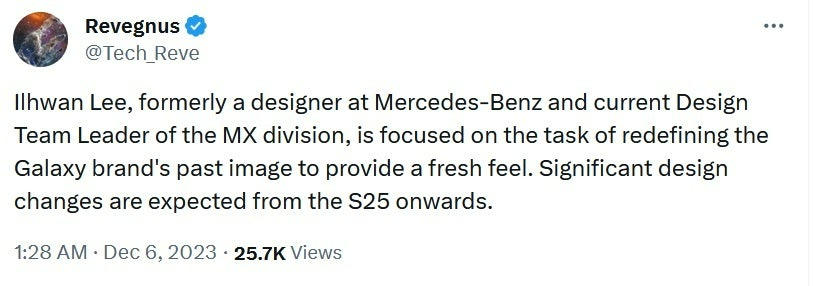
Galaxy S25 series is poised for a significant design overhaul under Ilhwan Lee.
Rumored groundbreaking 200MP camera in Galaxy S25 Ultra.
Samsung considering earlier launch schedule for Galaxy S25.
Snapdragon 8 Gen 4 processor likely to power the Galaxy S25 models.
The Samsung Galaxy S25 could likely get a significant design refresh if reports are to be believed.
This update, led by Ilhwan Lee, the Design Team Leader of the MX(Mobile eXperience) division, aims to infuse the flagship series with a “fresh” feel. Whatever that means.
Why fix something that’s not broken? However, as per a leak, Ilhwan Lee, renowned for his previous work at Mercedes-Benz, has been at the helm of the MX Design Team since December 2022.
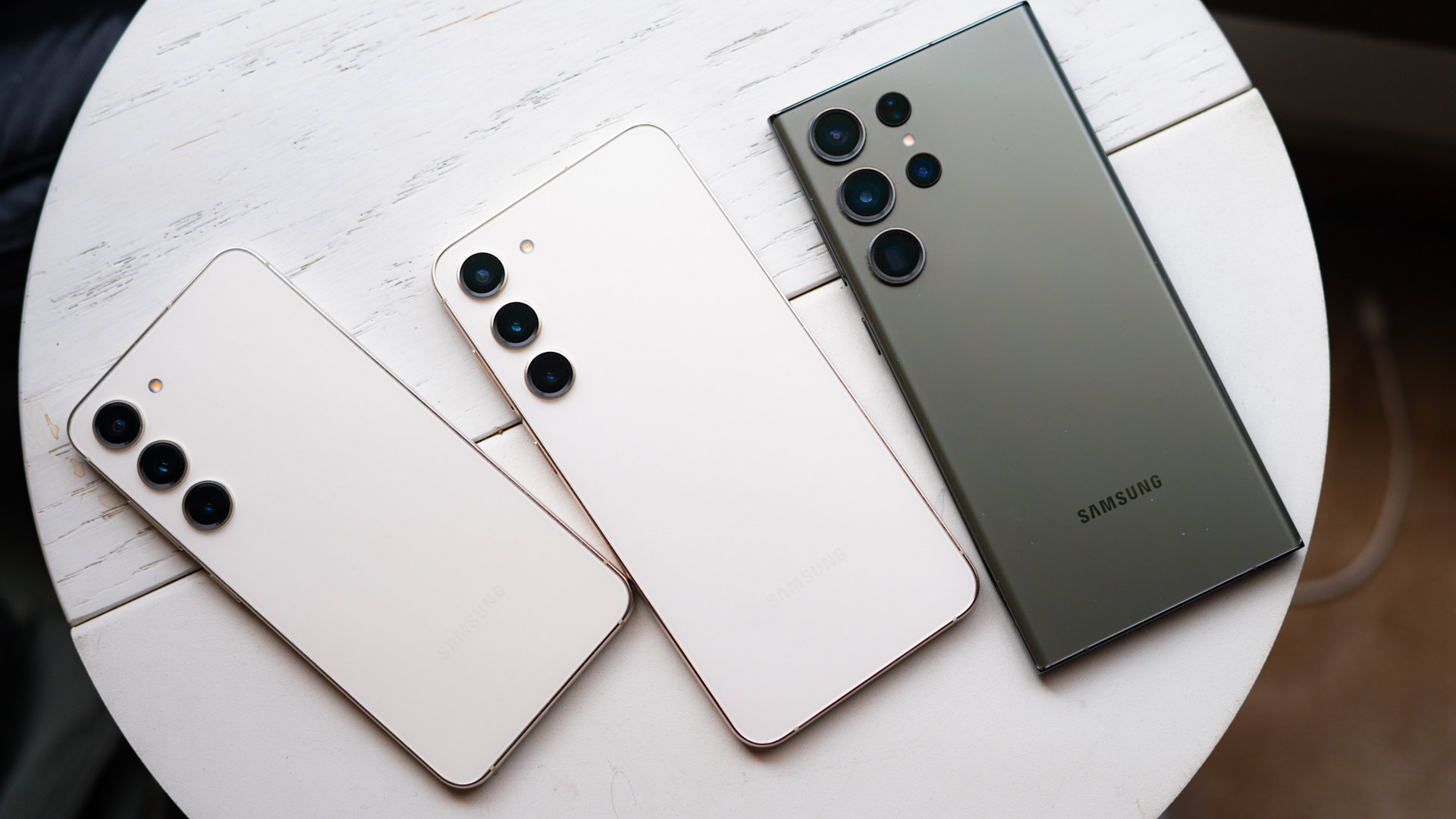
Galaxy S25 To Get New Design
His appointment to craft the Galaxy S25 seriessuggests might give the lineup an exciting shift towards more innovative and possibly luxury-inspired aesthetics.
Furthermore, since Samsunggenerally employs a trickle-down design philosophy, it is possible to see the new premium aesthetics possibly make their way to the A series.
Galaxy S25 Series: Rumours so Far
The S25 series is more than a year away but the rumour mill has churned out interesting stuff.
The Galaxy S25 Ultra is rumoured to feature a groundbreaking 200MP primary camera, with a new 1-inch image sensor with 0.8µm pixels, dual-pixel autofocus, and an in-sensor crop zoom.
Apart from that, Samsung is also reportedly replacing the 50MP ISOCELL GN3 image sensor, used in the upcoming Galaxy S24 and S24+, with advanced Sony image sensors in the Galaxy S25 line.
Galaxy S23 Series
Also, Samsung is considering advancing its launch schedule. The Galaxy S24 series is expected to debut on January 17th, 2024, with a release date of January 30th, aiming to capture market share earlier in the year.
The same can be said for the S25 series which might see the day of light perhaps in December 2024.
The Galaxy S25 models could be powered by the Snapdragon 8 Gen 4 which is likely to use TSMC’s advanced 3nm process node. Well, that is it for now.
In a few months, we should be getting renders and leaks about the S25 series so we will update you on the new developments as when they happen.
FAQs
What design changes can we expect in the Samsung Galaxy S25 series?
The Samsung Galaxy S25 series, under the guidance of Ilhwan Lee from the MX Design Team, is expected to undergo a significant design refresh. This change is anticipated to bring more innovative and possibly luxury-inspired aesthetics to the flagship series.
Are there any rumors about the camera specifications of the Galaxy S25 Ultra?
The Galaxy S25 Ultra is rumoured to feature a 200MP primary camera with a new 1-inch image sensor, 0.8µm pixels, dual-pixel autofocus, and in-sensor crop zoom, potentially setting a new standard for smartphone photography.
When is the Samsung Galaxy S25 series expected to launch?
While the exact launch date is not confirmed, Samsung is considering releasing the Galaxy S25 series earlier than usual, potentially around December 2024, following the earlier launch of the Galaxy S24 series in January 2024.
Infinix Smart 8 HD features a 90Hz punch hole display, a segment-first.
Equipped with a dual AI camera setup and quad LED flash.
Powered by the Unisoc T606 processor and runs on XOS 13 based on Android 13 Go.
Boasts a 5000mAh battery with USB Type C charging.
Infinix is looking to make significant strides in the Indian market with its latest offering – the Infinix Smart 8 HD.
This budget-friendly smartphone, launching tomorrow, is packed with features that seem incredulous given the handset’s expected price.
Let’s dive into the details of what the Infinix Smart 8 HD has in store.
Launch and Availability
The Infinix Smart 8 HD is set to launch on December 8 and will be available on Flipkart and select retailers.
The company has stated that the smartphone is going to have a price tag of under Rs 6,000.Wait till you hear the rumoured specs and features.
Infinix Smart 8 HD: Design and Colour Options
Infinix Smart 8 HD: Design and Colour Options
The Infinix Smart 8 HD draws at least some design inspiration from more expensive budget phones with its dual camera array and a large circular flash.
The phone boasts flat edges and timber texture finish which at least looks premium in leaked photos.
Apart from that the phone will come in four colors: Crystal Green, Timber Black, Shiny Gold, and Polar White.
Display and Performance
A standout feature, at least in our opinion, of the Infinix Smart 8 HD is its 90Hz display with a punch hole – a first in this price segment.
The 6.6-inch HD+ resolution screen promises a decent viewing experience at least for an entry-level handset.
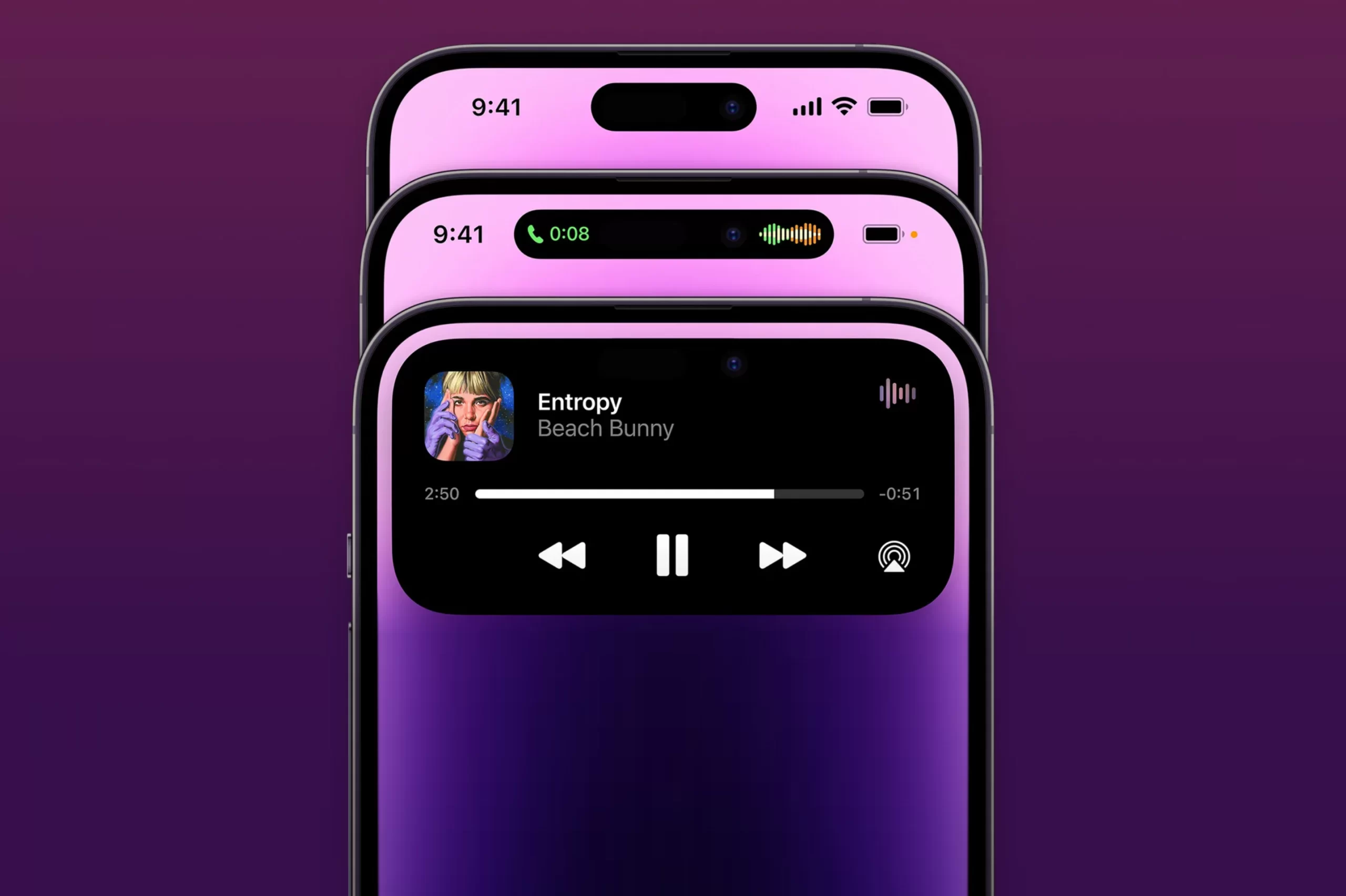
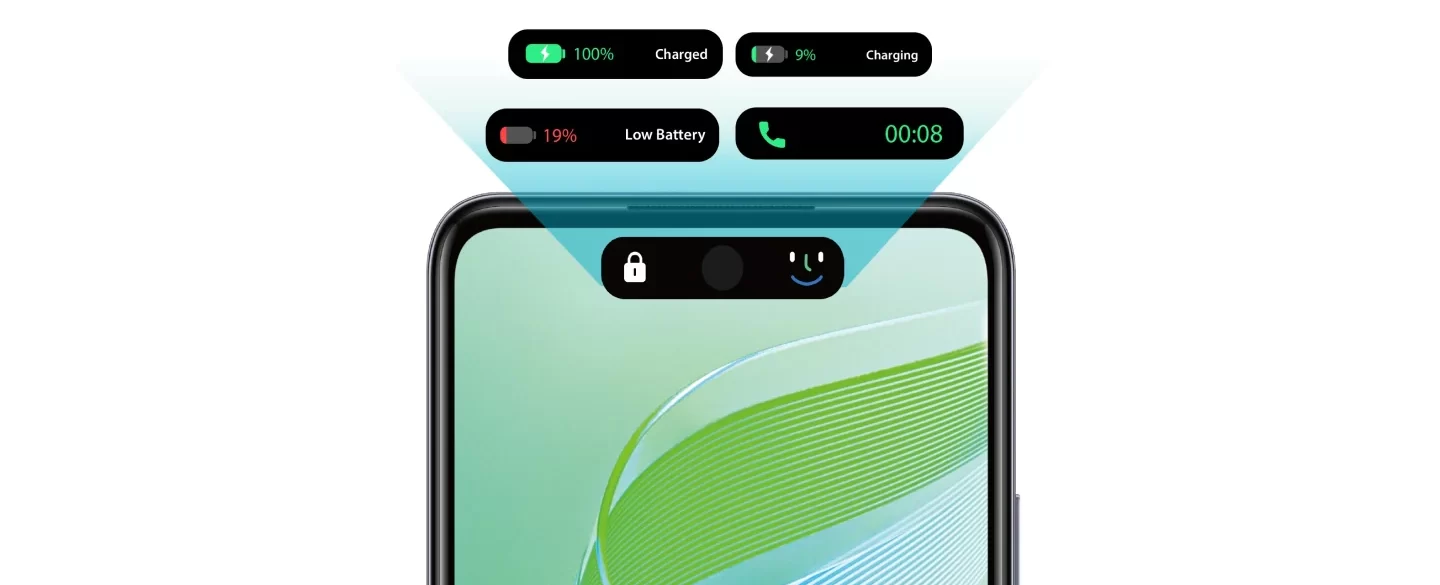
Apart from that an innovative addition to the Smart 8 HD is the ‘’Magic Ring‘ feature which is akin to the iPhone’s dynamic island.
iPhone’s dynamic island.
Rumours suggest that the Infinix Smart 8 HD will be powered by the Unisoc T606 processor, commonly found in higher-priced models like the Moto E13 and Nokia G21. However, it was more recently seen on the Tecno Spark Go as well, which is priced at Rs 6,499.
Also, from a software standpoint that Smart 8 HD is expected to run on XOS 13 based on Android 13 Go
Camera Capabilities and Battery
Leaks indicate a 13MP dual AI camera setup with quad LED flash for the primary camera.
The secondary camera is expected to be an auxiliary lens, similar to those in other Infinix models.
Other functionalities on the device include things like Face Unlock,Background Call,Charging Animation, Charge Completion Reminder, and Low Battery Reminder.
Another unique aspect is its side-mounted fingerprint scanner, which is again a first in its price range. Paired with a robust 5000mAh battery and USB Type C charging, the Infinix Smart 8 HD is geared up for long-lasting performance.
Segment’s 1st Side Mounted Fingerprint Sensor*
The Infinix Smart 8HD is certainly shaping up to be top-of-the-line offering for a device that is priced just below Rs 6,000. We shall know the actual cost of the handset tomorrow so stay tuned for that.
FAQs
When is the Infinix Smart 8 HD launching and where can I buy it?
The Infinix Smart 8 HD is scheduled for launch on December 8 and will be available on Flipkart and select retailers. It’s set to be priced under Rs 6,000, making it a highly accessible option in the smartphone market.
What are the design features of the Infinix Smart 8 HD?
The Infinix Smart 8 HD sports a modern design with flat edges and a dual camera array, including a large circular flash. It comes in four colors – Crystal Green, Timber Black, Shiny Gold, and Polar White.
Can you detail the Infinix Smart 8 HD’s display and performance specifications?
The smartphone boasts a 6.6-inch HD+ resolution screen with a 90Hz refresh rate, offering an enhanced viewing experience. Performance-wise, it’s powered by the Unisoc T606 processor, providing capabilities often found in higher-priced models, and runs on the latest XOS 13 based on Android 13 Go.
What camera and security features does the Infinix Smart 8 HD offer?
The Infinix Smart 8 HD features a 13MP dual AI camera setup with a quad LED flash and an auxiliary lens for diverse photography options. For security, it includes a unique side-mounted fingerprint scanner, a first in this price range.
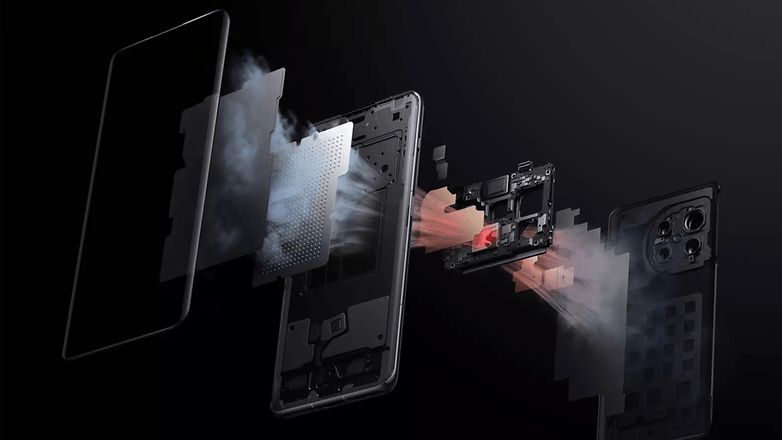
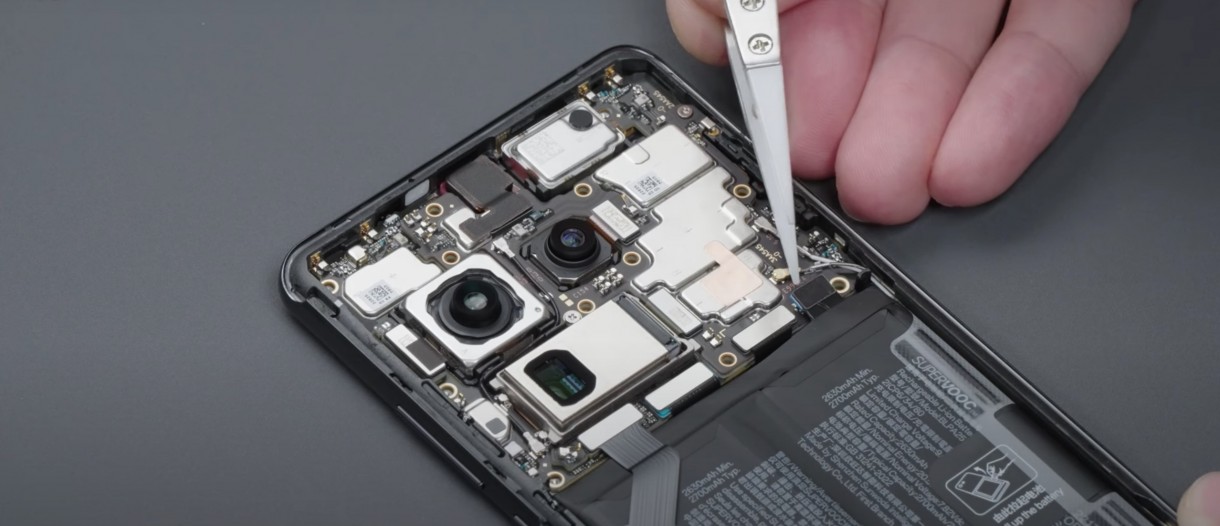
At the heart of the OnePlus 12’s internals is a massive vapor chamber that sprawls over 9,140 mm².
Although not confirmed, this is likely to be the largest VC on a smartphone, most certainly on a OnePlus device.
The chamber is positioned just below the phone’s screen and plays a crucial role in dissipating heat that is likely to give optimal performance during intensive tasks.
The teardown video, which you can watch here, also reveals the three camera sensors, including the 50MP Sony Lytia 808 primary sensor which was also used on the OnePlus Open.
OnePlus 12 features a bigger vapor chamber cooling system
It boasts a 6.82-inch QHD+ 2K OLED LTPO display, offering a 120Hz refresh rate,10Bit Color Depth, ProXDR, and a staggering 4,500 nits of peak brightness.
At the core of the OnePlus 12 is the Qualcomm Snapdragon 8 Gen 3 chipset, paired with an Adreno GPU, up to 24GB LPDDR5X RAM, and 1TB of UFS 4.0 storage.
This powerful combination is enhanced by the latest Android 14-based OxygenOS 14 skin.
Finally, there is the camera system of OnePlus 12 which has the above-mentioned 50MP primary camera, along with a 48MP Sony IMX581 ultra-wide angle lens and a 64MP OV64B periscope lens with 3x telephoto zoom.
The 32MP Sony IMX615 front camera is the cherry on top for selfie enthusiasts.
The OnePlus 12 incorporates a vast vapor chamber, likely the largest in any smartphone, especially in the OnePlus series, measuring 9,140 mm². This chamber is strategically positioned to optimize heat dissipation.
Can you detail the OnePlus 12’s camera specifications?
The OnePlus 12 is equipped with a high-end camera system, featuring a 50MP Sony Lytia 808 primary sensor, a 48MP ultra-wide angle lens, and a 64MP periscope lens with 3x telephoto zoom. It also includes a 32MP front camera for selfies.
What are the display features of the OnePlus 12?
The device boasts a 6.82-inch QHD+ 2K OLED LTPO display, offering an impressive 120Hz refresh rate, 10Bit Color Depth, ProXDR, and an exceptional peak brightness of 4,500 nits.
What are the core specifications of the OnePlus 12?
At its core, the OnePlus 12 houses the Qualcomm Snapdragon 8 Gen 3 chipset, coupled with an Adreno GPU. It offers up to 24GB LPDDR5X RAM and 1TB of UFS 4.0 storage. The device runs on Android 14-based OxygenOS 14 skin.
How does the OnePlus 12 size compare with its predecessors?
The OnePlus 12 shows a noticeable increase in size compared to previous models like OnePlus 11 and 10T, measuring 164.3×75.8×9.15 mm and weighing 220 grams, making it slightly larger and heavier.
Is the OnePlus 12 larger than other flagship models?
Yes, the OnePlus 12 is bulkier and heavier than models such as the Samsung Galaxy S23+ and Apple iPhone 15 Plus, indicating a preference for larger batteries and possibly more robust internal hardware.
What are the pricing details for the different variants of the OnePlus 12?
The OnePlus 12 comes in four configurations, each with a different price point.
The base variant with 12GB RAM and 256GB storage is available at 4299 CNY.
For those needing more storage and memory, the 16GB + 512GB model is priced at 4799 CNY.
A more expansive option with 16GB RAM and 1TB storage is offered at 5299 CNY.
The premium model, featuring 24GB RAM and 1TB storage, is set at 5799 CNY, catering to high-end performance needs.
What are the key features of the OnePlus 12’s display and battery?
The OnePlus 12 is equipped with a 6.8-inch 120Hz 2K Super Fluid AMOLED display, boasting a peak brightness level of 4500nits for vivid visuals.
The device’s power needs are met by a robust 5400 mAh dual-cell battery.
It supports 100W SUPERVOOC fast wired charging and 50W AIRVOOC wireless charging technologies, enabling the phone to be fully charged in just 26 minutes using wired charging and in 55 minutes wirelessly.
Can you describe the camera capabilities of the OnePlus 12?
The OnePlus 12 comes equipped with a 4th Gen Hasselblad Camera for Mobile, featuring a triple camera system.
This includes a LYT808 50MP main camera, a 64MP OV64B 3X periscope telephoto camera, and a 48MP ultra-wide camera, alongside a 32MP front selfie shooter.
What design innovations are present in the OnePlus 12?
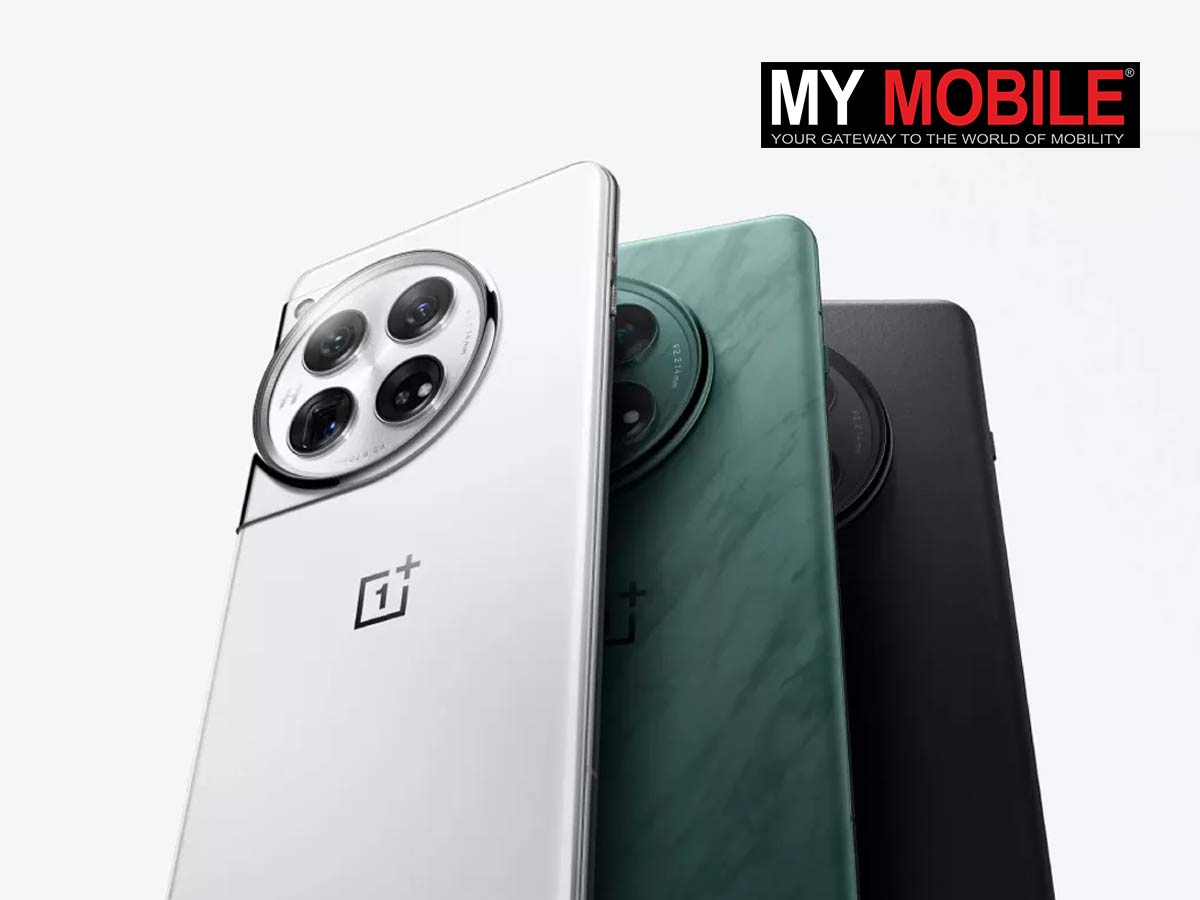
The OnePlus 12’s design is inspired by nature, particularly evident in its Flowy Emerald colorway.
The device also incorporates a new generation of ceramic glass technology with a matte finish and retains the iconic three-stage alert slider, now repositioned for improved antenna performance.
What is unique about the Pale Green colour of the OnePlus 12?
The Pale Green colour for the OnePlus 12 represents a continuation of OnePlus’s tradition of offering a green shade in its flagship lineup.
For the OnePlus 12, this green has been revamped, providing a fresh and distinctive appearance that aligns with the brand’s recognizable aesthetic.
How does the Rock Black variant of the OnePlus 12 stand out?
The Rock Black colour of the OnePlus 12 is characterized by its matte frosted finish.
This choice not only enhances the phone’s visual appeal but also serves a practical purpose by reducing fingerprint smudges.
The black variant integrates seamlessly with the phone’s large camera island, offering a polished and premium feel.
What is the AnTuTu score of the OnePlus 12, and what does it signify?
The OnePlus 12 has achieved an AnTuTu score of 2,333,033 points, the highest for any smartphone to date.
This score reflects the device’s powerful performance capabilities, driven by its advanced chipset and memory configuration.
How does the OnePlus 12 enhance the user experience?
With a high AnTuTu score, the OnePlus 12 is expected to offer an improved user experience, particularly in terms of interface responsiveness and multitasking.
The integration of Android 14 and OxygenOS 14 should provide a seamless and intuitive user interface.
How does the OnePlus 12’s performance compare to the OnePlus 11?
The OnePlus 12 is expected to house the Snapdragon 8 Gen 3 chipset, offering a 30% increase in CPU and 25% in GPU performance over the OnePlus 11’s Snapdragon 8 Gen 2.
This significant leap suggests the OnePlus 12 will outperform its predecessor in speed and efficiency.
What are the key design differences between the OnePlus 12 and OnePlus 11?
The OnePlus 12 is rumoured to feature a higher maximum brightness of 2,600 nits and 2,160Hz PWM dimming on its 6.7-inch OLED display.
It also sports a textured back and repositioned Alert Slider, distinguishing it from the OnePlus 11’s design.
What upgrades in battery life and charging does the OnePlus 12 have over the OnePlus 11?
The OnePlus 12 might feature a 5,400 mAh battery, larger than the OnePlus 11’s 5,000 mAh, and could introduce wireless charging.
Combined with the more efficient Snapdragon 8 Gen 3, this suggests an improvement in overall battery life.
Introduction of 11-inch and 12.9-inch models in the iPad Air series.
Launch of new iPad Pro models with OLED displays and M3 chip.
Redesigned Magic Keyboard and third-generation Apple Pencil on the horizon.
Apple retains dominant 37% market share in tablet sector despite recent sales dip.
Apple enthusiasts are in for a treat it seems as Bloomberg’s new report has shed some light on Apple’s plans for its iPad and Mac lineup in 2024.
It’s not exactly news that the tech giant is gearing up to introduce new models of the iPad Air and iPad Pro early next year.
What is interesting is the reported features they are set to pack.
The iPad Air Revolution: New Size
The iPad Air Revolution: New Size
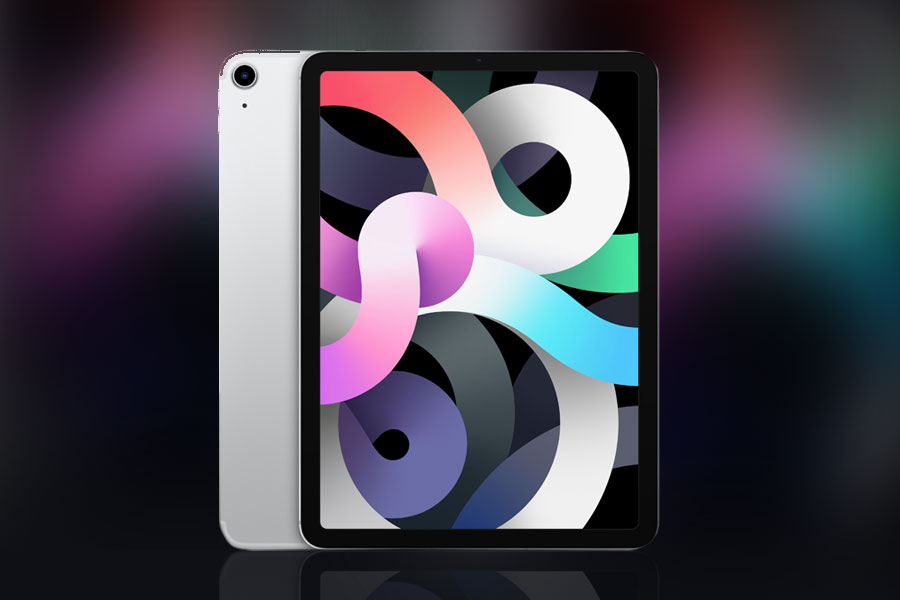
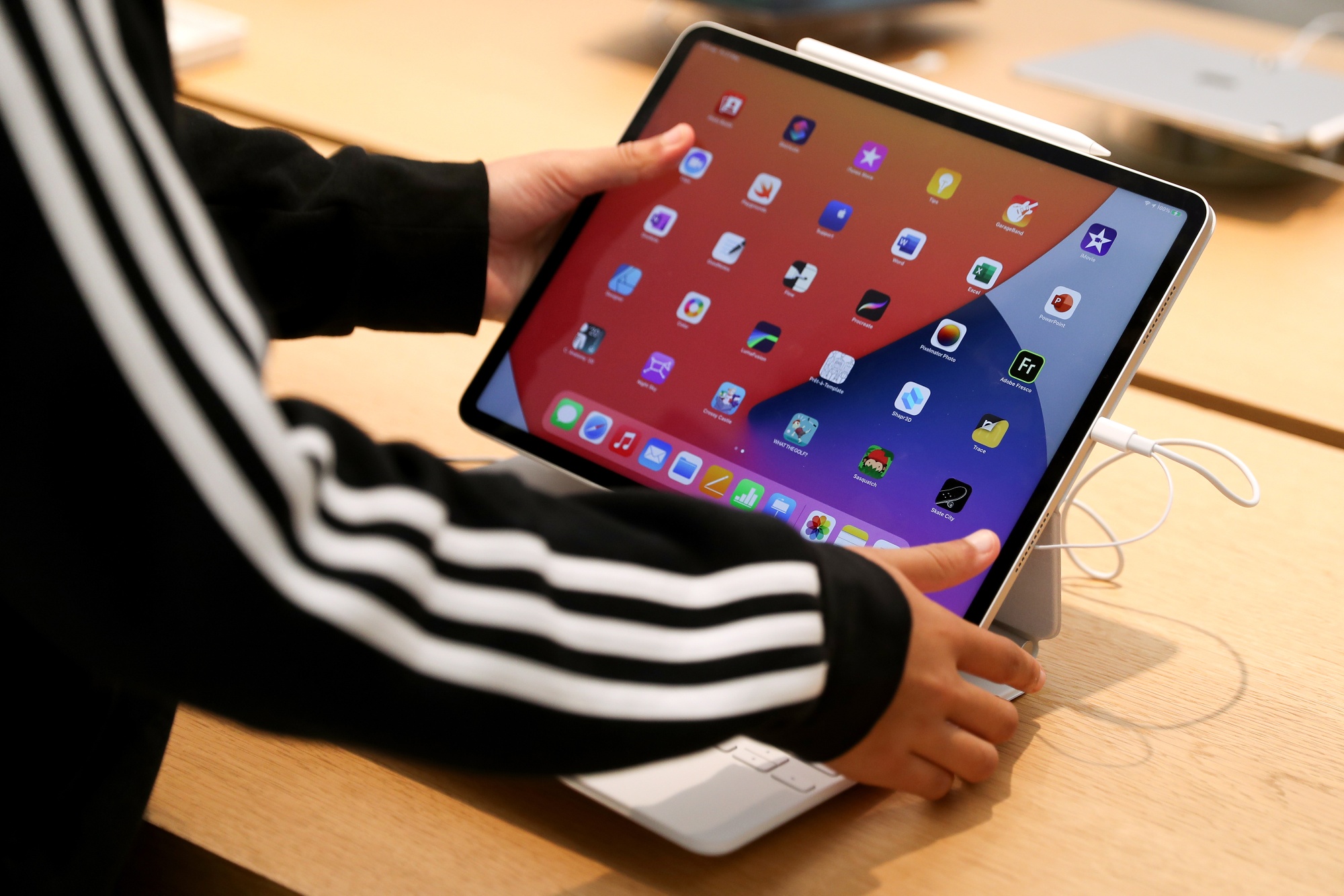
The iPad Air, for the very first time, will be available in two sizes: an 11-inch version and a larger 12.9-inch model.
This expansion appears clearly as a strategic move by Apple to diversify its iPad Air offerings, the most popular iPad and consequently the most popular tablet in the consumer electronics world.
People have been clamouring for a cost-effective big-screen iPad and it seems Apple is ready to finally oblige.
M3 Coming to MacBook Air
M3 Coming to MacBook Air
Apart from all the iPad new, the MacBook Air is also getting a refresh.
The report indicates that there will be two screen sizes for the laptop, again a first.
13-inch and 15-inch while under the hood Apple has its latest M3 chip powering the entire thing.
macOS 14.3 is also reported to come around the same time so we’ll see how that goes.
OLED Displays and M3 Chip: The iPad Pro Evolution
OLED Displays and M3 Chip: The iPad Pro Evolution
The spotlight is also on the new iPad Pro models, codenamed J717, J718, J720, and J721, which are slated for launch around the end of March.
As so many reports over the year have been hinting at, the iPad Pro, available in 11-inch and 13-inch screen sizes, will feature OLED displays for enhanced visual experience.
Earlier only the 13-inch model had a different display tech harboured underneath in the form of MiniLEDs.
However, it is not as clear and visually appealing as OLEDs. Apple’s inclusion of this new screen for both sizes is a welcome step but be prepared to shell out a lot more money.
Under the hood, the iPad Pro models are likely to be powered by the robust M3 chipjust recently unveiled by Apple.
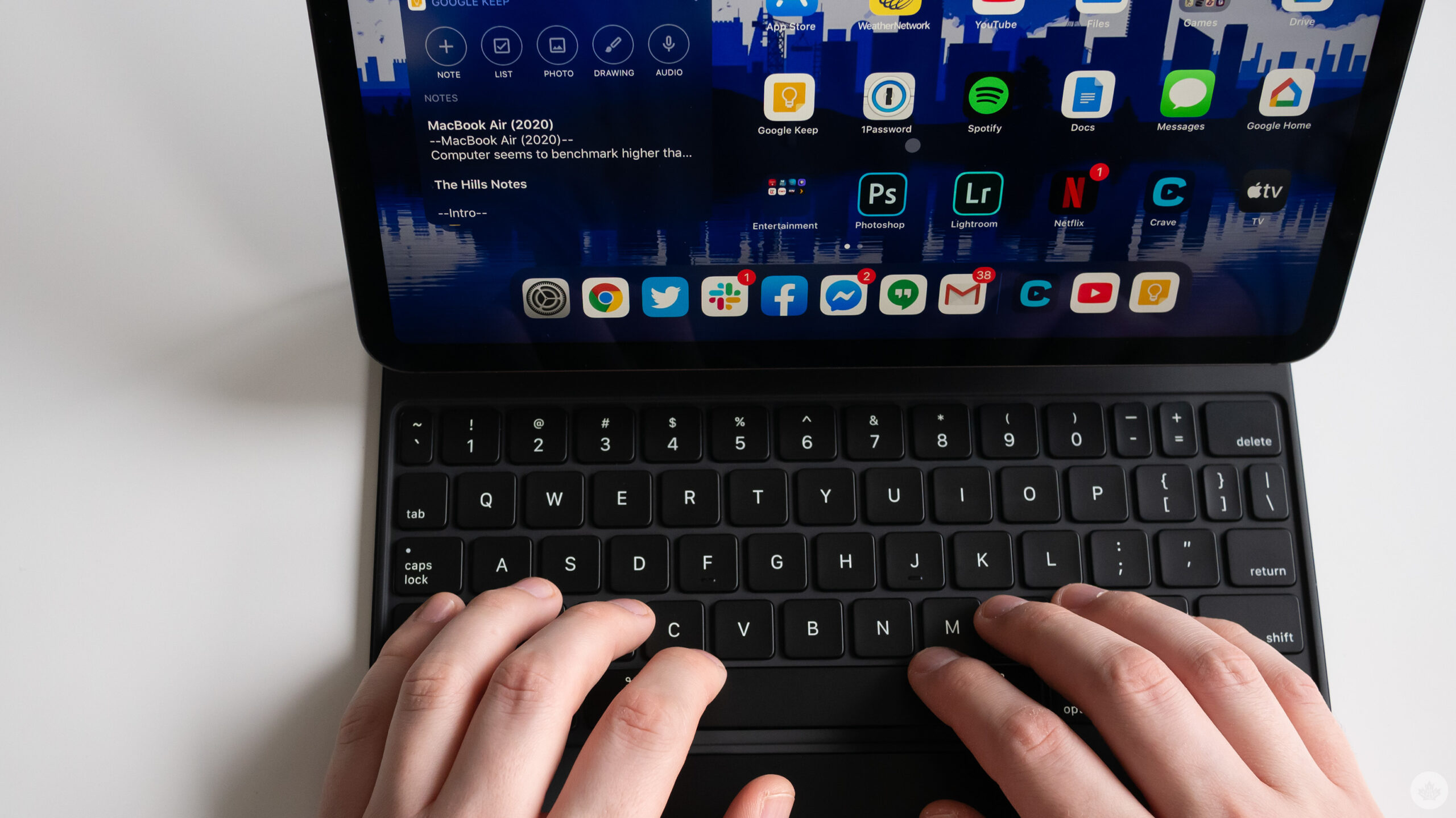
The new Magic Keyboard’s main objective will be to make the iPad Pro into a more laptop-like device, boasting a sturdier frame and an aluminum construction.
The original Magic keyboard folio case is adept at doing that as it is.
It will be interesting to see what kind of changes Apple will bring to it.
As for the Apple Pencil, this release represents the third generation of the popular accessory, although specific details about its features remain under wraps.
Design Language and Software Support
iPad Design Language
Apple’s design philosophy has been evolving, with the new iPads expected to inherit some design elements from the recently released iPhone 15 series.
Rounder edges and possibly thinner bezels are the top contenders as of now but not much can be said beyond that.
These hardware advancements will be complemented by the release of iPadOS 17.4.
Apple’s Lead in the Tablet Market
Apple’s Lead in the Tablet Market
Despite facing a sales downturn, Apple continues to dominate the tablet market, maintaining a significant lead with a 37% share in last quarter’s shipments.
In contrast to the broader market trend where most competitors are experiencing steeper declines, Apple’s position remains relatively strong.
Notably, Xiaomiemerged as an exception, witnessing a 42% increase in shipments, yet only reaching 1 million units,starkly lower than Apple’s impressive nearly 11 million units.
The recent quarter, however, did see a dip in Apple’s sales and unit shipments,falling to their lowest since early 2020, with a notable 17% decrease in units shipped as reported by IDC.
FAQs
What are the expected features in the upcoming 2024 iPad Air and iPad Pro?
Apple is set to release the iPad Air in two new sizes – 11-inch and 12.9-inch – and the iPad Pro in 11-inch and 13-inch variants, equipped with OLED displays and powered by the M3 chip.
How will the new Magic Keyboard transform the iPad Pro’s user experience?
The upcoming Magic Keyboard, designed for the iPad Pro, aims to provide a more laptop-like experience with its sturdier frame and aluminum construction.
Are there any updates coming to the Apple Pencil?
The release of the third-generation Apple Pencil is anticipated, though specific details about its new features remain undisclosed.
How does Apple stand in the tablet market compared to its competitors?
Despite a downturn in recent sales and shipments, Apple maintains a strong hold in the tablet market with a 37% share in the last quarter. This dominance is in contrast to most competitors, who are seeing sharper declines in sales, except for Xiaomi, which recorded a significant shipment increase but still lags behind Apple’s volume.
What are the M3, M3 Pro, and M3 Max chipsets?
Apple’s newly announced M3 chipsets include the base M3 as well as the more powerful M3 Pro and M3 Max. These chips are fabricated using a 3-nanometer process and offer significant improvements in CPU and GPU performance.
What’s new in the 14-inch MacBook Pro?
The 14-inch MacBook Pro replaces the older 13-inch model and comes with the base M3 chip. It offers improved performance in areas like rendering, code compilation, and spreadsheets. It is priced starting at $1,600.
Are there any changes to the 16-inch MacBook Pro?
Yes, the 16-inch MacBook Pro has been updated and now exclusively features either the M3 Pro or M3 Max chipsets. The pricing starts at $2,500 and it includes an improved Liquid Retina XDR display.
What upgrades does the 24-inch iMac see?
The new 24-inch iMac now incorporates the M3 chip, doubling its performance compared to its predecessor. It also adds updated connectivity options like Wi-Fi 6E and Bluetooth 5.3.
M3-equipped Macs Coming Soon?
Gurman via his Power On Newsletter has revealed that Apple is gearing up to expand its Mac portfolio with M3 Apple silicon as early as October. The first products to gain the M3 chipset will be the 13-inch MacBook Air, the 13-inch MacBook Pro, and the next iMac.
Although Gurman has not hinted at an exact debut date, we can expect Apple to make the announcement at the September iPhone 15 launch event with the official unveiling somewhere in October.
However, it seems like Apple will keep M3-based high-end MacBook Pros (14-inch and 16-inch models) and the Mac Studio for 2024. Gurman states that “October is too early for new high-end MacBook Pros or desktops, so the first beneficiaries of the new chip should be the next iMac, 13-inch MacBook Air, and 13-inch MacBook Pro.“
If you can recall, back in May, Gurman reported that Apple is testing a high-end M3 chipset with 12 CPU cores and 18 GPU cores.
The rumored chip is expected to be the M3 Pro chipset and is said to be engineered on TSMC’s 3nm fabrication process. This means that by the time October arrives, the M3 chipsets will be sufficiently tested and made compatible for a conclusive launch.
Further, the M3-based iPad Pro is also expected to make its entry next year and Gurman suggests that there might not be any major upgrades, except for the presence of an OLED display. This was also hinted at in a previous leak.
Although we can rely on Gurman’s notability, we will urge you to take this information with a grain of salt. Until and unless we gain some official insight and input, it will be best to stay skeptical with a hint of optimism.
M3 Silicon-based MacBooks To Arrive Sooner Than You Think.Details?
WWDC 2023 saw the unveiling of the much-awaited 15-inch MacBook Air, the new Mac Studio, and M2 Pro and Ultra chipsets. However, we are yet to be treated with M3-based Macs.
And with the year close to its end, we are expecting this to happen sooner than later. Earlier, a rumor suggested that M3-based Macs and MacBooks are set to arrive by the end of this year or by the first half of next year. Thanks to Gurman, we have received a much more conclusive launch window.
Well, those days might just be coming to an end as Googlehas announced theintegration of its state-of-the-art Gemini AI model with Bard.
The AI race is now at full throttle and you would expect Google to swing for the fences in this new frontier of technology.
Introducing Gemini
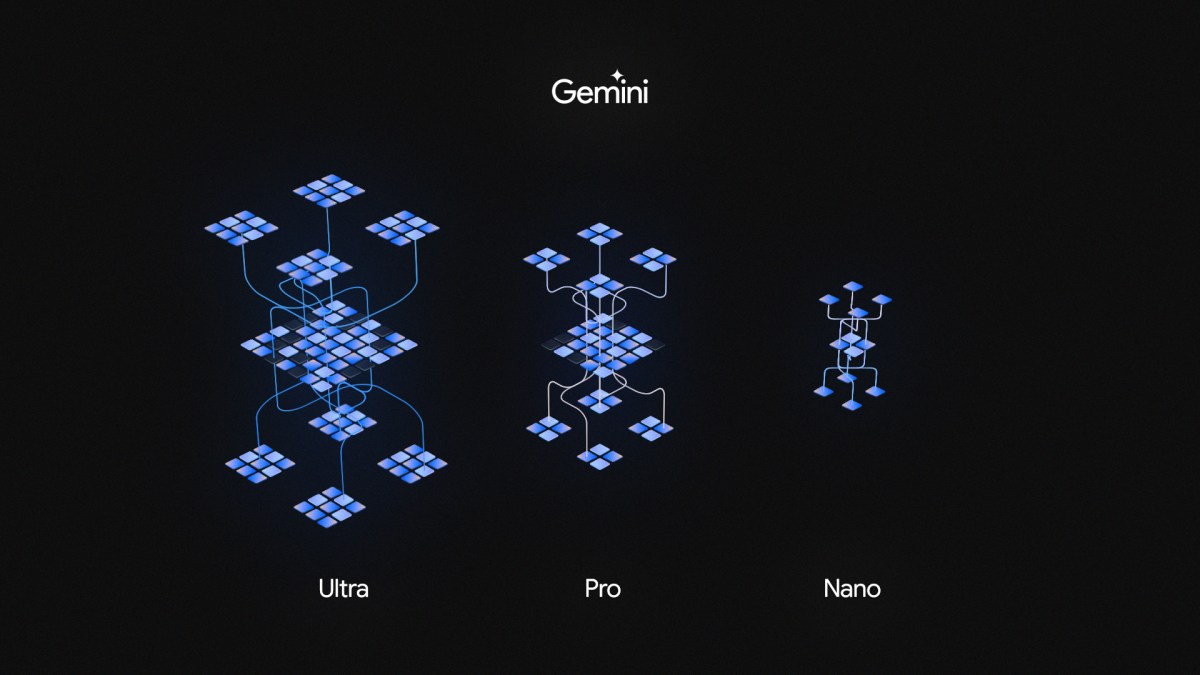
Introducing Gemini in Three Variants: Ultra, Pro & Nano
Google’s Gemini has long worked on ML and AI model that has been specially engineered to elevate Bard’s capabilities.
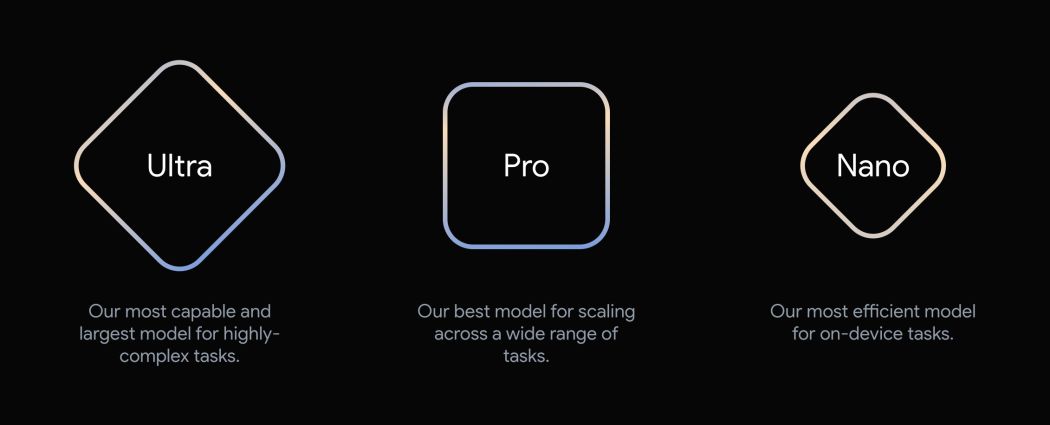
Available in three variants – Ultra, Pro, and Nano – Gemini is said to be versatile enough to operate across diverse platforms, including handheld devices to extensive data centers.
“It’s so far from a zero-sum game. We have a sense of excitement at what we’re launching. We also realize we’re in very early days because we can see the follow-up progress we are making,” said Mr Sundar Pichai, CEO of Google, in an interview with Dataconomy.
There were question marks before about Bard’s abilities for reasoning, planning, and understanding faculties.
Gemini is looking to solve that with complex problem-solving more efficiently.
Ulta Pro Nano Variants would across Divert Platforms
The Rollout: A Two-Phase Approach
The Rollout: A Two-Phase Approach
While users of Google Bard can experience the powers ofGemini starting today, the rollout is planned in two distinct phases.
The first sees the implementation of Gemini Pro, fine-tuned for exceptional English language processing.
This phase will reach over 170 countries and territories initially, with an expansion plan covering additional languages and regions, including the EU and U.K.
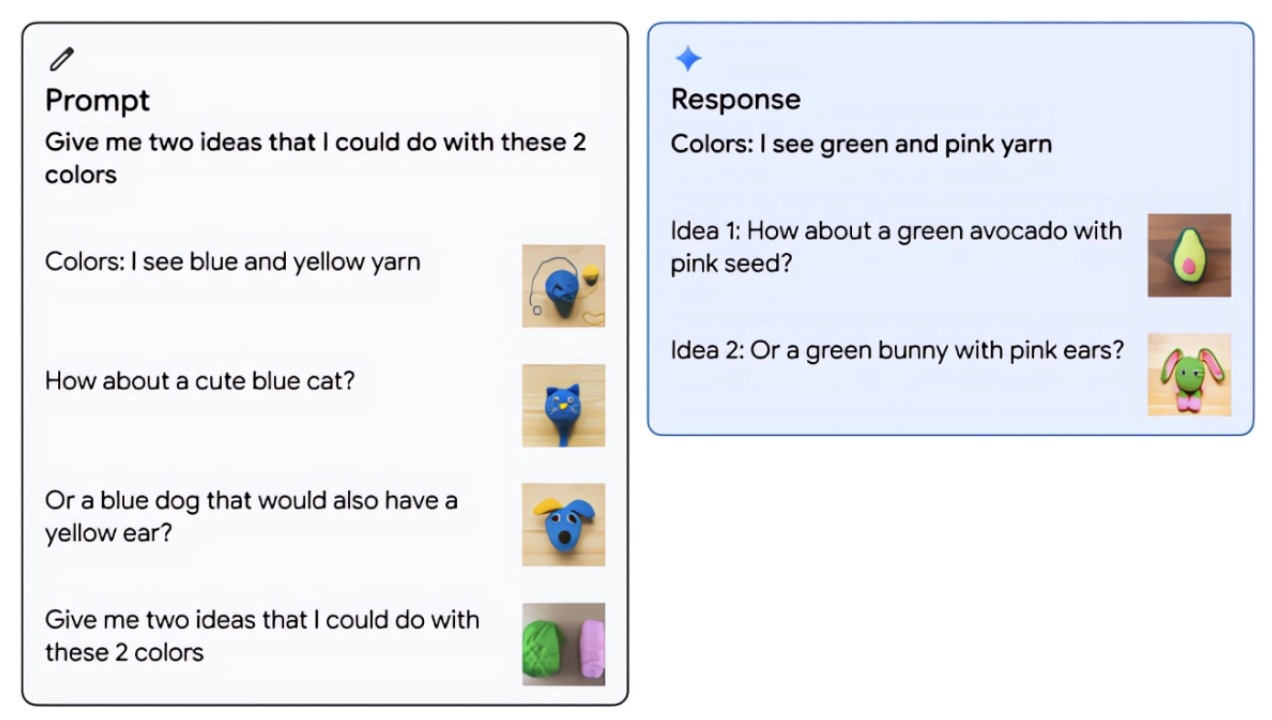
Gemini Ultra will likely stand out with its ability to process and interact with diverse data types, including text, images, audio, video, and code.
It will also boast sophisticated multimodal reasoning and the proficiency to understand and generate high-quality code in various programming languages.
Playing Catchup?
Google’s Bard Chatbot Set To Transform with Next-Gen Gemini AI Enhancement
Google just didn’t dump Gemini before a competitive analysis with its biggest rival.
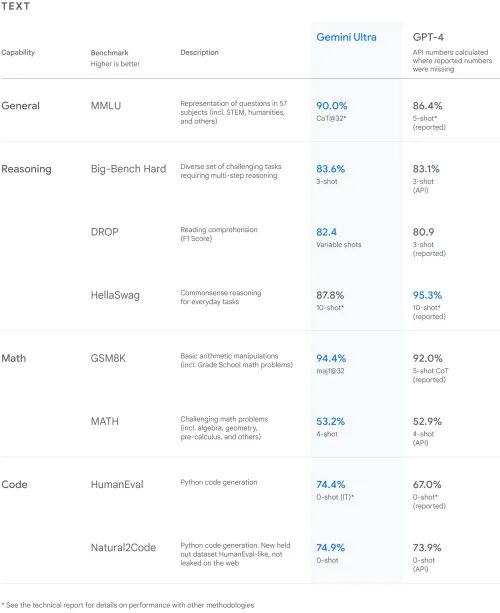
Gemini Pro was rigorously tested and excelled in six out of eight benchmarks, outperforming GPT-3.5, as per Google’s reports.
Also, Google did an in-depth analysis and benchmarking against OpenAI’s GPT-4, which saw it outperform its competitor in 30 out of 32 benchmarks.
Gemini Pro also showcased superior performance in MMLU (Massive Multitask Language Understanding) tasks, a critical benchmark for evaluating the capabilities of large AI models.
Gemini Pro also Showcased Superior Performance in MMLU Tasks
Apart from that the model also excelled in GSM8K, a benchmark focused on grade school math reasoning.
While these accomplishments are significant, it’s important to consider the context of these comparisons.
Gemini Pro was benchmarked against GPT-3.5 and GPT 4 which are about a year and six months old respectively.
It is a classic case of playing catchup, but Google‘s technological backing might propel Gemini ahead of even GPT 4.
We’ll have to wait for the Gemini’s Ultra version for that though.
Gemini Provides Text and Images Combined
Reliability and Evolution
Bard has Access to Google Maps and now its Best Large Model.
For Google AI safety and reliability is paramount in its AI offerings.
To this end, Bard Advanced is undergoing and will keep undergoing rigorous safety checks with a trusted tester program before its broader release.
Over the past eight months, Bard has evolved significantly, incorporating features like YouTube video queries, integration withGoogle apps, and access to services like Google Flights and hotels.
A notable addition is a verification mechanism to ensure the AI’s responses are based on accurate information, addressing the issue of AI “hallucinations.”
Do you think the AI space is about to get more competitive with Google’s Gemini AI?
Time wil tell but meanwhile, check out this space for updates on the evolving world of AI chatbots.
FAQs
What is Google Gemini and how does it enhance Bard?
Google Gemini is a versatile AI model with three variants – Ultra, Pro, and Nano – designed to significantly boost Bard’s reasoning, planning, and understanding capabilities, thus enhancing its efficiency across various platforms.
How is the rollout of Gemini being implemented in Bard?
The implementation of Gemini in Bard is a two-phased approach. Initially, Gemini Pro is being integrated, focusing on English language processing in over 170 countries.
The second phase will introduce Bard Advanced with Gemini Ultra in 2024, offering more advanced data processing capabilities.
What benchmarks did Gemini Pro outperform GPT-3.5 in, and what does it indicate?
Gemini Pro excelled in six out of eight benchmarks, notably in MMLU and GSM8K, surpassing GPT-3.5.
This suggests that while Gemini Pro is catching up to existing AI technologies, it signals Google’s growing competitiveness in the AI market.
What is Gemini Ultra and how does it excel in language understanding?
Gemini Ultra is the most advanced model in the Gemini AI series, specifically designed for Massive Multitask Language Understanding (MMLU).
It boasts exceptional performance across 57 subjects including math, physics, history, law, medicine, and ethics, even surpassing human expert levels in these areas.
This makes Gemini Ultra particularly adept at handling complex, multi-subject queries and tasks.
How does Gemini Pro support developers and enterprise customers?
Gemini Pro offers versatility for a broad spectrum of tasks and is primarily targeted at developers and enterprise customers.
Accessible through the Gemini API in Google AI Studio or Google Cloud Vertex AI, Gemini Pro is integral to powering Google products like the Bard chatbot and the Search Generative Experience.
Its key strengths lie in advanced reasoning, planning, and understanding, making it suitable for sophisticated AI applications in various industries.
What is the purpose of Gemini Nano, and how does it benefit mobile applications?
Gemini Nano is designed for specific, streamlined tasks and is optimized for mobile devices, particularly Android. Its main purpose is to enhance the efficiency and performance of mobile applications.
Android developers will soon be able to incorporate Gemini Nano into their projects, leveraging its capabilities to improve app functionalities and user experiences on mobile platforms.
What is Google Bard AI?
Meet the expected “ChatGPT killer.” Using a set of deep learning algorithms known as “large language models,” the Google Bard AI chatbot can respond to questionnaires provided via text. The chatbot is built on LaMDA technology and is programmed to use the web to find the most “recent” answers to questions.
An experimental conversational AI service developed by Google, Bard AI learns from its encounters with humans to improve its performance.
Google’s CEO Sundar Pichai introduced the Google Bard AI chatbot in a blog post, showcasing the company’s recent priority on AI.
Pichai has expressed his enthusiasm for adapting cutting-edge AI research and development to real-world problems.
Other organizations, such as OpenAI, have surpassed them in terms of AI developments and applications because of the rate of technology advancement and delayed decision-making at huge firms like Google.
OpenAI concentrated on generating high-quality models and letting people discover their own uses for them, while Google worked on incorporating AI into their existing business plans.
How to use the Google Bard AI chatbot?
If you are chosen as a beta tester, all you have to do to use the Google AI chatbot is open the Google app on your smartphone and tap on the chatbot icon. Like ChatGPT
enter your prompt and hit enter!
How to access Google Bard AI?
Currently, only a small number of people have access to the Google Bard AI link for testing purposes. To reduce the amount of time and energy spent on computation, Google is developing a “lightweight model version of LaMDA.”
Google Bard AI chatbot, known as Bard, is unfortunately not yet widely available for use. However, once the Google Bard AI link is shared, it will likely be integrated into Google Search and can be accessed by asking questions through the search bar. The chatbot draws information from the web to provide up-to-date answers to text prompts.
It is designed to provide easy-to-digest answers to complex questions and can help with tasks such as planning a baby shower, comparing movies, and getting lunch ideas.
It is not yet known if the chatbot will be available through other Google products such as Google Assistant or Google Maps.
Users are reporting some kind of performance issues with the X app which has led to it slowing down, and not opening, among other things.
You won’t find Elon Musk tweeting about it, but the support team at X has taken notice.
But first here are the issues plaguing Pixel users on the X app.
Core Issues Identified
X (Formerly Twitter) Users On Google Pixel Phones Are Reporting App Performance Issues
Slow Loading Times: Users have reported that the X app on Google Pixel devices suffers from prolonged loading times. This issue affects the initial loading of content as well as the refreshing of feeds.
Image Loading Challenges: Apart from just the app, there is a significant problem encountered related to image loading. There have been instances where images either fail to load or stop loading randomly. Not the most glowing recommendation of a service that relies heavily on visual media
Delayed Tweet Posting: However, the biggest thing is a noticeable delay in posting new tweets. Compared to the usual quick post times, this lag is likely to make long-time Twitter users a bit unhappy.
Slow Notification Response: Finally there are suggestions that notification opening times are also unusually slow on Google Pixel devices.
Company’s Response
Fred Lohner Tweet
Fred Lohner, a member of the mobile development team at X, has acknowledged these issues.
He’s been reaching out to the user community via the platform, actively seeking examples of these performance issues to better understand and address them.
The withdrawal includes more than 100 brands such as Apple, Disney, and more.
When asked about it in a recent interview, Musk bluntly stated that he will not be “blackmailed” by these companies and that they can“Go F–k themselves”.
The ad revenue hit to X is likely estimated to be around $70 million although X claims this to be an exaggerated figure.
FAQs
What are the main performance issues Google Pixel users face with the X app?
Google Pixel users are encountering several issues with the X app, including slow loading times for content and feed refreshes, challenges in image loading, delayed tweet posting, and slow notification responses.
How has the X team responded to these performance issues?
Fred Lohner, a member of the X mobile development team, has recognized the performance issues. He is actively engaging with the user community to gather examples and insights for addressing these problems.
Can Google Pixel users contribute to resolving these issues with the X app?
Yes, Google Pixel users experiencing these issues are encouraged to share their experiences and examples with Fred Lohner and the X team, facilitating quicker identification and resolution of the problems.
What is the anticipated timeline for resolving these issues on the X app for Google Pixel users?
While X has not provided a specific timeline for resolving these performance issues, their proactive approach in seeking user feedback suggests they are working towards a solution.
Is this performance issue affecting all Android users?
The performance issues are not universal.
Some users report no significant troubles with the Twitter/X Android app.
How do the issues of the Twitter/X Android app on Pixel compare with the iOS version?
The iOS version of the app is reported to have a slicker performance with no mention of the feature set issues that plague the Android version.
Is this a new problem?
The performance issues specifically affecting Pixel devices have recently emerged, leading the development team to investigate these potential compatibility problems.
Are all Google Pixel users affected?
Some Pixel owners report that the app is running smoothly. The issues seem to not affect all users uniformly.
Financial Times, highlights Apple’s gradual shift in manufacturing reliance from China to India as quite strategic.
Apple’s battery suppliers such as Desay in China and Simplo Technology in Taiwan have been told to set up or expand their production capacities in India.
Furthermore, TDK Corp, a Japanese electronic components manufacturer, has announced plans to produce lithium-ion battery cells for Apple’s iPhones in India.
Rajeev Chandrasekhar, minister of state for electronics and IT said on X “Another big win for PM @narendramodi ji’s visionary PLI scheme in shifting the mobile manufacturing ecosystem to India.
TDK, a leading supplier of cells to Apple, is setting up a 180-acre facility in Manesar, Haryana to build cells for batteries which will be used in the #MadeInIndia iPhones,”
Union Minister Rajeev Chandrasekhar was the architect of this deal and referenced it as a significant success for India’s manufacturing sector.
The company has expressed concerns regarding India’s potential adoption of a universal charging port policy, similar to that of the European Union.
Apple has sought exemptions or delays in implementing this standard, which mandates USB-C charging ports, as it could impact its local production goals.
The Cupertino-based electronics giant aims to increase its production capacity significantly in the country, targeting a value of approximately $40 billion over the next 4-5 years.
India Becoming A Key Manufacturing Hub
India Becoming A Key Manufacturing Hub
India is slowly but steadily becoming a key Apple partner despite the country’s regulatory hurdles.
Apple analyst Ming-Chi Kuo estimates that India currently accounts for 12 to 14 percent of global iPhone shipments, an absurd number considering how negligible India’s contributions were just a few years ago.
The figure is expected to double to 20 to 25 percent by 2024.
Additionally, the iPhone 17 is set to begin its initial production in India by the second half of 2025, a first for Apple’s new iPhone models outside of China.
Apple is looking to reduce its manufacturing dependency on China because there have been several production delays owing to the country’s strict COVID-19 rules.
A new frontier in India not only helps Apple realign its manufacturing strategy more effectively but also opens new job opportunities in the country.
FAQs
What is the significance of Apple’s shift in manufacturing to India?
Apple’s decision to move iPhone 16 battery production to India marks a strategic shift away from its traditional reliance on Chinese manufacturing, indicating India’s increasing importance in global tech production.
Which companies are involved in Apple’s new manufacturing strategy in India?
Key players include Desay, Simplo Technology, and TDK Corp, all directed by Apple to set up or expand their battery production capacities in India for the iPhone 16.
How does India’s regulatory environment impact Apple’s manufacturing plans?
India’s proposed adoption of a universal USB-C charging port policy poses challenges for Apple, potentially affecting its local production goals and requiring adjustments to align with these regulations.
What are the projected impacts of Apple’s manufacturing shift on India’s economy?
This move is expected to significantly boost India’s manufacturing sector, with Apple aiming for a production value of $40 billion in 4-5 years and increasing India’s share in global iPhone shipments to 20-25% by 2024.
How might the iPhone 16 Pro series improve battery and thermal performance?
The iPhone 16 Pro series is rumoured to introduce a new metal shell battery, a departure from traditional foil coverings. Additionally, there are talks of incorporating a graphene thermal system to enhance heat dissipation and improve the device’s overall performance.
What is the rumoured battery capacity of the iPhone 16 Pro?
The iPhone 16 Pro is rumoured to feature a 3,355mAh battery, which is approximately a 2.4% increase from the 3,274mAh battery in the iPhone 15 Pro. This increment suggests a focus on extending battery life in the upcoming model.
How is Apple planning to prevent overheating in the iPhone 16?
For the iPhone 16, Apple is reportedly developing a new graphene-based thermal management system. This system is expected to be more efficient in heat dissipation compared to the copper heat sink used in the iPhone 15.
What additional hardware change is expected in the iPhone 16 for better cooling?
Alongside the new thermal system, the iPhone 16 is rumoured to include a metal bracket around the battery. This design is anticipated to aid in more effective heat dissipation, particularly for the device’s chip and battery.
What does Foxconn’s $1.5 billion investment in India signify?
Foxconn’s $1.5 billion investment represents a strategic shift in Apple’s iPhone production, moving away from a China-centric approach. This initiative in India is aimed at enhancing operational capacity and diversifying manufacturing locations.
How does this investment align with the broader ‘China+1’ strategy?
The ‘China+1’ strategy involves diversifying manufacturing bases beyond China. Foxconn’s $1.5 billion investment in India is a significant step in this direction, helping mitigate risks associated with over-reliance on a single country.
What impact will Foxconn’s investment have on India’s role in global manufacturing?
Foxconn’s investment is likely to significantly boost India’s position in the global supply chain. By expanding iPhone production capabilities, it could potentially double the country’s output by 2024, enhancing India’s manufacturing stature.
What percentage of iPhones were made in India in 2023?
In 2023, 14% of all iPhones shipped globally were produced in India, marking a significant increase in the company’s manufacturing diversification.
Which major tech manufacturer is responsible for most of the Indian iPhone production?
Foxconn, a key player in tech manufacturing, is behind 80% of the iPhone production in India.
How has the COVID-19 pandemic affected Apple’s production?
The pandemic caused many of Apple’s manufacturing units in China to halt operations, resulting in significant financial impacts and urging Apple to diversify its production base.
When is Apple planning to start the production of iPhone 17 in India?
As per analyst Ming-Chi Kuo, Apple aims to commence the preliminary production of the standard iPhone 17 in India by the second half of 2024.