This collaboration is poised to mark a pivotal shift in Apple’s manufacturing strategy, diversifying its production base away from China and deepening its footprint in South Asia.
A Strategic Alliance in Hosur, Tamil Nadu
A Strategic Alliance in Hosur, Tamil Nadu
At the heart of this alliance is the construction of a new iPhone manufacturing facility in Hosur, Tamil Nadu, by Tata Group.
Pegged to be among the largest of its kind in India, the Hosur plant is under rapid development, with expectations to become fully operational in about a year and a half.
The facility is designed to house 20 assembly lines and employ a workforce of approximately 50,000 people, underscoring the scale at which Tata intends to contribute to iPhone production.
Tata is seeking to leverage Pegatron’s expertise to expedite the setup and operationalization of the Hosur plant.
This joint venture, with Tata holding the majority stake, aims to provide the technical and engineering support essential for scaling up the manufacturing process efficiently.
With the ongoing geopolitical tensions and supply chain vulnerabilities exposed by over-reliance on China, Apple has been keen to explore other regions for its production needs.
India, with its vast labor market and growing tech industry, presents an attractive alternative.
The Tata-Pegatron partnership, therefore, is a crucial step in Apple’s efforts to mitigate risks and ensure a stable supply chain for its flagship products.
Tata Group’s Foray into iPhone Manufacturing
Tata Group’s Foray into iPhone Manufacturing
The initiative to build the Hosur plant isn’t Tata Group’s first venture into iPhone manufacturing.
The company already operates an iPhone assembly plant in Tamil Nadu and is on track to expand its facilities in the region.
Its collaboration with Tata could significantly enhance its production capabilities and align with its objectives to increase its share of iPhone production in India, which currently stands at around 10%.
FAQs
Q: What is the significance of the Tata-Pegatron partnership?
A: The collaboration between Tata Group and Pegatron is aimed at enhancing iPhone production in India, marking a significant shift in Apple’s manufacturing strategy towards diversification and risk mitigation.
Q: Where will the new iPhone manufacturing plant be located?
A: Tata Group is constructing the new iPhone manufacturing facility in Hosur, Tamil Nadu, anticipated to be one of India’s largest iPhone assembly plants.
Q: How will the Hosur plant impact iPhone production?
A: With 20 assembly lines and a 50,000-strong workforce, the Hosur plant is expected to significantly boost iPhone production capacity, supporting Apple’s strategy to diversify its global manufacturing base.
Q: Has Tata Group previously been involved in iPhone manufacturing?
A: Yes, Tata Group entered the iPhone manufacturing domain by acquiring an assembly plant in Karnataka from Wistron in 2023, making it the first Indian company to locally manufacture iPhones.
Q: What role does Pegatron play in iPhone manufacturing in India?
A: Pegatron, a Taiwanese electronics manufacturer, already operates an iPhone assembly plant in Tamil Nadu and is looking to expand its production capabilities in collaboration with Tata Group.
Now more confirmations about the product are coming with the device being spotted on one Samsung’s own services.
Lightweight design and three finishes hinted for the Galaxy Ring
Although the tech giant remained tight-lipped about the specifics, it’s clear that Samsung is gearing up for a grand introduction of this health and fitness tracking wearable.
Early Glimpse Through Good Lock
Samsung Galaxy Ring Early Glimpse Through Good Lock
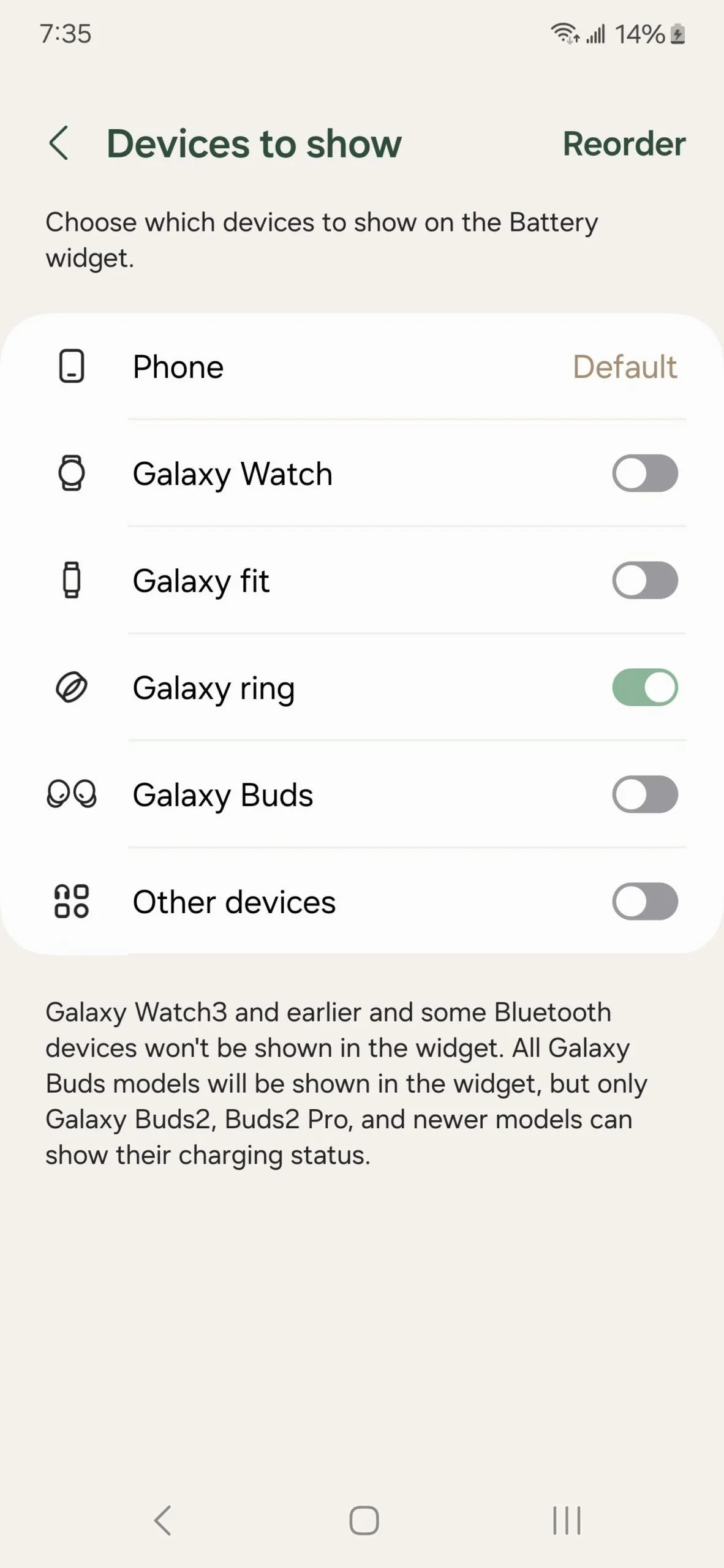
A vigilant Reddit user discovered that the app now features support for the Galaxy Ring, allowing users to monitor the battery status of the device through a convenient widget.
Good Lock app update introduces Galaxy Ring battery status widget
Despite the scarcity of official details, the Galaxy Ring is poised to redefine wellness tracking.
Samsung hints at incorporating advanced sensor technology in the ring, promising a new level of simplicity and efficiency in health monitoring.
Samsung first teases the upcoming Galaxy Ring at its Unpacked event
Early impressions from individuals who encountered a prototype at the Unpacked event describe the Galaxy Ring as remarkably lightweight and available in three distinct finishes, suggesting a blend of functionality and style.
Anticipation Builds
Samsung Galaxy RingAnticipation Builds
As Samsung continues to work behind the scenes, anticipation for the Galaxy Ring grows.
With the promise of more information in the months ahead, tech enthusiasts and wellness advocates alike are eagerly awaiting the official debut of the Galaxy Ring.
Samsung Galaxy Ring Spotted on Good Lock App; Could Signal Imminent Arrival
FAQs
What is the Galaxy Ring?
The Galaxy Ring is Samsung’s forthcoming wearable device, designed for health and fitness tracking, teased during the recent Unpacked event. It aims to offer advanced wellness monitoring through innovative sensor technology.
How can users check the Galaxy Ring’s battery life?
Samsung has updated its Good Lock app to include a widget for the Galaxy Ring, enabling users to easily view the battery status of their wearable device.
What unique features will the Galaxy Ring offer?
While specific details are still under wraps, Samsung has indicated that the Galaxy Ring will employ advanced sensors to provide a simplified yet comprehensive approach to health and fitness tracking.
When will more information about the Galaxy Ring be available?
Samsung is expected to release more details about the Galaxy Ring in the coming months, ahead of its official launch later this year.
What design aspects are known about the Galaxy Ring?
Early impressions suggest the Galaxy Ring will be exceptionally lightweight and will come in three different finishes, emphasizing both functionality and fashion.
Has Samsung officially announced the Galaxy Ring?
As of now, Samsung has not made an official announcement about the Galaxy Ring. It has only been teased briefly, leading to speculation and anticipation within the tech community.
What can be expected from the Samsung Galaxy Ring?
While details are scarce, it is speculated that the Galaxy Ring will focus on health and wellness, in line with Samsung’s commitment to expanding its wearable technology offerings.
When can more information about the Galaxy Ring be expected?
There is no confirmed date for when more information will be available. The tech community is on the lookout for any official announcements or further teases from Samsung regarding the Galaxy Ring.
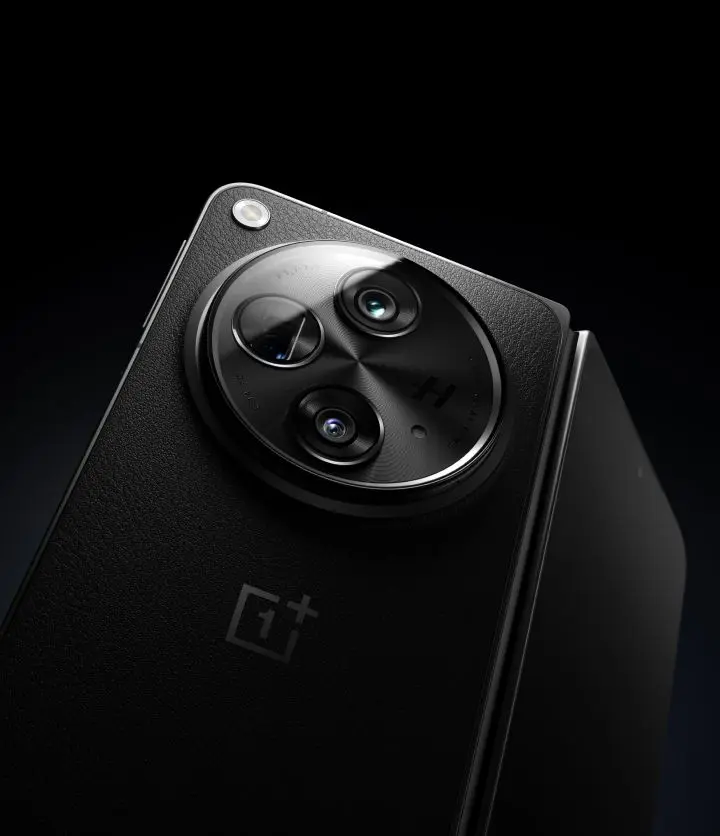
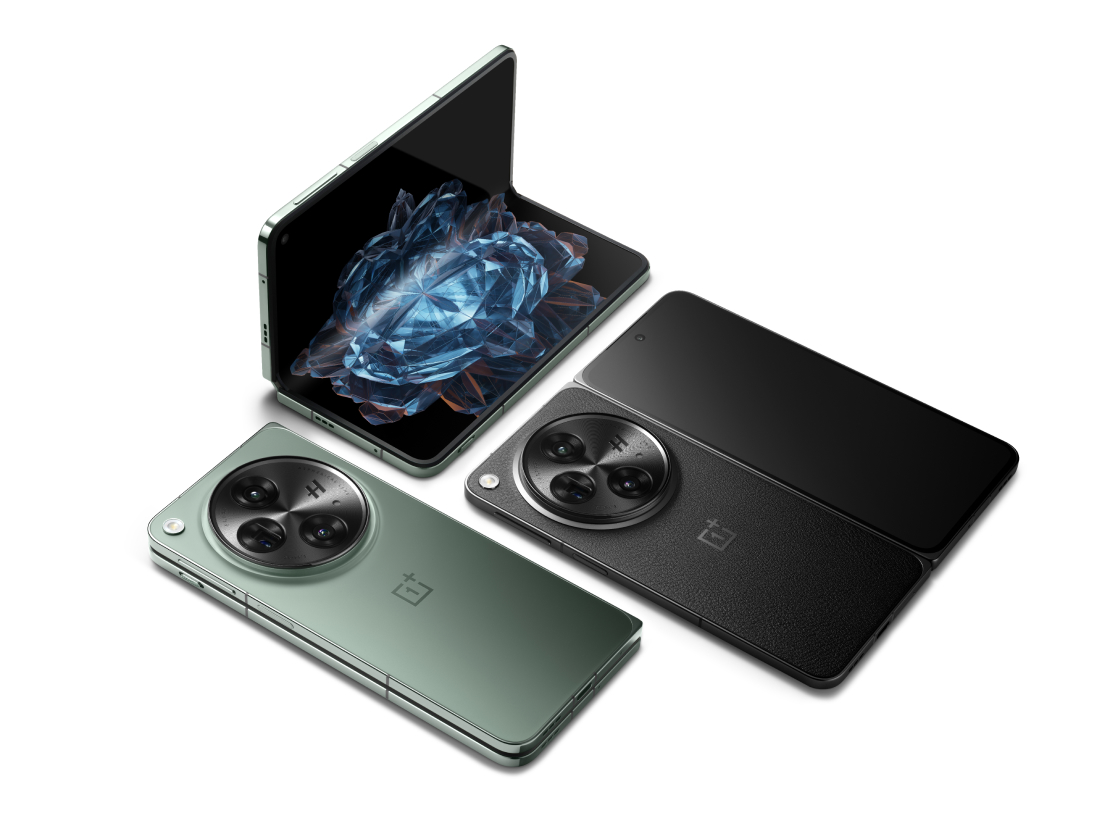
This bold move by OnePlus is bound to send ripples through the industry, compelling traditional giants like Samsung and Google to rethink their strategies for their foldable devices, particularly in the camera department.
This achievement is particularly notable given the inherent design challenges of foldables, which typically leave limited space for the camera hardware.
The entrance of the OnePlus Open into the market has highlighted a critical area of improvement for other manufacturers: the need to enhance camera capabilities without compromising on form factor or other key features.
Google and Samsung, among others, have been put on notice.
This includes not only improving camera specs but also addressing other persistent issues such as durability, usability, and pricing.
However, us as the consumers will have to face the brunt of this innovation with skyrocketing pricetags.
As if, folding phones were not expensive enough, OnePlus Open’s determination to put in the best optical hardware while navigating its 1st-gen fodling device, is sure to make Samsung and Google innovate enough to raise the bar even higher.
Hasselblad Camera for Mobile, Nightscape, Dolby Vision, Smart Scene Recognition, Portrait Mode, Pro Mode, Panorama, Tilt-Shift mode, Long Exposure, Dual-View Video, Retouch, Movie Mode, XPan Mode, Focus Peaking, Raw file, Raw Plus file, Filters, Super Stable, Video Nightscape, Video HDR, Focus Lock, Time-lapse, Google Lens
Video Recording
4K @ 30/60 fps UHD, 1080p @ 30/60 fps FHD
Flash
Yes, LED
Front Camera
Punch Hole 20 MP 20 mm f/2.2 (Wide Angle)
32 MP 22mm, 1/3.14″, Cover camera f/2.4 (Wide Angle)
How does the OnePlus Open compare to traditional foldables in terms of camera quality?
The OnePlus Open elevates the camera performance to rival that of high-end non-folding smartphones, breaking the trend of compromising camera quality in foldable devices due to design constraints.
What implications does the OnePlus Open have for other foldable smartphone manufacturers?
The launch of the OnePlus Open puts pressure on manufacturers like Samsung and Google to significantly improve the camera capabilities in their foldable models without compromising other aspects of the design.
Can we expect better cameras in future foldable phones because of the OnePlus Open?
Yes, the OnePlus Open’s success in integrating a high-quality camera system is likely to drive other manufacturers to focus on enhancing camera performance in their future foldable devices.
How might the camera advancements in foldable smartphones affect their pricing?
As manufacturers invest in improving camera technology for foldable smartphones, the cost of these innovations may result in higher prices for consumers.
What are the challenges manufacturers face when integrating high-quality cameras into foldable phones?
Incorporating top-tier cameras into foldable smartphones presents design challenges, including space limitations and the need to maintain a slim profile, while ensuring durability and usability.
How does the OnePlus Open’s display quality compare to other foldables?
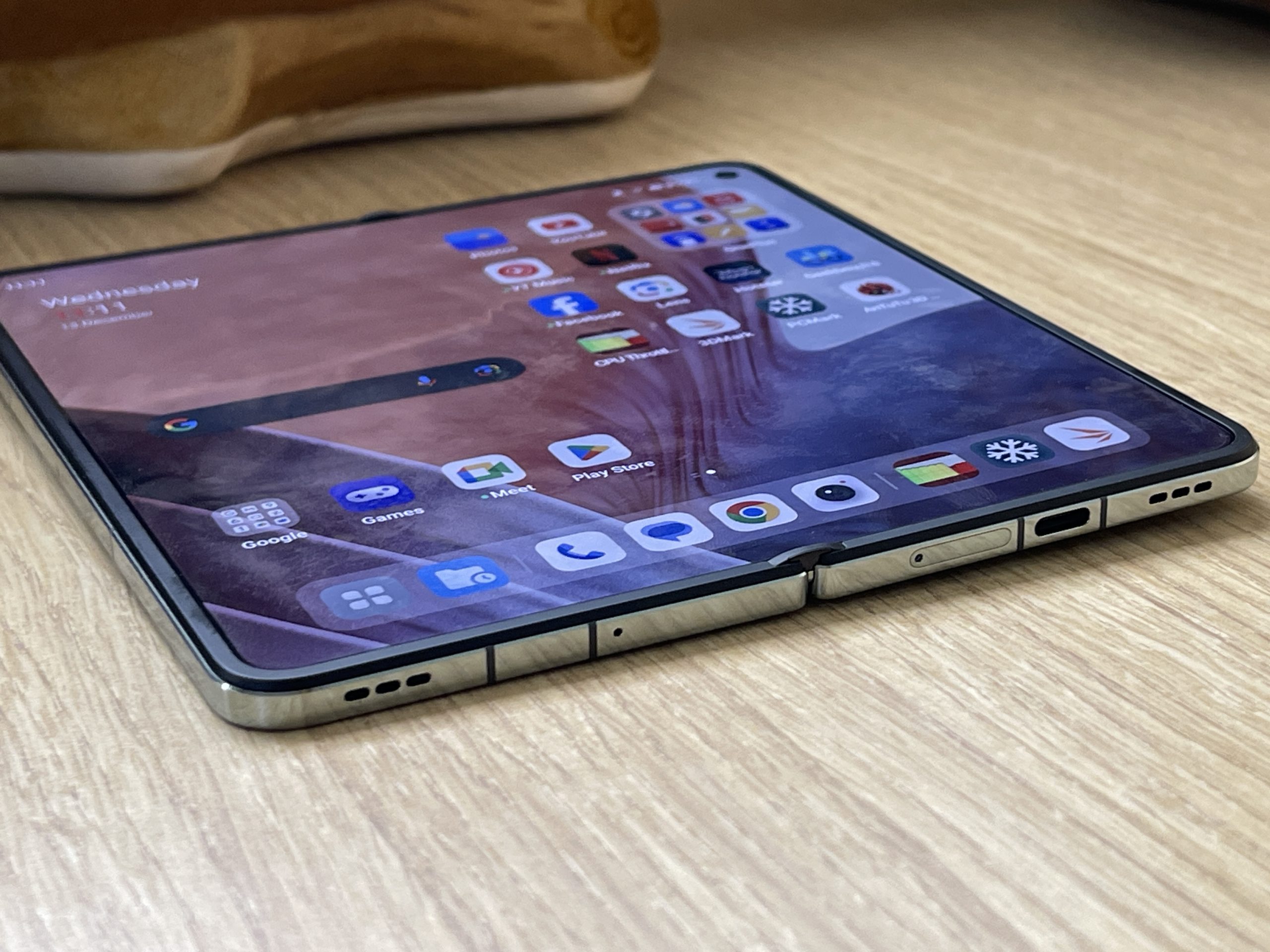
The OnePlus Open sets a new standard in foldable displays with its large 7.82-inch inner screen, featuring minimal crease and high brightness levels. Its 120Hz refresh rate ensures a smooth visual experience, making it a leader in this segment.
What makes the camera of OnePlus Open stand out?
The OnePlus Open boasts a versatile camera setup, including a 48MP primary sensor and a 64MP telephoto lens. What sets it apart is the integration of Hasselblad’s color science and advanced sensors, providing exceptional image quality and dynamic range.
Is the OnePlus Open suitable for gaming?
Absolutely. With its Snapdragon 8 Gen 2 processor and 240Hz touch sampling rate, the OnePlus Open delivers a responsive and immersive gaming experience, rivaling other high-end smartphones.
What are the software capabilities of the OnePlus Open?
Running on Oxygen OS 13.2, the OnePlus Open offers a user-friendly interface with features like Open Canvas for multitasking. Its promise of up to Android 17 updates ensures longevity and up-to-date software experience.
A Complete Camera Overview Of OnePlus open ?
The OnePlus Open’s camera system is not an afterthought and in fact, can be considered a standout feature.
It boasts an array of lenses that cater to a variety of photographic needs, elevating the device’s camera capabilities above many of its competitors in the foldable segment.
The primary 48MP camera, equipped with a Sony LYTIA 808 sensor, utilizes stacked-sensor technology to enhance light capture and processing.
This results in faster and more efficient photography, especially in well-lit conditions. Crisp visuals and excellent dynamic range were given in sunny outdoor conditions.
That much is expected from nearly Rs 1,50,000 devices.
The 64MP telephoto lens, with its 3X optical zoom, is particularly noteworthy for its large sensor size, unprecedented in foldable phones.
In my day-to-day usage, it produced sharp, natural images with rich bokeh effects, maintaining clarity even at higher zoom levels like 6x.
Additionally, the 48MP ultra-wide camera and the 32MP and 20MP selfie cameras on the outer and inner displays, respectively, offer versatility and quality, suitable for various photographic scenarios.
Even the colour temperature settings are quite optimised so that they are at par with the primary LYTIA sensor, which is commendable.
OnePlus has made a proper effort to optimize the camera experience on the OnePlus Open, particularly with the long-standing integration of Hasselblad’s tuning and colour science.
This partnership is evident in the camera’s performance, with images displaying Hasselblad’s signature colour accuracy and vibrancy.
In my analysis of photos captured, the handset’s ability to snap scenes with a natural colour balance and avoid over-saturation while maintaining detail and clarity, is quite extraorindary.
Apart from that, the telephoto lens especially shines in low-light conditions, bringing out depth and detail that rival even traditional flagship cameras.
The camera app’s default settings, offering magnifications like 0.6x, 2x, 3x, and 6x, are thoughtfully chosen to suit most photographic needs, from wide landscapes to detailed portraits.
As for the video shooting skills, the device does a more than decent job with its 4K@120 fps footage but it still is little match for the iPhone’s prodigious ability to capture cinema-grade footage
The overall camera performance of the OnePlus Open, particularly in broad daylight, is impressive.
It captures scenes with stunning colour accuracy, depth, and clarity, a testament to the device’s advanced sensor technology.
However, the camera’s performance in low light and its capability to reduce noise while retaining details, however, are areas where it slightly lags behind flagship models from brands like Samsung, Apple, and Google.
Nevertheless, the OnePlus Open represents a significant step forward in addressing the common issue of subpar camera quality in foldable phones.
With its warm and punchy tones, versatile lens options, and Hasselblad’s unique filters and XPan mode for panoramic shots, the OnePlus Open not only competes with but in some aspects, surpasses its counterparts in the foldable smartphone market.
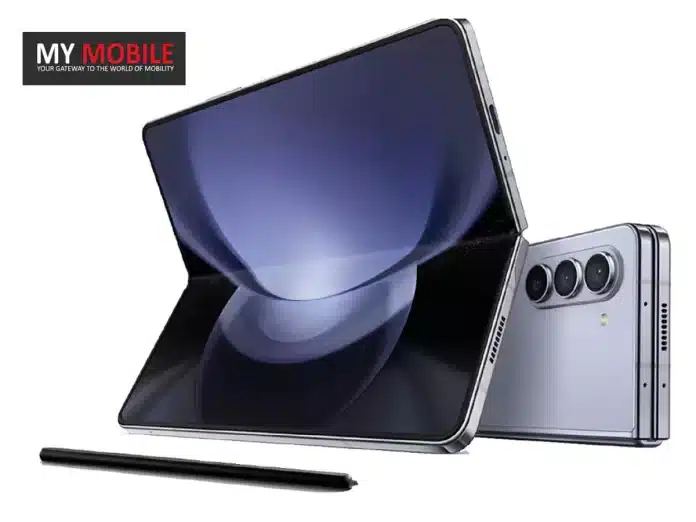
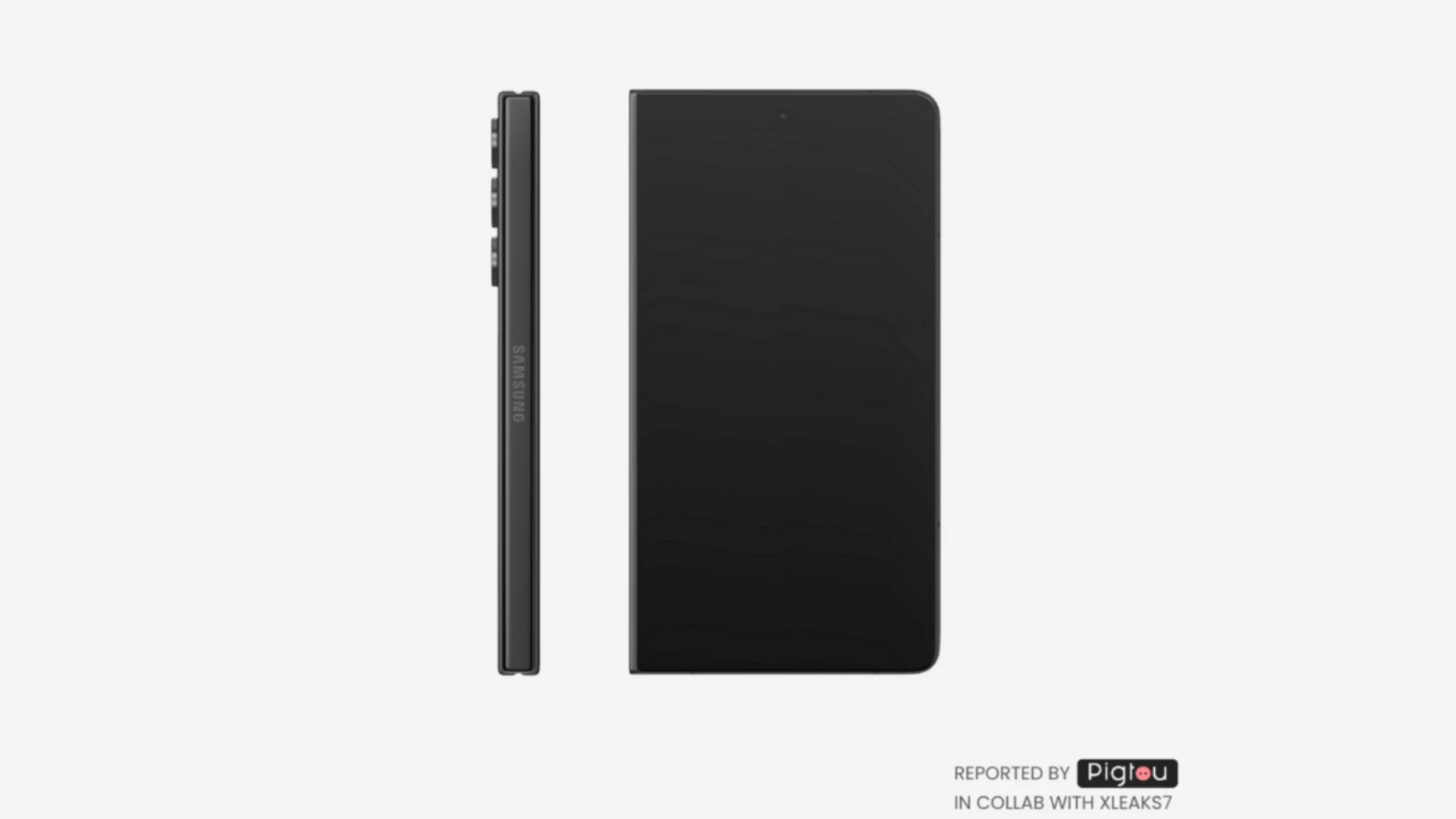
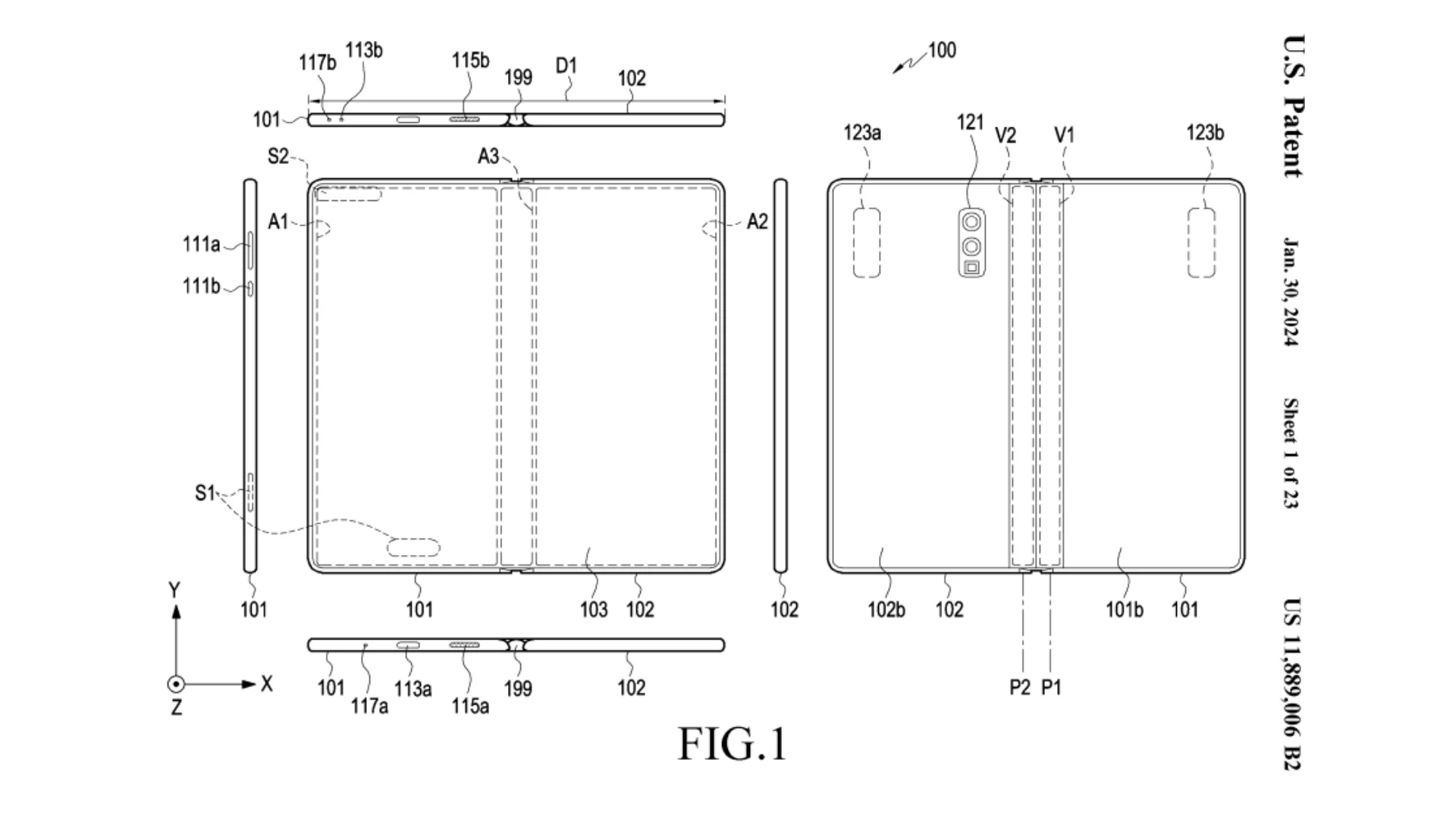
The patent outlines a device that is thinner and features a broader body compared to the current Galaxy Z Fold series.
This design change aims to accommodate a wider cover screen and a larger inner foldable screen, addressing a common request from Galaxy Z Fold enthusiasts for more screen real estate without increasing the device’s bulk.
The patent illustrations reveal a device with a more pronounced curvature than the Galaxy Z Fold 5, suggesting an evolution in Samsung’s design language for foldables.
The document also details the internal components such as screws, springs, and gears within the hinge mechanism, hinting at Samsung’s efforts to refine the durability and reliability of its foldable devices.
Anticipated Features and Consumer Expectations
Anticipated Features and Consumer Expectations
The anticipation around the Galaxy Z Fold 6 involves more than just a wider screen.
Consumers are looking forward to several potential upgrades that could enhance the device’s usability and appeal.
Samsung’s recent trademark filing for “Ironflex” points to advancements in flexible OLED technology, which could be pivotal in achieving a thinner profile and more durable screen for future foldable devices.
While the integration of an S Pen slot remains speculative, the broader, more accessible display coupled with the possibility of S Pen compatibility would significantly enhance the Galaxy Z Fold’s appeal to a wider audience, including professionals and digital artists.
Samsung’s Latest Patent Filing Shows a Potentially Wider Screen Galaxy Z Fold 6
50 MP, Primary Camera
12 MP, Ultra-Wide Angle Camera
10 MP , Telephoto Camera
Autofocus
Yes
Flash
Yes, LED Flash
Image Resolution
8150 x 6150 Pixels
Settings
Exposure compensation, ISO control
Shooting Modes
Continuous Shooting
High Dynamic Range mode (HDR)
Camera Features
Digital Zoom
Auto Flash
Face detection
Touch to focus
FRONT CAMERA
Camera Setup
Single
Resolution
12 MP, Primary Camera
Battery
Capacity
4700 mAh
Type
Li-ion
Removable
No
Wireless Charging
Yes
Quick Charging
Yes, Fast
USB Type-C
Yes
Storage
Internal Memory
256 GB
Expandable Memory
No
Network & Connectivity
SIM Slot(s)
Dual SIM, GSM+GSM
SIM Size
SIM1: Nano, SIM2: Nano
Network Support
5G Not Supported in India, 4G Supported in India, 3G, 2G
VoLTE
Yes
SIM 1
4G Bands:
TD-LTE 2300(band 40) FD-LTE 1800(band 3)
3G Bands:
UMTS 1900 / 2100 / 850 / 900 MHz
2G Bands:
GSM 1800 / 1900 / 850 / 900 MHz
GPRS:
Available
EDGE:
Available
SIM 2
4G Bands:
TD-LTE 2300(band 40) FD-LTE 1800(band 3)
3G Bands:
UMTS 1900 / 2100 / 850 / 900 MHz
2G Bands:
GSM 1800 / 1900 / 850 / 900 MHz
GPRS:
Available
EDGE:
Available
Wi-Fi
Yes, Wi-Fi 4 (802.11 b/g/n)
Wi-Fi Features
Mobile Hotspot
Bluetooth
Yes, v5.2
GPS
Yes with A-GPS, Glonass
NFC
Yes
USB Connectivity
Mass storage device, USB charging
Multimedia
Loudspeaker
Yes
Audio Jack
USB Type-C
Sensors
Fingerprint Sensor
Yes
Fingerprint Sensor Position
Side
Other Sensors
Light sensor, Proximity sensor, Accelerometer
FAQs
What is new about Samsung’s Galaxy Z Fold 6 patent filing?
Samsung’s latest patent filing with the USPTO reveals a design for a thinner, wider Galaxy Z Fold 6, aiming to offer users more screen space without added bulk.
How does the new Galaxy Z Fold 6 design compare to previous models?
The new design features a broader body and a more pronounced curvature than the Galaxy Z Fold 5, indicating a significant evolution in design.
What technology is Samsung exploring for future foldable devices?
Samsung has trademarked “Ironflex,” indicating advancements in flexible OLED technology for a thinner profile and increased durability in future devices.
Will the Galaxy Z Fold 6 have an S Pen slot?
The inclusion of an S Pen slot in the Galaxy Z Fold 6 remains speculative, but such a feature would enhance the device’s functionality for a broader audience.
What benefits will a wider screen bring to the Galaxy Z Fold 6?
A wider screen on the Galaxy Z Fold 6 promises enhanced usability and appeal, making the device more attractive to professionals and digital artists seeking larger display areas for productivity and creativity.
How will the S Pen be integrated into the Galaxy Z Fold 6 according to the leaks?
Leaked patents suggest two potential designs for S Pen integration. One design proposes a magnetic storage on the back of the device, allowing for easy access and use.
The other design features a side-mounted S Pen, which could result in an asymmetrical screen design that preserves wireless charging capabilities.
What are the benefits of an externally housed S Pen on the Galaxy Z Fold 6?
An external S Pen would enable quick and easy access for users, enhance multitasking, and maintain the device’s slim profile. It also opens up the possibility for additional functionality through extra buttons on the stylus, increasing the range of user interactions.
Will wireless charging be affected by the new S Pen design on the Galaxy Z Fold 6?
The patents indicate that Samsung is considering design choices that would allow users to enjoy both an integrated S Pen and wireless charging. The side-mounted design, in particular, aims to preserve wireless charging functionality.
Is there an official release date for the Galaxy Z Fold 6?
Samsung has not yet announced an official release date for the Galaxy Z Fold 6. However, the appearance of these leaks suggests that further announcements could be forthcoming.
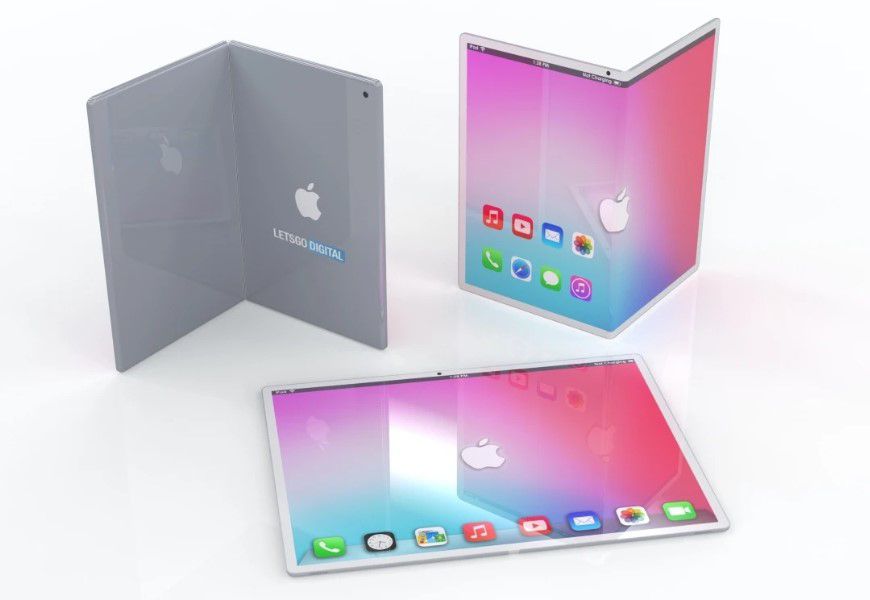
Anticipated launch of Apple’s foldable device between 2026-2027.
Debate on whether it will be a foldable iPhone or iPad.
Samsung Display likely to supply foldable panels for Apple.
Apple also considering a larger 20.5-inch foldable device.
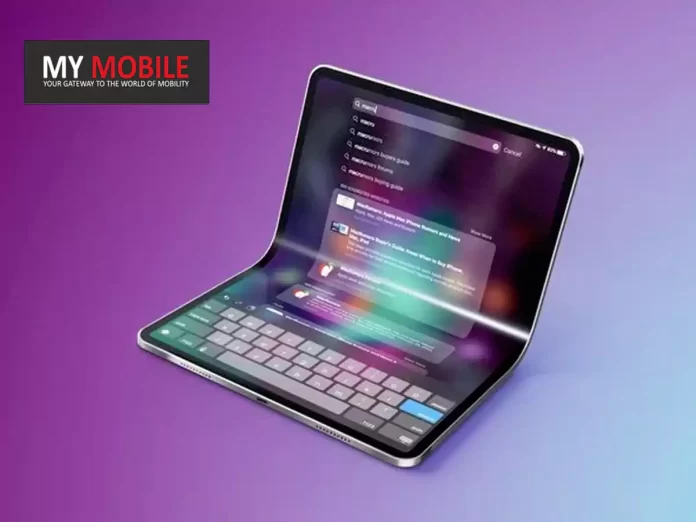
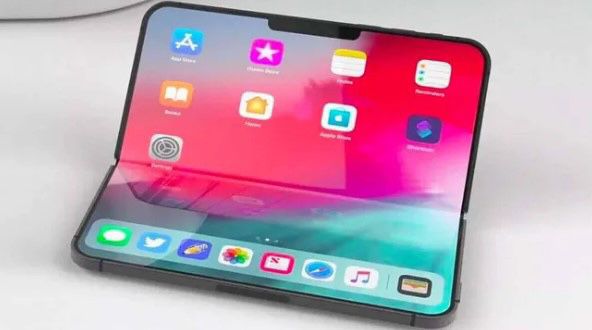
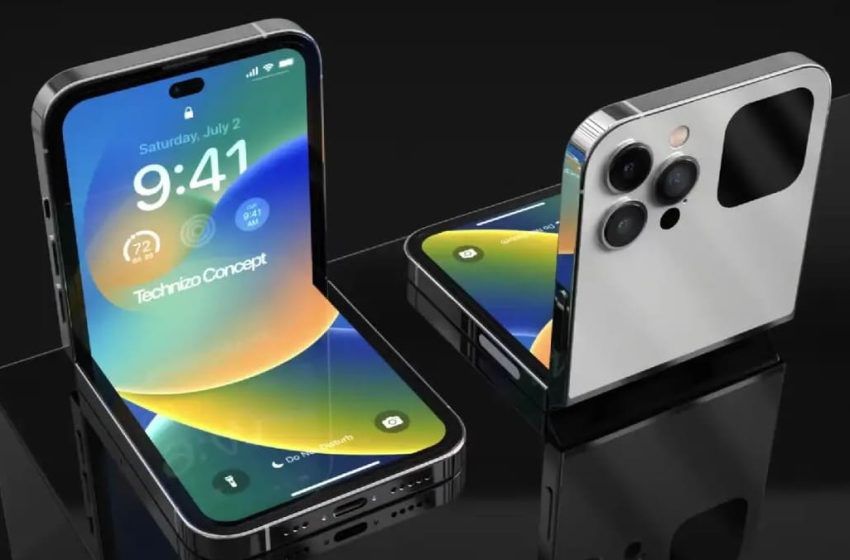
Apple is poised to make a significant leap into thefoldable technology space, with industry whispers hinting at a debut as early as 2026 or as late as 2027.
Amidst the swirling rumors and high expectations, Apple’s ventures into creating a foldable device, potentially an iPhone or iPad, are gaining momentum, backed by intriguing patent sketches that have surfaced over time.
The question remains: Will Apple’s foldable innovation lean towards a phone or a tablet?
Apple Foldable: Samsung or LG?
Apple Foldable: Samsung or LG?
In the background, Apple has been receiving foldable panel samples from giants in the display industry, Samsung Display and LG Display.
These samples, ranging from 7 inches to 8 inches, have been under evaluation since the previous year, signaling Apple’s serious consideration of foldable technology.
Samsung Display appears to be in the lead,playing a more proactive role than LG Display in crafting panels tailored for Apple’s specifications.
Apple to Possibly Unveil Foldable iPhone or iPad by 2026-2027
This positions Samsung as the frontrunner to supply the foldable panels should Apple solidify its plans for a 2026 unveiling.
Yet, the path to finalizing the foldable device is not without its challenges.
Apple, along with Samsung Display and LG Display, finds itself at a crossroads over several critical components, including the ultra-thin glass material, the protective cover for the foldable panel, and the hinge design—each a pivotal aspect in ensuring the device’s durability and reliability.
Should Apple green-light mass production, Samsung is prepared to manufacture the foldable panels utilizing its 6th generation A3 or A4 OLED lines, which currently produce OLED screens for iPhones.
This larger foldable, which might arrive after the 7- to 8-inch model, has been the subject of speculation by analysts and industry insiders, including reports from The Elec, Bloomberg, and Display Supply Chain Consultants (DSCC) analyst Ross Young.
As Apple navigates these waters, the anticipation for its foldable device continues to build, potentially reshaping the future of its product lineup and setting new standards in the foldable device market.
Anticipated launch of Apple’s foldable device between 2026-2027
FAQs
What is Apple’s foldable device expected to be?
Apple is currently exploring foldable technology that could result in either a foldable iPhone or iPad. The decision is yet to be finalized, with patent sketches fueling speculation.
When can we expect Apple to launch its foldable device?
Industry insiders speculate that Apple’s foldable device could debut as early as 2026 or as late as 2027, marking a significant entry into foldable tech.
Who are the potential suppliers for Apple’s foldable panels?
Apple has been evaluating foldable panel samples from both Samsung Display and LG Display. Samsung Display is reportedly taking a more active role, positioning itself as a likely supplier.
What challenges does Apple face in developing its foldable device?
Apple, Samsung Display, and LG Display are navigating complexities around ultra-thin glass material, foldable panel cover, and hinge design to ensure the device’s durability and reliability.
Is there a larger foldable device in development by Apple?
Yes, Apple is rumored to be working on a more ambitious 20.5-inch foldable device that could follow the initial 7- to 8-inch model, potentially redefining the foldable market.
When is Apple’s foldable iPad expected to be released?
The foldable iPad is anticipated to enter mass production by the end of 2024.
What are the technical challenges Apple is facing?
One major hurdle is the visible crease in foldable displays, though strides are being made in mechanical design to mitigate this issue.
Why is Apple focusing on a foldable iPad rather than an iPhone?
The iPad constitutes a smaller percentage of Apple’s sales, making it a strategic choice for testing new, risky technology.
What is the expected price point for the foldable iPad?
Analysts speculate that the price could start at well over $2,000.
Is Apple actually coming with a Foldable IPhone ?
Analyst Ming-Chi Kuo said, as reported by MacRumors, that “Apple will likely launch a foldable iPhone with an 8-inch QHD Plus flexible OLED display in 2023.” He revised his prediction, in a tweet this past April, to say that it might be 2025 before there’s a foldable screen device from Apple.
How much would you pay for a foldable iPhone?
Foldable phones ain’t cheap. The Galaxy Z Fold 4 starts at $1,800 and the Galaxy Z Flip 4 at $1,000.
And it’s no surprise that prices for Apple products are at the higher end.
So if an iPhone 14 Pro that doesn’t fold in half already costs $1,000, what would be the price for one that does?
For a foldable iPhone to be successful, Apple would need to create a problem-solving design, scale manufacturing without sacrificing quality and develop hardware along with software that make the most of its foldable build.
The price would also have to be premium, but not too high.
How will the Apple Foldable Camera be ?
Foldable iPhone camera While the folding iPhone is at a very early stage and there’s no information about the cameras Apple is planning for it, we can reasonably expect it to have ultra-wide and telephoto cameras, alongside a main one.
And of course, a front-facing selfie camera, possibly inside a notch or using under-display technology, which should have matured enough by 2022.
How will the Foldable iPhone software be ?
If Apple designs a foldable iPhone akin to the Galaxy Z Flip or Moto Razr (2020), then its iOS software won’t need to be too different from that on the average iPhone. The only notable addition would be a new notification screen for the phone’s potential secondary display.
However, if the foldable iPhone is like the Galaxy Z Fold 2 or Surface Duo, meaning that it will unfold into a tablet, there’s the potential for iOS to switch to iPadOS on the fly when the user unfolds the iPhone. Not that iPadOS is notably different from iOS, but its interface is better optimized for larger displays, and it offers split-screen multitasking.
@smasithick uncovers erratic zoom and grainy portraits on the Galaxy S24 Ultra.
Samsung acknowledges camera issues in the Galaxy S24 Ultra’s first batch.
Replacement units for faulty Galaxy S24 Ultra phones confirmed by Samsung India.
Reports from Thailand and Spain suggest the camera problem is widespread.
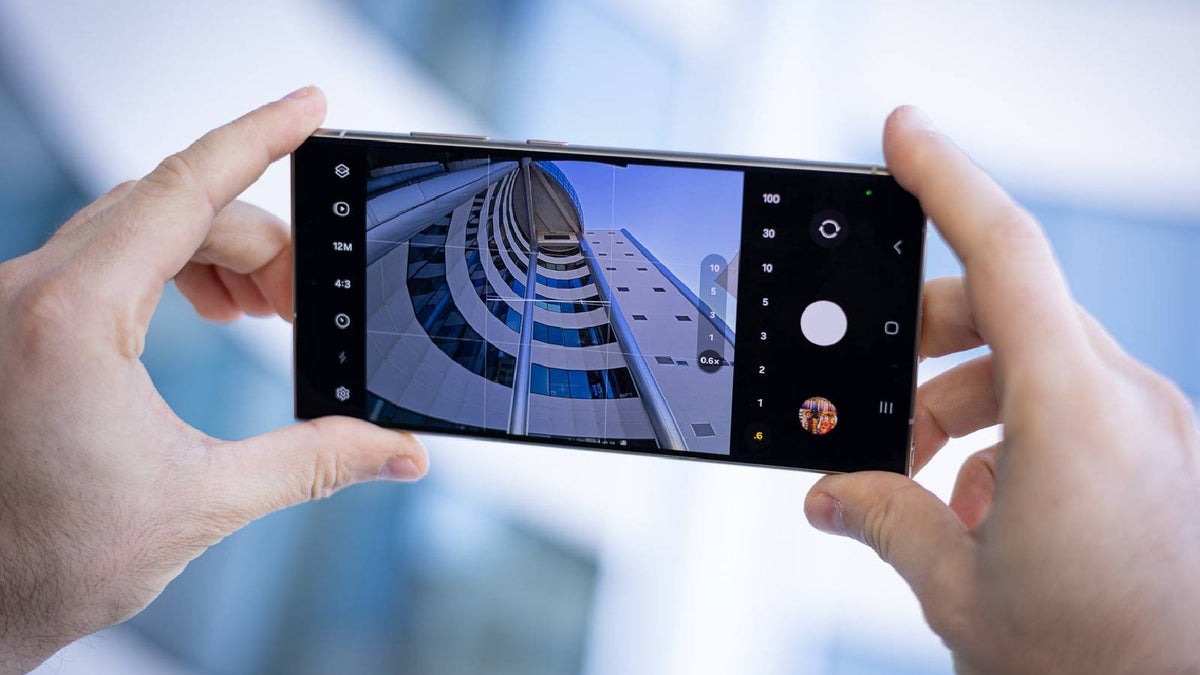
During the evaluation of his newly acquired Samsung device, @smasithick, based in India, encountered a peculiar issue with the Galaxy S24 Ultra’s camera performance.
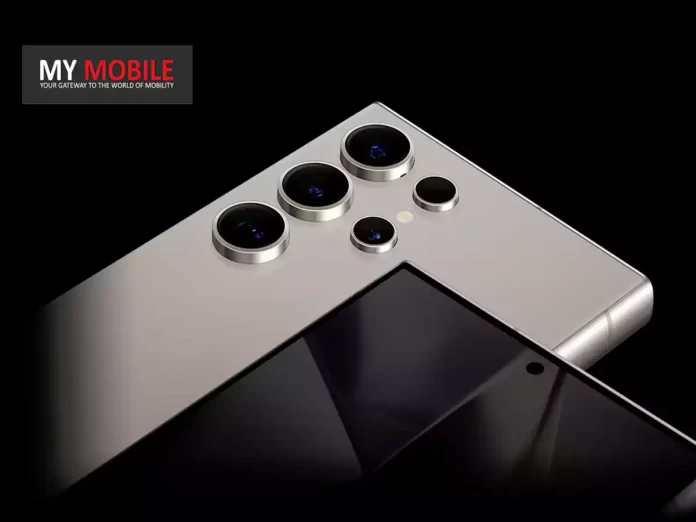
This device, known for its advanced photography capabilities, features a comprehensive quad-camera setup, including a 200MP primary camera, a 12MP ultrawide lens, a 10MP camera offering 3x zoom, and a 50MP periscope telephoto lens capable of 5x zoom.
Moreover, it boasts optical zoom levels of 2x and 10x.
Galaxy S24 Cameras Faulty
Anybody is facing image shift issue while zooming from 1x to 5x in #GalaxyS24Ultra?
Portraits from this device is also grainy.
5x and 10x auto images are dull and grainy.
Faulty device? Let me know your thoughts. pic.twitter.com/P0TEKQWdIT
— S M A Sithick (@smasithick) January 30, 2024
However, @smasithick observed a lack of fluidity in the zoom function transitions among 2x, 3x, and 5x settings, which appeared abrupt in the demonstration video.
This contrasted sharply with the seamless experience reported with a display model at a Samsung showroom.
Further concerns were raised regarding the quality of portrait images, which seemed grainy, and the diminished vibrancy in photos taken at 5x and 10x zoom levels.
Upon seeking assistance from Samsung, @smasithick was initially informed that the device was functioning as intended.
Nonetheless, Samsung Indialater acknowledged that this issue was prevalent among the first batch of Galaxy S24 Ultra smartphones.
The company agreed to replace the affected unit and confirmed that this flaw was addressed in later productions.
Reports of similar camera malfunctions have emerged from Thailand and Spain, indicating a broader concern for Galaxy S24 Ultra owners globally.
Despite the Galaxy S23 Ultra’s commendable performance, the S24 Ultra has raised the standards significantly, positioning itself as a key contender in the 2024 smartphone market and marking a significant comeback for the series.
What is the main issue with the Galaxy S24 Ultra camera?
Users, including @smasithick, have reported problems with the Galaxy S24 Ultra’s camera, such as jerky zoom transitions and poor image quality in portraits and high zoom levels.
Has Samsung acknowledged the Galaxy S24 Ultra camera problem?
Yes, Samsung India has acknowledged the camera issues present in the first batch of Galaxy S24 Ultra units and has promised replacements for affected devices.
Are the Galaxy S24 Ultra camera issues limited to India?
No, similar camera malfunctions have been reported in other countries, including Thailand and Spain, indicating a broader concern.
What does the Galaxy S24 Ultra camera setup include?
The Galaxy S24 Ultra boasts a quad-camera setup with a 200MP main camera, a 12MP ultrawide, a 10MP 3x zoom, and a 50MP 5x periscope telephoto lens.
What actions are being taken for Galaxy S24 Ultra owners facing camera issues?
Samsung is offering replacements for Galaxy S24 Ultra owners who have encountered these camera problems, ensuring that subsequent batches do not have these issues.
How does Samsung Galaxy S24 Series Give Creative Freedom ?
Galaxy S24 series’ ProVisual Engine is a comprehensive suite of AI-powered tools that transform image capturing abilities and maximize creative freedom.
The Quad Tele System on Galaxy S24 Ultra now comes with a new 5x optical zoom lens that works with the 50MP sensor to enable optical-quality performance at zoom levels from 2x, 3x, 5x to 10x, thanks to Adaptive Pixel Sensor. Images also show crystal clear results at 100x with enhanced digital zoom.
With upgraded Nightography capabilities, photos and videos shot on Galaxy S24 Space Zoom are brilliant in any conditions, even when zoomed in. Galaxy S24 Ultra’s larger pixel size, now 1.4 μm, is 60% bigger, helping capture more light in dim conditions.
Wider optical image stabilizer (OIS) angles and enhanced hand-shake compensation help reduce blur. Both front and rear cameras are equipped with Dedicated ISP Block for noise reduction.
Galaxy AI editing tools on Galaxy S24 series enable simple edits like erase, re-compose, and remaster.
Edit Suggestion uses Galaxy AI to suggest perfectly suitable tweaks for each photo, while Generative Edit can fill in parts of an image background with generative AI. Anytime Galaxy S24 deploys generative AI to amplify an image, a watermark will appear on the image and in metadata.
The new Instant Slow-mo can generate additional frames based on movements to smoothly slow down action-packed moments for a more detailed look. Super HDR reveals lifelike previews before the shutter is ever pressed.
How does Samsung Galaxy S24 Ultra give an Intelligent & Powerful Experience?
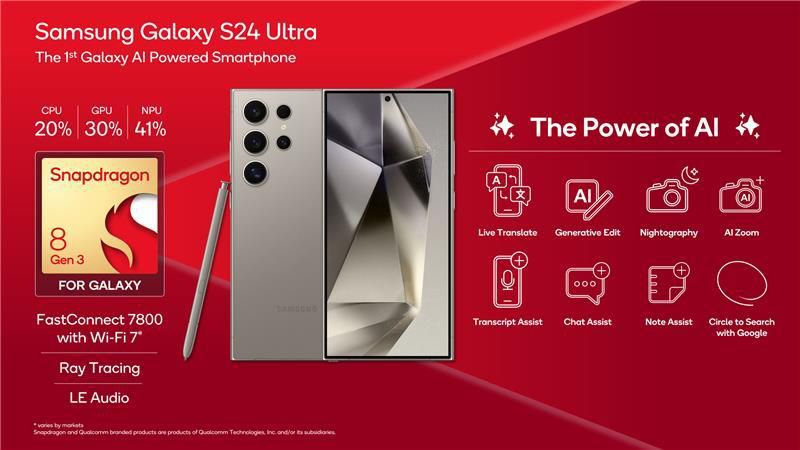
Galaxy S24 Ultra is equipped with Snapdragon® 8 Gen 3 Mobile Platform for Galaxy that delivers remarkable NPU improvement for incredibly efficient AI processing.
In all three Galaxy S24 models, 1-120 Hz adaptive refresh rates improve performance efficiency.
Galaxy S24 Ultra comes a1.9 times larger vapor chamber, improving device surface temperature while also maximizing sustained performance power. Ray tracing enables life-like visuals with superior shadow and reflection effect. Galaxy S24 reaches 2600nit peak brightness, making it the brightest Galaxy smartphone ever.
Corning® Gorilla® Armor on the Galaxy S24 Ultra is optically enhanced for superior durability. It delivers dramatically reduced reflection by up to 75% in a wide range of lighting conditions, ensuring a smooth, comfortable viewing experience.
Galaxy S24+ comes with a 6.7-inch and Galaxy S24 has a 6.2-inch display. Galaxy S24 Ultra has a 6.8-inch flatter display, optimized not just for viewing but also for productivity. Galaxy S24+ now supports the same level of QHD+ found on Galaxy S24 Ultra.
Galaxy S24 Ultra is the first-ever Galaxy phone to feature a titanium frame, enhancing device durability and longevity. Galaxy S24 Ultra’s significantly thinner body enables better on-the-go experience with more comfortable grip.
On Galaxy S24+ and Galaxy S24, a streamlined One-mass design satisfies a more aesthetic standard with seamless connection between the device’s rear cover and side frame.
How will the Galaxy S24 Ultra’s photo capabilities compare to the iPhone 15 Pro?
Samsung’s Galaxy S24 Ultra is expected to rival the iPhone 15 Pro, which has been praised for its camera quality.
The new 24MP default setting and advanced photo features like the neutral density filter for RAW images are Samsung’s strategic response to Apple’s acclaimed camera performance.
This impressive figure, which includes trial subscriptions, signifies a pivotal moment in the platform’s evolution from a free video-sharing website to a formidable subscription-based giant in the digital entertainment industry.
Lyor Cohen, YouTube’s Global Head of Music, said in a post “Together, we can harness technological innovation to drive unprecedented value for artists and fans, building on our momentum that contributed $6 billion to the music industry in 12 months. From leveraging AI to enhance creative imagination, to seamlessly bridging short-form and long-form content for maximum artist exposure, we can forge a future together where the music industry thrives.”
YouTube’s Growin Influence
YouTube’s Growin Influence
This milestone comes amidst notable industry developments, including Universal Music Group’s decision to withdraw its catalog from TikTok following unsuccessful negotiations.
Lucian Grange, CEO of UMG, praised YouTube’s commitment to innovation and its contributions to the global music ecosystem, emphasizing the importance of respecting artists and songwriters as the foundation for creating thriving businesses.
YouTube Premium and Music Crosses 100 Million Subscribers
YouTube’s financial performance further underscores its significant impact, with the platform generating $9.2 billion in ad revenue in the fourth quarter of 2023 alone.
Beyond advertisements, YouTube’s ambitious push into subscription services offers a steady revenue stream and enhances user engagement through additional features and ad-free experiences.
Moreover, YouTube’s broader subscription offerings, including YouTube TV and the NFL Sunday Ticket, contribute to Google’s substantial $15 billion annualized subscription business.
The significant growth in subscriber numbers, from 80 million in November 2022 to 100 million in just over a year, is particularly noteworthy considering the price increases implemented last summer.
FAQs
What does YouTube’s milestone of 100 million subscribers signify?
This milestone marks a significant evolution for YouTube, transitioning from a free platform to a major player in the subscription-based digital entertainment sector, offering a wide array of music and premium content services.
How is YouTube contributing to the music industry?
According to Lyor Cohen, YouTube’s initiatives, such as leveraging AI for creative enhancement and integrating various content forms, are driving substantial value for both artists and fans, contributing $6 billion to the music industry over 12 months.
Why is YouTube’s subscriber growth noteworthy?
YouTube’s rapid subscriber increase to 100 million, up from 80 million in just over a year, especially following a price hike, underscores the platform’s strong market presence and consumer demand for its subscription offerings.
What makes YouTube’s subscription services stand out?
YouTube competes in the music streaming domain with YouTube Music and enhances viewer experience with YouTube Premium, offering ad-free viewing and additional features, alongside broader services like YouTube TV and NFL Sunday Ticket.
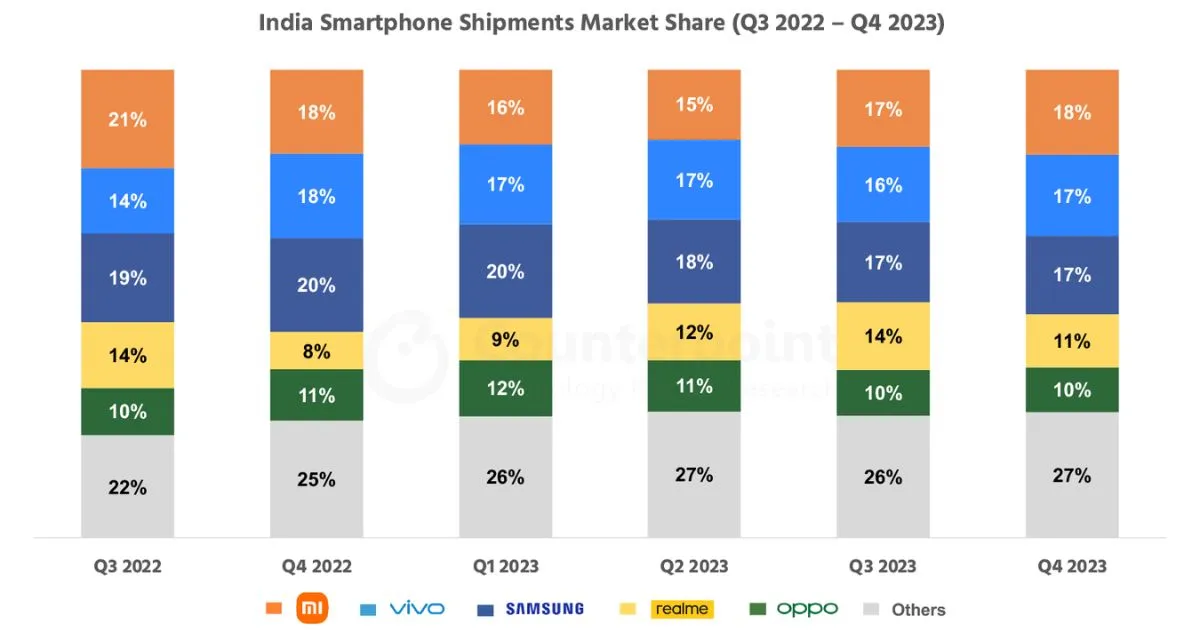
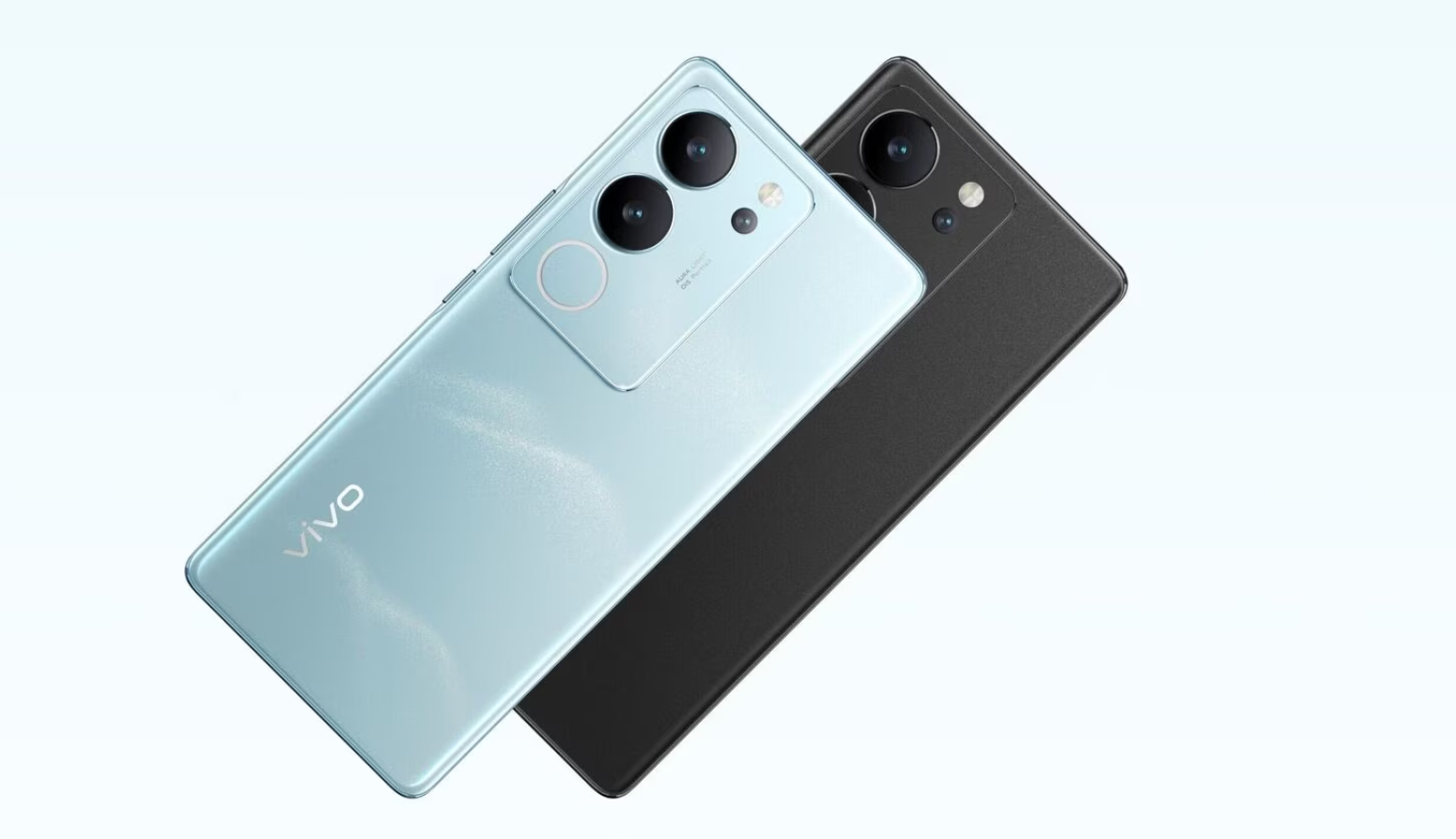
Vivosecured the second position both in the final quarter and across the entire year, demonstrating consistent market strength.
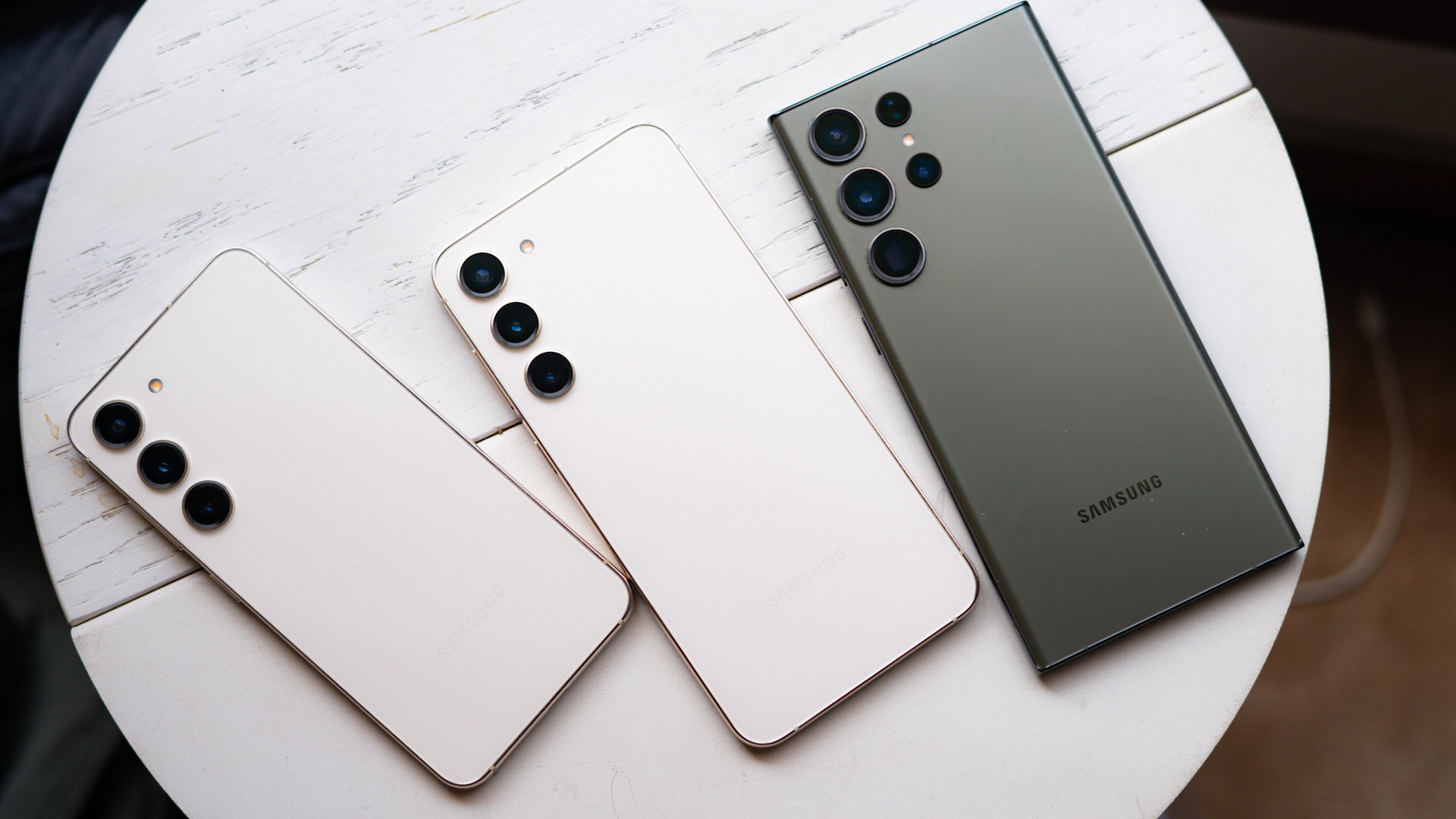
Counterpoint’s analysis highlights Samsung’s success, attributing it to the appealing offerings of the A series, a strong offline marketing push, and targeted efforts in the higher-end market segments.
The shifting dynamics saw Xiaomi making a significant comeback in the fourth quarter, driven by a strategic focus on affordable 5G offerings, expansion into offline markets, and a streamlined product portfolio, as per Shubham Singh, a Research Analyst at Counterpoint.
The trend towards higher-priced smartphones also became more pronounced in 2023, with devices priced above Rs 30,000 witnessing a 64% year-on-year increase.
This growth, facilitated by accessible financing options, led to an interesting consumer behaviour where one in every three smartphones purchased in 2023 was financed.
Apple and OnePlus Grow as well
Apple and OnePlus Grow as well
Apple stood out in the Indian market, surpassing the 10 million shipments milestone and achieving the leading position in terms of revenue for the first time in a calendar year.
Who led India’s smartphone market in 2023 according to Counterpoint Research?
Samsung emerged as the leader of India’s smartphone market in 2023, driven by the strong performance of its A series and strategic marketing efforts.
What trend was observed in the pricing of smartphones in India in 2023?
There was a notable shift towards premiumisation, with smartphones priced above Rs 30,000 experiencing a 64% increase in year-on-year growth, partly due to the availability of easy financing schemes.
How did Apple perform in the Indian smartphone market in 2023?
Apple stood out by crossing 10 million shipments and capturing the top revenue position for the first time in a calendar year, thanks to robust demand for its latest and older iPhone models.
What factors contributed to OnePlus’ growth in India in 2023?
OnePlus achieved significant growth by expanding into offline markets and offering an attractive product lineup in the affordable premium segment, priced between Rs 30,000 and Rs 45,000.
What was a significant consumer behaviour trend in India’s smartphone market in 2023?
A remarkable trend was that one out of every three smartphones purchased in 2023 was financed, indicating the growing acceptance of financing options among Indian consumers.
How did Samsung’s revenue and operating profit fare in Q4 of 2023?
Samsung’s revenue dropped by 3.8%, and operating profit decreased by over 34% compared to the same quarter in the previous year, highlighting the financial challenges faced.
What led to the downturn in Samsung’s semiconductor business?
A significant global decline in demand for DRAM chips resulted in the semiconductor division’s shift from profit to a record loss, impacting Samsung’s overall financial health.
Which division of Samsung remained profitable in Q4 of 2023?
The MX and Networks business, encompassing smartphones and other devices, was the profitable division, generating the majority of Q4 operating profit for Samsung.
What is Samsung’s outlook for its smartphone division in 2024?
Samsung projects an increase in demand for premium smartphones, along with a general market recovery, potentially boosting its mobile division’s performance in 2024.
Mobile Display To Focus on Smartphones and IT/Auto; Large Display To Improve Profitability. Details ?
SDC posted KRW 9.66 trillion in consolidated revenue and KRW 2.01 trillion in operating profit for the fourth quarter.
For the mobile display business, the market demand for smartphones increased slightly year-on-year.
Despite facing multiple challenges during the quarter, SDC maintained its performance compared to the previous quarter by ensuring a timely supply for major customers’ new products and focusing on high-end products in its product mix.
For the large display business, although demand remained weak due to unfavorable economic conditions, SDC posted sales growth and reduced losses backed by year-end seasonal TV demand.
In the first quarter of 2024, SDC expects a decline in mobile display business earnings due to intensifying competition among panel manufacturers and muted seasonal demand.
For the large display business, despite challenges posed by weak demand and off-season effects, SDC will continue its efforts to reduce losses by launching new QD-OLED monitors and expanding its customer base.
In 2024, the market demand for smartphones is expected to be sluggish due to the global economic slowdown and prolonged regional conflicts.
Nevertheless, SDC aims to focus on sales growth based on differentiated technology and capabilities in the smartphone market, particularly in the highly competitive high-end segment. It also intends to strengthen its future growth engines in the IT and Auto segments.
Although ongoing macroeconomic uncertainties pose challenges to the large display business, SDC expects TV demand to recover moderately, buoyed by upcoming sporting events.
It will closely monitor market developments and work towards improving profitability by centering QD-OLED monitors in its product mix, enhancing production efficiency and adding capacity without additional investments.
MX Maintains Double-Digit Profitability, Will Become Global Standard for Mobile AI With Galaxy AI. Details?
The MX and Networks Businesses posted KRW 25.04 trillion in consolidated revenue and KRW 2.73 trillion in operating profit for the fourth quarter.
Market demand for smartphones increased slightly quarter-on-quarter, driven by the premium segment, despite continued inflation and geopolitical instability.
The MX Business reported a decline in sales and profit quarter-on-quarter due to lower smartphone sales, including the fading of new-product effects from flagship models launched in the third quarter.
However, tablet shipments, led by new product releases, grew significantly and included healthy sales of premium products. Wearable devices also maintained sales momentum during the peak holiday season.
In the first quarter of 2024, smartphone market demand is expected to decline sequentially due to seasonality, but the premium segment is expected to grow year-on-year.
Accordingly, the MX Business plans to leverage the newly launched Galaxy S24 series — which brings advanced AI capabilities and enhanced product competitiveness — to expand sales of flagship products. The MX Business will also continue to focus on operational efficiency.
In 2024, smartphone market demand is expected to rebound as consumer sentiment stabilizes in anticipation of a global economic recovery, leading to market growth, especially in the premium segment.
Similarly, the tablet market is expected to recover, while the wearables market is forecasted to achieve double-digit value growth for smartwatches and slight value growth for True Wireless Stereo (TWS) devices.
The MX Business aims to lead the AI smartphone market by offering customers a differentiated experience through the integration of Galaxy AI in the S24 series, while also enhancing the user experience and optimizing Galaxy AI for foldable devices. Through these efforts, the MX Business aims to grow its annual flagship shipments at a double-digit rate and solidify its leadership in the foldable category.
In addition, the MX Business will continue to focus on sales of premium devices for tablets. For wearables, it will strive to elevate the Galaxy ecosystem experience, enhance wellness functions in smartwatches and increase the smartphone attach rate by integrating AI technologies.
Through these efforts, the MX Business aims to achieve revenue growth and ensure solid profitability by continuing to optimize resources amid unstable market conditions. Finally, the MX Business will strengthen R&D and investment in future growth areas such as generative AI, digital health and XR.
Visual Display and Digital Appliances To Lead the AI Era.Details?
The Visual Display and Digital Appliances Businesses posted KRW 14.26 trillion in consolidated revenue and KRW 0.05 trillion in operating losses in the fourth quarter.
Overall market demand for TVs increased quarter-on-quarter in the fourth quarter, led by seasonality, but declined year-on-year due to reduced consumption sentiments among advanced markets.
The Visual Display Business expanded its leadership in the premium market by focusing on selling high-value-added products — including Neo QLEDs, OLEDs, and Big TVs above 75″ to preemptively respond to high demand during the peak season, including Black Friday.
However, profitability decreased slightly on a quarter-on-quarter and year-on-year basis due to the stagnant TV market demand and increased costs amid intensified competition.
In the first quarter of 2024, overall TV demand is expected to decrease owing to seasonality, apart from the premium market, including Neo QLEDs, OLEDs, and Big TVs above 75″, where solid demand is projected.
The Visual Display Business will amplify the buzz created by launching new premium models announced at CES and its showcase event First Look and, in order to focus on sales of strategic products and securing profitability, take a more proactive approach to promoting differentiated products and service.
In 2024, replacement demand linked to global sporting events is expected to ease the decline in TV market demand gradually. However, uncertainties surrounding various macro factors are anticipated to continue.
The Visual Display Business aims to innovate its premium and Lifestyle products and diversify its lineup to meet various customer needs. Furthermore, it will lead the AI-screen era by continuing to introduce innovations in hyper-connectivity and customized content and services, powered by its next-generation AI processor and Tizen operating system.
Samsung Electronics Announces Fourth Quarter and FY 2023 Results.Details?
Samsung Electronics today reported financial results for the fourth quarter and the fiscal year 2023.
The Company posted KRW 67.78 trillion in consolidated revenue and KRW 2.82 trillion in operating profit in the quarter ended December 31, 2023. For the full year, it reported KRW 258.94 trillion in annual revenue and KRW 6.57 trillion in operating profit.
Fourth quarter revenue and operating profit increased from the third quarter based on improved performance in Memory due to higher prices, and continued strength in sales of premium display products.
In the first quarter of 2024, the Company will focus on improving profitability by increasing sales of high value-added products. The component businesses aim to meet demand for advanced products and those aimed for generative AI while the Device eXperience (DX) Division will strengthen AI features in smartphones and other consumer products.
The memory market and demand for IT are expected to continue recovering in 2024, though macroeconomic uncertainties remain to be seen. The Company will meet demand for semiconductors for AI applications and expand into AI-enabled consumer product markets. At the same time, the Company will strengthen its leadership in premium products and competitiveness in advanced-node semiconductors.
As ongoing macroeconomic uncertainties are expected to weigh on the business environment in the near-term, the Company expects earnings in the first half of 2024 to show a moderate improvement, with a more significant improvement expected to take place in the second half of the year.
The Company’s capital expenditures in 2023 reached a total of KRW 53.1 trillion, including KRW 48.4 trillion spent in the Device Solutions (DS) Division and KRW 2.4 trillion in Samsung Display Corporation (SDC). In the fourth quarter, the total was KRW 16.4 trillion, with KRW 14.9 trillion allocated to the DS Division and KRW 0.8 trillion to SDC.
Spending on memory was concentrated on building out infrastructure at the facility in Pyeongtaek, Korea and expansion of production capacity of HBM, DDR5 and other advanced nodes. Foundry investments focused on expanding the production capacity of advanced EUV nodes of 5 nanometers (nm) and below, as well as infrastructure at the Company’s factory in Taylor, Texas. Display investments were mainly made in IT OLED products and flexible displays.
Semiconductor Demand To Recover Gradually in 2024 .Details?
The DS Division posted KRW 21.69 trillion in consolidated revenue and KRW 2.18 trillion in operating losses in the fourth quarter of 2023.
For the Memory Business, the overall market showed a recovery compared to the previous quarter, with content-per-box continuing to increase for PC and mobile. Server demand showed signs of recovery as investments in generative AI expanded across the IT industry.
The Memory Business also focused on expanding sales of high value-added products, leading to significantly higher sales of cutting-edge solutions like HBM, DDR5, LPDDR5x and UFS 4.0, among others. As a result, its bit growth exceeded market growth, and inventory depletion of DRAM and NAND accelerated. The DRAM business posted a profit on the back of higher prices.
Looking to the first quarter of 2024, PC and mobile demand recovery is expected to continue, while server and storage demand will show signs of recovery, though market conditions need close monitoring. In terms of industry supply, bit growth of cutting-edge products is anticipated to face constraints across the market while consumer demand for advanced-node products is predicted to stay strong.
The Memory Business will focus on responding to demand for cutting-edge products and intends to improve profitability by actively addressing demand for HBM and generative AI-related server SSDs.
In 2024, the Memory Business expects the market to continue to recover despite various potential obstacles, including interest rate policies and geopolitical issues. For PC and mobile, content-per-box is expected to grow due to the impact from expansion of on-device AI. As far as servers are concerned, server replacements and transitions to new platforms will likely lead to a gradual recovery in demand.
Additionally, the Memory Business plans to focus on profitability based on the competitiveness of cutting-edge nodes.
For DRAM, the aim is to enhance leadership in the high-density DDR5 market and solidify competitiveness in HBM by ramping up the volume of next-generation HBM3E in a timely manner. For NAND, the Memory Business will respond to customer demand for high-density storage by being the first in the industry to enter the mobile QLC market, and by leading the Gen5 SSD market for generative AI applications.
Due in large part to inventory adjustments and the selection of Exynos 2400 for a major customer’s flagship model, the System LSI Business saw its earnings improve in the fourth quarter.
In the first quarter of 2024, sales of new SoCs and high-pixel image sensors are expected to remain strong. However, demand for some SoCs is expected to decline, and earnings are likely to worsen — mainly for mobile display driver IC (DDI) — so overall earnings improvement is predicted to be somewhat limited. However, the introduction of on-device AI provides an opportunity to restore the desire of consumers to replace their smartphones.
Although the smartphone market is expected to rebound in 2024, it is believed that the normalization of chip prices and higher financial costs will erode set makers’ promotional capabilities, limiting demand growth.
The System LSI Business will secure future growth engines by leveraging AI momentum and maximizing SoC, sensor and LSI business competitiveness.
It plans to continuously improve on-device functions like NPU performance improvement and model weight reduction. For image sensors, it will expand sales of high-pixel sensors and DDIs and will achieve growth, even in uncertain environments, as IT devices adopt more OLEDs.
The Foundry Business saw its earnings decline in the fourth quarter due to a delay in global economic recovery.
Despite these challenges, it is actively developing 3nm and 2nm Gate-All-Around (GAA) technology and plans to expand into newly emerging application segments using advanced process technologies. Furthermore, the Foundry Business achieved its highest annual order backlog in 2023.
In the first quarter of the year, it expects the launch of new products including AI smartphones and AI PCs to drive an improvement in demand. However, the ongoing trend of customers reducing inventory may mean that earnings will not significantly recover.
Nevertheless, the Foundry Business is focused on improving yield and optimizing the second-generation 3nm GAA process. It is also securing a 2nm AI accelerator order that includes HBM and advanced packaging.
As demand for smartphones and PCs gradually recovers in 2024, advanced processes are expected to drive an approach to 2022 levels in the foundry market. The Foundry Business will continue stable mass production of the 3nm GAA process, develop the 2nm process and increase orders for fast growing applications such as AI accelerators.
What was Apple’s revenue in Fiscal Q1 2024, and how did it compare to expectations?
Apple reported a revenue of $119.58 billion in Fiscal Q1 2024, surpassing analyst expectations and indicating strong sales across iPhone, Services, and other product lines, despite slight shortfalls in Mac and iPad revenues.
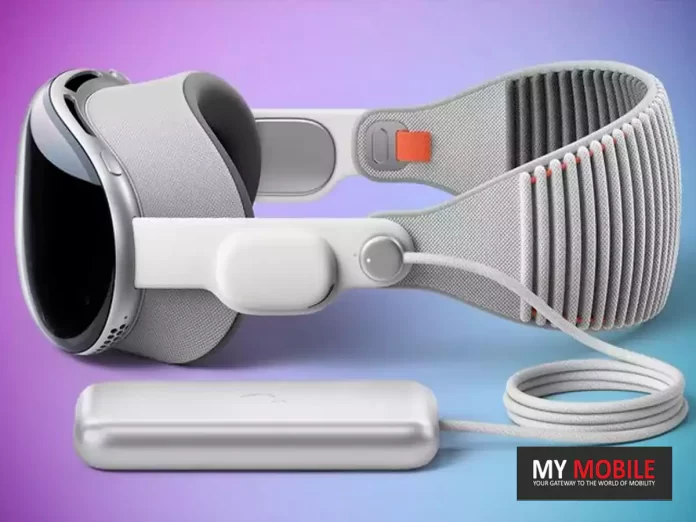
Here’s everything you need to know about the Apple Vision Pro on its inaugural launch day.
Tim Cook on Vision Pro Launch
Tim Cook on Vision Pro Launch
As the curtains rise on the Vision Pro, Tim Cook, Apple’s CEO, has shared exciting insights into what users can expect.
With over one million apps accessible at launch, including 600 specifically designed for the Vision Pro, the device promises an unparalleled mixed-reality experience.
Cook’s enthusiasmfor the creative efforts of developers is necessary to explore the vast potential of the Vision Pro and to usher in a new era for both Apple and its enthusiastic user base.
Apple Vision Pro: Key Specs
Apple Vision Pro: Key Specs
Display and Resolution: The Vision Pro features two 1.41-inch micro-OLED displays, delivering a total of 23MP and running at 90fps, which can adjust to 96 or 100 FPS based on the content.
Chipset and Memory: Powered by the Apple M2 system on a chip with a co-processor known as Apple R1 for real-time sensor input processing. The device comes with 16GB of RAM and offers internal storage options of 256GB, 512GB, and 1TB.
Physical Controls: Includes two physical controls: a Capture Button for recording spatial videos or photos, and a Digital Crown for navigating the system menu and adjusting immersion levels.
Audio: Equipped with “audio pods” on its side for personalized ray-traced spatial audio, enhancing the immersive experience.
Power Supply: Can be powered by an external power supply, a USB-C port on a Mac, or a battery pack rated for two hours of use. The battery pack connects via a 12-pin, locking variant of the Lightning connector.
EyeSight & Person Awareness: Features EyeSight technology, an external display that shows the user’s eyes to others, indicating awareness and never isolating the user from their surroundings.
Environmental Impact: Designed with environmental considerations, including 100% recycled materials in various components and responsible packaging.
Custom Optical Inserts: Supports custom optical inserts for users with prescription glasses, developed in partnership with Zeiss. These attach magnetically to the main lens.
A New Dimension of User Interface
A New Dimension of User Interface
“Apple Vision Pro is unlocking the imaginations of our worldwide developer community, and we’re inspired by the range of spatial experiences they’ve created for this exciting new platform,” said Susan Prescott, Apple’s vice president of Worldwide Developer Relations.
“With more than 600 new spatial experiences to explore in the all-new App Store, alongside more than 1 million compatible apps across iOS and iPadOS, users can discover a wide array of apps that expand the boundaries of what’s possible.
These incredible apps will change how we experience entertainment, music, and games; spark our imaginations with new ways to learn and explore; unlock productivity like never before; and so much more. Developers are already capturing the promise of spatial computing, and we can’t wait to see what they create next.”
The Vision Pro is set to redefinie user interaction through its three-dimensional user interface, navigable via eye movements, hand gestures, and voice commands.
This leap in technology enables usersto transcend the limitations of conventional displays, offering an “infinite canvas” for apps to utilize.
With applications like PGA TOUR Vision, sports enthusiasts can experience golf in a whole new dimension, featuring real-time shot tracking and 3D models of iconic courses.
“With Apple Vision Pro and the power of spatial computing, Apple is teeing us up to deliver an innovative and immersive way of experiencing professional golf,” said Scott Gutterman, PGA TOUR’s senior vice president of Digital Operations.
“PGA TOUR Vision, the first golf app developed for Apple Vision Pro, takes fans inside the ropes and directly onto the greens of the world’s most iconic courses, from Pebble Beach to TPC Sawgrass, no matter where they are.”
Similarly, the NBA app offers a multi-view feature that allows streaming of up to five live broadcasts, enhancing the viewing experience with real-time stats and scores.
This immersive approach extends to MLB, soccer, and various cable services, ensuring that Vision Pro users always have the best seat in the house.
This forthcoming update, which will start rolling out in the week of February 7, 2024, will allow users to upload and view spatial videos, further enhancing the immersive experience across platforms.
FAQs
What makes the Apple Vision Pro unique in the mixed reality market?
The Apple Vision Pro stands out with its extensive app library, innovative display technology, and the EyeSight feature that maintains user connection with their surroundings, setting a new benchmark in mixed reality.
Can the Apple Vision Pro be used for professional purposes?
Yes, the Vision Pro is designed for both entertainment and productivity, offering features like spatial computing and an immersive 3D interface that can transform workflows and creative endeavors.
How does the Vision Pro integrate with existing Apple ecosystems?
With compatibility across over 1 million iOS and iPadOS apps, the Vision Pro seamlessly integrates into Apple’s ecosystem, enhancing the user experience with familiar applications in a new spatial dimension.
What are the viewing capabilities of the Vision Pro?
The Vision Pro’s dual micro-OLED displays provide an ultra-high-resolution viewing experience, comparable to a 100-foot cinema screen, promising unparalleled clarity and immersion.
How does Meta’s announcement affect Vision Pro users?
Meta’s support for Apple’s spatial video format on Quest VR headsets expands the Vision Pro’s ecosystem, allowing for a broader range of content and cross-device compatibility, enhancing the mixed reality experience.
What unique visibility feature does the Apple Vision Pro have?
Apple Vision Pro can alert users when the visibility of their hands may be compromised in dark environments, potentially affecting navigation within visionOS.
How does the battery functionality work on the Vision Pro?
The Vision Pro comes with an external battery pack, but it does not support hot-swapping; if the battery depletes, the headset needs to be rebooted, which takes about 37 seconds.
Can others hear what I’m listening to on the Vision Pro?
While the audio quality is high, there is a possibility that others nearby may hear the audio from Vision Pro, suggesting the use of AirPods for a more private listening experience.
What productivity apps will be available on the Vision Pro at launch?
Microsoft is bringing Teams, Word, Excel, PowerPoint, Outlook, OneNote, and Loop to the Vision Pro, leveraging its spatial computing capabilities for enhanced productivity.
Will there be a day one software update for the Vision Pro?
Yes, visionOS 1.0.2 is set to address a WebKit vulnerability and will be available as an update upon receiving the headset.
What is the main issue identified in the Apple Vision Pro headset?
The primary concern with the Apple Vision Pro revolves around its passthrough feature, where users have reported problems such as motion blur and distortion, particularly under specific conditions like low light.
How does the Vision Pro’s passthrough feature perform compared to other headsets?
While the passthrough feature is designed to blend the digital and physical worlds, it currently experiences issues with motion blur, distortion, and color accuracy, falling short of the seamless experience seen in devices like the Meta Quest 3.
What are some key accessories included with the Apple Vision Pro?
The Vision Pro comes with a protective cover, optional optical inserts for glasses wearers, a travel case, light seals, a microfiber cloth, and a dual-loop band for added comfort.
Is there a solution available for the Vision Pro’s display issues?
As of now, there hasn’t been an official fix from Apple for the passthrough feature issues. However, given the company’s track record, a software update could potentially address these concerns.
What are ZEISS Optical Inserts in the Apple Vision Pro?
ZEISS Optical Inserts are specialized corrective lenses designed for Apple’s Vision Pro headset. They are tailored to individual visual needs, including prescription lenses and reading glasses.
How do you pair ZEISS Optical Inserts with the Apple Vision Pro?
To pair the ZEISS Optical Inserts, users need to attach them magnetically to the Vision Pro, then follow a specific process that includes scanning a unique code provided with the lenses.
Is recalibration necessary after pairing new lenses with Vision Pro?
Yes, after attaching new ZEISS Optical Inserts to the Vision Pro, users are required to recalibrate the eye-tracking feature to ensure optimal functionality.
Can the Vision Pro recognize different pairs of ZEISS Optical Inserts?
The Vision Pro headset is equipped to intelligently identify different ZEISS Optical Inserts being used, automatically adjusting settings for the best visual experience.
When are Apple Vision Pro pre-orders expected to arrive?
Customers who pre-ordered the Apple Vision Pro can expect their devices to start arriving as shipments have begun, with the official release set for February 2.
How can I track my Apple Vision Pro shipment?
To track your Vision Pro order, enroll in UPS My Choice for detailed package tracking or use the UPS website’s “Track by Reference Number” feature.
What special feature does the ZEISS partnership add to the Apple Vision Pro?
The collaboration with ZEISS offers Vision Pro users specialized optical inserts, enhancing visual experience with a unique pairing process for authenticity and precision.
Are the sales figures for the Apple Vision Pro available?
While official numbers aren’t released, it’s estimated that between 160,000 to 180,000 units of the Vision Pro were sold during the initial pre-order weekend.
Vision Pro Launch: Apple Has Advice For Those With Medical Conditions. Details?
The Vision Pro is for all apple loves , including the ones who wear glasses but those with a medical condition, Apple has advice for them.
“If you have a pre-existing medical condition, consult with a medical provider before using Apple Vision Pro.
Using this device with certain medical conditions might aggravate symptoms or increase the risk of injury or discomfort,” Apple said in an advisory published last week.
Apple has also highlighted that if a potential customer is experiencing symptoms related to a medical condition, consult with a medical provider before using Apple Vision Pro.
“If you are pregnant, exercise additional caution when using Apple Vision Pro, as pregnancy may increase the risk of nausea or loss of balance,” the company said.
“Apple Vision Pro and its battery contain magnets or components that emit radio waves, which could affect the operation of nearby electronics, including cardiac pacemakers, hearing aids, and defibrillators,” Apple added.
What are the list of conditions that apple has advised for ?
List of conditions that might aggravate symptoms or increase the risk of injury or discomfort include:
Migraines or chronic headaches
Dizziness or vertigo
Eye or vision conditions, such as binocular vision conditions
Psychological conditions
Inner ear conditions
History of dry eyes, itchiness, or swelling of the eyelids
Skin allergies or sensitivities
Seizures
Balance or gait conditions
What are the kind of users who are problem free during apple Vision pro launch ?
Customers who wear prescription glasses may not have a problem but they will need a prescription for Zeiss-made optical inserts.
A reporter for The Times of India Tech-Gadgets Now was among the first ones to have tried the Vision Pro when it was launched. Apple quickly took the power of the glasses and customised them quickly to suit the wearer.
There is an option to include optical inserts for individuals who wear glasses. These optical inserts will enable users to wear the headset without their glasses. However, these inserts will be sold separately.
When to stop using Apple Vision Pro ?
Stop using Apple Vision Pro and consult with your medical provider:
If you experience symptoms related to a medical condition.
If your medical provider confirms that it’s safe for you to use Apple Vision Pro, but you experience severe or persistent physical discomfort, motion sickness, visual discomfort, skin irritation, or psychological symptoms.
If you notice swelling, itchiness, skin irritation, or other skin reactions while using your device or after using the device, stop using it. If symptoms persist, consult with your medical provider.
“We’re proud to continue working alongside Samsung to lead this new era for the mobile industry and provide consumers with extraordinary premium experiences,” said Chris Patrick, senior vice president and general manager of mobile handset, Qualcomm Technologies, Inc.
“Snapdragon 8 Gen 3 for Galaxy instills its advanced AI capabilities in the Galaxy S24 series, to enable new experiences with AI features to empower users’ everyday life.
It also fuels advanced professional-quality camera, gaming experiences and ultra-fast connectivity including Wi-Fi 71, plus offers one of the most reliable authentication solutions available with our Qualcomm® 3D Sonic Gen 2 technology.”
“Our strategic partnership with Qualcomm Technologies spans more than two decades, which speaks volumes to our strong relationship,” said Inkang Song, VP & Head of Technology Strategy team at Samsung Mobile.
“They are at the forefront of the mobile industry, and now of on-device intelligence – the Snapdragon 8 Gen 3 for Galaxy sets the bar for premium mobile and Gen AI experiences.
With the flagship Galaxy S24 series, Qualcomm and Samsung will provide consumers with the most premium and advanced mobile experiences to date, with Galaxy AI.”
Qualcomm Snapdragon 8 Gen 4: Possible Architecture
Qualcomm Snapdragon 8 Gen 4: Possible Architecture
The Snapdragon 8 gen 4 is likely going to use Qualcomm’s proprietary CPU cores, a departure from the Arm Cortex cores used in previous iterations.
The Snapdragon 8 Gen 4 is rumoured to eliminate traditional low-power efficiency cores in favor of a configuration featuring two high-performance “Phoenix” cores alongside six medium-performance counterparts.
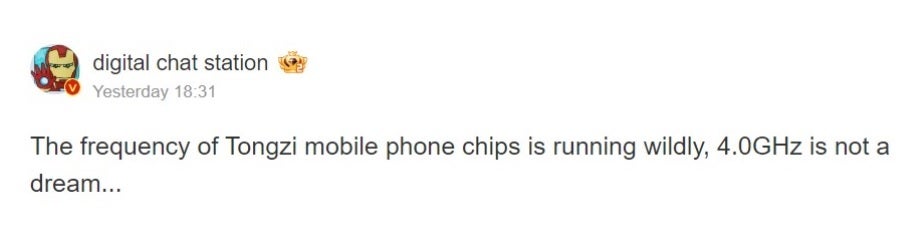
Notably, as per a leak from Digital Chat Station, the processor is speculated to achieve clock speeds up to 4GHz, surpassing the peak 3.3GHz clock speeds of its predecessors’ Cortex-X4 Prime CPU cores.
Further enhancing its capabilities, the Snapdragon 8 Gen 4 is expected to integrate the Adreno 830 GPU, promising substantial improvements in graphics rendering and gaming experiences.
Qualcomm’s chipset evolution reflects a broader industry trend towards custom core designs, aiming to provide optimized performance and power efficiency tailored to the diverse demands of modern mobile devices.
As Qualcomm continues to innovate within the mobile processor space, the industry awaits the real-world impact of the Snapdragon 8 Gen 4’s advanced features on smartphone performance, user experience, and the competitive dynamics among chipset manufacturers.
We should start seeing devices shipping with Qualcomm’s upcoming flagship SoC in late 2024.
Digital Zoom, Auto Flash, Face detection, Touch to focus
Video Recording
4K, 1080p
Flash
Yes, LED
Front Camera
Punch Hole 60 MP with Screen Flash
Front Video Recording
1080p
TECHNICAL
OS
Android v14
Custom UI
OneUI 6.0
Chipset
Qualcomm Snapdragon 8 Gen3
CPU
Octa Core Processor
GPU
Adreno GPU
Java
No
Browser
Yes
MULTIMEDIA
Email
Yes
Music
Yes
Video
Yes
FM Radio
Yes
Document Reader
Yes
BATTERY
Type
Non-Removable Battery
Size
5100 mAh, Li-Po Battery
Fast Charging
Yes, 65W Fast Charging
Wireless Charging
Yes, 45W
Reverse Charging
Yes, 10W
FAQs
What are the rumours about the Snapdragon 8 Gen 4?
The Snapdragon 8 Gen 4, codenamed “Tongzi,” is rumored to be Qualcomm’s next leap in mobile processing, potentially utilizing proprietary CPU cores and offering clock speeds up to 4GHz, a significant departure from its predecessors.
How might the Snapdragon 8 Gen 4 change the game for smartphone performance?
With speculation around its unique core configuration and the integration of an Adreno 830 GPU, the Snapdragon 8 Gen 4 is expected to deliver superior performance, especially in graphics-intensive applications and on-device AI processing.
What technology is the Snapdragon 8 Gen 4 rumoured to use?
Rumours suggest the chip will be manufactured using TSMC’s advanced 3nm process technology, promising enhancements in power efficiency and performance metrics over the previous generation.
When are devices with the Snapdragon 8 Gen 4 rumoured to launch?
While still speculative, the industry anticipates that smartphones equipped with the Snapdragon 8 Gen 4, including potential models like the Galaxy S25 Ultra, could hit the market by late 2024.
What design changes can we expect in the Samsung Galaxy S25 series?
The Samsung Galaxy S25 series, under the guidance of Ilhwan Lee from the MX Design Team, is expected to undergo a significant design refresh. This change is anticipated to bring more innovative and possibly luxury-inspired aesthetics to the flagship series.
Are there any rumors about the camera specifications of the Galaxy S25 Ultra?
The Galaxy S25 Ultra is rumoured to feature a 200MP primary camera with a new 1-inch image sensor, 0.8µm pixels, dual-pixel autofocus, and in-sensor crop zoom, potentially setting a new standard for smartphone photography.
When is the Samsung Galaxy S25 series expected to launch?
While the exact launch date is not confirmed, Samsung is considering releasing the Galaxy S25 series earlier than usual, potentially around December 2024, following the earlier launch of the Galaxy S24 series in January 2024.