The Watch 1 was followed by the Nord Watch in early 2023, which, while serving as a budget-friendly option, primarily functioned as a fitness tracker due to its limited features.
Now with the tech landscape rapidly evolving, OnePlus has ventured into the premium segmentwith notable launches like the OnePlus Pad and the OnePlus Open foldable smartphone, signaling its ambition to expand its footprint beyond smartphones.
OnePlus Watch 2: A Comprehensive Guide to the Top 5 Features We Liked
As such the OnePlus Watch 2 is the latest testament to OnePlus’s dedication to innovation, crafted to challenge the dominance of Samsung’s Galaxy Watch 6 series.
Although we have not personally tested the OnePlus Watch 2, this analysis is drawn from a comprehensive review of user feedbackand expert opinions available online.
Here are the top five aspects that highlight the uniqueness of the OnePlus Watch 2:
Design and Build Quality
The OnePlus Watch 2 is encased in a 47mm stainless steel frame, exuding a blend of elegance and durability.
Its distinctive design is accentuated by two uniquely positioned pushers on the left side, adding to its aesthetic appeal.
The watch is designed to endure, with a water resistance rating of 5 ATM (equivalent to 50 meters depth) and an IP68 certification for dust and water resistance.
Further solidifying its robustness, OnePlus asserts that the Watch 2 meets the MIL-STD-810H US military standards, making it suitable for various adventures, whether swimming, mountain trekking, or facing extreme weather conditions.
Dual-Engine Architecture
The Watch 2 actually has a rather innovative Dual-Engine Architecture, featuring two independent chipsets that facilitate a seamless switch between RTOS for basic tasks and fitness tracking, and Wear OS 4 for running apps.
This design aims to enhance battery life without compromising the user experience.
As mentioned above, the Watch 2 operates on a dual operating system setup, with RTOS managing routine activities and Wear OS 4 springing into action for app-based tasks.
This approach mirrors the software fusion seen in the Oppo Watch, offering both efficiency and smart functionality.
Despite not making an iOS app the device’s compatibility with Google’s Health Connect service ensures that health data is not confined to the OnePlus ecosystem, allowing for other Android.
Battery Performance
Battery Performance
By far one of the OnePlus Watch 2’s hallmark claims is its exceptional battery life.
Leveraging its dual-chipset design and intelligent software management, the device promises up to 12 days of usage in Power Saver Mode, even with active health tracking.
This bold assertion reflects OnePlus’s ambition to set new standards in wearable battery performance, supported by a substantial 500mAh battery that surpasses the capacity of many competitors in the Wear OS market.
This decision, based on community feedback according to OnePlus, positions the Watch 2 as a companion device rather than a standalone wearable.
The absence of NFC payments for Google Pay, particularly for users in India, may limit its functionality for some.
FAQs
What makes the OnePlus Watch 2 design stand out?
The OnePlus Watch 2 features a distinctive design with a 47mm stainless steel case, two pushers on the left side, and durability ratings like 5 ATM water resistance and IP68 certification, making it both elegant and adventure-ready.
How does the Dual-Engine Architecture benefit the OnePlus Watch 2?
The Dual-Engine Architecture, featuring two independent chipsets, allows the OnePlus Watch 2 to seamlessly switch between RTOS for basic tasks and fitness tracking, and Wear OS 4 for app usage, enhancing both battery life and user experience.
Can the OnePlus Watch 2 sync health data with other platforms?
Yes, through its compatibility with Google’s Health Connect service, the OnePlus Watch 2 allows health data to be shared across platforms, ensuring users are not locked into the OnePlus ecosystem.
What is the battery life of the OnePlus Watch 2, and what supports this performance?
The OnePlus Watch 2 offers up to 12 days of usage in Power Saver Mode, thanks to its dual-chipset design, intelligent software management, and a substantial 500mAh battery.
Does the OnePlus Watch 2 support cellular connectivity or NFC payments?
The OnePlus Watch 2 lacks cellular connectivity or eSIM support and does not offer NFC payments for Google Pay, based on community feedback and market needs.
Is OnePlus Watch 2 Introduced as an Unmatched Flagship Powered with Wear OS by Google?
OnePlus its Watch 2 in India, Europe, and North America during MWC.
OnePlus Watch 2 is a stunning flagship smartwatch, and it is also powered with the latest version of Wear OS by Google™ (Wear OS 4).
Featuring a unique Dual-Engine Architecture with flagship dual chipsets and Wear OS’s hybrid interface, market-leading battery life of up to 100 hours in full Smart Mode, and a premium build and design, the OnePlus Watch 2 represents a big step forward for the smartwatch market.
Does OnePlus Watch 2 have Industry-leading Battery Life Backed by Dual-Engine Architecture?
The OnePlus Watch 2 is packed with flagship features, including exceptional battery and charging performance for unrivaled reliability and longevity.
It features OnePlus’s self-developed Dual-Engine Architecture powered by two different flagship chipsets — the Snapdragon W5 performance chipset and the BES 2700 MCU Efficiency chipset.
The BES2700 Efficiency Chipset runs RTOS and handles background activity and simple tasks, while the Snapdragon W5 wakes for powerful tasks, like running your favorite Google apps.
This optimized approach, enabled by the Wear OS hybrid interface seamlessly managing the transition between chips, means users will experience a smartwatch that effortlessly does it all while extending the time between charges.
With this unique Dual-Engine Architecture and a 500mAh battery, OnePlus Watch 2 can offer up to 100 hours1 of regular use with all functionalities accessible in Smart Mode, or up to 48 hours2 with heavy use.
With 7.5W VOOC Fast Charging, the 500mAh battery can be fully charged in 60 minutes. With its 2GB RAM and 32GB ROM configuration, the OnePlus Watch 2 also offers plenty of memory and storage to ensure the watch runs smoothly at all times.
What are the fitness features of OnePlus Watch 2?
A Personal Fitness and Wellness Coach on Your Wrist
Drawing on its advanced combination of hardware and software, the OnePlus Watch 2 provides meaningful insights that drive positive change in health and fitness thanks to its ability to collect and analyze comprehensive health data in the OHealth app.
The OnePlus Watch 2 and the OHealth app now also support Health Connect by Android™, which offers a central hub in Android 14 for managing data permissions from multiple health and fitness apps and devices.
With user permission, users can securely sync their health data collected via the watch or the OHealth app with Health Connect-compatible apps.
Fitness features available through the OHealth app include tracking modes for more than 100 sports such as badminton, running, tennis, skiing, and more.
Specifically for badminton, the OHealth app on the OnePlus Watch 2 can track data such as swing strength and speed.
Using the running tracking mode, wearers can also track data such as ground contact time, ground balance, and VO2 max. OnePlus and Wear OS worked closely to fine-tune these sensor capabilities.
Designed for enhanced accuracy in location tracking, the OnePlus Watch 2 features Dual Frequency GPS with the ability to receive L5 GPS signals in addition to the commonly used L1 signals. The use of two separate antennas for each GPS signal further improves the precision and reliability of positioning for wearers.
Building on the OHealth app, the OnePlus Watch 2 also offers detailed sleep tracking analysis – including an all-day sleep record that tracks users’ deep sleep, light sleep, REM and awake times, as well as monitoring sleep breathing rate and providing a sleep quality score, sleep snoring risk assessment, and more, it can also monitor stress levels by calculating heart rate variability (HRV).
What are the OnePlus Watch 2 Best Google apps with Wear OS 4?
Powered with the latest version of Wear OS, the OnePlus Watch 2 comes with popular Google apps like Maps, Assistant, and Calendar, plus support for more third-party apps.
Experience new levels of convenience with the new features coming to Google apps, like the launch of transit directions on Google Maps that helps you navigate public transportation effortlessly from your wrist.
With Fast Pair, you can quickly connect and set up your OnePlus Watch 2 with your OnePlus phone or other supported Android smartphone. This seamless pairing experience supports features like calling, messaging, media remote control, and more directly from your wrist.
How is OnePlus 2 Watch Design ?
Premium Design with Remarkable Durability
OnePlus Watch 2 shares the same design language with the OnePlus 12 Series.
Taking inspiration from the distinctive K-shape design of the OnePlus 12 series, the OnePlus Watch 2 features a round watch face that echoes the series’ camera deco, making it the perfect companion for the OnePlus 12 series.
The OnePlus Watch 2 features a 2.5D sapphire crystal cover, making it more scratch-resistant without compromising optical clarity.
The watch chassis is made out of stainless steel for added rust and corrosion resistance. Certified to the latest MIL-STD-810H US military standard, the OnePlus Watch 2 is able to withstand tough conditions and environmental stresses, while its IP68 resistant rating and 5ATM water resistance rating ensure excellent performance at the beach, in the desert, or while swimming.
What are 5 Reasons to Buy the OnePlus Watch 2 ?
Enhanced Software Experience: The integration of Wear OS dramatically expands the watch’s capabilities, providing access to a broader array of apps and functionalities.
Superior Battery Life: With up to 100 hours of usage in smart mode, the OnePlus Watch 2 stands out for its longevity, reducing the frequency of charges.
Rapid Charging Technology: SuperVOOC charging technology ensures that the watch can be quickly recharged, making it ideal for those with busy lifestyles.
Innovative Dual-Processor Design: This unique approach ensures efficient handling of both primary functions and background tasks, offering a seamless user experience.
Stylish and Durable Design: Despite its larger size, the watch’s design and lighter weight make it an attractive option for those who appreciate both form and function in their wearables.
Tools like ChatGPT indicate AI’s potential to handle complex coding tasks, hinting at job transformation rather than elimination.
Emphasis on AI literacy could enhance tech industry inclusivity, but human oversight remains crucial.
At the recent World Government Summit in Dubai, Nvidia CEO Jensen Huang posited that children should not be encouraged to learn coding, suggesting instead that this responsibility should be handed over to artificial intelligence (AI).
Huang articulated a vision for the future in which AI’s capabilities could make traditional programming languages like Java and C++ redundant, arguing that computers should understand instructions in human language, thereby democratizing programming and making “everyone a programmer” through AI.
Nvidia CEO Jensen Huang suggests AI should take over coding, making traditional programming languages obsolete
Is he right?
Has AI evolved so much that basic coding knowledge is no longer needed for students because the AI is inherently going to do it better than them?
Does this appear as the death of the coding job industry at large?
There are a lot of ethical conundrums to Huang’s statement here.
Nvidia CEO Jensen Huang and SIEPR’s John Shoven get ready to take the stage together at the 2024 SIEPR Economic Summit
“Over the last 10-15 years, almost everybody who sits on a stage like this would tell you that it is vital that your children learn computer science, everybody should learn how to program. In fact, it is almost exactly the opposite. It is our job to create computing technology such that nobody has to program, and that the programming language is human. Everybody in the world is now a programmer. This is the miracle of AI,” Huang said.
John Carmack, who is the former CTO Oculus VR said “Coding was never the source of value, and people shouldn’t get overly attached to it. Problem-solving is the core skill. The discipline and precision demanded by traditional programming will remain valuable transferable attributes, but they won’t be a barrier to entry,” he said in an X post responding to Huang’s video. “I suspect that I will enjoy managing AIs more, even if they wind up being better programmers than I am,” he added.
Let’s explore what it could signify.
Validity of Huang’s Statements
Critics and supporters alike have weighed in on Huang’s vision.
John Carmack, the former CTO of Oculus VR and a well-known figure in the tech world, supported Huang’s view by emphasizing that the core value lies not in coding itself but in problem-solving.
Carmack suggests that while the discipline and precision required by traditional programming will remain valuable, they should not be barriers to entry in the tech field.
Tools like OpenAI’s ChatGPThave demonstrated the potential to write and debug code, showing us a future where AI could handle increasingly complex programming tasks.
However, critics argue that learning to code develops critical thinking, problem-solving skills, and an understanding of the digital world that goes beyond merely instructing a computer.
While AI can automate tasks, the human ability to innovate, think critically, and understand complex systems remains essential.
The emphasis should perhaps be on integrating AI literacy into education rather than eliminating coding from curricula.
Long-Term Prospects of AI Taking Over Coding Jobs
Job Transformation, Not Elimination: The advent of AI in programming does not necessarily equate to the eradication of coding jobs. Instead, it suggests a transformation. Programmers might shift towards more strategic roles, overseeing AI-generated code, ensuring quality, and integrating human insights with AI capabilities.
New Opportunities and Challenges: As AI automates routine coding tasks, it could open up opportunities for professionals to focus on more complex, creative, and strategic aspects of software development. However, this shift also presents challenges, including the need for ongoing education and adaptation to new tools and methodologies.
This could lead to a more diverse and innovative field.
Even so, there is of course the undeniable fact that relying on AI for coding raises questions about ethics, quality, and reliability.
Tools like ChatGPT indicate AI’s potential to handle complex coding tasks, hinting at job transformation rather than elimination
As such any kind of AI-generated code must be scrutinized for biases, errors, and security vulnerabilities, underscoring the ongoing need for human oversight.
There is still some time before AI can completely right fluent code based on some textual prompts.
However, we are getting there faster than we would like and the hope is that the education system keeps up with it.
Emphasis on AI literacy could enhance tech industry inclusivity, but human oversight remains crucial
FAQs
What did Nvidia’s CEO say about children learning to code?
Jensen Huang, CEO of Nvidia, suggested that the responsibility of coding could be handed over to AI, proposing a future where traditional programming languages become redundant as computers could understand instructions in human language.
How do critics respond to the idea of AI replacing basic coding knowledge?
Critics of Huang’s vision argue that learning to code is crucial for developing critical thinking, problem-solving skills, and understanding the digital world, skills that AI automation cannot replace.
Can AI really take over coding jobs?
While AI like ChatGPT shows promise in writing and debugging code, the consensus is that AI will transform coding jobs rather than eliminate them. Professionals may move towards roles that blend human insight with AI capabilities.
What are the long-term prospects of AI in programming?
Long-term, AI is expected to automate routine coding tasks, potentially making programming more accessible and inclusive, yet emphasizing the need for human oversight to ensure ethics, quality, and reliability.
What are the implications of AI taking over coding for the tech industry?
AI’s role in coding could democratize programming, lowering barriers to entry and fostering a more diverse tech industry. However, it raises ethical questions and highlights the importance of quality control and security.
This launch follows the successful introduction of the iQOO Neo 9 Pro 5G last month, which is said to have garnered positive reviews for its performance in the competitive price segment.
The iQOO Z9 promises to elevate the user experience further, with the brand revealing nearly all the specifications, leaving only the pricing a mystery.
Expected Pricing and Availability
iQOO Z9 Expected Pricing and Availability
While the official price of the iQOO Z9 will be unveiled at the launch, it is anticipated to be in the same affordable range as its predecessor, the iQOO Z7, which was priced below Rs 20,000.
This pricing strategy positions the iQOO Z9 as a formidable contender against the recently announced Nothing Phone 2a.
As for availability, the iQOO Z9 will be an Amazon exclusive, ensuring easy access for online shoppers.
When and Where to Watch
iQOO Z9: Design and Camera Innovations
For those eager to witness the unveiling live, the launch event will be broadcasted on the company’s official YouTube Channel.
Camera: Dual setup with a 50 MP Sony IMX882 primary sensor and OIS.
Display: AMOLED with a 120 Hz refresh rate and 300 Hz touch sampling rate.
Brightness: Up to 1800 nits, the brightest in its segment.
Battery: A robust 5,000 mAh capacity.
Audio: Dual stereo speakers for an immersive sound experience.
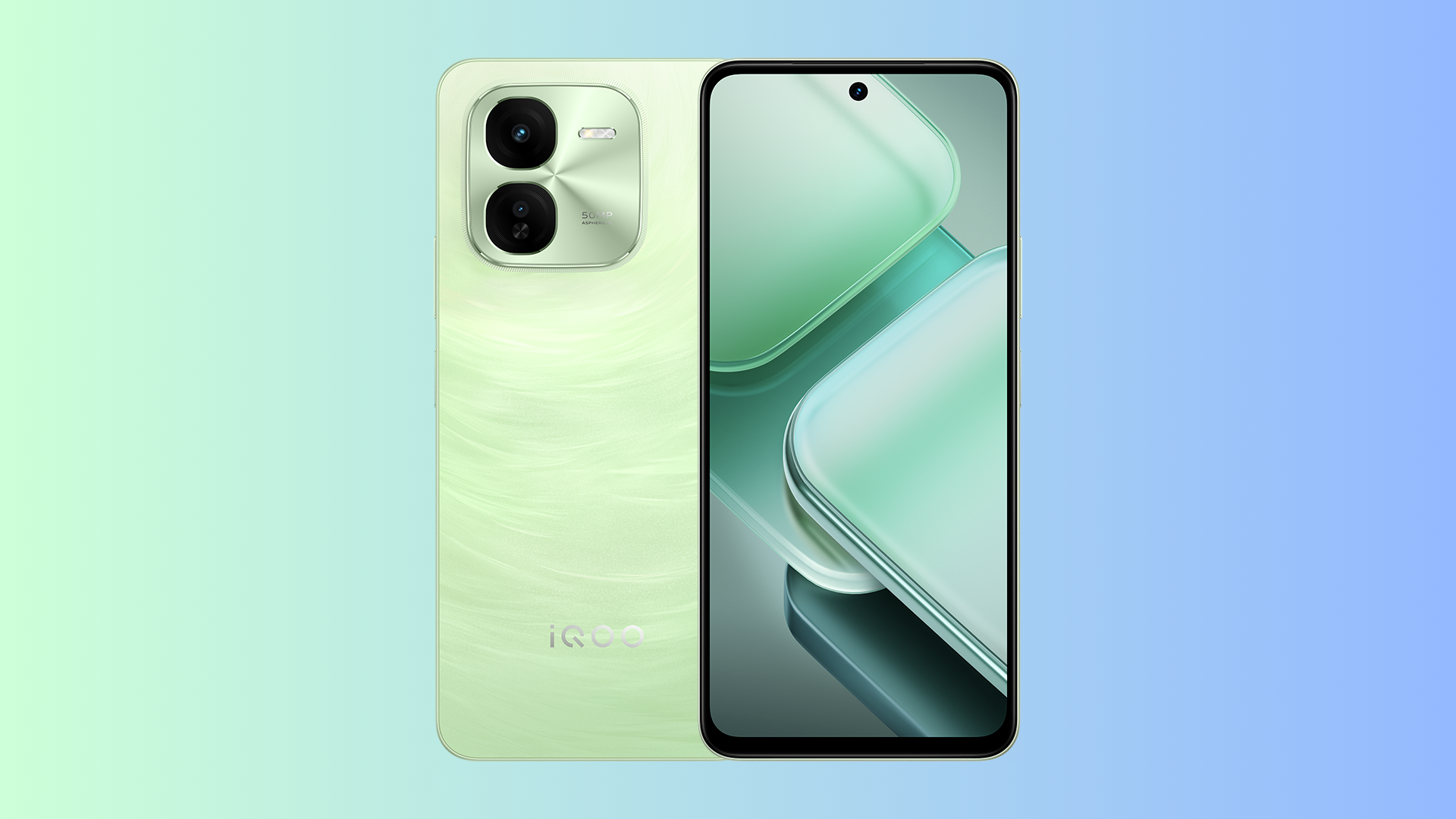
Design: A unique Brushed Green variant with a matte, two-tone back design.
iQOO Z9: Expected Features
The iQOO Z9 is likely going to be geared up to be a powerhouse, especially with the MediaTek Dimensity 7200 processor at its core, which iQOO claims will make it the fastest device in its segment.
As for the display metrics, the device will have a 120Hz Ultra-Bright AMOLED, coupled with a 300Hz touch sampling rate.
The company has confirmed that the display will go up to 1,800nits of peak brighness.
Gamers and multimedia users, towards which iQOO historicaly targets its devices, will enjoy the high-refresh-rate AMOLED display, which not only promises smooth visuals but also boasts the highest brightness level among its competitors.
Photography on the iQOO Z9 is also expected to be taken care of, thanks to a 50 MP Sony IMX882 primary camera equipped with OIS.
This setup is designed to offer clear, stable shots across various lighting conditions.
The addition of an ‘Aspherical premium lens’ aims to enhance photo quality further by minimizing wide aperture shots’ distortion and ensuring color accuracy.
Moreover, the iQOO Z9 doesn’t just focus on performance and photography but also pays attention to user experience and aesthetics.
The dual stereo speakers and the visually appealing design, featuring a matte finish with water splash-like patterns, reflect iQOO’s commitment to both functionality and style.
The choice of a Brushed Green variant adds a refreshing touch to the device’s overall look, making it stand out in the crowded smartphone market.
The iQOO Z9 is powered by the MediaTek Dimensity 7200 processor, ensuring it stands out as the fastest device in its price segment.
What are the camera specifications of the iQOO Z9?
The iQOO Z9 features a dual camera setup with a primary 50 MP Sony IMX882 sensor that supports Optical Image Stabilization (OIS) for superior photo quality.
What makes the iQOO Z9’s display special?
With a 120 Hz refresh rate and a touch sampling rate of 300 Hz, combined with up to 1800 nits of brightness, the iQOO Z9’s AMOLED display is set to be the brightest in its segment, enhancing gaming and multimedia experiences.
Can I buy the iQOO Z9 in colors other than Brushed Green?
While iQOO has confirmed the Brushed Green variant, teasers suggest there might be an all-black option, though official details are yet to be announced.
How does the iQOO Z9 compare with its competitors?
Priced similarly to its predecessor and expected to be under Rs 20,000, the iQOO Z9 is positioned to compete directly with the Nothing Phone 2a, offering superior specs like its processor and display brightness in the segment.
Infinix Hot 40i dominates the budget segment with an AMOLED display and 90Hz refresh rate.
Redmi Note 13 5G offers versatile photography options with a 108MP primary camera.
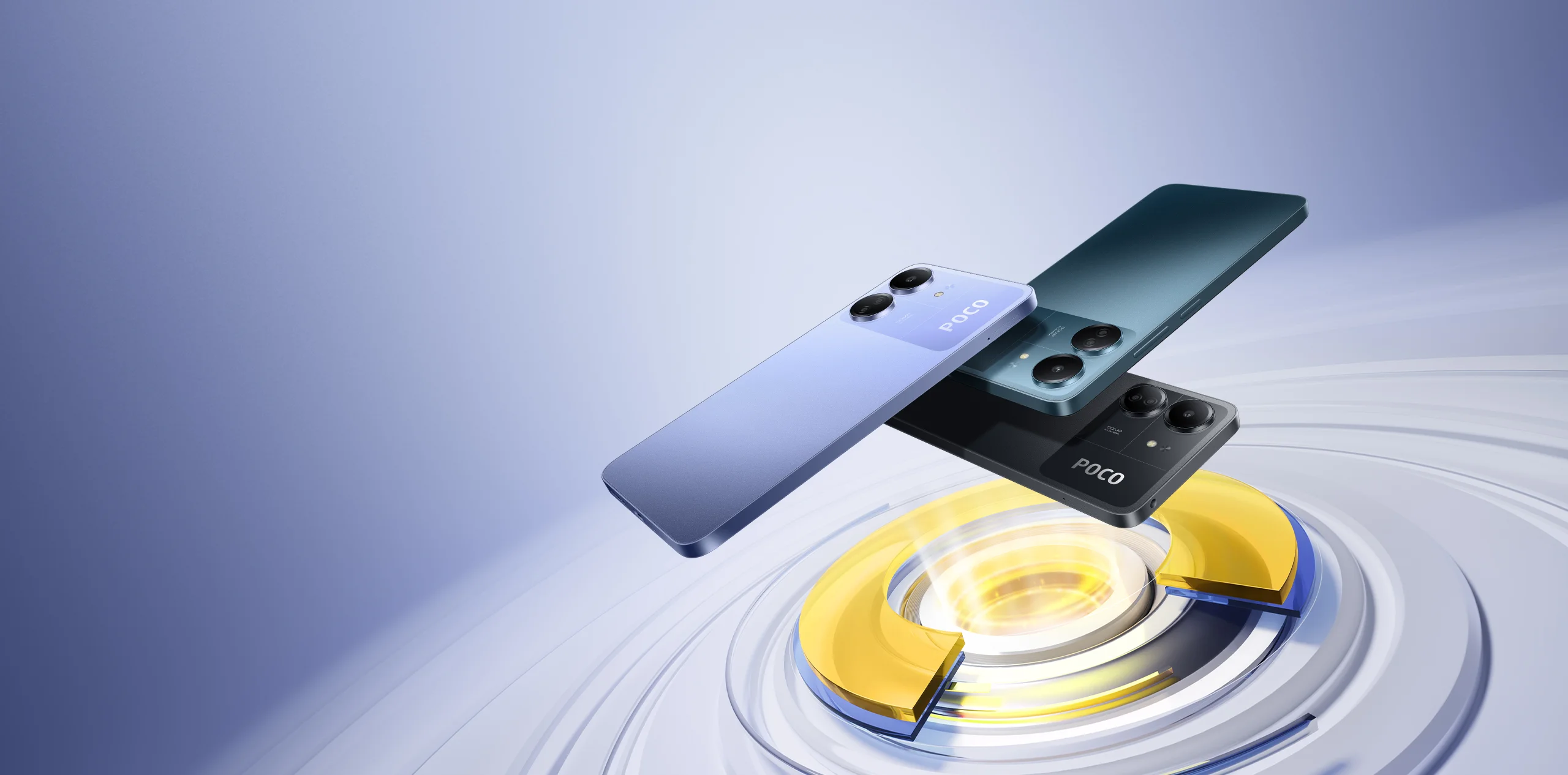
POCO X6 Pro balances performance and affordability with a Dimensity 8300 Ultra processor.
iPhone 15 Pro Max sets a premium standard with the A17 Pro Bionic chip and advanced camera system.
As we step into March 2024, the competition across various price segments has intensified, offering consumers a plethora of choices tailored to their specific needs and budgets.
From budget-friendly devices that don’t skimp on features to high-end flagships that push the boundaries of what smartphones can do, there’s something for everyone.
In this roundup, we delve into the best smartphones across different price ranges available in India, highlighting their key features, specs, and what sets them apart in a crowded marketplace
The device’s AMOLED display ensures vivid visuals complemented by a smooth scrolling experience, thanks to the 120Hz refresh rate.
Its Dimensity 6080 processor adeptly handles both daily tasks and moderate gaming, while the versatile camera setup caters to various photography needs.
The large battery and fast charging mean minimal downtime, keeping you connected throughout the day.
Under Rs 30,000
POCO X6 Pro
POCO X6 Pro
Price: Rs 28,999
Key Specs
Display: 6.67-inch AMOLED, 1.5K resolution
Processor: MediaTek Dimensity 8300 Ultra
Camera: 64MP primary, 8MP ultrawide
Battery: 5,000mAh, 100W fast charging
Features:Striking the perfect balance between affordability and performance, the POCO X6 Pro’s standout AMOLED display and MediaTek Dimensity 8300 Ultra processor deliver a seamless user experience.
The device’s primary camera captures detailed imagery, complemented by the versatility of an ultrawide lens.
Fast charging significantly reduces battery recharge times, ensuring the phone is ready when you are.
The device’s battery life is commendable, supporting prolonged usage without frequent charges.
There is no denying the device’s extreme photographic capabilities.
Over Rs 1,00,000
iPhone 15 Pro Max
iPhone 15 Pro Max
Price: Rs 1,39,900
Key Specs
Display: 6.7-inch Super Retina XDR, ProMotion technology
Processor: A17 Pro Bionic
Camera: Triple 48 MP system with 5X Optical Zoom, 12MP TrueDepth front camera
Battery: Up to 20 hours of video playback
As Apple’s flagship, the iPhone 15 Pro Max doesn’t disappoint, offering an exquisite display, unmatched performance courtesy of the A17 Pro chip, and a sophisticated camera system perfect for capturing life’s moments in stunning detail.
In fact, the performance of the chipset is so good it is almost arriving at the levels of Apple’s MacBooks.
Its enduring battery life ensures productivity and entertainment are never interrupted, solidifying its status as a premium choice for tech enthusiasts.
However, you must have pretty deep pockets to get Apple’s crown jewel.
FAQs
What makes the Infinix Hot 40i stand out in the under Rs 10,000 category?
The Infinix Hot 40i is notable for its vibrant AMOLED display and high refresh rate, offering an exceptional viewing experience at a budget price point.
How does the Redmi Note 13 5G enhance the mid-range smartphone experience?
With its 108MP primary camera and smooth 120Hz AMOLED display, the Redmi Note 13 5G provides premium features in the mid-range segment, including 5G connectivity.
What are the key features of the POCO X6 Pro in the under Rs 30,000 category?
The POCO X6 Pro impresses with its 1.5K AMOLED display, powerful MediaTek processor, and 100W fast charging, making it a top contender for performance enthusiasts on a budget.
Why is the iPhone 15 Pro Max considered a premium choice for tech enthusiasts?
The iPhone 15 Pro Max delivers unparalleled performance with its A17 Pro Bionic chip, advanced triple camera system, and ProMotion technology, offering a luxury smartphone experience.
How did the iPhone 15 Pro Max perform in the Chinese smartphone market?
In October, the iPhone 15 Pro Max unexpectedly led China’s smartphone market, securing a 5% market share.
This is particularly notable given the market’s usual preference for local brands like Huawei.
What are the pricing and storage options for the Vivo X100 Pro?
The Vivo X100 Pro is available in multiple storage variants.
The 12GB+256GB model costs 2,599 CNY (about Rs 30,271), the 16GB+512GB variant is priced at 2,999 CNY (approximately Rs 34,930), and the premium 16GB+1TB version is available for 3,499 CNY (roughly Rs 40,753).
What design features does the Vivo X100 Pro offer?
The Vivo X100 Pro boasts a sleek Fluorite AG Glass back and a 3D Curved AMOLED display, offering both a premium look and a comfortable grip.
It comes with a thin-bezel design and is available in Blue, Black, and Gold colours.
How does the camera setup in the Vivo X100 Pro stand out?
The Vivo X100 Pro features a unique camera setup with three 50 MP sensors, including a primary camera with a 1-inch sensor, an ultra-wide lens, and a super-telephoto lens.
This combination allows for exceptional photo quality across various shooting scenarios, including low-light conditions.
What kind of performance can be expected from the Vivo X100 Pro?
Powered by the MediaTek Dimensity 9300 chipset and coupled with 16GB RAM, the Vivo X100 Pro is designed to handle demanding applications and gaming with ease.
The performance will be tested thoroughly in the full review.
What are the key differences in camera technology between the Vivo X100 and X100 Pro?
The Vivo X100 features a standard 50MP primary camera with OIS, while the X100 Pro boasts a larger 1-inch 50MP sensor, offering superior clarity and low-light performance.
Both have a 50MP ultra-wide camera, but the X100 Pro includes a 50MP Zeiss APO super-telephoto lens with 4.3X zoom, compared to the X100’s 64MP telephoto lens.
How do the displays of the Vivo X100 and X100 Pro compare?
Both models feature a 6.78-inch LTPO AMOLED display with a 120Hz refresh rate. This ensures vivid, crisp visuals and smooth scrolling, enhancing the user experience.
What are the charging capabilities of the Vivo X100 series?
The Vivo X100 supports a remarkable 120W wired charging, providing rapid power-ups. The X100 Pro, on the other hand, offers both 100W wired and 50W wireless charging options, catering to different user needs.
What makes the Vivo X100 series stand out in the Indian market?
The Vivo X100 series introduces cutting-edge camera technology with Zeiss optics and high-end performance features like the MediaTek Dimensity 9300 SoC, appealing to photography enthusiasts and power users alike.
What makes the OnePlus 12R a good choice under Rs 40,000?
The OnePlus 12R stands out for its combination of flagship-level aesthetics and performance, including a Snapdragon 8 Gen 2 SoC, a ProXDR AMOLED display, and rapid 100W charging, all priced competitively.
How does the OnePlus 12R’s camera perform?
The OnePlus 12R’s camera setup, led by a 50MP main sensor, delivers impressive shots in various lighting conditions. While it includes features like macro and tilt-shift, the macro lens may underperform compared to the main and ultra-wide sensors.
Can the OnePlus 12R handle intensive gaming?
Yes, the OnePlus 12R, with its high-performance chipset and ample RAM and storage options, offers a fluid gaming experience, even supporting high frame rates for demanding games.
Is the OnePlus 12R’s battery life sufficient for daily use?
With a 5,500mAh battery and 100W rapid charging, the OnePlus 12R provides excellent battery life for regular usage and quick top-ups, ensuring minimal downtime.
What are the software and update support like on the OnePlus 12R?
The OnePlus 12R runs on Android 14-based OxygenOS 14.0, offering a clean and user-friendly experience. OnePlus has committed to providing 4 years of Android updates and 5 years of security patches.
What are the starting prices of the Redmi Note 13 series models?
The Redmi Note 13 Pro Plus 5G starts at Rs 32,999, while the Redmi Note 13 Pro 5G is priced from Rs 25,999. The Redmi Note 13 5G offers an even more budget-friendly option.
How do the camera capabilities differ among the Redmi Note 13 series models?
The Redmi Note 13 5G features a 100 MP primary camera, whereas the Pro and Pro Plus models boast a 200 MP Samsung ISOCELL HP3 main sensor, offering superior photography experiences.
What are the battery and charging specs across the Redmi Note 13 series?
All models have large batteries around 5,000mAh, but charging speeds vary: 33W for the Redmi Note 13 5G, 67W for the Pro, and a remarkable 120W for the Pro Plus.
Which Redmi Note 13 model should I choose if I want a curved display and fast charging?
The Redmi Note 13 Pro Plus 5G is ideal for those seeking a curved display and ultra-fast 120W charging, along with an IP68 water and dust resistance rating.
Is the Redmi Note 13 Pro 5G a good alternative to the Pro Plus model?
Yes, the Pro 5G is a cost-effective alternative, offering almost identical features as the Pro Plus but at a lower price, albeit with a flat screen and slower charging.
What are the camera specs of Infinix Hot 40 i?
Capture Every Moment with India’s first 32-MP selfie
The Hot 40i redefines mobile photography with its 50MP Dual AI Camera, Quad LED Ring Flash and 12+ camera modes including Pro mode, delivering stunning and detailed images.
For selfie enthusiasts, the device features a market-first 32MP Crystal Clear Selfie Cam with Flash, ensuring every selfie is a masterpiece.
How is the storage capacity & RAM of Infinix hot40i ?
Mega Storage and Virtual RAM
The device comes with a Mega Storage capacity of 256GB, coupled with a Dedicated MicroSD Slot supporting expansion up to 2TB, providing ample space for all your needs.
With up to 16GB RAM, including 8GB + 8GB Virtual RAM, the Hot 40i ensures seamless multitasking and enhanced overall performance.
How is Infinix Hot 40i give a Seamless & Smart Experience ?
The Hot 40i introduces a range of seamless and smart features, including the Magic Ring for Face Unlock, Background Call, Charging Animation, Charge Reminder, and Low Battery Reminder.
These intuitive functionalities enhance the user experience, making interactions with the device more convenient and enjoyable.
How is the display of Infinix Hot40i ?
Premium and smooth 90Hz Punch-Hole Display
Breaking new ground, Infinix introduces a 90Hz Punch-Hole Display on the Hot 40i, offering a smooth and responsive visual experience.
The 6.6HD+ Sunlight Readable display ensures clarity even in bright outdoor conditions. It also comes with a side-mounted fingerprint sensor and an IP 53 rating.
Does Infinix Hot 40i give a Powerful Performance ?
Equipped with the UniSOC T606 and a 2x A75 Performance Core Quad-Core Processor, the Hot 40i achieves an impressive AnTuTu V10 score of 254,990.
The device is powered by a robust 5000 mAh Battery, supported by 18W Type-C Fast Charge with Power Marathon capability and reverse charging feature, ensuring long-lasting performance throughout the day.
Infinix Hot 40i Specs
GENERAL
Sim Type
Dual Sim, GSM+GSM
Dual Sim
Yes
Sim Size
Nano SIM
Device Type
Smartphone
Release Date
December 27 ,2024 (Expected)
DESIGN
Bezel less
Yes
Colors
Mirror Black, Glacier Blue
DISPLAY
Type
Color IPS Screen (16M Colors)
Touch
Yes, 180 Hz Touch Sampling Rate
Size
6.67 inches, 720 x 1612 pixels, 120 Hz
Aspect Ratio
20.5:9
PPI
~ 395 PPI
Screen to Body Ratio
~ 92.01%
Glass Type
Panda Glass Protection
Features
Brightness upto 500 NITS, Color Contrast Ratio: 1500:1
Siri, first launched in 2011 with iPhone 4s, was its very own virtual digital assistant and the possibilities seemed endless at the time.
After the Vision Pro, Apple’s next big reveal could be the AI transformation of Siri
However, over the years, competitors have managed to overtake Apple’s virtual assistant in almost every aspect.
Google Assistant and many similar AI-enabled assistant tools such as Alexa today are far more popular and capable.
On the other hand, the functionality of Siri hasn’t been able to add much value to Apple products.
Ask any Apple user and they will confirm that the transformation of Siri is long due.
What Apple’s Siri Transformation to Expect?
Powerful that ChatGPT?
According to multiple media reports including The Information (via The Verge), Apple is increasing its spend on conversational AI development projects.
An exclusive report says Apple’s head of AI, John Giannandrea has authorised forming a special team to develop large language models as known as conversational AI.
The language model called Ajax, as per The Information (via The Verge) “is more powerful than ChatGPT.”
The conversation around AI image generation tools has been already stirred this year with OpenAI showcasing the capability of its new text-to-video generator, Sora.
A machine-learning tool, currently with limited access only to experts, has generated both excitement and scepticism.
While Sora transforms text prompts into detailed videos, AI assistants at the moment are restricted to taking on commands such as “create an image of a boy walking on busy Bangkok road sporting a red jacket” and endeavour to fulfil them.
Apple is working on the development of a conversational AI with ChatGPT-like capabilities.
Siri should focus on finesse, potentially imposing stringent limitations on what the enhanced Siri can create or express.
What is also needed is maximum sensitivity even at the expense of functionality.
FAQs
Q1. What Is Siri and How Does the Voice-Activated AI Assistant Work?
Answer. Siri is Apple’s voice-enabled virtual assistant powered by artificial intelligence, machine learning, and voice recognition. Using the commands “Siri” or “Hey Siri,” you can activate Siri and ask it to perform various tasks, such as texting a friend, opening an app, pulling up a photo, or playing your favourite song.
Q2. How does Siri algorithm work?
Answer. The “Hey Siri” detector uses a Deep Neural Network (DNN) to convert the acoustic pattern of your voice at each instant into a probability distribution over speech sounds. It then uses a temporal integration process to compute a confidence score that the phrase you uttered was “Hey Siri”.
Q3. What all Apple devices currently is Siri available on?
Answer. Siri is available on various Apple devices, including iPhones, iPads, Macs, Apple Watches, and HomePods. It is integrated into the operating systems of these devices, such as iOS, macOS, watchOS, and tvOS, allowing users to access Siri by voice command or by pressing a dedicated button.
Q4. Can Siri understand multiple languages?
Answer. Yes, Siri supports multiple languages and dialects. It allows users from different regions and language backgrounds to interact with it. Siri can understand and respond to queries in languages such as English, Spanish, French, German, Chinese, Japanese, and more.
Q5. Can Siri integrate with third-party apps?
Answer. Yes, Siri can integrate with certain third-party apps, allowing users to perform tasks and access content across a wider range of services. Developers can create Siri shortcuts, which are custom voice commands that trigger specific actions within their apps.
Q6. Who developed Siri?
Answer. Adam Cheyer is the man behind the development of Siri. Twenty years ago, at the nonprofit research institute SRI International, Cheyer developed the prototype for Siri. Later in 2010, Apple acquired Siri Inc., and integrated the technology into its products, launching Siri as a key feature of the iPhone 4S in October 2011. Since then, Siri has become an integral part of Apple’s ecosystem, available on various devices running iOS, macOS, watchOS, and tvOS.
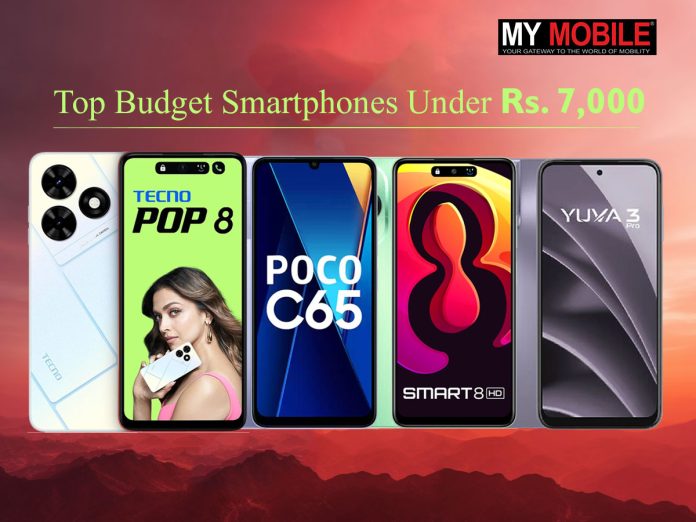
* Launched at Rs 6,999, the Infinix Smart 8 Plus offers exceptional value for budget buyers. * Boasts a robust 6000mAh battery for extended use. * Features a 50MP Dual AI Camera setup for quality photography. * Supports a 90Hz refresh rate on a 6.6-inch HD+ display for smooth visuals. * The Infinix Smart 8 Plus will be available for purchase for the first time today in the country. * The Infinix Smart 8 Plus is a budget segment offering that is powered by a MediaTek Helio G36 processor.
Infinix, a brand known for its value-driven approach, has been particularly active in this segment.
Earlier this year, the Infinix Smart 8 made its debut, and now, hot on its heels, comes the Infinix Smart 8 Plus.
Priced at a competitive Rs 6,999, inclusive of bank offers, the Smart 8 Plus is positioned as a compelling choice for budget-conscious buyers.
Infinix, the trailblazing technology brand renowned for its innovative mobile devices, is thrilled to announce the availability of the Infinix Smart 8 Plus smartphone.
Featuring a massive 6000mAh battery with 18W Type C Fast Charging, the Smart 8 Plus is available on Flipkart at INR 6,999* starting today .
Set to redefine the smartphone experience, combining style, innovation, and performance in a single, affordable package, the Smart 8 Plus is a device that not only stands out for its elegance but also delivers top-notch features for capturing life’s moments and staying connected in style.
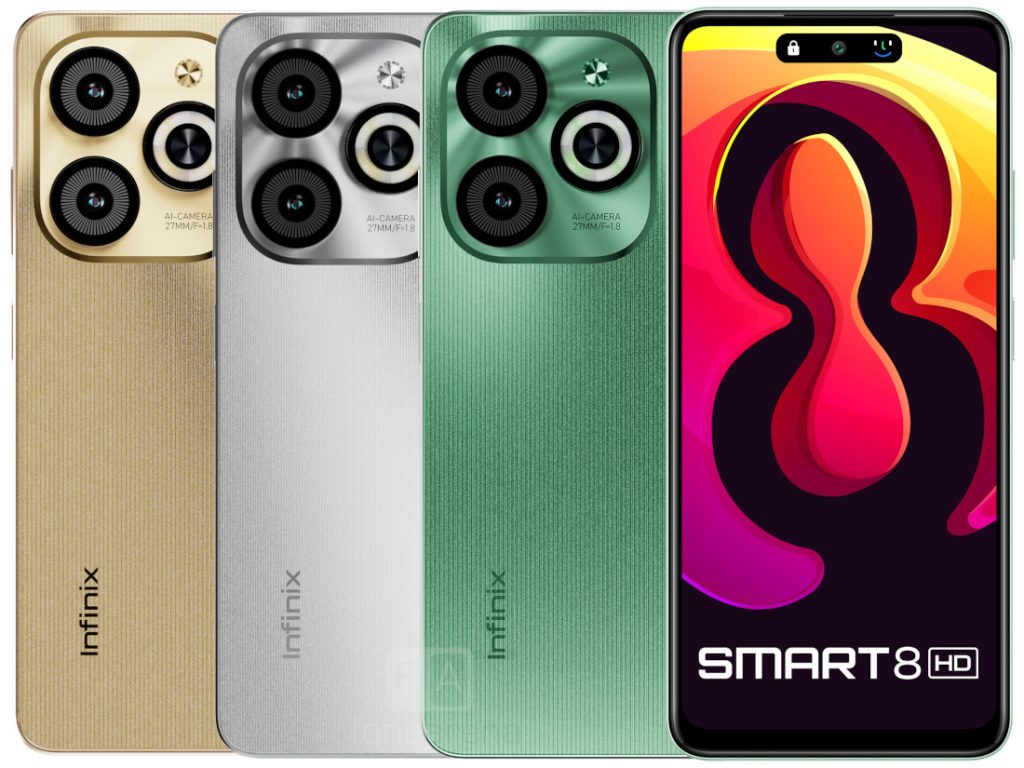
Designed with precision and durability in mind, the Smart 8 Plus boasts an elegant timber texture finish, making it a statement of sophistication.
The Infinix Smart 8 Plus is a budget segment offering that is powered by a MediaTek Helio G36 processor
A powerhouse of imaging capabilities, the device comes equipped with a remarkable 50 MP Dual AI Camera and Quad LED ring flash, every photo becomes a masterpiece.
The 8 MP front camera guarantees stunning selfies, capturing your best moments with unparalleled clarity and detail. Immerse yourself in a world of vibrant visuals on the Smart 8 Plus’s mesmerizing 90Hz Punch-Hole display.
The innovative Magic Ring atop the screen provides quick access to essential information, keeping you connected and informed at a glance.
Security is a top priority in the digital age, and the Smart 8 Plus ensures your data is safe with a side-mounted fingerprint scanner and facial recognition technology.
The Infinix Smart 8 Plus will be available for purchase for the first time today in the country
With 128 GB of internal storage and up to 2TB Micro SD support, the Smart 8 Plus offers boundless space for all your photos, videos, and apps.
DTS Sound Processing ensures an immersive audio experience at your fingertips.
Running on the latest Android 13 Go (XOS 13), the Smart 8 Plus provides a seamless and intuitive user experience, redefining smartphone excellence with its blend of innovative features, premium design, and unmatched performance.
Infinix Smart 8 Plus: Key Specs
* Processor: MediaTek Helio G36, a combination of 2.2 GHz and 1.8 GHz quad-core setups. * RAM: Up to 4GB, expandable to 8GB via virtual swap. * Storage: 128GB onboard, expandable. * Display: 6.6-inch HD+ with a 90Hz refresh rate. * Camera: 50MP Dual AI Camera, 8MP selfie camera with front flash. * Battery: 6000mAh with 18W charging. * Software: XOS skin atop Android 13 Go, minimal bloatware.
Infinix Smart 8 Plus: Price in India, Launch Offers, and Availability
The Infinix Smart 8 Plus price in India is Rs 7,799. The smartphone will be up for grabs starting at 12:00 PM, today exclusively via Flipkart.
In today’s sale, the Infinix Smart 8 Plus will be available at an introductory price of Rs 6,999, including a flat Rs 800 discount via SBI, HDFC, ICICI Credit and Debit Card transactions. Infinix is also offering extra Rs 1,000 off on exchange.
Its standout timber texture finish across three vibrant color variants – Galaxy White, Timber Black, and Shiny Gold – adds a touch of elegance and distinctiveness.
Photography is a delight with the Smart 8 Plus, thanks to its 50MP Dual AI rear camera equipped with a Quad-LED ring flash for capturing detailed and vibrant images under any lighting conditions.
The 8MP front camera ensures selfies that are decent for the price.
Visuals come alive on the 6.6-inch HD+ display that boasts a 90Hz refresh rate, making every scroll and swipe smoother than ever.
Coupled with DTS Sound Processing, users are treated to an immersive audio-visual experience.
Under the hood, the MediaTek Helio G36 Octa-Core Processor ensures the phone runs smoothly, whether you’re multitasking or gaming.
The massive 6000mAh battery, supported by 18W fast charging, guarantees that the phone keeps up with your busy lifestyle.
The Smart 8 Plus also emphasizes security with its quick and reliable side-mounted fingerprint and facial recognition features.
5 Reasons to Buy the Infinix Smart 8 Plus
* Long-lasting Battery Life Complemented by Fast Charging Capabilities: The Infinix Smart 8 Plus is powered by a robust 6000mAh battery, ensuring that your phone stays active throughout the day, even with heavy usage. * Camera for Photography Enthusiasts: With its 50MP Dual AI rear camera setup and Quad LED ring flash, the Smart 8 Plus is for those who love capturing life’s moments. * High-refresh-rate Display: The device boasts a 6.6-inch HD+ display with a 90Hz refresh rate, ensuring that every interaction feels smoother and more responsive. * Generous Storage Capacity with Expandable RAM: Comes with 128GB of internal storage and the option to expand the RAM from 4GB to 8GB using Virtual RAM technology * Elegant Design with a Unique Finish: The Smart 8 Plus doesn’t just perform well; it looks great too. Available in three colours – Galaxy White, Timber Black, and Shiny Gold – and featuring a sophisticated timber texture finish.
Infinix Smart 8 Plus -Should you buy ?
After spending considerable time with the Infinix Smart 8 Plus, and diving deep into its design, camera capabilities, performance, and software, it’s time to sum up my experience.
Positioned aggressively in the fiercely competitive sub-Rs 10,000 smartphone market in India, the Smart 8 Plus comes forth as a proper entry-level contender.
It brings to the table a well-rounded package that hits many of the right notes for an entry-level smartphone.
Performance and photography are not its strong suit but given its very minimal hit on your wallet, I feel that it is a sacrifice worth living by.
Whether it’s your entry-level smartphone of choice will depend on your priorities, but it’s certainly worth considering.
Infinix Smart 8 Plus Specs
GENERAL
Sim Type
Dual Sim, GSM+GSM
Dual Sim
Yes
Sim Size
Nano+Nano SIM
Device Type
Smartphone
Release Date
January 30, 2024
DESIGN
Dimensions
75.7 x 163.7 x 9 mm
Weight
204 g
Bezel less
No
Colors
Galaxy White, Shiny Gold, Timber Black
DISPLAY
Type
Color IPS Screen (16M Colors)
Touch
Yes
Size
6.6 inches, 720 x 1612 pixels, 90 Hz
Aspect Ratio
20:9
PPI
~ 267 PPI
Screen to Body Ratio
~ 84.4%
Features
500nits Brightness
Notch
Yes, Punch Hole
MEMORY
RAM
4 GB
Storage
64 GB
Card Slot
Yes
CONNECTIVITY
GPRS
Yes
EDGE
Yes
3G
Yes
4G
Yes
VoLTE
Yes
Wifi
Yes, with wifi-hotspot
Bluetooth
Yes, v5.0
USB
Yes, USB-C v2.0
USB Features
USB Charging
EXTRA
GPS
Yes
Fingerprint Sensor
Yes, Side
Face Unlock
Yes
Sensors
Accelerometer, Proximity, Compass
3.5mm Headphone Jack
Yes
CAMERA
Rear Camera
50 MP f/1.9 (Wide Angle)
0.08 MP with autofocus
Features
Ring- HDR, panorama
Video Recording
1080p @ 30 fps FHD
Flash
Yes, LED
Front Camera
Punch Hole 8 MP f/2 (Wide Angle)
TECHNICAL
OS
Android v13
Custom UI
XOS 13
Chipset
Mediatek Helio G36
CPU
2.2 GHz, Octa Core Processor
Core Details
4x Cortex-A53@2.2 GHz & 4x Cortex-A53@1.7 GHz
GPU
PowerVR GE8320
Java
No
Browser
Yes
MULTIMEDIA
Email
Yes
Music
Yes
Video
Yes
FM Radio
Yes
Document Reader
Yes
BATTERY
Type
Non-Removable Battery
Size
6000 mAh, Li-Po Battery
Fast Charging
Yes, 18W
FAQs
What is the price of the Infinix Smart 8 Plus, and when is it available?
The Infinix Smart 8 Plus is priced at Rs 6,999 and will be available for purchase starting 9th March 2024, exclusively on Flipkart.
What are the key specifications of the Infinix Smart 8 Plus?
The key specs include a 6.6-inch HD+ display, MediaTek Helio G36 Octa-Core Processor, 50MP Dual AI rear camera, 8MP front camera, and a 6000mAh battery with 18W fast charging.
Can the Infinix Smart 8 Plus’s RAM and storage be expanded?
Yes, the Infinix Smart 8 Plus comes with 4GB of RAM, expandable to 8GB with Virtual RAM, and 128GB of internal storage, expandable up to 2TB.
What makes the Infinix Smart 8 Plus stand out in the smartphone market?
Its standout features include a timber texture finish in three colors, high-quality photography capabilities, a smooth display with a 90Hz refresh rate, and a powerful battery, all at an affordable price point.
How does the Infinix Smart 8 Plus enhance the user’s multimedia experience?
The device enhances multimedia experiences with its HD+ display, DTS Sound Processing for immersive audio, and a high-performance camera setup for superior photography and videography.
Infinix Smart 8 Plus launches at 6,999*, features 6000 mAh battery. Details?
• Priced at INR 6,999, the latest smartphone by Infinix features an elegant and sophisticated timbre texture
• The new Smart 8 Plus includes a 50 MP Dual AI Camera with Quad LED ring flash and an 8 MP front camera with LED flash
• Long life with a 6000mAh battery with 18W Type-C fast charging port
• Features 128GB internal storage and up to 8GB of RAM (4 GB +4GB Virtual RAM)
• Immersive visuals and rich sound with a 90Hz Punch-Hole Display and DTS Sound Processing
• Fast and secure with side fingerprint and face unlock, powered by the advanced MediaTek Helio G36 Octa Core Processor
• Runs on the latest Android 13 Go
• The smartphone will be available on sale from 9th March 2024on Flipkart
Infinix, today announced the launch of its latest masterpiece, the Smart 8 Plus. Featuring a massive 6000mAh battery with 18W Type C Fast Charging, the Smart 8 Plus stands as a powerhouse in the smartphone domain.
Priced at INR 6,999*, the latest smartphone by Infinix offers a plethora of features that combine style, innovation, and performance.
Is Infinix Smart 8 Plus Aesthetically Pleasing ?
Embodying elegance and sophistication, the Smart 8 Plus boasts a premium design featuring a timber texture finish, setting it apart as an attractive option that is both aesthetic and modern in the smartphone market.
The Smart 8 Plus will be available in 3 colour variants- Galaxy White, Timber Black and Shiny Gold.
Does Infinix Smart 8 Plus unleash Your Creativity with Superior Imaging?
Capture life’s moments with breathtaking clarity and detail using the Smart 8 Plus’s 50 MP Dual AI Camera, complemented by a Quad-LED ring flash for professional-grade photography in any lighting condition.
For stunning selfies, the 8 MP front camera with LED flash ensures users always look their best.
Does Infinix Smart 8 Plus have mesmerising Display & Immersive Experience?
Users enjoy an immersive experience in a world of vibrant visuals with the Smart 8 Plus’s smooth and hypnotic 90Hz Punch-Hole display.
The innovative Magic Ring atop the screen adds a touch of magic, displaying essential information like battery percentage, charging status, and in-call time, ensuring you stay connected and informed at all times.
Does Infinix Smart 8 Plus give secure, Seamless Performance ?
The Smart 8 Plus’s side-mounted fingerprint scanner and facial recognition technology ensure the highest level of safety and security for users’ data.
Powered by the MediaTek Helio G36 2.2 Ghz Octa Core Processor, the Smart 8 Plus delivers lightning-fast performance and seamless multitasking capabilities.
Does Infinix Smart 8 Plus have Massive Storage & Immersive Sound?
With 128 GB of internal storage, up to 8 GB RAM via MemFusion technology and support for up to 2TB Micro SD, the Smart 8 Plus ensures boundless space for your photos, videos, and apps.
Delve deep into an unparalleled audio experience with DTS Sound Processing, delivering rich and immersive sound quality.
Can I Experience the Future of Smartphones through Infinix Smart 8 Plus?
The Smart 8 Plus runs on Android 13 Go (XOS 13), offering a seamless and intuitive user experience.
With its blend of innovative features, premium design, and unmatched performance, the Smart 8 Plus redefines smartphone excellence and stands as a prime example of Infinix’s commitment to delivering cutting-edge technology to its customers.
inclusive bank offers
What makes the Infinix Smart 8 Plus stand out in the budget smartphone segment?
The Infinix Smart 8 Plus distinguishes itself with its affordable pricing, powerful battery, and high-resolution camera, making it a compelling choice for value-conscious consumers.
How does the camera performance of the Infinix Smart 8 Plus compare to other budget smartphones?
With a 50MP Dual AI Camera, the Infinix Smart 8 Plus aims to deliver superior photography capabilities, offering crisp, vibrant photos that stand out among budget smartphones.
What battery life can users expect from the Infinix Smart 8 Plus?
Users can enjoy extended battery life thanks to the 6000mAh battery, ensuring that the device can easily last through a day of heavy use without needing a recharge.
Is the Infinix Smart 8 Plus suitable for gaming and multimedia consumption?
Yes, the MediaTek Helio G36 processor, coupled with a 90Hz display, makes the Infinix Smart 8 Plus a solid choice for casual gaming and smooth video playback.
How does the Infinix Smart 8 Plus enhance the user experience with its software?
Running on Android 13 Go with XOS skin, the Infinix Smart 8 Plus offers a clean, bloatware-minimized interface, enhancing usability and ensuring a fluid user experience.
The first few iterations of the Moto Razr were perhaps not appreciated fully, due to a variety of reasons, with the biggest being the lack of a proper usable cover screen.
However, with the Razr 40 Ultra, Moto has made the device’s standout feature the expansive and functional cover screen.
Even a full year into its launch the Razr 40 Ultra is redefining the flip phone experience.
I had a chance to explore the folding handset and here are my first impressions of the Moto Razr 40 Ultra.
The packaging includes a charger, a quick start guide, and a USB Type-C cable.
Also shout-out to the rather eco-friendly packaging on the device which contributes to lower plastic waste.
Moto Razr 40 Ultra: Unboxing Video
Moto Razr 40 Ultra: Design and Display
Moto Razr 40 Ultra: Design
I really like how the Razr 40 Ultra looks and feels.
The way its hinge works to make the phone almost flat when folded is pretty cool.
It gives the phone a very sleek appearance and also protects the inside screen from dust.
Buyers can choose between a shiny black or a bold magenta color, and both have different back materials.
The black one has a smooth, glass back, while the magenta one has a leather-like finish that’s nice to hold.
I have received the latter of the two and I’ve been quite impressed with the construction of the device.
Moto Razr 40 Ultra: Display
The screen on this phone is impressive too apart from the fact that it, you know, folds in half.
The main display refreshes super fast, at 165 times a second, making everything from scrolling through apps to watching videos feel really smooth.
Plus, it’s super bright. I can see the screen clearly even when I’m outside in bright sunlight.
Powered by Snapdragon 8+ Gen 1 chipset
This mix of a folding designand a rather decent screen did make my initial time with the Razr 40 Ultra a lot of fun.
Then there’s also the cover screen on the front which warps around the camera lenses. As compared to its predecessor, the Razr 40 Ultra’s cover screen is much larger and can function as a secondary smartphone screen.
I will be diving into it properly with the full review.
Moto Razr 40 Ultra: Cameras
The Moto Razr 40 Ultra is equipped with a capable dual-camera system, featuring a 12MP primary shooter and a 13MP ultra-wide angle lens, both protected by the durable Gorilla Glass Victus.
In my time using it, the Razr 40 Ultra’s innovative design enhances the camera’s usability significantly.
The large and interactive outer screen serves a dual purpose, acting not just as a display for notifications and quick tasks but also as an effective viewfinder for taking selfies.
The convenience of this setup cannot be overstated, as it elevates the selfie-taking experience to new heights, providing clarity and detail that front cameras often struggle to match.
For those eager to dive deeper into the capabilities of the Moto Razr 40 Ultra’s camera system, including detailed analyses of image quality under various lighting conditions, color accuracy, and the effectiveness of the ultra-wide lens, stay tuned for my comprehensive review
A benefit of the flagship chipset is that the device’s cover screen, allows me to do a range of tasks with the same function continuing seamlessly on the mains display. In my opinion, this feature is a game-changer, setting a new standard for flip phone functionality.
Supports Android 13 and offers a 3800mAh battery with 33W wired and 5W wireless charging
However, the compact nature of the Razr 40 Ultra doesn’t leave much room for thermal output, which raises some questions about its performance under prolonged heavy usage.
In my time with the device, I noticed it handled everyday tasks with ease, but I’m curious to see how it fares during intensive processes like gaming or video editing.
Moto Razr 40 Ultra: Software and Battery
Moto Razr 40 Ultra: Software
Running on Android 14, my experience with the Razr 40 Ultra has been notably modern and user-friendly.
The cover screen and main display maintain continuity in terms of functionality, a feature I found particularly impressive.
The interface across both screens is remarkably clean, contributing to a user experience that feels both polished and intuitive.
What stood out to me was how effectively the cover screen is utilized, allowing for tasks typically reserved for the main screen to be executed with ease.
Moto Razr 40 Ultra: Battery
This includes everything from checking notifications to replying to messages, making the cover screen feel like a regular phone in its own right. You can be sure I will explore this more in my full review of the device.
The device is fueled by a 3800mAh battery, supplemented with 33W wired and 5W wireless charging capabilities.
Regarding the battery life, my initial usage has been promising.
The device managed to support a full day’s worth of activities, from emails and calls to streaming and social media browsing, without needing a midday charge.
This preliminary performance gives me optimism about the device’s ability to handle more demanding tasks, although further testing is needed to draw definitive conclusions.
Moto Razr 40 Ultra: Verdict
Moto Razr 40 Ultra: Battery
So as far as my initial impressions go, the Moto Razr 40 Ultra stands out as a strong contender in the flip phone market, challenging established players with its innovative cover screen and high-performance features.
As it goes head-to-head with the Galaxy Z Flip 4, and the Z Flip 5 which will launch in a few months, the Razr 40 Ultra not only appears to compete but also sets new benchmarks for what users can expect from a flip phone.
Stay tuned for a more thorough coverage of the device in my forthcoming detailed review.
MOTOROLA RAZR 40 ULTRA SPECIFICATIONS
Key Specs
RAM
12 GB
Processor
Qualcomm Snapdragon 8 Plus Gen 1
Rear Camera
50 MP + 50 MP + 12 MP
Front Camera
60 MP
Battery
3640 mAh
Display
6.73 inches (17.09 cm)
General
Launch Date
July 18, 2023 (Unofficial)
Operating System
Android v13
Performance
Chipset
Qualcomm Snapdragon 8 Plus Gen 1
CPU
Octa core (3.2 GHz, Single core, Cortex X2 + 2.75 GHz, Tri core, Cortex A710 + 2 GHz, Cortex A510)
Architecture
64 bit
Fabrication
4 nm
Graphics
Adreno 730
RAM
12 GB
Display
Display Type
P-OLED
Screen Size
6.73 inches (17.09 cm)
Resolution
1080 x 2400 pixels
Aspect Ratio
20:9
Pixel Density
391 ppi
Bezel-less display
Yes with punch-hole display
Touch Screen
Yes, Capacitive Touchscreen, Multi-touch
Refresh Rate
120 Hz
Screen to Body Ratio (claimed by the brand)
70.7 %
Camera
MAIN CAMERA
Camera Setup
Triple
Resolution
50 MP f/1.88, Primary Camera
50 MP, Ultra-Wide Angle Camera
12 MP f/2.2, Depth Camera
Autofocus
Yes
Flash
Yes, LED Flash
Image Resolution
8150 x 6150 Pixels
Settings
Exposure compensation
Shooting Modes
Continuous Shooting
High Dynamic Range mode (HDR)
Camera Features
Digital Zoom
Auto Flash
Face detection
Touch to focus
Video Recording
1920×1080 @ 30 fps
FRONT CAMERA
Camera Setup
Single
Resolution
60 MP, Primary Camera
Video Recording
1920×1080 @ 30 fps
Battery
Capacity
3640 mAh
Type
Li-Polymer
Removable
No
Quick Charging
Yes, Rapid, 33W
USB Type-C
Yes
Storage
Internal Memory
512 GB
Expandable Memory
No
Storage Type
UFS 3.1
Network & Connectivity
SIM Slot(s)
Dual SIM, GSM+GSM
SIM Size
SIM1: Nano, SIM2: eSIM
Network Support
5G Not Supported in India, 4G Supported in India, 3G, 2G
What is the price of the Moto Razr 40 Ultra in India?
The Moto Razr 40 Ultra is priced at Rs 69,999 for the 8GB/256GB variant, available on Amazon.
How does the cover display of the Moto Razr 40 Ultra enhance its usability?
The Moto Razr 40 Ultra’s 3.6-inch pOLED cover display offers high functionality, serving as a secondary screen that can handle a variety of tasks, making the device more versatile and user-friendly.
Can the Moto Razr 40 Ultra’s cameras compete with other flagship smartphones?
Equipped with a 12MP primary and a 13MP ultra-wide camera, the Moto Razr 40 Ultra aims to provide high-quality imaging, challenging the notion that flip phones compromise on camera capabilities.
What makes the Moto Razr 40 Ultra stand out in the foldable phone market?
With its unique cover screen functionality, premium build quality, and powerful internals, the Moto Razr 40 Ultra sets a new standard for flip phones, offering a blend of style, performance, and innovation.
How does the battery performance of the Moto Razr 40 Ultra hold up with daily usage?
With a 3800mAh battery and fast charging options, initial impressions suggest the Moto Razr 40 Ultra can comfortably support a full day’s usage, balancing performance and energy efficiency effectively.
These devices, while catering to the same broad category of AR/VR technology, are designed with significantly different goals and audiences in mind, making their comparison a study in contrasts rather than direct competition.
Apple Vision Pro: A Premium Leap into Mixed Reality
The Apple Vision Pro marks the tech giant’s ambitious foray into the mixed reality space, powered by the efficient M2 chip alongside an additional R1 processor dedicated to augmented reality computations.
It sports a ginormous pricetag as well at $3,499.
This setup facilitates impressive multitasking capabilities and supports popular productivity applications such as Adobe Lightroom, promising exceptional performance.
This feature not only elevates the premium feel of the device but also enhances the immersive VR experience.
Interaction with the Vision Pro is primarily through hand and finger gestures, with support for Apple’s magic keyboardand trackpad for productivity tasks.
The Vision Pro is equipped with a couple of 1.41-inch micro-OLED displays, offering a combined 4K resolution.
With peak brightness at 5000 nits, it promises exceptionally bright and clear visuals.
Unlike most VR headsets, the Vision Pro relies on an external battery pack connected via a wire, potentially affecting the user’s mobility.
Meta Quest 3: Making VR More Accessible
The Meta Quest 3, on the other hand, is powered by the Qualcomm Snapdragon XR2 Gen 2 chip, and is positioned as a more accessible VR headset at just $500.
It aims to refine the VR experience with enhancements over its predecessors, targeting VR enthusiasts and gamers with its Android-based operating system.
The Quest 3’s LCD display offers a 120Hz refresh rate and a resolution of 4128 x 2208 pixels, ensuring smooth and detailed visuals, although it may not match the brightness level of the Vision Pro.
The design of the Quest 3 is an iterative update over the Quest 2, featuring a slimmer profile and full-color passthrough for mixed reality experiences.
It comes with Bluetooth-enabled controllers for interaction but also supports finger and hand gestures.
Unlike the Vision Pro, the Quest 3 integrates its battery into the headset, offering a truly wireless experience.
Performance, Apps, and Games
When it comes to performance, both headsets are capable of multitasking and running a variety of apps.
The Vision Pro will run VisionOS, based on iOS frameworks, and will have access to a wide range of iOS and iPadOS apps and games.
In contrast, the Quest 3, with its Android-based OS, will continue to leverage a strong library of VR games and apps, making it a preferred choice for VR gaming.
These headsets have arrays of cameras on the outside that capture the real world and show it to you on displays inside.
Virtual displays, games, and even 3D objects can be layered over the real world.
When it comes to passthrough and image quality, the Apple Vision Pro takes the prize. Despite having a smaller field of view at only 95 degrees compared to Quest 3’s 110, the quality is significantly better.
This is likely due to the quality of the front-facing cameras and chipsets.
The Meta Quest 3 and Apple Vision Pro feel very different but also very much the same; it just depends on how you look at them.
Its displays are fantastic, as is the way it multitasks apps.
However, the Meta Quest 3 has its advantages. For instance, it can only run one app at a time, unless you’re using the browser and a 2D app.
The Vision Pro can multitask with many apps simultaneously, making it feel more like a real office tool.
In terms of ecosystems, while Vision Pro has a much easier ecosystem, it’s only with other Apple stuff and even that feels incomplete.
Quest 3’s ecosystem is wide and plays pretty well with others, but often requires a lot of fiddling around to learn how to configure things or get them set up.
Price and Accessibility
One of the most significant differences between the two is their price point.
The Apple Vision Pro’s premium featurescome with a high cost of $3499, positioning it as a luxury item beyond the reach of the average consumer.
In contrast, the Meta Quest 3 is priced more accessibly at $499 for the base model, making it an attractive option for a broader audience.
What makes the Apple Vision Pro stand out from the Meta Quest 3?
The Apple Vision Pro stands out with its premium design, advanced mixed reality capabilities, and multitasking prowess, supported by the M2 and R1 chips, offering a unique experience for productivity and immersive applications.
How does the Meta Quest 3 compare in terms of accessibility and price?
The Meta Quest 3 is priced at $499, making it more accessible to a broader audience. It focuses on delivering a high-quality VR experience, especially for gaming, with a more straightforward, wireless setup.
Can the Apple Vision Pro and Meta Quest 3 be used for gaming?
While both headsets support gaming, the Meta Quest 3 is specifically designed with gaming in mind, leveraging its Android-based OS and VR game library. The Vision Pro also offers gaming capabilities but focuses more on mixed reality experiences and productivity.
What are the key differences in design between the two headsets?
The Apple Vision Pro mimics a pair of premium ski goggles and includes a 3D display that shows the wearer’s eyes, while the Meta Quest 3 features a slimmer update over its predecessor with full-color passthrough for mixed reality.
How do the ecosystems of the Apple Vision Pro and Meta Quest 3 compare?
The Apple Vision Pro integrates seamlessly with Apple’s ecosystem, offering a more unified experience for users of Apple products. In contrast, the Quest 3 has a broader ecosystem compatibility but may require additional setup for optimal performance.
The outage lasted for around 2 to 3 hours before everything returned to functioning normally.
In the aftermath, social media and several new reports have soared with conjectures and theories around the cause of the outage.
Global Meta Outage: What Do We Know and What Was the Likely Cause?All Meta-owned platforms including Facebook and InstagramThe global Meta outage affected users worldwide for approximately two hours
Let’s take a quick look at what we know about the global Meta outage and what was the likely cause.
What Happened During the Global Meta Outage?
Facebook, Instagram and other Meta-owned platforms were down for approximately two hours
Facebook, Instagram and other Meta-owned platforms were down for approximately two hours around the world on Tuesday.
The outages were first reported at around 3.30 pm GMT i.e. 10.30 am EST, 2.30 am AEDT.
Facebook & Instagram suffer massive outage
During the outage, the services refused login attempts and feed stalls.
Users reportedly were logged out of their Facebook accounts, encountered difficulties refreshing their feeds, stories/comments failing to load, complete shutdown or an error message upon launch.
Andy Stone, Communications Director, Meta, took to X to inform people that the Mark Zuckerberg-led company is working on the said issue.
Interestingly, the Meta outage coincided with reportedly login issues on Google’s platform as well.
This encouraged several users to speculate a common cause between the outages at the two tech conglomerates.
It is significant to note that both tech companies largely control their infrastructure.
Elon Musk tweeted that X servers were working all fine.
Users from all Meta platforms were quick to flock to X and report the outage.
The Meta-down memes were overflowing on X with people sharing videos and images depicting the outage scenario.
Outage attributed to a technical issue, with Meta confirming the situation via social media
Musk too joined the bandwagon and shared a meme showing how X was superior.
As per the outage tracking website Downdetector.com, there were over 550,000 reports of disruptions for Facebook and more than 92,000 for Instagram.
Facebook, Instagram, and WhatsApp experienced an outage similar to the recent one in 2021 as well.
It was also reported that the outage for WhatsApp and Threads was much smaller compared to Instagram and other platforms.
Outage raises questions about the reliability of major social networks during critical times
Moreover, Meta shares were 1.2% down in afternoon trading.
What was Meta’s Response?
The network outage problem across Google and Meta apps was reported around 9 pm, as per network outage tracking platform Down Detector.
Meta acknowledged the widespread issues affecting their platforms and assured users that they are actively working to resolve the problem.
Meta business products, which showed a Major Disruptions label for services such as Facebook, Graph, and WhatsApp Business.
Meta spokesperson Andy Stone in an X post acknowledged the snag when it took place. “We’re aware people are having trouble accessing our services. We are working on this now,” he posted.
Once the issue was resolved, Stone also confirmed, “Earlier today, a technical issue caused people to have difficulty accessing some of our services. We resolved the issue as quickly as possible for everyone who was impacted, and we apologise for any inconvenience.”
The outage lasted for about two hours, with services beginning to come back online gradually.
However, the spokesperson didn’t identify the issue that caused the global disruption.
What Was the Likely Cause of Global Meta Outage?
Technical Glitch left users worldwide unable to access these services
There was widespread speculation that Meta might have fallen victim to a cyber attack, particularly given the timing of Super Tuesday.
It is the time when a significant number of US states conduct their primary presidential elections.
Meta reported a technical issue amid brewing conjectures
However, although security experts acknowledge this possibility, the US Cybersecurity and Infrastructure Security Agency has expressed scepticism, deeming such an occurrence unlikely.
According to monitoring service Downdetector, error reports spiked about 10:25 a.m. ET on Tuesday, March 5. As of approximately 10:40 a.m., Downdetector had received more than 500,000 error reports. About 76% of the problems reported by Facebook users related to trouble logging in.
The White House National Security Council was also monitoring the incident. A senior US cybersecurity and infrastructure security agency official said on a press call: “We are aware of the incident and at this time we are not aware of any specific election nexus or any specific malicious cyber activity.”
(Down Detector) As you can see, it seems like the outage was all over in a couple of hours.
Since seemingly similar issues with login attempts were also reported with Google platforms, many claims suggested the issue could be broader than meta.
Cybersecurity expert and an associate professor of computer science and member of the Johns Hopkins University Information Security Institute, Matthew Green reportedly said, “There are a number of services having trouble with at least parts of their systems, particularly the ability to log into websites. This may indicate a common cause, like a failure at a major cloud services provider.”
Facebook and Instagram down – updates: Meta gives reason for worldwide outage
Earlier, Meta experienced the largest outage in 2021 when Facebook went down. It later prompted an apology from founder and CEO Mark Zuckerberg.
Global meta outage: What do we know, and what was the likely cause?
FAQs
What happened in the Meta outage of 2021?
Facebook, Instagram, and WhatsApp experienced an outage similar to the recent one in 2021 as well. It lasted for nearly 6 hours and impacted more than 3 billion users worldwide. In a later blog post, Facebook noted that the outage happened due to a mishap during a routine maintenance job.
What is the impact of Global Meta Outage on the company?
After the global outage hit Meta’s social media platforms on Tuesday, March 5th, 2024, billions of users were impacted and the company lost an estimated $3 billion. According to reports by several media portals, the stocks of Meta closed in red down 1.6 per cent at USD 490.22 during March 5 trading session according to NASDAQ.
What issues did users face during the recent Meta outage?
Users reported various issues, such as being logged out of their Facebook accounts, making it impossible to log back in. Similarly, Instagram users encountered difficulties refreshing their feeds, with stories and comments failing to load for some individuals. Threads, an app developed by Meta, is also experiencing a complete shutdown, displaying an error message upon launch.
What is Downdetector?
Downdetector is an online platform that provides users with real-time information about the status of various websites and services.
What caused the Meta outage?
The Meta outage was attributed to a technical issue, as confirmed by Meta’s communications director Andy Stone.
The exact nature of the technical problem was not specified, but backend services like authentication were speculated to be affected.
How long did the Meta outage last?
The outage lasted for about two hours, with services beginning to come back online gradually. Some users continued to experience issues even after the initial recovery.
Were any hacker groups responsible for the Meta outage?
While several hacker groups claimed responsibility for the outage, similar past events have typically been attributed to internal technical errors rather than external attacks.
How did Meta respond to the outage?
Meta responded promptly by acknowledging the issue on social media and assuring users that they were working to resolve it. Services were restored within a few hours.
What impact did the Meta outage have?
The outage occurred on Super Tuesday, raising concerns about its potential impact on voter outreach and information dissemination. However, Meta’s swift action mitigated long-term effects, highlighting the vulnerability of digital platforms.
Was WhatsApp Business too down for some users ?
Meta’s status dashboard showed the application programming interface for WhatsApp Business was also facing issues.
There were around 200 reports of outages for WhatsApp on Downdetector, which tracks outages by collating status reports from several sources, including users.
Google play store also was down following Instagram & Facebook ?
DownDetector showed the Google Play Store having issues starting at around 10:03 am ET. The number of complaints submitted to DownDetector soared from 1 to 2,058 in only 30 minutes.
Complaints about the Play Store being down came in from Android users in U.S. cities like Seattle to Android owners unable to search for any new apps in Southwest Brazil.
One DownDetector subscriber wrote, “Play Store not searching for apps. Just keeps spinning and spinning. I guess it is playing with the spinning thing instead of doing its job at being a store.”
According to the Google Play Status Dashboard, an issue with the Play Integrity API started creating the issue at around 10:37 am ET and it ended at 11:40 am ET.
The Play Integrity API helps app developers check to make sure that user actions and requests are coming from a legit Android user who has purchased or installed a developer’s app or game.
It can also detect whether the Android user is using a tampered version of the developer’s app.
Has Mark Zuckerberg’s Meta loses $3 billion after Instagram, Facebook global outage?
Has company’s share price fallen ?
The stocks of Meta closed in red down 1.6 per cent at USD 490.22 during March 5 trading session according to NASDAQ.
Mark Zuckerberg, founder, chairman and CEO of Meta, lost over USD 2.79 billion in a day to USD 176 billion in his new worth, as per Bloomberg Billionaires Index, but he maintained his position as the world’s fourth-richest person.
According to Reuters, Meta’s status dashboard showed the application programming interface for WhatsApp Business was also facing issues. There were around 200 reports of outages for WhatsApp on Downdetector, which tracks outages by collating status reports from several sources, including users.
In February 2024, the Facebook co-founder’s net worth surged by USD 27.1 billion after Meta’s quarterly results far exceeded Wall Street’s expectations, sending its shares up about 20 per cent. He became worth USD 169.5 billion, the richest he’s ever been, and surpassed Bill Gates to move into the fourth spot on the Bloomberg Billionaires Index.
Meta announced a quarterly cash dividend of 50 cents a share for Class A and B common stock beginning in March. With Zuckerberg holding about 350 million shares, he would take home about $175 million in each quarterly payment before taxes, according to data compiled by Bloomberg.
Was the global outage a repeat of 2021 ?
The explanation appears to be that it was effectively a repeat of what happened back in 2021: a mistake made by someone at Meta.
That time there was an error which occurred, when engineers were checking the availability of network capacity.
During one of these routine maintenance jobs, a command was issued with the intention to assess the availability of global backbone capacity, which unintentionally took down all the connections in our backbone network, effectively disconnecting Facebook data centers globally.
Our systems are designed to audit commands like these to prevent mistakes like this, but a bug in that audit tool didn’t properly stop the command.
This change caused a complete disconnection of our server connections between our data centers and the internet.
Whether you’re a student, a professional, or simply looking for value, this guide will showcase the top contenders in the budget smartphone arena.
Best Budget and Affordable iPhone
Best Budget and Affordable Android
Best Budget and Affordable Phones Under 10K
Are you looking for a smartphone that offers both quality and affordability?
With new models flooding the market every season, it’s easy to get lost in a sea of options.
Well, that’s why we’re here to simplify the process for you.
Our buyer’s guide for the best budget and affordable phones in 2024 is tailor-made for you to discover the perfect smartphone that meets your needs without burning a hole in your pocket.
So, without further ado, let’s get to our picks.
Best Budget and Affordable iPhone
iPhone SE
iPhone SE
The iPhone SE comes with a 60 Hz refresh rate 4.70-inch touchscreen display offering a resolution of 750×1334 pixels (HD+) at a pixel density of 326 pixels per inch (ppi) and an aspect ratio of 16:9. The display sports Other for protection.
However, released in March 2022, this model is not easily available in the market today.
Moreover, the 4.7-inch screen utilising older LCD screen technology and an underwhelming battery life don’t make this one the best iPhone option.
Features
7″ (11.94 cm) IPS LCD Display
Apple A15 Bionic Hexa Core Processor
4 GB RAM | 64 GB Storage
Dual SIM: 5G & 4G Network
12 MP Rear Camera
7 MP Front Camera
2018 mAh
20W Fast Charging
iOS v15
Pros & Cons
Pros
Cons
● Affordable
● Home button and Touch ID FTW
● Compact design
● Good camera quality
● Outdated software
● The bezels above and below the screen look dated
● 20-watt USB-C charger not included
iPhone 13
iPhone 13
The iPhone 13, at the price of ₹52,090, comes with a few subtle upgrades when compared to its predecessor iPhone 12.
It has a bright, vibrant 6.1-inch OLED screen, but with only a 60Hz refresh rate. The A15 Bionic SoC offers ample power for gaming and resource-intensive applications.
Its versatile cameras deliver exceptional quality for both still photography and video recording, boasting the same Cinematic Mode and Photographic Styles features found in the pricier iPhone 13 Pro.
While the battery life is satisfactory, it falls short of exceptional. iOS 15 ensures seamless operation, keeping everything running smoothly.
Storage options include 128GB, 256GB, and 512GB, providing ample space for your needs. Equally impressive in terms of features and performance, the iPhone 13 mini stands as a comparable alternative.
Features
1″ (15.49 cm) 60Hz OLED Display
Apple A15 Bionic Hexa Core Processor
4 GB RAM | 128 GB Storage
Dual SIM: 5G & 4G Network
12+12 MP Rear Camera
12 MP Front Camera
3227 mAh
20W Fast Charging
iOS v15
Pros & Cons
Pros
Cons
● Good display with perfect calibration
● Improved battery life
● Dynamic photos in challenging conditions
● Snazzy Cinematic video mode
● Double predecessor storage for the same price
● Slow display refresh rate
● No fast Wired and wireless charging
● Taller notch eats into some video formats
Price – ₹52,090
Best Budget and Affordable Android
Google Pixel 7a
Google Pixel 7a
Currently priced at ₹39,999, the Pixel 7a features a 6.1-inch 1080p OLED display with HDR support and a 90 Hz refresh rate.
The display has a 20:9 aspect ratio and a circular cutout in the upper centre for the front-facing camera.
The Samsung Galaxy A54 5G runs Android 13 and is powered by a 5000mAh non-removable battery.
As far as the cameras are concerned, the Samsung Galaxy A54 5G on the rear packs a triple camera setup featuring a 50-megapixel primary camera; a 12-megapixel camera, and a 5-megapixel camera.
It has a single front camera setup for selfies, featuring a 32-megapixel sensor.
Currently retailing at ₹10,899,Poco M6 5G mobile was launched at the end of 2023and phone comes with a 90 Hz refresh rate 6.74-inch touchscreen display (HD+) at a pixel density of 260 pixels per inch (ppi). It has variants of 4GB, 6GB and 8GB of RAM.
The Poco M6 5G runs Android 13 and is powered by a 5000mAh non-removable battery. The Poco M6 5G supports proprietary fast charging.
The Lava Blaze 2 5G runs Android 13 and is powered by a 5000mAh battery. The Lava Blaze 2 5G supports proprietary fast charging.
As far as the cameras are concerned, the Lava Blaze 2 5G on the rear packs a 50-megapixel camera.
It has a single front camera setup for selfies, featuring an 8-megapixel sensor.
Lava Blaze 2 5G is based on Android 13 and packs 64GB of inbuilt storage that can be expanded via microSD card (up to 1000GB).
The Lava Blaze 2 5G is a dual-SIM (GSM and GSM) mobile that accepts Nano-SIM and Nano-SIM cards.
Features
56″ (16.66 cm) 90Hz IPS LCD Display
MediaTek Dimensity 6020 Octa-core Processor
4 GB RAM | 64 GB Storage
Dual SIM: 5G & 5G Network
50+0.08 MP Rear Camera
8 MP Front Camera
5000 mAh
18W Fast Charging
Android v13 OS
Pros & Cons
Pros
Cons
● Smooth performance
● Bloat-free UI
● Good battery life
● Fast charging capability
● Mediocre display
● Average cameras
FAQs
How much maximum storage does the Pixel 7a have?
The Pixel 7a uses the Google Tensor G2 system-on-chip, with 8 GB of RAM and 128 GB of non-expandable UFS 3.1 internal storage.
Is the iPhone 13 waterproof?
The iPhone 13 is water-resistant. It has a rating of “IP68” which means it’s fully protected from dust and can handle being underwater for up to 30 minutes at a depth of 6 meters.
Is Lava Blaze 2 a 5G device or not?
Yes, Powered by an octa-core MediaTek Dimensity 6020 processor, Lava Blaze 3 is a 5 G-enabled device.
Does the Samsung A54 support wireless charging?
The Samsung Galaxy A54 5G does not support wireless charging. However, USB charging is supported by the Portable Battery Pack.
What is the starting price of the Lava Blaze 2 5G?
The Lava Blaze 2 5G is priced at Rs. 9,999 for its base variant.
What is unique about the Blaze 2 5G’s camera setup?
The smartphone introduces a segment-first Ring Light feature and is equipped with a 50MP Rear Camera and an 8MP front camera with screen flash.
What operating system does the Blaze 2 5G come with?
The device runs on AndroidTM 13, with a promised upgrade to Android 14, and offers two years of quarterly security updates.
What are the key design features of the POCO M6 5G?
The POCO M6 5G boasts a dual-tone design with an eye-catching Orion Blue gradient finish. It also features a rectangular black camera bar, housing a 50MP AI lens, and a comfortable, lightweight build.
How does the display of the POCO M6 5G perform?
The device comes with a 6.74-inch LCD screen offering HD+ resolution and a 90Hz refresh rate. It provides a decent visual experience, balancing color and brightness effectively for its price range.
What is the camera performance like on the POCO M6 5G?
The primary 50MP AI camera, supported by a 2MP depth sensor, delivers average daytime photos with a tendency for oversaturation and lack of sharpness. Low-light performance and selfie quality are modest, reflecting its entry-level positioning.
What are the performance capabilities of the POCO M6 5G?
Powered by the MediaTek Dimensity 6100+ SoC, the phone handles daily tasks and light gaming adequately. It comes with up to 8GB of RAM and 256GB of storage, providing sufficient capacity for most users.
What are the different variants and pricing of the POCO M6 5G?
The POCO M6 5G is available in three variants: 4GB RAM + 128GB storage at Rs 10,499, 6GB RAM + 128GB storage at Rs 11,499, and the 8GB RAM + 256GB storage variant at Rs 13,499.
What are the key specifications of the POCO M6 5G?
Key features include a MediaTek Dimensity 6100+ 5G SoC, a 6.74-inch HD+ 90Hz display, up to 16GB RAM, up to 256GB storage expandable to 1TB, a 50MP AI Dual Camera, and a 5000mAh battery with 33W charging.
What operating system does the POCO M6 5G run on?
The POCO M6 5G operates on Android 13 with Xiaomi’s MIUI 13 interface, offering users a customizable and user-friendly experience.
What are the main features of the POCO M6 5G’s display?
The smartphone sports a 6.74-inch HD+ screen with a 90Hz refresh rate, offering smooth and vibrant visuals.
The addition of Corning Gorilla Glass adds to the durability, protecting the display from daily wear and tear.
Can you elaborate on the camera capabilities of the POCO M6 5G?
The POCO M6 5G is equipped with a 50MP AI Dual rear camera, which is expected to deliver detailed and vibrant photos in various lighting conditions.
The phone also features a front-facing camera, which will be thoroughly tested in terms of selfie and video call quality in the upcoming detailed review.
What about the performance and battery life of the POCO M6 5G?
Powered by the MediaTek Dimensity 6100+ 5G SoC and up to 16GB RAM, the POCO M6 5G is poised to offer robust performance.
It houses a 5000mAh battery with 33W fast charging, suggesting a long battery life even with heavy usage. The device’s performance and battery efficiency will be further evaluated in the detailed review.
How does the camera setup of the POCO M6 5G enhance photography?
The POCO M6 5G boasts a 50MP AI dual camera setup, designed to capture high-quality images and videos.
The primary camera, paired with an AI lens, promises detailed and vibrant photography, catering to various shooting scenarios.
How do the displays of the POCO M6 and M6 Pro differ?
The POCO M6 sports a 6.74-inch HD+ display with a standard 90Hz refresh rate, suitable for typical smartphone usage.
The M6 Pro upgrades this experience with a slightly larger 6.79-inch FHD+ display, featuring an adaptive refresh rate that adjusts to content, enhancing both visual quality and battery performance.
What are the processing capabilities of the POCO M6 and M6 Pro?
The POCO M6 is equipped with MediaTek’s Dimensity 6100+ SoC, delivering reliable daily performance.
The M6 Pro, powered by the Qualcomm Snapdragon 4 Gen 2 SoC, provides a more potent performance, especially in more intensive tasks and gaming, owing to Qualcomm’s industry-leading efficiency and power management.
What is the starting price of the Samsung Galaxy A54 5G in India?
The Galaxy A54 5G is priced at Rs. 38,999 for the 8GB RAM + 128GB storage model.
How many colours were originally available for the Galaxy A54 5G, and what’s the new addition?
The phone was initially available in Awesome Lime, Awesome Violet, and Awesome Graphite. The ‘Awesome White’ is the latest addition.
What are the camera specifications for the Galaxy A54 5G?
It features a triple rear camera setup: 50MP primary, 12MP ultra-wide, and 5MP macro lens. The front houses a 32MP camera.
How many OS upgrades and security updates does Samsung promise for this device?
Samsung commits to four OS upgrades and five years of security updates for the Galaxy A54 5G.
What are Google Pixel 7a specifications &features?
* Display: The Google Pixel 7a features a 6.1-inch FHD+ OLED display with a 90Hz refresh rate, a punch-hole cutout for the selfie shooter, 429 PPI, Corning Gorilla Glass layer, always-on-display with At a Glance and Now playing features, HDR and a high-brightness mode.
* Processor: The Pixel 7a is powered by the Tensor G2 chipset and Titan M2 security chip.
* RAM and storage: The smartphone packs 8GB of LPDDR5 RAM and 128GB UFS 3.1 storage.
* OS: The Pixel 7a boots Android 13 OS out of the box. The company is promising 5 years of updates.
* Battery: The phone packs a 4,300mAh battery with fast charging support and Qi wireless charging as well.
* Cameras: As for the cameras, you will find a 64MP primary camera with f/1.89 aperture, 80-degree field of view and Super Res Zoom up to 8x and a 13MP ultra-wide-angle lens with f/2.2 aperture. There is a 13MP front camera for selfies and video chats.
* Camera features: The Pixel 7a will have support for Photo Unblur, Magic Eraser, Night Sight, Long Exposure, Real Tone, Face Unblur, Panorama, Manual white balancing, Top Shot, Portrait Mode, Super Res Zoom, and more.
* Connectivity: Pixel 7a features 5G, 4G LTE, dual-band Wi-Fi, Bluetooth 5.3, GPS, NFC, and a USB Type-C port for charging.
* Dimensions: The Pixel 7a measures 9mm X 152 x 72.9 width and weighs 193.5 grams.
* Others: The Google Pixel 7a has an in-display fingerprint sensor for security, stereo speakers, 2 microphones, an IP67 rating for dust and water resistance, and noise suppression.
What are Google Pixel 7a alternatives?
The Google Pixel 7a will compete with a few phones priced around Rs 40,000 in India, including Google’s own Pixel 7. Take a look:
* The OnePlus 11R touts a 120Hz OLED display, a powerful Snapdragon 8+ Gen 1 SoC, and 100W charging
* The Google Pixel 7 is priced slightly higher than the Pixel 7a and gets a lot of the same features. However, it offers a bigger 6.3-inch display.
* The Xiaomi 12 Pro gets a flagship-grade display with a 2K AMOLED panel and a 120Hz refresh rate. It also touts a super-fast 120W charging support.
Considering the iterative changes, is it worth upgrading from the iPhone 13 or 14 to the iPhone 15?
For those on older models like the iPhone X, XS, 11, or 12, the iPhone 15 promises a host of improvements.
However, for iPhone 13 or 14 users, the iPhone 15 offers more nuanced upgrades that might cater more to those looking for the latest tech than drastic user experience enhancements.
Apple iPhone SE 4 Specs
GENERAL
Sim Type
Dual Sim, GSM+GSM
Dual Sim
Yes
Sim Size
Nano+eSIM
Device Type
Smartphone
Release Date
March 8, 2024 (Expected)
DISPLAY
Type
Color OLED Screen (16M Colors)
Touch
Yes
Size
6.1 inches, 750 x 1580 pixels
Aspect Ratio
16:9
PPI
~ 441 PPI
Screen to Body Ratio
~ 65.4%
Features
1,400:1 Contrast Ratio (typical), True Tone Display, Wide Colour Display (P3), Haptic Touch, 625 nits Max Brightness
MEMORY
Storage
64 GB
Card Slot
No
CONNECTIVITY
GPRS
Yes
EDGE
Yes
3G
Yes
4G
Yes
5G
Yes
VoLTE
Yes
Wifi
Yes, with wifi-hotspot
Bluetooth
Yes, v5.3, A2DP, LE
USB
Yes, Lightning Port
USB Features
USB Charging
EXTRA
GPS
Yes, with A-GPS, GLONASS, GALILEO, QZSS, BEIDOU
Fingerprint Sensor
Yes, Front
Face Unlock
Yes
Sensors
Barometer, Three Axis Gyro, Accelerometer, Proximity Sensor, Ambient Light Sensor
3.5mm Headphone Jack
Lightning
NFC
Yes
Water Resistance
Yes
IP Rating
IP67
Dust Resistant
Yes
CAMERA
Rear Camera
12 MP f/1.8 with autofocus
Features
Deep Fusion, Smart HDR 4, Photographic Styles, Advanced Red-eye Correction, Auto Image Stabilisation, Burst Mode, Photo Geotagging
Video Recording
4K, 1080p
Flash
Yes, LED
Front Camera
10.8 MP f/2.2 with Retina Flash
Front Video Recording
1080p @ 30 fps FHD
TECHNICAL
OS
iOS v16
Chipset
Apple Bionic A15
CPU
3.22 GHz, Hexa Core Processor
Core Details
2×3.22 GHz Avalanche + 4xX.X GHz Blizzard
GPU
Apple GPU
Java
No
Browser
Yes
MULTIMEDIA
Email
Yes
Music
AAC, MP3, Apple Lossless, FLAC, Dolby Digital and Dolby Digital Plus
Also Read: Google Pixel 7a with 6.1-inch OLED display, Tensor G2 SoC, 64MP camera & IP67 water resistant body launched in India: Check price, Specifications, Offer’s & Features