The benchmarking results are particularly noteworthy as they showcase the Dimensity 9300’s potential to upend the mobile processor hierarchy, specifically its rival Qualcomm.
The Powerhouse Trio of Cores
The Dimensity 9300 is shown to sport a robust CPU layout that combines one high-speed Cortex-X core running at 3.25GHz with threeCortex-X4 cores clocked at 2.85GHz.
Alongside these, there are four power-efficient Cortex-A720 cores that operate at 2.0GHz.
This diverse combination of cores aims to offer a balanced performance, optimizing both speed and power consumption for varied tasks.
Complementing its CPU, the SoC is furnished with an Immortalis G720 MC12 GPU.
As per reports, this graphics unit is expected to deliver a high level of performance, suitable for gaming and other graphics-intensive applications.
MediaTek Dimensity 9300 Leaked Geekbench 6 Scores
Geekbench 6 analysis
As per the Geekbench 6 listing, the MediaTek Dimensity 9300 achieved an impressive score of 2139 for single-core performance and an even more striking 7110 for multi-core operations.
Comparing these scores to Qualcomm’s forthcoming 8 Gen 3 chipset, the SoC managed to slightly edge out the Dimensity 9300 in single-core performance with a score of 2234.
However, it fell behind in the multi-core department with a score of 6807.
Samsung’s Exynos 2400, likely to be part of the Galaxy S24 lineup, scored 2067 in the single-core and 6520 in the multi-core tests, trailing behind the Dimensity 9300 in both categories.
How Does It Fare Against Apple?
Despite its commendable performance against Android-centric chipsets, the MediaTek Dimensity 9300 still has some distance to cover to match Apple’s A17 Pro.
The Apple chipset boasts a significant 36.3 percent lead in the single-core benchmarks although in multi-core tests the lead was a paltry 1.7 percent.
It is also important to know that all the chipsets are based of a 3nm manufacturing process.
FAQs
What are the key CPU features of the MediaTek Dimensity 9300?
The chipset has a diversified CPU layout featuring a high-speed Cortex-X core at 3.25GHz, three Cortex-X4 cores at 2.85GHz, and four Cortex-A720 cores at 2.0GHz.
How does the MediaTek Dimensity 9300 perform in Geekbench tests?
In Geekbench 6, the Dimensity 9300 scored 2139 in single-core performance and 7110 in multi-core, making it a strong competitor against other Android-centric chipsets.
What GPU does the MediaTek Dimensity 9300 use?
The chipset is equipped with an Immortalis G720 MC12 GPU, aimed at delivering robust performance for graphics-heavy tasks.
Is the MediaTek Dimensity 9300 better than the Snapdragon 8 Gen 3 and Samsung Exynos 2400?
Based on preliminary Geekbench results, the Dimensity 9300 outperforms both the Snapdragon 8 Gen 3 and the Samsung Exynos 2400 in multi-core tests but has room for improvement in single-core metrics.
Logitech G PRO X Superlight 2 is equipped with a Hero 2 sensor delivering 32,000 DPI and 500 IPS.
The mouse offers a blend of optical and mechanical switches for increased reliability and feel.
Boasting a battery life of 95 hours, the device weighs just 60 grams for esports performance.
In a move aimed at catering to the needs of gaming aficionados in India, Logitech has unveiled its G PRO X Superlight 2 mouse.
According to Logitech, this new gaming mouse incorporates the latest advancements in sensor technology, design, and user interface.
Pricing and Availability
Logitech G PRO X Superlight 2 Gaming Mouse
The Logitech G PRO X Superlight 2 comes with a price tag of Rs 16,995 and is available for purchase across online and offline platforms.
It comes in three distinct colour variants: Magenta, White, and Black.
Key Features and Specifications:
Sensor: Hero 2, capable of 500 IPS and 32,000 DPI
Switches: Hybrid optical-mechanical
Connection: USB-C
Battery Life: 95 hours
Weight: 60 grams
Polling Rate: 2,000 Hz
Colours Available: Magenta, White, and Black
Price: Rs 16,995
Availability: Online and offline channels
Logitech G PRO X: Features
Logitech’s new mouse is furnished with its proprietary Hero 2 sensor, which can deliver a jaw-dropping 32,000 DPI and 500 IPS.
This sets the stage for enhanced accuracy and responsiveness, essential factors in professional gaming.
Taking a step further in innovation, the mouse features hybrid-optical mechanical switches.
This synthesis aims to deliver the speed and reliability of optical switches while retaining the tactile satisfaction of mechanical switches.
The device also employs a USB-C connection for charging purposes, staying in line with contemporary tech standards and expectations at this pricepoint
Logitech claims a remarkable battery life of 95 hours for the G PRO X Superlight 2, allowing users extended gameplay without frequent charging.
The device weighs a mere 60 grams, which adds to the agility and ease of use, especially in esports.
The mouse supports Logitech G Hub software, which lets users to explore settings like DPI, 2K polling rates, and other in-game adjustments.
The software also offers sensor calibration on both X and Y axes.
FAQs
What is the sensor capability of the Logitech G PRO X Superlight 2?
The Logitech G PRO X Superlight 2 is powered by a Hero 2 sensor that supports up to 32,000 DPI and 500 IPS, offering high precision and performance for gaming needs.
How long is the battery life of the device?
The gaming mouse claims to offer a remarkable battery life of 95 hours, enabling extended gaming sessions without the need for frequent charging.
What kind of switches does the mouse feature?
The mouse uses hybrid-optical mechanical switches, aiming to provide the speed and reliability of optical switches along with the tactile feel of mechanical switches.
Where can I purchase the Logitech G PRO X Superlight 2 in India?
The mouse is available across both online and offline platforms in India. It retails for Rs 16,995 and comes in three color variants: Magenta, White, and Black.
Samsung Galaxy S24 Ultra to feature a revamped bottom-firing speaker with a long strip design.
Leaked information generates mixed initial reactions, with comparisons to older Galaxy models.
Speaker design is one of several changes expected, including a reduction in optical zoom capabilities.
Samsung’s next flagship line, the Galaxy S24 series, is expected to be unveiled as early as January and potentially released either in that same month or in February.
Alongside improvements in camera technology, the Galaxy S24 Ultra is set to undergo a significant change in its bottom-firing speaker design, according to reliable sources.
Speaker Design Changes
Renowned tech tipster, Ice Universe,has hinted at a new design for the Galaxy S24 Ultra’s bottom speaker.
Moving away from the six “pill-shaped”holes featured on the Galaxy S23 Ultra, the new model will reportedly introduce a “long strip design.”
An illustration accompanying the tipster’s tweet provides a visual idea of the redesign, which has sparked discussions among the Samsung community.
While some enthusiasts remain sceptical, citing similar designs on older models like the Galaxy S9as “bad and cheap,” the final verdict will likely come only after the device is unveiled and reviewed in person.
Samsung Galaxy S24 Ultra
Comparisons and Context
The redesigned speaker is one of the numerous changes expected for the Galaxy S24 Ultra.
Samsungis also speculated to be tweaking its camera technology, with rumours of an enhanced 200MP sensor for the primary rear camera.
Additionally, the optical zoom capabilities of the Ultra’s periscope lens are expected to be reduced to 5x from the existing 10x.
What is the new speaker design on the Samsung Galaxy S24 Ultra?
The upcoming Galaxy S24 Ultra is expected to feature a long strip design for its bottom-firing speaker, replacing the six pill-shaped holes used in previous models.
Why is Samsung making this change?
There has been no official statement from Samsung on the reason for the design change. However, it aligns with other anticipated changes, like the reduction of optical zoom capabilities.
How has the public reacted to the leaked design?
Initial reactions have been mixed, with some drawing comparisons to older Galaxy models like the S9, which had a similar design that was criticized for looking cheap.
When will the Galaxy S24 Ultra be released?
The Samsung Galaxy S24 Ultra is expected to be announced as early as January, with a release likely to follow in January or February.
Huawei developing an entry-level P Pocket-branded foldable phone.
Expected launch in H1 2024 with a price tag around $735 or lower.
Samsung also in the foldable game with a Galaxy Z FE.
Devices expected to debut along with Galaxy Z Fold 6 and Z Flip 6 in August 2024.
Foldable smartphones have captured the collective imagination, with most leading Chinese brands throwing their hats into this nascent yet rapidly evolving ring.
A recent leak suggests that Huawei, a major player in the foldable phone arena, is taking things a step further by developing an entry-level foldable phone.
Moreover, whispers about Samsung’s activities hint at a similar thrust from the South Korean giant.
Huawei’s Affordable Folding Pus
Huawei’s: Folding Phone
In November 2022, Huawei introduced the Pocket S, which garnered attention for being one of the most budget-friendly foldable phones on the market.
A tip-off from a known leaker, Revegnus, now reveals that the company is diving deeper into affordable foldables.
The phone in question is expected to be branded as a P Pocket device.
While the precise specifications are yet to be disclosed, the device is slated to arrive in the first half of 2024 and could be priced at approximately $735 or less.
Whether this applies to a global launch or is specific to the Chinese market remains unclear, though it’s likely the device will be available in multiple color options like its predecessor, the Pocket S.
Samsung: Not Far Behind
Samsung, another heavyweight in the foldable phone sector, appears to be walking a parallel path.
Though details are scant, the brand seems to be working on a new device, tentatively named the “Galaxy Z FE.”
This more budget-conscious offering is expected to share the stage with Samsung’s Galaxy Z Fold 6 andGalaxy Z Flip 6, both of which are anticipated for an August 2024 release.
Implications for the Market
As foldable technology becomes more widespread, achieving various price points will be a critical factor in mass adoption.
If Huawei and Samsung successfully bring these rumored devices to market, they could spur a domino effect, pushing other brands to explore budget-friendly foldable options.
FAQs
What is Huawei planning in the foldable phone sector?
Huawei is reportedly developing an entry-level foldable phone, likely to be under the P Pocket brand, slated for release in the first half of 2024.
What is Samsung’s angle on affordable foldable phones?
Samsung is also rumored to be working on a budget-friendly foldable named Galaxy Z FE, expected to be introduced alongside their Galaxy Z Fold 6 and Z Flip 6 in August 2024.
How might these affordable options affect the foldable phone market?
Budget-friendly foldable phones from giants like Huawei and Samsung could lead to mass adoption and incentivize other brands to enter this segment.
What is the expected price range for these budget-friendly foldable phones?
Huawei’s device is rumored to be priced at around $735 or lower. Pricing details for Samsung’s Galaxy Z FE are yet to be disclosed.
iQOO 12 may debut in White, Black, and Red Vegan leather variants.
Impressive triple-camera setup with 50MP primary and 64MP telephoto sensors.
7-inch E7 AMOLED display with 1.5K resolution and 144Hz refresh rate.
Snapdragon 8 Gen 3 chipset and 5,200mAh battery with 120W fast charging.
A recent leak has sparked heightened interest in the forthcoming iQOO 12 and iQOO 12 Pro smartphones, slated to launch in China in early November.
Renowned leaker Digital Chat Station has not only hinted at the devices’ release timeline but has also divulged valuable information about the iQOO 12, including its colour options.
A hands-on image of the phone also surfaced on Weibo, providing a glimpse into its design and features.
iQOO 12: Key Features
According toDigital Chat Station, the phone may be available in White and Black glass finishes, along with a Red Vegan leather option.
This information aligns with previous details shared by another leaker, Panda is Bald.
The hands-on image shows the iQOO 12 sporting a considerably large camera module at its rear, alongside an LED flash.
The image also confirms that the power and volume buttons will be positioned on the phone’s right side.
Previous leaks indicate that the iQOO 12 is likely to feature a triple-camera array, consisting of a 50MP primary camera, a 50MP ultra-wide lens, and a 64MP telephoto lens.
The iQOO 12 is expected to boast a triple-camera array, including a 50MP primary camera, a 50MP ultra-wide lens, and a 64MP telephoto lens, each using advanced sensors for quality shots.
What are the display specifications for iQOO 12?
The device is rumoured to feature a 6.7-inch E7 AMOLED screen with a resolution of 1.5K and a refresh rate of 144Hz, offering crisp and fluid visuals.
What hardware will power the iQOO 12?
The smartphone is likely to be powered by the Snapdragon 8 Gen 3 chipset, and will have a 5,200mAh battery that supports up to 120W fast charging.
What colour options will be available for the iQOO 12?
Leaked details suggest that the iQOO 12 will come in White and Black glass variants, along with a unique Red Vegan leather option.
Dollywood Play aims to fill the content gap in tier-two and tier-three cities, focusing on Hindi-speaking audiences.
The platform uses existing technologies for subtitling and dubbing, with plans to expand to multiple North Indian languages.
Algorithmic recommendations similar to Netflix are in the works to enhance user experience.
Combatting piracy with strong copyright protection and rights management tools.
In the ever-evolving landscape of OTT platforms, Dollywood Play stands out as a game-changer for regional cinema in India.
Its Founder and Managing Director, Aneesh Arjun Dev, sheds light on the platform’s unique positioning, technological innovations, and long-term vision.
Aimed primarily at tier-two and tier-three cities in the Hindi-speaking belt, Dollywood Play is poised to fill a significant content gap in the market.
With plans to offer diverse linguistic content and advanced features, the platform has its eyes set on becoming a cultural brand.
Read on to learn more about how Dollywood Play is revolutionizing regional cinema.
Could you describe what Dollywood Play is all about and its market positioning?
Dollywood Play is a unique OTT platform designed specifically for audiences in tier-two and tier-three cities in India, largely focusing on the Hindi-speaking belt.
We’ve identified a gap in the market for mass entertainment that caters to people’s desire to consume cinema in their own languages.
Until a decade ago, the landscape was largely dominated by Bollywoodand English-language films, leaving audiences with limited choices.
As technology advanced and the era of dubbing and subtitling came in, we noticed a seismic shift.
Audiences began to get exposure to a plethora of regional cinemas—be it Tamil, Telugu, or any other.
This phenomenon has been accelerated by the growth in OTT platforms, which offer Video-On-Demand services.
This availability of diverse content right at one’s fingertips—across devices and locations—is what we strive for at Dollywood Play.
It’s more than just an OTT platform; it’s a vehicle for a broader cinematic revolution that is happening across India.
What kind of technological innovations have you implemented for subtitling and dubbing?
As far as technological innovations are concerned, we’re not reinventing the wheel here. Rather, we’re in sync with current technological advancements and are utilizing them to the fullest.
Our features are at par with what you’d find in other established OTT platforms.
As of now, our focus is on offering content in Hindi, but plans are underway to extend our linguistic range to Bengali, Marathi, Bhojpuri, Gujarati, Punjabi, among others.
While we may not be pioneers in technological innovation, we are definitely early adopters, ensuring that our platform is up to date with the best of what technology has to offer.
We’re compatible with the latest features found in high-standard OTT apps, ensuring a seamless user experience.
This is part of our effort to deliver top-quality service while growing our platform.
Do you have plans for implementing algorithmic recommendations similar to Netflix?
Yes, algorithmic recommendations are certainly on our radar, and we’re moving in that direction.
Netflix has set a benchmark with its recommendation engine, and we intend to offer a similar feature on Dollywood Play.
It’s a work in progress, but we aim to understand our viewers’ preferences and tailor the content offerings based on that.
It’s essential to realize that implementing a sophisticated recommendation engine is not just about technology; it’s about enhancing the user experience.
We’re not just providing content; we’re also creating a tailored environment for our viewers to find content that resonates with them.
So, yes, we are actively working towards that goal and hope to achieve it in the near future.
What’s your content plan for Dollywood Play in the upcoming years?
Right now, our primary focus is on offering dubbed content in various languages.
Just like Netflix started with English content and then localized it into multiple languages, we too aim to expand our linguistic offerings.
We have plans to bring in a multitude of South Indian films, which will be handpicked by our team based on what resonates with our audience.
The concept of “dubbed is the new original” guides our vision.
Localization and dubbing not only make the content accessible but also add a layer of originality to it.
India is a massive market, with a myriad of languages spoken across its length and breadth.
As we grow, we aim to cater to this linguistic diversity by offering content in multiple languages along with subtitles, thus broadening our reach.
How are you combating piracy?
Piracy is indeed a significant concern, not just for us but for the industry as a whole.
We’ve put safeguards in place to ensure that our content remains secure.
We have copyright protection mechanisms and rights management tools that significantly deter users from pirating content from our platform.
Although it’s challenging to eliminate piracy entirely, our technology and ongoing efforts make pirating content from Dollywood Play as difficult as possible.
The fight against piracy is ongoing, and while even big players like Netflix haven’t been able to fully control it, we’re doing our best to protect our assets and offer a legitimate platform for viewers.
What’s your long-term vision for Dollywood Play?
The long-term vision for Dollywood Play is to bridge the existing content gap. We’ve seen significant platforms like Amazon and Netflix evolve from offering content in a single language to multiple languages.
We plan to follow a similar path but tailored for the Indian audience.
By offering multiple languages we aim to make Dollywood Play a platform that caters to the diverse Indian audience.
Our other primary focus is curation. It’s not just about offering a plethora of content; it’s about delivering content that the audience wants to see.
Our ultimate goal is to create an inclusive cinematic experience that appeals to everyone, irrespective of language, region, or demographic.
FAQs
What is Dollywood Play’s target audience?
Dollywood Play primarily focuses on audiences in tier-two and tier-three cities in India, especially those who speak Hindi.
How does Dollywood Play deal with subtitling and dubbing?
The platform is leveraging current technologies to provide high-quality subtitling and dubbing, making it accessible to a wider audience.
Are there plans for an algorithmic recommendation system?
Yes, Dollywood Play is working on implementing an algorithmic recommendation engine to personalize user experience.
What measures are being taken against piracy?
Dollywood Play has implemented copyright protection and rights management tools to make piracy difficult.
Airtel leads in 5G Video and Voice App Experience with high scores.
Jio excels in 5G Availability and Download Speed.
Opensignal data highlights fierce Airtel vs Jio rivalry.
Both Airtel and Jio rank “Good” in 5G Voice App Experience.
In the quest for 5G supremacy in India, two titans—Airtel and Jio—have been going head-to-head.
A recent report from Opensignal, which gathered data between June and August 2023, has given us some intriguing insights into this fierce rivalry.
Quality vs Availability
Airtel has set a high bar in terms of quality, especially for video streaming and mobile gaming experiences.
Scoring an impressive 74.2 points in the 5G Video Experience, Airtel is closely followed by Jiowith 72.4 points.
When it comes to Voice App Experience, Airtel continues to edge out Jio, albeit slightly, scoring 82.8 points to Jio’s 81.9.
However, in terms of 5G availability and download speed, Jio takes the crown.
With a 49.1% 5G Availability score, Jio shows significant growth compared to earlier this year.
Additionally, Jio’s download speeds in the 5G category are an astounding 306.3 Mbps, overshadowing Airtel’s 272.7 Mbps.
Jio 5G
Streaming Battles
In an era where video streaming via platforms like Netflix and YouTube has become the norm, both companies are keen to offer unparalleled experiences.
Airtel excels in on-demand and live video experiences, scoring 66.8 points and 66.1 points, respectively.
Voice App Face-Off
When it comes to voice app experiences on platforms such as WhatsApp, Skype, and Facebook Messenger, both Airtel and Jio fall in the ‘Good’ category, implying a majority of their users are satisfied with the services.
The 5G Availability Race
While Airtel might be pleasing its customer base with superior video and gaming experiences, Jio has been making strides in 5G availability.
The company’s 5G Availability score has seen a significant rise from 32.5% earlier this year to 49.1%.
In conclusion, theOpensignal report paints a picture of two equally compelling but different narratives.
Airtel excels in offering quality experiences in video and voice applications, while Jio triumphs in terms of speed and 5G network availability.
FAQs
Who leads in 5G video and voice app experience according to Opensignal?
Airtel has the edge in 5G Video and Voice App Experience, scoring 74.2 in the 5G Video Experience and 82.8 in the 5G Voice App Experience on a 100-point scale.
What are Jio’s strengths in the 5G landscape?
Jio boasts the fastest average overall download speeds at 52.9 Mbps and has a remarkable 5G Availability score of 49.1%, indicating its users spend nearly half their time on active 5G.
How has Airtel’s and Jio’s 5G Availability changed over time?
Jio’s 5G Availability increased from 32.5% to 49.1% between December 2022 and August 2023. Airtel’s 5G Availability went up from 11.4% to 16.1% in the same period.
Which operator offers the fastest download speed?
Jio claims the title for the fastest average download speed, clocking in at a swift 52.9 Mbps. It’s nearly double the download speed experienced by Airtel users, which stands at 26.6 Mbps.
Rumoured 12.9-inch iPad Air as a budget-friendly iPad Pro alternative.
Likely to feature LCD screen for cost-effectiveness.
Mirrors Apple’s MacBook line with multiple size options.
Expected release in 2024 to compete with 13-inch Surface Pro 9.
Apple is said to be exploring new terrain in its tablet landscape, and it’s bigger than what we’ve seen so far — at least in the Air lineup.
According to recent reports fromDigitimesciting industry insiders, the tech giant is actively working on a 12.9-inch variant of its iPad Air.
This development could be a game-changer, or perhaps, raise questions about the iPad’s evolving identity.
The existing iPad Air 2022 model, with its 10.9-inch screen, has carved out a niche for itself, serving both professional and casual users.
The new rumored model aims to expand this versatility, potentially offering a more budget-friendly alternative to the high-end 12.9-inch iPad Pro.
Importantly, Apple seems to be sticking with an LCD panel for this supposed new entrant, instead of venturing into the mini-LED territory like its Pro counterpart.
This could be a strategic move to keep manufacturing costs, and therefore consumer prices, at a reasonable level.
Apple’s strategy here appears to mirror what it has done with its MacBook line, offering both Air and Pro models with varying display options.
This new model could mean that Apple plans to offer two sizes of iPad Air in the near future, similar to the 11-inch and 12.9-inch iPad Pro models.
Apple iPad
This diversification aligns with the current trend toward multitasking and higher productivity requirements, setting it up directly against competitors like the 13-inch Microsoft Surface Pro 9.
The iPad Air has significantly evolved since its inception.
With compatibility for Apple’s Magic Keyboard and the incorporation of thepowerful M1 chip, the device has moved away from being merely a slicker Apple tablet to something akin to a professional-grade machine.
A larger display would only bolster this position, making it a formidable tool for productivity-oriented tasks.
However, the concept may not be universally appealing.
Those who appreciate the compactness of the iPad lineup may find a 12.9-inch tablet excessive.
Moreover, the current iPad Air already boasts what many consider to be an almost perfect design.
Adding a larger display seems to be the only variable left to tweak, without pushing the price point into the “pro” category.
With an expected release date in 2024, it’s still too early to conclude the success or potential pitfalls of this move.
But one thing is clear: If this rumour turns out to be true, Apple’s tablet portfolio will witness a significant expansion, further blurring the lines between its professional and consumer-grade offerings.
FAQs
What is the expected screen size of the rumored iPad Air?
The rumoured iPad Air is expected to have a 12.9-inch LCD display.
When can we expect the larger iPad Air to launch?
The new iPad Air variant is rumored to be released in 2024.
How will this affect the iPad Pro lineup?
The larger iPad Air aims to serve as a budget-friendly alternative to the high-end 12.9-inch iPad Pro.
Will it support Apple’s Magic Keyboard and have the M1 chip?
Yes, the larger iPad Air is likely to be compatible with Apple’s Magic Keyboard and may feature the M1 chip.
Clean Android 13 experience with two years of updates.
50MP primary camera for enhanced photography.
The Nokia G42emerges as a notable contender in India’s competitive budget smartphone market.
With its commitment to offering a robust 5G experience, the device aims to provide a blend of reliable features while maintaining an affordable price tag of Rs 12,299.
Yet, like all devices, it walks the tightrope between offering value and managing compromises. In this review let’s delve deeper into the device’s capabilities.
Additional: OZO Playback, OZO 3D Audio, side-mounted fingerprint sensor
Nokia G42: Design and Display
Nokia G42: Design
Nokia G42 boasts a unibody design crafted from resilient plastic, enhanced by gracefully curved contours on its back for superior ergonomics.
The triple-camera setup, aligned horizontally, marginally protrudes from the frame, while its polished rails seamlessly complement the matte finish.
A standard speaker grille is situated at the bottom, flanked by a USB Type-C port and a 3.5mm headphone jack.
The design is further elevated by a tasteful choice of a rich purple shade, culminating in a sturdy and aesthetically pleasing style devoid of noticeable imperfections.
The Nokia G42 display exhibits some areas for improvement.
It features a now less-prevalent waterdrop-style notch accompanied by noticeable bezels, particularly a pronounced chin.
Despite being priced in a competitive segment, the device offers only an HD+ resolution.
Its brightness could be enhanced, as it struggles in direct sunlight.
Positively, the 90Hz refresh rate ensures a relatively smooth user experience.
The screen spans 6.56 inches with an IPS LCD panel and is fortified with Corning Gorilla Glass 3 for added durability.
Nokia G42: Cameras
Nokia G42: Cameras
As far as optics go, the device boasts of a primary 50MP camera, supplemented by a 2MP depth sensor and a 2MP macro lens.
With pixel-binning technology, it produces 12.5MP images that are commendable in daylight, capturing adequate detail and a satisfactory contrast ratio.
While its dynamic range has room for improvement, the camera benefits from swift shutter speeds and reliable autofocus.
The macro mode can be inconsistent, occasionally producing images with faded colors that demand ample lighting.
Conversely, the depth sensor is proficient, especially in portrait mode, demonstrating capable edge detection.
Low-light photography is a challenge; images may lack vibrancy without sufficient ambient light, and the dedicated night mode doesn’t sufficiently rectify these shortcomings.
Autofocus becomes less reliable in dim conditions.
Yet, when it comes to videography, the phone delivers commendably for its price range.
While it manages less demanding games adequately, it struggles with high-end GPU-intensive activities.
Accompanying the chipset is a robust 6GB RAM, further enhanced by an additional 5GB of virtual swap memory.
The device offers a generous 128GB internal storage, expandable up to 1TB via a microSD card slot.
Notably, in CPU benchmarks, the phone consistently delivers 92% of its peak performance without succumbing to thermal throttling.
The device also has a few features of note. While its speaker might not offer the richest audio experience, the continued presence of a 3.5mm headphone jack is a welcome touch.
There is OZO Playback and OZO 3D Audio recording as well to enhance the wired audio experience.
As for 5G connectivity, the phone demonstrated satisfcatory speeds when tested on Airtel’s network in Noida.
Nokia G42: Software and Battery
Nokia G42: Software
Nokia’s commitment to providing a seamless software experience remains evident with the Nokia G42.
The device operates on Android 13, and Nokia pledges two years of updates – a commendable assurance for a phone in this price range.
The user interface stands out, devoid of any bloatware, allowing the processor to function efficiently and responsively.
The Nokia G42 is equipped with a 5,000mAh battery, aligning with the capacity commonly found in contemporary budget smartphones.
Although the 20W charging might not be the fastest, taking around 2 hours for a full charge, the phone compensates with its battery longevity.
In our tests we can comfortably rely on it for an entire day, and with moderate use, the device can even last up to two days.
Nokia G42: Final Verdict
After a detailed review, it’s evident that the Nokia G42 offers a commendable package for its asking price of Rs 12,299.
Its strengths, especially in battery longevity and a clean software experience, are contrasted by areas that warrant improvement, such as the display and charging speed.
While it may not outshine every competitor, those loyal to the Nokia brand and seeking a 5G device within a budget will find the G42 to be a worthy consideration.
Nokia G42: My Mobile Rating
Design – 4/5
Display – 3/5
Performance – 3.5/5
Camera – 3.5/5
Battery – 3.5/5
Overall – 3.5/5
Reasons To Buy
Nokia G42: Reasons to Buy
5G Connectivity: The Nokia G42 brings future-proof 5G connectivity to users without breaking the bank.
Equipped with the Snapdragon 480+ SoC, it promises faster downloads, seamless streaming, and an overall smoother internet experience.
Clean Android Experience: One of Nokia’s defining features has always been its commitment to a bloatware-free, clean Android experience.
With the Nokia G42 running on Android 13, users get an interface that’s intuitive, efficient, and allows the processor to operate at its optimum.
Battery Longevity: The device boasts a 5,000mAh battery, ensuring users won’t be left scrambling for a charger halfway through the day.
With moderate use, one can even expect up to two days of battery life, making it a reliable companion for both work and leisure.
Reliable Software Updates: Nokia’s promise of two years of updates for the G42 ensures that the device remains current, secure, and equipped with the latest Android features. This commitment adds to the device’s longevity and enhances the user experience over time.
Ergonomic Design: The unibody design, complemented by the rich purple shade, not only makes the phone aesthetically pleasing but also ensures a comfortable grip and usage experience.
FAQs
Is Nokia G42 5G compatible?
Absolutely! The Nokia G42 is designed to keep up with the latest in mobile connectivity. It’s equipped with the Qualcomm Snapdragon 480+ SoC, which ensures seamless 5G integration. This means users can enjoy faster download speeds, smoother streaming, and enhanced online gaming experiences, all thanks to the advanced 5G capabilities of the device.
How long does the battery last on Nokia G42?
The Nokia G42 comes packed with a substantial 5,000mAh battery, designed to support prolonged use. Under typical usage conditions, which might include browsing, calling, messaging, and occasional media playback, users can expect the phone to last throughout the day without needing a recharge. For those with lighter usage patterns, it’s possible to see the battery stretch to cover up to two days. This ensures you stay connected without constantly reaching for the charger.
What is the primary camera resolution?
The Nokia G42 doesn’t skimp on the photography front. It’s equipped with a 50MP primary camera sensor. This high-resolution camera is crafted to capture crisp and clear images with a great level of detail. Whether it’s landscapes, portraits, or everyday snapshots, users can expect vibrant and detailed photos. The camera’s high resolution also means more flexibility in cropping and editing, ensuring that memories are captured in the best light possible.
Will the Nokia G42 receive Android updates?
Nokia has always been committed to offering its users a fresh and secure software experience. With the G42, Nokia pledges to provide two years of Android updates. This means that the phone won’t just be stuck with the software it ships with. Over the next two years, users can look forward to new features, enhancements, and important security patches. This commitment ensures that the device remains up-to-date and provides a consistent and smooth software experience for users throughout its lifecycle.
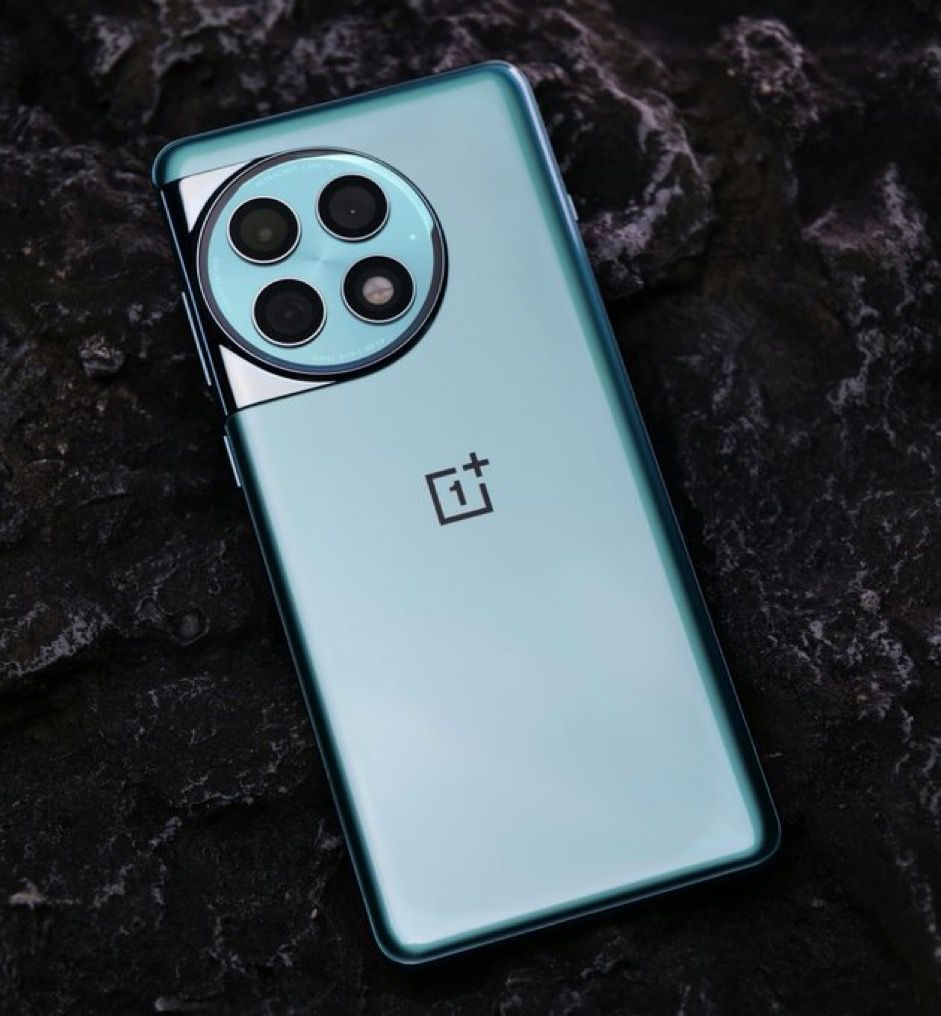
OnePlus is preparing to launch an unprecedented 3,000nits display.
Collaboration with BOE brings a new phase for displays made in China.
New display technology features 1440p resolution and 2160Hz PWM dimming.
Announcement to be made at “Sunrise·East” event in Chongqing, China.
OnePlus is gearing up to unveil a screen with an unprecedented brightness of 3,000 nits.
This comes just a week after the company launched its maiden foldable smartphone, the OnePlus Open, which featured a remarkable peak brightness of 2,800 nits.
The forthcoming display innovation from OnePlus is a result of a collaboration with BOE, a Chinese multinational electronics manufacturer.
In aWeibo post, the partnership has been touted as a “new dawn” for screens made in China.
There is growing speculation that this upcoming OnePlus device will very likely be the OnePlus 12.
The new display technology is not just about the staggering brightness; it also provides 1440p resolution along with 2160Hz PWM dimming capabilities, an upgrade from the 1440Hz PWM dimming found in existing panels.
OnePlus Open Foldable
The display’s staggering 3,000-nit peak brightness levels are in a league of their own when compared with other flagship smartphones.
As mentioned in the beginning, the current leader in the category, until the upcoming OnePlus device arrives, has been the company’s own OnePlus Open foldable, which actually has 2,800 nits of luminosity on both its inner and outer panels.
The announcement of this technological marvel is scheduled for the “Sunrise·East” event to be held in Chongqing, China.
This focus on display technology and peak brightness levels signifies a new era in the smartphone industry, which is now committed more than ever to offering enhanced visual experiences.
With OnePlus looking to raise the bar even higher, the industry is on the cusp of a new phase of rapid advancements in display technology.
FAQs
What is the peak brightness of the new OnePlus device?
The new OnePlus smartphone will feature an unparalleled peak brightness of 3,000 nits.
Who is OnePlus collaborating with for this technology?
OnePlus is partnering with BOE, a leading Chinese electronics manufacturer, for the new display.
What other features does the new display offer?
Apart from its brightness, the display also supports a 1440p resolution and 2160Hz PWM dimming.
When and where will the new OnePlus device be announced?
The device will be unveiled at the “Sunrise·East” event in Chongqing, China.