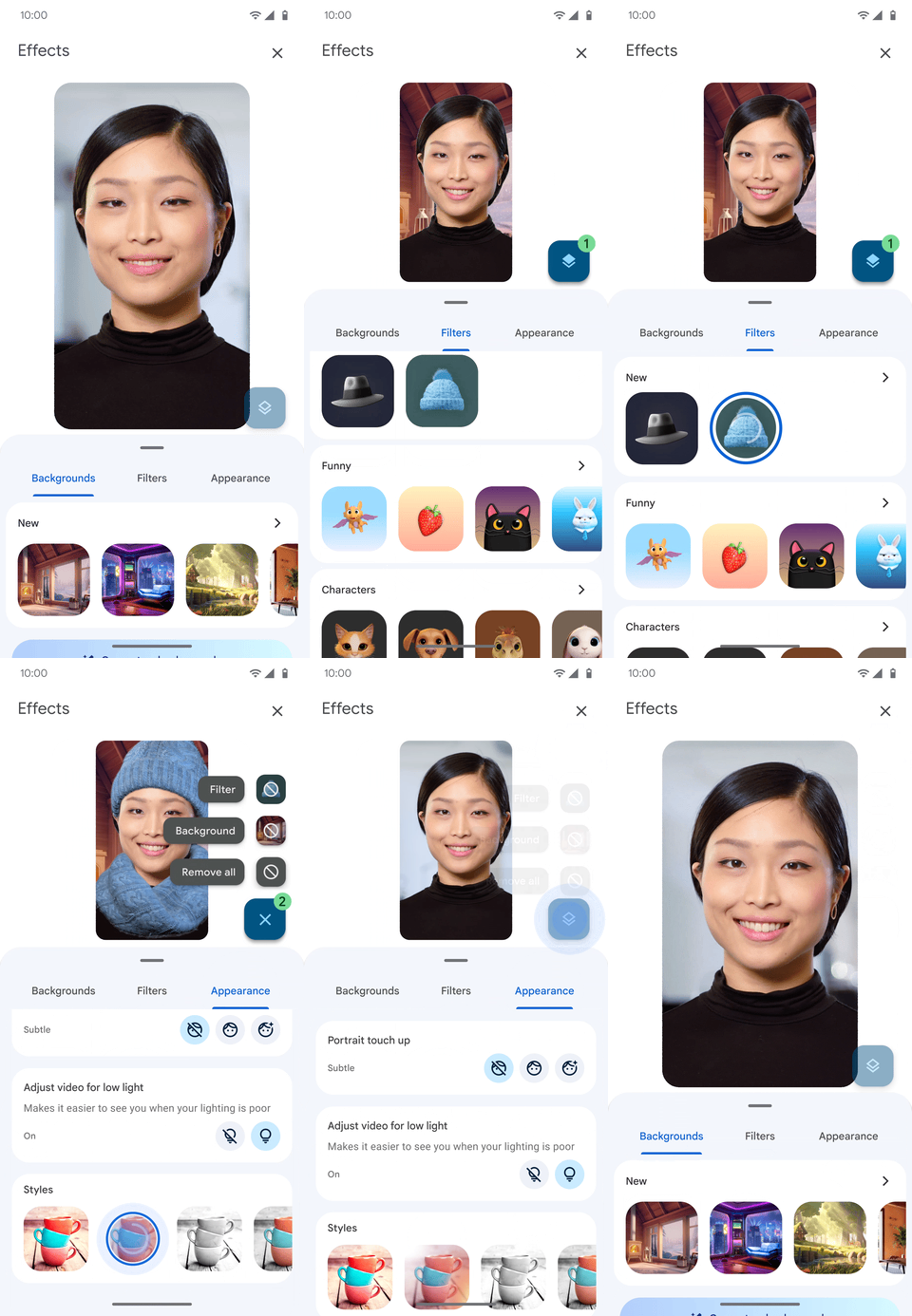
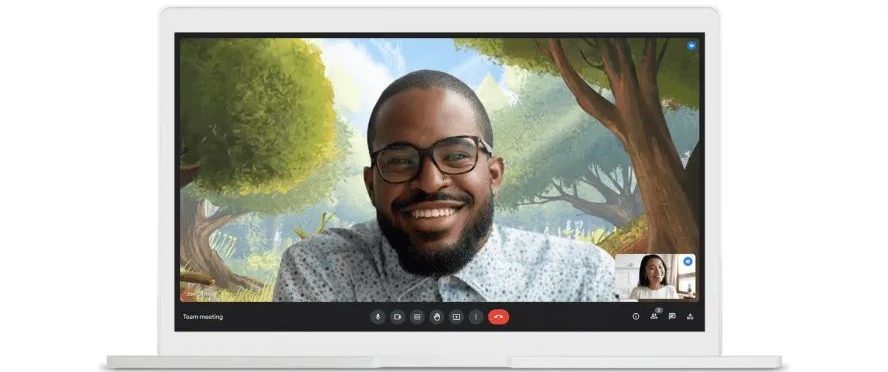
This update, rolling out in phases starting January 17, 2024, introduces a blend of video effects, improved user interface, and advanced audio-visual quality enhancements.
Enhanced Video Effects and Interface
Enhanced Video Effects and Interface
Google Meet userswill now have the ability to combine background and filter effects.
This feature, available on both web and mobile platforms, aims to add more dynamism and personalization to the virtual meeting environment.
A newly added layer icon will help users keep track of and manage the effects they apply.
The effects are now grouped into categories like backgrounds, filters, and appearance adjustments, streamlining the user experience and providing quick access to these enhancements.
It allows users to adjust lighting position, brightness, and color, emulating studio-quality lighting.
This feature, however, requires compatible devices for its initial launch phase.
Studio Sound, another key feature, leverages AI to enhance audio quality, especially from Bluetooth headsets and dial-in participants.
It aims to recreate higher audio frequencies for a clearer sound.
Initially available for web and dial-in users, this feature will soon extend to mobile app users.
Rollout Details and Accessibility
Rollout Details and Accessibility
The rollout schedule for these new features varies based on the user’s domain type and platform.
Rapid Release domains will see web features starting January 17, while mobile users can expect updates from January 16.
Scheduled Release domains will follow slightly later in the month.
While the combination of video effects is available to all users, the advanced studio lighting and sound features are exclusive to customers with the Duet AI for Google Workspace Enterprise add-on.
The studio lighting, in particular, necessitates specific device compatibility.
FAQs
What new video effects are being added to Google Meet?
Google Meet is rolling out the ability to combine background and filter effects, allowing users to create a more personalized and dynamic meeting experience.
How has the Google Meet user interface changed with this update?
The update introduces a revamped interface for effects, categorizing them into backgrounds, filters, and appearance settings for easier discovery and application.
What is the studio lighting feature in Google Meet?
Available for Google Workspace Enterprise users, the studio lighting feature in Google Meet allows users to adjust lighting settings for enhanced video quality. This feature requires an eligible device for use.
What does the Studio Sound feature do in Google Meet?
The Studio Sound feature uses AI to improve audio quality, especially from Bluetooth headsets and dial-in participants, by recreating higher audio frequencies for a clearer sound.
What is the new stacking feature in Google Photos?
Google Photos’ stacking feature uses AI to group similar photos together, suggesting the best shot from the collection to help declutter your photo library. Users can also select their preferred photo to represent the stack.
How does Google Photos’ new sorting feature work?
The sorting feature automatically organizes photos by identifying the content of images, such as IDs, receipts, and tickets, and placing them into respective albums for easy access and organization.
Can I add events to my calendar using Google Photos?
Yes, Google Photos now allows you to add events to your calendar directly from a photo or screenshot of a ticket, streamlining the process of event management.
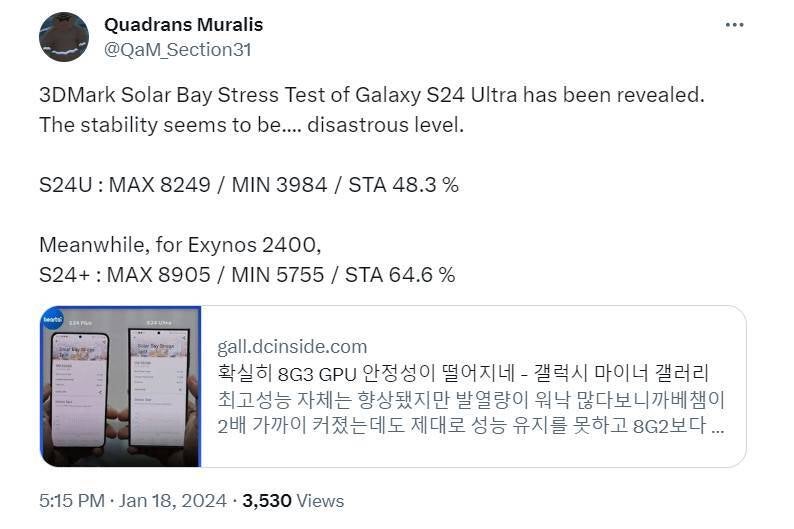
S24+ shows better stability in benchmarks with the same chipset.
Differences in optimization or design could explain performance variance.
Benchmark results offer new perspectives for potential buyers.
In the latest developments from Samsung, there’s an interesting twist in the performance capabilities of its newest models, the Galaxy S24 Ultra and S24+.
Benchmarking, especially in gaming and thermal management, reveals that the S24+ not only exhibits better stability but also maintains a consistent performance over prolonged periods.
This could point to potential differences in optimization or thermal design between the two models, which affects how the chipset performs under stress.
User Considerations and Strategic Implications
User Considerations and Strategic Implications
For consumers, especially those keen on gaming and intensive usage, these findings might steer their choice towards the S24+.
The Plus model, often seen as the Ultra’s subordinate, could now be perceived as offering better value in terms of sustained performance.
This shift in benchmark results might also hint at a strategic change inSamsung’s approach to its flagship series, balancing performance across different models to cater to diverse user preferences.
Ultimately, while benchmarks provide valuable insights into a device’s capabilities, they are just one aspect of the overall user experience.
Other factors like software optimization, battery efficiency, camera quality, and user interface are equally crucial in defining the smartphone’s overall appeal.
Real-world usage often varies from controlled benchmark scenarios, and a device’s day-to-day performance is what truly shapes user satisfaction.
Samsung Galaxy S24 Ultra’s Snapdragon 8 Gen 3 Reportedly Underperforms Compared to S24+ with Exynos
What is the difference in performance between the Galaxy S24 Ultra and S24+?
Despite both having the Snapdragon 8 Gen 3 chipset, benchmarks indicate that the S24+ performs more consistently and with better stability than the S24 Ultra.
Could the design of the S24 Ultra affect its performance in benchmarks?
It’s speculated that design factors, such as thermal management, might contribute to the S24 Ultra’s varied performance compared to the S24+ in benchmark tests.
Why is the S24+ outperforming the S24 Ultra in benchmarks?
The reasons are not entirely clear, but it might be due to differences in hardware optimization or software tuning between the two models.
What do these benchmark results mean for consumers?
These findings suggest that the S24+ could be a more suitable choice for users who prioritize consistent performance, especially in gaming and heavy usage scenarios.
How does Samsung Galaxy S24 Ultra give an Intelligent & Powerful Experience?
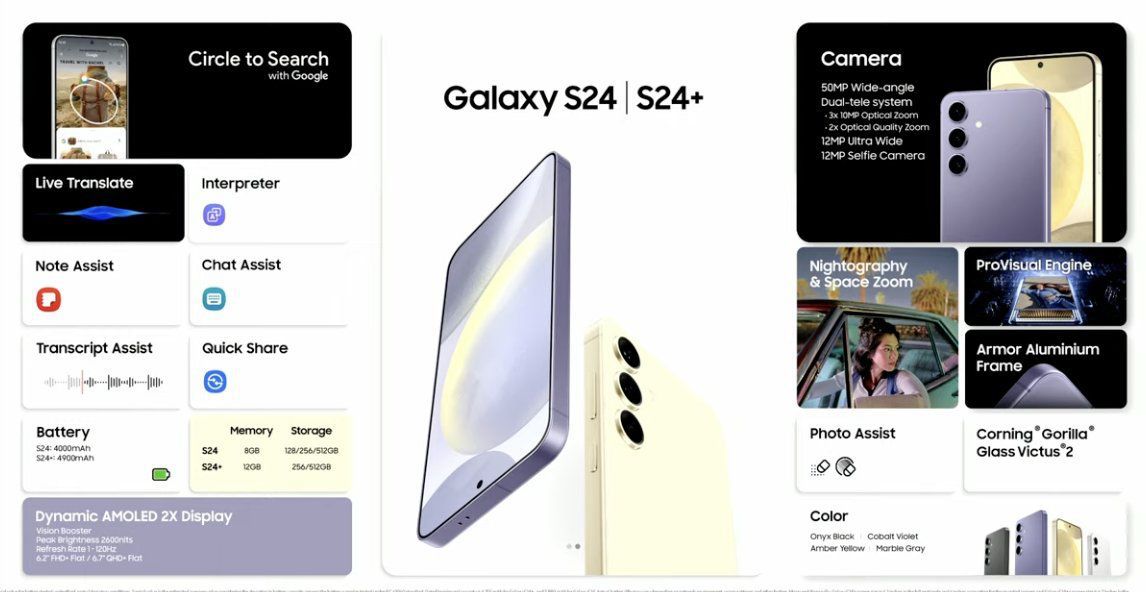
Galaxy S24 Ultra is equipped with Snapdragon® 8 Gen 3 Mobile Platform for Galaxy that delivers remarkable NPU improvement for incredibly efficient AI processing.
In all three Galaxy S24 models, 1-120 Hz adaptive refresh rates improve performance efficiency.
Galaxy S24 Ultra comes a1.9 times larger vapor chamber, improving device surface temperature while also maximizing sustained performance power. Ray tracing enables life-like visuals with superior shadow and reflection effect.
Galaxy S24 reaches 2600nit peak brightness, making it the brightest Galaxy smartphone ever.
Corning® Gorilla® Armor on the Galaxy S24 Ultra is optically enhanced for superior durability.
It delivers dramatically reduced reflection by up to 75% in a wide range of lighting conditions, ensuring a smooth, comfortable viewing experience.
Galaxy S24+ comes with a 6.7-inch and Galaxy S24 has a 6.2-inch display. Galaxy S24 Ultra has a 6.8-inch flatter display, optimized not just for viewing but also for productivity. Galaxy S24+ now supports the same level of QHD+ found on Galaxy S24 Ultra.
Galaxy S24 Ultra is the first-ever Galaxy phone to feature a titanium frame, enhancing device durability and longevity. Galaxy S24 Ultra’s significantly thinner body enables better on-the-go experience with more comfortable grip.
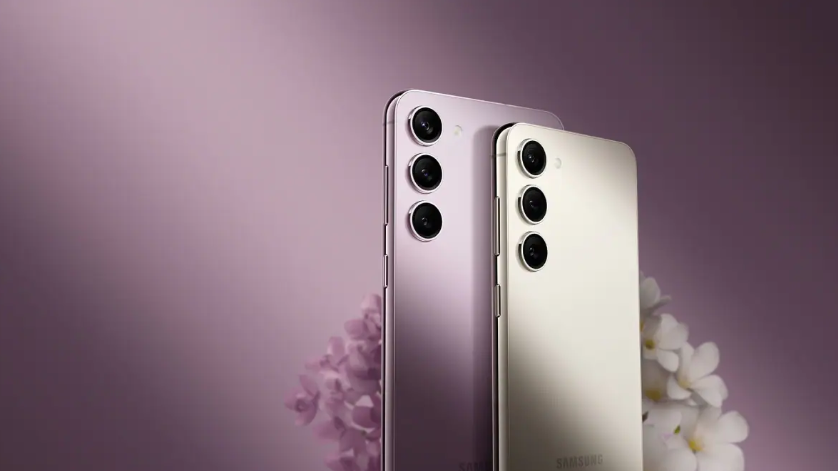
On Galaxy S24+ and Galaxy S24, a streamlined One-mass design satisfies a more aesthetic standard with seamless connection between the device’s rear cover and side frame.
How does Samsung Galaxy S24 Series Make Everyday Experiences Epic ?
Galaxy AI introduces meaningful intelligence aimed at enhancing every part of life, especially the phone’s most fundamental role: communication.
When you need to defy language barriers, Galaxy S24 makes it easier than ever. Chat with another student or colleague from abroad. Book a reservation while on vacation in another country.
It’s all possible with Live Translate2, two-way, real-time voice and text translations of phone calls within the native app. No third-party apps are required, and on-device AI keeps conversations completely private.
With Interpreter, live conversations can be instantly translated on a split-screen view so people standing opposite each other can read a text transcription of what the other person has said. It even works without cellular data or Wi-Fi.
For messages and other apps, Chat Assist can help perfect conversational tones to ensure communication sounds as it was intended: like a polite message to a coworker or a short and catchy phrase for a social media caption.
AI built into Samsung Keyboard can also translate messages in real-time in 13 languages.
In the car, Android Auto5 will automatically summarize incoming messages and suggest relevant replies and actions, like sending someone your ETA, so you can stay connected while staying focused on the road.
Organization also gets a big boost with Note Assist6in Samsung Notes, featuring AI-generated summaries, template creation that streamlines notes with pre-made formats, and cover creation to make notes easy to spot with a brief preview.
For voice recordings, even when there are multiple speakers, Transcript Assist7 uses AI and Speech-to-Text technology to transcribe, summarize and even translate recordings.
Communication isn’t the only way Galaxy S24 series takes the fundamental benefits of the phone into the future.
Online search has transformed nearly every aspect of life. Galaxy S24 marks a milestone in the history of search as the first phone to debut intuitive, gesture-driven Circle to Search8 with Google.
To give Galaxy users an incredible new tool, Galaxy turned to the worldwide leader of search, Google, and opened up new forms of discovery with a simple gesture.
With a long press on the home button, users can circle, highlight, scribble on, or tap anything on Galaxy S24’s screen to see helpful, high-quality search results.
Seeing a beautiful landmark in the background of a friend’s social media post or a surprising fun fact on YouTube Shorts can quickly become an accurate search to learn more – without having to leave that app.
And depending on a user‘s location, for certain searches, generative AI-powered overviews can provide helpful information and context pulled together from across the web, and users can ask more complex and nuanced questions. It’s that easy. And that epic.
How does Samsung Galaxy S24 Series Unleash Creativity to Discover the World in New Ways ?
Galaxy S24 series’s ProVisual Engine9 is a comprehensive suite of AI-powered tools that transform image capturing abilities and maximize creative freedom every step of the way, from setting up a shot all the way to sharing it on social. Gone are shaky, pixelated images taken from far away.
Galaxy S24 Ultra’s Quad Tele System, with new 5x optical zoom lens, works with the 50MP sensor to enable optical-quality performance at zoom levels from 2x, 3x, 5x to 10×10 magnification thanks to Adaptive Pixel Sensor.
Images also show crystal clear results at 100x with enhanced digital zoom.
With upgraded Nightography capabilities, photos and videos shot on Galaxy S24 Space Zoom are brilliant in any conditions, even when zoomed in.
Capture more light in dim conditions with Galaxy S24 Ultra’s larger pixel size, now 1.4 μm, which is 60% bigger11 compared to the previous model.
Blur is reduced on Galaxy S24 Ultra with wider optical image stabilizer (OIS) angles and enhanced hand-shake compensation.
When recording videos, both front and rear cameras are equipped with Dedicated ISP Block for noise reduction, and Galaxy S24 analyzes gyro information to distinguish between the filmer’s movement and the subject’s.
This allows more effective noise removal and clear videos in the dark, even from far away.
After great shots are captured, innovative Galaxy AI editing tools enable simple edits like erase, re-compose, and remaster. For easier and more efficient optimizations, Edit Suggestion12uses Galaxy AI to suggest perfectly suitable tweaks for each photo.
To give users even more creative control and freedom, Generative Edit13can fill in parts of an image background with generative AI.
When a picture is crooked, AI will fill in the borders. When an object needs to be slightly moved to be in the perfect position, AI lets users adjust the position of the subject and generates a perfectly blended background in its original spot.
Anytime Galaxy S24 deploys generative AI to amplify an image, a watermark will appear on the image and in metadata. And if an action-packed video needs to be slowed down, new Instant Slow-mo can generate additional frames based on movements to smoothly slow down action-packed moments for a more detailed look.
To ensure every image stuns at every stage, Super HDR reveals lifelike previews before the shutter is ever pressed. And while capturing memories is an essential phone feature, sharing memories with the world is just as meaningful.
Now, third-party social apps make the most of Galaxy’s AI-powered camera system. Premium Galaxy S series camera features now integrate directly with mobile apps in HDR to level up social sharing.
When it’s time to find an image in Gallery or Instagram feed and reels, photos and videos are also shown in Super HDR for a more lifelike range of brightness, color and contrast by analyzing highlighted section of the images.
What’s Galaxy’s Most Intelligent Experience Ever, Powered by Premium Performance ?
As AI becomes a more prominent part of everyday life, performance power must excel to meet the demands. Gaming.
Heavy-duty video recording and editing. Jumping between five apps to plan a trip.
Whatever the task, Galaxy S24 provides an incredible experience thanks to enhancements in its chipset, display and more. Every Galaxy S24 Ultra is equipped with Snapdragon® 8 Gen 3 Mobile Platform for Galaxy.
Optimized especially for Galaxy users, this chipset delivers remarkable NPU improvement for incredibly efficient AI processing.
In all three Galaxy S24 models, 1-120 Hz adaptive refresh rates also improve performance efficiency.
Galaxy gaming is more powerful thanks to hardware and software improvements. Galaxy S24 Ultra boast an optimal thermal control system with a1.9 times larger vapor chamber>, improving device surface temperature while also maximizing sustained performance power.
Ray tracing enables lifelike visuals with superior shadow and reflection effect. And through collaboration with industry-leading gaming partners, Galaxy S24 let users enjoy more optimized popular global mobile games.
Visuals are more vibrant and captivating on the brightest Galaxy display ever.18 Galaxy S24 reaches 2,600nit peak brightness and delivers improved outdoor visibility with Vision Booster.
On the display, Corning® Gorilla® Armor19 on the Galaxy S24 Ultra is optically enhanced and demonstrates superior durability against damage caused by everyday scratches.
It delivers dramatically reduced reflection by up to 75% in a wide range of lighting conditions, ensuring a smooth, comfortable viewing experience.
Across the Galaxy S24 series, design enhancements with slimmer and even bezels make it easier to immerse in any viewing experience and enable larger screen sizes on Galaxy S24+’s 6.7-inch and Galaxy S24’s 6.2-inch displays within nearly the same size specifications.
Galaxy S24 Ultra has a 6.8-inch flatter display, optimized not just for viewing but also for productivity. Plus, Galaxy S24+ now supports the same level of QHD+ found on Galaxy S24 Ultra.
What is The Next Phase of Samsung’s Environmental Journey ?
Establishing a new category of mobile experiences also means reimagining how Galaxy technology is designed and packaged to do more with less for people and the planet.
Galaxy S24 continues to scale the variety of recycled materials in Galaxy devices byapplying recycled plastics, glass and aluminum to internal and external components.
It also takes these efforts one step further. For the first time, Galaxy S24 features components made with recycled cobalt and rare earth elements.
In Galaxy S24 Ultra, a minimum of 50% recycled cobalt was used in the battery,25 and 100% recycled rare earth elements were incorporated into the speakers.26
Galaxy S24 is also the first Galaxy S series to be designed with recycled steel and Thermoplastic Polyurethane (TPU).
Galaxy S24 Ultra features a minimum of 40% recycled steel in the speakers, and it includes a minimum of 10% pre-consumer recycled TPU in the side and volume keys.
Additionally, every Galaxy S24 comes in a packaging box made from 100% recycled paper material.
The latest flagship continues Samsung’s commitment to extending the product lifecycle, offering seven generations of OS upgrades and seven years of security updates to help users reliably experience the optimized performance of their Galaxy devices for even longer.28 Lastly, Galaxy S24 is UL ECOLOGO® certified,29 and its carbon footprint has been measured and verified by The Carbon Trust.30
Galaxy S24 is a demonstration of progress against Samsung MX’s environmental roadmap. Samsung remains steadfast in delivering on its set of goals to be achieved by the end of 2025.
At the end of 2022, Samsung achieved the first of these goals by incorporating recycled materials in all mobile products, from Galaxy smartphones and tablets to PCs and wearables.
Today, the company is setting a new recycled material goal. By 2030, Samsung will incorporate at least one recycled material in every module32 of every mobile product.
How does Samsung galaxy S24 Series give Precision Technology and Elegance in Every Detail ?
Galaxy S24 Ultra is the first-ever Galaxy phone to feature a titanium frame,33 enhancing device durability and longevity.
Galaxy S24 Ultra’s significantly thinner body enables better on-the-go experience with more comfortable grip.
On Galaxy S24+ and Galaxy S24, a streamlined One-mass design satisfies a more aesthetic standard with seamless connection between the device’s rear cover and side frame.
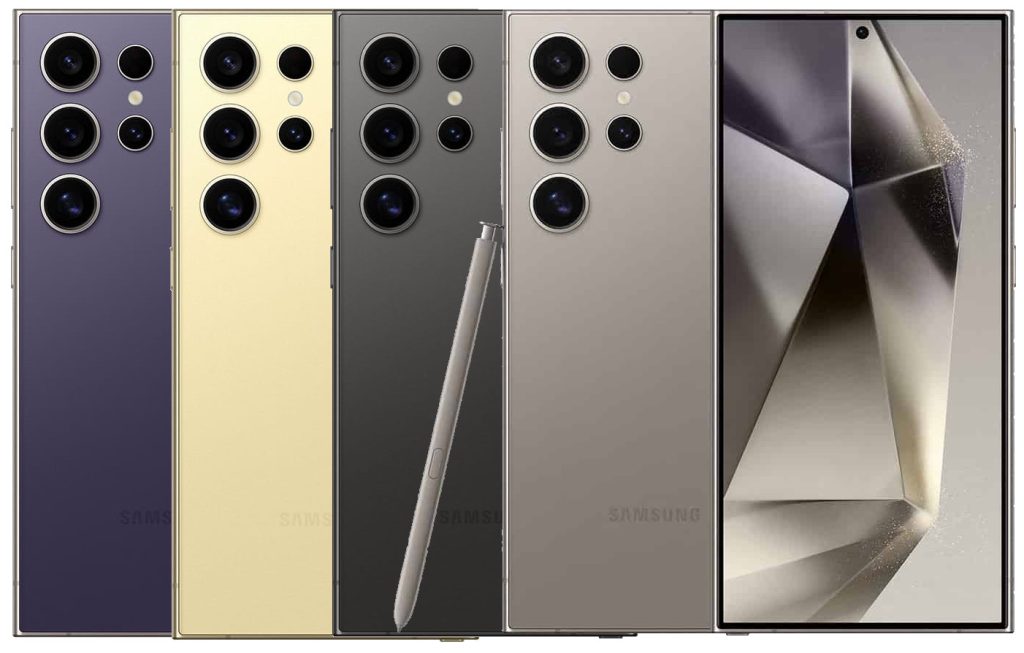
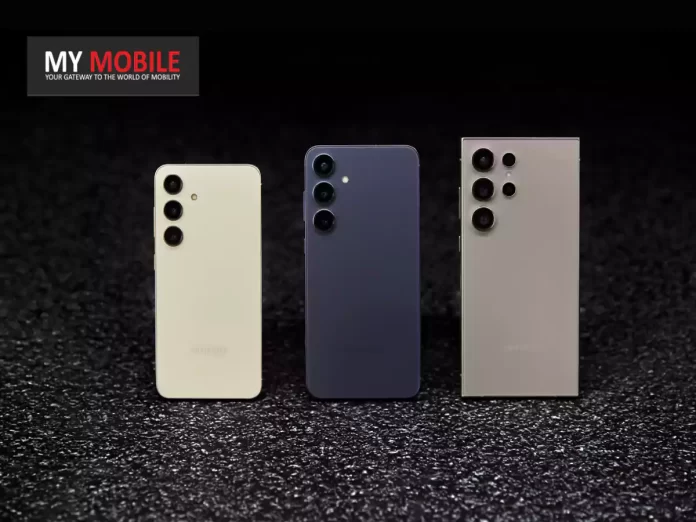
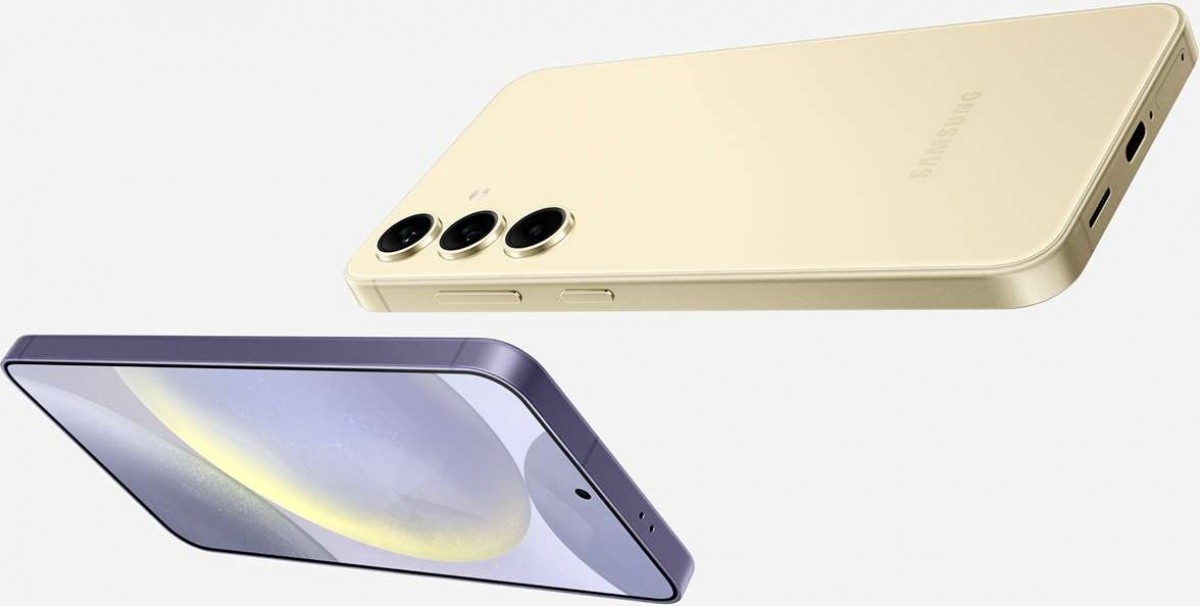
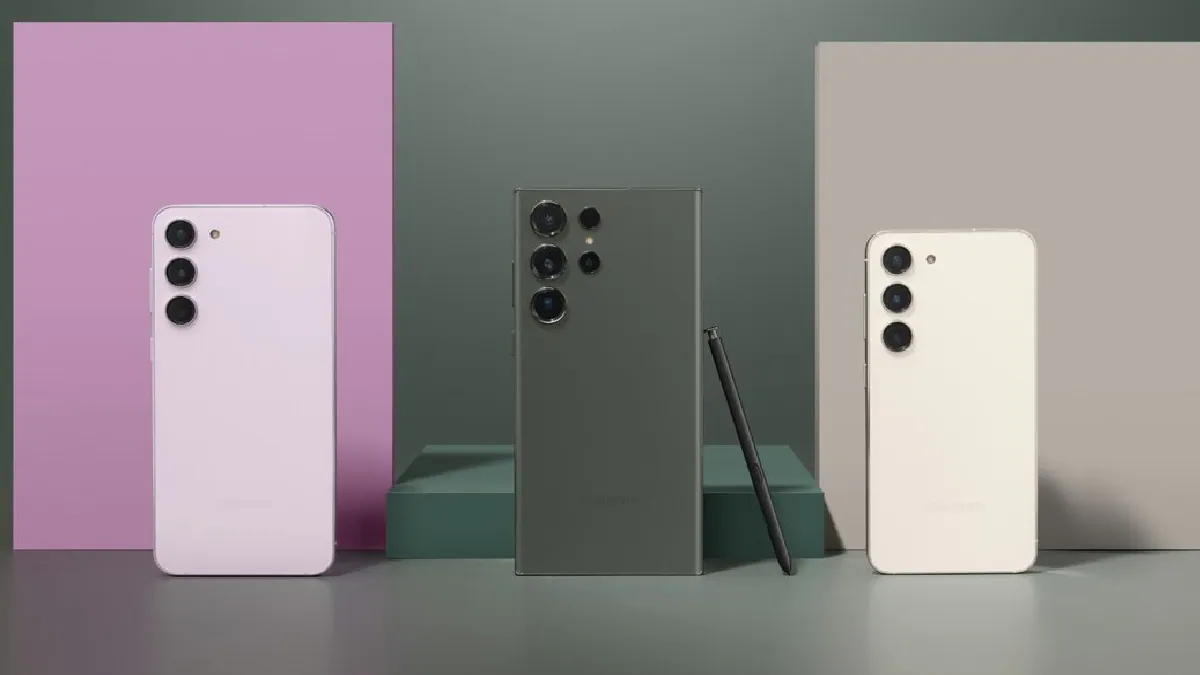
The Galaxy S24 series comes in Earth mineral-inspired color tones. On Galaxy S24 Ultra, colors34 include: Titanium Gray, Titanium Black, Titanium Violet and Titanium Yellow.
On Galaxy S24+ and Galaxy S24 colors include: Onyx Black, Marble Gray, Cobalt Violet and Amber Yellow. All three models will come with additional colors available online only.
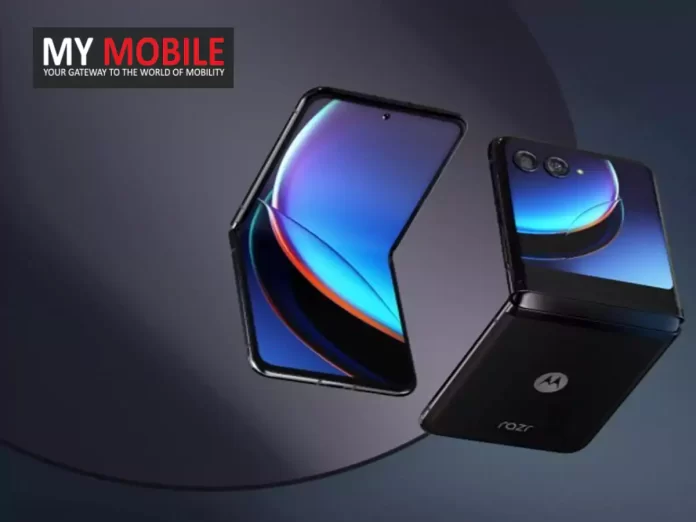
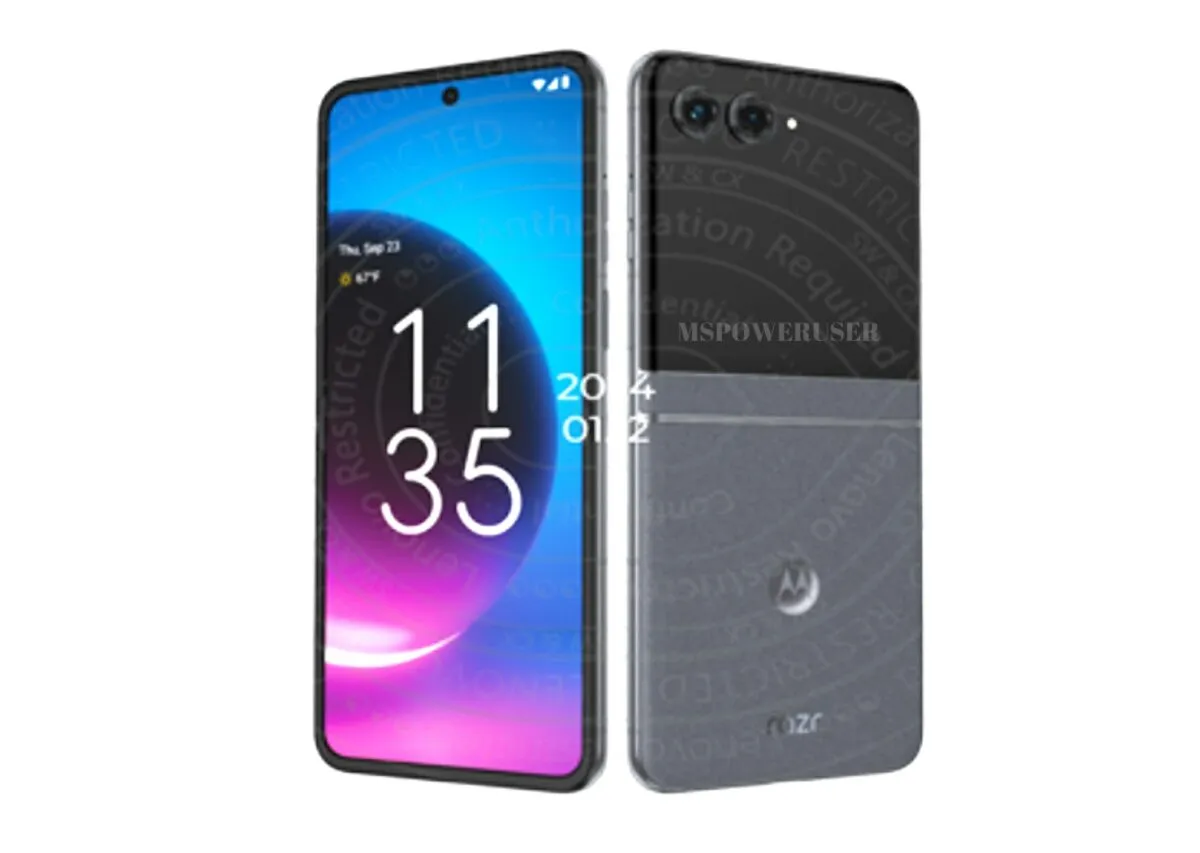
This new iteration of the iconic Razr series, codenamed “Motorola Glory” and bearing the model number XT-2453-3, promises to build on the legacy of its predecessors while ushering in a fresh wave of innovations.
Moto Razr 40 Ultra 2024: What We Know
Moto Razr 40 Ultra 2024: What We Know
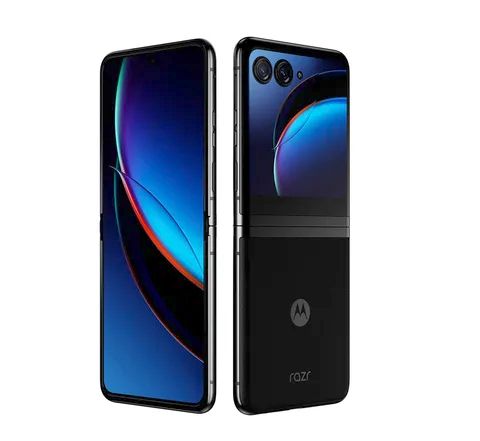
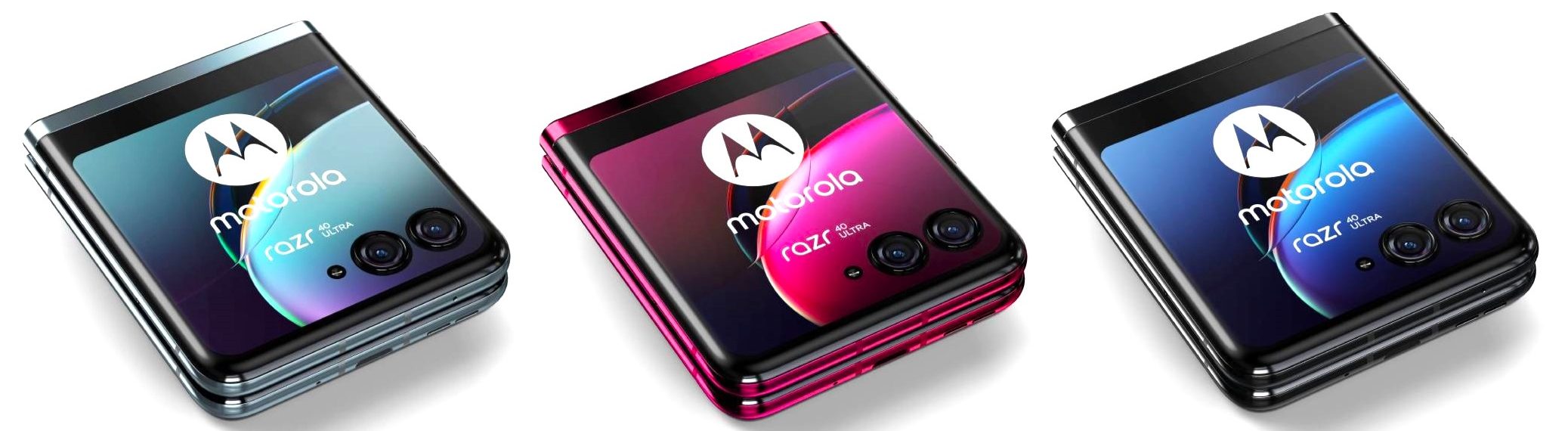
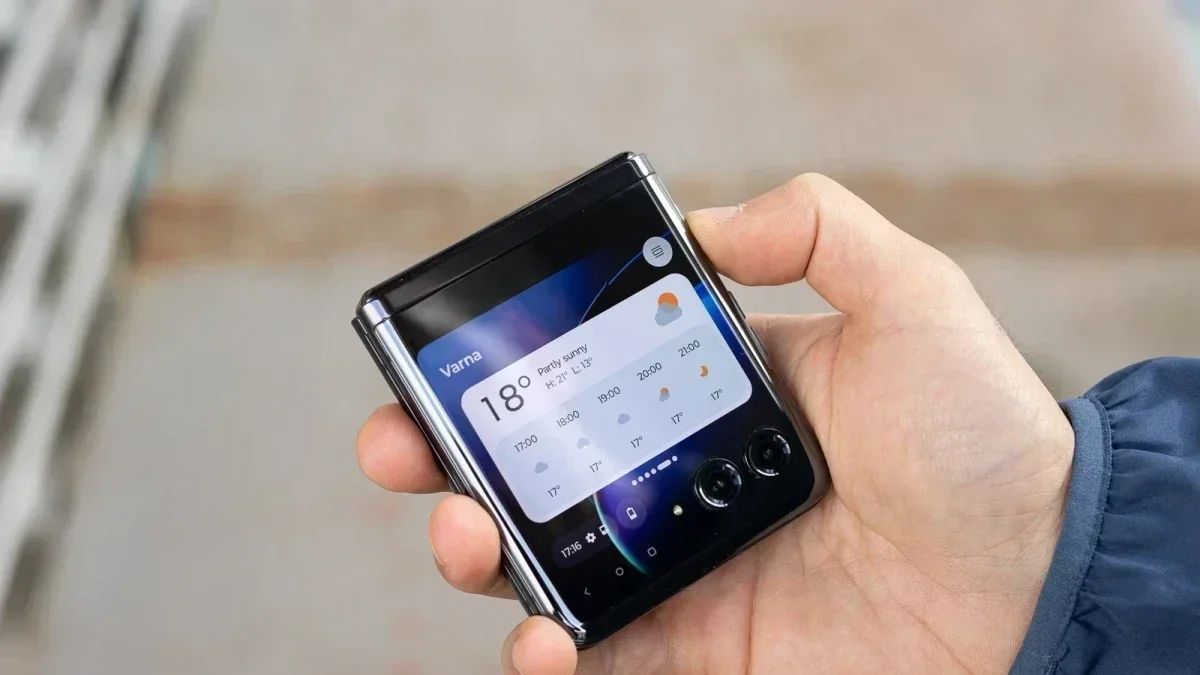
The anticipated Razr 40 Ultra 2024 is set to retain the iconic clamshell design that has become synonymous with the Razr series.
The leaked render showcases the phone in a Classic Grey colorway, maintaining the series’ sleek and stylish aesthetic.
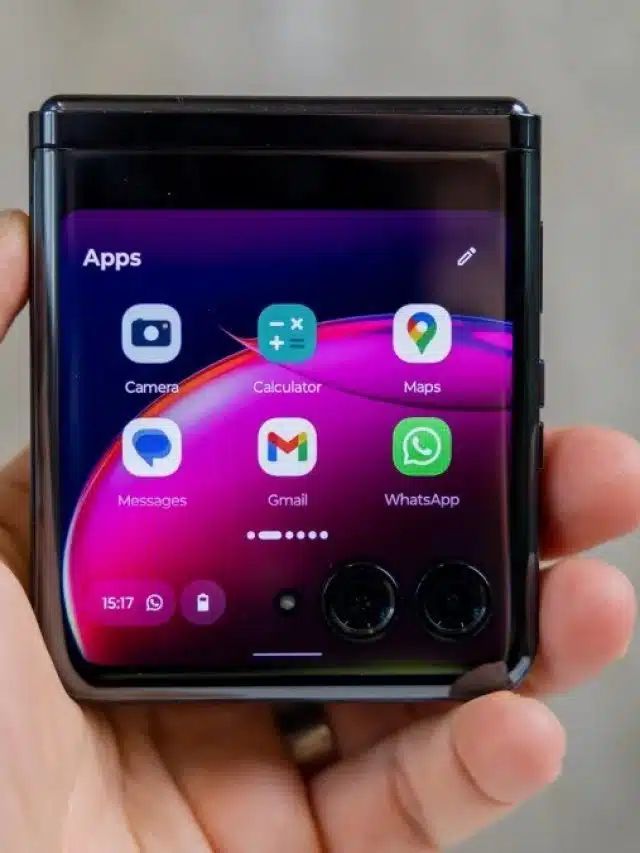
Notably, the new model will feature two distinct camera rings on the rear, accompanied by an LED flash, hinting at a revamped camera system.
Motorola is reportedly partnering with Verizon for the US debut of the smartphone.
What does the render suggest about the Moto Razr 40 Ultra 2024’s design?
Based on the leaked render, the Moto Razr 40 Ultra 2024 appears to continue the iconic clamshell design, with a speculated Classic Grey color and possible dual camera rings.
Are there any confirmed specifications for the Moto Razr 40 Ultra 2024?
As of now, the specifications of the Moto Razr 40 Ultra 2024 are speculative, based on the render and not officially confirmed by Motorola.
What are the expected performance upgrades in the Moto Razr 40 Ultra 2024?
Speculations from the render hint at an updated Qualcomm Snapdragon processor, suggesting potential improvements in performance and efficiency.
What can we infer about the display and camera of the Moto Razr 40 Ultra 2024?
The render leads to speculation about a large display with a punch-hole cutout and a revamped camera setup, though these details remain unconfirmed.
What is the Motorola Razr Plus 2024?
The Motorola Razr Plus 2024 is an upcoming flip-style smartphone from Motorola, following the Razr 40 Ultra/Plus.
Leaked renders suggest it retains the classic Razr design, updated with modern technological advancements.
What are the expected new features of the Razr Plus 2024?
The Razr Plus 2024 is rumored to run on a new version of Qualcomm Snapdragon processor, promising better performance and battery life.
It’s expected to maintain the familiar dual-camera setup and cover display like its predecessors.
Will the Razr Plus 2024 be available globally?
Initial reports suggest the Razr Plus 2024 might be sold exclusively through Verizon Wireless in the US.
There’s no confirmation yet on its availability in other global markets.
How does the Razr Plus 2024 compare to its predecessor?
While keeping the iconic flip design, the Razr Plus 2024 is expected to offer significant upgrades in terms of processing power and battery life compared to the first-generation Motorola Razr, which used the Snapdragon 8 Gen 1 chipset.
Its design is characterized by a flat edge, giving it a contemporary and sleek appearance.
The device will reportedly boast a 6.67-inch AMOLED display, offering a Full HD+ resolution and a 120Hz refresh rate.
This screen, with its punch-hole notch for the selfie camera, is also expected to support a peak brightness of up to 1200 nits, making it suitable for use in various lighting conditions.
The phone is tipped to come with up to 8GB of RAM and will also support a virtual RAM feature, enhancing its multitasking capabilities.
Storage options are likely to include 128GB and 256GB variants.
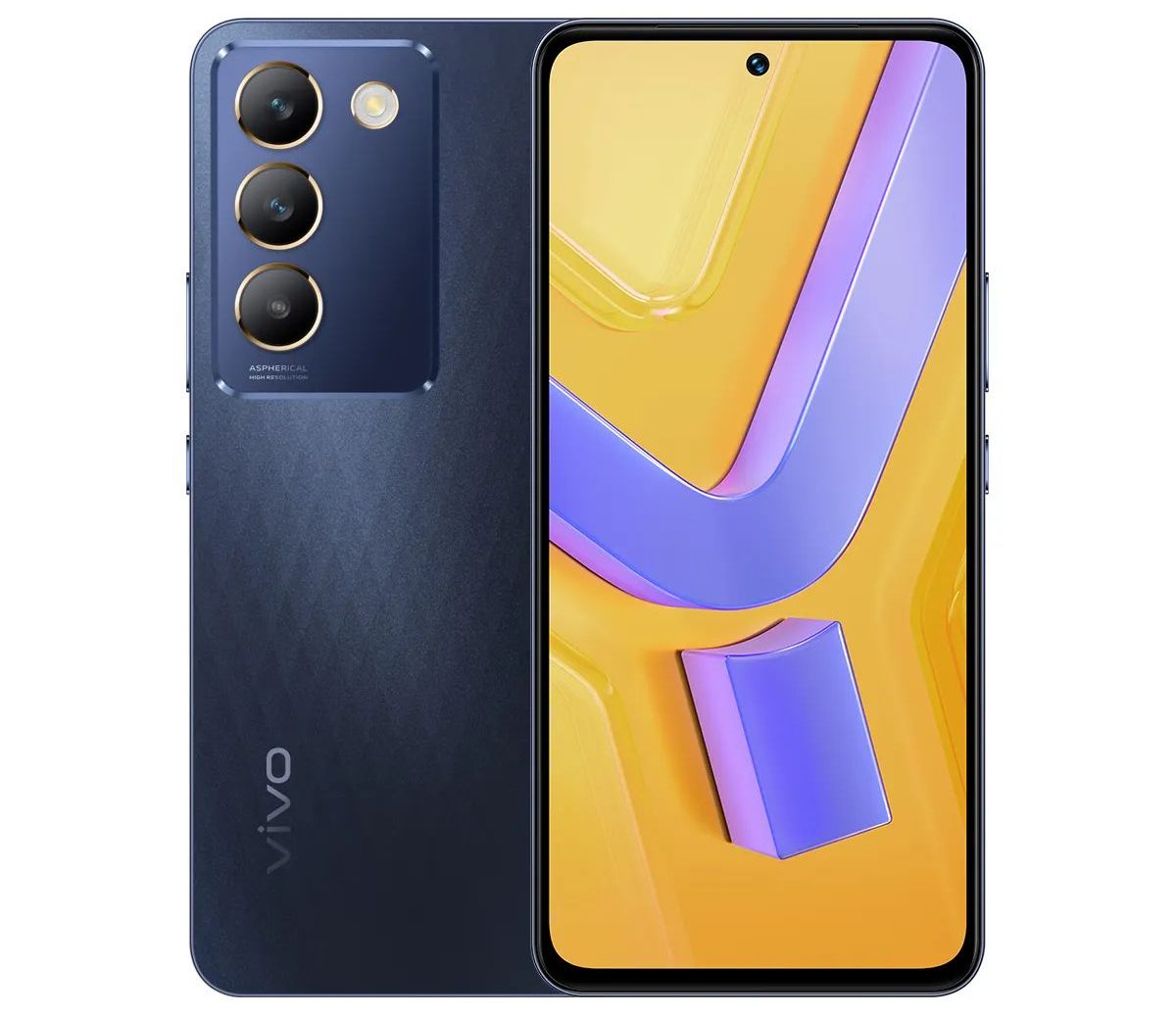
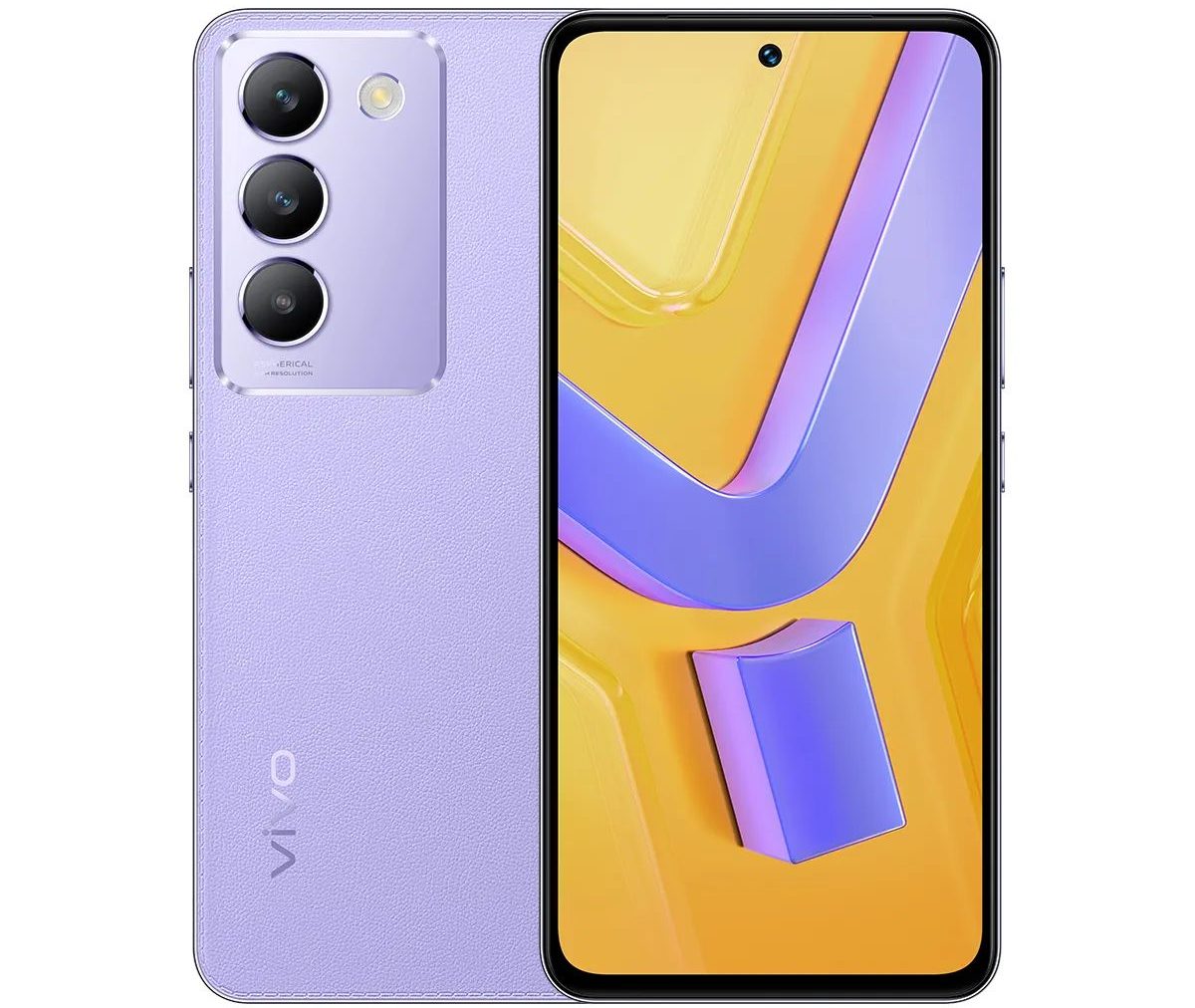
Camera-wise, the Vivo Y100 5G is anticipated to feature a triple-rear camera setup, led by a 50MP primary sensor, along with an 8MP ultra-wide-angle lens, and a 2MP sensor for additional photography capabilities.
The front of the phone is expected to house an 8MP camera for selfies and video calls.
The battery capacity is slated to be 5000mAh, supported by up to 80W FlashCharge fast charging, promising quick power-ups.
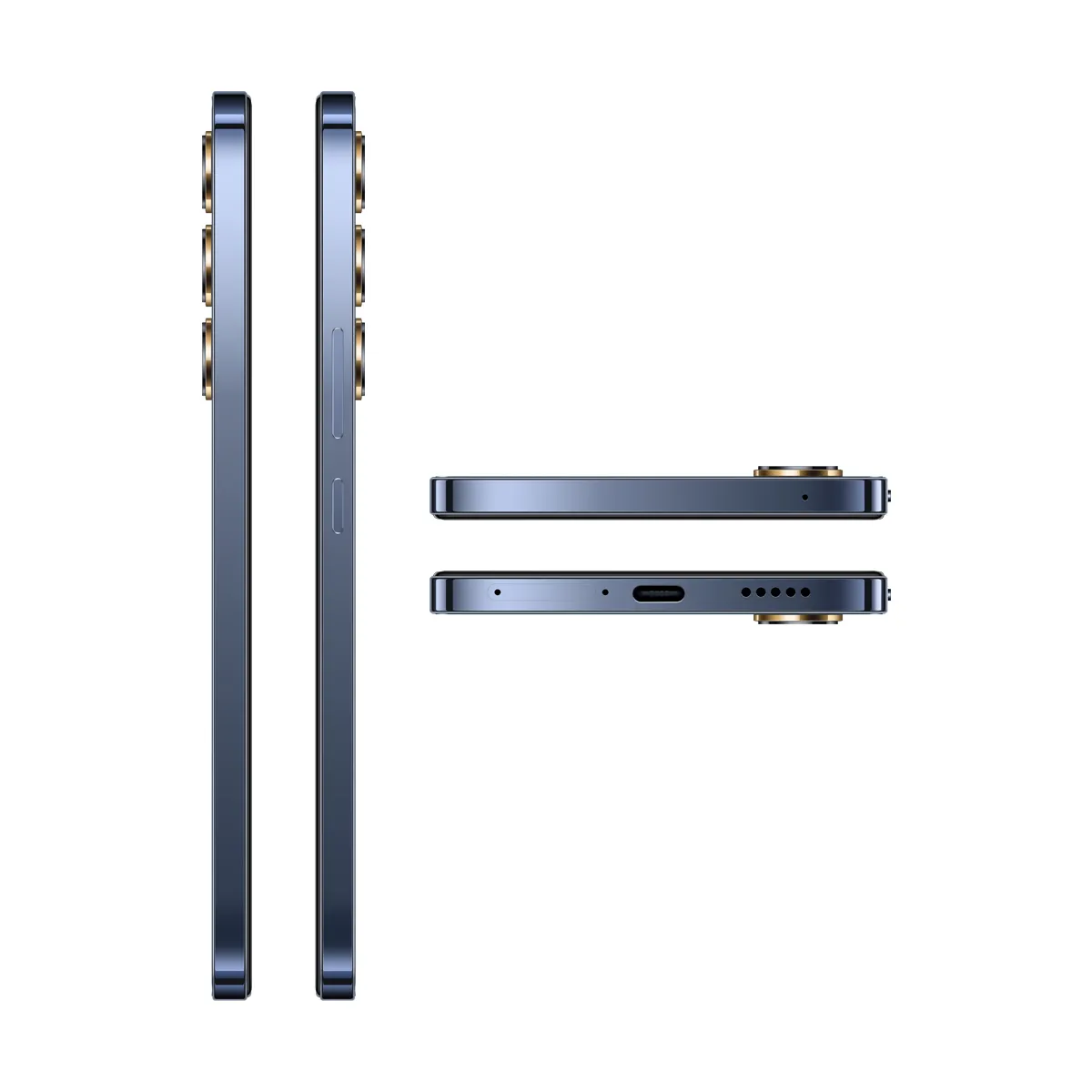
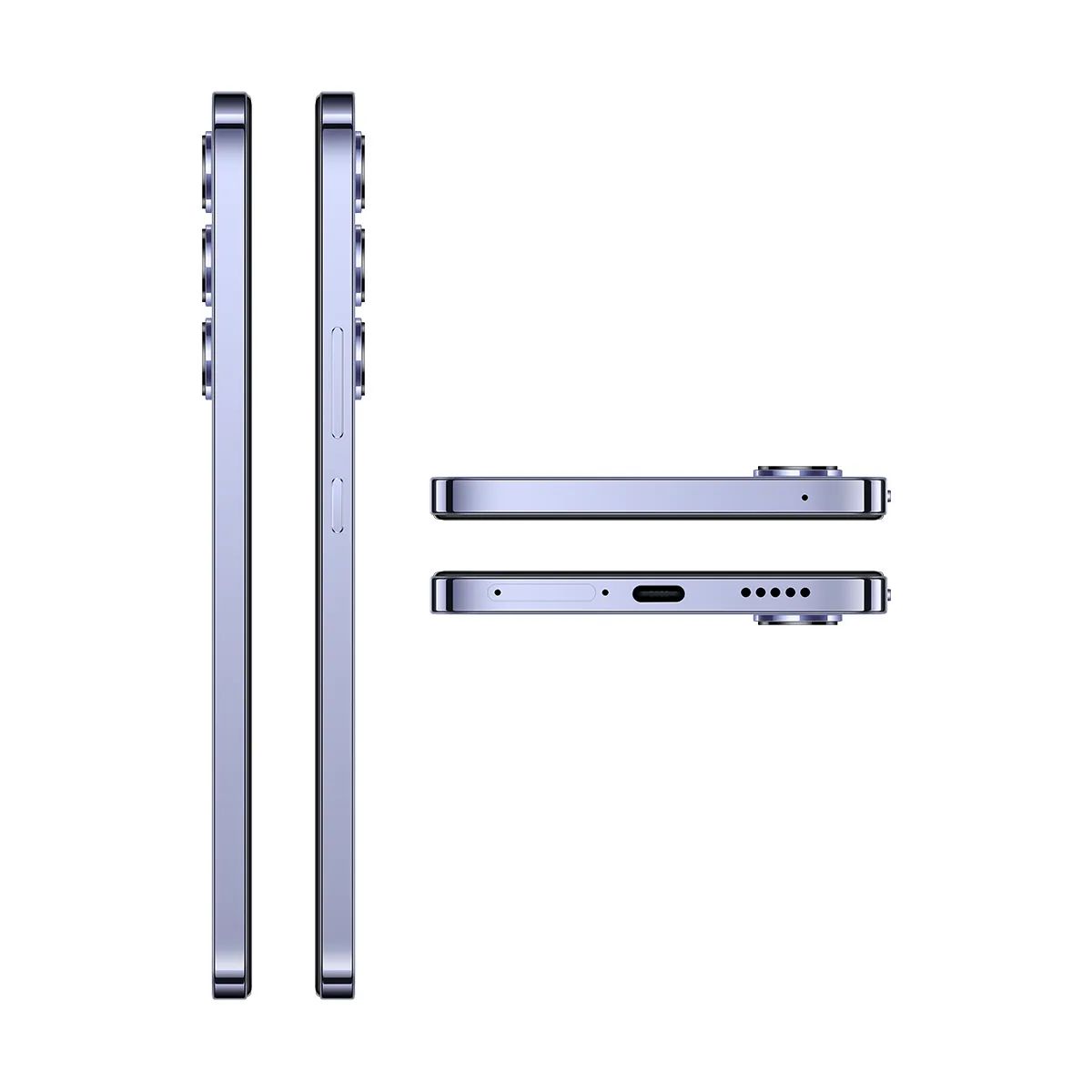
Additional features such as an in-display fingerprint scanner, stereo speakers, IP54 rating, and a sleek build profile further enhance the phone’s appeal.
50 MP, Primary Camera
8 MP, Ultra-Wide Angle Camera
2 MP, Macro Camera
Autofocus
Yes
OIS
Yes
Flash
Yes, LED Flash
Image Resolution
8150 x 6150 Pixels
Settings
Exposure compensation, ISO control
Shooting Modes
Continuous Shooting
High Dynamic Range mode (HDR)
Camera Features
Digital Zoom
Auto Flash
Face detection
Touch to focus
Video Recording
3840×2160 @ 30 fps
FRONT CAMERA
Camera Setup
Single
Resolution
50 MP, Primary Camera
Battery
Capacity
5000 mAh
Type
Li-Polymer
Removable
No
Quick Charging
Yes, Fast, 66W
USB Type-C
Yes
Storage
Internal Memory
128 GB
Expandable Memory
No
Network & Connectivity
SIM Slot(s)
Dual SIM, GSM+GSM
SIM Size
SIM1: Nano, SIM2: Nano
Network Support
5G Not Supported in India, 4G Supported in India, 3G, 2G
VoLTE
Yes
SIM 1
4G Bands:
TD-LTE 2300(band 40) FD-LTE 1800(band 3)
3G Bands:
UMTS 1900 / 2100 / 850 / 900 MHz
2G Bands:
GSM 1800 / 1900 / 850 / 900 MHz
GPRS:
Available
EDGE:
Available
SIM 2
4G Bands:
TD-LTE 2300(band 40) FD-LTE 1800(band 3)
3G Bands:
UMTS 1900 / 2100 / 850 / 900 MHz
2G Bands:
GSM 1800 / 1900 / 850 / 900 MHz
GPRS:
Available
EDGE:
Available
Wi-Fi
Yes, Wi-Fi 4 (802.11 b/g/n)
Wi-Fi Features
Mobile Hotspot
Bluetooth
Yes, v5.3
GPS
Yes with A-GPS
USB Connectivity
Mass storage device, USB charging
Multimedia
Loudspeaker
Yes
Audio Jack
USB Type-C
Sensors
Fingerprint Sensor
Yes
Fingerprint Sensor Position
On-screen
Fingerprint Sensor Type
Optical
Other Sensors
Light sensor, Proximity sensor, Accelerometer
FAQs
What are the display features of the Vivo Y100 5G?
The Vivo Y100 5G is expected to feature a 6.67-inch AMOLED display with a Full HD+ resolution and a high 120Hz refresh rate, capable of reaching a peak brightness of 1200 nits.
What colors will the Vivo Y100 5G be available in?
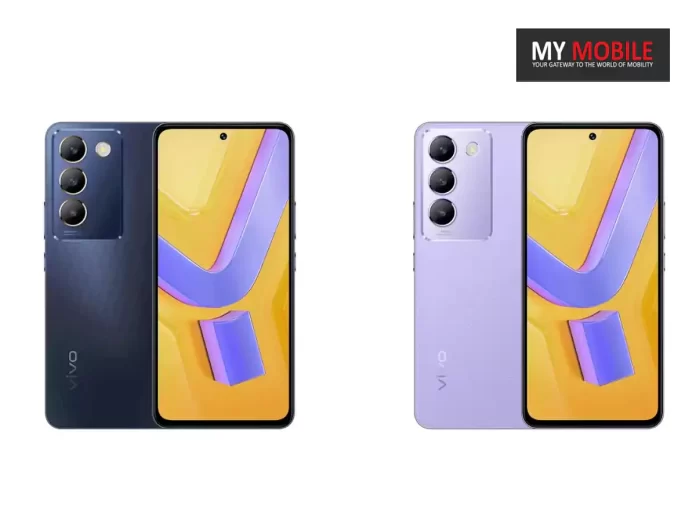
The upcoming Vivo Y100 5G is set to be available in Black and Purple, with the purple variant sporting a distinctive faux leather finish.
What type of processor will the Vivo Y100 5G have?
The phone is anticipated to be equipped with a Qualcomm Snapdragon 4 Gen 2 processor, ensuring reliable performance and efficiency.
Can you describe the camera setup of the Vivo Y100 5G?
The Vivo Y100 5G is likely to feature a versatile triple-rear camera system, including a 50MP primary shooter, an 8MP ultra-wide lens, and a 2MP sensor for additional photographic capabilities.
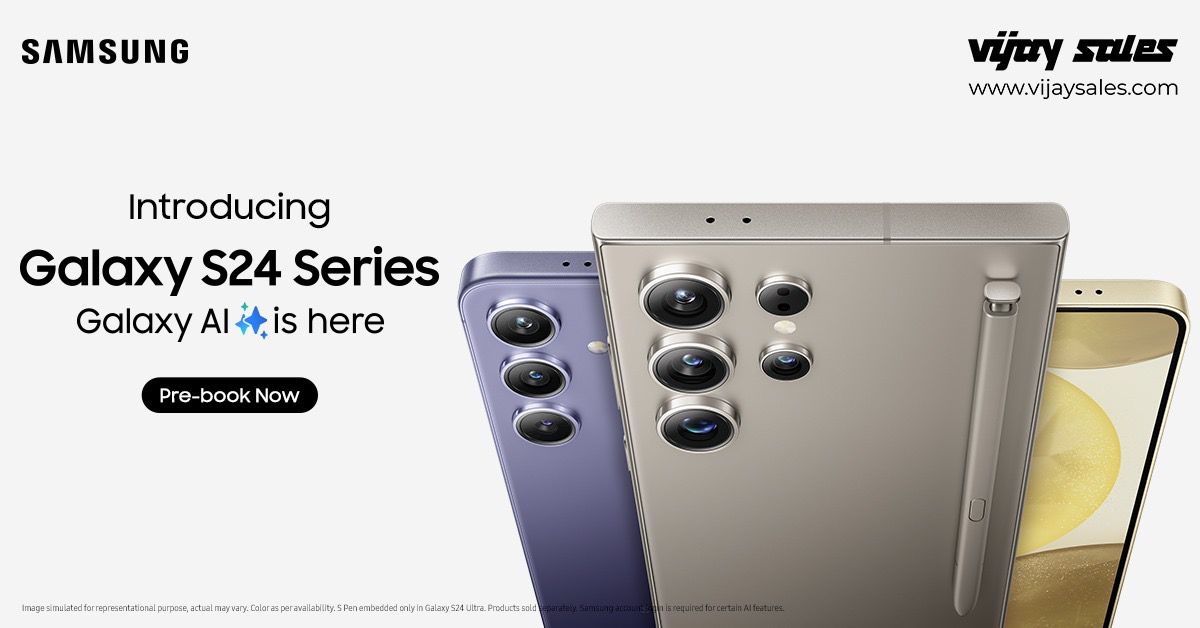
The series, comprising the S24 Ultra, S24+, and the standard S24, brings some notable updates and features.
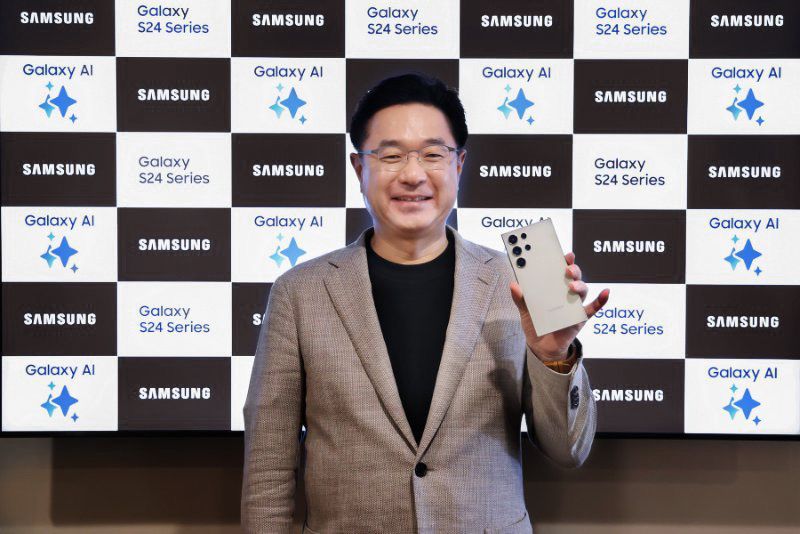
Sharing his views on the occasion, Mr. Nilesh Gupta, Director of Vijay Sales said: We are delighted to bring the most anticipated Samsung Galaxy S24 series to our customers, marking a significant milestone in our commitment to providing unparalleled innovation, design, and performance, ensuring that our customers experience the best in Smartphone technology.
The AI features in Samsung Galaxy S24 series like Circle to Search, Live Translate, Chat Assist, and Note Assist, will streamline everyday tasks effortlessly for our consumers. As we open the pre-bookings, we invite our customers to embark on a journey with us into the future of mobile technology.
“Galaxy S24 series, powered by Galaxy AI, ushers in a new era of mobile revolution and puts the power of AI in the hands of consumers to open up new possibilities. With Galaxy S24, consumers can transcend the barriers of communication and maximize their productivity and creativity to empower their everyday lives.
The huge success of Galaxy S24 series demonstrates that Indian consumers are early adopters of new technology. I would like to thank our consumers for their overwhelming response to Galaxy S24 series,” said Raju Pullan, Senior Vice President, MX Business, Samsung India.
Let’s dive into the pre-order situation and then explore some key takeaways from this launch.
Samsung Galaxy S24 Series: Pre-Order
Samsung Galaxy S24 Series: Pre-Order
Samsung’s pre-order strategy for the Galaxy S24 seriesseems quite compelling, especially with the bonus of doubled storage capacity for early buyers.
This makes it an opportune moment for enthusiasts in India to secure their device before the official sale next week.
In the US, UK, and other European markets as well, the Galaxy S24 series is now up for pre-orders.
It would appear that shipping across the globe is going to start more-or-less around the same time.
Before you do decide to purchase, here are a few hot takes on the devices.
Price and Availability
Specifications
Ram Storage
Colours
MOP (INR)
Galaxy S24
8GB 256GB
Amber Yellow, Cobalt Violet, Onyx Black
79,999
8GB 512GB
89,999
Galaxy S24+
12GB 256GB
Cobalt Violet, Onyx Black
99,999
12GB 512GB
109,999
Galaxy S24 Ultra
12GB 256GB
Titanium Gray, Titanium Violet, Titanium Black
129,999
12GB 512GB
139,999
12GB 1TB
Titanium Gray
159,999
Prebook Offers
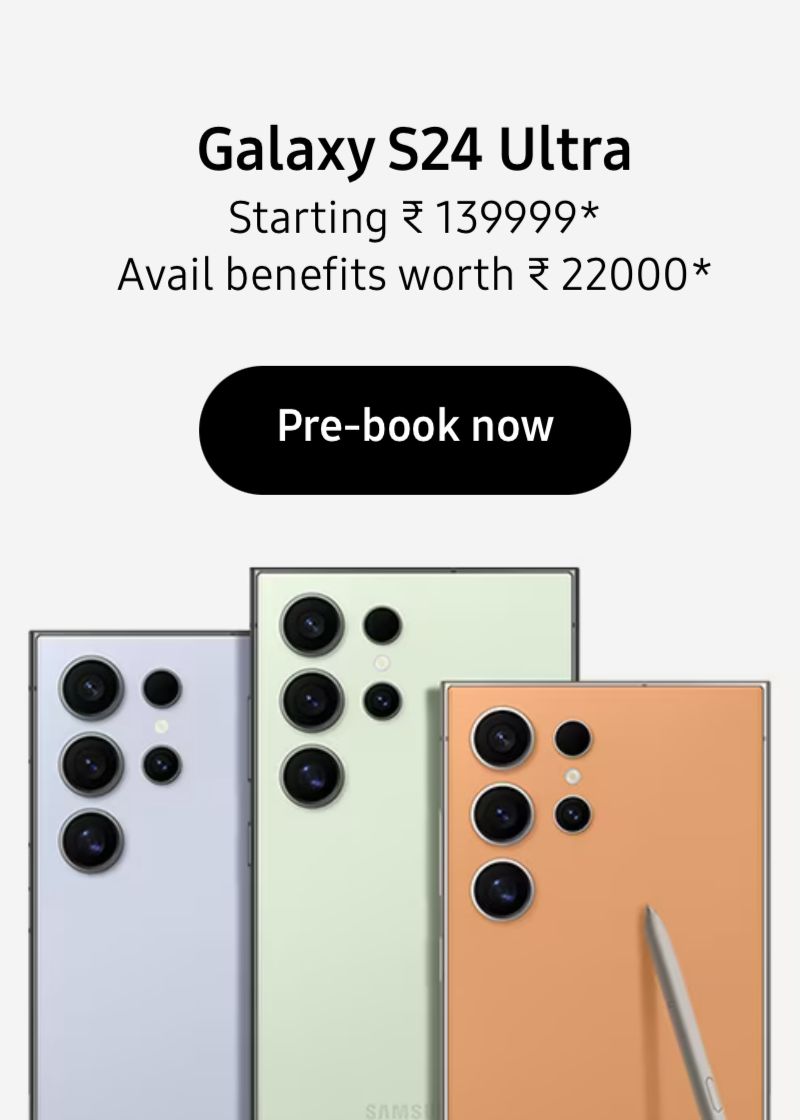
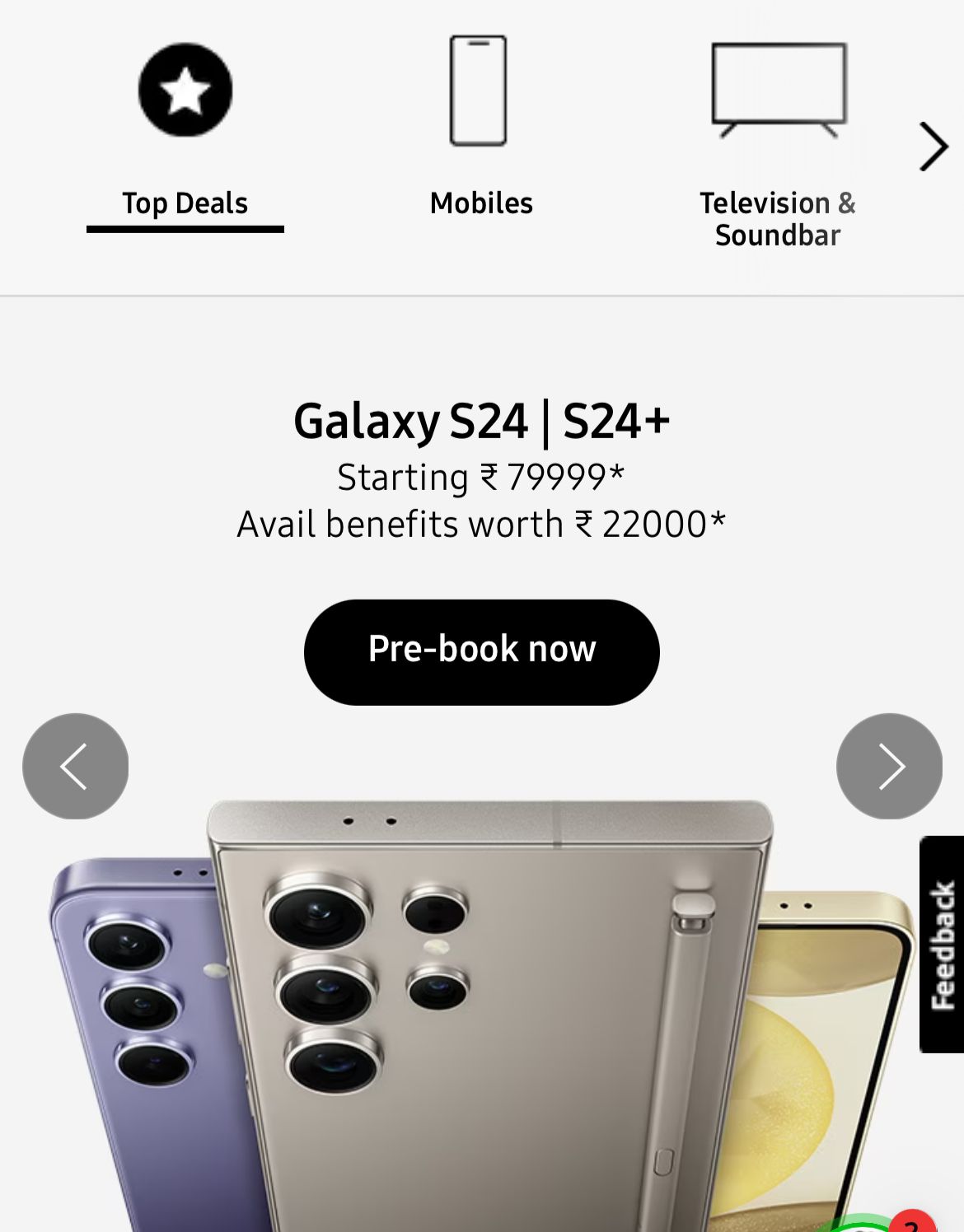
Customers pre-booking Galaxy S24 Ultra & Galaxy S24+ will get benefits worth INR 22,000 and those pre-booking Galaxy S24 will get benefits worth INR 15,000.
Specifications
Offers
No Cost EMI
“Benefits worth INR 22K”
Up to 11 months [Samsung Finance+]
Galaxy S24 Ultra
INR 12K Upgrade Bonus
&
+
Galaxy S24+
INR 10K Storage Upgrade (Pre-book 256GB and Get 512GB)
Alternatively, INR 5K Bank Cashback can be availed along with INR 5K Upgrade [Total Benefits 10K]
Galaxy S24
“Benefits worth INR 15K”
Up to 11 months [Samsung Finance+]
INR 15K Upgrade Bonus
Alternatively, INR 5K Bank Cashback can be availed along with INR 8K Upgrade [Total Benefits 13K]
Moving away from a fixed 10x lens, it now features a 5x magnification and a high-resolution 50MP sensor, enhancing the zoom quality between 5x and 10x.
The S24+ has become an interesting proposition this year.
It matches the Ultra in terms of RAM (12GB) and flaunts a flat 6.7-inch LTPO display with QHD+ resolution and a 1-120Hz refresh rate.
Its battery capacity is almost on par with the Ultra, making it an excellent choice for those who don’t necessarily need the S Pen or the Ultra’s camera setup.
It offers a slightly larger display and a modest increase in battery capacity.
However, for S23 owners or those seeking significant upgrades, the standard S24 might not be as appealing, considering the trend towards larger phones.
Software Support
Samsung’s commitment to providing 7 generations of OS updates
Samsung’s commitment to providing 7 generations of OS updates and 7 years of security patches is a strong selling point.
This ensures longevity for the device, making it a smart purchase not just for personal use but also as a valuable hand-me-down or resale item.
While there aren’t revolutionary changes, the series refines and improves upon its predecessors.
The Galaxy S24+, in particular, strikes a balance between price and features, making it a standout in the lineup.
Galaxy S24 Series Gets Off to a Great Start in India, Secures Record 250,000 Pre-bookings in Three Days
Galaxy S24 Series Gets Off to a Great Start in India, Secures Record 250,000 Pre-bookings in Three Days
Samsung, today announced that its recently-launched flagship Galaxy S24 series has secured record pre-bookings, making it the most successful S series ever.
More than 250,000 customers in India have ordered a Galaxy S24 smartphone since pre-bookings opened in the country three days ago on January 18.
For comparison, Samsung had secured 250,000 pre-bookings for its Galaxy S23 series over a three-week period in India.
The ’Made in India’Galaxy S24 Ultra, Galaxy S24+ and Galaxy S24 smartphones enhance and redefine the phone’s most fundamental role – communication – with Live Translate, Interpreter, Chat Assist, Note Assist and Transcript Assist features.
In the car, Android Auto will automatically summarize incoming messages and suggest relevant replies and actions.
Galaxy S24 marks a milestone in the history of search as the first phone to debut intuitive, gesture-driven Circle to Search with Google.
Users can circle, highlight, scribble on, or tap anything on Galaxy S24’s screen to see helpful, high-quality search results.
For certain searches, generative AI-poweredoverviews can provide helpful information and context pulled together from across the web.
Galaxy S24 series’ ProVisual Engine is a comprehensive suite of AI-powered tools that transform image capturing abilities and maximize creative freedom.
The Quad Tele System on Galaxy S24 Ultra now comes with a new 5x optical zoom lens that works with the 50MP sensor to enable optical-quality performance at zoom levels from 2x, 3x, 5x to 10x, thanks to Adaptive Pixel Sensor.
Images also show crystal clear results at 100x with enhanced digital zoom.
With upgraded Nightography capabilities, photos and videos shot on Galaxy S24 Space Zoom are brilliant in any conditions, even when zoomed in.
Galaxy S24 Ultra’s larger pixel size, now 1.4 μm, is 60% bigger, helping capture more light in dim conditions.
Wider optical image stabilizer (OIS) angles and enhanced hand-shake compensation help reduce blur.
Both front and rear cameras are equipped with Dedicated ISP Block for noise reduction.
Galaxy AI editing tools on Galaxy S24 series enable simple edits like erase, re-compose, and remaster.
Edit Suggestion uses Galaxy AI to suggest perfectly suitable tweaks for each photo, while Generative Edit can fill in parts of an image background with generative AI.
Anytime Galaxy S24 deploys generative AI to amplify an image, a watermark will appear on the image and in metadata.
The new Instant Slow-mo can generate additional frames based on movements to smoothly slow down action-packed moments for a more detailed look.
Super HDR reveals lifelike previews before the shutter is ever pressed.
In all three Galaxy S24 models, 1-120 Hz adaptive refresh rates improve performance efficiency.
Galaxy S24 Ultra comes a 1.9 times larger vapor chamber, improving device surface temperature while also maximizing sustained performance power.
Ray tracing enables life-like visuals with superior shadow and reflection effect.
Galaxy S24 reaches 2600nit peak brightness, making it the brightest Galaxy smartphone ever.
Corning® Gorilla® Armor on the Galaxy S24 Ultra is optically enhanced for superior durability.
Galaxy S24+ comes with a 6.7-inch and Galaxy S24 has a 6.2-inch display. Galaxy S24 Ultra has a 6.8-inch flatter display, optimized not just for viewing but also for productivity.
Galaxy S24+ now supports the same level of QHD+ found on Galaxy S24 Ultra.
Galaxy S24 Ultra is the first-ever Galaxy phone to feature a titanium frame, enhancing device durability and longevity.
Galaxy S24 series is secured by Samsung Knox for safeguarding critical information and protection against vulnerabilities with end-to-end secure hardware, real-time threat detection and collaborative protection.
Galaxy S24 users have full controllability over how much they allow their data to enhance AI experiences, through Advanced Intelligence settings, which can disable online processing of data for AI features.
Galaxy S24 series continues Samsung’s commitment to extending the product lifecycle, offering seven generations of OS upgrades and seven years of security updates to help users reliably experience the optimized performance of their Galaxy devices for even longer.
What are the unique features of the Galaxy S24 Ultra?
The Galaxy S24 Ultra boasts an innovative 5x magnification telephoto lens with a 50MP sensor, offering enhanced zoom and high-quality 8K video recording capabilities.
How does the Galaxy S24+ differ from the Ultra model?
The S24+ mirrors the Ultra in terms of RAM and display technology but stands out with its flat 6.7-inch screen and slightly smaller battery. It’s an ideal choice for those who prefer a more compact device without compromising on performance.
What updates are seen in the standard Galaxy S24?
The standard Galaxy S24 model offers a slight increase in display size and battery capacity, catering to users looking for essential upgrades in a more compact form.
What kind of software support is Samsung offering for the S24 series?
Samsung commits to 7 generations of OS updates and 7 years of security patches for the S24 series, ensuring long-term software reliability and security.
Pre-Book your Samsung Galaxy S24 Series smartphone at just INR 2000 at Vijay Sales stores and www.vijaysales.com. Details?
Vijay Sales, India’s leading electronics omni-channel retail chain, is delighted to announce the commencement of pre-booking of the Samsung Galaxy S24 series with a minimal pre-booking payment of just INR 2,000.
Whether you savor the in-store journey at Vijay Sales 130+ outlets or opt for the seamless convenience of online booking at vijaysales.com, this exclusive opportunity ensures you’ll be at the forefront of innovation.
Samsung Galaxy S24 series include three powerhouse smartphones – Samsung Galaxy S24 Ultra, Samsung Galaxy 24+ and Samsung Galaxy S24 that combine top-notch performance, a stunning display, cutting-edge camera capabilities, and seamless connectivity, making them a versatile companion for both productivity and entertainment.
And with Galaxy AI, one can now experience new ways to connect, create and play effortlessly.
Samsung Galaxy S24 Ultra is powered by the Octa-Core processor, along with the 6.8-inch Dynamic AMOLED 2X display and a 120Hz refresh rate it offers a powerful performance & stunning experience.
Samsung Galaxy S24 Ultra stands out with its S Pen support, offering enhanced productivity and creativity. The camera system features a quadruple rear setup with resolutions of 200 MP, 50 MP, 12 MP, and 10 MP.
The front camera, with a resolution of 12MP ensures top-notch selfie’s. The substantial 5000mAh battery ensures long hours of usage.
Samsung Galaxy S24+ powered by a Deca-Core processor comes with an expansive 6.7-inch Dynamic AMOLED 2X display with Quad HD+ resolution and a 120Hz refresh rate.
The triple rear camera setup (50 MP + 10 MP + 12 MP) and 12 MP front camera deliver stunning photos and UHD 8K videos at 30fps. The 4900mAh battery provides extended usage times.
Samsung Galaxy S24 combines performance, stunning display, and an advanced camera system. Its Deca-Core processor ensures seamless multitasking and a responsive user experience. Its features a 6.2-inch Dynamic AMOLED 2X display with a 120Hz refresh rate.
The triple rear camera setup (50 MP + 10 MP + 12 MP) and 12 MP front cameras capture stunning photos. The sleek and stylish device is complemented by a robust 4000mAh battery.
The Galaxy S24 series which runs on the Android operating system, seamlessly integrates with Samsung’s ecosystem, supporting devices like Galaxy Buds and Galaxy Watch. It also includes features such as Samsung DeX support, Bluetooth Hearing Aid support, and SmartThings integration, making it a versatile companion for both productivity and entertainment.
The new Samsung S24 series is now smarter due to the presence of features like Circle to Search, Live Translate, Chat Assist, Note Assist among others that would help the consumers ease their day to day task effortlessly.
Viajy Sales is offering you a chance to be among the first to revel in the groundbreaking features and unmatched performance of the S24 series.
Seize the opportunity to step into the next generation of mobile technology and secure your pre-booking today at just INR 2000 at Vijay Sales stores and vijaysales.com
Samsung Galaxy S24 series goes on pre-order in Germany. Details?
The Samsung Galaxy S24 Ultra is a rethink on how the long telephoto lens should work – instead of a fixed 10x lens, Samsung went for 5x magnification and a high resolution 50MP sensor that offers high quality zoom between 5x and 10x.
And more, it enables 8K video recording and 4K @ 120fps from the tele camera.
Samsung Galaxy S24+ at €300 less than the Ultra.
You can go down €350 and get the small Galaxy S23 – it’s not tiny, but it is the smallest new phone that Samsung sells.
Samsung Galaxy S23 FE costs €690, but that’s with only 128GB storage.
Samsung Confirms Free Offers For Every Galaxy S24 Pre-Order. Details?
US customers buying the Galaxy S24 or Galaxy S24+ have the option of half-price Galaxy Buds FE, a $175 discount on the Galaxy Watch6 Classic, and a $125 discount on the Galaxy Watch6.
The Galaxy S24 Ultra comes with the same fifty per cent discount on the Buds, but $250 off the Watch6 Classic and $200 off the Watch 6.
All three models come with six months of Microsoft 365 Basic, two months of Adobe Photoshop Lightroom, and four months of SiriusXM streaming.
In the United Kingdom, you have a five per cent discount on a Samsung Shop order over £500; thirty per cent off the Galaxy Buds Pro 2 when bought with the handset; thirty per cent off Samsung Care+; 12 months of Disney+; and a £30 Galaxy Store voucher.
Students, 16-26 year olds and Key Workers can also apply for a fifteen percent discount.
Samsung’s home country of South Korea will not see pre-orders opening until January 19th, but it is expected to offer the same “double your storage” upgrade and similar discounts on the Galaxy Buds FE, Watch6 Classic, and Watch 6.
South Korean company allowed consumers to reserve a handset through the Samsung website ahead of the launch… effectively a pre-order before pre-ordering.
Those taking up this offer before January 16th can receive a $50 credit towards the purchase of a handset from the S24 range.
Samsung is widely expected to offer a “double your storage” option, so those purchasing a 128 GB Galaxy S24 would receive the 256 GB model; this principle would hold throughout the range right up to those buying the 512 GB Galaxy S24 Ultra receiving the 1 TB model.
The buzz around the OnePlus 12 is peaking with tipster Abhishek Yadav unveiling the pricing details for the Indian market on X.
The base model, boasting 12GB RAM and 256GB storage, is expected to be priced at Rs 64,999.
For those seeking more power and storage, the 16GB RAM and 512GB storage variant is anticipated to come with a Rs 69,999 price tag.
This marks a significant price jump from the previous OnePlus 11, which was launched at Rs 56,999 for the 8/128GB model and Rs 61,999 for the 16/256GB variant.
Sales for the OnePlus 12 are tipped to commence on January 30th in India.
The OnePlus 12 promises to be a technological marvel, featuring a 6.82-inch QHD+ 2K OLED LTPO display with a 120Hz refresh rate and an impressive peak brightness of 4,500 nits.
It’s equipped with a 50MP Sony LYT-808 primary camera with Optical Image Stabilization (OIS), complemented by a 48MP Sony IMX581 ultra-wide-angle lens and a 64MP OV64B 3X periscope lens.
A 32MP Sony IMX615 front camera caters to selfie enthusiasts.
Battery life and charging capabilities are also a highlight.
The device includes a 5,400mAh battery with support for 100W wired and 50W wireless fast charging.
These include a bank discount of Rs. 2,000, an exchange bonus, a special gift for the first 1,000 orders, a no-cost EMI option, and up to 50% off on protection plans.
Additionally, customers can avail of a Rs. 3,000 voucher redeemable against a OnePlus Pad purchase.
What are the leaked prices for the OnePlus 12 in India?
The OnePlus 12 is rumored to start at Rs 64,999 for the 12GB RAM and 256GB storage model, with the higher-end 16GB RAM and 512GB storage variant priced at Rs 69,999.
How does the OnePlus 12’s pricing compare to its predecessor?
The leaked prices show a notable increase from the OnePlus 11, which was launched at lower price points – Rs 56,999 for the 8/128GB model and Rs 61,999 for the 16/256GB variant.
When will the OnePlus 12 be available for purchase?
Sales for the OnePlus 12 are tipped to start on January 30th in India, just a week after its anticipated launch.
Is there a more budget-friendly option in the OnePlus 12 series?
The OnePlus 12R, a more affordable variant in the series, is expected to be available from February, offering consumers a cost-effective alternative.
What does the OnePlus and Pixelworks partnership bring to the OnePlus 12?
The collaboration between OnePlus and Pixelworks introduces the Pixelworks X7 Independent Visual Processor into the OnePlus 12.
This integration is set to significantly enhance the device’s graphics and visual performance, particularly in gaming, with features like 2K super-resolution and 120fps motion quality.
How will the Pixelworks X7 Processor improve the gaming experience on the OnePlus 12?
The Pixelworks X7 Processor in the OnePlus 12 is designed to amplify the gaming experience with its HyperRendering technology.
This will lead to smoother graphics, better color accuracy, and reduced latency, making games more immersive and visually stunning.
What are the technical benefits of the Pixelworks X7 Processor in OnePlus 12?
The OnePlus 12, with the Pixelworks X7 Processor, offers advanced technical benefits like ultra-low 10ms latency, real-time color calibration, and smooth motion quality at 120fps. These features contribute to a superior visual experience on the mobile device.
Are there any other significant features of the OnePlus 12 apart from the Pixelworks integration?
Beyond the Pixelworks partnership, the OnePlus 12 boasts a Qualcomm Snapdragon 8 Gen 3 chipset, up to 24GB RAM and 1TB storage options, Hasselblad cameras with triple lens setup, and supports 50W AIRVOOC wireless charging alongside a 5400mAh battery with 100W wired fast charging.
What are the key specifications of the OnePlus 12 as revealed on Amazon?
The OnePlus 12 is set to include the Qualcomm Snapdragon 8 Gen 3 chipset, 12GB of RAM, and 256GB of storage.
A higher-end variant with 24GB RAM and 1TB storage is also expected. The device will feature 4th-generation Hasselblad cameras, including a 50MP primary camera with OIS, a 64MP telephoto lens, and a 48MP ultrawide lens.
How does the OnePlus 12R differ from the OnePlus 12?
The OnePlus 12R is expected to be equipped with the Snapdragon 8 Gen 2 chipset and a 6.7-inch AMOLED display with a 1.5K resolution.
It will also have a triple-camera setup, but with a 50MP primary sensor and a 5,500mAh battery, the largest in a OnePlus phone to date.
What are the charging capabilities of the OnePlus 12?
The OnePlus 12 will support 50W AIRVOOC wireless charging and 100W wired fast charging, ensuring rapid battery replenishment and extended usage.
What is the expected pricing of the OnePlus 12 and 12R in India?
The OnePlus 12 is anticipated to be priced around Rs 60,000, based on its pricing in China and the upgrades it offers over the OnePlus 11. The OnePlus 12R, with slightly lower specs, is expected to be priced around Rs 50,000 or less.
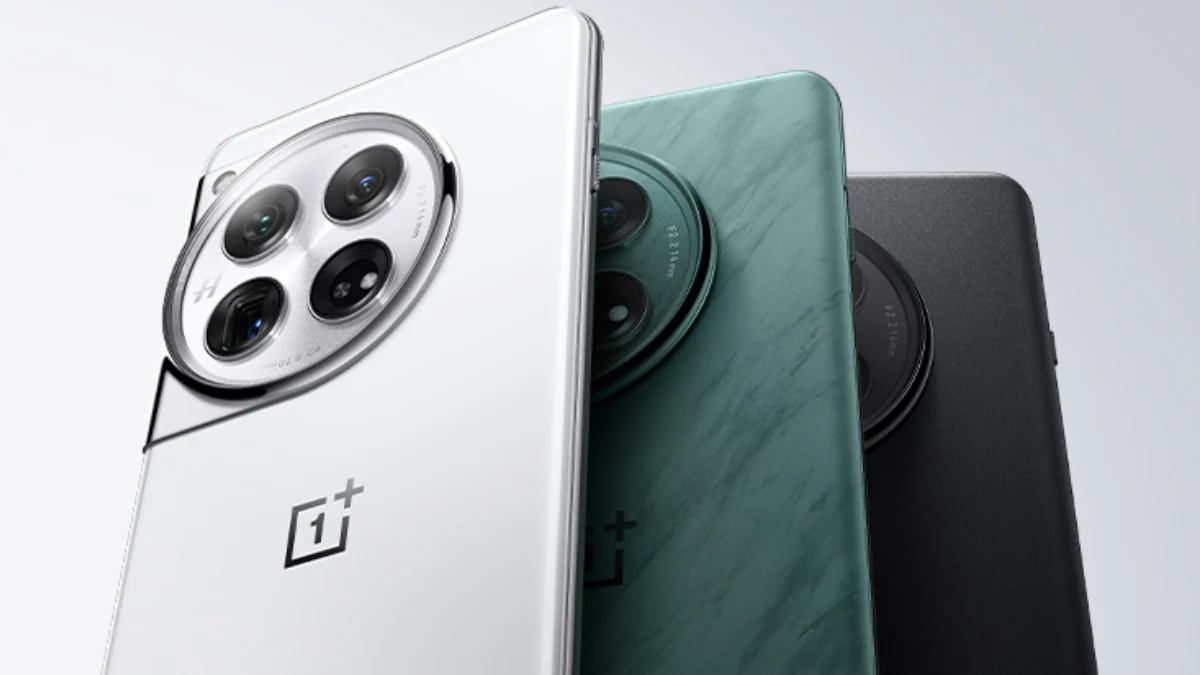
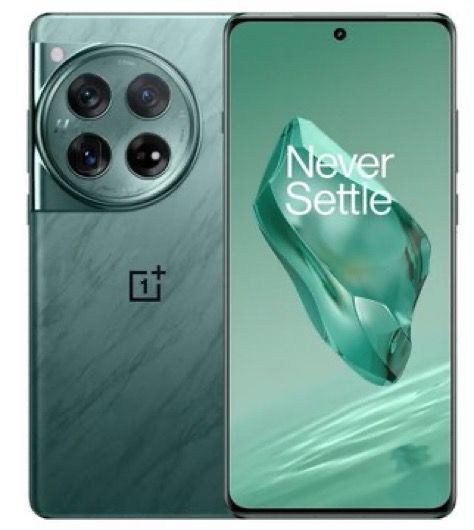
What is unique about the Pale Green colour of the OnePlus 12?
The Pale Green colour for the OnePlus 12 represents a continuation of OnePlus’s tradition of offering a green shade in its flagship lineup.
For the OnePlus 12, this green has been revamped, providing a fresh and distinctive appearance that aligns with the brand’s recognizable aesthetic.
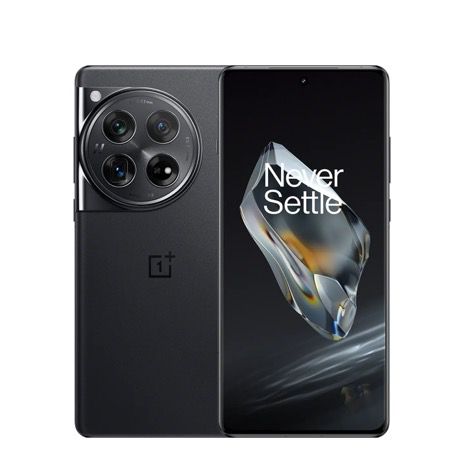
How does the Rock Black variant of the OnePlus 12 stand out?
The Rock Black colour of the OnePlus 12 is characterized by its matte frosted finish. This choice not only enhances the phone’s visual appeal but also serves a practical purpose by reducing fingerprint smudges.
The black variant integrates seamlessly with the phone’s large camera island, offering a polished and premium feel.
What are the key features of the OnePlus 12’s display and battery?
The OnePlus 12 features a 6.8-inch 120Hz 2K Super Fluid AMOLED display with a peak brightness of 4500nits.
It’s powered by a 5400 mAh dual-cell battery, supporting 100W SUPERVOOC fast wired charging and 50W AIRVOOC wireless charging, capable of fully charging the phone in 26 minutes (wired) and 55 minutes (wireless).
Can you describe the camera capabilities of the OnePlus 12?
The OnePlus 12 comes equipped with a 4th Gen Hasselblad Camera for Mobile, featuring a triple camera system.
This includes a LYT808 50MP main camera, a 64MP OV64B 3X periscope telephoto camera, and a 48MP ultra-wide camera, alongside a 32MP front selfie shooter.
What design innovations are present in the OnePlus 12?
The OnePlus 12’s design is inspired by nature, particularly evident in its Flowy Emerald colorway.
The device also incorporates a new generation of ceramic glass technology with a matte finish and retains the iconic three-stage alert slider, now repositioned for improved antenna performance.
Historic ‘Pran Pratishtha’ ceremony of Ram Mandir scheduled from 12:20 PM to 1:00 PM.
Live telecast available on national channels, mobile apps, and online platforms.
PM Narendra Modi among dignitaries attending the grand inauguration.
Public entry to Ram Mandir to commence from January 23.
Today marks a significant moment in India’s history with the inauguration of the Ram Mandir in Ayodhya.
The grand ceremony, called the Ram Lala Pran Pratishtha, is scheduled to start at 12:20 PM, lasting for approximately 40 minutes.
Ayodhya’s Ram Mandir Inauguration
Witness the Ceremony Live
Witness the Ceremony Live
For those unable to attend in person, the event will be streamed live across various platforms, ensuring that everyone can be a part of this historic occasion.
Mobile Apps: The Shri Ram Janmabhoomi Teerth Kshetra Trust’s official app, along with other popular apps like Doordarshan, will provide live coverage.
TV Channels: National and regional channels, including Doordarshan National, DD News, and Aaj Tak, will broadcast the event live. Viewers should check local listings for specific timings and channels.
Online Platforms: Major news websites and social media pages, including YouTube channels of Doordarshan and Aaj Tak, will stream the event live, making it accessible to a global audience.
Beyond Live Streaming
Beyond Live Streaming
Ayodhya is set to buzz with activities and cultural events throughout the week.
News channels and social media platformswill provide updates on various related programs.
The ceremony is not just about the physical construction of a temple; it’s a symbol of faith, perseverance, and unity.
It’s a time to reflect on the historical and cultural significance of this event and its impact on the nation.
Railways’ Unique Initiative
Railways’ Unique Initiative
In an unprecedented move, Indian Railwayswill facilitate live streaming of the ceremony across 9000 screens at various railway stations nationwide, ensuring that travelers can also be a part of this momentous occasion.
Dignitaries and Preparations
Dignitaries and Preparations
Dignitaries, including Prime Minister Narendra Modi, Uttar Pradesh Chief Minister Yogi Adityanath, and RSS Sarsanghchalak Mohan Bhagwat, are expected to address the ceremony.
PM Modihas encouraged people to light a ‘Shree Ram Jyoti’ in their homes to mark this day.
The temple, sprawling over 2.7 acres with a built-up area of 57,400 square feet, stands as a testament to grand architectural endeavors.
Telecom Giants Step Up
Telecom Giants Step Up
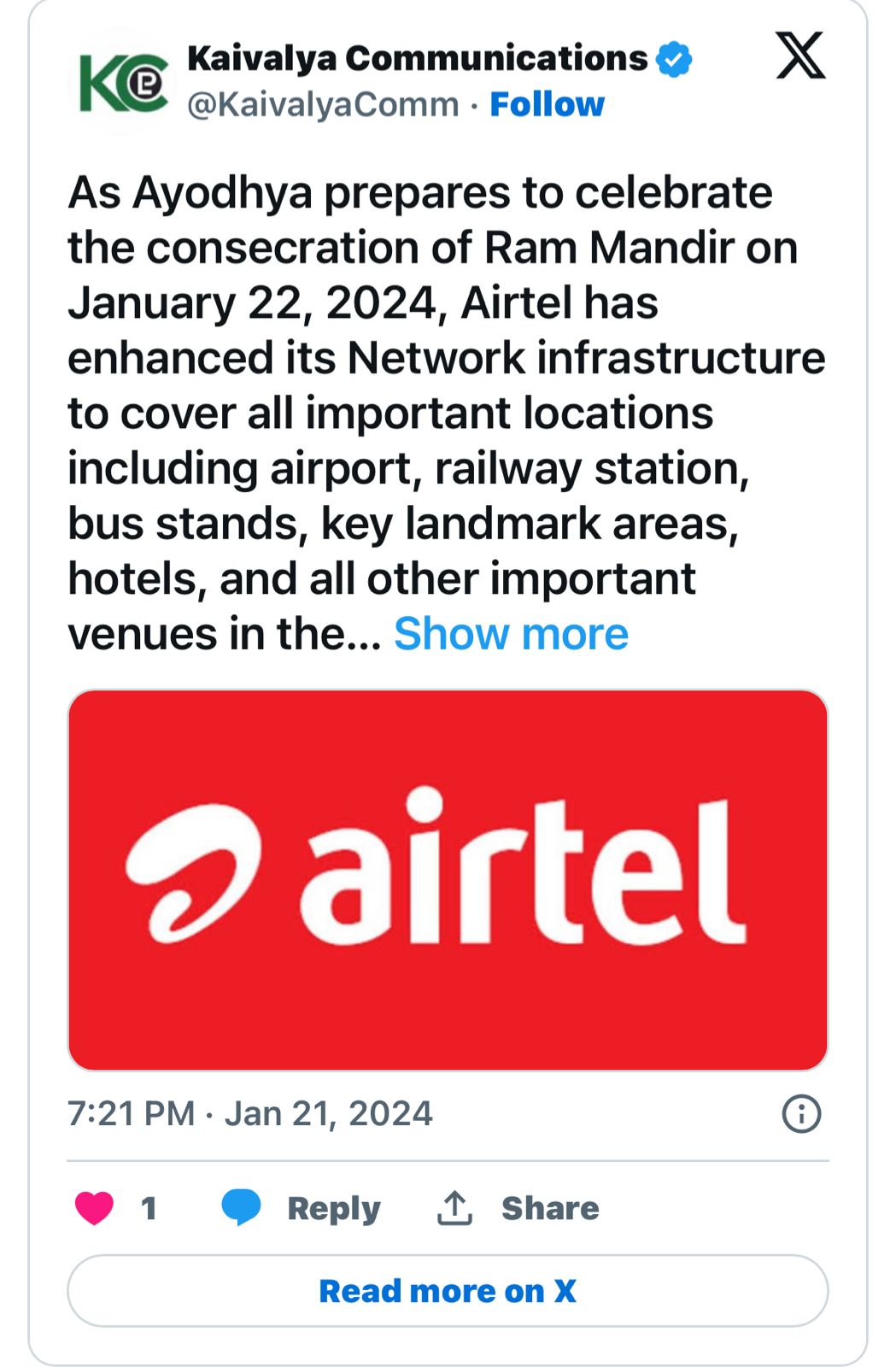
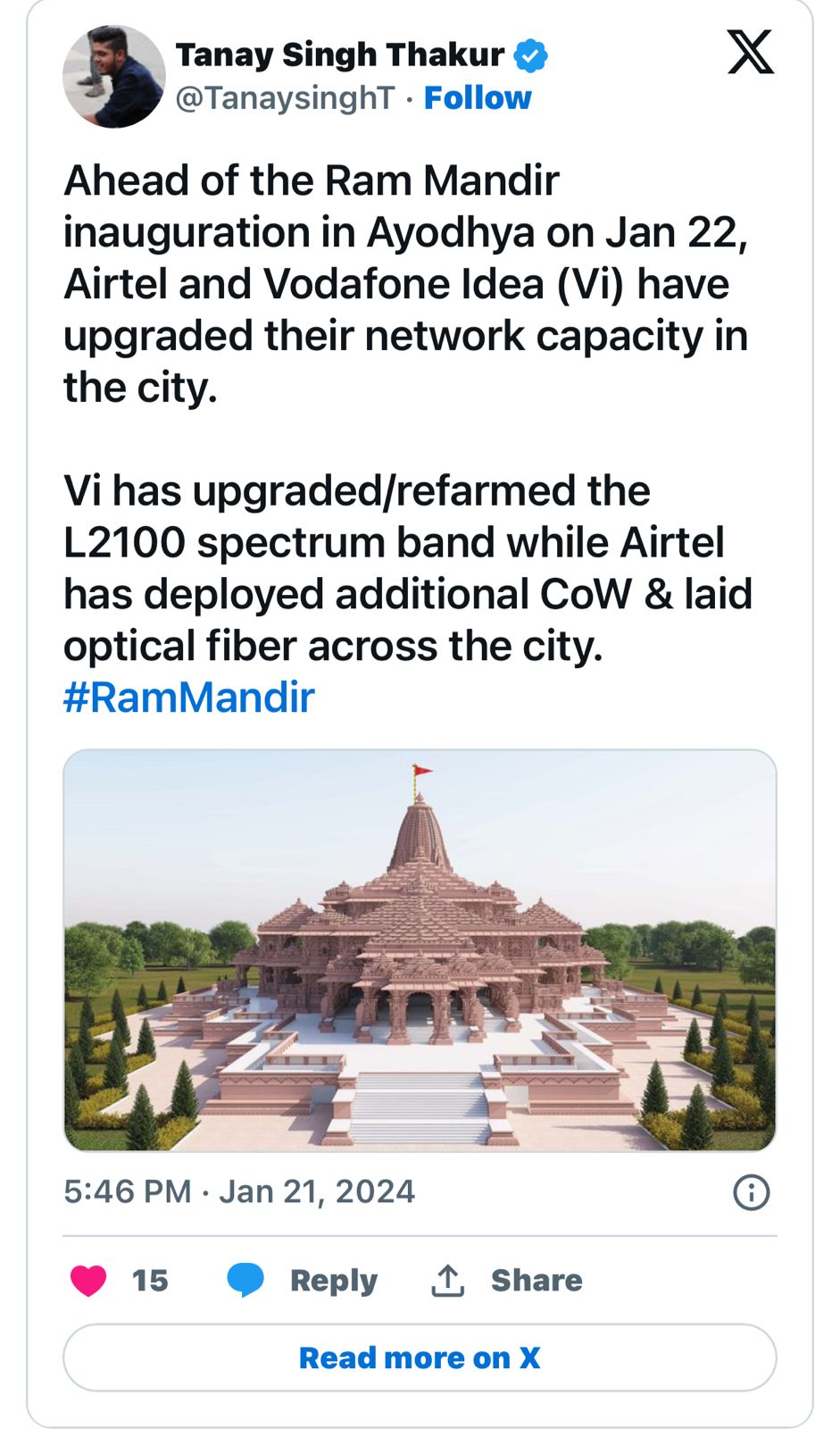
With an anticipated footfall exceeding 7,000 visitors and dignitaries during the inauguration, and an expected daily visitor count of three to five lakh post-consecration, telecom operators Airtel and Vi have upgraded their network infrastructure in Ayodhya.
Airtel and Vi’s Enhancements
Airtel and Vi’s Enhancements
Airtel has deployed additional network sites and Cells on Wheels (CoW) in significant areas, including the airport, railway stations, and bus stands.
The telco has expanded optic fiber cables and installed additional Base Transceiver Stations (BTS) around the Ram Mandir.
Vi, in collaboration with local authorities and the Department of Telecommunications, has installed more towers to improve coverage and capacity.
These enhancements by Airtel and Vi are aimed at providing seamless connectivity for the influx of visitors during this historic event.
FAQs
Where can I watch the live telecast?
The event will be broadcast live on multiple platforms. These include India Today TV, DD News, and DD National channels of Doordarshan.
Additionally, viewers can follow live updates and stream the event on various news websites and their respective mobile applications.
Who are the notable attendees?
The event will be graced by several dignitaries, including Prime Minister Narendra Modi, and is expected to be attended by representatives from various spiritual and religious sects, tribal communities, and celebrities like Amitabh Bachchan, Sachin Tendulkar, Anil Kumble, Katrina Kaif, Vicky Kaushal, Ranbir Kapoor, Alia Bhatt, Rajinikanth, Ram Charan, and Chiranjeevi, among others.
What are the significant features of the Ram Mandir?
The temple is constructed in the traditional Nagara style, with dimensions of 380 feet in length, 250 feet in width, and 161 feet in height. It is supported by 392 pillars and features 44 doors.
The main entrance is located on the eastern side, approached by ascending 32 stairs through the Singh Dwar.
The temple complex includes five mandaps (halls) – Nritya Mandap, Rang Mandap, Sabha Mandap, Prathana Mandap, and Kirtan Mandap. Notably, no iron was used in the construction of the temple.
What are the special arrangements for the event?
Security has been significantly enhanced in Ayodhya, with 13,000 forces deployed and the use of artificial intelligence-powered CCTV for monitoring.
Anti-bomb and dog squads are also in place, particularly at the newly inaugurated Maharishi Valmiki International Airport.
* Up to 57% off on select Galaxy smartphones and up to 48% off on select models of Samsung premium and lifestyle TVs. * Samsung Galaxy Tablets, Accessories and Wearables will be available at up to 50% off. * Up to 52% off on select models of refrigerators with exchange benefits of up to INR 15125. * Up to 22.5% cashback with leading cards (Up to INR 25000).
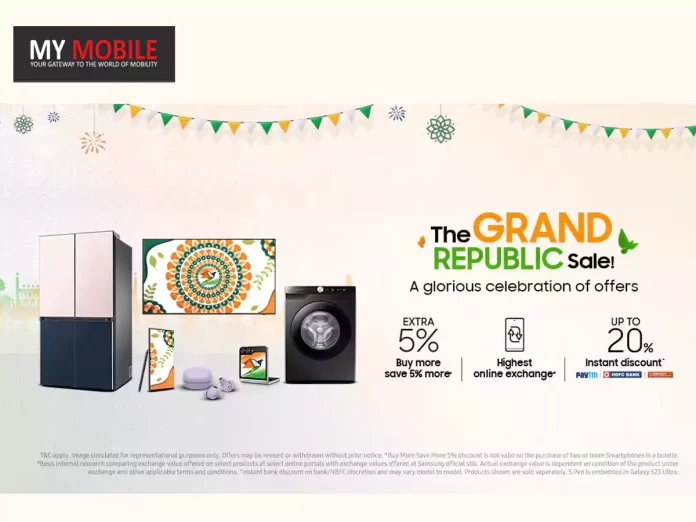
Samsung, has launched its Grand Republic Sale with bumper offersand cashback on a variety of Samsung products such as Galaxy smartphones, laptops, tablets, wearables, Samsung TVs, and other digital appliances.
These offers will be available on Samsung.com, Samsung Shop App, and Samsung Exclusive Stores.
Consumers will get up to 22.5% cashback (Up to INR 25000) on HDFC Bank, ICICI Bank, Axis Bank and other leading Bank Debit and Credit Cards.
Samsung Announces its Grand Republic Day Sale with Mega Offers
During the bonanza sale, consumers buying select models of Galaxy A series, M series, F series, S series and flagship models of Galaxy Z Series can get up to 57% off.
Those purchasing Galaxy laptops such as Galaxy Book Go, Galaxy Book3, and Galaxy Book 3 Pro, can avail up to 46% off and consumers buying select models of Galaxy tablets, wearables and accessories can get up to 50% off.
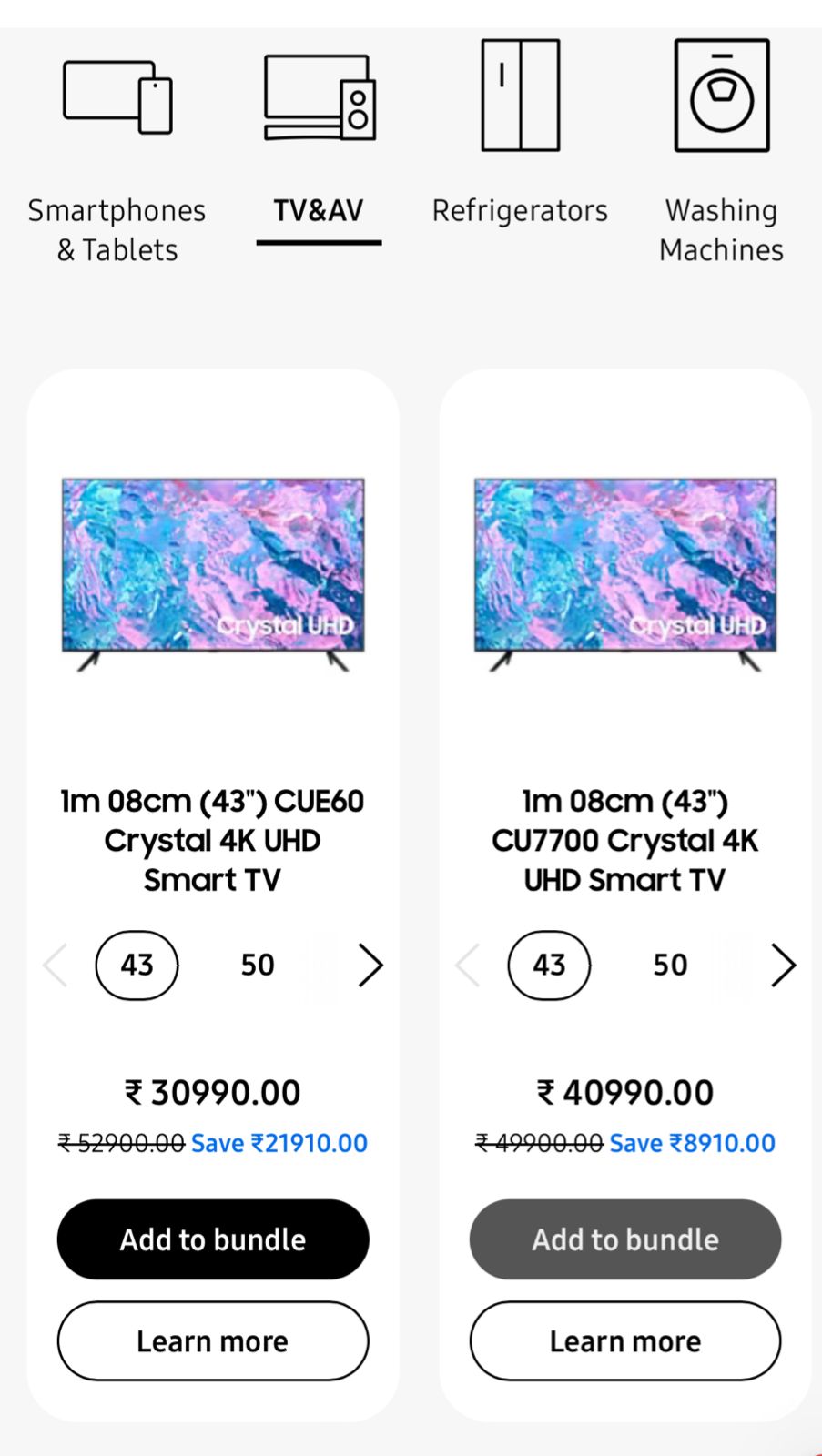
Consumers purchasing premium and lifestyle models of Samsung televisions can avail up to 48% off with an additional exchange benefit of up to INR 15250.
Consumers buying select models of Neo QLED and QLED will also get an assured special gift from either of the following – Galaxy S23 Ultra worth INR 124990 or a 50″ Serif TV worth INR 69990, or a Soundbar worth INR 38990 (Q700C / C450).
Samsung Announces Offers on the Newly Launched Galaxy S24 Series
During the sale, consumers buying Samsung digital appliances such as refrigerators will get up to 52% off, on select models of refrigerators.
Consumers can also get exchange benefits up to INR 15125 on select models.
On purchase of microwaves such as 28 litre SlimFry Microwave and 32 litre Wi-Fi enabled Bespoke Microwave, consumers can avail up to 45% off.
Consumers purchasing select models of EcobubbleTM range of fully automatic washing machines will get up to 49% off with an extra benefit of INR 3000 as an upgrade bonus.
Samsung Grand Republic Sale Bank Offers
Samsung Grand Republic Sale Bank Offers
Consumers will get up to 22.5% cashback (Up to INR 25000) on HDFC Bank, ICICI, Axis, and other leading Bank Debit and Credit Cards.
These offers will be available on Samsung.com, Samsung Shop App, and Samsung Exclusive Stores.
Consumers purchasing premium and lifestyle models of Samsung televisions can avail up to 48% off with an additional exchange benefit of up to Rs 15,250.
Consumers buying select models of Neo QLED and QLED will also get an assured special gift from either of the following – Galaxy S23 Ultra worth Rs 1,24,990 or a 50-inch Serif TV worth Rs 69,990, or a Soundbar worth Rs 38,990 (Q700C / C450).
Samsung Appliances Offers
Samsung Appliances Offers
The South Korean company is also offering discounts on home appliances during the sale.
Those who are buying Samsung digital appliances such as refrigerators will get up to 52% off, on select models of refrigerators.
Consumers can also get exchange benefits up to Rs 15,125 on select models.
Samsung Digital Appliances Such as Refrigerators
On purchase of microwaves such as 28 litre SlimFry Microwave and 32 litre Wi-Fi enabled Bespoke Microwave, consumers can avail up to 45% off.
Consumers purchasing select models of Ecobubble range of fully automatic washing machines will get up to 49% off with an extra benefit of Rs 3,000 as an upgrade bonus.
1). Up to 39% off
2). Additional 10% on purchase of two or more WindFree™ AC’s
1) Hot & Cold AC 1.5 Ton 3 Star
2) WindFree™ AC 1.5 Ton 3-star
Bank Cashback
1) Up to 22.5% Cashback with Leading Cards (Up to INR 25000)
Additional Offers in Select Samsung Exclusive Stores
1) 21k Special Points on select Premium TVs & Digital Appliances
2) Product Insurance on Panels >32″
Faqs
Why buy from Samsung on Samsung Republic Day Sale ?
Up to 20% Instant bank cashback* on HDFC, ICICI, SBI and other leading bank EMI & Full swipe on Debit & Credit card
Get up to ₹ 5000* Welcome voucher on Samsung Shop App
Get 5% off when you buy 2 or more selected products
Best online exchange value for your current phones, tablets and smartwatches
Buy Samsung.com special editions only available here
What products are available on Samsung Republic Day Sale ?
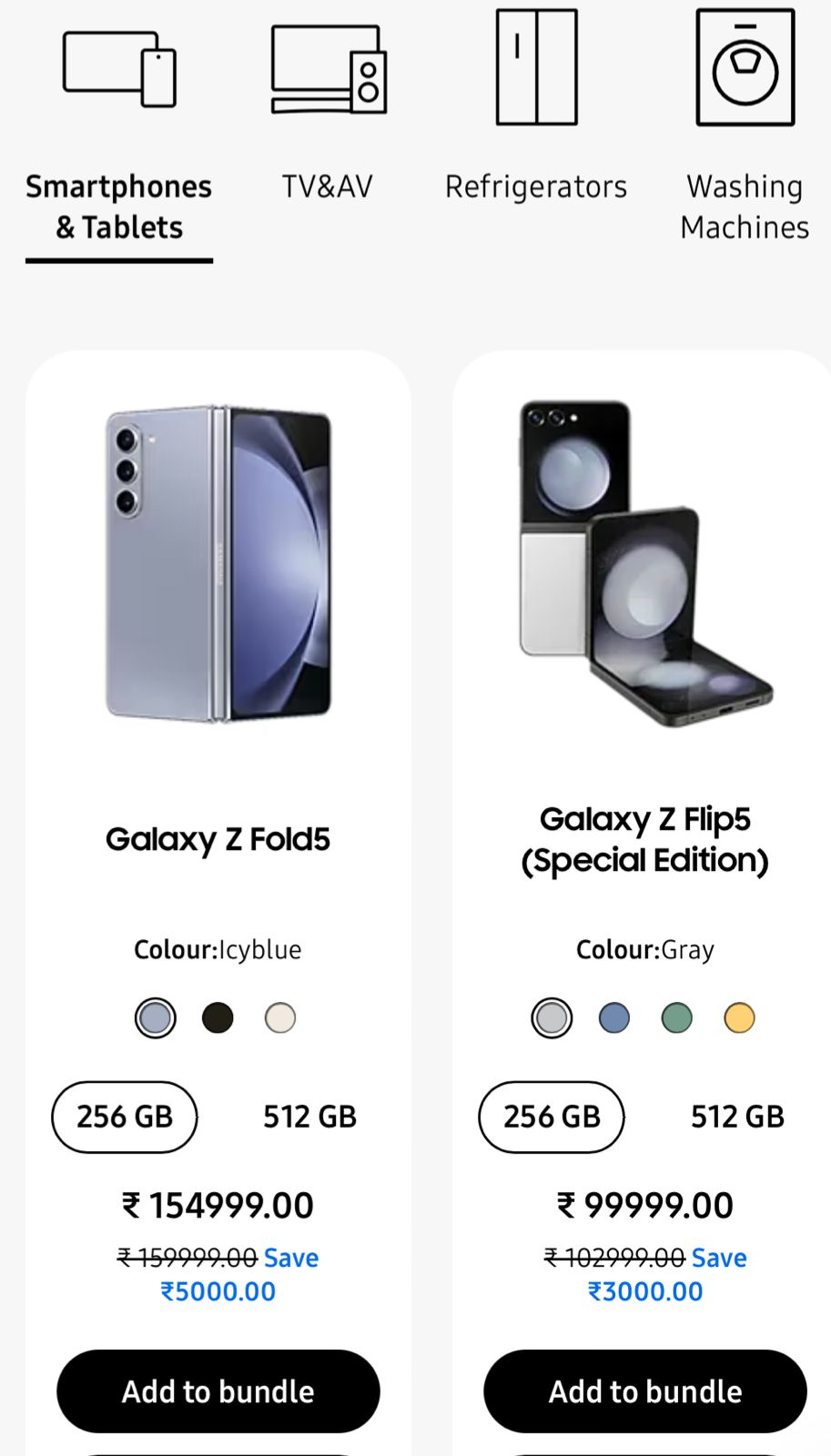
Samsung Republic Day Sale is a great chance to own products such as the Galaxy S23 Ultra, Galaxy Z Fold5 (Special Edition), Galaxy Z Flip5 (Special Edition), Galaxy S23 FE, Galaxy S23, Galaxy Book3 Ultra, Galaxy Book3 Pro 360, Neo QLED 4K Smart TV, OLED 4K Smart TV, Twin Cooling Plus™ Double Door Refrigerator, EcoBubble™ Front Loading Machine with Hygiene Steam & DIT Motor, Front Load Washing Machine with AI Control & SmartThings Connectivity, Galaxy Watch6, and much more. Fulfil your wishlist with great deals with Samsung.
Explore unbeatable offers, including discounts, no-cost EMI options, cashbacks, combo deals, and more.
During the Samsung Republic Day Sale. Browse our range of high-quality electronic items in the electronic store, where everything is available at the most exciting prices.
What are the deals & discounts on Samsung Republic Day Sale ?
Avail great deals and discounts with the Samsung Republic Day Sale:
1. Up to 20% instant bank cashback* on leading bank cards 2. Get up to ₹ 5000* Welcome Voucher on the Samsung Shop App 3. Buy more and save extra 5%* more 4. Best online exchange value for your current phones, tablets, and smartwatches
What is Samsung goal with the Samsung Republic Day Sale?
In celebration of Republic Day, the sale not only bring you technological marvels but also a patriotic fervor.
The goal is to provide customers with extra benefits, choices, and freedom.
Allow us to guide you through this shopping journey, ensuring you make the most of the Republic Day Sale.
Shop now for your favourite Samsung products and relish the finest discounts and deals.
MyRadar now supports Apple CarPlay, offering weather maps on car displays.
Advanced RouteCast-powered navigation introduced in latest update.
Version 7.82 further improves GPS accuracy and fixes CarPlay bugs.
Premium subscription required for full RouteCast navigation features.
MyRadar, a popular weather tracking app for iPhone, has recently enhanced its functionality with an exciting update.
Released on January 8 as part of MyRadar version 7.81, the app now supports Apple CarPlay, allowing users to access weather radar maps directly on their car’s display system.
This integration is a significant development for drivers who rely on MyRadar for real-time weather updates.
This feature enables users to view detailed weather radar maps on the larger screenof their car’s display,providing a safer and more convenient way to monitor weather conditions while on the road.
The update introduces RouteCast-powered navigation, offering real-time, turn-by-turn directions integrated with advanced weather radar and road condition data.
This feature aims to enhance driving experiences in various conditions, whether for daily commutes or longer journeys.
Subscription-Based Premium Features
RouteCast Navigation System requires a Premium Features Subscription
While the basic CarPlay functionality is available to all users, the RouteCast navigation system requires a Premium Features subscription.
This subscription offers added benefits like detailed road weather information, enhancing the utility of the app for regular commuters and professional drivers alike.
Following the initial update, version 7.82, released the next day, brought further enhancements.
It improved GPS usage under CarPlay, ensuring better accuracy during navigation.
Additionally, it fixed a bug related to the location map button, further refining the user experience.
Implications for CarPlay Users
Implications for CarPlay Users
With the introduction of MyRadar’s CarPlay support, the app joins others like Weather on the Way in offering drivers safer ways to monitor weather conditions while navigating.
The integration of weather apps into CarPlay is expected to grow, especially with the advent of next-gen CarPlay systems that will likely incorporate Apple’s Weather app directly on the dashboard.
FAQs
What is the latest update to the MyRadar app?
The MyRadar app has been updated to include support for Apple CarPlay, allowing users to view weather radar maps directly on their car’s screen.
This feature was introduced in version 7.81 of the app.
What are the new features available in MyRadar’s Apple CarPlay support?
MyRadar’s Apple CarPlay integration includes state-of-the-art weather radar and map integration, real-time turn-by-turn directions, and a ‘My Vitality Score’ feature for health monitoring.
These features aim to enhance the driving experience by providing detailed road conditions and weather updates.
Is there a subscription required to use all features of MyRadar on Apple CarPlay?
While basic CarPlay functionality is free for all users, access to RouteCast navigation and other advanced features requires a Premium Features subscription in the MyRadar app.
What improvements were made in MyRadar version 7.82?
The MyRadar update in version 7.82 improved GPS usage under CarPlay, ensuring better accuracy during navigation sessions.
It also fixed a bug related to the location map button on CarPlay.
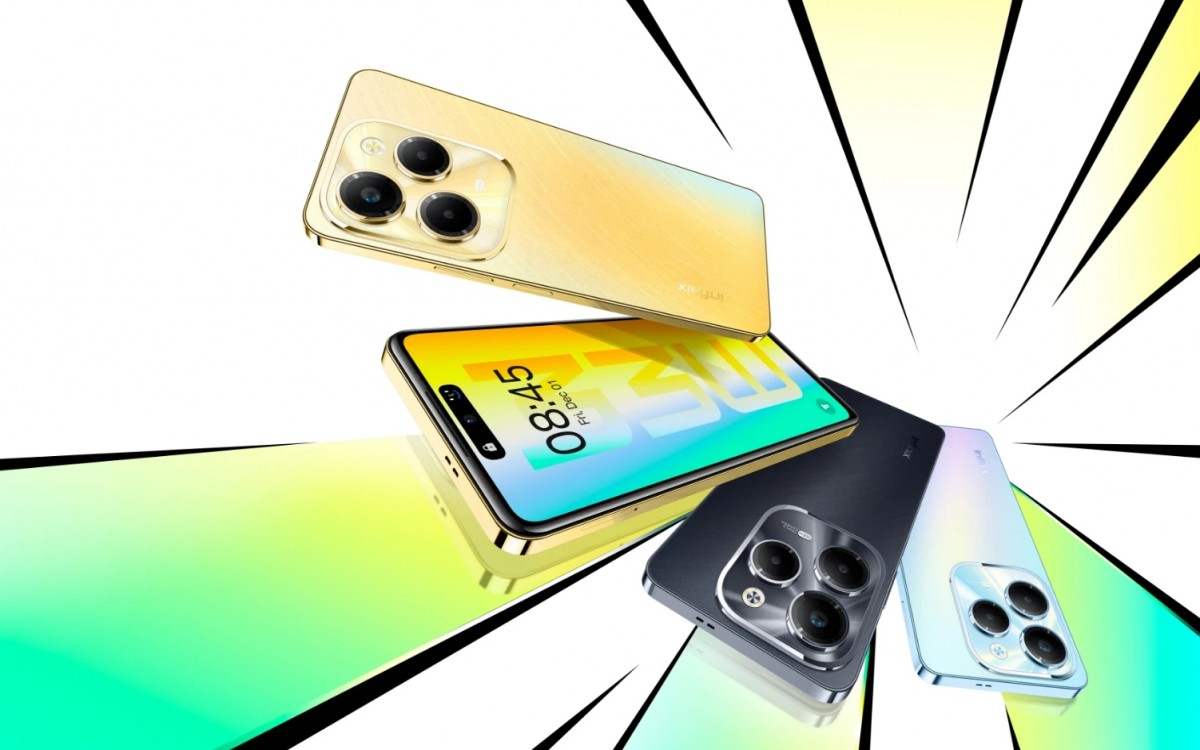
These upcoming models have been the subject of recent online buzz, with certifications and listings revealing key details about their specifications and features.
Infinix Note 40 Series Key Specifications and Design
Infinix Note 40 Pro Key Specifications and Design
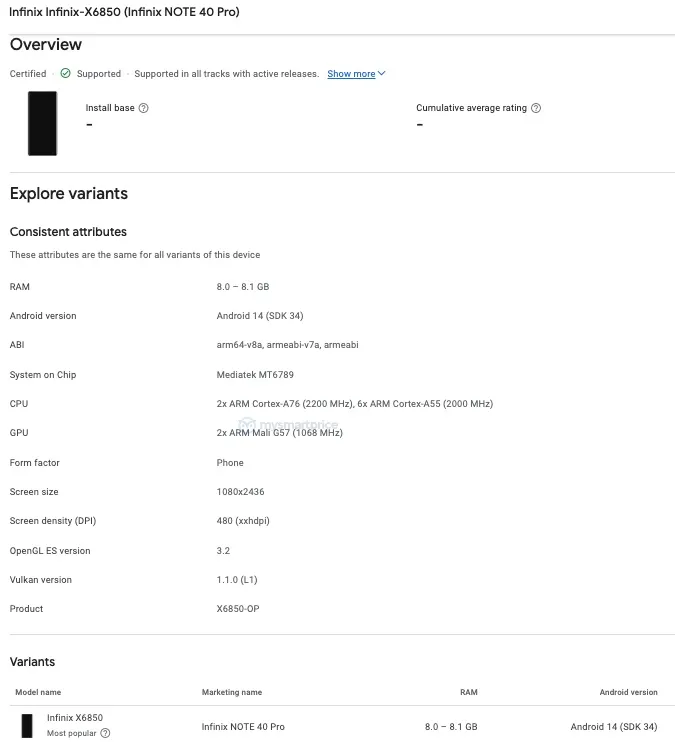
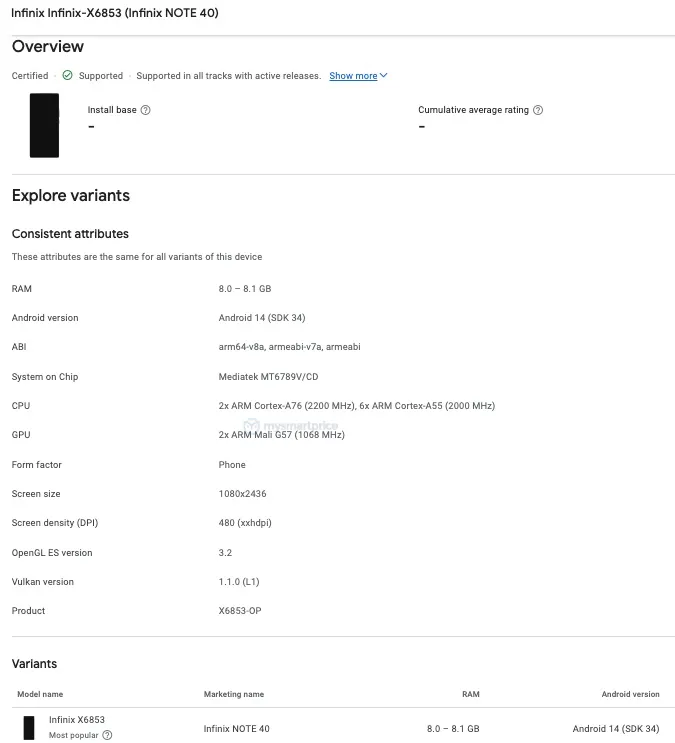
The Infinix Note 40 and Note 40 Pro have made appearances on the Google Play Console, offering insights into their technical attributes.
This processor, known for its 6nm fabrication process, is a testament to the brand’s commitment to efficient and powerful performance, while supporting 4G connectivity.
Infinix Note 40 Google Play Console
Design-wise, the Note 40 series seems to follow a familiar path, with a display resolution of 2436 x 1080 pixels and a pixel density of 480 PPI.
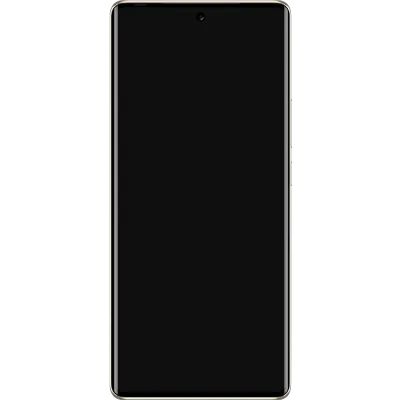
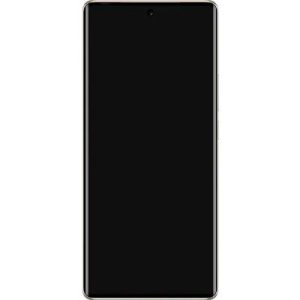
The shared renders on the Google Play Console suggest a sleek, modern look, featuring a center-aligned punch-hole cutout for the selfie camera.
This design choice aligns with current smartphone trends, offering a minimal and unobtrusive front camera placement.
Infinix Note 40 Series Connectivity and Additional Features
Infinix Note 40 Series Connectivity and Additional Features
Further details gathered from the certification sites indicate a range of connectivity options and additional features.
Both models will boast a screen resolution of 1080 x 2436 pixels, ensuring crisp and clear visuals.
The devices are also designed with convenience in mind, with the power button and volume rockers situated on the right side of the phone for easy access.
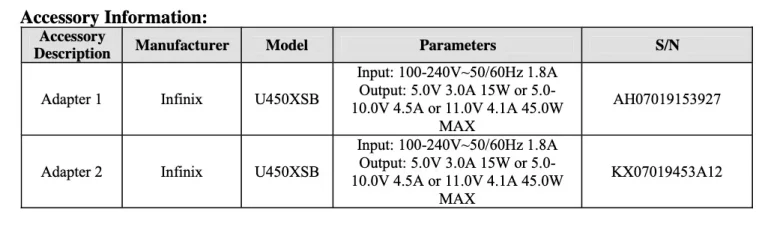
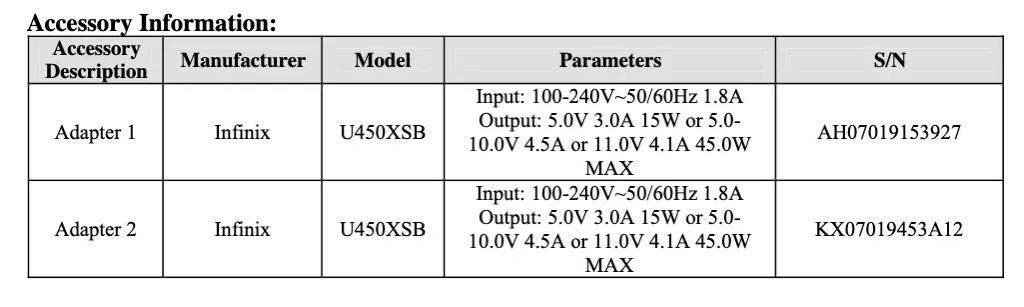
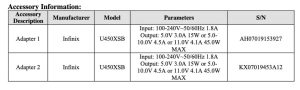
Infinix Note 40 Accessory Information
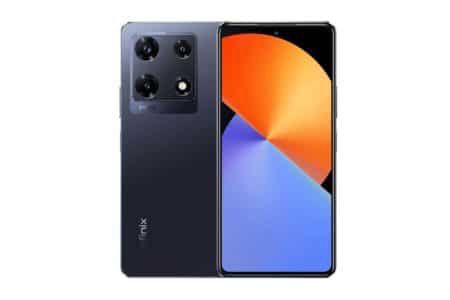
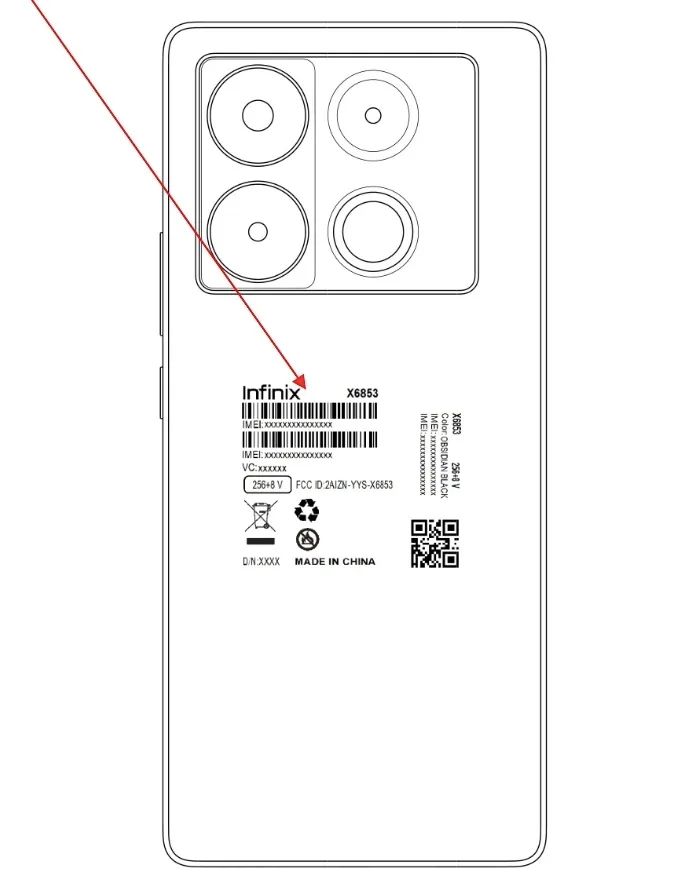
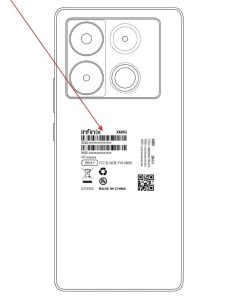
As per the FCC certification, the rear design of these smartphones will include a triple camera setup, continuing the legacy of their predecessors in the Note series.
Film Mode, Video, AI Cam, Beauty, Portrait, Super Night, AR Shot, Short Video, Pro, Slow Motion, Dual Video, Panorama, Documents, Timelapse, Sky Shop, Wide Selfie, Digital Zoom Upto 10X
Video Recording
1440p @ 30 fps QHD, 1080p @ 30 fps FHD
Flash
Yes, Triple LED
Front Camera
Punch Hole 32 MP f/2 (Wide Angle) with Dual LED Flash
What are the key specifications of the Infinix Note 40 and Note 40 Pro?
The Infinix Note 40 and Note 40 Pro are expected to run on Android 14, powered by MediaTek Helio G99 SoC.
They will likely have a display resolution of 1080 x 2436 pixels and a pixel density of 480 PPI.
What design features can be expected in the Infinix Note 40 series?
The design of the Infinix Note 40 series is anticipated to include a center-aligned punch-hole for the selfie camera and a sleek, modern look.
The power button and volume controls are conveniently located on the right side of the device.
What are the camera specifications for the Infinix Note 40 and Note 40 Pro?
Both the Infinix Note 40 and Note 40 Pro are expected to feature a triple rear camera setup. Specific details about the camera sensors are yet to be revealed.
Does the Infinix Note 40 offer wireless charging?
Yes, the Infinix Note 40 is expected to support 5W wireless charging, adding to its range of convenient features.
Infinix Note 40 series spotted on Google Play Certification.Details?
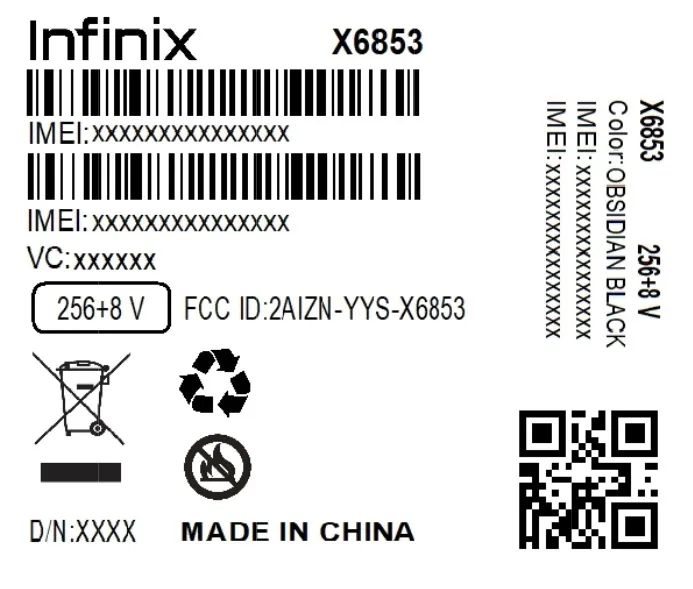
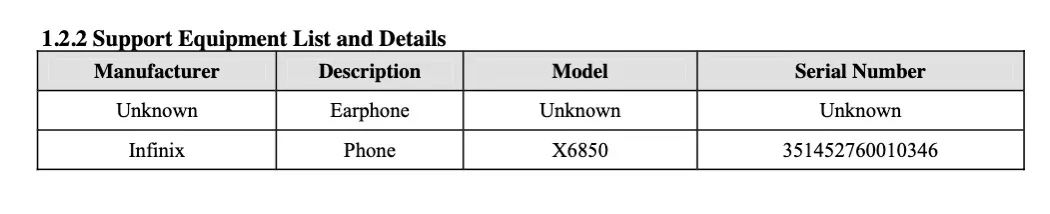
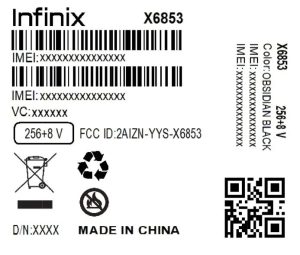
According to a report by MySmartPrice, the Infinix Note 40 and Note 40 Pro have surfaced on the Google Play Console database, carrying the model numbers X6853 and X6850.
The listing confirms the moniker of the device along with some of the key specifications.
The series will come equipped with 8GB of RAM and operate on XOS 14 based on Android 14 out of the box.
A MediaTek chipset, codenamed MT6789V/CD, will power the upcoming smartphones. The codename reveals the chipset as the Helio G99.
The MediaTek Helio G99 includes two Cortex A76 cores with a clock speed of 2.2GHz and six Cortex A55 cores with peak speeds of 2.0GHz. The chipset features an ARM Mali G57 GPU with a maximum clock speed of 1.06GHz for graphics.
The listing also reveals that the smartphones will feature a display with a resolution of 2,436 x 1,080 pixels (Full HD+) and a pixel density of 480 PPI. The display will feature a punch hole for the front camera.
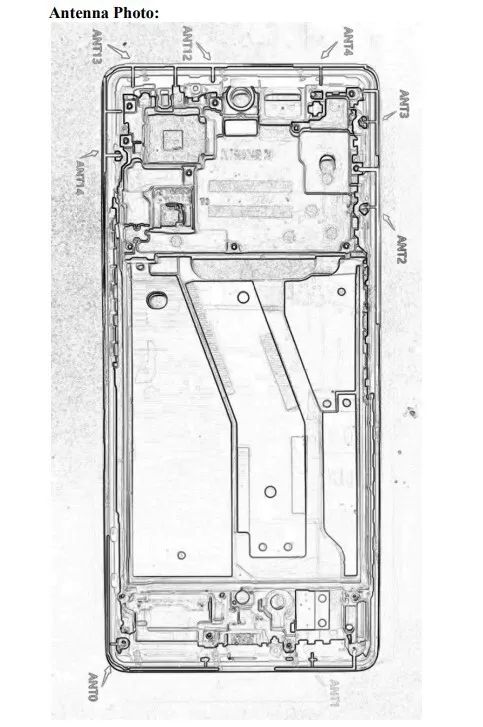
The report includes data obtained from the FCC certification, and confirms that the smartphones will feature a triple rear camera system.
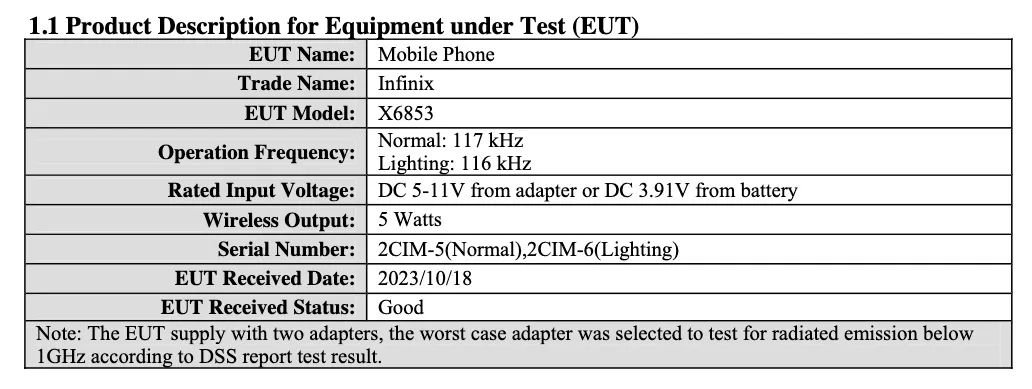
The report also divulges the charging details: the Infinix Note 40, which is model number X6853, will come with 45W fast charging and 5W wireless charging support. The Infinix 40 Pro is also expected to come with the same fast charging capabilities.
Infinix Note 40, Note 40 to Debut with 8GB of RAM.Details ?
The Note 40 and Note 40 Pro smartphones received the Google Play Console database with the model numbers X6853 and X6850.
The Google Play Console certification confirms the moniker of the device. The Note 40 Pro moniker was previously confirmed through the Bluetooth SIG listing.
The database reveals that Infinix will equip the smartphones with up to 8GB of RAM. The upcoming Note 40 series smartphones will debut with Android 14 out of the box. The smartphones are likely to launch with XOS 14 based on Android 14 out of the box. The devices will be powered by the MediaTek chipset with the codename MT6789V/CD. The codename confirms this will be the MediaTek Helio G99 SoC.
The octa-core chipset features two Cortex A76 cores clocked at 2.2GHz and six Cortex A55 cores at 2.0GHz. The chipset also sports the ARM Mali G57 GPU clocked at 1.06GHz. The Helio G99 SoC is fabricated on 6nm process and offers 4G connectivity.
The Google Play Console database also divulge that Infinix will equip the Note 40 and Note 40 Pro smartphones with a screen resolution of 1080 x 2436 pixels and a pixel density of 480 PPI.
The database also provides a glimpse of the front design of the upcoming Infinix smartphones. The render reveals that Infinix will equip the smartphones with a centred punch hole cutout to house the selfie camera.
The power button and volume rockers can be seen on the right side of the device.
Infinix Note 40, Note 40 spotted on FCC .Details?
The upcoming Infinix smartphones were also spotted in the FCC certification, revealing the rear design and fast charging details. The FCC certification confirms that Infinix will equip the smartphones with triple rear cameras similar to its predecessors.
The smartphones will sport a camera island design similar to the Infinix Note 30 series smartphones. The FCC documents reveal support for 5W wireless charging with the Note 40 smartphone with the model number X6853. The smartphone brand will equip the base Note 40 with an adapter with the model number U450XSB.
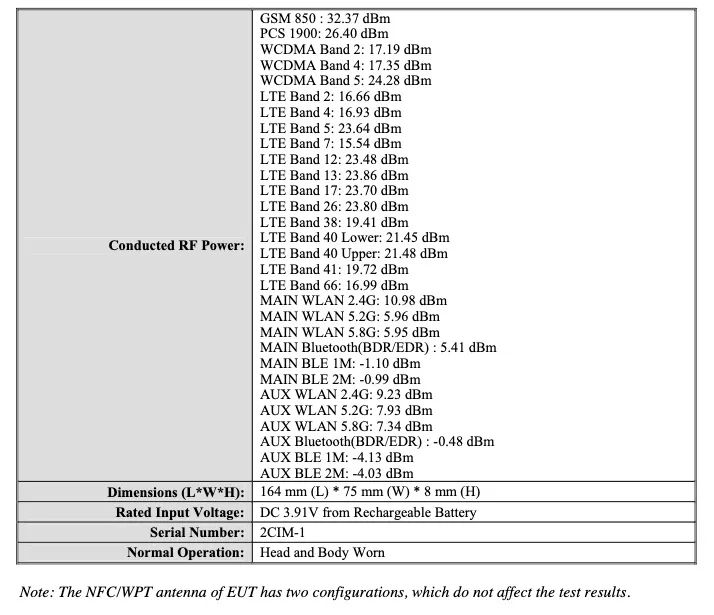
The earlier FCC documents confirmed that the smartphone will debut with support for 45W wired fast charging tech. The documents reveal that the device will have a dimension of 164 x 75 x 8 mm.
The FCC certification also listed the Note 40 Pro smartphone with the model number X6850. The Pro model will also sport wireless charging and 45W wired fast charging tech.