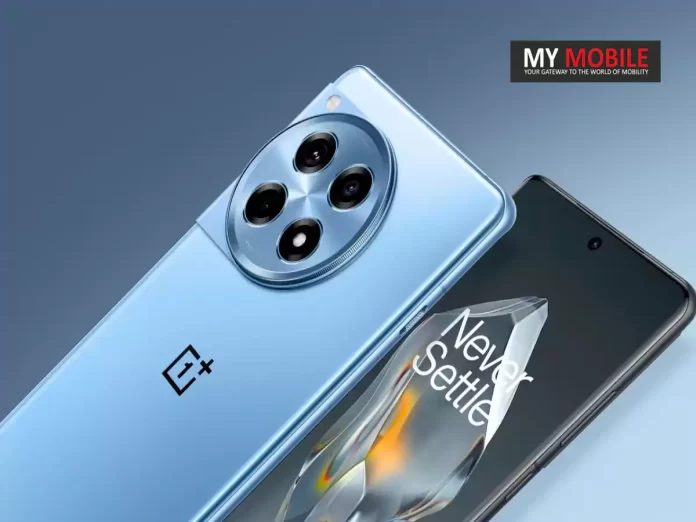
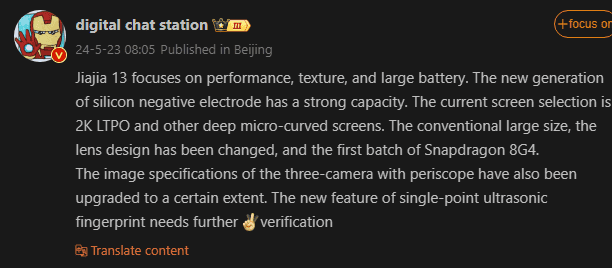
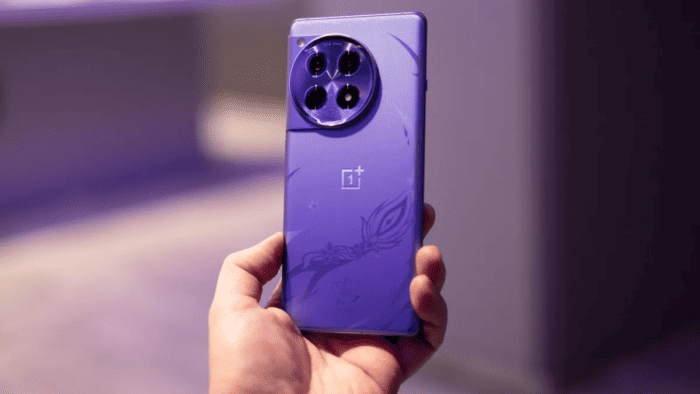
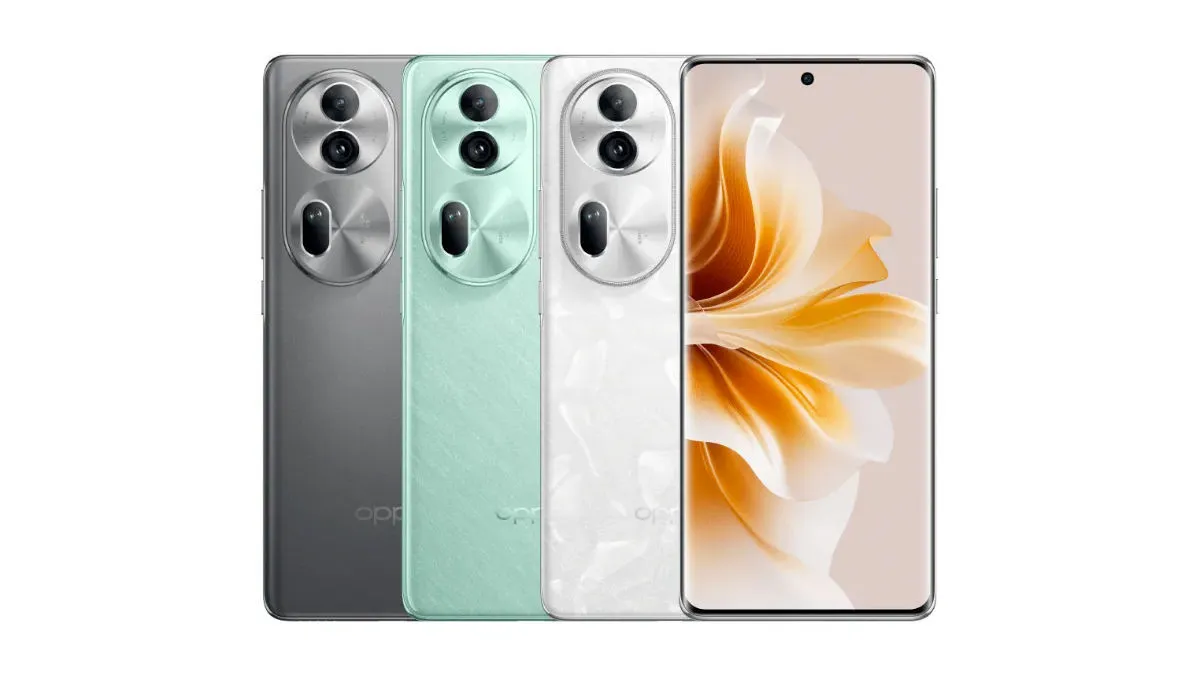
But before we get down to the processor, here’s a look at some other details leaked about the OnePlus 13, which you should take with a pinch of salt considering it’s based on unconfirmed rumors.
OnePlus 13: Coming Soon?
OnePlus 13 Likely to Debut with Snapdragon 8 Gen 4: Key Features and Leaks Revealed
Moreover, the Snapdragon 8 Gen 4 will sport a dedicated digital signal processor and an AI accelerator to bring further improvements in the arena of artificial intelligence and machine learning.
Sony’s LYT-808 (50MP), OmniVision OV64B (64MP), Sony IMX581 (48MP)
Features
4th Gen Hasselblad Camera, Hasselblad Camera for Mobile, Nightscape, Dolby Vision, Smart Scene Recognition, Portrait Mode, Master Mode, Panorama, Tilt-Shift mode, Long Exposure, Dual-View Video, Retouch, Movie Mode, XPan Mode, Focus Peaking, Raw file, Raw Plus file, Filters, Super Stable, Video Nightscape, Video HDR, Focus Lock, Time-lapse, Google Lens
The OnePlus 13 is expected to feature the Snapdragon 8 Gen 4 processor from Qualcomm.
What is new about the OnePlus 13’s fingerprint sensor?
The OnePlus 13 will reportedly include a new single-point ultrasonic fingerprint sensor for improved security and biometrics.
How does the battery technology in the OnePlus 13 compare to previous models?
The OnePlus 13 is expected to use advanced silicon anode battery technology, offering a greater capacity than the 5,400mAh unit found in the OnePlus 12 and enabling faster charging.
What display features can we expect from the OnePlus 13?
The OnePlus 13 is likely to feature a 6.82-inch LTPO AMOLED panel with a slightly curved design, similar to the OnePlus 12.
What improvements are expected in the OnePlus 13’s camera setup?
The OnePlus 13 may include an improved triple rear camera setup with an enhanced periscope lens for better photography.
Spotify will discontinue its Car Thing device on December 9, 2024
While Spotify had brought back a driving-friendly UI for its mobile app, it decided to discontinue the $90 Car Thing device in July 2022, just months after it launched.
In the email, Spotify explicitly states: “We’re switching gears.
As of December 9th, 2024, Car Thing will be discontinued, and will stop operating.”
Spotify reiterates this December 9, 2024, date on a support page and indicates to users that once the Car Thing devices become useless, they should reset the devices to their factory settings and dispose of them according to local e-waste guidelines.
While it’s sad to see functional hardware be bricked intentionally, some users have found a way to install Android on the Car Thing, which could mean the device lives on with a new operating system if one is willing to take the risk.
FAQs
What is Spotify Car Thing?
Spotify Car Thing is a driver-friendly display device introduced by Spotify in 2021 for controlling music playback in cars.
Why is Spotify discontinuing the Car Thing?
Spotify cited “product demand and supply chain issues” as the main reasons for discontinuing the Car Thing in July 2022.
When will the Car Thing devices stop working?
Car Thing devices will become inoperable on December 9, 2024.
What should users do with their Car Thing devices after discontinuation?
Users are advised to reset their Car Thing devices to factory settings and dispose of them according to local e-waste guidelines.
Is there any way to keep using the Car Thing after the discontinuation?
Some users have found a way to install Android on the Car Thing, which might allow the device to continue functioning with a new operating system.
Why did Spotify initially create the Car Thing?
Spotify created the Car Thing to offer a dedicated, driver-friendly interface for music control in vehicles, especially after discontinuing the “Car View” feature in its mobile app.
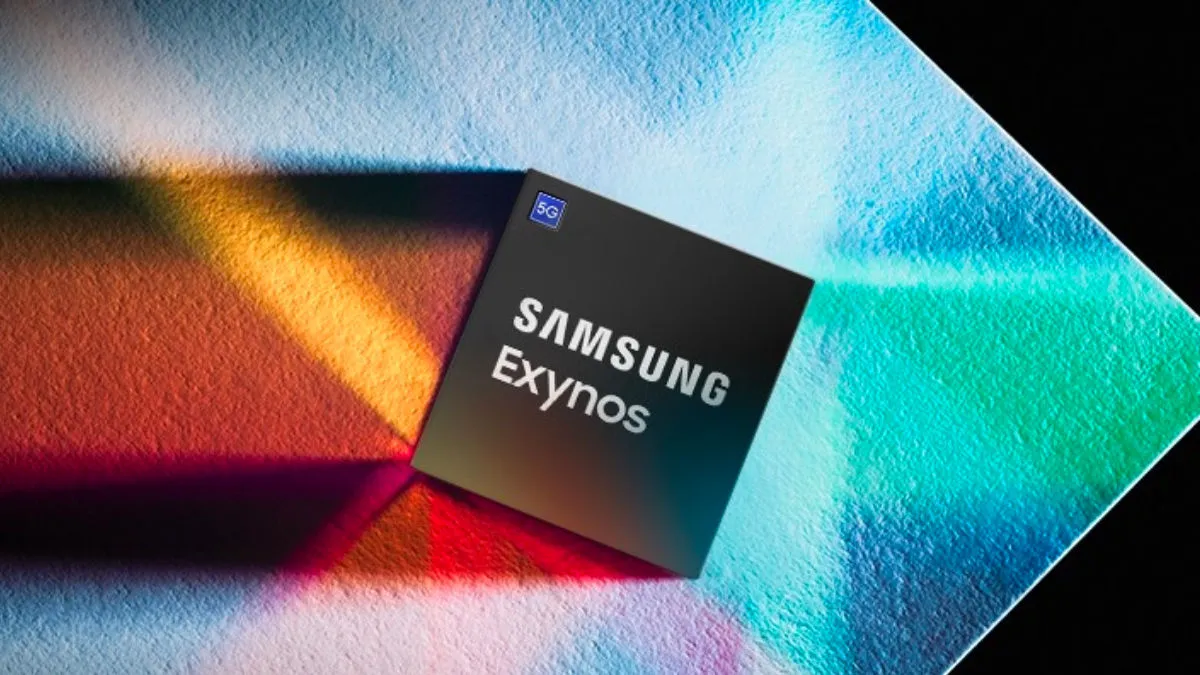
Samsung has planned to release the chip to compete with the A-series, M-series, and AI chips of Apple, which are also expected to go into 2nm production.
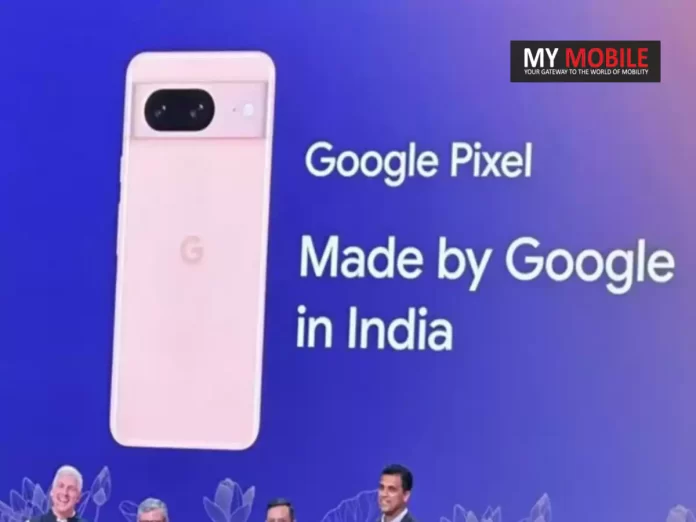
With national elections approaching, the move by Google to invest in Tamil Nadu could easily help the administration of Modi by exhibiting India’s attractiveness for advanced manufacturing projects and creating jobs.
FAQs
What is Google planning to invest in Tamil Nadu?
Google plans to invest billions of dollars in Tamil Nadu to set up facilities for manufacturing Pixel smartphones and drones.
Who is Google partnering with for this initiative?
Google is partnering with Foxconn, a Taiwanese contractor, to set up new production lines for assembling Pixel smartphones.
Why did Google choose Tamil Nadu for their manufacturing facilities?
Google chose Tamil Nadu due to its strong industrial base, strategic government pitches, and the state’s reputation as a manufacturing hub.
What other products will Google manufacture in Tamil Nadu besides smartphones?
Besides smartphones, Google will also manufacture drones through its Wing business in Tamil Nadu.
How does this investment benefit Tamil Nadu?
This investment boosts Tamil Nadu’s economy, creates jobs, and enhances its reputation as a destination for contemporary manufacturing investments.
How does this move align with India’s broader economic strategy?
This move supports India’s strategy to attract global technology firms, reduce dependence on China, and boost domestic manufacturing through financial incentives.
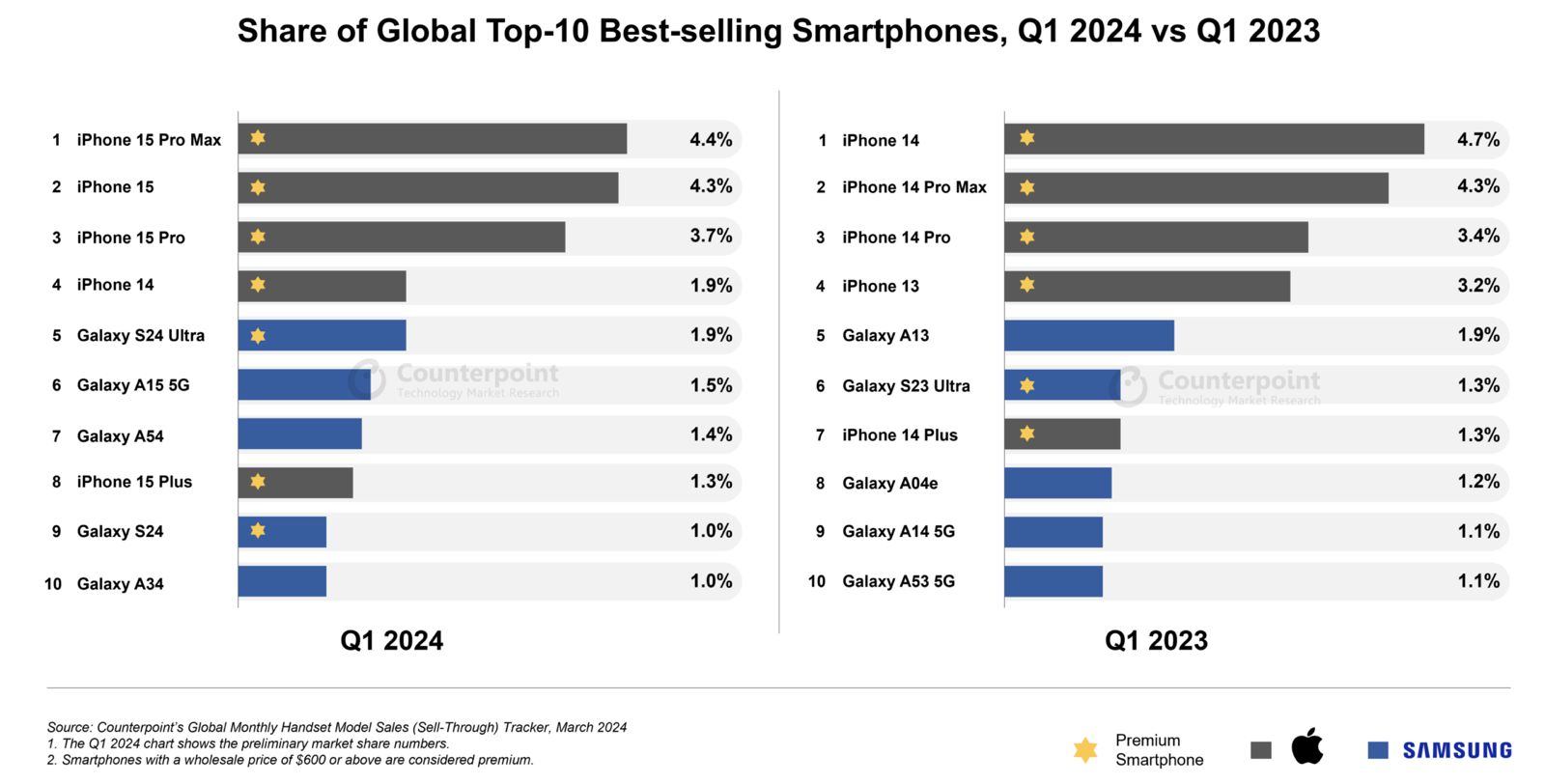
The discounts, promotional offers, and timing around major shopping events like the 618 festival really hit home with buyers.
For example, the original price is 5,999 CNY, which translates to $828 for the iPhone 15, which dropped down to just 4,599 CNY after discounts applied; in other words, around $635.
What made the iPhone 15 Pro Max the best-selling phone in Q1 2024?
The iPhone 15 Pro Max became the best-selling phone due to significant device improvements and strategic pricing decisions, including discounts and promotional offers.
How did Apple’s price cuts influence sales?
Apple’s price cuts, including discounts and promotional offers, significantly increased consumer demand, contributing to record sales for the iPhone 15 Pro Max.
What was the original and discounted price of the iPhone 15 in China?
The original price of the iPhone 15 in China was 5,999 CNY ($828), which dropped to 4,599 CNY ($635) after discounts.
What role did the Tmall 618 festival play in boosting Apple’s sales?
The Tmall 618 festival, with its well-timed sales and promotional offers, played a crucial role in boosting Apple’s sales, leading to a transaction volume of 1.5 billion CNY ($207 million) within an hour of the event opening.
Did Apple attract new customers with their pricing strategy?
Yes, Apple’s significant price cuts and strategic promotional offers attracted a new wave of buyers, in addition to current Apple customers, contributing to record sales.
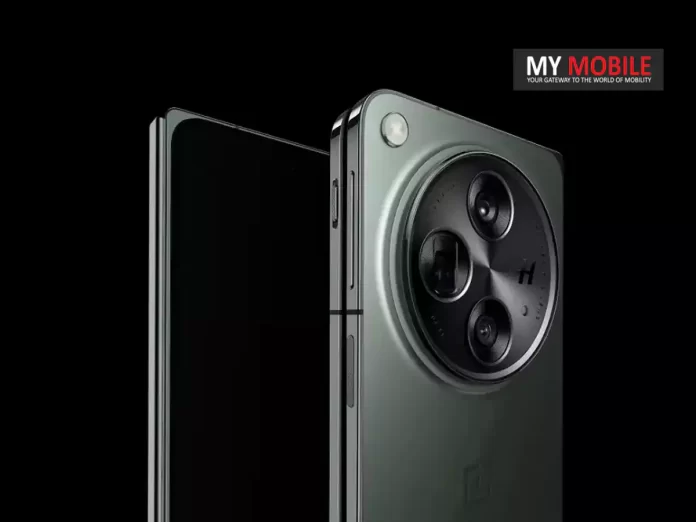
In addition to a chipset upgrade, the OnePlus Open 2 is said to have improved the display crease when the foldable screen is closed.
Minimizing this crease has been an ongoing challenge for foldable makers, but OnePlus and its sibling Oppo have made significant inroads in the last few models.
Leaked information says that the Open 2 will use “super flat” glass on the inner folding display, and that has resulted in a smaller, and presumably less noticeable, crease. Still, there are diminishing returns past a certain point.
Expected timeline and processor
The delay allows for the integration of the Snapdragon 8 Gen 4 chipset
The expected launch date for the Open 2 is Q1 2025, which jives with previous speculation.
Hasselblad Camera for Mobile, Nightscape, Dolby Vision, Smart Scene Recognition, Portrait Mode, Pro Mode, Panorama, Tilt-Shift mode, Long Exposure, Dual-View Video, Retouch, Movie Mode, XPan Mode, Focus Peaking, Raw file, Raw Plus file, Filters, Super Stable, Video Nightscape, Video HDR, Focus Lock, Time-lapse, Google Lens
The OnePlus Open 2 launch is delayed to early 2025 to integrate the latest Snapdragon 8 Gen 4 chipset instead of the older 8 Gen 3 processor.
What improvements can we expect in the OnePlus Open 2?
The OnePlus Open 2 is expected to have a redesigned display with a reduced crease, thanks to “super flat” glass on the inner folding display, and the upgraded Snapdragon 8 Gen 4 chipset.
When is the new expected launch date for the OnePlus Open 2?
The OnePlus Open 2 is expected to launch in Q1 2025.
How does the OnePlus Open 2 compare to its predecessor?
The OnePlus Open 2 features a chipset upgrade to the Snapdragon 8 Gen 4 and improvements in the display crease compared to its predecessor.
Will the OnePlus Open 2 be launched globally?
While specific details are not confirmed, the OnePlus Open 2 is expected to launch globally, similar to the previous OnePlus Open.
What other device will launch alongside the OnePlus Open 2?
The OnePlus Open 2 is anticipated to launch around the same time as the Oppo Find N5 series foldable.
This is a big change driven by its new proprietor, Elon Musk.
Haofei Wang, X’s Director of Engineering, commented on the change: “Public likes are incentivising the wrong behavior. Many people feel discouraged from liking content that might be considered ‘edgy’ for fear of backlash or to protect their public image. Soon, you’ll be able to like without worrying who might see it.”
What is driving this?
Yeah, we are making likes private.
Public likes are incentivizing the wrong behavior. For example, many people feel discouraged from liking content that might be “edgy” in fear of retaliation from trolls, or to protect their public image.
Soon you’ll be able to like without…
— Haofei (@wanghaofei) May 22, 2024
Haofei Wang, Engineering Boss at X, says making likes private is encouraging bad behaviour.
He says hiding other people’s likes will let users like whatever they like without caring about who’s watching.
Yeah, we are making likes private.
Public likes are incentivizing the wrong behavior. For example, many people feel discouraged from liking content that might be “edgy” in fear of retaliation from trolls, or to protect their public image.
Soon you’ll be able to like without…
— Haofei (@wanghaofei) May 22, 2024
This, however, does not mean that you won’t be able to get likes on your posts.
According to senior engineer Enrique Barragan, users can still see who liked their posts and how many likes they received.
The “Liked” area on profiles will be removed, so you don’t see what other people liked.
More privacy
X (formerly Twitter) will no longer display public likes on user profiles
It could impact influencers, brands and how people use the app overall.
The effects are still unknown.
As X makes this big change, it raises bigger questions about social media and being online.
How much privacy should there be?
Do we care too much about likes and validation online?
X’s move makes us rethink these ideas.
FAQs
Why is X removing public likes on user profiles?
X is removing public likes to enhance user privacy and encourage genuine interactions without concern for public visibility.
Will users still be able to see their own likes on X?
Yes, users will still be able to see who liked their posts and the total number of likes received.
How will this change affect the “Liked” section on user profiles?
The “Liked” section on user profiles will be removed, so users cannot see what others have liked.
What are the potential benefits of making likes private on X?
Making likes private can lead to a more authentic online environment, where users feel freer to engage without worrying about public scrutiny.
What other changes has X undergone since Elon Musk took over?
X has rebranded from Twitter to X and may soon charge a small fee for basic functionality, among other changes.
How might this change impact influencers and brands on X?
The removal of public likes could impact how influencers and brands measure engagement and interact with their audience, potentially altering their strategies on the platform.
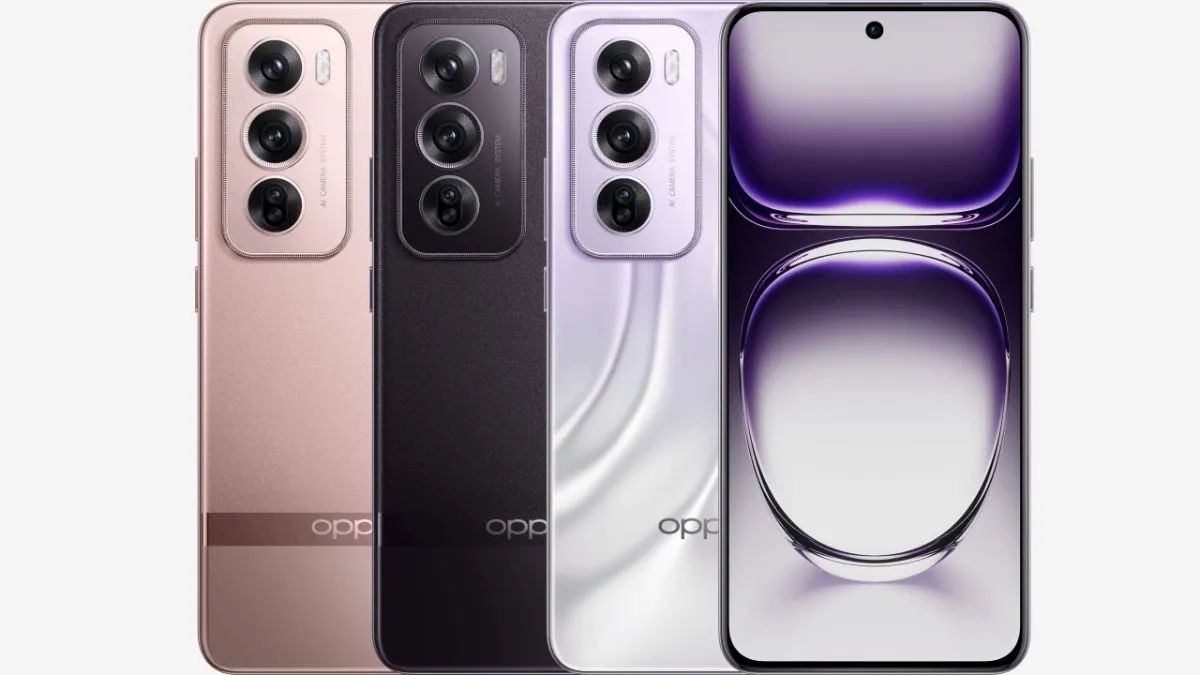
– Color options: Soft Peach, Ebony Black, Millennium Silver
Variant
OPPO Reno 12
OPPO Reno 12 Pro
12GB + 256GB
CNY 2,699 (approx. Rs 31,100)
CNY 3,399 (approx. Rs 39,100)
12GB + 512GB
CNY 2,999 (approx. Rs 34,500)
CNY 3,699 (approx. Rs 42,550)
16GB + 256GB
CNY 2,999 (approx. Rs 34,500)
–
16GB + 512GB
CNY 3,199 (approx. Rs 36,800)
CNY 3,999 (approx. Rs 50,000)
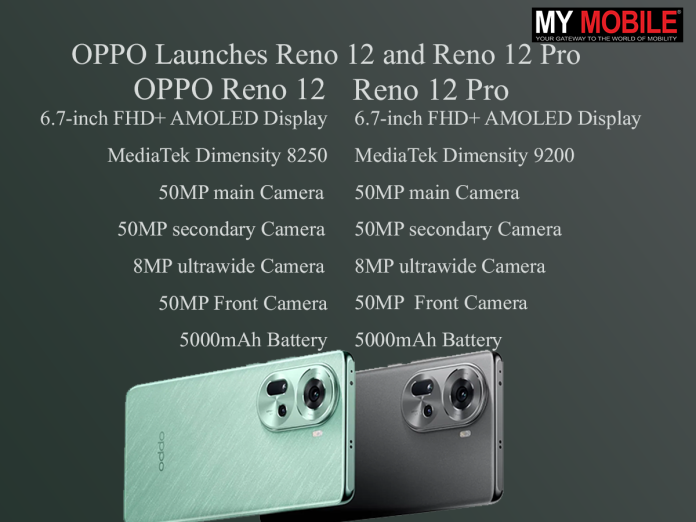
OPPO Reno 12 Series: Key Specs
7-inch FHD+ AMOLED display with 120Hz refresh rate, 240Hz touch sampling rate, and 1200 nits peak brightness
Reno 12 Pro: MediaTek Dimensity 9200+ Star Speed Edition chipset
Reno 12: MediaTek Dimensity 8250 Star Speed Edition chipset
Up to 16GB RAM and 1TB onboard storage
Triple rear camera setup: 50MP wide-angle lens, 50MP portrait lens, 8MP ultra-wide camera
50MP front-facing camera
5,000mAh battery with 80W fast charging support
Runs ColorOS 14 based on Android 14
OPPO Reno 12 Series: Features
Reno 12 Pro is powered by MediaTek Dimensity 9200+ chipset, while Reno 12 uses Dimensity 8250
The Reno 12 Pro and Reno 12 boast the same 6.7-inch FHD+ AMOLED displays, offering a 120Hz refresh rate, a 240Hz touch sampling rate, and up to 1200 nits of peak brightness for an experience as smooth as it is immersive.
In particular, both smartphones sport a triple setup of rear cameras: a 50MP wide-angle camera, a 50MP portrait camera, and an 8MP ultra-wide camera.
The main camera is the Sony IMX890 with OIS to provide sensational image quality and versatility.
OPPO Reno 12 Series
The Reno 12 Pro and Reno 12 sport a super-sized 5,000mAh battery, enabling long use time.
The 80W fast charging function will have users recharge the battery very fast when they need to.
Further, the Reno 12 series is equipped with advanced AI features, including the ability to correct closed eyes, eliminate objects, make cutouts, generate summaries of recordings, assist with language learning in English, and scan documents.
6.7-inch FHD+ (2772 × 1240 pixels) 1.5K curved OLED curved display with 120Hz refresh rate, 240Hz touch sampling rate, up to 1200 nits peak brightness, 2160Hz high-frequency PWM dimming, Corning Gorilla Glass Victus 2 protection
Up to 3.35GHz Octa Core Dimensity 9200+ Star Speed Edition 4nm processor with Immortalis-G715 GPU
12GB / 16GB LPDDR5X RAM with 256GB / 512GB UFS 3.1 storage Android 14 with ColorOS 14
50MP main camera with 1/1.56″ Sony IMX890 sensor, f/1.8 aperture, OIS, 8MP 112º ultra-wide camera with ƒ/2.2 aperture, 50MP 2x telephoto camera
with Samsung JN5 sensor, up to 20x digital zoom, 4K 60 fps video recording 50MP front camera with Samsung JN5 sensor, f/2.0 aperture, 4K 60 fps video recording
In-display fingerprint sensor, infrared sensor
USB Type-C audio, Stereo speakers
Dust and water resistant (IP65)
Dimensions:161.4×74.8x 7.55mm (Gold and Black) / 7.6mm (Purple); Weight: 183g (Gold and Black) / 184g (Purple)
What are the key differences between OPPO Reno 12 and Reno 12 Pro?
The Reno 12 Pro is powered by the MediaTek Dimensity 9200+ chipset, while the Reno 12 uses the MediaTek Dimensity 8250 chipset. The Pro model also offers higher RAM and storage configurations.
What is the display specification of the OPPO Reno 12 series?
Both the Reno 12 and Reno 12 Pro feature a 6.7-inch FHD+ AMOLED display with a 120Hz refresh rate, 240Hz touch sampling rate, and up to 1200 nits peak brightness.
What camera features do the OPPO Reno 12 and Reno 12 Pro offer?
Both models come with a triple rear camera setup: a 50MP wide-angle lens, a 50MP portrait lens, and an 8MP ultra-wide camera. They also feature a 50MP front-facing camera for high-quality selfies.
How is the battery life of the OPPO Reno 12 series?
The Reno 12 series is equipped with a 5,000mAh battery that supports 80W fast charging, ensuring long usage times and quick recharge.
What software do the OPPO Reno 12 and Reno 12 Pro run on?
Both models run on ColorOS 14, which is based on Android 14, providing a smooth and fluid user experience with advanced AI features.
YouTube states the changes are part of an “experiment” with no clear end date
Some users have received responses to YouTube tweets suggesting that the change is only an “experiment.”
But these seem to be generic responses rather than ones specific to the situation. This might be an experiment, but there is no word on what YouTube is trying to achieve by the new design.
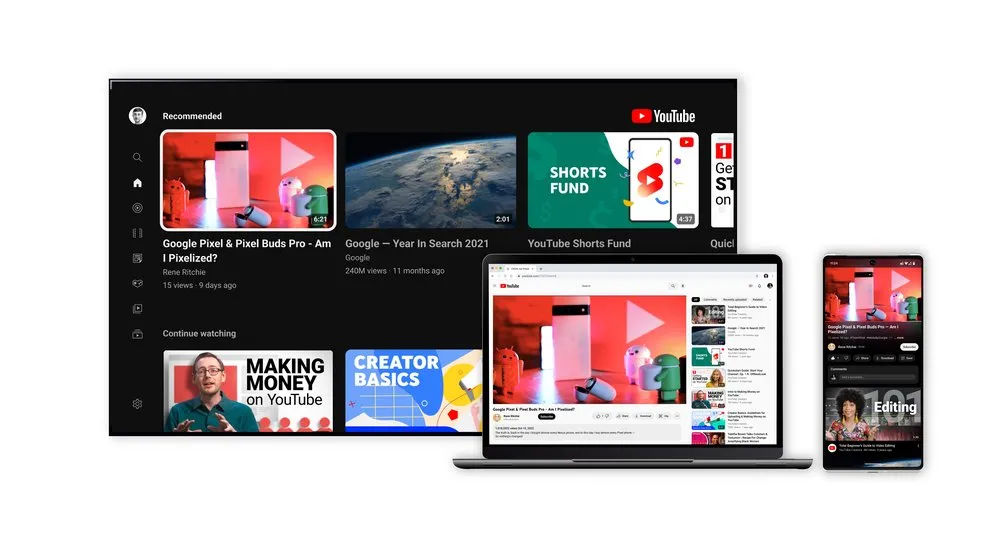
YouTube seems to be reverting to a controversial redesign of its site
One response from YouTube confirmed that most trials “only last a few weeks,” although it is unclear if that is the case for this ongoing makeover test.
The redesign moves the video title, description, and comments to the side of the screen, replacing them with larger video recommendations beside the playing video.
Why is the YouTube redesign controversial?
Users have expressed strong dislike for the new layout, criticizing it for being less intuitive and disrupting the traditional viewing experience.
Is the YouTube redesign permanent?
YouTube has labeled the redesign as an “experiment,” and it’s unclear if it will become the default layout. The company is currently gathering data and user feedback.
How are users reacting to the redesign’s return?
Many users have reported seeing the new layout again and have voiced their dissatisfaction, similar to the initial negative feedback earlier this year.
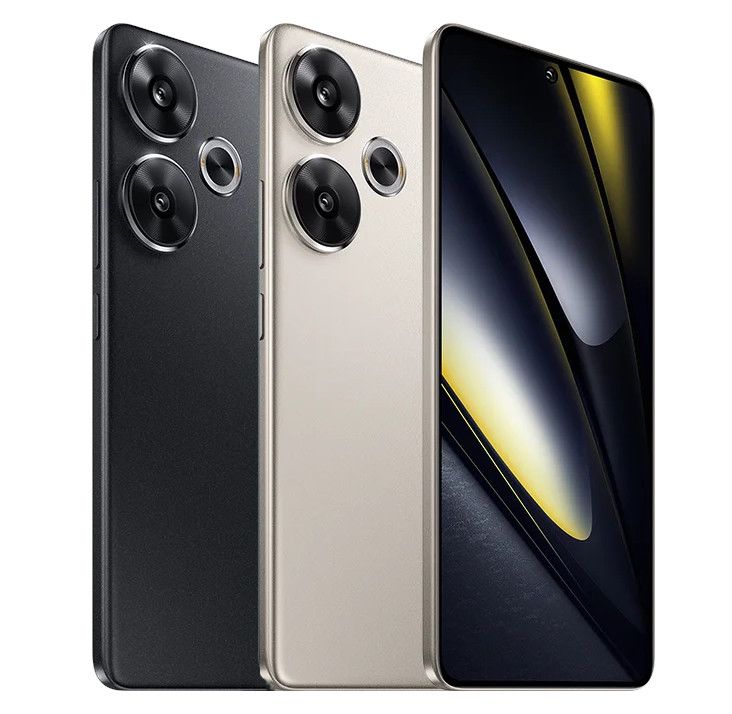
The first sale for the Poco F6 will go live on May 29th at 12 PM, with attractive offers, including Rs 2,000 bank offer, Rs 2,000 product exchange offer, and 1+1 year extended warranty on the first day of sale.
Device
Configuration
Price
POCO F6 5G
8GB + 256GB
Rs 29,999
12GB + 256GB
Rs 31,999
12GB + 512GB
Rs 33,999
Poco F6: Key Specs
Poco F6 available in India starting at Rs 29,999, with first sale on May 29th
Qualcomm Snapdragon 8s Gen 3 chipset
6.67-inch CrystalRes Flow AMOLED display with 2712×1220 resolution, 446 PPI, and up to 2400 nits peak brightness
Dual rear camera setup with 50MP primary camera and OIS
Dual Sony cameras with f/1.59 aperture and HDR10+ video recording
5,000mAh battery with 90W turbo charging support
7.8mm thin design with IP64 dust and water resistance
Runs on Xiaomi Hyper operating system based on Android 14
Corning Gorilla Glass Victus protection
POCO F6 Pro: Key Specs
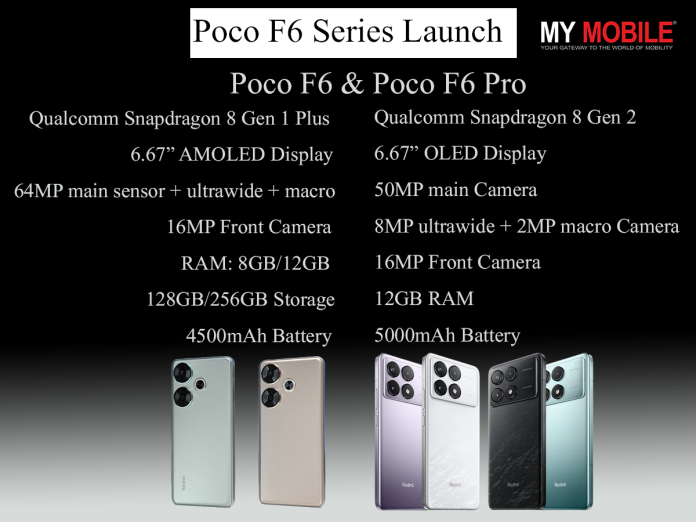
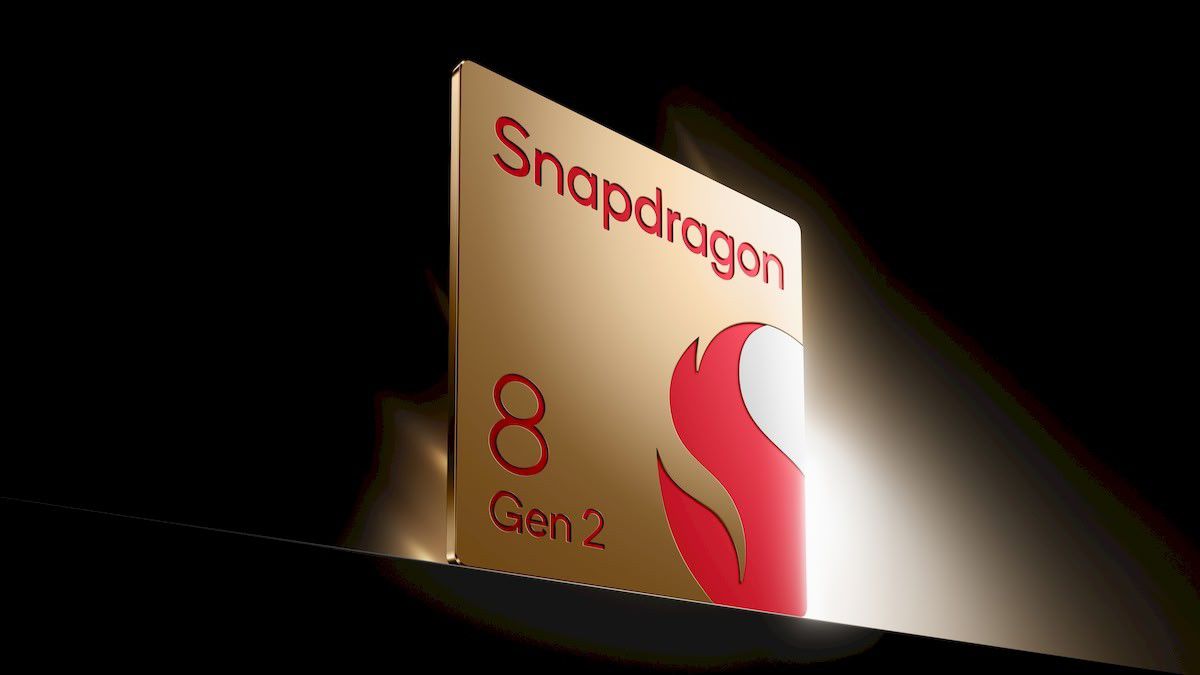
Poco F6 Pro features Snapdragon 8 Gen 2 chipset and 2K OLED display
Qualcomm Snapdragon 8 Gen 2 chipset
6.67-inch 2K OLED display with 4,000 nits peak brightness, HDR10+, Dolby Vision, 120Hz refresh rate, and 3,840Hz PWM dimming
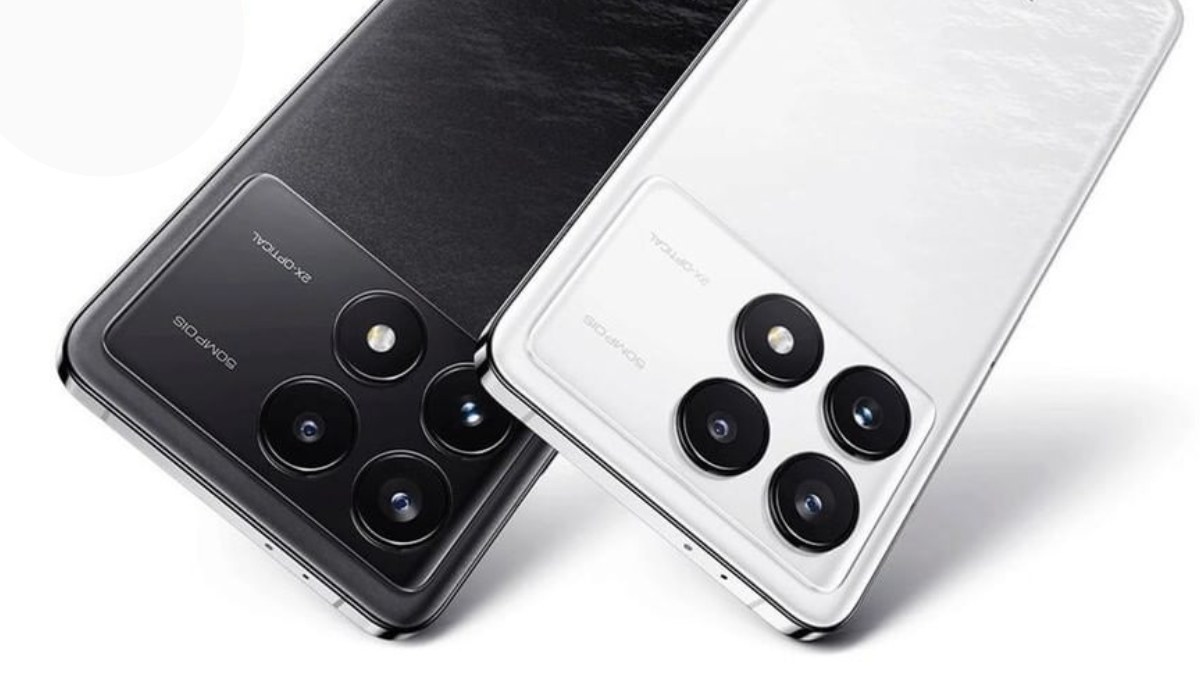
Triple rear camera setup with 50MP primary camera (OIS, f/1.6 aperture), 8MP ultrawide, and 2MP macro
16MP front-facing camera
5,000mAh battery with 120W wired charging support
Stereo speakers with Dolby Atmos support
Runs on Android 14-based HyperOS
Promised 3 years of Android OS updates and 4 years of security updates
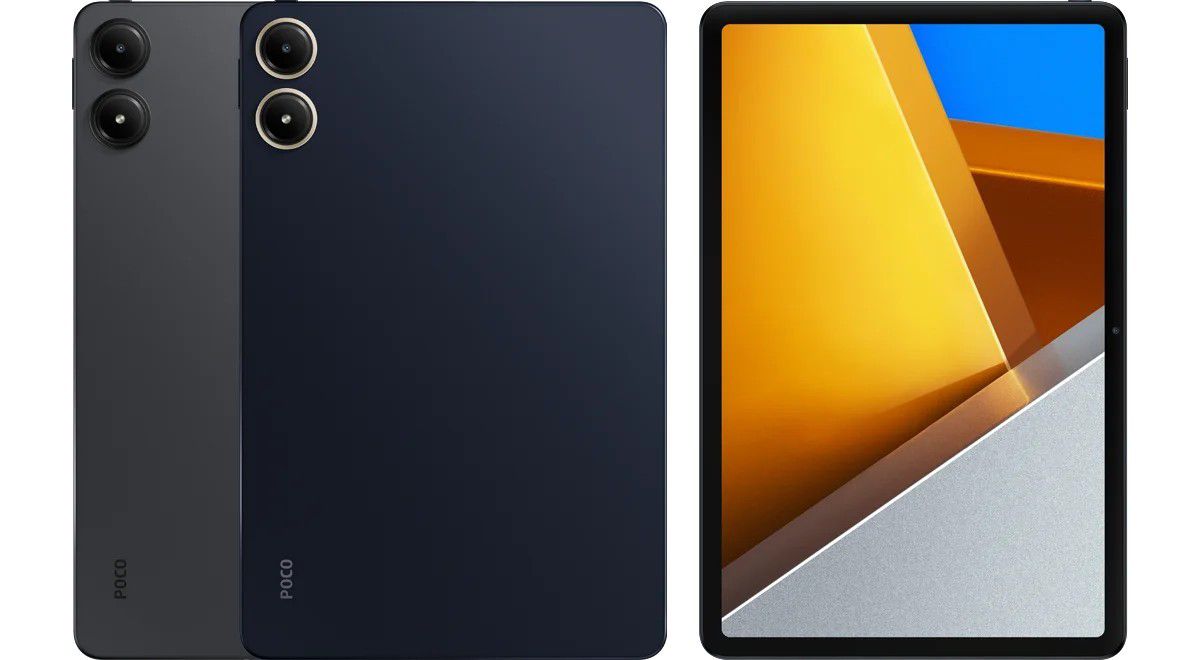
Poco Pad Key Specs
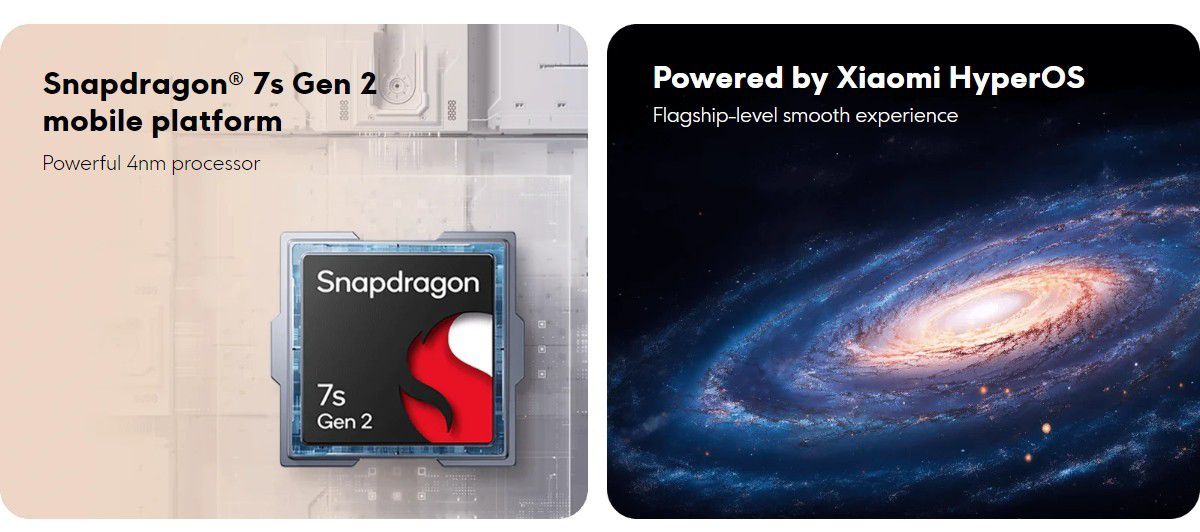
Poco Pad, the brand’s first tablet, includes Snapdragon 7s Gen 2 and 12.1-inch 120Hz display
Qualcomm Snapdragon 7s Gen 2 processor
8GB RAM and 256GB storage (expandable up to 1.5TB)
12.1-inch 120Hz LCD display with 2,650 x 1,600 resolution, 16:10 aspect ratio, and 600 nits peak brightness
Gorilla Glass 3 protection
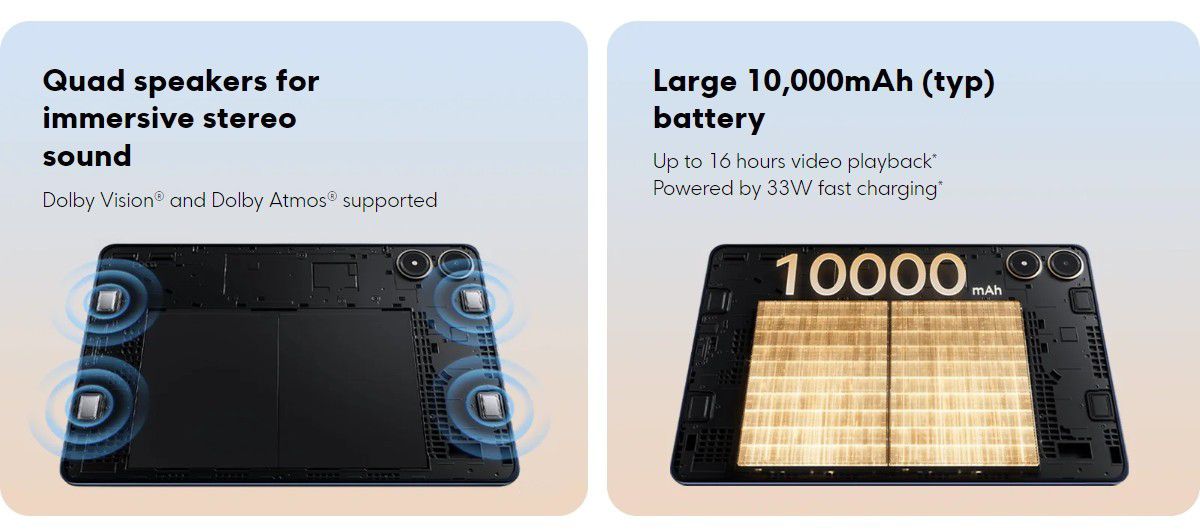
10,000mAh battery with 33W wired charging support
8MP rear camera and 1080p video recording at 30fps
Four stereo speakers with Dolby Atmos support
571g weight, metal unibody design in Graphite Grey and Ocean Blue
Xiaomi HyperOS based on Android 14
Supports Smart Pen, folio, and keyboard case accessories
POCO F6 and POCO Pad: Features
Poco F6 and Poco F6 Pro feature impressive 6.67-inch displays with exceptional clarity and vibrant colors
Both the Poco F6 and Poco F6 Pro feature impressive 6.67-inch displays with exceptional clarity and vibrant colors.
The Poco F6 boasts a CrystalRes Flow AMOLED display with a resolution of 2712×1220 pixels, 446 PPI, and up to 2400 nits peak brightness.
Qualcomm Snapdragon 8s Gen 3 chipset
The Poco F6 Pro takes it a step further with a 2K OLED display, offering a peak brightness of 4,000 nits, HDR10+ and Dolby Vision support, a 120Hz refresh rate, and 3,840Hz PWM dimming.
It features a 12.1-inch 120Hz LCD display with a 2,650 by 1,600 pixel resolution in a 16:10 aspect ratio, supporting HDR content with a maximum 600 nit peak brightness.
Powering the Poco F6 is the cutting-edge Qualcomm Snapdragon 8s Gen 3 chipset
Super Night Scene, Cine Mode, Cine Filters, Super Image Stabilization, Focus Peaking, Exposure Feedback, Voice Control Photography, Timer Continuous Shooting, Magic Clone Long Exposure, Voice to Subtitles, Dynamic Photos, VLOG, AI Watermark, AI Camera, Portrait Beauty, Video Beauty, Kaleidoscope, Professional RAW Format
The Poco F6 features a Qualcomm Snapdragon 8s Gen 3 chipset, a 6.67-inch CrystalRes Flow AMOLED display, a dual rear camera setup with a 50MP primary camera, and a 5,000mAh battery with 90W turbo charging support.
How much does the Poco F6 Pro cost?
The Poco F6 Pro starts at $449 (roughly Rs 37,400) for the 12GB RAM + 256GB storage variant, going up to $579 (roughly Rs 48,200) for the 16GB RAM + 1TB storage variant.
What features does the Poco Pad offer?
The Poco Pad includes a Qualcomm Snapdragon 7s Gen 2 processor, 8GB RAM, 256GB storage (expandable up to 1.5TB), a 12.1-inch 120Hz LCD display, a 10,000mAh battery with 33W wired charging, and four stereo speakers with Dolby Atmos support.
When will the Poco F6 be available for purchase?
The first sale for the Poco F6 will go live on May 29th at 12 PM, with various attractive offers available.
What are the key differences between the Poco F6 and F6 Pro?
The Poco F6 Pro features a more advanced Snapdragon 8 Gen 2 chipset, a 2K OLED display with higher peak brightness, a triple rear camera setup, and 120W wired charging, compared to the Poco F6’s Snapdragon 8s Gen 3, CrystalRes Flow AMOLED display, dual rear camera setup, and 90W charging.
What are the available configurations for the Poco F6?
The Poco F6 is available in three configurations: 8GB RAM + 256GB storage for Rs 29,999, 12GB RAM + 256GB storage for Rs 31,999, and 12GB RAM + 512GB storage for Rs 33,999.