Home Blog Page 631

Samsung Advances in Wearables with Trademarks for Galaxy Glasses and Galaxy Ring

0
Samsung Advances in Wearables with Trademarks for Galaxy Glasses and Galaxy Ring

Highlights

  • Samsung trademarks for innovative ‘Galaxy Glasses’ and ‘Galaxy Ring’.
  • Galaxy Glasses set to enter AR/VR headset market.
  • Galaxy Ring focuses on health and fitness tracking.
  • Potential for Android integration in new wearable tech.

Samsung has recently taken a significant step in the wearables market by filing for trademarks in the U.S. for two new products: the ‘Galaxy Glasses’ and the ‘Galaxy Ring’.

These filings indicate Samsung’s venture into the expanding field of augmented and virtual reality, as well as smart wearable technology.

Expanding into AR/VR with Galaxy Glasses

AR/VR with Galaxy Glasses

The ‘Galaxy Glasses’ trademark points towards Samsung’s development of AR/VR headsets, positioning them as potential competitors to existing products like Focals by North and Ray-Ban Stories.

While it remains uncertain whether these glasses will lean more towards sleek smart glasses or more immersive VR headsets, the trademark filing suggests plans for a U.S. launch, possibly followed by releases in other global markets.

Galaxy Ring: Enhancing Wearable Technology

Enhancing Wearable Technology

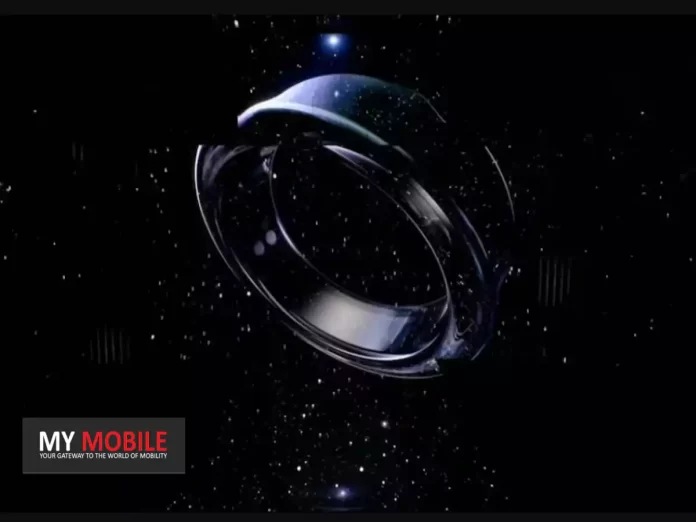
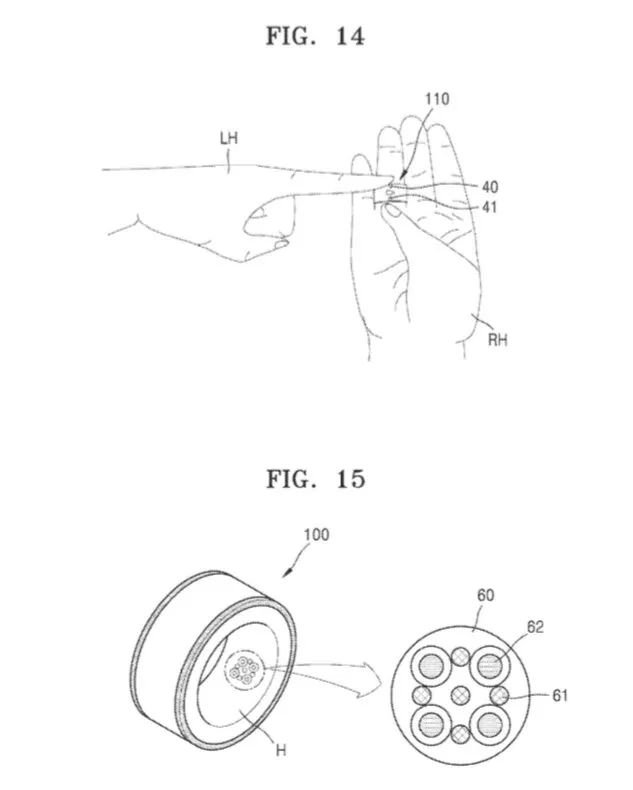
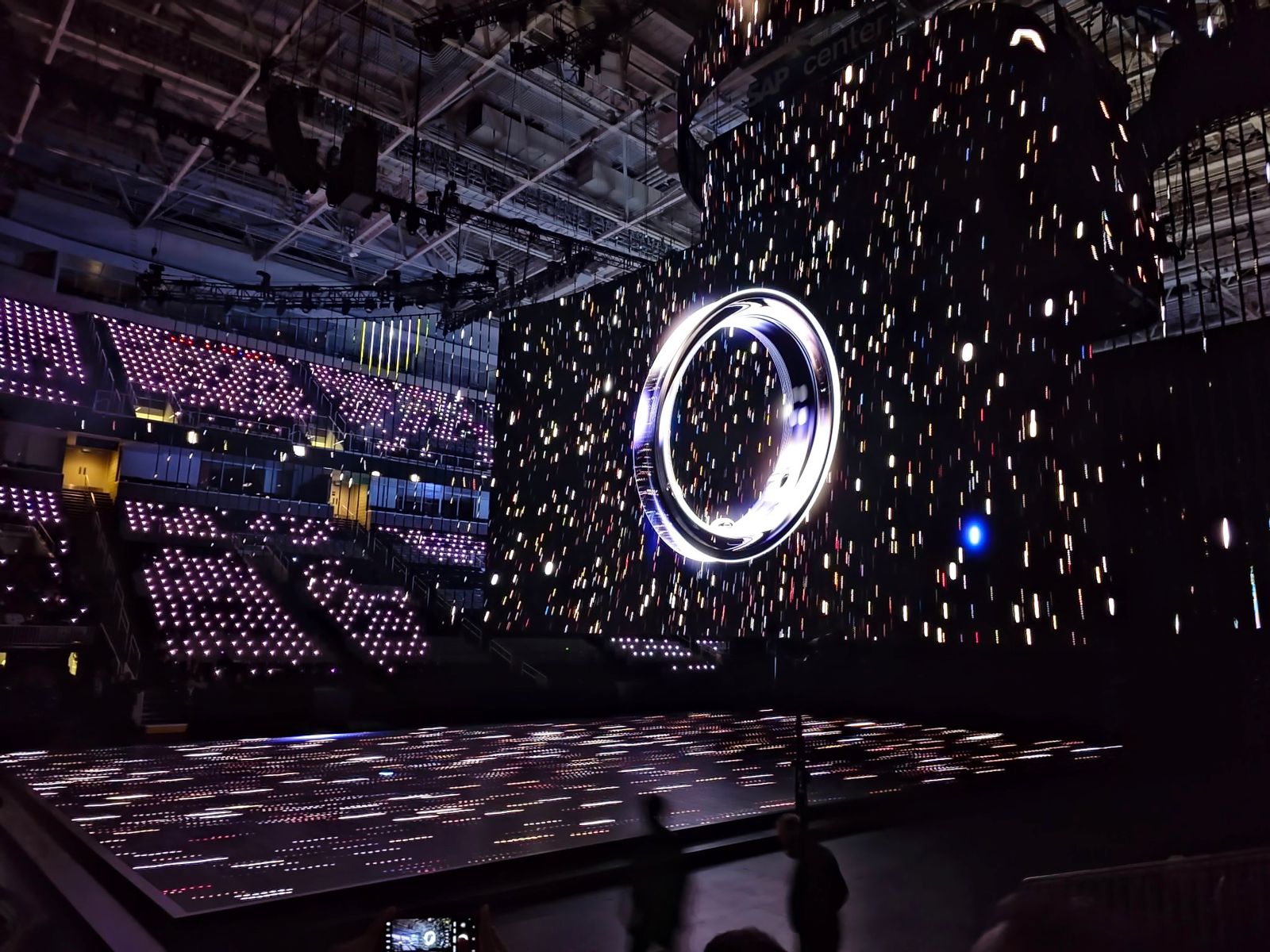
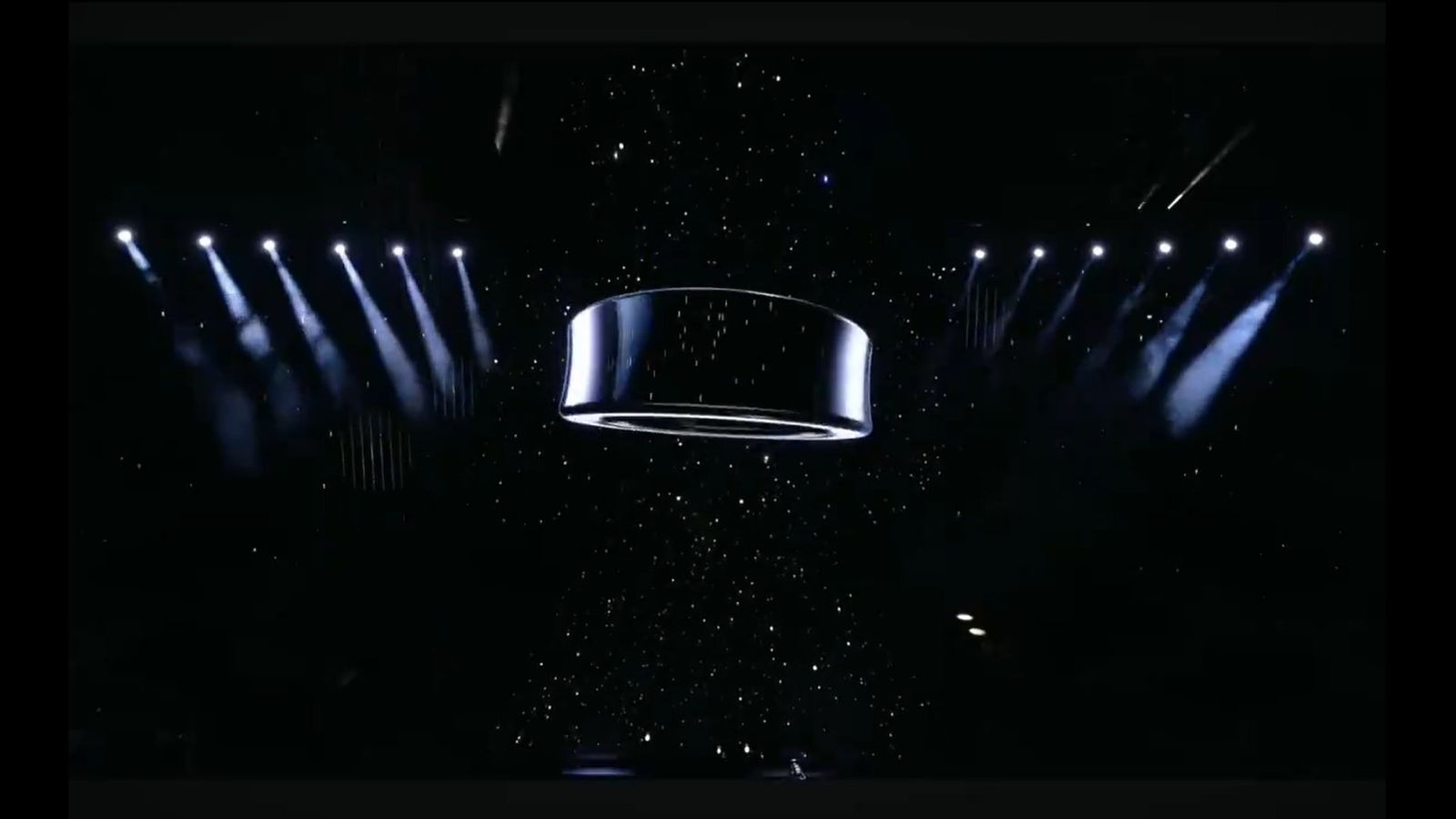
In addition to the AR/VR headsets, Samsung’s ‘Galaxy Ring’ trademark signals an expansion into smart rings, designed to track and monitor health, fitness, and sleep.

This product is poised to enhance Samsung’s footprint in the health and wellness sector, connecting with smartphones to provide users with valuable health data.

The specifics of how these two devices might interact or complement each other are still unknown.

However, drawing parallels from existing products in the market, such as the Focals by North, which Google now owns, there’s speculation that the ‘Galaxy Ring’ might offer discreet control features for the ‘Galaxy Glasses’.

Furthermore, Samsung’s partnership with Google and Qualcomm on an “extended reality” project raises the possibility that these new devices could be integrated with the latest innovations in Android operating systems for wearables.

This speculation is fueled by the anticipation of a new Android version tailored for wearable displays, which might be showcased in the upcoming Google I/O conference.

FAQs

Q: What are the ‘Galaxy Glasses’ trademarked by Samsung?

A: Samsung has recently filed a U.S. trademark for ‘Galaxy Glasses’, indicating their upcoming entry into the AR/VR headset market. These glasses are expected to be a significant addition to Samsung’s wearables, potentially competing with existing products like Focals by North and Ray-Ban Stories.

Q: What features might the ‘Galaxy Ring’ offer?

A: The ‘Galaxy Ring’, another recent trademark filing by Samsung, is designed as a smart ring to monitor health, fitness, and sleep. This device aims to expand Samsung’s wearable portfolio by offering users a novel way to track their wellness and integrate with other Samsung devices.
Q: How could Samsung’s new wearables integrate with Android OS?

A: Given Samsung’s collaboration with Google, there’s potential for the ‘Galaxy Glasses’ and ‘Galaxy Ring’ to integrate with Android operating systems, particularly versions designed for wearables. This integration could enhance user experience and functionality of these devices.
Samsung To Likely Start Mass Production of LPDDR5T Chips by 2024

0
Samsung To Likely Start Mass Production of LPDDR5T Chips by 2024

Highlights

  • Samsung to start LPDDR5T DRAM chip production in 2024.
  • Plans for detachable automotive SSDs announced for 2024 release.
  • GDDR7 VRAM for GPUs scheduled for a 2025 launch.
  • Samsung Gauss AI to enhance Galaxy S24 series.

Samsung, a dominant player in the DRAM chip market, is gearing up to commence mass production of LPDDR5T DRAM chips by next year.

This strategic move comes after competitors Micron and SK Hynix recently announced their own LPDDR5T DRAM chips, following the unveiling of the Snapdragon 8 Gen 3 processor.

At the investor forum, Samsung Electronics Vice President Ha-Ryong Yoon took the stage to discuss the company’s strategic directions and future plans.

It was here that the announcement about the LPDDR5T DRAM chips was made and these chips are expected to be in full-scale production by 2024.

Moreover, Samsung is expanding its technological footprint into the automotive sector with plans to introduce detachable Solid-State Drives (SSDs) specifically designed for vehicles in 2024.

These automotive SSDs are anticipated to enhance data storage and processing capabilities in cars, aligning with the growing trend of advanced vehicle technology and smart features.

Samsung To Likely Start Mass Production of LPDDR5T Chips by 2024

Samsung also revealed its ambition to develop GDDR7 Video RAM (VRAM) for graphic processing units (GPUs), targeting a 2025 release.

This next-generation VRAM is poised to significantly boost the performance of future GPUs, meeting the increasing demands of high-end graphics and computing tasks.

During the forum, the focus was not just on hardware advancements but also on Samsung’s efforts in the realm of artificial intelligence.

The introduction of Samsung Gauss, its innovative Generative AI model, marks a significant step in this direction.

This AI technology is poised to play a crucial role in the Galaxy S24 series, showcasing Samsung’s dedication to enhancing user experience through cutting-edge AI features.

FAQs

Q: What is Samsung’s plan for LPDDR5T DRAM chips?

A: Samsung intends to begin mass production of LPDDR5T DRAM chips by 2024. This initiative follows the recent announcements from Micron and SK Hynix and is geared towards staying competitive in the DRAM chip market, especially with the emergence of the Snapdragon 8 Gen 3 processor.

Q: What are Samsung’s plans in the automotive sector?

A: In 2024, Samsung plans to introduce detachable Solid-State Drives specifically designed for automotive use. These SSDs aim to improve data storage and processing capabilities in vehicles, aligning with the trend of integrating advanced technology into automotive design.

Q: What is Samsung’s development goal for VRAM?

A: Samsung is working on developing GDDR7 Video RAM for graphic processing units, targeting a release in 2025. This next-generation VRAM is expected to significantly enhance the performance of future GPUs, catering to the growing needs for high-end graphics and computing.

Huawei Clarifies Global Market Support Amid New HarmonyOS Update

0
Huawei Clarifies Global Market Support Amid New HarmonyOS Update

Highlights

  • Huawei’s HarmonyOS update removes APK support.
  • EMUI to remain for Huawei’s international devices.
  • Strong developer network upholding Android app functionality.
  • Huawei commits to global market support, retains EMUI.

Huawei has been making headlines with its recent introduction of the latest HarmonyOS version.

Richard Yu, Huawei’s CEO, revealed a pivotal change in this update: the exclusion of support for APK files, which are essential for running native Android apps.

This announcement initially raised concerns among Huawei users globally, prompting discussions about the future of their devices.

International Markets to Retain EMUI

Huawei Clarifies Global Market Support Amid New HarmonyOS Update

Huawei Clarifies Global Market Support Amid New HarmonyOS Update

Shortly after this announcement, Huawei clarified that the new HarmonyOS version wouldn’t be rolling out to its international customers.

Instead, Huawei devices outside China will continue to use EMUI, a system based on the Android Open Source Project.

Although EMUI doesn’t include Google services and apps, it retains compatibility with Android’s native apps.

In an effort to maintain its position in the global market, Huawei has been working to strengthen support for developers worldwide.

This is in response to the lack of Google services on its devices.

Huawei has developed a robust community of app developers dedicated to ensuring that Android apps from third-party stores run smoothly on its devices.

Huawei’s Global Developer Support and Commitment

Huawei's Global Developer Support and Commitment
Huawei’s Global Developer Support and Commitment

Huawei’s commitment to its international customer base remains unwavering.

Company executives have consistently stated that support for its phones and tablets in markets outside of China will not only continue but will also see further development.

Huawei envisions itself as a significant force in both hardware and software in the mobile industry.

To ensure a smooth transition for its users, Huawei has decided to retain the Emotion UI (EMUI) branding for its devices in international markets until it deems its user base ready for HarmonyOS.

This strategy highlights Huawei’s focus on gradual integration with its new operating system, taking into account user comfort and readiness for change.

FAQs

Q: What recent clarification has Huawei made regarding global market support?

A: Huawei has recently clarified that their international devices will not switch to the new HarmonyOS, which lacks APK file support. Instead, these devices will continue using EMUI, a system based on Android, ensuring compatibility with Android apps despite the absence of Google services.

Q: Why won’t international Huawei devices receive the HarmonyOS update?

A: Huawei decided to keep EMUI for their global devices to ensure continued compatibility with Android apps and a familiar user experience. This decision aligns with their strategy to cater to the unique needs and preferences of their international user base.

Q: How is Huawei addressing the Android app functionality in its devices?

A: With Google services missing from Huawei devices, the company has built a solid community of app developers. This community focuses on ensuring that Android apps from third-party stores run effectively on Huawei devices, thus maintaining a good user experience.

Google Calendar and Chrome End Support for Older Android Versions

0
Google Calendar and Chrome End Support for Older Android Versions

Highlights

  • Google Calendar to cease on Android Nougat 7.1 and below.
  • AssembleDebug uncovers ‘UnsupportedOperatingSystem__enabled’ flag in Google Calendar update.
  • Google focuses on security, urges upgrade to Android Oreo 8.0.
  • Similar support drop for Chrome on Nougat and older Androids.

Millions rely on Google Calendar for organizing their schedules, setting reminders, and planning events. But, users with older Android devices should be prepared for a change.

Specifically, if your device operates on Android Nougat 7.1 or earlier, you will soon be unable to use Google Calendar.

This shift was first spotted by AssembleDebug of TheSpAndroid, who noticed a new feature in the latest Google Calendar update (version 2023.46.0-581792699-release).

A flag titled “UnsupportedOperatingSystem__enabled” has been added. This feature triggers a notification advising users with outdated Android systems to upgrade to Android Oreo (8.0) or later to continue accessing Google Calendar.

Google Calendar and Chrome End Support for Older Android Versions

The motivation behind discontinuing support for older Android versions mainly revolves around security risks.

Earlier Android versions are more susceptible to security breaches and data loss. To enhance user security, Google is nudging its users towards adopting the latest Android versions, which come with enhanced features and better security protocols.

This move by Google isn’t isolated to Google Calendar. Earlier in the month, Google announced a similar update for Chrome on both desktop and Android platforms.

Starting with Chrome version 119 on Android, the browser will no longer receive support for devices running on Nougat or older versions.

From Chrome 120 onwards, users will need a newer version of Android to continue using Chrome.

FAQs

Q: Which Android versions will no longer support Google Calendar?

A: Google Calendar will stop functioning on devices running Android Nougat 7.1 or earlier. Users of these older versions need to upgrade their operating system to continue using the app.

Q: How was the Google Calendar change discovered?

A: The change in Google Calendar’s support was first identified by AssembleDebug from TheSpAndroid. They found a new flag named ‘UnsupportedOperatingSystem__enabled’ in the app’s latest version, signaling the end of support for older Android versions.

Q: Why is Google ending support for older Android versions?

A: Google’s decision to end support for older Android versions is primarily driven by security concerns. Older operating systems are more prone to security vulnerabilities, and updating to newer versions like Android Oreo 8.0 ensures better protection and features.

Nothing Phone (1) Gets Enhanced with Latest Nothing OS 2.0.5 Update

0
Nothing Phone (1) Gets Enhanced with Latest Nothing OS 2.0.5 Update

Highlights

  • Nothing OS 2.0.5 brings subtle improvements to Phone (1).
  • Enhanced audio sync and VoWiFi icon display optimization.
  • Update focuses on increased system security and stability.
  • Compact update size at 66.76 MB for quick installation.

The latest software update for the Nothing Phone (1), dubbed Nothing OS 2.0.5, is currently being rolled out.

This follows the recent release of Nothing OS 2.0.4 for the same device a few weeks earlier. The new update is relatively minor, focusing on subtle yet significant improvements rather than introducing major changes.

Nothing OS 2.0.5: Features

Nothing OS 2.0.5: Features

Key enhancements include better synchronization between the smartphone and headphone volumes, ensuring a more seamless audio experience.

Additionally, the visual representation of the Voice over Wi-Fi (VoWiFi) icon on the status bar has been optimized for clearer visibility.

An important aspect of this update is the bolstered system security, ensuring that the device is more secure than its previous iteration.

Alongside this, various known bugs have been addressed, leading to smoother and more reliable performance.

For users looking to install this update, it’s a straightforward process. They need to navigate to the System Update section found in the Settings menu.

The update package is notably compact, sized at only 66.76 MB, allowing for a quick download and installation.

This release includes:

  • Enhanced volume sync between the phone and headphones.
  • Improved display for the VoWiFi status icon.
  • A recent security patch enhancing device protection.
  • Fixes for several stability issues, enhancing overall user experience.

It’s important to note that the release of Nothing OS 2.0.5 is being carried out in stages. This means that not all users will receive the update simultaneously.

Those who haven’t received it yet can expect it soon. This phased approach allows the company to monitor and address any emerging issues effectively.

In case users encounter any problems with the new update, the company provides instructions for reverting to the previous version, Nothing OS 2.0.4.

FAQs

Q: What are the key features of the Nothing OS 2.0.5 update for Phone (1)?

A: The Nothing OS 2.0.5 update introduces enhanced synchronization between the phone and headphone volumes, optimized display for the VoWiFi status icon, an updated security patch for improved protection, and fixes for various stability issues, ensuring a smoother user experience.

Q: How can Phone (1) users install the Nothing OS 2.0.5 update?

A: Users can easily install the update by navigating to the System Update section in the Settings menu. The update package is quite small, at just 66.76 MB, allowing for a quick and efficient download and installation process.

Q: Is the Nothing OS 2.0.5 update available to all Phone (1) users immediately?

A: The rollout of Nothing OS 2.0.5 is staged, meaning it won’t be available to all users at the same time. If you don’t see the update yet, it should be available soon. This approach helps the company to monitor and address any potential issues that may arise during the rollout.

Romanian Collector Andrei Bilbie Argentis Sets World Record with Over 3,456 Unique Mobile Phones

0
Romanian Collector Andrei Bilbie Argentis Sets World Record with Over 3,456 Unique Mobile Phones

Highlights

  • Andrei Bilbie Argentis owns 3,456 mobile phones, a world record.
  • Collection includes Motorola Razr V3, Google Pixel, and older iPhones.
  • Started in 2018, showcasing mobile technology’s rapid evolution.
  • Efforts ongoing to list all models from Guinness World Records.

Andrei Bilbie Argentis, a resident of Cluj-Napoca, Romania, holds the Guinness World Record for the largest collection of mobile phones, boasting a staggering total of 3,456 unique models.

This figure doesn’t even include the thousands of duplicate handsets he owns.

What makes Andrei’s achievement even more remarkable is that he began his collection only in 2018.

In a mere six years, he has accumulated a number of phones that surpasses collections built over decades.

Despite the rapid advancement in mobile technology, particularly since the launch of iconic models like the Motorola Razr V3 in 2004 and the introduction of the iPhone in 2007, Andrei’s collection spans a wide range of models and eras.

A glance at a photo from the Guinness records reveals an impressive display, with two walls in a room entirely covered in mobile phones.

Among these, you can spot several Motorola Razr V3s in various colors, a few recent Google Pixel models, and older iPhones, possibly from the iPhone 6 era.

Romanian Collector Andrei Bilbie Argentis Sets World Record with Over 3,456 Unique Mobile Phones

This extensive collection is a treasure trove for mobile phone enthusiasts.

Although it’s unlikely that each phone has its own wireless plan, the sheer variety and history contained in Andrei’s collection would be a delight to explore.

Efforts are being made to obtain a complete list of all the phones in his collection from the Guinness Book of World Records.

Reflecting on our own collections, many of us might find a few old phones tucked away.

For example, models like the LG VX9800, a stylish clamshell phone with a physical QWERTY keyboard released in 2005, and its successor, the LG VX9900 (known as the LG enV), hold a special place in the history of mobile phones.

FAQs

Q: When did Andrei Bilbie Argentis start his mobile phone collection?

A: Andrei Bilbie Argentis began collecting mobile phones in 2018. Within just six years, he amassed over 3,456 unique models, setting a world record.

Q: What are some notable models in Andrei’s mobile phone collection?

A: Among the vast array of phones, notable models include several Motorola Razr V3 units, recent Google Pixel handsets, and older iPhone models, likely around the iPhone 6 era.

Q: Is each phone in Andrei’s collection connected to a wireless plan?

A: It is unlikely that every phone in Andrei’s collection has an active wireless plan. The collection is more a testament to the evolution of mobile technology and design than a functional arsenal of devices.

Q: How can I learn more about the specific models in Andrei’s collection?

A: Information about the specific models in Andrei’s collection might be available through the Guinness World Records. Efforts are being made to obtain a comprehensive list of all the phones in his record-setting collection.

FCC Documents Reveal Unreleased Dark Ceramic Back Apple Watch Ultra Prototype

0
FCC Documents Reveal Unreleased Dark Ceramic Back Apple Watch Ultra Prototype

Highlights

  • FCC filings unveil a prototype of Apple Watch Ultra with a distinctive dark ceramic back.
  • The prototype featured a unique plastic-looking Action button, different from the final version.
  • The discovery comes after the expiration of a confidentiality clause in the FCC documentation.

Recently surfaced FCC documents have unveiled an intriguing prototype of the Apple Watch Ultra, showcasing a design that Apple experimented with but never released.

Spotted by @ParrotSWD on the platform X, formerly known as Twitter, and reported by 9to5Mac, these images reveal an Apple Watch Ultra variant with a unique dark ceramic back, a departure from the final product’s design.

This prototype, documented in filings made to the United States Federal Communications Commission prior to the Apple Watch Ultra’s official launch in September 2022, displays a significantly darker, almost black ceramic rear case.

This design is reminiscent of earlier Apple Watch Series models.

Additionally, the prototype featured a distinct plastic-looking Action button, notably lacking the indent present in the final version.

Typically, such filings with the FCC include confidential images and sensitive details, often shielded from public view until the confidentiality clause expires.

FCC Documents Reveal Unreleased Dark Ceramic Back Apple Watch Ultra Prototype

The recent emergence of these images suggests that the clause in Apple’s filing has reached its expiration, allowing a rare glimpse into the company’s design process.

As of September 2023, Apple offers the Apple Watch Ultra 2 in its familiar natural titanium colour, mirroring the first-generation model.

Prior to its launch, there was speculation and rumours hinting at a potential darker colour option for the new model.

This speculation was likely fueled by the existence of this darker prototype, which, as revealed in these FCC images, was a design path explored but ultimately not pursued by Apple for its final release.

FAQs

What was unique about the Apple Watch Ultra prototype revealed in the FCC documents?

The prototype showcased in the FCC documents had a dark ceramic back, contrasting with the final product’s design. It was a notable deviation from the natural titanium color used in the final version of the Apple Watch Ultra.

How did the Action button on the prototype differ from the final Apple Watch Ultra?

The prototype’s Action button had a plastic-like appearance and lacked the indent found in the final version of the Apple Watch Ultra, indicating a significant design change during the development process.

Why have these prototype images only recently come to light?

The images were part of Apple’s confidential FCC filing, which had a confidentiality clause. The recent expiration of this clause has allowed these images to be made public.

Oppo Pad Air 2 Launches with 2.4K Display and Powerful 8,000mAh Battery

0

Highlights

  • Oppo Pad Air 2 features a stunning 11.4-inch 2.4K LCD display with a 90Hz refresh rate.
  • Equipped with MediaTek Helio G99 SoC, offering configurations up to 8GB RAM and 256GB storage.
  • Boasts an 8MP rear camera with EIS and an 8MP front camera, alongside quad stereo speakers with Dolby Atmos.
  • Houses a robust 8,000mAh battery supporting 33W SUPERVOOC fast charging.

Oppo has unveiled its latest offering in the tablet market, the Oppo Pad Air 2, in China.

Positioned as an affordable Android tablet, the Oppo Pad Air 2 makes a significant leap over its predecessor, offering enhanced performance and display quality.

The Oppo Pad Air 2 starts at CNY 1,299 (around Rs. 15,000) for the 6GB RAM + 128GB storage variant.

The higher configurations are reasonably priced, with the 8GB RAM + 128GB storage and 8GB RAM + 256GB storage models listed at CNY 1,499 (approximately Rs. 17,000) and CNY 1,699 (about Rs. 20,000) respectively.

Available in Space Gray and Streamer Silver, the tablet offers choices that cater to different tastes.

Oppo Pad Air 2: Features

The Oppo Pad Air 2 is powered by the MediaTek Helio G99 SoC and comes in multiple configurations – up to 8GB of RAM and a maximum storage capacity of 256GB.

A notable feature of this tablet is its sizable 8,000mAh battery, which supports 33W SUPERVOOC fast charging, ensuring that users spend more time using the device and less time tethered to a power outlet.

Oppo Pad Air 2 Launches with 2.4K Display and Powerful 8,000mAh Battery

Key Specifications

  • Display: 11.4-inch 2.4K LCD, 90Hz refresh rate
  • Processor: MediaTek Helio G99 SoC
  • RAM/Storage: Up to 8GB LPDDR4X RAM, Up to 256GB UFS 2.2 storage
  • Cameras: 8MP rear with EIS, 8MP front
  • Battery: 8,000mAh with 33W SUPERVOOC fast charging
  • Audio: Quad stereo speakers with Dolby Atmos, 86dB loudness
  • OS: ColorOS 13.2 based on Android 13
  • Build: 5.89mm thickness, 538 grams weight
  • Colours: Space Gray, Streamer Silver

In terms of display, the Oppo Pad Air 2 boasts an 11.4-inch 2.4K (1,720×2,408 pixels) LCD screen, offering a 90Hz refresh rate and a 180Hz touch sampling rate, complemented by a peak brightness of 400 nits.

The tablet runs on ColorOS 13.2 based on Android 13, ensuring a smooth and user-friendly experience.

Photography and video calls are catered to with an 8MP rear camera featuring EIS and an 8MP front-facing camera.

The Oppo Pad Air 2 also excels in audio performance, featuring quad stereo speakers with Dolby Atmos support and an 86dB loudness level.

In terms of design and build, the Oppo Pad Air 2 maintains a sleek profile with a thickness of just 5.89mm and a weight of 538 grams, making it both portable and durable.

This tablet seems to be a rebranded version of the OnePlus Pad Go, which was launched in India in October.

FAQs

What are the key display features of the Oppo Pad Air 2?

The Oppo Pad Air 2 sports an 11.4-inch 2.4K LCD display, offering a high refresh rate of 90Hz and a touch sampling rate of 180Hz, ensuring smooth visuals and responsive touch interactions.

What performance capabilities does the Oppo Pad Air 2 offer?

It is powered by the MediaTek Helio G99 SoC, with options for up to 8GB RAM and up to 256GB storage, making it suitable for a range of tasks from daily use to more demanding applications.

How does the Oppo Pad Air 2 cater to photography and audio needs?

The tablet is equipped with an 8MP rear camera with electronic image stabilization and an 8MP front camera. Audio-wise, it features quad stereo speakers with Dolby Atmos, ensuring an immersive sound experience.

Also Read: OPPO Pad 2 Launching with Bigger Display, Battery: Specifications Leaked

Also Read: OPPO Find N2 FLIP India Launch, Global Launch February 15 (Today): Price, Specifications, Live Streaming Event Details (Time &Place)

YouTube Premium Introduces “Playables”: A New In-App Gaming Experience

0
YouTube Premium Introduces "Playables": A New In-App Gaming Experience

Highlights

  • YouTube Premium launches “Playables,” enabling gaming within the app.
  • Features include a Home tab for past and popular games, and a Browse tab with around 37 titles.
  • Variety of games available, such as Angry Birds Showdown and Brain Out.
  • Playables, free for Premium users, available until March 28, 2024.

In a fresh move within the gaming realm, Google has launched an intriguing feature on YouTube named “Playables.”

This feature, which debuted as an experimental offering, promises to reshape how users interact with games on the platform.

The Mechanics and Accessibility of Playables

Available exclusively to YouTube Premium members until March 28, 2024, Playables offers an effortless gaming experience right within the YouTube app.

Users received notifications this week inviting them to try out the feature.

Found in the Explore tab, a simple tap takes users into a world of instant gaming without the need for any downloads.

The Playables space is divided into Home and Browse tabs – Home showcases games you’ve played and popular picks, while Browse lets you explore around 37 titles for immediate play.

The list includes casual and arcade-style games, puzzles, and more, featuring titles like Angry Birds Showdown, Brain Out, and The Daily Crossword.

YouTube Premium Introduces "Playables": A New In-App Gaming Experience
YouTube Premium Introduces “Playables”: A New In-App Gaming Experience

The Future of YouTube Playables

This innovative addition to YouTube’s suite of features is currently available for free, although its future post-March 2024 remains uncertain.

As a part of YouTube’s experimental endeavors, the success and sustainability of Playables depend largely on user engagement and feedback.

Whether this feature will become a permanent fixture or morph into a paid service is a question that only time and user interaction will answer.

For now, YouTube Premium members have a unique opportunity to dive into a variety of games, seamlessly integrated within their favorite video platform.

FAQs

What exactly is YouTube Playables?

YouTube Playables is an experimental feature on YouTube Premium that lets users play games directly within the YouTube app. It offers a seamless gaming experience without the need to download any of the games.

How do users access Playables on YouTube?

Premium members can find Playables in the Explore tab of the YouTube app. With just a tap, users can enter the Playables section to start playing a variety of games.

What types of games are available in Playables?

Playables features a mix of casual, arcade-style, and puzzle games. Some of the highlighted titles include Angry Birds Showdown, Brain Out, Daily Solitaire, and 8 Ball Billiards Classic.

Is there any cost associated with using Playables on YouTube?

Currently, Playables is available for free to YouTube Premium members. However, it’s unclear whether this feature will remain free after March 28, 2024.

Also Read: YouTube will not Show Videos on the users Homepage if the Watch History is Off

Also Read: ‘Like a Video and Make Money’ scam: All about the cyber fraud on Whatsapp; Received WhatsApp message asking you to like YouTube videos for Rs 150? It’s a scam

Infinix Smart 8 HD Set to Launch in India on 8th December

0
Infinix Smart 8 HD Set to Launch in India on 8th December

Highlights

  • Infinix Smart 8 HD features a  90Hz punch-hole display for a smooth experience
  • Enhanced visibility with a 6.6-inch HD+ Sunlight Readable display at 500 Nits brightness
  • Premium design with a textured back panel and innovative side-mounted fingerprint sensor
  • Available in four colours: Crystal Green, Shiny Gold, Timber Black, Galaxy White

Infinix is set to launch its latest addition, the Smart 8 HD, following the success of the Smart 7 Series.

This new model aims to revolutionize the budget smartphone market with its stylish and upgraded design elements.

The Smart 8 HD distinguishes itself with a state-of-the-art 90Hz punch-hole display, a first in its category, providing a fluid and responsive user experience.

Its 6.6-inch HD+ Sunlight Readable display, boasting 500 Nits of peak brightness, ensures clear visibility even in bright outdoor settings.

The design of the Smart 8 HD is further enhanced with a textured back panel, offering an elegant look and a comfortable grip.

An innovative feature is the introduction of a side-mounted fingerprint sensor, enhancing user convenience and adding to the device’s sleek design.

The smartphone also includes UFS 2.2 storage and Type C charging, emphasizing its modern features.

Available in four attractive colour variants – Crystal Green, Shiny Gold, Timber Black, and Galaxy White – the Smart 8 HD caters to various user preferences.

Scheduled for launch on December 8th, the Smart 8 HD is poised to set new benchmarks in the budget smartphone segment with its combination of premium design, advanced display technology, and user-friendly features.

FAQs

What are the key display features of the Infinix Smart 8 HD?

The Infinix Smart 8 HD boasts a 90Hz punch-hole display, offering a fluid and responsive user experience. It features a 6.6-inch HD+ Sunlight Readable display with 500 Nits peak brightness, ensuring clear visibility even in bright outdoor conditions.

What design elements make the Infinix Smart 8 HD stand out?

The Smart 8 HD features a stylish textured back panel that not only enhances the phone’s aesthetic appeal but also provides a comfortable grip. Additionally, it includes a side-mounted fingerprint sensor for easy and secure unlocking, adding to its sleek design.

What are the color options available for the Infinix Smart 8 HD?

The Infinix Smart 8 HD comes in four striking colours: Crystal Green, Shiny Gold, Timber Black, and Galaxy White, catering to a range of personal preferences and styles.