iOS 17.4 beta introduces iPhone sideloading in compliance with DMA.
Regional restrictions limit sideloading to European users.
‘Identifiable_Region’ feature and Apple ID checks control sideloading access.
MarketplaceKitBridge API key to enabling third-party app stores in EU.
Apple’s latest iOS 17.4 beta rollout introduces support for iPhone sideloading and compliance with the Digital Markets Act (DMA) requirements.
However, this feature comes with specific regional restrictions, limiting its accessibility to European users in alignment with the DMA legislation.
Navigating the Restrictions of Sideloading in iOS 17.4 Beta
Navigating the Restrictions of Sideloading in iOS 17.4 Beta
The implementation of sideloading in iOS 17.4 is restricted to Europe, and Apple has put in place measures to ensure that these features remain exclusive to European users.
According to an analysis by 9to5Mac of the iOS code, Apple will use several criteria to determine a device’s eligibility for sideloading:
Apple ID Billing Address: Apple checks the Apple ID billing address associated with the user’s account. This makes it challenging to bypass restrictions as international users would need to create a new Apple ID with a valid European address and payment system.
User’s Current Location and Region Settings: The user’s current location (country level) and the region set in iOS settings play a crucial role in determining eligibility. Apple emphasizes privacy by not requiring precise location details.
Device Class: The type of device (iPhone, iPad, etc.) is also considered in the eligibility criteria.
‘Identifiable_Region’ Feature in iOS 17.4 Beta
‘Identifiable_Region’ Feature in iOS 17.4 Beta
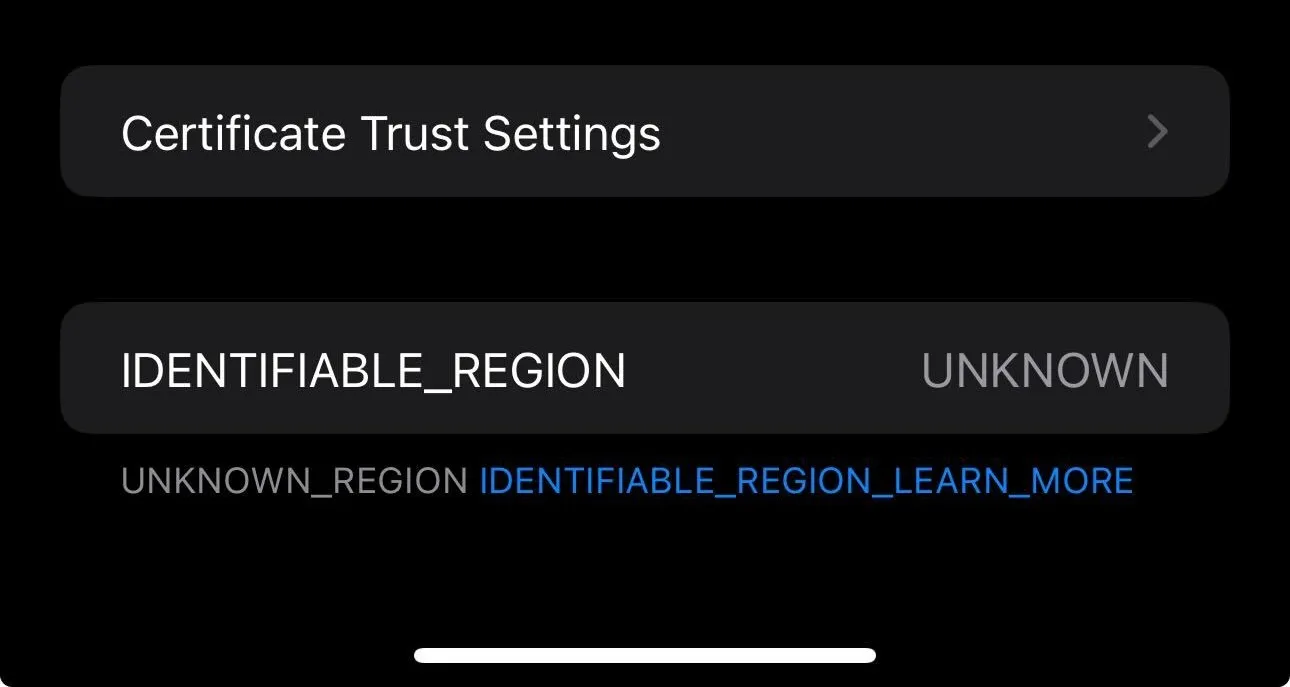
A notable addition in the iOS 17.4 beta is a new section in the ‘About’ menu of the Settings app, labeled ‘identifiable_region.’
This section will indicate the region where the iPhone is currently in use. As of the beta version, this feature is present but not fully operational.
MarketplaceKitBridge and Future of Sideloading
MarketplaceKitBridge and Future of Sideloading
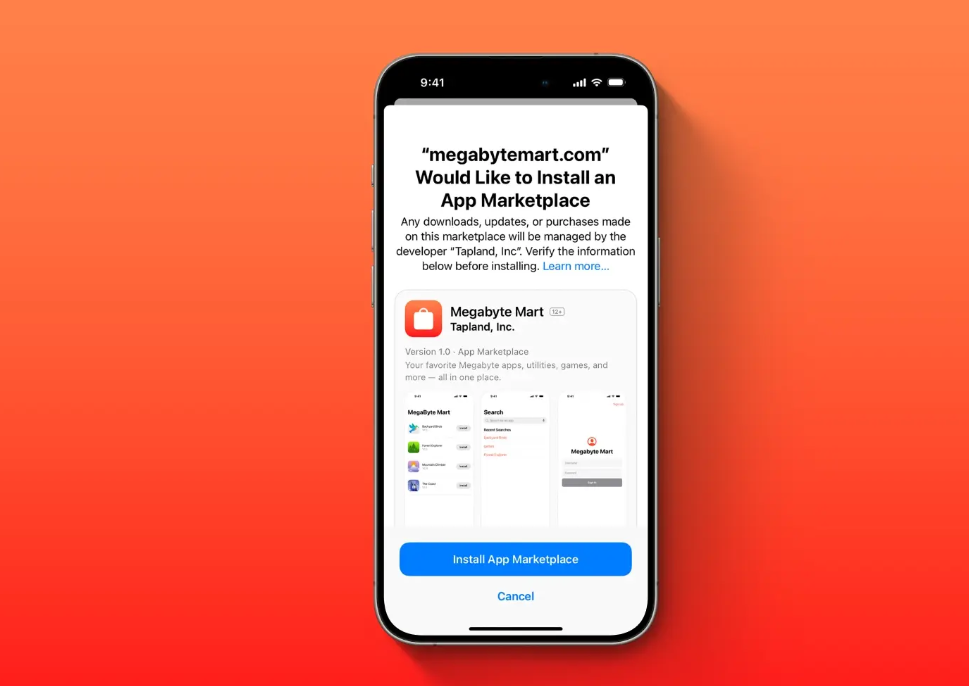
The inclusion of the ‘MarketplaceKitBridge’ in the iOS 17.4 beta is a crucial element for enabling third-party app stores or marketplaces in the EU.
This API, initially thought to be connected to sideloading or Mobile Device Management (MDM), will facilitate the functioning of alternative app stores on iPhone within the European Union.
As iOS 17.4 remains in beta, it’s important to note that Apple may modify its approach to determine eligibility for sideloading and related features.
FAQs
What is sideloading in iOS 17.4 beta, and who can access it?
Sideloading in iOS 17.4 beta allows installing apps from third-party sources. This feature, however, is regionally restricted to European users to comply with the Digital Markets Act (DMA).
How does Apple ensure sideloading is restricted to European users?
Apple employs criteria like the Apple ID billing address, user’s current location at the country level, and the device class to determine eligibility for sideloading in the iOS 17.4 beta.
What is the ‘Identifiable_Region’ feature in iOS 17.4 beta?
‘Identifiable_Region’ in iOS 17.4 beta, found in the Settings app, indicates the current regional use of the device, playing a role in enabling sideloading for users in the EU.
Can international users bypass the sideloading restrictions in iOS 17.4 beta?
Bypassing sideloading restrictions in iOS 17.4 beta is challenging due to the stringent checks, including the need for a valid European Apple ID billing address.
What does iPhone app sideloading mean under the EU’s DMA?
Sideloading on iPhones, as influenced by the EU’s Digital Markets Act (DMA), refers to the ability for users to install apps from sources outside the official Apple App Store.
This regulatory change is aimed at breaking Apple’s tight control over app installations, providing EU users with more flexibility and choice.
Will sideloading be available for iPhones globally?
Currently, the allowance for sideloading apps on iPhones is expected to be confined to the 27 EU member countries, in line with the DMA’s jurisdiction.
This means that outside these nations, Apple’s traditional app installation methods via the App Store will likely remain unchanged.
What are the potential risks of sideloading for iPhone users?
Sideloading apps can potentially expose users to increased security risks, such as malware and trojans.
With this new policy, iPhone users in the EU will bear more responsibility for ensuring the safety of the apps they install from non-App Store sources.
How does app sideloading benefit iPhone users and developers?
This change benefits users by offering a wider range of app choices and potentially promotes innovation by allowing developers to reach users directly without App Store constraints.
It also helps smaller developers who might find it challenging to comply with App Store policies.
What are the key changes Apple is making in the EU to comply with the Digital Markets Act?
Apple is rolling out significant updates in response to the EU’s Digital Markets Act, including the introduction of new APIs, alternative app marketplace and payment processing options, and revised functionality for browser engines.
How will Apple’s changes impact app developers and marketplace options in the EU?
Developers will now have access to new tools and APIs for creating alternative app marketplaces, utilizing different browser engines, and managing app updates, significantly expanding their capabilities within the EU market.
What security measures is Apple implementing in light of these changes?
To counter potential risks from more open platforms, Apple is introducing safeguards like app Notarization and required authorization for marketplace developers, aiming to protect users from malware and other security threats.
Will Apple’s compliance with the DMA affect user experience in Safari and the App Store?
Yes, users in the EU will notice changes such as a new default browser choice screen in Safari and additional payment options in the App Store, though some existing features like Family Sharing might not be compatible with externally downloaded apps.
This move, while complying with the DMA, has drawn flak from various corners of the tech industry, including major players like Spotify and the Coalition for App Fairness (CAF).
Contentious Implementation by Apple
Contentious Implementation by Apple
Apple’s plan to integrate third-party app stores includes imposing a “Core Technology Fee” for apps sold outside its own App Store and requiring a hefty €1,000,000 letter of credit for those wishing to open an app store.
These requirements are being said to be quite prohibitive, especially for smaller developers, as they impose financial and operational hurdles that could limit the diversity and innovation in the app market.
Spotify CEO Criticizes Apple’s Approach
Spotify CEO Criticizes Apple’s Approach
Spotify CEO Daniel Ek has been vocal in his criticism of Apple’s new policy.
In a blog post, Ek condemns the move as “extortion, plain and simple,” highlighting the combination of the new 0.50 Euro fee per app install and the lack of flexibility around App Store in-app payments as major issues.
Ek’s concerns are legitimate and stem from the potential financial burden these policies would place on developers, especially those relying on large numbers of downloads for freemium apps.
The Spotify CEO’s stance reflects a broader discontent within the industry regarding Apple’s approach to DMA compliance.
Implications for Developers and the Industry
App Store icon displayed on a phone screen is seen in this illustration photo taken in Krakow, Poland on January 29, 2023. (Photo by Jakub Porzycki/NurPhoto via Getty Images)
The requirement of a €1M letter of credit essentially excludes smaller developers from establishing their own app stores, as it necessitates having a significant amount of funds set aside.
Additionally, the per-install fee poses a considerable financial risk, especially for apps that rely on high download volumes without immediate monetization.
Potential Legal Battles Ahead
Potential Legal Battles Ahead
Apple’s strategy, while in compliance with the DMA, is more than anticipated to lead to legal challenges.
The company’s approach, as per several deevlopers, is positioned as a calculated move to make leaving its App Store an expensive and complex endeavour.
While Applemay have bought some time with its intricate plan, the likelihood of regulatory scrutiny and future legal disputes seems inevitable.
FAQs
What is Apple’s new policy regarding third-party app stores?
Apple announced plans to allow third-party app stores in Europe, including a “Core Technology Fee” for apps sold outside its App Store and a €1,000,000 letter of credit requirement for opening an app store.
Why is Apple’s new policy being criticized?
Critics, including Spotify’s CEO, argue that Apple’s new policy imposes high financial burdens on developers, especially smaller ones, potentially stifling innovation and diversity in the app market.
What did Spotify’s CEO say about Apple’s new app store policy?
Spotify CEO Daniel Ek criticized Apple’s policy in a blog post, calling it “extortion” due to the combination of the per-install fee and restrictions on in-app payments.
How does Apple’s policy affect smaller app developers?
The requirement of a €1M letter of credit and per-install fees pose significant financial challenges for smaller developers, potentially excluding them from establishing their own app stores.
Are there potential legal implications for Apple’s policy?
Apple’s approach to DMA compliance is expected to lead to legal challenges, with accusations that the company is making it difficult and costly to leave its App Store.
App Store, Apple Music, and More Experiencing Outage .Details?
The App Store, Mac App Store, Apple Music, subscription purchases, and AppleCare on Device are all experiencing an outage, according to Apple’s System Status page.
Apple says that the services have been unavailable for some users since 6:30 p.m. Eastern Time.
Affected users may be unable to make purchases in the iTunes Store, Mac App Store, and App Store, and are also experiencing intermittent issues with Apple Music.
Update: Apple has fixed the outage.
Spotify CEO slams Apple’s App Store changes; Apple fires back .Details?
Ek said Apple’s reaction to the Digital Markets Act is “a masterclass in distortion.”
Under Apple’s new changes, apps with over one million downloads will need to pay a “core technology fee” for “each first annual install per year.” That puts an app like Spotify — which Ek said has more than 100 million downloads in the EU — in an “untenable situation” because it drastically increases the cost of acquiring new customers.
In a statement, Spotify described the fee as “extortion, plain and simple.” The company says the fee will likely hurt developers, potential start-ups, and those offering free apps who might not have the funds to pay Apple — especially if their app suddenly goes viral.
That means that even a multibillion-dollar company like Spotify will need to “stick with the status quo” to remain profitable, Ek said.
For its part, Apple said in a statement that it seeks to support developers, including Spotify, which it acknowledged as the world’s “most successful” music streaming app.
“The changes we’re sharing for apps in the European Union give developers choice — with new options to distribute iOS apps and process payments,” a spokesperson for Apple told Business Insider by email. “Every developer can choose to stay on the same terms in place today. And under the new terms, more than 99% of developers would pay the same or less to Apple.”
While Apple’s tight hold over the iOS ecosystem has helped it reap billions in revenue, it has also caused it to run afoul of regulators who believe its tactics stifle innovation and suppress new entrants. Ek, too, is a longtime critic of Apple’s tactics and has previously said the company has a ways to go before it becomes an “open and fair platform.”
Apple’s App Store change not only falls short of that ideal, but “mocks the spirit of the law and the lawmakers who wrote it,” Ek said.
Apple’s third-party app store announcements guarantee the company will end up in court .Details?
Apple has bought itself some time here for sure – in part, because what it has come up with is so complicated it will take regulators some time to digest all the details and run all the numbers.
But there seems little doubt that Apple is aiming to do everything it can to make leaving the App Store as difficult and expensive as possible.
Some tiny fraction of 1% of developers will be big enough to create their own ‘app marketplace,’ and developers who work on a freemium model could end up punished for their own success.
Apple’s third-party app store plan is a ‘shameless insult’ and ‘must not stand’, says Coalition for App Fairness.Details?
Full statement:
“Apple clearly has no intention to comply with the DMA. Apple is introducing new fees on direct downloads and payments they do nothing to process, which violates the law. This plan does not achieve the DMA’s goal to increase competition and fairness in the digital market – it is not fair, reasonable, nor non-discriminatory,” said Rick VanMeter, Executive Director of the Coalition for App Fairness. “Apple’s proposal forces developers to choose between two anticompetitive and illegal options. Either stick with the terrible status quo or opt into a new convoluted set of terms that are bad for developers and consumers alike. This is yet another attempt to circumvent regulation, the likes of which we’ve seen in the United States, the Netherlands and South Korea. Apple’s ‘plan’ is a shameless insult to the European Commission and the millions of European consumers they represent – it must not stand and should be rejected by the Commission.”
Apple announced its plan to comply with the Digital Markets Act (DMA) in Europe yesterday which will allow third-party app stores. However, the Coalition for App Fairness believes Apple’s approach will be found illegal and says the iPhone maker’s plan is a “shameless insult to the European Commission and the millions of European consumers they represent.
iPad users will miss out on third-party app stores, browser engines, and more .Details?
Changes coming to the App Store are coming to all of Apple’s platforms, while changes to the iPhone are coming only to the iPhone, even if iOS shares a lot of the same codebase as iPadOS.
Here’s what that means in practice.
The ability to install third-party app marketplaces and download apps from third-party app marketplaces will be an option only on the iPhone.
The new prompt in Safari that asks users to pick a default browser engine is coming only to the iPhone.
Support for third-party browser engines is coming only to the iPhone.
The ability to set default NFC and wallet apps will only be available on the iPhone.
Changes to App Store policy to allow alternative payments and lower commissions affect the App Store across all Apple platforms.
Changes to the App Store guidelines to allow game streaming apps impact all of Apple’s platforms.
All of these changes are coming as part of iOS 17.4, which is currently available in developer beta testing.
What are the Changes to iOS in the E.U. which Apple has made ?
In the EU, Apple is making a number of changes to iOS to comply with the DMA.
For developers, those changes include new options for distributing apps. The coming changes to iOS in the EU include:
New options for distributing iOS apps from alternative app marketplaces — including new APIs and tools that enable developers to offer their iOS apps for download from alternative app marketplaces.
New framework and APIs for creating alternative app marketplaces — enabling marketplace developers to install apps and manage updates on behalf of other developers from their dedicated marketplace app.
New frameworks and APIs for alternative browser engines — enabling developers to use browser engines, other than WebKit, for browser apps and apps with in-app browsing experiences.
Interoperability request form — where developers can submit additional requests for interoperability with iPhone and iOS hardware and software features.
As announced by the European Commission, Apple is also sharing DMA-compliant changes impacting contactless payments. That includes new APIs enabling developers to use NFC technology in their banking and wallet apps throughout the European Economic Area. And in the EU, Apple is introducing new controls that allow users to select a third-party contactless payment app — or an alternative app marketplace — as their default.
Inevitably, the new options for developers’ EU apps create new risks to Apple users and their devices. Apple can’t eliminate those risks, but within the DMA’s constraints, the company will take steps to reduce them. These safeguards will be in place when users download iOS 17.4 or later, beginning in March, and include:
Notarization for iOS apps — a baseline review that applies to all apps, regardless of their distribution channel, focused on platform integrity and protecting users. Notarization involves a combination of automated checks and human review.
App installation sheets — that use information from the Notarization process to provide at-a-glance descriptions of apps and their functionality before download, including the developer, screenshots, and other essential information.
Authorization for marketplace developers — to ensure marketplace developers commit to ongoing requirements that help protect users and developers.
Additional malware protections — that prevent iOS apps from launching if they’re found to contain malware after being installed to a user’s device.
These protections — including Notarization for iOS apps, and authorization for marketplace developers — help reduce some of the privacy and security risks to iOS users in the EU. That includes threats like malware or malicious code, and risks of installing apps that misrepresent their functionality or the responsible developer.
However, Apple has less ability to address other risks — including apps that contain scams, fraud, and abuse, or that expose users to illicit, objectionable, or harmful content. In addition, apps that use alternative browser engines — other than Apple’s WebKit — may negatively affect the user experience, including impacts to system performance and battery life.
Within the DMA’s constraints, Apple is committed to protecting the privacy, security, and quality of the iOS user experience in the EU as much as possible. For instance, App Tracking Transparency will continue to work with apps distributed outside of the App Store — asking a user’s permission before a developer tracks their data across apps or websites. However, the DMA’s requirements mean that App Store features — including Family Purchase Sharing and Ask to Buy — will not be compatible with apps downloaded from outside of the App Store.
When these changes come into effect in March, Apple will share more detailed resources explaining the options available to users — including best practices for protecting their privacy and security.
What are the Changes to Safari by Apple in EU?
Today, iOS users already have the ability to set a third-party web browser — other than Safari — as their default. Reflecting the DMA’s requirements, Apple is also introducing a new choice screen that will surface when users first open Safari in iOS 17.4 or later. That screen will prompt EU users to choose a default browser from a list of options.
This change is a result of the DMA’s requirements, and means that EU users will be confronted with a list of default browsers before they have the opportunity to understand the options available to them. The screen also interrupts EU users’ experience the first time they open Safari intending to navigate to a webpage.
What are the Changes to the App Store by Apple in EU?
On the App Store, Apple is sharing a number of changes for developers with apps in the EU, affecting apps across Apple’s operating systems — including iOS, iPadOS, macOS, watchOS, and tvOS. The changes also include new disclosures informing EU users of the risks associated with using alternatives to the App Store’s secure payment processing.
For developers, those changes include:
New options for using payment service providers (PSPs) — within a developer’s app to process payments for digital goods and services.
New options for processing payments via link-out — where users can complete a transaction for digital goods and services on the developer’s external website. Developers can also inform EU users of promotions, discounts, and other deals available outside of their apps.
Business planning tools — for developers to estimate fees and understand metrics associated with Apple’s new business terms for apps in the EU.
The changes also include new steps to protect and inform EU users, including:
App Store product page labels — that inform users when an app they’re downloading uses alternative payment processing.
In-app disclosure sheets — that let users know when they are no longer transacting with Apple, and when a developer is directing them to transact using an alternative payment processor.
New App Review processes — to verify that developers accurately communicate information about transactions that use alternative payment processors.
Expanded data portability on Apple’s Data & Privacy site — where EU users can retrieve new data about their usage of the App Store and export it to an authorized third party.
For apps that use alternative payment processing, Apple will not be able to issue refunds, and will have less ability to support customers encountering issues, scams, or fraud. Helpful App Store features — like Report a Problem, Family Sharing, and Ask to Buy — will also not reflect these transactions.
Users may have to share their payment information with additional parties, creating more opportunities for bad actors to steal sensitive financial information. And on the App Store, users’ purchase history and subscription management will only reflect transactions made using the App Store’s In-App Purchase system.
What are the New Business Terms for Apps in the EU ?
Also today, Apple is sharing new business terms available for developers’ apps in the European Union. Developers can choose to adopt these new business terms, or stay on Apple’s existing terms.
Developers must adopt the new business terms for EU apps to use the new capabilities for alternative distribution or alternative payment processing.
The new business terms for apps in the EU are necessary to support the DMA’s requirements for alternative distribution and payment processing. That includes a fee structure that reflects the many ways Apple creates value for developers’ businesses — including distribution and discovery on the App Store, the App Store’s secure payment processing, Apple’s trusted and secure mobile platform, and all the tools and technology to build and share innovative apps with users around the world.
Developers operating under either set of business terms can continue to use the App Store’s secure payment processing and share their apps on the App Store in the EU. And both sets of business terms reflect Apple’s long-standing work to make the app ecosystem the best opportunity for all developers.
Developers operating under the new business terms will have the option to distribute their iOS apps from the App Store and/or alternative app marketplaces. These developers can also choose to use alternative payment processors in their EU apps on the App Store, across Apple’s operating systems.
The new business terms for iOS apps in the EU have three elements:
Reduced commission — iOS apps on the App Store will pay a reduced commission of either 10 percent (for the vast majority of developers, and subscriptions following their first year) or 17 percent on transactions for digital goods and services.
Payment processing fee — iOS apps on the App Store can use the App Store’s payment processing for an additional 3 percent fee. Developers can use a payment service provider within their app or link users to their website to process payments for no additional fee to Apple.
Core Technology Fee — iOS apps distributed from the App Store and/or an alternative app marketplace will pay €0.50 for each first annual install per year over a 1 million threshold.
For apps on iPadOS, macOS, watchOS, and tvOS in the EU, developers who process payments using a PSP or by linking out to their website will get a 3 percent discount on the commission they owe to Apple.
Apple is also sharing a fee calculator tool and new reports to help developers estimate the potential impact of the new business terms on their app businesses. Developers can learn more about the changes for EU apps on a new Apple Developer Support page and can begin testing these capabilities today in the iOS 17.4 beta.
What are the key changes Apple is making in the EU to comply with the Digital Markets Act?
Apple is rolling out significant updates in response to the EU’s Digital Markets Act, including the introduction of new APIs, alternative app marketplace and payment processing options, and revised functionality for browser engines.
How will Apple’s changes impact app developers and marketplace options in the EU?
Developers will now have access to new tools and APIs for creating alternative app marketplaces, utilizing different browser engines, and managing app updates, significantly expanding their capabilities within the EU market.
What security measures is Apple implementing in light of these changes?
To counter potential risks from more open platforms, Apple is introducing safeguards like app Notarization and required authorization for marketplace developers, aiming to protect users from malware and other security threats.
Will Apple’s compliance with the DMA affect user experience in Safari and the App Store?
Yes, users in the EU will notice changes such as a new default browser choice screen in Safari and additional payment options in the App Store, though some existing features like Family Sharing might not be compatible with externally downloaded apps.
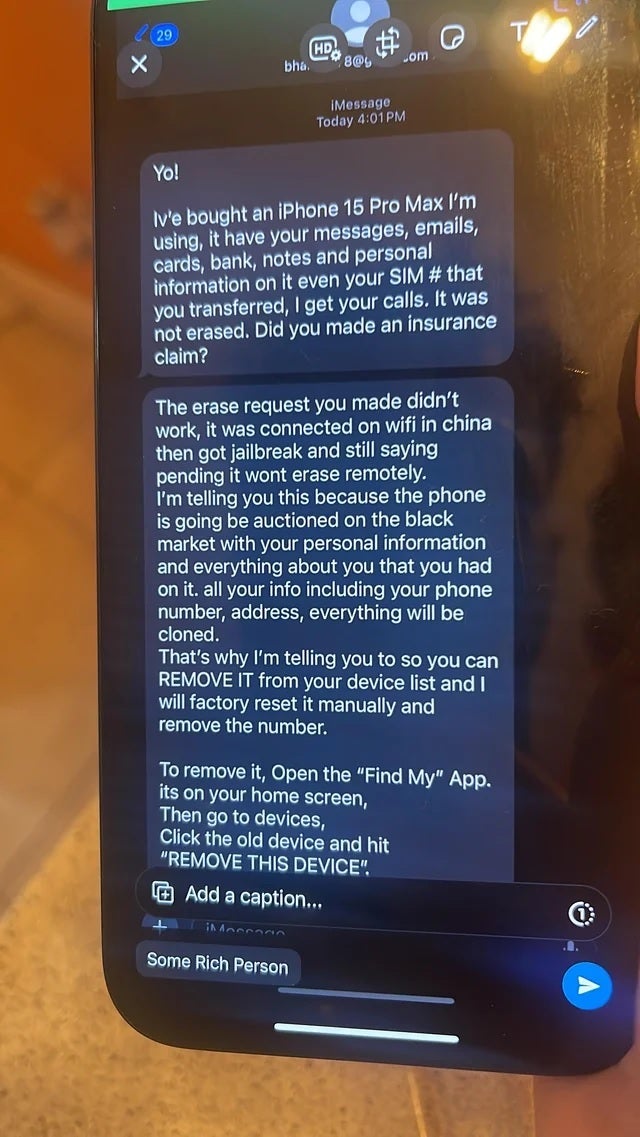
A recent incident involving a stolen iPhone 15 Pro Max, shared on Reddit by user “Commercial_Big_4378,” highlighted the importance of being vigilant against potential scams and the value of AppleCare+ Theft and Loss coverage.
Theft and the Follow-up Scam
iPhone 15 Pro Max Theft and the Follow-up Scam
After the theft of their iPhone 15 Pro Max, the Reddit user received a text message purportedly from an individual who claimed to have bought the phone.
The message contained personal details from the phone, including messages and banking information, and requested the victim to disable the Find My app.
This is a classic scam tactic, aiming to gain control over the stolen device by removing its tracking ability.
Disabling the Find My app on a stolen or lost iPhone is a critical mistake.
It allows the thief to reset the Apple ID password, create a new passcode, reset Face ID, and potentially access passwords stored on various apps.
In this case, the victim wisely contacted Apple, leading to the device being locked and wiped remotely.
However, the phone has ended up in China, where it may still be sold to an unsuspecting buyer.
AppleCare+ Theft and Loss Coverage
AppleCare+ Theft and Loss Coverage
This incident underscores the importance of considering AppleCare+ Theft and Loss coverage.
For the iPhone 15 Proand iPhone 15 Pro Max, the coverage costs $13.49 a month for 24 months or a one-time payment of $269 for two years.
It provides coverage for two incidents of loss or theft every 12 months, with the condition that the Find My app must be enabled.
The coverage cost varies for different iPhone models.
For the iPhone 15 Plus and iPhone 14 Plus, it’s $12.49 monthly or $249 for two years.
For the iPhone 15, iPhone 14, and iPhone 13, the price is $11.49 monthly or $219 for two years.
FAQs
What should you do if your iPhone is stolen?
If your iPhone is stolen, immediately contact Apple or your service provider to lock and potentially wipe your device. Avoid responding to any suspicious messages asking to disable the Find My app.
How does disabling the Find My app affect a stolen iPhone?
Disabling the Find My app on a stolen iPhone allows the thief to reset Apple ID and passcodes, gaining full access to the device and potentially sensitive information.
What coverage does AppleCare+ Theft and Loss provide?
AppleCare+ Theft and Loss coverage offers protection for two incidents of theft or loss every 12 months, provided the Find My app is enabled, with varying costs for different iPhone models.
Is it common for stolen iPhones to be sold in other countries?
Stolen iPhones can end up in different countries, as seen in the reported case where the stolen iPhone 15 Pro Max was located in China, potentially to be sold to an unsuspecting buyer.
What happened during the robbery incident in Washington D.C. involving an Android phone?
In a surprising twist during a robbery in Washington, D.C., the thieves returned the victim’s smartphone upon realizing it was an Android device, not an iPhone.
The incident, which took place late at night, involved the victim being approached by two armed individuals who demanded his belongings.
Why did the robbers return the Android phone to the victim?
The robbers in the D.C. incident handed back the Android phone after they realized it wasn’t the iPhone they had hoped to steal.
This reflects a common perception among criminals that iPhones have a higher resale value and are more sought-after in the black market compared to Android phones.
Are iPhones more targeted for theft than Android phones?
iPhones are often perceived as more valuable in criminal activities due to their higher resale value and market demand.
Despite Apple’s stringent security features, iPhones continue to be a target, possibly due to established illegal methods for unlocking and reselling these devices.
How did Azim G. steal the iPhones?
Azim G., working for a courier company in Adana, Turkey, was assigned to deliver 33 iPhones to a technology store. Instead of completing the delivery, he stole the phones, which were valued at around $30,000.
What did the thief do with the stolen iPhones?
After stealing the iPhones, Azim G. quickly sold most of them and used the money to buy a car for his girlfriend, who was reportedly unaware of the theft.
How was the theft discovered?
The technology store, noticing the missing delivery of iPhones, checked their security cameras. The footage revealed that Azim G. had never delivered the iPhones, leading to further police investigation.
Fossil Group announces exit from the smartwatch market.
Company to focus on traditional watches, jewelry, and leather goods.
Fossil Gen 6 to be the last in its smartwatch series.
Fossil commits to providing updates for existing Wear OS watches.
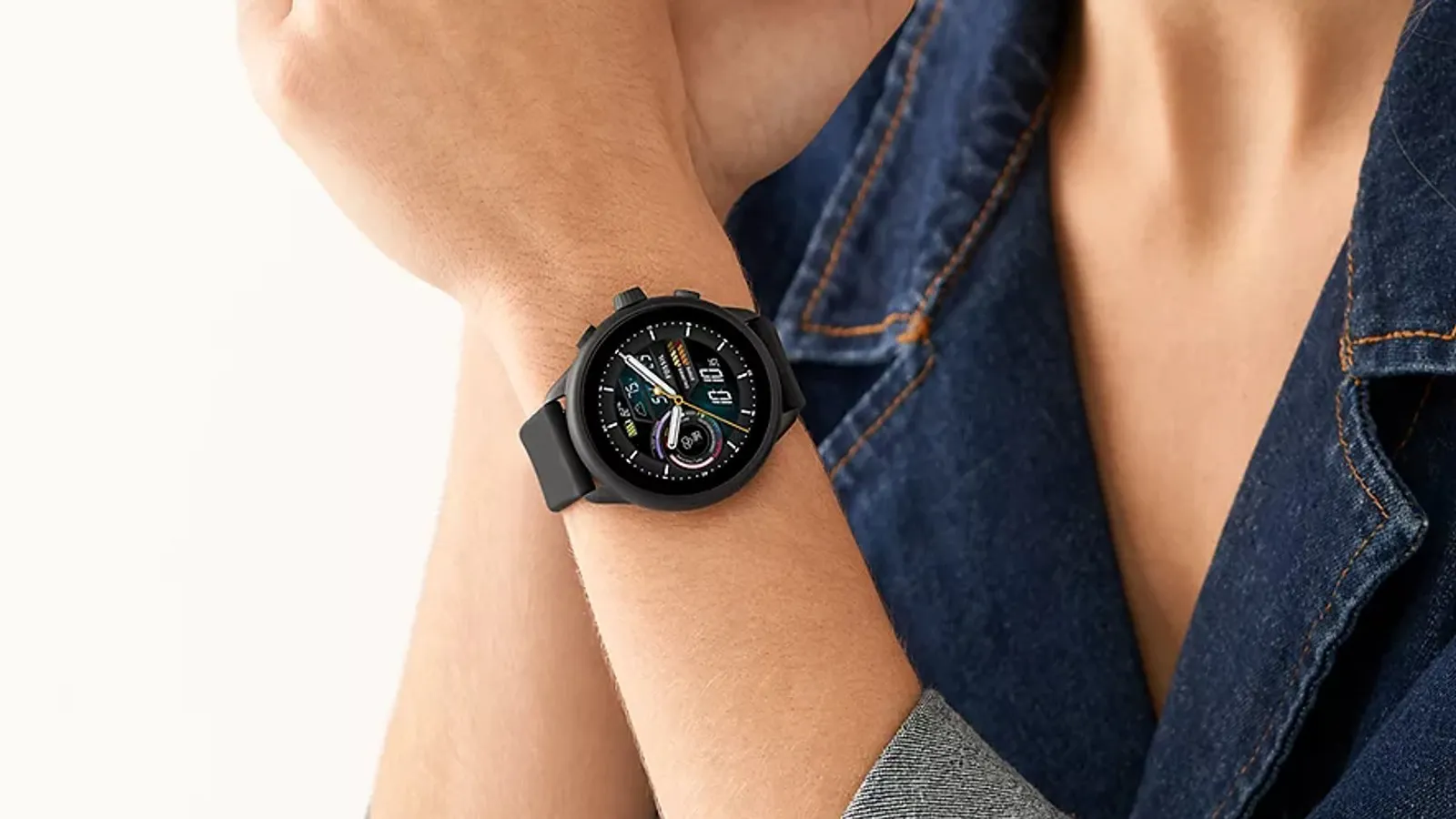
Fossil Group has made the strategic decision to exit the smartwatch market.
This move marks a significant shift for the company, which has been a prominent player in the Wear OS smartwatch sector for years.
The End of an Era for Fossil Smartwatches
The End of an Era for Fossil Smartwatches
Fossil’s departure from the smartwatch business signifies the end of its journey in a market that has seen substantial evolution over the past few years.
Amanda Castelli, a spokesperson for Fossil, conveyed that the company is reallocating its resources to reinforce its core products – traditional watches, jewelry, and leather goods.
This refocusing is aimed at capitalizing on segments that continue to show strong growth potential.
With this shift, the Fossil Gen 6 smartwatch, launched in 2021, stands as the final model in Fossil’s smartwatch lineup.
However, the company assures existing customers that it will continue to provide updates for its Wear OS watches for the next few years, offering some solace to those who own Fossil smartwatch products.
Signs Leading to Fossil’s Exit
Hints of Fossil’s exit from the smartwatch business were noticeable in recent months.
Reports from Reddit users citing Fossil retail employees and others claiming insider knowledge suggested a potential pullout from the market.
Additionally, Fossil’s absence from major tech events like CES earlier this year, coupled with silence on the expected announcement of a new Gen 7 smartwatch featuring the Qualcomm Snapdragon W5 Plus platform,indicated a shift in the company’s direction.
In the coming weeks and months, consumers might find opportunities to purchase Fossil’s smartwatches at discounted prices as the company looks to clear its inventory.
For those interested in stylish yet affordable smartwatches, these sales could present a valuable chance to acquire a Fossil smartwatch.
FAQs
Why is Fossil exiting the smartwatch market?
Fossil Group has decided to leave the smartwatch market to reallocate resources and focus on strengthening its core products, including traditional watches, jewelry, and leather goods, areas showing strong growth potential.
What will happen to the Fossil Gen 6 smartwatch?
The Fossil Gen 6 smartwatch will be the last model in Fossil’s smartwatch lineup. However, Fossil has assured that it will continue providing software updates for its existing Wear OS watches.
Can consumers still buy Fossil smartwatches?
In the near future, consumers may find Fossil smartwatches available at discounted prices as the company clears its inventory. This provides an opportunity for those looking for affordable, stylish smartwatches.
Were there any signs indicating Fossil’s exit from the smartwatch market?
Indications of Fossil’s exit were seen in recent months, including the absence from major tech events like CES and lack of news on new smartwatch models, signaling a shift in the company’s strategy.
Galaxy S24 series achieves record 1.21 million pre-orders in South Korea.
Surpasses previous Galaxy S23 series record with week-long pre-order period.
Galaxy S24 Ultra model leads with 60% of total pre-orders in South Korea.
In India, S24 series hits 250,000 pre-orders in just three days, outperforming S23 series.
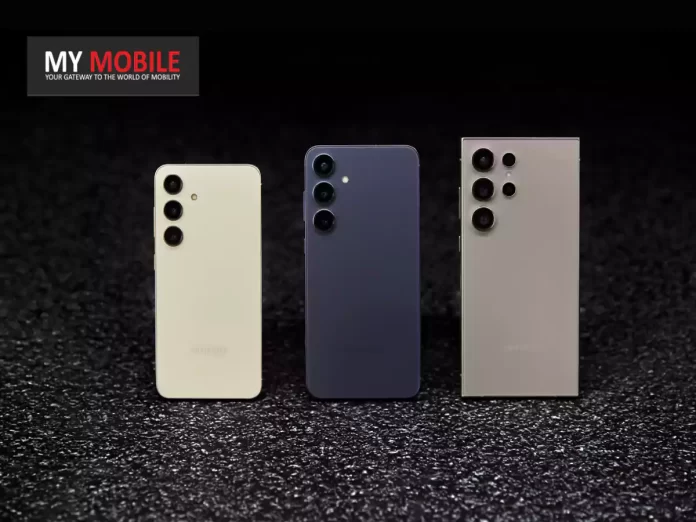
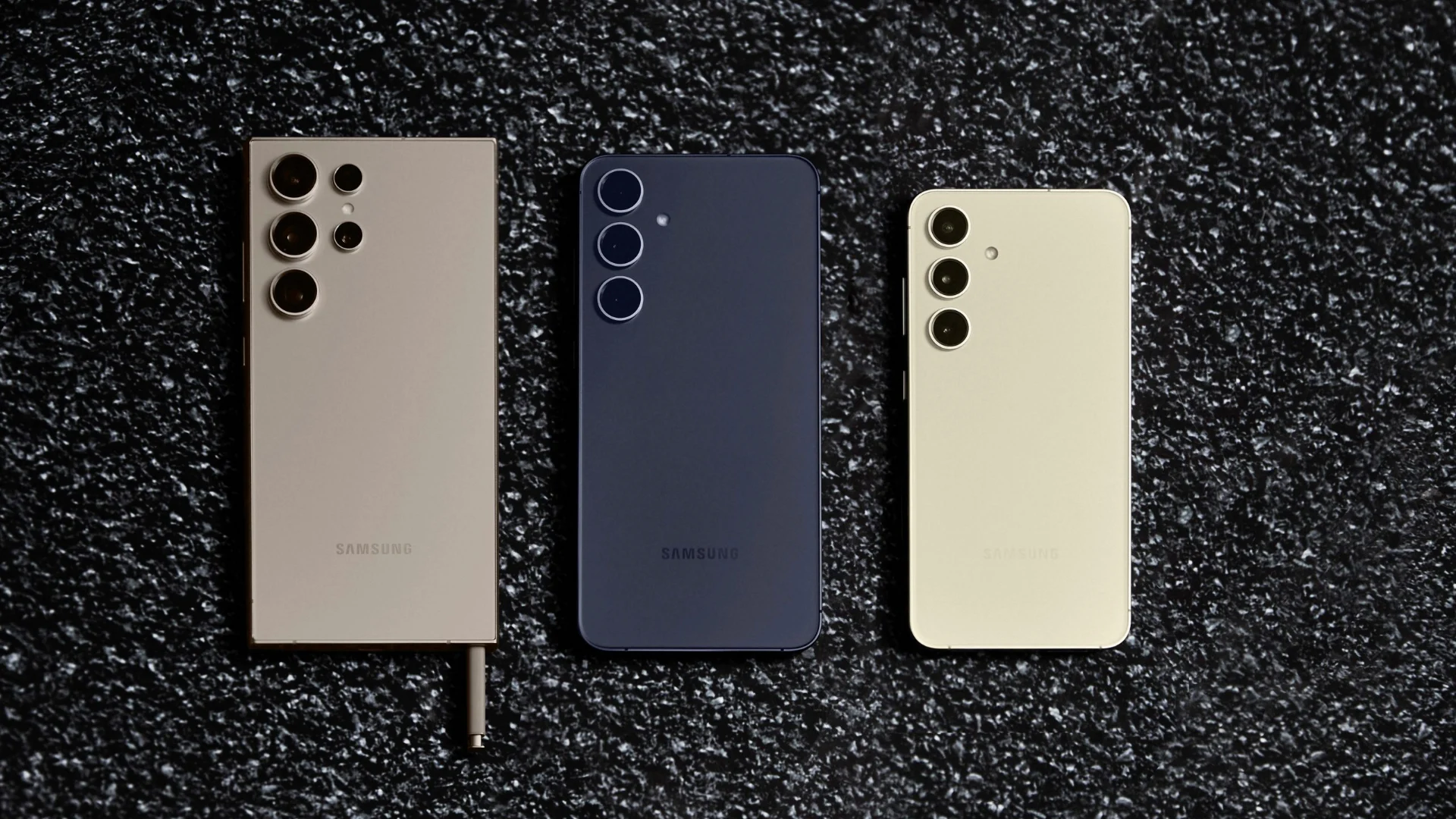
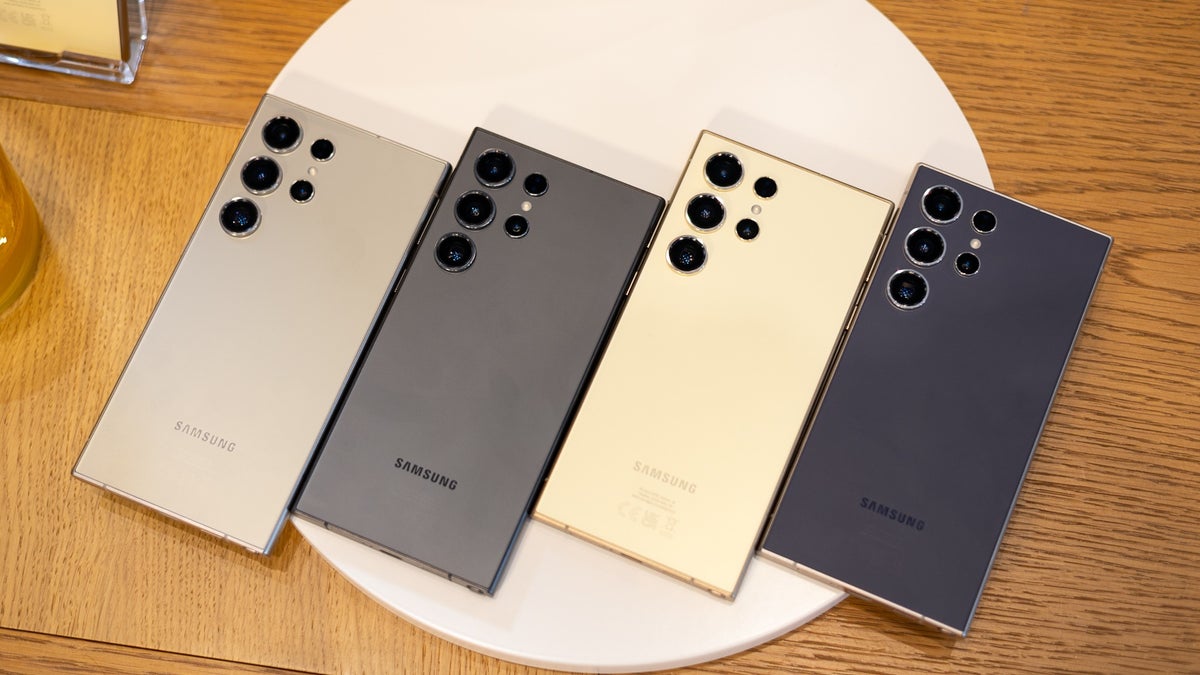
Samsung’s latest Galaxy S24 series has set a new benchmark in the smartphone market, achieving record-breaking pre-order numbers both in South Korea and India.
The Galaxy S24 series, including the Ultra, Plus, and standard models, has surpassed its predecessors in terms of consumer demand, indicating a strong market interest in Samsung’s newest offerings.
Unprecedented Demand in South Korea
Unprecedented Demand in South Korea
In South Korea, the Galaxy S24 series has reached a historic high with 1.21 million units pre-ordered, the highest ever for the S series.
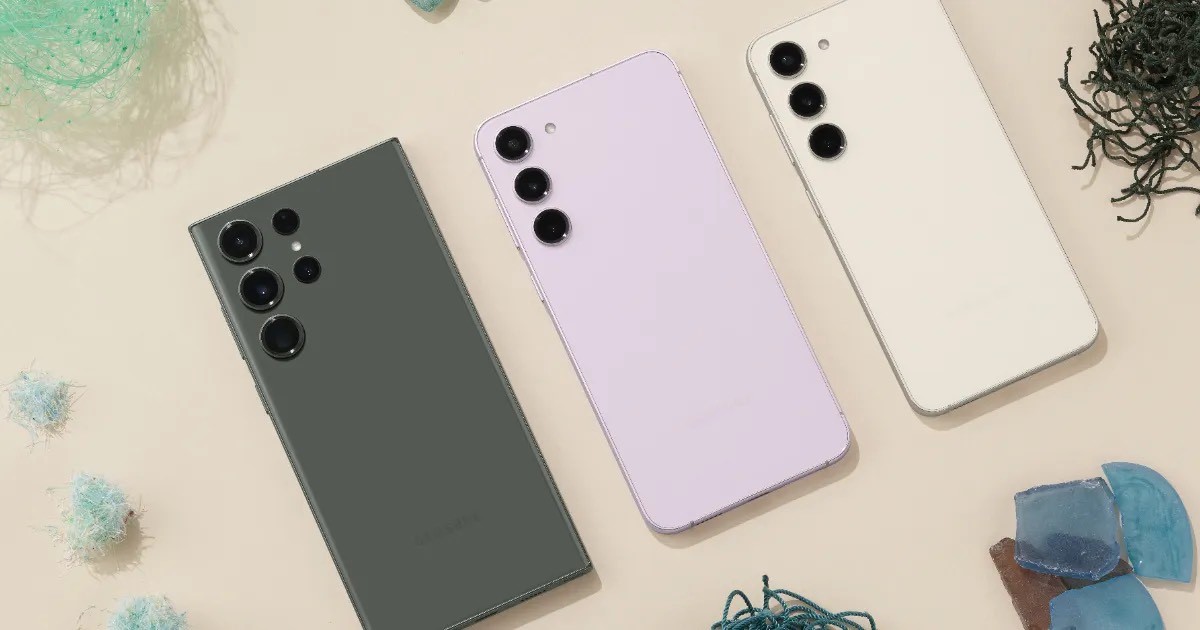
This achievement surpasses the Galaxy S23 series, which had previously set a record with 1.09 million units during its pre-order phase.
The Galaxy S24 series managed to attain these impressive numbers within a week-long pre-order period starting January 19, with official sales set to commence on January 31.
Interestingly, the Galaxy S24 Ultra modelaccounted for 60% of these pre-orders, demonstrating a strong consumer preference for the high-end variant.
The S24 Plus and standard S24 models followed with 21% and 19% of pre-orders, respectively.
Although these figures trail behind the Galaxy Note 10’s 1.38 million units in August 2019, the Galaxy S24 series boasts a higher average per day, considering the Note 10’s longer 11-day pre-order duration.
Impressive Performance in the Indian Market
Impressive Performance in the Indian Market
In India, the Galaxy S24 series is also making waves.
Within just three days, the Galaxy S24 series secured 250,000 pre-orders in India.
This number is not only significant in itself but also represents a higher volume than what the Galaxy S23 series achieved in three weeks the previous year.
What record has the Samsung Galaxy S24 series set in South Korea?
The Galaxy S24 series has set a new record in South Korea with 1.21 million units pre-ordered, the highest ever for the S series, surpassing the previous record held by the Galaxy S23 series.
Which model of the Galaxy S24 series was most popular in pre-orders?
In South Korea, the Galaxy S24 Ultra model was the most popular, accounting for 60% of the total pre-orders, indicating a strong consumer preference for the high-end variant.
How did the Galaxy S24 series perform in pre-orders compared to the Galaxy Note 10?
While the Galaxy Note 10 had more total pre-orders (1.38 million), the Galaxy S24 series achieved a higher average per day during its week-long pre-order period.
What is the significance of the Galaxy S24 series’ pre-order numbers in India?
The Galaxy S24 series garnered 250,000 pre-orders in just three days in India, a figure that is reportedly higher than what the Galaxy S23 series achieved in three weeks, highlighting its success in the market.
What are the unique features of the Galaxy S24 Ultra?
The Galaxy S24 Ultra boasts an innovative 5x magnification telephoto lens with a 50MP sensor, offering enhanced zoom and high-quality 8K video recording capabilities.
How does the Galaxy S24+ differ from the Ultra model?
The S24+ mirrors the Ultra in terms of RAM and display technology but stands out with its flat 6.7-inch screen and slightly smaller battery. It’s an ideal choice for those who prefer a more compact device without compromising on performance.
What updates are seen in the standard Galaxy S24?
The standard Galaxy S24 model offers a slight increase in display size and battery capacity, catering to users looking for essential upgrades in a more compact form.
What kind of software support is Samsung offering for the S24 series?
Samsung commits to 7 generations of OS updates and 7 years of security patches for the S24 series, ensuring long-term software reliability and security.
Pre-Book your Samsung Galaxy S24 Series smartphone at just INR 2000 at Vijay Sales stores and www.vijaysales.com. Details?
Vijay Sales, India’s leading electronics omni-channel retail chain, is delighted to announce the commencement of pre-booking of the Samsung Galaxy S24 series with a minimal pre-booking payment of just INR 2,000.
Whether you savor the in-store journey at Vijay Sales 130+ outlets or opt for the seamless convenience of online booking at vijaysales.com, this exclusive opportunity ensures you’ll be at the forefront of innovation.
Samsung Galaxy S24 series include three powerhouse smartphones – Samsung Galaxy S24 Ultra, Samsung Galaxy 24+ and Samsung Galaxy S24 that combine top-notch performance, a stunning display, cutting-edge camera capabilities, and seamless connectivity, making them a versatile companion for both productivity and entertainment.
And with Galaxy AI, one can now experience new ways to connect, create and play effortlessly.
Samsung Galaxy S24 Ultra is powered by the Octa-Core processor, along with the 6.8-inch Dynamic AMOLED 2X display and a 120Hz refresh rate it offers a powerful performance & stunning experience.
Samsung Galaxy S24 Ultra stands out with its S Pen support, offering enhanced productivity and creativity. The camera system features a quadruple rear setup with resolutions of 200 MP, 50 MP, 12 MP, and 10 MP.
The front camera, with a resolution of 12MP ensures top-notch selfie’s. The substantial 5000mAh battery ensures long hours of usage.
Samsung Galaxy S24+ powered by a Deca-Core processor comes with an expansive 6.7-inch Dynamic AMOLED 2X display with Quad HD+ resolution and a 120Hz refresh rate.
The triple rear camera setup (50 MP + 10 MP + 12 MP) and 12 MP front camera deliver stunning photos and UHD 8K videos at 30fps. The 4900mAh battery provides extended usage times.
Samsung Galaxy S24 combines performance, stunning display, and an advanced camera system. Its Deca-Core processor ensures seamless multitasking and a responsive user experience. Its features a 6.2-inch Dynamic AMOLED 2X display with a 120Hz refresh rate.
The triple rear camera setup (50 MP + 10 MP + 12 MP) and 12 MP front cameras capture stunning photos. The sleek and stylish device is complemented by a robust 4000mAh battery.
The Galaxy S24 series which runs on the Android operating system, seamlessly integrates with Samsung’s ecosystem, supporting devices like Galaxy Buds and Galaxy Watch. It also includes features such as Samsung DeX support, Bluetooth Hearing Aid support, and SmartThings integration, making it a versatile companion for both productivity and entertainment.
The new Samsung S24 series is now smarter due to the presence of features like Circle to Search, Live Translate, Chat Assist, Note Assist among others that would help the consumers ease their day to day task effortlessly.
Viajy Sales is offering you a chance to be among the first to revel in the groundbreaking features and unmatched performance of the S24 series.
Seize the opportunity to step into the next generation of mobile technology and secure your pre-booking today at just INR 2000 at Vijay Sales stores and vijaysales.com
Samsung Galaxy S24 series goes on pre-order in Germany. Details?
The Samsung Galaxy S24 Ultra is a rethink on how the long telephoto lens should work – instead of a fixed 10x lens, Samsung went for 5x magnification and a high resolution 50MP sensor that offers high quality zoom between 5x and 10x.
And more, it enables 8K video recording and 4K @ 120fps from the tele camera.
Samsung Galaxy S24+ at €300 less than the Ultra.
You can go down €350 and get the small Galaxy S23 – it’s not tiny, but it is the smallest new phone that Samsung sells.
Samsung Galaxy S23 FE costs €690, but that’s with only 128GB storage.
Samsung Confirms Free Offers For Every Galaxy S24 Pre-Order. Details?
US customers buying the Galaxy S24 or Galaxy S24+ have the option of half-price Galaxy Buds FE, a $175 discount on the Galaxy Watch6 Classic, and a $125 discount on the Galaxy Watch6.
The Galaxy S24 Ultra comes with the same fifty per cent discount on the Buds, but $250 off the Watch6 Classic and $200 off the Watch 6.
All three models come with six months of Microsoft 365 Basic, two months of Adobe Photoshop Lightroom, and four months of SiriusXM streaming.
In the United Kingdom, you have a five per cent discount on a Samsung Shop order over £500; thirty per cent off the Galaxy Buds Pro 2 when bought with the handset; thirty per cent off Samsung Care+; 12 months of Disney+; and a £30 Galaxy Store voucher.
Students, 16-26 year olds and Key Workers can also apply for a fifteen percent discount.
Samsung’s home country of South Korea will not see pre-orders opening until January 19th, but it is expected to offer the same “double your storage” upgrade and similar discounts on the Galaxy Buds FE, Watch6 Classic, and Watch 6.
South Korean company allowed consumers to reserve a handset through the Samsung website ahead of the launch… effectively a pre-order before pre-ordering.
Those taking up this offer before January 16th can receive a $50 credit towards the purchase of a handset from the S24 range.
Samsung is widely expected to offer a “double your storage” option, so those purchasing a 128 GB Galaxy S24 would receive the 256 GB model; this principle would hold throughout the range right up to those buying the 512 GB Galaxy S24 Ultra receiving the 1 TB model.
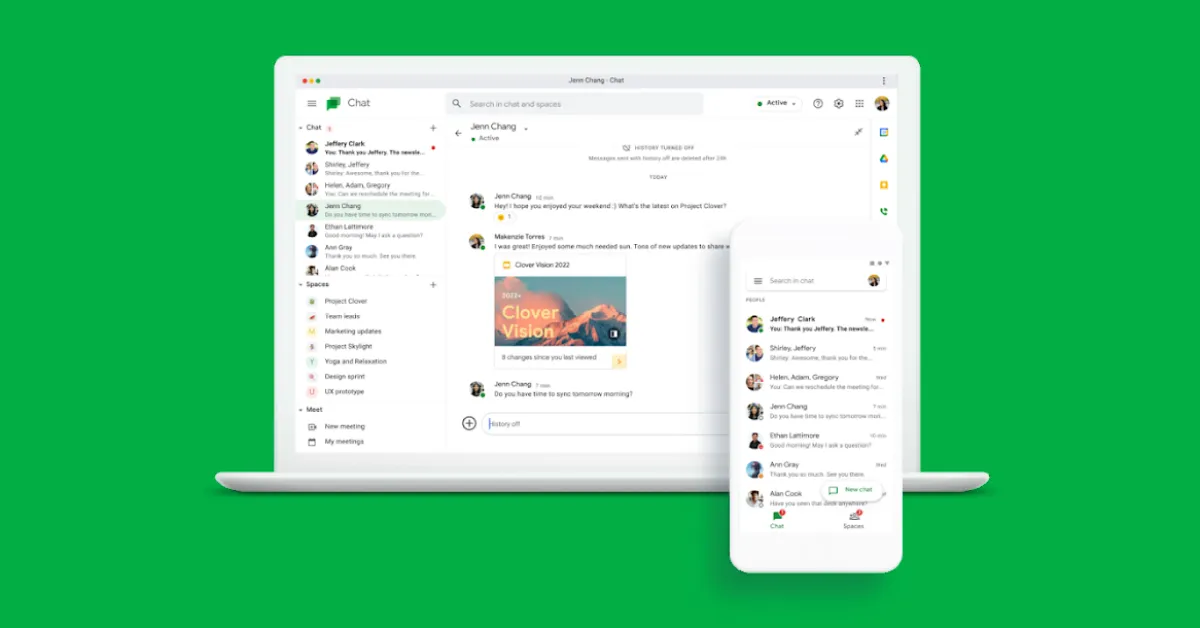
Google Chat to introduce voice messaging by early 2024.
Feature includes a user-friendly interface with a mic button for recording.
Voice messages applicable in individual, group chats, and Spaces.
Integration of voice messaging aligns Google Chat with leading messaging apps.
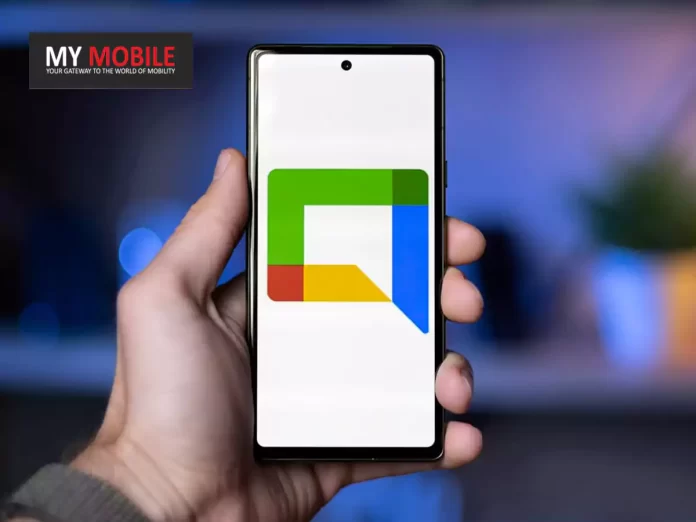
Google Chat, a key component of the Google Workspace ecosystem, is poised to enhance its functionality with the addition of voice messaging.
This feature, common in most instant messaging apps, is expected to make its debut in Google Chat by the first quarter of 2024.
Voice Messaging
Google Chat Voice Messaging Feature
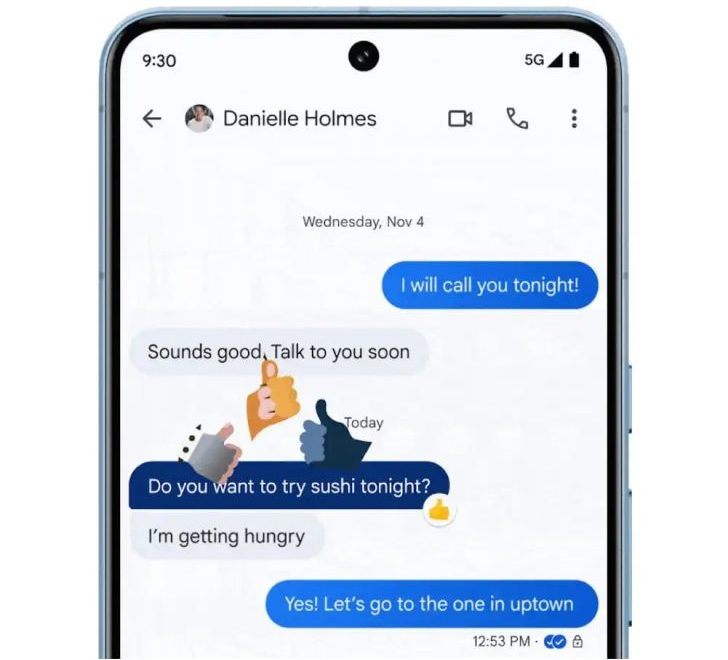
The introduction of voice messages in Google Chat marks a significant development for the app, aligning it with other popular messaging platforms like WhatsApp.
According to AssembleDebug, a reputable source from TheSpAndroid, the feature was discovered after activating a specific flag in the Android version of Google Chat.
The same option is reportedly present within theGmail app, which integrates Google Chat.
User Interface and Functionality
Google Chat User Interface and Functionality
The voice messaging feature is accessible via a microphone button located at the bottom right corner of the chat screen.
This button replaces the standard send button, which reappears when the user either starts typing or completes an audio recording.
The interface for recording includes a waveform visualization, a delete option for re-recording, and a pause button.
Once sent, voice messages display a similar waveform along with the duration of the audio clip.
These messages can be sent in both individual and group chats, as well as in Spaces.
Aligning with Current Messaging Trends
Google Chat Aligning with Current Messaging Trends
While Google Messages, the default SMS/RCS app on many Android devices, already supports voice messaging, its introduction to Google Chat has been eagerly anticipated.
This update will not only enhance user experience but also ensure that Google Chat remains competitive in the rapidly evolving digital communication landscape.
FAQs
When is Google Chat expected to launch voice messaging?
Google Chat is reportedly set to introduce voice messaging in the first quarter of 2024, offering a new dimension to its communication capabilities.
How will users access the voice messaging feature in Google Chat?
Users can access voice messaging in Google Chat via a microphone button on the chat interface, which allows for easy recording and sending of voice messages.
Can voice messages be sent in group chats and Spaces on Google Chat?
Yes, the upcoming voice messaging feature in Google Chat will be available for use in both one-on-one and group chats, as well as in Spaces.
Will the voice messaging feature be available in the Gmail app as well?
The same flag enabling voice messaging in Google Chat is also reportedly present in the Gmail app, indicating possible integration due to Gmail’s built-in support for Google Chat.
Snapchat introduces AI-generated Bitmoji Pets for enhanced social interaction.
Feature available exclusively for Snapchat+ subscribers.
AI pets appear alongside user Bitmojis on Snapchat’s geolocation map.
Some users express desire to remove AI features, requiring a Snapchat+ subscription.
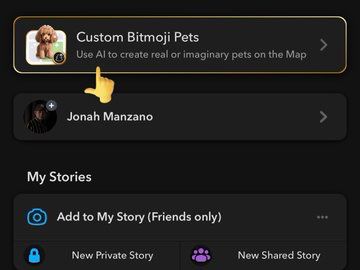
Snapchat, a pioneer in integrating generative AI into social media platforms, is set to enhance its user experience with a new feature – AI-generated Bitmoji Pets.
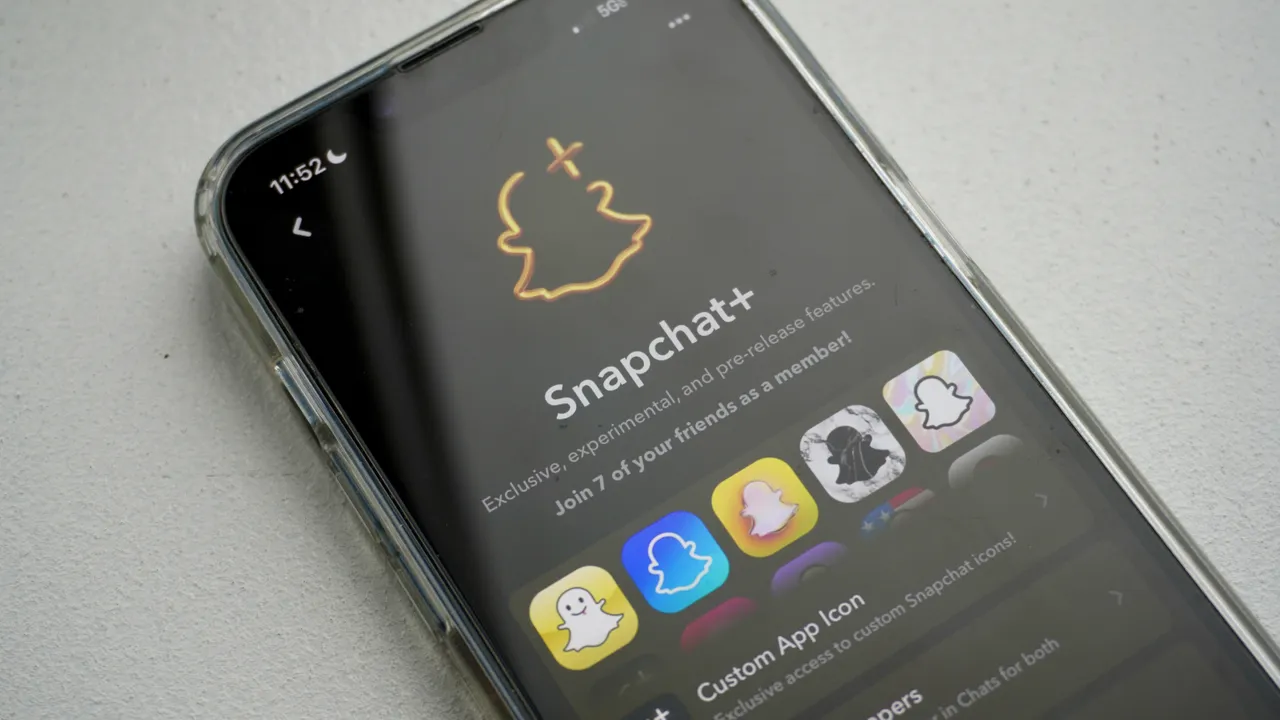
This addition comes as part of the exclusive offerings for Snapchat+ subscribers, who gain early access to the platform’s latest innovations.
AI pets appear alongside user Bitmojis on Snapchat’s geolocation map
A New Dimension to Digital Interaction
Snapchat’s latest feature- A New Dimension to Digital Interaction
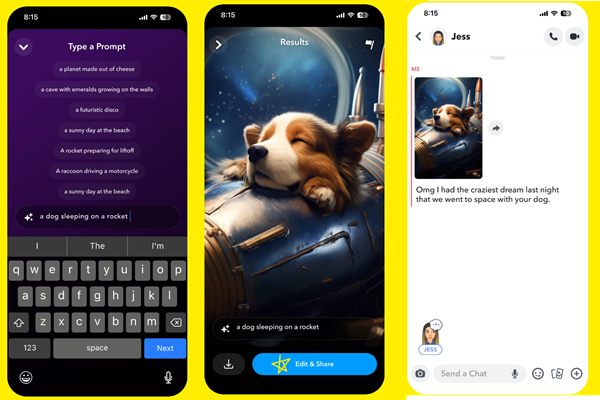
Snapchat’s latest feature allows users to create virtual pets using AI technology.
These custom Bitmoji Pets can be either real or imaginary creatures, providing a unique way for users to express their creativity and personality.
AI-generated Bitmoji Pets
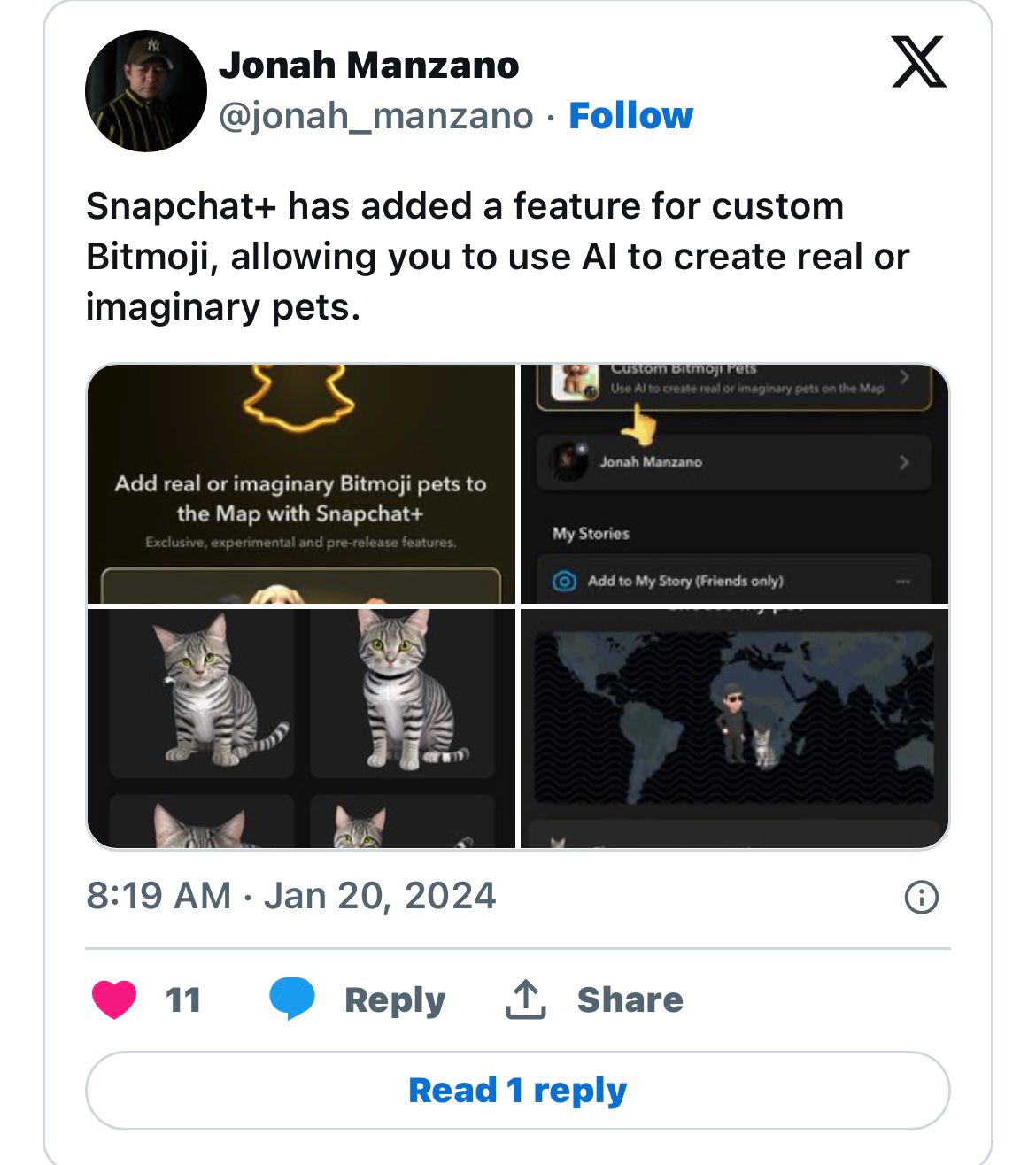
The pets appear alongside users’ Bitmojis on the Snapchat map, adding a fun, personal touch to the geolocation feature.
Whenever friends view your location on the map, they will not only see your Bitmoji but also your AI-generated pet.
This interactive aspect enhances the social experience on Snapchat, making it more engaging and visually appealing.
Snapchat’s foray into generative AI, starting with the “My AI” chatbot, has been met with mixed reactions.
While some users enjoy these innovative features, others question their practicality and express concerns about privacy and the somewhat intrusive nature of AI in personal spaces.
users enjoy these innovative features
The platform has faced criticism for overusing AI without addressing real user needs.
The only way to remove the “My AI” feature is by subscribing to Snapchat+, which is available for $3.99 per month or $29.99 per year.
Snapchat Available Feature $3.99 per month or $29.99 per year
As for the new AI Bitmoji Pets, details on how to manage or remove these virtual companions are yet to be disclosed.
Snapchat Launches AI-Generated Bitmoji Pets for Snapchat+ Subscribers
FAQs
What are Snapchat’s AI-Generated Bitmoji Pets?
AI-Generated Bitmoji Pets are a new Snapchat feature that allows users to create virtual pets using AI. These pets appear next to users’ Bitmojis on the map, adding a personalized touch to the social media experience.
Who has access to Snapchat’s new AI pet feature?
The AI Bitmoji Pets feature is currently available exclusively to Snapchat+ subscribers, providing them with early access to Snapchat’s experimental and pre-release features.
How do AI Bitmoji Pets enhance the Snapchat experience?
AI Bitmoji Pets offer a novel and playful element to Snapchat, allowing friends to see not only a user’s Bitmoji but also their virtual pet on the app’s geolocation map.
Can users opt out of Snapchat’s AI features?
Users wishing to remove AI features like “My AI” must subscribe to Snapchat+, which is the only way to opt out of these functionalities. The process for managing AI Bitmoji Pets is yet to be detailed.
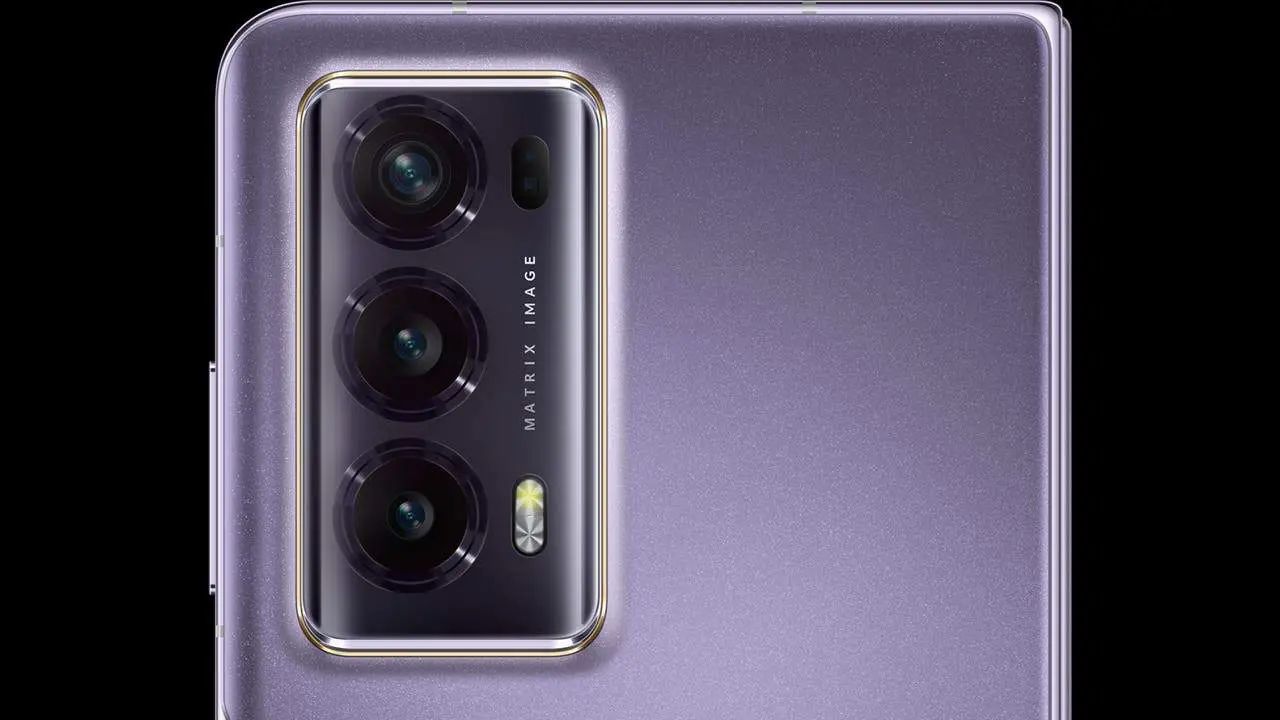
Honor’s Magic V2 represents two years of dedicated development, resulting in more than 210 technological breakthroughs.
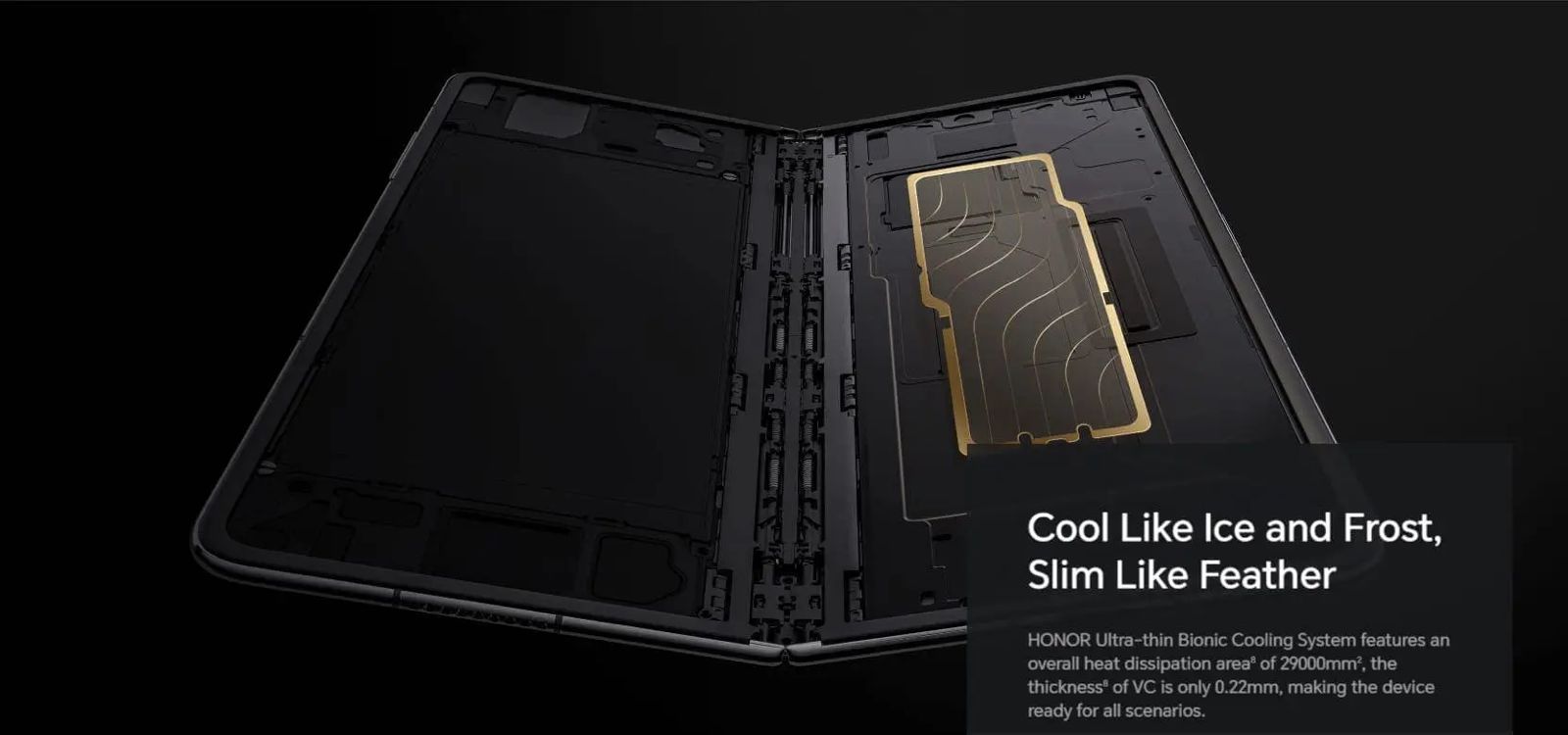
Notable among these is its robust hinge design, an ultra-thin battery, and an advanced cooling system, all contributing to its standout features.
Honor Magic V2:standout features
The Magic V2 ushers in what Honor calls the “millimeter era” for foldable phones.
It boasts a remarkably slim profile, measuring just 9.9 mm thick when folded and 4.7 mm when unfolded.
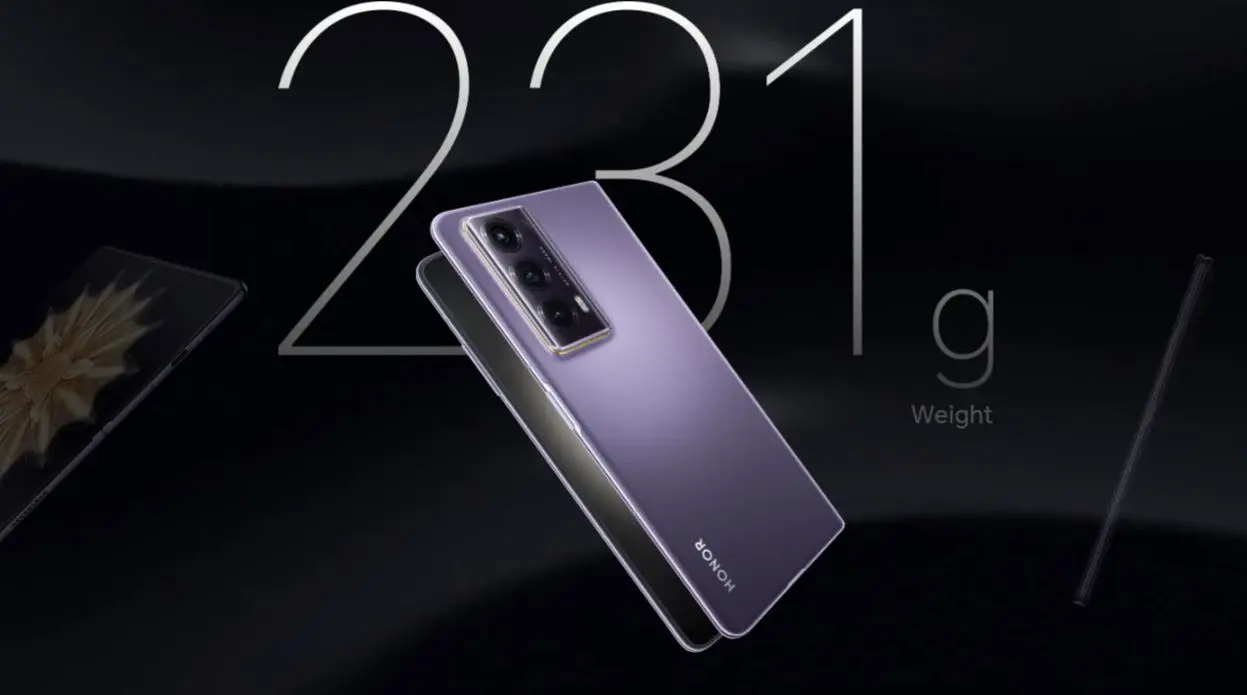
This sleekness contributes to its lightweight feel, tipping the scales at only 231 grams.
Honor Magic V2 lightweight feel
The phone’s portability and comfort in hand are significant achievements in foldable phone design.
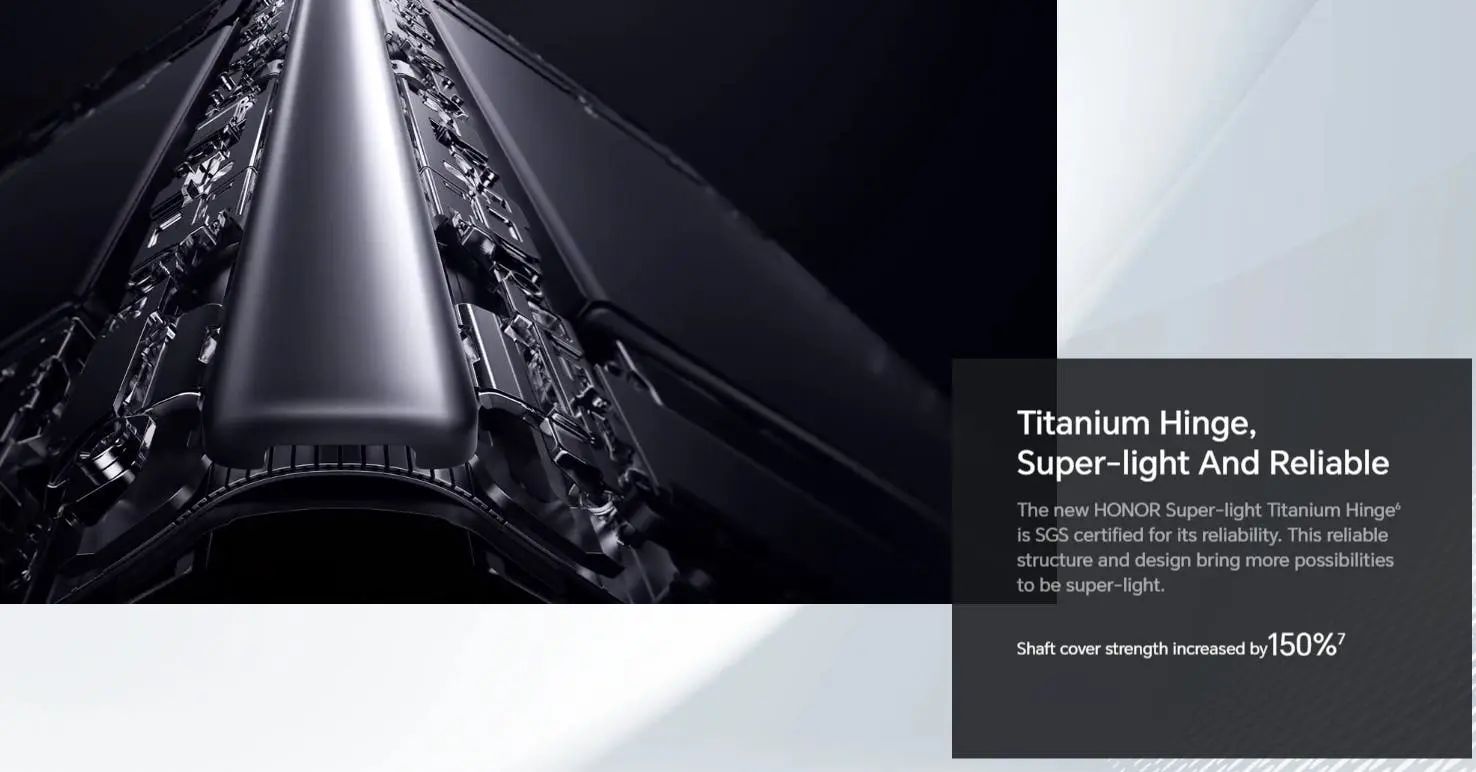
To achieve this level of thinness, Honor reengineered the hinge.
Honor reengineered the hinge
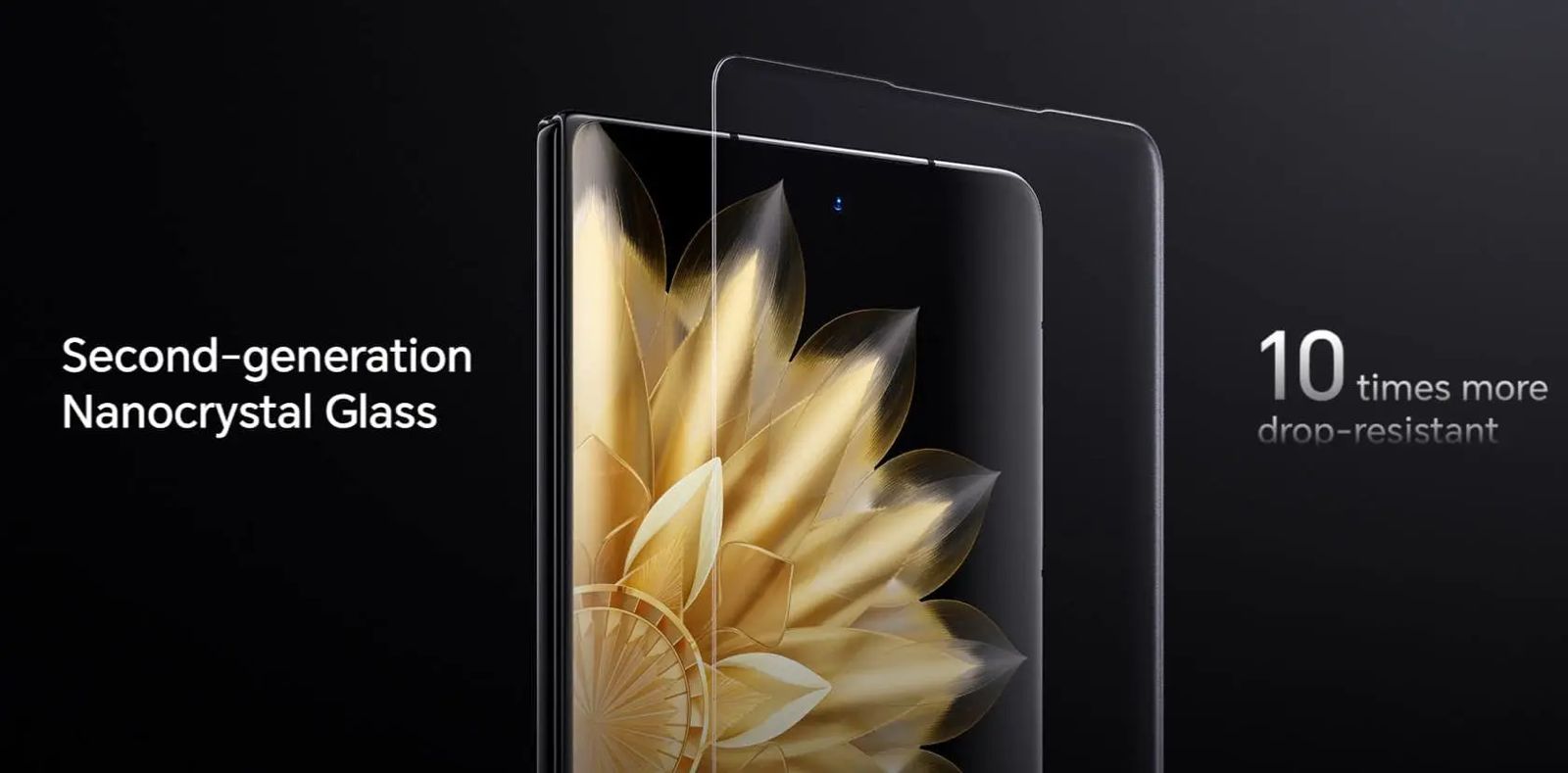
The Super-light Titanium Hinge not only reduces the phone’s weight but also enhances its durability.
Honor Magic V2 Super-light Titanium Hinge
This hinge has earned SGS certification, underscoring the smartphone’s reliability.
Additionally, the hinge provides a smooth folding and unfolding experience and features suspended water-drop support, allowing it to stay suspended at different angles.
Honor calls the “millimeter era” for foldable phones
RSR Porsche Design Edition
RSR Porsche Design Edition
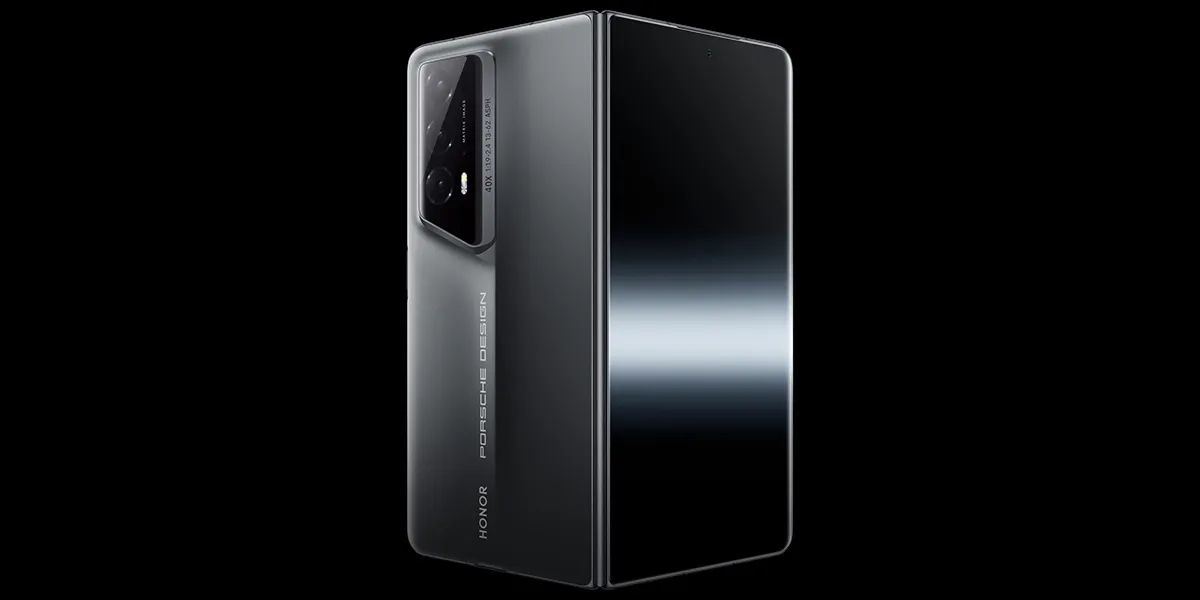
Adding to the excitement, Honor introduced the Magic V2 RSR Porsche Design a couple of weeks ago, and it’s now confirmed to be heading to Europe as well.
This special edition, a result of a joint development between Honor and Porsche Design, showcases an elevated level of craftsmanship and design.
Honor’s Magic V2 represents two years of dedicated development
However, details regarding its pricing and exact release date in Europe remain undisclosed.
Eagle Eye Wonderful Capture, Eagle Eye Automatic Capture, Intelligent Focus Tracking, Main Character Tracking Focus, Movie Mode, Dual View Video, AI Photography, High Pixel Mode, Time Lapse Photography, Wide Angle, Large Aperture, Night Scene Mode, Super Macro, Portrait Mode (including skin beautification), professional mode, slow motion, panorama, filter, watermark, smile capture, voice-activated camera, timed capture, document scanning, micro-movie, front-to-back collaboration
What is special about the Honor Magic V2’s design?
The Honor Magic V2 features a super-light titanium hinge, contributing to its ultra-thin profile of 9.9 mm when folded and 4.7 mm when unfolded, making it one of the slimmest foldable phones on the market.
When was the Honor Magic V2 launched in Europe?
Honor has recently launched the Magic V2 in Europe, nearly five months after its initial global announcement, bringing its advanced foldable technology to the European market.
What technological advancements does the Honor Magic V2 offer?
The Honor Magic V2 boasts over 210 technological breakthroughs, including an advanced cooling system, ultra-thin battery, and a robust hinge design, enhancing its functionality and durability.
Is there a special edition of the Honor Magic V2?
Yes, alongside the standard Magic V2, Honor has introduced the Magic V2 RSR Porsche Design edition in Europe, showcasing a unique collaboration with Porsche Design.
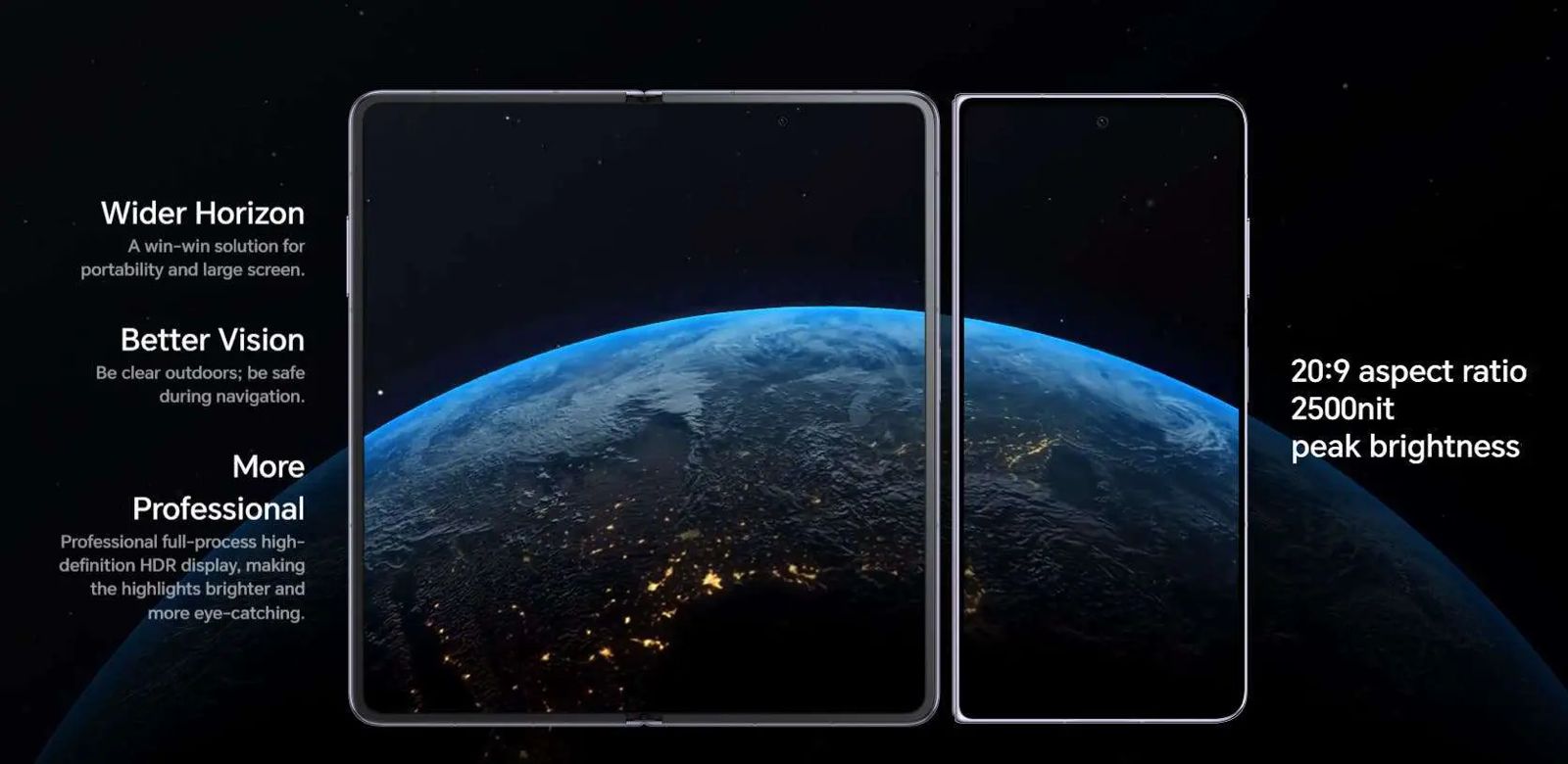
* External screen: There is a 6.43-inch LTPO display with 2376 × 1060 pixels, 91.2% Screen-to-body ratio, up to 2500 nits, 402 PPI, and Stylus support.
* Processor: The Honor foldable is powered by the Qualcomm Snapdragon 8 Gen 2 SoC coupled with Adreno GPU for graphics.
* RAM and Storage: 16GB RAM and 256GB/512GB. There is a 16GB/1TB storage option for the Honor Magic V2 Ultimate Edition.
* OS: The phone runs on Android 13-based MagicOS 7.2 custom skin out of the box.
* Cameras: There is a 50MP primary sensor with f/1.9 aperture, a 50MP ultra-wide-angle lens with OIS and macro option, and a 20MP telephoto camera with OIS and Honor AI Motion Sensing Capture
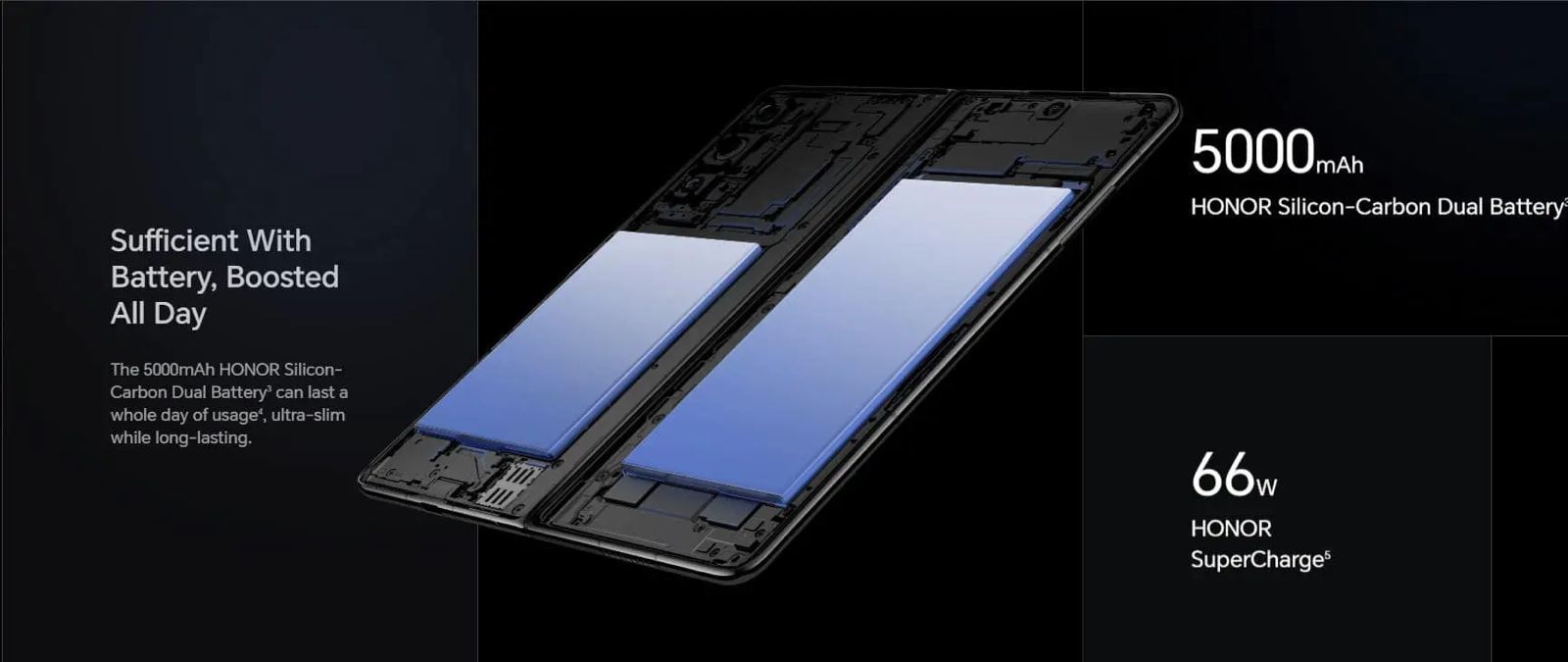
* Battery: The phone packs a 5000mAh battery with 66W HONOR SuperCharge support.
* Connectivity: 5G SA/NSA, Dual 4G VoLTE, Wi-Fi 6, Bluetooth 5.3, GPS/GLONASS, USB Type-C, and NFC.
The Honor Magic V2 phone is available for purchase in China at 8,999 yuan ($1,300) for the 16GB RAM+256GB storage version. You can pay 9,999 yuan ($1,450) and get the higher-end 16GB RAM+512GB trim.
If that’s not enough, the Honor Magic V2 Ultimate edition with 16GB RAM+1TB ROM comes priced at 11,999 yuan (~$1,700). The pre-sale will start at 21:30 on July 12, and the official sale will start at 10:08 on July 20. Note this product is currently limited to China.
Honor’s new Magic V2 makes the next-gen Galaxy Z Fold 5 look last-gen.Details?
Foldable phones have improved by leaps and bounds in the last few years. But there are still some issues with them. Unlike flagship Android phones, book-style foldables are big, bulky, and thick, making them difficult to carry around in your pocket.
Honor, the company that was forced to split from its parent company Huawei, has tried fixing this problem with its latest foldable: the Honor Magic V2.
Honor claims to use a titanium hinge and proprietary steel on the Magic V2’s folding components. This has allowed the company to reduce the phone’s waistline to 9.9mm when folded and restrict its weight to 231g. This makes it even lighter than the Samsung Galaxy S23 Ultra, which weighs 234 grams. And just for comparison, the Galaxy Z Fold 4 weighs 263g. The hinge is durable as well, with the Honor Magic V2 boasting of a durability certification from SGS. This certifies the hinge to withstand more than 400,000 folds for up to 10 years.
Thanks to a “three-in-one” display driver component, Honor claims it was able to free up additional internal space inside the phone, allowing it to fit a 5,000mAh dual Silicon-carbon battery. While common on premium smartphones, hardly any foldables have shipped with such a big cell. And with 66W fast charging support, topping up the phone should not take a long time as well.
The FHD+ 120Hz LTPO-based inner folding screen of the Honor Magic V2 measures 7.92 inches with a claimed brightness of 1,600 nits. As for the 120Hz cover display with 2376 x 1060 resolution, it measures 6.43 inches and can reach a claimed peak brightness of 2,500 nits. And since the display has a 20:9 aspect ratio, it does not feel as cramped as the Galaxy Z Fold 4’s outer screen.
Honor says the two displays support 3840Hz PWM dimming, so it should reduce eye strain, especially if you are sensitive to the flickering of OLED panels. These specs already make the Honor Magic V2 superior to the upcoming Samsung Galaxy Z Fold 5, which is shaping up to be a minor upgrade over its predecessor.
Ticking inside the Honor Magic V2 is Qualcomm’s latest and greatest Snapdragon 8 Gen 2 chip, with a higher 3.36GHz clock speed. Paired with an Adreno 740 GPU running at 719Mhz, 16GB RAM, and up to 1TB storage, the foldable packs enough grunt to easily run multiple heavy apps and games at once.
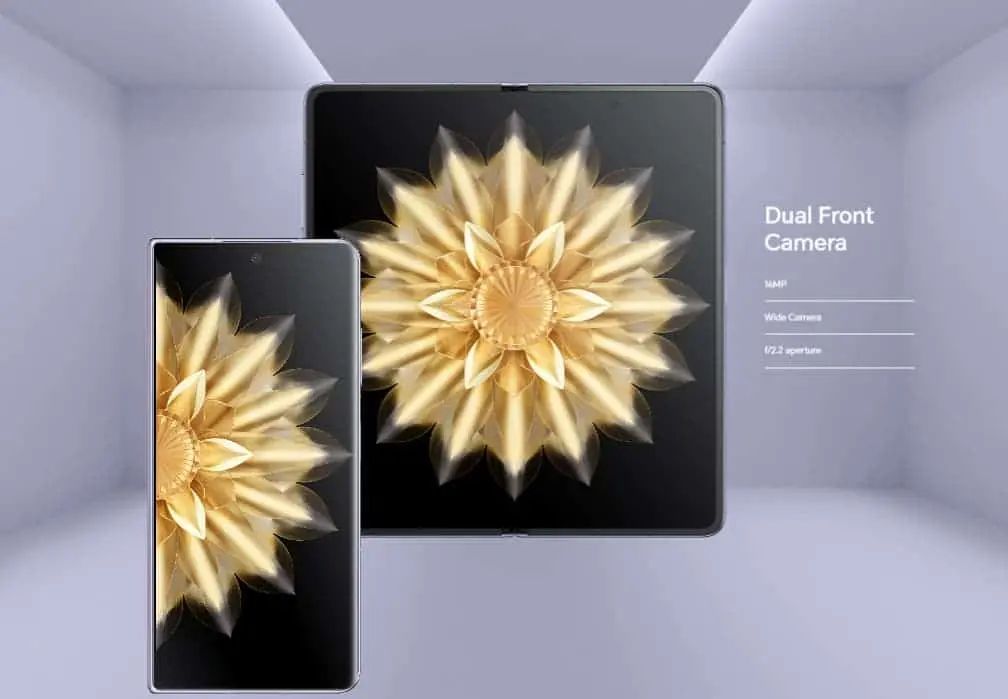
For the rear camera setup, Honor uses a 50MP f/1.9 primary shooter with OIS, a 50MP f/2.0 ultra-wide, and a 20MP f/2.4 telephoto with OIS. One 16MP f/2.2 selfie snapper resides in a punch-hole on the inner screen, while another is on the cover display.
Other specs of the Honor Magic V2 are equally impressive and include Wi-Fi 6E, Bluetooth 5.3, USB Type- C with DisplayPort support, and dual-SIM connectivity. The foldable runs on Android 13-based MagicOS 7.2 but misses out on Google Play access since it will be sold in China. It will launch in Silk Black, Silk Purple, Gold, and Black colors, with preorders already going live for 8,999 RMB.
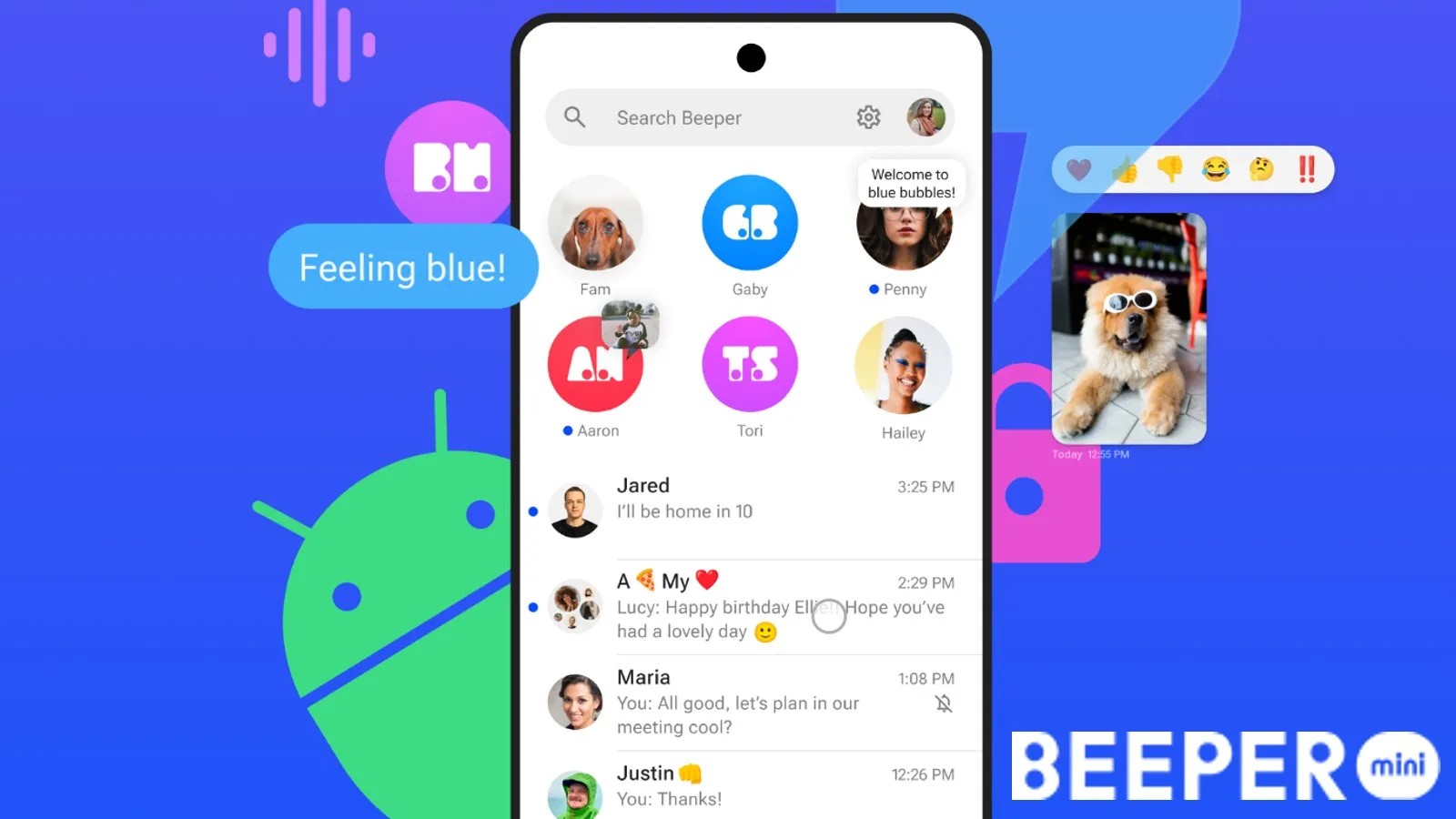
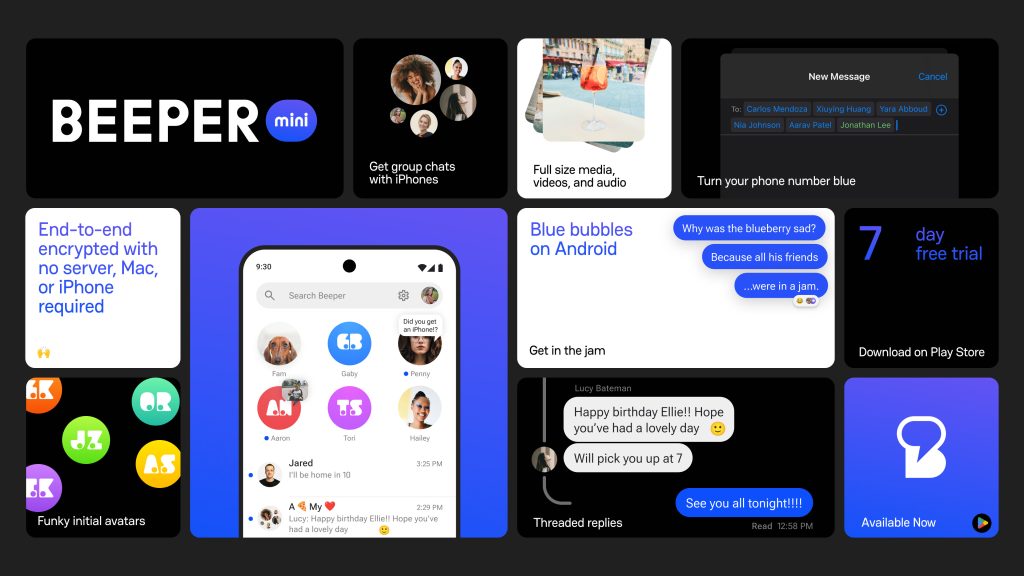
Apple banned some Beeper user Mac computers, New York Times investigated, Apple unbanned.
The saga continues! Even after we’ve shifted our energy from iMessage back to our core Beeper product (15 network universal chat app), Apple cannot seem to get enough!
However, Apple quickly responded by disabling this method, citing significant risks to user security and privacy.
Despite Beeper’s attempts to circumvent these blocks, Apple persisted in its efforts to shut down the unauthorized use of iMessage.
The situation escalated when Apple began flagging some Beeper users’ Macs as “spam,” effectively banning them from using iMessage both through Beeper and on the Apple Messages app.
This action left 30 of Beeper’s 3,500 customers unable to use iMessage on their Macs.
Interestingly, the ban was lifted shortly after The New York Times inquired about the issue, but the exact reasons behind Apple’s decision to unban these Macs remain unclear.
Beeper’s Decision to Halt iMessage Functionality
Beeper’s Decision to Halt iMessage Functionality
In light of these developments, Beeper has made the difficult decision to disable the feature that allowed macOS users to connect to iMessage via the Beeper Cloud app.
While existing connections can continue or be disabled at the user’s discretion, new connections to iMessage through Beeper are no longer possible.
The company has not specified whether this functionality might return in the future.
Before this development, Beeper had moved iMessage to the “Labs” section of its Cloud service and had already removed Beeper Mini from the Google Play Store.
Beeper Ends iMessage Connectivity on macOS Following Apple’s Restrictions
FAQs
What led to Beeper discontinuing its iMessage service on macOS?
Beeper decided to end its iMessage connectivity service on macOS due to increased restrictions from Apple, who cited security and privacy concerns.
How did Apple respond to Beeper’s method of accessing iMessage?
Apple took steps to disable Beeper’s reverse-engineered iMessage access, flagging some user Macs as “spam” and preventing them from using iMessage via Beeper.
Can current Beeper users still use iMessage connectivity?
While Beeper has stopped new connections to iMessage, existing users can choose to continue or disable their current connection as per their preference.
Were all Beeper users affected by Apple’s crackdown on iMessage access?
Not all users were affected; however, 30 out of 3,500 Beeper customers experienced their Macs being flagged, restricting their access to iMessage.
Apple Vision Pro introduces ZEISS Optical Inserts for personalized vision correction.
Unique pairing process for optimal lens alignment with Vision Pro.
Step-by-step guide for pairing ZEISS Inserts with Vision Pro detailed.
Vision Pro intelligently recognizes different lenses for customized visual settings.
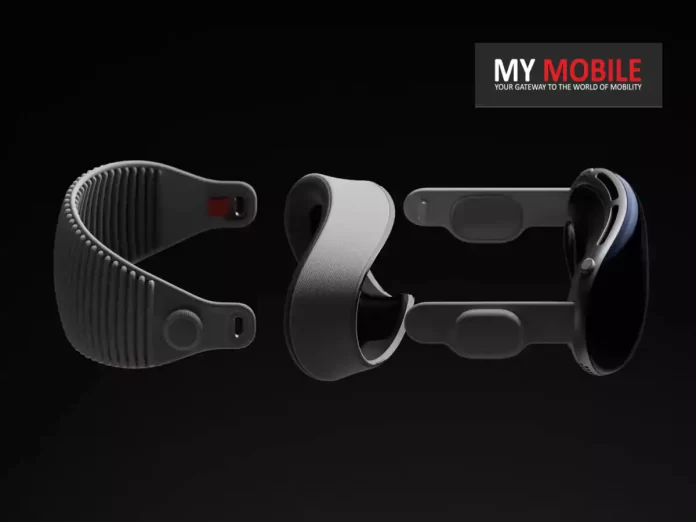
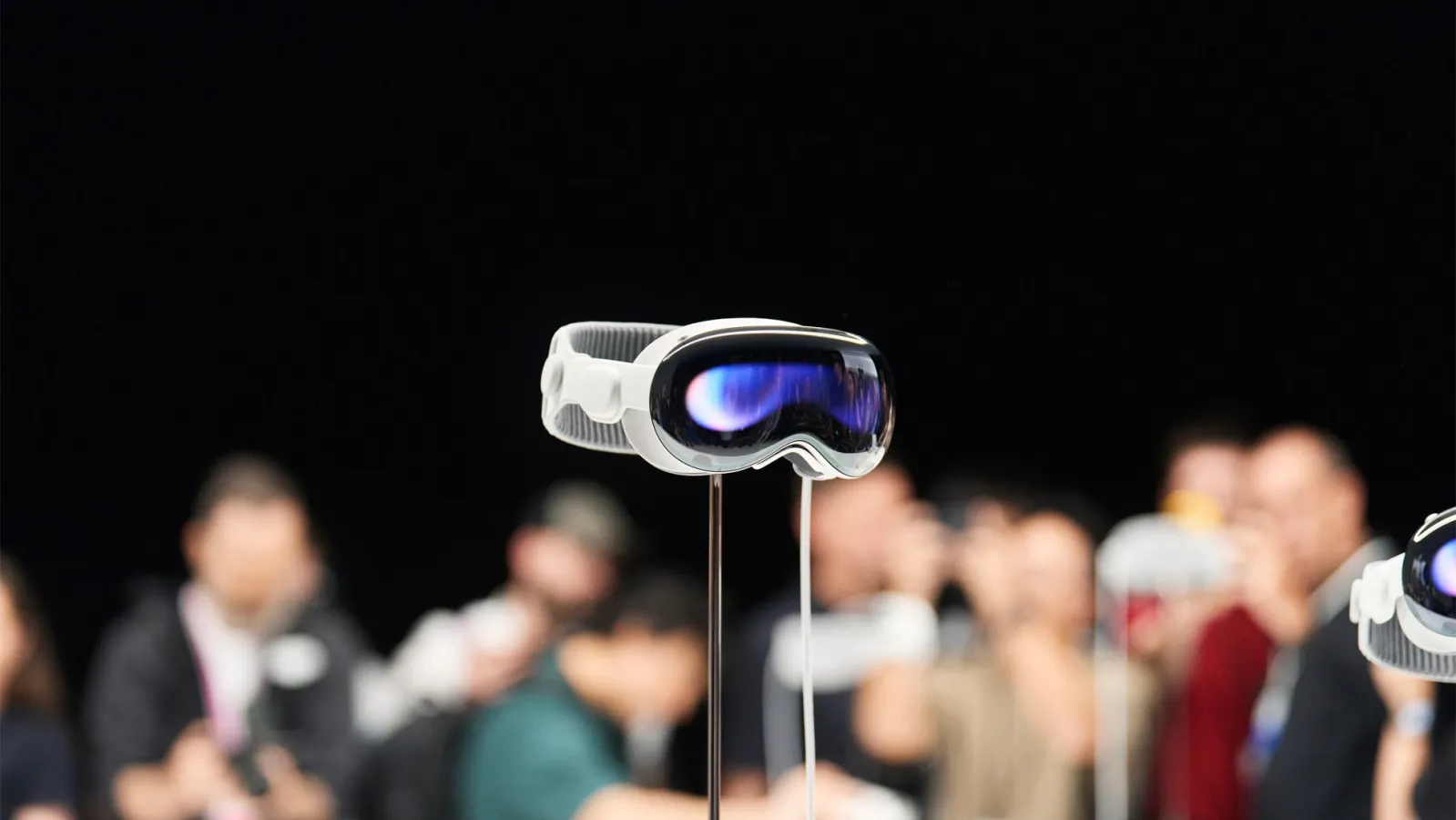
Apple’s upcoming Vision Pro headsetis set to bring a new level of customization for users requiring corrective lenses, thanks to a partnership with ZEISS.
ZEISS, a well known name in the realm of optical apparatus, has teamed up with Apple to offer specialised corrective lenses for the Vision Pro.
These lenses cater to a range of visual needs, from reading glasses to prescription lenses.
Pairing Process
Pairing Process
Upon attaching the lenses magnetically to the Vision Pro, a specific pairing process is initiated.
This process involves verifying the unique code and serial number on the optical inserts, ensuring that the headset aligns correctly with the lenses for optimal visual clarity.
A Step-by-Step Guide to Pairing
A Step-by-Step Guide to Pairing
Vision Pro enthusiast M1Astra demonstrated the pairing process in a shared video. After attaching the lenses, the user puts on the headset and presses the Digital Crown to proceed.
The next step involves scanning the ZEISS Optical Inserts pairing code, found either in the lens package or potentially in the Health app.
This code, resembling an App Clip code, is essential for the pairing process, which cannot be bypassed when new lenses are attached.
Once the Vision Pro verifies and pairs the lenses, users must recalibrate the eye-tracking feature. This recalibration is a standard procedure, applicable to all users, regardless of their need for corrective lenses.
In addition, after attaching new optical inserts, the Optic ID settings need reconfiguration, ensuring the device works seamlessly with the newly paired lenses.
Smart Identification of Multiple Lenses
A Step-by-Step Guide to Pairing
For users with multiple pairs of lenses, the Vision Pro system is designed to intelligently recognize which lenses are being used.
This feature allows the headset to automatically adjust settings for the best visual experience based on the specific lenses in use.
FAQs
What are ZEISS Optical Inserts in the Apple Vision Pro?
ZEISS Optical Inserts are specialized corrective lenses designed for Apple’s Vision Pro headset. They are tailored to individual visual needs, including prescription lenses and reading glasses.
How do you pair ZEISS Optical Inserts with the Apple Vision Pro?
To pair the ZEISS Optical Inserts, users need to attach them magnetically to the Vision Pro, then follow a specific process that includes scanning a unique code provided with the lenses.
Is recalibration necessary after pairing new lenses with Vision Pro?
Yes, after attaching new ZEISS Optical Inserts to the Vision Pro, users are required to recalibrate the eye-tracking feature to ensure optimal functionality.
Can the Vision Pro recognize different pairs of ZEISS Optical Inserts?
The Vision Pro headset is equipped to intelligently identify different ZEISS Optical Inserts being used, automatically adjusting settings for the best visual experience.
When are Apple Vision Pro pre-orders expected to arrive?
Customers who pre-ordered the Apple Vision Pro can expect their devices to start arriving as shipments have begun, with the official release set for February 2.
How can I track my Apple Vision Pro shipment?
To track your Vision Pro order, enroll in UPS My Choice for detailed package tracking or use the UPS website’s “Track by Reference Number” feature.
What special feature does the ZEISS partnership add to the Apple Vision Pro?
The collaboration with ZEISS offers Vision Pro users specialized optical inserts, enhancing visual experience with a unique pairing process for authenticity and precision.
Are the sales figures for the Apple Vision Pro available?
While official numbers aren’t released, it’s estimated that between 160,000 to 180,000 units of the Vision Pro were sold during the initial pre-order weekend.
First Apple Vision Pro pre-orders now shipping to buyers for February 2 launch. Details?
After pre-orders kicked off on Friday, the first Apple Vision Pro shipments are on their way to early buyers. Vision Pro orders are departing Apple’s facilities via UPS.
If you check your Vision Pro order status via Apple’s website, you’ll likely see that your device is still “preparing to ship.”
This is because Apple waits until closer to the official release date of a new product to update the shipping status on its end, even if the actual package is now in the hands of its shipping partner.
The best way to do this is to enroll in the UPS My Choice platform. This will automatically show you all packages you have coming to your address, including your Vision Pro.
Alternatively, you can use the “Track by Reference Number” feature on the UPS website.
The reference number is likely the phone number listed on your Apple order or your order number without the last two digits.
One thing to keep in mind, however, is that UPS has made some changes to the “Track by Reference Number” feature “for improved security.” This means your best bet is to enroll in My Choice instead.
Can a Vision Pro arrive ahead of schedule?
Apple works closely with its partners like UPS to ensure all pre-orders are delivered no earlier than launch day, which is February 2 in the case of Vision Pro.
Vision Pro Launch: Apple Has Advice For Those With Medical Conditions. Details?
The Vision Pro is for all apple loves , including the ones who wear glasses but those with a medical condition, Apple has advice for them.
“If you have a pre-existing medical condition, consult with a medical provider before using Apple Vision Pro.
Using this device with certain medical conditions might aggravate symptoms or increase the risk of injury or discomfort,” Apple said in an advisory published last week.
Apple has also highlighted that if a potential customer is experiencing symptoms related to a medical condition, consult with a medical provider before using Apple Vision Pro.
“If you are pregnant, exercise additional caution when using Apple Vision Pro, as pregnancy may increase the risk of nausea or loss of balance,” the company said.
“Apple Vision Pro and its battery contain magnets or components that emit radio waves, which could affect the operation of nearby electronics, including cardiac pacemakers, hearing aids, and defibrillators,” Apple added.
What are the list of conditions that apple has advised for ?
List of conditions that might aggravate symptoms or increase the risk of injury or discomfort include:
Migraines or chronic headaches
Dizziness or vertigo
Eye or vision conditions, such as binocular vision conditions
Psychological conditions
Inner ear conditions
History of dry eyes, itchiness, or swelling of the eyelids
Skin allergies or sensitivities
Seizures
Balance or gait conditions
What are the kind of users who are problem free during apple Vision pro launch ?
Customers who wear prescription glasses may not have a problem but they will need a prescription for Zeiss-made optical inserts.
A reporter for The Times of India Tech-Gadgets Now was among the first ones to have tried the Vision Pro when it was launched. Apple quickly took the power of the glasses and customised them quickly to suit the wearer.
There is an option to include optical inserts for individuals who wear glasses. These optical inserts will enable users to wear the headset without their glasses. However, these inserts will be sold separately.
When to stop using Apple Vision Pro ?
Stop using Apple Vision Pro and consult with your medical provider:
If you experience symptoms related to a medical condition.
If your medical provider confirms that it’s safe for you to use Apple Vision Pro, but you experience severe or persistent physical discomfort, motion sickness, visual discomfort, skin irritation, or psychological symptoms.
If you notice swelling, itchiness, skin irritation, or other skin reactions while using your device or after using the device, stop using it. If symptoms persist, consult with your medical provider.
How many Vision Pro units has Apple sold thus far?
The Vision Pro may have sold somewhere between 160,000 and 180,000 units over the weekend, ever since pre-orders became live on January 19.