Home Blog Page 421

Google Increases Maximum Play Store App Price to $999.99: What You Should Know

0

Highlights

  • Google raises Play Store app price limit from $400 to $999.99
  • First price ceiling increase since 2015
  • High-end business apps and luxury markets may benefit
  • Google set to gain from increased in-app purchase commissions

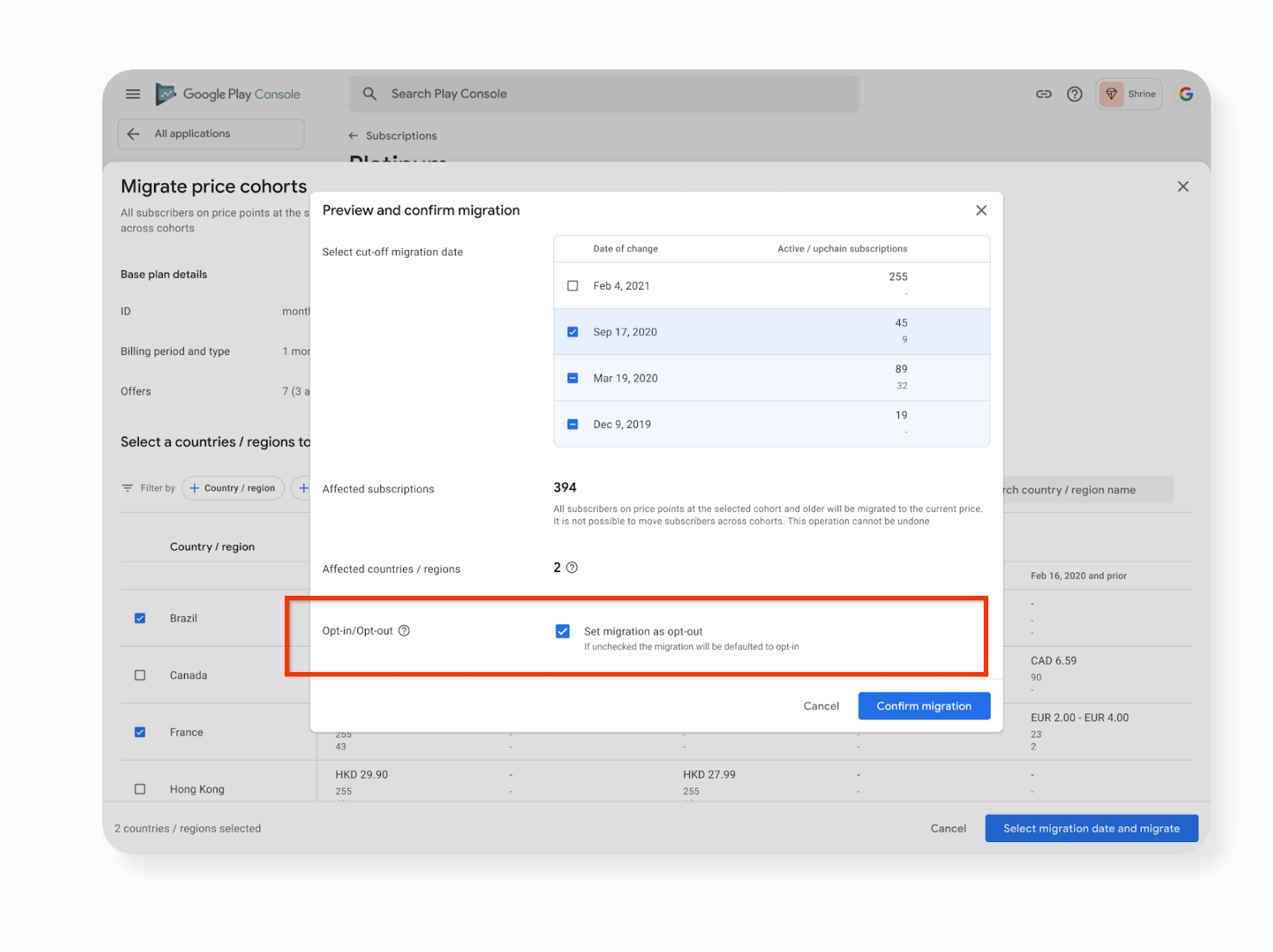
Google has just announced a staggering increase in the maximum price for apps on the Play Store, hiking it from $400 to an eye-watering $999.99.

This 150% surge marks the first such escalation since 2015, when the ceiling was lifted from $200 to $400.

The announcement of this change came about in the recent Google I/O 2024 developers conference.

It made everyone from app creators to users alikereact on the timing of this.

Some developers are no doubt celebrating that they are now in a position to price their offerings at a premium, while others question the necessity and potential consequences of such a dramatic hike.

Hitting the Stratosphere: Who Will Pay $1,000 for an App?
Google Increases Maximum Play Store App Price to $999.

Let’s be real, the number of applications coming out that cost the full $999.99 will be few and far between.

But as it often is in any luxury market, there will be a subset of individuals who will still want to show off their income by spending the money in these seemingly frivolous purchases to show off.

That said, some developers of high-end business software and specialized services could get a hint from this price point and be able to come up with subscription-based models or comprehensive suites at a premium.

After all, within the realm of enterprise solutions, a four-figure price tag is commonly a drop in the bucket.

The Curious Case of the $400 Game
First price ceiling increase since 2015

According to reports, the current reigning champion of app pricing on the Play Store is a weird little game called “Fisherpunk-Most Expensive Game,” which already commands the previous maximum of $400.

With the new ceiling, the developer now has the option to quintuple the price up to an astounding $999.99—though this figure has already garnered some questionable five-star reviews claiming the game is worth upwards of $800.

Capitalizing on Extravagance: Google’s Revenue Windfall
Google Play Store
High-end business apps and luxury markets may benefit

While developers stand to benefit from this move, one entity poised to reap substantial rewards is Google itself.

Through its in-app payment processing platform, the tech giant collects a 15% cut on the first million dollars developers earn annually and a hefty 30% on any revenue exceeding that threshold.

As app prices soar, Google’s coffers are set to swell proportionately, a scenario that begs the question: Is this price hike truly motivated by empowering developers or a strategic play to boost Google’s own bottom line?

FAQs

What is the new maximum price for apps on the Google Play Store?

Google has increased the maximum price for apps on the Play Store to $999.99, up from the previous limit of $400.

When was the last time Google raised the app price ceiling?

The last price ceiling increase occurred in 2015, when it was raised from $200 to $400.

Why might some developers be pleased with this price hike?

Developers of high-end business software and specialized services can now price their offerings at a premium, potentially increasing their revenue.

What is the impact of this price increase on Google’s revenue?

Google stands to benefit significantly from this price hike due to its commission structure, collecting 15% on the first million dollars developers earn annually and 30% on revenue beyond that.

Also Read: Google Play Store Encourages Subscription Purchase in India

Also Read: Questt Best app, ‘Apex Legends Mobile’ Top Game on Google Play Store in India

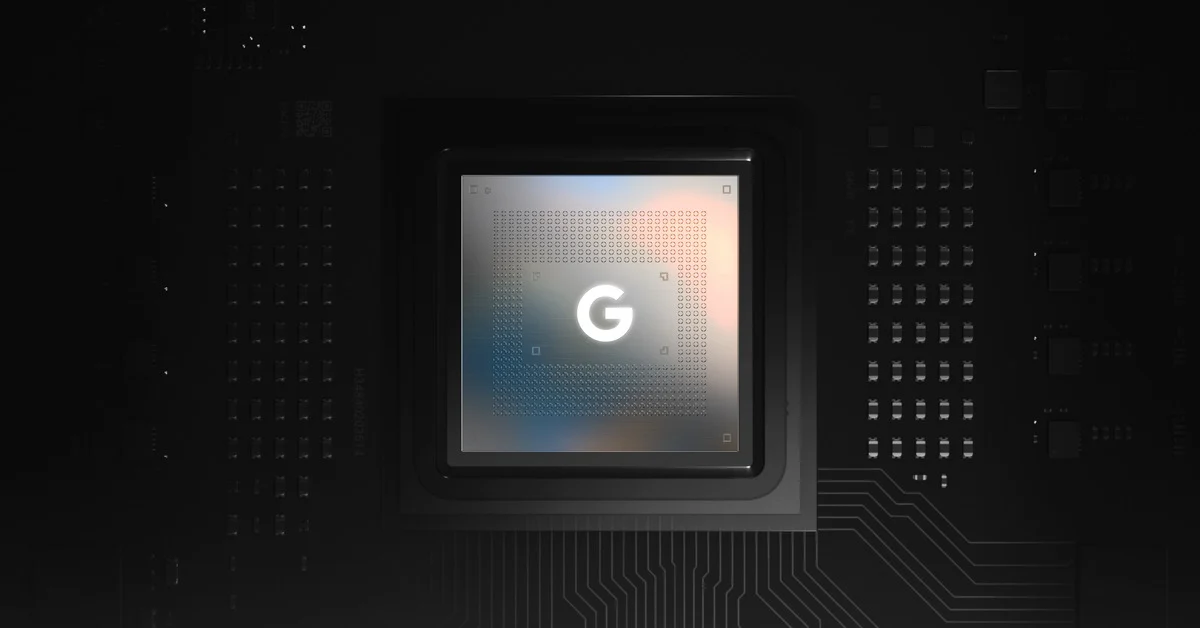
Google Shifts Tensor G5 Chip Production to TSMC for Enhanced Performance

0

Highlights

  • Google partners with TSMC for Tensor G5 chip production
  • Early samples indicate improved thermal efficiency and performance
  • Shift from Samsung to TSMC aims to enhance Pixel devices
  • Potential impact on mobile processor market competition

Google has been working with Samsung’s silicon division on its custom Tensor chips since the debut chip in 2021.

But that long history will soon come to an.

TSMC Takes Over Manufacturing Duties

Google Shifts Tensor G5 Chip Production to TSMC for Enhanced Performance

Per trade data uncovered by Android Authority, shipping manifests confirm TSMC is indeed producing the early samples of Google’s Tensor G5 chip, codenamed “Laguna Beach.”

The manifests mention TSMC’s exclusive InFO POP packaging, so there is little doubt about who the manufacturer is.

In short, this move from Samsung to TSMC in terms of the flagship processor for Google doesn’t come as a big surprise.

Over the past couple of years, TSMC has been doing better in thermal efficiency and flat-out performance than Samsung, and those are some areas where Google’s Tensor chips have traditionally been behind.

A Lengthy Process Underway

Google partners with TSMC for Tensor G5 chip production

The manifests point out that these Tensor G5 samples are in the very early “A0” revision stage, the first version of one-time programmable data.

This means that Google is well into the long process of bringing Tensor G5 to market, in other words, fixing the bugs and further optimizing the chip.

As Android Authority reports, Google is looking to use TSMC’s manufacturing prowess to improve the chip’s thermal and efficiency performance on the Tensor G5.

With leading-edge production processes from TSMC, the Tensor G5 can actually have huge gains in performance and battery life, which has been a long-standing flaw of earlier Tensor generations by Google.

Ramping Up Competition

Google Pixel 8a set for a mid-May release with Tensor G3 chip
Early samples indicate improved thermal efficiency and performance

The shift to TSMC might have more fundamental implications for the mobile processor market.

For years, Qualcomm has been one of TSMC’s largest clients for its Snapdragon processors; now, however, the entry by Google raises competition and demand for TSMC’s limited manufacturing capacity.

This may cause supply shortages or speed up TSMC’s expansion plans to meet its clients’ growing demands.

Finally, Google’s use of TSMC demonstrates a commitment to pushing the boundaries on its in-house silicon operations.

Upping the Ante for Pixel Devices

Google reportedly starts testing Tensor G5 for Pixel 10
Shift from Samsung to TSMC aims to enhance Pixel devices

With the help of TSMC’s leading-edge manufacturing, the Tensor G5 could drive improvements in the performance and efficiency of future Pixel smartphones, allowing them to better compete with rivals like the industry-leading Apple bionic CPUs and flagship Snapdragon products from Qualcomm.

As Google continues to refine its custom processor designs, the partnership with TSMC marks an exciting new chapter that could yield substantial dividends for Pixel enthusiasts and the mobile industry as a whole.

FAQs

Who is manufacturing Google’s Tensor G5 chip?

TSMC is now producing the early samples of Google’s Tensor G5 chip, taking over from Samsung.

What improvements are expected with the Tensor G5 chip?

The Tensor G5 chip is expected to have better thermal efficiency and overall performance, thanks to TSMC’s advanced manufacturing processes.

Why did Google switch from Samsung to TSMC for chip production?

Google switched to TSMC due to its superior thermal efficiency and performance capabilities compared to Samsung, areas where previous Tensor chips lagged.

What stage is the Tensor G5 chip currently in?

The Tensor G5 chip is in the very early “A0” revision stage, indicating that Google is in the initial phase of testing and optimizing the chip.

How might this shift impact the mobile processor market?

Google’s move to TSMC could increase competition for TSMC’s manufacturing capacity, potentially leading to supply shortages or expedited expansion plans.

Also Read: Apple’s iPhone 17 Pro Could Be Powered by TSMC’s 2nm Chipset: Report

Also Read: Qualcomm and MediaTek Shift Looking at TSMC for 3nm Needs Ahead of Samsung

Chinese Brands Xiaomi, Huawei, and Honor Set to Shake Up Foldable Phone Market

0
Chinese Brands Xiaomi, Huawei, and Honor Set to Shake Up Foldable Phone Market

Highlights

  • Major Chinese brands entering the compact foldable market
  • Larger batteries and external screens over 3.6 inches
  • Fast-charging capabilities exceeding 60W
  • Potential market disruption for Samsung and Motorola

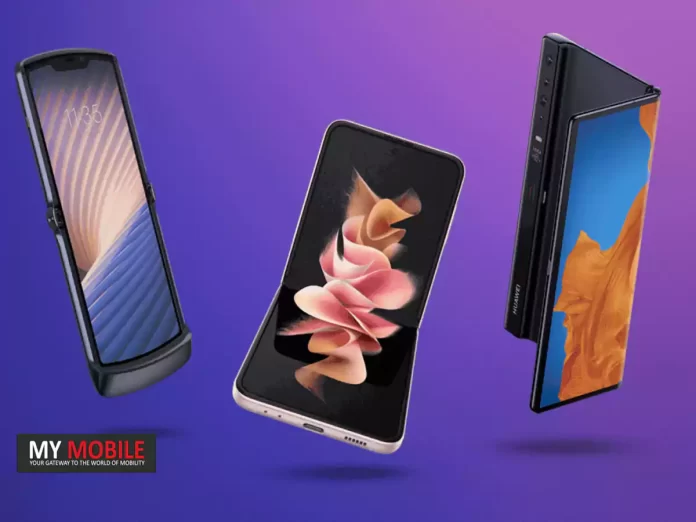
The foldable phone market is about to get a shake-up, as major Chinese brands Xiaomi, Huawei, and Honor are preparing to launch their own compact flip phone designs.

These new entrants may force more competition into the fastest-growing segment—foldable—now dominated by Motorola and Samsung’s iconic flip models.

Chinese Challengers Redefine Flip Phone Design

Chinese Brands Xiaomi, Huawei, and Honor Set to Shake Up Foldable Phone Market

Although details are scarce, the Chinese foldables appear all set to dazzle: big batteries, generously sized outer screens, and surprisingly thin profiles.

Rumors indicate the possibility of a dual-4,500mAh battery setup—that addresses one of the most common pain points.

The external screens could be more than 3.6 inches while retaining a slender form factor.

We might also have fast-charging in excess of 60W, high-resolution inner displays, and capable camera setups.

Huawei’s Next Move: An Upgrade or Something New?

Larger batteries and external screens over 3.6 inches

After the recent Pocket 2 launch, it is really unknown what the next Huawei strategy will be: refresh the hardware or unveil an entirely new premium or budget foldable to expand the lineup and pull more consumers into the innovative form factor.

These compact foldables from Chinese vendors come with batteries that are larger, displays that are impressive, and sleek designs—enough to break the market and provide a compelling alternative to Motorola and Samsung offerings.

Increased competition will spur innovation, and in their quest to achieve the perfect compact foldable, consumers are set to benefit the most.

FAQs

What brands are entering the foldable phone market?

Major Chinese brands such as Xiaomi, Huawei, and Honor are preparing to launch their own compact foldable phones, joining the competitive market dominated by Motorola and Samsung.

What features can we expect from these new foldable phones?

Rumored features include dual-4,500mAh batteries, external screens over 3.6 inches, fast-charging capabilities over 60W, high-resolution inner displays, and capable camera setups.

How might these new foldable phones impact the market?

The entry of these Chinese brands is expected to increase competition, potentially driving innovation and offering consumers more options in the fast-growing foldable phone segment.

Will Huawei introduce a new model or upgrade existing ones?

It’s currently unclear if Huawei will refresh their existing models or unveil a new premium or budget foldable, but either move could significantly impact their market presence.

Why are larger batteries important in foldable phones?

Larger batteries, like the rumored dual-4,500mAh setup, address common concerns about battery life, ensuring that these advanced devices can support extended use without frequent recharging.

Also Read: Tackling Smartphone Addiction with Digital Wellbeing Tools

Also Read: Exploring the Rising Costs of Smartphones and if Their Value is Justified

7 Compelling Reasons to Embrace Snapdragon X Elite Laptops

0

Highlights

  • Snapdragon X Elite laptops promise up to 22 hours of battery life.

  • Hexagon NPU delivers unparalleled AI and machine learning performance.

  • Fanless, ultra-slim designs ensure quiet and efficient operation.

  • Optimized for Windows on ARM for a seamless computing experience.

With the advent of the Snapdragon X Elite from Qualcomm, the laptop market will change drastically.

This new ARM-based processor promises to revolutionize the concepts we have of laptop speed, battery life, and AI capabilities. 

If you’re looking to buy a laptop, here are seven reasons why you should be considering one powered by the Snapdragon X Elite:

1. Unparalleled Battery Life: One of the most promising benefits of ARM processors has been energy efficiency. 

However, the Snapdragon X Elite takes it to an entirely different level.

Manufacturers say these laptops could last up to 22 hours on a single charge, something previously unseen in the Windows world.

Snapdragon X Elite laptops promise up to 22 hours of battery life.

2. AI Powerhouse: With a Hexagon NPU capable of up to 45 TOPS—that is trillions of operations per second—by Qualcomm, Snapdragon X Elite easily outscores even the newest M4 chip by Apple in terms of AI and machine learning capabilities.

This translates into faster code creation, image recognition, and AI capabilities.

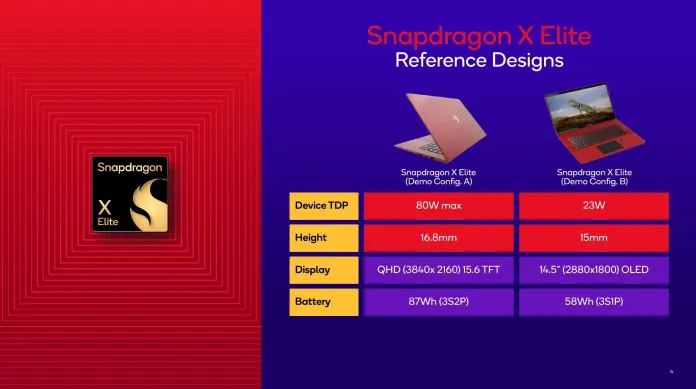
3. Sleek and Silent Designs: The low power consumption of the Snapdragon X Elite makes it possible to build fanless and ultra-slim laptop designs that won’t make a peep even while crunching on heavy workloads.

 Expect these CPUs to power some of the smallest and lightest computers.

4. Optimized for Windows on ARM: Microsoft and Qualcomm are working with developers to optimize additional software for the ARM architecture.

The ecosystem is still growing, but it looks bright for a seamless and powerful Windows experience on ARM-based devices.

Hexagon NPU delivers unparalleled AI and machine learning performance.

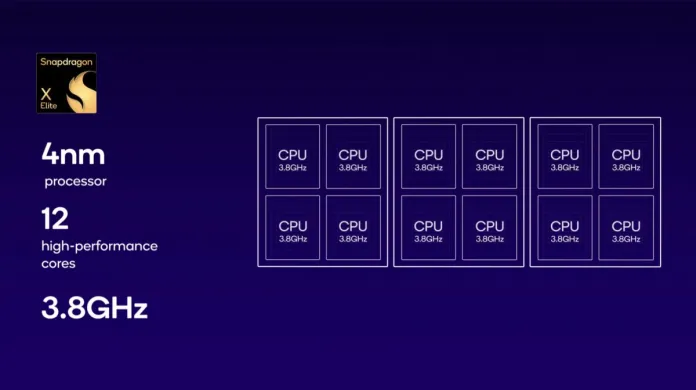
5. Multitasking Marvel: Don’t sell the Snapdragon X Elite short on performance. Boasting a 12-core architecture with great multi-core capabilities, the device is able to outperform some high-end Intel processors while staying competitive in single-core tasks.

Fanless, ultra-slim designs ensure quiet and efficient operation.

6. Efficient Video Streaming: Hardware-based compatibility with the AV1 codec enables Snapdragon X Elite laptops to quickly stream video from sites like YouTube and Netflix, delivering longer battery life and smoother performance.

7. AI-Powered Productivity: Many Snapdragon X Elite laptops are now classified as “Copilot+ PCs,” which give access to AI-powered features such as seamless resumption of past work and to Microsoft’s powerful GPT-4o AI assistant.

Optimized for Windows on ARM for a seamless computing experience.

With their cutting-edge performance, exceptional battery life, and powerful AI capabilities, Snapdragon X Elite laptops represent a significant step forward in the computing world.

Whether you’re a power user, a creative professional, or simply someone who values portability and efficiency, these ARM-based laptops are poised to offer an unparalleled computing experience.

FAQs:

What is the battery life of Snapdragon X Elite laptops?

Snapdragon X Elite laptops offer up to 22 hours of battery life on a single charge, setting a new standard for energy efficiency in Windows laptops.

How do Snapdragon X Elite laptops handle AI tasks?

With a Hexagon NPU capable of up to 45 TOPS, Snapdragon X Elite laptops excel in AI and machine learning tasks, outperforming even the latest Apple M4 chip.

Are Snapdragon X Elite laptops suitable for multitasking?

Yes, Snapdragon X Elite laptops feature a 12-core architecture that delivers excellent multi-core performance, making them ideal for multitasking and handling demanding applications.

What are the design advantages of Snapdragon X Elite laptops?

The low power consumption of Snapdragon X Elite processors allows for fanless, ultra-slim laptop designs, ensuring quiet operation and portability.

Also Read: Qualcomm Snapdragon 8 Gen 4 Could Revolutionise Flagship Smartphones with 4GHz Clockspeed

Also Read: Qualcomm Snapdragon X Elite Set to Transform PCs with Next Windows Update in Mid-2024

Also Read: Qualcomm Snapdragon 8s Gen 3 Chipset Announced: Flagship Features to More Wallet-Friendly Smartphones

Google Pixel Shipments Dip in Q1 2024, but Brand’s Trajectory Remains Positive

0

Highlights

  • Google Pixel shipments dipped to 2 million units in Q1 2024.

  • Q4 2023 saw a 4% year-over-year decline in shipments.

  • Google Pixel achieved 10 million global shipments in 2023.

  • Revenue from Pixel chipsets increased by 36% year-over-year.

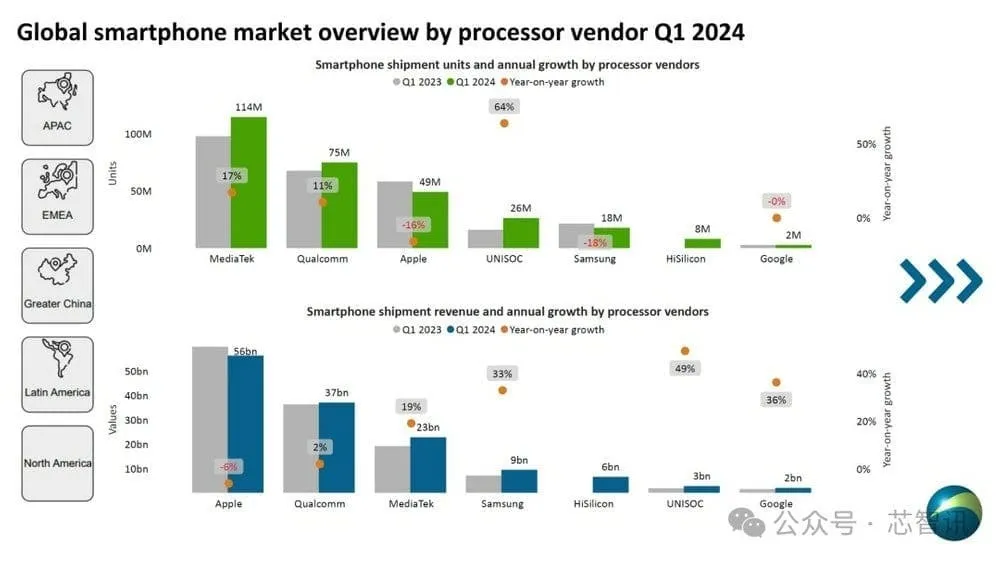
According to a recent estimate by global research firm Canalys, shipments of Google Pixel smartphones fell marginally in Q1 2024 to approximately 2 million units.

While this is broadly consistent with Q1 2023, it represents a reduction of approximately 1 million units from the previous quarter, Q4 2023, which witnessed a 4% year-over-year decline.

The survey, which analyzed sales by chipset, discovered that the smallest category of chipsets was Tensor—those found in Google Pixels.

Surprisingly, Huawei outperformed Tensor shipments, shipping 8 million units during the same period.

Broader Perspective: Steady Growth

Google Pixel shipments dipped to 2 million units in Q1 2024.

That indicates that, despite a quarterly decline, Google Pixel has consistently grown. In 2023, the brand achieved a significant milestone by shipping 10 million units around the globe.

Furthermore, the Pixel has been gaining traction in areas such as Japan, accounting for approximately 3% of the smartphone market share in North America.

Furthermore, according to the Canalys analysis, Google’s revenue from these chipsets increased by 36% year on year, indicating that, while unit sales may have slowed, the Mountain View giant’s cash stream remains strong.

Contextualizing the Dip

Q4 2023 saw a 4% year-over-year decline in shipments.

While any decline in shipments raises eyebrows, the temporary dip has to be considered against the bigger backdrop of the Pixel.

The nature of smartphone markets is to fluctuate, and minor quarterly adjustments are not unknown, especially in an ever-evolving, highly competitive mobile device landscape.

As Google continues to refine its hardware offerings and lean into the strength of its software ecosystem, the Pixel line should continue ticking up, buoyed by its fast-improving brand recognition and reputation for a seamless user experience.

FAQs

How many Google Pixel units were shipped in Q1 2024?

Approximately 2 million Google Pixel units were shipped in Q1 2024, reflecting a slight decline from the previous quarter.

How did Google Pixel shipments in Q1 2024 compare to Q1 2023?

The shipments in Q1 2024 were broadly consistent with Q1 2023 but showed a reduction of about 1 million units from Q4 2023.

What was the performance of Tensor chipsets in the market?

Tensor chipsets, found in Google Pixels, had the smallest category of shipments, with Huawei outperforming Tensor by shipping 8 million units during the same period.

Did Google Pixel achieve any significant milestones in 2023?

Yes, Google Pixel achieved a significant milestone in 2023 by shipping 10 million units globally and gaining traction in key markets such as Japan and North America.

Also Read: Huawei Enjoy 70 Launched in China: Price, Features, Specs

Also Read: Google Pixel 6 series gets new update

Motorola Moto G85 5G Leaks Reveal Design and Specs Ahead of Launch

0
Motorola Moto G85 5G Leaks Reveal Design and Specs Ahead of Launch

Highlights

  • Leaked renders show Moto G85 5G with curved-edge display and slim bezel.
  • Features 50MP primary camera with Optical Image Stabilization.
  • Powered by an unannounced Qualcomm chipset with Adreno 619 GPU.
  • Two variants: 8GB RAM base model and 12GB RAM with 256GB storage.

Motorola is ready to launch the Moto G85 5G, a new mid-range 5G smartphone globally.

Prior to launch, leaks and shop listings have revealed renders and key data about the device.

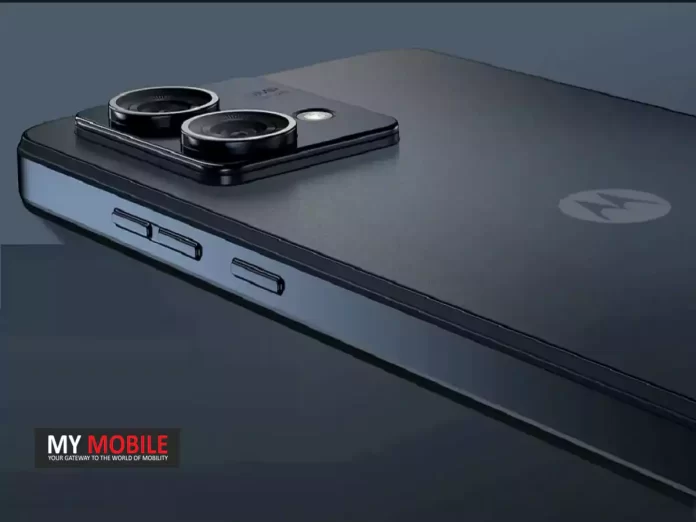
Leaked renders courtesy of Tooljunction show a much-altered design from the Moto G84, where the G85 features a curved-edge display and slim bezel.

The sides of the phone are curved, and there is a characteristic uni-body dual-camera bump with an LED flash module on the back.

One of the major highlights that can be seen from the renders is the use of a 50MP primary camera with Optical Image Stabilization.

The camera bump clearly states 50MP + OIS, which infers a solid imaging system for this midrange tablet.

Unannounced Qualcomm Chipset

Motorola Moto G85 5G Leaks Reveal Design and Specs Ahead of Launch

Previous leaks and benchmarks suggest the Moto G85 5G will be powered by an unknown Qualcomm processor with an Adreno 619 GPU, similar to the Snapdragon 695 and Snapdragon 480 chipsets.

Geekbench listings report a base clock speed of 2.02GHz and a peak of 2.30GHz, which suggests it may be a new Snapdragon 4 Gen 3 chipset.

The listings on the shop pages point out that the Moto G85 5G will come in two variants: a base model with 8GB RAM, and one higher-end model with 12GB RAM and 256GB of storage.

The latter will supposedly cost around €300 (£260).

Imminent Launch

Leaked renders show Moto G85 5G with curved-edge display and slim bezel

With renders and specifications now making their way into the public domain, it is anticipated that Motorola will officially unveil the Moto G85 5G in the near future.

The device appears poised to deliver a compelling mid-range experience with its curved design, capable camera system, and robust performance.

Motorola Moto G85 5G Specs

GENERAL

Sim Type Dual Sim, GSM+GSM (Hybrid Slot)
Dual Sim Yes
Sim Size Nano SIM
Device Type Smartphone
Release Date September 01, 2024 (Expected)

DESIGN

Dimensions 160 x 74.4 x 7.6 mm (6.30 x 2.93 x 0.30 in)
Bezel less No

DISPLAY

Type Color pOLED (1B Colors)
Touch Yes, 240 Hz Touch Sampling Rate
Size 6.56 inches, 1080 x 2400 pixels, 120 Hz
Aspect Ratio 20:9
PPI ~ 401 PPI
Screen to Body Ratio ~ 85.7%
Features 2000 nits Peak Brightness, 10 Bit, DCI-P3 Color Space
Notch Yes, Punch Hole

MEMORY

RAM 12 GB
Storage 256 GB
Card Slot Yes, (Hybrid Slot)

CONNECTIVITY

GPRS Yes
EDGE Yes
3G Yes
4G Yes
5G Yes
5G Bands 5G: n1/n2/n3/n5/n7/n8/n20/n28/n38/n40/n41/n66/n77/n77 HPUE/n78/n78
VoLTE Yes, Dual Stand-By
Wifi Yes, with wifi-hotspot
Wifi Version Wi-Fi 6
Bluetooth Yes, v5.4
USB Yes, USB-C v2.0
USB Features USB on-the-go, USB Charging

EXTRA

GPS GPS, A-GPS, LTEPP, SUPL, GLONASS, GALILEO
Fingerprint Sensor Yes, In Display
Face Unlock Yes
Sensors Proximity Sensor, Ambient Light Sensor, Accelerometer, Gyroscope, SAR Sensor, Sensor Hub, Mobile Hotspot, Magnetometer (E-Compass)
3.5mm Headphone Jack Yes
NFC Yes
Water Resistance Yes
IP Rating IP54
Dust Resistant Yes
Extra Features Dual Stereo Speakers, Dolby Atmos, Moto Spatial Sound, Hi-Res Audio, Security

CAMERA

Rear Camera 50 MP f/1.9 (Wide Angle)
2 MP with autofocus
Video Recording 1080p @ 30 fps FHD
Flash Yes, LED
Front Camera Punch Hole 32 MP (Wide Angle)
Front Video Recording 1080p @ 30 fps FHD

TECHNICAL

OS Android v14
Chipset Qualcomm Snapdragon 4 Gen3
CPU Octa Core Processor
Java No
Browser Yes

MULTIMEDIA

Email Yes
Music Yes
Video Yes
FM Radio Yes
Document Reader Yes

BATTERY

Type Non-Removable Battery
Size 5000 mAh, Li-ion Battery
Fast Charging Yes, 67W TurboPower Charging

FAQs

What is the design of the Moto G85 5G like?

The Moto G85 5G features a much-altered design from its predecessor, the Moto G84. It includes a curved-edge display, slim bezel, and a uni-body dual-camera bump with an LED flash module on the back.

What are the camera specifications of the Moto G85 5G?

The Moto G85 5G boasts a 50MP primary camera with Optical Image Stabilization (OIS), indicating a strong imaging system for a mid-range smartphone.

Which chipset powers the Moto G85 5G?

Leaks suggest that the Moto G85 5G is powered by an unannounced Qualcomm chipset with an Adreno 619 GPU, similar to the Snapdragon 695 and Snapdragon 480 chipsets. Geekbench listings hint it may be a new Snapdragon 4 Gen 3 chipset.

What are the available variants and pricing of the Moto G85 5G?

The Moto G85 5G will come in two variants: a base model with 8GB RAM and a higher-end model with 12GB RAM and 256GB of storage. The higher-end model is expected to cost around €300 (£260).

Also Read: Leaked Renders Reveal Motorola’s Upcoming Moto G24 Power and G34 Models

Also Read: Moto G24 Spotted on Geekbench Potentially Revealing Key Specs and What to Expect

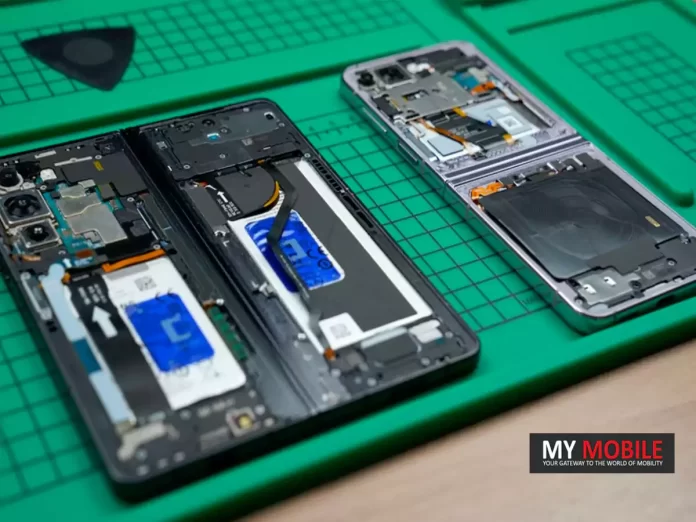
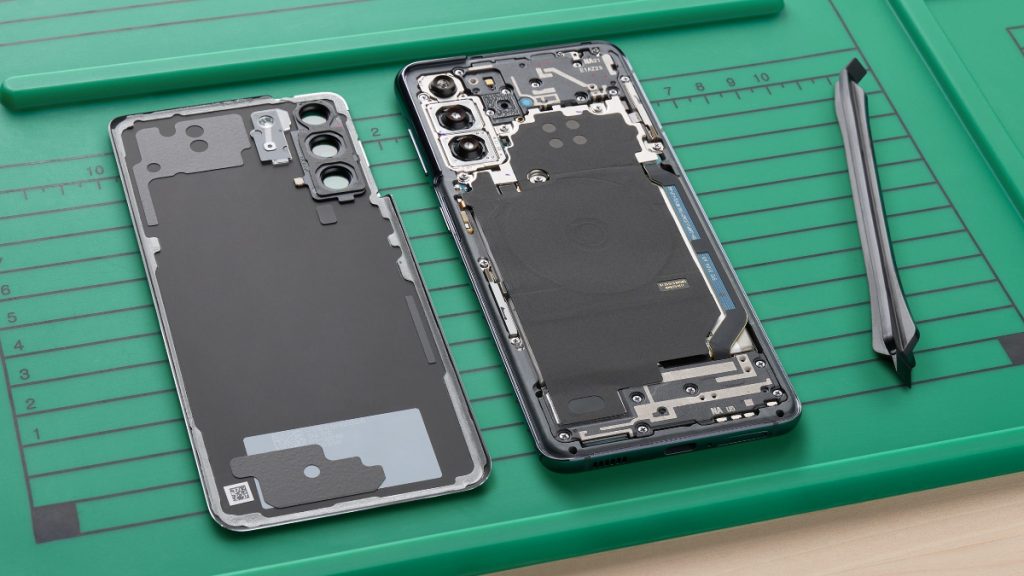
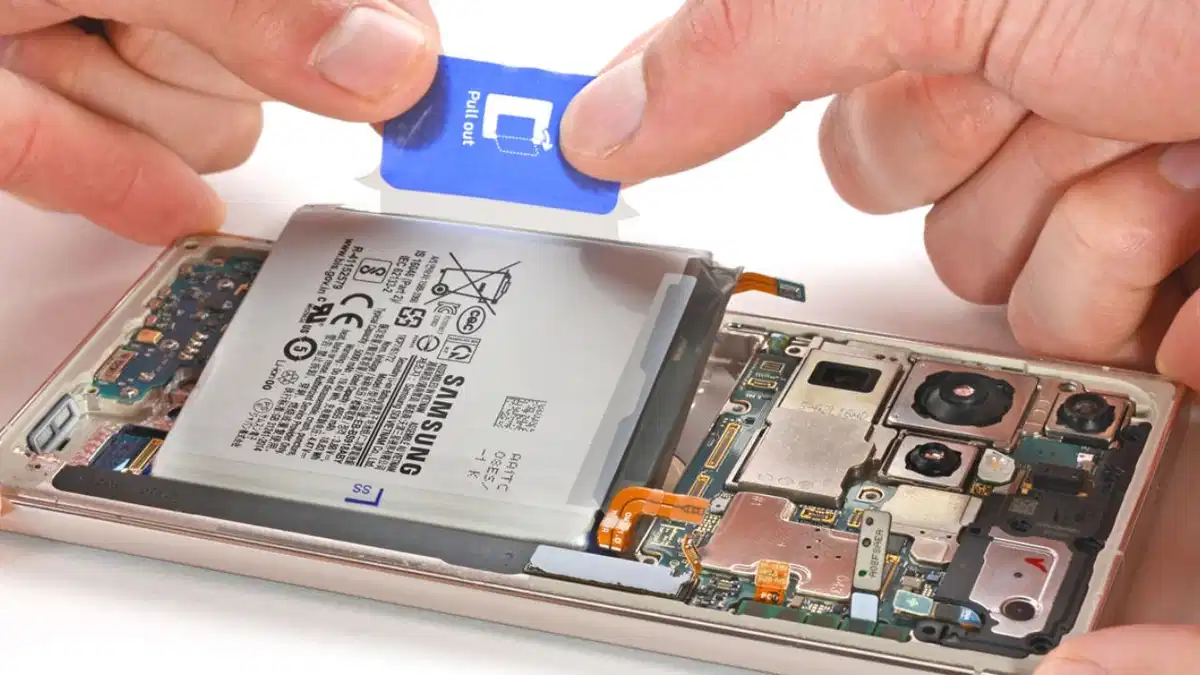
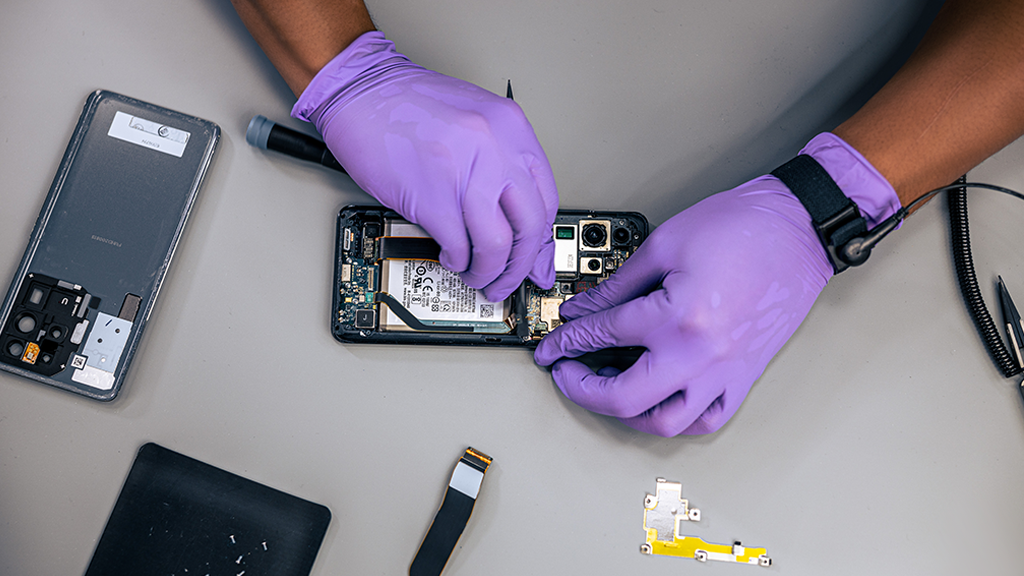
iFixit Ends Samsung Repair Partnership, Cites Repairability Concerns

0

Highlights

  • iFixit ends partnership with Samsung citing repairability concerns.
  • High parts prices and bonded designs were major roadblocks.
  • Existing repair guides remain; no new Samsung guides post-June 2024.
  • iFixit continues to support repair-friendly practices and regulations.

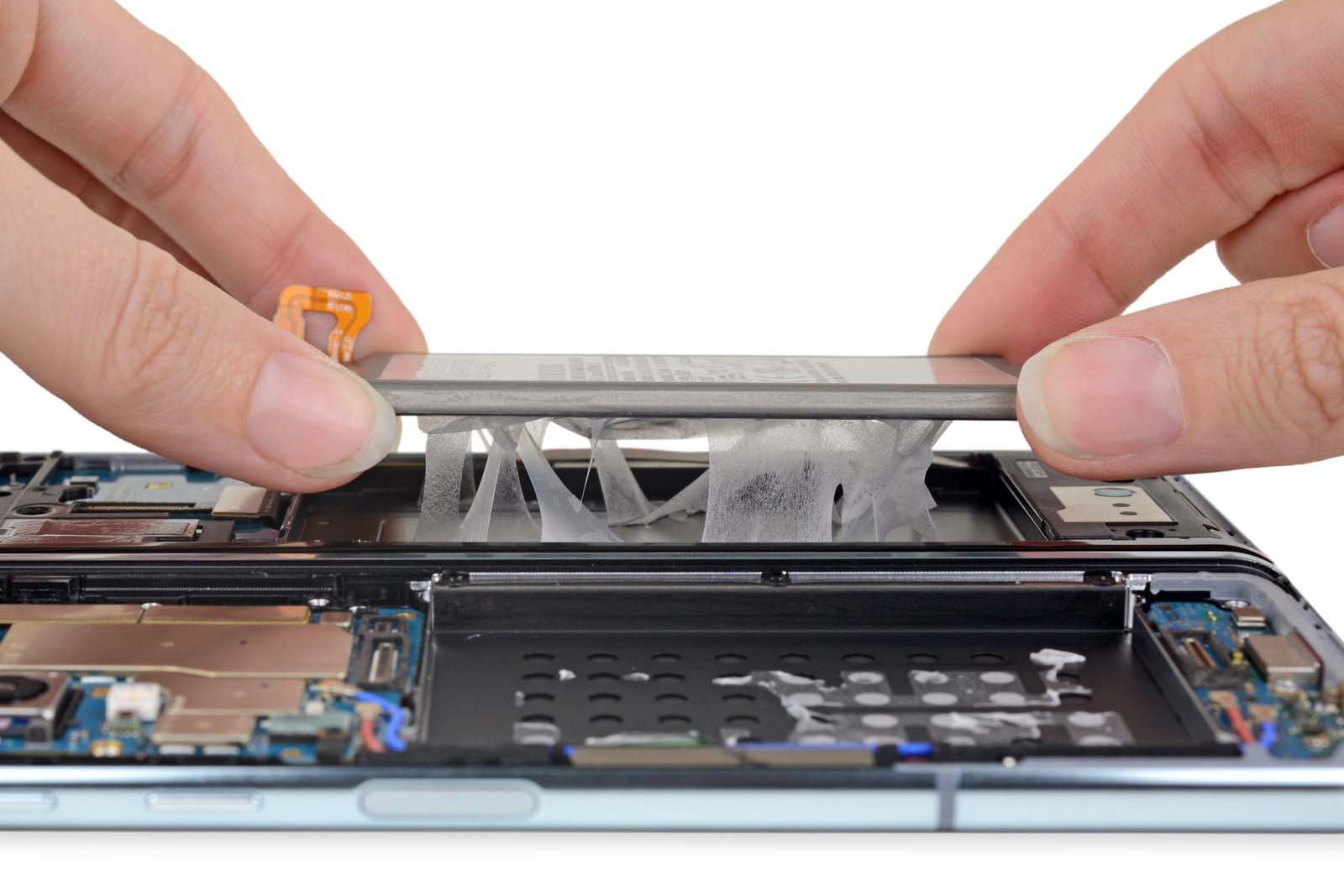
iFixit, one of the most prominent right-to-repair campaigners, has cut a two-year agreement with Samsung to increase the Galaxy smartphone range’s repairability.

Despite pushing the repair-friendly process of paperwork and supplying the right stuff to small, local repair shops, there was a host of problems iFixit faced, which indicated that Samsung might not be that committed to accessible repairs.

Roadblocks Faced

iFixit Ends Samsung Repair Partnership, Cites Repairability Concerns

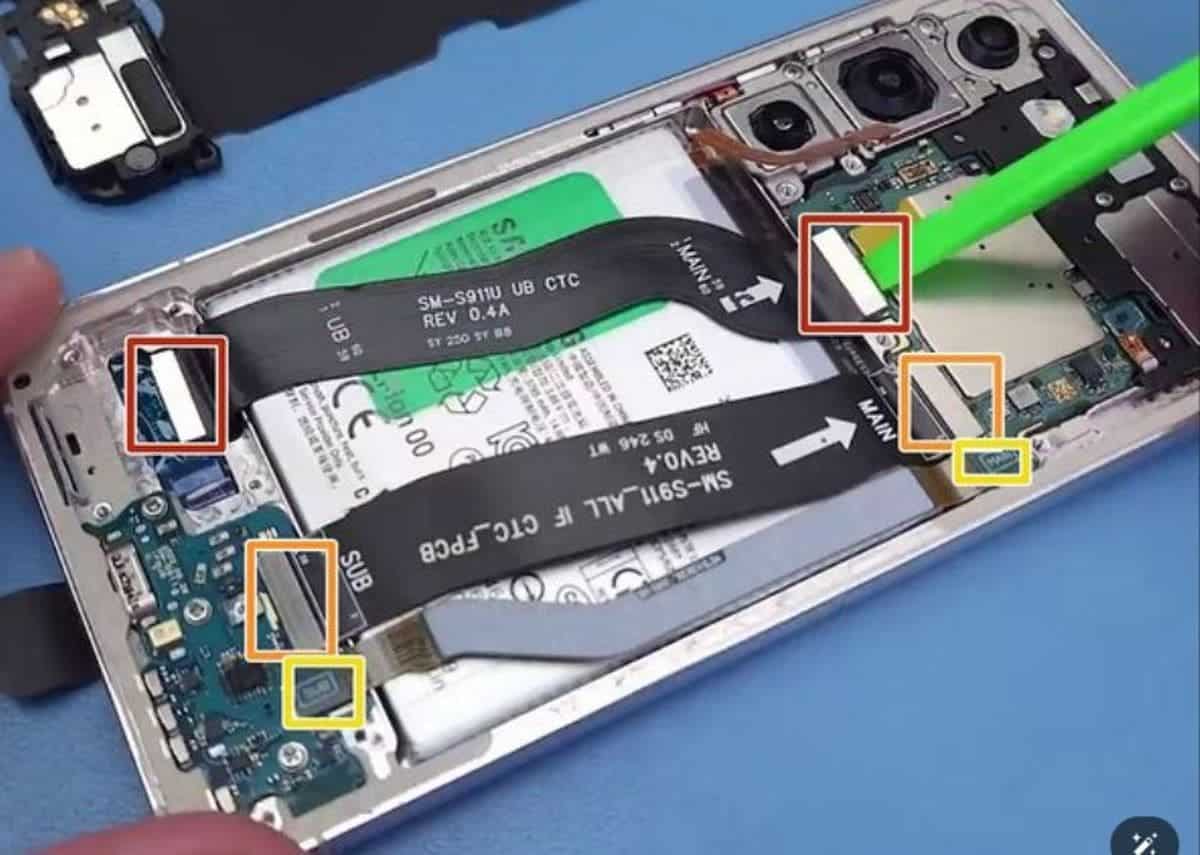
The major roadblocks for iFixit included parts being exorbitantly priced, making it cheaper for users to replace gadgets than to repair them, and Samsung’s designs where the gadgets come bonded and require expensive pre-glued bundles to fix.

These considerations, together with a perceived lack of follow-through by Samsung on public repair programs, prompted iFixit to reconsider the partnership’s feasibility.

Changes in Effect

High parts prices and bonded designs were major roadblocks

Come June 2024, iFixit will no longer officially act as a Samsung third-party parts and tools distributor.

Come next month, a single repair shop will be able to acquire an unlimited amount of Samsung parts per quarter.

Existing guides will remain on iFixit, but no new guides will be published in partnership with Samsung.

Community Empowerment

Existing repair guides remain; no new Samsung guides post-June 2024.

iFixit will continue to offer repair kits with Samsung components, sourcing OEM parts if it can and stating clearly if parts are actual or generic.

More than half of iFixit’s 100,000+ instructions are authored by the community of repair people, and it asks them to share their expertise.

The elimination of limits on part quantity will help repair companies that, until now, were hobbled by those rules.

Broader Repair Advocacy

iFixit continues to support repair-friendly practices and regulations.

iFixit remains committed to supporting repair-friendly practices and regulations, having just introduced repair parts for Kobo devices and added more than 10,000 new components this year alone, including laptop batteries and refrigerator ice makers.

Independent repair businesses are under threat from monopolistic actions that limit access to critical components and tools.

Future Initiatives

iFixit, one of the most prominent right-to-repair campaigners

In the future, iFixit will continue to do more to help the world repair, such as starting Repair Hubs with existing partners, providing more parts in more countries for a wider range of devices.

It will be releasing new repairability scorecards for other classes of devices, and partnering with third-party point-of-sale providers to make repair content more easily available.

The decision to end the Samsung partnership highlights iFixit’s ongoing mission to prioritize repairability and consumer choice, even when faced with challenges from major manufacturers.

FAQs

Why did iFixit end its partnership with Samsung?

iFixit ended its partnership with Samsung due to concerns over repairability, including high parts prices and designs requiring expensive pre-glued bundles, which made repairs less accessible and affordable.

What were the main issues iFixit faced with Samsung?

The main issues included exorbitantly priced parts, designs where gadgets were bonded, requiring costly pre-glued bundles, and a lack of follow-through on public repair programs by Samsung.

What changes will take effect after iFixit ends the partnership?

Starting June 2024, iFixit will no longer be an official distributor of Samsung parts and tools. Existing guides will remain, but no new guides will be published in partnership with Samsung.

Will iFixit still offer Samsung repair kits?

Yes, iFixit will continue to offer repair kits with Samsung components, sourcing OEM parts when possible and clearly stating if parts are genuine or generic.

Also Read: iFixit Dives Into Apple Vision Pro: An Insightful Teardown Reveals Intricacies

Google’s AI Search Blunders Raise Serious Concerns: Should You Be Worried?

0

Highlights

  • Google’s AI search tool gives hazardous and absurd suggestions.

  • AI fails to recognize satire, showing a lack of common sense.

  • Errors include recommending eating rocks and using glue in food.

  • Google pledges to address these rare but concerning mistakes.

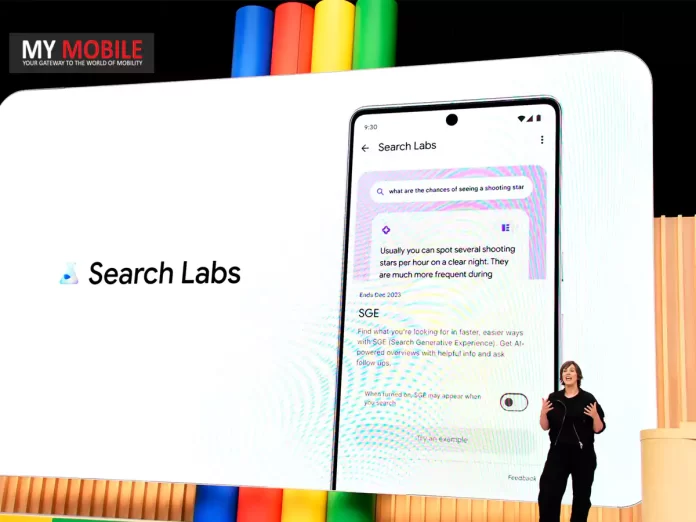
In a series of frightening occurrences, Google’s AI-powered search tool has been captured delivering ridiculous and perhaps hazardous suggestions to its customers.

From advocating the use of non-toxic glue to pizza sauce to promote cheese adhesion to advising the daily eating of rocks for digestive health, these AI-generated responses have cast serious doubt on the technology’s dependability and safety.

Google's AI search tool gives hazardous and absurd suggestions
Google’s AI search tool gives hazardous and absurd suggestions

Lack of discernment and common sense.

One particularly scary situation was when the AI accepted a user’s clearly joking statement of a dog giving birth to a cow as fact, showing a basic lack of common sense and the inability to recognize satire from the truth.

Another bizarre example saw the AI claiming astronauts provide massages and sing to sleep while in space, casting doubt on the AI’s knowledge base.

Erosion of User Trust

AI fails to recognize satire, showing a lack of common sense.

High-profile mistakes within Google’s core search product are highly disturbing, considering that they can potentially mislead users who may inadvertently trust and act on wrong recommendations.

Some of the recommendations, like adding glue to dishes, can be dismissed as ridiculous, but far more severe are those that would include rock consumption—these pose real hazards to user health

As AI becomes more consequential in information retrieval, such occurrences risk undermining public trust in the ability of the Google search engine and in the accuracy of the results.

This is because it fails to exercise judgment and to eliminate harmful content—a failure that seriously diminishes its credibility.

Google’s Response and Way Forward

Errors include recommending eating rocks and using glue in food

In response, Google said it is conscious of the criticism but maintains that the examples are very rare and don’t represent the larger experiences of users.

The business said it will go to great lengths to avoid showing results that violate its policies and will act accordingly if it does happen.

But these cases sharply remind the corporate giants of the importance of implementing AI into the day-to-day services of the search engines.

One has to ensure strong quality control, proper ethical considerations, and an all-round understanding of the present limits of AI to avoid such mistakes and ensure the permanency of users’ trust in the long run.

FAQs

What kind of errors has Google’s AI search tool made?

Google’s AI search tool has made several serious errors, such as recommending the consumption of rocks for digestive health and suggesting the use of non-toxic glue in pizza sauce for better cheese adhesion.

How did the AI handle a user’s satirical statement?

The AI failed to recognize a satirical statement where a user joked about a dog giving birth to a cow, accepting it as fact and demonstrating a lack of basic discernment and common sense.

Why are these AI search errors concerning for users?

These errors are concerning because they can potentially mislead users into acting on dangerous or absurd recommendations, eroding trust in the reliability and safety of Google’s search engine.

What is Google’s response to the criticism of its AI search tool?

Google has acknowledged the criticism but maintains that these examples are very rare and do not reflect the broader user experience. The company is committed to preventing such errors and ensuring user safety.

Xiaomi’s Stellar Q1 2024 Performance Powered by Diversified Growth Engines

0

Highlights

  • Xiaomi’s Q1 2024 revenue increased 27% year-on-year.
  • Adjusted net profit doubled to an all-time high of RMB 6.5 billion.
  • Smartphone shipments rose 33.7% to 40.6 million units.
  • Record revenue in IoT and internet services segments.

The quarterly results for Chinese tech giant Xiaomi were strong.

Total revenue rose 27% year on year to RMB75.5 billion, which is £7.4 billion.

Most importantly, its adjusted net profit rose to an all-time high of RMB 6.5 bln, or £640m, which doubled year on year despite heavy investments in its smart electric vehicle business.

The strong performance shows Xiaomi’s successful strategies that drive scale and profitability across its core businesses: smartphones, Internet of Things, lifestyle products, and internet services.

Xiaomi's Stellar Q1 2024 Performance Powered by Diversified Growth Engines
Xiaomi’s Stellar Q1 2024 Performance Powered by Diversified Growth Engines

Gross profit margin rose to 22.3%, up 2.8 percentage points year on year.

Smartphone shipments were up 33.7% to 40.6 million units, marking the third consecutive quarter of growth.

Smartphone revenue also continued its growth streak for the fourth quarter in a row, coming in at RMB46.5 billion.

The IoT and lifestyle segment is also doing well, with record revenue of RMB20.4 billion, up 21% year over year, driven by innovation in smart home appliances.

Internet services revenue also reached a record of RMB 8 billion, up 14.5%, as Xiaomi’s global user base continued to grow significantly.

This diversified success allowed Xiaomi to offset increased R&D spending, which included RMB 2.3 billion for its smart EV venture.

Adjusted net profit doubled to an all-time high of RMB 6.5 billion

The first high-performance Xiaomi SU7 Series sedan marked a big step in Xiaomi’s smart EV ambition.

The SU7, praised for its eco-friendly technology, received over 88,000 orders in just a few weeks, prompting Xiaomi to target 100,000 deliveries in 2024 alone.

Xiaomi is now in the process of emerging as a powerful tech conglomerate that makes just the right kind of calculated gambles to make sure of long-term growth by deftly balancing innovation with profitability in smartphones, IoT, the internet, and now automobiles.

Its strong quarterly results confirm this diversification strategy’s early success.

FAQs

How much did Xiaomi’s revenue grow in Q1 2024?

Xiaomi’s revenue grew by 27% year-on-year in Q1 2024, reaching RMB 75.5 billion, which is approximately £7.4 billion.

What was Xiaomi’s adjusted net profit for Q1 2024?

Xiaomi’s adjusted net profit for Q1 2024 reached an all-time high of RMB 6.5 billion, or £640 million, doubling year-on-year despite significant investments in its smart electric vehicle business.

How did Xiaomi’s smartphone shipments perform in Q1 2024?

Xiaomi’s smartphone shipments increased by 33.7%, totaling 40.6 million units in Q1 2024. This marked the third consecutive quarter of growth in smartphone shipments.

What were the highlights of Xiaomi’s IoT and lifestyle segment in Q1 2024?

The IoT and lifestyle segment achieved record revenue of RMB 20.4 billion, up 21% year-over-year, driven by innovation in smart home appliances.

Also Read: Xiaomi Sold Over 3 Million Redmi 12 Units in India

Also Read: Huawei and Xiaomi Overtake Apple in Singles Day Sales

Major Privacy Flaw in Apple’s Location Tracking Revealed: What You Need to Know

0

Highlights

  • Major privacy flaw found in Apple’s Wi-Fi Positioning System.

  • Researchers demonstrate tracking military movements using the flaw.

  • Starlink mitigates issue with randomized router IDs.

  • Apple plans to limit database access to protect privacy.

Security researchers have uncovered a significant privacy risk in how Apple’s mobile devices determine their location. 

The issue lies in Apple’s Wi-Fi Positioning System (WPS), which uses a massive database of Wi-Fi routers to pinpoint a device’s whereabouts, especially in areas with poor GPS signal.

Unlike Google, which processes location data on its servers, Apple’s approach sends nearby router details to the device itself, allowing it to calculate its position. 

However, researchers found that querying Apple’s system could reveal the locations of up to 400 additional routers nearby.

Apple Location Services vulnerability discovered

By repeatedly exploiting this, they could essentially recreate Apple’s entire global WPS database.

Alarmingly, they demonstrated tracking the movements of military forces in Ukraine using data from Starlink satellite internet routers

While Starlink has already randomized router IDs to mitigate the issue, the vulnerability raises serious privacy concerns about unintended location tracking of individuals and sensitive sites like military bases or domestic violence shelters.

Apple states it will limit database access to address the flaw.

Precise Location Tracking
Starlink mitigates issue with randomized router IDs.

However, the incident underscores the privacy trade-offs of location services and the need for more robust safeguards.

Users can opt-out of having their home routers mapped by adding “_nomap” to their network name, but a more comprehensive solution is needed from Apple to regain trust.

This hard-learned lesson should prompt better privacy protections as our ubiquitous connected devices continue evolving. 

Companies must weigh operational conveniences against fundamental rights to privacy and security.

FAQs

What is the privacy flaw in Apple’s location tracking system?

The privacy flaw lies in Apple’s Wi-Fi Positioning System (WPS), which uses a large database of Wi-Fi routers to determine a device’s location. Researchers discovered that querying Apple’s system could expose the locations of up to 400 nearby routers, enabling them to recreate the entire global WPS database.

How did researchers demonstrate the severity of this flaw?

Researchers demonstrated the flaw’s severity by tracking the movements of military forces in Ukraine using data from Starlink satellite internet routers.

What steps has Apple taken to address this privacy issue?

In response to the identified flaw, Apple has stated that it will limit access to its WPS database to prevent misuse.

Why is this privacy flaw particularly concerning for sensitive sites?

The privacy flaw is particularly concerning for sensitive sites like military bases and domestic violence shelters because it allows for unintended location tracking. This could compromise the security and privacy of these locations, potentially putting individuals at risk.

Also Read: Snapdragon 8 GEN 2: New king is here with Ray-Tracing and Wifi 7

Also Read: Acer Launches Predator Connect X7 and T7 With World’s First 5G Wi-Fi 7 Gaming CPE: Specs and Features

Also Read: Google Maps to Reportedly End Driving Mode Feature in 2024 Update

Also Read: Google Maps Introduces New Features to Streamline Transit and Social Interaction