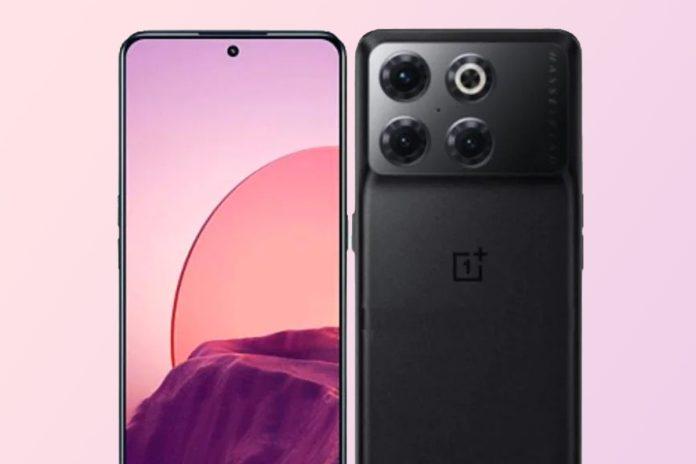
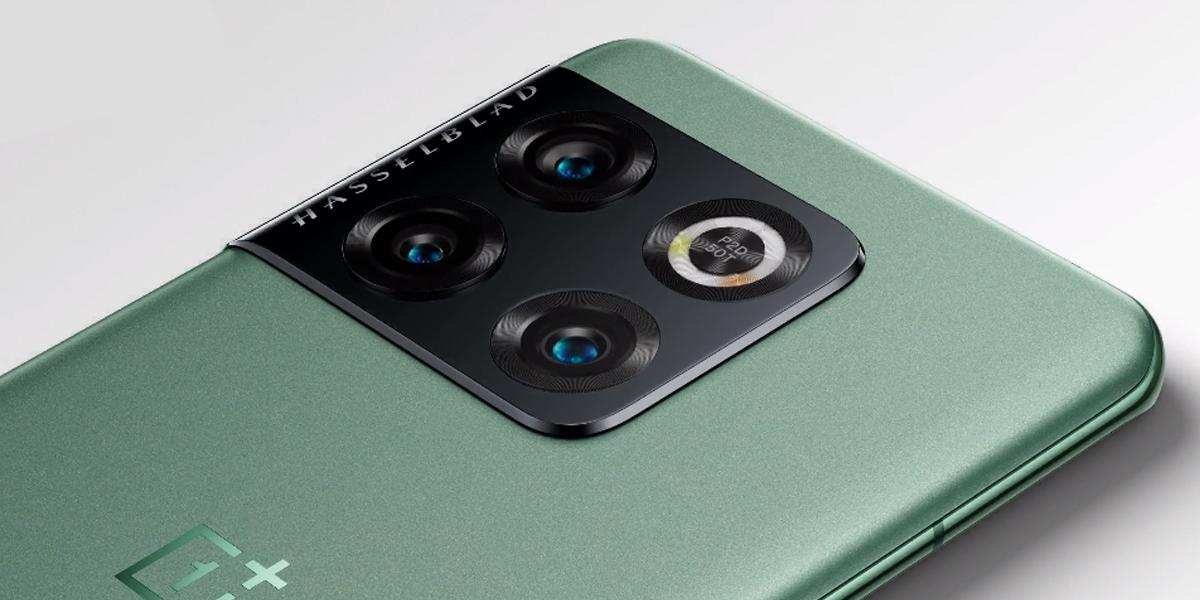
One Plus recently unveiled its flagship phone- The OnePlus 10 Pro in the Indian market. Now the brand is set to unveil another great launch in India-OnePlus 10T. Also, the smartphone is expected to be an addition to its premium flagship range and will cost a bomb.
The 10T is also one of the most anticipated smartphones this year. Additionally, there’s been a lot of rumours and leaks floating around it for a long time. It also has been subject to multiple renders and news quite a lately.
One Plus 10T launch timeline and expected price in India
The 10T will reportedly launch as a OnePlus 10 Pro alternative. To recap, the OnePlus 10 Pro went official earlier this year. The OnePlus 10/10T renders had popped up on the internet recently. These official-looking renders gave us a glimpse into the handset’s awe-inspiring design. Now, reliable tipster Mukul Sharma has tipped the OnePlus 10T India launch timeline. So, OnePlus could be prepping to bring the 10T into the Indian market soon.
OnePlus 10T 🔜🇮🇳
— Mukul Sharma (@stufflistings) June 16, 2022
The OnePlus 10T India launch could take place by July end. So, the Chinese consumer electronics giant could make the announcement soon. Also, more vital pieces of information about the handset could start surfacing online in the coming weeks. Further, the 10T will be the last flagship from OnePlus for 2022. The handset is priced between RMB 3,000-4,000 in China. As per a report by 91mobiles, the OnePlus 10 T’s price in India could be around INR 50,000.
One Plus 10T: Expected specs
The OnePlus 10T sports a mammoth 6.7-inch LTPO 2.0 AMOLED display. The display delivers a 120Hz refresh rate as well. Further, the screen supports HDR10+. It delivers a touch sampling rate of 360Hz. There’s a Corning Gorilla Glass layer on top for additional protection. Moreover, the phone packs Qualcomm Snapdragon 8+ Gen1 processor under the hood. This processor pairs up with up to 12GB of RAM.
However, noted tipster Max Jambor claims that the 10T will not get a Snapdragon 8 Gen 1 CPU. Moreover, the 10T will ship with a hearty 256GB of onboard storage. The phone will run Android 12 OS with OxygenOS custom skin on top. For optics, the OnePlus 10T houses a triple rear camera setup. This includes a 50MP Sony IMX766 primary camera. Also, there’s an 8MP ultra-wide-angle lens on the back. Lastly, the rear panel features a 2MP macro sensor.
Upfront, the 10T has a 16MP shooter for selfies and video calling. Also, the OnePlus 10T comes with a myriad of connectivity options. For instance, it supports Bluetooth 5.3 and features a USB Type-C port. The phone could include an X-axis linear motor. Also, it will probably have an in-screen optical fingerprint sensor. The 10T could use a 4800mAh battery to draw its juices. This cell will reportedly support 150W fast charging.
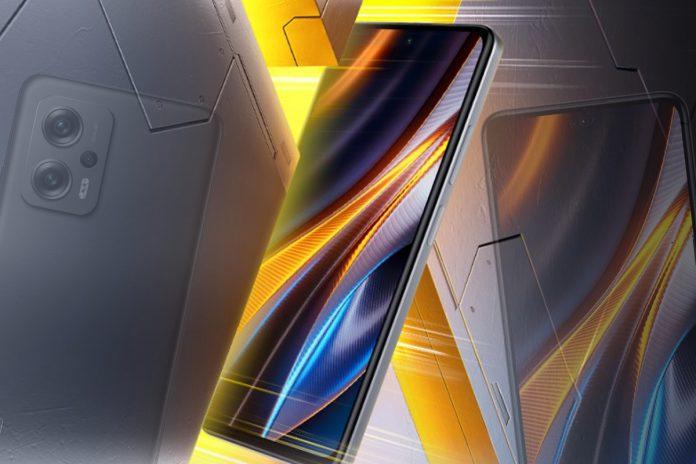
Chinese smartphone maker POCO has confirmed the launch dates for its upcoming rumoured 5G phone- POCO F4 5G. The smartphone will come to India on the upcoming June 23, 2022. Now the brand has announced that this is not the only smartphone coming. The brand has confirmed that it is bringing another device along with the F4 5G, namely POCO X4 GT on the said date. The brand has also revealed the launch time and how the phone will be unveiled. So here’s all the deets and specs that you should know!
POCO X4 GT launch date in India
The POCO X4 GT will launch alongside the upcoming 5G phone. The phone launch is also confirmed by the brand’s Twitter account. The smartphone is said to be the fastest in the X series.
Did someone say #Speeeeeeeeeeeeeed?
How many “e” did we write? 😉
💡 Let’s get ready for the speed expert birth on June 23rd. Save the date for #POCOX4GT #NoSpeedLimited pic.twitter.com/wZ5LiNv9F2
— POCO (@POCOGlobal) June 16, 2022
The launch event will take place at 5.30 pm IST. The event will also be live-streamed on the brand’s official YouTube channel. Additionally, it will also be streamed on Facebook and Twitter.
POCO X4 GT expected specifications
POCO X4 GT is expected to be an upgraded version of the Redmi Note 11T Pro, which was launched in China recently. Coming to the specifications, the smartphone is expected to feature a 6.6-inch FHD+ IPS LCD display panel. It also sports a 120Hz refresh rate for extra smooth scrolling when you’re multitasking.
Furthermore, it has a Corning Gorilla Glass 5 protection for the display. Under the hood, it sports a MediaTek Dimensity 8100 processor to power all its tasks. Additionally, it comes with 8GB RAM paired with 256GB of internal storage.
Coming to the optics, the POCO X4 GT is expected to feature a 20MP front camera for sharp and bright selfies as well as video calls. It is also going to feature a triple camera configuration at the back with a 64MP primary lens with an 8MP + 2MP lens.
On the software front, the POCO X4 GT is tipped to boot Android 12-based MIUI 13 skin out of the box. In addition, the POCO X4 GT is tipped to sport a 5,080mAh battery with support for 67W fast charging over a USB Type-C charging port.
Poco F4 5G expected specifications
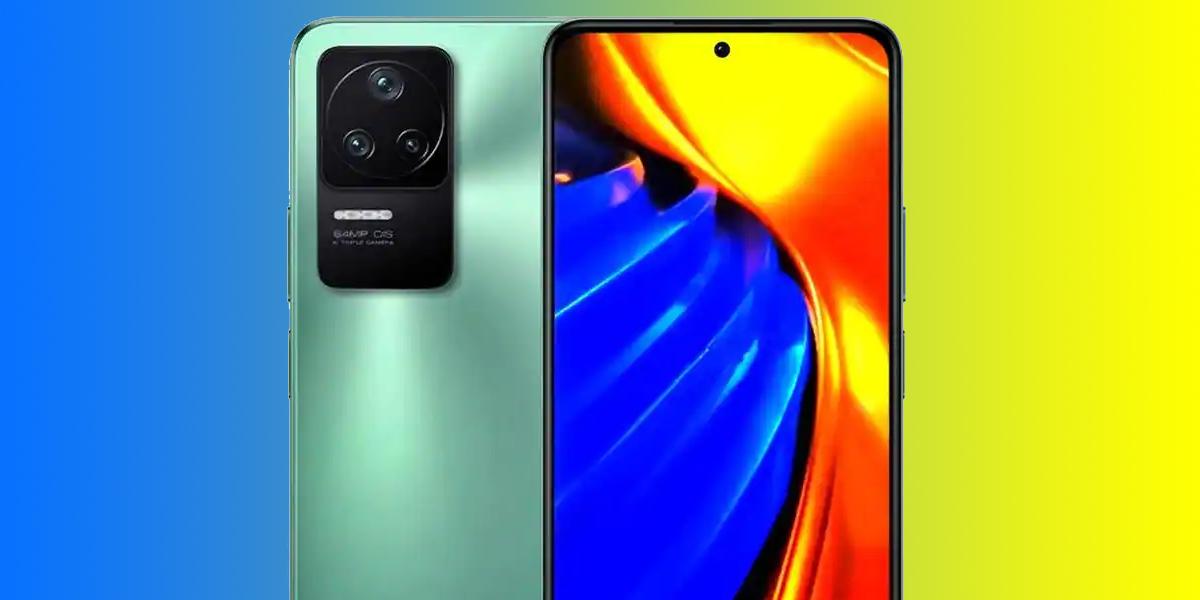
According to a report by Rootmygalaxy, Poco’s upcoming smartphone is expected to be a rebranded version of the Redmi K40S smartphone that was launched in China recently. The phone comes with a 6.67-inch 120Hz E4 full HD+ AMOLED display with a resolution of 1080 x 2400 pixels, Qualcomm Snapdragon 970 chipset, up to 12GB of RAM, up to 256GB of storage space, 4,500mAh of battery life with support for 67W fast charging technology, Android 12-based MIUI 13, a 48+8+2MP rear camera setup and a 20MP selfie camera.
It was launched in China at a starting price of 1,999 Yuan (Rs 23,307 approximately). The tipster also shared live images of the upcoming smartphone that show a stark similarity to the Redmi K40S smartphone.
The expected price is not yet out for this smartphone. However, its predecessor, the Poco F3 GT, was launched in India at a starting price of Rs 26,999 last year. The highlights of the smartphone included a 6.7-inch AMOLED display, MediaTek Dimensity 1200 SoC paired with 8GB RAM and 256GB of internal storage, a 64MP triple rear camera and a 5,065mAh battery that supports 67W fast charging technology.
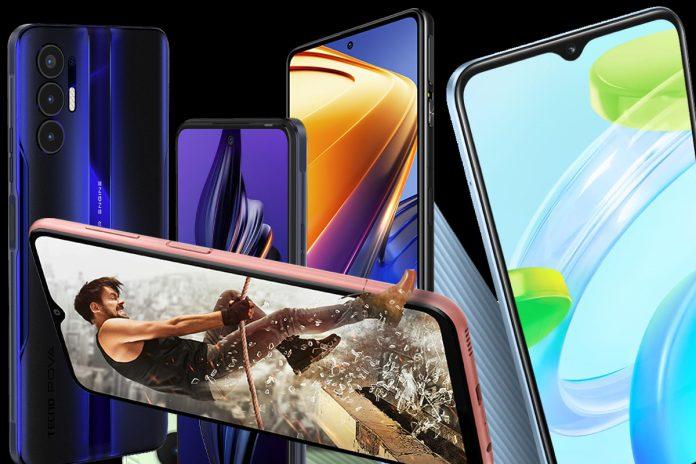
More than half of June is almost over, and the month is still booked with various smartphone launches. The week starting on June 20 will witness the debut of Realme C30, Samsung Galaxy F13, POCO F4 5G and Tecno POVA 3.
Realme C30 and Tecno POVA 3 will be launched on June 20 while Samsung Galaxy F13 and POCO F4 5G will be unveiled on June 22 and June 23, respectively. Let’s have a look at all the phones that are going to launch in the third week of June:
Realme C30
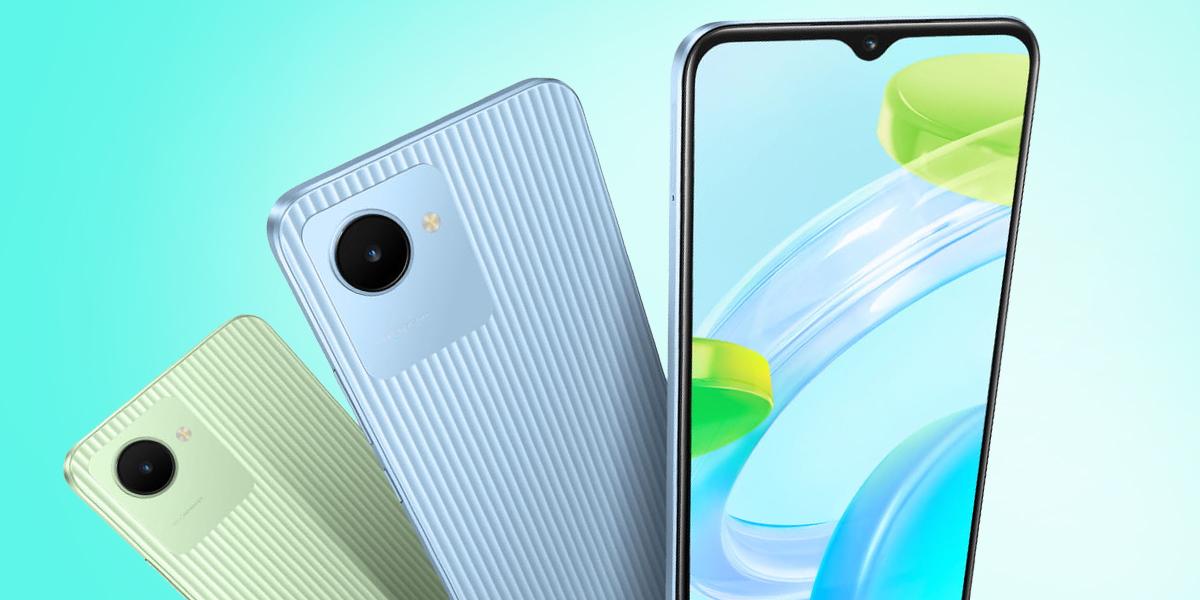
Realme is all set to launch Realme C30 under its budget C-series. The smartphone maker will expand its C-series products on June 20. The launch will take place at 12.30 pm IST. Powered by a Unisoc T612 SoC chipset paired with a massive 5,000 mAh battery, Realme C30 is likely to be launched in two colour options—Blue and Green. Weighing 182 grams with 8.5mm thickness, Realme C30 is likely to come up with a flat design. The handset is expected to come up with a micro USB port at the bottom, paired with a 3.5mm headphone jack, microphone, and speaker. According to reports, the single camera on the C30’s rear will have a 13MP sensor, while the selfie camera has a 5MP resolution.
Tecno POVA 3
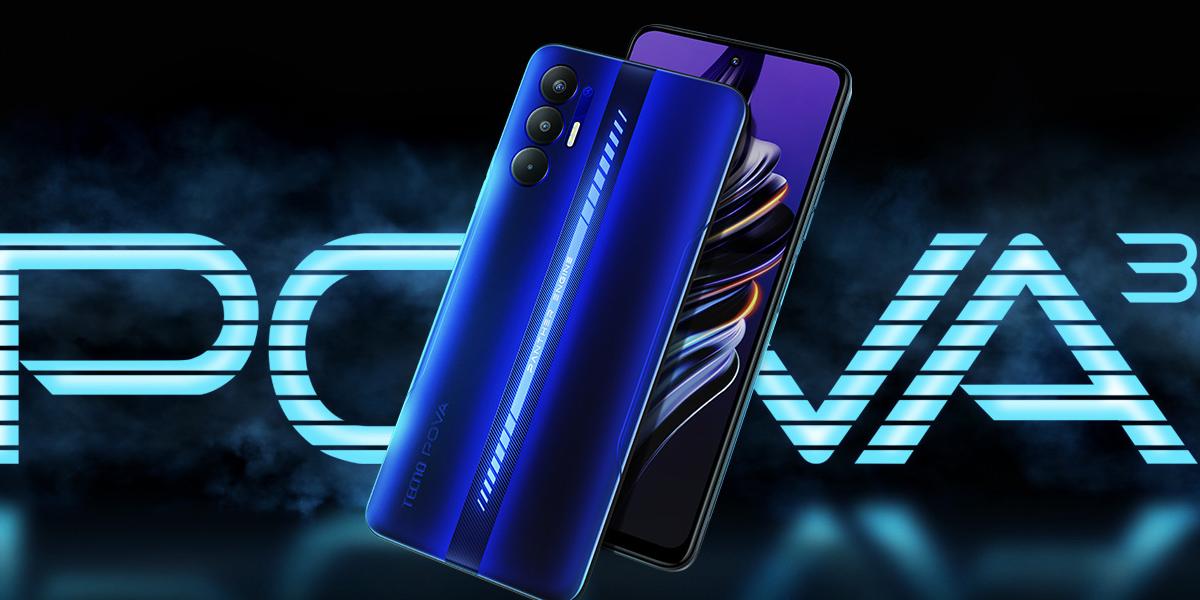
Tecno Mobile has confirmed to introduce its POVA 3 phone on June 20. The launch will strengthen its POVA series in India. With a 7000mAh battery and a 33 W flash charger, the upcoming TECNO POVA 3 will have Helio G88 processor and 6.9” FHD+ Dot-in Display with 90Hz Refresh Rate. The POVA 3 smartphone is said to offer an incredibly powerful gaming experience. Revealing prominent features and specifications of the upcoming Tecno POVA 3, a landing page on the e-commerce website Amazon has already been created.
Samsung Galaxy F13
Samsung is set to launch its latest F13 5G smartphone on June 22. The F13 will follow hot on the heels of the F23, which was launched in March, and should be priced a bit lower going by the naming convention. Like its predecessor F23, the Samsung Galaxy F13 will be available for sale via Flipkart.
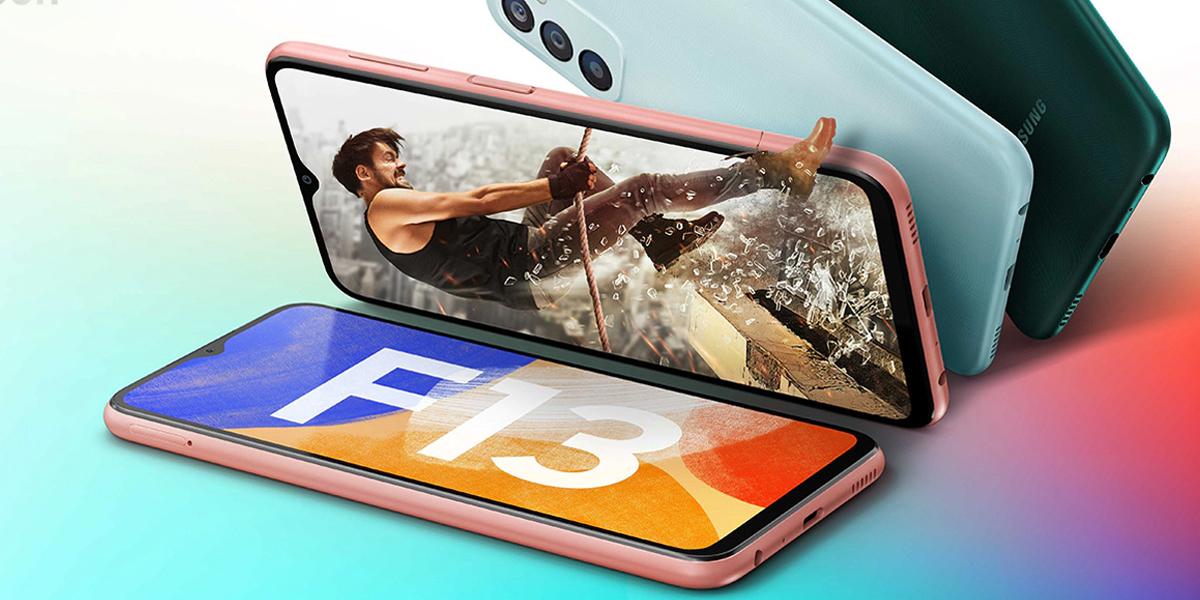
With FHD+, 6000 mAH battery with 15W fast charging support and auto data switching, the Samsung Galaxy F13 will be available in three different colours, made with plastic outer.The design of the upcoming 5G smartphone seems similar to the recently launched Galaxy F23.
Additionally, the F13 will come with up to 8GB of RAM and Samsung’s RAM Plus virtual memory option. It will also come with its auto data switching feature to allow the phone to switch between data on two SIM cards when the primary SIM is out of network.
POCO F4 5G
Loaded with future tech and packed with features, POCO has confirmed the launch of its F4 5G phone. The latest addition to its popular F series will be launched globally at 5.30 pm on June 23.The upcoming device POCO F4 5G’s display also supports 100% DCI-P3 colour gamut, ensuring the colours look deeper and richer, just as the creator intended.
Equipped with 4th Gen E4 Super AMOLED screen and amazing visual enhancement technology, the POCO F4 5G offers 1300 nits peak brightness. Truecolor display, HDR10+ and Snapdragon 8 Gen 1 are among other features of the POCO F4 5. The phone is expected to get a 120Hz of refresh rate.
OPPO Reno 8, OPPO Reno 8 Pro, OnePlus Nord 2T, Realme GT Neo 3T, Samsung Galaxy A13 5G, Xiaomi 12X, and Motorola Moto G52j 5G were among other smartphones launched in June so far. So, if you are planning to buy a new smartphone, there are plenty of new options for you.
Smartphone maker Realme is expected to launch a new smartphone in June. According to the report, Realme is preparing to launch an affordable smartphone on June 22.
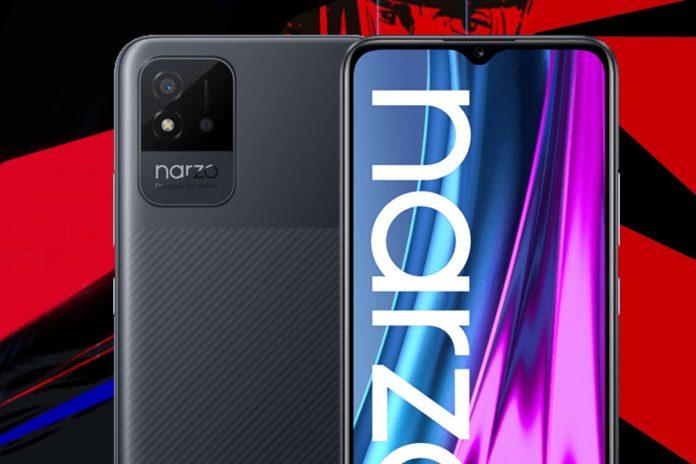
Called Realme Narzo 50i Prime, the upcoming smartphone has reportedly appeared on several certification websites including, the NBTC, Eurasian Economic Community (EEC), the US Federal Communications Commission (FCC), and the Bureau of Indian Standard (BIS). The listing of the smartphone on the BIS website indicates an imminent launch of the Realme Narzo 50i Prime in India.
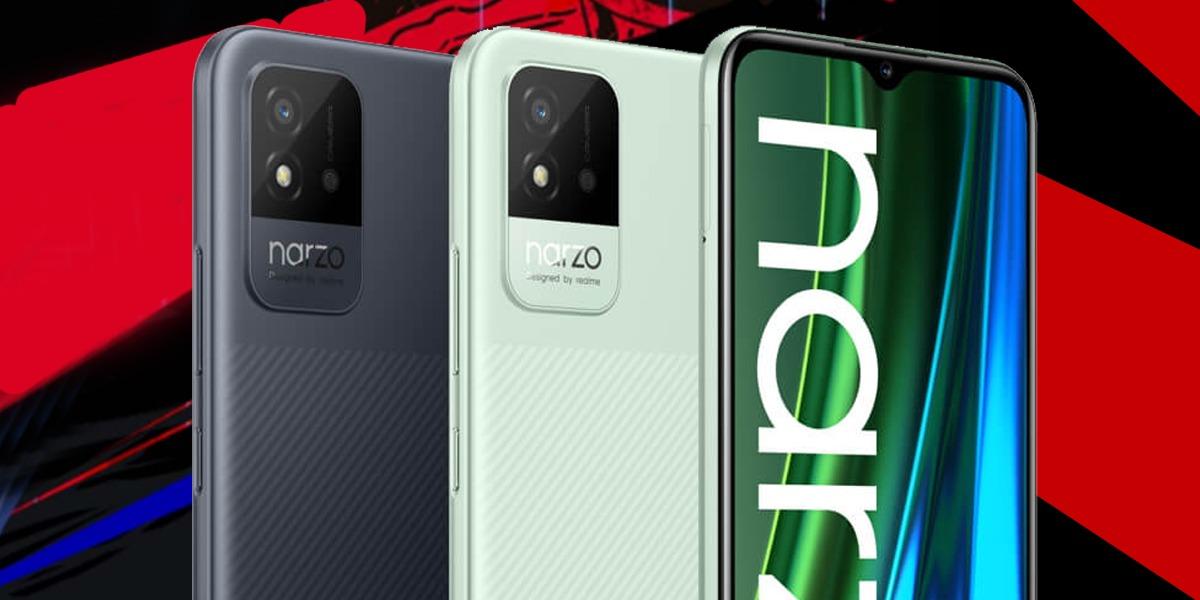
According to the report, Realme Narzo 50i Prime is expected to come up with a water drop notch for the front camera and the smartphone is expected to be available in two colour options—Black and Green.
Realme Narzo 50i Prime rumoured price
The Realme Narzo 50i Prime is likely to come up with a price tag of around Rs. 7,800. The reported upcoming smartphone will be the most affordable smartphone from Realme in 2022.
Realme Narzo 50i Prime rumoured specifications
Featuring a circular single camera shooter along with a LED flash and the Narzo branding, the Realme Narzo 50i Prime is expected to have a square camera island on the back. Additionally, the rear panel of the smartphone is expected to come up with a textured design with vertical strips.
Further, the reported upcoming device will feature a thin-bezel display and a thick chin at the bottom. The handset is said to feature a volume rocker and a power button on the right side while the left side will have a SIM tray. The Realme Narzo 50i Prime is expected to get energy from a 5,000mAh battery.
Other upcoming launches of Realme
Besides Realme Narzo 50i Prime, the smartphone maker will launch Realme C30 in India on June 20. The launch event will take place at 12.30 pm and be broadcasted on Realme’s official YouTube channel.
Packed with a Unisoc T612 chipset, a single rear camera, and a 5,000mAh battery, Realme C30 will be available to purchase via Flipkart and Realme’s official website. Realme has confirmed to launch the device in Denim Black, Lake Blue, and Bamboo Green colour options. The base variant of the Realme C30 is likely to be priced at around Rs 7,000. With ultra-slim-stripe design Realme C 30 is dubbed as ‘Naye Zamane Ka Entertainment’. With an AnTuTu benchmark score of 176,932, Realme C30 is said to be the go-t-device for daily tasks.
GT 2 Master Explorer Edition, Techlife Watch R100 are other upcoming launches of Realme.
Meta-owned instant messaging app WhatsApp has been rolling out features one after the other to enhance the user experience. In the latest development, the messaging app has announced new features to protect users’ privacy online. According to the latest update, users will be able to hide their last seen and status and profile photo updates from people in their contact list they do not want to see them.
The messaging app was spotted working on a feature to let users hide their contacts from specific people. After many months of testing, WhatsApp has finally unveiled its new feature. With the release of a new feature update, WhatsApp users will be able to hide their last seen and status updates from people they do not like.
WhatsApp users need to adjust their privacy settings to control who can see their information. They can set their last seen, profile photo, about, or status to ‘Everyone’, ‘My Contacts’, ‘My Contacts Except’, and Nobody.
If users select ‘Everyone’ their last seen, profile photo, about, or status will be available to all WhatsApp users. While, selecting ‘My Contacts’ means you are allowing contacts from your address book only to see your profile photo, about, or status.
You need to select ‘My Contacts Except’ if you want to allow only limited people from your address book to check your last seen, profile photo, about, or status. Your last seen, profile photo, about, or status will not be available to anyone in case you opt for Nobody.
WhatsApp made the announcement about the latest feature through its Twitter handle.
In addition, to protect privacy online, WhatsApp has also added a few updates to a WhatsApp favorite. According to the updates, when it comes to group calls, now users can mute others, message specific people, and see a banner when someone joins off-screen.
Other feature updates by WhatsApp
Prior to the online privacy protection, the messaging app rolled out the option to add 512 members to a WhatsApp group. It also announced major improvements to its group video calling feature. Now users will be able to mute a specific person during video calls including the host. However, it is not clear whether the right to mute will be given to all the participants or only the group admin. Earlier, users didn’t have the option to mute a specific person, the host could only mute all the participants altogether and unmute the ones speaking
Similarly, users will also be able to message specific people during a call. The app has also rolled out a new indicator that will make it easier for users to see when more people join the call.
For the unversed, WhatsApp now also allows users to add up to 32 people on a voice call on the app. If you don’t see these features now, you will get them eventually as it is being released in a phased manner globally.
Before the group call feature, WhatsApp had also rolled out the ability to transfer their chat history, photos, videos and voice messages from Android to iPhone via Apple’s Move to iOS feature.
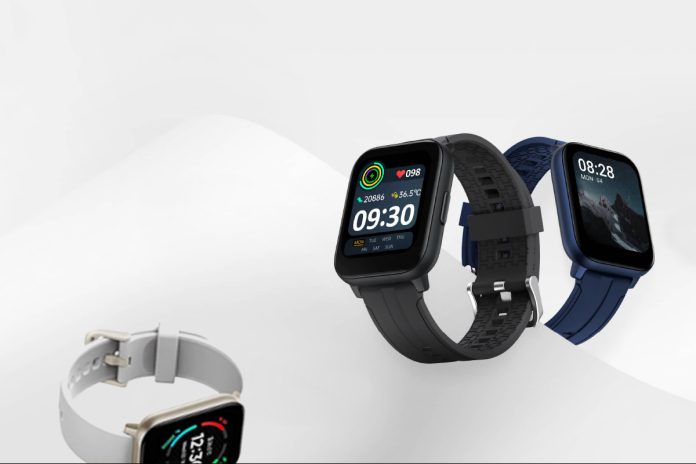
Smartphone maker Realme is likely to expand its product line-up under the wearable category. According to the latest update, Realme will introduce a new smartwatch on June 23.
As per the report, the smartphone maker will unveil Realme Techlife Watch R100 on June 23 at 12.30 pm. The update has been shared by tipster Mukul Sharma. However, the Company is yet to make an announcement related to the watch launch.
The reported Realme Techlife Watch R100 will come up with a 1.32-inch colour display and Bluetooth calling feature.
Additionally, the Realme Techlife Watch R100 will feature a round-shaped dial and come in two colour options- Black and Cream. The upcoming wearable by Realme is expected to be available for sale via Flipkart.
Earlier this year, Realme launched its TechLife Watch S100 and Realme TechLife Watch SZ100 in China. While, in India Realme had launched Realme TechLife Watch SZ100.
The Realme TechLife Watch SZ100 features a 1.69-inch HD colour display, skin and body temperature monitors along with a heart rate tracker. The Company promises to offer 12-day battery life on a single charge. The skin temperature measure and monitor function will help users to measure and monitor skin and body temperature. The Realme TechLife Watch SZ100 is priced Rs 2,499 and it is available in Lake Blue and Magic Grey colours.
In March, Realme haso launched the TechLife Watch S100. Its price in India had been set at Rs. 2,499 and it came in Black and Grey colours.
Global and India launches
In addition to wearable, Realme has been extensively expanding its product lithe ne up in India and global market.
Realme is also preparing to launch its first device to be powered by the Snapdragon 8+ Gen 1 chipset, this has been revealed by TENAA listing. The device called Realme GT2 Master Explorer Edition will have a metal frame while the power and volume button will be on the right and left sides of the device, respectively.
If the report is to be believed then the upcoming Realme device will come up with a centrally-aligned single punch-hole cut-out for the selfie camera.
Powered by an octa-core Snapdragon 8+ Gen 1 chipset, which will be paired with 6GB/8GB/12GB RAM and 128GB/256GB/512GB internal storage, the Realme GT 2 Master Explorer Edition will have a 6.7-inch FHD+ 120Hz 10-bit AMOLED panel.
Narzo 50 5G, Narzo Pro 50 5G and GT Neo 3T are among other prominent launches by the Realme in recent times in India and global market.
Realme GT Neo 3T features Snapdragon 870 SoC and Adreno 650 GPU, a 6.62-inch E4 AMOLED display with 120Hz refresh rate. The handset is available in two storage options along with three colour options Dash Yellow, Drifting White, and Shade Black. It comes with a triple rear camera setup and a selfie camera at the front.
Narzo series
Realme Narzo 50 5G and Realme Narzo Pro 50 5G are the latest addition by Realme under its popular and budget-friendly Narzo series. Both the smartphones come packed with amazing features, durability and good battery life.
The Realme Narzo Pro 50 5G is available for sale since June 10. It comes in two RAM and storage configurations. The 6GB RAM comes with 128GB storage onboard and the 8GB RAM variant comes with 128GB storage.
A 6.4-inch Super AMOLED display with a 90Hz refresh rate, a 360Hz touch sampling rate, and a peak brightness of 1,000 nits are the prominent features of the Realme Narzo 50 Pro. Additionally, it features the MediaTek Dimensity 920 5G Processor under the hood with an Arm Mali-G68 GPU. Furthermore, it comes with up to 8GB of RAM, 5GB of virtual RAM and 128GB of storage space. It runs Android 12-based Realme UI 3.0.
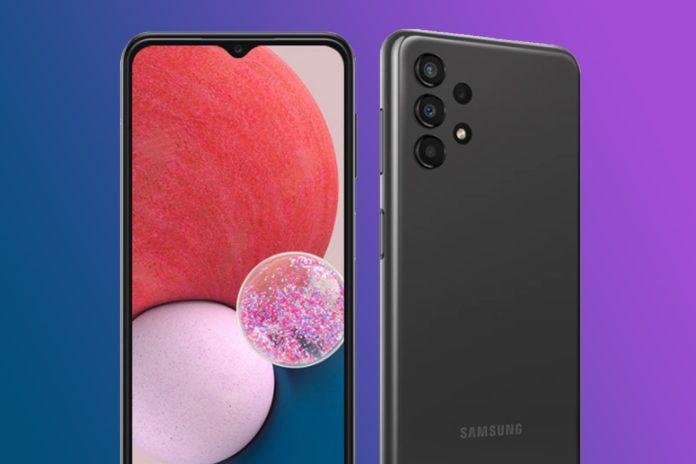
Samsung recently expanded its F-series with the launch of the Samsung Galaxy F23. The smartphone was a great success and was appreciated for its 5G connectivity given in the budget segment. Now, the South Korean giant is set to expand it further with another F-series launch- Samsung Galaxy F13.
Samsung has also confirmed the launch dates of its upcoming F13 5G smartphone. It is also teased on Flipkart’s website, making it obvious that the smartphone will be available to buy through the online platform exclusively.
Samsung Galaxy F13: Launch date and price in India
Samsung is set to launch its latest F13 5G smartphone on the upcoming July 22, 2022. The F13 will follow hot on the heels of the F23, which was launched in March, and should be priced a bit lower going by the naming convention.
Samsung Galaxy F23 5G price in India starts at Rs 17,499. Like the F23, the F13 will be also sold on Flipkart, and the product page which is going live today reveals a few hardware aspects as well as the full design of the phone in question. The design of the upcoming 5G smartphone seems similar to the recently launched Galaxy F23. It is also going to be available in three different colours, made with plastic outer.
Samsung Galaxy F13: Specifications
Coming to the display specs, Samsung has confirmed that the Galaxy F13 will come with a 1080p LCD display. The F23 comes equipped with a 120Hz refresh rate, so we can expect the F13 to at least come with a 60Hz rate. Also, the phone is confirmed to come with a massive 6000mAh battery with 15W fast charging support.
Elsewhere, the F13 will come with up to 8GB of RAM and Samsung’s RAM Plus virtual memory option. It will also come with its auto data switching feature to allow the phone to switch between data on two SIM cards when the primary SIM is out of network.
Samsung Galaxy F13 Launching on 22nd June 2022 in India
6.6″ FHD+ LCD Display
Exynos 850 SoC
8MP Front | 50MP Main + 5MP UW + 2MP Depth Rear Camera
4GB (+4GB Virtual) RAM
64/128GB Storage
6000mAh Battery
15W Charging
Android 12
OneUI 4.1
Side Mounted FS#SamsungGalaxyF13 pic.twitter.com/YV3r8Zmpu3
— 🇮🇳Dahodian Techie🇮🇳 (@DahodianTechie) June 17, 2022
For biometrics, it will have a side-mounted fingerprint scanner. Samsung is retaining the headphone jack in the F13. The phone will further come with a triple camera setup on the rear, a waterdrop-style notch on the front, and USB Type-C charging.
Samsung does not bundle a charging brick with the F23. It is yet to be seen if it does something similar with the F13, too.
Samsung Galaxy F23 5G spescifications
To recall, Samsung Galaxy F23 has a 6.6-inch 1080p display with a 120Hz refresh rate. It has a waterdrop-style notch with an 8MP selfie camera baked-in.
Under the hood, you get Qualcomm’s Snapdragon 750G chip which is paired with up to 6GB RAM and up to 128GB storage. This is expandable. Powering the phone is a 5,000mAh battery with 25W fast charging.
The software is One UI 4.1 based on Android 12. Samsung has confirmed the F23 will get two years of OS updates and three years of security patches.
For photography, the F23 has a triple rear camera setup with a 50MP main (Samsung JN1 sensor), 8MP ultrawide, and another 2MP macro shooter.
A fintech revolution is sweeping across India and Southeast Asia (INSEA). In fact, India currently has the highest fintech adoption rate in the world at 87%. Compared to the global average of 64%, this is quite a feat. The region’s increased dependence on cashless transactions and its rapid adoption of digital finance have positioned it as a competitive fintech app market. We’ve extracted key insights from recent Adjust data on the area that will benefit app marketers looking to make a mark in INSEA.
With the pandemic causing mass lockdowns in a heavily cash-reliant region, many INSEA mobile users pivoted to fintech apps for payments and other finance-related activities.
Noteworthy INSEA fintech app statistics
Fintech app installs grew by 44% from 2019 to 2020 and 41% from 2020 to 2021.
Fintech app sessions grew 136% from 2019 to 2020 and 186% from 2020 to 2021.
Adjust data reveals a significant jump in installs from the end of March 2020 until the end of April 2020, which was the precise time Covid restrictions and social distancing rules came into effect. However, the install rate continued to grow at an astonishing rate through 2021, suggesting wide fintech app adoption.
And by looking at sessions data, it’s apparent there was also a major increase in user activity during the pandemic. Fintech app sessions grew steadily through 2021, indicating an increasingly engaged user base in the region.
With more fintech app users than ever before, the INSEA population has come to utilize fintech apps in their everyday lives. However, as the number of users has grown, so has the competition. Therefore, it’s essential app marketers analyze user behavior to know how to increase brand loyalty.
For instance, you can look at time-based segmentation to see which day of the week users are most engaged to know the best time for communication.
Wealth management apps soar
The average user age of fintech apps in all INSEA markets is between 20 and 40, with most countries on the younger side. Today, many millennials and Gen Z in India and Southeast Asia seek a mobile-first approach to wealth management.
But, what types of fintech apps interest them the most?
In 2021, payment apps were the most installed fintech subvertical at 81%, followed by banking at 10%, stock trading at 6%, and cryptocurrency at 3%. While payment apps remained in the first spot for sessions at 53%, stock trading notably came in second at 27%, with crypto at 12% and banking at 8%.
Takeaway 2: Consider your target audience
When introducing your app to a country within the INSEA region, conduct market research to determine your target audience’s demographic by looking at factors like location, age range, gender, language, etc.
Your market research should also identify what pain points your competitors aren’t addressing so that you can discover differentiator opportunities for your app. For example, Zenda, a UAE-based fintech app for school fees, recently raised $9.4 million in seed round funding for its pay-now, pay-later model for an expansion into India. The app addresses the lack of convenience and inflexibility typically experienced in paying school fees in India.
Investment in INSEA fintech rises
In Southeast Asia, fintech funding hit $3.5 billion in the first nine months of 2021, while India reached $8 billion by the end of that same year. Investors attribute this growth to the rapid adoption of digital payments in recent years.
So, how are fintech companies entering the INSEA region where previously little was known about the industry? Believe it or not, many are working with governments.
Given that a vast majority of the INSEA population remains unbanked and financially underserved, governments are stepping in to provide digital banking solutions for greater financial inclusion. Several fintech apps have worked in tandem with government initiatives, which has proven mutually beneficial.
Gojeck, an Indonesian ride and delivery services platform, worked with Indonesia’s Ministry of Communication and Information Technology to improve the country’s digital literacy. Gojeck launched a public awareness campaign on online fraud and cybersecurity best practices using in-app games.
Becoming a trusted source of digital information in INSEA can serve your app well. First, your app will likely earn a trustworthy reputation, thanks to its participation in a government initiative. Second, more users will become familiar with your app in terms of branding and how the app works.
The author, April Tayson, is Regional VP – INSEA, Adjust.
Television, an indispensable part of a common Indian household, is the number one source of entertainment. Though smartphones are a raging phenomenon, TV still has an integral space in the home and hearts of most consumers. Especially during the pandemic and indefinite lockdown period, when people (apart from COVID warriors and pandemic victims) were confined in their homes and trying to stay sane, TV became the sole buddy to keep it together. Many TV channels like Doordarshan started broadcasting the best TV and Web series (like Ramayan, Mahabharat and Malgudi Days) and supporting people to stay entertained and stress-free.
This led to the booming growth of smart TV innovations. Considering that unlike mobile phones or computers/laptops, TV is an electronic device that offers a family entertainment experience, Indian consumers vehemently started investing in smarter, bigger, cutting-edge and internet-enabled TV devices. Leading TV brands also started launching next-generation TV innovations at highly-competitive prices along with superior features and matchless functions. As a consequence, in 2021, India’s smart TV share in the entire TV market reached 84%, significantly higher than its 2020 digits, which were a mere 67%. Undoubtedly, the pandemic havoc has created a silver lining for smart TV brands and is now giving them the necessary boost to scale up.
“In 2021, India’s smart TV share in the entire TV market reached 84%, significantly higher than its 2020 digits, which were a mere 67%. Undoubtedly, the pandemic havoc has created a silver lining for smart TV brands and is now giving them the necessary boost to scale up”
Against this backdrop, here are a few key trends emerging in the Indian smart TV ecosystem:
Online shopping: The exponential growth of digital integration, internet penetrations and strengthened online infrastructure have paved the way for e-commerce boom. Earlier, consumers used to visit a store or a shop physically to check all the features, discounts and other perks, but now with the help of internet connectivity and resources like smartphones, they can buy anything from the comfort of their homes. This online shopping trend has proved exceptionally significant in boosting the growth of smart TV adoption in India. Customers can now access and compare the TVs’ features, price and technology without stepping out of their homes. Within just a few clicks, they can buy the best-in-class TV and get it delivered to their doorstep without fearing any inconvenience (fear of virus contamination).
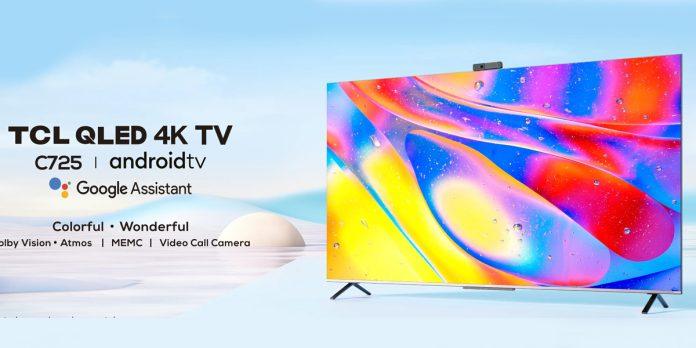
Powerful entertainment pack: Customers today have many ways to consume top-tier content (like OTT channels), so they are always on the lookout for watching it on big screens. Integrated with ultramodern features like OLED, QLED, FHD, Dolby Atmos, Dolby Vision, MEMC, Mini-LED and ONKYO sound, a smart TV is nothing less than a magic box that provides users with a theatre-like experience at home. In addition, many award-winning smart TV innovations also come with unique gaming features, making it possible for customers to get a complete entertainment plus gaming experience. Simply put, there’s no need for an extra gaming console or keyboard. Users can get a superior gaming experience by opting for the right TV model.
Inclusive features: Futuristic smart TV models are also embedded with magnetic video cameras, making it easier for users to conduct professional video conferences, attend e-classes or connect with family and friends through a video call. Leading TV corporations also integrated Google Duo and Google Assistant to make it easier, convenient and hassle-free for users to give commands (like flipping channels or controlling volume) without physically using the TV remote. In addition, almost every TV is embedded with thousands of applications, OTT channels and other content consumption platforms so that users don’t have to waste time finding the right TV series to stream.
The future of smart TV innovations
The Indian smart TV industry is going through groundbreaking growth. In fact, according to Grand View Research, the Indian smart TV industry is expected to reach USD 4.93 billion by 2028. It was valued at USD 1.42 billion in 2020, but between 2021 and 2028, the market is forecasted to pick up the pace to expand at a Compound Annual Growth Rate (CAGR) of 16.8%. Taking note of the aforementioned trends and stats, leading research analysts have stated that as TV brands continue to cater to the needs of modern-age consumers by offering better, bigger and more sophisticated TVs at highly affordable prices, the TV industry is expected to grow further in the upcoming years.
The author, Dhanlaxmi Bhoir, is Assistant to GM and PR- Corporate Communications, TCL India.
Smartphone has become the most used device, not only for calling and sending messages but to deal with the day-to-day payment needs. Ranging from making payments to sending and receiving money, mobile phones have become a handy device. The current situation has pushed us towards digitalization. Making payment through digital method has become quite common.
Payment done through Google Pay or any other method to the grocery store or any shop, and restaurant qualifies for digital payment. Google Pay is one of the user-friendly apps used by millions of people nowadays. You can send money, pay bills, buy online items, recharge your phone and get an end number of benefits through Google Pay. This is a very simple and secure payment app.
Google Pay is very useful platform but there is a possibility when you will opt for another payment method over Google Pay. That’s when you may want to delete your Google Pay account entirely to ensure all the sensitive personal and financial information associated with the account remains uncompromised.
Deleting Google Pay account is an easy job, you just need to follow these steps to delete it:
Step 1: Open Google Pay app on your smartphone.
Step 2: Tap your profile photo at the top right corner and tap close account.
Step 3: After clicking on close account, you need to uninstall the app from your phone.
It is pertinent to note here that Google Pay will de-link your bank accounts from the Google Pay app after you close your account.
How to uninstall Google Pay
To uninstall Google Pay you need to follow these steps
You are required to open your device’s Settings app and then Apps and notifications. It must be kept in mind that on some devices, you might need to go to your device’s Settings app and then Apps and then Google Pay.
Tap Google Pay.
If you are not able to see ‘Google Pay,’ tap See all apps and tap “Unistall” followed by OK.
It is important to note that users can remove payment methods from their Google Pay account without fully deleting the account. However, deleting Google Pay account is a good way to ensure your personal information and any banking and credit card data associated with the account is secure.
Google Pay launch date in India
The Google Pay was launched in India on August 28, 2018. Google Pay also emerged as one of the popular unified payment interfaces in India and globally. The App recently crossed the 150 million users marks across 40 countries globally. It is one of the most widely used UPI payment platforms in the world.