* boAt is touting Nirvana 525ANC as the world’s first Dolby-powered neckband. * Nirvana 525ANC will offer up to 42dB ANC and IPX5 water resistance. * Nirvana 525ANC will be available in Space Black, Celestial Blue, and Cosmic Gray color options.
Well-known audio device maker boAthas introduced the new Nirvana 525ANC neckband in India. It is the company’s second neckband product released last week as it previously debutedRockerz 255 Touch.
The latest offering is touting to be the world’s first neckband with Dolby Audio for a surround sound experience. Let’s have a deeper look at what else you will get.
After the recent launch of theboAt Rockerz 255 neckband earphones, the brand has introduced a new neckband in the market called boAt Nirvana 525ANC earbuds. As the name suggests, the key selling point of this neckband is its ANC capabilities, which are hardly seen in this segment.
In addition to that, the brand has also integrated Dolby Audio technology into these earbuds making the sound much more immersive. Let’s take a detailed look at the earbuds.
boAt Nirvana 525ANC Neckband: Pricing and Availability
The boAt Nirvana 525ANC neckband is priced at Rs 2,499 on the official company website. It will also be sold via Amazon India but a specific timeline for the same has not been revealed yet. The neckband is listed in Space Black, Celestial Blue, and Cosmic Grey colours for purchase.
boAt Nirvana 525ANC Neckband: Specifications and Features
The main highlight of the boAt Nirvana 525ANC neckband is the Dolby Audio support. It is said to be the first neckband in the world powered by Dolby. Users will be able to switch between Dolby Movie and Dolby Natural modes using the boAt Hearables companion application. It will help users get a surround sound experience while watching media on their phones.
boAt Adaptive EQpowered by Mimi is another feature using which users can personalize their audio listening experience. It is also accessible via the Hearables app where on-screen instructions will help users with personalized audio tuning.
The second major feature is Hybrid ANCsupport of up to 42dB. The neckband has a dedicatedANC buttonfor enabling and disabling active noise cancellation. It also has quad-microphones, two feed-forward and two feed-back mics, for reducing external noises and helping you focus on what’s playing on the earphones.
The Nirvana 525ANC neckband features 11mm high-fidelity drivers. It has Bluetooth 5.2 with dual pairing. This will let users connect the neckband with two devices at the same time and easily switch between them. It is beneficial when you are listening to music on your laptop but receive a phone call on your smartphone.
There is Beast Mode for those who love casual gaming on their phones. It is claimed to reduce latency significantly to boost the gaming experience. It also has an IPX5 rating for sweat and water resistance.
The neckband is powered by a 180mAh battery. It is claimed to last for up to 30 hours on a single charge. boAt says it will take about 40 minutes to charge the Nirvana 525ANC completely. It has a USB-C port and supports fast charging. The latter can help users get 10 hours of playback with just 10 minutes of charge.
Quick specifications: boAt Nirvana 525ANC
* Sleek design * Connectivity: Bluetooth v5.2 * Drivers: 11mm drivers * Spatial Sound powered by Dolby Audio * boAt Signature Sound * boAt Adaptive EQ * Hybrid ANC Up to 42dB+ * Magnetic power on/off; Quick switch button * ENx Technology for Calls * Battery Life: 180mAh; Up to 30 hours of total playback time * Fast Charging: ASAP fast charging support with Type-C connector, providing 10 hours of playback in just 10 minutes of charge * Low latency of 40ms, with Beast mode * IPX5 Water and Sweat Resistance * 1-year warranty
boAt NIRVANA 525 ANC Wireless Neckband Full Specifications
Brand
boAt
Product Name
boAt NIRVANA 525 ANC
Launch Date
3rd June 2023
Headphone Type
In the Ear
Headphone Design
Behind the Neck
Mic
Yes
Noise Cancellation
Yes, ANC Technology, ENx Technology powered by AI
Connectivity
Bluetooth v5.2
Bluetooth Codec
AAC/SBC
Wireless Range
10 meter
Deep Bass
Yes
Water-Resistant
Yes
Device Supports
Android, iOS, Laptop, etc.
Driver Type
Dynamic (Hi-Fi)
Driver Unite
11mm
Battery Capacity
–
Charging Type and Time
Type-C Port, up to 30hrs total battery life,
Full charge in 60min
Ans) The design of the boAt Nirvana 525ANC Neckband is sleek and compact, making it easy to carry around. Its Bluetooth v5.2 connectivity ensures a stable and reliable wireless connection, providing convenience and freedom of movement. The 11mm drivers deliver impressive sound quality, allowing users to enjoy their favorite music with clarity and depth.
One of the notable features of the Nirvana 525ANC Neckband is the integration of Spatial Sound powered by Dolby Audio. This technology creates a multi-dimensional audio experience, enhancing the immersion and realism of the sound. Additionally, the boAt Adaptive EQ allows users to customize the sound profile through the boAt Hearables App, ensuring a personalized audio experience.
The neckband also incorporates Hybrid ANC technology, which can reduce ambient noise by up to 42 dB+. This feature is particularly useful in noisy environments or when users want to focus on their music without distractions. The quad microphones powered by Enx Technology ensure clear call quality.
With a battery life of up to 30 hours, the boAt Nirvana 525ANC Neckband offers long playback time. It also supports ASAP Charging, which provides 10 hours of playback in just 10 minutes of charging. The device includes a quick switch button, supports beast mode for gaming, and is IPX5 water-resistant, making it suitable for various activities and environments.
2) What is Price & availability of boAt Nirvana 525 ANC?
Ans) The boAt Nirvana 525ANC Neckband is now open for pre-orders on the official boAt website at a price of Rs. 2499. Customers can also purchase it from Amazon.in. It is offered in three attractive colors: Space Black, Celestial Blue, and Cosmic Grey. Additionally, the product comes with a 1-year warranty, ensuring peace of mind for buyers.
* The iQOO 11S is said to launch in China next month, while the X90S might debut later this month. * The Vivo X90S is tipped to feature Dimensity 9200 Plus SoC and up to 16GB of RAM. * The iQOO 11S might be powered by an overclocked version of the Snapdragon 8 Gen 2 SoC.
We already know that Vivo and iQOO are looking to launch new smartphones in the market soon. But ahead of any official announcement, a new leak has revealed the possible launch timeline for the Vivo X90s and iQOO 11s models.
The Chinese smartphone maker Vivo is gearing up for the launch of yet another X90 series smartphone, the Vivo X90S. This upcoming smartphone was recently spotted on TENAA certification.
Additionally, it also appeared on Google Play Console several days back. While the launch date of this upcoming handset is yet to be disclosed by Vivo, a Chinese tipster has revealed the launch timeline of the device. As per leaked information, the Vivo X90S will launch in China later this month.
Apart from the Vivo X90S launch timeline details, another tipster has disclosed the possible release timeline of the iQOO 11S. Let us take a look ahead as to what the Vivo X90S and iQOO 11S will offer:
Vivo X90S Specifications: Expected
The Vivo X90S is said to feature a 6.78-inch AMOLED display with a 1.5K resolution and a 120Hz refresh rate. The handset is likely to come with 8GB, 12GB and 16GB of RAM options along with 128GB, 256GB, 512GB and 1TB storage.
In terms of imaging, the X90Sis said to feature a triple-camera setup. The camera module might include a 50MP main camera, 12MP ultra-wide lens, and another 12MP sensor. The device is tipped to feature a 32MP camera on the front side.
A 4690mAh battery is likely to be equipped with the handset which could have 120W fast charging support.
According to the new leak, the iQOO 11S will launch in China in early July. The handset is tipped to go on sale in the country from July 8. As far as the specifications of the iQOO 11S go, it is expected to flaunt a Samsung E6 AMOLED display with a 2K resolution and a 144Hz refresh rate.
The device could arrive with an overclocked version of the Snapdragon 8 Gen 2 SoC. Furthermore, the smartphone is said to offer up to 200W fast charging support.
Vivo X90s may launch later this month, while the iQOO 11sarrives in July
The new information arrives from a tipster who shared the details on Weibo (a Chinese microblogging website). The leak claims that X90s model will be launching sometime later this month, while the iQOO 11s model will reportedly launch in July.
Unfortunately, the tipster didn’t reveal any clear launch date for both smartphones. However, this latest leak is in line with our recent report regarding the iQOO 11s China launch.
Furthermore, the leak adds that the Vivo X90s will be equipped with the MediaTek Dimensity 9200+ SoC, which is also in line with the recent TENAA sighting.
On the other hand, the iQOO 11s model will feature Qualcomm’s latest Snapdragon 8+ Gen 2 chipset.The new leak doesn’t reveal additional details regarding the two smartphones but it further confirm what we already know so far.
Both models will be high end devices that feature top notch specs and features. The iQOO 11s is expected to feature an impressive 200W fast charging. It is also unclear if both models will be available in the global markets, or will be restricted to the Chinese region alone. So stick around for more updates.
VIVO X90S KEY SPECIFICATIONS
Key Specs
RAM
12 GB
Processor
MediaTek Dimensity 9200 MT6985
Rear Camera
50 MP + 12 MP + 12 MP
Front Camera
32 MP
Battery
5000 mAh
Display
6.78 inches (17.22 cm)
General
Launch Date
August 4, 2023 (Unofficial)
Operating System
Android v13
Performance
Chipset
MediaTek Dimensity 9200 MT6985
CPU
Octa core (3.05 GHz, Single core, Cortex X3 + 2.85 GHz, Tri core, Cortex A715 + 1.8 GHz, Cortex A510)
1) Vivo X90s, iQOO 11s launch timelines tipped.Details?
Ans) Reports have claimed that Vivo will announce the Vivo X100 series of smartphones in November this year in China. However, it appears that the company has not finished with the X90 lineup yet. It is speculated that the Vivo X90s is in the works for the Chinese market. In a new leak, a tipster has leaked the launch timeline of the Vivo X90s as well as the rumoured iQOO 11s.
According to a Chinese tipster, the Vivo X90s will debut in June. The major attraction of the device is that it will come equipped with the Dimensity 9200 Plus chipset. The specifications of the device have already leaked through its TENAA certification. The listing revealed that its other specs will be identical to the Vivo X90.
Several reports have claimed that the iQOO 11s will feature the Snapdragon 8 Plus Gen 2, which may go official later this month or early July. The iQOO 11s may get an early July launch, as another Chinese tipster recently claimed that it will go on sale on July 8.
The other major attraction of the iQOO 11s is that it will come with 200W charging. The rest of the specifications of the iQOO 11s will be borrowed from the iQOO 11 5G, which was announced in December last year. To recall, the iQOO 11 came equipped with the Snapdragon 8 Gen 2 chipset and 120W charging.
It is speculated that the iQOO 11s will also be released in some other markets, such as India. It may arrive as a successor to the iQOO 9T, which was announced in August 2022.
2) What are the specifications of Vivo X90 S?
Ans) Display: The Vivo X90S is expected to sport a 6.78-inch 1.5K FHD+ AMOLED display with 2800 X 1260 pixels resolutions and probably a 120Hz refresh rate. Processor: The handset is slated to be powered by the MediaTek Dimensity 9200+ SoC clocked at 3.2GHz. RAM and Storage: The Vivo phone packs 8GB, 12GB and 16GB RAM paired with 128GB, 256GB, 512GB and 1TB of storage options. Cameras: The Vivo X90S is said to feature triple cameras on the back, with a 50MP primary camera, a 12MP secondary sensor and a 12MP third lens. The phone could have a 32MP shooter on the front for selfies and video chats. OS: The handset is likely to boot Android 13 OS out of the box. Battery: The Vivo X90S is tipped to house a 2,345mAh dual-cell battery, which means the combined capacity could be 4,590mAh. Though the listing doesn’t confirm, we believe there will be 120W fast charging support on board.
3) Vivo X90S appears on TENAA.Details?
Ans) The TENAA listing, has images and key specifications of the Vivo X90S. The phone has the same design as other X90 series phones, including a circular camera module that has triple sensors and an LED flash. There is also Zeiss branding. There is a horizontal stripe below the camera module, with “Xtreme Imagination” text. The appears to have a curved display on the front, with a punch-hole cutout at the centre. The power and volume buttons are on the right edge.
4) What are iQOO 11S specifications tipped before launch?
Ans) * Display: 6.78-inch E6 AMOLED display with 2K resolution and a high 144Hz refresh rate * Rear cameras: 50MP main rear with a V2 ISP imaging system * Selfie camera: unknown * Chipset: overclocked version of Qualcomm Snapdragon 8 Gen 2 * Storage: 8GB of RAM, 12GB of RAM and 256GB of internal storage * Battery: 200W (capacity unknown) It should be noted that these details are based on the tipster’s tip. However, the company is yet to come up with an official note regarding the specifications of the upcoming smartphone.
5) What are the 2 storage variants available in IQOO 11s?
Ans) The device is expected to arrive in two variants, such as 8 GB RAM + 256 GB storage and 12 GB RAM + 256 GB storage.
* The Xiaomi Pad 6 has already been launched in China. * Xiaomi has revealed that the Pad 6 is launching soon in India. * The Xiaomi Pad 6 houses an 8,840mAh battery with fast charging support. * Xiaomi Pad 6 launch date in India has been announced * The tablet supports input through Xiaomi Smart Pen second generation * Xiaomi Pad 6 run on Android 13-based MIUI 14
On the microblogging site Twitter, the company has teased the launch date, but it is unsure whether the company will unveil both the tablets or just the Xiaomi Pad 6.
Xiaomi Pad 6 powered by Qualcomm Snapdragon 870 SoC was launched in China in April alongside the Xiaomi Pad 6 Pro and Xiaomi 13 Ultra. Now, the Android tablet has been confirmed to launch in India on June 13.
It is teased to come in at least two different colour options with Dolby Vision-certified display and Dolby Atmos-supported audio system. It will support the Xiaomi Smart Pen stylus as well. The Xiaomi Pad 6 runs on Android 13-based MIUI 14 and is backed by an 8,840mAh battery with 33W charging support.
The Chinese electronics brand today (June 5), announced the official launch date of the Xiaomi Pad 6 in India via Twitter. The Android tablet is scheduled to launch in the country on June 13. Xiaomi is teasing the specifications of the tablet via a dedicated landing page on its website.
The Xiaomi Pad 6 is listed to be powered by a Snapdragon 870 SoCwith support for Xiaomi Smart Pen second generation. It is teased to come in at least two different colour options with Dolby Vision-certified display and Dolby Atmos-supported speakers. It will measure 6.55mm thin build with 490 grams weight.
However, the price details of the Indian variant of the Xiaomi Pad 6 are unknown at this moment. Interested customers can click the “Notify Me” button on the website to get updates about its launch and availability.
The Xiaomi Pad 6 was launched in China in April with a starting price tag of CNY 1,899(roughly Rs. 22,000) for the 6GB + 128GB variant in Black, Gold, and Far Mountain Blue colour options (translated from Chinese).
It runs on MIUI 14 based on Android 13and features an 11-inch 2.8K (1,800×2,880 pixels) LCD display with up to 144Hz refresh rate and Dolby Vision support. The tablet offers up to 12GB of LPDDR5 RAM and up to 256GB of UFS3 storage.
It includes a 13-megapixel rear sensor and an 8-megapixel front sensor. The tablet is backed by an 8,840mAh battery with support for 33W charging.
Xiaomi Pad 6 India Launch Date
Without revealing many details about the tablet, the company has confirmed via its official Twitter handle that the Xiaomi Pad 6 will be launched in India on June 13th.
We will have to wait for a few more days to know whether Xiaomi will bring the Pro variant into the Indian market alongside the Xiaomi Pad 6 or not.
Xiaomi Pad 6 Specifications
The Xiaomi Pad 6 is already official in its home country. Therefore, we know the specificationsof the upcoming tablet. Take a look at it.
* Display: The Xiaomi Pad 6 offers an 11-inch 2.8K display with up to 144hz variable refresh rate. * Rear camera: The tablet sports a 13MP camera on its rear. * Selfie camera: The Xiaomi Pad 6 has an 8MP on the front. * Chipset: The Xiaomi Pad 6 has Qualcomm Snapdragon 870 chipset. * Storage: The Xiaomi Pad 6 comes in three storage variants – 6GB+128GB, 8GB+128GB and 8GB+256GB. * OS: The Xiaomi Pad 6 runs on Android 13 OS with MIUI 14 custom skin out of the box. * Battery: The Xiaomi Pad 6 houses an 8,840mAh battery with 33W fast charging. * Connectivity: Wi-Fi 6 802.11, Bluetooth 5.2, USB Type-C USB3.2 Gen1 and more.
Xiaomi Pad 6 Price
In China, the tablet is priced at RMB 1,999 (approx 23,900) for the initial 6GB+128GB storage variant, RMB 2,099 (approx Rs 25,100) for the 8GB+128GB storage variant and RMB 2,399 (approx Rs 29,900) for the top-end 8GB+256GB storage variant.
Currently, there is no information about the tablet’s Indian price. However, looking at its Chin price, we can take an idea of how much the Xiaomi Pad 6 might be priced in the country.
XIAOMI PAD 6 KEY SPECIFICATIONS
General
Launch Date
March 23, 2023 (Unofficial)
Brand
Xiaomi
Model
Pad 6
Operating System
Android v12
Network
5G: Not Supported in India,
4G: Not Available,
3G: Not Available
Digital Zoom
Auto Flash
Face detection
Touch to focus
Video Recording
1920×1080 @ 30 fps
FRONT CAMERA
Resolution
8 MP f/2, Primary Camera
Video Recording
1920×1080 @ 30 fps
Battery
Capacity
8720 mAh
Type
Li-Polymer
User Replaceable
No
Quick Charging
Yes, Fast, 33W
USB Type-C
Yes
Network & Connectivity
Network Support
5G Not Supported in India
VoLTE
Yes
Voice Calling
No
Wi-Fi
Yes, Wi-Fi 4 (802.11 b/g/n)
Bluetooth
Yes, v5.0
USB Connectivity
Mass storage device, USB charging
Multimedia
Audio Jack
USB Type-C
Special Features
Fingerprint Sensor
No
Other Sensors
Light sensor, Proximity sensor, Accelerometer
Faqs on Xiaomi Pad 6
1) What is Xiaomi Pad 6 (expected) Price?
Ans) Xiaomi Pad 6 Price starts from CNY 1999 (around Rs 23,900) for 6GB+128GB, CNY 2099 (around Rs 25,100) for 8GB+128GB and CNY 2399 (around Rs 29,900) for 8GB+256GB, these are “China” model Price.
2) What are Xiaomi Pad 6 (expected) Specifications?
Ans) Xiaomi Pad 6 will be Powered by Qualcomm Snapdragon 870 SoC with 11-inch 2.8K display coupled with 144Hz refresh rate, 240Hz touch sampling rate, HDR 10, Dolby vision, Corning Gorilla Glass Protection. In the camera section Xiaomi Pad 6 has 13MP Primary sensor with PDAF, 8MP Front camera.
Xiaomi Pad 6 has 8840mAh battery with 33W Charging and the device runs on android 13 with MIUI on top. Xiaomi Pad 6 also features: Wi-Fi, Bluetooth, USB Type-C, USB 3.2 Gen 1 and Dolby Vision, Dolby Atmos
Xiaomi Pad 6 offers up to 12GB LPDDR5 RAM and 512GB UFS 3.1 Internal storage. Xiaomi Pad 6 has 6.51 mm thickness and 409 grams weight.
3) Xiaomi Pad 6 live image reveals Xiaomi 12 Pro.Details?
Ans) Xiaomi has launched Pad 6 as India’s first premium tablet. Launched at under Rs 23,999, the Xiaomi Pad 6 featured a Snapdragon 870 5G, quad speakers and an 11-inch IPS LCD. The tablet will soon have a successor. Xiaomi Pad 6 will be launched as a new premium his tablet in various markets. The company has yet to confirm details of an official launch schedule. Meanwhile, a live image of the Xiaomi Pad 6 has been revealed in a new report.
Tipster Digital Chat Station has uploaded (via) the design of the back cover of the upcoming Xiaomi tablet. The image shows that the design of the Pad 6’s camera module is similar to his 2023 flagship Xiaomi 12 Pro. I tried to summarize the design and specifications of the Xiaomi Pad 6 that have been revealed so far. Xiaomi has been a leader in the world of smartphones for several years now.
Their devices are known for their high-quality hardware and fantastic software, making them some of the most popular options on the market. Recently, they announced a new addition to their lineup – the Xiaomi Pad 6! This new tablet is packed with features, including a 6-inch display, powerful processor, and dual cameras.
4) What are Xiaomi Pad 6 Live Images?
Ans) The Xiaomi Pad 6 will be launched in China next month. Ahead of the launch, the design of the Android tablet was leaked online. A leaked live image has revealed that the Xiaomi tablet will feature a dual camera setup on the back, with one of his three camera cutouts at the bottom looking like a symmetrical looking dummy Works. The rectangular camera module also includes an LED flash. You can see tablets in silver options. The back of the tablet is completely flat. The frame also seems to be a flat design with rounded corners.
The witness uncovered no insights regarding the determinations or elements. Nonetheless, different insights regarding the Xiaomi tablet have spilled previously. Qualcomm Snapdragon 870 5G is suggested. This permits you to steadily overhaul the Cushion 5’s Snapdragon 870 5G. The tablet likewise upholds 144Hz refresh rate.
Moreover, the Pad 6 is probably going to include an IPS LCD that is around 11-12 inches. The top notch model Pad 6 Genius is outfitted with an AMOLED show with a goal of 2880 x 1880. The Top model is likewise said to highlight a Qualcomm Snapdragon 8 Gen 1 SoC. Xiaomi is likewise expected to send off the two models with quad-speaker arrangements to improve the sight and sound insight. More insights regarding the forthcoming Xiaomi tablet stay obscure. We will share subtleties as they become accessible. Meanwhile, let us in on your thought process of the spilled subtleties of the Pad 6 series in the remarks beneath.
5) What this says about the Xiaomi Pad 6 lineup?
Ans) According to live images first reported by China-based news outlet CNMO, the Xiaomi Pad 6 series appears to have the same camera module design as the Xiaomi 12 Pro. This typically helps brands create marketing campaigns by giving tablets the same design elements as their flagship smartphones. You can also save on design and assembly costs by using more similar assembly components. small effect. There is a downward impact on device cost.
As such, the Xiaomi Pad 6’s camera appears to house the primary camera module on top, with lines separating the remaining components of the module cleanly. There is a second camera unit, details unknown. There’s also a third unit, presumably a design addition for symmetry, and a third segment within the module that houses the LED flash.
* The iQOO Neo 7 Pro 5G is expected to launch in India by the end of June. * The device might feature an AMOLED display with a 120Hz refresh rate. * The smartphone might feature a 50MP dual-camera setup and a 16MP selfie camera.
iQOO is set to launch the iQOO Neo 7 Pro 5G smartphone in India later this month. The company confirmed the launch of the upcoming new Neo 7 series smartphone a few days back.
Additionally, the Neo 7 Pro 5G’s key specifications and possible launch timeline were revealed a few days back. The smartphone also appeared on Geekbench by the end of last month. Now, in a recent development, iQOO IndiaCEO Nipun Marya has teased the launch of the device.
iQoo Neo 7 Pro, one of the highly anticipated smartphones which is likely to launch later this month is now officially teased by the company. As per the teaser, the smartphone may get a Maverick Orange colour trim as well.
This came after Nipun Marya, CEO of iQoo India, took to his Twitter handle to release the teaser of the smartphone.
In the teaser, it is evident the smartphone may get an orangish trim. “The new #PowerToWin is soon coming your way! Can you guess the colour variant name? #iQOONeo7Pro #StayTuned #iQOO,” he added in his tweet.
The teaser also reveals some specifics regarding the back design. The smartphone has a camera hump coupled with flat curving side features. However, no official revelation about the launch date and specifications has been made by the company.
iQoo Neo 7 Pro Specifications: (Expected)
The upcoming Neo 7 Pro by iQoomay get a 6.78-inch Samsung E5 AMOLED panel with a refresh rate of 120 Hz and a full HD+ resolution. Speaking of the chipset, the smartphone would get a last-generation Snapdragon 8 Gen 1 processorand is likely to come with up to LPDDR5 12 GB and 256 GB storage.
The smartphone may feature a 5,000 mAh battery with a fast charging support of 120W. The smartphone would run on the latest Android 13.
Speaking of the optics, the smartphone is expected to get a dual camera setup with a 50 MP primary shooter. Additionally, the smartphone is likely to come with optical image stabilisation and other camera modesfor taking crispier shots.
Images of the smartphone’s design have already circulated online. The renders had previously proposed a few new colours, including tones of black, green, and red. It is also intended to develop the centre punch-hole design.
iQOO Neo 7 Pro 5G Teased To Launch In Orange Colour
The recent teaser shared by iQOO CEO confirms the moniker as iQOO Neo 7 Pro 5G. Additionally, the teaser gives us a hint that the device will debut in Orange colour. As per the information available, the iQOO Neo 7 Pro 5Gcould debut as a rebrand of the iQOO Neo 8 5G, which launched in China last month alongside the iQOO Neo 8 Pro 5G.
The upcoming iQOO Neo 7 Pro5G is tipped to boast a 6.78-inch AMOLED display with a 1.5K resolution and a 144Hz refresh rate.
Powering the handset under the hood there could be Snapdragon 8+ Gen 1 SoC and 8GB of RAM. The device might boot Android 13 out of the box with Funtouch OS 13 skin on top.
As far as the other specifications go, we can expect the smartphone to feature a 50MP Samsung GN5 primary camera with OIS support. Accompanying the 50MP sensor there could be a 2MP portrait lens. The device might sport a 16MP front-facing camera for selfies and video-calling purposes.
As for the pricing, the handset could cost between Rs 38,000 to Rs 42,000 in India. Currently, the company has not revealed the official launch date of the iQOO Neo 7 Pro 5G. The device is expected to launch in India by the end of June. We shall get to know the official launch date of the iQOO Neo 7 Pro 5G from iQOO in the coming few days.
iQOO Neo 7 Pro 5G Specifications
* Display: 6.78-inch AMOLED display, 1.5K resolution, 144Hz refresh rate, 1300 nits of peak brightness. * Processor: Qualcomm’s octa-core Snapdragon 8+ Gen 1 SoC with Adreno 730 GPU. * RAM and Storage: 8GB/16GB LPDDR5 RAM, 128GB/ 256GB UFS 3.1 storage. * Rear camera: 50MP, Optical image stabilisation (OIS), 2MP portrait lens. * Front camera: 16MP. * Software: Android 13 with Funtouch OS 13. * Battery: 5000mAh, 120W fast charging support. * Other Specifications: Wi-Fi 6, Bluetooth v5.3, 5G, In-display fingerprint sensor.
IQOO NEO 7 PRO KEY SPECIFICATIONS
Key Specs
RAM
8 GB
Processor
Qualcomm Snapdragon 8 Plus Gen 1
Rear Camera
50 MP + 2 MP + 2 MP
Front Camera
32 MP
Battery
5000 mAh
Display
6.78 inches (17.22 cm)
General
Launch Date
October 18, 2023 (Unofficial)
Operating System
Android v13
Performance
Chipset
Qualcomm Snapdragon 8 Plus Gen 1
CPU
Octa core (3.2 GHz, Single core, Cortex X2 + 2.75 GHz, Tri core, Cortex A710 + 2 GHz, Cortex A510)
Architecture
64 bit
Fabrication
4 nm
Graphics
Adreno 730
RAM
8 GB
Display
Display Type
AMOLED
Screen Size
6.78 inches (17.22 cm)
Resolution
1080 x 2400 pixels
Aspect Ratio
20:9
Pixel Density
388 ppi
Bezel-less display
Yes with punch-hole display
Touch Screen
Yes, Capacitive Touchscreen, Multi-touch
Refresh Rate
120 Hz
Camera
MAIN CAMERA
Camera Setup
Triple
Resolution
50 MP, Primary Camera
2 MP, Macro Camera
2 MP f/2.4, Depth Camera
Autofocus
Yes
OIS
Yes
Flash
Yes, LED Flash
Image Resolution
8150 x 6150 Pixels
Settings
Exposure compensation, ISO control
Shooting Modes
Continuous Shooting
High Dynamic Range mode (HDR)
Camera Features
Digital Zoom
Auto Flash
Face detection
Touch to focus
Video Recording
3840×2160 @ 30 fps
FRONT CAMERA
Camera Setup
Single
Resolution
32 MP, Primary Camera
Battery
Capacity
5000 mAh
Type
Li-Polymer
Removable
No
Quick Charging
Yes, Flash, 120W
USB Type-C
Yes
Storage
Internal Memory
128 GB
Expandable Memory
No
Network & Connectivity
SIM Slot(s)
Dual SIM, GSM+GSM
SIM Size
SIM1: Nano, SIM2: Nano
Network Support
5G Supported in India, 4G Supported in India, 3G, 2G
1) iQOO Neo 7 Pro Smartphone Teased Again Ahead of its Indian Launch.Details?
Ans) The iQOO Neo 7 Pro smartphone is soon going to have its launch in the Indian market and ahead of its launch, the upcoming smartphone has been teased for the second time.
iQOO Neo 7 Pro Teased Again
A few days back, the iQOO India CEO, Nipun Marya teased the upcoming iQOO Neo 7 Pro smartphone and following this, he himself teased the smartphone again on the Twitter platform, revealing a new “Pop Orange” color variant of the smartphone.
The smartphone is expected to be the rebranded version of the iQOO Neo 7 Racing Edition or the iQOO Neo 8 smartphones and an alleged iQOO Neo 7 Pro smartphone was previously spotted on the Geekbench database, revealing that the device might be powered by the Qualcomm Snapdragon 8+ Gen 1 chipset. Apart from the Pop Orange color choice, the device is also likely to be available in Interstellar Black as well.
Here are the expected specifications of the smartphone
As mentioned, the upcoming iQOO Neo 7 Pro smartphone is expected to come equipped with the Qualcomm Snapdragon 8+ Gen 1 chipset and is to feature the Android 13-based Funtouch OS 13 custom user interface. The device is also expected to have an LPDDR5 RAM of 8GB and 16GB along with a UFS 3.1 internal storage of 128GB and 256GB.
The upcoming device might also feature an AMOLED display panel with a screen size of 6.78 inches and is expected to have a 1.5K screen resolution. It is also expected to support a refresh rate of 144Hz and a peak brightness rate of 1300 nits.
At its rear, the smartphone is likely to sport a dual camera setup with a 50MP OIS main camera along with a 2MP portrait lens. For selfies, a 16MP front-facing camera can also be expected.
The device might also have a 5000 mAh battery backup and is likely to support a 120W fast charge feature.
In the Indian market, the smartphone was tipped to be priced between Rs. 38,000 and Rs. 40,000 and now the tipster has stated that the “16GB RAM will be the game changer in the 35k segment”, meaning that the smartphone might have a starting price of less than Rs. 35,000 in India.
With its launch that is expected to take place soon, we’ll be able to know more about the smartphone’s confirmed specifications and price point.
2) What is iQOO Neo 7 Pro: Expected price in India?
Ans) The iQOO Neo 7 Pro is expected to be priced under Rs 40,000 in India when it launches in the country. Since this will be an advanced version of the iQOO Neo 7 smartphone, the price will likely be a bit higher than this.
The Neo 7 was launched in India with a starting price of Rs 29,999. The price of the Pro version is said to fall under Rs 40,000 segment because it will be using a flagship chipset and offer premium features. The upcoming iQOO Neo phone will be available for purchase via Amazon.
3) What is iQoo Neo 7 Pro: Leaked specifications?
Ans) The upcoming iQoo Neo 7 Pro is said to come with a 6.78-inch FHD+ Samsung E5 AMOLED display. The panel will likely refresh at 120Hz. It is said to pack a Qualcomm Snapdragon 8+ Gen 1 chipset, which is a flagship chip and powers many 2022 flagship phones. It is pretty powerful and the use of this chip also suggests that the price will be on the higher side. It is worth noting that the upcoming Nothing Phone 2 will also use the same chip and this one is also said to launch in June. It could be backed by up to 12GB RAM and 256GB storage.
In terms of optics, the iQoo Neo 7 Pro could feature a 50-megapixel main camera at the back with a Samsung GN5 sensor with OIS support. The details about other camera sensors are currently unknown. The 5G smartphone is said to be backed by a 5,000mAh battery and the company is said to bundle a 120W fast charger in the retail box.
4) iQOO Neo 7 Pro could reach India by June 20; Know details
Ans) iQOO has recently put a stamp on the India launch of a new phone, iQOO Neo 7 Pro, in the Indian market. In a recent update, popular tipster Abhishek Yadav suggested the launch timeframe of the upcoming device. According to the tipster, the smartphone will enter the Indian market possibly on June 20, 2023. In addition to that, he has also shared the spec sheet of the smartphone, which gives us an idea about what we will get to see in terms of performance and camera prowess. Another major speculation is that the Neo 7 Pro could be a revamped New 8 that was launched in China. iQOO Neo 7 Pro expected specifications and features
The iQOO Neo 7 Pro comes with a 6.78-inch AMOLED display coupled with a 144Hz refresh rate and 1300 nits of peak brightness. The smartphone will run on the Qualcomm Snapdragon 8 Plus Gen 1 processor paired with 12GB LPDDR5 RAM and 256GB UFS 3.1 internal storage. It will operate on the FunTouch OS based on the Android 13 operating system.
For the purpose of security, the device will get an under-display fingerprint sensor. In terms of optics, the iQOO Neo 7 Pro could sport a dual rear camera setup consisting of a 50MP primary shooter with Optical Image Stabilization (OIS) and a 2MP depth shooter. For the sake of selfies and video calls, the handset will get a 16MP front camera. It will draw power from a 5000mAh battery along with 120W fast charging support.
There is no word on the pricing of the smartphone in India. However, by the looks of it, we can say that it will be priced somewhere close to Rs 35,000. The device will compete with other alternatives in the same price range, like the Nothing Phone 1, Realme GT Neo 5, OnePlus 10R, Motorola Edge 30 Pro, and a lot more.
5) iQoo Neo 7 Pro Tipped to Launch in India in June: All You Need to Know?
Ans) iQoo Neo 7 Pro is expected to launch in India soon. The phone will join the iQoo Neo 7 5G, which was released in February this year in the country with an octa-core 4nm MediaTek Dimensity 8200 5G SoC and a 5,000mAh battery with 120W flash charging support. iQoo India CEO Nipun Marya teased the launch of the Neo 7 Pro a few days ago. It is said to be powered by an octa-core Qualcomm Snapdragon 8+ Gen 1 5G SoC. Now, a new report suggests that the handset will launch in Indian markets by next month.
A PriceBaba report states that the iQoo Neo 7 Pro will be unveiled at a launch event in late June, citing unnamed sources. Marya recently tweeted a teaser image of the upcoming handset, captioned “Powering Soon.” The image carried several hints of the moniker. With the word Neo vertically placed in the middle of the image, the top left corner is seen with a vertical number ‘7’ and the letter ‘P’ in the lower left corner, which can be associated with the letters ‘RO’ appearing on the top right of the image to complete the name of the smartphone.
The report added that the iQoo Neo 7 Pro is expected to be powered by the Qualcomm Snapdragon 8+ Gen 1 SoC. The phone is likely to feature a 6.78-inch full-HD+ (2400 x 1080 pixels) AMOLED display with a refresh rate of 120Hz. It could be backed by a 5,000mAh battery unit with 120W flash charging support.
For optics, according to the report, the upcoming smartphone is expected to be equipped with an optical image stabilisation (OIS) supported 50-megapixel primary sensor and a 16-megapixel front camera sensor for selfies.
Earlier this year, iQoo launched the iQoo Neo 7 5G with an octa-core 4nm MediaTek Dimensity 8200 5G SoC paired with Mali G610 GPU, up to 12GB of LPDDR5 RAM, and up to 256GB of UFS3.1 inbuilt storage. The phone packs a 5,000mAh battery with 120W flash charging support. Its triple rear camera unit includes a 64-megapixel primary sensor with OIS support, a 2-megapixel macro sensor, and a 2-megapixel depth sensor. It also sports a 16-megapixel front camera sensor.
At launch, the iQoo Neo 7 5G 8GB + 128GB and 12GB + 256GB variants were priced at Rs. 29,999 and Rs. 33,999, respectively. It is offered in Interstellar Black and Frost Blue colour options.
6) iQOO Neo 7 Pro Officially Teased, Pricing Details Leaked.Details?
Ans) After launching the iQOO Neo 7 in the Indian market a few months back, the Vivo sub-brand is gearing up to launch yet another smartphone under the Neo series. The company has not specifically revealed the model number of the smartphone it is launching, but a number of leaks have suggested it will be the Pro version of the previously launched smartphone – The iQOO Neo 7 Pro.
Now, ahead of the launch, a leakster has tipped the price range of the upcoming high-end smartphone while iQOO India CEO has officially teased the smartphone on Twitter. The leakster has also revealed the launch date of the smartphone in India, and has disclosed the price range where the device will be launched. By the looks of it, the iQOO Neo 7 Pro will take on high-end rivals like the OnePlus 11R, Pixel 7a, and the likes.
iQOO Neo 7 Pro India Pricing Tipped
Taking to Twitter, tipster Paras Guglani has revealed the iQOO Neo 7 Pro will be launched in the high-end segment. The smartphone will likely feature 16GB RAM in its top-end variant and along with 256GB storage. The tipster claimed the smartphone could be priced in India between Rs 38,000 to Rs 42,000. That said, it’s not clear which variant of the smartphone will fall in the specified price range.
The tipster also revealed the launch date of the device. The iQOO Neo 7 Pro will likely launch in India on June 20.
iQOO Neo 7 Pro Officially Teased
The tipster also claimed the smartphone will be available in only a black color variant. But this was quickly refuted by none other than iQOO India CEO Nipun Marya. Marya posted a teaser of the smartphone in Twitter in a bright orange color, asking fans to guess the name of the color variant of the smartphone. A host of replies to his tweet said this will be the ‘Maverick Orange’ variant.
iQOO Neo 7 Pro: Expected features and Specifications
The iQOO Neo 7 Pro, which is yet to launch in global markets, was recently spotted on the Geekbench database with the model number I2217. The benchmark listing revealed the smartphone will be powered by the Snapdragon 8+ Gen 1 and will be available in an 8GB RAM variant, which is likely the entry variant of the device.
Another leak said that the iQOO Neo 7 Pro will be akin to the iQOO Neo 8 launched earlier in mainland China. The iQOO Neo 8 Pro launched in China last week and is powered by the Snapdragon 8+ Gen 1, and sports a 6.78-inch AMOLED display with 1.5K resolution, 144Hz refresh rate and HDR10+ certification.
The smartphone sports a 50MP primary camera with OIS along with a 2MP depth sensor, and Vivo’s V1+ chip for image processing. It comes with a 5000mAh battery with 120W fast charging.
1. Nothing Phone (2) will launch in India in July and will be available via Flipkart. 2. The Phone (2) will feature recycled materials. 3. It is confirmed to feature a Qualcomm Snapdragon 8+ Gen 1 SoC. 4. Nothing Phone (2) is debuting globally next month. 5. The company has been sharing small details about the Nothing Phone (2). 6. The latest bit of information is on the local manufacturing of the Nothing Phone (2).
Nothing Phone (2) is one of the most anticipated smartphones, and it’s coming in July. The Carl Pei-owned startup has been teasing the upcoming phone in bits and parts as the launch draws closer.
It has so far revealed the chipset and battery of the Nothing Phone (2) along with little details about the camera and other parts.Nothing has now revealed that the smartphone will be manufactured in India.
Nothing Phone (2) is set to launch in July. The company is yet to confirm the exact launch date but meanwhile, it has been dropping some key details about the specifications and features of the device.
Nothing has already confirmed the processor, battery and display details of the upcoming Phone (2) device. The upcoming Nothing flagship will feature aQualcomm Snapdragon 8+ Gen 1 SoC,which will be a big jump in terms of performance and efficiency over the Snapdragon 778G+ SoC found in its predecessor.
Ahead of the launch in July, the company has revealed that the Phone (2)will be made in India and cater to the demands of the Indian market.
On the announcement, Manu Sharma, VP and GM of Nothing India said “Nothing smartphones are known for their iconic transparent design. These designs require hi-tech manufacturing processes and precision engineering which have led to the enhancement of smartphone manufacturing capabilities in India. Our drive to manufacture in India reflects our commitment towards the local consumers and their demands. We are proud to announce that Phone (2) will be manufactured in India.”
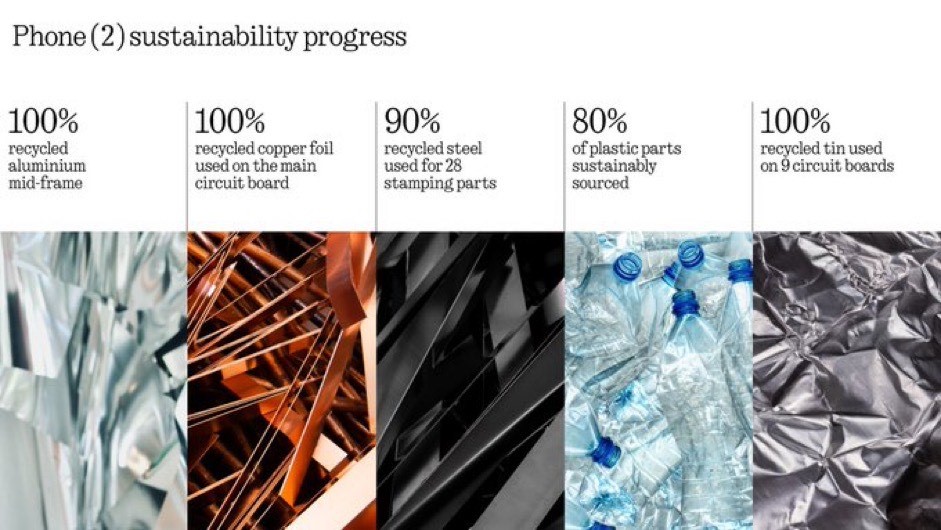
The company has already revealed its sustainability approach for the device. The Phone (2) will have a lower carbon footprint than the outgoing model. It features three times more recycled or bio-based compared to Phone (1).
The device will also come packed inside a plastic-free package as well. Also, the phone’s aluminium frame will be made of 100 per cent recycled materials and with 100 per cent renewable energy.
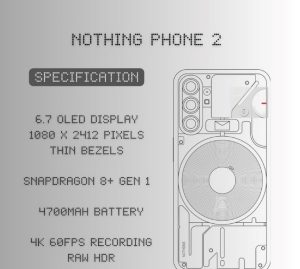
CEO Carl Pei recently confirmed that the Nothing Phone (2) will feature a bigger battery and display. The handset will pack a 4700mAh battery. The bigger form factor of the device has aided in making room for more battery, which is likely to add to the power efficiency provided by Snapdragon 8+ Gen 1 SoC.
The Phone (2) is also confirmed to feature a 6.7-inch display, which is 0.15-inch bigger than the outgoing model.
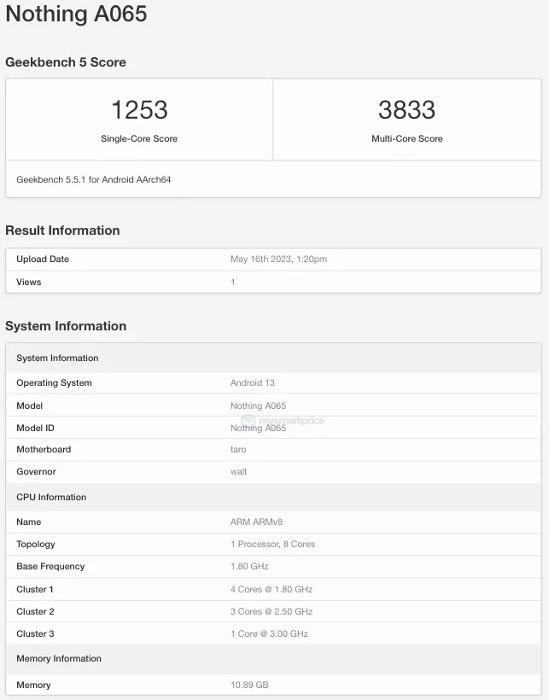
In addition to this, thanks to a GeekBench listing, it is safe to say that the device will launch with 12GB of RAM at least. It would not be a surprise if Nothing launches its flagship with 8GB of RAM as well.
In terms of storage, the device might offer 128GB and 256GB storage options. Here’s a quick look at the specifications and features of the Nothing Phone (2) known so far.
Nothing Phone (2): Made in India
Nothing Phone (2) will be manufactured in Tamil Nadu by BYD Electronic which is a Shenzen-based manufacturer, according to a report by Indian Express. This isn’t the first time though as the Nothing Phone (1) was also manufactured here.
Nothing Phone (2) will also be the company’s most sustainable product, the report added. This is in line with the company’s recent tweet where it said that the Nothing Phone (2)’s parts and components will be made from recycled materials and sustainable plastic.
The upcoming phone is also said to have a carbon footprint of 53.45kg, which is 5kg lower than the Phone (1).
Nothing Phone (2): What we know so far
* Nothing Phone (2) will officially debut in July but its launch date hasn’t been revealed yet. The smartphone is also expected to hit Indian markets soon after the official launch.
* The new Nothing phone is confirmed to be powered by the Qualcomm Snapdragon 8+ Gen 1 chipset, and pack a 4,700mAh battery.
* The display on the Nothing Phone (2) will also be 0.15 inches bigger than the Nothing Phone (1) which means it will be a 6.7-inch screen as compared to the latter’s 6.55-inch display.
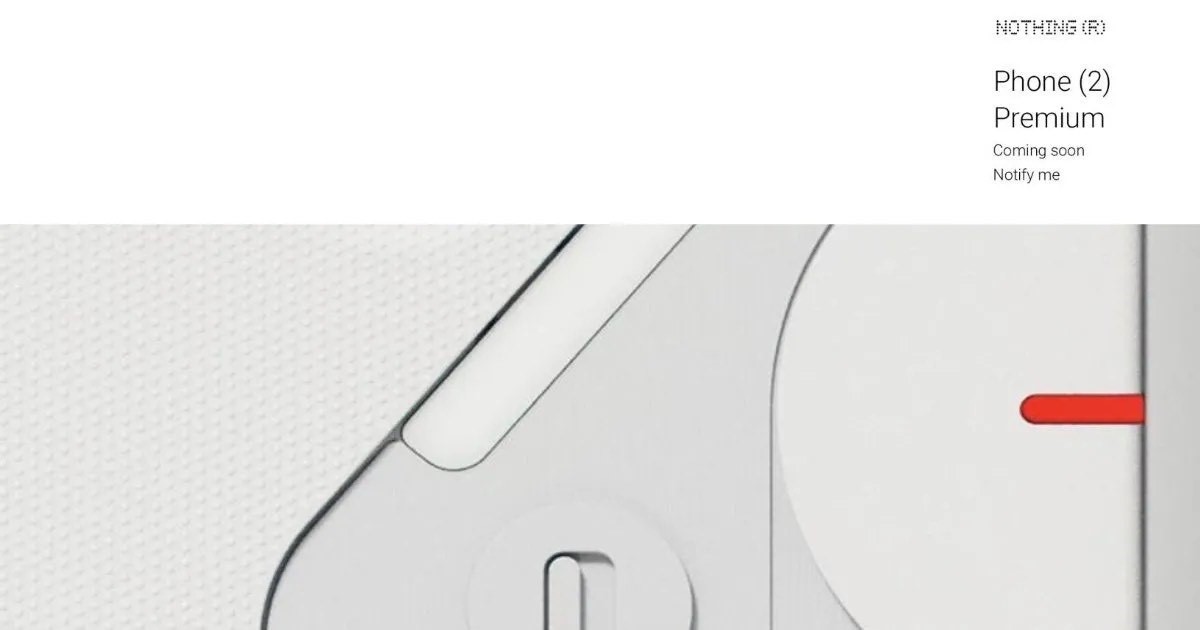
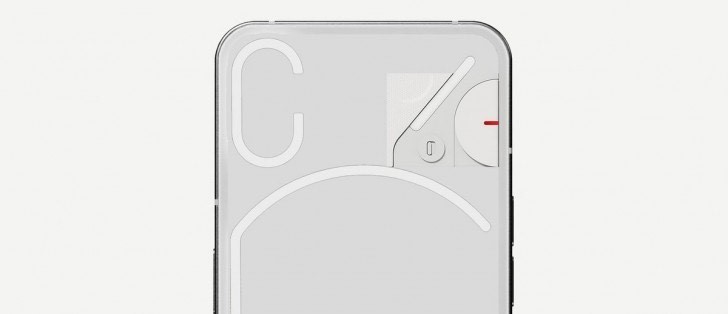
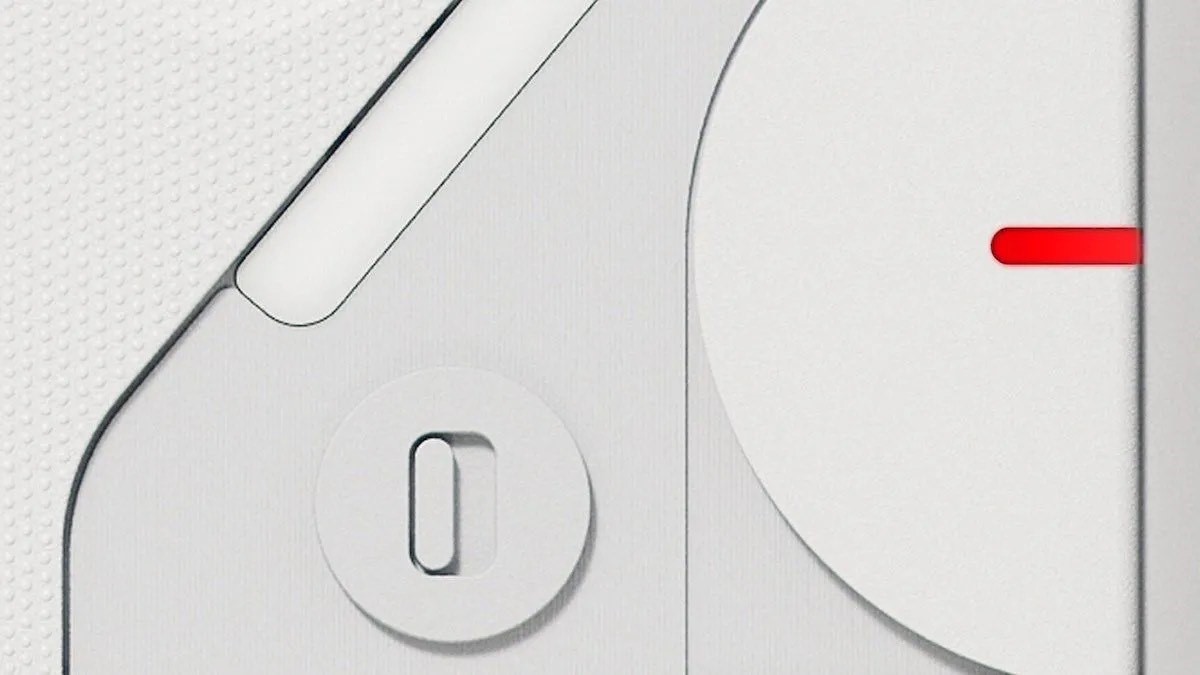
* The Nothing Phone (2)’s video indicator will be pill-shaped which we can see from the smartphone’s teaser image.
* The upcoming phone is also confirmed to receive three years of Android updates and four years of security updates.
Nothing Phone (2) Specifications
* Display: 6.7-inch display (confirmed); 120Hz refresh rate support, Full HD+ resolution, flat display with a hole-punch cutout (tipped)
* Performance: Qualcomm Snapdragon 8+ Gen 1 SoC.
* RAM/ Storage: 8GB/12GB, 128GB/ 256GB.
* Battery: 4700mAh.
* Fast charging: 33W (tipped).
* Software: Android 13-based Nothing OS 1.5 out of the box.
1) Nothing Phone 2 to launch in India next month: 5 big upgrades we will likely see.Details?
Ans) The Nothing Phone (1) launched last year with a lot of fanfare — for all the right reasons. The smartphone segment saw the entrant of a new device boasting a clean Android experience, a good camera system, a wireless charging system, and most importantly, a distinct design with in-built LED lights on the rear. Almost a year later, we are close to the launch of Nothing Phone (2), the successor of Nothing Phone (1). While we have very little information about Nothing’s upcoming smartphone, the excitement among tech enthusiasts is palpably high as we already know it’s going to include a flagship-level chipset.
Similarly, we expect a refreshed design, as Nothing left no stone unturned to poke fun at OnePlus and Samsung following the launch of the OnePlus 11 and Galaxy S23 Ultra, respectively. There could also be some upgrades in the camera unit since there’s going to be a more powerful Snapdragon 8+ Gen 1 chipset, which is a mighty upgrade over the Snapdragon 778+ chipset on the Phone (1).
Meanwhile, here are other details we know and anticipate about the Nothing Phone (2), scheduled to launch sometime in July.
–Recently, Nothing was revealed that the Phone (2) would feature a bigger display. This size will increase by 0.15 inches, which means we can see the addition of a 6.7-inch display. It makes sense since most Android phones now include tall displays with a 120Hz refresh rate. The Phone (2) would offer the same. It is unlikely that the smartphone would feature a curved display, which appears to be a trend in mid-budget phones these days.
–A major focus would be the design.
As mentioned earlier, Nothing launched as a company built to offer something different. While that holds true for most OEMs — but so far, the UK-based company is new, and we can expect it to experiment with new tech until it has a sizeable user base. The new Phone (2) will have a pill-shaped video indicator on the back. The frame will be aluminium, which was also revealed by the company recently.
–In a video, Carl Pei said that the Nothing Phone (1) offers includes a great camera system, though it faces limitations in terms of computational capabilities, which big tech companies like Samsung and Google can do very well. This year, besides new camera sensors (hopefully), the company may also want to work on the computational part to make the images and videos crispier, more vivid, and more detailed. After all, the Snapdragon 8+ Gen 1 would allow all that. This SoC also includes an improved IPS (Image Signal Processor) to process better data.
–Nothing promises three years of Android OS updates, which is again a good practice. While we hope to see the phone ship with Android 14, we will likely get Android 13. However, this could also be a moment for the company to be the first to offer its smartphone with the latest Android operating system (more bragging rights).
Nothing has revealed that the Phone (2) would feature a bigger battery. It means users can experience better battery life. The packaging may continue to exclude the charger. However, we still get fast wired charging as well as wireless charging support.
Of course, we are yet to see the full specifications, therefore, the pricing remains unclear. The Phone (2) could start at Rs 50,000 in India, thanks to big upgrades.
2) ‘Design is popping up as an important need for consumers’: Nothing India head on Phone 2 focus.Details?
Ans) Users have to say, ‘Oh, wow, this is awesome, this is different’….” Manu Sharma, VP and GM of Nothing India, is clear about what his company’s agenda is when it comes to new products and it is certainly not recycling old designs. Nothing is going after customers who value a differentiated design over the specs of a phone.
Sharma, who heads the India operations of the British technology startup Nothing, led by the OnePlus co-founder Carl Pei, knows the opportunity is huge, especially in the premium segment which is where the Phone 2, Nothing’s second smartphone, will be positioned.
“A few years ago, the screen size used to be a very important aspect. Now, if you look at screen size, is this a priority? No, it’s not anymore, because it has become standard over time,” he explained in an interview ahead of the Phone 2 launch. “What I’m seeing is very interesting. In our research, suddenly design is popping up as an important need for consumers.”
Since the brand’s debut two years back, Nothing has positioned its products differently from what competitors are offering. For instance, the Phone 1, Nothing’s debut smartphone last year, was finished in a semi-transparent casing and had flashing LEDs on the back. Although it was a mid-range Android phone, the device’s striking design and affordable price grabbed a lot of eyeballs. Sharma claimed Nothing has sold close to 750,000 units of Phone 1 till date.
Sharma isn’t ready to talk about detailed specs or price of the Phone 2 yet, but he did confirm the device will be powered by a Snapdragon 8 Plus Gen 1, will have a bigger 4,700mAh battery, and a larger screen. Like the Phone 1, the Phone 2 will be manufactured by BYD Electronic, a Shenzhen-based manufacturer, in Tamil Nadu. Sharma claims the Phone 2 will be the company’s most sustainable product.
The Phone 2’s design hasn’t been made public, and although Sharma refrains from sharing more details about the product, he remembered how challenging it was to manufacture the Phone 1 due to its transparent design. “If you look at the Phone 1, and the detailing of the back, and all the materials that we use, it takes a lot of effort. Honestly, it’s not easy to build transparent products; it’s extremely difficult. On one hand, we are working with sustainable materials and then we also need to ensure that it is completely transparent while also serving the environment. On the other hand, we also need to make sure the inside is equally beautiful as well,” he explained.
With the Phone 2, Sharma said the focus will be equally on both hardware and software. In fact, Nothing is doubling down on the software. The company now has a team of over 100 people working in-house just on software. When Phone 1 made its debut, Nothing was dependent on external resources for software.
“The Phone 2 is really about the superior experience for the consumers, both from the performance and camera experience perspective. But most importantly, the software experience,” he said. “It’s going to have the best Android experience you can get. We have built the foundation for our Phone 2 in terms of the software experience.”
From the beginning, Nothing has created the image of a new face in the tech landscape and subculture to stay hip. Its products have served aspirational consumers at lower prices. But with the Phone 2, and seeing how Indian consumers are opening up wallets for high-end smartphones, Nothing now seeks to lure consumers to the upper end of the phone segment. Calling it “a natural progression”, Sharma believes the Phone 2 will take the brand into a premium segment where both growth and margins are high.
But even as Nothing shifts gears and launches products aimed at the premium segment, the Phone 2 comes out at a time when the smartphone market is already matured. There are already signs that the smartphone segment is peaking, with many seeing the impact as consumers hesitate to commit to more discretionary spending. “People are looking for a differentiated proposition… there is a huge opportunity for a brand like us to grow, especially on the creative side.”
3) Nothing Phone (2) will be manufactured in India.Details?
Ans) London-based consumer technology brand Nothing has announced that their upcoming smartphone, the Nothing ‘Phone (2)’, will be manufactured in India to cater to the demands of the Indian market. This follows the Phone (1) which was also made in India at a facility in Tamil Nadu.
Last week, the company confirmed that the Phone (2) has 3x more recycled or bio-based parts vs Phone (1). It also revealed that the Phone (2) has a bigger 6.7-inch screen, yet has a has SGS certified carbon footprint of 53.45 kg, over 5 kg lower than the Phone (1).
Nothing already confirmed Snapdragon 8+ Gen 1 SoC for the phone and also confirmed the phone will pack a 4700mAh battery, slightly bigger than the 4500mAh battery in the Phone (1).
The company said that it continues to expand its customer support in the region, to 230+ authorized service centres in more than 250 cities, as well as support via the Nothing India channels.
On the announcement, Manu Sharma, VP and GM of Nothing India said:
Nothing smartphones are known for their iconic transparent design. These designs require hi-tech manufacturing processes and precision engineering, which have led to enhancement of smartphone manufacturing capabilities in India. Our drive to manufacture in India reflects our commitment towards the local consumers and their demands. We are proud to announce that Phone (2) will be manufactured in India.
As a young brand, we have always believed in an earth-first approach. Phone (2) is designed to be one of the most sustainable smartphones on the market.
4) Nothing Phone (2) receives NRRA certification in Korea.Details?
Ans) Nothing is gearing up for the launch of their upcoming device Nothing Phone (2), the highly anticipated successor to the successful Nothing Phone (1). The smartphone has received radio wave certification in Korea from the NRRA (National Radio Research Agency).
Founder of Nothing, Carl Pei, previously stated in an interview that the United States market would be a priority for the Nothing Phone (2), followed by subsequent releases in other countries. These indications were reinforced when the smartphone appeared on the BIS Certification website and later on Flipkart, solidifying its imminent launch in India.
Nothing Phone (2) specifications
The granting of radio wave certification in Korea for the Nothing Phone (2) further strengthens the belief that its launch in the Korean market is also imminent. As for its specifications, the Nothing Phone (2) has been officially confirmed to be powered by the Snapdragon 8+ Gen 1 processor. Its Geekbench listing revealed that it will come pre-installed with Android 13 and boast 12 GB of RAM. Notably, the smartphone will house a 4700 mAh battery, ensuring prolonged usage.
The display is rumored to be a 6.67-inch screen with a resolution of 1080×2400 pixels and a smooth 120Hz refresh rate. Camera enthusiasts can look forward to a dual camera setup, headlined by a 50 MP main camera. During an interview with Forbes, Carl Pei himself confirmed that the Nothing Phone (2) will be launched globally in July 2023.
5) Nothing Phone (2) to be made in India, company confirms.Details?
Ans) The Nothing Phone (2) will be manufactured in India. The company has confirmed to the media that its upcoming 5G phone will be made in India to cater to the demands of this market. The brand also revealed a few key specifications of the device way before the launch. Though, the exact launch date is still unknown. The company has just announced that the Nothing Phone (2) will launch in India and other markets in July, which is next month. Here is everything you need to know.
The Nothing Phone (1) was not manufactured in India, but its successor will be. This won’t likely affect the price or make the phone cheaper because the device is not being assembled in India. The Nothing Phone (2) is expected to be priced under Rs 40,000 in India when it launches in July.
“Nothing smartphones are known for their iconic transparent design. These designs require hi-tech manufacturing processes and precision engineering which have led to enhancement of smartphone manufacturing capabilities in India. Our drive to manufacture in India reflects our commitment towards the local consumers and their demands. We are proud to announce that Phone (2) will be manufactured in India,” Manu Sharma, VP and GM of Nothing India said.
“As a young brand, we have always believed in an earth-first approach. Phone (2) is designed to be one of the most sustainable smartphones on the market,” he added.
The company has also confirmed the battery, display, chipset and some other details of the upcoming Nothing phone. It will use Qualcomm’s flagship Snapdragon 8+ Gen 1 chipset under the hood. The usage of a high-end chipset means that the price of the phone will be higher than the previous generation product and this is something that the CEO has also suggested.
He asserted that the “Phone (2) will have more premium experience across the board compared to Phone (1), competing with the very best flagship smartphones on the market today.” This is a big claim. If the smartphone competes with flagship phones, then this means that it would come with a premium price tag, but not that high because the company’s aim is to offer a premium 5G phone at an accessible price.
The Nothing Phone (2) will have a massive 6.7-inch screen and a 4,700mAh battery too. While the company hasn’t confirmed the charging details, it will likely offer support for fast charge, considering the same was also available with the older version.
* The Redmi Buds 4 Active has made its way to international markets. * The Buds offer many improvements over its predecessors. * Xiaomi will launch the product in India in the upcoming months.
Xiaomi has launched Redmi Buds 4 Active TWS in the global markets. The series also includes Redmi Buds 4 and Buds 4 Pro, launched in global markets on October 2022.
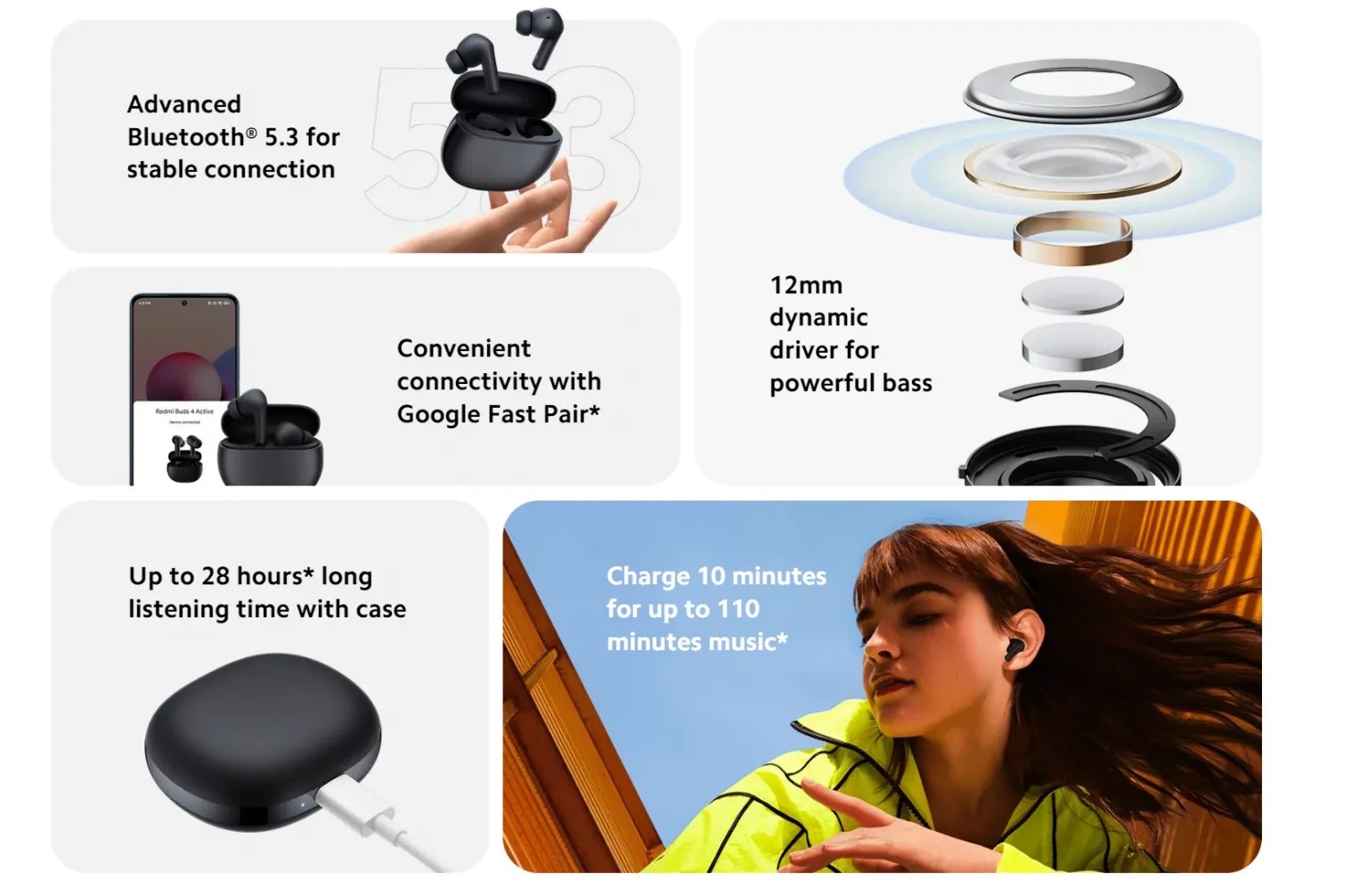
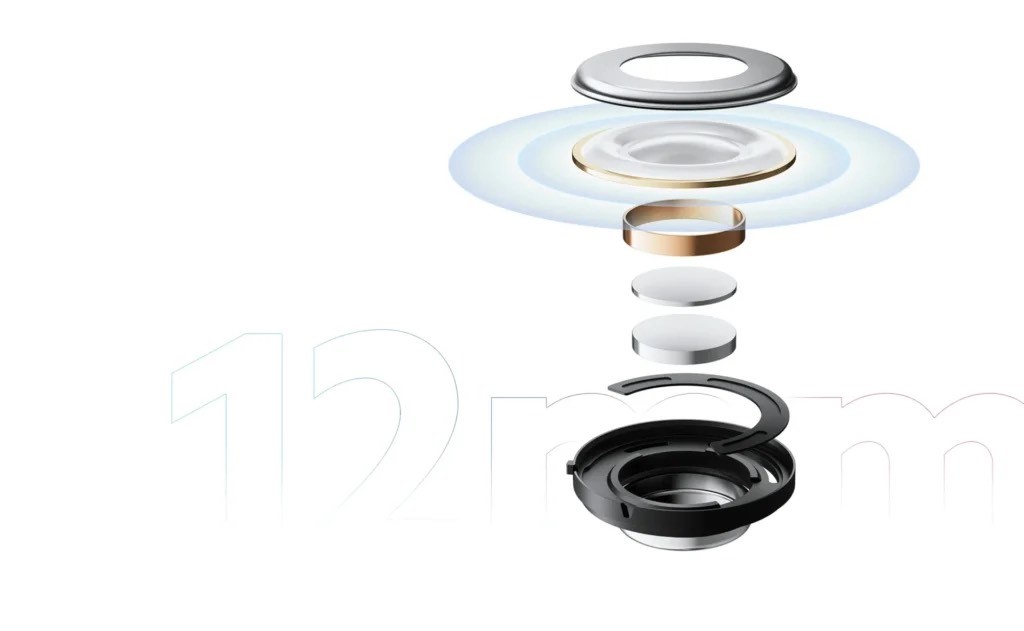
The Buds 4 Active features a 12mm driver, which offers a better output than its vanilla models with a 10mm driver.
Xiaomi has also equipped the device with improved water resistance, a better design, faster charging, and supports Active Noise Cancellation (ANC). The vanilla Buds 4 only supported IPX5 water resistance and hybrid ANC.
Xiaomi has unveiled the Redmi Buds 4 Active earbuds to the global market. The release of the latest Xiaomi earbuds from the Redmi brand is not exclusive to China this time. The Redmi Buds 4 Active comes with several improvements from its predecessor, the Redmi Buds 4.
The Buds 4 Active is equipped with 12mm drivers which is an improvement from the 10mm drivers in the preceding model. While the 12mm drivers are a significant improvement over the vanilla mode, the Buds 4 Active comes short in active noise cancellation options.
The standard Buds 4 Active featuresactive noise cancellation, normal, and transparent modes for ambient sound but the Buds 4 Active only has active noise cancellation and normal modes. The Redmi Buds 4 Active has IPX4 water resistance certification unlike the Buds 4 with IPX5 dust and water resistance rating.
The Redmi Buds 4 Active comes with a different design from its predecessor. It has larger earbuds and a more rounded charging case than the vanilla model. It offers up to 28 hours of operation with its charging case. The earbudsthemselves offer up to 5 hours of playback on a single charge.
The Redmi Buds 4 active can also be charged rapidly with 10 minutes of charging yielding up to 2 hours of listening time. The earbuds support Bluetooth 5.3 connectivity and Google Fast Pair.
There are several touch controls for the earbuds including double tap, triple tap, and press and hold. These touch functions are for music playback, answering or rejecting a call, and enabling low latency mode, among others.
The Redmi Buds 4 Active weighs 42g together with its charging case and the case has a 440mAh battery capacity. The earbuds only support only the SBC codec and are only available in a black colorway on the Xiaomi website.
The Redmi Buds 4 pricing and shipping information are yet to be provided by Xiaomi.
Such details could be released anytime soon.
Redmi Buds 4 Active: Pricing, Availability, and Specifications
Xiaomi hasn’t revealed the pricing for the global markets for Buds 4 Active. The company is expected to reveal the price and availability of the device in the upcoming weeks. Xiaomi has launched the device only in a black colour option.
Previously, a report revealed that Xiaomi would launch the product in India in the upcoming months. Thedevice is expected to be the successor to the outgoing Redmi Buds 3 Lite, priced at Rs 1,599.
The Redmi Buds 4 Active features a 12mm dynamic driver, offering a significant improvement in quality compared to its predecessor. The TWS uses Bluetooth 5.3 connectivity, and the company claims it offers its users a powerful bass experience. The official listing reveals that the device has a certified connectivity range of 10m.
Xiaomi has revealed that it uses SBC codec with the device in its listing. However, Xiaomi has reduced the number of ANC modesit supports with the Buds 4 Active. Unlike the Redmi Buds 4, which comes with noise cancellation, normal and transparent modes, the Active only supports noise cancellation and normal modes.
The Buds 4 Active features an improved IPX4 water resistance. Xiaomi has packed a 34 mAh battery within each bud and a 440 mAh battery in the charging case. The Buds 4 Active offers a battery backup of 28 hours with the charging case. Xiaomi claims that each of these buds offers playback time of 5 hours.
The device uses a USB type C port to charge, and the company claims that a 10-minute of charging will offer a battery backup of 2 hours. Each of these buds weighs 3.65 grams, the charging case at 34.7 grams, and has a total weight of 42 grams.
Xiaomi has included support for Google Fast Pair, making connectivity easier. The Buds 4 Active also features support for touch controls, including music control, accepting or rejecting calls, and more.
These features can be accessed through single tap, double tap, or triple tap. The device also supports low latency mode, which can be accessed through taps.
Faqs on Redmi Buds Active 4
1) What are the features of Redmi Buds 4 Active?
Ans) The Redmi Buds 4 Active features a 12mm dynamic driver, offering a significant improvement in quality compared to its predecessor. The TWS uses Bluetooth 5.3 connectivity, and the company claims it offers its users a powerful bass experience. The official listing reveals that the device has a certified connectivity range of 10m.
Xiaomi has revealed that it uses SBC codec with the device in its listing. However, Xiaomi has reduced the number of ANC modes it supports with the Buds 4 Active. Unlike the Redmi Buds 4, which comes with noise cancellation, normal and transparent modes, the Active only supports noise cancellation and normal modes.
The Buds 4 Active features an improved IPX4 water resistance. Xiaomi has packed a 34 mAh battery within each bud and a 440 mAh battery in the charging case. The Buds 4 Active offers a battery backup of 28 hours with the charging case. Xiaomi claims that each of these buds offers playback time of 5 hours.
The device uses a USB type C port to charge, and the company claims that a 10-minute of charging will offer a battery backup of 2 hours. Each of these buds weighs 3.65 grams, the charging case at 34.7 grams, and has a total weight of 42 grams.
Xiaomi has included support for Google Fast Pair, making connectivity easier. The Buds 4 Active also features support for touch controls, including music control, accepting or rejecting calls, and more. These features can be accessed through single tap, double tap, or triple tap. The device also supports low latency mode, which can be accessed through taps.
2) Hows the battery life of xiaomi Redmi Buds 4 Active ?
Ans) Xiaomi has packed a 34 mAh battery within each bud and a 440 mAh battery in the charging case. The Buds 4 Active offers a battery backup of 28 hours with the charging case. Xiaomi claims that each of these buds offers playback time of 5 hours.
The device uses a USB type C port to charge, and the company claims that a 10-minute of charging will offer a battery backup of 2 hours.
* Android 14 is now available for select phones as a part of the Beta program. * The stable version of Android 14 is expected to roll out around August this year. * Android 14 Beta 2 was announced at Google IO 2023 last month.
All iPhones come with a Battery Health feature that tells how good is the condition of the battery of that particular device at any point in time.
This feature comes in handy in multiple instances, such as when you are buying/selling your iPhone or even looking to replace the battery of the device after a few years.
However, this handy little feature is not present on Android devices. But things are about to change as Google might be prepping to bake this Battery Health feature to Android OS with Android 14.
Android 14 was announced in February earlier this year as a part of the developer preview. A couple of months later, Google announced the first beta version of Android 14, a month ahead of the Google IO 2023.
Soon, the company followed up with the Android 14 Beta 2during the Google IO 2023 conference on May 10. Now, Mishaal Rahman, a reputed Android researcher, has revealed that Android 14 might bring one of the iOS featuresthat will make Android fans happy.
WHILE the public release of Android 14 is a few months away, we have seen several features that could debut when the OS gets stable. In the latest update, reports claim that Google might borrow a page from Apple’s book and finally integrate highly requested battery health features on Android-powered smartphones with new Android.
It would come as a relief for the ones who always believe that their battery is not working at its best potential. But are confused about the question of getting it replaced or not.
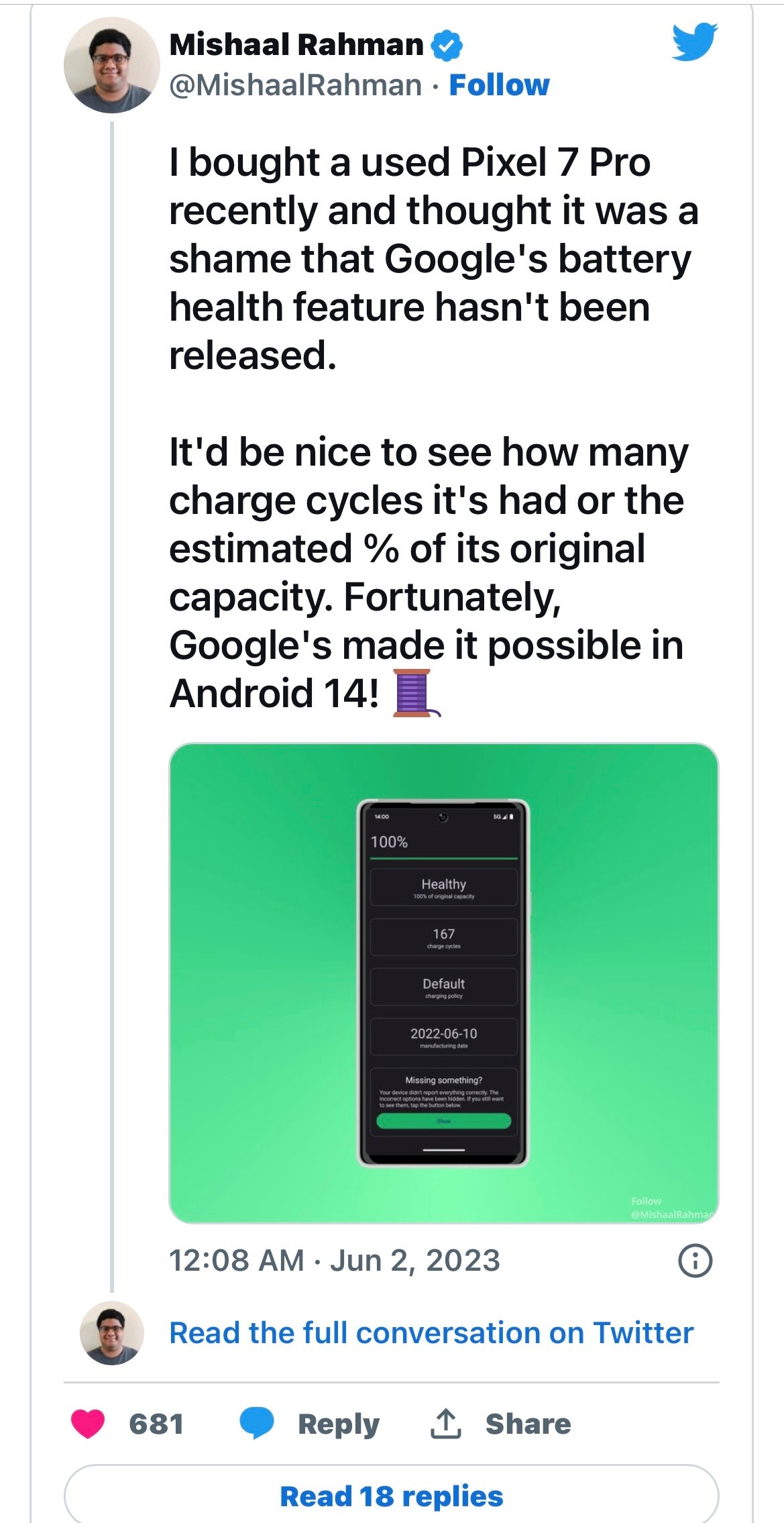
Details on this feature were shared by Mishaal Rahman, a freelance journalist on Twitter who claims that checking battery capacity and charge cycles is “possible in Android 14.” These new system APIs are public and can be retrieved by an app that has the “BATTERY_STATS permission.”
“Taking a deeper look, though, and it seems like the new system APIs can be called by any app that holds the BATTERY_STATS permission. This is a signature|privileged|development permission; “development” permissions can be granted to non-system apps through the ‘pm grant’ command,” the Androidresearcher shared on the micro-blogging platform.
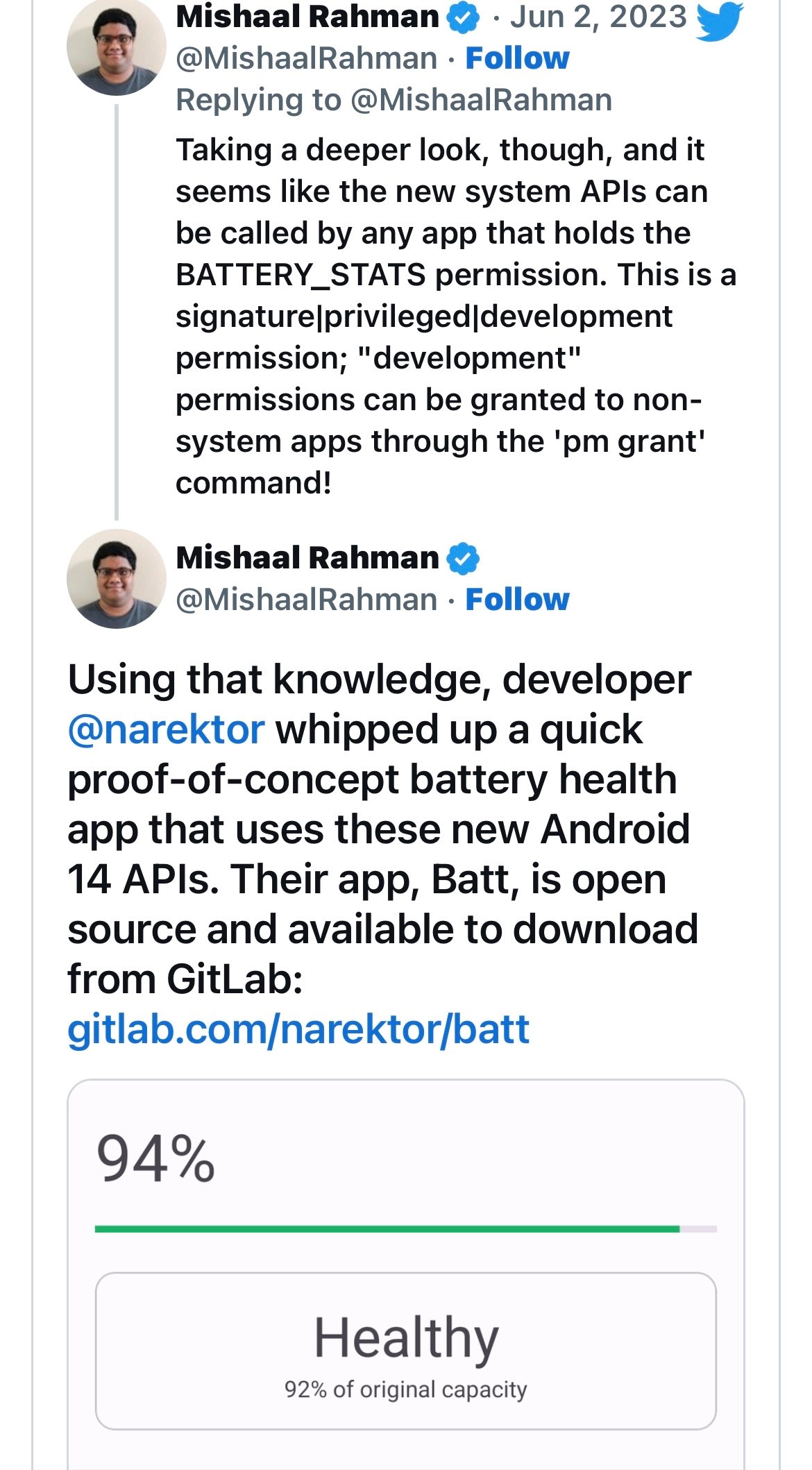
To cement the claim, Rahman shared a GitLab link to an open-source app that utilises these Android 14 APIs. In the screenshot shared by the journalist, it indeed seems true.
TheAndroid device is visible with 92 per cent battery capacity left and has completed 552 charge cycles. However, the Twitter user does not vouch for the stats. As it just returns data fetched from APIs.
If Google integrates these stats into the native settings app, these apps won’t be necessary, he speculates.
Moreover, this will also ensure users trust the accuracy of these numbers. We can expect the feature to mark attendance in the future beta builds of Android 14. As for the public release, we can expect a full-scale rollout of the new Android in August 2023.
Android 14 Might Bring Battery Health Feature
In a Twitter thread, Mishaal Rahman said he discovered some new BatteryManager APIs thatGoogleadded with Android 14. Two APIs (charge cycle count and charging status) are public, while the rest (manufacturing date, date of first use, charging policy, state of health) is system APIs.
Further, Mishaal said that the new system APIs could be called by any app that holds the BATTERY_STATS permission. However, this is available on Pixel devices running on the latest Android 14 Beta 2.
A developer named Narek has already created a quick proof-of-concept battery health app using these new BatteryManager APIs. The app is open source and is now available for download from GitLab.
The app is called Batt. The screenshots reveal that with the new APIs, the app could pull the battery’s health, the number of charge cycles, and the charging status.
However, Rahman also further mentions that the app just reports what the APIs return, which depends on whether the stats are tracked by thecharging IC and whether the HAL (Hardware Abstraction Layer) supports this feature. So, there is no way to know how accurate these stats are yet.
Going forward, we can expect Google to bake this feature into the OS, which all users can access within the Settings app. It is also possible for other manufacturers apart from Google to pull this data with the help of new APIs.
Once Google bakes this feature into the Android OS, users can get rid of any other apps just to check the health status of the battery.
Having this feature onAndroidwill give users one less thing to worry about, especially when the device is over 2 years old. Furthermore, with the battery health feature, users can easily know when to replace the battery, and also, in case of buying or selling a used phone, this feature will come in handy too.
FAQ’s on Android 14
1) Android 14 May Introduce Battery Health Feature For Users
Ans) The latest version of Google’s smartphone operating system, Android 14, may finally come with the feature to view the battery health of your devices.
In a series of tweets, Android researcher Mishal RahmanRahman stated that the new OS will come with a battery manager API, which will let users know information like cycle count, charging status, manufacturing date, battery health, and more. Currently, only Google Pixel smartphones running Android 14 beta or later have access to this information.
With the release of the API, developers are already making apps that allow users to monitor the battery health of their devices. Android developer @narektor has already created and launched the app Batt, which uses the API to provide battery health statistics.
Though, with the case of APIs, this data may not be entirely accurate. The app uses data provided by the API, which itself relies on data coming in from the trackers present in the hardware.
Battery health statistics have been a long-expected feature from users. Apple introduced the Battery Health feature in its smartphones with the release of iOS 11.3 in March 2018. This feature allowed iPhone users to monitor the health and performance of their device’s battery, including information about its maximum capacity and peak performance capability.
However, Android users don’t have access to similar data. With the release of the API, which is expected to drop with the full release of Android 14, users are hopeful that Google will drop its own native battery health feature using the current framework. Though with how development cycles work, Google is just as likely to drop the feature from the release of Android 14 and instead ship it with Android 15 instead.
Google first unveiled Android 14 in February 2023, revealing more features during the Google I/O 2023 event in May and dropping Android 14 Beta 2 at the same time. The software giant is looking for a full release of the mobile OS sometime around August or September.
2) How to Edit WhatsApp Messages on Android and iOS: Step by Step Guide
Ans) WhatsApp, on May 22, announced the global rollout of a much requested new feature. Through a blog post, WhatsApp, the Meta-owned instant messaging service announced that it has added the ability for users to edit WhatsApp messages at will. The feature is now rolling out to users globally. However, many users in India are yet to get the update that would enable the ‘edit’ feature on the platform.
Whichever side you’re on, the ability to edit WhatsApp messages after having sent out typographical errors can be a priceless addition that can simplify many confusions. On this note, here’s looking at how you can edit WhatsApp messages, even after you have already sent them.
How to Edit WhatsApp Messages
There is no complicated process entailed with editing messages on WhatsApp, and the process is fairly simple and streamlined. Here’s how it would work:
* Long press on a message that has already been sent, which needs to be edited.
* On the drop-down menu that opens, select or tap on ‘edit’
* This will open a floating text editor in front of you, where you can rectify a message that you have sent already
* Tap on ‘confirm’ to save the edited message
* An ‘edited’ tag will appear below your message, confirming that your changes have been saved
It is important to note that the ‘edit WhatsApp messages’ feature was, for the longest time, available in beta on WhatsApp for desktop but was only recently extended to mobile platforms. This means that both Android and iOS devices, as well as WhatsApp’s dedicated Mac and Windows app, and even its web browser version, will be able to offer the ‘edit’ button to users.
However, users will only be able to edit their messages on WhatsApp, on both personal and group chats, for a period of 15 minutes. While unlimited edits are allowed during this period, no messages sent before this time period can be edited.
In a statement, WhatsApp said, “Edited messages will display ‘edited’ alongside them, so those you’re messaging are aware of the correction without showing edit history. As with all personal messages, media and calls, your messages and the edits you make are protected by end-to-end encryption.”
Why Have ‘Edit’ Features Been Controversial in the Past?
* The main issue with letting users edit WhatsApp messages, something that Twitter has contended with for the longest time, lies with authenticity and veracity of content — and the risk of the latter being manipulated.
* While features such as adding an ‘edited’ tag on messages that have been tweaked after being sent is a solution, Twitter had, for the longest time, contended that allowing users to edit any statement that is publicly published may add room for misinformation and manipulation of content — which could prove to be harmful to socio-political safety.
* WhatsApp, to be sure, is one of the most widely used messaging applications globally — media reports have pegged it to have over 2.4 billion users globally, with over 480 million of them in India. The latter is also WhatsApp’s largest global market, which makes an ‘edit’ feature potentially of massive significance in the content manipulation narrative.
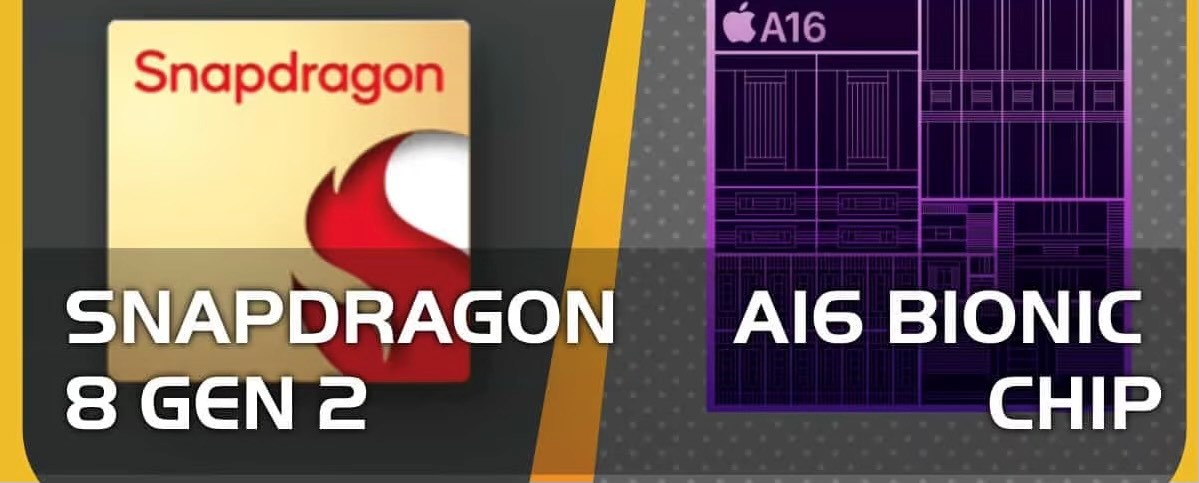
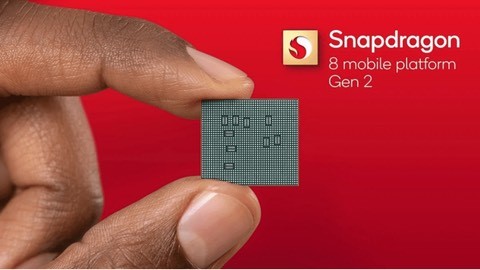
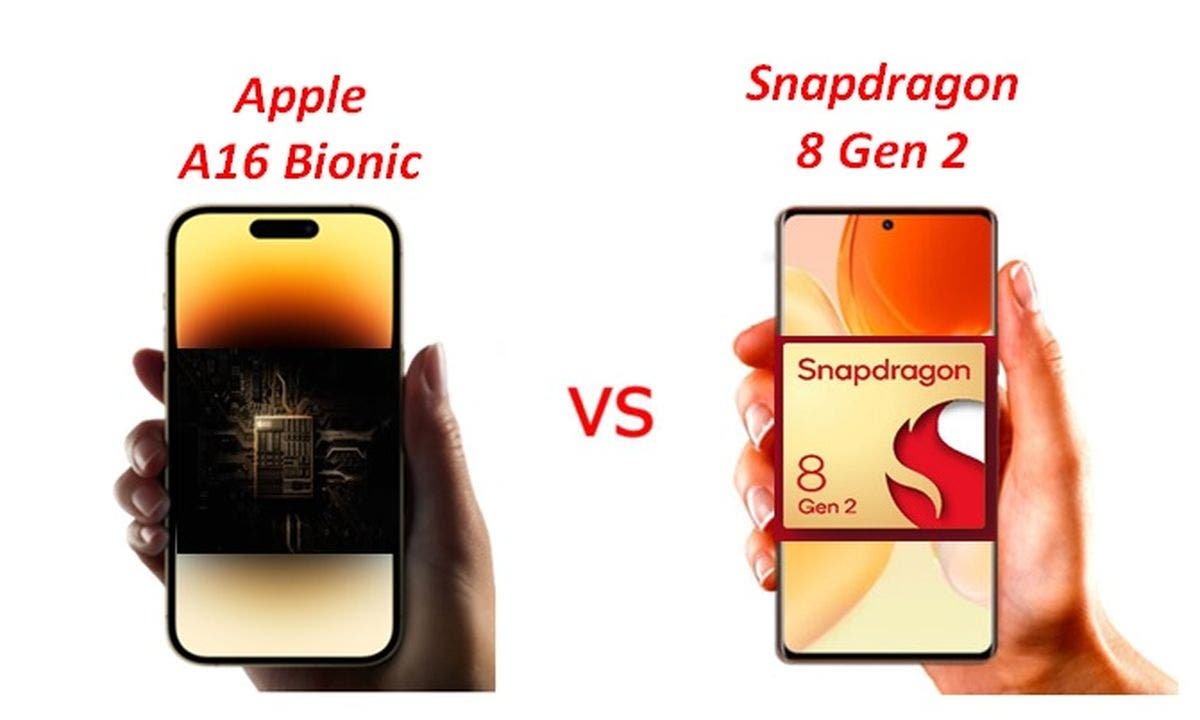
1) Qualcomm Snapdragon 8 Gen 2 and Apple A16 Bionic both are products of TSMC’s N4 node. 2) Qualcomm’s Snapdragon 8 Gen more expensive than Apple A6 Bionic. 3)In this article ,we bring to you the comparison between Qualcomm Snapdragon 8 Gen 2 & Apple A16 Bionic on their specifications & price.
They both are products of TSMC’s N4 node. Considering that, it would be safe to assume that both the chipsetscost the same to produce. And that would mean they cost the same to purchase, right?
To acquire Qualcomm’s Snapdragon 8 Gen 2, manufacturers had to spend more than what it cost Apple to produce A16 Bionic.
In other words, Qualcommput a much higher value on its chipset than it actually is. And the bad news is that the same thing will happen with the upcoming Snapdragon 8 Gen 3.
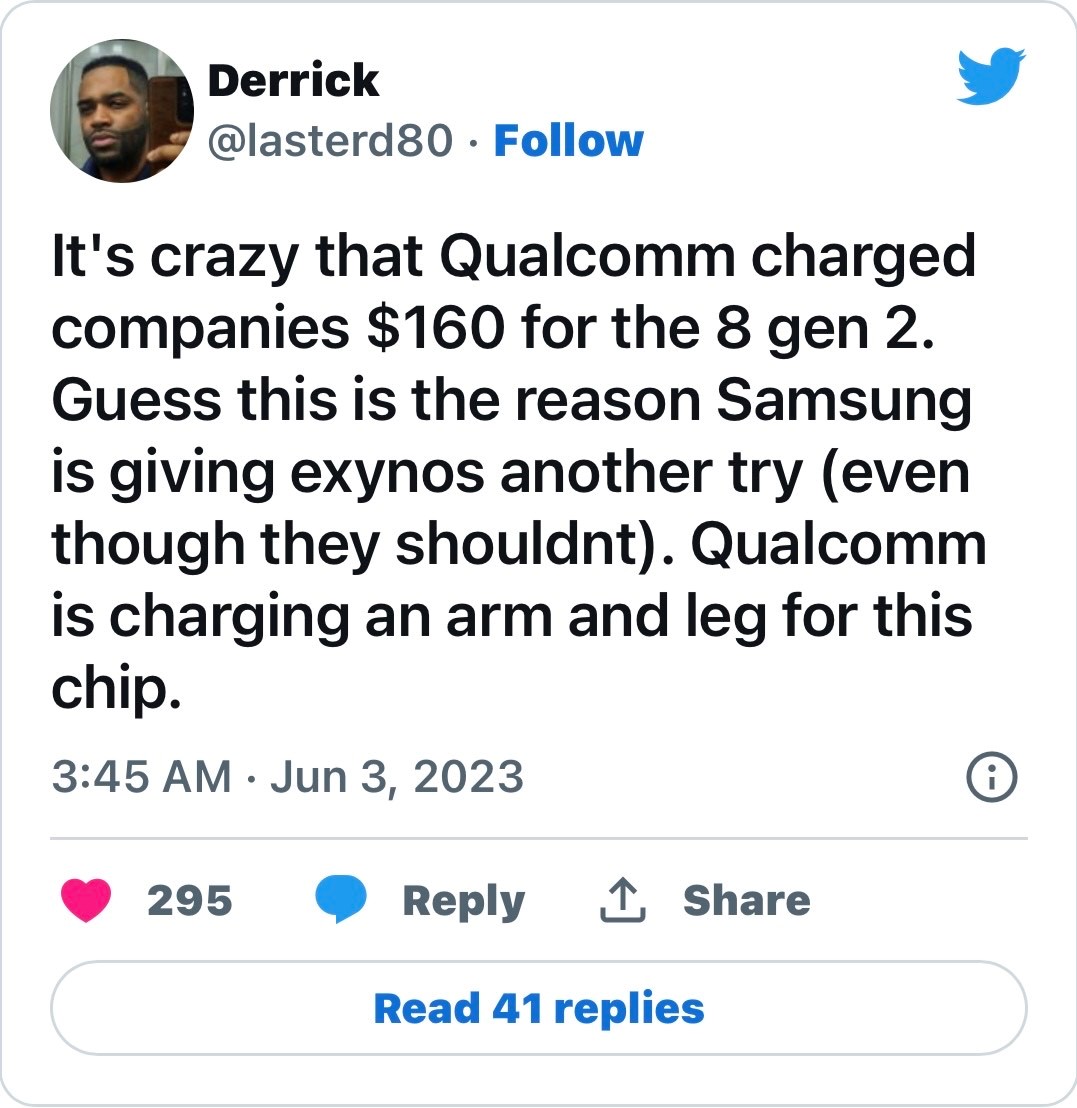
New rumor claims the Snapdragon 8 Gen 2 is sold for $160 per unit to Qualcomm’s smartphone partners.
New findings from Derrick on Twitter claim that the Snapdragon 8 Gen 2 is priced higher than what Qualcomm’s clientele would like to pay because, for $160, flagship smartphone makers will have to raise the prices of their devices to generate any meaningful margins.
Earlier, we reported about Apple’s A16 Bionic price, and even though it is more than twice as expensive to produce compared to the A15 Bionic, at $110 apiece, it is still $50 cheaper than what Qualcomm is charging.
However, one should note that Apple has developed the A16 Bionic to incorporate into its owniPhone 14 Pro and iPhone 14 Pro Max, not to sell to other device manufacturers.
Assuming Apple had some agreement with Android companies to ship them A16 Bionic batches, it is likely that the price would have been higher. Since Qualcomm needs to profit from its Snapdragon 8 Gen 2 sales, it needs to price it at some range, though some readers might argue that forcing manufacturers to pay $160 is steep.
Looking at the Snapdragon 8 Gen 2’s price, it is possible Qualcomm chargesmore for the Snapdragon 8 Gen 3, especially given that it is expected to be mass produced on TSMC’s slightly more advanced N4P process and is rumored to deliver more performance without sacrificing efficiency.
This year, none of Samsung’s Galaxy S23 models featured the Korean giant’s Exynos chipset. Instead, all models exclusively shipped with the ‘Snapdragon 8 Gen 2 for Galaxy,’ so Samsung paying Qualcomm a premium means each handset sold globally ate into the company’s margins.
This might be one reason why Samsung has been reported on multiple occasions to develop the Exynos 2400, though we still feel that the Snapdragon 8 Gen 3 would be the preferred choice amongst consumers due to the improvements made by Qualcomm with its Snapdragon 8 Gen 2.
It Costs $160 For Manufactures To Get One Unit of Snapdragon 8 Gen 2
Derrick (@lasterd80) did some digging into the market. If you don’t know who Derrick is, he is a reliable source to get inside information on thetech industry. According to his findings, Qualcomm has priced the Snapdragon 8 Gen 2 reasonably higher than the manufacturing cost.
To be exact, manufacturers have to pay $160 for one unit of Snapdragon 8 Gen 2. Now, if you consider a fairly affordable phone with this chipset, you will be looking to spend anywhere around $700. For example, the Nubia Red Magic 8 Pro has a starting price of $649 (source).
So, to get the Snapdragon 8 Gen 2, Nubia had to spend around 25% of the device’s retail price. And 25% is not a small percentage for a single component. No wonder flagship smartphones took a leap in pricing from last year.
After all, if one core part is $160, manufacturers can’t get meaningful margins without raising the MSRPs.
How Does Apple A16 Bionic Compare
If you are wondering, Apple A16 Bionic costs $110 apiece. And the interesting part is that, compared toA15 Bionic, Apple needed to spend 2x the money to manufacture the A16 Bionic. Even with seeing higher manufacturing costs, Apple kept the prices of chipsets lower than Snapdragon 8 Gen 2.
To be exact, it’s $50 cheaper. But the performance comparison between Apple A16 and Snapdragon 8 Gen 2 does not justify the increased pricing strategy of Qualcomm.
However, you can not forget that Apple manufactures its chipset for its own devices. That is, Appledoes not sell them to other device manufacturers. So, Apple does not need to worry about making profits out of its chipsets. Instead, the Cupertino giant makes a profit by selling its devices.
On the other hand, Qualcomm needs to make a profit from its Snapdragon 8 Gen 2. Unlike Apple, Qualcommdoes not have a commercial phone lineup to sell. So, whatever money Qualcomm gets, it gets from selling the chipsets. But still, I think forcing manufacturers to pay $160 is pretty steep.
What About the Upcoming Snapdragon 8 Gen 3
Looking at the Snapdragon 8 Gen 2 prices, Qualcomm will possibly stick with the same strategy for the Snapdragon 8 Gen 3. Moreover, Qualcomm has shifted to a more advanced N4P process to manufacture the 8 Gen 3. That will inevitably increase the manufacturing cost.
So, the chances of seeing budget-friendly flagships in 2023 are extremely low. And after this analysis, it makes a lot of sense why Samsung is planning to use Exynos for some of the Galaxy S24 devices.
But if Samsung does manage to deliver, Qualcomm might finally change its pricing strategy and start selling its chipsets at much more reasonable prices. Also, MediaTek could change the tides with its Dimensity 9300.
Snapdragon 8 Gen 2 vs A16 bionic – CPU specs
Below you’ll find a breakdown of the CPU specs of both Snapdragon 8 Gen 2 and A16 Bionic. We’ll help make sense of these specs, and discuss how they impact performance tasks like taking and storing photos, streaming content and making calls.
Spec Snapdragon 8 Gen 2 A16 Bionic
Spec
Snapdragon 8 Gen 2
A16 Bionic
Architecture
Kyro CPU with ARM v9
‘Everest’, ‘Sawtooth’, 4nm
Cores
8
6
GPU
Adreno 740
Apple designed 5-core GPU
Frequency
3200 MHz
3460 MHz
Transistor count
16 billion
16 billion
L1 cache
1 MB
256 KB
L2 cache
8 MB
32 MB
Process
4nm
4nm
Both chipsets are based on a 4nm architecture, allowing for 16 billion transistors for faster performance than previous chipsbased on 5nm processors.
On first glance, you’ll notice that the Snapdragon 8 Gen 2 has slightly more cores than the A16 Bionic chip. As a general rule, the higher number of cores, the faster tasks can be processed by your phone.
The Snapdragon 8 Gen 2 uses a Cortex-X3 as its prime core that is clocked at 3.2 GHz, as well as three additional cores. Instead of the usual three, the Snapdragon 8 Gen 2’s extra core translates to a big leap in performance, particularly apparent in applications like gaming.
But How does it compare to the A16 Bionic?
The A16 features just 6 cores, including 2 high-performance cores and 4 high-efficiency cores, meaning it has one more efficiency core than the 8 Gen 2, but fewer cores overall. However, it boasts a higher frequency of 3460 MHz than the 8 Gen 2.
Ultimately, both chipsets are head-to-head, but the A16 Bionic takes the edge according to Geekbench’s raw CPU power test by around just 7%.
Snapdragon 8 Gen 2 vs A16 Bionic – Gaming
Qualcomm has finally managed to catch up with the A16 Bionic chip in the gaming department, thanks to its accelerated ray tracing support. Mobile gamers who are after more intensive and visually pleasing graphics should opt for an Android with the Snapdragon 8 Gen 2.
Overall, the Snapdragon 8 Gen 2 boasts a more efficient GPU than Apple’s A16 Bionic. It can reach a higher FPS by a considerable margin, allowing for a smoother, stutter-free gaming experience.
When you combine this with the Snapdragon 8 Gen 2’s edge in connectivity that improves the experience of cloud gaming, there is little doubt about who comes out on top.
Snapdragon 8 Gen 2 vs A16 Bionic – Image Processing
The Image Signal Processor (ISP) plays a significant role in driving the performance of yoursmartphone’s camera.
The Snapdragon 8 Gen 2 now has a cognitive ISP, meaning it uses AI processing to directly apply features like facial recognition, autofocus and layering in real-time. For a number of phones, such as Sony’s 50MP IMX989 and the Xiaomi 12s Ultra, the chipset now supports Quad-Exposure Digital Overlap HDR.
This new tech simultaneously captures four different exposure levels for each video frame that translates to sharper details and more apparent shadows.
The A16 Bionic chip performs very well in this department too and is slightly easier to measure since it’s only fitted in Apple’s latest lineup.
It features an Advanced Image Signal Processor that can perform 4 trillion photo operations per second that aids the iPhone 14 Pro and Pro Max’simproved megapixel count. This is an outstanding number that helps stabilize footage while shooting in Action Mode.
Ultimately, the winner in this department depends on the Android phone that is used with the Snapdragon 8 Gen 2. However, Samsung’s newest S23 Ultra flagship is set to trump the iPhone 14 Pro and Pro Max in the camera department, boasting 200 megapixels inside its main camera.
So if we’re comparing the two chipsets inside the best phones they’re available in, the Snapdragon 8 Gen 2 is only a clear winner with the S23 Ultra.
Snapdragon 8 Gen 2 vs A16 Bionic – 5G and Wireless Tech
Qualcomm’s Snapdragon 8 Gen 2 takes the edge here, with the new X70 5G modem that delivers download speeds up to 10Gbps. It’s also Qualcomm’s first modem to support two 5G SIMS simultaneously.
Apple actually uses Qualcomm’s modem with their A16 Bionic chip, though it’s a generation older, meaning the Snapdragon 8 Gen 2 has the edge in connectivity.
In about every way apart from the CPU department, Qualcomm has scored considerably well with their Snapdragon 8 Gen 2. In particular, we’re impressed by the 8 Gen 2’s power efficiency and AI capabilities. If you’re a gamer or content creator, it will be worth your while to keep an eye out for a phone with the Snapdragon 8 Gen 2 chipset.
However, it’s worth remembering that while the Snapdragon 8 Gen 2 might have the edge on paper, there will be differences in real-world usage.
Faqs on Snapdragon 8 Gen 2 Vs Apple A16 Bionic Chip
1) Snapdragon 8 Gen 2 is more expensive than Apple’s A16 Bionic chip.Details?
Ans) In addition to performance testing, another factor impacts the life and success of platforms —their cost. If a priori it was to be expected that Qualcomm’s Snapdragon 8 Gen 2 and Apple’s A16 Bionic would cost similar prices to manufacturers —after all, they use TSMC’s 4nm process—, the financial reality seems to be a little distant.
According to tipster Derrick on Twitter, the Snapdragon 8 Gen 2 is priced higher than Qualcomm’s clientele would be willing to pay: costs US$ 160 against the US$ 110 of the Apple platform. Of course, it is still worth noting that they are different business models, as Apple’s processor is made exclusively for the company’s cell phones, while the Snapdragon chip goes to a variety of Android phones. This means, however, that manufacturers will have to increase the prices of the devices to obtain a greater profit margin with the powerful processor.
Equally, since Qualcomm needs to profit from Snapdragon 8 Gen 2 sales, it needs to price it in some range, although some might argue that $160 is a high price for the chip.
This lights a red flag as well about the value of the Snapdragon 8 Gen 3, especially as it is expected to be mass-produced on TSMC’s slightly more advanced N4P process.
It is also worth remembering that, this year, none of Samsung’s Galaxy S23 models featured the Korean giant’s Exynos chipset. Instead, all models ship exclusively with “Snapdragon 8 Gen 2 for Galaxy”, so Samsung paying a premium to Qualcomm means that every device sold globally has eaten into the company’s margins.
2) What are the pros of Qualcomm Snapdragon 8 & Apple A16 Bionic Chip ?
Ans) Pros of Qualcomm Snapdragon 8 Gen 2
* Shows better (up to 36%) AnTuTu 9 score – 1275K vs 936K
* Has 2 more cores
* Supports 25% higher memory bandwidth (64 against 51.2 GB/s)
Pros of Apple A16 Bionic
* 8% higher CPU clock speed (3460 vs 3200 MHz)
3) What is the comparison of Antutu 9 of Snapdragon & Gen 2 & Apple A16 Bionic ?
Ans) AnTuTu 9
The AnTuTu Benchmark measures CPU, GPU, RAM, and I/O performance in different scenarios
Snapdragon 8 Gen 2 +36%
1275505
A16 Bionic
936570
CPU
265523
248335
GPU
579772
394336
Memory
236450
153536
UX
199190
147260
Total score
1275505
936570
AnTuTu results from iOS and Android are not directly comparable!
4) What is the GeekBench 5 test comparison between Qualcomm Snapdragon Gen 2 & A16 Bionic ?
Ans) The GeekBench test shows raw single-threaded and multithreaded CPU performance
Single-Core Score
Snapdragon 8 Gen 2
1477
Table of average FPS and graphics settings in mobile games
PUBG Mobile
90 FPS
[Ultra]
–
Call of Duty: Mobile
60 FPS
[Ultra]
–
Fortnite
56 FPS
[Ultra]
–
Shadowgun Legends
118 FPS
[Ultra]
–
World of Tanks Blitz
120 FPS
[Ultra]
–
Genshin Impact
59 FPS
[Ultra]
–
Mobile Legends: Bang Bang
59 FPS
[Ultra]
–
Device
ZTE Nubia Red Magic 8 Pro
1116 x 2480
Specifications
Full list of technical specifications of Snapdragon 8 Gen 2 and A16 Bionic
5) Why is Qualcomm Snapdragon 8 Gen 2 better than Apple A16 Bionic?
Ans) * 36% faster CPU speed 1 x 3.2GHz & 4 x 2.8GHz & 3 2GHzvs2 x 3.46GHz & 4 x 2.02GHz
* 2 more CPU threads 8vs6
* 12.8GB/s more memory bandwidth 64GB/svs51.2GB/s
* 10GB larger maximum memory amount 16GBvs6GB
* 0.2 newer version of OpenGL ES 3.2vs3
* 1 Higher version of DDR memory supported 5vs4
* Uses multithreading
* Apple is set to open three new retail stores in India over the course of the next few years. * Globally, Apple is planning on opening more than 50 official stores. * The reason behind Apple opening more stores across the globe is to build Apple’s brand in growing markets. * Apple currently has two official stores in India. * The first Apple Store in India opened in Mumbai’s BKC, followed by another one in Delhi’s Saket. * Apple might open its third store in Mumbai’s Borivali area.
Apple recently opened its first official store in India. The company opened the first Apple Store in India in Mumbai’s Bandra-Kurla Complex (BKC) on April 18, followed by another one in New Delhi’s Saket on April 20. It looks like three more Apple stores are likely to open soon in India.
According to a new report, Apple is planning on expanding its retail footprint globally by opening more than 50 official storesover the course of the next four years. The company’s current pipeline shows that India will get three more official stores in the coming years.
Let’s take a look at more details about the upcoming Apple stores that are rumoured to launch soon in India.
Apple opened its first official store in India in Mumbai on April 18th and the second one in Delhi on April 20th. These stores are a major push for the company in order to mark its presence and also improve sales.
It now appears that the Cupertino giant is planning on expanding its retail footprint in India with three new stores. Apple is also planning a global expansion with more than 50 official stores. Globally, Apple is planning on opening more than 50 official stores.
More Apple Stores in India
* Three new Apple Stores will open in Mumbai and New Delhi very soon, according to Bloomberg’s Mark Gurman.
* Apple will open its third official store in Mumbai’s Borivali but the launch will reportedly take place in 2025.
* There’s an Apple Store planned for Delhi as well, and this one is said to open in DLF Promenade Mall. The current Apple Store in Delhi is located at Select Citywalk Mall.
* This upcoming Delhi Apple Store is also expected to be the company’s second biggest store in India after Apple BKC.
* As for the launch timeline, it will be even later than the Mumbai one as the Delhi Apple Store is to open in 2026.
* The following year, Apple will open another store in Mumbai’s Worli area, which will be the fifth store in the country.
The iPhone maker is planning on opening more than 50 official stores in global markets over the course of the next four years. Apple currently has more than 520 stores in 26 countries.
The reason behind Apple opening more stores across the globe is to build Apple’s brand in growing markets like India, the US, Europe, and other countries.
Although Apple’s major revenue is derived through online purchases, offline stores play an important role as customers can buy products on release days, get technical support and more, the report added.
Recent reports indicated that Apple’s two stores in India have generated billings ranging between Rs 22 to Rs 25 crores already. The Apple BKC store reportedly saw a billing of over 10 crores on the first day. This is apparently nearly Rs 2-3 crores more than what a major local electronic store makes in a month.
Faqs
1) More Apple Stores Opening Soon in India.Details?
Ans) Apple reportedly will open its third official store in Mumbai’s Borivali. The store is not opening anytime soon as the company is scheduled to open its doors in 2025. This will be followed by the fourth store in India, which will be located in the DLF Promenade Mall, New Delhi. Gurman reported that the Apple Store in DLF Promenade Mall could become the second-largest for Apple in India, after the BKC site. The second Apple Store in New Delhi is likely to open in 2026. The following year, Apple will open another store in Mumbai’s Worli area, making it the fifth store in the country.
But why does Apple want to open more stores in India and other countries? The idea is to build Apple’s brand in growth markets, such as India, while also giving consumers in the US and Europe a better experience. Apple has more than 520 stores in 26 countries. These stores are more about building Apple’s brand than selling goods. “The company gets most of its revenue from other channels, including its e-commerce site. Still, the brick-and-mortar locations serve as a key place for customers to buy products on release days, get technical support and take classes,” the report added.
Apple has witnessed significant growth in India over the past few years. The company is also expanding its manufacturing footprint in India by making more iPhones sooner in the country. Apple reportedly has partnered with the Tata Group to make the iPhone 15 series in India and export it to other countries.
The recent report also revealed that Apple’s two stores in India, which opened in the second half of April, have each generated billings ranging between Rs 22-25 crore already. The Apple BKC store reportedly saw a billing of over Rs 10 crore on the first day. This is nearly Rs 2-3 crore more than what a major local electronic store would generate in a month. Over 6,000 people went to the Apple Store in BKC on the opening day. The same was reported about the smaller Saket store.
2) Apple to open three new stores in India as part of global retail expansion strategy: Report
Ans) Apple recently opened two retail stores in India and looks like the company is planning to add three more Apple Stores in the country as part of its global retail expansion and overhaul strategy that proposes 53 new, relocated, or remodelled stores over the next four years.
Apple currently has more than 500 stores in 26 countries and around half of them are located in the US alone. According to Bloomberg’s Mark Gurman, Apple is working on plans to expand its retail footprint in Asia while overhauling its established locations in the US and Europe.
Through 2027, the iPhone maker is discussing opening 15 new stores across the Asia-Pacific region, five locations in Europe and the Middle East, and four additional outlets in the US and Canada,” Gurman reported citing people familiar with the matter.
Apple is also aiming for six revamped or relocated stores in Asia, nine in Europe, and 13 in North America, the report further said. Apple reportedly wants to give consumers in the US and Europe a better experience while building its brand in growth markets, such as India.
New Apple Store sites in India
The most notable new stores under discussion or in development include three sites in India. The iPhone maker opened Apple BKC in Mumbai as its first-ever Apple Store in India on April 18, 2023, followed by another store Apple Saket in Delhi on April 20, 2023. Both stores were inaugurated by Apple CEO Tim Cook and Apple’s Senior VP of Retail Deirdre O’Brien.
According to the report, the company plans to open a third store in India in the Borivali suburb of Mumbai in 2025. The fourth India location has been proposed to be opened in 2026 in New Delhi’s DLF Promenade Mall. This location is expected to become the second-largest for Apple in India, after the Bandra Kurla Complex site. In 2027, Apple plans to open its fifth India store in Mumbai’s Worli.
* Google has announced its latest Pixel Feature Drop . * The new drop brings exciting features for phones, tablets, and smartwatches. * The company has added seven new features in the Pixel Feature Drop in June 2023. * Dark Web report will be launched in 20 countries in the coming months * Users can remix emojis into stickers now * Google News home screen widget will offer latest headlines
Google has announced the latest June 2023 Pixel Feature Drop for Android and Wear OS users. The company drops these quarterly updates in the last month of every quarter to keep things fresh for its users and give them new featuresto play with.
The last feature drop came mid-march with 5G support, Magic Eraser for all pixel devices, Direct My Call, and more. The latest June 2023 Pixel Feature Drop brings seven features for phones, tablets, and smartwatches. Read on ahead to know which features have been added to the latest drop.
Google has unveiled a slew of features for Android smartphones, tablets, and Wear OS smartwatches on Thursday. The latest improvements include three new widgets for Google Finance, Google TV, and Google New for customising the Android phone or tablet home screen.
On top of that, Google’s June feature update brings “Reading practice” mode on Google Play Books to improve the vocabulary and comprehension skills of users. The Emoji Kitchen now lets users remix their favourite emoji into stickers.
Further, the tech giant is offering Dark Web Reports available to Google One account holders in the US.
Google on June 1, announced the addition of new features coming soon to Android smartphones, tablets, and Wear OS smartwatches via a blog post. Google Play Books is getting a “Reading practice” functionality. This new mode will help readers improve their vocabulary and comprehension skills using their Android phones or tablets.
With this, readers can hear the pronunciation of unknown words, practice mispronounced words, and receive feedback in real time. This is supported by e-books marked with a “Practice” badge in Google Play Books.
Further, Google is bringing three new widgets — Google Finance, Google TV, and Google News — for phones and tablets. This would allow users to customise the home screen of their devices with shortcuts and find personalised movie and stock suggestions, and important headlines right at their fingertips.
Emoji Kitchen is getting upgrades as part of the June feature drop. Now, users can remix emojis into stickers to send as messages via Gboard.
Additionally, the Dark Web report, which was previously available to Google One account holders in the US, is getting a wider rollout. First announced at I/O 2023, the feature allows users to check if their details have been exposed on the Dark Web and receive guidance on the actions they can take to protect themselves online.
Google One members in the US can scan for additional personal information, such as their social security number through the website and App. The Dark Web report will be launched in 20 countries in the coming months.
Google Pixel Feature Drop June 2023: What’s New
Dark Web Report
The Dark Web Report is a handy feature that lets users know if their Gmail account has been compromised. Available to most Google One users in the US, the feature scans the dark web to check if the Gmail account has been exposed and if any of their stolen data is found on the dark web.
The feature will then suggest steps to protect the stolen info. Users simply need to select personal data that they want to be monitored. Googlehas announced that the feature will available in over 20 more countries in the coming months.
Reading Practice
Reading Practice is a new feature available in Google Play Books.Android phone and tablet users can check for eBooks marked as ‘practice’ in Play Books to check this feature. It helps in improving the comprehension skills and vocabulary of the readers. According to Google, users can “hear the pronunciation of unknown words, practice mispronounced words, and receive feedback in real-time.”
New Android Widgets
With the latest feature drop, Google has also introduced three new Android widgets for its users to check out. These include Google TV, Google Finance, and Google News widgets. As the names suggest, theGoogle TV widgetshows personalised suggestions for movies and TV shows. The finance widget shows select stocks’ graphs and the news widget displays daily headlines specially curated for the users directly on the homescreen.
New Emoji Kitchen Combinations
The Google Keyboard offers an Emoji Kitchen feature, which lets Android users mix and match existing emojis to create interesting stickers. Google is known for dropping interesting emoji mashups from time to time. The new Pixel Feature Drop brings aquatic-theme mashup, where users can combine shark, dolphin, and whale emojis with other emojis to create fun new emojis (the picture above shows the combination of shark and laughing face emoji).
Spotify Tiles
Google has also improved the music listening experience for Spotify for Wear OS users. The June Pixel Feature Drop brings new Spotify tilesand watch face shortcuts for the music streaming app. Now, Wear OS smartwatchusers can conveniently and quickly access their Spotify playlists on their smartwatch.
Improved Google Wallet
Google has also improved Google Wallet to include SmarTrip and Clipper cards. Commuters can now simply tap their Pixel devices and enjoy the ride. However, Google mentions that the service is currently available only in Washington, D.C., and the San Francisco Bay Area.
Google Keep Tile
Google has also introduced a tile for its Google Keep for Wear OS app. Users can create individual notes like shopping or a to-do list and pin them on thewatch face through a tile for quick access. They can then simply swipe through their tiles to find the pinned note quickly.
These are all the new feature introduced by Google in its June Pixel Feature Drop. While these features will roll out to Pixel devices first, they will arrive on all other Android phones and tablets as well soon.
Faqs
1) Android’s June feature drop is here, bringing new skills, widgets, and more
Ans) What you need to know
* Google drops new Android features for June 2023.
* The company has announced seven new updates and features.
* These are spread across Android phones, tablets, and Wear OS smartwatches.
Google had a two-hour keynote at its I/O event last month and while the emphasis was primarily on AI, there were a few hardware announcements next to software enhancements. Google has announced seven new updates today to make Android devices like phones, tablets, and Wear OS smartwatches more helpful.
Dark Web report to scan your Gmail address
Google is leveling up regarding protection, and as part of the initiative, it now provides a Dark web report. Google One users would be able to check if their Gmail address has been exposed on the Dark Web. Users can check this through the Google One app on their Android devices or through the Google One website.
If their Gmail is supposedly compromised, they can seek guidance from Google, such as taking measures to be safe online. Users can not only scan their Gmail addresses. Still, they can also check personal information such as their associated social security number.
Access to the Dark web report is currently limited to U.S. citizens. However, it plans to expand to 20 more countries in the coming months.
To have a more enhanced experience Spotify on Wear OS is getting updated with new tiles and watch face shortcuts. Additionally, the music streaming platform’s DJ feature promises to deliver a personalized lineup of music, the ability to stream podcasts, and hear frequently played music.
Other nifty features coming to Wear OS include importing SmarTrip and Clipper cards through Google Wallet and using them via a WearOS smartwatch. Commuters from Washington, D.C., and the San Francisco Bay Area are the first ones to avail the new ability.
Consumers who heavily rely on Google Keep to stay on track can now add a new tile for fast access right on their wrist via Google Keep app for Wear OS. Users can swipe through their tiles and find pinned notes or a to-do list on their smartwatches.
Greet your Home Screen with these three widgets
With the latest feature drop, Google is bringing new widgets to your Android phone and tablets. They include a Google TV widget that gives entertainment suggestions like what to stream. Then there’s a new Google News widget curated with daily headlines.
Further, users who are into stocks all day can keep track of their favorites with the help of stock tracking from the Google Finance widget on their home screens.
Improving vocabulary with Google Play Books
Within Google Play Books, the search giant is bringing a new “reading practice” feature with an aim to improve vocabulary and comprehension skills for new readers. Users can head over to children’s ebooks that are marked with a “Practice” badge in Google Play Books.
Readers will be able to “hear the pronunciation of unknown words, practice mispronounced words and receive feedback in real time,“ Google stated in the announcement blog post.
Gboard gets new Emoji Kitchen stickers
Gboard is also getting Emoji Kitchen stickers, a fun way to interact within conversations. Users will be able to remix their emoji into stickers, and the new emojis that are being added as part of this month’s feature drop include aquatic-themed emoji combinations.
2) New Android feature drop will scan the dark web for your Gmail address
Ans) Google has announced the latest of its regular Android ‘Feature Drop’ releases, bringing seven new features to Google-powered smartphones, tablets and smartwatches.
Perhaps headlining the new feature set, although Google places at the bottom of its blog post, is the ability to search the dark web for a Gmail address.
With dark web report, now available for Google account holders in the US, users can “run scans to see if your Gmail address has been exposed on the dark web, and receive guidance on the actions you can take to protect yourself online.”
Google plans to expand this feature to include 20 more countries in the coming months, so we can assume the UK will be among those.
There’s also a helpful-sounding reading practice feature for Google Books. For books marked with the Practice badge, younger readers will be able to hear the correct pronunciation of unusual words and also practice that pronunciation. Pretty cool.
Google has also launched three new Android home screen widgets for phones and tablets. They’ll give you personalised recommendations from Google TV, as well as Google Finance and Google News.
The Spotify Wear OS app is also getting an update to include the recently-released Spotify DJ feature. The AI-powered feature is designed to deliver a personalised array of streaming content, complete with a DJ explaining exactly why it serving up the tunes or podcasts. The app also features new tiles and watch face shortcuts for Spotify on Wear OS.
Speaking of Wear OS, there’s fast access to a Google Keep note via pinned lists, while there are new aquatic themed emoji mashups available within the Gboard keyboard app.



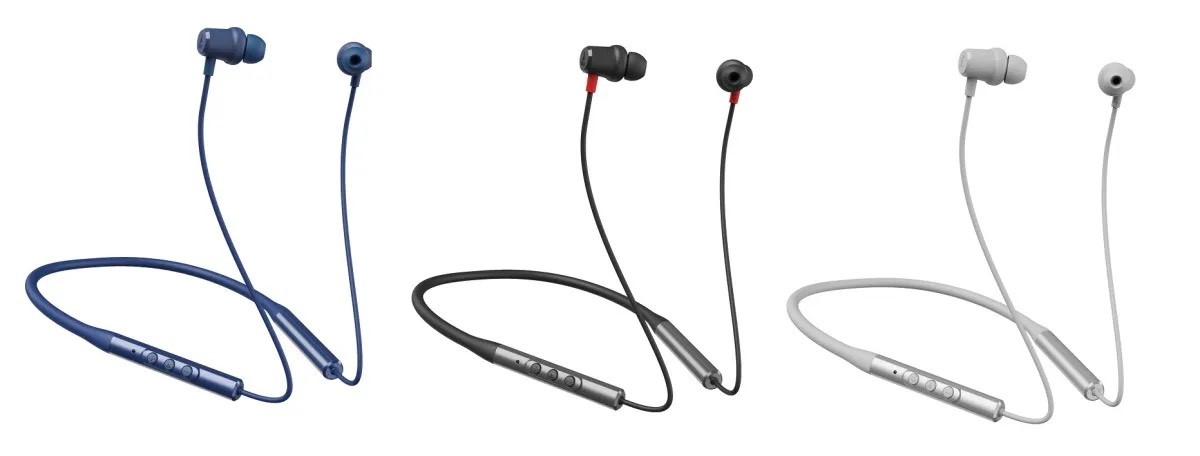

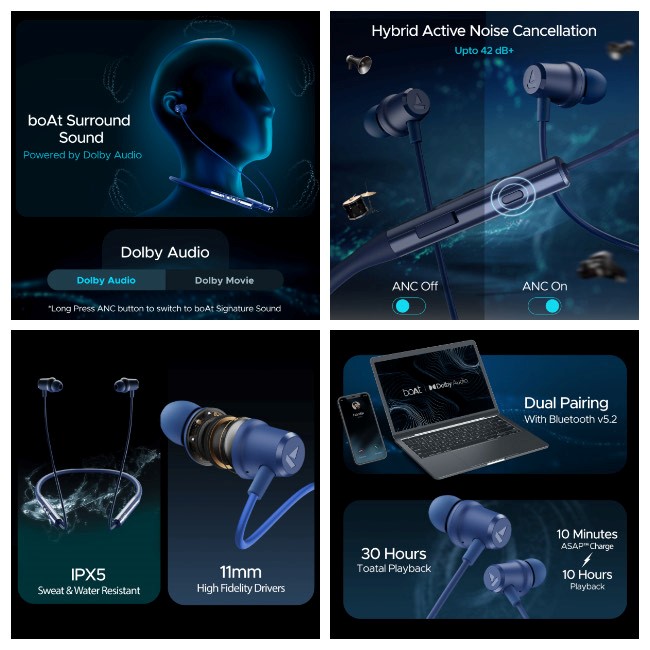



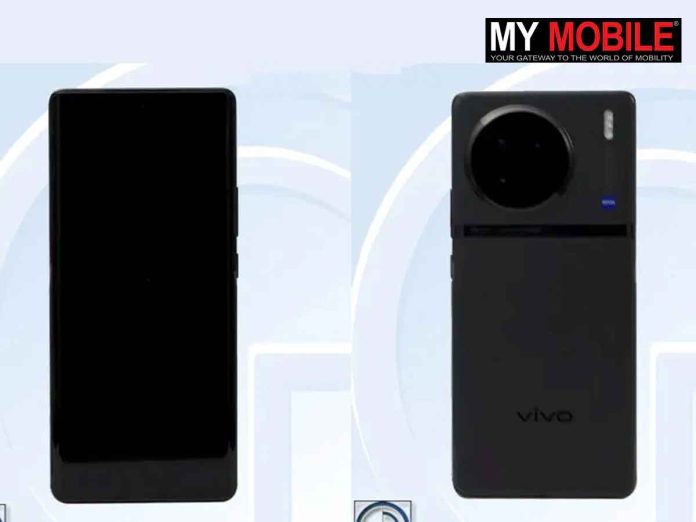


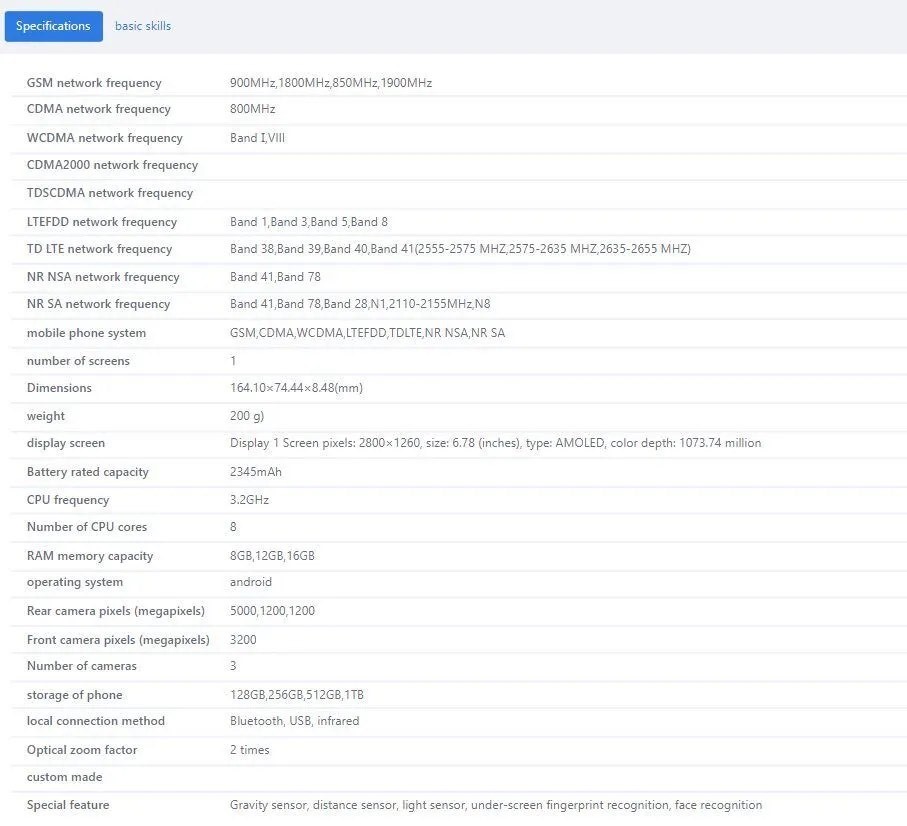
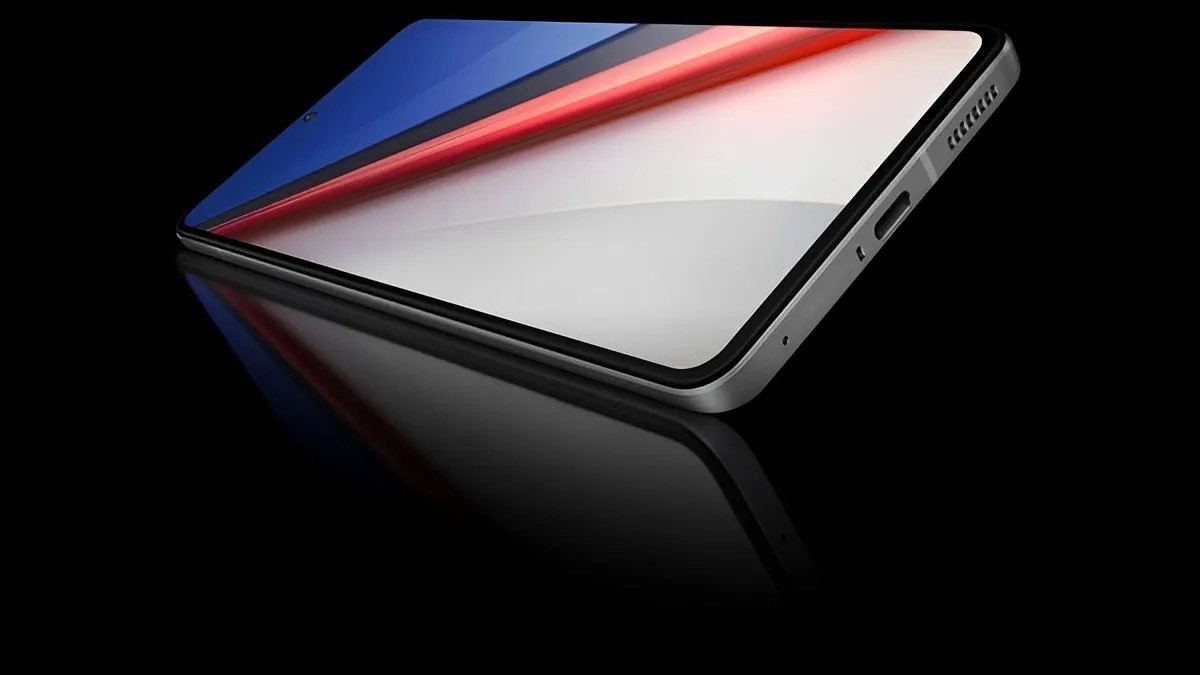
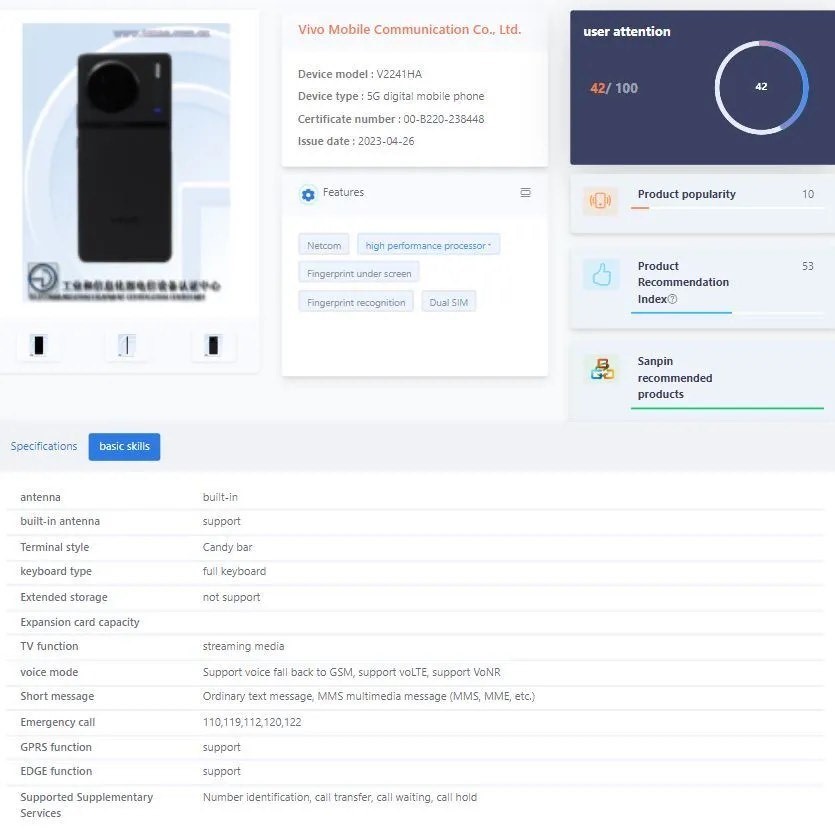
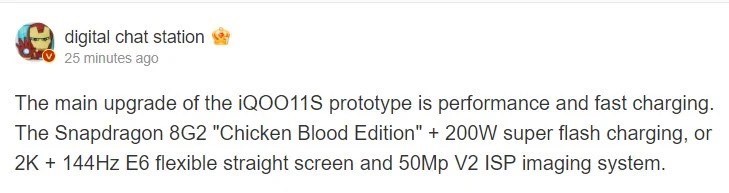
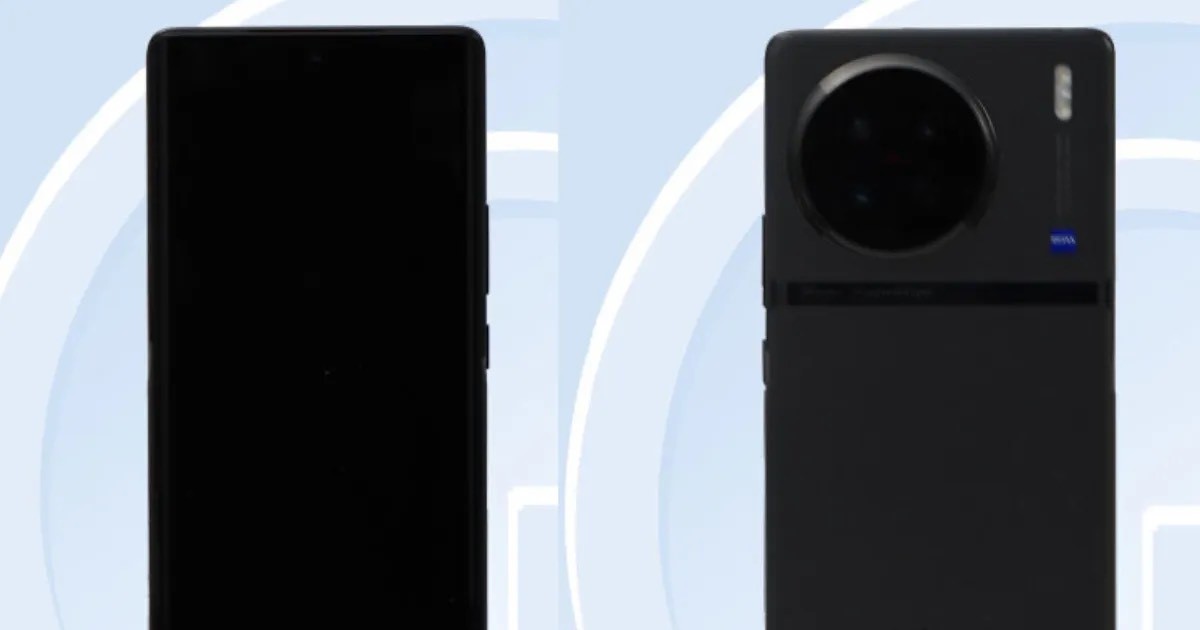
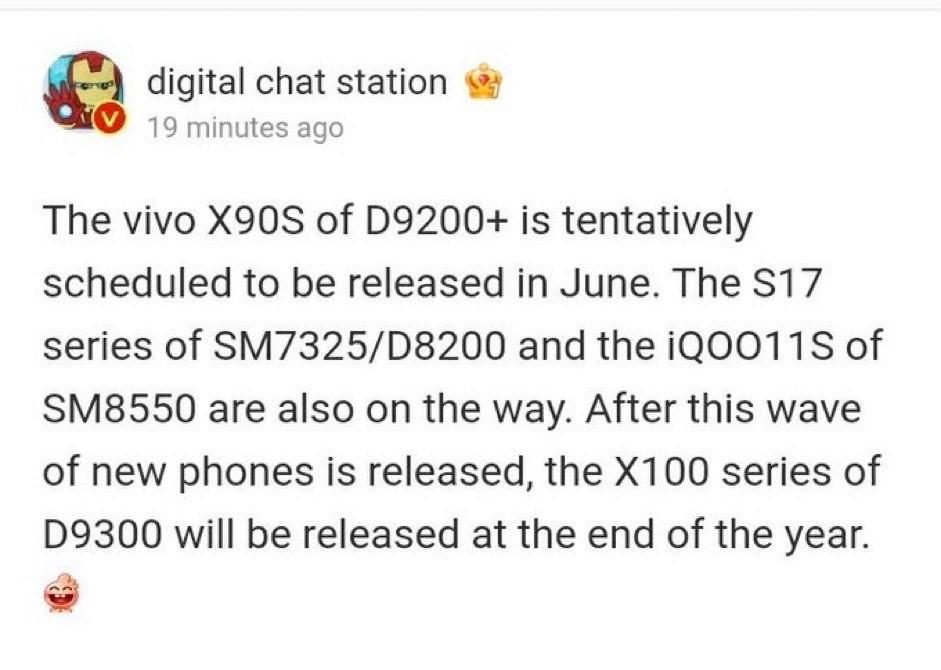

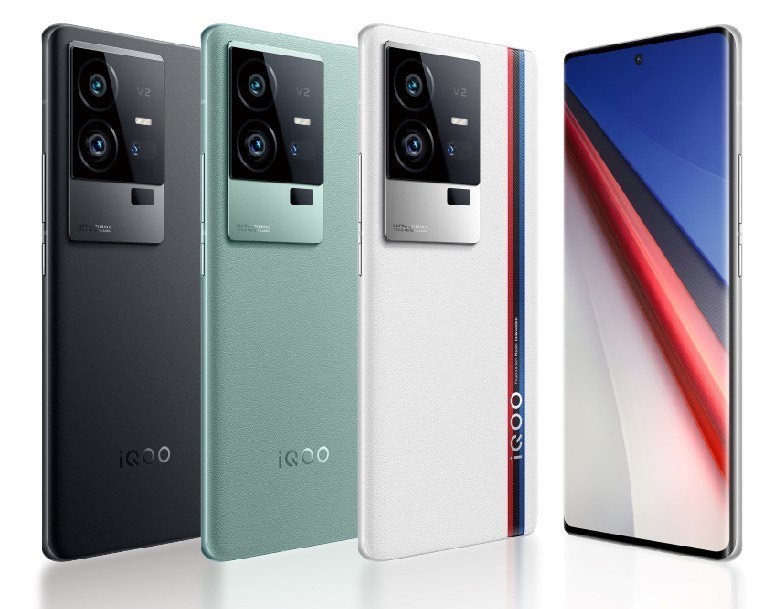
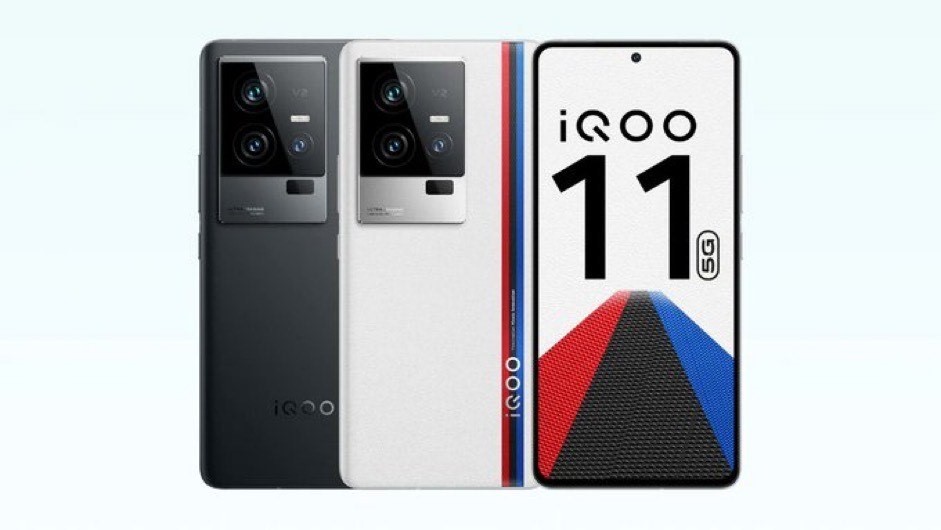
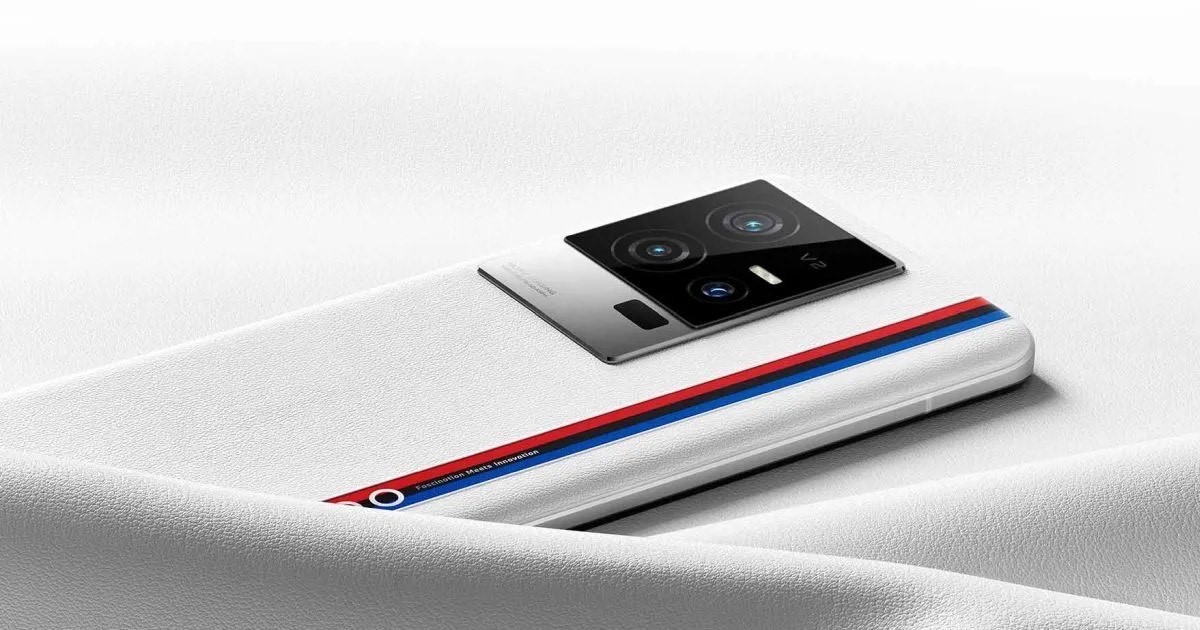

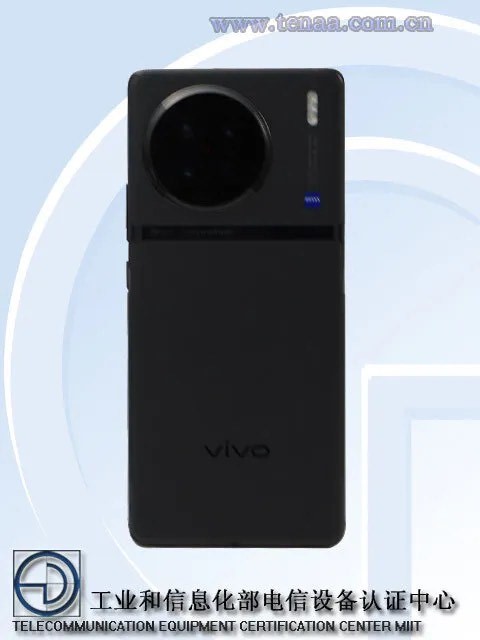
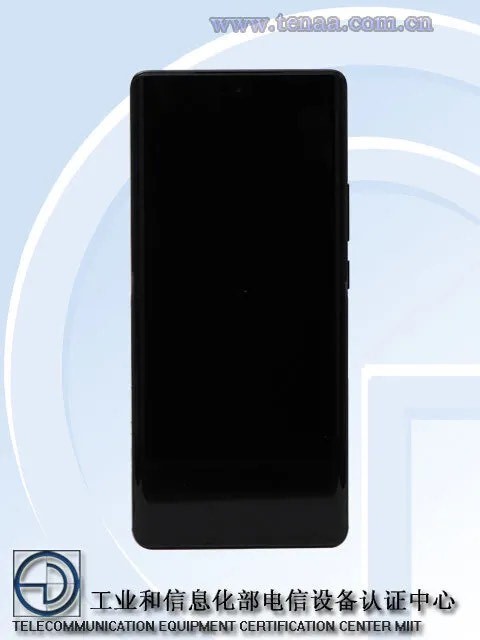

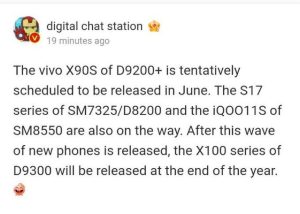

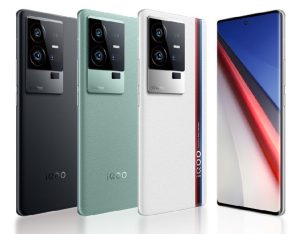


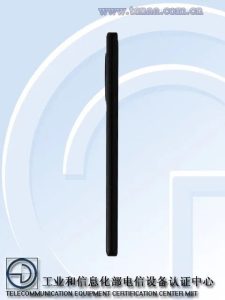


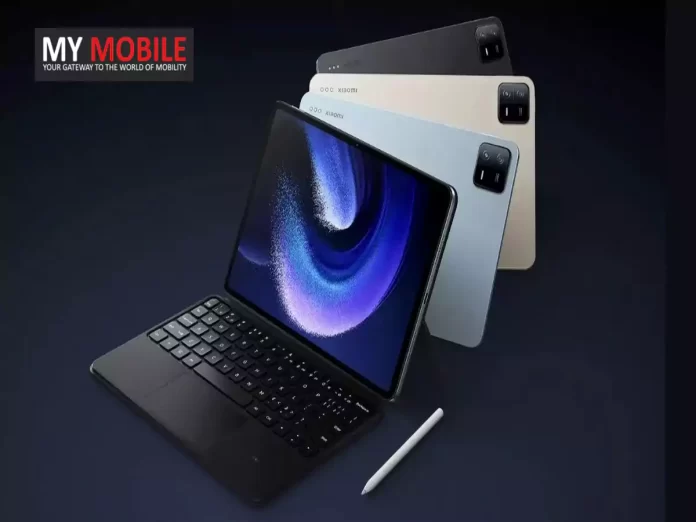

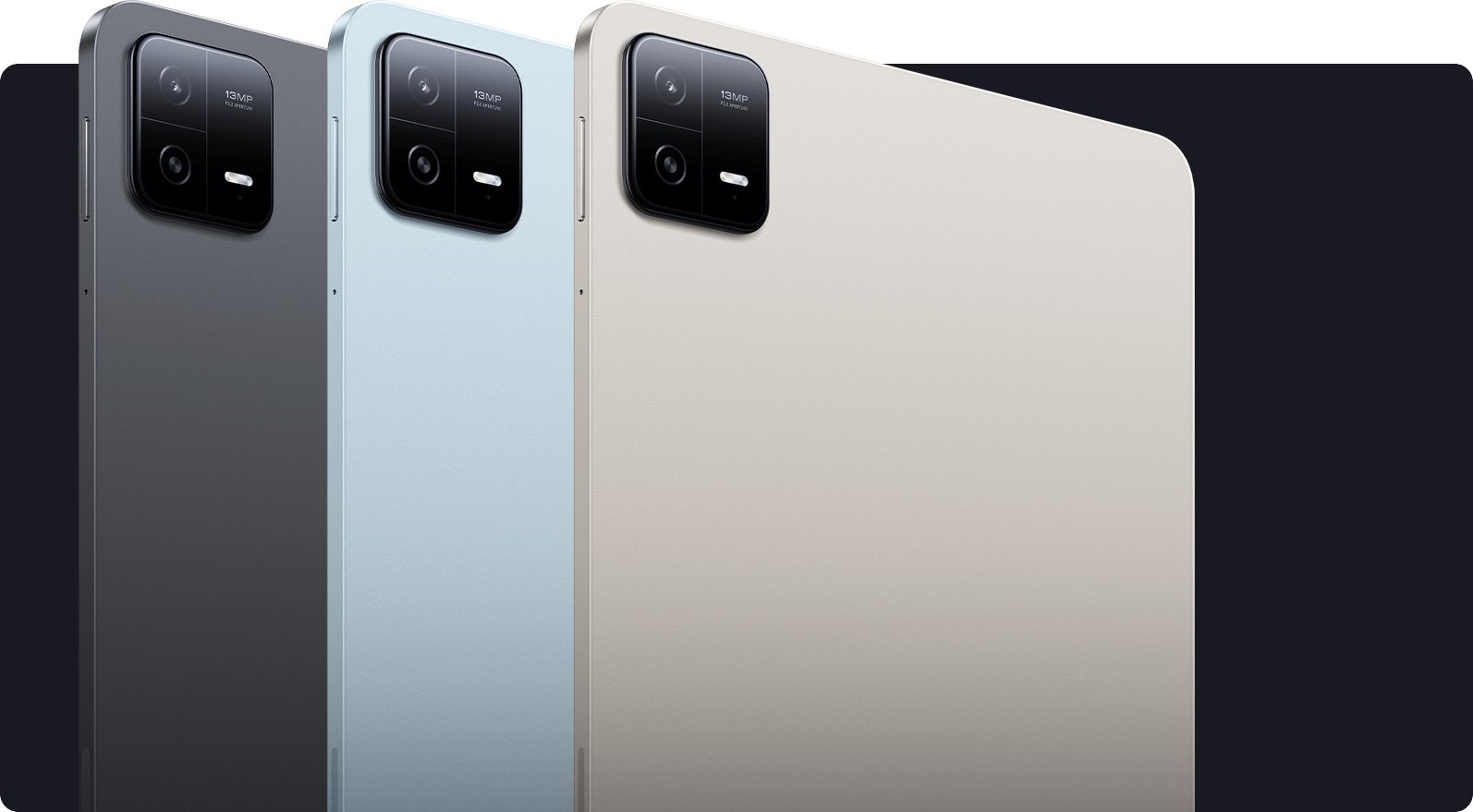
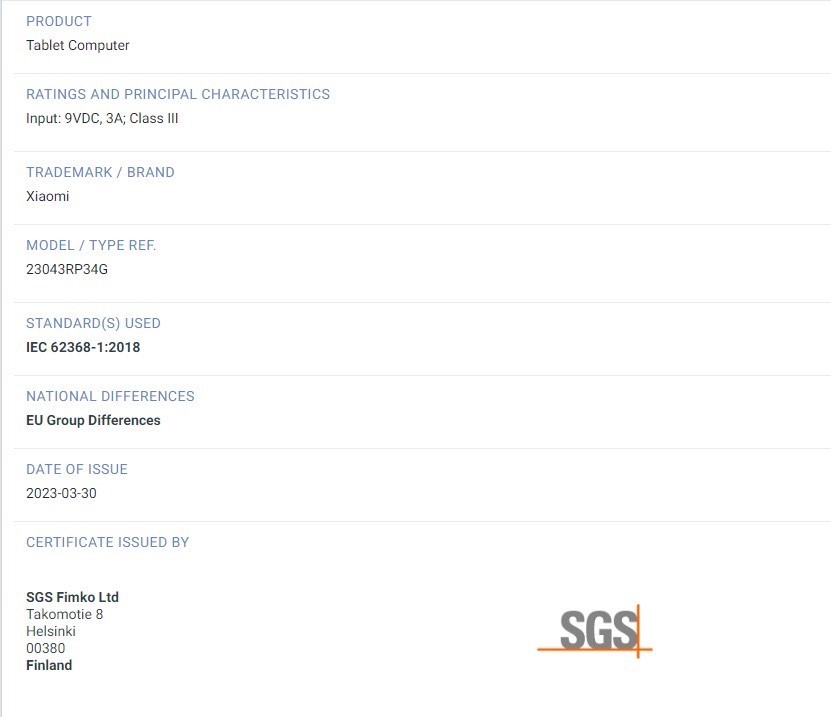
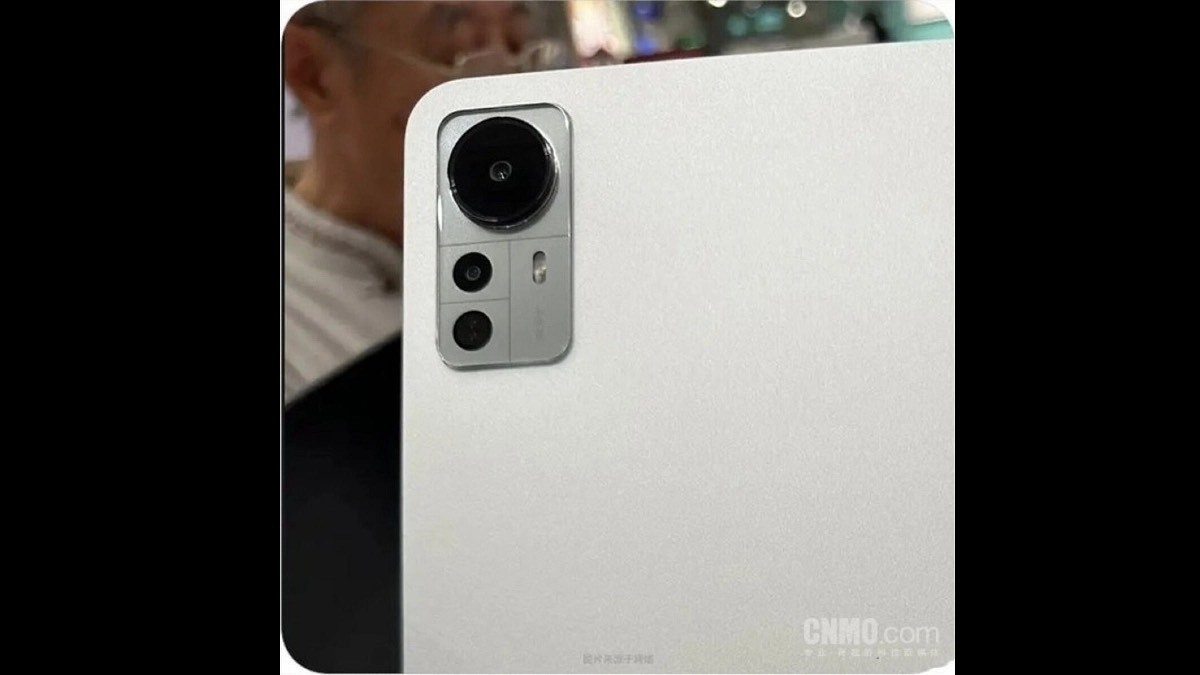
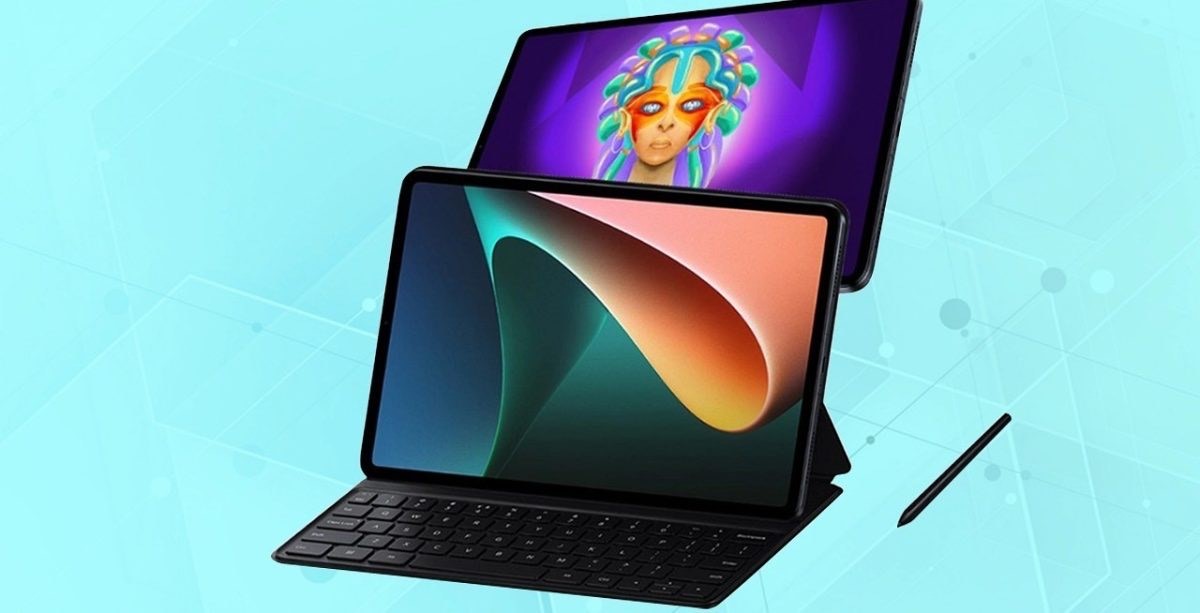
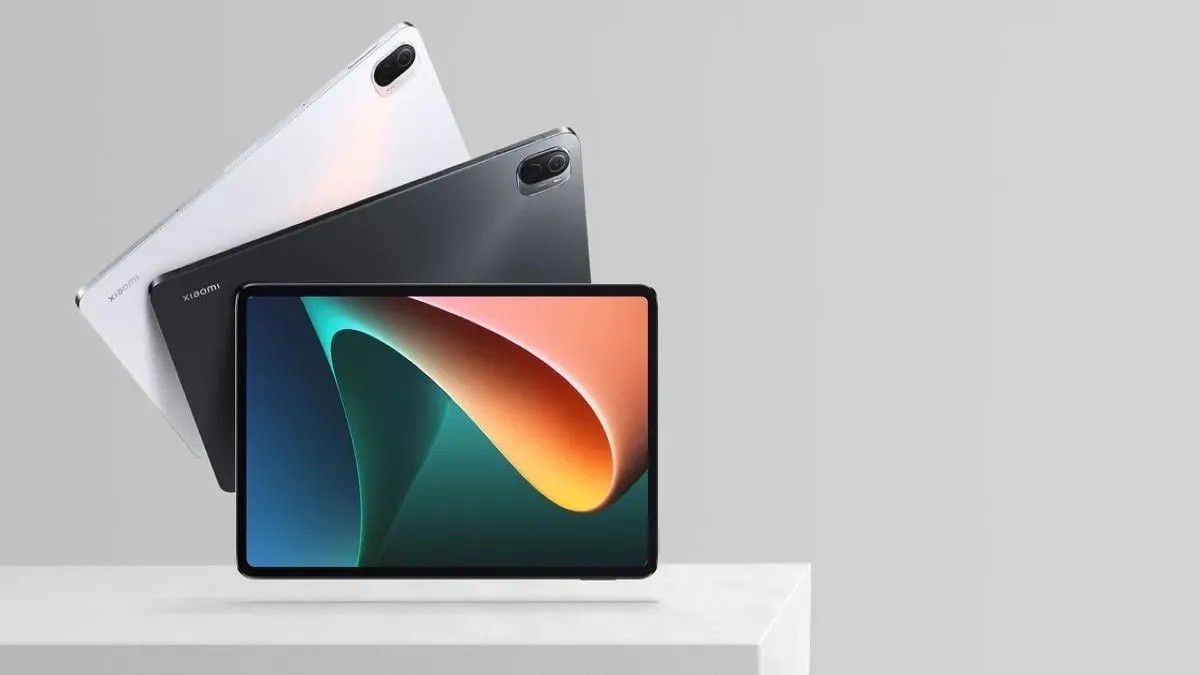





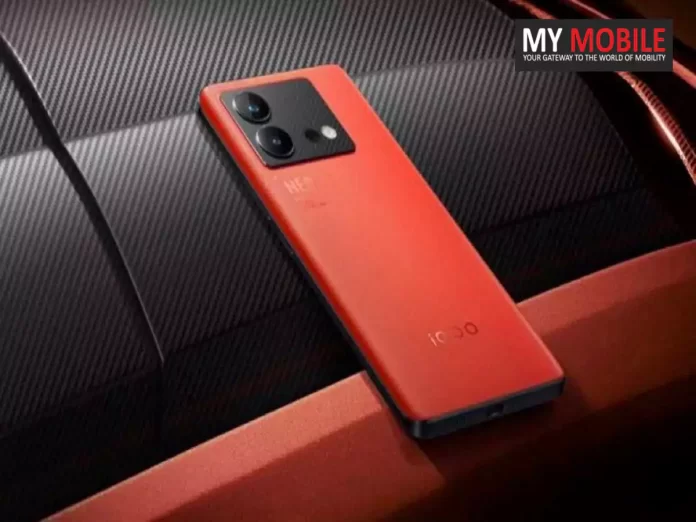

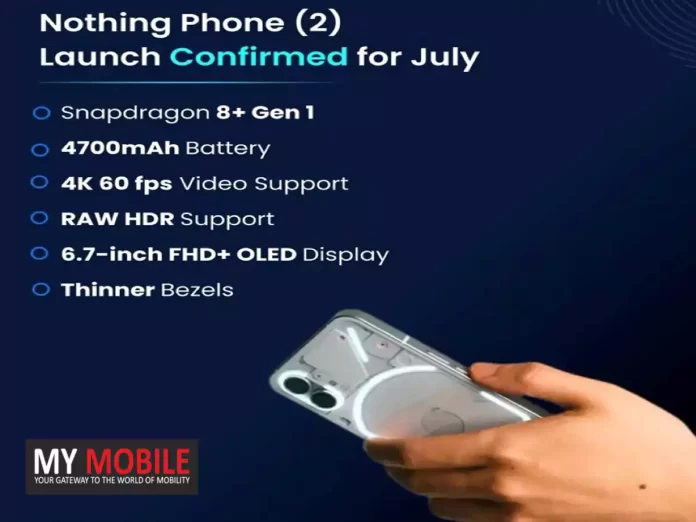
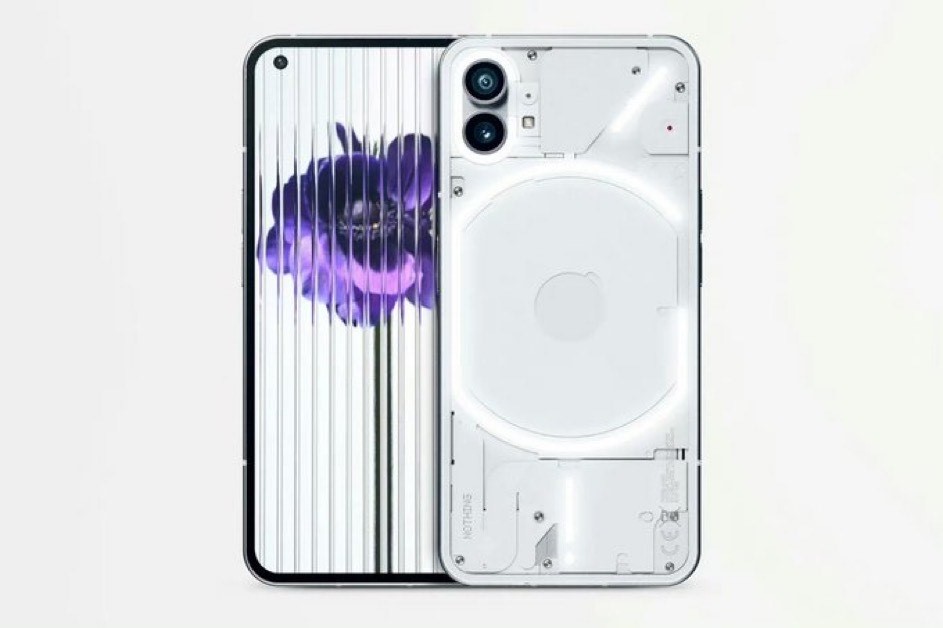
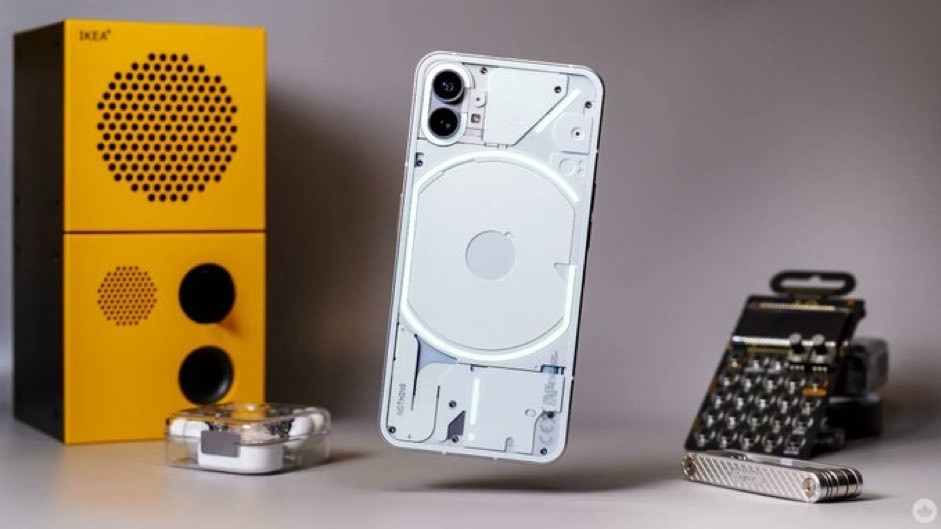

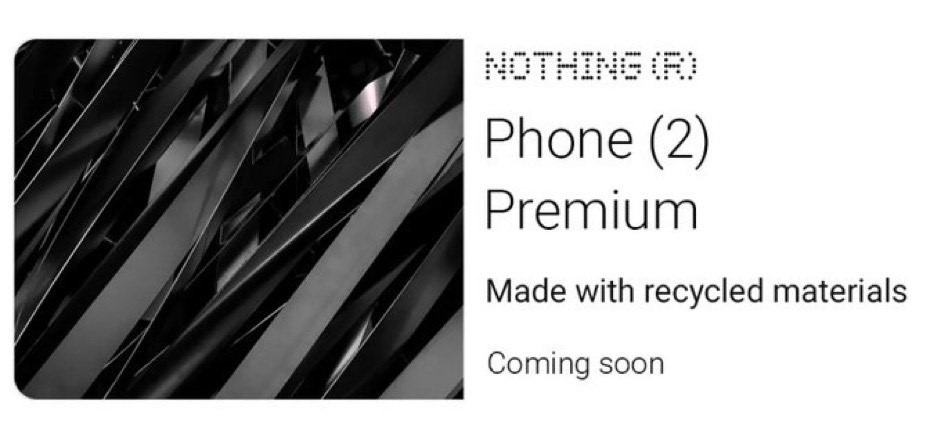 * Nothing Phone (2) will officially debut in July but its launch date hasn’t been revealed yet. The smartphone is also expected to hit Indian markets soon after the official launch.