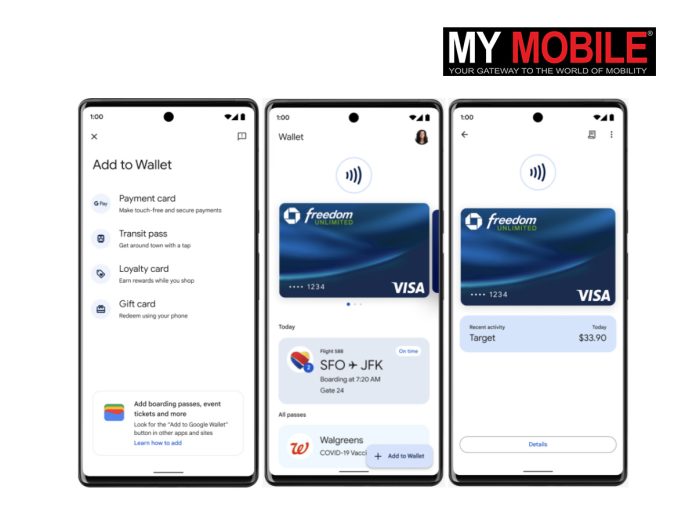
Google Wallet to debut new transit features initially with Brighton and Hove Buses in the UK.
Feature allows commuters to view ride history and savings made through time-based fare caps.
Real-time updates on service changes and promotional fares to be included.
Digital payment apps like Google Wallet are evolving beyond simple transactional tools into comprehensive platforms that help manage various aspects of daily life.
A notable trend is the increasing integration of public transit passes and features aimed at commuters.
Google Wallet Digital payment apps
Google Walletis now pushing the envelope with new additions that focus on making your daily commute more transparent and manageable.
At present, commuters in major cities like London, New York, and Sydney frequently adopt what’s known as open-loop payment systems.
This mechanism lets users make transit payments with any card available in their digital or physical wallet.
While this system offers high convenience, it often leaves commuters puzzled about their spending on transportation over a period of time.
To fill this void, Google Wallet is rolling out a new feature, initially with Brighton and Hove Buses in the UK, that will let commuters view their ride history and the amount they’ve saved through time-based fare limits.
Additionally, the feature will deliver real-time updates on service changes and promotional fares directly from transit agencies.
Though this feature is starting its journey with Brighton and Hove Buses,Google intends to expand it to other cities in the UK, and subsequently to global markets.
Although there’s no specific timeline for the global rollout, the company has indicated that more areas will see these updates within the next year.
FAQs
What new features are being added to Google Wallet?
Google Wallet is introducing new features that allow users to view their ride history, calculate savings from time-based fare caps, and receive real-time service updates. These are initially being rolled out with Brighton and Hove Buses in the UK.
How will these features benefit commuters?
The new capabilities aim to offer more transparency and control over transit spending, making the overall commuting experience more user-friendly and informative.
When will these new features be available?
While the exact timeline is not yet revealed, Google has confirmed that these features will be introduced to Brighton and Hove Buses soon, with a plan to roll them out to other cities in the next year.
Is this feature exclusive to Brighton and Hove Buses?
Initially, yes. Google Wallet is launching these features exclusively with Brighton and Hove Buses in the UK, but plans to expand them to other cities in the UK and globally.
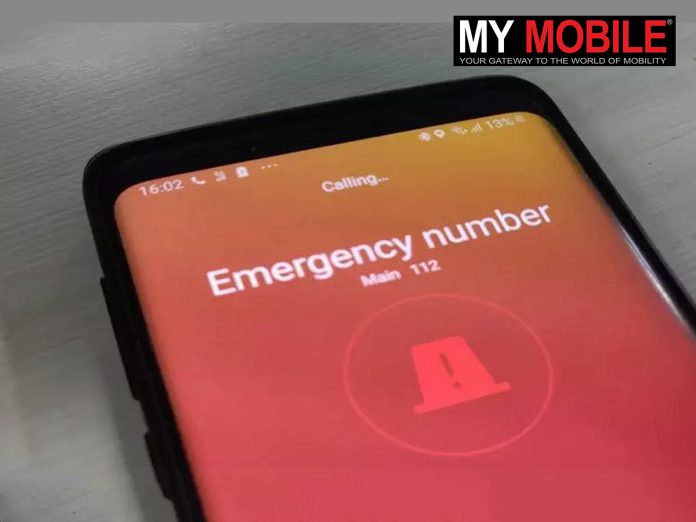
India’s mobile panic button aims to provide immediate emergency assistance, especially to women and children.
Current data shows that a vast majority of the panic button activations are false alarms.
Inadvertent triggers by the Indian diaspora in other countries have led to global concerns.
Proposed solutions include geo-fencing, temporary disabling, and device-specific confirmation mechanisms.
Personal safety, especially for women, has always been a matter of national concern to the Indian government.
As such, the country took a landmark step back in January 2017, mandating the inclusion of a “panic button”feature on all mobile phones sold within the nation.
This initiative, fueled by the urgency of cases like the horrific 2016 Nirbhaya incident, was envisioned as a quick accessible method for citizens to call for emergency assistance.
However, more than six years into the implementation, the feature seems to be echoing mostly in the void rather than the emergency service centers.
But first, a little background on the Panic Button feature and the parties involved with its inception.
What is the Panic Button?
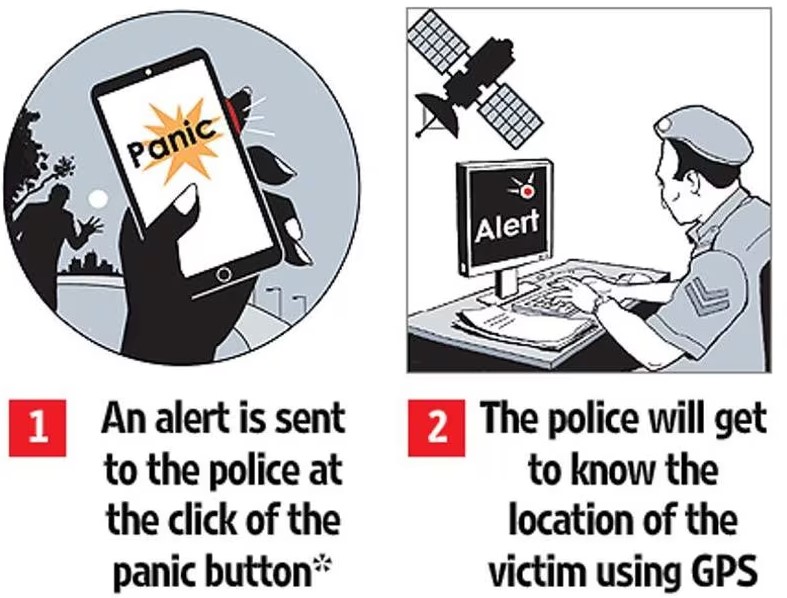
The panic button, a critical safety feature introduced in mobile phones, is designed to provide immediate assistance in emergencies.
Its core functionality is to enable a quick and efficient way for users to contact emergency services with minimal interaction with their devices.
On Smartphones
In most smartphones, users can activate the panic button by either holding down the power button in conjunction with the volume up button or by quickly three time pressing the power button.
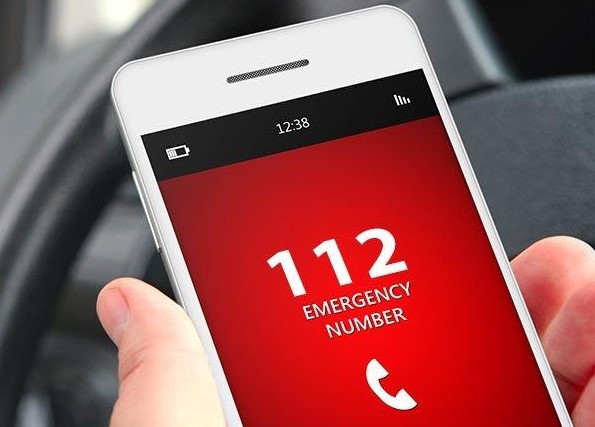
Upon activation, the phone establishes a connection with the Emergency Response Support System (ERSS) in India, which operates under the emergency number 112.
Once connected, the user is directed to an Interactive Voice Response (IVR) system. This IVR system uses voice prompts to guide the caller, ensuring that they are swiftly connected to the most appropriate emergency service based on their current location.
The system is designed to be intuitive, providing on-call commands that allow the user to specify the nature of their emergency, be it medical, fire, police, or any other critical assistance.
On Feature Phones
Feature phones, which typically have a more limited interface and fewer functionalities compared to smartphones, have streamlined the process further.
Users can activate the panic button feature with a long or hard press of a designated hotkey. This simplicity ensures that even those with basic phones can access emergency services without any hurdles.
Similar to smartphones, once the panic button is activated, the call is directed to the ERSS, and the user is then guided through the IVR system to connect with the nearest and most relevant emergency service.
Parties Involved
In the labyrinth of Indian bureaucracy, a powerful coalition of key government bodies banded together to push the mobile panic button from concept to reality.
Steering the ship were none other than the Ministry of Home Affairs (MHA), Ministry of Electronics and Information Technology (MEITY), and Department of Telecommunications(DOT) agencies often seen at the nexus of technology and governance.
Not to be overshadowed, the Ministry of Woman and Child Development (MWCD) brings to the table an understanding of the social fabric, advocating for the feature to be particularly attuned to the safety needs of women and children.
The Disquieting Numbers
The Disquieting Numbers
However, it would appear that the current statistical data casts a grim shadow on the initiative.
A case study focusing on Haryana State shows that out of 100 percent of emergency calls triggered via the panic button, a meager 2 percent are genuine, with 98 percent never even crossing the IVR stage, rendering them unwanted calls.
In the national capital, Delhi, the numbers are only slightly better but still worrying. Of the 100,000 emergency calls made daily, only 18,000 prove to be genuine.
“The Panic Button initiative for mobile phones is designed with the safety of citizens as the foremost priority.
We are aware of the current challenges and are committed to refining the system for maximum effectiveness,” the government emphasized.
A Global Confusion
A Global Confusion
Curiously, the ramifications of India’s mobile panic button are not confined to its geographical limits.
In nations where the Indian diaspora has a substantial presence,accidental activation of this emergency featureon devices programmed for Indian services has become a point of concern.
These inadvertent triggers end up alerting local emergency services, causing not only false alarms but also contributing to system inefficiencies.
This issue has recently come onto the Indian government’s radar.
Solutions To The Problem?
The dismal figures indicate a silent crisis: genuine emergencies are not getting the immediate attention they require due to the noise of false alerts.
The problem is exacerbated when critical time is lost in distinguishing between genuine and fake calls. Here are some suggestions which can be taken to tackle the present challenges:
Solutions To The Problem?
Feasibility Study for Geo-Fencing the Panic Button: Evaluate the technical and logistical possibilities of automatically disabling or enabling the panic button feature in smartphones through a software update when an Indian citizen crosses national boundaries or returns to India.
This would help in reducing accidental triggers in countries other than India.
Temporary Measures
Temporary Disabling of the Feature: In light of the overwhelming percentage of false calls, it may be considered to temporarily disable the panic button feature on all mobile handsets until a more robust solution is in place.
During this period, a public awareness campaign could be conducted to educate users on the correct usage of the feature, which can then be reactivated.
Device-Specific Adjustments
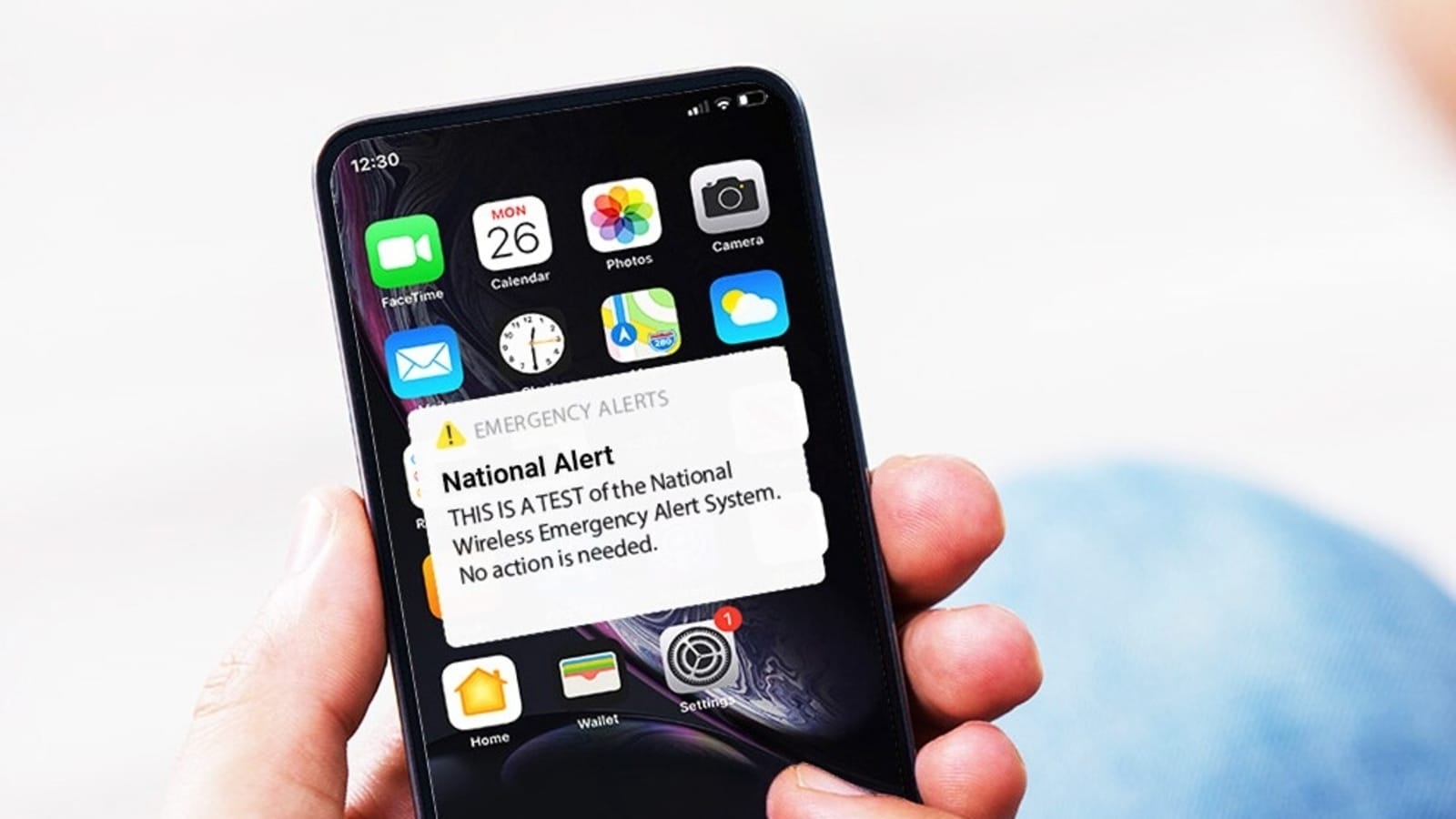
Adoption of a Confirmation Mechanism: Based on observations related to certain brands of mobile handsets that are often triggering accidental emergency calls, it’s worth considering a confirmation mechanism like the one used in iOS devices.
After the panic button is activated, the user would be directed to the phone screen to either confirm or cancel the emergency call within a set time frame.
This feature could come with both audio and visual indications to assist the user in making a conscious decision.
A study should be initiated to see if a similar mechanism can be implemented in Android devices.
“The essence of technology is to serve and protect its users. The mobile panic button epitomizes this intent.However, the rising wave of false alarms underscores the pressing need for widespread awareness.
Only then can we truly leverage its potential for immediate assistance in dire situations,” the industry voices.
By taking these recommendations into account, the involved ministries and agencies can significantly enhance the effectiveness of the mobile panic button, ensuring it serves its intended purpose: to provide a quick and reliable means for Indian citizens to seek help in emergencies
The Road Ahead
The silence of unawareness is drowning the desperate calls for help.
As the government and technical agencies look for a solution, it is equally crucial for the public to educate themselves on the proper use and scope of the mobile panic button.
FAQs
What is the main purpose of the mobile panic button in India?
The panic button was introduced to provide immediate assistance in emergencies, especially catering to the safety of women and children.
Why are there concerns about the effectiveness of the panic button?
A significant number of activations are false alarms, with many calls not crossing the IVR stage, leading to potential delays for genuine emergencies.
How has the Indian diaspora inadvertently affected emergency services abroad?
Devices programmed for Indian services, when accidentally triggered abroad, have alerted local emergency services, leading to false alarms and system inefficiencies.
What are some proposed solutions to improve the panic button’s effectiveness?
Suggestions include geo-fencing, temporary disabling of the feature, and adopting a confirmation mechanism for activations.
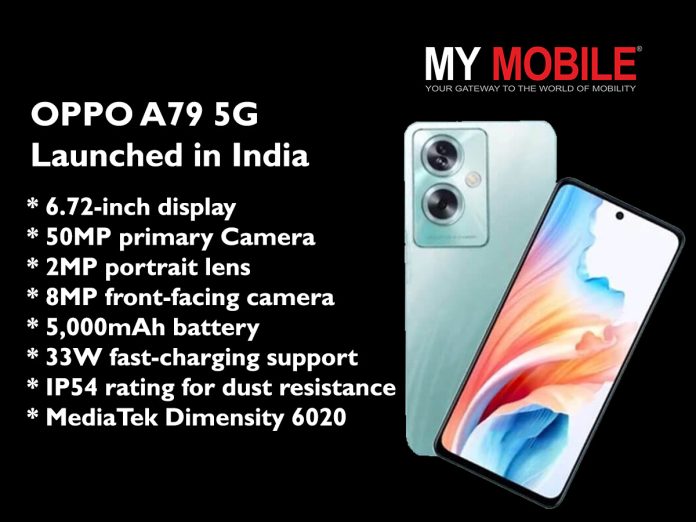
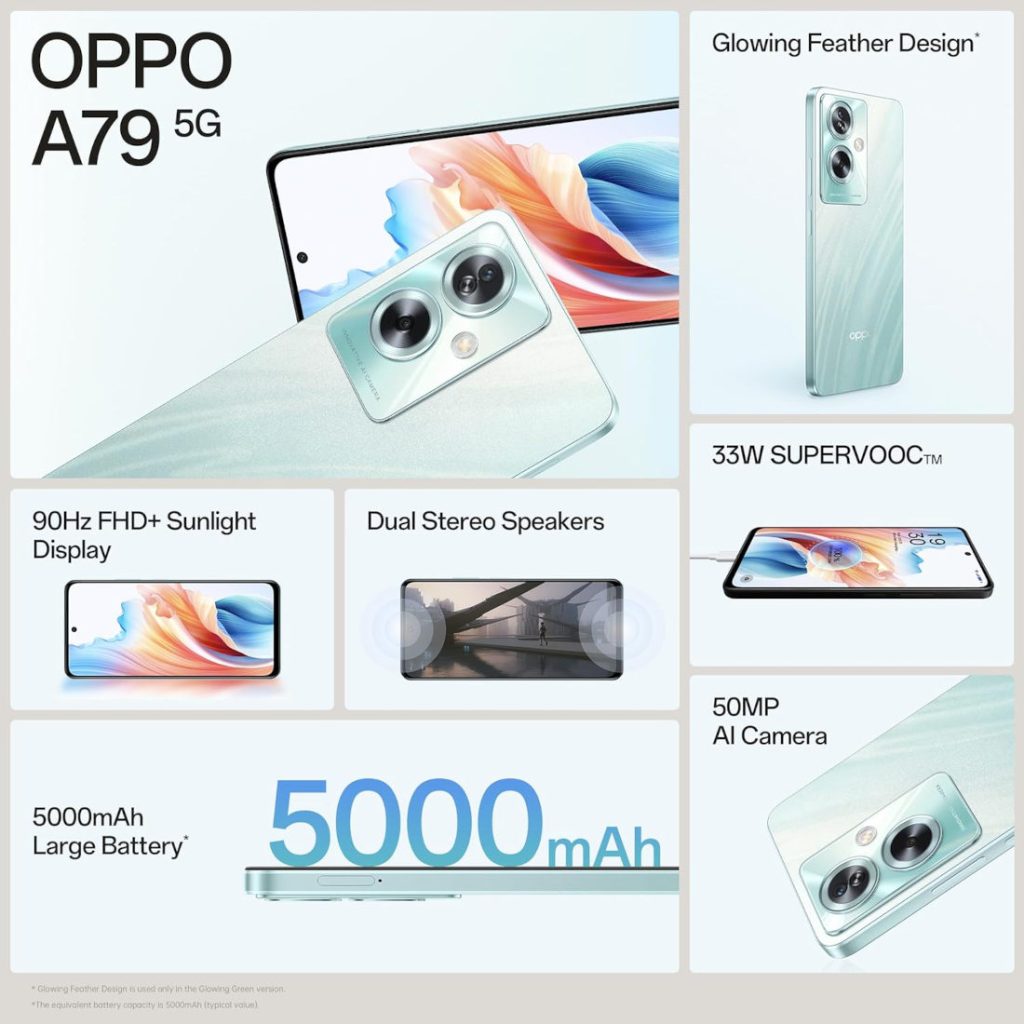
OPPO A79 5G unveiled with a 6.72-inch full HD+ LCD display featuring a 90Hz refresh rate.
Device powered by MediaTek Dimensity 6020 octa-core SoC, backed by 8GB of RAM and 128GB storage.
Equipped with dual-camera setup, including a 50MP primary sensor and a 2MP portrait lens.
Priced at Rs 19,999, available in Glowing Green and Mystery Black, and up for sale starting October 28.
OPPO is expanding its A-series lineup with the launch of its latest 5G smartphone, the A79 5G, in India.
Designed to offer powerful performance and a range of impressive features, the device aims to set a new benchmark in the mid-range 5G smartphone segment.
Pricing and Availability
Pricing and Availability
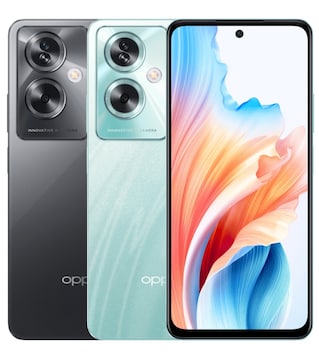
Available in Glowing Green and Mystery Black colour options, the A79 5G is priced at Rs 19,999.
Starting October 28, the device will be available for purchase on OPPO’s official website, as well as through major online retailers like Flipkart and Amazon, and other retail outlets across India.
Key Specs
6.72-inch full HD+ LCD display with 90Hz refresh rate
MediaTek Dimensity 6020 octa-core SoC
8GB RAM and 128GB internal storage
MicroSD card slot for storage expansion up to 1TB
Dual-camera setup: 50MP primary sensor and 2MP portrait lens
8MP front-facing camera with f/2.0 aperture
5,000mAh battery with 33W fast-charging support
IP54 rating for dust and water resistance
OPPO A79 5G: Features
OPPO A79 5G: Features
The A79 5G boasts a 6.72-inch LCD screen with full HD+ resolution, creating a vivid visual experience for users.
Enhanced by a 90Hz refresh rate, the display ensures smooth scrolling and a more immersive gaming experience.
With 680 nits of brightness and a pixel density of 391 PPI, the display panel also features a punch-hole cutout for the selfie camera.
The device is engineered around MediaTek’s Dimensity 6020 octa-core SoC, delivering robust and efficient performance.
Accompanied by 8GB of RAM and 128GB of internal storage, the smartphone ensures smooth multitasking capabilities.
It also comes with a microSD card slot, providing the option for storage expansion up to 1TB.
The A79 5G is equipped with a dual-camera array on the rear, featuring a 50MP main sensor coupled with a 2MP portrait lens.
The primary 50MP camera offers an f/1.8aperture and a 77-degree field of view, while the 2MP lens comes with an f/2.4 aperture.
For selfie enthusiasts, an 8MP front-facing camera with an f/2.0 aperture takes care of your selfie and video-calling needs.
A 5,000mAh battery powers the device, supported by a 33W fast-charging capability that ensures you stay connected longer.
Additionally, the phone comes with an IP54 rating for dust and water resistance, and of course, 5G connectivity for fast internet speeds.
OPPO A79 5G key Spec
Feature
OPPO A79 5G
Display
6.56-inch Full HD+ (2408×1080) IPS LCD display, 90Hz refresh rate
Processor
MediaTek Dimensity 700 5G
RAM
8GB
Storage
128GB
Rear camera
48MP main sensor, 2MP depth sensor
Front camera
8MP
Battery
5000mAh
Operating system
ColorOS 12 based on Android 12
FAQs
What are the standout features of the OPPO A79 5G?
The OPPO A79 5G comes with a 6.72-inch full HD+ LCD display, a MediaTek Dimensity 6020 octa-core SoC, and a dual-camera setup featuring a 50MP primary sensor.
What are the storage options and expandability?
The smartphone offers 8GB of RAM and 128GB of internal storage. Additionally, it includes a microSD card slot for storage expansion up to 1TB.
What are the pricing and availability details?
The OPPO A79 5G is priced at Rs 19,999 in India. It will be available for purchase starting October 28 through OPPO’s website, Flipkart, Amazon, and other retail outlets.
What additional features does the device offer?
The smartphone includes a 5,000mAh battery with 33W fast-charging support, an IP54 rating for dust and water resistance, and 5G connectivity.
Nokia wins contract to provide Tata Play Fiber with cutting-edge WiFi6 Mesh technology.
The partnership aims to cater to growing broadband needs in residential and enterprise sectors across India.
Nokia will supply a range of fiber-to-the-home (FTTH) gear, including state-of-the-art Optical Line Terminal (OLT) and Optical Network Terminal (ONT).
WiFi6 network set to operate on dual spectrum bands, elevating the broadband landscape in India.
In a significant development in the Indian broadband sector, Nokia has secured a contract with Tata Play Fiber to provide advanced WiFi6 Mesh technology.
This move marks the launch of India’s first WiFi6-ready broadband network, catering to both residential and enterprise areas experiencing a surge in broadband consumption.
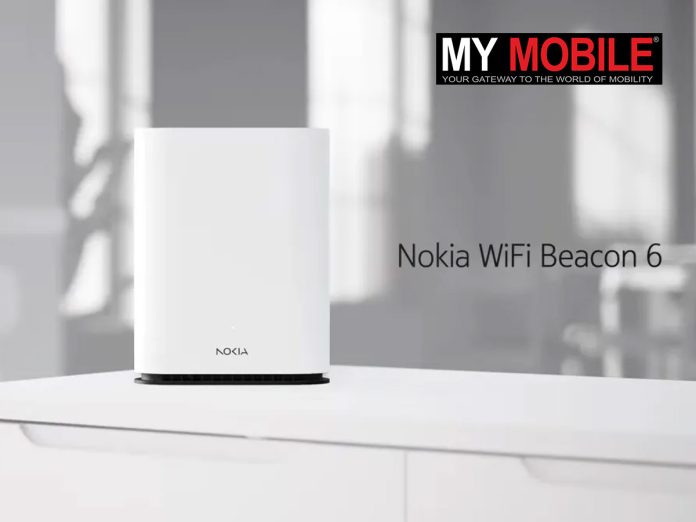
Nokia WiFi Beacon 6
Anand N Sahai, CEO of Tata Play Fiber, remarked on the partnership, stating, “The deployment of next-generation best-in-class optical networking solution will enhance speed and coverage for multiple smart gadgets in tech-dependent homes and enterprises.”
According to Nokia, the urgency for high-capacity broadband connections is steadily increasing, necessitating future-proof fiber and scalable in-home solutions.
The deal is poised to significantly influence the broadband landscape as it will address large, multi-floor residential spaces and small office/home office (SOHO) enterprises, which represent a significant market in India.
The technology involved includes Nokia’s state-of-the-art Optical Line Terminal (OLT), Optical Network Terminal (ONT) with WiFi 6 capabilities, and WiFi mesh Beacons.
Distinctly, the WiFi6 technology is designed to operate on two spectrum bands to deliver data services, unlike its predecessor, WiFi5, which was limited to the 5Ghz band.
This advancement positions Tata Play Fiber at the forefront of next-generation broadband services in India.
FAQs
What does the partnership between Nokia and Tata Play Fiber entail?
The partnership involves Nokia supplying Tata Play Fiber with WiFi6 Mesh technology, which will be used to launch India’s first WiFi6-ready broadband network. The deal covers both residential and enterprise areas.
Why is WiFi6 technology significant for Tata Play Fiber?
WiFi6 technology can operate on two spectrum bands as opposed to WiFi5, which only uses the 5Ghz band. This allows for greater speed and connectivity, making it ideal for multi-floor residential spaces and small office/home office (SOHO) enterprises.
What specific gear will Nokia supply?
Nokia will provide a range of fiber-to-the-home (FTTH) gear, including their state-of-the-art Optical Line Terminal (OLT), Optical Network Terminal (ONT), and WiFi mesh Beacons to support Tata Play Fiber’s broadband network expansion.
What impact will this have on the broadband market in India?
The partnership aims to meet the surging demand for high-capacity broadband in India, providing future-proof and scalable solutions. It also signifies the transition to next-generation broadband services in the country.
Revolutionary auto-readout feature ensures audible alerts for all, bridging technological and accessibility gaps.
Collaborative efforts of DOT, NDMA, MeitY, C-DOT, and telecom providers make this initiative possible.
Groundbreaking Cell Broadcast system aims to cover India’s diverse linguistic landscape, ensuring no one is left uninformed.
In an age marked by blistering technological growth, India’s Department of Telecommunication (DOT) is steadfastly navigating the course toward technological solutions that secure the safety and well-being of its people.
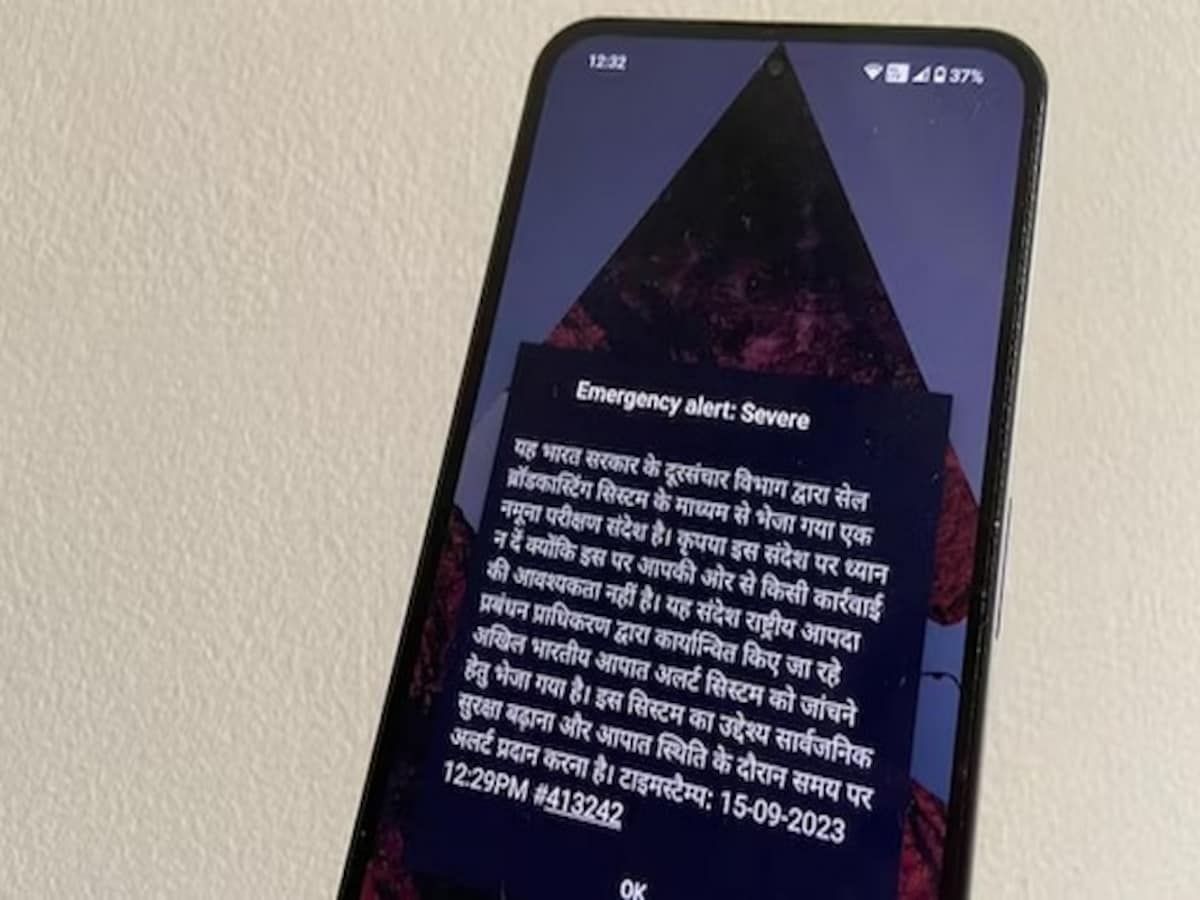
The latest breakthrough comes in the form of a “Cell Broadcast Alert in Multiple Languages” system.
What sets India’s iteration apart from others is a pioneering auto-readout feature.
As the world grapples with an increasing frequency of natural disasters, from the devastating Afghanistan earthquakes to the catastrophic flooding in parts of Europe, this innovation couldn’t be timelier for the citizens of India.
A Quick Look at the Cell Broadcast Service
Designed For: Immediate, non-intrusive alerts during natural disasters or national emergencies.
Delivery: Every cell phone in an affected area gets a text message in their local language, a flashing screen, and an audible sound.
Why Auto-Readout Matters
Auto Read Out
Picture yourself driving on a congested road when your phone vocalizes an alert about an imminent cyclone.
Or consider the visually impaired who receive an audible message in their native language about a raging fire nearby.
The need for such an auto-readout feature is accentuated by an array of recent natural calamities in India.
Whether it’s the flash floods in Uttarakhand, Cyclone Yaas affecting parts of West Bengal and Odisha a couple of years ago, the recent heavy flooding in Himachal Pradesh that claimed lives and destroyed properties, or even the flash floods in Sikkim that severely impacted its infrastructure—these incidents underscore the dire need for immediate and accessible information.
Government leaders have stated “we are committed to leveraging the Cell Broadcast Alert system technology to protect and serve our diverse populace. The revolutionary auto-read out feature is not just an advancement in telecommunications, it’s a necessity for delivering critical, life-saving information to every individual, regardless of their linguistic or physical capabilities.”
The auto-readout feature bridges the gap between technology and accessibility, ensuring that critical, life-saving information reaches every individual.
It’s not just about informing; it’s about equipping people to take timely action, regardless of their linguistic or physical capabilities.
In a country as diverse as India, with its myriad languages and varied topographical challenges, this feature is more than just an advancement—it’s a necessity.
Brains Behind the Operation
Cell Broadcast Read Out in Multiple Language
The Department of Telecommunication (DOT) serves as the linchpin in the development and deployment of the upcoming feature.
As the driving force that’s reshaping the telecommunications landscape, DOT’s unwavering commitment to public safety sets the agenda.
It collaborates closely with the National Disaster Management Authority (NDMA), which brings its specialized knowledge in disaster management to ensure the alert system is both technologically advanced and practically reliable, especially in crisis scenarios.
Supplementing these key players are the Ministry of Electronics and Information Technology (MeitY) and the Centre for Development of Telematics (C-DOT).
MeitY works to meld technology with governance, providing critical technical and policy directions that make the system holistically effective.
Meanwhile, C-DOT takes on the crucial role of testing the system for efficiency and scalability, ensuring it is adaptable and ready to function across India’s topographically and linguistically diverse environment.
Together, these organizations form a symbiotic framework aimed at providing life-saving information to every citizen, showcasing a multi-disciplinary approach to public safety.
Equally integral to this endeavour are the telecom service providers and smartphone manufacturers.
Faced with the challenging task of ensuring that their systems and devices are compatible with this multi-lingual alert feature, they are working round the clock.
Cell Broadcast is the need of the hour
“The Indian government has mandated Cell Broadcasting support in mobile handsets from the end of this year. This much-needed feature will help disseminate disaster information -earthquakes, fire, tsunamis etc, to affected citizens in a timely manner. This feature, which is to be supported on handsets from across the brand spectrum, will enable citizens to take effective steps for their safety. Based on the global 3PP standards, this much-needed information adds one more feather to disaster management efforts in the country as it will cover the entire country wherever mobile networks are available,” say the smartphone makers.
Their role is vital in ensuring blanket coverage across India’s diverse linguistic landscape.
Their work and effort will ultimately allow the technology to reach every nook and corner of the country, making sure no one is left uninformed during a crisis.
A Brief Look at the Timeline and Guidelines
The journey towards this groundbreaking Cell Broadcast Alert in Multiple Languages began over a year ago, culminating in a landmark Gazette Notification issued in April 2023.
This notification outlined the crucial first steps towards making this life-saving technology a reality.
Within the first six monthspost-announcement, the notification mandated that all phones should support message reception in multiple languages, store messages for 24 hours, display persistent messages until user acknowledgment, sound alerts for at least 30 seconds, and explicitly highlight these features in the device manuals.
This laid the foundational groundwork, signaling to all stakeholders that the clock was ticking on these essential deliverables.
Fast forward to July, and a critical meeting took place that included representatives from MeitY, C-DOT, Apple, Google, and ICEA (Indian Cellular Electronics Association).
This meeting focused on operationalizing the Gazette’s mandates, further refining theproject’s scope, and ensuring seamless implementation.
It paved the way for the next nine months’ objectives: to equip phones with support for ‘extreme’ alerts and enable the revolutionary auto-readout feature in multiple languages.
Post-November 1, these features will become a standard inclusion in all new smartphone models.
Final Thoughts
Cell Broadcast will rollout from 1st November
As Prime Minister Narendra Modi prepares to unveil this system on November 1, it’s clear that India is not just embracing technology but molding it to serve its diverse populace.
The new system is a testament to India’s commitment to safety, inclusivity, and innovation, ensuring that every individual, regardless of linguistic or physical barriers, has timely access to life-saving alerts.
FAQs
What is the purpose of the Cell Broadcast Alert in Multiple Languages system?
The system is designed to provide immediate, non-intrusive alerts during natural disasters or national emergencies, ensuring that every individual, irrespective of linguistic or physical capabilities, receives timely, life-saving information.
How does the auto-readout feature work?
The auto-readout feature automatically vocalizes alerts, ensuring that even those who are visually impaired or otherwise unable to read the text receive the critical information they need in their native language.
Who are the key players behind this initiative?
The Department of Telecommunication (DOT) spearheads the development and deployment. Collaborative efforts also come from the National Disaster Management Authority (NDMA), Ministry of Electronics and Information Technology (MeitY), and Centre for Development of Telematics (C-DOT), supplemented by telecom service providers and smartphone manufacturers.
When will this feature be standard in all new smartphone models?
Post-November 1, the revolutionary auto-readout feature, along with support for ‘extreme’ alerts in multiple languages, will become a standard inclusion in all new smartphone models.
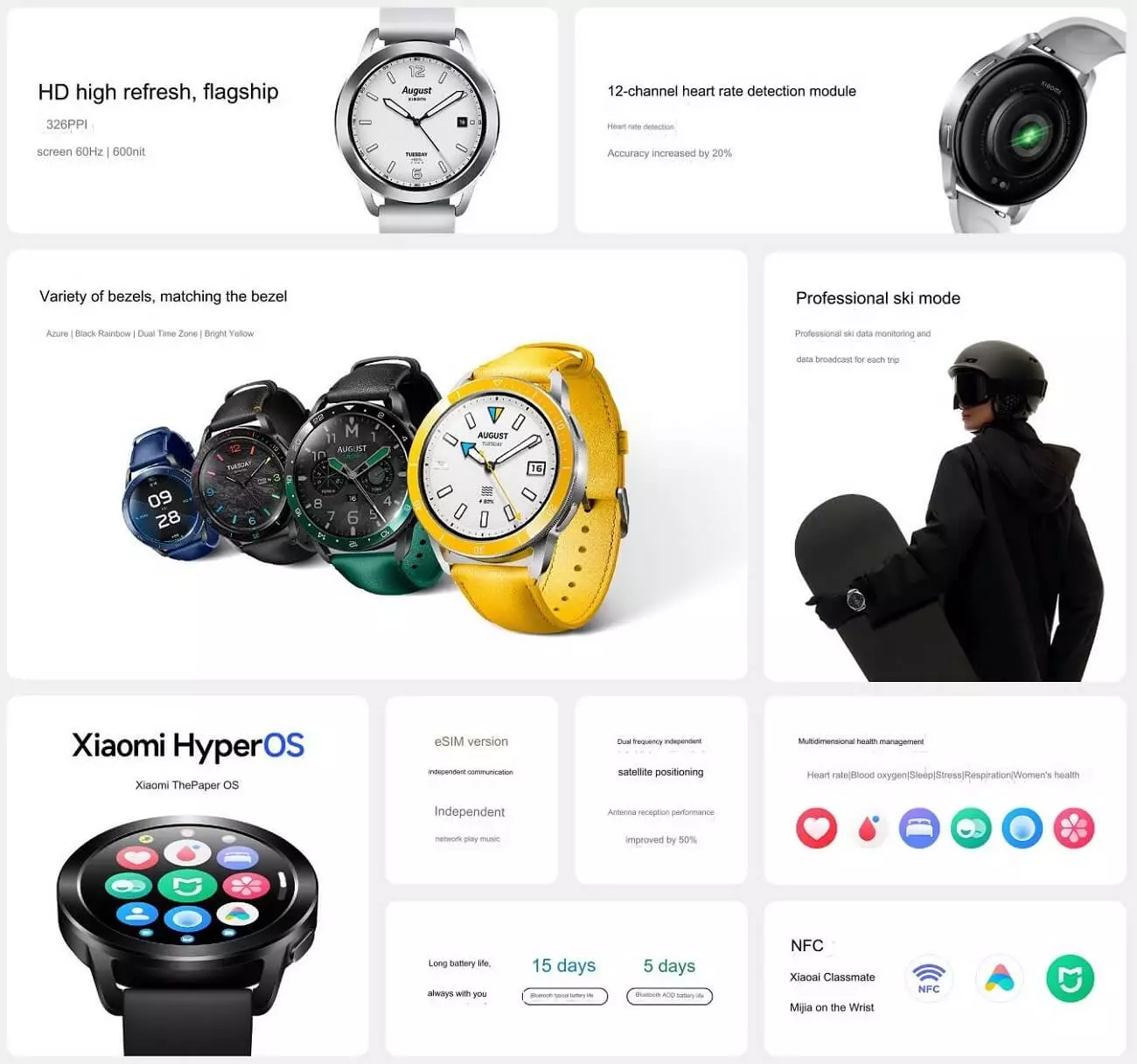
Pioneering interchangeable bezel design allows effortless customization with dynamic animations and sound effects.
Runs on Xiaomi’s newly launched HyperOS, offering an expansive range of over 150 sports modes.
Enhanced heart rate detection with a 12-channel module increases accuracy by 20%.
Dual-layer antenna design boosts GNSS antenna reception by 50% for unparalleled GPS tracking.
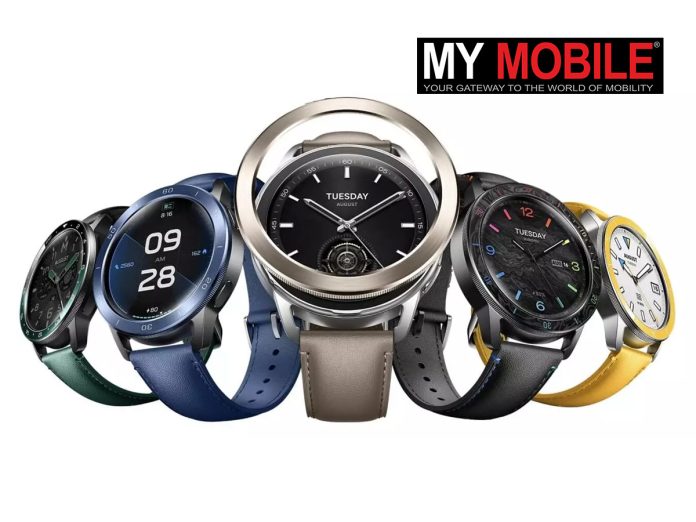
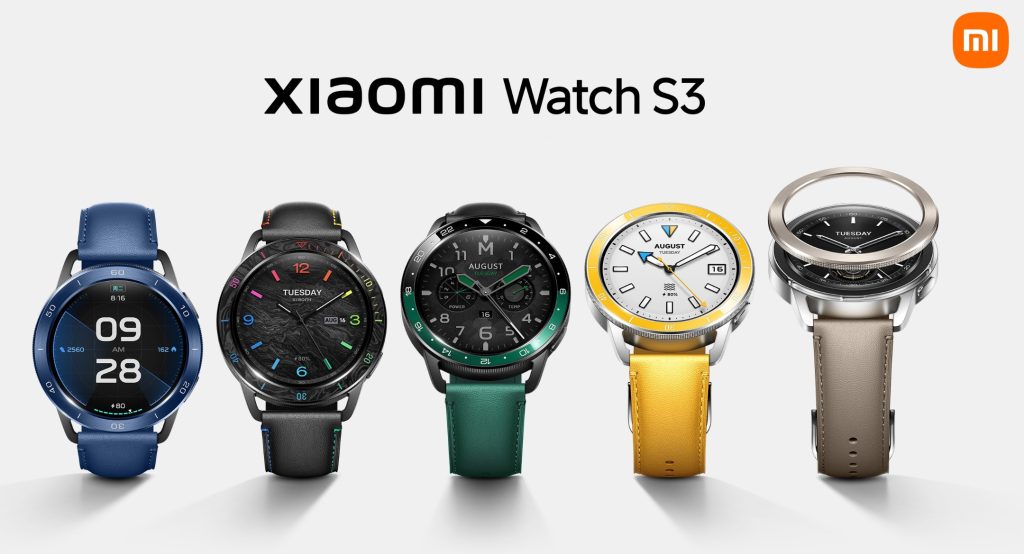
Xiaomi, a brand synonymous with innovation, has taken the wraps off its cutting-edge smartwatch, the Xiaomi Watch S3, in China.
This announcement was made alongside the release of Xiaomi’s 14 series smartphones, adding another feather to the company’s cap.
Xiaomi Watch S3: Pricing
Xiaomi Watch S3: Pricing
Open for pre-order in China as of today, the eSIM version of the Watch S3, accentuated by a sophisticated brown leather strap, comes with a price tag of CNY 999 (about Rs 11,300).
On the other hand, those who opt for the Bluetooth-only model,featuring a durable fluoro rubber strap, will be set back by CNY 799 (about Rs 9,000).
Key Specifications
Display: 1.43-inch AMOLED screen with 466 x 466-pixel resolution, offering up to 600 nits brightness and 256 levels of adaptive brightness.
Operating System: Runs on Xiaomi’s latest HyperOS.
Sports Modes: Features a comprehensive range of over 150 sports modes.
Sensors: Equipped with a multitude of sensors, including those for heart rate (with blood oxygen level monitoring), acceleration, gyroscope, geomagnetic, air pressure, and ambient light.
Connectivity: Supports eSIM, 4G/3G connectivity, dual-band Wi-Fi (2.4GHz/5GHz), and Bluetooth 5.2.
Battery Life: Lasts up to 7 days with typical usage on the LTE version and up to 15 days on the Bluetooth version.
Physical Dimensions: Measures 47mm x 47mm x 12mm and weighs 44g.
Strap Material: Available in both fluoro rubber and leather options.
Xiaomi Watch S3: Features
Xiaomi Watch S3: Features
Xiaomi Watch S3apart from its competitors is its pioneeringb, an industry first that allows users to switch out watch faces effortlessly.
Users can access a plethora of dynamic animations and realistic sound effects by simply twisting and setting, creating an immersive experience akin to triggering a high-precision mechanism.
Under the hood, the watch runs on Xiaomi’s newly developed HyperOS, which brings to the table a staggering array of over 150 sports modes, covering everything from outdoor activities and skiing to ball games and dancing.
Not to be outdone in the health department, the smartwatch incorporates a 12-channel heart rate detection module that amplifies the heart rate accuracy by an impressive 20%.
For those who love to take their workouts outdoors, the watch features independent dual-frequencyfive-satellite positioning, ensuring unparalleled GPS tracking accuracy.
Furthermore, the watch comes equipped with a dual-layer antenna design that amplifies GNSS antenna reception by 50%, effectively recording outdoor routes with a perfect blend of speed and pinpoint accuracy.
FAQs
What sets the Xiaomi Watch S3 apart in terms of design?
The Xiaomi Watch S3 introduces an industry-first interchangeable bezel design. This allows users to effortlessly switch out watch faces, providing an experience filled with dynamic animations and sound effects.
How versatile is the Xiaomi Watch S3 when it comes to sports and fitness tracking?
The watch runs on Xiaomi’s new HyperOS and offers over 150 sports modes, covering activities ranging from skiing and ball games to outdoor activities and dancing.
How accurate is the heart rate detection on the Xiaomi Watch S3?
The watch features a 12-channel heart rate detection module that increases the accuracy of heart rate readings by 20%, making it one of the most precise in the market.
How does the Xiaomi Watch S3 ensure precise GPS tracking?
ch is equipped with a dual-layer antenna design and supports independent dual-frequency five-satellite positioning, enhancing GNSS antenna reception by 50% and ensuring precise outdoor route recording.
Airtel tests upgraded Xstream AirFiber for pan-India launch.
New device to offer indoor and outdoor 5G coverage.
Competitive pricing expected for the upgraded version.
Availability expands from Delhi and Mumbai to Kolkata.
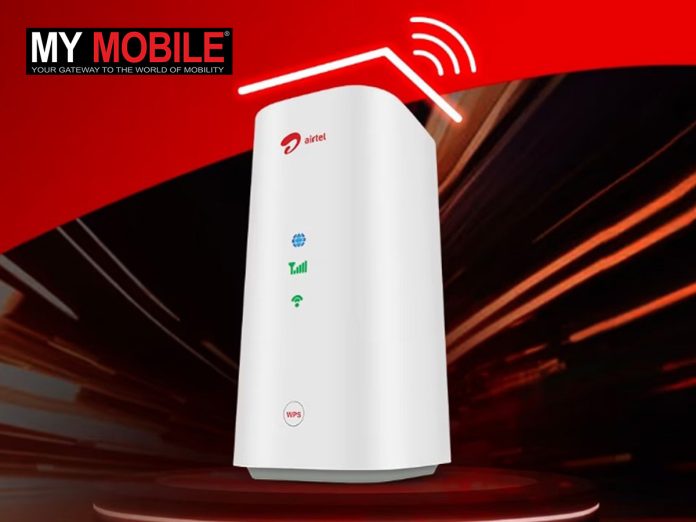
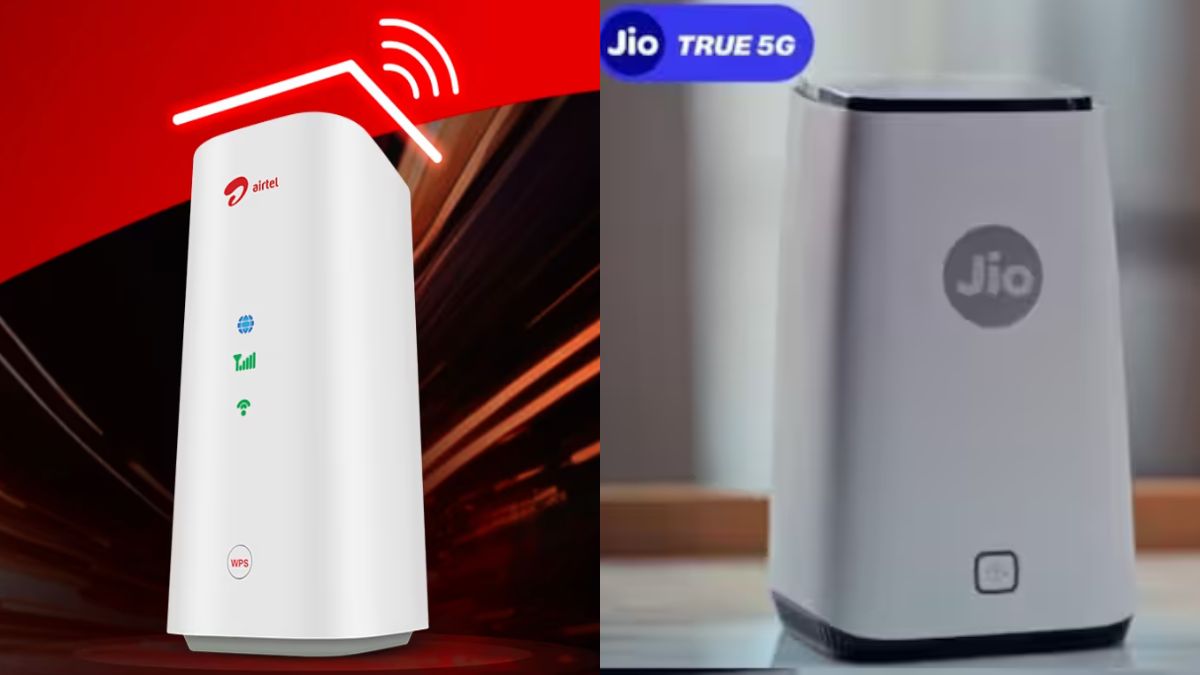
Airtelis not resting on its laurels after becoming the first carrier in India to debut a 5GFixed Wireless Access (FWA) device.
The telecom giant is already in the testing phase for an upgraded version of its Xstream AirFiber,aiming to provide enhanced indoor and outdoor coverage across India.
Plans and Packages
Airtel Xstream AirFiber
For those interested in acquiring this device, it is currently available at a 100 Mbps plan priced at Rs 799 per month.
Airtel mandates a 6-month bundle purchase, totaling Rs 7,733, which includes a Rs 2,500 security deposit.
Initial availability was limited to Delhi and Mumbai; however, the device has since been extended to Kolkata and is expected to reach pan-India audiences soon.
Features
The newly upgradedXstream AirFiber is designed to provide a seamless internet experience both inside and outside of buildings.
According to an anonymous Airtel executive cited by ET Telecom, the device will feature separate indoor and outdoor units.
Strategically placed in a building or premises, these units will enable users to enjoy reliable, high-speed internet connectivity throughout the property.
Similar to its predecessor, the goal of the upgraded Xstream AirFiber is to offer high-speed 5G connectivity in ‘fiber-dark’ areas, where fiber broadband connectivity is currently unavailable.
With millions residing in these areas, the device has the potential to bridge the digital gap significantly.
It has been designed to connect with up to 64 devices simultaneously and offer fiber-like download speeds.
FAQs
What is unique about the upgraded Airtel Xstream AirFiber?
The upgraded version will provide both indoor and outdoor coverage with strategically placed units in a building or premises for optimal internet connectivity.
When is the pan-India launch expected?
A specific timeline for the pan-India launch has not been mentioned, but the device is currently in the testing phase in key markets.
How does it compare with Jio AirFiber?
While direct comparisons are difficult without specific details, Airtel’s upgraded Xstream AirFiber aims to provide more comprehensive coverage both indoors and outdoors.
What are the current pricing details?
Pricing details for the upgraded version are yet to be disclosed. However, the existing version is available at Rs 799 per month with a 6-month bundle requirement.
Abnormal battery drain affecting multiple Apple Watch models, including both older and newer versions.
Users report dramatic battery depletions, with some experiencing full drain in as little as three hours.
Problem existed in watchOS 10.1 beta but remained unaddressed by Apple.
Release of developer beta for watchOS 10.2 raises questions about a potential fix.
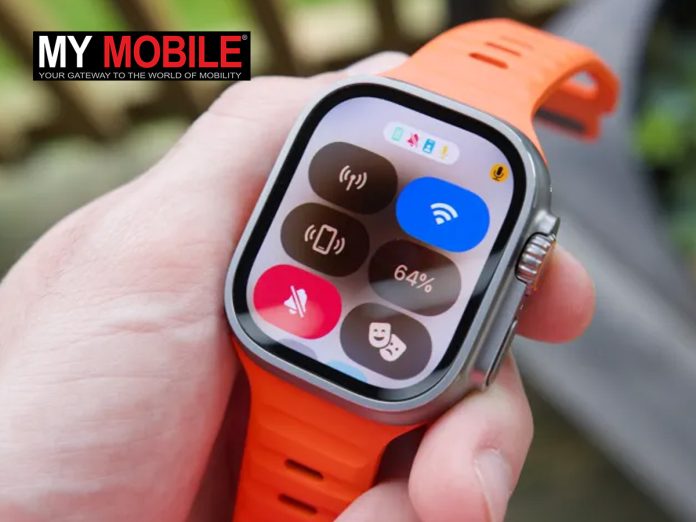
The release of watchOS 10.1appears to have brought with it an unwelcome surprise: abnormal battery drain issues across a multitude of Apple Watch models.
The problem is causing concern among users, many of whom are taking to social media platforms and tech forums to express their dissatisfaction.
A range of Apple Watch models seems to be affected by this unprecedented battery drain issue.
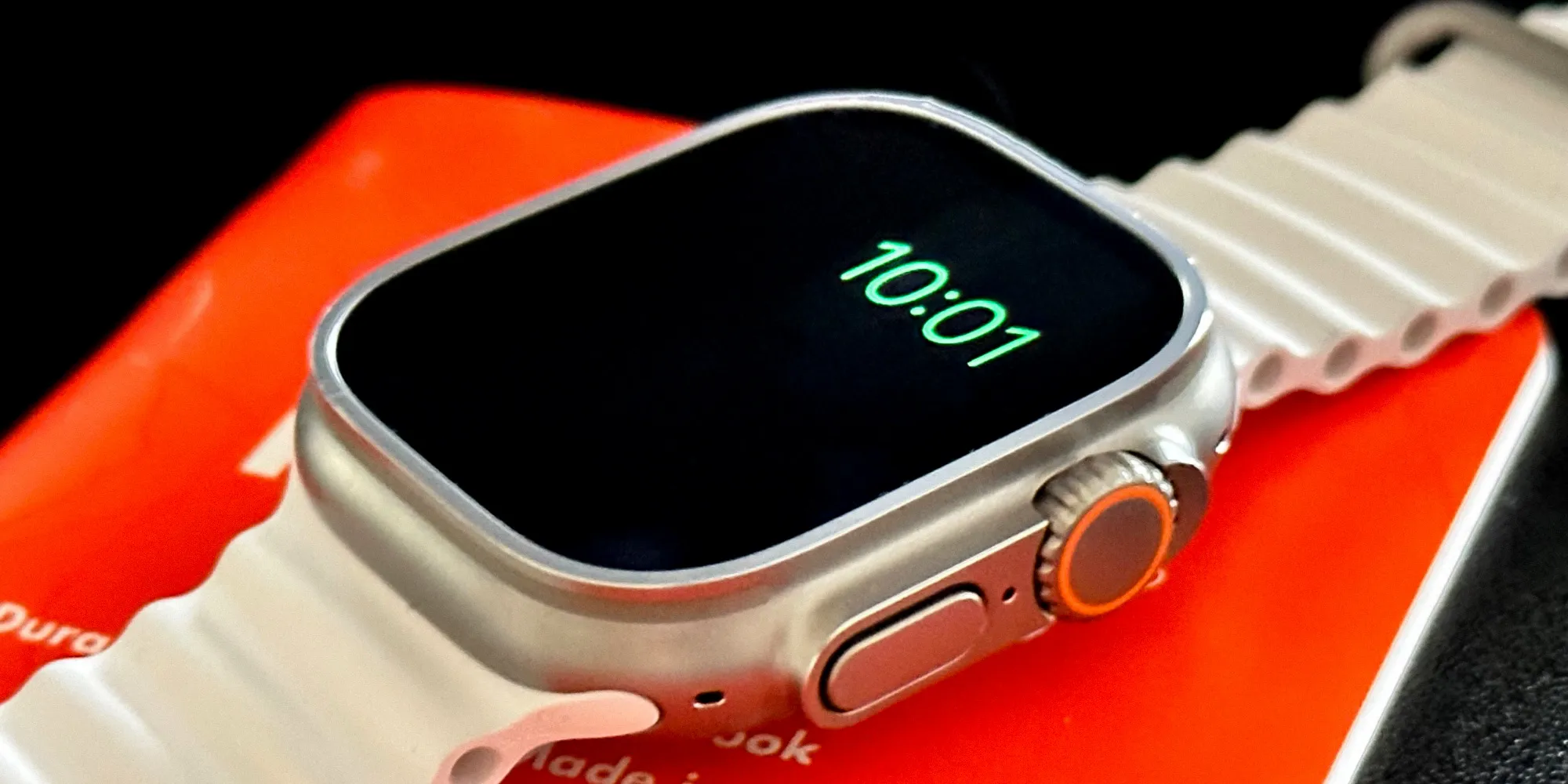
This includes not just the latestApple Watch Series 9and Apple Watch Ultra 2 but also older devices like the Apple Watch Series 4.
The scope of the problem suggests that it’s not confined to any one model, making it a broader issue that Apple needs to address urgently
Users are reporting a significantly faster battery drain rate than usual.
Apple watchOS 10.1 Battery Drain
One Twitter user shared that their Apple Watch Series 9’s battery plummeted from 100% to dead in just three hours.
Another reported a 25% battery drain in just half an hour on their Apple Watch Series 7.
The problem is further compounded by reports that the issue existed in the beta version of watchOS 10.1 but was not addressed by Apple.
The tech giant recently released the developer beta of watchOS 10.2, raising questions about whether this upcoming release will tackle the battery drain issue that has been dogging users.
Interestingly, the battery drain onApple Watchesmirrors similar problems experienced by iPhone users who updated to iOS 17.
Applewas quick to release an update, iOS 17.0.3, to solve those issues.
Will the company act as swiftly this time? Only time will tell.
Users are strongly encouraged to alert Apple to expedite a fix, possibly through a forthcoming software update.
FAQs
What Apple Watch models are affected by the battery drain issue?
The battery drain issue is affecting a wide range of Apple Watch models, from older versions like the Series 4 to the latest Series 9 and Ultra 2.
How severe is the battery drain problem?
Users are experiencing drastic battery depletion. Reports include a Series 9 watch going from 100% to dead in just three hours and a Series 7 draining 25% battery in 30 minutes.
Was this issue present in the beta version of watchOS 10.1?
Yes, users have noted that the battery drain issue was present in the beta version of watchOS 10.1 but was not fixed by Apple in the final release.
Is Apple planning to fix this issue soon?
Apple has released the developer beta of watchOS 10.2, but it is still unclear whether this update will address the battery drain issue.
However, it’s the still-unannounced ‘Ultra’ variant that’s fueling the most speculation.
A recent sighting of theXiaomi 14 Ultraon the Eurasian Economic Commission (EEC) certification site suggests that a global launch could be around the corner.
EEC Listing Confirms Imminent Launch
A Xiaomi smartphone with the model number 24030PN60G was identified on the EEC site.
This model number matches the global variant of the Xiaomi 14 Ultra, according to information from theIMEI database.
Given this verification, it’s increasingly likely that the Xiaomi 14 Ultra will be available globally in the near future.
Rumoured Features
Xiaomi 14 Ultra Rumoured Features
Another reason for enthusiasts to be excited is the device’s hardware. The Xiaomi 14 Ultra is expected to come equipped with the powerful Snapdragon 8 Gen 3 chipset.
A recent DCS report has further teased that the phone might feature a curved AMOLED screen with 2K resolution.
Leaked specifications for the camera indicate something spectacular.
A Weibo post by Digital Chat Stationsuggests the device will feature a 1-inch Sony LYT900 sensor and three additional 50MP sensors.
Furthermore, these cameras are expected to come powered by Leica lenses, offering variable aperture for versatile photography.
If we look back at the Xiaomi 13 series for context, the Xiaomi 13 Ultra was differentiated from theXiaomi 13 Proprimarily by its camera and battery features.
The Ultra variant included an additional periscope lens with 5X optical zoom and a larger battery.
The Xiaomi 14 Ultra is expected to continue this tradition of upgrades, especially over its sibling, the Xiaomi 14 Pro.
Potential April 2024 Launch
Keeping in line with the launch timeline of theXiaomi 13 Ultra, the Xiaomi 14 Ultra could potentially hit global markets by April 2024.
This timeframe is also corroborated by the model number associated with the device.
Xiaomihas yet to officially confirm these details, but the EEC listing and corroborative IMEI data stronglyhintat an imminent global launch.
For Xiaomi enthusiasts, it seems the wait for the high-end Xiaomi 14 Ultra will soon be over.
FAQs
What does the EEC listing mean for the Xiaomi 14 Ultra?
The EEC listing strongly suggests that Xiaomi is preparing for a global launch of the Xiaomi 14 Ultra, as the model number on the EEC database matches that of the device.
What can we expect in terms of hardware from the Xiaomi 14 Ultra?
The device is expected to come with a Snapdragon 8 Gen 3 chipset and possibly a curved AMOLED screen with a 2K resolution, making it a high-end offering.
When is the Xiaomi 14 Ultra expected to be launched globally?
Based on the model number and previous Xiaomi Ultra series launch patterns, it is speculated that the global launch could happen by April 2024.
What are the rumored camera specifications for the device?
Leaked details suggest that the camera system could include a 1-inch Sony LYT900 sensor and three additional 50MP sensors, all powered by Leica lenses.
Apple warns that in-car wireless chargers in some BMW and Toyota Supra models may disable NFC on iPhone 15 series.
Affected features include Apple Pay and digital car keys, with errors appearing in the Wallet app.
A software update is in the pipeline, expected to arrive in a minor update after iOS 17.1.
Apple recommends avoiding in-car wireless charging for affected devices
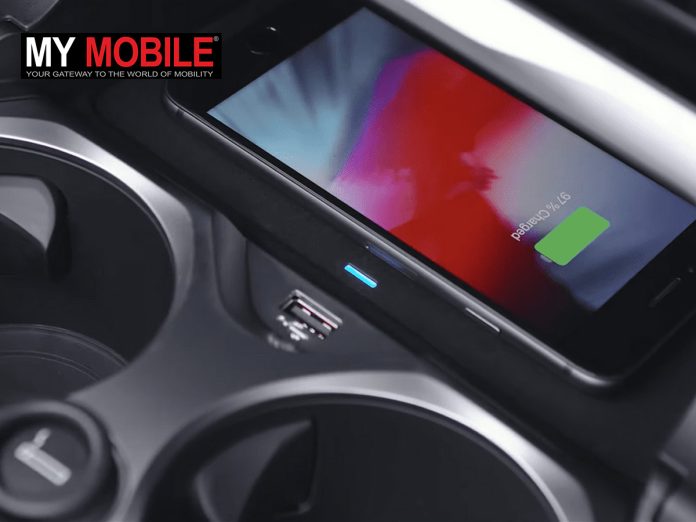
In an unexpected turn of events, Apple has released an internal memo that warns of an issue which can disable the NFC capabilities of itsiPhone 15 series when charged with certain wireless phone chargers in recent BMW and Toyota Supra models.
Key Points
Internal Memo Revealed: Apple Authorized Service Providers have been informed that charging the iPhone 15 series with some in-car wireless chargers can disable NFC features.
Affected Features: Apple Pay and digital car keys may become inoperable, with error messages appearing in the Wallet app.
Software Update Pending: Apple plans to rectify this issue in an upcoming software update, possibly iOS 17.1.1 or iOS 17.2.
Interim Solution: Apple recommends that affected customers avoid using in-car wireless charging until a fix is issued.
The Problem in Detail
The NFC chip in an iPhone powers crucial features like Apple Pay and digital car keys.
Affected users could receive a “Could Not Set Up Apple Pay” error message, even if they’ve previously configured Apple Pay.
The issue came to light on platforms like MacRumors Forums and X, the platform formerly known as Twitter, although it’s not clear how widespread this issue is.
Apple has announced that a software fix is in the works and will be released later this year.
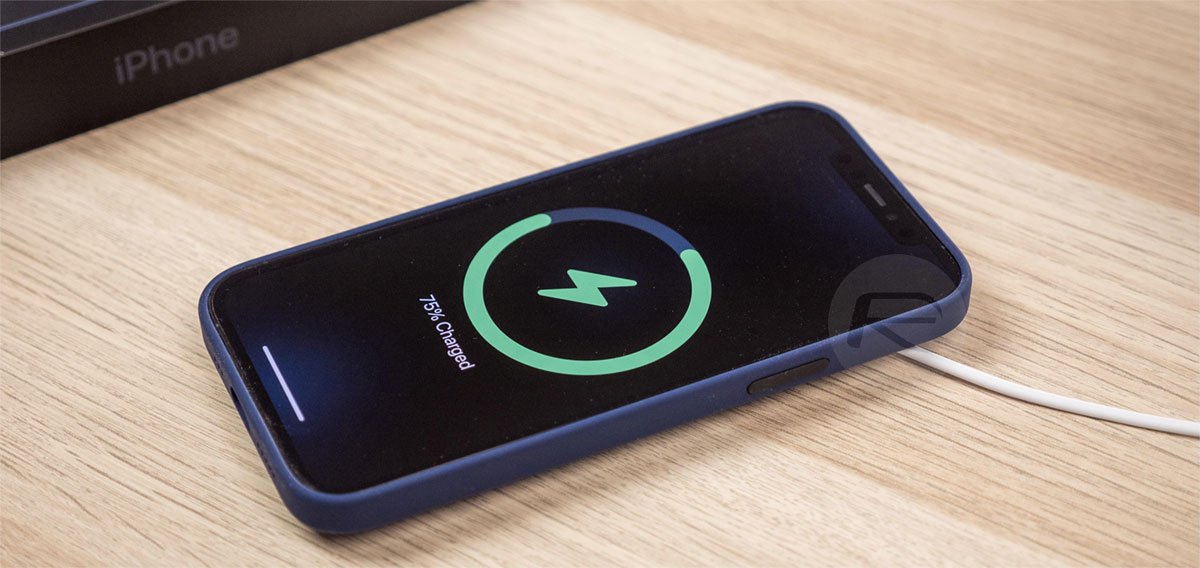
iPhone 15 Wireless Charger
Interestingly, this memo was released just hours after theiOS 17.1 update, indicating that a minor subsequent update will likely address the issue.
In the interim, Apple has advised users facing this problem to abstain from using the in-car wireless charging feature.
For those who are already impacted, a trip to an Apple Store or an Apple Authorized Service Provider will be necessary.
Technicians will first attempt to restart the NFC chip using the Apple Service Toolkit 2software. If this step fails, a hardware repair is likely to be initiated.
While Apple is working on a solution, the safest course of action is to avoid in-car wireless charging for now.
FAQs
What is the issue with the iPhone 15 series and BMW wireless charging?
Apple has released an internal memo warning that using certain in-car wireless chargers in BMW and Toyota Supra models may temporarily disable the NFC features on the iPhone 15 series.
What features are affected when the NFC is disabled?
Key features like Apple Pay and digital car keys can become inoperative. Users may encounter error messages within the Wallet app, making transactions and car access problematic.
Is Apple planning to fix this issue?
Yes, Apple has announced that a software update is on its way. This is likely to be a minor update following iOS 17.1, aiming to resolve the NFC disabling issue.
What should affected customers do?
Apple advises users who are experiencing this issue to stop using in-car wireless charging. Those affected will likely need to visit an Apple Authorized Service Provider or Apple Store for possible hardware repair.