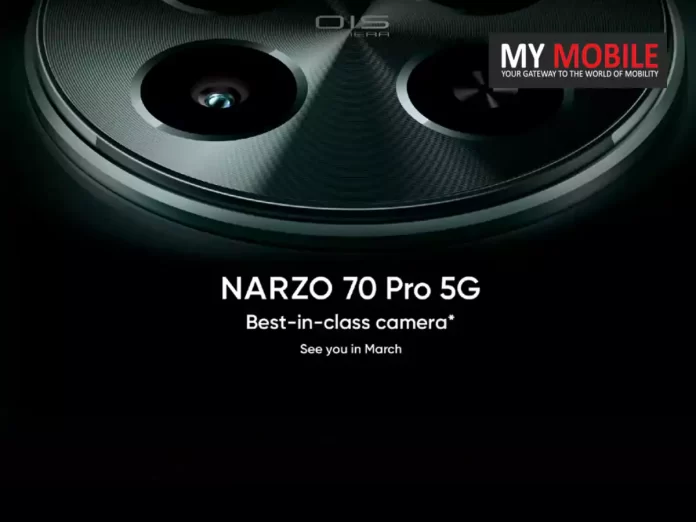
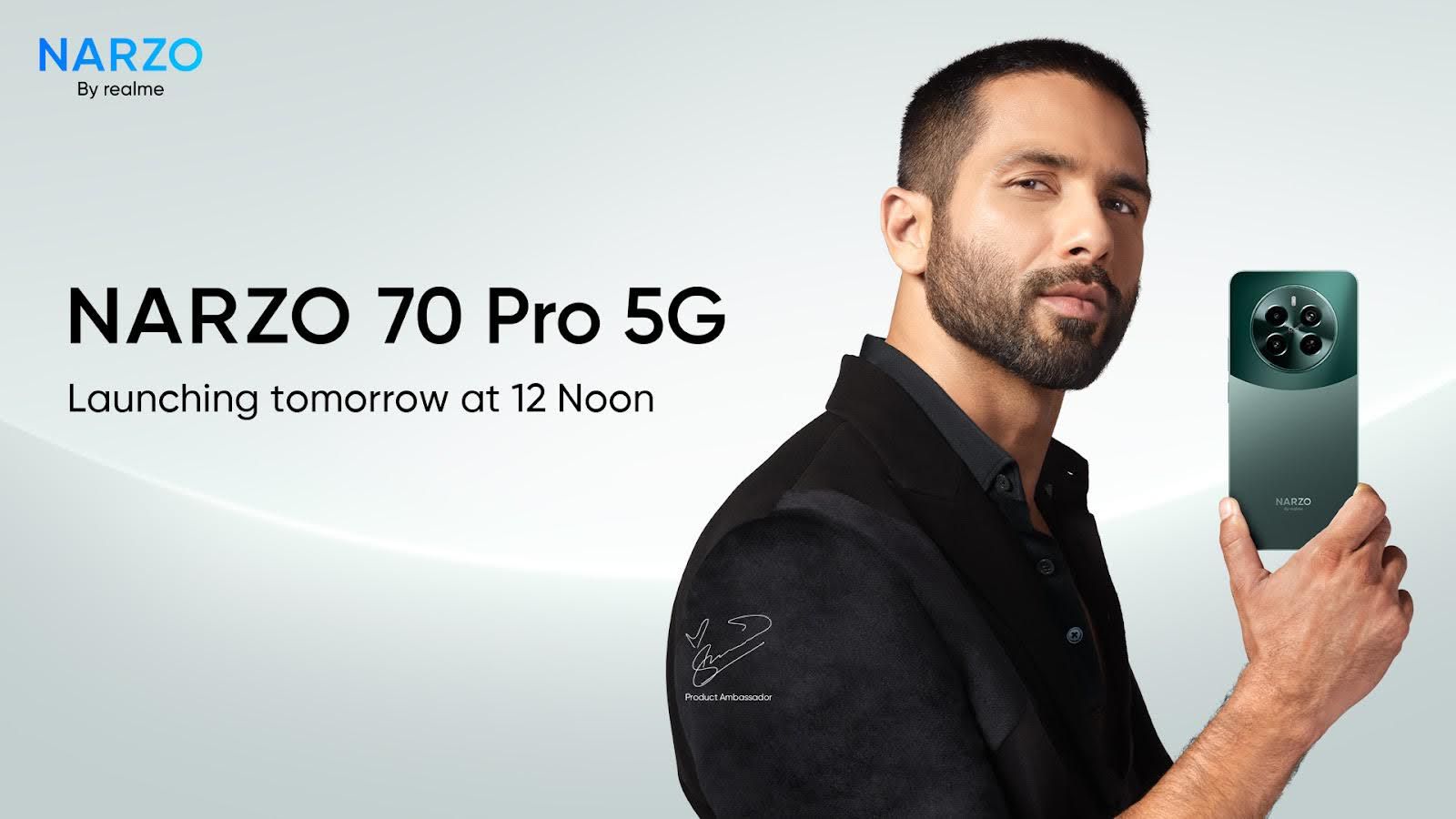
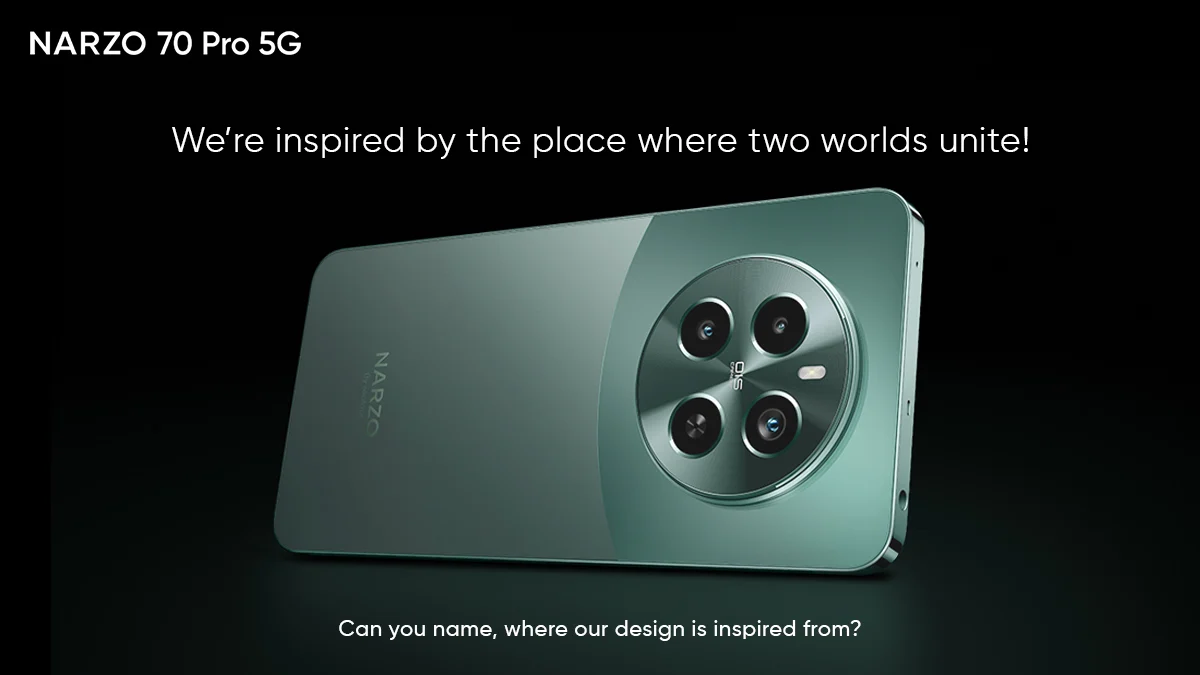
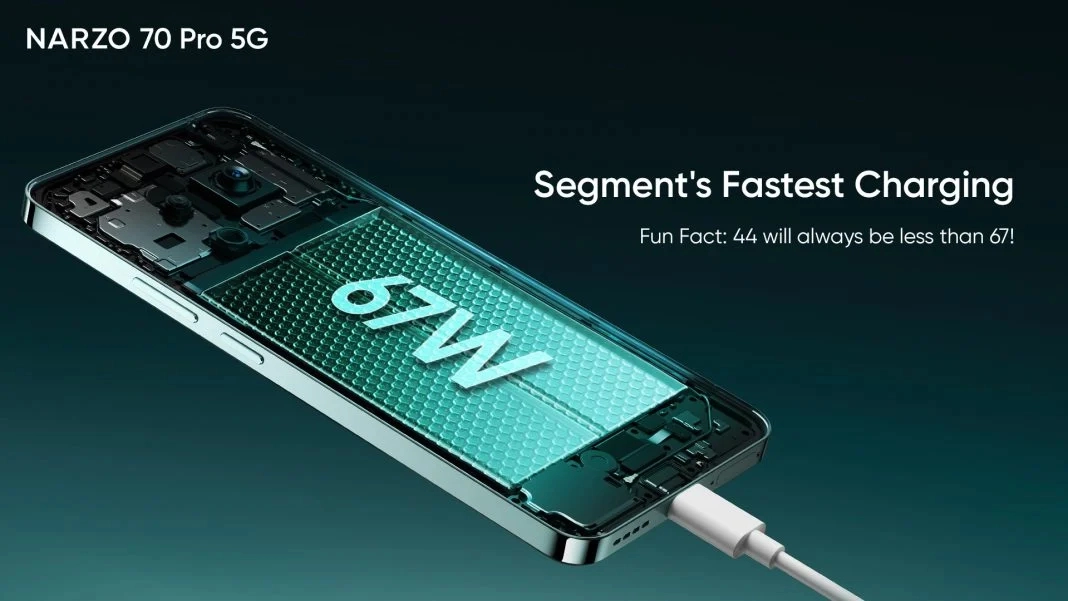
Following in the footsteps of its predecessor, the Narzo 60 Pro, this latest addition to the Narzo series boasts a sleek design and enhanced camera capabilities, promising to deliver an upgraded user experience.
When and Where To Watch
Realme Narzo 70 Pro Launch Set For 19th March: When and Where To Watch
While specific details about the device’s specifications and pricing remain under wraps, the sneak peeks into its design and features have already sparked excitement and high expectations.
Stay tuned and mark your calendars for the live stream on Realme’s YouTube channel to be among the first to see the unveiling of the Narzo 70 Pro, which is set to redefine standards in smartphone design and functionality within its price segment.
The Realme Narzo 70 Pro official launch is scheduled to take place starting at 12:00 PM.
For those eager to witness the unveiling of Realme’s latest marvel, the launch event will be live-streamed on Realme’s official YouTube channel.
Design and Layout
Realme Narzo 70 Pro Launch Set For 19th March: Design and Layout
This placement ensures ease of use, allowing users to adjust the volume and power on the device effortlessly.
Camera Innovations
Realme Narzo 70 Pro Launch Set For 19th March: Camera
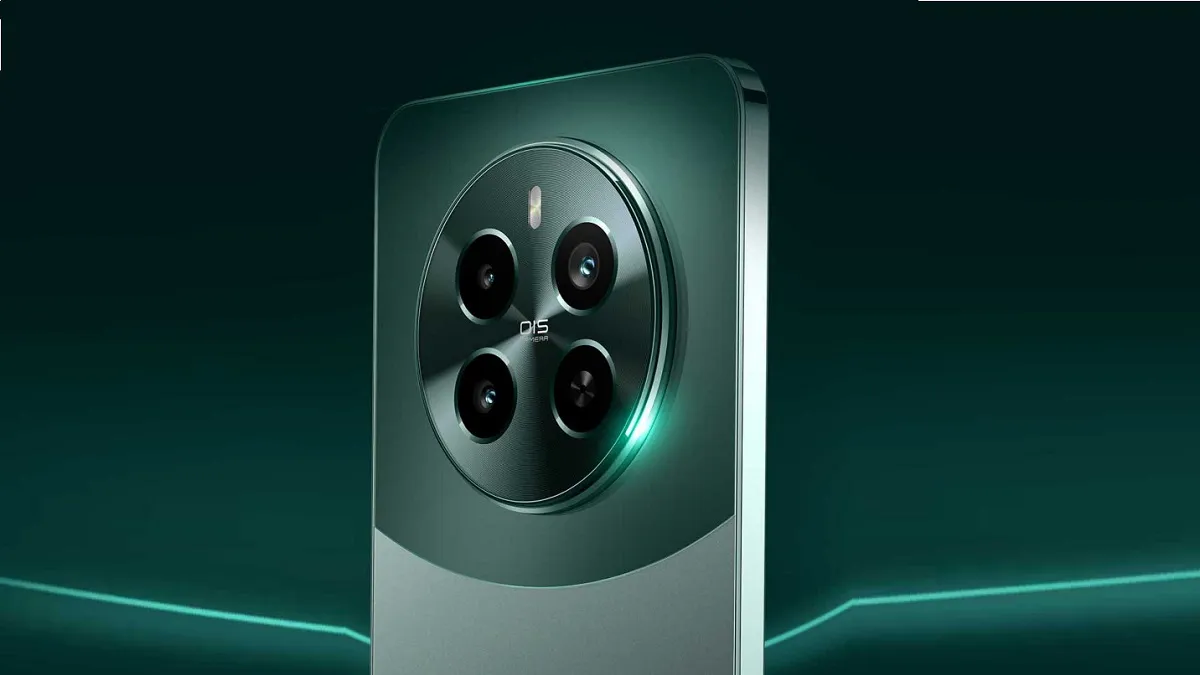
At the rear, the Narzo 70 Pro introduces a circular camera island, a design choice reminiscent of the Narzo 60 Pro, signifying Realme’s commitment to consistency and brand identity across its Narzo series.
This distinctive circular module is not just for aesthetics; it serves a functional purpose, housing the smartphone’s advanced rear cameras and an LED flash.
This setup is expected to enhance the photographic capabilities of the Narzo 70 Pro, enabling users to capture high-quality images and videos in various lighting conditions.
Anticipation Builds
Realme Narzo 70 Pro Launch Set For 19th March: Battery
Ultra Steady Video, Ultra Steady Max Video, Night Mode, Panoramic View, Expert, Timelapse, HDR, Ultra-wide, Ultra Macro, AI Scene Recognition, AI Beauty, Filter, Slow Motion, Bokeh Effect Control
Video Recording
4K, 1080p, 720p
Flash
Yes, LED
Front Camera
Punch Hole 16 MP f/2.1 (Wide Angle) with Screen Flash
What makes the Realme Narzo 70 Pro stand out in the smartphone market?
The Realme Narzo 70 Pro is designed to offer a premium user experience at an accessible price point, featuring a sleek design, advanced camera setup, and a user-friendly interface.
When can I watch the Realme Narzo 70 Pro launch event?
The launch event is scheduled to start at 12:00 PM and will be live-streamed on Realme’s official YouTube channel, allowing fans worldwide to witness the unveiling.
What are the key design features of the Realme Narzo 70 Pro?
The Narzo 70 Pro boasts a modern design with a circular camera island at the back and convenient placement of the volume rocker and power button on the right side for ease of use.
How does the camera setup on the Realme Narzo 70 Pro compare to its predecessor?
The Narzo 70 Pro enhances its photography capabilities with a circular camera island similar to the Narzo 60 Pro, but with upgraded sensors and an LED flash for high-quality imaging in various conditions.
What should we expect from the Realme Narzo 70 Pro in terms of user experience?
Users can expect a combination of high-end features, including an advanced camera system, robust performance, and a sleek design, all contributing to an improved and seamless smartphone experience.
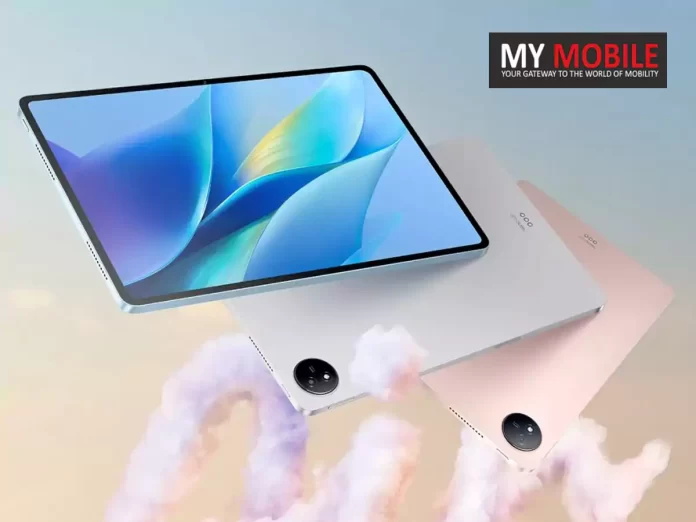
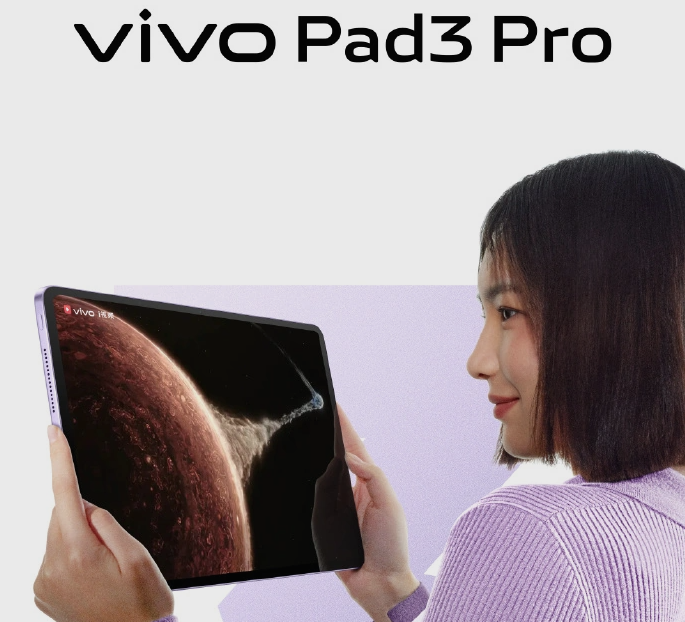
While Vivo has kept the pricing under wraps for now, the specs alone are enough to catch the attention of tech enthusiasts worldwide.
Key Specs of the Vivo Pad 3 Pro
Key Specs of the Vivo Pad 3 Pro
Display: Boasts a 13-inch 3.1K eye-protecting screen, ensuring vivid clarity with a 144Hz refresh rate for ultra-smooth visuals.
Processor: Powered by the robust MediaTek Dimensity 9300 SoC, designed for seamless performance.
Operating System: Runs on Vivo’s OriginOS 4, offering a sleek and user-friendly interface.
Battery Life: Equipped with an 11,500mAh battery, compatible with either 44W or 66W fast charging.
Audio: Features an 8-speaker panoramic acoustic system for immersive sound quality.
Productivity and Connectivity: Includes voice recognition, atomic note management, communication sharing, a built-in vivo office suite, and multi-device interconnection.
Key Specs of the Vivo TWS 4 Earbuds
Key Specs of the Vivo TWS 4 Earbuds
Vivo’s TWS 4 earbudsbreak new ground with the introduction of a ceramic tungsten acoustic diaphragm, a first in the industry, promising unparalleled sound quality.
These earbuds are not just about superior audio; they’re also designed with user comfort and advanced functionality in mind:
Active Noise Cancellation: Offers up to 55db of noise cancellation, enhanced by AI to improve vocal clarity, ambient sound transmission, and wind noise resistance.
Qualcomm S3 Audio Platform: The Hi-Fi version leverages the third-generation Qualcomm S3 audio platform, ideal for gamers with its 44ms low latency.
Lightweight Design: Each earbud weighs a mere 4.8 grams, providing comfort without compromising on sound quality.
Extended Battery Life: Promises up to 45 hours of battery life, with 11 hours of continuous listening on a single charge, setting a new standard for endurance.
The Vivo Pad 3 Pro is envisioned as a productivity powerhouse, catering to both professional and personal needs.
Its high-refresh-rate display not only enhances visual experience but also goes easy on the eyes, making it suitable for extended use.
Coupled with a high-capacity battery and fast charging, it ensures that you stay powered through the day without interruption.
Vivo Launches Pad 3 Pro and TWS 4 Earbuds in China
The TWS 4 earbuds, with their pioneering acoustic diaphragm and noise-cancellation technology, stand to offer an audio experience that’s both immersive and crystal clear.
The integration of AI and the Qualcomm S3 audio platform indicates Vivo’s commitment to delivering not just superior sound quality but also an enhanced user experience for gamersand audiophiles alike.
FAQs
What are the standout features of the Vivo Pad 3 Pro?
The Vivo Pad 3 Pro impresses with its 13-inch 3.1K display, 144Hz refresh rate, MediaTek Dimensity 9300 SoC, and a massive 11,500mAh battery. It’s designed to enhance productivity and entertainment with its 8-speaker system and OriginOS 4.
How does the Vivo TWS 4 distinguish itself in the market?
Vivo TWS 4 earbuds feature groundbreaking ceramic tungsten acoustic diaphragm technology, offering up to 55db Active Noise Cancellation and superior sound quality. They’re lightweight, support Qualcomm’s third-generation S3 audio platform, and boast up to 45 hours of battery life.
Can the Vivo Pad 3 Pro handle intensive multitasking and gaming?
Yes, with its high-performance MediaTek Dimensity 9300 SoC, ample RAM, and high-refresh-rate display, the Vivo Pad 3 Pro is well-equipped for intensive multitasking and gaming, offering seamless and immersive experiences.
What makes the Vivo TWS 4 ideal for gamers?
The TWS 4 earbuds are powered by the Qualcomm S3 audio platform, ensuring a low-latency audio experience of just 44ms. This, combined with their lightweight design and long battery life, makes them perfect for extended gaming sessions.
When will the Vivo Pad 3 Pro and TWS 4 be available for purchase?
While Vivo has launched these devices in China, the exact global release dates and prices have yet to be announced. Keep an eye on Vivo’s official channels for updates.
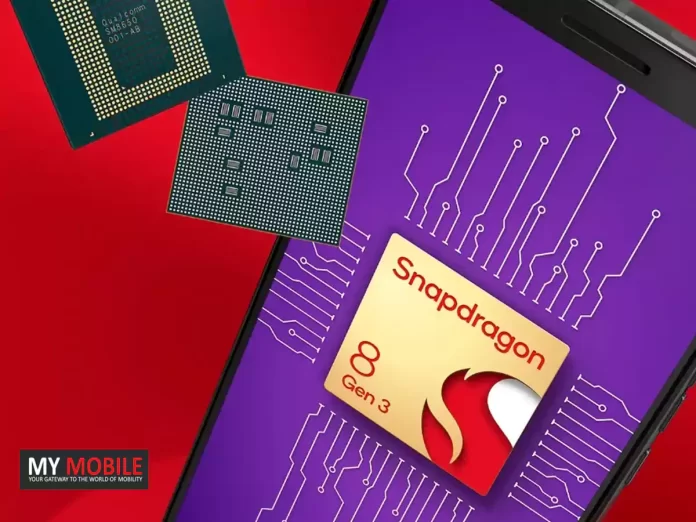
Tailored for those who seek the high-end Snapdragon experience without the premium price tag, the 8s Gen 3 will likely be a compelling alternative to the Snapdragon 8 Gen 3, boasting several shared features with its more expensive counterpart.
Bridging the Performance Gap
Qualcomm Snapdragon 8s Gen 3 Chipset Announced
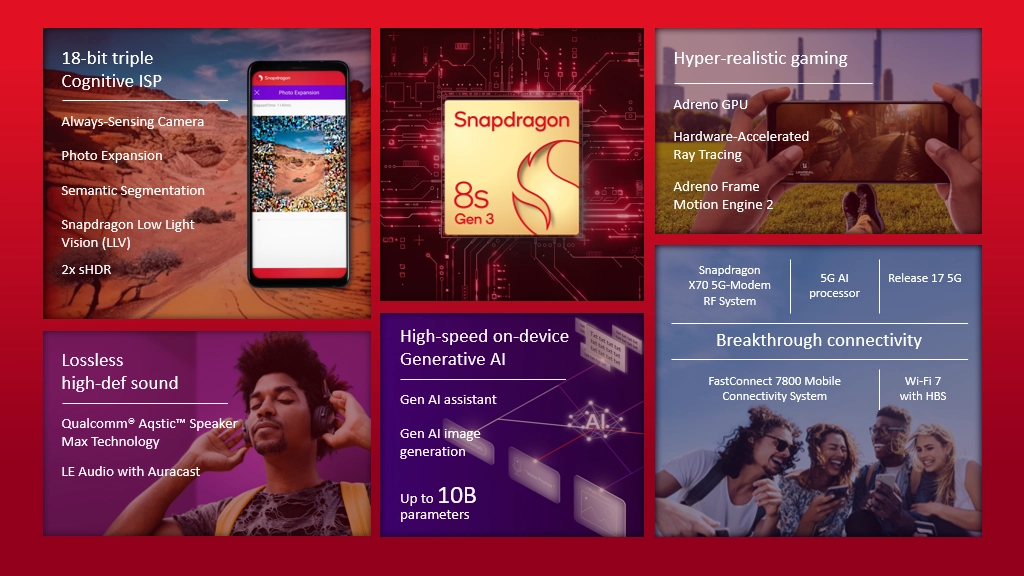
The Snapdragon 8s Gen 3 has a similar CPU layout to the 8 Gen 3, including one Cortex-X4 big core, four Cortex-A720 medium cores, and three Cortex-A520 little cores.
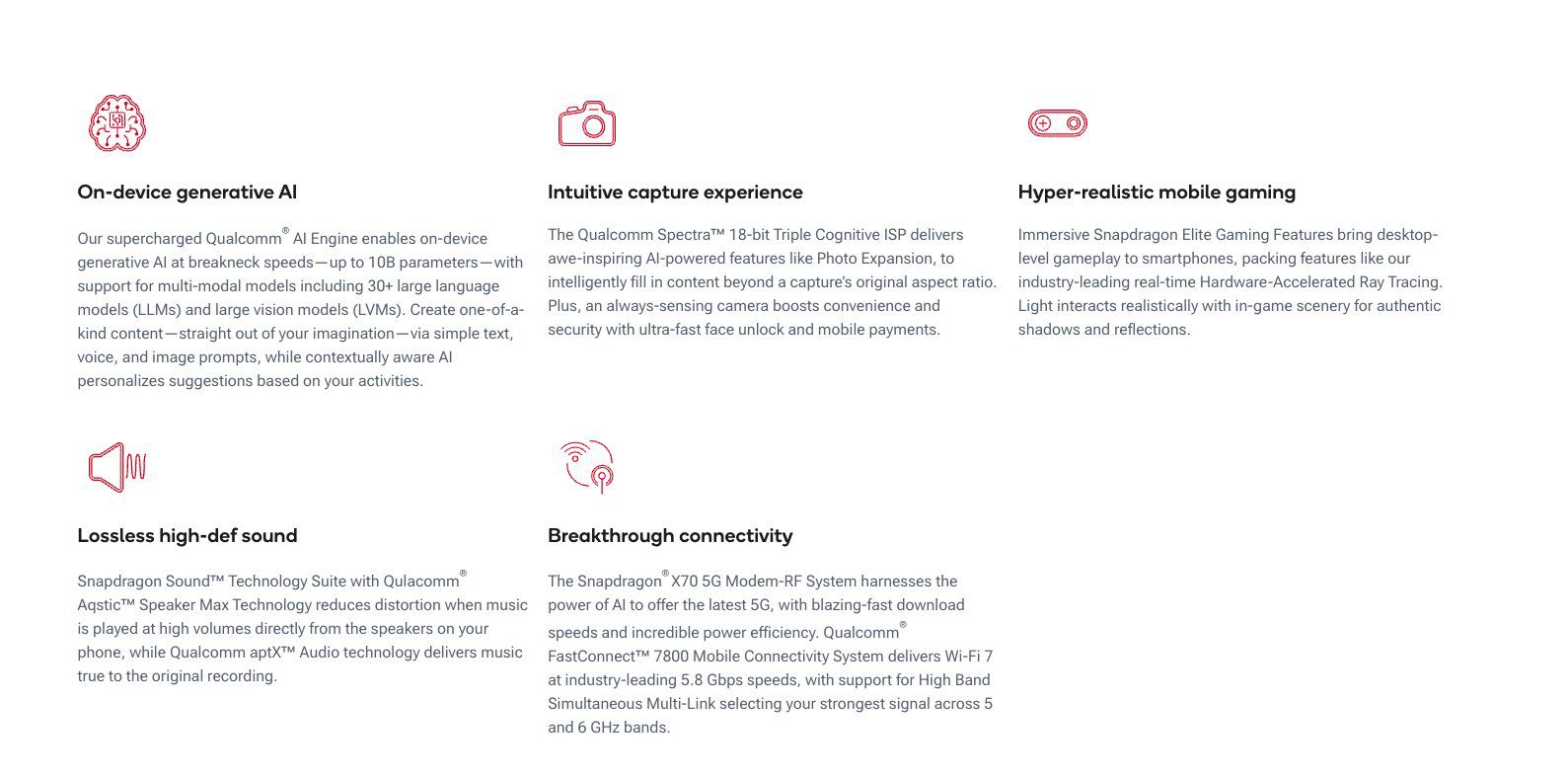
Connectivity isn’t compromised, with the inclusion of the FastConnect 7800 suite and the Snapdragon 8s Gen 3 also dips into the realm of generative AI, supporting models with up to 10 billion parameters.
Snapdragon 8s Gen 3 offers a flagship experience at an affordable price
While the Snapdragon 8s Gen 3 mirrors its higher-end sibling in several areas, it also introduces some deliberate downgrades to achieve a more attractive price point.
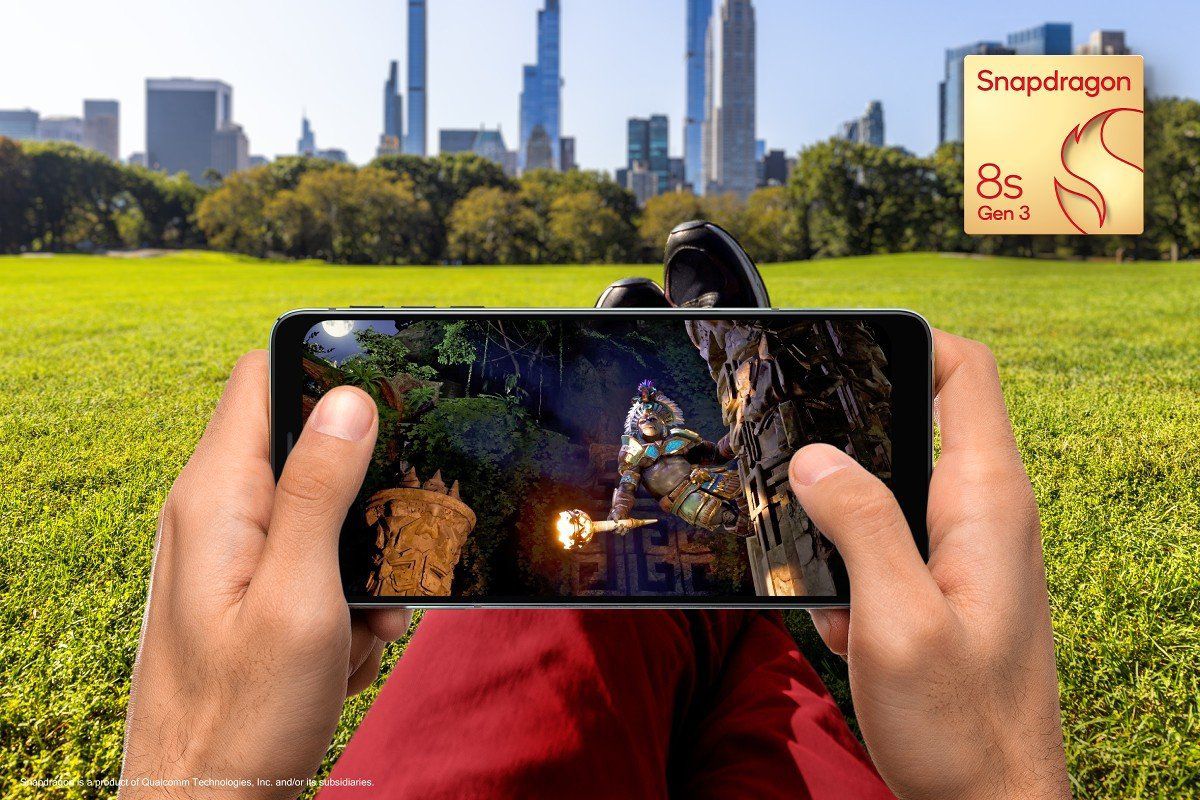
However, optimisations ensure that it remains a powerhouse for gaming, with features like hardware-based ray tracing and super-resolution support firmly in place.
The Snapdragon 8s Gen 3 also steps back slightly in modem capabilities, incorporating the X70 modem with Release 17 support and a peak downlink speed of 5Gbps.
Features include a robust CPU layout, FastConnect 7800 suite, and LPDDR5X RAM support
Camera technology on the Snapdragon 8s Gen 3 is no slouch either, offering a triple ISP for seamless transitions between cameras, support for up to 200MP sensors, and advanced video capabilities, albeit with a shift in focus towards more commonly used recording formats.
Other features include support for QHD+ screens with refresh rates up to 144Hz, Quick Charge 5, Snapdragon Seamless integration, and the latest in Wi-Fi and Bluetooth technologies, making the Snapdragon 8s Gen 3 a comprehensive package while not being a big hit on the spender’s wallet.
Looking Ahead
Introduces generative AI capabilities with support for models up to 10 billion parameters
Brands like HONOR, Iqoo, Realme, Redmi, and Xiaomi have been confirmed as partners, with Qualcomm also hinting at a presence in the US market through likely collaborations with Motorola, Samsung, or OnePlus.
FAQs
What is the Snapdragon 8s Gen 3?
The Snapdragon 8s Gen 3 is Qualcomm’s latest chipset, designed to deliver high-end smartphone features at a more accessible price point, without compromising on performance.
How does the Snapdragon 8s Gen 3 compare to the Snapdragon 8 Gen 3?
While the Snapdragon 8s Gen 3 shares a similar CPU layout and several features with the Snapdragon 8 Gen 3, it has been adjusted for cost-effectiveness with slight downgrades in the GPU and modem capabilities.
Which smartphones will feature the Snapdragon 8s Gen 3?
Smartphones from brands like HONOR, Iqoo, Realme, Redmi, and Xiaomi are expected to launch with the Snapdragon 8s Gen 3 chipset, with the first devices hitting the market later this month.
What are the key features of the Snapdragon 8s Gen 3?
Key features include generative AI support, advanced camera capabilities, high-speed connectivity options, and support for high-refresh-rate QHD+ screens, offering a comprehensive package for tech-savvy users.
Will the Snapdragon 8s Gen 3 be available in the US?
Yes, Qualcomm has confirmed that smartphones powered by the Snapdragon 8s Gen 3 will be available in the US, with potential offerings from brands like Motorola, Samsung, or OnePlus.
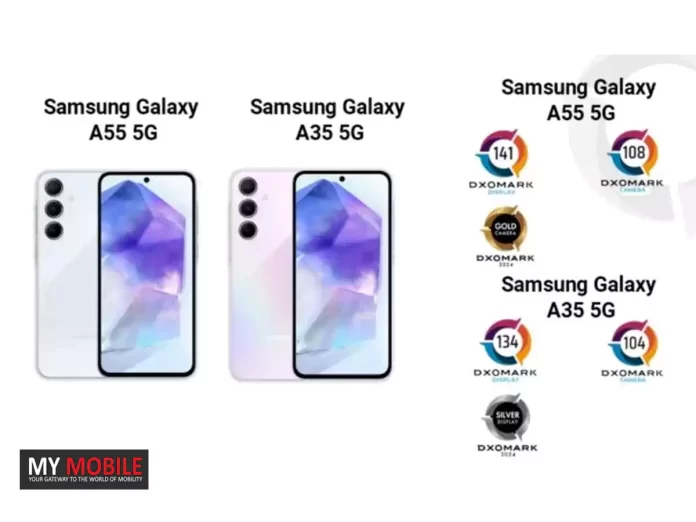
The Samsung Galaxy A55 has garnered attention for its AI-enhanced camera performance, receiving a commendable overall camera score from DXOMARK.
With specific accolades for its photo, zoom, video, and bokeh capabilities, the A55 is said to demonstrate a balanced proficiency across various photography aspects.
Notably, its scores in the zoom and bokeh categories underline Samsung’s focus on delivering quality visuals that rival those of higher-priced models.
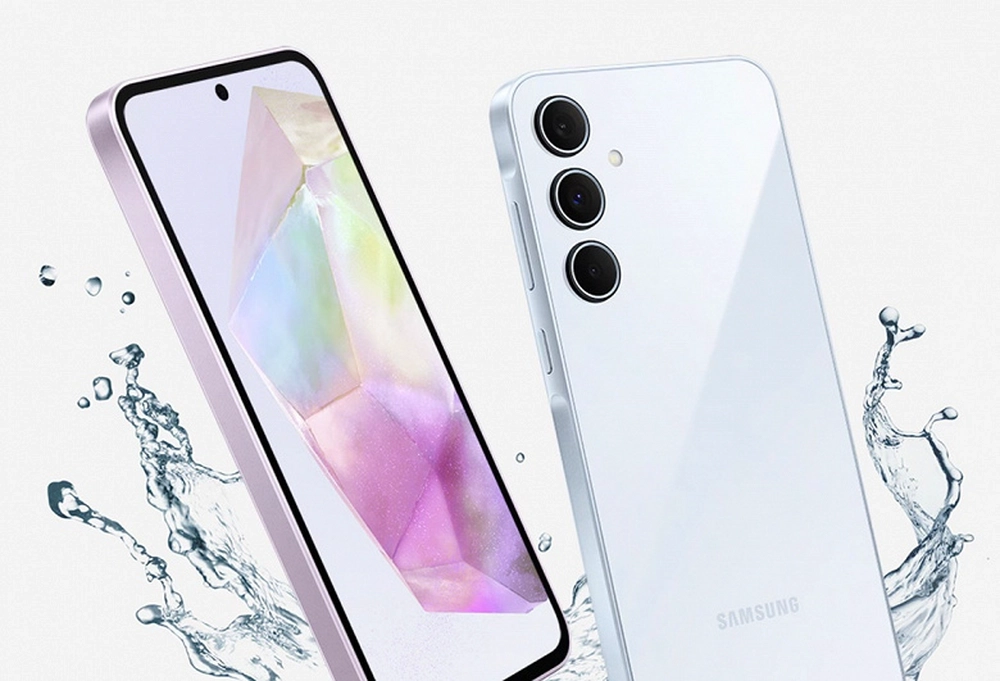
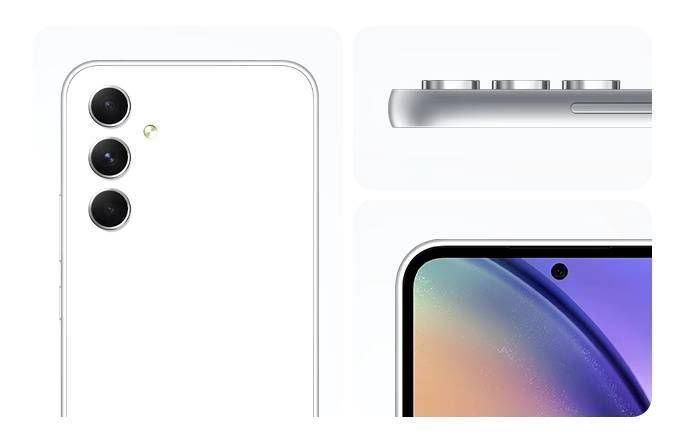
In terms of display, the A55’s 6.6-inch FHD+ Super AMOLED screen, boasting a 120Hz refresh rate, ensures a smooth and vibrant viewing experience.
DXOMARK’s review highlighted the A55’s natural color rendering and exceptional readability under sunlight, thanks to its peak brightness of 1638 nits.
While the review pointed out minor issues with screen touches and brightness management in dark environments, the Galaxy A55 still stands out for its display quality, especially in the high-end segment.
The Galaxy A35: A Strong Contender in Advanced Ranking
The Galaxy A35: A Strong Contender in Advanced Ranking
DXOMARK’s evaluation places the A35 as a strong contender in outdoor photography and screen readability in sunlight.
Despite some limitations in low-light conditions and picture rendering under direct sunlight, the A35’s camera performance in the Advanced Ranking category for devices priced between $200-$400 (under Rs 30,000) is commendable.
The A35 mirrors the A55 in display excellence, with its 6.6-inch AMOLED screen delivering good color rendering and outdoor readability.
Samsung Galaxy A55 and A35 Excel in DXOMARK Reviews for Camera and Display Performance
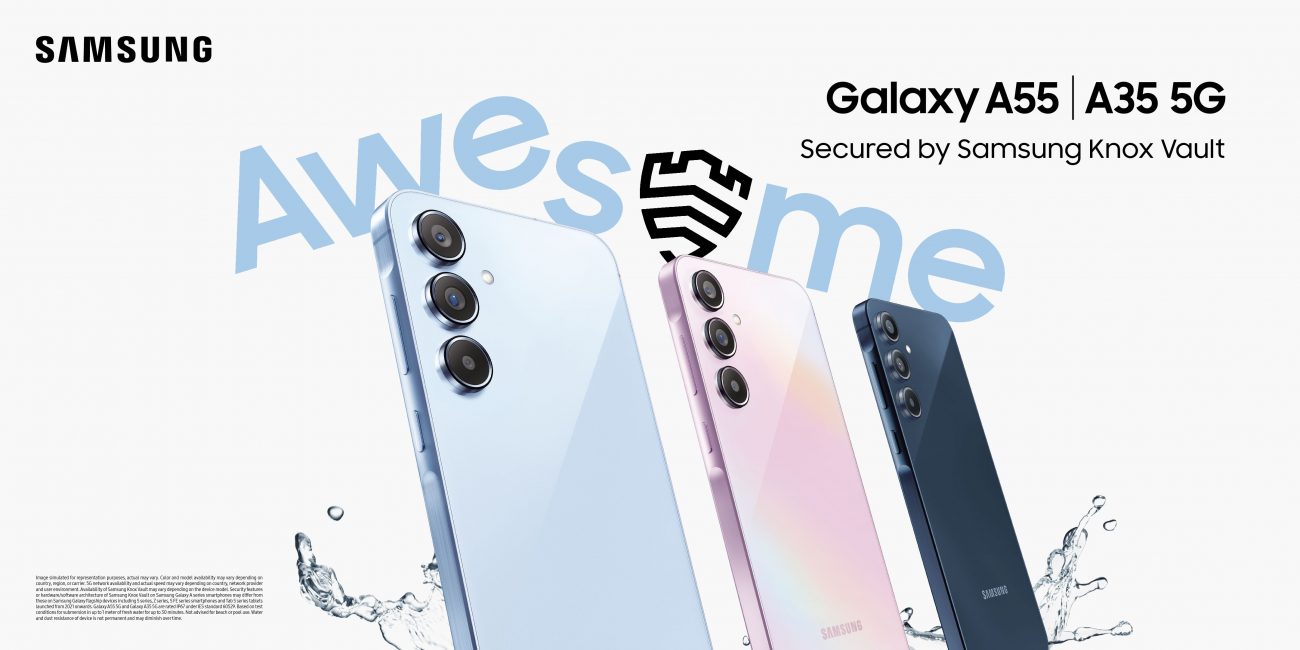
Both the Galaxy A55 and A35 have set new benchmarks in the mid-range segment with their outstanding camera and display performances as per DXOMARK reviews.
Samsung’s pricing for the A55 between Rs 36,999 and Rs 42,999 and the A35 between Rs 27,999 and Rs 30,999, coupled with their sale commencement on March 18, positions these devices as attractive options for consumers looking for flagship-like features at more accessible price points.
What makes the Samsung Galaxy A55 stand out according to DXOMARK?
The Galaxy A55 has received high praise for its AI-enhanced camera performance, achieving commendable scores in photo, zoom, video, and bokeh categories, showcasing its ability to deliver high-quality visuals.
How does the Galaxy A35 perform in camera and display according to DXOMARK?
DXOMARK highlights the Galaxy A35 as a strong performer in outdoor photography and screen readability, with good color rendering and a peak brightness that rivals higher-priced models.
What are the display features of the Samsung Galaxy A55 and A35?
Both the Galaxy A55 and A35 feature a 6.6-inch FHD+ Super AMOLED screen with a 120Hz refresh rate, offering a smooth and vibrant viewing experience with excellent sunlight readability.
How do the DXOMARK scores of the Galaxy A55 and A35 compare to other smartphones?
The Galaxy A55 and A35 have set new benchmarks in the mid-range segment with their outstanding camera and display performances, with the A55 excelling in the high-end category and the A35 being a top contender in the advanced ranking for budget-friendly devices.
When did the Samsung Galaxy A55 and A35 go on sale in India?
Both the Samsung Galaxy A55 and A35 were launched in the Indian market on March 14, 2024, and went on sale starting March 18, offering consumers flagship-like features at more accessible price points.
What are Pros of Samsung Galaxy A55 Camera by DXOMARK?
Accurate exposure, fairly wide dynamic range in bright light and indoors
Fairly high texture levels in bright light
Fairly good video stabilization when standing still while recording
What are the cons of Samsung Galaxy A55 Camera according to DXOMARK?
Some autofocus and exposure instabilities and stepping
Noise, particularly in the shadow areas of the frame
Occasionally inaccurate color rendering
Ineffective video stabilization when moving while recording
Hues shifts, flare and fusion artifacts
Limited zoom capabilities, low texture and limited dynamic range in zoom shots
What are the Pros of Samsung Galaxy A35 Display Test according to DXOMARK?
Good color rendering in most lighting environments
Good readability outdoors
Motion when watching all types of videos and playing video games
What are the Cons of Samsung Galaxy A35 Display Test according to DXOMARK?
Poor management of unwanted screen touches
Unnatural picture rendering under sunlight
Pink to green fringes appear on the screen depending on the viewing angle
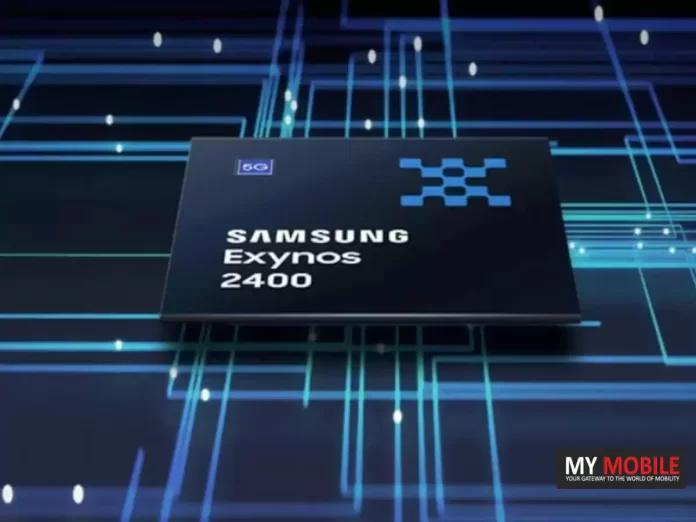
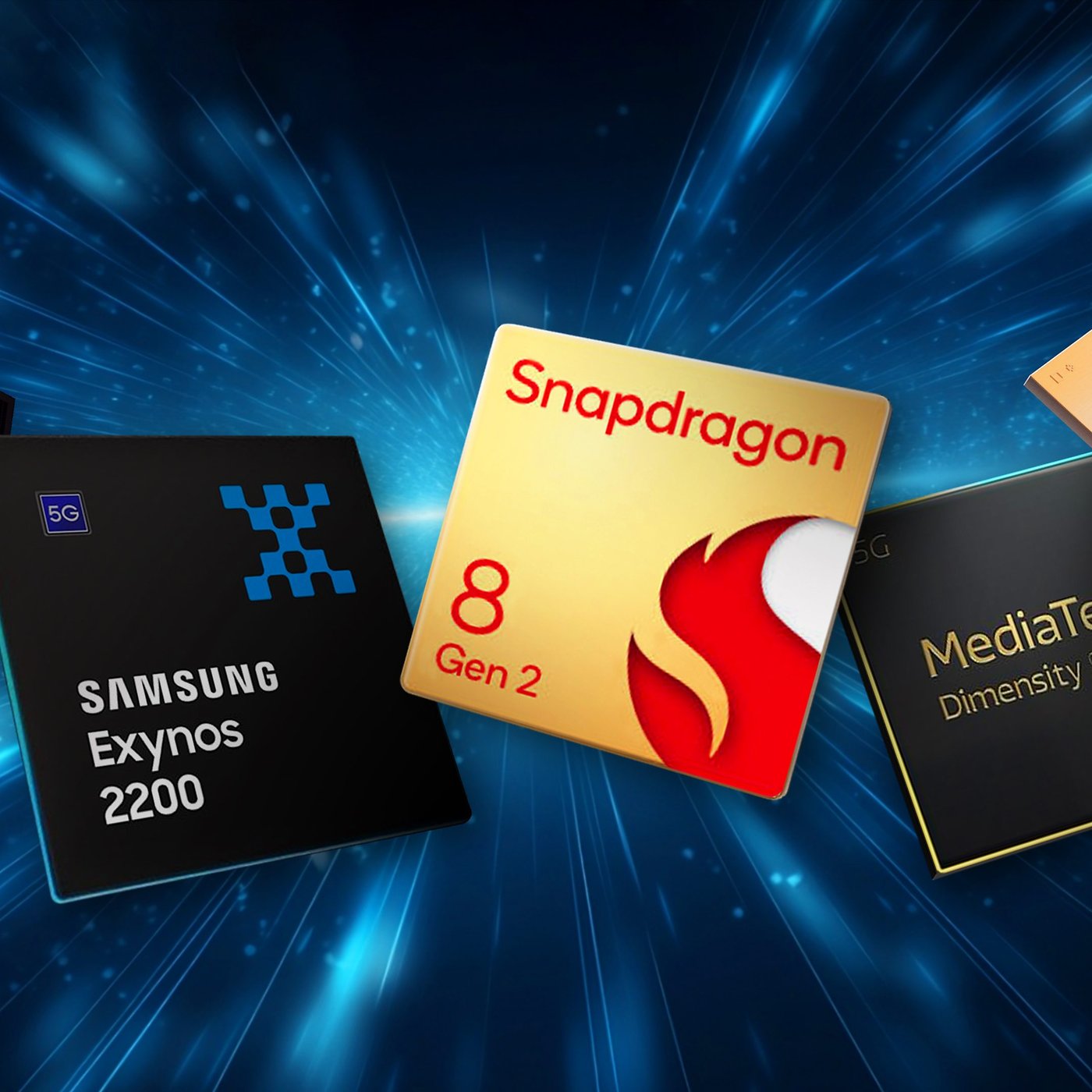
With chipset costs being one of the heftiest expenses for Samsung’s mobile division, the company finds itself in a precarious position whenever Qualcomm decides to hike its prices.
In 2023, Samsung shelled out a whopping $8.87 billion on mobile chipsets, registering a 3.1% increase from the previous year, amidst a backdrop where chipset prices surged by approximately 30%.
In light of these challenges, Samsung is now setting its sights on revitalizing the Exynos lineup, with plans to incorporate these chipsets across more Galaxy devices starting from 2024.
Performance concerns over the past few years, as compared to the Qualcomm chipsets, have previously deterred Samsung from relying heavily on its in-house chips.
Moreover, the rumour mill suggests that the Galaxy S25 series might transition to being Exynos-exclusive.
We’ll see in future updates just how much belief the company places in its Exynos stock.
FAQs
Why is Samsung focusing on Exynos chips for its Galaxy devices?
Samsung aims to decrease its dependence on Qualcomm and MediaTek chipsets by integrating more Exynos chips into its Galaxy lineup. This shift is driven by the need to reduce chipset procurement costs and increase performance and power efficiency.
What led to the decreased usage of Exynos chips in Samsung devices?
A significant reliance on Qualcomm for high-end models and MediaTek for some low-end phones led to a decline in Exynos chipset integration. This was further evidenced by a 48% drop in Exynos-powered device shipments in Q4 2023 compared to Q4 2022.
How much did Samsung spend on mobile chipsets in 2023?
Samsung’s mobile division spent approximately $8.87 billion on mobile chipsets in 2023, marking a 3.1% increase from 2022 amidst a backdrop of chipset prices rising by around 30%.
What changes can we expect from Samsung’s Exynos chipsets in the future?
Samsung plans to incorporate Exynos chipsets across more Galaxy devices starting from 2024. This includes investments to make Exynos chipsets more competitive in terms of performance and power efficiency.
Will the Galaxy S25 series use Exynos chipsets exclusively?
Rumors suggest that Samsung may transition to using Exynos chipsets exclusively for the Galaxy S25 series as part of its strategy to rely more on its in-house chips.
Initial release to focus on blood pressure trend alerts, not precise readings.
The Apple Watch Series X, marking the anticipated 10th edition of Apple’s groundbreaking wearable, is reportedly setting the stage for an innovative leap in health monitoring capabilities.
Among the most exciting advancements is the expected introduction of blood pressure monitoring, a feature that has long been considered one of the “holy grails” of wearable health technology.
Apple Watch Series X: Blood Pressure Monitoring
Apple Watch Series X: Blood Pressure Monitoring
Bloomberg’s Mark Gurman, a notable figure in tech journalism, hints at a significant update with the upcoming Apple Watch Series X.
According to Gurman, “all signs point to the new Apple Watch gaining a blood-pressure checker this fall.”
This advancement is particularly noteworthy as Apple has dedicated years of research into non-invasive monitoring technologies for blood pressure and blood glucose levels, targeting two prevalent health conditions—hypertension (high blood pressure) and diabetes.
However, potential users should temper their expectations for the initial release of this feature.
While the Apple Watch Series X is poised to include a new hardware sensor capable of detecting blood pressure trends, it may initially only provide users with alerts for upward trends in blood pressure, rather than precise measurements.
Additionally, the next-generation Apple Watch is rumoured to include features for sleep apnea monitoring, further expanding its health-tracking capabilities.
Design-wise, the Apple Watch Series X is rumoured to boast a slimmer profile and introduce a new band-attachment system, which could contribute to a more streamlined and comfortable wearing experience.
Despite Gurman’s report not delving into extensive details about the blood pressure feature beyond its expected debut in the fall, anticipation is high.
This development is in line with multiple Bloomberg reports from late 2023, alluding to the inclusion of blood pressure monitoring in the 2024 iteration of the Apple Watch.
The potential of the Apple Watch Series X to monitor such critical health indicators as blood pressure marks a significant step forward in wearable technology.
FAQs
What new health feature is expected in the Apple Watch Series X?
The Apple Watch Series X is anticipated to introduce a blood pressure monitoring feature, using a new sensor to detect blood pressure trends and alert users to changes.
Will the Apple Watch Series X provide exact blood pressure readings?
Initially, the Apple Watch Series X’s blood pressure monitoring is expected to alert users to trends in their blood pressure rather than provide precise measurements.
Can previous Apple Watch models use the new blood pressure monitoring feature?
No, the blood pressure monitoring feature requires a new sensor that will be exclusive to the Apple Watch Series X, making it unavailable on earlier models.
What other features might come with the Apple Watch Series X?
Besides blood pressure monitoring, the Apple Watch Series X is rumoured to include sleep apnea detection and a new, slimmer design with an updated band-attachment system.
When is the blood pressure monitoring feature expected to debut?
The blood pressure monitoring feature is expected to be introduced with the Apple Watch Series X in the fall, as part of Apple’s next major product update cycle.
OnePlus Nord CE4: Celadon Marble, Dark Chrome
8GB/128GB
8GB/256GB
LPDDR4x, UFS3.1 (at least in the higher storage variant)#OnePlus #OnePlusNordCE4 pic.twitter.com/QE0C5GI1Z7
— Mukul Sharma (@stufflistings) March 16, 2024
Ahead of its debut, the OnePlus Nord CE 4 has seen a premature unveiling of its specifications on OnePlus India’s website.
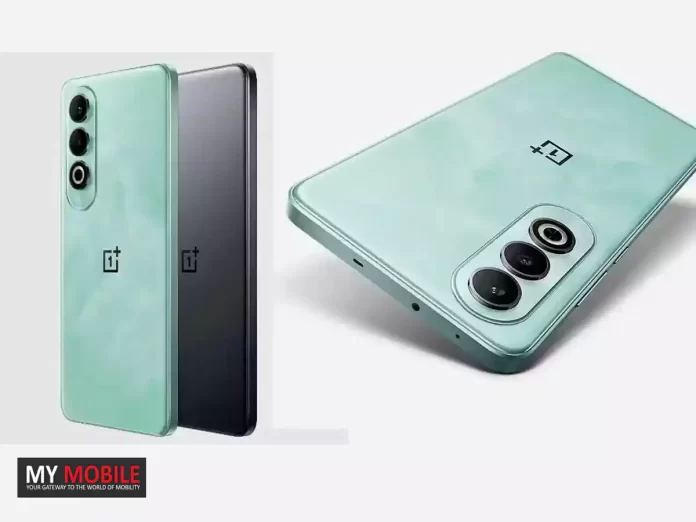
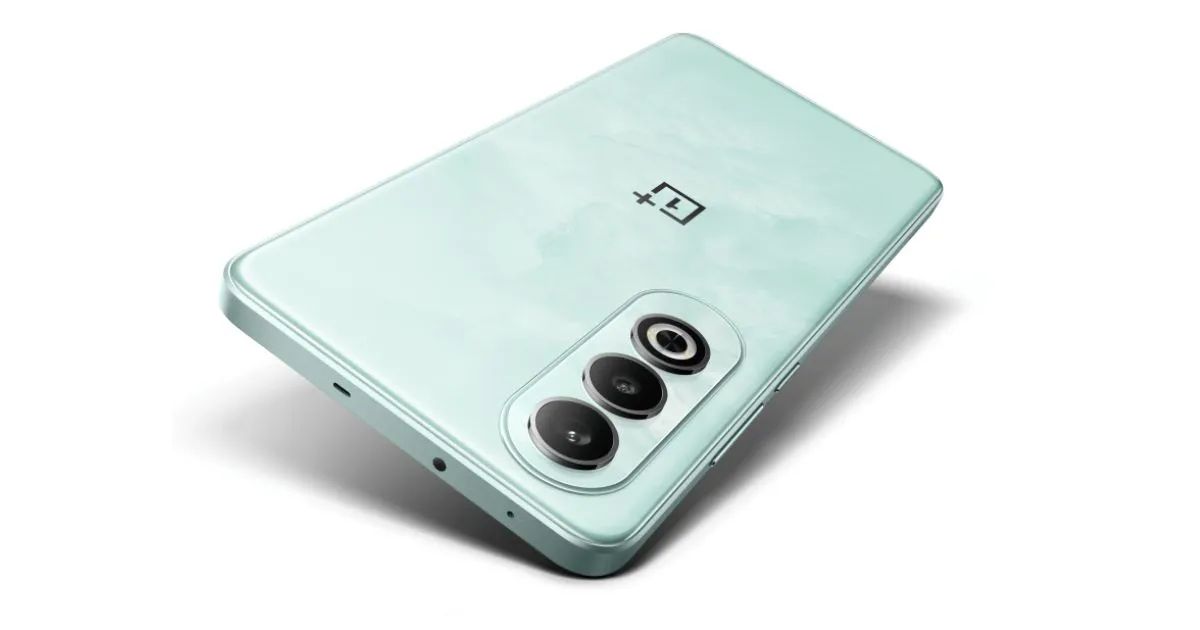
Design-wise, the Nord CE 4 does not shy away from elegance, sporting a sleek pill-shaped camera setup that includes multiple sensors and an LED flash.
OnePlus Nord CE 4 Available in two variants: 128GB and 256GB internal storage
Its design philosophy embraces minimalism, with the phone being offered in two sophisticated color schemes: Dark Chrome and Celadon Marble.
On the performance front, apart from the 7 Gen 3 SoC, OnePlus has confirmed the device will boast 8GB of RAM of virtual RAM, on top of the existing RAM to possibly enhance the phone’s multitasking capabilties.
Variants and Expectations
OnePlus Nord CE 4 Features Leaked on Support Page Ahead of April Launch
Leaked information from reliable source Mukul Sharma further expands on the Nord CE 4’s lineup, indicating the presence of two distinct models.
The base variant is expected to feature 8GB of RAM paired with 128GB of internal storage, while a higher-end model will likely offer the same amount of RAM with an expanded 256GB storage capacity.
While the device’s specifications have largely been disclosed, its pricing remains the subject of speculation.
The OnePlus Nord CE 4 is equipped with the Qualcomm Snapdragon 7 Gen 3 processor, ensuring a powerful performance suitable for a mid-range smartphone.
What design features can we expect from the OnePlus Nord CE 4?
The phone showcases a sleek pill-shaped camera setup and a minimalist design, available in two elegant colors: Dark Chrome and Celadon Marble.
How does the virtual RAM work in the OnePlus Nord CE 4?
OnePlus has included 8GB of virtual RAM in the Nord CE 4 to supplement the physical RAM, aiming to significantly boost multitasking capabilities.
What are the storage options available for the OnePlus Nord CE 4?
There are two storage variants for the OnePlus Nord CE 4: one with 8GB of RAM and 128GB of internal storage, and another with 8GB of RAM and 256GB of storage.
What is the expected price range for the OnePlus Nord CE 4?
While official pricing is yet to be announced, speculation suggests it might be aligned with its predecessor, the Nord CE 3, which was launched at approximately Rs 26,999.
The Nokia XR20 5G was the next in line to receive this update, as per the Finnish company’s earlier commitments.
However, in an unexpected move, HMD Global has now commenced rolling out Android 14 to two additional models: the Nokia X30 and Nokia G60, indicating a shift in their update strategy.
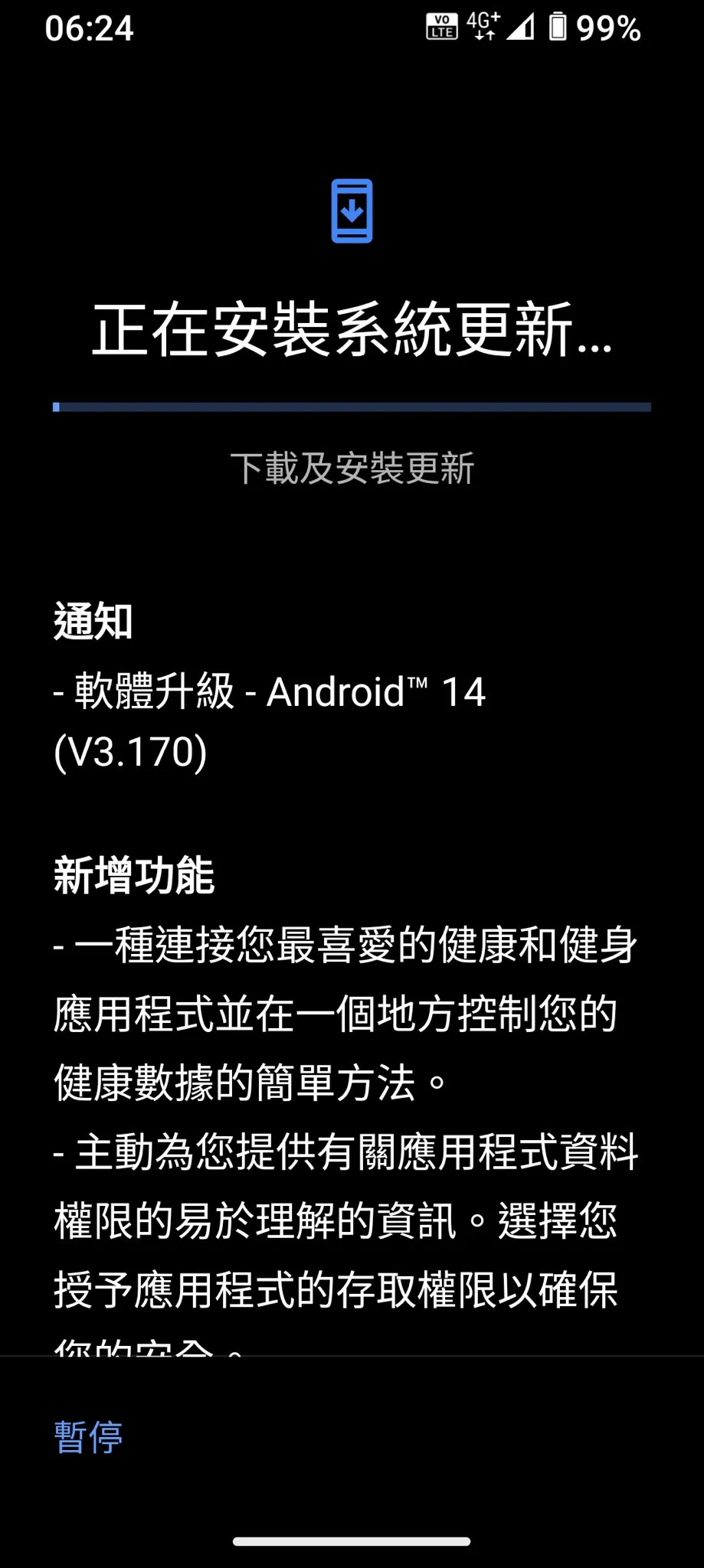
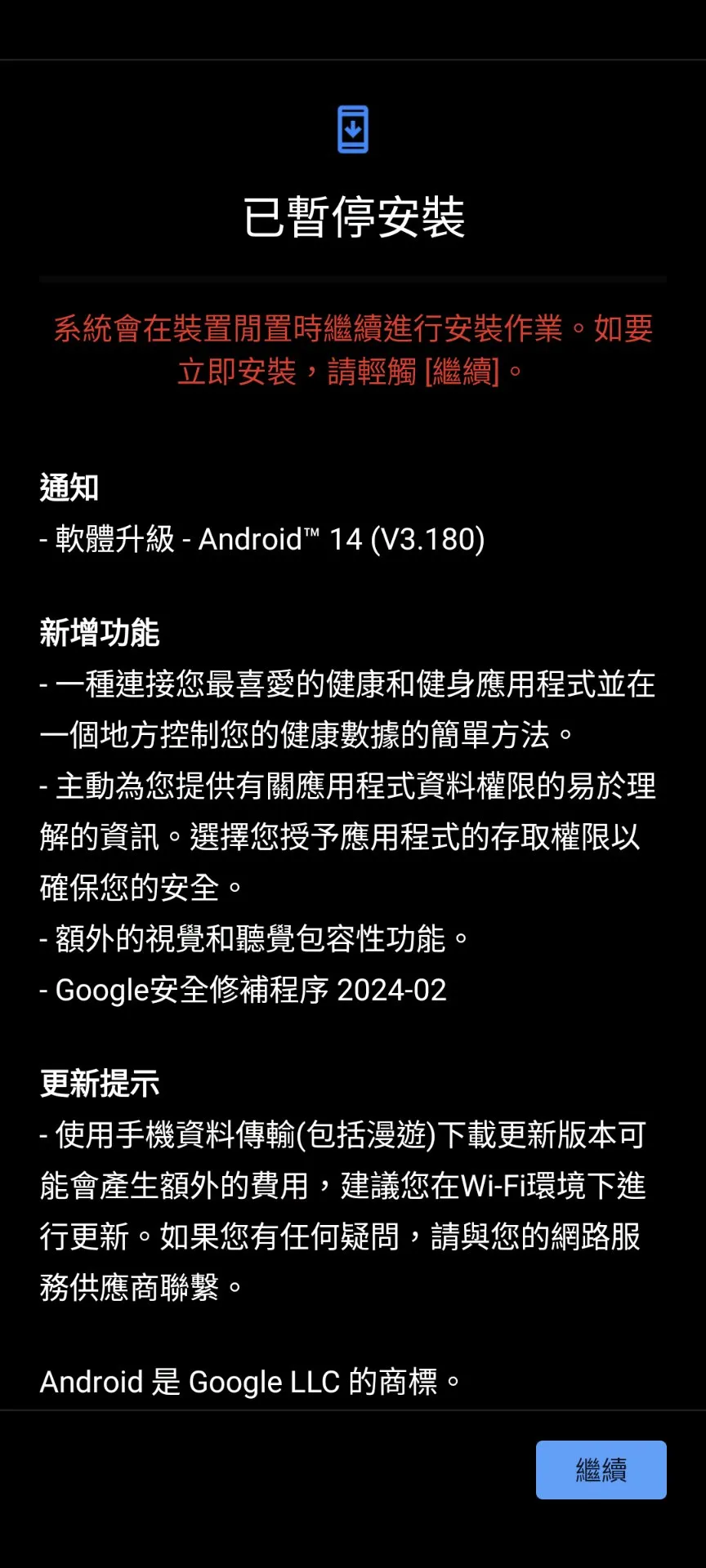
According to information from NokiaPoweruser readers, the Nokia X30 5G’s Android 14 update, identified by Build number V3.180, is currently being deployed in Taiwan, with plans for a broader rollout remaining undisclosed.
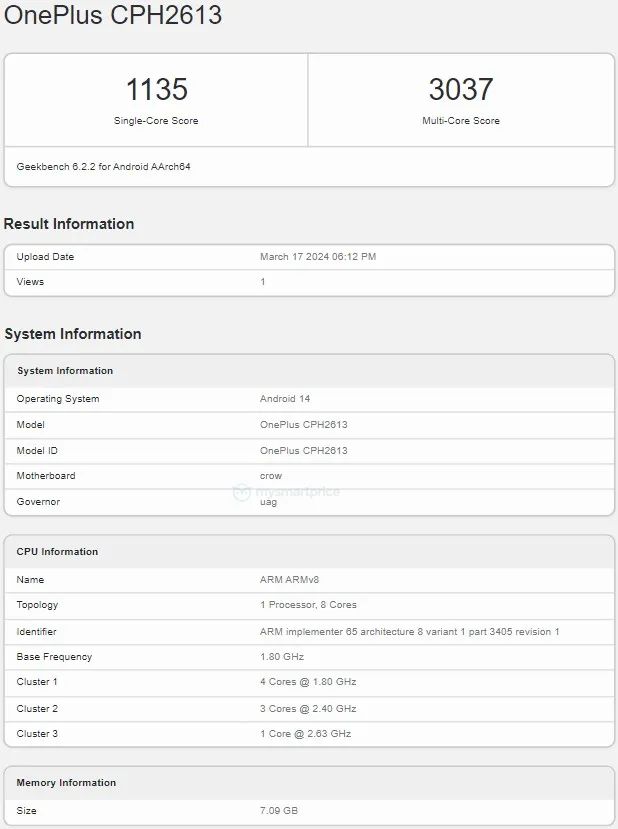
While Nokia Mobile has officially recognized the update only for the Nokia XR20 5G alongside the Nokia G42 5G, benchmarking site Geekbench recently listed both the Nokia X30 5G and Nokia G60 5G as running the new Android version.
Details Regarding Update
HMD Global Rolls Out Android 14 to More Nokia Smartphones Amid Brand Shift
With the inclusion of the Nokia X30 and Nokia G60, HMD Global’s tally for Android 14 updates stands at a modest three devices, a figure that seems underwhelming given the brand’s extensive range of smartphones.
This slow pace in updates has set tempered expectations among users for the rollout of Android 14 across the Nokia lineup.
What Nokia models are currently receiving the Android 14 update?
HMD Global has expanded its Android 14 update to include the Nokia X30 5G and Nokia G60 5G, in addition to the previously updated Nokia G42 5G.
When did the Android 14 update start rolling out for Nokia phones?
The rollout began with the Nokia G42 5G, followed by announcements for the Nokia XR20 5G, and most recently, the Nokia X30 5G and G60 5G have started receiving the update.
Are there any specific enhancements in the Android 14 update for Nokia phones?
While HMD Global has not released detailed information, the Android 14 update for Nokia phones includes the standard set of features introduced with Android 14, with any Nokia-specific enhancements currently unspecified.
Can users outside Taiwan expect the Android 14 update for their Nokia X30 5G?
The broader rollout plans for the Android 14 update on the Nokia X30 5G beyond Taiwan have not been disclosed yet, leaving international users in anticipation.
How does HMD Global’s shift to self-branded phones affect Nokia smartphone updates?
With HMD Global announcing a focus on self-branded devices, the future update strategy for Nokia-branded smartphones remains uncertain, though current models continue to receive planned updates.
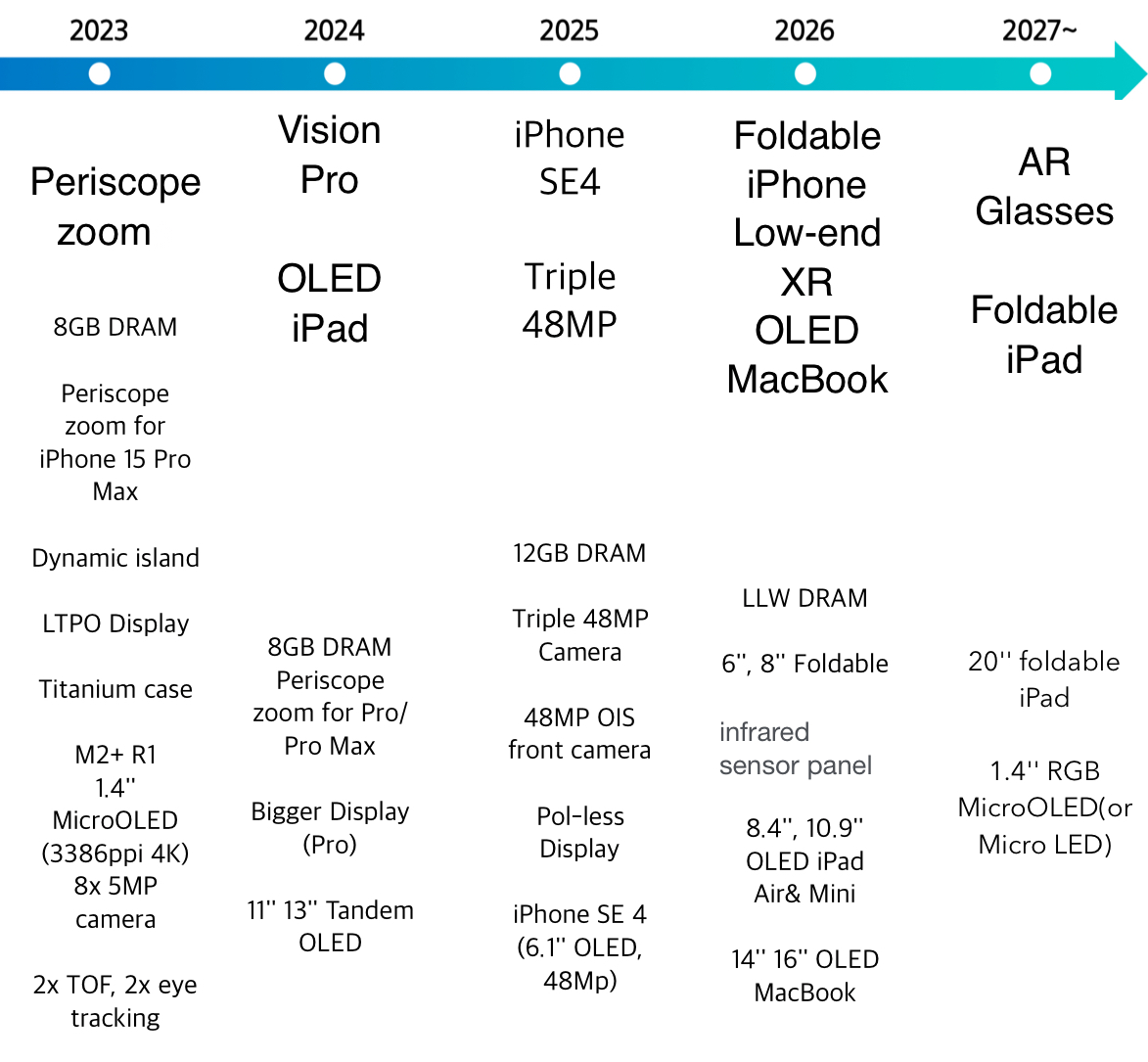
AR glasses set to launch in 2027, promising a new reality experience.
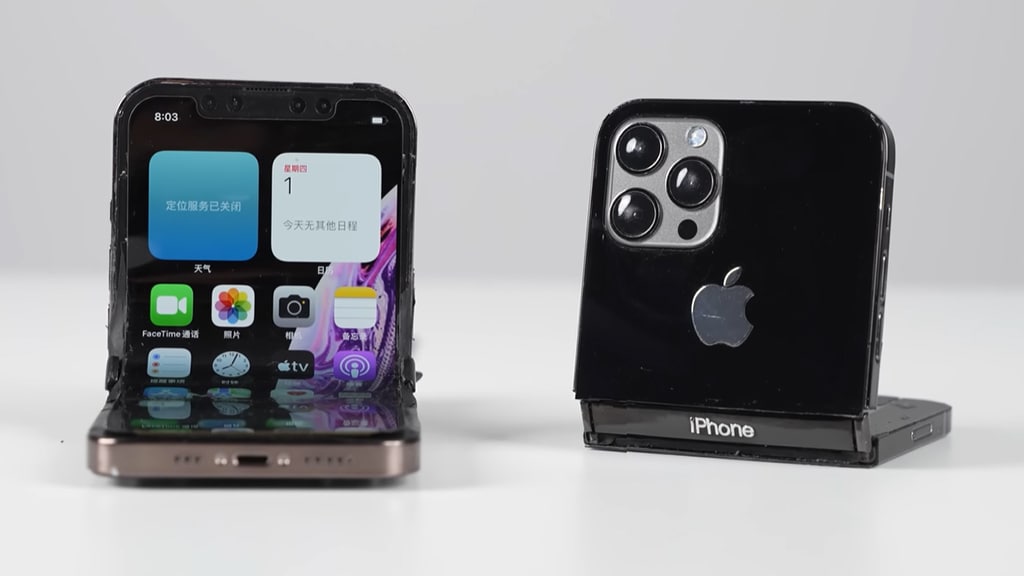
Foldable iPhone and 20-inch iPad slated for 2026 and 2027, respectively.
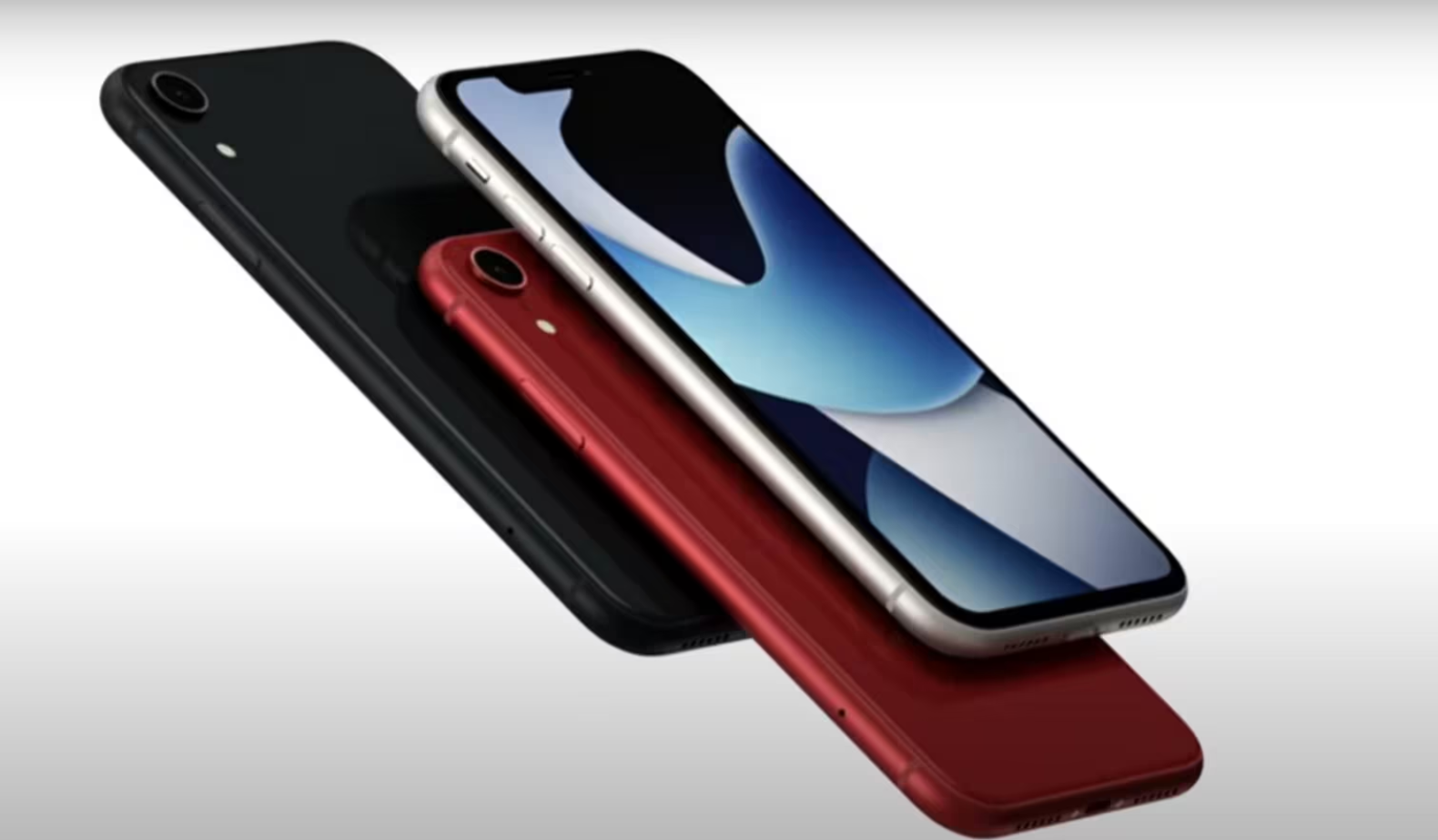
iPhone SE 4 with modern design and OLED display expected in early 2025.
New iPad Pros with OLED screens could be announced imminently in 2024.
A detailed roadmap of Apple’s future product launches has reportedly been leaked on Twitter, shedding light on what the tech giant has in store for us until 2027.
This roadmap, allegedly originating from Samsung Securities and shared by the reputable leaker @Tech_Reve (as reported by Wccftech), sketches out a future filled with innovation, from augmented reality glasses to foldable devices.
iPhone SE 4 with modern design and OLED display expected in early 2025
FAQs
What products are included in the leaked Apple roadmap?
The roadmap highlights several anticipated products including augmented reality (AR) glasses, a foldable iPhone, a foldable iPad, the iPhone SE 4, and new iPad Pros with OLED screens.
When can we expect the foldable iPhone to be released?
According to the leaked information, the foldable iPhone is expected to make its debut in 2026, bringing a new twist to Apple’s smartphone lineup.
Are there any details about the augmented reality glasses from Apple?
Set for a 2027 launch, the AR glasses remain shrouded in mystery with few details available. However, they are anticipated to mark a significant step forward in Apple’s commitment to augmented reality technologies.
What updates are expected for the iPad and MacBook lines?
The roadmap suggests the introduction of new iPad Pros with OLED displays in 2024 and an OLED MacBook in 2026, indicating significant display upgrades for these devices.
How reliable are the details from the leaked roadmap?
While the leaked roadmap provides exciting insights, it’s important to remember that product plans can change. Therefore, while the roadmap appears credible, actual product launches may vary.
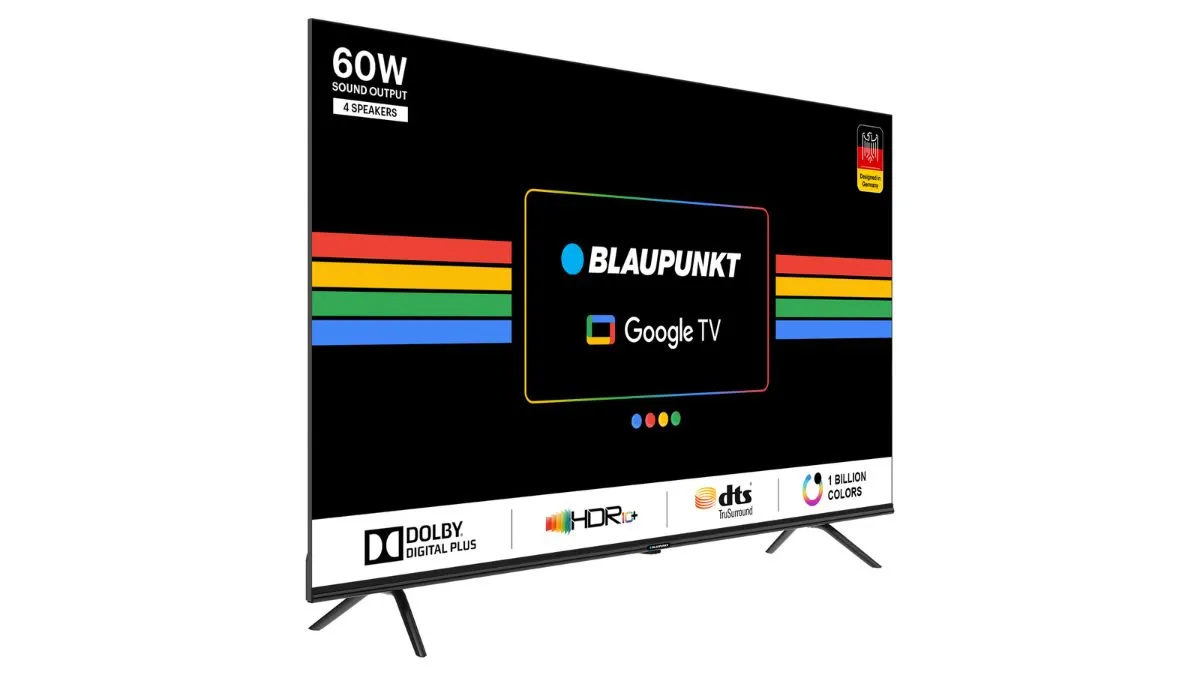
Under the leadership of Avneet Singh Marwah, CEO of Super Plastronics Pvt Ltd (SPPL), the exclusive brand licensee of Blaupunkt TVs in India, the brand has redefined the meaning of innovation and quality in home entertainment.
Marwah, with his keen insights and forward-thinking strategies, has positioned Blaupunkt as a formidable player in the QLED TV segment, offering a perfect blend of cutting-edge technology, stylish design, and sustainability.
This exclusive interview sheds lighton how Blaupunkt has carved a niche for itself in the competitive Indian market,focusing on customer-centric approaches, technological advancements, and strategic market positioning.
How does Blaupunkt position its QLED TVs in the Indian market, considering regional preferences and trends in TV technology?
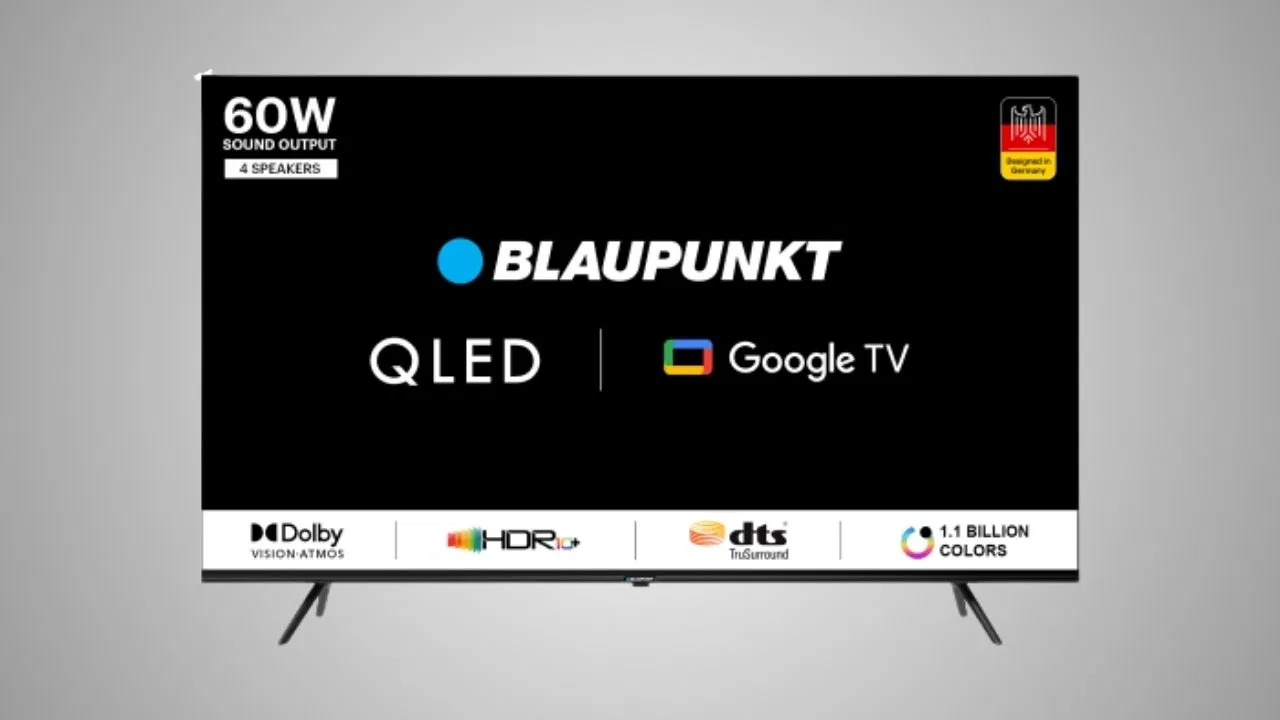
Blaupunkt QLED TVs
We decided to bring Blaupunkt back to the Indian smart TV marketbecause we noticed a big gap.
People were either splurging on expensive TVs or settling for cheaper options, leaving little in between.
So, we aimed to offer something unique. We focused on blending high-quality technology with stylish design.
For example, our QLED TVs weren’t just about the tech;we also made sure they looked stunning, featuring a sleek alloy stand and a steel aluminium finish.
Given Blaupunkt’s history of great sound, we ensured our TVs delivered excellent audio quality too.
And we didn’t forget the latest features, like hands-free voice control, making them super user-friendly.
Overall, we wanted to provide TVs that packed everything customers wanted, without the need for extra soundbars or accessories. And the response has been fantastic!
What unique strategies or innovations has Blaupunkt used to differentiate its QLED TVs amidst technological advancements in TV production?
QLED TVs stand out amidst advancements in TV production
When we were developing QLED TVs, we faced a few big challenges. QLED technology is known for being top-notch, but it’s usually really expensive.
The best part? Even though QLED TVs are usually super expensive, we were able to offer them at a similar price to other big brands’ regular 4K TVs. So, you’re getting top-of-the-line technology at a really good price.
How does Blaupunkt integrate sustainability practices into the manufacturing of its QLED TVs?
When we were developing QLED TVs, we faced some tough challenges. QLED is fancy technology, but it’s usually pretty pricey.
We aimed to make this high-quality tech affordable for everyone. We worked hard to find ways to make theseTVs cost less without sacrificing quality, and we nailed it! We also had to tweak our production process a bit.
QLED TVs have better backlighting than regular 4K TVs, so we had to adjust how we tested them to make sure they were just right.
But it wasn’t just about the tech; we wanted theseTVs to look awesome too. That’s why we made sure they were stylish and sleek.
During production, we even tried out some new technologies to ensure everything looked great.
And the best part? Even though QLED TVs are usually super expensive, we managed to offer them at a similar price to other big brands’ regular 4K TVs.
So now, you can enjoy top-notch technology without breaking the bank.
In terms of sustainability, we also made sure to keep our manufacturing process eco-friendly.
We reduced energy consumption and waste generation wherever we could, so you can feel good about choosing a Blaupunkt TV that’s not just great for your wallet, but also for the planet.
How does Blaupunkt tailor its marketing and product offerings to South Indian consumers’ preferences for QLED TVs?
Indian consumers are getting savvier and more adventurous when it comes to embracing new technology, especially with the rise of better content on streaming platforms like OTT.
They’re showing interest in features such as Dolby Atmos and HDR 10+, which are geared towards enhancing the viewing experience.
Blaupunkt’s QLED TVs have been successful because they offer a range of features at competitive prices, catering to an increasingly informed consumer base.
For instance, in South India, where consumers have more disposable income, these advanced TVs have gained popularity, replacing older, smaller models.
Preferences for TV sizes vary across India; while larger screens are popular in the West, smaller sizes are preferred in other regions, influenced by local prosperity and internet access.
Major markets like Delhi NCR see strong demand for high-end TVs, driven by consumers looking to upgrade or add additional sets to their homes.
Conversely, in densely populated areas like Uttar Pradesh, first-time TV buyers are opting for the latest and most advanced models. As technology advances, we can expect more people to embrace the latest TV trends.
What methods does Blaupunkt employ to gather customer feedback on QLED TV experiences, particularly regarding after-sales service?
We gather feedback through various channels, but one essential avenue is reviews and ratings.Platforms like Amazonand Flipkart are invaluable for this purpose because they offer transparency, making it difficult to remove reviews once posted.
These reviews provide us with valuable insights into how customers perceive our products.We pay close attention to aspectssuch as delivery, display quality, sound, and other features.
Additionally, we actively listen to direct feedback from customers. Whether it’s through emails or phone calls, when customers reach out with questions or issues about our TVs, we take note.
Within a few weeks of launching a new product, we have a dedicated team that carefully reviews all feedback received, seeking opportunities for improvement.
But we don’t stop there. We also reach out to random customers to gather their thoughts, and we carefully consider the feedback provided by bloggers and media outlets.
Their input is instrumental in helping us enhance our products.
Over the years, we’ve made numerous improvements based on the feedback received from our customers and influencers, and we remain committed to this process with each new product launch.
It’s a comprehensive approach where we listen to everyone who has something to say about our TVs and use that feedback to make them even better.
How does Blaupunkt leverage its Indian manufacturing facilities to offer competitive pricing, timely delivery, and customization for both Indian and global markets
As I always emphasize, for an Indian brand to thrive in our market, it’s essential to manufacture locally.
Nowadays, products like TVs and gadgets are pretty much standardized everywhere, and consumers are always on the lookout for the best deals.
Therefore, offering competitive pricing is crucial in India, where value for money is highly valued.
Thanks to the government’s regulations on TV imports, companies are now required to produce TVs within the country, which is a positive move.
Currently, our focus is on assembling TVs locally, but our long-term goal is to expand our manufacturing capabilities to produce more components domestically.
This approach not only strengthens our position in the Indian market but also enhances our competitiveness globally.
Having our factory is integral to our continued success in the industry.
FAQs
What makes Blaupunkt QLED TVs stand out in the Indian market?
Blaupunkt QLED TVs are designed to fill the void in the Indian market for affordable, high-quality television technology. They combine exceptional sound quality, a sleek design, and the latest features, such as hands-free voice control, catering to the sophisticated preferences of Indian consumers.
How has Blaupunkt managed to keep QLED TV prices competitive?
By adopting innovative production and testing techniques, Blaupunkt has made it possible to offer QLED technology — known for its superior backlighting and image quality — at prices comparable to regular 4K TVs from other major brands, making high-end technology accessible to more people.
What sustainability practices does Blaupunkt incorporate in its QLED TV manufacturing?
Blaupunkt is committed to eco-friendly manufacturing processes, reducing energy consumption and waste generation. This ensures that consumers not only get a technologically advanced product but also one that is environmentally responsible.
How does Blaupunkt cater to the diverse preferences of Indian consumers, especially in South India?
Acknowledging the regional differences in TV viewing preferences across India, Blaupunkt offers a range of QLED TVs that appeal to various segments. In South India, for instance, the demand for advanced features like Dolby Atmos and HDR 10+ in larger screen sizes has been met with enthusiasm, reflecting Blaupunkt’s understanding of local consumer trends.
How does Blaupunkt utilize customer feedback to improve its QLED TVs and services?
Blaupunkt values customer feedback immensely, utilizing reviews, direct customer communications, and influencer opinions to gather insights on product performance and service quality. This comprehensive feedback mechanism allows for continuous improvement and innovation in their product lineup.