In a significant enhancement to user accessibility, Microsoft is integrating Copilot Pro into its Office web apps, ensuring that subscribers can leverage the AI assistant’s features without necessitating a separate Microsoft 365 Personal or Home subscription.
This integration is poised to simplify tasks within Word, Outlook, and other Office web apps, streamlining productivity and enhancing user experience.
Looking ahead, Microsoft is not only focused on enhancing the Copilot Pro experience but also on extending the reach of its AI solutions to the business sector.
More businesses will soon have the opportunity to integrate Copilot into their Microsoft 365 suite, with eligibility expanding to include various Microsoft and Office 365 subscriptions.
With further improvements anticipated, including updates to Windows 11, Microsoft is set to unveil a more advanced and seamless Copilot experience at its upcoming Build developer conference in May.
FAQs
What is Copilot Pro and how can I try it for free?
Copilot Pro is Microsoft’s AI-powered assistant offering priority access to the latest OpenAI models and integration with Office apps. New users can try Copilot Pro for free for one month by installing the Copilot app on iOS or Android.
In which countries is Copilot Pro available?
Copilot Pro has expanded its availability to a total of 222 countries, making it accessible to a global audience interested in enhancing their productivity with AI technology.
Do I need a Microsoft 365 subscription to use Copilot Pro?
No, Copilot Pro is now integrated into Office web apps, allowing you to use the chatbot features without a separate Microsoft 365 Personal or Home subscription. This integration will also extend to free mobile apps in the near future.
What new features can we expect from Copilot Pro in the coming months?
Microsoft plans to introduce Copilot Pro integration in free mobile apps and unveil further improvements, including updates to Windows 11, at the upcoming Build developer conference in May.
How is Microsoft expanding the availability of Copilot for businesses?
Microsoft is extending Copilot for Microsoft 365 to more businesses, making it available for purchase by customers with specific Microsoft 365 and Office 365 subscriptions in the coming weeks.
Asus Zenfone 11 Ultra features a 6.78″ LTPO AMOLED display; Google Pixel 8 has a 6.2″ OLED screen.
Zenfone 11 Ultra powered by Snapdragon 8 Gen 3; Pixel 8 runs on Google Tensor G3.
Asus offers up to 16GB RAM and 512GB storage; Pixel 8 up to 8GB RAM and 256GB storage.
Zenfone 11 Ultra boasts a 5500mAh battery with 65W charging; Pixel 8 has a 4575mAh battery with 27W charging.
In the world of smartphones, the competition is fierce. Two of the most anticipated releases of 2024 are the Asus Zenfone 11 Ultra and the Google Pixel 8.
Both phones offer impressive specifications and features, but how do they stack up against each other?
Asus Zenfone 11 Ultra vs Google Pixel 8
Let’s dive in and compare these two devices.
Feature
Asus Zenfone 11 Ultra
Google Pixel 8
Display
6.78-inch FHD+ LTPO AMOLED, 144Hz
6.2-inch OLED, 120Hz
Processor
Snapdragon 8 Gen 3
Google Tensor G3
RAM
Up to 16GB LPDDR5X
8GB LPDDR5X
Storage
Up to 512GB UFS 4.0
Up to 256GB UFS 3.
Main Camera
50 MP + 32 MP + 13 MP
50 MP + 12 MP
Selfie Camera
32 MP
10.5 MP
Battery
5500 mAh
4575 mAh
Charging
65W wired, 15W wireless
27W wired, 18W wireless
Design and Display
Design and Display
The Asus Zenfone 11 Ultra features a 6.78-inch FHD+ LTPO AMOLED display with a peak brightness of 2,500 nits and an adaptive 144Hz refresh rate.
The design includes a flat frame and a square-shaped camera setup.
On the other hand, the Google Pixel 8 comes with a slightly smaller 6.2-inch OLED display with a resolution of 1080 x 2400 pixels.
The Pixel 8’s display also supports HDR10+ and has a peak brightness of 2000 nits.
Performance
Performance
The Asus Zenfone 11 Ultra is powered by the Snapdragon 8 Gen 3 chipset, paired with up to 16GB of LPDDR5X RAM and up to 512GB of UFS 4.0 storage.
This makes it a powerful device capable of handling heavy tasks and gaming.
It comes with 8GB of RAM and offers two storage options: 128GB and 256GB.
While the Tensor G3 may not be as well-known as the Snapdragon series, it’s designed to provide excellent performance, particularly in areas like AI and machine learning.
Camera
Camera
The Asus Zenfone 11 Ultra boasts a triple camera setup: a 50 MP main camera, a 32 MP telephoto lens with 3x optical zoom, and a 13 MP ultrawide lens. It also has a 32 MP RGBW selfie sensor.
The Google Pixel 8, on the other hand, has a dual-camera setup: a 50 MP main camera and a 12 MP ultrawide camera.
It also features a 10.5 MP selfie camera.
Battery and Charging
The Asus Zenfone 11 Ultra comes with a 5500 mAh battery and supports 65W wired charging and 15W wireless charging.
The Google Pixel 8 has a slightly smaller 4575 mAh battery1. It supports 27W wired charging and 18W wireless charging.
The Zenfone 11 Ultra stands out with its powerful performance and versatile camera system, while the Pixel 8 shines with its Google Tensor G3 chipset and compact design. Your choice between the two will depend on your specific needs and preferences.
Which device has a better display, Asus Zenfone 11 Ultra or Google Pixel 8?
The Asus Zenfone 11 Ultra comes with a larger 6.78-inch FHD+ LTPO AMOLED display and a higher 144Hz refresh rate, making it potentially more appealing for users seeking a larger screen and smoother visuals.
What are the processing capabilities of the Asus Zenfone 11 Ultra and Google Pixel 8?
The Zenfone 11 Ultra is equipped with the high-performance Snapdragon 8 Gen 3 chipset, while the Pixel 8 runs on Google’s own Tensor G3 processor, each offering unique strengths, particularly in AI and machine learning for the Pixel.
How do the camera setups compare between the two phones?
The Asus Zenfone 11 Ultra boasts a versatile triple camera system for broader photography options, whereas the Google Pixel 8 maintains a strong focus on quality with its dual-camera setup, leveraging Google’s computational photography.
What battery features do the Asus Zenfone 11 Ultra and Google Pixel 8 offer?
The Zenfone 11 Ultra has a larger 5500mAh battery with faster 65W wired charging, while the Pixel 8 offers a 4575mAh battery with 27W wired charging, prioritizing efficient power management.
Which smartphone is better for gaming and heavy tasks?
With its Snapdragon 8 Gen 3 chipset and up to 16GB RAM, the Asus Zenfone 11 Ultra is potentially more suited for gaming and heavy multitasking compared to the Pixel 8, which focuses on efficient performance with its Tensor G3 chipset.
The Samsung Galaxy M35 5G has recently made an appearance on Geekbench, showcasing specs and performance metrics that closely align with those of the newly launched Galaxy A35 5G.
A Closer Look at the Galaxy M35 5G
Samsung Galaxy M35 5G Spotted on Geekbench
The Samsung Galaxy M35 5G, bearing the model number SM-M356B, has been unveiled through its Geekbench listing.
At its core, it harnesses the power of the Exynos 1380 chipset, identical to the engine driving the Galaxy A35 5G.
In its Geekbench performance evaluations, the Galaxy M35 5G achieved scores of 656 in single-core and 1967 in multi-core tests.
While these numbers offer a glimpse into the device’s capabilities, detailed specifications beyond these core attributes remain under wraps.
The current speculation suggests that the Galaxy M35 5G might share many similarities with the Galaxy A35 5G, potentially positioning itself as a rebranded or slightly modified version of the latter.
Potential Rebranding and Upgraded Features


The Galaxy M35 5G’s use of the Exynos 1380 chipset, mirroring that of the Galaxy A35 5G.
The latter has set a high bar with features like a 6.6-inch Super AMOLED display offering a 120Hz refresh rate, a robust Exynos 1380 processor, a 5000mAh battery supporting 25W fast charging, a versatile triple camera array, and the latest Android 14-based One UI 6.1 software.

If the Galaxy M35 5G is indeed a variant of the A35, it is anticipated to maintain these high standards, possibly with certain enhancements to differentiate it within the market.
A notable area for improvement could be the battery capacity.
It’s plausible that the Galaxy M35 5G could follow suit, offering users extended battery life in addition to its impressive suite of features.
FAQs
What processor is used in the Galaxy M35 5G?
The Galaxy M35 5G is equipped with the Exynos 1380 processor, the same powerful chipset found in the Galaxy A35 5G, ensuring top-tier performance.
How much RAM does the Galaxy M35 5G have?
The Galaxy M35 5G boasts 6GB of RAM, ensuring smooth multitasking and efficient app performance on the latest Android 14-based One UI platform.
What are the Geekbench scores for the Galaxy M35 5G?
In Geekbench testing, the Galaxy M35 5G achieved a single-core score of 656 and a multi-core score of 1967, indicating strong performance capabilities.
Could the Galaxy M35 5G be a rebranded version of the Galaxy A35 5G?
Given the shared Exynos 1380 chipset and other similar specifications, there’s speculation that the Galaxy M35 5G might be closely related to, or a variant of, the Galaxy A35 5G, albeit with potential upgrades such as battery capacity.
What battery capacity can we expect in the Galaxy M35 5G?
While specifics haven’t been confirmed, the Galaxy M35 5G is anticipated to follow the M series tradition of high-capacity batteries, potentially reaching up to 6000mAh for extended use.
Positioned as the successor to the previously acclaimed Lava O1, this new entrant in the O series promises enhancements and features aimed at delivering a superior user experience.

The anticipation for the Lava O2 has been set into high gear with its specifications making a debut on Amazon.
Lava O2: Enhanced Design and Display
It takes a real performer to outshine the rest! #O2 – Coming soon#LavaMobiles #ProudlyIndian pic.twitter.com/XOQDIm2GG1
— Lava Mobiles (@LavaMobile) March 16, 2024
The Lava O2 is expected to make a statement with its design, featuring a flat display that champions slim bezels and a centralized punch-hole cutout for the selfie camera.
At the rear, the device is adorned with a sophisticated dual camera setup, headlined by a 50MP primary sensor, poised slightly above the surface to denote its photographic prowess.
The ergonomic placement of the power button and volume rockers on the right side, along with the thoughtful inclusion of a speaker grille, USB Type-C port, microphone, and a 3.5mm headphone jack at the bottom, underscores Lava’s attention to user convenience and accessibility.
Power-Packed Performance and Camera Excellence
Under the hood, the Lava O2 is powered by the UniSoC T616 chipset, a testament to Lava’s commitment to delivering robust performance and connectivity.
This chipset, combined with 8GB of LPDDR4X RAM and 128GB of UFS 2.2 internal storage, ensures that the Lava O2 can handle everything from daily tasks to intensive applications without a hitch.
Additionally, the smartphone’s capacity for virtual RAM expansion up to 8GB guarantees that users have ample memory at their disposal, enhancing multitasking capabilities.
Running on Android 13, the Lava O2 is set to offer a seamless and up-to-date software experience.
The device’s 6.5-inch punch-hole display, boasting an HD+ resolution and a 90Hz refresh rate, promises vivid visuals and smooth scrolling.
With a 5,000mAh battery supporting 18W wired fast charging, the Lava O2 is geared up for extended usage, ensuring that users stay connected and entertained throughout the day.
FAQs
What chipset does the Lava O2 use?
The Lava O2 is powered by the UniSoC T616 chipset, ensuring efficient and smooth performance across all tasks and applications.
How much RAM and storage does the Lava O2 have?
The Lava O2 comes with 8GB of LPDDR4X RAM and 128GB of UFS 2.2 internal storage, offering ample space and speed for multitasking and storage needs. Additionally, it supports virtual RAM expansion up to 8GB.
What are the camera specifications of the Lava O2?
The Lava O2 sports a dual camera setup with a 50MP primary camera, complemented by advanced features for high-quality photography. It also includes a 16MP front-facing camera for selfies.

What is the battery capacity of the Lava O2, and does it support fast charging?
The Lava O2 is equipped with a 5,000mAh battery that supports 18W wired fast charging, allowing for extended usage and quick recharge times.
What operating system does the Lava O2 run on?
The Lava O2 runs on Android 13, offering the latest features and security updates for a seamless smartphone experience.

This chipset, heralded for its remarkable AnTuTu benchmark score surpassing 734K, positions the Vivo T3 5G as a leader in its class.
The processor’s 4nm architecture and 2.8GHz clock speed promise unmatched speed and efficiency, signaling a significant leap forward in mobile technology.
Camera and Display Innovations
The Vivo T3 5G is not just about raw power; it also focuses on delivering an unparalleled photographic experience.
A collaboration with Sony introduces a novel sensor to the smartphone’s camera, promising superior quality and optical image stabilization—a first in this segment.
The primary camera is rumored to be a 50MP Sony IMX882 sensor, paired with a 2MP bokeh lens and a Flicker sensor for optimal performance in various lighting conditions.
A 16MP front camera ensures selfie enthusiasts are not left wanting.
The device is expected to feature a 6.67-inch AMOLED display, offering Full HD+ resolution and a refresh rate of 120Hz.
With peak brightness at 1800 nits, the screen is designed to deliver a visual feast, whether browsing the web or watching videos.
Launch and Expectations
With a launch date set for March 21st in India, anticipation is high for the Vivo T3 5G.
The device promises a comprehensive suite of features including a 5,000mAh battery with 44W FlashCharge, dual stereo speakers, and extended storage support up to 1TB via microSD.


Durability and connectivity are also key focuses, with IP54 rating and support for 10 5G bands.
Photo, Night, Portrait, Video, Micro Movie, 64MP, Panorama, Live Photo, Slo-Mo, Timelapse, Pro, AR Stickers, Documents, Double Exposure, Dual-View Video
Video Recording
1080p @ 30 fps FHD
Flash
Yes, LED
Front Camera
16 MP f/2 (Wide Angle)
Front Video Recording
1080p @ 30 fps FHD
TECHNICAL
OS
Android v14
Custom UI
Funtouch OS 14
Chipset
Mediatek Dimensity 7200
CPU
2.8 GHz, Octa Core Processor
Core Details
2.8GHz×2+2.0GHz×6
GPU
Mali G610
Java
No
Browser
Yes
MULTIMEDIA
Email
Yes
Music
WAV, MP3, MP2, MIDI, Vorbis, APE, FLAC
Video
MP4, 3GP, MKV, FLV
FM Radio
No
Document Reader
Yes
BATTERY
Type
Non-Removable Battery
Size
4700 mAh, Li-Po Battery
Fast Charging
Yes, 67W Superfast Flash Charge
FAQs
What processor does the Vivo T3 5G use?
The Vivo T3 5G is powered by the MediaTek Dimensity 7200 processor, ensuring top-notch performance and speed for users.
Can you tell me about the camera specifications of the Vivo T3 5G?
The Vivo T3 5G boasts a state-of-the-art camera setup including a 50MP Sony IMX882 primary sensor, complemented by a 2MP bokeh lens, and a Flicker sensor for optimal photo quality under various lighting conditions. It also features a 16MP front-facing camera for selfies.
What are the display features of the Vivo T3 5G?
The device flaunts a 6.67-inch AMOLED display, providing Full HD+ resolution, a refresh rate of 120Hz, and peak brightness of 1800 nits, delivering sharp and vibrant visuals.
What battery capacity does the Vivo T3 5G have?
The Vivo T3 5G is equipped with a 5,000mAh battery supported by 44W FlashCharge technology, offering extended usage and quick recharging times.
When is the Vivo T3 5G launching in India?
The Vivo T3 5G is scheduled for release in India on March 21st, bringing exciting features and technological advancements to the market.
This 5G-enabled chipset, a rebranded Dimensity 930, offers two Cortex-A78 cores and six Cortex-A55 cores, promising enhanced processing power and efficiency.
Motorola Moto G64 5G Appears on Google Play Console
The Moto G64 5G will be available in two variants, boasting 8GB and 12GB of RAM, catering to varying user needs.
The smartphone’s display, though its size remains undisclosed, will offer a FullHD+ resolution of 1080 x 2400 pixels, ensuring crisp and vivid visuals.
Features a FullHD+ display with a resolution of 1080 x 2400 pixels
Additionally, the device’s power and volume buttons are conveniently located on the right side, enhancing user accessibility.
Motorola’s Moto G family has seen significant additions lately, including the Moto G Power 5G (2024) and Moto G (2024), alongside teasers for the upcoming Edge 50 Pro and Edge 50 Fusion.
The Moto G64 5G’s emergence on the Google Play Console highlights Motorola’s strategy to diversify its portfolio and strengthen its position in the competitive smartphone market.
The Motorola Moto G64 5G is equipped with the MediaTek Dimensity 7020 chipset, a powerful processor designed for efficient and speedy performance in mid-range smartphones.
How much RAM is available in the Moto G64 5G?
The Moto G64 5G comes in two configurations, offering 8GB and 12GB of RAM to cater to different user needs, from everyday tasks to more demanding applications.
What is the display resolution of the Moto G64 5G?
The Moto G64 5G boasts a FullHD+ display with a resolution of 1080 x 2400 pixels, ensuring sharp and vivid visuals for an immersive viewing experience.
Where are the power and volume buttons located on the Moto G64 5G?
The power and volume buttons on the Moto G64 5G are strategically placed on the right-hand side, making them easily accessible for users.
How does the Moto G64 5G differ from its predecessor?
Details on the differences between the Moto G64 5G and its predecessor are highly anticipated, with consumers eager to see the upgrades and improvements Motorola has implemented in the new model.
Apple has a history of announcing the dates of its flagship developer conference several weeks in advance, typically through its developer website and a press release.
Looking back at the past several years, the announcement dates have varied from as early as February 16 (in 2017) to as late as April 5 (in 2022).
If history is any guide, we can expect Apple to reveal the WWDC 2024 dates sometime in the next two to three weeks, most likely in late March or early April.
Predicted Dates for WWDC 2024
Traditionally, WWDC takes place during the first full week of June.
Based on this pattern, the likely kickoff for WWDC 2024 is June 3.
This weeklong event has consistently served as a platform for Apple to unveil its latest software developments and, occasionally, new hardware.
Updates Across the Board:Alongside iOS 18, updates for iPadOS 18, macOS 15, watchOS 11, and tvOS 18 are on the agenda. Not to be overlooked, visionOS 2 for the Apple Vision Pro is expected to bring new functionalities and improvements to Apple’s immersive headset.
Hardware Speculations
The tech community is abuzz with anticipation for potential hardware announcements. The spotlight is on the expected M3 versions of the Mac Studio and Mac Pro.
Following the pattern of previous years, these could very well make their debut at WWDC 2024, mirroring the introduction of their M2 counterparts at last year’s event.
FAQs
Q: When is WWDC 2024 expected to be announced?
A: Based on previous years, Apple is likely to announce WWDC 2024 dates in late March or early April.
Q: What are the expected dates for WWDC 2024?
A: WWDC 2024 is traditionally held in the first full week of June, with June 3 being the likely start date this year.
Q: What key updates are anticipated at WWDC 2024?
A: Major updates expected include iOS 18 with groundbreaking AI enhancements, along with updates for iPadOS 18, macOS 15, watchOS 11, and tvOS 18. VisionOS 2 for Apple Vision Pro is also anticipated.
Q: Will there be any hardware announcements at WWDC 2024?
A: Speculation suggests the possibility of unveiling M3 versions of the Mac Studio and Mac Pro, following the trend of previous WWDC hardware announcements.
Q: How significant are the AI features expected in iOS 18?
A: The AI features in iOS 18 are rumored to be a major highlight, with advancements in Siri and across various Apple services, potentially setting a new standard for Apple’s ecosystem.
Withdraw and transfer funds up to the available balance in PPBL accounts.
No new deposits in PPBL accounts post-March 15, 2024.
Refunds, cashbacks, and interest credits continue in PPBL accounts.
Wallet, FASTag, and NCMC card usage allowed up to existing balance.
From March 15, 2024, Paytm Payments Bank Ltd (PPBL) will see significant changes to its services following directives from the Reserve Bank of India (RBI).
The RBI’s decision has led to adjustments in the services provided by PPBL, impacting how customers can use their accounts.
Here’s a detailed overview of what’s changing, what services will remain available, and what won’t be accessible post-March 15.
Services Continuing Post-March 15
Withdrawals and Transfers: Customers can still withdraw or transfer money using their accounts or debit cards up to the existing balance.
Refunds and Cashbacks: Accounts will still receive refunds, cashbacks, and interests.
Sweep-in from Partner Banks: Funds with partner banks can be transferred back to PPBL accounts, respecting the ₹2 lakh balance limit.
Wallet Use: Wallet balances can still be used for transactions, transfers to other wallets, or bank accounts, and for merchant payments (minimum KYC wallets restricted to merchant payments only).
FASTag Payments: FASTags issued by PPBL can be used until their balance runs out.
NCMC Cards Use: NCMC cards can be used up to the balance available.
Bharat Bill Payment System (BBPS): Payments through BBPS can be made from PPBL accounts up to the available balance.
Biometric Withdrawals: Withdrawals using AePS (Aadhar enabled Payment System) are available up to the account balance.
Withdrawal via UPI/IMPS: Funds can be withdrawn through UPI/IMPS based on the available balance.
Services Discontinued After March 15
Account Deposits: No deposits, including salary, subsidies, or direct benefit transfers, can be made into PPBL accounts.
New Deposits to Partner Banks: Fresh deposits through PPBL into partner banks will be stopped.
Wallet Top-ups: No new funds can be added to PPBL wallets.
FASTag and NCMC Cards Recharge: No top-up or recharge will be possible for FASTags and NCMC cards issued by PPBL.
Money Transfers to PPBL Account: No money can be transferred into PPBL accounts via UPI/IMPS.
Making the Transition
Paytm Payments Bank Service Changes
Customers using PPBL for salary credits, subsidies, or direct benefit transfers need to link their transactions to another bank before March 15 to avoid disruptions.
Similarly, for automatic bill payments, subscriptions, or loan EMIs debited from PPBL accounts, ensure sufficient balance until alternative arrangements are made.
FAQs
Q: Can I still withdraw money from my Paytm Payments Bank account after March 15, 2024?
A: Yes, withdrawals and fund transfers from your PPBL account will remain active up to the available account balance.
Q: Will I be able to receive my salary in my Paytm Payments Bank account after the changes?
A: No, after March 15, 2024, credits such as salary payments into PPBL accounts will be discontinued. Consider linking your salary to a different bank account.
Q: Can I top-up my Paytm wallet after March 15, 2024?
A: No, adding new funds to your PPBL wallet, including top-ups and transfers, will not be permitted after the specified date.
Q: Are FASTag services by Paytm Payments Bank affected by the recent changes?
A: Yes, while existing FASTag balances can be used, recharging FASTags through PPBL will not be possible after March 15, 2024.
Q: How will the Paytm Payments Bank changes impact automatic bill payments and subscriptions?
A: Automatic withdrawals for bill payments and subscriptions will continue as long as there is a balance in your account. However, ensure alternative payment methods are set up due to the new deposit restrictions.
This advanced feature, while optimized for the new hardware, is accessible in a limited form to owners of Apple Watch Series 3 onwards.
The “double tap” functionality relies on the upgraded Neural Engine in the S9 SiP, which processes data from the device’s accelerometer, gyroscope, and optical heart rate sensor more efficiently.
For those with older models, Apple offers an alternative through its Accessibility settings with AssistiveTouch and quick actions.
These settings allow for gesture control such as pinching and clenching to command the watch.
How to Activate Double Tap Gestures
Quick Actions Method:
Open the Watch app on your iPhone.
Navigate to Accessibility.
Select Quick Actions under Motor.
Enable it by tapping On.
Use double pinch gestures for quick actions when prompted or for buttons outlined in blue.
Quick actions offer a taste of “double tap,” enabling functions like answering calls or controlling the camera.
Customize gestures such as pinch, double pinch, clench, and double clench according to your preference.
AssistiveTouch provides a comprehensive gesture control experience, allowing nearly full control over the watchOS through various gestures and an actionable menu, making it suitable for those with upper limb differences and anyone who wishes to explore advanced gesture-based navigation.
FAQs
Q: What is the Double Tap Gesture on Apple Watch?
A: The Double Tap Gesture allows users to interact with their Apple Watch by pinching their thumb and index finger, offering a new way to navigate and control the device.
Q: Can I use Double Tap Gesture on my older Apple Watch?
A: Yes, Apple Watch Series 3 and newer models can use similar gestures through Accessibility features like Quick Actions and AssistiveTouch.
Q: How do I activate Double Tap Gesture on my Apple Watch?
A: Activate it by going into the Watch app on your iPhone, selecting Accessibility, then either Quick Actions or AssistiveTouch, and turning the feature on.
Q: What can I do with Double Tap Gesture on Apple Watch Series 9 and Ultra 2?
A: You can navigate to the widget UI, scroll through widgets, answer/end calls, control workouts, and much more using the Double Tap Gesture.
Q: Is Double Tap Gesture the same as AssistiveTouch and Quick Actions?
A: Double Tap Gesture is optimized for Series 9 and Ultra 2, offering more features. AssistiveTouch and Quick Actions provide similar, though not identical, functionality for older models.
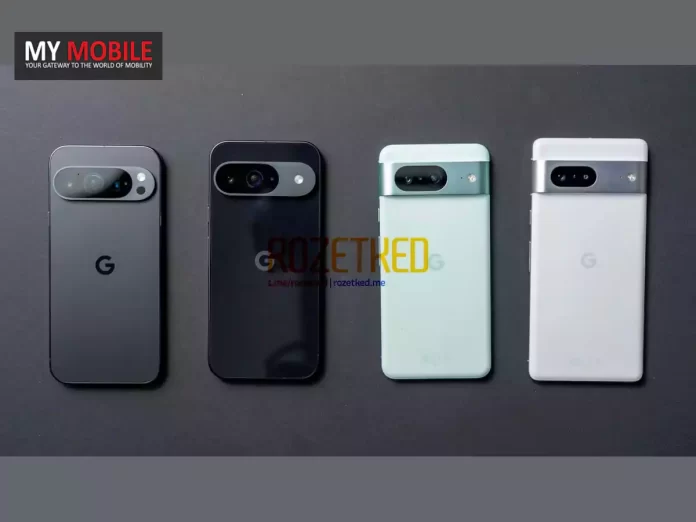
OnePlus 12R markets itself as the superior choice for Pixel users looking for an upgrade.
Starting at $399 with a trade-in offer, making high-end features more affordable.
Offers a significant performance and quality at a lower price point than its competitors.
Trade-in deal promises at least $100 for any smartphone, including older Pixels.
OnePlus is challenging Pixel users to rethink their brand loyalty with the introduction of the OnePlus 12R, a device that the company is marketing not just as a new phone but as a direct upgrade from Google’s Pixel lineup.
The campaign, which emerged from an eye-catching ad spotted on Facebook in the US markets, positions the OnePlus 12R as offering “More Bang, Less Bucks,” a proposition that’s hard to ignore in today’s economy.
OnePlus 12R or the Latest Pixel?
Starting at $399 with a trade-in offer, making high-end features more affordable
Launched in February, the OnePlus 12R has been designed to bridge the gap between affordability and high-end smartphone experience.
However, the ad campaign sweetens the deal even further, dropping the starting price to $399 for those willing to trade in their current smartphone—making it an enticing offer for Pixel users considering an upgrade.
OnePlus Wants Pixel Users to Upgrade to the OnePlus 12R in the US
We reviewed the OnePlus 12R and commended it for its impressive performance, feature set, and exceptional value for money, highlighting it as a noteworthy contender in the budget smartphone category.
OnePlus’s marketing strategy is unapologetically aggressive, urging Pixel owners to consider the 12R as a significant upgrade.
The trade-in deal, offering a minimum of $100 for any smartphone, is especially appealing for Pixel users who might find their older devices fetching low resale values on the open market.
Not An Easy Decision
OnePlus 12R markets itself as the superior choice for Pixel users looking for an upgrade.
The decision to switch, however, might not be straightforward for every Pixel enthusiast.
OnePlus’s camera technology, while competent, often doesn’t match the photographic prowess of even older Pixel models.
Furthermore, OnePlus’s OxygenOS, despite its many merits, may not resonate with everyone’s taste, particularly those accustomed to Google’s Android implementation.
As the debate on whether the OnePlus 12R truly qualifies as an “upgrade” continues, it ultimately boils down to individual preference and priorities in a smartphone.
OnePlus’s offer, with its attractive pricing and trade-in incentives, certainly makes a compelling case, but will it be enough to sway Pixel loyalists?
Q: What makes the OnePlus 12R an appealing upgrade from a Pixel phone?
A: With its aggressive price point, especially with trade-ins, the OnePlus 12R offers a compelling package of performance and features for those looking to upgrade from a Pixel phone without breaking the bank.
Q: How does the trade-in offer work for the OnePlus 12R?
A: OnePlus is offering a minimum of $100 trade-in value for any smartphone towards the purchase of a OnePlus 12R, reducing the starting price to $399 and making it an attractive offer for Pixel and other smartphone users.
Q: Can the OnePlus 12R camera compete with that of Pixel phones?
A: While OnePlus cameras have traditionally been a step down from Pixel’s, the OnePlus 12R still offers a solid camera experience that many users will find satisfactory, especially considering the price difference.
Q: What are the major differences between OxygenOS and the Pixel’s Android version?
A: OxygenOS offers a unique take on Android with a focus on customization and efficiency, while Pixel phones provide a more stock Android experience. The choice between the two is largely a matter of personal preference.
Q: Is the OnePlus 12R considered a budget phone?
A: The OnePlus 12R is positioned as a “budget” phone only in comparison to high-tier smartphones, offering flagship-like features and performance at a more accessible price point.