Home Blog Page 626

Google Integrates AI Chatbot Bard into Google Messages for Enhanced Communication

0
Google Integrates AI Chatbot Bard into Google Messages for Enhanced Communication

Highlights

  • Bard, as a standalone chatbot, revolutionizes interaction within Google Messages.
  • Offers advanced features like message writing assistance, language translation, and image identification.
  • Conversations with Bard not end-to-end encrypted to improve AI learning.
  • Google opts against a separate Bard app, focusing on integration into existing platforms.

Google is once again at the forefront of integrating AI into our daily digital communications with the introduction of Bard to Google Messages.

This move brings an advanced AI chatbot directly into one of the most widely used messaging apps, marking a significant step in the evolution of how we interact with technology.

Bard’s Integration into Google Messages

Bard's Integration into Google Messages
Google’s AI chatbot Bard to arrive on Google Messages

Bard, codenamed “penpal,” is set to revolutionize the way users engage with Google Messages.

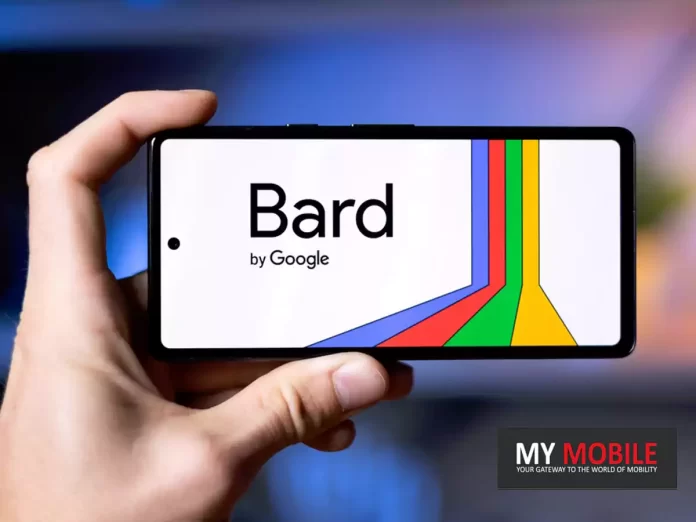
Unlike traditional messaging, Bard appears as a standalone chat, identifiable by its unique logo and name at the top of the conversation.

This integration is reminiscent of Google Allo’s Assistant feature but takes a leap forward in AI communication.

Bard promises to be more than just a chatbot.

It’s designed to assist users in writing messages, translating languages, identifying images, and exploring interests.

This array of functionalities signifies Google’s commitment to enhancing user experience by leveraging AI’s vast potential.

Bard in Google Messages aims to be a personal assistant, enriching conversations and providing users with instant, AI-powered support.

Google Messages aims to be a personal assistant

Privacy and User Security with Bard

The shared screenshots show that Bard can help users write messages, translate languages, identify images, and delve into various interests.

Initiating a chat with Bard brings up an important privacy notice.

Google has clarified that conversations with Bard are not end-to-end encrypted, a decision made to further train the AI’s machine learning capabilities.

Users are advised to be mindful of the information shared in these chats, as Google intends to use this data for improving Bard, albeit disconnected from individual accounts and retained for up to three years.

Google’s decision not to launch a standalone Bard app, as revealed during I/O 2023, underscores its strategy.

Instead of a separate application, Google is focusing on embedding Bard into widely-used platforms like Google Messages.

This approach aligns with Google’s vision of integrating AI seamlessly into everyday applications, making advanced technology accessible and practical for daily use.

While the timeline for Bard’s full integration into Google Messages is not yet clear, its arrival is eagerly anticipated.

Google’s commitment to rolling out Bard as an experiment through web-based experiences and integrated applications like Messages is a testament to its innovative approach in the AI space.

Google Integrates AI
Google Vision of Integrated AI

FAQs

What is Bard in Google Messages?

Bard, codenamed “penpal,” is an AI chatbot integrated into Google Messages.

It functions as a standalone chat feature, offering assistance in tasks such as writing messages, translating languages, identifying images, and exploring user interests, enhancing the overall messaging experience.

How does Bard differ from traditional chatbots?

Unlike typical chatbots, Bard in Google Messages brings a more advanced level of AI interaction, providing functionalities that go beyond basic communication.

Its integration into a widely-used app like Google Messages makes it a more accessible and versatile tool for users.

What should users know about privacy with Bard?

Users should be aware that chats with Bard are not end-to-end encrypted, a decision by Google to facilitate the improvement of Bard’s AI capabilities.

Google advises users to be cautious about the information they share in these chats, as the data may be used for AI training purposes.

Why didn’t Google create a standalone app for Bard?

In line with Google’s strategy revealed during I/O 2023, the company chose not to release a separate Bard app.

Instead, Google is focusing on integrating Bard into daily-use applications like Google Messages to make advanced AI technology more seamlessly accessible.

When was Google Bard released?

On March 21, 2023, Google began opening access to Bard, inviting users to join a waitlist. On May 10, 2023, Google removed the waitlist and made Bard available in over 180 countries and territories.

Google Bard was initially announced on Feb. 6, 2023, with a vague release date. Many believed that Google felt the pressure of ChatGPT’s success and positive press leading them to rush Bard out before it was ready.

For example, during a live demo by Google and Alphabet CEO Sundar Pichai, it provided a query with a very wrong answer.

In the demo, a user asked Bard the question: “What new discoveries from the James Webb Space Telescope can I tell my 9-year-old about?” In Bard’s response, it mentioned that the JWST “took the very first pictures of a planet outside of our own solar system.”

Astronomers took to social media to quickly point out that the first image of an exoplanet was taken by an earthbound observatory in 2004, making Bard’s answer incorrect.

The next day, Google lost $100 billion in market value — a decline attributed to the embarrassing mistake.

Who can use Google Bard?

Users must be 18 or older and have a personal Google account. Bard is available in more than 230 countries and territories and more than 40 languages.

What are the limitations of Bard?

Like all AI chatbots, Bard must learn and be trained to give the correct answer from inaccurate or misleading information, as was evident during its first demo. AI training is an endless, compute-intensive process since there is always new information to learn.

Is Bard free?

As of this writing, Google has given no indication that it will charge for use. Google has no history of charging customers for services — its cloud business notwithstanding. The current assumption that Bard will be integrated into Google’s basic search engine indicates that it will be freely available for use.

How to access Google Bard AI?

Currently, only a small number of people have access to the Google Bard AI link for testing purposes. To reduce the amount of time and energy spent on computation, Google is developing a “lightweight model version of LaMDA.”

Google Bard AI chatbot, known as Bard, is unfortunately not yet widely available for use. However, once the Google Bard AI link is shared, it will likely be integrated into Google Search and can be accessed by asking questions through the search bar. The chatbot draws information from the web to provide up-to-date answers to text prompts.

It is designed to provide easy-to-digest answers to complex questions and can help with tasks such as planning a baby shower, comparing movies, and getting lunch ideas. It is not yet known if the chatbot will be available through other Google products such as Google Assistant or Google Maps.

Google Bard vs. ChatGPT.Details?

Both Google Bard and OpenAI’s ChatGPT are AI chatbots, meaning they are designed for interaction with people through the use of natural language models and machine learning.

Both use a large language model (LLM), which is a machine learning model for generating and creating conversational text.

ChatGPT uses generative AI, meaning it can produce original content. For example, users can ask it to write a thesis on the advantages of AI. Google Bard does as well — although it serves a slightly different use. Bard is geared to make search more natural and helpful and does synthesize new information in its answers

That said, ChatGPT is also capable of helping refine searches. In January 2023, Microsoft signed a deal reportedly worth $10 billion with OpenAI to license and incorporate ChatGPT into its Bing search engine to provide more conversational search results, similar to Google Bard. That opens the door to other search engines to license ChatGPT, whereas Bard is meant to support only Google.

One of the larger differences between the two is that ChatGPT’s responses are based on data available up to April 2023, whereas Google Bard will be based on up-to-date, current data. For ChatGPT to be viable as a search engine technology, it must be able to answer questions with up-to-date data, not two-year-old data. ChatGPT can browse the web when prompted, despite its training data cutoff.

OpenAI is aware of the potential for plagiarism with ChatGPT and offers a plagiarism detection tool for educators to catch students using it for homework assignments. Thus far, there is no knowledge of whether or not Google Bard has its own plagiarism detection tool.

Bard does cite other content in its responses sometimes and links to the source. Bard’s double-check function searches Google for information similar to its generated content and provides a URL to the source of that information.

Also Read: 2023’s Biggest Controversies in Tech: DeepFakes, Sam Altman, Google Bard, Twitter, and More

Also Read: Google’s Bard Chatbot Set To Transform with Next-Gen Gemini AI Enhancement
Also Read: Sundar Pichai’s Google Bard: What is Google’s New AI Bard Chatbot ? How to access it ? Microsoft’s Chat GPT Vs Google’s Bard

EU’s DMA Pushing Apple to Enable App Sideloading on iPhones

0
EU's DMA Pushing Apple to Enable App Sideloading on iPhones

Highlights

  • EU’s DMA mandates Apple to permit sideloading of third-party apps on iPhones.
  • Sideloading to be initially limited to the 27 EU member countries.
  • Change aims to enhance user choice and market competition.
  • Apple’s security concerns addressed with user responsibility for app safety.

The European Union’s Digital Markets Act (DMA) is bringing a transformative change to Apple’s iPhone ecosystem, particularly in the way apps are installed and used.

One of the most significant implications of this act is that it compels Apple to allow the sideloading of third-party apps on iPhones.

Understanding Sideloading in the EU Context

Understanding Sideloading in the EU Context

Sideloading refers to the process of installing apps on a device from sources other than the official app store, in this case, outside of Apple’s App Store.

Historically, Apple has been stringent about its ecosystem, allowing applications to be downloaded and installed only through its official App Store.

This policy has been a cornerstone of Apple’s approach to security, ensuring that all apps undergo rigorous vetting processes to minimize the risk of malware.

However, the EU’s DMA is set to change this long-standing policy, at least within its member countries.

This move is seen as an effort to open up the digital market and reduce the monopolistic control exerted by major tech firms like Apple.

For users in the EU, this means they will have the option to download and install applications from sources other than the App Store, potentially increasing the variety and availability of apps.

The Implications for iPhone Users and Developers

The Implications for iPhone Users and Developers
  • Increased Flexibility and Choice for Users: EU iPhone users will have access to a broader range of apps, including those not available on the App Store. This could include apps that offer different functionalities or those that might not comply with Apple’s strict app policies.
  • Security Considerations: One of Apple’s primary concerns with sideloading has been the potential increase in security risks. Users installing apps from external sources might be more susceptible to downloading malicious software. In the EU, the responsibility for avoiding such risks will shift more towards the users.
  • Impact on App Developers: For developers, this opens up a new avenue to reach iPhone users directly without going through the App Store’s approval process and its associated fees. This could be particularly beneficial for smaller developers or those creating niche apps.
  • Regional Limitations: As of now, this change is expected to be limited to the 27 EU member countries. Outside these countries, Apple’s traditional approach to app installation is likely to continue.
  • Apple’s Compliance and Potential Penalties: Apple will need to comply with these regulations to avoid hefty fines. The EU has set significant penalties for non-compliance, underscoring the seriousness of these regulatory changes.
EU's DMA Pushing Apple to Enable App Sideloading on iPhones
EU’s DMA Pushing Apple to Enable App Sideloading on iPhones

FAQs

What does iPhone app sideloading mean under the EU’s DMA?

Sideloading on iPhones, as influenced by the EU’s Digital Markets Act (DMA), refers to the ability for users to install apps from sources outside the official Apple App Store.

This regulatory change is aimed at breaking Apple’s tight control over app installations, providing EU users with more flexibility and choice.

Will sideloading be available for iPhones globally?

Currently, the allowance for sideloading apps on iPhones is expected to be confined to the 27 EU member countries, in line with the DMA’s jurisdiction.

This means that outside these nations, Apple’s traditional app installation methods via the App Store will likely remain unchanged.

What are the potential risks of sideloading for iPhone users?

Sideloading apps can potentially expose users to increased security risks, such as malware and trojans.

With this new policy, iPhone users in the EU will bear more responsibility for ensuring the safety of the apps they install from non-App Store sources.

How does app sideloading benefit iPhone users and developers?

This change benefits users by offering a wider range of app choices and potentially promotes innovation by allowing developers to reach users directly without App Store constraints.

It also helps smaller developers who might find it challenging to comply with App Store policies.

What is Apple’s Plan to Comply with the EU’s DMA ?

Apple is preparing to make significant changes to the App Store to comply with the EU’s Digital Markets Act (DMA). These changes are expected to roll out in the coming weeks.

Under the EU DMA, Apple will be obligated to allow users in Europe to install third-party app stores and sideload apps on their iOS devices.

This means that they will have the option to download apps from sources other than the official App Store, giving them more freedom and flexibility in choosing and accessing their favorite applications.

In addition to enabling sideloading, Apple will also have to enable developers to promote their offers outside the App Store and use third-party payment systems. This will allow developers to have more flexibility in reaching their target audience and offering their products or services in ways that best suit their business models.

The changes introduced as part of Apple’s compliance with the EU’s DMA will have a significant impact on how the App Store, Siri, and FaceTime function in Europe. These changes aim to create a more competitive and open digital market, similar to that of Android devices.

What are the Implications of Sideloading in the EU?

The European Union is one of Apple’s biggest markets, and complying with the DMA was an inevitable step for the company.

While Apple has opposed sideloading in the past due to privacy and security concerns, it will now make changes to adhere to this policy.

This move will enhance user choice and versatility in-app installation, while also meeting the requirements of the EU’s antitrust legislation.

By enabling sideloading, Apple opens the door for users to explore different app marketplaces, potentially leading to increased competition and innovation within the app ecosystem.

Users will have the freedom to discover and choose from a wider range of apps and services, ultimately benefiting from a more diverse and competitive market.

Additionally, the split in the App Store allows Apple to comply with the EU DMA while still maintaining control and security over its global user base.

The company can implement region-specific policies and regulations to ensure the safety and privacy of European users, addressing one of the main concerns raised by Apple.

However, the introduction of sideloading in the EU also raises some concerns. One of the primary issues is the potential increase in malware and fraudulent apps.

With the App Store acting as a gatekeeper, Apple has been able to enforce strict review and approval processes to maintain a high level of user trust.

The inclusion of third-party app stores introduces a level of uncertainty, as the responsibility for app verification and security will be shifted to multiple entities.

App Store to Be ‘Split in Two’ Ahead of EU iPhone Sideloading Deadline.Details?

Apple is preparing to split the App Store “in two” in the coming weeks ahead of European Union requirements that will force Apple to enable app sideloading in the region, Bloomberg’s Mark Gurman reports.

In the latest edition of his “Power On” newsletter, Gurman explained that Apple is gearing up to make changes to the ‌App Store‌ in the EU to comply with the region’s impending Digital Markets Act (DMA).

Apple is apparently planning to roll out adjustments to comply with the new legal requirements in the coming weeks, including splitting off the ‌App Store‌ in the EU from the rest of the world.

The deadline for Apple to comply with the DMA is March 7, so the company has just over seven weeks to enact the changes.

Last week, Apple CEO Tim Cook met the European Union’s antitrust chief, Margrethe Vestager, at Apple Park. Vestager reminded Cook of Apple’s impending obligation to allow users to install third-party app stores and sideload apps under the DMA.

Apple will also be obliged to give developers the ability to promote their offers outside the ‌‌‌‌App Store‌‌‌‌ and use third-party payment systems.

The DMA is expected to force Apple to make a range of significant changes to the way the ‌App Store‌, FaceTime, and Siri work in Europe.

Also Read: Apple Consolidates AI Operations: San Diego Data Team Shuts Down, Offered a Move to Austin

Also Read: Apple Reveals Executive Compensation Details in 2023 Proxy Statement, Tim Cook’s Earnings Disclosed

Also Read: Apple Removes Binance, KuCoin, Kraken, and OKX Crypto Exchange Apps from Indian App Store Amid Regulatory Compliance Issues

Also Read: Apple To Ramp Up AI Integration in 2024: New Tools and Features on the Horizon

Google Unveils Minty Green Pixel 8 Variant: A Fresh Take on Smartphone Aesthetics

0
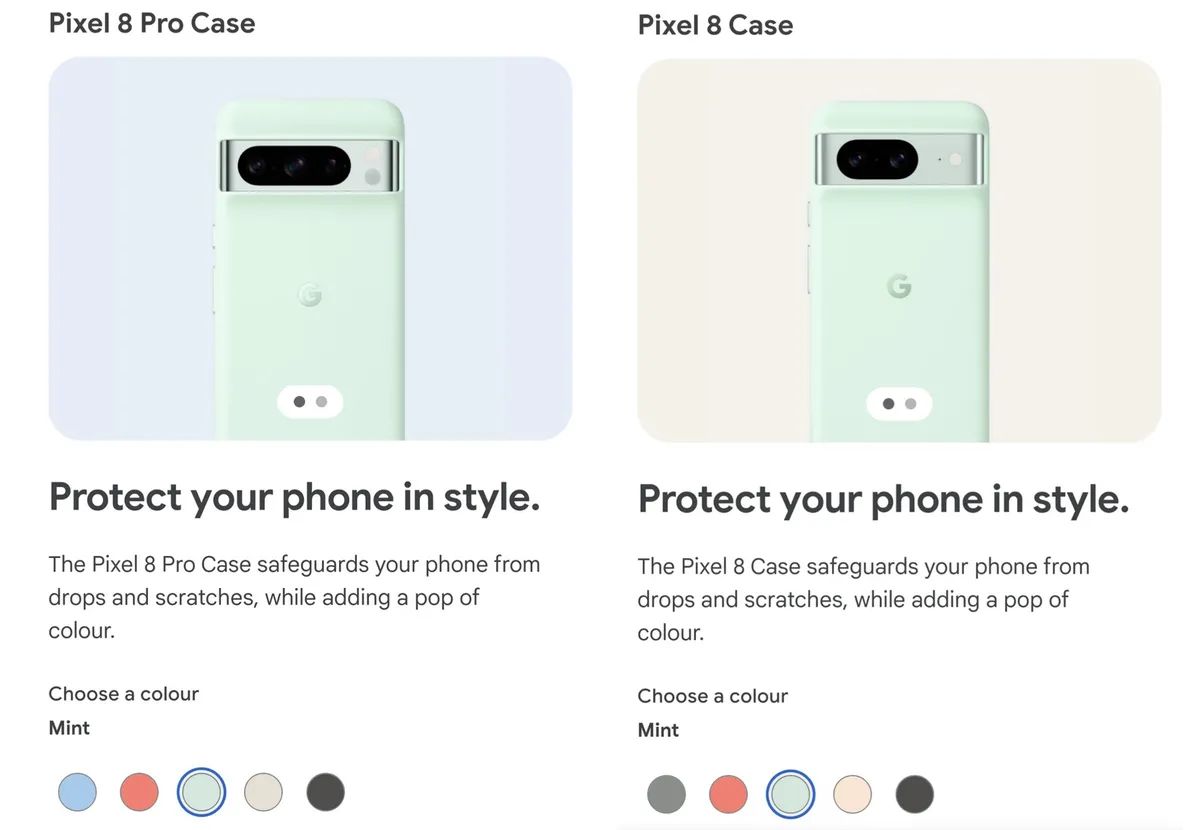
Google Store website showed that case with a green camera bar

Highlights

  • Google announces a vibrant Minty Green Pixel 8, launching January 25.
  • Exclusive availability through Google’s channels, adding exclusivity.
  • Google’s rare mid-cycle color release boosts Pixel 8’s market appeal.
  • Minty Green to complement Pixel 8’s existing color range and features.

Google is gearing up to add a new splash of colour to its Pixel 8 lineup with the introduction of a Minty Green variant.

This fresh and vibrant hue is set to bring a funkier and brighter option to the existing color palette of the Pixel 8 series.

The announcement, teased through a binary encoded message on X, translates to “Fresh year, fresh drop,” indicating the company’s playful approach to the launch.

Interestingly, this new color release, confirmed for January 25, will be exclusive to Google’s sales channels, as per reports by The Verge.


The teaser predominantly showcases the Pixel 8 Pro in Minty Green, leaving some ambiguity about whether the standard Pixel 8 will also be available in this new shade.

Google’s strategy to introduce a new color mid-cycle is seen as a move to reinvigorate interest in the Pixel 8 series, particularly in the face of stiff competition from rivals like Samsung with its Galaxy S24.

This isn’t a common practice for Google, as the company has rarely released special color variants mid-cycle, with the ‘barely blue’ Pixel 4a being a notable exception.

Google Store website showed that case with a green camera bar

The decision to introduce Minty Green aligns with some of Google’s recent activities, such as selling a mint silicone case for the Pixel 8 and a brief listing of a model with a green camera bar, which sparked rumors about a new color variant.

Despite no official sales data being available, reports suggest that the Pixel 8 series has been performing well in the market, with Google reportedly being the only brand to see an increase in shipments in Q2 2023.

The new Minty Green Pixel 8 will retain the same specifications and design as the existing models, but the introduction of this new color is a strategic move by Google to maintain the series’ momentum and appeal in a highly competitive market.

Pixel 8: Feature and Specs

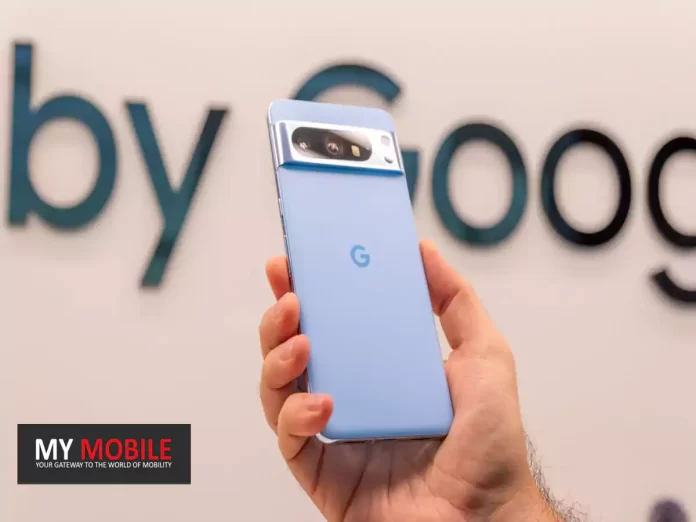
Google teases a new Pixel 8 color for release next week
  • Display: A 6.2-inch OLED with Full HD+ resolution and up to 120Hz refresh rate.
  • Processor: Also driven by the Google Tensor G3 and Titan M2 chip.
  • Camera: Houses a 50MP primary rear sensor and a 12MP ultra-wide-angle lens with a 10.5MP selfie camera.
  • Battery: A 4575mAh powerhouse with 27W fast charging.
  • Additional Features: Equally feature-packed, including dual SIM, 5G, Wi-Fi 6, and IP68 resistance. Comes in Obsidian, Hazel, and Rose.

GOOGLE PIXEL 8 KEY SPECIFICATIONS

Key Specs

RAM 8 GB
Processor Google Tensor G2
Rear Camera 64 MP + 48 MP + 12 MP
Front Camera 16 MP
Battery 5000 mAh
Display 5.8 inches (14.73 cm)

General

Launch Date May 10, 2023 (Unofficial)
Operating System Android v12

Performance

Chipset Google Tensor G2
CPU Octa core (2.85 GHz, Dual core, Cortex X1 + 2.35 GHz, Dual core, Cortex A78 + 1.8 GHz, Quad core, Cortex A55)
Architecture 64 bit
Fabrication 4 nm
Graphics Mali-G710 MC10
RAM 8 GB

Display

Display Type Super AMOLED
Screen Size 5.8 inches (14.73 cm)
Resolution 1080 x 2268 pixels
Pixel Density 433 ppi
Screen to Body Ratio (calculated) 79.46 %
Bezel-less display Yes with punch-hole display
Touch Screen Yes, Capacitive Touchscreen, Multi-touch

Design

Height 150.5 mm Compare Size 
Width 70.8 mm
Thickness 8.9 mm

Camera

MAIN CAMERA
Camera Setup Triple
Resolution 64 MP f/1.9, Wide Angle, Primary Camera
48 MP f/3.5, Telephoto Camera
12 MP f/2.2, Ultra-Wide Angle Camera
Autofocus Yes
Flash Yes, LED Flash
Image Resolution 9000 x 7000 Pixels
Settings Exposure compensation, ISO control
Shooting Modes Continuous Shooting
High Dynamic Range mode (HDR)
Camera Features Digital Zoom
Auto Flash
Face detection
Touch to focus
Video Recording 1920×1080 @ 30 fps
FRONT CAMERA
Camera Setup Single
Resolution 16 MP f/2.2, Ultra-Wide Angle, Primary Camera
Video Recording 1920×1080 @ 30 fps

Battery

Capacity 5000 mAh
Type Li-Polymer
Removable No
Quick Charging Yes, Fast
USB Type-C Yes

Storage

Internal Memory 128 GB
Expandable Memory No

Network & Connectivity

SIM Slot(s) Dual SIM, GSM+GSM
SIM Size SIM1: Nano, SIM2: eSIM
Network Support 5G Not Supported in India, 4G Supported in India, 3G, 2G
VoLTE Yes
SIM 1
4G Bands:
TD-LTE 2300(band 40)
FD-LTE 1800(band 3)
3G Bands:
UMTS 1900 / 2100 / 850 / 900 MHz
2G Bands:
GSM 1800 / 1900 / 850 / 900 MHz
GPRS:
Available
EDGE:
Available
SIM 2
4G Bands:
TD-LTE 2300(band 40)
FD-LTE 1800(band 3)
3G Bands:
UMTS 1900 / 2100 / 850 / 900 MHz
2G Bands:
GSM 1800 / 1900 / 850 / 900 MHz
GPRS:
Available
EDGE:
Available
Wi-Fi Yes, Wi-Fi 4 (802.11 b/g/n)
Wi-Fi Features Mobile Hotspot
Bluetooth Yes, v5.2
GPS Yes with A-GPS, Glonass
USB Connectivity Mass storage device, USB charging

Multimedia

Loudspeaker Yes
Audio Jack USB Type-C

Sensors

Fingerprint Sensor Yes
Fingerprint Sensor Position On-screen
Other Sensors Light sensor, Proximity sensor, Accelerometer, Compass, Gyroscope

FAQs

What is the new color variant for the Pixel 8?

Google has introduced a Minty Green color variant for the Pixel 8 series, adding a fresh and vibrant hue to the smartphone’s palette.

This new color is set to offer a funkier and more eye-catching option compared to the current range.

When and where will the Minty Green Pixel 8 be available?

The Minty Green Pixel 8 is scheduled for release on January 25 and will be exclusively available through Google’s sales channels. This exclusivity adds a unique appeal to the new variant.

Will both the Pixel 8 and 8 Pro be available in Minty Green?

While the teaser primarily shows the Pixel 8 Pro in Minty Green, it’s not yet clear if the standard Pixel 8 will also be offered in this new color. This ambiguity has piqued consumer interest.

Why is Google releasing a new color for the Pixel 8 series?

Google’s introduction of a new color variant mid-cycle is a strategic move to revitalize interest in the Pixel 8 series, especially amidst strong competition from brands like Samsung. This approach is not typical for Google, making it a notable development.

What’s new in the Pixel 8’s camera setup?

The Pixel 8 boasts a 50MP primary camera and a 12MP ultrawide lens, ensuring crisp and wide photos.

How does the Pixel 8 Pro differ from the Pixel 8 in terms of camera capabilities?

The Pixel 8 Pro features a 50MP primary, 48MP ultrawide, and a 48MP telephoto lens, offering up to 30x zoom.

Are the Pixel 8 and Pixel 8 Pro water and dust resistant?

Yes, both devices come with IP68 certification, ensuring protection against water and dust.

Also Read: Google Pixel 8’s Resale Value Drops Faster Than Apple’s iPhone 15: Reports

Also Read: Google Pixel 8 Series Found to Support DisplayPort Alternate Mode: What This Means for Users

Also Read: Google Pixel 8 Series and Android 14 Bring Lossless Audio to the Mainstream

Also Read: Google Pixel 8 and Pixel 8 Pro Launched With Tensor G3 SoC, 50MP Camera: Pricing, Features, Availability, and More

HMD Global to Launch Own-Brand Smartphones, Diverging from Nokia Legacy

0
HMD Global to Launch Own-Brand Smartphones, Diverging from Nokia Legacy

Highlights

  • HMD Global set to launch its first smartphones without Nokia branding.
  • Leaked models, N159V and TA-1585, indicate a new direction for HMD.
  • Rumored designs suggest a focus on the low- to mid-range market segment.
  • HMD’s move represents a significant shift in the company’s smartphone strategy.

HMD Global, known for its revival of Nokia-branded smartphones, is reportedly stepping into a new era by launching its own branded devices.

This marks a significant pivot for the company since its entry into the smartphone market in 2016.

Here’s a comprehensive editorial piece summarizing the latest developments:

HMD Global’s Journey and New Direction

HMD Global's Journey and New Direction
HMD Global’s Journey and New Direction

Since its inception in 2016, HMD Global has made notable strides in the smartphone industry, primarily through its Nokia-branded devices.

The company’s expansion into eight global regions and its diverse product portfolio have positioned it as a key player in the market.

Now, HMD is preparing to take a bold step by introducing smartphones under its own brand, moving beyond the Nokia name.

Upcoming HMD Smartphones: What We Know

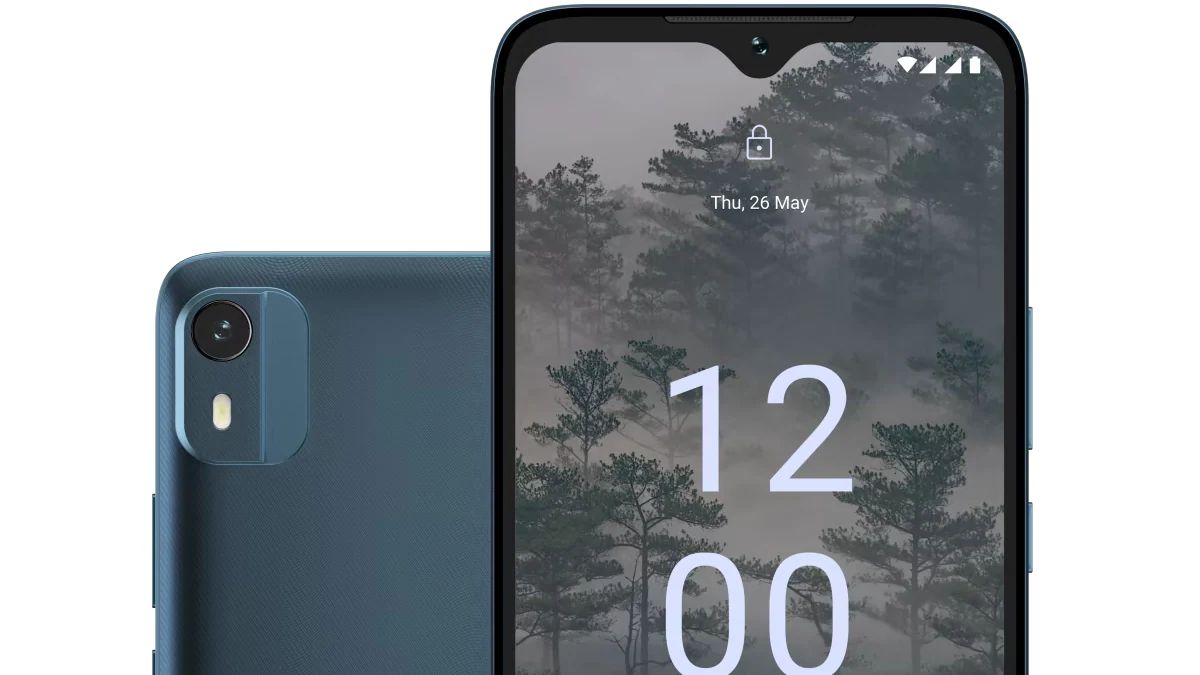
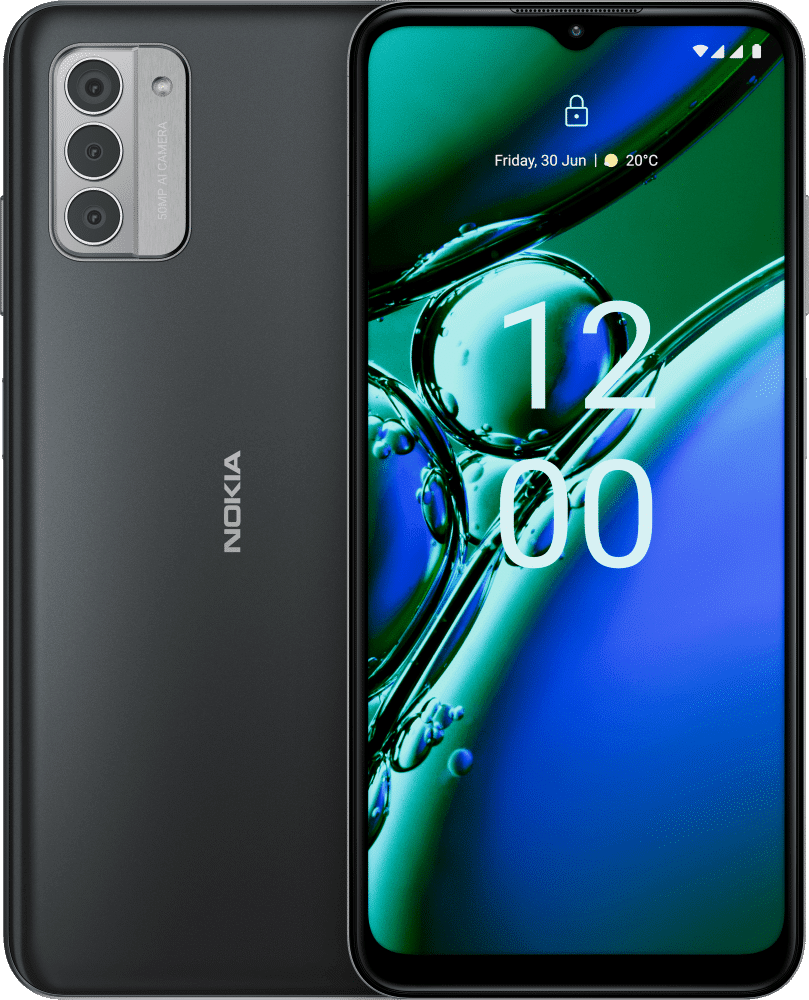
nokia-G42_5G-so_grey-front_back-int
Upcoming HMD Smartphones: What We Know

Reports from 91mobiles and Android Authority reveal that HMD is planning to release its first two global smartphones without the Nokia branding, known by their model numbers N159V and TA-1585.

These names were spotted in the IMEI database, hinting at HMD’s impending launch.

While the official product names are yet to be disclosed, it’s suggested that these model numbers might represent the same phone, differentiated for regional markets.

The company aims to launch at least one such device by 2024, although an exact release date remains under wraps.

Design and Specifications: A Sneak Peek

Leaker Evan Blass says that Verizon will carry the device, meaning it will be available in the US.

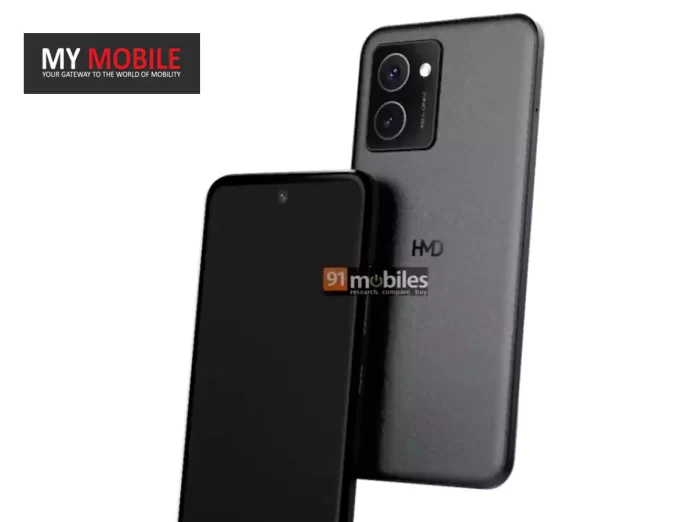
Leaked images of the N159V model suggest a design that leans towards the low- to mid-range segment.

The absence of visible antenna lines indicates the possibility of a plastic body, departing from the more premium aluminum builds.

The phone is expected to feature a dual-camera setup on the rear and a single front camera.

A flat display and right-side button placement are other notable design aspects.

Notably, Evan Blass, a well-known leaker, shared on X (formerly Twitter) that Verizon might be among the first US carriers to offer this new HMD phone.

The Competitive Landscape

The Competitive Landscape

As HMD enters the market with its branded device, it faces stiff competition in the mid-range smartphone segment.

For instance, OnePlus is set to introduce the OnePlus 12R globally, marking its debut in North America.

This device, with its Qualcomm Snapdragon 8 Gen 2 chip and a 5500mAh battery, is expected to challenge flagship models, offering high-end features at a competitive price.

FAQs

What is HMD Global planning in the smartphone market?

HMD Global is reportedly preparing to launch its own-branded smartphones, moving away from solely producing Nokia-branded devices.

This marks a strategic shift for the company, signaling its ambition to carve out a distinct identity in the competitive smartphone landscape.

What are the known details about HMD Global’s upcoming smartphones?

HMD Global’s forthcoming smartphones, currently known by their model numbers N159V and TA-1585, have been spotted in the IMEI database.

While their official names haven’t been released, these models signify HMD’s venture into branding its devices independently of Nokia.

What can consumers expect from HMD Global’s new smartphones in terms of design and features?

The leaked images of the N159V model suggest a design aimed at the low- to mid-range market.

Features like a dual-camera setup, a plastic body, a flat display, and a single front camera lens are expected. These elements point towards an accessible, budget-friendly device.

When is HMD Global expected to release these new smartphones?

HMD Global is expected to release at least one of its own-branded smartphones by 2024. However, a specific launch date has not been announced yet, keeping the tech community in anticipation.

Also Read: HMD Global launches Nokia C32 in India with 3-day battery, 50MP camera, Android 13; Check Price, Specifications, Availability & Offers

Also Read: How HMD EasyPay is Transforming Nokia Smartphone Purchases: Exclusive Interview with Ravi Kunwar, VP India & APAC for HMD Global

Also Read: HMD Global Secures Top Spot in Feature Phone Market IDC Q3 2023 Report

Google’s Tensor G5 Chip Could be A New Era for Pixel Phones with Exynos-Free Design

0
Google's Tensor G5 Chip Could be A New Era for Pixel Phones with Exynos-Free Design

Highlights

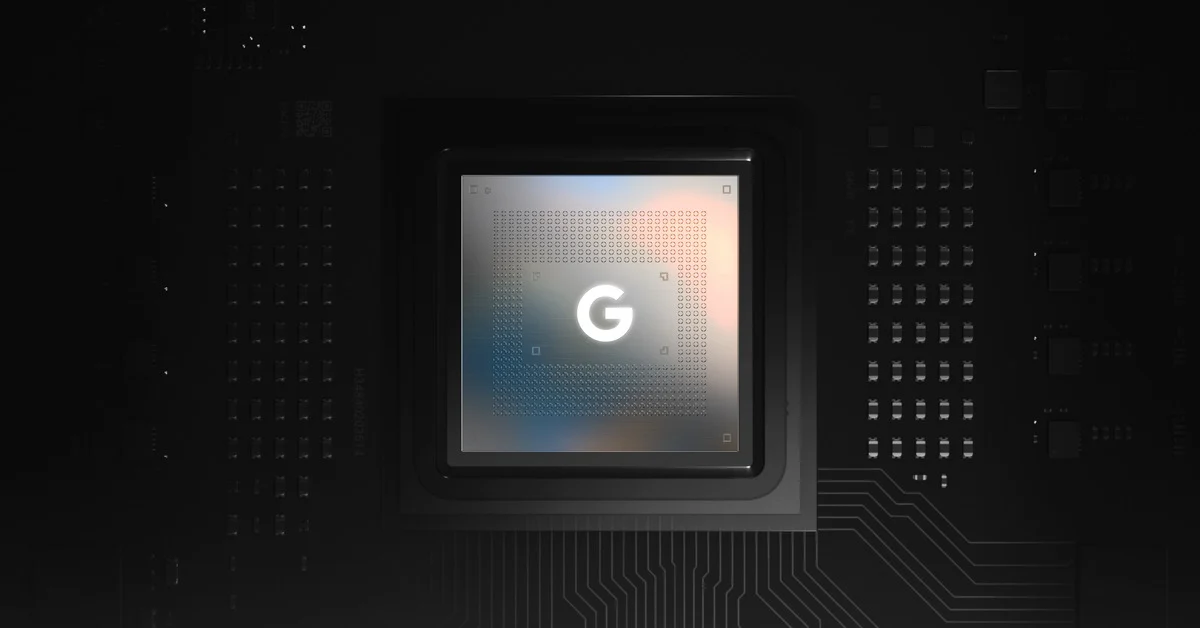
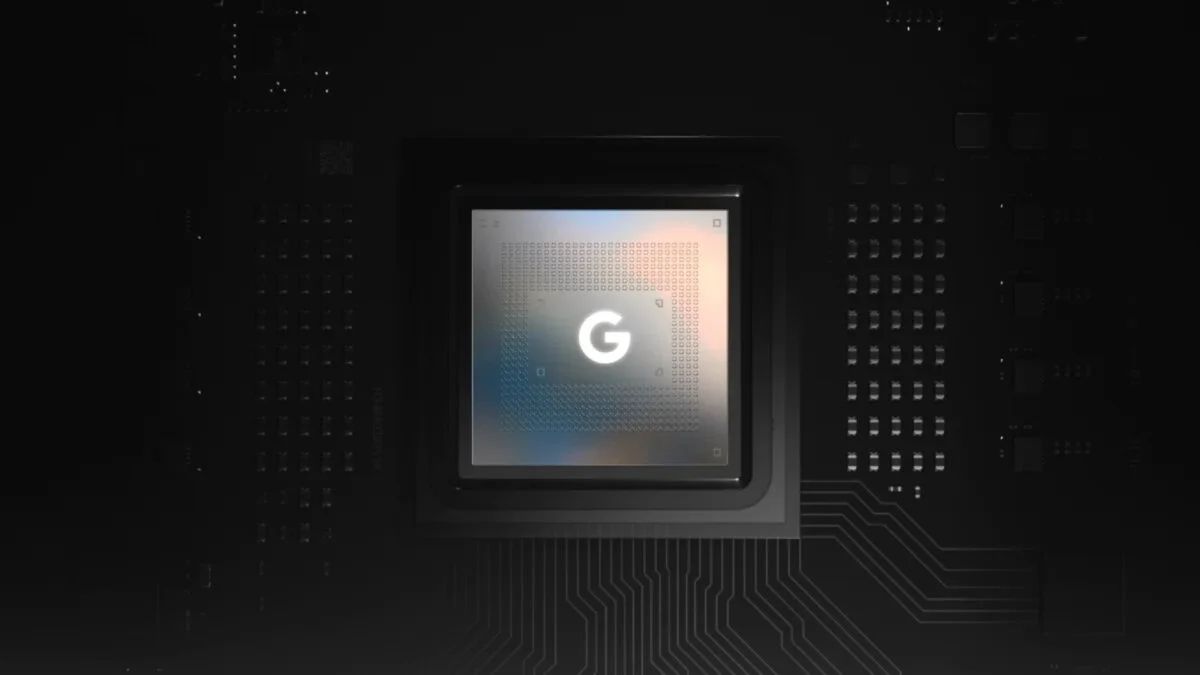
  • Google’s Tensor G5 chipset marks a strategic shift from Samsung’s Exynos base.
  • Tensor G5 testing to start mid-2024, potentially powering Pixel 10 series.
  • G5 chipset development showcases Google’s move towards fully customized APs.
  • Shift to TSMC’s 3nm process node expected to enhance Pixel phone performance.

Google is on the verge of a significant shift in its approach to smartphone chip design with the Tensor G5 chipset, which is poised to be a game-changer for the upcoming Pixel 10 series, slated for release in 2025.

Tensor G5: Expected Features

Google reportedly starts testing Tensor G5 for Pixel 10

Unlike its predecessors, the Tensor G5 represents Google’s first foray into a fully customized application processor (AP), a move that signals a departure from its reliance on Samsung’s Exynos chip foundation.

The journey towards this ambitious goal is already underway.

Google has reportedly submitted its self-developed version of the Tensor G5 chipset to KYEC (King Yuan Electronics Co), a firm known for its comprehensive testing services, including wafer probing, final product test, and burn-in test.

This submission marks the beginning of a crucial phase in the chipset’s development, with testing expected to commence in mid-2024.

While the Tensor G5 is in the pipeline, the immediate future will see the continuation of Google’s partnership with Samsung.

The upcoming Pixel 9 series, set to launch in 2024, will feature the Tensor G4 AP, which, although similar to the G3 chip found in the Pixel 8 series, promises improvements.

This chip is expected to be built using Samsung’s 4nm process, indicating minor enhancements over its predecessor.

Tensor’s Move Away from Exynos

Google reportedly locks down Tensor testing in Taiwan ahead of switch to TSMC

The shift to TSMC (Taiwan Semiconductor Manufacturing Company) for the production of the Tensor G5 chip is a strategic move for Google.

TSMC’s advanced 3nm process node is set to be the backbone of this new chipset.

By moving away from Samsung’s Exynos base, Google is not just altering its manufacturing partner but also its approach to chip design.

This change is expected to grant Google more autonomy over the architecture and features of its chipset, potentially translating into more powerful and efficient Pixel phones.

The Tensor G5 chip, being fully customized by Google, opens up possibilities for a range of new features tailored specifically for Pixel phones.

This could mean significant advancements in performance, efficiency, and unique functionalities that could set Pixel phones apart in the competitive smartphone market.

Google’s first fully custom chipset design, as the company has thus far been relying heavily on a foundation provided by Samsung’s Exynos chips

FAQs

What is Google’s Tensor G5 Chipset?

The Tensor G5 is Google’s upcoming chipset, anticipated to be the first fully customized application processor by the company.

This chipset is expected to power the Pixel 10 series, showcasing Google’s shift from relying on Samsung’s Exynos chips to its own unique design.

How does the Tensor G5 differ from its predecessors?

Unlike the previous Tensor chips, the G5 is set to be Google’s first fully self-developed chipset, moving away from the Exynos-based design.

This shift represents a significant step towards more autonomy in chip design and functionality for Google.

When is the testing for the Tensor G5 Chipset scheduled?

Testing for the Tensor G5 chipset is planned to begin in the middle of 2024.

This testing phase is crucial for ensuring the chipset’s readiness and efficiency before its expected integration into the Pixel 10 series.

What are the expected benefits of Google switching to the Tensor G5 chipset?

The Tensor G5 chipset, being fully customized by Google and manufactured using TSMC’s advanced 3nm process, is expected to bring enhanced performance and efficiency.

This change could lead to more powerful and energy-efficient Pixel phones, with potentially unique features exclusive to the Pixel range.

Also Read: Google Pixel 8 Pro on Geekbench with Tensor G3 Chipset & 12 GB RAM Ahead of October 4 Launch: First Device with Android 14 Out of the Box

Also Read: Google Pixel 7 Tensor G2 Chip; Speed in Learning Tasks

Also Read: Google Pixel 7a specifications leaked online ahead of official launch: wireless charging, Tensor G2 chipset, 64MP camera, Ahead of the Google I/O 2023

iPhone 16 Pro Series May Potentially Feature Up to 2TB Storage

0
iPhone 16 Pro Series May Potentially Feature Up to 2TB Storage

Highlights

  • Rumors suggest iPhone 16 Pro models may offer up to 2TB storage.
  • Potential shift to QLC NAND flash memory for enhanced storage density.
  • Rumored “Capture Button” and 4K Spatial Video recording capabilities.
  • Possible price adjustments with the introduction of the 2TB model.

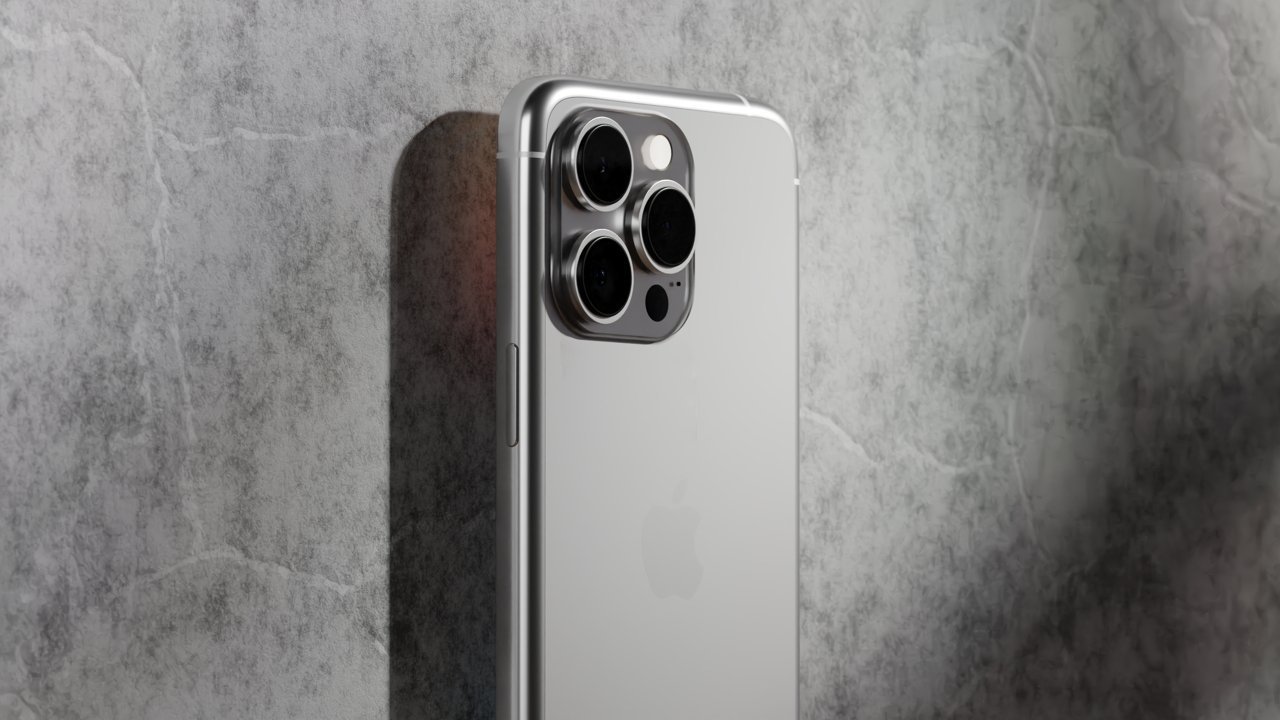
Apple might unveil a massive storage upgrade for its upcoming iPhone 16 Pro and iPhone 16 Pro Max models.

According to insider sources and tech commentators, these new flagship devices may offer a whopping 2TB storage option, doubling the maximum capacity of the current iPhone 15 Pro models.

A 2TB iPhone 16?

A 2TB iPhone 16?
A 2TB iPhone 16?

This potential leap in storage capabilities is linked to Apple’s rumored shift to using Quad-Level Cell (QLC) NAND flash memory for its higher storage models.

QLC NAND, known for its higher density, could enable Apple to pack more storage into the same sleek iPhone design.

Additionally, it’s a more cost-effective option compared to the Triple-Level Cell (TLC) NAND used in current iPhones.

However, it’s important to note that QLC NAND typically has slower read and write speeds compared to TLC.

While there have been similar rumors in the past regarding the iPhone 14 Pro and iPhone 15 Pro that didn’t materialize, the anticipation remains high for the iPhone 16 Pro series.

This expectation is fueled by the evolving needs of users, especially in the context of new technologies and features anticipated in the upcoming iPhone models.

Other Expected Features on iPhone 16

Other Expected Features on iPhone 16

One such feature is the rumored “Capture Button,” aimed at enhancing the iPhone’s video recording capabilities.

With the iPhone increasingly being seen as a viable alternative for high-quality video production, the need for larger storage options becomes more apparent.

The ability to record Spatial Videos in 4K, as speculated for the iPhone 16 Pro, would undoubtedly require substantial storage capacity.

Moreover, with the introduction of new recording options in recent iPhone models, catering to the needs of professional filmmakers and content creators, the demand for higher storage is evident.

If Apple does indeed introduce 2TB models using QLC NAND technology, it could also lead to a strategic pricing adjustment.

The price for the 1TB model might see a reduction, while the new 2TB variant could command a higher price, reflecting its increased storage capacity.

APPLE IPHONE 16 PRO SPECIFICATIONS

Key Specs

RAM 6 GB
Processor Apple A16 Bionic
Rear Camera 13 MP + 13 MP + 13 MP
Front Camera 13 MP
Battery 4700 mAh
Display 6.25 inches (15.88 cm)

General

Launch Date October 26, 2023 (Unofficial)
Operating System iOS v16

Performance

Chipset Apple A16 Bionic
CPU Hexa Core (3.464 GHz, Dual core, Everest + 2.02 GHz, Quad core, Sawtooth)
Architecture 64 bit
Fabrication 4 nm
Graphics Apple GPU (Five-core graphics)
RAM 6 GB

Display

Display Type OLED
Screen Size 6.25 inches (15.88 cm)
Resolution 1189 x 2546 pixels
Pixel Density 450 ppi
Bezel-less display Yes
Touch Screen Yes, Capacitive Touchscreen, Multi-touch

Camera

MAIN CAMERA
Camera Setup Triple
Resolution 13 MP, Primary Camera
13 MP
13 MP
Autofocus Yes
Flash Yes, LED Flash
Image Resolution 4128 x 3096 Pixels
Settings Exposure compensation, ISO control
Shooting Modes Continuous Shooting
High Dynamic Range mode (HDR)
Camera Features Digital Zoom
Auto Flash
Face detection
Video Recording 1920×1080 @ 30 fps
FRONT CAMERA
Camera Setup Single
Resolution 13 MP, Primary Camera
Video Recording 1920×1080 @ 30 fps

Battery

Capacity 4700 mAh
Type Li-Polymer
Removable No
Quick Charging Yes, Fast
USB Type-C No

Storage

Internal Memory 128 GB
Expandable Memory No

Network & Connectivity

SIM Slot(s) Dual SIM, GSM+GSM
SIM Size SIM1: Nano, SIM2: eSIM
Network Support 5G Not Supported in India, 4G Supported in India, 3G, 2G
VoLTE Yes
SIM 1
4G Bands:
TD-LTE 2300(band 40)
FD-LTE 1800(band 3)
3G Bands:
UMTS 1900 / 2100 / 850 / 900 MHz
2G Bands:
GSM 1800 / 1900 / 850 / 900 MHz
GPRS:
Available
EDGE:
Available
SIM 2
4G Bands:
TD-LTE 2300(band 40)
FD-LTE 1800(band 3)
3G Bands:
UMTS 1900 / 2100 / 850 / 900 MHz
2G Bands:
GSM 1800 / 1900 / 850 / 900 MHz
GPRS:
Available
EDGE:
Available
Wi-Fi Yes, Wi-Fi 4 (802.11 b/g/n)
Wi-Fi Features Mobile Hotspot
Bluetooth Yes, v5.3
GPS Yes with A-GPS, Glonass
USB Connectivity Mass storage device, USB charging

Multimedia

Loudspeaker Yes
Audio Jack Lightning

Sensors

Fingerprint Sensor No
Other Sensors Light sensor, Proximity sensor, Accelerometer, Barometer, Compass, Gyroscope

FAQs

What is the rumored storage capacity for the iPhone 16 Pro and Pro Max?

The iPhone 16 Pro and Pro Max are rumored to potentially offer a 2TB storage option, doubling the current maximum capacity of the iPhone 15 Pro models.

This would be a significant upgrade, catering to users who require extensive storage for high-resolution media and applications.

Why might Apple switch to QLC NAND flash memory in the iPhone 16 Pro?

Apple is rumored to be considering a switch to Quad-Level Cell (QLC) NAND flash memory for the iPhone 16 Pro models to increase storage density within the same compact iPhone design.

QLC NAND is also more cost-effective compared to the Triple-Level Cell (TLC) NAND used in current models, although it may offer slower read and write speeds.

How could the new storage capacity impact iPhone 16 Pro’s pricing?

With the introduction of a 2TB storage option in the iPhone 16 Pro series, Apple might adjust its pricing strategy.

The 1TB model could see a price reduction, while the new 2TB variant may be priced higher, reflecting its increased storage capacity.

What are the expected new features in the iPhone 16 Pro series besides increased storage?

Apart from the potential 2TB storage, the iPhone 16 Pro series is rumored to include new features like a dedicated “Capture Button” for enhanced video recording and the ability to record Spatial Videos in 4K.

These features would benefit from the larger storage capacity, especially for users involved in professional video production.

iPhone 16 Pro Models to Come With 2TB Storage Option, Claims Rumor .Details?

This year’s forthcoming iPhone 16 Pro models will be available with a new 2TB maximum storage option, claims a new rumor coming out of Korea.

According to news aggregator account “yeux1122” on the Naver blog, the iPhone 16 Pro and iPhone 16 Pro Max will be available with double the maximum storage capacity as the iPhone 15 Pro models.

The move is said to be a result of Apple’s recently rumored switch to higher-density Quad-Level Cell (QLC) NAND flash for higher storage models.

Apple’s use of QLC NAND could allow Apple to fit more storage into a smaller space and it is less expensive than Triple-Level Cell (TLC) NAND, which current iPhones use. On the downside, QLC has comparatively slower read and write speeds.

It’s worth noting that in the last couple of years we have seen rumors that both the iPhone 14 Pro and iPhone 15 Pro would feature 2TB options for the same reason, but they turned out to be false.

That said, this year Apple is expected to add a new “Capture Button” to the iPhone 16 models for taking video.

According to The Information, the button is being introduced to further push the iPhone as a camera alternative for shooting horizontal video, so offering higher storage options could be part of that plan.

Why Apple could be adding a 2TB iPhone 16 Pro to the lineup?

Adding an iPhone 16 Pro with 2TB of storage means Apple could increase its profit.
With the iPhone 15 Pro Max, the company removed the 128GB option and only offered 256GB, 512GB, and 1TB.

With the iPhone 16 Pro lineup, the company could also remove the 128GB version of the smaller iPhone but offer an option with 2TB.

The minimum price consumer would pay for a Pro iPhone would increase without Apple actually having to raise prices.

Using this new TLC technology, Apple could slightly decrease the price of the 1TB iPhone and charge a little more for the 2TB option.

1TB iPhone 16 Pro Models Could Face Performance Setback.Details?

iPhone 16 Pro models configured with 1TB of storage could feature slower read and write speeds to reduce costs, DigiTimes reports.

The change is part of Apple’s potential switch to higher-density Quad-Level Cell (QLC) NAND flash memory for its 1TB iPhone models, which the company is said to currently be “actively evaluating.” Apple currently uses costlier Triple-Level Cell (TLC) NAND.

Using QLC NAND would allow Apple to cram more storage into a smaller space and comes at a lower price, but with the disadvantage of slower read and write speeds. QLC NAND can also be less durable and reliable than TLC NAND, handling constant write operations less effectively. Apple could, of course, seek to mitigate these issues with specific optimizations.

The report adds that adopting QLC NAND could make offering iPhones with up to 2TB of storage viable for the first time. A 1TB iPhone 15 Pro Max is priced at $1,599, $200 more than the 512GB model, so a future 2TB model would need to be cost-effective, as well as contain flash storage that is sufficiently compact inside the device.

New ‌iPhone‌ models with 128GB, 256GB, and 512GB of storage are highly likely to stick with TLC NAND for the foreseeable future.

Although TLC NAND is still widespread in the industry, QLC NAND is expected to account for about 20% of all NAND shipments from the second half of 2023 to the first half of 2024, suggesting that its usage is growing despite its drawbacks.

How will the modem differences affect the iPhone 16 and 16 Pro models?

The iPhone 16 and 16 Plus are expected to use the Qualcomm X70 modem, enhancing 5G capabilities.

The Pro models might incorporate the Qualcomm X75 modem, which is tailored for 5G Advanced, suggesting superior 5G performance in these models.

What camera improvements are predicted for the iPhone 16 Pro?

Analysts forecast an upgrade in the iPhone 16 Pro’s Ultra Wide camera to a 48MP sensor, which could significantly enhance photo and video quality, especially in spatial recording.

Will there be any changes in Wi-Fi capabilities in the iPhone 16 series?

The iPhone 16 and 16 Plus are likely to support Wi-Fi 6E, offering faster speeds and better performance.

The iPhone 16 Pro models might support the newly launched Wi-Fi 7, providing even more advanced connectivity options.

What are the key design changes in the latest iPhone 16 Pro prototype?

The latest “Proto2” prototype of the iPhone 16 Pro shows a design shift, adopting a smaller Action button akin to that of the iPhone 15 Pro.

This contrasts with earlier prototypes that experimented with different sizes and placements for the Action button.

How did the iPhone 16 Pro’s Action button design evolve from initial prototypes?

Early prototypes of the iPhone 16 Pro included a unified volume button and a smaller multi-purpose Action button.

This design was part of the discontinued Project Bongo, which initially aimed to bring haptic buttons to the iPhone 15 Pro.

What was the purpose of Apple’s Project Bongo and how did it influence the iPhone 16 Pro’s design?

Project Bongo was an attempt to introduce haptic buttons to the iPhone 15 Pro. Although the project was canceled, its design elements, particularly the unified volume button, influenced early versions of the iPhone 16 Pro.

What does the “Proto2” prototype indicate about the future of the iPhone 16 Pro’s design?

The “Proto2” prototype suggests that Apple may be moving away from the idea of a capacitive Action button, as it features a smaller, more traditional Action button similar to the iPhone 15 Pro.

What are the rumoured screen sizes for the iPhone 16 Pro and Pro Max?

The iPhone 16 rumours suggest that the iPhone 16 Pro might feature a 6.3-inch display, while the iPhone 16 Pro Max could come with a 6.9-inch screen.

These would be an increase from the current 6.1-inch and 6.7-inch displays of the iPhone 15 Pro and Pro Max, respectively.

How might the iPhone 16 Pro series improve battery and thermal performance?

The iPhone 16 Pro series is rumoured to introduce a new metal shell battery, a departure from traditional foil coverings.

Additionally, there are talks of incorporating a graphene thermal system to enhance heat dissipation and improve the device’s overall performance.

What camera upgrades are expected in the iPhone 16 Pro series?

Among the iPhone 16 rumours, the Pro model is expected to inherit the 5x zoom tetraprism camera from the iPhone 15 Pro Max.

The iPhone 16 Pro Max might feature a periscope ultra-long telephoto camera. Both models are also rumoured to include new Sony sensors for better low-light photography.

Also Read: iPhone 16 to Boast Enhanced RAM and Wi-Fi Speeds, iPhone 16 Pro Upgrades to Superior 5G

Also Read: iPhone 16 Pro Latest Prototype Reveals Design Changes in Action Button

Also Read: iPhone 16 Pro Series: All the Latest Rumours and Expected Features

Also Read: iPhone 16 Pro Series to Also Feature Tetraprism Periscope Lens Technology: Report

X Introduces Audio and Video Calling on Android: Premium Subscribers Get Exclusive Access

0
X (Formerly Twitter)

Highlights

  • X rolls out audio and video calling for Android users, following iOS integration.
  • Outbound calls exclusive to X Premium subscribers, enhancing platform’s premium offerings.
  • Feature accessibility requires app update; inbound calls available to all users.
  • Privacy settings allow users to manage who can call them, ensuring user control.

X, the social media platform formerly known as Twitter, has recently expanded its audio and video calling features to Android users.

This follows the successful launch of these features for iOS users last October.

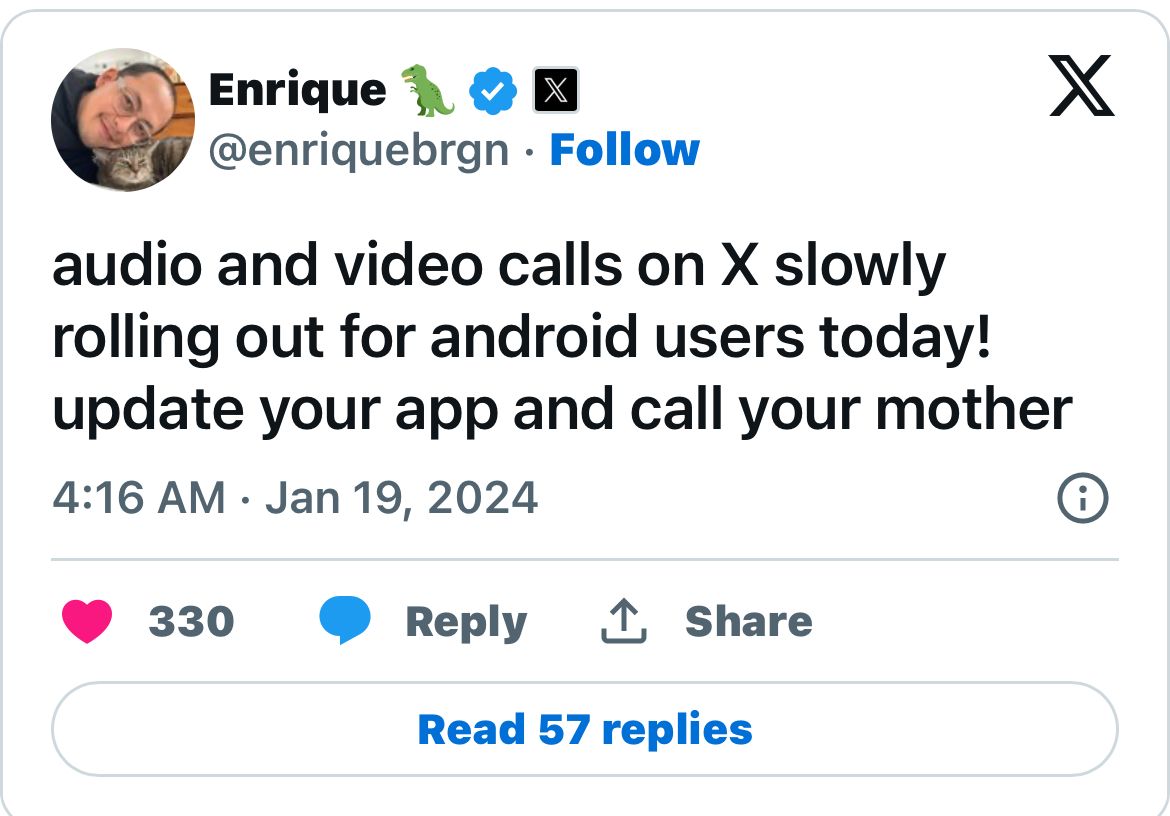
According to X developer Enrique Barragan, Android users may need to update their app to access the new functionality.

X developer Enrique Barragan, Android users may need to update their app to access the new functionality
X developer Enrique Barragan says Android users may need to update their app to access the new functionality


X’s Android App Getting Voice Calls

X’s Android App Getting Voice Calls
Elon Musk’s own social network X is rolling out the ability to make audio and video calls directly from the app to its Android client

In a significant move, X has made receiving calls available to all users, but the ability to initiate calls is exclusive to X Premium subscribers.

This distinction is part of X’s strategy to increase its subscriber base, especially as its traditional revenue streams, like ad sales, have been underperforming.

The cost of X Premium starts at $3 per month for the “Basic” tier.

However, it is not explicitly stated in X’s Help Centre which subscription level includes the outbound video and audio calling feature.

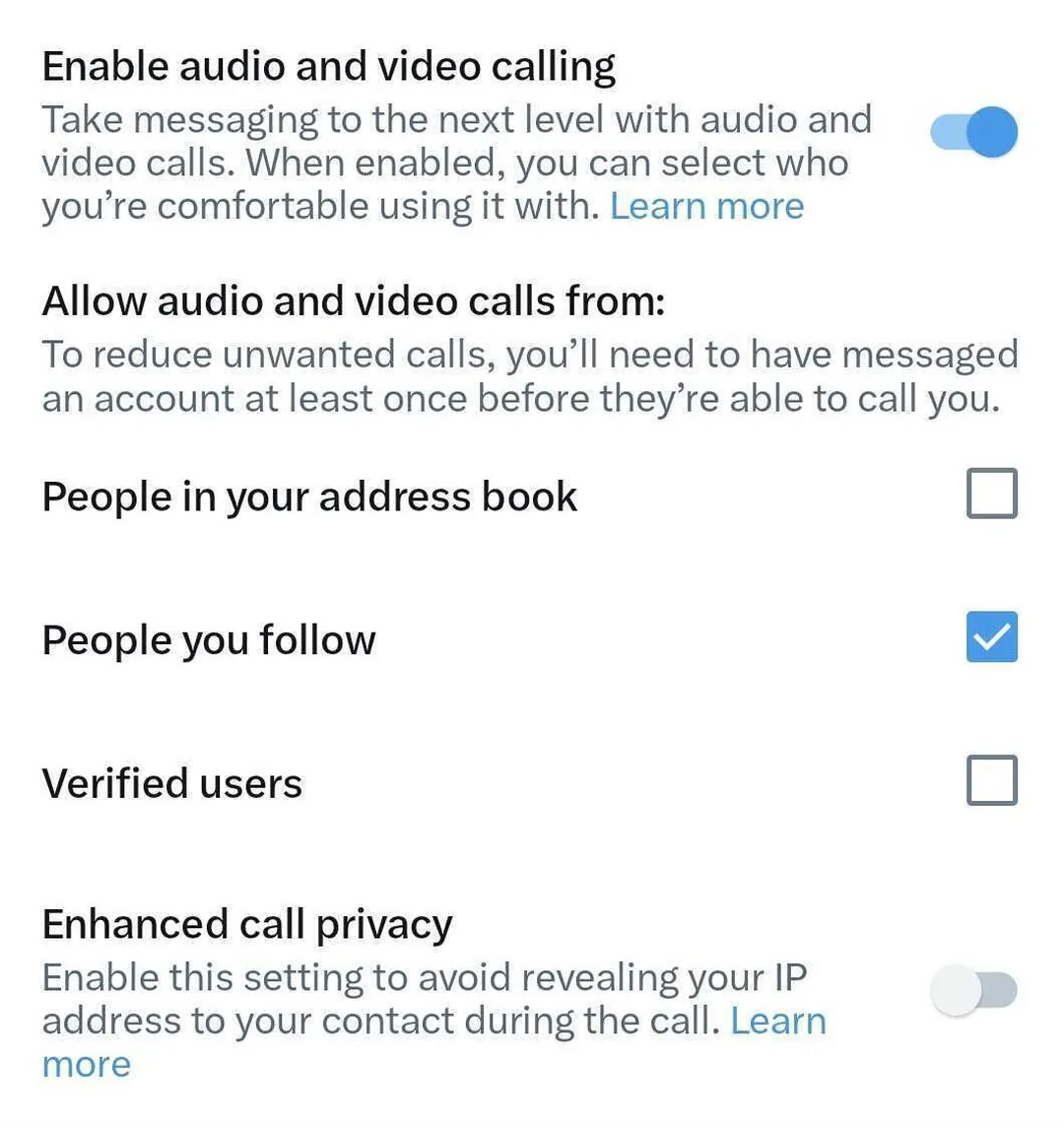
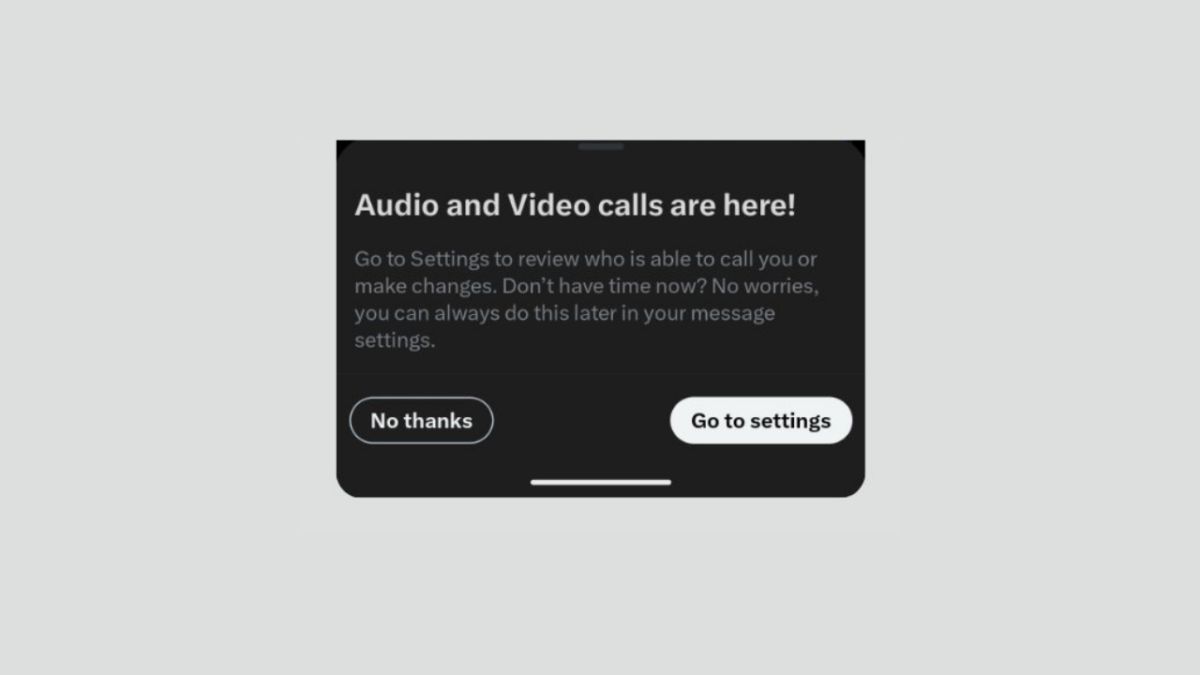
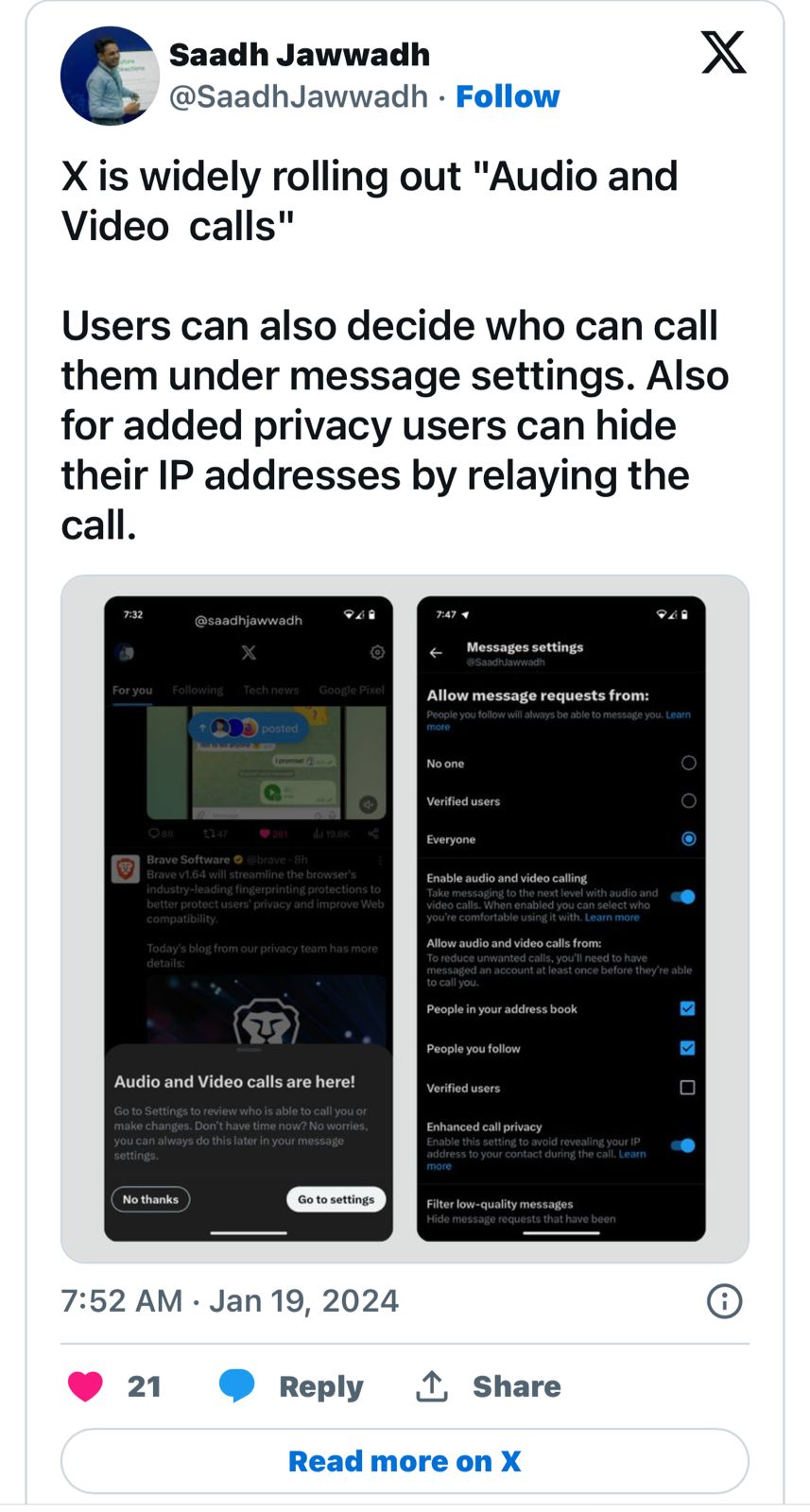
For users concerned about privacy, X provides options to manage who can call them.

These settings are accessible under Settings > Privacy and safety > Direct Messages > Enable audio and video calling.

X Introduces Audio and Video Calling on Android: Premium Subscribers Get Exclusive Access
Only premium subscribers can place calls on both Android and iOS, while all users can receive calls.

Users can restrict incoming calls to contacts in their address book, users they follow, or accounts verified with blue ticks.

This development is a part of X’s broader strategy to enhance user experience and offer exclusive features to its premium subscribers.

X's broader strategy to enhance user experience
X’s broader strategy to enhance user experience

This tactic has been employed before, with features like Tweetdeck and ad revenue sharing being used to attract new subscribers.

However, the company has also been known to remove certain features, such as NFT profile pictures, indicating a dynamic approach to its service offerings and user engagement strategies.

X Introduces Audio and Video Calling on Android: Premium Subscribers Get Exclusive Access

FAQs

What is X’s new feature for Android users?

X has recently launched audio and video calling features for Android users.

This rollout follows the feature’s successful implementation on iOS devices, allowing Android users to engage in audio and video conversations directly through the X app.

Who can use the outbound calling feature on X?

The ability to make outbound calls on X is reserved for X Premium subscribers.

This approach is part of X’s strategy to offer exclusive features to paid members, as the platform seeks to diversify its revenue streams beyond traditional advertising.

How can Android users access X’s new calling feature?

To access the audio and video calling feature, Android users need to update their X app to the latest version.

Once updated, they can find the option to enable these features in the app’s privacy and safety settings.

Can all X users receive audio and video calls?

Yes, all X users, regardless of their subscription status, can receive audio and video calls.

This inclusivity ensures that the platform remains accessible for broader user interaction and engagement.

How can users manage an audio call on XWhile on an audio call ?

•Tap the audio icon to put the call on the speaker.

•Mute or unmute microphone by tapping the microphone icon.

•End the call by tapping the X button.

How can users manage a video call on XWhile on a video call ?

•Switch between the front or back-facing camera by tapping the flip camera icon.
•Tap the audio icon to turn off speaker mode.
•Turn the camera off by tapping the camera icon.
•Mute microphone by tapping the microphone icon.
•End the call by tapping the X button.

How to control who can call you ?

•Open the messages section by tapping on the envelope icon.
•Tap the settings icon in the top right corner that will open up the Messages settings.
•In the messages settings users can control if they’d like the audio and video calling feature to be enabled or not.
•If the audio and video calling feature is enabled, users can choose who is able to call them.
•Users can choose to receive calls from:
•People in your address book
•People you follow
•Verified users

Also Read: X (Formerly Twitter) Users On Google Pixel Phones Are Reporting App Performance Issues

Also Read: X (Formerly Twitter) Is Seeing Unexplained Disappearance of Photos and Links Posted Before 2014 

Also Read: Twitter Rebrands TweetDeck as ‘X-Pro’, Puts It Behind A Paywall

Also Read: Twitter introduces closed captions for iOS and Android apps

Samsung Gears Up for Galaxy Fit 3 Fitness Tracker Launch with Global Support Pages Live

0
Samsung Gears Up for Galaxy Fit 3 Fitness Tracker Launch with Global Support Pages Live

Highlights

  • Support pages for Galaxy Fit 3 live in India and other global markets.
  • SIRIM certification in Malaysia hints at an imminent release.
  • Galaxy Fit 3 expected to feature a larger display and new design elements.
  • Availability of multiple colour options including Grey, Gold, Black, and possibly Rose Gold.

Samsung’s latest venture in fitness tracking technology, the Galaxy Fit 3, is poised for launch as its support pages go live in multiple markets, including India.

This development follows months of speculation and hints at the global availability of the new fitness tracker.

Galaxy Fit 3: Global Launch  and Certification

Galaxy Fit 3: Global Launch  and Certification

The Galaxy Fit 3, with the model number SM-R390, has its support page now visible on Samsung’s India website, suggesting an imminent release.

Similar support pages have also appeared in other regions, including Europe, America, and Russia, indicating the tracker’s worldwide availability.

Further fueling the anticipation, the Galaxy Fit 3 has been listed on Malaysia’s SIRIM certification site, corroborating the global launch expectations.

Although specific details haven’t been revealed on the support page, the certification points towards an upcoming debut.

Design and Features: What to Expect

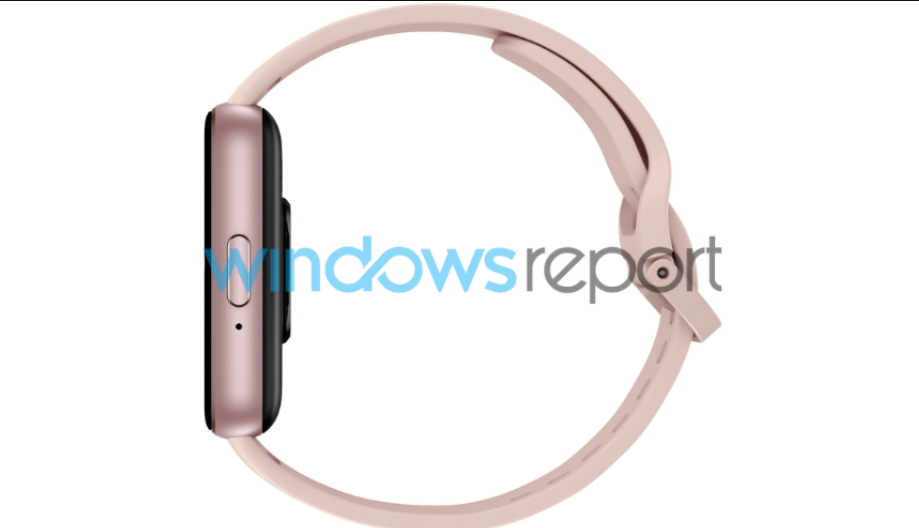
Leaked Samsung Galaxy Fit 3
Galaxy Fit 3 Design and Features: What to Expect

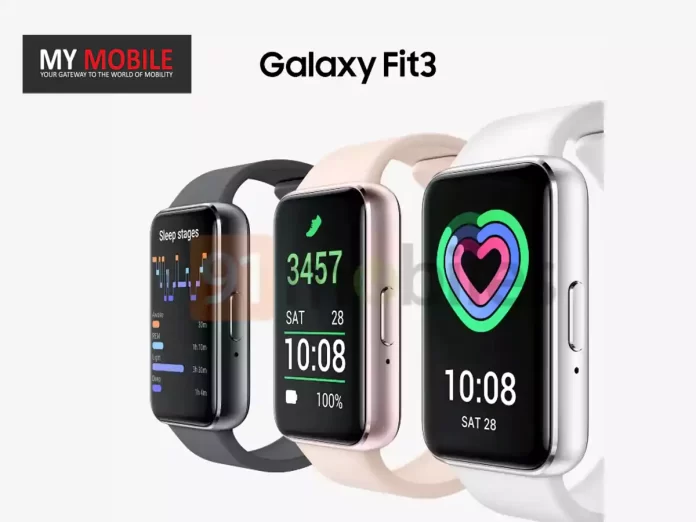
Leaked renders and images have given us a glimpse into the Galaxy Fit 3’s design.

The fitness tracker is expected to feature a larger display compared to its predecessor, the Galaxy Fit 2, and bears a resemblance to the Huawei Watch Fit in its design.

Notably, Samsung seems to have chosen non-removable straps for the Galaxy Fit 3.

The device is likely to include a side button, presumably serving as a power button, with charging pins located at the bottom.

The Galaxy Fit 3 is anticipated to be available in several color options, including Grey, Gold, Black, and possibly Rose Gold, offering a range of choices to suit different style preferences.

FAQs

What are the indications of the Galaxy Fit 3’s upcoming launch?

The launch of Samsung’s Galaxy Fit 3 seems imminent with the activation of support pages on Samsung’s India website and in other global markets.

Additionally, the device’s listing on Malaysia’s SIRIM certification site further suggests its nearing release.

Where has the Galaxy Fit 3 been spotted?

The Galaxy Fit 3, carrying the model number SM-R390, has its support page live on Samsung’s websites in various regions including India, Europe, America, and Russia, indicating a broad launch scope.

What new design features are expected in the Galaxy Fit 3?

Leaked images and renders suggest the Galaxy Fit 3 will sport a larger display than its predecessor and a design akin to the Huawei Watch Fit.

It is also anticipated to have non-removable straps and a side power button.

What color options might be available for the Galaxy Fit 3?

The Galaxy Fit 3 is expected to come in multiple color options, such as Grey, Gold, and Black, with a potential Rose Gold variant also being speculated.

What are the new design features of the Galaxy Fit 3?

The Galaxy Fit 3 is expected to feature a larger OLED screen with a slim-bezel design, giving it a more smartwatch-like appearance.

It will likely come with a silicon strap and a single button, without the ability to make calls or use a voice assistant.

Will the Galaxy Fit 3 include GPS tracking?

While not officially confirmed, the Galaxy Fit 3 is rumoured to include GPS tracking, a feature that was absent in its predecessors, enhancing its appeal to fitness enthusiasts who need location tracking.

How will the battery life of the Galaxy Fit 3 compare to smartwatches?

Without the power-intensive features of a smartwatch OS like Wear OS, the Galaxy Fit 3 may offer a prolonged battery life, potentially lasting a week or more on a single charge, depending on usage.

When can consumers expect the Galaxy Fit 3 to be officially announced?

The official announcement for the Galaxy Fit 3 has not been scheduled, but it might be introduced at Samsung’s next Galaxy Unpacked event, with speculations pointing towards a near-future reveal.

Also Read: Samsung Galaxy Watch 3 Receives New Watch Faces in Latest Update

Also Read: Leaked Samsung Galaxy Fit 3 Flaunts Bigger Screen and New Features

Instagram Targets Teen Screen Time with New Nighttime Alert Feature

0
Instagram

Highlights

  • Instagram introduces a 10-minute nighttime usage alert for teenagers.
  • Feature extends to Facebook and Messenger to encourage healthier screen habits.
  • Parental supervision tools offered for monitoring child app usage.
  • Strategies suggested for reducing screen time, like meditation and outdoor activities.

In a bid to combat the growing issue of screen addiction, particularly among teenagers, Instagram has rolled out a new feature designed to encourage healthier digital habits.

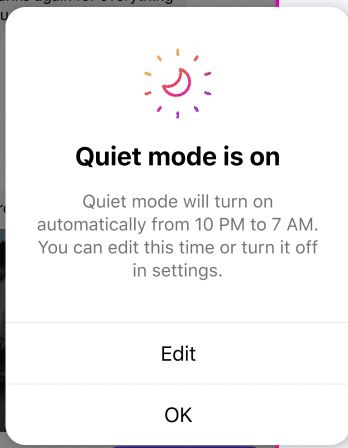
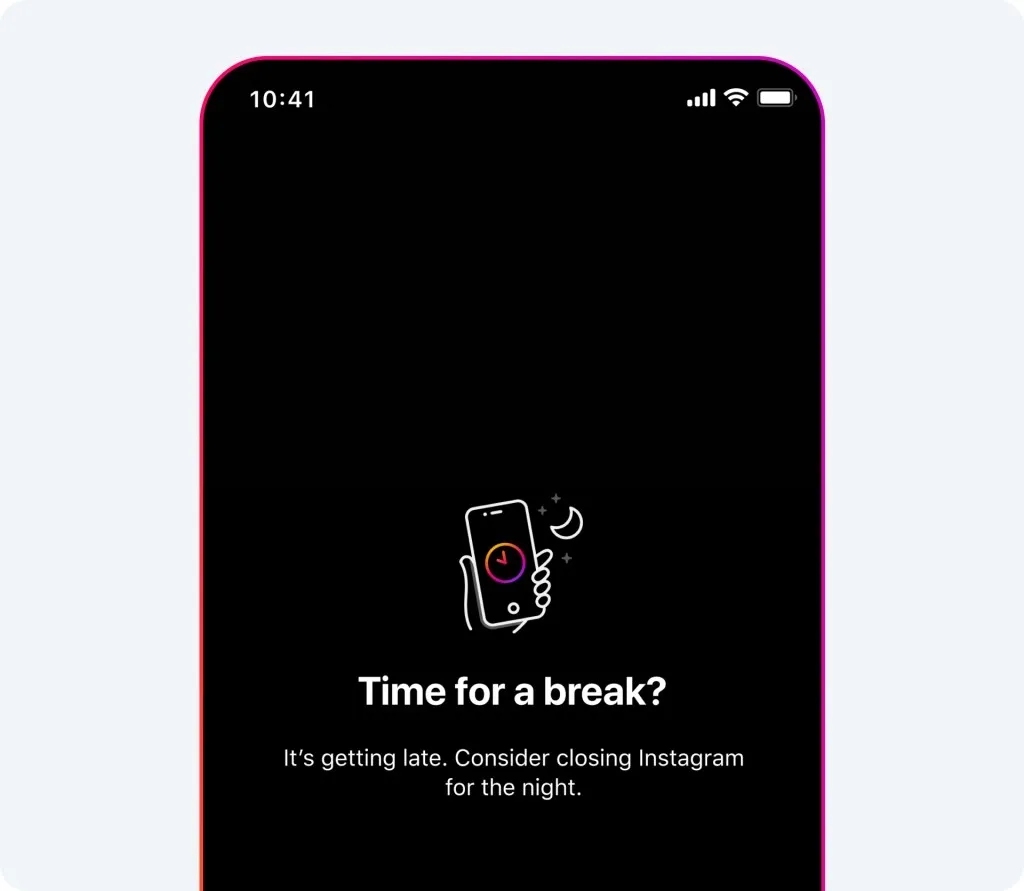
This innovative update prompts teenagers to close the app if they exceed 10 minutes of use at night, addressing concerns about excessive scrolling through Reels and the use of direct messages (DMs) during bedtime.

Tackling the Addiction to Reels

Tackling the Addiction to Reels

Instagram Reels, the platform’s popular short video feature, has seen a surge in popularity, especially among younger users.

However, this has also led to an increase in screen time, with many teenagers becoming vulnerable to addiction.

Meta’s response, in the form of this new warning system, is aimed at promoting better sleep and reducing late-night app usage.

Implementation Across Meta Platforms

Instagram Targets Teen Screen Time with New Nighttime Alert Feature

This feature is not limited to Instagram alone but extends to Facebook and Messenger as well.

The goal is to instill a sense of discipline in usage patterns among teenagers, encouraging them to sleep instead of spending prolonged periods on these apps.

Parental Supervision and Self-Regulation

Parental Supervision and Self-Regulation

In addition to this new feature, Meta has implemented parental supervision tools that allow parents to monitor their children’s time spent on Instagram and Facebook.

These tools provide detailed insights, including total daily usage and weekly averages, aiding parents in guiding their children towards more balanced screen time.

Effective Strategies to Curb Screen Addiction

Effective Strategies to Curb Screen Addiction

While the new feature is a step in the right direction, overcoming the lure of constant scrolling requires more than just app-based solutions.

Measures such as turning off notifications, keeping phones out of reach, and practicing meditation can significantly help reduce screen time.

We also feel that it’s beneficial to engage in outdoor activities, read physical books, and consciously avoid replacing one time-consuming app with another.

WhatsApp Image 2024-01-19 at 5.40.05 PM
WhatsApp Image 2024-01-19 at 5.41.12 PM
WhatsApp Image 2024-01-19 at 5.40.05 PM WhatsApp Image 2024-01-19 at 5.41.12 PM

FAQs

What is Instagram’s new nighttime alert feature for teenagers?

Instagram’s new feature alerts teenagers if they use the app for more than 10 minutes at night.

The aim is to discourage prolonged usage of the app during bedtime hours, promoting better sleep and healthier digital habits among young users.

How does this feature work on other Meta platforms?

The nighttime alert feature is also implemented on Facebook and Messenger.

It is part of Meta’s broader initiative to address concerns about excessive screen time among teenagers across all its platforms.

Can parents monitor their children’s usage of Instagram and Facebook?

Yes, Meta provides parental supervision tools that allow parents to track and monitor their children’s time spent on Instagram and Facebook.

These tools offer insights into daily and weekly app usage, aiding parents in managing their children’s screen time.

What are some tips to reduce screen addiction on Instagram?

To combat screen addiction, users are advised to turn off notifications, keep their phones out of easy reach, practice meditation, and engage in physical activities.

These practices help in reducing the urge to constantly check social media apps.

What are ‘Add Yours’ Templates on Instagram?

‘Add Yours’ Templates on Instagram are a new feature that allows users to create their own custom templates for Stories.

Users can add GIFs, text, and images to craft unique, meme-friendly templates, which can then be shared with others for further customization and collaboration.

How does one create and use ‘Add Yours’ Templates?

To create an ‘Add Yours’ Template, users can add their desired elements to a story and select the ‘Add Yours’ option from the Sticker Tray.

This shared template becomes a collaborative space where other users can add their contributions, enhancing the sense of community on the platform.

What type of content can be created with ‘Add Yours’ Templates?

‘Add Yours’ Templates offer limitless possibilities for content creation, from interactive quizzes and sharing snapshots of daily life to inviting users to share themed photos.

This feature is designed to encourage creativity and user engagement on Instagram Stories.

When will ‘Add Yours’ Templates be available to all users?

The rollout of ‘Add Yours’ Templates on Instagram is currently underway globally for both Android and iOS users.

However, it might take a few days for the feature to become available to everyone, so users are advised to stay patient.

Also Read: Instagram Rolls Out New Add Yours Templates to Boost Story Interactivity

Also Read: Instagram Testing New Privacy Feature to Customise Likes Visibility

Also Read: Instagram Is Encountering Mysterious Audio Loss Bug in Older Videos

Realme Unveils the Note 50 in Select Global Markets: Price, Features, and Availability

0
Realme Unveils the Note 50 in Select Global Markets

Highlights

  • Realme Note 50 debuts with 4GB RAM and 64GB storage.
  • Features include a 6.74-inch display and UNISOC T612 SoC.
  • Priced at PHP 3,599, targeting a broad market segment.
  • Dual rear camera setup with a 13MP primary lens.

Realme has announced the upcoming launch of the Realme Note 50, marking the entry of the first device in its new Note series.

The announcement comes from Realme Philippines, which has also disclosed the device’s pricing and specifications ahead of its official release in the country.
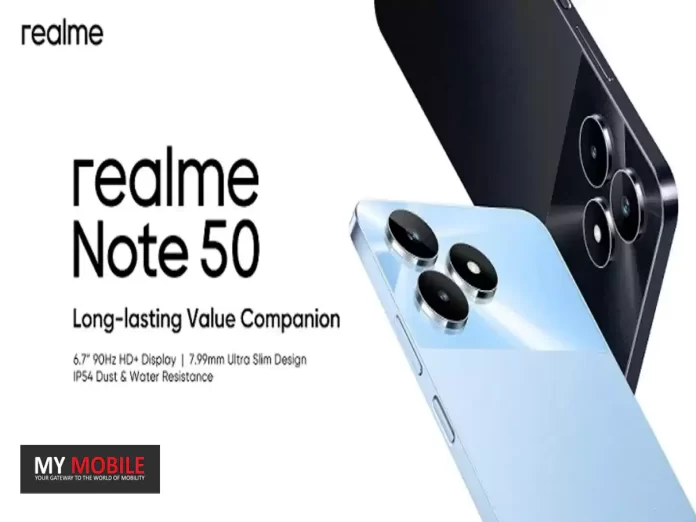
realme VP, Chase said “It is the first product and a new beginning for a very extensive series,” he added, so we might see several phones in this new realme Note series.

Realme Note 50: Launch Details and International Availability

Realme Note 50: Launch Details and International Availability

Sky Li, the CEO and founder of Realme, initially revealed the plans for the Realme Note series.

The company later confirmed that the Realme Note 50 will be available in various global markets, including Vietnam, Thailand, Italy, Bangladesh, Myanmar, and the Philippines. 

The detailed country-wise availability is set to be announced on January 23.

While Realme has not yet confirmed the release of the Note 50 in India, anticipation is high.

Realme Note 50: Pricing and Colour Variants

Realme Note 50: Pricing and Colour Variants

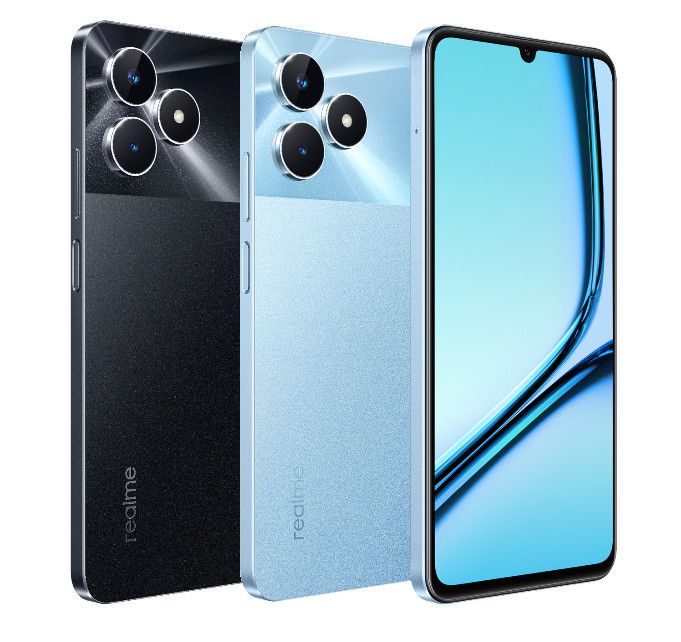
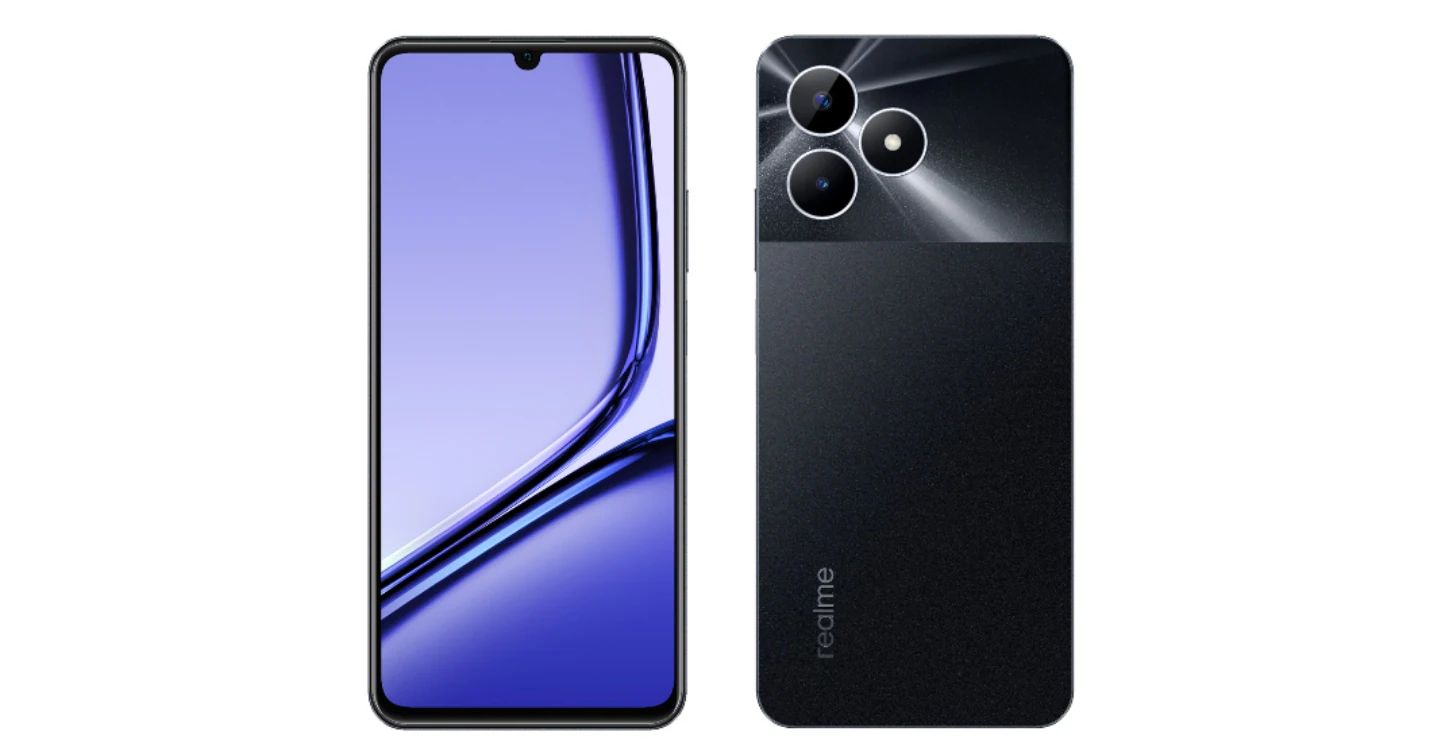
The Realme Note 50, available in striking Midnight Blue and Sky Blue colors, has been priced at PHP 3,599 (approximately Rs 5,500).

This price is for the single variant offering 4GB of RAM and 64GB of storage. 

Realme Note 50: Specifications and Features

Realme Note 50: Specifications and Features

The Realme Note 50 boasts a 6.74-inch IPS LCD display featuring a waterdrop-style notch, HD+ resolution, and a refresh rate of 90Hz.

The device is powered by the UNISOC T612 SoC, which includes an octa-core chipset and a Mali G57 MP1 GPU.

It also features a dual rear camera setup with a 13MP primary lens and a monochrome sensor.

Other notable features include:

  • A large 5000mAh battery with 10W fast charging support.
  • 4GB LPDDR4X RAM with additional dynamic RAM support.
  • Realme UI T Edition, based on Android 13.
  • A 5MP selfie camera.
  • A side-mounted fingerprint scanner and face unlock for security.
  • Various connectivity options including Dual-SIM, 4G LTE, Wi-Fi, Bluetooth 5.0, and GPS.
  • IP54 dust and splash resistance.
  • A dedicated microSD card slot with support up to 2TB.

Realme Note Series Positioning

Realme Note Series Positioning

With the Note series, Realme aims to target a broad market segment, ranging from entry-level to flagship smartphone users.

The Realme Note 50, essentially a rebranded version of the Realme C51 with some feature downgrades, reflects the brand’s strategy to offer cost-effective options.

This series will coexist with Realme’s existing GT, number, and C series smartphones, catering to a diverse consumer base.

FAQs

What are the key markets for the Realme Note 50’s launch?

The Realme Note 50 is set to launch in several global markets, including Vietnam, Thailand, Italy, Bangladesh, Myanmar, and the Philippines.

The specific release date for each country will be announced on January 23, with high expectations for its release in India.

What are the color options and pricing for the Realme Note 50?

The Realme Note 50 is available in Midnight Blue and Sky Blue colors, catering to different style preferences.

It is priced at PHP 3,599 (approximately Rs 5,500) for its single variant offering 4GB RAM and 64GB storage.
What are the standout features of the Realme Note 50?
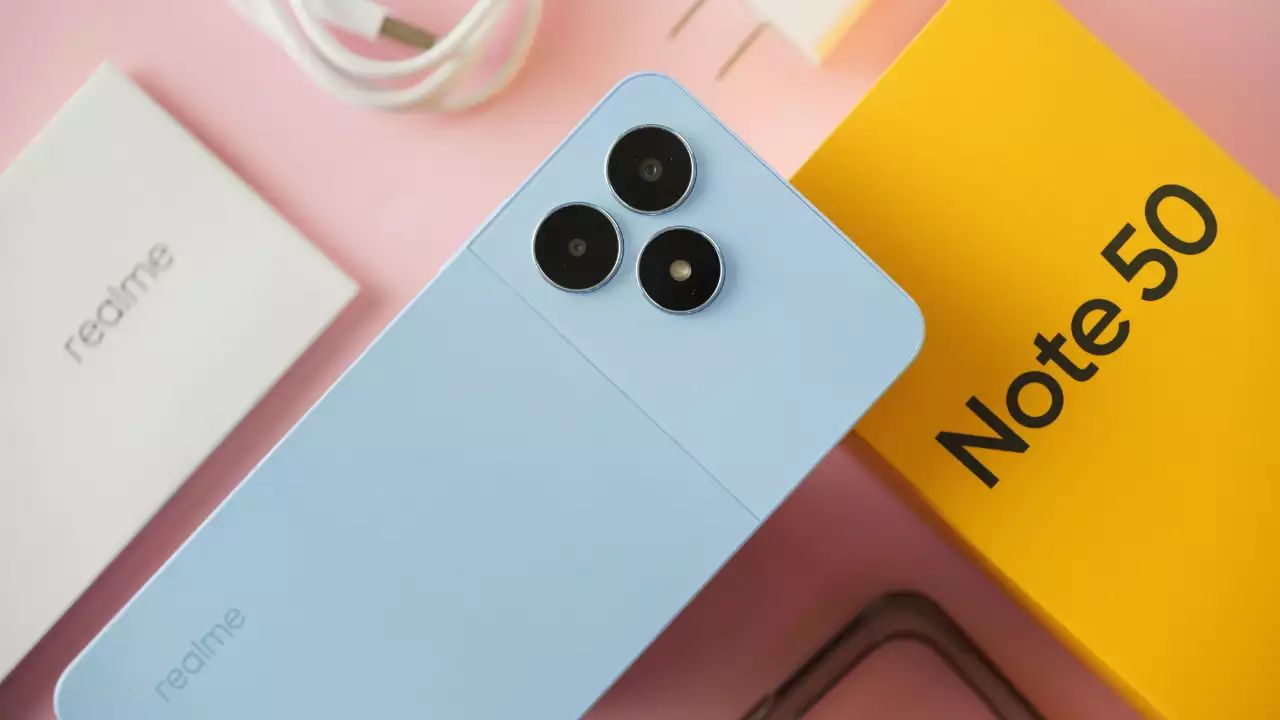
The Realme Note 50 boasts a 6.74-inch IPS LCD display with HD+ resolution and a 90Hz refresh rate.

It is powered by the UNISOC T612 SoC and includes a dual rear camera setup, a 5000mAh battery with fast charging, and runs on Realme UI T Edition based on Android 13.

How does the Realme Note 50 fit into Realme’s smartphone strategy?

The Realme Note 50 represents Realme’s strategy to target a wide range of users, from entry-level to flagship customers.

It is a rebranded version of the Realme C51 with some feature adjustments, allowing the brand to offer affordable yet feature-rich smartphones.

What can we expect from the Realme Note 1 according to recent teasers?

Realme has teased the Note 1, expected to feature a 6.67-inch OLED display with FHD+ resolution and a 120Hz refresh rate.

It’s anticipated to come with a MediaTek Dimensity 7050 SoC, a triple rear camera setup including a 108MP primary sensor, and a 16MP selfie camera.

When is the Realme Note 1 expected to be launched?

The Realme Note 1 is teased to be launched on January 24 in Indonesia, with subsequent plans for a global release, including a major presence in India.

What specifications has Realme hinted at for the Note 50?

The Realme Note 50 is teased to include a Unisoc T612 SoC, a 6.67-inch HD+ LCD display, and a dual rear camera setup.

It’s expected to run Android 13 and feature a 4890mAh battery with a 10W charger.

How is Realme positioning the Note 50 in the smartphone market?

Realme’s teasers suggest the Note 50 will be a budget-friendly option, potentially priced under Rs 8,000, aiming to make a significant impact in the budget smartphone market against competitors like Redmi.

What are the Geekbench scores for the Realme Note 50?

The Realme Note 50 has achieved a score of 424 in the single-core test and 1478 in the multicore test on Geekbench, indicating reliable performance for a budget smartphone.

What processor does the Realme Note 50 use?

The device is expected to feature the Unisoc T612 processor, as suggested by its Geekbench listing which matches the motherboard code of the Realme C53.

What are the battery specifications of the Realme Note 50?

According to TUV Rheinland certification, the Realme Note 50 will be powered by a 4890mAh battery, complemented with a standard 10W charging capability.

Can you describe the display and camera features of the Realme Note 50?

The smartphone is rumored to have a 6.67-inch HD+ LCD display with a water-drop notch.

It’s likely to include a 13MP primary camera and a 0.8MP secondary rear camera, along with a 5MP front-facing camera for selfies.

Also Read: Realme Note 50 Spotted on Geekbench, Certified on NBTC Signalling Imminent Launch

Also Read: Realme Teases Upcoming Note Series: To include Note 1 and Note 50