Google Chat to introduce voice messaging by early 2024.
Feature includes a user-friendly interface with a mic button for recording.
Voice messages applicable in individual, group chats, and Spaces.
Integration of voice messaging aligns Google Chat with leading messaging apps.
Google Chat, a key component of the Google Workspace ecosystem, is poised to enhance its functionality with the addition of voice messaging.
This feature, common in most instant messaging apps, is expected to make its debut in Google Chat by the first quarter of 2024.
Voice Messaging
Google Chat Voice Messaging Feature
The introduction of voice messages in Google Chat marks a significant development for the app, aligning it with other popular messaging platforms like WhatsApp.
According to AssembleDebug, a reputable source from TheSpAndroid, the feature was discovered after activating a specific flag in the Android version of Google Chat.
The same option is reportedly present within theGmail app, which integrates Google Chat.
User Interface and Functionality
Google Chat User Interface and Functionality
The voice messaging feature is accessible via a microphone button located at the bottom right corner of the chat screen.
This button replaces the standard send button, which reappears when the user either starts typing or completes an audio recording.
The interface for recording includes a waveform visualization, a delete option for re-recording, and a pause button.
Once sent, voice messages display a similar waveform along with the duration of the audio clip.
These messages can be sent in both individual and group chats, as well as in Spaces.
Aligning with Current Messaging Trends
Google Chat Aligning with Current Messaging Trends
While Google Messages, the default SMS/RCS app on many Android devices, already supports voice messaging, its introduction to Google Chat has been eagerly anticipated.
This update will not only enhance user experience but also ensure that Google Chat remains competitive in the rapidly evolving digital communication landscape.
FAQs
When is Google Chat expected to launch voice messaging?
Google Chat is reportedly set to introduce voice messaging in the first quarter of 2024, offering a new dimension to its communication capabilities.
How will users access the voice messaging feature in Google Chat?
Users can access voice messaging in Google Chat via a microphone button on the chat interface, which allows for easy recording and sending of voice messages.
Can voice messages be sent in group chats and Spaces on Google Chat?
Yes, the upcoming voice messaging feature in Google Chat will be available for use in both one-on-one and group chats, as well as in Spaces.
Will the voice messaging feature be available in the Gmail app as well?
The same flag enabling voice messaging in Google Chat is also reportedly present in the Gmail app, indicating possible integration due to Gmail’s built-in support for Google Chat.
Snapchat introduces AI-generated Bitmoji Pets for enhanced social interaction.
Feature available exclusively for Snapchat+ subscribers.
AI pets appear alongside user Bitmojis on Snapchat’s geolocation map.
Some users express desire to remove AI features, requiring a Snapchat+ subscription.
Snapchat, a pioneer in integrating generative AI into social media platforms, is set to enhance its user experience with a new feature – AI-generated Bitmoji Pets.
This addition comes as part of the exclusive offerings for Snapchat+ subscribers, who gain early access to the platform’s latest innovations.
AI pets appear alongside user Bitmojis on Snapchat’s geolocation map
A New Dimension to Digital Interaction
Snapchat’s latest feature- A New Dimension to Digital Interaction
Snapchat’s latest feature allows users to create virtual pets using AI technology.
These custom Bitmoji Pets can be either real or imaginary creatures, providing a unique way for users to express their creativity and personality.
AI-generated Bitmoji Pets
The pets appear alongside users’ Bitmojis on the Snapchat map, adding a fun, personal touch to the geolocation feature.
Whenever friends view your location on the map, they will not only see your Bitmoji but also your AI-generated pet.
This interactive aspect enhances the social experience on Snapchat, making it more engaging and visually appealing.
Snapchat’s foray into generative AI, starting with the “My AI” chatbot, has been met with mixed reactions.
While some users enjoy these innovative features, others question their practicality and express concerns about privacy and the somewhat intrusive nature of AI in personal spaces.
users enjoy these innovative features
The platform has faced criticism for overusing AI without addressing real user needs.
The only way to remove the “My AI” feature is by subscribing to Snapchat+, which is available for $3.99 per month or $29.99 per year.
Snapchat Available Feature $3.99 per month or $29.99 per year
As for the new AI Bitmoji Pets, details on how to manage or remove these virtual companions are yet to be disclosed.
Snapchat Launches AI-Generated Bitmoji Pets for Snapchat+ Subscribers
FAQs
What are Snapchat’s AI-Generated Bitmoji Pets?
AI-Generated Bitmoji Pets are a new Snapchat feature that allows users to create virtual pets using AI. These pets appear next to users’ Bitmojis on the map, adding a personalized touch to the social media experience.
Who has access to Snapchat’s new AI pet feature?
The AI Bitmoji Pets feature is currently available exclusively to Snapchat+ subscribers, providing them with early access to Snapchat’s experimental and pre-release features.
How do AI Bitmoji Pets enhance the Snapchat experience?
AI Bitmoji Pets offer a novel and playful element to Snapchat, allowing friends to see not only a user’s Bitmoji but also their virtual pet on the app’s geolocation map.
Can users opt out of Snapchat’s AI features?
Users wishing to remove AI features like “My AI” must subscribe to Snapchat+, which is the only way to opt out of these functionalities. The process for managing AI Bitmoji Pets is yet to be detailed.
Honor’s Magic V2 represents two years of dedicated development, resulting in more than 210 technological breakthroughs.
Notable among these is its robust hinge design, an ultra-thin battery, and an advanced cooling system, all contributing to its standout features.
Honor Magic V2:standout features
The Magic V2 ushers in what Honor calls the “millimeter era” for foldable phones.
It boasts a remarkably slim profile, measuring just 9.9 mm thick when folded and 4.7 mm when unfolded.
This sleekness contributes to its lightweight feel, tipping the scales at only 231 grams.
Honor Magic V2 lightweight feel
The phone’s portability and comfort in hand are significant achievements in foldable phone design.
To achieve this level of thinness, Honor reengineered the hinge.
Honor reengineered the hinge
The Super-light Titanium Hinge not only reduces the phone’s weight but also enhances its durability.
Honor Magic V2 Super-light Titanium Hinge
This hinge has earned SGS certification, underscoring the smartphone’s reliability.
Additionally, the hinge provides a smooth folding and unfolding experience and features suspended water-drop support, allowing it to stay suspended at different angles.
Honor calls the “millimeter era” for foldable phones
RSR Porsche Design Edition
Adding to the excitement, Honor introduced the Magic V2 RSR Porsche Design a couple of weeks ago, and it’s now confirmed to be heading to Europe as well.
This special edition, a result of a joint development between Honor and Porsche Design, showcases an elevated level of craftsmanship and design.
Honor’s Magic V2 represents two years of dedicated development
However, details regarding its pricing and exact release date in Europe remain undisclosed.
Eagle Eye Wonderful Capture, Eagle Eye Automatic Capture, Intelligent Focus Tracking, Main Character Tracking Focus, Movie Mode, Dual View Video, AI Photography, High Pixel Mode, Time Lapse Photography, Wide Angle, Large Aperture, Night Scene Mode, Super Macro, Portrait Mode (including skin beautification), professional mode, slow motion, panorama, filter, watermark, smile capture, voice-activated camera, timed capture, document scanning, micro-movie, front-to-back collaboration
What is special about the Honor Magic V2’s design?
The Honor Magic V2 features a super-light titanium hinge, contributing to its ultra-thin profile of 9.9 mm when folded and 4.7 mm when unfolded, making it one of the slimmest foldable phones on the market.
When was the Honor Magic V2 launched in Europe?
Honor has recently launched the Magic V2 in Europe, nearly five months after its initial global announcement, bringing its advanced foldable technology to the European market.
What technological advancements does the Honor Magic V2 offer?
The Honor Magic V2 boasts over 210 technological breakthroughs, including an advanced cooling system, ultra-thin battery, and a robust hinge design, enhancing its functionality and durability.
Is there a special edition of the Honor Magic V2?
Yes, alongside the standard Magic V2, Honor has introduced the Magic V2 RSR Porsche Design edition in Europe, showcasing a unique collaboration with Porsche Design.
* External screen: There is a 6.43-inch LTPO display with 2376 × 1060 pixels, 91.2% Screen-to-body ratio, up to 2500 nits, 402 PPI, and Stylus support.
* Processor: The Honor foldable is powered by the Qualcomm Snapdragon 8 Gen 2 SoC coupled with Adreno GPU for graphics.
* RAM and Storage: 16GB RAM and 256GB/512GB. There is a 16GB/1TB storage option for the Honor Magic V2 Ultimate Edition.
* OS: The phone runs on Android 13-based MagicOS 7.2 custom skin out of the box.
* Cameras: There is a 50MP primary sensor with f/1.9 aperture, a 50MP ultra-wide-angle lens with OIS and macro option, and a 20MP telephoto camera with OIS and Honor AI Motion Sensing Capture
* Battery: The phone packs a 5000mAh battery with 66W HONOR SuperCharge support.
* Connectivity: 5G SA/NSA, Dual 4G VoLTE, Wi-Fi 6, Bluetooth 5.3, GPS/GLONASS, USB Type-C, and NFC.
The Honor Magic V2 phone is available for purchase in China at 8,999 yuan ($1,300) for the 16GB RAM+256GB storage version. You can pay 9,999 yuan ($1,450) and get the higher-end 16GB RAM+512GB trim.
If that’s not enough, the Honor Magic V2 Ultimate edition with 16GB RAM+1TB ROM comes priced at 11,999 yuan (~$1,700). The pre-sale will start at 21:30 on July 12, and the official sale will start at 10:08 on July 20. Note this product is currently limited to China.
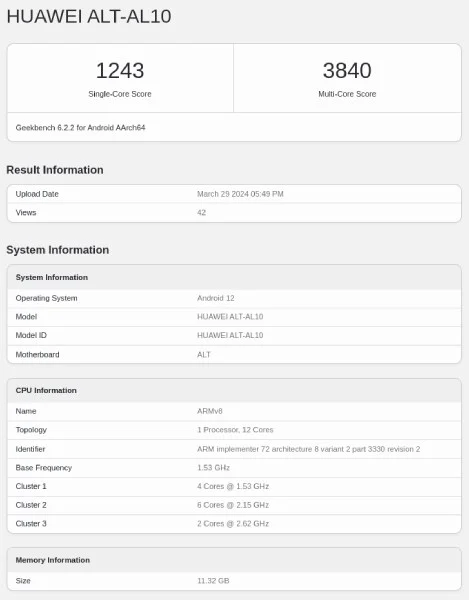
Honor’s new Magic V2 makes the next-gen Galaxy Z Fold 5 look last-gen.Details?
Foldable phones have improved by leaps and bounds in the last few years. But there are still some issues with them. Unlike flagship Android phones, book-style foldables are big, bulky, and thick, making them difficult to carry around in your pocket.
Honor, the company that was forced to split from its parent company Huawei, has tried fixing this problem with its latest foldable: the Honor Magic V2.
Honor claims to use a titanium hinge and proprietary steel on the Magic V2’s folding components. This has allowed the company to reduce the phone’s waistline to 9.9mm when folded and restrict its weight to 231g. This makes it even lighter than the Samsung Galaxy S23 Ultra, which weighs 234 grams. And just for comparison, the Galaxy Z Fold 4 weighs 263g. The hinge is durable as well, with the Honor Magic V2 boasting of a durability certification from SGS. This certifies the hinge to withstand more than 400,000 folds for up to 10 years.
Thanks to a “three-in-one” display driver component, Honor claims it was able to free up additional internal space inside the phone, allowing it to fit a 5,000mAh dual Silicon-carbon battery. While common on premium smartphones, hardly any foldables have shipped with such a big cell. And with 66W fast charging support, topping up the phone should not take a long time as well.
The FHD+ 120Hz LTPO-based inner folding screen of the Honor Magic V2 measures 7.92 inches with a claimed brightness of 1,600 nits. As for the 120Hz cover display with 2376 x 1060 resolution, it measures 6.43 inches and can reach a claimed peak brightness of 2,500 nits. And since the display has a 20:9 aspect ratio, it does not feel as cramped as the Galaxy Z Fold 4’s outer screen.
Honor says the two displays support 3840Hz PWM dimming, so it should reduce eye strain, especially if you are sensitive to the flickering of OLED panels. These specs already make the Honor Magic V2 superior to the upcoming Samsung Galaxy Z Fold 5, which is shaping up to be a minor upgrade over its predecessor.
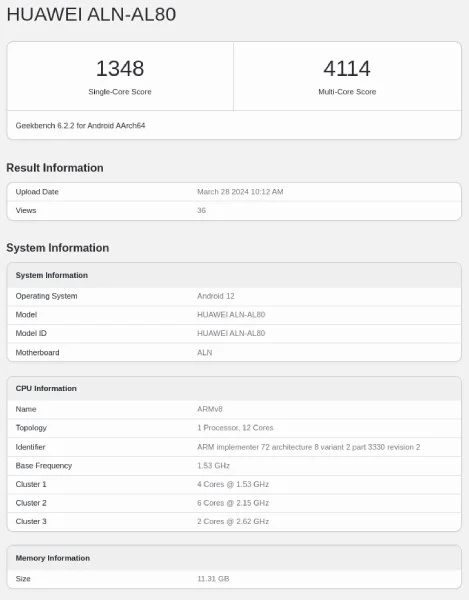
Ticking inside the Honor Magic V2 is Qualcomm’s latest and greatest Snapdragon 8 Gen 2 chip, with a higher 3.36GHz clock speed. Paired with an Adreno 740 GPU running at 719Mhz, 16GB RAM, and up to 1TB storage, the foldable packs enough grunt to easily run multiple heavy apps and games at once.
For the rear camera setup, Honor uses a 50MP f/1.9 primary shooter with OIS, a 50MP f/2.0 ultra-wide, and a 20MP f/2.4 telephoto with OIS. One 16MP f/2.2 selfie snapper resides in a punch-hole on the inner screen, while another is on the cover display.
Other specs of the Honor Magic V2 are equally impressive and include Wi-Fi 6E, Bluetooth 5.3, USB Type- C with DisplayPort support, and dual-SIM connectivity. The foldable runs on Android 13-based MagicOS 7.2 but misses out on Google Play access since it will be sold in China. It will launch in Silk Black, Silk Purple, Gold, and Black colors, with preorders already going live for 8,999 RMB.
Apple banned some Beeper user Mac computers, New York Times investigated, Apple unbanned.
The saga continues! Even after we’ve shifted our energy from iMessage back to our core Beeper product (15 network universal chat app), Apple cannot seem to get enough!
However, Apple quickly responded by disabling this method, citing significant risks to user security and privacy.
Despite Beeper’s attempts to circumvent these blocks, Apple persisted in its efforts to shut down the unauthorized use of iMessage.
The situation escalated when Apple began flagging some Beeper users’ Macs as “spam,” effectively banning them from using iMessage both through Beeper and on the Apple Messages app.
This action left 30 of Beeper’s 3,500 customers unable to use iMessage on their Macs.
Interestingly, the ban was lifted shortly after The New York Times inquired about the issue, but the exact reasons behind Apple’s decision to unban these Macs remain unclear.
Beeper’s Decision to Halt iMessage Functionality
In light of these developments, Beeper has made the difficult decision to disable the feature that allowed macOS users to connect to iMessage via the Beeper Cloud app.
While existing connections can continue or be disabled at the user’s discretion, new connections to iMessage through Beeper are no longer possible.
The company has not specified whether this functionality might return in the future.
Before this development, Beeper had moved iMessage to the “Labs” section of its Cloud service and had already removed Beeper Mini from the Google Play Store.
Beeper Ends iMessage Connectivity on macOS Following Apple’s Restrictions
FAQs
What led to Beeper discontinuing its iMessage service on macOS?
Beeper decided to end its iMessage connectivity service on macOS due to increased restrictions from Apple, who cited security and privacy concerns.
How did Apple respond to Beeper’s method of accessing iMessage?
Apple took steps to disable Beeper’s reverse-engineered iMessage access, flagging some user Macs as “spam” and preventing them from using iMessage via Beeper.
Can current Beeper users still use iMessage connectivity?
While Beeper has stopped new connections to iMessage, existing users can choose to continue or disable their current connection as per their preference.
Were all Beeper users affected by Apple’s crackdown on iMessage access?
Not all users were affected; however, 30 out of 3,500 Beeper customers experienced their Macs being flagged, restricting their access to iMessage.
Apple Vision Pro introduces ZEISS Optical Inserts for personalized vision correction.
Unique pairing process for optimal lens alignment with Vision Pro.
Step-by-step guide for pairing ZEISS Inserts with Vision Pro detailed.
Vision Pro intelligently recognizes different lenses for customized visual settings.
Apple’s upcoming Vision Pro headsetis set to bring a new level of customization for users requiring corrective lenses, thanks to a partnership with ZEISS.
ZEISS, a well known name in the realm of optical apparatus, has teamed up with Apple to offer specialised corrective lenses for the Vision Pro.
These lenses cater to a range of visual needs, from reading glasses to prescription lenses.
Pairing Process
Pairing Process
Upon attaching the lenses magnetically to the Vision Pro, a specific pairing process is initiated.
This process involves verifying the unique code and serial number on the optical inserts, ensuring that the headset aligns correctly with the lenses for optimal visual clarity.
A Step-by-Step Guide to Pairing
Vision Pro enthusiast M1Astra demonstrated the pairing process in a shared video. After attaching the lenses, the user puts on the headset and presses the Digital Crown to proceed.
The next step involves scanning the ZEISS Optical Inserts pairing code, found either in the lens package or potentially in the Health app.
This code, resembling an App Clip code, is essential for the pairing process, which cannot be bypassed when new lenses are attached.
Once the Vision Pro verifies and pairs the lenses, users must recalibrate the eye-tracking feature. This recalibration is a standard procedure, applicable to all users, regardless of their need for corrective lenses.
In addition, after attaching new optical inserts, the Optic ID settings need reconfiguration, ensuring the device works seamlessly with the newly paired lenses.
Smart Identification of Multiple Lenses
A Step-by-Step Guide to Pairing
For users with multiple pairs of lenses, the Vision Pro system is designed to intelligently recognize which lenses are being used.
This feature allows the headset to automatically adjust settings for the best visual experience based on the specific lenses in use.
FAQs
What are ZEISS Optical Inserts in the Apple Vision Pro?
ZEISS Optical Inserts are specialized corrective lenses designed for Apple’s Vision Pro headset. They are tailored to individual visual needs, including prescription lenses and reading glasses.
How do you pair ZEISS Optical Inserts with the Apple Vision Pro?
To pair the ZEISS Optical Inserts, users need to attach them magnetically to the Vision Pro, then follow a specific process that includes scanning a unique code provided with the lenses.
Is recalibration necessary after pairing new lenses with Vision Pro?
Yes, after attaching new ZEISS Optical Inserts to the Vision Pro, users are required to recalibrate the eye-tracking feature to ensure optimal functionality.
Can the Vision Pro recognize different pairs of ZEISS Optical Inserts?
The Vision Pro headset is equipped to intelligently identify different ZEISS Optical Inserts being used, automatically adjusting settings for the best visual experience.
When are Apple Vision Pro pre-orders expected to arrive?
Customers who pre-ordered the Apple Vision Pro can expect their devices to start arriving as shipments have begun, with the official release set for February 2.
How can I track my Apple Vision Pro shipment?
To track your Vision Pro order, enroll in UPS My Choice for detailed package tracking or use the UPS website’s “Track by Reference Number” feature.
What special feature does the ZEISS partnership add to the Apple Vision Pro?
The collaboration with ZEISS offers Vision Pro users specialized optical inserts, enhancing visual experience with a unique pairing process for authenticity and precision.
Are the sales figures for the Apple Vision Pro available?
While official numbers aren’t released, it’s estimated that between 160,000 to 180,000 units of the Vision Pro were sold during the initial pre-order weekend.
First Apple Vision Pro pre-orders now shipping to buyers for February 2 launch. Details?
After pre-orders kicked off on Friday, the first Apple Vision Pro shipments are on their way to early buyers. Vision Pro orders are departing Apple’s facilities via UPS.
If you check your Vision Pro order status via Apple’s website, you’ll likely see that your device is still “preparing to ship.”
This is because Apple waits until closer to the official release date of a new product to update the shipping status on its end, even if the actual package is now in the hands of its shipping partner.
The best way to do this is to enroll in the UPS My Choice platform. This will automatically show you all packages you have coming to your address, including your Vision Pro.
Alternatively, you can use the “Track by Reference Number” feature on the UPS website.
The reference number is likely the phone number listed on your Apple order or your order number without the last two digits.
One thing to keep in mind, however, is that UPS has made some changes to the “Track by Reference Number” feature “for improved security.” This means your best bet is to enroll in My Choice instead.
Can a Vision Pro arrive ahead of schedule?
Apple works closely with its partners like UPS to ensure all pre-orders are delivered no earlier than launch day, which is February 2 in the case of Vision Pro.
Vision Pro Launch: Apple Has Advice For Those With Medical Conditions. Details?
The Vision Pro is for all apple loves , including the ones who wear glasses but those with a medical condition, Apple has advice for them.
“If you have a pre-existing medical condition, consult with a medical provider before using Apple Vision Pro.
Using this device with certain medical conditions might aggravate symptoms or increase the risk of injury or discomfort,” Apple said in an advisory published last week.
Apple has also highlighted that if a potential customer is experiencing symptoms related to a medical condition, consult with a medical provider before using Apple Vision Pro.
“If you are pregnant, exercise additional caution when using Apple Vision Pro, as pregnancy may increase the risk of nausea or loss of balance,” the company said.
“Apple Vision Pro and its battery contain magnets or components that emit radio waves, which could affect the operation of nearby electronics, including cardiac pacemakers, hearing aids, and defibrillators,” Apple added.
What are the list of conditions that apple has advised for ?
List of conditions that might aggravate symptoms or increase the risk of injury or discomfort include:
Migraines or chronic headaches
Dizziness or vertigo
Eye or vision conditions, such as binocular vision conditions
Psychological conditions
Inner ear conditions
History of dry eyes, itchiness, or swelling of the eyelids
Skin allergies or sensitivities
Seizures
Balance or gait conditions
What are the kind of users who are problem free during apple Vision pro launch ?
Customers who wear prescription glasses may not have a problem but they will need a prescription for Zeiss-made optical inserts.
A reporter for The Times of India Tech-Gadgets Now was among the first ones to have tried the Vision Pro when it was launched. Apple quickly took the power of the glasses and customised them quickly to suit the wearer.
There is an option to include optical inserts for individuals who wear glasses. These optical inserts will enable users to wear the headset without their glasses. However, these inserts will be sold separately.
When to stop using Apple Vision Pro ?
Stop using Apple Vision Pro and consult with your medical provider:
If you experience symptoms related to a medical condition.
If your medical provider confirms that it’s safe for you to use Apple Vision Pro, but you experience severe or persistent physical discomfort, motion sickness, visual discomfort, skin irritation, or psychological symptoms.
If you notice swelling, itchiness, skin irritation, or other skin reactions while using your device or after using the device, stop using it. If symptoms persist, consult with your medical provider.
How many Vision Pro units has Apple sold thus far?
The Vision Pro may have sold somewhere between 160,000 and 180,000 units over the weekend, ever since pre-orders became live on January 19.
This latest software enhancement brings the Apple Music SharePlay experience, previously limited to CarPlay, into the comfort of your living room with full compatibility for HomePod and Apple TV.
Integrating SharePlay into the Home Environment
With the release of iOS 17.4, along with tvOS 17.4 and HomePod 17.4 updates, users will experience a new level of music control.
First reported by Joe Rossignol from MacRumors, the developer betas released this week already feature SharePlay music control for Apple TV and HomePod.
Enhanced Music Sharing Features
Utilizing this feature on HomePod, iPhone users with Apple Music subscriptionscan play a song in the Music app, tap the SharePlay icon to create a QR code, which others can scan using their phones, whether iPhone or Android, to request control over the music playback.
This inclusivity extends to both the HomePod and HomePod mini.
For Apple TV users, the tvOS 17.4 update enables the Music app to show a QR code on the TV screen.
Guests can scan this code to gain access to music control through any connected speaker.
The beauty of this system is that only the person initiating the SharePlay session needs to be an Apple Music subscriber.
This update, as noted by Joe Rossignol at MacRumors, includes a recent amendment to Apple’s CarPlay website, changing “Vehicle announcements coming in late 2023” to “First models arrive in 2024.”
The race to feature this next-gen technology is currently between luxury car brands Porsche and Aston Martin.
However, there’s hope that next-gen CarPlay will also be available in more affordably priced vehicles within the year.
Apple’s iOS 17.4 Update Expands SharePlay to HomePod and Apple TV, CarPlay Set for Next-Gen Upgrade
FAQs
What new features does iOS 17.4 introduce for Apple Music SharePlay?
The iOS 17.4 update extends Apple Music SharePlay functionality from CarPlay to HomePod and Apple TV, allowing users to control music through QR code scanning.
How does SharePlay work on HomePod and Apple TV with the new update?
On HomePod, users can play a song and generate a QR code for others to scan and control music. On Apple TV, a QR code displayed on the screen grants guests music control access.
Is the SharePlay feature on iOS 17.4 limited to Apple devices?
No, SharePlay music control through QR code scanning is compatible with both iPhone and Android devices, enhancing accessibility across platforms.
When can users expect the rollout of the next-gen CarPlay?
Apple has confirmed that the first models with next-gen CarPlay will be available in 2024, with assets in the iOS 17.4 beta indicating its imminent release.
While the launch lacked the recent push to AI that many OEMs have touting, there was emphasis on core improvements, particularly the introduction of the Trinity Engine – a feature aimed at revolutionizing smartphone performance.
This proprietary engine integrates three key technologies: CPU vitalization, RAM vitalization, and ROM vitalization, each designed to optimize different aspects of the phone’s performance.
CPU Vitalization: Enhancing Performance and Efficiency
CPU vitalization lies at the core of the Trinity Engine.
It’s engineered to maximize the chipset’s performance while judiciously managing battery consumption.
By adjusting the device’s processing power based on usage patterns, this technology ensures that the phone operates swiftly when needed without rapidly depleting the battery.
According to OnePlus, this optimization could result in up to an additional 30 minutes of battery life, a significant boost for power users.
RAM Vitalization: Smarter Memory Usage
The RAM vitalization component acts as an intelligent memory allocator. It prioritizes active tasks and efficiently manages the phone’s memory.
By doing so, it reduces instances of app slowdowns and abrupt task terminations, thereby enhancing the smoothness of multitasking and app usage.
This facet of the Trinity Engine ensures that users experience a consistently fluid interaction with their OnePlus 12 device, especially when navigating through multiple applications.
ROM Vitalization: Sustaining Long-Term Performance
It works by keeping the phone’s storage system efficient and clutter-free, which is key to maintaining a high level of performance over time.
This aspect of the Trinity Engine is particularly significant for ensuring that the OnePlus 12 series retains its responsiveness andspeed, even after years of usage.
What is the Trinity Engine in the OnePlus 12 series?
The Trinity Engine is a new feature in the OnePlus 12 series that enhances the phone’s overall performance.
It consists of CPU, RAM, and ROM vitalization technologies, each designed to optimize different aspects of the phone’s functionality.
How does the CPU vitalization in the Trinity Engine benefit OnePlus 12 users?
CPU vitalization in the Trinity Engine boosts the processing power when needed while efficiently managing battery usage. This results in a faster device with extended battery life.
What role does RAM vitalization play in the OnePlus 12’s Trinity Engine?
RAM vitalization in the Trinity Engine manages memory allocation, ensuring active tasks are prioritized and reducing slowdowns, for a smoother multitasking experience.
Can older OnePlus models receive the Trinity Engine update?
The Trinity Engine is a software-based feature and will be available to older OnePlus smartphones compatible with Oxygen OS 14, although performance may vary based on hardware.
Smooth Beyond Belief: OnePlus Debuts the OnePlus 12 . Details?
OnePlus officially launched its latest flagship smartphone, the OnePlus 12, at Pragati Maidan in New Delhi.
Representing the culmination of OnePlus’ decade-long pursuit for excellence and innovation, the OnePlus 12 boasts the Snapdragon® 8 Gen 3 Mobile Platform, the proprietary Trinity Engine, the 4th Gen Hasselblad Camera for Mobile, a new 2K 120Hz ProXDR display, 100W SUPERVOOC fast charging, 50W AIRVOOC wireless charging, and OnePlus’ iconic modern elegant design, delivering an unparalleled flagship experience that is incredibly fast and smooth.
“As we celebrate the tenth anniversary of OnePlus with our loyal users worldwide, we are thrilled to introduce the OnePlus 12 — an all-round flagship phone that embodies our decade-long leadership in technology,” said Pete Lau, Founder of OnePlus.
“With our ‘Never Settle’ mantra, OnePlus is dedicated to bringing innovative ideas to life and disrupting the mobile industry. With the OnePlus 12, we have created a true masterpiece, combining advanced technologies from OnePlus and our partners to make it one of the best flagship smartphones in the year 2024.”
How does OnePlus 12 give Long-lasting Fast and Smooth Experiences ?
The OnePlus 12 is designed to deliver an uncompromising performance. At the heart of the OnePlus 12 is Qualcomm’s latest Snapdragon® 8 Gen 3 mobile platform, an ultra-intelligent chip promising top-tier performance and power efficiency with up to 30% improved CPU performance and a 25% enhancement in GPU performance.
Empowered by the proprietary Trinity Engine and equipped with up to 16GB of LPDDR5X RAM and 512GB of UFS 4.0 ROM, the OnePlus 12 can keep applications readily available in the background for 72 hours1. In addition, OnePlus 12 is the first Snapdragon 8 Gen 3 device to be approved as Snapdragon Spaces™ Ready.
This will allow developers to bring their XR ideas to life and explore the full potential of head-worn AR.
The OnePlus 12 introduces an industry-leading Dual Cryo-velocity VC Cooling System, featuring a 3D capillary dissipation structure and a dual VC design with OnePlus’ largest-ever surface area covering 9,140 mm², revolutionizing the flow of the coolant to significantly reduce overheating.
Crafted using a unibody die-casting manufacturing process, the larger VC consistently absorbs heat from the smaller VC to accelerate the entire heat dissipation process, making the OnePlus 12 a versatile companion for activities such as marathon gaming sessions, pro-level video editing, and concurrent charging without risk of overheating.
With support for 100W SUPERVOOC Endurance Edition and a 5400mAh big battery, the OnePlus 12 reduces the time spent tethered to an outlet, allowing users to use the device more freely.
The OnePlus 12 takes only 26 minutes from 1% to 100% battery capacity courtesy of its 100W SUPERVOOC fast-charging function.
In North America, the OnePlus 12 charges with 80W SUPERVOOC Endurance Edition that can take only 30 minutes from 1% to 100% battery capacity. The long-awaited 50W AIRVOOC wireless charging also makes its debut in the OnePlus 12, providing a reliable alternative for those who prefer a cable-free lifestyle.
Harnessing the power of a twin-battery design with each cell charging at an impressive 25W, the 50W AIRVOOC outpaces even some of the most advanced wired charging solutions while offering unmatched efficiency.
As a result, the OnePlus 12 has proven its capability to run Genshin Impact at maximum settings, achieving an impressive and consistent frame rate of 57.4FPS3 (Frames Per Second) during a rigorous 3-hour testing session.
Furthermore, its exceptional battery performance enables it to sustain 5.5 hours of continuous video shooting at 1080p resolution, operating at 30Hz.
In addition, the all-round flagship experience on the OnePlus 12 is boosted further by powerful and stable wireless signal performance. The omnidirectional antenna design, with a total of 16 antennas, enables the OnePlus 12 to unleash the full potential of high-speed connectivity.
Will older OnePlus smartphones receive the Trinity Engine feature?
The Trinity Engine platform is a software-based feature and will eventually make its way to previous OnePlus smartphones compatible with Oxygen OS 14. However, it’s worth noting that the Trinity Engine platform could work differently on older OnePlus devices.
HMD Global Reportedly Set to Unveil Smartphone Range, Marking a Shift from Nokia
Highlights
HMD Global to debut its own smartphone range at MWC 2024.
Leaked model N159V potentially partnering with US carrier Verizon.
Six new models including Pulse and Legend series in the works.
HMD’s transition from Nokia branding to own range emphasizes quality and affordability.
Finnish tech company HMD Global, renowned for revitalizing the Nokia brand, is set to make a significant leap this year by introducing its own range of smartphones.
This launch is set to take place reportedly at MWC next month and there are likely to be several offerings that are going to be in the mix.
Anticipated Debut at MWC 2024
Recently, a glimpse of what’s to come was revealed with the leak of an HMD-branded phone, model number N159V.
Notably, tech insider Evan Blass has hinted that this model might find a home with at least one US carrier, Verizon.
This partnership could signal HMD’s intention to broaden its market reach, particularly in the US.
Adding to the excitement, Evan Blass has shared further insights, suggesting that HMD is not just stopping at one model.
The Finnish handset maker is reportedly working on at least six differentHMD-branded smartphones.
HMD Global Reportedly Set to Unveil Smartphone Range, Marking a Shift from Nokia
With intriguing codenames like Pulse, Legend, Pulse+, Legend Plus, Pulse Pro, and Legend Pro, these upcoming devices promise variety and innovation.
However, it remains to be seen which of these models will be available in the US market or indee the Indian market.
For several years, HMD Global has been contemplating a shift away from the Nokia brand to carve out its unique niche.
2024 appears to be the year this transition becomes a reality.
The company’s experience in manufacturing Nokia phones for nearly seven years is likely going to be a strong foundation for this new endeavour.
Expectations for Quality and Affordability
There is a hopeful expectation that HMD’s own-branded smartphones will continue the legacy of reliability and affordability that Nokia-branded phones are known for.
We have been assured of HMD’s proven track record which we believe can turn this new chapter into a success story.
FAQs
What is HMD Global planning to launch at MWC 2024?
HMD Global is expected to introduce its own range of smartphones at MWC 2024, marking a significant shift from its focus on revitalizing the Nokia brand.
Has any information been leaked about HMD Global’s new smartphones?
Yes, a leak revealed the model number N159V, an HMD-branded phone, with speculation that it might be offered through Verizon in the US.
How many new models is HMD Global reportedly working on?
According to tech insider Evan Blass, HMD Global is developing at least six new models, including the intriguingly named Pulse and Legend series.
Will HMD Global’s new smartphones be available in markets outside the US?
While details about global availability are still unclear, there is anticipation around which models from HMD Global’s new range will be released in various international markets, including the US and India.
Meta introduces stricter messaging settings for teens on Instagram and Facebook.
Teens restricted from receiving DMs from unknown contacts by default.
Upcoming feature to filter inappropriate content in messages for teens.
Enhanced parental supervision tools for better control over teens’ online settings.
In an effort to enhance online safety for teenagers, Meta has introduced a seriesof new measures on Instagram and Facebook, focusing on stricter private messaging settings and enhanced parental supervision tools.
“Under this new default setting, teens can only be messaged or added to group chats by people they already follow or are connected to, helping teens and their parents feel even more confident that they won’t hear from people they don’t know in their DMs,” Meta added.
New Messaging Restrictions for Enhanced Teen Safety
Meta has announced significant updates to private messaging settings on Instagram to safeguard teens from unwanted contact.
The new default setting restricts teens from receiving direct messages (DMs) from anyone they don’t follow or aren’t connected to on the platform, including other teens.
This change, Meta says, aims to provide a safer online environment by ensuring that teens only interact with known contacts in their DMs.
For teenagers under the age of 16 (or under 18 in certain countries), this setting will be the norm. Existing users will be notified of this change through a notification in their Instagram feed.
Similarly, on Facebook Messenger, teens will only be able to receive messages from Facebook friends or people they’re connected to through phone contacts.
This feature, which will be compatible with encrypted chats, is set to launch later in the year, further enhancing the safety protocols for teen users.
Parental Supervision Tools Strengthened
Since the launch of parental supervision on Instagram in March 2022, Meta has been expanding its features to allow parents to play a more active role in their teens’ online experiences.
Larry Magid, CEO of ConnectSafely, said “Empowering parents to approve or deny requests to change their teen’s default safety and privacy settings gives parents the tools they need to help protect their teens, while at the same time respecting their teens’ privacy and ability to communicate with their friends and family.”
The latest update requires parents to approve any changes their teens (under 16) wish to make to their default safety and privacy settings.
This includes changes like switching from a private to a public account, modifying sensitive content controls, or altering DM settings to allow messages from unknown contacts.
Facilitating Offline Conversations
Meta emphasizes that these supervision tools are designed to spur offline discussions between parents and teens about their online presence, ensuring that families can collectively decide on the best practices for their online experiences.
FAQs
What are the new messaging settings introduced by Meta for teens?
Meta has implemented stricter messaging settings on Instagram and Facebook, preventing teens from receiving direct messages from people they don’t follow or aren’t connected to.
How will the new Meta settings affect teens using Instagram and Facebook?
The new settings will make it harder for teens to receive unwanted messages, enhancing their safety and privacy on these social platforms.
Is there an upcoming feature for teen safety on Meta’s platforms?
Yes, Meta is planning to launch a new feature that filters out inappropriate images in messages, aiming to protect teens from potentially harmful content.
How do the enhanced parental supervision tools work?
Parents will now have to approve any changes their teens make to default safety and privacy settings, ensuring a higher level of control and safety.
“You can now identify music while wearing headphones (wired or Bluetooth). Simply open the app, check for the headphone icon to confirm your headphones are connected, and then start recognising music around you or within apps like TikTok, Instagram, and YouTube,” said Apple about the Shazam update.
Expanding Shazam’s Capabilities
Previously, Shazam enabled users to identify songs playing externally, but the latest update extends this functionality to when users are wearing headphones, both wired and Bluetooth.
Testing the new feature reveals its seamless integration. For instance, you can open Shazam, then switch to a YouTube video.
Shazam will actively recognize any song playing in the video. When switching back to Shazam, the app displays the identified song, showcasing its capability to work across various applications.
Not Limited to AirPods
Shazam iOS App Update Gives You New Headphone Music Identification Feature
Importantly, this feature isn’t restricted to Apple’s AirPods; it works with any connected headphones.
This makes the update accessible to a broader range of users, reinforcing Apple’s commitment to inclusive technology enhancements.
Since Apple’s acquisition of Shazam in December 2017, the company has been steadily integrating the music recognition service across its devices and operating systems.
This includes the introduction of a Shazam widget in the Control Center in iOS 14.2 and a similar feature on macOS Sonoma 14.2.
FAQs
What does the new Shazam update offer?
The latest update to Shazam’s iOS app allows users to identify music playing through headphones, enhancing the app’s functionality with added convenience.
Can Shazam identify songs from other apps while using headphones?
Yes, with the new update, Shazam can recognize music playing in other apps, like TikTok or YouTube, when the user is wearing headphones.
Do I need AirPods to use the new Shazam feature?
No, the updated Shazam feature supports music identification with any wired or Bluetooth headphones, not just Apple’s AirPods.
How does Shazam’s integration into Apple’s ecosystem evolve with this update?
This update is part of Apple’s ongoing effort to integrate Shazam more deeply into its ecosystem, as seen with the Control Center widget in iOS and similar functionality in macOS.
What’s new with the latest Shazam update?
As described in the release notes for version 17.3 of the Shazam app for iPhone and iPad, users can now open the app to identify a song that is playing while wearing headphones. The coolest part is that the new feature works for songs playing around you or in another app, such as Instagram or TikTok.
“You can now identify music while wearing headphones (wired or Bluetooth). Simply open the app, check for the headphone icon to confirm your headphones are connected, and then start recognizing music around you or within apps like TikTok, Instagram, and YouTube,” says Apple about the Shazam update.
I’ve tried out the new feature and it works as promised. For example, you can open the Shazam app and then switch to YouTube and Shazam will identify any songs playing in the video you’re watching. The same applies to almost any other app you can think of. When you switch back to Shazam, it shows you the identified song.
It was already possible to identify songs within other apps with Shazam before this update, but not while wearing headphones. If nothing is playing on your phone, Shazam will identify the song playing in the background, as expected. It’s worth noting that the feature doesn’t seem to require AirPods specifically.
Apple acquired Shazam in December 2017 and has gradually been integrating it across all its platforms. In iOS 14.2, for example, Apple added a dedicated Control Center widget on iPhone for Shazam. That same functionality is now available on the Mac with macOS Sonoma 14.2.
How the new Shazam feature works?
To utilize this feature, simply open the Shazam app and confirm if your headphones are connected by looking for the headphone icon.
The app can then identify songs playing in several apps.
For example, you can switch from Shazam to YouTube, and the app will recognize any songs playing in the video being viewed.
Upon returning to Shazam, the identified song will be displayed.
Note that if your phone isn’t playing anything, Shazam will identify the music in the background.
Apple’s integration of Shazam across platforms.Details?
Apple acquired Shazam in December 2017 and has since been integrating it into various platforms.
In iOS 14.2, Apple introduced a dedicated Control Center widget for Shazam on iPhone.
This functionality is now also available on Mac with macOS Sonoma 14.2.
The latest update signifies another step in Apple’s integration of Shazam across its devices. The Shazam app can be downloaded for free on the App Store.
Does the updated Shazam feature support wired and Bluetooth headphones?
Yes, the updated Shazam feature extends to both wired and Bluetooth audio devices.
What was a limitation of Shazam before this update?
Previously, Shazam allowed song recognition in other apps but did not support this functionality when the user had headphones on.
How has Apple’s acquisition of Shazam influenced the app?
Since Apple acquired Shazam, the app has been more deeply integrated into the iOS ecosystem, including a Shazam widget in the iOS Control Center and expansion onto the Mac platform.
Is Shazam free for download?
Yes, Shazam remains free for download in the App Store for all iPhone and iPad users.
Does Shazam still function independently after being acquired by Apple?
Yes, despite the acquisition and the integrations, Shazam retains its autonomous functionality and user-friendly appeal.