Home Blog Page 1028

Bengaluru Metro Launches QR Ticketing Service on WhatsApp for Commuters

0
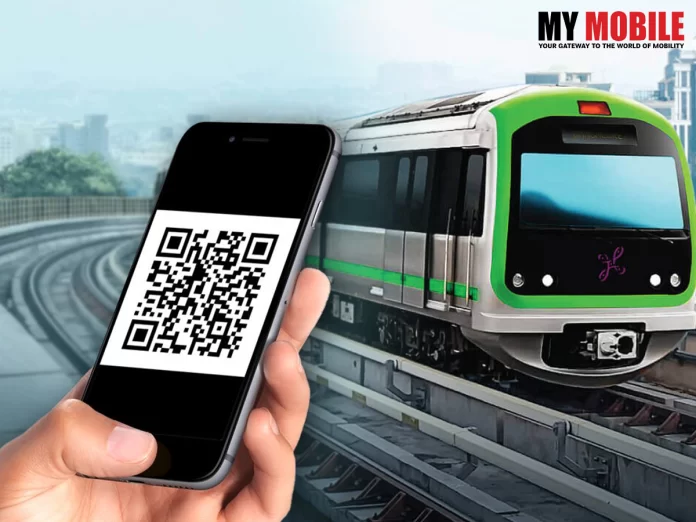
Bengaluru Metro Launches QR Ticketing on WhatsApp

If you are a Bengaluru Metro traveller, we have some good news for you. Looks like the long wait at the metro ticket booking counter or at the travel pass recharge station will stop being the reason for delaying your journey from now on. And all you have is the latest Metro announcement to thank. In a bid to make booking a metro ticket easier, Bengaluru Metro is all set to launch a ticketing service through WhatsApp. Bangalore Metro Rail Corporation Limited (BMRCL) and WhatsApp revealed the launch of this innovative way of ticket booking in an official announcement on Monday.

WhatsApp is facilitating a chatbot for ‘Namma Metro’ commuters which will be Unified Payments Interface (UPI) integrated. Commuters will soon be able to purchase metro tickets as well as recharge their metro pass through the WhatsApp chatbot within a few commands.

According to BMRCL, it is going to be the first public transit service around the world to allow QR ticketing service for end-to-end booking processes on WhatsApp for commuters.

“The process of making the payment is a seamless experience that gives users the option to pay without leaving the WhatsApp chat interface. After choosing their travel details, users are given the option to pay using payments on WhatsApp by authenticating the transaction using their UPI pin,” the BMRCL said in a statement to the media.
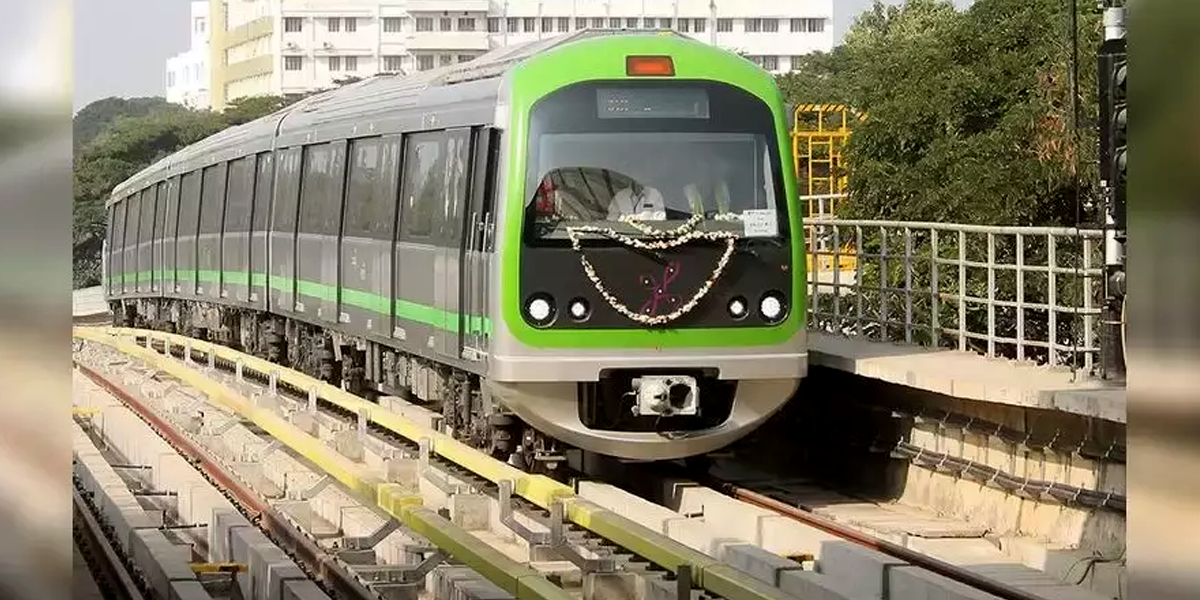
Bengaluru Metro
Bengaluru Metro

Three important things that you as a commuter should know about Metro QR Ticketing:

  • The WhatsApp chatbot service for booking tickets for all commuters of ‘Namma Metro’ will be available in English and Kannada languages only.
  • To make use of this service, a commuter has to launch the chatbot by simply sending ‘Hi’ from their WhatsApp to +91-81055 56677. This is BMRCL’s official WhatsApp chatbot number.
  • Once the chatbot is launched in WhatsApp, commuters need to select one option from either recharging their metro travel passes or buying single journey QR tickets as a command on the app for proceeding to the payments gateway.

Detailing the process of booking tickets through WhatsApp, various media outlets further stated, “The purchased mobile QR tickets are valid until the day’s Metro service ends. The commuters can cancel their journey and receive a refund of their ticket cost. Over the token fare, the BMRCL offers a 5 per cent discount on QR tickets.”

The managing director of BMRCL Anjum said,  “Namma Metro had trained workers and placed QR code scanners in stations. The new system would go into force on the occasion of Kannada Rajyotsava.”
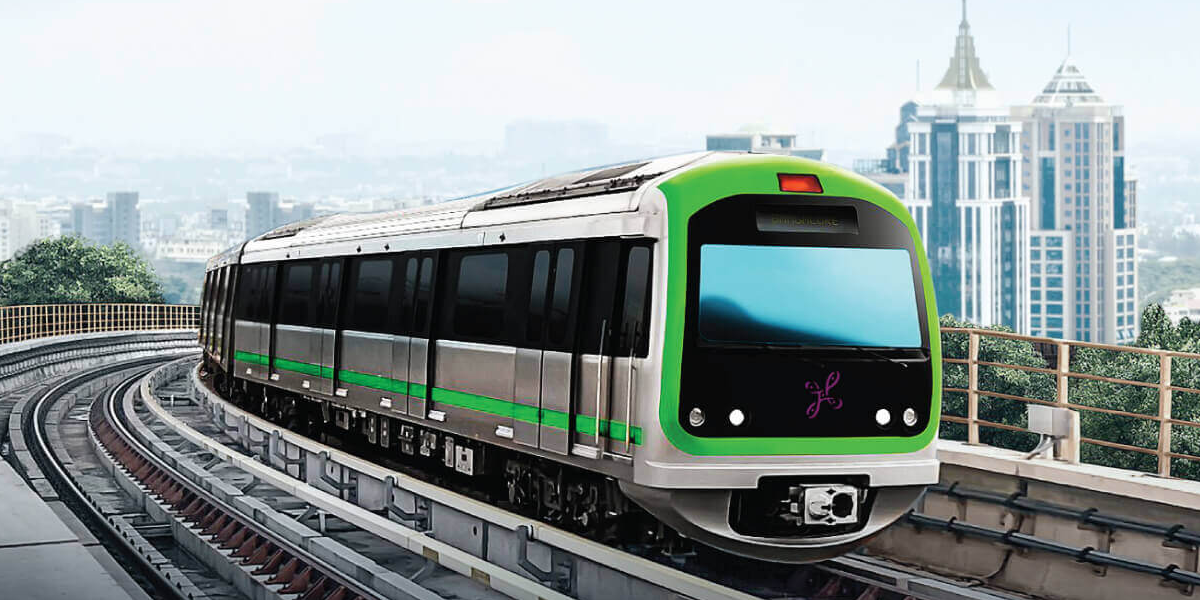
Bengaluru Metro
Bengaluru Metro

In a separately prepared solo statement about the launch of this new service, Head of WhatsApp India Abhijit Bose said, “This is yet another great example of how organizations across sectors, from the largest transportation service to the smallest retail business, can transform their customers’ experience using the WhatsApp Platform.”

India is undoubtedly one of WhatsApp’s biggest markets internationally with over 400 active million users using the services of the messaging app across the country. This year, the messaging service app, which is owned by tech giant Meta, finally got the approval for extending its UPI-powered payments to 100 million Indian users.

Related Articles


Read More:
WhatsApp Said to Be Questioned by IT Ministry for Cause of Tuesday’s Outage

Read More: WhatsApp Down? Users Unable to Send or Receive Messages Across the Globe, Including India  

Microsoft Said to Have Offered No Remedies in EU Antitrust Review of Activision Deal

0
Microsoft Activision Deal
Microsoft-Said-to-Have-Offered-No-Remedies-in-EU-Antitrust-Review-of-Activision-Deal

It appears Microsoft is offering no remedies to the European Union antitrust regulators who are reviewing the company’s proposed bid for the Activision Blizzard deal before the full-scale probe begins, international media reported based on insider words. Earlier in January this year, Microsoft had proposed an acquisition bid worth $69 billion, which is around Rs. 5,71,400 crore in Indian currency, for Activision Blizzard, the Call of Duty maker.

As the close source quotes in the international media, “The US Software Company is betting on the acquisition to help it compete better with leaders Tencent and Sony, with the latter being a critic of the deal.”

Activision
Activision

The European Union antitrust regulator revealed on its website that Microsoft has not offered any concessions as of now. The commission is supposed to finish the preliminary assessment of the Microsoft-Activision Blizzard deal by November 8 this year.

According to Microsoft, the company continues to work with the regulators on the next steps of this EU antitrust review. It is also willing to address any valid concerns that the marketplace may have. This was said in all probability for the concerns previously voiced by Sony. Though Microsoft ended speculation when it, in a statement to the media, said, “Sony, as the industry leader, says it is worried about Call of Duty, but we’ve said we are committed to making the same game available on the same day on both Xbox and PlayStation.”

Traditionally no major companies have offered remedies to the European Union during the preliminary reviews. This is because most of the time in such cases, the companies know that regulators are most likely to upon a subsequent investigation. In this case, as well, the EU is all set to begin an in-depth investigation, which Microsoft was probably anticipating. However, the European commission has a deadline of November 8, by which it has to finish the preliminary investigation and then formally announce whether a much-talked-about Phase 2 investigation will happen into the deal or not.

Various media agencies earlier also reported that the EU antitrust regulators have been speaking to other game developers and trying to understand if Microsoft will or can “be incentivized to block rivals’ access to Call of Duty maker Activision Blizzard’s best-selling games.” This was mentioned in media reports based on some EU documents seen by a reputed media agency.

The report also stated that the EU competition enforcer has inquired whether Activision’s trove of user data can be used by the US software giant for any competitive advantage. It appeared that the EU competition enforcer believed that a competitive advantage can be gained with “the development, publishing and distribution of computer and console games.”

Activision Blizzard
Activision Blizzard

Microsoft with this planned Activision Blizzard acquisition deal, which many believe to be the biggest deal in the gaming industry ever to be signed, would be able to compete with leaders Tencent and Sony better.

It is to be noted that Microsoft’s bid to acquire Activision Blizzard is not only under review in the EU but also in several other parts of the world. The deal is also under review in the U.S., Australia, New Zealand, Japan and South Korea. Moreover, Brazil and Saudi Arabia are two countries that have cleared the acquisition deal unconditionally.

Read more : Microsoft Plans an Xbox Mobile Gaming Store; Details Inside
Read more : Microsoft, Apple, Google in Soup; Mozilla Challenges Golden Trinity?

Samsung May Soon Rollout One UI 5.0 Based on Android 13

0
Samsung One UI 5.0 software

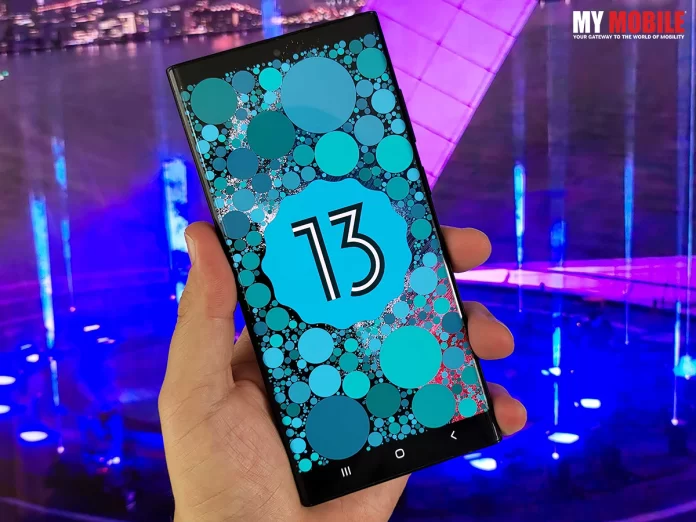
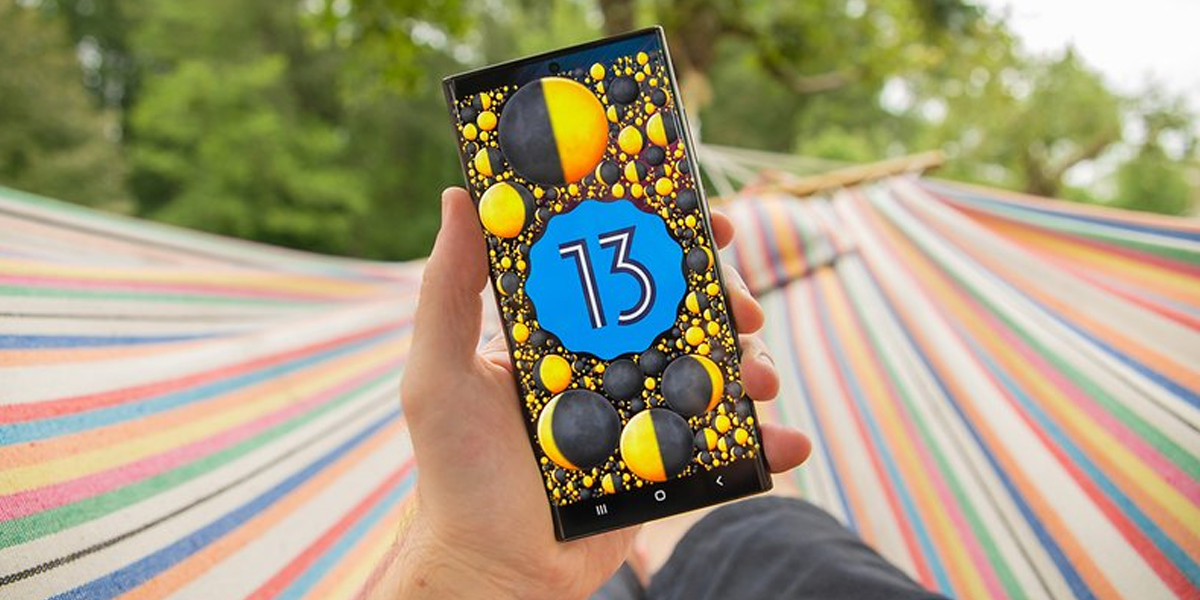
Samsung’s new One UI 5.0 software update may soon see the light of day through the Galaxy series smartphones. The first batch of the update was rolled out for the Galaxy S22 series and now it’s the turn for Galaxy S21 to join. The company may also release the update with Galaxy Z Fold smartphones. The South Korean consumer electronics manufacturers revealed the details of their planned rollout in South Korea recently. However, the company is soon expected to release the update in other markets as well.

However, many tech bloggers were quick to notice that the rollout timeline details had one popular Samsung smartphone missing from the list. The Samsung Galaxy S21 FE was not on the list that the brand released. The smartphone was officially launched in the market globally earlier in 2022, however, they are yet to share any updates on its upgrade based on Android 13.

Tech bloggers have been speculating about the reasons behind the absence of Galaxy S21 FE from the rollout plan recently revealed. There are some rumours that the company seems to be conducting some tests internally regarding the upcoming Android 13-based One UI 5.0 update for the Galaxy S21 FE 5G. The chatter around internal tests being conducted caught general user interest when the official Twitter handle of Samsung One UI Software Updates uploaded a screenshot revealing that the company is testing the update internally for one of its smartphone models available in different markets.

In an online report, MySmartPrice commented on the situation mentioning the fact that the Galaxy S21 FE was apparently not a part of the beta testing. And it also updated that the makers are expected to make an official public announcement regarding the situation and availability of the smartphone update very soon. Galaxy S21 FE came with Android 12 out of the box and the company has already promised its users to provide Android updates for at least four years. Noting this, it can be safe to say that the Galaxy S21 FE is most likely to get the new update based on Android 13 soon in the coming weeks.

More About the New One UI 5.0 Software Update

Samsung One UI 5.0 software

Samsung’s new One UI 5.0 software update, which is based on Android 13, comes with some noticeable design improvements along with some new features. Users can expect some minor enhancements from the Android colour palette. This allows the system UI colour to match the colour on the wallpaper. The new update also will add some new app icons that can be used for Samsung’s native apps.

Tech experts have been claiming that the animations in this new update are much smoother than in previous versions. Galaxy smartphone users who will be updating to the new One UI 5.0 software update would now be able to customise their lock screen. Moreover, users would also be able to add more wallpapers to their devices. The new update also makes it possible for users to choose and set different call backgrounds for different contacts.

Although it is based on Android 13, the new One UI 5.0 software update has also reportedly borrowed something from iOS 15. Samsung is introducing the iOS 15 stacked widgets feature with the update for Home Screen, which will allow users to add multiple widgets stacks one above the other.

Google Pixel 7 vs Xiaomi 12: Specs Comparison

0
Google Pixel 7 vs Xiaomi 12

Market doesn’t have too many options when we want to talk about compact flagship devices. Since Apple let go of its iPhone mini variant, the dearth of compact smartphones with premium features on store shelves has become even more evident. Look around and there are only a couple of options that offer up-to-date smartphone specifications in a compact body.

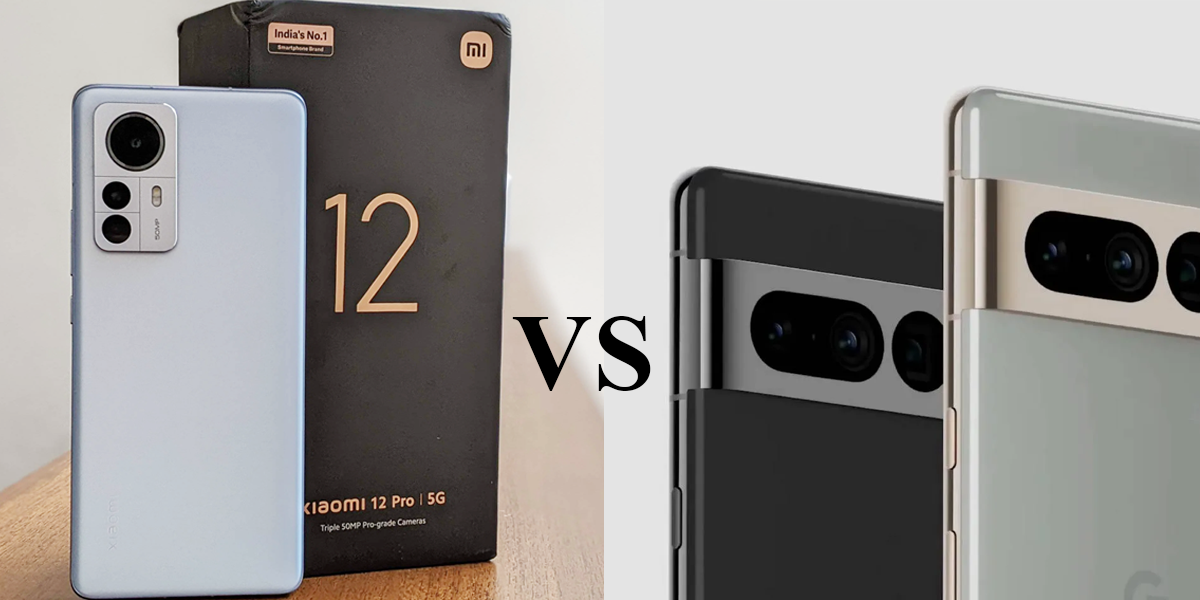
The latest to join this small size parade is probably Google Pixel 7, a device that comes in compact dimensions, sports amazing premium features and is available at a comfortable price range. The only device that can give competition to this would arguably be Xiaomi 12 which has also managed to carve a niche in the compact smartphone segment.

Google Pixel 7 has a very original design with a rarely seen horizontal camera module. The handset looks premium with great built quality. Xiaomi 12 too has a good design with a Gorilla Glass 5 back making it look extra stylish. If we look at the display, Xiaomi 12 seems to be winning the round with slightly superior display features. The handset has an AMOLED panel with a diagonal of 6.28 inches screen size, an FHD+ resolution, a 120 Hz refresh rate, Dolby Vision support, HDR10+ certification, and an in-display fingerprint scanner. Google Pixel 7, on the other hand, also has an AMOLED display with a diagonal of 6.3 inches, an FHD+ resolution, a 90 Hz refresh rate, HDR10+ certification, and an in-display fingerprint reader. While Google Pixel 7 price in the market currently is around Rs 59,999, Xiaomi 12 price is relatively competitive with its market price of Rs 43,490.

Let’s do a quick comparison between the two to understand where these smartphones stand in terms of specifications.   

Google Pixel 7 vs Xiaomi 12

Parameters Google Pixel 7 Xiaomi 12
Dimensions and Weight 155.6 x 73.2 x 8.7 mm,

197 g


152.7 x 69.9 x 8.2 mm,

179 g


Display 6.3 inches, 1080 x 2400 pixels (Full HD+), AMOLED 6.28 inches, 1080 x 2400p (Full HD+), AMOLED
Processor Google Tensor G2, octa-core 2.85 GHz Qualcomm Snapdragon 8 Gen 1, octa-core 3 GHz
Memory 8 GB RAM, 128 GB – 8 GB RAM, 256 GB 8 GB RAM, 128 GB – 8 GB RAM, 256 GB – 12 GB RAM, 256 GB
Software Android 13 Android 12, MIUI
Connectivity Wi-Fi 802.11 a/b/g/n/ac/6e, Bluetooth 5.2, GPS Wi-Fi 802.11 a/b/g/n/ac/ax, Bluetooth 5.2, GPS
Camera Dual 50 + 12 MP, f/1.9 + f/2.2

Single 10.8 MP f/2.2

Triple 50 + 13 + 5 MP scanner, f/1.9 + f/2.4 + f/2.4

32 MP f/2.5

Battery 4355 mAh, Fast charging 30W, and Qi fast wireless charging 20W 4500 mAh, fast charging 67W and fast wireless charging 50W
Additional Features 5G, dual SIM, IP68 waterproof, reverse wireless charging 5G, dual SIM, reverse wireless charging
Sensor Accelerometer, Gyro, Proximity, Compass, Barometer, Magnetometer, Ambient light sensor Proximity, Ambient Light Sensor, Accelerometer, Gyroscope, Electric Compass, Hall Sensor, X-axis Linear Motor, Grip Sensor, Barometer, Rear Light Sensor, Flicker Sensor, Multi-dot Laser Focus Sensor

Related Articles
Read More: Google Pixel 7 Pro; Users Complain on Scrolling Issue
Read More: Google Pixel 7 Pro; Camera Testing
Read More: Google Pixel 7 Tensor G2 Chip; Speed in Learning Tasks

ChromeOS 107 Update Goes Live with Save Desk for Later

0
Google Chrome

Google Chrome, without debate, is one of the most common browsers used around the globe. The company comes up with silent updates almost every other week but sometimes we get an incremental update. ChromeOS 107, which can confuse a lot of users since ChromeOS 106 was just released, is here. Let’s find out more about it.

ChromeOS 107 has been made live recently with a handful of updated features and improvements. Tech giant Google has released the latest update with a “Save Desk for Later” feature to provide a better user experience. Users can also look forward to virtual desk enhancements, camera framing, a locking lid feature without turning sleep mode on and much more.

According to a report by 9to5Google, the new ChromeOS 107 update is introducing two desk improvements. The report says, “The first one will allow users to quickly “Save desk for later” from the overview screen using the button above the left-most window. Upon clicking, the user will be redirected to the “Saved for later” screen, which can be accessed from the right of the “New desk” screen.” Any user updating to the new ChromeOS 107 update will now be able to see a row of favicons open. Users can also assign a name to these favicons and check the creation data. The report also added that when tapped on these favicons, the desk will automatically launch and restore itself.

The new update also makes it easier for users to close the open desks. This can now be done from the Overview menu. There will also be an “Undo” option for situations when the desk gets closed accidentally. This “Undo” button can be found at the bottom of the screen.

ChromeOS 107

As per reports surfacing on various tech blogs, Google may be currently testing a merge feature which will allow users to combine different open desks if and when needed.  Many reviewers have also claimed that the “Recent” view in the Files app has been revamped with a completely new “Documents” filter. Moreover, the list below this tap is not sorted by time period. If true, this will make navigation a lot easier as compared to the previous interface. In another convenient feature, users can now long press the virtual keyboard in order to access the “accent letters”.

Moreover, Chrome OS 107 will further let users perform a similar function by holding down the physical keys on the keyboard. The 9to5Google reports further suggest, if this functionality doesn’t work for some reason, users, in that case, might have to enable it manually.

Google has been consistently committed to technological improvements, be it its tech products or the smart devices they offer. They also provide proper updates to their software from time to time in an effort to meet all user expectations. The story with ChromeOS has been no different and yet many users over the period of time have experienced disappointment regardings their silent releases. However, this time, it seems Google has planned some improvements in their latest ChromeOS update. ChromeOS 107 is developed to fix many user engagement issues and provide a better experience.

iQOO 11 appears in IMEI database

0
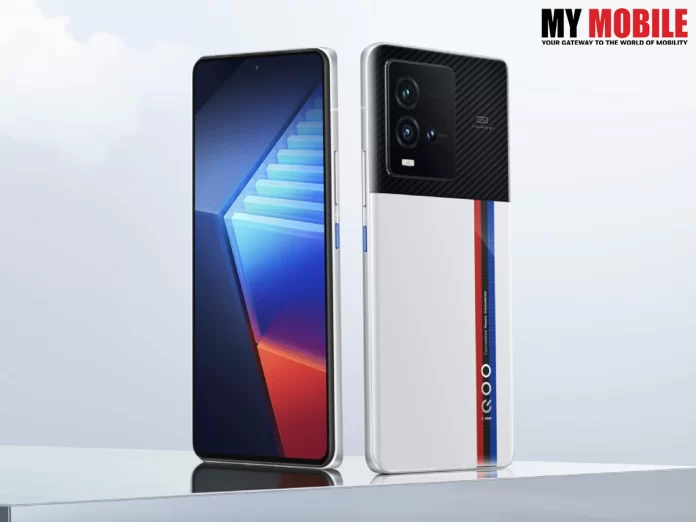
iQOO 11

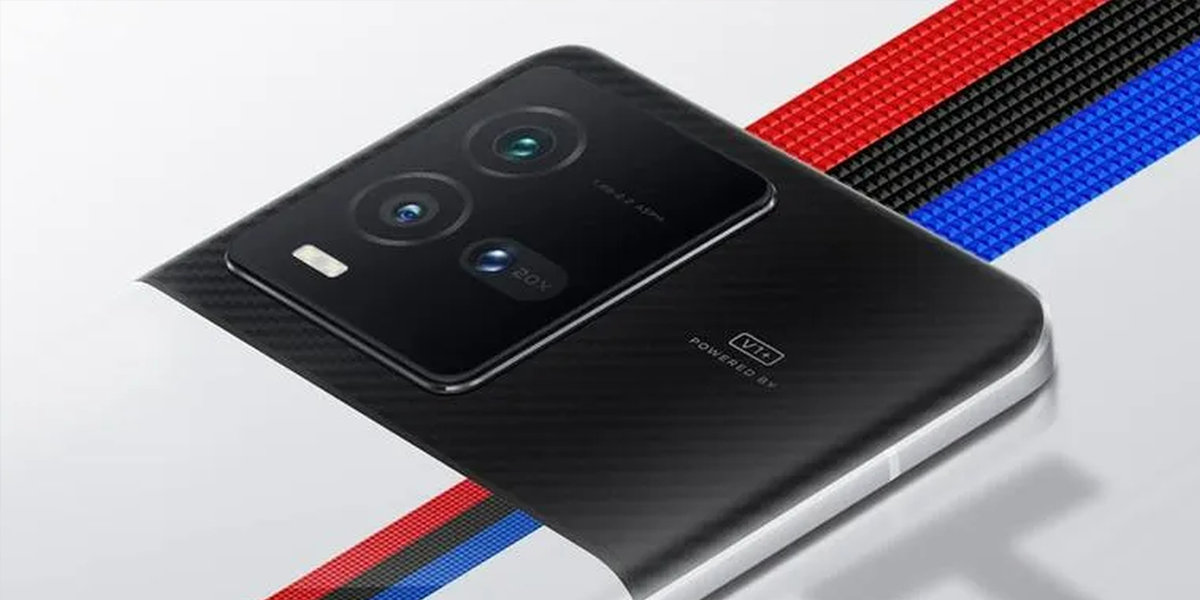
iQOO mostly likely will introduce the iQOO 11 series smartphone in China by the end of 2023. The flagship lineup of the brand is expected to include two handset models, iQOO 11 and iQOO 11 Pro. The company is also believed to be rebranding the iQOO 11 model smartphone exclusively for the Indian market as iQOO 10. This will be the company’s entry level device with optimum specifications and competitive pricing. The model number of the Indian version of iQOO 11 has appeared on the database of IMEI, which has suddenly peaked market interest in the handsets.

The expected model numbers of both devices have already been around with various reports calling to know the model numbers. Various media reports based on the inputs from online tipsters, it was speculated earlier in October that the brand is planning on launching the iQOO 11 and iQOO 11 Pro under the model numbers V2243A and V2254A, respectively. As for the Indian version of the same smartphones, the leaked reports revealed model numbers I2209 and I2212 for both options. It is also being speculated that for its India version the vanilla iQOO mostly likely be getting a revamp to iQOO 10.

The speculation around the handsets has suddenly skyrocketed with multiple reports around its official launch in a foreign land. However, the appearance of I2209 model on IMEI database has now almost confirmed the launch. The smartphone now seems to be coming to India under a different marketing name.

iQOO 11

According to rumours of another report surfacing in all the online buzz, is that the smartphone will be launched under the iQOO 10 moniker in India and not as iQOO 11. This basically means that the Chinese iQOO 11 will most likely be called the iQOO 10 in India.

iQOO earlier this year launched its iQOO 9 series smartphones in three variants, which were the iQOO 9 SE, iQOO 9, and iQOO 9 Pro. Under the same series, the brand later in August announced the launch of iQOO 9T in India. iQOO 9T is a premium device powered by the Snapdragon 8+ Gen 1. And if readers of this segment are not aware, the iQOO 9T was basically a rebadged version of the iQOO 10 that was earlier launched in China.

If rumours mill is to be believed, the iQOO 10 is said to sport a 6.78-inch Samsung E6 AMOLED panel with a full high definition resolution along with a 144 Hz screen refresh rate. It is also expected to have decent camera functionality with a 16 MP front facing camera along with a triple rear camera setup. The triple rear camera setup will include a 50 MP primary sensor, a 13 MP ultra wide shooter, and a 12 MP telephoto lens. The smartphone will most likely be powered by the Snapdragon 8 Gen 2 S oC processor and run on Android 13 with the OriginOS UI for optimum performance. The iQOO 10 is also anticipated to pack good storage with up to 12 GB of RAM and up to 512 GB of internal storage. It might come with a 5,000 mAh battery unit along with 120W fast charging support.

Related Articles: 

iQOO 11 Series Model Numbers Leaked; Speculates Launch in India

iQOO 11 Pro Key Specifications Tipped, Said to Get Qualcomm Snapdragon 8 Gen 2 SoC, 200W Charging

Jio Rival Bharti Airtel Recored 89% Up In Q2 Profit; Check Out More Details Here

0
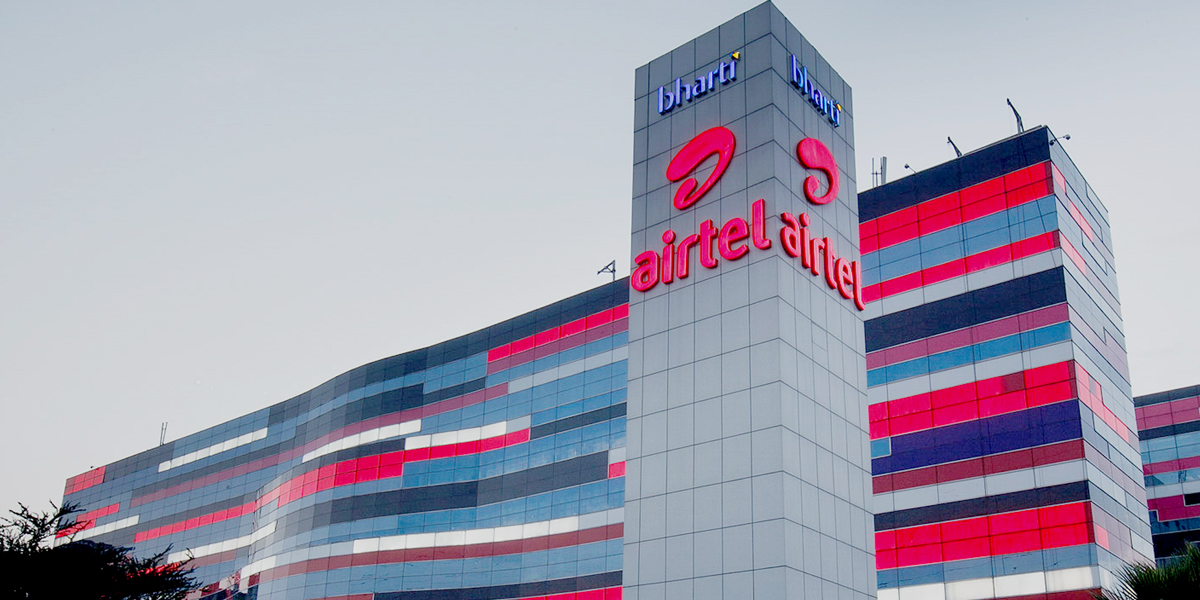
Bharti Airtel

Bharti Airtel, the second-largest telecom provider in India, announced on Monday that its consolidated net profit for the second quarter ended September 2022 increased by 89 percent year over year to Rs. 2,145 crore due to higher average realisation per subscriber. In the recently completed quarter, total sales increased 22% year over year to Rs. 34,527 crores, according to a statement.

The CEO’s Citation Over The Success

Gopal Vittal, the CEO of Airtel, announced that 5G is now being pushed out and exuded assurance that Airtel 5G Plus will offer the finest experience in India.

“At the same time, because our Business offers the lowest prices in the world, we continue to be concerned about the low ROCE (Return on Capital Employed) that it generates. We believe there is a need for rate correction given the significant investments necessary to foster digital adoption in India “said Vittal.

According to an Airtel statement, the average revenue per user (ARPU) for the quarter increased to Rs. 190 from Rs. 153 in Q2 FY22 due to the company’s “continued focus on quality consumers, feature phone to smartphone upgradation, and data monetization.”

Quarterly Results From Reliance Jio

Airtel 5G Launch

Reliance Jio, the largest telecom provider in India, released its quarterly results a few days ago. It shared an increase in net profit of 28% year over year to Rs. 4,518 crores for the September quarter. In addition, reliance Jio’s (RJIL) operating revenue increased 20.2 percent to Rs. 22,521 crores for the just-ended quarter from Rs. 18,735 crores in the same quarter last year.

The company is prepared to finish the 5G rollout by December 2023. It claimed that implementing 5G would speed up data growth and significantly improve subscriber mix and per capita metrics. During the quarter under review, Jio Platforms’ net profit climbed by nearly 27% to Rs. 4,729 crores.

Airtel 5G Launch

The launch of Airtel’s 5G services in India has been formally confirmed. The services, known as Airtel 5G Plus, would first be offered in a few metro cities. The 5G services will eventually spread to other areas, though. According to Airtel’s press announcement, “all of urban India will be covered in 2023, making this one of the fastest roll-outs.” According to reports, the Airtel 5G Plus provides the greatest voice quality and blazing-fast speeds. According to the operator, the network would also be more environmentally friendly and compatible with all 5G smartphones.

Airtel 5G Cities

Bharti Airtel

As of now, Airtel’s 5G services would be available only in eight cities including:

Delhi

Mumbai

Chennai

Bengaluru

Hyderabad

Siliguri

Nagpur

Varanasi

The corporation has pledged to gradually roll out 5G and reach every urban area by the end of the next year. Airtel 5G Plus will be accessible nationwide by March 2024 in all provinces and districts.

To use Airtel services in India, you don’t require a new SIM card. According to the operator, Airtel 5G Plus will work with current 4G SIM cards. Customers can also use their current data plans, which are the standard Airtel plans offered in the market, to access 5G services till the rollout is complete. However, a 5G-capable device is required in order to use 5G.

Conclusion

Bharti Airtel , announced on Monday that its consolidated net profit for the second quarter ended September 2022 increased by 89 percent year over year to Rs. 2,145 crore. The company’s CEO confirmed the launch of Airtel 5G in all the cities of India by end of 2024.


Elista raises the bar for soundbars in India with the launch of its MusiBar ELS Bar 6000

0
MusiBar ELS Bar 6000

The MusiBar ELS Bar 6000 by Elista, the homegrown company, offers a wide range of delightful features.

Elista, a homegrown consumer electronics & home appliances brand is all set to expand the audio products lineup by launching its first soundbar – MusiBar ELS Bar 6000. This product launched by Elista is an addition to the range of its Smart TVs, powered by webOS TV and audio speakers. The MusiBar ELS Bar 6000 by Elista, offers a wide range of features which as mentioned down below.

Specifications

Made in India

The MusiBar ELS Bar 6000 by Elista, comes in a premium shiny design with an output of 60W with a digital amplifier.

Connect it anywhere, anytime with a wide range of connectivity options like Bluetooth, AUX, Coaxial, and USB connectivity. Elista’s MusiBar ELS Bar 6000 soundbar also comes with HDMI ARC, which eliminates the requirement of additional cables while connecting to the soundbar with HDMI. There is also a 7-segment LED display which shows the relevant information that they will require at any given time.

The ergonomic design of the easy remote control allows for a better grip and this easy control feature on the Elista MusiBar ELS Bar 6000 allows it’s users to control their soundbar with ease.

Pricing And Availability

Made in India

Elista’s MusiBar ELS Bar 6000 is priced at Rs. 8999, and it has launched a whooping 55% discount rate of Rs. 4,999 and will be available through Elista’s extensive retail network that consists of over 10,000 outlets. Elista has also partnered with Flipkart/Amazon to sell the latest soundbar, which will go on sale starting October 31.

Speaking on the launch, Mr Pawan Kumar, CEO of Elista said, “At Elista, we have constantly sought to push the envelope to develop high-quality, cost-effective consumer electronics gadgets. The Indian Consumer Speaker Market is expected to grow by registering a CAGR of 9.38% during the forecast period (2022-2027). MusiBar ELS Bar 6000 reflects India’s love for music, and Elista has incorporated this in designing the product. A truly innovative product created specifically for Indian consumers, loaded with features that our customers will surely enjoy. This is the first of a series of unique launches planned in this product range and we have many more exciting announcements lined up for this quarter. Compact, affordable and lightweight, our audio products are ideal for customers that don’t want to compromise on the sound experience.”

TRAI Needs More Teeth to Punish and Enforce: Ashwini Vaishnaw

0
Ashwini Vaishnaw

Speaking to a set of private media groups, Ashwini Vaishnaw, the minister of Communications and Electronics & Information Technology in the Government of India, addressed TRAI’s concern regarding the dilution of its powers in the draft telecommunication bill 2022. Vaishnaw said that the issues with TRAI have been resolved after deliberate discussions with all stakeholders. The minister also clarified that the intention of the Government of India was never to weaken TRAI or dilute its power. He said that GoI wants TRAI to be much stronger and become a “benchmark in the world.”

TRAI, Telecom Regulatory Authority of India, had earlier raised concerns about the draft telecommunication bill 2022 saying that clauses in the bill can dilute the power of the agency.

On the contrary, speaking of the TRAI act, the Vaishnaw has reportedly said, “TRAI needs more teeth, power to punish, power to enforce. It needs a strong technical, legal, and financial team. So, we will take a comprehensive look at the role and structure of the agency.”

When media personnel asked about the idea of regulating OTT as per the draft telecommunication bill, the telecommunication minister divulged that the bill has three constructs which include licensing, registration, and authorization. Any regulation of OTT communication or OTT apps for that matter would not happen without first holding consultation sessions with the industry stakeholders.

Ashwini Vaishnaw

Upon asking what the minister sees to be the future of telecom trade, he said, “Modiji needs India to emerge as a world chief in telecom know-how. For that, we want trendy, globally benchmarked rules. In three-four years, we are going to see India emerge as a serious designer and producer of telecom gear. Our 5G tech stack would compete with the perfect on earth. India’s IP rights will likely be a part of the 6G requirements. Hundreds of startups will use the regulatory sandbox envisaged within the invoice to give you new options. Satellite communication providers ought to grow to be prevalent to attain far-flung rural areas. India could be designing and manufacturing chips used within the telecom sector.

On a separate note, the telecommunication minister talked about the 5G roll schedule at length. He said that the schedule of the 5G rollout was on the expected timelines. The target is to cover 200 cities by March next year and reach every district of the country by the end of next year.

The minister also touched on the topic of IT rules and reiterated that the primary aim of the rules is to protect users. Since it is quite obvious that platforms are either not investing enough on ensuring the protection of users or they are simply not able to do enough to have these online platforms under check, something has to be done to ensure the user grievances are addressed fairly. Every user has the right to appeal if they feel their appeal wasn’t heard or something of theirs was taken off the platform without any proper reason. The aim is to set some accountability and make sure that platforms feel responsible for harmful posts. At the end of the day, it is these online tech companies that have to take the responsibility for whatever is going live on their platforms.

Related Articles:

TRAI’s Concerns Over Draft Telecom Bill Provisions Said to Be Duly Addressed

Draft telecom Bill: TRAI Opposed to Regulation of OTT Platforms

Telecom Department Addresses Power Dilution Issue; TRAI Raises Concerns