Pixel Watch 3 XL features a 45mm width and 1.45-inch display
New model is 13.89mm thick, thicker than Pixel Watch 2
Compatibility issues with existing bands due to size alteration
Lesser bezels compared to previous models
Google’s wearable lineup is about to grow with a larger version of the Pixel Watch 3 that dropped last month.
9to5Google had tipped us off about this supersized model the tech giant was working on earlier in the year, and now here come the first renders spilling info on display size and aspect ratios.
Pixel Watch 3 XL renders
Google Pixel Watch 3 XL Leaked: Bigger Display and Thicker Design Revealed
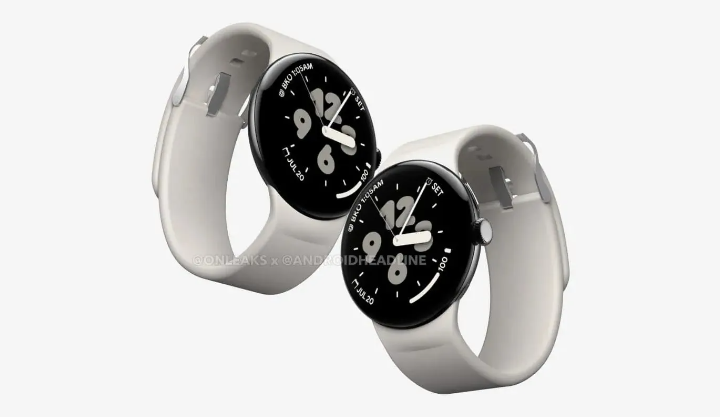
The leaked renders, courtesy of @OnLeaks and Android Headlines, show off the rumoured “Pixel Watch 3 XL.”
This larger dimension, already announced in March, is a staggering 45mm wide to allow for a 1.45-inch display.
While the general size is the same, the Pixel Watch 3 XL is set to be a good deal thicker.
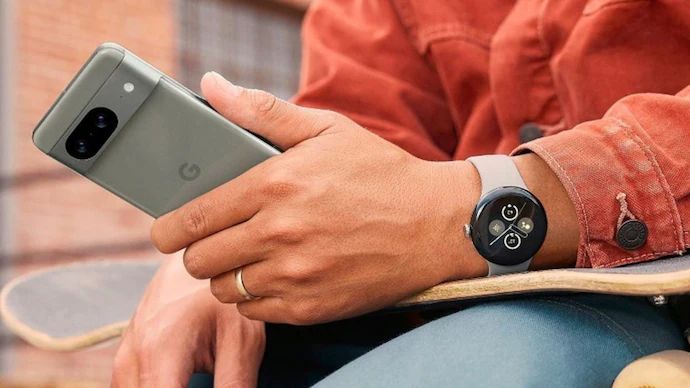
Pixel Watch 3 XL features a 45mm width and 1.45-inch display
According to the source, the next generationwould then be 13.89mm in thickness-as compared to a pixel Watch 2 whose profile was 12.9mm, or a millimeter or so more.
Details regarding the increase in the size of the batteries are, however, not well demonstrated.
Band Compatibility Concerns
New model is 13.89mm thick, thicker than Pixel Watch 2
One of the downsides of larger sizes is compatibility with existing bands.
Google has “slightly altered,” according to the claim, the band system for use with the new watch-making it “larger” and incompatible with the new size requirements.
This quite strongly suggests that current bands probably won’t be compatible with the Pixel Watch 3 XL, exactly as the company seems to have had in mind from the very beginning.
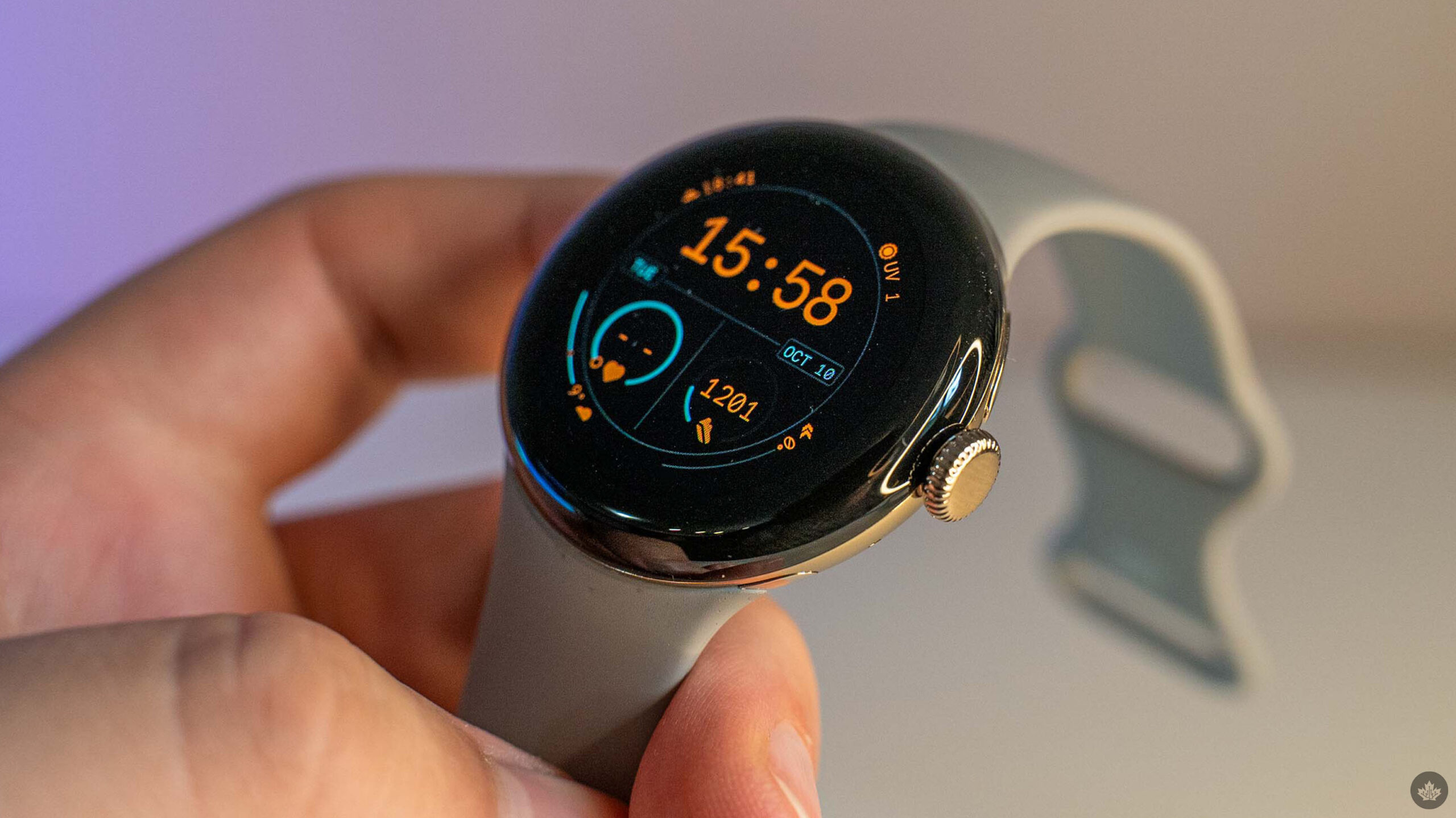
The larger model, the 45mm Pixel Watch 3 XL, seems to feature lesser bezels than the previous model.
While the “XL” moniker on the larger variant is weird, this is very Google-like in similarity to previous positions.
User Demand and Future Revelations
Lesser bezels compared to previous models
The addition of a larger size option for the Pixel Watch 3 answers one of the most prevalent user requests thus far.
As the launch date approaches, further details regarding the Pixel Watch 3 lineup are expected to emerge in the following months, stoking excitement among wearable fans.
FAQs
What is the Pixel Watch 3 XL?
The Pixel Watch 3 XL is a larger version of Google’s Pixel Watch 3, featuring a 45mm width and a 1.45-inch display, designed to cater to user demand for larger smartwatches.
How does the thickness of the Pixel Watch 3 XL compare to previous models?
The Pixel Watch 3 XL is 13.89mm thick, making it about a millimeter thicker than the Pixel Watch 2, which had a thickness of 12.9mm.
Will existing watch bands be compatible with the Pixel Watch 3 XL?
No, the band system for the Pixel Watch 3 XL has been slightly altered, making it incompatible with bands designed for previous models.
What improvements does the Pixel Watch 3 XL offer over the previous models?
The Pixel Watch 3 XL features a larger display with lesser bezels, offering a more immersive viewing experience compared to its predecessors.
When can we expect more details about the Pixel Watch 3 XL?
Further details regarding the Pixel Watch 3 XL are expected to emerge in the following months as the launch date approaches, generating excitement among wearable tech enthusiasts.
Messages via Satellite allows texting without Wi-Fi or cellular networks
Scheduled for release with iOS 18 in the fall
Emergency SOS via Satellite free for iPhone 14 users in the US for three years
Potential subscription or pay-per-use costs for satellite messaging
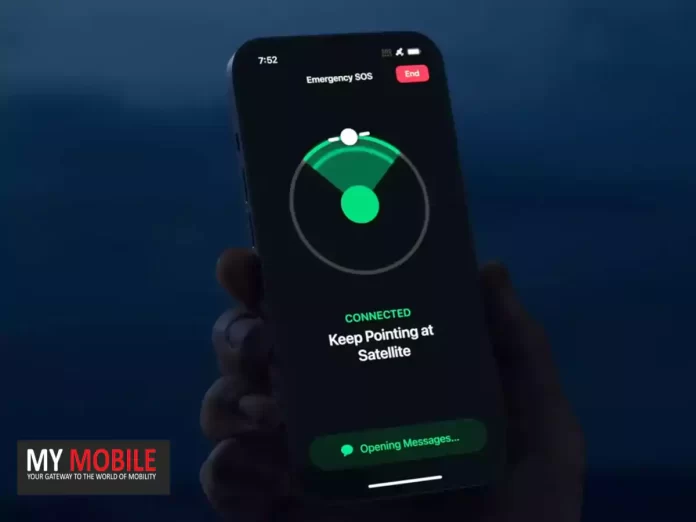
During the recent Worldwide Developers Conference,Apple introduced a unique feature called Messages over Satellite, which would transform the way iPhone users communicate.
This new addition to the Emergency SOS Through Satellite capability has sparked excitement and speculation about whether it would result in additional payments.
Messages via Satellite Feature
Emergency SOS via Satellite has been described as a “game changer” by search and rescue teams
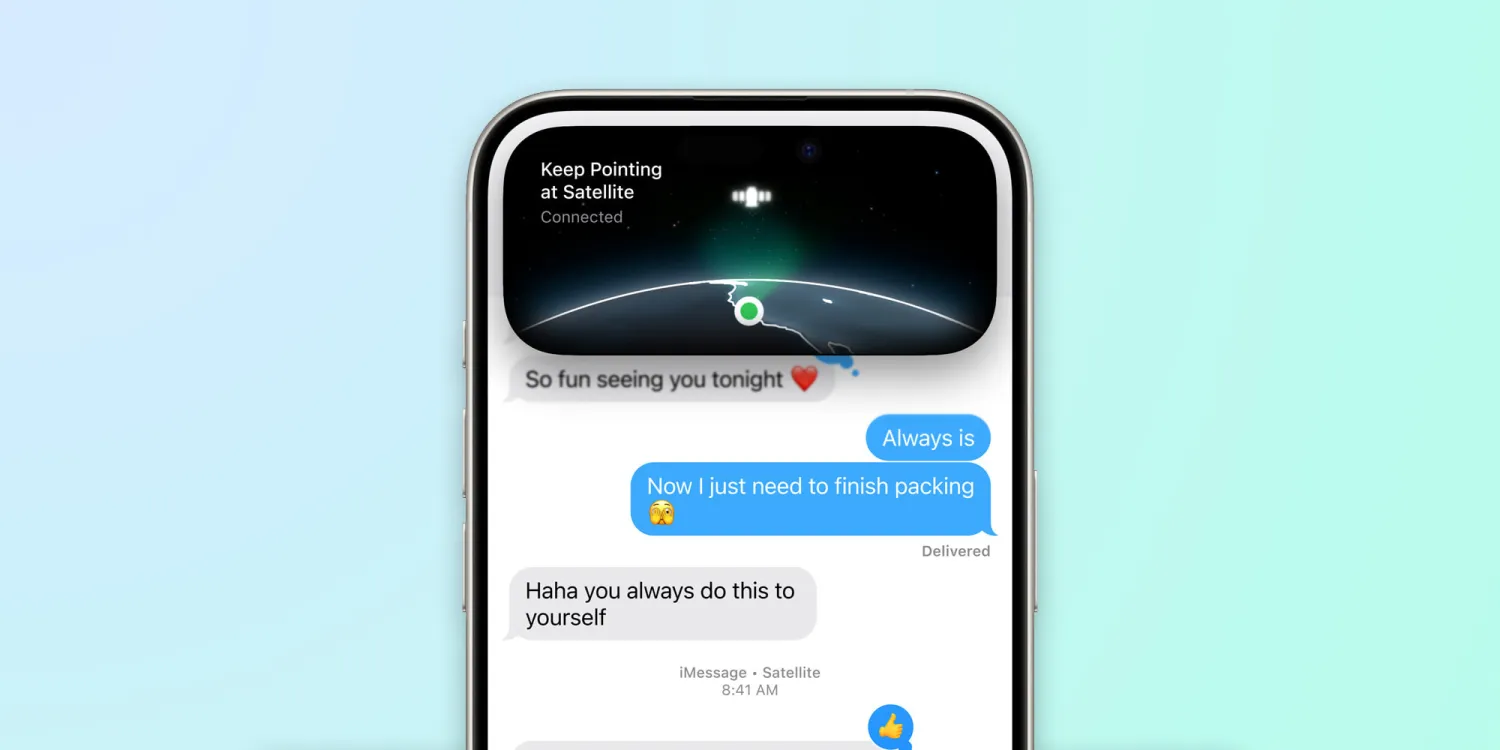
Users will be able to access the full capability of texting, including emoticons and tapbacks, with end-to-end encryption on all communications.
Scheduled for release as part of the iOS 18 update in the fall, Messages via Satellite is poised to empower users with enhanced communication capabilities.
However, the specifics regarding potential costs for utilizing this service have not been fully disclosed by Apple.
Emergency SOS via Satellite: Free for Three Years
iPhone’s operating system introduces the ability to send SMS to anyone using satellite connectivity
While information of Messages over Satellite are unknown at this time, Apple has stated that the Emergency SOS via Satellite function will remain free for all iPhone 14 customers in the United States for the next three years.
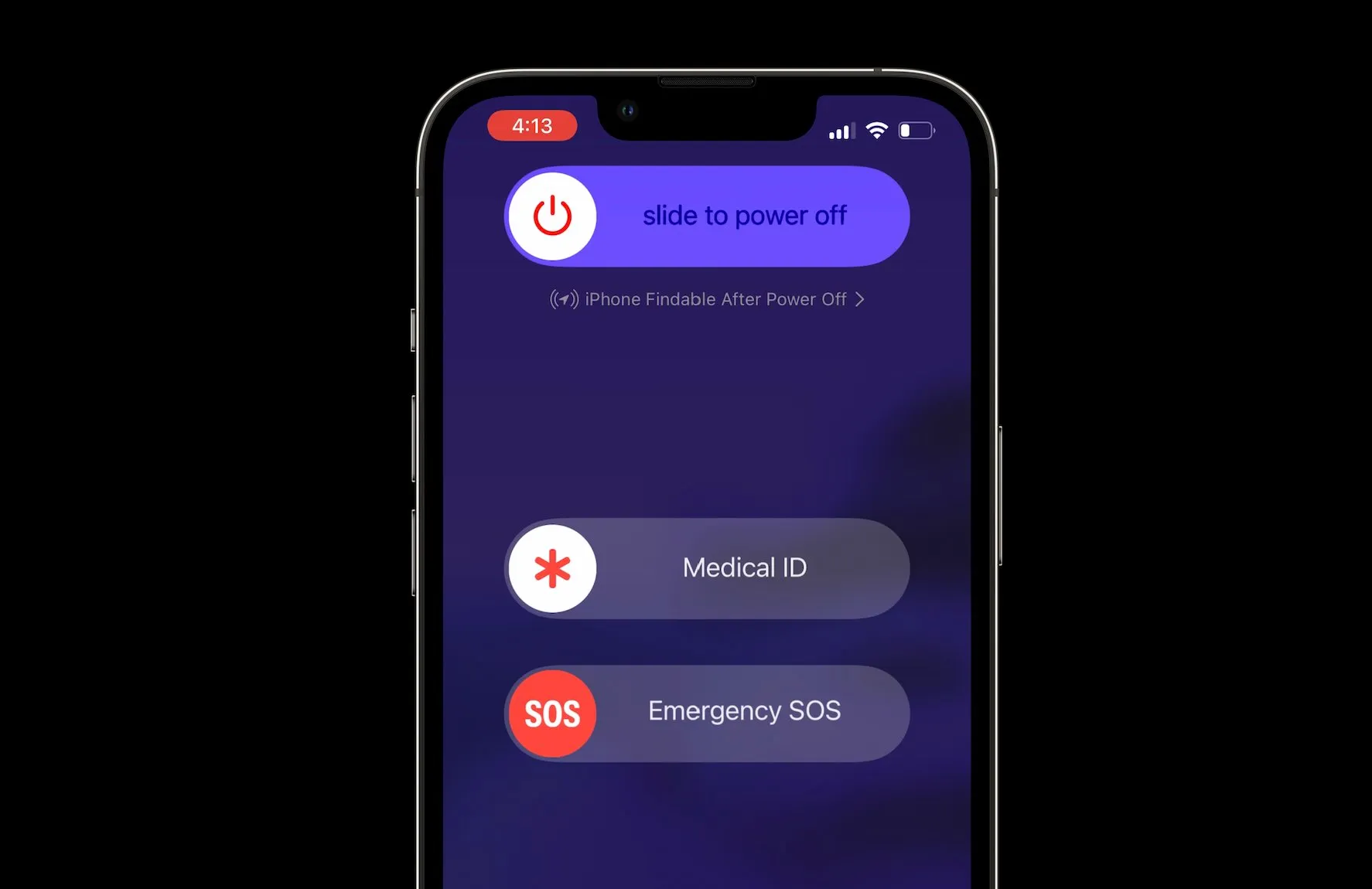
This allows you to contact for help in an emergency when there is no cellular service in the region, and it demonstrates Apple’s dedication to making people feel safe.
The Cost Conundrum
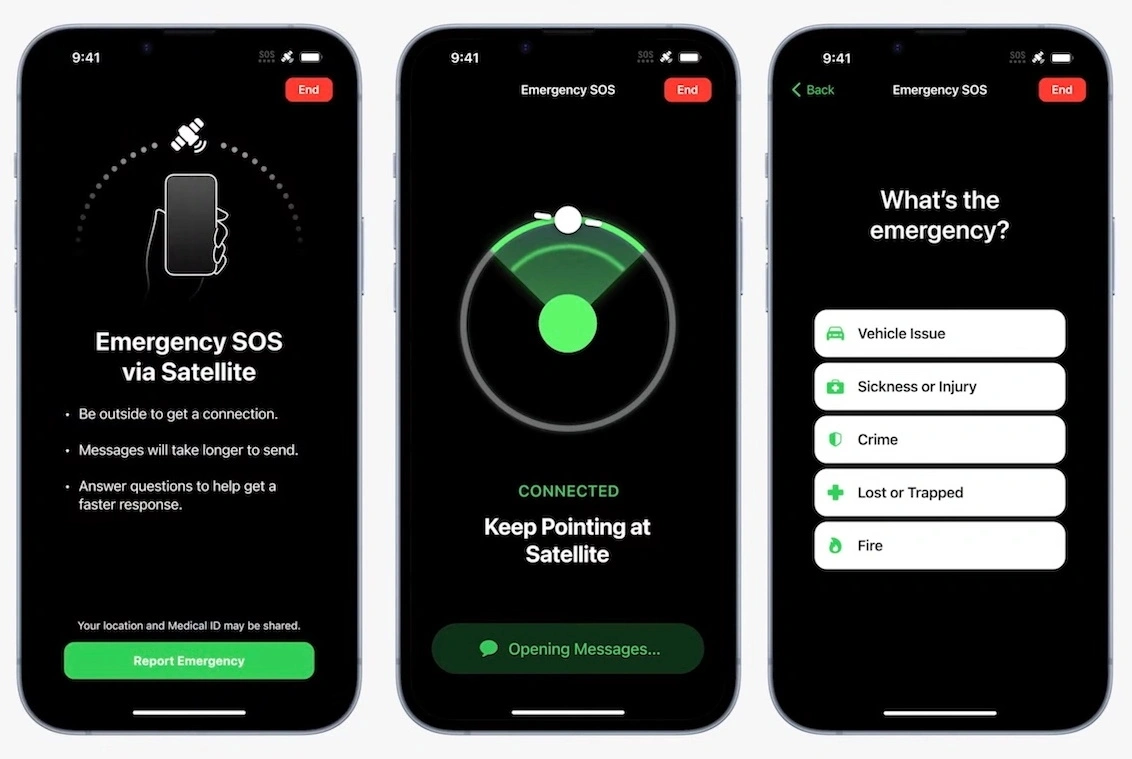
Apple has added satellite capabilities to the iPhone 14 models in 2022 to enable a new feature called Emergency SOS via Satellite
Apple invested $450 million in developing the infrastructure needed to enable Emergency SOS via satellite.
Its partner Globalstar costs roughly $12 per month for basic emergency services on its own devices, with subscriptions costing significantly more for unlimited text messaging.
Potential Pricing Strategies
The company expanded the iPhone’s satellite capabilities with the new Roadside Assistance feature
With so much invested and ongoing operational expenses, Apple may eventually have to make a call on pricing for the features of these satellites-to-phone.
The first alternative would be to charge a subscription for all the satellite-based features,which happens to be the initial plan.
Alternatively, Apple could charge specifically for users to send SMS via satellite, a middle ground between generating revenue to support the infrastructure and ensuring vital features remain accessible.
Integration with Apple Services
Emergency SOS via Satellite free for iPhone 14 users in the US for three years
Apple might also consider incorporating satellite functions into its other service offerings, such as the Apple One package.
If the capabilities were included in that type of service package, it would encourage many more users to subscribe to Apple’s suite of services, therefore helping to offset the price of satellite connectivity.
It should be noted that AT&T is simply one of several mobile phone providers collaborating with AST SpaceMobile to offer outer-space communications capabilities on their devices.
This collaboration will ensure that, even without a particular frequency, voice calls and text messages may be made and sent via satellite using current 5G-enabled phones, including iPhones starting with the iPhone 12.
As the industry continues to evolve and new partnerships emerge, the accessibility and pricing of satellite-based communication services for smartphones may undergo significant changes.
FAQs
What is Messages via Satellite?
Messages via Satellite is a new feature in iOS 18 that allows iPhone users to send and receive texts when Wi-Fi and cellular networks are unavailable, using satellite connectivity.
When will Messages via Satellite be available?
The feature is set to be released as part of the iOS 18 update in the fall.
Will there be a cost to use Messages via Satellite?
While specific pricing details have not been disclosed, Apple may consider subscription or pay-per-use models to cover the costs of satellite messaging services.
Is Emergency SOS via Satellite free?
Yes, Emergency SOS via Satellite is free for all iPhone 14 users in the United States for the next three years.
In a consultation paper released on June 6, 2024, Trai has suggested introducing fees for these numbering resources, citing their finite and valuable nature.
“Simply adhering to strict criteria for assigning numbering resources might not ensure judicious and efficient use of freely allotted numbering resources by service providers. One way of ensuring judicious and efficient use of any finite public resource is by imposing charges, while allocating it. Efficient utilisation can be further ensured by introducing penal provision for those holding numbering resources with low utilisation,” said Trai.
The rationale behind the proposal
TRAI Proposes Fees for Mobile and Landline Numbers to Boost Efficiency
Trai’s document highlights the significant transformation in India’s telecommunications landscape, driven by advancements in technologies such as 5G networks, Machine-to-Machine communication, and the Internet of Things.
With over 1.19 billion telephone subscribers and a tele-density of 85.69 per cent as of March 2024, the demand for numbering resources has surged.
The proposed numbering plan aims to allocate these resources in a structured and efficient manner, supporting a wide range of services and enabling expansion.
By implementing a fee structure, Trai hopes to regulate the allocation of mobile numbers stringently, encouraging telecom service providers to use these resources efficiently and transparently.
Addressing underutilization and inefficient use
TRAI suggests fees for mobile and landline numbers due to their finite nature
One of the key concerns addressed by Trai is the inefficient use of numbering resources by telecom operators.
In cases where subscribers have a dual SIM setup but don’t use one number for an extended period, operators are often hesitant to cancel the number to retain their user base, leading to an underutilization of resources.
To tackle this issue, Trai is considering penalties for operators that hold on to underutilized number resources.
This measure aims to incentivize more efficient use and distribution of numbering resources.
Other proposed measures
The proposal aims to promote efficient use of numbering resources
Apart from fees for mobile numbers, Trai is considering several other measures.
These include the allocation of Mobile Country Codes (MCC) and Mobile Network Codes (MNC) for captive networks, M2M numbering resources, and adjustments to shortcodes and signaling point codes.
Stakeholder input and historical context
Stakeholder input on the proposal is invited until early July 2024
Trai is inviting stakeholders to provide input on the proposed revisions, with a deadline for comments and counter-comments set for early July 2024.
Historically, the Department of Telecommunications has managed the allocation of numbering resources in India, with significant revisions to the national numbering plans in 1993 and 2003 to accommodate the growing telecommunications sector.
However, the current scenario demands a more robust framework to meet evolving needs effectively, as highlighted by Trai’s consultation paper.
FAQs
What is TRAI’s recent proposal about numbering resources?
TRAI has proposed introducing fees for mobile and landline numbers, citing their finite and valuable nature, to promote efficient use.
Why is TRAI proposing fees for numbering resources?
The fees aim to regulate the allocation of mobile numbers, encouraging telecom service providers to use these resources efficiently and transparently.
How does TRAI plan to address underutilized numbering resources?
TRAI is considering penalties for operators that hold on to underutilized number resources, incentivizing more efficient use and distribution.
What other measures are included in TRAI’s proposal?
The proposal includes the allocation of Mobile Country Codes (MCC) and Mobile Network Codes (MNC) for captive networks, M2M numbering resources, and adjustments to short codes and signaling point codes.
OPPO F27 Pro+ 5G available for pre-order, hitting the market on June 20th
Priced at Rs. 27,999 for 8GB + 128GB and Rs. 29,999 for 8GB + 256GB variants
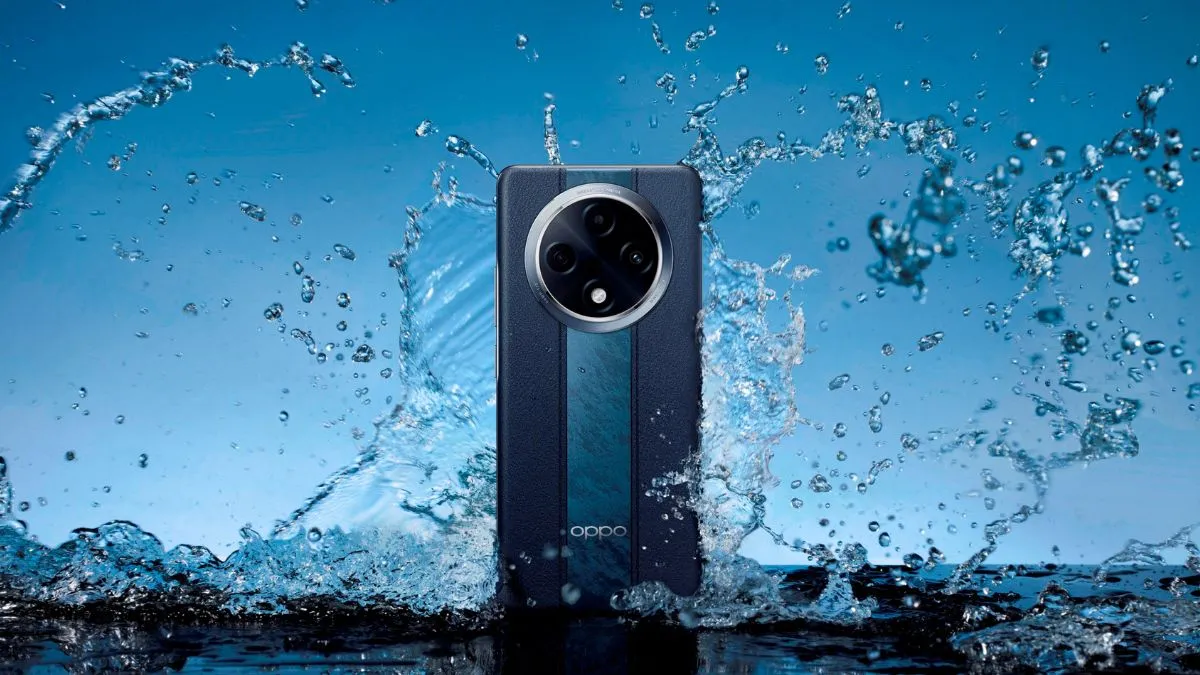
Features IP66, IP68, and IP69 ratings for dust and water resistance
MediaTek Dimensity 7050 processor with up to 12GB RAM and 256GB storage
OPPO has recently introduced its latest offering, the OPPO F27 Pro+ 5G, as part of the ‘F series’ lineup in India.
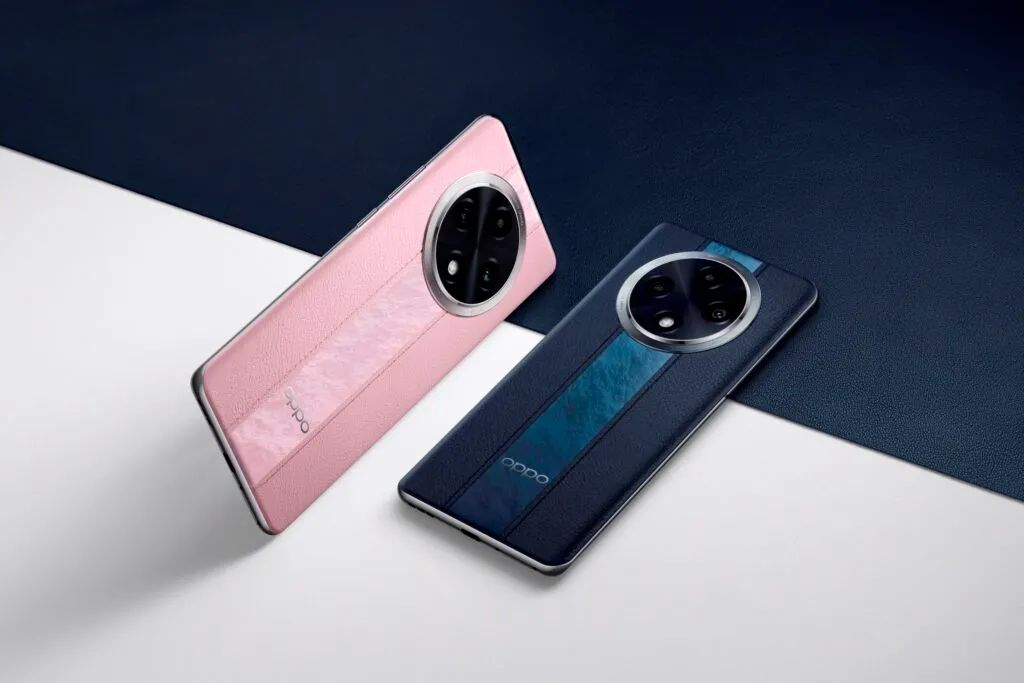
This smartphone boasts an impressive array of features, including exceptional durability ratings of IP66, IP68, and IP69 along with a sleek design.
Pricing and Availability
Priced at Rs. 27,999 for 8GB + 128GB and Rs. 29,999 for 8GB + 256GB variants
The OPPO F27 Pro+ 5G is now available for pre-order and will hit the market on June 20th.
Consumers can purchase the 8GB + 128GB variant for Rs. 27,999, while the 8GB + 256GB model is priced at Rs. 29,999.
The device can be acquired through various channels, including the OPPO India online store, Amazon.in, Flipkart, and offline stores.
There’s a 10 percent discount on several bank credit cards like HDFC Bank, SBI, and ICICI Bank.
Commenting on the launch, Savio D’Souza, Director of Product Communications at OPPO India, said, “The OPPO F27 Pro+ 5G meets the needs of customers who are always on the move, and demand a durable smartphone that can keep up with them, whether rain or sunshine. It is the only smartphone to carry all three—the IP66, IP68 and IP69—ratings and meets the highest standards against dust and water damage. Additionally, its 360° Armour Body provides inside-out protection, certified by the Swiss SGS Premium Performance standard and MIL-STD-810H Method 516.8. All that and essentials like a vivid, borderless display, stellar cameras, and a very capable processor are packed into a slim, lightweight, and stylish build that is sturdy and flaunt-worthy in equal measure.”
Configuration
Price
8GB+128GB
Rs 27,999
8GB+256GB
Rs 29,999
Oppo F27 Pro + 5G Launch Offers
The phone is available to pre-order on OPPO India online store, Amazon.in, Flipkart and offline stores
Protection against accidental and liquid damage worth Rs. 1199 free for up to 6 months.
No-cost EMI for up to 6 months and consumer loans for up to 9 months without any down payment with leading partners.
Upgrade to the OPPO F27 Pro+ and receive an exchange bonus of Rs. 1000.
Existing OPPO customers will also receive an additional loyalty bonus worth INR 1000.
Get a flat 10% instant cashback on credit and debit cards from leading banks including HDFC Bank, SBI, and ICICI Bank. (T&C apply)
Key Specifications
This will be the first smartphone in India with IP69, IP68 and IP66 ratings
6.7-inch FHD+ 120Hz curved AMOLED display
MediaTek Dimensity 7050 6nm processor
Up to 12GB RAM and 256GB UFS 3.1 storage
64MP rear camera with f/1.7 aperture and 2MP depth sensor
8MP front-facing camera with f/2.2 aperture
5000mAh battery with 67W fast charging
IP69, IP68, and IP66 ratings for dust and water resistance
MIL-STD-810H certified for military-grade durability
Corning Gorilla Glass Victus 2 protection for the display
Android 14 with ColorOS 14
5G, Wi-Fi 6, Bluetooth 5.3, and USB Type-C connectivity
Features
Features IP66, IP68, and IP69 ratings for dust and water resistance
The OPPO F27 Pro+ 5G boasts exceptional durability ratings, including IP69, IP68, and IP66 for comprehensive protection against dust and water ingress.
Additionally, the device has achieved MIL-STD-810H certification, ensuring military-grade durability against various environmental conditions.
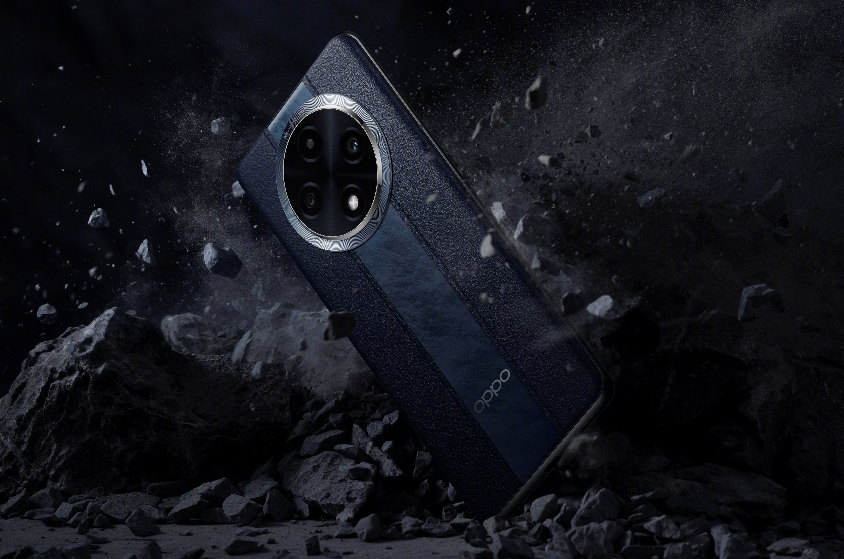
It also features a sleek and premium design with a genuine leather back panel featuring a unique Cosmos Ring design.
OPPO has coated the leather back with siloxane, a specialized treatment, to enhance stain resistance and ensure users can enjoy a case-free experience without compromising the aesthetic appeal.
Apart from that the 6.7-inch FHD+ AMOLED display offers a curved design and a smooth 120Hz refresh rate for an immersive viewing experience.
It also supports 240Hz touch sampling rate for improved touch responsiveness, 2160Hz high-frequency PWM dimming for reduced eye strain, and up to 950 nits of peak brightness for excellent outdoor visibility.
The device is further complemented by up to 12GB of RAM and 256GB of UFS 3.1 storage, ensuring seamless multitasking and ample space for storing files and applications.
OPPO F27 Pro+ 5G Specifications
World-first smartphone with triple IP certifications (IP66, IP68, IP69)
6.7-inch (2412×1080 pixels) Full HD+ AMOLED curved screen with 120Hz refresh rate, 240Hz touch sampling rate, 2160Hz high-frequency PWM dimming, up to 950 nits peak brightness
Octa Core (2 x 2.6GHz Cortex-A78 + 6 x 2GHz Cortex-A55 CPUs) MediaTek Dimensity 7050 6nm processor with Mali-G68 MC4 GPU
8GB LPDDR4x RAM with 128GB / 256GB UFS 3.1 storage
Dual SIM (nano + nano)
Android 14 with ColorOS 14
64MP rear camera with ƒ/1.7 aperture, LED flash, 2MP depth sensor with f/2.2 aperture
When will the OPPO F27 Pro+ 5G be available for purchase?
The OPPO F27 Pro+ 5G is available for pre-order now and will officially hit the market on June 20th.
What are the pricing details for the OPPO F27 Pro+ 5G?
The 8GB + 128GB variant is priced at Rs. 27,999, and the 8GB + 256GB model is available for Rs. 29,999.
Where can I buy the OPPO F27 Pro+ 5G?
You can purchase the device from the OPPO India online store, Amazon.in, Flipkart, and various offline stores.
What are the key durability features of the OPPO F27 Pro+ 5G?
The OPPO F27 Pro+ 5G boasts IP66, IP68, and IP69 ratings for dust and water resistance, as well as MIL-STD-810H certification for military-grade durability.
What is the processor and storage capacity of the OPPO F27 Pro+ 5G?
The device is powered by the MediaTek Dimensity 7050 6nm processor and comes with up to 12GB of RAM and 256GB of UFS 3.1 storage.
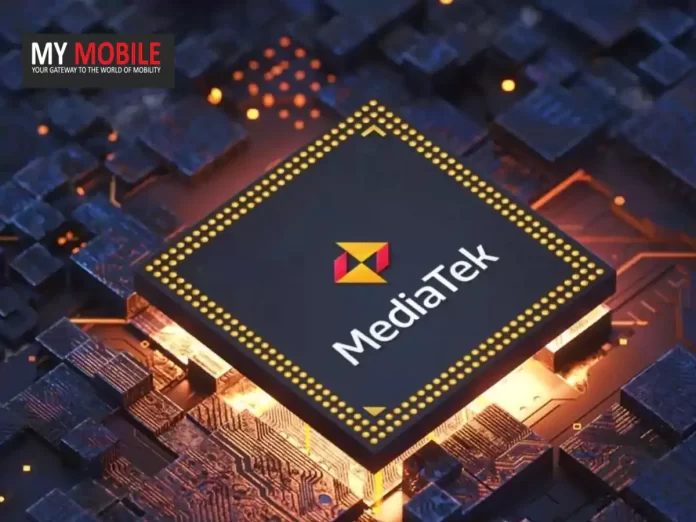
MediaTek to launch its first ARM chipset for Windows PCs in late 2025
Qualcomm’s exclusivity deal with Microsoft for ARM-based Windows is expiring
MediaTek and Nvidia collaborating on a new gaming chip
ARM-based solutions are gaining momentum in the PC market
In the world of computer chips, only a few names have reigned supreme for a very, very long time: Intel, Nvidia, AMD, and Qualcomm.
Joining this exclusive club is lesser-known but high-volume smartphone player MediaTek, which is getting ready to upset the established order with the late 2025 launch of an ARM chipset designed for Windows PCs-the first from the company.
As per a recent report: MediaTek will make an Arm-based chip for Windows PCs.
Qualcomm has reportedly had an exclusive agreement with Microsoftregarding making Arm chips for PCs, which is said to conclude at the end of this year.
MediaTek will reportedly release its Arm-based chip for PCs late in 2024.
The chip is said to be based on Arm’s ready-made designs.
MediaTek to Challenge Qualcomm
MediaTek Set to Disrupt PC Chip Market with New ARM Processor Launch in 2025
While Qualcomm’s Snapdragon X Elite has been getting much publicity as a potential “MacBook Air-beating” system-on-chip, MediaTek is not one to settle for allowing their rival all the fun in this market segment.
Apparently, the next-generation MediaTek processor will be targeting Microsoft’s Copilot Plus PC programwith which Qualcomm had kick-started with the software giant.
MediaTek to launch its first ARM chipset for Windows PCs in late 2025
The opportunity for MediaTek comes at a time when Microsoft’s exclusivity deal with Qualcomm for ARM-based flavors of Windows is expiring this year.
That opening has also interested other chipmakers, including Nvidia and AMD, which also plan to debut their own ARM PC chips in 2025.
MediaTek and NVIDIA Joining Hands
MediaTek and Nvidia collaborating on a new gaming chip
MediaTek’s foray into the PC chip market doesn’t end there because, along with its own offering, reports indicate that the Taiwan-based company is working with Nvidia for an entirely different chip; something that might also help in a gaming chip reportedly under development.
Although Nvidia itself is no stranger to designing its own ARM chips, such as the Tegra series inside the Nintendo Switch, it’s not immediately obvious why it would need a partnership with MediaTek to that end.
Qualcomm’s exclusivity deal with Microsoft for ARM-based Windows is expiring
MediaTek is itself a “fabless” chipmaker, meaning that instead of fabricating chips it designs in-house, it buys “ready-made designs” from ARM and simply configures them into its own chips by building chips with pre-designed processing cores rather than engineering its own from scratch.
Apparently, this is a method that is becoming sought after because some anonymous ARM customer reportedly benefited from these readymade components and, within a record time of nine months, developed a chip.
This indicates that exciting development cycles are quite possible.
ARM-based solutions are gaining momentum in the PC market
The PC business is gaining a lot of momentum presently, where various ARM-based solutions are on the rise.
If this were not enough, the sudden entry of MediaTek into this particular market segment may upset existing dynamics.
Although Intel, Nvidia, AMD, and Qualcomm have each had long reigns, new blood with a different perspective and approach to innovate can create much-needed rivalry pushing chip designing and performance to a new level.
FAQs
When will MediaTek launch its ARM chipset for Windows PCs?
MediaTek plans to launch its first ARM chipset for Windows PCs in late 2025.
What opportunity does MediaTek have in the PC chip market?
With Qualcomm’s exclusivity deal with Microsoft expiring, MediaTek aims to enter the ARM-based Windows PC market alongside other chipmakers like Nvidia and AMD.
Is MediaTek collaborating with any other companies for chip development?
Yes, MediaTek is reportedly working with Nvidia on a new chip, potentially for a Steam Deck-sized gaming device.
Why is MediaTek’s entry into the PC chip market significant?
MediaTek’s entry into the PC chip market could disrupt the established dynamics dominated by Intel, Nvidia, AMD, and Qualcomm, bringing new competition and innovation.
What is MediaTek’s approach to chip design?
As a fabless chipmaker, MediaTek buys ready-made designs from ARM and configures them into its own chips, allowing for rapid development cycles.
Apple Vision Pro’s visionOS Max app offers an immersive Iron Throne Room experience
Enhanced spatial ambient audio and unseen King’s Landing mural included in the update
Vision Pro still lacks iPhone mirroring capabilities
High-resolution Mac mirroring and ultra-wide display virtualization coming in visionOS 2
With the much-anticipated second season of HBO’s House of the Dragon roaring its way this coming Sunday, June 16, the Apple Vision Pro audience finds themselves at a vantage point to poise and view it like no one else ever has done.
Best Way to Watch House of the Dragon
Experience House of the Dragon Season 2 on Apple Vision Pro with an Immersive Iron Throne Room
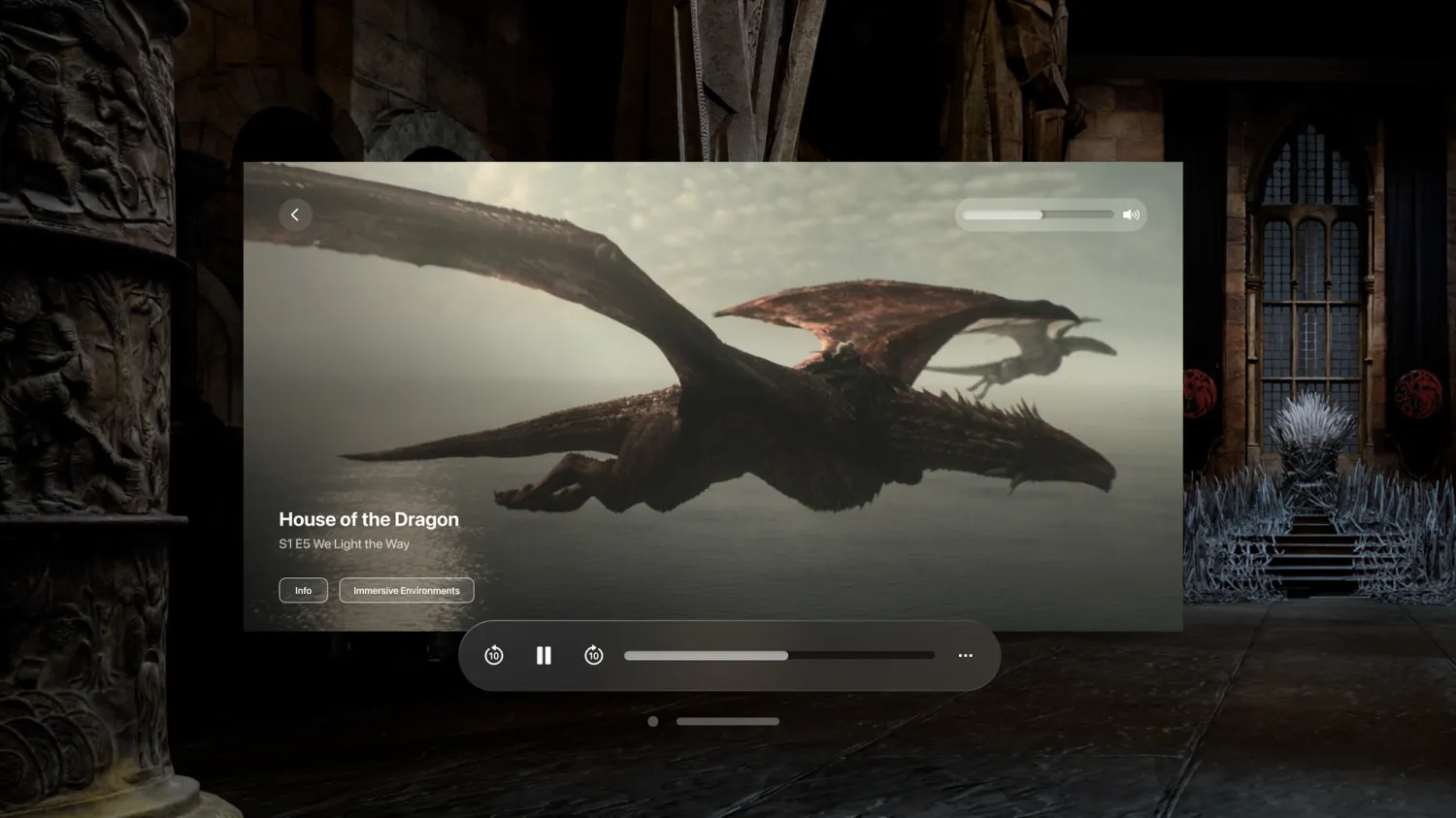
The visionOS Max apphouses an immersive experience of placement directly inside the iconic Iron Throne Room of Game of Thrones for its viewers, certainly an experience that is hardly rivaled by any other.
The app was able to provide a unique experience on visionOS through the availability of immersive environments since February.
The latest Max app update offers numerous enhancements to Iron Throne Immersive Environment.
Notably, the ceiling contains at no other time seen mural of King’s Landing.
Spatial ambient audio can be heard in this environment.
Moreover, with the iconic inclusion of the Green Banners in the Iron Throne Room, it feels all the more realistic.
Still no Mirroring of Your iPhone to the Vision Pro
Enhanced spatial ambient audio and unseen King’s Landing mural included in the update
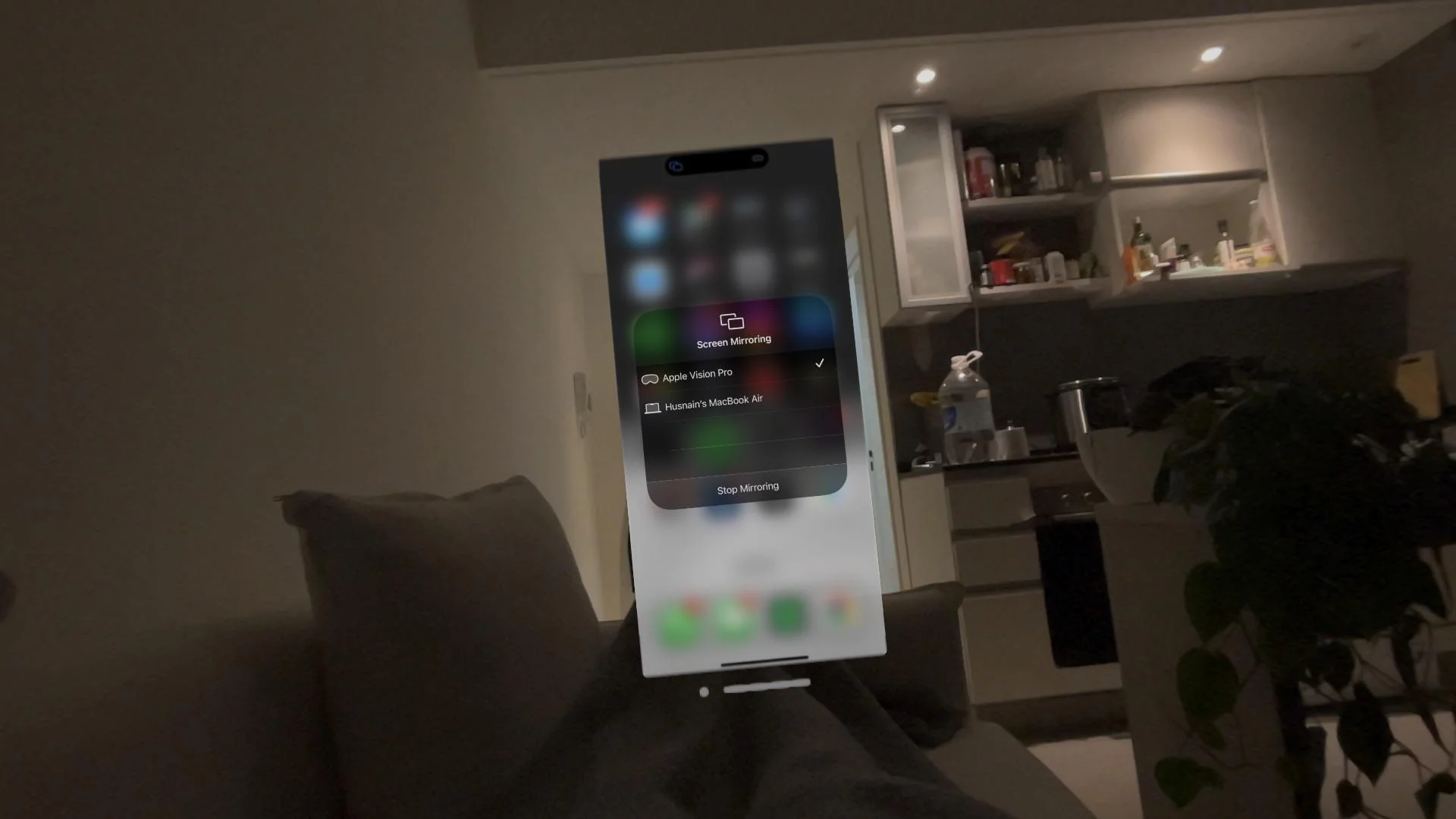
Yet, even with this unprecedented method of entering the kingdom of House of the Dragon, there’s a significant flaw, unfortunately: visionOS 2 still won’t allow you to mirror it with your iPhone.
Several people have raised questions about the brains behind this seemingly missing feature that most people would naturally presume should be present.
One potential workaround that may come to mind is mirroring the iPhone to a Mac and then mirroring the Mac to the Vision Pro.
However, according to reports from Engadget, this approach doesn’t work.
Reliable sources have indicated that Apple’s hardware currently supports only one of its Continuity mirroring features at a time.
This means that if you’re sending your Mac’s screen to the Vision Pro, you won’t be able to mirror your iPhone simultaneously.
The reason for this, though, is not so sure, even if a guess could be that networking constraints are to blame.
To start, simply replicating the screen of a Mac in a clean and lagless way is a Herculean feat in and of itself, much less with the extra workload of having to precisely render an iPhone’s screen beside it.
And it’s worth noting that while visionOS 2 will add in higher resolution Mac mirroring, along with the ability to virtualize an ultra-wide display and push far beyond the current Continuity restrictions, there’s still no word on OpenGL level direct iPhone mirroring to the Vision Pro.
However, it is widely expected that this capability will be added at some point in the future.
Update:
Early testers found that visionOS 2 allows iPhones and iPads to mirror directly via AirPlay. Although you can’t interact with the mirrored screen in Vision Pro like you can with a Mac, it’s a useful way to monitor your other devices.
FAQs
What is the best way to watch House of the Dragon Season 2?
The best way to watch House of the Dragon Season 2 is through the Apple Vision Pro’s visionOS Max app, which provides an immersive Iron Throne Room experience.
What new features does the Iron Throne Room offer in the Max app update?
The update includes a never-before-seen mural of King’s Landing on the ceiling and enhanced spatial ambient audio, along with the iconic Green Banners.
Can I mirror my iPhone to the Apple Vision Pro?
No, currently visionOS 2 does not support iPhone mirroring to the Vision Pro. This feature may be added in the future.
What workaround exists for iPhone mirroring on Vision Pro?
Although one might think of mirroring the iPhone to a Mac and then to the Vision Pro, this approach does not work due to hardware limitations allowing only one mirroring feature at a time.
Can you Let others see your view on Apple Vision Pro ?
You can mirror your view on another screen—such as your iPhone, iPad, Mac, Apple TV, or other compatible TV—so others around you can see what you’re doing on Apple Vision Pro.
Share your view
Open Control Center, then tap the Control Center button.
Tap the Mirror My View button, then choose a compatible device from the list of available devices.
Only devices that are connected to the same Wi-Fi network as your Apple Vision Pro appear in the list.
Your view on Apple Vision Pro is shared on the screen you selected, but is obscured while you enter a password or passcode.
If you don’t see your iPhone, iPad, Mac, or Apple TV in the list, turn on AirPlay or AirPlay Receiver:
On your iPhone or iPad: Go to Settings > General > AirPlay & Handoff, then turn on AirPlay Receiver. You can also adjust who can AirPlay to your device, or set a passcode.
On your Mac: Go to System Settings > General > AirDrop & Handoff (on a Mac with macOS 12 or earlier, go to System Preferences > Sharing), then turn on AirPlay Receiver. You can also adjust who can AirPlay to your device, or set a passcode.
On your Apple TV: Open Settings, select AirPlay and HomeKit, then select AirPlay to turn it on.
Show or hide notifications when you’re sharing your view
Go to Settings > Notifications > Screen Sharing.
Turn Allow Notifications on or off.
Note: Moving your head quickly while sharing your view with others may cause discomfort for others watching on the other screen.
That’s because the giant equally values or feels that exposure for OpenAI’s brand and technology in getting integrated into Apple’s platforms reaching hundreds of millions of devices, rather than in monetary payments.
It would integrate ChatGPT, an online assistant answering information queries in clear and simple sentences, into question-answering digital assistant Siri and Apple’s new essay writing and composition tools to make the experience more human-like and organic.
ChatGPT integration in iOS 18, iPadOS 18, and macOS Sequoia will be available at no cost for users who choose to opt-in
Although the current agreement does not lead to any meaningful revenue generation for any party, in the future this may remain unchanged, but Apple also might eventually begin to secure revenue-sharing agreements with AI companies.
In such a situation, Apple will receive a share of the revenue generated by AI partners monetizing their chatbots on company platforms.
The availability of ChatGPT within iOS 18, iPadOS 18, and even in macOS Sequoia is going to be free of cost for anyone opting to activate the feature.
iOS 18 Features Coming After the First Beta
The partnership offers exposure for OpenAI, with no monetary exchange
Coupled with the OpenAI deal, Apple did unveil a handful of features at the WWDC event.
Still, everything revealed isn’t rolling out with the initial iOS 18 launch this fall.
Some of these significant improvements will only land closer to the end of the year, or even during 2025.
Apple’s goal is to ink revenue-sharing deals with AI companies
Notable features set to arrive in iOS 18.1 or above include on-screen awareness and in-app actions from the new Siri.
What this means is: Siri can understand on-screen context about what one is doing, and consequently, act on it.
For instance, Siri can use an image as a contact photo if that’s what you’re prompted to do.
Apple Intelligence is Apple’s unique branding for its suite of AI features debuting later this year across iPhone, iPad, and Mac
Similarly, it’s only with the later update that Siri will get a broader understanding of what apps can do; and the ability to do things as play a podcast a contact has shared, will arrive this autumn.
With significant updates to Apple’s popular apps come the fall; finally, there will be additions to the native Mail application, with auto-categorization features to messages in your inboxes due to reach devices later in the year.
Apple Intelligence will enable your iPhone, Mac, and iPad to do once it ships later this year.
It’s important to note thatApple Intelligence, the company’s flagship AI feature, will be labelled as a beta release upon its initial launch with iOS 18 and other platforms.
This means users should expect issues and inconsistencies, which will be addressed in subsequent updates over the following weeks and months.
iOS 18’s new emoji will finally represent the exhaustion you feel
Additionally, the Home app in iOS 18 will receive upgrades, but most of them, including support for adding robot vacuum cleaners as compatible devices and the ability to view home electricity usage within the app, won’t be available until later this year.
FAQs
What is the nature of Apple and OpenAI’s partnership?
Apple and OpenAI have partnered to integrate ChatGPT into iOS 18, enhancing Siri and new writing tools without any monetary exchange involved.
Will Apple pay OpenAI for using ChatGPT?
No, Apple will not be paying OpenAI for the integration of ChatGPT. The exposure and reach provided to OpenAI’s technology through Apple’s platforms are considered mutually beneficial.
How will ChatGPT be integrated into Apple’s devices?
ChatGPT will be integrated into Siri and Apple’s new writing tools, making digital assistant interactions and content creation more human-like and organic.
When will iOS 18 features be available?
While some features will be available at the initial launch of iOS 18 this fall, other significant updates will roll out later in 2024 and into 2025.
What notable features are coming to iOS 18?
Notable features include on-screen awareness and in-app actions from Siri, auto-categorization in the Mail app, and Home app upgrades, with some features arriving later in the year.
What are the features of visionOS 2.1 or 2.2 ?
The features in visionOS 2.1 or 2.2 are as follow :
Upgraded Mac Virtual Display: A fan favorite feature, Mac Virtual Display is revamped with an Ultrawide view that is equivalent of having two 4K displays side by side.
Multiview: Sports fans can now watch up to five different games at the same time using the Apple TV app, each with their own dedicated view.
Spatial video editing: This is partially a macOS feature, but the ability to import your spatial video to the Mac, edit it there in Final Cut Pro, and export it back to your Vision Pro won’t arrive until late 2024.
New foldable phone to be lighter at 239 grams compared to its predecessor
Available in Silver Shadow, Pink, and Navy colour options
Expected specs: 7.6-inch inner display, Snapdragon 8 Gen 3 chipset, 200MP primary camera
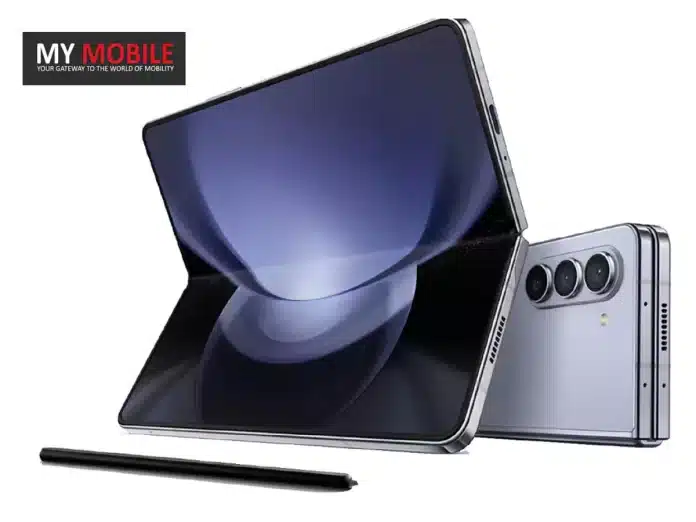
Just ahead of the expected unveiling by Samsung of itsnext-generation foldable smartphones, the Galaxy Z Fold 6 and the Galaxy Z Flip 6, at its next edition of the Galaxy Unpacked event, a fresh leak has revealed the likely pricing of its flagship device, the Galaxy Z Fold 6.
Samsung of its next-generation foldable smartphones, the Galaxy Z Fold 6 and the Galaxy Z Flip 6
The new generation foldable by Samsung is likely to be priced a notch higher than the predecessor model, as the report suggests.
As per the US pricing rumoured, the 256GB version will be priced at $1,899.99, which translates to approximately Rs 1,58,800, 512GB variant at $2,019.99, or approximately Rs. 1,68,800, and the high-end 1TB version for as much as $2,259.99 or approximately Rs. 1,88,900.
The possible price of Galaxy Z Fold 6 was leaked; $100 more expensive than the previous generation. pic.twitter.com/XsLA2SyOpC
— Merd (@Merd038) June 12, 2024
Notably, these prices are a $100 raise in all the available storage configurations compared to the predecessor Galaxy Z Fold 5 that got replaced at a starting price of $1,799.99 for the 256GB variant, $1,919.99 for the 512GB model, and $2,159.99 for the 1TB version.
Though the reasons for revising the prices remain unknown, it is reported that this rise in cost may be also reflected in markets other than US markets, including India.
STORAGE VARIANT
Samsung Galaxy Z Fold FOLD 6
Samsung Galaxy Z Fold FOLD 5
256GB Version
$1899.99
$1799.99
512GB Version
$2019.99
$2259.99
1TB Version
$2259.99
$2159.99
Colour Options and Additional Specs Revealed
Foldable phone series available in Silver Shadow, Pink, and Navy colour options
Apart from the pricing information, the report also spills the beans on the expected colour variants of the Galaxy Z Fold 6 Series.
The foldable phone serieswill arrive in three distinct shade colours: Silver Shadow, Pink, and Navy.
Finally, says the leak, the Galaxy Z Fold 6 will weigh in at 239 grams.
If real, this will make it a little bit lighter than the Galaxy Z Fold 5, which weighed an almost dainty 253 grams.
The weight loss could be interpreted as a sign that Samsung has done better in making its foldable more portable and ergonomic.
New foldable phone to be lighter at 239 grams compared to its predecessor
As a result, it might make the Galaxy Z Fold 6 one of the lightest fold phones though maybe not as light as the Vivo X Fold 3.
Rumours suggest that the Galaxy Z Fold 6 may feature a 7.6-inch inner display, a 6.2-inch cover display, and be powered by the latest Qualcomm Snapdragon 8 Gen 3 chipset,representing an upgrade over its predecessor’s Snapdragon 8 Gen 2 SoC.
Expected specs: 7.6-inch inner display, Snapdragon 8 Gen 3 chipset, 200MP primary camera
Additionally, the Galaxy Z Fold 6 is rumoured to boast a 200MP primary camera sensor, a significant leap from the 50MP sensor found on the Galaxy Z Fold 5.
However, reports indicate that the battery capacity may remain unchanged at 4,400mAh, with support for 25W charging.
50 MP, Primary Camera
12 MP, Ultra-Wide Angle Camera
10 MP , Telephoto Camera
Autofocus
Yes
Flash
Yes, LED Flash
Image Resolution
8150 x 6150 Pixels
Settings
Exposure compensation, ISO control
Shooting Modes
Continuous Shooting
High Dynamic Range mode (HDR)
Camera Features
Digital Zoom
Auto Flash
Face detection
Touch to focus
FRONT CAMERA
Camera Setup
Single
Resolution
12 MP, Primary Camera
Battery
Capacity
4700 mAh
Type
Li-ion
Removable
No
Wireless Charging
Yes
Quick Charging
Yes, Fast
USB Type-C
Yes
Storage
Internal Memory
256 GB
Expandable Memory
No
Network & Connectivity
SIM Slot(s)
Dual SIM, GSM+GSM
SIM Size
SIM1: Nano, SIM2: Nano
Network Support
5G Not Supported in India, 4G Supported in India, 3G, 2G
VoLTE
Yes
SIM 1
4G Bands:
TD-LTE 2300(band 40) FD-LTE 1800(band 3)
3G Bands:
UMTS 1900 / 2100 / 850 / 900 MHz
2G Bands:
GSM 1800 / 1900 / 850 / 900 MHz
GPRS:
Available
EDGE:
Available
SIM 2
4G Bands:
TD-LTE 2300(band 40) FD-LTE 1800(band 3)
3G Bands:
UMTS 1900 / 2100 / 850 / 900 MHz
2G Bands:
GSM 1800 / 1900 / 850 / 900 MHz
GPRS:
Available
EDGE:
Available
Wi-Fi
Yes, Wi-Fi 4 (802.11 b/g/n)
Wi-Fi Features
Mobile Hotspot
Bluetooth
Yes, v5.2
GPS
Yes with A-GPS, Glonass
NFC
Yes
USB Connectivity
Mass storage device, USB charging
Multimedia
Loudspeaker
Yes
Audio Jack
USB Type-C
Sensors
Fingerprint Sensor
Yes
Fingerprint Sensor Position
Side
Other Sensors
Light sensor, Proximity sensor, Accelerometer
FAQs
What are the rumoured prices for the Samsung Galaxy Z Fold 6?
The Galaxy Z Fold 6 is rumoured to be priced at $1,899.99 for the 256GB version, $2,019.99 for the 512GB version, and $2,259.99 for the 1TB version.
How does the weight of the Galaxy Z Fold 6 compare to the Galaxy Z Fold 5?
The Galaxy Z Fold 6 is expected to weigh 239 grams, making it lighter than the Galaxy Z Fold 5, which weighed 253 grams.
What colour options will be available for the Galaxy Z Fold 6?
The Galaxy Z Fold 6 is rumoured to come in three colour variants: Silver Shadow, Pink, and Navy.
What are the expected specifications of the Galaxy Z Fold 6?
The Galaxy Z Fold 6 is rumoured to feature a 7.6-inch inner display, a 6.2-inch cover display, Snapdragon 8 Gen 3 chipset, and a 200MP primary camera sensor.
When will the official details and specifications of the Galaxy Z Fold 6 be confirmed?
The official details and specifications of the Galaxy Z Fold 6 will be confirmed during the Galaxy Unpacked event.
X, formerly Twitter, now offers private likes for user privacy
Likes are hidden from public view, visible only to the user and post authors
The feature aims to reduce backlash and encourage free expression
Initial reports show a significant increase in likes since the feature’s introduction
X, Elon Musk’s social media, previously known as Twitter, has launched a life-changing feature: private likes.
Now, the posts a user liked became publicly visible information in the previous state of affairs, which sometimes brought with it undesired consequences or backlash.
A few weeks ago, Haofei Wang, X’s director of engineering, explained that this change is aimed at protecting users’ public image. Wang explained that users get discouraged from liking content that might be seen as controversial or “edgy.”
With the introduction of private likes, the Likes tab on user profiles will be removed. Users will still be able to see who liked their own posts and the total like count for all posts. They will not be able to see who liked other people’s posts.
Enrique Barragan, a senior software engineer at X, confirmed this & gave an idea to the launch of this feature .
Wang said last month, “Soon you’ll be able to like without worrying who might see it.” A source close to Musk mentioned, “Social media in general is shifting away from like counts, so this makes sense. Part of me thinks [Musk] just wants to disassociate from Twitter more and more.”
X Now Hiding Likes
This week we’re making Likes private for everyone to better protect your privacy.
– You will still be able to see posts you have liked (but others cannot).
– Like count and other metrics for your own posts will still show up under notifications.
– You will no longer see who…
— Engineering (@XEng) June 11, 2024
Still, with the newest feature update, a user can like whatever he feels like, without any fear of being attacked for choices of content.
Posts that users liked will still appear for them, but no longer for other users.
But the authors will still see like counters and be able to see who has liked their posts.
Detailed lists of likes of other people’s posts though, won’t be available, the X Engineering account said.
X’s new ‘private likes’ feature will hide users’ likes by default
He clarified that it allows people to like posts and not be attacked in every other way for doing so.
This means there is an open space to engage with content a user finds exciting or enjoyable without being judged.
Initial comments from several creators and paid users expressed their discontent over the shift, sighting the loss of running tallies of post engagement and potential manipulation of the platform through paid likes.
But this change could merely spur more liking as people know that their preferences will be private and not subject to potential bullying or harassment.
A Positive Impact
Elon Musk and X’s engineering team support this change to protect users’ public image
The impact of this change has been immediate and significant.
Elon Musk shared a graph on X, revealing a massive spike in the number of likes since they were made private.
The graph showed that from around 14,000 likes, the number jumped to more than 23,000 in just a few hours after the announcement on June 12.
While the move to make likes private has removed one of the reasons to obtain the premium subscription offered by X, it does work with the company’s efforts to revive user engagement and revenue streams.
X’s revenues took a substantial hit in 2023, prompting the introduction of a paid tier to compensate for the lost income.
FAQs
What is the new feature introduced by X (formerly Twitter)?
X has launched a private likes feature, allowing users to like posts without their likes being publicly visible, enhancing user privacy and reducing potential backlash.
Who can see the likes on a post with the new update?
The user who liked the post and the post’s author can see the like count, but detailed lists of who liked other people’s posts are no longer available to the public.
Why did X introduce private likes?
The feature was introduced to create a safer environment where users can engage with content freely without fear of judgment, backlash, or harassment.
How have users reacted to the private likes feature?
While some creators and paid users expressed concerns over the loss of visible engagement metrics, many users appreciate the enhanced privacy and freedom to like content without judgment.
What impact has the private likes feature had so far?
Since the introduction of private likes, there has been a significant increase in the number of likes on posts, indicating that users feel more comfortable engaging with content privately.
The launch event for these new products was scheduled at the rather historic Hipódromo de París-Longchamp in Paris, after the same smartphones were introduced to the Chinese market about two weeks ago.
With excitement mounting, Honor has confirmed that 200 series will soon reach the Indian market.
Pricing and Availability
Honor 200 and 200 Pro Launched Globally
The Honor 200 is pegged at 499 EUR (approximately Rs 45,180) for the lone 8GB+256GB variant, and the Honor 200 Pro is priced at 699 EUR or approximately Rs 63,250 for the sole 12GB+512GB variant.
These devices go on sale in several European countries and the UK from today, June 12th.
The Honor 200 Pro and Honor 200 are up for pre-order from today and will go on general sale on June 26
Pre-orders will start fulf on June 21st, with general sales on June 26th.
Also today, both models will be available through telecom operator Three in the UK from June 28th with other major UK operators to follow.
Launch Offers
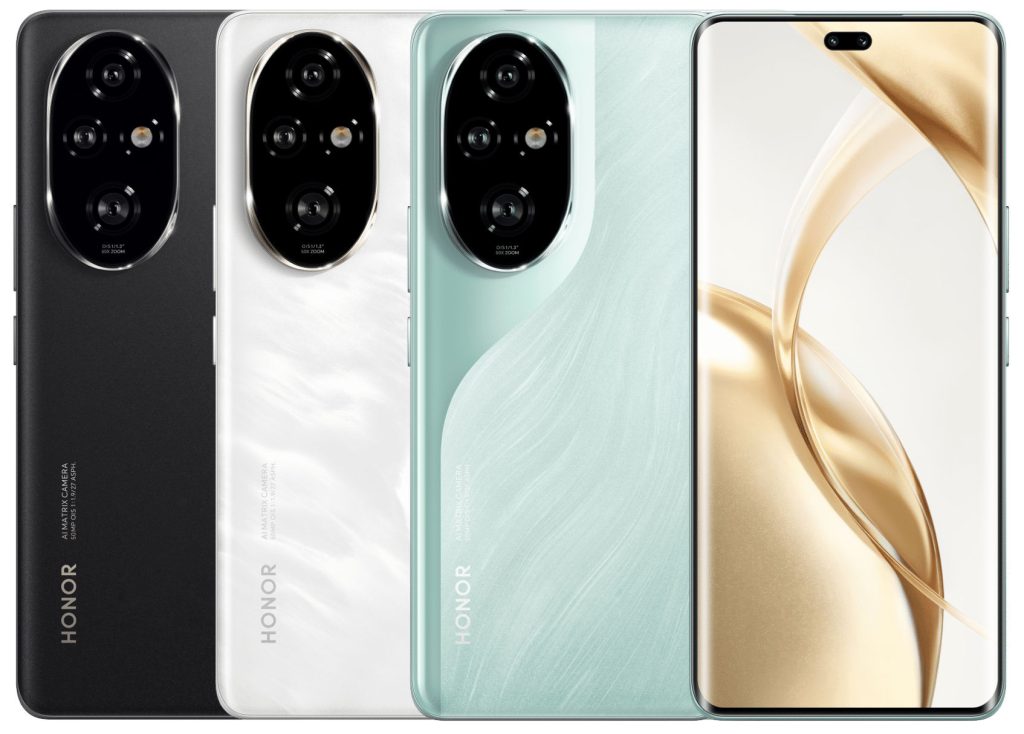
HONOR 200 and HONOR 200 Pro for the global markets
To sweeten the deal, UK buyers of the Honor 200 Pro will get, while stocks last, a free Harman Kardon Onyx Studio 8 speaker worth 279.99 GBP.
In addition, everyone buying the Honor 200 will be entitled to a free JBL Charge 5 Wi-Fi speaker with an SRP of 199.99 GBP through all purchase avenues, while they last.
Commenting on the launch, Tony Ran, President of HONOR Europe, said “With the HONOR 200 Series, we’re proud to bring the perfect fusion of artistry and technology to Europe, allowing anyone to take studio-level portraits every time. While a studio-quality portrait has been out of reach for many until now, the HONOR 200 Series sets a new standard in smartphone portrait photography, putting a professional studio in your pocket. This unprecedented achievement in AI technology not only showcases HONOR’s commitment to innovation but also underscores our relentless pursuit of excellence in redefining the boundaries of mobile photography.”
Key Specifications – Honor 200
It supports 5200mAh battery with 100W SuperCharge fast charging
6.7-inch 1.5K OLED 120Hz curved display
Qualcomm Snapdragon 7 Gen 3 (4nm) Mobile Platform
8GB / 12GB LPDDR5 RAM, 256GB / 512GB storage
50MP main camera, 12MP ultra-wide-angle camera, 50MP telephoto portrait camera
50MP front camera
5200mAh battery with 100W SuperCharge fast charging
Android 14-based MagicOS 8.0
Dual SIM, 5G, Wi-Fi 6, Bluetooth 5.3, NFC
Key Specifications – Honor 200 Pro
These feature a 50MP front camera, and the Pro model also has a 3D depth camera
6.78-inch 1.5K OLED 120Hz curved display
Snapdragon 8s Gen 3 4nm Mobile Platform
12GB LPDDR5 RAM, 512GB storage
50MP main camera, 12MP ultra-wide-angle camera, 50MP telephoto portrait camera
50MP front camera, 3D depth camera
5200mAh battery with 100W wired SuperCharge, 66W wireless SuperCharge
IP65 dust and splash resistance
Android 14-based MagicOS 8.0
Dual SIM, 5G, Wi-Fi 6, Bluetooth 5.3, NFC
Features – Honor 200
The HONOR 200 has a 6.7″ 1.5K 120Hz OLED display and is powered by Snapdragon 7 Gen 3
The Honor 200 sports a 6.7-inch 1.5K OLED display that supports 120Hz refresh, with a curved design.
The triple rear camera setup includes a 50MP main camera, a 12MP ultra-wide-angle macro camera, and a 50MP telephoto portrait camera.
It features a near-identical display with a sharp OLED panel
A 50MP front camera is available for selfies and video calls over chatting apps.
The Honor 200 packs a 5200mAh battery, backed by 100W SuperCharge fast charging.
Of course, there is the Android 14-based MagicOS 8.0 operating system,support for dual SIM capabilities, 5G connectivity, Wi-Fi 6, Bluetooth 5.3, and NFC.
Features – Honor 200 Pro
The HONOR 200 Pro has a 6.78″ 1.5K 120Hz OLED display and is powered by Snapdragon 8s Gen 3 SoC
The Honor 200 Pro features a much larger 6.78-inch 1.5K OLED display with a 120Hz refresh rate and curved design.
The triple rear camera setup includes a 50MP main camera, a 12MP ultra-wide-angle camera capturing macro shots, and a 50MP telephoto portrait camera.
Honor has teamed up with the prestigious Studio Harcourt to fine-tune the Honor 200 Pro’s cameras
A 50MP selfie camera is placed on the front where it is coupled with a 3D depth camera.
The Honor 200 Pro comes with a 5200mAh battery supported by an ultra-fast 100W wired SuperCharge and 66W wireless SuperCharge.
IP65 rating the device has of dust and splash resistance, Android 14-based MagicOS 8.0 operating system, dual-SIM capability, 5G connectivity, Wi-Fi 6, Bluetooth 5.3, and NFC.
HONOR 200 Specifications
These pack a 5200mAh Silicon-carbon battery that enables up to 61 hours
6.7-inch (2664×1200 pixels) 1.5K OLED 120Hz curved display, 100% DCI-P3 color gamut, up to 4,000 nits peak brightness, 3840Hz high-frequency PWM dimming
Up to 2.63GHz Qualcomm Snapdragon 7 Gen 3 (4nm) Mobile Platform with Adreno 720 GPU
8GB / 12GB LPDDR5 RAM, 256GB / 512GB storage
Android 14-based MagicOS 8.0
Dual SIM (nano + nano)
50MP camera with 1/1.56″ Sony IMX906 sensor, f/1.95 aperture, OIS, 12MP 112° ultra-wide camera with f/2.2 aperture, 2.5cm macro option, 50MP 2.5x portrait telephoto camera with Sony IMX856 sensor, OIS, f/2.4 aperture, 4K video recording
50MP front camera with Sony IMX906 sensor f/2.1 aperture, 4K video recording
In-display fingerprint sensor
Dimensions: 161.5×74.6×7.7mm; Weight: 187g
USB Type-C Audio, Stereo Speakers
5G SA/NSA, Dual 4G VoLTE, Wi-Fi 802.11ax (2.4GHz/5GHz), Bluetooth 5.3, GPS, USB Type-C, NFC
5200mAh battery with 100W SuperCharge fast charging
HONOR 200 Pro Specifications
The phone features a “Triple 50MP Portrait Camera” system. This setup includes a wide sensor, a zoom lens, a 50MP selfie camera
6.78-inch (2700 × 1224 pixels) 1.5K OLED 120Hz curved display, 100% DCI-P3 color gamut, up to 4,000 nits peak brightness, 3840Hz high-frequency PWM dimming
Octa Core Snapdragon 8s Gen 3 4nm Mobile Platform with Adreno 735 GPU
12GB LPDDR5 RAM, 512GB storage
Android 14-based MagicOS 8.0
Dual SIM (nano + nano)
50MP camera with 1/1.3″ OmniVision OV50H sensor, f/1.9 aperture, OIS, 12MP 112° ultra-wide camera with f/2.2 aperture, 2.5cm macro option, 50MP 2.5x portrait telephoto camera with Sony IMX856 sensor, OIS, f/2.4 aperture, 4K video recording
50MP front camera with Sony IMX906 sensor f/2.1 aperture, 3D depth camera, 4K video recording
In-display fingerprint sensor
Dimensions: 163.3×75.2 ×8.2mm; Weight: 199g
USB Type-C Audio, Stereo Speakers
Dust and splash resistant (IP65)
5G SA/NSA, Dual 4G VoLTE, Wi-Fi 802.11ax (2.4GHz/5GHz), Bluetooth 5.3, GPS, USB Type-C, NFC
5200mAh battery with 100W SuperCharge fast charging, 66W wireless SuperCharge fast charging
What are the prices for the Honor 200 and Honor 200 Pro?
The Honor 200 is priced at 499 EUR (approximately Rs 45,180), while the Honor 200 Pro is available for 699 EUR (approximately Rs 63,250).
When will the Honor 200 and 200 Pro be available for purchase?
These devices will be on sale in Europe and the UK starting today, June 12th. Pre-orders begin on June 21st, with general sales starting on June 26th.
What special offers are available with the purchase of the Honor 200 and 200 Pro?
UK buyers of the Honor 200 Pro will receive a free Harman Kardon Onyx Studio 8 speaker, and buyers of the Honor 200 will get a free JBL Charge 5 Wi-Fi speaker, while stocks last.
What are the key specifications of the Honor 200 Pro?
The Honor 200 Pro features a 6.78-inch 1.5K OLED display, Snapdragon 8s Gen 3 processor, 12GB RAM, 512GB storage, a triple rear camera setup, 5200mAh battery with 100W wired and 66W wireless SuperCharge, and IP65 dust and splash resistance.
Where was the launch event for the Honor 200 and 200 Pro held?
The launch event took place at the historic Hipódromo de París-Longchamp in Paris, following their initial introduction in the Chinese market two weeks prior.