
Home Blog Page 418

Google Search AI Overhaul: How to Bypass AI Overviews with Simple Tricks

0

Highlights

  • Google Search now includes AI Overviews, causing clutter and inaccuracies.
  • New “Web” filter lets users bypass AI content for classic text-based results.
  • Users can add “&udm=14” to the search URL for direct access to the “Web” filter.
  • Various browser settings allow for automated text-based search results.

Google Search has had an enormous revamp with new AI features aimed at improving user experience.

Not everyone, however, is satisfied. 

The search screen has become more cluttered with additional sponsored adverts, and the new “AI Overviews” tool, intended to deliver quick answers, often is riddled with errors and confusing. 

Even though people raised their concerns over the issue, Google came out and said that this feature cannot be turned off.

The question now is, how many are willing to change search engines, and how many will not?

Skip AI Overviews with Web Filter

Google Search now includes AI Overviews, causing clutter and inaccuracies.

Even though AI Overviews and other features powered by AI were designed to enhance the search experience, many users prefer the minimalism of traditional text-based search results. 

People prefer the classic “ten blue links” format for its no-frills value, especially when one wants to read through detailed information or access sites with low internet bandwidth. 

Google recognized this trend by providing a “Web” filter worldwide, although the placement differs depending on mobile or desktop device use.

The filter is clearly accessible on smartphones but can be found under “More” options on PCs.

“We’ve added this after hearing from some that there are times when they’d prefer to just see links to web pages in their search results, such as if they’re looking for longer-form text documents, using a device with limited internet access, or those who just prefer text-based results shown separately from search features,” stated Google.

To use this filter

  • Start a Google Search as usual.
  • Tap the “Web” Filter: At the top of the search results page, you’ll find various filters. Tap the “Web” filter to view only text-based links without additional AI content.
  • If the “Web” filter isn’t immediately visible, it can be found under the “More” options menu.

This method ensures you bypass AI Overviews and other clutter like knowledge panels and featured snippets.

Quick URL Trick for Web Filter
New "Web" filter lets users bypass AI content for classic text-based results
New “Web” filter lets users bypass AI content for classic text-based results

Another way to access the “Web” filter is by adding “&udm=14” to the end of your Google search URL.

This trick can be implemented in various browsers:

Google Chrome

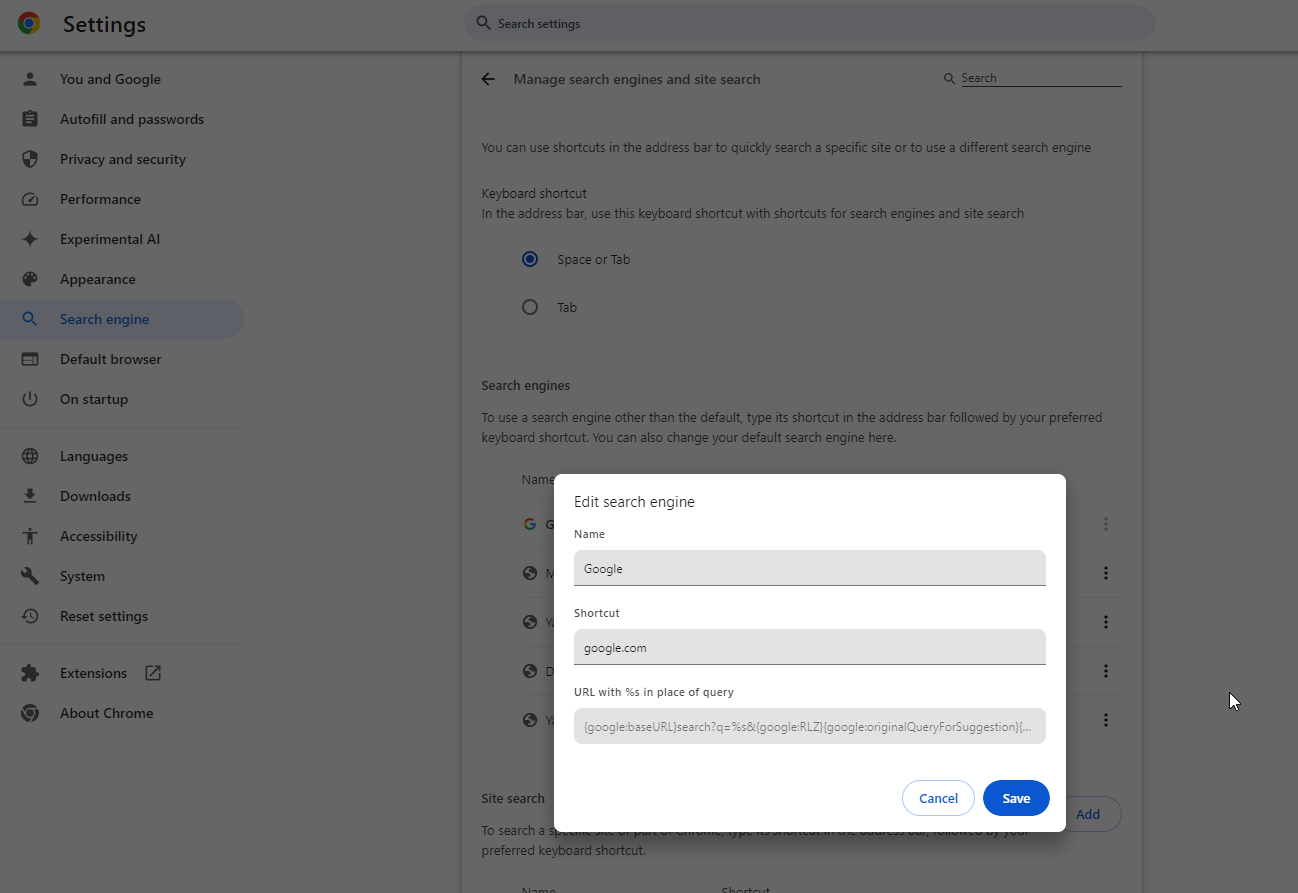
  • Go to Settings > Search Engine.
  • Edit the Google Search engine and input “{google:baseURL}search?q=%s&udm=14” into the URL field.

Microsoft Edge

  • Navigate to Settings > Privacy, search, and services > Address bar and search > Manage search engines.
  • Edit the Google Search engine and input the same URL format.

Other Chromium-based browsers, such as Brave, Opera, and Vivaldi, follow the same processes as Chrome and Edge.

Mozilla Firefox
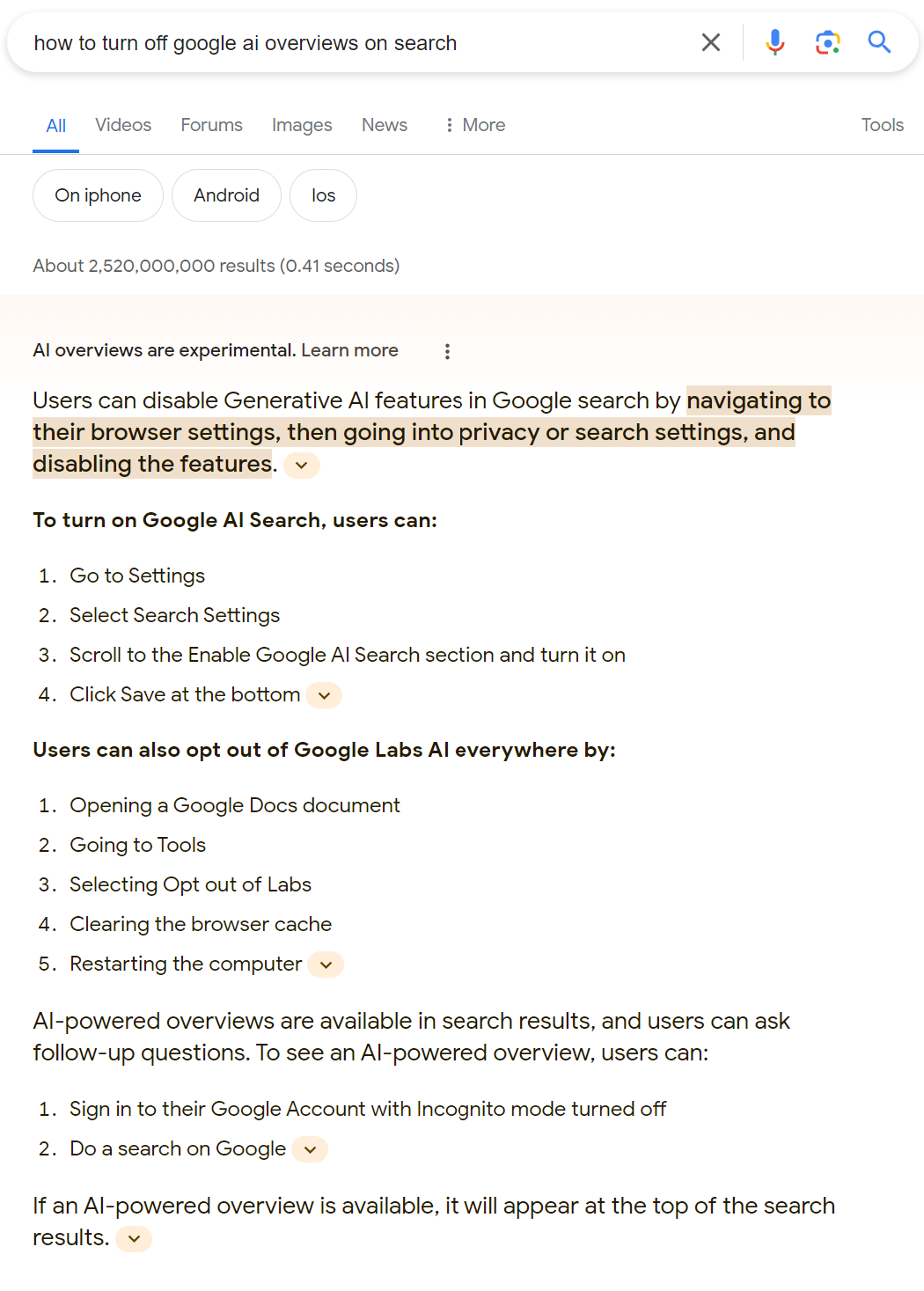
Various browser settings allow for automated text-based search results

A service called “TenBlueLinks.org” allows you to automate this operation.

Also, a website called “udm14.com” can lead any search to Google’s “Web” filter.

These solutions provide a way for users to revert to a simpler, more traditional way of searching, answering the fears brought about by recent AI-powered modifications.

FAQs

What are AI Overviews in Google Search?

AI Overviews are new features in Google Search that provide quick answers directly in the search results, often leading to clutter and inaccuracies.

How can I bypass AI Overviews in Google Search?

You can bypass AI Overviews by using the “Web” filter, which shows only text-based links, or by adding “&udm=14” to the end of your Google search URL.

Where can I find the “Web” filter on Google Search?

The “Web” filter is readily accessible on mobile devices. On desktops, it may be found under the “More” options menu in the search results.

Can I automate the use of the “Web” filter in Google Chrome?

Yes, by editing the search engine settings in Chrome and adding “{google:baseURL}search?q=%s&udm=14” into the URL field.

Is the “Web” filter available on all browsers?

The “Web” filter can be accessed on Google Chrome, Microsoft Edge, Brave, Opera, Vivaldi, and Mozilla Firefox using specific URL adjustments or services like TenBlueLinks.org.

Also Read: Google Searches Spike for “Eyes Hurt” After Solar Eclipse Viewing Frenzy

Also Read: Google Considers AI-Enhanced Premium Search Tier for Users
Google Reveals Android 14 for TV With Performance Boosts and Energy Efficiency Enhancements

0
Google Reveals Android 14 for TV With Performance Boosts and Energy Efficiency Enhancements

Highlights

  • Android 14 for TV offers significant reductions in boot latency and cold start-up times.
  • Enhanced vertical and horizontal scrolling performance for a smoother user experience.
  • Introduction of Low Energy and Optimized Energy modes to improve energy efficiency.
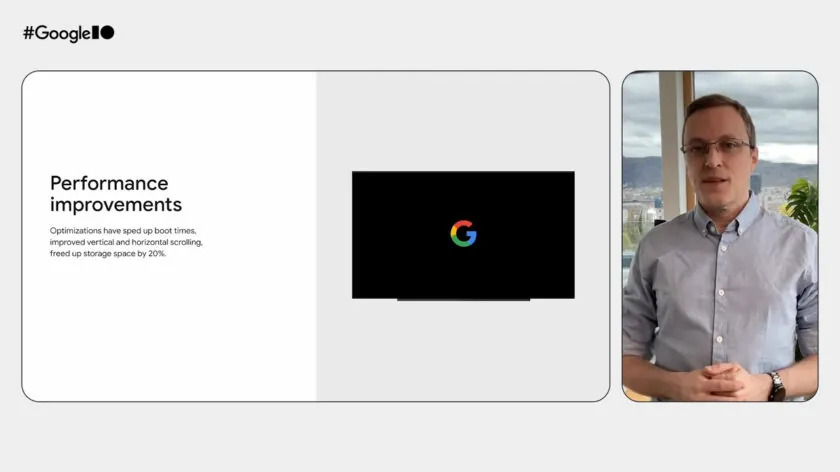
  • Android 14 for TV promises a 20% reduction in storage usage and lower memory device optimization.

The new Android 14 for TV by Google is fine-tuned to fix most issues that might have been experienced by the customers.

At I/O 2024, Google revealed that the new Android 14 for TV would be “snappier and more responsive” as compared to the previous releases.

Google has now elaborated on the exact performance improvements.

One of the areas of research has been the reduction of boot latency, which is the time taken for booting of the device.

Additionally, the cold start-up time of the Google TV home screen launcher has been decreased by over 4 seconds.

Vertical and Horizontal Scrolling Performance

Google Reveals Android 14 for TV With Performance Boosts and Energy Efficiency Enhancements

Performance for vertical as well as horizontal scrolling has been considerably enhanced in Android 14 for TV.

The slow scrolling problem has been prevalent on a number of Android TV devices.

Google has also implemented “faster data loading” in Android 14 for TV.

Furthermore, the update promises a 20% reduction in storage usage, although the specifics of how these improvements were achieved are not yet available.

Energy Efficiency Modes

Android 14 for TV offers significant reductions in boot latency and cold start-up times

Besides performance improvements, Android 14 for TV has two new energy modes: Low Energy and Optimized Energy.

Low-energy mode, applied when the device is on standby, actually cuts off network connectivity but continues some crucial updates and services.

The Optimized Energy mode allows selected services—such as Google Assistant cross-device travels and Wi-Fi casting—to turn on from standby.

Increased Energy Mode

Introduction of Low Energy and Optimized Energy modes to improve energy efficiency

Android 14 for TV also features an advanced energy mode with extra functions available while the TV is not in use, such as cast-over Ethernet and Google Home Platform controls.

When on standby, TVs with Android 14 for TV will not exceed 2W of power consumption.

That development is in line with an upcoming EU law-making many networked devices limited to no more than 2W of energy use while in network standby mode, beginning May 9, 2025.

Developer Impact

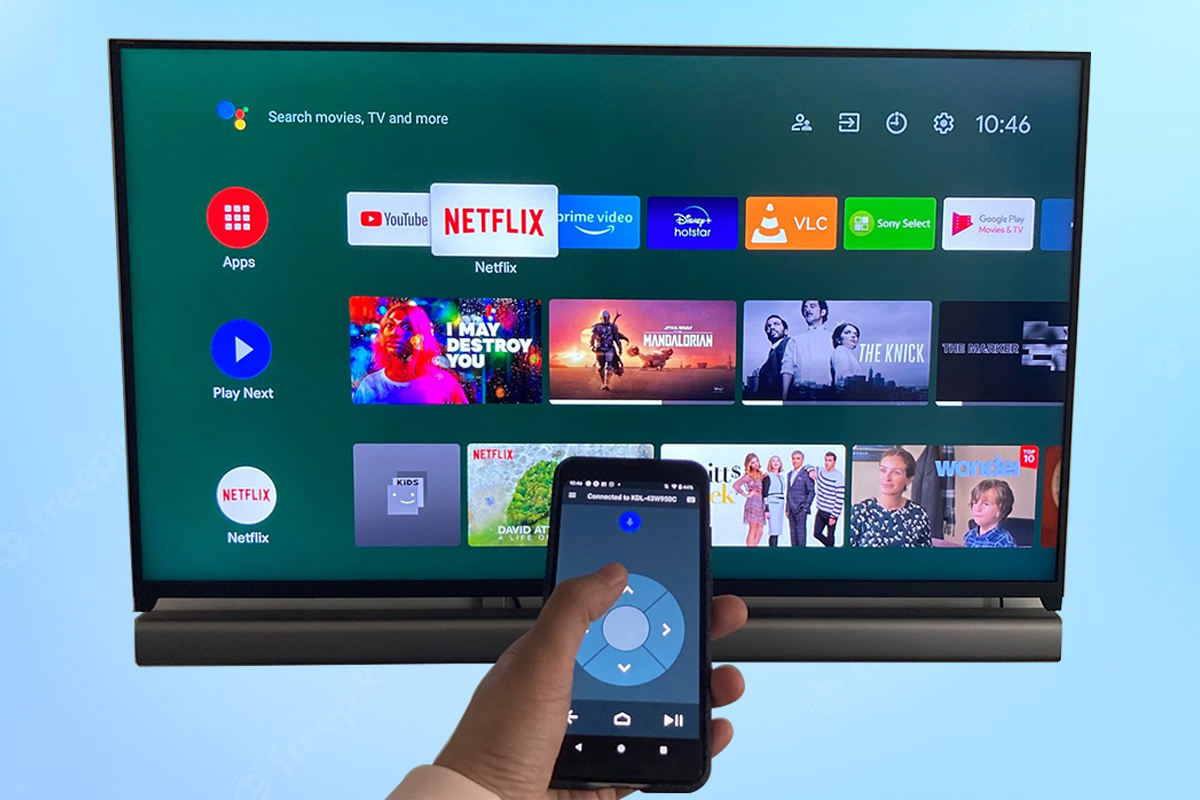
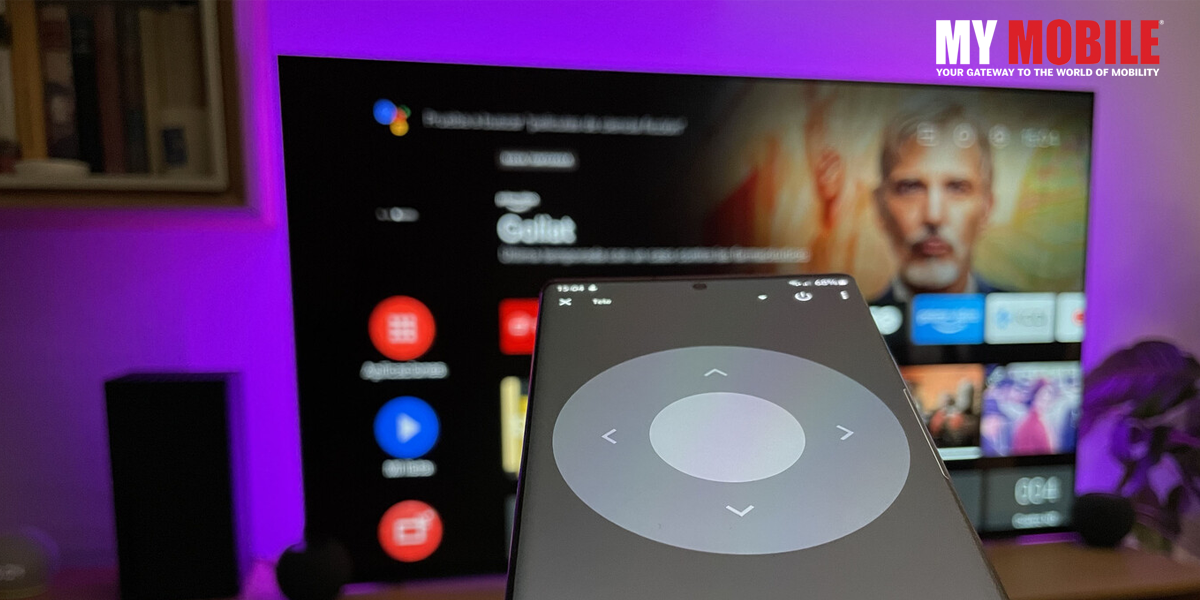
How to Control YouTube on Android TV Using Your iPhone or Android Phone
Android 14 for TV promises a 20% reduction in storage usage and lower memory device optimization

During the session, “What’s New on Google TV and the Android TV OS,” at Google I/O, it was Paul Lammertsma, a Developer Relations Engineer on Android, who underlined these improvements, explaining how important they are for developers to build engaging apps for the next generation of TVs.

Lower Memory Device Optimization

Control YouTube on Android TV
Google has now elaborated on the exact performance improvements.

As mentioned earlier by Lammertsma, Google is making sure that the Android TV OS platform works well on lower memory devices—something most crucial, given the hardware restrictions that are usually common in TV sets.

FAQs

What are the key performance improvements in Android 14 for TV?

Android 14 for TV reduces boot latency and cold start-up times, enhancing both vertical and horizontal scrolling performance.

How much has the cold start-up time improved for the Google TV home screen launcher?

The cold start-up time for the Google TV home screen launcher has decreased by over 4 seconds.

What new energy modes are introduced in Android 14 for TV?

Android 14 for TV introduces Low Energy and Optimized Energy modes to enhance energy efficiency during standby.

What benefits do the new energy modes offer?

Low Energy mode cuts off network connectivity while maintaining crucial updates, and Optimized Energy mode enables services like Google Assistant and Wi-Fi casting from standby.

How does Android 14 for TV comply with upcoming EU energy regulations?

TVs with Android 14 for TV will not exceed 2W of power consumption in standby mode, aligning with the upcoming EU regulations effective from May 9, 2025.

Also Read: Google TVs from Acer launched in India Ranging From 32 to 75-Inch Screens: New Range QLEDs and OLEDs; Check Features, Price & Availability

Apple’s Foldable MacBook: Analyst Ming-Chi Kuo Reveals Key Details and Production Timeline

0

Highlights

  • Apple is considering 20.25-inch and 18.8-inch screen sizes for its foldable MacBook.
  • LG Display is expected to be the exclusive supplier of the foldable panels.
  • Production of foldable panels is set to begin in Q4 2025, with assembly starting in H1 2026.
  • The foldable MacBook will feature the upcoming M5 chip and is anticipated to have a high price point.

Analyst Ming-Chi Kuo has shared more insight into Apple’s plans for a foldable MacBook.

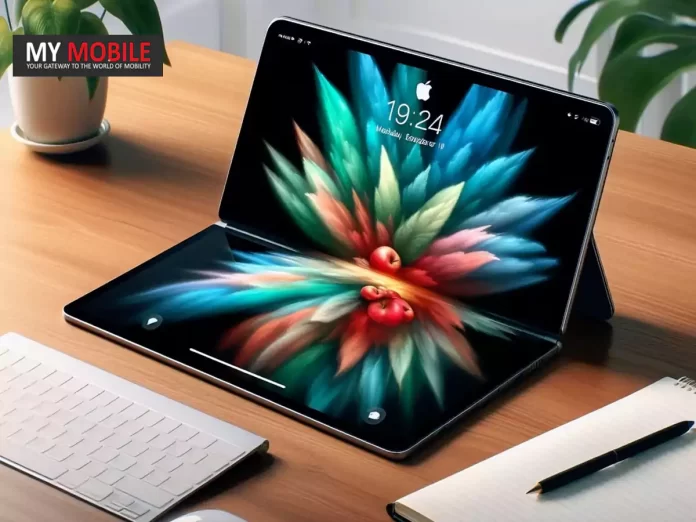
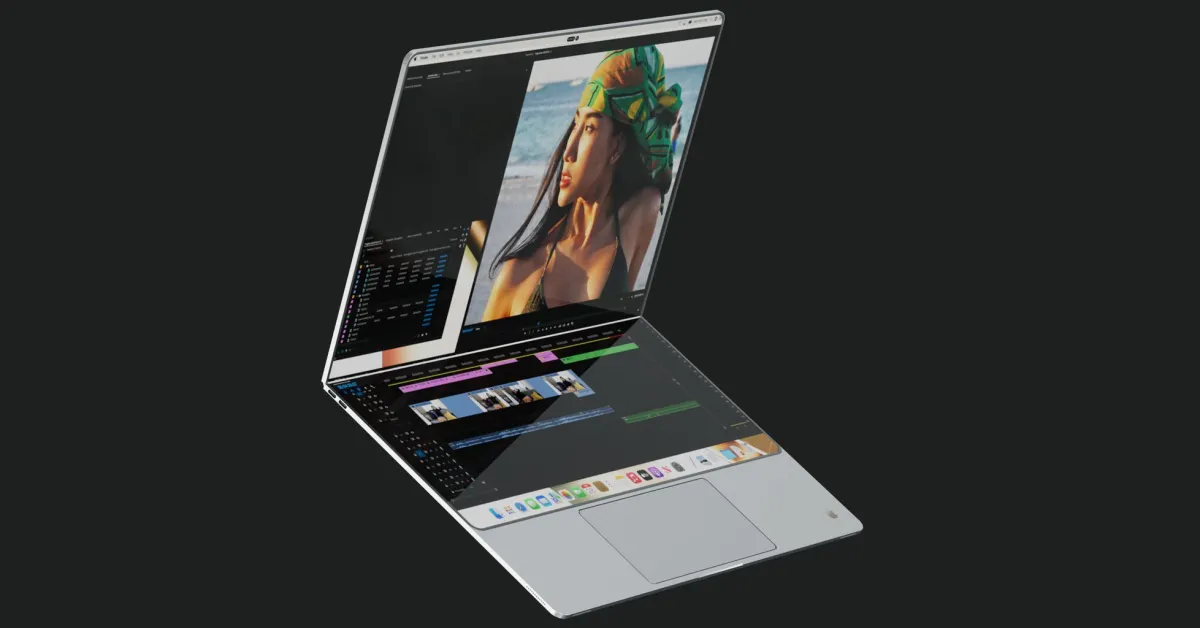
Kuo says Apple is considering two screen sizes for the device: 20.25 inches and 18.8. When folded, they are equivalent to a 14-15 inch and a 13-14 inch laptop, respectively.

Screen Size and Supplier

Apple's Foldable MacBook: Analyst Ming-Chi Kuo Reveals Key Details and Production Timeline
Apple’s Foldable MacBook: Analyst Ming-Chi Kuo Reveals Key Details and Production Timeline

Contrary to previous reports, Kuo thinks LG Display will be the exclusive supplier of foldable panels to the MacBook.

This may be related to how LG Display and Samsung Display did when supplying OLED panels for the recently announced iPad Pro tablets.

Production Timeline

LG Display is expected to be the exclusive supplier of the foldable panels

Kuo says production of the foldable panel, whatever size Apple decides on, will start in the fourth quarter of 2025.

The foldable MacBook assembly will start in the first half of 2026.

So expect something between then and the announcement of this rumored folding MacBook.

Apple is, of course, comparatively late to the folding game.

Compared to the Android competitors, they are typically late to market on the majority of items.

But Apple has mastered the art of revealing devices that integrate new technologies far superior to what other OEMs can do.

Specs and Pricing

The foldable MacBook will feature the upcoming M5 chip and is anticipated to have a high price point.

The foldable MacBook would be powered by Apple’s M5 chip, which has not been officially announced yet.

Kuo says Apple is trying to minimize the foldable screen’s crease, which will cost between $600-$650 per unit, while each hinge would cost $200-$250.

With these expensive components, Kuo estimates the foldable MacBook will be an expensive device, with a Bill of Materials close to the Vision Pro.

That said, Kuo thinks shipments of the foldable MacBook are going to be more than the Vision Pro, with over 1 million units shipped in 2026.

FAQs

What screen sizes is Apple considering for the foldable MacBook?

Apple is considering two screen sizes: 20.25 inches and 18.8 inches, which, when folded, will be equivalent to 14-15 inches and 13-14 inches, respectively.

Who will supply the foldable panels for the MacBook?

Analyst Ming-Chi Kuo believes that LG Display will be the exclusive supplier of the foldable panels for the MacBook.

When will production of the foldable panels begin?

Production of the foldable panels is expected to start in the fourth quarter of 2025.

What chip will power the foldable MacBook?

The foldable MacBook will be powered by Apple’s upcoming M5 chip.

What are the expected costs of the foldable screen and hinge components?

The foldable screen is expected to cost between $600-$650 per unit, and each hinge is estimated to cost $200-$250.

When can we expect the foldable MacBook to be released?

The foldable MacBook assembly will begin in the first half of 2026, with a potential release later that year.

What are Expected features of the first all-screen MacBook ?

Here are some of the key features Kuo expects to see in the all-screen MacBook:
Multiple foldable screen options are still possible, with the rumored 20.3-inch display potentially replaced by an 18.8-inch panel.

The former would, when folded, resemble a current 14-15-inch MacBook, while the latter would correspond better to a modern day 13-14-inch model like the smaller MacBook Air.

A 2026 debut is now expected for the device, one year earlier than previously reported.

The MacBook is expected to receive an M5-series chip, which lines up with the expected timeline of the M4 spreading to the whole Mac lineup by the end of 2025.
Apple’s goal is to provide a crease-free design for the foldable display.

What does Kuo say on Apple’s design ambition ?

Apple aims to make the panel as crease-free as possible, requiring high design specifications for both the panel and the hinge.

As a result, the cost of the panel and hinge is very high. Current preliminary estimates put the panel and hinge costs at around $600–650 and $200–250, respectively.

This high component cost means this MacBook is expected to reach a starting price point that greatly exceeds Apple’s current laptop line. Kuo writes:

Given the high cost of the display and hinge, the foldable MacBook is likely to be expensive. Unless Apple can significantly improve yields and reduce costs before mass production, the BOM cost of the foldable MacBook could approach that of the current Vision Pro.

MacBook With Foldable Display Will Actually Have 18.8-Inch Screen, Analyst Says. Details?

Less than two hours after Apple analyst Ming-Chi Kuo said a MacBook with either an 18.8-inch or 20.2-inch foldable screen would launch in 2026, display industry expert Ross Young has said the device will indeed feature around an 18.8-inch screen.

In a post on social media platform X, limited to his paying subscribers, Young said he expects the device to be equipped with an 18.76-inch display instead of a 20.25-inch display for “cost reasons.”

In a folded position, Kuo said an 18.8-inch MacBook would be similar in size to a traditional 13-inch or 14-inch MacBook.

It is expected that a MacBook with a foldable screen would feature an all-screen design with a virtual keyboard, but exact design details have yet to be rumored.

Kuo said Apple is aiming to make the foldable screen “as crease-free as possible,” and he said this could result in the device being nearly as expensive as Apple’s Vision Pro headset, which starts at $3,499.

He also said the foldable-screen MacBook will be equipped with Apple’s next-generation M5 chip, which has yet to be announced.

It seems like a foldable-screen MacBook is still a few years away, and Apple will firm up its plans for the device as its launch gets closer.

Also Read: Apple to Possibly Unveil Foldable iPhone or iPad by 2026-2027

Also Read: Samsung Display Set To Revamp To Meet Demand for Potential Apple Foldable

Also Read: Apple’s Rumoured Foldable iPad Could Reportedly Be In Production Late in 2024

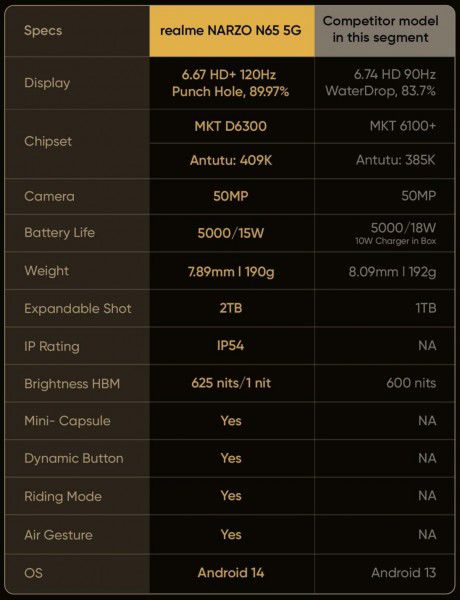
Realme Narzo N65 5G Set to Launch in India on May 28: Key Specs and Features Revealed

0
Realme Narzo N65 5G Set to Launch in India on May 28: Key Specs and Features Revealed

Highlights

  • Realme Narzo N65 5G launching in India on May 28, 2024.
  • Features MediaTek Dimensity 6300 5G chipset and 50MP primary camera.
  • Teased design includes a circular camera module and textured rear panel.
  • IP54 rating for splash and dust resistance with advanced rainwater smart touch technology.

Realme is ready to launch another gadget under its Narzo lineup in India—the Narzo N65 5G.

The company has officially announced the Narzo N65 5G’s India launch date, design, and key specifications.

The Realme Narzo N65 5G is arriving on May 28th, 2024, at 12 noon.

Realme will live-stream the launch event on the company’s social media channels and the official YouTube channel.

Realme Narzo N65 5G: Launch Details

Realme Narzo N65 5G Set to Launch in India on May 28: Key Specs and Features Revealed

The Narzo N65 5G, from the specifications known so far, is likely to be a rebadged version of the recently launched Realme C65 5G.

It could be a mid-range device priced at around Rs 12,000.

In terms of design, the teaser images suggest the Narzo N65 5G will feature a sleek aesthetic similar to the Realme C65 5G.

Features MediaTek Dimensity 6300 5G chipset and 50MP primary camera

It will have a circular camera module at the back, housing the camera setup and LED flash.

The rear panel appears to have a textured finish with feather-like strokes spanning the entire back.

Realme Narzo N65 5G: Expected Specs

Teased design includes a circular camera module and textured rear panel

The power button and volume rockers will be placed on the right side of the device.

Although the teaser only shows a yellow color option, it is believed to come with more color options at launch.

Realme has confirmed that the Narzo N65 5G will be powered by a MediaTek Dimensity 6300 5G chipset—the same one as the Realme C65 5G.

IP54 rating for splash and dust resistance with advanced rainwater smart touch technology

This will be accompanied by a 50MP primary camera.

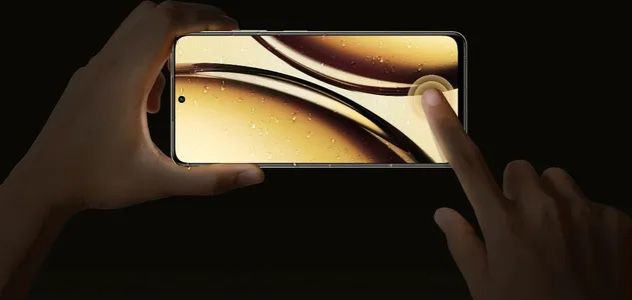
The best part about this thing is that it is said to have the “best rainwater smart touch technology” in its segment, which says a lot about the performance and responsiveness of the touchscreen in wet conditions.

Realme is ready to launch another gadget under its Narzo lineup in India

While details are awaited, the brand has confirmed that the Narzo N65 5G will come with an IP54 rating, which suggests that it can survive splashes of water and dust ingress to some extent but isn’t fully waterproof.

Realme Narzo N65 5G Specs

GENERAL

Sim Type Dual Sim, GSM+GSM
Dual Sim Yes
Sim Size Nano+Nano SIM
Device Type Smartphone
Release Date May 28, 2024 (Expected)

DESIGN

Dimensions 165.6 x 75.9 x 7.9 mm (6.52 x 2.99 x 0.31 in)
Weight 190 g

DISPLAY

Type Color IPS Screen (16.7M)
Touch Yes, 240 Hz Touch Sampling Rate
Size 6.67 inches, 720 x 1600 pixels, 120 Hz
Aspect Ratio 20:9
PPI ~ 263 PPI
Screen to Body Ratio ~ 89.7%
Features 625nits
Notch Yes, Punch Hole

MEMORY

RAM 4 GB
Expandable RAM Upto 4 GB Extra Virtual RAM
Storage 128 GB
Card Slot Yes, upto 2 TB

CONNECTIVITY

GPRS Yes
EDGE Yes
3G Yes
4G Yes
5G Yes
VoLTE Yes, Dual Stand-By
Vo5G Yes
Wifi Yes, with wifi-hotspot
Wifi Version 2.4/5GHz
Bluetooth Yes, v5.3, A2DP, LE
USB Yes, USB-C v2.0
USB Features USB Tethering, USB on-the-go, USB Charging

EXTRA

GPS yes with A-GPS, Beidou, Glonass, Galileo
Fingerprint Sensor Yes, Side
Face Unlock Yes
Sensors Accelerometer, Proximity, Compass
3.5mm Headphone Jack Yes
Splash Resistant Yes
IP Rating IP54
Dust Resistant Yes
Extra Features Mini Capsule, Dynmic Button, Air Gesture, Rainwater Touch

CAMERA

Rear Camera 50 MP 1/2″, PDAF (Wide Angle)
with autofocus
Video Recording 1080p @ 30 fps FHD
Flash Yes, LED
Front Camera Punch Hole 8 MP (Wide Angle) with Screen Flash
Front Video Recording 1080p @ 30 fps FHD

TECHNICAL

OS Android v14
Custom UI realme UI 5.0
Chipset Mediatek Dimensity 6300
CPU 2.4 GHz, Octa Core Processor
Core Details 2X Arm Cortex-A76@2.4GHz & 6X Arm Cortex-A55@2.0GHz
GPU Arm Mali-G57 MC2
Java No
Browser Yes, supports HTML5

MULTIMEDIA

Email Yes
Music AAC, APE, FLAC, AMR, MID, MP3, OGG, WAV, WMA, MKA
Video AVI, MP4, 3GP, 3G2, 3GPP, 3GPP2, M4V, FLV, F4V, WEBM, WMV, ASF, MOV, QT, TS, M2TS, MTS, MKV
FM Radio No
Document Reader Yes

BATTERY

Type Non-Removable Battery
Size 5000 mAh, Li-ion Battery
Fast Charging Yes, 15W

FAQs

When is the Realme Narzo N65 5G launching in India?

The Realme Narzo N65 5G is set to launch in India on May 28, 2024, at 12 noon.

What are the key specifications of the Realme Narzo N65 5G?

The Narzo N65 5G features a MediaTek Dimensity 6300 5G chipset, a 50MP primary camera, and an IP54 rating for splash and dust resistance.

Will the Realme Narzo N65 5G have multiple color options?

While the teaser images show a yellow color option, it is believed that more color options will be available at launch.

What is the expected price of the Realme Narzo N65 5G?

The Realme Narzo N65 5G is expected to be priced around Rs 12,000 in India.

What special features does the Realme Narzo N65 5G offer?

The Narzo N65 5G is said to have the “best rainwater smart touch technology” in its segment, enhancing touchscreen performance and responsiveness in wet conditions.

Where can I watch the live launch event for the Realme Narzo N65 5G?

The launch event will be live-streamed on Realme’s social media channels and the official YouTube channel.

Also Read: Realme Narzo N53 with 33W SuperVOOC charging launched in India under Rs 10000: Price, Specs, Sale Offers & Availability

Also Read: Confirmed Officially: Realme 11 Pro series with 200MP camera launch in India set for next month(June), New Teaser Revealed; Check Leaked Price & Specifications

Google Password Manager Introduces Family Sharing Feature

0

Highlights

  • Google Password Manager now supports Family Sharing for passwords.
  • Easily share passwords with family members via Google Password Manager.
  • Feature available on mobile, rolling out to desktop soon.
  • Enhances digital wellbeing and security within family groups.

For those who don’t need heavy-duty password management, Google Password Manager is likely the source of saving and syncing passwords across devices.

Today, Google is introducing one of the highly requested features for its password manager: Family Sharing.

Google Password Manager now supports Family Sharing for passwords

Google updated and said that users now can safely share their passwords with other members of their family group using Google Password Manager.

When a password is shared, the recipient gets a copy in his Google Password Manager, ready to be used.

Google is introducing one of the highly requested features for its password manager: Family Sharing

“Accounts that are part of a family group will soon have the option to share usernames and passwords for a particular website or service directly from Google Password Manager,” Google wrote at the time. “Whether two members of a family are coordinating with daycare through a single account, or a child is letting a parent access their school assignments, sharing passwords securely has never been easier.”

Share Your Google Passwords

Google Password Manager Introduces Family Sharing Feature

While it may seem like a simple feature, Family Sharing for Passwords is present in most dedicated password manager services.

Google announced in February of this year as part of its commitment to children’s digital wellbeing.

Google Password Manager is likely the source of saving and syncing passwords across devices

The business underlined instances where one might need to coordinate with a family member over access, including sharing a daycare account or giving a parent access to a child’s school assignments, emphasizing that sharing passwords securely has never been easier.

How To Share Google Passwords

Easily share passwords with family members via Google Password Manager.
Easily share passwords with family members via Google Password Manager

The first thing customers will have to do in order to use the new Family Sharing function is create a family group, if they haven’t already done so.

Family Sharing for Passwords is present in most dedicated password manager services.

This may be done by heading to g.co/YourFamily and adding members to the group, then enabling password sharing with them.

Once the family group has been created, a “share” button should now be visible on Google Password Manager, where users can share the password with their specified family members.

Feature available on mobile, rolling out to desktop soon.

The Family Sharing feature is now available on Google Password Manager for mobile.

But it doesn’t look like it’s been rolled out yet to everybody on the desktop version of Google Chrome.

Enhances digital wellbeing and security within family groups

For those who have depended on Google Password Manager as an easy-to-use password tool and one that works well within the Google ecosystem, the addition of Family exchanging adds a welcome degree of ease and security while password-swapping with trusted family members.

FAQs

What is the new feature added to Google Password Manager?

Google Password Manager now includes a Family Sharing feature that allows users to securely share passwords with family members.

How do I enable Family Sharing in Google Password Manager?

First, create a family group at g.co/YourFamily, then add family members. After that, you can share passwords directly from Google Password Manager.

Can I use Family Sharing for passwords on both mobile and desktop?

The feature is currently available on mobile and is expected to roll out to the desktop version of Google Chrome soon.

Why is Google introducing Family Sharing for passwords?

Google aims to enhance digital wellbeing and make it easier for family members to coordinate access to shared accounts securely.

Is it safe to share passwords using Google Password Manager?

Yes, the feature ensures that passwords are securely shared and stored within the Google Password Manager.

What can I use Family Sharing for in Google Password Manager?

You can share various types of account passwords, such as those for daycare, school assignments, or any other shared services with family members.

Is sharing passwords via Google Password Manager secure?

On paper, this Google password-sharing update sounds great. No more searching through old text messages or emails to find the password your partner sent you months ago, or filing through your state-of-the-art filing system of sticky notes to locate the login info for your kid’s school website.

Critically, the new feature reduces the number of locations where passwords used to make purchases could be stored.

How password sharing works ?

It’s important to note that password sharing is limited to family accounts. Users cannot share passwords with individuals outside their family group, even if they have a Google account.
Passwords for specific websites or services can be shared directly from Password Manager.

Google has previously highlighted various scenarios where this feature could be useful, such as managing daycare or sharing school assignments between children and parents.

Additionally, it can facilitate sharing access to streaming services, insurance credentials, VPNs, and more.

What is the availability of google password manager ?

Currently, the feature is only available on Android and not yet on Chrome for desktop. However, it is expected to be out on Chrome soon.

The announcement on Google System update support page mentioned,

With this new feature, you can now securely share your passwords with your family group in Google Password Manager.

When you share a password, your family members will receive a copy of it in their Google Password Manager, ready to be used.

Also Read: Google Password Manager Now Supports Direct CSV Import and Export

Also Read: Google Enhances Family Password Sharing in Chrome and Updates Google Chat

iPhone SE 4 Rumours: Could it Demolish Android Mid-Range Contender with Flagship Features?

0
iPhone SE 4 Rumours: Could it Demolish Android Mid-Range Contender with Flagship Features?

Highlights

  • Rumoured to feature a 6.1-inch OLED display with Face ID
  • Powered by Apple’s A16 Bionic or A15 Bionic chip
  • Competitive pricing expected between $429 and $499
  • Potential to disrupt the mid-range smartphone market

The next iPhone SE 4 will surely be competitive in terms of pricing.

The price of the device could be somewhere between $429, which is the current cost of an iPhone SE, and could go up to $499 at most.

It places the phone right in the middle of offerings from other brands, such as Google’s Pixel A and Samsung’s Galaxy A series.

Possible pricing between $429 and $500

Still, the rumour mill says that the iPhone SE 4 is not going to the mid-range battle with nothing to show for itself.

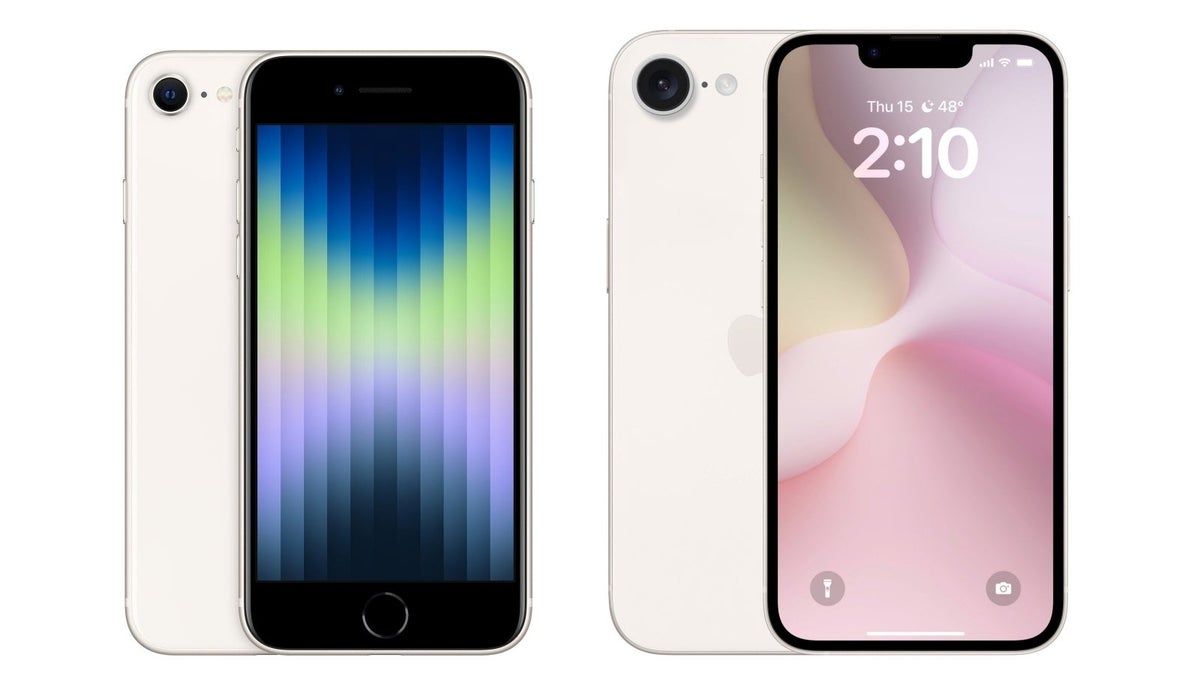
Perhaps the most important change is the alleged changing of the guard from the old design that has haunted the previous iPhone SE models, which was eerily similar to the iPhone 8 and earlier models.

Is the iPhone SE 4 Going to Beat Mid-range Android Phones?

Rumoured to feature a 6.1-inch OLED display with Face ID

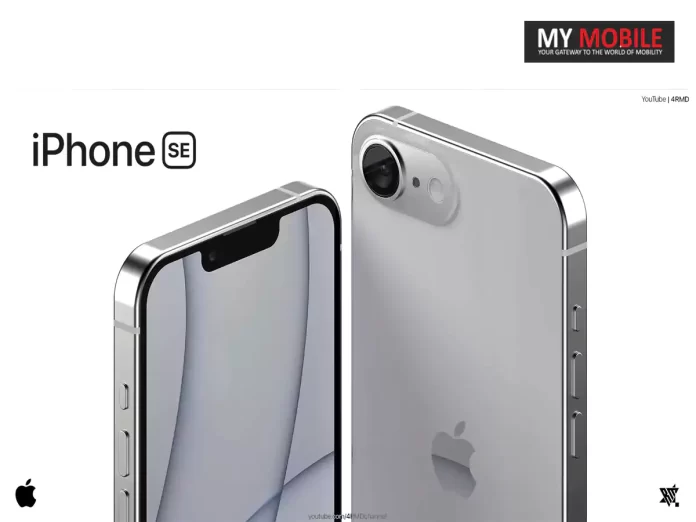
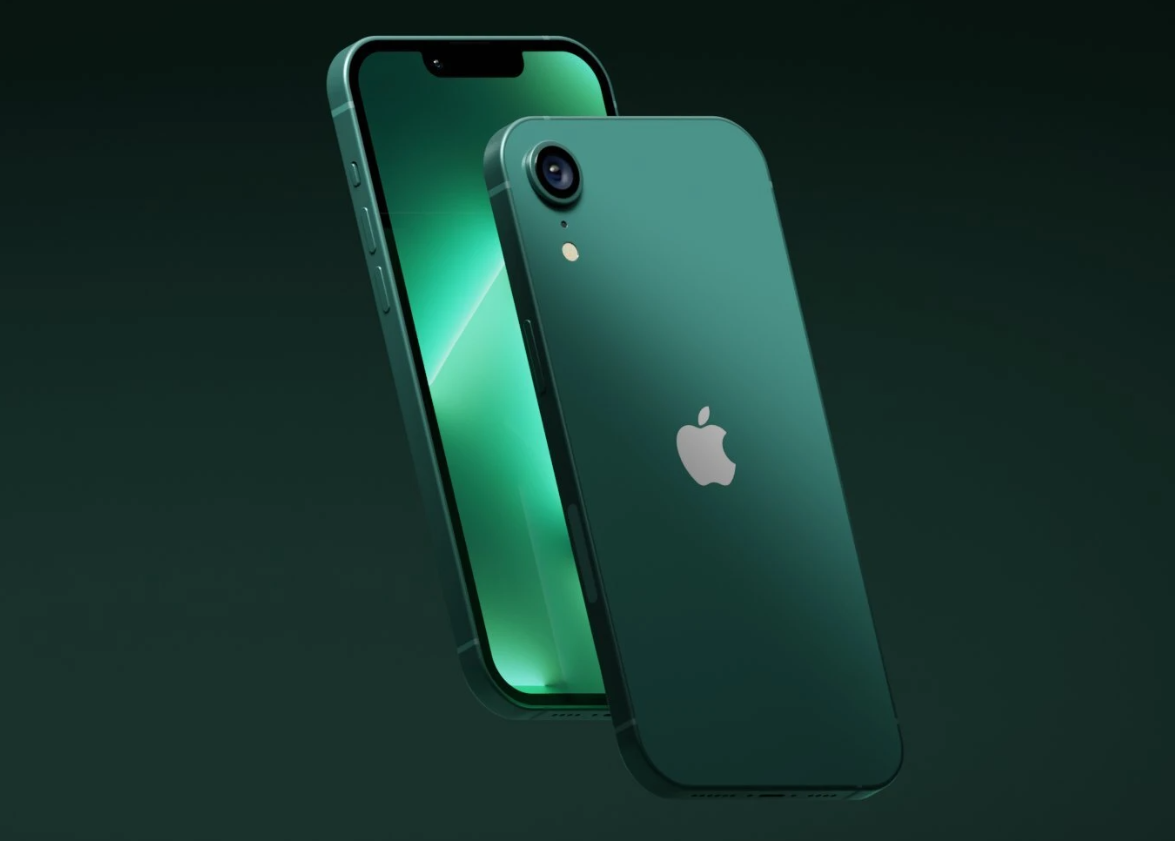
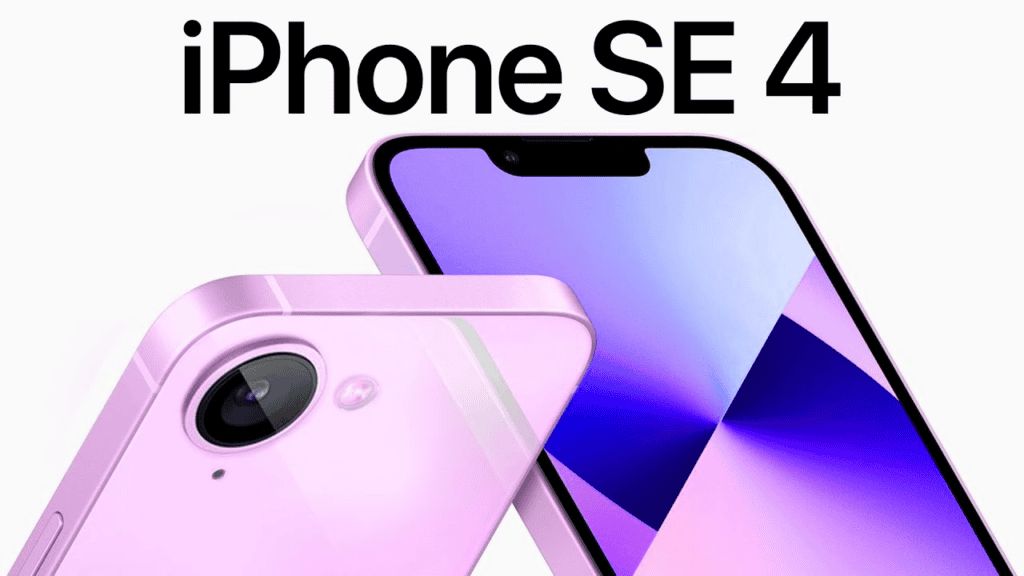
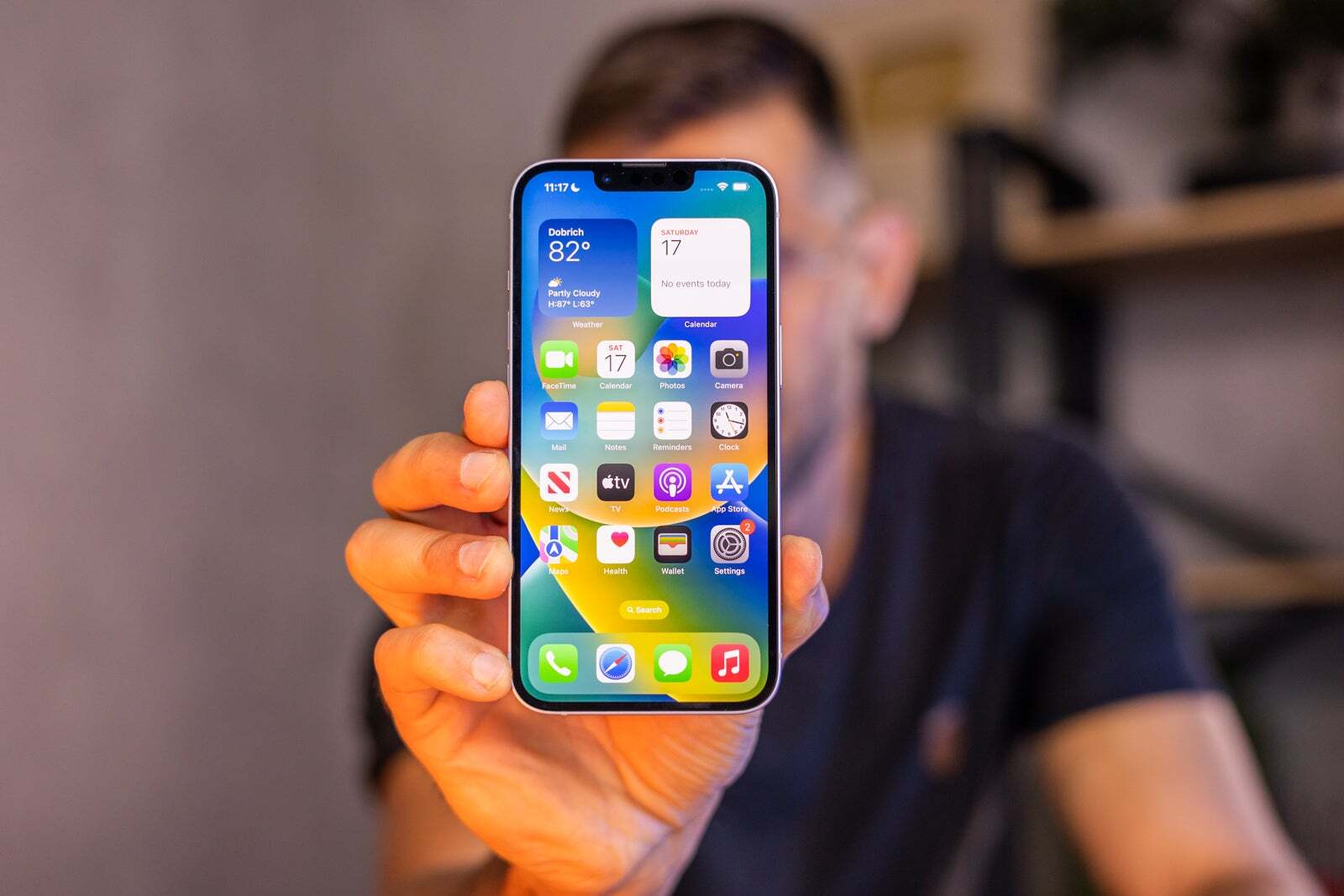
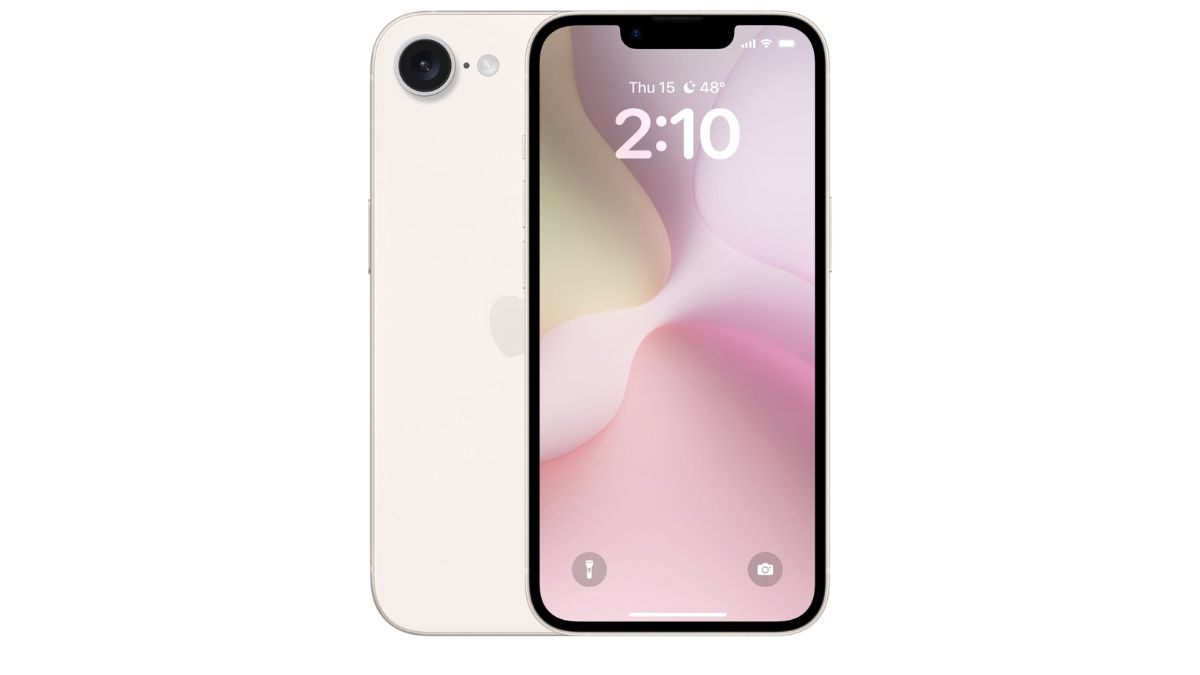
Trusted sources suggest that next year’s iPhone SE 4 will transition to the latest design language of the iPhone 14: a larger 6.1-inch display with Face ID and a notch, making for an overall fresher look that’s more ready to compete in the mid-range markets.

It gets even better with reports that the iPhone SE 4 will finally ditch LCD in favour of an OLED display.

This would mean leveling the field, at least as far as panel technology goes, with many of its Android competitors and guaranteeing it superior viewing angles, richer colours, and deeper blacks inherent to OLEDs.

Rumoured to feature A17 Bionic CPU and USB-C charging

While mid-range smartphones are hardly deficient in terms of performance, the iPhone SE 4 is rumoured to come powered by Apple’s flagship A16 Bionic chip, which currently powers the iPhone 14 Pro and iPhone 15 devices.

In theory, it should put it far ahead in terms of raw processing power.

A Performance Champion?

Powered by Apple's A16 Bionic or A15 Bionic chip
Powered by Apple’s A16 Bionic or A15 Bionic chip

Even if Apple decides to go for the slightly older A15 Bionic, benchmark results suggest that it would still outshine many midrange chips, thanks in part to Apple’s renowned software optimization and years of experience harmonizing hardware with software.

PhoneArena says while benchmarks aren’t everything, Apple’s expertise in software optimization and seamless integration of hardware and software could contribute to an unrivalled level of sustained performance and responsiveness over the years, adding further to the iPhone SE 4’s appeal.

Looking at the potential combination of modern design, OLED display, competitive pricing, and performance close to flagship devices, the iPhone SE 4 can be poised to shake up the midrange market, increasing pressure on Android competitors to step up their game.

Not a Complete Smooth Sailing

iPhone SE 4 expected to adopt modern all-screen design

While some compromises are expected, such as a 60Hz refresh rate, mid-range buyers often prioritize overall quality, reliability, and a capable camera experience at an attractive price point – areas where the iPhone SE 4 could potentially excel.

With the launch of the iPhone SE 4 slowly but surely coming up in the horizon, rival companies may want to refocus and start preparing their mid-range offerings to battle Apple’s rumored offering, which—if the leaks prove accurate—could shake up the mid-range segment of smartphones real good.

Apple continues to increase the price of the regular iPhones, the budget-friendly iPhone SE series

Of course, at this point, all of this is still rumour.

The details of the iPhone SE 4 are still few and far between.

But if the rumoured specifications and pricing pan out, the iPhone SE 4 could arguably “destroy” much of the competition in the mid-range market, according to PhoneArena’s reporting.

Apple iPhone SE 4 Specs

GENERAL

Sim Type Dual Sim, GSM+GSM
Dual Sim Yes
Sim Size Nano+eSIM
Device Type Smartphone
Release Date March 8, 2024 (Expected)

DISPLAY

Type Color OLED Screen (16M Colors)
Touch Yes
Size 6.1 inches, 750 x 1580 pixels
Aspect Ratio 16:9
PPI ~ 441 PPI
Screen to Body Ratio ~ 65.4%
Features 1,400:1 Contrast Ratio (typical), True Tone Display, Wide Colour Display (P3), Haptic Touch, 625 nits Max Brightness

MEMORY

Storage 64 GB
Card Slot No

CONNECTIVITY

GPRS Yes
EDGE Yes
3G Yes
4G Yes
5G Yes
VoLTE Yes
Wifi Yes, with wifi-hotspot
Bluetooth Yes, v5.3, A2DP, LE
USB Yes, Lightning Port
USB Features USB Charging

EXTRA

GPS Yes, with A-GPS, GLONASS, GALILEO, QZSS, BEIDOU
Fingerprint Sensor Yes, Front
Face Unlock Yes
Sensors Barometer, Three Axis Gyro, Accelerometer, Proximity Sensor, Ambient Light Sensor
3.5mm Headphone Jack Lightning
NFC Yes
Water Resistance Yes
IP Rating IP67
Dust Resistant Yes

CAMERA

Rear Camera 12 MP f/1.8 with autofocus
Features Deep Fusion, Smart HDR 4, Photographic Styles, Advanced Red-eye Correction, Auto Image Stabilisation, Burst Mode, Photo Geotagging
Video Recording 4K, 1080p
Flash Yes, LED
Front Camera 10.8 MP f/2.2 with Retina Flash
Front Video Recording 1080p @ 30 fps FHD

TECHNICAL

OS iOS v16
Chipset Apple Bionic A15
CPU 3.22 GHz, Hexa Core Processor
Core Details 2×3.22 GHz Avalanche + 4xX.X GHz Blizzard
GPU Apple GPU
Java No
Browser Yes

MULTIMEDIA

Email Yes
Music AAC, MP3, Apple Lossless, FLAC, Dolby Digital and Dolby Digital Plus
Video HEVC, H.264 and ProRes
FM Radio No
Document Reader Yes

BATTERY

Type Non-Removable Battery
Size Li-ion Battery
Fast Charging Yes, 18W Fast Charging
Wireless Charging Yes, Works with Qi Chargers
Music Playback Time 50 hours

FAQs

What are the expected features of the iPhone SE 4?

The iPhone SE 4 is rumoured to have a 6.1-inch OLED display, Face ID, and be powered by either the A16 Bionic or A15 Bionic chip.

How much will the iPhone SE 4 cost?

The price of the iPhone SE 4 is expected to be between $429 and $499.

When will the iPhone SE 4 be released?

While an exact release date is not confirmed, it is anticipated to launch in 2024.

Will the iPhone SE 4 have an OLED display?

Yes, it is rumoured that the iPhone SE 4 will transition from an LCD to an OLED display.

How does the iPhone SE 4 compare to mid-range Android phones?

The iPhone SE 4 is expected to offer superior performance with Apple’s A16 Bionic or A15 Bionic chip, along with a modern design and OLED display, making it a strong competitor in the mid-range market.

What compromises might the iPhone SE 4 have?

The iPhone SE 4 may have a 60Hz refresh rate, which is lower than some competitors, but it is expected to excel in overall quality, reliability, and camera performance.

Also Read: iPhone SE 4 Set to Sport OLED Display, Eyeing iPhone 13’s Screen Technology

Also Read: iPhone SE 4 CAD Renders Show the Device Featuring a Notched Display and Modern Design

Also Read: iPhone SE 4 to Feature BOE Displays After Samsung Negotiation Fallout

OnePlus 13 Likely to Debut with Snapdragon 8 Gen 4: Key Features and Leaks Revealed

0
OnePlus 13 Likely to Debut with Snapdragon 8 Gen 4: Key Features and Leaks Revealed

Highlights

  • OnePlus 13 rumored to feature Snapdragon 8 Gen 4 processor.
  • New single-point ultrasonic fingerprint sensor for enhanced security.
  • Advanced silicon anode battery technology for higher capacity and faster charging.
  • Improved triple rear camera setup with an enhanced periscope lens.

Qualcomm is to unleash its upcoming flagship mobile processor, Snapdragon 8 Gen 4, later this year, and the processor is likely to make its way to the next generation of high-end smartphones.

A recent leak claims that the OnePlus 13 will be one of the first devices featuring this new chip from the San Diego-based processor maker.

But before we get down to the processor, here’s a look at some other details leaked about the OnePlus 13, which you should take with a pinch of salt considering it’s based on unconfirmed rumors.

OnePlus 13: Coming Soon?

OnePlus 13 Likely to Debut with Snapdragon 8 Gen 4: Key Features and Leaks Revealed

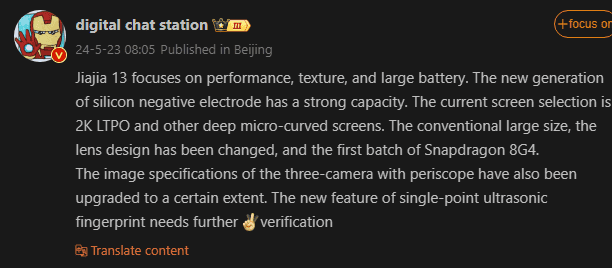
Citing the reputable Digital Chat Station, the OnePlus 13 is slated to feature a new single-point ultrasonic fingerprint sensor for improved security and biometrics.

The battery capacity is expected to be even greater than the already impressive 5,400mAh unit found in the OnePlus 12.

This increase will be made possible by the use of advanced silicon anode battery technology, which increases energy density and enables faster charging.

In terms of display, the OnePlus 13 may use a similar 6.82-inch LTPO AMOLED panel with a slightly curved design to the OnePlus 12.

However, the triple rear camera setup may include an improved periscope lens.

Incoming Snapdragon 8 Generation 4

Advanced silicon anode battery technology for higher capacity and faster charging

Moving on to the highly anticipated Snapdragon 8 Gen 4 processor, which is expected to set new benchmarks for flagship devices thanks to its advanced 3nm manufacturing process and increased power efficiency.

The new layout design of the Snapdragon 8 Gen 4 will increase the clock speed from 3.3GHz to 4GHz over the previous generation.

The new chipset features Qualcomm’s Oryon CPU cores, which boast increased performance and energy efficiency compared to the older Arm CPU designs.

Moreover, the Snapdragon 8 Gen 4 will sport a dedicated digital signal processor and an AI accelerator to bring further improvements in the arena of artificial intelligence and machine learning.

OnePlus 13 Specs

GENERAL

Sim Type Dual Sim, GSM+GSM
Dual Sim Yes
Sim Size Nano+Nano SIM
Device Type Smartphone
Release Date January 23, 2025 (Expected)

DESIGN

Dimensions 163.3 x 75.8 x 9.2 mm (6.43 x 2.98 x 0.36 in)

DISPLAY

Type Color LTPO AMOLED Screen (1.07B)
Touch Yes
Size 6.8 inches, 1440 x 3168 pixels, 120 Hz
Aspect Ratio 20:9
PPI ~ 510 PPI
Screen to Body Ratio ~ 93.5%
Glass Type Corning Gorilla Glass Victus
Features Always-on display, 5000nit Brightness, 2160Hz PWM, Curved Display, ProXDR
Notch Yes, Punch Hole

MEMORY

RAM 12 GB
Storage 256 GB
Storage Type UFS 4.0
Card Slot No

CONNECTIVITY

GPRS Yes
EDGE Yes
3G Yes
4G Yes
5G Yes
5G Bands n1/n3/n5/n7/n8/n20/n28A/n38/n40/n41/n77/n78/n66
VoLTE Yes, Dual Stand-By
Vo5G Yes
Wifi Yes, with wifi-hotspot
Wifi Version Wi-Fi 7 (802.11be)
Bluetooth Yes, v5.4
USB Yes, USB-C v3.2
USB Features USB Tethering, USB on-the-go, USB Charging
IR Blaster Yes

EXTRA

GPS Yes with A-GPS
Fingerprint Sensor Yes, In Display
Face Unlock Yes
Sensors Aaccelerometer, Gyro, Proximity, Compass, Color Spectrum
3.5mm Headphone Jack No
NFC Yes, Yes, eSE, HCE
Water Resistance Yes
IP Rating IP67
Extra Features LPDDR5X RAM, Super Linear Stereo Dual Speakers, Dolby Atmos, Spatial Audio, eSIM Support

CAMERA

Rear Camera 50 MP f/1.6 (Wide Angle)
50 MP f/2.6 (Telephoto)
50 MP f/2.2 (Ultra Wide) with autofocus
Camera Sensor Sony’s LYT-808 (50MP), OmniVision OV64B (64MP), Sony IMX581 (48MP)
Features 4th Gen Hasselblad Camera, Hasselblad Camera for Mobile, Nightscape, Dolby Vision, Smart Scene Recognition, Portrait Mode, Master Mode, Panorama, Tilt-Shift mode, Long Exposure, Dual-View Video, Retouch, Movie Mode, XPan Mode, Focus Peaking, Raw file, Raw Plus file, Filters, Super Stable, Video Nightscape, Video HDR, Focus Lock, Time-lapse, Google Lens
Video Recording 8K @ 24 fps UHD, 4K @ 30/60 fps UHD, 1080p @ 30 fps FHD
Flash Yes, LED
Front Camera Punch Hole 50 MP f/2.4 (Wide Angle) with Screen Flash
Front Video Recording 4K @ 30 fps UHD, 1080p @ 30 fps FHD, 720p @ 30 fps HD

TECHNICAL

OS Android v15
Custom UI OxygenOS 15
Chipset Qualcomm Snapdragon 8 Gen4
CPU Octa Core Processor
Java No
Browser Yes

MULTIMEDIA

Supports JPEG, PNG, BMP, GIF, WEB, HEIF, HEIC, DNG
Email Yes
Music MP3, AAC, AAC+, WMA, AMR-NB, AMR-WB, WAV, FLAC, APE, OGG, MID, M4A, IMY, AC3, EAC3, EAC3-JOC, AC4
Video Dolby Vision, HDR10, HDR10+, +HLG, HDRViVid, MKV, MOV, MP4, H.265 (HEVC), AVI, WMV, TS, 3GP, ASF, FLV, WEB
FM Radio No
Document Reader Yes

BATTERY

Type Non-Removable Battery
Size 5500 mAh, Li-Po Battery
Fast Charging Yes, 120W SUPERVOOC Charging
Wireless Charging Yes, 65W AIRVOOC
Reverse Charging Yes, 10W

FAQs

What processor will the OnePlus 13 feature?

The OnePlus 13 is expected to feature the Snapdragon 8 Gen 4 processor from Qualcomm.

What is new about the OnePlus 13’s fingerprint sensor?

The OnePlus 13 will reportedly include a new single-point ultrasonic fingerprint sensor for improved security and biometrics.

How does the battery technology in the OnePlus 13 compare to previous models?

The OnePlus 13 is expected to use advanced silicon anode battery technology, offering a greater capacity than the 5,400mAh unit found in the OnePlus 12 and enabling faster charging.

What display features can we expect from the OnePlus 13?

The OnePlus 13 is likely to feature a 6.82-inch LTPO AMOLED panel with a slightly curved design, similar to the OnePlus 12.

What improvements are expected in the OnePlus 13’s camera setup?

The OnePlus 13 may include an improved triple rear camera setup with an enhanced periscope lens for better photography.

Also Read: OnePlus 13 Leaked Renders Reveal New Camera Design and Specs

Also Read: OnePlus 13 Rumours Hint at Powerful Upgrades and Design Refresh

Spotify to Discontinue Car Thing Device, Rendering Units Inoperable by December 2024

0
Spotify Unveils In-App Merch Hub

Highlights

  • Spotify will discontinue its Car Thing device on December 9, 2024.
  • The Car Thing was initially launched to provide a driver-friendly music control display.
  • Existing Car Thing units will become inoperable after the discontinuation date.
  • Users are advised to reset devices to factory settings and dispose of them per e-waste guidelines.
Spotify will discontinue its abandoned Car Thing car display later this year, effectively bricking any remaining units in use.

Spotify introduced the Car Thing device early in 2021 as a driver-friendly display for controlling music playback in a car.

It went on sale in the United States in early 2022, months after Spotify dropped the “Car View” feature from its mobile app.

Spotify Car Thing is a relic of the past

Spotify will discontinue its Car Thing device on December 9, 2024

While Spotify had brought back a driving-friendly UI for its mobile app, it decided to discontinue the $90 Car Thing device in July 2022, just months after it launched.

In 9to5Mac’s Car Thing review, they found it to be well-executed, with a good idea—a little troubled to justify the existence with Android Auto and CarPlay now common in vehicles.

The Spotify Car Thing was axed last year, with the company citing “product demand and supply chain issues” as main reasons behind the decision.

It, however, promised users that “existing devices will perform as intended.”

That no longer remains the case.

Timeline of Discontinuation

The Car Thing was initially launched to provide a driver-friendly music control display

Spotify has now informed customers via email that it intends to discontinue Car Thing operations entirely, rendering any remaining units inoperable beginning December 9, 2024.

In the email, Spotify explicitly states: “We’re switching gears.

As of December 9th, 2024, Car Thing will be discontinued, and will stop operating.”

Spotify reiterates this December 9, 2024, date on a support page and indicates to users that once the Car Thing devices become useless, they should reset the devices to their factory settings and dispose of them according to local e-waste guidelines.

While it’s sad to see functional hardware be bricked intentionally, some users have found a way to install Android on the Car Thing, which could mean the device lives on with a new operating system if one is willing to take the risk.

FAQs

What is Spotify Car Thing?

Spotify Car Thing is a driver-friendly display device introduced by Spotify in 2021 for controlling music playback in cars.

Why is Spotify discontinuing the Car Thing?

Spotify cited “product demand and supply chain issues” as the main reasons for discontinuing the Car Thing in July 2022.

When will the Car Thing devices stop working?

Car Thing devices will become inoperable on December 9, 2024.

What should users do with their Car Thing devices after discontinuation?

Users are advised to reset their Car Thing devices to factory settings and dispose of them according to local e-waste guidelines.

Is there any way to keep using the Car Thing after the discontinuation?

Some users have found a way to install Android on the Car Thing, which might allow the device to continue functioning with a new operating system.

Why did Spotify initially create the Car Thing?

Spotify created the Car Thing to offer a dedicated, driver-friendly interface for music control in vehicles, especially after discontinuing the “Car View” feature in its mobile app.

Also Read: Spotify Music Playlists Is Reportedly Getting A New AI-Powered Feature

Also Read: Spotify Hits 236M Paid Subscribers Amid Financial Fluctuations and Apple Dispute

Also Read: Spotify Launches Song Psychic Feature for Personalized Music Fortune Telling

Samsung to Mass-Produce 2nm Exynos 2600 Chips for Galaxy S26 Series in 2024: Report

0
Samsung to Mass-Produce 2nm Exynos 2600 Chips for Galaxy S26 Series in 2024

Highlights

  • Samsung to begin mass production of 2nm Exynos 2600 chips in late 2024.
  • Exynos 2600 to power Galaxy S26 series globally, except in the US, China, and Canada.
  • The Galaxy S26 Ultra will feature Snapdragon 8 Gen 5 SoC in all regions.
  • The Exynos 2600 will feature a Samsung-built GPU, replacing the AMD GPU.

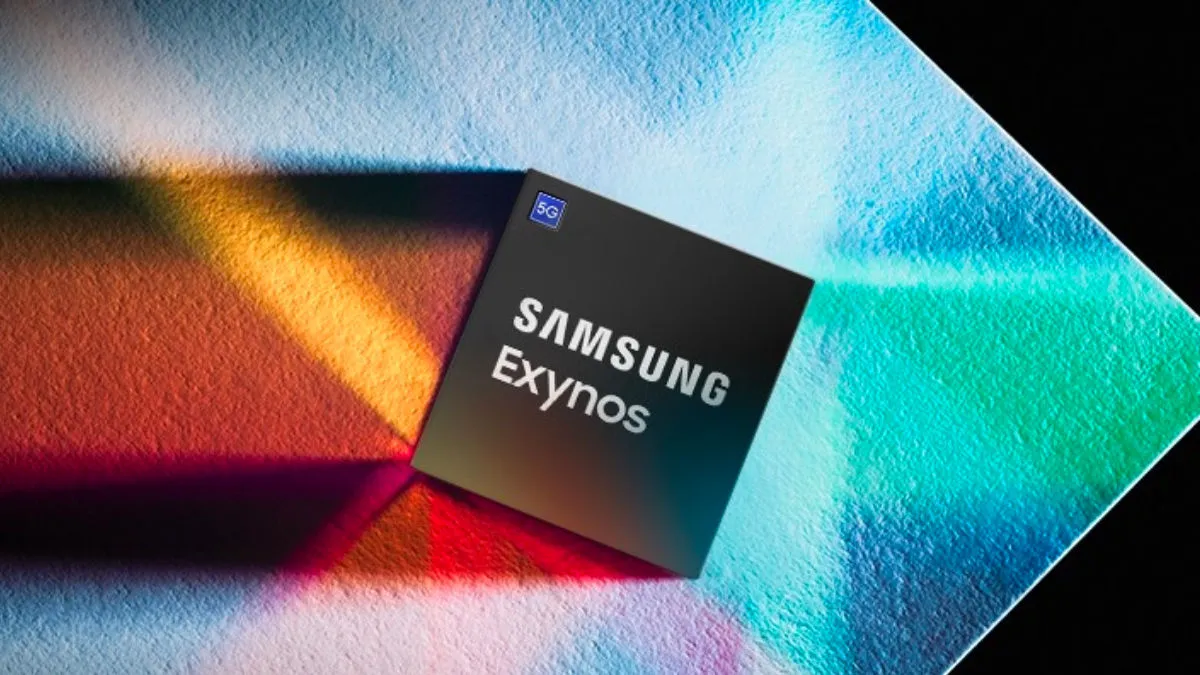
Samsung is preparing to mass-produce application processors for high-end smartphones on the 2nm node in the latter half of 2024.

The process will be called ‘SF2,’ and it will debut with the Exynos 2600 AP.

As per South Korean outlet ETNews, Samsung is working on a chipset that goes by the codename ‘Thetis,’ probably the Exynos 2600.

This chip will be mass-produced in 2025 and will be based on the advanced 2nm fabrication process.

The Exynos 2600 will be on a 2nm platform

Samsung to Mass-Produce 2nm Exynos 2600 Chips for Galaxy S26 Series in 2024

Samsung is going to equip its Galaxy S26 smartphone series with the Exynos 2600.

Samsung has planned to release the chip to compete with the A-series, M-series, and AI chips of Apple, which are also expected to go into 2nm production.

Rumors have it that the Galaxy S26 and S26+ models are going to be powered by Exynos 2600 on a worldwide basis, though in the United States, China, and Canada, these will be powered by Qualcomm’s Snapdragon 8 Gen 5 SoC.

Galaxy S24 Ultra, S25 Ultra, and S26 Ultra: Potential Camera Upgrades
The Galaxy S26 Ultra will feature Snapdragon 8 Gen 5 SoC in all regions.

However, the Galaxy S26 Ultra is expected to be powered by Snapdragon 8 Gen 5 in all regions.

There are rumors that the Exynos 2600 will boast a Samsung-built GPU, replacing the AMD GPU of the Exynos 2400 and the upcoming Exynos 2500.

Competing with Apple

A Cost-Saving Maneuver: Reinvigorating Exynos
Exynos 2600 to power Galaxy S26 series globally, except in the US, China, and Canada.

While Apple is likely to launch its 2nm chipset in the iPhone 17 series next September, Samsung will use a 2nm Exynos 2600 SoC with the Galaxy S26 series early in 2026.

That Samsung will start mass-producing 2nm chips indicates the company’s emphasis on driving semiconductor technology forwardand also competing in the flagship category of smartphones.

FAQs

What is Samsung’s new 2nm application processor?

Samsung’s new 2nm application processor is the Exynos 2600, which will debut with the Galaxy S26 series.

When will Samsung start mass-producing the Exynos 2600?

Samsung plans to start mass-producing the Exynos 2600 in the latter half of 2024.

Which smartphones will feature the Exynos 2600?

The Exynos 2600 will be featured in the Galaxy S26 and S26+ models globally, except in the US, China, and Canada.

What will power the Galaxy S26 Ultra?

The Galaxy S26 Ultra will be powered by the Snapdragon 8 Gen 5 SoC in all regions.

What is unique about the Exynos 2600 GPU?

The Exynos 2600 will feature a Samsung-built GPU, replacing the AMD GPU used in previous models.

Also Read: Samsung Exynos 2400: The Rumoured Deca-core Revolution in Smartphone Processing

Also Read: Samsung Exynos Gets New SoCs; Details Inside

Google to Invest Billions in Tamil Nadu for Pixel Smartphones and Drone Manufacturing

0
Google to Invest Billions in Tamil Nadu for Pixel Smartphones and Drone Manufacturing

Highlights

  • Google plans multi-billion dollar investment in Tamil Nadu for manufacturing.
  • Partnership with Foxconn to produce Pixel smartphones in the region.
  • Google’s Wing business to manufacture drones in Tamil Nadu.
  • Investment aligns with India’s strategy to reduce dependence on China for manufacturing.

Google plans to invest billions of dollars in the Indian state of Tamil Nadu.

The company will set up facilities to manufacture Pixel smartphones and drones in the southern industrial region, as per a report by The Economic Times.

Google Partnering with Foxconn

Google to Invest Billions in Tamil Nadu for Pixel Smartphones and Drone Manufacturing

Google company ties up with Taiwan’s contractor Foxconn to produce smartphones.

They will set up new production lines exclusively to assemble Google’s Pixel phones in Tamil Nadu.

Google’s Wing business will also manufacture drones in the region.

This move is in line with Google’s vision of expanding gadget manufacturing in India.

The decision to choose Tamil Nadu is a boon to the state.

Tamil Nadu dreams of more contemporary manufacturing investments beyond its known image as the “Detroit of India” for automobiles.

The Tamil Nadu government had aggressively pitched the state as a manufacturing destination while meeting the senior executives at Google.

A ministerial-led delegation from the state had flown to the US to meet Google’s top brass.

Google Makes India a Key Hub

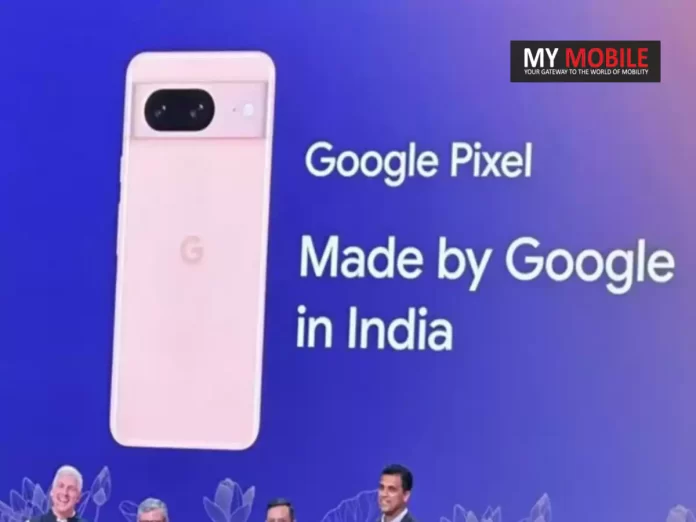
Google Pixel 8
Google’s Wing business to manufacture drones in Tamil Nadu.

The plans of Google to invest shows the giant is rapidly transitioning to manufacturing gadgets in India.

The decision is being taken by similar decisions by technology giants like Apple to become less dependent on China amid geopolitical uncertainty.

A boost for Prime Minister Narendra Modi’s government, global technology firms are shifting production to India.

The financial incentives of Modi are what India uses to fight for the spare capacity created by the electronics manufacturers overseas.

With national elections approaching, the move by Google to invest in Tamil Nadu could easily help the administration of Modi by exhibiting India’s attractiveness for advanced manufacturing projects and creating jobs.

FAQs

What is Google planning to invest in Tamil Nadu?

Google plans to invest billions of dollars in Tamil Nadu to set up facilities for manufacturing Pixel smartphones and drones.

Who is Google partnering with for this initiative?

Google is partnering with Foxconn, a Taiwanese contractor, to set up new production lines for assembling Pixel smartphones.

Why did Google choose Tamil Nadu for their manufacturing facilities?

Google chose Tamil Nadu due to its strong industrial base, strategic government pitches, and the state’s reputation as a manufacturing hub.

What other products will Google manufacture in Tamil Nadu besides smartphones?

Besides smartphones, Google will also manufacture drones through its Wing business in Tamil Nadu.

How does this investment benefit Tamil Nadu?

This investment boosts Tamil Nadu’s economy, creates jobs, and enhances its reputation as a destination for contemporary manufacturing investments.

How does this move align with India’s broader economic strategy?

This move supports India’s strategy to attract global technology firms, reduce dependence on China, and boost domestic manufacturing through financial incentives.

Also Read: New Google Pixel 8a Leaked Renders Emerge Revealing Fresh Design & Specs

Also Read: Google Pixel 8a Complete Specs Leaked Ahead of Official Unveiling at I/O

Also Read: Tata starts manufacturing iPhones near Bengaluru; 4th iPhone plant in India to be set up near Hyderabad

Also Read: Apple iPhone 15 & iPhone 15 Plus to be manufactured (made) in India by Tata Group: Report

Also Read: Tata manufacturing iPhone: company close to acquiring Wistron factory in India for Rs 5,000 crore: iPhone Could be “Made in India”