Home Blog Page 1156

ESFI questions clubbing of Esports with Fantasy in draft of Rajasthan Virtual Online Sports (Regulation) Bill 2022

0
eSports-Feature

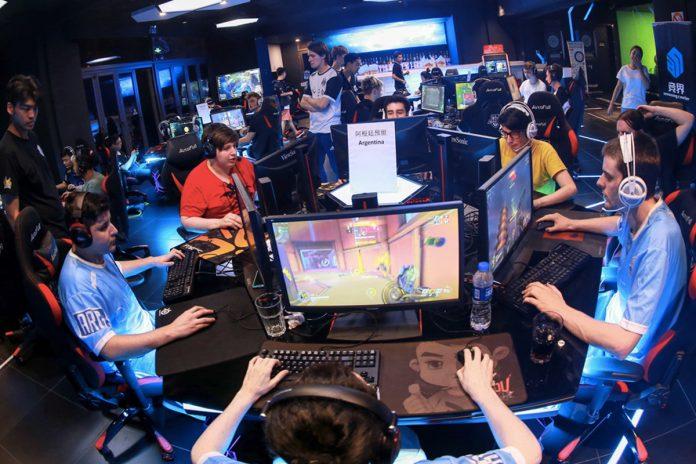
The inclusion of esports and clubbing it with fantasy sports in the recently-announced Rajasthan Virtual Online Sports (Regulation) Bill 2022 has received flak from the industry, with the Esports Federation of India (ESFI) questioning this move, in order to bring the electronic sports to the mainstream sports ecosystem. ESFI has termed this Bill as detrimental to the growth of esports in India.

While the Rajasthan Revenue Ministry had asked for comments and suggestions from all the stakeholders on the proposed draft by May 28, ESFI along with its affiliated association from Rajasthan have shared their concerns, requesting the Chief Minister Ashok Gehlot and Sports Minister Ashok Chandna to remove esports from being part of Virtual Online Sports and the bill.

ESFI has also requested Union Minister of Youth Affairs and Sports Anurag Thakur, MoS – Sports Nishith Pramanik and Secretary Sports Sujata Chaturvedi for their immediate intervention, as esports is an extension of sports and should be removed from the draft bill.

“It’s important to understand that not all games played electronically are esports. The outcome of any esports match is solely and purely dependent/based on the skills (physical & mental) and performances of the esports athletes are just like cricket, badminton etc. It’s absolutely wrong to club esports (a sport) with fantasy gaming or anything other than sports,” said Vinod Tiwari, President of ESFI, Director – International & NOC Relations of Olympic Council of Asia and Convenor-Esports Committee, Olympic Council of Asia.

ESFI is a recognised member of the Asian Electronic Sports Federation (AESF), which is recognised by the Olympic Council of Asia as the sole governing body for esports in the Asian continent and is also in charge of the technical conduct of esports at the 2022 Asian Games.

ESFI has been sending Indian teams to Asian Indoor & Martial Arts Games since 2007 and in the last Asian Games in 2018, wherein esports was played as a demonstration event, India’s Tirth Mehta had won bronze medal for the country in Hearthstone title in the last Asiad in Jakarta.

“We are seeing technology evolution all across and esports is the tech evolution of sports. It is a sport recognised by world sporting bodies like IOC, OCA and Commonwealth etc. and is being governed by the sports rules/laws of the various countries, just like any other sport. Esports is an all-inclusive sport, restricting and/or limiting and/or regulating it the way it’s been proposed in the draft bill will only be detrimental to the growth of our sport and development of the grassroots in the state of Rajasthan or any other Indian state which is planning any such bill on the similar lines,” stated Lokesh Suji, Director, Esports Federation of India & Vice President of the Asian Esports Federation (AESF).

At the 2022 Asian Games, esports has been included as a medal sport and ESFI had shortlisted the 18-member Indian esports contingent after conducting a mega Nationals, talents were chosen to be part of the contingent based on the performances at the National Esports Championships 2022, to participate across five titles at the Asian Games.

Key concerns raised by ESFI in their letter to the Rajasthan government:

  1. “Esports is a sport”; hence, it cannot be clubbed with Fantasy Sports. Esports is recognised as a sport by the International Olympic Committee (IOC), which is the apex body of sports along with the Olympic Council of Asia (hereinafter referred to as the “OCA”), Commonwealth Games etc. And they have included esports in their multiple events. IOC organized Virtual Olympic Series (Esports Tournament), before the Tokyo Olympics 2020, Esports is a medal sport in Asian Games 2022 (Postponed) and in the Asian Indoor & Martial Arts Games 2021 (Postponed) scheduled to be held in 2023; Esports has been a medal sport in South Asian Games in 2019, 2021 & 2022. Even the Commonwealth Games is organizing Commonwealth Esports Championship 2022 alongside Commonwealth Games 2022; French President Mr. Emmanuel Macron made a public statement that he wants esports to be included in the 2024 Paris Olympics.
  1. Across the world, Esports is governed through recognised international and continental federations such as the International Esports Federation (IESF), Asian Esports Federation (AESF), and Pan American Esports Confederation (PAMESCO). Leading countries and sports governing bodies have acknowledged Esports as a sport and are regulating the same under their sports laws/acts. There are more than 46 such countries e.g., South Korea, USA, Finland, Germany, Thailand, New Zealand, Italy, Brazil, Nepal, Indonesia, Turkmenistan, Macedonia, Sri Lanka, South Africa, Serbia Uzbekistan, Kazakhstan, Malaysia, Vietnam, Georgia, Turkey etc. And thus, it shall be obliged under the Sports Act of the State of Rajasthan. It becomes vividly clear that Esports is and has been recognised as a sport and thus, it shall be obliged under the Sports Act of the Rajasthan State; It is on account of the presence of the Act that the bill becomes not only moot but also wrong to apply the rules of fantasy onto Esports; whether free to play and/or pay-to-play.

3. The name of the Bill “Virtual Sports” is not appropriate as this will lead to people  misunderstanding “Fantasy Sports” as a Sport.

Also Read: How Esports is Different from Fantasy Gaming and Real Money Gaming

Also Read: The Rise and Rise of Esports: Smartphones emerge as a key enabler

Also Read: We need to have more games, tournaments, investments in India, says esports athlete Mortal
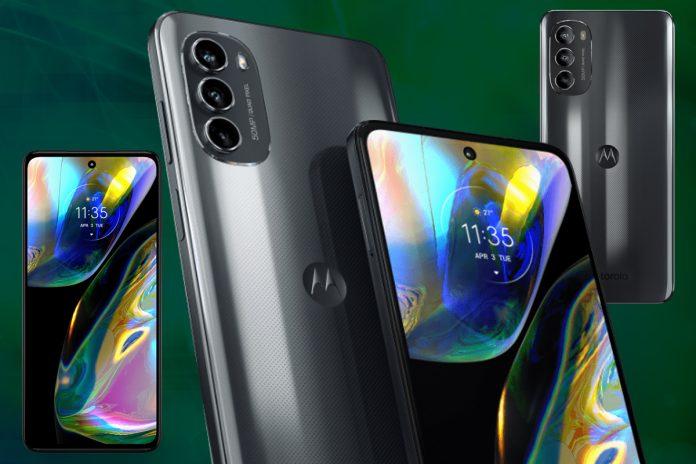
Motorola G82 5G price leaked ahead of its India launch on June 7

0
MOTO G82 5G

Motorola is set to launch Moto G82 India on June 7. Packed with a Snapdragon 695 SoC, a 5,000mAh battery, and a 16MP selfie camera, Motorola Moto G82 5G is expected to be priced Rs 25999.

The price of the upcoming mid-range smartphone got revealed accidentally by the company. However, the Twitter post revealing the price, on the official handle of the Motorola India has been taken down by the Company. The post was noticed by tipster Abhishek Yadav.

Featuring 120Hz 10-BIT Billion Colours pOLED Display, 50MP OIS camera and slim and light design and more, the upcoming smartphone Moto G82 5G will be the second product launch of Motorola in June after Moto E32s. The budget smartphone Moto E32s, launched on June 2, is available for purchase via Jio Mart, Reliance Digital and Flipkart.

Claimed as the slimmest & lightest in the segment, Motorola Moto G82 5G will be launched in Meteorite Gray and White Lily colour options. The upcoming smartphone will be available via Flipkart, Reliance Digital store, and Motorola’s official website. In addition to India, the Moto G85 5G will also be launched in Latin America, Asia, and the Middle East.

Talking about the optics, the phone is confirmed to have a 50MP triple-camera setup. The main camera will come with support for optical image stabilisation (OIS).

Other smartphones under this price point

If the Rs 25,999 is true, the Motorola Moto G82 5G will compete with similarly priced Realme 9 Pro+ 5G. Currently available in Europe, the Realme phone is priced Rs24,999 and is expected to be launched in India soon with the same specifications. Samsung Galaxy A52, available in 128GB/6GB and 128/8GB storage variants is priced Rs 24999. Galaxy M52 is also similarly priced smartphone in this price point.

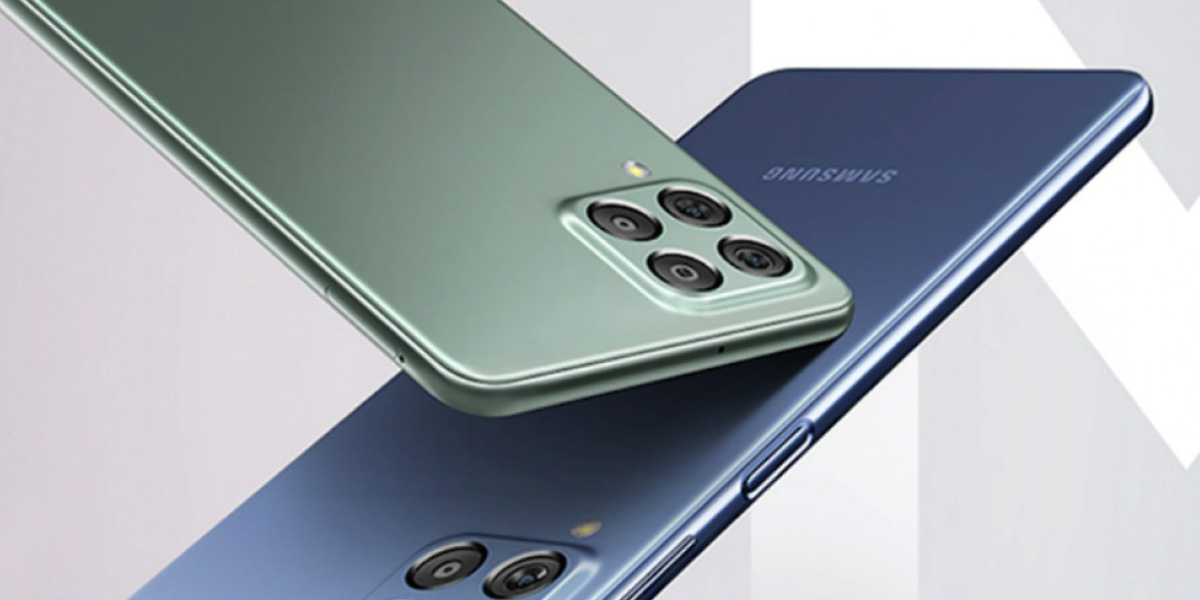
Featuring HD+ 120Hz sAMOLED+ Display, 64MP triple camera, 5000mAh battery with 25W charging support, Samsung Galaxy M52 is available in Icy Blue and Blazing Black options. You need to pay Rs24999 and Rs26999 for 6GB/128 GB and 8GB/128 GB storage variants, respectively.

Also, Read Here: Motorola Moto G82 5G confirmed to be launched on June 7, check details

Newly launched smartphones under Rs 30,000 in India

0
smartphones
smartphones

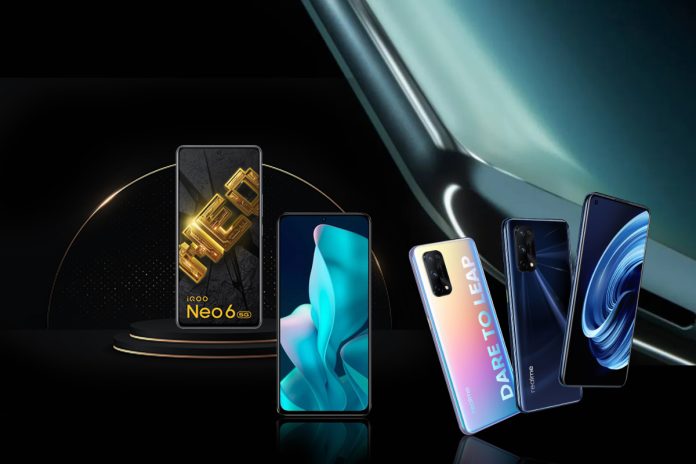
Smartphone makers have been launching various devices at different price points. Recently, the Rs30000 segment has witnessed launch of devices by iQOO, Xiaomi, Oppo and Samsung among others. If you are looking for a smartphone under Rs 30,000 in India, here are some of the suggestions you could consider.

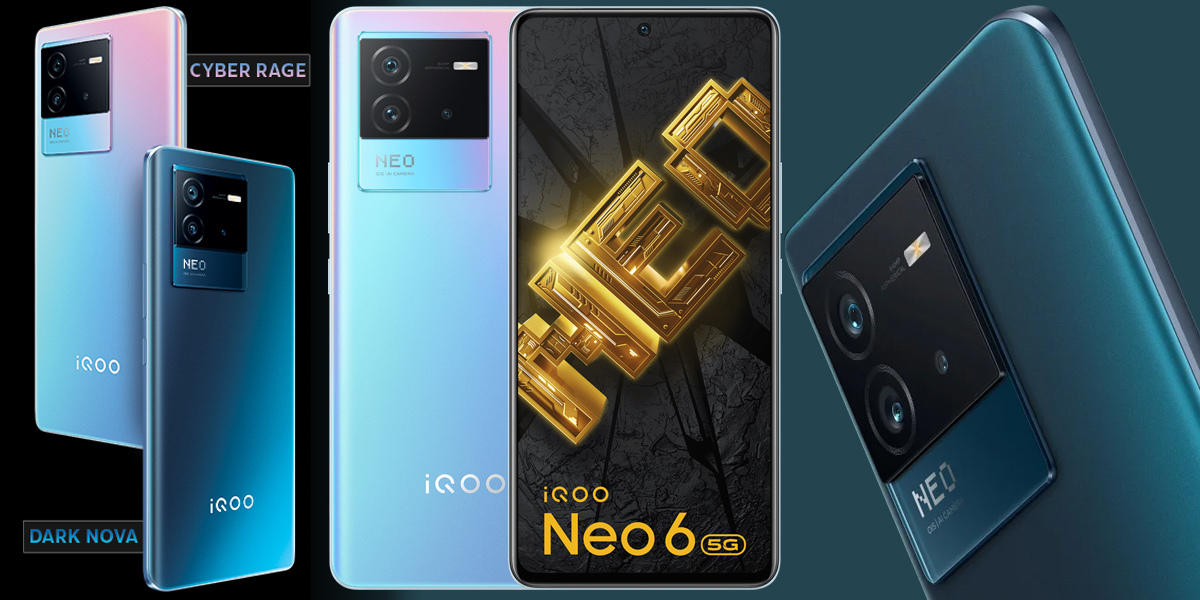
iQoo Neo 6

Launched by the iQOO, a sub-brand of Vivo, Neo 6 is the successor to the iQOO 7, which was launched last year. Neo 6 is the first smartphone under the Neo series. Available at an initial price point of Rs 29,999, the iQOO Neo 6 has a Snapdragon 870 SoC, up to 12GB of RAM, a 4700 mAh battery with 80W fast charging support and a 6.62-inch Full HD+ AMOLED display. The phone supports a 120Hz refresh rate and comes with a 64MP triple-camera setup.

iQoo Neo 6

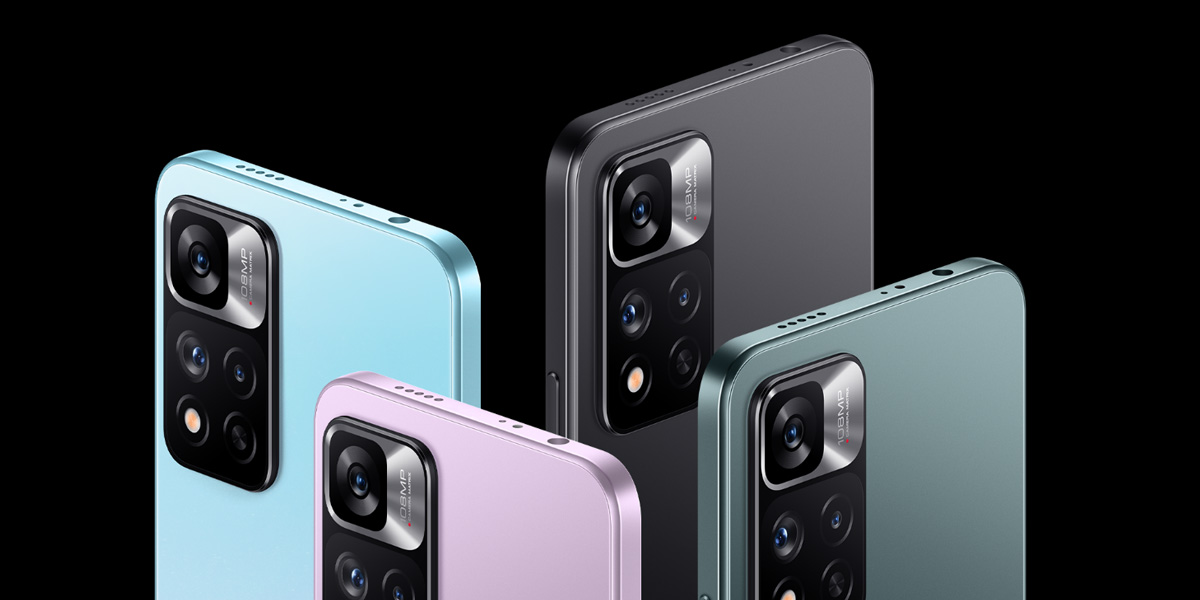
Xiaomi 11i HyperCharge

Featuring a 4500 mAh battery, a 6.67-inch 120Hz AMOLED display and a Dimensity 920 SoC, 11i HyperCharge was launched by the Xiaomi earlier this year. The smartphone runs Android 11 out of the box and has a layer of MIUI 13 on top. The smartphone is equipped with a 108MP triple-camera setup as well.

Xiaomi 11i HyperCharge

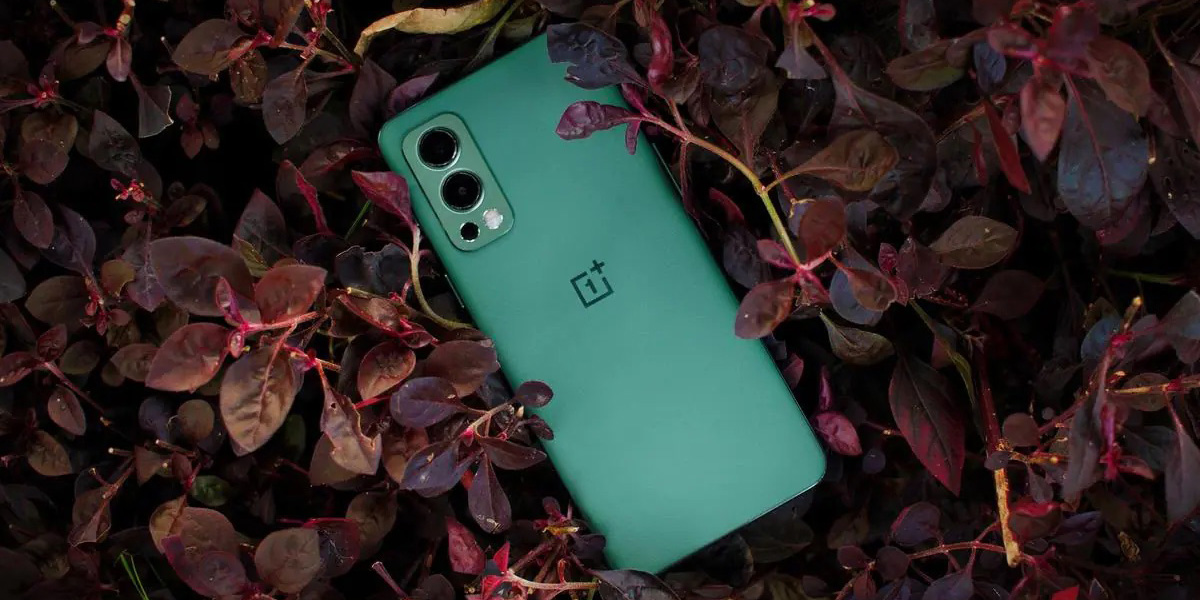
OnePlus Nord 2

With a MediaTek Dimensity 1200 SoC and a 50MP triple-camera setup, the Nord 2 is OnePlus’ premium smartphone in Rs 30,000 segment. The phone comes with a 6.43-inch 90Hz AMOLED display and 4500 mAh battery. The battery is supported by 65W fast charging and runs Android 11 out of the box. The base model of the OnePlus Nord 2 offers 8GB of RAM and is priced at Rs 29,999.

OnePlus Nord 2 5G

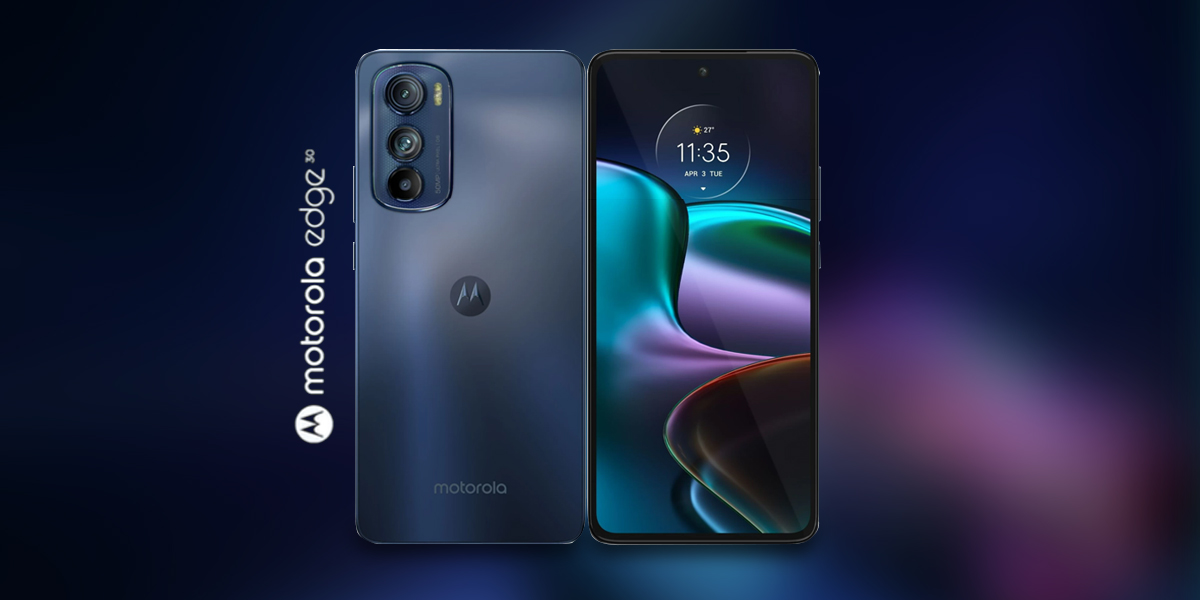
Moto Edge 30

Available in two storage variants, Motorola Edge 30 carries a price tag of Rs27,999 for its 6GB+128GB variant. Claimed as the world’s slimmest 5G smartphone, it has a 6.5-inch 144Hz AMOLED display and a Snapdragon 778G+ SoC.  Offered in two colors options meteor grey, and aurora green, the Motorola Edge 30 packs a 4020 mAh battery with 30W fast charging support. It features a 50MP + 50MP + 2MP camera setup on the back.

Moto Edge 30

Vivo V23 5G

Available in Stardust Balck and Sunshine Gold, Vivo V23 5G is known for its stylish feature-heavy smartphone for selfie lovers. Featuring a 50MP dual front camera setup, a 64MP triple-camera setup and a MediaTek Dimensity 920 SoC and a 4200 mAh battery. The phone has 44W fast charging support and a 6.44-inch Full HD+ AMOLED display with a 90Hz refresh rate. The phone is priced Rs 29,990.

Oppo Reno 7 5G

A under Rs 30000 smartphone, Oppo Reno 7 5G is the latest in the Reno series in India. Oppo Reno 7 5G features a 6.4-inch 90Hz AMOLED display, a MediaTek Dimensity 900 SoC, a 4500 mAh battery with 65W fast charging, and a 64MP triple-camera setup. It runs Android 12-based ColorOS 12 out of the box and the phone comes with 8GB of RAM and 256GB of internal storage.

Samsung Galaxy M53 5G

Powered by a MediaTek Dimensity 900 SoC, Samsung Galaxy M53 5G sports a 6.7-inch Super AMOLED+ display with a 120Hz refresh rate. A 108-megapixel quad rear camera setup, 5,000mAh battery, with support for 25W fast charging are other features of the Samsung Galaxy M53 5G.  The newly launched smartphone runs on Android 12 out of the box.

Samsung Galaxy M53

Available in two variants, the base6GB + 128GB storage model carries an initial price tag of Rs 23,999 while 8GB + 128GB variant is priced at Rs. 25,999, inclusive of an instant discount of Rs 2,500 instant discount for ICICI Bank credit card and EMI transactions. The Samsung Galaxy M53 5G is one of Samsung’s best offering in the sub-Rs 30,000 segment.

Also, Read Here: Vivo V23 5G Review: A stylish feature-heavy smartphone for selfie lovers

Whatsapp’s new 2GB media file sharing feature goes available to more users

0
WhatsApp

Since the launch of WhatsApp in 2009, they have been focused on how they can help people have the next best thing to an in-person conversation when they want to talk to an individual or a group of friends or family.

In a recent development, the popular message-sharing app WhatsApp has started offering a new feature related to its file-sharing feature to more users. Initially available to limited users, the new feature allows WhatsApp users to send files of up to 2GB in size.

No threshold of 100MB media file-sharing limit

The latest feature by the WhtasApp allows users to send files within WhatsApp up to 2GB in size at a time, protected by end-to-end encryption. Earlier, users were able to send only 100MB files through WhatsApp.

It is recommended to use WiFi to send large files. Users will be able to see a display counter while uploading or downloading to let you know how much time your transfer will take.

How to check if you access to the feature

To check if you have got access to the new feature or not. You need to open WhatsApp on your smartphone. Send a file that must be more than 100 MB in size. For instance, you can try sending lengthy videos or a movie.

If you have access to the new feature, you will not get any messages when sending and you will be easily able to send large videos. In case you are not able to send a big file, no need to be bothered. You will get access to the new feature very soon.

In another development, WhatsApp is also working on improving the desktop experience of its messaging platform by bringing the unread chat filter to the desktop. With this, users will be able to easily filter if they have any unread messages if they get multiple messages on your WhatsApp desktop.

WhatsApp

Other latest features of WhatsApp

WhatsApp is also reportedly working on an edit feature for sent messages. This has been confirmed by the WABetaInfo. The new reported edit feature button will allow the users to edit all their sent messages and save themselves from falling the victim to many things such as typos-embarrassments, silly grammar or spelling mistakes, and much more. The feature is in the testing stage right now.

WhatsApp chat

Responding to consistent requests from users, WhatsApp is slowly rolling out the ability to add up to 512 people to a group. According to WhatsApp, building private, safe, and secure communities takes work and they think this series of improvements will help people and groups stay close to one another.

An exclusive iPad version for WhatsApp soon

WhatsApp is yet to launch a dedicated app for iPad users. For many years, they struggled to use the messaging app on their devices and have been asking for a distinct version for them. However, their wait may come to an end soon. WhatsApp is all set to launch its iPad version, making it convenient for iPad users to access the app. With 487 million users, India was the world’s leading country in terms of WhatsApp subscribers as of June 2021. WhatsApp is one of the most popular messaging apps in the country.

WhatsApp reaction

Recently, WhatsApp announced the availability of emoji reactions on the latest version of the app. Reactions are fun, and fast, and they reduce overload in groups too. WhatsApp announced to continue improving them by adding an even broader range of expressions in the future.

Available on both iOS and Android. WhatsApp Reaction feature is also accessible in the Web version. As of now, the features offer only six basic emojis. However, emoticons from WhatsApp’s emoji section may always be used to express oneself. In the same section, you will also find Gifs and Stickers.

Also, Read Here: With the latest update, the WhatsApp Group Voice Calls can support up to 32 participants

Here’s how you can auto-delete your YouTube’s history

0
how you can auto-delete your YouTube's history

YouTube is one of the most popular video platforms that is used globally by thousands of users. Anyone who has access to your device, laptop, tablet or mobile, and third-party apps that gather information for marketing purposes can get access to your YouTube viewing and search history. Because of privacy concerns, Google allows its users to delete this viewing history if they want.

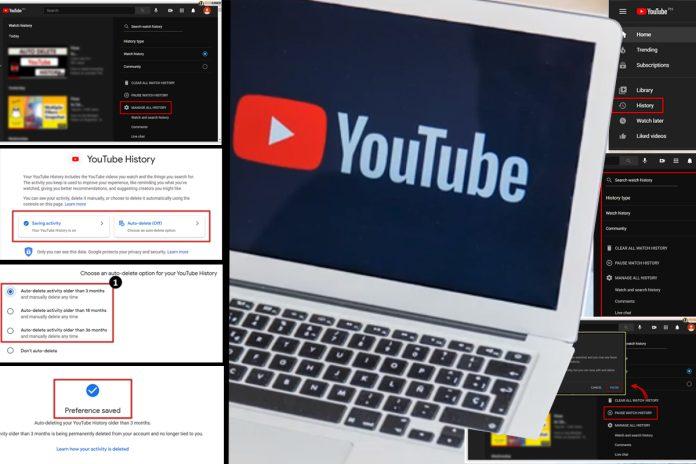
There is a way how you can delete your viewing history whenever you feel like it. However, if you do not have enough time or forget to delete it from time to time, YouTube also gives you an option to auto-delete it after a certain period of time. Here are the steps you can take to turn on the auto-deletion of YouTube history.

How to auto-delete YouTube watch history

  1. Open the Youtube website on your PC and tap on the three horizontal lines in the top left corner
  2. Select “History” and then go to “Manage all history”
  3. A new webs page will then pop up, you just need to tap on “auto-delete history”
  4. Choose the time span for “Auto-delete activity older than” and press “Next”

You will get three-time span options: 3 months, 18 months and 36 months. Once this is done, YouTube will then show you the videos from this particular span that will be deleted immediately (based on the time slot chosen). If you don’t want those particular videos to be deleted, you can go back and change the time slot or decide to go ahead with the process. However, if you are okay with the videos listed, just select “Confirm”.

Now, these videos are permanently deleted from your account’s watch history.

In case you want to clear your watch or search YouTube history, here are the steps you can follow.

How to clear your YouTube watch and search history on an Android phone

  1. Open the YouTube app and tap on the “Library” option placed in the bottom right corner
  2. Go to the “History” category and then tap on the vertical three dots in the top right corner and then select “History Settings”
  3. You can now choose “Clear watch history”, or “clear search history” now.

How to make UPI payments on featured phones without internet, check details

0
123PAY

India has been at the forefront in terms of digital payments since 2019. With 2550 crore payments, India led the market for real-time payments transactions, followed by China and South Korea with 1570 crore and 600 crores, respectively. The data was revealed by the ACI Worldwide report released in March 2021. With 120 crore transactions, the US ranked 9th.

India witnessed a 33% year-on-year (YoY) increase in the volume of digital payments during the financial year (FY) 2021-2022. According to the Ministry of Electronics and IT (MeitY), a total of 7,422 crore digital payment transactions were recorded during this period, up from 5,554 crore transactions seen in FY 2020-21.

Accounting for 452.75 crore transactions with a value of Rs8.27 lakh crore, until the end of February, NPCI’s unified payment interface (UPI) was the most used platform for digital transactions during the financial year 2021-2022.

123 PAY

UPI payments for feature phone users

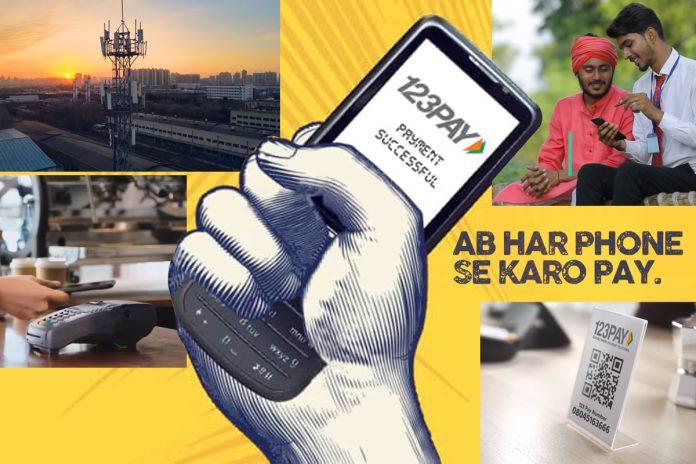
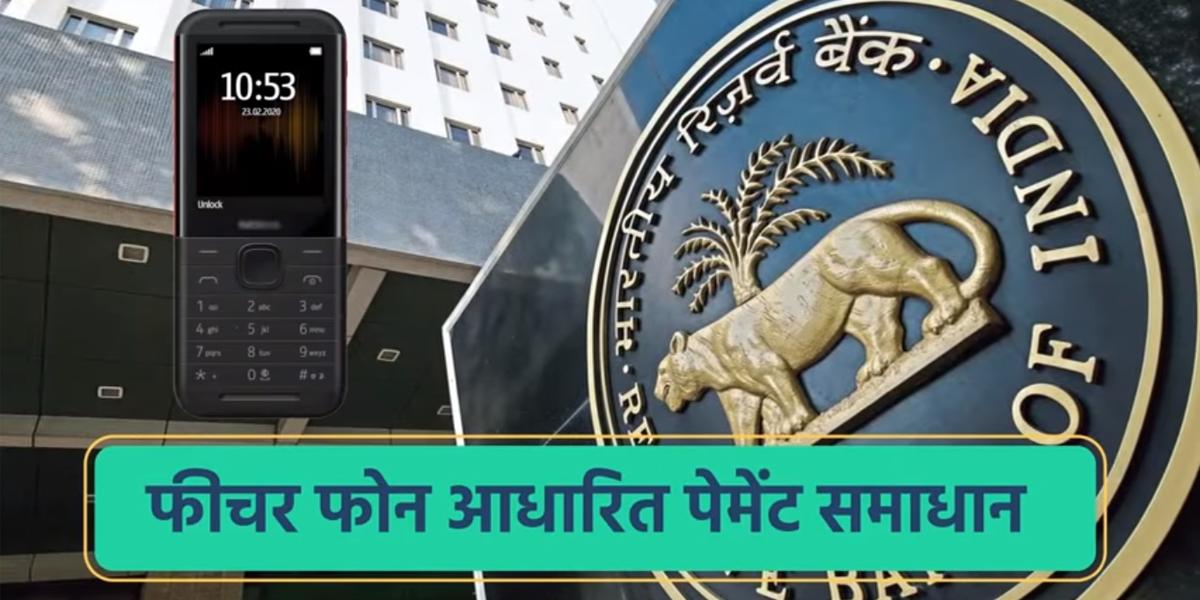
To enable more than 40 crore feature phone users to make Unified Payments Interface (UPI) transactions, the Reserve Bank of India (RBI) launched a new service 123PAY in March this year.

Those who are using feature phones can also make transactions using four technology alternatives — calling an IVR (interactive voice response) number, apps in feature phones, missed call-based function and proximity sound-based payments.

The easiest way to use UPI 123 PAY is through the interactive voice calling option. To use UPI 123 PAY through the interactive voice calling option, consumers need to follow a three-step process to initiate and execute a payment. They can use the feature following these simple steps:

  • Dial 08045163666
  • Select your preferred language
  • Tap ‘1’ on the dial pad to transfer money
  • Select the bank paired with UPI by saying the name of your bank
  • Tap ‘1’ again to confirm the details
  • Enter the mobile number
  • Confirm the details again and enter the amount you want to transfer
  • Enter your UPI Pin to authorize the transfer

Consumers who have a smartphone but have no access to the internet can also make payments through the UPI 123. To make payments through UPI 123, consumers need to set up their account and register for UPI using the IVR option, they can also check their account balance, do a mobile recharge as well as manage their account.

UPI payment through pre-defined IVR number

To make payment through a pre-defined IVR number (080 4516 3666 & 080 4516 3581 & 6366 200 200), users would need to initiate a secured call from their feature phones to a predetermined number. It is a must to complete UPI on-boarding formalities to be able to start making financial transactions without an internet connection.

Missed Call Pay

Feature phone users can get access to their bank account and perform routine transactions through the Missed call-based approach. Customers will be able to perform routine transactions such as receiving or transferring funds, regular purchases, bill payments, etc., by giving a missed call on the number displayed at the merchant’s place. A token will be created by the merchant at the time of billing with the customer’s mobile number and the bill amount of his purchase.

The customer needs to give a missed call on the number prescribed by the merchant and immediately the customer will receive an incoming call from 08071 800 800 asking to authenticate the transaction by entering UPI PIN.

Payment through functionality implemented by OEM

Look and feel wise, this UPI app is similar to smart phone based app, however with certain limitations of the feature phone. Currently it can offer majority UPI functionality except Scan and Pay, which work in progress.

Proximity sound-based technology and Voice Based Payments

Created in collaboration with Tonetag and supported by NSDL Payments Bank, the technology uses sound waves to enable contactless, offline, and proximity data communication on any device.

Users need to tap any phone and make UPI payments to merchants using ToneTag’s VoiceSe payment solution. The user calls the IVR number 6366 200 200 and chooses the Pay to Merchant option. They tap their mobile phone on merchant device (POD), and press # once the POD emits the unique tone. The user then enters the amount to pay, followed by their UPI PIN to complete the transaction. The POD acknowledges the transaction status and the user receives a confirmation through the IVR call.

RBI helpline

To assist the callers/users with all their queries on digital payments via website and chatbot, RBI also launched a 24×7 helpline ‘Digisaathi’ for digital payments.

The launch of UPI 123PAY is aimed to facilitate those who have so far been excluded from the digital payments landscape.

Users can visit www.digisaathi.info or call on 14431 and 1800 891 3333 from their phones for their queries on digital payments and grievances.

Also, Read Here: Paytm Payments Bank leads digital payments, UPI in India at Digital Payments Utsav

Vivo Drone Camera Phone: All you need to know about the specifications

0

Since the creation of the first smartphone called Simon by IBM, the handy device has undergone several technological advancements. With advanced features, the smartphone has become an essential part of our daily lives. Over the past several years, various aspects of mobile phones have undergone significant changes. In addition to look and feel, one of the most observable changes is the advancement of the camera. Recently, China-based smartphone maker Vivo unveiled its drone camera smartphone.
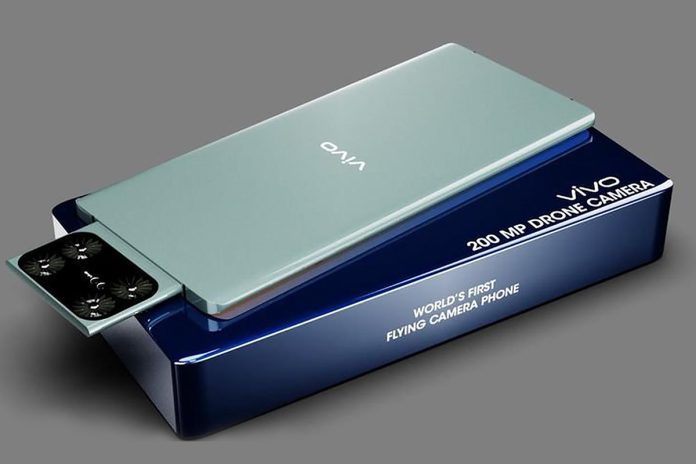
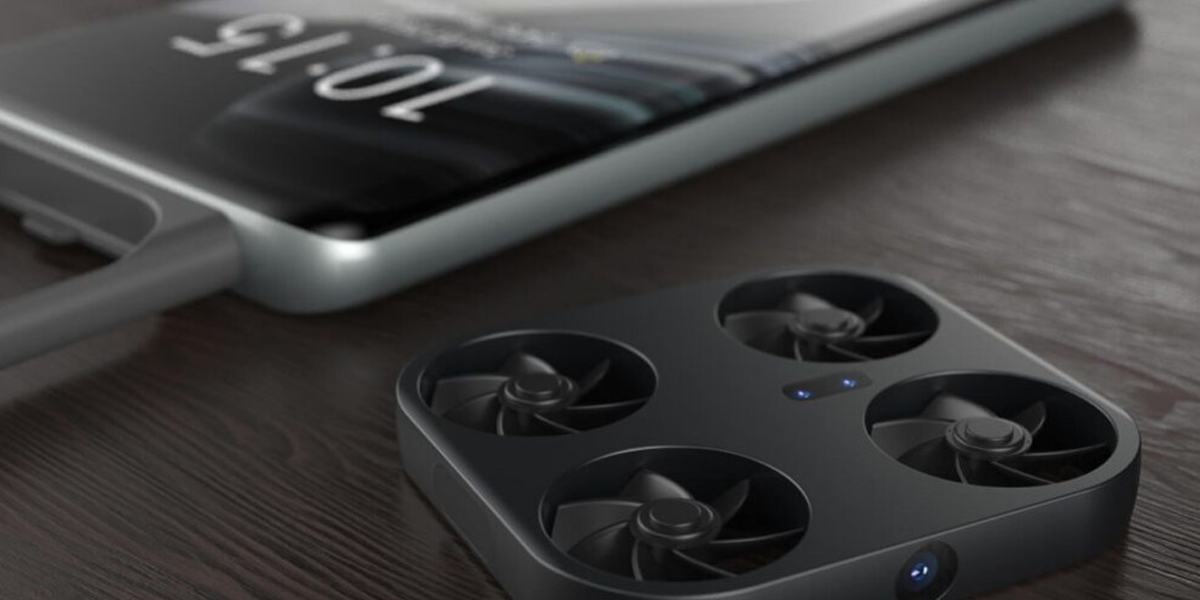
According to the Company, this is the world’s first flying camera phone. Currently available in limited markets, the Vivo drone camera phone features 6.9 inches Super AMOLED full touch screen display, which is protected by Corning Gorilla Glass 7.

The drone camera phone or flying camera can be slid out of the phone to shoot images from a distance.

Specifications of Vivo Flying Camera Phone

The recently launched smartphone comes with a 200-megapixel quad-camera setup including a Flying Drone Camera, 32 MP + 16 MP + 5 MP Rear camera and a 64 MP Front Camera for selfie and video calling.

Powered by Snapdragon 898 5G Mobile Platform, the Vivo drone camera smartphone runs on Android 12. The smartphone comes with 12 GB RAM and 256/512 GB ROM.
The Vivo drone camera phone gets its fuel from Li-Polymer 6900 mAh non-removable battery, supported by a 55W quick wireless charger.
The smartphone is equipped with a fingerprint, Face ID, accelerometer, gyro, proximity, compass, and barometer. In terms of connectivity, Vivo drone smartphone offers Bluetooth YESV52 and wi-fi support.

Expansion of Vivo in India

Vivo has been expanding its footprint in international markets across the globe including India. Currently, it is gearing to launch Vivo X80 series. The upcoming smartphone will come up with Vivo’s custom-developed V1+ ISP. The Indian model of the X80 co-engineered with ZEISS will be launched on May 18. Vivo X80 series comes with the latest Android 12 update.


Vivo X80 series pricing details have also been leaked online ahead of the launch. According to the report, the Vivo X80 has a box price of Rs 56,990. Therefore, the phone could be priced below Rs 50,000 in India. It will come in a single 8GB + 128GB storage option, according to the report.

Instagram introduces new interatcive features for reels: Check details

0
Instagram introduces new interatcive features for reels: Check details

Since TikTok was banned in India, Instagram has worked really hard to bring some amazing features to the users. Taking up on the video-making platform TikTok, Instagram has come a long way. It now has reels, templates, and other great features that help the creators get maximum responses from their audience. Now, the app has come up with some new features to help the creator get better engagements with their content. Here’s what we know about it!

Instagram introduces new features for reels

It’s not been long since TitkTok announced its move to enter the YouTube territory by extending the video limit on its platform. Now, the users can even upload a video for as long as ten minutes, which was first for three minutes only. Following up with the rivalry, Instagram has also added new time limits for the reels, more interactive templates and stickers for better engagement and some amazing sound features. Here’s what the app has for you:

Reels are longer now

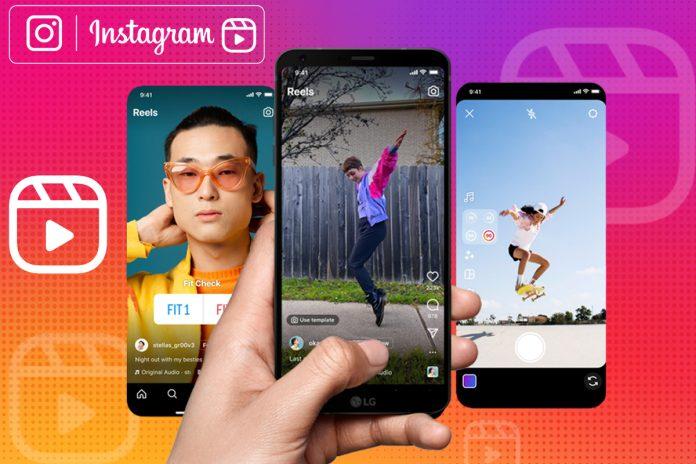
This is most probably the best update we have heard! Instagram Reels can now be 90 seconds long instead of the previous 60 seconds. While the new feature still doesn’t allow Reels to be as long as TikToks which can now be as long as 10 minutes long, it still is a step toward longer short-format videos. Such videos are seemingly becoming more popular, especially among creators. Instagram also announced a number of other features that make Reels easier to use. These include templates, interactive stickers, fresh sound effects and the ability to import your own audio.

“You will have more time to share more about yourself, film extra behind-the-scenes clips, dig deeper into the nuances of your content, or whatever else you want to do with that extra time,” the company said in a blogpost.

Add your own music

Until now, Instagram only used to offer sound or music that it has in the library. However, now things are much easier and more personalized. Instagram has added the ability to import your own audio to reels. Now, the users have an option to add commentary or a background sound from any video that is at least five seconds long and saved on their Camera Roll.

It has also added some fresh sounds including air horns, crickets, drums and other sounds that users can now use in their Reels. As the company has also said, “Make sure that you like how your voice sounds in the recording because others might use it in their reels, too!”

Make it more interactive with new stickers

Instagram already offers some fun and interactive stickers to make your stories look super cool and now users can use the same for their reels as well. With these new interactive stickers, users can make their Reels more interesting and engaging. These Interactive elements include Polls, quizzes and an emoji slider where viewers can slide to show much they liked or disliked a video (along with a number of other emoji).

You have new templates

Instagram is introducing templates, a new tool that will allow users to create new Reels using the same structure as one they just watched. This was spotted in testing back in April and is somewhat similar to TikTok’s own templating option, which is a simpler way to get started with video creation. With templates, users can use another Reel as a template to create a new one. The feature lets you pre-load the audio and clip placeholders from the original Reel. All users need to do now is add in their own unique clips.

Also Read: 

Moto G42 specs leaked on Geekbench, India launch expected soon

0
Moto G42 specs leaked on Geekbench, India launch expected soon

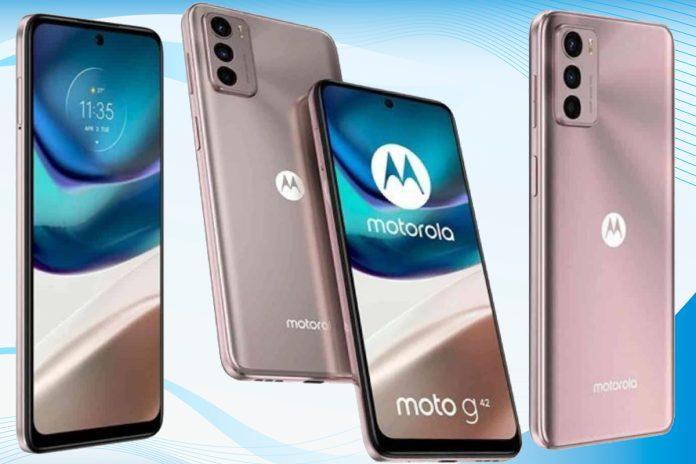
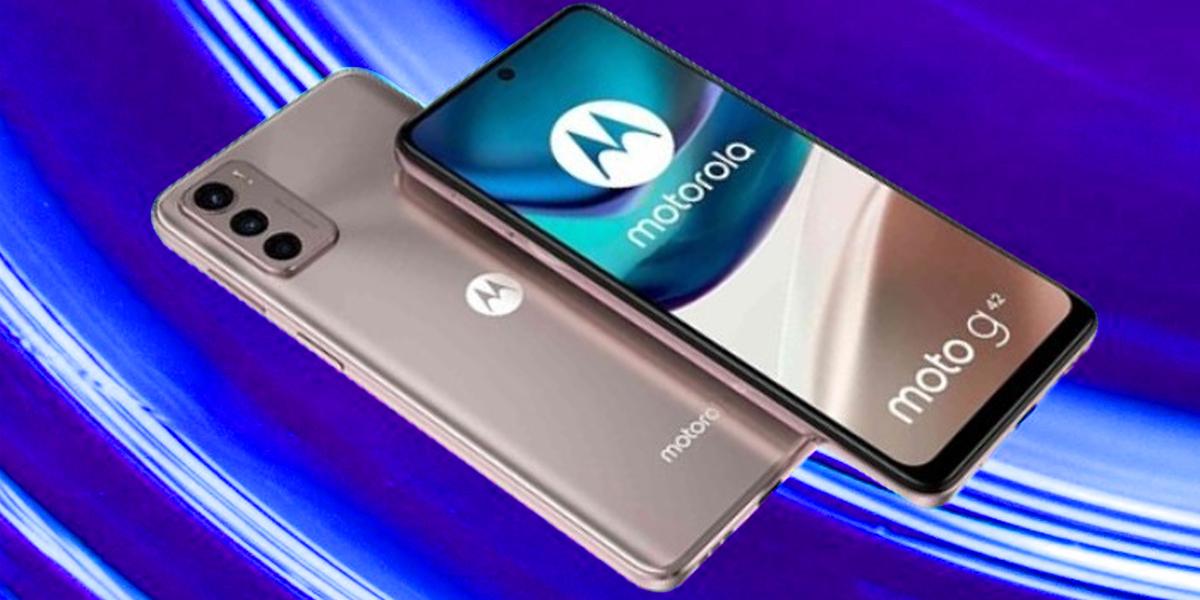
Motorola has been working to expand its G-series with its latest launches and now it has added one more to it. Moto G42 has been the subject of several reports and leaks lately. The upcoming smartphone has also made appearances in the database of certification agencies like FCC, Geekbench, and BIS in India. The phone already has some renderings going on about it and now we have some information about the specs and features that this upcoming smartphone will offer. Check it out!

Moto G42 expected specs

According to a report by Gizpaw, the Moto G42 will feature a 6.4-inch OLED display paired with a Full HD+ panel with a pixel resolution of 2,400 x 1,080.

In terms of build and design, the leaked images of the Moto G42 revealed that the phone will have a hole in the screen to house the selfie camera. The device will offer almost non-existent bezels on the sides and top but will have a tad thick bottom bezel. At the rear, the phone will have a large square-shaped camera module. The right side of the handset will be housing the power button and the volume rocker.

Moto G42 expected specs

Under the hood, the device will get powered up with an octa-core Qualcomm Snapdragon 680 processor. Furthermore, it will offer one base variant with 4GB of RAM and 128GB of in-built storage, which is expected to be further expandable via a microSD card.

Coming to the optics, Moto G42 might include a triple camera setup at the back. It will feature a 50MP primary lens with an aperture of f/1.8. Additionally, the device will also house an 8MP wide-angle lens and a 2MP macro snapper. For selfies and video calling, there will be a 13MP shooter at the front.

Some other additional features tipped for the upcoming Moto G42 include a side-mounted fingerprint sensor, and a 3.5mm headphone jack.  It might also sport stereo speakers, Android 12, and a 5,000 mAh 18W fast-charging battery.

Moto G42: Price and expected launch date in India

As of now, there’s no official word regarding the launch timeline and price of the Moto G42. However, since the phone is certified by the Bureau of Indian Standards (BIS), we can expect it to be released in the Indian market very soon.

Motorola is soon to bring the G62 to the market

Moto G62 With The Snapdragon 480+ 5G Processor Is Also Coming Soon Besides the Moto G42, Motorola is also planning to launch another G series smartphone called the Moto G62 soon. The phone will be arriving with a 6.5-inch full HD+ display with a screen refresh rate of 120Hz. The device will be powered by the Snapdragon 480+ 5G processor, which will be paired with 4GB of RAM and 128GB of storage. We can expect an official announcement very soon. Also Read: Motorola Moto G62 5G expected to be launched soon

Moto G82 to launch in India on June 7 2022

The brand has one more significant launch coming with its latest G82 coming on June 7 2022. The smartphone will pack a Snapdragon 695 SoC, a 5,000mAh battery, and a 16MP selfie camera. Also Read: Motorola Moto G82 5G confirmed to be launched on June 7, check details

Moto e32s to go on sale on June 6 at an introductory price of Rs8549

0
Motorola E32s ultra-affordable phone 15W fast charging launched in India

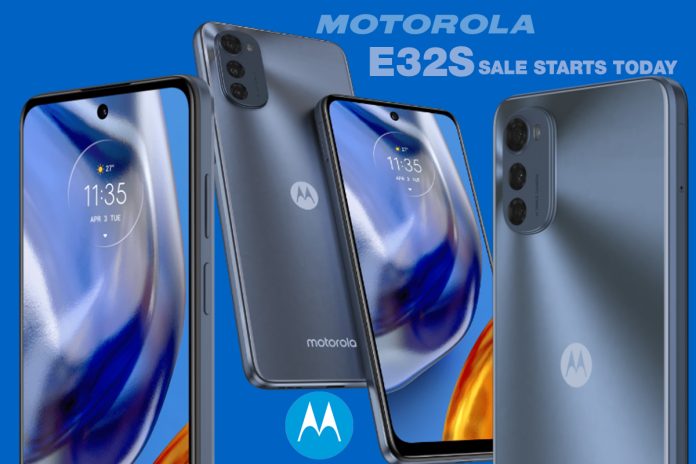
The newly launched budget smartphone Moto e32s will go on sale from June 6. The latest release by the smartphone company will be available for sale at an introductory price of Rs8549. The budget smartphone can be purchased from Jio Mart, Reliance Digital, and Flipkart. In this price segment, the smartphone will intensify competition for other budget smartphones such as Redmi 10A and Poco C31.

The launch of Motoe32s has come soon after the launch of the Motorola Edge 30. Talking about the features of the budget smartphone Motoe32s, an ultra-budget smartphone features a fast 90Hz display, MediaTek Helio G37 chip, triple rear camera setup, 18W fast charging, and a water-repellent design.

The affordable smartphone by Motorola is paired with a 90Hz refresh rate, a powerful processor, and good battery power. It comes with pre-installed Android 12 software.

Weighing just 185 g and 8.49 mm thin, MotorolaE32s has a 16MP triple camera, dedicated macro vision, depth sensor, and 8MP selfie camera. The latest smartphone from Motorola is available in two storage variants as 3GB RAM +32GB  and 4GB RAM + 64GB storage version.

Motorola E32S: Features and specifications

Talking about the general specifications of Moto E32s, the smartphone features a 6.5-inch IPS LCD display paired with a 90Hz refresh rate for smooth multi-tasking. Furthermore, it has a 720p resolution and a hole punch cut-out at the centre of the smartphone. The panel is protected by Panda Glass (which is claimed to be equivalent to Corning Gorilla Glass 3) and can peak 500nits, as the brand says.

Under the hood, the phone gets its power from a MediaTek Helio G37 chip paired with up to 4GB of RAM and up to 64GB of storage. It is also expandable using a microSD card. Moto E32s run a near-stock version of Android 12 and are confirmed to get 2-years of assured security updates.

Moto E32s sports a 5,000mAh battery with 15W fast charging. Additionally, the brand has also included a 10W charger in the box, a much needed thing.

On the camera, you get a triple camera setup on the rear with a 16MP main, 2MP portrait, and another 2MP macro shooter. This houses an 8MP selfie camera at the front for selfies and video calls.

A water-repellent (IP52) design and a side-mounted fingerprint reader are additional features of Moto E32s. The phone has been launched in two colours— Misty Silver and Slate Gray.

Also, Read Here: Motorola Moto G82 5G confirmed to be launched on June 7, check details