The Nokia XR20 5G was the next in line to receive this update, as per the Finnish company’s earlier commitments.
However, in an unexpected move, HMD Global has now commenced rolling out Android 14 to two additional models: the Nokia X30 and Nokia G60, indicating a shift in their update strategy.
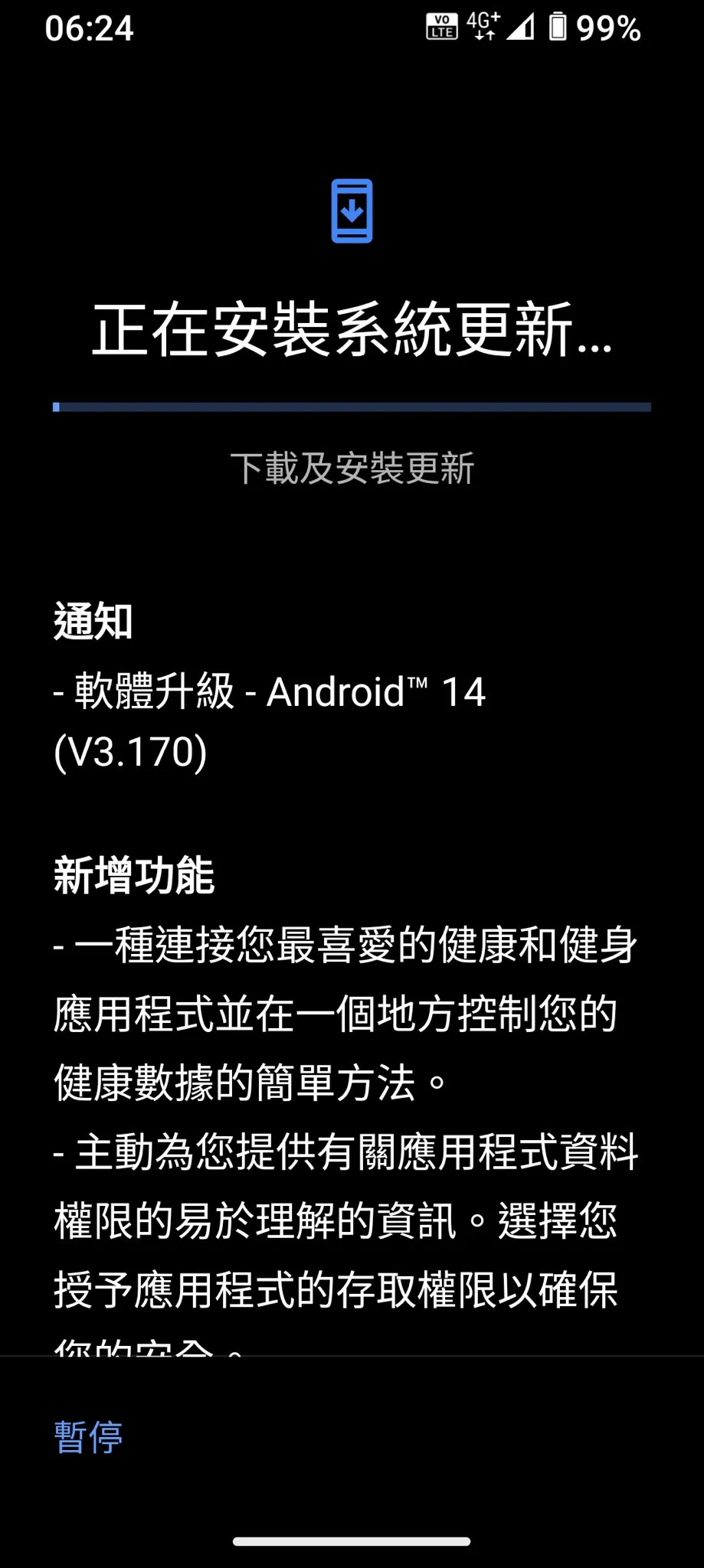
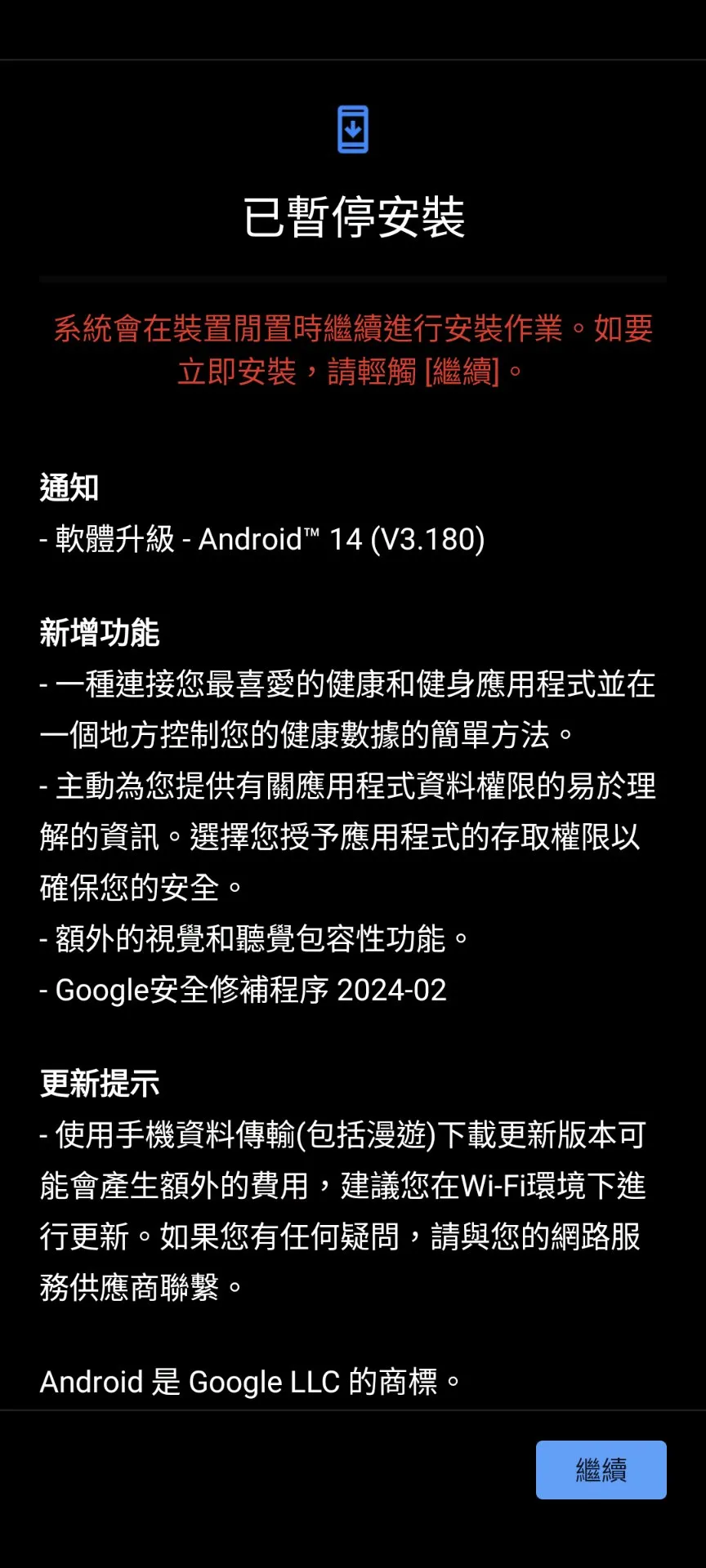
According to information from NokiaPoweruser readers, the Nokia X30 5G’s Android 14 update, identified by Build number V3.180, is currently being deployed in Taiwan, with plans for a broader rollout remaining undisclosed.
While Nokia Mobile has officially recognized the update only for the Nokia XR20 5G alongside the Nokia G42 5G, benchmarking site Geekbench recently listed both the Nokia X30 5G and Nokia G60 5G as running the new Android version.
Details Regarding Update
HMD Global Rolls Out Android 14 to More Nokia Smartphones Amid Brand Shift
With the inclusion of the Nokia X30 and Nokia G60, HMD Global’s tally for Android 14 updates stands at a modest three devices, a figure that seems underwhelming given the brand’s extensive range of smartphones.
This slow pace in updates has set tempered expectations among users for the rollout of Android 14 across the Nokia lineup.
What Nokia models are currently receiving the Android 14 update?
HMD Global has expanded its Android 14 update to include the Nokia X30 5G and Nokia G60 5G, in addition to the previously updated Nokia G42 5G.
When did the Android 14 update start rolling out for Nokia phones?
The rollout began with the Nokia G42 5G, followed by announcements for the Nokia XR20 5G, and most recently, the Nokia X30 5G and G60 5G have started receiving the update.
Are there any specific enhancements in the Android 14 update for Nokia phones?
While HMD Global has not released detailed information, the Android 14 update for Nokia phones includes the standard set of features introduced with Android 14, with any Nokia-specific enhancements currently unspecified.
Can users outside Taiwan expect the Android 14 update for their Nokia X30 5G?
The broader rollout plans for the Android 14 update on the Nokia X30 5G beyond Taiwan have not been disclosed yet, leaving international users in anticipation.
How does HMD Global’s shift to self-branded phones affect Nokia smartphone updates?
With HMD Global announcing a focus on self-branded devices, the future update strategy for Nokia-branded smartphones remains uncertain, though current models continue to receive planned updates.
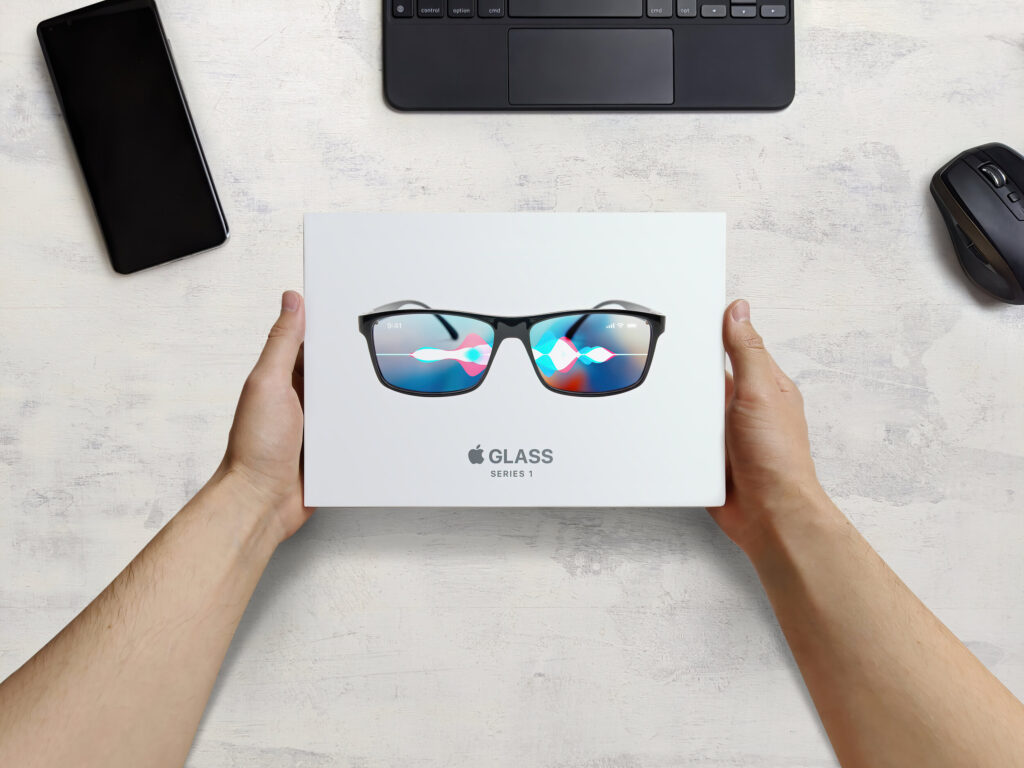
AR glasses set to launch in 2027, promising a new reality experience.
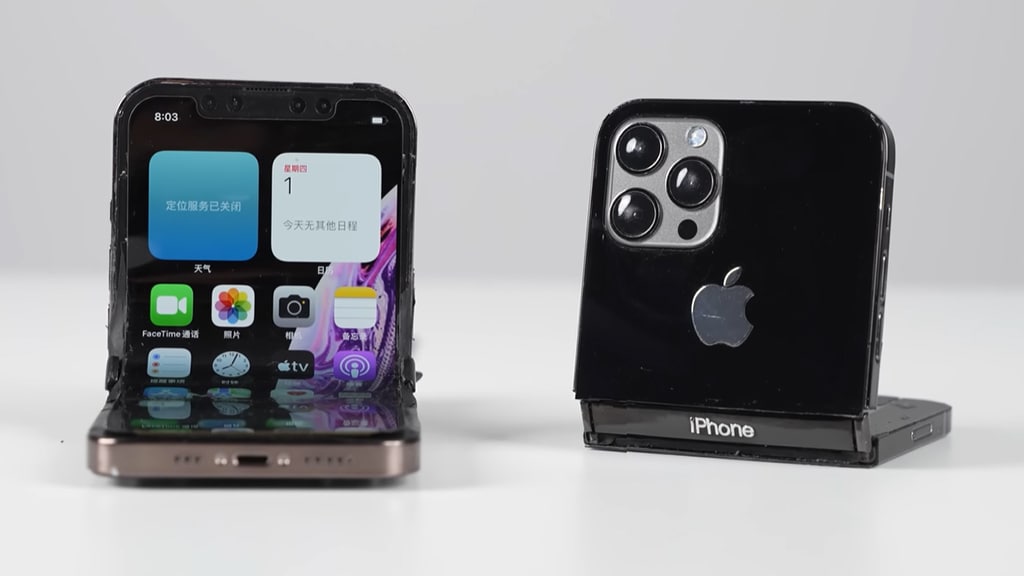
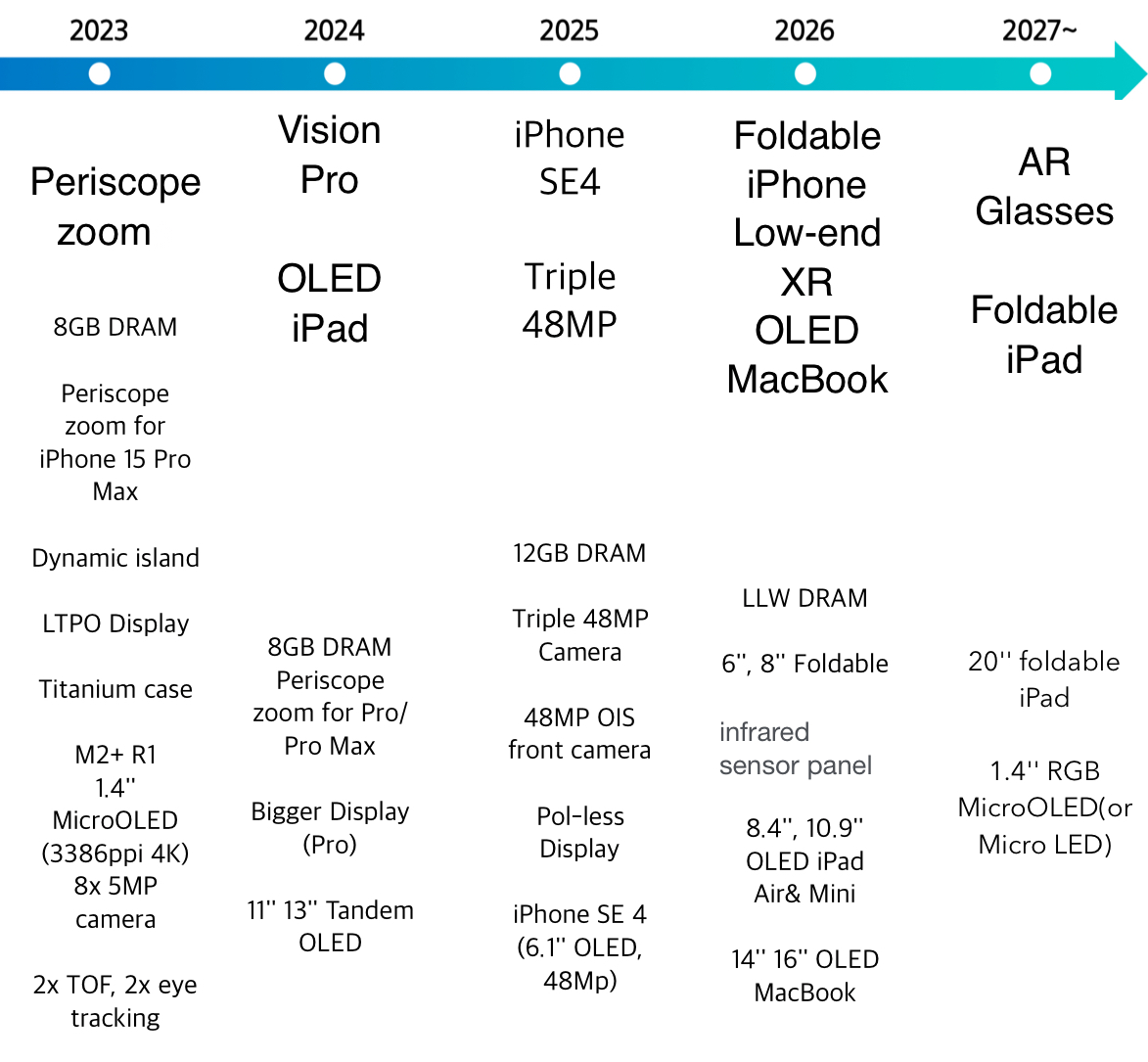
Foldable iPhone and 20-inch iPad slated for 2026 and 2027, respectively.
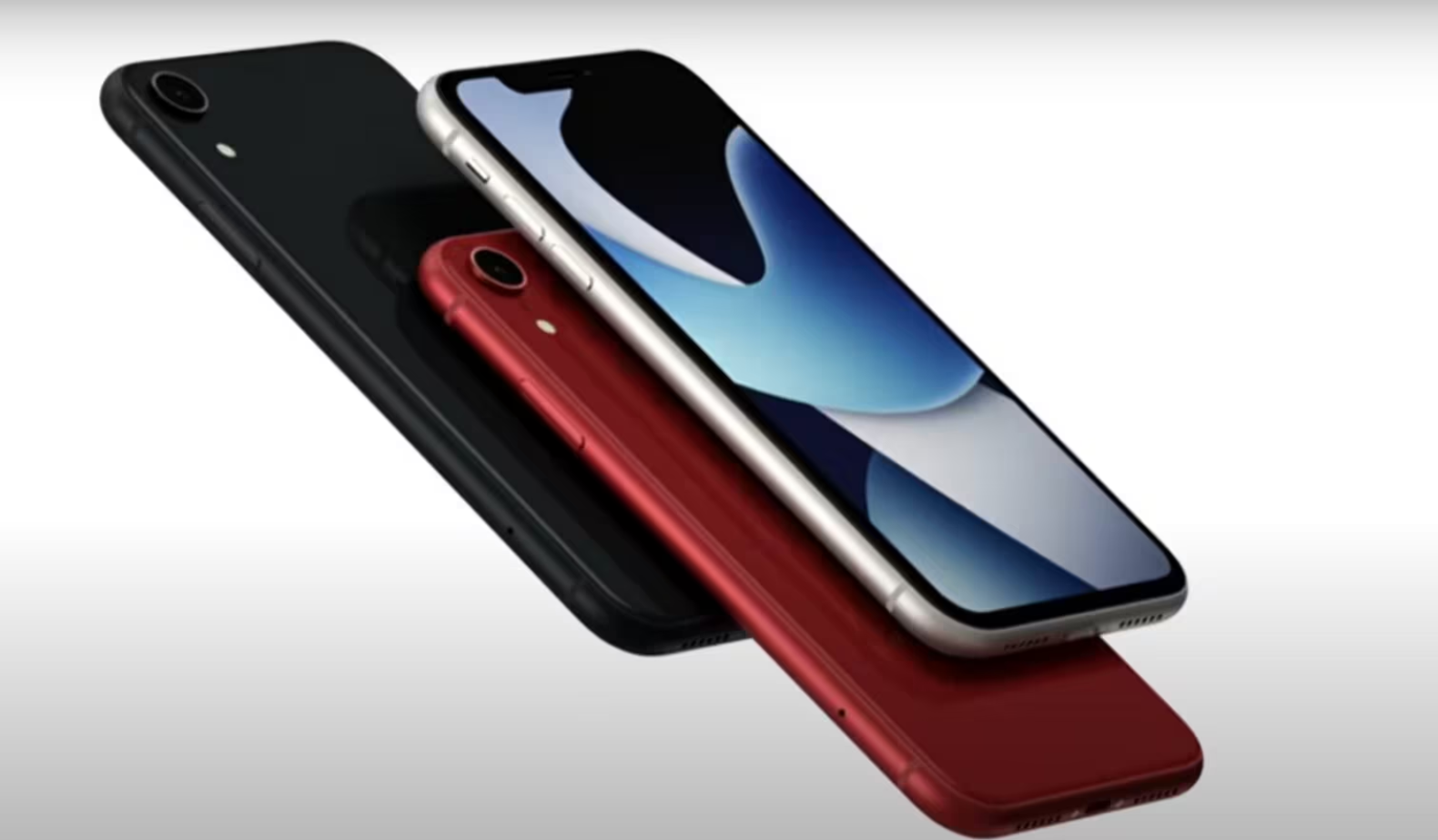
iPhone SE 4 with modern design and OLED display expected in early 2025.
New iPad Pros with OLED screens could be announced imminently in 2024.
A detailed roadmap of Apple’s future product launches has reportedly been leaked on Twitter, shedding light on what the tech giant has in store for us until 2027.
This roadmap, allegedly originating from Samsung Securities and shared by the reputable leaker @Tech_Reve (as reported by Wccftech), sketches out a future filled with innovation, from augmented reality glasses to foldable devices.
iPhone SE 4 with modern design and OLED display expected in early 2025
FAQs
What products are included in the leaked Apple roadmap?
The roadmap highlights several anticipated products including augmented reality (AR) glasses, a foldable iPhone, a foldable iPad, the iPhone SE 4, and new iPad Pros with OLED screens.
When can we expect the foldable iPhone to be released?
According to the leaked information, the foldable iPhone is expected to make its debut in 2026, bringing a new twist to Apple’s smartphone lineup.
Are there any details about the augmented reality glasses from Apple?
Set for a 2027 launch, the AR glasses remain shrouded in mystery with few details available. However, they are anticipated to mark a significant step forward in Apple’s commitment to augmented reality technologies.
What updates are expected for the iPad and MacBook lines?
The roadmap suggests the introduction of new iPad Pros with OLED displays in 2024 and an OLED MacBook in 2026, indicating significant display upgrades for these devices.
How reliable are the details from the leaked roadmap?
While the leaked roadmap provides exciting insights, it’s important to remember that product plans can change. Therefore, while the roadmap appears credible, actual product launches may vary.
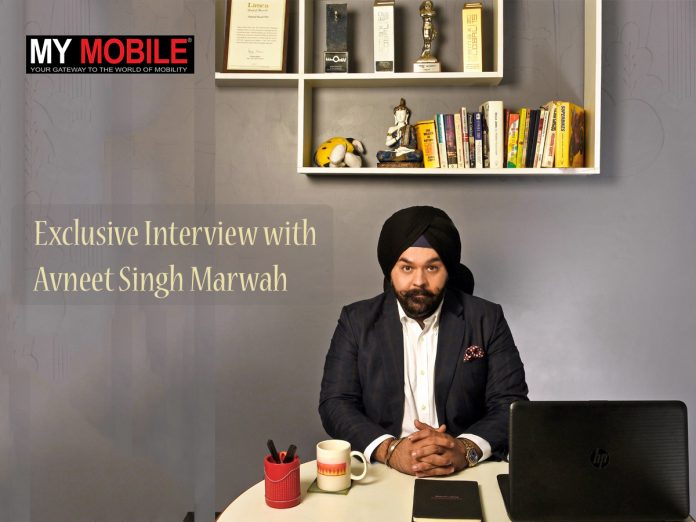
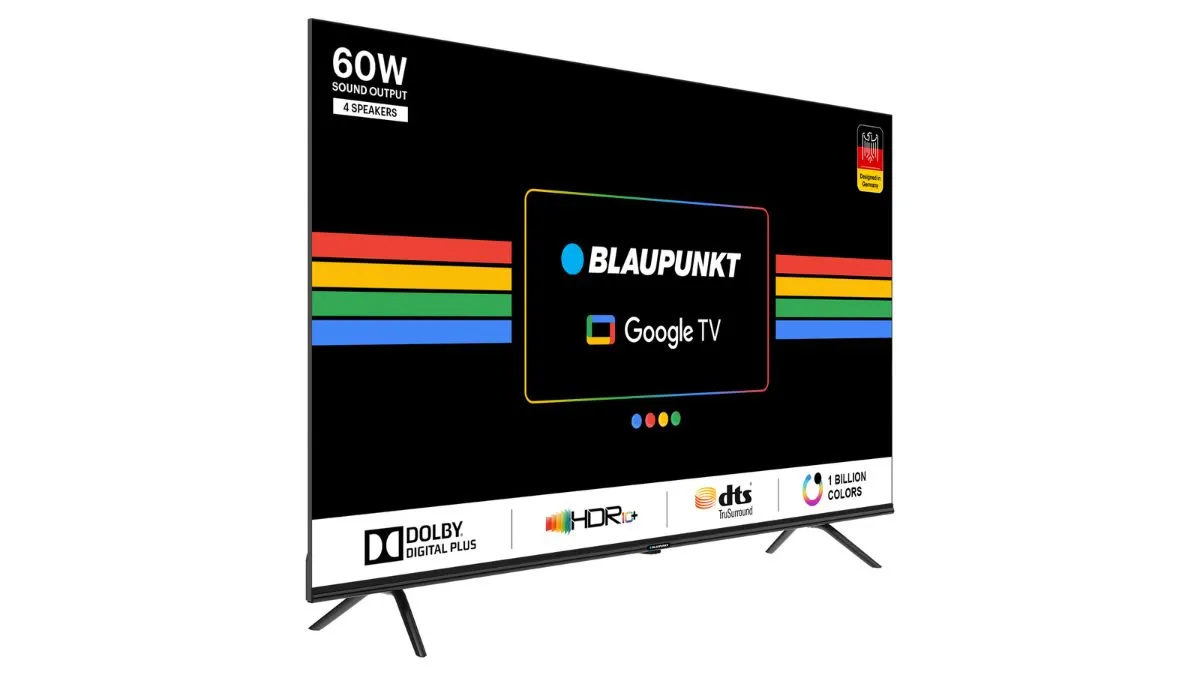
Under the leadership of Avneet Singh Marwah, CEO of Super Plastronics Pvt Ltd (SPPL), the exclusive brand licensee of Blaupunkt TVs in India, the brand has redefined the meaning of innovation and quality in home entertainment.
Marwah, with his keen insights and forward-thinking strategies, has positioned Blaupunkt as a formidable player in the QLED TV segment, offering a perfect blend of cutting-edge technology, stylish design, and sustainability.
This exclusive interview sheds lighton how Blaupunkt has carved a niche for itself in the competitive Indian market,focusing on customer-centric approaches, technological advancements, and strategic market positioning.
How does Blaupunkt position its QLED TVs in the Indian market, considering regional preferences and trends in TV technology?
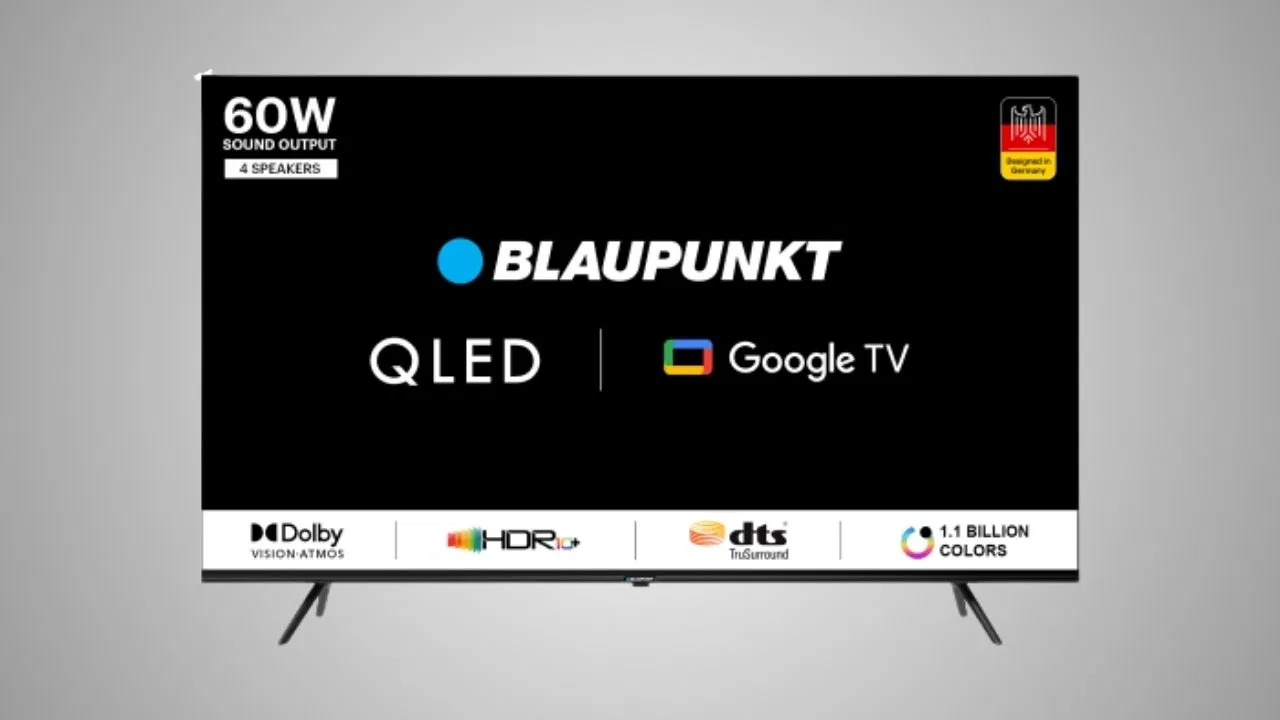
Blaupunkt QLED TVs
We decided to bring Blaupunkt back to the Indian smart TV marketbecause we noticed a big gap.
People were either splurging on expensive TVs or settling for cheaper options, leaving little in between.
So, we aimed to offer something unique. We focused on blending high-quality technology with stylish design.
For example, our QLED TVs weren’t just about the tech;we also made sure they looked stunning, featuring a sleek alloy stand and a steel aluminium finish.
Given Blaupunkt’s history of great sound, we ensured our TVs delivered excellent audio quality too.
And we didn’t forget the latest features, like hands-free voice control, making them super user-friendly.
Overall, we wanted to provide TVs that packed everything customers wanted, without the need for extra soundbars or accessories. And the response has been fantastic!
What unique strategies or innovations has Blaupunkt used to differentiate its QLED TVs amidst technological advancements in TV production?
QLED TVs stand out amidst advancements in TV production
When we were developing QLED TVs, we faced a few big challenges. QLED technology is known for being top-notch, but it’s usually really expensive.
The best part? Even though QLED TVs are usually super expensive, we were able to offer them at a similar price to other big brands’ regular 4K TVs. So, you’re getting top-of-the-line technology at a really good price.
How does Blaupunkt integrate sustainability practices into the manufacturing of its QLED TVs?
When we were developing QLED TVs, we faced some tough challenges. QLED is fancy technology, but it’s usually pretty pricey.
We aimed to make this high-quality tech affordable for everyone. We worked hard to find ways to make theseTVs cost less without sacrificing quality, and we nailed it! We also had to tweak our production process a bit.
QLED TVs have better backlighting than regular 4K TVs, so we had to adjust how we tested them to make sure they were just right.
But it wasn’t just about the tech; we wanted theseTVs to look awesome too. That’s why we made sure they were stylish and sleek.
During production, we even tried out some new technologies to ensure everything looked great.
And the best part? Even though QLED TVs are usually super expensive, we managed to offer them at a similar price to other big brands’ regular 4K TVs.
So now, you can enjoy top-notch technology without breaking the bank.
In terms of sustainability, we also made sure to keep our manufacturing process eco-friendly.
We reduced energy consumption and waste generation wherever we could, so you can feel good about choosing a Blaupunkt TV that’s not just great for your wallet, but also for the planet.
How does Blaupunkt tailor its marketing and product offerings to South Indian consumers’ preferences for QLED TVs?
Indian consumers are getting savvier and more adventurous when it comes to embracing new technology, especially with the rise of better content on streaming platforms like OTT.
They’re showing interest in features such as Dolby Atmos and HDR 10+, which are geared towards enhancing the viewing experience.
Blaupunkt’s QLED TVs have been successful because they offer a range of features at competitive prices, catering to an increasingly informed consumer base.
For instance, in South India, where consumers have more disposable income, these advanced TVs have gained popularity, replacing older, smaller models.
Preferences for TV sizes vary across India; while larger screens are popular in the West, smaller sizes are preferred in other regions, influenced by local prosperity and internet access.
Major markets like Delhi NCR see strong demand for high-end TVs, driven by consumers looking to upgrade or add additional sets to their homes.
Conversely, in densely populated areas like Uttar Pradesh, first-time TV buyers are opting for the latest and most advanced models. As technology advances, we can expect more people to embrace the latest TV trends.
What methods does Blaupunkt employ to gather customer feedback on QLED TV experiences, particularly regarding after-sales service?
We gather feedback through various channels, but one essential avenue is reviews and ratings.Platforms like Amazonand Flipkart are invaluable for this purpose because they offer transparency, making it difficult to remove reviews once posted.
These reviews provide us with valuable insights into how customers perceive our products.We pay close attention to aspectssuch as delivery, display quality, sound, and other features.
Additionally, we actively listen to direct feedback from customers. Whether it’s through emails or phone calls, when customers reach out with questions or issues about our TVs, we take note.
Within a few weeks of launching a new product, we have a dedicated team that carefully reviews all feedback received, seeking opportunities for improvement.
But we don’t stop there. We also reach out to random customers to gather their thoughts, and we carefully consider the feedback provided by bloggers and media outlets.
Their input is instrumental in helping us enhance our products.
Over the years, we’ve made numerous improvements based on the feedback received from our customers and influencers, and we remain committed to this process with each new product launch.
It’s a comprehensive approach where we listen to everyone who has something to say about our TVs and use that feedback to make them even better.
How does Blaupunkt leverage its Indian manufacturing facilities to offer competitive pricing, timely delivery, and customization for both Indian and global markets
As I always emphasize, for an Indian brand to thrive in our market, it’s essential to manufacture locally.
Nowadays, products like TVs and gadgets are pretty much standardized everywhere, and consumers are always on the lookout for the best deals.
Therefore, offering competitive pricing is crucial in India, where value for money is highly valued.
Thanks to the government’s regulations on TV imports, companies are now required to produce TVs within the country, which is a positive move.
Currently, our focus is on assembling TVs locally, but our long-term goal is to expand our manufacturing capabilities to produce more components domestically.
This approach not only strengthens our position in the Indian market but also enhances our competitiveness globally.
Having our factory is integral to our continued success in the industry.
FAQs
What makes Blaupunkt QLED TVs stand out in the Indian market?
Blaupunkt QLED TVs are designed to fill the void in the Indian market for affordable, high-quality television technology. They combine exceptional sound quality, a sleek design, and the latest features, such as hands-free voice control, catering to the sophisticated preferences of Indian consumers.
How has Blaupunkt managed to keep QLED TV prices competitive?
By adopting innovative production and testing techniques, Blaupunkt has made it possible to offer QLED technology — known for its superior backlighting and image quality — at prices comparable to regular 4K TVs from other major brands, making high-end technology accessible to more people.
What sustainability practices does Blaupunkt incorporate in its QLED TV manufacturing?
Blaupunkt is committed to eco-friendly manufacturing processes, reducing energy consumption and waste generation. This ensures that consumers not only get a technologically advanced product but also one that is environmentally responsible.
How does Blaupunkt cater to the diverse preferences of Indian consumers, especially in South India?
Acknowledging the regional differences in TV viewing preferences across India, Blaupunkt offers a range of QLED TVs that appeal to various segments. In South India, for instance, the demand for advanced features like Dolby Atmos and HDR 10+ in larger screen sizes has been met with enthusiasm, reflecting Blaupunkt’s understanding of local consumer trends.
How does Blaupunkt utilize customer feedback to improve its QLED TVs and services?
Blaupunkt values customer feedback immensely, utilizing reviews, direct customer communications, and influencer opinions to gather insights on product performance and service quality. This comprehensive feedback mechanism allows for continuous improvement and innovation in their product lineup.
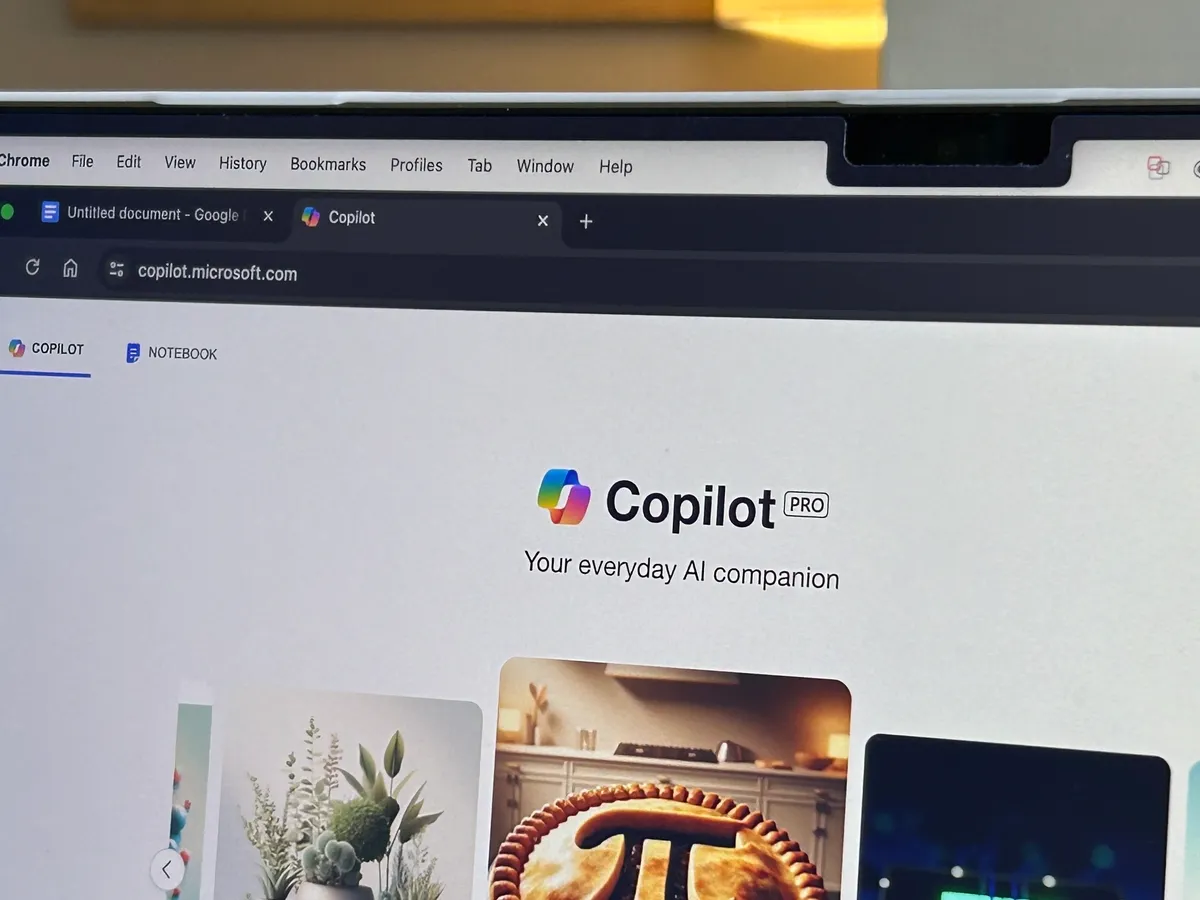
In a significant enhancement to user accessibility, Microsoft is integrating Copilot Pro into its Office web apps, ensuring that subscribers can leverage the AI assistant’s features without necessitating a separate Microsoft 365 Personal or Home subscription.
This integration is poised to simplify tasks within Word, Outlook, and other Office web apps, streamlining productivity and enhancing user experience.
Looking ahead, Microsoft is not only focused on enhancing the Copilot Pro experience but also on extending the reach of its AI solutions to the business sector.
More businesses will soon have the opportunity to integrate Copilot into their Microsoft 365 suite, with eligibility expanding to include various Microsoft and Office 365 subscriptions.
With further improvements anticipated, including updates to Windows 11, Microsoft is set to unveil a more advanced and seamless Copilot experience at its upcoming Build developer conference in May.
FAQs
What is Copilot Pro and how can I try it for free?
Copilot Pro is Microsoft’s AI-powered assistant offering priority access to the latest OpenAI models and integration with Office apps. New users can try Copilot Pro for free for one month by installing the Copilot app on iOS or Android.
In which countries is Copilot Pro available?
Copilot Pro has expanded its availability to a total of 222 countries, making it accessible to a global audience interested in enhancing their productivity with AI technology.
Do I need a Microsoft 365 subscription to use Copilot Pro?
No, Copilot Pro is now integrated into Office web apps, allowing you to use the chatbot features without a separate Microsoft 365 Personal or Home subscription. This integration will also extend to free mobile apps in the near future.
What new features can we expect from Copilot Pro in the coming months?
Microsoft plans to introduce Copilot Pro integration in free mobile apps and unveil further improvements, including updates to Windows 11, at the upcoming Build developer conference in May.
How is Microsoft expanding the availability of Copilot for businesses?
Microsoft is extending Copilot for Microsoft 365 to more businesses, making it available for purchase by customers with specific Microsoft 365 and Office 365 subscriptions in the coming weeks.
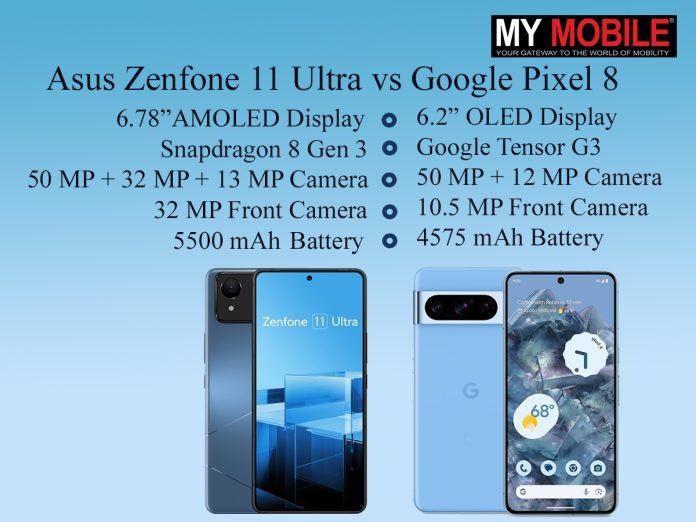
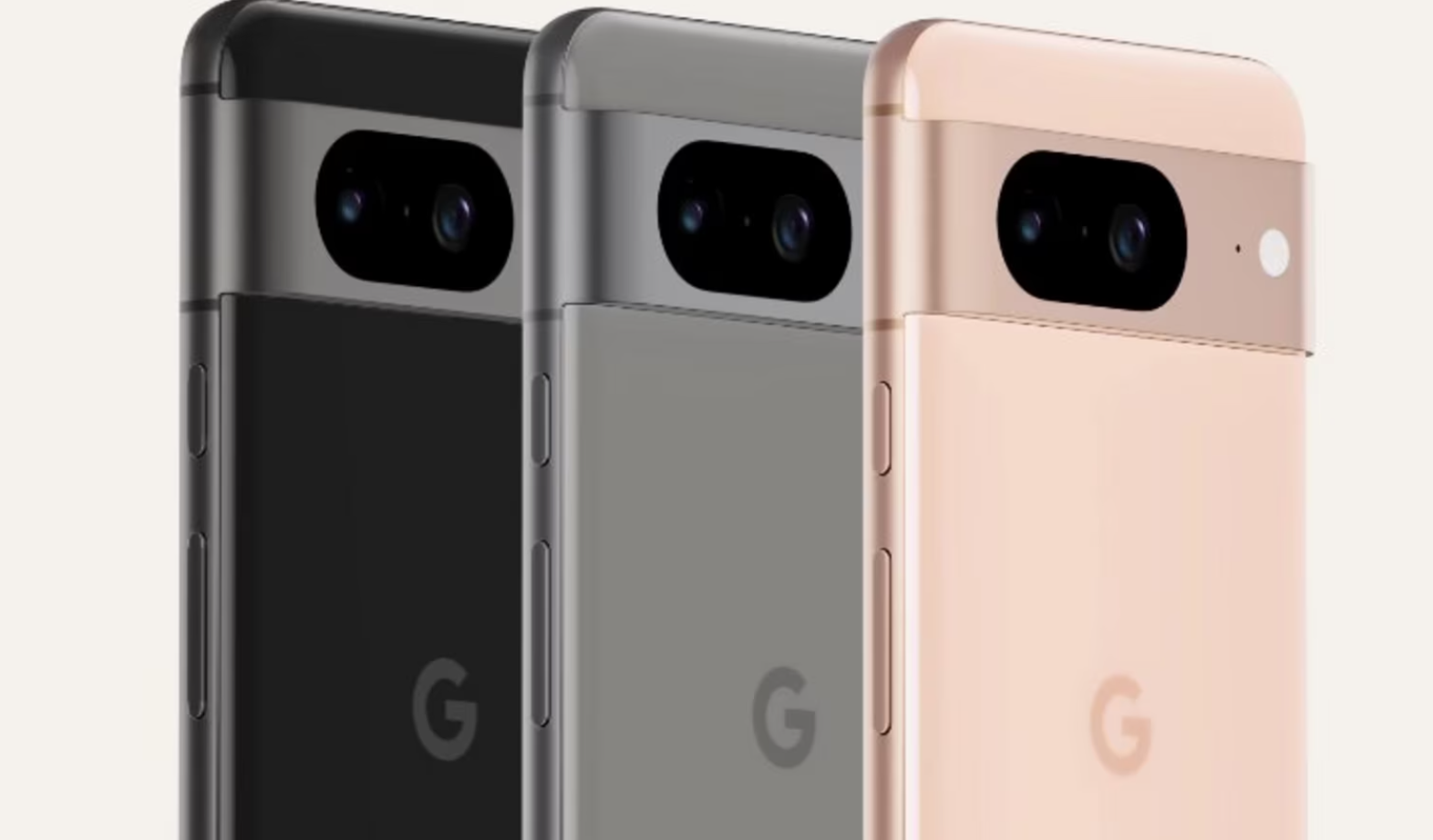
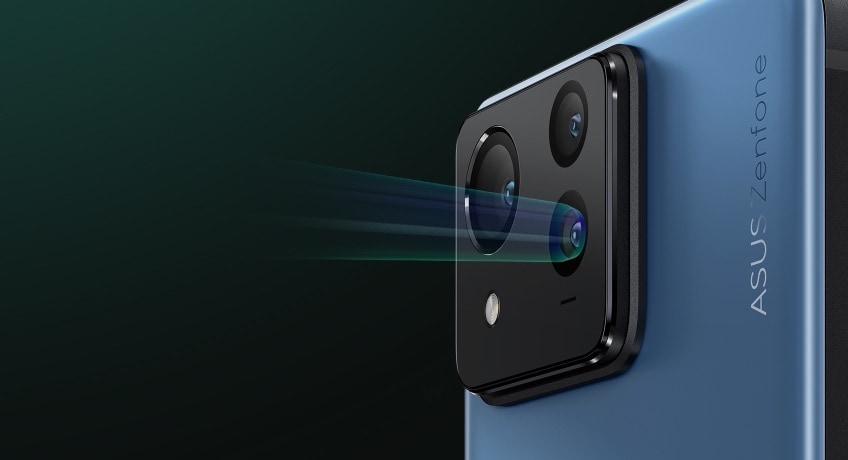
Asus Zenfone 11 Ultra features a 6.78″ LTPO AMOLED display; Google Pixel 8 has a 6.2″ OLED screen.
Zenfone 11 Ultra powered by Snapdragon 8 Gen 3; Pixel 8 runs on Google Tensor G3.
Asus offers up to 16GB RAM and 512GB storage; Pixel 8 up to 8GB RAM and 256GB storage.
Zenfone 11 Ultra boasts a 5500mAh battery with 65W charging; Pixel 8 has a 4575mAh battery with 27W charging.
In the world of smartphones, the competition is fierce. Two of the most anticipated releases of 2024 are the Asus Zenfone 11 Ultra and the Google Pixel 8.
Both phones offer impressive specifications and features, but how do they stack up against each other?
Asus Zenfone 11 Ultra vs Google Pixel 8
Let’s dive in and compare these two devices.
Feature
Asus Zenfone 11 Ultra
Google Pixel 8
Display
6.78-inch FHD+ LTPO AMOLED, 144Hz
6.2-inch OLED, 120Hz
Processor
Snapdragon 8 Gen 3
Google Tensor G3
RAM
Up to 16GB LPDDR5X
8GB LPDDR5X
Storage
Up to 512GB UFS 4.0
Up to 256GB UFS 3.
Main Camera
50 MP + 32 MP + 13 MP
50 MP + 12 MP
Selfie Camera
32 MP
10.5 MP
Battery
5500 mAh
4575 mAh
Charging
65W wired, 15W wireless
27W wired, 18W wireless
Design and Display
Design and Display
The Asus Zenfone 11 Ultra features a 6.78-inch FHD+ LTPO AMOLED display with a peak brightness of 2,500 nits and an adaptive 144Hz refresh rate.
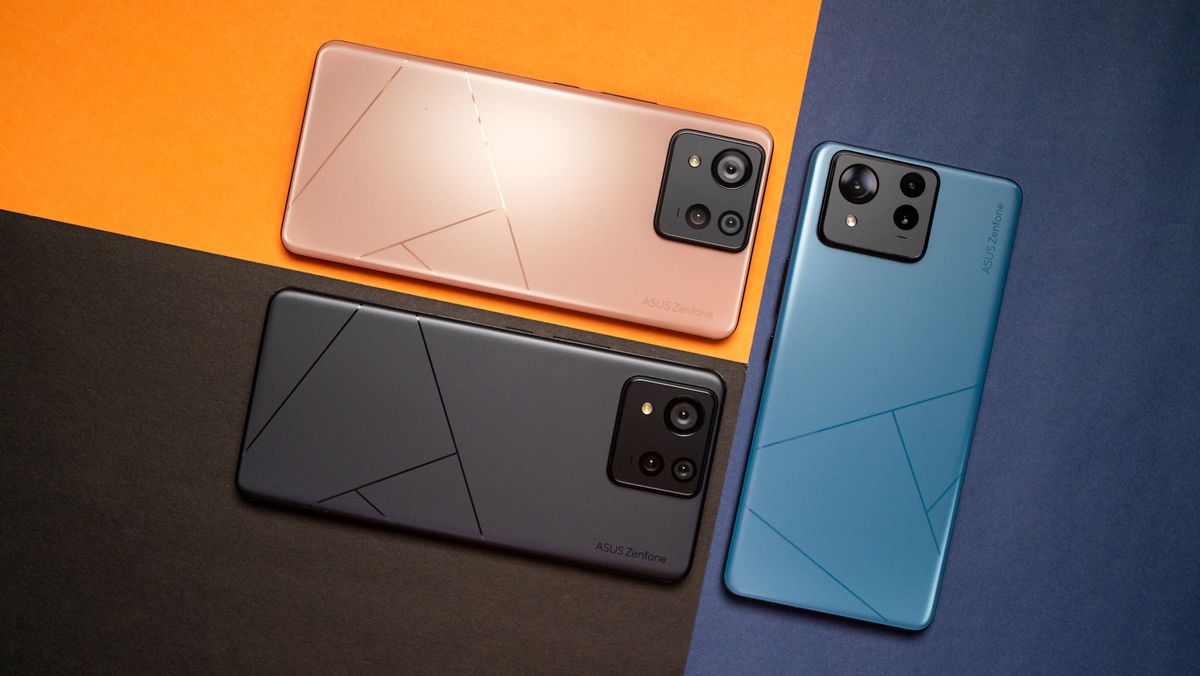
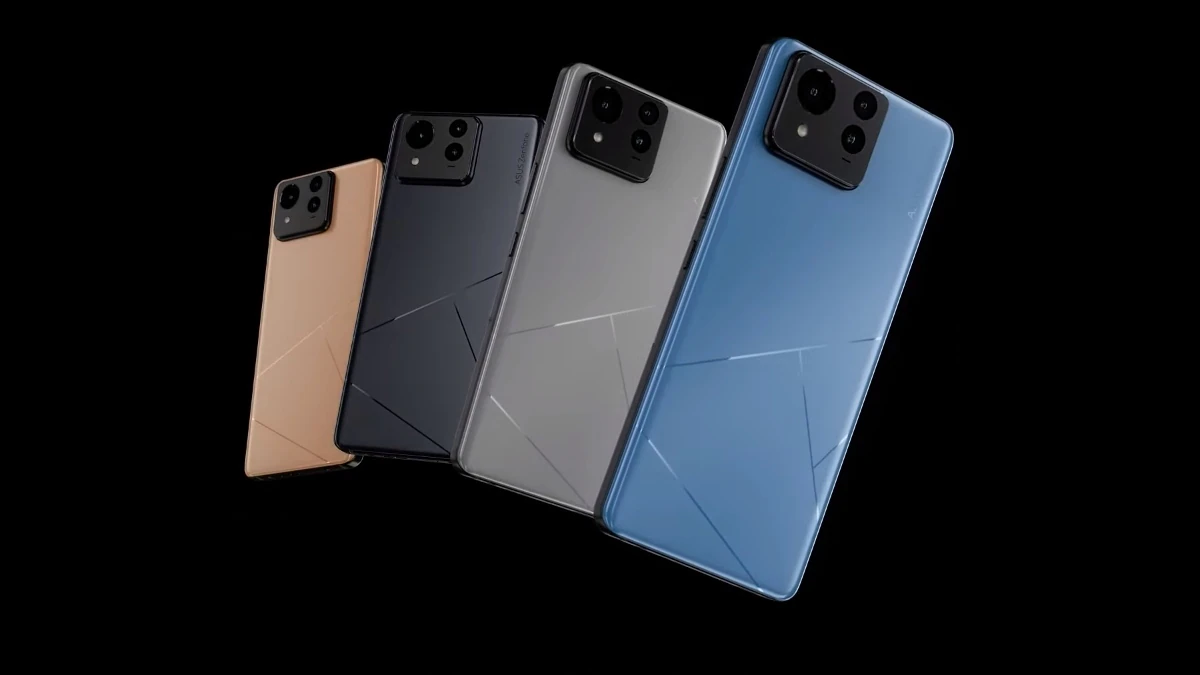
The design includes a flat frame and a square-shaped camera setup.
On the other hand, the Google Pixel 8 comes with a slightly smaller 6.2-inch OLED display with a resolution of 1080 x 2400 pixels.
The Pixel 8’s display also supports HDR10+ and has a peak brightness of 2000 nits.
Performance
Performance
The Asus Zenfone 11 Ultra is powered by the Snapdragon 8 Gen 3 chipset, paired with up to 16GB of LPDDR5X RAM and up to 512GB of UFS 4.0 storage.
This makes it a powerful device capable of handling heavy tasks and gaming.
It comes with 8GB of RAM and offers two storage options: 128GB and 256GB.
While the Tensor G3 may not be as well-known as the Snapdragon series, it’s designed to provide excellent performance, particularly in areas like AI and machine learning.
Camera
Camera
The Asus Zenfone 11 Ultra boasts a triple camera setup: a 50 MP main camera, a 32 MP telephoto lens with 3x optical zoom, and a 13 MP ultrawide lens. It also has a 32 MP RGBW selfie sensor.
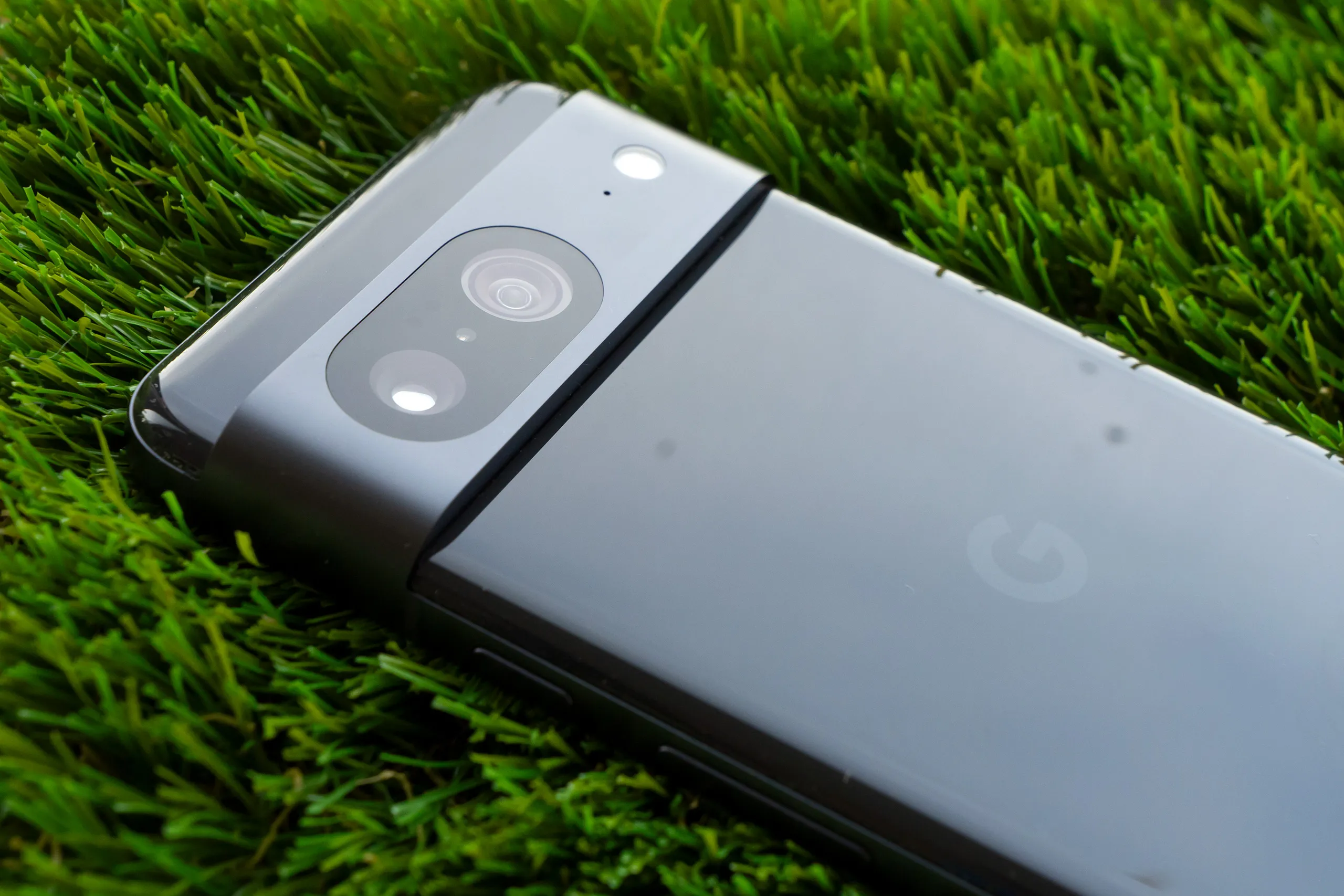
The Google Pixel 8, on the other hand, has a dual-camera setup: a 50 MP main camera and a 12 MP ultrawide camera.
It also features a 10.5 MP selfie camera.
Battery and Charging
Battery and Charging
The Asus Zenfone 11 Ultra comes with a 5500 mAh battery and supports 65W wired charging and 15W wireless charging.
The Google Pixel 8 has a slightly smaller 4575 mAh battery1. It supports 27W wired charging and 18W wireless charging.
The Zenfone 11 Ultra stands out with its powerful performance and versatile camera system, while the Pixel 8 shines with its Google Tensor G3 chipset and compact design. Your choice between the two will depend on your specific needs and preferences.
Which device has a better display, Asus Zenfone 11 Ultra or Google Pixel 8?
The Asus Zenfone 11 Ultra comes with a larger 6.78-inch FHD+ LTPO AMOLED display and a higher 144Hz refresh rate, making it potentially more appealing for users seeking a larger screen and smoother visuals.
What are the processing capabilities of the Asus Zenfone 11 Ultra and Google Pixel 8?
The Zenfone 11 Ultra is equipped with the high-performance Snapdragon 8 Gen 3 chipset, while the Pixel 8 runs on Google’s own Tensor G3 processor, each offering unique strengths, particularly in AI and machine learning for the Pixel.
How do the camera setups compare between the two phones?
The Asus Zenfone 11 Ultra boasts a versatile triple camera system for broader photography options, whereas the Google Pixel 8 maintains a strong focus on quality with its dual-camera setup, leveraging Google’s computational photography.
What battery features do the Asus Zenfone 11 Ultra and Google Pixel 8 offer?
The Zenfone 11 Ultra has a larger 5500mAh battery with faster 65W wired charging, while the Pixel 8 offers a 4575mAh battery with 27W wired charging, prioritizing efficient power management.
Which smartphone is better for gaming and heavy tasks?
With its Snapdragon 8 Gen 3 chipset and up to 16GB RAM, the Asus Zenfone 11 Ultra is potentially more suited for gaming and heavy multitasking compared to the Pixel 8, which focuses on efficient performance with its Tensor G3 chipset.
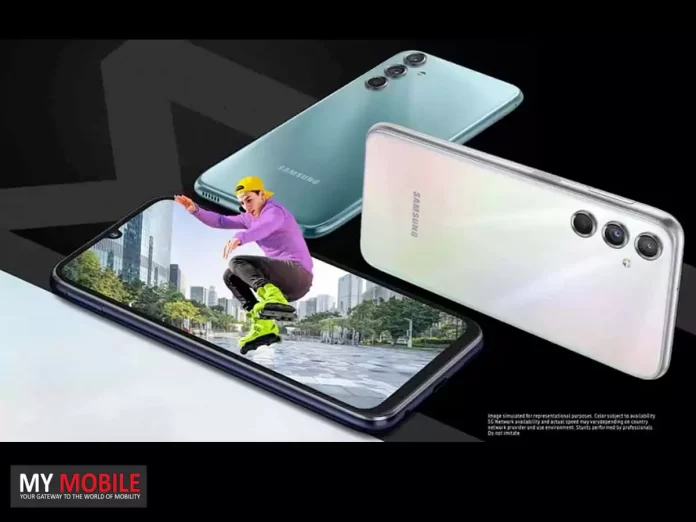
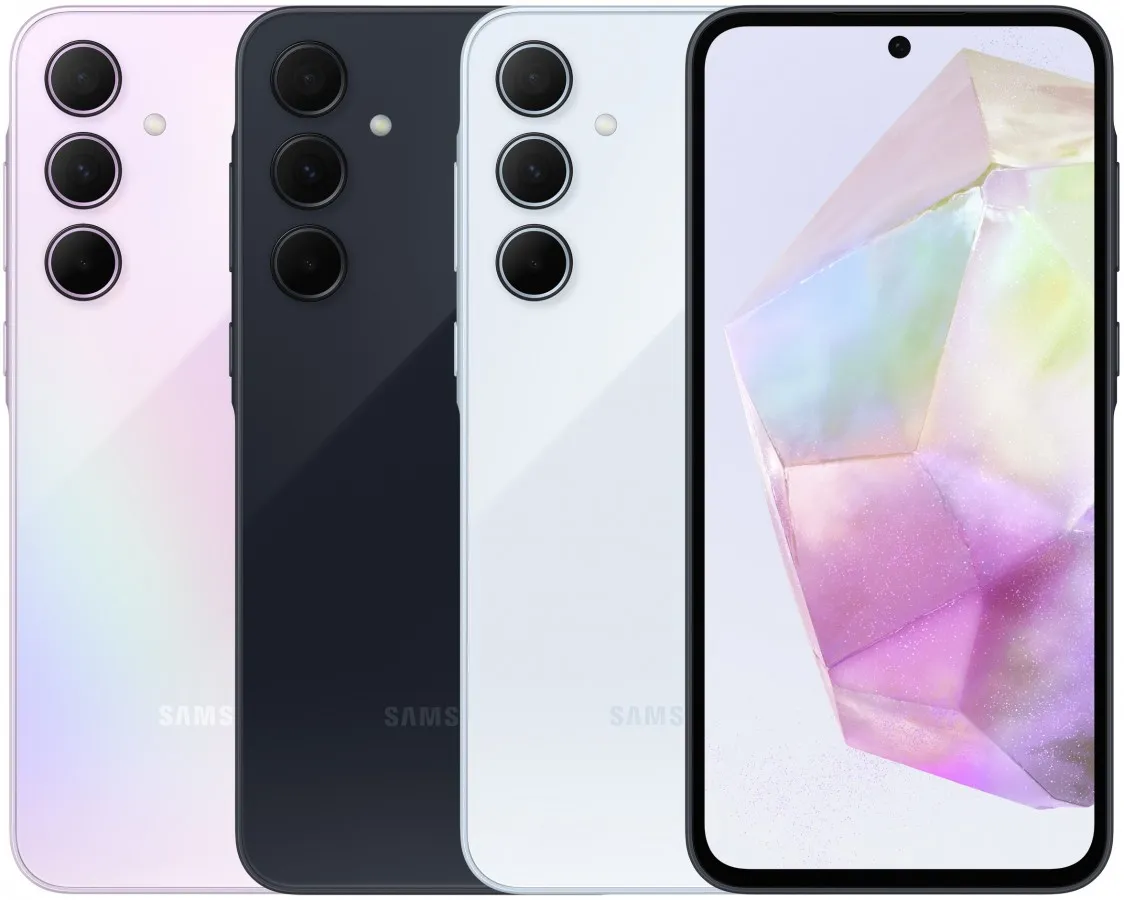
The Samsung Galaxy M35 5G has recently made an appearance on Geekbench, showcasing specs and performance metrics that closely align with those of the newly launched Galaxy A35 5G.
A Closer Look at the Galaxy M35 5G
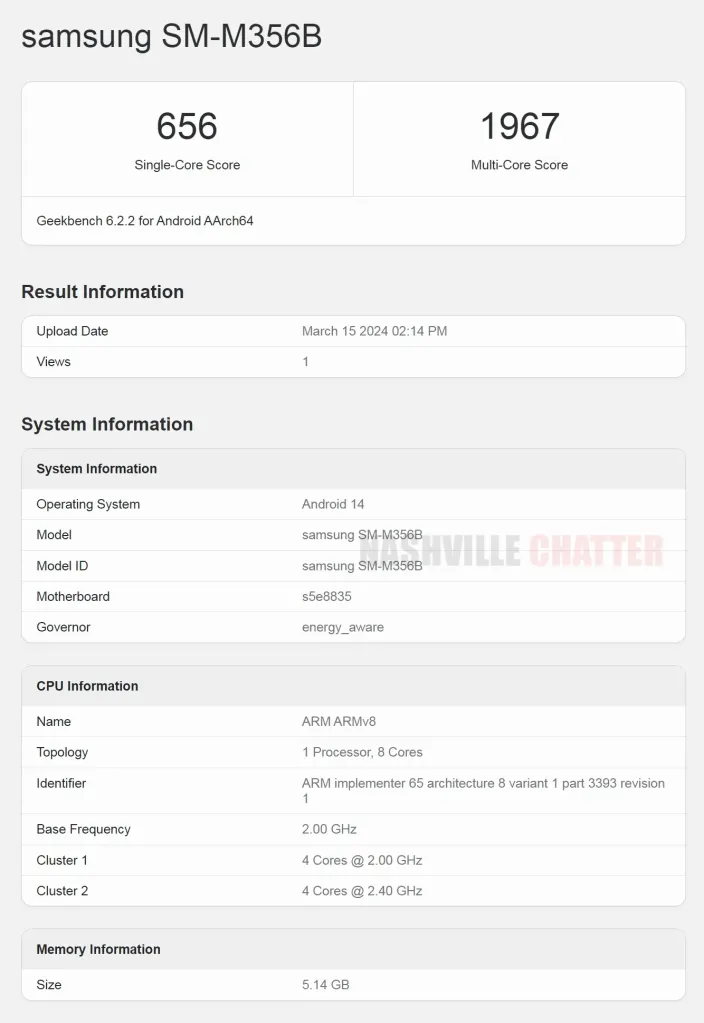
Samsung Galaxy M35 5G Spotted on Geekbench
The Samsung Galaxy M35 5G, bearing the model number SM-M356B, has been unveiled through its Geekbench listing.
At its core, it harnesses the power of the Exynos 1380 chipset, identical to the engine driving the Galaxy A35 5G.
In its Geekbench performance evaluations, the Galaxy M35 5G achieved scores of 656 in single-core and 1967 in multi-core tests.
While these numbers offer a glimpse into the device’s capabilities, detailed specifications beyond these core attributes remain under wraps.
The current speculation suggests that the Galaxy M35 5G might share many similarities with the Galaxy A35 5G, potentially positioning itself as a rebranded or slightly modified version of the latter.
Potential Rebranding and Upgraded Features
Potential Rebranding and Upgraded Features
The Galaxy M35 5G’s use of the Exynos 1380 chipset, mirroring that of the Galaxy A35 5G.
The latter has set a high bar with features like a 6.6-inch Super AMOLED display offering a 120Hz refresh rate, a robust Exynos 1380 processor, a 5000mAh battery supporting 25W fast charging, a versatile triple camera array, and the latest Android 14-based One UI 6.1 software.
If the Galaxy M35 5G is indeed a variant of the A35, it is anticipated to maintain these high standards, possibly with certain enhancements to differentiate it within the market.
A notable area for improvement could be the battery capacity.
It’s plausible that the Galaxy M35 5G could follow suit, offering users extended battery life in addition to its impressive suite of features.
FAQs
What processor is used in the Galaxy M35 5G?
The Galaxy M35 5G is equipped with the Exynos 1380 processor, the same powerful chipset found in the Galaxy A35 5G, ensuring top-tier performance.
How much RAM does the Galaxy M35 5G have?
The Galaxy M35 5G boasts 6GB of RAM, ensuring smooth multitasking and efficient app performance on the latest Android 14-based One UI platform.
What are the Geekbench scores for the Galaxy M35 5G?
In Geekbench testing, the Galaxy M35 5G achieved a single-core score of 656 and a multi-core score of 1967, indicating strong performance capabilities.
Could the Galaxy M35 5G be a rebranded version of the Galaxy A35 5G?
Given the shared Exynos 1380 chipset and other similar specifications, there’s speculation that the Galaxy M35 5G might be closely related to, or a variant of, the Galaxy A35 5G, albeit with potential upgrades such as battery capacity.
What battery capacity can we expect in the Galaxy M35 5G?
While specifics haven’t been confirmed, the Galaxy M35 5G is anticipated to follow the M series tradition of high-capacity batteries, potentially reaching up to 6000mAh for extended use.
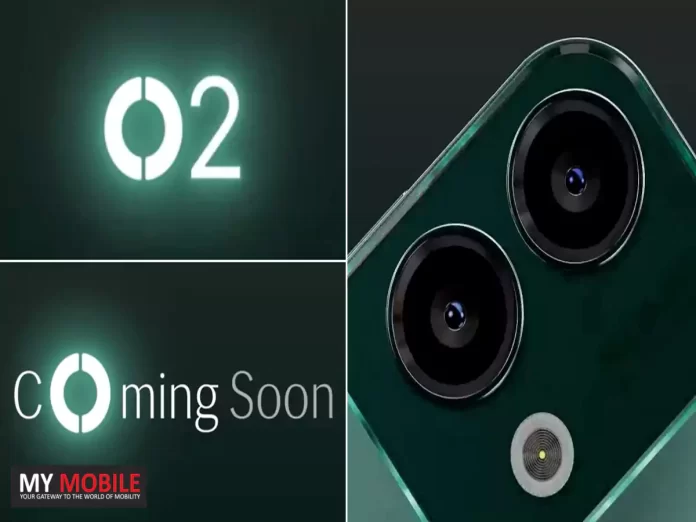
Positioned as the successor to the previously acclaimed Lava O1, this new entrant in the O series promises enhancements and features aimed at delivering a superior user experience.
The anticipation for the Lava O2 has been set into high gear with its specifications making a debut on Amazon.
Lava O2: Enhanced Design and Display
It takes a real performer to outshine the rest! #O2 – Coming soon#LavaMobiles #ProudlyIndian pic.twitter.com/XOQDIm2GG1
— Lava Mobiles (@LavaMobile) March 16, 2024
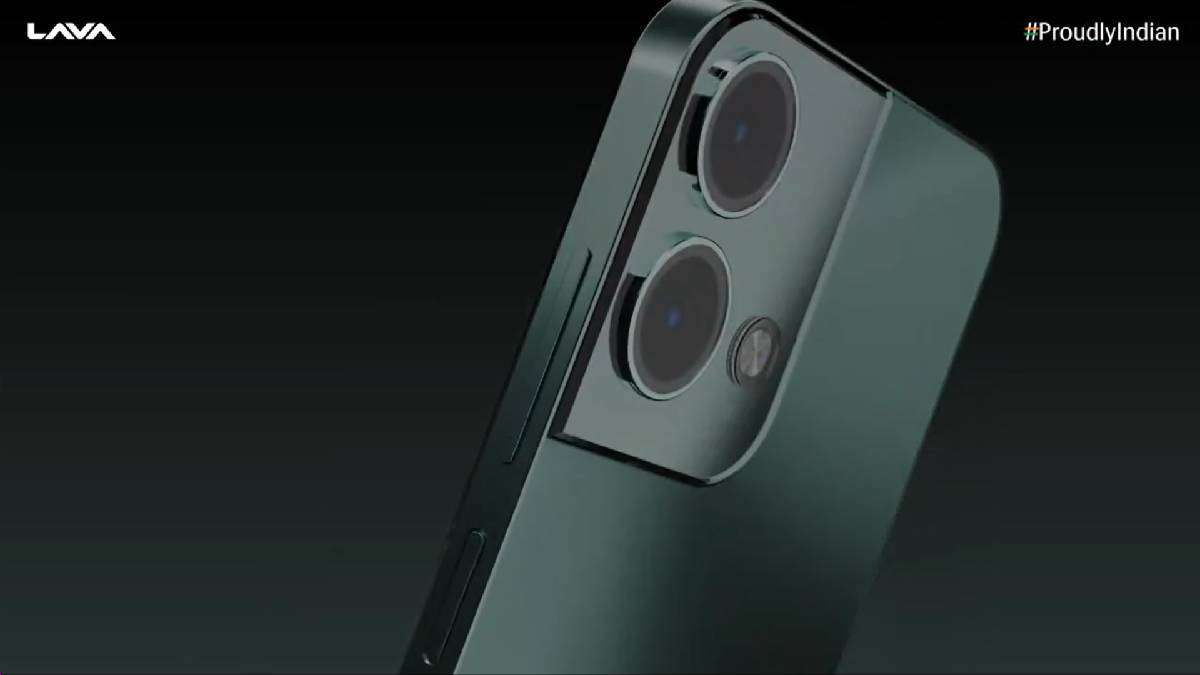
The Lava O2 is expected to make a statement with its design, featuring a flat display that champions slim bezels and a centralized punch-hole cutout for the selfie camera.
At the rear, the device is adorned with a sophisticated dual camera setup, headlined by a 50MP primary sensor, poised slightly above the surface to denote its photographic prowess.
The ergonomic placement of the power button and volume rockers on the right side, along with the thoughtful inclusion of a speaker grille, USB Type-C port, microphone, and a 3.5mm headphone jack at the bottom, underscores Lava’s attention to user convenience and accessibility.
Power-Packed Performance and Camera Excellence
Power-Packed Performance and Camera Excellence
Under the hood, the Lava O2 is powered by the UniSoC T616 chipset, a testament to Lava’s commitment to delivering robust performance and connectivity.
This chipset, combined with 8GB of LPDDR4X RAM and 128GB of UFS 2.2 internal storage, ensures that the Lava O2 can handle everything from daily tasks to intensive applications without a hitch.
Additionally, the smartphone’s capacity for virtual RAM expansion up to 8GB guarantees that users have ample memory at their disposal, enhancing multitasking capabilities.
Running on Android 13, the Lava O2 is set to offer a seamless and up-to-date software experience.
The device’s 6.5-inch punch-hole display, boasting an HD+ resolution and a 90Hz refresh rate, promises vivid visuals and smooth scrolling.
With a 5,000mAh battery supporting 18W wired fast charging, the Lava O2 is geared up for extended usage, ensuring that users stay connected and entertained throughout the day.
FAQs
What chipset does the Lava O2 use?
The Lava O2 is powered by the UniSoC T616 chipset, ensuring efficient and smooth performance across all tasks and applications.
How much RAM and storage does the Lava O2 have?
The Lava O2 comes with 8GB of LPDDR4X RAM and 128GB of UFS 2.2 internal storage, offering ample space and speed for multitasking and storage needs. Additionally, it supports virtual RAM expansion up to 8GB.
What are the camera specifications of the Lava O2?
The Lava O2 sports a dual camera setup with a 50MP primary camera, complemented by advanced features for high-quality photography. It also includes a 16MP front-facing camera for selfies.
What is the battery capacity of the Lava O2, and does it support fast charging?
The Lava O2 is equipped with a 5,000mAh battery that supports 18W wired fast charging, allowing for extended usage and quick recharge times.
What operating system does the Lava O2 run on?
The Lava O2 runs on Android 13, offering the latest features and security updates for a seamless smartphone experience.
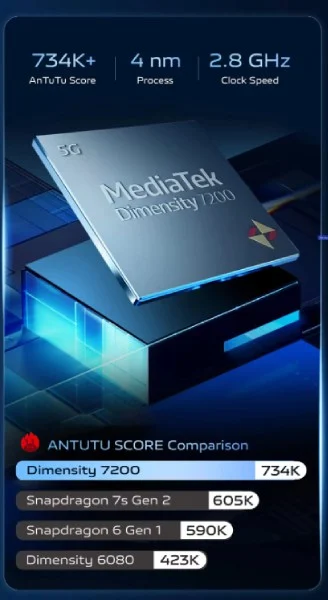
This chipset, heralded for its remarkable AnTuTu benchmark score surpassing 734K, positions the Vivo T3 5G as a leader in its class.
The processor’s 4nm architecture and 2.8GHz clock speed promise unmatched speed and efficiency, signaling a significant leap forward in mobile technology.
Camera and Display Innovations
Camera and Display Innovations
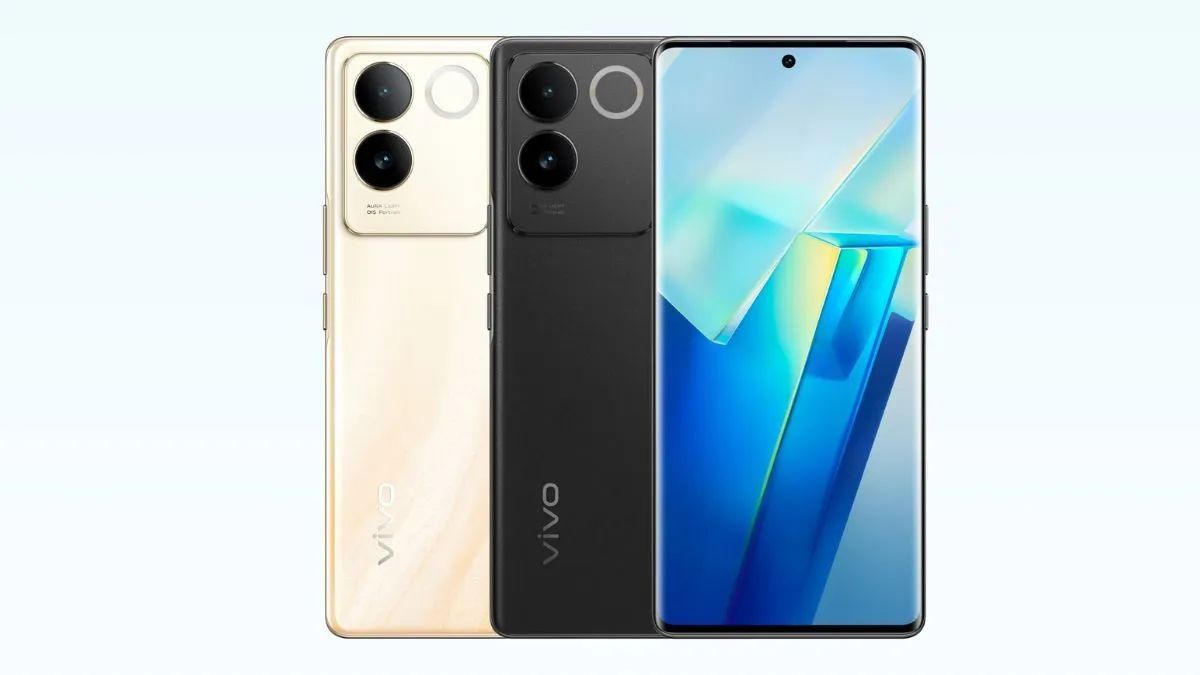
The Vivo T3 5G is not just about raw power; it also focuses on delivering an unparalleled photographic experience.
A collaboration with Sony introduces a novel sensor to the smartphone’s camera, promising superior quality and optical image stabilization—a first in this segment.
The primary camera is rumored to be a 50MP Sony IMX882 sensor, paired with a 2MP bokeh lens and a Flicker sensor for optimal performance in various lighting conditions.
A 16MP front camera ensures selfie enthusiasts are not left wanting.
The device is expected to feature a 6.67-inch AMOLED display, offering Full HD+ resolution and a refresh rate of 120Hz.
With peak brightness at 1800 nits, the screen is designed to deliver a visual feast, whether browsing the web or watching videos.
Launch and Expectations
Launch and Expectations
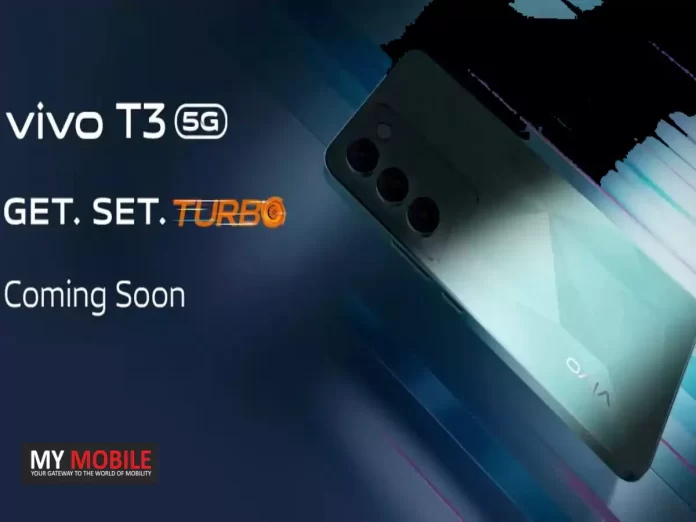
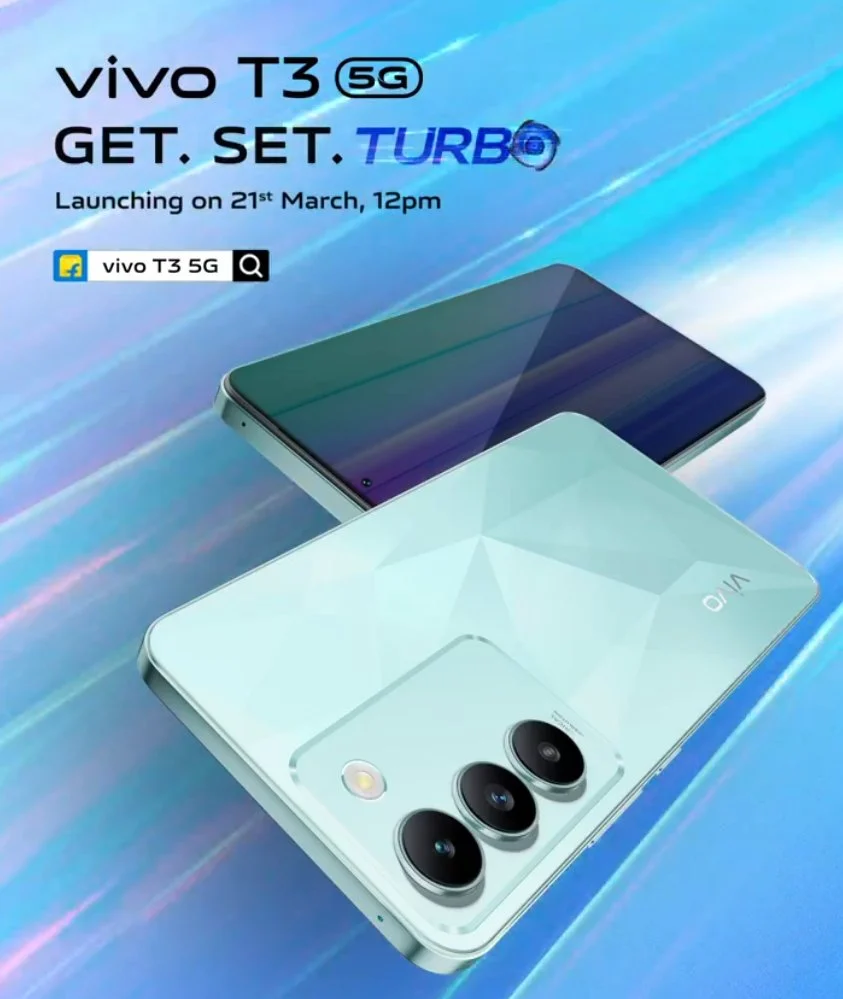
With a launch date set for March 21st in India, anticipation is high for the Vivo T3 5G.
The device promises a comprehensive suite of features including a 5,000mAh battery with 44W FlashCharge, dual stereo speakers, and extended storage support up to 1TB via microSD.
Durability and connectivity are also key focuses, with IP54 rating and support for 10 5G bands.
Photo, Night, Portrait, Video, Micro Movie, 64MP, Panorama, Live Photo, Slo-Mo, Timelapse, Pro, AR Stickers, Documents, Double Exposure, Dual-View Video
Video Recording
1080p @ 30 fps FHD
Flash
Yes, LED
Front Camera
16 MP f/2 (Wide Angle)
Front Video Recording
1080p @ 30 fps FHD
TECHNICAL
OS
Android v14
Custom UI
Funtouch OS 14
Chipset
Mediatek Dimensity 7200
CPU
2.8 GHz, Octa Core Processor
Core Details
2.8GHz×2+2.0GHz×6
GPU
Mali G610
Java
No
Browser
Yes
MULTIMEDIA
Email
Yes
Music
WAV, MP3, MP2, MIDI, Vorbis, APE, FLAC
Video
MP4, 3GP, MKV, FLV
FM Radio
No
Document Reader
Yes
BATTERY
Type
Non-Removable Battery
Size
4700 mAh, Li-Po Battery
Fast Charging
Yes, 67W Superfast Flash Charge
FAQs
What processor does the Vivo T3 5G use?
The Vivo T3 5G is powered by the MediaTek Dimensity 7200 processor, ensuring top-notch performance and speed for users.
Can you tell me about the camera specifications of the Vivo T3 5G?
The Vivo T3 5G boasts a state-of-the-art camera setup including a 50MP Sony IMX882 primary sensor, complemented by a 2MP bokeh lens, and a Flicker sensor for optimal photo quality under various lighting conditions. It also features a 16MP front-facing camera for selfies.
What are the display features of the Vivo T3 5G?
The device flaunts a 6.67-inch AMOLED display, providing Full HD+ resolution, a refresh rate of 120Hz, and peak brightness of 1800 nits, delivering sharp and vibrant visuals.
What battery capacity does the Vivo T3 5G have?
The Vivo T3 5G is equipped with a 5,000mAh battery supported by 44W FlashCharge technology, offering extended usage and quick recharging times.
When is the Vivo T3 5G launching in India?
The Vivo T3 5G is scheduled for release in India on March 21st, bringing exciting features and technological advancements to the market.
This 5G-enabled chipset, a rebranded Dimensity 930, offers two Cortex-A78 cores and six Cortex-A55 cores, promising enhanced processing power and efficiency.
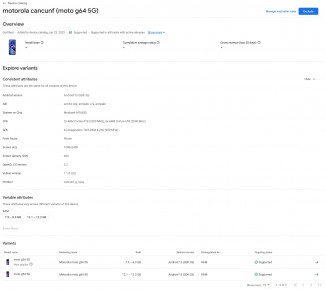
Motorola Moto G64 5G Appears on Google Play Console
The Moto G64 5G will be available in two variants, boasting 8GB and 12GB of RAM, catering to varying user needs.
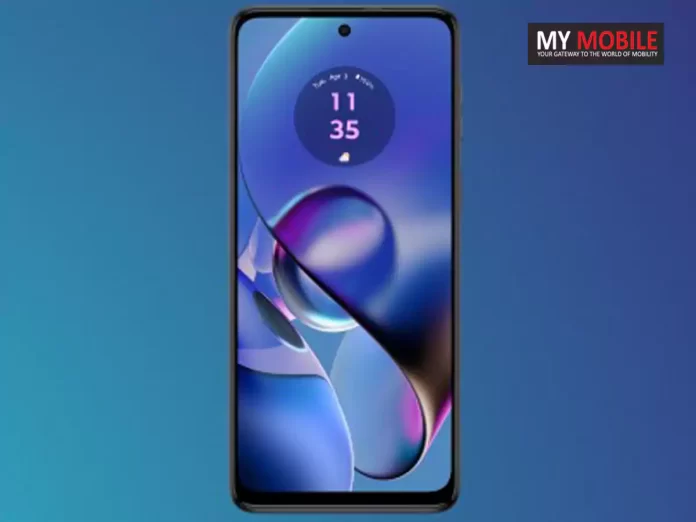
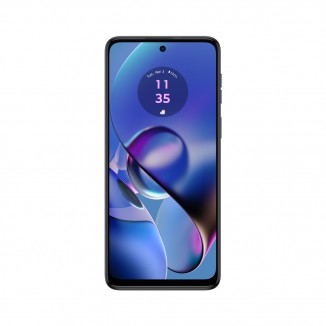
The smartphone’s display, though its size remains undisclosed, will offer a FullHD+ resolution of 1080 x 2400 pixels, ensuring crisp and vivid visuals.
Features a FullHD+ display with a resolution of 1080 x 2400 pixels
Additionally, the device’s power and volume buttons are conveniently located on the right side, enhancing user accessibility.
Motorola’s Moto G family has seen significant additions lately, including the Moto G Power 5G (2024) and Moto G (2024), alongside teasers for the upcoming Edge 50 Pro and Edge 50 Fusion.
The Moto G64 5G’s emergence on the Google Play Console highlights Motorola’s strategy to diversify its portfolio and strengthen its position in the competitive smartphone market.
The Motorola Moto G64 5G is equipped with the MediaTek Dimensity 7020 chipset, a powerful processor designed for efficient and speedy performance in mid-range smartphones.
How much RAM is available in the Moto G64 5G?
The Moto G64 5G comes in two configurations, offering 8GB and 12GB of RAM to cater to different user needs, from everyday tasks to more demanding applications.
What is the display resolution of the Moto G64 5G?
The Moto G64 5G boasts a FullHD+ display with a resolution of 1080 x 2400 pixels, ensuring sharp and vivid visuals for an immersive viewing experience.
Where are the power and volume buttons located on the Moto G64 5G?
The power and volume buttons on the Moto G64 5G are strategically placed on the right-hand side, making them easily accessible for users.
How does the Moto G64 5G differ from its predecessor?
Details on the differences between the Moto G64 5G and its predecessor are highly anticipated, with consumers eager to see the upgrades and improvements Motorola has implemented in the new model.
Apple has a history of announcing the dates of its flagship developer conference several weeks in advance, typically through its developer website and a press release.
Looking back at the past several years, the announcement dates have varied from as early as February 16 (in 2017) to as late as April 5 (in 2022).
If history is any guide, we can expect Apple to reveal the WWDC 2024 dates sometime in the next two to three weeks, most likely in late March or early April.
Predicted Dates for WWDC 2024
Predicted Dates for WWDC 2024
Traditionally, WWDC takes place during the first full week of June.
Based on this pattern, the likely kickoff for WWDC 2024 is June 3.
This weeklong event has consistently served as a platform for Apple to unveil its latest software developments and, occasionally, new hardware.
Updates Across the Board:Alongside iOS 18, updates for iPadOS 18, macOS 15, watchOS 11, and tvOS 18 are on the agenda. Not to be overlooked, visionOS 2 for the Apple Vision Pro is expected to bring new functionalities and improvements to Apple’s immersive headset.
Hardware Speculations
The tech community is abuzz with anticipation for potential hardware announcements. The spotlight is on the expected M3 versions of the Mac Studio and Mac Pro.
Following the pattern of previous years, these could very well make their debut at WWDC 2024, mirroring the introduction of their M2 counterparts at last year’s event.
FAQs
Q: When is WWDC 2024 expected to be announced?
A: Based on previous years, Apple is likely to announce WWDC 2024 dates in late March or early April.
Q: What are the expected dates for WWDC 2024?
A: WWDC 2024 is traditionally held in the first full week of June, with June 3 being the likely start date this year.
Q: What key updates are anticipated at WWDC 2024?
A: Major updates expected include iOS 18 with groundbreaking AI enhancements, along with updates for iPadOS 18, macOS 15, watchOS 11, and tvOS 18. VisionOS 2 for Apple Vision Pro is also anticipated.
Q: Will there be any hardware announcements at WWDC 2024?
A: Speculation suggests the possibility of unveiling M3 versions of the Mac Studio and Mac Pro, following the trend of previous WWDC hardware announcements.
Q: How significant are the AI features expected in iOS 18?
A: The AI features in iOS 18 are rumored to be a major highlight, with advancements in Siri and across various Apple services, potentially setting a new standard for Apple’s ecosystem.