Home Blog Page 567

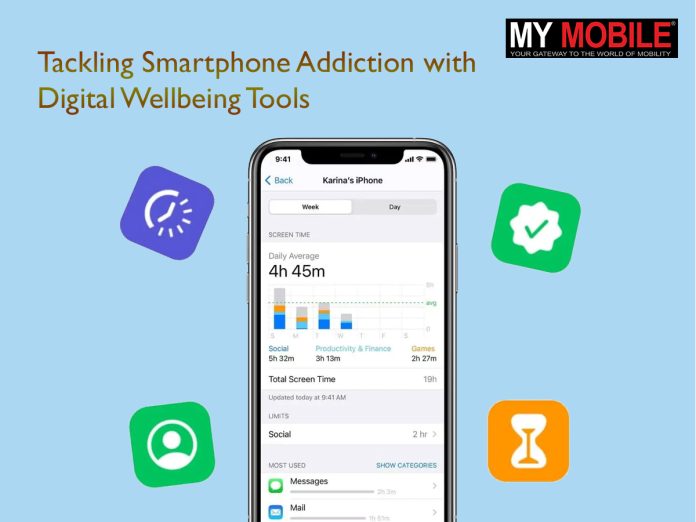
Tackling Smartphone Addiction with Digital Wellbeing Tools

0

Highlights

  • Digital Wellbeing tools track and manage screen time effectively.
  • Set app limits to reduce dependency on specific applications.
  • Focus Mode and Wind Down routines encourage healthier digital habits.
  • Third-party apps offer creative solutions for minimizing screen time.

Our smartphones have morphed from luxury items into necessities, often blurring the lines between utility and overuse.

This ubiquitous device, designed to connect us with the world, can ironically lead to disconnection from real-life interactions and our surroundings.

As we navigate through endless notifications, social media feeds, and the lure of just “one more scroll,” the specter of smartphone addiction becomes increasingly tangible.

However, there’s a beacon of hope in this digital quagmire: Digital Wellbeing tools. 

These built-in features and third-party apps are specifically designed to help us manage our screen time more effectively, fostering a healthier relationship with our digital companions.

Understanding Smartphone Addiction
Understanding Smartphone Addiction

Before delving into the solutions, it’s crucial to recognize the signs of smartphone addiction.

This phenomenon often manifests as an overwhelming urge to check your phone constantly, feelings of anxiety when separated from it, and a noticeable decline in face-to-face interactions.

The repercussions extend beyond the social, affecting sleep patterns, concentration, and overall mental health.

Embracing Digital Wellbeing Tools
Embracing Digital Wellbeing Tools

Fortunately, the tech industry has acknowledged this issue, with major operating systems integrating Digital Wellbeing tools to aid users in managing their screen time.

Here’s how these features can help combat smartphone addiction:

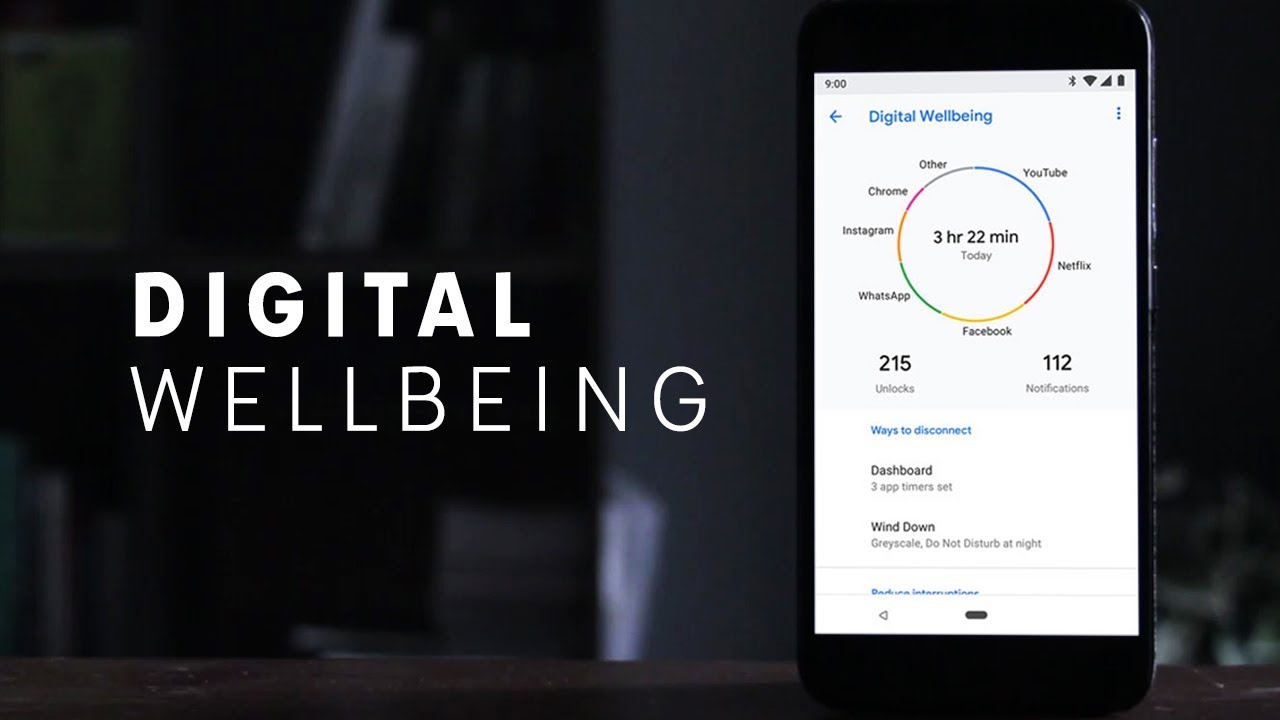
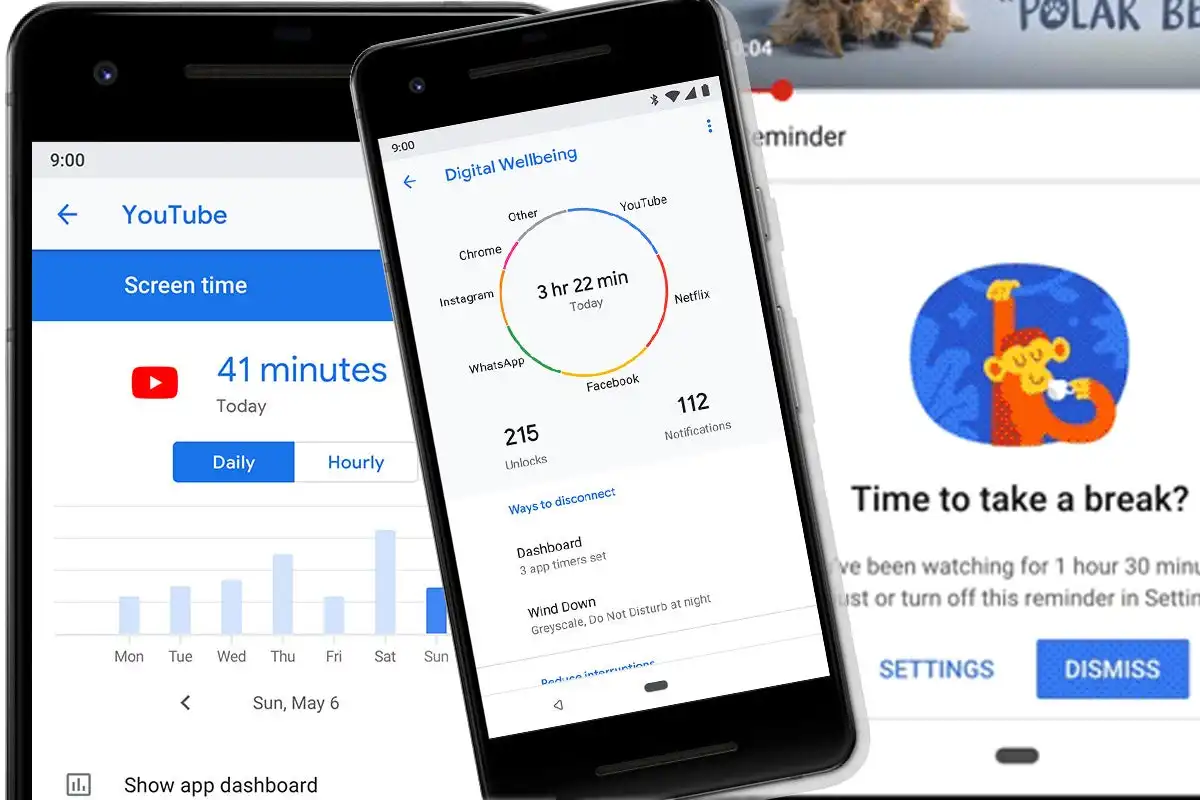
  • Screen Time Tracking: Knowledge is the first step toward change. Digital Wellbeing tools offer detailed insights into how much time you spend on your device and specific apps. This awareness alone can be a catalyst for reducing unnecessary screen time.
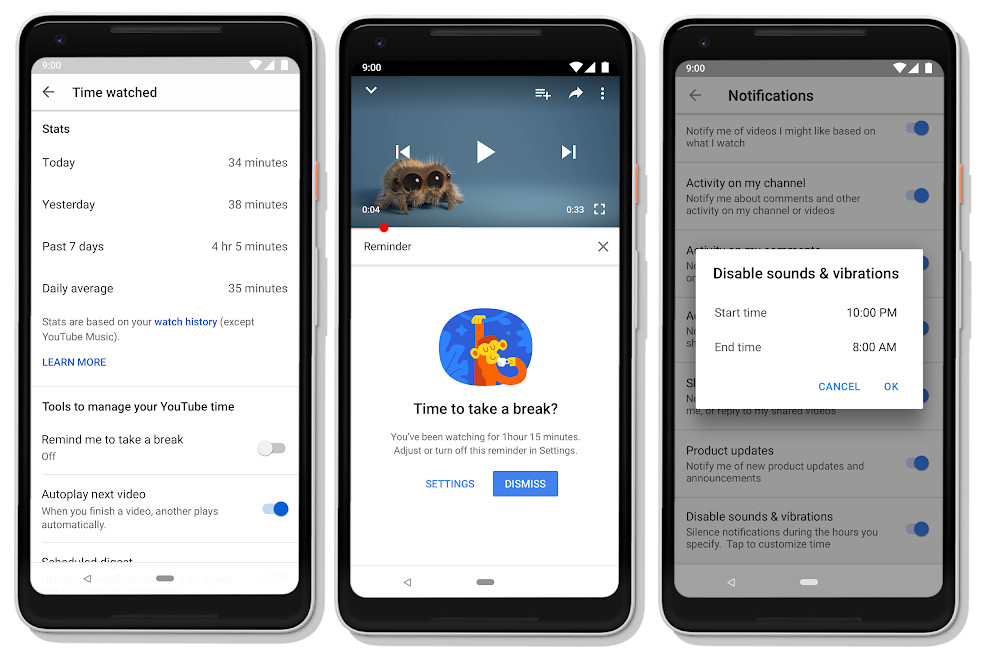
  • App Limits: Set boundaries for how long you can use certain apps each day. Whether it’s social media, games, or streaming services, limiting your daily usage can free up time for other activities and reduce dependency on digital stimulation.
  • Focus Mode: This feature allows you to temporarily disable apps that distract you from work, study, or sleep. By muting notifications and restricting access, Focus Mode helps you concentrate on the task at hand, fostering productivity and mindfulness.
  • Wind Down Routine: Establishing a pre-sleep routine can significantly improve sleep quality. Tools like Night Shift adjust your screen’s color temperature in the evening to reduce blue light exposure, while Bedtime mode can mute notifications and turn the screen grayscale to discourage late-night scrolling.

Supplementing with Third-Party Apps
Supplementing with Third-Party Apps

In addition to built-in features, numerous third-party apps offer more nuanced control over your digital habits.

Apps like Forest incentivize staying off your phone by planting virtual trees that grow while you focus on other tasks.

Others, like Offtime, provide detailed analytics and customizable profiles to restrict phone use during specific activities or times of day.

Creating a Digital Wellbeing Plan
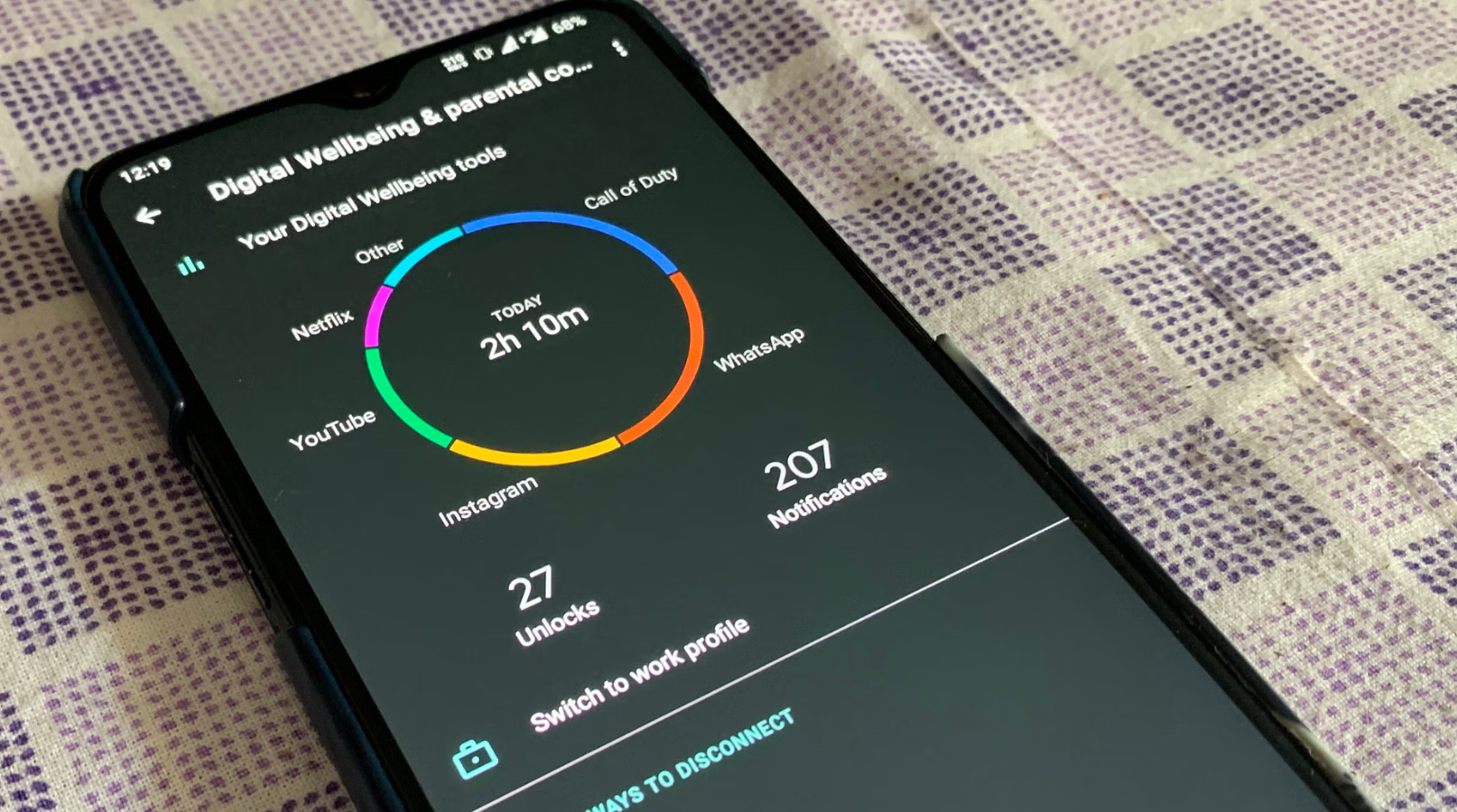
Creating a Digital Wellbeing Plan

While tools and apps are invaluable, true digital wellbeing stems from a conscious effort to change behavior.

Here are some strategies to complement the use of Digital Wellbeing tools:

  • Establish tech-free zones and times: Designate areas in your home, like the bedroom or dining table, as smartphone-free zones. Similarly, set times during the day when you consciously avoid digital screens.
  • Engage in offline activities: Rediscover hobbies that don’t involve screens. Whether it’s reading, crafting, or outdoor activities, filling your time with enriching experiences can lessen the hold your smartphone has on your daily life.
  • Practice mindfulness: Mindfulness and meditation can enhance your awareness of the present moment, reducing the impulse to reach for your phone. Apps like Headspace or Calm can guide you through the process, ironically using your device to help you detach from it.

FAQs

What are Digital Wellbeing tools?

Digital Wellbeing tools are features integrated into smartphones and third-party apps designed to help users manage their screen time, reduce smartphone addiction, and foster a healthier digital lifestyle.

How can setting app limits help combat smartphone addiction?

By limiting the daily usage of certain apps, you can curb excessive screen time, minimize distractions, and allocate time to more productive or fulfilling activities.

What is Focus Mode, and how does it improve productivity?

Focus Mode allows users to temporarily disable distracting apps, helping to maintain concentration on work or studies by reducing the temptation to check notifications or scroll through social media.

Can Digital Wellbeing tools actually improve sleep?

Yes, features like Night Shift and Bedtime mode can reduce blue light exposure and minimize distractions before sleep, contributing to improved sleep quality and overall well-being.

Are there any effective third-party apps for managing screen time?

Several third-party apps like Forest and Offtime provide innovative ways to manage screen time, including gamification of focus periods and detailed usage analytics to encourage digital detox.

Also Read: Smartphone Vision Syndrome: Cellphone Addiction: 30year old Hyderabad Woman Lost Vision Temporarily Due to Excessive Phone Usage In Dark

Also Read: Impact of Smartphone Use on Family Relationships: Vivo Switch Off Research Insights

Apple Reportedly Gearing Up for the Launch of Two New AirPods Models in 2024

0
Apple Reportedly Gearing Up for the Launch of Two New AirPods Models in 2024

Highlights

  • Apple to introduce entry-level and mid-tier New AirPods Models.
  • Upcoming models to feature redesigned fit and USB-C charging cases.
  • Premium variant to include Active Noise Cancellation and speaker for finding earbuds.
  • Rumored launch alongside iPhone 16 series in autumn.

Apple enthusiasts have something exciting to look forward to as the tech giant is rumoured to be expanding its audio offerings with two new AirPods models later this year.

Bloomberg’s Mark Gurman reports that Apple is working on entry-level and mid-tier variants, code-named B768(E) and B768(M), aiming to enhance its non-flagship earbud range.

These models are expected to replace the current second and third-generation AirPods, introducing fresh designs, improved comfort, and USB-C charging cases among other features.

A Fresh Design and Enhanced Features

A Fresh Design and Enhanced Features

The forthcoming AirPods are rumoured to boast a new design and improved ergonomics, building on the Pro-like aesthetics introduced in the third-generation AirPods.

While Apple has already made strides in design and comfort, further refinements are anticipated, possibly making the new models even more appealing to a broader audience.

Not only will these updates cater to a range of budgets, but they’ll also introduce technological advancements such as Active Noise Cancellation (ANC) in the more premium variant.

This feature, coupled with speakers designed to assist users in locating misplaced earbuds, signifies Apple’s commitment to both innovation and practicality.

Upcoming Launch and Software Enhancements

Upcoming Launch and Software Enhancements

While the exact release date remains speculative, production is reportedly set to begin soon, with a potential launch alongside the iPhone 16 series in the autumn.

This timing suggests that Apple is aiming to create a buzz in the market with a coordinated release of its latest innovations.

On the software front, Apple is exploring new territory with a rumoured hearing test feature, enhancing the accessibility and utility of the AirPods.

Existing features like Live Listen and Headphone Accommodations highlight Apple’s focus on accessibility, and the addition of a hearing test could further solidify its reputation as a pioneer in inclusive technology.

FAQs

What can we expect from the new AirPods models?

Apple is set to launch two new AirPods models, offering a fresh design, improved comfort, and technological advancements such as Active Noise Cancellation in the higher-end model. Both versions will come with USB-C charging cases.

When are the new AirPods models expected to be released?

While exact dates are yet to be announced, rumours suggest that Apple may launch the new AirPods models around September or October, possibly alongside the iPhone 16 series.

Will there be any significant design changes in the new AirPods models?

Yes, the upcoming AirPods models are expected to sport a new design with enhanced ergonomics, building on the sleek, Pro-like aesthetics introduced in the third-generation AirPods.

What are some of the standout features of the premium AirPods model?

The premium variant of the upcoming AirPods is rumoured to include Active Noise Cancellation and a built-in speaker to assist in locating misplaced earbuds, among other advanced features.

How does Apple plan to improve the AirPods’ software capabilities?

Apple is reportedly working on introducing a hearing test feature and other audio-centric improvements in the new AirPods models, emphasizing accessibility and user experience.

Also Read: Apple Reportedly Set for Major AirPods Revamp with ANC and New Features

Also Read: Apple’s 2024 Product Launch Predictions: Apple Watch 10, AirPods 4, Vision Pro, and More

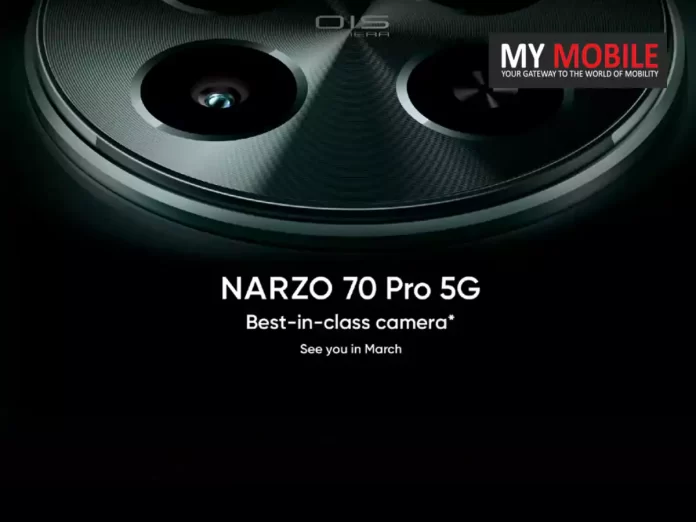
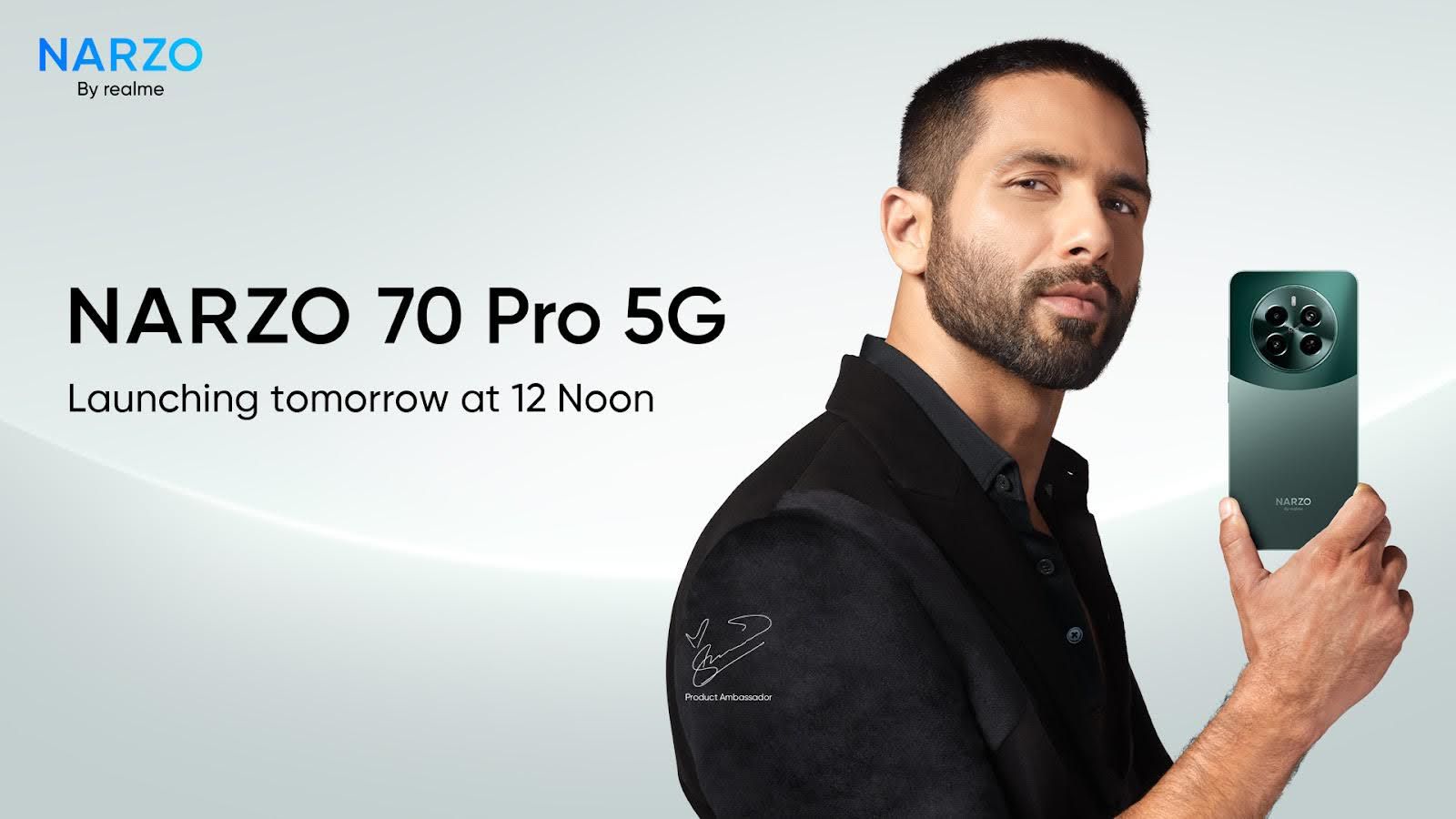
Realme Narzo 70 Pro Launch Set For 19th March: Complete Rumour Roundup, When and Where to Watch the Event Live

0
Realme Narzo 70 Pro Launch Set For 19th March: Complete Rumour Roundup, When and Where to Watch the Event Live

Highlights

  • Realme Narzo 70 Pro features a user-friendly design with strategically placed buttons.
  • Boasts a circular camera island for enhanced photographic capabilities.
  • Official unveiling scheduled for 12:00 PM via live stream on Realme’s YouTube channel.
  • Aims to redefine mid-range smartphone market with stylish design and advanced features.

Realme is set to continue its trend of offering feature-packed smartphones with the upcoming launch of the Realme Narzo 70 Pro.

Following in the footsteps of its predecessor, the Narzo 60 Pro, this latest addition to the Narzo series boasts a sleek design and enhanced camera capabilities, promising to deliver an upgraded user experience.

When and Where To Watch

When and Where To Watch
Realme Narzo 70 Pro Launch Set For 19th March: When and Where To Watch

While specific details about the device’s specifications and pricing remain under wraps, the sneak peeks into its design and features have already sparked excitement and high expectations.

Stay tuned and mark your calendars for the live stream on Realme’s YouTube channel to be among the first to see the unveiling of the Narzo 70 Pro, which is set to redefine standards in smartphone design and functionality within its price segment.

The Realme Narzo 70 Pro official launch is scheduled to take place starting at 12:00 PM.

For those eager to witness the unveiling of Realme’s latest marvel, the launch event will be live-streamed on Realme’s official YouTube channel.

Design and Layout

Realme Narzo 70 Pro Launch Set For 19th March
Realme Narzo 70 Pro Launch Set For 19th March: Design and Layout

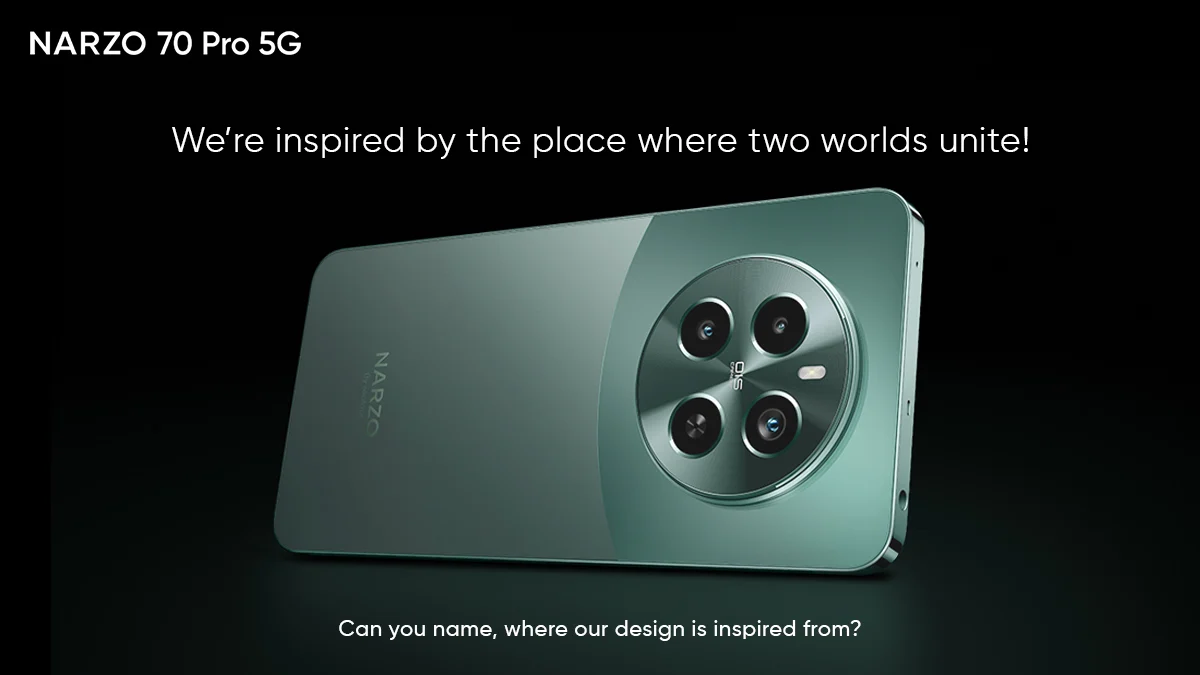
One of the most noticeable aspects of the Realme Narzo 70 Pro is its user-friendly design, with the volume rocker and power button conveniently located on the right side of the device.

This placement ensures ease of use, allowing users to adjust the volume and power on the device effortlessly.

Camera Innovations

Realme Narzo 70 Pro Launch Set For 19th March
Realme Narzo 70 Pro Launch Set For 19th March: Camera

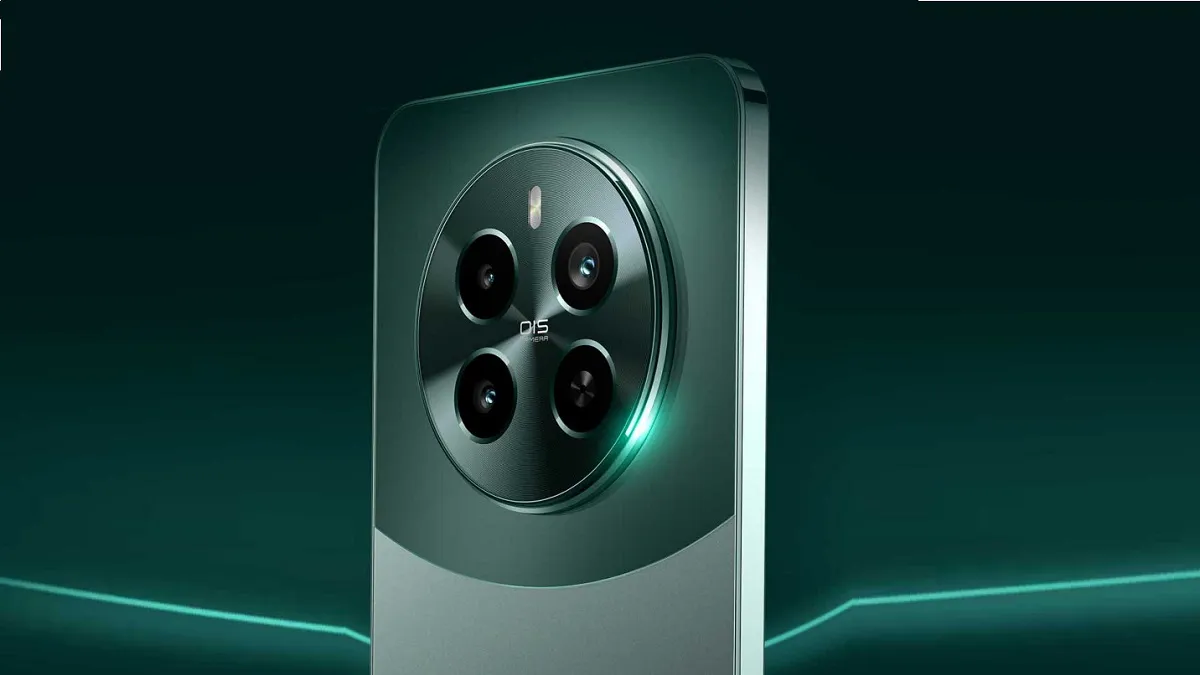
At the rear, the Narzo 70 Pro introduces a circular camera island, a design choice reminiscent of the Narzo 60 Pro, signifying Realme’s commitment to consistency and brand identity across its Narzo series.

This distinctive circular module is not just for aesthetics; it serves a functional purpose, housing the smartphone’s advanced rear cameras and an LED flash.

This setup is expected to enhance the photographic capabilities of the Narzo 70 Pro, enabling users to capture high-quality images and videos in various lighting conditions.

Anticipation Builds

Realme Narzo 70 Pro Launch Set For 19th March
Realme Narzo 70 Pro Launch Set For 19th March: Battery

As the launch date approaches, anticipation is likely to be building among Realme enthusiasts and tech aficionados alike.

The Realme Narzo 70 Pro is poised to make a significant impact in the mid-range smartphone market, with its combination of stylish design, improved camera features, and user-friendly interface.

Realme Narzo 70 Pro 5G

GENERAL

Sim Type Dual Sim, GSM+GSM (Hybrid Slot)
Dual Sim Yes
Sim Size Nano SIM
Device Type Smartphone
Release Date March 25, 2024 (Expected)

DISPLAY

Type Color AMOLED Screen (16.7M)
Touch Yes
Size 6.67 inches, 1080 x 2400 pixels, 120 Hz
Aspect Ratio 20:9
PPI ~ 405 PPI
Screen to Body Ratio ~ 90.5%
Notch Yes, Punch Hole

MEMORY

RAM 8 GB
Expandable RAM Upto 8 GB Extra Virtual RAM
Storage 128 GB
Storage Type UFS 2.2
Card Slot Yes, (Hybrid Slot), upto 1 TB

CONNECTIVITY

GPRS Yes
EDGE Yes
3G Yes
4G Yes
5G Yes
5G Bands SA: n1/n28A/n41/n78, NSA: n41/n77/n78
VoLTE Yes, Dual Stand-By
Wifi Yes, with wifi-hotspot
Wifi Version Wi-Fi 5 (802.11 a/b/g/n/ac), Dual Band
Bluetooth Yes, v5.3, A2DP, LE
USB Yes, USB-C v2.0
USB Features USB Tethering, USB on-the-go, USB Charging

EXTRA

GPS yes with A-GPS, Beidou, Glonass, Galileo
Fingerprint Sensor Yes, In Display
Face Unlock Yes
Sensors Magnetic Induction Sensor, Light sensor, Proximity Sensor, Gyro-meter, Acceleration Sensor, Compass
3.5mm Headphone Jack Yes

CAMERA

Rear Camera 50 MP (Wide Angle)
13 MP f/2.2 (Ultra Wide)
2 MP f/2.4 (Macro) with autofocus
Features Ultra Steady Video, Ultra Steady Max Video, Night Mode, Panoramic View, Expert, Timelapse, HDR, Ultra-wide, Ultra Macro, AI Scene Recognition, AI Beauty, Filter, Slow Motion, Bokeh Effect Control
Video Recording 4K, 1080p, 720p
Flash Yes, LED
Front Camera Punch Hole 16 MP f/2.1 (Wide Angle) with Screen Flash
Front Video Recording 1080p, 720p

TECHNICAL

OS Android v14
Custom UI realme UI 4.0
Chipset Mediatek Dimensity 7050
CPU 2.6 GHz, Octa Core Processor
Core Details 2xCortex-A78@ 2.6GHz & 6xCortex-A55@2.0 GHz
GPU Arm Mali-G68 MC4
Java No
Browser Yes, supports HTML5

MULTIMEDIA

Email Yes
Music AAC, APE, FLAC, AMR, MID, MP3, OGG, WAV, WMA, MKA
Video AVI, MP4, 3GP, 3G2, 3GPP, 3GPP2, M4V, FLV, F4V, WEBM, WMV, ASF, MOV, QT, TS, M2TS, MTS, MKV
FM Radio No
Document Reader Yes

BATTERY

Type Non-Removable Battery
Size 5000 mAh, Li-ion Battery
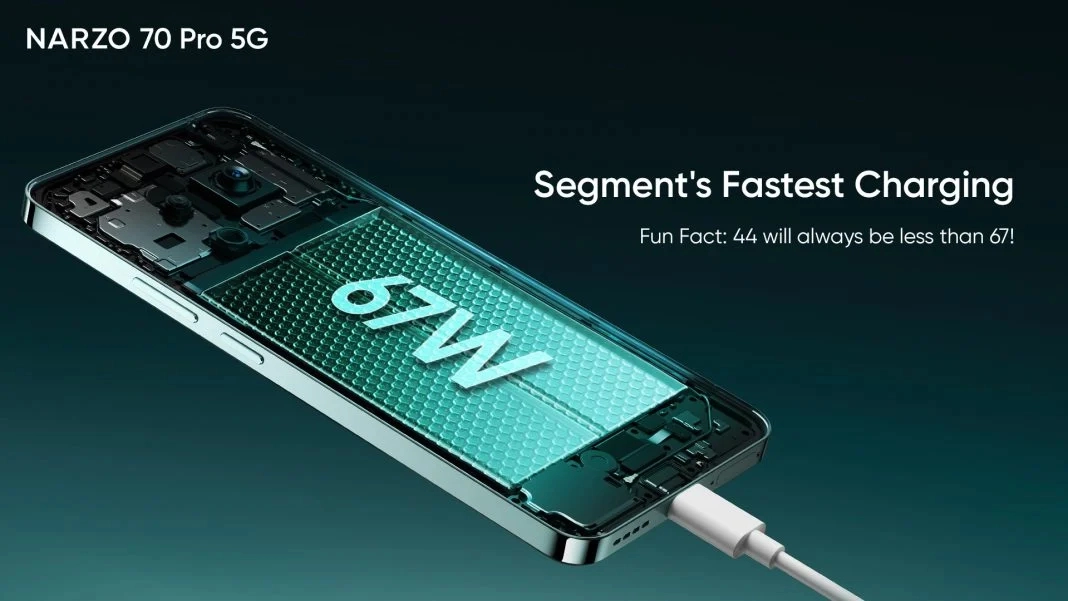
Fast Charging Yes, 33W Dart Charge

FAQs

What makes the Realme Narzo 70 Pro stand out in the smartphone market?

The Realme Narzo 70 Pro is designed to offer a premium user experience at an accessible price point, featuring a sleek design, advanced camera setup, and a user-friendly interface.

When can I watch the Realme Narzo 70 Pro launch event?

The launch event is scheduled to start at 12:00 PM and will be live-streamed on Realme’s official YouTube channel, allowing fans worldwide to witness the unveiling.

What are the key design features of the Realme Narzo 70 Pro?

The Narzo 70 Pro boasts a modern design with a circular camera island at the back and convenient placement of the volume rocker and power button on the right side for ease of use.

How does the camera setup on the Realme Narzo 70 Pro compare to its predecessor?

The Narzo 70 Pro enhances its photography capabilities with a circular camera island similar to the Narzo 60 Pro, but with upgraded sensors and an LED flash for high-quality imaging in various conditions.

What should we expect from the Realme Narzo 70 Pro in terms of user experience?

Users can expect a combination of high-end features, including an advanced camera system, robust performance, and a sleek design, all contributing to an improved and seamless smartphone experience.

Also Read: Realme Ropes in Bollywood superstar Shahid Kapoor as Product Ambassador for its Upcoming NARZO 70 Pro 5G : Check Launch Details, Price, Availability, Features

Also Read: Realme Narzo 70 Pro 5G Early Bird Sale Announced; Software, Design, and Battery Features Revealed

Vivo Launches Pad 3 Pro and TWS 4 Earbuds in China: Price, Features, Specs

0
Vivo Launches Pad 3 Pro and TWS 4 Earbuds in China: Price, Features, Specs

Highlights

  • Vivo Pad 3 Pro showcases a 13-inch 3.1K display with a 144Hz refresh rate.
  • TWS 4 earbuds introduce a ceramic tungsten acoustic diaphragm for superior sound.
  • Pad 3 Pro powered by MediaTek Dimensity 9300 SoC, supports up to 66W fast charging.
  • TWS 4 features Active Noise Cancellation and a Qualcomm S3 audio platform for gamers.

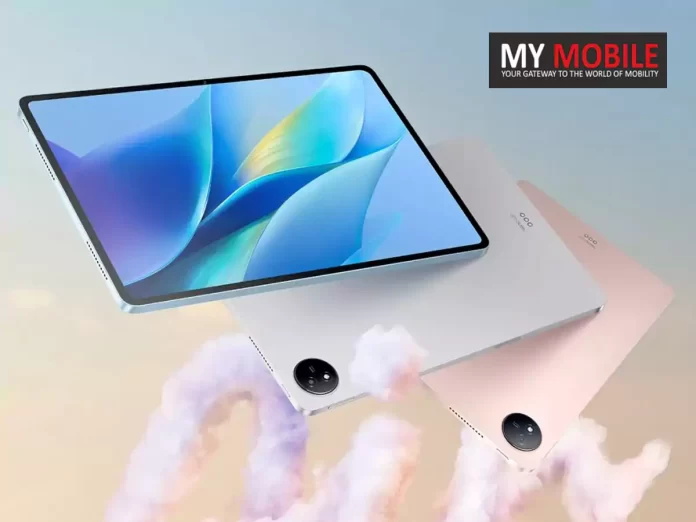
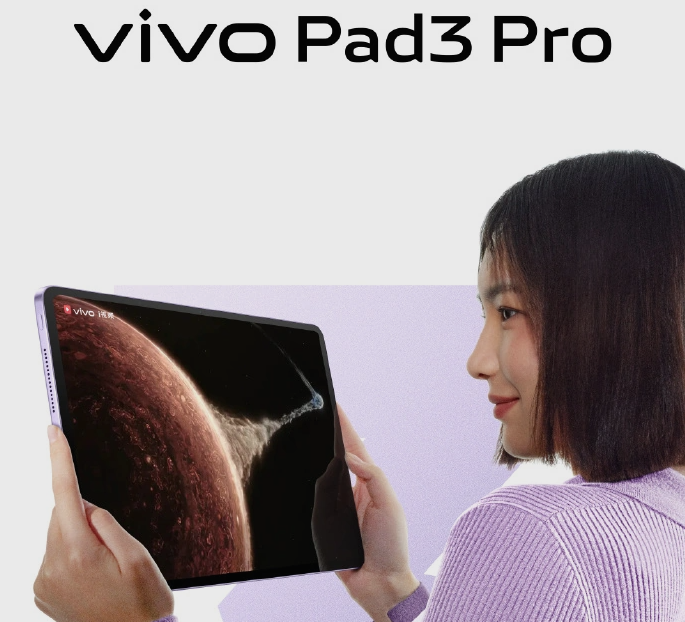
Vivo has officially launched its latest innovations, the Vivo Pad 3 Pro and the Vivo TWS 4 earbuds, marking a significant step forward in the realms of portable computing and audio experience.

Debuted in China via JD.com, these devices are set to redefine expectations with their ground-breaking features and specifications.

While Vivo has kept the pricing under wraps for now, the specs alone are enough to catch the attention of tech enthusiasts worldwide.

Key Specs of the Vivo Pad 3 Pro

Key Specs of the Vivo Pad 3 Pro
  • Display: Boasts a 13-inch 3.1K eye-protecting screen, ensuring vivid clarity with a 144Hz refresh rate for ultra-smooth visuals.
  • Processor: Powered by the robust MediaTek Dimensity 9300 SoC, designed for seamless performance.
  • Operating System: Runs on Vivo’s OriginOS 4, offering a sleek and user-friendly interface.
  • Battery Life: Equipped with an 11,500mAh battery, compatible with either 44W or 66W fast charging.
  • Audio: Features an 8-speaker panoramic acoustic system for immersive sound quality.
  • Productivity and Connectivity: Includes voice recognition, atomic note management, communication sharing, a built-in vivo office suite, and multi-device interconnection.

Key Specs of the Vivo TWS 4 Earbuds

Key Specs of the Vivo TWS 4 Earbuds

Vivo’s TWS 4 earbuds break new ground with the introduction of a ceramic tungsten acoustic diaphragm, a first in the industry, promising unparalleled sound quality.

These earbuds are not just about superior audio; they’re also designed with user comfort and advanced functionality in mind:

  • Active Noise Cancellation: Offers up to 55db of noise cancellation, enhanced by AI to improve vocal clarity, ambient sound transmission, and wind noise resistance.
  • Qualcomm S3 Audio Platform: The Hi-Fi version leverages the third-generation Qualcomm S3 audio platform, ideal for gamers with its 44ms low latency.
  • Lightweight Design: Each earbud weighs a mere 4.8 grams, providing comfort without compromising on sound quality.
  • Extended Battery Life: Promises up to 45 hours of battery life, with 11 hours of continuous listening on a single charge, setting a new standard for endurance.

The Vivo Pad 3 Pro is envisioned as a productivity powerhouse, catering to both professional and personal needs.

Its high-refresh-rate display not only enhances visual experience but also goes easy on the eyes, making it suitable for extended use.

Coupled with a high-capacity battery and fast charging, it ensures that you stay powered through the day without interruption.

Vivo Launches Pad 3 Pro and TWS 4 Earbuds in China: Price, Features, Specs
Vivo Launches Pad 3 Pro and TWS 4 Earbuds in China

The Vivo Pad 3 Pro also impresses with its benchmark scores, achieving 2223 in single-core and 7547 in multi-core tests, indicating powerful performance capabilities.

The TWS 4 earbuds, with their pioneering acoustic diaphragm and noise-cancellation technology, stand to offer an audio experience that’s both immersive and crystal clear.

The integration of AI and the Qualcomm S3 audio platform indicates Vivo’s commitment to delivering not just superior sound quality but also an enhanced user experience for gamersand audiophiles alike.

FAQs

What are the standout features of the Vivo Pad 3 Pro?

The Vivo Pad 3 Pro impresses with its 13-inch 3.1K display, 144Hz refresh rate, MediaTek Dimensity 9300 SoC, and a massive 11,500mAh battery. It’s designed to enhance productivity and entertainment with its 8-speaker system and OriginOS 4.

How does the Vivo TWS 4 distinguish itself in the market?

Vivo TWS 4 earbuds feature groundbreaking ceramic tungsten acoustic diaphragm technology, offering up to 55db Active Noise Cancellation and superior sound quality. They’re lightweight, support Qualcomm’s third-generation S3 audio platform, and boast up to 45 hours of battery life.

Can the Vivo Pad 3 Pro handle intensive multitasking and gaming?

Yes, with its high-performance MediaTek Dimensity 9300 SoC, ample RAM, and high-refresh-rate display, the Vivo Pad 3 Pro is well-equipped for intensive multitasking and gaming, offering seamless and immersive experiences.

What makes the Vivo TWS 4 ideal for gamers?

The TWS 4 earbuds are powered by the Qualcomm S3 audio platform, ensuring a low-latency audio experience of just 44ms. This, combined with their lightweight design and long battery life, makes them perfect for extended gaming sessions.

When will the Vivo Pad 3 Pro and TWS 4 be available for purchase?

While Vivo has launched these devices in China, the exact global release dates and prices have yet to be announced. Keep an eye on Vivo’s official channels for updates.

Also Read: Vivo X100 Ultra, X Fold 3 Series, and Pad 3 Possible Launch Dates Leaked

Also Read: Vivo T3 5G Set for Launch in India on March 21: All You Need to Know

Also Read: Vivo Pad 3 Revealed on Geekbench Listing Ahead of Launch, To Come with Dimensity 9300 SoC

Qualcomm Snapdragon 8s Gen 3 Chipset Announced: Flagship Features to More Wallet-Friendly Smartphones

0
Qualcomm Snapdragon 8s Gen 3 Chipset Announced: Flagship Features to More Wallet-Friendly Smartphones

Highlights

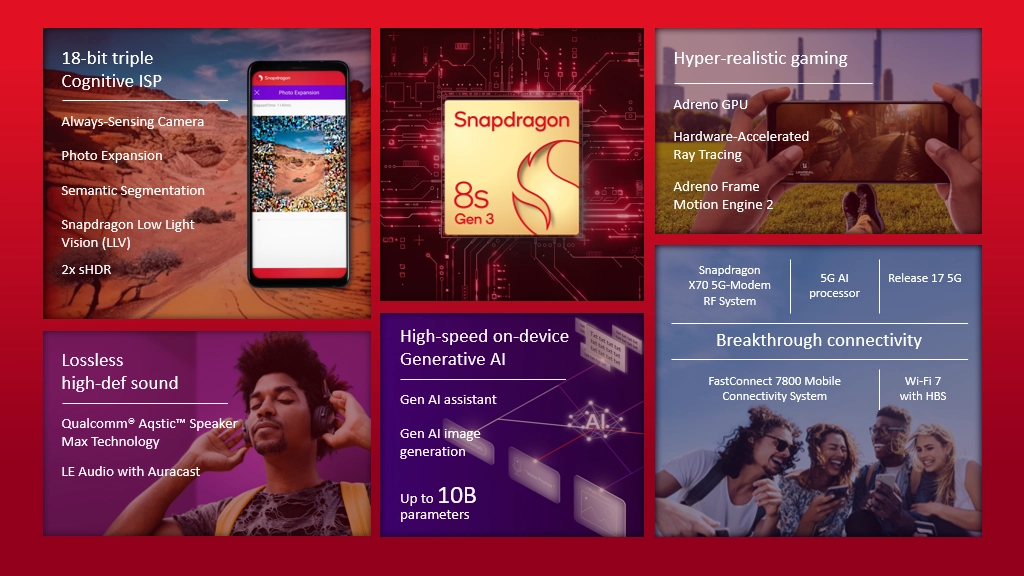
  • Snapdragon 8s Gen 3 offers a flagship experience at an affordable price.
  • Features include a robust CPU layout, FastConnect 7800 suite, and LPDDR5X RAM support.
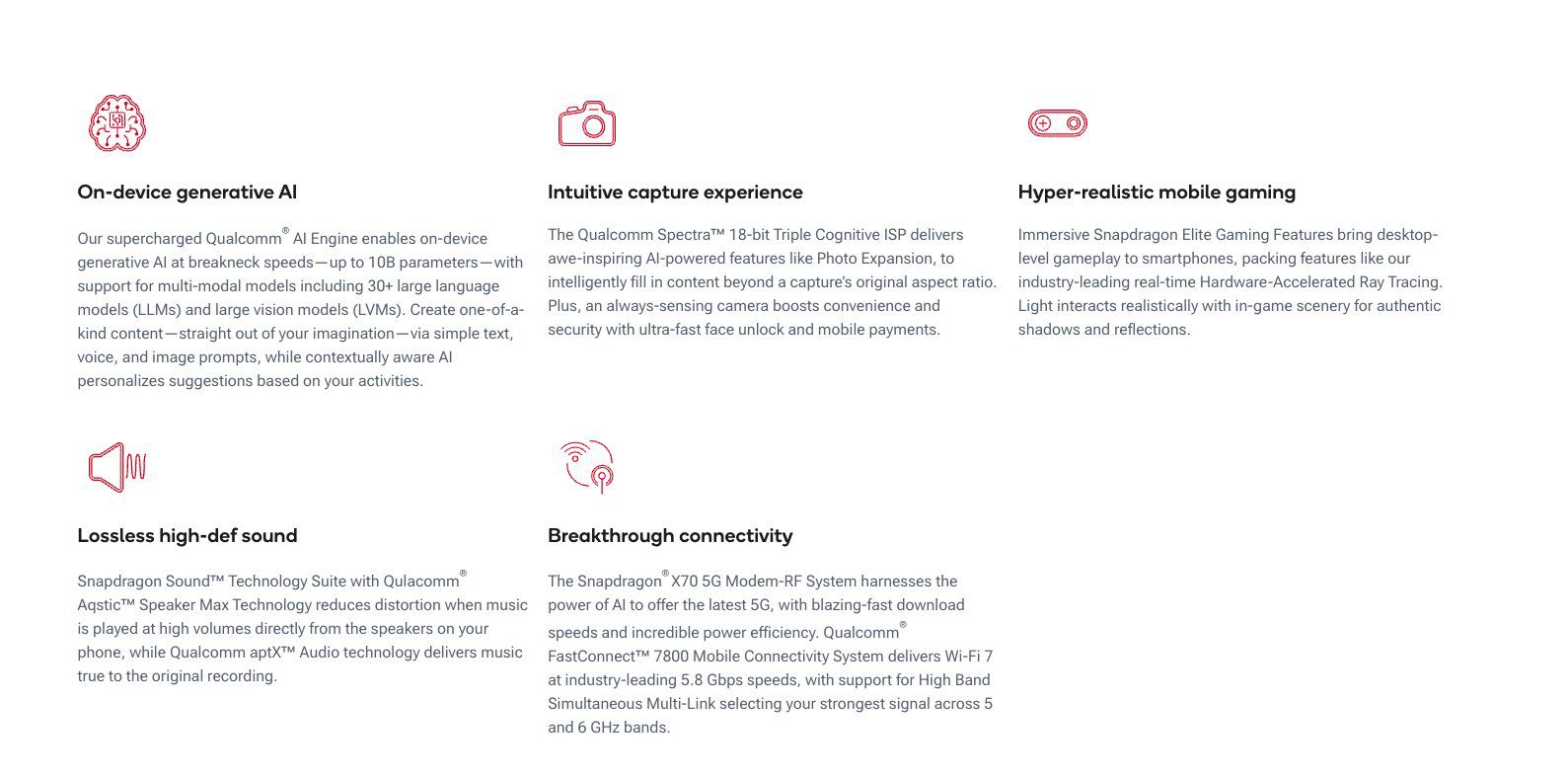
  • Introduces generative AI capabilities with support for models up to 10 billion parameters.
  • Expected in smartphones priced between $500 to $800, launching later this month.

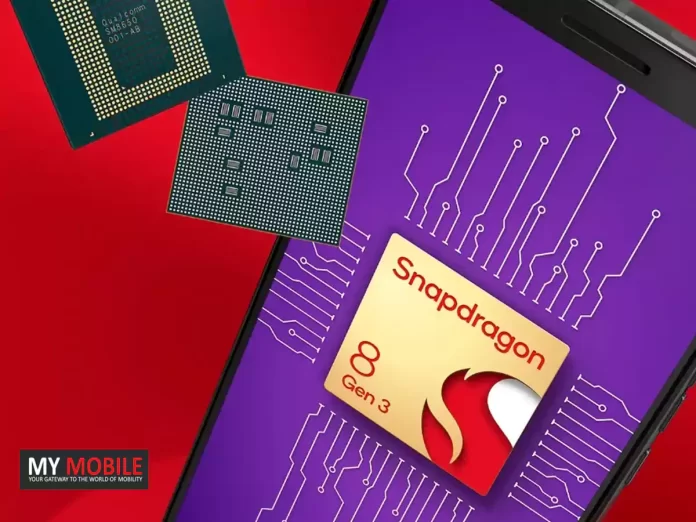
Qualcomm has just lifted the veil on its latest creation, the Snapdragon 8s Gen 3 chipset, bringing flagship features to a more affordable tier of smartphones.

Tailored for those who seek the high-end Snapdragon experience without the premium price tag, the 8s Gen 3 will likely be a compelling alternative to the Snapdragon 8 Gen 3, boasting several shared features with its more expensive counterpart.

Bridging the Performance Gap

Qualcomm Snapdragon 8s Gen 3 Chipset Announced

The Snapdragon 8s Gen 3 has a similar CPU layout to the 8 Gen 3, including one Cortex-X4 big core, four Cortex-A720 medium cores, and three Cortex-A520 little cores.

Although these cores operate at reduced clock speeds, they still promise robust performance for a range of tasks.

Manufactured using the TSMC 4nm process, the chipset also supports LPDDR5X RAM.

Connectivity isn’t compromised, with the inclusion of the FastConnect 7800 suite and the Snapdragon 8s Gen 3 also dips into the realm of generative AI, supporting models with up to 10 billion parameters.

As for pricing, it is projected that $500 to $800 devices will be featuring this new chipset, offering consumers a taste of flagship performance without the flagship price.

Subtle Downgrades, Substantial Savings

Snapdragon 8s Gen 3 offers a flagship experience at an affordable price

While the Snapdragon 8s Gen 3 mirrors its higher-end sibling in several areas, it also introduces some deliberate downgrades to achieve a more attractive price point.

The Adreno GPU, for instance, traces its lineage back to the Snapdragon 8 Gen 2, omitting some of the latest enhancements such as global illumination.

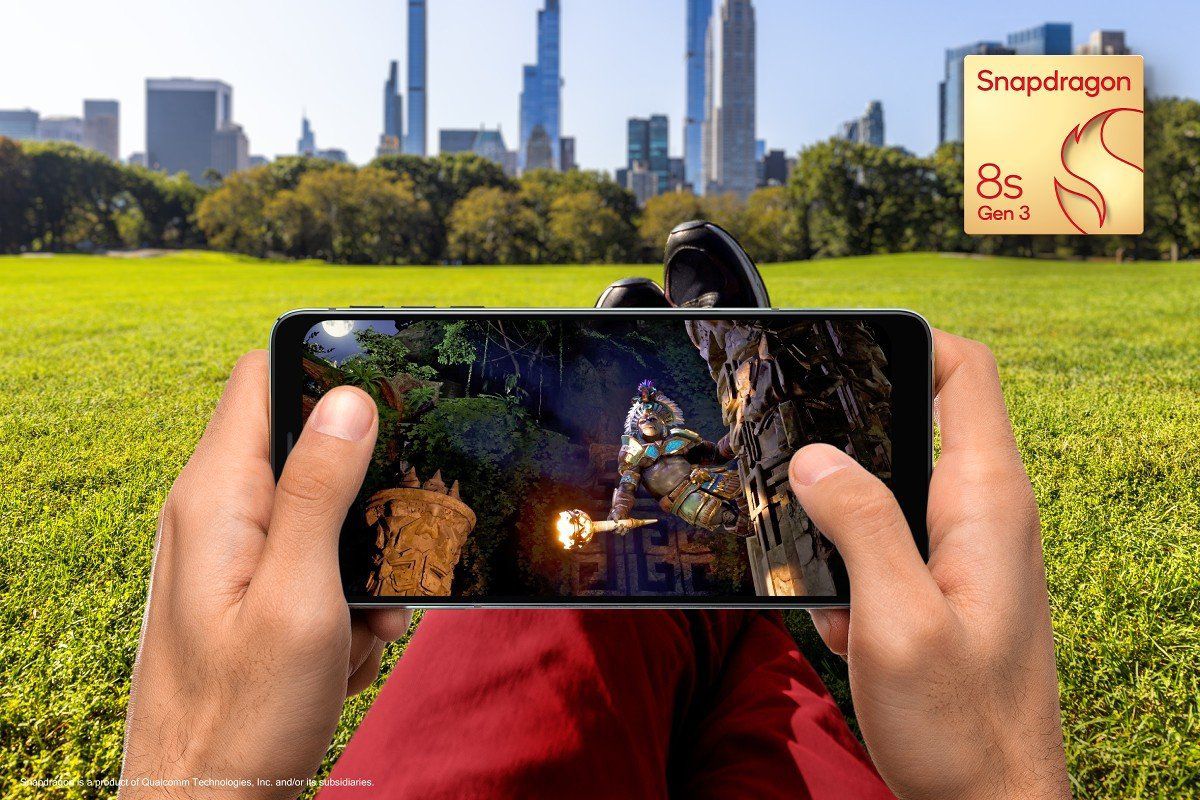
However, optimisations ensure that it remains a powerhouse for gaming, with features like hardware-based ray tracing and super-resolution support firmly in place.

The Snapdragon 8s Gen 3 also steps back slightly in modem capabilities, incorporating the X70 modem with Release 17 support and a peak downlink speed of 5Gbps.

Introduces generative AI capabilities with support for models up to 10 billion parameters
Features include a robust CPU layout, FastConnect 7800 suite, and LPDDR5X RAM support

Yet, it retains cutting-edge features like satellite communication.

Camera technology on the Snapdragon 8s Gen 3 is no slouch either, offering a triple ISP for seamless transitions between cameras, support for up to 200MP sensors, and advanced video capabilities, albeit with a shift in focus towards more commonly used recording formats.

Other features include support for QHD+ screens with refresh rates up to 144Hz, Quick Charge 5, Snapdragon Seamless integration, and the latest in Wi-Fi and Bluetooth technologies, making the Snapdragon 8s Gen 3 a comprehensive package while not being a big hit on the spender’s wallet.

Looking Ahead

Introduces generative AI capabilities with support for models up to 10 billion parameters

Anticipation is building as the first smartphones powered by the Snapdragon 8s Gen 3 are expected to hit the market later this month.

Brands like HONOR, Iqoo, Realme, Redmi, and Xiaomi have been confirmed as partners, with Qualcomm also hinting at a presence in the US market through likely collaborations with Motorola, Samsung, or OnePlus.

FAQs

What is the Snapdragon 8s Gen 3?

The Snapdragon 8s Gen 3 is Qualcomm’s latest chipset, designed to deliver high-end smartphone features at a more accessible price point, without compromising on performance.

How does the Snapdragon 8s Gen 3 compare to the Snapdragon 8 Gen 3?

While the Snapdragon 8s Gen 3 shares a similar CPU layout and several features with the Snapdragon 8 Gen 3, it has been adjusted for cost-effectiveness with slight downgrades in the GPU and modem capabilities.

Which smartphones will feature the Snapdragon 8s Gen 3?

Smartphones from brands like HONOR, Iqoo, Realme, Redmi, and Xiaomi are expected to launch with the Snapdragon 8s Gen 3 chipset, with the first devices hitting the market later this month.

What are the key features of the Snapdragon 8s Gen 3?

Key features include generative AI support, advanced camera capabilities, high-speed connectivity options, and support for high-refresh-rate QHD+ screens, offering a comprehensive package for tech-savvy users.

Will the Snapdragon 8s Gen 3 be available in the US?

Yes, Qualcomm has confirmed that smartphones powered by the Snapdragon 8s Gen 3 will be available in the US, with potential offerings from brands like Motorola, Samsung, or OnePlus.

Also Read: Qualcomm Snapdragon X Elite Set to Transform PCs with Next Windows Update in Mid-2024

Also Read: Qualcomm Could Partner with Samsung for next year’s 2nm Snapdragon 8 Gen 5 Chipset

Also Read: Qualcomm Unveils First Automotive Grade Wi-Fi 7 Solution for Enhanced Vehicle Connectivity

Samsung Galaxy A55 and A35 Excel in DXOMARK Reviews for Camera and Display Performance

0
Samsung Galaxy A55 and A35 Excel in DXOMARK Reviews for Camera and Display Performance

Highlights

  • Galaxy A55 impresses with AI-enhanced camera and vibrant display.
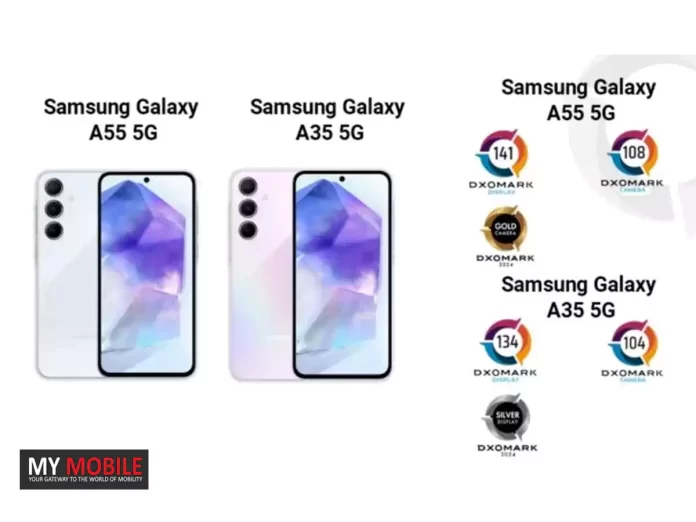
  • A55 achieves high DXOMARK scores in photo, zoom, video, and bokeh.
  • Galaxy A35 offers premium display and camera quality at a budget-friendly price.
  • Both devices praised for natural color rendering and high brightness levels.

Samsung’s latest additions to its A series, the Galaxy A55 and A35, have made a splash in the Indian market since their launch on last week.

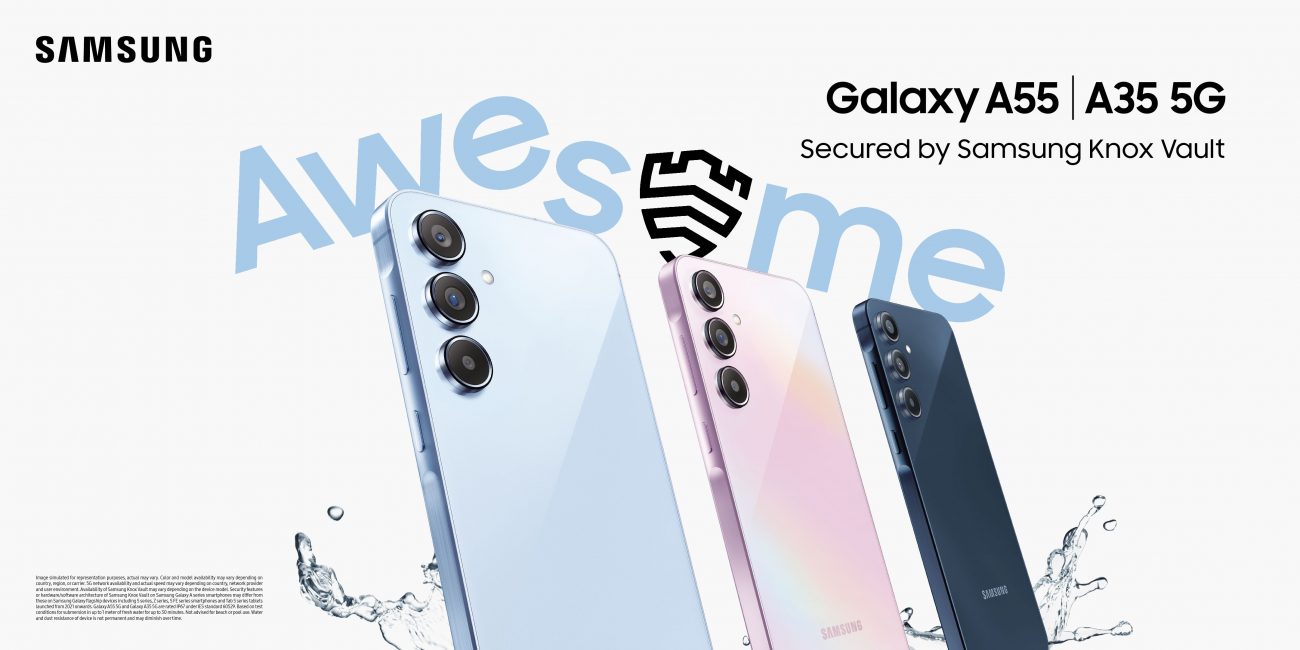
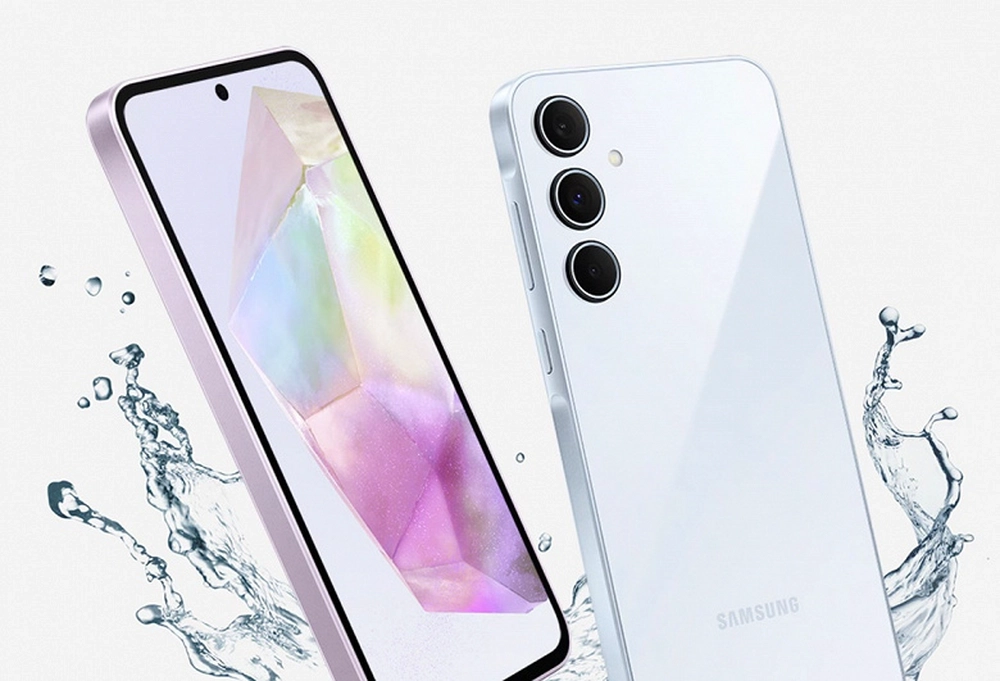
Both devices boast premium features at competitive price points, and recent reviews from DXOMARK highlight their impressive display and camera capabilities.

Enhanced Photography with the Galaxy A55

Enhanced Photography with the Galaxy A55

The Samsung Galaxy A55 has garnered attention for its AI-enhanced camera performance, receiving a commendable overall camera score from DXOMARK.

With specific accolades for its photo, zoom, video, and bokeh capabilities, the A55 is said to demonstrate a balanced proficiency across various photography aspects.

Notably, its scores in the zoom and bokeh categories underline Samsung’s focus on delivering quality visuals that rival those of higher-priced models.

The A55’s video recording capabilities also received praise, cementing its place as a versatile choice for consumers seeking high-quality multimedia functionality.

In terms of display, the A55’s 6.6-inch FHD+ Super AMOLED screen, boasting a 120Hz refresh rate, ensures a smooth and vibrant viewing experience.

DXOMARK’s review highlighted the A55’s natural color rendering and exceptional readability under sunlight, thanks to its peak brightness of 1638 nits.

While the review pointed out minor issues with screen touches and brightness management in dark environments, the Galaxy A55 still stands out for its display quality, especially in the high-end segment.

The Galaxy A35: A Strong Contender in Advanced Ranking

The Galaxy A35: A Strong Contender in Advanced Ranking

The Galaxy A35, while slightly more budget-friendly, has also impressed with its camera and display performance.

DXOMARK’s evaluation places the A35 as a strong contender in outdoor photography and screen readability in sunlight.

Despite some limitations in low-light conditions and picture rendering under direct sunlight, the A35’s camera performance in the Advanced Ranking category for devices priced between $200-$400 (under Rs 30,000) is commendable.

The A35 mirrors the A55 in display excellence, with its 6.6-inch AMOLED screen delivering good color rendering and outdoor readability.

Achieving a peak brightness of 1620 nits, the A35 closely rivals the A55, offering users a premium viewing experience without the flagship price tag.

DxOMark’s Key Takeaways

Samsung Galaxy A55 Support Page Goes Live Ahead of Launch:
Samsung Galaxy A55 and A35 Excel in DXOMARK Reviews for Camera and Display Performance

Both the Galaxy A55 and A35 have set new benchmarks in the mid-range segment with their outstanding camera and display performances as per DXOMARK reviews.

Samsung’s pricing for the A55 between Rs 36,999 and Rs 42,999 and the A35 between Rs 27,999 and Rs 30,999, coupled with their sale commencement on March 18, positions these devices as attractive options for consumers looking for flagship-like features at more accessible price points.

Samsung Galaxy A55 5G Specs

GENERAL

Sim Type Dual Sim, GSM+GSM (Hybrid Slot)
Dual Sim Yes
Sim Size Nano SIM
Device Type Smartphone
Release Date March 15, 2024 (Expected)

DESIGN

Colors Lime, Graphite, Violet, White

DISPLAY

Type Color Super AMOLED Screen (16M Colors)
Touch Yes
Size 6.6 inches, 1080 x 2340 pixels, 120 Hz
Aspect Ratio 20:9
PPI ~ 390 PPI
Screen to Body Ratio ~ 90.9%
Notch Yes, Punch Hole

MEMORY

RAM 8 GB
Storage 128 GB
Card Slot Yes, (Hybrid Slot), upto 1 TB

CONNECTIVITY

GPRS Yes
EDGE Yes
3G Yes
4G Yes
5G Yes
VoLTE Yes
Wifi Yes, with wifi-hotspot
Wifi Version Wi-Fi 6
Bluetooth Yes, v5.3, A2DP, LE
USB Yes, USB-C v2.0
USB Features USB on-the-go

EXTRA

GPS Yes, with A-GPS, GLONASS, GALILEO, BDS
Fingerprint Sensor Yes, In Display
Face Unlock Yes
Sensors Accelerometer, Gyro, Compass, Barometer
3.5mm Headphone Jack No
Extra NFC
Water Resistance Yes, 1 m upto 30 min
IP Rating IP67
Dust Resistant Yes

CAMERA

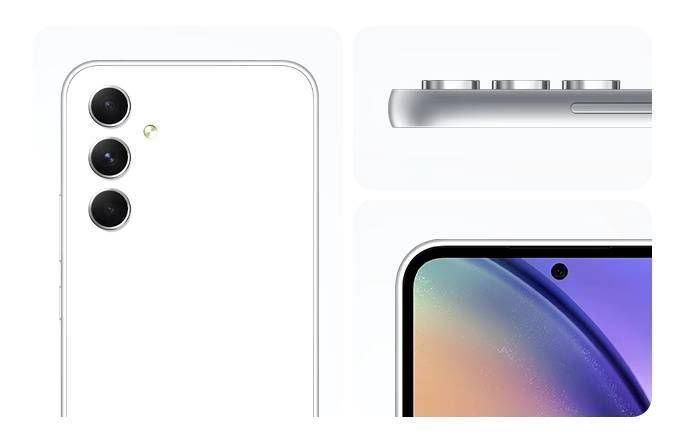
Rear Camera 64 MP PDAF, OIS f/1.8 (Wide Angle)
12 MP 123˚, 1.12µm f/2.2 (Ultra Wide)
5 MP f/2.4 (Macro) with autofocus
Features panorama, HDR
Video Recording 4K @ 30 fps UHD, 1080p @ 30 fps FHD, 720p @ 480 fps HD
Flash Yes, LED
Front Camera Punch Hole 32 MP 26mm, 1/2.8″, 0.8µm f/2.2 (Wide Angle)
Front Video Recording 4K @ 30 fps UHD, 1080p @ 30 fps FHD

TECHNICAL

OS Android v14
Custom UI OneUI 6
Chipset Samsung Exynos 1480
CPU Octa Core Processor
GPU AMD GPU
IP Rating IP67
Java No
Browser Yes

MULTIMEDIA

Email Yes
Music Yes
Video Yes
FM Radio No
Document Reader Yes

BATTERY

Type Non-Removable Battery
Size 5000 mAh, Li-Po Battery
Fast Charging Yes, 30W Fast Charging

Samsung Galaxy A35 5G Specs

GENERAL

Sim Type Dual Sim, GSM+GSM (Hybrid Slot)
Dual Sim Yes
Sim Size Nano SIM
Device Type Smartphone
Release Date March 14, 2024 (Expected)

DESIGN

Dimensions 161.3 x 78.1 x 8.2 mm (6.35 x 3.07 x 0.32 in)
Colors Lime, Graphite, Violet, Silver

DISPLAY

Type Color Super AMOLED Screen (1B Colors)
Touch Yes
Size 6.67 inches, 1080 x 2340 pixels, 120 Hz
Aspect Ratio 20:9
PPI ~ 386 PPI
Screen to Body Ratio ~ 89%
Notch Yes, Water Drop Notch

MEMORY

RAM 6 GB
Storage 128 GB
Card Slot Yes, (Hybrid Slot), upto 1 TB

CONNECTIVITY

GPRS Yes
EDGE Yes
3G Yes
4G Yes
5G Yes
5G Bands FDD Sub6: N1(2100), N3(1800), N5(850), N7(2600), N8(900), N28(700), N66(AWS-3), TDD Sub6:N40(2300), N41(2500), N77(3700), N78(3500)
VoLTE Yes
Wifi Yes, with wifi-hotspot
Wifi Version 802.11 a/b/g/n/ac 2.4G+5GHz, VHT80 MIMO
Bluetooth Yes, v5.3, A2DP, LE
USB Yes, USB-C v2.0
USB Features USB on-the-go

EXTRA

GPS Yes, with A-GPS, GLONASS, GALILEO, BDS
Fingerprint Sensor Yes, In Display
Face Unlock Yes
Sensors Accelerometer, Gyro, Compass
3.5mm Headphone Jack No
NFC Yes
Water Resistance Yes, 1 m upto 30 min
IP Rating IP68
Dust Resistant Yes

CAMERA

Rear Camera 50 MP f/1.8 (Wide Angle)
13 MP f/2.2 (Ultra Wide)
5 MP f/2.4 (Macro) with autofocus
Features panorama, HDR
Video Recording 4K @ 30 fps UHD, 1080p @ 30 fps FHD, 720p @ 480 fps HD
Flash Yes, LED
Front Camera 16 MP 1/3.1″, 1.12µm f/2.2 (Wide Angle)
Front Video Recording 4K @ 30 fps UHD, 1080p @ 30 fps FHD

TECHNICAL

OS Android v14
Custom UI One UI 6
Chipset Samsung Exynos 1380
CPU 2.4 GHz, Octa Core Processor
Core Details 4×2.4 GHz Cortex-A78 & 4×2.0 GHz Cortex-A55
GPU Mali-G68 MP5
Java No
Browser Yes

MULTIMEDIA

Email Yes
Music MP3, M4A, 3GA, AAC, OGG, OGA, WAV, AMR, AWB, FLAC, MID, MIDI, XMF, MXMF, IMY, RTTTL, RTX, OTA
Video MP4, M4V, 3GP, 3G2, AVI, FLV, MKV, WEBM
FM Radio No
Document Reader Yes

BATTERY

Type Non-Removable Battery
Size 5000 mAh, Li-Po Battery
Fast Charging Yes, 25W Fast Charging

FAQs

What makes the Samsung Galaxy A55 stand out according to DXOMARK?

The Galaxy A55 has received high praise for its AI-enhanced camera performance, achieving commendable scores in photo, zoom, video, and bokeh categories, showcasing its ability to deliver high-quality visuals.

How does the Galaxy A35 perform in camera and display according to DXOMARK?

DXOMARK highlights the Galaxy A35 as a strong performer in outdoor photography and screen readability, with good color rendering and a peak brightness that rivals higher-priced models.

What are the display features of the Samsung Galaxy A55 and A35?

Both the Galaxy A55 and A35 feature a 6.6-inch FHD+ Super AMOLED screen with a 120Hz refresh rate, offering a smooth and vibrant viewing experience with excellent sunlight readability.

How do the DXOMARK scores of the Galaxy A55 and A35 compare to other smartphones?

The Galaxy A55 and A35 have set new benchmarks in the mid-range segment with their outstanding camera and display performances, with the A55 excelling in the high-end category and the A35 being a top contender in the advanced ranking for budget-friendly devices.

When did the Samsung Galaxy A55 and A35 go on sale in India?

Both the Samsung Galaxy A55 and A35 were launched in the Indian market on March 14, 2024, and went on sale starting March 18, offering consumers flagship-like features at more accessible price points.

What are Pros of Samsung Galaxy A55 Camera by DXOMARK?

  • Accurate exposure, fairly wide dynamic range in bright light and indoors 
  • Fairly high texture levels in bright light
  • Fairly good video stabilization when standing still while recording

What are the cons of Samsung Galaxy A55 Camera according to DXOMARK?

  • Some autofocus and exposure instabilities and stepping
  • Noise, particularly in the shadow areas of the frame
  • Occasionally inaccurate color rendering
  • Ineffective video stabilization when moving while recording
  • Hues shifts, flare and fusion artifacts
  • Limited zoom capabilities, low texture and limited dynamic range in zoom shots

What are the Pros of Samsung Galaxy A35 Display Test according to DXOMARK?

  • Good color rendering in most lighting environments
  • Good readability outdoors
  • Motion when watching all types of videos and playing video games

What are the Cons of Samsung Galaxy A35 Display Test according to DXOMARK?

  • Poor management of unwanted screen touches
  • Unnatural picture rendering under sunlight
  • Pink to green fringes appear on the screen depending on the viewing angle

Also Read: Samsung Galaxy A35 and A55 5G Launched Globally with Premium Features: Pricing, Features, Specs and More

Also Read: Samsung Galaxy A55 5G vs Galaxy A35 5G: A Detailed Comparison

Samsung Shifting Strategy to Exynos Chips in Galaxy Devices for Cost Efficiency

0
Samsung Shifting Strategy to Exynos Chips in Galaxy Devices for Cost Efficiency

Highlights

  • Samsung reduces reliance on Qualcomm with a strategic pivot to Exynos chips.
  • Galaxy S24 series reintroduces Exynos alongside Snapdragon variants.
  • Exynos-powered device shipments see a significant decline in Q4 2023.
  • Plans to boost Exynos use in Galaxy devices from 2024 to enhance cost savings.

Samsung is steering towards a shift in its approach to mobile chipsets, with a renewed focus on integrating Exynos chips into a broader array of its Galaxy devices.

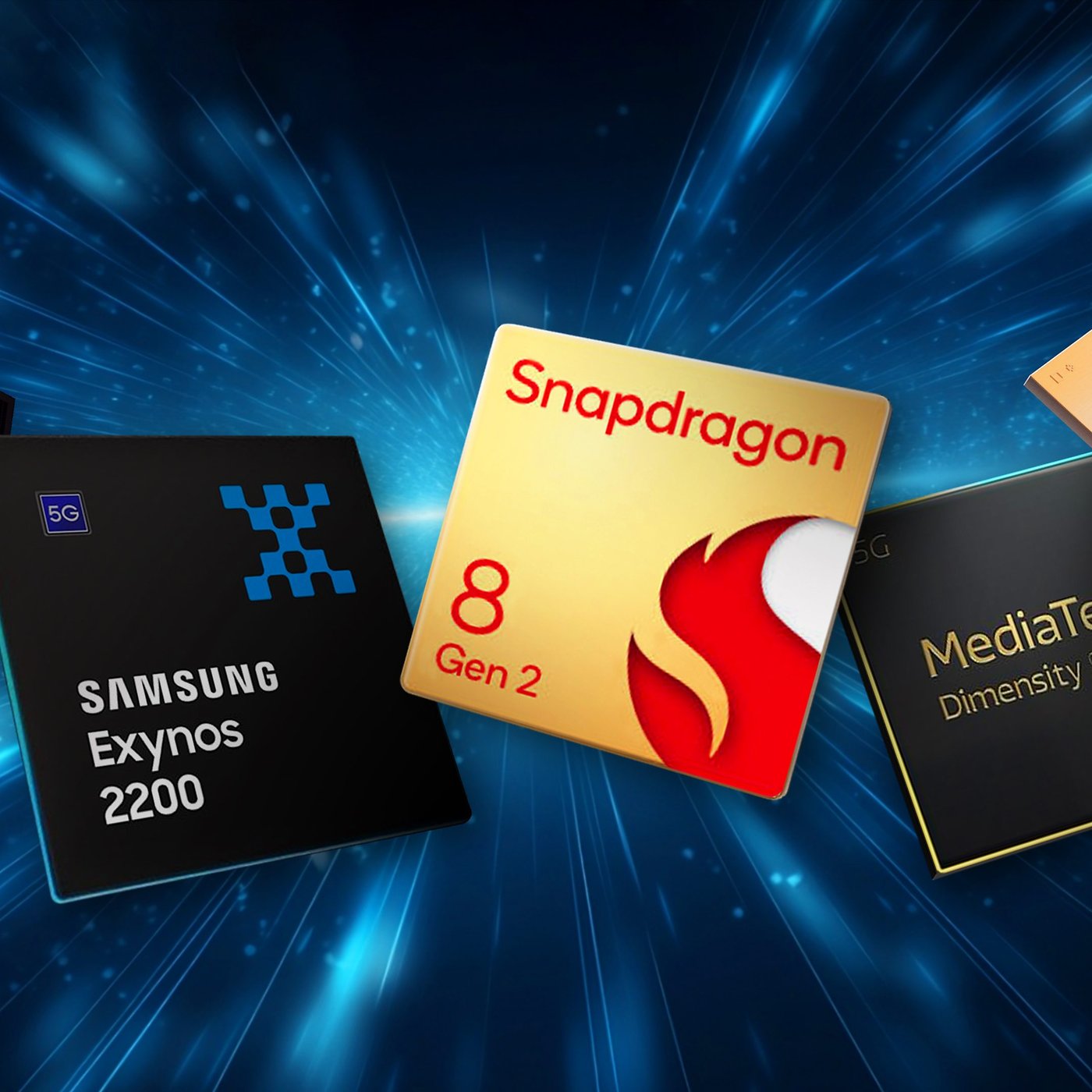
This will mark significant pivot from Samsung’s recent reliance on Qualcomm and MediaTek chipsets, especially in its high-end and low-end devices respectively.

Exynos to the Fore: Reducing Dependency on Qualcomm

Exynos to the Fore: Reducing Dependency on Qualcomm

Samsung’s dependency on Qualcomm chipsets for its premium range, including the foldable series and the Galaxy S23 lineup, has notably increased, leaving the Exynos chips in the shadows.

The Galaxy S24 series saw the re-introduction of Exynos into the market, albeit alongside Snapdragon variants in specific regions, signaling the beginning of a strategic shift.

With chipset costs being one of the heftiest expenses for Samsung’s mobile division, the company finds itself in a precarious position whenever Qualcomm decides to hike its prices.

In 2023, Samsung shelled out a whopping $8.87 billion on mobile chipsets, registering a 3.1% increase from the previous year, amidst a backdrop where chipset prices surged by approximately 30%.

The decline in Exynos chipset usage within Galaxy devices became evident in Q4 2023, with shipments of Exynos-powered devices dropping to 13 million units, a stark 48% decrease from Q4 2022.

A Cost-Saving Maneuver: Reinvigorating Exynos

A Cost-Saving Maneuver: Reinvigorating Exynos

In light of these challenges, Samsung is now setting its sights on revitalizing the Exynos lineup, with plans to incorporate these chipsets across more Galaxy devices starting from 2024.
For Samsung, it is not just about cost-cutting but also about substantial investment in enhancing the Exynos chipsets’ competitiveness in terms of performance and power efficiency.

Performance concerns over the past few years, as compared to the Qualcomm chipsets, have previously deterred Samsung from relying heavily on its in-house chips.

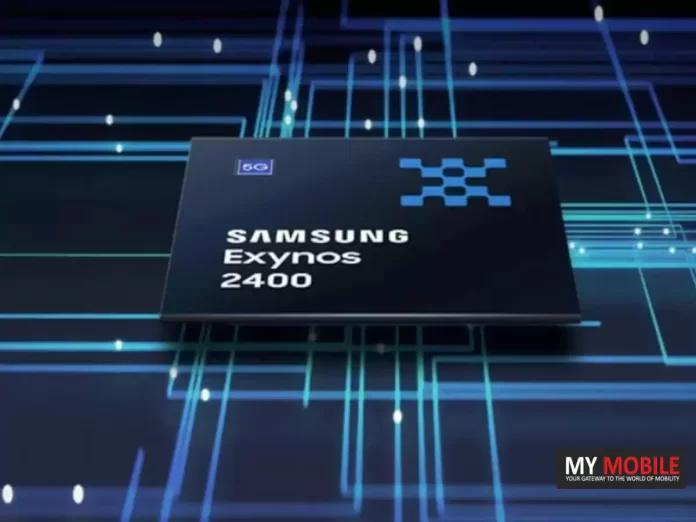
However, the Exynos 2400’s debut in the Galaxy S24 series serves as a testament to Samsung’s renewed commitment to its chipsets.

Moreover, the rumour mill suggests that the Galaxy S25 series might transition to being Exynos-exclusive.

We’ll see in future updates just how much belief the company places in its Exynos stock.

FAQs

Why is Samsung focusing on Exynos chips for its Galaxy devices?

Samsung aims to decrease its dependence on Qualcomm and MediaTek chipsets by integrating more Exynos chips into its Galaxy lineup. This shift is driven by the need to reduce chipset procurement costs and increase performance and power efficiency.

What led to the decreased usage of Exynos chips in Samsung devices?

A significant reliance on Qualcomm for high-end models and MediaTek for some low-end phones led to a decline in Exynos chipset integration. This was further evidenced by a 48% drop in Exynos-powered device shipments in Q4 2023 compared to Q4 2022.

How much did Samsung spend on mobile chipsets in 2023?

Samsung’s mobile division spent approximately $8.87 billion on mobile chipsets in 2023, marking a 3.1% increase from 2022 amidst a backdrop of chipset prices rising by around 30%.

What changes can we expect from Samsung’s Exynos chipsets in the future?

Samsung plans to incorporate Exynos chipsets across more Galaxy devices starting from 2024. This includes investments to make Exynos chipsets more competitive in terms of performance and power efficiency.

Will the Galaxy S25 series use Exynos chipsets exclusively?

Rumors suggest that Samsung may transition to using Exynos chipsets exclusively for the Galaxy S25 series as part of its strategy to rely more on its in-house chips.

Also Read: Samsung Exynos 2400: The Rumoured Deca-core Revolution in Smartphone Processing

Also Read: Samsung Exynos Gets New SoCs; Details Inside

Also Read: Samsung Galaxy Watch 7 to Feature Exynos W940 Chipset for Enhanced Performance

Apple Watch Series X to Introduce Blood Pressure Monitoring Feature: Report

0
Apple Watch Series X to Introduce Blood Pressure Monitoring Feature: Report

Highlights

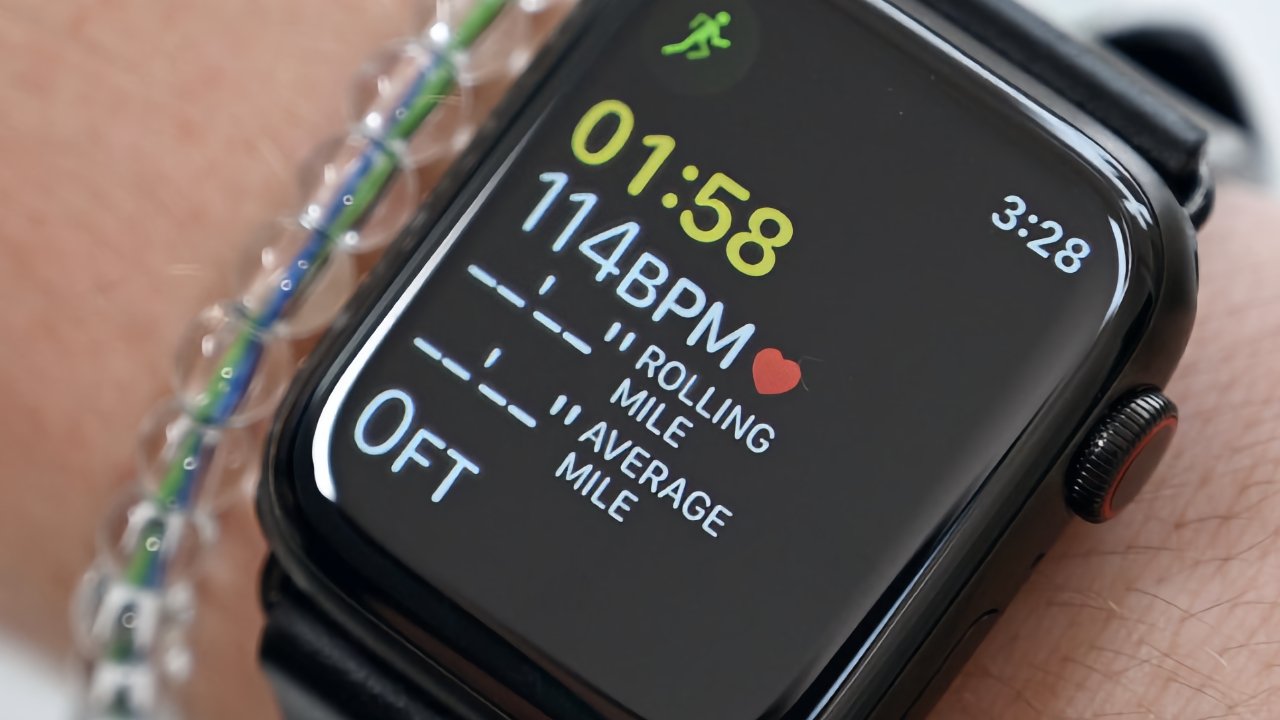
  • Apple Watch Series X may feature innovative blood pressure trend monitoring.
  • New hardware sensor exclusive to Series X for blood pressure detection.
  • Potential sleep apnea monitoring alongside slimmer design enhancements.
  • Initial release to focus on blood pressure trend alerts, not precise readings.

The Apple Watch Series X, marking the anticipated 10th edition of Apple’s groundbreaking wearable, is reportedly setting the stage for an innovative leap in health monitoring capabilities.

Among the most exciting advancements is the expected introduction of blood pressure monitoring, a feature that has long been considered one of the “holy grails” of wearable health technology.

Apple Watch Series X: Blood Pressure Monitoring

Apple Watch Series X: Blood Pressure Monitoring

Bloomberg’s Mark Gurman, a notable figure in tech journalism, hints at a significant update with the upcoming Apple Watch Series X.

According to Gurman, “all signs point to the new Apple Watch gaining a blood-pressure checker this fall.”

This advancement is particularly noteworthy as Apple has dedicated years of research into non-invasive monitoring technologies for blood pressure and blood glucose levels, targeting two prevalent health conditions—hypertension (high blood pressure) and diabetes.

However, potential users should temper their expectations for the initial release of this feature.

While the Apple Watch Series X is poised to include a new hardware sensor capable of detecting blood pressure trends, it may initially only provide users with alerts for upward trends in blood pressure, rather than precise measurements.

This approach suggests a focus on gradual improvement and accuracy in health monitoring over time.

New Sensor Needed for Blood Pressure

New Sensor Needed for Blood Pressure

The necessity of a new sensor for this functionality means that blood pressure monitoring will be exclusive to the Apple Watch Series X, leaving owners of earlier models without this capability.

Additionally, the next-generation Apple Watch is rumoured to include features for sleep apnea monitoring, further expanding its health-tracking capabilities.

Design-wise, the Apple Watch Series X is rumoured to boast a slimmer profile and introduce a new band-attachment system, which could contribute to a more streamlined and comfortable wearing experience.

Despite Gurman’s report not delving into extensive details about the blood pressure feature beyond its expected debut in the fall, anticipation is high.

This development is in line with multiple Bloomberg reports from late 2023, alluding to the inclusion of blood pressure monitoring in the 2024 iteration of the Apple Watch.

The potential of the Apple Watch Series X to monitor such critical health indicators as blood pressure marks a significant step forward in wearable technology.

FAQs

What new health feature is expected in the Apple Watch Series X?

The Apple Watch Series X is anticipated to introduce a blood pressure monitoring feature, using a new sensor to detect blood pressure trends and alert users to changes.

Will the Apple Watch Series X provide exact blood pressure readings?

Initially, the Apple Watch Series X’s blood pressure monitoring is expected to alert users to trends in their blood pressure rather than provide precise measurements.

Can previous Apple Watch models use the new blood pressure monitoring feature?

No, the blood pressure monitoring feature requires a new sensor that will be exclusive to the Apple Watch Series X, making it unavailable on earlier models.

What other features might come with the Apple Watch Series X?

Besides blood pressure monitoring, the Apple Watch Series X is rumoured to include sleep apnea detection and a new, slimmer design with an updated band-attachment system.

When is the blood pressure monitoring feature expected to debut?

The blood pressure monitoring feature is expected to be introduced with the Apple Watch Series X in the fall, as part of Apple’s next major product update cycle.

Also Read: Apple Watch Series 9 and Ultra 2 Lose Blood Oxygen Feature: All You Need To Know About This Patent Dispute

Also Read: Hermès Phases Out Apple Watches, While New Series 9 Set to Redefine Precision

Also Read: Apple Watch Series 9: Five Features To Admire & Two Reasons for Second Thoughts

OnePlus Nord CE 4 Features Leaked on Support Page Ahead of April Launch

0
OnePlus Nord CE 4 Features Leaked on Support Page Ahead of April Launch

Highlights

  • Snapdragon 7 Gen 3 processor powers the new OnePlus Nord CE 4.
  • Features a pill-shaped camera and comes in Dark Chrome and Celadon Marble.
  • Offers 8GB of virtual RAM for enhanced multitasking.
  • Available in two variants: 128GB and 256GB internal storage.

OnePlus is on the verge of unveiling its latest smartphone, the Nord CE 4, in India, with an official launch date set for April 1.

In a unique pre-launch strategy, OnePlus has tantalizingly disclosed key features of the upcoming device, complemented by recent leaks that shed light on the available variants.

Revealed Specifications of the OnePlus Nord CE 4


Ahead of its debut, the OnePlus Nord CE 4 has seen a premature unveiling of its specifications on OnePlus India’s website.

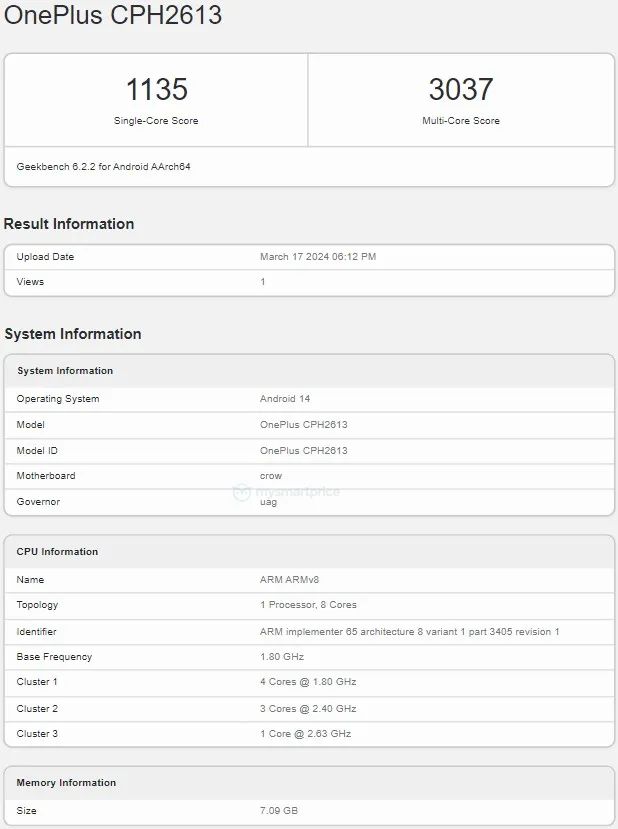
Central to its appeal is the integration of the Qualcomm Snapdragon 7 Gen 3 processor, positioning the phone as a potentially powerful contender in the mid-range smartphone segment.

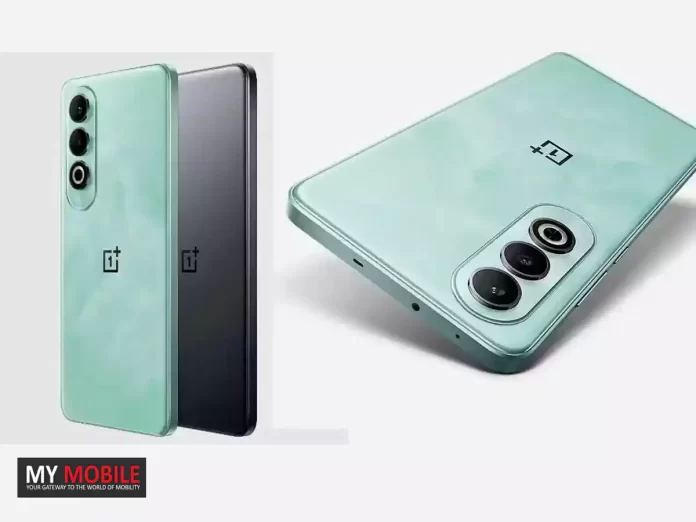
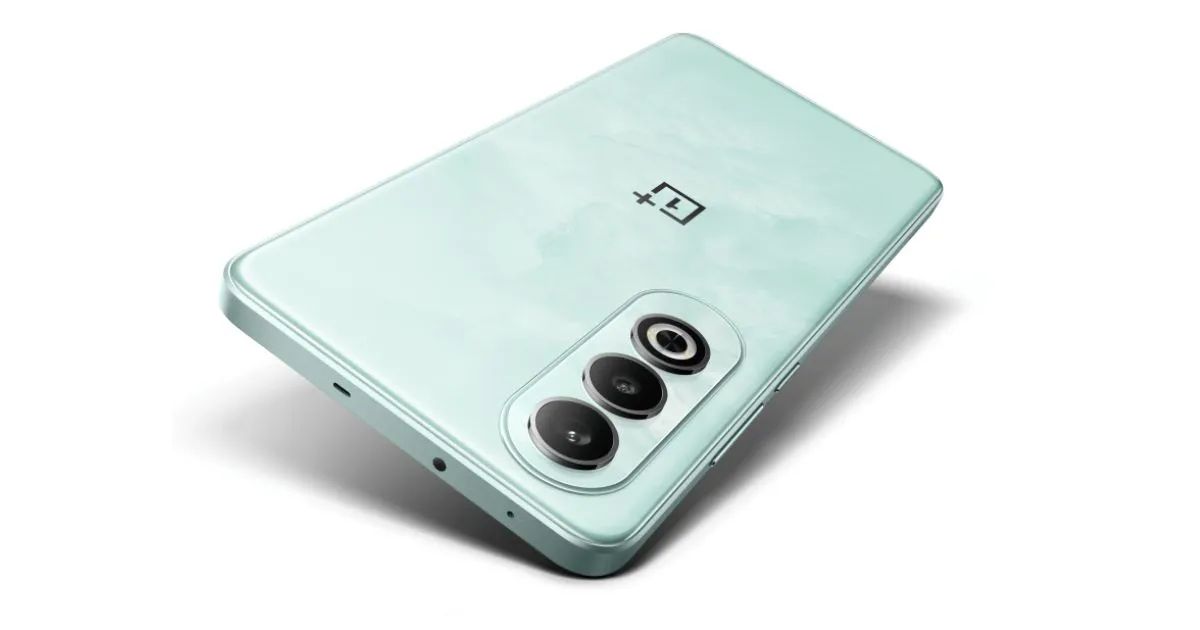
Design-wise, the Nord CE 4 does not shy away from elegance, sporting a sleek pill-shaped camera setup that includes multiple sensors and an LED flash.

Available in two variants: 128GB and 256GB internal storage
OnePlus Nord CE 4 Available in two variants: 128GB and 256GB internal storage

Its design philosophy embraces minimalism, with the phone being offered in two sophisticated color schemes: Dark Chrome and Celadon Marble.

On the performance front, apart from the 7 Gen 3 SoC, OnePlus has confirmed the device will boast 8GB of RAM of virtual RAM, on top of the existing RAM to possibly enhance the phone’s multitasking capabilties.

Variants and Expectations

OnePlus Nord CE 4 Features Leaked on Support Page Ahead of April Launch

OnePlus Nord CE 4 Features Leaked on Support Page Ahead of April Launch

Leaked information from reliable source Mukul Sharma further expands on the Nord CE 4’s lineup, indicating the presence of two distinct models.

The base variant is expected to feature 8GB of RAM paired with 128GB of internal storage, while a higher-end model will likely offer the same amount of RAM with an expanded 256GB storage capacity.

While the device’s specifications have largely been disclosed, its pricing remains the subject of speculation.

OnePlus Nord CE 4
OnePlus Nord CE 4 GeekBench

Drawing parallels with its predecessor, the Nord CE 3, which was launched at a price point of Rs 26,999, industry watchers anticipate a similar pricing strategy for the Nord CE 4.

Given its promising processor and aesthetically pleasing design, the Nord CE 4 is poised to carve out its niche in the competitive smartphone market.

OnePlus Nord CE 4 5G Specs

GENERAL

Sim Type Dual Sim, GSM+GSM
Dual Sim Yes
Sim Size Nano+Nano SIM
Device Type Smartphone
Release Date April 01, 2024 (Expected)

DESIGN

Bezel less Yes

DISPLAY

Type Color AMOLED Screen (1B Colors)
Touch Yes
Size 6.73 inches, 1080 x 2412 pixels, 120 Hz
Aspect Ratio 20:9
PPI ~ 393 PPI
Screen to Body Ratio ~ 89%
Glass Type Corning Gorilla Glass
Features Ambient Display, Dark Mode, AI Color Enhancement, Support sRGB, Display P3, HDR10+
Notch Yes, Punch Hole

MEMORY

RAM 8 GB
Storage 128 GB
Storage Type UFS 2.3
Card Slot Yes, upto 1 TB

CONNECTIVITY

GPRS Yes
EDGE Yes
3G Yes
4G Yes
5G Yes
VoLTE Yes, Dual Stand-By
Wifi Yes, with wifi-hotspot
Bluetooth Yes, v5.3, A2DP, LE, aptX HD
USB Yes, USB-C v2.0
USB Features USB on-the-go

EXTRA

GPS with GPS, A-GPS, GLONASS, Galileo, Beidou, QZSS
Fingerprint Sensor Yes, Side
Face Unlock Yes
Sensors Accelerometer, Electronic Compass, Gyroscope, Ambient Light Sensor, Proximity Sensor, Sensor Core
3.5mm Headphone Jack Yes
NFC Yes
Extra Features Super Linear Speaker, Noise Cancellation Support

CAMERA

Rear Camera 64 MP (Main)
13 MP (Ultra Wide)
2 MP f/2.4 (Macro) with autofocus
Features AI Scene Enhancement, AI Hightlight Video, Dual-view Video, HDR, Nightscape, Portrait mode, Pano, Retouching, Filters
Video Recording 4K, 1080p, 720p
Flash Yes, LED
Front Camera Punch Hole 16 MP f/2.4 (Main) with Screen Flash
Front Video Recording 1080p, 720p

TECHNICAL

OS Android v14
Chipset Qualcomm Snapdragon 7 Gen3
CPU 2.63 GHz, Octa Core Processor
Core Details 1xPrime Core@2.63 GHz & 3xPerformance Cores@2.4 GHz& 4xEfficiency cores@1.8 GHz
GPU Adreno 720
Java No
Browser Yes, supports HTML5

MULTIMEDIA

Email Yes
Music 3GPP, ALAC, AMR, APE, FLAC, G711-ALAW, G711-MLAW, GSM, MP3, OPUS, RAW, VORBIS, PCM, WMA, AAC
Video 3GPP, AV1, H263, H264, H265, MP4V, MPEG2, WMV, VP8, VP9
FM Radio No
Document Reader Yes

BATTERY

Type Non-Removable Battery
Size 5000 mAh, Li-Po Battery
Fast Charging Yes, 80W SUPERVOOC Charging

FAQs

What processor does the OnePlus Nord CE 4 use?

The OnePlus Nord CE 4 is equipped with the Qualcomm Snapdragon 7 Gen 3 processor, ensuring a powerful performance suitable for a mid-range smartphone.

What design features can we expect from the OnePlus Nord CE 4?

The phone showcases a sleek pill-shaped camera setup and a minimalist design, available in two elegant colors: Dark Chrome and Celadon Marble.

How does the virtual RAM work in the OnePlus Nord CE 4?

OnePlus has included 8GB of virtual RAM in the Nord CE 4 to supplement the physical RAM, aiming to significantly boost multitasking capabilities.

What are the storage options available for the OnePlus Nord CE 4?

There are two storage variants for the OnePlus Nord CE 4: one with 8GB of RAM and 128GB of internal storage, and another with 8GB of RAM and 256GB of storage.

What is the expected price range for the OnePlus Nord CE 4?

While official pricing is yet to be announced, speculation suggests it might be aligned with its predecessor, the Nord CE 3, which was launched at approximately Rs 26,999.

Also Read: OnePlus Nord CE 4 To Launch on April 1, Promises Major Upgrades and New Design

HMD Global Rolls Out Android 14 to More Nokia Smartphones Amid Brand Shift

0
HMD Global Rolls Out Android 14 to More Nokia Smartphones Amid Brand Shift

Highlights

  • Nokia X30 and G60 join the Android 14 update roster.
  • Initial slow updates pace picks up with new additions.
  • Android 14 deployment begins in Taiwan for Nokia X30 5G.
  • HMD’s strategy shift towards self-branded phones noted.

HMD Global, the company behind Nokia-branded smartphones, is extending its Android 14 update to a broader selection of devices, despite its previously slow pace in adopting the latest Android version.

Two New Nokia Phones Getting Android 14 Update

Two New Nokia Phones Getting Android 14 Update

Initially, the Nokia G42 5G was the lone recipient of this major update, highlighting HMD’s cautious approach compared to other manufacturers that have swiftly upgraded numerous models to Android 14.

The Nokia XR20 5G was the next in line to receive this update, as per the Finnish company’s earlier commitments.

However, in an unexpected move, HMD Global has now commenced rolling out Android 14 to two additional models: the Nokia X30 and Nokia G60, indicating a shift in their update strategy.

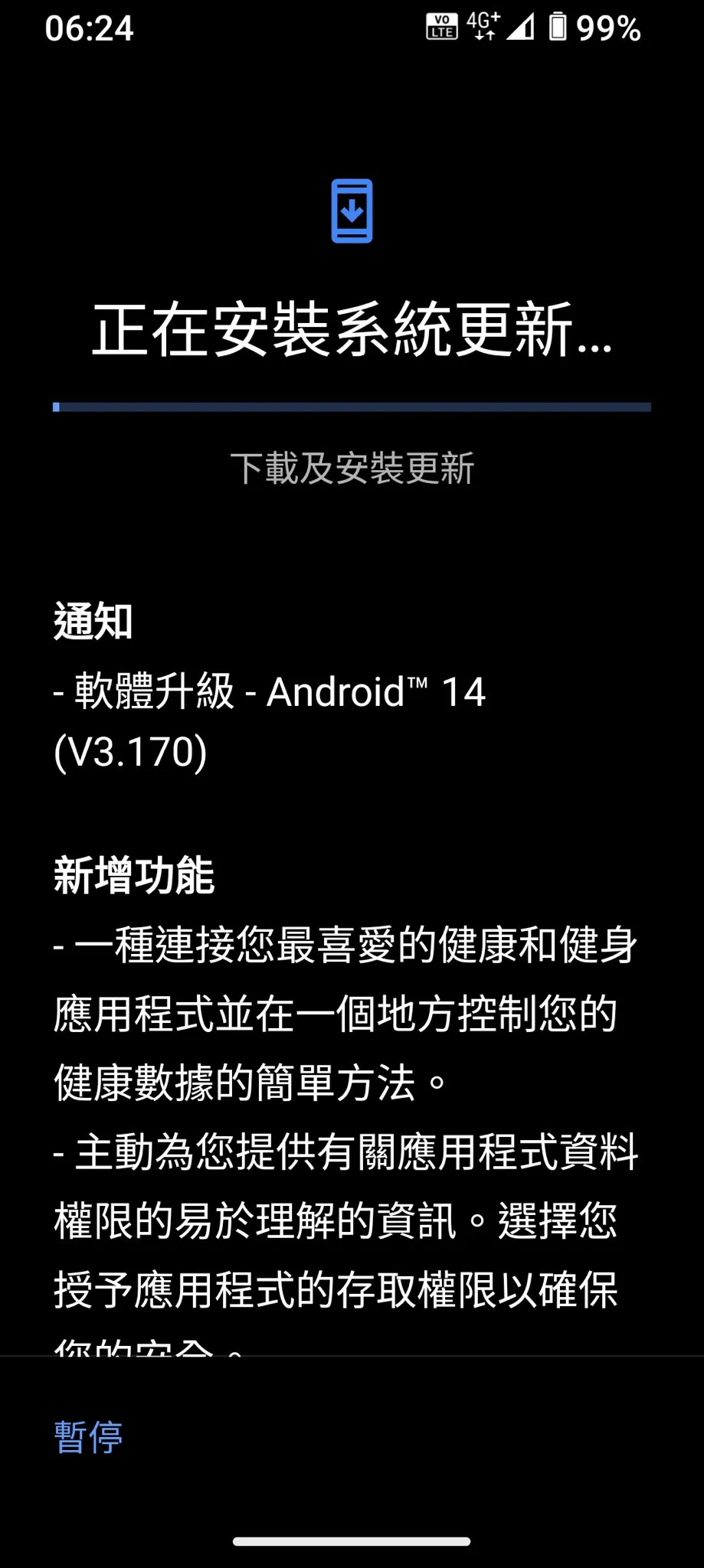
According to information from NokiaPoweruser readers, the Nokia X30 5G’s Android 14 update, identified by Build number V3.180, is currently being deployed in Taiwan, with plans for a broader rollout remaining undisclosed.

While Nokia Mobile has officially recognized the update only for the Nokia XR20 5G alongside the Nokia G42 5G, benchmarking site Geekbench recently listed both the Nokia X30 5G and Nokia G60 5G as running the new Android version.

Details Regarding Update

HMD Global Rolls Out Android 14 to More Nokia Smartphones Amid Brand Shift

Details about the specific enhancements or changes HMD Global has incorporated in its Android 14 updates remain sparse, with the company not divulging beyond the standard Android 14 feature set.

With the inclusion of the Nokia X30 and Nokia G60, HMD Global’s tally for Android 14 updates stands at a modest three devices, a figure that seems underwhelming given the brand’s extensive range of smartphones.

This slow pace in updates has set tempered expectations among users for the rollout of Android 14 across the Nokia lineup.

This is likely to be further exacerbated given HMD’s foray into self-branded phones, with several announcements on the horizon.

FAQs

What Nokia models are currently receiving the Android 14 update?

HMD Global has expanded its Android 14 update to include the Nokia X30 5G and Nokia G60 5G, in addition to the previously updated Nokia G42 5G.

When did the Android 14 update start rolling out for Nokia phones?

The rollout began with the Nokia G42 5G, followed by announcements for the Nokia XR20 5G, and most recently, the Nokia X30 5G and G60 5G have started receiving the update.

Are there any specific enhancements in the Android 14 update for Nokia phones?

While HMD Global has not released detailed information, the Android 14 update for Nokia phones includes the standard set of features introduced with Android 14, with any Nokia-specific enhancements currently unspecified.

Can users outside Taiwan expect the Android 14 update for their Nokia X30 5G?

The broader rollout plans for the Android 14 update on the Nokia X30 5G beyond Taiwan have not been disclosed yet, leaving international users in anticipation.

How does HMD Global’s shift to self-branded phones affect Nokia smartphone updates?

With HMD Global announcing a focus on self-branded devices, the future update strategy for Nokia-branded smartphones remains uncertain, though current models continue to receive planned updates.

Also Read: Nokia G42 5G 4GB RAM variant from HMD launched in India at just INR 9999: Availability, Features & Specifications

Also Read: HMD Gears Up for Smartphone Launch with Smartphone Codenames ‘Legend’ and ‘LegendPro’ Emerge on Geekbench