Android 15 is still currently in beta testing, following its initial developer preview phase.
OneUI 7.0 in Beta
Samsung Quickly Adapting to Android 15 with One UI 7 Development
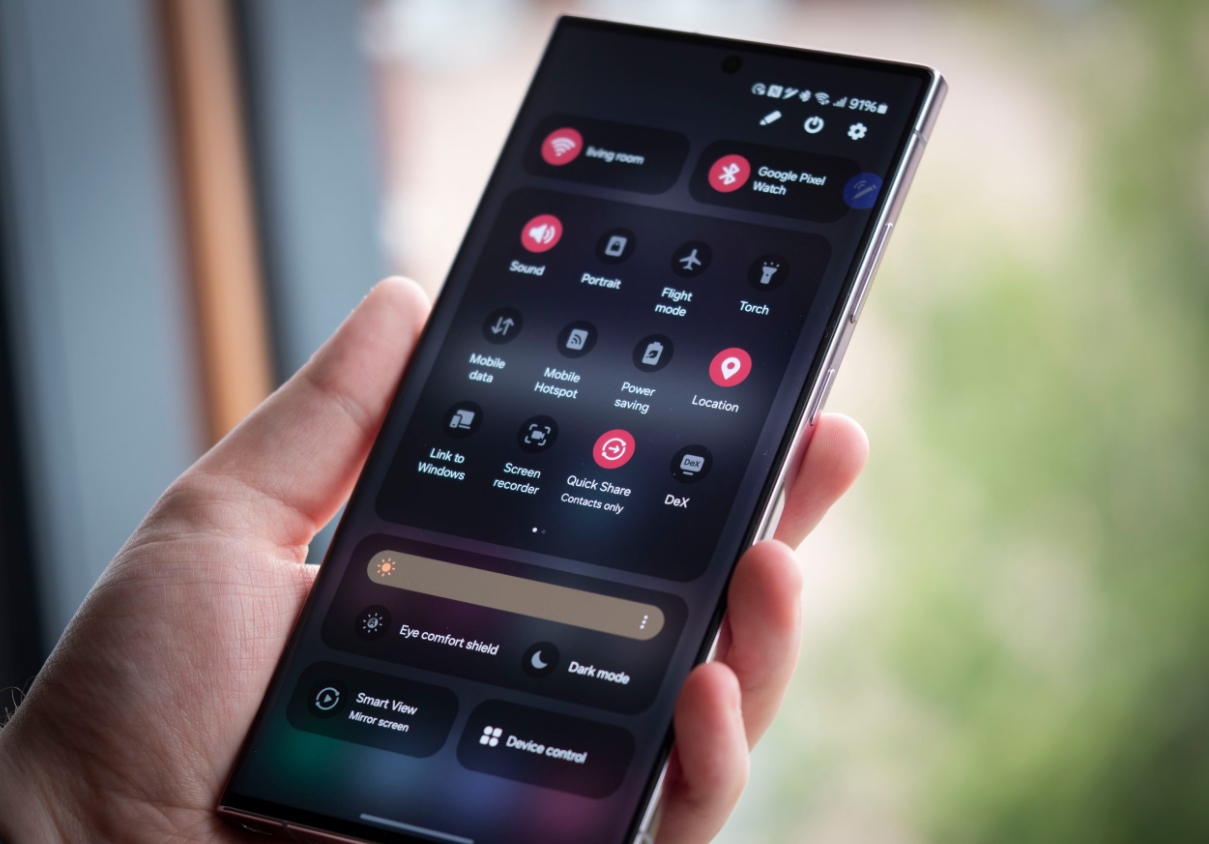
While the update is largely focused on refinements and quality-of-life improvements rather than major UI overhauls, it does include changes like improved dark mode functionality, NFC wireless charging support, and granular Wi-Fi privacy controls.
Samsung begins integration of Android 15 features into One UI 7
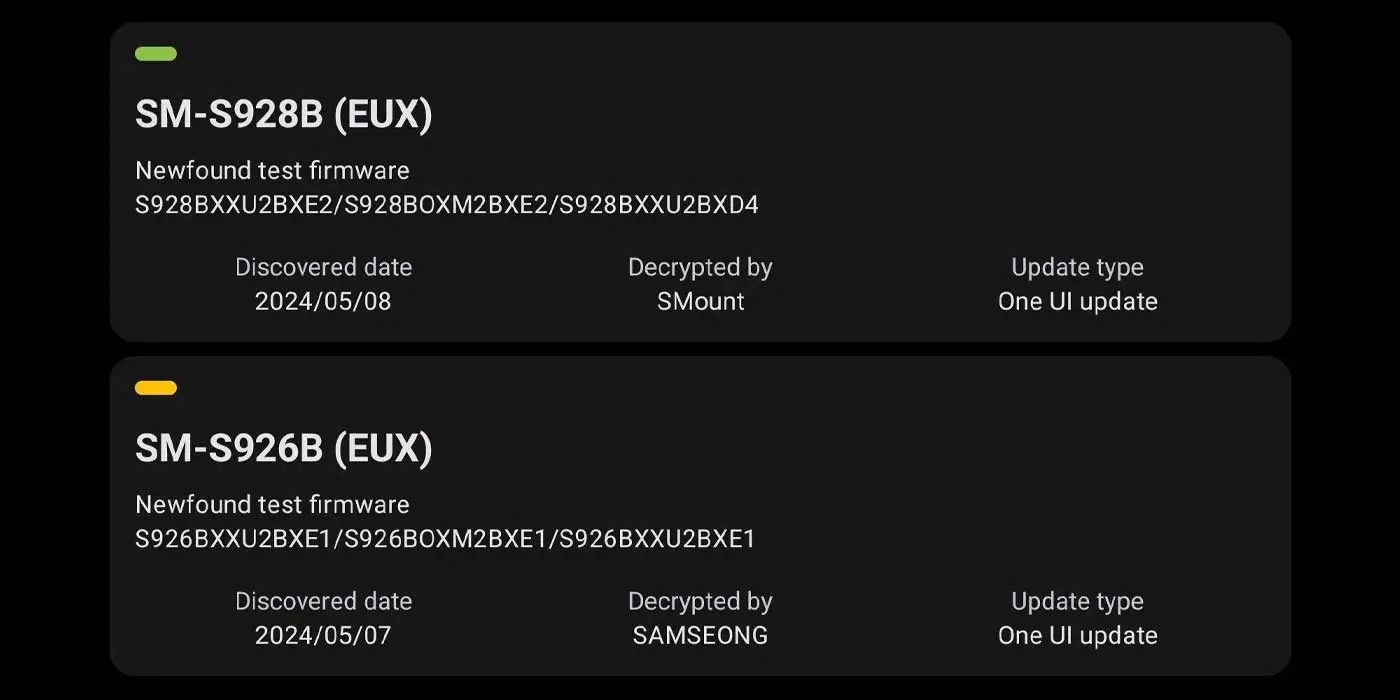
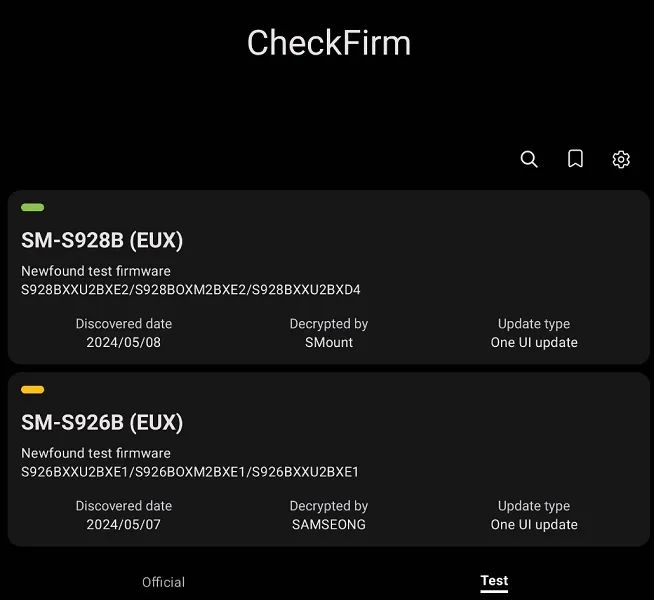
Though Samsung hasn’t declared any details officially, it is most likely to first roll out the One UI 7 beta program for the Galaxy S24 users, which will let them try all the new features and improvements.
Normally, Samsung tends to go through a gradual process, first making the beta available in its home market of South Korea before spreading to other areas like the US and Europe.
What new features are included in the Samsung One UI 7 update?
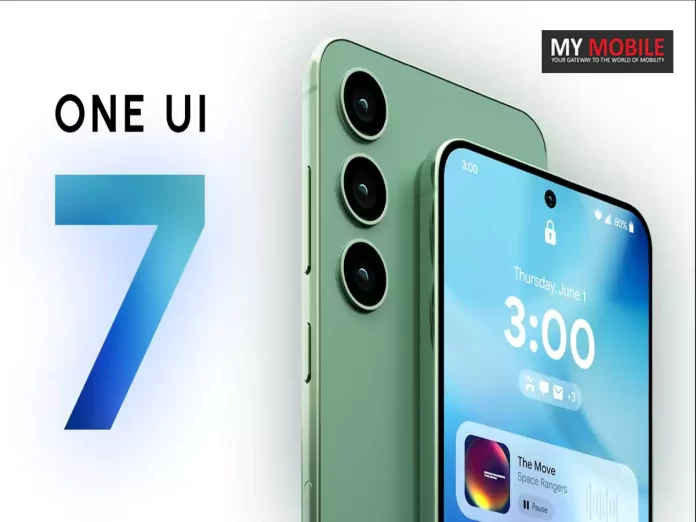
One UI 7, based on Android 15, introduces several enhancements such as an improved dark mode, support for NFC wireless charging, and more refined Wi-Fi privacy controls.
Which devices will first receive the One UI 7 update?
Samsung plans to deploy the One UI 7 update initially on the Galaxy S24 flagship series, aligning with their tradition of launching major updates with new premium devices.
When can users expect the One UI 7 beta to become available?
While there’s no official release date yet, Samsung typically begins with a beta release in South Korea, gradually extending to international markets like the US and Europe.
How does Samsung incorporate Android 15 features into One UI 7?
Samsung is known for its rapid integration of the latest Android features into its One UI skin, and with Android 15, it continues this trend by adopting beta features into the upcoming One UI 7.
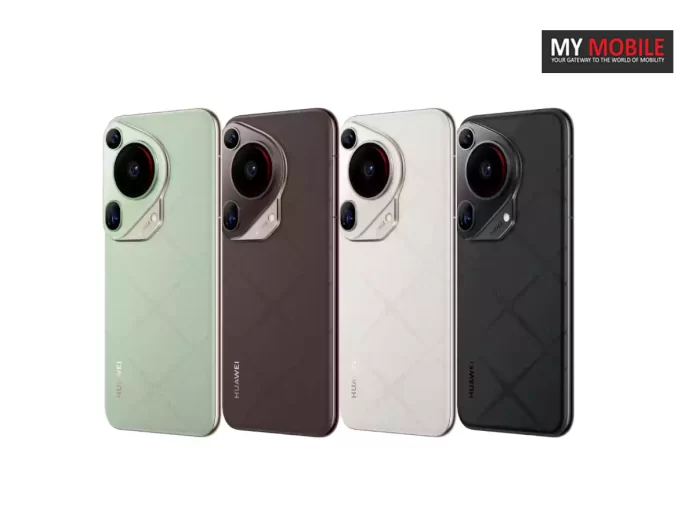
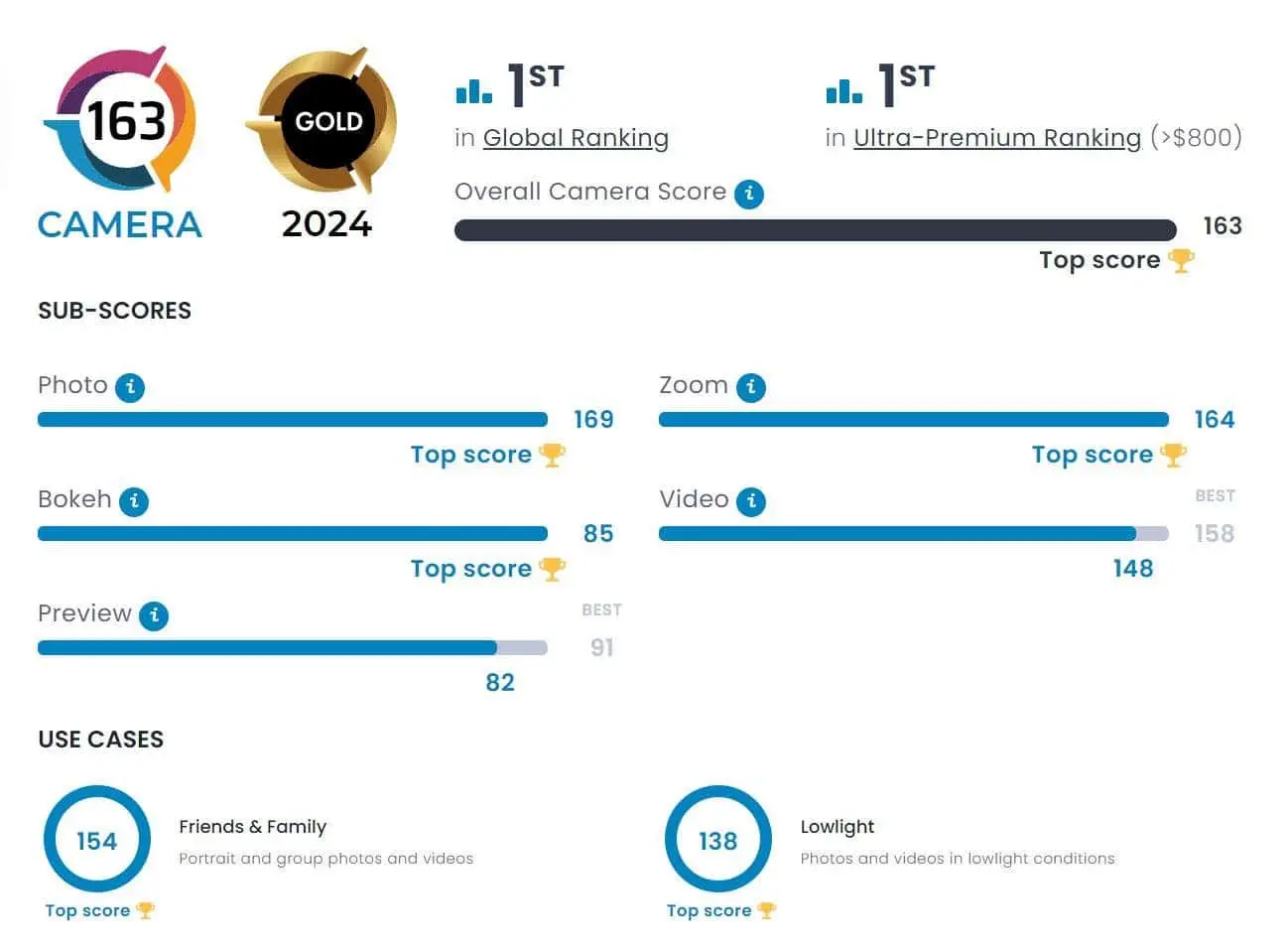
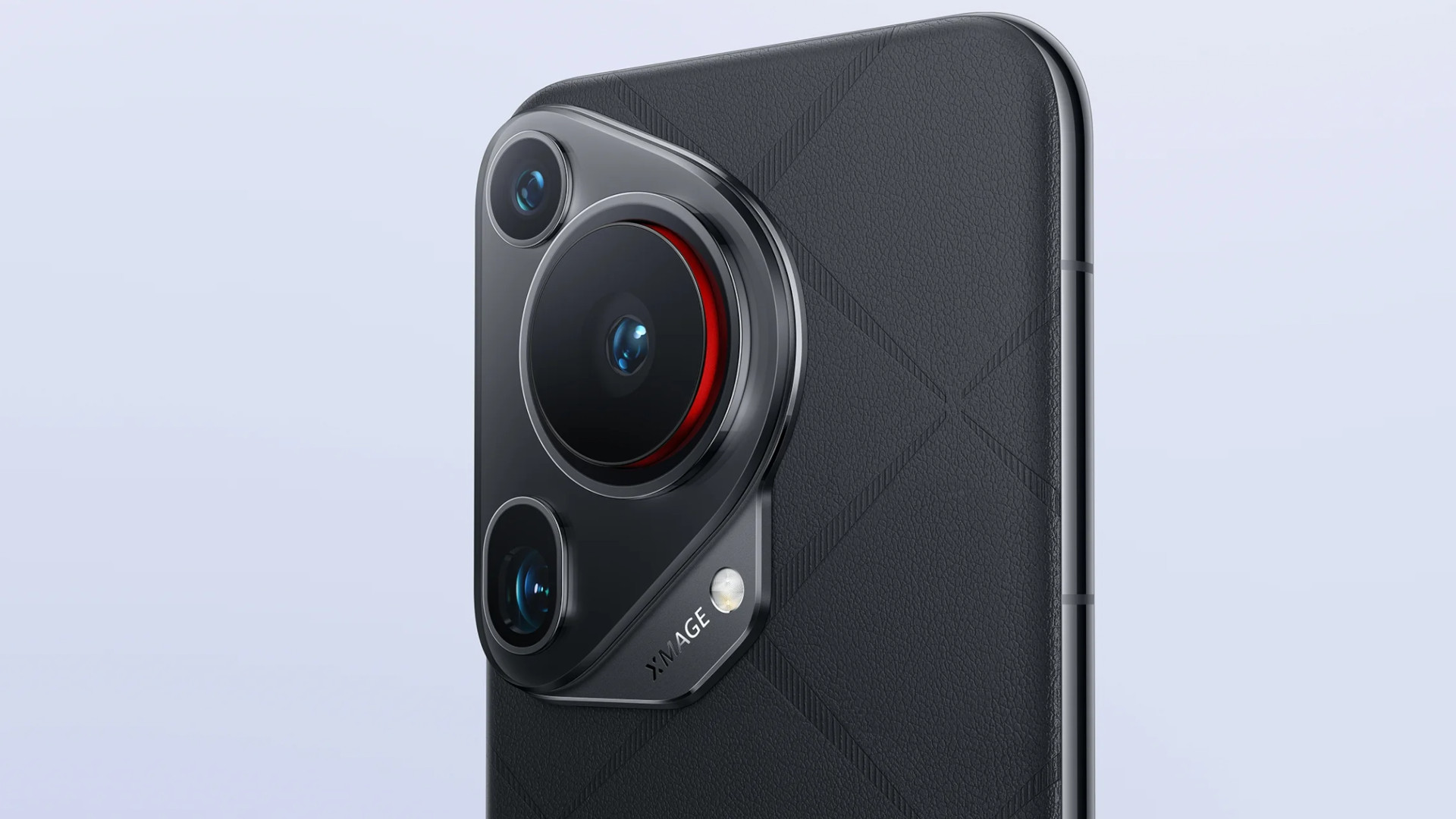
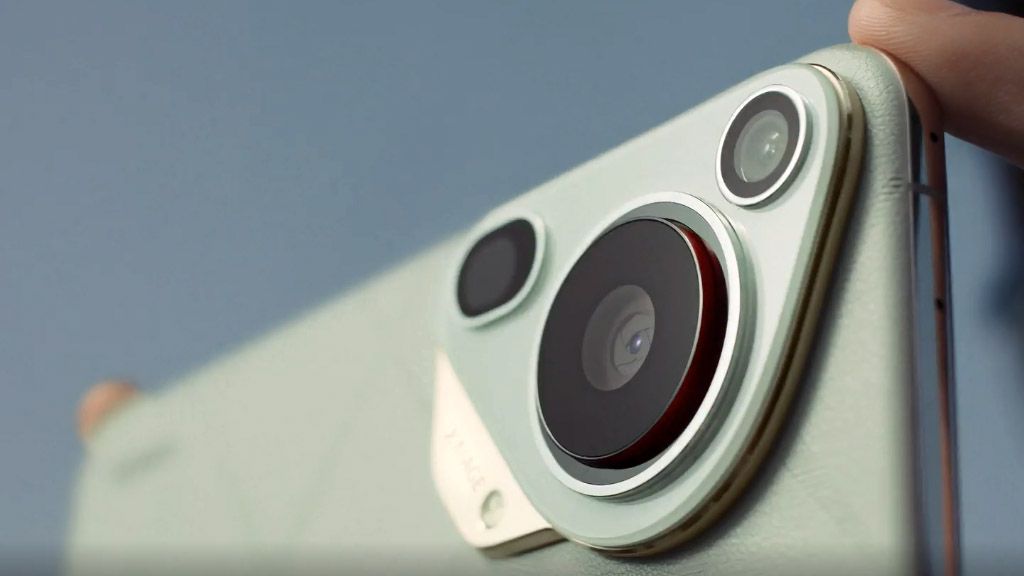
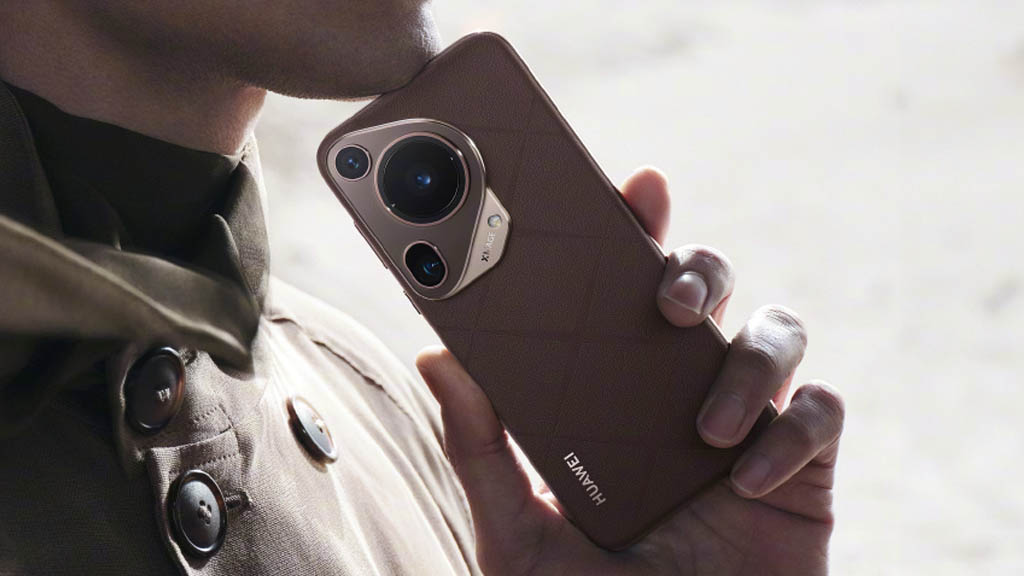
Huawei Pura 70 Ultra Camera Dazzles with Top DxOMark Rating
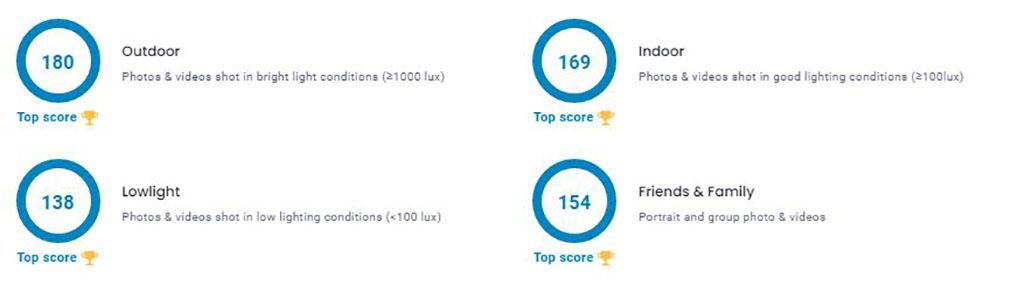
Unbeatable Versatility: From breathtaking landscapes in bright sunlight and candid moments indoors to low-light scenes, the Pura 70 Ultra always produces exceptional pictures that feel right in tune with the shooting conditions.
Superior Image Quality: DxOMark praised how the camera delivered excellent images each time: exposure is just right, the colours are precise, and the autofocus is razor-sharp. Photos are lifelike and vibrant, with crisp details.
Portrait Perfection: The combination of a fast and accurate autofocus system, in tandem with a variable aperture, enables users to shoot brilliant portraits. The camera manages a natural and visually appealing bokeh effect, where the subject is clearly demarcated from the background yet remains very sharp.
Macro Marvel: The Pura 70 Ultra excels in close-up photography, clicking sharp and detailed macro shots that reveal minute textures of diminutive subjects.
Features unparalleled image quality and versatile shooting modes
While the Pura 70 Ultra excels in still photography, DxOMark noted potential drawbacks in video recording.
What makes the Huawei Pura 70 Ultra’s camera stand out according to DxOMark?
The Pura 70 Ultra has been praised for its exceptional versatility and image quality in various lighting conditions, making it the top-rated camera by DxOMark in its category.
How does the zoom functionality of the Pura 70 Ultra compare to other smartphones?
The Pura 70 Ultra sets new standards for smartphone zoom capabilities, offering superior image clarity across a wide range of zoom levels, a feature that distinguishes it from competitors.
Can the Huawei Pura 70 Ultra handle low-light photography?
Yes, the Pura 70 Ultra is highly capable in low-light situations, producing vibrant, clear, and detailed images, although DxOMark notes some challenges in video mode under similar conditions.
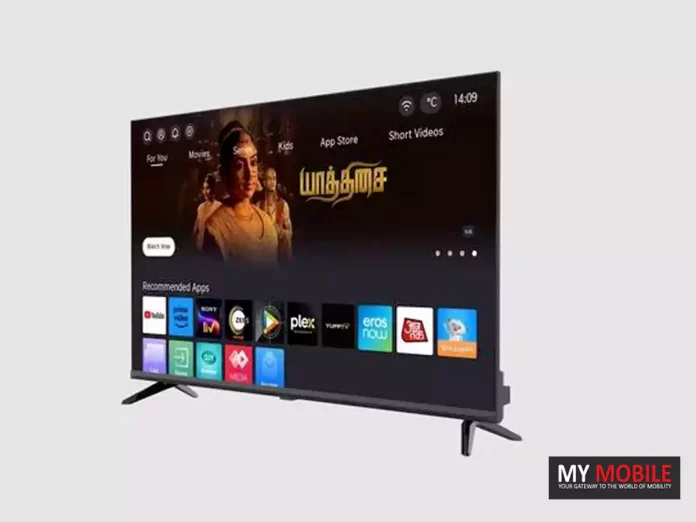
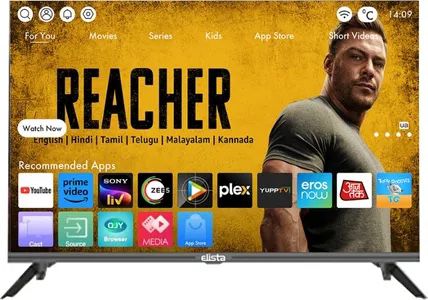
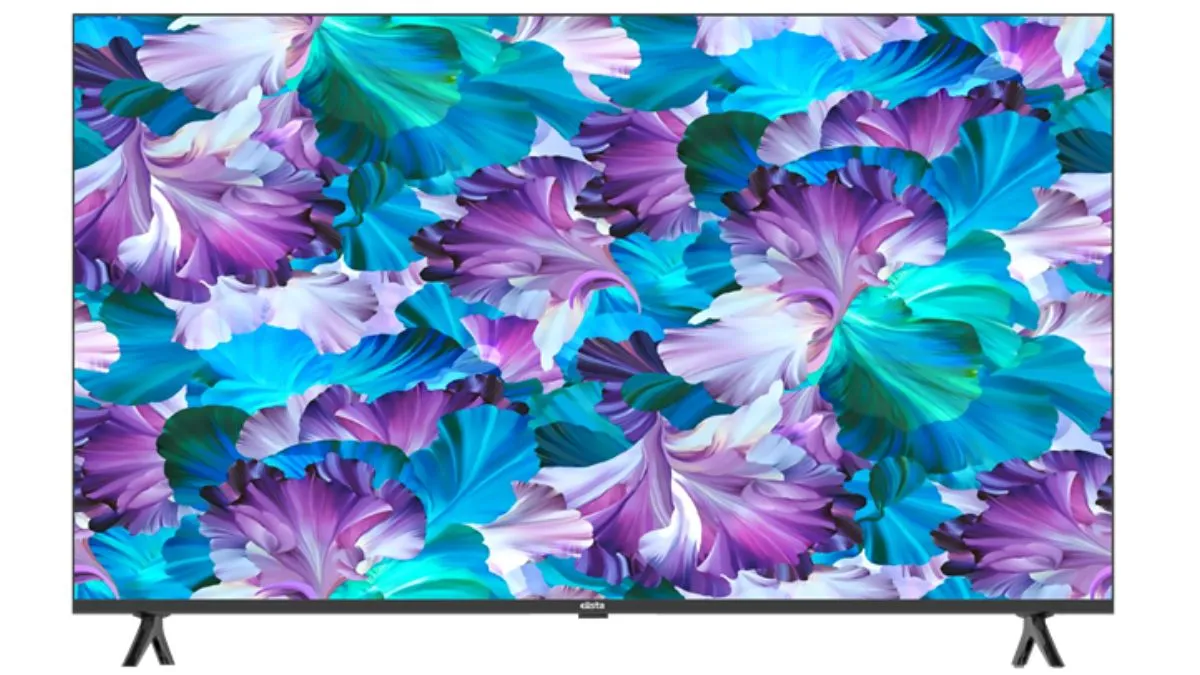
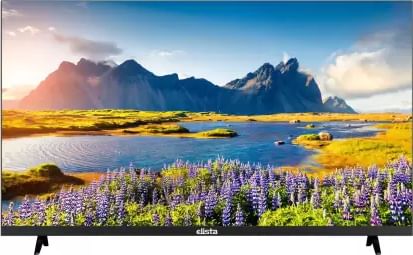
Packed with the cutting-edge technologies and the user-friendly software, Elista LED-SF43EBA88 is and LED-SH32EBA86 Smart TVs are designed to offer the most seamless TV-viewing experience with best-in-class picture quality and sound performance.
The Elista LED-SF43EBA88 and the LED-SH32EBA86 is priced at just an MRP of Rs. 35,990/- and Rs. 17,990/- respectively.
Elista Smart TV
Price
Elista LED-SH32EBA8
Rs 17,990
Elista LED-SF43EBA8
Rs 35,990
The new Smart LED TVs, and is available at all Elista affiliated retailers and e-commerce platforms with 1-Year warranty.
Elista has a robust network of nearly 15,000 retail outlets across India.
Designed to epitomize ‘Smarter entertainment for smarter living,’ the new LED Smart TVs are powered by the intuitive Coolita OS.
The operating system offers an extensive library of both global and local content, featuring popular shows and movies to keep you entertained throughout the day.
Elista Unveils Affordable Range of Smart LED TVs with Coolita OS for Enhanced Home Entertainment
With real-time updates and a seamless interface, one can access the latest content worldwide and download additional apps from the built-in App Store, all at no extra cost.
Pawan Kumar, CEO of Elista, commented, ‘We are elated to once again redefine the Smart TV experience for Indian households. Our latest Smart TVs will cater to the diverse preferences of today’s viewers by offering an expansive selection of both local and international content. By combining this vast content library with top-notch picture quality and immersive sound, we’re bringing a premium cinematic experience right into our customers’ living rooms, all at an affordable price point. At Elista, we aim to make luxury entertainment accessible to every household.”
Coolita OS offers the most comprehensive streaming experience with real-time updates on local and global content
Complementing the vivid display on the LED-SF43EBA88 is a 20W sound setup for a deeply immersive audio experience.
The Smart TVs feature a lag-free user interface and ensure fast boot up times, thanks to a powerful Quad-core processor.
The Elista LED-SF43EBA88 and the LED LED-SH32EBA86 Smart TVs offer seamless wireless connectivity with built-in Bluetooth, Wi-Fi, and screen mirroring capabilities.
Both LED Smart TVs are well-equipped with essential physical ports, including 2x HDMI ports, 1x AV input, 2x USB ports, 1x headphone jack, and 1x Ethernet (RJ45) port for versatile connectivity options.
Elista LED-SF43EBA88 and LED-SH32EBA86 features grade panel complemented by a powerful 20W Sound setup
The feature-rich Smart LED TVs are designed for flexible installation, suitable for wall mounting to achieve a modern, streamlined look or placed on a cabinet using the bundled desktop stand and wall mount at no extra cost.
Elista is positioned as a key influencer in shaping India’s consumer electronics landscape through a commitment to technological advancement and local production capacity.
Elista has launched two new smart TVs in India with Coolita OS
The investment in two cutting-edge manufacturing plants in Kadapa, Andhra Pradesh, lays the groundwork for significant output, targeting an annual production of 1,000,000 TVs and 1,000,000 LED monitors.
These facilities will bolster local manufacturing capabilities and help the company introduce innovative products tailored for both domestic and international markets.
Faqs
Which are the supported platforms for Elista Smart Tv ?
Supported platforms include Prime Video, Sony Liv, Zee5, YouTube, Plex, and Eros Now.
What is the price & availability for Elista Smart Tv ?
The new Elista Smart TVs are available in two display sizes: 43-inch and 32-inch. The prices of both models in India are below.
The new Elista Smart TVs can be purchased from all Elista-affiliated retailers and e-commerce platforms in India.
The brand has a network of around 15,000 retail outlets across India. Elista is also offering a 1-year warranty with new TVs.
What are the specifications of Elista Smart Tv ?
The latest Elista smart TVs boot the proprietary Coolita OS from the brand.
Like other smart TV OS, Coolita OS is a content aggregator showing TV shows and movies from the OTT platform in a seamless interface. Supported platforms include Prime Video, Sony Liv, Zee5, YouTube, Plex, and Eros Now.
The 32-inch model has an HD panel, whereas the 43-inch variant offers FHD resolution. Both TVs are equipped with a 20W speaker setup.
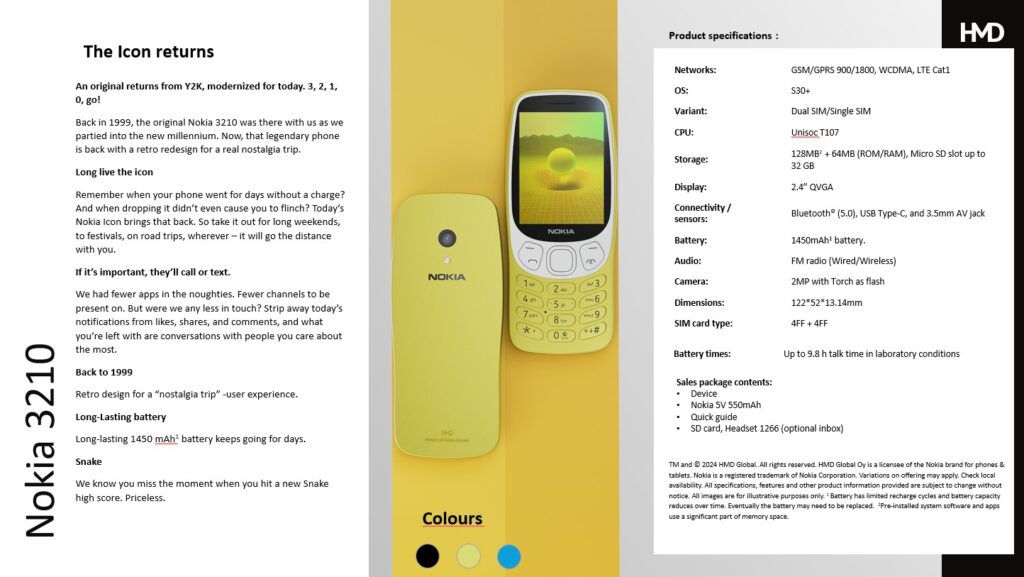
According to HMD Global, the reimagined 3210 caters to users seeking a “digital detox” and balanced screen time through its simple, nostalgic feature phone experience dubbed the “fun phone of 2024.”
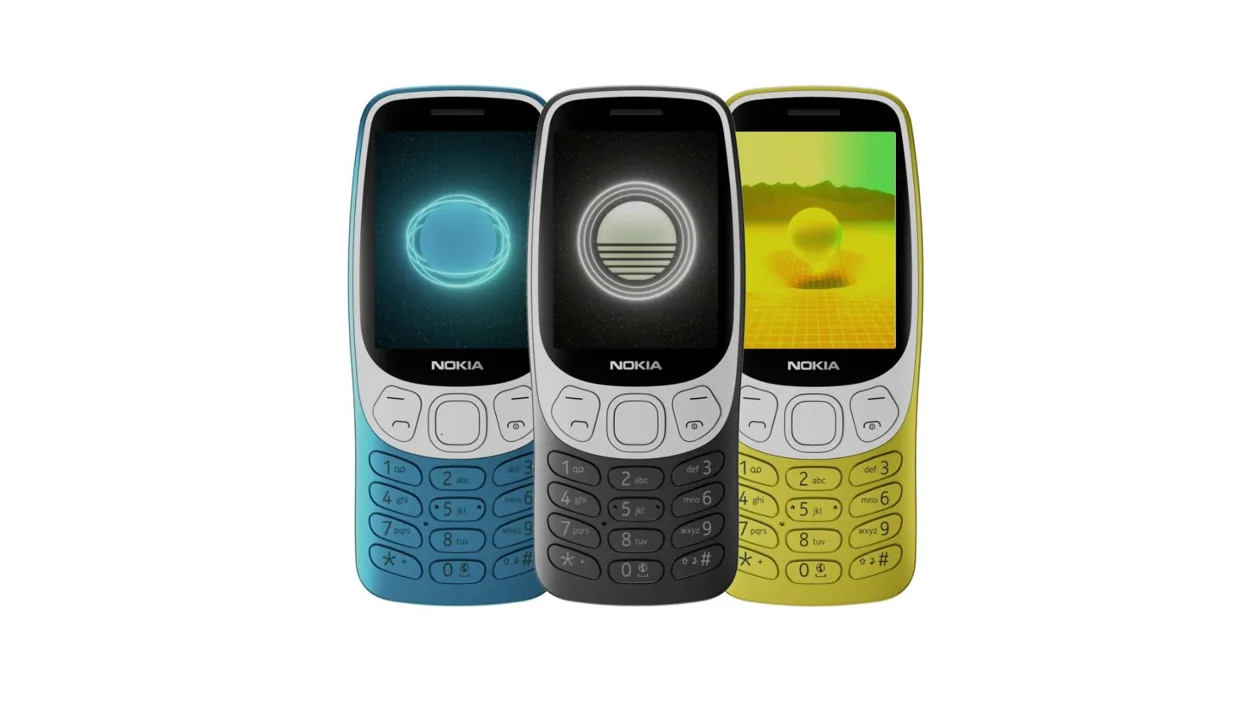
Nokia has revived its classic 3210 model as an updated feature phone for the modern era
Lars Silberbauer, CMO of Human Mobile Devices (HMD), comments: “The Nokia 3210, a cultural icon, is back at the pinnacle of the global dumbphone boom as consumers look to balance their screen time usage with a digital detox. The Nokia 3210 has simplicity at its core, allowing consumers to be totally present. Forget dumbphone, this is 2024’s fun phone.”
Ben Wood, Founder, Mobile Phone Museum comments: “The original Nokia 3210 has a special place in many consumers’ hearts as one of the best-selling mobile phones of all time. It’s the perfect product to reimage for the modern era given its strong heritage and iconic design. The Nokia 3210 is considered one of the most significant handsets Nokia ever developed and was loved by many for whom it was their first mobile phone. This modern twist on a design classic in its silver jubilee year is bound to grab people’s attention.”
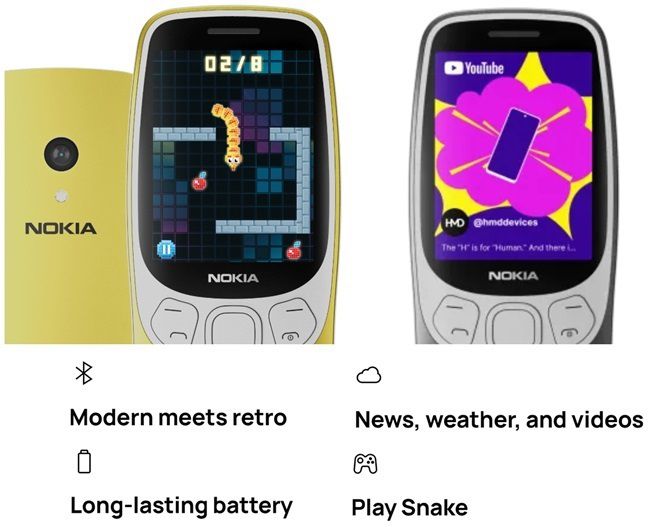
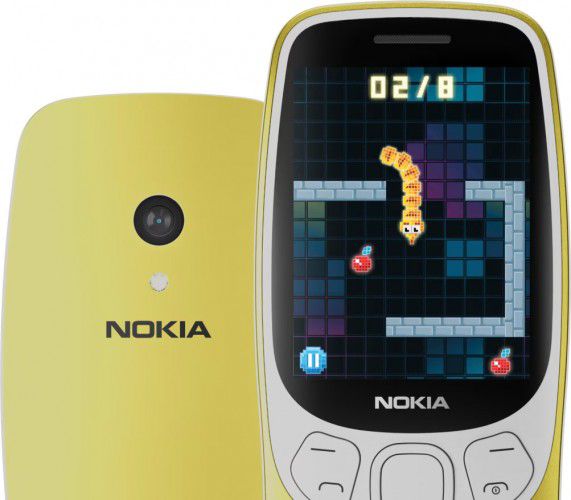
HMD’s website says: “Let’s throwback to Y2K, when conversations mattered more than likes and shares. A legendary phone returns with a long-lasting battery and a redesign for modern times. And of course, it’s got Snake. This is ‘newstalgia’ at its best – the return of the Nokia 3210.”
Price and Availability
HMD Global Brings Back Iconic Nokia 3210 as a Modern Feature Phone After 25 Years
The reimagined Nokia 3210 has launched in Europe at a price of €89 (around Rs. 7,990).
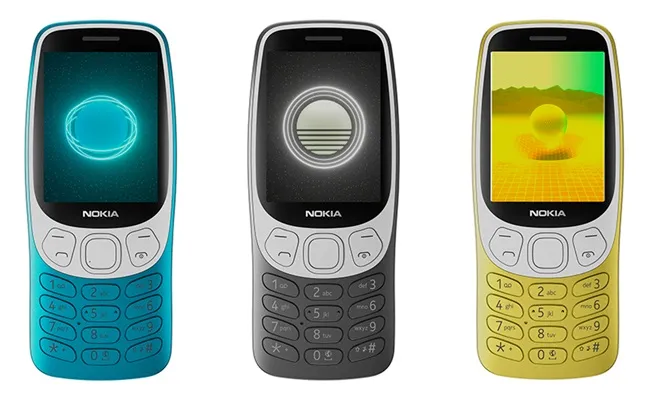
It is currently available to purchase in Germany, Spain, and the UK market in three colour options – Y2K Gold, Subba Blue, and Grunge Black.
Features and Specifications
Nokia 3210 relaunched with modern updates, priced at EUR 89
The new Nokia 3210 features a 2.4-inch colour TFT LCD display, a step up from the 1.5-inch monochrome screen on the 1999 original.
It has a single 2MP rear camera with LED flash.
Features a 2.4-inch TFT LCD, 2MP rear camera, and classic T9 keypad
It packs 64MB RAM, 128MB storage (expandable up to 32GB via microSD), and a removable 1,450mAh battery promising up to 9.8 hours of talk time.
Connectivity options include 4G, Bluetooth 5.0, a USB-C port, dual-SIM support, and a 3.5mm headphone jack.
Includes 4G connectivity, Bluetooth 5.0, and USB-C port
You also get an MP3 player, FM radio, and speaker.
While primarily a feature phone, the Nokia 3210 (2024) supports basic cloud apps like the iconic Snake game, YouTube Shorts, News, and Weather apps.
Offers basic cloud apps and up to 9.8 hours of talk time on a 1,450mAh battery
It retains classic inputs like a T9 keypad and trackpad for navigation.
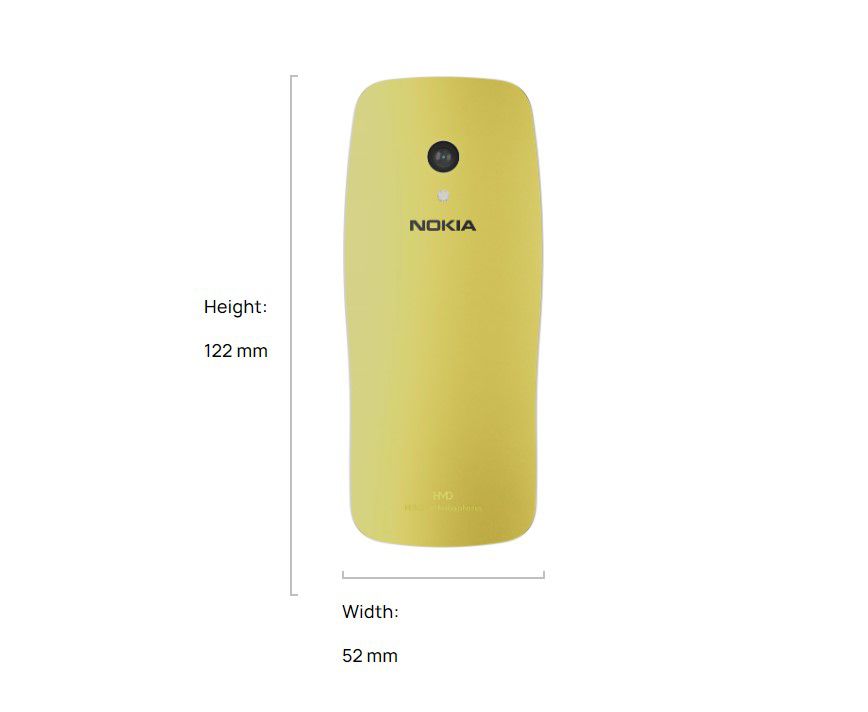
The new Nokia 3210 Dimensions
The phone measures 122 x 52 x 13.14mm and weighs 87.8 grams.
Quick Specifications: Nokia 3210 (2024)
Quick Specifications: Nokia 3210 (2024)
Display: 2.4″ QVGA
Camera: 2MP with LED Flash
Memory & storage: 128 MB internal storage; 64MB RAM; MicroSD card support up to:32 GB
Processor: Unisoc T107
Operating system: S30+
Audio: MP3 Player, FM Radio
Battery: 1450mAh; Removable battery; Up to 9.8h talk time
Connectivity: Bluetooth 5.0, 3.5mm Headphone jack, USB Type-C
Apps: Cloud apps – YouTube Shorts, News, Weather, Snake Game
Network: Dual SIM 4G; Sim size: 4FF+4FF
Dimensions (mm): 122 x 52 x 13.14mm
FAQs
What are the key features of the new Nokia 3210?
The updated Nokia 3210 features a 2.4-inch colour display, a 2MP rear camera, 4G connectivity, and retains the iconic T9 keypad, modernizing the classic 1999 model for today’s minimalistic phone users.
How does the battery performance of the Nokia 3210 (2024) compare to modern smartphones?
With a 1,450mAh battery, the Nokia 3210 (2024) offers up to 9.8 hours of talk time, focusing on long-lasting performance typical of feature phones, in contrast to the shorter battery life of more powerful smartphones.
Where is the new Nokia 3210 available for purchase and what are its price details?
The Nokia 3210 is available in select European markets including Germany, Spain, and the UK, priced at EUR 89, which is approximately Rs 7,990.
What operating system does the new Nokia 3210 run on?
The Nokia 3210 (2024) runs on the S30+ operating system, tailored for feature phones and supports basic cloud apps alongside essential functions like calling and texting.
How old is a Nokia 3210?
The original Nokia 3210 was released in 1999, but the reimagined version is to be released on May 15, 2024.
Why is the Nokia 3310 so strong?
The Nokia 3310 is strong and resistant to impact due to its durable casing.
Why Would I Buy a Nokia 3210 Mobile Phone in 2024?
If you want to buy a Nokia phone in 2024 (with regard to the 3210): for nostalgia / a throwback moment or because you want to decrease your addiction on smartphones.
If you’re tired of being on your phone reading notifications and listening to the sounds on your smartphone, then the retro Nokia 3210 could be a good alternative.
The Nokia 3210 may also find a market with older generations who do not need to work their way around the shiny, expensive computers-in-your-pocket. Sometimes, you just want to be able to make a call and send a text.
What are Nokia 3210 Colors?
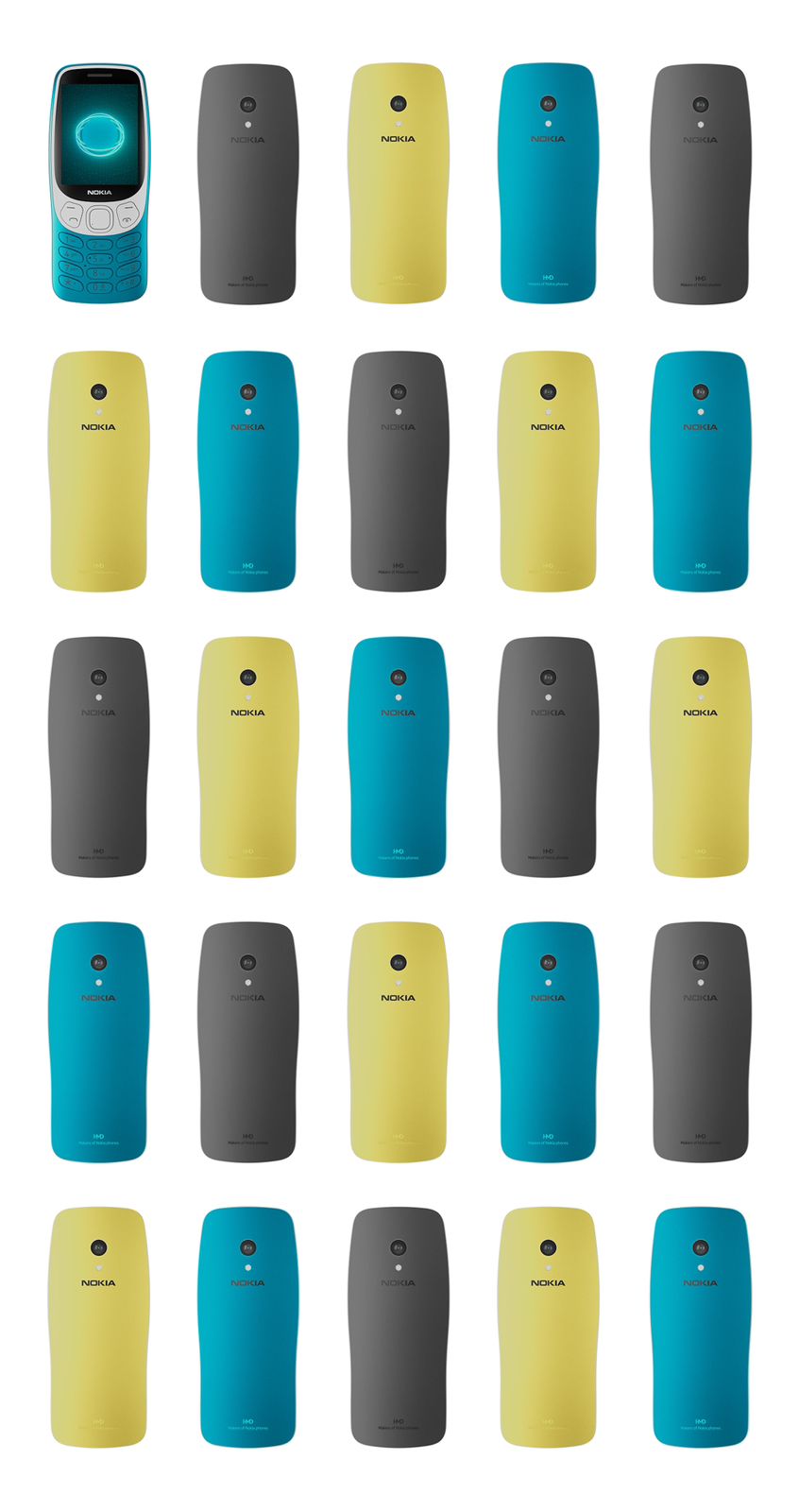
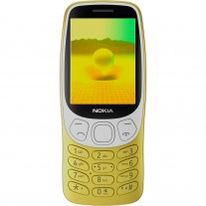
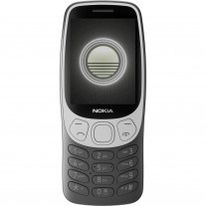
While the original 3210 started the short-lived craze of removable fascias, this time round you have three color options: Grunge Black, as a throwback to Nokia’s classic “gray”, Y2K Gold, and Scuba Blue.
Photo, beauty, filter, AI scene recognition, street photography, portrait, night scene, 50M, professional, panorama, super text, AI ID photo, microscope, tilt shift, skin quality detection
Video Recording
4K @ 30 fps UHD, 1080p @ 30 fps FHD
Flash
Yes, Dual LED
Front Camera
Punch Hole 32 MP f/2.5 (Wide Angle) with Screen Flash
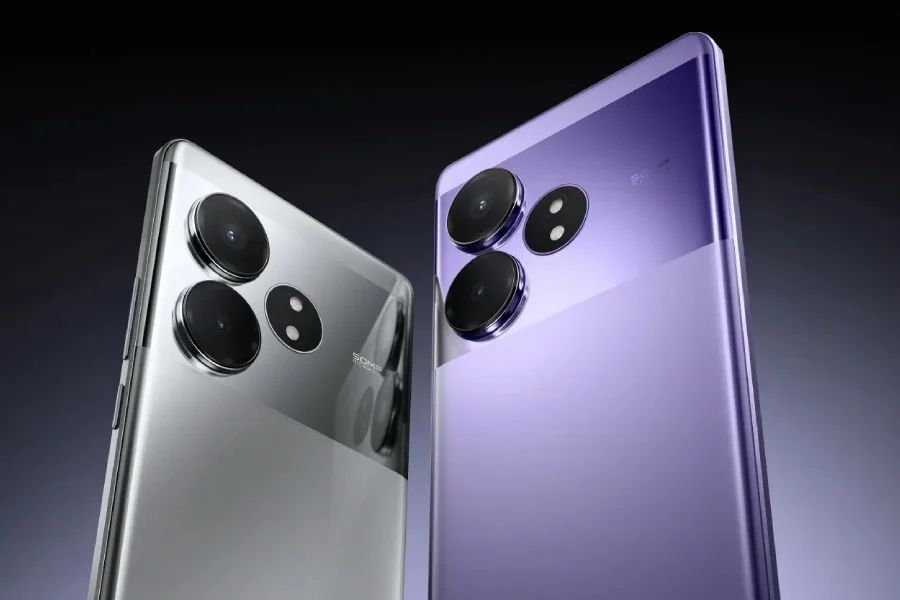
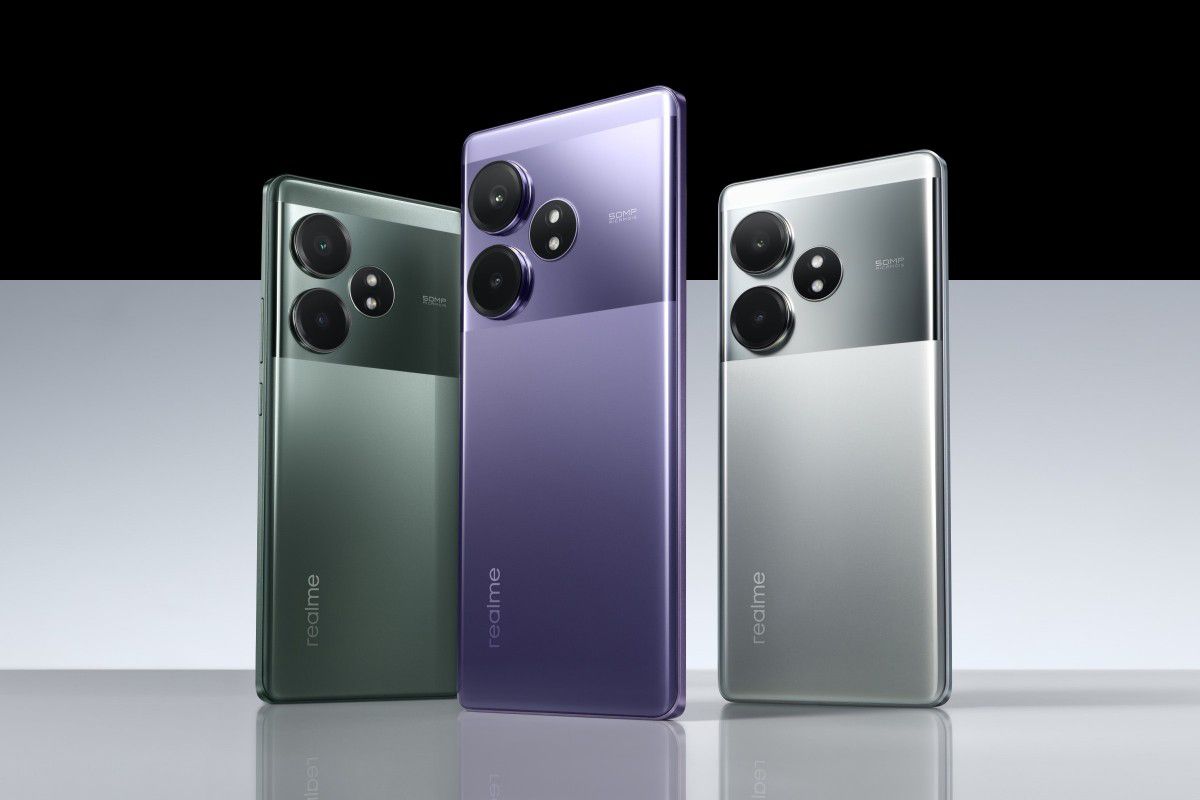
Q1: What is the price range of the Realme GT Neo6 in China?
The Realme GT Neo6 is available in several configurations, with prices ranging from 2099 CNY (approximately Rs. 24,730) for the 12GB RAM + 256GB storage variant to 2999 CNY (around Rs. 34,660) for the top-tier 16GB RAM + 1TB storage model.
Q2: What are the key display features of the Realme GT Neo6?
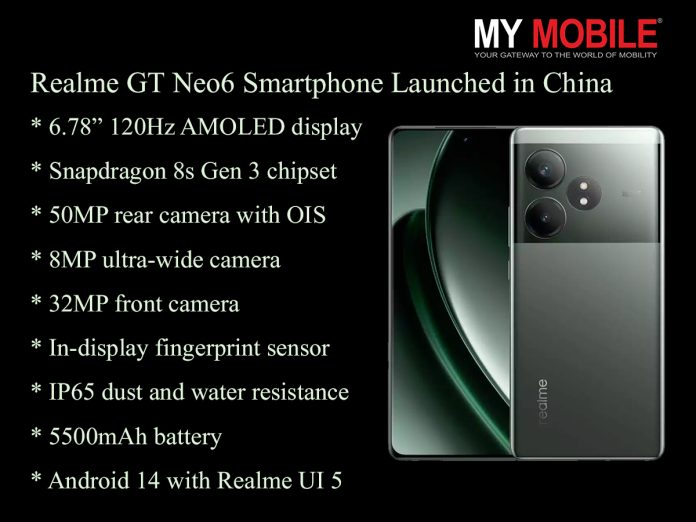
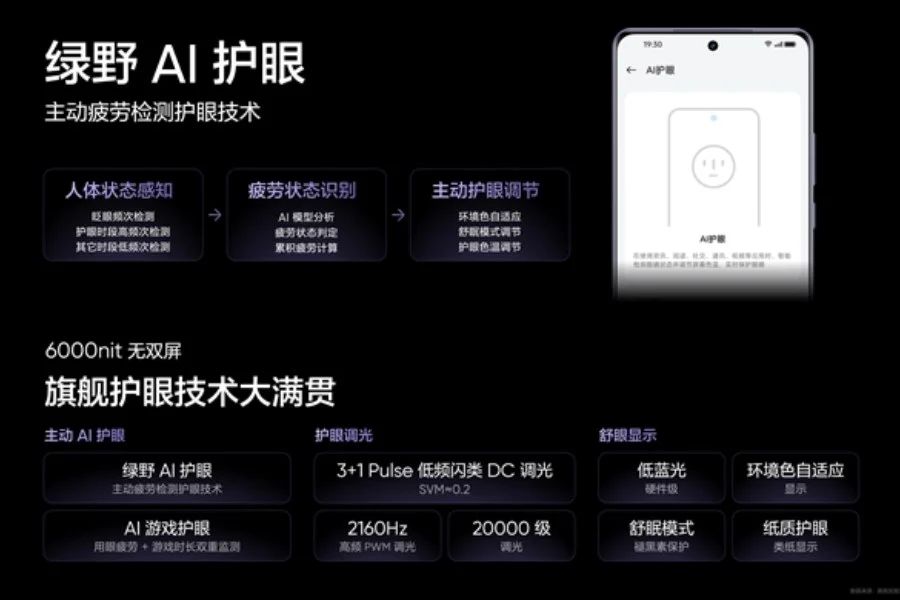
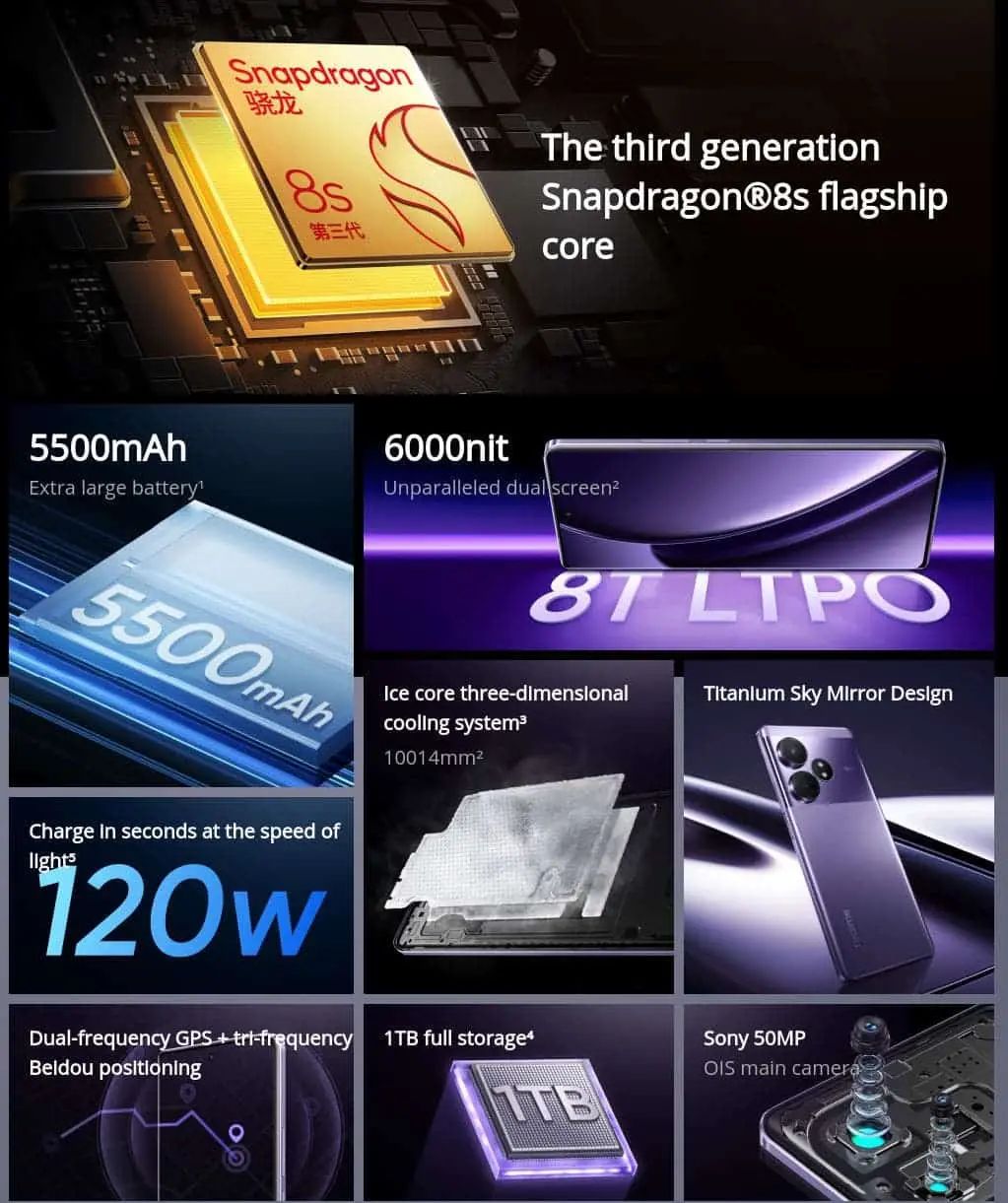
The Realme GT Neo6 boasts a 6.78-inch AMOLED display with a 120Hz refresh rate, 1.5K resolution, and BOE’s Pro-XDR technology for enhanced visuals.
It can reach up to 6000 nits of peak brightness and is protected by Corning Gorilla Glass Victus 2.
Q3: How does the Realme GT Neo6 handle performance and cooling?
Powering the GT Neo6 is Qualcomm’s Snapdragon 8s Gen 3 chipset, coupled with up to 16GB LPDDR5X RAM and 1TB UFS 4.0 storage.
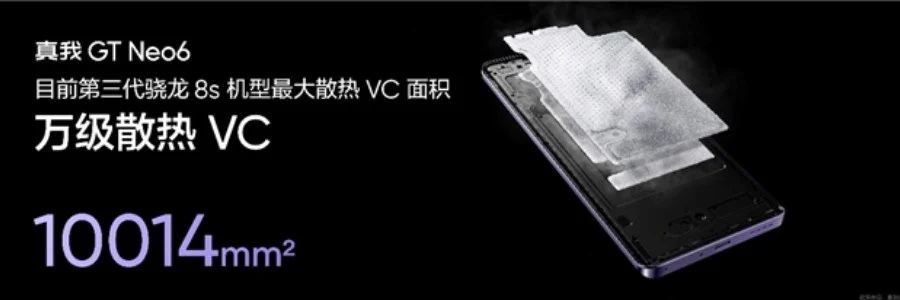
The phone features an advanced cooling system, including a large vapor chamber and GT Mode 5.0, to ensure efficient heat dissipation during extended usage.
Q4: What are the camera capabilities of the Realme GT Neo6?
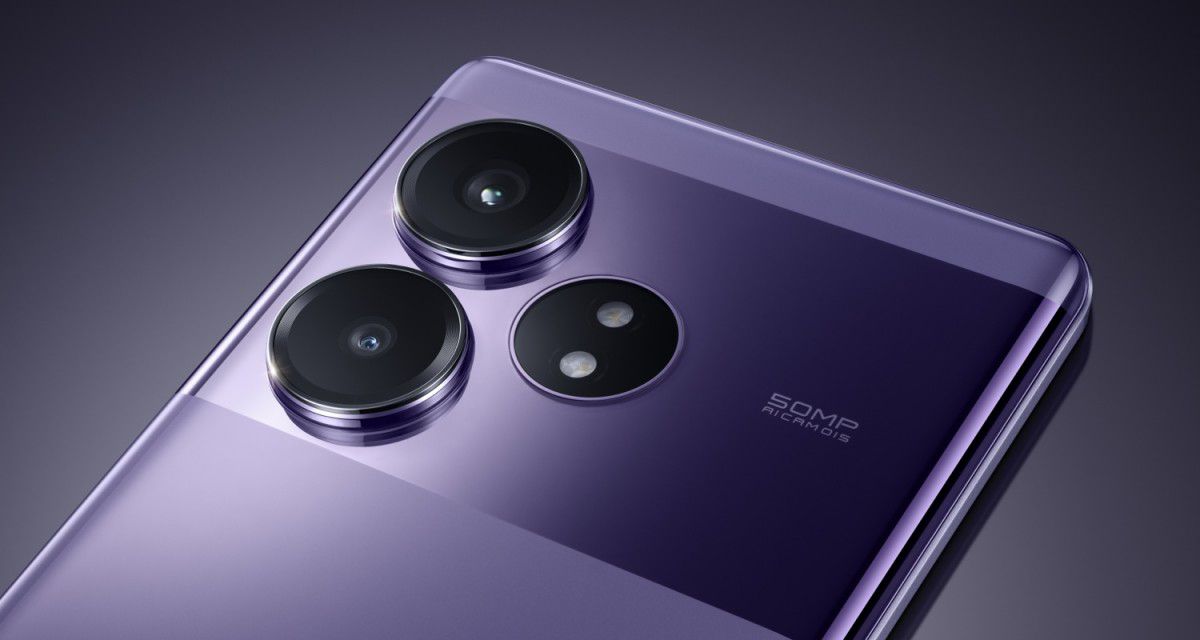
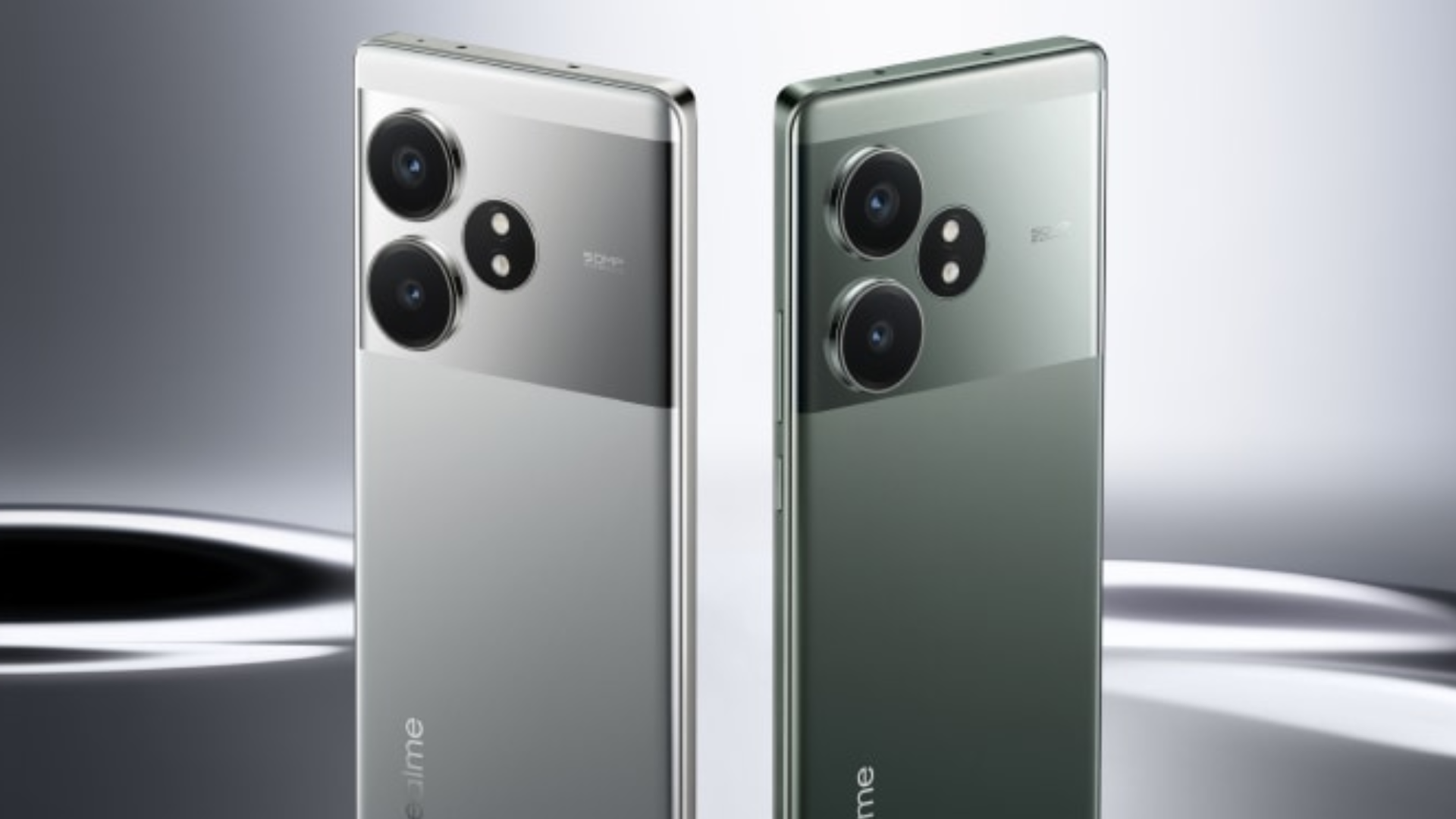
The Realme GT Neo6 features a versatile camera setup, with a 50MP rear camera equipped with a Sony IMX882 sensor and OIS, along with an 8MP ultra-wide camera.
On the front, there’s a 32MP selfie camera for capturing detailed photos.
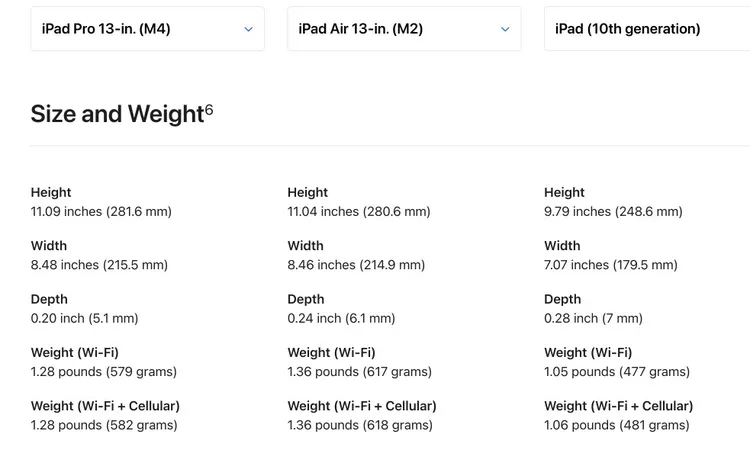
However, this very positioning defies the claim since the ‘Air’ branding had always been associated with exceptional portability and thinness.
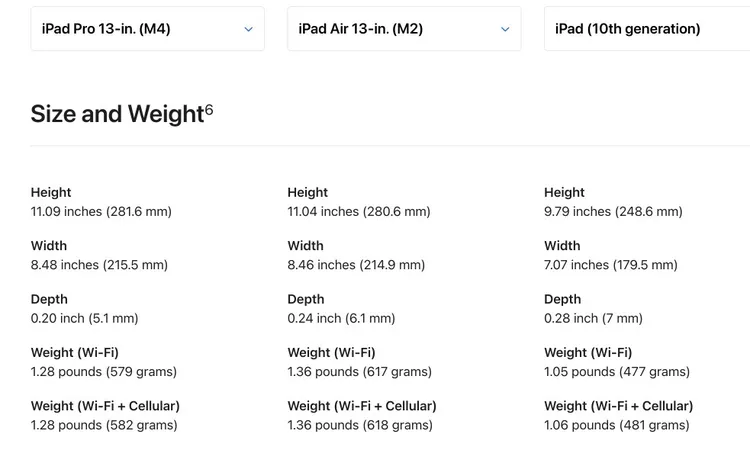
While the Air moniker still carries the connotation of being lightweight for Apple’s MacBook line, the same cannot be said for the new iPad Air devices.
This leaves more questions as to whether the tech giant is consistent with its naming conventions for its products.
Why Call it the iPad Air Then?
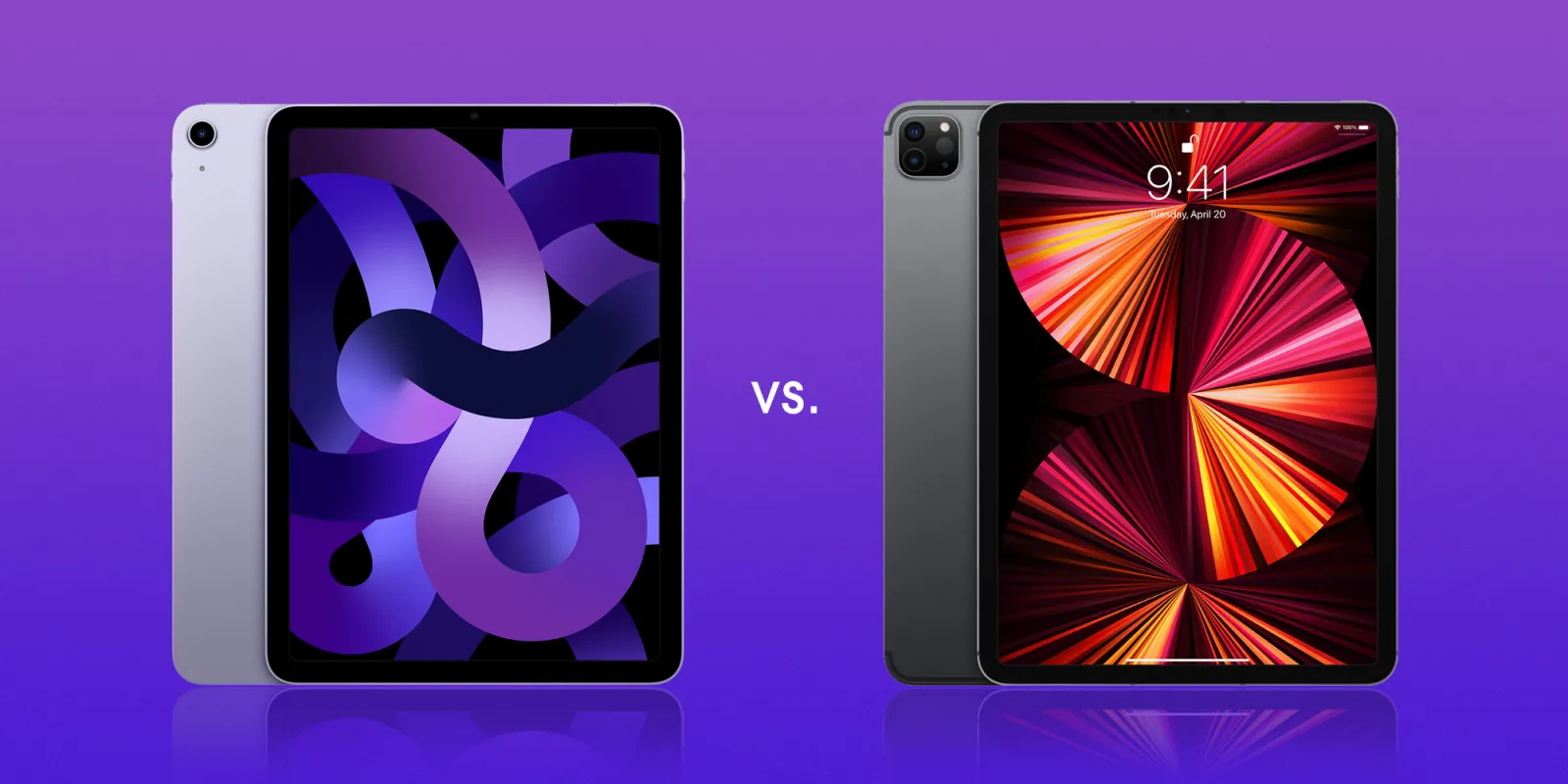
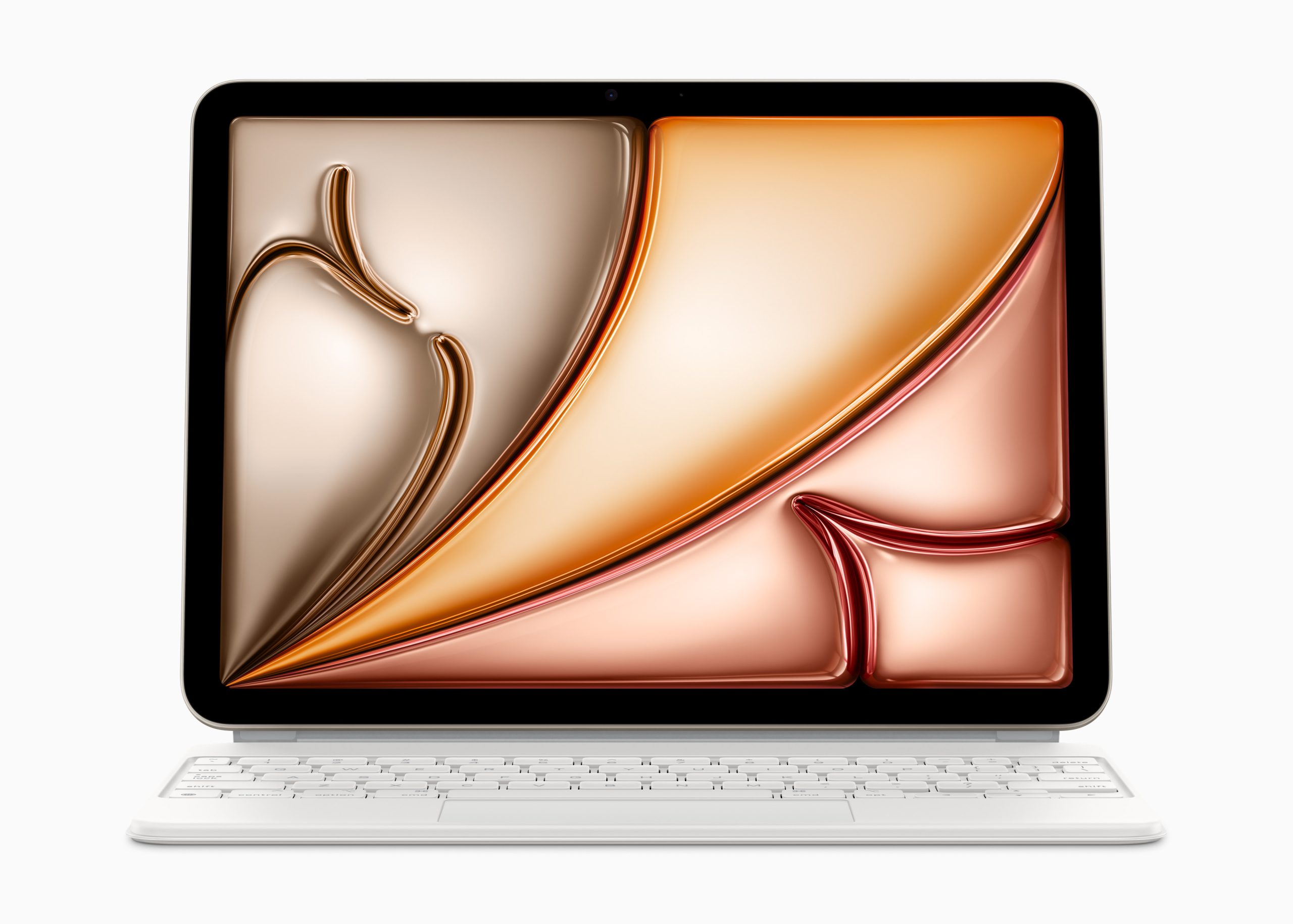
New iPad Air contradicts the ‘Air’ branding by being less portable than the Pro models
If the ‘Air’ is no longer the thinnest and lightest iPad, perhaps Apple might have done better just calling these new models the 11th generation iPadand kept the 10th gen as the budget offering, as the company tends to do with iPhones.
The variance in weight and thickness may be inconsequential for many users, but it does continue to challenge the very principle behind the ‘Air’ branding.
How does the weight of the new iPad Air compare to the iPad Pro?
The new 11-inch iPad Air weighs slightly more at 1.02 pounds compared to the 11-inch iPad Pro at 0.98 pounds, and the 13-inch model shows a similar trend with the Air weighing more than the Pro.
What has been the traditional expectation from Apple’s ‘Air’ branding?
Traditionally, Apple’s ‘Air’ branding has been synonymous with products that are exceptionally light and thin, a standard that the new iPad Air models do not meet when compared to the iPad Pro versions.
Why might Apple’s naming convention for the new iPad Air be considered misleading?
Given that the new iPad Air models are heavier and thicker than the Pro models, the use of ‘Air’ in their naming might confuse customers who associate the term with superior portability and lightness.
What implications does the weight difference have for users choosing between the iPad Air and iPad Pro?
Users looking for the lightest and thinnest iPad might prefer the iPad Pro over the Air, contrary to the expectations set by the ‘Air’ branding which traditionally indicated the lightest option.
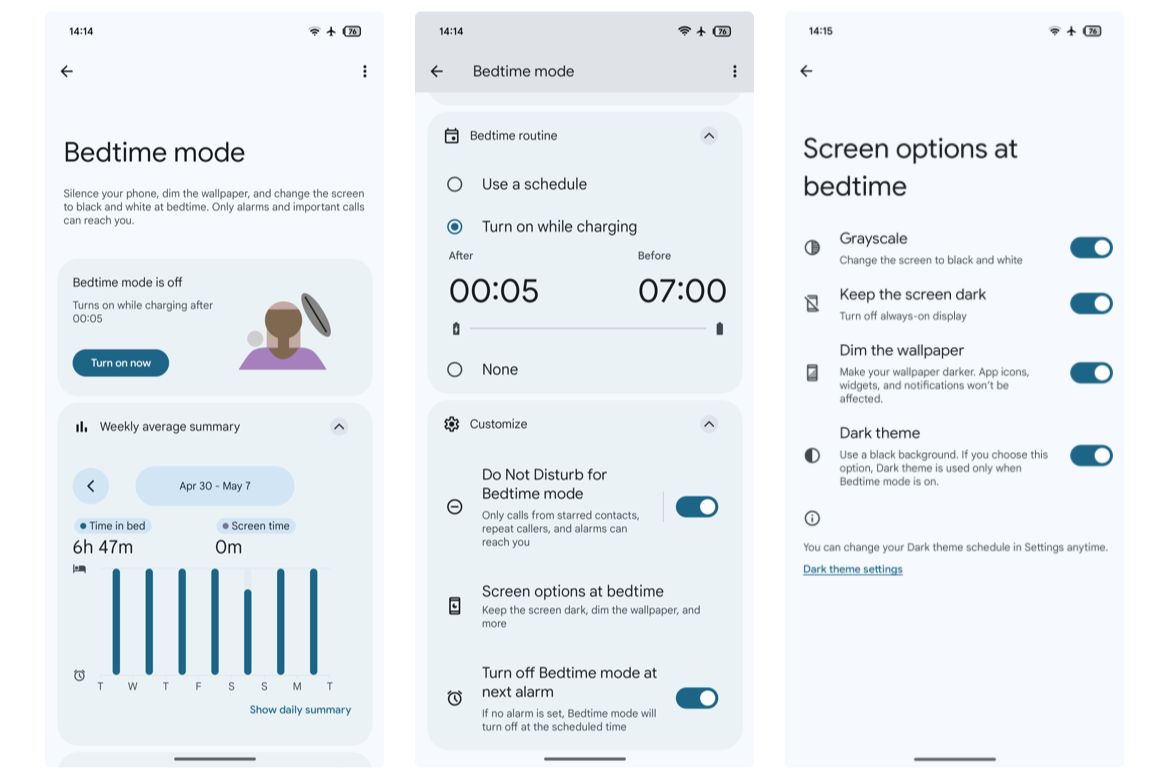
As part of the Android 15 beta, Google is expanding the capabilities of third-party apps to help people wind down before bedtime.
Improved DND Mode on the Cards
New DND options allow only essential notifications during bedtime mode
Most smartphones today offer some form of “bedtime mode” through built-in wellness apps like Google’s Digital Wellbeing.
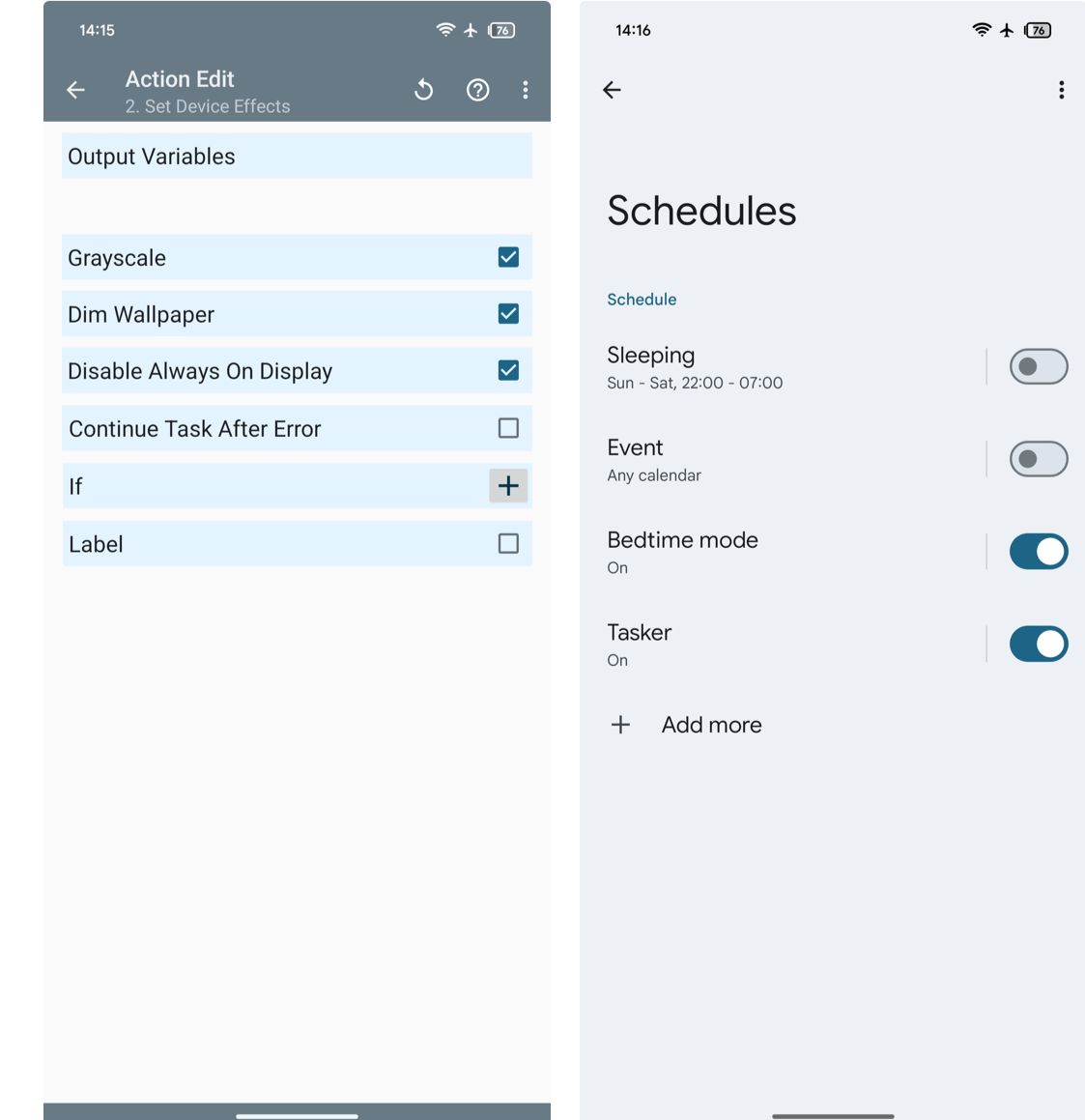
However, currently only Google’s pre-installed app can automatically adjust distracting display settings like enabling grayscale mode or dimming wallpapers when this mode activates.
With Android 15, third-party apps will soon gain access to these same sleep-friendly display adjustment features.
When bedtime mode is enabled, users could opt to have their phone automatically enter Do Not Disturb mode, ensuring only important calls and alarms get through.
Google’s Upcoming Android 15 Update Aims to Boost Sleep Quality and Video Capabilities
Apps could also dim wallpapers, switch to grayscale, disable always-on displays, and toggle dark mode.
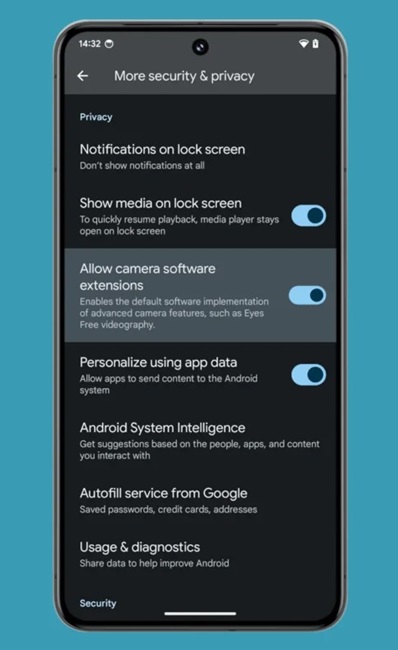
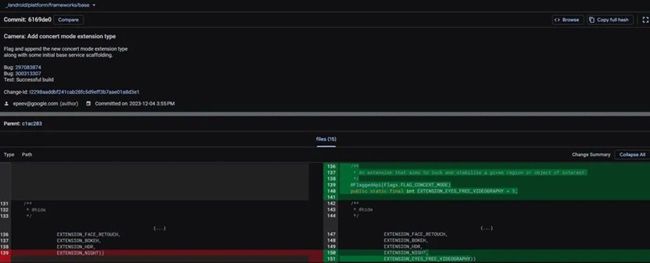
Improved sleep quality and videography are shaping up as major focuses.
FAQs
What new features are included in Android 15 for improving sleep habits?
Android 15 is set to allow third-party apps to use features previously limited to Google’s own apps, such as enabling grayscale, dimming wallpapers, and turning on Do Not Disturb mode during set bedtime hours.
How will Android 15 enhance the video recording experience?
The upcoming Android version plans to introduce an “Eyes Free videography” extension for the Camera2 API, which aims to provide better stabilization and focus tracking for moving subjects across all third-party camera apps.
What specific functionalities will third-party apps gain in Android 15 for bedtime mode?
Third-party applications will be able to adjust display settings like wallpaper dimming, grayscale activation, and dark mode toggling when bedtime mode is activated, enhancing user control over sleep environment settings.
Can you explain how the new DND settings in Android 15 will work?
With the new Do Not Disturb settings in Android 15, users can configure their devices to mute non-essential notifications while allowing important calls and alarms through during their designated sleep periods.
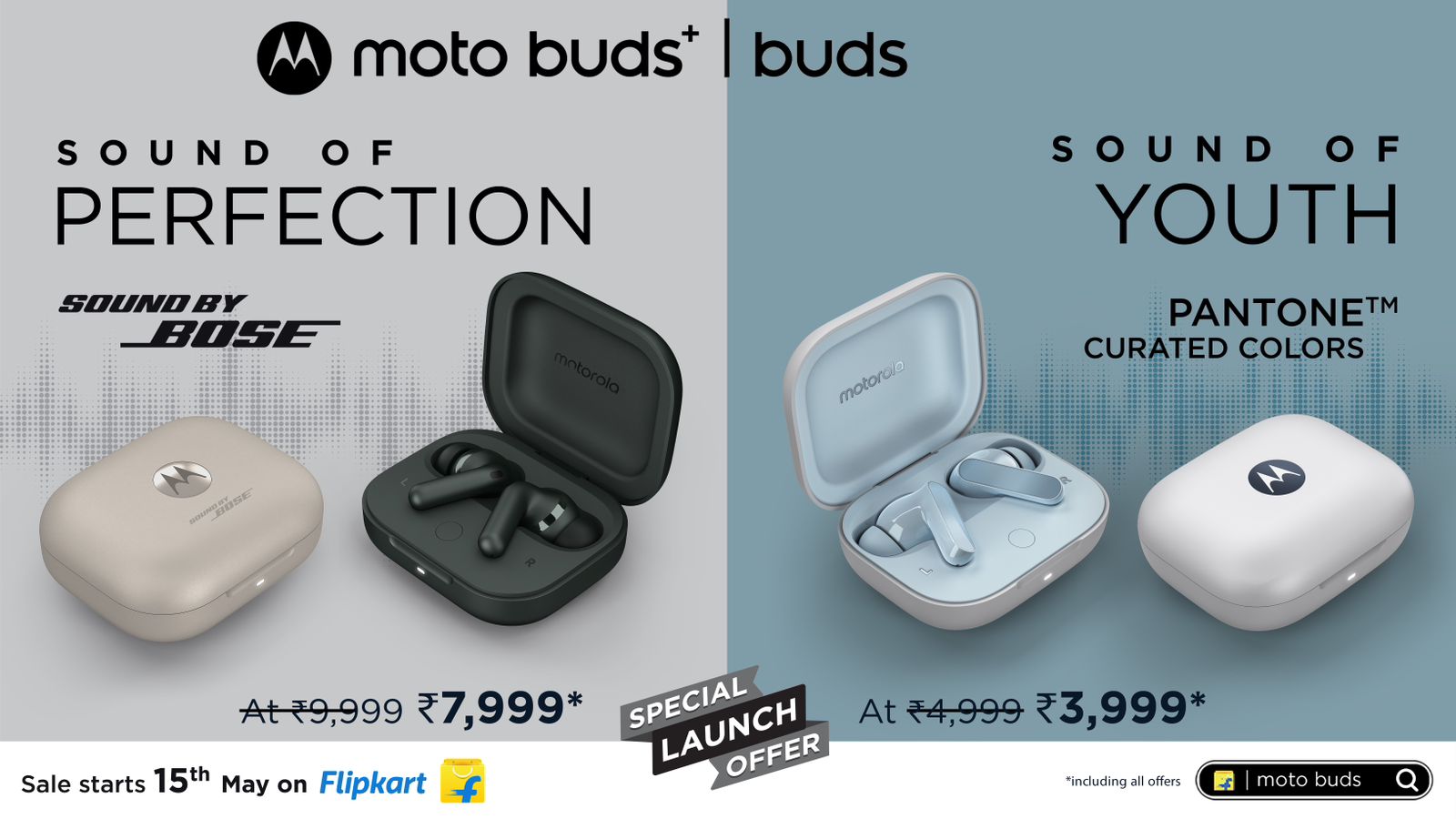
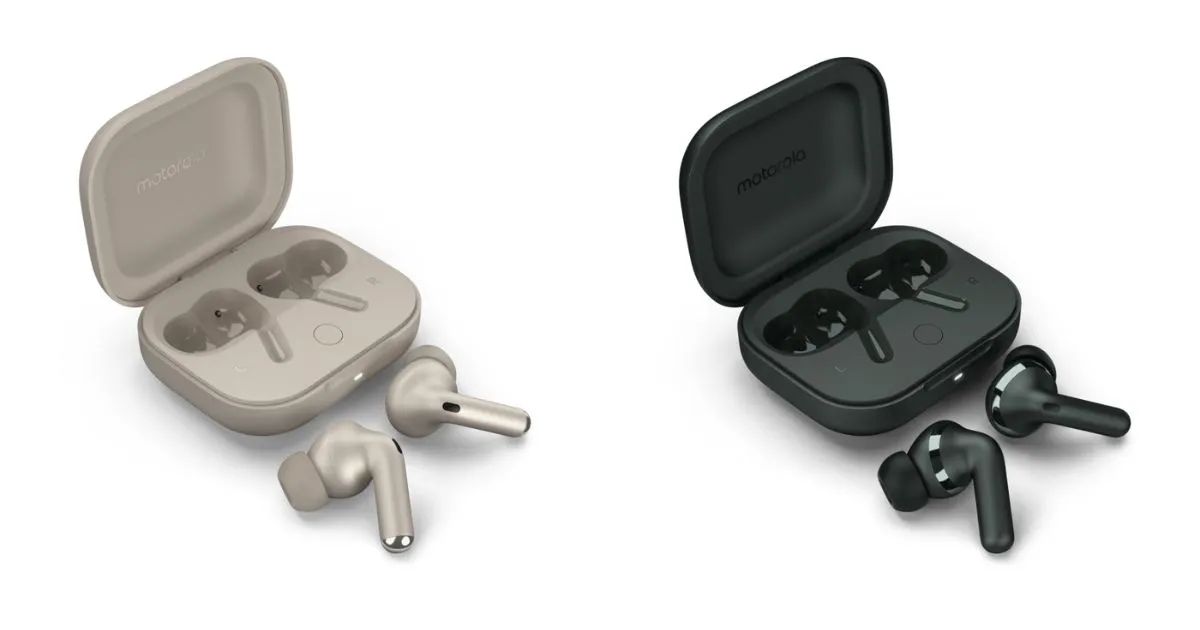
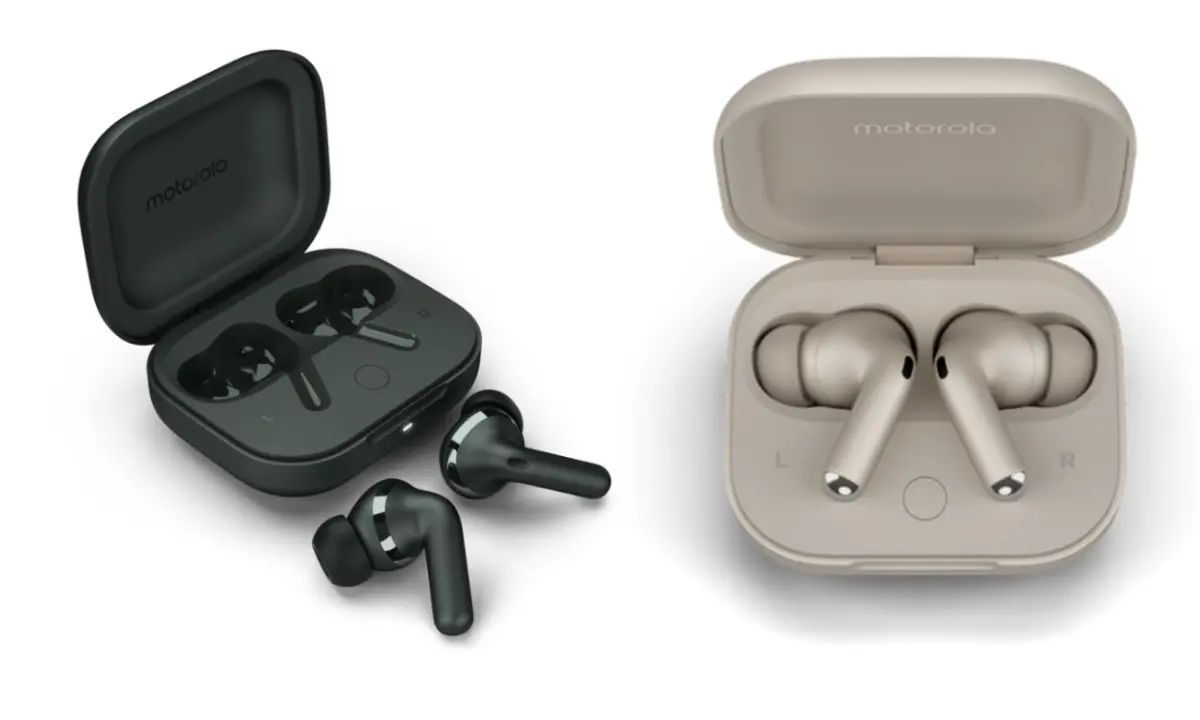
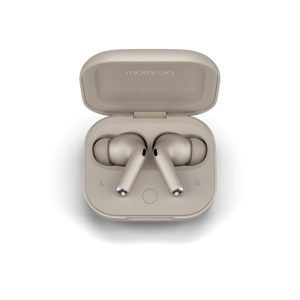
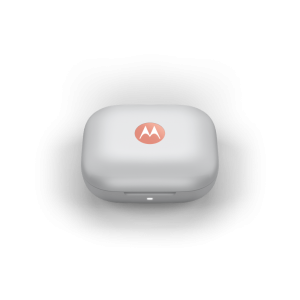
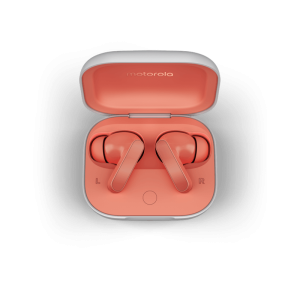
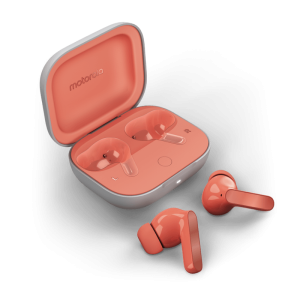
* Motorola today announced the launch of the Moto buds and Moto buds+ in India.
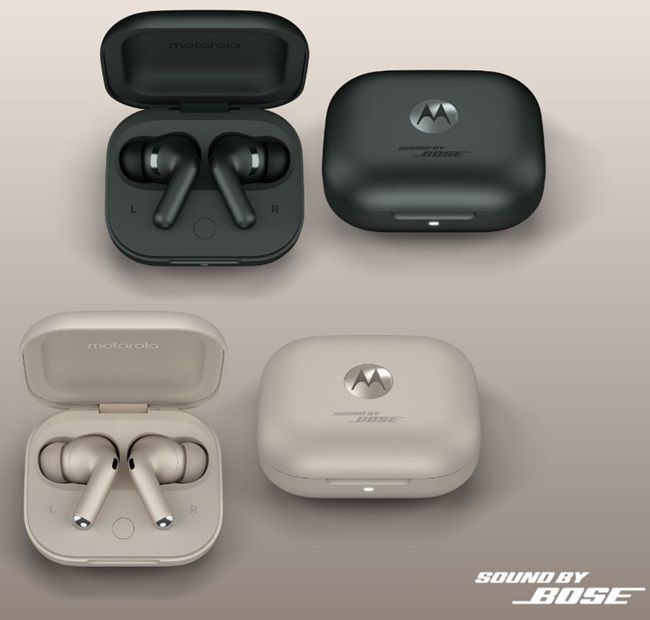
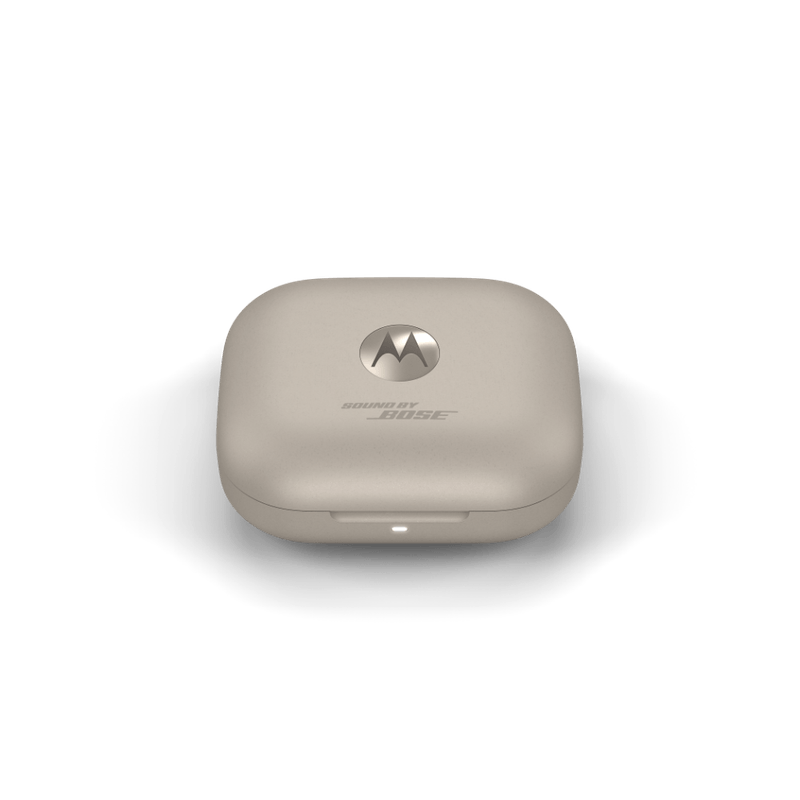
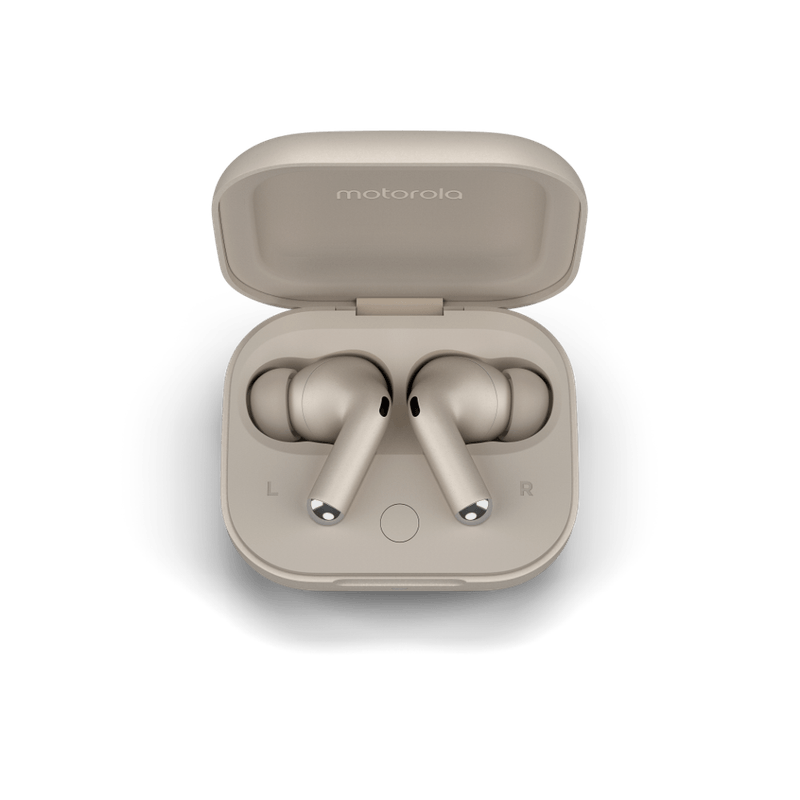
* Moto buds+ is the Segment’s 1st and only buds that have the unique certification of Sound by Bose. The Moto buds+ brings Bose’s unique expertise in Active Noise Cancellation and EQ tuning.
* Moto buds+ also has support for Dolby Head tracking and Dolby Atmos for immersive multi-dimensional sound experience and comes with dual dynamic drivers and Hi-Res audio enabling lossless sound with crisp vocals and deep bass
* The Moto buds+ and Moto buds enable up to 42 hours of playtime with wireless charging support on Moto buds+
* These Earbuds have Dynamic Adaptive Noise Cancellation which lets users choose between different noise cancellation modes. Moto buds has segment’s leading noise cancellation upto 50db.
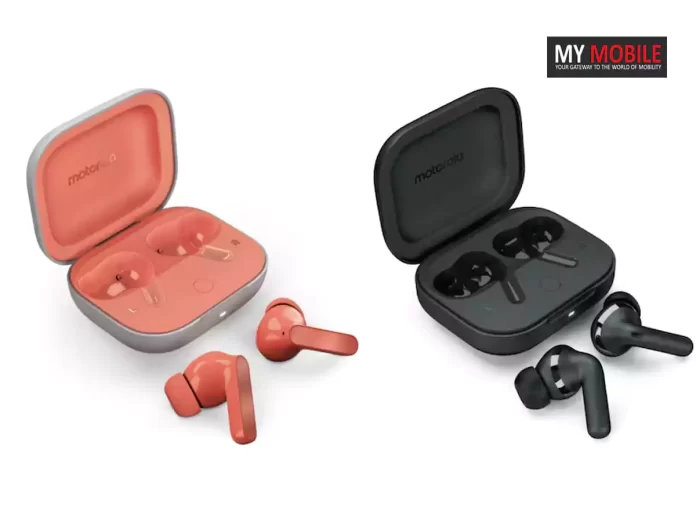
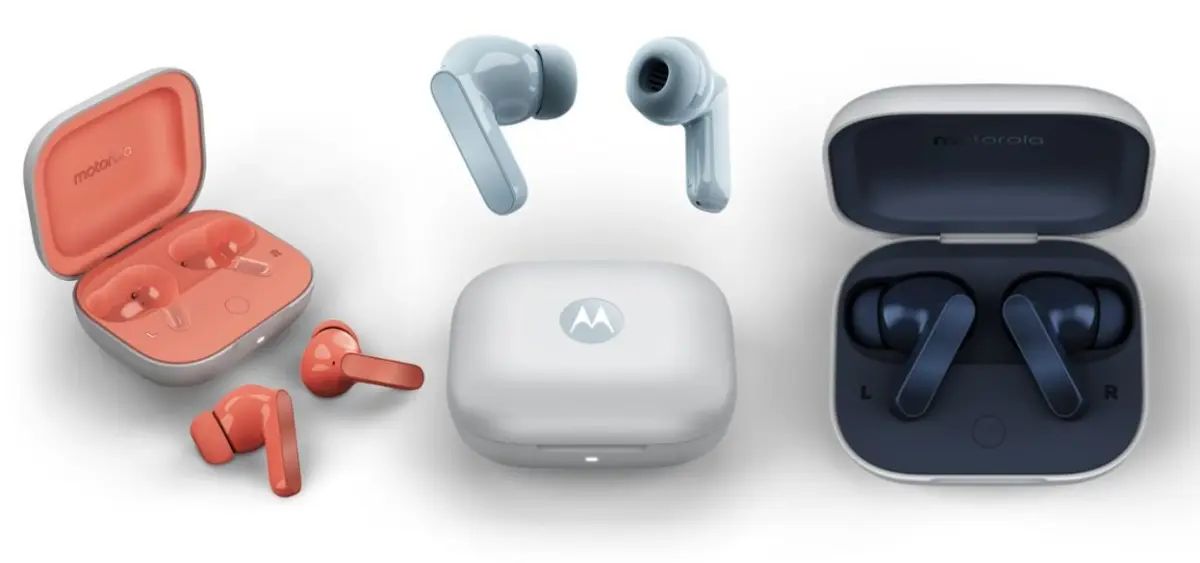
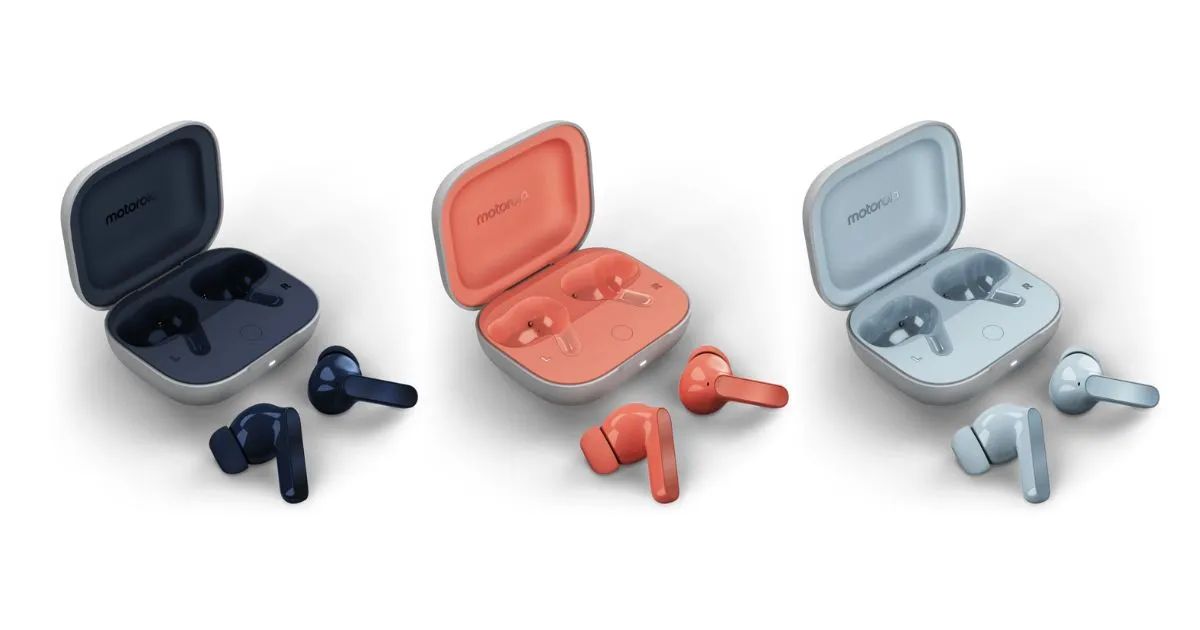
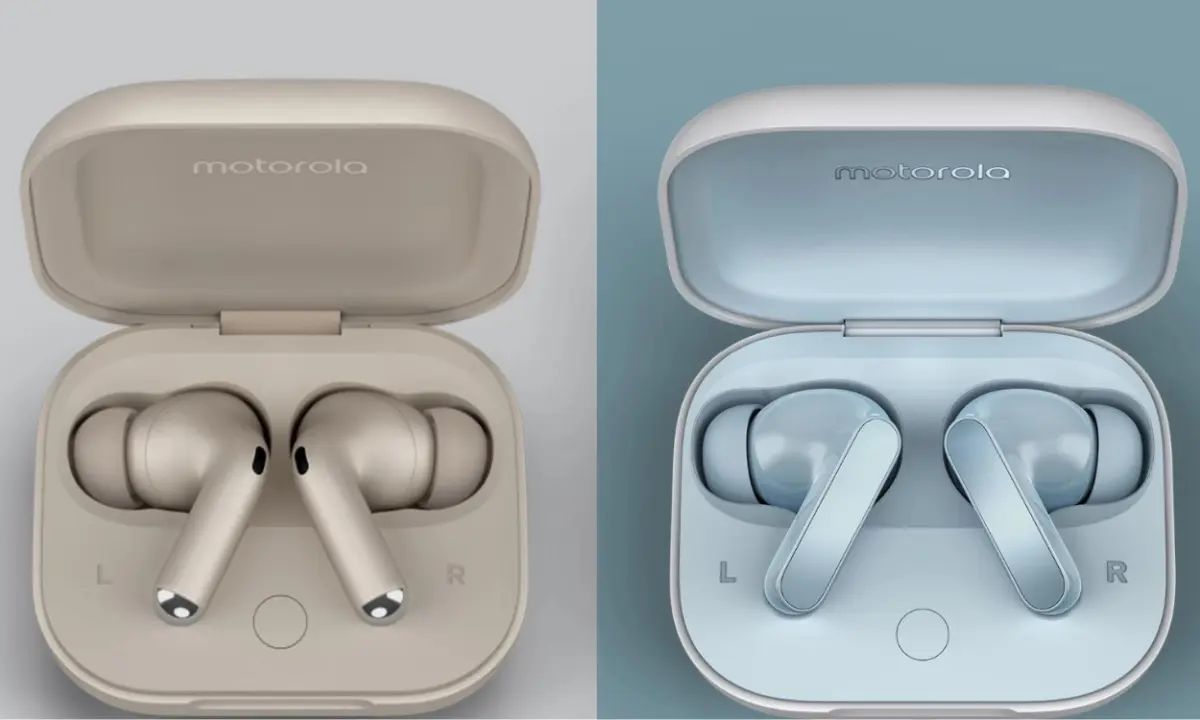
* Both the earbuds come in Pantone Curated Colors with IP54 & IPX4 rated water repellant design that protects it from spills and splashes while listening to music on your run or taking a call in the rain
* The Moto buds+ and Moto buds seamlessly integrate into the Moto ecosystem, enhancing the experience with the Moto buds app.
Expanding beyond smartphones, Moto buds family strengthens Motorola’s current product portfolio by integrating accessories into the Moto ecosystem, for a smoother, dynamic experience for consumers.
For this launch, Motorola has introduced the ‘Sound of Perfection’ that brings top music artists from across India to create five songs in five different languages, culminating in a final fusion track bringing all the artists together for a perfect fusion.
#MotoBudsPlus featuring #SoundByBose, Dual Dynamic Drivers, Dolby Head tracking & wireless charging at ₹7,999*. #MotoBuds with 12.4mm large composite driver, Hi-Res Audio, Active Noise Cancellation & Pantone curated colors at ₹3,999*. Sale starts 15th May @Flipkart. pic.twitter.com/GI8QRzt38c
— Motorola India (@Motorolaindia) May 9, 2024
The album is aimed at bringing a sensorial musical experience to the audience resonating with the true audio experience provided by the Moto buds family.
Introducing Sound by Bose, Moto buds+ are the Segment’s Only Earbuds which brings Bose’s unique expertise in optimizing sound quality, Active Noise Cancellation and EQ tuning, resulting in a staggering sound experience.
The Moto buds+ are certified by Bose to deliver an unprecedented audio experience.
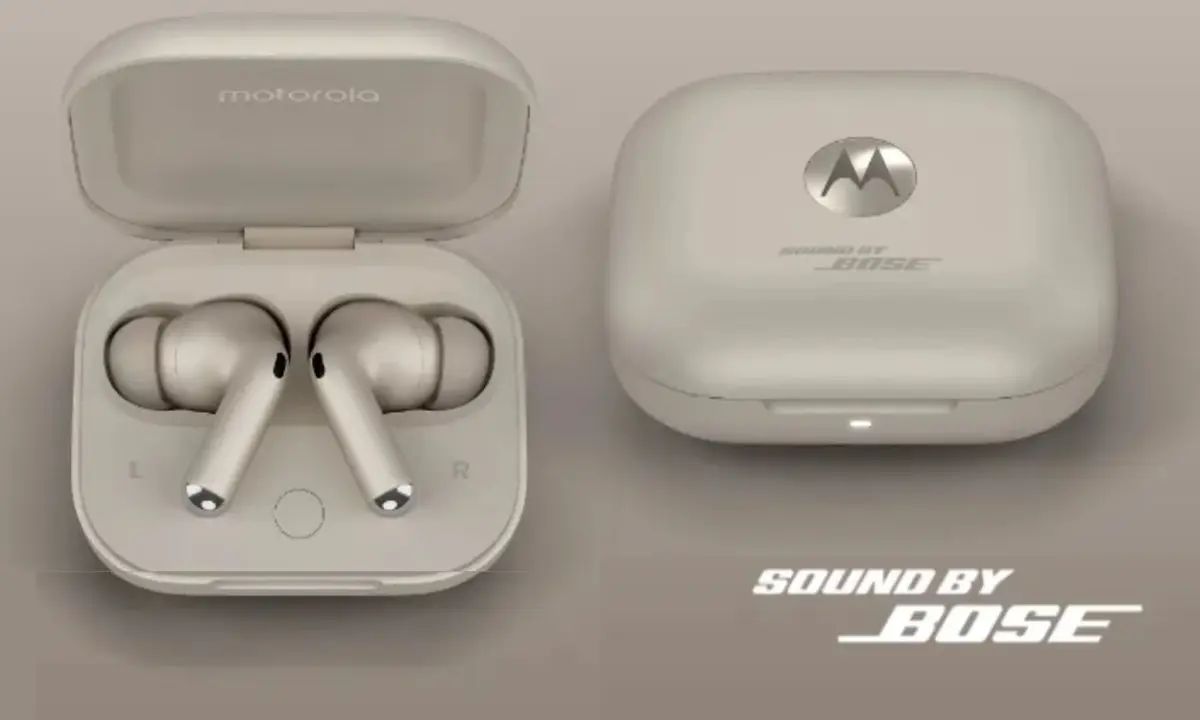
Moto buds+ is the Segment’s 1st and only buds that have the unique certification of Sound by Bose
Additionally, the Dual Dynamic Drivers (11mm+6mm) help users experience lossless audio with crisp vocals and deep, dynamic bass for the users to enjoy every song and movie with clarity and unmatched intensity.
Users can enjoy up to 8 hours of playtime with their earbuds on just a single charge which together with case battery backup can last upto 42 hrs for Moto buds.
It also has a fast charging which gives backup of up to 3 hours of listening on just a 10-minute fast charge for unstoppable listening.
Moto buds+ also has support for Dolby Head tracking and Dolby Atmos for immersive
The Moto buds+ can also be charged wirelessly so users can break free from the hassle of wires and chords and charge their earbuds on the go.
Additionally, users can immerse themselves in the fuller, multidimensional sound of Dolby Atmos® with greater depth, clarity, and details than ever before.
Coupled with Dolby Head Tracking™ which identifies the location of sound as the user turns their head, recalibrating to give a more natural sound experience.
The Moto buds+ and Moto buds enable up to 42 hours of playtime with wireless charging support on Moto buds+
Furthermore, its Hi-Res Audio certified sound system provides studio-quality music with a wider dynamic range and 3x more data rate.
Going up to 46dB of noise cancellation and up to 3.3KHz of ultrawide noise cancellation frequency range, the Moto buds+ also comes with Adaptive mode which intelligently identifies ambient noise and automatically switches cancellation levels.
Both the earbuds come in Pantone Curated Colors with IP54 & IPX4 rated water repellant design
Conversely, Transparency Mode captures the sound around the user, so they stay tuned in to their surroundings.
All this with a modern design and comfortable fit and feel which is water repellent and stays protected from spills and splashes in any direction.
Commenting on the launch, Mr. T.M. Narasimhan, Managing Director, Mobile Business Group – India, Motorola said, “The launch of Moto buds and Moto buds+ exemplifies Motorola’s commitment to deliver cutting-edge technology and fostering innovation across the entire Motorola ecosystem. Boasting Sound by Bose, and advanced audio features such as Dolby Atmos, Dolby head tracking, Hi-Res Audio, and advanced noise control, all packaged in a modern, water-repellent design, our new earbuds redefine on-the-go audio experiences. Our collaboration with Bose exemplifies our commitment to partnerships that help us leverage mutual strengths to achieve innovation, enhancing the way people experience sound. Together, we aim to set new standards for audio excellence and elevate the listening experience for our customers.”
Following suit, the Moto buds also deliver high-quality sound and enhanced bass owing to its 12.4mm dynamic driver with expert tuning, resulting in crisp and clean audio.
Similar to the Moto buds+, the Moto buds also come with a Hi-Res Audio certified sound system for a wider dynamic range and 3x more data.
These Earbuds have Dynamic Adaptive Noise Cancellation which lets users choose between different noise cancellation modes
Users can enjoy the audio undisturbed with different noise cancellation modes with Segment’s leading noise cancellation up to 50dB and up to 4KHz of ultrawide noise cancellation range.
Connecting seamlessly with the Moto ecosystem for added convenience.
It also charges up quickly, providing 2 hours of listening time with just a 10-minute charge and 42 hours of keep-up time whenever needed with a fully charged case for an uninterrupted listening experience.
The Moto buds+ and Moto buds enable up to 42 hours of playtime with wireless charging support on Moto buds+
Additionally, a single charge provides up to 9 hours of playtime.
The Moto buds have a triple-mic system that captures audio from three different points, resulting in better ambient noise suppression and echo cancellation.
Crystal Talk AI, voices can be heard clearly over loud environments.
Moto buds and Moto buds+ launched in collaboration with Bose
Finally, the Moto buds have a premium ergonomics design and light in weight.
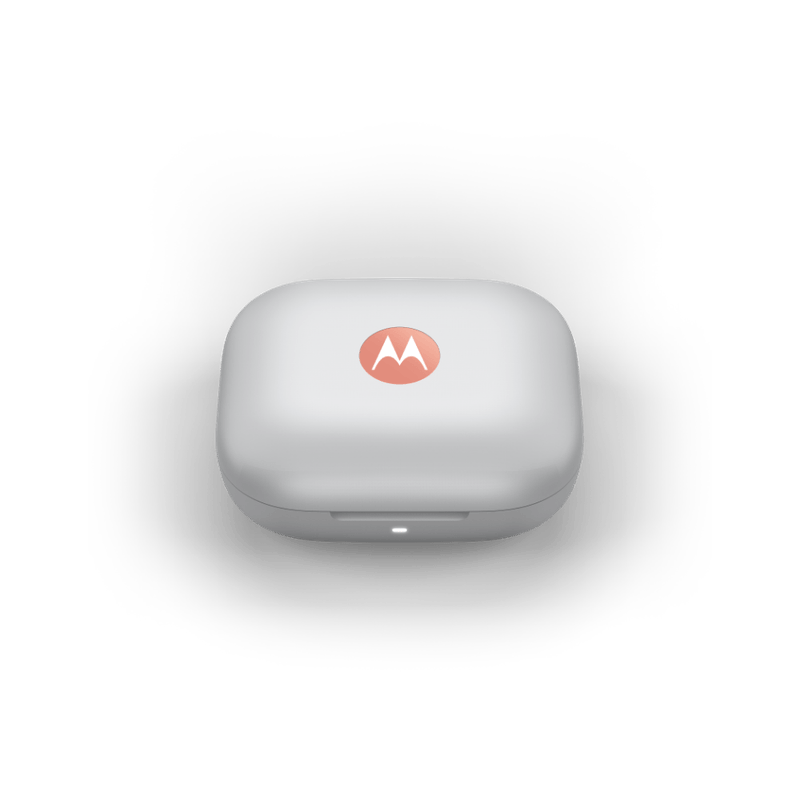
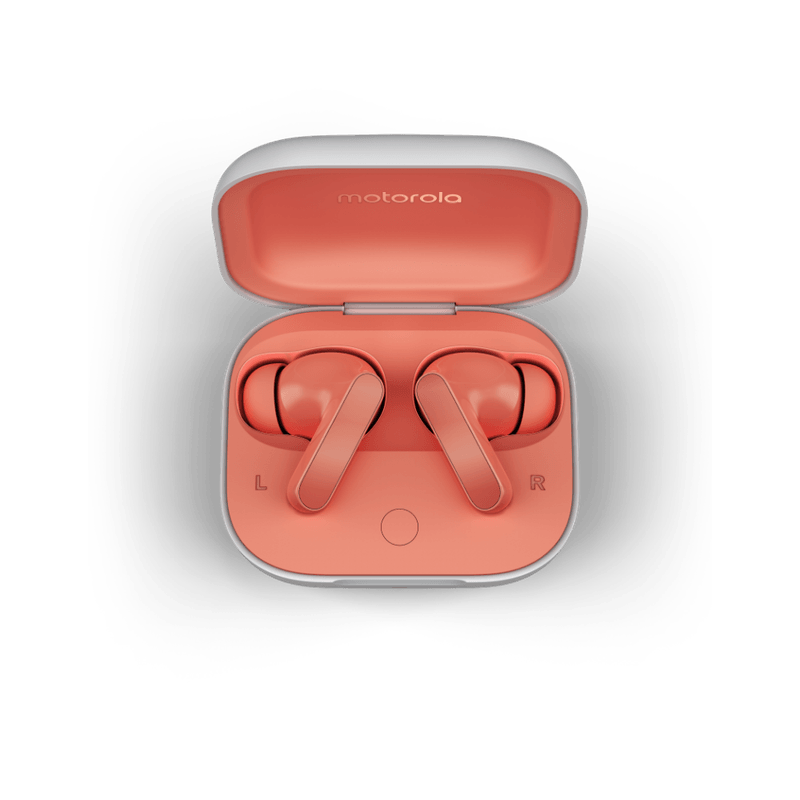
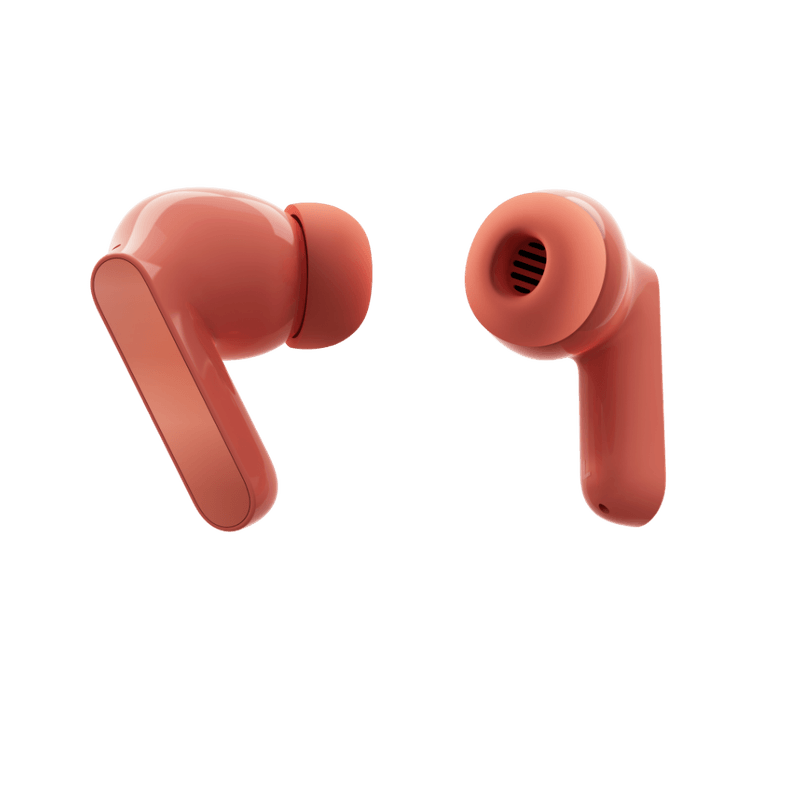
These also boast a water-repellent design and are available in youthful Pantone-curated colours Starlight Blue, Glacier Blue and Coral Peach.
Availability
The Moto buds+ and Moto buds will go on sale from 15th May 2024, 12PM on Flipkart, Motorola.in.
Pricing & Launch Offers
The Moto buds Pricing
For Moto buds+, Launch Price: INR 9,999 For Moto buds, Launch Price: INR 4,999
TWS
Price
Launch Price
Moto Buds
Rs 4,999
Rs 3,999
Moto Buds+
Rs 9,999
Rs 7,999
Affordability Offers
The Moto buds+ Pricing
Consumers can additionally avail special limited period Instant bank discount on ICICI Bank Credit Cards of upto Rs 2,000 on Moto buds+ and upto Rs 1,000 on Moto buds.
Net Effective Pricing
For Moto buds+, INR 9,999 INR 7,999 (Including bank discount) For Moto buds, INR 4,999 INR 3,999 (Including bank discount)
10 minutes of charging for up to 3 hours of playtime (ANC Off)
Active Noise Cancellation
Up to 46dB
ANC modes
Off; Transparency; Adaptive; Noise Cancellation
Water protection
Water-repellent design
Colors
Forest Grey; Beach Sand
Charging case dimensions
59.87*48.97*24.84 mm
Total weight
42.8g
Inbox Accessories
USB Type-C cable;
Earbud tips;
Guides
Available colors
Forest Grey ; Beach Sand
Specs for Moto buds
Device name
Moto buds
Speakers
Single dynamic drivers (12.4mm) * 2
Microphones
Triple microphones * 2 + ENC
Certifications
Hi-Res
Connectivity
Bluetooth® 5.3
Battery Life (Earbuds)
Up to 9 hours of playtime (ANC off)
Battery Life (Charging Case)
Up to 42 hours of playtime
Case charging time
90 minutes
Quick charge
10 minutes of charging for up to 2 hours of playtime (ANC Off)
Active Noise Cancellation
Up to 50dB
ANC modes
Off; Transparency; Adaptive; Noise Cancellation
Water protection
Water-repellent design
Colors
Starlight Blue; Glacier Blue; Coral Peach; Kiwi Green
Charging case dimensions
59.99*48.98*24.26 mm
Total weight
36g
Inbox Accessories
USB Type-C cable;
Earbud tips;
Guides
Available colors
Starlight Blue, Glacier Blue, Coral Peach
FAQs
What are Quick specifications of Moto Buds+?
Dual dynamic drivers (11mm woofer + 6mm tweeter) Hi-Res Audio, Dolby Head Tracking, Dolby Atmos Noise Canceling up to 46dB Bluetooth 5.3 Moto buds app for customization. Triple microphone system + ENC ANC modes: Off; Transparency; Adaptive; Noise Cancellation 8 hours of playtime on a single charge, with USB Type-C fast charging capabilities. Total of up to 38 hours of playtime with the charging case. Wireless charging support. Case charging time: 60 minutes (wired); 110 minutes (wireless) Water-repellent design. Dimensions: 59.87 x 48.97 x 24.84 mm; Total weight: 42.8g Moto buds app
What are Quick specifications of Moto Buds?
Single dynamic drivers (12.4mm) Hi-Res Audio, Dolby Atmos Noise Cancelling up to 50dB Bluetooth 5.3 Triple microphone system + ENC ANC modes: Off; Transparency; Adaptive; Noise Cancellation 9 hours of playtime on a single charge, with USB Type-C fast charging capabilities. Total of up to 42 hours of playtime with the charging case. Case charging time: 90 minutes Water-repellent design. Dimensions: 59.99 x 48.98 x 24.26 mm; Total weight: 36g Moto buds app
What is pricing & availability of Moto buds & Moto buds +?
Both Moto buds and Moto buds+ will be available for purchase on the company’s website and on Flipkart, with sales beginning on May 15. The pricing details are as follows:
Moto buds are priced at Rs. 4,999 and come in colors Starlight Blue, Glacier Blue, and Coral Peach.
Moto buds+ are priced at Rs. 9,999 and come in colors Forest Grey and Beach Sand.
What is the special launch offer of Moto buds & Moto buds +?
As a special launch offer, Moto buds are available for Rs. 3,999 and Moto buds+ for Rs. 7,999.
In this comprehensive comparison, we’ll delve into the design, display, performance, camera capabilities, battery life, pricing, and overall value proposition of these two smartphones.
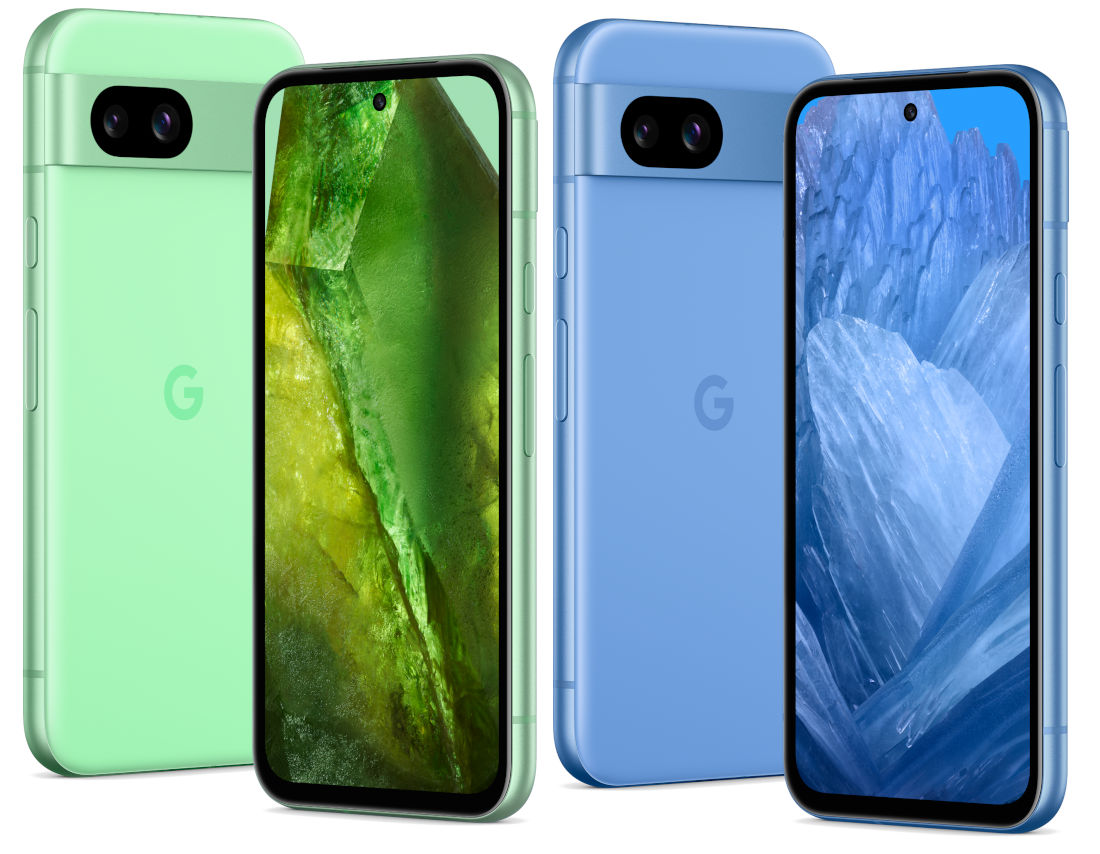
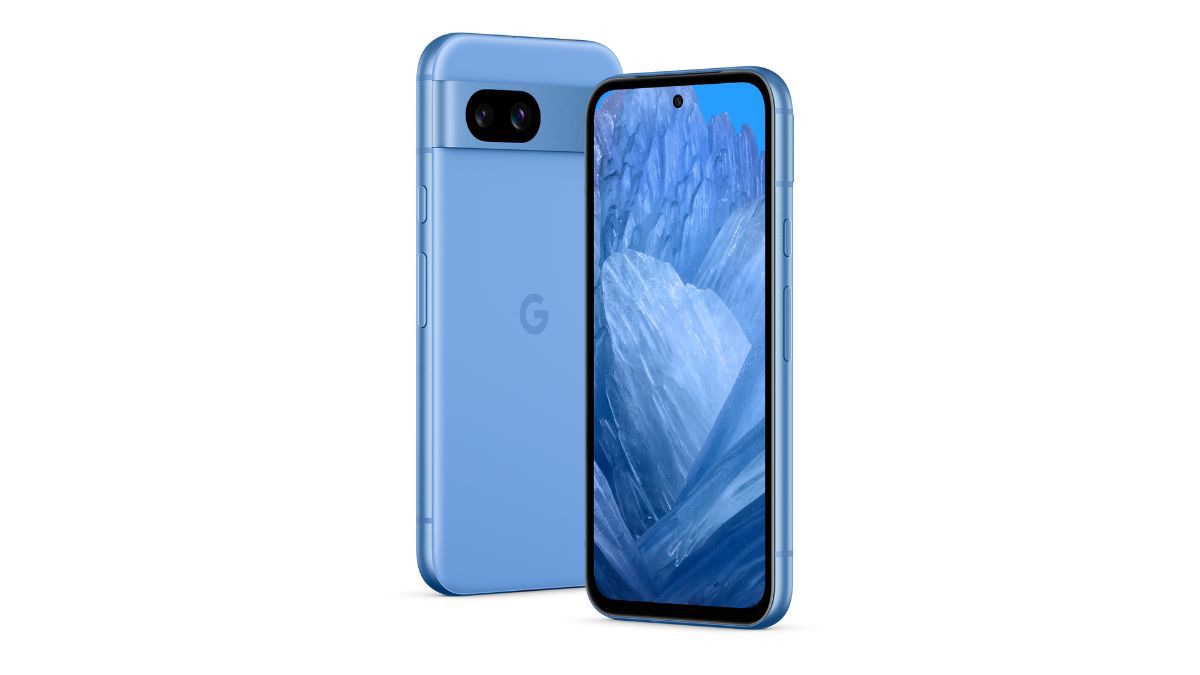
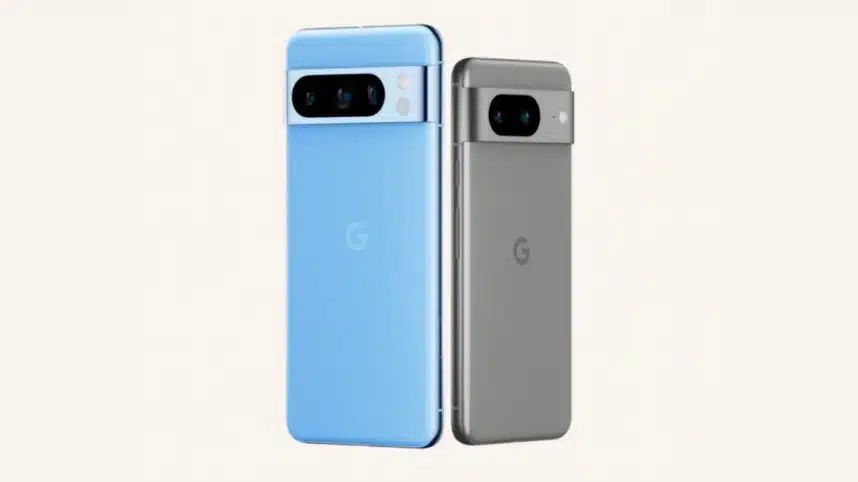
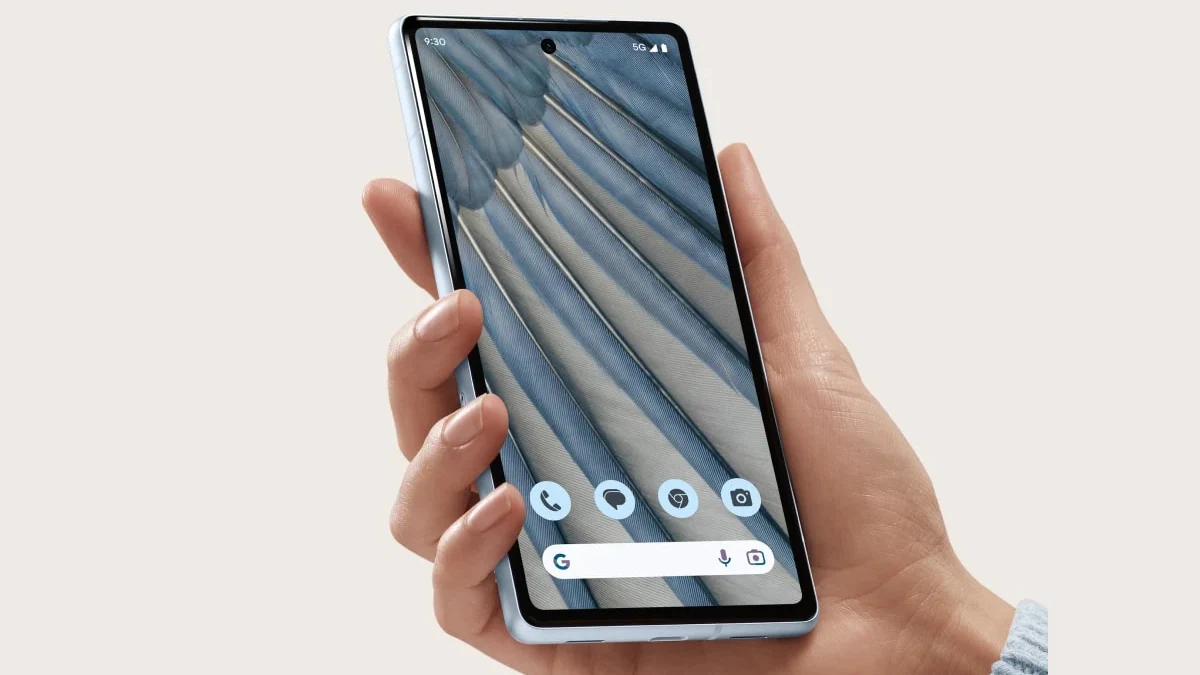
However, the Pixel 8a sports a thicker chin and morerounded corners compared to its elder sibling, the Pixel 8.
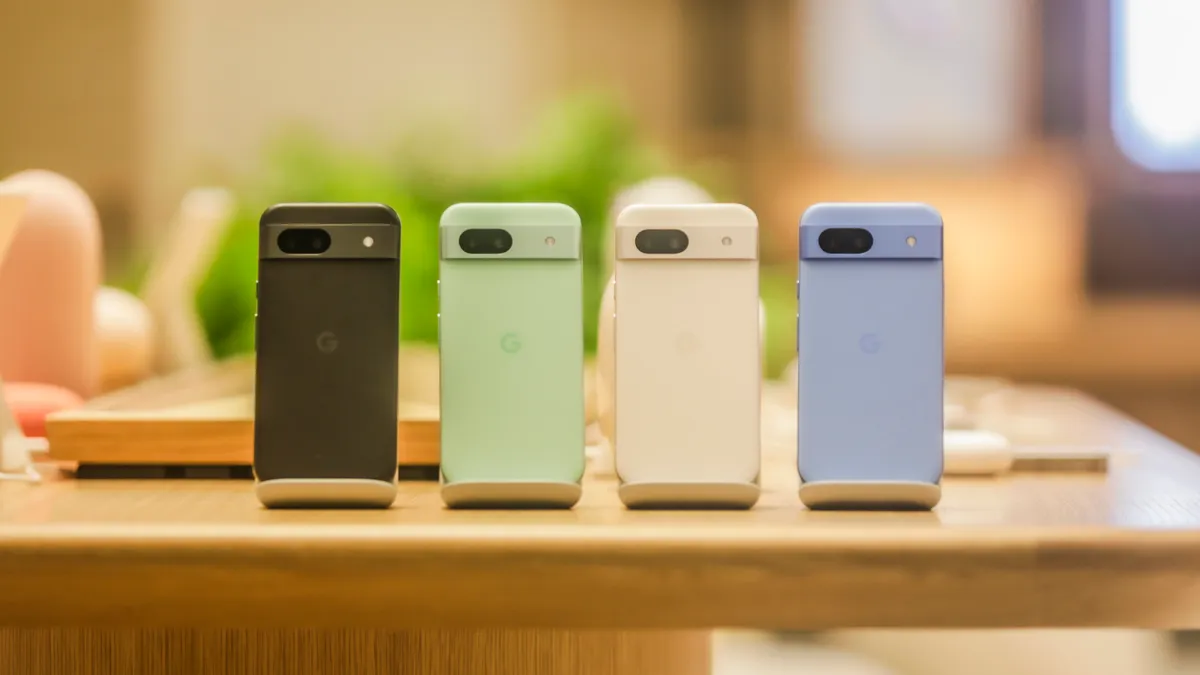
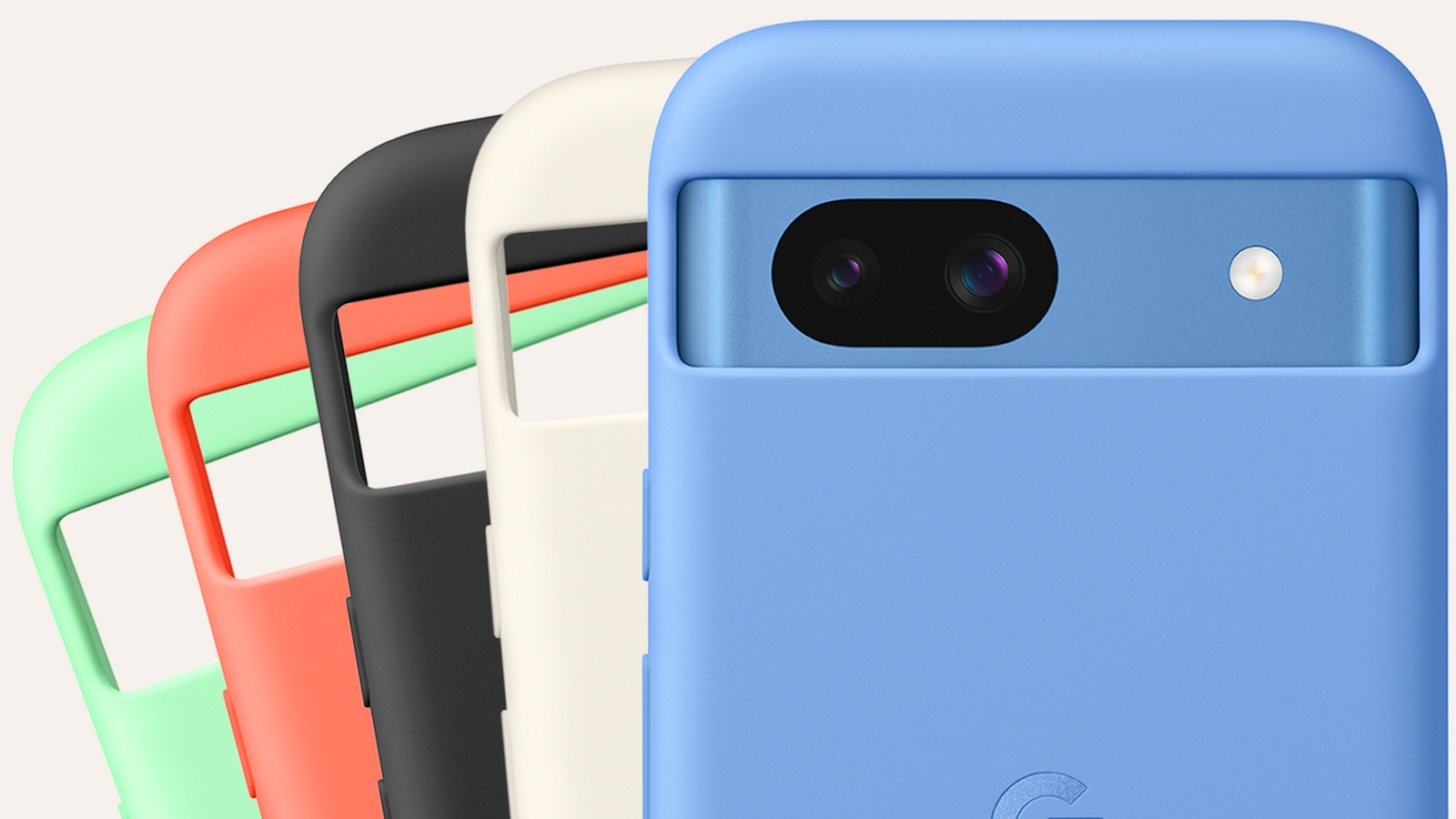
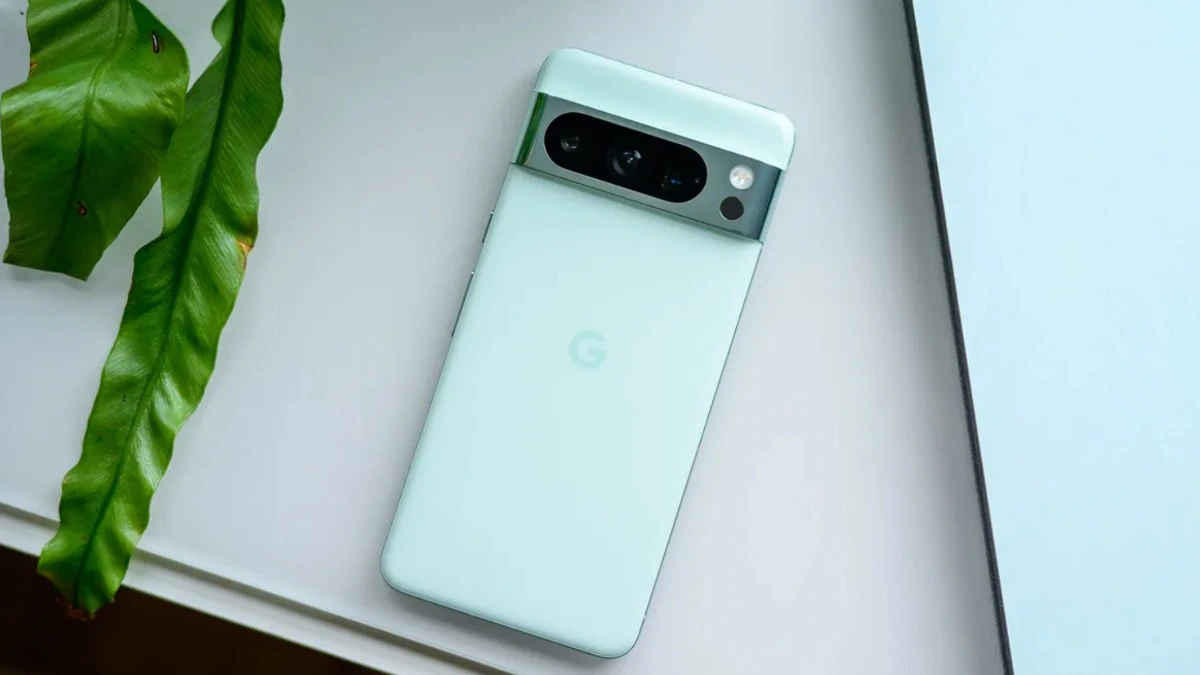
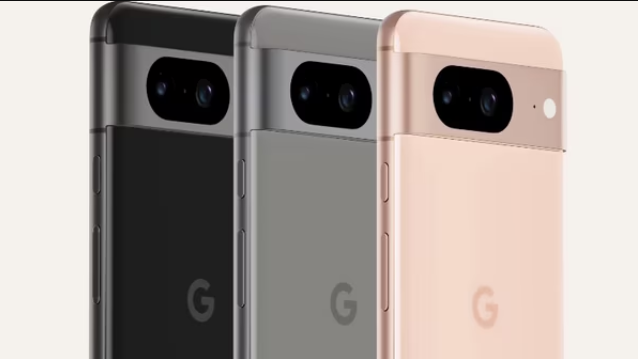
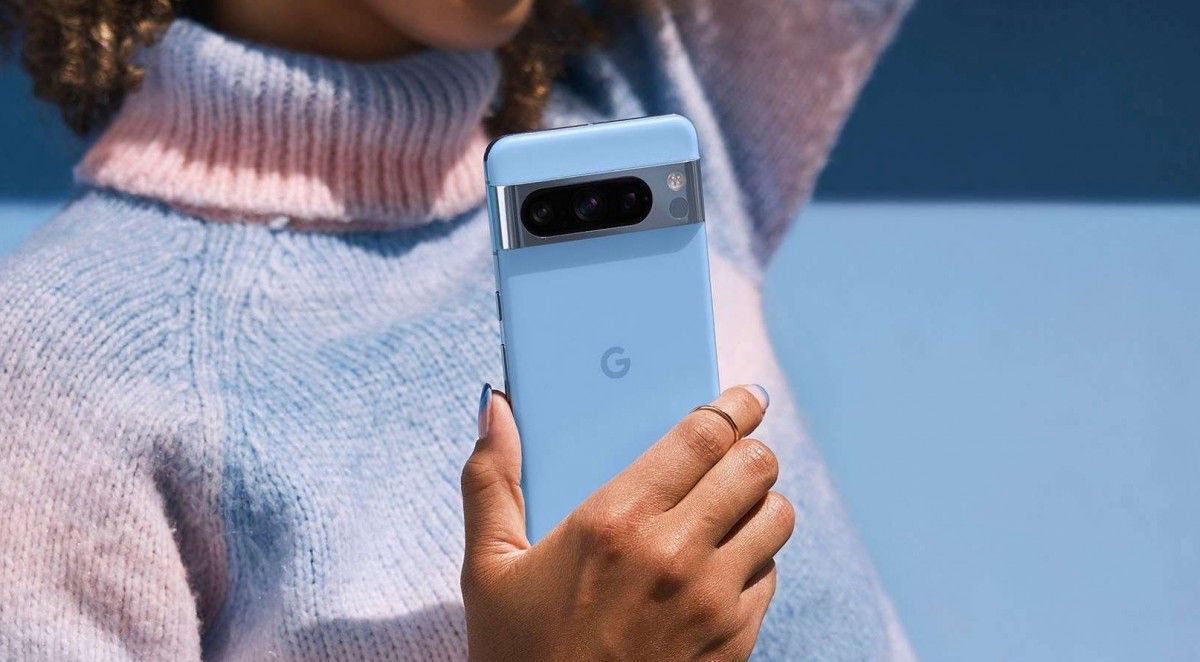
The Pixel 8a comes in Bay (blue), Porcelain, Obsidian (black), and Aloe (green) colour options, while the Pixel 8 is available in Rose, Mint (green), Hazel (grey), and Obsidian (black) variants.
Google Pixel 8 Design and Display
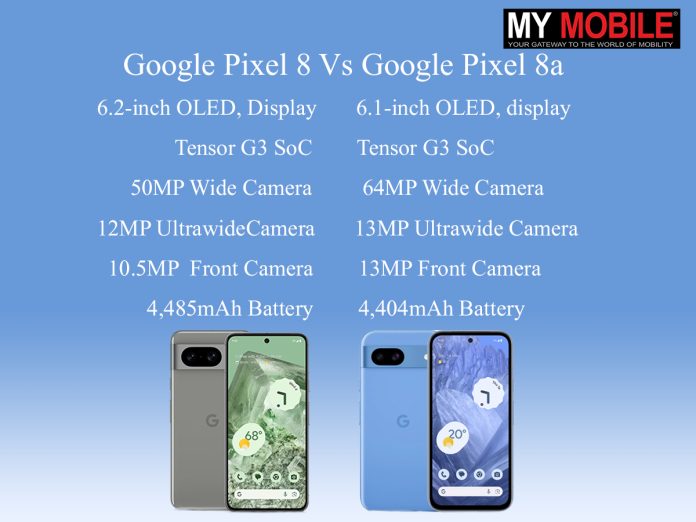
In terms of displays, the Pixel 8a boasts a 6.1-inch OLED panel with a 120Hz refresh rate, Full HD+ resolution, 1400 nits HDR brightness, 2000 nits peak brightness, a 10,00,000:1 contrast ratio, and Corning Gorilla Glass 3 protection.
The Pixel 8, on the other hand, features a slightly larger 6.2-inch OLED display with similar specifications, but with Corning Gorilla Glass Victus protection, giving it an edge over the 8a in terms of durability.
Google Pixel 8a vs Pixel 8: Pricing and Availability
Google Pixel 8a: Pricing and Availability
The Google Pixel 8a is priced at Rs. 52,999 for the 8GB + 128GB variant and Rs. 59,999 for the 8GB + 256GB model.
The Pixel 8, on the other hand, is available at a higher price point of Rs. 75,999 for the 8GB + 128GB variant and Rs. 82,999 for the 8GB + 256GB option.
Google Pixel 8: Pricing and Availability
However, it’s worth noting that the Pixel 8 is frequently available with discounts, making it possible to grab the device for under Rs. 60,000.
On the software front, both devices come pre-loaded with Android 14, and Google has promised seven years of OS, security, and feature drop updates for both models.
Google Pixel 8a vs Pixel 8: Camera Capabilities
Google Pixel 8a: Camera Capabilities
In the camera department, the Pixel 8a features a dual-rear camera setup with a 64MP primary camera (1/1.73-inch sensor size, f/1.89 aperture), a 13MP ultra-wide-angle camera (120° field of view, f/2.2 aperture), and a 13MP front-facing camera (f/2.2 aperture).
The Pixel 8, on the other hand, boasts a 50MP primary camera (1/1.31-inch sensor size, f/1.68 aperture), a 12MP ultra-wide-angle camera (125.8° field of view, f/2.2 aperture), and a 10.5MP front-facing shooter (f/2.2 aperture).
Additionally, the Pixel 8’s ultra-wide-angle camera has a larger field of view.
Both devices offer various camera features, including Best Take, Photo Unblur, Real Tone, Face Unblur, Magic Editor, Magic Eraser, and Panorama.
Google Pixel 8a vs Pixel 8: Battery Life and Charging
Google Pixel 8: Battery Life and Charging
The Pixel 8a is equipped with a 4,404mAh battery and supports 18W fast charging and Qi wireless charging.
Google Pixel 8: Battery Life and Charging
On the other hand, the Pixel 8 packs a slightly larger 4,485mAh battery with 27W fast charging support, Qi wireless charging, and a Battery Share feature that allows you to wirelessly charge other devices using the phone.
Verdict
Pixel 8a provides a more budget-friendly option with high-end features
Overall, the Google Pixel 8 emerges as the superior option, offering a better-protected display, a slightly larger battery with faster charging capabilities, and the added convenience of the Battery Share feature.
However, it comes at a higher price point compared to the Pixel 8a.
Google Pixel 8 and 8a both feature the Tensor G3 chipset and Android 14
If you’re willing to stretch your budget and can take advantage of the frequent discounts on the Pixel 8, it might be worth considering the extra investment for the additional features and enhancements it offers.
However, if budget constraints are a concern, the Pixel 8a still provides a compelling package without sacrificing too much in terms of features and performance.
What are the main differences between the Google Pixel 8 and Pixel 8a?
The Google Pixel 8 features a slightly larger display, more durable glass protection, and enhanced camera specifications compared to the more budget-friendly Pixel 8a, which offers solid performance at a lower price point.
How do the camera capabilities compare between the Pixel 8 and Pixel 8a?
The Pixel 8 boasts a 50MP primary camera with a larger sensor and aperture for improved low-light performance, while the Pixel 8a has a higher-resolution 64MP primary camera but with a smaller sensor size.
Which device offers better value for the price?
While the Pixel 8 is priced higher, it offers additional features like faster charging and a better camera system. The Pixel 8a, however, stands out for those seeking a balance between price and high-end smartphone capabilities.
Can I expect good battery performance from these devices?
Both the Pixel 8 and Pixel 8a are equipped with robust batteries, but the Pixel 8 includes a slightly larger battery and faster 27W charging, making it a bit more efficient for power users.
What is the price & availability of pixel 8a?
The Google Pixel 8a is priced at Rs. 52,999 (MRP) for the 128GB version and the 256GB version costs Rs. 59,999 (MRP).
It is now available to order in India from Flipkart, with sales commencing at 6:30 AM IST on 14th May 2024.
What are the quick specifications of Google pixel 8a?
Google Pixel 8a specifications
6.1-inch (2400 x 1080 pixels) FHD+ OLED HDR display, 120Hz refresh rate, up to 2000 nites peak brightness, Corning Gorilla Glass 3 protection
Google Tensor G3 processor with Titan M2 security chip
8GB LPDDR5X RAM, 128GB / 256GB (UFS 3.1) storage
Android 14, 7 years of OS, security, and Feature Drop updates
Dual SIM (nano + eSIM)
64MP rear camera with Quad PD Quad Bayer, f/1.89 aperture, LED flash, OIS, 13MP 120° Ultra-wide camera with f/2.2 aperture, PDAF, up to 4K 60fps video recording
13MP front camera with 96.5° ultra-wide lens, f/2.2 aperture, up to 4K 30fps video recording
In-display fingerprint sensor
Water and dust Resistant (IP67)
USB Type-C audio, Stereo speakers, 2 microphones
Dimensions: 152.1x 72.7×8.9mm; Weight: 188g 5G SA/NA (n1/2/3/5/7/8/12/20/26/28/38/40/41/66/75/76/77/78), 4G VoLTE, Wi-Fi 6E 802.11ax (2.4/5 GHz), Bluetooth 5.3 LE, GPS, GLONASS, Galileo, QZSS, BeiDou, NavIC, USB Type C 3.2, NFC
4492mAh battery with 18W wired fast charging, wireless charging
What are the Fun colors and new fresh design of google pixel 8a?
Our refined A-Series design feels even better in your hands with rounded edges, a matte back and an aluminum frame.
Its durable design can handle slips, spills and dust, making Pixel 8a the most durable A-Series phone yet. Plus, its new Actua display is 40% brighter than Pixel 7a’s, and the faster 120Hz refresh rate makes scrolling smooth.
There are two new A-series colors: Aloe (a limited-edition color!) and Bay. Or choose from one of our neutral color options: Obsidian or Porcelain.
And for the first time ever, there’s a larger storage capacity option at 256 GB, giving you more space for your favorite content.
What are the camera capabilities of google pixel 8a?
Ranked the best smartphone camera in its category, Pixel 8a features a powerful dual rear camera with a 64-megapixel main lens and a 13-megapixel ultrawide lens.
It also comes equipped with a 13-megapixel front-facing camera that has a large field-of view to fit even more into your shots.
Thanks to Google Tensor G3, Pixel 8a is packed with AI-powered tools to make the most out of your photos and videos:
Best Take lets you create the group shot you want. Choose what you think is the best expression for everyone in a series of photos.
Magic Editor lets you reposition and resize subjects or use presets to make the background pop — all with just a few taps.
Audio Magic Eraser easily removes distracting sounds in your videos— like wind, crowds and other noises — for crisp and clear audio.
Pixel 8a also includes Super Res Zoom up to 8x and features like Magic Eraser, Night Sight and Photo Unblur. Like every Pixel, Pixel 8a includes Real Tone to accurately represent everyone’s skin tone in photos and videos.
How does Google AI make it even easier to get things done ?
With features built to help you save time, Pixel 8a helps you get more things checked off your to-do list so you can spend more time doing things that matter most to you.
Gemini is coming to Pixel 8a. This built-in AI assistant lets you type, talk and add images for all kinds of help on the go — from brainstorming ideas, writing a thank you note or even planning your next vacation. Once you enable extensions, you can ask Gemini to do tasks like summarize your recent emails or quickly sift through your inbox. Hold the power button to get started with Gemini.
Circle to Search is also on Pixel 8a, so you no longer have to switch apps to find the information you are looking for — saving you time. Just use your finger to circle, scribble or tap on an image, text or video to search for what you’re looking at.
And AI-powered Pixel Call Assist features — like Call Screen, Direct My Call, Hold for Me, Clear Calling and more — are all included on the Pixel 8a too.
Pixel 8a will also introduce Audio Emoji, making your phone calls more expressive and engaging than before. With Audio Emoji, just tap on an emoji to trigger an audio reaction and visual effect.
Try using a hand-clap emoji to applaud a job well done or the laughing emoji after telling your best joke.
How is google pixel 8 a good for families ?
Improved setup and controls make it a great phone for families.
Now, it is even easier for parents and guardians to set up a Pixel for their child. With an improved setup right out of the box, parents and guardians can set digital ground rules for the phone.
Once the phone is set up, Family Link lets you manage privacy settings, establish screen time limits and share location.
What are the safety & security features of Google pixel 8a?
Next level security
Safety and security are always a top priority. Similar to the Pixel 8 and 8 Pro, this phone is built with the latest Google Tensor G3 chip, our fastest and most secure chip to date.
It works with the certified Titan M2 security chip and built-in VPN for additional protection so it’s even more resilient against threats.
And Pixel 8a will receive seven years of software support, including security updates and Android OS upgrades. Plus you’ll benefit from all the new features and improvements in ongoing Feature Drops.
How to get Google Pixel 8a for Rs 39,999 ?
Google Pixel 8a is available for pre-ordering on Flipkart.You can visit the website to reserve your device. The phone will go on sale on the morning of May 14.
The Pixel 8a is available in four colour variants – Aloe, Bay, Obsidian, and Porcelain.
There are also two storage variants available – 128GB and 256 GB.
As mentioned already, the price for the 128 GB version is Rs 52,999 while the 256 GB variant costs Rs 59,999.
However, if you pre-order the phone, you can take advantage of various launch offers with selected bank cards which can reduce the starting price of the phone.
There is an instant discount of Rs 4,000 for SBI Credit Card users.
In addition to this, there is also an exchange offer of Rs 9,000 on selected smartphone models. This effectively brings the price of the device down to Rs 39,999.
Additionally, you can also purchase Pixel Buds A-Series for just Rs 999 if you buy the Pixel 8a during the pre-order period.
The Google Pixel 8a has AI features that promise to enhance users’ experience. The phone comes with many of the same AI features as the Pixel 8 and Pixel 8 Pro.
The phone comes equipped with Gemini, Google’s built-in AI assistant, which allows users to type, talk, and add images for various tasks.
The AI assistant is also available for users to help them on the go for tasks such as brainstorming ideas, writing a thank you note, or planning a trip.
Circle to Search feature enables users to quickly find information without switching apps. Just use your finger to circle, scribble or tap on an image, text or video to search for what you’re looking at.
Audio Emojis promise to add a fun layer to your conversations. All that you need to do is tap on an emoji to trigger an audio reaction and visual effect in the middle of a phone call.
The person at the other end of the call will also hear the sound that you trigger.
– The camera also has some AI features to help you get the best of your shots.
Best Take lets you create the group shot you want, Magic Editor lets you reposition and resize subjects or use presets to make the background pop, and the Audio Magic Eraser easily removes distracting sounds in your videos.
In addition to this, the phone also includes 3 months of YouTube Premium, 3 months of Google One, and 6 months of Fitbit Premium.
Google says that the Pixel 8a is the “most durable A-Series phone yet”.
The phone comes with a metal frame and a new scratch-resistant Actua display which is made with recycled aluminium, glass and plastic.
What is DisplayPort Alternate Mode (DP Alt Mode)?
DP Alt Mode is a feature that allows USB-C ports to transmit DisplayPort signals for video broadcast to external displays.
Who verified this feature on Google Pixel 8?
Mishaal Rahman, a well-known tech expert, verified this feature through specialized testing and demonstrated it via a video on On X.
Is this feature enabled by default?
No, the feature is present at the hardware level but is disabled in the software, requiring users to manually enable it.
Will Google enable this feature in future updates?
It’s unclear whether Google plans to activate this feature in future software updates, but the current discovery raises questions about the initial limitation.
Just months after first rolling out commercials on Prime Video, the company now plans to debut interactive pause ads and shoppable carousel ads during show breaks.
From Scharon Harding at Ars Technica: Those who opted for Prime Video with commercials will soon see shoppable carousel ads, interactive pause ads, and interactive brand trivia ads, as Amazon calls them. Amazon said that advertisers could buy these new displays to be shown “across the vast majority of content on Prime Video, wherever it’s streamed.” All the new ad formats allow a viewer to place advertised products in their Amazon cart.
Ads While Pausing on Amazon Prime Video
Amazon Prime Video to Introduce Interactive Pause Ads and Shoppable Carousel Ads
The new pause ads will automatically activate when viewers hit pause, displaying a translucent overlay that allows users to browse and directly add promoted products to their Amazon shopping cart.
Prime Video will also introduce shoppable carousel ads during regular commercial breaks that let viewers click to purchase items.
According to Amazon’s ad sales VP Alan Moss, these “innovative experiences” are intended to help brands better engage streaming audiences.
However, they essentially amount to layering ads on top of the ads viewers are already seeing.
The move extends Amazon’s bigger push to monetize Prime Video through advertising after recently launching an ad-supported basic tier for $8.99 per month or $14.99 per month for Prime members.
An ad-free premium tier is available for an extra $2.99 monthly fee.
Emulating Hulu’s Model
Pause ads activate on screen during viewer pauses to promote direct shopping
Amazon isn’t the first streamer to experiment with disruptive pause ads.
Hulu introduced similar capabilities in 2019 that have since been adopted by YouTube as well.
But the e-commerce giant’s shoppable video ads leverage its retail ecosystem in a more overt way.
However, the rise of ad-supported streaming suggests it’s likely only a matter of time before such interruptive paid promotions proliferate in other countries like India as well.
The worst is yet to come, as media companies become more reliant on advertising for monetizing their streaming businesses.
Viewers might just have to get used to an ad experience that’s even more intrusive across more services and platforms in the years to come.
What ad changes are coming to Amazon?
Shoppable carousel ads appear during commercial breaks for instant purchases.
Amazon outlined three new interactive, shoppable advertising formats:
Carousel ads, which will pop up in a sliding lineup during Prime Video ad breaks.
Viewers can browse through and shop for related products on Amazon, which will automatically pause the video advertisement.
Pause ads, which will be visible when a show, movie or live sport is paused.
The translucent ads will feature brand messaging and imagery, along with interactive options like “Add to Cart” and “Learn More.”
Customers can add the product to their Amazon cart or have more information sent to their email by interacting with the ad with their remote.
Brand trivia ads, which share facts about the brand with viewers while also giving them opportunities to add the product to their Amazon cart, learn more about the product and unlock rewards like Amazon shopping credits.
FAQs
What new advertising features is Amazon Prime Video introducing?
Amazon is set to introduce interactive pause ads and shoppable carousel ads on Prime Video, which will allow viewers to interact with and purchase products directly during their viewing experience.
How do the new interactive pause ads work on Amazon Prime Video?
When viewers pause their video on Prime Video, an overlay will appear, displaying ads that allow users to browse and add products to their Amazon cart directly from the pause screen.
What are shoppable carousel ads on Amazon Prime Video?
During regular commercial breaks, Prime Video will display shoppable carousel ads that enable viewers to click through and purchase items instantly, integrating a seamless shopping experience with video streaming.
Will the new ad features on Prime Video be available globally?
Initially, these new ad formats will roll out only in the United States market during the upcoming broadcast year ending August 31st, with potential future expansion to other markets.