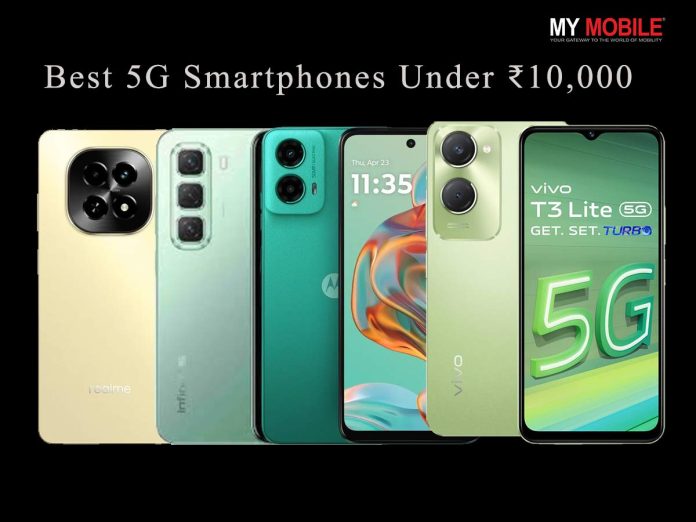
5G Smartphones Under ₹10,000 – Infinix Hot 50 5G, Realme C63, Moto G45 5G, Vivo T3 Lite, OPPO A3X, Xiaomi Redmi 13C 5G, Xiaomi Redmi A4
The under 10K 5G smartphone category is probably the most eventful one. The Indian smartphone market offers some extraordinary choices with great designs and some very useful features.
Some of the best brands in India offer a range of options. In case you are confused about which smartphone in the category is your best bet, we have curated a quick list of 7 best 5G smartphones under ₹10,000.
This list features some of the most reliable brands in the market today, starting from Motorola, Vivo, Oppo to Xioami, Infinix and More.
So, without further ado, let’s get to the list.
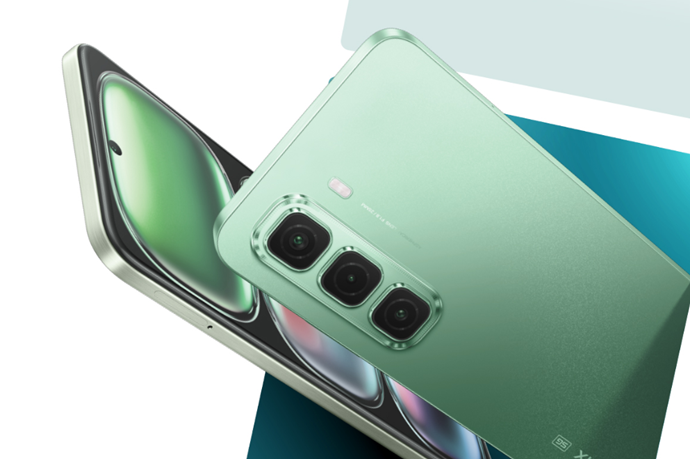
Infinix Hot 50 5G
Key Specifications
7″ (17.02 cm) 120Hz IPS LCD Display
MediaTek Dimensity 6300 Octa-core Processor
48+2 MP Rear Camera
8 MP Front Camera
4 GB RAM
128 GB Internal Storage
5000 mAh Battery
18W Fast Charging
Android v14 OS
Infinix Hot 50 5G price in India starts from Rs. 9,849 for the base variant with 4 GB RAM and 128 GB internal storage. The phone is available in Vibrant Blue, Sleek Black, Sage Green and Dreamy Purple colour options.
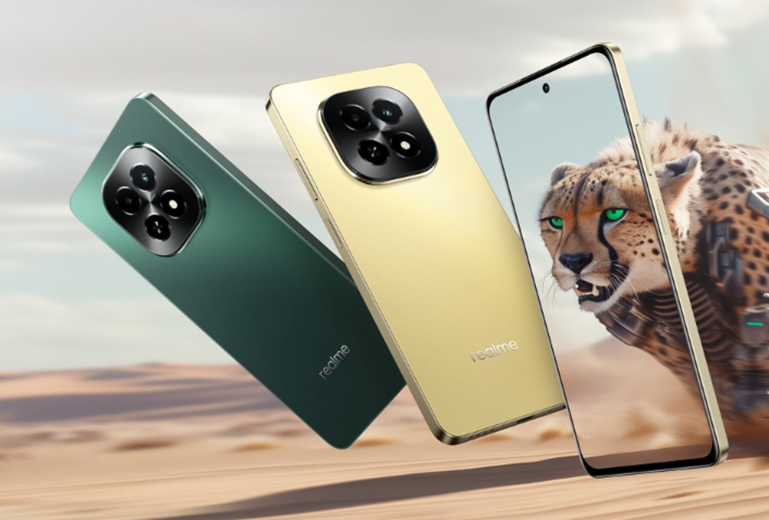
Realme C63
Key Specifications
74″ (17.12 cm) 90Hz IPS LCD Display
Unisoc Octa-Core Processor
50 MP Rear Camera
8 MP Front Camera
4 GB RAM
128 GB Internal Storage
5000 mAh Battery
45W Fast Charging
Android v14 OS
realme C63 price in India starts from Rs. 8,999 for the 4 GB RAM and 128 GB internal storage base variant. This smartphone is available in Leather Blue and Jade Green colour options.
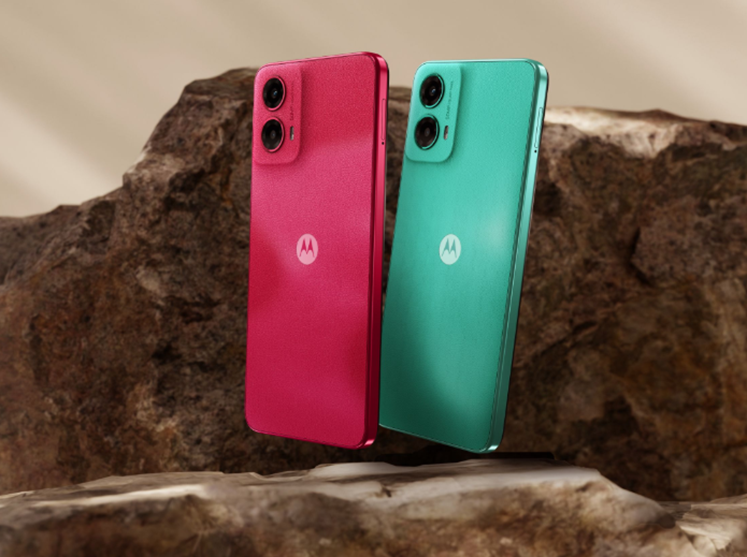
Moto G45 5G
Key Specifications
5″ (16.51 cm) 120Hz IPS LCD Display
Snapdragon 6s Gen 3 Octa-core Processor
50+2 MP Rear Camera
16 MP Front Camera
4 GB RAM
128 GB Internal Storage
5000 mAh Battery
20W Fast Charging
Android v14 OS
Moto G45 5G price in India starts from Rs. 10,999. The base variant comes in 4 GB RAM and 128 GB internal storage configuration. Moto G45 5G is available in Brilliant Blue, Brilliant Green and Viva Magenta colours.
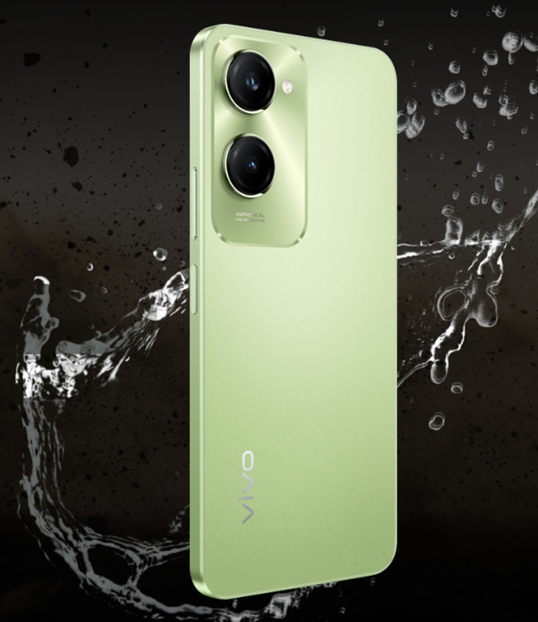
Vivo T3 Lite
Key Specifications
56″ (16.66 cm) 90Hz LCD Display
MediaTek Dimensity 6300 Octa-core Processor
50+2 MP Rear Camera
8 MP Front Camera
4 GB RAM
128 GB Internal Storage
5000 mAh Battery
15W Fast Charging
Android v14 OS
vivo T3 Lite price in India starts from Rs. 10,294. The lowest variant is the 4 GB RAM and 128 GB internal configuration variant of vivo T3 Lite. It is available in Vibrant Green and Majestic Black colour options.
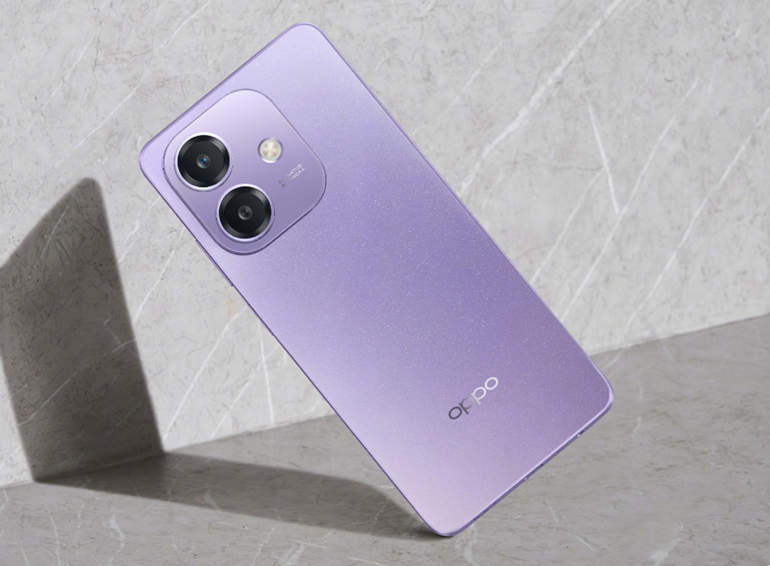
OPPO A3X
Key Specifications
67″ (16.94 cm) 120Hz LCD Display
MediaTek Dimensity 6300 Octa-core Processor
8 MP Rear Camera
5 MP Front Camera
4 GB RAM
64 GB Internal Storage
5100 mAh Battery
45W Fast Charging
Android v14 OS
OPPO A3X price in India starts from Rs. 8,999. The base variant comes with 4 GB RAM and a 64 GB internal storage base. The phone is available in Sparkle Black, Starlight White and Starry Purple colours.
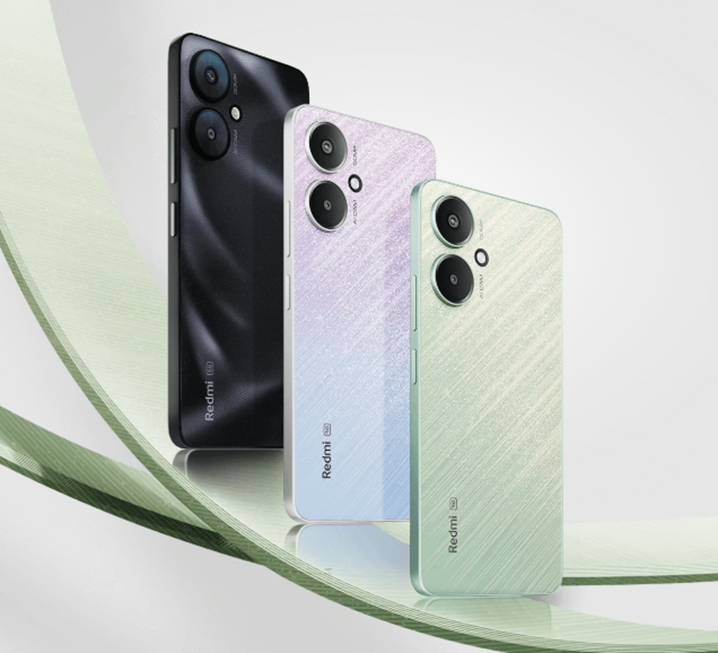
Xiaomi Redmi 13C 5G
Key Specifications
74″ (17.12 cm) 90Hz IPS LCD Display
MediaTek Dimensity 6100 Plus Octa-core Processor
50+0.08 MP Rear Camera
5 MP Front Camera
4 GB RAM
128 GB Storage
5000 mAh Battery
18W Fast Charging
Android v13 OS
Xiaomi Redmi 13C 5G price in India starts from Rs. 9,099 for the base variant, which comes with 4 GB RAM and 128 GB internal storage. The smartphone is available in Starlight Black, Startrail Silver and Startrail Green colour choices.
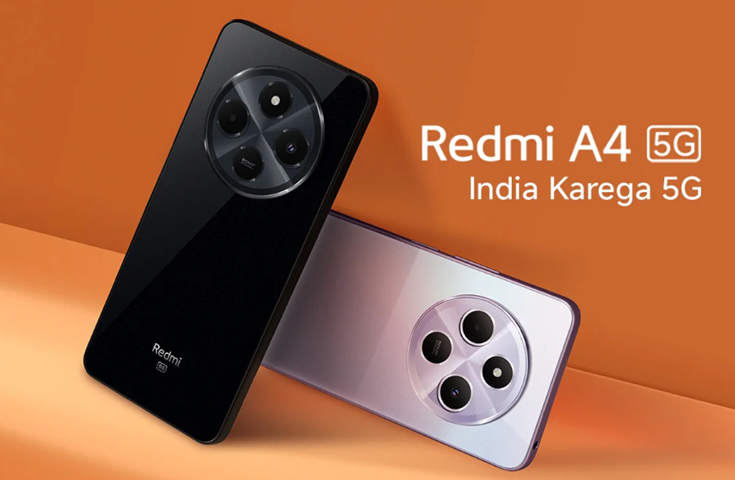
Xiaomi Redmi A4
Key Specifications
88″ (17.48 cm) 120Hz IPS LCD Display
Snapdragon 4s Gen 2 Octa-core Processor
50 MP Rear Camera
5 MP Front Camera
4 GB RAM
64 GB Internal Storage
5160 mAh Battery
18W Fast Charging
Android v14 OS
Xiaomi Redmi A4 price in India starts from Rs. 8,498 for the 4 GB RAM and 64 GB internal storage base variant. It is available in Sparkle Purple and Starry Black colour options.
FAQs
Q1. What is the battery capacity and charging speed of the Infinix Hot 50 5G?
Answer. The Infinix Hot 50 5G has a 5000mAh battery with support for 18W fast charging.
Q2. What is the refresh rate of the Realme C63’s display?
Answer. The Realme C63 features a dynamic refresh rate of up to 120Hz.
Q3. What is the peak brightness of the Moto G45 5G’s display?
Answer. The Moto G45 5G has a peak brightness of 500 nits.
Q4. What is the Vivo T3 Lite’s display refresh rate?
Answer. The Vivo T3 Lite features a 90Hz refresh rate.
Q5. What is the camera configuration of the OPPO A3X?
Answer. The OPPO A3X comes with a 48MP primary sensor and a 2MP depth sensor.
Q6. What is the storage capacity of the Xiaomi Redmi 13C 5G?
Answer. The Xiaomi Redmi 13C 5G offers up to 128GB of internal storage, expandable via microSD card.
Q7. What is the processor used in the Xiaomi Redmi A4?
Answer. The Xiaomi Redmi A4 is powered by the MediaTek Dimensity 700 processor.
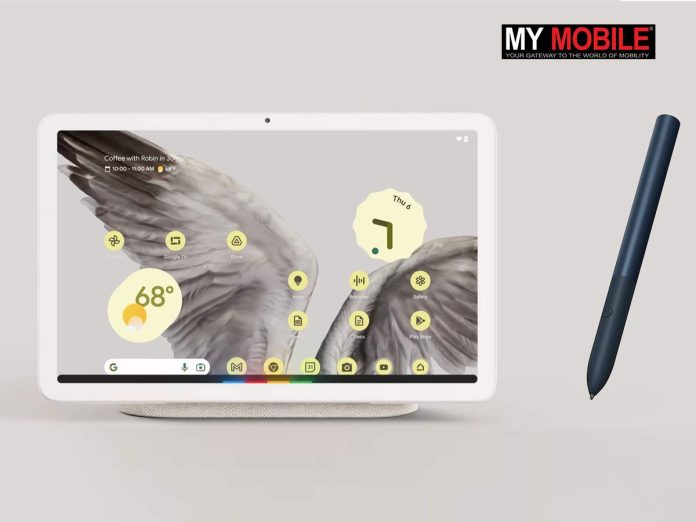
The Google stylus pen for the Pixel Tablet is still in development.
The pen reportedly features exchangeable tips, a button for quick note-taking and a magnetic charging solution.
It supports handwriting-to-text conversion and Find My Device.
There is no update on an expected launch date for the pen yet.
Google Pen for Pixel Tablet exclusive update shared by Android Authority. (Photo by Adrian Regeci on Unsplash)
The Pixel Tablet will be completing two years in the market in a matter of months and some of us are still waiting for the Google stylus pen. If you too like us are waiting for the Google Pen for the Pixel Tablet, we have an update for you.
According to a recent exclusive report by Android Authority, the pen was actively in development and was likely intended to launch alongside the cancelled Pixel Tablet 2.
Google Stylus Pen for Pixel Tablet has been a matter of speculation for a while now. Many expected a tech giant to launch the official pen when it launched the Pixel Tablet. While that didn’t happen, leaks eventually confirmed that Google is indeed developing a stylus for its tablet.
However, there has been radio silence since then and the stylus never made it to the market despite the anticipation. So, the Pixel tablet now supports USI 2.0 styli but there was no official pen from Google to pair with it.
Folks at Android Authority shared the update based on their conversation with a source inside Google. Apart from a confirmation that the product plan is still active, the report further reveals some intriguing details about the stylus.
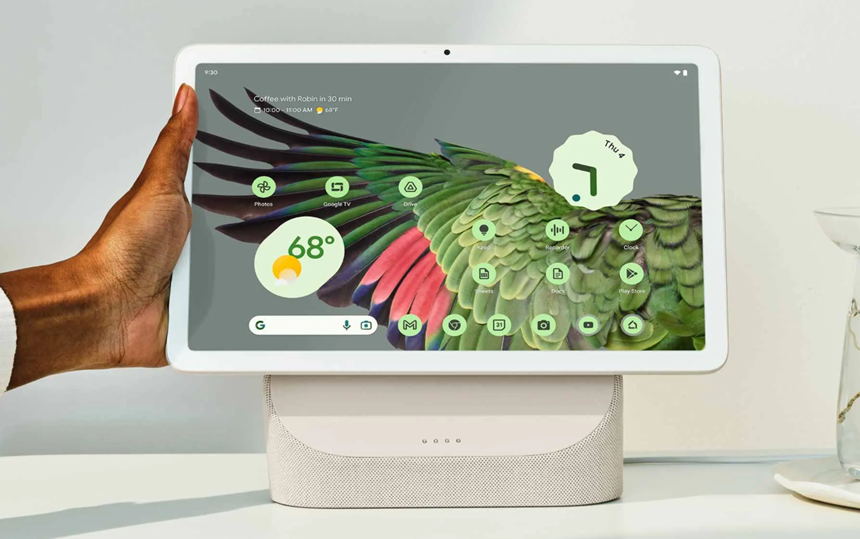
Google Pixel Tablet. (Image credit – Google)
Google Pen for Pixel Tablet – What We Know So Far?
The official name of the stylus is the “Pen for Google Pixel Tablet,” with the codename “bushukan” (or “B80”) and model number GM0KF. Google had progressed significantly in its development, even starting certification processes across various global bodies.
The pen was designed in two colours—white and grey, presumably named “porcelain” and “hazel” to complement the Pixel Tablet. It features exchangeable tips and includes a button that launches a quick note-taking app.
Since the Pixel Tablet lacks a dedicated docking spot for the pen, Google devised a magnetic charging solution that docks the pen onto the keyboard accessory it was also developing.
Google has worked on integrating stylus support into its ecosystem including handwriting-to-text conversion. This feature makes the pen more adaptable, especially since not many apps offer direct stylus input. Additionally, the pen supports Find My Device, making it easier to locate if misplaced.
The Android Authority report points how that at this stage in the Pixel Tablet’s lifecycle launching the pen could be ‘too little, too late.’
FAQs
Q1. What is the official name and codename of the stylus pen for the Pixel Tablet?
Answer. The official name of the stylus is the “Pen for Google Pixel Tablet,” with the codename “bushukan” (or “B80”).
Q2. What features does the Google stylus pen for the Pixel Tablet have?
Answer. The pen features exchangeable tips, a button that launches a quick note-taking app, and a magnetic charging solution that docks onto the keyboard accessory. It also supports handwriting-to-text conversion and Find My Device.
Q3. Why hasn’t the Google stylus pen for the Pixel Tablet been launched yet?
Answer. The pen was likely intended to launch alongside the cancelled Pixel Tablet 2. Despite significant development progress and starting certification processes, it has not yet been released.
Sanjay Malhotra has been appointed as the 26th Governor of the RBI.
He will take charge on December 11 for a three-year term.
Shaktikanta Das will retire as one of the longest-serving governors of the RBI after a six-year tenure.
Revenue Secretary Sanjay Malhotra has been appointed as the new RBI Governor. (Image credit – PTI)
The government has announced that the current revenue secretary Sanjay Malhotra will replace Shaktikanta Das and take over as the 26th Governor of the Reserve Bank of India (RBI) on December 11.
“The Appointments Committee of the Cabinet (ACC) has approved the appointment of Sanjay Malhotra as governor, RBI, for a period of three years starting from December 11, 2024,” stated an official notification on Monday.
Issued by secretary to the ACC Manish Saxena, the order confirmed that Malhotra’s appointment had been approved by the committee led by Prime Minister Narendra Modi.
Speaking to the media outside the Ministry of Finance at North Block in Delhi, Malhotra said, “One has to understand the turf, all perspectives and do what’s best for the economy.”
Governor Shaktikanta Das will retire after an impressive six-year tenure, making him one of the longest-serving governors of the RBI. IAS officer Das held key positions in the Ministry of Finance before becoming the 25th Governor on December 12, 2018. He also served as a member of the 15th Finance Commission and India’s G20 Sherpa.
Sanjay Malhotra’s appointment marks a significant transition and his experience is expected to guide the central bank in the coming years.
About Sanjay Malhotra
Sanjay Malhotra, a 1990-batch IAS officer from the Rajasthan cadre, brings extensive experience in financial and administrative roles to his new position as RBI Governor. An alumnus of IIT Kanpur, where he earned a degree in computer science engineering, Malhotra also holds a master’s degree in public policy from Princeton University.
Over the years, he has held several key positions, including financial services secretary and chairman and managing director of REC Ltd. Before becoming revenue secretary on December 1, 2022, Malhotra was appointed as an officer on special duty (OSD) in October 2022 to succeed Tarun Bajaj.
His tenure as revenue secretary is set to extend until February 2028. As the secretary of the Department of Financial Services (DFS), he also served on the Central Board of the Reserve Bank of India, further solidifying his credentials in financial governance and policy-making.
FAQs
Q1. When will Sanjay Malhotra take charge as the RBI Governor?
Answer. Sanjay Malhotra will take charge as the 26th Governor of the Reserve Bank of India (RBI) on December 11, 2024, for a period of three years.
Q2. What notable positions did Shaktikanta Das hold before his retirement?
Answer. Shaktikanta Das held key positions in the Ministry of Finance and served as a member of the 15th Finance Commission and India’s G20 Sherpa. He was the 25th Governor of the RBI from December 12, 2018.
Q3. What is Sanjay Malhotra’s educational background?
Answer. Sanjay Malhotra is a computer science graduate from IIT Kanpur and holds a master’s degree in public policy from Princeton University.
Garena Free Fire MAX releases redeem codes for December 10.
Players can claim epic in-game loot like skins, weapons and other rewards.
Rewards are available on a first-come, first-served basis with only 500 redemptions.
To redeem codes, visit the redemption website, sign in with their account and enter the 12-digit codes.
Garena Free Fire MAX redeem codes for December 10 are out now. (Image credit – Garena)
Garena Free Fire Max, like other battle royale games such as BGMI, is all about skill and strategy. To win in the game battlefield consistently, players must practice and plan their moves carefully.
Garena Free Fire Max redeem codes for December 10 offer a chance to grab epic in-game loot, including skins, weapons and other exclusive rewards.
Garena Free Fire Rewards & Limited Availability
Garena has set up a dedicated redemption website where players can access limited-time rewards. Some fan-favourite prizes include:
Rebel Academy Weapon Loot Crate
Revolt Weapon Loot Crate
Diamond Voucher
Fire Head Hunting Parachute – a highly sought-after item among players.
These rewards are available on a first-come, first-served basis with only 500 redemptions allowed per day. Moreover, players only get a 12-hour limited period to claim their rewards making the competition fierce for these prized upgrades.
If you’re aiming to level up your Garena Free Fire Max experience, don’t miss out on today’s redeem codes. Be quick to secure your share of the loot!
Garena Free Fire MAX Redemption Codes for December 10
FFPSTXV5FRDM – Pushpa Emote – Hargiz Jhukega Nahi Plus Gloo Wall – Fire Hai Main
How to Redeem Garena Free Fire MAX Codes (December 10)?
Visit the redemption website: www.https://reward.ff.garena.com/.
Sign in with your account from any supported platform. You can log in using Google, Facebook, Huawei ID, Apple ID, X or VK account details.
Once logged in, you’ll be redirected to a page where you can enter the 12-digit redemption codes.
Once successfully redeemed, head to your in-game mail section to claim your rewards!
Please note that these codes are valid for a limited time, so make sure to redeem them before they expire!
FAQs
Q1. What types of rewards can players claim using Garena Free Fire MAX redeem codes?
Answer. Players can claim epic in-game loot such as skins, weapons and other exclusive rewards using Garena Free Fire MAX redeem codes.
Q2. How many redemptions are allowed per day in Garena Free Max?
Answer. Only 500 redemptions are allowed per day, and players have a 12-hour window to claim their rewards.
Q3. How can players redeem Garena Free Fire MAX codes?
Answer. Players can redeem codes by visiting the redemption website (https://reward.ff.garena.com/), signing in with their account, entering the 12-digit codes and claiming the rewards in their in-game mail.
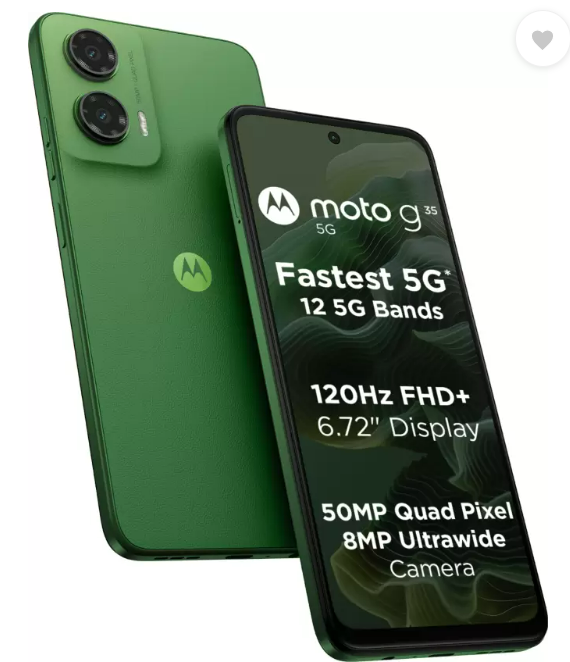
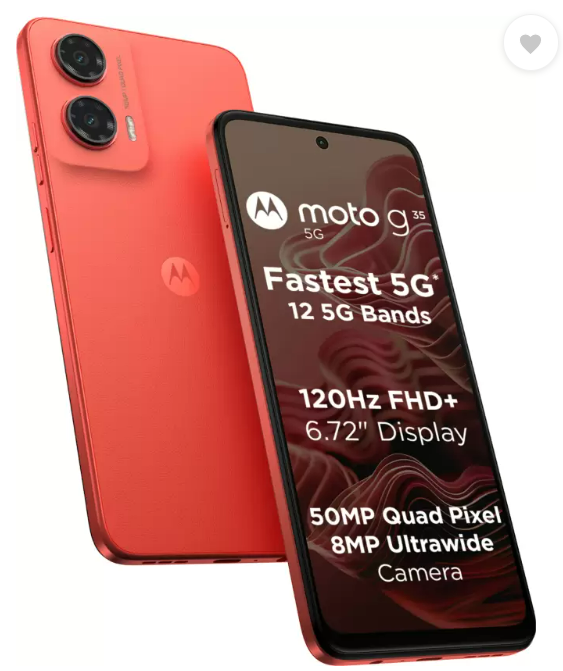
● The moto g35 5G comes with the segment’s fastest* 5G, with support for the segment’s highest 12 5G bands, support for all 5G network operators (both NSA and SA), plus best in class 5G features like 4 Carrier aggregation, VoNR support and more.
● The moto g35 5G boasts the segment’s only FHD+ 6.7” 120Hz display with Vision Booster Technology and 1000nits brightness for an immersive visual experience, protected by Corning® Gorilla® Glass 3.
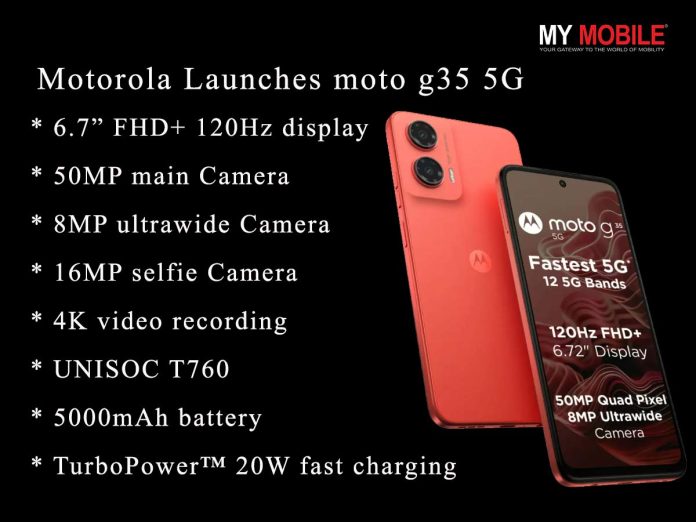
● The smartphone features an advanced 50MP Quad Pixel main camera with support for 4K video recording – the only phone in the segment to do so, 8MP ultrawide, and the segment’s highest resolution 16MP selfie camera.
● The moto g35 5G showcases Pantone-validated premium vegan leather design and a 3D PMMA finish, coupled with Dolby Atmos dual stereo speakers for an immersive entertainment experience.
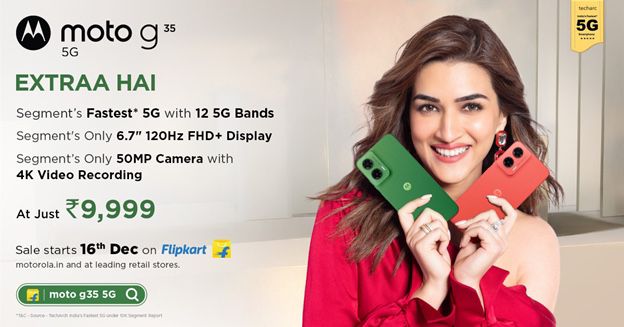
● The device will be available with an in-built 4GB RAM + 128GB storage option, expandable up to 12GB with RAM Boost for seamless multitasking, available at just ₹9,999
● The moto g35 5G will go on sale on Flipkart, Motorola.in and leading retail stores across India, starting 16th December 2024, 12PM onwards.
Motorola launches Moto G35 5G to disrupt the budget 5G market.
Motorola announces the launch of the moto g35 5G to disrupt the affordable 5G smartphone market.
This smartphone launched as the segment’s fastest 5G* with the segment’s highest 12 5G bands and supports VoNR connectivity, 4×4 MIMO, and 4 Carrier aggregation for a seamless and future-ready 5G experience.
Speaking on the launch, Mr. T.M. Narasimhan, Managing Director, Motorola Mobility India, said, “We are thrilled to introduce the moto g35 5G, a game-changing device in the affordable 5G segment. Our goal is to make best 5G experiences accessible to a wider audience across India. The moto g35 5G is a no-compromise smartphone, combining cutting-edge 5G technology, exceptional entertainment and imaging, and a stunning design, all at an unbeatable price. We’re confident the moto g35 5G will set new benchmarks and help drive further proliferation of 5G across the country.”
The moto g35 5G is compatible with all 5G network operators including Airtel and Jio, supporting both NSA and SA 5G networks, making it a TRUE 5G device.
It has been officially validated by Techarc as India’s fastest 5G smartphone in its segment, after evaluating various 5G-related parameters.
Additionally, the moto g35 5G boasts the segment’s only FHD+ 6.7″ Display with Vision Booster Technology and a 60Hz-120Hz variable refresh rate, paired with 1000nits brightness to ensure vibrant visuals and smooth transitions, even in bright conditions.
It is also protected by Corning® Gorilla® Glass 3.
It features the segment’s only 50MP Quad Pixel camera system with 4K video recording, along with an 8MP ultrawide and segment’s leading 16MP Selfie camera, delivering stunning photography and video capabilities.
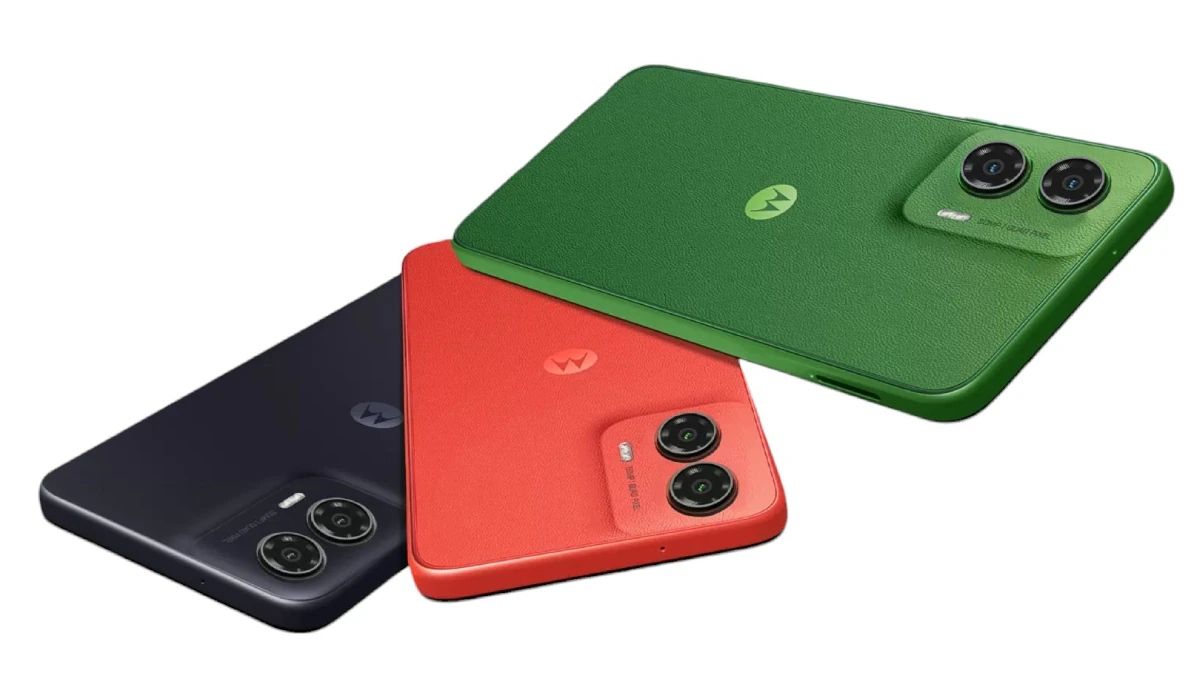
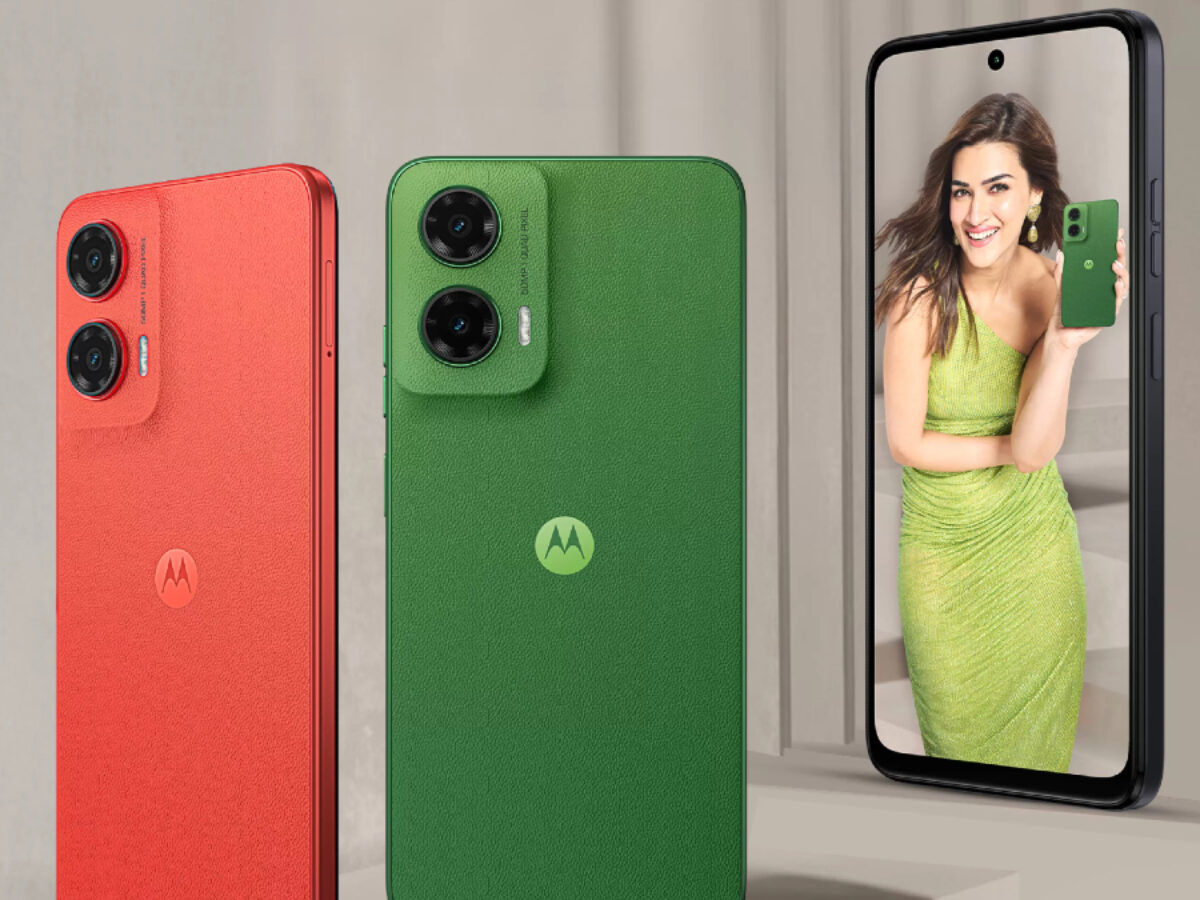
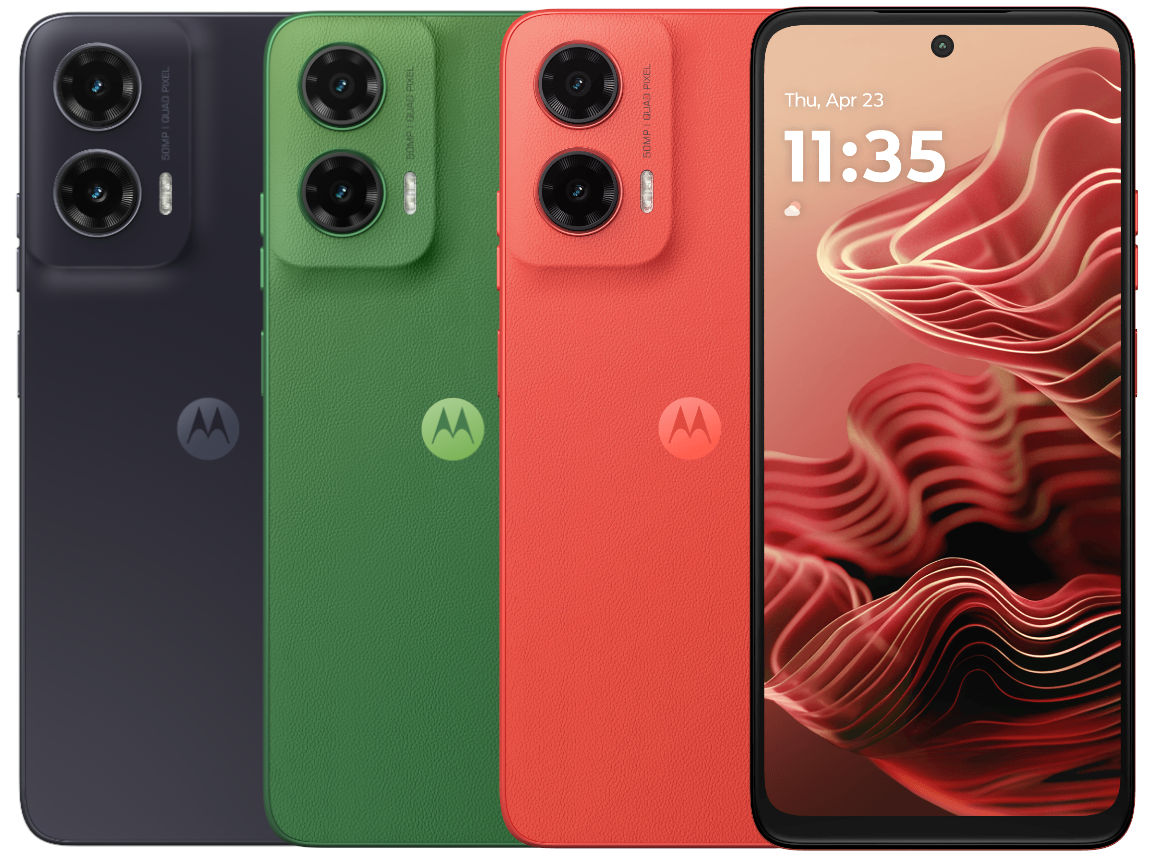
Available in Leaf Green, Guava Red, and Midnight Black, the Moto G35 5G blends style, performance, and value.
Encased in a premium vegan leather design in Leaf Green or Guava Red, and a 3D PMMA finish in Midnight Black to choose from, the moto g35 5G is an unbeatable blend of performance, design, and value.
The moto g35 5G aims to set a new standard for 5G connectivity with its segment’s fastest* 5G performance, validated by Techarc as India’s fastest 5G smartphone under ₹13K.
Equipped with an impressive 12 5G bands and VoNR connectivity, this True 5G phone ensures seamless compatibility with all network operators and both SA and NSA 5G bands.
With advanced 4×4 MIMO technology and support for up to 4 Carrier Aggregation, users can experience unparalleled speed and reliability.
For streaming, gaming, or capturing memories, the moto g35 5G provides a future-ready, lag-free 5G experience, setting it apart from competitors in its segment.
With a 6.7” FHD+ 120Hz display, the moto g35 5G delivers smooth visuals.
Equipped with segment’s only FHD+ 6.7’’ 120Hz display, the moto g35 5G redefines visual excellence with smooth and fluid transitions.
Enhanced by Vision Booster Technology and 1000nits peak brightness, it ensures exceptional clarity and visibility, even in bright outdoor conditions.
The display is protected by durable Corning Gorilla® Glass 3, and Its 240Hz touch sampling rate delivers ultra-responsive interactions, perfect for gaming and multitasking.
Night Vision and Smart Water Touch enhance usability, even on wet screens.
Additional features like Night Vision Mode for comfortable low light viewing and Smart Water Touch Technology ensure effortless usability even on wet screens.
With its immersive color boost feature, which adjusts to ambient lighting, the moto g35 5G makes entertainment, gaming, and video calls truly vibrant and engaging.
The immersive viewing experience on moto g35 5G is further enhanced by Dual Stereo speakers tuned with Dolby Atmos® delivering multidimensional sound and studio-quality audio.
With intelligent power amplification and synchronized stereo speakers, this device ensures sharp, clear, and robust sound.
The moto g35 5G enhances mobile photography and videography by being the segment’s only 50MP Quad Pixel camera with 4K video recording capabilities. Capturing exceptional clarity and vibrant images, even in challenging lighting.
The segment’s leading 8MP ultra-wide lens, allows users to capture up to 4x more in a single frame—perfect for wide landscapes and group shots and segment’s highest 16MP selfie camera delivers sharp, detailed portraits, enhanced by the Face Retouch feature to minimize blemishes and wrinkles.
The camera system is packed with advanced features like HDR, Night Vision, Portrait Mode, and Image Auto Enhance, designed to transform everyday moments into extraordinary memories.
It also includes powerful Google Photos AI toolssuch as Magic Eraser, Photo Unblur, and Magic Editor to further elevate your photos.
The moto g35 5G features a premium vegan leather finish available in Pantone-validated Leaf Green and Guava Red colours, exuding sophistication and style.
For those who prefer a sleek, matte look, the Midnight Black variant with a 3D PMMA finish offers a refined and modern appeal.
The device features ultra-thin 7.9mm body and feather-light weight of just 185 grams, ensuring unmatched comfort.
It comes with a water-repellent IP52 rating, protecting it from accidental spills and splashes. This harmonious unibody design not only feels premium in hand but also ensures the phone stands out with a contemporary aesthetic.
The moto g35 5G is powered by the segment’s most powerful UNISOC T760 processor, offering blazing-fast performance and unmatched efficiency. With a stellar AnTuTu score of over 485K, this octa-core chip ensures smooth multitasking, seamless 4K video recording, and lag-free photo editing.
Coupled with in-built 4GB of LPDDR4X RAM and 128GB of UFS 2.2 storage and is expandable up to 1TB with microSD card.
It provides lightning-quick app launches and ultra-fast data access. Plus, with RAM Boost, users can expand memory up to 12GB, making multitasking even more fluid.
The moto g35 5G also provides power for days with its massive 5000 mAh battery, perfect for extended playlists, video calls, and binge-watching.
The moto g35 5G charges swiftly with the TurboPower™ 20W charger, provided inside the box, giving hours of power in minutes.
This powerful combination guarantees a seamless smartphone experience, eliminating worries about running out of battery during daily activities.
The moto g35 5G runs on the latest Android 14 software, designed to deliver a seamless and secure experience.
Users are guaranteed an upgrade toAndroid 15, along with 3 years of assured security updates, ensuring long-term reliability.
The software enhances security with features like Moto Secure, a centralized hub for managing privacy settings, permissions, and creating secret folders for sensitive data.
ThinkShield for Mobile Protection adds another layer of defense against threats, while Family Space 2.0 creates a safe environment for kids to learn and play. With My UX, users can enjoy personalized gestures, intuitive controls, and customization options to make the smartphone truly their own.
The device also features a convenient side-mounted fingerprint reader integrated with the power button for effortless access and enhanced security.
Availability:
Available in Leaf Green, Guava Red (vegan leather) and Midnight Black (3D PMMA).
The moto g35 5G will be available in three striking colour options: Leaf Green and Guava Red with a premium vegan leather finish, and Midnight Black with a 3D PMMA finish.
It will come in a single memory variant with in-built 4GB RAM and 128GB storage. The moto g35 5G will be available for purchase starting 16th December 2024, at 12 PM onwards, exclusively on Flipkart, Motorola.in, and leading retail stores across the country.
Launch Price:
4GB + 128GB: Rs. 9,999
Operator Offer:
Valid on Prepaid Plan: Rs. 449 Jio Cashback Rs. 2000
Amount 2,000
Qty #
40
Shopping: AJIO:Rs 500 off on Rs 2999 shopping (*2)
1000
2
Travel: EMT: Upto Rs.1500 off Flights
1,500
1
Wellness: Netmeds: 20% off on order of Rs 999 +NMS Cash
Ques.1 How is the camera features of the newly launched moto g35 5G?
Answer. The moto g35 5G redefines mobile photography and videography by being the segment’s only 50MP Quad Pixel camera with 4K video recording capabilities.
Capturing exceptional clarity and vibrant images, even in challenging lighting. The segment’s leading 8MP ultra-wide lens, allows users to capture up to 4x more in a single frame—perfect for wide landscapes and group shots and segment’s highest 16MP selfie camera delivers sharp, detailed portraits, enhanced by the Face Retouch feature to minimize blemishes and wrinkles.
The camera system is packed with advanced features like HDR, Night Vision, Portrait Mode, and Image Auto Enhance, designed to transform everyday moments into extraordinary memories. It also includes powerful Google Photos AI tools such as Magic Eraser, Photo Unblur, and Magic Editor to further elevate your photos.
Ques.2 How is the finish & color of the moto g35 5g?
Answer. The moto g35 5G features a premium vegan leather finish available in Pantone-validated Leaf Green and Guava Red colours, exuding sophistication and style.
For those who prefer a sleek, matte look, the Midnight Black variant with a 3D PMMA finish offers a refined and modern appeal. Setting a new standard in design, the device features ultra-thin 7.9mm body and feather-light weight of just 185 grams, ensuring unmatched comfort.
It comes with a water-repellent IP52 rating, protecting it from accidental spills and splashes. This harmonious unibody design not only feels premium in hand but also ensures the phone stands out with a contemporary aesthetic.
Ques .3 What is the processor powering the moto g35 5G?
Answer. The moto g35 5G is powered by the segment’s most powerful## UNISOC T760 processor, offering blazing-fast performance and unmatched efficiency.
With a stellar AnTuTu score of over 485K, this octa-core chip ensures smooth multitasking, seamless 4K video recording, and lag-free photo editing.
Coupled with in-built 4GB of LPDDR4X RAM and 128GB of UFS 2.2 storage and is expandable up to 1TB with microSD card.
it provides lightning-quick app launches and ultra-fast data access. Plus, with RAM Boost, users can expand memory up to 12GB, making multitasking even more fluid.
Ques.4 How is the battery capacity of moto g35 5g?
Answer. The moto g35 5G also provides power for days with its massive 5000 mAh battery, perfect for extended playlists, video calls, and binge-watching.
The moto g35 5G charges swiftly with the TurboPower™ 20W charger, provided inside the box, giving hours of power in minutes.
This powerful combination guarantees a seamless smartphone experience, eliminating worries about running out of battery during daily activities.
OnePlus has rolled out the Android 15 update with OxygenOS 15 to the original OnePlus Pad in India.
The update will soon be available in North America and Europe also.
The update is already available globally for the OnePlus 12, OnePlus Pad 2, and OnePlus Open.
It is available for OnePlus Nord 4, Nord CE4 Lite 5G and Nord CE4 in India.
Key Features in OxygenOS 15 – Ultra Animation Effects, AI Retouch, AI Notes, Luminous Rendering Effects, improved Photo Editing, Floating Window, Split View and enhanced Battery Protection, Privacy Improvements and more.
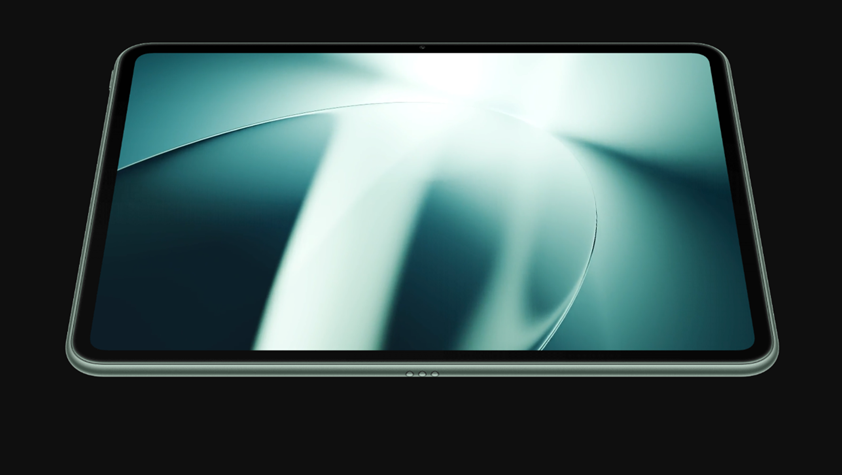
Android 15 rolls out to the first generation of the OnePlus Pad. (Image credit – OnePlus)
OnePlus is now bringing Android 15 to the original OnePlus Pad after its debut on the OnePlus Pad 2. The update comes with OxygenOS 15, which first launched in October on the OnePlus 12 and has since been rolled out to devices like the OnePlus Open and OnePlus Pad 2.
The update introduces several new features, better animations and design improvements.
The original OnePlus Pad released in 2023 is now receiving the stable Android 15 update in India. Users don’t need to sign up for a beta program, as the update is immediately available.
OnePlus also confirmed that North America and Europe will begin receiving the update next week.
Android 15 Availability on Other OnePlus Devices
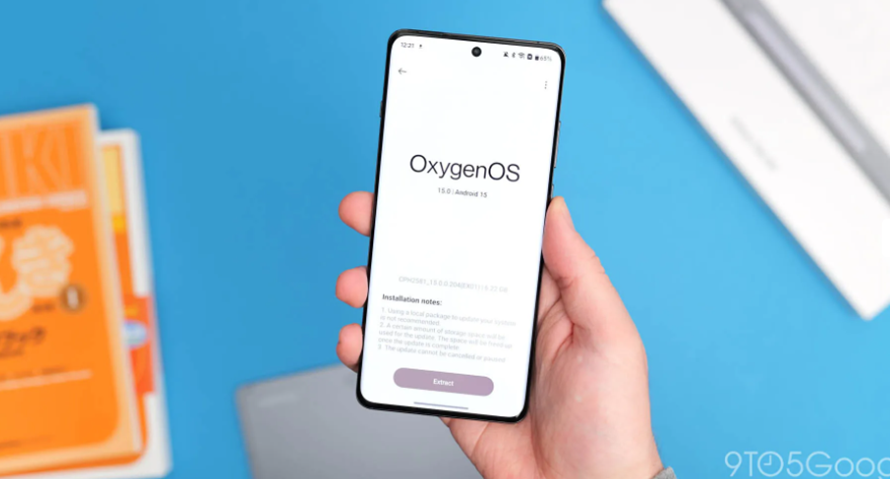
OxygenOS comes with many new AI features. (Image credit – 9to5Google)
OnePlus has been rolling out Android 15 faster than in previous years. Here’s a list of devices that have already received the update:
OnePlus 12 – Available globally
OnePlus Pad 2 – Available globally
OnePlus Open – Available globally
OnePlus Nord 4 – Available in India
OnePlus Nord CE4 Lite 5G – Available in India
OnePlus Nord CE4 – Available in India
Additional devices including the OnePlus 10 Pro are currently in beta testing for Android 15 with more updates expected in the coming months.
When Other OnePlus Devices Get Android 15?
Most OnePlus devices launched from 2021 onwards including flagship models like the OnePlus 11 and 10 Pro will receive the update.
However, older Nord models might be excluded due to limited software support.
Key Features in OxygenOS 15
OxygenOS 15, based on Android 15, debuted in October on the OnePlus 12. (Image credit – OnePlus)
Here’s what OxygenOS 15 brings to the OnePlus Pad:
Ultra Animation Effects –
Consistent scrolling experience across third-party apps including WebView interfaces with new system-level swiping curve coverage.
AI Retouch –
AI Detail Boost for enhanced photo clarity.
AI Reflection Eraser to sharpen blurry photos and remove window reflections.
AI Notes –
New AI writing tools for writing, polish and optimise style
Format feature to organise information
Clean up feature to remove filler words
Luminous Rendering Effects –
Improved rounded corner designs for a more refined look.
Flux Themes –
Enhanced customisation for lock and home screens including AI depth effects and blurred wallpapers.
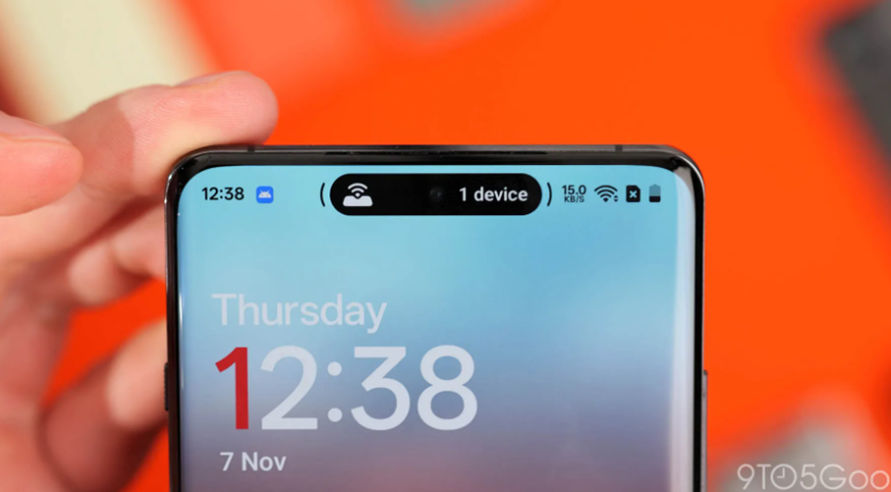
Live Alerts –
New Live Alerts design focused on the visualisation.
Optimises the way you interact with Live Alerts capsules.
Introduces a new Live Alerts animation system.
Photo Editing –
Reversible editing memorising the settings for your previous edits
Better integration between Camera and filters.
Floating Window and Split View –
New gestures for improved multitasking and window management.
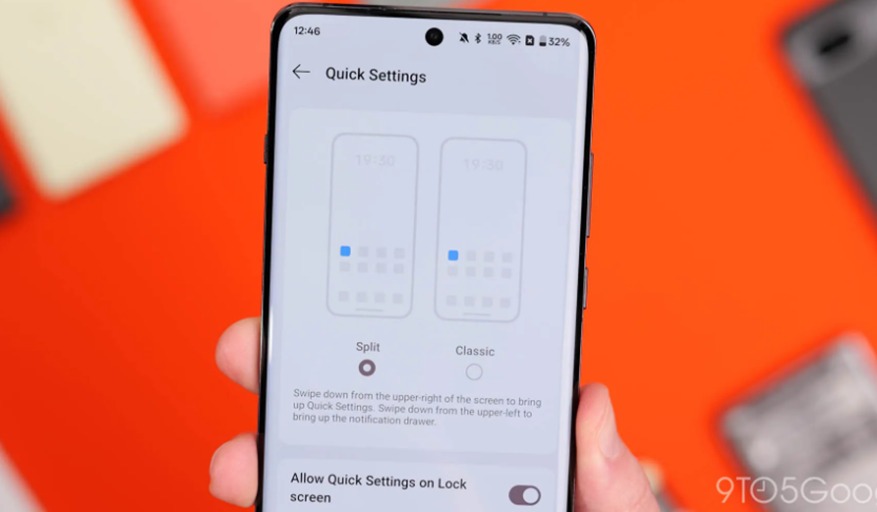
OxygenOS comes with Split mode for Notifications and Quick Settings. (Image credit – 9to5Google)
Notif ications & Quick Settings –
Split mode for Notifications and Quick Settings:
Swipe down from the upper-left for notifications and from the upper-right for Quick Settings.
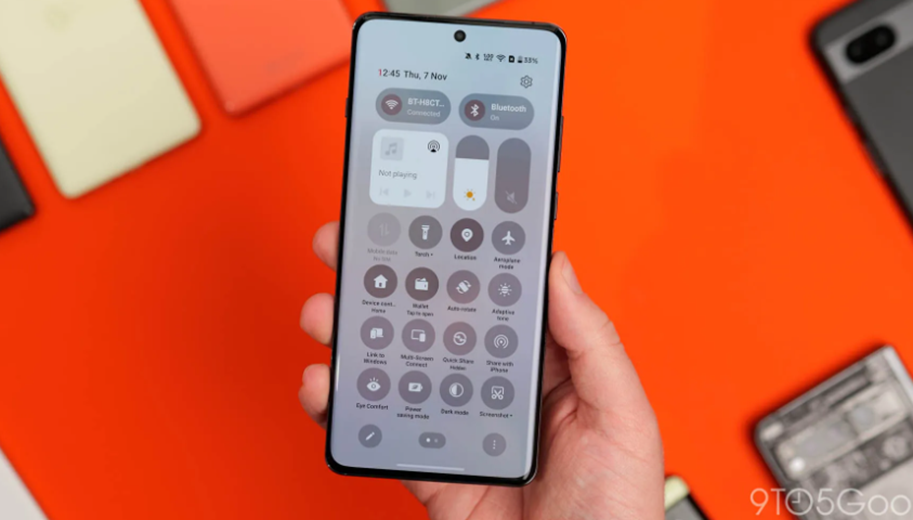
Redesigned Quick Settings layout with refined animations and visuals.
In the new OxygenOS, users can swipe down to see the new redesigned Quick Settings layout with refined animations and visuals. (Image credit – 9to5Google)In the new OxygenOS, the new Notifications layout can be seen when swiping down. (Image credit – 9to5Google)
OnePlus Share –
Enables sharing live photos with nearby iOS devices
Battery Protection –
“Charging Limit” feature to extend battery lifespan and reduce degradation.
Privacy Improvements –
Enhanced private safe for organising sensitive data and a new Home screen entry for hidden apps.
More Enhancements –
Always-On Display: Exclusive styles and new clock widgets that are resizable.
1+ Easter Egg: Typing “1+=” in the Calculator displays a fun nod to OnePlus’ “Never Settle” slogan.
New wallpapers and app icon styles exclusive to OxygenOS.
Notes widgets on the Home screen now have an improved design for practicality and style.
Apps in large folders can now display in 3 × 3 grids.
FAQs
Q1. Which OnePlus device has recently received the stable Android 15 update?
Answer. The original OnePlus Pad has recently received the stable Android 15 update in India, and it will soon be available in North America and Europe.
Q2. Which devices have already received the Android 15 update globally?
Answer. The OnePlus 12, OnePlus Pad 2, and OnePlus Open have already received the Android 15 update globally. In India, it is available for OnePlus Nord 4, Nord CE4 Lite 5G and Nord CE4.
Q3. What are some key features of the OxygenOS 15 update?
Answer. OxygenOS 15 introduces features such as Ultra Animation Effects, AI Retouch, AI Notes, Luminous Rendering Effects, improved Photo Editing, Floating Window, Split View and enhanced Battery Protection and Privacy Improvements.
Q4. Do users need to sign up for a beta program to receive the Android 15?
Answer. No, users do not need to sign up for a beta program as the Android 15 update is immediately available for the original OnePlus Pad.
Q5. What is the status of the Android 15 update for the OnePlus 10 Pro?
Answer. The OnePlus 10 Pro is currently in beta testing for the Android 15 update with more updates expected in the coming months.
Apple to change MacBook Pro lineup display from mini-LED to OLED by 2026.
The company will launch 14-inch and 16-inch MacBook Pro models with hybrid OLED technology between 2026 and 2027.
Apple to include OLED technology across its product lineup including iPad mini by 2026, iPad Air by 2027, and a foldable OLED device by 2028 or later.
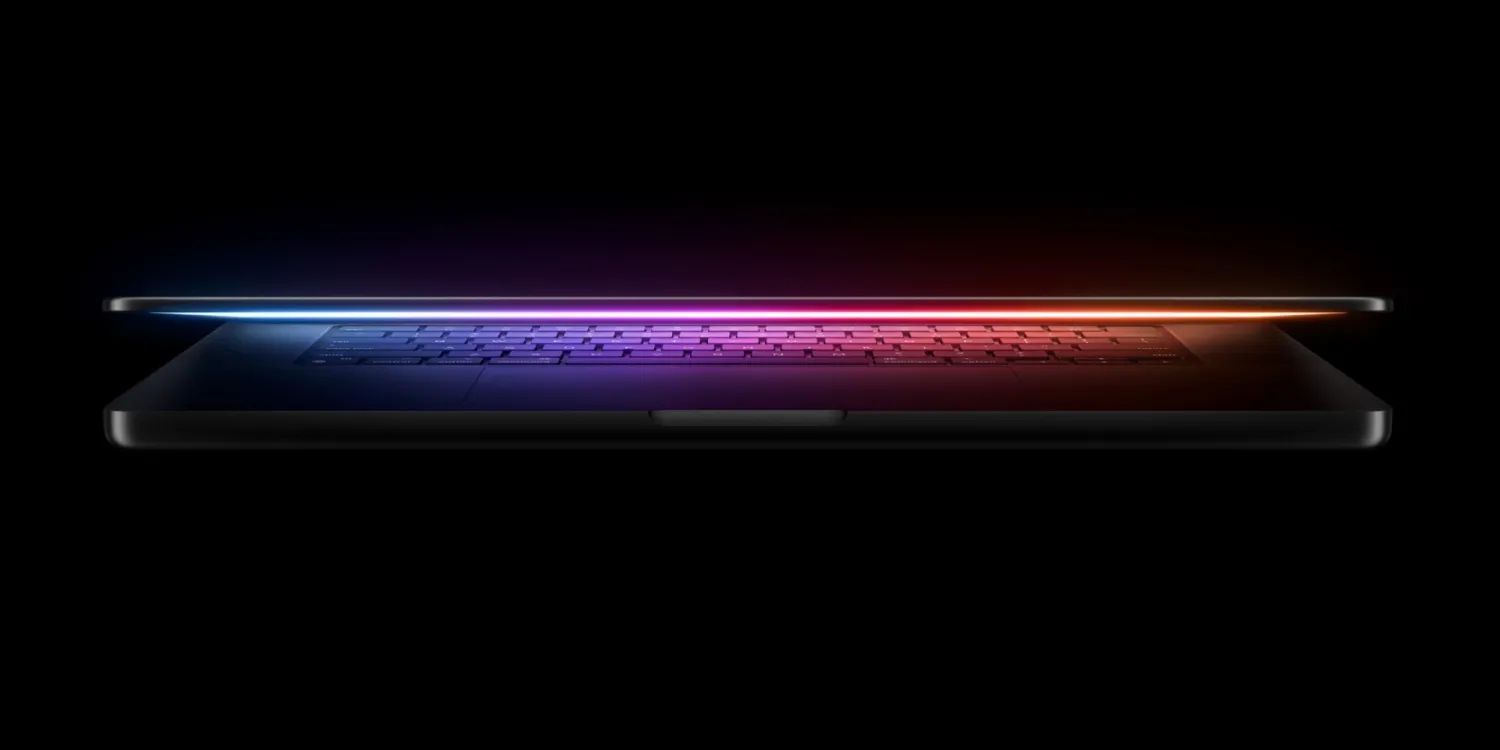
Apple working on integrating hybrid OLED technology in 14-inch and 16-inch MacBook Pro models by 2027. (Image credit – Apple)
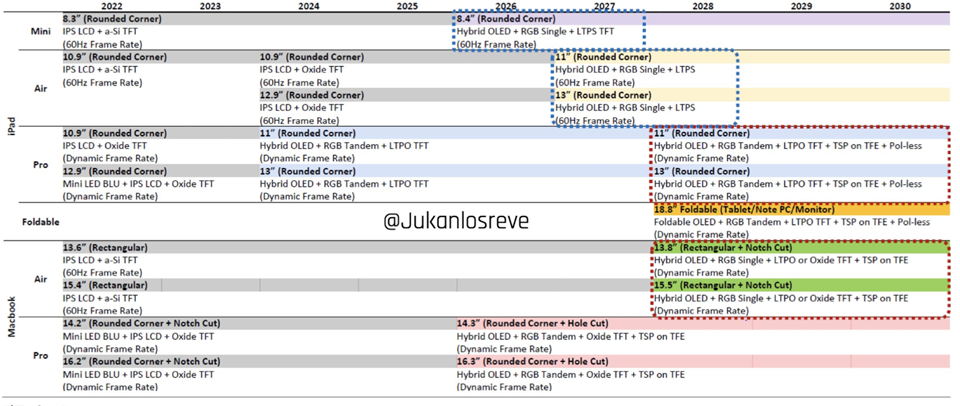
A recently leaked Apple Display Adoption Roadmap document revealed some key details about the future of the MacBook Pro lineup. According to the leaked information, Apple is planning a big shift for its MacBook Pro lineup and will be moving from mini-LED to OLED displays by 2026.
Popular tipster @Jukanlosreve shared the details from research firm Omdia on X (formerly Twitter) revealing that this transition will also bring design changes including the removal of the MacBook Pro’s notch.
Source: Omdia
— Jukanlosreve (@Jukanlosreve) December 5, 2024
The document posted by @Jukanlosreve also shows that Apple plans to launch 14-inch and 16-inch MacBook Pro models with hybrid OLED technology between 2026 and 2027. The tech was introduced by Apple on the iPad Pro this year.
This update aligns with previous hints by analysts Ming-Chi Kuo and Ross Young on X. Kuo Young agreed that next year’s MacBooks will continue to have LCD screens with mini-LED backlighting.
Ross @DSCCRoss is an expert on displays (not just Apple products). I think the 2025 MacBook Pro will continue to use the mini-LED.
— 郭明錤 (Ming-Chi Kuo) (@mingchikuo) September 10, 2024
Thanks. I agree with you about 2025 MacBook Pro’s still using MiniLEDs…
— Ross Young (@DSCCRoss) September 10, 2024
Apple Display Adoption Roadmap shared by @Jukanlosreve on X. (Credit – Research Firm Omdia)
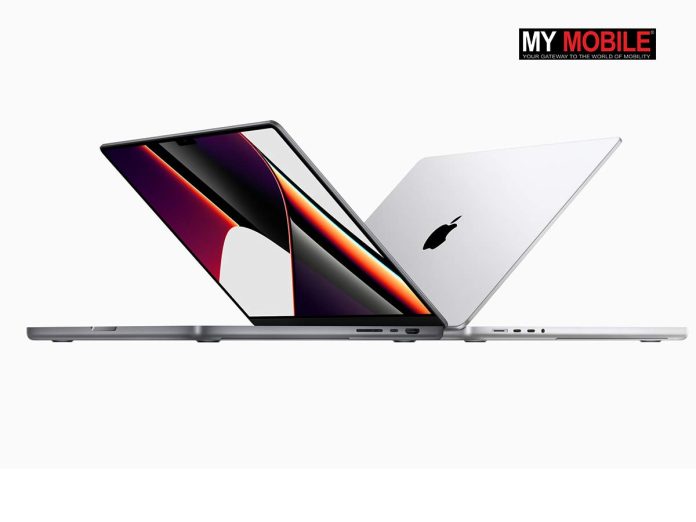
Coming back to the recent update, one notable change detailed in the roadmap document is a change from the current rounded corner + notch cut to a rounded corner + hole cut design for the webcam. This would eliminate the notch Apple introduced with its 2021 MacBook Pro redesign, which brought the display closer to the edges but left a cutout for the webcam.
MacBook Pros With OLED Displays Won’t Have a Notch, Roadmap Shows
If these plans turn out to be accurate, the new hole-punch cutout would create more usable screen space. MacRumors notes in its report that this change will resolve the issue of the notch interrupting the macOS menu bar.
However, specific design details remain unclear. Some speculate the OLED MacBook Pro could adopt a Dynamic Island-like design, similar to the iPhone.
The roadmap also highlights broader plans for Apple’s devices:
iPad mini: Could switch to OLED by late 2026.
iPad Air: Expected to adopt OLED displays around 2027.
MacBook Air: Likely to switch to OLED in 2028 but will retain the notch design.
Foldable Device: Apple is reportedly working on a foldable OLED device for release in 2028 or later.
These changes indicate how Apple is focusing on integrating OLED technology into its product lineup and promising better display performance with new design possibilities.
FAQs
Q1. When will Apple transition the MacBook Pro lineup to OLED displays?
Answer. Apple plans to transition the MacBook Pro lineup from mini-LED to OLED displays by 2026.
Q2. What design change is expected for the MacBook Pro with the switch to OLED displays?
Answer. The MacBook Pro is expected to remove the notch and adopt a rounded corner + hole cut design for the webcam, creating more usable screen space.
Q3. What are Apple’s broader plans for OLED technology in its other devices?
Answer. As per recent reports, Apple plans to switch the iPad mini to OLED by late 2026, the iPad Air by 2027, and the MacBook Air to OLED in 2028. Additionally, Apple is reportedly working on a foldable OLED device for release in 2028 or later.
Apple will be making the iPhone 17 Air 25% thinner than the current iPhone 16 Pro.
The company aims to achieve a 2mm reduction from the iPhone 16 Pro’s thickness.
Apple has been pushing for thinner and sleeker devices for a while.
Apple launched the M4 iPad Pro and Apple Watch Series 10 with reduced thickness in 2024.
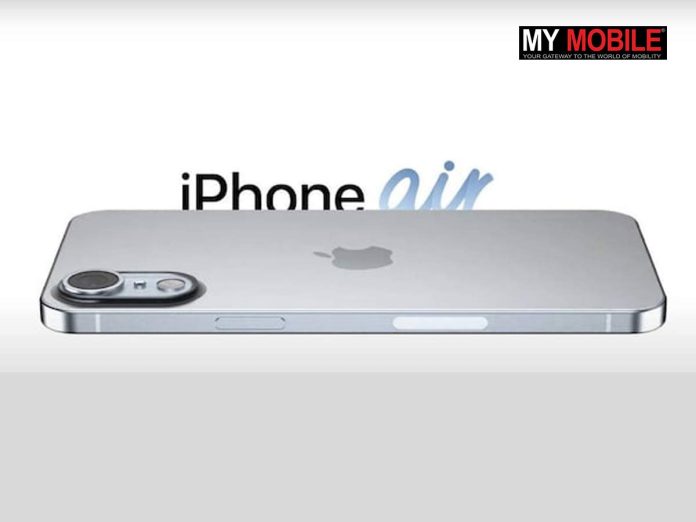
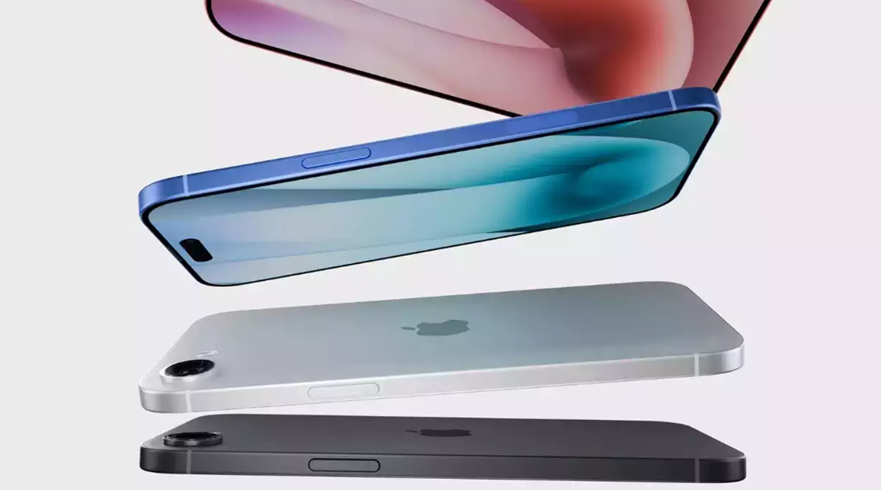
Representative image of upcoming iPhone 17 Air. (Image credit – X)
Multiple reports have already revealed that Apple is working on making the iPhone 17 Air the thinnest phone in the company’s portfolio. Now a recent Bloomberg report reveals more precise details about how thin the upcoming iPhone is actually going to be.
As per the reports, the Apple iPhone 17 Air will be 25% thinner than the current iPhone 16 Pro model. This will make it ‘thinnest phone yet’ in Apple’s portfolio.
Thinnest Apple Product
Apple has been pushing for thinner and sleeker devices for a while now. In the year 2024, we first had the M4 iPad Pro launched in May as Apple’s thinnest device ever. This was followed by the Apple Watch Series 10 in September with a significant reduction in thickness.
However, the iPhone 16 series didn’t change much when it comes to the thickness of the phones. Apple is working on changing this with the iPhone 17 Air.
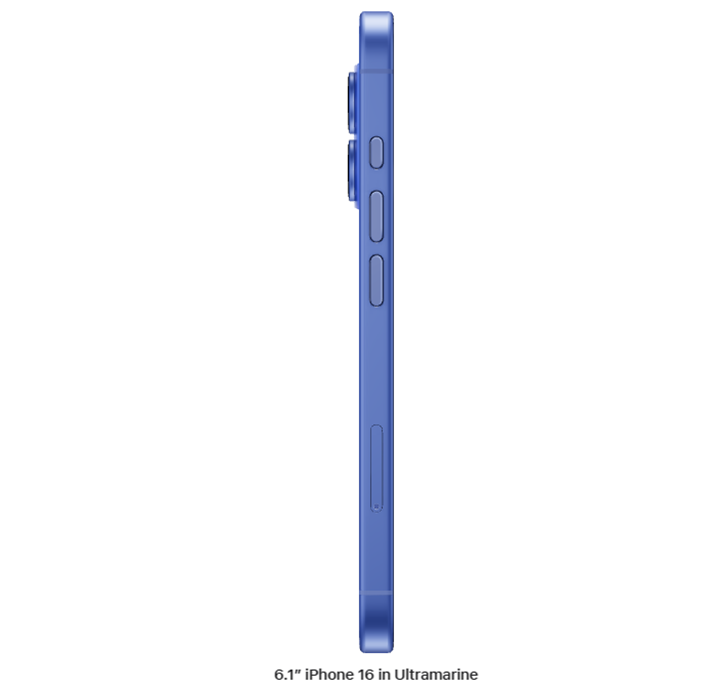
iPhone 16 thickness is 7.8mm. (Image credit – Apple)
The current iPhone measurements are as follows –
iPhone 16: 7.8mm
iPhone 16 Plus: 7.8mm
iPhone 16 Pro: 8.25mm
iPhone 16 Pro Max: 8.25mm
iPhone 17 Air – Company’s Thinnest Phone Yet
The new model won’t feature top-tier specs but is expected to showcase Apple’s vision for the future of iPhone design.
According to Mark Gurman in a Bloomberg report, “That device will be the company’s thinnest phone yet and showcase why Apple spent billions of dollars to replace Qualcomm…By using its own modem, Apple is able to create a smartphone that’s about 2 millimetres thinner than an iPhone 16 Pro.”
A 2mm reduction from the iPhone 16 Pro’s thickness would make the iPhone 17 Air approximately 6mm thick. This amounts to an overall thickness reduction of about 25%, which is slightly more for Pro models and slightly less for the base models.
Apple clearly is focusing in making its devices more sleeker and thinner. With all the new rumours and updates, it looks like iPhone 17 Air could set a new benchmark in this regards for both the company and smartphone industry.
FAQs
Q1. How much thinner will the iPhone 17 Air be compared to the iPhone 16 Pro?
Answer. The Apple iPhone 17 Air will be 25% thinner than the current iPhone 16 Pro, making it approximately 6mm thick, which is about 2 millimeters thinner.
Q2. What other Apple products have seen significant thickness reductions in 2024?
Answer. In 2024, Apple launched the M4 iPad Pro in May and the Apple Watch Series 10 in September, both with significant reductions in thickness.
Q3. How thin are the iPhone 16 models?
Answer. iPhone 16 is 7.8mm thin, iPhone 16 Plus is 7.8mm thin, iPhone 16 Pro is 8.25mm and iPhone 16 Pro Max is 8.25mm.
OnePlus India was ordered to pay ₹5,000 to Bengaluru resident SM Ramesh.
The fine was for not providing a user manual with the OnePlus Nord CE 3 smartphone.
Bengaluru’s consumer court previously fined IKEA ₹3,000 for charging a customer ₹20 for a branded carry bag.
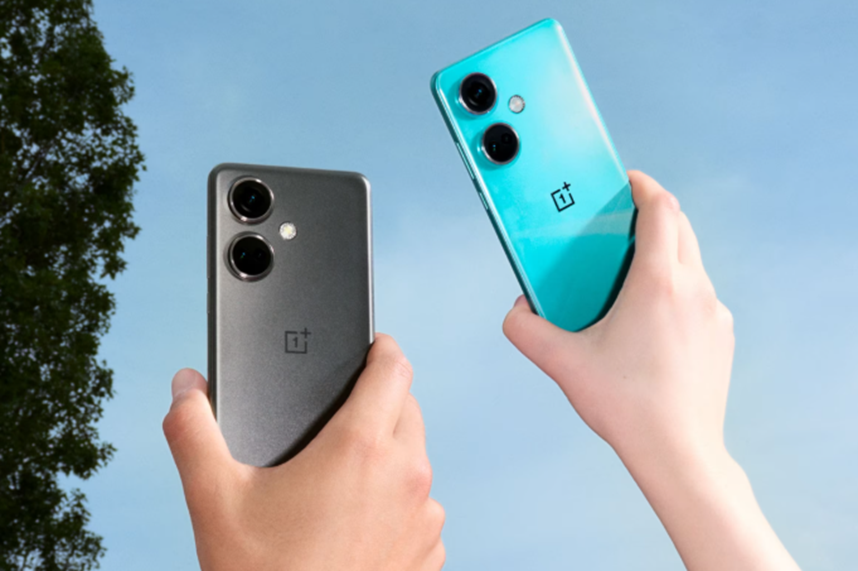
OnePlus Nord CE3 5G. (Image credit – OnePlus)
OnePlus India Technology Pvt Ltd has been ordered to pay ₹5,000 to SM Ramesh, a resident of Bengaluru’s Sanjay Nagar, for failing to provide a user manual when he purchased a OnePlus Nord CE 3 smartphone in December 2023.
Ramesh bought the phone for ₹24,598 but discovered the user manual was missing, which made it difficult for him to access warranty details and the company’s address.
Although OnePlus eventually sent him the manual in April, four months after the purchase, Ramesh decided to take the matter to the consumer disputes redressal commission in June, citing “deficiency in service.”
In its November 29 order, the consumer forum criticized OnePlus India for its “sheer negligence and indifference,” according to the report.
Similar Case Against IKEA
This isn’t the first time Bengaluru’s consumer court has stepped in for customer grievances. In October last year, Swedish retailer IKEA was fined ₹3,000 for charging ₹20 for a carry bag with its logo.
The case involved a woman who purchased items at IKEA’s Nagasandra showroom but was charged for the branded bag. In its ruling, the court ordered IKEA to refund the ₹20 with interest and pay ₹1,000 as compensation for harassment and ₹2,000 for court expenses.
These cases highlight the importance of consumer rights and the accountability of large corporations.
The case was reported by The Times of India.
FAQs
Q1. Why was OnePlus India ordered to pay ₹5,000 to SM Ramesh?
Answer. OnePlus India was ordered to pay ₹5,000 to SM Ramesh for failing to provide a user manual with his OnePlus Nord CE 3 smartphone, which made it difficult for him to access warranty details and the company’s address.
Q2. What similar consumer case involved IKEA in Bengaluru?
Answer. In October last year, Bengaluru’s consumer court fined IKEA ₹3,000 for charging ₹20 for a carry bag with its logo, ordering IKEA to refund the ₹20 with interest and pay ₹1,000 as compensation for harassment and ₹2,000 for court expenses.
Q3. What do these consumer cases highlight about large corporations?
Answer. These cases highlight the importance of consumer rights and the accountability of large corporations in adhering to service standards.
Garena Free Fire MAX has teamed up with the movie Pushpa 2 to offer exclusive themed rewards.
The event runs from December 6, 2023 to January 3, 2024.
It features items like the Pushpa Raj Bundle and Gloo Wall – Fire Hai Main.
Rewards can be claimed via spins or purchases.
Players can use redeem codes to unlock rewards for free.
Players can get “Pushpa’s Axe” skins in rewards. (Image Credit – Garena Free Fire)
Free Fire has made its fanbase really excited with major updates including the December OB47 update, which introduced a fresh theme, rewards and new events. Adding to the buzz, Free Fire has collaborated with the highly anticipated movie Pushpa 2 offering players exclusive themed rewards like a Pushpa 2 voice pack, character-inspired bundles, unique weapons and more.
Garena Free Fire MAX December 9 Codes: Unlock Pushpa 2 Rewards
As part of a collaboration, Free Fire has launched the Pushpa 2 Ring event featuring exciting movie-based items such as the Pushpa Raj Bundle, Gloo Wall – Fire Hai Main and Universal Ring Tokens. To claim these rewards, players can spin the wheel or purchase them directly.
The collaboration officially began on December 6 and will continue until January 3, 2024, giving players plenty of time to enjoy and collect these exclusive items.
The Pushpa 2 Ring event offers movie-themed items like:
Pushpa Raj Bundle
Gloo Wall – Fire Hai Main
Universal Ring Tokens
Free Fire has Pushpa’s Adventure, which is inspired by the blockbuster movie Pushpa 2: The Rule. (Image credit – Garena)
Free Rewards with Redeem Codes
For those who prefer not to spend diamonds or money, there’s still a way to grab in-game rewards for free! Players can use redeem codes provided by Garena Free Fire MAX.
FW2KQX9MFFPS – Pushpa Voice Pack
FPSTQ7MXNP9V – Pushpa Ring Bundle + Glue Wall Skin
Log in to Your Account: Use your Garena Free Fire MAX account to ensure the rewards are correctly transferred. Avoid using guest accounts, as they won’t work.
Visit the Redemption Website: Head to the official redemption website at https://reward.ff.garena.com.
Log In to Redeem: Sign in using Google, Facebook, VK, or other options connected to your Free Fire MAX account.
Enter the Code: Input the 12- or 16-digit redeem code in the designated box.
Claim Your Rewards: Click “OK” to submit.
And your rewards will arrive in your in-game mailbox within 24 hours.
This collaboration with Pushpa 2 has brought unique experiences and rewards to Free Fire players blending gaming with movie fandom in a fun and engaging way.
Don’t miss out on the chance to grab these rewards before the event ends!
FAQs
Q1. What exclusive rewards are given in the Free Fire collaboration with Pushpa 2?
Answer. Free Fire offers exclusive themed rewards like a Pushpa 2 voice pack, character-inspired bundles, unique weapons, and more as part of the collaboration with Pushpa 2.
Q2. When does the Pushpa 2 Ring event take place in Free Fire?
Answer. The Pushpa 2 Ring event runs from December 6, 2023, to January 3, 2024, featuring items like the Pushpa Raj Bundle, Gloo Wall – Fire Hai Main, and Universal Ring Tokens.
Q3. How can players redeem free rewards in Garena Free Fire MAX using redeem codes?
Answer. Players can log in to their account, visit the redemption website at https://reward.ff.garena.com, sign in, enter the 12- or 16-digit redeem code, and claim their rewards in the in-game mailbox within 24 hours.