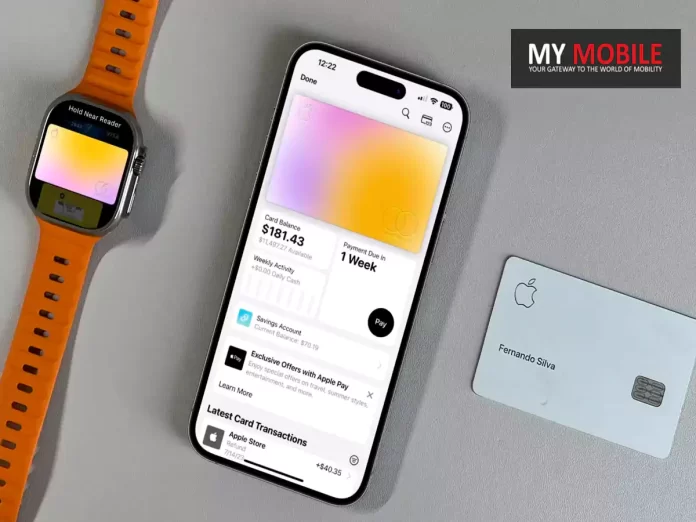
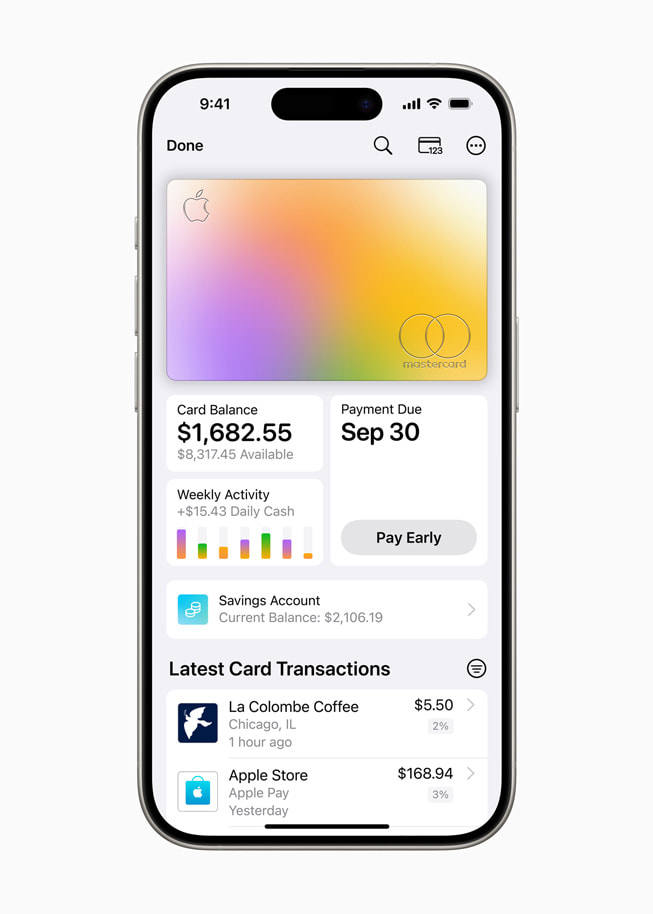
The credit card has seen its users collectively earn over $1 billion in Daily Cash rewards last year, a rather unprecedented feat in the world of banking
This incentive has not only encouraged more usage but is said to have also contributed to a healthier financial lifestyle among Apple Card holders.
Jennifer Bailey, Apple’s Vice President of Apple Pay and Apple Wallet said “we designed Apple Card with users’ financial health in mind, and it’s rewarding to see our more than 12 million customers using its features to make healthier financial decisions”.
“We’re proud of what we’ve been able to deliver to Apple Card customers in just five years.
As we look at the year ahead and beyond, we’re excited to continue to innovate and invest in Apple Card’s award-winning experience, and provide users with more tools and features that help them lead healthier financial lives,” added Bailey.
Innovative Savings and Financial Tools
Innovative Savings and Financial Tools
Alongside the Daily Cash benefits, Apple Card introduced a Savings account feature that quickly gained traction among its users.
With over $10 billion in deposits within a few months of its launch, the Savings account offers a high-yield Annual Percentage Yield (APY) of 4.50 percent.
This feature is particularly beneficial for nearly 600,000 users who are building credit equally with spouses, partners, or other trusted adults.
Furthermore, Apple saysthat the Path to Apple Card program has helped over 200,000 users gain access to credit by following personalized steps to improve their financial health.
Finally, for the third time running, Apple Card’s user-centric approach has been acknowledged as the Best Co-Branded Credit Card for Customer Satisfaction with No Annual Fee in the J.D. Power 2023 U.S. Credit Card Satisfaction Study.
Apple Card Users Reap Over $1 Billion in Daily Cash Rewards in Milestone Year
FAQs
What is the total Daily Cash rewards earned by Apple Card users in the last year?
In 2023, Apple Card users collectively earned over $1 billion in Daily Cash rewards, reflecting the card’s appeal and the financial benefits it offers to its customers.
How has the Savings account feature been received by Apple Card users?
The Savings account feature of the Apple Card, offering a high-yield APY of 4.50 percent, saw more than $10 billion in deposits shortly after its launch, showing strong customer adoption and satisfaction.
What are the benefits of the Apple Card Family sharing feature?
Apple Card Family allows sharing of credit benefits within a Family Sharing Group, aiding in credit building for nearly 600,000 users by equally contributing to their credit scores.
How does Apple Card support users’ financial health?
Apple Card offers tools like an interest estimator to aid users in understanding potential interest costs, and programs like Path to Apple Card which guide users in improving their financial health.
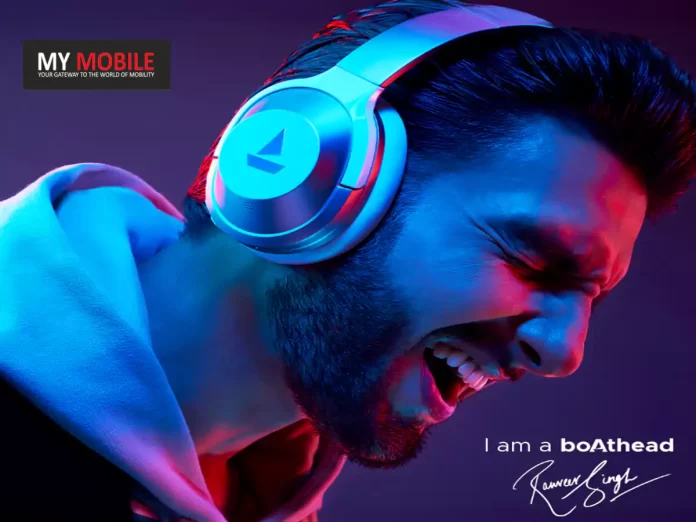
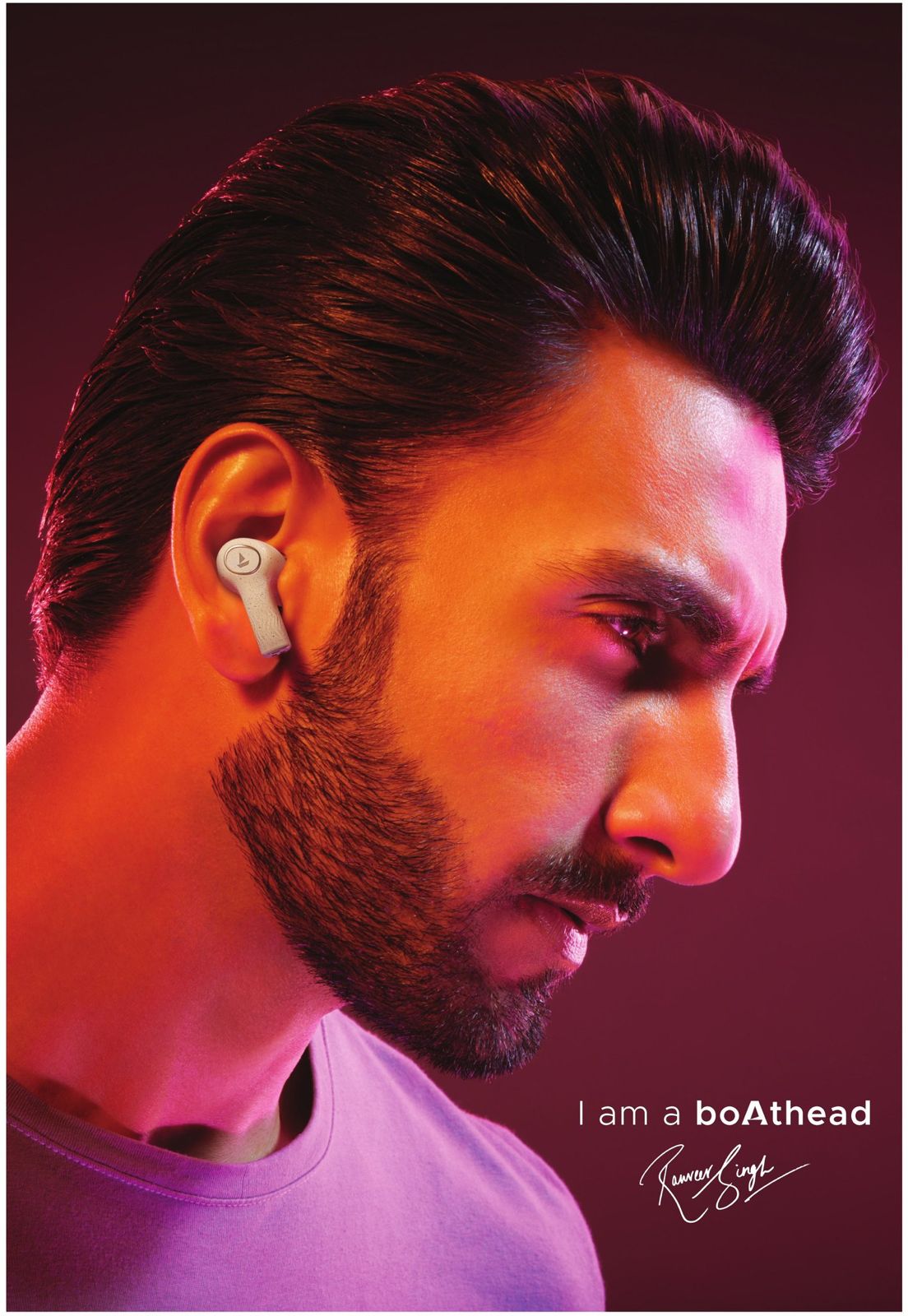
This collaboration goes beyond a typical celebrity endorsement, marking Singh’s entry as a significant stakeholder in the brand’s future.
Regarding the partnership, Ranveer Singh, said: boAt’s commitment to best-in-class sound and youth connect resonates deeply with me. Investing in their journey is more than just a financial decision; it’s about co-creating a revolution. Get ready for boAt to amplify the sound of India like never before!
Ranveer Singh x boAt
Ranveer Singh x boAt
The investment by Ranveer Singh in boAt is a strategic move,considering his appeal to Gen Z and millennials – the key demographic for boAt’s products.
His involvement is expected to bring in-depth insights into consumer preferences and trends in the audio segment.
Aman Gupta, Co-founder and CMO of boAt, commented on this partnership “Ranveer’s infectious energy and passion for music resonate perfectly with boAt’s core values. His investment and strategic involvement validate our mission to revolutionize the audio experience in India. Together, we’ll push boundaries, redefine sound, and create a community that thrives on passion and innovation.”
This collaboration is a step forward for boAt, reinforcing its commitment to innovation and its connection with the youth.
Singh’s role is not just limited to being an investor; he will be actively involved in the brand’s future strategies and campaigns.
This series is a part of boAt’s sub-brand that focuses on premium audio products, including TWS and headphones designed for an enhanced listening experience.
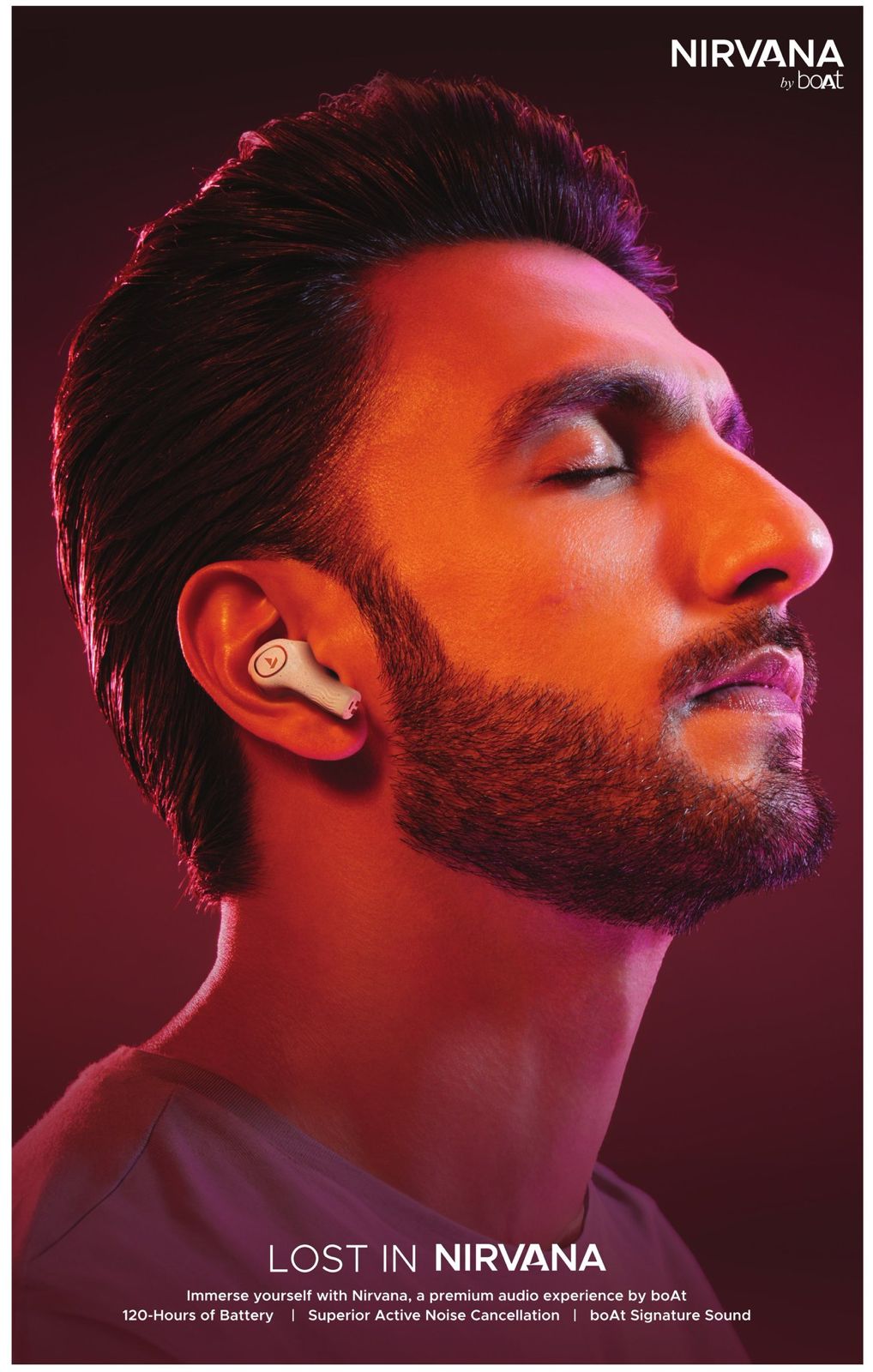
The campaign, created by Bangalore-based agency Talented, aims to showcase the features of the Nirvana range, such as long battery life, signature sound quality, and Active Noise Cancelling technology.
The campaign titled ‘Lost in Nirvana’ will feature Singh in a unique role, leading the audience through an engaging narrative to showcase the capabilities of boAt’s Nirvana range.
Ranveer Singh Invests in boAt, Spearheading New ‘Nirvana Series’ Campaign
FAQs
What does Ranveer Singh’s investment in boAt signify?
Ranveer Singh’s investment in boAt is more than a financial contribution; it represents a strategic partnership aimed at leveraging his influence to better connect with younger audiences and shape the brand’s future.
How will Ranveer Singh be involved in boAt’s brand strategies?
Apart from his investment, Ranveer Singh will play an active role in boAt’s brand strategies and campaigns, starting with the ‘Nirvana Series’ campaign to promote the brand’s premium audio products.
What is the focus of the ‘Nirvana Series’ campaign?
The ‘Nirvana Series’ campaign, featuring Ranveer Singh, will focus on showcasing boAt’s premium audio products, highlighting their advanced features like long battery life and superior sound quality.
What can consumers expect from boAt’s ‘Nirvana Series’?
Consumers can expect high-quality audio products from boAt’s ‘Nirvana Series,’ including TWS and headphones with enhanced features like Active Noise Cancelling technology.
boAt partners with Shoobhi Foundation to bring clean and safe drinking water to Delhi NCR communities. Details?
boAt, India’s leading consumer electronics brand, today announced a partnership with Shoobhi Foundation, a recognised NGO dedicated to social causes, to provide clean and safe drinking water to public and communities across Delhi NCR.
This initiative comes under boAt’s CSR umbrella, reflecting the brand’s commitment to giving back to the community and making a positive impact in the society.
Through this partnership, boAt will provide financial support to Shoobhi Foundation to enable them to provide clean and safe drinking water, readily accessible to the public.
In this endeavour, new age popular water brand, Wahter, will act as an expert & knowledge partner to illustrate the importance of hydration.
The company will also act as a distribution partner, providing clean & safe drinking water in bottles to communities via special carts and strollers.
Considering the environmental impact of discarded bottles, the brand has decided to use 100% recyclable bottles.
Wahter is backed by certifications from industry authorities and are proud bearers of FSSAI, ISO, and various other quality assurances that attest to their unwavering dedication to delivering the purest form of hydration.
Commenting on the partnership, Aman Gupta, Co-founder & CMO, boAt, said: “At boAt, we believe in the power of community and are committed to making a positive impact on the lives of those around us.
Access to clean drinking water is a fundamental human right, and we are proud to partner with Shoobhi Foundation to address this critical need in our own backyard.
Together, we aim to make a tangible difference in the lives of countless individuals by providing them with readily available clean and safe drinking water.”
Echoing the sentiment, Shoobhi Foundation, stated: “We are thrilled to collaborate with boAt on this impactful initiative.
Their dedication to social responsibility and commitment to community well-being perfectly aligns with our mission.
This partnership will enable us to significantly expand our reach and provide clean drinking water to a wider range of communities across Delhi NCR. We are confident that this collaboration will have a lasting positive impact on the lives of countless individuals.”
Amitt Nenwani Co-founder of Wahter, provides his perspective, “boAt is leading a movement to redefine corporate social responsibility through Shoobhi Foundation. We are excited to be part of this Wahter revolution.
This partnership transcends bottles; it’s about breaking barriers and making a bold statement that clean water is a right, not a privilege.”
The initiative signifies both boAt and Shoobhi Foundation’s unwavering commitment to social responsibility and their dedication to improving the lives of communities in need.
By providing access to clean and safe drinking water, this partnership aims to address a critical public health issue and promote the overall well-being of residents in Delhi NCR.
Threads records 28 million downloads, ranking 4th on iOS and 8th on Google Play.
Overtook established apps like Telegram, Snapchat, and X in monthly downloads.
Meta confirms Threads crossing 100 million users ahead of Q4 earnings call.
X sees a decline in downloads, ranking 36th across Apple and Google app stores.
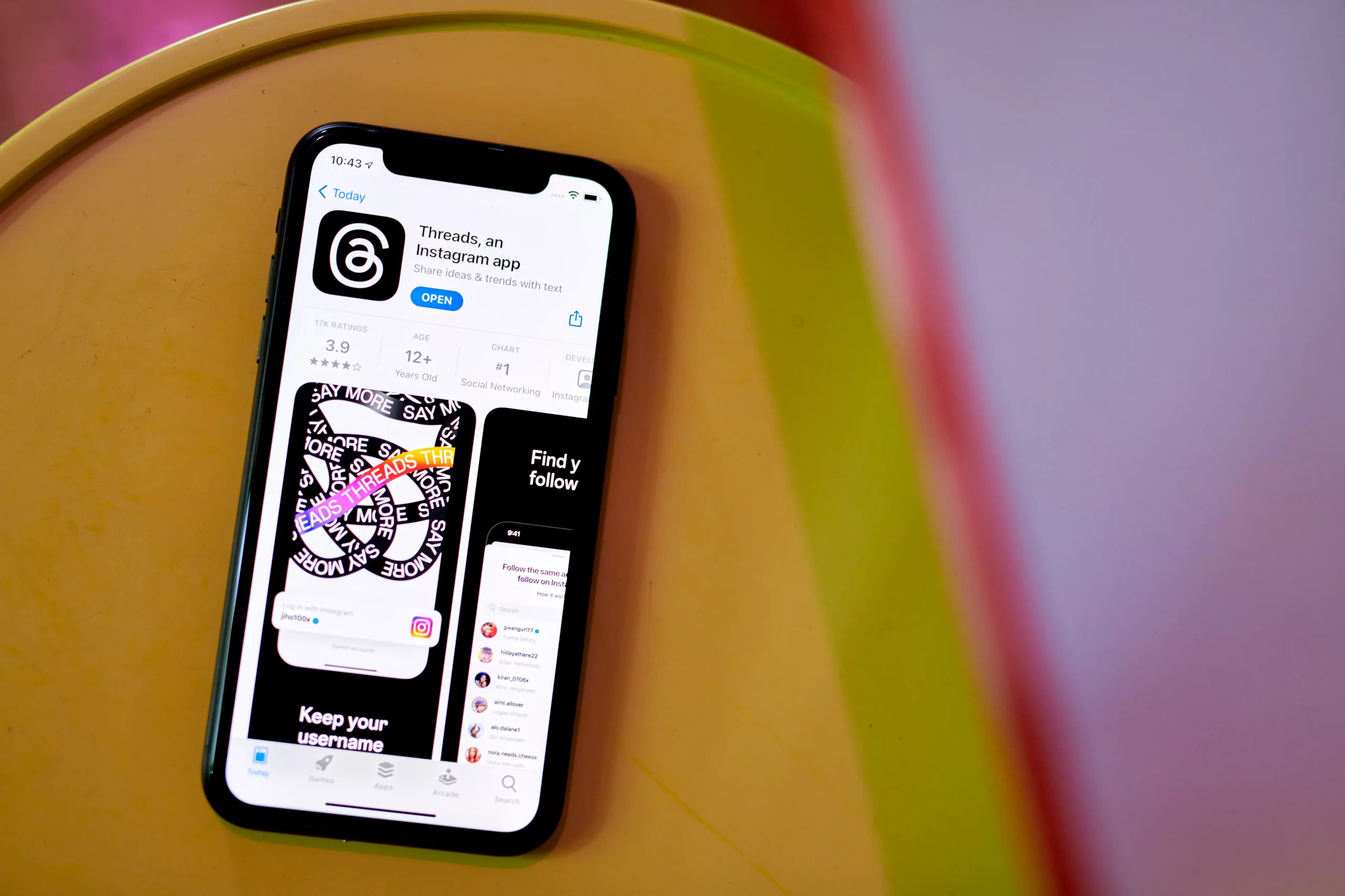
Threads, the X (formerly Twitter) competitor from Meta, has been experiencing a remarkable surge in popularity, as evidenced by the latest download figures.
Last month, Threads emerged as the fourth most downloaded app on iOS and the eighth on the Google Play store, signifying a significant shift in user preferences in the social media landscape.
Threads Downloads on the Rise
Threads Downloads on the Rise
According to data from Appfigures, Threads achieved an impressive 28 million downloads across both platforms last month, with 12 million on iOS and 16 million on Android.
Threads’ growing appeal is becoming quite evident as it outperformed well-established apps like Telegram, Snapchat, Spotify, and X/Twitter.
There is a reason for this suddent resurgence of Threads, which hadn’t featured in the top 10 most-downloaded apps list since August.
The app has started to incorporate enhanced sharing and discovery features and Instagram, the top-downloaded app in December, has been actively promoting Threads, further boosting its visibility and user base.
X in Freefall
Meta’s Threads App Surges in Popularity, Eclipsing X in Recent Download Stats
On the other hand, X is ranked 36th across the Apple and Google app stores in December, according to TechCrunch.
Despite its long-standing presence in the market, X managed only 3 million iOS downloads and 6 million on Google Play, indicating a shift in user interest.
This decline in X’s popularity is further supported by an Axios report, citing data from app analytics firm 42Matters, which noted a decrease in new user downloads between November 2022 and October 2023.
In contrast, Meta CEO Mark Zuckerberg recently revealed that Threads was on the verge of reaching 100 million users in October, and a Meta representative confirmed via email to PCMag that the app has now crossed that milestone.
The official user count will be announced during Meta’s Q4 earnings call on February 1st.
A report by Data.ai found that X secured the ninth spot among the top 10 apps with the most monthly active users in 2023, whereas Threads did not feature in this category.
Overall, Threads stood as the 10th most downloaded app in 2023, surpassing X but still trailing behind giants like TikTok, Instagram, and Facebook.
FAQs
What does the surge in Threads downloads indicate for Meta?
The increase in Threads downloads reflects Meta’s successful strategy in enhancing the app’s features and leveraging Instagram’s user base for promotion, signaling a shift in the social media landscape.
How does Threads’ popularity compare with other social media apps?
Threads has become the fourth most downloaded app on iOS and the eighth on Google Play, surpassing apps like X, suggesting a change in user preferences towards Meta’s offering.
What led to the decline in X’s popularity?
X’s fall in the app download rankings is attributed to a decrease in new user interest and competition from emerging apps like Threads, as reported by 42Matters.
Will Threads’ growth impact X’s active user base?
While Threads has shown impressive download figures, X still maintains a strong active user base, indicating that both platforms cater to different user segments in the social media market.
What are the new messaging settings introduced by Meta for teens?
Meta has implemented stricter messaging settings on Instagram and Facebook, preventing teens from receiving direct messages from people they don’t follow or aren’t connected to.
How will the new Meta settings affect teens using Instagram and Facebook?
The new settings will make it harder for teens to receive unwanted messages, enhancing their safety and privacy on these social platforms.
Is there an upcoming feature for teen safety on Meta’s platforms?
Yes, Meta is planning to launch a new feature that filters out inappropriate images in messages, aiming to protect teens from potentially harmful content.
How do the enhanced parental supervision tools work?
Parents will now have to approve any changes their teens make to default safety and privacy settings, ensuring a higher level of control and safety.
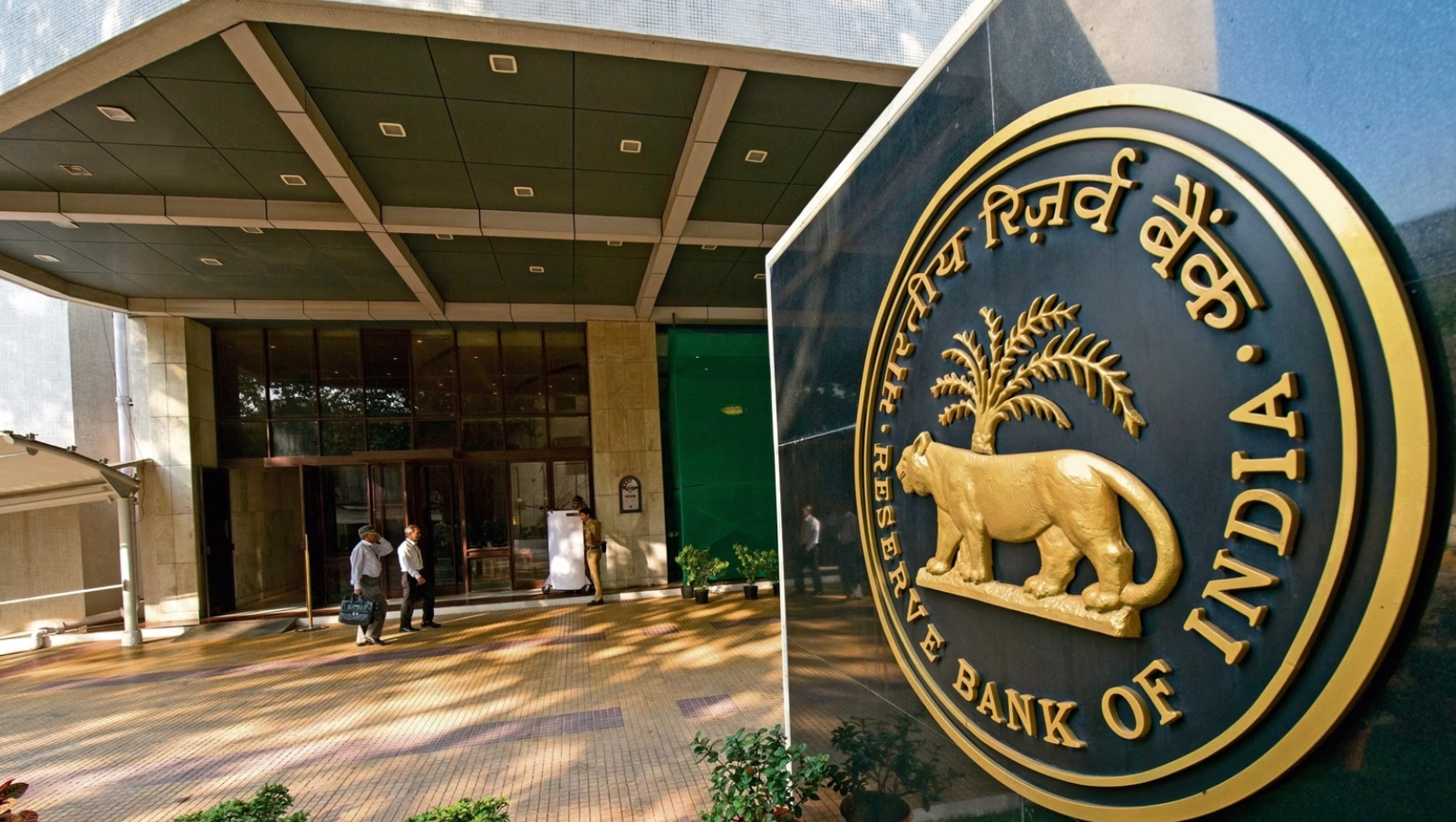
This development is part of an audit report citing “persistent non-compliances” by PPBL.
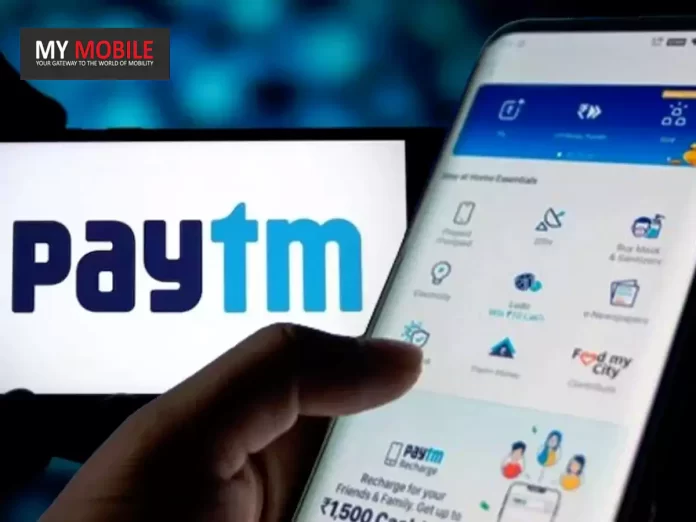
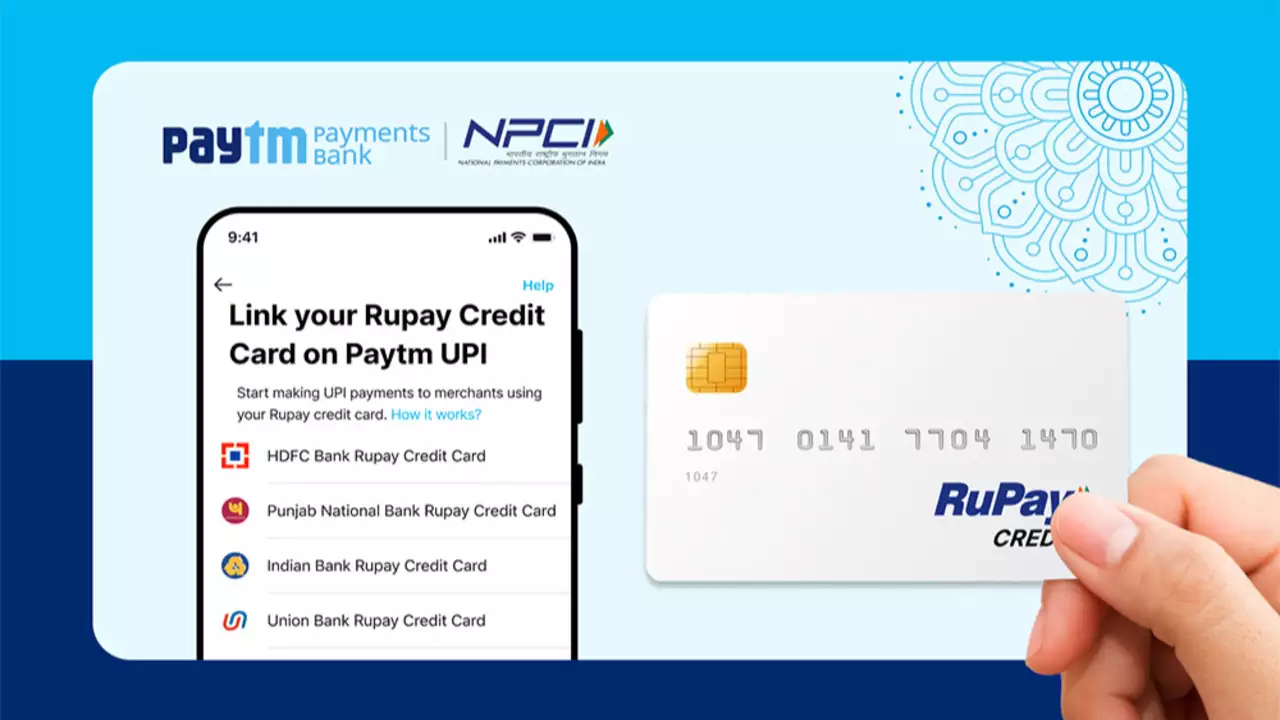
RBI has given PPBL a deadline of 29th February to cease all operations. Will Paytm Stop Working? The answer is both yes and no.
Gaurav Goel, Founder – Director, Fynocrat Technologies said, “As of February 29, the Reserve Bank of India (RBI) has taken measures against Paytm Payments Bank Limited (PPBL), restricting its ability to receive deposits or top-ups in customer accounts, including wallets and FASTags.
The central bank has highlighted ongoing non-compliance and supervisory concerns, prompting apprehensions about the operational integrity of Paytm Payments Bank.”
Here is what you need to know.
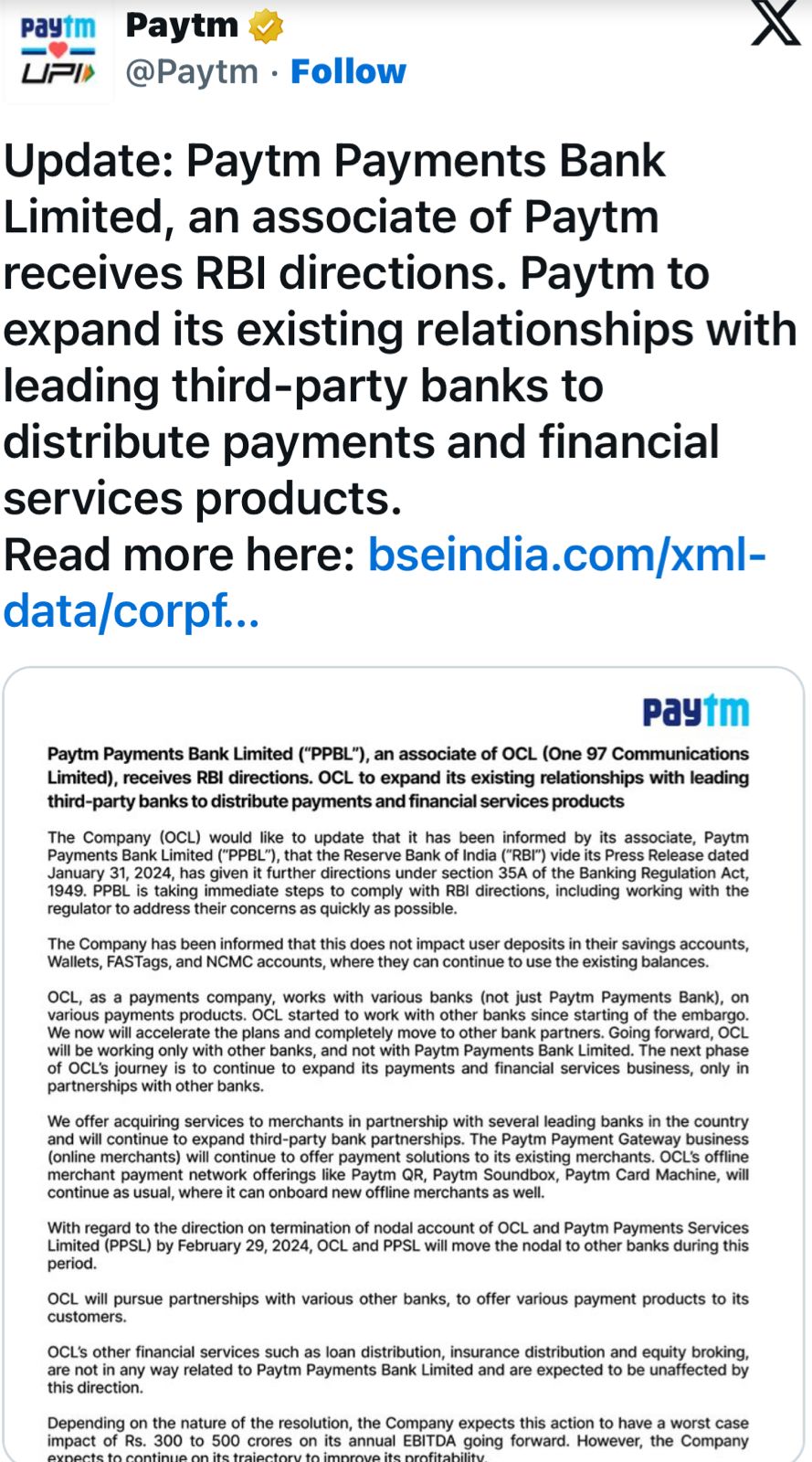
What Did RBI Say About Paytm?
What Did RBI Say About Paytm?
So is Paytm going to stop working from 29th February?
Not really.
RBI’s announcement details significant restrictions on Paytm Payments Bank’s operations which is a separate entity from Paytm itself.
These restrictions are said to include a prohibition on onboarding new customers and a halt on accepting fresh deposits.
Moreover, the bank is barred from conducting any debit or credit transactions through various instruments like wallets, FASTags, and NCMC cards.
The directive also includes a stipulation for PPBL to terminate all nodal accounts associated with One97 Communications Ltd and Paytm Payment Services Ltd.
Paytm’s Response to RBI’s Actions
Paytm’s Response to RBI’s Actions
In response to the RBI’s directive, PPBL said “PPBL is taking immediate steps to comply with RBI directions, including working with the RBI to address their concerns as quickly as possible.”
Furthermore, One97 Communications Limited (OCL), Paytm’s parent company, also announced a strategic shift in its operations. The company said in its press release “OCL, as a payments company, works with various banks (not just Paytm Payments Bank), on various payments products. OCL started to work with other banks since starting of the embargo.
We now will accelerate the plans and completely move to other bank partners. Going forward, OCL will be working only with other banks, and not with Paytm Payments Bank Limited. The next phase of OCL’s journey is to continue to expand its payments and financial services business, only in partnerships with other banks.”
Implications for Paytm Users
Implications for Paytm Users
How are Paytm users going to be affected by this?
Well from February 29 onwards, as mentioned, new user onboarding onPaytm Payments Bank will be halted and existing users will face limitations in using their Paytm wallets, Fastags, and Mobility Cards.
As a matter of fact, Paytm Fastag users are being told to purchase a new tag from other issuers and deactivate the existing one.
Apart from that National Common Mobility Cards (NCMC), which are typically used for transactions in metro systems, and wallets designated for specific purposes like food and fuel will also face the axe.
While users can continue to utilise the existing balance in these instruments, the directive restricts the infusion of new funds after February 29.
However, it’s important to note that Paytm’s existing payment solutions and offline services will remain operational, including their Payment Gateway business and offline merchant payment network.
Paytm UPI Users: The Way Forward?
Paytm UPI Users: The Way Forward?
The biggest question will undoubtedly be around UPI.
However, given that UPI is also powered by Paytm Payments Bank, there’s a degree of uncertainty about its functionality post-February 29.
In simpler terms, if your UPI ID is linked to a different bank like ICICI, HDFC, Axis, etc, you should not face any problem.
Only users with UPI linked to Paytm Payments Back will need to switch to another bank before the deadline.
Concerns Regarding Mutual Fund Investments Via Paytm
Concerns Regarding Mutual Fund Investments Via Paytm
For users who have invested in mutual funds via Paytm or have ongoing Systematic Investment Plans (SIPs), there is a concern about the potential impact of RBI’s restrictions.
It’s crucial to understand that mutual fund investments and SIPs,being part of OCL’s financial services, are not directly linked to Paytm Payments Bank.
Your investments are handled via a separate company calledPaytm Money, which is regulated by SEBI and not RBI.
As such, these services are expected to remain unaffected by the recent RBI action.
RBI restricts Paytm Payments Bank from onboarding new customers and accepting fresh deposits
FAQs
What are the RBI’s restrictions on Paytm Payments Bank?
The RBI has prohibited Paytm Payments Bank from onboarding new customers, accepting fresh deposits, and conducting debit or credit transactions through wallets, FASTags, and NCMC cards.
How will Paytm’s operations change in response to RBI’s directive?
Paytm’s parent company, One97 Communications, announced a strategic shift to work with various banks other than Paytm Payments Bank. This move aims to comply with RBI’s directives while continuing its payment and financial services.
What is the impact on Paytm Fastag and NCMC card users?
Users of Paytm Fastag are advised to purchase a new tag from other issuers as the existing tags will be deactivated. NCMC card users can use the existing balance but cannot infuse new funds after February 29.
Will Paytm UPI services be affected by the RBI’s restrictions?
The impact on Paytm UPI services is not entirely clear. UPI transactions linked to external bank accounts might still be operational, but those linked to Paytm Payments Bank might face disruptions.
Are mutual fund investments and SIPs via Paytm affected by these restrictions?
Mutual fund investments and SIPs via Paytm, managed by Paytm Money regulated by SEBI, are not expected to be affected by the RBI’s action on Paytm Payments Bank.
Xiaomi 14 Ultra achieves high scores on Geekbench 4.4, indicating powerful performance.
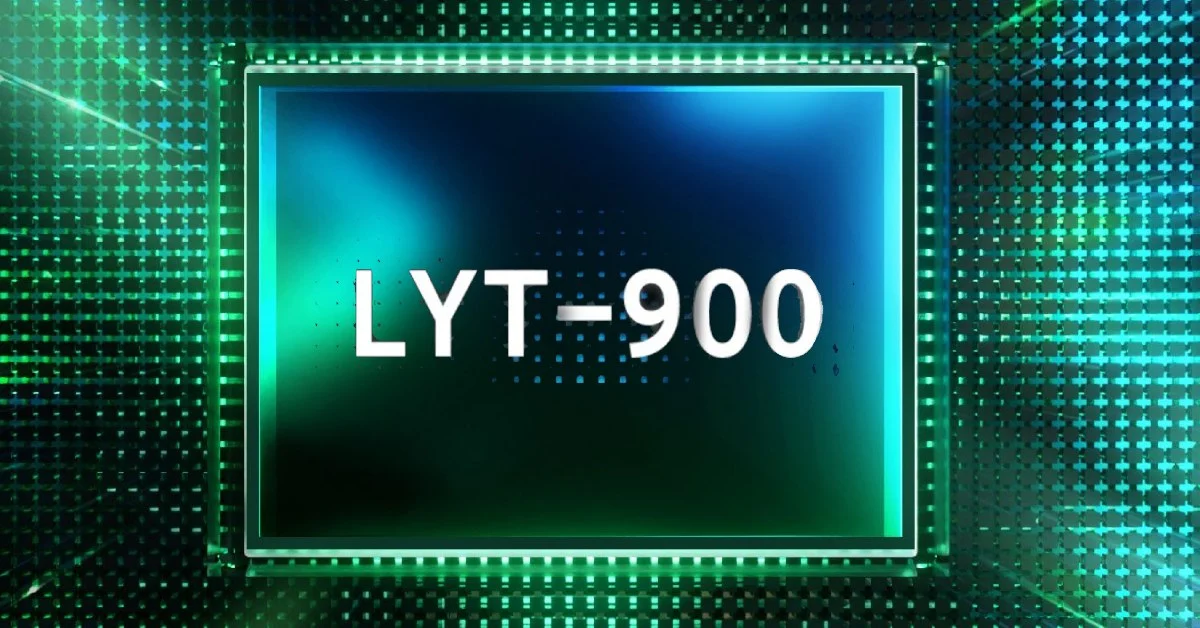
Rumored inclusion of the advanced Sony LYT-900 sensor for superior photography.
Anticipated unveiling at MWC 2024 with cutting-edge specifications.
Expected features include 2K OLED display, Snapdragon 8 Gen 3 processor, and 5,180mAh battery.
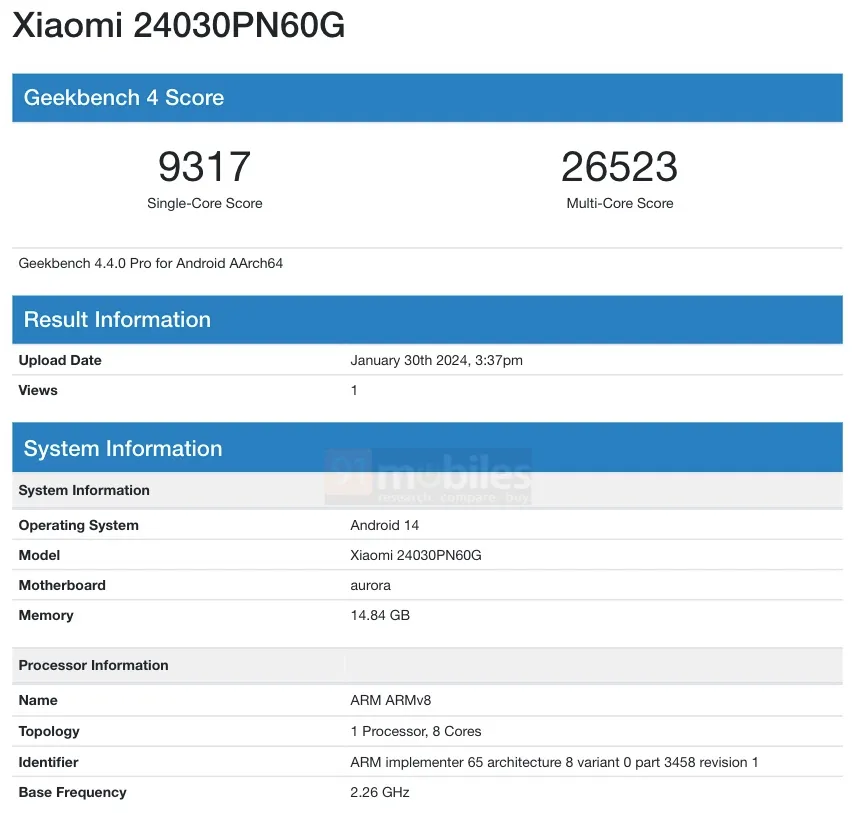
The rumoured Xiaomi 14 Ultrais generating considerable buzz in the tech world, especially after its recent appearance on the Geekbench benchmark database.
With a model number 24030PN60G, indicating its global variant status, the Xiaomi 14 Ultra has posted impressive scores, raising eyebrows and expectations alike.
Xiaomi 14 Ultra’s Inflated Geekbench Scores
Xiaomi 14 Ultra’s Inflated Geekbench Scores
The Xiaomi 14 Ultra garnered an extraordinary 9317 points in the single-core round and 26523 points in the multi-core round of the Geekbench test.
However, it’s crucial to note that these high scores were achieved using an older version of the benchmarking tool, Geekbench 4.4.
This context is important as it provides a more accurate comparison with other flagship devices.
For instance, as per MySmartPrice’s testing, the Samsung Galaxy S24+ Exynos variant scored 9,043 and 25,655 points in the same benchmark’s single-core and multi-core rounds, respectively.
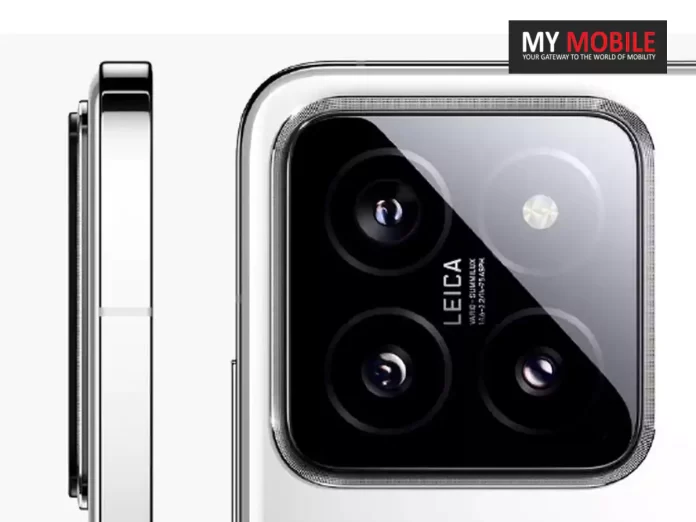
Another feature rumoured for the Xiaomi 14 Ultra is the Sony LYT-900 sensor.
This one-inch type sensor, a successor to the popular IMX989 sensor, represents a significant leap in mobile photography, or atleast that’s what Sony will have you believe.
Apart from that not much else is known about the camera hardware but you can bet that it will be top-of-the-line.
Xiaomi 14 Ultra at MWC 2024? Expected Specifications
Xiaomi 14 Ultra at MWC 2024? Expected Specifications
The Xiaomi 14 Ultra is tipped to be officially unveiled at MWC 2024, potentially in the last few days of February.
The anticipation for this device is high, given its rumoured specs, which include a curved OLED display with 2K resolution and 120Hz refresh rate, a Snapdragon 8 Gen 3 processor, up to 16GB of LPDDR5X RAM, and a maximum of 1TB UFS 4.0 storage.
The battery is expected to be 5,180mAh, supporting 90W wired and 50W wireless charging.
Additionally, the device is rumored to feature an ultrasonic in-display fingerprint scanner, two-way satellite communication, and run on Android 14-based HyperOS.
We will let you know about the specs and rumours as and when they come.
FAQs
What makes the Xiaomi 14 Ultra’s Geekbench scores noteworthy?
The Xiaomi 14 Ultra posted impressive scores on Geekbench 4.4, highlighting its potential to deliver exceptional performance, especially when compared with other flagship smartphones using the same benchmark version.
What is the significance of the Sony LYT-900 sensor in the Xiaomi 14 Ultra?
The rumored Sony LYT-900 sensor in the Xiaomi 14 Ultra is expected to be a game-changer in mobile photography, succeeding the popular IMX989 sensor and potentially elevating the device’s camera capabilities to new heights.
When is the Xiaomi 14 Ultra expected to be launched?
The Xiaomi 14 Ultra is rumored to make its debut at MWC 2024, possibly in the event’s final days in February, stirring considerable excitement among tech enthusiasts.
What are some of the anticipated specifications of the Xiaomi 14 Ultra?
Expected specifications for the Xiaomi 14 Ultra include a curved OLED display with 2K resolution, a Snapdragon 8 Gen 3 processor, up to 16GB of RAM, 1TB of storage, and a robust 5,180mAh battery with fast charging capabilities.
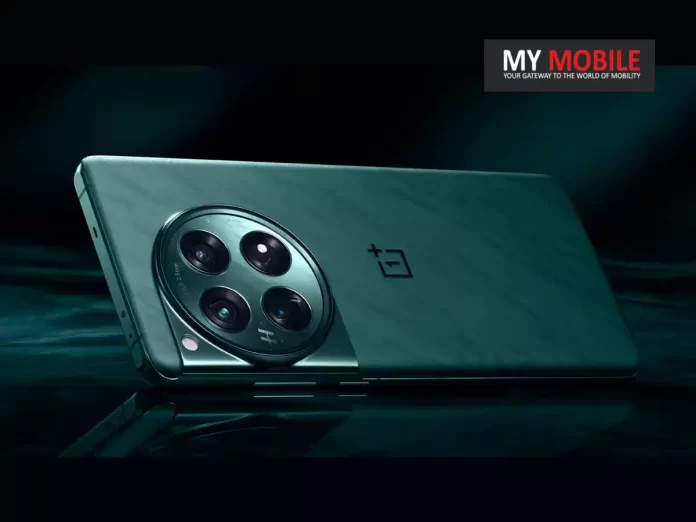
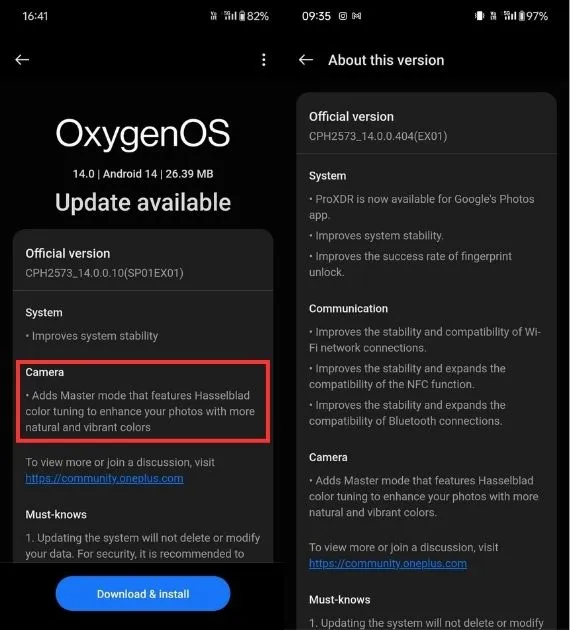
This update, Oxygen OS v14.0.0.404 (EX01),which is a hefty 6.48GB in size, marks a pivotal enhancement in the OnePlus 12’s camera functionality, a result of the collaboration with Hasselblad, a brand that is renowned for its excellence in professional photography.
Hasselblad Master Mode
Hasselblad Master Mode is a new feature
The Hasselblad Master Mode is a new feature, born from the collaboration between OnePlus and the Swedish camera maker, Hasselblad.
This mode is designed to significantly enhance thephotographic capabilities of the OnePlus 12, allowing users to capture images with more natural and vibrant colours, thanks to Hasselblad’s expert colour tuning.
How To Activate the Hasselblad Master Mode
How To Activate the Hasselblad Master Mode
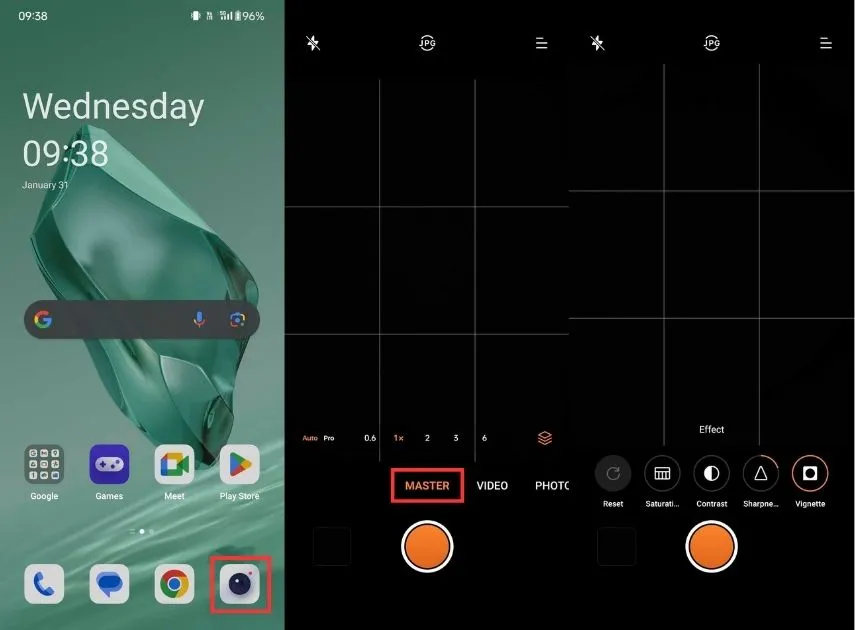
Accessing the Master Mode on the OnePlus 12 is straightforward:
Open the Camera app on your OnePlus 12.
Swipe right until you see the text “Master” on the screen, then tap on it.
Adjust the various parameters displayed on the screen, such as saturation, contrast, sharpness, and vignette, to suit your preferences before capturing an image.
In addition to these adjustments, Master Mode also offers the capability to shoot in RAW format, providing users more control over image editing.
Moreover, it allows for manual adjustments to camera settings, including ISO and aperture, empowering users with greater creative control over their photography.
Other Key Features of the OxygenOS Update
Other Key Features of the OxygenOS Update
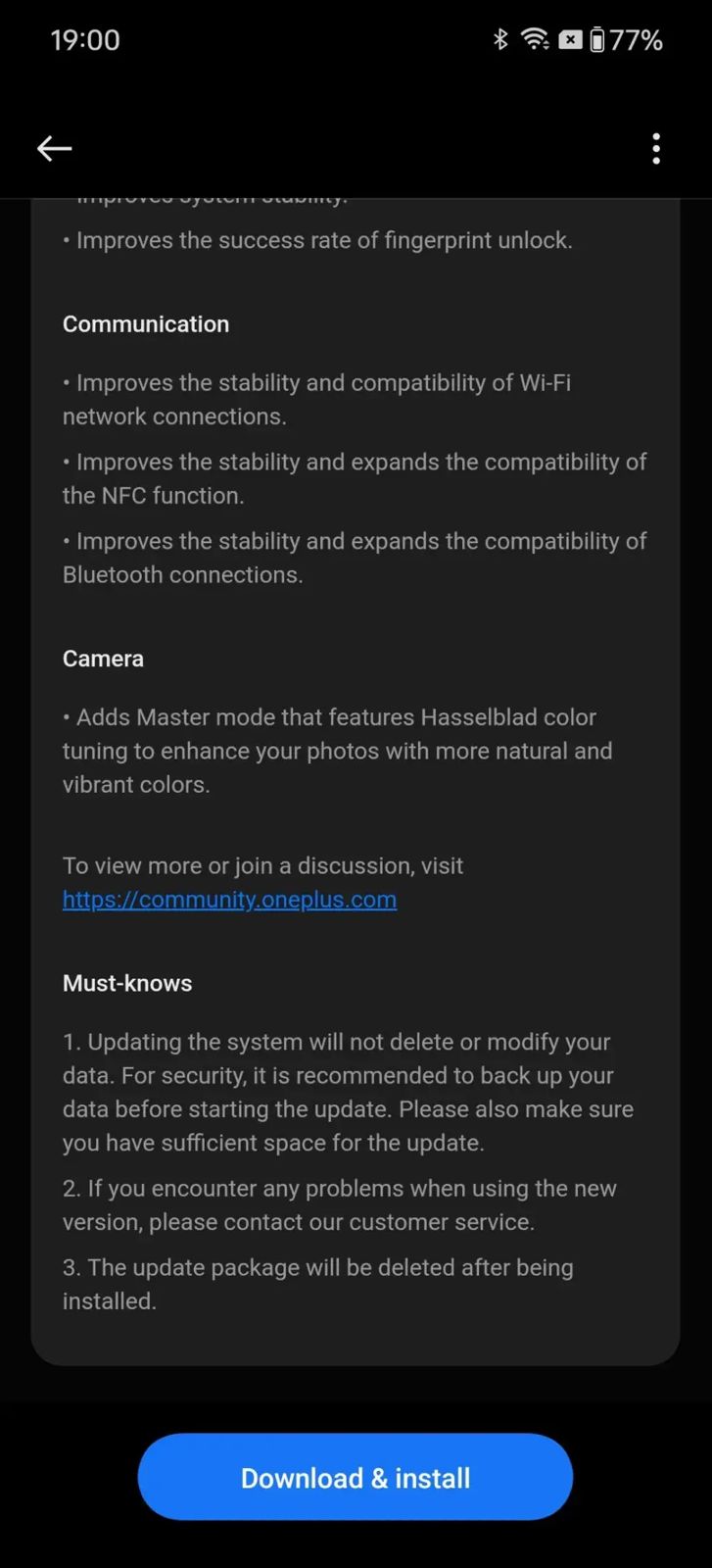
The Oxygen OS v14.0.0.404 (EX01) update brings more than just the Hasselblad Master Mode. It includes several improvements and enhancements to the OnePlus 12:
Google Photos App Integration with ProXDR: Enhances photo viewing and editing experience.
System Stability: Improves the overall stability of the operating system.
Fingerprint Unlock: Increases the success rate of the fingerprint unlocking feature.
Wi-Fi Connection Stability: Enhances the stability and compatibility of Wi-Fi network connections.
NFC and Bluetooth Compatibility: Improves stability and expands the compatibility of both NFC and Bluetooth connections.
OnePlus 12’s First OxygenOS Update Brings Hasselblad Master Mode and More
What is the Hasselblad Master Mode in the OnePlus 12 update?
The Hasselblad Master Mode, part of the latest OnePlus 12 update, is a collaboration with Hasselblad to enhance camera performance.
This mode offers more natural and vibrant colors in photos through expert colour tuning.
How can I activate the Hasselblad Master Mode on my OnePlus 12?
To activate the Master Mode, open the Camera app, swipe right to the “Master” option, and tap on it.
You can then adjust parameters like saturation, contrast, and sharpness for a customized photography experience.
What are the other significant features of the OnePlus 12 Oxygen OS update?
The update enhances the photo viewing experience with Google Photos App ProXDR, improves system stability, increases fingerprint unlock success, and boosts the stability of Wi-Fi, NFC, and Bluetooth connections.
Does the OnePlus 12’s new mode allow shooting in RAW format?
Yes, the Hasselblad Master Mode in the OnePlus 12 update allows users to capture images in RAW format, offering greater control over photo editing and manual camera settings adjustments.
How does OnePlus 12 give Long-lasting Fast and Smooth Experiences ?
The OnePlus 12 is designed to deliver an uncompromising performance.
At the heart of the OnePlus 12 is Qualcomm’s latest Snapdragon® 8 Gen 3 mobile platform, an ultra-intelligent chip promising top-tier performance and power efficiency with up to 30% improved CPU performance and a 25% enhancement in GPU performance.
Empowered by the proprietary Trinity Engine and equipped with up to 16GB of LPDDR5X RAM and 512GB of UFS 4.0 ROM, the OnePlus 12 can keep applications readily available in the background for 72 hours1.
In addition, OnePlus 12 is the first Snapdragon 8 Gen 3 device to be approved as Snapdragon Spaces™ Ready.
This will allow developers to bring their XR ideas to life and explore the full potential of head-worn AR.
The OnePlus 12 introduces an industry-leading Dual Cryo-velocity VC Cooling System, featuring a 3D capillary dissipation structure and a dual VC design with OnePlus’ largest-ever surface area covering 9,140 mm², revolutionizing the flow of the coolant to significantly reduce overheating.
Crafted using a unibody die-casting manufacturing process, the larger VC consistently absorbs heat from the smaller VC to accelerate the entire heat dissipation process, making the OnePlus 12 a versatile companion for activities such as marathon gaming sessions, pro-level video editing, and concurrent charging without risk of overheating.
With support for 100W SUPERVOOC Endurance Edition and a 5400mAh big battery, the OnePlus 12 reduces the time spent tethered to an outlet, allowing users to use the device more freely.
The OnePlus 12 takes only 26 minutes from 1% to 100% battery capacity courtesy of its 100W SUPERVOOC fast-charging function.
In North America, the OnePlus 12 charges with 80W SUPERVOOC Endurance Edition that can take only 30 minutes from 1% to 100% battery capacity.
The long-awaited 50W AIRVOOC wireless charging also makes its debut in the OnePlus 12, providing a reliable alternative for those who prefer a cable-free lifestyle.
Harnessing the power of a twin-battery design with each cell charging at an impressive 25W, the 50W AIRVOOC outpaces even some of the most advanced wired charging solutions while offering unmatched efficiency.
As a result, the OnePlus 12 has proven its capability to run Genshin Impact at maximum settings, achieving an impressive and consistent frame rate of 57.4FPS3 (Frames Per Second) during a rigorous 3-hour testing session.
Furthermore, its exceptional battery performance enables it to sustain 5.5 hours of continuous video shooting at 1080p resolution, operating at 30Hz.
In addition, the all-round flagship experience on the OnePlus 12 is boosted further by powerful and stable wireless signal performance.
The omnidirectional antenna design, with a total of 16 antennas, enables the OnePlus 12 to unleash the full potential of high-speed connectivity.
OnePlus 12 features Authentic Hasselblad Style Photography. Details?
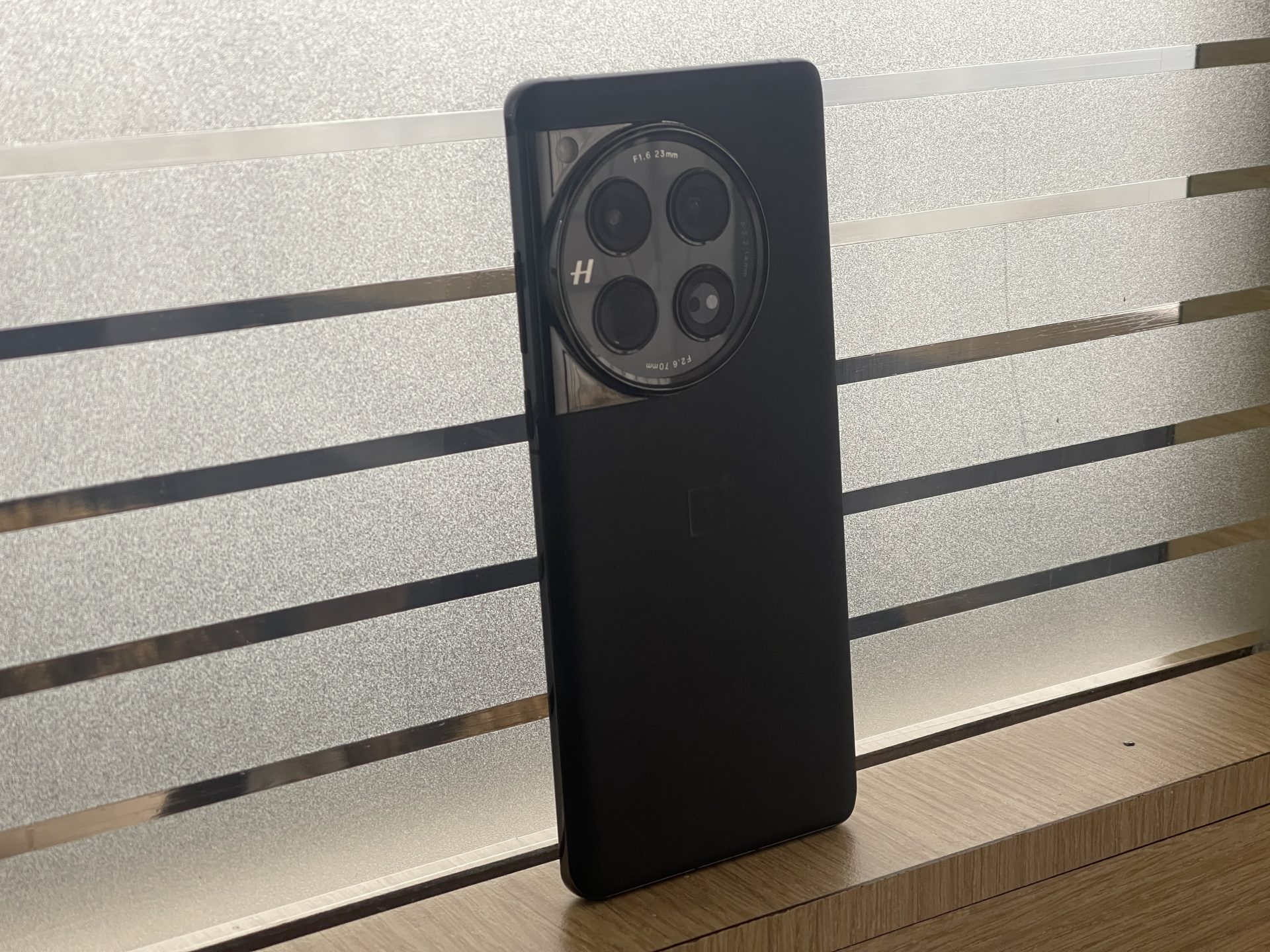
The OnePlus 12 stands out as a photography master with a professional-grade camera system featuring flagship hardware and advanced image processing algorithms developed in collaboration with Hasselblad.
The phone takes the flagship-level triple camera system of the OnePlus 11 and brings it to the next level with an industry-first 50MP Sony’s LYT-808 wide-angle camera.
Featuring a large ƒ/1.6 aperture and 1/1.4-inch sensor size, the camera offers a greater depth of field while compensating for the loss of light to deliver crystal-clear images with vibrant colors and intricate details even in low-light environments.
Red glare and artefact reduction are also supported to help capture even more true-to-life images.
As the first OnePlus single-screen flagship to feature a best-in-class OV64B 3x periscope telephoto camera with 6x in-sensor zoom, the OnePlus 12 offers a 3x to 120x photographic zoom range that gives users the flexibility to capture spontaneous moments and highly expressive portraits from afar.
This unrivalled periscope telephoto lens not only ensures high image quality but also perfectly replicates natural lights and shadows.
With its 114° field of view in an impressive 48MP resolution, the OnePlus 12’s ultra-wide camera is more than just the icing on the cake, instead empowering users to capture a broader perspective on life that still retains the finest details.
OnePlus’ latest RAW HDR algorithm further enhances the phone’s ability to control light by understanding visual landscapes and harmonizing the interplay between highlights and shadows.
By rendering optimal brightness, balanced exposure, authentic color saturation, and seamless vignette control, the OnePlus 12 makes it possible to capture DSLR-like images that mirror reality with impeccable resolution and even greater precision.
The newly upgraded Hasselblad Portrait Mode simulates the nuances of bokeh and flare effects of Hasselblad’s classic lenses from 1x to 3x, adding additional visual angles while imparting a natural depth of field to create transitions between subject and background that are seamless beyond belief.
Does OnePlus 12 have a Modern Elegant Design?
The OnePlus 12 is a masterpiece in design that pays tribute to a decade of OnePlus’s daring spiring and bold attitude.
Drawing inspiration from the intricate craftsmanship of luxury watches, the phone inherits the timeless modern elegance of the OnePlus 11 5G while adopting a hollow-curved design that mirrors the precision found in the delicate inner workings of a finely polished timepiece.
The OnePlus 12 is available in two colorways — Flowy Emerald and Silky Black. Inspired by the breathtaking spectacle of the braided Dart River in New Zealand, where emerald ribbons pulsate with vibrant energy, Flowy Emerald captures the essence of natural wonders and employs state-of-the-art AG technology and a precision etching process to bring a premium texture with exquisite dynamism to the phone’s glass back cover.
What’s the Price & Availability of OnePlus 12?
The OnePlus 12 will be launched in two exciting variants, the 12/256GB option which will be priced at INR 64,999 and the 16/512GB option which will be priced at INR 69,999 will go on sale at 12:00 PM on 30th January.
The pre-booking for the OnePlus 12 starts from 8:45 PM on 23rd January. Customers can get a free trial of Google One & YouTube Premium on OnePlus 12. Find more details on OnePlus.in.
Customers can avail an instant bank discount of INR 2,000 with ICICI credit card and OneCard.
Customers can avail a special exchange bonus of up to INR 10,000 while purchasing the OnePlus 12.
Customers can also buy the OnePlus 12 with OnePlus Easy Upgrades and get 35% assured value at the end of the 24 months.
A special pre-booking offer is available for INR 1,999, where customers can pre-order the OnePlus 12 from 23rd January and also avail no cost EMI for 12 months.
The first 1,000 customers who order the OnePlus 12 are entitled to exclusive OnePlus Merchandise.
OnePlus 12 and users can link to RCC and avail a special coupon discount of INR 3,000 discount while purchasing the OnePlus Pad.
Customers can also avail of 50% off on the Accidental Damage Protection Plan, available on OnePlus.in, OnePlus Store App and OnePlus Experience Stores.
How does OnePlus 12 give Cinematic Visual and Audio Experiences?
The OnePlus 12 harmonizes an ultra-bright display with cinema-like sound to bring users flagship audiovisual experiences like never before.
At the centre of this experience is a 2K 120Hz ProXDR display powered by BOE’s brand-new blue diamond pixel layout, which enables the OnePlus 12 to reach a peak brightness of 4,500 nits – the brightest-ever screen on a OnePlus smartphone – with the ability to deliver ultra-realistic, silky-smooth visuals for a premium viewing experience.
ProXDR further ensures that lossless images with high dynamic range and a rich color spectrum can be enjoyed in full detail on the phone’s stunning display.
This innovative display sets or matches 18 smartphone display performance records of DisplayMateA+. It also receives Intelligent Eye Care certification by TÜV Rheinland thanks to its ability to effectively reduce blue light emission and intelligent color temperature adjustment in response to changing ambient conditions.
Fitted with LTPO technology, the display can automatically switch between a refresh rate of 1Hz to 120Hz based on user preferences and specific usage scenarios while keeping power consumption comparatively low.
Dolby Vision is also supported to elevate the overall visual experience with ultra-vivid colors, crisp contrast, and intricate details.
For avid gamers seeking hyper-realistic and ultra-immersive mobile gaming experiences, the OnePlus 12 offers the perfect solution in the form of HyperRendering.
Built upon OnePlus’ in-house graphics algorithms and a dedicated Pixelworks X7 Independent Visual Processor, this groundbreaking visual quality enhancement technology empowers the OnePlus 12 to deliver super-resolution picture quality with remarkable efficiency, achieving 120Hz frame rate for all games through frame Interpolation technology2 while ensuring real-time HDR color calibration.
For enhanced touch accuracy, Aqua Touch can detect wet fingers and water droplets on the screen and compensate accordingly, significantly alleviating issues related to sweaty hands and mistouches during both intense gameplay and everyday use.
Complementing the high-quality visuals are immersive 3D sound spaces that add the finishing touch to the all-round entertainment experience.
When paired with the OnePlus Buds 3 or other OnePlus earbuds with spatial audio and in-app customization support, the OnePlus 12 delivers simultaneous playback of different audio content in multiple directions to create a flagship 3D Spatial Audio experience.
Thanks to the inclusion of dual stereo speakers with Dolby Atoms, dedicated spatial audio can even be enjoyed without earbuds, offering cinema-level audio quality with reduced acoustic resonance.
Samsung to start laptop manufacturing in Greater Noida facility.
Initial production capacity set at 60,000 to 70,000 units annually.
Investment of Rs 100-200 crore in the new laptop manufacturing venture.
Local manufacturing in response to India’s import reduction policies for electronics.
Samsung is set to embark on a new venture in India by commencing the production of laptops within the country.
This move aligns with India’s “Make in India” initiative, which encourages companies to manufacture their products locally.
Samsung, already a significant contributor to this initiative through its smartphone manufacturing, is now expanding its local production capabilities to include laptops.
Samsung to Expand its Noida Factory
Samsung to Expand its Noida Factory
The South Korean tech giant plans to initiate this new manufacturing process at its existing facility in Greater Noida, where it currently produces smartphones.
The facility will undergo an expansion to facilitate the production of laptops.
Initially, Samsung’s laptop production in India is expected to start at a modest scale, with an annual production capacity of around 60,000 to 70,000 units.
While these figures are relatively small compared to industry giants like HP, Dell, and Lenovo, they represent a strategic entry into the laptop manufacturing sector for Samsung in India.
Modest Investment by Samsung
Modest Investment by Samsung
Samsung’s investment in this new venture is estimated to be in the range of Rs 100-200 crore.
This investment is relatively modest when compared to the company’s substantial commitments in the smartphone and tablet sectors.
The reason behind this conservative approach is Samsung’s current position in the global laptop market, where it has a limited range of products compared to its dominant presence in the smartphone industry.
The decision to manufacture laptops locally comes in the wake of the Indian government’s recent policies which are part of a broader strategy to encourage international corporations to establish local manufacturing units in India.
Samsung to Soon Start Local Laptop Manufacturing in India
The Indian government’s push for local manufacturing has been further bolstered by the PLI 2.0 scheme, under which 32 global companies have applied.
This scheme is designed to incentivize the local production of electronic devices through various tax breaks and financial benefits.
Notably, Samsung was not among the companies listed under this scheme.
Recent reports suggest that the government might reconsider the import restrictions due to concerns raised by the IT Ministry about potential shortages of essential electronic devices.
The government is reportedlyexploring alternative strategies to promote local production without causing disruptions to the supply of critical electronic devices.
FAQs
What is Samsung’s new venture in India?
Samsung is expanding its manufacturing in India to include laptops, aligning with the “Make in India” initiative. This marks a significant diversification of their manufacturing portfolio in the country.
Where will Samsung manufacture laptops in India?
Samsung plans to manufacture laptops at its existing facility in Greater Noida, which is currently used for smartphone production. The facility will be expanded to accommodate the new laptop manufacturing line.
What is the expected production capacity for Samsung’s laptops in India?
Samsung is expected to have an annual production capacity of around 60,000 to 70,000 laptops in India, a modest scale compared to global laptop manufacturers like HP, Dell, and Lenovo.
Why is Samsung investing in laptop manufacturing in India?
Samsung’s decision to manufacture laptops in India is influenced by the government’s policies to reduce imports of electronic devices and encourage local manufacturing, coupled with the PLI 2.0 scheme benefits.
Samsung R&D Institute, Noida Signs MoU with IIT Kanpur; Students & Faculty to Conduct Joint Research with Samsung on Visual, Health, AI and Other Emerging Technologies. Details?
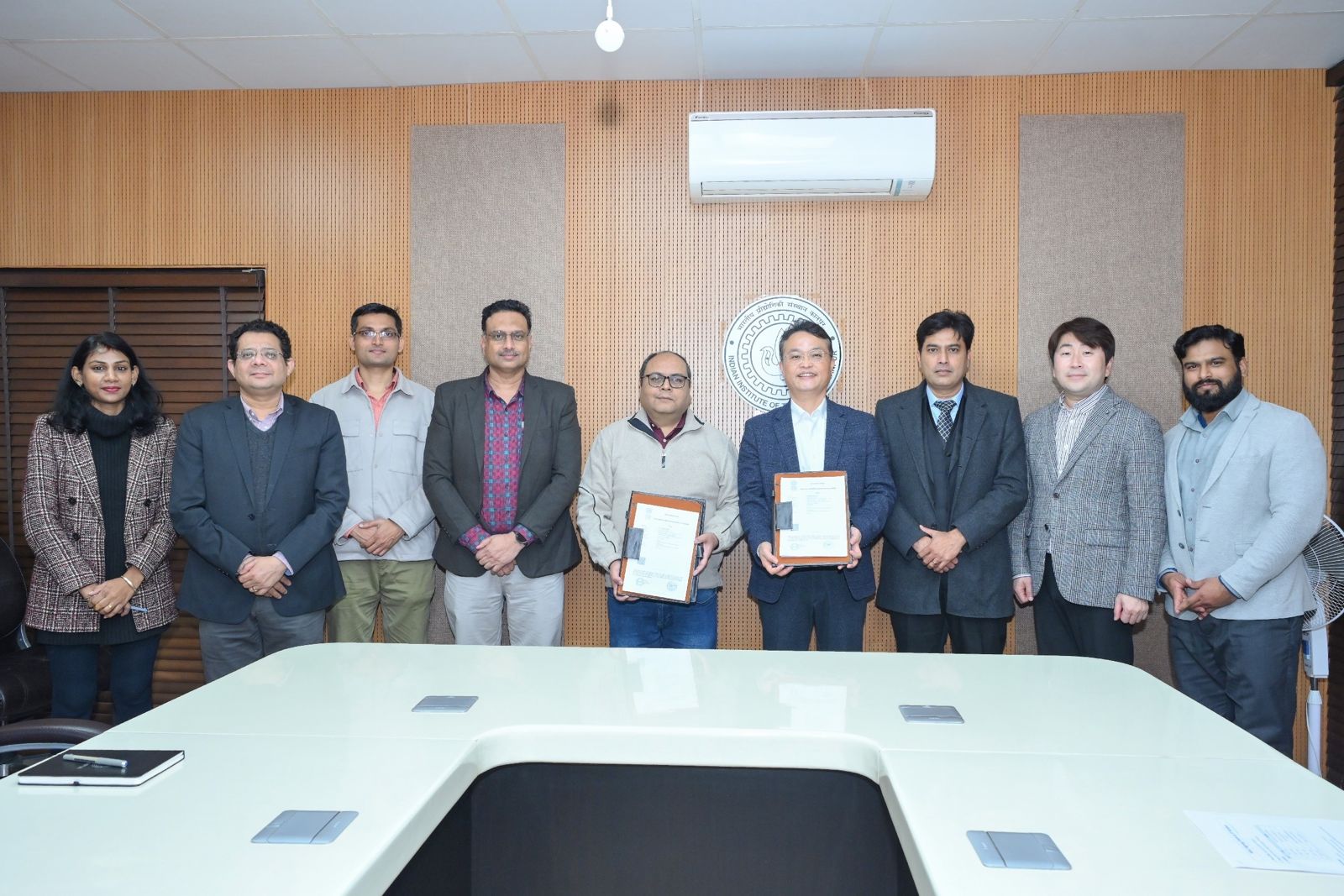
Samsung R&D Institute, Noida (SRI-Noida) has signed a Memorandum of Understanding (MoU) with The Indian Institute of Technology Kanpur (IITK) for a period of five years to focus on key growth areas that will include joint research projects by IIT Kanpur students, faculty and Samsung engineers, helping students become industry-ready.
These research projects will span areas such as health, visual, framework and B2B security, and cutting-edge technology areas such as Generative AI and Cloud.
Apart from research projects, the MoU seeks to provide opportunities for upskilling Samsung engineers in key technology areas such as AI, Cloud and other emerging technologies.
The MoU was signed by Mr. Kyungyun Roo, Managing Director, SRI-Noida, Prof. Tarun Gupta, Dean, Research and Development, IIT Kanpur and in the presence of Prof. S. Ganesh, Director, IIT Kanpur; Prof. Sandeep Verma, Department of Chemistry, IIT Kanpur; Prof. Tushar Sandhan, Department of Electrical Engineering, IIT Kanpur; and other senior delegates from Samsung.
We are excited to begin this collaborative journey with IIT Kanpur. This collaboration reflects our dedication towards merging academic excellence with industrial innovation, thereby making students industry-ready.
We look forward to a dynamic exchange of ideas, knowledge and talent, which will certainly play a crucial role in the success of groundbreaking projects and contribute to the growth of both Samsung and IIT Kanpur,” said Mr. Kyungyun Roo, Managing Director, SRI-Noida.
“By combining the academic excellence of IIT Kanpur with the industry expertise of Samsung India, we aim to create a dynamic environment for cutting-edge projects and provide invaluable opportunities for our students and researchers.
This MoU complements IIT Kanpur’s relentless efforts in bridging the gap between academia and industry, while creating a connection between theoretical knowledge and practical industry solutions,” said Prof. S. Ganesh, Director, IIT Kanpur.
“The MoU reflects our commitment to providing our students and researchers with opportunities that go beyond academics, contributing significantly to technological advancements and growth of the academic landscape of our institute,” said Prof. Tarun Gupta, Dean, Research and Development, IIT Kanpur.
As part of the joint research projects, students and faculty of IIT Kanpur will work on real-world industry challenges, aligning themselves with actual market needs. They will also work on Digital India related solutions, along with Samsung engineers.
Students and faculty of IIT Kanpur will also be encouraged to publish joint research papers with Samsung engineers.
Under the upskilling opportunities for Samsung engineers, IIT Kanpur will conduct specialized training programs in various domains, providing them with access to the institute’s renowned expertise, culminating in degree programs, certifications and specialized courses tailored to enhance the skill and knowledge of Samsung engineers.
Samsung to Make Galaxy AI Available Across 100 Million Galaxy Devices this Year: TM Roh. Details?
Samsung’s flagship smartphones have done really well in India, where the premium segment is witnessing double-digit growth. Galaxy S23 series sales in India was 1.4 times compared to Galaxy S22 series, thanks to S23’s powerful performance and epic camera capabilities.
“This year, we have changed the industry paradigm by integrating the power of AI with Galaxy S24 series. Mobile phones were created to bring people together, and we use them in so many parts of our lives.
We believe mobiles will become the primary access point for AI technology as people already use their smartphones for just about everything, making it the perfect vessel. With Galaxy S24 series, we strongly believe in revolutionizing user experience through Galaxy AI. Samsung is the leader in the mobile industry with over 1 billion Galaxy customers.
By using customer insights accumulated over decades, years of innovation to optimize AI for mobiles and open collaboration with industry leaders, we have come up with Galaxy AI, which will become the ‘global standard for mobile AI.”
Galaxy S24 series takes a Hybrid approach to optimizing the AI user experience whether on-device or in the cloud, to provide a meaningful user experience with tangible benefits.
With Galaxy S24, our first AI phone, we have opened a new era of AI phones and Galaxy AI enables users to break communication barriers, enhance their productivity, and unleash creativity like never before.
Our R&D centres in Noida and Bengaluru have played a major role in the development of Galaxy AI. From commercialization of language AI and optimization of AI for mobile to framework development, both Noida and Bengaluru centres made a great contributions.
This helped us provide customers with practical and useful AI experiences.
Including Galaxy S24 series, we’re committed to bringing Galaxy AI to approximately 100 million Galaxy mobile devices worldwide this year.
This will also amplify mobile AI usage and bring benefits to Galaxy customers that cannot be found anywhere else.
Starting from the S24 series, we will provide seven-generations of Android OS upgrades and seven years of security updates, ensuring customers enjoy a long-lasting and secure premium experience.
Galaxy S24 series also continues our efforts to reduce our carbon footprint. For the first time, Galaxy S24 features components made with recycled cobalt and rare earth elements.
BOULT achieves 100% YoY growth, doubling revenue in FY 23-24.
Planned launch of new TWS and entry into new product categories in 2024.
Focus on sustainability with reduced plastic use and e-waste recycling.
Expansion into international markets and extensive service centers in Tier 2 and 3 cities.
BOULT, known for its innovative approach and commitment to quality, has made significant strides in 2023, positioning itself for an even more promising 2024.
We had the opportunity to interview Varun Gupta, Co-Founder of BOULT to get insights into BOULT’s journey, reflecting on the company’s achievements in the past year, and his vision for the future, especially in terms of new technologies, sustainability initiatives, market expansion, and customer service strategies.
Can you reflect on BOULT’s key achievements in 2023 and how they shape your expectations for 2024?
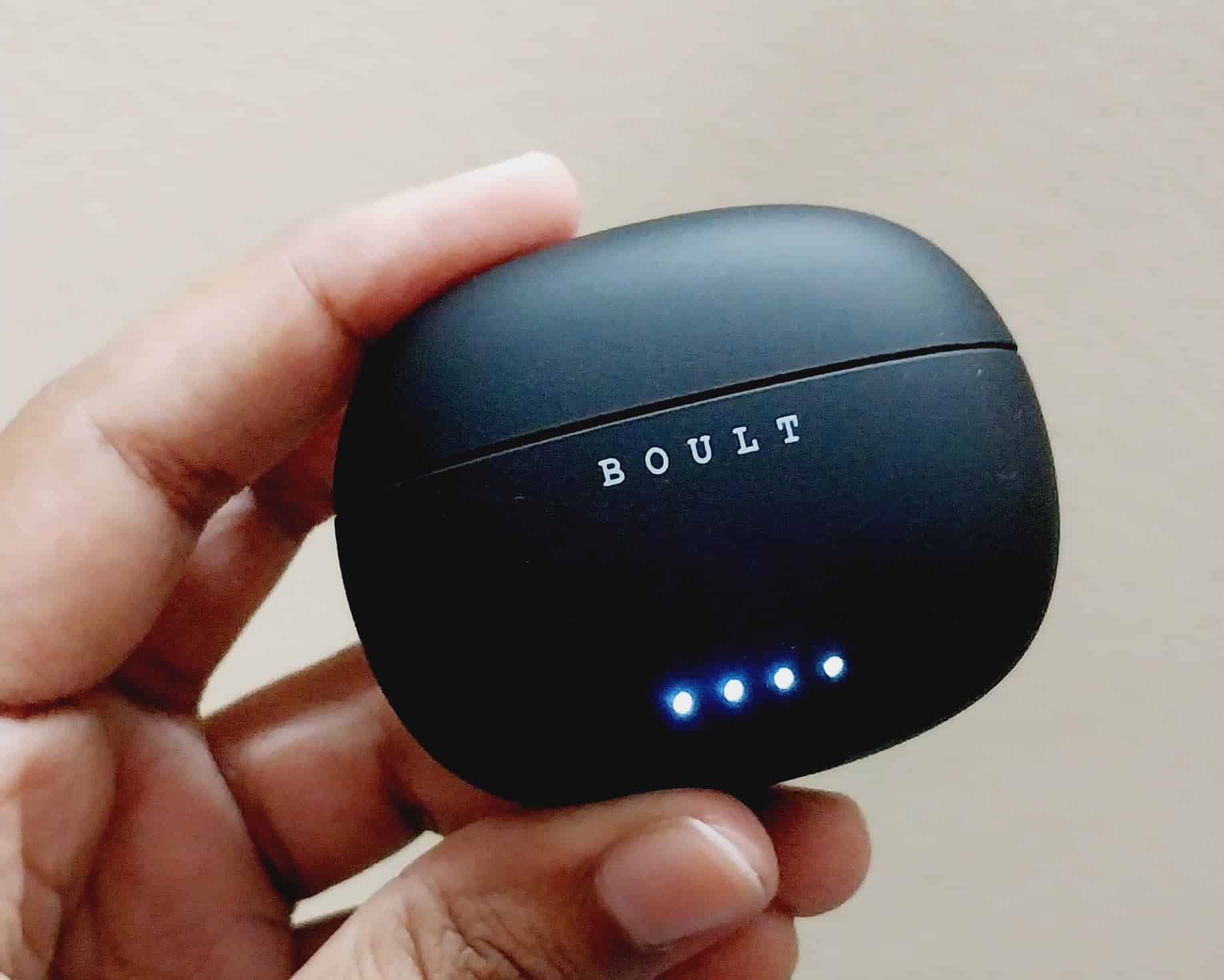
Boult W20 TWS Earbuds
2023, was a year of growth for BOULT. We consolidated on our position in the TWS categorymaintaining our fortitude as the second largest brand in the segment in terms of market share and we were able to build on our newest category of smartwatches and maintain a steady growth in it.
Another key achievement for us was the announcement of our offline expansion which is certainly going to increase our prominence in the market as a D2C player as we continue on our plan to open 2500+ stores across 13 states in the country.
BOULT has maintained a phenomenal growth trajectory of 100% YoY for the past four years, doubling its revenue in FY 23-24 to over 1,000 crores, compared to approximately 500 crores in FY 22-23.
For 2024, I believe we are on the right track, we are going to go high on innovation this CY and are surely looking forward to building on our omni channel offerings.
We are also aiming at achieving substantial financial milestones and continue on our 100 percent growth in the coming years as well, indicating a robust financial performance.
We also soon be available for offline sales in all states as well as a few international markets.
What innovative technologies or products is BOULT planning to introduce in 2024?
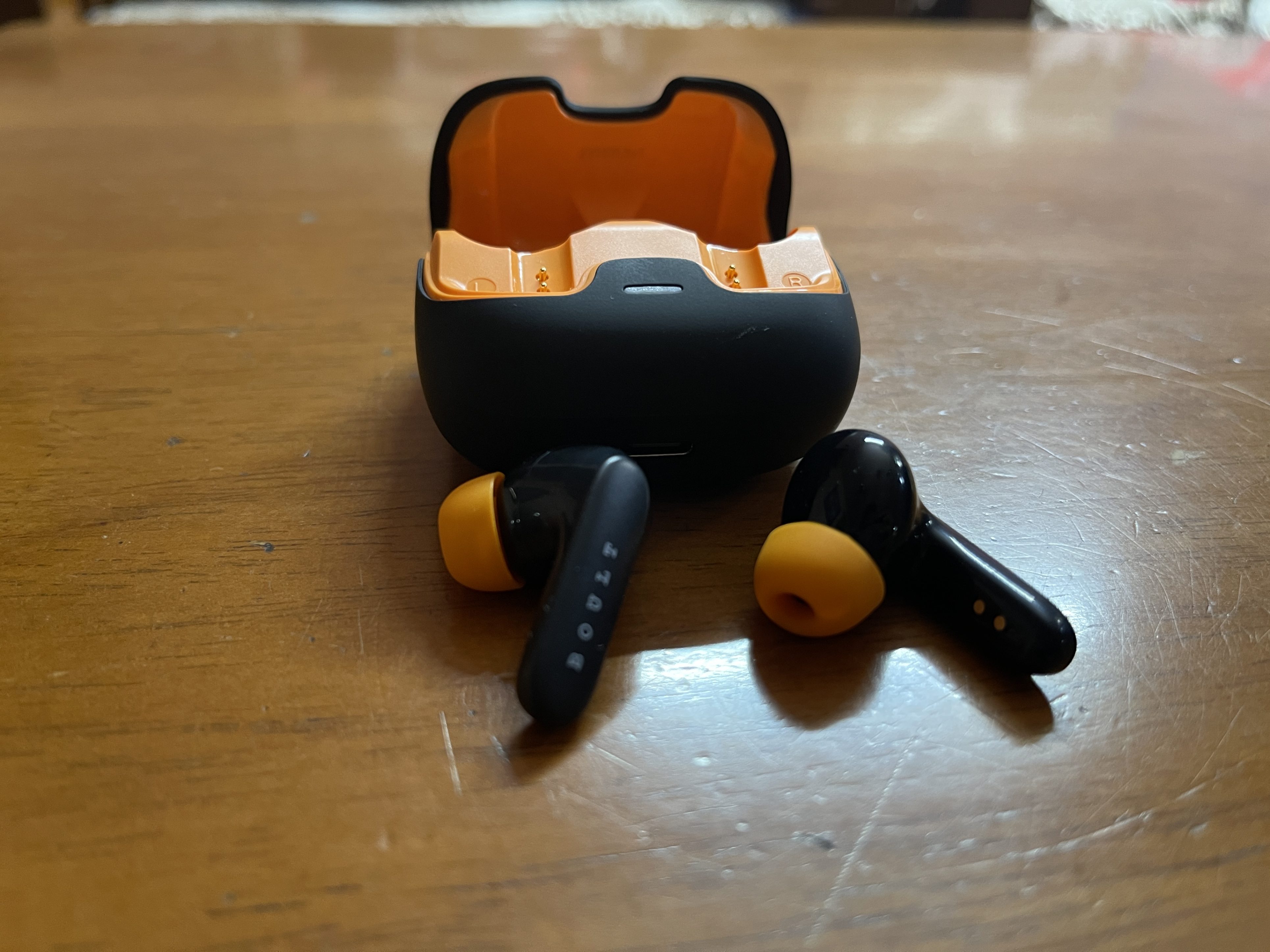
Boult Z40 Pro TWS Earbuds
2024 is going to see a host of new products from our team.
Further, we intend to also diversify our products further into a new category within the first quarter of the year itself.
Last but not the least a big ticket collaboration with an auto major is also planned in Q1 of 2024 to launch a limited edition product.
In terms of new technology that is going to be at play our new pair of TWS are going to feature a Cordic Accelerate Engine – Sonic Core Dynamics/ Binary Beat that ensures low power consumption, accurate and superior noise cancellation, intelligent voice recognition and sharpness in sound.
Apart from this we will also be introducing Prism Voice PLC – an AI enabled system that helps in reducing conversation lags and enhances the gaming experience on the TWS device.
Finally, the device shall also boast of Dual Core Digital Signal Processors (DSP), helping in simultaneous audio processing, extended battery life, swift and synchronous audio transfer and adaptive equalization mode.
How is BOULT incorporating sustainability and social responsibility into its business strategies and product designs?
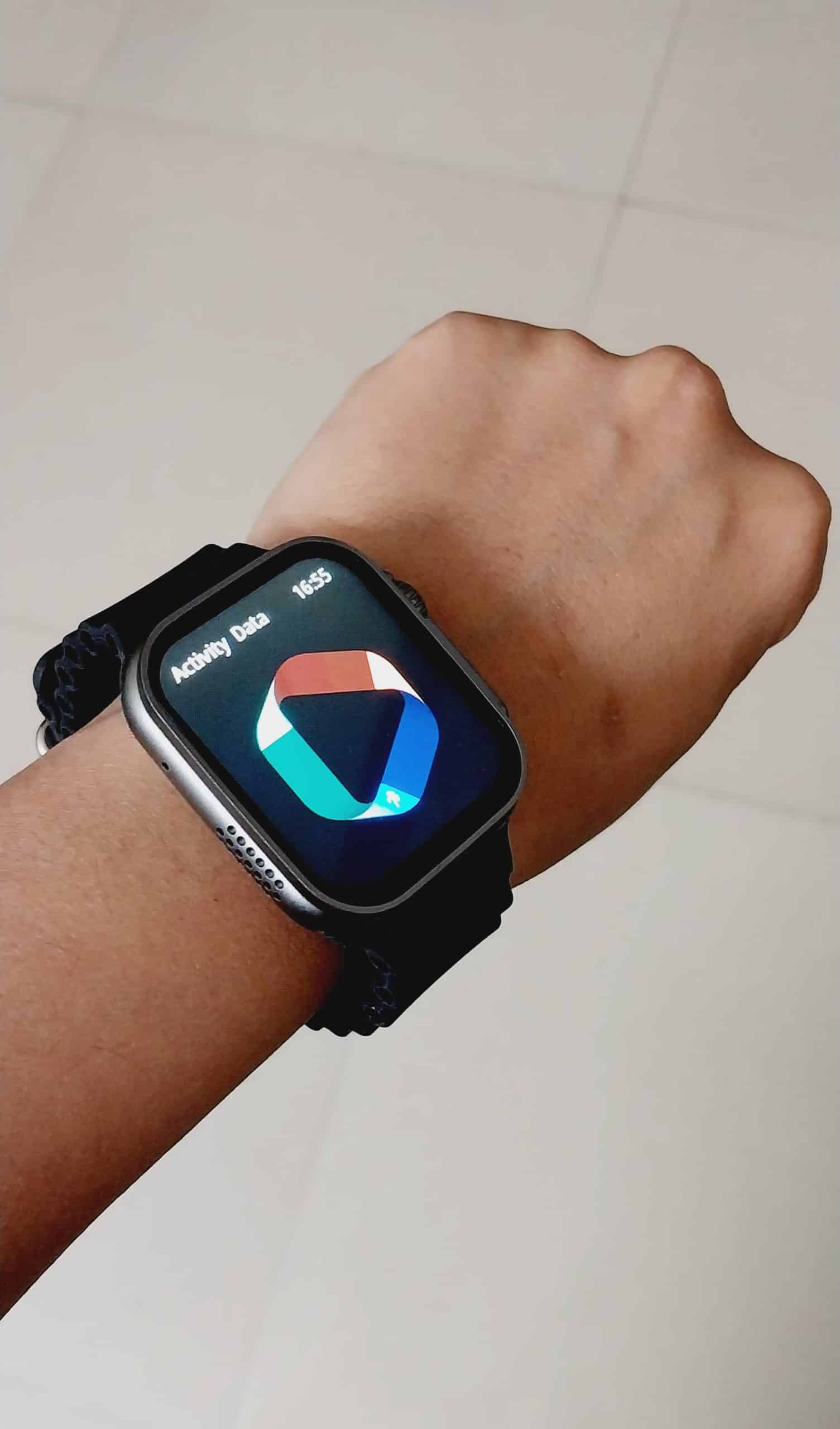
Boult Crown R Smartwatch
At BOULT,sustainability is one of the core ethos of our business and we take a comprehensive approach to sustainability and environmental concerns.
We have taken steps to reduce their environmental impact by focusing on material selection, energy efficiency, packaging, recycling, and research and development.
By ensuring durability and longevity, they aim to reduce the disposable nature of electronics and promote a more sustainable consumption pattern.
Additionally, the chipsets used in our devices are designed to minimize energy consumption and reduce the environmental footprint during usage. E-waste Recycling: Recognizing the importance of responsible e-waste management,
We have also partnered with leading and authorized e-waste recyclers.
This collaboration enables customers to dispose of theire-waste products properly after their end-of-life, promoting the recycling and conservation of valuable materials and reducing environmental impact.
Through these activities, BOULT demonstrates its commitment to social responsibility, sustainability, and making a positive difference in society.
What challenges and opportunities do you foresee for BOULT in the year ahead?
Especially when it comes to the number of devices that are being launched each year.
For us, the major opportunity lies in the space of offering added value at the same price, expanding to a new category and building on our retail expansion strategy.
Further, having already expanded into the US and the UK, our goal this year is to also look at the Indian subcontinent as a major opportunity with Nepal being our first major country in this line.
Considering the expansion of BOULT’s service centers to include more Tier 2 and Tier 3 cities, what strategies are in place to cater to the unique demands of these markets?
We have 162 operational service centers across Tier 2 and Tier 3 cities at the moment and as I stated earlier we are opening dedicated BOULT outlets across India and this is going to majorly aid the customers who are skeptical about online buying in these markets.
Furthermore, we are also opening IVR lines for customer assistance and soon we will also have an AI Chatbot in place soon.
With the upcoming budget announcement, what are your anticipations for the tech sector, and how might this influence BOULT’s strategies?
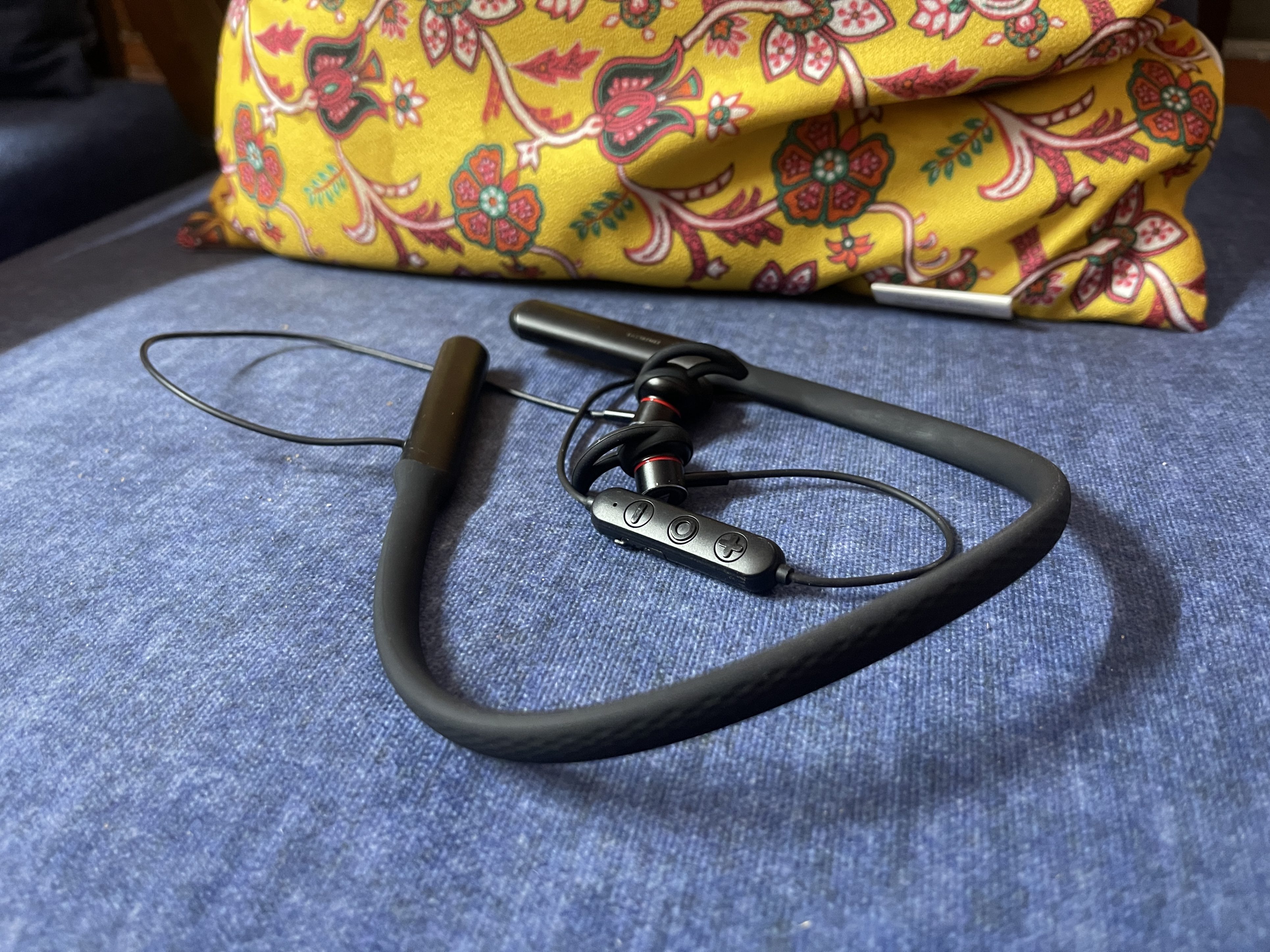
BOULT W40 TWS Earbuds: Minimal Powerhouse
India’s tech landscape is primed for monumental growth, and with the upcoming budget, we’re surely heading towards a breakthrough.
We anticipate some crucial policy reforms, such as the reduction of GST rates on electronics, which will not only fuel the industry’s fire but also make tech more accessible to the masses.
Tax incentives for angel investors can catalyze a surge in innovation, while extended tax rebates for startups like us are crucial for nurturing early-stage entrepreneurship.
As one of the fastest-growing wearable brands in India, we have seen an increasing market share capitalisation by the Indian players in the wearable tech segment which has helped in democratizing the technology to even the smallest markets in India.
I am hopeful that this will not go unnoticed and in sync with the government’s “Make in India” plans,we will see reforms being announced that cater to Production Linked Incentives (PLI) as the current scheme only incentivises firms to finish the products in the country and is largely limited to smartphones and allied components.
We certainly feel that even if some of these policy announcements are made it can have the potential to transform India into a global tech destination, creating a roadmap for new ideas and investments.
We’re looking forward to a budget that recognizes and empowers technological forwardness.
With the increased focus on AI and IoT in consumer electronics, how is BOULT integrating these technologies into its product line?
Everyone is experimenting at their level with AI integrations in the devices.
So far we have seen AI has helped a lot in personalisation of devices for a select segment of consumers.
For instance, we have concentrated on AI-powered lag-free comms – Prism Voice PLC and Cordic Accelerate Engine – Sonic Core Dynamics/ Binary Beat for low power consumption, accurate and superior noise cancellation, intelligent voice recognition, and sharpness in sound in our upcoming TWS devices.
Also, based on the consumer need for multiple-device connectivity we have also included multiple-device connectivity as a key feature.
Furthermore, we already have the BoultFit App which works on similar principles.
FAQs
What were BOULT’s key achievements in 2023?
In 2023, BOULT solidified its position in the TWS market and saw significant growth in smartwatches. The brand also announced plans for substantial offline expansion, contributing to its steady growth trajectory.
What new products and technologies is BOULT introducing in 2024?
BOULT is set to launch a new TWS as part of the Z40 Series and is entering new product categories. Technologies like Cordic Accelerate Engine and Prism Voice PLC will be featured in upcoming products for enhanced performance.
How is BOULT incorporating sustainability into its business?
BOULT is focused on sustainability by eliminating plastic packaging, using recyclable materials, and partnering with e-waste recyclers. This approach aligns with their commitment to environmental responsibility.
What challenges and opportunities does BOULT foresee in 2024?
The main challenge for BOULT is the competitive nature of the market. Opportunities lie in offering added value, expanding into new categories, and building on retail expansion, especially in the Indian subcontinent.
How will the upcoming budget affect BOULT and the tech sector?
BOULT anticipates policy reforms such as reduced GST rates on electronics and tax incentives for startups, which could significantly impact the tech sector’s growth and the brand’s strategic direction.
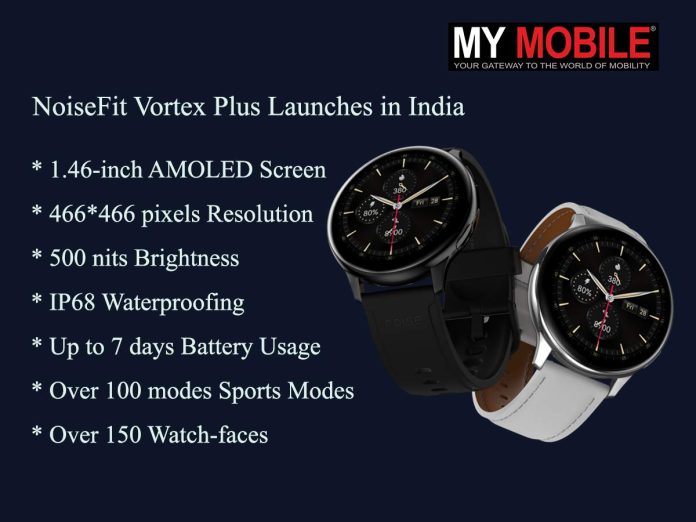
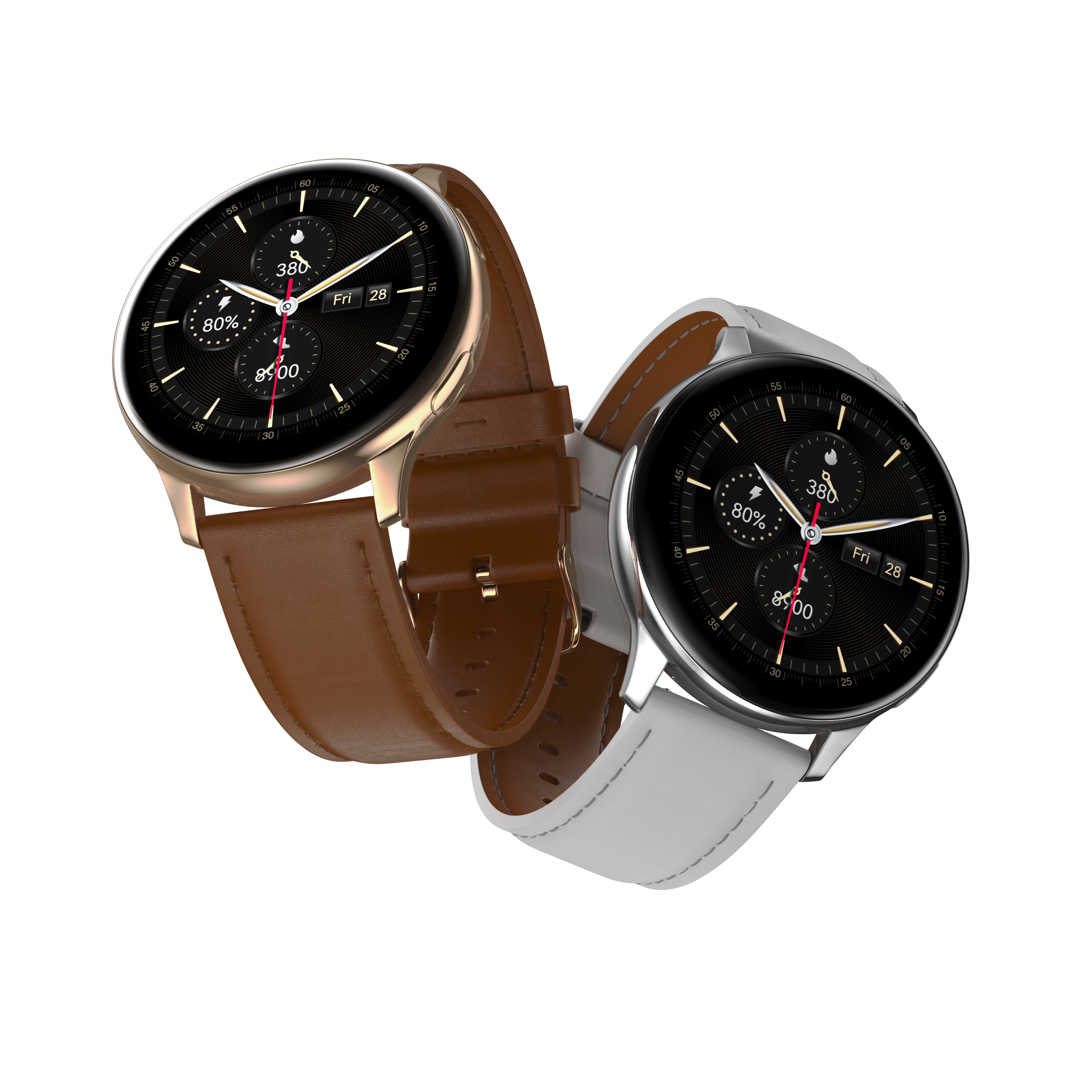
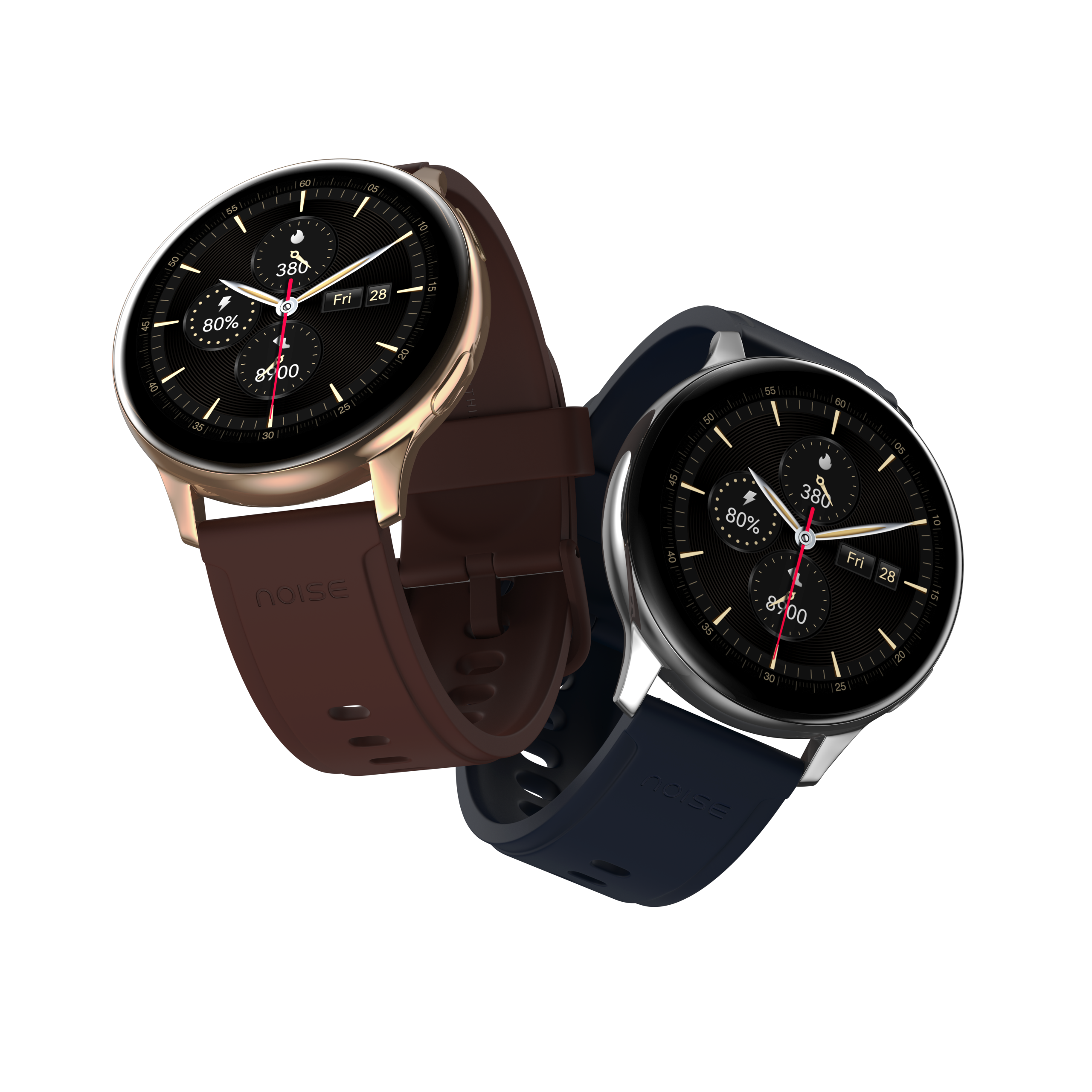
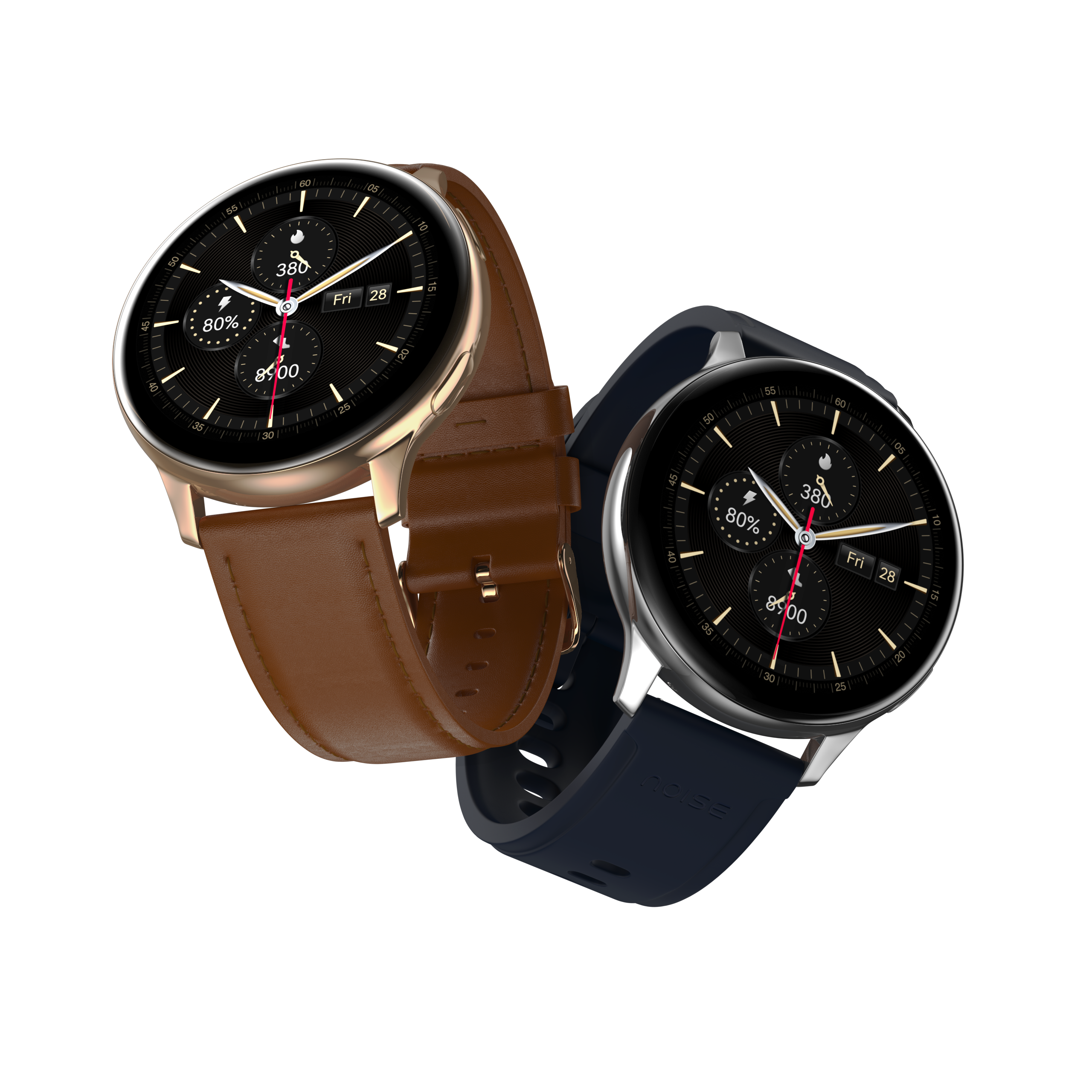
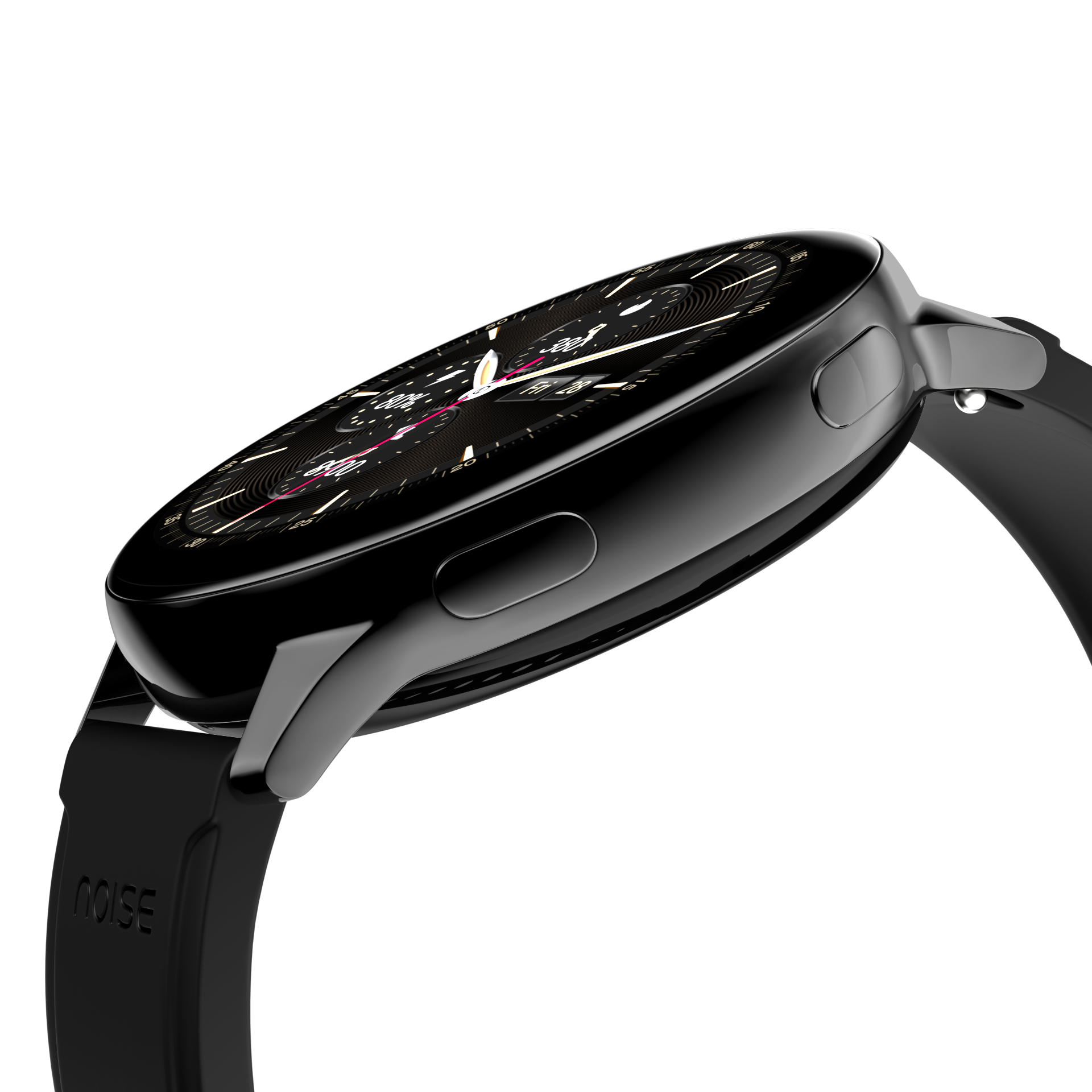
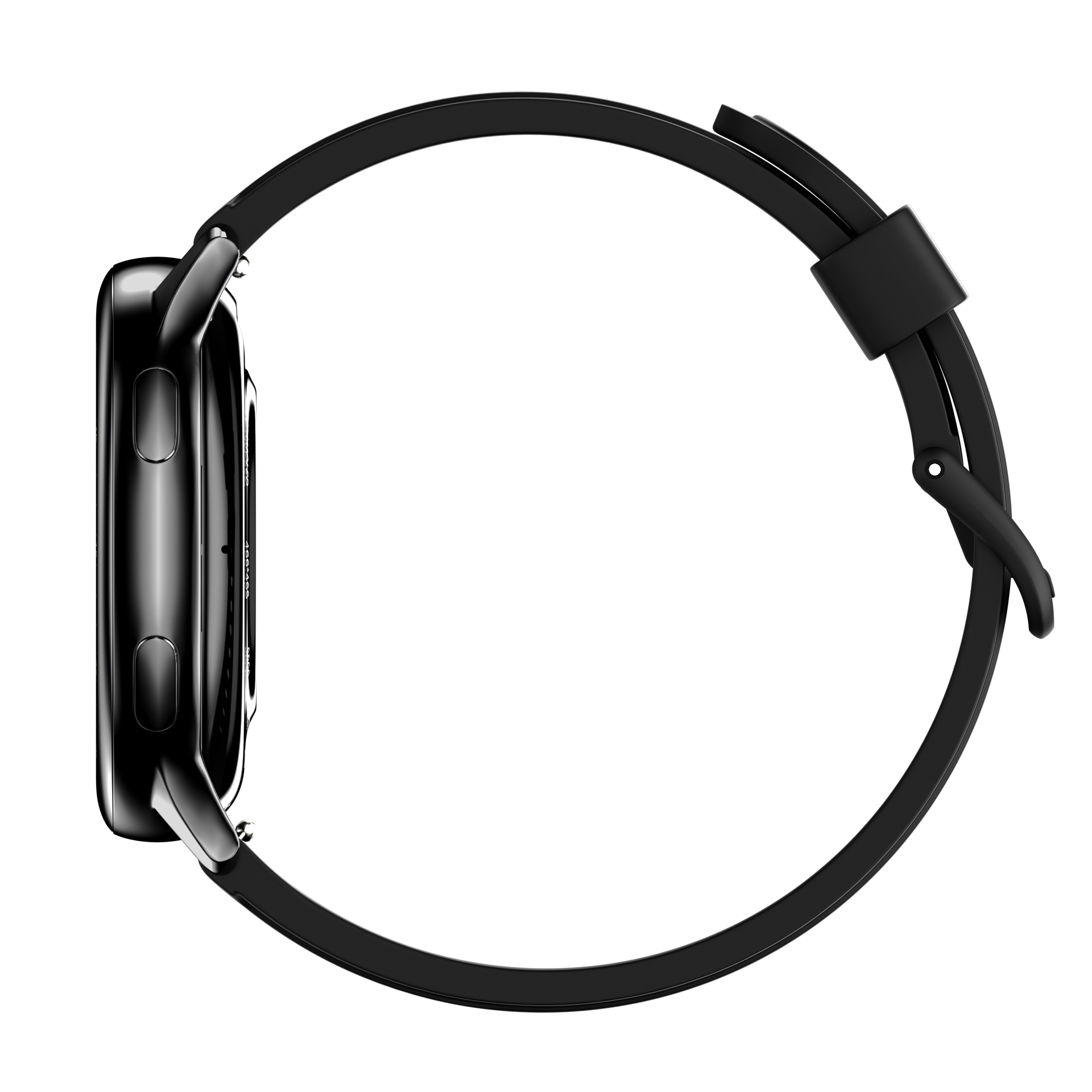
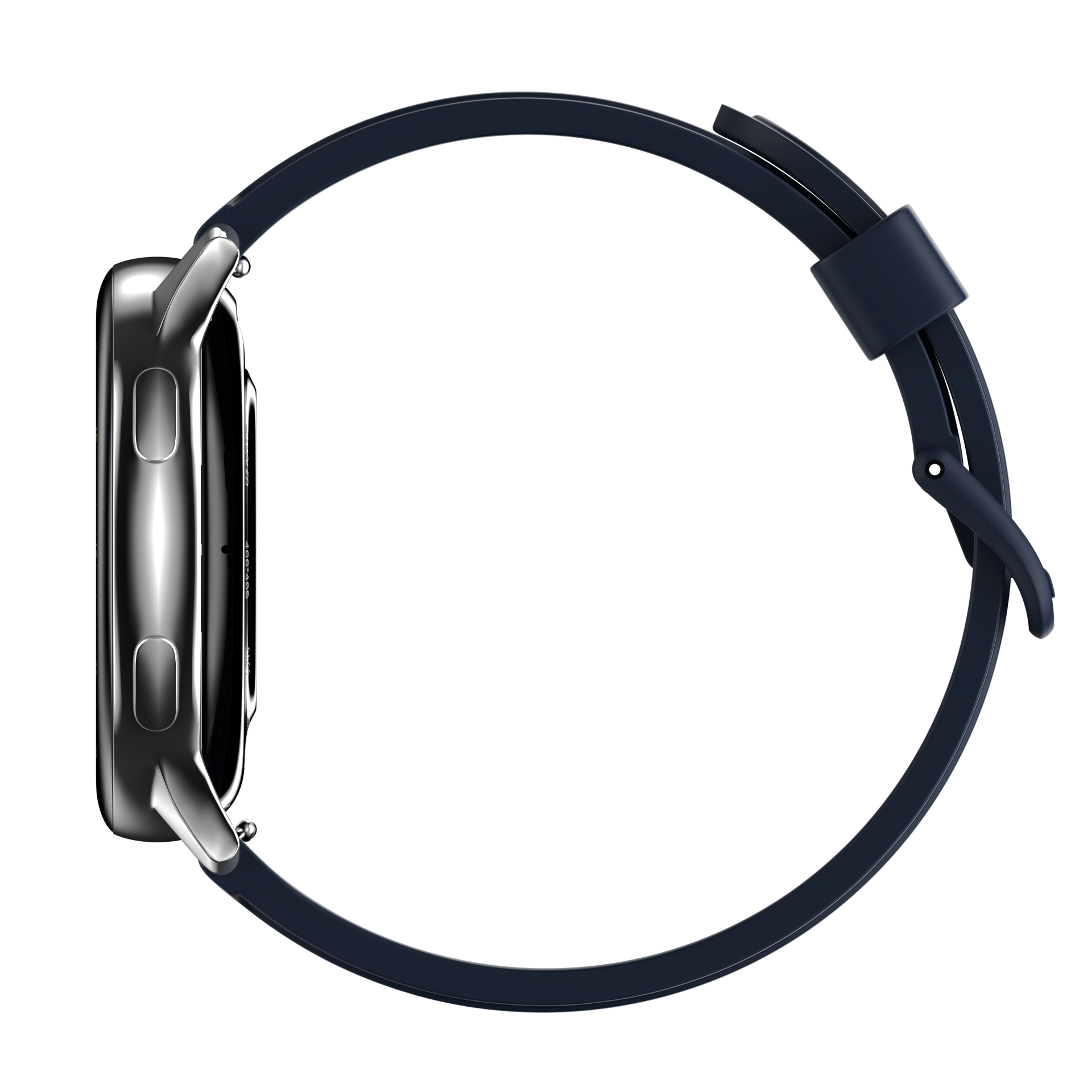
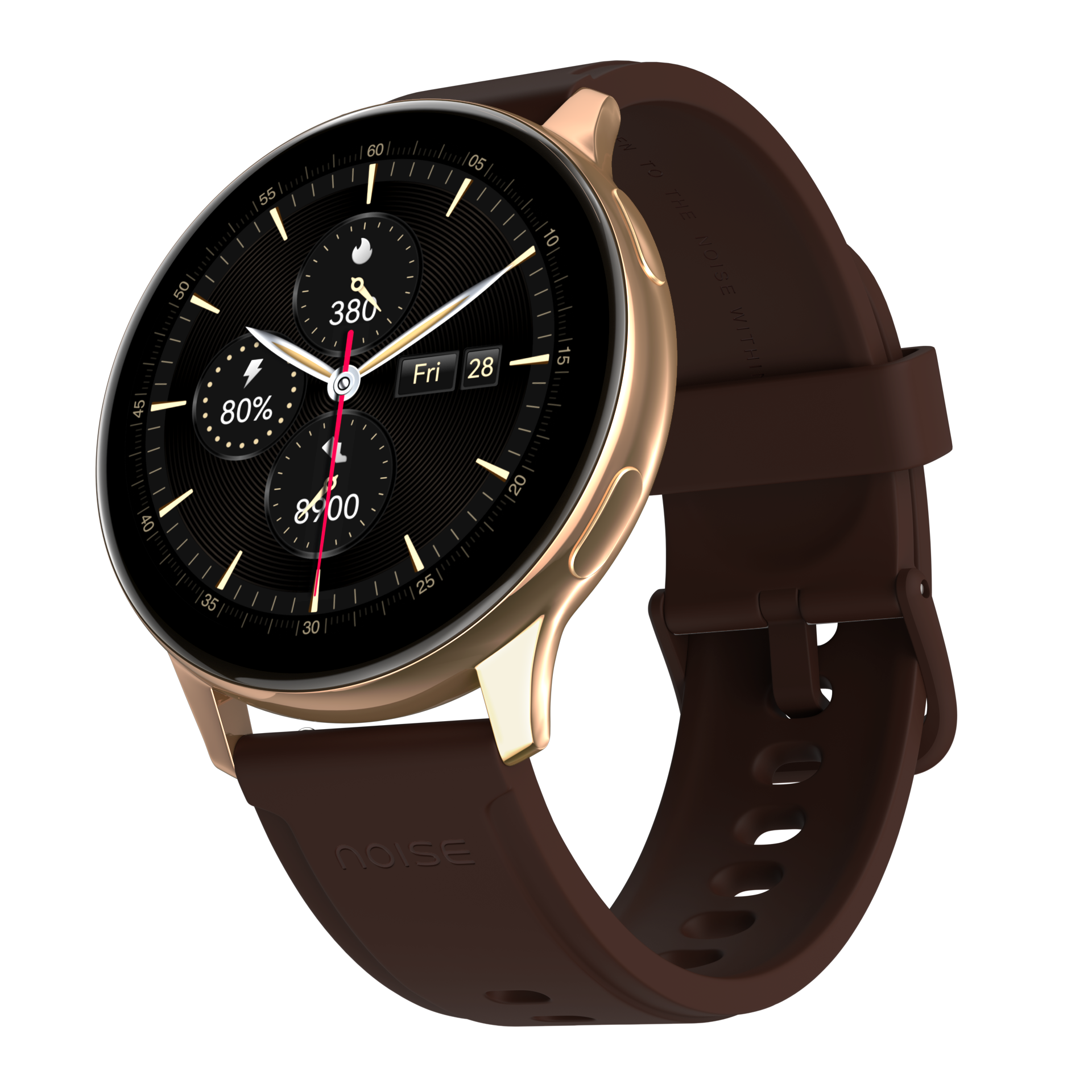
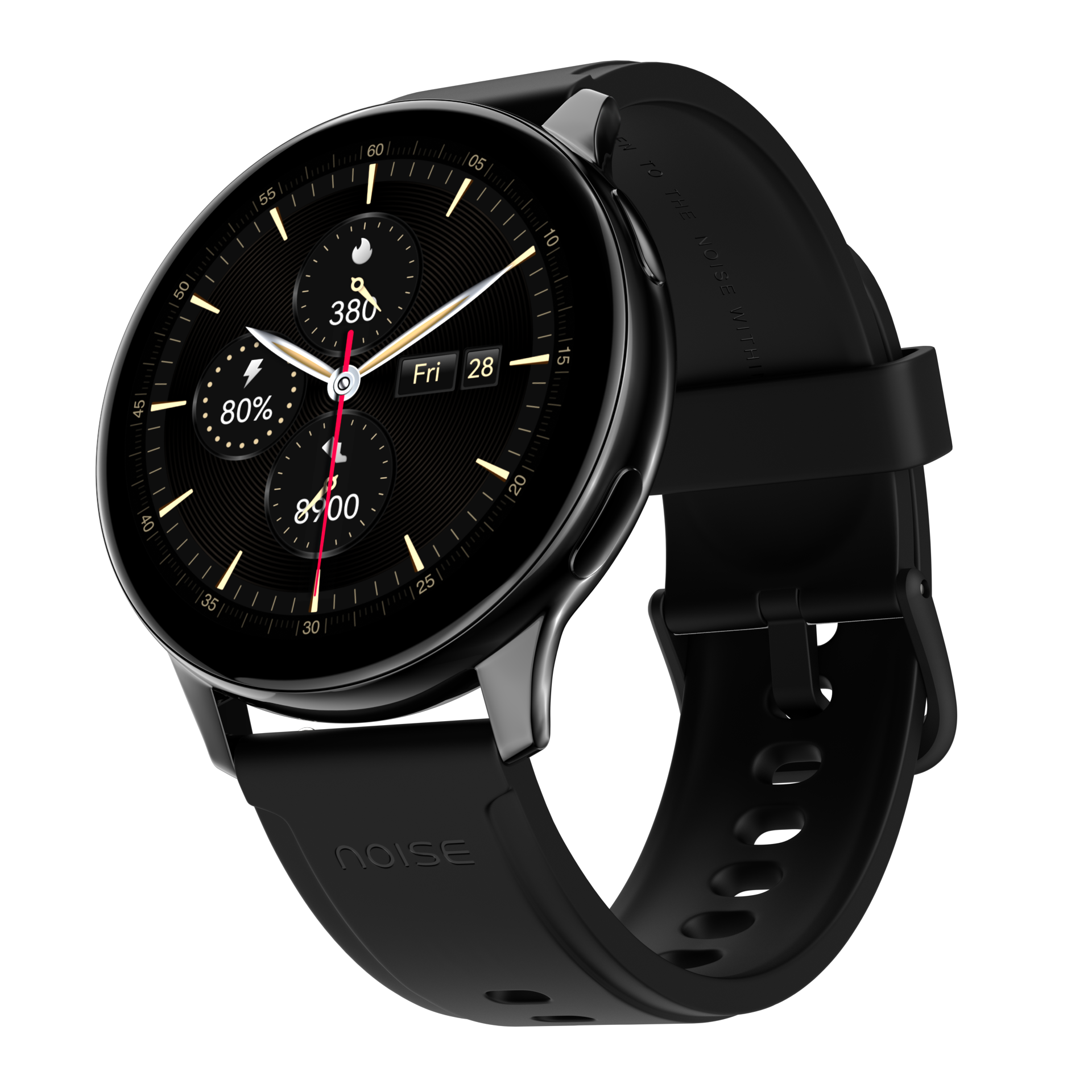
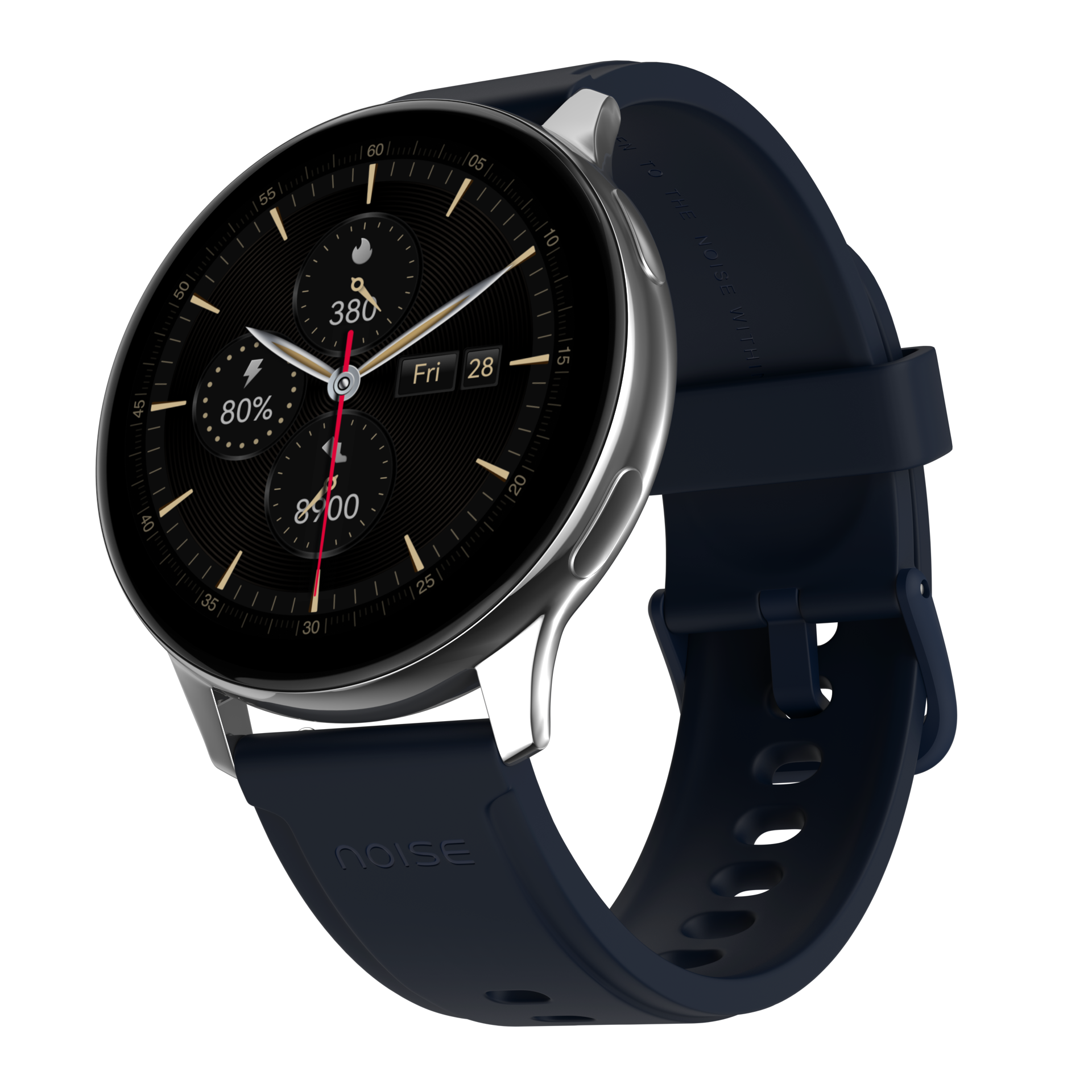
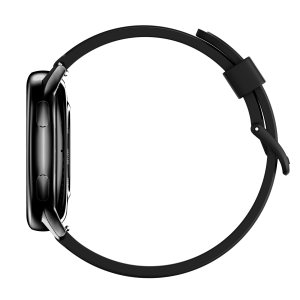
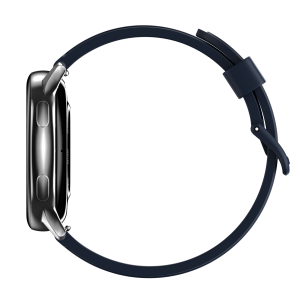
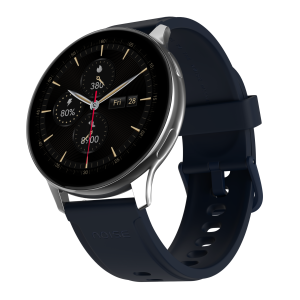
This latest addition to their product lineup comes integrated with Noise OS, specifically tailored for smartwatches.
NoiseFit Vortex Plus: Pricing, Colours and Availability
NoiseFit Vortex Plus: Pricing, Colours and Availability
The NoiseFit Vortex Plus is now available for purchase on Amazon and gonoise.com, priced at Rs 1,999.
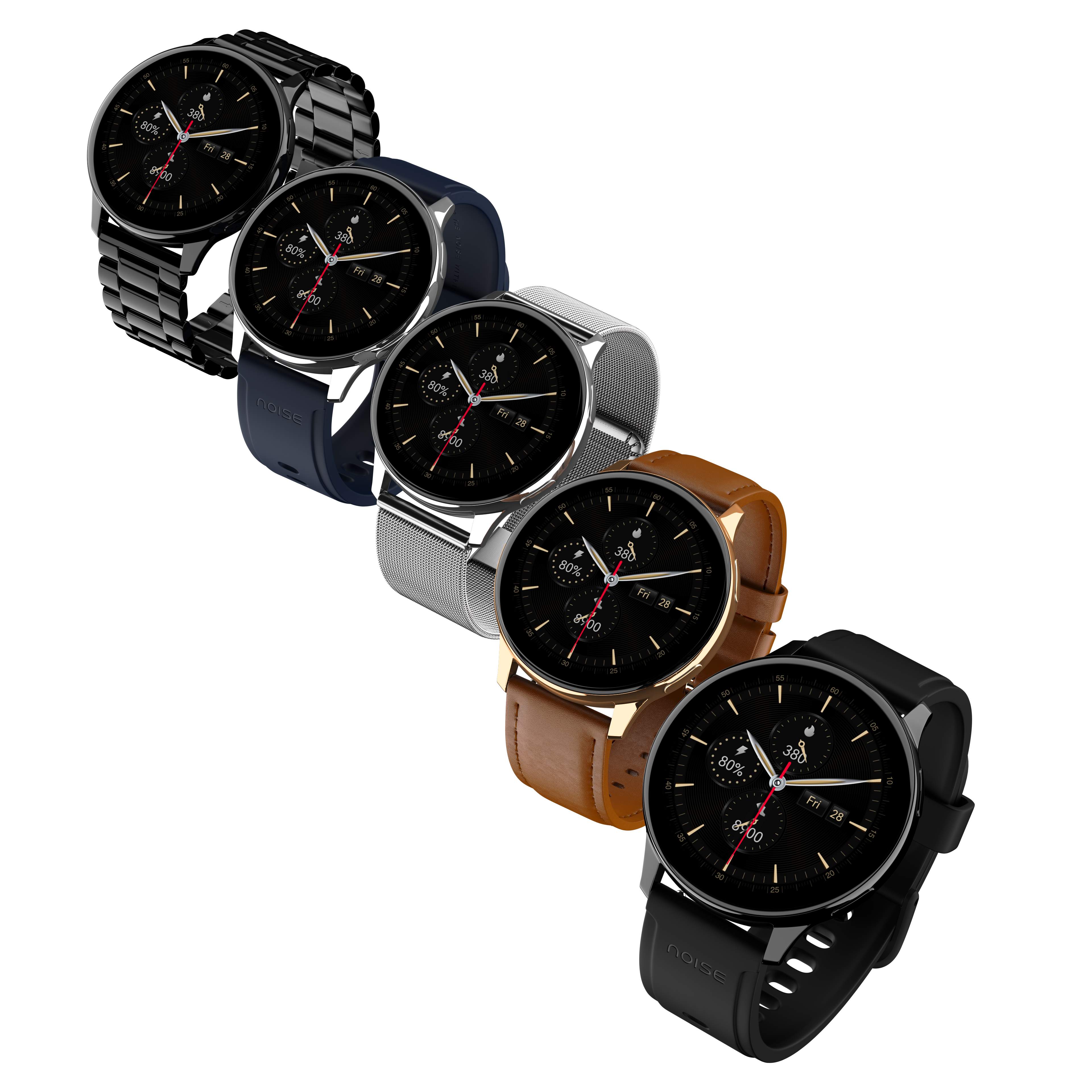
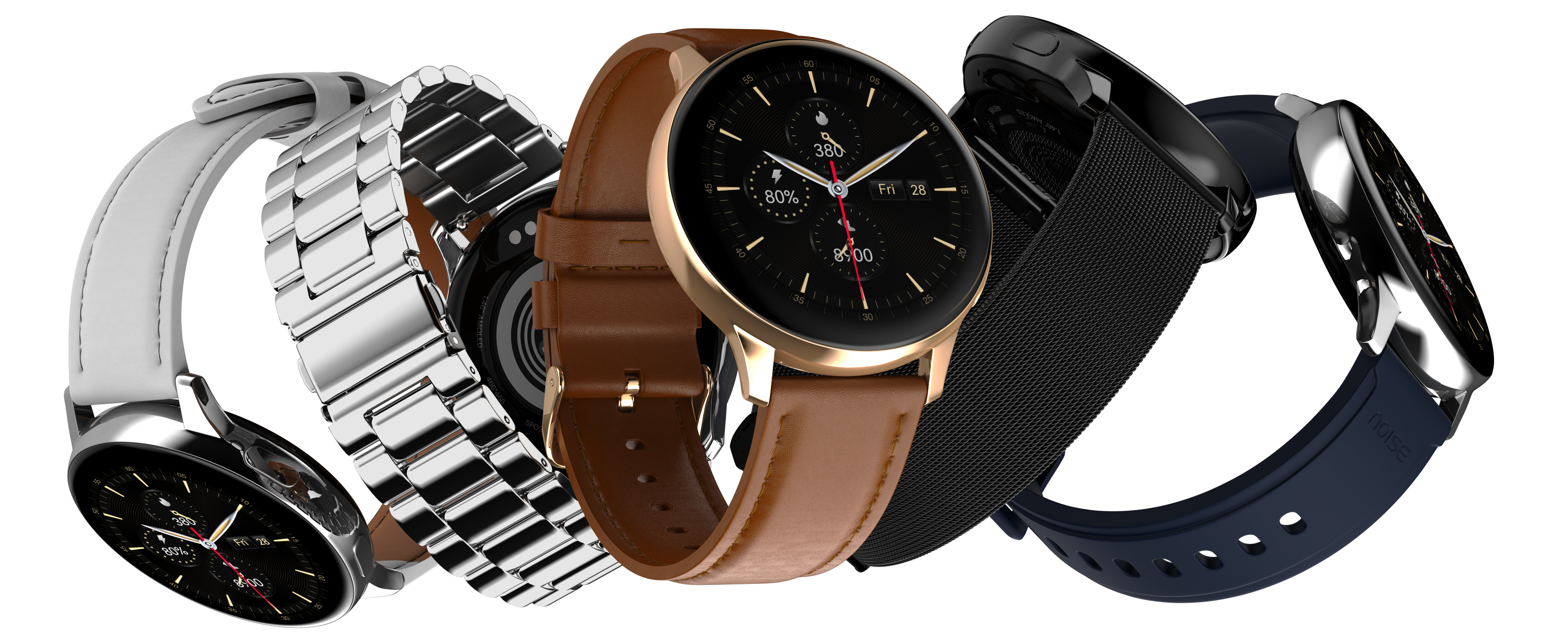
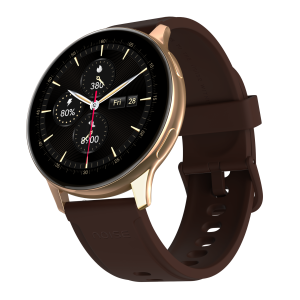
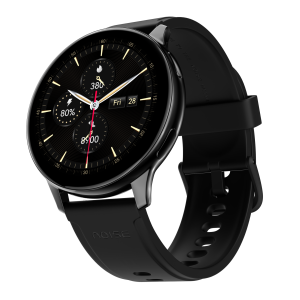
It is offered in a range of nine colors, providing options between silicon and metallic straps.
The color choices include Jet Black, Space Blue, Vintage Brown, Classic Brown, Classic Grey, Black Link, Silver Link, Elite Black, and Elite Silver.
NoiseFit Vortex Plus: Features
NoiseFit Vortex Plus: Features
Screen: 1.46-inch AMOLED
Resolution: 466*466 pixels
Brightness: 500 nits
Waterproofing: IP68
Battery Usage: Up to 7 days
Sports Modes: Over 100 modes
Watch-faces: Over 150 cloud-based
The smartwatch is equipped with a 1.46-inch AMOLED display, offering a resolution of 466*466 pixels.
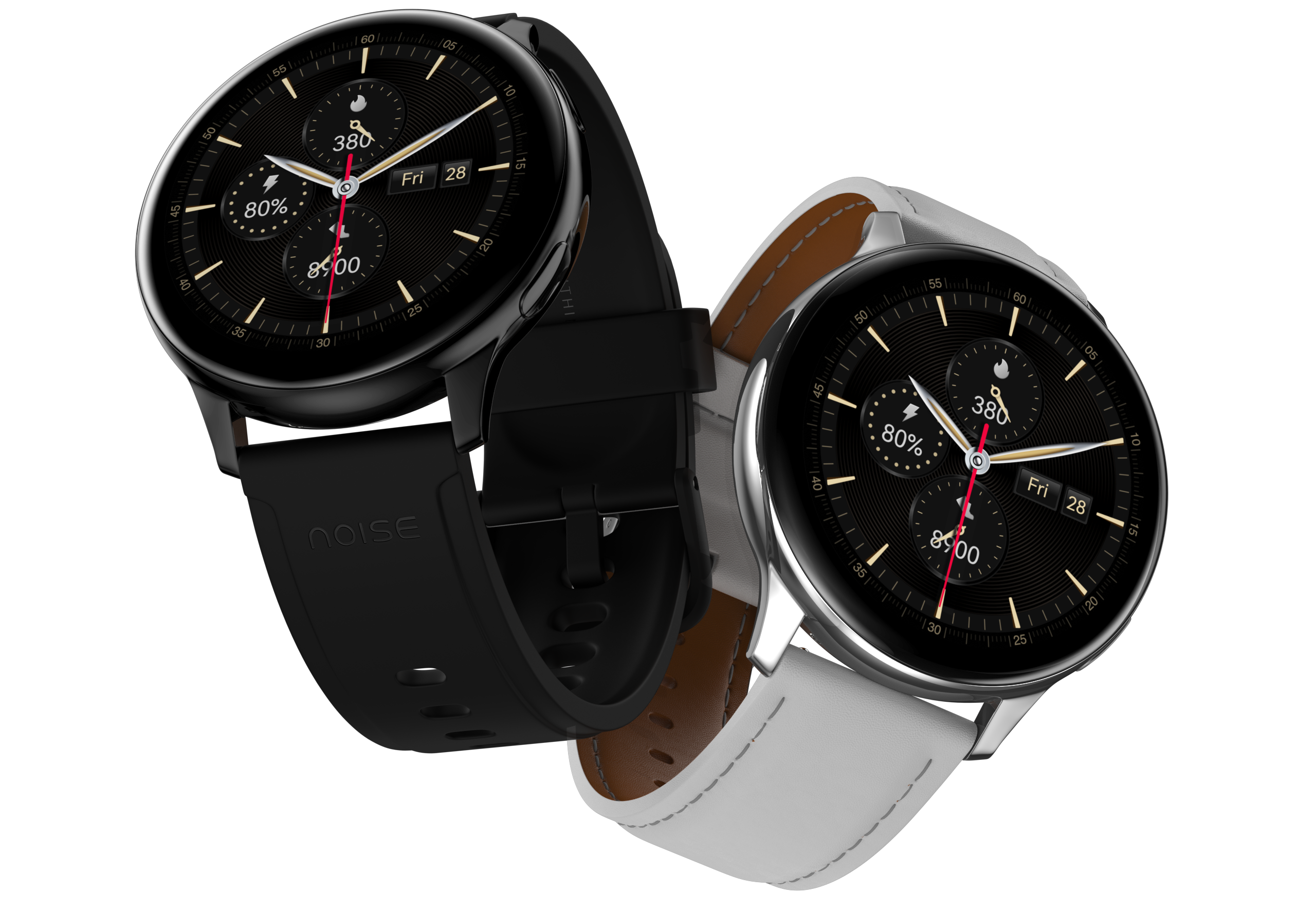
In terms of the design, the NoiseFit Vortex Plus includes a metallic build with a glossy finish, targeting consumers who prefer a combination of durability and style in their wearables.
As for functionality, the NoiseFit Vortex Plus offers features like UV index and rainfall probability monitoring, catering to users who value detailed environmental information.
The device also supports multitasking with features like background timer management.
The integrated Productivity Suite in the NoiseFit Vortex Plus assists users in managing daily tasks with features like reminders and weather forecasts.
The watch’s IP68 water and dust resistance rating ensures it can withstand diverse environmental conditions.
Additionally, it supports over 150 cloud-based watch faces, providing users with options to personalise their device.
The Noise Buzz feature on the watch allows users to make calls directly from the dial-pad and store up to 10 contact details.
Product Specifications NoiseFit Vortex
Screen
1.46-inch AMOLED
Resolution
466*466 pixels
Brightness
500 nits
Waterproofing
IP68
Battery Usage
Up to 7 days
Sports Modes
100+ modes
Watch-faces
150+ cloud-based
Highlight Features
Metallic Build
Noise OS
AMOLED Display
Bluetooth Calling
FAQs
What is the price and availability of the NoiseFit Vortex Plus?
The NoiseFit Vortex Plus is priced at Rs 1,999 and can be purchased from Amazon and gonoise.com.
It offers a choice of nine colors and strap options, catering to a variety of personal styles.
What are the key display features of the NoiseFit Vortex Plus?
The smartwatch boasts a 1.46-inch AMOLED display with a resolution of 466*466 pixels.
Its brightness is rated at 500 nits, and it comes with an IP68 waterproofing rating, making it durable for various conditions.
How does the NoiseFit Vortex Plus cater to health and fitness enthusiasts?
The NoiseFit Vortex Plus is equipped with the Noise Health Suite, which monitors health metrics like heart rate, SpO2, sleep patterns, and stress levels.
It also includes over 100 sports modes, making it versatile for various physical activities.
What are the connectivity features of the NoiseFit Vortex Plus?
This smartwatch features Bluetooth 5.3 connectivity and incorporates Tru Sync technology, enhancing the Bluetooth calling experience. It ensures efficient pairing with mobile phones for seamless communication.
Noise announces the launch of NoiseFit Vortex Plus with the Smart Noise OS integration. Details?
Noise, India’s leading smartwatch and connected lifestyle brand, today took another leap in innovation with the launch of NoiseFit Vortex Plus integrated with Noise OS, designed for smartwatches. A Smart wearable that beckons users to “Ride the Wave of Excellence” with its seamless blend of cutting-edge features and aesthetic looks.
NoiseFit Vortex Plus features the innovative Noise OS with enhanced UI performance which redefines user interaction, providing a seamless and intuitive interface.
The smartwatch launches today on Amazon and gonoise.com at a price of INR 1,999 in nine elegant colours within silicon and metallic straps options, including Jet Black, Space Blue, Vintage Brown, Classic Brown, Classic Grey, Black Link, Silver Link, Elite Black and Elite Silver.
Tailored for individuals seeking excellence in both style and functionality, this smartwatch keeps users informed and in control by providing crucial details like UV index and rainfall probability.
Multitasking is a breeze with NoiseFit Vortex Plus, enabling discrete timer management in the background. The 1.46-inch AMOLED display, boasting 466*466 pixels, ensures a captivating visual experience with crystal-clear visuals and vibrant colours. The premium metallic build, coupled with a glossy finish, makes the NoiseFit Vortex Plus a striking accessory for those who appreciate sophistication.
Its sleek, refined design caters to discerning users who seek a perfect blend of style and substance. Personalization reaches new heights with animated and mood-based watchfaces, allowing users to customise their experience and infuse a distinctive touch into their daily style.
The NoiseFit Vortex plus also comes with Tru Sync™ to enhance the bluetooth calling experience with the help of a Single Chip Bluetooth Set, providing a hassle free connection with mobile phones and providing users with the most advanced calling experience in the industry with the help of Bluetooth 5.3.
The NoiseFit Vortex Plus offers a diverse range of features for both productivity and health monitoring. With the Noise Health Suite™ users can effectively monitor essential health metrics such as heart rate, SpO2, sleep patterns, and stress levels, among others.
The smartwatch offers an impressive battery life of up to 7 days. On the other hand, the integrated Productivity Suite™ keeps daily reminders and weather forecasts easily accessible. The IP68 water and dust resistance ensures durability in any environment along with 100+ sports mode and watch faces.
It also offers seamless pairing with the NoiseFit App delivering a comprehensive suite of features for tracking, monitoring, and strengthening the wellness journey. The Noise Buzz allows the users to single handedly call from the watch dial-pad which can save up to 10 contact details on the smartwatch.
Vi is aiming to enhance its network capabilities and offer faster, more efficient connectivity to its users after being beaten to the punch by Airtel and Jio.
“We are also in advanced stages of 5G trials of embracing new technologies such as vRAN & ORAN,” Moondra added.
“After funding plans materialise, we will need around 6-7 months to rollout 5G, and…by then monetisation will be clearer than it is today. Our strategy will be based on that,” Moondra added.
Vi Conducting 5G Trials
Vi Conducting 5G Trials
Presently, Vi is conducting 5G network trials in key cities including Mumbai, Pune, and Delhi, indicating a promising start for the upcoming service rollout.
Some users in Mumbai and Pune have already reported accessing Vi’s 5G network.
Interestingly, Vi has secured 5G spectrum allocation in 17 circles across the country, covering major regions such as Delhi, Gujarat, Karnataka, Kerala, Maharashtra, Tamil Nadu, and Uttar Pradesh, among others.
This widespread coverage ensures that a significant portion of the Indian population will have access toVi’s 5G services by the end of 2024.
However, Vi faces a challenging financial landscape.
The company, led by Chief Executive Akshaya Moondra, is currently the only loss-making private telecom operator in India.
Vi’s financial strategy includes seeking clarity on the monetization of 5G services before public rollout and resolving outstanding dues with the government and vendors like Indus Towers.
Vi Phasing out 3G Services
Vi Set to Launch 5G Services in India Amid Competitive Telecom Market
In preparation for this 5G rollout, Vi is also planning to phase out its 3G services.
The telecom operator recently introduced two new annual plans bundled with Amazon Prime Video and Disney+Hotstar subscriptions at prices more attractive than similar offerings from Jio and Airtel.
As of now, Vi boasts a user base of 228 million in India.
However, this figure has been declining, with users gradually porting to competitors.
What is the timeline for Vi’s 5G services launch in India?
Vi is planning to roll out its 5G services in India in the next 6-7 months, aiming to offer faster and more efficient connectivity to its users, despite being behind competitors like Airtel and Jio in the 5G race.
Where are Vi’s 5G trials currently taking place?
Vi is currently conducting 5G network trials in major Indian cities such as Mumbai, Pune, and Delhi.
Some users in these cities have already reported accessing the 5G network, indicating progress towards a broader rollout.
How is Vi preparing for the 5G rollout in terms of network infrastructure?
In preparation for the 5G launch, Vi plans to phase out its 3G services and use the freed-up bandwidth to enhance its 4G coverage.
This strategic shift is crucial for laying the groundwork for a successful 5G network deployment.
What challenges is Vi facing ahead of the 5G launch?
Vi is grappling with financial challenges as the only loss-making private telecom operator in India.
The company is seeking strategies for the effective monetization of 5G services and resolving outstanding dues to ensure a smooth rollout.