Home Blog Page 702

Lava Gains Traction as a Leading Youth Brand in Smartphone Market: Study

0
Lava's Market Share Growth Among Youth

Highlights

  • Lava International anticipates a 4% market share increase in the youth segment by 2024.
  • Survey of over 3,500 young individuals in India shows strong brand loyalty for Lava.
  • Lava’s youth-centric series like Agni, Blaze, and Yuva resonate with young consumers.
  • Affordable 5G options by Lava significantly boost its appeal among youth.

Lava International is steadily carving a niche among the youth demographic, as detailed in a recent study by TechArc.

The study forecasts a notable increase in Lava’s market share by 2024, primarily driven by the changing preferences of young consumers.

Lava’s Market Share Growth Among Youth

The study projects a 4% increase in Lava’s market share within the youth segment by 2024.

This growth is attributed to the brand’s increasing acceptance among students, who are not only pivotal in forming their own brand preferences but also influence the choices of their family members.

The youth segment expected to account for 44% of total smartphone sales in 2024 and it seems Lava has strategically positioned itself to appeal to this demographic.
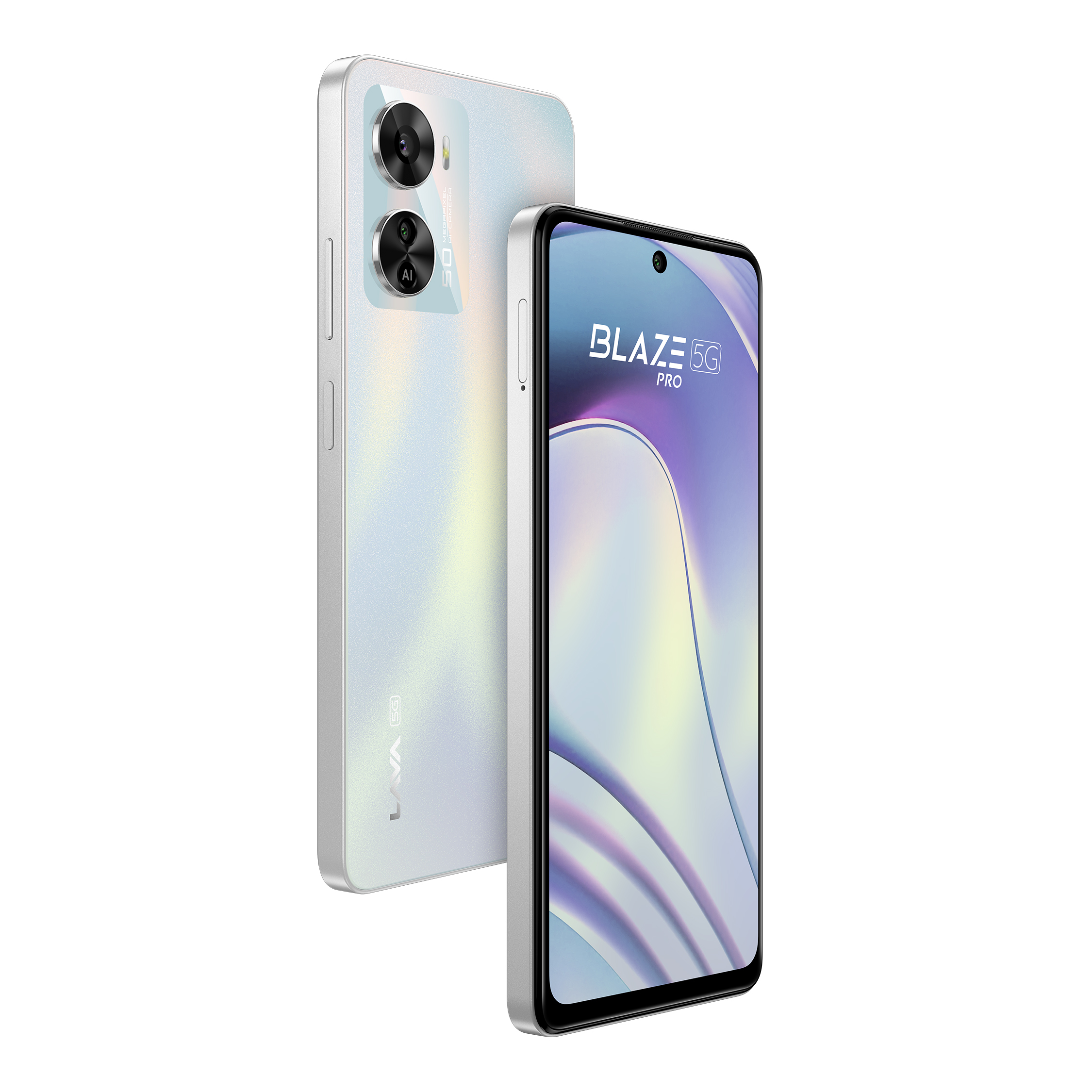
Lava's Market Share Growth Among Youth
Lava’s Market Share Growth Among Youth

Lava’s Appeal to Young Consumers

The survey has encompassed over 3,500 young individuals across India indicating a strong brand loyalty among Lava’s user base.

Approximately 82% of current Lava users, particularly those up to 25 years of age, are likely to opt for the brand for their subsequent smartphone purchase.

Lava International’s approach to capturing the youth market involves launching series that resonate with young consumers, such as Agni, Blaze, and Yuva.

Additionally, offering affordable 5G options has significantly enhanced Lava’s appeal.

Lava Youth Brand: A Growing Positive Image

Lava Youth Brand: A Growing Positive Image

The growing positive image of Lava among young consumers is crucial in the brand’s market share increase.

As a Lava youth brand, its focus on youth-centric features and affordable innovations positions it favorably in a segment that significantly influences smartphone sales and trends.

FAQs

Q1: What factors contribute to Lava International’s growing market share among youth?

A1: Lava International’s projected growth in market share, particularly in the youth segment, is driven by its increasing acceptance among students and young consumers. The brand’s focus on launching a youth-centric smartphone series and affordable 5G options are key factors contributing to its popularity.

Q2: How significant is the youth demographic for smartphone sales?

A2: The youth demographic is highly significant in the smartphone market. As forecasted, this segment is expected to account for 44% of total smartphone sales in 2024. Brands like Lava International are strategically targeting this demographic to boost their market presence.

Q3: What does the survey say about Lava’s brand loyalty?

A3: A survey encompassing over 3,500 young individuals in India revealed strong brand loyalty for Lava International. Approximately 82% of current Lava users, especially those up to 25 years of age, are likely to choose Lava again for their next smartphone purchase.

Also Read: LAVA Agni 2 5G India Launch Timeline, Specifications & Price Leaks

Also Read: MediaTek launches Dimensity 7050 chipset, will debut on powered Lava Agni 2 5G
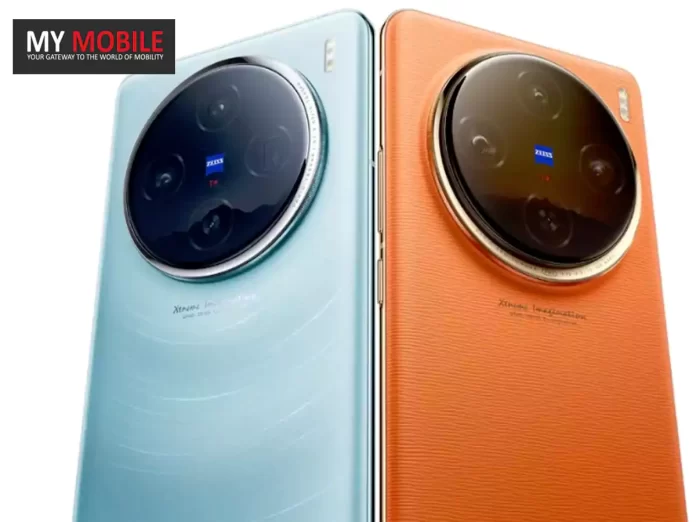
Vivo X100 Series India Launch on the Horizon After Both Models Land on BIS Certification Website

0
Vivo X100 Series Debuts in China

Highlights

  • Vivo X100 series, featuring top-tier photography specs, likely launching in India.
  • Vivo X100 and X100 Pro spotted on Bluetooth SIG, hinting at imminent India debut.
  • Devices boast a 6.78-inch LTPO AMOLED display and MediaTek Dimensity 9300 processor.
  • Vivo X100 series to offer Funtouch OS tailored for the Indian market.

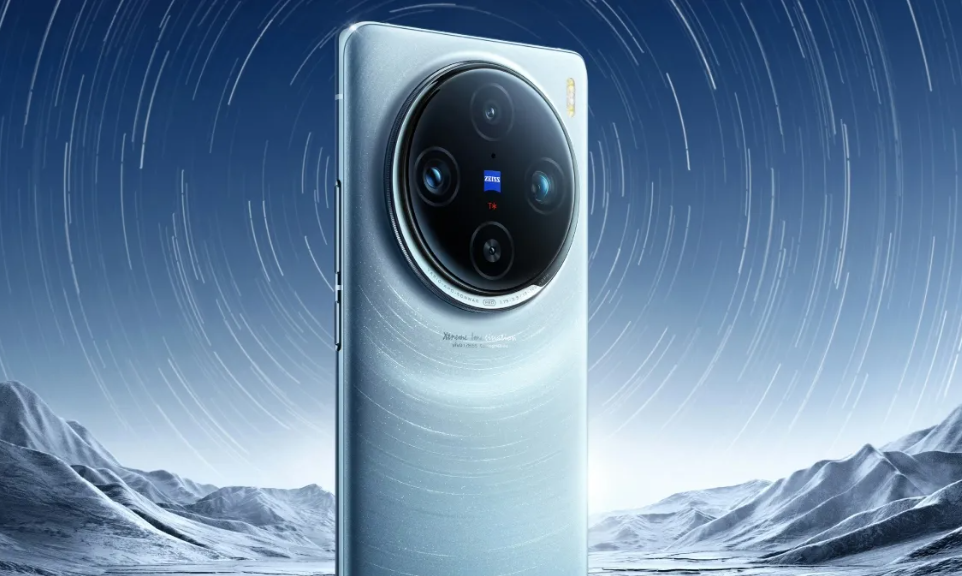
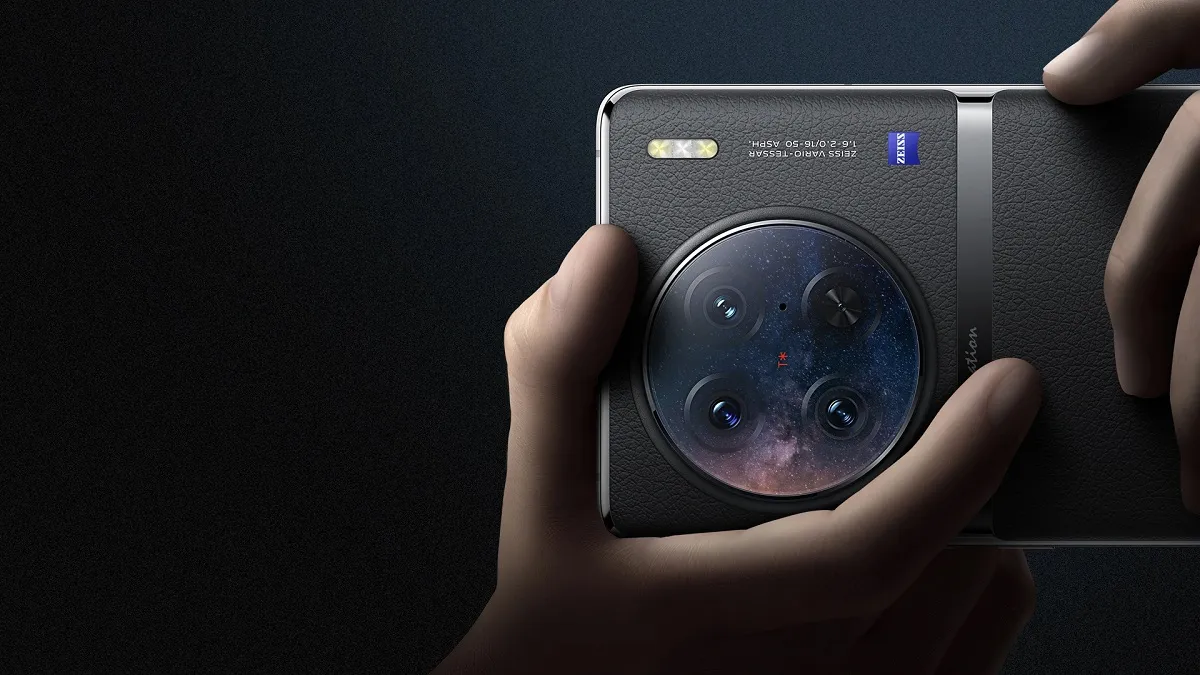
The Vivo X100 series is likely gearing up for an unveiling in the Indian market. Targetted towards extreme photography, the lineup comprises of the Vivo X100 and Vivo X100 Pro.

The reason for optimism regarding an India launch is that both devices were spotted on the Bluetooth SIG website, an indicator that a handset’s announcement in the country is close at hand.

Vivo X100 India: A Closer Look at the Models

Vivo X100 India: A Closer Look at the Models

Spotted by MySmartPrice first, the Indian variants of the Vivo X100 and X100 Pro are identified by model numbers V2308 and V2309.

This listing doesn’t shed any light on the phone’s specs though, but given the China launch has already taken place, we do have some idea as to what to expect.

Vivo X100 India Pricing Expectations

Vivo X100 and Vivo X100 Pro Pricing
Vivo X100 India Pricing

In China, the Vivo X100 starts at CNY 3,999 (approximately Rs 45,000), and the Pro model is priced from CNY 4,999 (around Rs 57,000).

While the India pricing is yet to be confirmed, these figures provide a ballpark estimate for potential buyers.

Vivo X100 and X100 Pro: Specifications and Features

Vivo X100 and X100 Pro: Specifications

Both the Vivo X100 and X100 Pro boast impressive specifications, with a few key differences, particularly in the camera and battery departments.

The Vivo X100 series features a 6.78-inch LTPO AMOLED display, offering a 120Hz refresh rate, 2800x1260p resolution, and exceptional peak brightness.

Under the hood, both phones are equipped with the MediaTek Dimensity 9300 processor.

Camera Capabilities, Battery, and Software

Vivo X100 and X100 Pro: Specifications
Vivo X100 and X100 Pro: Camera

The camera setup is where the Vivo X100 and X100 Pro diverge. The Vivo X100 comes with a 50MP primary camera, a 64MP periscope telephoto lens, and a 50MP ultrawide camera, along with a 32MP front camera.

On the other hand, the Vivo X100 Pro features a 50MP 1-inch main camera sensor, a 50MP periscope telephoto lens, and the same ultrawide camera, complemented by a 32MP selfie camera.

In terms of battery, the Vivo X100 packs a robust 5,000mAh battery with 120W wired fast charging.

The Pro variant takes it up a notch with a 5,400mAh battery, supporting both 100W wired and 50W wireless charging, ensuring that users stay connected for longer periods.

Software-wise, both models run on the OriginOS 4 skin layered over Android 14.

However, for the Indian market, the Vivo X100 series will feature the Funtouch OS, tailored to meet the preferences of the Indian user base.

VIVO X100 5G KEY SPECIFICATIONS

GENERAL

Sim Type Dual Sim, GSM+GSM
Dual Sim Yes
Sim Size Nano SIM
Device Type Smartphone
Release Date November 13, 2023 (Expected)

DESIGN

Bezel less Yes
Colors Black, Red, Blue

DISPLAY

Type Color AMOLED Screen (1B Colors)
Touch Yes
Size 6.78 inches, 1260 x 2800 pixels, 120 Hz
Aspect Ratio 20:9
PPI ~ 453 PPI
Screen to Body Ratio ~ 90.9%
Features HDR10+, P3 Color Gamut
Notch Yes, Punch Hole

MEMORY

RAM 8 GB
Storage 128 GB
Card Slot No

CONNECTIVITY

GPRS Yes
EDGE Yes
3G Yes
4G Yes
5G Yes
5G Bands 1, 3, 5, 8, 28, 41, 77, 78 SA/NSA
VoLTE Yes, Dual Stand-By
Wifi Yes, with wifi-hotspot
Bluetooth Yes, v5.3, A2DP, LE, aptX HD
USB Yes, USB-C v2.0
USB Features USB Tethering, USB on-the-go, USB Charging
IR Blaster Yes

EXTRA

GPS Yes, with dual-band A-GPS, GLONASS, GALILEO, NavIC
Fingerprint Sensor Yes, In Display
Face Unlock Yes
Sensors Fingerprint (under display, optical) accelerometer, gyro, proximity, compass, color spectrum
3.5mm Headphone Jack No
Extra NFC
Water Resistance Yes
IP Rating IP64
Dust Resistant Yes
Extra Features V3 Chip, LPDDR5T DRAM

CAMERA

Rear Camera 64 MP 1/1.49″, 1.0µm, PDAF, Laser AF, OIS f/1.8 (Wide Angle)
12 MP 50mm, 1/2.9″, 1.22µm, PDAF, 2x optical zoom f/2 (Telephoto)
12 MP 16mm, 1/2.93″, 1.22µm, AF f/2 (Ultra Wide) with autofocus
Features Zeiss optics, Zeiss T* lens coating, Pixel Shift, dual-tone , HDR, panorama
Video Recording 4K @ 30 fps UHD, 1080p @ 30 fps FHD
Flash Yes, Dual LED
Front Camera Punch Hole 32 MP 24mm, 1/2.8″, 0.8µm f/2.5 (Wide Angle) with Screen Flash
Front Video Recording 4K @ 30 fps UHD, 1080p @ 30 fps FHD

TECHNICAL

OS Android v14
Custom UI OriginOS 4
Chipset MediaTek Dimensity 9300
CPU Octa Core Processor
GPU Arm GPU
IP Rating IP64
Java No
Browser Yes

MULTIMEDIA

Email Yes
Music WAV, MP3, MP2, MIDI, Vorbis, APE, FLAC
Video MP4, 3GP, AVI, Video Recording: MP4
FM Radio No
Document Reader Yes

BATTERY

Type Non-Removable Battery
Size 5000 mAh, Li-ion Battery
Fast Charging Yes, 120W FlashCharge

FAQs

What makes the Vivo X100 series stand out in the smartphone market?

The Vivo X100 series, comprising the Vivo X100 and X100 Pro, is known for its advanced photography capabilities. With its high-resolution cameras and sophisticated features, these models cater to photography enthusiasts seeking professional-grade image quality in a smartphone.

What are the expected prices for the Vivo X100 and X100 Pro in India?

While official pricing for India is yet to be announced, the Vivo X100 series starts at CNY 3,999 in China, approximately Rs 45,000, and the X100 Pro from CNY 4,999, around Rs 57,000. These figures suggest a competitive pricing strategy for the Indian market.

How do the camera specifications differ between the Vivo X100 and X100 Pro?

The Vivo X100 features a 50MP primary camera, a 64MP periscope telephoto lens, and a 50MP ultrawide camera. In contrast, the X100 Pro includes a 50MP 1-inch main camera sensor and a 50MP periscope telephoto lens, alongside the same ultrawide camera.

Also Read: VIVO X100 PRO+ WILL BE THE FIRST SMARTPHONE WITH A 200 MP TELEPHOTO LENS: LEAK REVEALS DESIGN DETAILS

Also Read: Vivo X100 Series Chipset Details Tipped Ahead of Launch in Q4 of 2023

X Spaces To Likely Get Video Integration Soon, Suggests Tipster

0
X Spaces To Likely Get Video Integration Soon

Highlights

  • X Spaces video set to revolutionize the platform with video conferencing capabilities.
  • Users can host and join video discussions in X Spaces, enhancing interaction.
  • Up to 13 participants can engage simultaneously in X Spaces video chats.
  • X Spaces video aligns with Musk’s vision for a multifunctional social platform.

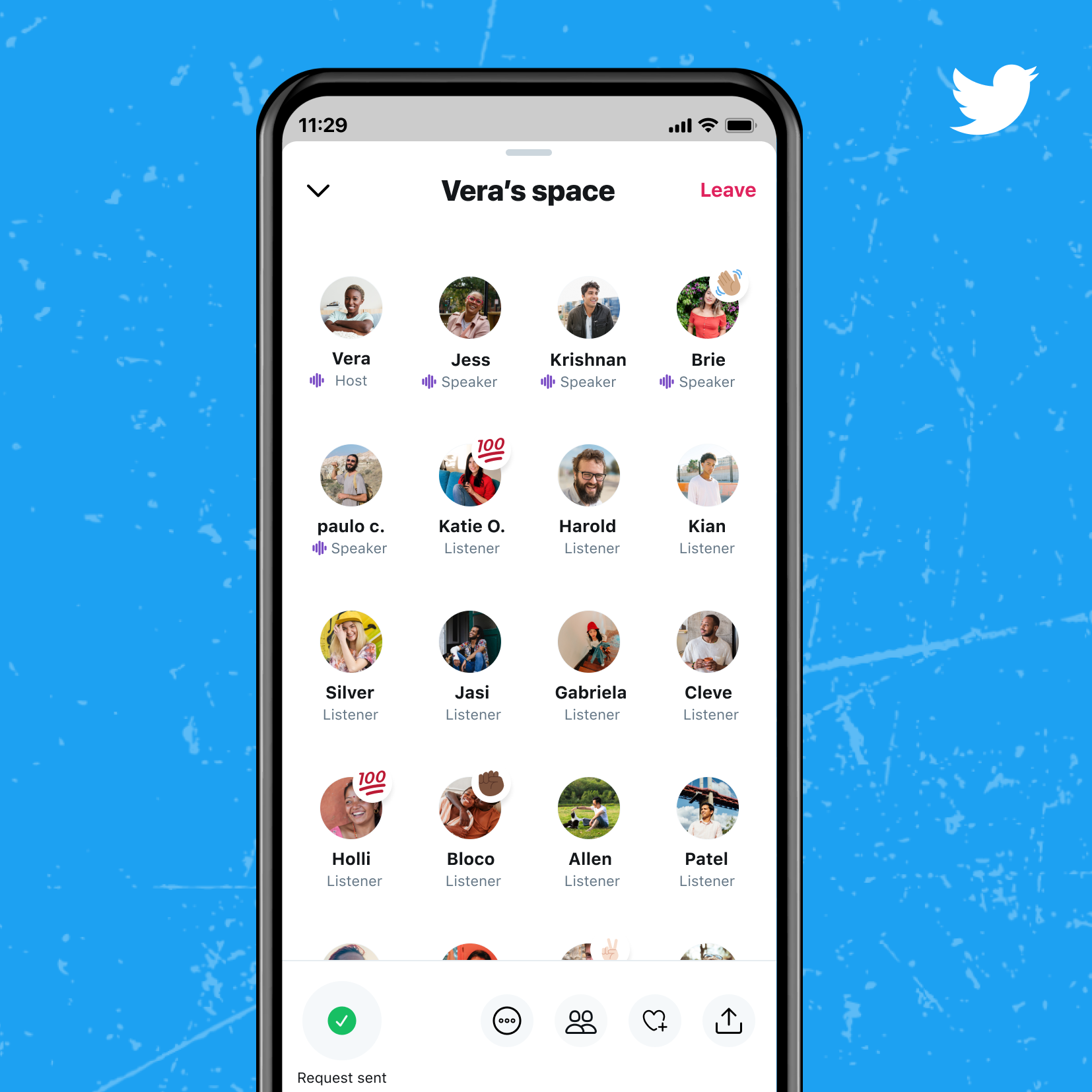
Twitter’s audio chat room, Spaces, a feature that survived the transition to Elon Musk’s rebranded social media platform X, is set to undergo a significant transformation.

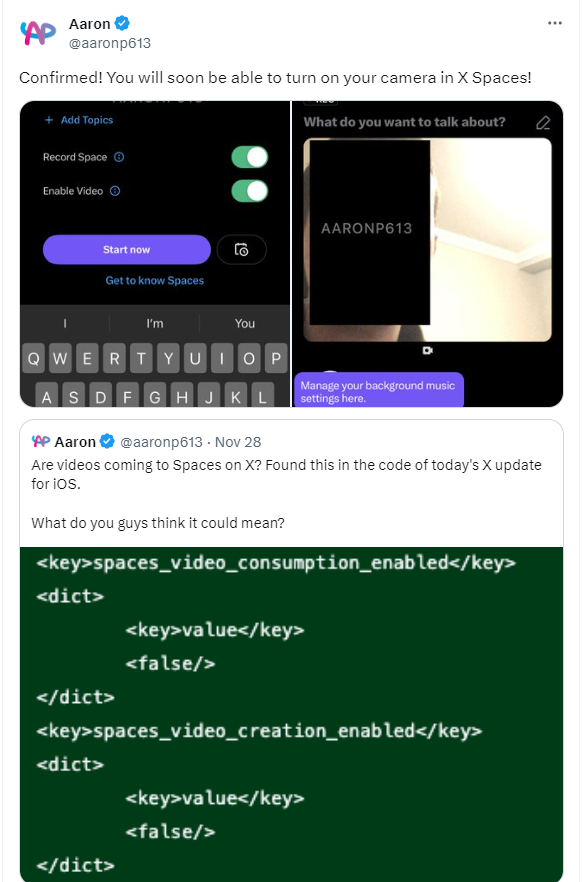
With the imminent introduction of X Spaces video, the platform is gearing up to expand its functionality, moving from solely audio-based interactions to a more comprehensive video integration.

What X Spaces Video Brings to the Table

X Spaces Video Brings to the Table

The integration of X Spaces video comes from a tip from Aaron on X, code snippets in the latest X update for iOS suggest the new video feature in Spaces is just around the corner, although an exact release date is yet to be confirmed.

The platform, as mentioned above, is an audio-first service that opens a chatroom for like-minded individuals to have discussions.

To host an X Space, users can initiate it directly from their Home timeline on X, selecting the Spaces icon or opting for the Spaces tab.

Spaces are designed to be public, allowing unrestricted access to listeners.

The existing structure allows up to 13 people, including the host and co-hosts, to speak simultaneously in a Space.

Now the inclusion of video capabilities in the mix positions Spaces in line with established video conferencing tools like Google Meet or Zoom, broadening its potential use cases.

Users will soon be able to host video discussions, interact with followers, or have online meetings with friends or colleagues, leveraging both audio and visual communication.

The Future of X Spaces Video

The Future of X Spaces Video

X Spaces video may just become a stepping-up feature in Musk’s vision for X to be an all-encompassing platform and potentially change how users interact on social media.

However, X is currently embroiled in a  lot of controversy over reportedly propagating antisemitic content across the platform leading to a mass exodus of advertisers.

FAQs

What is X Spaces video and how does it change the platform?

X Spaces video is an upcoming feature in Elon Musk’s social media platform, X, that introduces video capabilities to the existing audio chat rooms, Spaces. This integration allows users to engage in video discussions, transforming the platform from audio-only to a more dynamic audio-visual experience.

How can users access and use X Spaces video?

To use X Spaces video, users can initiate a Space from their Home timeline on X by selecting the Spaces icon or using the Spaces tab. Once live, users can host or join video discussions, with the feature supporting up to 13 participants, including the host and co-hosts, in a single Space.

How does X Spaces video compare to other video conferencing tools?

X Spaces video positions the platform alongside established video conferencing tools like Google Meet or Zoom. It broadens the potential use cases of X by enabling users to host video meetings, interact with followers, or connect with friends and colleagues, combining audio and video communication.

Also Read: Reviving the Classic Twitter Bird: How to Restore the Original Logo on iPhone, Android, and Web Browsers

Also Read: X Enters, Iconic Bird Logo Exits: Elon Musk Rebrands Twitter Social Media Platform

Exploring the Value of YouTube Premium in India in 2023: Is It Truly Worth It?

0
YouTube Premium in India in 2023

Highlights

  • Ad-free video streaming with YouTube Premium enhances user experience.
  • Background play and offline viewing options available in YouTube Premium.
  • YouTube Premium includes access to a vast library of music on YouTube Music Premium.
  • Revenue sharing feature of YouTube Premium supports content creators.

YouTube undoubtedly has been a gift of the internet as the biggest video-sharing platform, offering a vast array of free content.

However, recently there has been a rise of YouTube Premium, the platform’s paid subscription service, which raises the question: Is YouTube Premium worth it in India in 2023?

Features and Benefits of YouTube Premium

Benefits of YouTube Premium

YouTube Premium offers several compelling features, enhancing the user experience on the platform:

  • Ad-Free Viewing: One of the primary benefits of YouTube Premium is the ad-free experience. Subscribers can watch videos without any ad interruptions, a significant advantage for avid YouTube users.
  • Background Play and Offline Viewing: YouTube Premium also allows background play, enabling users to listen to videos with their screen locked, and offers offline playback for downloading videos for later viewing.
  • YouTube Music Premium: The subscription includes access to YouTube Music Premium, providing ad-free music streaming from a vast catalog of songs.
  • YouTube Originals Access: Subscribers get ad-free access to YouTube Originals and exclusive premium content. Although some Originals are available to all users, the ad-free experience is exclusive to Premium subscribers.

Pricing and Comparisons

YouTube Premium in India in 2023
YouTube Premium in India in 2023: Pricing

The pricing of YouTube Premium in India is competitive compared to other markets.

With plans ranging from Rs 129 for a one-month subscription to Rs 1,290 for an annual plan, YouTube Premium is affordably priced, especially when compared to its cost in markets like the US.

This effectively makes YouTube Premium a very attractive option for Indian consumers, although the same cannot be said for the US market.

Supporting Creators and Revenue Sharing

YouTube Premium in India in 2023
YouTube Premium in India in 2023: Revenue Sharing

An often-overlooked advantage of YouTube Premium is its revenue-sharing model. Subscribers indirectly support their favorite creators, as YouTube shares a portion of the revenue from Premium views with them.

This includes views on demonetized videos, making it a valuable way to support content creators.

Areas for Improvement

 YouTube Premium in India in 2023:
YouTube Ad-Free Experience

Despite its advantages, YouTube Premium is not without its drawbacks. Most YouTube Originals are not exclusive to Premium subscribers and can be viewed with ads on a free account.

Additionally, there’s a growing trend of prioritizing celebrity content over YouTubers, which could affect the platform’s original charm and appeal.

FAQs

Q1: What are the main features of YouTube Premium in India?

A1: YouTube Premium in India offers ad-free viewing, background play, offline video downloads, access to YouTube Music Premium, and ad-free YouTube Originals. These features significantly enhance the viewing and listening experience on the platform.

Q2: How does YouTube Premium’s pricing in India compare to other markets?

A2: YouTube Premium’s pricing in India is competitively lower than in markets like the US. It offers various plans, including Rs 129 for a one-month subscription and Rs 1,290 for an annual plan, making it an attractive option for Indian consumers.

Q3: How does subscribing to YouTube Premium support content creators?

A3: Subscribers of YouTube Premium indirectly support content creators through a revenue-sharing model. YouTube allocates a portion of the revenue from Premium views to creators, even for demonetized videos, providing a significant support channel.

Q4: What are some areas where YouTube Premium can improve?

A4: Despite its benefits, YouTube Premium can improve by offering more exclusive content in its YouTube Originals category. Also, there’s a need to balance celebrity and YouTuber content to maintain the platform’s unique appeal.

Also Read: YouTube will not Show Videos on the users Homepage if the Watch History is Off

Also Read: ‘Like a Video and Make Money’ scam: All about the cyber fraud on Whatsapp; Received WhatsApp message asking you to like YouTube videos for Rs 150? It’s a scam

iPhone 15 Pro Max’s Innovative with Glass-Plastic Lens Technology Could Soon Be Replicated by Other OEMs

0
iPhone 15 Pro Max’s Innovative with Glass-Plastic Lens Technology

Highlights

  • Glass-plastic lens in iPhone 15 Pro Max enhances optical quality and device durability.
  • Hybrid 1G3P lens design reduces weight and bulk in sleek smartphone form.
  • Potential industry-wide impact with other brands expected to adopt similar technology.

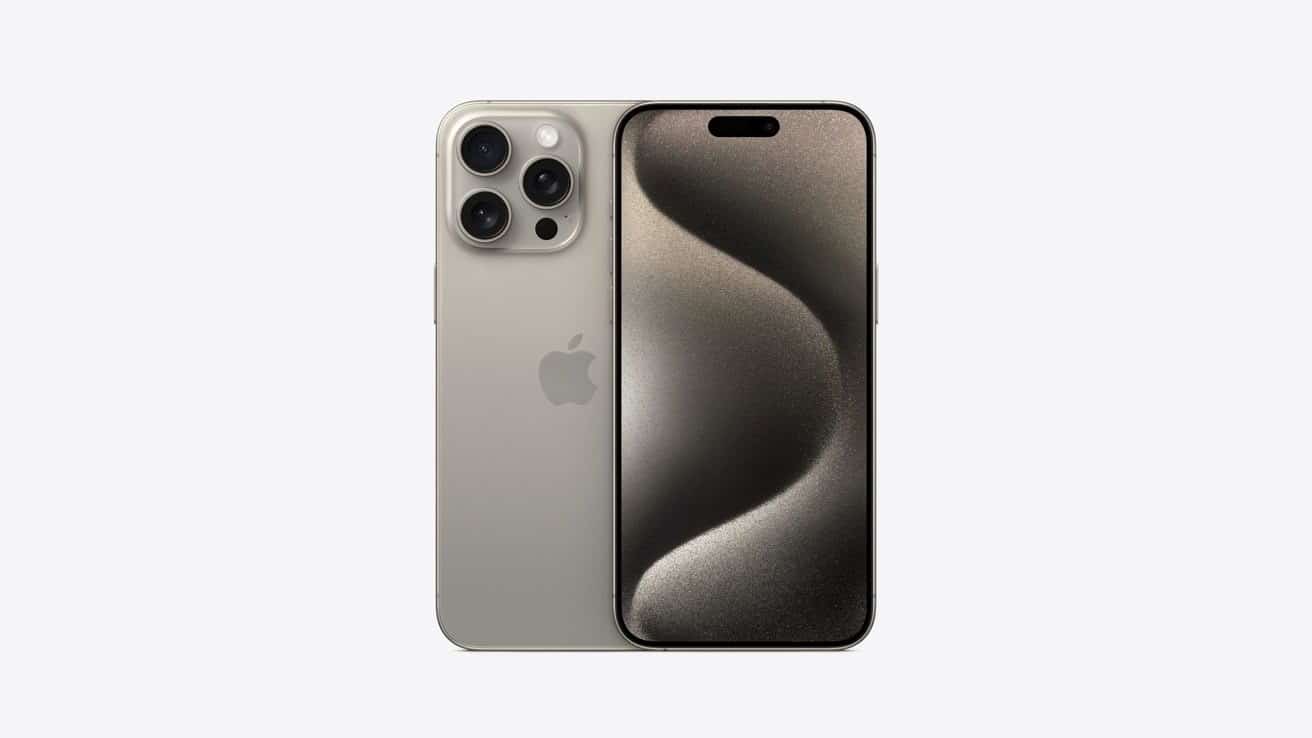
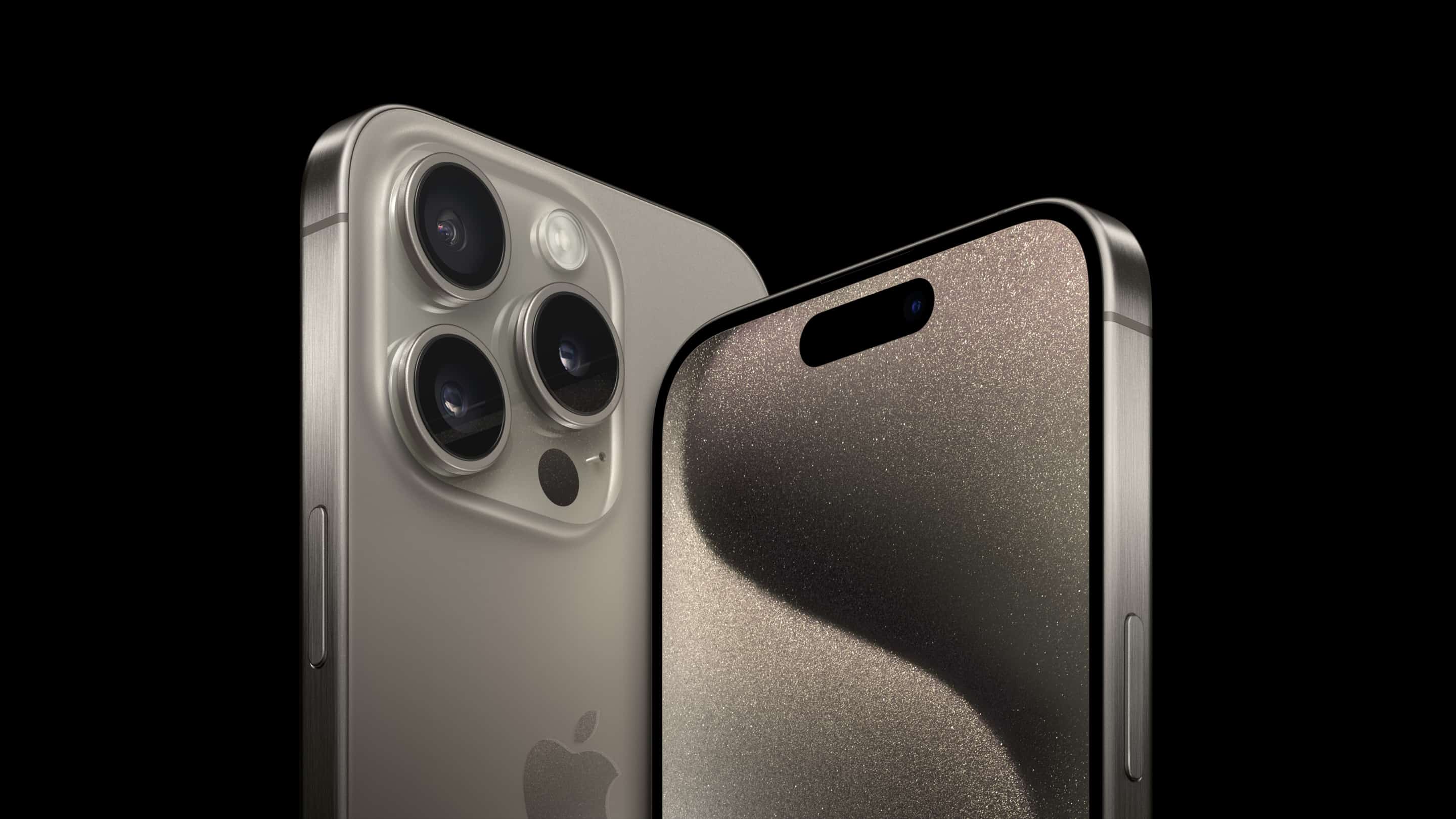
Apple’s iPhone 15 Pro Max is likely to be a significant leader in smartphone technology with its innovative glass-plastic hybrid lens.

This cutting-edge feature, known as the 1G3P lens (one glass element, three plastic), is said to combine the optical excellence of glass with the versatility of plastic, and might set up precedence for other OEMs to follow suit.

Advantages of the Glass-Plastic Hybrid Lens

iPhone 15 Pro Max’s Innovative with Glass-Plastic Lens Technology

The integration of the glass-plastic lens in the iPhone 15 Pro Max addresses key challenges traditionally associated with glass lenses in smartphones.

As highlighted by renowned Apple analyst Ming-Chi Kuo, glass, while offering unmatched optical quality, contributes to increased bulk, weight, and fragility in sleek smartphone designs.

The glass-plastic lens in the iPhone 15 Pro Max successfully overcomes these limitations, optimizing the balance between quality and practicality.

Apart from that It also works to minimize the strain on OIS motors, which is likely to lead to slightly lower power consumption and improved device durability.

However, the most important aspect of this hybrid construction is that the inclusion of plastic elements mitigates the risk of damage from accidental drops, enhancing the user experience.

Innovative Design and Industry Impact

iPhone 15 Pro Max
iPhone 15 Pro Max: Design

Following the introduction of this technology by Apple, as pointed out by Ming-Chi Kuo, other premium smartphone brands are likely to adopt similar hybrid lens technologies.

You can bet that there is a significant shift coming in smartphone optical design, with Apple and Huawei already leading the way.

Future Developments and Production

iPhone 15 Pro Max
iPhone 15 Pro Max: Production

The production of the glass-plastic lens iPhone component in the iPhone 15 Pro Max is managed by Largan, with the glass element currently sourced from another supplier.

Largan is in the process of developing its own glass element to fulfill Apple’s high-quality standards, aiming to produce the entire module in-house by 2025 or 2026.

Furthermore, the tetraprism lens, currently exclusive to the iPhone 15 Pro Max, is expected to be featured in the iPhone 16 Pro next year, suggesting an expansion in its use across Apple’s future models.

APPLE IPHONE 15 PRO MAX SPECIFICATIONS

Key Specs

RAM 6 GB
Processor Apple A15 Bionic
Rear Camera 12 MP + 12 MP + 12 MP
Front Camera 12 MP
Battery 4400 mAh
Display 6.7 inches (17.02 cm)

General

Launch Date August 16, 2023 (Unofficial)
Operating System iOS v15

Performance

Chipset Apple A15 Bionic
CPU Hexa Core (3.23 GHz, Dual core, Avalanche + 1.82 GHz, Quad core, Blizzard)
Architecture 64 bit
Fabrication 5 nm
Graphics Apple GPU (four-core graphics)
RAM 6 GB

Display

Display Type OLED
Screen Size 6.7 inches (17.02 cm)
Resolution 1284 x 2778 pixels
Aspect Ratio 19.5:9
Pixel Density 457 ppi
Screen Protection Yes
Bezel-less display Yes
Touch Screen Yes, Capacitive Touchscreen, Multi-touch
Refresh Rate 120 Hz

Design

Waterproof Yes, Water resistant, IP68
Ruggedness Dust proof

Camera

MAIN CAMERA
Camera Setup Triple
Resolution 12 MP f/1.6, Wide Angle, Primary Camera
12 MP , Telephoto Camera
12 MP, Ultra-Wide Angle Camera
Autofocus Yes
Flash Yes, Dual LED Flash
Image Resolution 4000 x 3000 Pixels
Settings Exposure compensation, ISO control
Shooting Modes Continuous Shooting
High Dynamic Range mode (HDR)
Camera Features Digital Zoom
Auto Flash
Face detection
Touch to focus
Video Recording 1920×1080 @ 30 fps
FRONT CAMERA
Camera Setup Single
Resolution 12 MP f/2.3, Primary Camera
Video Recording 1920×1080 @ 30 fps

Battery

Capacity 4400 mAh
Type Li-ion
Removable No
Quick Charging Yes, Fast
USB Type-C No

Storage

Internal Memory 128 GB
Expandable Memory No

Network & Connectivity

SIM Slot(s) Dual SIM, GSM+GSM
SIM Size SIM1: Nano, SIM2: eSIM
Network Support 5G Not Supported in India, 4G Supported in India, 3G, 2G
VoLTE Yes
SIM 1
4G Bands:
TD-LTE 2300(band 40)
FD-LTE 1800(band 3)
3G Bands:
UMTS 1900 / 2100 / 850 / 900 MHz
2G Bands:
GSM 1800 / 1900 / 850 / 900 MHz
GPRS:
Available
EDGE:
Available
SIM 2
4G Bands:
TD-LTE 2300(band 40)
FD-LTE 1800(band 3)
3G Bands:
UMTS 1900 / 2100 / 850 / 900 MHz
2G Bands:
GSM 1800 / 1900 / 850 / 900 MHz
GPRS:
Available
EDGE:
Available
Wi-Fi Yes, Wi-Fi 4 (802.11 b/g/n)
Wi-Fi Features Mobile Hotspot
Bluetooth Yes, v5.0
GPS Yes with A-GPS, Glonass
NFC Yes

Multimedia

FM Radio No
Loudspeaker Yes
Audio Jack Lightning

Sensors

Fingerprint Sensor No
Other Sensors Light sensor, Proximity sensor, Accelerometer, Barometer, Compass, Gyroscope

FAQs

Q1: What is the glass-plastic lens in the iPhone 15 Pro Max?

A1: The glass-plastic lens in the iPhone 15 Pro Max, known as the 1G3P lens, combines one glass element with three plastic ones. This design offers the high optical quality of glass while reducing the weight, bulk, and fragility typically associated with glass lenses in smartphones.

Q2: How does the glass-plastic lens benefit smartphone users?

A2: The glass-plastic lens in the iPhone 15 Pro Max provides users with enhanced optical performance without the added bulk and weight of traditional glass lenses. It also reduces the strain on OIS motors, potentially lowering power consumption and improving device durability.

Q3: Will other smartphone manufacturers follow Apple’s glass-plastic lens technology?

A3: According to Ming-Chi Kuo, other premium smartphone brands are likely to adopt glass-plastic hybrid lens technology following Apple’s lead. This shift, already seen with Apple and Huawei, indicates a significant change in smartphone optical design.

Also Read: iPhone 15 Possible Production Cuts: Reported Insights into Apple’s Supply Chain Challenges

Also Read: Apple iPhone 15 reportedly spotted on BIS Certification website Under Model Name A3094

Spotify Wrapped 2023: Explore Your Musical Year With New Features and Insights

0
Spotify Wrapped 2023: Explore Your Musical Year With New Features

Highlights

  • “Me in 2023” feature assigns unique listening characters based on user habits.
  • Sound Town connects music tastes to a corresponding city for a global feel.
  • Discover top 5 genres and artists, complete with a new sandwich-inspired design.
  • AI DJ and Blend features integrated for a guided Spotify Wrapped 2023 experience.

Spotify yearly music reflection for its users is back in the form of Spotify Wrapped 2023.

As per usual you get a personalised summary of your stening habits, an in-depth look into your top songs, artists, albums, and more.

However, for his year Spotify Wrapped has gone a step further with some new unique features that deepen the user experience.

Accessing Spotify Wrapped 2023

Accessing Spotify Wrapped 2023

First things first, to delve into your Spotify Wrapped 2023, ensure that your Spotify app is up to date.

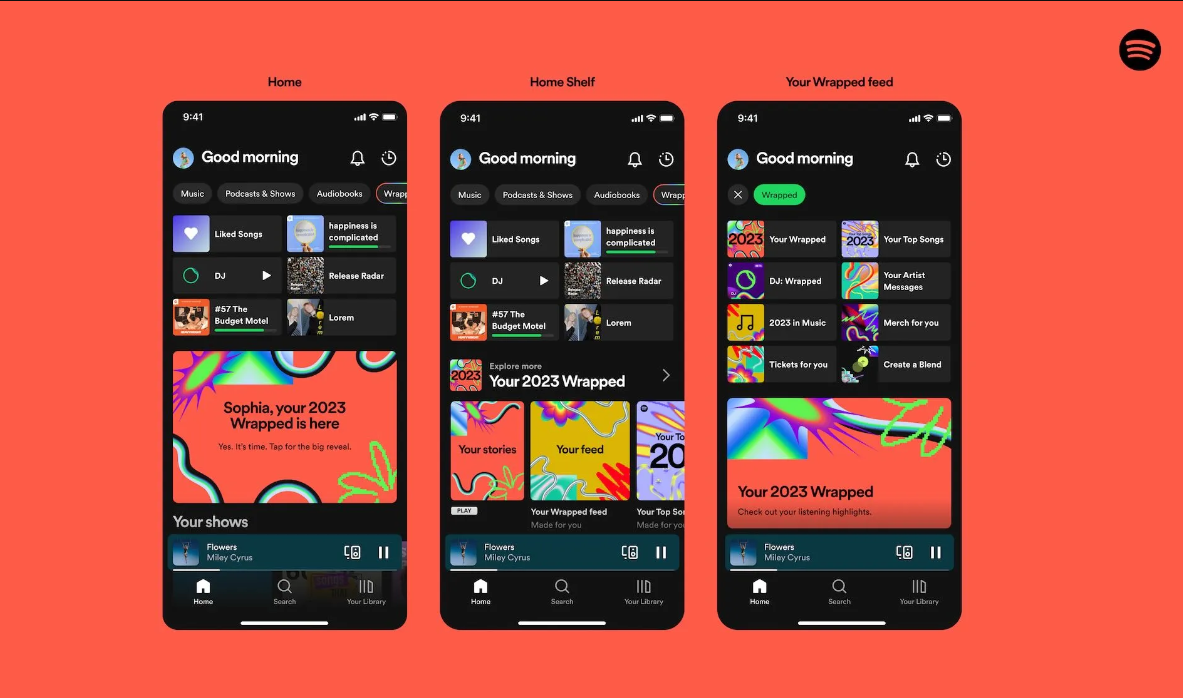
Once updated, open the app, and you’ll be greeted with the “Your 2023 Wrapped” banner, which is your gateway to exploring your musical year.

This time around, Spotify Wrapped 2023 is also accessible via web browsers.

This allows users to view their Spotify Wrapped from any device with internet access, simply by logging into their Spotify account.

Unique Features of Spotify Wrapped 2023

Unique Features of Spotify Wrapped 2023

Spotify Wrapped 2023 includes several new and exciting features:

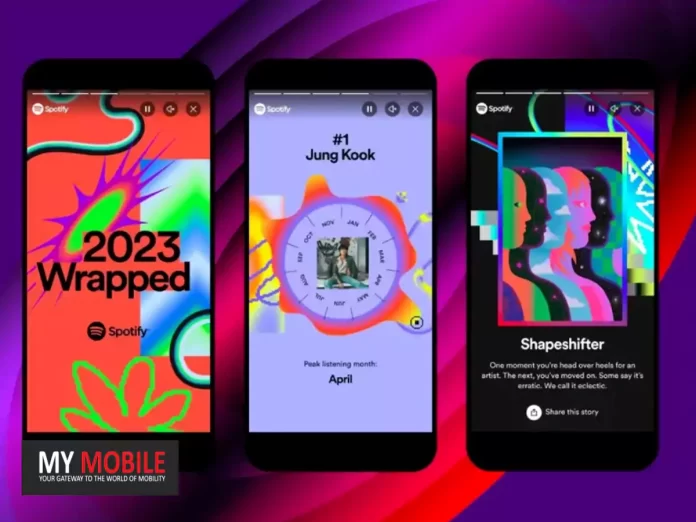
  • “Me in 2023”: A standout addition this year is the “Me in 2023” feature. This aspect analyses your streaming habits to assign you one of 12 “listening characters,” each of which reflect different musical tastes and habits on Spotify.
  • Sound Town: Another interesting feature, Sound Town, matches users to a city based on their listening habits and artist affinity. So now for the first time you have a geographical perspective on your music listening patterns.
  • Top 5 Genres and Artists: As per usual, Spotify Wrapped 2023 also reveals your top five music genres and artists. Like always they are presented in visually engaging formats, and this time you are getting a sandwich-inspired design for genres. Additionally, users can see the month when their listening peaked for each artist, offering a more detailed view of their musical journey throughout the year.
  • Integration with AI DJ and Blend: Spotify has integrated Spotify Wrapped 2023 with its AI DJ and Blend features. The AI DJ offers a guided tour through your Wrapped experience, with commentary on your most-streamed artists, genres, and songs of the year. However, it’s worth noting that the AI DJ experience is available only for the first week following the launch of Spotify Wrapped 2023.

FAQs

Q1: How can I access my Spotify Wrapped 2023?

A1: To access your Spotify Wrapped 2023, update your Spotify app to the latest version. Once updated, open the app, and you will find the “Your 2023 Wrapped” banner. Additionally, you can access Spotify Wrapped 2023 through any web browser by logging into your Spotify account.

Q2: What is the “Me in 2023” feature in Spotify Wrapped 2023?

A2: The “Me in 2023” feature in Spotify Wrapped 2023 analyses your streaming habits to assign you one of 12 unique “listening characters.” These characters reflect your distinct musical tastes and habits, providing a personalized view of your year in music on Spotify.

Q3: Can I find out how my music tastes correlate to different cities?

A3: Yes, with Spotify Wrapped 2023’s Sound Town feature, you can see which city your music tastes match with. This feature matches users to cities based on their listening habits and artist affinity, giving a new geographical perspective to your music preferences.

Q4: What’s new with the Spotify Wrapped 2023 in terms of presentation?

A4: Spotify Wrapped 2023 brings an innovative sandwich-inspired design to present your top five music genres. It also allows users to see the peak month of their listening for each artist, providing a more detailed and creative view of their musical year.

Also Read: Spotify Comes Out with a Rewards Program in India for Rs.2

Also Read: Spotify Updates Anchor App with New Feature

Redmi Book 14 and 16 (2024 Editions) Launched in China: Pricing, Features, Specs

0
Redmi Book 14 and 16 (2024 Editions) Launched in China:

Highlights

  • Redmi Book 14 boasts a 14-inch 2.8K display, 300 nits brightness.
  • Redmi Book 16 features a 16-inch 2.5K display, 400 nits, 120 Hz rate.
  • Both models powered by 13th Gen Intel Core i5, up to 16GB RAM, 1TB SSD.
  • Enhanced connectivity with Wi-Fi 6E, Thunderbolt 4, Bluetooth 5.2.

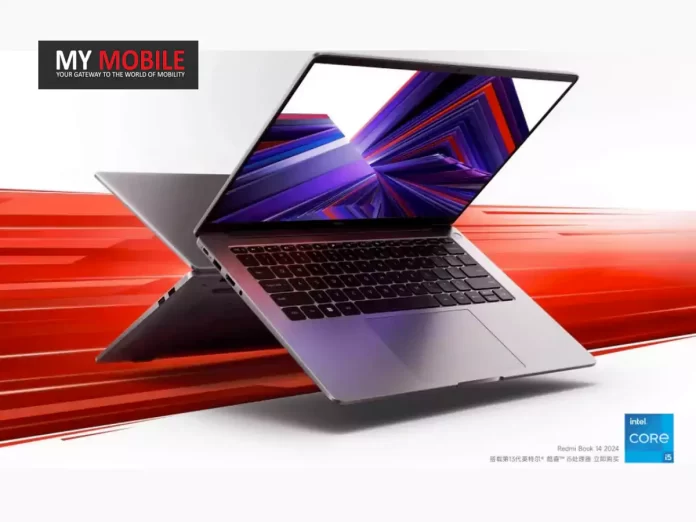
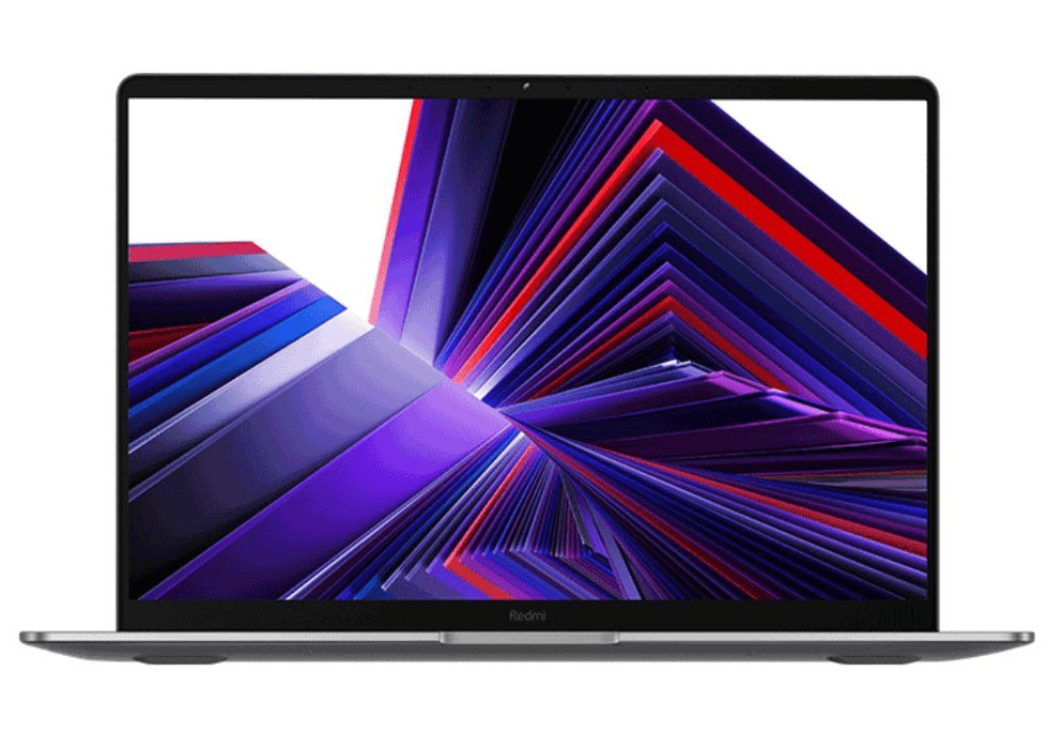
Xiaomi’s latest launch event in China has introduced significant upgrades in their laptop segment with the unveiling of the Redmi Book 14 and Redmi Book 16 (2024 editions).

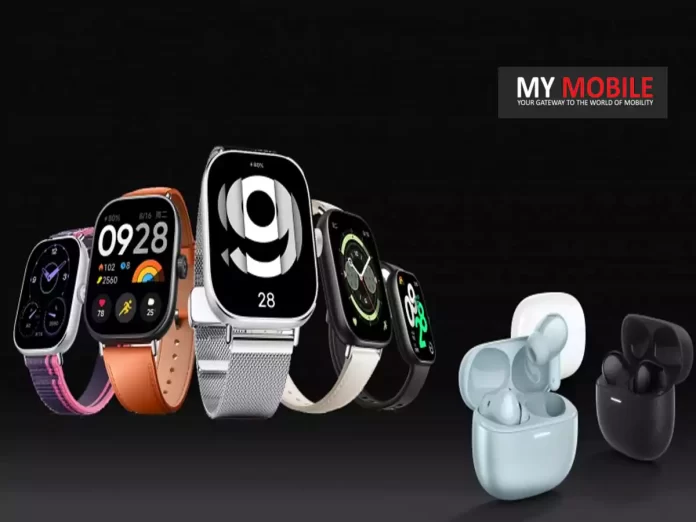
Apart from that the company also showcased the Redmi K70 series, Redmi Watch 4, and Buds 5 Pro at the event as well.

Pricing and Availability

The Redmi Book 14 (2024) is available in Starlight Silver and Star Gray colours, starting at CNY 4,199 (about Rs 50,000) for the 16GB/512GB variant, while the 16GB/1TB variant is priced at CNY 4,499 (about Rs 53,000).

The Redmi Book 16 (2024) is offered in Star Gray, with prices beginning at CNY 4,399 about (Rs 51,000) for the 16GB/512GB model and CNY 4,699 (about Rs 55,000) for the 16GB/1TB version.

The Redmi Book 14 is already on sale in China, and the sales for the Redmi Book 16 are set to begin on December 1st.

Again, as with all products announced by Redmi today, a launch for the Indian market remains uncertain.

Redmi Book 14 and Redmi Book 16: Features and Specs

Redmi Book 14 and 16 (2024 Editions) Launched in China

Both the Redmi Book 14 and Redmi Book 16 are equipped with 16:10 displays, boasting 100% sRGB colour gamut and Dolby Vision support.

The Redmi Book 14 features a 14-inch 2.8K display, offering a resolution of 2,880 x 1,800 pixels and up to 300 nits of peak brightness.

On the other hand, the Redmi Book 16 sports a larger 16-inch 2.5K panel with 2,560 x 1,600 pixels resolution, a 120 Hz refresh rate, and 400 nits peak brightness.

Both models promise vivid and crisp visuals, making them ideal for both professional and personal use.

Under the hood, these laptops are powered by the 3.5 GHz 13th Gen Intel Core i5-13500H Processor, coupled with up to 16 GB of LPDDR5 RAM and 1 TB PCIe 4.0 SSD storage.

This setup is likely to provide consistent performance across various computing needs, including lightweight gaming.

Running on Windows 11, the laptops also provide access to Xiaomi’s HyperOS intelligent connection, allowing for efficient interconnection and multi-device support.

Design, Features, and Connectivity

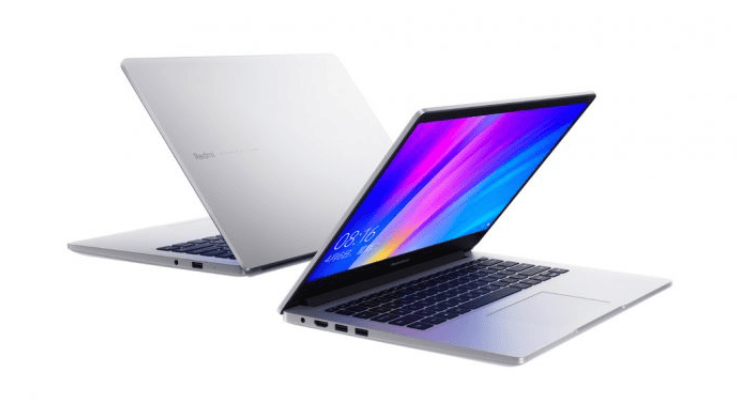
Redmi Book 14 and 16 (2024 Editions)
Redmi Book 14 and 16 (2024 Editions) Design

The Redmi Book 14 weighs 1.37kg with dimensions of 312.24 x 220.15 x 15.9 mm, while the larger Redmi Book 16 weighs 1.68kg and measures 355.2 x 248.5 x 15.9 mm.

Both models feature a backlight keyboard with 1.5mm key travel, integrated fingerprint scanner, a 1080p webcam, quad microphones, 2x 2W speakers, and Dolby Atmos support.

In terms of connectivity, they offer Bluetooth 5.2, Wi-Fi 6E, Thunderbolt 4, USB-A 3.2 Gen1, HDMI 2.1, USB 2.0, and NFC.

The Redmi Book 14 is equipped with a 56Wh battery, while the Book 16 comes with a larger 72Wh unit.

Both are accompanied by a 100W GaN Fast-Charger, ensuring quick and efficient power-ups.

FAQs

Q1: What are the display features of the Redmi Book 14 and 16?

A1: The Redmi Book 14 offers a 14-inch 2.8K display with 300 nits of peak brightness, while the Redmi Book 16 features a 16-inch 2.5K display with 400 nits brightness and a 120 Hz refresh rate. Both displays support a 100% sRGB color gamut and Dolby Vision, ensuring high-quality, vivid visuals.

Q2: What kind of performance can be expected from the Redmi Book 14 and 16?

A2: Both laptops are equipped with a 3.5 GHz 13th Gen Intel Core i5-13500H Processor, up to 16 GB LPDDR5 RAM, and 1 TB PCIe 4.0 SSD storage, providing robust performance for a variety of computing needs, including lightweight gaming and professional tasks.

Q3: What are the key design features of the new Redmi laptops?

A3: The Redmi Book 14 and 16 feature a sleek design with a backlight keyboard, 1.5mm key travel, integrated fingerprint scanner, 1080p webcam, quad microphones, and Dolby Atmos support. The Book 14 weighs 1.37kg, while the Book 16 is slightly heavier at 1.68kg.

Q4: How does the battery and charging system work in these new Redmi laptops?

A4: The Redmi Book 14 is equipped with a 56Wh battery, while the Redmi Book 16 features a 72Wh battery. Both models come with a 100W GaN Fast-Charger, ensuring efficient and quick charging capabilities.

Also Read: Redmi K70 series, POCO F6 launch timeframe, model numbers leaked well before launch: Spotted on IMEI Database; Launch Expected Soon

Also Read: Redmi K70 Launch: The Anticipated Smartphone Could Reportedly Arrive in China This November

Redmi Watch 4 and Buds 5 Pro Launched in China Alongside Redmi K70 Series: Pricing, Features, Specs

0
Redmi Watch 4 and Buds 5 Pro Launched in China

Highlights

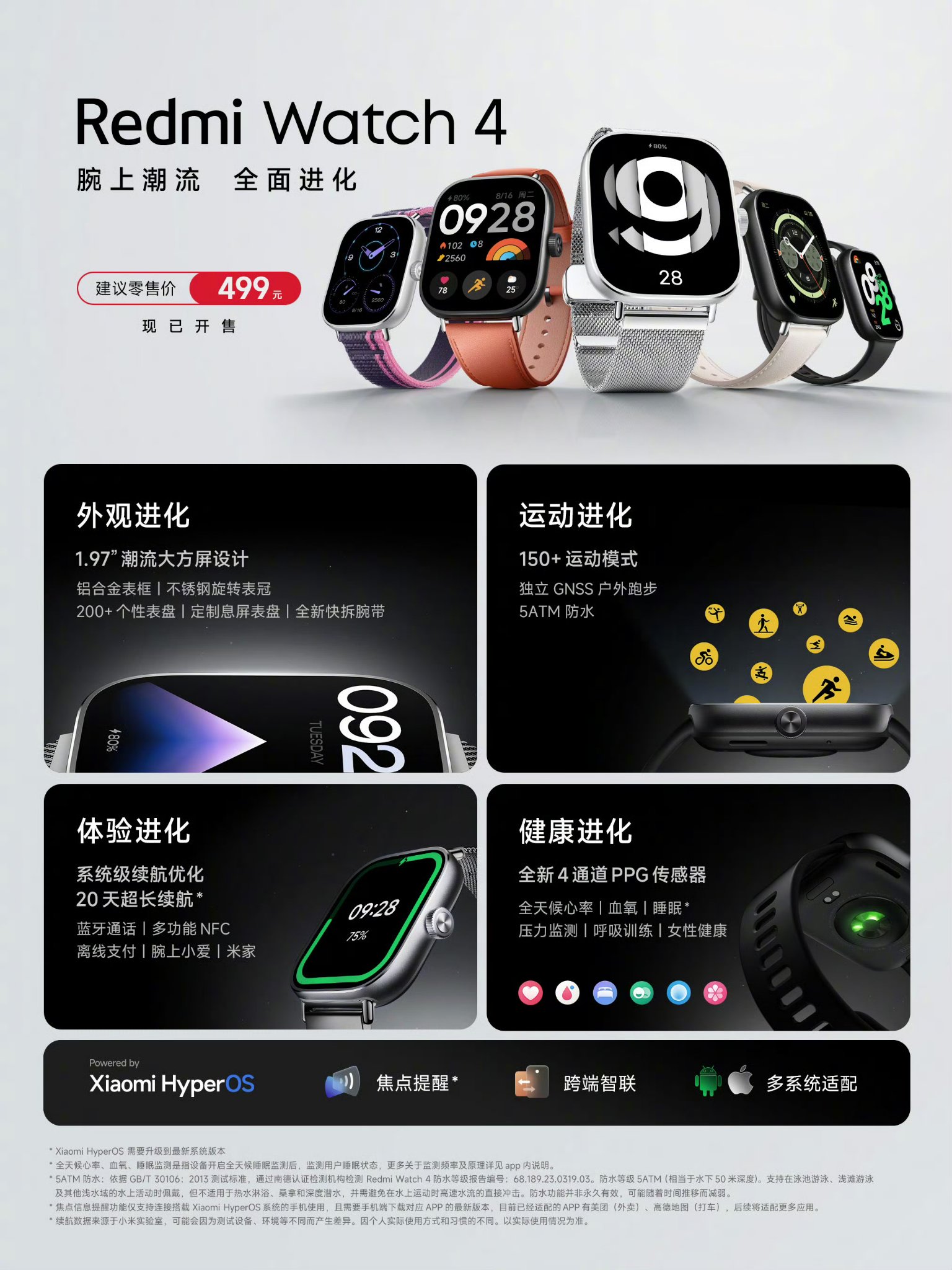
  • Redmi Watch 4 features a 1.96-inch AMOLED display, 60Hz refresh rate, and is 5ATM waterproof.
  • Buds 5 Pro offers LHDC 5.0 Hi-Res audio, active noise cancelation, and up to 38 hours of battery life.
  • Watch 4 includes over 150 sports modes, health tracking, and a 470 mAh battery for extended use.
  • Buds 5 Pro comes in four colours with a special e-Sports version featuring reduced latency.

Redmi unveiled its latest offerings in the smart wearable segment, introducing the Redmi Watch 4 and Redmi Buds 5 Pro.

These devices were launched alongside the new Redmi K70 series smartphones, marking a significant expansion in Redmi’s product line.

Redmi Watch 4 and Redmi Buds 5 Pro: Pricing

GAG92MqbcAAc5Zh
GAG431-bUAAYLTU
GAG92MqbcAAc5Zh GAG431-bUAAYLTU

Available in black, white, blue, and black/orange colours, the Redmi Buds 5 Pro and the Redmi Watch 4 are priced at CNY 500 (Rs 5,800).

As of now, there has been no official announcement regarding their launch in the Indian market.

Redmi Watch 4: Features and Specs

Redmi Watch 4: Features

The Redmi Watch 4 emerges as a standout product with its 1.96-inch AMOLED display, boasting a resolution of 390 x 450 pixels and a 60Hz refresh rate.

Its peak brightness reaches up to 600 nits, and it features an Always-On display functionality.

This iteration marks the first in the Redmi Watch series to adopt an aluminium alloy casing, enhancing its durability and aesthetic appeal.

Additionally, the watch is 5ATM waterproof, making it suitable for various environments.

Underneath its stylish exterior, the Watch 4 is powered by Xiaomi’s HyperOS and offers a plethora of features including GNSS positioning, NFC, and Bluetooth 5.3 connectivity.

Health and fitness enthusiasts will appreciate the comprehensive health tracking capabilities, which include monitoring heart rate, blood oxygen levels, sleep, and stress.

The Watch 4 also supports over 150 sports modes, complete with voice-guided workouts and recovery programs.

Battery life is impressive, with a 470 mAh battery that can last up to 10 days on a full charge with Always-On Display and health tracking features active.

Redmi says that lighter usage will extend the battery life to up to 20 days.

Redmi Buds 5 Pro: Features and Specs

Redmi Buds 5 Pro: Features

Joining the Watch 4, the Redmi Buds 5 Pro are designed to cater to audiophiles seeking high-quality sound.

These earbuds feature dynamic 10mm ceramic-coated tweeters and 11mm titanium-plated woofers.

They support LHDC 5.0 Hi-Res audio streaming and boast an active noise cancelation capability that can reduce noise by up to 52dB.

The Buds 5 Pro also offer Bluetooth 5.3 connectivity, and a special e-Sports version includes a USB-C 2.4Ghz transmitter for extremely low latency of 20ms.

The earbuds and charging case combined provide a total of 38 hours of battery life.

When active noise cancelation is enabled, the earbuds offer 6.5 hours of playtime, which extends to 10 hours with ANC off.

FAQs

Q1: What are the key features of the Redmi Watch 4?

A1: The Redmi Watch 4 boasts a 1.96-inch AMOLED display, 600 nits peak brightness, and 5ATM water resistance. It’s equipped with Xiaomi’s HyperOS, supports GNSS positioning, NFC, and Bluetooth 5.3, and offers comprehensive health and fitness tracking capabilities.

Q2: How does the Redmi Buds 5 Pro enhance the audio experience?

A2: Redmi Buds 5 Pro feature dynamic drivers with ceramic-coated tweeters and titanium-plated woofers, supporting LHDC 5.0 Hi-Res audio. They provide active noise cancelation up to 52dB, ensuring a high-quality, immersive audio experience.

Q3: What is the battery life of the Redmi Watch 4 and Buds 5 Pro?

A3: The Redmi Watch 4 offers up to 10 days of battery life with full features enabled and up to 20 days on lighter usage. The Buds 5 Pro provide a total of 38 hours of battery life, with 6.5 hours from the buds alone when using ANC.

Q4: Are the Redmi Watch 4 and Buds 5 Pro available in different colours?

A4: Yes, both the Redmi Watch 4 and Buds 5 Pro come in multiple colour options, including black, white, blue, and a special black/orange combination, offering consumers a variety of choices to suit their personal style.

Also Read: Redmi Watch 3 Active on Xiaomi’s Global Website Ahead of Launch

Also Read: Redmi Watch 3 with 1.75-inch AMOLED display, Bluetooth calling, 12-day battery launched: Price, Specifications & Features

Redmi K70 Series Unveiled in China: Pricing, Features, Specs, and More

0
Redmi K70 Series Launch Today

Highlights

  • Redmi K70 series launched, including K70, K70 Pro, and K70e models.
  • Features cutting-edge Snapdragon 8 Gen 3 and MediaTek Dimensity 8300 SoCs.
  • Boasts OLED displays with up to 120Hz refresh rate and 2K resolution.
  • Supports up to 120W fast charging and advanced camera setups.

Xiaomi’s Redmi brand has once again made a significant splash in the smartphone market with the launch of the Redmi K70 series in China.

This new lineup, consisting of the Redmi K70, Redmi K70 Pro, and Redmi K70e, has been introduced with an array of high-end features, positioning itself as a formidable contender in the smartphone arena.

Let’s dive into the details of the Redmi K70 series launch and explore what each model has to offer.

Redmi K70 Series: Pricing and Variants

Redmi K70 Series: Pricing
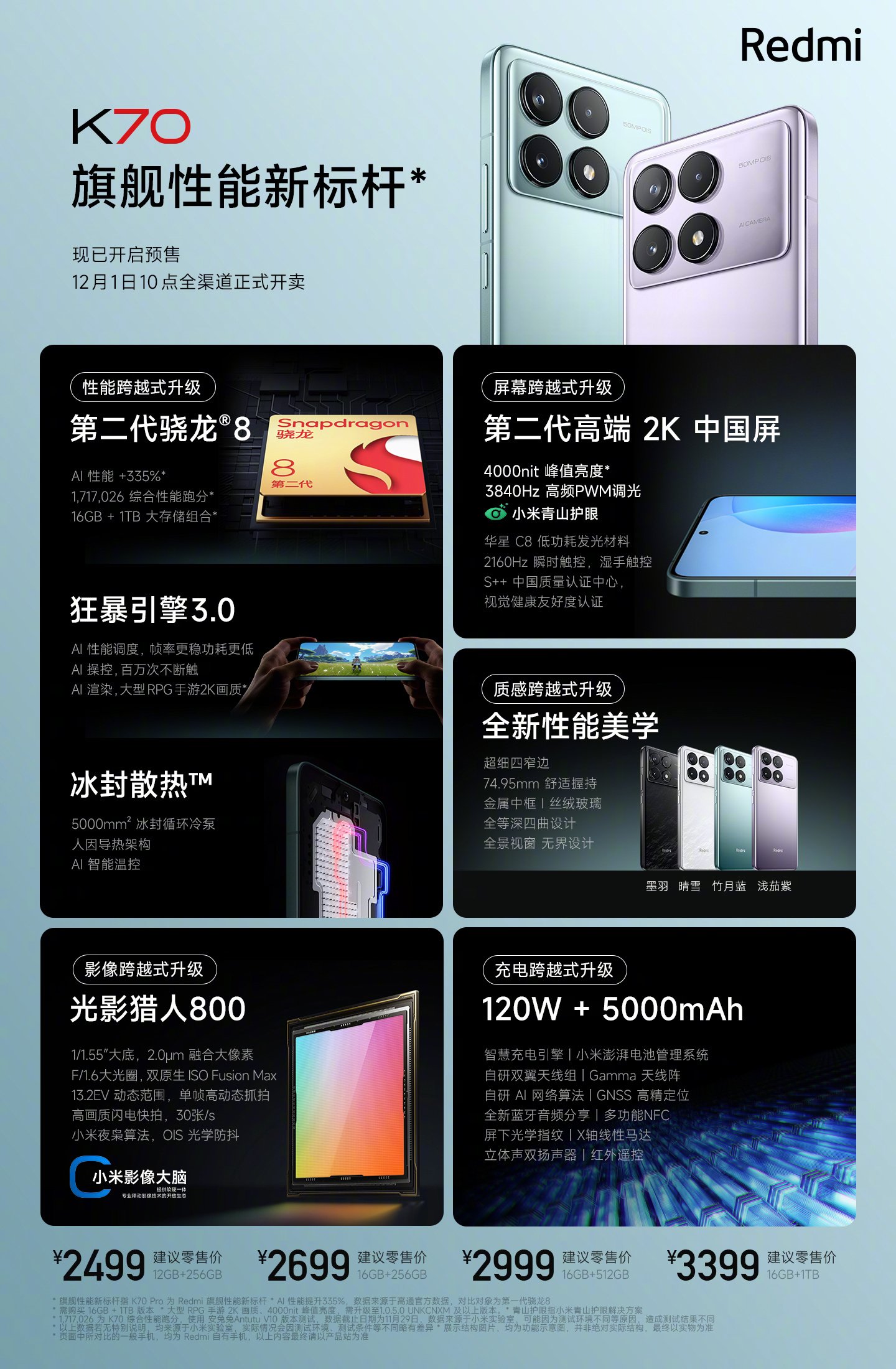
  • The Redmi K70 Pro’s pricing starts at CNY 3,299 for the 12GB + 256GB model and goes up to CNY 4,299 for the 24GB + 1TB variant.
  • The standard Redmi K70 is priced between CNY 2,499 for the 12GB + 256GB model and CNY 3,399 for the 16GB + 1TB variant.
  • The Redmi K70e is the most affordable in the lineup, with prices ranging from CNY 1,999 to CNY 2,599 for different storage options.

Additionally, the lineup includes a special Lamborghini edition of the Redmi K70 Pro, offering a unique design in Yellow and Green colors.

Redmi K70 Series: Key Specifications

Redmi K70 Series Leaked Camera Specs Revealed Before Official Launch
Redmi K70 Series: Key Specifications

The flagship Redmi K70 Pro is powered by the Qualcomm Snapdragon 8 Gen 3 SoC, while the Redmi K70 uses the Snapdragon 8 Gen 2 chipset.

The more budget-friendly Redmi K70e features the MediaTek Dimensity 8300 SoC. All models boast OLED displays with high refresh rates, offering crystal-clear visuals and smooth performance.

  • Redmi K70 and K70 Pro Display: Both feature a 6.67-inch 2K OLED display with a 120Hz refresh rate and high PWM dimming support.
  • Redmi K70e Display: Sports a 6.67-inch 1.5K OLED display with a 120Hz refresh rate.
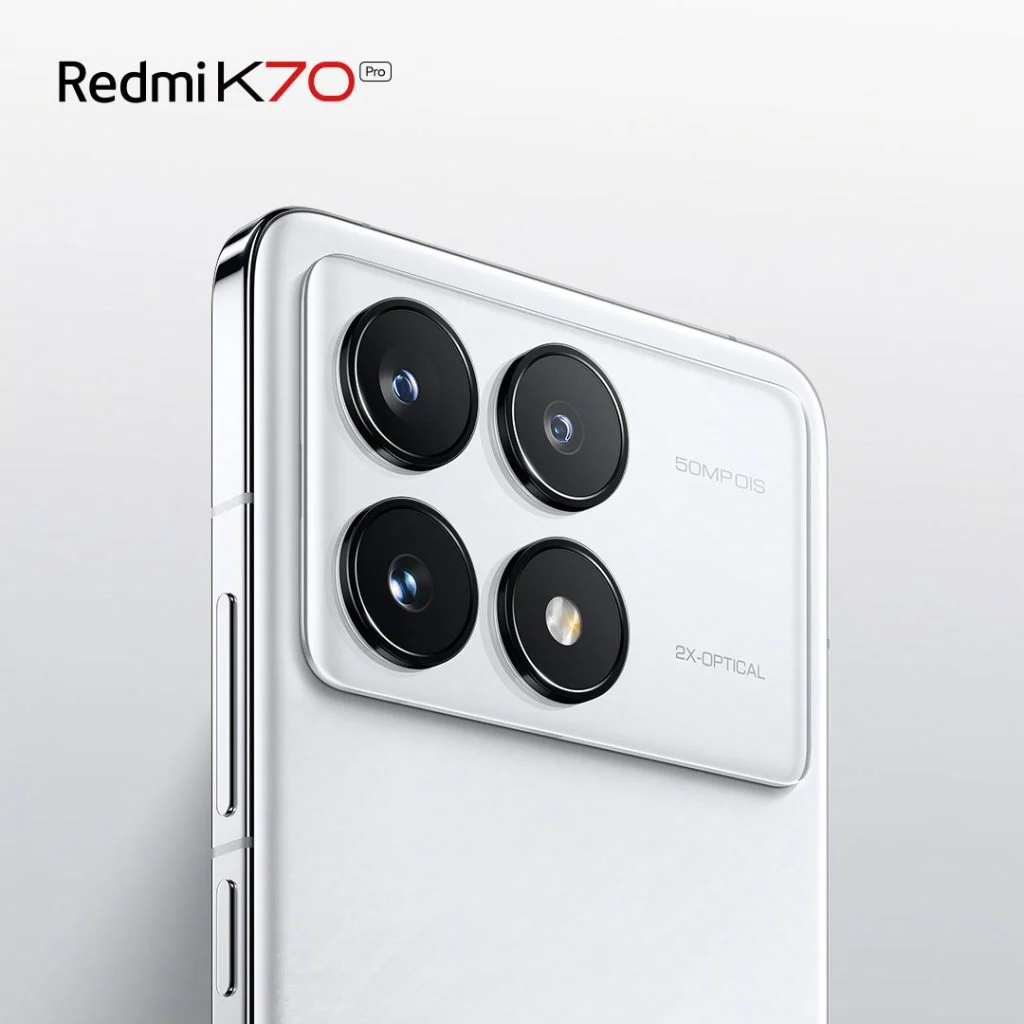
  • Camera: The Pro variant comes with a triple-camera setup, including a 50MP Light Hunter 800 primary sensor. The K70e features a 64MP primary camera, while the standard K70 offers a 50MP main sensor.
  • Battery: All models pack powerful batteries, with the K70 and K70 Pro supporting up to 120W fast charging and the K70e featuring 90W fast charging.

Software and Additional Features

Key Specs of Redmi K70 Series
Redmi K70 Series: Software and Additional Features

Running on Android 14-based HyperOS custom skin, the Redmi K70 series is likely to offer a seamless user experience with the latest software advancements.

The phones are equipped with features like in-display fingerprint sensors, Dolby Atmos, stereo speakers, and connectivity options like 5G, Wi-Fi, Bluetooth, and NFC.

There is presently no word on when the devices will come to the Indian market. However, there are reports that the device K70 Pro will be rebranded under the POCO moniker and hit the Indian market next year.

XIAOMI REDMI K70 KEY SPECIFICATIONS

Key Specs

RAM 8 GB
Processor Qualcomm Snapdragon 8 Plus Gen 1
Rear Camera 108 MP + 12 MP + 5 MP
Front Camera 24 MP
Battery 5800 mAh
Display 6.72 inches (17.07 cm)

General

Launch Date December 21, 2023 (Unofficial)
Operating System Android v13

Performance

Chipset Qualcomm Snapdragon 8 Plus Gen 1
CPU Octa core (3.2 GHz, Single core, Cortex X2 + 2.75 GHz, Tri core, Cortex A710 + 2 GHz, Quad core, Cortex A510)
Architecture 64 bit
Fabrication 4 nm
Graphics Adreno 730
RAM 8 GB

Display

Display Type OLED
Screen Size 6.72 inches (17.07 cm)
Resolution 1080 x 2400 pixels
Pixel Density 392 ppi
Bezel-less display Yes with punch-hole display
Touch Screen Yes, Capacitive Touchscreen, Multi-touch

Camera

MAIN CAMERA
Camera Setup Triple
Resolution 108 MP, Primary Camera
12 MP
5 MP
Autofocus Yes
Flash Yes, LED Flash
Image Resolution 12000 x 9000 Pixels
Settings Exposure compensation
Shooting Modes Continuous Shooting
High Dynamic Range mode (HDR)
Camera Features Digital Zoom
Auto Flash
Face detection
Touch to focus
Video Recording 1920×1080 @ 30 fps
FRONT CAMERA
Camera Setup Single
Resolution 24 MP, Primary Camera
Video Recording 1920×1080 fps

Battery

Capacity 5800 mAh
Type Li-Polymer
Removable No
Quick Charging Yes, Fast
USB Type-C Yes

Storage

Internal Memory 256 GB
Expandable Memory No

Network & Connectivity

SIM Slot(s) Dual SIM, GSM+GSM
SIM Size SIM1: Nano, SIM2: Nano
Network Support 5G Not Supported in India, 4G Supported in India, 3G, 2G
VoLTE Yes
SIM 1
4G Bands:
TD-LTE 2300(band 40)
FD-LTE 1800(band 3)
3G Bands:
UMTS 1900 / 2100 / 850 / 900 MHz
2G Bands:
GSM 1800 / 1900 / 850 / 900 MHz
GPRS:
Available
EDGE:
Available
SIM 2
4G Bands:
TD-LTE 2300(band 40)
FD-LTE 1800(band 3)
3G Bands:
UMTS 1900 / 2100 / 850 / 900 MHz
2G Bands:
GSM 1800 / 1900 / 850 / 900 MHz
GPRS:
Available
EDGE:
Available
Wi-Fi Yes, Wi-Fi 4 (802.11 b/g/n)
Wi-Fi Features Mobile Hotspot
Bluetooth Yes, v5.3
GPS Yes with A-GPS, Glonass
USB Connectivity Mass storage device, USB charging

Multimedia

Loudspeaker Yes
Audio Jack USB Type-C

Sensors

Fingerprint Sensor Yes
Fingerprint Sensor Position Side
Other Sensors Light sensor, Proximity sensor, Accelerometer, Compass, Gyroscope

FAQs

What are the key features of the Redmi K70 series?

The Redmi K70 series offers OLED displays with high refresh rates, powerful Snapdragon and MediaTek chipsets, and fast charging support. The series includes advanced camera configurations, with the Pro model featuring a 50MP primary sensor.

How is the Redmi K70 series priced?

The Redmi K70 Pro starts at RMB 3,299, going up to RMB 4,299. The standard K70 is priced between RMB 2,499 and RMB 3,399, while the K70e ranges from RMB 1,999 to RMB 2,599, making the series accessible to a wide range of consumers.

What makes the Redmi K70 series stand out in the smartphone market?

The Redmi K70 series stands out for its combination of high-end specifications, like the latest Snapdragon and MediaTek processors, high-refresh-rate OLED displays, and fast charging capabilities, all offered at competitive price points.

When will the Redmi K70 series be available for purchase?

While the series has been launched in China, the global availability and specific release dates for other markets are yet to be announced by Xiaomi.

Also Read: Redmi K70 series, POCO F6 launch timeframe, model numbers leaked well before launch: Spotted on IMEI Database; Launch Expected Soon

Also Read: Redmi K70 Launch: The Anticipated Smartphone Could Reportedly Arrive in China This November

iOS 18 Rumours: AI Revolution, Enhanced Cross-Platform Messaging, and More

0
iOS 18 Rumours

Highlights

  • iOS 18 potentially unveiling in June 2024, with a focus on AI advancements.
  • Siri’s evolution expected with ChatGPT-like functionalities and deeper Shortcuts integration.
  • RCS messaging support to improve iPhone-Android communication.
  • Possible discontinuation of support for older iPhone models, following iOS 17’s pattern.

The arrival of iOS 18 has been on a few people’s minds ever since the rumour mill started spinning new stories about what a game-changing update it might be for Apple.

Slated for a potential reveal at Apple’s Worldwide Developer Conference (WWDC) in mid-2024, iOS 18 is poised to mark a significant step forward in Apple’s software development, particularly with a focus on AI, which really has become the buzz-word in today’s tech landscape.

Anticipated Release Timeline for iOS 18

If Apple maintains its usual schedule, iOS 18 is likely to be unveiled in early June 2024, with possible dates being June 3rd or 10th.

Post-WWDC, the public can expect a beta release around July, following which the final version of iOS 18 is anticipated to roll out in September 2024, coinciding with the launch of new iPhone models.

What Could Be New in iOS 18?

What Could Be New in iOS 18?

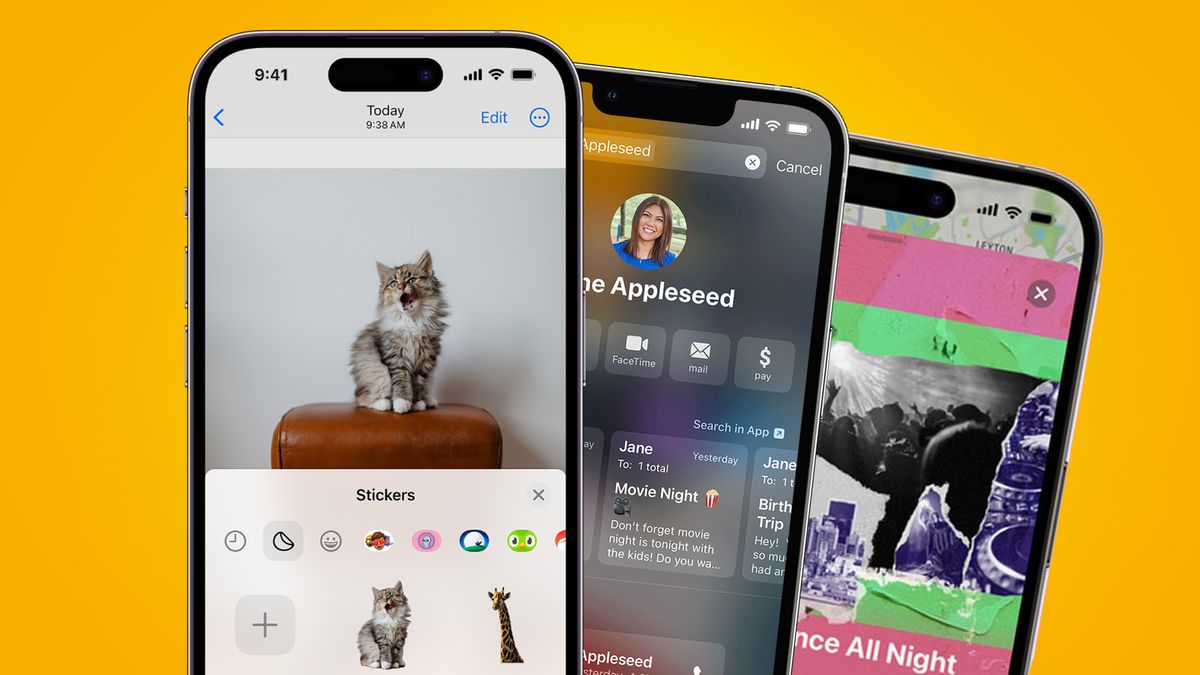
The buzz around iOS 18 is heavily centred on AI advancements. With tech giants like Google and Microsoft making significant strides in generative AI, Apple seems to be gearing up to incorporate similar technologies in iOS 18.

Bloomberg’s Mark Gurman has indicated that the next iPhone software update could be critical for integrating generative AI into the handset’s ecosystem.

As such, the advanced AGI models are expected to bolster the rather timid (in comparison to Google) functionalities in Siri and the Messages app.

The potential for change is to allow for more human-like interactions and advanced auto-completion capabilities.

AI and Siri’s Evolution in iOS 18

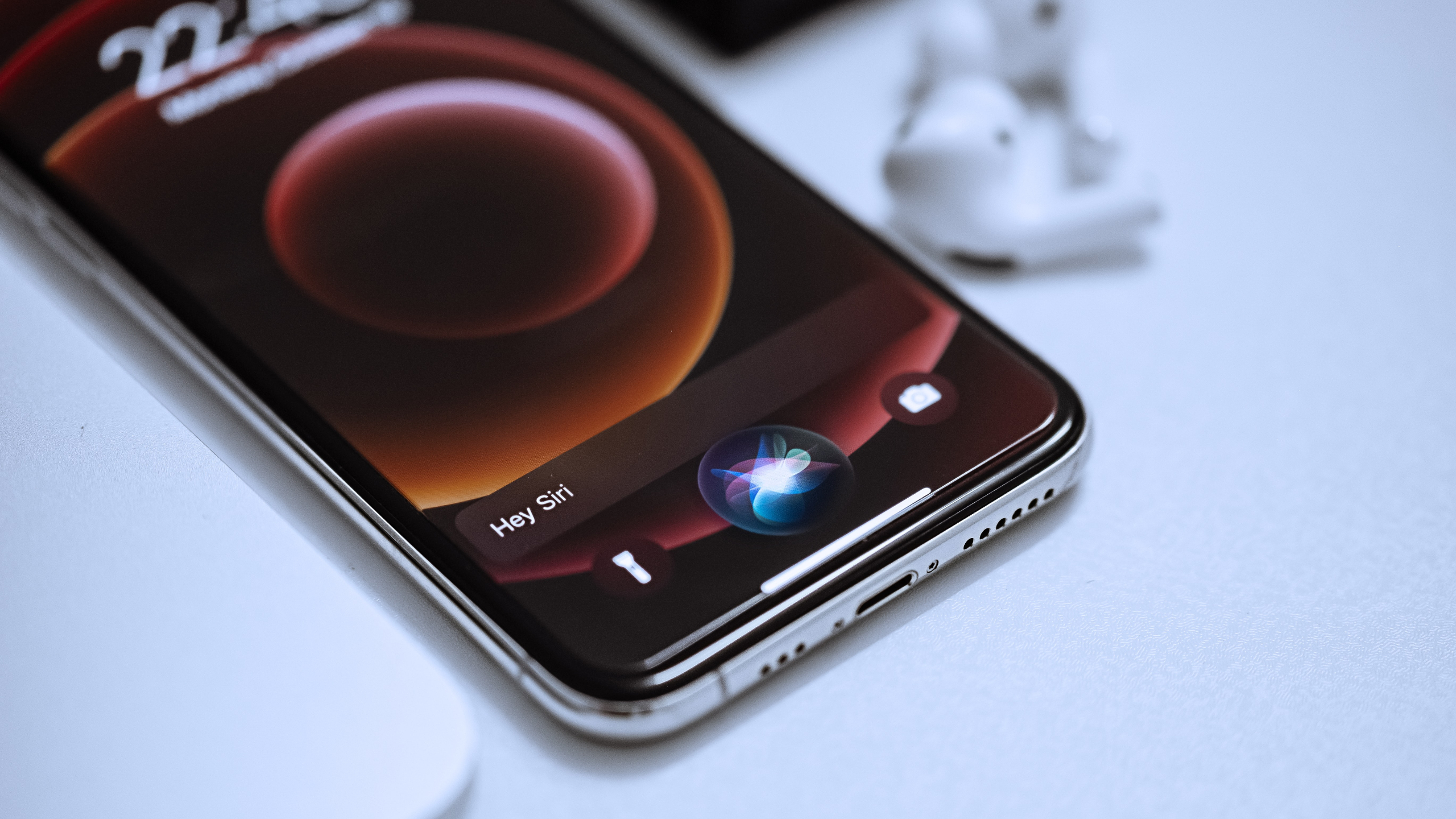
Rumours also suggest that Apple is investing heavily in AI servers and large language models, for a complete revamp of Siri, making it more akin to ChatGPT.

This would of course mean responses that are more nuanced and conversational. Additionally, there is speculation about deeper integration with the Shortcuts app, which could see Siri performing more complex tasks automatically.

Cross-Platform Messaging and RCS Support

Cross-Platform Messaging and RCS Support

Another significant feature expected in iOS 18 is the support for Rich Communication Services (RCS) messaging.

Apple confirmed that the universal messaging standard is coming to iPhones but did not specify a timeline.

Now it is being assumed that iOS 18 would likely be the pedestal upon which Apple finally caves in and let’s iPhones communicate more freely with Android smartphones.

Currently, messaging an Android phone from an iPhone limits certain functionalities. With RCS support, iOS 18 could bridge this gap, offering a more feature-rich and seamless messaging experience.

Device Compatibility

While official confirmation is pending, speculation suggests that iOS 18 might drop support for older iPhone models, following the pattern observed with iOS 17.

Users of 2018 iPhone models might need to prepare for possible incompatibility with iOS 18, although nothing is set in stone until the official announcement at WWDC 2024.

FAQs

When is iOS 18 expected to be released?

Apple is likely to unveil iOS 18 during WWDC in June 2024, with a beta release following in July and the final version rolling out in September 2024, aligning with new iPhone launches.

What are the anticipated AI features in iOS 18?

iOS 18 is rumoured to integrate advanced AI technologies, potentially enhancing Siri to offer more nuanced and human-like interactions. The update is expected to bring generative AI features, improving the iPhone’s software capabilities significantly.

How will RCS messaging support affect iOS 18 users?

The introduction of RCS messaging in iOS 18 aims to bridge the communication gap between iPhone and Android users. It will enhance cross-platform messaging with features like read receipts and typing indicators for a seamless chatting experience.

Which iPhone models are likely to be compatible with iOS 18?

While not officially confirmed, it’s speculated that iOS 18 may drop support for 2018 iPhone models, similar to iOS 17’s pattern. Exact details will be clearer post the official announcement at WWDC 2024.