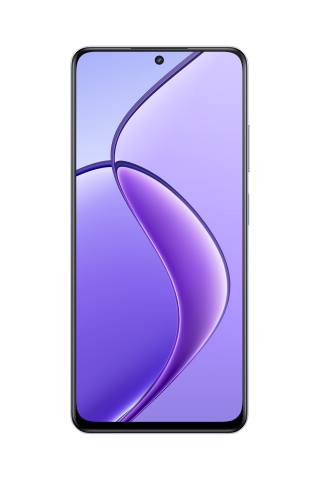
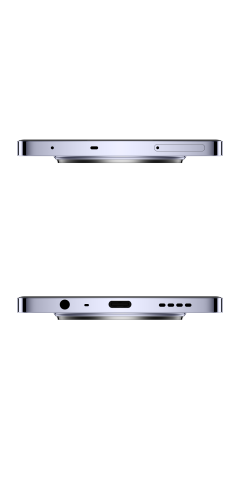
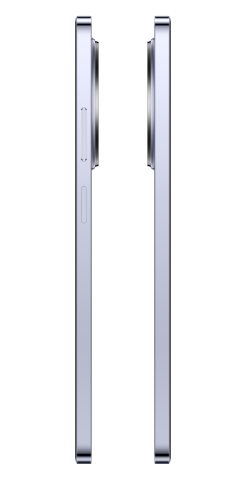
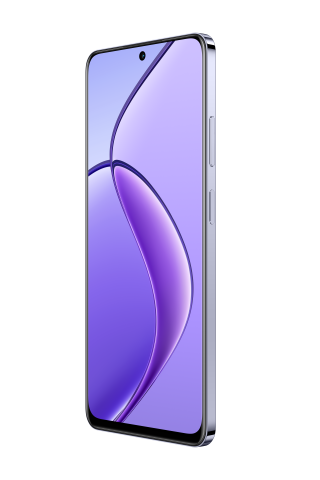
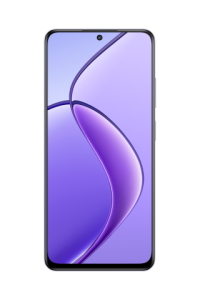
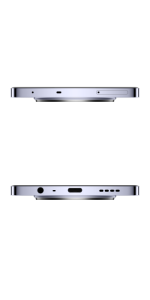
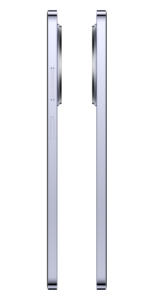
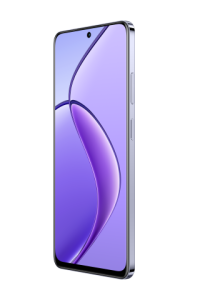
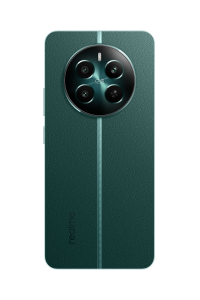
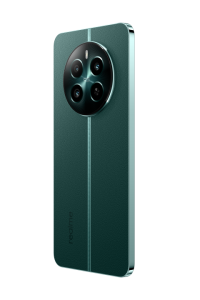
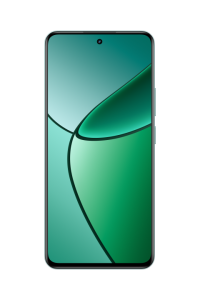
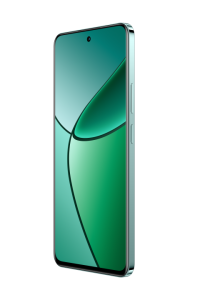
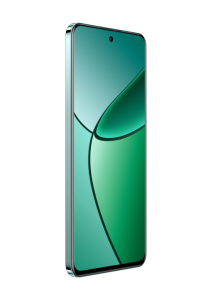
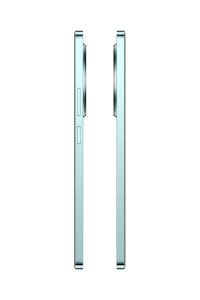
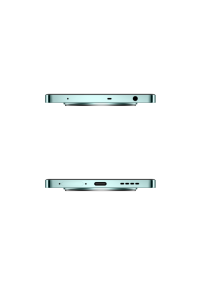
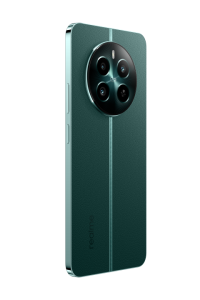
| SMARTPHONE |
NOTHING PHONE (2A) |
NOTHING PHONE (1) |
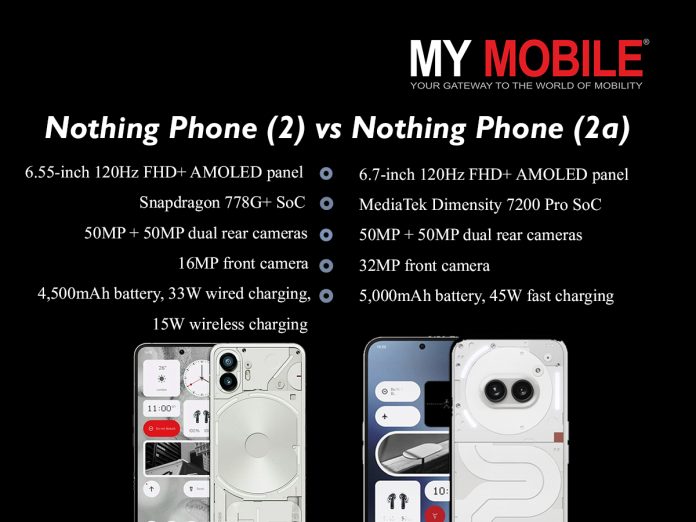
| Display |
6.7-inch 120Hz FHD+ AMOLED panel |
6.55-inch 120Hz FHD+ AMOLED panel |
| Processor |
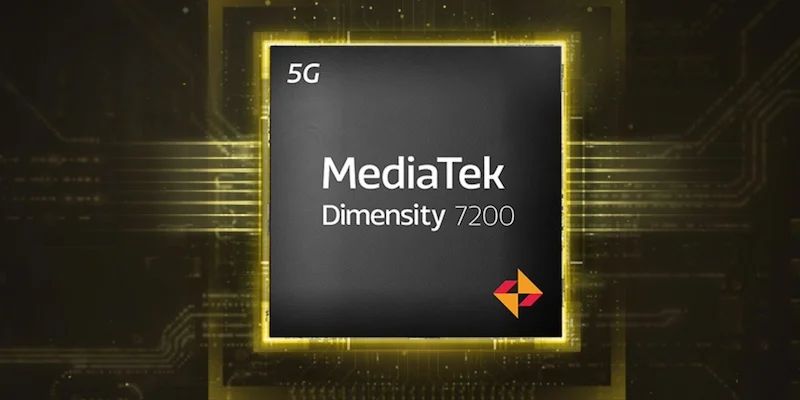
MediaTek Dimensity 7200 Pro SoC |
Qualcomm Snapdragon 778G+ SoC |
| RAM & storage |
Up to 12GB RAM and 256GB storage |
Up to 12GB RAM and 256GB storage |
| Rear cameras |
50MP main camera +50MP ultra-wide |
50MP main camera +50MP ultra-wide |
| Front camera |
32MP selfie camera |
16MP selfie camera |
| Battery & charging |
5,000mAh battery with 45W wired charging |
4,500mAh battery with 33W wired charging, 15W wireless charging |
FAQs
What are the main differences between Nothing Phone (2) and Phone (2a)?
The Nothing Phone (2) features a Qualcomm Snapdragon 8+ Gen 1 chipset, while the Phone (2a) is equipped with a MediaTek Dimensity 7200 Pro.
The Phone (2) also has enhanced gaming performance and supports faster processing speeds.
How do the Nothing Phone (2) and Phone (2a) compare in gaming performance?
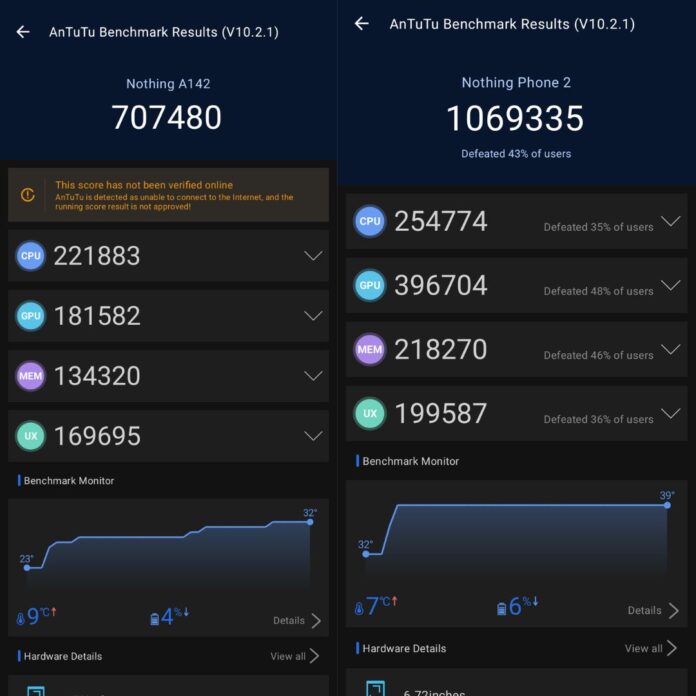
In gaming tests, the Nothing Phone (2) displayed quicker object loading times and smoother gameplay compared to the Phone (2a), thanks to its more powerful Snapdragon 8+ Gen 1 chipset.
Can the Nothing Phone (2a) handle high-performance tasks?
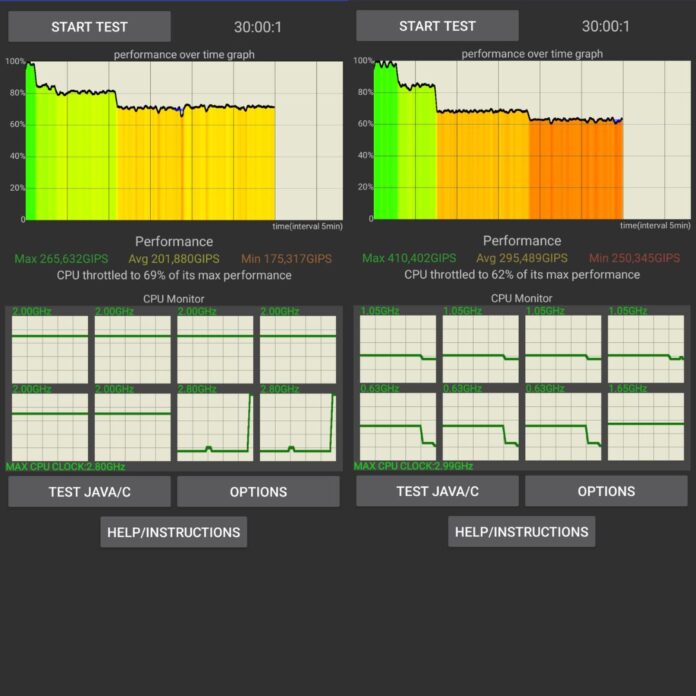
Yes, despite its lower price point, the Nothing Phone (2a) handles high-performance tasks well, offering good performance, although it may experience some stuttering in heavy gaming.
What makes the Nothing Phone (2) a superior gaming device?
The Nothing Phone (2) is a superior gaming device due to its Snapdragon 8+ Gen 1 chipset, ensuring smooth gameplay at 60FPS with no noticeable frame drops or lag.
Is the Nothing Phone (2a) a good value for money?
Absolutely, the Nothing Phone (2a) is an impressive option for those on a budget, offering solid performance, a unique design, great battery life, and a clean Android experience at an affordable price point.
How is the performance of nothing phone (2a)?
Performance
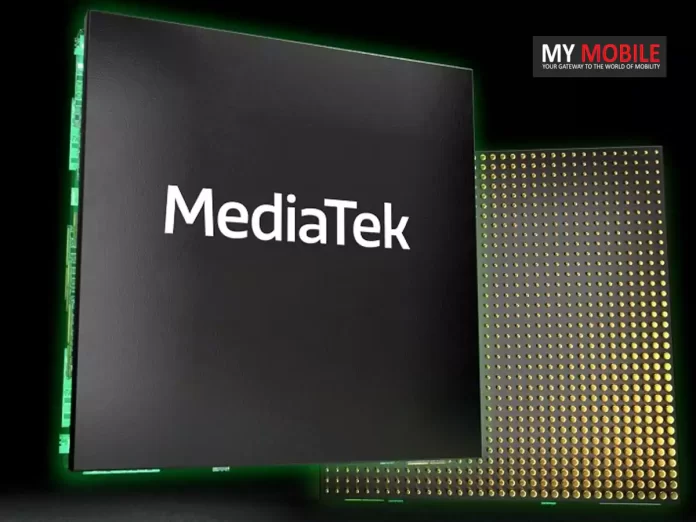
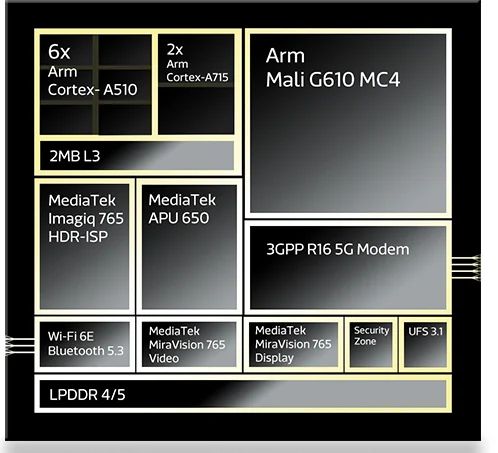
Phone (2a)’s Dimensity 7200 Pro processor has been exclusively co-engineered with MediaTek to deliver the best performance with optimal power efficiency.
Built on TSMC’s latest second-generation 4nm process technology, Phone (2a) effortlessly powers through any task with unparalleled power efficiency and blazing speed.
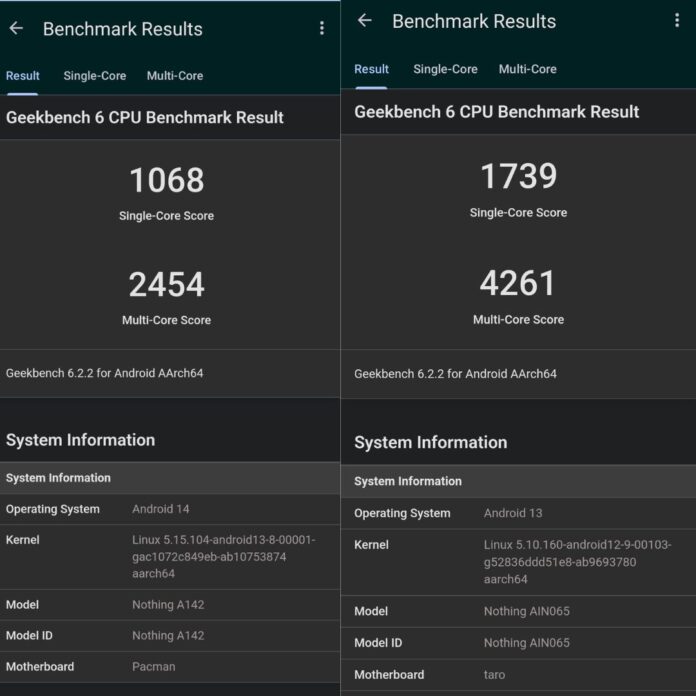
Paired with an expansive 20 GB RAM with RAM Booster technology, the 8-core chip – clocking speeds up to 2.8 GHz – ensures swift and responsive multitasking all day long. This results in a performance that is 13% more powerful than Phone (1) and 16% more efficient.
Together, Nothing and MediaTek have introduced optimisations such as Smart Clean (+200% UFS read/write speed over prolonged usage) and Adaptive NTFS (+100% file transfer speeds with Windows computers) and have been able to reduce power consumption of specific components by up to 10%.
How is the Battery and Charging of nothing phone(2a)?
At 5,000 mAh, Phone (2a) contains Nothing’s smartphone biggest battery to date, delivering up to two days of use on a full charge. Not only is it larger, it also performs better. From Phone (1), Nothing has increased battery longevity by over 25%.
This means it can maintain over 90% of its maximum capacity after 1,000 charging cycles, corresponding to over three years of daily charging. The battery also has a 13% reduction in temperature when charging and discharging compared to Phone (1), which contributes to its longevity.
For rapid power-ups, Phone (2a) supports 45W Fast Charging, delivering 50% of power in just 20 minutes. An optimal charging solution that avoids the risk of depleting battery life, often related to higher watt count and charging speeds.
How is the Camera of nothing phone (2a)?
For capturing life’s greatest hits, Phone (2a) features a flawless dual 50 MP rear camera that’s powered by our TrueLens Engine.
The TrueLens Engine is a series of advanced computational algorithms that come together to ensure every shot taken on Phone (2a) is as close to real life as possible.
This includes Ultra XDR, which has been co-developed with Google to ensure a more accurate display of highlights and shadows in every shot.
It works by capturing 8 frames at different exposure levels in RAW format, and then adjusting the brightness of each pixel up to 5 times to display the most true-to-life result.
For landing the perfect selfies anytime, anywhere, Phone (2a) has an exceptional 32 MP front camera that uses the same sensor as Phone (2), which has 27% more light sensitivity versus Phone (1) and enables more details to come through.
How is the Display of Phone (2a)?
Phone (2a) has a 6.7” flexible AMOLED display, which means it can deliver stunningly accurate colour reproduction of 1.07 billion colours while minimising battery consumption.
Also, with a peak brightness of 1,300 nits, Phone (2a) delivers an uncompromised viewing experience even in the brightest outdoor conditions.
With a refresh rate of 120 Hz, Phone (2a) provides sublimely smooth interactions that dynamically adapts to the content displayed. This goes down to 30 Hz for videos and still to preserve battery.
Phone (2a) features the thinnest bezels in Nothing’s smartphone line-up, measuring just 2.1 mm symmetrically on all four sides of the screen.
This achievement results in an impressive screen-to-body ratio of 91.65%, made possible through the combination of a flexible panel with structural engineering improvements.
How is the Design of Phone (2a)?
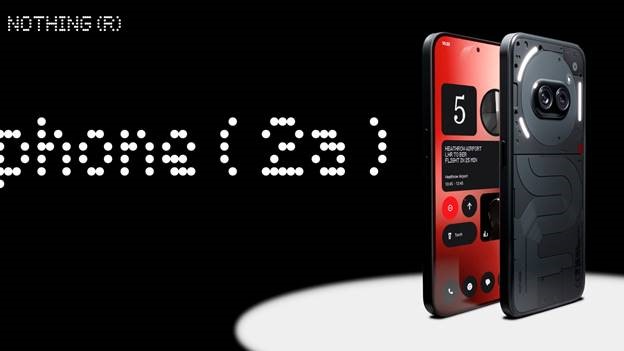
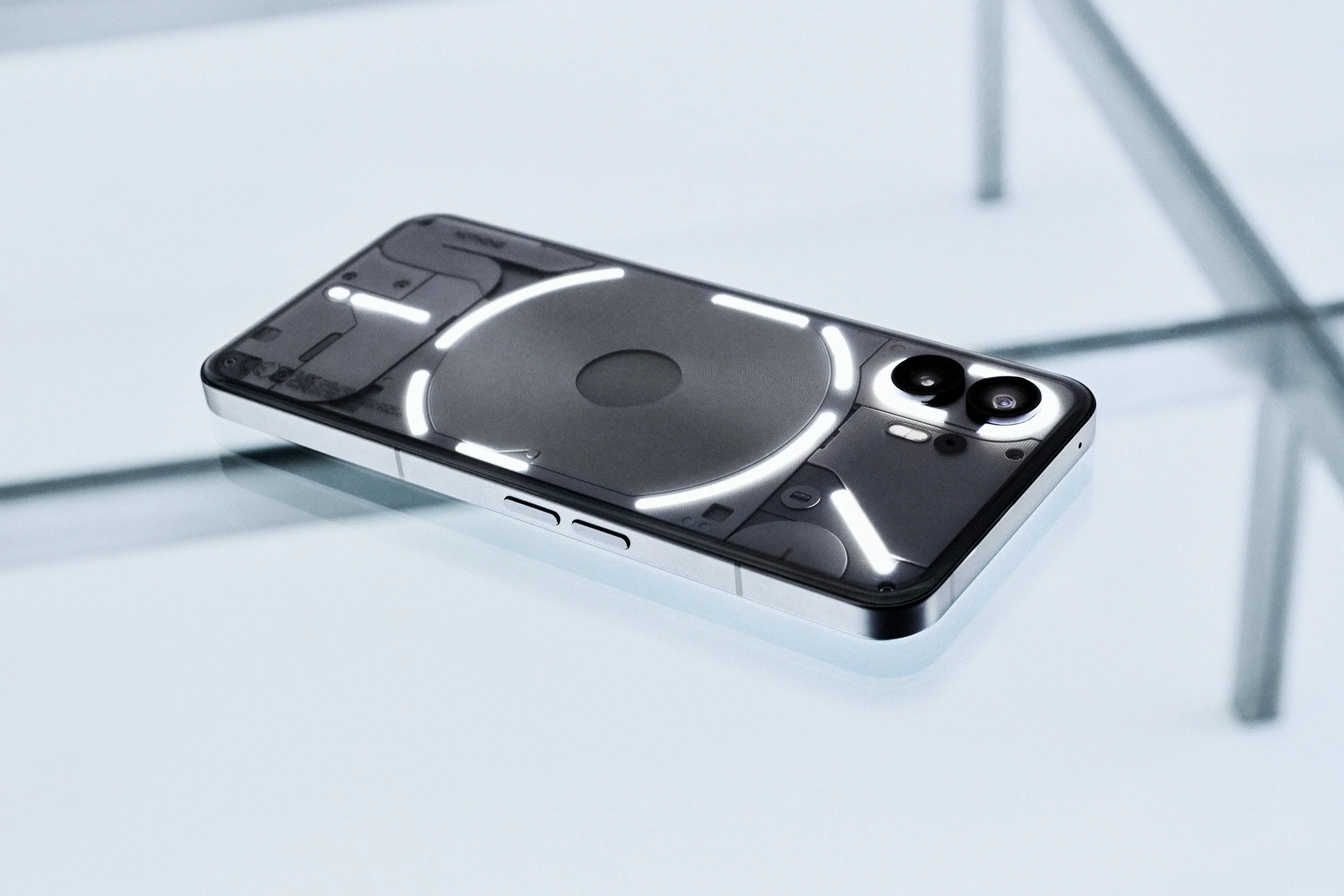
Phone (2a) is the ultimate representation of Nothing’s unique design expression. In fact, it embodies the first-ever internal smartphone design concept that was created all the way back in 2020, a few months after Nothing launched.
With Phone (2a), by placing the cameras inside the NFC coil, Nothing has created a new product icon: the eyes. Behind these is the hub of intelligence that powers the phone, much like a brain.
Phone (2a) features an industry-first with its 90° angle unibody cover wrapping around the edges to create a new dimension and perspective to Nothing’s design, while seamlessly integrating the dual camera module. Not only is this structure aesthetically pleasing, it makes the device sturdier, with a notable improvement on drop test results.
Adding to the cohesion between form and function, the unique camera ‘bump’ also plays a role in stabilising the phone when it’s lying flat on a surface as well as helping minimise finger obstructions when taking a picture.
What’s new with Nothing OS in Nothing Phone (2a)?
Phone (2a) enters the market with Nothing OS 2.5. Unlike the majority of the devices in this category, it comes with Android 14 out of the box, with an impressive 3 years of software updates and 4 years security updates.
With Nothing OS 2.5, Nothing has expanded its library with even more Nothing-designed widgets, with swipeable views and animations for more levels of information and interactions on your home screen.
Phone (2a) marks the launch of a new Recorder widget which allows users to create voice memos on-the-go. Plus, Nothing has introduced an AI-powered Wallpaper Studio, which enables unlimited personalised wallpaper options for your home and lock screen.
The Glyph Interface in Nothing phone 2a .Details
On the back of the phone, Phone (2a) reimagines the iconic Glyph Interface. A new way to interact with a smartphone that encourages people to put their screens down and refer to light and sound patterns for key information.
The new Glyph Interface still retains the new capabilities of Phone (2), including the Glyph Timer and Glyph Progress that utilises 3rd party integrations, whilst contributing to the distinct aesthetic of Phone (2a)’s new back design with a unique trio-light configuration.
How is Phone (2a) focussed on Sustainability?
Phone (2a) delivers Nothing’s lowest carbon footprint in a smartphone. At 52 kg, it’s 12.5% lower than that of Phone (1). With sustainability goals in mind, Nothing has developed a brand-new recycling process in Nothing’s manufacturing plant, which allows for plastic waste from the Ear (2) production line to be repurposed into Phone (2a).
Nothing has also maintained its commitment to plastic-free packaging, using recycled fibre instead. The device itself also contains a number of recycled materials:
● 100% recycled aluminium used in the mid frame
● 100% recycled tin on 6 circuit boards
● 100% recycled copper foil on the main circuit board
● Recycled steel on 22 steel stamping parts
● Over 50% of the plastic parts are sustainably sourced
What is the new partnership between Nothing Phone(2a) & Perplexity ?
As part of the Phone (2a) launch, Nothing is excited to announce its first-ever partnership in the AI space with Perplexity, the AI powered answer engine redefining how we search for information online. Eligible individuals that purchase Phone (2a) between March 5-19 are able to receive up to a year of Perplexity Pro.
Perplexity is growing in popularity because there’s a clear demand for a platform that cuts through the noise of information overload, delivering precise, user-focused answers in an era where time is a premium.
Nothing champions this mission and looks forward to bringing this opportunity to Phone (2a) users. For more info, please visit nothing.tech/perplexity.
“Perplexity and Nothing are united in a shared commitment to user-centricity, delivering a great product, and the belief that finding information should be simple and efficient.
Perplexity is a beautifully designed answer engine and Nothing Phone (2a) is a beautifully designed device, and we are excited to bring Perplexity Pro to Phone (2a) users.” said Perplexity Co-Founder and CEO, Aravind Srinivas.
What is Pricing and availability of Nothing phone (2a)?
● Phone (2a) will be available at Flipkart, Croma, Vijay Sales and other leading outlets in Black and White colours, with three models to choose from: 8GB/128GB (Rs. 23,999/-), 8GB/256GB (Rs. 25,999/-) 12GB/256GB (Rs. 27,999/-) from Tuesday, Mar 12, 2024
● As a launch offer, customers using HDFC Cards for online transactions can enjoy exclusive benefits, like an immediate discount of Rs. 2,000/-. Additional NCEMI available.
● On Flipkart, with an additional Rs. 2000/- exchange offer, 8/128 GB will be available for as low as Rs. 19,999/-. Those who buy phone (2a) can buy CMF Buds (Pro) at Rs. 1,999/- instead of Rs. 2499/- and CMF GaN Charger at Rs. 1,999/- instead of Rs. 2999/- as part of a bundle offer. Also, orders placed by 1 PM will qualify for same-day delivery in 21 select cities.
CMF by Nothing Debuts Neckband Pro and Buds .Details
CMF, a sub-brand of Nothing, has today announced the launch of Buds and Neckband Pro. In less than one year, CMF by Nothing has proven that great design and high product quality are not limited to the premium price point category.
Its 2024 initial products bring forth Neckband Pro, the first 50 dB Hybrid ANC device in this category and Buds, which deliver best-in-class ANC across the price segment.
Active Noise Cancellation
With a depth of 42 dB and a bandwidth of up to 2900 Hz, Buds are best-in-class (within the price segment) for blocking out unwanted noise. When the time calls, listeners can let the world back in by turning on Transparency Mode.
To ensure crisp, clear calls, four HD mics work with Clear Voice Technology and an advanced wind noise reduction algorithm.
12.4 mm Bio-fibre Driver
Buds are crafted with enhanced acoustic components and Ultra Bass Technology 2.0 to deliver an expansive soundscape spanning deep bass, balanced mid-range notes and ethereal treble.
Digitally enhanced using Dirac OpteoTM patented correction technology and equipped with five popular EQ settings tailored to various music styles, for professional tuning with just a single tap.
Battery
Users can enjoy up to 8 hours of non-stop listening on a single charge or extend
playback time to 35.5 hours by using Buds with the charging case. A fast ten-minute charge powers users ahead for 6.5 hours. This is all thanks to the large 45 mAh battery in each bud and a 460 mAh battery in the case.
Neckband Pro – First 50 dB Hybrid ANC Neckband
Active Noise Cancellation
Neckband Pro is equipped with an advanced chipset and five HD mics to deliver top noise cancellation of up to 50 dB. It also features Environment Adaptive ANC that self-adjusts to ambient noise with three intensity settings for optimal listening.
Crystal clear calls are boosted by an AI noise cancellation algorithm tested with over 30 million sound samples. Transparency Mode lets outside sound in on demand.
Workout Ready
Users can master their sound on the move with the intuitive 3-in-1 Smart Dial, which allows anyone to effortlessly adjust volume, play/pause or skip tracks, or control Active Noise Cancellation with a quick spin or press.
Tackle indoor and outdoor workouts regardless of the weather conditions thanks to an IP55 water, sweat and dust resistance rating.
Ultra Bass and Spatial Audio Effect
Neckband Pro is built with a 13.6 mm composite diaphragm driver and a 0.27cc back chamber to enhance bass depth without distortions. Heightened by Ultra Bass Technology 2.0 – complete with five adjustable levels in the Nothing X app – which detects music signals in real time for a clearer bass effect.
The flagship processor creates a Spatial Audio Effect, projecting sound that users can feel, bringing music, movies and games fully to life.
Battery
Powered by a massive 220 mAh battery that sips energy and delivers strong performance, users can experience 37 hours of non-stop playback or fast-charge for 10 minutes to listen for 18 hours (with ANC turned off).
What is price & availability of Nothingband Pro & Buds?
Buds will be sold in India at ₹2,499 via Flipkart, Myntra, Croma and Vijay Sales starting from March 8, at 12 p.m. IST. It will initially be available at an introductory price of ₹2,299,
Neckband Pro will be sold in India at ₹1,999 from March 11, at 12 p.m. IST. It will be available at an introductory price of ₹1,799.
Prior to the general release, there will be exclusive limited drops: on Myntra on March 6, at 12 p.m. IST.
Nothing phone 2 should you buy the phone ?
The Nothing Phone 2 is a flagship device that impresses with its thoughtful design, powerful hardware, and optimized software, delivering a high-quality smartphone experience across various aspects.
Behind all the fancy and glitter, it is a device that caters to the needs of tech enthusiasts and offers a premium smartphone experience.
Starting with its design, the Phone 2 showcases a refined aesthetic with a slim profile and uniform texture, complemented by the 3D pillowed glass at the back, giving it an elegant and visually balanced appearance.
Under the hood, the Qualcomm Snapdragon 8+ Gen 1 chipset and ample 12 GB of RAM provide blazing-fast performance and smooth multitasking capabilities, ensuring seamless navigation through applications and intense gaming experiences.
The 6.7-inch OLED screen with HDR10+ certification offers vibrant and immersive visuals, supported by the impressive 50 MP + 50 MP dual camera setup, which captures stunning photos with rich details. The 32 MP front camera further enhances the selfie-taking experience.
In summary, the Nothing Phone 2 impresses with its unique design aesthetic, powerful hardware, exceptional display, advanced camera capabilities, generous storage capacity, reliable battery performance, and user-friendly software.
What are the pros of nothing phone 2 ?
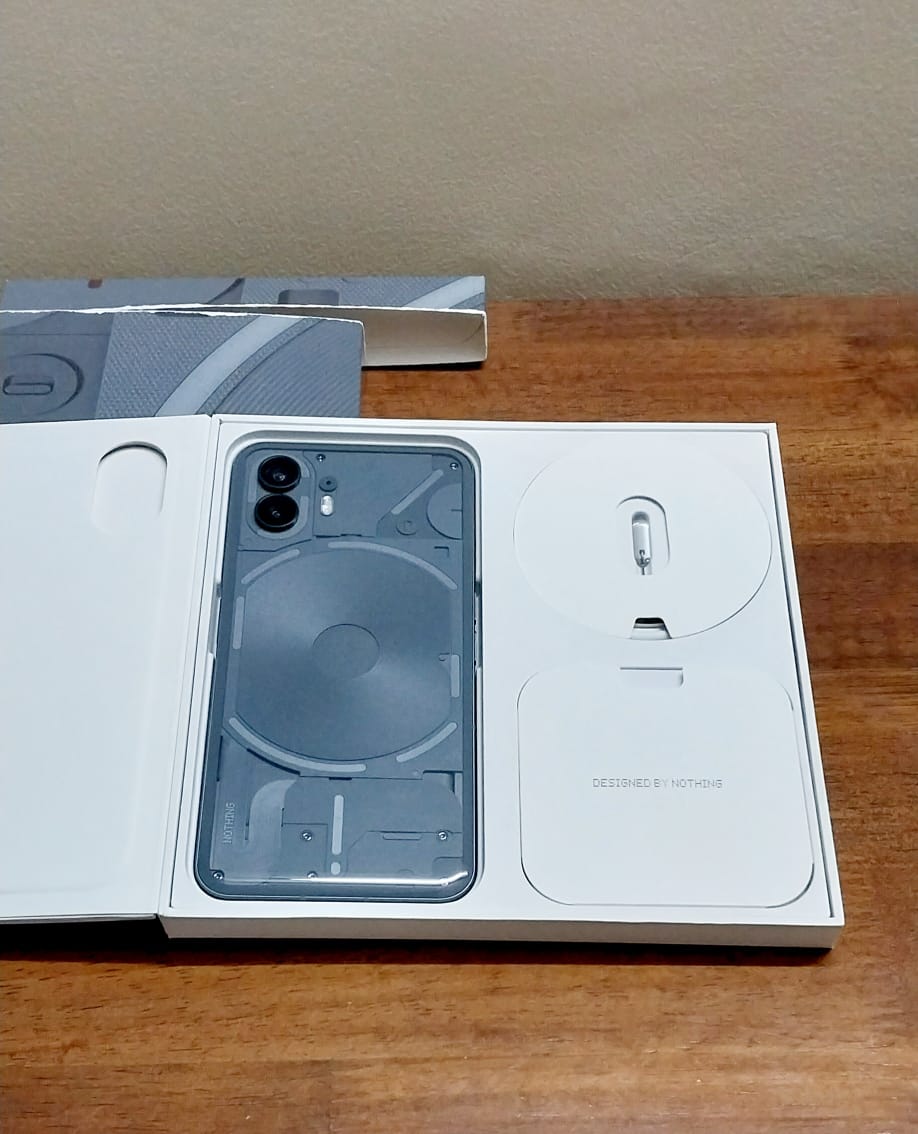
Presentation:- From the get go, the phone give you a premium feel by the unique and well designed packaging that the phone comes in.
Apart from the actual phone inside you do also get a cable and sim ejector tool which stay true to its transparent/ look through apperance.
Build:- The phone has a very premium to look at design and finish to it, it looks distinct and something that nobody else has to offer, mainly being the transparent back design and glyph interface which makes up its brand identity.
Holding and using the phone feels very solid too with the flat edge to edge display, metal rails and the ever so slightly curved back panel which makes it look good and feel more comfortable than the phone (1).
Although the phone does seem a little less dense that it seems when you do pick it up.
Diplay:- Probably the part i enjoyed most while testing the device was it’s display. The flat amoled panel looks great with it’s symmetrical bezels and the tiny punch hole in the centre which is easy to forget about.
The display has vivid but realistic colour representation, the viewing angles are great with little to no colour shifting issues, it’s nice and snappy with the variable 120hz refresh rate, and it gets nice and bright with its 1600 nit brightness put in the sun.
For what it is, there doesn’t seem to be much I’d want more from a display in this class. I would like to see even slimmer bezels all around the next time though.
Haptics:- The phone seems to have an x-axis haptic motor which does a great job at feeling tight and fast in its response.
I also loved the integration of these Haptics in many areas especially the glyph paired ones which work very well with the lighting patterns at the back.
The only thing I would like to improve is the strength as it has room for improvement.
Battery Life:- The phone with it’s more efficient yet powerful chipset and a larger cell size from its predecessor provides a better experience in terms of battery life.
With mixed usage of WiFi and mobile data and also using the camera app for quite some time paired with YouTube and internet browsing, I was more than comfortable in getting a full day of use with 10-15% still in the tank.
Safe to say it’s very difficult to kill it in one single day of use.
Performance:- The phone comes with last year’s flagship chip (SD 8+gen1) and it’s a beast of a performer, not only does it fly through daily tasks like watching videos or social media apps, it also has no problems in running heavy games at high settings with ease and very few frames are dropped.
All in all a very solid performer and this level of performance is more than enough for most of the people.
Notable, Incredible, Upgraded Glyph interface:- Yes, it’s a gimmick for the most part but it is what makes this phone unique and nothing have integrated it in a much better manner than the phone (1) for it to be more useful and like to see more functionality moving forward.
For the most part though, it’s more of a fashion statement than a feature and i don’t mind that.
How is the battery performance of Nothing phone 2?
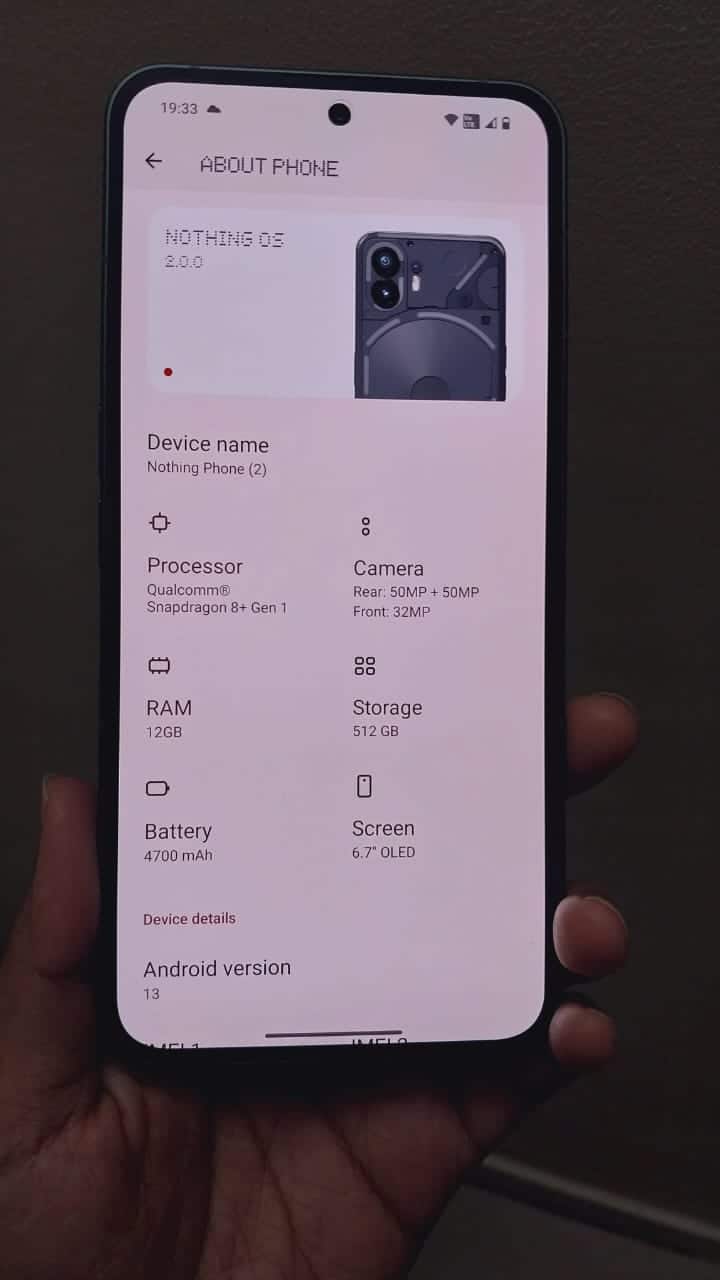
Nothing Phone 2 battery has a slight upgrade if you compare it with what we got in Phone 1. Phone 2 is equipped with a robust 4700mAh battery capacity.Now, this is ample power to keep the device running throughout the day.
Moreover, Nothing has this time around focused on efficient charging and intelligent battery management. It has designed the Phone 2 to deliver a reliable and long-lasting battery performance.
The inclusion of 45W fast charging technology allows the Phone 2 to charge fully in just 55 minutes.
This rapid charging capability ensures that you can quickly replenish the battery when needed, minimizing downtime and keeping them connected and productive.
With the ability to charge the device at an impressive speed, you can conveniently top up the battery in a short amount of time.
In addition to fast charging, the Nothing Phone 2 is compatible with 15W Qi wireless charging.
This provides you with the convenience of cable-free charging. This feature enables users to charge their device simply by placing it on a compatible wireless charging pad or stand.
The best part about wireless charging is it eliminates the need for cables and allows for a clutter-free charging experience.
Another unique aspect of the Nothing Phone 2 is its ability to double as a 5W wireless charger for accessories such as the Ear (2).
This feature allows users to conveniently power up their compatible accessories on the go, making it easier to keep all their devices charged and ready for use.
In Nothing Phone 2, the brand has also addressed overcharging concerns that many smartphones receive. So, Nothing has implemented intelligent charging mechanisms.
When the Phone 2 is put on overnight charging, the intelligent charging mechanisms ensure that the battery is charged in a way that does not harm its overall life and performance.
This charging feature helps maintain the longevity of the battery.
How was Nothing Phone 2 – Unboxing & First Look ?
The Nothing Phone 2 is available in two colour packages depending on the colour variant you purchase.
There is a white package and a dark grey packaging.
We had the Dark Grey Colour variant for this review, so our retail package was also of the same colour.
We know that Nothing has been constantly promising that Phone 2 is a refined and more premium version of Phone 1.
This is instantly evident when you unbox the Phone 2. For those of you who don’t remember the Phone 1 retail packaging, every content inside the box had to be slid out from the sides and there was no proper way to open the box.
With Phone 2, Nothing changes that concept.
What were Nothing Phone 2 – Sustainability Initiatives?
Phone 2 lowers the carbon footprint by almost 8.6% as compared to Phone 1.
The aluminium frame that houses all the components together is made up of 100 per cent recycled aluminium.
The phone is developed at factories that operate with 100 per cent renewable energy.
The Tin magnets used to hold all the components in the circuit boards are made up of 100 per cent recycled tin.
53 components used in the Phone 2 are entirely made of recycled materials and account for more than 20 per cent of the smartphone’s weight.
It boasts complete plastic-free packaging.
Now, that’s something we expect from a young tech company in 2023.Bravo and we hope Nothing continues on the sustainability front, which the brand has promised that it will.
We also are getting a uniquely designed Type-C cable bundled in the box. Nothing, known for its iconic transparent design concept, extends this philosophy to its peripheral products as well.
The Type-C Cable that accompanies the Phone 2 in the box embodies the transparent design language, reinforcing the brand’s commitment to a cohesive and distinctive visual identity.
NOTHING PHONE 2 KEY SPECIFICATION
Key Specs
| RAM |
8 GB |
| Processor |
Qualcomm Snapdragon 8 Plus Gen 1 |
| Rear Camera |
50 MP + 50 MP + 50 MP |
| Front Camera |
32 MP |
| Battery |
4700 mAh |
| Display |
6.67 inches (16.94 cm) |
General
| Launch Date |
July 19, 2023 (Unofficial) |
| Operating System |
Android v13 |
Performance
| Chipset |
Qualcomm Snapdragon 8 Plus Gen 1 |
| CPU |
Octa core (3.2 GHz, Single core, Cortex X2 + 250 MHz, Tri core, Cortex A710 + 2 GHz, Quad core, Cortex A510) |
| Architecture |
64 bit |
| Fabrication |
4 nm |
| Graphics |
Adreno 730 |
| RAM |
8 GB |
Display
| Display Type |
OLED |
| Screen Size |
6.67 inches (16.94 cm) |
| Resolution |
1080 x 2400 pixels |
| Pixel Density |
395 ppi |
| Bezel-less display |
Yes with punch-hole display |
| Touch Screen |
Yes, Capacitive Touchscreen, Multi-touch |
| Refresh Rate |
120 Hz |
Camera
| MAIN CAMERA |
| Camera Setup |
Triple |
| Resolution |
50 MP, Primary Camera
50 MP
50 MP |
| Autofocus |
Yes |
| Flash |
Yes, LED Flash |
| Image Resolution |
8150 x 6150 Pixels |
| Settings |
Exposure compensation, ISO control |
| Shooting Modes |
Continuous Shooting
High Dynamic Range mode (HDR) |
| Camera Features |
Digital Zoom
Auto Flash
Face detection
Touch to focus |
| FRONT CAMERA |
| Camera Setup |
Single |
| Resolution |
32 MP, Primary Camera |
Battery
| Capacity |
4700 mAh |
| Type |
Li-Polymer |
| Removable |
No |
| Wireless Charging |
Yes |
| Quick Charging |
Yes, Fast, 66W |
| USB Type-C |
Yes |
Storage
| Internal Memory |
128 GB |
| Expandable Memory |
No |
Network & Connectivity
| SIM Slot(s) |
Dual SIM, GSM+GSM |
| SIM Size |
SIM1: Nano, SIM2: Nano |
| Network Support |
5G Not Supported in India, 4G Supported in India, 3G, 2G |
| VoLTE |
Yes |
| SIM 1 |
4G Bands:
TD-LTE 2300(band 40)
FD-LTE 1800(band 3)
3G Bands:
UMTS 1900 / 2100 / 850 / 900 MHz
2G Bands:
GSM 1800 / 1900 / 850 / 900 MHz
GPRS:
Available
EDGE:
Available
|
| SIM 2 |
4G Bands:
TD-LTE 2300(band 40)
FD-LTE 1800(band 3)
3G Bands:
UMTS 1900 / 2100 / 850 / 900 MHz
2G Bands:
GSM 1800 / 1900 / 850 / 900 MHz
GPRS:
Available
EDGE:
Available
|
| Wi-Fi |
Yes, Wi-Fi 4 (802.11 b/g/n) |
| Wi-Fi Features |
Mobile Hotspot |
| Bluetooth |
Yes, v5.2 |
| GPS |
Yes with A-GPS |
| NFC |
Yes |
| USB Connectivity |
Mass storage device, USB charging |
Multimedia
| Loudspeaker |
Yes |
| Audio Jack |
USB Type-C |
Sensors
| Fingerprint Sensor |
Yes |
| Fingerprint Sensor Position |
On-screen |
| Other Sensors |
Light sensor, Proximity sensor, Accelerometer, Compass, Gyroscope |
Nothing Phone 2a Specs
GENERAL
| Sim Type |
Dual Sim, GSM+GSM |
| Dual Sim |
Yes |
| Sim Size |
Nano+Nano SIM |
| Device Type |
Smartphone |
| Release Date |
July 11, 2023 |
DISPLAY
| Type |
Color AMOLED Screen (1B Colors) |
| Touch |
Yes, 240 Hz Touch Sampling Rate |
| Size |
6.7 inches, 1080 x 2412 pixels, 120 Hz |
| Aspect Ratio |
20:9 |
| PPI |
~ 394 PPI |
| Screen to Body Ratio |
~ 87.2% |
| Features |
1,000,000:1 Contrast Ratio, 500 nits Brightness, 1000 nits HBM, 1200 nits Peak Brightness |
| Notch |
Yes, Punch Hole |
MEMORY
| RAM |
6 GB |
| Storage |
128 GB |
| Storage Type |
UFS 2.2 |
| Card Slot |
No |
CONNECTIVITY
| GPRS |
Yes |
| EDGE |
Yes |
| 3G |
Yes |
| 4G |
Yes |
| 5G |
Yes |
| 5G Bands |
n1/n2/n3/n5/n7/n8/n12/n20/n25/n28/n30/n38/n40/n41/n66/n71/n75/n77/n78 |
| VoLTE |
Yes, Dual Stand-By |
| Wifi |
Yes, with wifi-hotspot |
| Wifi Version |
Wi-Fi 6, 802.11 a/b/g/n/ac/ax (2.4 GHz | 5 GHz) |
| Bluetooth |
Yes, v5.3, A2DP, LE, aptX, aptX HD, LDAC, AAC |
| USB |
Yes, USB-C v2.0 |
| USB Features |
USB Tethering, USB on-the-go, USB Charging, USB Storage |
EXTRA
| GPS |
Yes, with dual-band A-GPS, GLONASS, Galileo, Beidou, NavIC |
| Fingerprint Sensor |
Yes, In Display |
| Face Unlock |
Yes |
| Sensors |
Accelerometer, Electronic Compass, Gyroscope, Front and Rear Ambient Light Sensor, Proximity Sensor, Sensor Core |
| 3.5mm Headphone Jack |
No |
| Extra |
NFC |
| Water Resistance |
Yes |
| IP Rating |
IP54 |
| Dust Resistant |
Yes |
| Extra Features |
Glyph Interface, Dual stereo speakers |
CAMERA
| Rear Camera |
50 MP 24mm, 1/1.56″, 1.0µm, PDAF, OIS f/1.9 (Wide Angle)
13 MP f/2.2 (Ultra Wide) with autofocus |
| Features |
Night Mode, Portrait Mode, Motion Photo, Super Res Zoom, Lenticular (Filter), AI Scene Detection, Expert Mode, Panorama, Night Mode, Document Mode) |
| Video Recording |
4K @ 30 fps UHD, 1080p @ 30 fps FHD |
| Flash |
Yes, LED |
| Front Camera |
Punch Hole 16 MP f/2.45 (Wide Angle) with Screen Flash |
| Front Video Recording |
1080p @ 30 fps FHD |
TECHNICAL
| OS |
Android v13 |
| Custom UI |
Nothing OS 2 |
| Chipset |
Qualcomm Snapdragon 7 Gen3 |
| CPU |
2.63 GHz, Octa Core Processor |
| Core Details |
1xPrime Core@2.63 GHz & 3xPerformance Cores@2.4 GHz& 4xEfficiency cores@1.8 GHz |
| GPU |
Adreno GPU |
| IP Rating |
IP54 |
| Java |
No |
| Browser |
Yes, supports HTML5 |
MULTIMEDIA
| Email |
Yes |
| Music |
MP3, AAC, AAC+, WMA, AMR-NB, AMR-WB, WAV, FLAC, APE, OGG, MID, M4A, IMY, AC3, EAC3, EAC3-JOC, AC4 |
| Video |
MKV, MOV, MP4, H.265 (HEVC), AVI, WMV, TS, 3GP, FLV, WEBM |
| FM Radio |
No |
| Document Reader |
Yes |
BATTERY