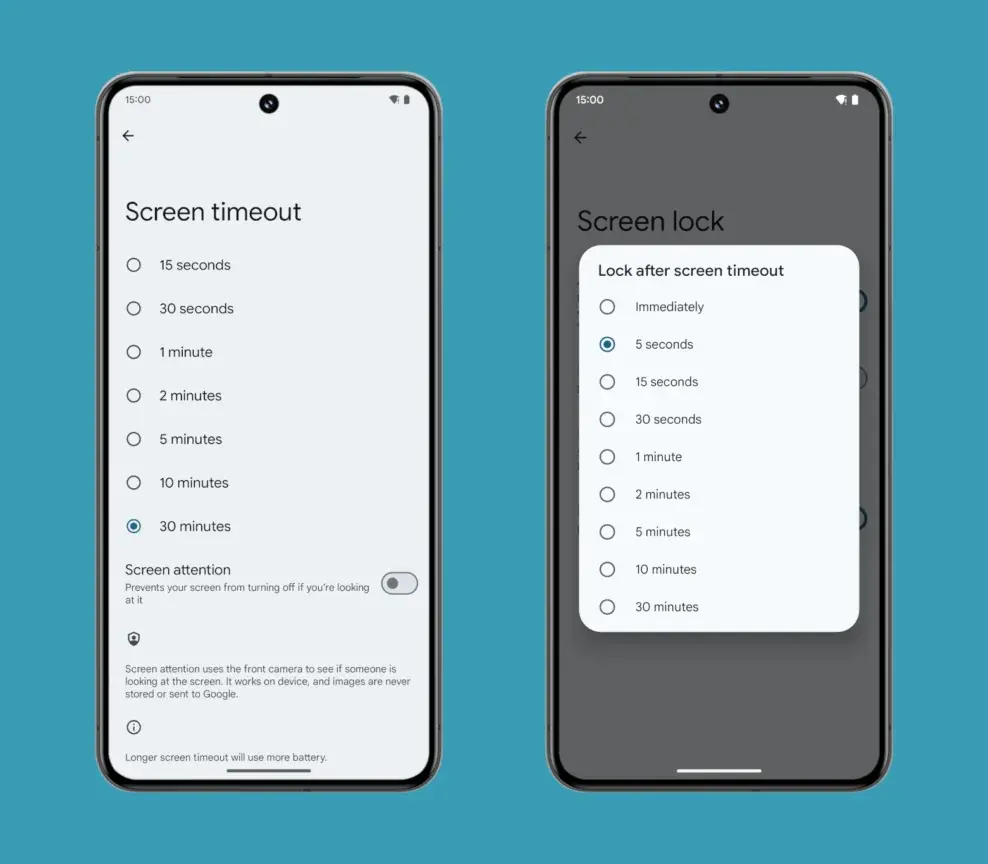
Amidst the excitement surrounding the developer previews,which offer a glimpse into revamped volume controls,app archiving capabilities, and a unique Easter egg, the adaptive screen timeout functionality is the one you should really look out for.
The Adaptive Approach
Adaptive screen timeout adjusts based on user interaction
The adaptive screen timeout functionality exemplifies Google’s dedication to refining the Android operating system, addressing common pain points, and delivering a seamless user experience tailored to individual needs.
FAQs
What is adaptive screen timeout in Android 15?
Adaptive screen timeout is a new feature in Android 15 designed to optimize battery life by dynamically adjusting how long the screen stays on based on your usage patterns. Unlike static timeout settings, this feature learns from your interactions, ensuring the screen is active only when needed.
How does adaptive screen timeout work?
This functionality monitors your device usage, including how and when you interact with the screen. It uses this data to intelligently determine the ideal duration before the screen should turn off automatically, aiming to conserve battery without disrupting your experience.
Why is adaptive screen timeout important for Android users?
Screen activity is one of the biggest battery consumers on smartphones. Adaptive screen timeout addresses this by ensuring the screen is only on when necessary, thus extending battery life. This is especially beneficial for users who frequently forget to lock their screens or manually adjust timeout settings.
What other features does Android 15 offer for battery optimization?
Besides adaptive screen timeout, Android 15 includes various enhancements focused on improving battery life and efficiency. While specific details are still emerging, users can expect a suite of features aimed at reducing power consumption and optimizing device performance.
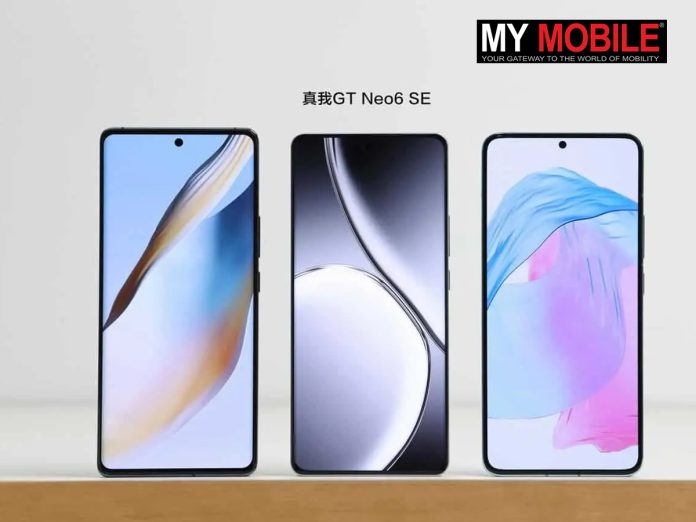
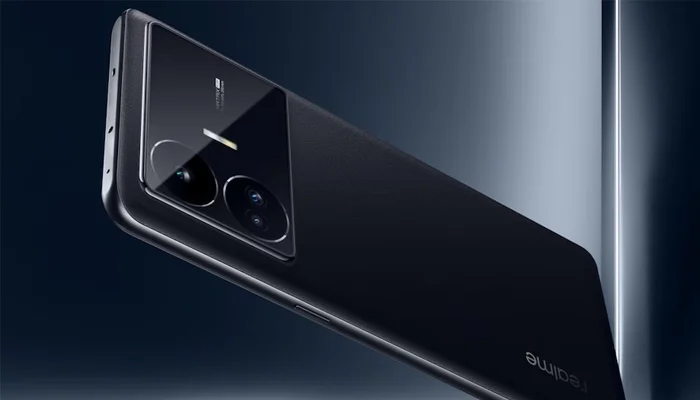
The GT Neo6 SE showcases a sleek matte splicing design with a metallic texture, exuding a premium and modern feel.
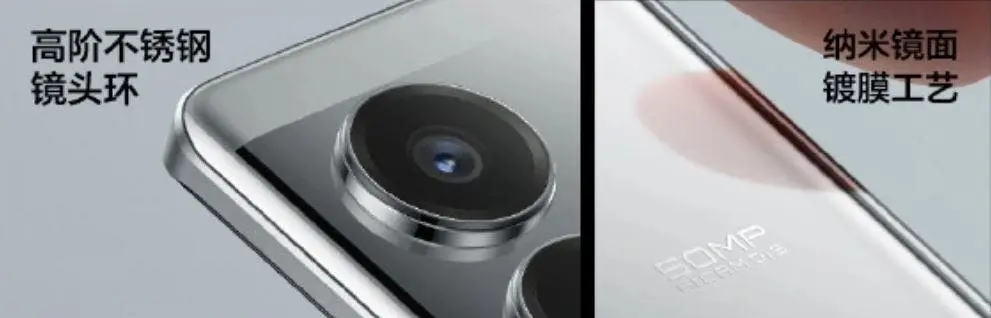
It features a high-end stainless steel lens ring that not only enhances the aesthetics but also provides durability.
Realme has incorporated nano mirror coating technology and a foggy AG texture, elevating the device’s visual appeal to new heights.
Despite its premium build, the GT Neo6 SE remains lightweight at just 191 grams, ensuring a comfortable grip.
When viewed from the side, the distinctive ring lens module protrudes slightly, adding a subtle yet unique touch to the design.
Display Innovation
Display Innovation
The GT Neo6 SE leaps forward in display technology with its ultra-narrow design and slightly curved screen, enhancing the viewing experience and adding a touch of sophistication.
It boasts a cutting-edge display with a local peak brightness of 6000 nits and a global maximum brightness of 1600 nits, ensuring optimal visibility even in bright light environments.
Users can customize the screen brightness, with a manual maximum of 1000 nits, catering to individual preferences and lighting conditions.
It packs a host of advanced features designed for gaming, multitasking, and an overall smooth user experience, making it a powerhouse capable of handling demanding tasks with ease.
Fast Charging
Realme GT Neo 6 SE Fast Charging
Continuing Realme’s tradition of fast-charging solutions, the GT Neo6 SE is expected to support 100W charging.
This allows users to quickly recharge their device and get back to using it in no time, minimizing downtime and ensuring they can stay connected and productive.
The large battery capacity ensures enough power to last throughout the day, even with heavy usage.
Photo, beauty, filter, AI scene recognition, street photography, portrait, night scene, 64M, professional, panorama, super text, microscope, tilt shift, skin quality detection, AI ID photo
What design elements make the Realme GT Neo6 SE stand out?
The Realme GT Neo6 SE distinguishes itself with a matte splicing design, metallic texture, and a high-end stainless steel lens ring. Incorporating nano mirror coating technology and a foggy AG texture, it presents a sophisticated, premium look while maintaining a lightweight profile at just 191 grams.
How does the display technology of the GT Neo6 SE enhance the user experience?
The GT Neo6 SE’s display technology includes an ultra-narrow, slightly curved screen that enhances the aesthetic appeal and viewing experience. With a local peak brightness of 6000 nits and a global maximum of 1600 nits, it ensures excellent visibility under bright conditions.
What performance capabilities can users expect from the GT Neo6 SE?
Equipped with the latest Snapdragon 7+ Gen 3 processor, the GT Neo6 SE is designed for seamless performance across gaming, multitasking, and other demanding applications. This chipset ensures efficient processing, allowing users to enjoy a smooth, responsive experience whether they are playing intensive games, streaming content, or juggling multiple apps.
How does the 100W fast charging feature benefit GT Neo6 SE users?
The 100W fast charging support in the GT Neo6 SE enables users to quickly recharge their devices, significantly reducing downtime and allowing for more productive and prolonged usage.
Apple licenses millions of Shutterstock images for AI model training.
Deal valued between £20 and £40 million enhances Apple’s data resources.
Tech giants like Meta, Google, and Amazon also pursue similar data acquisitions.
iOS 18 to introduce AI-powered features, showcasing Apple’s AI advancements.
Major tech companies are scrambling to secure access to vast collections of data, such as images and written works, to train their cutting-edge AI models effectively.
Apple is keen to join this fray and has recently struck a deal to license millions of images owned by Shutterstock, a prominent stock image website.
Apple and Shutterstock Joining Hands
Apple and Shutterstock Joining Hands
The value of this agreement is estimated to be somewhere between £20 and £40 million, and it was reportedly signed in the months following the release of thegroundbreaking ChatGPT in late 2022.
The race to acquire content forAI training underscores the immense potential and importance of this technology.
As companies like Apple, Meta, Google, and Amazon continue to invest in AI development, they recognise the need for vast and diverse data sets to create truly intelligent and capable systems.
Apple’s recent deal to license millions of images from Shutterstock marks a significant step in gathering diverse and high-quality data to train its AI models.
This strategic move allows Apple to enhance the capabilities of its AI systems by providing a vast repository of images, crucial for developing more sophisticated and accurate AI functionalities.
How much is Apple’s deal with Shutterstock worth?
The licensing agreement between Apple and Shutterstock is estimated to be valued between £20 and £40 million.
This investment underscores Apple’s commitment to advancing its AI technologies by securing access to extensive data sets necessary for training AI models effectively.
What are other tech giants doing in terms of AI development?
Other major tech companies, including Meta, Google, and Amazon, have engaged in similar initiatives to acquire large volumes of data for AI training purposes.
These efforts highlight the industry-wide recognition of the importance of high-quality, diverse data sets in creating more advanced and capable AI systems.
Meta’s consideration of acquiring a major book publisher illustrates the lengths to which companies are willing to go to secure valuable content for AI development.
What can we expect from Apple’s AI in iOS 18?
With the upcoming release of iOS 18, Apple is expected to introduce a range of AI-powered features designed to enhance the iPhone user experience.
While specific details are yet to be unveiled, users can anticipate improvements in personalization, efficiency, and functionality, all driven by the latest advancements in AI technology.
Snapdragon X Plus offers an affordable ARM-based computing option.
Built on the success of the Snapdragon X Elite, featuring a 10-core setup.
Ensures seamless connectivity with X65 modem support.
Aims to democratize ARM computing for Windows laptops, expanding market reach.
Qualcomm is paving the way for a more diverse and accessible future with its latest offering, the ‘Snapdragon X Plus’.
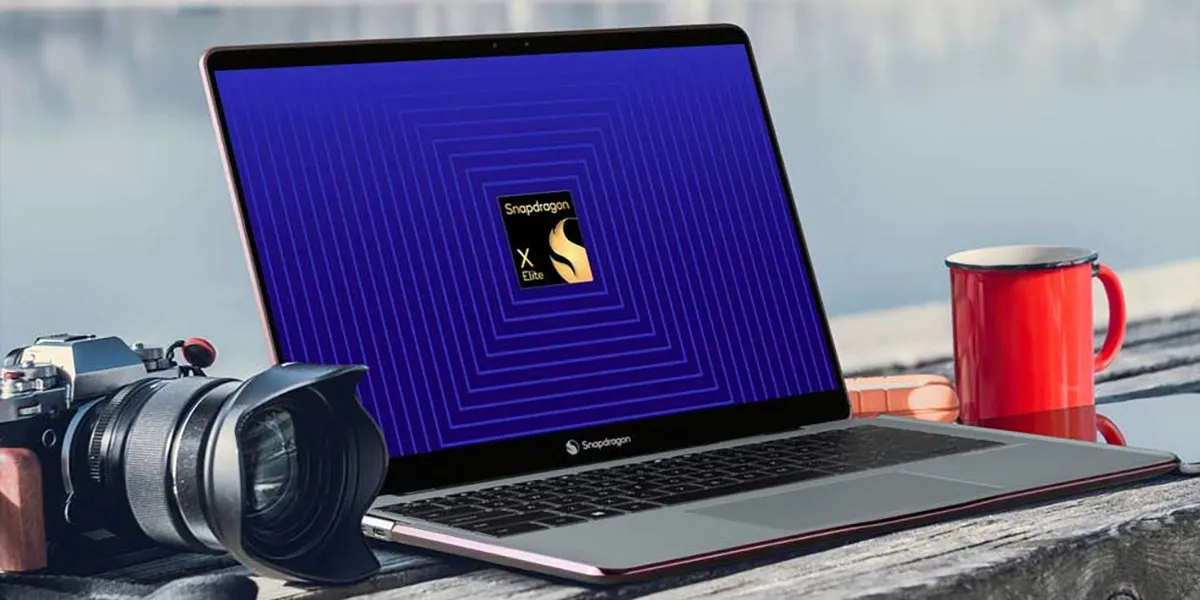
Building upon the success of the highly anticipatedSnapdragon X Elite,this new chip promises to bring the power and efficiency of ARM-based computing to a broader range of Windows laptops.
Snapdragon X Elite
Snapdragon X Elite
The Snapdragon X Elite, unveiled last year, was Qualcomm’s ambitious foray into the world of Windows on ARM,aiming to replicate the success of Apple’s M-series chips in the MacBook lineup.
Early impressions of the Elite chip have been overwhelmingly positive, with reports suggesting that it can even outperformApple’s latest M3 processors,often by a significant margin.
However, as promising as the Snapdragon X Elitemay be, its cutting-edge technology and advanced capabilities inevitably come with a higher price tag, potentially limiting its accessibility to a wider consumer base.
Enter the ‘Snapdragon X Plus’, a more affordable alternative that aims to democratize the benefits of ARM-based computing for Windows laptops.
According to reports from WinFuture,the Snapdragon X Plus is a cut-down version of the Elite, potentially featuring ten cores instead of the Elite’s 12-core setup.
While specific details remain scarce, the chip is expected to bear the model number“X1P” in contrast to theElite’s “X1E”, and will still support the X65 modem, ensuring seamless connectivity.
By offering a more affordable alternative, Qualcomm is poised to make inroads into a broader market segment, potentially disrupting the traditional dominance of x86-based processors in the Windows laptop space.
As the integration between Windows and Android continues to deepen, the presence of ARM-based chips like the Snapdragon X Elite and the Snapdragon X Plus could usher in a new era of seamless cross-platform experiences.
Qualcomm To Reportedly Introduce a Snapdragon X Plus to Bring ARM Computing to More Windows Laptops
While laptops powered by the flagship Snapdragon X Elite are expected to hit the market in the coming months, the introduction of the Snapdragon X Plus promises to accelerate the adoption of ARM-based computing in the Windows ecosystem.
As Qualcomm continues to push the boundaries of innovation, consumers can look forward to awider range of choices, elevated performance, and, perhaps most importantly, increased accessibility to cutting-edge technology.
FAQs
What is the Snapdragon X Plus?
The Snapdragon X Plus is Qualcomm’s latest chip designed for Windows laptops, building upon the success of the Snapdragon X Elite. It’s a more affordable alternative that aims to bring the efficiency and power of ARM-based computing to a wider audience. Featuring a slightly reduced core count compared to the Elite, it maintains high performance and connectivity standards.
How does the Snapdragon X Plus compare to the Snapdragon X Elite?
While both chips are part of Qualcomm’s push into ARM-based Windows computing, the Snapdragon X Plus is positioned as a more accessible option, potentially featuring ten cores compared to the Elite’s twelve. Despite this, it retains essential features like the X65 modem for seamless connectivity, striking a balance between performance and affordability.
Why is Qualcomm offering a more affordable ARM-based chip for Windows laptops?
Qualcomm’s introduction of the Snapdragon X Plus reflects a strategic move to democratize ARM-based computing. By offering a chip that maintains high performance at a lower price point, Qualcomm aims to make this advanced technology accessible to a broader range of consumers and manufacturers, thus expanding its market presence.
What advantages do ARM-based chips offer for Windows laptops?
ARM-based chips like the Snapdragon X Plus and X Elite offer several advantages for Windows laptops, including improved battery life, enhanced connectivity, and potentially better integration with mobile ecosystems. They represent a shift towards more efficient, mobile-inspired computing, challenging the traditional dominance of x86 processors.
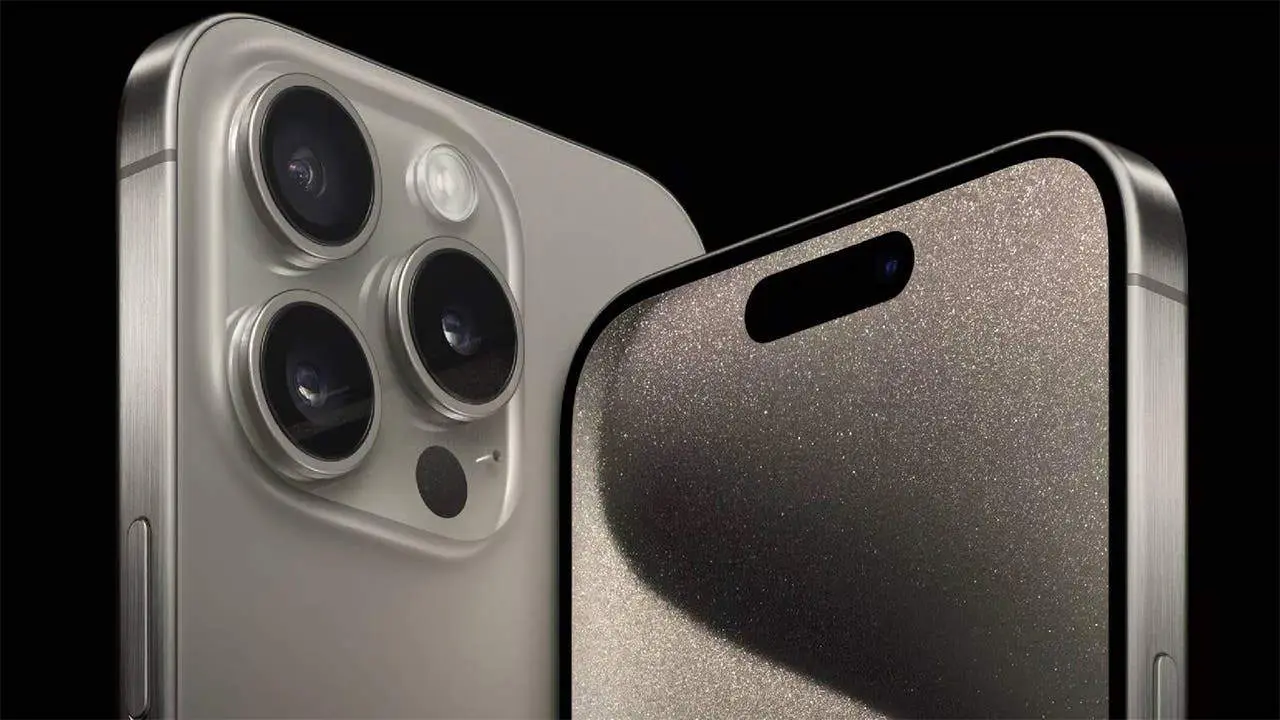
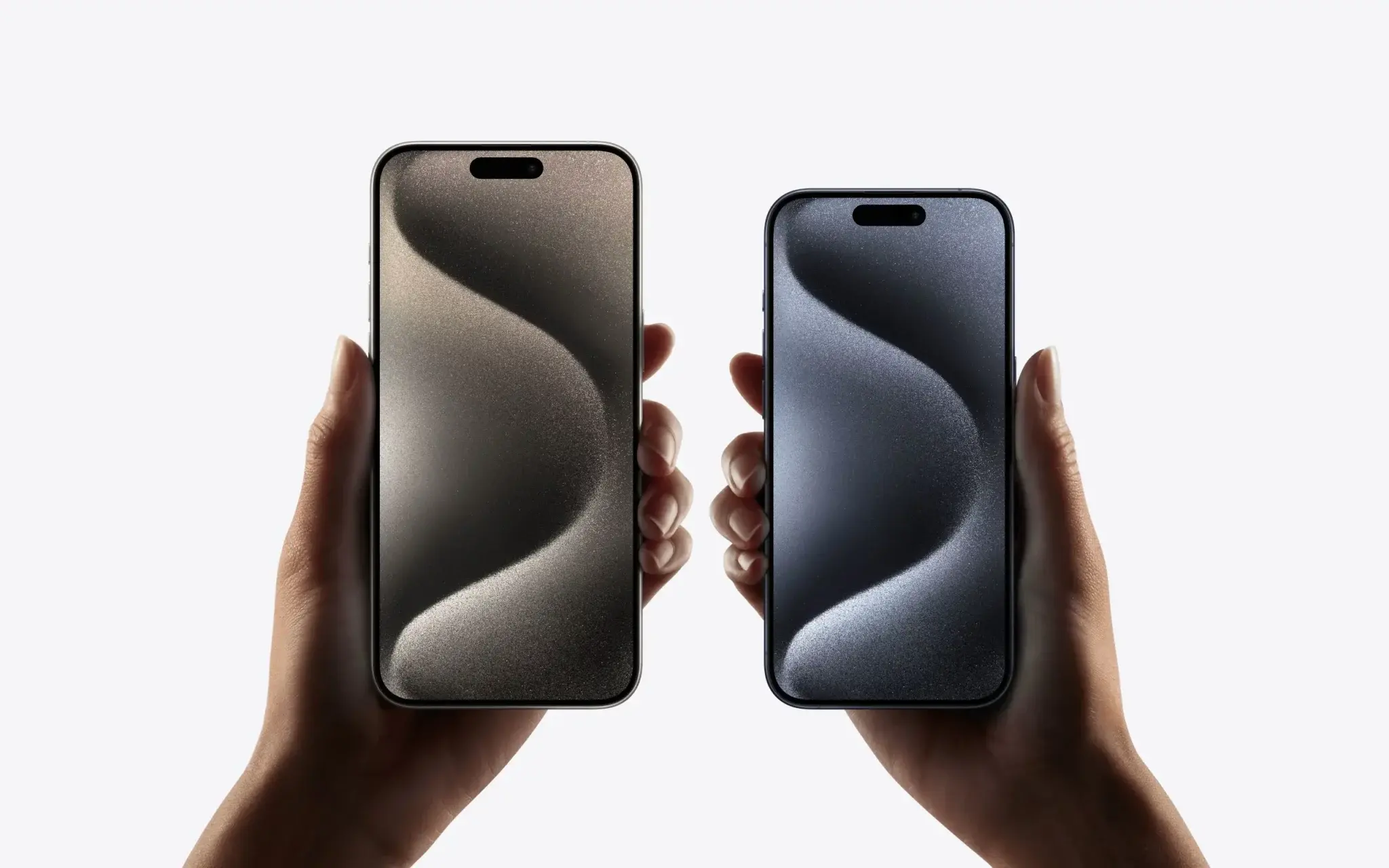
While the Cupertino tech giant is renowned for keeping its cards close to its chest, credible reports have emerged, hinting at several intriguing changes that could be in store for the upcoming device.
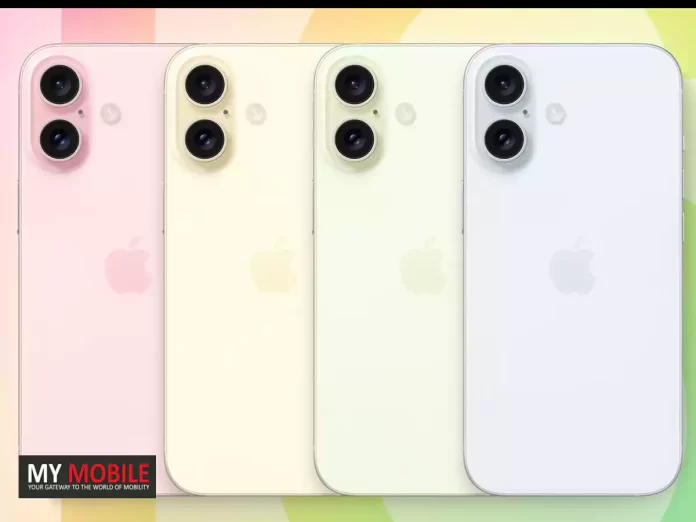
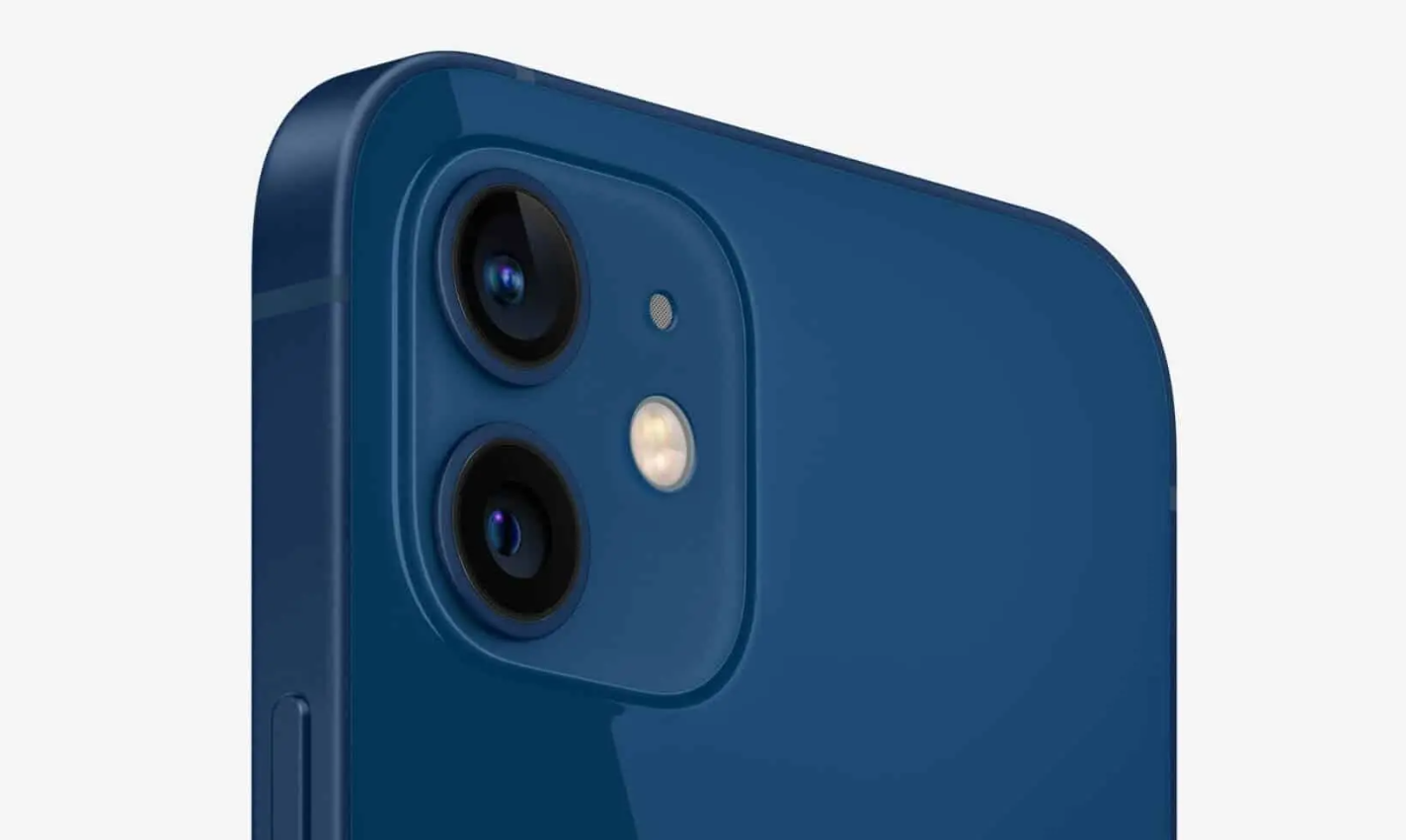
This potential change has gained further credibility from recently surfaced dummy units, which depict the regular iPhone 16 models with vertically aligned cameras, while the Pro variants retain the same design as their predecessors.
Apple has previously cited the need for accommodating larger camera sensors as the reason for altering the layout with the iPhone 13, suggesting that the upcoming models may no longer require such adjustments.
While Apple has embraced a minimalist approach to physical buttons in recent years, some reports suggest that the company may be considering adding more buttons to the upcoming models.
The rationale behind this potential change remains unclear, but it could signify new functionality or a departure from the current design language.
However, it’s essential to approach these rumors with caution, as Apple is known for its meticulous attention to detail and may have compelling reasons for any such alterations.
While Apple’s smartphones have traditionally maintained a sleek and svelte profile, the company may be looking to further refine the device’s aesthetics and ergonomics.
A slimmer design could not only enhance the phone’s visual appeal but also contribute to improved grip and handling.
However, achieving a slimmer profile without compromising on battery life, performance, or other essential features will undoubtedly be a challenging task for Apple’s engineering team.
As the release date draws nearer, tech enthusiasts eagerly await official confirmations and additional leaks that could shed more light on the highly anticipated iPhone 16 series.
Super Retina XDR Display, HDR Display, True Tone, Wide Color (P3), Haptic Touch, 1200 Nits Max Brightness (HDR), Support for Display of Multiple Languages and Characters Simultaneously
AAC‑LC, HE‑AAC, HE‑AAC v2, Protected AAC, MP3, Linear PCM, Apple Lossless, FLAC, Dolby Digital (AC‑3), Dolby Digital Plus (E‑AC‑3), Dolby Atmos and Audible (formats 2, 3, 4, Audible Enhanced Audio, AAX and AAX+)
Video
HEVC, H.264, MPEG‑4 Part 2 and Motion JPEG, HDR with Dolby Vision, HDR10 and HLG
FM Radio
No
Document Reader
Yes
BATTERY
Type
Non-Removable Battery
Size
3500 mAh, Li-ion Battery
Fast Charging
Yes
Wireless Charging
Yes, 25W MagSafe
Music Playback Time
100 hours
FAQs
What are the rumored design changes for the iPhone 16 series?
The iPhone 16 series is rumored to introduce several design changes, including a vertically stacked camera arrangement for the iPhone 16 and 16 Plus models, reminiscent of earlier models like the iPhone 12. Additionally, there’s speculation about the potential reintroduction of additional physical buttons, indicating new functionality or design tweaks. A slimmer profile is also among the anticipated changes, promising a sleeker look and improved handling.
Why might Apple change the iPhone’s camera bump design?
Apple’s decision to potentially revert to a vertically stacked camera bump design in the iPhone 16 series could be influenced by various factors, including the need to accommodate advancements in camera technology, aesthetic considerations, or user feedback. Historically, changes in camera design have reflected Apple’s commitment to enhancing photo and video capabilities while maintaining the iPhone’s sleek appearance.
How could additional buttons impact iPhone 16 usage?
The rumored addition of extra physical buttons on the iPhone 16 series could offer users more direct control over certain functions, potentially improving accessibility and user experience. This change could introduce new shortcuts, enhance device interaction, or signal a shift in Apple’s design philosophy towards offering users more physical control options.
What are the advantages of a slimmer iPhone design?
A slimmer design for the iPhone 16 series could provide several benefits, including a more elegant and modern appearance, improved grip and ergonomics, and potential weight reduction. Apple’s ability to offer a thinner device without compromising on performance, battery life, or feature set would underscore its engineering prowess and commitment to user-centric design.
This development marks a significant shift in the highly competitive mobile market, where the two tech giants have been vying for the top spot.
Samsung Tops Global Smartphone Shipment Charts
Samsung Tops Global Smartphone Shipment Charts
According to reports from Counterpoint Research, strong sales of Samsung’s Galaxy smartphones in the United States and Europe have propelled the South Korean company back to the forefront of global shipments.
In February alone, Samsung sold an impressive 19.69 million handsets, commanding a 20% share of the worldwide smartphone market.
Apple, on the other hand, shipped 17.41 million iPhone units during the same period, securing an 18% market share.
This represents a temporary setback for the Cupertino-based company, which had claimed the top spot for the first time in 2023, thanks to robust iPhone sales.
Galaxy S24 Contributing to Rise
Samsung Reclaims World’s Top Smartphone Manufacturer Title Surpassing Apple
Kim Rok-ho, a researcher at Hana Securities, commented, “It is encouraging that Samsung regained the top spot by achieving a 20 percent global share with a positive response to the Galaxy S24 series in the U.S. and Europe.”
The Galaxy S24 series, launched in January, has proven to be a hit among consumers, particularly in Europe and the United States.
In Europe, Samsung dominated the market with a 34% share in February, while in the traditionally iPhone-dominant United States, the company’s share soared to an impressive 36%, up from 20% in January.
One of the key factors contributing to the success of the Galaxy S24 line is its innovative AI features, such as real-time language translation during phone conversations and the Circle to Search functionality, which allows users to search for information by circling an item on the screen.
By the end of February, Samsung had sold an impressive 6.53 million units of the Galaxy S24 series.
While Apple still maintains a strong foothold in the United States, with a 48% market share in February, Samsung’s recent surge shows in no uncertain terms the intense competition in the global smartphone market.
FAQs
How did Samsung regain its position as the leading smartphone manufacturer?
Samsung regained its status as the world’s leading smartphone manufacturer by outpacing Apple in global shipments. This resurgence is largely attributed to the strong sales performance of the Galaxy S24 series in key markets such as the United States and Europe, coupled with Samsung’s strategic market expansion and innovative technology offerings that have resonated well with consumers.
What contributed to the success of the Galaxy S24 series?
The Galaxy S24 series’ success stems from its cutting-edge AI features, such as real-time language translation during calls and the Circle to Search functionality. These innovations, along with high-quality hardware and competitive pricing, have made the Galaxy S24 series particularly popular among consumers in Europe and the US, contributing significantly to Samsung’s recent shipment figures.
How do Samsung’s recent sales figures compare with Apple’s?
In February, Samsung led the global smartphone market with 19.69 million units sold, achieving a 20% market share. Apple, meanwhile, shipped 17.41 million iPhones, securing an 18% market share. This comparison highlights the close competition between the two tech giants and Samsung’s impressive performance in recent months.
Which regions have contributed most to Samsung’s recent success?
Samsung’s recent success in regaining the global smartphone shipment lead has been significantly bolstered by its performance in Europe and the United States. In Europe, Samsung claimed a 34% market share in February, while in the US, its market share jumped to 36% from 20% in January, showcasing the brand’s growing popularity and competitive strength in these regions.
According to WABetaInfo, a platform that closely tracks WhatsApp developments, a screenshot indicates the app is testing notifications for unseen status updates from contacts.
This could potentially work in two ways:
Favourite Contacts
WhatsApp Beta Tests New Notifications for Contact Status Updates
Users may soon get the option to designate certain contacts as ‘favourites’.
With this setting enabled, they would receive a notification whenever one of their favourite contacts posts a new status update, even without being directly mentioned.
How might the new WhatsApp status notifications work?
WhatsApp is experimenting with ways to notify users about unseen status updates from their contacts.
This could include receiving alerts whenever someone designated as a ‘favourite’ posts a new status, or potentially based on how frequently users interact with certain contacts, ensuring that users stay connected with those they communicate with the most.
What prompted WhatsApp to introduce these new notification features?
The introduction of new notification features for status updates appears to be part of WhatsApp’s broader strategy to enhance user engagement and interactivity within the app.
By making it easier for users to stay informed about their contacts’ status updates, WhatsApp aims to encourage more frequent and meaningful interactions among its user base.
Can users control who they receive status update notifications from?
While specific details about user control over the new notification features are still under wraps, it’s likely that WhatsApp will provide options to manage notifications.
This could involve allowing users to designate which contacts are marked as ‘favourites’ and possibly adjusting settings related to notifications based on messaging frequency.
Will all WhatsApp users receive notifications for all status updates?
The new notification system for status updates in WhatsApp is expected to offer a level of customization, meaning not all users will receive notifications for all status updates.
The system may prioritize alerts for updates from ‘favourite’ contacts or those users interact with most frequently, helping to tailor the experience to each user’s preferences and relationships.
Gmail app readying ‘Summarize this email’ feature powered by Gemini AI on Android
Read – #Android pic.twitter.com/TVtylD37ZH
— AssembleDebug (@AssembleDebug) April 5, 2024
According to reports from PiunikaWeb and the code sleuth AssembleDebug, Google is working on introducing a “summarize this email” button in the Gmail app for Android.
Evidence of this feature was discovered in version v2024.03.31.621006929 of the app, with a screenshot revealing an inactive button below the email title, hinting at its future implementation.
While Google already offers email summarization for its Gemini for Workspace suite, this feature is currently limited to email threads with more than two replies and is available only on desktop.
The “summarize this email” button, however, seems poised to bring this functionality to individual emails for consumers using the Gmail app on their smartphones.
A Convenient and Privacy-Conscious Solution
A Convenient and Privacy-Conscious Solution
The ability to summarize emails within the Gmail app would undoubtedly prove invaluable, especially for lengthy or information-dense messages.
However, to truly elevate the user experience, it would be ideal if Google could make this an on-device AI feature for supported phones, such as the upcoming Pixel 8 series.
By processing the email summaries locally, users could benefit from this functionality even in situations where data connectivity is limited or unavailable, such as during flights or in remote areas.
Gmail to Introduce Email Summarization Button on Android App
Additionally, on-device processing would alleviate potential privacy concerns by keeping sensitive email data from leaving the user’s device.
FAQs
What is the new “summarize this email” feature in Gmail?
Google is reportedly developing a new feature for the Gmail app on Android, dubbed “summarize this email.” This functionality aims to provide users with concise summaries of their emails with the click of a button.
It’s designed to simplify the process of digesting long or complex emails by highlighting the key points, making email management more efficient.
How does the email summarization feature work?
While specific details on how the Gmail email summarization feature will work are still under wraps, it’s likely to analyze the content of an email and extract the main points or messages using AI technology.
This summary will then be presented to the user, allowing them to quickly understand the essence of the email without reading it in its entirety.
Will the email summarization feature be available on all devices?
The “summarize this email” feature has been spotted in the code for the Gmail Android app, suggesting that it will initially be available for Android users.
There’s potential for this feature to be rolled out to other platforms in the future, especially if it proves popular and useful among Android users.
Can the email summarization feature work offline?
For the email summarization feature to truly stand out, it would be beneficial for Google to implement it as an on-device AI feature.
This would allow the summarization process to occur directly on the user’s device without needing an internet connection, offering convenience and enhancing privacy by keeping sensitive email content on the device.
Pointing a smartphone camera at the solar eclipse may damage its sensor.
NASA warns against using magnifying lens attachments without proper filters.
Capturing the human experience during the eclipse recommended over direct shots.
Totality phase is the safest moment for direct photography with the right solar filters.
As the clock ticks closer to May 8th, excitement builds for the highly anticipated solar eclipse set to grace skies across the continent.
With the moon’s gradual passage in front of the sun, this celestial event promises breathtaking views – but experts caution against attempting to photograph it directly with your smartphone.
Point Your Phone Away From the Solar Eclipse
We asked our @NASAHQPhoto team, and the answer is yes, the phone sensor could be damaged just like any other image sensor if it’s pointed directly at the Sun. This is especially true if you’re using any sort of magnifying lens attachment on the phone. You would need to utilize…
— NASA (@NASA) April 4, 2024
According to NASA, pointing your phone’s camera at the sun during the eclipse could severely damage its internal components, much like any other image sensor exposed to the sun’s intense rays.
This risk is amplified if you’re using any form of magnifying lens attachment on your phone.
In a tweet, NASA’s photography team (@NASAHQPhoto) emphatically stated, “The phone sensor could be damaged just like any other image sensor if it’s pointed directly at the Sun. This is especially true if you’re using any sort of magnifying lens attachment on the phone. You would need to utilize the proper filters just like on any other camera.”
Instead of risking your device’s well-being, NASA recommends capturing the eclipse’s impact on the surrounding landscape and the reactions of awestruck onlookers. As veteran NASA photographer Bill Ingalls eloquently puts it, “The real pictures are going to be of the people around you pointing, gawking, and watching it. Those are going to be some great moments to capture to show the emotion of the whole thing.”
Protect Your Smartphone During the Solar Eclipse, NASA Advises
With totality expected to last approximately 3 minutes and 38 seconds, starting at 3:20 pm EDT, this brief window presents the safest opportunity to directly photograph the eclipse – but only with proper solar filters designed for such purposes.
Instead, focus your lens on the human experience, capturing the wonder and excitement of this rare astronomical event through the faces of those around you.
FAQs
Can I photograph the solar eclipse with my smartphone?
While it’s physically possible to point your smartphone camera at the solar eclipse, NASA strongly advises against doing so without proper precautions.
The intense rays of the sun can damage the phone’s camera sensor, especially if you’re using magnifying lens attachments.
Attempting to capture the eclipse directly without the right solar filters could lead to permanent damage to your device.
What is the safest way to capture the solar eclipse?
The safest way to photograph the solar eclipse is by focusing on the landscape and the people around you experiencing the event.
Capturing the reactions and emotions of viewers provides a unique and safe way to document the eclipse without risking damage to your smartphone’s camera.
If you wish to photograph the eclipse directly, ensure you use proper solar filters specifically designed for such events.
What are the risks of photographing the solar eclipse without proper equipment?
Photographing the solar eclipse without proper solar filters can severely damage your smartphone’s camera sensor.
The concentrated solar rays can burn the internal components of the camera, leading to costly repairs or the need for a replacement.
It’s essential to use the correct protective gear to avoid any damage.
How can I use my smartphone safely during the solar eclipse?
To use your smartphone safely during the solar eclipse, avoid direct photography of the sun unless you have solar filters that are specifically designed for this purpose.
You can also consider photographing the event indirectly by capturing the changing environment and people’s reactions.
During totality, when the moon fully covers the sun, it’s safer to take direct shots, but caution and proper filters are still advised.
Ahead of the launch, exclusive details regarding the early bird offers for eager buyers have been revealed by 91mobiles.
Additionally, Infinix has received a prestigious recognition as the sixth most innovative company in the Asia-Pacific region by Fast Company in their annual list of the World’s Most Innovative Companies of 2024.
One of the standout features is their support for 20W “MagCharge” wireless charging, akin to Apple’s MagSafe technology.
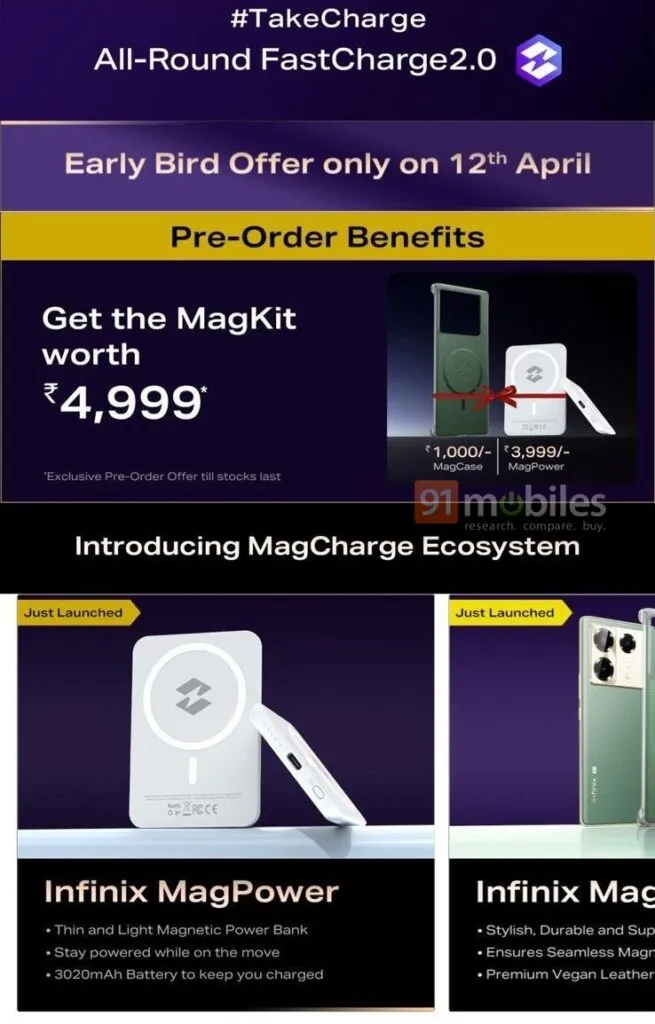
To enhance this experience, Infinix is offering an enticing early bird deal for launch day buyers.
According to a poster obtained by 91mobiles, customers who purchase the Infinix Note 40 Pro series on the launch day will receive a free MagKit worth Rs. 4,999.
This kit includes the Infinix MagPower power bank with a 3,020mAh capacity (worth Rs. 3,999) and a MagCase cover (worth Rs. 1,000).
Specifications and Features
Specifications and Features
The Infinix Note 40 Pro series comes packed with impressive features, including:
78-inch Curved AMOLED display with a 120Hz refresh rate
Triple camera setup with a 108MP primary camera and a 32MP selfie shooter
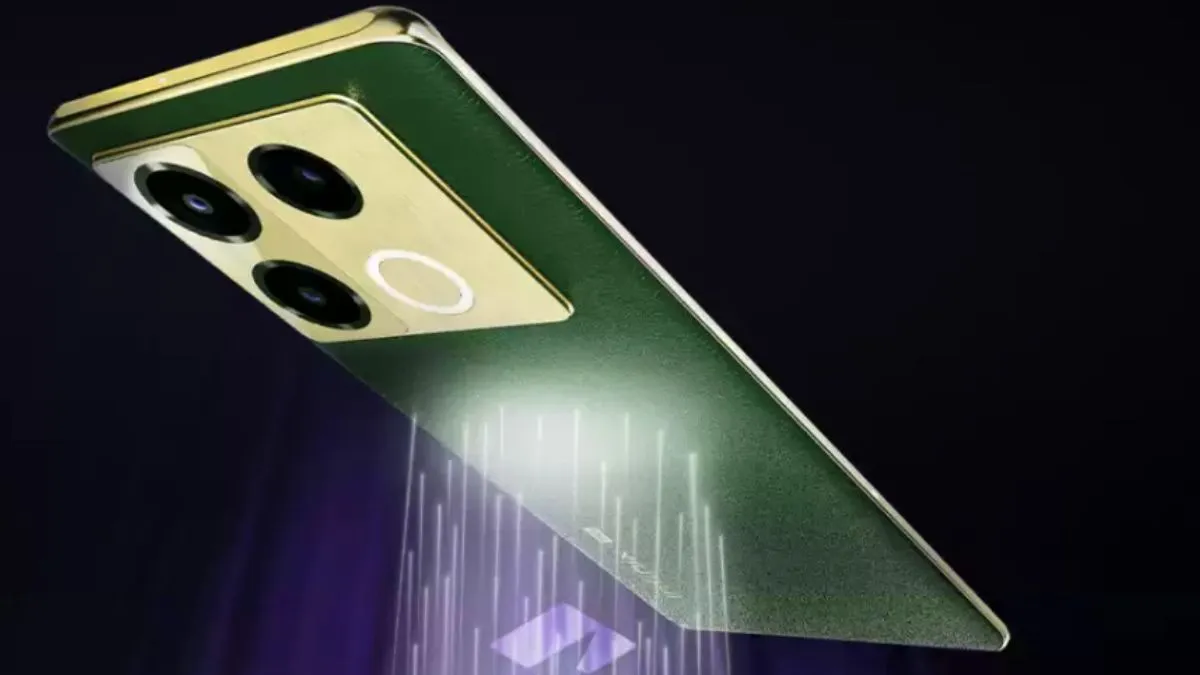
Vintage Green and Titan Gold color options
Note 40 Pro: 5,000mAh battery with 45W wired fast charging
Note 40 Pro+: 4,600mAh battery with 100W wired fast charging support
X1 Cheetah chip for efficient charging in three modes: Low-Temp, Hyper, and Smart
Infinix Recognized for Innovation
Infinix Recognized for Innovation
In a remarkable achievement, Infinix has been recognized as the sixth most innovative company in the Asia-Pacific region by Fast Company in their annual list of the World’s Most Innovative Companies of 2024.
This acknowledgment highlights the company’s “unwavering dedication to innovation and excellence in the mobile technology industry.”
“We are delighted to be acknowledged by Fast Company as one of the most innovative companies in the Asia-Pacific region. This recognition is a testament to our relentless pursuit of innovation and our commitment to providing our customers with state-of-the-art mobile technology. In 2024, we introduced the flagship gaming concept, empowering professional gamers to realize their dreams in the esports scene.
Just last month, we also launched the Infinix NOTE 40 Series, aiming to deliver the best smartphone experience and be a leader in fast charging technology.
All of these achievements are a result of listening to consumer feedback and striving to meet their demands,” said Tony Zhao, General Manager of Infinix.
Infinix’s marketing strategies, with a special focus on supporting STEM programs and coding camps, as well as collaborations with Google and UNESCO, have also played a pivotal role in its success.
Infinix Note 40 Specs
GENERAL
Sim Type
Dual Sim, GSM+GSM
Dual Sim
Yes
Sim Size
Nano+Nano SIM
Device Type
Smartphone
Release Date
June 14, 2024 (Expected)
DESIGN
Dimensions
168.5 x 76.5 x 8.5 mm (6.63 x 3.01 x 0.33 in)
DISPLAY
Type
Color IPS Screen (1B Colors)
Touch
Yes, 360 Hz Touch Sampling Rate
Size
6.82 inches, 1080 x 2460 pixels, 120 Hz
Aspect Ratio
20.5:9
PPI
~ 394 PPI
Screen to Body Ratio
~ 84.7%
Glass Type
NEG Glass Protection
Features
Eye Care Mode, TUV Rheinland, DCI-P3 Wide Colour Gamut, Brightness Upto 880 Nits, 1500:1 Color Contrast Ratio
Notch
Yes, Punch Hole
MEMORY
RAM
8 GB
Expandable RAM
Upto 8 GB Extra Virtual RAM
Storage
128 GB
Card Slot
Yes, upto 2 TB
CONNECTIVITY
GPRS
Yes
EDGE
Yes
3G
Yes
4G
Yes
5G
Yes
VoLTE
Yes, Dual Stand-By
Wifi
Yes, with wifi-hotspot
Bluetooth
Yes, v5.3, A2DP, LE
USB
Yes, USB-C v2.0
USB Features
USB Tethering, USB on-the-go, USB Charging
EXTRA
GPS
Yes, with A-GPS
Fingerprint Sensor
Yes, Side
Face Unlock
Yes
Sensors
G-Sensor, E-Compass, Gyroscope, Light Sensor, Proximity Sensor, Z-Axis Motor
3.5mm Headphone Jack
Yes
NFC
Yes
Splash Resistant
Yes
IP Rating
IP53
Extra Features
JBL Stereo Dual Speakers, DTS, Hi-Res speakers, Dark Theme, xArena, Power Marathon Tech, Smart Panel, Game Mode, xClone, Video Assistant, Kids Mode, Peek Proof, Mem Fusion
Film Mode, Video, AI Cam, Beauty, Portrait, Super Night, AR Shot, Short Video, Pro, Slow Motion, Dual Video, Panorama, Documents, Timelapse, Sky Shop, Wide Selfie, Digital Zoom Upto 10X
Video Recording
1440p @ 30 fps QHD, 1080p @ 30 fps FHD
Flash
Yes, Triple LED
Front Camera
Punch Hole 32 MP f/2 (Wide Angle) with Dual LED Flash
What does the Infinix Note 40 Pro early bird offer include?
The early bird offer for the Infinix Note 40 Pro series provides customers with a complimentary MagKit worth Rs. 4,999 on purchases made on the launch day.
This kit enhances the wireless charging experience with an Infinix MagPower power bank of 3,020mAh capacity and a protective MagCase, offering additional value to the buyers’ investment.
Why was Infinix recognized as one of the most innovative companies?
Infinix’s recognition as the sixth most innovative company in the Asia-Pacific region by Fast Company is a testament to its dedication to pushing the boundaries of mobile technology.
This acknowledgment comes from Infinix’s efforts in incorporating cutting-edge technologies such as 260W fast-charging, AI-powered enhancements, and the introduction of the Folax virtual assistant, showcasing their commitment to innovation.
What are the key features of the Infinix Note 40 Pro series?
The Infinix Note 40 Pro series is distinguished by its 20W “MagCharge” wireless charging capability, a MediaTek Dimensity 7020 chipset for robust performance, and a versatile triple camera setup with a 108MP main sensor.
The devices also feature a 6.78-inch Curved AMOLED display with a 120Hz refresh rate, offering a premium viewing experience.
How does the MagCharge technology work on the Infinix Note 40 Pro?
MagCharge technology on the Infinix Note 40 Pro offers a convenient and efficient wireless charging solution akin to Apple’s MagSafe.
This feature allows for easy attachment of the MagPower power bank to the back of the phone via magnets, enabling seamless charging without the need for cables, enhancing the usability and flexibility of device charging.